Blog

  • What Is The Forecast Growth Rate For The Pharmacy Automation Devices Market?

    What Is The Forecast Growth Rate For The Pharmacy Automation Devices Market?

    The Business Research Company’s market reports offer an in-depth analysis on the market’s growth potential, major drivers, key trends and more.

    Rapid Growth and Forecast

    • The pharmacy automation devices market size has surged in recent years.
    • Expected growth from $5.5 billion in 2023 to $6.11 billion in 2024.
    • Compound annual growth rate (CAGR) of 11.2% attributed to various factors.

    Factors Driving Growth

    • Increasing prescription volume.
    • Demand for error reduction.
    • Pressure to improve operational efficiency.
    • Regulatory compliance requirements.
    • Pharmacy workforce shortages.
    • Patient demand for quick service.
    • Inventory management challenges.

    Anticipated Growth Trends

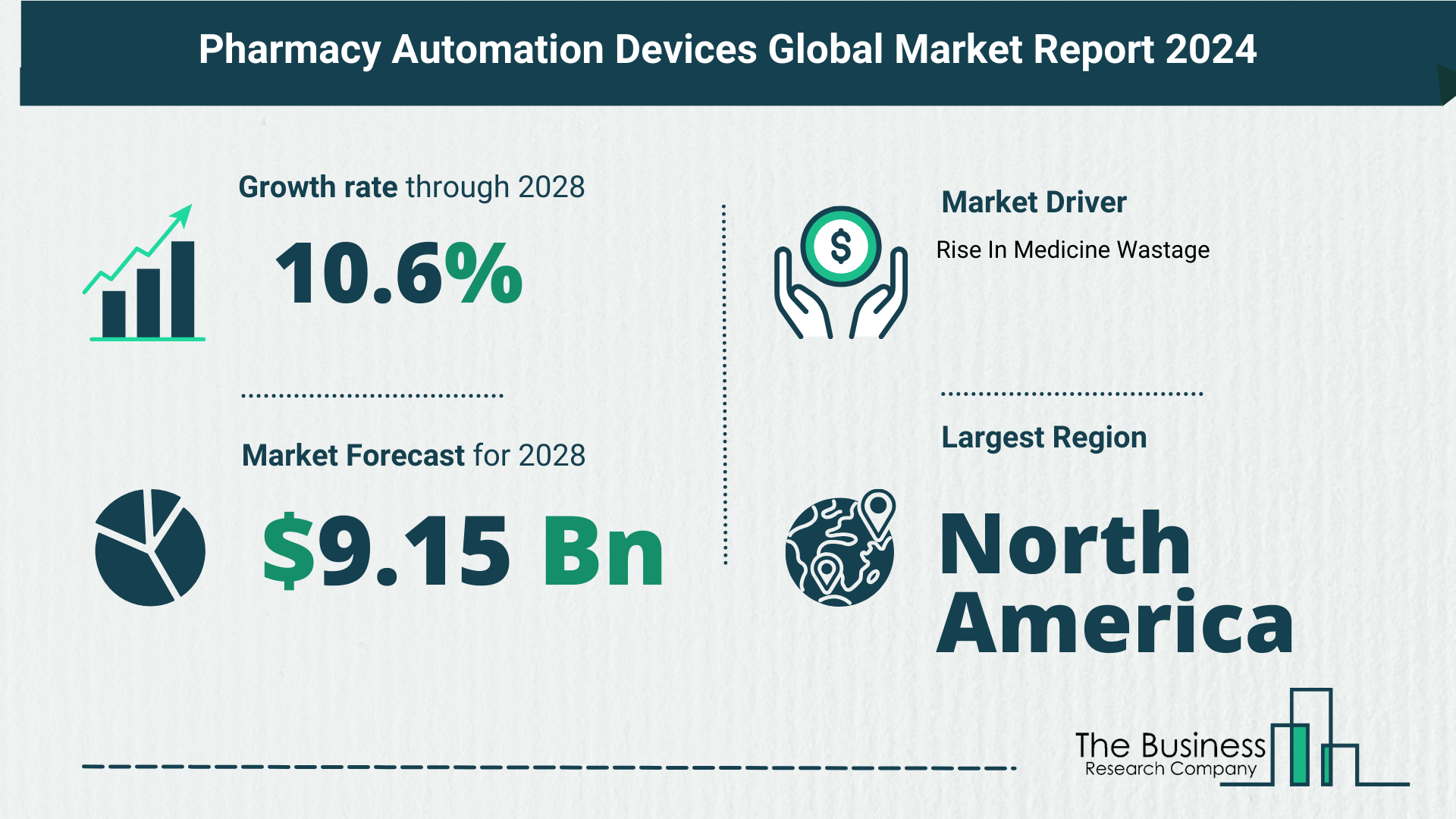
    • Projected growth to $9.15 billion in 2028.
    • Compound annual growth rate (CAGR) of 10.6%.
    • Factors include globalization of pharmacy services, workflow optimization, and more.
    • Major trends include adoption of robotics, AI integration, and telepharmacy services.

    Rising Medicine Waste Drives Market Growth

    • Medicine waste includes expired, unused, and contaminated pharmaceutical items.
    • Automated dispensing machines reduce waste.
    • Pharmaceutical supplies account for significant wastage.
    • Rising medicine wastage drives demand for automation devices.
    • Major companies in the market include Omnicell Inc., McKesson Corporation, and more.

    Read More On The Pharmacy Automation Devices Market Report 2024 – https://www.thebusinessresearchcompany.com/report/pharmacy-automation-devices-global-market-report

    Product Innovation Enhances Efficiency

    • Key trend: product innovation.
    • Companies focus on developing innovative solutions.
    • Example: SmartPod and iA Therapy Management Solutions by Innovative Associates.
    • Becton, Dickinson, and Company’s acquisition of Parata Systems for $1.5 billion.
    • Parata Systems offers robotics technologies for pharmacy automation.

    Market Segmentation

    1. By Product:
      • Medication Dispensing Systems
      • Packaging And Labeling Systems
      • Storage And Retrieval Systems
      • Automated Medication Compounding Systems
      • Tabletop Tablet Counters
    2. By End-User:
      • Retail Pharmacy
      • Inpatient Pharmacies
      • Outpatient Pharmacies
      • Pharmacy Benefit Management Organizations
      • Mail-Order Pharmacies

    Regional Insights

    • North America led the pharmacy automation devices market in 2023.

    The pharmacy automation devices market is experiencing robust growth, driven by a combination of factors such as increased prescription volumes, regulatory demands, and the need for operational efficiency. The rise in medicine wastage has emerged as a significant concern, further propelling the adoption of automation solutions. Companies are investing in product innovation to meet evolving customer needs, introducing solutions like SmartPod and iA Therapy Management Systems.

    The recent acquisition of Parata Systems by Becton, Dickinson, and Company underscores the industry’s focus on technological advancement and expansion. With a diverse range of products and end-users, the market offers ample opportunities for growth and innovation. As trends like robotics, AI integration, and telepharmacy services continue to shape the landscape, the pharmacy automation devices market is poised for sustained expansion in the coming years.

    Request for A Sample Of The Global Pharmacy Automation Devices Market Report:
    https://www.thebusinessresearchcompany.com/sample_request?id=7894&type=smp
  • Key Trends And Drivers In The Pharmaceutical Filtration Market 2024

    Key Trends And Drivers In The Pharmaceutical Filtration Market 2024

    The Business Research Company’s market reports offer an in-depth analysis on the market’s growth potential, major drivers, key trends and more.

    The pharmaceutical filtration sector is witnessing robust expansion, driven by evolving demands and technological innovations. Let’s explore the dynamics shaping its trajectory.

    Growth Trajectory: Market Dynamics

    • The pharmaceutical filtration market demonstrates strong growth, reaching $6.96 billion in 2023.
    • Projections indicate continued expansion to $7.38 billion in 2024, boasting a CAGR of 6.0%.
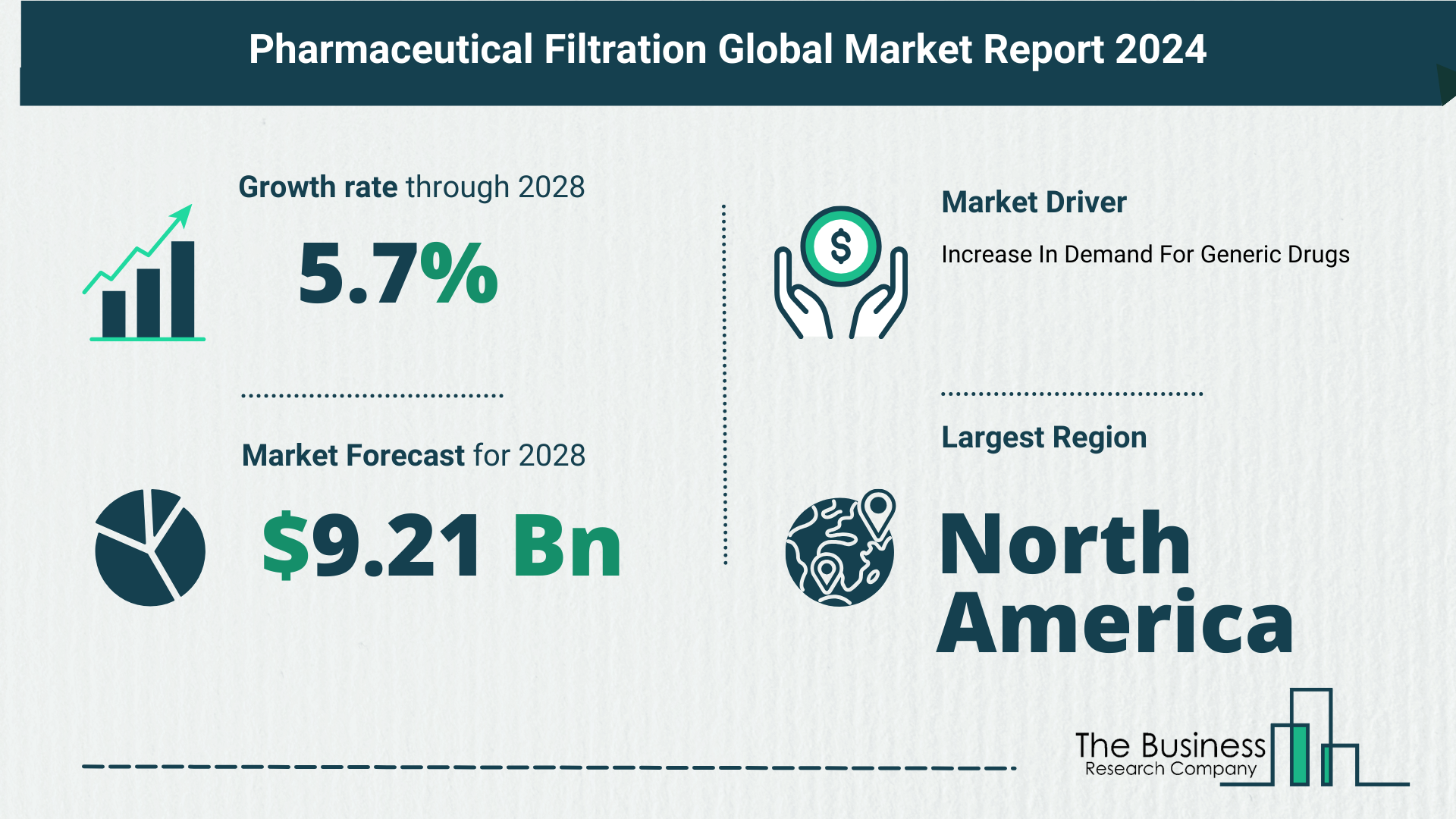
    • Anticipated growth envisions the market scaling to $9.21 billion by 2028, with a CAGR of 5.7%.

    Catalysts of Expansion: Unveiling the Forces

    Understanding the drivers behind the market’s growth reveals key factors steering its trajectory:

    1. Stringent Regulatory Standards
      • Regulatory compliance mandates drive the adoption of advanced filtration technologies.
    2. Focus on Drug Purity and Safety
      • Emphasis on ensuring product integrity fuels the demand for sophisticated filtration solutions.
    3. Prevalence of Chronic Diseases
      • Rising chronic disease incidences necessitate stringent filtration protocols in pharmaceutical manufacturing.
    4. Focus on Cost-Efficiency
      • Cost-conscious approaches prompt investments in efficient filtration systems to streamline operations.

    Read More On The Pharmaceutical Filtration Market Report 2024 – https://www.thebusinessresearchcompany.com/report/pharmaceutical-filtration-global-market-report

    Forecasted Trends: Shaping the Future Landscape

    Anticipating future trends unveils transformative shifts poised to redefine industry dynamics:

    1. Rapid Growth in Personalized Medicine
      • Personalized medicine drives the need for tailored filtration solutions, catering to diverse patient needs.
    2. Emphasis on Continuous Manufacturing
      • Continuous manufacturing gains prominence, accentuating the demand for scalable filtration technologies.
    3. Global Outbreaks and Vaccine Production
      • Global health crises underscore the importance of robust filtration systems in vaccine production and pandemic response.
    4. Demand for Aseptic Processing
      • Aseptic processing emerges as a critical focus area, fueling the adoption of advanced filtration techniques.

    Market Insights: Understanding Industry Dynamics

    Insights into market dynamics shed light on pivotal developments and strategic endeavors:

    1. Rising Demand for Generics
      • Increasing demand for generic drugs drives investments in pharmaceutical filtration technologies.
    2. Product Innovation
      • Companies innovate to enhance contamination control, offering advanced filtration solutions tailored to industry needs.
    3. Strategic Acquisitions
      • Acquisition strategies strengthen market footholds, facilitating expansion and diversification.

    Segmentation Insights: Mapping Market Diversity

    Segmentation offers nuanced perspectives, revealing diverse facets within the pharmaceutical filtration domain:

    • By Product: Membrane filters, Prefilters and depth media, Single-use systems, Cartridges and capsules, Filter holders, Filtration accessories, Other Products
    • By Technique: Microfiltration, Ultrafiltration, Crossflow filtration, Nanofiltration, Other Techniques
    • By Scale of Operation: Manufacturing scale, Pilot-scale, Research and development scale
    • By Application: Final product processing, Raw material filtration, Bioburden testing, Cell separation, Water purification, Air purification

    Regional Dynamics: Traversing Geographical Trends

    Regional variations underscore the market’s global reach and localized dynamics:

    • North America emerges as the largest region in the pharmaceutical filtration market, showcasing robust growth prospects.

    Conclusion: Navigating Opportunities Ahead

    In conclusion, the pharmaceutical filtration market presents a landscape ripe with opportunities and challenges. As stakeholders navigate evolving trends and regulatory landscapes, embracing innovation and strategic collaborations will be pivotal in unlocking future growth and ensuring product efficacy and safety in the dynamic pharmaceutical landscape.

    Request for A Sample Of The Global Pharmaceutical Filtration Market Report:
    https://www.thebusinessresearchcompany.com/sample_request?id=7996&type=smp

  • Pet Diabetes Care Global Market Outlook 2024-2033: Size And Growth Rate Analysis

    Pet Diabetes Care Global Market Outlook 2024-2033: Size And Growth Rate Analysis

    The Business Research Company’s global market reports provide comprehensive analysis on the various markets in 27 industries across 60 geographies.

     The pet diabetes care market has witnessed significant expansion in recent years, driven by various factors contributing to the increasing demand for effective pet healthcare solutions. Here’s a breakdown of the market trends and projections:

    Market Growth and Projections

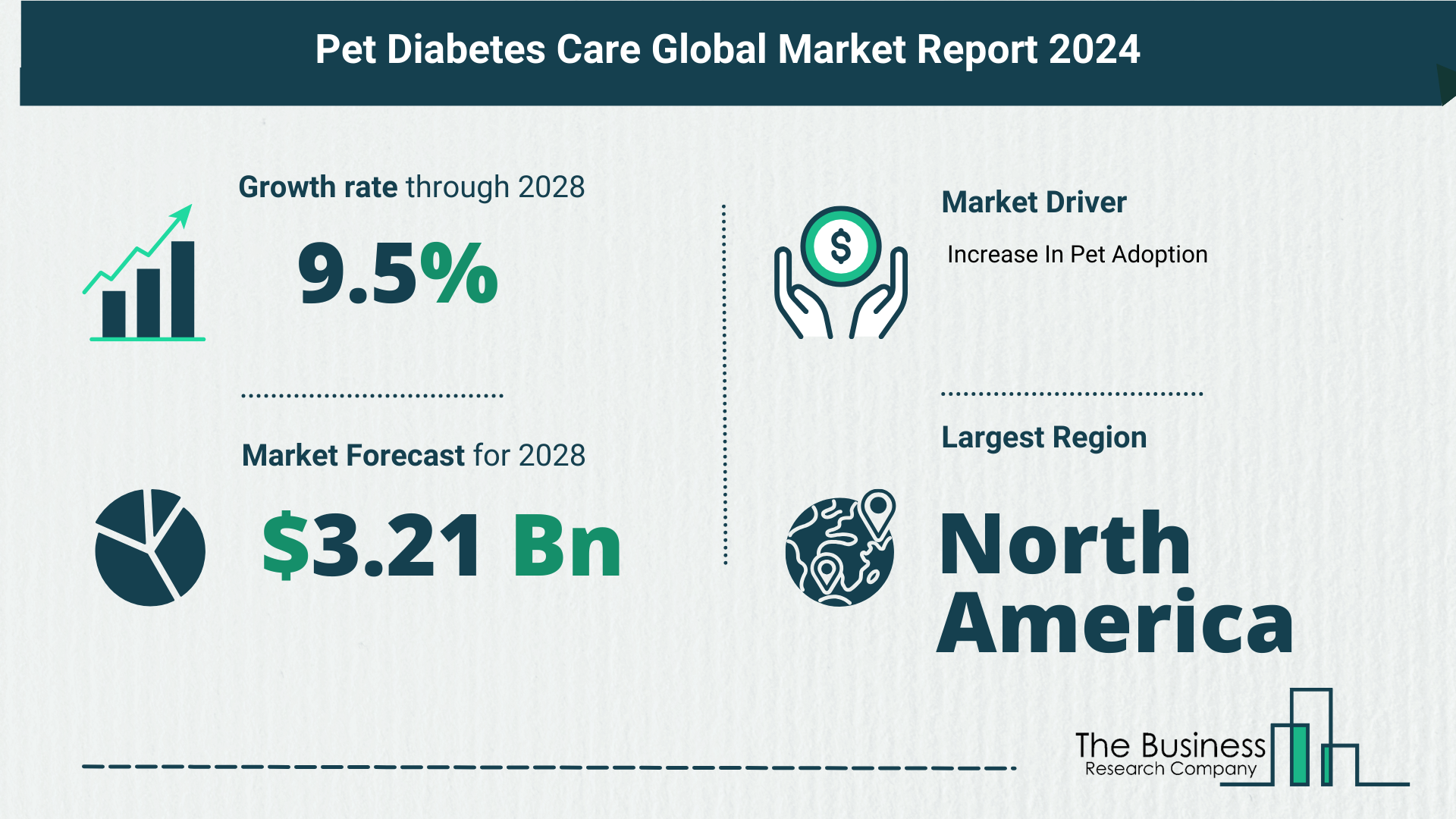
    • The pet diabetes care market size is anticipated to grow from $2.04 billion in 2023 to $2.23 billion in 2024, boasting a compound annual growth rate (CAGR) of 9.6%.
    • By 2028, the market is forecasted to reach $3.21 billion, maintaining a steady CAGR of 9.5%.
    • Growth catalysts include growing pet adoption rates, advancements in veterinary diagnostics, and a rising focus on preventive pet healthcare.

    Driving Forces Behind Market Growth

    1. Surging Pet Adoption Rates
    • Increasing pet adoption rates globally are fueling the demand for pet diabetes care solutions.
    • Sedentary lifestyles and processed foods contribute to the rising incidence of diabetes in pets, mirroring human trends.
    1. Advancements in Pet Diabetes Care
    • Research and development efforts are yielding innovative solutions for managing pet diabetes.
    • FDA approvals for new medications, such as Elanco’s oral medication for feline diabetes, mark significant milestones in pet healthcare.

    View More On The Pet Diabetes Care Market Report 2024 – https://www.thebusinessresearchcompany.com/report/pet-diabetes-care-global-market-report

    1. Expansion Strategies in Veterinary Pharmaceuticals
    • Strategic acquisitions, like Zoetis’ acquisition of Jurox, bolster the company’s veterinary pharmaceutical offerings.
    • Such expansions aim to enhance global presence and broaden product portfolios catering to diverse pet healthcare needs.

    Market Segmentation

    • The pet diabetes care market is segmented by drug type, device type, animal type, and end-user, offering tailored solutions for various pet healthcare scenarios.
    • Drug types include insulin therapy and oral medication, while device types encompass glucose monitoring and insulin delivery devices.
    • Animal types range from canines and felines to other animal species, each requiring specialized care.
    • End-users include veterinary clinics, home care settings, and veterinary hospitals, catering to different healthcare delivery models.

    Regional Dynamics

    • North America emerged as the largest region in the pet diabetes care market in 2023, driven by a high level of pet healthcare awareness.
    • The Asia-Pacific region is poised to experience rapid growth, propelled by increasing investments in pet healthcare research and rising consumer affluence.

    Looking Ahead: Future Trends

    • Advancements in veterinary diagnostics and a focus on pet obesity management are expected to shape future market trends.
    • Innovations in insulin delivery systems and the rise in pet insurance coverage will further drive market expansion.
    • Telemedicine and remote monitoring solutions are likely to gain prominence, offering convenient healthcare options for pet owners.

    Conclusion

    As the pet diabetes care market continues to evolve, fueled by advancements in veterinary medicine and a growing emphasis on preventive care, opportunities abound for industry stakeholders to innovate and collaborate. With a global focus on pet health and well-being, the journey towards ensuring optimal care for our beloved furry companions is poised for remarkable advancements in the years to come.

    Request A Sample Of The Global Pet Diabetes Care Market Report 2024:
    https://www.thebusinessresearchcompany.com/sample_request?id=8095&type=smp

  • Overview Of The Patient Temperature Monitoring Market 2024-2033: Growth And Major Players Analysis

    Overview Of The Patient Temperature Monitoring Market 2024-2033: Growth And Major Players Analysis

    The Business Research Company’s global market reports are now updated with the latest market sizing information for the year 2024 and forecasted to 2033

    The patient temperature monitoring market has witnessed significant growth, expanding from $4.59 billion in 2023 to $4.96 billion in 2024, with a compound annual growth rate (CAGR) of 8.0%. Several factors contribute to this growth:

    • Patient Safety Concerns: Increasing awareness regarding patient safety necessitates accurate temperature monitoring.
    • Prevalence of Fever-Related Conditions: Rising instances of fever-related illnesses drive the demand for temperature monitoring devices.
    • Advancements in Monitoring Devices: Technological innovations enhance the precision and efficiency of temperature monitoring.
    • Increased Hospitalization Rates: Higher hospital admissions amplify the need for continuous temperature monitoring.
    • Rise in Chronic Diseases: Chronic illnesses often require vigilant temperature management, boosting market demand.
    • Regulatory Standards and Compliance: Stringent regulations mandate precise temperature monitoring for patient care.

    Anticipated Growth and Trends

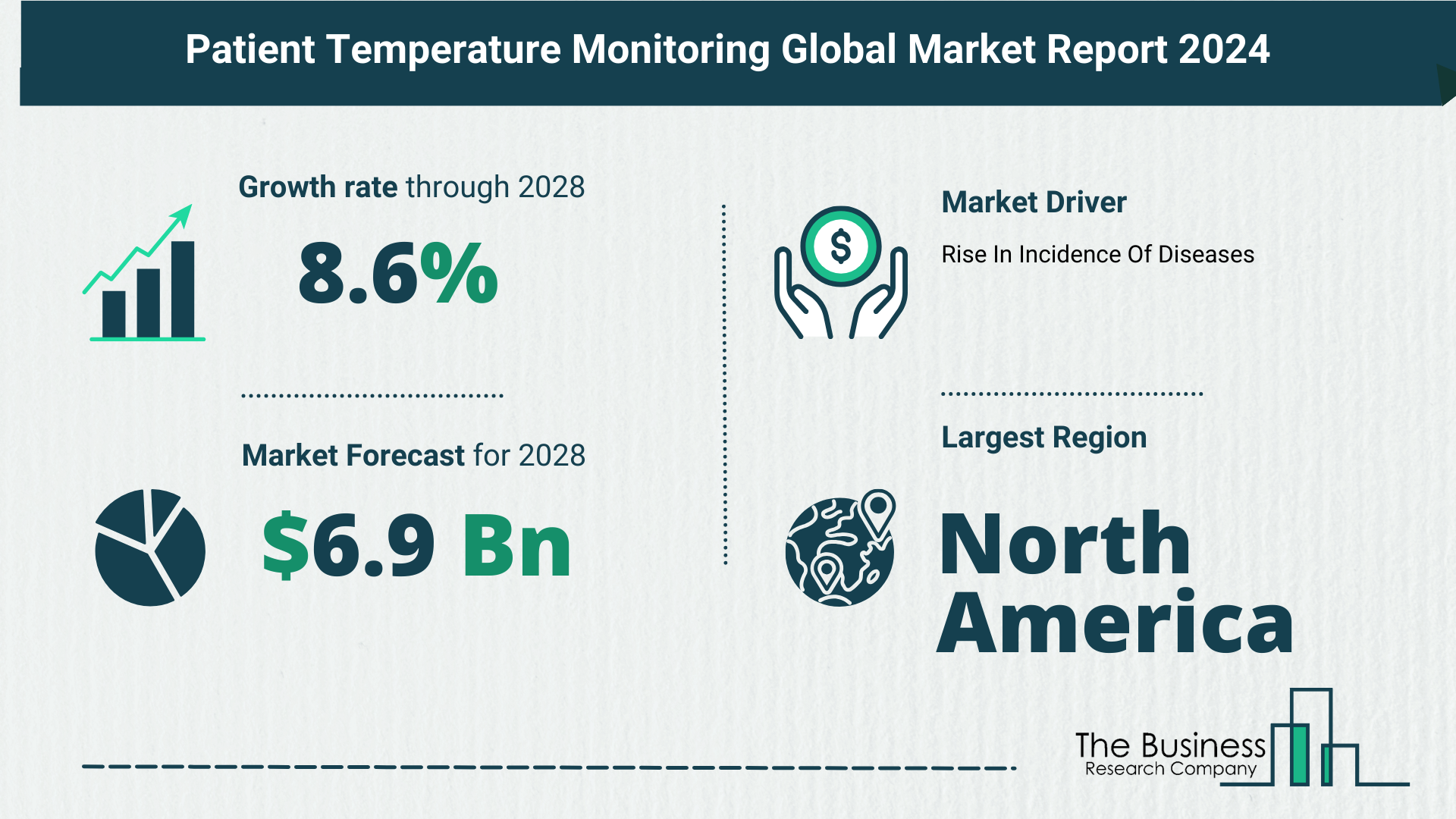
    The patient temperature monitoring market is poised for robust expansion, with projections indicating a growth to $6.9 billion by 2028, at a CAGR of 8.6%. Expected growth drivers and trends include:

    • Remote Patient Monitoring (RPM) Growth: The adoption of RPM solutions drives the demand for remote temperature monitoring.
    • Point-of-Care Temperature Monitoring: Convenient point-of-care devices facilitate real-time temperature assessment.
    • Focus on Infection Control: Heightened focus on infection prevention accentuates the need for accurate temperature monitoring.
    • Smart Healthcare Infrastructure: Integration of smart technologies enhances patient monitoring capabilities.
    • Population Health Management Initiatives: Population health initiatives prioritize preventive care, fueling the need for temperature monitoring.
    • Focus on Patient Comfort and Compliance: Patient-centric designs enhance user experience and adherence to monitoring protocols.
    • Major Trends: Contactless monitoring, wireless and Bluetooth connectivity, wearable devices, data analytics, and predictive monitoring contribute to market evolution.

    Ambulatory Connected Patient Monitoring System

    Major players in the patient temperature monitoring market introduce innovative products to meet evolving healthcare needs:

    • Ambulatory Connected Patient Monitoring System: Wearable technology enables remote monitoring of vital signs and medical parameters.
    • Dozee Pro Ex: Launched by Dozee, this system offers continuous monitoring of vital signs, integrating AI-powered early warning systems for clinical alerts.

    Baxter’s Acquisition Expands Portfolio

    In December 2021, Baxter International Inc. acquired Hill-Rom Holdings, Inc., broadening its patient temperature monitoring portfolio:

    • Strategic Acquisition: Baxter’s acquisition enhances its product offerings and reinforces its commitment to transforming healthcare.
    • Hill-Rom Holdings, Inc.: A leading medical technology company providing patient temperature monitoring solutions.

    Segmentation and Regional Outlook

    The patient temperature monitoring market is segmented based on type, site, application, and end-user:

    1. By Type: Contact-based Temperature Monitoring Systems, Non-Contact-based Temperature Monitoring System
    2. By Site: Non-Invasive Temperature Monitoring, Invasive Temperature Monitoring
    3. By Application: Pyrexia/Fever, Hypothermia, Blood Transfusion, Anesthesia, Other Applications
    4. By End User: Hospital and Surgical Centers, Nursing Facilities, Ambulatory Care Centers, Home Care, Other End Users
    • Regional Dynamics: North America dominated the market in 2023, while Asia-Pacific is anticipated to witness the highest growth in the forecast period.

    In summary, the patient temperature monitoring market is experiencing significant growth driven by the escalating incidence of diseases, technological advancements, and a focus on patient-centered care. With innovative solutions and strategic acquisitions, companies aim to meet evolving healthcare demands and improve patient outcomes worldwide.

    View More On The Patient Temperature Monitoring Market Report 2024 – https://www.thebusinessresearchcompany.com/report/patient-temperature-monitoring-global-market-report

    Request A Sample Of The Global Patient Temperature Monitoring Market Report 2024:
    https://www.thebusinessresearchcompany.com/sample_request?id=7856&type=smp

  • Global Sleeping Aids Market Key Insights 2024-2033

    Global Sleeping Aids Market Key Insights 2024-2033

    The Business Research Company’s global market reports are now updated with the latest market sizing information for the year 2024 and forecasted to 2033

    According to The Business Research Company’s Sleeping Aids Global Market Report 2024, the sleeping aids market is expected to show promising growth in the forecast period.

    The sleeping aids market has witnessed robust growth in recent years, driven by various factors contributing to an increased demand for sleep solutions. Here’s a breakdown of the market trends and projections:

    Market Growth and Projections

    • The sleeping aids market size is projected to grow from $83.66 billion in 2023 to $90.09 billion in 2024, with a compound annual growth rate (CAGR) of 7.7%.
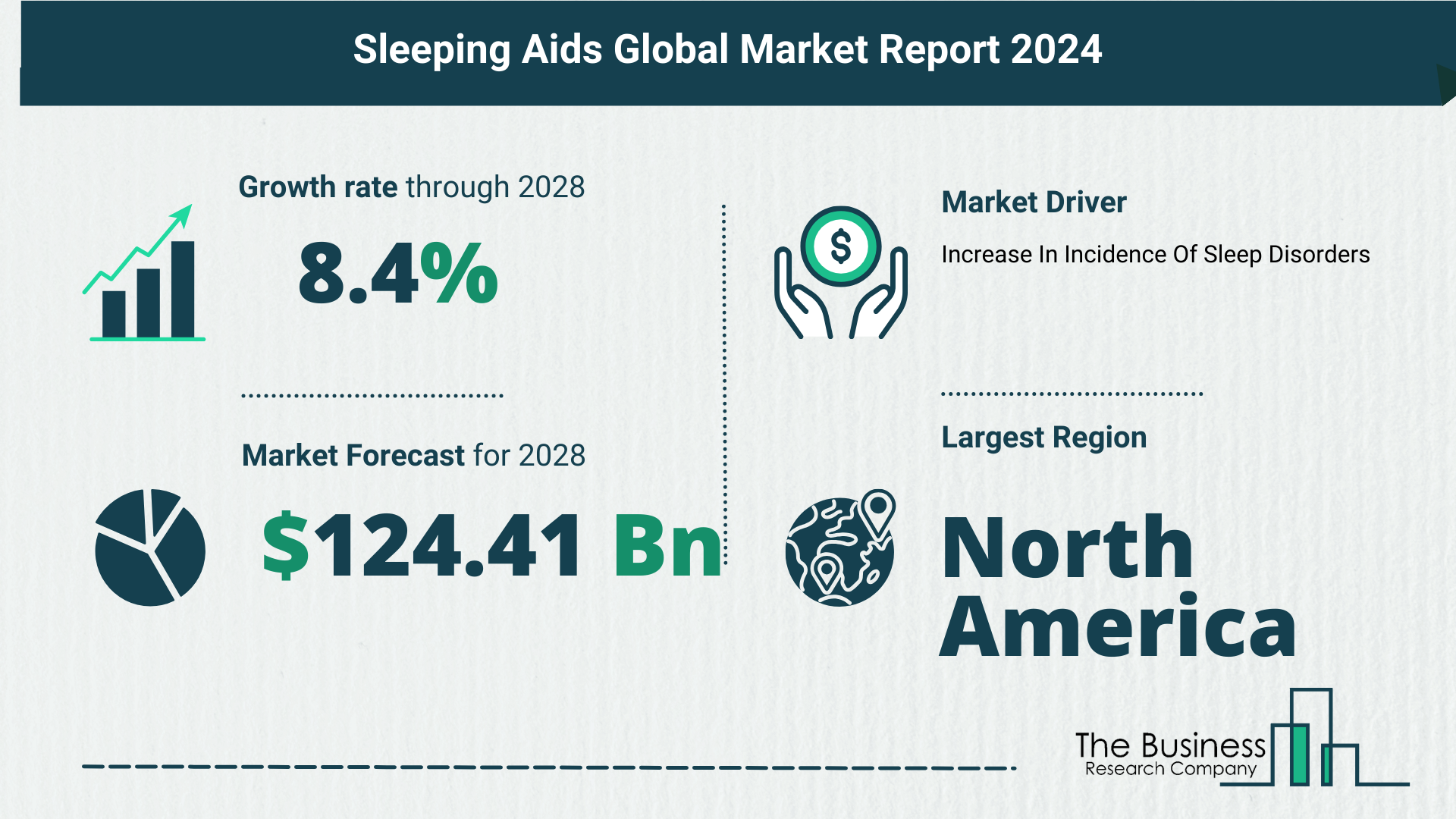
    • Forecasted to reach $124.41 billion in 2028, the market is anticipated to maintain a CAGR of 8.4%.
    • Growth drivers include increased stress and sleep disorders, an aging population, lifestyle changes, and heightened awareness about sleep-related issues.

    Driving Forces Behind Market Growth

    1. Increased Incidence of Sleep Disorders
    • Sleep disorders have become increasingly prevalent, impacting various demographics such as COVID-19 patients, children, healthcare workers, and the general population.
    • The prevalence of sleep disorders propels the demand for sleeping aids, enhancing both short-term sleep and cognitive functions.
    1. Strategic Collaborations
    • Major companies are strategically collaborating to enhance their market presence and offer innovative solutions.
    • Partnerships like EnsoData and React Health aim to improve PAP adherence support for sleep apnea patients, leveraging actionable data for personalized care.

    View More On The Sleeping Aids Market Report 2024 – https://www.thebusinessresearchcompany.com/report/sleeping-aids-global-market-report

    1. Technological Advancements
    • ResMed’s acquisition of Mementor underscores the shift towards digital health solutions in sleep medicine.
    • Digital applications offer alternatives to traditional pharmacological therapies, catering to evolving consumer preferences.

    Market Segmentation

    • The sleeping aids market is segmented by product, indication, and distribution channel, offering a comprehensive approach to addressing diverse consumer needs.
    • Product segments include mattresses and pillows, sleep laboratories, medications, and sleep apnea devices, among others.
    • Indications range from insomnia and sleep deprivation to narcolepsy and sleep apnea.
    • Distribution channels encompass hospital pharmacies, retail pharmacies, e-commerce platforms, drug stores, and other channels.

    Regional Dynamics

    • North America led the sleeping aids market in 2023, while the Asia-Pacific region is poised for rapid growth in the forecast period.
    • Market dynamics vary across regions, influenced by factors such as healthcare infrastructure, consumer awareness, and regulatory frameworks.

    Looking Ahead: Future Trends

    • Wellness and self-care trends will continue to drive market growth, emphasizing holistic approaches to sleep health.
    • Technological integration, coupled with increased focus on sleep hygiene education, will shape the future landscape of the sleeping aids market.
    • Regulatory initiatives aimed at ensuring product safety and efficacy will further influence industry trends.

    Request A Sample Of The Global Sleeping Aids Market Report 2024:
    https://www.thebusinessresearchcompany.com/sample_request?id=8308&type=smp

  • 5 Key Insights On The Softgel Capsules Market 2024

    5 Key Insights On The Softgel Capsules Market 2024

    The Business Research Company’s global market reports are now updated with the latest market sizing information for the year 2024 and forecasted to 2033

    As per The Business Research Company’s Softgel Capsules Global Market Report 2024, the softgel capsules market is expected to show significant growth in the forecast period.

    The softgel capsules market has witnessed significant growth in recent years, driven by various factors contributing to its expansion. Here’s an overview of the market dynamics and key trends shaping its trajectory:

    Market Growth and Projections

    • The softgel capsules market size has grown strongly in recent years.
    • It is expected to reach $8.38 billion in 2024, with a compound annual growth rate (CAGR) of 7.9%.
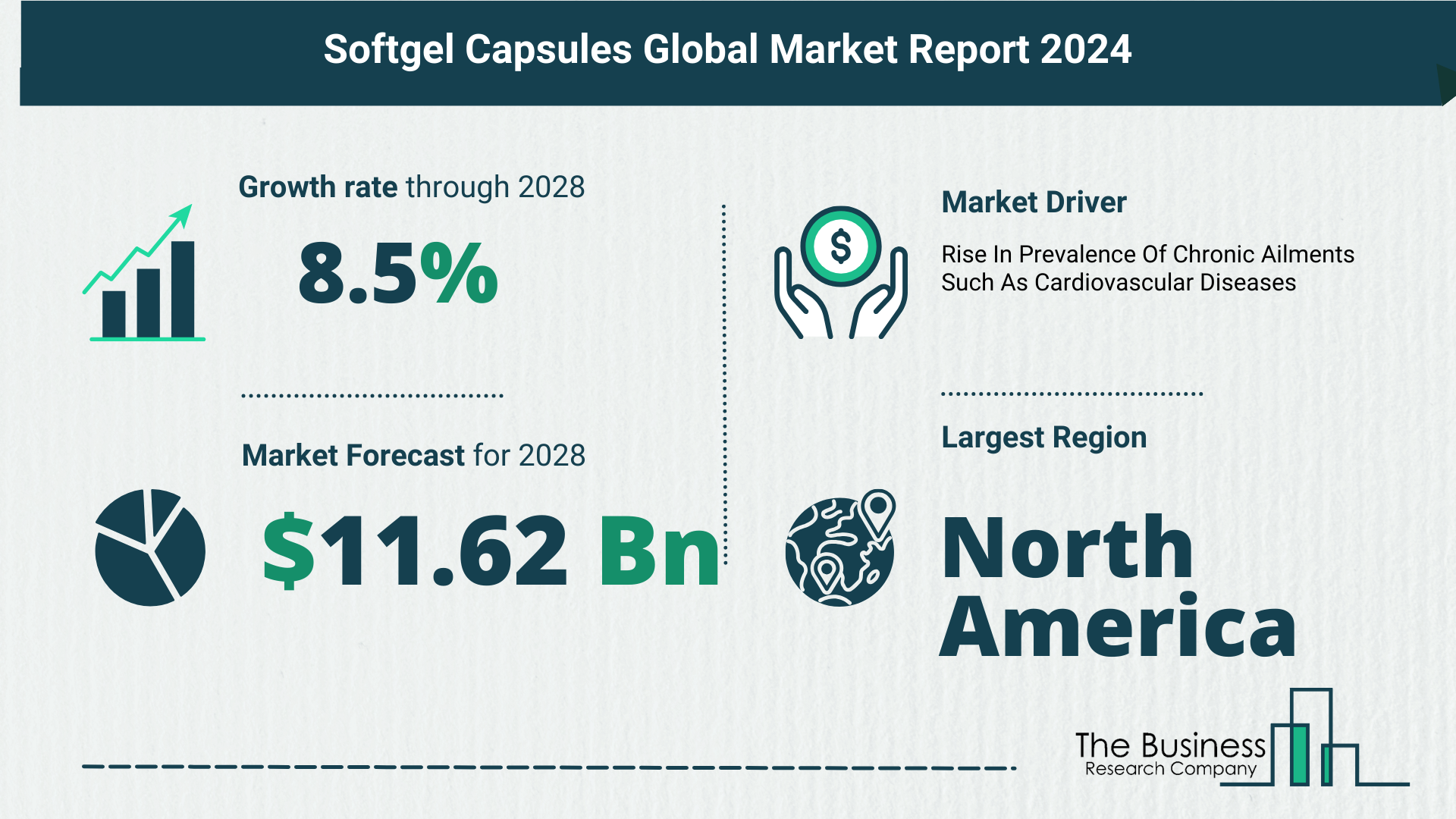
    • Projected growth to $11.62 billion in 2028, at a CAGR of 8.5%.

    Factors Driving Market Growth

    • Pharmaceutical and nutraceutical demand.
    • Consumer preference for oral dosage forms.
    • Customization and formulation flexibility.
    • Enhanced bioavailability.
    • Product differentiation and branding.

    Chronic Disease Prevalence Fuels Market Expansion

    • Chronic diseases like cardiovascular diseases are driving market growth.
    • Soft gel capsules provide necessary nutritional supplements for chronic patients.
    • The rising prevalence of chronic ailments increases demand for soft gel capsules.

    View More On The Softgel Capsules Market Report 2024 – https://www.thebusinessresearchcompany.com/report/softgel-capsules-global-market-report

    Industry Insights and Strategic Collaborations

    • Major companies operating in the softgel capsules market include Catalent Inc., Eurocaps Ltd., Capsugel Healthcare Ltd., and others.
    • Strategic collaborations enhance market presence and innovation.
    • Aenova Group GmbH partnered with Microcaps for pharmaceutical and supplement development.

    Better Acquisition Propels Industry Forward

    • Catalent, Inc. acquired Bettera Holdings, LLC, for $1 billion in August 2021.
    • This acquisition accelerates Catalent’s global softgel and oral dose manufacturing capabilities.
    • Bettera Holdings LLC offers consumer-preferred products for nutraceutical and functional ingredients.

    Market Segmentation

    The softgel capsules market is segmented based on type, manufacturers, and application:

    1. By Type:Gelatin or Animal Based, Non-Animal Based.
    2. By Manufacturers:Pharmaceutical Companies, Nutraceutical Companies, Cosmeceutical Companies, Contract Manufacturing Organizations.
    3. By Application:Antacid And Anti-Flatulent Preparations, Anti-Anemic Preparations, Anti-Inflammatory Drugs, Antibiotic And Antibacterial Drugs, Cough And Cold Preparations, Health Supplement, Vitamin And Dietary Supplement, Pregnancy.

    Regional Insights

    • North America led the soft gel capsules market in 2023.

    Request A Sample Of The Global Softgel Capsules Market Report 2024:
    https://www.thebusinessresearchcompany.com/sample_request?id=8309&type=smp

  • Future Growth Forecast For The Rare Diseases Treatment Global Market 2024-2033

    Future Growth Forecast For The Rare Diseases Treatment Global Market 2024-2033

    The Business Research Company’s global market reports provide comprehensive analysis on the various markets in 27 industries across 60 geographies.

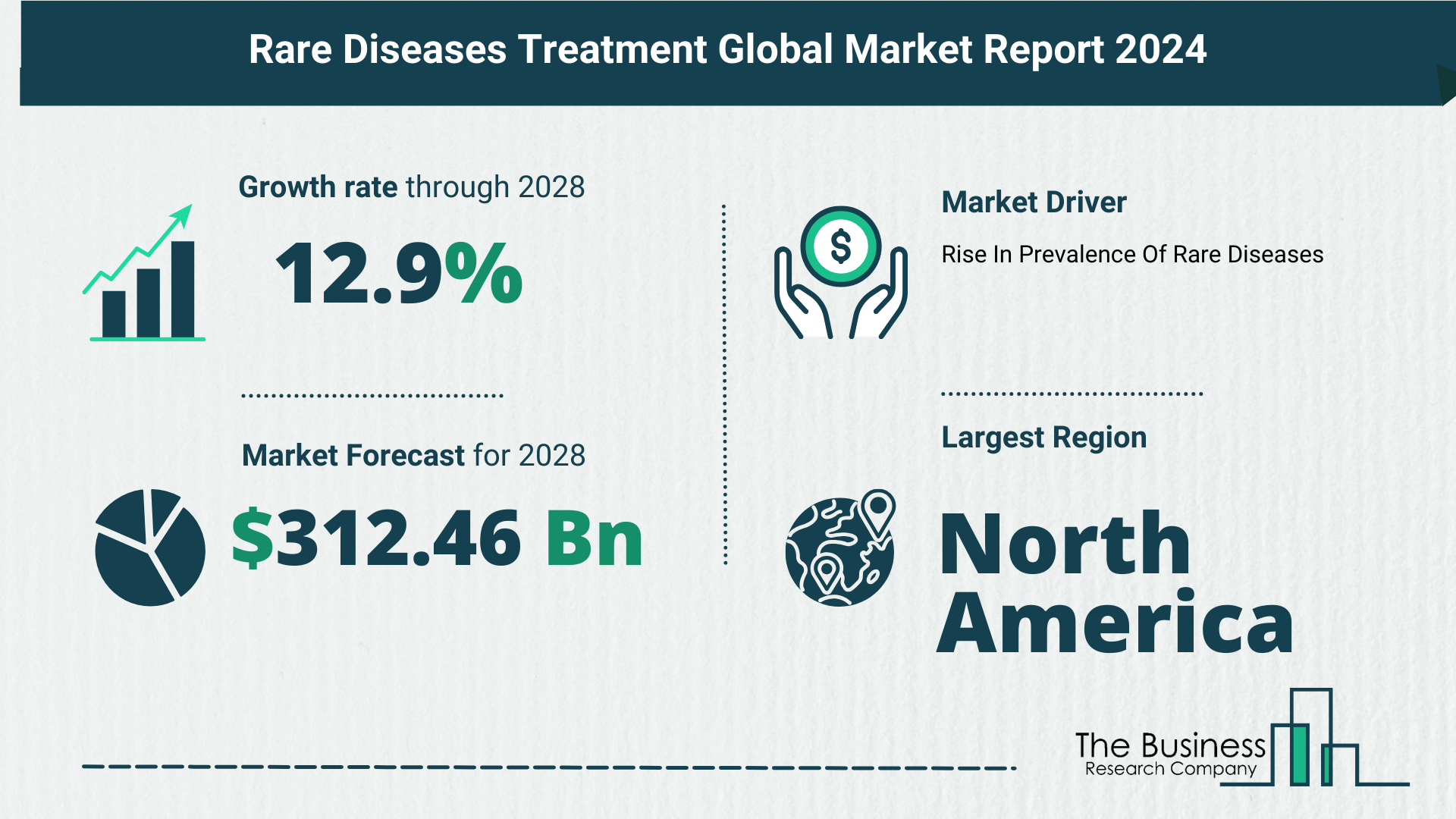
     The rare diseases treatment market has witnessed substantial growth, with its size surging from $169.56 billion in 2023 to $192.22 billion in 2024. This remarkable expansion is attributed to various factors, including orphan drug legislation, increased disease awareness, biotechnological innovations, global health initiatives, and the rise in personalized medicine.

    Key Growth Metrics:

    • Market Size (2023): $169.56 billion
    • Market Size (2024): $192.22 billion
    • CAGR (2023-2024): 13.4%

    Future Projections: A Landscape of Promise
    The momentum is expected to continue, projecting a market size of $312.46 billion in 2028, at a compound annual growth rate (CAGR) of 12.9%. The forecasted growth is attributed to innovative therapeutic modalities, evolving healthcare reimbursement policies, artificial intelligence and data analytics, expansion of patient registries, and regulatory support for expedited approvals.

    Anticipated Growth Metrics:

    • Projected Market Size (2028): $312.46 billion
    • CAGR (2024-2028): 12.9%

    Driving Forces: Personalized Medicine in Rare Disease Treatment

    Rising Demand for Personalized Medicine Drives Growth In The Rare Disease Treatment Market

    The surge in demand for personalized medicine is a key driver behind the growth of the rare disease treatment market. Personalized medicine tailors medical interventions to an individual’s unique genetic makeup, offering more effective and precise healthcare interventions. In 2022, the FDA’s Center for Drug Evaluation and Research approved 37 new molecular entities (NMEs), with 34% being classified as personalized medicines. This rising demand for personalized medicine is significantly influencing the rare disease treatment market.

    Industry Giants Embrace Rare Disease Initiatives

    Companies Embrace Rare Disease Initiatives To Gain Competitive Edge

    Major players in the rare disease treatment market, including AbbVie, Johnson & Johnson, Novartis, and others, are strategically investing in rare disease initiatives to secure a competitive edge. These initiatives involve coordinated efforts by various stakeholders, such as governments, research institutions, and pharmaceutical companies. For instance, the Oxford-Harrington Rare Disease Centre launched the Therapeutics Accelerator in 2023, aiming to introduce 40 potentially life-changing therapies for rare diseases into clinical trials over the next decade.

    View More On The Rare Diseases Treatment Market Report 2024 – https://www.thebusinessresearchcompany.com/report/rare-diseases-treatment-global-market-report

    Strategic Acquisitions: AstraZeneca Reinforces Its Position

    AstraZeneca Acquires Alexion Pharmaceuticals To Strengthen Rare Disease Portfolio

    In July 2021, AstraZeneca made a significant move by acquiring Alexion Pharmaceuticals for $13.3 billion. This strategic acquisition aimed to enhance AstraZeneca’s presence in immunology and leverage Alexion’s innovative research in rare disease drugs. Alexion Pharmaceuticals, a pioneer in researching treatments for rare diseases, became a valuable addition to AstraZeneca’s portfolio.

    Market Segmentation: A Comprehensive Approach

    The rare diseases treatment market covered in this report is segmented:

    1. By Drug Type:
      • Originator Drugs (Patented Molecules)
      • Generic Drugs
    2. By Drug Class:
      • Biologics
      • Organic Compounds
    3. By Mode Of Administration:
      • Injectable
      • Oral
      • Other Modes Of Administration
    4. By Therapeutic Area:
      • Cancer
      • Neurological Conditions
      • Cardiovascular Conditions
      • Musculoskeletal Conditions
      • Hematologic Disorders
      • Infectious Diseases
      • Metabolic Disorders
      • Endocrine Disorders
      • Other Therapeutic Areas
    5. By Distribution Channel:
      • Hospital Pharmacies
      • Specialty Pharmacies
      • Retail Pharmacies

    North America Leading the Charge

    North America was the largest region in the rare disease treatment market in 2023.

    The dominance of North America underscores the region’s commitment to addressing rare diseases. The market’s growth is propelled by the region’s robust healthcare infrastructure, advanced research capabilities, and a proactive approach to innovative therapies.

    Request A Sample Of The Global Rare Diseases Treatment Market Report 2024:
    https://www.thebusinessresearchcompany.com/sample_request?id=8248&type=smp

  • What’s The Growth Forecast For Small Molecule API Market Through 2024-2033?

    What’s The Growth Forecast For Small Molecule API Market Through 2024-2033?

    The Business Research Company’s global market reports provide comprehensive analysis on the various markets in 27 industries across 60 geographies.

    The landscape of the small molecule API market is evolving rapidly, driven by diverse factors and propelled by innovations. Let’s delve into the dynamics shaping its growth trajectory.

    Rising Market Size and Projections

    • The small molecule API market size has witnessed robust expansion, reaching $193.44 billion in 2023.
    • Projections suggest further growth to $206.88 billion in 2024 at a CAGR of 6.9%.
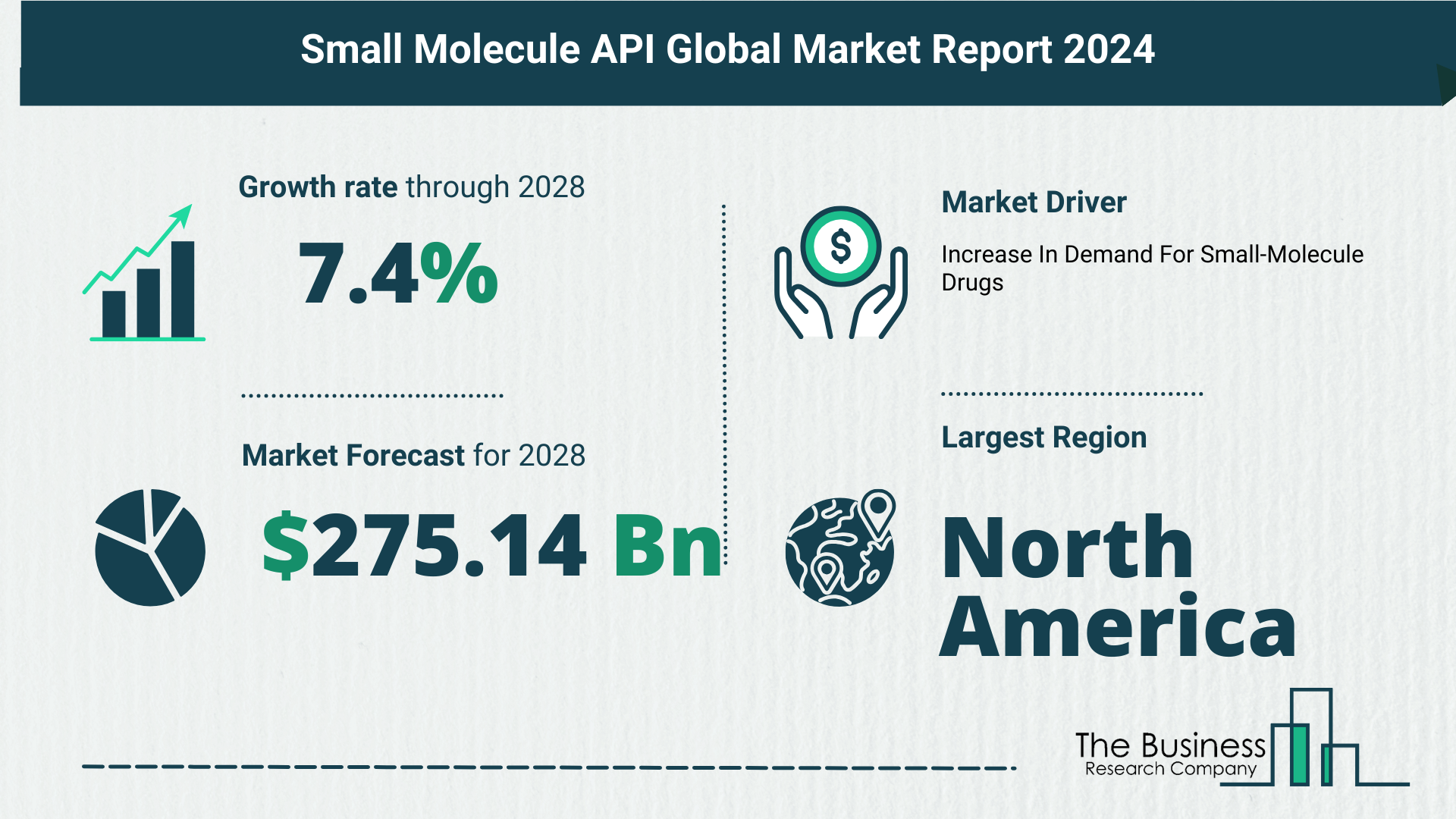
    • Expectations foresee an upward trend continuing, with the market poised to reach $275.14 billion by 2028, boasting a CAGR of 7.4%.

    Drivers of Growth: Understanding the Dynamics

    Several factors contribute to the market’s upward momentum, reflecting the intersection of innovation and demand dynamics:

    1. Generic Drug Manufacturing Surge
      • Rise in the production of generic drugs fuels market expansion.
    2. Increased R&D Investment
      • Growing investments in research and development bolster market prospects.
    3. Aging Population Demands
      • Demands stemming from aging populations drive the need for pharmaceutical solutions.
    4. Expansion in Oncology Treatments
      • Oncology emerges as a significant therapeutic area, fostering market growth.
    5. Emergence of Targeted Therapies
      • Targeted therapies gain traction, influencing market dynamics.

    Forecasted Trends: Navigating Future Trajectories

    Anticipating the future landscape entails recognizing emerging trends poised to redefine industry contours:

    1. Supply Chain Resilience
      • Strengthening supply chains ensures robust market performance.
    2. Digitalization in Pharmaceutical Manufacturing
      • Digital transformations redefine manufacturing processes, enhancing efficiency.
    3. Increasing Investment in Oncology
      • Continued investment in oncology reflects evolving healthcare priorities.
    4. Adoption of Green Chemistry
      • Embracing sustainable practices aligns with environmental imperatives.
    5. Pandemic-driven Healthcare Needs
      • The pandemic reshapes healthcare demands, driving innovation and adaptation.

    View More On The Small Molecule API Market Report 2024 – https://www.thebusinessresearchcompany.com/report/small-molecule-api-global-market-report

     Market Dynamics: Key Insights

    Understanding pivotal shifts and strategic developments helps navigate the evolving market landscape:

    1. Surging Demand for Small-Molecule Drugs
      • Growing demand underscores the significance of small-molecule drugs in healthcare.
    2. Technological Advancements
      • Innovations drive enhanced solubility and efficacy in drug delivery systems.
    3. Strategic Acquisitions
      • Investments and acquisitions redefine market players’ strategic positioning.

    Segmentation Insights: Mapping Market Diversity

    Segmentation offers a nuanced perspective, revealing diverse dimensions within the market:

    • By Type:Synthetic, Biotech
    • By Manufacturer:In-House, Outsourced
    • By Application:Cardiology, Oncology, CNS And Neurology, Orthopedic, Endocrinology, Other Applications

    Regional Dynamics: Navigating Geographical Trends

    Geographical variations underscore the market’s global reach and localized dynamics:

    • North America emerges as the largest region in the small molecule API market.
    • Asia-Pacific forecasts the fastest-growing region, highlighting shifting market dynamics.

    Request A Sample Of The Global Small Molecule API Market Report 2024:
    https://www.thebusinessresearchcompany.com/sample_request?id=8236&type=smp

  • Overview Of The Self-Injections Market 2024-2033: Growth And Major Players Analysis

    Overview Of The Self-Injections Market 2024-2033: Growth And Major Players Analysis

    The Business Research Company’s global market reports are now updated with the latest market sizing information for the year 2024 and forecasted to 2033

    Exponential Growth Trajectory

    • The self-injections market has experienced exponential growth recently.
    • From $50.72 billion in 2023, it surged to $63.54 billion in 2024, at a CAGR of 25.3%.

    Drivers of Growth in Historic Period

    • Rising chronic diseases.
    • Improved patient empowerment.
    • Regulatory support.
    • Preference for home healthcare.
    • Cost-effectiveness.

    Forecasted Expansion

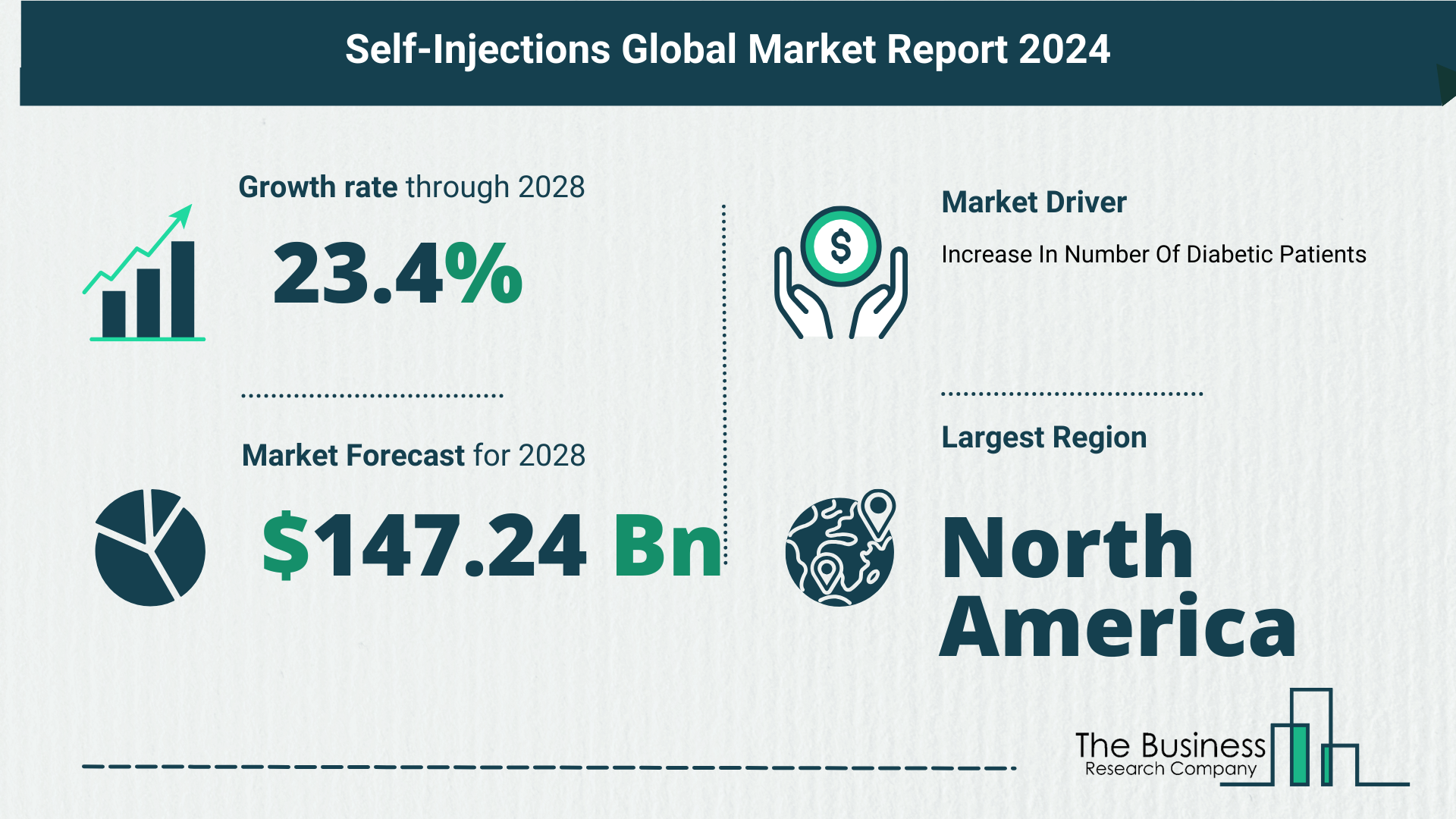
    • The market is projected to reach $147.24 billion in 2028, with a CAGR of 23.4%.
    • Key factors: pandemic impact, expansion into emerging markets, patient-centric healthcare, advantages in drug delivery, personalized medicine trends.

    Emerging Trends

    • Smart technology integration.
    • Rise in biologics usage.
    • Miniaturization and wearable devices.
    • Enhanced safety features.
    • Adoption of autoinjectors.

    Surging Diabetic Cases Fueling Growth

    • Diabetic patients increasingly drive the self-injections market.
    • Diabetes complications necessitate regular insulin injections.
    • International Diabetes Federation predicts a rise in diabetic cases to 643 million by 2030 and 783 million by 2045.

    Key Players and Market Landscape

    • Major companies include AbbVie Inc., Baxter International Inc., Eli Lilly and Company, Pfizer Inc., and more.
    • Product diversity ranges from pen devices to formulations.

    View More On The Self-Injections Market Report 2024 – https://www.thebusinessresearchcompany.com/report/self-injections-global-market-report

    Product Innovations

    • Companies focus on innovative solutions for insulin injections.
    • Example: Terumo Corporation’s FineGlide, prioritizing patient comfort and compliance.
    • Reddy’s Laboratories expands its injectable portfolio through strategic acquisitions.

    Market Segmentation

    1. By Type:Devices, Formulations
    2. By Route Of Administration:Skin, Circulatory or Musculoskeletal, Organs, Central Nervous System
    3. By Dosage:Single Dose, Multi Dose
    4. By Application:Autoimmune Diseases, Hormonal Disorders, Oncology, Orphan Diseases, Pain Management, Respiratory Therapy, Other Applications
    5. By Distribution Channel:Hospitals Pharmacies, Clinics, Chemist, Online Pharmacies

    Regional Dynamics

    • North America led the market in 2023.
    • Asia-Pacific poised as the fastest-growing region.

    Request A Sample Of The Global Self-Injections Market Report 2024:
    https://www.thebusinessresearchcompany.com/sample_request?id=8235&type=smp

  • Key Trends And Drivers In The Scientific Instruments Market 2024

    Key Trends And Drivers In The Scientific Instruments Market 2024

    The Business Research Company’s market reports offer an in-depth analysis on the market’s growth potential, major drivers, key trends and more.

    The scientific instruments market has experienced robust growth in recent years, with the market size expanding from $40.98 billion in 2023 to $43.29 billion in 2024, marking a compound annual growth rate (CAGR) of 5.6%. This growth is attributed to various factors:

    • Increasing Focus on Life Sciences:The life sciences sector has witnessed heightened attention, fostering the demand for advanced scientific instruments.
    • Government Funding for Scientific Research:Enhanced funding from governments worldwide has fueled scientific exploration and necessitated the use of sophisticated instruments.
    • Environmental Monitoring:With growing environmental concerns, the need for precise monitoring instruments has surged.
    • Complex Scientific Inquiries:Scientific inquiries have become more intricate, demanding sophisticated instrumentation for accurate analysis.
    • Globalization of Research:The globalization trend has led to expanded research endeavors, further driving the demand for scientific instruments.

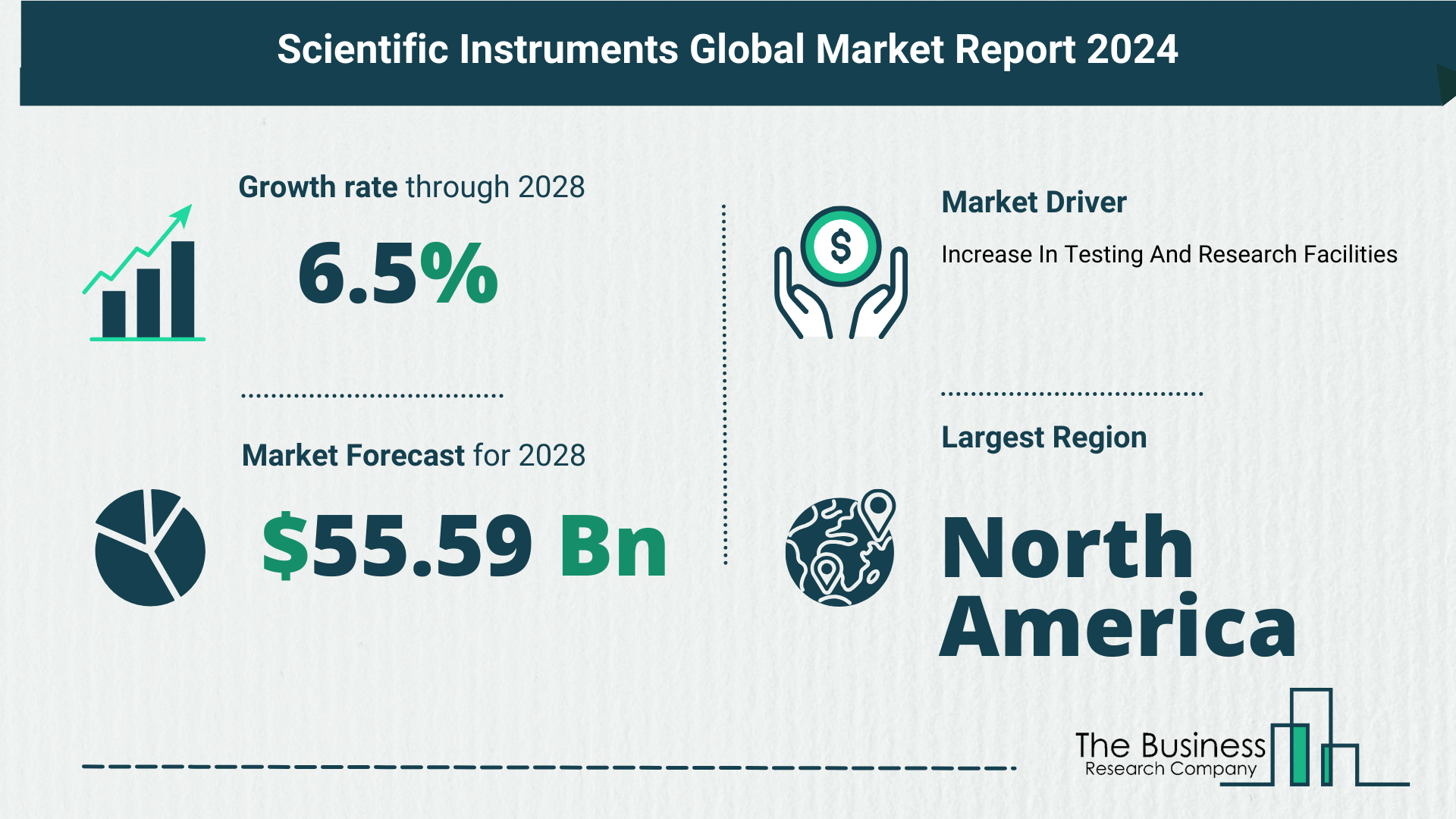
    The market is poised for substantial expansion, with projections indicating a growth to $55.59 billion by 2028, at a CAGR of 6.5%. Anticipated drivers and trends in the forecast period include:

    • Precision Medicine and Personalized Healthcare:Advancements in healthcare emphasize personalized approaches, necessitating precise scientific instruments.
    • Emergence of Point-of-Care Testing:Convenient and rapid testing methods are gaining prominence, boosting the demand for compact scientific instruments.
    • Rise of Regenerative Medicine:Innovations in regenerative medicine require specialized instrumentation for research and application.
    • Customization and Modular Design:Flexible instrument design enables customization to diverse research needs.
    • Regulatory Compliance and Quality Assurance:Stringent regulatory standards mandate the use of high-quality instruments for compliance.
    • Major Trends:Biotechnology demand, sustainable and green technologies, multi-modal imaging, material science applications, enhanced connectivity, and global R&D expansion characterize the forecast period.

    Read More On The Scientific Instruments Market Report 2024 – https://www.thebusinessresearchcompany.com/report/scientific-instruments-global-market-report

    Strategic Collaborations Drive Innovation

    Major companies in the scientific instruments market engage in strategic partnerships to bolster their market presence and foster innovation:

    • Quantum Detectors and Amsterdam Scientific Instruments:Noteworthy collaboration aiming to advance scientific research by offering comprehensive technology solutions.
    • Business Strategic Partnerships:Structured affiliations between enterprises streamline distribution and enhance accessibility to cutting-edge technologies.

    Tibidabo Scientific Industries’ Acquisition for Market Expansion

    In October 2021, Tibidabo Scientific Industries Ltd. strategically acquired Lambert Instruments B.V., a Netherlands-based company specializing in scientific imaging solutions:

    • Strategic Acquisition:Tibidabo aims to leverage Lambert’s expertise and product portfolio to broaden its market reach.
    • Innovative Imaging Solutions:Lambert Instruments’ advanced imaging modalities complement Tibidabo’s existing offerings, enhancing its competitive edge.

    Segmentation and Regional Outlook

    The scientific instruments market is segmented based on type, application, and end-user:

    1. By Type:Clinical Analyzers, Analytical Instruments, Other Types
    2. By Application:Research, Clinical and Diagnostics, Other Applications
    3. By End User:Hospitals and Diagnostic Laboratories, Pharmaceutical and Biotechnology Companies, Other End-users
    • Regional Dynamics:North America led the market in 2023, while Asia-Pacific is anticipated to witness the fastest growth in the forecast period. 

    Request for A Sample Of The Global Scientific Instruments Market Report:
    https://www.thebusinessresearchcompany.com/sample_request?id=8125&type=smp