Blog

  • Understand How The Home Healthcare Equipment Market Is Poised To Grow Through 2024-2033

    Understand How The Home Healthcare Equipment Market Is Poised To Grow Through 2024-2033

    The Business Research Company’s global market reports are now updated with the latest market sizing information for the year 2024 and forecasted to 2033

    As per The Business Research Company’s Home Healthcare Equipment Global Market Report 2024, the home healthcare equipment market is expected to show significant growth in the forecast period.

    Market Expansion: A Closer Look

    The home healthcare equipment market has experienced significant growth in recent years, owing to various factors:

    • Government initiatives promoting home healthcare
    • Patient preference for home-based care
    • Cost-effective care solutions
    • Improved patient outcomes
    • Awareness programs enhancing understanding
    • Rural healthcare access improvements
    • Infrastructure development in healthcare

    Forward Momentum: Growth Predictions

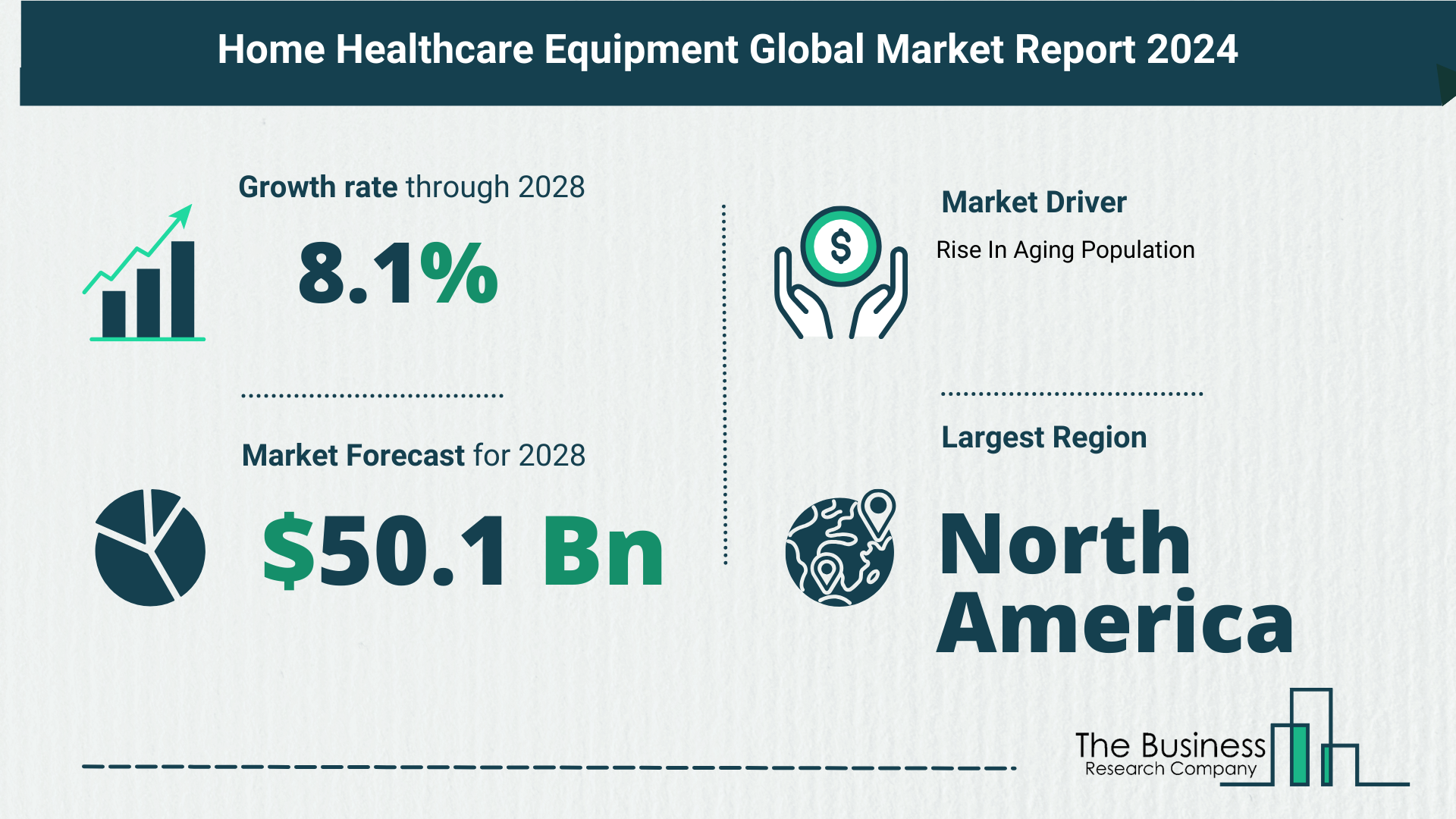
    The market is poised for substantial growth, with a projected increase from $34.22 billion in 2023 to $36.74 billion in 2024, boasting a Compound Annual Growth Rate (CAGR) of 7.4%. Looking ahead, the market is forecasted to reach $50.1 billion by 2028, with a CAGR of 8.1%.

    Driving Forces: Understanding the Dynamics

    • Digital health adoption fuels market growth
    • Integration of smart home technologies
    • Consumer-driven healthcare preferences
    • Advancements in remote diagnostics
    • Telemedicine services expansion

    Addressing Aging Population Needs

    The rise in the aging population emerges as a key driver for the home healthcare equipment market:

    • Aging population seeks control over health
    • Home healthcare equipment aids in enhancing strength and preventing injuries
    • Instances such as WHO’s projection of 2.1 billion elderly by 2050 underscore the significance
    • Market responds to growing needs of the elderly demographic

    Key Players and Market Landscape

    Leading companies in the home healthcare equipment market include:

    • LifeScan Inc.
    • Microlife Corporation
    • A&D Company Limited
    • Abbott Laboratories
    • And many more…

    View More On The Home Healthcare Equipment Market Report 2024 – https://www.thebusinessresearchcompany.com/report/home-healthcare-equipment-global-market-report

    Technological Innovation: Shaping the Landscape

    • Technological advancements drive market trends
    • Companies integrate new technologies to enhance offerings
    • Example: CommScope’s HomeSight system revolutionizes homecare with smart camera integration
    • Improved end-user experience and enhanced care services delivery

    Strategic Acquisitions: Expanding Capabilities

    • Paradigm’s acquisition of HomeCare Connect signals market expansion
    • Acquisition broadens specialized network and clinical solution sets
    • Extends accountable care management into the home health industry
    • HomeCare Connect enriches Paradigm’s product line with home health and durable medical equipment services

    Segmentation Insights: Understanding Market Dynamics

    The home healthcare equipment market is segmented based on:

    1. Product: Blood Glucose Monitor, Blood Pressure Monitor, Rehabilitation Equipment, Other Products
    2. Service: Rehabilitation, Infusion Therapy, Unskilled Care, Respiratory Therapy, Pregnancy Care, Skilled Nursing, Hospice and Palliative Care
    3. Application: Diagnostics and Monitoring, Therapeutics, Care and Rehabilitation, Other Applications
    4. End User: Hospitals or Clinics or Diagnostic Labs, Research and Development Centers, Home Care Settings

    Regional Dynamics: North America Leads the Charge

    • North America emerges as the largest region in the home healthcare equipment market in 2023
    • Market dynamics reflect region’s infrastructure and technological advancements

    In conclusion, the home healthcare equipment market stands at the forefront of healthcare innovation, driven by technological advancements and evolving patient needs. As the market continues to expand and embrace new trends, it holds the promise of improving patient outcomes and enhancing the quality of care delivered in the comfort of one’s home.

    Request A Sample Of The Global Home Healthcare Equipment Market Report 2024:
    https://www.thebusinessresearchcompany.com/sample_request?id=7867&type=smp
  • What Is The Forecast Growth Rate For The High Level Disinfection Services Market?

    What Is The Forecast Growth Rate For The High Level Disinfection Services Market?

    The Business Research Company’s market reports offer an in-depth analysis on the market’s growth potential, major drivers, key trends and more.

    The high-level disinfection services market has experienced robust growth, with projections indicating an increase from $28.36 billion in 2023 to $31 billion in 2024, boasting a compound annual growth rate (CAGR) of 9.3%. This growth is driven by several factors:

    • Increasing healthcare facility compliance
    • Surge in surgical procedures
    • Stringent regulatory standards
    • Focus on patient safety
    • Global pandemics and infectious disease outbreaks
    • Growing geriatric population

    Anticipated Growth Trajectory

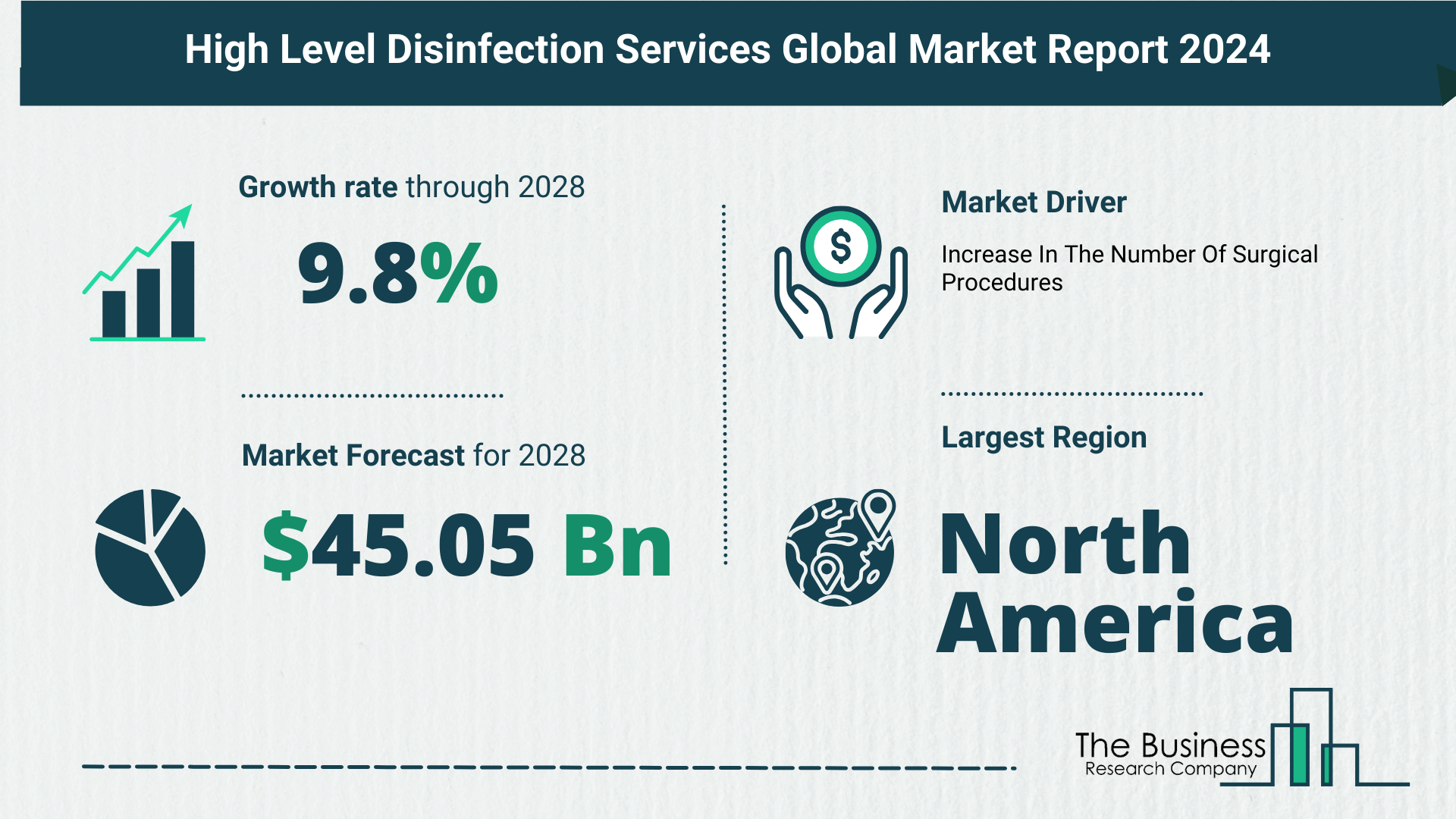
    Expectations point towards continued strong growth in the high-level disinfection services market, with projections reaching $45.05 billion by 2028, sustaining a CAGR of 9.8%. The forecasted growth in the coming years is attributed to various factors:

    • Demand from emerging markets
    • Emphasis on personalized medicine and advanced therapies
    • Global health security initiatives
    • Sustainable disinfection practices
    • Increased awareness of antimicrobial resistance

    Rising Surgical Procedures Drive Market Growth

    The surge in the number of surgical procedures is expected to be a significant driver of growth in the high-level disinfection services market:

    • Surgical procedures, ranging from aesthetic plastic surgery to critical medical interventions, are witnessing a substantial increase.
    • Proper disinfection of medical equipment and surgical tools is crucial to prevent infections and ensure patient safety.
    • The demand for high-level disinfection services is directly correlated with the rise in surgical interventions, emphasizing the need for effective sterilization protocols.

    Read More On The High Level Disinfection Services Market Report 2024 – https://www.thebusinessresearchcompany.com/report/high-level-disinfection-services-global-market-report

    Technological Advancements Fuel Innovation

    Technological advancements play a pivotal role in revolutionizing high-level disinfection services:

    • Companies are investing in innovative solutions, such as non-invasive, chemical-free UVC disinfection systems, to enhance sterilization processes.
    • Technological innovations drive efficiency, reliability, and sustainability in disinfection practices, ensuring superior patient outcomes.
    • Advancements like the Thor UVC disinfection system by Bio-One Sciences exemplify the transformative potential of technology in infection prevention and control.

    Strategic Acquisitions Shape the Market Landscape

    Strategic acquisitions and collaborations reshape the competitive landscape of the high-level disinfection services market:

    • Steris Corporation’s acquisition of Cantel Medical Corporation underscores the industry’s consolidation efforts and expansion of infection prevention portfolios.
    • Mergers and acquisitions enable companies to diversify their product offerings and cater to a broader customer base, driving innovation and market growth.

    Market Segmentation and Regional Dynamics

    The high-level disinfection services market is segmented based on key criteria:

    1. Services:Including in-house and outsourced disinfection services.
    2. Compound:Encompassing formaldehyde, glutaraldehyde, hydrogen peroxide, and other components.
    3. End-User:Catering to hospitals, diagnostic laboratories, pharmaceutical companies, research institutes, and other end users.

    Conclusion

    The high-level disinfection services market continues to evolve, propelled by advancements in technology, rising demand for surgical procedures, and stringent regulatory standards. Innovations in disinfection methods and strategic collaborations redefine industry standards, paving the way for enhanced patient safety and infection control. With an emphasis on sustainable practices and technological integration, the future of the high-level disinfection services market appears promising, addressing critical needs in healthcare facilities worldwide.

    Request for A Sample Of The Global High Level Disinfection Services Market Report:
    https://www.thebusinessresearchcompany.com/sample_request?id=8087&type=smp

  • Overview Of The Hereditary Cancer Testing Market 2024-2033: Growth And Major Players Analysis

    Overview Of The Hereditary Cancer Testing Market 2024-2033: Growth And Major Players Analysis

    The Business Research Company’s global market reports are now updated with the latest market sizing information for the year 2024 and forecasted to 2033

    The hereditary cancer testing market has experienced rapid growth driven by increasing awareness of hereditary cancers and advancements in genetic testing technologies. As the understanding of genetic predispositions to cancer expands, so does the demand for accurate and comprehensive testing solutions.

    Market Growth Trajectory

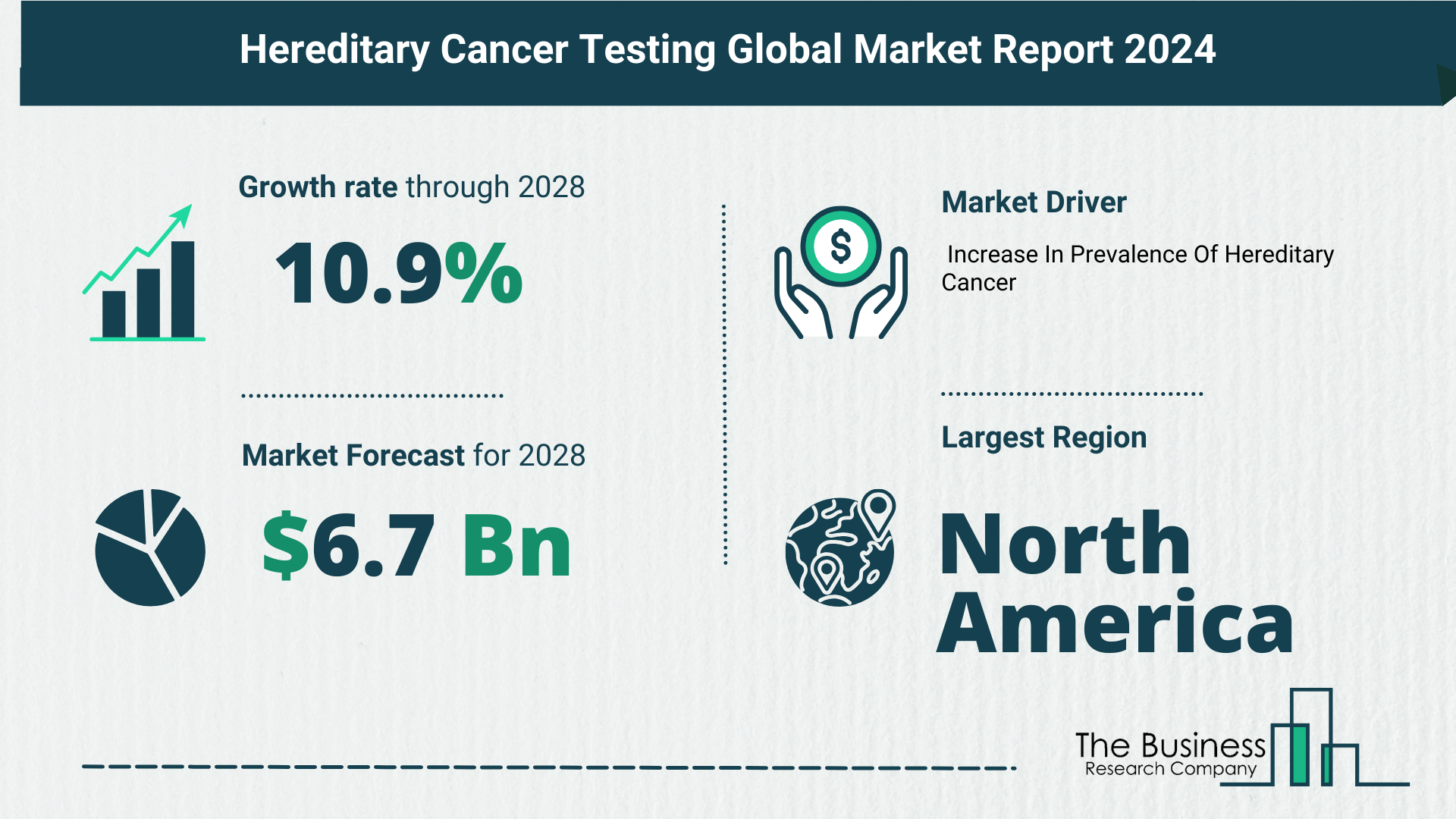
    • In 2023, the hereditary cancer testing market stood at $3.97 billion, set to surge to $4.43 billion in 2024, exhibiting a compound annual growth rate (CAGR) of 11.6%.
    • Historic growth factors include rising incidence of hereditary cancers, government initiatives, and improved insurance coverage.
    • Forecasts project significant expansion to $6.7 billion by 2028, fueled by advancements in precision medicine and global health initiatives.

    Rising Demand for Hereditary Cancer Testing

    • The increasing prevalence of hereditary cancer syndromes propels the demand for hereditary cancer testing.
    • Hereditary cancer testing enables the detection of specific gene mutations associated with increased cancer risk.
    • Approximately 10% of pancreatic cancer cases and 20% of cancer patients overall have a hereditary component.

    View More On The Hereditary Cancer Testing Market Report 2024 – https://www.thebusinessresearchcompany.com/report/hereditary-cancer-testing-global-market-report

    Technological Innovations

    • Technological innovation is a key trend shaping the hereditary cancer testing market.
    • Companies like Myriad Genetics are pioneering cutting-edge approaches to genetic testing.
    • Myriad Genetics’ Polygenic Breast Cancer Risk Assessment Score offers personalized risk assessments for women.

    Strategic Acquisitions

    • Strategic acquisitions play a pivotal role in expanding companies’ genetic testing portfolios.
    • Exact Sciences’ acquisition of PreventionGenetics enhances its cancer testing capabilities and broadens its genetic testing portfolio.
    • PreventionGenetics brings comprehensive genetic testing capabilities and clinical expertise to Exact Sciences’ portfolio.

    Market Segmentation

    1. Test Type: Multi Panel Test, Single-site Genetic Test
    2. Indication: Breast Cancer, Ovarian Cancer, Colorectal Cancer, Other Indications
    3. End User: Hospitals, Clinics, Diagnostic Centers

    Regional Dynamics

    • North America dominated the hereditary cancer testing market in 2023, driven by advanced healthcare infrastructure and awareness.
    • The market is witnessing significant growth in Asia-Pacific, fueled by increasing healthcare spending and awareness of hereditary cancer risks.

    Conclusion

    The hereditary cancer testing market is witnessing robust growth driven by advancements in genetic testing technologies and rising awareness of hereditary cancer risks. As companies invest in innovative testing solutions and expand their portfolios through strategic acquisitions, the market continues to evolve rapidly. With the advent of precision medicine and personalized treatment approaches, hereditary cancer testing plays a pivotal role in early detection and risk assessment. As the market expands, stakeholders must prioritize ethical considerations and ensure accessibility to testing for all individuals at risk. The future of hereditary cancer testing promises enhanced accuracy, broader applicability, and improved patient outcomes in the fight against cancer.

    Request A Sample Of The Global Hereditary Cancer Testing Market Report 2024:
    https://www.thebusinessresearchcompany.com/sample_request?id=8121&type=smp

  • Global Hemostats Market Key Insights 2024-2033

    Global Hemostats Market Key Insights 2024-2033

    The Business Research Company’s global market reports are now updated with the latest market sizing information for the year 2024 and forecasted to 2033

    According to The Business Research Company’s Hemostats Global Market Report 2024, the hemostats market is expected to show promising growth in the forecast period.

    A Surge in Surgical Procedures Drives Hemostat Market

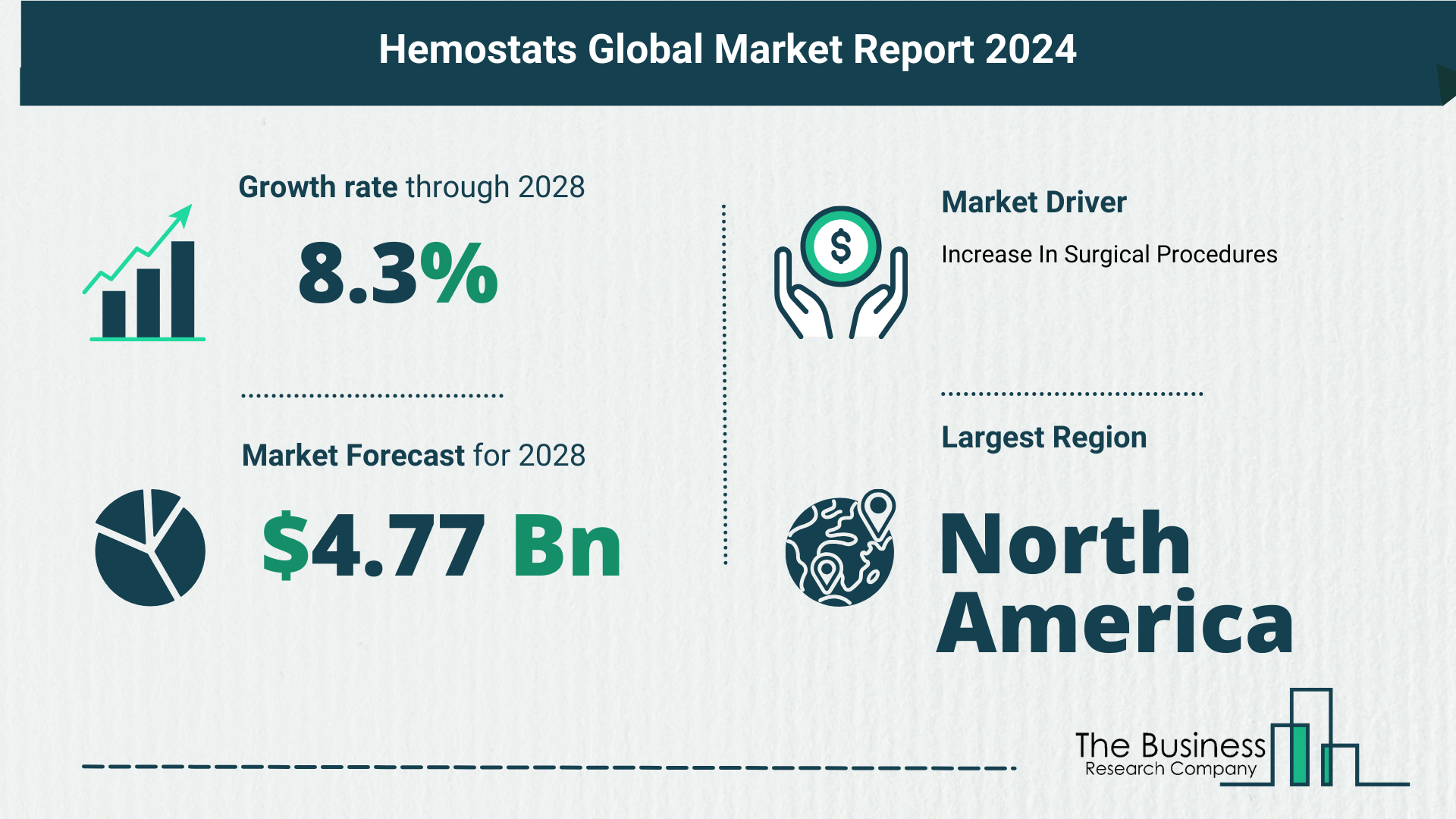
    • Surgical advancements and rising surgical procedures fuel the growth of the hemostats market.
    • Hemostats play a crucial role in preventing blood loss during surgical interventions.
    • The American Academy of Facial Plastic and Reconstructive Surgery reports a significant increase in surgical and non-surgical procedures, indicating a rising demand for hemostatic solutions.

    Key Players in the Hemostats Market

    • Major companies such as C. R. Bard Inc., B. Braun Melsungen AG, and Baxter International Inc. lead the hemostats market.
    • These companies focus on research, development, and the introduction of advanced hemostatic technologies to meet evolving surgical needs.

    View More On The Hemostats Market Report 2024 – https://www.thebusinessresearchcompany.com/report/hemostats-global-market-report

    Technological Advancements Propel Market Growth

    • Technological innovations drive growth and expand the range of hemostatic solutions available.
    • Baxter’s launch of PERCLOT Absorbable Hemostatic Powder in the U.S. enhances bleeding control and optimizes patient care during surgeries.
    • Technological advancements cater to diverse surgical requirements and contribute to the market’s expansion.

    Baxter’s Strategic Acquisition Strengthens Hemostatic Solutions

    • Baxter’s strategic acquisition of CryoLife, Inc., for $60.8 million bolsters its hemostatic solutions portfolio.
    • CryoLife, Inc., known for distributing cryogenically preserved human tissues, complements Baxter’s product offerings, enhancing bleeding control options for surgeons.

    Market Segmentation and Dynamics

    • The hemostats market is segmented by type, product, formulation, and application, catering to various surgical specialties.
    • Thrombin-Based Hemostats, Oxidized Regenerated Cellulose-Based Hemostats, and Gelatin-Based Hemostats are among the types available.
    • Orthopedic Surgery, General Surgery, and Cardiovascular Surgery are some of the applications driving market growth.

    Forecast and Regional Trends

    • The hemostats market is poised to reach $4.77 billion by 2028, with a compound annual growth rate (CAGR) of 8.3%.
    • Strong growth is expected in the Asia-Pacific region, driven by healthcare infrastructure development and increasing surgical demand.

    Conclusion: Pioneering Surgical Solutions

    The hemostats market thrives on technological advancements and strategic acquisitions, catering to the evolving needs of surgical procedures worldwide. With major players driving innovation and expanding their product portfolios, surgeons gain access to a diverse range of hemostatic solutions, optimizing patient care and surgical outcomes. As surgical precision and demand for minimally invasive procedures rise, hemostatic technologies play a pivotal role in enhancing bleeding control and improving patient recovery. With a focus on research, development, and market expansion, the hemostats industry continues to pioneer surgical solutions that redefine standards of care and contribute to advancements in global healthcare.

    Request A Sample Of The Global Hemostats Market Report 2024:
    https://www.thebusinessresearchcompany.com/sample_request?id=8226&type=smp

  • Top 5 Insights From The Intraoral Cameras Market Report 2024

    Top 5 Insights From The Intraoral Cameras Market Report 2024

    The Business Research Company’s global market reports are now updated with the latest market sizing information for the year 2024 and forecasted to 2033

    According to The Business Research Company’s Intraoral Cameras Global Market Report 2024, the intraoral cameras market is expected to show promising growth in the forecast period.

    The intraoral cameras market has experienced rapid growth, escalating from $1.62 billion in 2023 to $1.8 billion in 2024, showcasing a commendable compound annual growth rate (CAGR) of 10.8%. This surge in the historic period is attributed to various factors:

    • Cost-efficiency and enhanced affordability
    • Utilization for training and educational purposes
    • Ergonomic design and portability facilitating ease of use
    • Integration with electronic health records (EHR)
    • Seamless integration into digital dentistry practices

    Anticipated Growth Trajectory

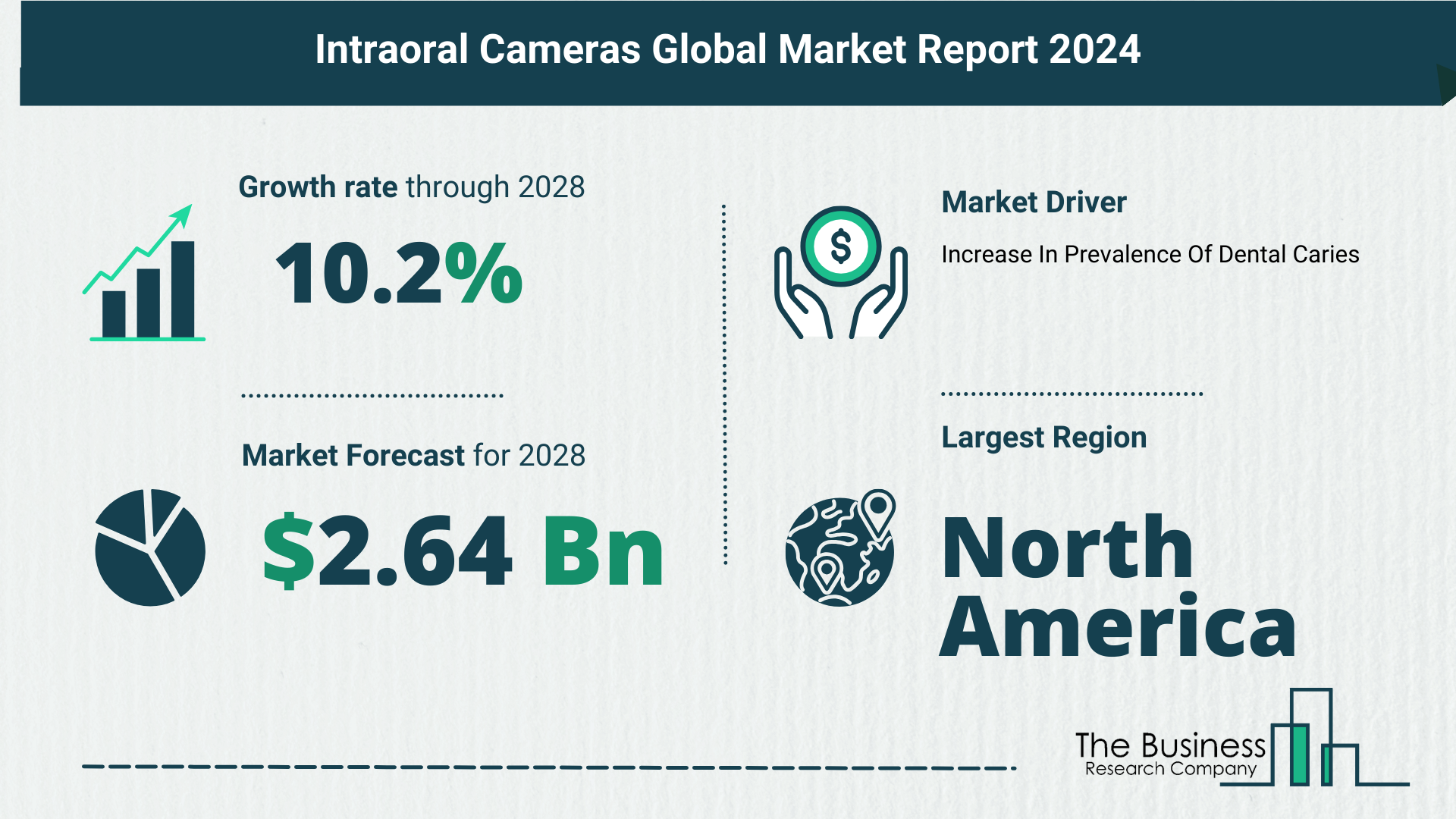
    Forecasts project sustained rapid growth in the intraoral cameras market, with expectations reaching $2.64 billion by 2028, sustaining a robust CAGR of 10.2%. The surge in the forecast period is fueled by several key drivers:

    • Growing prominence of the dental industry
    • Increasing focus on oral health and preventive care
    • Integration with digital dentistry practices for enhanced diagnostics
    • Adoption of patient-centric care models prioritizing individualized treatment
    • Precision enhancement in diagnostic procedures

    Dental Caries Surge Drives Demand

    The surge in dental caries prevalence emerges as a significant driver propelling the growth of the intraoral cameras market:

    • Intraoral cameras play a pivotal role in advanced diagnosis, detecting caries and cracks in teeth beyond the capabilities of traditional radiographs.
    • The World Health Organization estimates approximately 2 billion people suffer from dental caries of permanent teeth globally, underlining the critical need for advanced diagnostic tools.
    • Increasing awareness and prevalence of dental caries underscore the importance of intraoral cameras in enhancing diagnostic precision.

    View More On The Intraoral Cameras Market Report 2024 – https://www.thebusinessresearchcompany.com/report/intraoral-cameras-global-market-report

    Next-Generation Optical Technology Cameras
    Major players in the intraoral cameras market are pioneering technological advancements with the introduction of next-generation optical technology cameras:

    • Optical technology harnesses light properties to acquire, manipulate, and transmit information, revolutionizing imaging and diagnostics.
    • ACTEON launched the C50, the most advanced intraoral camera utilizing optical technology to enhance clinical outcomes and affordability.
    • Features such as advanced optics, autofocus, high-definition image sensors, and innovative detection assistance redefine excellence in dental diagnostics.

    Strategic Acquisitions Fuel Market Expansion

    Strategic acquisitions propel market expansion and portfolio diversification, as evidenced by Envista Holdings Corporation’s acquisition of Carestream Dental’s intraoral scanner business:

    • Envista’s $600 million acquisition strengthens its portfolio with intraoral scanners and software, expanding its market presence.
    • Carestream Dental’s expertise in medical imaging systems complements Envista’s dental equipment offerings, fostering innovation and growth opportunities.

    Market Segmentation and Regional Dynamics

    The intraoral cameras market is segmented based on various criteria:

    1. Type: Encompassing USB cameras, fiber optic cameras, wireless cameras, and other types.
    2. Software Type: Including X-Ray software and button capture software.
    3. Application: Spanning implantology, endodontic, oral and maxillofacial surgery, orthodontics, and other applications.
    4. End User: Catering to dental hospitals and clinics, dental diagnostic centers, dental academic and research institutes, and other end users.

    Conclusion
    The evolution of intraoral cameras marks a paradigm shift in dental diagnostics, offering precision, efficiency, and patient-centric care. As the dental industry embraces digital transformation, intraoral cameras emerge as indispensable tools in modern dental practices. With technological advancements, strategic acquisitions, and global collaborations, the intraoral cameras market is poised for substantial growth, catering to evolving healthcare needs and driving excellence in dental care worldwide. As market dynamics evolve, the future promises innovative solutions, enhanced diagnostics, and improved patient outcomes, cementing the pivotal role of intraoral cameras in dental healthcare.

    Request A Sample Of The Global Intraoral Cameras Market Report 2024:
    https://www.thebusinessresearchcompany.com/sample_request?id=8451&type=smp

  • Comprehensive Analysis On Size, Share, And Drivers Of The Intraoperative Neuromonitoring Market

    Comprehensive Analysis On Size, Share, And Drivers Of The Intraoperative Neuromonitoring Market

    The Business Research Company’s global market reports provide comprehensive analysis on the various markets in 27 industries across 60 geographies.

     The intraoperative neuromonitoring market has experienced significant growth in recent years, driven by advancements in technology, rising demand for early diagnosis, and increasing focus on patient safety. As the healthcare landscape evolves, the role of neuromonitoring becomes increasingly critical in surgical procedures.

    Market Growth Trajectory

    • In 2023, the intraoperative neuromonitoring market reached $3.4 billion, expected to rise to $3.66 billion in 2024, boasting a compound annual growth rate (CAGR) of 7.6%.
    • Historic growth is attributed to increasing incidence of neurological disorders, expanding applications in surgeries, and favorable insurance coverage policies.
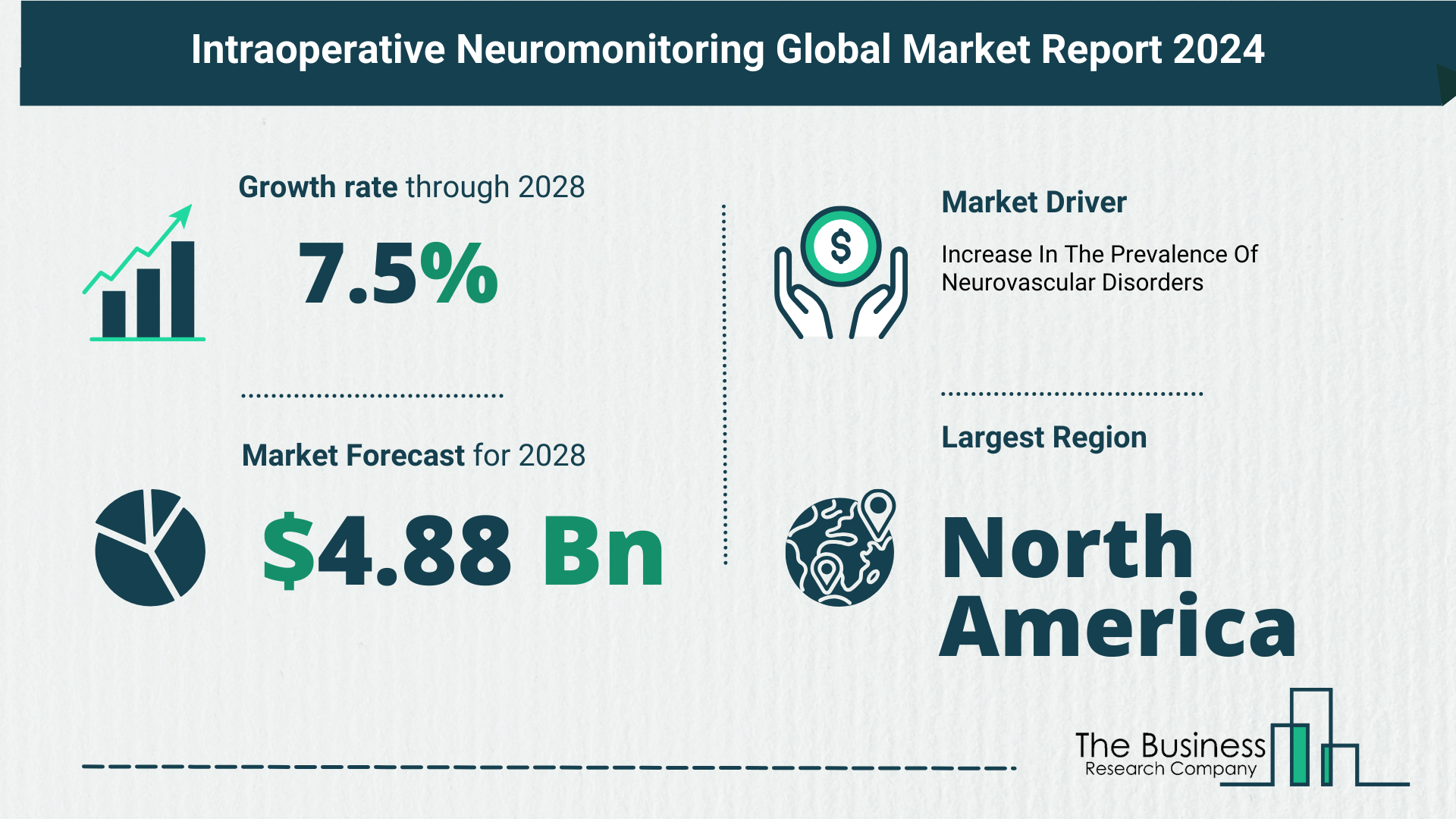
    • Forecasts project robust expansion to $4.88 billion by 2028, with a CAGR of 7.5%, driven by demand for minimally invasive surgeries and technological advancements.

    Rising Demand for Early Diagnosis

    • The demand for early diagnosis of health problems is on the rise, driving growth in the intraoperative neuromonitoring market.
    • Manufacturers focus on enhancing accuracy and precision in diagnostic devices to meet evolving healthcare needs.
    • The COVID-19 pandemic has intensified the need for diagnostics, with a noticeable increase in hospital referrals and attendance.

    Brain-Machine Interface (BMI) Technology

    • Major companies are introducing brain-machine interface technology to expand service portfolios and drive revenues.
    • BMI technology aids individuals with severe neurological impairments, enhancing their quality of life.
    • Axoft’s FDA Breakthrough Device designation for BMI technology aims to improve therapeutic options for neurological disorders.

    View More On The Intraoperative Neuromonitoring Market Report 2024 – https://www.thebusinessresearchcompany.com/report/intraoperative-neuromonitoring-global-market-report

    Strategic Acquisitions Propel Growth

    • In May 2021, Assure Holdings Corp. acquired Sentry Neuromonitoring, LLC, strengthening its position in the intraoperative neuromonitoring market.
    • The acquisition enhances Assure Holdings Corp.’s presence in Texas, Missouri, and Kansas, opening new business prospects.

    Segmentation of the Intraoperative Neuromonitoring Market

    1. By Products and Services: Systems, Accessories, Services
    2. By Modality: Motor Evoked Potentials, Somatosensory Evoked Potentials, Electroencephalography, Electromyography, Brainstem Auditory Evoked Potentials, Visual Evoked Potentials
    3. By Application: Spinal Surgery, Neurosurgery, Vascular Surgery, ENT Surgery, Orthopedic Surgery, Other Surgeries
    4. By End User: Hospitals, Ambulatory Surgical Centers

    Regional Dynamics

    • North America led the intraoperative neuromonitoring market in 2023, driven by technological adoption and healthcare infrastructure development.
    • Asia-Pacific is expected to witness significant growth, propelled by increasing surgical procedures and demand for quality healthcare services.

    Conclusion

    The intraoperative neuromonitoring market plays a pivotal role in ensuring patient safety and surgical success. With advancements in technology and rising demand for early diagnosis, the market is poised for substantial growth in the coming years. Strategic collaborations, technological innovations, and regulatory support will continue to drive the market forward, creating opportunities for stakeholders across the healthcare spectrum. As the market evolves, companies must remain agile and innovative to meet the dynamic needs of patients and healthcare providers alike.

    Request A Sample Of The Global Intraoperative Neuromonitoring Market Report 2024:
    https://www.thebusinessresearchcompany.com/sample_request?id=8767&type=smp

  • Inhaled Antibiotics Market Forecast 2024: Forecast Market Size, Drivers And Key Segments

    Inhaled Antibiotics Market Forecast 2024: Forecast Market Size, Drivers And Key Segments

    The Business Research Company’s global market reports are now updated with the latest market sizing information for the year 2024 and forecasted to 2033


    A Healthy Market Outlook

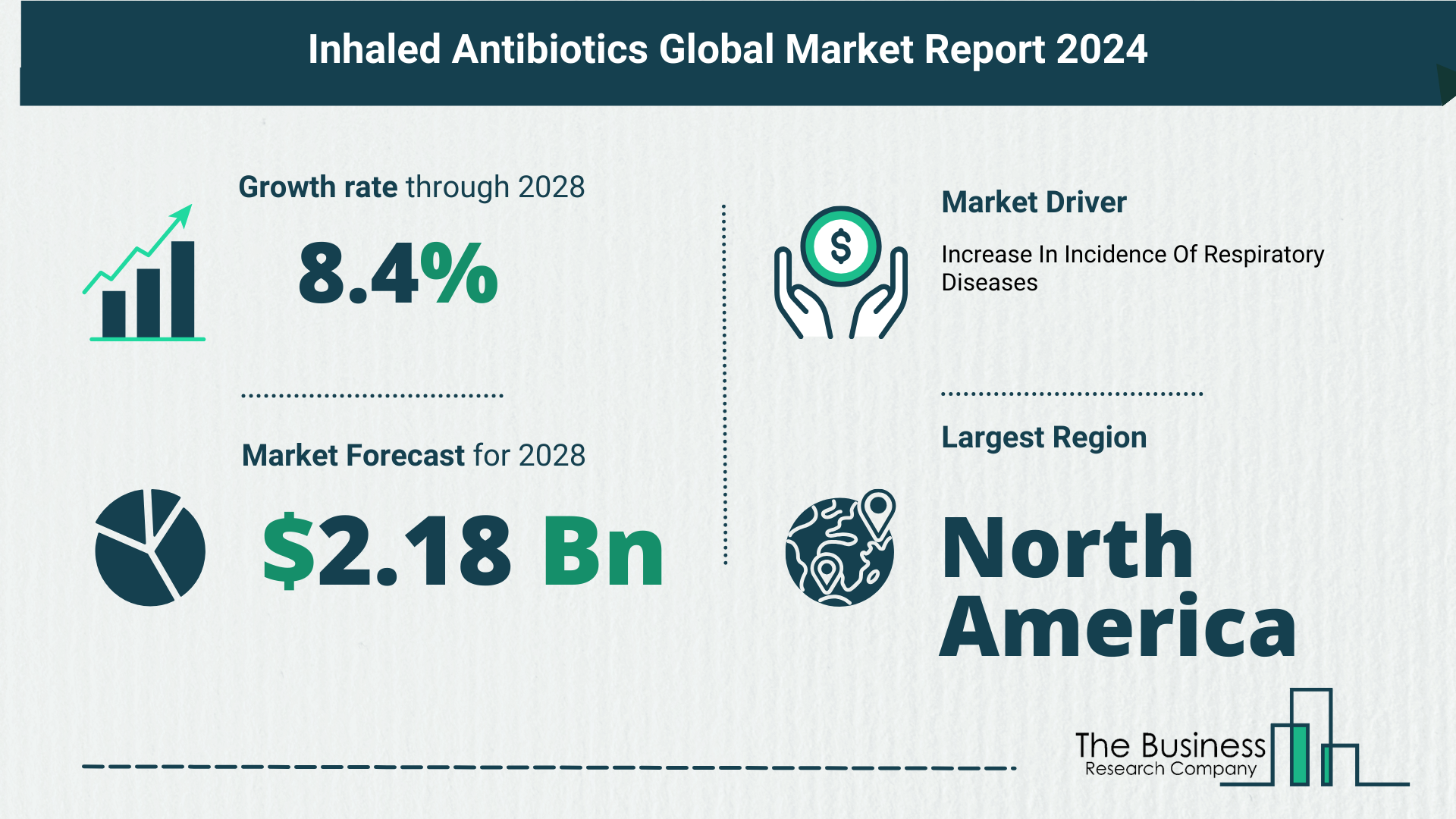
    • The inhaled antibiotics market has experienced robust growth, rising from $1.46 billion in 2023 to $1.58 billion in 2024, with a compound annual growth rate (CAGR) of 7.8%.
    • Historic growth is attributed to regulatory support, the shift towards targeted delivery, increased awareness of antibiotic resistance, and a surge in respiratory infections.

    Towards a Promising Future: Projections and Trends

    • Forecasts indicate strong growth, with the market expected to reach $2.18 billion by 2028, driven by investments in research and development, expanding clinical applications, and advancements in drug formulations.
    • Major trends include continued innovation in formulations, patient-centric approaches, increased research in respiratory health, and advancements in drug delivery systems.

    Rising Respiratory Disease Incidence Fuels Growth

    • The escalating incidence of respiratory diseases is a key driver of market expansion.
    • Inhaled antibiotics play a crucial role in managing respiratory conditions, enhancing lung function, and improving the quality of life for patients.
    • Notable statistics from organizations like the Australian Institute of Health and Welfare and The Lancet underscore the urgency of addressing respiratory health concerns.

    Major Players and Innovations in the Market

    • Key players in the inhaled antibiotics market include Gilead Sciences Inc., Lupin Limited, Insmed Inc., and Savara Inc., among others.
    • Companies are focusing on product innovations to meet customer needs, such as the development of Breyna, an inhalation aerosol that combines budesonide and formoterol fumarate dihydrate to manage asthma and lung diseases.
    • Philip Morris International’s acquisition of OtiTopic demonstrates a strategic move towards expanding respiratory medication offerings.

    View More On The Inhaled Antibiotics Market Report 2024 – https://www.thebusinessresearchcompany.com/report/inhaled-antibiotics-global-market-report

    Increasing Focus On Product Innovations

    • Major companies prioritize product innovations to provide reliable services and drive market growth.
    • Breyna, a metered-dose inhaler combining budesonide and formoterol, exemplifies the latest advancements in inhalation therapies.
    • Regulatory approvals and strategic partnerships, like Viatris Inc.’s collaboration with Kindeva Drug Delivery L.P., signify industry commitment to delivering effective respiratory solutions.

    Philip Morris International Expands Into Respiratory Medications

    • Philip Morris International’s acquisition of OtiTopic reflects a strategic expansion into respiratory medications, aligning with its vision beyond nicotine products.
    • OtiTopic’s expertise in inhaled antibiotics complements PMI’s capabilities in inhalation therapies.

    Segmentation and Regional Dynamics

    • The inhaled antibiotics market is segmented by product type, application, and end-user, offering tailored solutions for diverse healthcare needs.
    • North America dominates the market share, indicating the region’s proactive stance in addressing respiratory health issues.

    Conclusion: Pioneering Respiratory Health Solutions
    The inhaled antibiotics market represents a vital frontier in combating respiratory diseases and addressing antibiotic resistance challenges. With a strong emphasis on innovation, research, and strategic partnerships, the industry is poised to revolutionize respiratory care and improve patient outcomes. As major players invest in advanced formulations, patient-centric approaches, and regulatory compliance, the market continues to evolve towards personalized medicine and targeted therapies. With rising global concerns regarding respiratory health, the inhaled antibiotics market stands at the forefront of innovation, driving progress towards a healthier future for individuals worldwide.

    Request A Sample Of The Global Inhaled Antibiotics Market Report 2024:
    https://www.thebusinessresearchcompany.com/sample_request?id=8738&type=smp

  • 5 Takeaways From The Inhalation And Nasal Spray Generic Drugs Market Overview 2024

    5 Takeaways From The Inhalation And Nasal Spray Generic Drugs Market Overview 2024

    The Business Research Company’s global market reports are now updated with the latest market sizing information for the year 2024 and forecasted to 2033

    According to The Business Research Company’s Inhalation And Nasal Spray Generic Drugs Global Market Report 2024, the inhalation and nasal spray generic drugs market is expected to show promising growth in the forecast period.

    Robust Growth and Future Projections

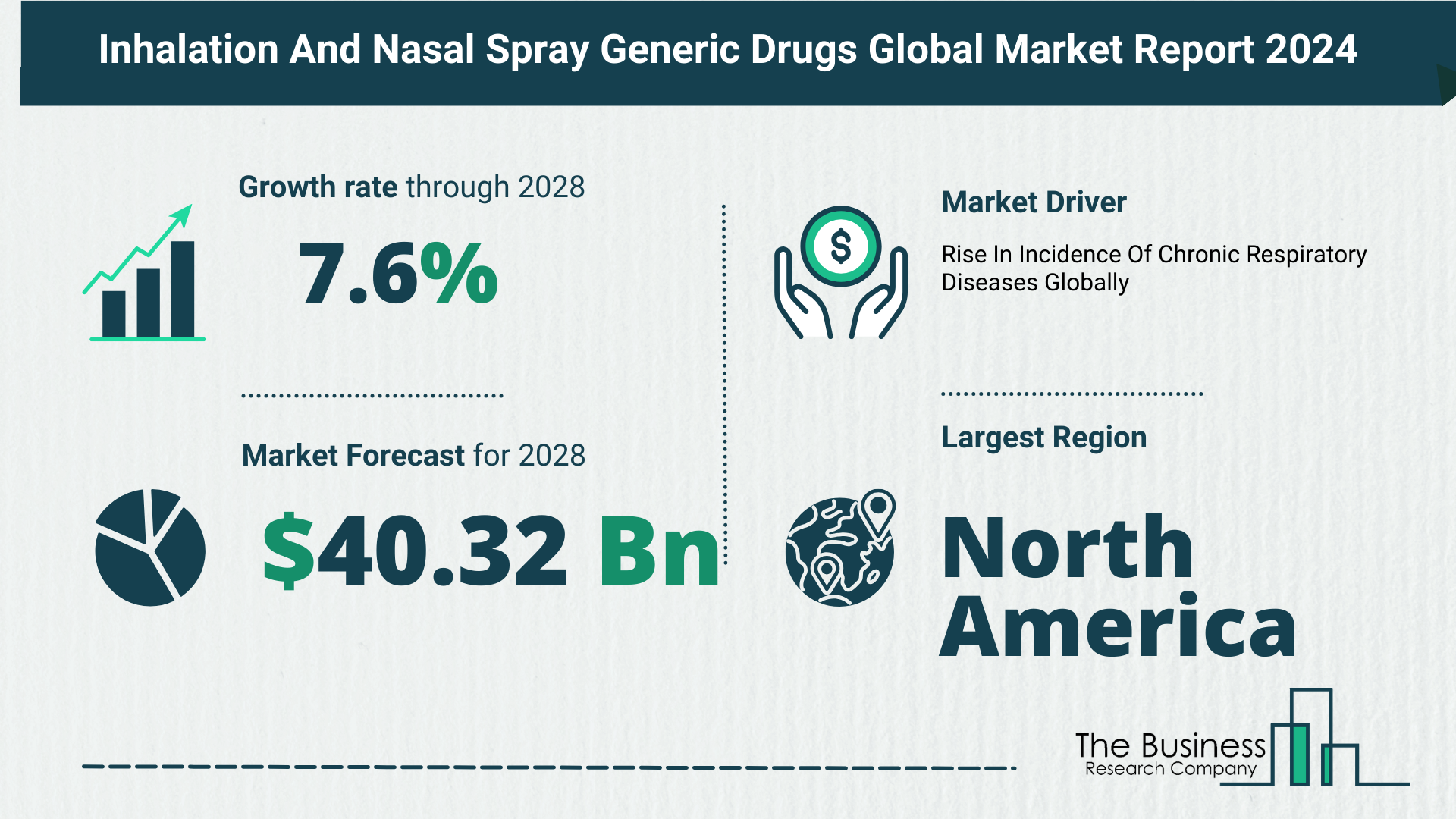
    • The inhalation and nasal spray generic drugs market has witnessed significant growth, rising from $28.01 billion in 2023 to an estimated $30.06 billion in 2024, boasting a CAGR of 7.3%.
    • Projected to reach $40.32 billion by 2028, with a CAGR of 7.6%.
    • Historic growth attributed to rising respiratory disorders, government initiatives promoting generics, and market entry of generic manufacturers.
    • Forecasted expansion driven by the aging population, expanding generic pipeline, pharmacy and retailer initiatives, and global respiratory disease burden.
    • Major trends include advancements in drug delivery systems, biosimilar competition, and a shift towards over-the-counter (OTC) nasal sprays.

    Rising Smoker Population Fuels Market Expansion

    • The growing number of smokers propels the inhalation and nasal spray generic drugs market.
    • Approximately 3.08 million middle and high school children in the US use tobacco products, with about 28.3 million adult smokers.
    • Canada’s cigarette production increased by 5.8% compared to June 2021, indicating sustained demand.
    • Inhalation and nasal spray drugs manage respiratory conditions prevalent among smokers, such as COPD and asthma.

    View More On The Inhalation And Nasal Spray Generic Drugs Market Report 2024 – https://www.thebusinessresearchcompany.com/report/inhalation-and-nasal-spray-generic-drugs-global-market-report

    Innovations Driving Market Dynamics

    • Major companies like Teva Pharmaceuticals Inc. and GlaxoSmithKline Intellectual Prop. Ltd. focus on technological advancements.
    • GSK’s Trelegy Ellipta offers a single-inhaler triple therapy for COPD and asthma treatment, integrating fluticasone furoate, umeclidinium, and vilanterol.

    Sandoz International Expands Portfolio Through Strategic Acquisition

    • Sandoz International GmbH acquired Coalesce Product Development, enhancing its respiratory medications portfolio.
    • The acquisition enables Sandoz to broaden patient access to sophisticated therapies, especially in the inhalation devices segment.

    Market Segmentation and Regional Outlook

    • Segmented by drug class into Corticosteroids, Bronchodilators, Antihistamines, Combinations, and Decongestant Sprays.
    • Indications include Asthma, COPD, Allergic Rhinitis, and other respiratory conditions.
    • Patient demographics encompass Geriatric, Adult, and Pediatric patients.
    • End-users include Hospitals, Homecare, and other stakeholders.
    • North America led the inhalation and nasal spray generic drugs market in 2023 and is poised for rapid growth, reflecting global healthcare trends.

    Conclusion: Meeting the Needs of Respiratory Health The escalating demand for inhalation and nasal spray generic drugs underscores the pressing need to address respiratory health concerns, particularly among smokers. As the market expands, fueled by technological innovations and strategic acquisitions, companies are poised to meet evolving patient needs and regulatory standards. With a focus on patient-centric design and expanding treatment options, the industry is poised to revolutionize respiratory care. As we navigate global health challenges, collaboration, innovation, and a commitment to improving patient outcomes will drive us towards a future where respiratory health is prioritized, and individuals have access to effective and affordable treatment options. In this journey towards respiratory wellness, the inhalation and nasal spray generic drugs market plays a pivotal role in shaping a healthier future for generations to come.

    Request A Sample Of The Global Inhalation And Nasal Spray Generic Drugs Market Report 2024:
    https://www.thebusinessresearchcompany.com/sample_request?id=8088&type=smp

  • Global Infertility Treatment Market Overview 2024: Size, Drivers, And Trends

    Global Infertility Treatment Market Overview 2024: Size, Drivers, And Trends

    The Business Research Company’s global market reports provide comprehensive analysis on the various markets in 27 industries across 60 geographies.

     Market Momentum: An Overview

    The infertility treatment market has witnessed robust growth in recent years, driven by various factors:

    • Growing awareness and education about infertility
    • Lifestyle changes and environmental influences
    • Rising incidence of male infertility
    • Government support and initiatives
    • Shifting social perceptions towards fertility treatments

    Growth Projections: A Glimpse into the Future

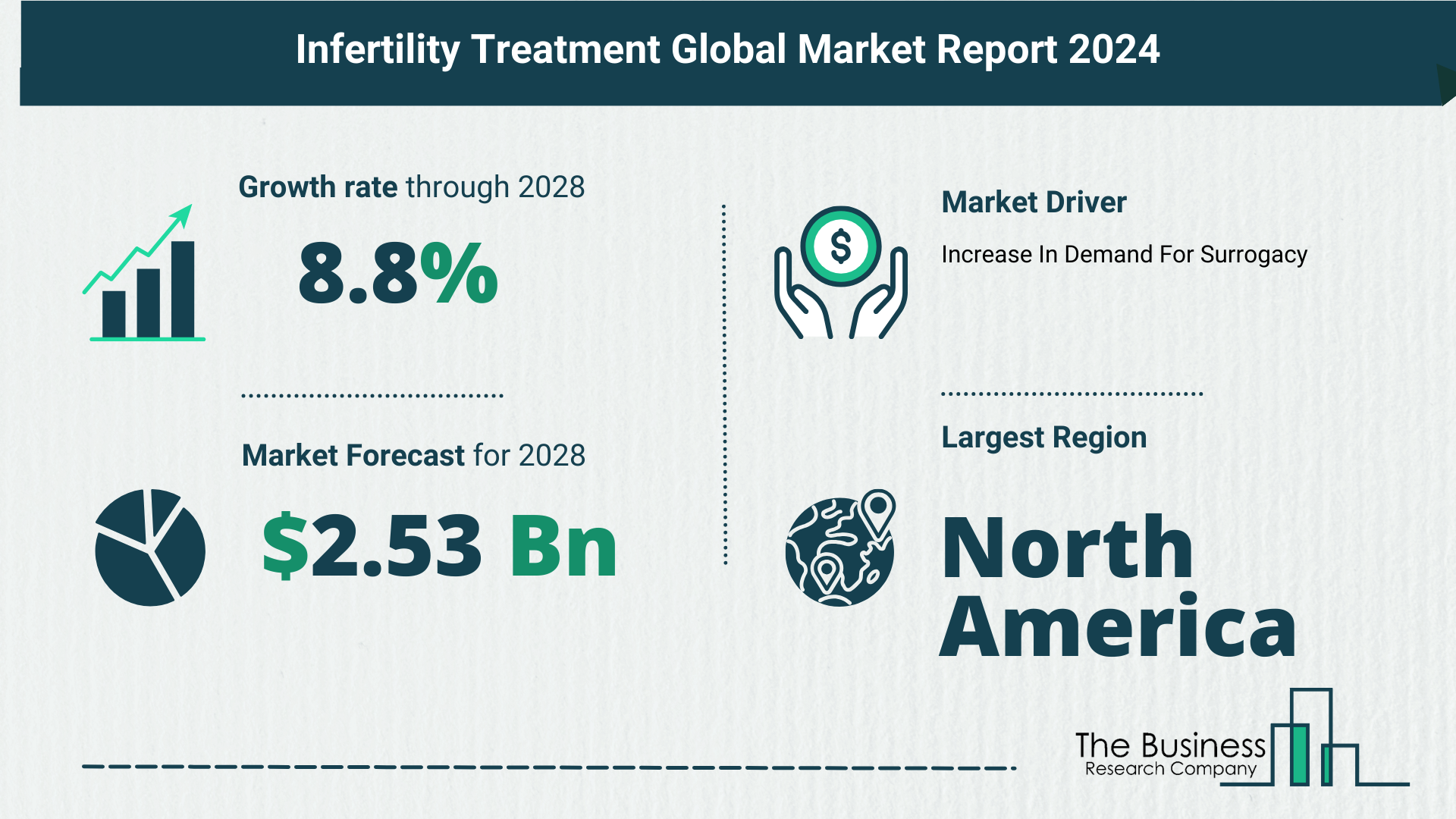
    The market is set for continued expansion, with a projected growth from $1.66 billion in 2023 to $1.81 billion in 2024, boasting a Compound Annual Growth Rate (CAGR) of 9.0%. Looking ahead, the market is forecasted to reach $2.53 billion by 2028, with a CAGR of 8.8%.

    Drivers of Expansion: What Fuels the Growth?

    • Increased accessibility to fertility clinics
    • Advancements in reproductive medicine
    • Innovations in gamete and embryo culture
    • Progress in male contraception methods
    • Emphasis on enhancing oocyte quality

    Surrogacy’s Role: A Driving Force

    Surrogacy emerges as a significant driver in the infertility treatment market:

    • Surrogacy addresses infertility challenges for intended parents
    • Growing demand for surrogacy propels market growth
    • Instances such as Australian surrogacy statistics highlight surrogacy’s significance in addressing infertility issues

    Key Players and Market Landscape

    Leading companies in the infertility treatment market include:

    • The Cooper Companies Inc.
    • Cook Group Incorporated
    • Vitrolife AB
    • Thermo Fisher Scientific Inc.
    • And many more…

    View More On The Infertility Treatment Market Report 2024 – https://www.thebusinessresearchcompany.com/report/infertility-treatment-global-market-report

    Innovative Solutions: Pioneering Advances

    Major companies are introducing innovative products to enhance fertility treatment processes:

    • Introduction of pre-filled pens to minimize errors
    • Merck & Co., Inc.’s Pergoveris Pen example showcases precision and convenience in fertility treatment
    • Pre-filled pens offer pre-measured doses for enhanced accuracy

    Strategic Acquisitions: Expanding Services

    • RO’s acquisition of Modern Fertility for approximately $225 million in May 2021 signifies strategic expansion
    • RO aims to diversify its women’s health services through Modern Fertility’s expertise in fertility testing and reproductive health

    Segmentation Insights: Understanding Market Dynamics

    The infertility treatment market is segmented based on:

    1. Product: Equipment, Media and Consumables, Accessories
    2. Procedure: Assisted Reproductive Technology, Artificial Insemination, Fertility Surgeries, Other Infertility Treatment Procedures
    3. Drugs: Clomiphene Citrate, Letrozole, Serophene, Hormone Treatment, Other Drugs
    4. Patient Type: Female Infertility Treatment, Male Infertility Treatment
    5. End User: Hospitals and Surgical Clinics, Cryobanks, Research Institutes

    Regional Dynamics: North America Leads, Asia-Pacific Grows

    • North America dominates the infertility treatment market in 2023
    • Asia-Pacific emerges as the fastest-growing region in the forecast period

    In conclusion, the infertility treatment market showcases significant growth potential driven by technological advancements, changing social dynamics, and expanding access to fertility services. As innovations continue to reshape the landscape, the market stands poised to address the evolving needs of individuals seeking fertility solutions, offering hope and possibilities for the future.

    Request A Sample Of The Global Infertility Treatment Market Report 2024:
    https://www.thebusinessresearchcompany.com/sample_request?id=7868&type=smp

  • Implantable Heart Pacemaker Market Forecast Until 2033 – Estimated Market Size And Growth Rate

    Implantable Heart Pacemaker Market Forecast Until 2033 – Estimated Market Size And Growth Rate

    The Business Research Company’s market reports offer an in-depth analysis on the market’s growth potential, major drivers, key trends and more.

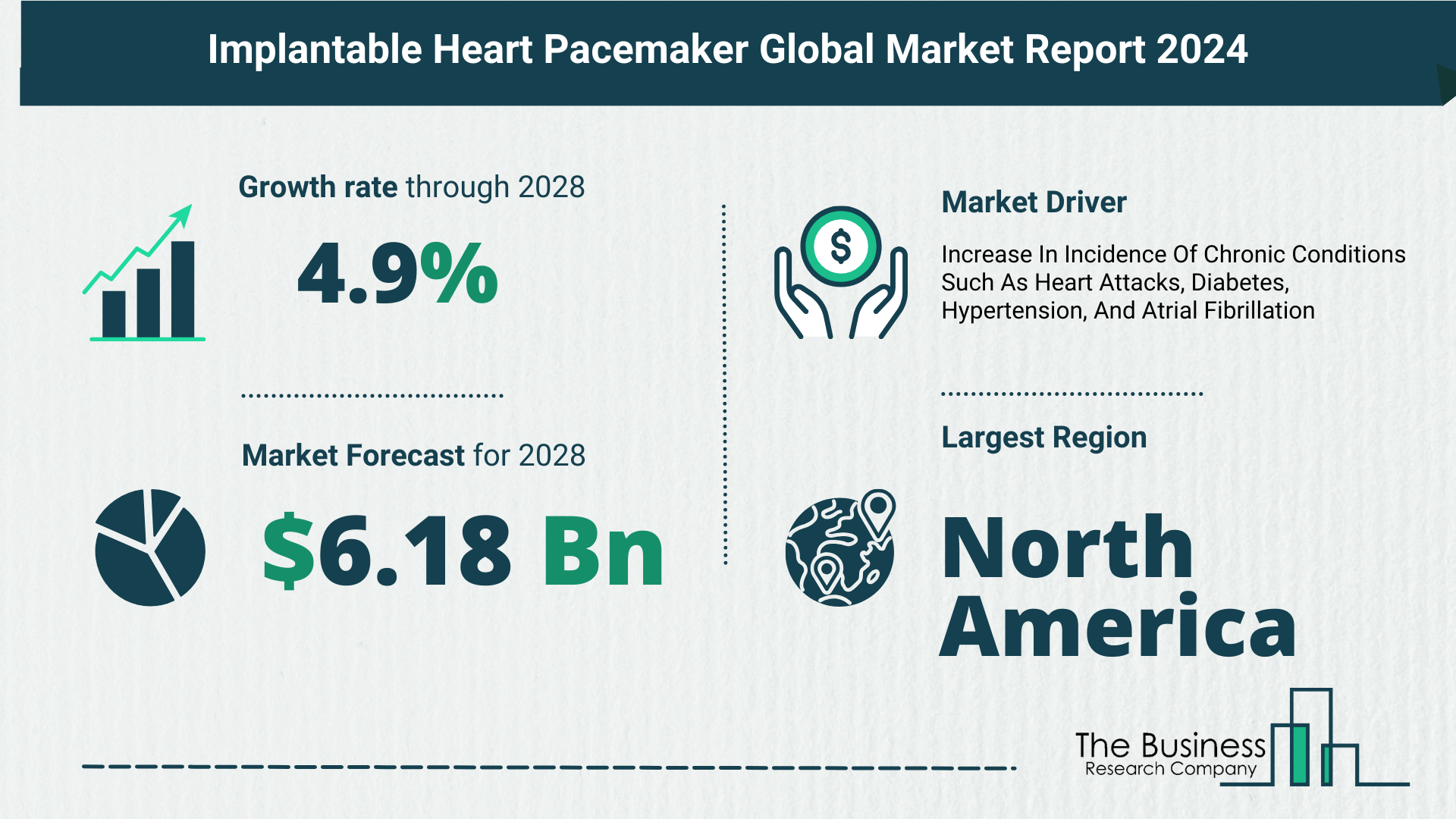
    The implantable heart pacemaker market has witnessed steady growth, with projections indicating an increase from $4.87 billion in 2023 to $5.11 billion in 2024, boasting a compound annual growth rate (CAGR) of 4.9%. This growth is fueled by various factors:

    • Advancements in cardiac care technologies
    • Demographic shifts towards an ageing population
    • Improved diagnosis and screening tools
    • Increased prevalence of heart failures
    • Rise in cardiovascular risk factors
    • Ongoing clinical research and development efforts
    • Supportive regulatory frameworks and approvals

    Continued Growth Trajectory

    Expectations point towards continued steady growth in the implantable heart pacemaker market, with projections reaching $6.18 billion by 2028, sustaining a CAGR of 4.9%. The forecasted growth in the coming years is driven by several key factors:

    • Emphasis on personalized medicine and customization
    • Expansion into emerging markets globally
    • Focus on energy-efficient device designs
    • Prioritization of miniaturization and durability
    • Expansion of home healthcare solutions
    • Regulatory advancements and compliance with standards

    Global Burden of Chronic Conditions

    The surge in chronic conditions globally serves as a catalyst for the growth of the implantable heart pacemaker market:

    • Chronic diseases like heart attacks, diabetes, hypertension, and atrial fibrillation are on the rise worldwide.
    • Implantable pacemakers play a pivotal role in managing symptoms and ensuring regular cardiac rates, thereby preventing or mitigating heart diseases.
    • The increasing prevalence of chronic diseases, highlighted by statistics from organizations like the Centers for Disease Control and Prevention and the International Diabetes Federation, underscores the demand for advanced cardiac care solutions.

    Read More On The Implantable Heart Pacemaker Market Report 2024 – https://www.thebusinessresearchcompany.com/report/implantable-heart-pacemaker-global-market-report

    Technological Advancements Drive Innovation

    Technological advancements spearhead innovation in the implantable heart pacemaker market, ushering in a new era of cardiac care:

    • Companies and research institutes are developing pacemakers with features such as MRI-conditional models, extended battery life, wireless monitoring, and automated functionalities.
    • Innovations like the transitory pacemaker developed by researchers from Northwestern and George Washington University showcase the potential for wireless, battery-free pacing devices.
    • Technological innovations pave the way for enhanced patient outcomes and improved quality of life for individuals with cardiac conditions.

    Strategic Acquisitions and Collaborations

    Strategic moves in the industry, such as Johnson & Johnson’s acquisition of Abiomed, underscore the commitment to advancing cardiovascular innovation:

    • Johnson & Johnson’s acquisition of Abiomed for $16.6 billion positions the company as a leader in cardiovascular innovation, addressing unmet needs in heart failure and recovery.
    • Abiomed’s expertise in medical device development complements Johnson & Johnson’s commitment to advancing healthcare solutions.

    Market Segmentation and Regional Dynamics

    The implantable heart pacemaker market is segmented based on various criteria:

    1. Product Type: Including single chamber, dual chamber, and biventricular pacemakers.
    2. Application: Encompassing heart block, sick sinus syndrome, diagnosing heart diseases, and other applications.
    3. End User: Catering to hospitals, clinics, households, and other end users.

    Conclusion
    The implantable heart pacemaker market continues to evolve, driven by technological advancements, demographic shifts, and increasing focus on chronic disease management. As the global burden of chronic conditions rises, there is a growing demand for advanced cardiac care solutions. Innovations in pacemaker technologies, strategic acquisitions, and collaborations propel the industry forward, promising improved patient outcomes and enhanced quality of life. With continued emphasis on research, development, and regulatory compliance, the future of the implantable heart pacemaker market looks promising, addressing critical needs in cardiovascular healthcare worldwide.

    Request for A Sample Of The Global Implantable Heart Pacemaker Market Report:
    https://www.thebusinessresearchcompany.com/sample_request?id=8583&type=smp