Blog

  • Dental Flap Surgery Global Market Outlook 2024-2033: Size And Growth Rate Analysis

    Dental Flap Surgery Global Market Outlook 2024-2033: Size And Growth Rate Analysis

    The Business Research Company’s global market reports provide comprehensive analysis on the various markets in 27 industries across 60 geographies.

    The dental flap surgery market has witnessed robust growth in recent years, with its size increasing from $4.82 billion in 2023 to an anticipated $5.26 billion in 2024, boasting a Compound Annual Growth Rate (CAGR) of 9.0%. The upward trajectory is expected to continue, reaching an estimated $7.25 billion in 2028, with a CAGR of 8.4%. The driving forces behind this growth include factors like increased prevalence of periodontal diseases, a patient-centric approach, professional education and training, the expansion of cosmetic dentistry, and dynamic market competition.

    Factors Propelling Growth in the Dental Flap Surgery Market
    Surge In Periodontitis Cases Propels Demand
    The prevalence of periodontitis disease has emerged as a significant driver for the dental flap surgery market. With approximately 1 billion people globally affected by severe periodontal disease, accounting for around 19% of adults, the demand for flap surgery has risen. This surgical intervention becomes necessary for patients with mild to severe gum disease who haven’t responded to non-surgical treatments like scaling and root planing.

    Market Players Dominating the Landscape
    Key players in the dental flap surgery market include Aspen Dental Management Inc., Coast Dental and Orthodontics, Great Expressions Dental Centers, and others. This competitive landscape comprises both national and international companies, showcasing the market’s diverse dynamics.

    View More On The Dental Flap Surgery Market Report 2024 – https://www.thebusinessresearchcompany.com/report/dental-flap-surgery-global-market-report

    Trends Shaping the Future of Dental Flap Surgery
    Innovative Approaches Emerge: The Periosteal Flap Stretch Technique
    A notable trend in the dental flap surgery market is the introduction of innovative techniques. The Periosteal Flap Stretch technique, introduced in January 2020, stands out. This technique involves the use of a blunt surgical curette for flap stretching, eliminating the need for vertical or periosteal-releasing incisions. This not only simplifies the procedure but also facilitates passive and reliable primary soft tissue closure.

    Sage Dental Expands Footprint
    In February 2022, Sage Dental strategically acquired five dental practices in Florida—Cornerstone, Deerfield, Brandon, and Fort Myers. This acquisition aims to expand Sage Dental’s business presence in the region and includes dental flap surgery services among others.

    Market Segmentation for Precision
    The dental flap surgery market is segmented based on various criteria:

    1. Flap Type:
      • Trapezoidal Flap
      • Triangular Flap
      • Envelope Flap
      • Semilunar Flap
      • Pedicle Flap
    2. Incision Type:
      • Horizontal
      • Vertical
    3. Technique:
      • Modified Widman Flap
      • Undisplaced Flap
      • Apically Displaced Flap
    4. End-User:
      • Hospitals
      • Dental Clinics

    Regional Dynamics
    In 2023, North America dominated the dental flap surgery market, holding the largest market share. Looking ahead, Asia-Pacific is poised to emerge as the fastest-growing region in the forecast period, signaling a global shift in market dynamics.

    Request A Sample Of The Global Dental Flap Surgery Market Report 2024:
    https://www.thebusinessresearchcompany.com/sample_request?id=8221&type=smp

  • 5 Takeaways From The Cell Expansion Market Overview 2024

    5 Takeaways From The Cell Expansion Market Overview 2024

    The Business Research Company’s global market reports are now updated with the latest market sizing information for the year 2024 and forecasted to 2033

    According to The Business Research Company’s Cell Expansion Global Market Report 2024, the cell expansion market is expected to show promising growth in the forecast period.

    The cell expansion market has experienced an impressive surge in recent years, reaching $24.65 billion in 2023 and projected to climb to $28.25 billion in 2024, boasting a compound annual growth rate (CAGR) of 14.6%. This growth is attributed to various factors, including public awareness, cell-based research applications, the rising demand for cell-based therapies, growth in the biopharmaceutical industry, and advancements in regenerative medicine.

    Future Expansion Projections

    In the forecast period, the cell expansion market is poised for even more rapid growth, expected to reach $50.39 billion in 2028 at a CAGR of 15.6%. This surge is fueled by rising investments in biotechnology, expanding stem cell research, clinical trials, drug development, the demand for personalized medicine, and the growth of biobanking and cell repositories. Key trends in this period include technological advancements, product innovations, and strategic collaborations.

    Addressing the Chronic Disease Challenge

    1. Increasing Incidence Of Chronic Diseases Fuels Growth Of Cell Expansion Market
    • Chronic diseases, often incurable and controllable, are on the rise globally.
    • Factors such as tobacco use, poor nutrition, physical inactivity contribute to the surge in chronic diseases.
    • Cell expansion plays a vital role in replenishing nutrients and preventing the accumulation of toxic waste products.
    • A projection by the National Center for Biotechnology Information suggests a 99.5% increase in individuals aged 50 and above with at least one chronic illness by 2050.
    • The growing incidence of chronic diseases is a key driver for the expansion of the cell expansion market.

    Major Market Players and Strategic Moves

    1. Innovative Bioprocessing Platforms Transforming Cell Expansion Market
    • Major companies focus on introducing advanced bioprocessing platforms for a competitive edge.
    • The Quantum Flex Cell Expansion System stands out, providing scalable and flexible expansion capabilities.
    • Terumo Blood and Cell Technologies launched this system, designed for efficient and controlled manufacturing of various cell therapies.
    • The platform facilitates expansion in applications such as suspension and adherent cells, viral vectors, and exosome production.

    View More On The Cell Expansion Market Report 2024 – https://www.thebusinessresearchcompany.com/report/cell-expansion-global-market-report

    1. Sartorius Ag Expands Cell And Gene Therapy Portfolio With Polyplus-Transfection Sa Purchase
    • Sartorius AG, a German pharmaceutical company, acquires Polyplus-Transfection SA for $2.36 billion.
    • The acquisition strengthens Sartorius AG’s position in the supply of cell and gene therapy, broadening its portfolio in gene therapies and gene-modified cell therapies.
    • Polyplus-Transfection SA, a France-based biotech company, supports gene and cell therapy, biologics manufacturing, and life science research.

    Market Segmentation and Regional Dominance

    1. Market Segmentation
    • By Cell Type:Mammalian, Microbial, Other Cell Types
    • By Product:Consumables, Reagents, Media, Serum, Disposables, Instruments
    • By Application:Biopharmaceuticals, Tissue Culture & Engineering, Vaccine Production, Drug Development, Gene Therapy, Cancer Research, Stem Cell Research, Other Applications
    • By End-user:Biopharmaceutical & Biotechnology Companies, Research Institutes, Cell Banks, Other End-Users
    1. Regional Dominance
    • North America led the cell expansion market in 2023, indicating a strong market presence.
    • Asia-Pacific is anticipated to be the fastest-growing region in the forecast period, showcasing the global reach and potential of the cell expansion market.

    Conclusion

    In conclusion, the cell expansion market’s remarkable growth trajectory reflects its pivotal role in addressing global healthcare challenges. The market’s expansion is fueled by technological innovations, strategic acquisitions, and a deepening understanding of its applications across various sectors. As major players continue to invest in research and development, the cell expansion market is set to play an increasingly crucial role in shaping the future of healthcare and biotechnology.

    Request A Sample Of The Global Cell Expansion Market Report 2024:
    https://www.thebusinessresearchcompany.com/sample_request?id=8264&type=smp

  • Top 5 Insights From The Cold Pain Therapy Market Report 2024

    Top 5 Insights From The Cold Pain Therapy Market Report 2024

    The Business Research Company’s global market reports are now updated with the latest market sizing information for the year 2024 and forecasted to 2033

    According to The Business Research Company’s Cold Pain Therapy Global Market Report 2024, the cold pain therapy market is expected to show promising growth in the forecast period.

    The cold pain therapy market has experienced robust growth, reaching $1.66 billion in 2023, and is projected to reach $1.79 billion in 2024, boasting a compound annual growth rate (CAGR) of 7.4%. Looking ahead, the market is poised for further expansion, with expectations to soar to $2.36 billion by 2028 at a CAGR of 7.2%. This upward trajectory can be attributed to various factors, including the rise in sports injuries, chronic pain management, post-surgery recovery, orthopedic applications, fitness, and rehabilitation.

    Driving Forces Behind Market Expansion

    1. Road Accidents Catalyst Fueling The Surge In Cold Pain Therapy Market Demand
    • The global increase in road accidents is a significant driver for the cold pain therapy market.
    • Non-invasive and accessible cold pain therapy products gain prominence for pain alleviation and recovery.
    • French Road Safety Observatory reported 53.5 thousand injury traffic accidents last year, underlining the pressing need for such therapies.
    1. Technological Advancements Paving The Way In The Cold Pain Therapy Market
    • Technological innovation emerges as a key trend in the market.
    • Companies strive to gain a competitive edge through cutting-edge advancements.
    • Example: Jenburkt Wellness introduced Zixa Strong, a fast-acting pain relief range, incorporating innovative oil-in-water flash micelle technology.
    1. Havencrest Capital Management Acquires Thermotek Inc To Enhance Product Portfolio
    • In October 2022, Havencrest Capital Management acquired ThermoTek Inc., a move aimed at expanding product offerings.
    • The acquisition showcases the importance of strategic partnerships in enhancing market presence.

    View More On The Cold Pain Therapy Market Report 2024 – https://www.thebusinessresearchcompany.com/report/cold-pain-therapy-global-market-report

    Market Players and Segmentation

    1. Major Companies in the Cold Pain Therapy Market
    • Unexo Lifesciences Pvt. Ltd., Össur Corporate, Hisamitsu Pharmaceutical Co. Inc., Johnson & Johnson, Pfizer Inc., Sanofi S.A., Rohto Pharmaceutical Co. Ltd., and more.
    • Diverse players reflect the competitive landscape and continuous efforts to cater to evolving market needs.
    1. Segmentation of the Cold Pain Therapy Market
    • By Product: OTC Products, Prescription Products
    • By Distribution Channel: Retail Pharmacies, Hospital Pharmacies, E-Pharmacies
    • By Application: Musculoskeletal Disorders, Post-operative Therapy, Sports Injuries, Post-trauma Therapy
    • Segmentation provides insights into the varied applications and channels driving market growth.

    Regional Dominance
    North America emerged as the largest region in the cold pain therapy market in 2023, highlighting the region’s significant share in market revenue. The thriving market in North America is indicative of the growing awareness and adoption of cold pain therapy solutions.

    Future Outlook and Trends

    • The forecast period predicts continued growth, fueled by professional endorsements, innovative marketing strategies, digital health adoption, and a supportive regulatory environment.
    • Emerging trends include a heightened focus on sports and fitness, a shift towards non-pharmacological methods, and a preference for at-home treatment.

    Request A Sample Of The Global Cold Pain Therapy Market Report 2024:
    https://www.thebusinessresearchcompany.com/sample_request?id=8358&type=smp

  • Growth Trajectory Of The Clinical Microbiology Market 2024-2033

    Growth Trajectory Of The Clinical Microbiology Market 2024-2033

    The Business Research Company’s global market reports are now updated with the latest market sizing information for the year 2024 and forecasted to 2033

    The clinical microbiology market has witnessed robust growth in recent years, and the trend is expected to continue. In 2023, the market size reached $6.46 billion, and it is projected to grow to $6.9 billion in 2024 at a CAGR of 6.8%. Looking ahead, the forecast suggests a further surge, reaching $9.32 billion by 2028 with a CAGR of 7.8%. This growth can be attributed to various factors, including the rise of antimicrobial resistance, infectious disease outbreaks, globalization, an aging population, increased healthcare expenditure, and the demand for rapid results and personalized treatments.

    Infectious Diseases Driving Market Growth

    • Incidence Increase: The surge in infectious diseases is a significant factor propelling the clinical microbiology market.
    • Australian Scenario: Notably, Australia experienced a considerable rise in notifiable infectious illness cases, reaching 7.02 million in 2021, as reported by the Australian Institute of Health and Wellbeing.
    • Prevalence Impact: The prevalence of infectious disorders is a key driver for the expanding clinical microbiology market.

    Market Players and Competition
    Major companies playing a pivotal role in the clinical microbiology market include bioMérieux SA, Danaher Corporation, BD, Abbott Laboratories, F. Hoffmann-La Roche Ltd., Thermo Fisher Scientific Corporation, QIAGEN NV, and others. These companies contribute significantly to market growth through product innovations and solutions enhancing patient care.

    View More On The Clinical Microbiology Market Report 2024 – https://www.thebusinessresearchcompany.com/report/clinical-microbiology-global-market-report

    Product Launches In Laboratory Efficiency And Infection Control

    • Innovative Solutions: Key market players focus on product innovations to streamline laboratory processes.
    • Middleware MAESTRIA: bioMérieux launched a cutting-edge microbiology middleware, MAESTRIA, in January 2023, offering features like workflow management, biological expertise, and data management. The platform aims to optimize surveillance reporting and respond to Multidrug-Resistant Organisms (MDROs).

    DCN Dx Acquisition Strengthens Market Presence

    • Acquisition Move: In April 2022, DCN Dx acquired Biomed Diagnostics Inc, a US-based manufacturer of microbiology devices.
    • Product Portfolio Boost: This strategic acquisition enhances DCN Dx’s clinical microbiology product portfolio and market presence in microbial testing.

    Market Segmentation
    The clinical microbiology market is segmented based on:

    1. Product: Laboratory Instruments, Microbiology Analyzers, Reagents
    2. Indication: Respiratory Diseases, Sexually Transmitted Diseases, Urinary Tract Infections, Periodontal Diseases, Other Diseases
    3. End-user: Hospitals, Diagnostic Laboratories, Other End-users

    Regional Trends

    • North America Dominance: In 2023, North America emerged as the largest region in the clinical microbiology market.
    • Asia-Pacific Growth: Asia-Pacific is anticipated to be the fastest-growing region in the forecast period.

    Future Trends and Outlook

    • Omics Technology Integration: The integration of omics technology is a major trend in the forecast period.
    • Collaborative Innovation: Collaborative efforts in innovation drive advancements in clinical microbiology.
    • Awareness of Healthcare-Associated Infections: A growing focus on healthcare-associated infections raises awareness.
    • Regulatory Influence: Regulatory factors play a crucial role in shaping the clinical microbiology landscape.
    • Technological Advancements: Continuous technological advancements contribute to the market’s growth.

    Conclusion
    The clinical microbiology market’s remarkable growth is fueled by the escalating incidence of infectious diseases and the proactive response from key market players. With ongoing innovations, strategic acquisitions, and a focus on addressing global healthcare challenges, the market is poised for substantial expansion. As we navigate the path ahead, collaborative efforts, regulatory support, and technological advancements will play pivotal roles in shaping the future landscape of clinical microbiology.

    Request A Sample Of The Global Clinical Microbiology Market Report 2024:
    https://www.thebusinessresearchcompany.com/sample_request?id=8327&type=smp

  • Clinical Alarm Management Market Growth Analysis Till 2033 By The Business Research Company

    Clinical Alarm Management Market Growth Analysis Till 2033 By The Business Research Company

    The Business Research Company’s market reports offer an in-depth analysis on the market’s growth potential, major drivers, key trends and more.

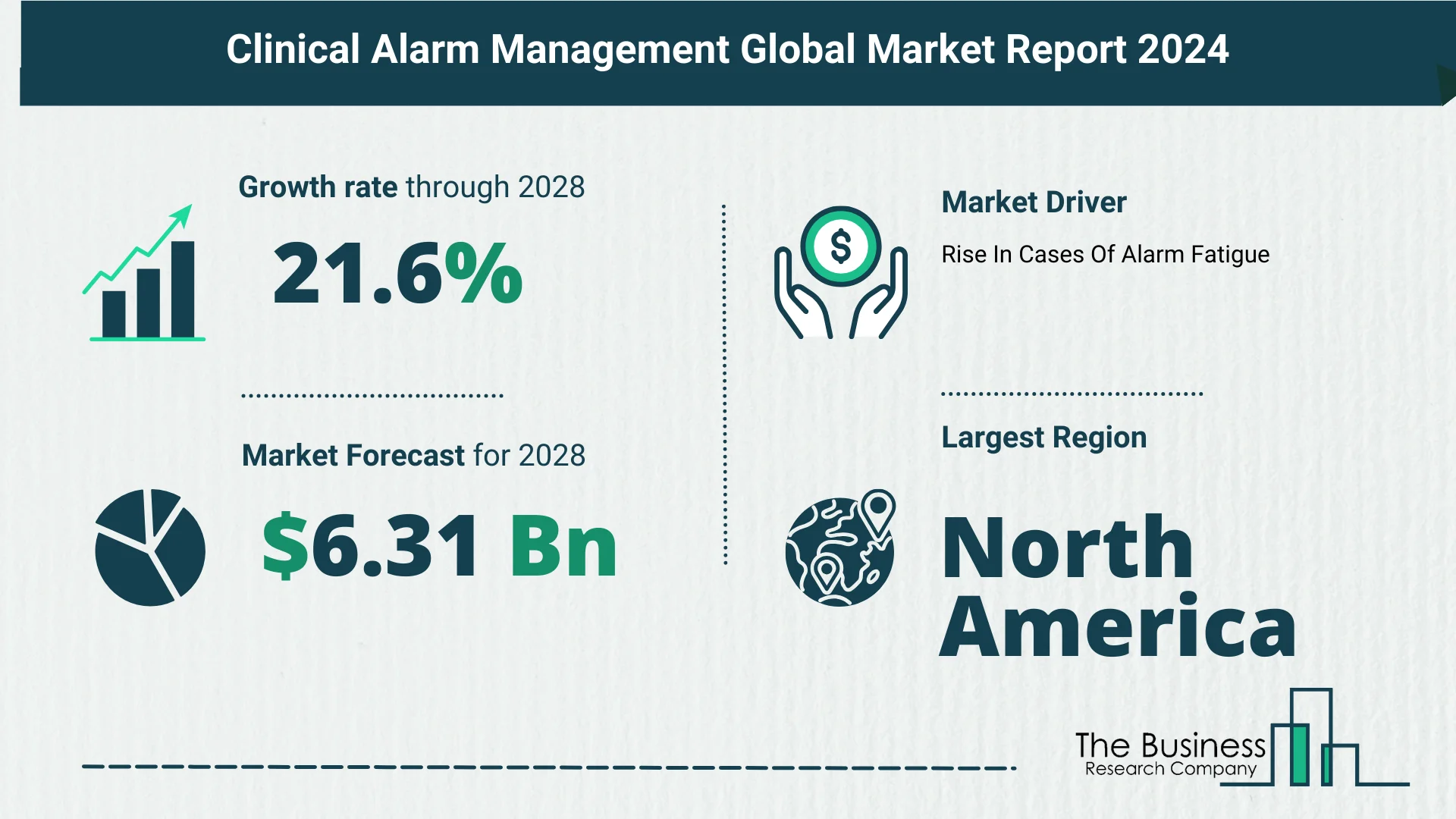
    The clinical alarm management market has witnessed remarkable growth in recent years, driven by various factors such as patient safety concerns, regulatory compliance, and the increasing complexity of healthcare devices. In 2023, the market size stood at $2.39 billion, and it is poised to reach $2.89 billion in 2024, marking a notable compound annual growth rate (CAGR) of 20.9%. Looking ahead, the forecast suggests an even more robust growth, with the market projected to hit $6.31 billion in 2028, driven by trends like remote patient management expansion and global health emergency preparedness.

    The Impact of Alarm Fatigue on Market Growth
    Alarm Fatigue as a Critical Safety Issue
    The surge in alarm fatigue, characterized by the sensory overload clinicians face due to excessive alarms, has emerged as a significant driver for the clinical alarm management market. Hospitals recognize alarm fatigue as a critical safety issue, leading to prioritized efforts in alarm management. A study published by the BMJ in 2023 revealed that more than 70% of alarms could be false, emphasizing the need for effective solutions.

    Role of Clinical Alarm Management Solutions
    Clinical alarm management solutions play a crucial role in mitigating alarm fatigue by utilizing modern communication tools. They help manage alarms efficiently, reducing the likelihood of missed alarms and delayed responses. This trend has led to increased adoption, further propelling the growth of the clinical alarm management market.

    Read More On The Clinical Alarm Management Market Report 2024 – https://www.thebusinessresearchcompany.com/report/clinical-alarm-management-global-market-report

    Key Players and Market Dynamics
    Major Companies Leading the Market
    Major players driving the clinical alarm management market include Koninklijke Philips NV, GE Healthcare Technologies Inc., Ascom Holdings AG, and others. These companies are at the forefront of providing innovative solutions to address alarm fatigue and enhance patient safety.

    Innovations Driving Market Growth
    Wearable devices, such as medical alert pendants, are transforming the market by providing quick and accessible ways for individuals, particularly seniors, to summon emergency assistance. For instance, TELUS Health’s Medical Alert Pendant, launched in November 2023, incorporates advanced features like GPS-enabled location tracking and fall detection, adding an extra layer of security.

    Philips’ Strategic Acquisition and Market Segmentation
    Philips’ Acquisition of Capsule Technologies
    In January 2021, Philips acquired Capsule Technologies for $635 million, aiming to enhance its patient care management solutions. Capsule Technologies provides medical device integration and information solutions, aligning alert notifications to clinical practice. This strategic move positions Philips as a key player in the clinical alarm management market.

    Market Segmentation
    The clinical alarm management market is segmented based on products (physiological monitors, nurse call systems, ventilators, etc.), components (solutions and services), and end-users (hospitals, home care settings, ambulatory care centers, etc.). This segmentation reflects the diverse applications and demands within the market.

    Regional Dominance and Future Trends
    North America Leading the Way
    In 2023, North America emerged as the largest region in the clinical alarm management market, underlining the region’s dominance in healthcare technology adoption. The presence of key players and a proactive approach towards patient safety contribute to North America’s leadership in this market.

    Future Trends Shaping the Market
    Anticipated trends in the clinical alarm management market include the integration of artificial intelligence, advanced analytics, and predictive algorithms. Additionally, interoperability with Electronic Health Records (EHRs), wireless and mobile solutions, cybersecurity measures, and strategic vendor partnerships will play pivotal roles in shaping the market’s future trajectory.

    Conclusion
    The clinical alarm management market’s exponential growth is fueled by a combination of factors, ranging from patient safety concerns to technological innovations. The industry is witnessing a transformative shift, with wearable devices, strategic acquisitions, and advanced technologies reshaping the landscape. As the market continues to evolve, it is poised to address the critical issue of alarm fatigue while providing innovative solutions that enhance patient care and safety.

    Request for A Sample Of The Global Clinical Alarm Management Market Report:
    https://www.thebusinessresearchcompany.com/sample_request?id=7876&type=smp

  • Global Cardiac Arrhythmia Monitoring Devices Market Key Insights 2024-2033

    Global Cardiac Arrhythmia Monitoring Devices Market Key Insights 2024-2033

    The Business Research Company’s global market reports are now updated with the latest market sizing information for the year 2024 and forecasted to 2033

    According to The Business Research Company’s Cardiac Arrhythmia Monitoring Devices Global Market Report 2024, the cardiac arrhythmia monitoring devices market is expected to show promising growth in the forecast period.

    The cardiac arrhythmia monitoring devices market has witnessed robust growth in recent years, with a market size of $7.42 billion in 2023, projected to reach $8.04 billion in 2024 at a compound annual growth rate (CAGR) of 8.4%. As we look ahead, the forecast indicates even stronger growth, with the market expected to expand to $11.14 billion in 2028, driven by various factors such as the rising prevalence of cardiovascular diseases, technological innovations, and a focus on continuous monitoring.

    Rising Prevalence of Cardiovascular Diseases Fueling Market Growth

    Cardiovascular Diseases as a Driving Force

    The cardiac arrhythmia monitoring devices market is strongly influenced by the growing prevalence of cardiovascular diseases. Conditions like atherosclerosis, angina, heart attacks, and aortic disease contribute to the increased need for cardiac arrhythmia monitoring. These devices play a pivotal role in event monitoring, helping detect irregular heartbeats and assessing the electrical activity of the heart rhythm.

    Projected Increase in Peripheral Arterial Disease

    A projection by HMP Global indicates that the prevalence of peripheral arterial disease in the US is expected to reach 23.8 million in 2030, highlighting the escalating burden of cardiovascular diseases. As a result, the demand for cardiac arrhythmia monitoring devices is set to rise significantly.

    View More On The Cardiac Arrhythmia Monitoring Devices Market Report 2024 – https://www.thebusinessresearchcompany.com/report/cardiac-arrhythmia-monitoring-devices-global-market-report

    Technological Advancements Driving Innovation

    Key Trend: Technological Advancement

    The cardiac arrhythmia monitoring devices market is witnessing a crucial trend – technological advancement. Major companies in the market are investing in research and development to introduce innovative products that leverage advanced technologies. For instance, iRhythm Technologies, Inc. has integrated artificial intelligence (AI) capabilities into their Zio monitor to enhance diagnostic accuracy by collecting high-quality data for analysis.

    Benefits of AI in Monitoring Devices

    The introduction of AI in monitoring devices not only improves diagnostic accuracy but also enhances user experience. iRhythm’s Zio monitor, with its AI capabilities, offers a more flexible design and comfortable wear, addressing user concerns associated with the weight and comfort of traditional monitors. AI contributes to a 21% increase in the average rhythm detection sensitivity, providing more accurate diagnostic data.

    Strategic Acquisitions Shaping Market Dynamics

    Boston Scientific’s Acquisition of Preventice Solutions

    In January 2021, Boston Scientific Corporation made a strategic move by acquiring Preventice Solutions Inc., a company operating in the cardiac arrhythmia monitoring devices market. This acquisition aimed to strengthen Boston Scientific’s position in the ambulatory electrocardiography space, complementing its existing implantable cardiac monitor segment.

    Market Segmentation: Understanding Diverse Needs

    The cardiac arrhythmia monitoring devices market is segmented based on types, devices, applications, and end-users. This segmentation allows a comprehensive understanding of the diverse needs within the market, catering to different aspects such as ambulatory cardiac monitoring, intermittent recorders, loop cardiac event recorders, and various applications like tachycardia and bradycardia.

    Regional Dynamics and Future Trends

    Regional Leadership and Growth

    North America emerged as the largest region in the cardiac arrhythmia monitoring devices market in 2023. However, the fastest-growing region in the forecast period is expected to be Asia-Pacific. This shift reflects the dynamic nature of the market, with different regions experiencing varied rates of adoption and growth.

    Anticipated Trends in the Forecast Period

    The forecast period is marked by several anticipated trends, including the rise in wearable technologies, integration of AI, continuous ECG monitoring devices, miniaturization, and portability. Smartphone connectivity and apps, long-term monitoring solutions, and innovations in implantable devices are also expected to shape the future landscape of the cardiac arrhythmia monitoring devices market.

    Conclusion

    The cardiac arrhythmia monitoring devices market is witnessing remarkable growth, driven by factors such as the increasing prevalence of cardiovascular diseases and continuous technological advancements. With a focus on innovation, strategic acquisitions, and addressing diverse market needs, major players are contributing to the evolution of this vital healthcare segment. As the market continues to expand, it promises a future marked by user-friendly designs, patient empowerment, and enhanced diagnostic capabilities.

    Request A Sample Of The Global Cardiac Arrhythmia Monitoring Devices Market Report 2024:
    https://www.thebusinessresearchcompany.com/sample_request?id=8019&type=smp

  • Key Insights On The Cell Surface Marker Detection Market 2024 – Size, Driver, And Major Players

    Key Insights On The Cell Surface Marker Detection Market 2024 – Size, Driver, And Major Players

    The Business Research Company’s global market reports are now updated with the latest market sizing information for the year 2024 and forecasted to 2033

    As per The Business Research Company’s Cell Surface Marker Detection Global Market Report 2024, the cell surface marker detection market is expected to show significant growth in the forecast period.

    The cell surface marker detection market has experienced robust growth, escalating from $5.52 billion in 2023 to $6.06 billion in 2024, boasting a substantial CAGR of 9.8%. The historical period’s success can be attributed to the expansion in biomedical research, the evolution of high-content screening, increased prevalence of chronic diseases, and a notable shift towards immunotherapy.

    Anticipating Future Momentum
    Projections indicate an even more rapid growth trajectory for the cell surface marker detection market, reaching $8.95 billion in 2028, with a formidable CAGR of 10.2%. The forthcoming surge is attributed to factors such as market expansion in emerging economies, a burgeoning biopharmaceutical sector, adoption of single-cell analysis, a rise in chronic and infectious diseases, and increased funding for life sciences research.

    Drivers of Past Success and Future Growth
    Historic Growth Factors:

    • Expansion in biomedical research
    • Evolution of high-content screening
    • Increased prevalence of chronic diseases
    • Shift towards immunotherapy

    Anticipated Growth Drivers:

    • Market expansion in emerging economies
    • Expanding biopharmaceutical sector
    • Adoption of single-cell analysis
    • Rise in chronic and infectious diseases
    • Increasing funding for life sciences research

    The Chronic Disease Nexus
    Rising Incidence Of Chronic Diseases Fuels Growth
    The escalating prevalence of chronic diseases is poised to be a significant catalyst for the cell surface marker detection market’s future growth. Chronic diseases, characterized by long-term progression, require sophisticated diagnostic and monitoring tools. Cell surface marker detection plays a pivotal role in offering targeted and personalized approaches to patient care, enhancing the efficacy of therapeutic interventions.

    • According to the World Health Organization (September 2022):
      • 41 million deaths globally annually
      • 74% attributed to non-communicable diseases (NCDs) or chronic diseases
      • Breakdown includes 17.9 million deaths from cardiovascular diseases, 9.3 million deaths from cancer, 4.1 million deaths from chronic respiratory diseases, and 2.0 million deaths from diabetes.

    View More On The Cell Surface Marker Detection Market Report 2024 – https://www.thebusinessresearchcompany.com/report/cell-surface-marker-detection-global-market-report

    Innovations Driving Market Leadership
    Leadership in Analysis Systems
    Major companies shaping the cell surface marker detection market landscape include Thermo Fisher Scientific Inc., Beckman Coulter Inc., and Bio-Rad Laboratories Inc. These industry giants are focusing on innovation, evident in the introduction of advanced analysis systems.

    CytoSMART Technologies’ Stride in Imaging Analysis
    In April 2022, CytoSMART Technologies BV launched CytoSMART Omni FL, an advanced fluorescence live-cell imaging analysis system. This system, equipped with a high-resolution CMOS camera capturing images at 30 frames per second, finds applications in stem cell biology, immuno-oncology, virology, toxicology, and neurology.

    Strategic Acquisitions for Portfolio Enhancement
    DiaSorin’s Strategic Move
    In July 2021, DiaSorin S.p.A acquired Luminex Corporation for USD 1.8 billion. This strategic move provides DiaSorin access to Luminex’s multiplexing technology, enhancing its diagnostic portfolio and solidifying its position in the United States.

    Segmentation Insights
    Product Segmentation:

    1. Flow Cytometry
    2. Hematology Analyzers
    3. Reagents and Kits

    Application Segmentation:

    1. Disease Diagnosis
    2. Diseases Identification
    3. Research for Drug Discovery
    4. Cytological Academic Research

    End-User Segmentation:

    1. Pharmaceutical and Biotechnology Companies
    2. Hospitals and Clinical Testing Laboratories
    3. Academic and Research Institutes
    4. Other End Users

    Regional Dynamics
    North America took the lead in the cell surface marker detection market in 2023, with Asia-Pacific anticipated to emerge as the fastest-growing region in the forecast period.

    Conclusion: Navigating Growth Horizons
    As the cell surface marker detection market charts its course, driven by advancements in biotechnology, product innovations, and technological advancements in flow cytometry, stakeholders should prepare for a future marked by innovation and sustained expansion. The convergence of cutting-edge technologies and a focus on addressing the rising incidence of chronic diseases positions the market on an upward trajectory, showcasing its pivotal role in the life sciences landscape.

    Request A Sample Of The Global Cell Surface Marker Detection Market Report 2024:
    https://www.thebusinessresearchcompany.com/sample_request?id=8619&type=smp

  • Future Growth Forecast For The Cell Harvesting Global Market 2024-2033

    Future Growth Forecast For The Cell Harvesting Global Market 2024-2033

    The Business Research Company’s global market reports provide comprehensive analysis on the various markets in 27 industries across 60 geographies.

    The cell harvesting market has experienced robust growth in recent years, witnessing an increase from $10.07 billion in 2023 to a projected $10.77 billion in 2024, marking a Compound Annual Growth Rate (CAGR) of 7.0%. This growth is attributed to factors such as the prevalence of chronic diseases, escalating investments in research and development, and the expanding applications of cell harvesting in regenerative medicine.

    Future Outlook: Anticipating Strong Growth
    The trajectory of growth for the cell harvesting market is expected to continue its upward climb, reaching an estimated $14.09 billion in 2028, maintaining a steady CAGR of 7.0%. The drivers for this anticipated growth include the increasing incidence of diseases, trends in an aging population, the broadening scope of applications in therapeutics, and strategic collaborations within the industry.

    Chronic Diseases as Catalysts for Market Expansion
    Elevated Incidence Of Chronic Diseases Fuels Growth
    The prevalence of chronic diseases is anticipated to be a significant driver for the cell harvesting market. Chronic diseases, persisting for a year or longer, necessitate ongoing medical care, impacting daily activities. The rising number of chronic diseases demands extensive research to discover novel treatments, driving the need for cell-harvesting procedures in drug development. For example, the American Cancer Society projects 1.9 million new cancer cases and 609,360 cancer-related deaths in the US in 2022 alone. This surge in chronic diseases underscores the critical role of cell harvesting in advancing medical treatments.

    Dominant Players in the Market Landscape
    Major companies shaping the cell harvesting market include PerkinElmer Inc., Connectorate AG, Sartorius AG, Terumo Corporation, and others. This competitive landscape highlights the presence of key players both nationally and internationally, emphasizing the diversity and vitality of the market.

    View More On The Cell Harvesting Market Report 2024 – https://www.thebusinessresearchcompany.com/report/cell-harvesting-global-market-report

    Technological Innovation as a Cornerstone
    Innovative Technological Advancements Propel Growth
    Technological advancements stand out as a key trend driving growth in the cell harvesting market. Market leaders are investing in innovative technologies to maintain their competitive edge. Thermo Fisher Scientific Inc., for instance, introduced the DynaSpin Single-Use Centrifuge System in September 2022, designed to provide a single-use solution for extensive cell culture collection and centrifugation for cell harvesting. This technology not only enhances sustainability but also reduces overall production costs, showcasing the potential of technology to revolutionize the cell harvesting process.

    Strategic Acquisition Fuels Expansion
    In July 2021, Sartorius, a Germany-based life science company, acquired Xell AG, a cell culture specialist. This strategic move aimed to broaden Sartorius’s range of media products, with a focus on specialized media for viral vector production and media analytics. The acquisition also accelerated the expansion of Sartorius’s production network in this rapidly evolving sector, underlining the importance of strategic collaborations in the industry.

    Market Segmentation for Precision
    The cell harvesting market is segmented based on various criteria:

    1. By Type:
      • Manual Cell Harvesters
      • Automated Cell Harvesters
    2. By Distribution Channel:
      • Retail
      • Direct Tenders
    3. By End-Users:
      • Biotechnology and Biopharmaceutical Companies
      • Research Institute
      • Other End-Users

    Regional Dynamics
    In 2023, North America dominated the cell harvesting market, holding the largest market share. This regional prominence is indicative of the region’s active participation and leadership in advancing cell harvesting technologies.

    Conclusion: Navigating the Future of Cell Harvesting
    As the cell harvesting market continues its upward trajectory, driven by factors such as the prevalence of chronic diseases and technological advancements, stakeholders must stay attuned to emerging trends. The convergence of innovation, strategic collaborations, and a dynamic regulatory landscape signals a promising future for the cell harvesting market, one that holds immense potential for advancing healthcare and therapeutic solutions.

    Request A Sample Of The Global Cell Harvesting Market Report 2024:
    https://www.thebusinessresearchcompany.com/sample_request?id=8761&type=smp

  • Future Growth Forecast For The Carrier Screening Global Market 2024-2033

    Future Growth Forecast For The Carrier Screening Global Market 2024-2033

    The Business Research Company’s global market reports provide comprehensive analysis on the various markets in 27 industries across 60 geographies.

    The carrier screening market has witnessed rapid growth in recent years, and the trajectory is set to continue. In 2023, the market size reached $2.31 billion, and it is projected to grow to $2.7 billion in 2024 at a remarkable CAGR of 16.8%. Looking ahead, the forecast indicates even more substantial growth, reaching $4.91 billion by 2028 with a CAGR of 16.1%. This growth is attributed to various factors, including precision medicine advancements, expanded panel offerings, consumer genomics, government and insurance support, and advancements in genetic technologies.

    Fetal Chromosomal Abnormalities Driving Market Growth

    • Fetal Chromosomal Abnormalities:The rise in fetal chromosomal abnormalities and genetic disorders is a key driver for the carrier screening market.
    • Global Impact:According to the World Health Organization, birth defects cause significant newborn mortality, with 240,000 deaths in the first 28 days of life each year.
    • Down Syndrome Prevalence:Down syndrome, a common chromosomal disorder, affects 1 in 1,000 to 1 in 1,100 live births worldwide, highlighting the global impact of chromosomal abnormalities.

    Market Players and Competition

    Major companies contributing to the carrier screening market’s growth include Invitae Corporation, BGI Genomics Co. Ltd., Centogene NV, Illumina Inc., Myriad Genetics Inc., Quest Diagnostics Inc., and others. These companies play a crucial role in advancing genetic testing and diagnostics.

    View More On The Carrier Screening Market Report 2024 – https://www.thebusinessresearchcompany.com/report/carrier-screening-global-market-report

    Advancing Genetic Testing Through Comprehensive Carrier Screening Panel

    • Product Development Focus:Key market players emphasize product development, particularly carrier screening panels, to maintain market leadership.
    • Fulgent Genetics’ Offering:Fulgent Genetics introduced the Beacon787 expanded carrier screening panel, covering 787 genes linked to various genetic conditions. The panel aligns with ACMG guidelines, promoting comprehensive screening for pregnant individuals and those planning pregnancies.

    Strategic Acquisition By Sema4 OpCo Inc

    • Sema4’s Acquisition:Sema4 OpCo Inc. acquired GeneDx LLC for $623 million in May 2022.
    • Strategic Impact:This acquisition positions Sema4 as a prominent genomic testing company in the U.S., enhancing its health information database for improved patient care and therapeutic research.

    Market Segmentation

    The carrier screening market is segmented based on:

    1. Type:Expanded Carrier Screening, Targeted Disease Carrier Screening
    2. Medical Condition:Pulmonary Conditions, Hematological Conditions, Neurological Conditions, Other Medical Conditions
    3. Technology:DNA Sequencing, Polymerase Chain Reaction, Microarrays, Other Technologies
    4. End User:Hospitals, Reference Laboratories, Physician Offices and Clinics, Other End Users

    Regional Trends

    • North America Dominance:North America emerged as the largest region in the carrier screening market in 2023.
    • Asia-Pacific Growth:Asia-Pacific is anticipated to be the fastest-growing region during the forecast period.

    Future Trends and Outlook

    • Advancements in Genetic Technologies:Continuous advancements in genetic technologies will shape the carrier screening landscape.
    • Integration with Prenatal Testing:Integration with prenatal testing is a major trend, offering a more comprehensive approach to genetic screening.
    • Rise in Personalized Medicine:The focus on personalized medicine continues to influence carrier screening practices.
    • Counseling and Education Services:Increasing emphasis on counseling and education services for individuals undergoing carrier screening.
    • Ethical and Legal Considerations:Ethical and legal considerations become crucial as carrier screening becomes more widespread.

    Conclusion

    The carrier screening market’s substantial growth is propelled by the increasing incidence of fetal chromosomal abnormalities and the commitment of key market players to advance genetic testing. As advancements in genetic technologies, strategic acquisitions, and a focus on comprehensive screening panels continue, the carrier screening market is poised for transformative growth. Looking ahead, the integration of carrier screening with prenatal testing, personalized medicine, and ethical considerations will be pivotal in shaping the future landscape of genetic testing and diagnostics.

    Request A Sample Of The Global Carrier Screening Market Report 2024:
    https://www.thebusinessresearchcompany.com/sample_request?id=7952&type=smp

  • Comprehensive Analysis On Size, Share, And Drivers Of The Buccal Drug Delivery System Market

    Comprehensive Analysis On Size, Share, And Drivers Of The Buccal Drug Delivery System Market

    The Business Research Company’s global market reports provide comprehensive analysis on the various markets in 27 industries across 60 geographies.

     The buccal drug delivery system market has experienced rapid growth in recent years, with the market size reaching $3.28 billion in 2023 and projected to grow to $3.64 billion in 2024, showcasing a noteworthy CAGR of 11.0%. Looking ahead, the forecast indicates continued expansion, with an estimated market size of $5.43 billion by 2028 and a CAGR of 10.5%. Factors contributing to this growth include patient-centric drug delivery, an aging population, demand for targeted therapies, regulatory support, and investments in research and development.

    Rising Chronic Diseases Propel Market Growth

    • Prevalence of Chronic Diseases: The buccal drug delivery systems market is driven by the increasing prevalence of chronic diseases such as cancer, heart disease, stroke, diabetes, and arthritis.
    • Non-Communicable Diseases Impact: According to the World Health Organization, 74% of the 41 million deaths caused by non-communicable diseases annually are attributed to chronic diseases.
    • Continuous Nutrition and Care: Chronic diseases require continuous nutrition and medical care, making buccal drug delivery systems an effective solution.

    Key Market Players

    Major companies contributing to the buccal drug delivery system market include Teva Pharmaceuticals Industries Ltd., Pfizer Incorporated, GlaxoSmithKline Public Limited Company, Catalent Inc., and many others. These companies play a crucial role in advancing drug delivery innovations and addressing various disease-specific applications.

    Increasing Focus On Product Launches

    • Product Innovation: Major companies focus on launching new products to enhance their market presence.
    • Melatonin Oral Spray: Arlak Biotech launched a melatonin oral spray in February 2023, offering an easy and effective solution for improving sleep quality. The spray’s oral absorption provides a quick and simple approach to addressing sleep-related issues.

    View More On The Buccal Drug Delivery System Market Report 2024 – https://www.thebusinessresearchcompany.com/report/buccal-drug-delivery-system-global-market-report

    Strategic Acquisition By DifGen Pharmaceuticals

    • Acquisition Move: In April 2023, DifGen Pharmaceuticals LLC acquired Aveva Drug Delivery Services Inc.
    • Enhanced Capabilities: This strategic acquisition aims to enhance DifGen’s research and development capabilities and strengthen its supply chain for complex dosage forms, focusing on buccal drug delivery systems.

    Market Segmentation

    The buccal drug delivery system market is segmented based on:

    1. Type: Sublingual, Buccal Tablets and Lozenges, Oral Sprays
    2. Application: Pain Management, Smoking Cessation, Angina Pectoris
    3. End-User: Hospitals, Ambulatory Centers, Other End-Users

    Regional Trends

    • North America Dominance: North America emerged as the largest region in the buccal drug delivery systems market in 2023.

    Future Trends and Outlook

    • Patient Convenience and Compliance:Future trends in the buccal drug delivery system market include a strong focus on patient convenience and compliance.
    • Advancements in Drug Formulations: Continuous advancements in drug formulations contribute to the market’s growth.
    • Rise in Chronic Diseases: The increasing incidence of chronic diseases continues to be a driving factor for the market.
    • Pediatric and Geriatric Care: Specialized drug delivery systems for pediatric and geriatric populations are gaining prominence.
    • Enhanced Bioavailability: Strategies to enhance drug bioavailability contribute to the effectiveness of buccal drug delivery systems.

    Conclusion
    The buccal drug delivery system market’s rapid growth is intricately linked to addressing the challenges posed by chronic diseases and the commitment of key players to innovation. As the market continues to evolve, a focus on patient-centric solutions, advancements in drug formulations, and specialized care for different age groups will shape the future of buccal drug delivery systems. With a significant market size and a trajectory of continuous growth, the buccal drug delivery system market remains a crucial player in the pharmaceutical industry.

    Request A Sample Of The Global Buccal Drug Delivery System Market Report 2024:
    https://www.thebusinessresearchcompany.com/sample_request?id=8290&type=smp