Blog

  • Comprehensive Analysis On Size, Share, And Drivers Of The Anti-Aging Market

    Comprehensive Analysis On Size, Share, And Drivers Of The Anti-Aging Market

    The Business Research Company’s global market reports provide comprehensive analysis on the various markets in 27 industries across 60 geographies. 

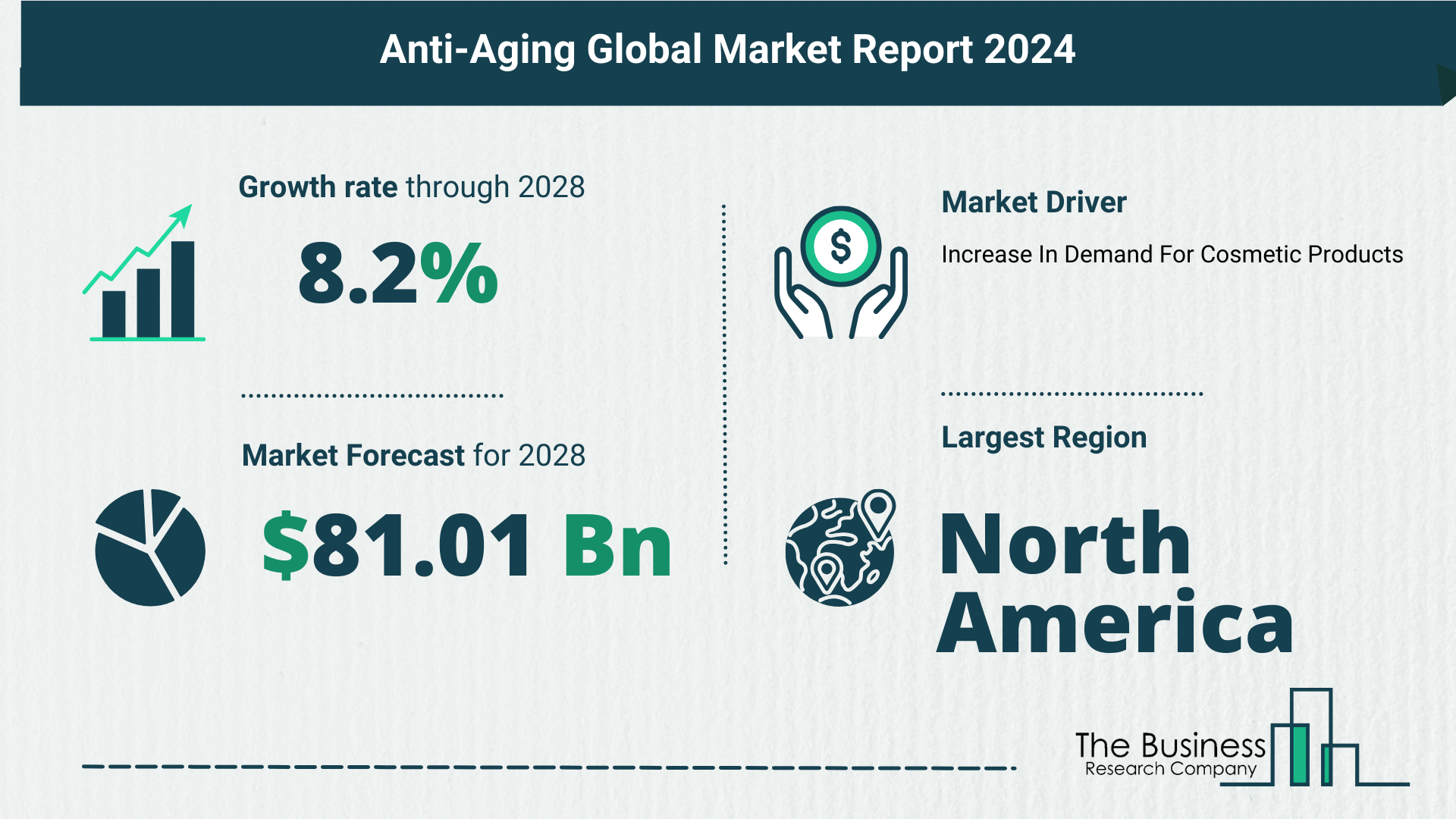
    The anti-aging market has witnessed robust growth in recent years, reflecting the increasing demand for solutions that defy the signs of aging. With a market size of $54.66 billion in 2023, projected to reach $59.17 billion in 2024 at a CAGR of 8.2%, the industry is on a steadfast upward trajectory. This growth is attributed to several factors, including an aging population, heightened consumer awareness of anti-aging products, a surge in disposable income, an expanding skincare and cosmetics industry, and shifting demographics.

    A Glimpse into the Future

    Anticipating Strong Growth

    The anti-aging market is poised for continued robust growth, with an estimated market size of $81.01 billion in 2028, boasting a CAGR of 8.2%. The forecasted expansion is driven by factors such as the rising demand for non-invasive solutions, a growing preference for natural and organic products, increasing demand for clinically-advanced solutions, rising disposable income and healthcare expenditure, and a growing awareness and acceptance of anti-aging products and services. Notable trends in the forecast period include advancements in medical and cosmetic technologies, the development of nutraceuticals and functional foods, the convergence of beauty and wellness trends, and the rise of digital beauty platforms and virtual consultations.

    • Key Trends in the Forecast Period
      • Advancements in medical and cosmetic technologies
      • Development of nutraceuticals and functional foods
      • Convergence of beauty and wellness trends
      • Rise of digital beauty platforms and virtual consultations

    Rising Disposable Income Fuels Market Growth

    The surge in disposable income emerges as a driving force behind the escalating growth of the anti-aging market. As households experience an increase in disposable income, consumers have more financial freedom to allocate towards premium anti-aging products and treatments. The higher affordability translates into a heightened demand for top-tier solutions, thereby propelling market growth. For instance, in 2021, lower-middle-income countries had a per capita net disposable income ranging from $1,036 to $4,045, while upper-middle-income countries ranged from $4,046 to $12,535, according to the World Bank.

    • Market Players: Allergan plc, L’Oréal SA, Beiersdorf AG, Estee Lauder Companies Inc., Procter & Gamble Company, Shiseido Co. Ltd., and others.

    View More On The Anti-Aging Market Report 2024 – https://www.thebusinessresearchcompany.com/report/anti-aging-global-market-report

    Innovations Transforming the Landscape

    Major companies in the anti-aging market are continually innovating to gain a competitive edge. A notable example is the development of new anti-aging masks, exemplified by Christian Dior SE’s launch of the Dior Skin Light. This anti-aging LED mask utilizes photobiomodulation technology with red light to stimulate skin cells, enhancing collagen and elastin production. With a promise of addressing issues such as redness, enlarged pores, and excessive sebum in just twelve minutes, innovations like these are transforming the anti-aging market landscape.

    • Innovation Spotlight: Christian Dior SE’s launch of Dior Skin Light, an anti-aging LED mask.

    Strategic Acquisitions Strengthen Industry Players

    In January 2022, Galderma S. A. acquired ALASTIN Skincare, Inc., marking a strategic move to strengthen its dermatology portfolio. ALASTIN Skincare, a US-based company specializing in physician-dispensed skincare products, brings expertise in science-based skincare to Galderma, solidifying its position in the global skincare market.

    • Strategic Acquisition: Galderma S. A.’s acquisition of ALASTIN Skincare, Inc.

    Market Segmentation: A Comprehensive Overview

    The anti-aging market is segmented based on product type, treatment, demographic, application, and end-user categories, providing a holistic understanding of its diverse landscape.

    1. Product Type
      • UV Absorbers
      • Anti-Wrinkle Products
      • Dermal Fillers
      • Botox
      • Anti-Stretch Mark Products
    2. Treatment
      • Hair Restoration
      • Adult Acne Therapy
      • Breast Augmentation
      • Liposuction
      • Chemical Peel
      • Other Treatments
    3. Demographic
      • Generation X
      • Baby Boomers
      • Generation Y
      • Generation Z
    4. Application
      • Anti-Wrinkle Treatment
      • Anti-Pigmentation
      • Skin Resurfacing
      • Other Applications
    5. End-User
      • Hospitals
      • Clinics
      • Home Healthcare

    Regional Dynamics: North America Leads, Asia-Pacific Emerges

    In 2023, North America dominated the anti-aging market, but the forecast indicates that Asia-Pacific is set to be the fastest-growing region. This shift in regional prominence signifies the global nature of the anti-aging market’s evolution.

    Conclusion: Radiant Horizons Await

    From $54.66 billion in 2023 to a projected $81.01 billion in 2028, the anti-aging market’s trajectory promises a radiant future. Fueled by consumer trends, technological innovations, and strategic industry moves, the market continues to redefine the boundaries of beauty and wellness. As the convergence of health and aesthetics gains momentum, the anti-aging market stands at the forefront of transformative change, offering a spectrum of possibilities for those seeking to defy the hands of time.

    Request A Sample Of The Global Anti-Aging Market Report 2024:
    https://www.thebusinessresearchcompany.com/sample_request?id=5842&type=smp

  • Understand How The Consumer Healthcare Market Is Poised To Grow Through 2024-2033

    Understand How The Consumer Healthcare Market Is Poised To Grow Through 2024-2033

    The Business Research Company’s global market reports are now updated with the latest market sizing information for the year 2024 and forecasted to 2033

    As per The Business Research Company’s Consumer Healthcare Global Market Report 2024, the consumer healthcare market is expected to show significant growth in the forecast period.

    The consumer healthcare market has witnessed an exponential surge in recent years, escalating from $537.77 billion in 2023 to $663.81 billion in 2024 at an impressive compound annual growth rate (CAGR) of 23.4%. This remarkable growth is attributed to several factors, including an aging population, the prominence of over-the-counter (OTC) medications, a focus on wellness and prevention, the growth of e-commerce and online pharmacies, and the increasing prevalence of health and fitness trends.

    Anticipating Exponential Growth: A Glimpse into the Future The trajectory of the consumer healthcare market is poised for continued exponential growth, with projections estimating a climb to $1476.45 billion in 2028 at a CAGR of 22.1%. The anticipated growth in the forecast period can be credited to the surge in personalized health and genetics, the advent of digital health and telemedicine, the rise in remote patient monitoring, the popularity of health apps and wearables, and an increasing demand for nutraceuticals and dietary supplements.

    Cardiovascular Disease Rates Propel Consumer Healthcare Market

    • Cardiovascular Disease (CVD):A significant driver of consumer healthcare market growth.
    • Convenient and Affordable Management:Consumer healthcare services provide a convenient and affordable approach to manage cardiovascular diseases.
    • Global CVD Impact:In 2020, CVD accounted for approximately 19.1 million deaths worldwide, emphasizing the global impact of this health concern.
    • Regional Disparities:Eastern Europe and Central Asia identified with the highest CVD-related mortality rates in 2020.

    Major Players in the Consumer Healthcare Landscape

    • Key Market Players:Johnson & Johnson, Sanofi S.A., Abbott Laboratories, BASF SE, and others contribute to the thriving consumer healthcare market.
    • Diverse Portfolio:Companies such as Pfizer Inc., Boehringer Ingelheim International GmbH, GlaxoSmithKline PLC, and more have a diverse portfolio catering to various consumer healthcare needs.

    Digital Health Solutions Revolutionize Consumer Healthcare

    • Digital Transformation:Consumer healthcare companies adopt digital health solutions to meet the demands of a tech-savvy population.
    • On-Demand Treatments:The digitization of health and wellness provides on-demand treatments, aligning with changing consumer preferences.
    • Behavioral Coaching App Example:Johnson & Johnson’s Nicorette QuickMist Nicotine Spray accompanied by a behavioral coaching app for personalized self-care.

    View More On The Consumer Healthcare Market Report 2024 – https://www.thebusinessresearchcompany.com/report/consumer-healthcare-global-market-report

    CVC Capital Partners’ Strategic Move in Consumer Health

    • Acquisition of Cooper Consumer Health:In 2021, CVC Capital Partners acquired Cooper Consumer Health, a French company specializing in OTC treatments.
    • Deal Valuation:The acquisition, valued at $2.4 billion, underscores the significant investment in the consumer health sector.
    • Business Acceleration:CVC Capital Partners aims to accelerate its consumer health business through this strategic acquisition.

    Segmentation: Understanding the Consumer Healthcare Market The consumer healthcare market is segmented based on various parameters, offering a comprehensive understanding of its dynamics.

    1. By Product:
      • OTC Pharmaceuticals
      • Dietary Supplements
    2. By Application:
      • Retail
      • Online
      • Hospitals

    Regional Dynamics: North America Leading, Asia-Pacific Emerging

    • North America:Emerged as the largest region in the consumer healthcare market in 2023.
    • Asia-Pacific:Expected to be the fastest-growing region in the forecast period, reflecting the global shift in healthcare dynamics.

    Conclusion: Shaping the Future of Consumer Healthcare As we navigate the future, the consumer healthcare market is not only witnessing unprecedented growth but is also undergoing transformative shifts. The convergence of digital health solutions, the rising demand for personalized self-care, and strategic acquisitions in the sector signify a dynamic landscape. With consumers at the forefront, embracing technological advancements and personalized health approaches, the consumer healthcare market is poised to play a pivotal role in shaping the future of healthcare on a global scale.

    Request A Sample Of The Global Consumer Healthcare Market Report 2024:
    https://www.thebusinessresearchcompany.com/sample_request?id=5726&type=smp

  • Key Trends And Drivers In The Dialyzers Market 2024

    Key Trends And Drivers In The Dialyzers Market 2024

    The Business Research Company’s market reports offer an in-depth analysis on the market’s growth potential, major drivers, key trends and more.

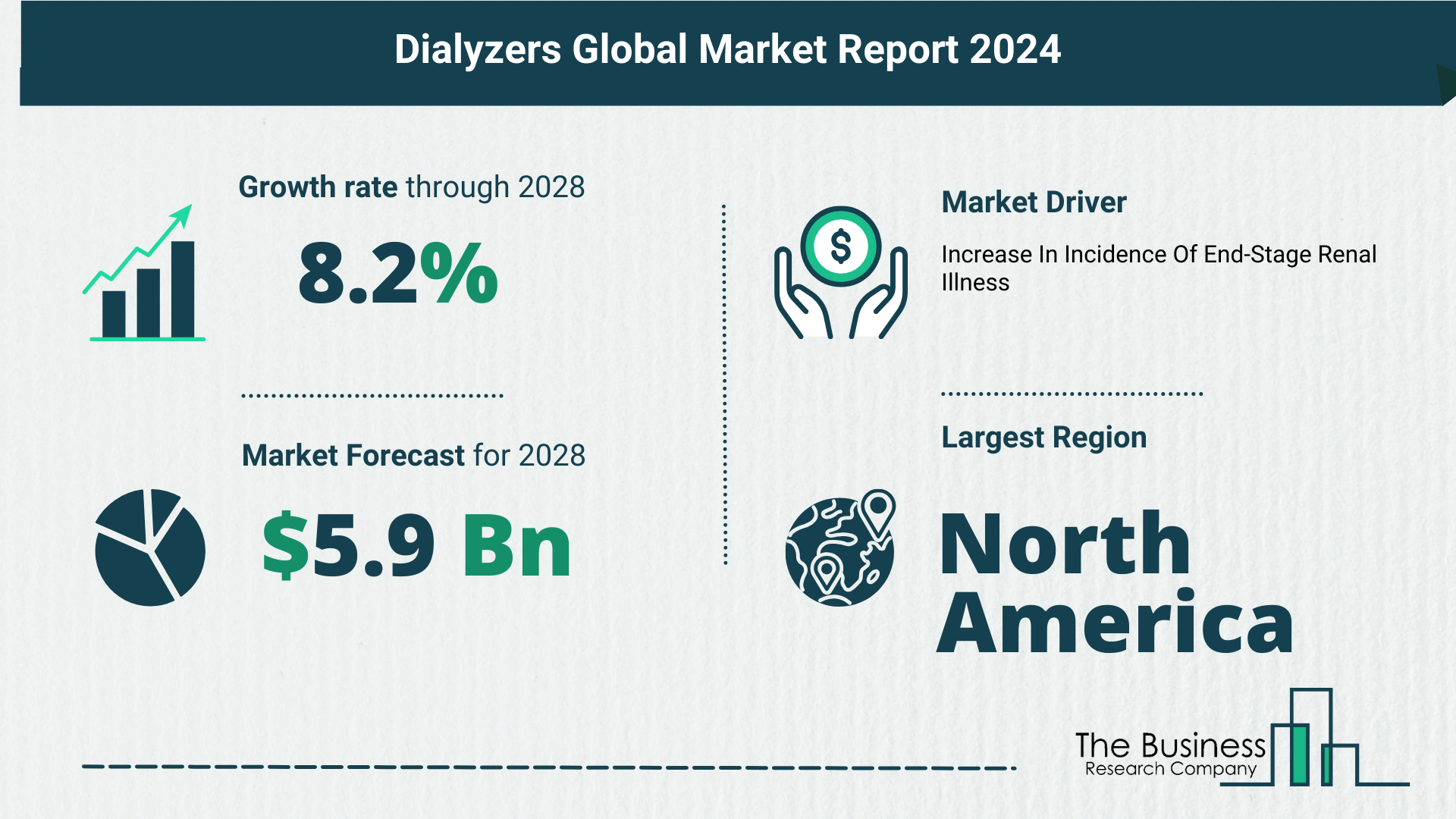
    The dialyzers market has experienced robust growth in recent years, and the trajectory is set to continue. In 2023, the market size reached $3.95 billion, with a projected increase to $4.31 billion in 2024, demonstrating a Compound Annual Growth Rate (CAGR) of 9.1%. Looking ahead, the market is expected to witness strong growth, reaching $5.9 billion in 2028, with a CAGR of 8.2%. Key factors attributing to this growth include the increasing prevalence of chronic kidney diseases, rising disposable income, and a growing demand for home dialysis treatment.

    Increasing Incidence of Renal Illness Driving Market Growth

    • End-Stage Renal Illness:The dialyzer market is poised for growth due to the increasing incidence of end-stage renal illness. End-stage renal failure (ESRF), or end-stage renal disease (ESRD), marks the irreversible stage of chronic kidney disease where kidney function has significantly diminished.
    • Global Impact:Notably, in the US, nearly 37 million people were diagnosed with chronic kidney disease by 2021, according to the Centers for Disease Control and Prevention. In Australia, 17,700 deaths in 2020, accounting for 11% of all deaths, were attributed to chronic kidney disease.

    Key Players in the Dialyzers Market

    • Industry Giants:Major companies shaping the dialyzers market include Merck & Co Inc., Thermo Fisher Scientific Inc., Medtronic PLC, and others.
    • Diverse Offerings:These companies provide a comprehensive range of dialyzers, contributing to the market’s growth and innovation.

    Innovations in Hemocompatible Dialyzers

    • Focus on Hemocompatibility:Major companies in the dialyzer market concentrate on developing innovative products, including hemocompatible dialyzers. These dialyzers aim to minimize blood clotting and inflammatory responses during dialysis, reducing complications like blood clots, bleeding, and infections.
    • Fresenius’ FX CorAL Dialyzer:Fresenius Medical Care AG & Co. KGaA introduced the FX CorAL dialyzer, utilizing polysulfone, a material with superior filtration and hemocompatibility properties. This innovation enhances clearance and ensures uniform circulation, making therapy safer.

    Strategic Acquisitions Enhancing Market Position

    • Braun SE’s Acquisition:In March 2022, B. Braun SE acquired Intermedt Medizin & Technik GmbH, a move expected to strengthen and expand B. Braun’s dialysis product portfolio. The acquisition secures a comprehensive range of dialysis products and services from Intermedt, a German-based manufacturer.

    Market Segmentation for Comprehensive Insights

    The dialyzers market is segmented based on various factors:

    1. Type:High-Flux Dialyzers, Low-Flux Dialyzers
    2. Usage Type:Disposable, Reusable
    3. End-Uses:In-Centre Dialysis, Home Dialysis, Hospital Dialysis, Independent Dialysis, Peritoneal Dialysis, Home Hemodialysis

    Read More On The Dialyzers Market Report 2024 – https://www.thebusinessresearchcompany.com/report/dialyzers-global-market-report

    Innovative Trends Shaping the Future

    • Wearable Dialysis Devices:The forecast period brings a trend towards wearable dialysis devices, offering enhanced mobility and convenience for patients.
    • Artificial Intelligence (AI) Integration:The integration of AI in dialysis processes promises improved efficiency and personalized treatment plans.
    • Remote Monitoring:The adoption of remote monitoring allows healthcare professionals to monitor patients’ dialysis sessions from a distance.
    • Value-Based Care Models:The industry is witnessing a shift towards value-based care models, emphasizing positive patient outcomes and cost-effectiveness.
    • Bioengineered Dialyzers:Advancements in bioengineering contribute to the development of more efficient and patient-friendly dialyzers.

    Regional Dynamics: North America Leading the Way

    • North America’s Dominance:In 2023, North America emerged as the largest region in the dialyzers market. The region’s advanced healthcare infrastructure and ongoing research and development initiatives contribute to its leadership.
    • Asia-Pacific’s Emerging Growth:Asia-Pacific is anticipated to be the fastest-growing region in the forecast period, driven by the increasing prevalence of chronic kidney diseases and rising healthcare expenditure.

    Conclusion: A Promising Horizon for Dialyzers

    As the dialyzers market continues to advance, driven by innovations, strategic acquisitions, and a growing awareness of kidney-related illnesses, it promises a future where renal therapies are more effective, accessible, and patient-centric. The emphasis on hemocompatible dialyzers, coupled with trends like wearable devices and AI integration, underscores the industry’s commitment to enhancing the quality of life for patients undergoing dialysis. With North America at the forefront and Asia-Pacific emerging as a key player, the dialyzers market is poised for sustained growth, contributing significantly to the global healthcare landscape

    Request for A Sample Of The Global Dialyzers Market Report:
    https://www.thebusinessresearchcompany.com/sample_request?id=13080&type=smp

  • What’s The Growth Forecast For Acute Agitation And Aggression Treatment Market Through 2024-2033?

    What’s The Growth Forecast For Acute Agitation And Aggression Treatment Market Through 2024-2033?

    The Business Research Company’s global market reports provide comprehensive analysis on the various markets in 27 industries across 60 geographies. 

    The acute agitation and aggression treatment market has witnessed robust growth, escalating from $5.4 billion in 2023 to $5.72 billion in 2024, with a compound annual growth rate (CAGR) of 5.9%. This trajectory is fueled by advances in pharmacology, increased clinical research, regulatory approvals, a rise in the prevalence of acute agitation and aggression cases, and heightened awareness regarding mental health.

    Anticipating Continued Growth: A Look into the Future The market is poised for sustained growth, with projections estimating an increase to $7.23 billion in 2028, exhibiting a CAGR of 6.0%. The forthcoming surge is attributed to factors such as a growing aging population, expanding healthcare infrastructure, increased pharmaceutical industry investment, a rise in home-based care, and an overall increase in disposable income.

    Dementia Incidence: A Driving Force in Market Expansion

    • Dementia’s Impact:The increase in dementia cases propels the growth of the acute agitation and aggression treatment market.
    • Behavioral Manifestations:Agitation, a common symptom in dementia, necessitates effective treatment for improved patient quality of life.
    • Projected Australian Statistics:In 2022, an estimated 401,300 Australians had dementia, with projections indicating a potential doubling by 2058.

    Major Players Shaping the Landscape

    • Key Market Players:Pfizer Inc., Johnson & Johnson Pvt Ltd., F Hoffmann-La Roche Ltd., and others contribute to market growth.
    • Diverse Portfolio:Companies like AbbVie Inc., Novartis AG, Sanofi SA, and Bristol-Myers Squibb Company address various facets of acute agitation and aggression treatment.

    Innovation Spotlight: Sublingual Film IGALMI (Dexmedetomidine)

    • Groundbreaking Treatment:IGALMI (dexmedetomidine) is a sublingual film offering a novel approach to treating acute agitation associated with schizophrenia or bipolar disorder.
    • Quick-Acting Solution:BioXcel Therapeutics Inc.’s product starts working within minutes and has a short duration of around 2 hours.
    • FDA Approval:In April 2022, the Food and Drug Administration approved IGALMI, showcasing the industry’s commitment to advancing treatment options.

    Strategic Acquisitions: SK Capital Partners and Apotex Inc.

    • Acquisition Overview:In April 2023, SK Capital Partners LP acquired Apotex Inc., a Canada-based generic pharmaceutical producer, for an undisclosed amount.
    • Market Expansion:SK Capital’s acquisition of Apotex aims to expand its presence in the generic pharmaceutical market and strengthen its overall investment in healthcare.

    Market Segmentation: Understanding the Dynamics The acute agitation and aggression treatment market is segmented to provide a comprehensive understanding of its intricate dynamics.

    1. By Treatment Approach:
      • Behavioral Approaches
      • Environmental Interventions
      • Pharmacologic Approaches
    2. By Drug Class:
      • Anti-Psychotics
      • Benzodiazepines
      • Other Drug Classes
    3. By Route of Administration:
      • Oral
      • Intramuscular
      • Other Routes of Administrations
    4. By Indication:
      • Schizophrenia
      • Dementia
      • Bipolar Disorder
      • Depression
      • Drug-Induced Agitation And Aggression
      • Alcohol Withdrawal
      • Other Indications
    5. By End User:
      • Hospitals And Ambulatory Surgical Centers
      • Psychiatric Care Facilities
      • Other End Users

    Regional Dynamics: North America Leading, Asia-Pacific Rising

    • North America:Emerged as the largest region in the acute agitation and aggression treatment market in 2023.
    • Asia-Pacific:Anticipated to be the fastest-growing region in the forecast period, signaling a shift in global healthcare dynamics.

    Conclusion: Steering Toward a Transformed Future As the acute agitation and aggression treatment market advances, it not only witnesses substantial growth but also undergoes significant transformations. The intersection of innovative treatments, strategic acquisitions, and a comprehensive market segmentation approach shapes the future of mental health treatment. With major players at the helm, technological advancements, and a growing awareness of mental health, the market is set to play a crucial role in enhancing the quality of life for those affected by acute agitation and aggression.

    View More On The Acute Agitation And Aggression Treatment Market Report 2024 – https://www.thebusinessresearchcompany.com/report/acute-agitation-and-aggression-treatment-global-market-report

    Request A Sample Of The Global Acute Agitation And Aggression Treatment Market Report 2024:
    https://www.thebusinessresearchcompany.com/sample_request?id=13078&type=smp

  • Top 5 Insights From The Wound Debridement Market Report 2024

    Top 5 Insights From The Wound Debridement Market Report 2024

    The Business Research Company’s global market reports are now updated with the latest market sizing information for the year 2024 and forecasted to 2033

    According to The Business Research Company’s Wound Debridement Global Market Report 2024, the wound debridement market is expected to show promising growth in the forecast period.

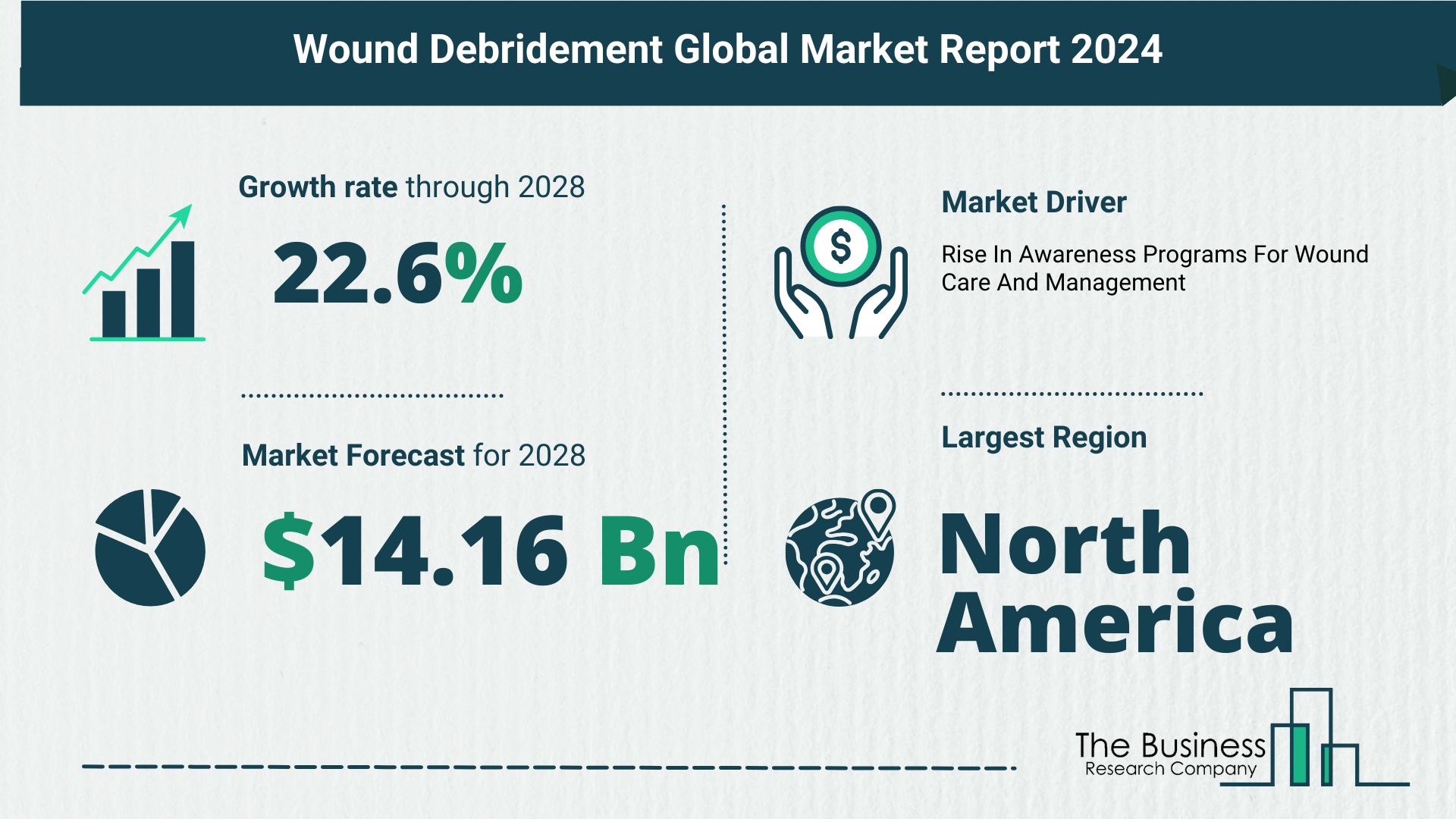
    The Wound Debridement Market Landscape The wound debridement market has experienced robust growth in recent years, with a notable surge from $5 billion in 2023 to $5.35 billion in 2024 at a compound annual growth rate (CAGR) of 7.0%. Projections indicate further expansion, reaching $7.03 billion in 2028 at a CAGR of 7.1%. This growth is attributed to various factors such as the prevalence of chronic diseases, an aging population, increased healthcare expenditure, sports injuries, road accidents, and economic growth.

    Rising Awareness Programs Drive Wound Debridement Market Growth

    • Diverse Causes of Wounds: Injuries, accidents, surgical wounds, burns, diabetes, vascular disease, and chronic wounds necessitate attention.
    • Healogics Wound Care Awareness Campaign: A prime example of an initiative aimed at raising awareness about chronic wound healing.
    • Resourceful Workshops: Workshops aiding in educating both patients and healthcare providers about wound severity and care.
    • Key Market Players: Smith & Nephew PLC, B. Braun Melsungen AG, Coloplast A/S, and others contribute to market growth.

    View More On The Wound Debridement Market Report 2024 – https://www.thebusinessresearchcompany.com/report/wound-debridement-global-market-report

    Innovative Technologies Transforming The Wound Debridement Market

    • Tech Advancements as a Key Trend: Major market players focusing on innovative technologies for wound debridement.
    • Wearable Technologies: Integration of wearable technologies, electronic health data, and diverse examination devices.
    • Nanosensor for Advanced Care: RMIT University’s nanosensor-based glowing wound dressing unit for infection monitoring.
    • Essity AB’s Acquisition of Hydrofera: A strategic move to enhance Essity’s wound debridement portfolio and innovation capabilities.

    Segmentation: Understanding the Wound Debridement Market The wound debridement market is segmented based on various parameters, providing a comprehensive understanding of its dynamics.

    1. By Product:
      • Enzymatic Debridement Products
      • Autolytic Debridement Products
      • Gels, Ointments
      • Mechanical Debridement Products
      • Ultrasonic Debridement Products
      • Other Products
    2. By Method:
      • Surgical Method
      • Enzymatic Method
      • Mechanical Method
      • Autolytic Method
      • Other Methods
    3. By Wound Type:
      • Venous Leg Ulcers
      • Diabetic Foot Ulcers
      • Pressure Ulcers
      • Surgical and Traumatic Wounds
      • Other Wound Types
    4. By End User:
      • Hospitals
      • Clinics
      • Other End Users

    Regional Dynamics: North America Leading, Asia-Pacific Emerging

    • North America: The largest region in the wound debridement market in 2023.
    • Asia-Pacific: Expected to be the fastest-growing region, showcasing immense potential during the forecast period.

    Conclusion: Navigating the Future of Wound Debridement The wound debridement market’s trajectory is marked by consistent growth, fueled by factors like increasing diabetic populations, outpatient care trends, regulatory support, and advancements in healthcare infrastructure. The landscape is further enriched by major trends such as biological debridement, robotic debridement, smart wound dressings, minimally invasive techniques, and advanced wound imaging. As we navigate the future, it is evident that the wound debridement market is not only witnessing growth but also transforming through innovation and awareness initiatives, ultimately contributing to improved patient outcomes and healthcare practices.

    Request A Sample Of The Global Wound Debridement Market Report 2024:
    https://www.thebusinessresearchcompany.com/sample_request?id=6575&type=smp

  • Global Virology Specimen Collection Market Report 2024 – Top Market Trends And Opportunities

    Global Virology Specimen Collection Market Report 2024 – Top Market Trends And Opportunities

    The Business Research Company’s market reports offer an in-depth analysis on the market’s growth potential, major drivers, key trends and more.

    The virology specimen collection market has witnessed robust growth in recent years, and this trend is set to continue. In 2023, the market size reached $6.18 billion, with a projected increase to $6.56 billion in 2024, boasting a Compound Annual Growth Rate (CAGR) of 6.1%. Looking ahead, the market is anticipated to further expand, reaching $8.23 billion in 2028, at a CAGR of 5.8%. This growth can be attributed to various factors, including disease outbreaks, infectious disease research, public health initiatives, quality assurance and regulation, remote and home testing, global health preparedness, and government funding.

    Rising Cases of Viral Diseases Boosting Market Growth

    • Viral Infections on the Rise: The surge in viral diseases, such as HIV/AIDS and influenza, is a significant driver for the virology specimen collection market. In 2022, UNAIDS reported 39.0 million people globally living with HIV, with 1.3 million new infections and 630,000 AIDS-related deaths in the same year.
    • Critical Role of Specimen Collection: Virology specimen collection is crucial for the diagnosis and treatment of viral diseases. Proper collection, transport, and processing of specimens are essential steps in detecting viral infections.
    • Market Growth Catalyst: The increasing prevalence of viral diseases, especially HIV/AIDS, contributes significantly to the market’s growth trajectory.

    Key Players in the Virology Specimen Collection Market

    • Industry Leaders: Major companies driving the virology specimen collection market include Puritan Medical Products Co. LLC, Becton Dickinson and Company, Quidel Corporation, Thermo Fisher Scientific Inc., and others.
    • Diverse Offerings: These companies provide a range of products and services, contributing to the market’s overall dynamism and growth.

    Technological Advancements Shaping the Market

    • Automated Sample Isolation: Technological advancements, including automated sample isolation and real-time amplification technology, are transforming the virology specimen collection market.
    • Nightingale Health’s Innovation: In August 2023, Nightingale Health PLC introduced a remote blood collection kit, allowing research participants to self-collect blood samples. This innovation enhances flexibility and expands study options.
    • Impact on Research: Remote blood collection facilitates research by overcoming logistical and geographic constraints, ultimately advancing medical research and clinical trials.

    Read More On The Virology Specimen Collection Market Report 2024 – https://www.thebusinessresearchcompany.com/report/virology-specimen-collection-global-market-report

    Strategic Acquisitions Enhancing Diagnostic Capabilities

    • DiaSorin’s Acquisition of Luminex Corporation: In 2021, DiaSorin S.p.A. acquired Luminex Corporation for $1.8 billion. This strategic move provides DiaSorin access to Luminex’s multiplexing technology and a portfolio that complements its existing offerings, particularly strengthening its position in the United States.
    • Synergies and Benefits: The acquisition opens avenues for academic and scientific research, enhances interaction with biopharma businesses, and broadens access to clinical multiplexing assays for future Value-Based Care projects.

    Market Segmentation for Comprehensive Insights

    The virology specimen collection market is segmented based on various factors:

    1. Product Type: Blood Collection Kits, Specimen Collection Tubes, Viral Transport Media, Swabs
    2. Sample: Blood Samples, Nasopharyngeal Samples, Throat Samples, Nasal Samples, Cervical Samples, Oral Samples, Other Samples
    3. Method: Manual, Automated
    4. Application: Diagnostic, Therapeutic

    Regional Dynamics: North America Leading, Asia-Pacific Rising

    • North America’s Dominance: In 2023, North America held the largest share in the virology specimen collection market. The region’s advanced healthcare infrastructure and technological innovations contribute to its leadership.
    • Asia-Pacific’s Growth: The Asia-Pacific region is poised to be the fastest-growing in the forecast period. Factors such as increasing healthcare awareness and a rising population contribute to the market’s expansion in this region.

    Conclusion: A Thriving Future for Virology Specimen Collection
    As the virology specimen collection market continues to grow, driven by technological advancements, strategic acquisitions, and the increasing prevalence of viral diseases, it presents a promising landscape for stakeholders. The integration of self-collection kits, point-of-care specimen collection, and digital health platforms underscores the industry’s adaptability to evolving healthcare needs. With North America leading and Asia-Pacific emerging as a key player, the market is on a trajectory of sustained growth, promising a future where effective specimen collection plays a pivotal role in combating viral diseases globally.

    Request for A Sample Of The Global Virology Specimen Collection Market Report:
    https://www.thebusinessresearchcompany.com/sample_request?id=6642&type=smp

  • 5 Takeaways From The Trauma Care Centers Market Overview 2024

    5 Takeaways From The Trauma Care Centers Market Overview 2024

    The Business Research Company’s global market reports are now updated with the latest market sizing information for the year 2024 and forecasted to 2033

    According to The Business Research Company’s Trauma Care Centers Global Market Report 2024, the trauma care centers market is expected to show promising growth in the forecast period.

    The Trauma Care Centers market has witnessed robust growth in recent years, with a projected increase from $21.74 billion in 2023 to $23.1 billion in 2024, marking a Compound Annual Growth Rate (CAGR) of 6.2%. This growth is attributed to various factors such as advancements in emergency medical services, triage protocols, trauma training programs, innovations in trauma surgery, and collaborations with law enforcement.

    1. Rising Traumatic Injuries Fueling Market Growth:

    The surge in traumatic injury-related emergency department visits is a significant driver for the growth of trauma care centers. Traumatic injuries, sudden and severe in nature, necessitate immediate medical attention. This increase is evidenced by the Centers for Disease Control and Prevention’s prediction of around 130 million emergency department visits in America, with 35 million related to injuries. Notably, penetration trauma increased from 10.3% to 13.0% in 2021, underscoring the urgent need for quality trauma care services.

    • Statistics and Projections: Centers for Disease Control and Prevention report on emergency department visits.
    • Incidence of Penetration Trauma: National Library of Medicine’s research findings.
    • Market Growth Drivers: Demand for improved trauma care services.
    1. Trauma Care Market Projections and Key Trends:

    The market is poised for substantial growth, reaching $29.04 billion in 2028 at a CAGR of 5.9%. Factors contributing to this forecast include geriatric and pediatric trauma care, advanced diagnostic tools, public health initiatives, and global trauma center expansion. Key trends in the forecast period include the integration of advanced imaging technologies, telemedicine, trauma training and simulation, multidisciplinary trauma teams, and data-driven care.

    • Market Projection: Trauma care market size estimated for 2028.
    • Contributing Factors: Geriatric and pediatric trauma care, advanced diagnostic tools, global expansion.
    • Key Trends: Advanced imaging technologies, telemedicine integration, trauma training, multidisciplinary teams, data-driven care.

    View More On The Trauma Care Centers Market Report 2024 – https://www.thebusinessresearchcompany.com/report/trauma-care-centers-global-market-report

    1. Research and Development Elevating Trauma Care:

    Research and Development (R&D) activities emerge as a pivotal trend in the trauma care centers market. Organizations are investing in R&D to strengthen their positions and provide optimal treatment for trauma patients. A noteworthy example is the Boston University School of Public Health’s launch of the Center for Trauma and Mental Health (CTMH), focusing on understanding and addressing the health impacts of trauma.

    • Key Trend: Research and Development activities in trauma care.
    • Case Study: Boston University’s Center for Trauma and Mental Health.
    • Mission and Objectives: Comprehensive understanding of traumatic events and their repercussions.
    1. Strategic Acquisitions in the Trauma Care Landscape:

    In February 2022, Criticare Asia Hospitals made a strategic move by acquiring Kohinoor Hospital, a multi-specialty hospital in India. This acquisition positions Criticare as a leading advanced multispecialty hospital, equipped with 24-hour trauma care facilities. Such acquisitions contribute to the expansion of trauma care services globally.

    • Strategic Acquisition: Criticare Asia Hospitals acquiring Kohinoor Hospital.
    • Impact on Services: Enabling Criticare to become a comprehensive healthcare provider.
    • Global Expansion: Increasing capabilities to address major and minor health issues.
    1. Market Segmentation for In-Depth Analysis:

    The trauma care centers market is segmented based on various criteria, providing a nuanced understanding of the industry. Segmentation includes facilities (in-house, standalone), types of trauma (falls, traffic-related injuries, stabs/cuts, burns, brain injuries, others), and services (inpatient, outpatient, rehabilitation).

    • Facility Segmentation: In-house vs. Standalone trauma care centers.
    • Trauma Types: Falls, traffic-related injuries, stabs/cuts, burns, brain injuries, others.
    • Service Segmentation: Inpatient, outpatient, rehabilitation.
    1. Regional Dynamics: North America Leading, Asia-Pacific Accelerating:

    In 2023, North America dominated the trauma care centers market, while Asia-Pacific is anticipated to be the fastest-growing region in the forecast period. Regional dynamics play a crucial role in shaping the trajectory of the trauma care industry.

    • Regional Dominance: North America leading in 2023.
    • Forecast for Asia-Pacific: Expected to be the fastest-growing region.
    • Implications for Market Dynamics: Regional factors influencing market trends.

    Conclusion: The trajectory of the trauma care centers market is marked by substantial growth, driven by increasing traumatic injuries, strategic acquisitions, research and development endeavors, and evolving market dynamics. As the industry embraces technological advancements and global expansions, it is poised to meet the growing demand for high-quality trauma care services in the coming years.

    Request A Sample Of The Global Trauma Care Centers Market Report 2024:
    https://www.thebusinessresearchcompany.com/sample_request?id=7540&type=smp

  • Global Microcarrier Market Analysis 2024: Size, Share, And Key Trends

    Global Microcarrier Market Analysis 2024: Size, Share, And Key Trends

    The Business Research Company’s global market reports are now updated with the latest market sizing information for the year 2024 and forecasted to 2033

    As per The Business Research Company’s Microcarrier Global Market Report 2024, the microcarrier market is expected to show significant growth in the forecast period.

    The microcarrier market has experienced unprecedented growth in recent years, emerging as a crucial component in the realm of bioprocessing. With a market size of $2 billion in 2023 and a projected growth to $2.2 billion in 2024 at a CAGR of 10.1%, the industry is on an upward trajectory. This surge is attributed to various factors, including the escalating demand for cell-based vaccines, government initiatives, private funding for cell and gene therapy, the burden of infectious diseases, and intensified research and development activities for effective therapeutic vaccines.

    Navigating the Growth Trajectory

    Anticipated Growth in the Forecast Period

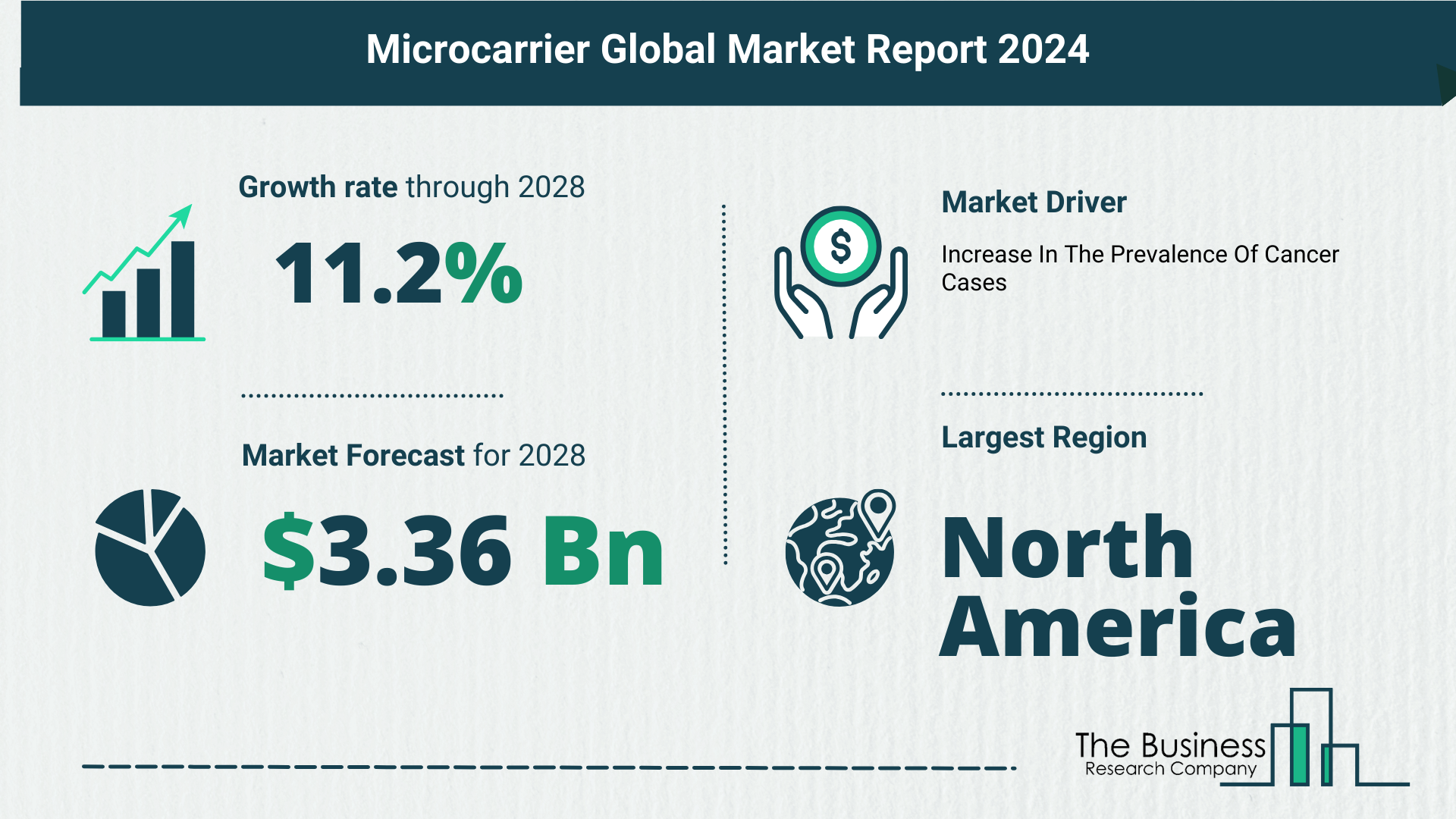
    The microcarrier market is poised for continued rapid growth, with an estimated market size of $3.36 billion in 2028 at a CAGR of 11.2%. The forecasted expansion is driven by factors such as the increasing prevalence of cancer cases, growing demand for cell-based vaccines, the rise in infectious and chronic diseases, heightened research and development activities, and a surging interest in regenerative medicine. The upcoming years are expected to witness notable trends, including the development of scalable and high-density microcarriers, a shift towards single-use systems, integration of advanced materials in microcarrier design, customized solutions for specific cell types, and a pronounced emphasis on sustainability in manufacturing.

    • Key Trends in the Forecast Period
      • Development of scalable and high-density microcarriers
      • Shift towards single-use microcarrier systems
      • Integration of advanced materials in microcarrier design
      • Customized microcarrier solutions for specific cell types
      • Emphasis on sustainability and eco-friendly manufacturing

    Rising Cancer Prevalence Fuels Microcarrier Market

    The surge in cancer cases globally is a significant driving force behind the growth of the microcarrier market. Factors such as increased lifespan, adoption of a western lifestyle, poor dietary habits, and environmental pollution contribute to the escalating cancer risk. Microcarriers play a vital role in supporting the growth of adherent cells in bioreactors, facilitating cancer cell proliferation, and aiding in the formation of microtissues for tissue repair. With the number of cancer cases reaching 1,958,310 in 2023, a 3.16% increase from 2021, the market is responding to the imperative need for effective solutions in cancer therapy.

    • Market Players: Thermo Fisher Scientific Inc., The Merck Group, GE Healthcare Technologies Inc., Corning Incorporated, Lonza Group AG, and others.

    View More On The Microcarrier Market Report 2024 – https://www.thebusinessresearchcompany.com/report/microcarrier-global-market-report

    Innovative PVA Hydrogel Microcarriers Enhance Revenue Growth

    Companies in the microcarrier market are actively engaged in developing innovative products to enhance revenue and broaden their product offerings. Notably, the introduction of Polyvinyl Alcohol (PVA) Hydrogel Microcarriers by Kuraray Co., Ltd. in October 2023 exemplifies this trend. These biocompatible microcarriers support the growth and expansion of adherent cells in bioprocessing and cell culture applications, streamlining processes and enhancing efficiency.

    • Innovation Spotlight: Kuraray Co., Ltd.’s development of PVA Hydrogel Microcarriers for regenerative medicine.

    Strategic Partnerships Driving Advancements

    Collaborations and partnerships are shaping the landscape of the microcarrier market. In June 2023, Saint-Gobain Life Sciences extended its partnership with denovoMATRIX GmbH to develop products for the stem cell therapy sector. This extended collaboration, lasting until 2026, aims to create protocols and products for the autologous stem cell therapy market, utilizing the combined expertise of both companies.

    • Strategic Partnership: Saint-Gobain Life Sciences and denovoMATRIX GmbH collaborate to develop stem cell therapy products.

    Market Segmentation: A Comprehensive View

    The microcarrier market is segmented based on product, type, material type, application, and end-user categories, providing a holistic understanding of its diverse landscape.

    1. Product
      • Equipment
      • Consumables
    2. Type
      • Cationic Microcarriers
      • Collagen-Coated Microcarriers
      • Protein-Coated Microcarriers
      • Untreated Microcarriers
      • Other Microcarriers
    3. Material Type
      • Alginate-Based
      • Collagen-Based
      • Dextran-Based
      • Polystyrene-Based
      • Other Material Type
    4. Application
      • Vaccine Manufacturing
      • Cell Therapy
      • Other Applications
    5. End User
      • Pharmaceutical and Biotechnology Companies
      • Research Institutes
      • CROs

    Regional Dynamics: North America Leads, Asia-Pacific Emerges

    In 2023, North America claimed the largest share in the microcarrier market, but the forecast indicates that Asia-Pacific will witness the fastest growth in the coming years. This shift in regional prominence highlights the global nature of the microcarrier market’s expansion.

    Conclusion: Paving the Way for Future Bioprocessing Breakthroughs

    The microcarrier market’s journey from $2 billion in 2023 to an estimated $3.36 billion in 2028 showcases its pivotal role in advancing bioprocessing capabilities. Fueled by factors such as cancer prevalence, technological innovations, and strategic partnerships, the microcarrier market is set to play a crucial role in shaping the future of cell-based therapies and vaccine manufacturing. As the industry continues to evolve, emphasis on sustainability and tailored solutions is expected to drive further innovations, promising a future of breakthroughs in bioprocessing and regenerative medicine.

    Request A Sample Of The Global Microcarrier Market Report 2024:
    https://www.thebusinessresearchcompany.com/sample_request?id=7759&type=smp

  • Future Growth Forecast For The Medical Foods Global Market 2024-2033

    Future Growth Forecast For The Medical Foods Global Market 2024-2033

    The Business Research Company’s global market reports provide comprehensive analysis on the various markets in 27 industries across 60 geographies.

     The medical foods market has witnessed robust growth, surging from $21.35 billion in 2023 to $23.07 billion in 2024, with a Compound Annual Growth Rate (CAGR) of 8.0%. This growth is attributed to factors such as the increased prevalence of chronic diseases, advances in medical and nutritional science, a growing aging population, rising awareness of nutrition’s role in health conditions, and regulatory support for medical foods.

    1. Future Trajectory: Anticipated Surge in Market Size:

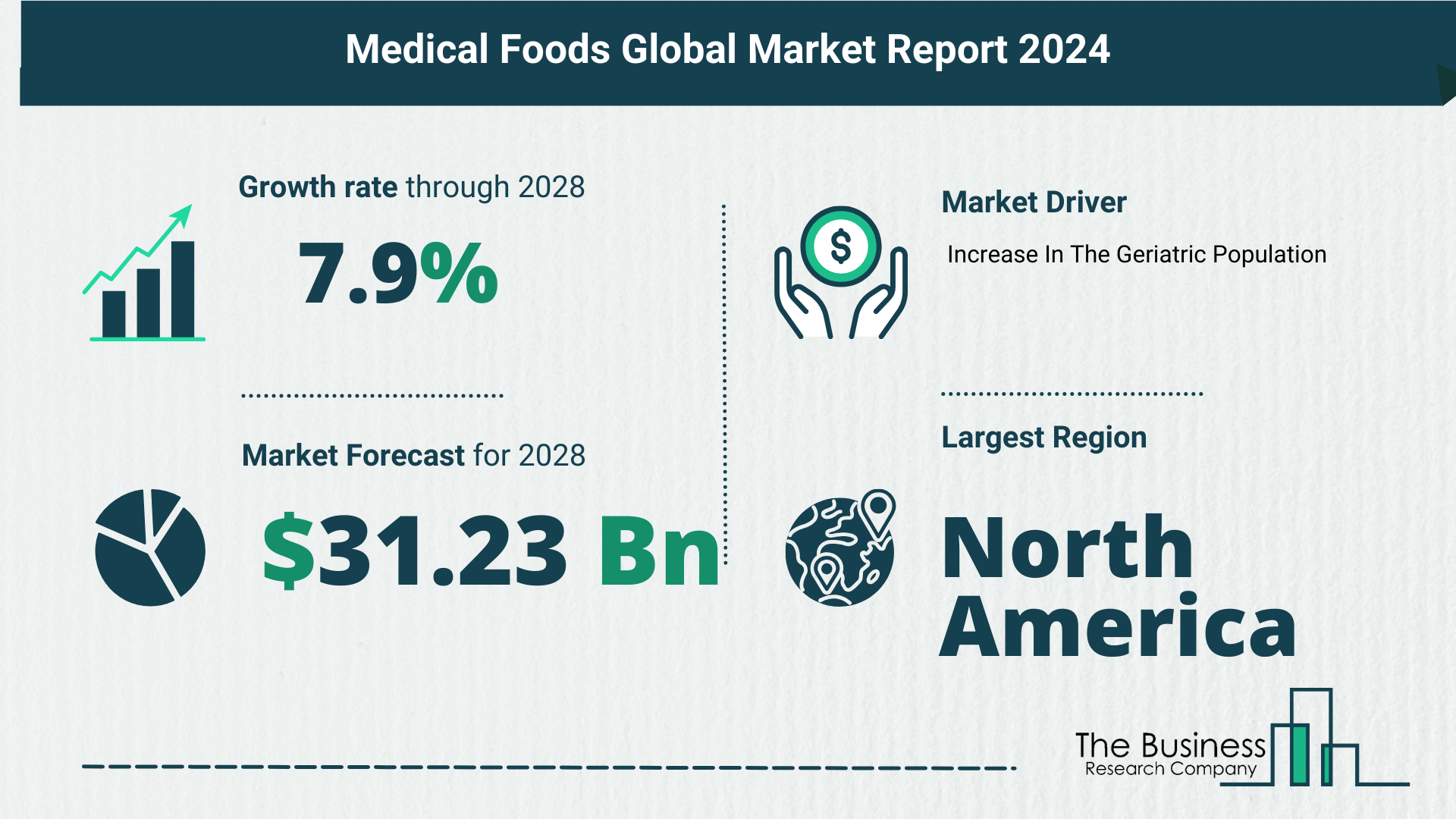
    The medical foods market is poised for continued growth, projected to reach $31.23 billion in 2028 at a CAGR of 7.9%. This forecasted expansion is fueled by a growing focus on preventive healthcare, a rising demand for personalized nutrition, application expansion in metabolic disorders, advancements in nutrigenomics and personalized medicine, and heightened consumer interest in functional foods.

    • Market Projection: Anticipated size for 2028.
    • Growth Drivers: Preventive healthcare, personalized nutrition, nutrigenomics, consumer interest in functional foods.
    • Key Trends: Condition-specific formulations, industry collaborations, digital technology integration, clean-label emphasis.
    1. Cancer Incidence as a Catalyst for Market Growth:

    The rising incidence of cancer stands out as a key driver propelling the medical foods market. Cancer, characterized by abnormal cell growth, demands specialized nutrition to support patients undergoing treatment. Notably, the American Cancer Society predicts 1.9 million new cancer cases in the US in 2022, emphasizing the crucial role medical foods play in supporting cancer patients’ nutritional needs.

    • Cancer Statistics: Insights from the American Cancer Society.
    • Role of Medical Foods: Supporting nutritional needs during cancer treatment.
    • Market Impact: Driving growth in response to increasing cancer cases.

    View More On The Medical Foods Market Report 2024 – https://www.thebusinessresearchcompany.com/report/medical-foods-global-market-report

    1. Industry Innovations: Transformative Products for Specialized Needs:

    Major companies in the medical foods market are spearheading innovation by developing products such as Foods for Special Medical Purposes (FSMP). These specially formulated products cater to individuals with specific medical conditions, disorders, or diseases. For instance, Nestle launched “Si Yi Su,” specifically designed for individuals dealing with tumor-related conditions. The unique formulation includes essential nutritional components targeting inflammation and compromised immunity.

    • Innovative Products: Introduction of Foods for Special Medical Purposes (FSMP).
    • Case Study: Nestle’s “Si Yi Su” for tumor-related conditions.
    • Purpose and Formulation: Targeting inflammation and bolstering compromised immunity.
    1. Strategic Acquisitions: Expanding Access and Offerings:

    In a strategic move, Pentec Health Inc. acquired ZOIA Pharma in July 2023, enhancing accessibility to a comprehensive range of medical foods, especially for individuals with rare conditions like phenylketonuria (PKU). This acquisition underscores the industry’s commitment to expanding offerings into emerging and underserved regions of clinical nutrition, establishing itself as a complex care provider.

    • Strategic Acquisition: Pentec Health Inc. acquiring ZOIA Pharma.
    • Expanded Accessibility: Comprehensive medical foods for rare conditions.
    • Industry Commitment: Addressing emerging and underserved clinical nutrition needs.
    1. Market Segmentation for In-Depth Insights:

    The medical foods market is intricately segmented based on type (pills, powder, other types), application (Alzheimer’s Disease, Diabetic Neuropathy, Nutritional Deficiency, ADHD, Other Applications), and sales channel (Retail Sales, Online Sales, Institutional Sales). This segmentation provides nuanced insights into the diverse facets of the market.

    • Type Segmentation: Pills, powder, and other types.
    • Application Focus: Addressing specific conditions like Alzheimer’s, Diabetic Neuropathy, ADHD, and more.
    • Sales Channel Diversity: Retail, online, and institutional sales.
    1. Regional Dynamics: North America Leads, Asia-Pacific Accelerates:

    North America emerged as the largest region in the medical foods market in 2023. However, the Asia-Pacific region is projected to be the fastest-growing in the forecast period. Regional dynamics play a crucial role in shaping market trends and growth trajectories.

    • Regional Leadership: North America leading in 2023.
    • Future Growth Hub: Asia-Pacific anticipated to be the fastest-growing region.
    • Impact on Market Dynamics: Regional factors influencing trends and expansion.

    Conclusion: The medical foods market’s remarkable growth journey is steered by a confluence of factors, including innovation, strategic acquisitions, and a deep understanding of specific medical conditions. As the market continues to evolve, catering to diverse nutritional needs and expanding into new regions, it stands poised to be a crucial player in the broader landscape of healthcare and personalized nutrition.

    Request A Sample Of The Global Medical Foods Market Report 2024:
    https://www.thebusinessresearchcompany.com/sample_request?id=6353&type=smp

  • 5 Takeaways From The Leukemia Therapeutics Market Overview 2024

    5 Takeaways From The Leukemia Therapeutics Market Overview 2024

    The Business Research Company’s global market reports are now updated with the latest market sizing information for the year 2024 and forecasted to 2033

    According to The Business Research Company’s Leukemia Therapeutics Global Market Report 2024, the leukemia therapeutics market is expected to show promising growth in the forecast period.

    1. Introduction

    The leukemia therapeutics market has experienced robust growth, evolving from $16.55 billion in 2023 to an anticipated $17.78 billion in 2024, demonstrating a notable compound annual growth rate (CAGR) of 7.4%. Let’s delve into the factors driving this growth and explore the future projections.

    1. Leukemia Prevalence Propels Market Expansion

    The surge in leukemia prevalence acts as a significant catalyst for the market’s growth. As a blood cancer originating in the bone marrow, leukemia demands effective therapeutic interventions. The global accessibility of medical treatments and the expanding array of treatment options contribute to heightened demand for leukemia therapeutics.

    • Rising global prevalence of leukemia
    • Increased accessibility to medical treatment
    • Growing demand for leukemia therapeutics
    1. Market Players and Key Companies

    Major players steering the leukemia therapeutics market include Novartis International AG, AbbVie Inc., Bristol Myers Squibb Company, and others. The competitive landscape underscores the market’s dynamic nature and the strategic positioning of key industry players.

    • Key players: Novartis, AbbVie, Bristol Myers Squibb, and more
    • Competitive landscape in leukemia therapeutics market
    1. Future Growth Projections

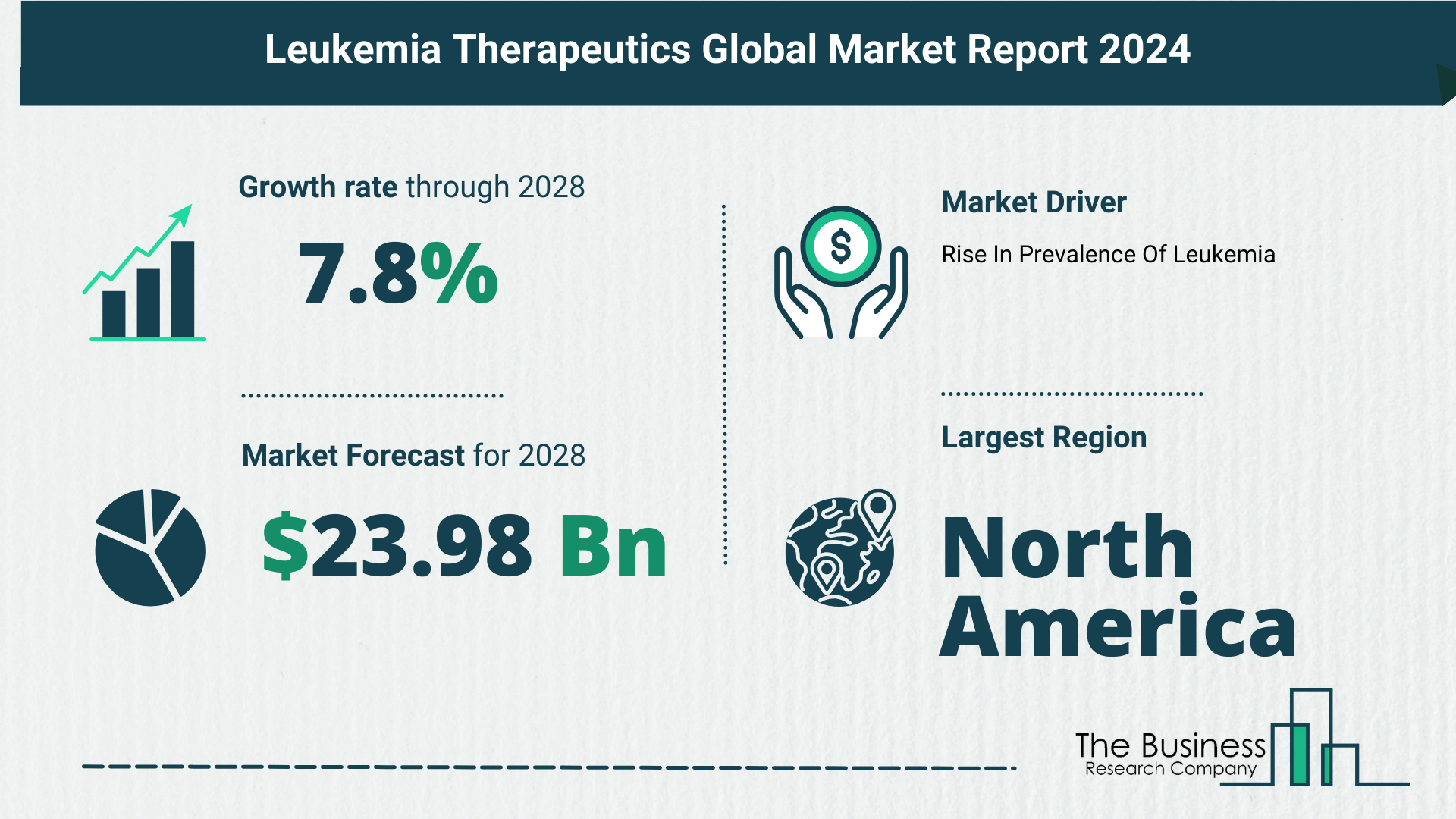
    The outlook for the leukemia therapeutics market remains promising, with an anticipated growth to $23.98 billion in 2028 at a CAGR of 7.8%. The forecast period’s growth is attributed to the development of novel immunotherapies, precision medicine focus, expanded indications for existing therapies, increased gene therapy adoption, and advancements in supportive care.

    • Future growth projections for leukemia therapeutics market
    • Factors driving growth: Immunotherapies, precision medicine, gene therapies

    View More On The Leukemia Therapeutics Market Report 2024 – https://www.thebusinessresearchcompany.com/report/leukemia-therapeutics-global-market-report

    1. Innovations in Leukemia Therapeutics

    Industry leaders are actively contributing to the market’s dynamism through innovative products, such as Chimeric Antigen Receptor T-cell (CAR-T) therapies. For instance, Kite Pharma’s Tecartus received FDA approval, marking a groundbreaking achievement in CAR-T therapy for B-cell precursor acute lymphoblastic leukemia (ALL).

    • Innovation in leukemia therapeutics: CAR-T therapies
    • Example: Tecartus by Kite Pharma
    1. Strategic Acquisitions Shaping the Market

    Pfizer Inc.’s acquisition of Trillium Therapeutics in November 2021 for approximately $2.22 billion exemplifies strategic moves within the industry. This acquisition aims to fortify Pfizer’s oncology portfolio with Trillium’s next-generation immunotherapies.

    • Pfizer’s acquisition of Trillium Therapeutics
    • Strategic moves in the leukemia therapeutics market
    1. Market Segmentation

    Understanding the leukemia therapeutics market involves examining its segmentation based on treatment type, type of leukemia, molecule type, and end-users. This comprehensive segmentation provides a nuanced view of the market landscape.

    • Segmentation of the leukemia therapeutics market
    • Treatment types: Chemotherapy, Immunotherapy, Targeted Therapy, Other Treatments
    • Types of leukemia: Acute Lymphocytic Leukemia, Acute Myeloid Leukemia, Chronic Lymphocytic Leukemia, Chronic Myeloid Leukemia, Other Types
    • Molecule types: Small Molecules, Biologics
    • End-users: Hospitals, Homecare, Specialty Clinics, Other End-Users
    1. Regional Dynamics

    In 2023, North America led the leukemia therapeutics market, with Asia-Pacific expected to emerge as the fastest-growing region in the forecast period. Regional dynamics play a crucial role in shaping market trends and opportunities.

    • North America leads leukemia therapeutics market
    • Asia-Pacific as the fastest-growing region

    In conclusion, the leukemia therapeutics market is witnessing robust growth, fueled by factors such as rising leukemia prevalence, innovative advancements, strategic acquisitions, and a comprehensive market segmentation strategy. As the industry continues to evolve, the focus on precision medicine, combination therapies, and targeted approaches positions the market for sustained expansion and impactful contributions to leukemia treatment.

    Request A Sample Of The Global Leukemia Therapeutics Market Report 2024:
    https://www.thebusinessresearchcompany.com/sample_request?id=6358&type=smp