Blog

  • Understand How The Smart Healthcare Products Market Is Poised To Grow Through 2024-2033

    Understand How The Smart Healthcare Products Market Is Poised To Grow Through 2024-2033

    The Business Research Company’s global market reports are now updated with the latest market sizing information for the year 2024 and forecasted to 2033

    As per The Business Research Company’s Smart Healthcare Products Global Market Report 2024, the smart healthcare products market is expected to show significant growth in the forecast period.

    The smart healthcare products market has witnessed remarkable growth, and its trajectory shows no signs of slowing down. In 2023, the market size reached $228.83 billion, and projections indicate a substantial increase to $260.67 billion in 2024, marking a compound annual growth rate (CAGR) of 13.9%. The forecast is even more promising, with an expected surge to $439.68 billion by 2028 at a CAGR of 14.0%.

    Rising Healthcare Spending Fuels The Growth

    • Healthcare Spending Surge: The unprecedented rise in healthcare spending, exacerbated by the global COVID-19 pandemic, plays a pivotal role in the expansion of the smart healthcare products market.
    • Drivers of Healthcare Spending: Various factors such as increased government emphasis on universal healthcare, rising income levels, an aging population, and higher health insurance penetration contribute to the escalating healthcare spending.
    • Smart Healthcare’s Response: Smart healthcare products, capable of diagnosing and treating ailments anywhere and anytime, align perfectly with the growing need for efficient healthcare solutions.
    • Market Players: Key industry players like AirStrip Technologies, Apple Inc., and GE Healthcare are actively shaping this evolving landscape.

    Ai-Driven Advancements And Innovative Devices Shaping The Healthcare Industry

    • Technological Advancement: The market is witnessing a key trend in technological advancement, with artificial intelligence (AI) playing a crucial role in enhancing the efficiency of smart healthcare products.
    • AI Applications: AI is penetrating health plans, pharmacy benefit managers (PBM), and health system organizations, driving analytics, insights, and secure data interoperability.
    • ICON.AI’s Breakthrough: ICON.AI’s launch of the world’s first 2-in-one smart healthcare device showcases the power of AI. This device integrates a smart display speaker with built-in Alexa and a detachable health tracker, offering critical monitoring features.
    • Oracle’s Strategic Move: Oracle’s acquisition of Cerner Corporation for $28.3 billion in December 2021 signifies a transformative step, aiming to deliver simplified digital tools for medical professionals.

    Segmentation and Market Dynamics

    • Market Segmentation: The smart healthcare products market is segmented based on product type, application, and end-user.
      1. Product Types: Telemedicine, Electronic Health Records, mHealth, Smart Pills And Syringes, Smart RFID Cabinets.
      2. Applications: Storage And Inventory Management, Monitoring, Treatment.
      3. End Users: Hospitals, Home Care Settings.
    • Regional Insights: North America led the market in 2023, while Asia-Pacific is anticipated to be the fastest-growing region in the forecast period.

    View More On The Smart Healthcare Products Market Report 2024 – https://www.thebusinessresearchcompany.com/report/smart-healthcare-products-global-market-report

    Major Trends Shaping the Forecast Period

    • Digital Twins for Personalized Healthcare: Revolutionary concept enabling highly personalized healthcare solutions.
    • AI-Powered Diagnostic and Treatment Recommendations: AI’s role expands to providing precise diagnostic and treatment suggestions.
    • Wearables for Mental Health Monitoring: The integration of wearables for monitoring mental health marks a significant trend.
    • Remote Surgery and Robotic Healthcare Procedures: Advancements in remote surgery and robotics are transforming healthcare procedures.
    • 3D-Printed Personalized Medical Devices: The emergence of 3D-printed medical devices tailored to individual patient needs.
    • Health Data Marketplaces and Blockchain Security: Growing reliance on health data marketplaces and blockchain for enhanced security.

    Conclusion: The Inevitable Transformation of Healthcare
    The trajectory of the smart healthcare products market is set to redefine the healthcare landscape. As technological advancements, AI integration, and innovative devices become the norm, patients can expect more personalized, efficient, and secure healthcare solutions. The amalgamation of rising healthcare spending, AI-driven breakthroughs, and transformative trends positions smart healthcare products as the vanguard of the future of healthcare.

    Request A Sample Of The Global Smart Healthcare Products Market Report 2024:
    https://www.thebusinessresearchcompany.com/sample_request?id=7029&type=smp
  • Future Growth Forecast For The Small Animal Imaging (In-Vivo) Global Market 2024-2033

    Future Growth Forecast For The Small Animal Imaging (In-Vivo) Global Market 2024-2033

    The Business Research Company’s global market reports provide comprehensive analysis on the various markets in 27 industries across 60 geographies.

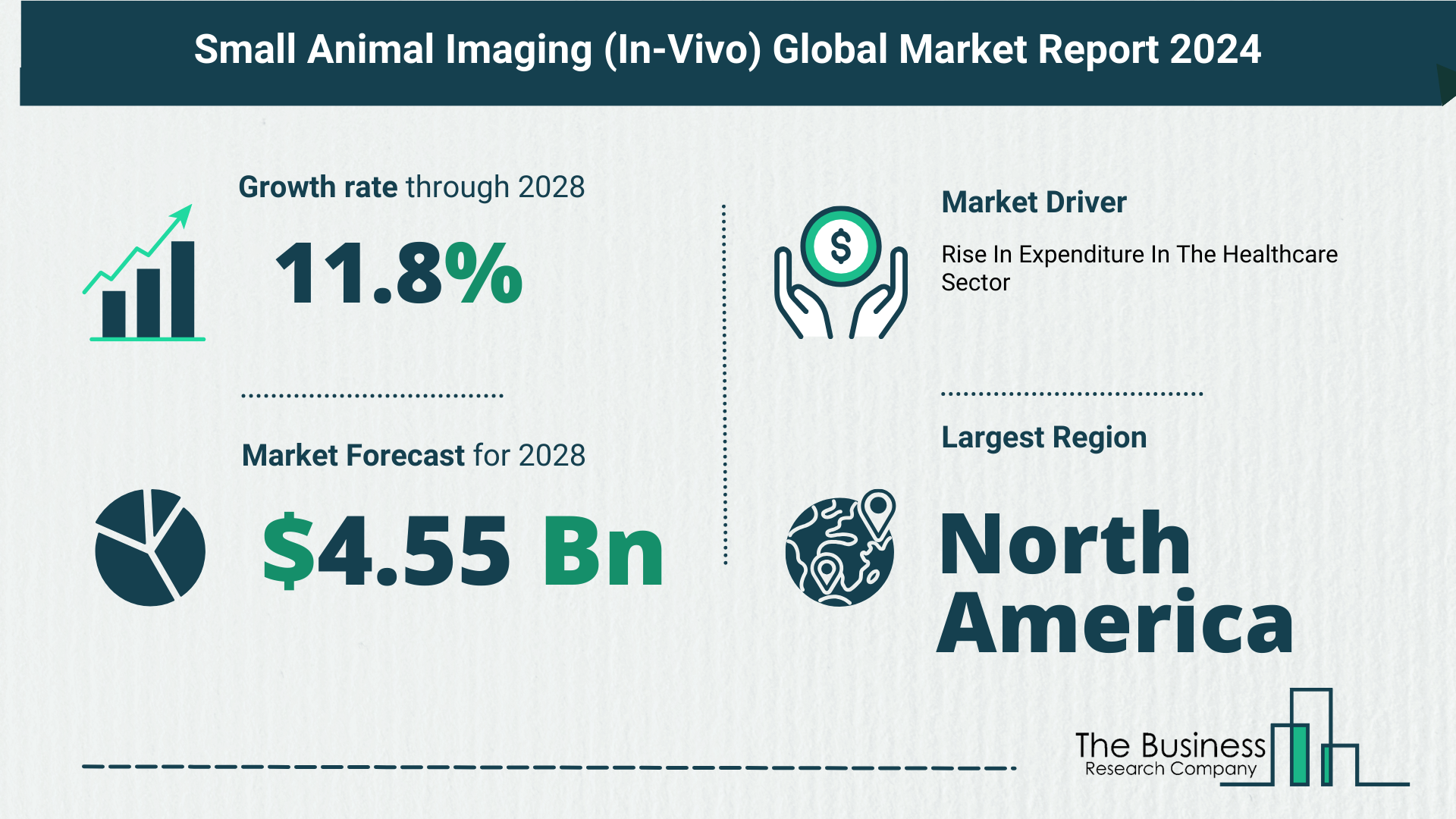
     The small animal imaging (in-vivo) market has witnessed remarkable growth, evolving from $2.59 billion in 2023 to a projected $2.91 billion in 2024 at an impressive CAGR of 12.6%. Projections indicate continued expansion, with an estimated market size of $4.55 billion by 2028, boasting a CAGR of 11.8%. What fuels this growth, and what trends and technologies are steering the market forward?

    Rapid Growth Catalysts in Recent Years

    • Preclinical Research and Drug Development: The market’s historical growth was fueled by a surge in preclinical research and drug development activities.
    • Pharmaceutical and Biotechnology Sectors Expansion: The market benefited from the expanding pharmaceutical and biotechnology sectors.
    • Translational Research and Disease Modeling: The growth was further driven by increased focus on translational research, disease modeling, and pathophysiology studies.
    • Academic and Government Funding: Robust support from academic institutions and government funding for research played a crucial role in market expansion.

    Forecasts and Emerging Trends

    • Development of Novel Imaging Probes: Anticipated growth in the forecast period can be attributed to the development of novel imaging probes and tracers.
    • Expansion of Preclinical CROs: The integration of Contract Research Organizations (CROs) into preclinical research contributes significantly to market expansion.
    • Integration of AI in Image Analysis: The incorporation of Artificial Intelligence (AI) in image analysis is a key trend, enhancing efficiency and accuracy.
    • Advanced Multimodal Imaging Systems: The adoption of advanced multimodal imaging systems contributes to more comprehensive and insightful data collection.
    • 3D and High-Resolution Imaging: The market is witnessing a surge in demand for 3D and high-resolution imaging for small animals.

    Key Trends Shaping the Forecast Period

    • Molecular and Functional Imaging: The forecast period sees a significant focus on molecular and functional imaging in small animals.
    • Longitudinal and Real-Time In-Vivo Imaging: Researchers are increasingly turning to longitudinal and real-time in-vivo imaging techniques.
    • Hybrid Imaging Modalities: Integration of hybrid imaging modalities provides a wealth of multimodal information.
    • CRISPR-Edited Animal Imaging: Researchers are utilizing imaging techniques for studying CRISPR-edited animals, facilitating genetics research.
    • AI-Driven Phenotyping and Biomarker Discovery: Artificial intelligence is playing a pivotal role in phenotyping and biomarker discovery.
    • Imaging for Neurodegenerative Diseases: There is a growing emphasis on utilizing imaging for research related to neurodegenerative diseases and neuroscience.

    Chronic Diseases as Growth Drivers

    • Elevated Incidence: The surge in chronic diseases, projected to increase by 99.5% among individuals aged 50 and older by 2050, is a significant driver.
    • Role of Small Animal Imaging Techniques: Micro-CT, micro-MRI, and micro-PET play a crucial role in preclinical research, aiding in understanding disease mechanisms and testing novel therapies.
    • Market Growth Implication: The rise in chronic diseases is expected to propel the small animal imaging (in-vivo) market forward.

    Major Players and Market Segmentation

    • Key Companies: Leading companies in the market include Bruker Corporation, PerkinElmer Inc., Miltenyi Biotec GmbH, Siemens AG, and others.
    • Market Segmentation:
      • By Component: Micro-MRI, Optical Imaging, Nuclear Imaging, Other Components.
      • By Application: Monitoring Treatment Response, Bio Distribution, Determining Drug or Target Engagement, Cancer Cell Detection, Biomarkers, Longitudinal Studies, Epigenetics.
      • By End User: Veterinary Clinics, Veterinary Hospitals, Veterinary Institutes and Research Centers.

    View More On The Small Animal Imaging (In-Vivo) Market Report 2024 – https://www.thebusinessresearchcompany.com/report/small-animal-imaging-in-vivo-global-market-report

    Technological Advancements Fueling Growth

    • Automated Advanced Technology Ultrasound: PerkinElmer’s Vega imaging system, launched in April 2022, exemplifies the market’s focus on advanced technology.
    • Rigaku Corporation’s Strategic Acquisition: Rigaku Corporation’s acquisition of MILabs B.V. in August 2021 exemplifies strategic moves to expand life sciences modality business.

    Regional Dynamics

    • North America Leading: North America emerged as the largest region in the small animal imaging (in-vivo) market in 2023.
    • Europe’s Growth Prospects: Europe is anticipated to be the fastest-growing region in the forecast period.

    Conclusion: A Dynamic Future Awaits
    The small animal imaging (in-vivo) market is on an upward trajectory, driven by factors such as technological advancements, increased research in chronic diseases, and innovative imaging modalities. As the market continues to evolve, it promises a dynamic future, marked by transformative technologies and a deeper understanding of preclinical research and disease mechanisms. Researchers, industry players, and investors alike are poised to benefit from the vibrant landscape that the small animal imaging market presents.

    Request A Sample Of The Global Small Animal Imaging (In-Vivo) Market Report 2024:
    https://www.thebusinessresearchcompany.com/sample_request?id=7303&type=smp

  • Growth Trajectory Of The Fitness Platforms for Disabled Market 2024-2033

    Growth Trajectory Of The Fitness Platforms for Disabled Market 2024-2033

    The Business Research Company’s global market reports are now updated with the latest market sizing information for the year 2024 and forecasted to 2033

    The fitness platforms for disabled market has experienced exponential growth, surging from $1.77 billion in 2023 to a projected $2.22 billion in 2024, boasting a remarkable compound annual growth rate (CAGR) of 25.6%. The historical growth is attributed to several factors, including enhanced accessibility and inclusion, heightened healthcare awareness, the development of supportive regulations, the promotion of social inclusion, and the expansion of adaptive sports programs.

    Forecasted Exponential Growth
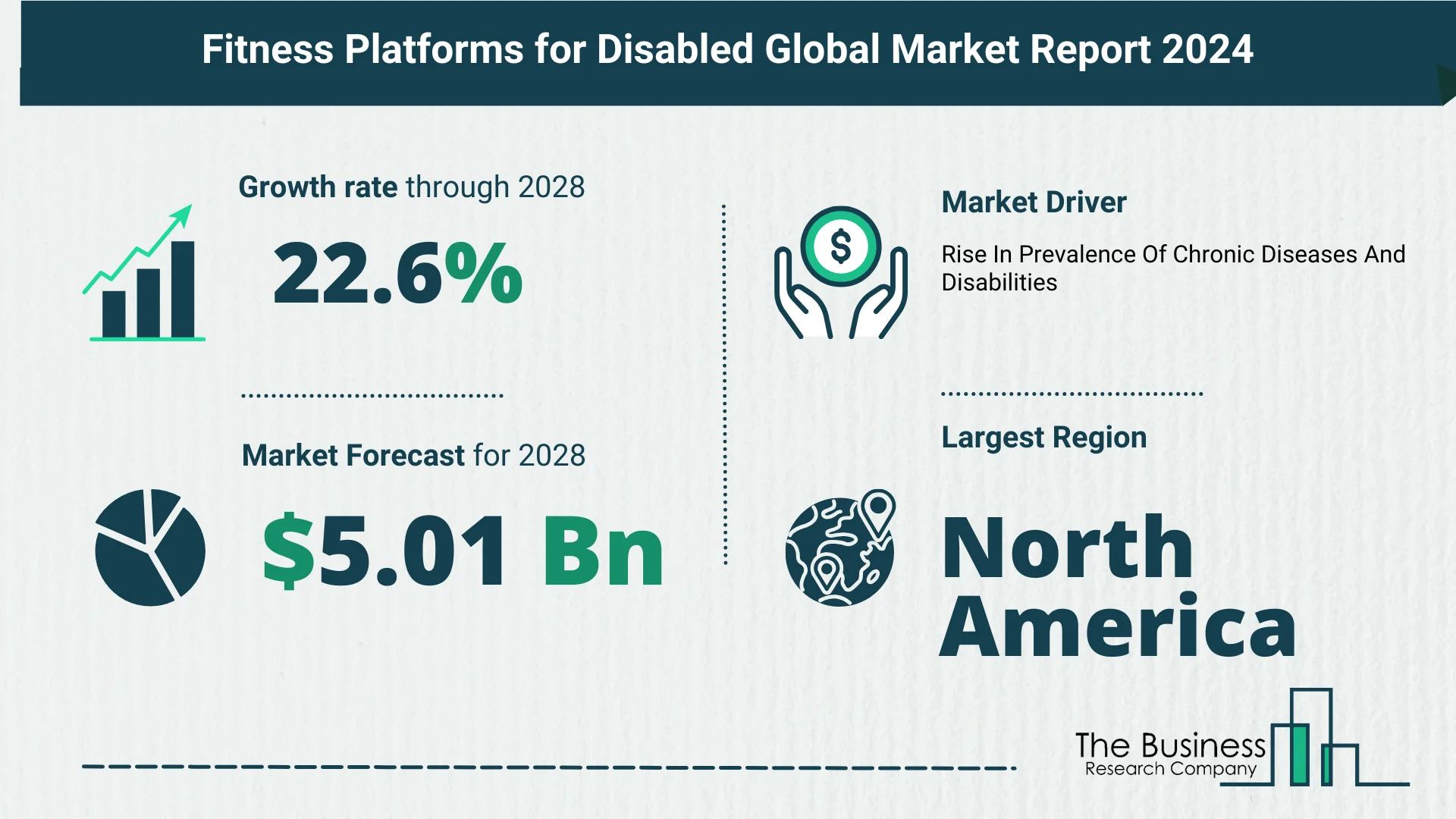
    Looking ahead, the fitness platform for disabled market is poised for even greater strides, with a forecasted value of $5.01 billion in 2028, showcasing a robust CAGR of 22.6%. The anticipated growth in the forecast period is underpinned by a confluence of factors such as the escalating demand for telehealth and virtual fitness, burgeoning healthcare partnerships, the rise of inclusive gym and facility design, ongoing integration of fitness therapy, and the amplification of social and peer support. Noteworthy trends in this period include the advent of wearable technology for disabled users, deeper integration with healthcare providers, the rise of therapeutic fitness, gamification and motivation, and the fostering of inclusive sport and recreation.

    The Driving Force: Increasing Number of Disabled Individuals
    Understanding Disability
    The driving force behind the exponential growth of fitness platforms for the disabled is the increasing number of individuals facing disabilities. Disabled individuals encompass those with physical, sensory, cognitive, or mental impairments that may impact their ability to engage in certain activities, often requiring additional support to overcome these limitations. According to the U.S. Census Bureau, as of June 2023, approximately 42.5 million people, constituting 13% of the civilian non-institutionalized population in the United States, reported having a disability in 2021. This burgeoning demographic is fueling the demand for fitness platforms tailored to address their unique needs, promoting physical well-being and enhancing overall quality of life.

    Key Players Shaping the Market Landscape
    A host of major companies play a pivotal role in shaping the fitness platforms for the disabled market. Notable names include Apple Inc., Kakana, Adaptive Yoga Live LLC, Champion’s Rx, and more. These companies contribute to the dynamic growth by offering innovative solutions that cater to the diverse needs of disabled individuals.

    Introduction of Accessible Exercise Classes
    Major players are stepping up to introduce accessible exercise classes that foster inclusive fitness. For instance, Kakana, an India-based fitness training platform, launched new exercise sessions in October 2021 catering to both disabled and non-disabled individuals. These sessions, led by disabled and non-disabled trainers, cover a range of activities such as strength training, meditation, yoga, stretching, cardio, and cross-cycling. The introduction of inclusive exercise classes reflects a commitment to providing diverse and accessible fitness options for all.

    View More On The Fitness Platforms for Disabled Market Report 2024 – https://www.thebusinessresearchcompany.com/report/fitness-platforms-for-disabled-global-market-report

    Strategic Moves: Mindbody Acquires ClassPass
    In a strategic move to enhance the fitness booking experience, Mindbody, a U.S.-based fitness booking and managing company, acquired ClassPass in October 2021. ClassPass, an online fitness membership company, brought a unique dimension to the fitness landscape. Such acquisitions demonstrate the industry’s commitment to continual improvement and the seamless integration of innovative solutions for users.

    Market Segmentation
    The fitness platforms for disabled market is segmented based on:

    1. Platform:
      • Android
      • iOS
      • Other Platform
    2. Device:
      • Smartphones
      • Tablets
      • Wearable Devices
    3. Application:
      • Exercise and Weight Loss
      • Diet and Nutrition
      • Activity Tracking
      • Other Applications

    Regional Dynamics
    In 2023, North America emerged as the largest region in the fitness platform market for the disabled. However, the Asia-Pacific region is projected to be the fastest-growing region in the forecast period, signaling a global recognition of the importance of inclusive fitness solutions.

    In conclusion, the exponential growth of fitness platforms for the disabled signifies a positive shift towards inclusivity, recognizing and addressing the unique needs of individuals with disabilities. As technology, awareness, and support systems continue to evolve, the market is set to play a transformative role in fostering a healthier and more inclusive world for all.

    Request A Sample Of The Global Fitness Platforms for Disabled Market Report 2024:
    https://www.thebusinessresearchcompany.com/sample_request?id=6929&type=smp

  • Dental Crown And Bridges Market Forecast 2023-2032: Size, Key Players And Segments

    Dental Crown And Bridges Market Forecast 2023-2032: Size, Key Players And Segments

    The Business Research Company’s global market reports are now updated with the latest market sizing information for the year 2023 and forecasted to 2032

    North America held the largest dental crown and bridges market share, and Asia-Pacific was the fastest-growing region in 2022.

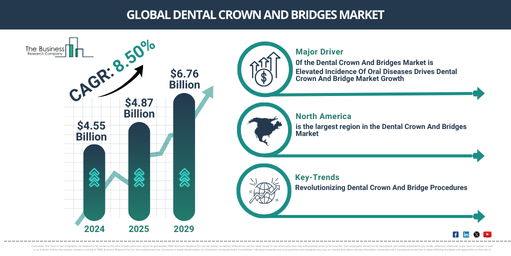
    The global dental crown and bridges market is expected to grow from $4 billion in 2022 to $4.44 billion in 2023 at a compound annual growth rate (CAGR) of 11.1%. The dental crown and bridges market size is expected to grow to $6.12 billion in 2027 at a CAGR of 8.4%.

    Major Driver In The Dental Crown And Bridges Market ­– Increase In The Prevalence Of Oral Diseases
    According to a report issued in 2022 by the Ministry of Health and Family Welfare, dental caries, or tooth decay, affects over 60% of the Indian population, whereas periodontal disease affects approximately 85% of the Indian population. As a result, the rising prevalence of oral disorders will propel the dental crown and bridge market forward.

    View More On The Dental Crown And Bridges Market Report 2023 – https://www.thebusinessresearchcompany.com/report/dental-crown-and-bridges-global-market-report

    Key Dental Crown And Bridges Market Segments
    1) By Type: Crowns, Bridges
    2) By Material: Ceramics, Porcelain Fused To Metals, Metals
    3) By Price: Premium, Value, Discounted
    4) By End User: Dental Hospitals And Clinics, Dental Laboratories, Other End Users

    Recent Dental Crown And Bridges Market Trend – Emerging Robotic Surgeries
    As technology and computer science progress, robotics are increasingly being used in navigational surgery for a wide range of medical specialisations. For putting apparatus, robotics offers advantages over freehand methods in dentistry, boosting accuracy, precision, workflows, and patient results. For example, Neocis, a US-based business specialised in robot-assisted dental implant surgery, will debut YomiPlan Go in August 2022. YomiPlan Go is a robotic workflow that combines the control and precision of robotic guidance with the flexibility and speed of freehand surgery. YomiPlan Go determines the depth of the fracture and avoids over drilling by using the fundamental drill bit and implant specifications entered by the clinical team. It also allows for gingival thickness or subcrestal implant implantation with the help of an easy-to-use depth offset tool.

    Dental Crown And Bridges Market Prominent Players
    Major players in the dental crown and bridges market are 3M, Ivoclar Vivadent, Dentsply International Inc., Nobel Biocare Services, BioHorizons, Camlog Holding, Straumann, Zimmer Biomet, Wieland Dental, National Dentex Lab, Henry Schein Inc., Glidewell, Dentium, Biotech Dental, Danaher Corporation, Osstem Implant, Derby Dental, Lithoz, Align Technology, LASAK s.r.o., AMT s.r.l., Sirona Dental system, and Formlabs.

    Request A Sample Of The Global Dental Crown And Bridges Market Report 2023:
    https://www.thebusinessresearchcompany.com/sample.aspx?id=5814&type=smp

    The Dental Crown And Bridges Global Market Report 2023  provides a comprehensive overview on the dental crown and bridges market size, trends and drivers, opportunities, strategies, and companies analysis. The countries covered in the dental crown and bridges market report are Australia, Brazil, China, France, Germany, India, Indonesia, Japan, Russia, South Korea, the UK, and the USA, and the major seven regions are Asia-Pacific, Western Europe, Eastern Europe, North America, South America, the Middle East, and Africa.

    A dental bridge is a prosthetic device used to repair individuals who have lost teeth. Bridges are made of porcelain that has been bonded to metal in order to improve chewing ability and tooth aesthetics.

    View More Related Reports –
    Dental Implants And Prosthetics Global Market Report 2023
    Dental Equipment And Supplies Global Market Report 2023
    Dental Diagnostic Imaging Devices And Equipment Global Market Report 2023

    Contact us at:
    The Business Research Company: https://www.thebusinessresearchcompany.com/
    Americas +1 3156230293
    Asia +44 2071930708
    Europe +44 2071930708
    Email us at info@tbrc.info

    Follow us on:
    LinkedIn: https://in.linkedin.com/company/the-business-research-company
    YouTube: https://www.youtube.com/channel/UC24_fI0rV8cR5DxlCpgmyFQ
    Global Market Model: https://www.thebusinessresearchcompany.com/global-market-model

  • What Is The Forecast Growth Rate For The Revenue Cycle Management (RCM) Market?

    What Is The Forecast Growth Rate For The Revenue Cycle Management (RCM) Market?

    The Business Research Company’s market reports offer an in-depth analysis on the market’s growth potential, major drivers, key trends and more.

    1. Introduction

    The revenue cycle management (RCM) market has experienced rapid growth, evolving into a critical component of the healthcare landscape. In 2023, the market size stood at $119.88 billion, projected to reach $136.76 billion in 2024 with an impressive CAGR of 14.1%. Looking ahead, the forecast anticipates even more substantial growth, with the market expected to surge to $235.76 billion in 2028, boasting a CAGR of 14.6%. This growth is fueled by various factors, including rising healthcare expenditures, technological advancements, and strategic acquisitions.

    1. Healthcare Expenditure Surge Driving RCM Market Growth
    2. Healthcare Expenditures
    • The increase in healthcare expenditures globally propels the growth of the RCM market.
    • Adoption of advanced solutions, including RCM, to manage administrative and clinical functions.
    1. National Health Expenditure (NHE) Report
    • Centers for Medicare & Medicaid Services predict an average annual increase of 5.1% in national health spending from 2021 to 2030.
    • Estimated to reach approximately $6.8 trillion by 2030.
    1. Market Players
    • Major companies in the RCM market include McKesson Corporation, Cerner Corporation, Accenture PLC, and Infosys Limited.

    Read More On The Revenue Cycle Management (RCM) Market Report 2024 – https://www.thebusinessresearchcompany.com/report/revenue-cycle-management-rcm-global-market-report

    1. Technological Advancements Pave the Way
    2. Evolution of Technology
    • Technological advancements emerge as a prominent trend in the RCM market.
    • Companies focus on developing innovative solutions to strengthen their market position.
    1. Olive’s Autonomous Revenue Cycle (ARC) Management Suite
    • In June 2022, Olive launched its ARC management suite, utilizing artificial intelligence to streamline administrative tasks in the revenue cycle.
    • Enables healthcare organizations to expedite payments and reduce uncompensated care risk.
    1. Strategic Acquisition: Aspirion and FIRM RCM
    2. Aspirion’s Acquisition
    • In May 2023, Aspirion acquired FIRM Revenue Cycle Management Services Inc. for approximately $650 million.
    • Demonstrates Aspirion’s commitment to supporting expanding businesses addressing financial challenges in the US healthcare system.
    1. Creating Value through Acquisition
    • Both companies aim to create more value for healthcare clients through the synergies brought about by the acquisition.
    1. Market Segmentation and Regional Insights
    • Segmentation:
      1. By Product: Integrated, Standalone
      2. By Component: Software, Services
      3. By Function: Claims And Denial Management, Medical Coding and Billing, Electronic Health Record (EHR), Clinical Documentation Improvement (CDI), Insurance, Other Functions
      4. By Deployment: Web-Based, Cloud-Based, On-Premises
      5. By End User: Hospitals, General Physicians, Labs, Other End Users
    • Regional Insights:
      • North America dominated the RCM market in 2023.
      • Asia-Pacific is poised to be the fastest-growing region in the forecast period.
    1. Conclusion

    The trajectory of the revenue cycle management market showcases its pivotal role in navigating the complexities of healthcare finances. With the relentless rise in healthcare expenditures and a surge in technological advancements, the industry is witnessing transformative changes. As strategic acquisitions become a norm, major players are positioning themselves to create value and address the evolving financial challenges within the healthcare system. Stakeholders in the RCM market must remain agile and adaptive, harnessing technological innovations and strategic partnerships to ensure the financial health of healthcare organizations in the years to come.

    Request for A Sample Of The Global Revenue Cycle Management (RCM) Market Report:
    https://www.thebusinessresearchcompany.com/sample_request?id=7712&type=smp

  • 5 Key Insights On The Resuscitation Devices Market 2024

    5 Key Insights On The Resuscitation Devices Market 2024

    The Business Research Company’s global market reports are now updated with the latest market sizing information for the year 2024 and forecasted to 2033

    As per The Business Research Company’s Resuscitation Devices Global Market Report 2024, the resuscitation devices market is expected to show significant growth in the forecast period.

    A Dynamic Growth Trajectory

    The resuscitation devices market has witnessed robust growth, surging from $8.93 billion in 2023 to an anticipated $9.62 billion in 2024 at a Compound Annual Growth Rate (CAGR) of 7.7%. This growth is attributed to various historical factors, including the aging population, emergency medical services, hospital and clinical demand, training programs, regulatory standards, and heightened awareness of CPR.

    • Impact of Aging Population and Chronic Diseases
    • Significance of Emergency Medical Services
    • Hospital and Clinical Demand
    • Essential Role of Training and Education Programs
    • Adherence to Regulatory Standards and Guidelines
    • Increasing Awareness of CPR

    Future Prospects: Strong Growth on the Horizon

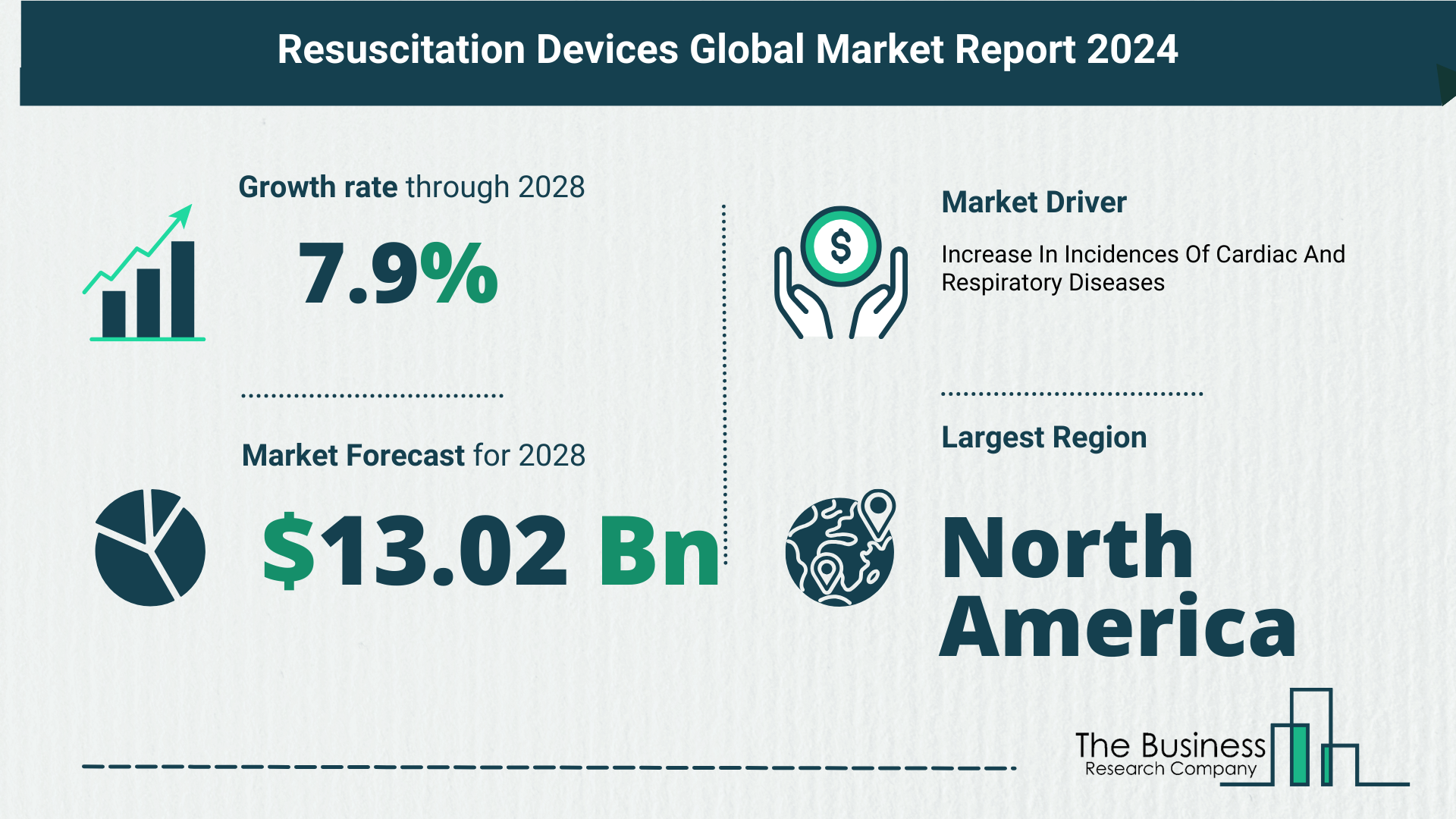
    The resuscitation devices market is poised for robust growth in the coming years, with an estimated size of $13.02 billion in 2028, reflecting a CAGR of 7.9%. The forecasted surge is driven by the integration of automated external defibrillators (AEDs) in public places, telemedicine and remote guidance for resuscitation, portable and compact devices, automated feedback systems, adoption in non-hospital settings, and global access to resuscitation training.

    • AED Integration in Public Spaces
    • Telemedicine’s Role in Remote Resuscitation Guidance
    • Demand for Portable and Compact Resuscitation Devices
    • Automated and Data-Driven Feedback Systems
    • Increasing Adoption in Non-Hospital Settings
    • Global Access to Resuscitation Training Initiatives

    Emerging Trends: Shaping the Future Landscape

    The next few years will witness transformative trends in the resuscitation devices market, introducing innovative technologies and approaches to enhance patient outcomes and healthcare delivery.

    • Hands-Free CPR Devices Revolutionize Practices
    • AI-Driven Real-Time Resuscitation Guidance
    • Integration of Telemedicine with AEDs
    • Wearable Resuscitation Technologies for Personalized Care
    • Miniaturization of Resuscitation Equipment
    • Mobile App-Based CPR Training and Certification

    Rising Disease Incidences Propel Market Growth

    The increase in the incidence of cardiac and respiratory diseases is set to be a primary driver for the resuscitation devices market. Aging, smoking, pollution, unhealthy diet, physical inactivity, tobacco use, and alcohol consumption contribute to the rise in these diseases. Behavioral risk factors further escalate cardiovascular disease risks. Resuscitation devices play a crucial role in emergency situations, restoring blood circulation and breathing.

    • Factors Contributing to Increased Diseases
    • Role of Resuscitation Devices in Emergency Care
    • Projected Rise in Cardiovascular Risks

    Industry Giants: Key Players in Action

    Major companies are at the forefront of shaping the resuscitation devices market, providing innovative solutions and driving advancements. Notable names include Koninklijke Philips N.V., Medtronic PLC, Physio-Control International Corp., Drägerwerk AG, and many more.

    • Koninklijke Philips N.V.
    • Medtronic PLC
    • Physio-Control International Corp.
    • Drägerwerk AG
    • Ambu A/S

     View More On The Resuscitation Devices Market Report 2024 – https://www.thebusinessresearchcompany.com/report/resuscitation-devices-global-market-report

    Innovation Unleashed: Novel Devices Transform the Market
    The development of novel resuscitation devices stands out as a prominent trend, with companies focusing on cutting-edge solutions to meet evolving customer demands. ZOLL Medical Corporation’s launch of the ZOLL AED 3 defibrillator showcases the industry’s commitment to enhancing real-time feedback and survival rates.

    • ZOLL Medical Corporation’s ZOLL AED 3 Defibrillator
    • Real CPR Help Technology
    • Enhanced Visuals and CPR Cycle Timer

    Strategic Acquisition: Cardio Partners and Allied 100

    In a strategic move in September 2021, Cardio Partners, Inc. acquired Allied 100, LLC, reinforcing their position in the sudden cardiac arrest (SCA) solutions market. This acquisition underscores the industry’s commitment to offering comprehensive emergency preparedness solutions.

    • Cardio Partners, Inc.’s Strategic Acquisition
    • Enhanced Sudden Cardiac Arrest (SCA) Solutions
    • Focus on Training and Services

    Market Dynamics: Segmenting Insights

    Understanding the diverse landscape, the resuscitation devices market is segmented based on product type, patient type, and end-users.

    1. By Product:
    • Airway Management Devices
    • External Defibrillators
    • Convective Warming Blankets
    • Other Products
    1. By Patient Type:
    • Adult Patients
    • Pediatric Patients
    1. By End User:
    • Hospitals
    • Diagnostic Centers
    • Ambulatory Surgical Centers
    • Other End-users

    Regional Dynamics: North America Takes the Lead

    In 2023, North America emerged as the largest region in the resuscitation devices market. However, the Asia-Pacific region is anticipated to witness the fastest-growing market in the forecast period, indicating a shift in global healthcare dynamics.

    • North America’s Dominance
    • Asia-Pacific’s Accelerated Growth

    In Conclusion

    As the resuscitation devices market continues on its trajectory of growth and innovation, stakeholders must stay attuned to emerging trends and technological advancements. The industry’s commitment to enhancing emergency care and improving patient outcomes reinforces the crucial role of resuscitation devices in modern healthcare.

    Request A Sample Of The Global Resuscitation Devices Market Report 2024:
    https://www.thebusinessresearchcompany.com/sample_request?id=5619&type=smp

  • 5 Key Insights On The Patient Portal Market 2024

    5 Key Insights On The Patient Portal Market 2024

    The Business Research Company’s global market reports are now updated with the latest market sizing information for the year 2024 and forecasted to 2033

    As per The Business Research Company’s Patient Portal Global Market Report 2024, the patient portal market is expected to show significant growth in the forecast period.

    The patient portal market has witnessed exponential growth, evolving into a crucial component of modern healthcare. From $4.45 billion in 2023, it is projected to reach $5.34 billion in 2024, demonstrating a Compound Annual Growth Rate (CAGR) of 20.1%. This surge is attributed to various factors, including the rising demand for patient engagement, regulatory incentives promoting electronic health records (EHRs), increased focus on healthcare interoperability, and the growing aging population with an associated rise in chronic diseases.

    Anticipated Exponential Growth: Expecting sustained expansion, the patient portal market is forecasted to reach $11.14 billion by 2028, with a CAGR of 20.2%. The driving forces behind this growth include the integration of AI and chatbots for patient interactions, the expansion of telehealth services, continued regulatory support, and the increasing emphasis on value-based care.

    Major Trends Shaping the Future:

    1. Personalized Healthcare Experiences:Tailoring healthcare interactions to individual patient needs.
    2. Wearable and IoT Integration:Incorporating wearable devices and IoT for seamless health data integration.
    3. Predictive Analytics for Disease Prevention:Leveraging analytics to predict and prevent diseases before they escalate.
    4. Consolidation in the Patient Portal Market:Mergers and acquisitions for market consolidation and enhanced service offerings.
    5. Focus on Patient Education and Wellness:Empowering patients with knowledge for better health outcomes.

    Surging Demand For Electronic Health Records Propels Market Growth: The increasing demand for Electronic Health Records (EHRs) is a significant driver for the patient portal market. EHR patient portals provide patients with secure access to their real-time health information, including diagnostic test results. The adoption of EHRs is on the rise, with approximately 86% of non-Federal general acute care hospitals’ physicians having adopted electronic health records in 2021. This growing demand for EHRs is fueling the patient portal market’s expansion.

    Key Players Paving the Way: Major companies contributing to the patient portal market include Allscripts Healthcare Solutions Inc., McKesson Corporation, athenahealth Inc., Cerner Corporation, and others. These companies are at the forefront, providing innovative solutions and shaping the landscape of patient engagement.

    Innovative Solutions Redefining The Patient Portal Market: Product innovation is a dominant trend in the patient portal market. Companies are focusing on developing innovative solutions to strengthen their position. For instance, in 2021, McKesson launched ScriptPASTM, a pharmacy management solution for oncology practices, reducing barriers to treatment. This innovation streamlines benefits investigation, prior authorization, and financial assistance processes, ensuring quicker access to care.

    Virgin Plus Expands Patient Portal Capabilities: In a strategic move, Virgin Plus, a Canada-based healthcare software and services company, acquired Welltok, Inc., in November 2021. This acquisition aims to enhance Virgin Plus’s patient portal platform by integrating Welltok’s personalization and analytics capabilities into home-based health care, further advancing patient engagement.

    Market Segmentation: The patient portal market is segmented based on:

    1. Type:Standalone Patient Portals, Integrated Patient Portals
    2. Deployment Mode:On-Premise, Cloud-Based
    3. End-Users:Providers, Payers, Pharmacies, Other End-Users (Employer Groups and Government Bodies)

    Regional Dynamics: While North America dominated the patient portal market in 2023, Asia-Pacific is expected to witness the fastest growth during the forecast period. The increasing adoption of healthcare technology and the rising emphasis on patient-centric care are contributing factors.

    Conclusion: The patient portal market stands at the forefront of transforming healthcare access and patient engagement. With a focus on innovation, personalized experiences, and the integration of advanced technologies, the market is poised for continued growth. As regulatory support continues, and healthcare providers emphasize value-based care, patient portals are set to play an increasingly crucial role in the future of healthcare.

    View More On The Patient Portal Market Report 2024 – https://www.thebusinessresearchcompany.com/report/patient-portal-global-market-report

    Request A Sample Of The Global Patient Portal Market Report 2024:
    https://www.thebusinessresearchcompany.com/sample_request?id=6939&type=smp

  • Future Growth Forecast For The Renal Biomarkers Global Market 2024-2033

    Future Growth Forecast For The Renal Biomarkers Global Market 2024-2033

    The Business Research Company’s global market reports provide comprehensive analysis on the various markets in 27 industries across 60 geographies.

     The renal biomarkers market has witnessed robust growth, emerging as a critical player in medical diagnostics. From $1.17 billion in 2023, the market is projected to reach $1.27 billion in 2024, showcasing a compelling Compound Annual Growth Rate (CAGR) of 8.1%. This growth is attributed to factors such as the increasing prevalence of kidney diseases, advances in medical diagnostics, and the rising awareness of early disease detection.

    Global Growth Trajectory: Expectations are high for the renal biomarkers market, with projections indicating a substantial increase to $1.74 billion by 2028, boasting a CAGR of 8.1%. The driving forces behind this growth include personalized medicine, targeted therapies, integration of biomarker testing into routine clinical practice, the emergence of markets in Asia and Latin America, non-invasive biomarker testing methods, and continuous monitoring with wearable devices.

    Major Trends Shaping the Future:

    1. Multiplex Biomarker Panels: Comprehensive disease profiling through the use of multiple biomarkers.
    2. AI and Machine Learning: Leveraging artificial intelligence for biomarker discovery.
    3. Biomarker-Based Companion Diagnostics: Integrating biomarkers into diagnostic tools for personalized treatments.
    4. POC Biomarker Testing in Home Healthcare: Bringing biomarker testing to home healthcare settings.
    5. Biomarkers for Early Detection and Prevention: A focus on biomarkers to detect diseases at an early stage.

    Rising Demand for Renal Biomarkers: Impact of Geriatric and Pediatric Patients: The increase in geriatric and pediatric renal patients is anticipated to be a key driver for the market. With chronic kidney disease (CKD) prevalent among elderly individuals and renal disorders affecting children, renal biomarkers play a crucial role in assessing the severity of renal injury. The Centers for Disease Control and Prevention (CDC) reports that nearly 37 million adults in the US have chronic renal disease, with a higher prevalence in those aged 65 and older.

    Key Players Paving the Way: Major companies contributing to the renal biomarkers market include Abbott Laboratories, Roche Holding AG, Siemens Healthineers, and others. Their impact on the industry is instrumental in driving innovation and expanding the applications of renal biomarkers.

    View More On The Renal Biomarkers Market Report 2024 – https://www.thebusinessresearchcompany.com/report/renal-biomarkers-global-market-report

    Innovative Technologies Transforming the Market: Technological advancements stand out as a significant trend in the renal biomarkers market. RenalytixAI, a UK-based company, exemplifies this trend with its development of KidneyIntelX, a diagnostic tool powered by artificial intelligence to identify those at risk of renal disease or kidney failure. The partnership with DaVita and Joslin Diabetes Center further emphasizes the commitment to advancing diagnostic capabilities.

    RenalytixAI’s Partnerships for Biomarker Advancements: RenalytixAI’s partnership with DaVita in January 2021 resulted in the development of KidneyIntelX, a diagnostic tool leveraging AI to assess the risk of renal disease or kidney failure. The machine-learning algorithm produces a patient-specific risk assessment based on blood biomarkers and electronic medical information.

    Integration with Joslin Diabetes Center for Enhanced Biomarkers: In April 2021, RenalytixAI collaborated with the Joslin Diabetes Center, integrating novel biomarkers for chronic kidney disease. This partnership enhances KidneyIntelX’s capabilities in evaluating adverse kidney outcomes in people with Type 2 diabetes and early kidney disease.

    Market Segmentation: The renal biomarkers market is segmented based on:

    1. Biomarker Type: Functional Biomarker, Up Regulated Protein, Other Biomarker Types
    2. Diagnostic Technique: Enzyme-Linked Immunosorbent Assay, PETIA, Colorimetric Assay, CLIA, LC-MS
    3. Application: Diagnosis And Disease Progression Monitoring, Research Homecare
    4. End User: Hospitals, Diagnostic Laboratories, Other End Users

    Regional Dynamics: In 2023, North America dominated the renal biomarkers market, while Asia-Pacific is anticipated to be the fastest-growing region during the forecast period. This regional shift emphasizes the global nature of the renal biomarkers market.

    Conclusion: The renal biomarkers market’s trajectory highlights its pivotal role in modern healthcare. With a focus on technological innovations, strategic partnerships, and a commitment to personalized medicine, the industry is poised for continued growth and transformative advancements in renal diagnostics.

    Request A Sample Of The Global Renal Biomarkers Market Report 2024:
    https://www.thebusinessresearchcompany.com/sample_request?id=7711&type=smp

  • Top 5 Insights From The Rehabilitation Robotics Market Report 2024

    Top 5 Insights From The Rehabilitation Robotics Market Report 2024

    The Business Research Company’s global market reports are now updated with the latest market sizing information for the year 2024 and forecasted to 2033

    According to The Business Research Company’s Rehabilitation Robotics Global Market Report 2024, the rehabilitation robotics market is expected to show promising growth in the forecast period.

    The rehabilitation robotics market has witnessed an exponential growth surge, catapulting from $1.22 billion in 2023 to a projected $1.51 billion in 2024, marking a substantial compound annual growth rate (CAGR) of 24.2%. This remarkable growth can be attributed to the burgeoning demand for rehabilitation and physical therapy services, a need for precision and targeted therapy, the expanding aging population and prevalence of chronic conditions, development of advanced robotic rehabilitation devices, and the establishment of regulatory standards ensuring medical device safety.

    Future Projections: Unprecedented Growth Ahead

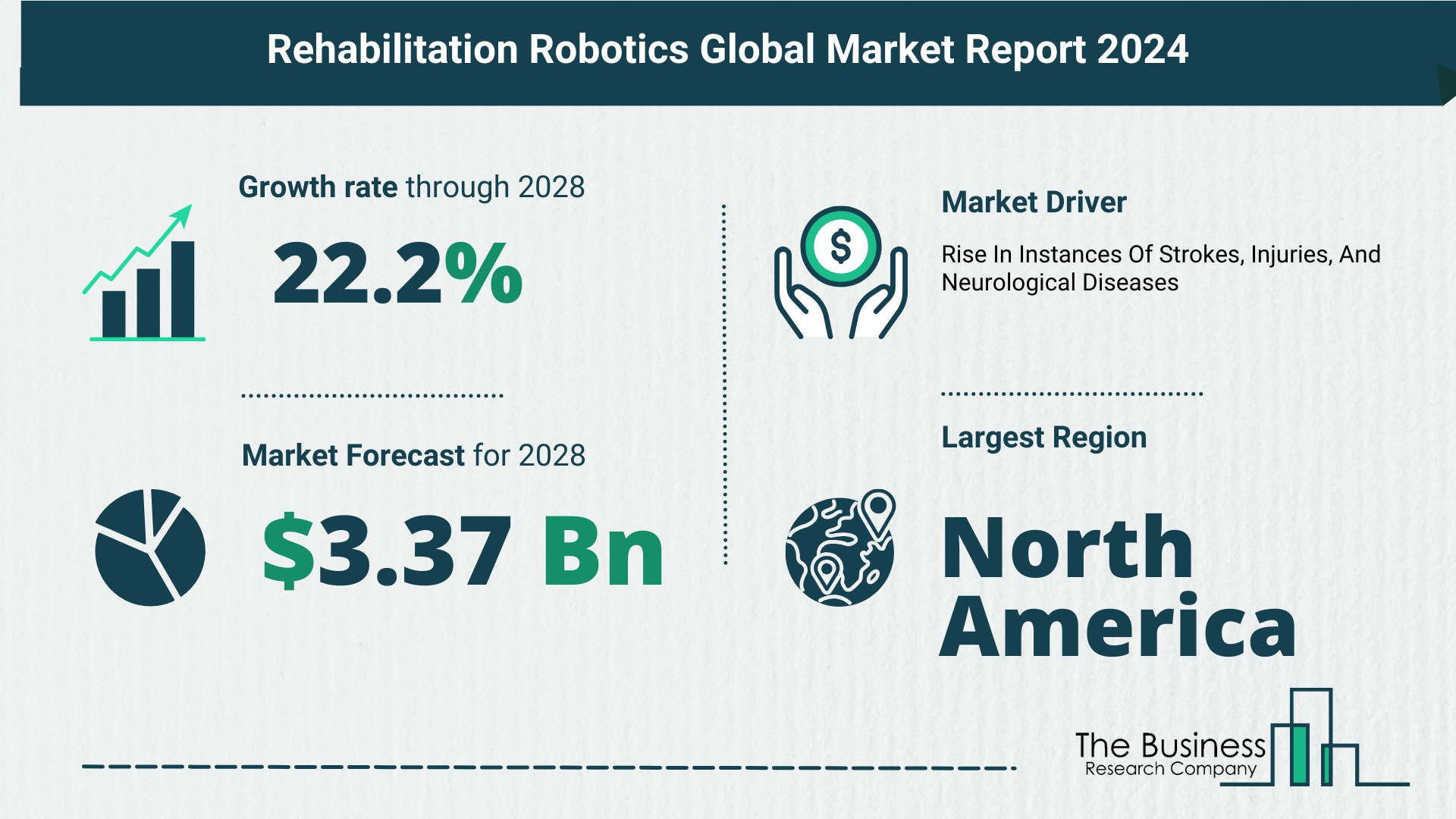
    The rehabilitation robotics market is poised for continued exponential growth, projecting a market size of $3.37 billion in 2028, driven by a robust CAGR of 22.2%. Anticipated factors in the forecast period include the customization of rehabilitation robotics for specific patient needs, integration of artificial intelligence (AI) and machine learning in rehabilitation, the emergence of sustainable and cost-effective rehabilitation robotics, an expansion in tele-rehabilitation and remote monitoring, and the adoption of rehabilitation robotics in sports medicine. Key trends in the forecast period encompass regulatory compliance in rehabilitation robotics safety, smart and adaptive robotic rehabilitation solutions, personalized rehabilitation programs and progress tracking, transparency in rehabilitation robotics data and outcomes, and the integration of virtual reality and gamification in therapy.

    Growing Geriatric Population Fuels Rehabilitation Robotics Market Growth

    Impact of Aging Population:

    The rehabilitation robotics market is poised to benefit significantly from the growing geriatric population globally. As individuals age, they become more susceptible to age-related health conditions such as strokes, Parkinson’s disease, and osteoarthritis. The application of rehabilitation robotics becomes pivotal in aiding older adults to recover and regain mobility and independence post-health events. With the world’s population aged 60 and above expected to reach 2.1 billion by 2050, the demand for rehabilitation robotics is propelled by the needs of this aging demographic.

    Key Players:

    Major players contributing to the growth of the rehabilitation robotics market include Myomo Inc., Bionik Laboratories Corporation, Hocoma AG, Cyberdyne Inc., and ReWalk Robotics Ltd. These companies play vital roles in developing innovative solutions to meet the evolving needs of the market.

    View More On The Rehabilitation Robotics Market Report 2024 – https://www.thebusinessresearchcompany.com/report/rehabilitation-robotics-global-market-report

    Rapid Adoption Of Assistive Robotics Drives Advancements In The Rehabilitation Robotics Market

    Accelerated Adoption of Assistive Robotics:

    A prominent trend in the rehabilitation robotics market is the rapid adoption of assistive robotics for enhanced and accelerated treatment. The medical field is witnessing a surge in the adoption of assistive robots to facilitate faster and more effective treatment processes. For instance, Labrador Systems, Inc. introduced the Labrador Retriever, a personal robot designed to offer hands-on assistance with daily tasks, easing the burden on individuals impacted by chronic pain, injuries, or medical conditions.

    Strategic Acquisitions for Market Expansion:

    In August 2023, ReWalk Robotics acquired AlterG for $19 million, aiming to expand access to innovative rehabilitation technologies for use both in clinics and at home. This strategic move demonstrates the industry’s commitment to widening the availability of advanced rehabilitation solutions.

    Navigating Rehabilitation Robotics Market Segmentation

    Comprehensive Segmentation:

    The rehabilitation robotics market is segmented based on type, patient type, part, application, and end-user. Types include Exoskeleton Robots, Therapeutic Robots, Assistive Robots, and Prosthetic Robots. Patient types encompass Adult and Pediatrics, while parts include Lower Extremity and Upper Extremity. Applications cover Gait Therapy and Limb Mobility, and end-users include Rehabilitation Centers and Hospitals.

    Regional Dynamics:

    North America took the lead as the largest region in the rehabilitation robotics market in 2023, with expectations to maintain its position as the fastest-growing region during the forecast period. This regional dominance is indicative of the region’s robust focus on healthcare innovation.

    Conclusion: Pioneering a Future of Enhanced Rehabilitation

    In conclusion, the rehabilitation robotics market is not only experiencing unprecedented growth but is also witnessing transformative advancements. The intersection of technology, innovation, and strategic partnerships is propelling the industry forward. As we chart the course ahead, the rehabilitation robotics landscape holds the promise of not just meeting the needs of the aging population but also ushering in a new era of personalized, adaptive, and technologically integrated rehabilitation solutions.

    Request A Sample Of The Global Rehabilitation Robotics Market Report 2024:
    https://www.thebusinessresearchcompany.com/sample_request?id=6422&type=smp

  • Overview Of The Referral Management Market 2024-2033: Growth And Major Players Analysis

    Overview Of The Referral Management Market 2024-2033: Growth And Major Players Analysis

    The Business Research Company’s global market reports are now updated with the latest market sizing information for the year 2024 and forecasted to 2033

    The referral management market has witnessed exponential growth in recent years, surging from $4.03 billion in 2023 to a projected $4.78 billion in 2024, boasting a remarkable compound annual growth rate (CAGR) of 18.7%. This trajectory can be attributed to various factors such as the expansion of healthcare services and patient referrals, the demand for coordinated care and specialist access, the growth of electronic health records and data sharing, the development of referral management software, and the establishment of regulatory standards for patient data privacy.

    Factors Driving Growth in the Historic Period

    • Growth in healthcare services and patient referrals
    • Demand for coordinated care and specialist access
    • Expansion of electronic health records and data sharing
    • Development of referral management software
    • Regulatory standards for patient data privacy

    Factors Propelling Growth in the Forecast Period

    • Customized referral management solutions for specific healthcare organizations
    • Integration of AI and predictive analytics in referrals
    • Sustainable and eco-friendly referral management practices
    • Expansion in digital health and remote monitoring
    • Adoption of referral management in population health

    Major Trends in the Forecast Period

    • Regulatory compliance in patient data security and referral processes
    • Smart and automated referral management solutions
    • Personalized referral pathways for specific patient needs
    • Transparency in referral networks and patient outcomes
    • Integration of AI for real-time referral optimization

    Government Initiatives Driving IT Adoption

    The integration of IT solutions in healthcare systems, spurred by government initiatives, is expected to be a significant driver of growth in the referral management market. Notably, the Indian government launched the Ayushman Bharat Digital Health Mission in 2021, aiming to digitalize health infrastructure in India with an allocated budget of $11.5 billion. Such initiatives enhance the delivery of accurate, actionable, and accessible information related to patients’ health, contributing to the growth of referral management.

    Industry Leaders Shaping the Landscape

    Several major companies play a crucial role in shaping the referral management market:

    • Allscripts Healthcare Solutions Inc.
    • CarePort Health Inc.
    • The Advisory Board Company
    • eHealth Technologies Inc.
    • And many more…

    Introduction of Innovative Solutions
    Innovation is at the forefront of the referral management market, with major companies introducing advanced technological solutions to streamline and enhance healthcare processes. For instance, WellSky, a US-based healthcare technology company, introduced the Enterprise Referral Manager. This software centralizes referrals, integrating referral data into the EHR to improve the referral process, particularly for home health, hospice, and other home-based care agencies.

    Strategic Acquisitions for Market Expansion

    In January 2021, AristaMD, a US-based e-consult and referral management services provider, acquired Preferral, a company specializing in software and referral management systems. This strategic acquisition aids AristaMD in strengthening its referral management capabilities, developing new technologies, improving care, and providing services at lower costs.

    Comprehensive Market Segmentation

    The referral management market is intricately segmented to provide a nuanced understanding of its dynamics:

    1. By Type:
      • Self-Referral
      • Professional-Referral
      • Third Party-Referral
    2. By Component:
      • Software
      • Services
    3. By Delivery Mode:
      • Web-Based Delivery Mode
      • Cloud-Based Delivery Mode
      • On-Premise Delivery Mode
    4. By End User:
      • Provider
      • Payer
      • Other End Users

    Regional Dynamics

    North America emerged as the largest region in the referral management market in 2023, with Asia-Pacific expected to be the fastest-growing region in the forecast period. This geographical shift underscores the global nature of the market, reflecting widespread adoption and application of referral management solutions.

    In conclusion, the referral management market is poised for rapid growth, driven by government initiatives, technological innovations, strategic acquisitions, and the introduction of advanced solutions. With major players leading the way, the market is set to transform healthcare processes and usher in a new era of efficient and coordinated patient care.

    View More On The Referral Management Market Report 2024 – https://www.thebusinessresearchcompany.com/report/referral-management-global-market-report

    Request A Sample Of The Global Referral Management Market Report 2024:
    https://www.thebusinessresearchcompany.com/sample_request?id=6851&type=smp