Blog

  • Key Trends And Drivers In The Medical Radiation Detection, Monitoring & Safety Market 2024

    Key Trends And Drivers In The Medical Radiation Detection, Monitoring & Safety Market 2024

    The Business Research Company’s market reports offer an in-depth analysis on the market’s growth potential, major drivers, key trends and more.

    The medical radiation detection, monitoring & safety market has experienced robust growth, reaching $1.88 billion in 2023 and projected to climb to $2.07 billion in 2024 at a notable CAGR of 9.9%. This upward trajectory is fueled by various factors, including regulatory compliance, radiation therapy expansion, nuclear medicine evolution, and an unwavering focus on patient safety and emergency preparedness.

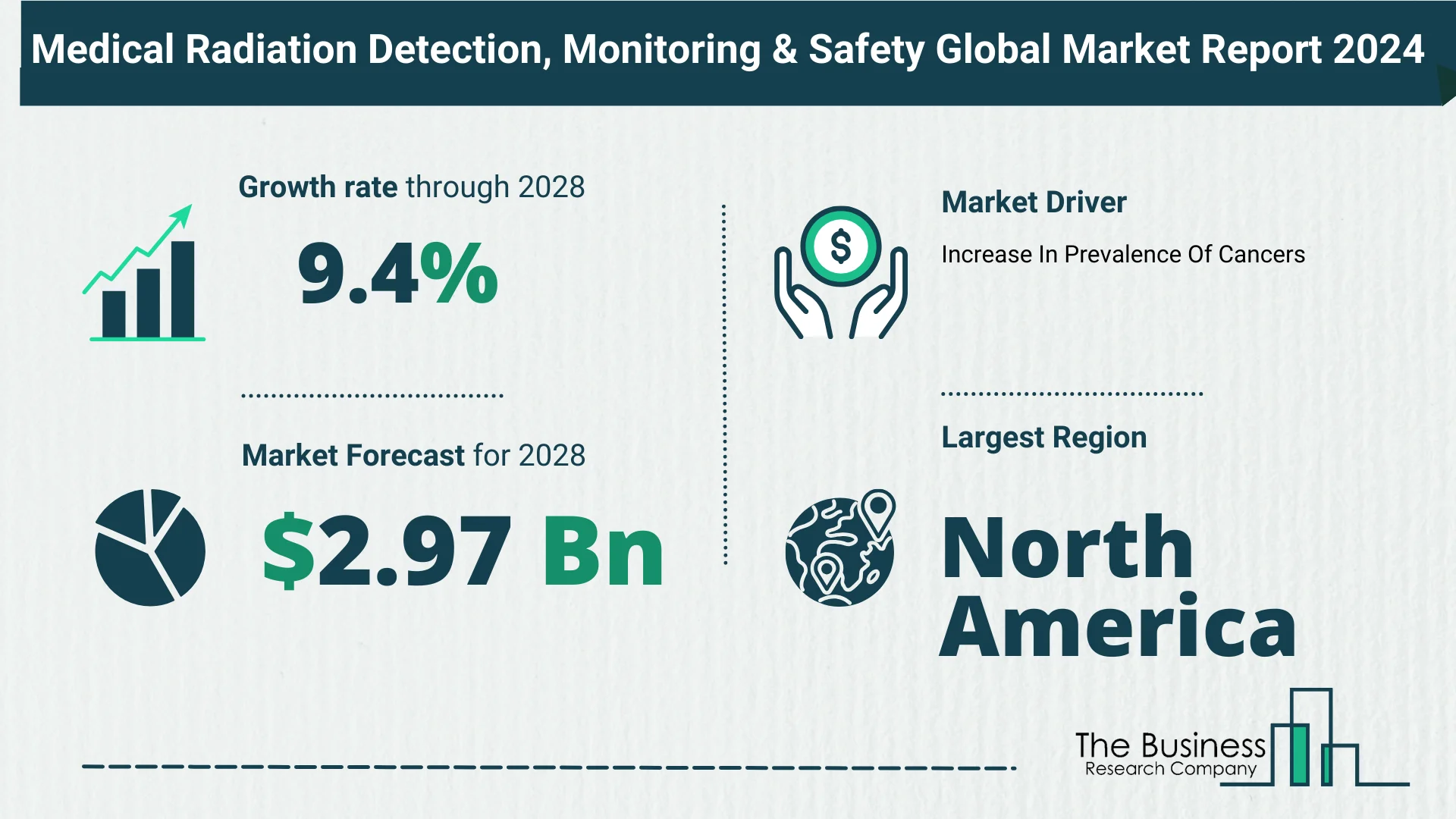
    Growth Projections: The growth momentum is expected to persist, with the market forecasted to reach $2.97 billion in 2028, maintaining a CAGR of 9.4%. This anticipated expansion is attributed to the rise of personalized radiation therapy, diagnostic radiology, increased emphasis on worker and patient safety, and the imperative need for radiation dose reduction. Emerging trends include advancements in x-ray and imaging technologies, continuous innovation, sophisticated imaging techniques, and the integration of artificial intelligence (AI) for enhanced radiation monitoring and dosimetry.

    Growth Of Radiotherapy Centers Fuels Growth In The Medical Radiation Detection And Safety Market:

    • Cancer Prevalence Driving Demand: The surge in cancer cases, with an expected 1,958,310 new diagnoses in the US in 2023, underscores the critical role of medical radiation detection, monitoring, and safety equipment. As radiation therapy and nuclear medicine become pivotal in cancer treatment, these technologies are vital for shielding patients from harmful radiation.
    • Market Leaders: Key players in the medical radiation detection, monitoring & safety market include Fortive Corp., Mirion Technologies Inc., Thermo Fisher Scientific Inc., and others. These companies play a crucial role in providing cutting-edge solutions for radiation safety and monitoring.

    Increasing Focus On Introducing App For Radiation Protection To Gain A Competitive Edge:

    • Strategic Technological Shift: Major industry players are strategically focusing on developing radiation protection apps to gain a competitive edge. These apps offer functionalities such as dose tracking, safety guidelines, and real-time monitoring, enhancing user safety in radiation-prone environments.
    • Innovation in Action: Polimaster Inc.’s Polismart iOS app is a testament to this trend. Released in March 2023, the app enhances the operation of radiation control devices like detectors and dosimeters. It offers a user-friendly interface, allowing users to access device history, modify settings, and maximize the capabilities of Polimaster devices.

    Read More On The Medical Radiation Detection, Monitoring & Safety Market Report 2024 – https://www.thebusinessresearchcompany.com/report/medical-radiation-detection-monitoring-and-safety-global-market-report

    Mirion Technologies Inc. Acquired Sun Nuclear Corporation:

    • Market Consolidation: Mirion Technologies Inc., a prominent player in nuclear monitoring and detection, acquired Sun Nuclear Corporation in January 2021. This strategic move broadens Mirion’s product and service portfolio, particularly in the medical sector. Sun Nuclear Corporation specializes in medical radiation detection, monitoring, and safety devices.

    Market Segmentation: The medical radiation detection, monitoring & safety market is segmented into various categories:

    1. Medical Radiation Detection and Monitoring Product: Personal Dosimeters, Area Process Monitors, Environment Radiation Monitors, Surface Contamination Monitors, Radioactive Material Monitors, and Other Medical Radiation Detection and Monitoring Products.
    2. Safety: Full-body Protection, Face Protection, Hand Safety, and Other Medical Radiation Safety Products.
    3. Detector Type: Gas-Filled Detectors, Scintillators, Solid-State Detectors.
    4. End User: Hospitals and Non-Hospitals.

    Regional Dynamics:

    • North America Leads: In 2023, North America is positioned as the largest region in the medical radiation detection, monitoring, and safety market. The region’s advanced healthcare infrastructure and technological prowess contribute to its dominance.
    • Asia-Pacific’s Rapid Growth: The Asia-Pacific region is poised to be the fastest-growing in the forecast period, showcasing the global expansion of medical radiation detection and safety technologies.

    Conclusion: The surge in the medical radiation detection, monitoring, and safety market signifies a crucial evolution in healthcare. With a focus on technological advancements, regulatory compliance, and innovative solutions, the industry is well-positioned for sustained growth. As cancer cases rise, the importance of these technologies becomes even more pronounced, emphasizing the industry’s role in safeguarding both patients and healthcare professionals. The adoption of radiation protection apps and strategic acquisitions further illustrate the dynamic and competitive landscape of this burgeoning market. As we navigate the complexities of the medical field, these advancements underscore our commitment to enhancing safety and efficiency in the realm of radiation detection and monitoring.

    Request for A Sample Of The Global Medical Radiation Detection, Monitoring & Safety Market Report:
    https://www.thebusinessresearchcompany.com/sample_request?id=7487&type=smp
  • What’s The Growth Forecast For Medical Plastics Market Through 2024-2033?

    What’s The Growth Forecast For Medical Plastics Market Through 2024-2033?

    The Business Research Company’s global market reports provide comprehensive analysis on the various markets in 27 industries across 60 geographies.

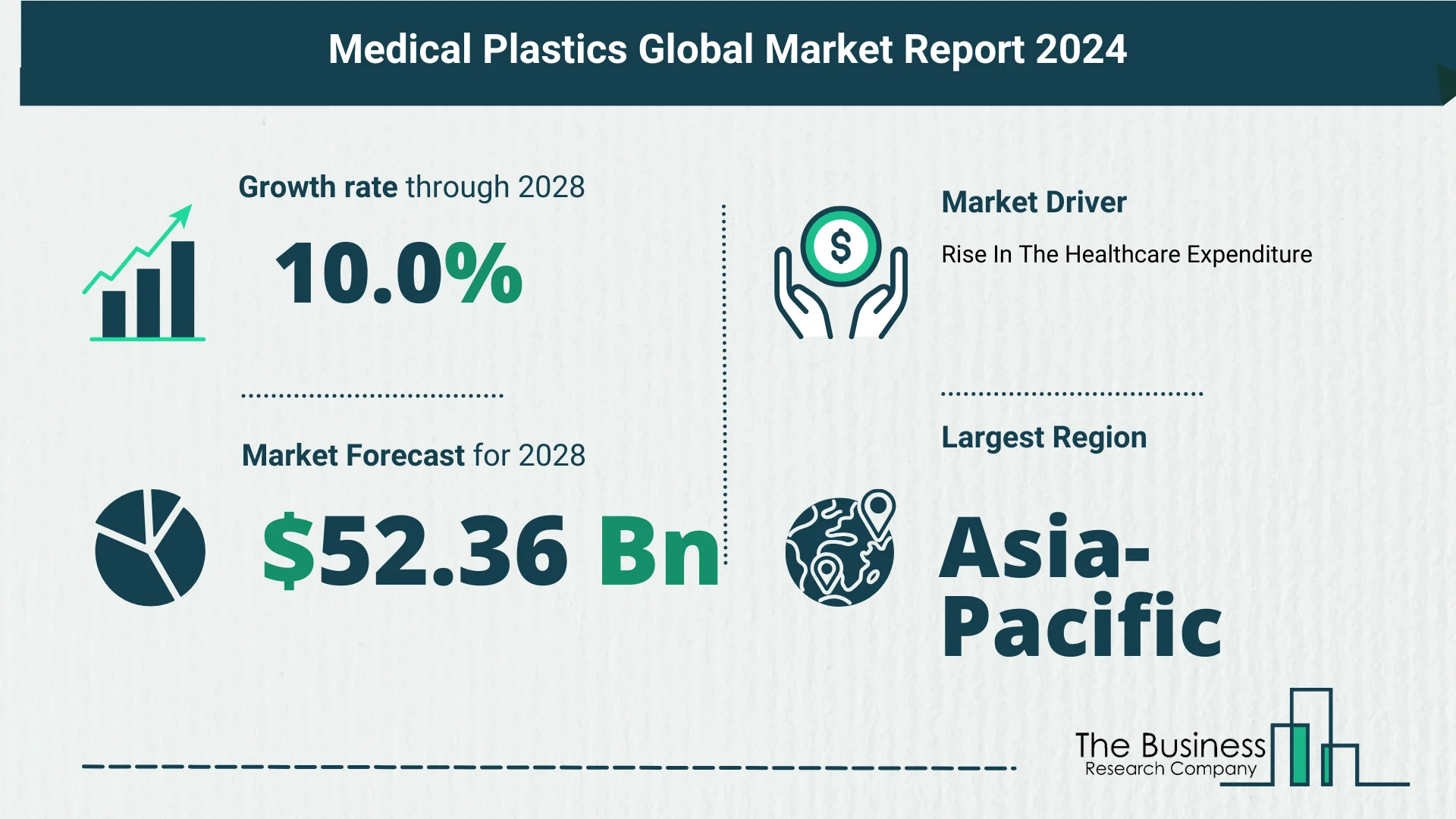
    The medical plastics market has witnessed substantial growth in recent years, with a promising outlook for the future. The market size is set to increase from $32.58 billion in 2023 to $35.75 billion in 2024, boasting a Compound Annual Growth Rate (CAGR) of 9.7%. This growth is attributed to various factors, including biocompatibility and sterilization, an aging population, minimally invasive procedures, global health preparedness, and the demand for customized implants.

    • Technological Advancements Driving Growth: The evolving landscape of medical plastic technology, incorporating techniques like injection molding, insert molding, and 3D printing, plays a pivotal role in the market’s expansion. These advancements offer benefits such as neutrality, non-reactivity, and enhanced production capabilities. Notably, the utilization of 3D anatomic models as surgical guides has led to significant time and cost savings in surgeries, according to the American Hospital Association.
    • Key Players Shaping the Market: Major companies contributing to the medical plastics market include BASF SE, Celanese Corporation, Solvay S.A., Arkema SA, and Dow Inc., among others. These industry leaders are at the forefront of adopting cutting-edge technologies, ensuring a robust and competitive market environment.

    View More On The Medical Plastics Market Report 2024 – https://www.thebusinessresearchcompany.com/report/medical-plastics-global-market-report

    Eliminating Single-Use Plastics In The Medical Plastics Market
    A prominent trend in the medical plastics market involves a concerted effort to eliminate single-use plastics, primarily due to environmental concerns. As the market expands, companies are increasingly focusing on eco-friendly alternatives that can be recycled. This not only aligns with environmental sustainability goals but also enhances brand value and competitiveness in the market.

    • Addressing Environmental Impact: Companies are recognizing the environmental impact of single-use plastics, especially in the healthcare sector, where over 5 million tons of waste are generated annually. Approximately 25% of this waste is contributed by plastic. Efforts to reduce this environmental footprint include the introduction of reusable sterilization pouch systems and plant-based packaging solutions by companies like EnviroPak LLC and NewGen Surgical, respectively.
    • Strategic Initiatives for Sustainability: Companies are strategically investing in sustainable practices to mitigate the adverse effects of single-use plastics. EnviroPak LLC’s reusable steam sterilization pouch systems and NewGen Surgical’s plant-based packaging are examples of initiatives aimed at reducing waste and carbon emissions. Such efforts not only align with environmental responsibility but also contribute to the market’s evolution.

    Celanese Corporation Acquires Exxon Mobil Corporation: A Strategic Move
    In December 2021, Celanese Corporation made a significant stride in strengthening its position in the medical plastics market. The US-based global technology and specialty materials company acquired the Santoprene TPV elastomers business of Exxon Mobil Corporation for a total deal value of $1.15 billion.

    • Strategic Portfolio Expansion: The acquisition enables Celanese Corporation to expand its portfolio of engineered solutions, particularly in challenging applications within diverse markets such as healthcare, automotive, construction, industry, and consumer products. The Santoprene TPV business adds a proven solution to Celanese’s offerings.
    • Market Segmentation: The medical plastics market is segmented by type (Polyvinyl Chloride, Polypropylene, Engineering Plastics, etc.), process technology (Extrusion, Injection Molding, Blow Molding, etc.), and application (Medical Disposables, Instruments, Prosthetics & Implants, Drugs Packaging, etc.). This segmentation provides a comprehensive understanding of the market dynamics and opportunities.
    • Regional Dominance: In 2023, Asia-Pacific emerged as the largest region in the medical plastics market, underscoring the global nature of the industry and the significance of different regions in driving market growth.

    In conclusion, the medical plastics market is not only witnessing substantial growth but also undergoing transformative changes fueled by technological advancements, sustainability initiatives, and strategic acquisitions. As the market continues to evolve, these trends will shape its trajectory, presenting both challenges and opportunities for industry players.

    Request A Sample Of The Global Medical Plastics Market Report 2024:
    https://www.thebusinessresearchcompany.com/sample_request?id=6504&type=smp

  • Top 5 Insights From The Medical Imaging Workstations Market Report 2024

    Top 5 Insights From The Medical Imaging Workstations Market Report 2024

    The Business Research Company’s global market reports are now updated with the latest market sizing information for the year 2024 and forecasted to 2033

    According to The Business Research Company’s Medical Imaging Workstations Global Market Report 2024, the medical imaging workstations market is expected to show promising growth in the forecast period.

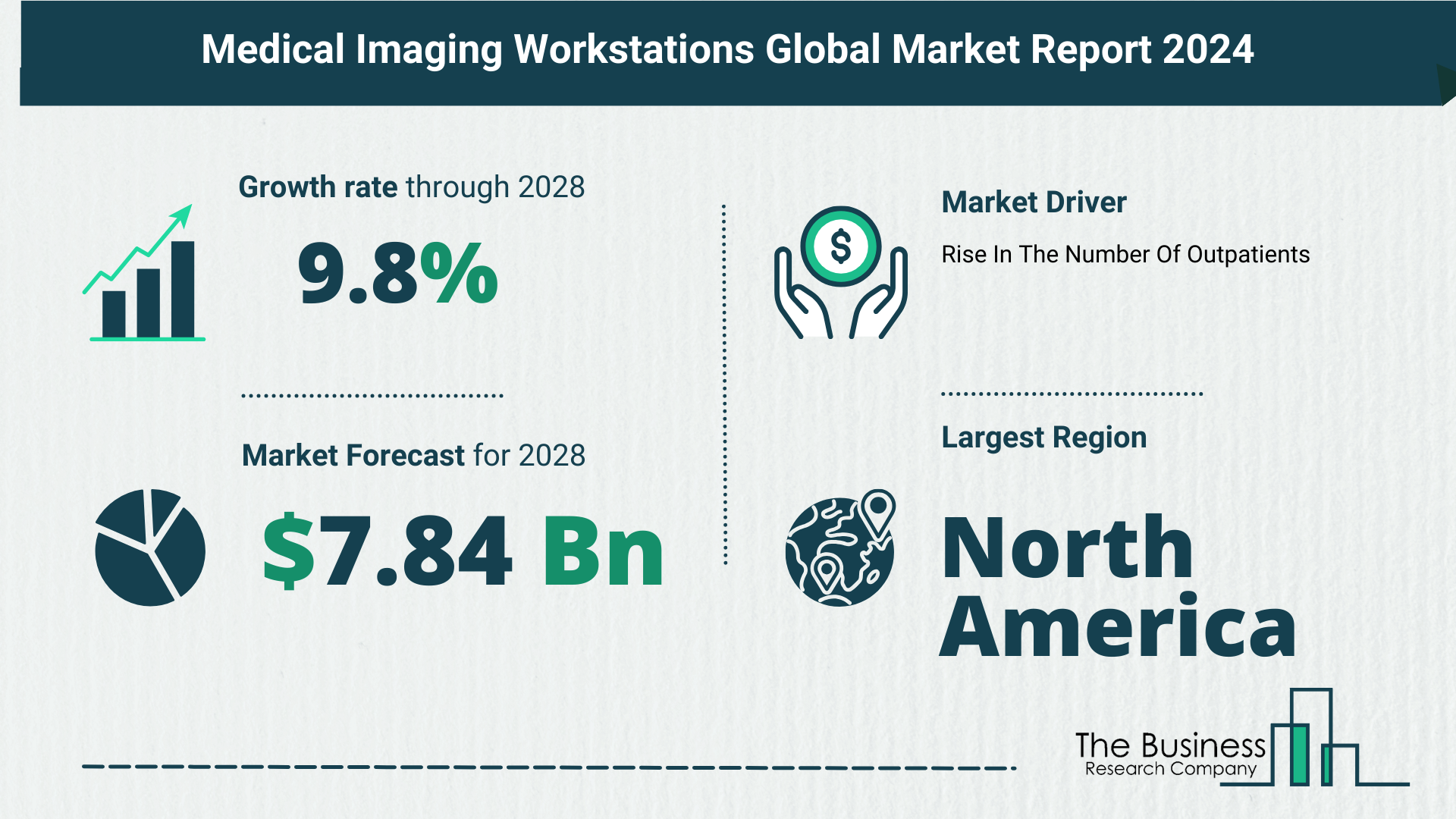
    The medical imaging workstations market has witnessed robust growth in recent years, with a significant surge expected in the coming ones. From $4.96 billion in 2023, the market is projected to reach $5.4 billion in 2024 at a Compound Annual Growth Rate (CAGR) of 8.7%. Looking ahead to 2028, the forecast predicts a more substantial growth to $7.84 billion at a CAGR of 9.8%. This expansion is fueled by various factors, including the rising prevalence of chronic diseases and ongoing technological advancements.

    Factors Driving Growth

    Rising Prevalence of Chronic Diseases Fuels Expansion of the Medical Imaging Workstations

    • Scope of Chronic Diseases: Chronic diseases, often spanning a person’s lifetime, are on the rise globally, leading to increased demand for effective diagnostic and monitoring tools.
    • Global Impact: According to the World Health Organization, non-communicable diseases (NCDs) or chronic conditions contributed to 74% of global fatalities in September 2023, emphasizing the urgency for advanced medical imaging solutions.
    • Market Players: Major companies driving growth include General Electric Company, Koninklijke Philips NV, Siemens Medical Systems Inc., and others, demonstrating the industry’s commitment to addressing healthcare challenges.

    View More On The Medical Imaging Workstations Market Report 2024 – https://www.thebusinessresearchcompany.com/report/medical-imaging-workstations-global-market-report

    Advancements in Medical Imaging Workstations

    Technology Advancements Propel Growth

    • Focus on Technology: Major companies in the medical imaging workstation market are concentrating on developing advanced technologies to enhance diagnostic capabilities and visualization.
    • Philips’ Ultrasound Workspace: In March 2022, Royal Philips launched Ultrasound Workspace, offering vendor-neutral echocardiography image processing and reporting technology with remote, browser-based accessibility and AI-powered analysis tools.
    • Strategic Acquisitions: Canon Medical Systems Corporation’s acquisition of Nordisk Røntgen Teknik A/S in March 2022 exemplifies how companies are strategically expanding to access innovative technologies.

    Market Segmentation and Trends

    The Medical Imaging Workstations Market – Segmentation and Noteworthy Trends

    1. By Modality: Magnetic Resonance Imaging, Computed Tomography, Ultrasound, Mammography, Other Modalities
    2. By Component: Visualization Software, Display Units, Display Controller Cards, Central Processing Units
    3. By Usage: Thick Client Workstations, Thin Client Workstations
    4. By Application: Diagnostic Imaging, Clinical Review, Advanced Imaging
    5. By End-User: Hospitals, Diagnostic Centers, Ambulatory Centers, Other End-user
    • Regional Dominance: North America claimed the largest share in the medical imaging workstations market in 2023, with Asia-Pacific anticipated to be the fastest-growing region in the forecast period.
    • Forecasted Trends: Anticipated trends include artificial intelligence (AI)-enhanced automation, data security and privacy, interoperability, and data exchange, along with integration with electronic health records (EHR) and continuous advancements in medical imaging technologies.

    Conclusion
    As we navigate through the evolving landscape of healthcare, the medical imaging workstations market stands at the forefront, driven by the imperative need for enhanced diagnostic capabilities and the growing prevalence of chronic diseases. The industry’s commitment to technological advancements and strategic acquisitions underscores its dedication to providing innovative solutions. With the segmentation reflecting diverse applications and end-users, coupled with the projected trends, the market is poised for transformative growth. The integration of artificial intelligence, coupled with a focus on data security and interoperability, will play a pivotal role in shaping the future of medical imaging workstations. As we look towards 2028, the stage is set for a revolution in healthcare diagnostics and patient care, making strides in precision medicine and global health preparedness.

    Request A Sample Of The Global Medical Imaging Workstations Market Report 2024:
    https://www.thebusinessresearchcompany.com/sample_request?id=7778&type=smp

  • Global Medical Image Analysis Software Market Analysis: Estimated Market Size And Growth Rate

    Global Medical Image Analysis Software Market Analysis: Estimated Market Size And Growth Rate

    The Business Research Company’s global market reports are now updated with the latest market sizing information for the year 2024 and forecasted to 2033

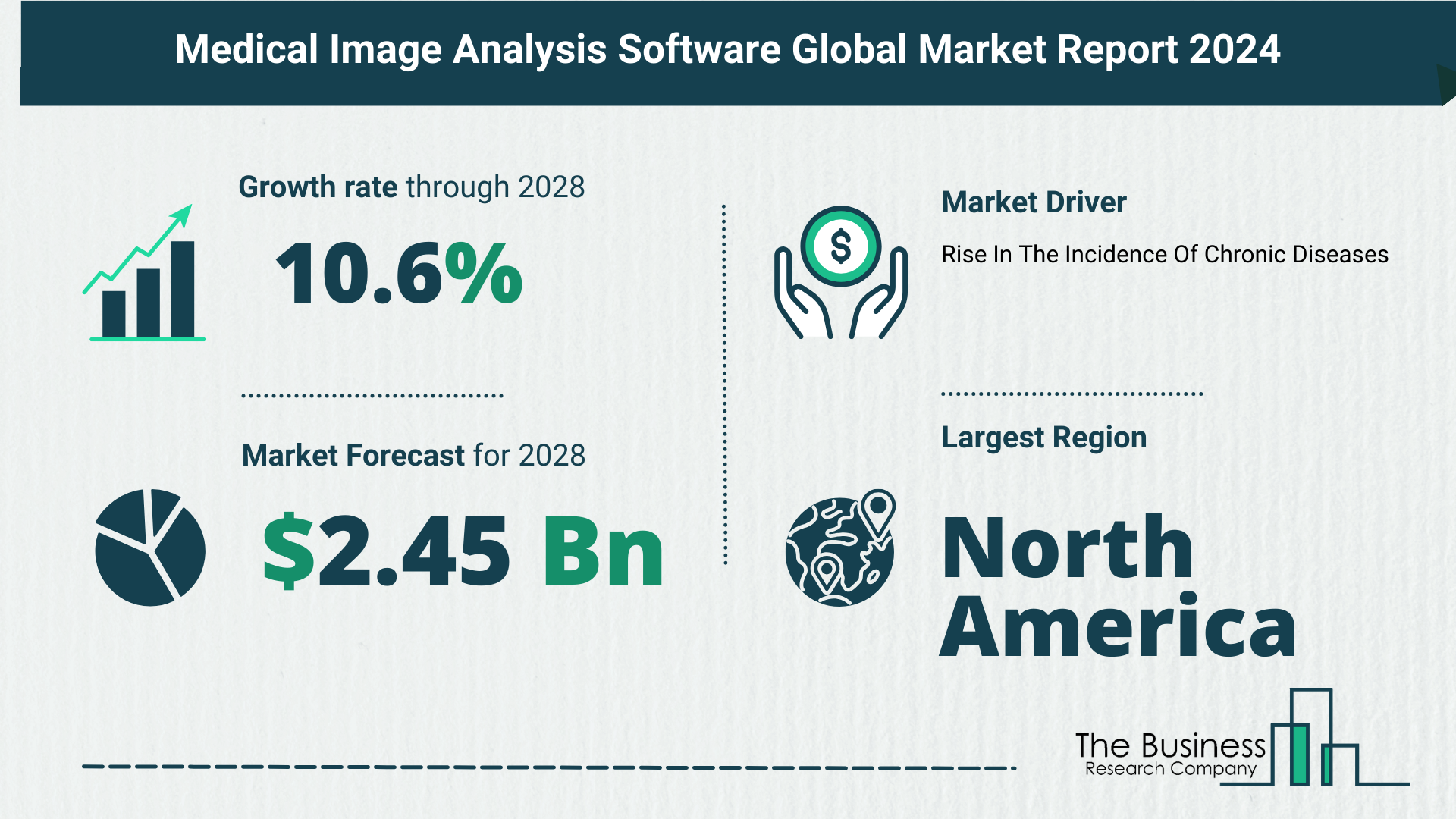
    The medical image analysis software market has experienced remarkable growth in recent years, with substantial expansion projected in the coming ones. In 2023, the market size was $3.66 billion, and by 2024, it is expected to reach $4.05 billion, showcasing a Compound Annual Growth Rate (CAGR) of 10.8%. Looking ahead to 2028, the forecast predicts an even more substantial growth to $5.96 billion at a CAGR of 10.1%. This surge can be attributed to various factors, including technological advancements, increasing healthcare needs, and the rise of chronic diseases.

    Factors Driving Growth

    Rising Incidence of Chronic Diseases Fuels Growth in Medical Image Analysis Software Market

    • Chronic Diseases on the Rise: The prevalence of chronic diseases is escalating globally, with conditions like cancer and diabetes becoming increasingly common.
    • Early Detection Through Imaging: Medical imaging plays a crucial role in the early identification of diseases, improving patient outcomes and making them more manageable.
    • Projected Increase in Chronic Diseases: According to the National Center for Biotechnology Information, the number of people with chronic diseases is estimated to reach 142.66 million by 2050, emphasizing the need for advanced medical imaging solutions.
    • Market Players: Key companies driving growth include Aquilab SAS, Carestream Health Inc., Siemens AG, Philips Healthcare, and others.

    View More On The Medical Image Analysis Software Market Report 2024 – https://www.thebusinessresearchcompany.com/report/medical-image-analysis-software-global-market-report

    Technology Advancements

    Product Innovation Drives Advancements in Medical Image Analysis Software Market

    • Focus on Innovation: Major market players are concentrating on developing technologically advanced solutions to strengthen their market position.
    • Philips’ Cloud-Enabled Solutions: In March 2022, Koninklijke Philips N.V. launched cloud-enabled enterprise imaging informatics and analytics solutions, aiming to enhance workflow efficiency and patient and staff satisfaction.
    • Nano X Imaging’s Acquisition: In October 2021, Nano X Imaging acquired Zebra Medical Vision for $200 million, showcasing the importance of collaboration and acquisitions in advancing AI-enabled medical imaging solutions.

    Segmentation and Trends

    The Medical Image Analysis Software Market – Segmentation and Major Trends

    1. By Type: Integrated Software, Standalone Software
    2. By Image Type: 2D Image, 3D Image, 4D Image
    3. By Modality: Tomography, Ultrasound Imaging, Radiographic Imaging, X-ray Imaging, MRI, Other Modalities
    4. By Application: Orthopedics, Dental Application, Neurology, Cardiology, Oncology, Obstetrics and Gynecology, Mammography, Other Applications
    5. By End User: Hospital, Diagnostic Center, Research Center, Other End Users
    • Market Dominance: North America emerged as the largest region in the medical image analysis software market in 2023.
    • Forecasted Trends: Anticipated trends include 3D and 4D imaging, sustainable imaging solutions, AI-enhanced automation, data security and privacy, and continuous advancements in medical imaging technologies.

    Conclusion
    As we move forward into the next decade, the medical image analysis software market is poised for substantial growth, driven by factors like the increasing incidence of chronic diseases and ongoing technological innovations. The integration of artificial intelligence, coupled with constant product innovations, is reshaping the landscape of medical imaging. The market’s segmentation and regional dominance in North America further underscore the transformative impact of medical image analysis software in the healthcare industry. As we stand at the intersection of healthcare and technology, the future holds promising developments that will undoubtedly revolutionize the way we approach medical diagnostics and patient care.

    Request A Sample Of The Global Medical Image Analysis Software Market Report 2024:
    https://www.thebusinessresearchcompany.com/sample_request?id=7329&type=smp

  • Global Flea, Tick, And Heartworm Products Market Overview 2024: Size, Drivers, And Trends

    Global Flea, Tick, And Heartworm Products Market Overview 2024: Size, Drivers, And Trends

    The Business Research Company’s global market reports provide comprehensive analysis on the various markets in 27 industries across 60 geographies.

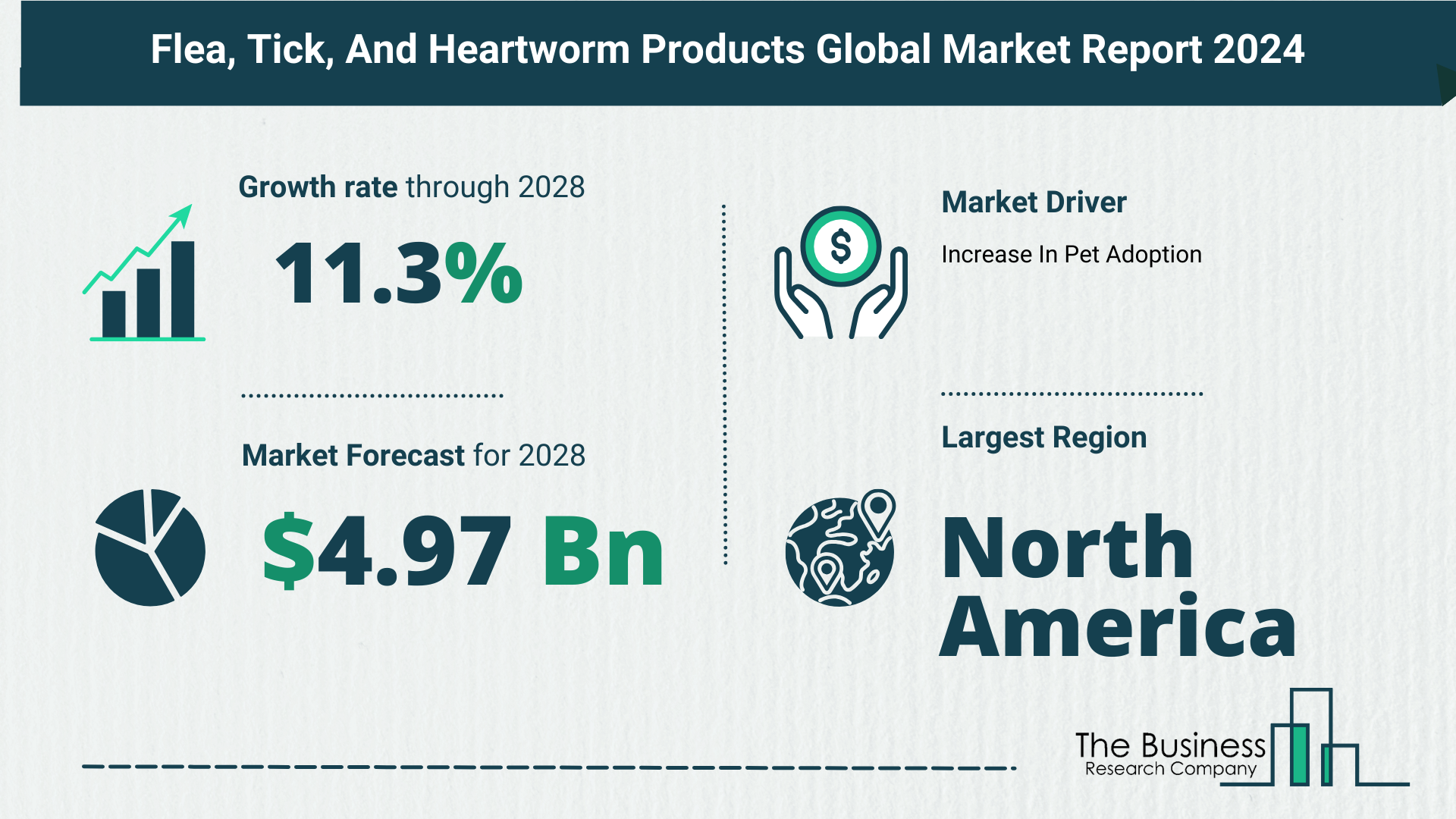
     The market for flea, tick, and heartworm products has witnessed rapid growth in recent years, with a projected increase from $2.9 billion in 2023 to $3.24 billion in 2024 at a Compound Annual Growth Rate (CAGR) of 11.5%. Looking ahead, the market is poised for continued expansion, expected to reach $4.97 billion in 2028 at a CAGR of 11.3%. This growth is fueled by factors such as rising pet adoption, increasing veterinary expenditure, and the impact of climate change.

    Factors Driving Growth

    Rising Pet Adoption Expected To Drive Flea, Tick, And Heartworm Products Market Growth

    • Changing Perceptions: Pets are increasingly viewed as integral family members, leading to a surge in pet adoption.
    • Pet Adoption Statistics: According to Petskeen, an online pet guide platform, around 4.1 million animals in shelters are adopted every year, emphasizing the growing trend of embracing pets.
    • Healthcare Needs: As pet adoption rises, the demand for clinical care and medications, including flea, tick, and heartworm products, is expected to increase significantly.
    • Market Players: Major companies driving growth include Chewy Inc., Elanco LLC, Zoetis Inc., Merck & Co. Inc., and others, reflecting the industry’s commitment to catering to the evolving needs of pet owners.

    View More On The Flea, Tick, And Heartworm Products Market Report 2024 – https://www.thebusinessresearchcompany.com/report/flea-tick-and-heartworm-products-global-market-report

    Development Of Innovative Flea, Tick, And Heartworm Products

    Product Innovation Leading the Way

    • Focus on Innovation: Major companies in the market are investing in research and development to bring innovative flea, tick, and heartworm products to the market.
    • Virbac’s IVERHART MAX: In August 2022, Virbac introduced IVERHART MAX, a chewable product containing ivermectin, pyrantel pamoate, and praziquantel, with a high acceptance rate among dogs. This innovation addresses heartworm prevention and controls roundworms, hookworms, and tapeworms.
    • Strategic Acquisitions: The acquisition of Acceleron Pharma Inc. by Merck & Co. in November 2021 exemplifies the industry’s commitment to expanding portfolios and pipelines, strengthening their position in the market.

    Market Segmentation and Trends

    The Flea, Tick, and Heartworm Products Market – Segmentation and Noteworthy Trends

    1. By Product: Spray, Oral Pills or Chewable, Powder, Spot On, Shampoo, Other Products
    2. By Animal Type: Canine, Feline, Other Animal Types
    3. By Distribution Channel: Veterinary Clinics, Retail, E-commerce
    • Regional Dominance: North America claimed the largest share in the flea, tick, and heartworm products market in 2023, highlighting the region’s focus on pet health.
    • Forecasted Trends: Anticipated trends include product innovations, collaborations and partnerships, customization and personalization, e-commerce dominance, and technological integration, shaping the future of the market.

    Conclusion
    As pet ownership continues to rise and pets become integral members of our families, the demand for advanced flea, tick, and heartworm products is escalating. The market’s robust growth, fueled by factors like increasing veterinary expenditure and the global growth of the pet population, reflects the commitment of industry players to meet the evolving needs of pet owners. Innovation, strategic acquisitions, and a focus on customization and e-commerce are shaping the future landscape of flea, tick, and heartworm products. As we journey into the next decade, this market plays a vital role not only in pet healthcare but also in strengthening the bond between humans and their beloved animal companions.

    Request A Sample Of The Global Flea, Tick, And Heartworm Products Market Report 2024:
    https://www.thebusinessresearchcompany.com/sample_request?id=7798&type=smp

  • How Is The Feed Yeast Market Expected To Grow Through 2024-2033

    How Is The Feed Yeast Market Expected To Grow Through 2024-2033

    The Business Research Company’s global market reports are now updated with the latest market sizing information for the year 2024 and forecasted to 2033

    According to The Business Research Company’s Feed Yeast Global Market Report 2024, the feed yeast market is expected to show promising growth in the forecast period.

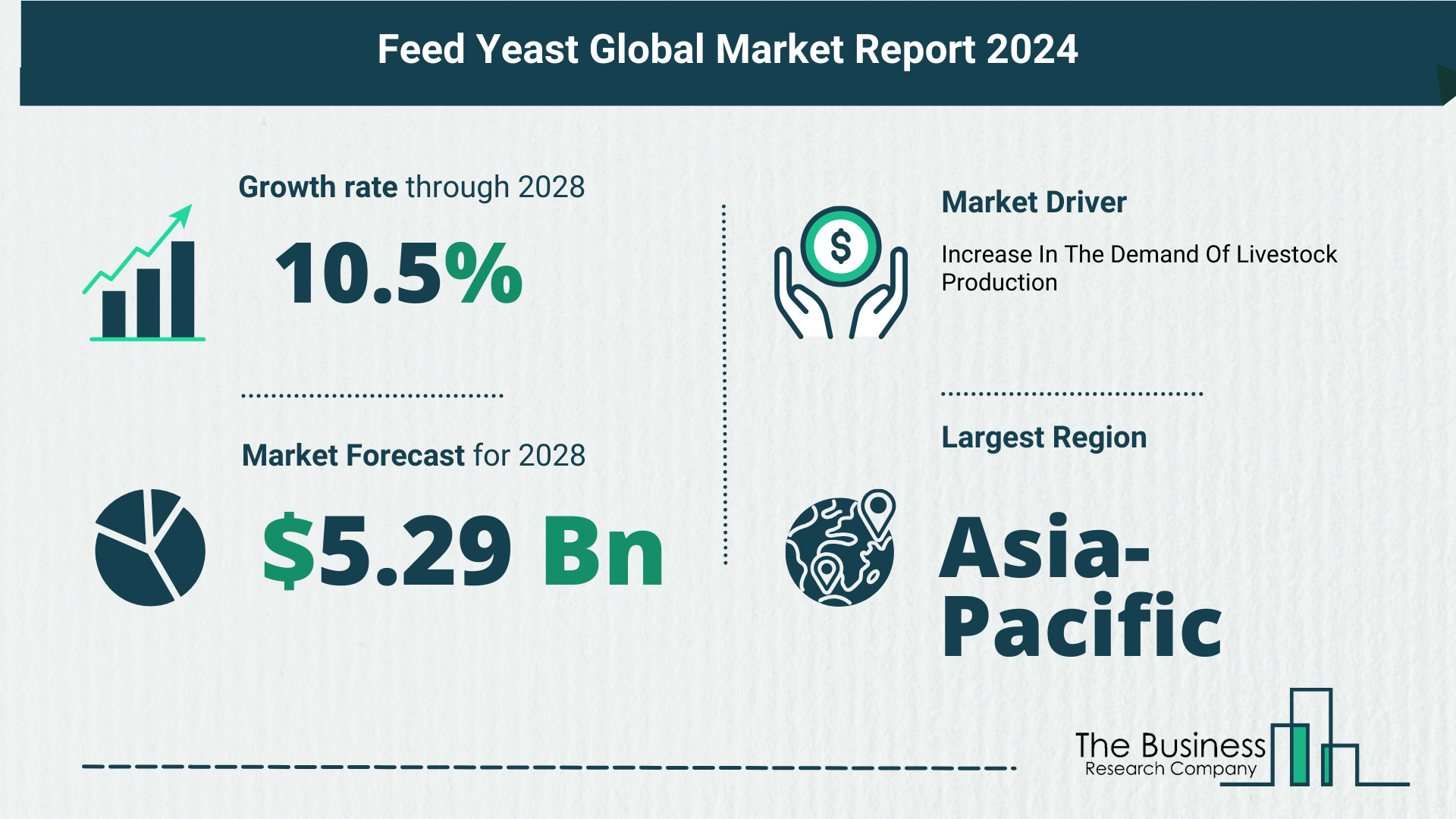
    The feed yeast market has experienced rapid growth, escalating from $3.2 billion in 2023 to a projected $3.55 billion in 2024, showcasing a noteworthy Compound Annual Growth Rate (CAGR) of 10.8%. This surge is attributed to several factors, including the escalating demand for animal protein, the expansion of the livestock industry, heightened focus on animal nutrition, bans on antibiotic growth promoters, and supportive government initiatives and regulations.

    • Driving Force: Industrialized Livestock Production: The increased industrialization of livestock production is a major driving force for the growth of the feed yeast market. Livestock production plays a pivotal role in world agriculture, contributing significantly to food security and nutrition. Yeast-enriched animal feed enhances development, health, and production across various livestock categories. As per the Food and Agriculture Organization of the United Nations, livestock supports livelihoods for about 1.3 billion people and contributes 40% to the global value of agricultural output.
    • Global Impact: Livestock production is not just a local or regional concern; it has global implications. The sector supports the livelihoods and nutrition of over a billion people worldwide, emphasizing its critical role in ensuring food security. This broad impact underscores the importance of enhanced animal nutrition through the incorporation of yeast in feed formulations.
    • Industry Players: Key players in the feed yeast market, such as Associated British Foods PLC, Archer Daniels Midland Company, Alltech, and Cargill Incorporated, are instrumental in driving innovation and sustainability in the sector.

    View More On The Feed Yeast Market Report 2024 – https://www.thebusinessresearchcompany.com/report/feed-yeast-global-market-report

    Focus On Launch Of New Products
    In line with emerging trends, product innovation is becoming a hallmark of the feed yeast market. Major companies are continuously introducing novel solutions to maintain and strengthen their positions. For example, BASF, a prominent German chemical company, unveiled Natupulse TS in December 2021, a groundbreaking feed enzyme designed to release valuable nutrients. This non-starch polysaccharide (NSP) enzyme acts as an endo-1,4-ß-D-mannanase, enhancing feed digestibility and promoting sustainable production.

    • Innovation for Sustainability: Product innovation in the feed yeast market is not just about introducing new products but also emphasizing sustainability. Innovations like Natupulse TS aim to reduce digesta viscosity, increase feed digestibility, and contribute to more sustainable production practices.

    Angel Yeast Acquires Bio Sunkeen’S Yeast: Strengthening Market Position
    In August 2021, Angel Yeast, a leading China-based global yeast and yeast extract manufacturer, acquired Bio Sunkeen’s Yeast for $15.4 million. This strategic move aimed to maximize manufacturing capacity while consolidating and strengthening Angel Yeast’s industry position. Bio Sunkeen’s Yeast, a China-based manufacturer of yeast products for human and animal nutrition, aligns with Angel Yeast’s commitment to quality and expansion.

    • Strategic Industry Consolidation: The acquisition of Bio Sunkeen’s Yeast demonstrates a trend of strategic consolidation within the feed yeast market. Industry players are seeking opportunities to enhance their capabilities and market presence through strategic acquisitions.

    Market Segmentation: A Comprehensive Overview

    The feed yeast market is segmented into various categories, providing a comprehensive understanding of its dynamics:

    1. Type: The market includes Probiotic Yeast, Brewer’s Yeast, Specialty Yeast, and Yeast Derivatives.
    2. Genus: Segmentation by genus includes Saccharomyces spp, Kluyveromyces spp, and Other Genus.
    3. Form: The forms of yeast available in the market include Fresh, Instant, and Dry.
    4. Animal Type: Segmentation by animal type covers Ruminants, Poultry, and Swine.
    • Regional Dominance: In 2023, Asia-Pacific emerged as the largest region in the feed yeast market, showcasing the global nature of the industry and the prominence of different regions in driving market growth.

    In conclusion, the feed yeast market’s trajectory is marked by robust growth, driven by factors such as increased livestock production, product innovation, strategic acquisitions, and a focus on sustainability. As the market continues to evolve, these trends will play a pivotal role in shaping its future landscape.

    Request A Sample Of The Global Feed Yeast Market Report 2024:
    https://www.thebusinessresearchcompany.com/sample_request?id=7059&type=smp

  • Feed Premix Market Forecast 2024: Forecast Market Size, Drivers And Key Segments

    Feed Premix Market Forecast 2024: Forecast Market Size, Drivers And Key Segments

    The Business Research Company’s global market reports are now updated with the latest market sizing information for the year 2024 and forecasted to 2033

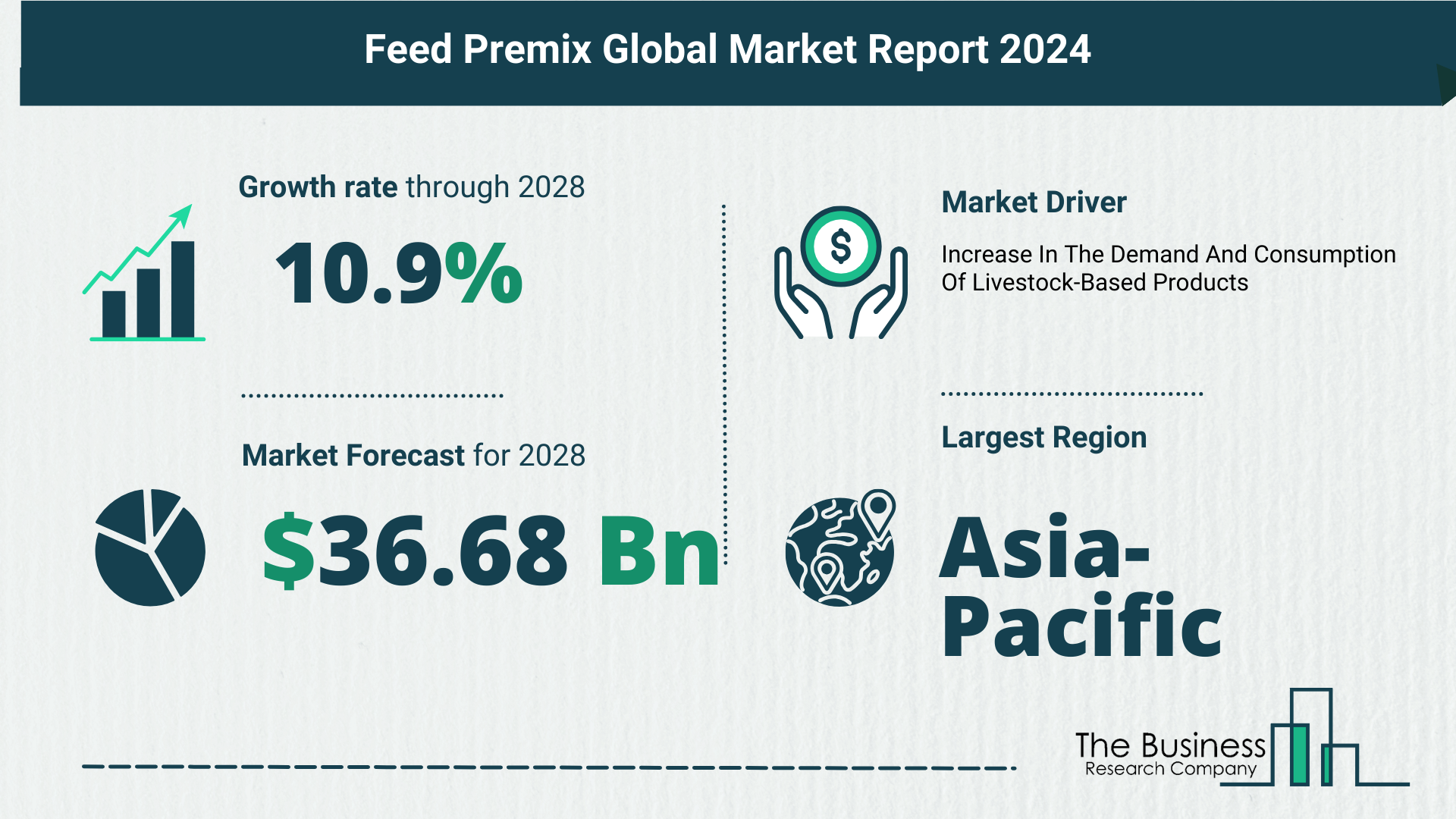
    The feed premix market has witnessed remarkable growth, surging from $21.7 billion in 2023 to an anticipated $24.25 billion in 2024, boasting a robust CAGR of 11.8%. This upward trajectory can be attributed to factors like nutritional awareness, livestock health concerns, government regulations, and population growth. The market is poised for continued expansion, projecting a size of $36.68 billion by 2028, with a CAGR of 10.9%, driven by urbanization, disease prevention, sustainable practices, and research and development.

    Rising Demand For Livestock-Based Products Fuels Growth In The Feed Premix Market:

    • Livestock-Based Product Consumption: The surge in demand for livestock-based products, including eggs, dairy, and meat, is a key driver of the feed premix market. Adding feed premix to the diet of livestock ensures sufficient vitamins and minerals, enhancing nutrition and overall production.
    • Market Statistics: In July 2022, the United States Department of Agriculture reported a 0.3% increase in milk production, totaling 18.3 billion pounds in 24 major states, highlighting the growing consumption of dairy products. Major companies in the market include Archer Daniels Midland Company, Cargill Inc., Nutreco N. V., and others, contributing significantly to the industry’s growth.

    View More On The Feed Premix Market Report 2024 – https://www.thebusinessresearchcompany.com/report/feed-premix-global-market-report

    Innovative Feed Ingredients Revolutionize The Feed Premix Market:

    • Key Trend: Development of New Feed Ingredients: The feed premix market is experiencing a transformative trend with the development of innovative feed ingredients. These ingredients, such as BASF’s Natupulse TS, a non-starch polysaccharide enzyme, enhance the properties of feed premixes, improving health and maximizing production.
    • BASF’s Natupulse TS: Introduced in December 2021, Natupulse TS hydrolyzes ß-mannans into smaller components, reducing digesta viscosity and increasing feed digestibility. Such innovations contribute to more sustainable livestock output.

    Adm’s Strategic Acquisition Of Golden Farm Expands Wisium Premix Portfolio In Vietnam:

    • Strategic Acquisition: In April 2021, Archer Daniels Midland (ADM) acquired Golden Farm Production & Commerce Company Limited in Vietnam, expanding its Wisium premix offerings. This acquisition aligns with ADM’s commitment to enhancing its presence in the feed premix market.
    • Market Leaders: Key players in the feed premix market include ADM, BASF SE, Cargill Inc., and others, demonstrating strategic moves to strengthen their market positions.

    Market Segmentation: The feed premix market is segmented into various categories:

    1. By Type: Amino Acids, Antioxidants, Antibiotics, Vitamins, Minerals, and Other Types.
    2. By Form: Dry and Liquid.
    3. By Livestock: Ruminants, Swine, Aquatic Animals, Poultry, and Pets.

    Regional Dynamics:

    • Asia-Pacific Dominance: In 2023, Asia-Pacific emerged as the largest region in the feed premix market, reflecting the region’s significant contribution to the industry’s growth.
    • North America’s Fastest-Growing Status: North America is expected to be the fastest-growing region in the forecast period, underscoring the region’s potential and increasing focus on sustainable and innovative agricultural practices.

    Conclusion: The feed premix market is witnessing unprecedented growth, driven by factors ranging from nutritional awareness to the rising demand for livestock-based products. The industry’s trajectory is further propelled by innovative feed ingredients, strategic acquisitions, and a commitment to sustainable practices. As urbanization and disease prevention take center stage, the market is poised to reach new heights, presenting ample opportunities for industry players to thrive. The strategic moves of key market players and the evolving trends underscore the dynamic nature of the feed premix market, marking it as a vital sector in the global agriculture landscape.

    Request A Sample Of The Global Feed Premix Market Report 2024:
    https://www.thebusinessresearchcompany.com/sample_request?id=6491&type=smp

  • Global Medical Alert Systems Market Key Insights 2024-2033

    Global Medical Alert Systems Market Key Insights 2024-2033

    The Business Research Company’s global market reports are now updated with the latest market sizing information for the year 2024 and forecasted to 2033

    According to The Business Research Company’s Medical Alert Systems Global Market Report 2024, the medical alert systems market is expected to show promising growth in the forecast period.

    Market Growth: A Statistical Outlook

    • Rapid expansion: The medical alert systems market is on the rise.
    • From $10.42 billion in 2023 to $11.55 billion in 2024 at a CAGR of 10.8%.
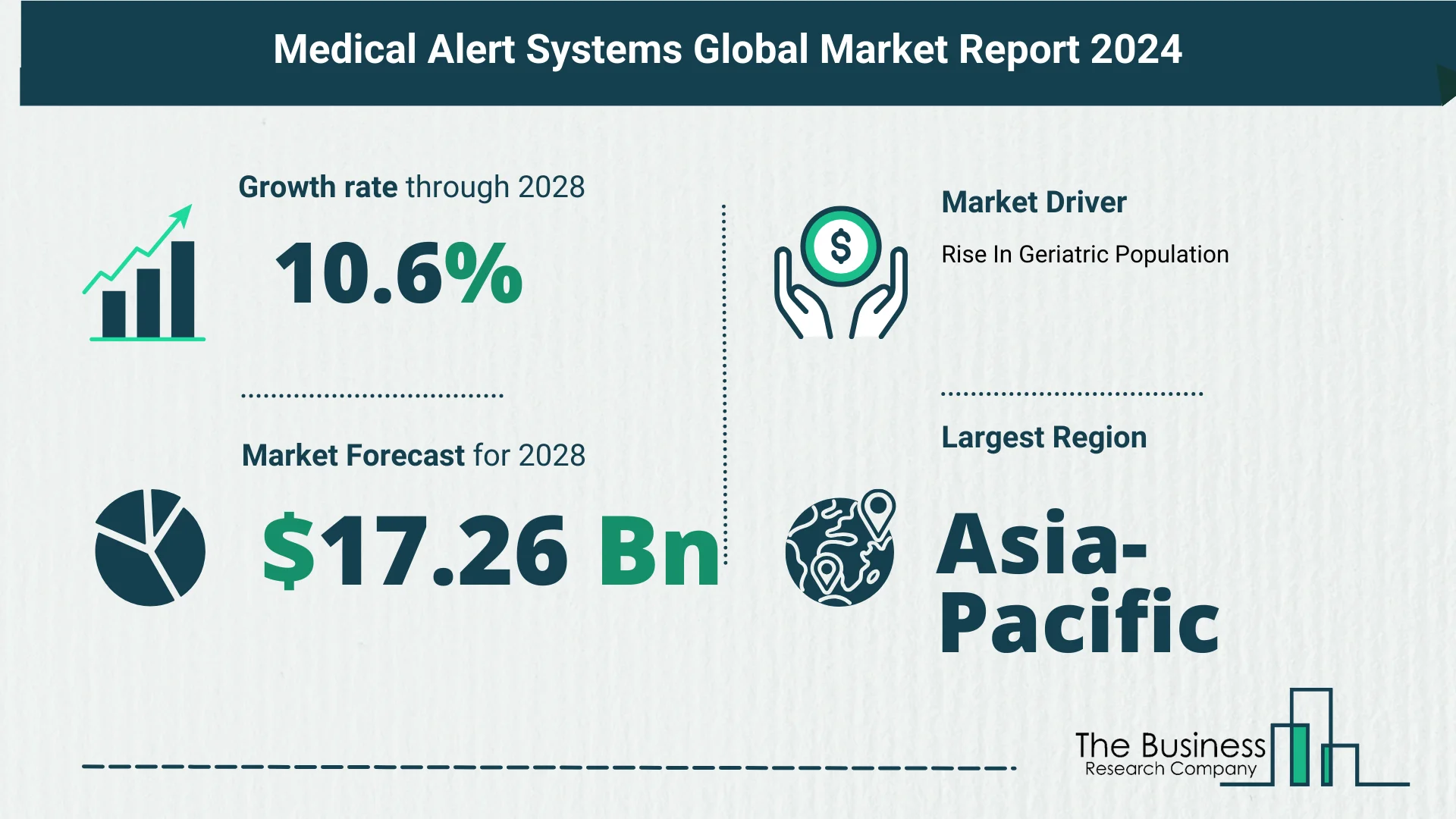
    • Projected growth to $17.26 billion in 2028, with a CAGR of 10.6%.

    Driving Forces Behind the Growth

    • Chronic health conditions and aging population contribute to historic growth.
    • Healthcare infrastructure and government initiatives play a vital role.
    • Telehealth services add a new dimension to the expanding market.

    Forecasted Surge: Factors at Play

    • Independent living becomes a driving force.
    • Medical cost savings and rural healthcare access fuel growth.
    • Personalized emergency plans and tackling elderly social isolation.

    View More On The Medical Alert Systems Market Report 2024 – https://www.thebusinessresearchcompany.com/report/medical-alert-systems-global-market-report

    Major Trends Shaping the Future

    • IoT and wearable integration redefine medical alert systems.
    • Blockchain addresses health data security concerns.
    • Voice-activated systems and AI for predictive care gain prominence.
    • Fall detection technology enhances emergency response capabilities.

    Geriatric Population as a Catalyst

    • Rising geriatric population propels market growth.
    • Essential safety and immediate assistance for independent living.
    • WHO predicts 1 in 6 individuals aged 60 or older by 2030 and 2.1 billion by 2050.

    Industry Players: A Landscape Overview

    • Key companies shaping the medical alert systems market.
    • Major players include Koninklijke Philips, Connect America Holdings, ADT Inc., and others.
    • Diverse services offered by companies like Medical Guardian, MobileHelp, and LifeFone.

    Technological Innovations: Transforming Healthcare

    • Advancements drive the market forward.
    • Essence Group introduces Umbrella, a 5G-enabled mobile Personal Emergency Response System.
    • Integration with cloud services enhances personal safety and care in remote settings.

    Advocate Aurora Enterprises’ Strategic Move

    • Aurora’s acquisition of MobileHelp in April 2022.
    • Aims to enhance whole-person health services beyond conventional clinical care.
    • Emphasizes investment in solutions complementing clinical offerings.

    Market Segmentation: Understanding the Landscape

    • Breakdown by offering type: Hardware and Services.
    • System types include Personal Emergency Response System (PERS), Nurse Calling System (NCS), and Smart Belt.
    • Technology types cover Two-way Voice Systems, Medical Alert Alarm (Button) System, and IP-based Systems.
    • Distribution channels span pharmacies, online sales, and hypermarkets.
    • Applications range from home-based users to senior living facilities, assisted living facilities, hospitals, and clinics.

    Regional Dynamics: Asia-Pacific Takes the Lead

    • Asia-Pacific dominates the medical alert systems market in 2023.
    • Expected to be the fastest-growing region in the forecast period.

    In conclusion, the medical alert systems market is experiencing robust growth driven by a confluence of factors. The aging population, technological advancements, and strategic acquisitions are reshaping the landscape. With innovations like IoT integration and predictive care, the industry is set to offer enhanced safety and care solutions. As the market continues to evolve, it opens doors for collaboration, innovation, and improved healthcare services on a global scale.

    Request A Sample Of The Global Medical Alert Systems Market Report 2024:
    https://www.thebusinessresearchcompany.com/sample_request?id=7166&type=smp

  • Growth Trajectory Of The Medical Aesthetics Market 2024-2033

    Growth Trajectory Of The Medical Aesthetics Market 2024-2033

    The Business Research Company’s global market reports are now updated with the latest market sizing information for the year 2024 and forecasted to 2033

    The medical aesthetics market has witnessed a remarkable surge in recent years, marked by substantial growth in market size and a promising compound annual growth rate (CAGR). As we delve into the dynamics of this thriving industry, we explore the key factors driving this growth, the evolving trends, and the major players shaping the future of medical aesthetics.

    Market Growth and Projections
    Current and Future Growth
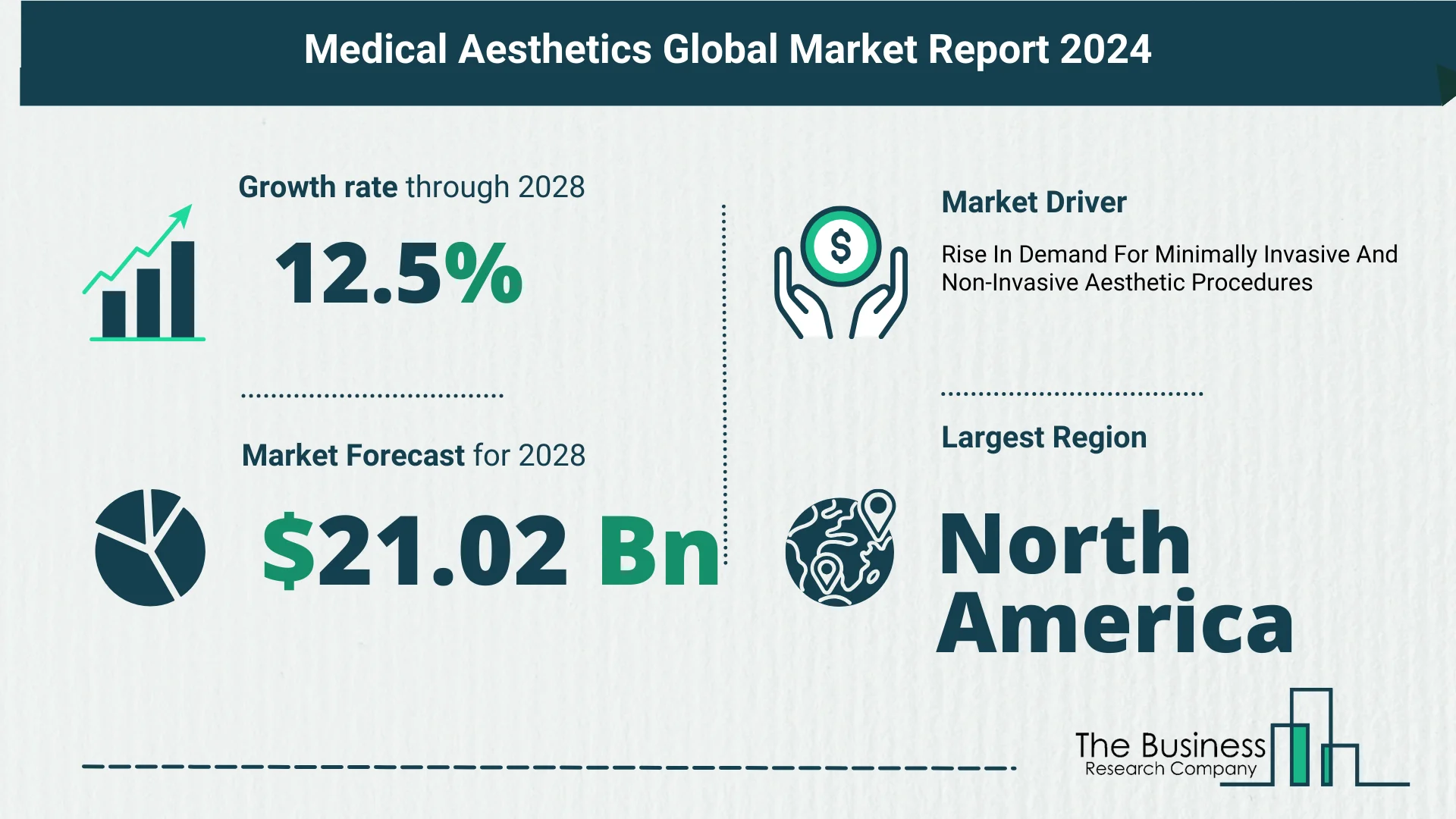
    The medical aesthetics market is on a trajectory of robust expansion. From $11.5 billion in 2023, it is set to reach $13.11 billion in 2024, boasting a notable CAGR of 14.0%. Looking ahead, the market is projected to achieve even greater heights, anticipating a surge to $21.02 billion by 2028, with a CAGR of 12.5%. This growth is attributed to a variety of factors, including an aging population, the flourishing cosmetic industry, increased consumer awareness, medical tourism, and regulatory approvals.

    Rising Demand For Minimally Invasive And Non-Invasive Aesthetic Procedures Fuels Medical Aesthetics Market Growth
    Shift Towards Minimally Invasive Procedures
    The increasing adoption of minimally invasive and non-invasive aesthetic procedures is a pivotal driver of the market’s expansion. These procedures, characterized by limited incisions or injections, are preferred for their quick, safe, and effective nature, requiring minimal downtime. Liposuction, for instance, experienced a surge with over 1.9 million cases in January 2023, indicating a 24.8% increase and underscoring the growing popularity of minimally invasive techniques.

    Key Players in the Market
    Major companies contributing to the growth of the medical aesthetics market include AbbVie Inc., Medytox Inc., Galderma S.A., and various others. Their innovations and contributions align with the rising demand for minimally invasive procedures, fostering market growth.

    View More On The Medical Aesthetics Market Report 2024 – https://www.thebusinessresearchcompany.com/report/medical-aesthetics-global-market-report

    Rising Adoption Of Robot-Based Surgery And Advanced Technology Innovations In The Medical Aesthetics Market
    Adoption of Robot-Based Surgery
    A significant trend in the medical aesthetics market is the adoption of robot-based surgery, showcasing the industry’s commitment to technological advancements. Companies like Smith-Nephew have launched advanced robotic tools like CORI, providing surgeons with a digital operating room experience. This technology enhances precision, reduces pain, and increases patient satisfaction post-surgery.

    Strategic Acquisitions for Portfolio Enhancement
    Crown Laboratories’ acquisition of Eclipse Med Corp. LLC in May 2022 exemplifies strategic moves within the industry. This acquisition expanded Crown’s aesthetics portfolio, aligning with the global mission to drive innovation and offer superior products and services. Such strategic moves contribute to the dynamic and evolving nature of the medical aesthetics market.

    Market Segmentation and Regional Dynamics
    Comprehensive Market Segmentation
    The medical aesthetics market is segmented based on product, technology, distribution channel, application, and end-user. Products range from facial aesthetic products to hair removal devices, while technology includes invasive, non-invasive, and minimally invasive options. This comprehensive segmentation reflects the diverse offerings within the market.

    Regional Insights
    North America is expected to lead the medical aesthetics market in 2023, while Asia-Pacific is poised to be the fastest-growing region in the forecast period. These regional dynamics underscore the global nature of the market, with varying trends and opportunities across different parts of the world.

    Conclusion
    In conclusion, the medical aesthetics market is thriving, fueled by a combination of technological advancements, consumer preferences for minimally invasive procedures, and strategic industry moves. As the industry continues to evolve, stakeholders need to stay attuned to emerging trends such as combination therapies, regenerative aesthetics, and the integration of artificial intelligence and virtual reality. The medical aesthetics market isn’t just about enhancing appearances; it’s about embracing innovation to redefine the future of aesthetic healthcare.

    Request A Sample Of The Global Medical Aesthetics Market Report 2024:
    https://www.thebusinessresearchcompany.com/sample_request?id=7646&type=smp

  • Global Live Cell Imaging Market Key Insights 2024-2033

    Global Live Cell Imaging Market Key Insights 2024-2033

    The Business Research Company’s global market reports are now updated with the latest market sizing information for the year 2024 and forecasted to 2033

    According to The Business Research Company’s Live Cell Imaging Global Market Report 2024, the live cell imaging market is expected to show promising growth in the forecast period.

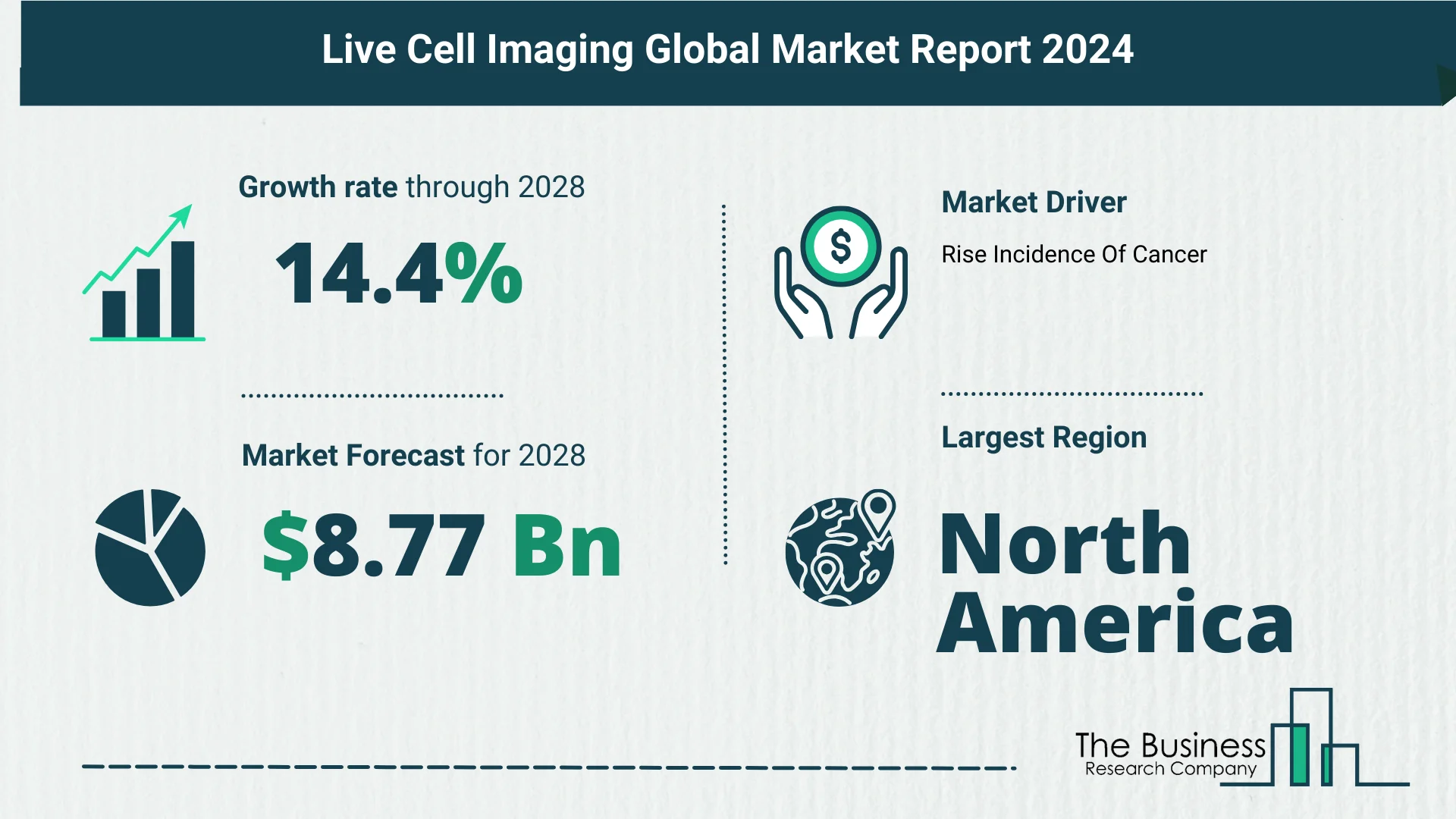
    The live cell imaging market has experienced remarkable growth, catapulting from $4.43 billion in 2023 to a projected $5.11 billion in 2024, reflecting a compound annual growth rate (CAGR) of 15.4%. This expansion is attributed to pivotal factors such as drug discovery and development, cancer research, biotechnology, biopharmaceuticals, clinical applications, and cellular and molecular biology. Looking ahead, the market is poised for continued rapid growth, reaching $8.77 billion in 2028, with a CAGR of 14.4%. The forecasted surge is driven by infectious disease research, the adoption of personalized medicine, environmental and ecological research, and immunotherapy development. Notable trends in the forecast period include 3D and 4D imaging, super-resolution microscopy, high-content screening, live-cell tracking software, and the utilization of microfluidic devices.

    Cancer Incidence as a Catalyst for Growth
    The live cell imaging market is anticipated to experience a significant upswing due to the rising incidence of cancer. Globally, cancer stands as the second major cause of death, claiming one in every six lives annually. Projections indicate an increase to 29.5 million cancer cases and 16.4 million cancer-related deaths worldwide by 2040. In the United States alone, the number of cancer patients is expected to rise from 16.9 million in 2019 to 22.2 million by 2030. Live cell imaging technology plays a pivotal role in cancer immunotherapy advancement, allowing for visualization, characterization, and evaluation of the biological processes of living cells. Major companies contributing to this market include Leica Microsystems GmbH, Olympus Corporation, Sigma-Aldrich Corporation, and more.

    • Major companies in the market include:
      • Leica Microsystems GmbH
      • Olympus Corporation
      • Sigma-Aldrich Corporation
      • PerkinElmer Inc.
      • GE Healthcare Technologies Inc.
      • And many more…

    Increasing Focus on Next-Generation Live Cell Imaging
    Innovation is at the forefront of major companies operating in the live cell imaging market, with a focus on developing next-generation products to drive revenues. An exemplary case is the CytoSMART Omni FL, a live-cell imaging analysis system introduced by CytoSMART Technologies. Launched in April 2022, this system incorporates red and green fluorescence channels into its signature CytoSMART Omni product line, producing high-quality, whole-well brightfield, or high-throughput fluorescence images of living cells. The device’s versatility allows scanning of various transparent cell culture vessels, from T75 flasks to microfluidic chips.

    • CytoSMART Omni FL – A Next-Generation Live-Cell Imaging System

    In April 2022, CytoSMART Technologies introduced CytoSMART Omni FL, a next-generation live-cell imaging analysis system. This innovative device incorporates red and green fluorescence channels into its product line, providing high-quality images of living cells.

    View More On The Live Cell Imaging Market Report 2024 – https://www.thebusinessresearchcompany.com/report/live-cell-imaging-global-market-report

    Axion Biosystems’ Strategic Acquisition of CytoSMART Technologies
    In a strategic move in March 2022, Axion BioSystems, a US-based life sciences company, acquired CytoSMART Technologies for an undisclosed amount. This acquisition aims to propel Axion’s expansion in stem cell research and immuno-oncology. CytoSMART Technologies, based in the Netherlands, is recognized for its contributions to the live cell imaging domain.

    • Strategic Acquisition – Axion Biosystems and CytoSMART Technologies

    In March 2022, Axion BioSystems acquired CytoSMART Technologies, marking a strategic move to expand its presence in stem cell research and immuno-oncology.

    Market Segmentation
    The live cell imaging market is segmented based on key factors:

    1. Product:
      • Equipment
      • Consumable
      • Software
    2. Technology:
      • Time-Lapse Microscopy
      • Fluorescence Recovery After Photobleaching (FRAP)
      • Fluorescence Resonance Energy Transfer (FRET)
      • High Content Screening (HCS)
      • Other Technologies
    3. Application:
      • Cell Biology
      • Developmental Biology
      • Stem Cell and Drug Discovery
      • Other Applications
    4. End-User:
      • Pharmaceutical and Biotechnology Companies
      • Academic and Research Institutes
      • Contract Research Organizations (CROs)

    Regional Dynamics: North America Leading the Charge
    In 2023, North America emerged as the largest region in the live cell imaging market, showcasing the region’s commitment to advancing life sciences and technology.

    Conclusion
    The live cell imaging market stands at the forefront of technological advancements, with a trajectory of sustained growth. Driven by the rising incidence of cancer and continuous innovation in imaging technologies, major companies are actively shaping the future of live cell imaging. As the market evolves, the integration of next-generation imaging solutions and strategic partnerships will play pivotal roles in defining the industry’s landscape, contributing to advancements in drug discovery, cancer research, and personalized medicine.

    Request A Sample Of The Global Live Cell Imaging Market Report 2024:
    https://www.thebusinessresearchcompany.com/sample_request?id=4110&type=smp