Blog

  • Top 5 Insights From The Healthcare ERP Consulting Services Market Report 2024

    Top 5 Insights From The Healthcare ERP Consulting Services Market Report 2024

    The Business Research Company’s global market reports are now updated with the latest market sizing information for the year 2024 and forecasted to 2033

    According to The Business Research Company’s Healthcare ERP Consulting Services Global Market Report 2024, the healthcare ERP consulting services market is expected to show promising growth in the forecast period.

    The healthcare ERP consulting services market has witnessed significant growth, reaching $4.96 billion in 2023 and projecting an increase to $5.54 billion in 2024 at a Compound Annual Growth Rate (CAGR) of 11.6%. This expansion is primarily attributed to the integration of data, enhanced cost control, administrative efficiency, workflow automation, and the integration of electronic health records.

    Future Projections

    Steady Growth in the Horizon

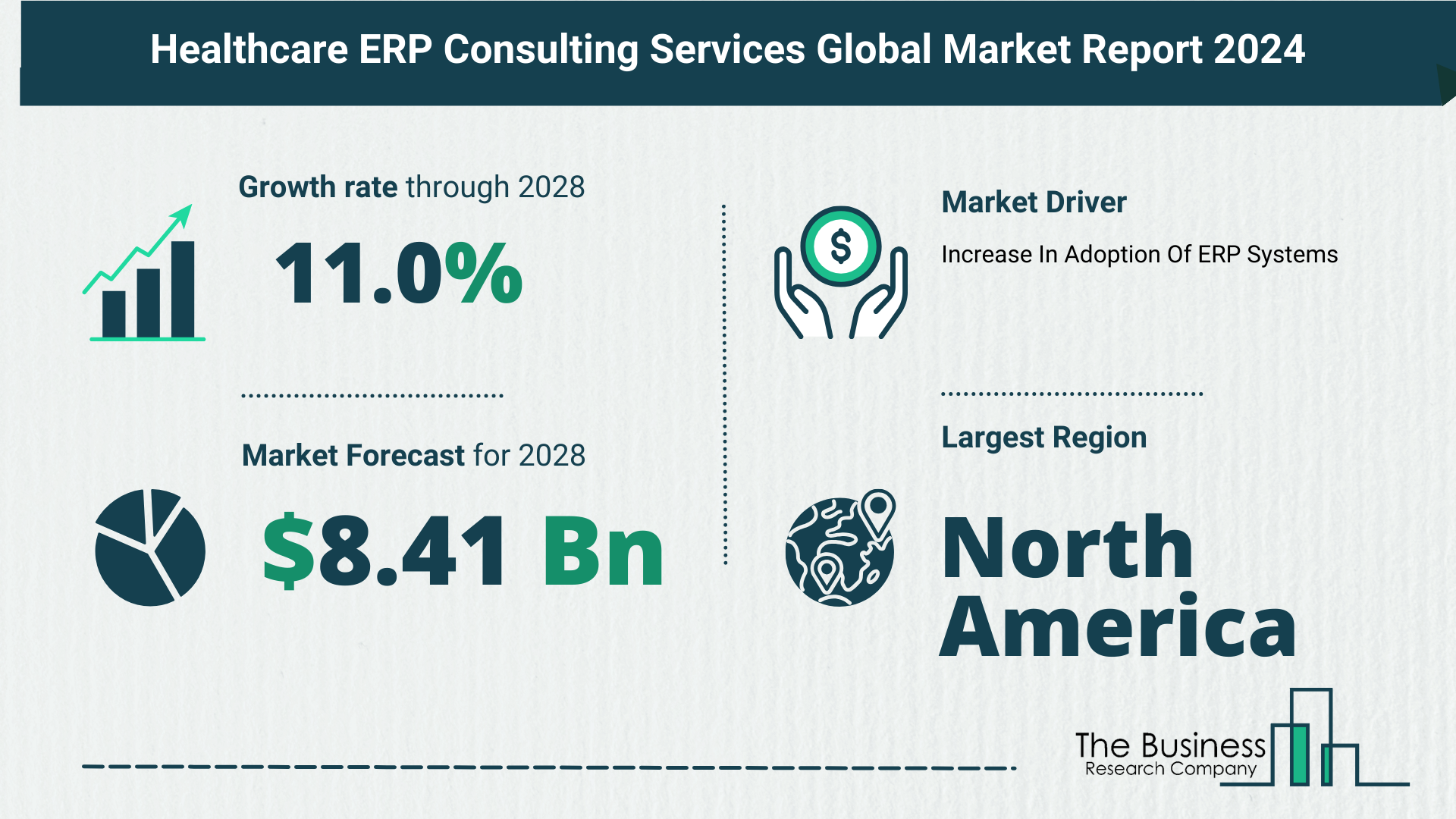
    Anticipated growth in the healthcare ERP consulting services market remains robust, with a forecasted leap to $8.41 billion in 2028, showcasing a CAGR of 11.0%. The future landscape is shaped by emerging factors, including value-based care models, telehealth expansion, cybersecurity, data protection, sustainability, environmental impact, and pandemic preparedness.

    View More On The Healthcare ERP Consulting Services Market Report 2024 – https://www.thebusinessresearchcompany.com/report/healthcare-erp-consulting-services-global-market-report

    Emerging Trends

    In the forecast period, notable trends are expected to drive the market forward, encompassing digital transformation roadmaps, adoption of cloud-based ERP solutions, integration of data analytics, patient engagement solutions, and the infusion of AI and machine learning into ERP systems.

    Catalysts for Growth

    1. Adoption of ERP Systems in Healthcare

    The surge in the adoption of ERP systems is a pivotal driver for the healthcare ERP consulting services market. These systems play a crucial role in planning and managing an organization’s core functions. Notably, the interest in cloud-based ERP systems spiked to 42% in 2022, as reported by Software Connect. The adoption is primarily driven by company owners and C-suite executives, initiating the software purchasing process in more than half of the cases.

    1. Leading Companies in the Market

    Major players contributing to the growth of the healthcare ERP consulting services market include Accenture PLC, Deloitte Touche Tohmatsu, PricewaterhouseCoopers, and many others. These companies are at the forefront, providing essential consulting services to healthcare organizations.

    Strategies for Evolution

    Innovation and Product Diversification

    Major companies operating in this market are actively engaged in developing new products and expanding their offerings. Deloitte, for instance, launched the Oracle MyCloud ERP offering in October 2022. This innovative product aims to expedite business transformation for fast-growing and private clients by leveraging Oracle’s state-of-the-art integrated SaaS Cloud platform. It not only provides access to Oracle Cloud products but also includes Deloitte’s implementation and support services, consolidating everything into a fixed monthly fee. This approach allows growth-focused companies to manage financial resources efficiently.

    Strategic Acquisitions: Oracle-Cerner Deal

    In June 2022, Oracle Corporation made a significant move by acquiring Cerner for $28.3 billion. This strategic acquisition aims to enhance healthcare delivery by providing better information to medical practitioners, ultimately leading to improved treatment decisions and better patient outcomes. Cerner, a healthcare company specializing in ERP consulting services, adds substantial value to Oracle’s portfolio.

    Market Segmentation

    The healthcare ERP consulting services market is segmented based on functionality, deployment, and end-user:

    1. Functionality:Includes Implementation, Training and Education, and Other Functionality.
    2. Deployment:Encompasses On-Premise and Cloud solutions.
    3. End-User:Targets Life Science Companies, Healthcare Providers, and Other End-Users.

    Regional Dominance

    North America took the lead as the largest region in the healthcare ERP consulting services market in 2023, underscoring the region’s pivotal role in steering the market’s trajectory.

    In conclusion, the healthcare ERP consulting services market is poised for remarkable growth, driven by technological advancements, innovative solutions, and strategic collaborations. As the healthcare industry continues to evolve, the integration of ERP systems and consulting services will play an instrumental role in shaping a more efficient, data-driven, and patient-centric future.

    Request A Sample Of The Global Healthcare ERP Consulting Services Market Report 2024:
    https://www.thebusinessresearchcompany.com/sample_request?id=6931&type=smp
  • Enzyme Inhibitor Market Report 2024: Market Size, Drivers, And Trends

    Enzyme Inhibitor Market Report 2024: Market Size, Drivers, And Trends

    The Business Research Company’s global market reports are now updated with the latest market sizing information for the year 2024 and forecasted to 2033

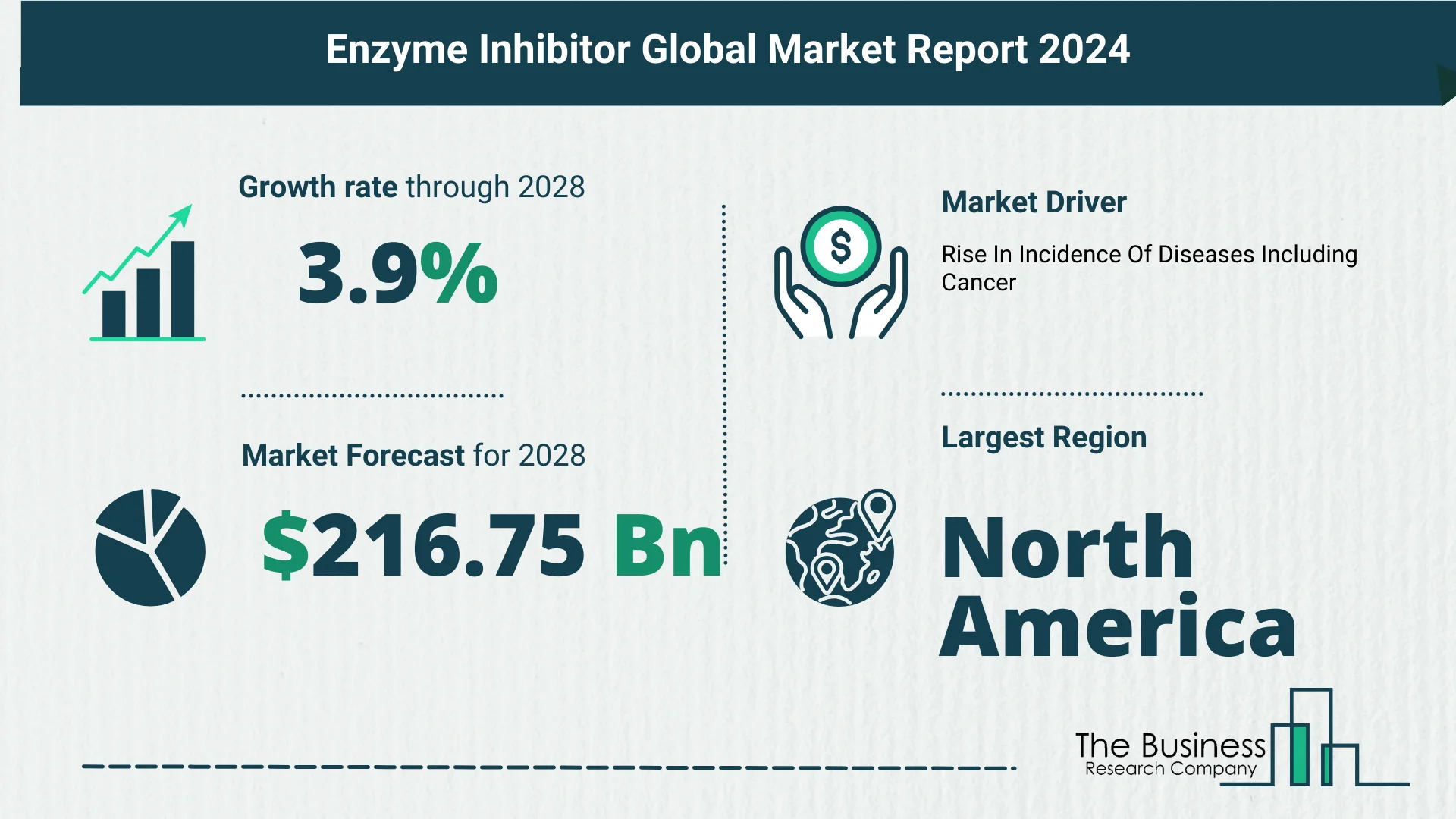
    The enzyme inhibitor market has exhibited steady growth in recent years, with the market size climbing from $180.38 billion in 2023 to $186.04 billion in 2024, showcasing a Compound Annual Growth Rate (CAGR) of 3.1%. Looking ahead, the forecast is optimistic, projecting a steady rise to $216.75 billion in 2028, with a CAGR of 3.9%. This growth is underpinned by various factors, including increased demand for enzyme inhibitors in disease treatment, advancements in drug discovery, a growing prevalence of chronic diseases, an increased geriatric population, and rising awareness about the benefits of enzyme inhibitors.

    Historic Growth Drivers

    • Increased demand for enzyme inhibitors in disease treatment
    • Advancements in drug discovery and development
    • Growing prevalence of chronic diseases
    • Increased geriatric population
    • Rising awareness about the benefits of enzyme inhibitors

    Anticipated Growth Factors

    • Growing investment in research and development activities
    • Increasing demand for personalized medicine
    • Rising incidence of chronic diseases in emerging markets
    • Growing demand for enzyme inhibitors in cancer treatment
    • Expansion of applications in rare and genetic diseases

    Major Trends in the Forecast Period

    • Development of reversible and irreversible enzyme inhibitors
    • Exploration of natural products as sources of enzyme inhibitors
    • Integration of computational methods in enzyme inhibitor discovery
    • Emphasis on personalized dosing and treatment regimens
    • Expansion of enzyme inhibitor applications in oncology and neurodegenerative diseases

    View More On The Enzyme Inhibitor Market Report 2024 – https://www.thebusinessresearchcompany.com/report/enzyme-inhibitor-global-market-report

    Disease Incidence and Therapeutic Advancements: Catalysts for Growth
    Driving Forces Behind Enzyme Inhibitor Market Growth Impact Of Disease Incidence, Cancer Statistics, And Therapeutic Advancements

    The surge in disease incidence, notably cancer, is anticipated to fuel the growth of the enzyme inhibitor market. Enzymes like telomerase, active in most tumor cells, play a crucial role in cancer treatment. For instance, in 2022, the American Cancer Society reported an average of 1,670 individuals succumbing to cancer daily in the U.S., with 1.9 million cases diagnosed and 609,360 fatalities. This rise in disease incidence, especially cancer, is a driving force behind the increasing demand for enzyme inhibitors.

    Key Market Players

    • Abbott Laboratories
    • Amgen Inc.
    • AstraZeneca plc
    • Bayer AG
    • F. Hoffmann-La Roche AG
    • Pfizer Inc.
    • Takeda Pharmaceutical Company
    • Merck and Co. Inc.
    • Eli Lilly and Company
    • Bristol-Myers Squibb Company

    Game-Changing FDA Approval: Bristol-Myers Squibb’s Sotyktu
    Bristol-Myers Squibb’s Sotyktu, Redefines Plaque Psoriasis Treatment
    Major players in the enzyme inhibitor market are driving innovation to meet consumer needs. Sotyktu, an allosteric tyrosine kinase 2 (TYK2) inhibitor drug, received FDA approval in September 2022. It is the first of its kind, offering selective oral allosteric TYK2 inhibition. Sotyktu represents a new standard in oral therapy for moderate-to-severe plaque psoriasis, showcasing its efficacy in clinical studies. This breakthrough signifies a significant advancement in the treatment landscape.

    Strategic Acquisition: Amgen Inc.’s Purchase of Rodeo Therapeutics
    Amgen Inc.’s Acquisition Of Rodeo Therapeutics Expanding Biotechnology Portfolio With Prostaglandin Modulators And Enzyme Inhibitors
    In March 2021, Amgen Inc. bolstered its biotechnology portfolio with the acquisition of Rodeo Therapeutics Corporation for $666 million. This strategic move aimed at expanding Amgen’s capabilities in prostaglandin modulators and enzyme inhibitors. Rodeo Therapeutics, a biopharmaceutical company, focuses on developing first-in-class, orally available modulators of prostaglandin biology, enriching Amgen’s biotechnology offerings.

    Market Segmentation Overview

    1. Type:
      • Proton Pump Inhibitors (PPIs)
      • Protease Inhibitors
      • Reverse Transcriptase Inhibitors
      • Aromatase Inhibitors
      • Kinase Inhibitors
      • Neuraminidase Inhibitors
      • Statins
      • Other Types
    2. Disease Indication:
      • Chronic Obstructive Pulmonary Disorders
      • Cardiovascular Disease
      • Gastrointestinal Disorders
      • Arthritis
      • Inflammatory Diseases
      • Other Disease Indications
    3. Application:
      • Chemotherapy
      • Antibiotics
      • Pesticides
      • Cardiovascular Treatments
      • Other Applications
    4. End User:
      • Pharmaceutical
      • Biotechnology
      • Food and Beverage
      • Other End Users

    Regional Dynamics: North America Leading, Asia-Pacific Rising
    North America secured the position as the largest region in the enzyme inhibitor market in 2023. Looking ahead, Asia-Pacific is poised to be the fastest-growing region in the forecast period. The robust healthcare infrastructure and increasing investments in research and development contribute to North America’s leadership, while the rising demand for healthcare solutions in emerging markets drives growth in Asia-Pacific.

    In conclusion, the enzyme inhibitor market stands at the forefront of medical innovation, driven by a combination of factors such as disease incidence, therapeutic advancements, and strategic acquisitions. With major trends shaping the industry, the market is set to witness continued growth, offering solutions for diverse medical challenges and paving the way for enhanced personalized medicine.

    Request A Sample Of The Global Enzyme Inhibitor Market Report 2024:
    https://www.thebusinessresearchcompany.com/sample_request?id=6728&type=smp

  • 5 Key Insights On The Intracranial Stents Market 2024

    5 Key Insights On The Intracranial Stents Market 2024

    The Business Research Company’s global market reports are now updated with the latest market sizing information for the year 2024 and forecasted to 2033

    As per The Business Research Company’s Intracranial Stents Global Market Report 2024, the intracranial stents market is expected to show significant growth in the forecast period.

    The intracranial stents market has experienced rapid growth in recent years, ascending from $0.42 billion in 2023 to an estimated $0.49 billion in 2024, boasting a noteworthy Compound Annual Growth Rate (CAGR) of 15.8%. This escalation is underpinned by increased awareness of stroke risks, improved patient education, enhanced radiation safety measures, a growing aging population, and the advent of minimally invasive techniques.

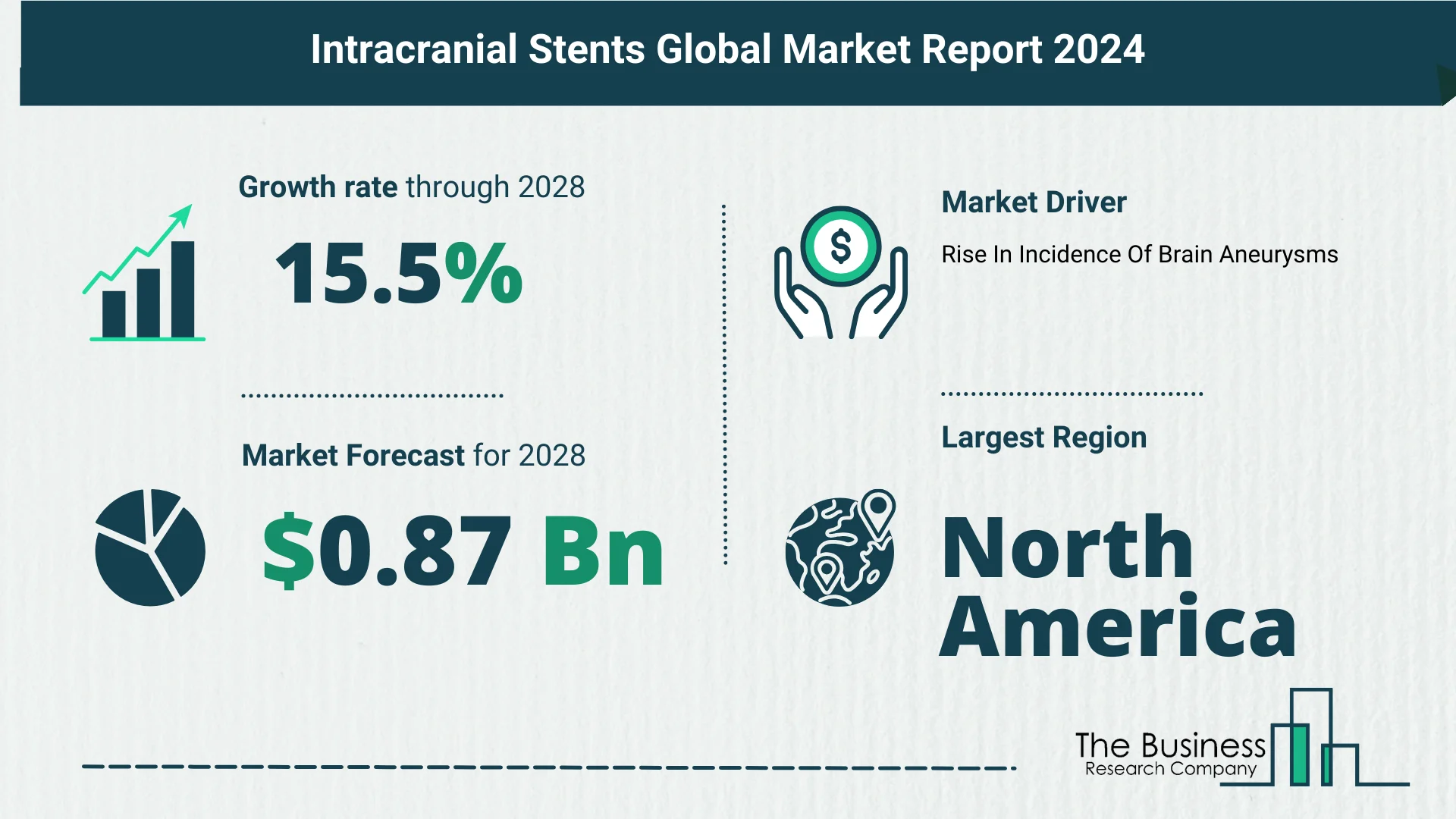
    Anticipating Rapid Growth: The Trajectory Ahead Projections for the Future Expectations for the intracranial stents market remain robust, with a projected valuation of $0.87 billion in 2028, reflecting a compelling CAGR of 15.5%. This anticipated surge is attributed to the expansion of telehealth services, the adoption of genomic medicine, the rise in healthcare infrastructure, the proliferation of stroke rehabilitation services, and a surge in health initiatives. Several key trends are set to define the market landscape.

    Addressing the Surge in Brain Aneurysms A Critical Driver of Growth The rising incidence of brain aneurysms is poised to be a key driver in the growth of the intracranial stents market. With brain aneurysms posing a severe threat due to potential ruptures leading to brain hemorrhage, intracranial vessel stenting (IVS) emerges as a minimally invasive solution for treating cerebral artery stenosis. Approximately 3.2% of people worldwide have unruptured aneurysms, as reported by Medical News Today in February 2023, underscoring the significance of this market growth driver.

    Major Players Steering Advancements Leaders in Innovation Major companies such as Medtronic PLC, Stryker Corporation, and Boston Scientific Corporation play a pivotal role in propelling the intracranial stents market forward. These industry leaders contribute to the market’s dynamism through innovations, extensive research and development, and strategic partnerships.

    View More On The Intracranial Stents Market Report 2024 – https://www.thebusinessresearchcompany.com/report/intracranial-stents-global-market-report

    Innovations Transforming the Landscape Revolutionary Product Introduction Innovations such as the Onyx Frontier drug-eluting stent (DES) by Medtronic PLC exemplify the transformative potential within the intracranial stents market. Launched in August 2022, this DES is designed to treat coronary artery disease, showcasing its versatility and potential applications. The stent’s architecture caters to sophisticated percutaneous cardiac interventions, promising enhanced delivery mechanisms and acute performance.

    Technology Transfer Agreements Paving the Path Collaborative Advancements In January 2021, Sree Chitra Tirunal Institute for Medical Sciences and Technology (SCTIMST) entered into Technology Transfer Agreements with Biorad Medisys. This collaboration led to the development of innovative biomedical implant devices, including an Atrial Septal Defect Occluder and an Intracranial Flow Diverter Stent. These advancements utilize superelastic NiTiNOL alloys and showcase the collaborative potential between research institutes and industry players.

    Market Segmentation: Understanding Diversity Navigating Market Segments The intracranial stents market is segmented into:

    1. Type: Self Expanding Stents, Balloon Expanding Stents, Stent-Assisted Coil Embolization
    2. Disease Indication: Brain Aneurysm, Intracranial Stenosis
    3. End-User: Hospitals, Ambulatory Surgery Centers, Other End-Users

    Regional Dynamics: Leading and Emerging Regional Growth Insights In 2023, North America claimed the title of the largest region in the intracranial stents market, reflecting the region’s prominence in the healthcare sector. However, Asia-Pacific is poised to be the fastest-growing region during the forecast period, marking a significant shift in the global market dynamics.

    Request A Sample Of The Global Intracranial Stents Market Report 2024:
    https://www.thebusinessresearchcompany.com/sample_request?id=5169&type=smp

  • Interventional Radiology Global Market Outlook 2024-2033: Size And Growth Rate Analysis

    Interventional Radiology Global Market Outlook 2024-2033: Size And Growth Rate Analysis

    The Business Research Company’s global market reports provide comprehensive analysis on the various markets in 27 industries across 60 geographies.

    Introduction: Unprecedented Growth in Interventional Radiology Market
    The interventional radiology market has experienced remarkable growth, skyrocketing from $24.08 billion in 2023 to an anticipated $27.42 billion in 2024, with an impressive compound annual growth rate (CAGR) of 13.9%. The surge in the historic period can be attributed to factors such as the aging population, increased prevalence of chronic diseases, adoption of telehealth services, enhanced radiation safety measures, and the rise in minimally invasive procedures.

    Anticipated Growth Trajectory

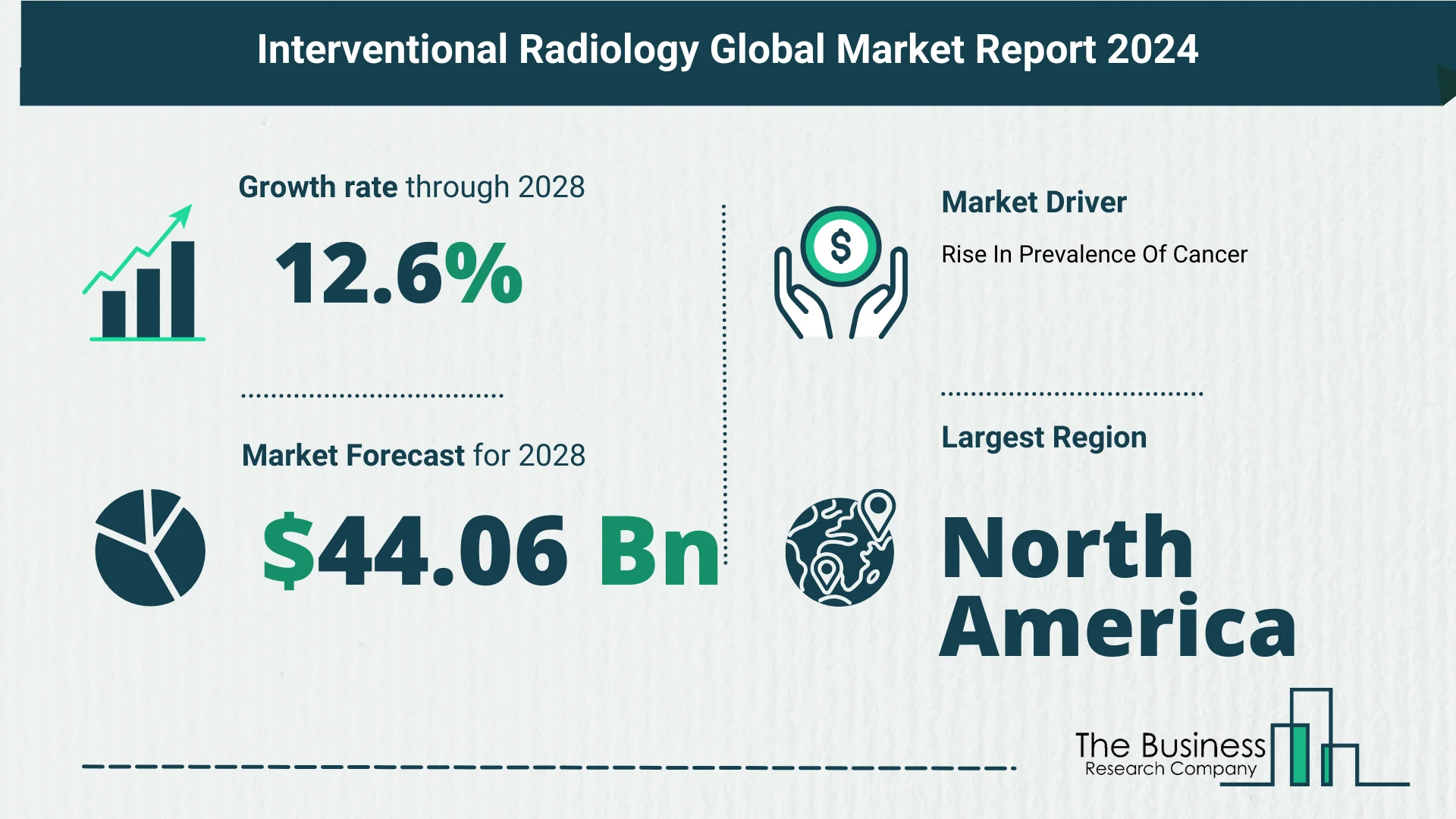
    • The interventional radiology market is set for continued rapid growth, expected to reach $44.06 billion in 2028, with a CAGR of 12.6%.
    • The forecasted expansion is driven by factors such as the improvement of healthcare infrastructure, adoption of genomic medicine, increasing utilization of interventional radiology, supportive regulatory changes, and growing patient awareness.

    Cancer Prevalence Sparks Market Growth

    • The surge in cancer prevalence globally is a key driver propelling the growth of the interventional radiology market.
    • Interventional radiology techniques, including ablation, embolization, and irreversible electroporation (IRE), are crucial in the treatment of cancer and cardiovascular disorders.
    • In 2021, cancer claimed the lives of 134,802 individuals in England alone, emphasizing the urgent need for advanced interventional radiology solutions.

    Key Market Players Shaping the Landscape

    • Major companies contributing to the interventional radiology market include Carestream Health Inc., Siemens Aktiengesellschaft, Koninklijke Philips N.V., General Electric Company, and others.
    • These industry leaders play a pivotal role in advancing technology, driving innovation, and expanding the market through their products and strategic initiatives.

    View More On The Interventional Radiology Market Report 2024 – https://www.thebusinessresearchcompany.com/report/interventional-radiology-global-market-report

    AI-Enhanced Radiology Solutions: The Technological Leap

    • The interventional radiology market is witnessing a transformative shift with the integration of innovative AI-powered solutions.
    • Companies like Viz.ai Inc. are leading the way with the launch of AI-powered Viz Radiology Suite, designed to link care teams in real-time, prioritize worklists, and provide real-time alerts to radiologists about suspected illnesses.
    • Such advancements accelerate patient diagnosis and streamline workflow by securely accessing imaging data across departments.

    Strategic Acquisition: GE Healthcare Technologies and IMACTIS

    • In January 2023, GE Healthcare Technologies Inc. made a significant move by acquiring IMACTIS, a France-based medical technology company.
    • The acquisition aims to expand GE Healthcare Technologies’ interventional radiology business, integrate complementary technologies, and enhance image-guided therapeutic solutions for clients and patients.
    • This strategic move demonstrates the industry’s commitment to fostering collaboration and acquiring cutting-edge technologies.

    Market Segmentation and Regional Dynamics

    • The interventional radiology market is segmented based on product type (MRI, Ultrasound Imaging, CT Scanners, Angiography Systems, Fluoroscopy Systems, Biopsy Devices, Other Products), procedures (Angioplasty, Angiography, Biopsy And Drainage, Embolization, Thrombolysis, Vertebroplasty, Nephrostomy, Other Procedures), and applications (Oncology, Cardiology, Urology And Nephrology, Gastroenterology, Other Applications).
    • In 2023, North America dominated the market, while Asia-Pacific is expected to emerge as the fastest-growing region in the forecast period.

    Future Trends: Paving the Way Forward

    • Emerging trends in the forecast period include the adoption of focused ultrasound, a growing focus on pediatric interventional radiology, adoption of point-of-care imaging, integration of patient navigation tools, and the adoption of catheter robotics.
    • These trends underscore the industry’s commitment to cutting-edge technologies and patient-centric solutions.

    Conclusion: Shaping the Future of Healthcare The interventional radiology market’s rapid growth trajectory signifies a pivotal shift in healthcare dynamics. With innovative AI solutions, strategic acquisitions, and a focus on patient-centric trends, the industry is not only meeting current needs but also shaping the future of healthcare. As the market continues to evolve, driven by technological advancements and collaborative efforts, the journey towards a more efficient and patient-friendly healthcare landscape is well underway.

    Request A Sample Of The Global Interventional Radiology Market Report 2024:
    https://www.thebusinessresearchcompany.com/sample_request?id=5285&type=smp

  • 5 Key Insights On The Insulin Patch Pumps Market 2024

    5 Key Insights On The Insulin Patch Pumps Market 2024

    The Business Research Company’s global market reports are now updated with the latest market sizing information for the year 2024 and forecasted to 2033

    As per The Business Research Company’s Insulin Patch Pumps Global Market Report 2024, the insulin patch pumps market is expected to show significant growth in the forecast period.

    Stellar Growth Trajectory
    The insulin patch pumps market has witnessed remarkable expansion, catapulting from $1.32 billion in 2023 to $1.46 billion in 2024, boasting a robust Compound Annual Growth Rate (CAGR) of 11.0%. The surge in the historic period is credited to various factors including increased diabetes prevalence, patient preference for non-invasive delivery, a growing geriatric population, heightened safety concerns, and the miniaturization of devices.

    Anticipated Momentum
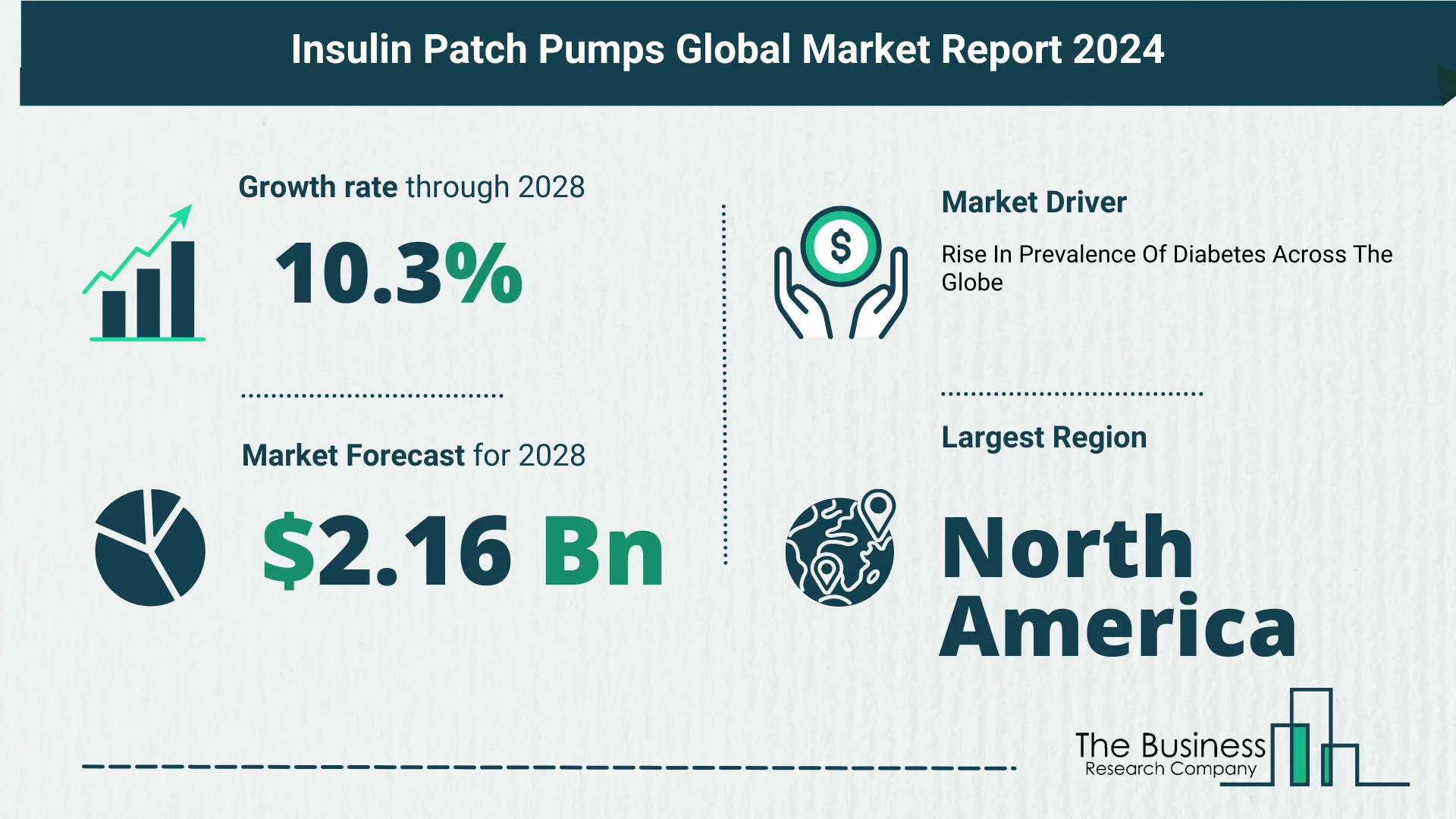
    The market is poised for continued growth, expected to reach $2.16 billion in 2028, with a CAGR of 10.3%. Key drivers for this projected expansion include the increasing adoption of telehealth, a surge in pediatric diabetes cases, growing diabetes awareness, environmental and sustainability concerns, and the rise of healthcare initiatives. Noteworthy trends in the forecast period encompass quantum computing design tools, integration of artificial intelligence and machine learning, the adoption of digital twin simulations, advancements in custom IC design tools, and the growth in high-level synthesis tools.

    Diabetes Prevalence as a Catalyst

    • Global Diabetes Epidemic: The escalating prevalence of diabetes worldwide is a pivotal driver for the growth of the insulin patch pumps market.
    • Need for Convenient Solutions: Insulin patch pumps offer a convenient delivery method, especially for individuals who find insulin injections cumbersome.
    • Alarming Statistics: According to the International Diabetes Federation, approximately 537 million people aged 20 to 79 suffered from diabetes in 2021, with an estimated increase to 643 million by 2030.

    Industry Leaders
    Major companies spearheading the insulin patch pumps market include Cellnovo Group SA, Insulet Corporation, Medtronic PLC, Tandem Diabetes Care Inc., Hoffmann-La-Roche AG, and many others.

    View More On The Insulin Patch Pumps Market Report 2024 – https://www.thebusinessresearchcompany.com/report/insulin-patch-pumps-global-market-report

    Technological Integration

    • Key Trend: The integration of advanced technologies is a prominent trend shaping the insulin patch pumps market.
    • Smart Devices: Insulin patch pumps are evolving into smarter devices, integrating with smartphones and automating insulin delivery.
    • FDA Clearance: Insulet Corporation’s Omnipod 5, with FDA clearance, exemplifies an automated insulin delivery system with compatible smartphone control.

    Strategic Acquisitions

    • Tandem Diabetes Care Inc. and AMF Medical SA: In January 2023, Tandem Diabetes Care Inc. acquired AMF Medical SA, a move aimed at expanding its portfolio in diabetes care through the incorporation of advanced insulin pump therapy.

    Market Segmentation
    The insulin patch pumps market is segmented based on:

    • Type: Traditional Insulin Pumps, Smart Insulin Pump, Disposable Insulin Pumps
    • Mode: Basal, Bolus
    • Pump Type: Tethered Pump, Patch Pump
    • Application: Type 1 Diabetes, Type 2 Diabetes
    • End-User: Hospital, Clinics, Laboratories, Other End-Users

    Regional Dynamics

    • North America’s Dominance: In 2023, North America emerged as the largest region in the insulin patch pumps market.
    • Asia-Pacific’s Growth: The Asia-Pacific region is expected to be the fastest-growing region in the forecast period.

    In conclusion, the insulin patch pumps market is not only responding to the global surge in diabetes cases but is also leveraging technological advancements to offer more convenient and efficient solutions. As we witness a shift towards smarter devices and innovative healthcare initiatives, the future of diabetes care is promising, with insulin patch pumps leading the charge in revolutionizing patient experience and outcomes.

    Request A Sample Of The Global Insulin Patch Pumps Market Report 2024:
    https://www.thebusinessresearchcompany.com/sample_request?id=6486&type=smp

  • What’s The Growth Forecast For Injection Pen Market Through 2024-2033?

    What’s The Growth Forecast For Injection Pen Market Through 2024-2033?

    The Business Research Company’s global market reports provide comprehensive analysis on the various markets in 27 industries across 60 geographies.

    • The injection pen market has witnessed robust growth, increasing from $53.79 billion in 2023 to $58.57 billion in 2024, boasting a CAGR of 8.9%.
    • Historic growth attributed to the escalating need for diabetes management, increased patient preference, reduced needle phobia, improved dosage accuracy, and a growing aging population.

    Future Projections

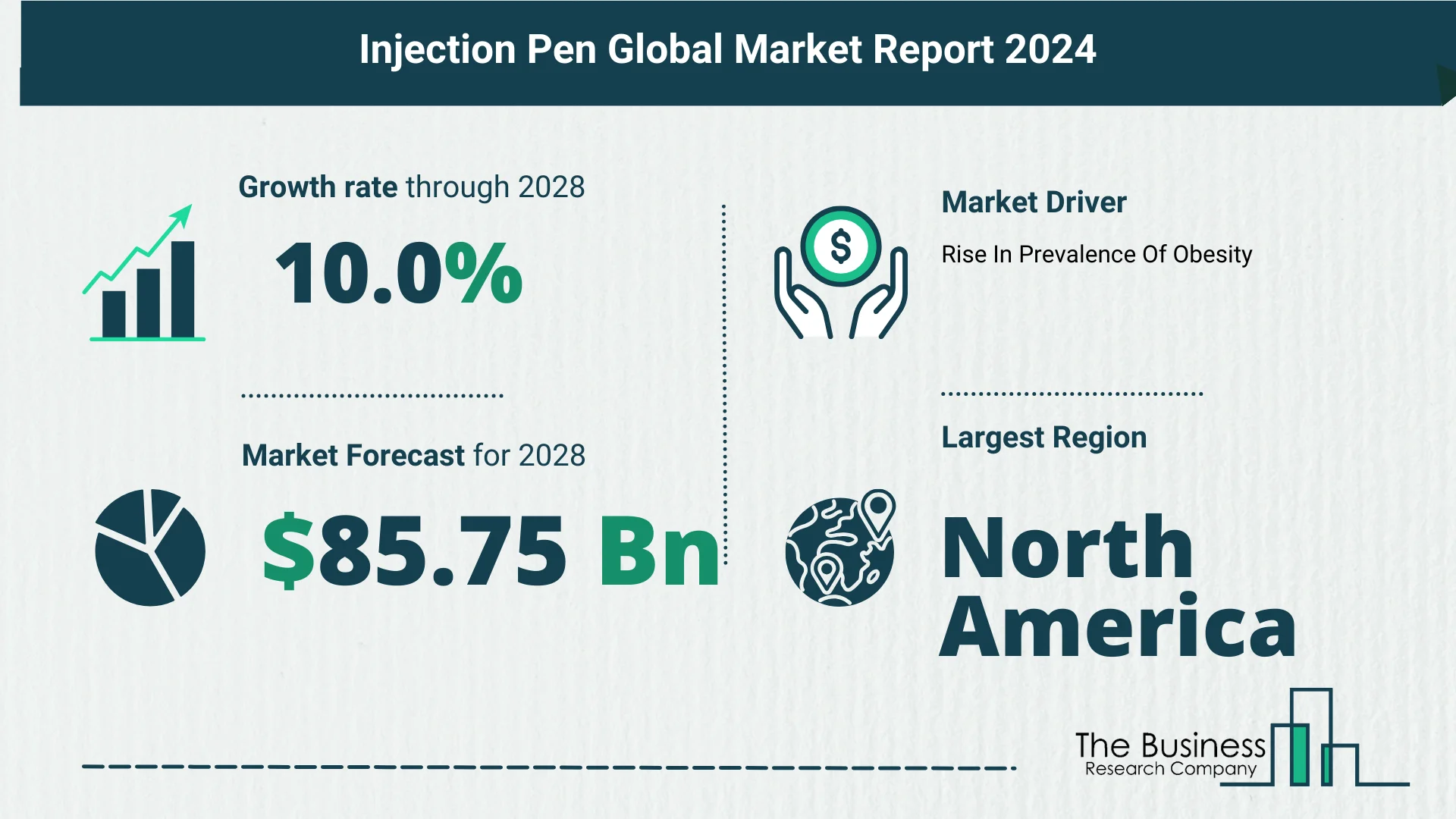
    • The market is expected to continue its strong growth, reaching $85.75 billion in 2028, with a CAGR of 10.0%.
    • Anticipated factors driving growth include rising diabetes prevalence, increasing use of biologics and biosimilars, a surge in personalized medicine demand, the need for home healthcare, and expanding emerging markets.

    Obesity Epidemic: A Catalyst for Market Expansion
    Impact of Obesity

    • Obesity’s increasing prevalence is set to drive the injection pens market forward.
    • Injection pens play a crucial role in providing accurate and adjustable dosing for obese individuals requiring medications like insulin.

    Real-world Example

    • In England, 25.9% of individuals (18 years and older) were projected to be obese in 2021–2022, indicating a significant increase of 25.2%.

    Industry Leaders and Market Segmentation
    Key Players

    • Major companies in the injection pen market include Novo Nordisk A/S, Ypsomed Holding AG, Eli Lilly and Company, AstraZeneca PLC, Pfizer Inc., and more.

    Market Segmentation

    1. Product Type:
      • Disposable Injection Pens
      • Reusable Injection Pens
    2. Therapy:
      • Diabetes
      • Fertility
      • Osteoporosis
      • Growth Hormone Therapy
      • Other Therapies
    3. End Users:
      • Home Care
      • Hospital & Clinics

    View More On The Injection Pen Market Report 2024 – https://www.thebusinessresearchcompany.com/report/injection-pen-global-market-report

    Technological Advancements in the Injection Pen Market
    Trend Towards Innovation

    • Technological advancements are a key trend shaping the injection pen market.
    • Companies are focusing on innovative products and efficient delivery systems to enhance accuracy, patient satisfaction, and adherence.

    Example of Technological Integration

    • Medtronic’s InPen, integrated with real-time Guardian Connect CGM data, provides users with comprehensive information in one screen, simplifying diabetes management.

    Strategic Acquisitions Driving Industry Transformation
    Abbott Laboratories Acquisition

    • In September 2023, Abbott Laboratories acquired Bigfoot Biomedical Inc., a California-based medical technology company specializing in smart injection pens.
    • The acquisition aims to expand Abbott Laboratories’ diabetes care portfolio with advanced glucose monitoring technology.

    Market Dynamics and Regional Dominance
    Segmentation Overview

    • Market segmentation includes product types (disposable and reusable injection pens), therapy areas (diabetes, fertility, osteoporosis, growth hormone therapy, and others), and end users (home care, hospital & clinics).

    Regional Influence

    • North America emerged as the largest region in the injection pen market in 2023, reflecting the region’s prominence in the industry.

    Conclusion
    The injection pen market’s remarkable growth trajectory is underlined by factors like technological advancements, strategic acquisitions, and the pressing need for effective solutions in diabetes management. As the market continues to evolve with innovations such as smart injection pens, digital health integration, and improved user interfaces, it is poised to play a pivotal role in transforming healthcare delivery and patient outcomes globally. With a focus on personalized medicine and addressing the needs of an aging population, the injection pen market is not only thriving but also contributing significantly to the advancement of healthcare solution

    Request A Sample Of The Global Injection Pen Market Report 2024:
    https://www.thebusinessresearchcompany.com/sample_request?id=5676&type=smp

  • Global Immunofluorescence Assay Market Key Insights 2024-2033

    Global Immunofluorescence Assay Market Key Insights 2024-2033

    The Business Research Company’s global market reports are now updated with the latest market sizing information for the year 2024 and forecasted to 2033

    According to The Business Research Company’s Immunofluorescence Assay Global Market Report 2024, the immunofluorescence assay market is expected to show promising growth in the forecast period.

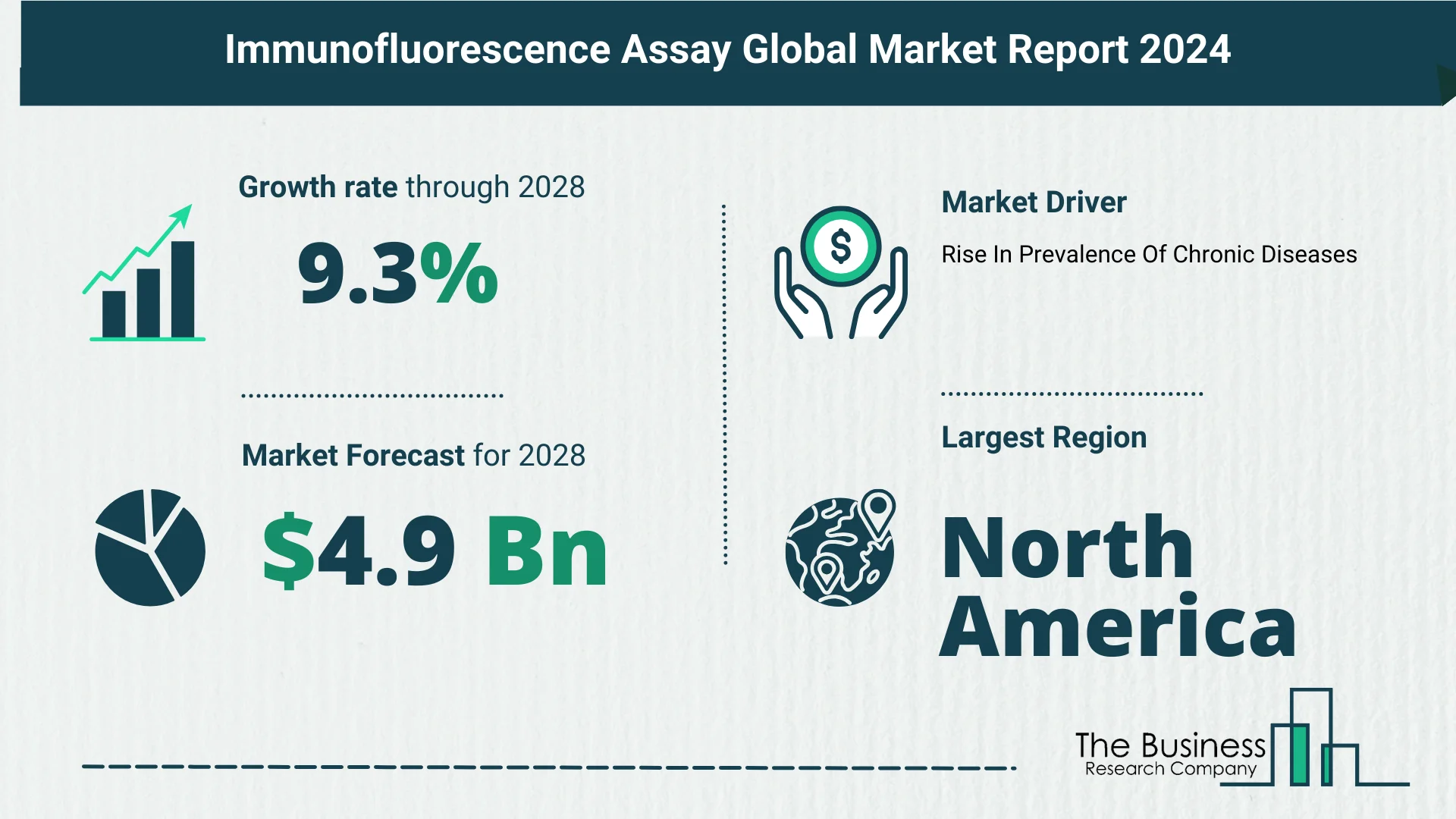
    The immunofluorescence assay market has experienced robust growth in recent years, showcasing a positive trajectory. In 2023, the market size reached $3.18 billion, and it is expected to further grow to $3.43 billion in 2024, reflecting a Compound Annual Growth Rate (CAGR) of 8.1%. Looking ahead, the forecast is even more promising, with an anticipated market size of $4.9 billion in 2028, projecting a higher CAGR of 9.3%. This growth is driven by various factors, including increased disease diagnosis, research and development activities, autoimmune diseases, cancer diagnostics, and virology research.

    Historic Growth Drivers

    • Increased disease diagnosis
    • Rise in research and development
    • Rise in autoimmune diseases
    • Increased cancer diagnostics
    • Rise in virology research

    Anticipated Growth Factors

    • Increasing personalized medicine
    • Rising infectious disease surveillance
    • Rising autoimmune disorders
    • Rising point-of-care testing
    • Increasing global health preparedness

    Major Trends in the Forecast Period

    • Multiplexing assays
    • Automation and robotics
    • High-content imaging
    • Advanced fluorophores
    • Digital pathology integration

    Chronic Diseases: A Catalyst for Market Expansion
    Rising Chronic Disease Prevalence Driving Growth In Immunofluorescence Assay Market
    The surge in chronic diseases is a significant driver behind the growth of the immunofluorescence assay market. Lifestyle changes, dietary habits, and improper weight management contribute to the rapid increase in chronic conditions. Prolonged chronic infections also elevate the risk of cancer. The demand for immunofluorescence assays is expected to rise as they play a crucial role in the diagnosis and drug development processes. According to the Centers for Disease Control and Prevention, approximately 6 in 10 adults in the USA are affected by chronic diseases, accounting for $3.8 trillion in annual healthcare costs. This escalating prevalence of chronic diseases is poised to boost the demand for immunofluorescence assays in the forecast period.

    Key Market Players

    • Thermo Fisher Scientific Inc.
    • Abcam PLC
    • Bio-Rad Laboratories Inc.
    • PerkinElmer Inc.
    • Werfen Company
    • Merck KGaA
    • Danaher Corporation
    • Cell Signaling Technology Inc.
    • Vector Laboratories Inc.
    • INOVA Diagnostics Inc.

    View More On The Immunofluorescence Assay Market Report 2024 – https://www.thebusinessresearchcompany.com/report/immunofluorescence-assay-global-market-report

    Technology at the Forefront of Innovation
    Technological Advancements Driving Innovation In The Immunofluorescence Assay Market
    Technological advancement is a pivotal trend shaping the immunofluorescence assay market. Companies are investing in developing innovative products to meet the technical demands of diagnostics for emerging viruses like COVID-19, thereby enhancing their market position. LumiraDx, a UK-based developer of point-of-care diagnostics, received emergency approval for LumiraDx SARS-CoV-2 Ag Test, a microfluidic immunofluorescence assay designed for qualitative nucleocapsid protein antigen detection. Technological strides not only address current challenges but also position the market for future breakthroughs in diagnostics and research.

    Noteworthy Acquisition
    Fortis Life Sciences Acquires Bethyl Laboratories
    In March 2021, Fortis Life Sciences, a US-based life sciences company, made a strategic move by acquiring Bethyl Laboratories. This acquisition is aimed at leveraging Fortis Life Sciences’ expertise in business growth to fuel Bethyl Laboratories’ expansion. Bethyl Laboratories, a premium antibody company, brings a strong product line to the table, reinforcing the capabilities of both entities in the immunofluorescence assay market.

    Market Segmentation Overview

    1. Type:
      • Direct Immunofluorescence
      • Indirect Immunofluorescence
    2. Product:
      • Reagents
      • Instruments
      • Antibodies
      • Kits
      • Consumables and Accessories
    3. Disease:
      • Cancer
      • Infectious Disease
      • Cardiovascular Diseases
      • Autoimmune Diseases
      • Other Diseases
    4. End User:
      • Academic & Research Institutions
      • Pharmaceutical & Biotechnology Companies
      • Contract Research Organizations
      • Hospitals & Diagnostic Centers

    Regional Dynamics: North America Leads the Way
    North America emerged as the largest region in the immunofluorescence assay market in 2023 and is poised to maintain its dominance as the fastest-growing region in the forecast period. The region’s robust healthcare infrastructure, coupled with ongoing advancements in technology and research, positions it as a key player in driving market growth.

    In conclusion, the immunofluorescence assay market is navigating a path of sustained growth, fueled by the rising prevalence of chronic diseases, technological innovations, strategic acquisitions, and a diverse range of applications across various diseases. As the market continues to evolve, it presents exciting opportunities for stakeholders to contribute to advancements in diagnostics, research, and personalized medicine.

    Request A Sample Of The Global Immunofluorescence Assay Market Report 2024:
    https://www.thebusinessresearchcompany.com/sample_request?id=6778&type=smp

  • Healthcare IT Consulting Global Market Outlook 2024-2033: Size And Growth Rate Analysis

    Healthcare IT Consulting Global Market Outlook 2024-2033: Size And Growth Rate Analysis

    The Business Research Company’s global market reports provide comprehensive analysis on the various markets in 27 industries across 60 geographies.

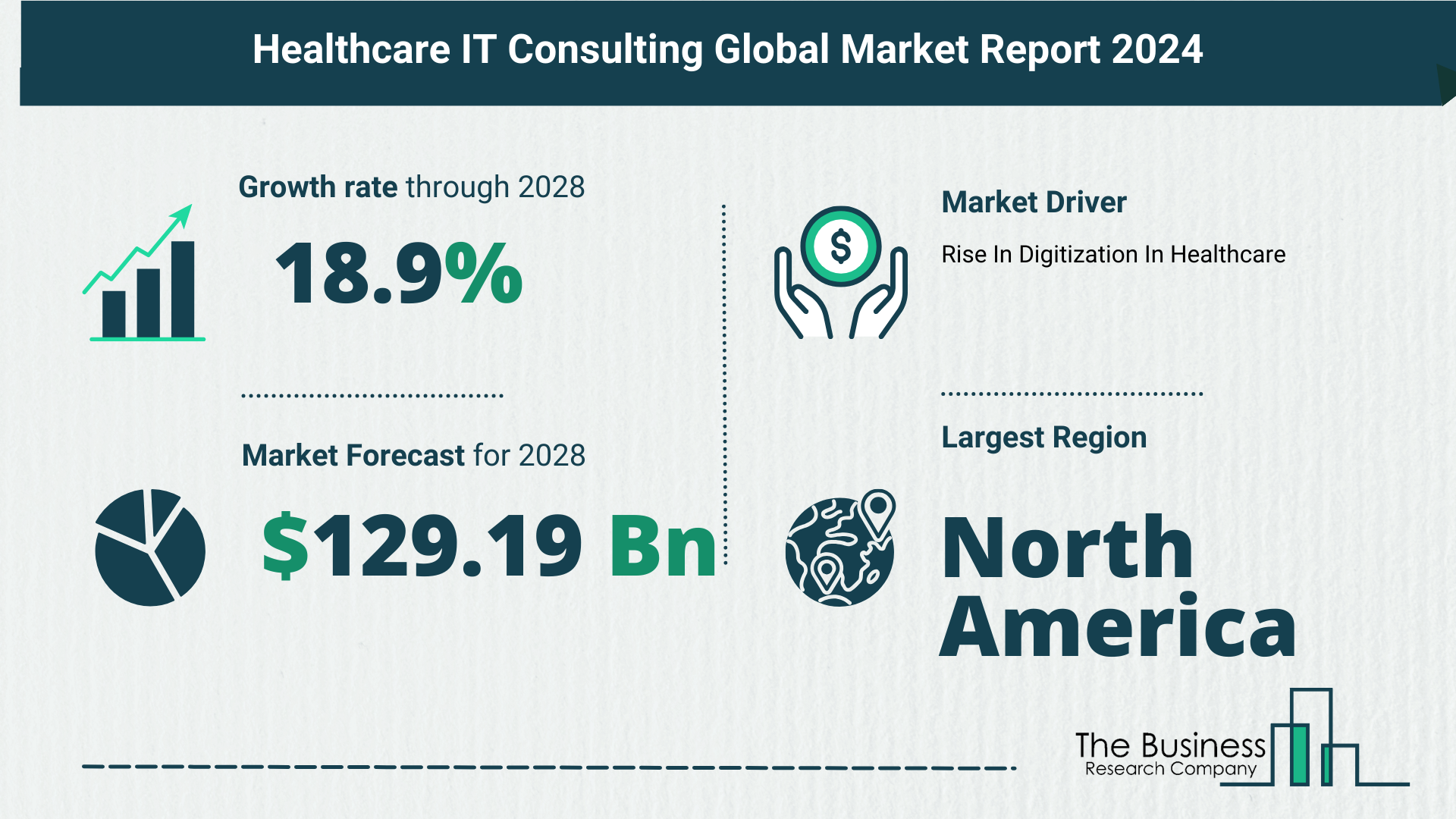
    The healthcare IT consulting market has witnessed remarkable growth in recent years. According to industry reports, the market size surged from $54.55 billion in 2023 to $64.59 billion in 2024, showcasing a compelling Compound Annual Growth Rate (CAGR) of 18.4%. Looking ahead, the forecast is even more promising, with an anticipated market size of $129.19 billion in 2028, growing at a CAGR of 18.9%. This growth trajectory is underpinned by various factors, notably including telemedicine, genomics, and cybersecurity.

    Factors Driving Historic Growth

    • Regulatory compliance
    • EHR implementation
    • Interoperability
    • Security and privacy
    • Population health management

    Anticipated Growth Factors

    • Telemedicine growth
    • Genomics and precision medicine
    • Cybersecurity and data protection
    • Pandemic preparedness
    • Healthcare equity

    Telemedicine’s Pivotal Role

    Growing Telemedicine Services Driving The Expansion Of The Healthcare It Consulting Market

    The rise of telemedicine services is a pivotal force propelling the healthcare IT consulting market forward. Telemedicine involves the remote delivery of healthcare, consultations, and clinical services through telecommunications technologies. Notably, a substantial 37.0% of adults in the United States reported utilizing telemedicine services within the previous 12 months in 2021. The integration of video conferencing, EHR systems, and remote monitoring tools necessitates the expertise of healthcare IT consultants, further solidifying their role in driving market growth.

    Dominant Players and Strategies

    Innovation And Product Diversification Strategies In The Healthcare It Consulting Market

    Major players in the healthcare IT consulting market are adopting innovative strategies to stay ahead. One prominent approach involves developing new products, such as Software as a Service (SaaS) platforms, to broaden customer bases and boost revenue. For example, Epic Systems Corporation launched Garden Plot, a SaaS platform tailored for independent medical groups. This platform simplifies access to Epic tools, fostering interoperability and collaboration among healthcare providers. The move towards SaaS reflects a broader trend of companies aiming to meet the evolving needs of the healthcare industry.

    Major Companies in Healthcare IT Consulting

    • Accenture PLC
    • Cerner Corporation
    • Deloitte Touche Tohmatsu Limited
    • Tata Consultancy Services Limited
    • Epic Systems Corporation
    • Microsoft Corporation
    • PricewaterhouseCoopers International Limited

    View More On The Healthcare IT Consulting Market Report 2024 – https://www.thebusinessresearchcompany.com/report/healthcare-it-consulting-global-market-report

    Mergers and Acquisitions: Driving Growth and Expertise

    Healthcare Performance Group Inc. Acquired Health Data Specialists LLC

    Mergers and acquisitions continue to shape the landscape of the healthcare IT consulting market. In July 2022, Healthcare Performance Group Inc. acquired Health Data Specialists LLC, emphasizing a strategic move to maximize EHR platform capabilities. This acquisition enhances expertise in project management, optimization, legacy system support, and managed services. The evolving market dynamics are pushing companies to consolidate resources and enhance their service offerings to meet the growing demands of the healthcare sector.

    Market Segmentation: Understanding Diversity

    The healthcare IT consulting market is diverse, with segmentation based on type, component, and end user.

    Segmentation Overview

    1. Type:
      • HCIT Change Management
      • Healthcare Business Process Management
      • HCIT Integration And Migration
      • Healthcare or Medical System Security Set-Up And Risk Assessment
      • Healthcare Enterprise Reporting And Data Analytics
      • Other Types
    2. Component:
      • Services
      • Software
      • Hardware
    3. End User:
      • Hospitals And Ambulatory Care Centers
      • Diagnostic And Imaging Centers
      • Public And Private Payers
      • Other End Users

    Regional Dynamics: North America Leading, Asia-Pacific Surging

    North America held the largest share in the healthcare IT consulting market in 2023. However, Asia-Pacific is poised to be the fastest-growing region in the forecast period. The evolving healthcare landscape, coupled with technological advancements and increasing healthcare IT investments, positions Asia-Pacific as a hotbed for market expansion.

    In conclusion, the healthcare IT consulting market is riding a wave of rapid growth, driven by transformative factors such as telemedicine, innovative strategies from major players, and strategic mergers and acquisitions. As the market continues to evolve, the industry is gearing up to address the diverse needs of healthcare stakeholders, ushering in a new era of digital healthcare solutions and consulting expertise.

    Request A Sample Of The Global Healthcare IT Consulting Market Report 2024:
    https://www.thebusinessresearchcompany.com/sample_request?id=7709&type=smp

  • Overview Of The Hyaluronic Acid-based Dermal Fillers Market 2024-2033: Growth And Major Players Analysis

    Overview Of The Hyaluronic Acid-based Dermal Fillers Market 2024-2033: Growth And Major Players Analysis

    The Business Research Company’s global market reports are now updated with the latest market sizing information for the year 2024 and forecasted to 2033

    The hyaluronic acid-based dermal fillers market has experienced a significant surge in recent years, evolving from a $4.47 billion industry in 2023 to an estimated $5 billion in 2024. This growth is propelled by a compound annual growth rate (CAGR) of 11.7%. Factors contributing to this expansion in the historic period include the aging population, increased beauty consciousness, the influence of social media, the proliferation of medical spas, aesthetic clinics, and the rise in e-commerce.

    Anticipated Growth on the Horizon

    • The hyaluronic acid-based dermal fillers market is poised for continued rapid growth, projected to reach $7.64 billion in 2028, with a CAGR of 11.2%.
    • The forecasted expansion is driven by increasing disposable income, heightened consumer awareness regarding personal hygiene and grooming, a growing demand for personal care products, and overall economic growth.

    Driving Force: The Rise in Aging Population

    • The hyaluronic acid-based dermal fillers market is significantly influenced by the global rise in the aging population.
    • With the demographic shift towards an aging society, there is an increased demand for non-surgical solutions to address signs of aging, such as wrinkles and sagging skin.
    • The World Health Organization predicts that the global population of individuals aged 60 and above will double by 2050, reaching 2.1 billion.

    Key Market Players

    • Major companies contributing to the growth of the hyaluronic acid-based dermal fillers market include Bohus Biotech AB, AbbVie Inc., Galderma Laboratories L.P., Merz Pharmaceuticals GmbH, and others.
    • These industry leaders play a crucial role in developing and expanding the market through their innovative products and strategic initiatives.

    View More On The Hyaluronic Acid-based Dermal Fillers Market Report 2024 – https://www.thebusinessresearchcompany.com/report/hyaluronic-acid-based-dermal-fillers-global-market-report

    Technological Advancements Driving Innovation

    • Technological advancements are at the forefront of shaping the hyaluronic acid-based dermal fillers market.
    • Companies are focusing on developing new technological solutions, such as laser resurfacing treatments introduced in 2021, addressing multiple skin concerns in a more efficient and less invasive manner.
    • These innovations are designed to enhance the appeal of dermal fillers and address emerging needs, including those arising from the COVID-19 stress.

    Strategic Acquisition: Prollenium Medical Technologies Inc. and Soft Medical Aesthetics

    • In a strategic move, Prollenium Medical Technologies Inc., a Canada-based manufacturer, acquired Soft Medical Aesthetics in October 2022.
    • The acquisition aims to strengthen Prollenium’s brand lineup, featuring Revanesse dermal fillers, and enhance safety and effectiveness in the aesthetic medicine field.
    • Soft Medical Aesthetics, based in France, is a notable manufacturer of hyaluronic acid-based dermal fillers.

    Market Segmentation and Regional Dynamics

    • The hyaluronic acid-based dermal fillers market is segmented based on product type (Single-Phase Product, Duplex Product), usage (Specialty And Dermatology Clinics, Hospitals And Clinics), and application (Wrinkle Removal, Lip Augmentation, Rhinoplasty, Other Applications).
    • In 2023, North America dominated the market, while Asia-Pacific is anticipated to be the fastest-growing region in the forecast period.

    Future Trends: Shaping the Landscape

    • Emerging trends in the forecast period include a shift towards natural and organic formulations, combination therapies, minimally invasive procedures, advanced delivery techniques, and the integration of virtual consultations and telemedicine.
    • These trends reflect a dynamic market responding to evolving consumer preferences and technological advancements.

    Conclusion: Aesthetic Evolution in a Dynamic Market
    The hyaluronic acid-based dermal fillers market is undergoing a remarkable transformation, driven by factors such as the aging population, technological advancements, and strategic acquisitions. With the market set to reach $7.64 billion by 2028, it’s evident that the quest for youthful and rejuvenated skin continues to be a significant global trend. As the industry evolves, embracing innovation and adapting to consumer demands, the future promises a landscape where beauty meets cutting-edge technology.

    Request A Sample Of The Global Hyaluronic Acid-based Dermal Fillers Market Report 2024:
    https://www.thebusinessresearchcompany.com/sample_request?id=6605&type=smp

  • What Is The Forecast Growth Rate For The Hospice Care Market?

    What Is The Forecast Growth Rate For The Hospice Care Market?

    The Business Research Company’s market reports offer an in-depth analysis on the market’s growth potential, major drivers, key trends and more.

    Steady Growth Trajectory

    The hospice care market has experienced substantial growth, escalating from $4.21 billion in 2023 to $4.73 billion in 2024, boasting a commendable Compound Annual Growth Rate (CAGR) of 12.3%. This surge is attributed to an array of factors, including the increase in the aging population, rising terminal illnesses, adoption of a palliative care approach, the expansion of Medicare coverage, and the surge in home-based care.

    Projected Momentum
    The market is poised for sustained growth, anticipated to reach $7.31 billion in 2028 with a CAGR of 11.5%. Drivers for this expansion include a continued aging population, effective chronic illness management, integration of telehealth services, regulatory changes, and a heightened focus on quality and outcome measures. Notable trends in the forecast period encompass personalized care plans, a holistic approach, pediatric hospice care, bereavement support, and an emphasis on quality and outcome measures.

    Chronic Diseases as Catalysts

    • Epidemic of Chronic Diseases: The surge in chronic diseases, attributed to factors like tobacco use, poor nutrition, physical inactivity, and excessive alcohol consumption, is a pivotal driver for the growth of the hospice care market.
    • Global Impact: Chronic diseases constitute a significant global health burden, with 74% of total deaths attributed to non-communicable diseases. This includes fatalities from cardiovascular diseases, cancer, chronic respiratory diseases, and diabetes.

    Industry Leaders
    Major players shaping the hospice care landscape include Dierksen Hospice, Kindred at Home, National Association for Home Care and Hospice, PruittHealth Inc., Covenant Care, and many more.

    Read More On The Hospice Care Market Report 2024 – https://www.thebusinessresearchcompany.com/report/hospice-care-global-market-report

    Innovations: Home-Based Hospice Services

    • Strategic Focus: Companies are strategically introducing innovative solutions like home-based hospice services to gain a competitive edge.
    • Enhancing Quality of Life: Home-based hospice services offer specialized medical care, emotional support, and comfort to terminally ill individuals in the familiar surroundings of their homes.

    Merger and Acquisition Dynamics

    • Traditions Health and Homestead Hospice and Palliative Care: In December 2021, Traditions Health acquired Homestead Hospice and Palliative Care, reflecting a strategic move to expand end-of-life care services across the nation while ensuring the highest caliber of patient care.

    Market Segmentation

    The hospice care market is segmented based on:

    • Type: Nursing Services, Medical Supply Services, Physician Services, Other Types of Services
    • Application: Home Settings, Hospitals, Specialty Nursing Homes, Hospice Care Centers

    Regional Dynamics

    • North America’s Dominance: In 2023, North America emerged as the largest region in the hospice care market, showcasing the region’s commitment to advancing end-of-life care services.

    In conclusion, the hospice care market is evolving to meet the increasing demands of an aging population and rising chronic diseases. With a focus on personalized care, innovative home-based services, and strategic mergers, the industry is poised to play a pivotal role in enhancing the quality of life for individuals during their final stages of illness. As we navigate the future of hospice care, the industry’s commitment to compassion and innovation remains unwavering.

    Request for A Sample Of The Global Hospice Care Market Report:
    https://www.thebusinessresearchcompany.com/sample_request?id=7429&type=smp