Blog

  • Future Growth Forecast For The Bifurcation Lesions Global Market 2024-2033

    Future Growth Forecast For The Bifurcation Lesions Global Market 2024-2033

    The Business Research Company’s global market reports provide comprehensive analysis on the various markets in 27 industries across 60 geographies.

    The bifurcation lesions market has witnessed substantial growth in recent years, with the market size reaching $2.47 billion in 2023 and projected to further rise to $2.7 billion in 2024, boasting a Compound Annual Growth Rate (CAGR) of 9.3%. This growth is attributed to a myriad of factors, including the prevalence of coronary artery diseases, an aging population, increased healthcare expenditure, and overall economic growth.

    Anticipating Future Heights: Forecasted Growth

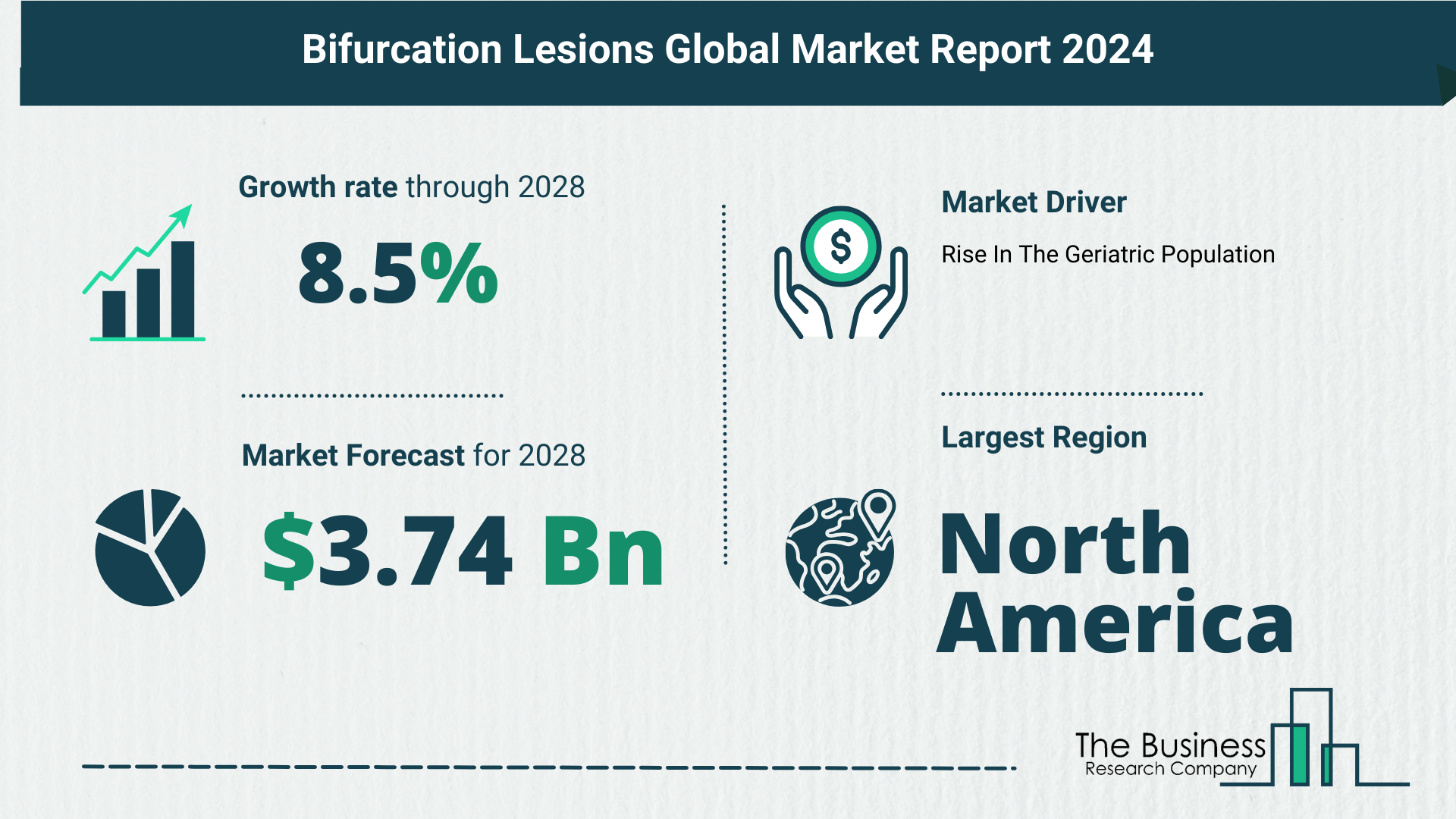
    The bifurcation lesions market is poised for continued expansion, with forecasts indicating a strong surge to $3.74 billion by 2028, reflecting a robust CAGR of 8.5%. The projected growth in the forecast period is driven by escalating demand for minimally invasive surgeries, the expansion of healthcare infrastructure, the rising prevalence of cardiovascular diseases, and supportive government healthcare policies.

    Key Trends Shaping the Future

    • Patient-Centric Approaches:Emphasis on personalized and patient-focused healthcare solutions.
    • Bioresorbable Stents:Innovations in stent technology for enhanced patient outcomes.
    • Integration of AI and Machine Learning:Harnessing advanced technologies for diagnostic and treatment advancements.
    • Cross-Specialty Collaboration:Fostering collaborative efforts across medical specialties for comprehensive patient care.

    Fueling Growth: Elevated Healthcare Expenditure

    The burgeoning healthcare expenditure is a pivotal driver propelling the growth of the bifurcation lesions market. Increased spending in healthcare infrastructure facilitates the integration of state-of-the-art equipment and technologies, including advanced interventional cardiology devices for the effective treatment of bifurcation lesions.

    • The 2021–2030 National Health Expenditure (NHE) report estimates a consistent annual rise of 5.1% in national health spending, reaching nearly $6.8 trillion by 2030.
    • Medicare and Medicaid spending is anticipated to rise at annual rates of 7.2% and 5.6%, respectively, from 2021 to 2030.

    Industry Leaders: Major Companies in Action

    Major companies are playing a crucial role in driving innovation and market growth, with notable players such as Boston Scientific Corporation, Terumo Medical Corporation, and Medtronic PLC at the forefront.

    • Notable Companies:
      • Boston Scientific Corporation
      • Terumo Medical Corporation
      • Spectranetics Corporation
      • Medtronic PLC
      • Cardinal Health Inc.
      • Abbott Laboratories
      • Biosensors International Group Ltd.
      • Braun Melsungen AG
      • Cook Medical LLC
      • Cordis Corporation
      • Biotronik SE & Co. KG
      • Cardionovum GmbH
      • Elixir Medical Corporation
      • Medinol Ltd.
      • Meril Life Sciences Pvt. Ltd.
      • Sahajanand Medical Technologies Pvt. Ltd.
      • Svelte Medical Systems Inc.
      • Translumina GmbH

    View More On The Bifurcation Lesions Market Report 2024 – https://www.thebusinessresearchcompany.com/report/bifurcation-lesions-global-market-report

    Innovations Driving Market Growth: Product Innovations

    Innovative products, such as drug-eluting coronary stent systems, are a focal point for major companies, aiming to cater to larger customer bases, increase sales, and boost revenue. These advanced medical devices are instrumental in interventional cardiology to treat coronary artery disease.

    • Medtronic PLC’s Onyx Frontier drug-eluting stent (DES) showcases design enhancements, including a dual-layer balloon, reduced crossing profile, and heightened catheter flexibility.
    • Onyx Frontier offers an extensive range of sizes, accommodating patients with diameters ranging from 2.0mm to 5.0mm, with specific focus on treating extra-large vessels, including those in the left main.

    Strategic Moves: Boston Scientific’s Acquisition

    In September 2021, Boston Scientific Corporation strategically acquired Devoro Medical, Inc., a move aimed at focusing on clot management and commercialization using the WOLF Thrombectomy Platform developed by Devoro Medical. This acquisition broadens Boston Scientific’s selection of interventional strategies for thromboemboli, enhancing its position in the market.

    Market Dynamics: Segmentation Insights

    The bifurcation lesions market is segmented based on key parameters, offering precision in understanding market dynamics.

    • Types:
      • One-Stent
      • Two-Stent
    • Application:
      • Coronary Vascular
      • Peripheral Vascular

    Regional Dynamics: North America Takes the Lead

    In 2023, North America emerged as the largest region in the bifurcation lesions market, showcasing the region’s significant contributions to market growth. Looking ahead, Asia-Pacific is expected to be the fastest-growing region in the forecast period, indicative of evolving healthcare landscapes and increased adoption of advanced technologies.

    In conclusion, the bifurcation lesions market is on an upward trajectory, driven by a convergence of factors such as technological advancements, strategic acquisitions, and a focus on patient-centric healthcare solutions. With major companies leading the charge in innovation, the future of cardiovascular care holds promising prospects for enhanced treatment modalities and improved patient outcomes.

    Request A Sample Of The Global Bifurcation Lesions Market Report 2024:
    https://www.thebusinessresearchcompany.com/sample_request?id=7414&type=smp

  • Understand How The Bed Monitoring System And Baby Monitoring System Market Is Poised To Grow Through 2024-2033

    Understand How The Bed Monitoring System And Baby Monitoring System Market Is Poised To Grow Through 2024-2033

    The Business Research Company’s global market reports are now updated with the latest market sizing information for the year 2024 and forecasted to 2033

    As per The Business Research Company’s Bed Monitoring System And Baby Monitoring System Global Market Report 2024, the bed monitoring system and baby monitoring system market is expected to show significant growth in the forecast period.

    The bed monitoring system and baby monitoring system market have witnessed robust growth, evolving into essential components of the healthcare and parenting sectors. In 2023, the market size reached $1.84 billion, set to grow further to $2.01 billion in 2024, with a Compound Annual Growth Rate (CAGR) of 9.2%. This surge is attributed to an aging population, increased healthcare expenditure, regulatory compliance, patient safety initiatives, and a rise in birth rates.

    Anticipating Strong Growth: Projections and Trends The momentum in the bed and baby monitoring systems market is poised to continue its upward trajectory. Projections for 2028 forecast a substantial growth, reaching $2.91 billion with a CAGR of 9.7%. This anticipated growth is linked to factors such as parental convenience, safety concerns, the rise in working parents, and the impact of rapid urbanization. Notable trends in this period include the integration of telehealth, wireless connectivity, AI-powered insights, enhanced camera technology, and fall detection and prevention mechanisms.

    Expanding Healthcare Infrastructure Investments Fuel Growth In Bed Monitoring System And Baby Monitoring System Market

    Infrastructure Boom: Catalyst for Growth The burgeoning investment in healthcare infrastructure development is a key driver propelling the growth of the bed monitoring system and baby monitoring system market. Governments globally are launching initiatives to enhance hospital infrastructure, especially in underserved areas. Notably, the Build Back Better Act in the United States is injecting significant funds into public health infrastructure, creating a demand for monitoring systems.

    Key Players in the Market Major companies contributing to the growth of this market include Wellsens Inc., XSENSOR Technology Corporation, Smart Caregiver Corporation, Koninklijke Philips N.V., Motorola Mobility LLC, iBaby Labs Inc., Hisense Ltd., Sleep Number Corporation, Angelcare Monitors Inc., and many more. These companies are at the forefront of developing innovative monitoring solutions to meet the evolving needs of healthcare and parenting.

    View More On The Bed Monitoring System And Baby Monitoring System Market Report 2024 – https://www.thebusinessresearchcompany.com/report/bed-monitoring-system-and-baby-monitoring-system-global-market-report

    Advancements In Home Baby Monitoring Systems

    Home is Where the Tech Is Innovation in the bed and baby monitoring system market is evident through the development of home baby monitoring systems. These systems, designed to cater to a broader customer base, enhance sales, and increase revenue, offer parents a comprehensive way to monitor their infants. An exemplary product is the Masimo Stork, launched by Masimo Corporation in May 2023. It provides valuable health insights, high-resolution 2K QHD camera capabilities, exceptional nighttime vision, two-way audio functionality, and room condition monitoring. This integration fosters a deeper connection between parents and their babies.

    Hill-Rom Holdings Inc. Acquired Earlysense

    Strategic Moves: Industry Acquisitions In February 2021, Hill-Rom Holdings Inc., a leading medical technology provider, made a significant move by acquiring contact-free continuous monitoring technology from EarlySense for $30 million. This acquisition highlights Hillrom’s commitment to developing connected solutions to enhance patient outcomes. EarlySense, an Israel-based medical device company, operates in the baby monitoring systems sector, emphasizing the industry’s strategic collaborations and acquisitions.

    Segmentation of the Market The bed monitoring system and baby monitoring system market is segmented based on various criteria:

    1. By Type:Bedsore Monitoring Solutions, Baby Monitoring Solutions, Elderly Monitoring Solutions, Sleep Monitoring Solutions
    2. By End-User:Homecare Settings, Hospitals, Nursing Homes, Assisted Living Facilities

    Regional Dynamics: North America Takes the Lead In 2023, North America emerged as the largest region in the bed monitoring system and baby monitoring system market. However, Asia-Pacific is anticipated to be the fastest-growing region in the forecast period, indicating a shift in market dynamics towards emerging economies.

    Conclusion: Monitoring Tomorrow As the bed and baby monitoring system market continues its upward trajectory, driven by technological advancements and strategic investments in healthcare infrastructure, it becomes a pivotal component in ensuring patient safety and easing parental concerns. The integration of cutting-edge technologies and strategic acquisitions propels the industry towards a future where monitoring systems play a crucial role in healthcare and parenting practices. Watch this space for further innovations and transformative developments in the world of bed and baby monitoring systems.

    Request A Sample Of The Global Bed Monitoring System And Baby Monitoring System Market Report 2024:
    https://www.thebusinessresearchcompany.com/sample_request?id=6847&type=smp

  • What Is The Forecast Growth Rate For The Bipolar Disorder Therapeutics Market?

    What Is The Forecast Growth Rate For The Bipolar Disorder Therapeutics Market?

    The Business Research Company’s market reports offer an in-depth analysis on the market’s growth potential, major drivers, key trends and more.

    The bipolar disorder therapeutics market has witnessed robust growth in recent years, surging from $7.09 billion in 2023 to an estimated $7.53 billion in 2024, marking a Compound Annual Growth Rate (CAGR) of 6.2%. This growth is attributed to various factors, including increased medical research and developments, higher healthcare expenditure, a rise in the prevalence of mental health disorders, and the growing influence of patient advocacy.

    Anticipated Strong Growth Ahead

    • The bipolar disorder therapeutics market is poised for continued robust growth, projecting an increase to $9.46 billion in 2028 at a CAGR of 5.9%.
    • Factors contributing to this growth include the increasing prevalence of bipolar disorder, government initiatives, expanding healthcare infrastructure, and the growing adoption of a sedentary lifestyle.

    A Lifelong Condition Requiring Early Intervention
    Increase in the Prevalence of Bipolar Disorder
    The growing prevalence of bipolar disorder is a key driver fueling the expansion of the bipolar disorder therapeutics market. Bipolar disorder is a debilitating illness characterized by depressive mood swings, including symptoms such as irregular sleep patterns, low motivation, and loss of interest in daily activities. The rise in population and aging contribute to an increasing burden of bipolar disorder globally. For instance, in 2021, approximately 5.7 million adult Americans, constituting about 2.6% of the U.S. population, were affected by bipolar disorder, as reported by the Depression and Bipolar Support Alliance. This surge in prevalence underscores the critical need for effective therapeutics in managing bipolar disorder.

    Major Companies and Market Landscape
    Key Players Shaping the Market
    Major companies operating in the bipolar disorder therapeutics market include AbbVie Inc., Pfizer Inc., AstraZeneca PLC, and many others. These industry leaders play a pivotal role in advancing research and development, offering innovative solutions, and contributing to the market’s overall growth.

    Read More On The Bipolar Disorder Therapeutics Market Report 2024 – https://www.thebusinessresearchcompany.com/report/bipolar-disorder-therapeutics-global-market-report

    Innovations in Bipolar Disorder Therapeutics
    The Rise of Novel Therapies
    Companies in the bipolar disorder therapeutics market are actively developing new treatments to address the depressive episodes associated with bipolar I or II disorder. One notable example is the FDA approval of ‘CAPLYTA’ by Intra-Cellular Therapies, Inc. in December 2021. This medication offers a significant advancement in treating depressive episodes associated with bipolar disorder in adults, either as monotherapy or as adjunctive therapy with lithium or valproate.

    Neuraxpharm’s Expansion with Lazap in Europe
    In June 2023, Brain Therapeutics, a Greece-based CNS specialty company, acquired the prescription drug brand Lazap from Greek pharmaceutical company Lyofin Ltd. This strategic move enhances Neuraxpharm Group’s therapeutic product portfolio in Greece and Europe, allowing them to provide a broader range of CNS medications to patients and healthcare professionals. This expansion reflects the commitment to meeting the evolving healthcare needs of patients in the region.

    Market Segmentation and Regional Dynamics
    Market Segmentation
    The bipolar disorder therapeutics market is segmented based on various criteria:

    1. By Drug Class:
      • Mood Stabilizers
      • Antipsychotic Drugs
      • Antidepressant Drugs
      • Other Drugs
    2. By Mechanism:
      • Selective Serotonin Reuptake Inhibitors
      • Serotonin-norepinephrine Reuptake Inhibitors
      • Tricyclic Antidepressants
      • Monoamine Oxidase Inhibitors
      • Benzodiazepines
      • Beta-Blockers
      • Other Mechanisms
    3. By Distribution Channel:
      • Hospital Pharmacies
      • Retail Pharmacies
      • Online Pharmacies

    Regional Dynamics
    North America led the bipolar disorder therapeutics market in 2023, with Europe expected to be the fastest-growing region in the forecast period.

    Conclusion
    The bipolar disorder therapeutics market’s strong growth trajectory signifies a growing awareness and recognition of mental health challenges globally. As the prevalence of bipolar disorder continues to rise, the market’s focus on innovative treatments, personalized approaches, and digital health integration becomes increasingly crucial. The collaboration between pharmaceutical companies, advancements in therapies, and expanded healthcare infrastructure will play pivotal roles in reshaping the landscape of bipolar disorder management and improving the lives of those affected by this lifelong condition.

    Request for A Sample Of The Global Bipolar Disorder Therapeutics Market Report:
    https://www.thebusinessresearchcompany.com/sample_request?id=6736&type=smp

    Learn More About The Business Research Company

    The Business Research Company has published over 15000+ reports in 27 industries, spanning 60+ geographies. The reports draw on 1,500,000 datasets, extensive secondary research, and exclusive insights from interviews with industry leaders.

    Contact us at:

    The Business Research Company: https://www.thebusinessresearchcompany.com/

    Americas +1 3156230293

    Asia +44 2071930708

    Europe +44 2071930708

    Email us at info@tbrc.info

    Follow us on:

    LinkedIn: https://in.linkedin.com/company/the-business-research-company

    YouTube: https://www.youtube.com/channel/UC24_fI0rV8cR5DxlCpgmyFQ

    Global Market Model: https://www.thebusinessresearchcompany.com/global-market-model

    Found this article helpful? Share it on:

  • Key Trends And Drivers In The Autoinjectors Market 2024

    Key Trends And Drivers In The Autoinjectors Market 2024

    The Business Research Company’s market reports offer an in-depth analysis on the market’s growth potential, major drivers, key trends and more.

    The autoinjectors market has experienced exponential growth in recent years, witnessing a remarkable increase from $3.06 billion in 2023 to an estimated $3.79 billion in 2024, boasting a Compound Annual Growth Rate (CAGR) of 23.6%. This surge is attributed to various factors such as the rising prevalence of chronic diseases, an aging population, the flourishing biotechnology and pharmaceutical sector, an increase in patient preference for self-administration, and supportive regulatory frameworks.

    Unprecedented Growth Forecasted

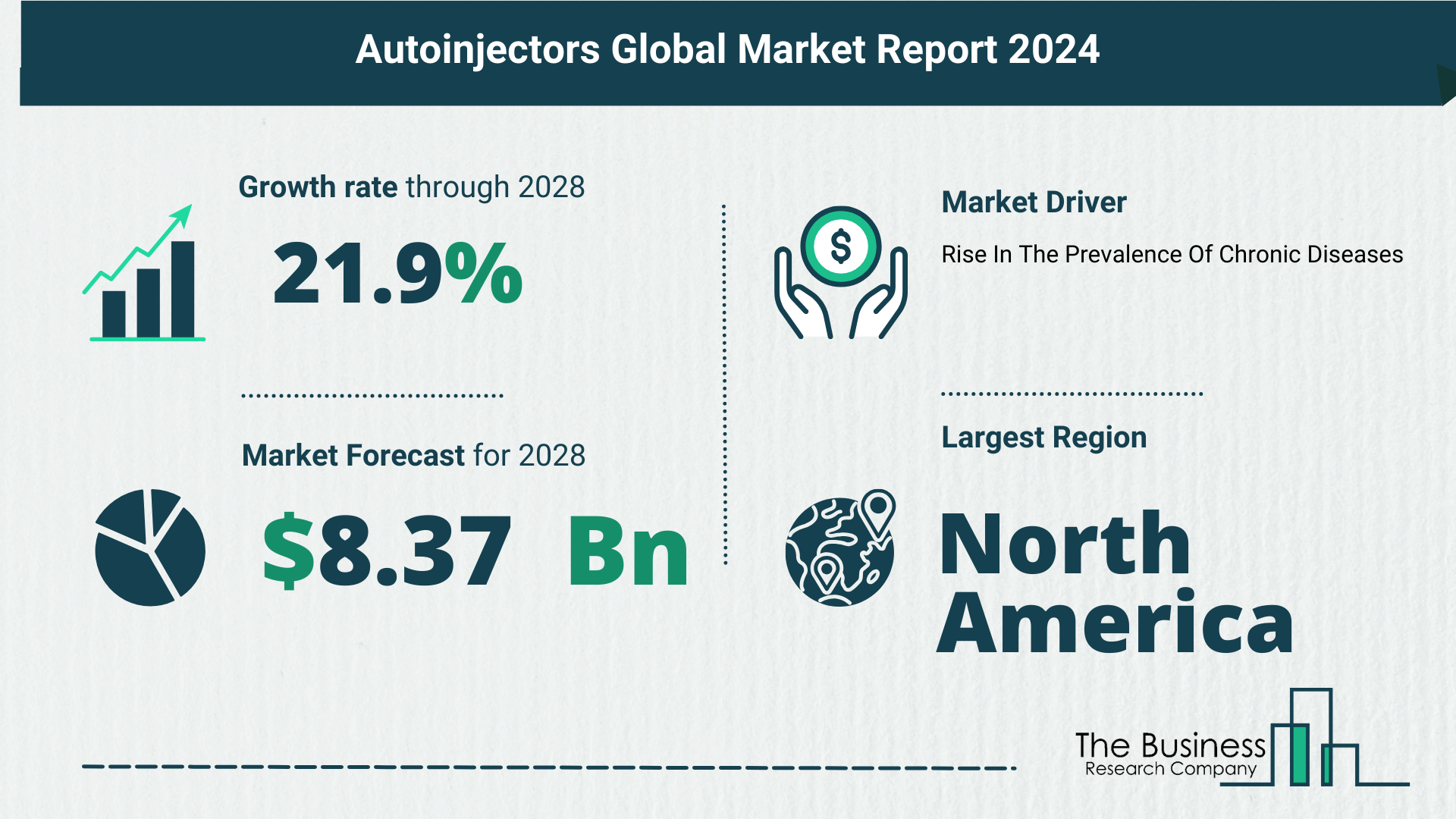
    • The autoinjectors market is poised for continuous exponential growth, projecting an impressive increase to $8.37 billion in 2028 at a CAGR of 21.9%.
    • Factors fueling this growth include an expansion of therapeutic applications, rising healthcare costs, a heightened focus on patient-centered care, the advent of telemedicine and remote patient monitoring, and the burgeoning potential in emerging markets.

    Chronic Diseases Propel Autoinjectors Market

    Elevated Prevalence of Chronic Diseases

    The autoinjectors market is set to benefit from the escalating prevalence of chronic diseases globally. These illnesses, lasting a year or longer, necessitate continuous medical attention. Chronic conditions like heart disease, cancer, rheumatoid arthritis, and diabetes are leading causes of mortality and disability worldwide. Auto injection devices play a crucial role in the management of chronic conditions, allowing patients to self-administer biologics and hormones regularly. According to Imperial College London research in 2020, chronic diseases are expected to cause nearly 41 million deaths globally each year, emphasizing the urgent need for effective self-administration tools.

    Major Players Shaping the Market

    Key players in the autoinjectors market include AbbVie Inc., Mylan N.V., Eli Lilly and Company, and many others. These companies are pivotal in driving innovations and advancements in the field, contributing significantly to the market’s growth.

    Read More On The Autoinjectors Market Report 2024 – https://www.thebusinessresearchcompany.com/report/autoinjectors-global-market-report

    Innovations Driving Growth

    Innovative and Sustainable Auto-Injector Solutions

    Major companies are actively developing innovative and sustainable solutions to address the increasing demand for drug delivery devices. The Qfinity auto-injector platform, introduced by Jabil Inc. in May 2022, stands out as a notable example. This platform is designed to be sustainable and cost-effective, featuring durable materials capable of withstanding over 100 injections. Its pre-filled disposable cassette system reduces waste, making it a versatile, easy-to-use, accurate, and portable solution for drug self-administration.

    Strategic Acquisitions for Drug Delivery Innovations

    In April 2022, Halozyme Therapeutics Inc. acquired Antares Pharma Inc. for $960 million. This strategic move aims to expand Halozyme’s portfolio of drug delivery technologies and leverage Antares’ commercial infrastructure, positioning the combined entity as a leading innovator in drug delivery. Antares Pharma Inc., a key player in this acquisition, specializes in developing autoinjectors, further contributing to advancements in the field.

    Market Segmentation

    The autoinjectors market is segmented based on various criteria:

    1. By Type:
      • Disposable Autoinjectors
      • Reusable Autoinjectors
    2. By Therapy:
      • Rheumatoid Arthritis
      • Multiple Sclerosis
      • Diabetes
      • Anaphylaxis
      • Other Therapies
    3. By Route of Administration:
      • Subcutaneous
      • Intramuscular
    4. By Distribution Channel:
      • Online Retailer
      • Pharmacy
    5. By End User:
      • Home Care Settings
      • Hospitals and Clinics
      • Other End-Users

    Regional Dynamics

    North America led the autoinjectors market in 2023, with Asia-Pacific anticipated as the fastest-growing region during the forecast period.

    Conclusion

    The autoinjectors market’s exponential growth signifies a paradigm shift in healthcare, placing greater emphasis on patient-centric solutions and self-administration. As chronic diseases continue to affect millions globally, the demand for efficient and innovative drug delivery devices like autoinjectors is set to surge. The industry’s focus on sustainability, coupled with advancements like connected and smart autoinjectors, needle-free options, and biologic drug delivery, promises a future where patients have more control over their treatments, ultimately reshaping the landscape of modern healthcare.

    Request for A Sample Of The Global Autoinjectors Market Report:
    https://www.thebusinessresearchcompany.com/sample_request?id=5249&type=smp

  • Overview Of The Assisted Reproductive Technology Market 2024-2033: Growth And Major Players Analysis

    Overview Of The Assisted Reproductive Technology Market 2024-2033: Growth And Major Players Analysis

    The Business Research Company’s global market reports are now updated with the latest market sizing information for the year 2024 and forecasted to 2033

    Phenomenal Market Growth

    The assisted reproductive technology market has witnessed a remarkable surge, catapulting from $38.04 billion in 2023 to a projected $45.42 billion in 2024, boasting a compelling Compound Annual Growth Rate (CAGR) of 19.4%. This impressive growth in recent years is attributed to various factors such as an increase in infertility rates, evolving societal norms, heightened awareness, legislative support, and an aging population.

    Future Outlook: Rapid Expansion Ahead

    The trajectory of growth is set to continue, with the assisted reproductive technology market expected to reach an astounding $91.8 billion by 2028, with a CAGR of 19.2%. Factors fueling this growth include the rising maternal age, escalating demand for same-sex parenting, a surge in medical tourism, the expansion of healthcare infrastructure, and continued research and development initiatives. Notable trends in the forecast period encompass the integration of artificial intelligence (AI), the prevalence of egg freezing, the adoption of single-embryo transfer (SET), preimplantation genetic testing for aneuploidy (PGT-a), and innovative fertility preservation techniques.

    Rising Infertility Cases: A Driving Force

    Infertility and ART

    • The escalating number of infertility cases is a significant catalyst for the assisted reproductive technology market.
    • Infertility, affecting both men and women, is diagnosed through the inability to conceive.
    • ART, encompassing fertility therapies, plays a pivotal role in addressing infertility concerns.

    Major Players in the Market

    Key Companies

    • Cooper Surgical Inc., Ferring Pharmaceuticals Ltd., Hamilton Thorne Ltd., Merck KGaA, Genea Limited, and more contribute significantly to the market’s growth.
    • These companies play crucial roles in advancing assisted reproductive technology through innovative solutions.

    View More On The Assisted Reproductive Technology Market Report 2024 – https://www.thebusinessresearchcompany.com/report/assisted-reproductive-technology-global-market-report

    PGT-A Alternatives: Advancements in Genetic Testing

    Thermo Fisher Scientific Inc.’s Innovation

    • In July 2023, Thermo Fisher Scientific Inc. introduced new next-generation sequencing-based options for preimplantation genetic testing-aneuploidy (PGT-A).
    • The Ion ReproSeq PGT-A Kit and the Ion AmpliSeq Polyploidy Kit aim to provide valuable genetic insights, increasing the success rate of future pregnancies.
    • The Genexus Integrated Sequencer simplifies the research process, offering a comprehensive workflow for aneuploidy analysis.

    Strategic Acquisitions Shaping the Landscape

    Virtus Health’s Expansion

    • In August 2021, Virtus Health Limited acquired Adora Fertility and three-day hospitals from Healius Limited for $45.0 million.
    • This strategic move strengthens Virtus Health’s in-vitro fertilization (IVF) portfolio, reinforcing its position in the assisted reproductive technology market.

    Market Segmentation and Regional Dominance

    Market Segmentation

    • Diagnosis: Ovulation Testing, Hysterosalpingography, Ovarian Reserve Testing, Genetic Testing
    • Procedure Type: Fresh Non-Donor, Fresh Donor, Frozen Donor, Frozen Non-Donor, Embryo Or Egg Banking
    • End-User: Hospitals, Fertility Clinics, Other End-Users

    Regional Dynamics

    • Europe emerged as the largest region in the assisted reproductive technology market in 2023.

    Conclusion: A Landscape of Innovation and Progress

    As the assisted reproductive technology market continues its unprecedented growth, it stands at the intersection of technological innovation and addressing societal needs. The surge in infertility cases necessitates advancements in fertility treatments, and major players are actively contributing to this landscape. With innovative genetic testing options, strategic acquisitions, and a robust market segmentation, the assisted reproductive technology market is not just expanding; it’s evolving to meet the diverse needs of individuals and couples seeking fertility solutions. The journey ahead promises groundbreaking developments, ensuring a future where assisted reproductive technology plays a pivotal role in shaping family-building possibilities.

    Request A Sample Of The Global Assisted Reproductive Technology Market Report 2024:
    https://www.thebusinessresearchcompany.com/sample_request?id=5489&type=smp

  • 3D Bioprinting Market Report 2024: Market Size, Drivers, And Trends

    3D Bioprinting Market Report 2024: Market Size, Drivers, And Trends

    The Business Research Company’s global market reports are now updated with the latest market sizing information for the year 2024 and forecasted to 2033

    Explosive Growth in Market Size
    The 3D bioprinting market has experienced remarkable growth, soaring from $1.59 billion in 2023 to $1.9 billion in 2024, showcasing a significant Compound Annual Growth Rate (CAGR) of 19.8%. This expansion is attributed to several factors, including substantial research and development funding, the surge in chronic diseases, organ shortages, the rise in pharmaceutical testing, and growth in tissue engineering.

    Future Outlook and Trends
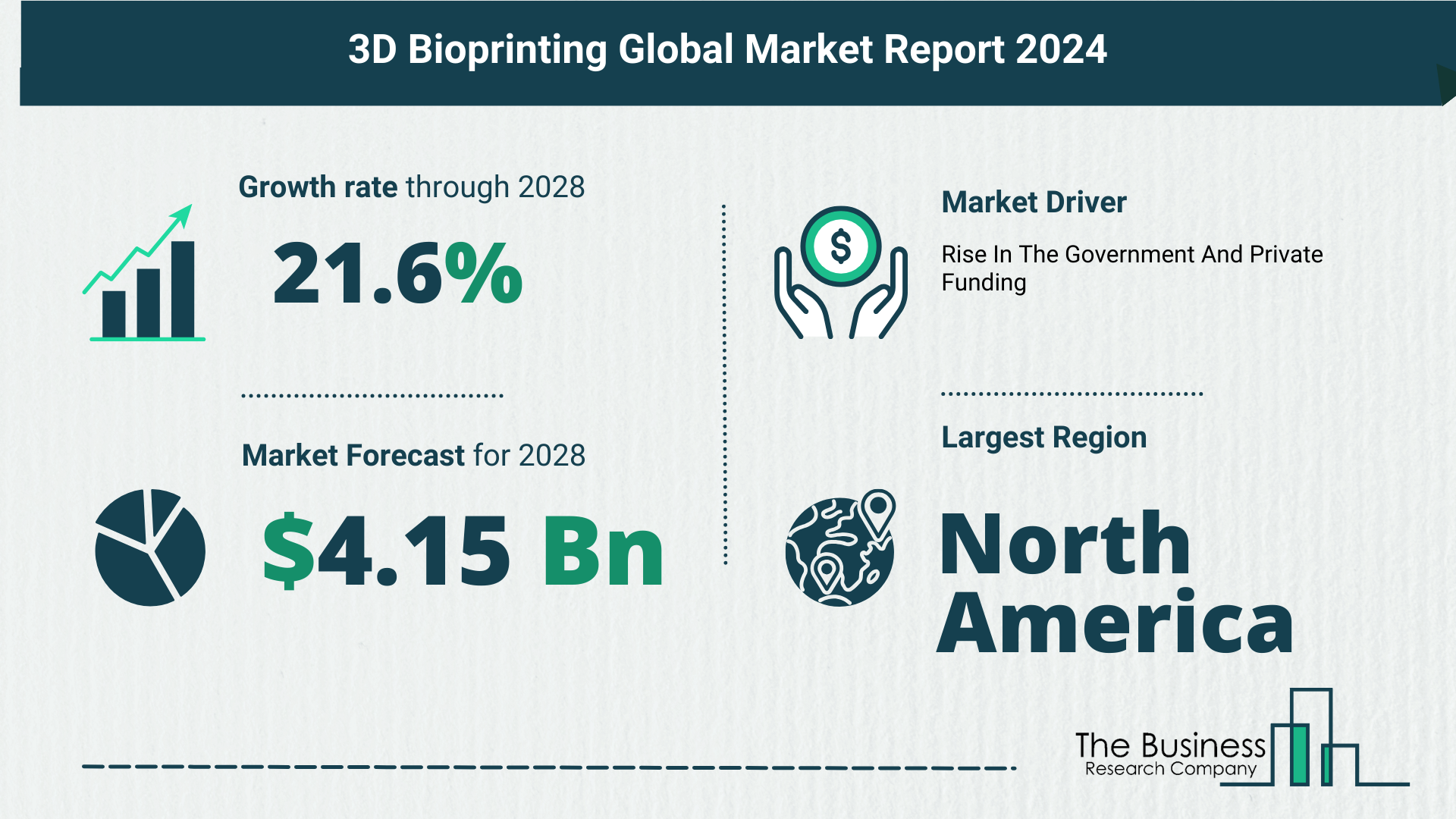
    The momentum continues into the forecast period, with the 3D bioprinting market projected to reach $4.15 billion in 2028, boasting a CAGR of 21.6%. Anticipated contributors to this growth include healthcare advancements, the development of bioprinted skin, increased awareness among patients, and an aging population. Notable trends in the forecast period encompass multi-material printing, vascularization techniques, organ-on-a-chip, custom implants, and biofabrication in space.

    Funding Boosts Research and Development

    Increased Government and Private Funding

    • Governments and private organizations are channeling substantial funds to propel 3D bioprinting research.
    • Funding supports different development phases of 3D bioprinting techniques.
    • Examples include the European Union granting $600,000 to Readily3d SA for pancreas model development and the Australian Minister for Health allocating $737,690 to Curtin University for bioprinting skin tissue.

    Key Players in the Market
    Major companies contributing to the 3D bioprinting market’s growth include Organovo Holdings Inc., Allevi Inc., Cellink AB, Aspect Biosystems Ltd., and many more. These companies play pivotal roles in advancing bioprinting technologies, bio-inks, and 3D bioprinters, fostering innovation in the industry.

    View More On The 3D Bioprinting Market Report 2024 – https://www.thebusinessresearchcompany.com/report/3d-bioprinting-global-market-report

    AI’s Integration in Customized Medical Implants

    Artificial Intelligence (AI) in Bioprinting

    • AI is increasingly employed to fabricate bio-tissues in a layer-to-layer fashion from digital 3D models.
    • AI provides suggestions on optimal printing parameters for biocompatible tissues, considering the patient’s physiological makeup.
    • In June 2021, researchers at Queensland University of Technology and Oregon University integrated AI and machine vision into 3D printers for customized medical implants.

    Strategic Acquisitions Fuel Market Expansion

    3D Systems Acquires Allevi Inc.

    • In May 2021, 3D Systems acquired Allevi Inc., a move aimed at leveraging Allevi’s expertise for long-term development of human organs.
    • The acquisition positions 3D Systems as a market leader in bioprinting, capitalizing on Allevi’s 3D bioprinters and bio-inks.

    Market Segmentation and Regional Dynamics

    Market Segmentation

    • Components: 3D Bioprinters, Bioinks
    • Materials: Living Cells, Hydrogels, Extracellular Matrices, Other Materials
    • Applications: Research, Clinical, Others
    • End Users: Research Organizations, Biopharmaceutical Companies, Hospitals, Others

    Regional Dynamics

    • North America dominated the 3D bioprinting market in 2023.
    • Asia-Pacific is expected to witness the fastest growth during the forecast period, emphasizing the global nature of the industry.

    Conclusion: A New Era in Healthcare
    The exponential growth of the 3D bioprinting market signifies a transformative era in healthcare. With advancements driven by funding, technological integration, strategic acquisitions, and global market dynamics, 3D bioprinting emerges as a revolutionary force in addressing medical challenges. As the market evolves, the collaboration between AI and bioprinting technologies is poised to reshape the landscape, offering customized medical solutions and paving the way for groundbreaking innovations in personalized healthcare.

    Request A Sample Of The Global 3D Bioprinting Market Report 2024:
    https://www.thebusinessresearchcompany.com/sample_request?id=5341&type=smp

  • AI-based Surgical Robots Market Growth Analysis Till 2033 By The Business Research Company

    AI-based Surgical Robots Market Growth Analysis Till 2033 By The Business Research Company

    The Business Research Company’s market reports offer an in-depth analysis on the market’s growth potential, major drivers, key trends and more.

    The AI-based surgical robots market has witnessed an unprecedented surge in recent years, propelling it from $5.73 billion in 2023 to an estimated $6.88 billion in 2024, showcasing a remarkable Compound Annual Growth Rate (CAGR) of 20.0%. This growth is attributed to several factors, including the aging population, a rising demand for minimally invasive surgery, increased healthcare expenditure, the imperative need for patient safety, and the prevalence of chronic diseases.

    Exponential Growth Anticipated

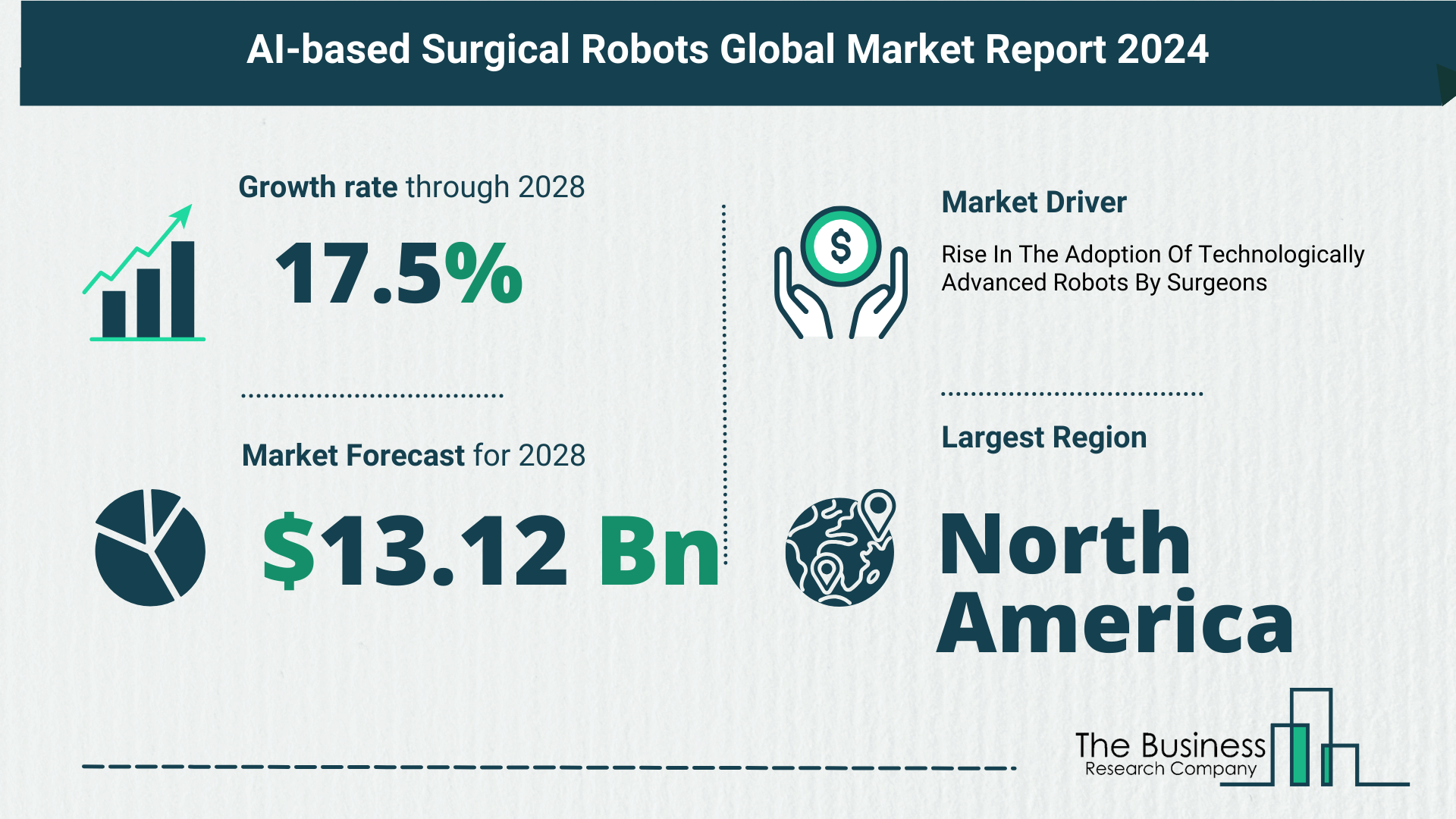
    • The AI-based surgical robots market is poised for rapid expansion, projecting a staggering growth to $13.12 billion in 2028 at a CAGR of 17.5%.
    • Factors fueling this growth include the adoption of telemedicine and remote surgery, increased investments, a surge in robotic surgeries, and the persistent shortage of medical professionals.

    Major Trends Shaping the Future

    • AI and Machine Learning Integration
    • Robotics-as-a-Service (RaaS)
    • Miniaturization and Portability
    • Surgical Data Analytics
    • Patient-Specific Surgical Planning
    • Interdisciplinary Collaboration

    Driving Forces Behind Market Growth

    Adoption Of Technologically Advanced Robots By Surgeons

    The adoption of technologically advanced robots by surgeons across various applications has been a pivotal driver for the AI-based surgical robots market. These robots, powered by AI, enhance efficiency, accuracy, and overall performance. Notably, robotic surgery accounted for 2% of surgeries in Europe and a substantial 15% in the United States in 2023, according to Oliver Wyman. This increasing reliance on advanced robots is a key factor propelling the market forward.

    Major Companies Shaping the Market Landscape
    Key players in the AI-based surgical robots market include Accuray Incorporated, Intuitive Surgical Inc., Medtronic PLC, and others. These companies are at the forefront of technological advancements, contributing significantly to the growth and evolution of the market.

    Read More On The AI-based Surgical Robots Market Report 2024 – https://www.thebusinessresearchcompany.com/report/ai-based-surgical-robots-global-market-report

    Innovations Driving Growth

    New Product Development Advancements

    The development of innovative products is a prominent trend, with major companies constantly striving to strengthen their market positions. For instance, Suzhou Kang Duo Robot Co. launched the Kang Duo Surgical Robot-01 (KD SR 01) in December 2022, showcasing the potential advantages over conventional methods, such as laparoscopic surgery.

    Surgical Science’s Acquisition of Mimic Technologies
    In January 2021, Surgical Science Sweden AB acquired Mimic Technologies Inc. for $18.0 million, expanding its customer base, gaining access to advanced analytics technology, and strengthening its presence in the American market. This acquisition underscores the strategic moves within the industry to foster growth and competitiveness.

    Market Segmentation

    The AI-based surgical robots market is segmented based on products, applications, and end-users:

    1. By Product:
      • Services
      • Instrument and Accessories
    2. By Application:
      • Orthopedics
      • Neurology
      • Urology
      • Gynecology
      • Other Applications
    3. By End User:
      • Hospitals
      • Ambulatory Surgical Centers

    Regional Dynamics
    North America led the AI-based surgical robots market in 2023, with Asia-Pacific expected to be the fastest-growing region during the forecast period.

    Conclusion
    As the AI-based surgical robots market continues its upward trajectory, driven by technological advancements, strategic acquisitions, and an increasing number of robotic surgeries, the healthcare landscape is witnessing a transformative shift. The integration of AI and robotics is not only enhancing surgical outcomes but also paving the way for a future where precision, efficiency, and patient safety are paramount. The journey ahead promises innovations, collaborations, and breakthroughs that will redefine the way surgeries are conducted, marking a new era in healthcare.

    Request for A Sample Of The Global AI-based Surgical Robots Market Report:
    https://www.thebusinessresearchcompany.com/sample_request?id=7274&type=smp

  • Bioprocess Containers Market Forecast 2024: Forecast Market Size, Drivers And Key Segments

    Bioprocess Containers Market Forecast 2024: Forecast Market Size, Drivers And Key Segments

    The Business Research Company’s global market reports are now updated with the latest market sizing information for the year 2024 and forecasted to 2033

    Exponential Growth Unveiled
    The bioprocess containers market has experienced an extraordinary surge, leaping from $4.15 billion in 2023 to an anticipated $5.24 billion in 2024, with an impressive Compound Annual Growth Rate (CAGR) of 26.2%. This remarkable growth in recent years is attributed to the flourishing biopharmaceutical industry, significant government investments in research and development, the increasing privatization of laboratory services, and a surge in healthcare spending.

    Future Prospects: An Unprecedented Trajectory
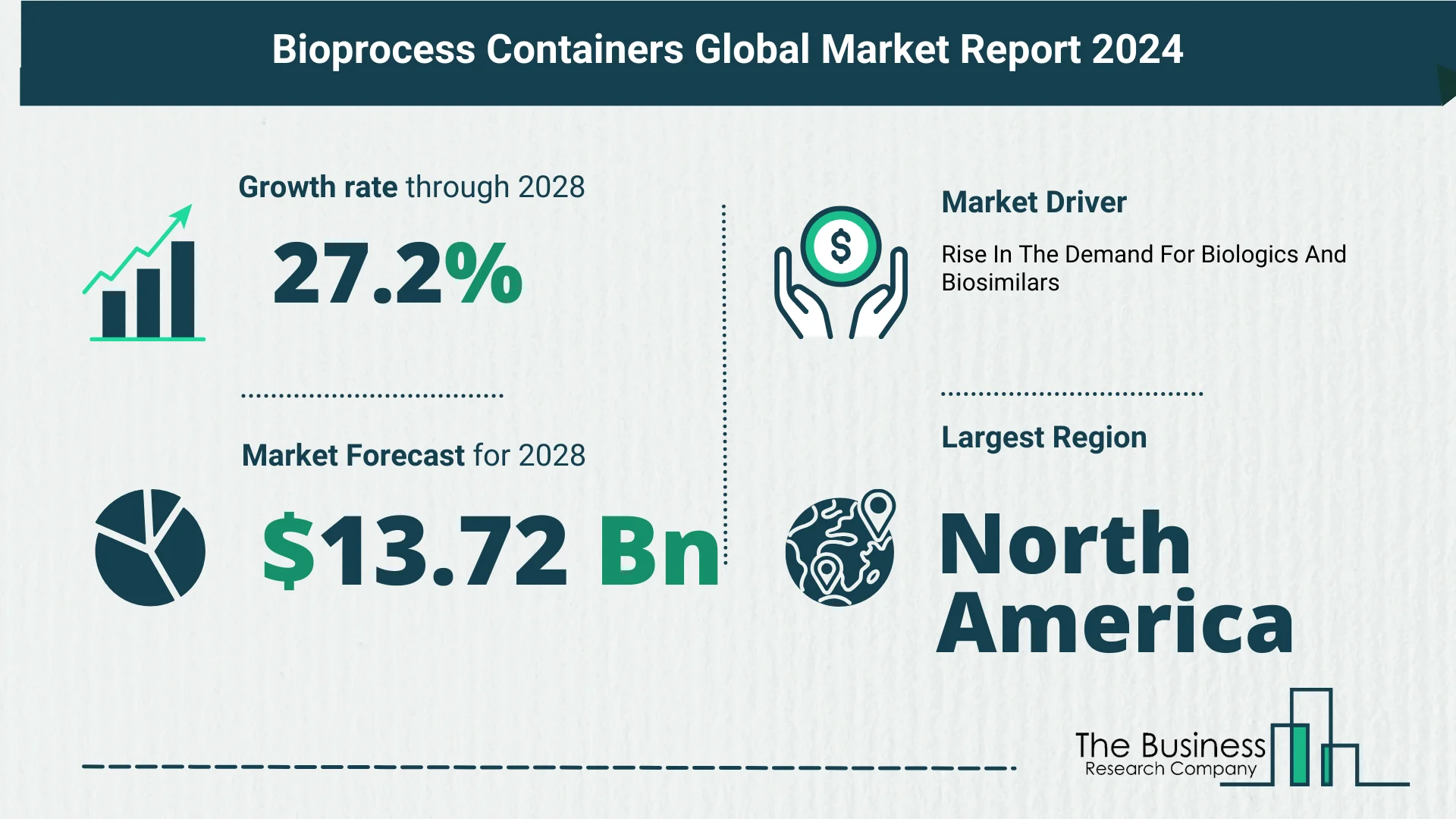
    The growth story continues into the foreseeable future, with the bioprocess containers market projected to reach a staggering $13.72 billion by 2028, boasting a CAGR of 27.2%. Factors propelling this growth include escalating healthcare investments, expanding markets in emerging economies, regulatory support, and a rise in disposable income. Key trends in the forecast period encompass sustainability, digitalization, outsourcing and contract manufacturing, and the pursuit of customization and modular systems, aligning with the ethos of patient-centric manufacturing.

    AI and Machine Learning Reshaping the Landscape
    Biopharmaceutical R&D Driving Growth

    • The surge in biopharmaceutical R&D activities is a primary driver of the bioprocess containers market.
    • The transformation of drug development through data, digital technologies, and AI enhances efficiency in discovering and delivering new medicines.
    • According to IQVIA, the global biopharmaceutical industry is witnessing exponential growth, with over 6,000 products in active development, showcasing a 68% increase compared to 2016.

    Industry Giants at the Helm
    Major Players Shaping the Market

    • Key companies like Sartorius Stedim Biotech S.A., Thermo Fisher Scientific Inc., and Merck KGaA are pivotal in advancing the bioprocess containers market.
    • These companies contribute to the industry’s growth through innovation, cutting-edge solutions, and market expansion strategies.

    Cutting-Edge Solutions and Market Expansion Strategies
    Revolutionizing with Flexible Single-Use Systems

    • Major companies are at the forefront, introducing innovative products such as Flexible single-use systems.
    • In October 2022, Single Use Support launched the IRIS Single-Use Bag Line bioprocess container, offering flexibility and customization for bioprocessing and cryopreservation.
    • The product ensures reliability and safety in transporting and storing liquids, setting new standards in the industry.

    View More On The Bioprocess Containers Market Report 2024 – https://www.thebusinessresearchcompany.com/report/bioprocess-containers-global-market-report

    Strategic Acquisitions for Global Presence
    Avantor’s Expansion in Asia

    • In June 2021, Avantor Inc. acquired RIM Bio, bolstering its presence in the Asia-Pacific, Middle East, and Africa (AMEA) region.
    • This strategic move expands Avantor’s single-use manufacturing, distribution, and cleanroom capabilities, ensuring a broader reach and enhanced service offerings to customers.

    Market Segmentation and Regional Dynamics
    Market Segmentation

    • Types: 2D Bioprocess Containers, 3D Bioprocess Containers, Tank Liners, Other Containers & Accessories
    • Applications: Process Development, Upstream, Downstream
    • End Users: Biopharmaceutical Companies, Life Science R&D Companies, Other End Users

    Regional Dynamics

    • North America dominated the bioprocess containers market in 2023, while Asia-Pacific is expected to witness the fastest growth in the forecast period, underscoring the global nature of the industry.

    Conclusion: Pioneering the Future of Bioprocessing
    As the bioprocess containers market charts unprecedented growth, it signifies a pivotal era in biopharmaceutical development and manufacturing. The integration of AI, machine learning, sustainability practices, and the pursuit of innovative solutions are transforming the landscape. Industry leaders, through strategic acquisitions and cutting-edge products, are not just navigating growth; they are shaping the future of bioprocessing, ensuring a robust and responsive ecosystem to meet the evolving needs of healthcare and research. The journey ahead promises continued innovation and a paradigm shift in how we approach and enhance bioprocess technologies.

    Request A Sample Of The Global Bioprocess Containers Market Report 2024:
    https://www.thebusinessresearchcompany.com/sample_request?id=6364&type=smp

  • Key Takeaways From The Global Allergy Diagnostics Market Forecast 2024

    Key Takeaways From The Global Allergy Diagnostics Market Forecast 2024

    The Business Research Company’s global market reports are now updated with the latest market sizing information for the year 2024 and forecasted to 2033

    As per The Business Research Company’s Allergy Diagnostics Global Market Report 2024, the allergy diagnostics market is expected to show significant growth in the forecast period.

    The allergy diagnostics market has experienced robust growth in recent years, becoming a pivotal segment in the healthcare industry. In 2023, the market size reached $5.77 billion, and a further surge is anticipated, with projections indicating a growth to $6.48 billion in 2024, boasting a Compound Annual Growth Rate (CAGR) of 12.3%. This growth is attributed to various factors, including the rise in prevalence of allergies, substantial investments in research and development, changing dietary habits, environmental factors, and government initiatives.

    Anticipating Future Expansion: Projections and Trends The momentum in the allergy diagnostics market is set to continue its upward trajectory in the coming years. Projections for 2028 forecast a market size of $10.4 billion, driven by a CAGR of 12.5%. This anticipated growth is tied to economic development, an expanding healthcare infrastructure, the aging population, and a greater emphasis on early diagnosis and prevention. Notable trends in this period include the adoption of molecular allergy diagnostics, customized allergen profiles, home-use allergy testing kits, and the integration of artificial intelligence, telemedicine, and remote allergy consultations.

    Surging Allergic Disease Cases Drive Growth In Allergy Diagnostics Market
    Rising Occurrences: A Key Driver The increasing prevalence of allergic diseases is a significant catalyst fueling the growth of the allergy diagnostics market. Factors contributing to this surge include heightened environmental pollution, especially from traffic and various industries. Allergic reactions, abnormal immune responses to allergens, manifest in various forms such as anaphylaxis, allergic rhinitis, food allergies, skin allergies, and allergic asthma.

    Essential Role of Proper Diagnosis In the face of growing allergic diseases, effective treatment necessitates avoiding allergens. This underscores the critical importance of proper allergy diagnosis. According to the American College of Allergy, Asthma, and Immunology (ACAAI), asthma and allergic diseases are widespread in the United States, affecting millions across all age groups. Allergies rank as the 6th leading cause of illness, with a substantial economic impact, costing around $18 million in excess. With over 50 million Americans suffering from allergies annually, the demand for accurate and timely allergy diagnostics is paramount.

    Key Players in the Allergy Diagnostics Market Major companies driving the growth of the allergy diagnostics market include BioMerieux SA, Danaher Corporation, HOB Biotech Group Corp. Ltd., Siemens Healthineers AG, Thermo Fisher Scientific Inc., and many more. These companies play a pivotal role in advancing technologies and solutions for effective allergy diagnosis and treatment.

    View More On The Allergy Diagnostics Market Report 2024 – https://www.thebusinessresearchcompany.com/report/allergy-diagnostics-global-market-report

    Innovative AI-Powered Allergy Component Testing Platform Revolutionizes Allergy Diagnostics
    Technological Advancements: AI in Allergy Component Testing To enhance profitability and efficiency, major players in the allergy diagnostics market are investing in innovative technologies. An exemplary innovation is the AI-powered allergy component testing platform, a sophisticated system utilizing artificial intelligence to analyze and interpret allergy testing results. For instance, Metropolis, an India-based pathology lab, introduced a platform in May 2023, capable of recognizing 127 respiratory allergens, 10 contact allergens, and 158 food allergens. This platform empowers clinicians with comprehensive insights for personalized allergy treatment, utilizing component-resolved diagnostics and artificial intelligence.

    IMA Group Broadens Clinical Research Reach With Diagnostics Research Group Acquisition
    Strategic Expansion: IMA Group’s Acquisition In October 2021, IMA Group, a leading clinical research network, made a strategic move by acquiring Diagnostics Research Group (DXRG). This acquisition, for an undisclosed amount, expanded IMA’s reach into the southwest United States and diversified its patient populations. With expertise in vaccine and medical device development, internal medicine, allergies, and pulmonary and fatty liver diseases, DXRG enriched IMA’s Clinical Research Division, providing access to over 90 physical medical offices.

    Segmentation of the Allergy Diagnostics Market The allergy diagnostics market is segmented based on various criteria:

    1. By Test Type: In-vivo Allergy Tests, In-vitro Allergy Tests
    2. By Allergen: Inhaled Allergens, Food Allergens, Drug Allergens
    3. By Products: Consumables, Instruments, Luminometers
    4. By End User: Diagnostics Laboratories, Hospital-based Laboratories, Academic and Research Institutes

    Regional Dominance: North America Leads in 2023 In 2023, North America emerged as the largest region in the allergy diagnostics market, underscoring the region’s prominence in adopting advanced healthcare solutions and fostering innovation in allergy diagnostics.

    Conclusion: Embracing the Future of Allergy Diagnostics As the allergy diagnostics market continues to evolve, driven by technological innovations and a growing need for personalized healthcare solutions, it emerges as a critical player in the healthcare landscape. The focus on early diagnosis, technological advancements, and strategic acquisitions positions the market for sustained growth, promising a future where allergy diagnostics play an integral role in shaping effective treatment approaches. Keep an eye on this dynamic market as it navigates the challenges and opportunities on the horizon.

    Request A Sample Of The Global Allergy Diagnostics Market Report 2024:
    https://www.thebusinessresearchcompany.com/sample_request?id=5655&type=smp

  • What’s The Growth Forecast For Ambulatory Electronic Medical Records Market Through 2024-2033?

    What’s The Growth Forecast For Ambulatory Electronic Medical Records Market Through 2024-2033?

    The Business Research Company’s global market reports provide comprehensive analysis on the various markets in 27 industries across 60 geographies.

     The ambulatory electronic medical records (EMR) market has demonstrated robust growth in recent years, with the market size escalating from $6.96 billion in 2023 to $7.57 billion in 2024, reflecting a commendable Compound Annual Growth Rate (CAGR) of 8.7%. This upswing is attributed to an array of factors, including government initiatives, the surge in chronic diseases, improved patient care, population health management, and overall economic growth.

    A Promising Future: Forecasted Growth
    Anticipating a robust trajectory, the ambulatory electronic medical records market is poised for strong growth in the coming years. Forecasts predict an expansion to $10.81 billion in 2028, with a compelling CAGR of 9.3%. The projected growth is underpinned by emerging trends such as rising telehealth, global market expansion, increased patient engagement, emphasis on data security and privacy, and a parallel increase in healthcare expenditure.

    Key Trends Shaping the Future

    • Cloud-Based Solutions: Advancements in cloud technology for efficient data management.
    • Integration of Artificial Intelligence (AI): Incorporating AI for enhanced decision-making and diagnostics.
    • User Experience (UX) Design: Focus on user-friendly design for seamless interaction.
    • Genomic Data Integration: Integrating genomic data for personalized healthcare solutions.
    • Patient Portals: Facilitating increased patient engagement and access to medical information.

    Catalyst for Growth: Increasing Adoption of EHR Systems
    The escalating adoption of Electronic Health Record (EHR) systems emerges as a pivotal driver propelling the growth of ambulatory electronic medical records. EHRs, serving as digital versions of patients’ paper charts, offer comprehensive medical history, diagnoses, treatment plans, and more. Notably, the interoperability of EHR systems encourages the use of EMRs, especially in ambulatory care settings where patients often receive services from multiple providers.

    • According to HealthIT.gov, nearly all non-federal acute care hospitals (96%) and 78% of office-based physicians had embraced certified EHRs in 2021.
    • The seamless sharing of patient data across providers is crucial for enhancing patient care and treatment outcomes.

    Trailblazers of the Market: Major Companies

    Major companies are playing a pivotal role in driving innovation and market growth.

    • Notable Companies:
      • Cerner Corporation
      • Epic Systems Corporation
      • Allscripts Healthcare LLC
      • Medical Information Technology Inc.
      • Computer Programs and Systems Inc.
      • Practice Fusion Inc.
      • eMDs Inc.
      • Virence Health Inc.
      • McKesson Corporation
      • CPSI Inc.
      • Veradigm Inc.
      • Greenway Health LLC
      • DrChrono Inc.
      • Harris Healthcare Inc.
      • ICANotes Inc.

    View More On The Ambulatory Electronic Medical Records Market Report 2024 – https://www.thebusinessresearchcompany.com/report/ambulatory-electronic-medical-records-global-market-report

    Innovations Paving the Way: ENautilus Project
    Major companies are leveraging innovative technologies such as the eNautilus Project to boost profitability and efficiency in the market. The eNautilus Project, offering improved medicine administration, support for oncology specialties, and sophisticated clinical services, is a comprehensive cloud-based system that keeps patient records in a single, portable health record. This initiative aims to enhance patient care by ensuring seamless information flow among caregivers.

    • In September 2023, the Georgian Bay Information Network launched the eNautilus project in collaboration with Oracle Health, focusing on advancing the use of Oracle Health’s EHR for improved patient care.

    Strategic Moves: Compugroup Medical’s Acquisition of eMDs
    In December 2022, CompuGroup Medical made a strategic move by acquiring eMDs for $240 million. This acquisition allows CompuGroup to leverage eMDs’ ambulatory information systems and revenue cycle management, strengthening its position in the market. eMDs, specializing in ambulatory EHRs, adds value to CompuGroup’s offerings.

    Market Dynamics: Segmentation Insights
    The ambulatory electronic medical records market is segmented based on key parameters, providing precision in understanding market dynamics.

    • Component:
      • Hardware
      • Software
    • Practice Type:
      • Large Practices
      • Small-To-Medium-Sized Practices
      • Solo Practices Freestanding
    • Delivery Mode:
      • Cloud-Based
      • On-Premise
    • Application:
      • Practice Management
      • Patient Management
      • E-Prescribing
      • Referral Management
      • Population Health Management
      • Decision Support
      • Health Analytics
    • End Users:
      • Hospital-Owned Ambulatory Centers
      • Independent Centers

    Regional Dynamics: North America Takes the Lead
    In 2023, North America emerged as the largest region in the ambulatory electronic medical records market, underscoring the region’s substantial contributions to market growth. Looking ahead, Asia-Pacific is expected to be the fastest-growing region in the forecast period, representing evolving healthcare landscapes and increased adoption of advanced technologies.

    In conclusion, the ambulatory electronic medical records market is witnessing substantial growth driven by a convergence of technological advancements, strategic acquisitions, and a growing emphasis on patient-centric healthcare solutions. The future holds exciting prospects, with innovations like cloud-based solutions and AI integration shaping the landscape for enhanced patient care and management.

    Request A Sample Of The Global Ambulatory Electronic Medical Records Market Report 2024:
    https://www.thebusinessresearchcompany.com/sample_request?id=7703&type=smp