Blog

  • Photomedicine Market Growth Outlook Reveals A CAGR Of 8.9% And A Market Value Of $7.62 Billion By 2030

    Photomedicine Market Growth Outlook Reveals A CAGR Of 8.9% And A Market Value Of $7.62 Billion By 2030

    Enhanced with market attractiveness analysis, total addressable market evaluation, company benchmarking matrices, interactive Excel dashboards, expanded supply chain intelligence, emerging startup coverage, and detailed product insights, The Business Research Company’s 2026 market reports deliver more actionable and strategically valuable research.

    Photomedicine Market Expansion Outlook: What Revenue Opportunities Lie Ahead?

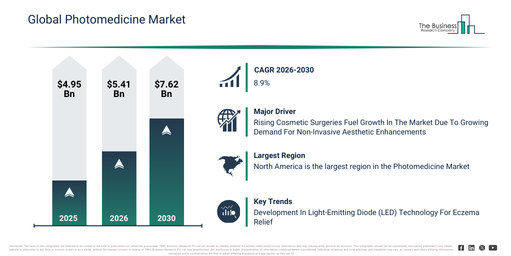
    The photomedicine market has experienced robust expansion in recent years, with projections indicating a rise from $4.95 billion in 2025 to $5.41 billion in 2026, reflecting a compound annual growth rate (CAGR) of 9.3%. Historical growth has been driven by factors such as the restricted supply of photomedicine devices, dependence on traditional therapeutic approaches, a higher incidence of skin and dental disorders, improvements in hospital and clinic facilities, and an increasing recognition of non-invasive treatment options.

    The photomedicine sector is anticipated to experience robust expansion over the coming years, with projections indicating a market value of $7.62 billion by 2030, representing a compound annual growth rate (CAGR) of 8.9%. This forecasted growth is driven by several key factors, including progress in LED and laser technologies, a greater incorporation of wearable photomedicine devices, the broadening of home-based therapy options, heightened research into tissue regeneration uses, and a growing uptake of digital monitoring and remote therapy platforms. Among the major trends shaping this period are the increasing adoption of light-based therapies in oncology and dermatology, the expansion of home-use photomedicine devices and therapeutic systems, a heightened focus on non-invasive pain management techniques, the growth of aesthetic and cosmetic photomedicine procedures, and the integration of photomedicine into dental and ophthalmic practices.

    Download A Free Sample Report For Comprehensive Market Insights:

    https://www.thebusinessresearchcompany.com/sample.aspx?id=27382&type=smp&utm_source=BlogsPR&utm_medium=Paid&utm_campaign=Jul_PR

    Photomedicine Market Growth Momentum: Which Factors Are Influencing Demand?

    The anticipated growth in the number of cosmetic surgeries is set to drive the photomedicine market forward in the coming period. These aesthetic procedures are carried out to enhance or modify a person’s physical appearance. Their increasing prevalence stems from the expanding impact of social media and a heightened desire for a better self-image, driven by constant exposure to prevailing beauty ideals and trends. Photomedicine plays a vital role in cosmetic surgery by facilitating accurate, non-invasive methods that improve skin texture, diminish imperfections, and elevate overall facial and body aesthetics while requiring little recovery time. As an example, the British Association of Aesthetic Plastic Surgeons (BAAPS), a surgical body based in the UK, reported in April 2025 that 27,462 cosmetic surgical operations took place, representing a 5 percent rise from the figures in 2023. Consequently, the rising rate of cosmetic surgeries is fueling the expansion of the photomedicine market.

    Photomedicine Market Segmentation And Category Breakdown

    The photomedicine market covered in this report is segmented –

    1) By Type: Light Emitting Diodes, Lasers, Full Spectrum Light, Polychromatic Polarized Light, Dichroic Lamps, Fluorescent Lamps

    2) By Application: Oncology, Dermatology, Pain Management, Dental Procedures, Aesthetics, Ophthalmology, Other Applications

    3) By End Users: Hospitals And Clinics, Dermatology And Ophthalmology Centers, Home-Based Therapy, Research And Academic Institutions

    Subsegments:

    1) By Light Emitting Diodes: Red Light Therapy, Blue Light Therapy, Infrared Light Emitting Diode Therapy

    2) By Lasers: Low Level Laser Therapy (LLLT), High Intensity Laser Therapy (HILT), Pulsed Dye Lasers

    3) By Full Spectrum Light: White Light Therapy, Bright Light Therapy, Seasonal Affective Disorder (SAD) Lamps

    4) By Polychromatic Polarized Light: Bioptron Light Therapy, Polarized Multicolor Light Emitting Diode Systems

    5) By Dichroic Lamps: Infrared Dichroic Lamps, Ultraviolet Dichroic Lamps, Visible Light Dichroic Lamps

    6) By Fluorescent Lamps: Narrowband Ultraviolet B Lamps, Broadband Ultraviolet B Lamps, Ultraviolet A Lamps

    Photomedicine Market Trends Reshaping Industry Growth

    Major players in the photomedicine sector are dedicating significant resources to crafting innovative products, particularly light-emitting diode (LED) devices, so as to boost therapeutic efficacy and broaden their applicability across both medical and cosmetic fields. These non-invasive LED technologies operate by delivering precise light wavelengths that activate cellular mechanisms and facilitate tissue repair; they find extensive use in photomedicine for wound healing, pain relief, skin rejuvenation, and a variety of other therapeutic applications. As an illustration, in April 2024, Bestqool—a US enterprise focused on red light therapy—unveiled a device tailored for eczema management. It employs advanced wavelengths to mitigate itching, swelling, and inflammation, thereby supporting skin healing without unwanted side effects. This approach presents a non-pharmaceutical alternative that has yielded encouraging clinical improvements in eczema symptoms.

    Photomedicine Market Competitive Analysis Of Major Industry Participants

    Major companies operating in the photomedicine market are BIOLASE Inc., Lumenis Ltd., Candela Medical Inc., Fotona d.o.o., IRIDEX Corporation, PhotoCure ASA, Clinuvel Pharmaceuticals Limited, Erchonia Lasers Limited, Biolitec biomedical technology GmbH, Lynton Lasers Limited, Aspen Laser Systems LLC, Carl Zeiss AG, LightStim LLC, PhotoMedex Inc., Quanta Systems Ltd., THOR Photomedicine Limited

    Access The Complete Photomedicine Market Report:

    https://www.thebusinessresearchcompany.com/report/photomedicine-global-market-report?utm_source=BlogsPR&utm_medium=Paid&utm_campaign=Jul_PR

    Photomedicine Market Geographic Analysis: Where Is Demand Growing The Fastest?

    North America was the largest region in the photomedicine market in 2025. Asia-Pacific is expected to be the fastest-growing region in the forecast period. The regions covered in the photomedicine market report are Asia-Pacific, South East Asia, Western Europe, Eastern Europe, North America, South America, Middle East, Africa.

    Get in touch with us:

    The Business Research Company: https://www.thebusinessresearchcompany.com/?utm_source=BlogsPR&utm_medium=Paid&utm_campaign=home_page_test

    Americas: +1 310-496-7795

    Asia: +44 7882 955267 & +91 8897263534

    Europe: +44 7882 955267

    Email us at: marketing@tbrc.info

    Follow us on:

    LinkedIn: https://in.linkedin.com/company/the-business-research-company

    YouTube: https://www.youtube.com/channel/UC24_fI0rV8cR5DxlCpgmyFQ

    Global Market Model: https://www.thebusinessresearchcompany.com/global-market-model
  • Photodynamic Therapy Market Forecast Highlights Expansion From $1.62 Billion To $2.04 Billion Through 2030

    Photodynamic Therapy Market Forecast Highlights Expansion From $1.62 Billion To $2.04 Billion Through 2030

    Through market attractiveness analysis, total addressable market evaluation, company benchmarking matrices, interactive Excel dashboards, expanded supply chain intelligence, emerging startup coverage, and detailed product insights, The Business Research Company’s 2026 market reports provide more actionable and strategically valuable research.

    Photodynamic Therapy Market Growth Potential: How Will Market Size Change Through 2030?

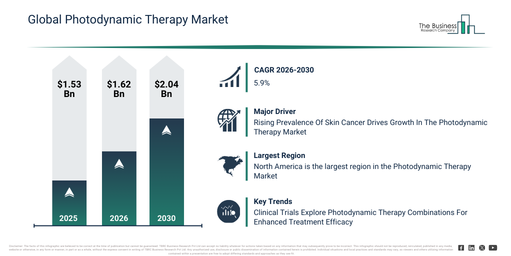
    The photodynamic therapy market has experienced robust expansion in recent years. Its value is projected to rise from $1.53 billion in 2025 to $1.62 billion in 2026, reflecting a compound annual growth rate (CAGR) of 6.1%. This historical growth has been driven by several factors, including a higher incidence of skin cancer and precancerous conditions, a growing preference for minimally invasive treatments, early-stage clinical confirmation of photosensitizers, increased public knowledge about non-surgical alternatives, and the widespread availability of laser-based medical equipment.

    The market for photodynamic therapy is anticipated to experience substantial expansion over the coming years. By 2030, it is projected to reach a value of $2.04 billion, reflecting a compound annual growth rate (CAGR) of 5.9%. This forecasted growth is driven by innovations in new photosensitizer formulations, broader applications outside of oncology, a growing preference for outpatient procedures, heightened investments in cancer treatment facilities, and an increased focus on targeted and precision-based therapies. Key developments shaping this period involve the broader integration of photodynamic therapy in cancer care, its rising prominence in dermatology and cosmetic treatments, the creation of advanced photosensitizers, a trend toward less invasive cancer interventions, and the increasing adoption of combination treatment strategies.

    Download A Free Sample Report For Comprehensive Market Insights:

    https://www.thebusinessresearchcompany.com/sample.aspx?id=5246&type=smp&utm_source=BlogsPR&utm_medium=Paid&utm_campaign=Jul_PR

    Photodynamic Therapy Market Expansion Drivers: What Is Shaping Future Growth?

    The expansion of the photodynamic therapy market is being driven by the rising incidence of skin cancer. Skin cancer is identified as the most prevalent form of cancer among all types. Although melanoma makes up only about 1% of skin cancer cases, it is responsible for a significant proportion of skin cancer-related fatalities. Photodynamic therapy (PDT) involves using a light-sensitive drug combined with intense light exposure to eliminate cancer cells. A cream containing a light-sensitizing agent is applied by the physician to both the skin cancer lesion and the adjacent area. As an example, Cancer Australia, a governmental agency based in Australia, reported that in 2023, roughly 8,257 new diagnoses of skin melanoma were made, which represented 2.6% of all cancer deaths. Consequently, the growing prevalence of skin cancer is anticipated to boost the photodynamic therapy market in the years ahead.

    Photodynamic Therapy Market Segment Outlook: Which Categories Are Expanding The Fastest?

    The photodynamic therapy market covered in this report is segmented –

    1) By Product: Drugs, Devices

    2) By Application: Actinic Keratosis (AK), Cancer, Acne, Psoriasis, Other Applications

    3) By End-User: Cosmetics And Dermatology Clinics, Hospitals, Cancer Treatment Centers, Other End-Users

    Subsegments:

    1) By Drugs: Photosensitizers, Combination Drug Therapies, Novel Photosensitizer Formulations

    2) By Devices: Light Sources (Laser Systems, LED Systems), Delivery Devices (Fiber Optics, Handheld Devices), Treatment Systems (Portable Devices, Fixed Systems)

    Photodynamic Therapy Market Strategic Trends: What Is Defining The Next Phase Of Growth?

    Key players in the photodynamic therapy (PDT) market are placing significant emphasis on clinical research to examine the use of PDT alongside various medications, aiming to improve treatment results. Photodynamic therapy employs light-activated compounds to precisely target and eliminate cancerous or diseased cells. As an example, Kintara Therapeutics, a biotechnology firm headquartered in the US, launched a clinical trial in February 2024 for its REM-001 therapy, designed to treat cutaneous metastatic breast cancer (CMBC). This open-label study (NCT05374915) includes 15 participants and assesses a 0.8 mg dose of the second-generation PDT agent REM-001. The goal is to refine the trial design before proceeding to a Phase 3 study, with a focus on the Best Overall Objective Response Rate (bORR) over 24 weeks, utilizing primary endpoints that gauge both complete and partial reactions within the treated areas.

    Photodynamic Therapy Market Key Companies And Competitive Benchmarking

    Major companies operating in the photodynamic therapy market are Galderma S.A., Bausch Health, Lumenis Ltd., Biofrontera, Modlight Inc., PhotoMedex Inc., Soligenix Inc., Quest PharmaTech Inc., Theralase Technologies Inc., Quantel Medical, Axcan Pharma, Sihealth, MediGlobus, Steba Biotech, Ambicare Health, Nuovo Therapy, Pharmstandard, Rusatom Healthcare, Hologic Inc., Dusa Pharmaceuticals, PDT Pharma Indústria e Comércio de Produtos Farmacêuticos, MMOptics Ltd, Global Healthcare Solutions Perú, DMC Equipmentos LTDA, Biolite, SyMed LLC, Alma Lasers, Candela Medica, Velt International Group Inc.

    Access The Complete Photodynamic Therapy Market Report:

    https://www.thebusinessresearchcompany.com/report/photodynamic-therapy-global-market-report?utm_source=BlogsPR&utm_medium=Paid&utm_campaign=Jul_PR

    Photodynamic Therapy Market Global Footprint: Which Region Holds Market Leadership?

    North America was the largest region in the photodynamic therapy market in 2025. The regions covered in the photodynamic therapy market report are Asia-Pacific, South East Asia, Western Europe, Eastern Europe, North America, South America, Middle East, Africa.

    Get in touch with us:

    The Business Research Company: https://www.thebusinessresearchcompany.com/?utm_source=BlogsPR&utm_medium=Paid&utm_campaign=home_page_test

    Americas: +1 310-496-7795

    Asia: +44 7882 955267 & +91 8897263534

    Europe: +44 7882 955267

    Email us at: marketing@tbrc.info

    Follow us on:

    LinkedIn: https://in.linkedin.com/company/the-business-research-company

    YouTube: https://www.youtube.com/channel/UC24_fI0rV8cR5DxlCpgmyFQ

    Global Market Model: https://www.thebusinessresearchcompany.com/global-market-model
  • Phosphoramidite Market Expected To Reach $1.49 Billion By 2030 As Growth Accelerates At 6.9% CAGR

    Phosphoramidite Market Expected To Reach $1.49 Billion By 2030 As Growth Accelerates At 6.9% CAGR

    Delivering more actionable and strategically valuable research, The Business Research Company’s 2026 market reports feature market attractiveness analysis, total addressable market evaluation, company benchmarking matrices, interactive Excel dashboards, expanded supply chain intelligence, emerging startup coverage, and detailed product insights.

    Phosphoramidite Market Value Analysis: What Growth Is Expected Over The Forecast Period?

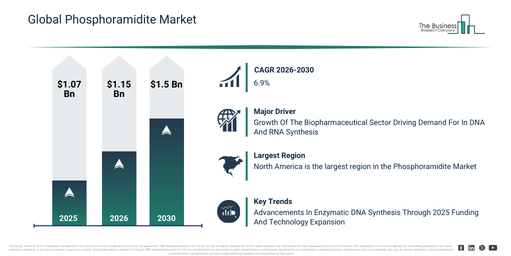
    The phosphoramidite market has experienced notable expansion over recent years, with its value projected to increase from $1.07 billion in 2025 to $1.15 billion in 2026, reflecting a compound annual growth rate (CAGR) of 7.1%. This historical growth has been driven by several factors, including a rise in DNA sequencing activities, the broadening of academic research funding, a greater utilization of synthetic nucleic acids, advances in solid-phase synthesis methods, and a growing need for molecular diagnostics.

    The phosphoramidite sector is projected to experience robust expansion over the coming years, with its valuation anticipated to reach $1.5 billion by 2030, reflecting a compound annual growth rate (CAGR) of 6.9%. This forecast period growth is driven by factors such as the proliferation of RNA-based therapeutics, advancements in gene editing techniques, heightened investment in pharmaceutical research and development, an increased need for tailor-made oligonucleotides, and the expansion of automated synthesis platforms. Among the key trends shaping the market are the growing requirement for materials used in oligonucleotide synthesis, the broadening scope of gene therapy and RNA-focused treatments, their rising utility in diagnostic and research contexts, the widespread uptake of automated solid-phase synthesis processes, and an enhanced emphasis on high-purity chemical components.

    Download A Free Sample Report For Comprehensive Market Insights:

    https://www.thebusinessresearchcompany.com/sample.aspx?id=22096&type=smp&utm_source=BlogsPR&utm_medium=Paid&utm_campaign=Jul_PR

    Phosphoramidite Market Development Factors: Which Trends Are Supporting Demand?

    The anticipated growth of the phosphoramidite market is being driven forward by the expansion of the biopharmaceutical sector. This sector encompasses the research, development, manufacturing, and marketing of biologically based medical products, such as vaccines, gene therapies, monoclonal antibodies, and recombinant proteins. Its expansion is fueled by progress in biotechnology, a rising incidence of chronic diseases, and greater investments in research and development. Innovations in biotechnology—including gene editing and monoclonal antibody therapies—have led to more effective and precisely targeted treatments. As an example, in October 2025, the UK-based Office for National Statistics reported that the country’s life sciences industry in 2024 consisted of 6,170 businesses across 7,320 sites, employing 359,600 people and generating £146.9 billion ($191 billion) in turnover. The medical technology subsector was the largest in terms of both company count and workforce, accounting for 60% of all firms and 55% of total employment. Consequently, the ongoing expansion of the biopharmaceutical sector is significantly boosting the phosphoramidite market.

    Phosphoramidite Market Segment Landscape: Which Areas Lead Market Development?

    The phosphoramidite market covered in this report is segmented –

    1) By Type: Deoxyribonucleic Acid (DNA) Phosphoramidites, Ribonucleic Acid (RNA) Phosphoramidites, Labeled Phosphoramidites, Modifier Phosphoramidites, Other Types

    2) By Synthesis Method: H-Phosphonate Method, Phosphoramidite Method, Trivalent Phosphorus Compounds Method

    3) By Application: Gene Synthesis, Deoxyribonucleic Acid (DNA) Sequencing, Deoxyribonucleic Acid (DNA) Amplification

    4) By End-User: Academic Research, Pharmaceutical Industry, Biotechnology Industry

    Subsegments:

    1) By Deoxyribonucleic Acid (DNA) Phosphoramidites: Standard DNA Phosphoramidites, Degenerate DNA Phosphoramidites, Methylated DNA Phosphoramidites, Backbone-Modified DNA Phosphoramidites

    2) By Ribonucleic Acid (RNA) Phosphoramidites: Standard RNA Phosphoramidites, 2′-O-Methyl RNA Phosphoramidites, 2′-Fluoro RNA Phosphoramidites, 2′-O-TBDMS Protected RNA Phosphoramidites

    3) By Labeled Phosphoramidites: Fluorescent-Labeled Phosphoramidites, Biotin-Labeled Phosphoramidites, Digoxigenin-Labeled Phosphoramidites, Radioisotope-Labeled Phosphoramidites

    4) By Modifier Phosphoramidites: Amine-Modified Phosphoramidites, Thiol-Modified Phosphoramidites, Spacer Phosphoramidites, Azide-Modified Phosphoramidites

    5) By Other Types: Chimeric Phosphoramidites, Phosphorothioate Phosphoramidites, PEGylated Phosphoramidites, Photo-Cleavable Phosphoramidites

    Phosphoramidite Market Transformation Trends: Which Innovations Are Driving Change?

    Leading players in the phosphoramidite market are concentrating on developing advanced DNA synthesis techniques, including convertible-preferred stock financing rounds, to boost the adoption and progress of Gibson SOLA technology for fast DNA and mRNA synthesis. Convertible-preferred stock financing is a capital-raising strategy where firms issue preferred shares that can be transformed into a set number of common shares at a later time. For example, in March 2025, Telesis Bio Inc., a biotechnology company based in the US, announced it had obtained up to $21 million in new funding to speed up the commercialization of its innovative enzymatic DNA synthesis platform, Gibson SOLA, backed by several strategic investors. This investment is intended to grow the firm’s fully enzymatic DNA synthesis technology, enhance its research, development, and manufacturing capacities, and improve access to quick, customizable long-DNA production. The company employs a proprietary enzymatic method that allows for the rapid and accurate synthesis of extended DNA sequences, tackling existing limitations linked to traditional phosphoramidite-based processes.

    Phosphoramidite Market Industry Leaders And Market Competition

    Major companies operating in the phosphoramidite market are Thermo Fisher Scientific Inc., Agilent Technologies Inc., Aragen Life Sciences, Twist Bioscience, Innovassynth Technologies (I) Ltd., Tokyo Chemical Industry Co. Ltd. (TCI), Aurigene Services, Eurofins Genomics, LGC Biosearch Technologies, Link Technologies Ltd., Creative Biolabs, Biosynth Carbosynth, TriLink BioTechnologies, ChemGenes Corporation, Berry & Associates Inc., Lumiprobe Corporation, Hongene Biotech Corporation, Carbolink India Pvt. Ltd., PolyOrg Inc., Glen Research, Gene Link Inc., emp BIOTECH GmbH

    Access The Complete Phosphoramidite Market Report:

    https://www.thebusinessresearchcompany.com/report/phosphoramidite-global-market-report?utm_source=BlogsPR&utm_medium=Paid&utm_campaign=Jul_PR

    Phosphoramidite Market Regional Distribution: Which Areas Drive Market Expansion?

    North America was the largest region in the phosphoramidite market in 2025. Europe is expected to be the fastest-growing region during the forecast period. The regions covered in the phosphoramidite market report are Asia-Pacific, South East Asia, Western Europe, Eastern Europe, North America, South America, Middle East, Africa.

    Get in touch with us:

    The Business Research Company: https://www.thebusinessresearchcompany.com/?utm_source=BlogsPR&utm_medium=Paid&utm_campaign=home_page_test

    Americas: +1 310-496-7795

    Asia: +44 7882 955267 & +91 8897263534

    Europe: +44 7882 955267

    Email us at: marketing@tbrc.info

    Follow us on:

    LinkedIn: https://in.linkedin.com/company/the-business-research-company

    YouTube: https://www.youtube.com/channel/UC24_fI0rV8cR5DxlCpgmyFQ

    Global Market Model: https://www.thebusinessresearchcompany.com/global-market-model

  • Phosphoinositide 3-Kinase (PI3K) Inhibitors Market Set To Grow From $1.76 Billion In 2026 To $2.88 Billion By 2030 At A CAGR Of 13.1%

    Phosphoinositide 3-Kinase (PI3K) Inhibitors Market Set To Grow From $1.76 Billion In 2026 To $2.88 Billion By 2030 At A CAGR Of 13.1%

    Enhanced with market attractiveness analysis, total addressable market evaluation, company benchmarking matrices, interactive Excel dashboards, expanded supply chain intelligence, emerging startup coverage, and detailed product insights, The Business Research Company’s 2026 market reports deliver more actionable and strategically valuable research.

    Phosphoinositide 3-Kinase (PI3K) Inhibitors Market Size Forecast: How Large Could The Market Become By 2030?

    The market for phosphoinositide 3-kinase (PI3K) inhibitors has experienced substantial expansion in recent years. Valued at $1.56 billion in 2025, it is projected to reach $1.76 billion by 2026, reflecting a compound annual growth rate (CAGR) of 13.2%. Historical growth has been driven by factors such as the rising incidence of cancer, the approval of early-generation PI3K inhibitors, progress in molecular oncology, heightened investment in oncology research and development, and persistent unmet requirements in the treatment of hematologic malignancies.

    The phosphoinositide 3-kinase (PI3K) inhibitors market is projected to experience rapid expansion over the coming years. By 2030, its value is anticipated to reach $2.88 billion, supported by a compound annual growth rate (CAGR) of 13.1%. This forecasted growth is driven by factors such as an expanding pipeline of next-generation PI3K therapies, increasing applications in autoimmune diseases, enhanced safety profiles, broader adoption of personalized oncology, and a rising number of combination therapy clinical trials. Key trends shaping the market during this period include a growing emphasis on targeted cancer treatments, accelerated development of isoform-selective inhibitors, increased use of combination oncology protocols, a stronger focus on biomarker-driven patient selection, and a continued transition toward oral targeted drug formulations.

    Download A Free Sample Report For Comprehensive Market Insights:

    https://www.thebusinessresearchcompany.com/sample.aspx?id=23474&type=smp&utm_source=BlogsPR&utm_medium=Paid&utm_campaign=Jul_PR

    Phosphoinositide 3-Kinase (PI3K) Inhibitors Market Industry Drivers: What Is Driving Revenue Growth?

    The growth of the phosphoinositide 3-kinase (PI3K) inhibitors market is expected to be significantly driven by the rising occurrence of cancer and autoimmune diseases going forward. Cancer involves diseases marked by unregulated cell growth and multiplication, while autoimmune disorders occur when the immune system erroneously attacks healthy tissues, resulting in persistent inflammation and tissue harm. This uptick in cancer and autoimmune disease cases is largely attributed to heightened genetic predisposition, which over time causes an accumulation of genetic mutations and immune system dysfunction. By targeting abnormal PI3K signaling—a pathway involved in tumor advancement and immune system irregularities—PI3K inhibitors play a crucial role in addressing the growing burden of these conditions. Through precision medicine strategies, they provide therapeutic advantages that boost treatment effectiveness and improve patient outcomes. As an illustration, in May 2025, data from the National Cancer Institute, a US government agency, revealed that the number of cancer survivors in the United States stood at 18.1 million in 2022 and is anticipated to reach 22.5 million by 2032, with about 40.5% of people expected to receive a cancer diagnosis at some point in their lives. Consequently, the escalating prevalence of both cancer and autoimmune diseases is fueling the expansion of the PI3K inhibitors market.

    Phosphoinositide 3-Kinase (PI3K) Inhibitors Market Segments: Where Are The Largest Growth Opportunities?

    The phosphoinositide 3-kinase (pi3k) inhibitors market covered in this report is segmented –

    1) By Type Of Inhibitor: Isoform Selective Inhibitors, Pan-Phosphoinositide 3-Kinase (PI3K) Inhibitors, Dual Phosphoinositide 3-Kinase (PI3K) Or Mechanistic Target Of Rapamycin (mTOR) Inhibitors, Novel Targeted Inhibitors

    2) By Distribution Channel: Hospital Pharmacies, Retail Pharmacies, Online Pharmacies, Other Distribution Channel

    3) By Application Areas: Cancer Treatment, Metabolic Disorders, Autoimmune Diseases, Neurological Disorders

    4) By End User: Hospitals, Research Institutes, Pharmaceutical Companies, Contract Research Organizations (CROs)

    Subsegments:

    1) By Isoform Selective Inhibitors: Phosphoinositide 3-Kinase Alpha (PI3Ka), Phosphoinositide 3-Kinase Beta (PI3Kß), Phosphoinositide 3-Kinase Delta (PI3Kd), Phosphoinositide 3-Kinase Gamma (PI3K?)

    2) By Pan-Phosphoinositide 3-Kinase (PI3K) Inhibitors: Class I Phosphoinositide 3-Kinase (PI3K), Non-Isoform Specific Phosphoinositide 3-Kinase (PI3K), Phosphoinositide 3-Kinase Kinase Domain

    3) By Dual Phosphoinositide 3-Kinase (PI3K) Or Mechanistic Target of Rapamycin (mTOR) Inhibitors: Phosphoinositide 3-Kinase (PI3K) and Mechanistic Target of Rapamycin (mTOR) Inhibition, Adenosine Triphosphate-Competitive Dual Inhibitors, Allosteric Dual Inhibitors

    4) By Novel Targeted Inhibitors: Next-Generation Phosphoinositide 3-Kinase, Targeting Mutant Phosphoinositide 3-Kinase Isoforms, Combination Therapies

    Phosphoinositide 3-Kinase (PI3K) Inhibitors Market Growth Trends: What Is Influencing The Future Outlook?

    Leading industry players in the phosphoinositide 3-kinase (PI3K) inhibitors market are prioritizing the development of advanced therapeutic approaches, specifically PI3K delta inhibitor therapies, designed to deliver precise intervention for conditions involving irregular phosphoinositide 3-kinase (PI3K) signaling. This particular therapy operates by blocking the PI3K delta enzyme, which is essential for immune cell communication, thereby helping to manage inflammation, autoimmune activity, and certain blood cancers where this pathway is disrupted. A notable example occurred in March 2023 when the U.S. Food and Drug Administration (FDA), a federal regulatory authority based in the United States, granted approval to Joenja (leniolisib) as the first treatment option for activated phosphoinositide 3-kinase delta syndrome (APDS) in individuals aged 12 years and older. This decision represented a significant advancement in targeted treatments, introducing a precision medicine strategy aimed at correcting immune dysfunction linked to genetic alterations in the PIK3CD or PIK3R1 genes. The introduction of Joenja (leniolisib) not only broadens the utility of phosphoinositide 3-kinase (PI3K) inhibitors beyond cancer care but also highlights an increasing emphasis on tailored therapies for uncommon immunological conditions.

    Phosphoinositide 3-Kinase (PI3K) Inhibitors Market Major Participants And Competitive Dynamics

    Major companies operating in the phosphoinositide 3-kinase (pi3k) inhibitors market are Novartis AG, Gilead Sciences Inc., TG Therapeutics Inc., Verastem Oncology Inc., Bayer AG, AstraZeneca PLC, Pfizer Inc., AbbVie Inc., F. Hoffmann-La Roche Ltd, Genentech Inc., Takeda Pharmaceutical Company Limited, Incyte Corporation, Boehringer Ingelheim, Sanofi S.A., Bristol Myers Squibb, Eli Lilly and Company, Merck KGaA, Relay Therapeutics Inc., Ideaya Biosciences Inc., BeiGene Ltd.

    Access The Complete Phosphoinositide 3-Kinase (PI3K) Inhibitors Market Report:

    https://www.thebusinessresearchcompany.com/report/phosphoinositide-3-kinase-pi3k-inhibitors-global-market-report?utm_source=BlogsPR&utm_medium=Paid&utm_campaign=Jul_PR

    Phosphoinositide 3-Kinase (PI3K) Inhibitors Market Leading Geography: Which Region Generates The Most Revenue?

    North America was the largest region in the phosphoinositide 3-kinase (PI3K) inhibitors market in 2025. Asia-Pacific is expected to be the fastest-growing region in the forecast period. The regions covered in the phosphoinositide 3-kinase (pi3k) inhibitors market report are Asia-Pacific, South East Asia, Western Europe, Eastern Europe, North America, South America, Middle East, Africa.

    Get in touch with us:

    The Business Research Company: https://www.thebusinessresearchcompany.com/?utm_source=BlogsPR&utm_medium=Paid&utm_campaign=home_page_test

    Americas: +1 310-496-7795

    Asia: +44 7882 955267 & +91 8897263534

    Europe: +44 7882 955267

    Email us at: marketing@tbrc.info

    Follow us on:

    LinkedIn: https://in.linkedin.com/company/the-business-research-company

    YouTube: https://www.youtube.com/channel/UC24_fI0rV8cR5DxlCpgmyFQ

    Global Market Model: https://www.thebusinessresearchcompany.com/global-market-model

  • Phosphodiesterase 5 Inhibitor Market Opportunities Are Emerging Beyond Traditional Growth Areas

    Phosphodiesterase 5 Inhibitor Market Opportunities Are Emerging Beyond Traditional Growth Areas

    Through market attractiveness analysis, total addressable market evaluation, company benchmarking matrices, interactive Excel dashboards, expanded supply chain intelligence, emerging startup coverage, and detailed product insights, The Business Research Company’s 2026 market reports provide more actionable and strategically valuable research.

    Phosphodiesterase 5 Inhibitor Market Revenue Outlook: What CAGR Is Expected Through 2030?

    The market for phosphodiesterase 5 inhibitors has experienced robust expansion over the past few years. Its value is projected to increase from $4.7 billion in 2025 to $5.02 billion in 2026, reflecting a compound annual growth rate (CAGR) of 6.8%. Historical growth has been driven by factors such as an aging male demographic, a high incidence of erectile dysfunction, the clinical effectiveness of sildenafil and tadalafil, broader availability through retail pharmacies, and heightened awareness surrounding men’s health issues.

    The projected expansion of the phosphodiesterase 5 inhibitor market indicates significant momentum over the coming years. By 2030, it is anticipated to reach a valuation of $6.55 billion, driven by a compound annual growth rate of 6.9%. This upward trajectory in the forecast period is fueled by several factors, including the growing prevalence of lifestyle-related health conditions, the broadening scope of telemedicine-based prescriptions, heightened accessibility to generic medications, an uptick in pulmonary hypertension diagnoses, and the proliferation of digital healthcare platforms. Moreover, key developments shaping the market include a surge in demand for erectile dysfunction therapies, wider uptake of generic PDE5 inhibitors, expanded applications for treating pulmonary arterial hypertension, the growth of online pharmacy channels, and an intensified emphasis on improving patient convenience and safeguarding privacy.

    Download A Free Sample Report For Comprehensive Market Insights:

    https://www.thebusinessresearchcompany.com/sample.aspx?id=24378&type=smp&utm_source=BlogsPR&utm_medium=Paid&utm_campaign=Jul_PR

    #Phosphodiesterase 5 Inhibitor Market Growth Factors: Which Forces Are Supporting Market Expansion?

    A growing number of erectile dysfunction cases is anticipated to drive forward the expansion of the phosphodiesterase 5 inhibitor market. Erectile dysfunction is defined as the ongoing difficulty in achieving or maintaining an erection suitable for satisfactory sexual activity. This rise in erectile dysfunction cases is largely driven by hormonal imbalances, notably low testosterone levels, which impair sexual function and performance. Phosphodiesterase 5 inhibitors work by increasing blood flow to the penis, enabling men to get and sustain an erection when sexually aroused. For example, as reported by the LloydsPharmacy Online Doctor in December 2024, a UK-based community pharmacy, the NHS in England issued nearly 3.5 million prescriptions for the erectile dysfunction drug Viagra in 2023, leading to the provision of around 25.5 million tablets between September 2023 and August 2024. Consequently, the increasing incidence of erectile dysfunction is fueling the growth of the phosphodiesterase 5 inhibitor market.

    Increased research activity and clinical trials are expected to boost the growth of the phosphodiesterase 5 inhibitor market in the coming period. Clinical trials involve research studies with human volunteers designed to assess the safety, effectiveness, and possible adverse effects of novel therapies, pharmaceuticals, or medical devices. This surge in research and clinical trials is mainly fueled by a growing need for innovative treatments that address evolving health challenges and enhance patient outcomes. Phosphodiesterase 5 inhibitors facilitate the clinical trial process by enabling better assessment of therapeutic effectiveness in disorders such as erectile dysfunction and pulmonary hypertension, thereby advancing the creation of focused therapies. By way of illustration, according to the Association of the British Pharmaceutical Industry, a UK-based pharmaceutical trade body, in December 2024, the number of industry-sponsored clinical trials started in the UK rose from 411 in 2022 to 426 in 2023, and Phase III trial initiations saw a 16.5 percent increase during the same timeframe, climbing from 182 to 212. Thus, the expansion in research and clinical trials is projected to drive the growth of the phosphodiesterase 5 inhibitor market.

    Phosphodiesterase 5 Inhibitor Market Segment Analysis: What Are The Major Market Categories?

    The phosphodiesterase 5 inhibitor market covered in this report is segmented –

    1) By Drug Type: Sildenafil, Tadalafil, Vardenafil, Avanafil, Other Drug Types

    2) By Dosage Form: Tablets, Injectables, Topical Applications

    3) By Application: Erectile Dysfunction, Pulmonary Arterial Hypertension, Benign Prostatic Hyperplasia, Other Applications

    4) By Distribution Channel: Retail Pharmacies, Online Pharmacies, Hospital Pharmacies

    5) By End-User: Hospitals, Specialty Clinics, Homecare Settings

    Subsegments:

    1) By Sildenafil: Generic Sildenafil, Branded Sildenafil

    2) By Tadalafil: Generic Tadalafil, Branded Tadalafil

    3) By Vardenafil: Generic Vardenafil, Branded Vardenafil

    4) By Avanafil: Generic Avanafil, Branded Avanafil

    5) By Other Drug Types: Udenafil, Lodenafil, Mirodenafil

    Phosphodiesterase 5 Inhibitor Market Industry Trends: What Changes Are Reshaping Demand?

    Leading players in the phosphodiesterase 5 inhibitor market are concentrating on developing novel products, including generic formulations of Stendra, to strengthen their market position and address the rising need for affordable therapeutic options. These generic versions contain avanafil as their active component and are designed to treat erectile dysfunction by blocking the PDE5 enzyme, thereby enhancing penile blood flow. In October 2024, Camber Pharmaceuticals, Inc., a pharmaceutical firm headquartered in the United States, launched Avanafil tablets, classified as phosphodiesterase type 5 (PDE5) inhibitors for managing erectile dysfunction (ED). These tablets are offered in 50 mg, 100 mg, and 200 mg doses, with each strength supplied in bottles of 30 tablets. Avanafil functions by boosting blood circulation to the penis when sexual arousal occurs, with onset of action typically observed within 15 minutes and a duration that extends beyond six hours.

    Phosphodiesterase 5 Inhibitor Market Leading Companies Driving Competitive Growth

    Major companies operating in the phosphodiesterase 5 inhibitor market are Pfizer Inc., Eli Lilly and Company, Teva Pharmaceutical Industries Ltd., Sun Pharmaceutical Industries Ltd., Cipla Ltd., Dr. Reddy’s Laboratories Ltd., Aurobindo Pharma Ltd., Lupin Limited, Apotex Inc., Torrent Pharmaceuticals Ltd., Zydus Lifesciences Ltd., Mylan N.V. (Viatris), Hikma Pharmaceuticals PLC, Sandoz Group AG, Alembic Pharmaceuticals Ltd., Macleods Pharmaceuticals Ltd., Intas Pharmaceuticals Ltd., Glenmark Pharmaceuticals Ltd., Hetero Drugs Ltd., Seoul Pharma Co. Ltd.

    Access The Complete Phosphodiesterase 5 Inhibitor Market Report:

    https://www.thebusinessresearchcompany.com/report/phosphodiesterase-5-inhibitor-global-market-report?utm_source=BlogsPR&utm_medium=Paid&utm_campaign=Jul_PR

    Phosphodiesterase 5 Inhibitor Market Regional Outlook: Where Are The Largest Opportunities Located?

    North America was the largest region in the phosphodiesterase 5 inhibitor market in 2025. Asia-Pacific is expected to be the fastest-growing region in the forecast period. The regions covered in the phosphodiesterase 5 inhibitor market report are Asia-Pacific, South East Asia, Western Europe, Eastern Europe, North America, South America, Middle East, Africa.

    Get in touch with us:

    The Business Research Company: https://www.thebusinessresearchcompany.com/?utm_source=BlogsPR&utm_medium=Paid&utm_campaign=home_page_test

    Americas: +1 310-496-7795

    Asia: +44 7882 955267 & +91 8897263534

    Europe: +44 7882 955267

    Email us at: marketing@tbrc.info

    Follow us on:

    LinkedIn: https://in.linkedin.com/company/the-business-research-company

    YouTube: https://www.youtube.com/channel/UC24_fI0rV8cR5DxlCpgmyFQ

    Global Market Model: https://www.thebusinessresearchcompany.com/global-market-model
  • Phosphatidylethanolamine Market Expansion Is Opening New Pathways For Strategic Investment

    Phosphatidylethanolamine Market Expansion Is Opening New Pathways For Strategic Investment

    Delivering more actionable and strategically valuable research, The Business Research Company’s 2026 market reports feature market attractiveness analysis, total addressable market evaluation, company benchmarking matrices, interactive Excel dashboards, expanded supply chain intelligence, emerging startup coverage, and detailed product insights.

    Phosphatidylethanolamine Market Growth Analysis: How Will Revenue Expand During The Forecast Period?

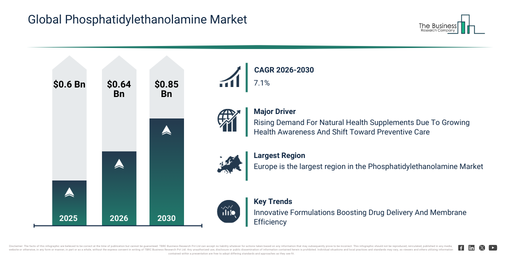
    The phosphatidylethanolamine market has experienced notable growth over recent years. From $0.6 billion in 2025, it is projected to reach $0.64 billion by 2026, representing a compound annual growth rate (CAGR) of 7.4%. Several factors contributed to this expansion during the historical period, including the conventional application of phospholipids in membrane studies, dependence on soybean and egg yolk as primary sources, rising demand for pharmaceutical excipients, wider adoption of these compounds in cosmetic emulsifiers, and the growing food additives sector.

    The phosphatidylethanolamine market is projected to experience robust expansion over the coming years, with its value anticipated to reach $0.85 billion by 2030, reflecting a compound annual growth rate (CAGR) of 7.1%. This growth during the forecast period is driven by several key factors, including increased investment in lipid-based drug delivery systems, a rise in the consumption of nutraceuticals and dietary supplements, a transition toward sustainable and plant-derived lipid sources, the expansion of biotechnology research initiatives, and a growing number of regulatory approvals for pharmaceutical-grade phospholipids. Notable trends shaping this period encompass a heightened utilization of phosphatidylethanolamine in liposome-based drug delivery, escalating demand for natural and plant-sourced phospholipids, broader incorporation into dietary supplements and functional foods, the development of cosmetic formulations that leverage functional lipids, and an uptick in its application for cell membrane and biomedical research.

    Download A Free Sample Report For Comprehensive Market Insights:

    https://www.thebusinessresearchcompany.com/sample.aspx?id=24657&type=smp&utm_source=BlogsPR&utm_medium=Paid&utm_campaign=Jul_PR

    Phosphatidylethanolamine Market Demand Drivers: What Is Fueling Industry Growth?

    The anticipated expansion of the phosphatidylethanolamine market is expected to be driven by a growing appetite for natural health supplements. These supplements, crafted from naturally sourced ingredients, are intended to enhance and sustain overall wellness. Their rising popularity can be attributed to heightened health consciousness and a shift toward natural and preventive healthcare approaches. Phosphatidylethanolamine plays a valuable role in such products by aiding cognitive function, cellular health, and fat metabolism. A clear illustration of this trend comes from the American Botanical Council, a nonprofit organization based in the U.S., which reported in September 2024 that retail sales of herbal dietary supplements in the United States climbed to $12.551 billion in 2023, up from $12.018 billion in 2022—a 4.4 percent increase. Consequently, the growing demand for natural health supplements is fueling the phosphatidylethanolamine market.

    Phosphatidylethanolamine Market Segment Breakdown: Which Categories Generate The Most Revenue?

    The phosphatidylethanolamine market covered in this report is segmented –

    1) By Type: Powder, Liquid

    2) By Source: Soybean, Sunflower, Egg Yolk, Marine Sources, Canola

    3) By Distribution Channel: Online Retail, Offline Retail, Direct Sales, Distributors And Wholesalers

    4) By End-User Industry: Healthcare, Food Industry, Cosmetic Industry, Animal Nutrition, Biotechnology

    Subsegments:

    1) By Powder: Pharmaceutical Grade Powder, Nutraceutical Grade Powder, Cosmetic Grade Powder, Research Grade Powder

    2) By Liquid: Aqueous Solution, Ethanol-Based Solution, Oil-Based Solution, Emulsion Concentrate

    Phosphatidylethanolamine Market Innovation Trends: Which Developments Are Transforming The Industry?

    Leading firms in the Phosphatidylethanolamine market are concentrating on creating advanced formulations, like dioleoylphosphatidylethanolamine, to improve membrane fusion efficiency, drug delivery performance, and biocompatibility for cutting-edge therapeutic and cosmetic uses. Dioleoylphosphatidylethanolamine is a synthetic phospholipid made up of two oleic acid chains linked to a phosphatidylethanolamine base, commonly employed in drug delivery and membrane studies. As an example, in December 2023, Lipoid GmbH, a pharmaceutical company based in Germany, introduced a new product grade of LIPOID PE 18:1/18:1 (DOPE), which allows for quick and complete dissolution in ethanol. This feature boosts processing ease for users. This product is part of Lipoid’s phosphatidylethanolamine (PE) series, which consists of neutral zwitterionic molecules at physiological pH, showing the company’s ongoing dedication to refining its manufacturing processes and product lineup.

    Phosphatidylethanolamine Market Key Players And Strategic Industry Positioning

    Major companies operating in the phosphatidylethanolamine market are Avantor Inc., Cayman Chemical, Lipoid GmbH, Enzo Life Sciences Inc., Creative BioStructure Inc., Wako Pure Chemical Industries Ltd., VAV Lipids Pvt Ltd., Creative Biolabs Inc., Simson Pharma Limited, Alfa Chemistry, Lipoid Kosmetik AG, Lipotype GmbH, CLINIVEX PHARMACEUTICALS PRIVATE LIMITED, Otto Chemie Pvt Ltd., AxisPharm LLC, Lecico GmbH, Nutri Avenue Inc., Glentham Life Sciences, CymitQuimica, Shandong Longilat Biotechnology Co. Ltd.

    Access The Complete Phosphatidylethanolamine Market Report:

    https://www.thebusinessresearchcompany.com/report/phosphatidylethanolamine-global-market-report?utm_source=BlogsPR&utm_medium=Paid&utm_campaign=Jul_PR

    Phosphatidylethanolamine Market Geographic Landscape: Which Region Dominates Industry Growth?

    Europe was the largest region in the phosphatidylethanolamine market in 2025. Asia-Pacific is expected to be the fastest-growing region in the forecast period. The regions covered in the phosphatidylethanolamine market report are Asia-Pacific, South East Asia, Western Europe, Eastern Europe, North America, South America, Middle East, Africa.

    Get in touch with us:

    The Business Research Company: https://www.thebusinessresearchcompany.com/?utm_source=BlogsPR&utm_medium=Paid&utm_campaign=home_page_test

    Americas: +1 310-496-7795

    Asia: +44 7882 955267 & +91 8897263534

    Europe: +44 7882 955267

    Email us at: marketing@tbrc.info

    Follow us on:

    LinkedIn: https://in.linkedin.com/company/the-business-research-company

    YouTube: https://www.youtube.com/channel/UC24_fI0rV8cR5DxlCpgmyFQ

    Global Market Model: https://www.thebusinessresearchcompany.com/global-market-model
  • Phosphatidylcholine Market Trends Are Creating New Opportunities For Industry Leaders

    Phosphatidylcholine Market Trends Are Creating New Opportunities For Industry Leaders

    Enhanced with market attractiveness analysis, total addressable market evaluation, company benchmarking matrices, interactive Excel dashboards, expanded supply chain intelligence, emerging startup coverage, and detailed product insights, The Business Research Company’s 2026 market reports deliver more actionable and strategically valuable research.

    Phosphatidylcholine Market Forecast: What Market Value Is Expected By 2030?

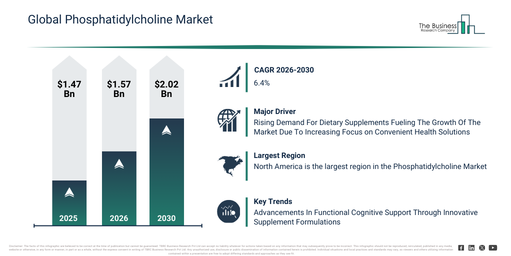
    The phosphatidylcholine market has experienced robust expansion in recent times. Projections indicate an increase from $1.47 billion in 2025 to $1.57 billion in 2026, reflecting a compound annual growth rate (CAGR) of 6.7%. This historical growth is driven by several factors, including the longstanding application of lecithin in food processing, heightened recognition of lipid-based nutritional benefits, broader adoption of emulsifiers within cosmetics, rising requirements for pharmaceutical excipients, and the continued availability of raw materials sourced from soy and eggs.

    The phosphatidylcholine market is projected to experience robust expansion over the coming years, reaching a value of $2.02 billion by 2030, driven by a compound annual growth rate (CAGR) of 6.4%. This anticipated growth during the forecast period is fueled by several key factors, including the rising consumption of nutraceuticals and dietary supplements, the expansion of personalized nutrition and wellness products, a growing preference for clean-label and sustainable ingredients, advancements in phospholipid extraction technologies, and the broadening use of these compounds in drug delivery systems. Key trends shaping the market’s future involve an increased demand for supplements targeting liver health and metabolism, a greater incorporation of phosphatidylcholine into cosmetic and skin repair products, a shift toward plant-based and non-GMO sources, the widening application in functional foods and beverages, and a higher uptake of high-purity, pharmaceutical-grade ingredients.

    Download A Free Sample Report For Comprehensive Market Insights:

    https://www.thebusinessresearchcompany.com/sample.aspx?id=24656&type=smp&utm_source=BlogsPR&utm_medium=Paid&utm_campaign=Jul_PR

    Phosphatidylcholine Market Growth Drivers: What Factors Are Accelerating Expansion?

    The phosphatidylcholine market is anticipated to grow due to increasing consumer interest in dietary supplements. These products, which include vitamins, minerals, herbs, amino acids, and other substances, are intended to supplement the diet and promote general health. This growing demand stems from people seeking convenient ways to address nutritional deficiencies, achieve wellness objectives, and seamlessly integrate health support into their busy routines without significant dietary changes. Phosphatidylcholine contributes to these supplements by bolstering cell structure, facilitating fat metabolism, and supporting liver health, thereby playing a key role in enhancing overall well-being. For example, the Council for Responsible Nutrition, a US trade organization, reported in October 2023 that consumer confidence in sports nutrition supplements rose to 66% in 2023 from 61% the previous year, while confidence in weight management supplements climbed to 56% from 52% in 2022. Consequently, the rising demand for dietary supplements is fueling expansion in the phosphatidylcholine market.

    Phosphatidylcholine Market Segmentation: How Is The Market Structured Across Key Categories?

    The phosphatidylcholine market covered in this report is segmented –

    1) By Product Type: Liquid Phosphatidylcholine, Powder Phosphatidylcholine

    2) By Source: Eggs, Soybean, Sunflower, Mustard, Other Sources

    3) By Grade: Food Grade, Pharmaceutical Grade, Cosmetic Grade

    4) By Function: Moisturizing, Solubilizing, Emulsifying, Other Functions

    5) By Application: Pharmaceuticals, Dietary Supplements, Cosmetics And Personal Care, Food And Beverages, Other Applications

    Subsegments:

    1) By Liquid Phosphatidylcholine: Pharmaceutical Grade, Cosmetic Grade, Food Grade, Industrial Grade

    2) By Powder Phosphatidylcholine: Pharmaceutical Grade, Nutraceutical Grade, Food Additive Grade, Feed Grade

    Phosphatidylcholine Market Trends: What Is Shaping Future Industry Growth?

    Leading firms in the phosphatidylcholine market are prioritizing the creation of cutting-edge formulations designed to bolster functional cognitive support, with a focus on improving brain health and memory while catering to the rising demand for premium dietary supplements. Functional cognitive support describes specific ingredients or products intended to sustain or boost cerebral functions such as memory retention, concentration, and mental sharpness. For example, in August 2024, Kewpie Corporation, a Japanese food manufacturing entity, introduced Choline EX, a supplement with functional claims derived from egg yolk choline, crafted to enhance verbal memory and cognitive wellness in middle-aged and older adults. This product is the first commercial supplement in Japan to incorporate egg yolk choline as its active component, responding to the increasing requirement for cognitive health solutions within an aging demographic.

    Phosphatidylcholine Market Competitive Landscape And Leading Companies

    Major companies operating in the phosphatidylcholine market are Cargill Inc., Archer Daniels Midland (ADM), Bunge Limited, Kewpie Corporation, Croda International Plc, NOF Corporation, Nippon Fine Chemical, Cayman Chemical, Lipoid GmbH, VAV Life Sciences, Lucas Meyer Cosmetics, Creative Biolabs Inc., Sonic Biochem, Jena Bioscience GmbH, PHOSPHOLIPID GMBH, MITUSHI BIO PHARMA, Yangzhou Gami Biochem Co. Ltd., Lecico GmbH, Nutrasal Inc., Chemcopia Ingredients Private Limited.

    Access The Complete Phosphatidylcholine Market Report:

    https://www.thebusinessresearchcompany.com/report/phosphatidylcholine-global-market-report?utm_source=BlogsPR&utm_medium=Paid&utm_campaign=Jul_PR

    Phosphatidylcholine Market Largest Region: Which Geography Holds The Highest Market Share?

    North America was the largest region in the phosphatidylcholine market in 2025. Asia-Pacific is expected to be the fastest-growing region in the forecast period. The regions covered in the phosphatidylcholine market report are Asia-Pacific, South East Asia, Western Europe, Eastern Europe, North America, South America, Middle East, Africa.

    Get in touch with us:

    The Business Research Company: https://www.thebusinessresearchcompany.com/?utm_source=BlogsPR&utm_medium=Paid&utm_campaign=home_page_test

    Americas: +1 310-496-7795

    Asia: +44 7882 955267 & +91 8897263534

    Europe: +44 7882 955267

    Email us at: marketing@tbrc.info

    Follow us on:

    LinkedIn: https://in.linkedin.com/company/the-business-research-company

    YouTube: https://www.youtube.com/channel/UC24_fI0rV8cR5DxlCpgmyFQ

    Global Market Model: https://www.thebusinessresearchcompany.com/global-market-model
  • Phenylephrine Drugs Market Growth Is Reshaping Competitive Advantage Across The Industry

    Phenylephrine Drugs Market Growth Is Reshaping Competitive Advantage Across The Industry

    Through market attractiveness analysis, total addressable market evaluation, company benchmarking matrices, interactive Excel dashboards, expanded supply chain intelligence, emerging startup coverage, and detailed product insights, The Business Research Company’s 2026 market reports provide more actionable and strategically valuable research.

    Phenylephrine Drugs Market Size Outlook: How Fast Will Revenue Grow Through 2030?

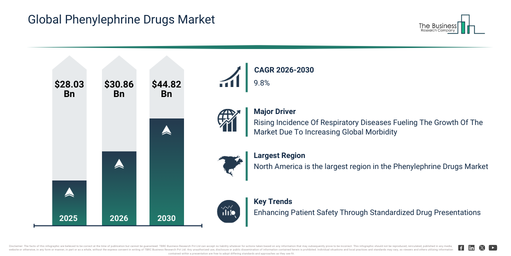
    The market for phenylephrine-based pharmaceuticals has experienced swift expansion over the last few years. Projected to climb from $28.03 billion in 2025 to $30.86 billion in 2026, it is set to achieve a compound annual growth rate (CAGR) of 10.1%. This historical growth has been driven by the drug’s broad application as a nasal decongestant, a rising frequency of cold and flu cases, well-established distribution channels through hospitals and retail pharmacies, regulatory clearance for a variety of dosage forms, and continued dependence on traditional oral medications.

    The phenylephrine drugs market is anticipated to see robust expansion in the coming years, with projections indicating it will reach $44.82 billion by 2030, reflecting a compound annual growth rate (CAGR) of 9.8%. This upward trajectory in the forecast period is driven by several factors, including the growing use of phenylephrine in ophthalmic and injectable applications, a rising need for vasopressor drugs in critical care settings, the broadening reach of online pharmacy channels, the development of more effective improved formulations, and heightened public awareness about proper decongestant use. Key trends shaping this period involve the increased incorporation of phenylephrine into combination cold and allergy products, a higher demand for over-the-counter nasal decongestants and eye drops, a growing preference for sugar-free and pediatric-specific options, a transition toward multiple methods of administration, and an intensified emphasis on safety labeling and adherence to regulatory standards.

    Download A Free Sample Report For Comprehensive Market Insights:

    https://www.thebusinessresearchcompany.com/sample.aspx?id=24655&type=smp&utm_source=BlogsPR&utm_medium=Paid&utm_campaign=Jul_PR

    Phenylephrine Drugs Market Growth Factors Supporting Long-Term Expansion

    The anticipated growth of the phenylephrine drugs market is being driven by a higher prevalence of respiratory illnesses. Such illnesses include long-term conditions like chronic obstructive pulmonary disease (COPD) and asthma, which impair lung function and lead to symptoms such as nasal congestion, breathing difficulties, and inflamed airways. This rise in cases is fueled by elements like air pollution, environmental contaminants, and risks tied to lifestyle choices. By narrowing blood vessels in the nasal passages, phenylephrine drugs reduce swelling and enhance airflow, offering relief from congestion symptoms. For example, as reported by the National Asthma Council, an Australian non-profit, in October 2024, there were 474 asthma-related fatalities in Australia in 2023—325 women and 149 men. This number closely mirrors the 473 asthma deaths from 2022, indicating a steady pattern in asthma mortality over those two years. Consequently, the growing incidence of respiratory diseases is fueling the phenylephrine drugs market’s expansion.

    A surge in healthcare spending is set to drive the phenylephrine drugs market forward. This spending growth reflects the rising allocation of public and private funds to health systems around the world, driven by government efforts to enhance healthcare infrastructure, broaden coverage, and boost system resilience. Such trends benefit the phenylephrine drugs market, as larger healthcare budgets allow providers to incorporate a wider array of treatments, including decongestants, vasopressors, and other phenylephrine-based products. In June 2025, the Centers for Medicare & Medicaid Services, a US government body, reported that national health expenditures (NHE) expanded by 7.5% in 2023, hitting $4.9 trillion—equivalent to $14,570 per person and 17.6% of the Gross Domestic Product (GDP). Additionally, Medicare spending rose by 8.1% to $1,029.8 billion, representing 21% of total NHE. Thus, the upward trend in healthcare spending is accelerating the phenylephrine drugs market’s growth.

    Phenylephrine Drugs Market Segmentation Trends And Revenue Drivers

    The phenylephrine drugs market covered in this report is segmented –

    1) By Product Type: Tablets, Syrups, Eye Drops, Other Product Types

    2) By Indication: Cold, Nasal Decongestion, Allergic Reaction, Eye Disease, Other Indications

    3) By Route Of Administration: Oral, Parenteral, Other Routes Of Administration

    4) By Distribution Channel: Hospital Pharmacies, Drug Stores And Retail Pharmacies, Online Pharmacies

    Subsegments:

    1) By Tablets: Immediate Release Tablets, Extended Release Tablets, Combination Tablets, Orally Disintegrating Tablets

    2) By Syrups: Pediatric Syrups, Adult Syrups, Sugar-Free Syrups

    3) By Eye Drops: Prescription Eye Drops, Over-the-Counter (OTC) Eye Drops, Combination Eye Drops, Single-Use Eye Drops

    4) By Other Product Types: Nasal Sprays, Injectable Solutions, Topical Gels or Creams, Suppositories

    Phenylephrine Drugs Market Industry Trends Shaping Future Revenue Growth

    Major players in the phenylephrine drugs market are concentrating on creating innovative products like ready-to-use vials to boost convenience, cut down on preparation time, and increase patient safety. These vials come as pre-mixed, pre-measured drug solutions that are ready for immediate use without requiring any dilution or preparation. They assist phenylephrine drugs by lowering the risk of dosing mistakes, shortening preparation time in urgent situations, and maintaining consistent drug strength and sterility. For example, in December 2023, Hikma Pharmaceuticals PLC, a UK-based firm specializing in generic injectable and oral formulations, introduced its ready-to-use Phenylephrine HCl Injection, USP, in the United States under the brand name IMMPHENTIV. This product is supplied in 500 mcg/5 mL and 1,000 mcg/10 mL vials, marking the first FDA-approved 1,000 mcg/10 mL presentation in the country. Designed to raise blood pressure in adults experiencing clinically significant hypotension mainly due to vasodilation during anesthesia, it aims to offer hospitals a standardized, pre-diluted option that minimizes medication errors and improves patient safety.

    Phenylephrine Drugs Market Industry Leaders: Which Organizations Are Driving Competition?

    Major companies operating in the phenylephrine drugs market are Pfizer Hospira Inc., Viatris Inc., Teva Pharmaceutical Industries Ltd., Sun Pharmaceutical Industries Ltd., Dr. Reddy’s Laboratories Ltd., Cipla Ltd., Lupin Ltd., Aurobindo Pharma Ltd., Zydus Lifesciences Ltd., Intas Pharmaceuticals Ltd., Torrent Pharmaceuticals Ltd., Alembic Pharmaceuticals Ltd., Wockhardt Ltd., Mylan Laboratories Ltd., Glenmark Pharmaceuticals Ltd., Alkem Laboratories Ltd., Macleods Pharmaceuticals Ltd., Apotex Inc., Accord Healthcare Ltd., Hikma Pharmaceuticals PLC, Fresenius Kabi AG, Baxter International Inc., B. Braun Melsungen AG, Par Pharmaceutical Inc., Strides Pharma Science Ltd., Amring Pharmaceuticals Inc., Teligent Pharma Inc., Rising Pharmaceuticals Inc.

    Access The Complete Phenylephrine Drugs Market Report:

    https://www.thebusinessresearchcompany.com/report/phenylephrine-drugs-global-market-report?utm_source=BlogsPR&utm_medium=Paid&utm_campaign=Jul_PR

    Phenylephrine Drugs Market Regional Analysis: Which Region Leads By Revenue?

    North America was the largest region in the phenylephrine drugs market in 2025. The regions covered in the phenylephrine drugs market report are Asia-Pacific, South East Asia, Western Europe, Eastern Europe, North America, South America, Middle East, Africa.

    Get in touch with us:

    The Business Research Company: https://www.thebusinessresearchcompany.com/?utm_source=BlogsPR&utm_medium=Paid&utm_campaign=home_page_test

    Americas: +1 310-496-7795

    Asia: +44 7882 955267 & +91 8897263534

    Europe: +44 7882 955267

    Email us at: marketing@tbrc.info

    Follow us on:

    LinkedIn: https://in.linkedin.com/company/the-business-research-company

    YouTube: https://www.youtube.com/channel/UC24_fI0rV8cR5DxlCpgmyFQ

    Global Market Model: https://www.thebusinessresearchcompany.com/global-market-model
  • Phenobarbital Market Forecast Signals New Revenue Opportunities Through 2030

    Phenobarbital Market Forecast Signals New Revenue Opportunities Through 2030

    Delivering more actionable and strategically valuable research, The Business Research Company’s 2026 market reports feature market attractiveness analysis, total addressable market evaluation, company benchmarking matrices, interactive Excel dashboards, expanded supply chain intelligence, emerging startup coverage, and detailed product insights.

    Phenobarbital Market Size, Value And Growth Trends Through 2030

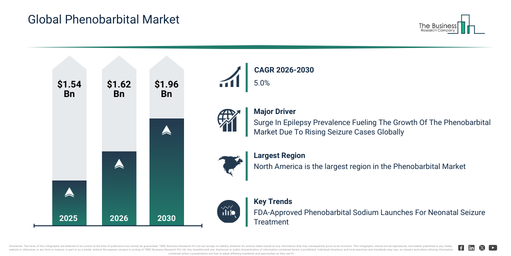
    The phenobarbital market has experienced consistent expansion over recent years, with projections indicating an increase from $1.54 billion in 2025 to $1.62 billion in 2026, reflecting a compound annual growth rate (CAGR) of 4.9%. This historical growth has been driven by factors such as its proven clinical effectiveness over time, broad inclusion in essential medicine lists, a high incidence of epilepsy, application in neonatal treatment, and lower cost relative to more modern pharmaceutical options.

    The phenobarbital sector is anticipated to experience consistent growth over the coming years, reaching a valuation of $1.96 billion by 2030, driven by a compound annual growth rate (CAGR) of 5.0%. This forecasted expansion is largely influenced by persistent demand in areas with limited healthcare resources, a rise in generic drug production, an increase in neonatal intensive care units, higher epilepsy diagnosis rates, and a heightened emphasis on ensuring access to essential medications. Key developments expected during this period include the ongoing application of phenobarbital for managing epilepsy and neonatal seizures, a broader availability of its generic versions, a stronger focus on cost-effective anticonvulsant treatments, an expansion of seizure care within hospital settings, and more rigorous monitoring of long-term medication safety.

    Download A Free Sample Report For Comprehensive Market Insights:

    https://www.thebusinessresearchcompany.com/sample.aspx?id=24377&type=smp&utm_source=BlogsPR&utm_medium=Paid&utm_campaign=Jul_PR

    Phenobarbital Market Demand Drivers Creating New Revenue Opportunities

    The phenobarbital market is anticipated to experience growth driven by the rising incidence of epilepsy. This neurological condition involves recurring, spontaneous seizures stemming from irregular electrical impulses in the brain. Heightened awareness has led more individuals to recognize symptoms and pursue medical evaluation, resulting in a higher number of diagnosed cases, which accounts for the growing prevalence. As an anticonvulsant, phenobarbital aids in managing epilepsy by reducing neuronal activity in the brain, thereby preventing and controlling seizure episodes. Data from the World Health Organization, a Switzerland-based international public health agency, revealed in February 2024 that approximately 50 million people globally were affected by epilepsy, underscoring its status as a prevalent neurological disease. Consequently, the upward trend in epilepsy cases is expected to drive expansion within the phenobarbital market.

    Phenobarbital Market Segment Analysis Highlighting Growth Areas

    The phenobarbital market covered in this report is segmented –

    1) By Indication: Epilepsy, Neonatal Seizures

    2) By Dosage Forms: Tablets, Capsules, Injectables

    3) By Distribution Channel: Hospital Pharmacies, Retail Pharmacies, Online Pharmacies

    4) By Application: Seizure Management, Anesthesia, Sleep Disorders, Alcohol Withdrawal Syndrome

    5) By End User: Hospitals, Clinics, Research Laboratories, Homecare Settings

    Subsegments:

    1) By Epilepsy: Focal (Partial) Seizures, Generalized Tonic-Clonic Seizures, Status Epilepticus, Refractory Epilepsy, Idiopathic Epilepsy

    2) By Neonatal Seizures: Hypoxic-Ischemic Encephalopathy (HIE)-Induced Seizures, Intracranial Hemorrhage-Induced Seizures, Metabolic Disorders, Congenital Brain Malformations, Infections

    Phenobarbital Market Trends Driving Strategic Industry Expansion

    Key players in the phenobarbital market are concentrating on creating advanced solutions, like phenobarbital sodium, to improve treatment efficacy and safety. Phenobarbital sodium is the sodium salt variant of phenobarbital, a drug mainly utilized as an anticonvulsant and sedative. It is frequently prescribed for seizure management, especially in epilepsy, along with treating anxiety and insomnia, and occasionally inducing sedation prior to medical procedures. For example, in January 2023, Sun Pharmaceutical Industries Ltd., a pharmaceutical firm based in India, introduced SEZABY (phenobarbital sodium) in the United States, marking the first and only FDA-approved medication specifically designed for seizure treatment in both term and preterm neonates. This formulation excludes benzyl alcohol and propylene glycol, enhancing its safety for newborns. SEZABY has been granted orphan drug status and is supported by clinical evidence demonstrating its effectiveness in controlling neonatal seizures, thereby addressing a significant unmet need within this vulnerable group.

    Phenobarbital Market Leading Companies: Who Holds Significant Market Presence?

    Major companies operating in the phenobarbital market are Teva Pharmaceutical Industries Ltd., Sandoz Group AG, Hikma Pharmaceuticals PLC, Sun Pharmaceutical Industries Ltd., Dr. Reddy’s Laboratories Ltd., Lupin Limited, Fresenius Kabi AG, Baxter International Inc., Par Pharmaceutical Inc., Harman Finochem Ltd., Manus Aktteva Biopharma LLP, Shandong Xinhua Pharmaceutical Co. Ltd., Alkaloida Chemical Company Zrt., Yashiro Pharmaceutical Co. Ltd., JPN Pharma Pvt. Ltd., Pfizer CentreOne, Macleods Pharmaceuticals Ltd., Alembic Pharmaceuticals Ltd., Zydus Lifesciences Ltd., Aurobindo Pharma Ltd.

    Access The Complete Phenobarbital Market Report:

    https://www.thebusinessresearchcompany.com/report/phenobarbital-global-market-report?utm_source=BlogsPR&utm_medium=Paid&utm_campaign=Jul_PR

    Phenobarbital Market Geographic Distribution And Regional Opportunities

    North America was the largest region in the phenobarbital market in 2025. Asia-Pacific is expected to be the fastest-growing region in the forecast period. The regions covered in the phenobarbital market report are Asia-Pacific, South East Asia, Western Europe, Eastern Europe, North America, South America, Middle East, Africa.

    Get in touch with us:

    The Business Research Company: https://www.thebusinessresearchcompany.com/?utm_source=BlogsPR&utm_medium=Paid&utm_campaign=home_page_test

    Americas: +1 310-496-7795

    Asia: +44 7882 955267 & +91 8897263534

    Europe: +44 7882 955267

    Email us at: marketing@tbrc.info

    Follow us on:

    LinkedIn: https://in.linkedin.com/company/the-business-research-company

    YouTube: https://www.youtube.com/channel/UC24_fI0rV8cR5DxlCpgmyFQ

    Global Market Model: https://www.thebusinessresearchcompany.com/global-market-model
  • Pharmerging Market Growth Is Accelerating As Industry Transformation Continues

    Pharmerging Market Growth Is Accelerating As Industry Transformation Continues

    Enhanced with market attractiveness analysis, total addressable market evaluation, company benchmarking matrices, interactive Excel dashboards, expanded supply chain intelligence, emerging startup coverage, and detailed product insights, The Business Research Company’s 2026 market reports deliver more actionable and strategically valuable research.

    Pharmerging Market CAGR Analysis And Future Market Development

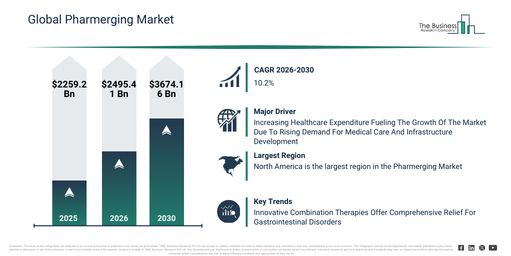
    In recent years, the pharmerging market has experienced substantial expansion. Its value is projected to rise from $2259.2 billion in 2025 to $2495.41 billion by 2026, reflecting a compound annual growth rate (CAGR) of 10.5%. Several factors drove growth in the historical period, including heightened healthcare expenditure within emerging economies, broader access to generic medications, an escalating prevalence of both infectious and lifestyle-related diseases, the strengthening of local pharmaceutical production capabilities, and advancements in healthcare infrastructure availability.

    The pharmerging market is anticipated to experience significant expansion in the upcoming years, reaching a value of $3674.16 billion by 2030, driven by a compound annual growth rate (CAGR) of 10.2%. This forecasted growth is fueled by several key factors, including the wider adoption of specialty medicines across pharmerging regions, heightened investments in regional research and development facilities, a broadening of digital distribution networks, and an escalating demand for treatments targeting chronic diseases, alongside improved regulatory alignment across developing markets. Key trends shaping this period involve a notable increase in pharmaceutical activities within these markets, a shift toward localized drug manufacturing, a stronger emphasis on affordable healthcare options, an expansion in both generic and biosimilar product lines, and a heightened focus on developing market-specific product strategies.

    Download A Free Sample Report For Comprehensive Market Insights:

    https://www.thebusinessresearchcompany.com/sample.aspx?id=28298&type=smp&utm_source=BlogsPR&utm_medium=Paid&utm_campaign=Jul_PR

    Pharmerging Market Expansion Supported By Key Demand Factors

    The rise in healthcare spending is anticipated to fuel the expansion of the pharmerging market in the coming years. Healthcare expenditure encompasses all funds allocated to medical services, treatments, facilities, research, and public health programs aimed at sustaining or enhancing health outcomes. This growing spending is driven by an aging population that demands increased medical care, treatments, and extended long-term healthcare services. Higher healthcare expenditure boosts the pharmerging market by enhancing access to medical services, promoting better infrastructure development, and encouraging greater uptake of affordable medicines. For example, in December 2024, the U.S. federal agency, the Centers for Medicare & Medicaid Services (CMS), reported that national health expenditures (NHE) increased by 7.5% in 2023, reaching $4.9 trillion and representing 17.6% of GDP. Going forward, NHE is anticipated to expand at an average annual rate of 5.6% between 2023 and 2032, with the health spending share of GDP climbing from 17.3% in 2022 to 19.7% by 2032. Consequently, the upward trend in healthcare expenditure is propelling the growth of the pharmerging market.

    The growing incidence of chronic disease spending is expected to drive the advancement of the pharmerging market in the future. Chronic diseases are persistent health conditions that last three months or longer, frequently advancing slowly over time. Their rising prevalence largely stems from an aging population, where older individuals are more prone to enduring ailments such as diabetes, heart disease, and arthritis. Pharmerging markets are addressing chronic diseases by broadening access to cost-effective medications, groundbreaking therapies, and enhanced healthcare infrastructure in areas with increasing disease burdens. As an illustration, in April 2025, the NHS Confederation, a UK-based national association, estimated that by 2035, 17% of the UK population could be affected by four or more chronic conditions. Thus, the escalating prevalence of chronic diseases is fostering growth in the pharmerging market.

    Pharmerging Market Segment Performance And Strategic Opportunities

    The pharmerging market covered in this report is segmented –

    1) By Product Type: Pharmaceuticals, Medical Devices, Diagnostics, Biotechnology, Generics

    2) By Indication: Lifestyle Diseases, Cancer And Autoimmune Diseases, Infectious Diseases, Other Indications

    3) By Formulation: Solid Oral, Liquid Oral, Injectable, Topical, Other Formulation Types

    4) By Application: Therapeutic, Diagnostic, Preventive, Research And Development

    5) By Distribution Channel: Hospitals And Clinics, Retail Pharmacies, Online Marketplaces, Wholesale Distributors, Direct-To-Consumer

    Subsegments:

    1) By Pharmaceuticals: Small Molecule Drugs, Biological Drugs, Over The Counter Drugs, Patented Drugs, Branded Generics, Vaccines

    2) By Medical Devices: Diagnostic Imaging Devices, Surgical Instruments, Patient Monitoring Devices, Therapeutic Devices, Implantable Devices

    3) By Diagnostics: In Vitro Diagnostics, Molecular Diagnostics, Imaging Diagnostics, Point Of Care Testing, Companion Diagnostics, Digital Diagnostics

    4) By Biotechnology: Genomic Medicine, Cell Therapy, Gene Therapy, Monoclonal Antibodies, Biosimilars

    5) By Generics: Oral Solid Dosage Generics, Injectable Generics, Topical Generics, Inhalable Generics, Ophthalmic Generics, Transdermal Generics

    Pharmerging Market Growth Trends Influencing Competitive Dynamics

    Major players in the pharmerging market are actively advancing innovative approaches, including combination drug therapies, aimed at tackling complex health issues and enhancing therapeutic outcomes. Such therapies involve the concurrent use of two or more active medications within a single protocol to boost effectiveness while addressing multiple facets of a medical condition. In June 2024, Akums Drugs and Pharmaceuticals Limited, a contract development and manufacturing organization based in India, introduced Rabeprazole + Levosulpiride SR capsules, a newly authorized formulation approved by the Drug Controller General of India (DCGI) for managing gastroesophageal reflux disease (GERD) and related gastrointestinal problems. These capsules integrate Rabeprazole, a proton pump inhibitor that curbs gastric acid production, with Levosulpiride, a prokinetic agent that enhances stomach and intestinal movement to prevent acid reflux. Through this dual mode of action, the treatment provides comprehensive symptom relief for GERD by simultaneously lowering acid secretion and improving digestive tract function.

    Pharmerging Market Key Players: Which Companies Shape Industry Competition?

    Major companies operating in the pharmerging market are Pfizer Inc., Roche Holding AG, AbbVie Inc., Sanofi S.A., Bristol-Myers Squibb, AstraZeneca PLC, Novartis AG, GlaxoSmithKline plc, Eli Lilly and Company, GE Healthcare Technologies Inc., Alembic Ltd., Intas Pharmaceuticals Ltd., Sun Pharmaceutical Industries Limited, Aurobindo Pharma Limited, Dr. Reddy’s Laboratories Ltd., Cipla Limited, Aspen Pharmacare Holdings Limited, Zydus Lifesciences Limited, Lupin Limited, Beximco Pharmaceuticals Ltd.

    Access The Complete Pharmerging Market Report:

    https://www.thebusinessresearchcompany.com/report/pharmerging-global-market-report?utm_source=BlogsPR&utm_medium=Paid&utm_campaign=Jul_PR

    Pharmerging Market Largest Region By Revenue And Market Share

    North America was the largest region in the pharmerging market in 2025. Asia-Pacific is expected to be the fastest-growing region in the forecast period. The regions covered in the pharmerging market report are Asia-Pacific, South East Asia, Western Europe, Eastern Europe, North America, South America, Middle East, Africa.

    Get in touch with us:

    The Business Research Company: https://www.thebusinessresearchcompany.com/?utm_source=BlogsPR&utm_medium=Paid&utm_campaign=home_page_test

    Americas: +1 310-496-7795

    Asia: +44 7882 955267 & +91 8897263534

    Europe: +44 7882 955267

    Email us at: marketing@tbrc.info

    Follow us on:

    LinkedIn: https://in.linkedin.com/company/the-business-research-company

    YouTube: https://www.youtube.com/channel/UC24_fI0rV8cR5DxlCpgmyFQ

    Global Market Model: https://www.thebusinessresearchcompany.com/global-market-model