Blog

  • Crohn’s Disease Treatment Market Forecast Highlights Expansion From $13.98 Billion To $18.85 Billion Through 2030

    Crohn’s Disease Treatment Market Forecast Highlights Expansion From $13.98 Billion To $18.85 Billion Through 2030

    Enhanced with market attractiveness analysis, total addressable market evaluation, company benchmarking matrices, interactive Excel dashboards, expanded supply chain intelligence, emerging startup coverage, and detailed product insights, The Business Research Company’s 2026 market reports deliver more actionable and strategically valuable research.

    Crohn’s Disease Treatment Market Expected To Reach $18.85 Billion By 2030 At 7.8% CAGR

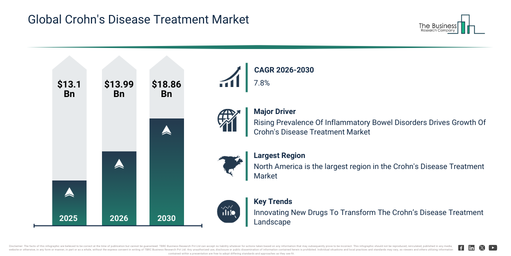
    The market for Crohn’s disease treatment has experienced substantial expansion over recent years. Projected to rise from $13.1 billion in 2025 to $13.99 billion in 2026, this growth reflects a compound annual growth rate (CAGR) of 6.8%. Historically, this upward trend has been driven by factors such as a higher prevalence of Crohn’s disease, greater public awareness surrounding inflammatory bowel conditions, the broadening reach of hospital pharmacy networks, the continued availability of conventional anti-inflammatory medications, and enhancements in diagnostic technologies.

    The Crohn’s disease treatment market is projected to experience substantial growth in the coming years. By 2030, its value is anticipated to reach $18.86 billion, expanding at a compound annual growth rate (CAGR) of 7.8%. This forecasted growth is driven by an expanding pipeline of biologics and small molecules, a growing demand for tailored treatment approaches, increased penetration of online pharmacies, rising healthcare spending in developing nations, and a greater emphasis on long-term disease management. Key trends shaping the market during this period include the growing adoption of biologic therapies, a shift toward earlier and more aggressive treatment strategies, an increased focus on minimizing steroid use, the emergence of oral small-molecule treatments, and the expansion of both online and specialty pharmacy channels.

    Download A Free Sample Report For Comprehensive Market Insights:

    https://www.thebusinessresearchcompany.com/sample.aspx?id=10852&type=smp&utm_source=BlogsPR&utm_medium=Paid&utm_campaign=Jul_PR

    Crohn’s Disease Treatment Market Expansion Supported By Key Demand Factors

    The growing frequency of inflammatory bowel disorders is set to drive the Crohn’s disease treatment market forward. These disorders are chronic conditions marked by inflammation of the gastrointestinal tract, potentially damaging any part of the digestive system from the mouth to the anus. Treatment with Crohn’s disease therapies works by reducing intestinal inflammation, preventing symptom flare-ups, and maintaining remission. For example, in September 2023, the National Center for Biotechnology Information, a US-based government body, reported that the prevalence of Crohn’s disease and ulcerative colitis has risen similarly, with inflammatory bowel disease estimated at 825 cases per 100,000 people in 2023—410 for Crohn’s disease, 414 for ulcerative colitis, and IBD-u. Consequently, the increasing prevalence of these conditions is driving growth in the market for Crohn’s disease treatments.

    Crohn’s Disease Treatment Market Categorization By Product Type And Application

    The crohn’s disease treatment market covered in this report is segmented –

    1) By Drug Type: Antibiotics, Amino Salicylates, Corticosteroids, Immunomodulators, Other Drug Types

    2) By Distribution Channel: Hospital Pharmacies, Retail Pharmacies, Online Pharmacies

    3) By Application: Neuropathic Pain, Fibromyalgia, Chronic Back Pain, Arthritic Pain, Migraine Post-Operative Pain, Cancer Pain, Other Applications

    Subsegments:

    1) By Antibiotics: Metronidazole, Ciprofloxacin, Other Antibiotics

    2) By Amino Salicylates: Mesalamine, Sulfasalazine, Other Amino Salicylates

    3) By Corticosteroids: Prednisone, Budesonide, Other Corticosteroids

    4) By Immunomodulators: Azathioprine, Methotrexate, Mercaptopurine

    5) By Other Drug Types: Biologics, Small Molecules, Other Treatments

    Crohn’s Disease Treatment Market Growth Trends Influencing Competitive Dynamics

    Leading industry players in the Crohn’s disease treatment market are continuously developing and securing regulatory approval for new therapies, including biosimilar ustekinumab, with the goal of delivering more effective and accessible options to patients, thereby enhancing clinical results and overall quality of life. A biosimilar version of ustekinumab is a biologic medicine that closely resembles the original ustekinumab, a monoclonal antibody employed in treating autoimmune disorders. As an example, during July 2024, Sandoz International GmbH, a pharmaceutical firm headquartered in Switzerland, introduced Pyzchiva (ustekinumab) throughout Europe, establishing it as the first ustekinumab biosimilar offered in all dosage forms, which encompasses a 130 mg vial tailored for Crohn’s disease. This treatment is indicated for individuals aged six and older suffering from plaque psoriasis, psoriatic arthritis, and Crohn’s disease, thereby strengthening Sandoz’s immunology portfolio and working to expand access to cost-effective therapies for chronic inflammatory conditions.

    Crohn’s Disease Treatment Market Company Landscape And Strategic Competition

    Major companies operating in the crohn’s disease treatment market are AbbVie Inc., Janssen Pharmaceuticals, Takeda Pharmaceutical Company Limited, Bristol-Myers Squibb Company, Galapagos NV, Teva Pharmaceutical Industries Ltd., Mylan N.V., Glenmark Pharmaceuticals, Tillotts Pharma AG, Dr. Falk Pharma GmbH, Shire Pharmaceuticals, Salix Pharmaceuticals, Prometheus Laboratories Inc., Pfizer Inc., Novartis AG, Sanofi S.A., Eli Lilly and Company, Boehringer Ingelheim GmbH, Arena Pharmaceuticals Inc., F. Hoffmann-La Roche Ltd.

    Access The Complete Crohn’s Disease Treatment Market Report:

    https://www.thebusinessresearchcompany.com/report/crohns-disease-treatment-global-market-report?utm_source=BlogsPR&utm_medium=Paid&utm_campaign=Jul_PR

    Crohn’s Disease Treatment Market Regional Outlook: Where Are The Largest Opportunities Located?

    North America was the largest region in the global Crohn’s disease treatment market in 2025. Asia-Pacific is expected to be the fastest-growing region in the forecast period. The regions covered in the crohn’s disease treatment market report are Asia-Pacific, South East Asia, Western Europe, Eastern Europe, North America, South America, Middle East, Africa.

    Get in touch with us:

    The Business Research Company: https://www.thebusinessresearchcompany.com/?utm_source=BlogsPR&utm_medium=Paid&utm_campaign=home_page_test

    Americas: +1 310-496-7795

    Asia: +44 7882 955267 & +91 8897263534

    Europe: +44 7882 955267

    Email us at: marketing@tbrc.info

    Follow us on:

    LinkedIn: https://in.linkedin.com/company/the-business-research-company

    YouTube: https://www.youtube.com/channel/UC24_fI0rV8cR5DxlCpgmyFQ

    Global Market Model: https://www.thebusinessresearchcompany.com/global-market-model
  • Critical Care Drugs Market Expected To Reach $1.52 Billion By 2030 As Growth Accelerates At 6.1% CAGR

    Critical Care Drugs Market Expected To Reach $1.52 Billion By 2030 As Growth Accelerates At 6.1% CAGR

    Through market attractiveness analysis, total addressable market evaluation, company benchmarking matrices, interactive Excel dashboards, expanded supply chain intelligence, emerging startup coverage, and detailed product insights, The Business Research Company’s 2026 market reports provide more actionable and strategically valuable research.

    Critical Care Drugs Market Size And Revenue Forecast Through 2030

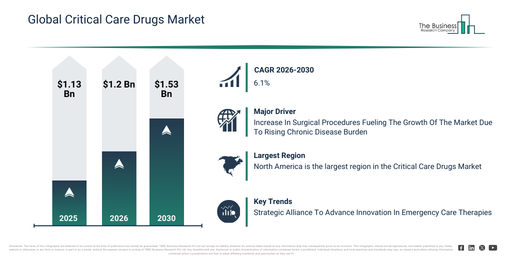
    The market for critical care pharmaceuticals has experienced robust expansion in recent times. Its valuation is projected to rise from $1.13 billion in 2025 to $1.2 billion in 2026, reflecting a compound annual growth rate (CAGR) of 6.4%. Historically, this upward trend has been driven by factors such as a higher prevalence of critical conditions, a greater number of intensive care unit (ICU) admissions, the scarcity of sophisticated critical care medications, the development of hospital facilities, and an ongoing dependence on traditional sedatives and analgesics.

    The market for critical care drugs is projected to experience substantial expansion over the coming years. By 2030, it is anticipated to reach a value of $1.53 billion, achieving a compound annual growth rate (CAGR) of 6.1%. This growth during the forecast period is driven by factors such as the development of new opioids and sedatives, the incorporation of AI-based monitoring and dosing technologies, the enlargement of acute care protocols, increased government initiatives aimed at boosting ICU capacity, and a growing preference for precision medication in critical care therapy. Significant trends shaping this period include a heightened utilization of advanced sedatives and analgesics within ICU environments, a growing application of continuous monitoring and dose optimization systems, a rise in drugs designed for acute care and critical event management, the broader implementation of protocol-driven drug administration in operating rooms, and an intensified emphasis on ensuring safety by minimizing adverse drug reactions in critical care contexts.

    Download A Free Sample Report For Comprehensive Market Insights:

    https://www.thebusinessresearchcompany.com/sample.aspx?id=27266&type=smp&utm_source=BlogsPR&utm_medium=Paid&utm_campaign=Jul_PR

    Critical Care Drugs Market Growth Drivers And Industry Catalysts

    The growing volume of surgical operations is expected to drive the expansion of the critical care drugs market in the coming period. Surgical procedures involve medical interventions where physicians operate on the body to address or manage health conditions like injuries or diseases. These procedures are on the rise due to the increasing incidence of chronic illnesses that necessitate surgical treatment. Critical care drugs are administered during surgeries to control pain, maintain vital functions, prevent infections, and aid recovery both during and after the operation. For example, the Australian Institute of Health and Welfare, an Australian government organization, reported in May 2025 that in 2023–24, roughly 778,500 patients were admitted for surgery from public hospital waiting lists, representing a 5.8% increase compared to 2022–23. Consequently, the rising number of surgical procedures is fueling growth in the critical care drugs market.

    Critical Care Drugs Market Segment Analysis And Revenue Opportunities

    The critical care drugs market covered in this report is segmented –

    1) By Drug Type: Opioids, Morphine, Pethidine, Naloxone, Fentanyl, Benzodiazepines, Diazepam, Midazolam, Lorazepum, Other Types

    2) By Clinical Applications: Sepsis And Septic Shock, Acute Respiratory Distress Syndrome (ARDS), Acute Cardiovascular Events, Acute Kidney Injury, Traumatic Injuries

    3) By Route Of Administration: Intravenous (IV), Intramuscular (IM), Inhalation, Subcutaneous

    4) By End User: Intensive Care Unit (ICU), Coronary Care Unit (CCU), Operation Theatres, Trauma Centers

    Subsegments:

    1) By Opioids: Codeine, Hydromorphone, Oxycodone, Tapentadol, Methadone

    2) By Morphine: Immediate-Release Morphine, Extended-Release Morphine, Injectable Morphine, Oral Morphine Solutions

    3) By Pethidine: Injectable Pethidine, Oral Pethidine, Pethidine Combinations

    4) By Naloxone: Injectable Naloxone, Nasal Naloxone, Auto-injector Naloxone

    5) By Fentanyl: Transdermal Patches, Injectable Fentanyl, Buccal Tablets, Sublingual Spray, Lozenges

    6) By Benzodiazepines: Short-Acting Benzodiazepines, Intermediate-Acting Benzodiazepines, Long-Acting Benzodiazepines

    7) By Diazepam: Oral Tablets, Injectable Diazepam, Rectal Gel, Oral Solution

    8) By Midazolam: Injectable Midazolam, Nasal Spray, Buccal Formulation, Oral Syrup

    9) By Lorazepam: Oral Tablets, Injectable Lorazepam, Oral Concentrate

    10) By Other Types: Propofol, Ketamine, Dexmedetomidine, Etomidate, Clonidine

    Critical Care Drugs Market Trends Influencing Long-Term Demand

    Key players in the critical care drugs market are strategically forming alliances to broaden their product portfolios, boost research capabilities, expedite market entry, and solidify their foothold in rapidly expanding therapeutic segments. These collaborations accelerate drug development, research efforts, and market accessibility by combining specialized knowledge and resources. Through alliances with hospitals, research organizations, or biotech firms, pharmaceutical companies can improve drug innovation and streamline clinical trial procedures. A notable example occurred in March 2024, when Dr. Reddy’s Laboratories Ltd., an India-based pharmaceutical firm, joined forces with Pharmazz Inc., a US-based company, to launch and market Centhaquine—a groundbreaking resuscitation medication for hypovolemic shock—in India under the trade name Lyfaquin. This agreement grants Dr. Reddy’s exclusive distribution and marketing privileges in India and Nepal, with Pharmazz receiving initial payments and royalties. By adding this novel therapy, approved by the Drugs Controller General of India (DCGI) for emergency use, the partnership enhances Dr. Reddy’s critical care offerings and underscores its dedication to life-saving treatments for severely ill patients.

    Critical Care Drugs Market Leading Players Shaping Industry Direction

    Major companies operating in the critical care drugs market are Intas Pharmaceuticals, Sun Pharmaceutical Industries Ltd., Aurobindo Pharma, Dr. Reddy’s Laboratories Ltd., Cipla Ltd., Lupin Ltd., Zydus Lifesciences Limited, Cargus Biopharma, Glenmark Pharmaceuticals, Torrent Pharmaceuticals, Mankind Pharma, Novalab Healthcare, Arlak Biotech Ltd., Pax Healthcare, SwissChem Healthcare, Iskon Remedies, Salvus Pharma, Fortune Labs, H&I Critical Care, Biofield Pharma.

    Access The Complete Critical Care Drugs Market Report:

    https://www.thebusinessresearchcompany.com/report/critical-care-drugs-global-market-report?utm_source=BlogsPR&utm_medium=Paid&utm_campaign=Jul_PR

    Critical Care Drugs Market Geographic Landscape: Which Region Dominates Industry Growth?

    North America was the largest region in the critical care drugs market in 2025. Asia-Pacific is expected to be the fastest-growing region in the forecast period. The regions covered in the critical care drugs market report are Asia-Pacific, South East Asia, Western Europe, Eastern Europe, North America, South America, Middle East, Africa.

    Get in touch with us:

    The Business Research Company: https://www.thebusinessresearchcompany.com/?utm_source=BlogsPR&utm_medium=Paid&utm_campaign=home_page_test

    Americas: +1 310-496-7795

    Asia: +44 7882 955267 & +91 8897263534

    Europe: +44 7882 955267

    Email us at: marketing@tbrc.info

    Follow us on:

    LinkedIn: https://in.linkedin.com/company/the-business-research-company

    YouTube: https://www.youtube.com/channel/UC24_fI0rV8cR5DxlCpgmyFQ

    Global Market Model: https://www.thebusinessresearchcompany.com/global-market-model
  • Critical Care Antiarrhythmic Drugs Market Set To Grow From $1.12 Billion In 2026 To $1.38 Billion By 2030 At A CAGR Of 5.3%

    Critical Care Antiarrhythmic Drugs Market Set To Grow From $1.12 Billion In 2026 To $1.38 Billion By 2030 At A CAGR Of 5.3%

    Delivering more actionable and strategically valuable research, The Business Research Company’s 2026 market reports feature market attractiveness analysis, total addressable market evaluation, company benchmarking matrices, interactive Excel dashboards, expanded supply chain intelligence, emerging startup coverage, and detailed product insights.

    Critical Care Antiarrhythmic Drugs Market Growth From $1.12 Billion In 2026 To $1.38 Billion By 2030 At A CAGR Of 5.3%

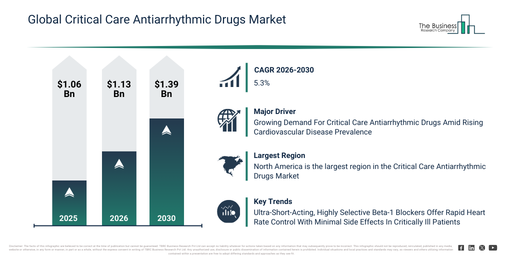
    The market for critical care antiarrhythmic drugs has experienced robust expansion in recent years. It is projected to increase from $1.06 billion in 2025 to $1.13 billion in 2026, reflecting a compound annual growth rate (CAGR) of 5.9%. This historic growth can be linked to several key factors: a high prevalence of acute cardiac arrhythmias, the well-established use of these medications in intensive care settings, the broadening of emergency cardiac care services, the accessibility of reliable intravenous drug formulations, and the ongoing development of hospital-based critical care infrastructure.

    The market for critical care antiarrhythmic drugs is projected to experience robust expansion over the coming years, reaching an estimated $1.39 billion by 2030, driven by a compound annual growth rate (CAGR) of 5.3%. This anticipated growth during the forecast period is fueled by factors such as the increasing incidence of cardiovascular diseases, a growing elderly population prone to cardiac risk factors, the broadening scope of intensive care and emergency medical services, a heightened emphasis on early intervention for arrhythmias, and the need for rapid stabilization treatments within critical care environments. Key trends shaping this period include a greater reliance on fast-acting intravenous antiarrhythmic medications, an increased adoption of evidence-based guidelines in critical care units, a more frequent use of combination therapies to manage severe arrhythmias, the expanding application of antiarrhythmic drugs in emergency cardiac treatment, and sustained demand for both established and generic critical care antiarrhythmics.

    Download A Free Sample Report For Comprehensive Market Insights:

    https://www.thebusinessresearchcompany.com/sample.aspx?id=16386&type=smp&utm_source=BlogsPR&utm_medium=Paid&utm_campaign=Jul_PR

    Critical Care Antiarrhythmic Drugs Market Opportunity Drivers: What Is Creating New Revenue Potential?

    As cardiovascular disease becomes more widespread, the critical care antiarrhythmic drugs market is set to experience significant growth in the coming years. These diseases affect the heart and blood vessels, often leading to serious issues like arrhythmias, heart attacks, and strokes. Their rising frequency is attributed to factors such as sedentary lifestyles, poor eating habits, smoking, and growing rates of obesity and high blood pressure. The market for critical care antiarrhythmic medications plays a vital role in emergency cardiac treatment by helping restore normal heart rhythms and preventing cardiac arrest in patients suffering from severe arrhythmias. A 2023 report from the World Heart Federation, a non-governmental organization based in Switzerland, projects that global deaths from cardiovascular disease will reach 22.2 million by 2030 and 32.3 million by 2050, highlighting a rapidly escalating global burden. Consequently, the increasing occurrence of cardiovascular disease is fueling expansion in the critical care antiarrhythmic drugs market.

    Critical Care Antiarrhythmic Drugs Market Segmentation And Category Breakdown

    The critical care antiarrhythmic drugs market covered in this report is segmented –

    1) By Type: Sodium Channel Blockers, Potassium Channel Blockers, Other Types

    2) By Disease Type: Ventricular Arrhythmias, Supraventricular Arrhythmias

    3) By Application: Hospitals, Other Applications

    Subsegments:

    1) By Sodium Channel Blockers: Class I Antiarrhythmic Drugs, Class Ia Antiarrhythmics, Class Ib Antiarrhythmics, Class Ic Antiarrhythmics

    2) By Potassium Channel Blockers: Class Iii Antiarrhythmic Drugs

    3) By Other Types: Adenosine, Magnesium Sulfate, Other Experimental Or Off-Label Drugs

    Critical Care Antiarrhythmic Drugs Market Innovation Trends Driving Future Development

    Major players in the critical care antiarrhythmic drugs space are emphasizing the creation of ultra-short-acting, highly selective beta-1 blocker treatments to better regulate heart rates and minimize side effects in patients with critical illnesses. Such therapies are medications designed to rapidly lower heart rate by exclusively acting on beta-1 receptors in the heart, with effects that quickly dissipate after delivery. An example of this is seen in November 2024, when AOP Orphan Pharmaceuticals GmbH, a pharmaceutical firm based in Austria, secured U.S. FDA approval for Rapiblyk (landiolol), intended for swift reduction of ventricular rate in adults experiencing supraventricular tachycardia—such as atrial fibrillation or atrial flutter—within critical care contexts. Rapiblyk comes as a lyophilized powder for intravenous injection, supplied in a 280 mg vial, and after reconstitution, it is administered at dosages ranging from 9.3 to 74.6 µg/kg/min; its extremely short half-life facilitates a 40–90% reduction in heart rate within about ten minutes, with only a slight effect on blood pressure, proving highly valuable in settings like the ICU, emergency room, perioperative care, and cardiac surgery. Its rapid onset and offset, combined with high ß1/ß2 selectivity (approximately 255:1), set it apart from traditional beta-blockers, enabling effective rate management without causing persistent systemic side effects.

    Critical Care Antiarrhythmic Drugs Market Competitive Analysis Of Major Industry Participants

    Major companies operating in the critical care antiarrhythmic drugs market are Pfizer Inc., F. Hoffmann-La Roche Ltd., Bayer AG, Sanofi S.A., Bristol Myers Squibb, Novartis AG, Viatris Inc., Teva Pharmaceutical Industries Ltd., Baxter International Inc., Fresenius Kabi AG, Sun Pharmaceutical Industries Ltd., Aurobindo Pharma Limited, Dr. Reddy’s Laboratories Ltd., Hikma Pharmaceuticals Plc, Amneal Pharmaceuticals Inc., Lupin Pharmaceutical Limited, Biocon Limited, Glenmark Pharmaceuticals Limited, Torrent Pharmaceuticals Ltd., Alembic Pharmaceuticals Ltd., Upsher-Smith Laboratories LLC., Mayne Pharma International Pty Ltd., Zydus Cadila Healthcare Limited, Amomed Pharma GmbH

    Access The Complete Critical Care Antiarrhythmic Drugs Market Report:

    https://www.thebusinessresearchcompany.com/report/critical-care-antiarrhythmic-drugs-global-market-report?utm_source=BlogsPR&utm_medium=Paid&utm_campaign=Jul_PR

    Critical Care Antiarrhythmic Drugs Market Largest Region: Which Geography Holds The Highest Market Share?

    North America was the largest region in the critical care antiarrhythmic drugs market in 2025. Europe is expected to be the fastest-growing region in the forecast period. The regions covered in the critical care antiarrhythmic drugs market report are Asia-Pacific, South East Asia, Western Europe, Eastern Europe, North America, South America, Middle East, Africa.

    Get in touch with us:

    The Business Research Company: https://www.thebusinessresearchcompany.com/?utm_source=BlogsPR&utm_medium=Paid&utm_campaign=home_page_test

    Americas: +1 310-496-7795

    Asia: +44 7882 955267 & +91 8897263534

    Europe: +44 7882 955267

    Email us at: marketing@tbrc.info

    Follow us on:

    LinkedIn: https://in.linkedin.com/company/the-business-research-company

    YouTube: https://www.youtube.com/channel/UC24_fI0rV8cR5DxlCpgmyFQ

    Global Market Model: https://www.thebusinessresearchcompany.com/global-market-model
  • COVID-19 Drug Associated APIs Market Opportunities Are Emerging Beyond Traditional Growth Areas

    COVID-19 Drug Associated APIs Market Opportunities Are Emerging Beyond Traditional Growth Areas

    Enhanced with market attractiveness analysis, total addressable market evaluation, company benchmarking matrices, interactive Excel dashboards, expanded supply chain intelligence, emerging startup coverage, and detailed product insights, The Business Research Company’s 2026 market reports deliver more actionable and strategically valuable research.

    COVID-19 Drug Associated APIs Market Expansion Outlook: What Revenue Opportunities Lie Ahead?

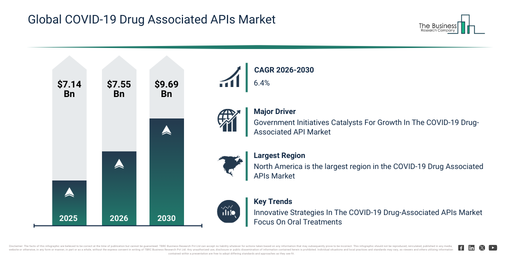
    The market for APIs linked to COVID-19 treatments has experienced significant expansion in recent years. Projected to rise from $7.14 billion in 2025 to $7.55 billion in 2026, it reflects a compound annual growth rate (CAGR) of 5.8%. This historical growth was driven by the early spike in COVID-19 infections, an immediate demand for repurposed medications, scarce supplies of antiviral APIs, heavy reliance on imports from the Asia-Pacific region, and fast-tracked emergency authorizations.

    The market for active pharmaceutical ingredients (APIs) used in COVID-19 drugs is anticipated to experience substantial expansion over the coming years. By 2030, its value is projected to reach $9.69 billion, reflecting a compound annual growth rate (CAGR) of 6.4%. Several key factors are driving this forecast period growth, including the advancement of next-generation antiviral and immunomodulator APIs, a broader push to establish domestic API manufacturing capabilities, the greater utilization of biotech synthesis methods, increased government funding allocated for pandemic readiness, and a rising need for a more diverse array of COVID-19 treatment options. Key developments shaping this period encompass a growing demand for both antiviral and antimalarial APIs, a heightened emphasis on both captive and merchant API production, the widening scope of synthetic and biotech-based API manufacturing, accelerated investment in research and development targeted at COVID-19 therapies, and tighter regulatory frameworks focused on API quality and supply chain integrity.

    Download A Free Sample Report For Comprehensive Market Insights:

    https://www.thebusinessresearchcompany.com/sample.aspx?id=3248&type=smp&utm_source=BlogsPR&utm_medium=Paid&utm_campaign=Jul_PR

    COVID-19 Drug Associated APIs Market Growth Momentum: Which Factors Are Influencing Demand?

    Government initiatives focused on healthcare research and development are anticipated to drive expansion in the COVID-19 drug-related API market going forward. These government initiatives encompass specific actions, programs, policies, or projects carried out by authorities at local, regional, national, or international levels to tackle particular issues, accomplish set goals, or foster beneficial societal transformations. The prevalence of such initiatives is increasing to foster innovation and speed up the discovery of novel therapies that tackle urgent public health challenges. COVID-19 drug-associated APIs contribute to these government research and development efforts in healthcare by supplying critical active ingredients that facilitate the rapid development, testing, and manufacturing of treatments and vaccines. As an example, in April 2025, the Office for National Statistics (ONS), a UK government agency, reported that UK net government R&D expenditure reached £17.4 ($20.10) billion in 2023, an increase from £16.1 billion in 2022. Consequently, government initiatives for healthcare research and development are propelling growth in the COVID-19 drug-associated API market.

    COVID-19 Drug Associated APIs Market Segment Outlook: Which Categories Are Expanding The Fastest?

    The covid-19 drug associated apis market covered in this report is segmented –

    1) By Drug Class: Antimalarials, Bronchodilators, Antibiotics, Antivirals, Other Drug Class

    2) By Synthesis Type: Synthetic, Biotech

    3) By Business Mode: Captive API, Merchant API

    Subsegments:

    1) By Antimalarials: Hydroxychloroquine, Chloroquine

    2) By Bronchodilators: Beta-Agonists, Anticholinergics

    3) By Antibiotics: Macrolides, Tetracyclines

    4) By Antivirals: Remdesivir, Favipiravir, Lopinavir Or Ritonavir

    5) By Other Drug Classes: Corticosteroids, Immunomodulators

    COVID-19 Drug Associated APIs Market Trends Reshaping Industry Growth

    Key players in the COVID-19 drug-associated APIs market are placing greater emphasis on developing novel products like oral COVID-19 treatments to strengthen their market position. These oral therapies are medications taken by mouth to address SARS-CoV-2 infections, the virus causing COVID-19. A notable example occurred in May 2023, when Pfizer Inc., an American pharmaceutical firm, introduced PAXLOVID following FDA approval. This oral investigational drug functions as a SARS-CoV-2 protease inhibitor and demonstrated an 89% reduction in hospitalization or mortality risk compared to a placebo among high-risk, non-hospitalized adults with COVID-19. Intended for early use, it is meant to be prescribed as soon as infection or exposure is suspected, which may help avert severe disease, the need for hospitalization, and death.

    COVID-19 Drug Associated APIs Market Key Companies And Competitive Benchmarking

    Major companies operating in the covid-19 drug associated apis market are Dr. Reddy’s Laboratories Ltd., Lianyungang Guike Pharmaceutical CO. LTD., Alembic Pharmaceuticals Ltd., Wockhardt Ltd., Sandoz Srl, Lupin Limited, Aurobindo Pharma Ltd., Shanghai Shyndec Pharmaceutical Co. Ltd., Zhejiang Yatai Pharmaceutical Co. Ltd., Zhejiang Guobang Pharmaceutical Co Ltd., Cipla Limited, Shandong Boyuan Pharmaceutical Co. Ltd., Aspiro Pharma Ltd., Qilu Antibiotics Pharmaceutical Co. Ltd., Shenzhen China Resources Jiuxin Pharmaceutical Co. Ltd., Zhejiang Cheng Yi Pharmaceutical, Star Lake Bioscience Co.Inc., Hetero Labs Ltd., Geno Pharmaceuticals Ltd., Mylan Laboratories Ltd., Ipca Laboratories Limited, Zydus Takeda Healthcare Private Limited, Mangalam Drugs & Organics, Wallace Pharmaceuticals, Zhejiang Hisun Pharmaceutical Co. Ltd., Zhejiang Huahai Pharmaceutical Co. Ltd., Zhejiang Jiuzhou Pharmaceutical Co. Ltd., Zhejiang NHU Co. Ltd., Zhejiang Xianju Pharmaceutical Co. Ltd., Zhejiang Yongtai Technology Co. Ltd., Zhejiang Zhebei Pharmaceutical Co. Ltd., Zhejiang Tianyu Pharmaceutical Co. Ltd., Zhejiang Aisheng Pharmaceutical Co. Ltd., Zhejiang Aokang Pharmaceutical Co. Ltd.

    Access The Complete COVID-19 Drug Associated APIs Market Report:

    https://www.thebusinessresearchcompany.com/report/covid19-drug-associated-api-global-market-report?utm_source=BlogsPR&utm_medium=Paid&utm_campaign=Jul_PR

    COVID-19 Drug Associated APIs Market Regional Analysis: Which Region Leads By Revenue?

    North America was the largest region in the COVID-19 drug-associated APIs market in 2025. Middle East is expected to be the fastest growing region in the global COVID-19 drug associated APIs market share during the forecast period. The regions covered in the covid-19 drug associated apis market report are Asia-Pacific, South East Asia, Western Europe, Eastern Europe, North America, South America, Middle East, Africa.

    Get in touch with us:

    The Business Research Company: https://www.thebusinessresearchcompany.com/?utm_source=BlogsPR&utm_medium=Paid&utm_campaign=home_page_test

    Americas: +1 310-496-7795

    Asia: +44 7882 955267 & +91 8897263534

    Europe: +44 7882 955267

    Email us at: marketing@tbrc.info

    Follow us on:

    LinkedIn: https://in.linkedin.com/company/the-business-research-company

    YouTube: https://www.youtube.com/channel/UC24_fI0rV8cR5DxlCpgmyFQ

    Global Market Model: https://www.thebusinessresearchcompany.com/global-market-model
  • COVID-19 Current Therapy Market Expansion Is Opening New Pathways For Strategic Investment

    COVID-19 Current Therapy Market Expansion Is Opening New Pathways For Strategic Investment

    Through market attractiveness analysis, total addressable market evaluation, company benchmarking matrices, interactive Excel dashboards, expanded supply chain intelligence, emerging startup coverage, and detailed product insights, The Business Research Company’s 2026 market reports provide more actionable and strategically valuable research.

    COVID-19 Current Therapy Market Growth Potential: How Will Market Size Change Through 2030?

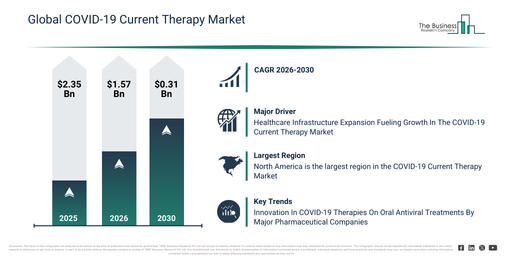
    The market for COVID-19 therapies has experienced a sharp contraction over recent years, with projections indicating a decrease from $2.35 billion in 2025 to $1.57 billion in 2026, representing a compound annual growth rate (CAGR) of -33.2%. This downturn in the historical period is largely explained by the abrupt emergence of the pandemic, elevated rates of hospitalization, a scarcity of available treatment options in the early stages, a reduction in both governmental and healthcare-related efforts, and a diminished number of emergency approvals granted for pharmaceutical interventions.

    The market size for current COVID-19 therapies is projected to undergo a sharp contraction over the coming years, reaching $0.31 billion by 2030 with a compound annual growth rate (CAGR) of -33.2%. This downturn during the forecast period is largely driven by reduced telemedicine adoption for managing COVID-19 and a slower expansion of home care services. Key developments anticipated in this period include a growing reliance on antiviral and monoclonal antibody treatments, a heightened use of corticosteroids for severe infections, an increase in home care and remote patient monitoring, an expansion of supplement and immune support options, and the integration of combination and experimental therapies into standard protocols.

    Download A Free Sample Report For Comprehensive Market Insights:

    https://www.thebusinessresearchcompany.com/sample.aspx?id=3247&type=smp&utm_source=BlogsPR&utm_medium=Paid&utm_campaign=Jul_PR

    COVID-19 Current Therapy Market Expansion Drivers: What Is Shaping Future Growth?

    The growth of the COVID-19 current therapy market is anticipated to be driven forward by the ongoing expansion of healthcare infrastructure. Within the healthcare industry, various sectors of the economic system are brought together and integrated to provide products and services focused on curing, preventing, rehabilitating, and delivering palliative care to patients. Effective implementation of COVID-19 therapies relies heavily on robust healthcare infrastructure, as it facilitates timely patient care, supports clinical trials and research, and supplies the essential resources needed for optimal treatment delivery. For example, data from the American Health Care Association, a nonprofit organization based in the US, reveals that the number of hospitals in the country grew to 6,129 in May 2023, up from 6,093 the previous year. Additionally, a May 2023 report from the Office for National Statistics, a UK government department, indicated that healthcare spending in the United Kingdom experienced a notable increase of 9.4% in nominal terms and 9.7% in real terms. Consequently, the expansion of the healthcare industry is fueling the growth of the COVID-19 current therapy market.

    COVID-19 Current Therapy Market Segment Landscape: Which Areas Lead Market Development?

    The covid-19 current therapy market covered in this report is segmented –

    1) By Drug Type: Antiviral, Monoclonal Antibodies, Corticosteroid, Supplements, Antimalarial, Interferons And Interleukin Inhibitors, Other Anti-Infective Drugs

    2) By Route Of Administration: Oral, Intravenous

    3) By End-User: Hospitals, Clinics, Home Care, Others

    Subsegments:

    1) By Antiviral: Remdesivir, Oseltamivir, Favipiravir, Nirmatrelvir Or ritonavir (Paxlovid)

    2) By Monoclonal Antibodies: Bamlanivimab, Casirivimab Or Imdevimab (REGEN-COV), Sotrovimab, Etesevimab

    3) By Corticosteroid: Dexamethasone, Hydrocortisone, Prednisone

    4) By Supplements: Vitamin D, Vitamin C, Zinc, Quercetin

    5) By Antimalarial: Hydroxychloroquine, Chloroquine

    6) By Interferons and Interleukin Inhibitors: Interferon beta-1a, Interleukin-6 inhibitors

    7) By Other Anti-Infective Drugs: Antibiotics, Antifungal Agents

    COVID-19 Current Therapy Market Strategic Trends: What Is Defining The Next Phase Of Growth?

    Major players within the current COVID-19 therapeutic market are placing a heightened emphasis on developing cutting-edge offerings—specifically oral antiviral drugs for COVID-19—to secure a stronger competitive position. Antiviral therapy encompasses the administration of pharmaceutical agents formulated to suppress viral replication and curb the spread of viruses throughout an organism. As an example, in April 2024, Invivyd—a U.S.-based organization committed to creating antibody-based treatments for tackling severe viral diseases—provided an update regarding the release of PEMGARDA™. After receiving emergency use authorization from the U.S. Food and Drug Administration (FDA), PEMGARDA was swiftly made accessible for commercial purposes. This therapeutic product is designed to prevent COVID-19 among individuals who are moderately to severely immunocompromised.

    COVID-19 Current Therapy Market Industry Leaders And Market Competition

    Major companies operating in the covid-19 current therapy market are Gilead Sciences Inc., Ipca Laboratories Limited, Zydus Cadila, Regeneron Pharmaceuticals Inc., Sun Pharmaceutical Industries Limited, AbbVie, Glenmark Pharmaceuticals Limited, Eli Lilly and Company, Wallace Pharmaceuticals Inc., Canary Health Technologies, Thermo Fisher Scientific

    Access The Complete COVID-19 Current Therapy Market Report:

    https://www.thebusinessresearchcompany.com/report/coronavirus-current-therapy-global-market-report?utm_source=BlogsPR&utm_medium=Paid&utm_campaign=Jul_PR

    COVID-19 Current Therapy Market Geographic Distribution And Regional Opportunities

    North America is the largest region in the COVID-19 current therapy market in 2025. Middle East is expected to be the fastest-growing region in the global COVID-19 current therapy market share during the forecast period. The regions covered in the covid-19 current therapy market report are Asia-Pacific, South East Asia, Western Europe, Eastern Europe, North America, South America, Middle East, Africa.

    Get in touch with us:

    The Business Research Company: https://www.thebusinessresearchcompany.com/?utm_source=BlogsPR&utm_medium=Paid&utm_campaign=home_page_test

    Americas: +1 310-496-7795

    Asia: +44 7882 955267 & +91 8897263534

    Europe: +44 7882 955267

    Email us at: marketing@tbrc.info

    Follow us on:

    LinkedIn: https://in.linkedin.com/company/the-business-research-company

    YouTube: https://www.youtube.com/channel/UC24_fI0rV8cR5DxlCpgmyFQ

    Global Market Model: https://www.thebusinessresearchcompany.com/global-market-model
  • Cough Syrups Market Trends Are Creating New Opportunities For Industry Leaders

    Cough Syrups Market Trends Are Creating New Opportunities For Industry Leaders

    Delivering more actionable and strategically valuable research, The Business Research Company’s 2026 market reports feature market attractiveness analysis, total addressable market evaluation, company benchmarking matrices, interactive Excel dashboards, expanded supply chain intelligence, emerging startup coverage, and detailed product insights.

    Cough Syrups Market Value Analysis: What Growth Is Expected Over The Forecast Period?

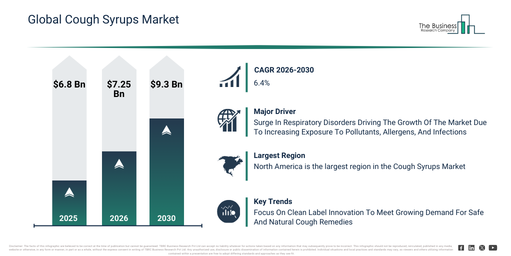
    The cough syrups market has experienced robust expansion in recent years, with its value projected to rise from $6.8 billion in 2025 to $7.25 billion in 2026, reflecting a compound annual growth rate (CAGR) of 6.7%. This historical growth has been driven by factors such as seasonal respiratory infections, the widespread availability of over-the-counter medications, a high incidence of colds among children, the broadening reach of pharmacy retail networks, and increasing urban pollution levels.

    Projections indicate substantial expansion for the cough syrups market in the coming years, with an anticipated value of $9.3 billion by 2030, reflecting a compound annual growth rate (CAGR) of 6.4%. This forecasted growth is driven by factors such as increasing consumer preference for natural ingredients, a growing tendency toward self-medication, heightened attention to pediatric healthcare, the rapid expansion of online pharmacy platforms, and a rising incidence of respiratory illnesses. Key developments shaping this period include a surge in demand for formulations tailored to children, a notable uptick in herbal and natural cough syrup options, the growing prevalence of combination medications, higher consumption of over-the-counter products, and a marked emphasis on sugar-free and alcohol-free syrup varieties.

    Download A Free Sample Report For Comprehensive Market Insights:

    https://www.thebusinessresearchcompany.com/sample.aspx?id=24513&type=smp&utm_source=BlogsPR&utm_medium=Paid&utm_campaign=Jul_PR

    Cough Syrups Market Development Factors: Which Trends Are Supporting Demand?

    The growing frequency of respiratory conditions is set to drive expansion in the cough syrups market in the coming period. These disorders impact the lungs and other respiratory system components, hindering normal breathing function. Their rising prevalence stems from heightened exposure to pollutants, allergens, and infections, which in turn fuels demand for fast-acting relief solutions capable of delivering quick, convenient, and effective symptom control. Cough syrups assist in easing respiratory discomfort, soothing the airways, and enhancing respiration by addressing coughs, throat irritation, and mucus blockages. As an example, in February 2025, MedRxiv—a U.S.-based open-access online repository—reported that hospital admissions due to respiratory viruses climbed from 9.3% in late December 2024 to 9.6% in late January 2025, marking a 3.1% increase within a single month. Consequently, the escalating prevalence of respiratory disorders is fueling the growth trajectory of the cough syrups market.

    Cough Syrups Market Segments: Where Are The Largest Growth Opportunities?

    The cough syrups market covered in this report is segmented –

    1) By Product: Expectorants, Cough Suppressants, Antihistamines, Combination Medications

    2) By Age Group: Pediatric, Adult

    3) By Ingredient Type: Dextromethorphan, Guaifenesin, Codeine, Other Ingredient Types

    4) By Distribution Channel: Pharmacies, Online Stores, Supermarkets Or Hypermarkets, Other Distribution Channels

    Subsegments:

    1) By Expectorants: Guaifenesin-Based Expectorants, Herbal Expectorants, Other Synthetic Expectorants

    2) By Cough Suppressants: Dextromethorphan-Based Suppressants, Codeine-Based Suppressants, Other Opioid And Non-Opioid Suppressants

    3) By Antihistamines: First-Generation Antihistamines, Second-Generation Antihistamines, Combination Antihistamine Formulations

    4) By Combination Medications: Expectorant + Cough Suppressant Combinations, Antihistamine + Expectorant Combinations, Multi-Ingredient Combinations

    Cough Syrups Market Transformation Trends: Which Innovations Are Driving Change?

    Key players in the cough syrup industry are increasingly turning their attention to the creation of novel remedies, especially herbal cough syrups, in response to the rising consumer preference for natural alternatives that are free from side effects. Herbal cough syrups are plant-based liquids made from ingredients like tulsi, ginger, and licorice, formulated to calm the throat and alleviate coughing without relying on synthetic compounds. A case in point is Avalon Pharma, a pharmaceutical firm headquartered in Saudi Arabia, which introduced Co-pan in August 2024—an innovative herbal cough syrup and the first product of its kind to receive SFDA approval, being safe for children as young as two years old and adults alike. This syrup is both sugar-free and alcohol-free, boasts proven effectiveness and strong tolerability, especially in young patients, and includes a dosing syringe designed for ease of use by children. The debut of Co-pan underscores Avalon Pharma’s dedication to broadening its varied range of products and reinforcing its position in the respiratory and herbal medicine fields, in line with its ongoing strategy for growth and innovation within the healthcare sector of the Kingdom.

    Cough Syrups Market Major Participants And Competitive Dynamics

    Major companies operating in the cough syrups market are Reckitt Benckiser Group plc, Viatris Inc., Dr. Reddy’s Laboratories Ltd., Lupin Limited, Zydus Lifesciences Ltd., Torrent Pharmaceuticals Ltd., Aurobindo Pharma Ltd., Hikma Pharmaceuticals PLC, Abbott Laboratories, P&G Health Ltd., Wockhardt Ltd., Ipca Laboratories Ltd., Emcure Pharmaceuticals Ltd., Alembic Pharmaceuticals Ltd., Micro Labs Ltd., Indoco Remedies Ltd., Elder Pharmaceuticals Ltd., Aristo Pharmaceuticals Pvt. Ltd., Meyer Organics Pvt. Ltd., Wallace Pharmaceuticals Pvt. Ltd.

    Access The Complete Cough Syrups Market Report:

    https://www.thebusinessresearchcompany.com/report/cough-syrups-global-market-report?utm_source=BlogsPR&utm_medium=Paid&utm_campaign=Jul_PR

    Cough Syrups Market Largest Region By Revenue And Market Share

    North America was the largest region in the cough syrup market in 2025. Asia-Pacific is expected to be the fastest-growing region in the forecast period. The regions covered in the cough syrups market report are Asia-Pacific, South East Asia, Western Europe, Eastern Europe, North America, South America, Middle East, Africa.

    Get in touch with us:

    The Business Research Company: https://www.thebusinessresearchcompany.com/?utm_source=BlogsPR&utm_medium=Paid&utm_campaign=home_page_test

    Americas: +1 310-496-7795

    Asia: +44 7882 955267 & +91 8897263534

    Europe: +44 7882 955267

    Email us at: marketing@tbrc.info

    Follow us on:

    LinkedIn: https://in.linkedin.com/company/the-business-research-company

    YouTube: https://www.youtube.com/channel/UC24_fI0rV8cR5DxlCpgmyFQ

    Global Market Model: https://www.thebusinessresearchcompany.com/global-market-model
  • Cough And Cold Preparations Market Growth Is Reshaping Competitive Advantage Across The Industry

    Cough And Cold Preparations Market Growth Is Reshaping Competitive Advantage Across The Industry

    Enhanced with market attractiveness analysis, total addressable market evaluation, company benchmarking matrices, interactive Excel dashboards, expanded supply chain intelligence, emerging startup coverage, and detailed product insights, The Business Research Company’s 2026 market reports deliver more actionable and strategically valuable research.

    Cough And Cold Preparations Market Size Forecast: How Large Could The Market Become By 2030?

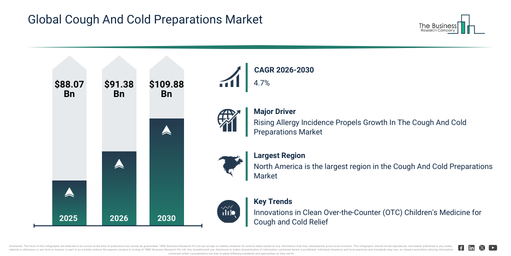
    The market for cough and cold preparations has experienced consistent expansion over recent years. Valued at $88.07 billion in 2025, it is projected to rise to $91.38 billion by 2026, reflecting a compound annual growth rate (CAGR) of 3.8%. This growth during the historical period has been driven by several factors, including a higher incidence of seasonal flu and the common cold, increased sales of over-the-counter medications, growing public awareness of respiratory health, the broadening of retail pharmacy networks, and the availability of combined cold and cough treatments.

    The market for cough and cold preparations is projected to experience consistent expansion over the coming years. By 2030, its value is anticipated to climb to $109.88 billion, reflecting a compound annual growth rate of 4.7%. This forecasted growth is driven by advancements in targeted antiviral medications, the increasing application of personalized treatment methods, the incorporation of herbal and natural remedies, a rising consumer preference for rapid symptom relief, and the broadening reach of online pharmacy platforms. Key developments shaping this period include innovative antiviral drug formulations, customized therapies for colds and coughs, the integration of natural and herbal ingredients, combination drug strategies, and fast-acting relief solutions.

    Download A Free Sample Report For Comprehensive Market Insights:

    https://www.thebusinessresearchcompany.com/sample.aspx?id=2585&type=smp&utm_source=BlogsPR&utm_medium=Paid&utm_campaign=Jul_PR

    Cough And Cold Preparations Market Industry Drivers: What Is Driving Revenue Growth?

    The projected rise in allergy cases is set to drive the market for cough and cold preparations during the forecast period. Various respiratory allergies, including those triggered by pollen, dust, mold, and pet dander, stem from contaminated indoor and outdoor air. People use cough and cold preparations to address these allergies, which often lead to coughing and respiratory tract issues. For example, the European Academy of Allergy and Clinical Immunology, a non-profit organization serving clinicians, researchers, and allied health professionals in Europe, estimates that by 2025, one out of every three individuals in the European Union will likely suffer from allergies. Consequently, the growing prevalence of respiratory allergies will boost the demand for cough and cold preparations, having a positive impact on market expansion.

    The growing elderly population is anticipated to propel the cough and cold preparations market forward. The term geriatric population refers to the proportion of individuals aged 65 and older relative to those between 18 and 64 who are employed. Older adults typically have weaker immune systems, which heightens their susceptibility to respiratory infections such as coughs and colds. This increased vulnerability leads to a higher demand for cough and cold treatments. As an illustration, a January 2024 report from the US-based Pew Research Center Organization noted that the geriatric population rose by 0.2% in 2024 and is expected to increase by 0.5% by 2054. Thus, the expansion of the geriatric demographic is fueling growth in the cough and cold preparations market.

    Cough And Cold Preparations Market Segment Analysis: What Are The Major Market Categories?

    The cough and cold preparations market covered in this report is segmented –

    1) By Drug Type: Antihistamines, Expectorants, Bronchodilators, Decongestants, Antibiotics, Other Drug Types.

    2) By Dosage Type: Oral Syrups, Tablets Or Pills, Nasal Drops, Lozenges, Other Dosage Types

    3) By Distribution Channel: Hospital Pharmacies, Retail Pharmacies, Drug Stores, Other Distribution Channels

    Subsegments:

    1) By Antihistamines: First-Generation Antihistamines, Second-Generation Antihistamines, Combination Antihistamines

    2) By Expectorants: Guaifenesin, Potassium Iodide, Combination Expectorants

    3) By Bronchodilators: Short-Acting Beta-Agonists (SABAs), Long-Acting Beta-Agonists (LABAs), Anticholinergic Bronchodilators

    4) By Decongestants: Oral Decongestants, Nasal Decongestants

    5) By Antibiotics: Amoxicillin, Azithromycin, Cephalosporins

    6) By Other Drug Types: Cough Suppressants, Antipyretics, Herbal Remedies

    Cough And Cold Preparations Market Growth Trends: What Is Influencing The Future Outlook?

    Key players in the cough and cold preparations sector are introducing innovative products like clean over-the-counter (OTC) medications for children, in response to a growing demand from parents for safer, natural, and effective treatment options. These clean OTC kids’ medicines are non-prescription formulations designed specifically for children, with a focus on natural and minimal ingredient lists. Their purpose is to address typical cold and cough symptoms while avoiding harmful additives, which attracts parents looking for safe remedies for their little ones. A notable example is from September 2023, when Genexa, a pharmaceutical company based in the United States, debuted two new clean OTC products: Kids’ Multi-Symptom Cold and Flu and the Kids Daytime Nighttime Cough Relief Value Pack, aimed at delivering effective relief from common cold and flu symptoms in children. The Multi-Symptom Cold & Flu formula works to temporarily suppress coughs, reduce fever, and ease minor aches and pains, with no artificial ingredients, presenting a cleaner option for parents worried about additives. Meanwhile, the Daytime and Nighttime Cough Relief Value Pack provides distinct solutions for non-drowsy daytime relief and soothing nighttime care, offering comprehensive support around the clock.

    Cough And Cold Preparations Market Leading Companies Driving Competitive Growth

    Major companies operating in the cough and cold preparations market are Johnson & Johnson, GlaxoSmithKline plc, Procter & Gamble, Bayer AG, Reckitt Benckiser Group plc, Novartis AG, Perrigo Company, Sun Pharmaceutical Industries Ltd., Prestige Consumer Healthcare, Blackmores Limited, AFT Pharmaceuticals, Dexa Medica, Glenmark Pharmaceuticals Limited, Wockhardt Ltd, Apnar Pharma LP, Hanmi Pharmaceutical, Cipla Limited, Aurobindo Pharma Limited, KYORIN Holdings Inc, Nichi-Iko Pharmaceutical Co. Ltd, Otsuka Pharmaceutical Co. Ltd, China National Pharmaceutical Group Co. Ltd, Shanghai Anovent Pharma, Shanghai Acebright Pharmaceuticals Group Co. Ltd, China Meheco Group Co. Ltd, Merck & Co, Abbott Laboratories, Boehringer Ingelheim, Vectura Group, Pfizer, Mylan, Teva Pharmaceutical Industries Ltd, Sanofi, W. K. Buckley Limited, BENYLIN, Sanfer, PROBIOMED, PiSA, EMS Pharma, Hypermarcas, Ache, Eurofarma, Biolab Farmaceuticad, Cristalia, Libbs, AstraZeneca, Neopharma, Regal Pharmaceuticals, Adcock Ingram, Aspen Pharmacare

    Access The Complete Cough And Cold Preparations Market Report:

    https://www.thebusinessresearchcompany.com/report/cough-and-cold-preparations-global-market-report?utm_source=BlogsPR&utm_medium=Paid&utm_campaign=Jul_PR

    Cough And Cold Preparations Market Regional Analysis And Leading Geography

    North America was the largest region in the cold and cough preparation market share in 2025. Middle East is expected to be the fastest-growing region in the global cough and cold preparations market during the forecast period. The regions covered in the cough and cold preparations market report are Asia-Pacific, South East Asia, Western Europe, Eastern Europe, North America, South America, Middle East, Africa.

    Get in touch with us:

    The Business Research Company: https://www.thebusinessresearchcompany.com/?utm_source=BlogsPR&utm_medium=Paid&utm_campaign=home_page_test

    Americas: +1 310-496-7795

    Asia: +44 7882 955267 & +91 8897263534

    Europe: +44 7882 955267

    Email us at: marketing@tbrc.info

    Follow us on:

    LinkedIn: https://in.linkedin.com/company/the-business-research-company

    YouTube: https://www.youtube.com/channel/UC24_fI0rV8cR5DxlCpgmyFQ

    Global Market Model: https://www.thebusinessresearchcompany.com/global-market-model
  • Cosmetic Ingredients Market Forecast Signals New Revenue Opportunities Through 2030

    Cosmetic Ingredients Market Forecast Signals New Revenue Opportunities Through 2030

    Through market attractiveness analysis, total addressable market evaluation, company benchmarking matrices, interactive Excel dashboards, expanded supply chain intelligence, emerging startup coverage, and detailed product insights, The Business Research Company’s 2026 market reports provide more actionable and strategically valuable research.

    Cosmetic Ingredients Market Revenue Outlook: What CAGR Is Expected Through 2030?

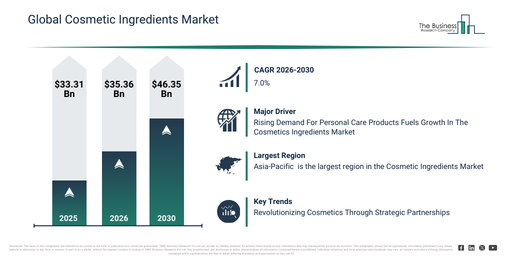
    The cosmetic ingredients sector has experienced robust expansion over the past few years, with its value projected to increase from $33.31 billion in 2025 to $35.36 billion in 2026, reflecting a compound annual growth rate (CAGR) of 6.2%. This historical growth has been driven by factors such as the expansion of the personal care and beauty industry, rising urbanization and higher disposable incomes, the broader global reach of cosmetic manufacturing, a growing consciousness around personal grooming, and the widespread availability of various synthetic ingredients.

    The market for cosmetic ingredients is projected to experience substantial expansion in the coming years. By 2030, it is anticipated to reach a value of $46.35 billion, reflecting a compound annual growth rate (CAGR) of 7.0%. This forecasted growth is driven by a rising demand for clean and sustainable beauty products, advancements in bio-based and specialized ingredients, a heightened emphasis on anti-aging and functional cosmetics, the broadening of premium skincare and haircare sectors, and stricter regulations promoting safer cosmetic formulations. Key developments shaping this period include a growing preference for natural and herbal cosmetic ingredients, the increasing incorporation of multifunctional compounds in product formulations, greater utilization of specialty and active ingredients, a move toward clean labels with transparent ingredient sourcing, and the customization of cosmetic components for targeted uses.

    Download A Free Sample Report For Comprehensive Market Insights:

    https://www.thebusinessresearchcompany.com/sample.aspx?id=11972&type=smp&utm_source=BlogsPR&utm_medium=Paid&utm_campaign=Jul_PR

    #Cosmetic Ingredients Market Growth Factors: Which Forces Are Supporting Market Expansion?

    The rising demand for personal care items is anticipated to accelerate the expansion of the cosmetic ingredients market in the coming years. Personal care products encompass a diverse array of goods commonly utilized for hygiene maintenance, beauty enhancement, and cleansing purposes. These items are formulated to promote and improve individual well-being, cleanliness, and physical appearance. Cosmetic ingredients are incorporated into personal care products to deliver various advantages and functionalities. They fulfill distinct roles and enhance the overall performance, effectiveness, and sensory appeal of these goods. Consequently, the growing need for personal care products fuels the development of the cosmetic ingredients market. For example, in August 2024, a report from the British Beauty Council, a UK-based entity, revealed that the personal care sector added £27.2 billion ($30.44 billion) to the GDP in 2023, representing an 11% increase from 2022. This growth was driven by a 10% uptick in household expenditure on personal care products and services within the UK. Thus, the escalating demand for personal care items is propelling the cosmetic ingredients market forward.

    Cosmetic Ingredients Market Segment Breakdown: Which Categories Generate The Most Revenue?

    The cosmetic ingredients market covered in this report is segmented –

    1) By Ingredient Type: Synthetic Chemical Ingredients, Natural Or Herbal Ingredients, Specialty Ingredients, Oleochemical, Botanical Extract, Rheology Modifier, Preservatives, Emulsifier And Stabilizer, Other Ingredient Types

    2) By Functionality: Cleansing Agents And Foamers, Aroma, Moisturizing, Specialty, Other Functionalities

    3) By Application: Skin Care, Oral Care, Hair Care, Make-Up, Fragrance, Other Applications

    Subsegments:

    1) By Synthetic Chemical Ingredients: Emollients, Surfactants, Synthetic Fragrances

    2) By Natural Or Herbal Ingredients: Essential Oils, Plant Oils, Natural Extracts

    3) By Specialty Ingredients: Peptides, Hyaluronic Acid, Anti-aging Agents

    4) By Oleochemical: Fatty Acids, Glycerin, Fatty Alcohols

    5) By Botanical Extract: Flower Extracts, Leaf Extracts, Root Extracts

    6) By Rheology Modifier: Thickeners, Gelling Agents, Stabilizers

    7) By Preservatives: Parabens, Organic Acids, Antioxidants

    8) By Emulsifier And Stabilizer: Anionic Emulsifiers, Cationic Emulsifiers, Non-ionic Emulsifiers

    9) By Other Ingredient Types: Colorants, Fragrance Modifiers, Sun Protection Agents

    Cosmetic Ingredients Market Industry Trends: What Changes Are Reshaping Demand?

    Key players within the cosmetic ingredients industry are increasingly employing strategic collaborations as a method to integrate advanced, eco-friendly biotechnological components. Such partnerships involve companies utilizing one another’s strengths and resources to attain shared advantages and success. A relevant example occurred in August 2023, when Cosmecca Korea Co., a manufacturer of K-beauty products headquartered in South Korea, entered into an agreement with Vytrus, a Spanish firm specializing in cosmetic ingredient production. Through this alliance, their goal is to harness biotechnology in creating novel cosmetic ingredients that are both groundbreaking and sustainable, specifically by capitalizing on Vytrus’ expertise in plant stem cell technology.

    Cosmetic Ingredients Market Key Players And Strategic Industry Positioning

    Major companies operating in the cosmetic ingredients market are BASF SE, Unilever, The Dow Chemical Company, L’Oréal International, Evonik Industries AG, Solvay S.A., The Estée Lauder Companies Inc., DuPont, International Flavors & Fragrances Inc., Kao Chemicals, Eastman Chemical Company, DSM, Wacker Chemie AG, Givaudan, Lonza Group Ltd., Clariant AG, KCC Corporation, Symrise, Croda International PLC., Ashland Inc., P2 Science Inc., Spira Inc., Naturbeads Ltd., Allozymes, Ardra Bio, Firmenich, Protameen Chemicals, Lipoid Kosmetik, Ecogreen Oleochemicals, Aqia

    Access The Complete Cosmetic Ingredients Market Report:

    https://www.thebusinessresearchcompany.com/report/cosmetic-ingredients-global-market-report?utm_source=BlogsPR&utm_medium=Paid&utm_campaign=Jul_PR

    Cosmetic Ingredients Market Geographic Analysis: Where Is Demand Growing The Fastest?

    Asia-Pacific was the largest region in the cosmetic ingredients market in 2025. North America is expected to be the fastest-growing region in the forecast period. The regions covered in the cosmetic ingredients market report are Asia-Pacific, South East Asia, Western Europe, Eastern Europe, North America, South America, Middle East, Africa.

    Get in touch with us:

    The Business Research Company: https://www.thebusinessresearchcompany.com/?utm_source=BlogsPR&utm_medium=Paid&utm_campaign=home_page_test

    Americas: +1 310-496-7795

    Asia: +44 7882 955267 & +91 8897263534

    Europe: +44 7882 955267

    Email us at: marketing@tbrc.info

    Follow us on:

    LinkedIn: https://in.linkedin.com/company/the-business-research-company

    YouTube: https://www.youtube.com/channel/UC24_fI0rV8cR5DxlCpgmyFQ

    Global Market Model: https://www.thebusinessresearchcompany.com/global-market-model
  • Cosmeceuticals Market Growth Is Accelerating As Industry Transformation Continues

    Cosmeceuticals Market Growth Is Accelerating As Industry Transformation Continues

    Delivering more actionable and strategically valuable research, The Business Research Company’s 2026 market reports feature market attractiveness analysis, total addressable market evaluation, company benchmarking matrices, interactive Excel dashboards, expanded supply chain intelligence, emerging startup coverage, and detailed product insights.

    Cosmeceuticals Market Growth Analysis: How Will Revenue Expand During The Forecast Period?

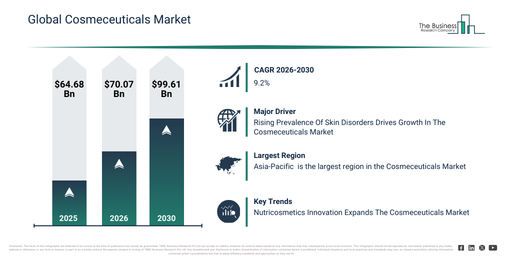
    The market for cosmeceuticals has experienced robust expansion in recent years. Projected to increase from $64.68 billion in 2025 to $70.07 billion in 2026, this segment is expected to demonstrate a compound annual growth rate (CAGR) of 8.3%. Several factors have driven this progress historically, including heightened consciousness regarding skin health, greater urbanization alongside exposure to environmental pollutants, a surge in middle-class expenditure on personal care products, the proliferation of dermatology practices, and a rising incidence of skin conditions.

    The cosmeceuticals industry is projected to experience substantial expansion in the coming years, with forecasts indicating it will reach $99.61 billion by 2030, driven by a compound annual growth rate (CAGR) of 9.2%. This anticipated growth during the forecast period is fueled by several key factors, including innovations in active ingredient technologies, a growing consumer shift toward high-end cosmeceutical products, the rise in male grooming offerings, broadening opportunities in developing regions, and the increasing impact of social media platforms and beauty influencers. Significant trends shaping this period encompass heightened consumer demand for anti-aging and preventive skincare solutions, a surge in preference for clean-label and natural cosmeceutical options, wider adoption of products endorsed by dermatologists, the expansion of injectable and minimally invasive aesthetic treatments, and the rapid proliferation of online and direct-to-consumer retail channels.

    Download A Free Sample Report For Comprehensive Market Insights:

    https://www.thebusinessresearchcompany.com/sample.aspx?id=11930&type=smp&utm_source=BlogsPR&utm_medium=Paid&utm_campaign=Jul_PR

    Cosmeceuticals Market Demand Drivers: What Is Fueling Industry Growth?

    The rising incidence of skin conditions is projected to drive the expansion of the cosmeceuticals market in the coming years. These conditions impact the skin’s appearance, structure, texture, and overall well-being. Cosmeceuticals, which are skincare formulations containing bioactive ingredients, provide therapeutic advantages and can assist in managing various skin issues, including photo-melanosis, photo-tanning, and pigmentation disorders like melasma or freckles. As an example, data from 2023 published by Cancer Australia, a government agency based in Australia, revealed that approximately 8,257 new melanoma cases were reported, representing 2.6% of all cancer-related deaths. Hence, the growing prevalence of skin disorders is anticipated to boost the cosmeceuticals market.

    Cosmeceuticals Market Segmentation: How Is The Market Structured Across Key Categories?

    The cosmeceuticals market covered in this report is segmented –

    1) By Product Type: Skincare, Haircare, Injectable, Oral Care, Other Product Types

    2) By Ingredients: Proteins, Antioxidants, Vitamins, Metals, Ceramides, Peptides, Amines, Acids, Exfoliants, Other Ingredients

    3) By Distribution Channel: Supermarket, Pharmacy, Drug Stores, Beauty Salon, Online Retailing Store, Other Distribution Channels

    Subsegments:

    1) By Skincare: Anti-Aging Products, Moisturizers, Sunscreens, Acne Treatments, Exfoliants

    2) By Haircare: Hair Growth Products, Anti-Dandruff Treatments, Conditioners And Masks, Hair Styling Products

    3) By Injectable: Botulinum Toxin, Dermal Fillers, Other Injectables

    4) By Oral Care: Whitening Products, Anti-Cavity Treatments, Gum Health Products

    5) By Other Product Types: Body Care Products, Foot Care Products, Nail Care Products, Men’s Grooming Products

    Cosmeceuticals Market Innovation Trends: Which Developments Are Transforming The Industry?

    Key players in the cosmeceuticals sector are increasingly directing their efforts toward the creation of nutricosmetics products, which are defined as oral cosmetic items—often delivered through supplements or functional foods—designed to improve skin health and beauty from the inside out. A notable example occurred in March 2023 when Symrise AG, a chemical company based in Germany, introduced Diana food bioactives specifically intended for use in beauty-from-within applications. This development of unique and novel nutricosmetic components allows the firm to expand its portfolio, which now encompasses offerings for skin conditioning, anti-aging, skin brightening, as well as hair and nail care. The collection consists of naturally sourced bioactives, including collagen type I, vitamins C and A, and polyphenols derived from various fruits, and Symrise’s extensive history in the beauty sector is further enhanced by this introduction of cosmetic ingredients.

    Cosmeceuticals Market Competitive Landscape And Leading Companies

    Major companies operating in the cosmeceuticals market are BASF SE, Johnson & Johnson, LVMH (Moët Hennessy Louis Vuitton), Givenchy, The Procter & Gamble Company, Unilever Plc, L’Oréal S.A., Henkel AG & Co. KGaA, The Estée Lauder Companies Inc., Chanel LTD, Allergan plc, Beiersdorf AG, Shiseido Company Limited, Natura &Co S.A, Coty Inc., Amorepacific Corporation, Avon Products Inc., Clarins, Revlon Inc., Croda International plc, Elementis plc, Lady Burd, Sabinsa Corporation, Nardo’s Naturals, SBLC Cosmetics GmbH, Mineral Mine

    Access The Complete Cosmeceuticals Market Report:

    https://www.thebusinessresearchcompany.com/report/cosmeceuticals-global-market-report?utm_source=BlogsPR&utm_medium=Paid&utm_campaign=Jul_PR

    Cosmeceuticals Market Global Footprint: Which Region Holds Market Leadership?

    Asia-Pacific was the largest region in the cosmeceuticals market in 2025. Asia-Pacific is expected to be the fastest-growing region in the forecast period. The regions covered in the cosmeceuticals market report are Asia-Pacific, South East Asia, Western Europe, Eastern Europe, North America, South America, Middle East, Africa.

    Get in touch with us:

    The Business Research Company: https://www.thebusinessresearchcompany.com/?utm_source=BlogsPR&utm_medium=Paid&utm_campaign=home_page_test

    Americas: +1 310-496-7795

    Asia: +44 7882 955267 & +91 8897263534

    Europe: +44 7882 955267

    Email us at: marketing@tbrc.info

    Follow us on:

    LinkedIn: https://in.linkedin.com/company/the-business-research-company

    YouTube: https://www.youtube.com/channel/UC24_fI0rV8cR5DxlCpgmyFQ

    Global Market Model: https://www.thebusinessresearchcompany.com/global-market-model
  • Corticosteroids Market Outlook Highlights The Next Major Growth Opportunities

    Corticosteroids Market Outlook Highlights The Next Major Growth Opportunities

    Enhanced with market attractiveness analysis, total addressable market evaluation, company benchmarking matrices, interactive Excel dashboards, expanded supply chain intelligence, emerging startup coverage, and detailed product insights, The Business Research Company’s 2026 market reports deliver more actionable and strategically valuable research.

    Corticosteroids Market Forecast: What Market Value Is Expected By 2030?

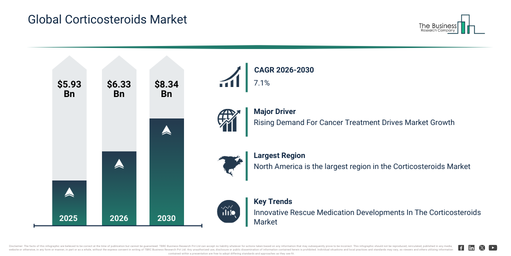
    The corticosteroids market has experienced robust expansion in recent years, with projections indicating an increase from $5.93 billion in 2025 to $6.33 billion in 2026, reflecting a compound annual growth rate (CAGR) of 6.7%. This past growth has been driven by several key factors, including the growing incidence of asthma and allergic conditions, the well-documented therapeutic effectiveness of corticosteroids, their extensive use in hospital settings for steroid-based treatments, heightened awareness surrounding the management of inflammatory diseases, and a broadening of pharmaceutical production capabilities.

    The corticosteroids market is projected to experience significant growth over the coming years. By 2030, the market value is anticipated to reach $8.34 billion, expanding at a compound annual growth rate (CAGR) of 7.1%. Several factors are set to fuel this expansion during the forecast period, including the rising prevalence of autoimmune and respiratory conditions, the creation of safer steroid products, an increasingly elderly global population, improved healthcare availability in developing nations, and heightened funding for corticosteroid research. Among the key developments shaping this period are the emergence of targeted corticosteroid preparations, adoption of low-dose and short-duration treatment regimens, increased usage of topical and inhaled steroids, bronchodilator combination therapies, and growing application in acute respiratory care.

    Download A Free Sample Report For Comprehensive Market Insights:

    https://www.thebusinessresearchcompany.com/sample.aspx?id=2832&type=smp&utm_source=BlogsPR&utm_medium=Paid&utm_campaign=Jul_PR

    Corticosteroids Market Growth Drivers: What Factors Are Accelerating Expansion?

    The corticosteroid market is expected to expand in the coming years, driven by the growing need for cancer therapies. Cancer treatment includes a range of approaches like surgery, chemotherapy, radiation, immunotherapy, and targeted therapies, all aimed at destroying cancer cells and reducing symptoms. This rising demand is fueled by factors such as higher cancer rates, increased awareness and screening, better healthcare access, and the availability of supportive care services. Corticosteroids improve patient outcomes by easing symptoms and making cancer treatments more tolerable, which in turn supports the growing need for comprehensive cancer care. For example, in May 2024, the UK’s National Health Service (NHS) reported that treatment activity hit an all-time high, with over 1,400 patients starting cancer treatment each working day. From April 2023 to March 2024, nearly 340,000 people received their first cancer treatment. Thus, the increasing demand for cancer treatment is driving growth in the corticosteroid market.

    Corticosteroids Market Segmentation Trends And Revenue Drivers

    The corticosteroids market covered in this report is segmented –

    1) By Product: Glucocorticoids, Mineralocorticoids

    2) By Application: Skin Allergies, Rheumatology Indications, Endocrinology, Acute Respiratory Diseases, Other Applications

    3) By End User: Hospitals, Clinics, Research Institutes, Other End Users

    Subsegments:

    1) By Glucocorticoids: Hydrocortisone, Prednisone, Dexamethasone, Methylprednisolone, Triamcinolone, Betamethasone, Other Glucocorticoids

    2) By Mineralocorticoids: Fludrocortisone, Aldosterone, Other Mineralocorticoids

    Corticosteroids Market Trends: What Is Shaping Future Industry Growth?

    Major players within the corticosteroids industry are focusing on creating advanced solutions like rescue medications to serve a broader audience, boost sales, and enhance revenue streams. Rescue medication is defined as a treatment administered to deliver fast and immediate relief from acute, severe symptoms or a sudden worsening of a chronic condition. As an example, in January 2023, the UK-based pharmaceutical firm AstraZeneca PLC obtained FDA clearance for Airsupra (albuterol/budesonide). A notable feature of this product is that it represents the first pressurized metered-dose inhaler (pMDI) of its kind, functioning as a fixed-dose combination rescue medication. It combines albuterol, a short-acting beta2-agonist (SABA), with budesonide, an inhaled corticosteroid (ICS) that possesses anti-inflammatory properties. This medication is approved for use in individuals who are 18 years and older and may be taken as needed to address or prevent bronchoconstriction. Additionally, it aids in decreasing the likelihood of asthma attacks. This combination is currently accessible in the United States and is being advanced by AstraZeneca in partnership with Avillion.

    Corticosteroids Market Industry Leaders: Which Organizations Are Driving Competition?

    Major companies operating in the corticosteroids market are McKesson Corporation, Pfizer Inc., Johnson and Johnson Services Inc., Merck & Co.Inc., Bayer AG, Novartis International AG., Sanofi SA, Bristol Myers Squibb Company, AstraZeneca plc, Abbott Laboratories, GlaxoSmithKline plc, Takeda Pharmaceutical Company Limited, Eli Lilly and Company, Boehringer Ingelheim International GmbH, Novo Nordisk A/S, Teva Pharmaceutical Industries Ltd., Sun Pharmaceutical Industries Ltd., Cipla Limited, Dr. Reddy’s Laboratories Ltd., Endo International plc, Lupin Limited, Mallinckrodt Pharmaceuticals Ltd., LEO Pharma A/S, Glenmark Pharmaceuticals Ltd., Wockhardt Limited, Allergan plc, Hikma Pharmaceuticals pl.

    Access The Complete Corticosteroids Market Report:

    https://www.thebusinessresearchcompany.com/report/corticosteroid-global-market-report?utm_source=BlogsPR&utm_medium=Paid&utm_campaign=Jul_PR

    Corticosteroids Market Regional Distribution: Which Areas Drive Market Expansion?

    North America was the largest region in the corticosteroids therapy market share in 2025. Middle East is expected to be the largest growing region in the global corticosteroids market during the forecast period. The regions covered in the corticosteroids market report are Asia-Pacific, South East Asia, Western Europe, Eastern Europe, North America, South America, Middle East, Africa.

    Get in touch with us:

    The Business Research Company: https://www.thebusinessresearchcompany.com/?utm_source=BlogsPR&utm_medium=Paid&utm_campaign=home_page_test

    Americas: +1 310-496-7795

    Asia: +44 7882 955267 & +91 8897263534

    Europe: +44 7882 955267

    Email us at: marketing@tbrc.info

    Follow us on:

    LinkedIn: https://in.linkedin.com/company/the-business-research-company

    YouTube: https://www.youtube.com/channel/UC24_fI0rV8cR5DxlCpgmyFQ

    Global Market Model: https://www.thebusinessresearchcompany.com/global-market-model