Tag: brain mapping instruments market growth

  • Brain Mapping Instruments Market Size And Forecast 2026–2030: Trends Driving Industry Expansion

    Brain Mapping Instruments Market Size And Forecast 2026–2030: Trends Driving Industry Expansion

    Backed by market attractiveness analysis, total addressable market sizing, company benchmarking matrices, interactive Excel dashboards, wider supply chain intelligence, emerging startup coverage, and detailed product-level insights, The Business Research Company’s 2026 market reports are designed to offer research that is more actionable and strategically valuable than ever.

    Brain Mapping Instruments Market Growth Analysis: How Will Revenue Trend Over The Forecast Period?

    The brain mapping instruments market has experienced substantial growth in recent years. It is anticipated to increase from $2.42 billion in 2025 to $2.58 billion in 2026, achieving a compound annual growth rate (CAGR) of 6.6%. This historical growth can be linked to the expansion of neurological disorder diagnosis initiatives, greater adoption of EEG and CT-based brain mapping systems, the prompt integration of neuroimaging tools in hospital and research environments, increased brain activity monitoring in clinical neurology, and a rise in investment toward neuroscience research infrastructure.

    The brain mapping instruments market is projected to experience robust expansion over the coming years, reaching a valuation of $3.33 billion by 2030, demonstrating a compound annual growth rate (CAGR) of 6.6%. This anticipated growth is driven by several factors, including the escalating demand for fMRI and PET-based functional brain mapping, the greater adoption of hybrid and high-resolution imaging systems, the increased use of non-invasive mapping solutions in ambulatory care, the expanding integration of multimodal brain analysis tools, and the broader application of brain mapping within precision medicine and neurotherapeutics. Key developments expected during this period involve the increasing embrace of advanced neuroimaging and brain activity monitoring technologies, the wider utilization of brain mapping instruments for clinical diagnosis and treatment planning, the broadening of brain mapping applications in neuroscience and cognitive research, a growing inclination towards non-invasive and patient-friendly brain mapping techniques, and a significant emphasis on improving imaging accuracy, data quality, and diagnostic efficiency.

    Get A Free Sample Report With In-Depth Market Insights:

    https://thebusinessresearchcompany.com/sample_request?id=10753991&type=smp&name=Brain%20Mapping%20Instruments%20Market%20Report%202026&utm_source=Blogs&utm_medium=Paid&utm_campaign=Sep_PR

    Brain Mapping Instruments Market Growth Factors Behind Sustained Expansion

    The brain mapping instrument market is expected to grow due to an increase in the occurrence of neurological disorders. These disorders are conditions that impact the brain, spinal cord, and nerves, manifesting in symptoms such as movement issues, cognitive decline, and sensory problems, with examples including Alzheimer’s, Parkinson’s, epilepsy, multiple sclerosis, and stroke. The rising prevalence of neurological disorders stems from factors such as population aging, urbanization, lifestyle changes, enhanced diagnostic capabilities, and various environmental and infectious risk factors. Brain mapping instruments are crucial for both clinical practice and research, enabling profound insights into neurological disorders and aiding in the development of personalized treatment strategies. For instance, in March 2023, according to the Alzheimer’s Association, a US-based non-profit voluntary health organization, an estimated 6.7 million Americans aged 65 and older were living with Alzheimer’s dementia in the United States, which is a neurological disorder. Furthermore, by 2060, this number is projected to reach 13.8 million for people aged 65 and older with Alzheimer’s dementia. Therefore, the expanding prevalence of neurological disorders is a key driver for the growth of the brain mapping instrument market.

    Brain Mapping Instruments Market Segment Landscape And Growth Outlook

    The brain mapping instruments market covered in this report is segmented –

    1) By Product: Computed Axial Tomography (CAT), Positron Emission Tomography, Electroencephalography (EEG), Functional Near-Infrared Spectroscopy (FNIRS), Functional Magnetic Resonance Imaging (FMRI), Other Products

    2) By Procedure: Devices For Invasive Procedures, Devices For Non-invasive Procedures

    3) By End User: Hospitals, Ambulatory Centers

    Subsegments:

    1) By Computed Axial Tomography (CAT): Conventional CT Scanners, High-Resolution CT Scanners, Portable CT Scanners

    2) By Positron Emission Tomography (PET): PET Scanners (Standalone), Hybrid PET/CT Scanners, PET/MRI Scanners

    3) By Electroencephalography (EEG): Digital EEG Systems, Ambulatory EEG Systems, Video EEG Monitoring Systems

    4) By Functional Near-Infrared Spectroscopy (FNIRS): Continuous Wave Fnirs Systems, Frequency Domain Fnirs Systems, Hybrid Fnirs Systems

    5) By Functional Magnetic Resonance Imaging (FMRI): Resting-State Fmri, Task-Based Fmri, High-Field MRI Systems

    6) By Other Products: Magnetoencephalography (MEG) Systems, Near-Infrared Spectroscopy (NIRS) Devices, Transcranial Magnetic Stimulation (TMS) Systems

    Brain Mapping Instruments Market Industry Trends Fueling Future Revenue Growth

    Leading companies in the brain mapping instruments market are increasingly concentrating on sensing-enabled adaptive neuromodulation, such as BrainSense-enabled closed-loop deep brain stimulation (DBS), which incorporates real-time brain signal detection to personalize stimulation therapy. BrainSense technology serves as a neuro-interface integrated within DBS systems, capturing local field potentials (LFPs) from specific brain regions, processing these signals, and dynamically modifying electrical stimulation based on an individual’s neural activity to optimize therapeutic benefits and lessen side effects. For example, in February 2025, Medtronic, a US-based medical-technology company, unveiled its BrainSense Adaptive DBS system after receiving FDA approval, featuring capabilities like real-time self-adjusting stimulation, a BrainSense Electrode Identifier for swift determination of the ideal electrode contact, and closed-loop personalized therapy that adjusts in both clinical environments and during a patient’s everyday life.

    Brain Mapping Instruments Market Competitive Landscape: Which Companies Lead The Industry?

    Major companies operating in the brain mapping instruments market are Siemens Healthineers, GE Healthcare, Philips Healthcare, Elekta AB, Nihon Kohden Corporation, Brainlab AG, Natus Medical Incorporated, Hitachi Medical Systems, Canon Medical Systems Corporation, Compumedics Limited, Medtronic PLC, Magstim Company Limited, EB Neuro S.p.A., Brain Products GmbH, Soterix Medical Inc., Rogue Research Inc., NIRx Medical Technologies LLC, Neurosoft, Artinis Medical Systems, Gowerlabs Ltd.

    View The Full Brain Mapping Instruments Market Report:

    https://thebusinessresearchcompany.com/report/brain-mapping-instruments-global-market-report?utm_source=Blogs&utm_medium=Paid&utm_campaign=Sep_PR

    Brain Mapping Instruments Market Regional Outlook: Where Is Opportunity Concentrated?

    North America was the largest region in the brain mapping instruments market in 2025. Asia-Pacific is expected to be the fastest-growing region in the forecast period. The regions covered in the brain mapping instruments market report are Asia-Pacific, South East Asia, Western Europe, Eastern Europe, North America, South America, Middle East, Africa.

    Reach Out To Our Team:

    The Business Research Company: https://www.thebusinessresearchcompany.com/

    Americas: +1 310-496-7795

    Asia: +44 7882 955267 & +91 8897263534

    Europe: +44 7882 955267

    Email us at: marketing@tbrc.info

    Follow us on:

    LinkedIn: https://in.linkedin.com/company/the-business-research-company

    YouTube: https://www.youtube.com/channel/UC24_fI0rV8cR5DxlCpgmyFQ

    Global Market Model: https://www.thebusinessresearchcompany.com/global-market-model

  • Brain Mapping Instruments Market Industry Forecast Reflecting Growth To $3.33 Billion By 2030

    Brain Mapping Instruments Market Industry Forecast Reflecting Growth To $3.33 Billion By 2030

    The Business Research Company’s 2026 market reports feature advanced enhancements such as market attractiveness analysis, total addressable market evaluation, company benchmarking matrices, interactive Excel dashboards, expanded supply chain intelligence, emerging startup coverage, and detailed product insights, delivering more actionable and strategically valuable research.

    How Is The Market Value Of The Brain Mapping Instruments Market Projected To Expand During 2026–2030?

    The brain mapping instruments market size has seen significant growth in recent years. It is anticipated to expand from $2.42 billion in 2025 to $2.58 billion in 2026, achieving a compound annual growth rate (CAGR) of 6.6%. This past growth can be attributed to several factors, including the increase in neurological disorder diagnosis programs, the rising adoption of EEG and CT-based brain mapping systems, the early integration of neuroimaging tools in hospitals and research centers, the broadening of brain activity monitoring in clinical neurology, and increased investment in neuroscience research infrastructure.

    The brain mapping instruments market is poised for robust expansion over the coming years, with its valuation projected to reach $3.33 billion by 2030, exhibiting a compound annual growth rate (CAGR) of 6.6%. This anticipated growth during the forecast period is fueled by several factors, including the escalating demand for fMRI and PET-based functional brain mapping, the greater adoption of hybrid and high-resolution imaging systems, an increase in the use of non-invasive mapping solutions in outpatient environments, the expanding incorporation of multimodal brain analysis tools, and the broadening utility of brain mapping within precision medicine and neurotherapeutics. Key developments expected during this timeframe encompass the increasing implementation of sophisticated neuroimaging and brain activity monitoring technologies, the wider deployment of brain mapping instruments in clinical diagnosis and the formulation of treatment strategies, the extended application of brain mapping across neuroscience and cognitive research, a growing inclination towards non-invasive and patient-centric brain mapping techniques, and an emphasis on improving imaging precision, data integrity, and diagnostic effectiveness.

    Download A Free Sample Report For Comprehensive Market Insights:

    https://www.thebusinessresearchcompany.com/sample.aspx?id=18270&type=smp

    What Core Drivers Are Transforming The Brain Mapping Instruments Market?

    The rising occurrence of neurological conditions is anticipated to drive the expansion of the brain mapping instrument market in the future. These disorders encompass conditions impacting the brain, spinal cord, and nerves, manifesting as issues like impaired movement, reduced cognitive function, and sensory disturbances, with examples such as Alzheimer’s, Parkinson’s, epilepsy, multiple sclerosis, and stroke. The growing incidence of neurological disorders can be attributed to factors such as an aging population, increased urbanization, evolving lifestyles, advancements in diagnostic methods, and environmental alongside infectious risk factors. In both clinical settings and research, brain mapping instruments are crucial for gaining profound understanding of neurological disorders and formulating individualized treatment plans. For example, data from March 2023, reported by the Alzheimer’s Association, a US-based non-profit voluntary health organization, indicated that approximately 6.7 million Americans aged 65 and older in the United States were affected by Alzheimer’s dementia, which falls under neurological disorders. Furthermore, projections suggest that by 2060, the population aged 65 and older suffering from Alzheimer’s dementia will rise to 13.8 million. Consequently, the rising prevalence of neurological disorders serves as a key driver for the expansion of the brain mapping instrument market.

    What Segment Categories Are Evaluated In The Brain Mapping Instruments Market Study?

    The brain mapping instruments market covered in this report is segmented –

    1) By Product: Computed Axial Tomography (CAT), Positron Emission Tomography, Electroencephalography (EEG), Functional Near-Infrared Spectroscopy (FNIRS), Functional Magnetic Resonance Imaging (FMRI), Other Products

    2) By Procedure: Devices For Invasive Procedures, Devices For Non-invasive Procedures

    3) By End User: Hospitals, Ambulatory Centers

    Subsegments:

    1) By Computed Axial Tomography (CAT): Conventional CT Scanners, High-Resolution CT Scanners, Portable CT Scanners

    2) By Positron Emission Tomography (PET): PET Scanners (Standalone), Hybrid PET/CT Scanners, PET/MRI Scanners

    3) By Electroencephalography (EEG): Digital EEG Systems, Ambulatory EEG Systems, Video EEG Monitoring Systems

    4) By Functional Near-Infrared Spectroscopy (FNIRS): Continuous Wave Fnirs Systems, Frequency Domain Fnirs Systems, Hybrid Fnirs Systems

    5) By Functional Magnetic Resonance Imaging (FMRI): Resting-State Fmri, Task-Based Fmri, High-Field MRI Systems

    6) By Other Products: Magnetoencephalography (MEG) Systems, Near-Infrared Spectroscopy (NIRS) Devices, Transcranial Magnetic Stimulation (TMS) Systems

    What Trends Are Affecting The Growth Of The Brain Mapping Instruments Market?

    Major companies operating in the brain mapping instruments market are concentrating on adaptive neuromodulation systems with sensing capabilities, such as BrainSense-enabled closed-loop deep brain stimulation (DBS), which integrates real-time brain signal detection to tailor stimulation therapy. BrainSense technology functions as a neuro-interface integrated into DBS systems, recording local field potentials (LFPs) from specific brain regions, processing these signals, and dynamically adjusting electrical stimulation based on a patient’s neural activity, thereby optimizing therapeutic effects and minimizing side effects. For instance, in February 2025, Medtronic, a US-based medical-technology company, unveiled its BrainSense Adaptive DBS system following FDA approval, offering features like real-time self-adjusting stimulation, a BrainSense Electrode Identifier to quickly determine the optimal electrode contact, and personalized closed-loop therapy that adapts both in clinical settings and during a patient’s daily life.

    Which Organizations Are Operating Within The Brain Mapping Instruments Market?

    Major companies operating in the brain mapping instruments market are Siemens Healthineers, GE Healthcare, Philips Healthcare, Elekta AB, Nihon Kohden Corporation, Brainlab AG, Natus Medical Incorporated, Hitachi Medical Systems, Canon Medical Systems Corporation, Compumedics Limited, Medtronic PLC, Magstim Company Limited, EB Neuro S.p.A., Brain Products GmbH, Soterix Medical Inc., Rogue Research Inc., NIRx Medical Technologies LLC, Neurosoft, Artinis Medical Systems, Gowerlabs Ltd.

    Access The Complete Brain Mapping Instruments Market Report:

    https://www.thebusinessresearchcompany.com/report/brain-mapping-instruments-global-market-report

    Which Geographic Region Represents The Largest Brain Mapping Instruments Market Share?

    North America was the largest region in the brain mapping instruments market in 2025. Asia-Pacific is expected to be the fastest-growing region in the forecast period. The regions covered in the brain mapping instruments market report are Asia-Pacific, South East Asia, Western Europe, Eastern Europe, North America, South America, Middle East, Africa.

    Access a Customized Brain Mapping Instruments Market Report for Deeper Competitive Insights

    https://www.thebusinessresearchcompany.com/customise?id=18270&type=smp

    Browse Through More Reports Similar to the Global Brain Mapping Instruments Market 2026, By The Business Research Company

    Brain And Neuroimaging Devices Market Report 2026

    https://www.thebusinessresearchcompany.com/report/brain-and-neuroimaging-devices-global-market-report

    Brain Monitoring Market Report 2026

    https://www.thebusinessresearchcompany.com/report/brain-monitoring-global-market-report

    Brain Health Supplements Market Report 2026

    https://www.thebusinessresearchcompany.com/report/brain-health-supplements-global-market-report

    Get in touch with us:

    The Business Research Company: https://www.thebusinessresearchcompany.com/

    Americas: +1 310-496-7795

    Asia: +44 7882 955267 & +91 8897263534

    Europe: +44 7882 955267

    Email us at: marketing@tbrc.info

    Follow us on:

    LinkedIn: https://in.linkedin.com/company/the-business-research-company

    YouTube: https://www.youtube.com/channel/UC24_fI0rV8cR5DxlCpgmyFQ

    Global Market Model: https://www.thebusinessresearchcompany.com/global-market-model

  • Brain Mapping Instruments Market Forecast Highlighting Demand And Industry Growth

    Brain Mapping Instruments Market Forecast Highlighting Demand And Industry Growth

    The Business Research Company’s 2026 market reports feature enhanced tools like market attractiveness analysis, TAM assessment, and company scoring matrices, along with interactive dashboards, deeper supply chain insights, and startup coverage strengthening the depth, usability, and strategic value of insights.

    How Is The Market Size Of The Brain Mapping Instruments Market Expected To Scale Between 2026 And 2030?

    The brain mapping instruments market has seen substantial growth in recent years. It is forecast to increase from $2.42 billion in 2025 to $2.58 billion in 2026, achieving a compound annual growth rate (CAGR) of 6.6%. This historical expansion can be attributed to factors such as the rise in neurological disorder diagnosis programs, the greater use of EEG and CT-based brain mapping systems, the swift implementation of neuroimaging tools in hospitals and research centers, the broadening scope of brain activity monitoring in clinical neurology, and enhanced investment in neuroscience research infrastructure.

    The brain mapping instruments market size is projected to experience substantial expansion over the upcoming years. This market is anticipated to reach $3.33 billion by 2030, demonstrating a compound annual growth rate (CAGR) of 6.6%. Factors contributing to this growth during the forecast period include the escalating demand for fMRI and PET-based functional brain mapping, a surge in the adoption of hybrid and high-resolution imaging systems, the increased use of non-invasive mapping solutions in ambulatory environments, the expanding integration of multimodal brain analysis tools, and the broadening application of brain mapping within precision medicine and neurotherapeutics. Key trends anticipated throughout the forecast timeframe encompass the rising uptake of sophisticated neuroimaging and brain activity monitoring technologies, the expanding utilization of brain mapping instruments for clinical diagnosis and treatment planning, the widening scope of brain mapping applications in neuroscience and cognitive research, a growing inclination towards non-invasive and patient-friendly brain mapping procedures, and a strong emphasis on improving imaging accuracy, data quality, and diagnostic efficiency.

    Access Your Free Sample Report For In-Depth Market Analysis:

    https://www.thebusinessresearchcompany.com/sample.aspx?id=18270&type=smp

    Which Strong Drivers Are Impacting The Brain Mapping Instruments Market Growth?

    The rising incidence of neurological conditions is anticipated to fuel the expansion of the brain mapping instrument market. These conditions impact the brain, spinal cord, and nerves, manifesting as issues with movement, cognitive abilities, and sensation. Notable examples include Alzheimer’s, Parkinson’s, epilepsy, multiple sclerosis, and stroke. The growing occurrence of neurological disorders is attributable to factors like an aging global population, increased urbanization, shifts in lifestyle, enhanced diagnostic tools, and various environmental and infectious hazards. Brain mapping instruments play a crucial role in both clinical settings and research, offering profound understanding of these disorders and aiding the development of tailored treatment approaches. As an illustration, data from the Alzheimer’s Association, a US-based non-profit voluntary health organization, indicated that in March 2023, approximately 6.7 million Americans aged 65 and older in the United States were suffering from Alzheimer’s dementia, a form of neurological disorder. Furthermore, projections suggest that by 2060, this figure is expected to climb to 13.8 million for individuals aged 65 and older with Alzheimer’s dementia. Consequently, the heightened prevalence of neurological disorders is a significant factor propelling the growth of the brain mapping instrument market.

    How Is The Brain Mapping Instruments Market Broken Down By Segment Categories?

    The brain mapping instruments market covered in this report is segmented –

    1) By Product: Computed Axial Tomography (CAT), Positron Emission Tomography, Electroencephalography (EEG), Functional Near-Infrared Spectroscopy (FNIRS), Functional Magnetic Resonance Imaging (FMRI), Other Products

    2) By Procedure: Devices For Invasive Procedures, Devices For Non-invasive Procedures

    3) By End User: Hospitals, Ambulatory Centers

    Subsegments:

    1) By Computed Axial Tomography (CAT): Conventional CT Scanners, High-Resolution CT Scanners, Portable CT Scanners

    2) By Positron Emission Tomography (PET): PET Scanners (Standalone), Hybrid PET/CT Scanners, PET/MRI Scanners

    3) By Electroencephalography (EEG): Digital EEG Systems, Ambulatory EEG Systems, Video EEG Monitoring Systems

    4) By Functional Near-Infrared Spectroscopy (FNIRS): Continuous Wave Fnirs Systems, Frequency Domain Fnirs Systems, Hybrid Fnirs Systems

    5) By Functional Magnetic Resonance Imaging (FMRI): Resting-State Fmri, Task-Based Fmri, High-Field MRI Systems

    6) By Other Products: Magnetoencephalography (MEG) Systems, Near-Infrared Spectroscopy (NIRS) Devices, Transcranial Magnetic Stimulation (TMS) Systems

    Which Trends Are Contributing To Changes In The Brain Mapping Instruments Market?

    Key players within the brain mapping instruments market are prioritizing sensing-enabled adaptive neuromodulation, such as BrainSense-enabled closed-loop deep brain stimulation (DBS), which integrates real-time brain signal detection to customize stimulation therapy. BrainSense technology serves as a neuro-interface embedded in DBS systems, recording local field potentials (LFPs) from specific brain regions, processing these signals, and dynamically adjusting electrical stimulation based on a patient’s neural activity, thereby optimizing therapeutic effects and minimizing side effects. For instance, in February 2025, Medtronic, a US-based medical-technology company, launched its BrainSense Adaptive DBS system following FDA approval, offering capabilities such as real-time self-adjusting stimulation, a BrainSense Electrode Identifier to quickly pinpoint the optimal electrode contact, and closed-loop personalized therapy that adapts both in clinical environments and during a patient’s everyday life.

    Which Players Are Present In The Brain Mapping Instruments Market Space?

    Major companies operating in the brain mapping instruments market are Siemens Healthineers, GE Healthcare, Philips Healthcare, Elekta AB, Nihon Kohden Corporation, Brainlab AG, Natus Medical Incorporated, Hitachi Medical Systems, Canon Medical Systems Corporation, Compumedics Limited, Medtronic PLC, Magstim Company Limited, EB Neuro S.p.A., Brain Products GmbH, Soterix Medical Inc., Rogue Research Inc., NIRx Medical Technologies LLC, Neurosoft, Artinis Medical Systems, Gowerlabs Ltd.

    Get The Full Brain Mapping Instruments Market Report:

    https://www.thebusinessresearchcompany.com/report/brain-mapping-instruments-global-market-report

    Which Region Represents The Largest Share Of The Brain Mapping Instruments Market?

    North America was the largest region in the brain mapping instruments market in 2025. Asia-Pacific is expected to be the fastest-growing region in the forecast period. The regions covered in the brain mapping instruments market report are Asia-Pacific, South East Asia, Western Europe, Eastern Europe, North America, South America, Middle East, Africa.

    Request A Customized Brain Mapping Instruments Market Report For Competitive Insights:

    https://www.thebusinessresearchcompany.com/customise?id=18270&type=smp

    Browse Through More Reports Similar to the Global Brain Mapping Instruments Market 2026, By The Business Research Company

    Brain And Neuroimaging Devices Market Report 2026

    https://www.thebusinessresearchcompany.com/report/brain-and-neuroimaging-devices-global-market-report

    Brain Monitoring Market Report 2026

    https://www.thebusinessresearchcompany.com/report/brain-monitoring-global-market-report

    Brain Health Supplements Market Report 2026

    https://www.thebusinessresearchcompany.com/report/brain-health-supplements-global-market-report

    Get in touch with us:

    The Business Research Company: https://www.thebusinessresearchcompany.com/

    Americas +1 310-496-7795

    Asia +44 7882 955267 & +91 8897263534

    Europe +44 7882 955267

    Email us at info@tbrc.info

    Follow us on:

    LinkedIn: https://in.linkedin.com/company/the-business-research-company

    YouTube: https://www.youtube.com/channel/UC24_fI0rV8cR5DxlCpgmyFQ

    Global Market Model: https://www.thebusinessresearchcompany.com/global-market-model

  • Brain Mapping Instruments Market Revenue Forecast to Reach $3.33 Billion by 2030 with 6.6% CAGR

    Brain Mapping Instruments Market Revenue Forecast to Reach $3.33 Billion by 2030 with 6.6% CAGR

    The Business Research Company’s 2026 market reports include new capabilities such as market attractiveness scoring and analysis, total addressable market analysis, company scoring matrix, interactive excel data dashboard, improved supply chain analysis, upcoming startups in the market, and overview of key products, aimed at improving the depth, usability, and strategic value of the insights delivered.

    What Market Size Expansion Is Predicted For The Brain Mapping Instruments Market Between 2026 And 2030?

    The brain mapping instruments market size has experienced strong expansion in recent years. It is anticipated to grow from $2.42 billion in 2025 to $2.58 billion in 2026, displaying a compound annual growth rate (CAGR) of 6.6%. The market’s historical growth can be attributed to several factors, including the increasing number of neurological disorder diagnosis programs, the rising adoption of EEG and CT-based brain mapping systems, the early integration of neuroimaging tools in hospital and research centers, the broadening application of brain activity monitoring in clinical neurology, and augmented investment in neuroscience research infrastructure.

    The brain mapping instruments market size is projected for significant expansion in the coming years, reaching $3.33 billion by 2030, demonstrating a compound annual growth rate (CAGR) of 6.6%. This anticipated growth stems from several factors, including the increasing demand for fMRI and PET-based functional brain mapping, the greater adoption of hybrid and high-resolution imaging systems, increased use of non-invasive mapping solutions in ambulatory settings, the growing incorporation of multimodal brain analysis tools, and the broadening application of brain mapping in precision medicine and neurotherapeutics. Key trends throughout the forecast period involve the rising implementation of advanced neuroimaging and brain activity monitoring technologies, an expanding role for brain mapping instruments in clinical diagnosis and treatment planning, the broadening of brain mapping applications within neuroscience and cognitive research, a growing preference for non-invasive and patient-friendly brain mapping procedures, and a concentrated effort on improving imaging accuracy, data quality, and diagnostic efficiency.

    Download the Free Sample Report to Explore Key Market Insights:

    https://www.thebusinessresearchcompany.com/sample.aspx?id=18270&type=smp

    Which Growth Drivers Are Contributing To The Progress Of The Brain Mapping Instruments Market?

    The increasing incidence of neurological disorders is projected to propel the expansion of the brain mapping instrument market moving forward. These disorders are conditions that impact the brain, spinal cord, and nerves, leading to symptoms such as problems with movement, cognitive decline, and sensory issues, including examples like Alzheimer’s, Parkinson’s, epilepsy, multiple sclerosis, and stroke. The rising prevalence of neurological disorders is attributed to population aging, urbanization, changes in lifestyle, advancements in diagnostic capabilities, and various environmental and infectious risk factors. Brain mapping instruments are vital in both clinical practice and research, offering deeper understanding of neurological disorders and assisting in the formulation of personalized treatment strategies. For example, in March 2023, data from the Alzheimer’s Association, a US-based non-profit voluntary health organization, indicated that an estimated 6.7 million Americans aged 65 and older in the United States were living with Alzheimer’s dementia, which is a neurological disorder. Furthermore, it is projected that by 2060, the number of individuals aged 65 and older with Alzheimer’s dementia will climb to 13.8 million. Therefore, the growing prevalence of neurological disorders is a driving force for the growth of the brain mapping instrument market.

    Which Market Segments Are Examined In The Brain Mapping Instruments Market Study?

    The brain mapping instruments market covered in this report is segmented –

    1) By Product: Computed Axial Tomography (CAT), Positron Emission Tomography, Electroencephalography (EEG), Functional Near-Infrared Spectroscopy (FNIRS), Functional Magnetic Resonance Imaging (FMRI), Other Products

    2) By Procedure: Devices For Invasive Procedures, Devices For Non-invasive Procedures

    3) By End User: Hospitals, Ambulatory Centers

    Subsegments:

    1) By Computed Axial Tomography (CAT): Conventional CT Scanners, High-Resolution CT Scanners, Portable CT Scanners

    2) By Positron Emission Tomography (PET): PET Scanners (Standalone), Hybrid PET/CT Scanners, PET/MRI Scanners

    3) By Electroencephalography (EEG): Digital EEG Systems, Ambulatory EEG Systems, Video EEG Monitoring Systems

    4) By Functional Near-Infrared Spectroscopy (FNIRS): Continuous Wave Fnirs Systems, Frequency Domain Fnirs Systems, Hybrid Fnirs Systems

    5) By Functional Magnetic Resonance Imaging (FMRI): Resting-State Fmri, Task-Based Fmri, High-Field MRI Systems

    6) By Other Products: Magnetoencephalography (MEG) Systems, Near-Infrared Spectroscopy (NIRS) Devices, Transcranial Magnetic Stimulation (TMS) Systems

    Which Trends Are Influencing The Brain Mapping Instruments Market?

    Leading companies operating in the brain mapping instruments market are concentrating on sensing-enabled adaptive neuromodulation, such as BrainSense-enabled closed-loop deep brain stimulation (DBS), which incorporates real-time brain signal detection to customize stimulation therapy. BrainSense technology serves as a neuro-interface embedded within DBS systems, recording local field potentials (LFPs) from specific brain regions, processing these signals, and dynamically adjusting electrical stimulation based on a patient’s neural activity to optimize therapeutic effects and minimize side effects. For instance, in February 2025, Medtronic, a US-based medical-technology company, introduced its BrainSense Adaptive DBS system following FDA approval. This system offers features including real-time self-adjusting stimulation, a BrainSense Electrode Identifier to quickly determine the optimal electrode contact, and personalized closed-loop therapy that adapts in both clinical settings and a patient’s daily life.

    Who Are The Primary Competitors In The Brain Mapping Instruments Market?

    Major companies operating in the brain mapping instruments market are Siemens Healthineers, GE Healthcare, Philips Healthcare, Elekta AB, Nihon Kohden Corporation, Brainlab AG, Natus Medical Incorporated, Hitachi Medical Systems, Canon Medical Systems Corporation, Compumedics Limited, Medtronic PLC, Magstim Company Limited, EB Neuro S.p.A., Brain Products GmbH, Soterix Medical Inc., Rogue Research Inc., NIRx Medical Technologies LLC, Neurosoft, Artinis Medical Systems, Gowerlabs Ltd.

    Read the full brain mapping instruments market report here:

    https://www.thebusinessresearchcompany.com/report/brain-mapping-instruments-global-market-report

    What Are The Leading Geographic Regions In The Brain Mapping Instruments Market?

    North America was the largest region in the brain mapping instruments market in 2025. Asia-Pacific is expected to be the fastest-growing region in the forecast period. The regions covered in the brain mapping instruments market report are Asia-Pacific, South East Asia, Western Europe, Eastern Europe, North America, South America, Middle East, Africa.

    Request A Tailored Brain Mapping Instruments Market Research Report For Competitive Advantage:

    https://www.thebusinessresearchcompany.com/customise?id=18270&type=smp

    Browse Through More Reports Similar to the Global Brain Mapping Instruments Market 2026, By The Business Research Company

    Brain And Neuroimaging Devices Market Report 2026

    https://www.thebusinessresearchcompany.com/report/brain-and-neuroimaging-devices-global-market-report

    Brain Monitoring Market Report 2026

    https://www.thebusinessresearchcompany.com/report/brain-monitoring-global-market-report

    Brain Health Supplements Market Report 2026

    https://www.thebusinessresearchcompany.com/report/brain-health-supplements-global-market-report

    Get in touch with us:

    The Business Research Company: https://www.thebusinessresearchcompany.com/

    Americas +1 310-496-7795

    Asia +44 7882 955267 & +91 8897263534

    Europe +44 7882 955267

    Email us at info@tbrc.info

    Follow us on:

    LinkedIn: https://in.linkedin.com/company/the-business-research-company

    YouTube: https://www.youtube.com/channel/UC24_fI0rV8cR5DxlCpgmyFQ

    Global Market Model: https://www.thebusinessresearchcompany.com/global-market-model

  • Global Brain Mapping Instruments Market Report 2026–2035: Key Forecasts and Growth Areas

    Global Brain Mapping Instruments Market Report 2026–2035: Key Forecasts and Growth Areas

    Uncover key drivers, emerging technologies, and competitive movements shaping the ready-to-use pharmaceutical packaging market from 2026–2035 with trusted insights from The Business Research Company

    What level of growth is expected in the Brain Mapping Instruments Market between 2026 and 2030?

    The brain mapping instruments market has experienced substantial growth in recent years. Projections indicate a rise from $2.42 billion in 2025 to $2.58 billion in 2026, at a compound annual growth rate (CAGR) of 6.6%. This historical expansion is attributable to factors such as the increase in neurological disorder diagnosis programs, the growing use of EEG and CT-based brain mapping systems, the early integration of neuroimaging tools within hospital and research settings, the broadening application of brain activity monitoring in clinical neurology, and increased investment in neuroscience research infrastructure.

    The brain mapping instruments market is anticipated to experience substantial expansion over the next few years. It is projected to climb to $3.33 billion by 2030, demonstrating a compound annual growth rate (CAGR) of 6.6%. This expected increase during the forecast period stems from factors such as a heightened demand for fMRI and PET-based functional brain mapping, the growing adoption of hybrid and high-resolution imaging systems, an increased preference for non-invasive mapping solutions in ambulatory environments, the rising integration of multimodal brain analysis tools, and the broadening applications of brain mapping in precision medicine and neurotherapeutics. Significant trends for this period encompass the increasing embrace of advanced neuroimaging and brain activity monitoring technologies, the expanded deployment of brain mapping instruments in clinical diagnosis and treatment planning, the widening scope of brain mapping applications across neuroscience and cognitive research, a surging demand for non-invasive and patient-friendly brain mapping procedures, and a concentrated effort on boosting imaging accuracy, data quality, and diagnostic effectiveness.

    Access Your Free Sample Report for In-Depth Market Insights:

    https://www.thebusinessresearchcompany.com/sample.aspx?id=18270&type=smp

    Which Drivers Are Expected To Impact The Brain Mapping Instruments Market During The Forecast Period?

    The anticipated rise in neurological disorder cases is set to boost the expansion of the brain mapping instrument market in the future. These disorders encompass conditions impacting the brain, spinal cord, and nerves, manifesting in symptoms like impaired movement, cognitive deterioration, and sensory disturbances, with examples such as Alzheimer’s, Parkinson’s, epilepsy, multiple sclerosis, and stroke. The growing occurrence of neurological disorders is attributable to factors including an aging population, increased urbanization, shifts in lifestyle, enhanced diagnostic methods, and various environmental and infectious risk factors. Brain mapping instruments play a crucial role in both clinical settings and research, offering profound understanding of neurological disorders and aiding in the development of tailored treatment approaches. For example, data from March 2023, provided by the Alzheimer’s Association, a US-based non-profit voluntary health organization, indicated that approximately 6.7 million Americans aged 65 and older in the United States were affected by Alzheimer’s dementia, a form of neurological disorder. Furthermore, projections suggest that by 2060, this figure for individuals aged 65 and older with Alzheimer’s dementia will climb to 13.8 million. Consequently, the rising incidence of neurological disorders is a significant factor driving the expansion of the brain mapping instrument market.

    How Is The Brain Mapping Instruments Market Divided Into Segments?

    The brain mapping instruments market covered in this report is segmented –

    1) By Product: Computed Axial Tomography (CAT), Positron Emission Tomography, Electroencephalography (EEG), Functional Near-Infrared Spectroscopy (FNIRS), Functional Magnetic Resonance Imaging (FMRI), Other Products

    2) By Procedure: Devices For Invasive Procedures, Devices For Non-invasive Procedures

    3) By End User: Hospitals, Ambulatory Centers

    Subsegments:

    1) By Computed Axial Tomography (CAT): Conventional CT Scanners, High-Resolution CT Scanners, Portable CT Scanners

    2) By Positron Emission Tomography (PET): PET Scanners (Standalone), Hybrid PET/CT Scanners, PET/MRI Scanners

    3) By Electroencephalography (EEG): Digital EEG Systems, Ambulatory EEG Systems, Video EEG Monitoring Systems

    4) By Functional Near-Infrared Spectroscopy (FNIRS): Continuous Wave Fnirs Systems, Frequency Domain Fnirs Systems, Hybrid Fnirs Systems

    5) By Functional Magnetic Resonance Imaging (FMRI): Resting-State Fmri, Task-Based Fmri, High-Field MRI Systems

    6) By Other Products: Magnetoencephalography (MEG) Systems, Near-Infrared Spectroscopy (NIRS) Devices, Transcranial Magnetic Stimulation (TMS) Systems

    Which Competitive Trends Are Impacting The Structure Of The Brain Mapping Instruments Market?

    Leading companies operating in the brain mapping instruments market are increasingly concentrating on adaptive neuromodulation featuring sensing capabilities, such as BrainSense-enabled closed-loop deep brain stimulation (DBS). This approach incorporates real-time brain signal detection to customize stimulation therapy. BrainSense technology serves as a neuro-interface built into DBS systems, which records local field potentials (LFPs) from specific brain regions, interprets these signals, and dynamically adjusts electrical stimulation according to a patient’s neural activity. This process optimizes therapeutic results and minimizes potential side effects. For example, in February 2025, Medtronic, a US-based medical-technology company, unveiled its BrainSense Adaptive DBS system following FDA approval. This system offers features like real-time self-adjusting stimulation, a BrainSense Electrode Identifier to quickly ascertain the optimal electrode contact, and personalized closed-loop therapy that adapts both within clinical environments and throughout a patient’s daily existence.

    Which Key Players Are Driving Competition In The Brain Mapping Instruments Market?

    Major companies operating in the brain mapping instruments market are Siemens Healthineers, GE Healthcare, Philips Healthcare, Elekta AB, Nihon Kohden Corporation, Brainlab AG, Natus Medical Incorporated, Hitachi Medical Systems, Canon Medical Systems Corporation, Compumedics Limited, Medtronic PLC, Magstim Company Limited, EB Neuro S.p.A., Brain Products GmbH, Soterix Medical Inc., Rogue Research Inc., NIRx Medical Technologies LLC, Neurosoft, Artinis Medical Systems, Gowerlabs Ltd.

    Access The Complete Report For Deeper Market Insights:

    https://www.thebusinessresearchcompany.com/report/brain-mapping-instruments-global-market-report

    Which Region Is Projected To Lead The Brain Mapping Instruments Market During The Forecast Period?

    North America was the largest region in the brain mapping instruments market in 2025. Asia-Pacific is expected to be the fastest-growing region in the forecast period. The regions covered in the brain mapping instruments market report are Asia-Pacific, South East Asia, Western Europe, Eastern Europe, North America, South America, Middle East, Africa.

    Request Your Customized Brain Mapping Instruments Market Research Report for Competitive Advantage:

    https://www.thebusinessresearchcompany.com/customise?id=18270&type=smp

    Browse Through More Reports Similar to the Global Brain Mapping Instruments Market 2026, By The Business Research Company

    Brain And Neuroimaging Devices Global Market Report 2026

    https://www.thebusinessresearchcompany.com/report/brain-and-neuroimaging-devices-global-market-report

    Brain Monitoring Global Market Report 2026

    https://www.thebusinessresearchcompany.com/report/brain-monitoring-global-market-report

    Brain Health Supplements Global Market Report 2026

    https://www.thebusinessresearchcompany.com/report/brain-health-supplements-global-market-report

    Get in touch with us:

    The Business Research Company: https://www.thebusinessresearchcompany.com/

    Americas +1 310-496-7795

    Asia +44 7882 955267 & +91 8897263534

    Europe +44 7882 955267

    Email us at info@tbrc.info

    Follow us on:

    LinkedIn: https://in.linkedin.com/company/the-business-research-company

  • Global Brain Mapping Instruments Market Valuation and Growth Prospects: $3.13 Billion by 2029

    Global Brain Mapping Instruments Market Valuation and Growth Prospects: $3.13 Billion by 2029

    Uncover key drivers, emerging technologies, and competitive movements shaping the brain mapping instruments market from 2025–2034 with trusted insights from The Business Research Company

    What Are The Future Growth Projections For The Brain Mapping Instruments Market Size?

    The brain mapping instruments market has experienced substantial growth in recent years. It is anticipated to expand from $2.27 billion in 2024 to $2.42 billion in 2025, demonstrating a compound annual growth rate (CAGR) of 6.5%. This historical growth can be attributed to the increasing prevalence of neurological disorders, rise in demand for real-time brain monitoring, growth in clinical trials, growth of brain mapping in psychiatry, and expansion of telemedicine.

    The brain mapping instruments market is anticipated to experience robust expansion in the near future, set to reach $3.13 billion by 2029, growing at a compound annual growth rate (CAGR) of 6.6%. This projected growth during the forecast period is driven by factors such as the escalating demand for advanced neuroimaging techniques, increasing investments in neuroscience research, the expanding adoption of non-invasive brain mapping technologies, a rising number of clinical trials, and a growing need for brain mapping in educational and cognitive development studies. Prominent trends expected in this period include ongoing technological advancements, the integration of virtual reality, the evolution of personalized medicine, new non-invasive brain mapping techniques, and the application of cloud computing.

    Access A Free Sample Of The Report:

    https://www.thebusinessresearchcompany.com/sample.aspx?id=18270&type=smp

    What Core Market Drivers Are Expanding The Brain Mapping Instruments Industry?

    The growing occurrence of neurological conditions is anticipated to fuel the expansion of the brain mapping instrument market. These disorders involve impairments of the brain, spinal cord, and nerves, manifesting in symptoms like impaired movement, reduced cognitive function, and sensory disturbances, with common examples being Alzheimer’s, Parkinson’s, epilepsy, multiple sclerosis, and stroke. Several factors contribute to the rising incidence of neurological disorders, including an aging global population, increased urbanization, evolving lifestyles, advancements in diagnostic methods, and various environmental and infectious risks. Brain mapping instruments are crucial for both clinical applications and research, offering profound understanding of neurological disorders and facilitating tailored treatment approaches. For example, data from March 2023 reported by the Alzheimer’s Association, a US-based non-profit voluntary health organization, indicated that approximately 6.7 million Americans aged 65 and older in the United States were affected by Alzheimer’s dementia, a form of neurological disorder. Furthermore, projections suggest that by 2060, this figure for individuals aged 65 and older living with Alzheimer’s dementia will rise to 13.8 million. Consequently, the expanding prevalence of neurological conditions serves as a significant impetus for the growth of the brain mapping instrument market.

    What Segment Insights Are Highlighted In The Brain Mapping Instruments Market Report?

    The brain mapping instrumentsmarket covered in this report is segmented –

    1) By Product: Computed Axial Tomography (CAT), Positron Emission Tomography, Electroencephalography (EEG), Functional Near-Infrared Spectroscopy (FNIRS), Functional Magnetic Resonance Imaging (FMRI), Other Products

    2) By Procedure: Devices For Invasive Procedures, Devices For Non-invasive Procedures

    3) By End User: Hospitals, Ambulatory Centers

    Subsegments:

    1) By Computed Axial Tomography (CAT): Conventional CT Scanners, High-Resolution CT Scanners, Portable CT Scanners

    2) By Positron Emission Tomography (PET): PET Scanners (Standalone), Hybrid PET/CT Scanners, PET/MRI Scanners

    3) By Electroencephalography (EEG): Digital EEG Systems, Ambulatory EEG Systems, Video EEG Monitoring Systems

    4) By Functional Near-Infrared Spectroscopy (FNIRS): Continuous Wave Fnirs Systems, Frequency Domain Fnirs Systems, Hybrid Fnirs Systems

    5) By Functional Magnetic Resonance Imaging (FMRI): Resting-State Fmri, Task-Based Fmri, High-Field MRI Systems

    6) By Other Products: Magnetoencephalography (MEG) Systems, Near-Infrared Spectroscopy (NIRS) Devices, Transcranial Magnetic Stimulation (TMS) Systems

    Which Notable Trends Are Transforming The Brain Mapping Instruments Market Outlook?

    Leading corporations within the brain mapping instrument market are concentrating on developing groundbreaking products, such as brain mapping devices, aimed at improving diagnostic accuracy and the effectiveness of treatment for neurological conditions. These brain mapping devices are instruments employed to visualize and analyze the structure and function of the brain. They incorporate various techniques including magnetic resonance imaging (MRI), functional MRI (fMRI), electroencephalography (EEG), magnetoencephalography (MEG), and positron emission tomography (PET). For example, in August 2022, IBS Hospital, an India-based hospital specializing in Neurology, introduced Quicktome, which stands as the first brain mapping device. This innovative technology merges advanced MRI and EEG capabilities with real-time functional imaging, delivering unparalleled precision in depicting brain structure and activity. Its significant features comprise high-resolution imaging for detailed anatomical mapping, simultaneous EEG recording for extensive neural activity monitoring, and functional MRI for dynamic brain function analysis.

    Which Firms Are Driving Innovation Within The Brain Mapping Instruments Market?

    Major companies operating in the brain mapping instruments market are Siemens Healthineers, GE Healthcare, Ricoh Company Ltd., Philips Healthcare, Bio-Rad Laboratories Inc., Elekta AB, Nihon Kohden Corporation, Brainlab AG, Natus Medical Incorporated, Hitachi Medical Systems, Canon Medical Systems Corporation, Compumedics Limited, Medtronic PLC, Laureate Digital Securities Pvt Ltd., Magstim Company Limited, EB Neuro S.p.A., Brain Products GmbH, Soterix Medical Inc., Rogue Research Inc., NIRx Medical Technologies LLC, Neurosoft, Artinis Medical Systems, Gowerlabs Ltd.

    Download The Full Report Here:

    https://www.thebusinessresearchcompany.com/report/brain-mapping-instruments-global-market-report

    What Regional Trends Are Shaping Growth In The Brain Mapping Instruments Market?

    North America was the largest region in the brain mapping instruments market in 2024. Asia-Pacific is expected to be the fastest-growing region in the forecast period. The regions covered in the brain mapping instruments market report are Asia-Pacific, Western Europe, Eastern Europe, North America, South America, Middle East, Africa.

    Get A Report Customized For You Here:

    https://www.thebusinessresearchcompany.com/customise?id=18270&type=smp

    Browse Through More Reports Similar to the Global Brain Mapping Instruments Market 2025, By The Business Research Company

    Brain Tumor Drugs Global Market Report 2025

    https://www.thebusinessresearchcompany.com/report/brain-tumor-drugs-global-market-report

    Brain And Neuroimaging Devices Global Market Report 2025

    https://www.thebusinessresearchcompany.com/report/brain-and-neuroimaging-devices-global-market-report

    Brain Tumor Drugs Global Market 2025

    https://www.thebusinessresearchcompany.com/report/brain-tumor-drugs-global-market

    Get in touch with us:

    The Business Research Company: https://www.thebusinessresearchcompany.com/

    Americas +1 310-496-7795

    Asia +44 7882 955267 & +91 8897263534

    Europe +44 7882 955267

    Email us at info@tbrc.info

    Follow us on:

    LinkedIn: https://in.linkedin.com/company/the-business-research-company

    YouTube: https://www.youtube.com/channel/UC24_fI0rV8cR5DxlCpgmyFQ

    Global Market Model: https://www.thebusinessresearchcompany.com/global-market-model

  • Brain Mapping Instruments Market Expansion Outlook: $3.13 Billion by 2029 Forecast

    Brain Mapping Instruments Market Expansion Outlook: $3.13 Billion by 2029 Forecast

    Unlock Global Insights – Save 20% on Market Reports with Code ONLINE20

    What Are The Forecasted Market Size Estimates For The Brain Mapping Instruments Market Between 2025 And 2029?

    The valuation of the brain mapping instruments sector experienced considerable expansion throughout the recent past, projecting an escalation from a volume of $2.27 billion in the year 2024 to $2.42 billion by 2025, demonstrating a compound annual growth rate (CAGR) of 6.5%; this upward trajectory observed during the historical time frame is attributable to several key factors, including the escalating incidence of various neurological conditions, a mounting requirement for continuous, live brain activity surveillance, an increase in the quantity of ongoing clinical investigation endeavors, the broadening application of brain mapping techniques within psychiatry, and the widespread adoption of telehealth services.

    Projected for substantial expansion ahead, the market encompassing instruments for brain mapping anticipates a robust trajectory, reaching a valuation of $3.13 billion by 2029, fueled by a compound annual growth rate (CAGR) of 6.6% throughout this projection window. This upward trend during the forthcoming period is fundamentally driven by several key factors: the rising need for sophisticated neuroimaging methods, escalating capital allocation toward neuroscience investigations, the broader uptake of methods that map the brain without penetration, a greater quantity of ongoing clinical studies, and the increasing utilization of brain mapping tools within academic settings and research focusing on how cognition develops. Significant developments shaping this sector over the forecast timeline encompass ongoing innovations in technology, the incorporation of virtual reality applications, a shift toward tailored medical treatments, the proliferation of non-invasive brain mapping approaches, and the expanding role of cloud-based computational services.

    Unlock Your Free Sample Report for Exclusive Market Data:

    https://www.thebusinessresearchcompany.com/sample.aspx?id=18270&type=smp

    Which Drivers Are Supporting Growth Of The Brain Mapping Instruments Market?

    Anticipating a rise in the occurrence of conditions impacting the nervous system is set to be the primary catalyst fueling the expansion of the market for brain mapping instrumentation moving ahead.These disorders, which encompass ailments of the brain, the spinal column, and the nerves, manifest through difficulties with motion, decreases in cognitive function, and sensory disturbances; some common examples feature Alzheimer’s disease, Parkinson’s disease, epilepsy, multiple sclerosis, and strokes.The creeping incidence of these neurological ailments is attributed to several factors, including the aging of the global population, shifts toward urban living, alterations in daily behaviors, enhanced diagnostic methodologies, and various environmental as well as infectious hazards.Instruments designed for brain mapping hold significant value within both medical consultation and scientific investigation, as they allow for more profound comprehension of nervous system disorders and inform the development of treatment plans tailored to individual patients.To illustrate this point, data released in March 2023 by the Alzheimer’s Association, a voluntary health organization operating out of the US, indicated that an estimated 6.7 million US residents aged 65 and above were managing Alzheimer’s dementia, a specific neurological condition.Furthermore, projections suggest that this figure will climb substantially, reaching 13.8 million individuals aged 65 and older experiencing Alzheimer’s dementia by the year 2060, thus confirming that the escalating frequency of neurological disorders provides significant impetus to the market for brain mapping apparatus.

    What Are The Different Segment Classifications Within The Brain Mapping Instruments Market?

    The brain mapping instrumentsmarket covered in this report is segmented –

    1) By Product: Computed Axial Tomography (CAT), Positron Emission Tomography, Electroencephalography (EEG), Functional Near-Infrared Spectroscopy (FNIRS), Functional Magnetic Resonance Imaging (FMRI), Other Products

    2) By Procedure: Devices For Invasive Procedures, Devices For Non-invasive Procedures

    3) By End User: Hospitals, Ambulatory Centers

    Subsegments:

    1) By Computed Axial Tomography (CAT): Conventional CT Scanners, High-Resolution CT Scanners, Portable CT Scanners

    2) By Positron Emission Tomography (PET): PET Scanners (Standalone), Hybrid PET/CT Scanners, PET/MRI Scanners

    3) By Electroencephalography (EEG): Digital EEG Systems, Ambulatory EEG Systems, Video EEG Monitoring Systems

    4) By Functional Near-Infrared Spectroscopy (FNIRS): Continuous Wave Fnirs Systems, Frequency Domain Fnirs Systems, Hybrid Fnirs Systems

    5) By Functional Magnetic Resonance Imaging (FMRI): Resting-State Fmri, Task-Based Fmri, High-Field MRI Systems

    6) By Other Products: Magnetoencephalography (MEG) Systems, Near-Infrared Spectroscopy (NIRS) Devices, Transcranial Magnetic Stimulation (TMS) Systems

    What Are The Major Trends Driving The Growth Of The Brain Mapping Instruments Market?

    Leading enterprises within the brain mapping instrument sector are concentrating their efforts on pioneering new solutions, specifically brain mapping apparatuses, with the goal of improving how accurately neurological conditions can be diagnosed and how effectively they can be managed. These particular instruments are employed to generate visual representations of the brain’s architecture and operational processes for subsequent analysis. A range of methodologies underpins these devices, encompassing established technologies like Magnetic Resonance Imaging (MRI), functional MRI (fMRI), Electroencephalography (EEG), Magnetoencephalography (MEG), and Positron Emission Tomography (PET). A notable milestone occurred in August 2022 when IBS Hospital, an institution in India dedicated to neurological care, introduced Quicktome, marking the debut of a brain mapping instrument. This novel system successfully merges sophisticated MRI and EEG functionalities with live functional imaging, thereby achieving exceptional exactness in rendering brain morphology and ongoing function visible. Its primary attributes comprise high-definition imaging necessary for intricate structural charting, concurrent EEG capture for thorough surveillance of neuronal behavior, and functional MRI for dynamic assessment of cerebral activity.

    Which Key Market Players Are Investing In Expansion And Innovation Of Brain Mapping Instruments Market?

    Major companies operating in the brain mapping instruments market are Siemens Healthineers, GE Healthcare, Ricoh Company Ltd., Philips Healthcare, Bio-Rad Laboratories Inc., Elekta AB, Nihon Kohden Corporation, Brainlab AG, Natus Medical Incorporated, Hitachi Medical Systems, Canon Medical Systems Corporation, Compumedics Limited, Medtronic PLC, Laureate Digital Securities Pvt Ltd., Magstim Company Limited, EB Neuro S.p.A., Brain Products GmbH, Soterix Medical Inc., Rogue Research Inc., NIRx Medical Technologies LLC, Neurosoft, Artinis Medical Systems, Gowerlabs Ltd.

    Download The Full Report For Exclusive Market Findings:

    https://www.thebusinessresearchcompany.com/report/brain-mapping-instruments-global-market-report

    Which Geographies Are Emerging As Strong Markets For The Brain Mapping Instruments Industry?

    North America was the largest region in the brain mapping instruments market in 2024. Asia-Pacific is expected to be the fastest-growing region in the forecast period. The regions covered in the brain mapping instruments market report are Asia-Pacific, Western Europe, Eastern Europe, North America, South America, Middle East, Africa.

    Request A Customized Version Of The Brain Mapping Instruments Market Report:

    https://www.thebusinessresearchcompany.com/customise?id=18270&type=smp

    Browse Through More Reports Similar to the Global Brain Mapping Instruments Market 2025, By The Business Research Company

    Brain Tumor Drugs Global Market Report 2025

    https://www.thebusinessresearchcompany.com/report/brain-tumor-drugs-global-market-report

    Brain And Neuroimaging Devices Global Market Report 2025

    https://www.thebusinessresearchcompany.com/report/brain-and-neuroimaging-devices-global-market-report

    Brain Tumor Drugs Global Market 2025

    https://www.thebusinessresearchcompany.com/report/brain-tumor-drugs-global-market

    Get in touch with us:

    The Business Research Company: https://www.thebusinessresearchcompany.com/

    Americas +1 310-496-7795

    Asia +44 7882 955267 & +91 8897263534

    Europe +44 7882 955267

    Email us at info@tbrc.info

    Follow us on:

    LinkedIn: https://in.linkedin.com/company/the-business-research-company

    YouTube: https://www.youtube.com/channel/UC24_fI0rV8cR5DxlCpgmyFQ

    Global Market Model: https://www.thebusinessresearchcompany.com/global-market-model

  • Brain Mapping Instruments Growth Trajectory: Key Forecasts and Strategic Insights

    Brain Mapping Instruments Growth Trajectory: Key Forecasts and Strategic Insights

    Claim your 30% discount on Global Market Reports with code ONLINE30. Limited time only.

    What Is the Current and Projected Market Size of the Brain Mapping Instruments Market Through 2034?

    There has been robust growth in the brain mapping instruments industry in the past years. The market, which stood at $2.27 billion in 2024, is forecasted to expand to $2.42 billion in 2025, indicating a compound annual growth rate (CAGR) of 6.5%. This growth in the historical phase is a result of factors such as the rising incidence of neurological disorders, the surge in demand for real-time brain monitoring, an increase in clinical trials, the expansion of brain mapping in psychiatry, and the growth of telemedicine.

    In the coming years, a noteworthy expansion is projected in the brain mapping instruments market. It is predicted to reach $3.13 billion by 2029, with a compound annual growth rate (CAGR) of 6.6%. This projected escalation during the forecast period is mainly due to the rising demand for sophisticated neuroimaging tactics, increased investment in neuroscience research, growing adoption of non-invasive brain mapping methods, a surge in clinical trials, and a heightened demand for brain mapping in educational and cognitive development studies. Within the forecast period, key trends are likely to include technological progression, the inclusion of virtual reality, personalized healthcare, non-invasive brain mapping techniques, and cloud computing.

    Download a free sample to assess the report’s scope and structure:

    https://www.thebusinessresearchcompany.com/sample.aspx?id=18270&type=smp

    Which Factors and External Forces Are Driving Demand in the Brain Mapping Instruments Market?

    The escalating occurrence of neurological conditions is projected to fuel the expansion of the brain mapping instrument market in the future. Neurological conditions impact the brain, spinal cord, and nerves, resulting in symptoms like motor challenges, cognitive deterioration, and sensory issues, with instances ranging from Alzheimer’s, Parkinson’s, epilepsy, multiple sclerosis, to strokes. The surge in these neurological conditions can be attributed to factors like aging population, urbanization, lifestyle shifts, enhanced diagnostic abilities, and environmental and infectious risk factors. Brain mapping instruments are crucial in clinical procedures and studies, providing in-depth understanding of neurological disorders and directing customized treatment approaches. For instance, the Alzheimer’s Association, a US-based non-profit health organization, reported in March 2023 that approximately 6.7 million Americans aged 65 and above were battling Alzheimer’s dementia — a neurological disorder. Moreover, the count of individuals aged 65 and above diagnosed with Alzheimer’s dementia is anticipated to rise to 13.8 million by 2060. Consequently, the surge in neurological disorder occurrences boosts the expansion of the brain mapping instrument market.

    Which Segments in the Brain Mapping Instruments Offer the Most Growth?

    The brain mapping instrumentsmarket covered in this report is segmented –

    1) By Product: Computed Axial Tomography (CAT), Positron Emission Tomography, Electroencephalography (EEG), Functional Near-Infrared Spectroscopy (FNIRS), Functional Magnetic Resonance Imaging (FMRI), Other Products

    2) By Procedure: Devices For Invasive Procedures, Devices For Non-invasive Procedures

    3) By End User: Hospitals, Ambulatory Centers

    Subsegments:

    1) By Computed Axial Tomography (CAT): Conventional CT Scanners, High-Resolution CT Scanners, Portable CT Scanners

    2) By Positron Emission Tomography (PET): PET Scanners (Standalone), Hybrid PET/CT Scanners, PET/MRI Scanners

    3) By Electroencephalography (EEG): Digital EEG Systems, Ambulatory EEG Systems, Video EEG Monitoring Systems

    4) By Functional Near-Infrared Spectroscopy (FNIRS): Continuous Wave Fnirs Systems, Frequency Domain Fnirs Systems, Hybrid Fnirs Systems

    5) By Functional Magnetic Resonance Imaging (FMRI): Resting-State Fmri, Task-Based Fmri, High-Field MRI Systems

    6) By Other Products: Magnetoencephalography (MEG) Systems, Near-Infrared Spectroscopy (NIRS) Devices, Transcranial Magnetic Stimulation (TMS) Systems

    Request customized data on this market:

    https://www.thebusinessresearchcompany.com/customise?id=18270&type=smp

    What Are the Fastest-Growing Geographies in the #Which Factors and External Forces Are Driving Demand in the Brain Mapping Instruments Market?# Market?

    North America was the largest region in the brain mapping instruments market in 2024. Asia-Pacific is expected to be the fastest-growing region in the forecast period. The regions covered in the brain mapping instruments market report are Asia-Pacific, Western Europe, Eastern Europe, North America, South America, Middle East, Africa.

    Which Cutting-Edge Market Trends Are Expected to Drive theBrain Mapping Instruments Market’s Growth?

    Leading organizations in the brain mapping instrument market are concentrating on the creation of groundbreaking products like brain mapping devices. The goal is to raise the level of accuracy in diagnostics and improve the effectiveness of treatment for neurological conditions. Brain mapping devices are tools that allow for the visualization and examination of the brain’s structure and function. These devices utilize various methods including MRI, fMRI, EEG, MEG, and PET. For example, IBS Hospital, an institution based in India that specializes in Neurology, launched Quicktome – the first of its kind in brain mapping devices, in August 2022. This state-of-the-art technology combines the advanced capacities of MRI and EEG with real-time functional imagery, offering unparalleled precision in depicting the physical aspects of the brain and its activity. The primary features of this technology include high-resolution imaging for detailed anatomical mapping, simultaneous EEG recording allowing for a comprehensive monitoring of neural activity, and a functional MRI which enables a dynamic analysis of brain function.

    View the full report here:

    https://www.thebusinessresearchcompany.com/report/brain-mapping-instruments-global-market-report

    What Are the Key Elements That Define the Brain Mapping Instruments Market?

    A brain mapping instrument is a device or tool used to visualize, measure, and analyze the structure and function of the brain. These instruments employ various technologies to provide detailed images and data about brain activity, connectivity, and anatomy. Brain mapping instruments are essential in neuroscience research, clinical diagnosis, and treatment planning.

    Purchase the full report and get a swift delivery:

    https://www.thebusinessresearchcompany.com/purchaseoptions.aspx?id=18270

    About The Business Research Company:

    With over 15000+ reports from 27 industries covering 60+ geographies, The Business Research Company has built a reputation for offering comprehensive, data-rich research and insights. Armed with 1,500,000 datasets, the optimistic contribution of in-depth secondary research, and unique insights from industry leaders, you can get the information you need to stay ahead in the game.

    Get in touch with us:

    The Business Research Company: https://www.thebusinessresearchcompany.com/

    Americas +1 310-496-7795

    Europe +44 7882 955267

    Asia & Others +44 7882 955267 & +91 8897263534

    Email us at info@tbrc.info

    Follow us on:

    LinkedIn: https://in.linkedin.com/company/the-business-research-company

    YouTube: https://www.youtube.com/channel/UC24_fI0rV8cR5DxlCpgmyFQ

    Global Market Model: https://www.thebusinessresearchcompany.com/global-market-model

  • Brain Mapping Instruments Forecast Report – Designed for Decision Makers and Product Teams

    Brain Mapping Instruments Forecast Report – Designed for Decision Makers and Product Teams

    Claim your 30% discount on Global Market Reports with code ONLINE30. Limited time only.

    What Is the Estimated Market Size of the Brain Mapping Instruments Market In 2029?

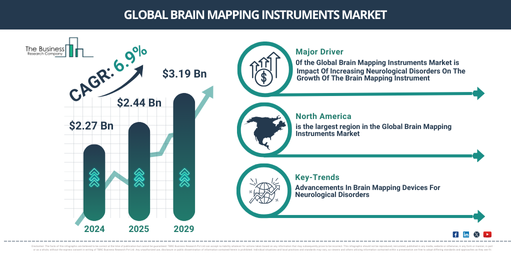
    In recent times, the market size of brain mapping instruments has seen a robust growth. There’s a forecasted expansion from $2.27 billion in 2024 to $2.44 billion in 2025, progressing at a compound annual growth rate (CAGR) of 7.3%. This surge in the historic period is due to factors such as the rising frequency of neurological disorders, an increase in demand for on-the-spot brain monitoring, an increase in clinical trials, the development of brain mapping in psychiatry, and the extension of telemedicine.

    What Growth Rate Is Forecasted for the Brain Mapping Instruments Market by 2029?

    In the coming years, the brain mapping instruments market is projected to witness significant growth, escalating to a valuation of $3.19 billion by 2029, which corresponds to a Compound Annual Growth Rate (CAGR) of 6.9%. The anticipated growth within this forecast period is credited to the escalating demand for cutting-edge neuroimaging techniques, increased investments in neuroscience research, larger acceptance of non-invasive brain mapping technologies, an increasing number of clinical trials, and the growing necessity for brain mapping in educational and cognitive development research. Key trends expected during this forecast period consist of technological advancements, the incorporation of virtual reality, personalized medicine, non-invasive brain mapping methodologies, and cloud computing.

    Download The Free Sample Report Here:

    https://www.thebusinessresearchcompany.com/sample.aspx?id=18270&type=smp

    Which Key Companies Are Shaping the Future of the Brain Mapping Instruments Market?

    Major companies operating in the brain mapping instruments market are Siemens Healthineers, GE Healthcare, Ricoh Company Ltd., Philips Healthcare, Bio-Rad Laboratories Inc., Elekta AB, Nihon Kohden Corporation, Brainlab AG, Natus Medical Incorporated, Hitachi Medical Systems, Canon Medical Systems Corporation, Compumedics Limited, Medtronic PLC, Laureate Digital Securities Pvt Ltd., Magstim Company Limited, EB Neuro S.p.A., Brain Products GmbH, Soterix Medical Inc., Rogue Research Inc., NIRx Medical Technologies LLC, Neurosoft, Artinis Medical Systems, Gowerlabs Ltd.

    Which Factors Are Driving Demand in the Brain Mapping Instruments Industry?

    The brain mapping instrument market is anticipated to grow, driven by the rising incidence of neurological disorders. These disorders affect the brain, spinal cord and nerves, causing issues with movement, cognitive deterioration, and sensory difficulties. Alzheimer’s, Parkinson’s, epilepsy, multiple sclerosis, and stroke are some examples of these conditions. The rise in neurological diseases is attributed to aging populations, urban development, lifestyle adjustments, improved detection capabilities, and environmental and infectious hazards. Brain mapping tools play a crucial role in clinical practice and research by providing detailed understandings of neurological disorders and assisting in the formulation of personalized treatment plans. For example, Alzheimer’s Association, a non-profit health organization in the U.S., reported in March 2023 that an estimated 6.7 million Americans aged 65 and above were battling Alzheimer’s dementia, a neurological disorder. Furthermore, the projection is that the number of people aged 65 and older living with Alzheimer’s dementia will rise to 13.8 million by 2060. As a result, the increasing incidence of neurological disorders is fuelling the expansion of the brain mapping instrument market.

    Request For A Customized Report:

    https://www.thebusinessresearchcompany.com/customise?id=18270&type=smp

    How Is the Brain Mapping Instruments Market Segmented by Several Divisions?

    The brain mapping instruments market covered in this report is segmented –

    1) By Product: Computed Axial Tomography (CAT), Positron Emission Tomography, Electroencephalography (EEG), Functional Near-Infrared Spectroscopy (FNIRS), Functional Magnetic Resonance Imaging (FMRI), Other Products

    2) By Procedure: Devices For Invasive Procedures, Devices For Non-invasive Procedures

    3) By End User: Hospitals, Ambulatory Centers

    Subsegments:

    1) By Computed Axial Tomography (CAT): Conventional CT Scanners, High-Resolution CT Scanners, Portable CT Scanners

    2) By Positron Emission Tomography (PET): PET Scanners (Standalone), Hybrid PET/CT Scanners, PET/MRI Scanners

    3) By Electroencephalography (EEG): Digital EEG Systems, Ambulatory EEG Systems, Video EEG Monitoring Systems

    4) By Functional Near-Infrared Spectroscopy (FNIRS): Continuous Wave Fnirs Systems, Frequency Domain Fnirs Systems, Hybrid Fnirs Systems

    5) By Functional Magnetic Resonance Imaging (FMRI): Resting-State Fmri, Task-Based Fmri, High-Field MRI Systems

    6) By Other Products: Magnetoencephalography (MEG) Systems, Near-Infrared Spectroscopy (NIRS) Devices, Transcranial Magnetic Stimulation (TMS) Systems

    What are the Emerging Market Trends Driving the Growth of the Brain Mapping Instruments Industry?

    Leading entities in the brain mapping instrument market are turning their attention to the creation of innovative products like brain mapping devices to boost diagnosis precision and the effectiveness of treatment in neurological disorders. Brain mapping devices are equipment used for representing and studying the organization and function of the brain using various methods such as magnetic resonance imaging (MRI), functional MRI (fMRI), electroencephalography (EEG), magnetoencephalography (MEG), and positron emission tomography (PET). One notable example is the release of Quicktome, the pioneering brain mapping device by IBS Hospital, an Indian hospital known for its expertise in Neurology, in August 2022. This groundbreaking technology combines the enhanced capacities of MRI and EEG with real-time functional imaging, providing unparalleled accuracy in the visualization of brain architecture and operation. It boasts critical characteristics like high-resolution imaging for intricate anatomical mapping, simultaneous EEG documentation for all-inclusive neural activity observation, and functional MRI for the dynamic analysis of brain function.

    Access The Full Report Here:

    https://www.thebusinessresearchcompany.com/report/brain-mapping-instruments-global-market-report

    Which Regions Are Driving Growth in the Brain Mapping Instruments Market?

    North America was the largest region in the brain mapping instruments market in 2024. Asia-Pacific is expected to be the fastest-growing region in the forecast period. The regions covered in the brain mapping instruments market report are Asia-Pacific, Western Europe, Eastern Europe, North America, South America, Middle East, Africa.

    Purchase The Full Report Today:

    https://www.thebusinessresearchcompany.com/purchaseoptions.aspx?id=18270

    This Report Delivers Insight On:

    1. How big is the brain mapping instruments market, and how is it changing globally?

    2. Who are the major companies in the brain mapping instruments market, and how are they performing?

    3. What are the key opportunities and risks in the brain mapping instruments market right now?

    4. Which products or customer segments are growing the most in the brain mapping instruments market?

    5. What factors are helping or slowing down the growth of the brain mapping instruments market?

    About The Business Research Company:

    With over 15000+ reports from 27 industries covering 60+ geographies, The Business Research Company has built a reputation for offering comprehensive, data-rich research and insights. Armed with 1,500,000 datasets, the optimistic contribution of in-depth secondary research, and unique insights from industry leaders, you can get the information you need to stay ahead in the game.

    Get in touch with us:

    The Business Research Company: https://www.thebusinessresearchcompany.com/

    Americas +1 310-496-7795

    Asia +44 2071930708

    Europe +44 7882 955267

    Email us at info@tbrc.info

    Follow us on:

    LinkedIn: https://in.linkedin.com/company/the-business-research-company

    YouTube: https://www.youtube.com/channel/UC24_fI0rV8cR5DxlCpgmyFQ

    Global Market Model: https://www.thebusinessresearchcompany.com/global-market-model
  • From Insight to Impact: Strategic Growth Mapping in the Brain Mapping Instruments Market

    From Insight to Impact: Strategic Growth Mapping in the Brain Mapping Instruments Market

    Discover trends, market shifts, and competitive outlooks for the brain mapping instruments industry through 2025-2034 with The Business Research Company’s reliable data and in-depth research

    What Are the Key Projections for the CAGR of the Brain Mapping Instruments Market Size From 2025 to 2034?

    The market size for brain mapping instruments has seen significant growth in recent times. Anticipated to grow from $2.27 billion in 2024 to $2.44 billion in 2025 with a compound annual growth rate (CAGR) of 7.3%, the market’s historical growth can be credited to factors such as the rising occurrence of neurological disorders, the increasing demand for live brain monitoring, the surge in clinical studies, the use of brain mapping in psychiatry, and the broadening of telemedicine.

    The market size of brain mapping instruments is anticipated to witness robust expansion in the upcoming years. The market is predicted to reach $3.19 billion by 2029, growing at a compound annual growth rate (CAGR) of 6.9%. Various factors such as a rising preference for progressive neuroimaging practices, an upsurge in funding for neuroscience studies, escalated usage of non-invasive brain mapping techniques, an increased amount of clinical trials and a higher demand for brain mapping in the fields of education and cognitive development contribute to this predicted growth. Predicted trends in the forecast period encompass technical progression, virtual reality integration, individualized medicine, non-invasive brain mapping methods, and the use of cloud computing.

    Download a free sample to assess the report’s scope and structure:

    https://www.thebusinessresearchcompany.com/sample.aspx?id=18270&type=smp

    What are the Fundamental Drivers and Innovations Shaping the Brain Mapping Instruments Market?

    The escalation in the occurrence of neurological disorders is anticipated to fuel the expansion of the brain mapping instrument market in the future. Neurological disorders, which include conditions like Alzheimer’s, Parkinson’s, epilepsy, multiple sclerosis, and stroke, affect the brain, spinal cord, and nerves, resulting in symptoms such as motor function difficulties, cognitive deterioration, and sensory disturbances. Factors contributing to the rise in neurological disorders include population ageing, urbanization, changes in lifestyle, enhanced diagnostic capacities, and environmental and infectious risk factors. Brain mapping instruments play a crucial role in clinical practice and research, providing valuable insights into neurological disorders and facilitating the development of individualized treatment plans. For example, data from the Alzheimer’s Association, a US-based non-profit voluntary health organization, showed that in March 2023, an estimated 6.7 million Americans aged 65 and older were living with Alzheimer’s dementia, a type of neurological disorder. Moreover, by 2060, the number of people aged 65 and older diagnosed with Alzheimer’s dementia is expected to rise to 13.8 million. Thus, the surge in the occurrence of neurological disorders is stimulating the growth of the brain mapping instrument market.

    How Is the Brain Mapping Instruments Market Segmented?

    The brain mapping instruments market covered in this report is segmented –

    1) By Product: Computed Axial Tomography (CAT), Positron Emission Tomography, Electroencephalography (EEG), Functional Near-Infrared Spectroscopy (FNIRS), Functional Magnetic Resonance Imaging (FMRI), Other Products

    2) By Procedure: Devices For Invasive Procedures, Devices For Non-invasive Procedures

    3) By End User: Hospitals, Ambulatory Centers

    Subsegments:

    1) By Computed Axial Tomography (CAT): Conventional CT Scanners, High-Resolution CT Scanners, Portable CT Scanners

    2) By Positron Emission Tomography (PET): PET Scanners (Standalone), Hybrid PET/CT Scanners, PET/MRI Scanners

    3) By Electroencephalography (EEG): Digital EEG Systems, Ambulatory EEG Systems, Video EEG Monitoring Systems

    4) By Functional Near-Infrared Spectroscopy (FNIRS): Continuous Wave Fnirs Systems, Frequency Domain Fnirs Systems, Hybrid Fnirs Systems

    5) By Functional Magnetic Resonance Imaging (FMRI): Resting-State Fmri, Task-Based Fmri, High-Field MRI Systems

    6) By Other Products: Magnetoencephalography (MEG) Systems, Near-Infrared Spectroscopy (NIRS) Devices, Transcranial Magnetic Stimulation (TMS) Systems

    Request customized data on this market:

    https://www.thebusinessresearchcompany.com/customise?id=18270&type=smp

    Which Regions Are Driving the Next Phase of the Brain Mapping Instruments Market Growth?

    North America was the largest region in the brain mapping instruments market in 2024. Asia-Pacific is expected to be the fastest-growing region in the forecast period. The regions covered in the brain mapping instruments market report are Asia-Pacific, Western Europe, Eastern Europe, North America, South America, Middle East, Africa.

    What Are the Current Market Growth and Trends in the Brain Mapping Instruments Industry?

    Leading corporations in the brain mapping instrument market are channeling their efforts into creating groundbreaking products such as brain mapping devices. These are aimed at increasing the precision of diagnosis and treatment of neurological disorders. Brain mapping tools refer to devices that facilitate the visualization and examination of the brain’s structure and function. They utilize a range of techniques including magnetic resonance imaging (MRI), functional MRI (fMRI), electroencephalography (EEG), magnetoencephalography (MEG), and positron emission tomography (PET). For instance, Quicktome, the inaugural brain mapping device, was unveiled in August 2022 by IBS Hospital, an institution based in India and specializing in Neurology. This cutting-edge technology amalgamates advanced MRI and EEG competencies with real-time functional imaging, providing unparalleled precision in portraying brain structure and activity. Its notable attributes comprise high-resolution imaging for exhaustive anatomical mapping, concurrent EEG recording for comprehensive monitoring of neural activity, and functional MRI for dynamic analysis of brain function.

    View the full report here:

    https://www.thebusinessresearchcompany.com/report/brain-mapping-instruments-global-market-report

    How Is the Brain Mapping Instruments Market Defined and What Are Its Core Parameters?

    A brain mapping instrument is a device or tool used to visualize, measure, and analyze the structure and function of the brain. These instruments employ various technologies to provide detailed images and data about brain activity, connectivity, and anatomy. Brain mapping instruments are essential in neuroscience research, clinical diagnosis, and treatment planning.

    Purchase the full report and get a swift delivery:

    https://www.thebusinessresearchcompany.com/purchaseoptions.aspx?id=18270

    About The Business Research Company:

    With over 15000+ reports from 27 industries covering 60+ geographies, The Business Research Company has built a reputation for offering comprehensive, data-rich research and insights. Armed with 1,500,000 datasets, the optimistic contribution of in-depth secondary research, and unique insights from industry leaders, you can get the information you need to stay ahead in the game.

    Get in touch with us:

    The Business Research Company: https://www.thebusinessresearchcompany.com/

    Americas +1 3156230293

    Asia +44 2071930708

    Europe +44 2071930708

    Email us at info@tbrc.info

    Follow us on:

    LinkedIn: https://in.linkedin.com/company/the-business-research-company

    YouTube: https://www.youtube.com/channel/UC24_fI0rV8cR5DxlCpgmyFQ

    Global Market Model: https://www.thebusinessresearchcompany.com/global-market-model