Tag: CAGR

  • Global Genitourinary Drugs Market Report 2026–2035: Key Forecasts and Growth Areas

    Global Genitourinary Drugs Market Report 2026–2035: Key Forecasts and Growth Areas

    Uncover key drivers, emerging technologies, and competitive movements shaping the genitourinary drugs market from 2026–2035 with trusted insights from The Business Research Company

    What is the expected shift in the Genitourinary Drugs Market’s size between 2026 and 2030?

    The genitourinary drugs market size has experienced steady growth in recent years. It is anticipated to expand from $31.02 billion in 2025 to $31.99 billion in 2026, reflecting a compound annual growth rate (CAGR) of 3.1%. This historic growth can be ascribed to factors such as urinary tract infection prevalence, an aging population, hormonal disorder incidence, the expansion of hospital pharmacies, and the adoption of prescription drugs.

    The genitourinary drugs market size is anticipated to experience consistent growth in the coming years. It is projected to expand to $35.69 billion by 2030, with a compound annual growth rate (CAGR) of 2.8%. The increase observed during the forecast period can be attributed to several factors, including personalized urology treatments, advancements in digital health platforms, growing reproductive health awareness, the adoption of minimally invasive therapies, and the expansion of specialty clinics. Prominent trends throughout the forecast period include a rising demand for UTI and BPH treatments, the increasing use of hormonal and fertility therapies, the broader availability of oral and topical drug forms, an enhanced focus on women’s and men’s urological health, and the growth of online pharmacy distribution.

    Access Your Free Sample Report for In-Depth Market Insights:

    https://www.thebusinessresearchcompany.com/sample.aspx?id=24548&type=smp

    Which Drivers Are Shaping Strategic Decisions In The Genitourinary Drugs Market?

    The escalating occurrence of genitourinary disorders is set to drive the expansion of the genitourinary drugs market. These medical conditions affect the genitourinary system, which encompasses both the urinary and reproductive organs, involving issues such as infections, cancers, and functional or structural problems. The increasing prevalence of these disorders is linked to the aging population, as age-related physiological changes heighten the susceptibility to urinary and reproductive health conditions. Genitourinary drugs are crucial for managing these disorders by specifically addressing conditions of the urinary and reproductive systems, thereby alleviating infections, inflammation, and dysfunction. These medications improve patient well-being by providing effective, convenient, and tailored treatment, consequently enhancing their overall quality of life. For example, in April 2024, a report from the American Cancer Society, a US-based non-profit organization, indicated that approximately 20 million new cancer cases were identified globally in 2022, resulting in 9.7 million deaths, with projections showing the number of cancer cases will climb to 35 million by 2050. Consequently, the rising incidence of genitourinary disorders is a significant factor propelling the growth of the genitourinary drugs market.

    What Segment Classifications Make Up The Genitourinary Drugs Market?

    The genitourinary drugs market covered in this report is segmented –

    1) By Product: Urologicals, Hormonal Therapy, Gynecological, Anti-Infectives, Other Products

    2) By Route Of Administration: Oral, Parenteral, Topical

    3) By Application: Urinary Tract Infections (UTIs), Benign Prostatic Hyperplasia (BPH), Prostate Cancer, Overactive Bladder, Bladder Cancer, Other Applications

    4) By Distribution Channel: Hospital Pharmacies, Drug Store And Retail Pharmacies, Online Pharmacies

    Subsegments:

    1) By Urologicals: Benign Prostatic Hyperplasia (BPH) Drugs, Urinary Incontinence Drugs, Overactive Bladder (OAB) Drugs, Urolithiasis (Kidney Stone) Drugs, Erectile Dysfunction Drugs

    2) By Hormonal Therapy: Estrogen Therapy, Progestin Therapy, Gonadotropin-Releasing Hormone (GnRH) Agonists/Antagonists, Androgen Replacement Therapy, Selective Estrogen Receptor Modulators (SERMs)

    3) By Gynecological: Contraceptives, Menopausal Hormone Therapy, Fertility Drugs, Drugs for Endometriosis, Drugs for Polycystic Ovary Syndrome (PCOS)

    4) By Anti-Infectives: Urinary Tract Infection (UTI) Drugs, Sexually Transmitted Infection (STI) Drugs, Vaginal Antifungals, Antivirals

    5) By Other Products: Drugs for Chronic Pelvic Pain, Bladder Cancer Therapies, Interstitial Cystitis Drugs, Pelvic Organ Prolapse Treatment Drugs, Adjunctive Therapies

    What Upcoming Trends Are Likely To Define The Future Path Of The Genitourinary Drugs Market?

    Leading companies in the genitourinary drugs market are concentrating on developing innovative products, such as oral antibiotics, to boost treatment convenience, enhance patient adherence, and effectively combat infections. Oral antibiotics are antibacterial medications taken by mouth to treat infections caused by bacteria. For instance, in March 2025, GSK plc, a UK-based pharmaceutical company, obtained approval from the US Food and Drug Administration (FDA) for Blujepa (gepotidacin), intended for treating uncomplicated urinary tract infections caused by susceptible bacteria in women and girls aged 12 and older. This is a novel, first-in-class oral antibiotic that operates by inhibiting bacterial DNA replication, specifically targeting two critical enzymes: DNA gyrase and topoisomerase IV. In contrast to traditional antibiotics, it binds to unique sites to circumvent resistance, providing a targeted mechanism with improved safety and efficacy.

    Which Key Players Are Driving Competition In The Genitourinary Drugs Market?

    Major companies operating in the genitourinary drugs market are Pfizer Inc., Johnson & Johnson, F. Hoffmann-La Roche AG, Merck & Co. Inc., Bayer AG, Novartis AG, Sanofi S.A., Bristol Myers Squibb, AstraZeneca plc, Abbott Laboratories, GSK plc, Eli Lilly and Company, Amgen Inc., Teva Pharmaceutical Industries Ltd., Astellas Pharma Inc., Ipsen Société Anonyme, Aurobindo Pharma Limited, Dr. Reddy’s Laboratories Limited, Cipla Limited, Hikma Pharmaceuticals Public Limited Company, Endo International Public Limited Company, Takeda Pharmaceutical Company Limited, Zydus Lifesciences Limited, Melinta Therapeutics Inc., Asieris Pharmaceuticals, Sun Pharmaceutical Industries Ltd.

    Access The Complete Report For Deeper Market Insights:

    https://www.thebusinessresearchcompany.com/report/genitourinary-drugs-global-market-report

    Which Region Is Projected To Lead The Genitourinary Drugs Market During The Forecast Period?

    North America was the largest region in the genitourinary drugs market in 2025. Asia-Pacific is expected to be the fastest-growing region in the forecast period. The regions covered in the genitourinary drugs market report are Asia-Pacific, South East Asia, Western Europe, Eastern Europe, North America, South America, Middle East, Africa.

    Request Your Customized Genitourinary Drugs Market Research Report for Competitive Advantage:

    https://www.thebusinessresearchcompany.com/customise?id=24548&type=smp

    Browse Through More Reports Similar to the Global Genitourinary Drugs Market 2026, By The Business Research Company

    Genito Urinary Drugs Market Report 2026

    https://www.thebusinessresearchcompany.com/report/genito-urinary-drugs-global-market-report

    Generic Oncology Drugs Market Report 2026

    https://www.thebusinessresearchcompany.com/report/generic-oncology-drugs-global-market-report

    Pharmaceutical Label Market Report 2026

    https://www.thebusinessresearchcompany.com/report/pharmaceutical-label-global-market-report

    Get in touch with us:

    The Business Research Company: https://www.thebusinessresearchcompany.com/

    Americas +1 310-496-7795

    Asia +44 7882 955267 & +91 8897263534

    Europe +44 7882 955267

    Email us at info@tbrc.info

    Follow us on:

    LinkedIn: https://in.linkedin.com/company/the-business-research-company

    YouTube: https://www.youtube.com/channel/UC24_fI0rV8cR5DxlCpgmyFQ

    Global Market Model: https://www.thebusinessresearchcompany.com/global-market-model

  • Lumbosacral Radicular Pain Management Market Report 2026: Strategic Insights and Revenue Outlook

    Lumbosacral Radicular Pain Management Market Report 2026: Strategic Insights and Revenue Outlook

    Uncover key drivers, emerging technologies, and competitive movements shaping the lumbosacral radicular pain management market from 2026–2035 with trusted insights from The Business Research Company

    How much larger will the Lumbosacral Radicular Pain Management Market be in 2030 compared with 2026?

    The lumbosacral radicular pain management market has demonstrated robust expansion in recent years. This market is anticipated to expand from $0.9 billion in 2025 to $0.95 billion in 2026, achieving a compound annual growth rate (CAGR) of 5.7%. The historical growth of this market can be attributed to an increase in spinal disc disorders, a widespread dependence on pharmacological pain relief, the availability of hospital-based pain treatment, a rise in orthopedic consultations, and the development of physical therapy services.

    The lumbosacral radicular pain management market size is projected to experience robust growth in the coming years, expanding to $1.17 billion by 2030, with a compound annual growth rate (CAGR) of 5.4%. This anticipated expansion during the forecast period is driven by factors such as the increasing aging population, a growing need for long-term pain management solutions, the uptake of non-invasive therapies, the growth of home-based rehabilitation, and innovations in pain diagnostics. Prominent trends expected in this period include an increasing preference for multimodal pain management, a greater adoption of non-opioid treatments, the broadening of physical therapy-based interventions, a rising demand for minimally invasive pain treatments, and the incorporation of personalized pain management plans.

    Access Your Free Sample Report for In-Depth Market Insights:

    https://www.thebusinessresearchcompany.com/sample.aspx?id=24592&type=smp

    What Drivers Are Guiding Growth Patterns In The Lumbosacral Radicular Pain Management Market?

    The increasing occurrence of back pain conditions is anticipated to fuel the expansion of the lumbosacral radicular pain management market in the future. These disorders encompass various ailments impacting the spine, its muscles, or nerves in the back, leading to discomfort or soreness. The growing incidence of back pain issues stems from inactive lifestyles, which tend to weaken spinal muscles, resulting in poor posture and chronic discomfort. The goal of lumbosacral radicular pain management is to alleviate irritation of nerve roots in the lower back, thereby decreasing pain and inflammation. This approach helps restore movement and enhance life quality. For example, data from June 2024, provided by the Australian Institute of Health and Welfare, a government body in Australia, indicated that in 2023, back issues ranked as the third primary factor contributing to the disease burden in Australia, accounting for 4.3% of the nation’s overall disease burden. Consequently, the increased occurrence of back pain disorders is a key impetus for the expansion of the lumbosacral radicular pain management market.

    How Is The Lumbosacral Radicular Pain Management Market Divided Into Segments?

    The lumbosacral radicular pain management market covered in this report is segmented –

    1) By Medication: Non-Steroidal Anti-Inflammatory Drugs, Opioids, Antidepressants, Anticonvulsants, Steroids

    2) By Physical Therapy: Manual Therapy, Exercise Therapy, Electrotherapy, Thermal Therapy, Hydrotherapy

    3) By Route Of Administration: Oral, Topical

    4) By End-User: Hospital Pharmacy, Retail Pharmacy, Online Pharmacy

    Subsegments:

    1) By Non-Steroidal Anti-Inflammatory Drugs: Ibuprofen, Naproxen, Diclofenac, Celecoxib, Etoricoxib

    2) By Opioids: Tramadol, Oxycodone, Morphine, Hydrocodone, Fentanyl

    3) By Antidepressants: Amitriptyline, Nortriptyline, Duloxetine, Desvenlafaxine, Venlafaxine

    4) By Anticonvulsants: Gabapentin, Pregabalin, Carbamazepine, Lamotrigine, Topiramate

    5) By Steroids: Dexamethasone, Methylprednisolone, Prednisone, Triamcinolone, Hydrocortison

    Which Innovation Trends Are Advancing Developments Within The Lumbosacral Radicular Pain Management Market?

    Leading companies active in the lumbosacral radicular pain management market are prioritizing the development of advanced treatments, such as investigational oral NaV1.8 pain signal inhibitors, to provide a non-opioid alternative for enduring pain relief. An investigational oral NaV1.8 pain signal inhibitor is a medication in its trial phase designed to target the NaV1.8 sodium channel, which serves as a crucial pathway for pain transmission through sensory nerves. As an illustration, in December 2024, Vertex Pharmaceuticals, a US-based biotech company, announced the findings from its Phase 2 study of suzetrigine for painful lumbosacral radiculopathy (LSR). The study fulfilled its primary endpoint, revealing a statistically significant and clinically impactful reduction in pain from the outset in the suzetrigine group. Suzetrigine was generally tolerated without issue, with no serious adverse events reported. Vertex aims to address the substantial placebo response in subsequent Phase 3 trials to better ascertain the drug’s efficacy.

    Which Key Players Are Driving Competition In The Lumbosacral Radicular Pain Management Market?

    Major companies operating in the lumbosacral radicular pain management market are Pfizer Inc., Johnson & Johnson Services Inc., Bayer AG, Sanofi SA, Bristol-Myers Squibb, AstraZeneca plc, Novartis AG, GSK plc, Medtronic plc, Eli Lilly and Company, Amgen Inc, Koninklijke Philips NV, Stryker Corporation, Teva Pharmaceutical Industries Ltd, Boston Scientific Corporation, Dr Reddy’s Laboratories Ltd, NuVasive Inc., Nobel Biocare Holdings AG, Ultradent Products Inc., Nevro Corp., Zynex Inc., Eliem Therapeutics, Vertebral Technologies Inc., Semnur Pharmaceuticals Inc.

    Access The Complete Report For Deeper Market Insights:

    https://www.thebusinessresearchcompany.com/report/lumbosacral-radicular-pain-management-global-market-report

    Which Region Is Projected To Lead The Lumbosacral Radicular Pain Management Market During The Forecast Period?

    North America was the largest region in the lumbosacral radicular pain management market in 2025. Asia-Pacific is expected to be the fastest-growing region in the forecast period. The regions covered in the lumbosacral radicular pain management market report are Asia-Pacific, South East Asia, Western Europe, Eastern Europe, North America, South America, Middle East, Africa.

    Request Your Customized Lumbosacral Radicular Pain Management Market Research Report for Competitive Advantage:

    https://www.thebusinessresearchcompany.com/customise?id=24592&type=smp

    Browse Through More Reports Similar to the Global Lumbosacral Radicular Pain Management Market 2026, By The Business Research Company

    Pain Management Drugs Market Report 2026

    https://www.thebusinessresearchcompany.com/report/pain-management-drugs-global-market-report

    Joint Pain Injections Market Report 2026

    https://www.thebusinessresearchcompany.com/report/joint-pain-injections-global-market-report

    Topical Pain Relief Market Report 2026

    https://www.thebusinessresearchcompany.com/report/topical-pain-relief-global-market-report

    Get in touch with us:

    The Business Research Company: https://www.thebusinessresearchcompany.com/

    Americas +1 310-496-7795

    Asia +44 7882 955267 & +91 8897263534

    Europe +44 7882 955267

    Email us at info@tbrc.info

    Follow us on:

    LinkedIn: https://in.linkedin.com/company/the-business-research-company

    YouTube: https://www.youtube.com/channel/UC24_fI0rV8cR5DxlCpgmyFQ

    Global Market Model: https://www.thebusinessresearchcompany.com/global-market-model

  • Lateral Epicondylitis Treatment Market Forecast 2026: Where the Industry Is Headed

    Lateral Epicondylitis Treatment Market Forecast 2026: Where the Industry Is Headed

    Uncover key drivers, emerging technologies, and competitive movements shaping the lateral epicondylitis treatment market from 2026–2035 with trusted insights from The Business Research Company

    How much is the Lateral Epicondylitis Treatment Market valued at in 2026, and what valuation is forecast for 2030?

    The lateral epicondylitis treatment market has shown significant growth in recent years. It is anticipated to increase from $2.34 billion in 2025 to $2.46 billion in 2026, achieving a compound annual growth rate (CAGR) of 5.2%. This market’s expansion in the past can be credited to elements like sports-related injury prevalence, repetitive occupational strain, orthopedic clinic expansion, traditional physiotherapy adoption, and NSAID-based pain management.

    The lateral epicondylitis treatment market is projected for consistent expansion over the upcoming years, with its valuation reaching $2.98 billion by 2030, demonstrating a compound annual growth rate (CAGR) of 4.9%. This anticipated growth during the forecast period stems from factors such as the increasing embrace of minimally invasive treatments, the demographic shift towards an aging workforce, the emergence of digital physiotherapy platforms, a heightened need for quicker recovery options, and progress in outpatient surgical techniques. Key trends characterizing this period encompass a rising inclination towards non-surgical approaches, a broader acceptance of physical therapy regimens, the increasing application of image-guided injections, the widening scope of outpatient orthopedic services, and a more integrated approach to rehabilitation and pain management.

    Access Your Free Sample Report for In-Depth Market Insights:

    https://www.thebusinessresearchcompany.com/sample.aspx?id=24585&type=smp

    What Drivers Are Influencing The Growth Of The Lateral Epicondylitis Treatment Market?

    The escalating engagement in sports and various physical activities is projected to stimulate the expansion of the lateral epicondylitis treatment market in the foreseeable future. These activities are defined as structured or leisure bodily movements undertaken to enhance physical fitness, preserve health, or participate in competitive or recreational pursuits. The rise in sports and physical activities is observed due to increased health awareness, as more people are giving precedence to fitness for disease prevention and to boost their mental and physical well-being. Lateral epicondylitis treatment proves beneficial for individuals engaging in sports and physical activities by aiding in the restoration of pain-free arm function, thereby allowing them to perform movements like gripping and swinging without discomfort or restriction. For instance, in February 2024, according to the Sports and Fitness Industry Association (SFIA), a US-based trade association, 78.8% of Americans, or 242 million people, participated in at least one physical activity in 2023, a 2.2% rise from 2022. Thus, the proliferation of sports and physical activities is propelling the growth of the lateral epicondylitis treatment market.

    What Segments Are Included Within The Lateral Epicondylitis Treatment Market?

    The lateral epicondylitis treatment market covered in this report is segmented –

    1) By Treatment Type: Non-Surgical Treatment, Surgical Treatment

    2) By Age Group: Pediatric, Adult, Geriatric

    3) By Application: Athlete, Other Applications

    4) By End Use: Hospitals, Ambulatory Surgical Centers, Orthopedic Clinics, Homecare Settings, Other End Uses

    Subsegments:

    1) By Non-Surgical Treatment: Physical Therapy, Pharmacological Therapy, Orthotic Devices, Injections

    2) By Surgical Treatment: Open Surgery, Arthroscopic Surgery

    Which Trends Are Shaping Activity Within The Lateral Epicondylitis Treatment Market?

    Leading companies operating in the lateral epicondylitis treatment market are prioritizing the development of novel solutions, such as plasma therapies, to expand care options and deliver advanced, non-surgical alternatives for patients with orthopedic conditions. Plasma therapies involve the application of blood plasma components, specifically antibodies or growth factors, to address various medical ailments and support the body’s natural healing processes. For instance, in December 2023, Tree Top Hospital (TTH), a state-of-the-art hospital situated in Maldives, launched platelet-rich plasma (PRP) treatments as part of its comprehensive advanced orthopedic care services. This cutting-edge therapy harnesses the body’s inherent healing properties to treat certain musculoskeletal conditions like lateral epicondylitis (tennis elbow), early-stage knee arthritis, and sports-related tendon injuries. By offering PRP therapy, TTH seeks to improve patient recovery through minimally invasive, evidence-based regenerative solutions that lessen reliance on surgical procedures.

    Who Are The Primary Competitors In The Global Lateral Epicondylitis Treatment Market?

    Major companies operating in the lateral epicondylitis treatment market are Merck & Co. Inc., 3M Company, Mayo Foundation for Medical Education and Research (MFMER), Cleveland Clinic, Chugai Pharmaceutical, Johns Hopkins Medicine, MedStar Health, Cipla Inc., Enovis Corporation, OttoBock HealthCare, Ossur Corporate, Max Healthcare, Seikagaku Corporation, Texas Orthopedic Specialists, Johari Digital, Mediheal Group of Hospitals, Scandinavian Physiotherapy Center, Veritas Health LLC, Folsom Orthopaedics & Sports Medicine, ReLiva Physiotherapy & Rehab, Molecular Pharmacology Limited

    Access The Complete Report For Deeper Market Insights:

    https://www.thebusinessresearchcompany.com/report/lateral-epicondylitis-treatment-global-market-report

    Which Global Regions Are Shaping The Competitive Landscape Of The Lateral Epicondylitis Treatment Market?

    North America was the largest region in the lateral epicondylitis treatment market in 2025. Asia-Pacific is expected to be the fastest-growing region in the forecast period. The regions covered in the lateral epicondylitis treatment market report are Asia-Pacific, South East Asia, Western Europe, Eastern Europe, North America, South America, Middle East, Africa.

    Request Your Customized Lateral Epicondylitis Treatment Market Research Report for Competitive Advantage:

    https://www.thebusinessresearchcompany.com/customise?id=24585&type=smp

    Browse Through More Reports Similar to the Global Lateral Epicondylitis Treatment Market 2026, By The Business Research Company

    Musculoskeletal Disorder Drugs Market Report 2026

    https://www.thebusinessresearchcompany.com/report/musculoskeletal-disorder-drugs-global-market-report

    Ankylosing Spondylitis Market Report 2026

    https://www.thebusinessresearchcompany.com/report/ankylosing-spondylitis-global-market-report

    Tendonitis Treatment Market Report 2026

    https://www.thebusinessresearchcompany.com/report/tendonitis-treatment-global-market-report

    Get in touch with us:

    The Business Research Company: https://www.thebusinessresearchcompany.com/

    Americas +1 310-496-7795

    Asia +44 7882 955267 & +91 8897263534

    Europe +44 7882 955267

    Email us at info@tbrc.info

    Follow us on:

    LinkedIn: https://in.linkedin.com/company/the-business-research-company

    YouTube: https://www.youtube.com/channel/UC24_fI0rV8cR5DxlCpgmyFQ

    Global Market Model: https://www.thebusinessresearchcompany.com/global-market-model

  • Global Cerebral Infarction Treatment Market Report 2026: Emerging Trends and Growth Scenarios

    Global Cerebral Infarction Treatment Market Report 2026: Emerging Trends and Growth Scenarios

    Uncover key drivers, emerging technologies, and competitive movements shaping the cerebral infarction treatment market from 2026–2035 with trusted insights from The Business Research Company

    What level of CAGR-driven expansion is anticipated in the Cerebral Infarction Treatment Market between 2026 and 2030?

    The cerebral infarction treatment market has demonstrated significant growth in recent years. This market is expected to expand from $11.84 billion in 2025 to $12.7 billion in 2026, achieving a compound annual growth rate (CAGR) of 7.2%. The expansion observed in the past can be attributed to the aging population, an increase in hypertension prevalence, the development of hospital stroke units, enhancements in imaging diagnostics, and advancements in emergency care infrastructure.

    The market for cerebral infarction treatment is projected to experience substantial expansion in the coming years. This market is anticipated to reach $16.61 billion by 2030, exhibiting a compound annual growth rate (CAGR) of 6.9%. Key drivers for this growth during the forecast period include AI-assisted stroke diagnosis, the implementation of early screening programs, advancements in endovascular devices, increasing demand for post-stroke rehabilitation, and various government initiatives aimed at stroke prevention and treatment. Significant trends identified for the forecast period encompass the heightened adoption of mechanical thrombectomy procedures, an increasing application of thrombolytic therapies, the ongoing expansion of specialized stroke centers, an elevated emphasis on early intervention protocols, and the integration of rehabilitation services within acute care settings.

    Access Your Free Sample Report for In-Depth Market Insights:

    https://www.thebusinessresearchcompany.com/sample.aspx?id=24500&type=smp

    What Drivers Are Affecting Demand-Supply Dynamics In The Cerebral Infarction Treatment Market?

    The rising occurrence of stroke is anticipated to drive the expansion of the cerebral infarction treatment market in the future. Stroke is a medical event characterized by an interruption or obstruction of blood supply to the brain, resulting in a deficit of oxygen and essential nutrients in brain cells. This growing incidence of stroke largely stems from the increasing rates of hypertension, given that elevated blood pressure harms blood vessels. Treatments for cerebral infarction improve stroke management by re-establishing blood circulation to the brain, thereby minimizing enduring damage and functional impairment. Such treatments enhance patient results via prompt interventions, facilitating a more efficacious and manageable recovery process. As an illustration, in September 2024, the Stroke Foundation, an Australia-based not-for-profit organization, reported 45,785 stroke cases in Australia in 2023, with projections indicating a substantial increase to 72,000 cases by 2050. Consequently, the growing frequency of stroke is fueling the expansion of the cerebral infarction treatment market.

    What Segments Are Included Within The Cerebral Infarction Treatment Market?

    The cerebral infarction treatment market covered in this report is segmented –

    1) By Treatment Type: Medication, Surgical Interventions, Rehabilitation Therapies

    2) By Diagnostic Tools: Computed Tomography Scan, Magnetic Resonance Imaging, Angiography, Doppler Ultrasound

    3) By Application: Ischemic Stroke, Transient Ischemic Attack, Large Artery Stroke, Small Vessel Stroke

    4) By End-User: Hospitals, Specialized Stroke Centers, Ambulatory Surgical Centers, Home Care Providers

    Subsegments:

    1) By Medication: Antiplatelet Drugs, Anticoagulants, Thrombolytics, Statins, Antihypertensives

    2) By Surgical Interventions: Mechanical Thrombectomy, Carotid Endarterectomy, Decompressive Craniectomy, Stent Placement, Angioplasty

    3) By Rehabilitation: Physical Therapy, Occupational Therapy, Speech and Language Therapy, Cognitive Rehabilitation, Psychological Counseling

    Which Competitive Trends Are Impacting The Structure Of The Cerebral Infarction Treatment Market?

    Leading companies in the cerebral infarction treatment market are concentrating on developing sophisticated technological solutions, such as dual aspiration technology, to reduce treatment times for patients experiencing acute ischemic stroke. Dual aspiration technology is a method that employs two catheters simultaneously to improve the efficiency of clot removal during stroke interventions. For example, in May 2025, Imperative Care, a US-based medical technology company, introduced Zoom DuoPort, an advanced stroke treatment technology developed for enhanced stroke management. It facilitates dual aspiration, allowing two catheters to operate concurrently from a single vacuum source. This innovation enhances physician control, delivers real-time procedural feedback, and boosts the efficacy of mechanical thrombectomy in treating acute ischemic stroke.

    Who Are The Prominent Global Companies Shaping The Cerebral Infarction Treatment Market Landscape?

    Major companies operating in the cerebral infarction treatment market are Pfizer Inc., Johnson & Johnson, F. Hoffmann-La Roche AG, Bayer AG, Sanofi S.A., AstraZeneca plc, Abbott Laboratories, Novartis AG, Medtronic plc, Amgen Inc., Siemens Healthineers, Becton Dickinson and Company, Stryker Corporation, Boston Scientific Corporation, Daiichi Sankyo Company Limited, Penumbra Inc., Terumo Corporation, phenox GmbH, Boehringer Ingelheim International GmbH, Imperative Care Inc., Acandis GmbH & Co. KG, Reflow Medical Inc., NeuroVasc Technologies Inc., Rapid Medical Ltd., Q’Apel Medical Inc.

    Access The Complete Report For Deeper Market Insights:

    https://www.thebusinessresearchcompany.com/report/cerebral-infarction-treatment-global-market-report

    Which Geographic Areas Are Emerging As Strong Markets For The Cerebral Infarction Treatment Market?

    North America was the largest region in the cerebral infarction treatment market in 2025. The regions covered in the cerebral infarction treatment market report are Asia-Pacific, South East Asia, Western Europe, Eastern Europe, North America, South America, Middle East, Africa.

    Request Your Customized Cerebral Infarction Treatment Market Research Report for Competitive Advantage:

    https://www.thebusinessresearchcompany.com/customise?id=24500&type=smp

    Browse Through More Reports Similar to the Global Cerebral Infarction Treatment Market 2026, By The Business Research Company

    Acute Ischemic Stroke Drugs Market Report 2026

    https://www.thebusinessresearchcompany.com/report/acute-ischemic-stroke-drugs-global-market-report

    Stroke Management Market Report 2026

    https://www.thebusinessresearchcompany.com/report/stroke-management-global-market-report

    Brain Health Supplements Market Report 2026

    https://www.thebusinessresearchcompany.com/report/brain-health-supplements-global-market-report

    Get in touch with us:

    The Business Research Company: https://www.thebusinessresearchcompany.com/

    Americas +1 310-496-7795

    Asia +44 7882 955267 & +91 8897263534

    Europe +44 7882 955267

    Email us at info@tbrc.info

    Follow us on:

    LinkedIn: https://in.linkedin.com/company/the-business-research-company

    YouTube: https://www.youtube.com/channel/UC24_fI0rV8cR5DxlCpgmyFQ

    Global Market Model: https://www.thebusinessresearchcompany.com/global-market-model

  • Global Dysfunctional Uterine Bleeding Market 2026–2030: Forecast Insights for Business Planning

    Global Dysfunctional Uterine Bleeding Market 2026–2030: Forecast Insights for Business Planning

    Uncover key drivers, emerging technologies, and competitive movements shaping the dysfunctional uterine bleeding market from 2026–2035 with trusted insights from The Business Research Company

    By how much is the Dysfunctional Uterine Bleeding Market expected to grow between 2026 and 2030?

    The dysfunctional uterine bleeding market has experienced robust growth in recent years. It is anticipated to expand from $3.55 billion in 2025 to $3.84 billion in 2026, progressing at a compound annual growth rate (CAGR) of 8.1%. The expansion witnessed in prior periods can be attributed to factors such as the prevalence of hormonal imbalance, the growth of gynecology clinics, the use of oral contraceptives, improved access to diagnostic imaging, and increased reproductive health awareness.

    The dysfunctional uterine bleeding market size is projected to experience robust growth over the next few years. It is expected to expand to $5.19 billion by 2030, demonstrating a compound annual growth rate (CAGR) of 7.8%. This anticipated growth during the forecast period can be primarily attributed to personalized hormone therapy, the implementation of early diagnosis programs, the expansion of outpatient care, the emergence of digital women’s health platforms, and the increasing adoption of minimally invasive treatments. Furthermore, significant trends for this period include a greater utilization of hormonal therapies, an increase in minimally invasive diagnostics, a heightened awareness of women’s reproductive health, the broadening of outpatient gynecology services, and enhanced diagnostic accuracy.

    Access Your Free Sample Report for In-Depth Market Insights:

    https://www.thebusinessresearchcompany.com/sample.aspx?id=24526&type=smp

    Which Drivers Are Influencing Market Acceleration In The Dysfunctional Uterine Bleeding Market?

    The dysfunctional uterine bleeding market is anticipated to expand going forward, propelled by the rising prevalence of menstrual disorders. Menstrual disorders are defined as any irregularities or abnormalities observed in the menstrual cycle, encompassing alterations in its frequency, duration, or the quantity of bleeding. The surge in the prevalence of menstrual disorders is attributed to increased awareness, shifts in lifestyle, and improved diagnostic techniques, which facilitate the identification and treatment of a greater number of cases. Dysfunctional uterine bleeding aids in comprehending menstrual disorders by recognizing abnormal uterine bleeding patterns that are not caused by underlying structural or systemic diseases, thereby directing effective diagnosis and treatment. For example, in December 2023, the Trust for London, a UK-based nonprofit organization, revealed that 2.8 million people in the UK struggled to afford period products. This figure represents one in five menstruating individuals and marks a significant increase from 12% in 2022 to 21% in 2023. Consequently, the increasing prevalence of menstrual disorders is a key factor driving the growth of the dysfunctional uterine bleeding market.

    What Segments Are Identified Within The Structure Of The Dysfunctional Uterine Bleeding Market?

    The dysfunctional uterine bleeding market covered in this report is segmented –

    1) By Type: Ovulatory, Anovulatory

    2) By Diagnosis: Hysteroscopy, Ultrasonography, Dilation And Curettage

    3) By Application: Menopause, Dysfunctional Uterine Bleeding, Endometrial Cancer, Contraception, Hyperplastic Precursor Lesions, Other Applications

    4) By End User: Hospital, Clinics, Diagnostic Centers

    Subsegments:

    1) By Ovulatory: Menorrhagia, Polymenorrhea, Metrorrhagia

    2) By Anovulatory: Dysfunctional Bleeding, Breakthrough Bleeding

    Which Trends Are Expected To Influence The Dysfunctional Uterine Bleeding Market In The Upcoming Years?

    Leading companies in the dysfunctional uterine bleeding market are prioritizing the development of novel treatments, such as oral GnRH antagonists, to offer effective, non-surgical options that reduce heavy menstrual bleeding by targeting hormone regulation. An oral GnRH antagonist is a medication that blocks gonadotropin-releasing hormone receptors, leading to reduced estrogen levels and the shrinking of uterine fibroids without invasive procedures. For instance, in September 2024, Theramex, a UK-based pharmaceutical company, introduced Yselty (linzagolix) as an oral, once-daily GnRH antagonist designed to treat heavy menstrual bleeding linked to uterine fibroids. This medication provides flexible dosing options, allowing for better customization of treatment to individual patient needs. It effectively diminishes symptoms while preserving patients’ quality of life. Additionally, Yselty supports fertility preservation during therapy. Overall, it represents an innovative approach for managing uterine fibroid-related bleeding.

    Which Key Players Are Driving Competition In The Dysfunctional Uterine Bleeding Market?

    Major companies operating in the dysfunctional uterine bleeding market are Abbott Laboratories, Organon & Co., Endo Pharmaceuticals Inc., Teva Pharmaceutical Industries Ltd., Cipla Ltd., Alkem Laboratories Ltd., Glenmark Pharmaceuticals Ltd., Mylan N.V. (Viatris), Zydus Lifesciences Ltd., Aurobindo Pharma Ltd., Dr. Reddy’s Laboratories Ltd., Intuitive Surgical Inc., Olympus Corporation, Richard Wolf GmbH, Ethicon (Johnson & Johnson MedTech), Olympus Medical Systems India Pvt. Ltd., Teleflex Incorporated, Nipro Corporation, Medtronic Women’s Health, Stryker Corporation

    Access The Complete Report For Deeper Market Insights:

    https://www.thebusinessresearchcompany.com/report/dysfunctional-uterine-bleeding-global-market-report

    Which Region Is Projected To Lead The Dysfunctional Uterine Bleeding Market During The Forecast Period?

    North America was the largest region in the dysfunctional uterine bleeding market in 2025. Asia-Pacific is expected to be the fastest-growing region in the forecast period. The regions covered in the dysfunctional uterine bleeding market report are Asia-Pacific, South East Asia, Western Europe, Eastern Europe, North America, South America, Middle East, Africa.

    Request Your Customized Dysfunctional Uterine Bleeding Market Research Report for Competitive Advantage:

    https://www.thebusinessresearchcompany.com/customise?id=24526&type=smp

    Browse Through More Reports Similar to the Global Dysfunctional Uterine Bleeding Market 2026, By The Business Research Company

    Cyclic Heavy Menstrual Bleeding Market Report 2026

    https://www.thebusinessresearchcompany.com/report/cyclic-heavy-menstrual-bleeding-global-market-report

    Uterine Fibroids Treatment Market Report 2026

    https://www.thebusinessresearchcompany.com/report/uterine-fibroids-treatment-global-market-report

    Bleeding Disorders Treatment Market Report 2026

    https://www.thebusinessresearchcompany.com/report/bleeding-disorders-treatment-global-market-report

    Get in touch with us:

    The Business Research Company: https://www.thebusinessresearchcompany.com/

    Americas +1 310-496-7795

    Asia +44 7882 955267 & +91 8897263534

    Europe +44 7882 955267

    Email us at info@tbrc.info

    Follow us on:

    LinkedIn: https://in.linkedin.com/company/the-business-research-company

    YouTube: https://www.youtube.com/channel/UC24_fI0rV8cR5DxlCpgmyFQ

    Global Market Model: https://www.thebusinessresearchcompany.com/global-market-model

  • Global Critical Care Drugs Market Report 2026: Emerging Trends and Growth Scenarios

    Global Critical Care Drugs Market Report 2026: Emerging Trends and Growth Scenarios

    Uncover key drivers, emerging technologies, and competitive movements shaping the critical care drugs market from 2026–2035 with trusted insights from The Business Research Company

    What total market size is anticipated for the Critical Care Drugs Market in 2030?

    The critical care drugs market size has shown robust growth in recent years. It is expected to expand from $1.13 billion in 2025 to $1.2 billion in 2026, achieving a compound annual growth rate (CAGR) of 6.4%. This historical growth can be attributed to factors like the escalating incidence of critical illnesses, an increase in ICU admissions, the restricted availability of sophisticated critical care drugs, the development of hospital infrastructure, and a dependence on traditional sedatives and analgesics.

    The critical care drugs market is anticipated to experience substantial growth in the coming years, reaching $1.53 billion by 2030, demonstrating a compound annual growth rate (CAGR) of 6.1%. This expansion during the forecast period is propelled by factors such as the development of new opioids and sedatives, the integration of AI-based monitoring and dosing tools, the broadening of acute care protocols, escalating government efforts for ICU capacity enhancement, and a rise in the adoption of precision critical care therapies. Key trends for this period involve an increasing application of advanced sedatives and analgesics in ICU environments, growing adoption of continuous monitoring and dose optimization instruments, expansion in acute care and critical event management pharmaceuticals, wider implementation of protocol-based drug administration in operating theaters, and a heightened emphasis on patient safety and reducing adverse drug reactions in critical care settings.

    Access Your Free Sample Report for In-Depth Market Insights:

    https://www.thebusinessresearchcompany.com/sample.aspx?id=27266&type=smp

    What Drivers Are Influencing Production Trends In The Critical Care Drugs Market?

    An anticipated increase in the number of surgical procedures is expected to propel the growth of the critical care drugs market going forward. These medical interventions involve doctors operating on the body to correct or address health issues like injuries or diseases. The frequency of surgical procedures is escalating due to the growing occurrence of chronic diseases that necessitate operative treatment. Critical care drugs are employed in surgical procedures to manage pain, stabilize vital functions, prevent infections, and support recovery during and following surgery. For instance, in May 2025, according to the Australian Institute of Health and Welfare, an Australia-based government agency, in 2023–24, around 778,500 patients were admitted for surgery from public hospital waiting lists, which is a 5.8% rise compared to 2022–23. Therefore, the expanding volume of surgical procedures is driving the growth of the critical care drugs market.

    Which Segment Groups Are Influencing The Critical Care Drugs Market?

    The critical care drugs market covered in this report is segmented –

    1) By Drug Type: Opioids, Morphine, Pethidine, Naloxone, Fentanyl, Benzodiazepines, Diazepam, Midazolam, Lorazepum, Other Types

    2) By Clinical Applications: Sepsis And Septic Shock, Acute Respiratory Distress Syndrome (ARDS), Acute Cardiovascular Events, Acute Kidney Injury, Traumatic Injuries

    3) By Route Of Administration: Intravenous (IV), Intramuscular (IM), Inhalation, Subcutaneous

    4) By End User: Intensive Care Unit (ICU), Coronary Care Unit (CCU), Operation Theatres, Trauma Centers

    Subsegments:

    1) By Opioids: Codeine, Hydromorphone, Oxycodone, Tapentadol, Methadone

    2) By Morphine: Immediate-Release Morphine, Extended-Release Morphine, Injectable Morphine, Oral Morphine Solutions

    3) By Pethidine: Injectable Pethidine, Oral Pethidine, Pethidine Combinations

    4) By Naloxone: Injectable Naloxone, Nasal Naloxone, Auto-injector Naloxone

    5) By Fentanyl: Transdermal Patches, Injectable Fentanyl, Buccal Tablets, Sublingual Spray, Lozenges

    6) By Benzodiazepines: Short-Acting Benzodiazepines, Intermediate-Acting Benzodiazepines, Long-Acting Benzodiazepines

    7) By Diazepam: Oral Tablets, Injectable Diazepam, Rectal Gel, Oral Solution

    8) By Midazolam: Injectable Midazolam, Nasal Spray, Buccal Formulation, Oral Syrup

    9) By Lorazepam: Oral Tablets, Injectable Lorazepam, Oral Concentrate

    10) By Other Types: Propofol, Ketamine, Dexmedetomidine, Etomidate, Clonidine

    How Are Emerging Trends Affecting The Progression Of The Critical Care Drugs Market?

    Key players in the critical care drugs market are concentrating on strategic alliances to expand their product pipelines, enhance research capabilities, accelerate market access, and strengthen their presence in high-growth therapeutic areas. Strategic partnerships support critical care drugs by speeding up research, development, and market entry through shared expertise and resources. They enable pharmaceutical companies to collaborate with hospitals, research institutions, or biotech firms to improve drug innovation and clinical trial efficiency. For instance, in March 2024, Dr. Reddy’s Laboratories Ltd., an India-based pharmaceutical company, partnered with Pharmazz Inc., a US-based pharmaceutical company, to launch and commercialize Centhaquine, an innovative resuscitative drug for hypovolemic shock, in India under the brand name Lyfaquin. This strategic move grants Dr. Reddy’s exclusive marketing and distribution rights in India and Nepal, while Pharmazz will receive upfront payments and royalties. The partnership strengthens Dr. Reddy’s critical care portfolio by introducing a novel therapy approved by the Drugs Controller General of India (DCGI) for emergency conditions, reinforcing its focus on life-saving treatments for critically ill patients.

    Who Are The Prominent Global Companies Shaping The Critical Care Drugs Market Landscape?

    Major companies operating in the critical care drugs market are Intas Pharmaceuticals, Sun Pharmaceutical Industries Ltd., Aurobindo Pharma, Dr. Reddy’s Laboratories Ltd., Cipla Ltd., Lupin Ltd., Zydus Lifesciences Limited, Cargus Biopharma, Glenmark Pharmaceuticals, Torrent Pharmaceuticals, Mankind Pharma, Novalab Healthcare, Arlak Biotech Ltd., Pax Healthcare, SwissChem Healthcare, Iskon Remedies, Salvus Pharma, Fortune Labs, H&I Critical Care, Biofield Pharma.

    Access The Complete Report For Deeper Market Insights:

    https://www.thebusinessresearchcompany.com/report/critical-care-drugs-global-market-report

    Which Geographic Areas Are Emerging As Strong Markets For The Critical Care Drugs Market?

    North America was the largest region in the critical care drugs market in 2025. Asia-Pacific is expected to be the fastest-growing region in the forecast period. The regions covered in the critical care drugs market report are Asia-Pacific, South East Asia, Western Europe, Eastern Europe, North America, South America, Middle East, Africa.

    Request Your Customized Critical Care Drugs Market Research Report for Competitive Advantage:

    https://www.thebusinessresearchcompany.com/customise?id=27266&type=smp

    Browse Through More Reports Similar to the Global Critical Care Drugs Market 2026, By The Business Research Company

    Landscaping Services Market Report 2026

    https://www.thebusinessresearchcompany.com/report/landscaping-services-global-market-report

    Architectural Services Market Report 2026

    https://www.thebusinessresearchcompany.com/report/architectural-services-global-market-report

    Crop Production Market Report 2026

    https://www.thebusinessresearchcompany.com/report/crop-production-global-market-report

    Get in touch with us:

    The Business Research Company: https://www.thebusinessresearchcompany.com/

    Americas +1 310-496-7795

    Asia +44 7882 955267 & +91 8897263534

    Europe +44 7882 955267

    Email us at info@tbrc.info

    Follow us on:

    LinkedIn: https://in.linkedin.com/company/the-business-research-company

    YouTube: https://www.youtube.com/channel/UC24_fI0rV8cR5DxlCpgmyFQ

    Global Market Model: https://www.thebusinessresearchcompany.com/global-market-model
  • Global Critical Care Drugs Market Report 2026: Emerging Trends and Growth Scenarios

    Uncover key drivers, emerging technologies, and competitive movements shaping the critical care drugs market from 2026–2035 with trusted insights from The Business Research Company

    What total market size is anticipated for the Critical Care Drugs Market in 2030?

    The critical care drugs market size has shown robust growth in recent years. It is expected to expand from $1.13 billion in 2025 to $1.2 billion in 2026, achieving a compound annual growth rate (CAGR) of 6.4%. This historical growth can be attributed to factors like the escalating incidence of critical illnesses, an increase in ICU admissions, the restricted availability of sophisticated critical care drugs, the development of hospital infrastructure, and a dependence on traditional sedatives and analgesics.

    The critical care drugs market is anticipated to experience substantial growth in the coming years, reaching $1.53 billion by 2030, demonstrating a compound annual growth rate (CAGR) of 6.1%. This expansion during the forecast period is propelled by factors such as the development of new opioids and sedatives, the integration of AI-based monitoring and dosing tools, the broadening of acute care protocols, escalating government efforts for ICU capacity enhancement, and a rise in the adoption of precision critical care therapies. Key trends for this period involve an increasing application of advanced sedatives and analgesics in ICU environments, growing adoption of continuous monitoring and dose optimization instruments, expansion in acute care and critical event management pharmaceuticals, wider implementation of protocol-based drug administration in operating theaters, and a heightened emphasis on patient safety and reducing adverse drug reactions in critical care settings.

    Access Your Free Sample Report for In-Depth Market Insights:

    https://www.thebusinessresearchcompany.com/sample.aspx?id=27266&type=smp

    What Drivers Are Influencing Production Trends In The Critical Care Drugs Market?

    An anticipated increase in the number of surgical procedures is expected to propel the growth of the critical care drugs market going forward. These medical interventions involve doctors operating on the body to correct or address health issues like injuries or diseases. The frequency of surgical procedures is escalating due to the growing occurrence of chronic diseases that necessitate operative treatment. Critical care drugs are employed in surgical procedures to manage pain, stabilize vital functions, prevent infections, and support recovery during and following surgery. For instance, in May 2025, according to the Australian Institute of Health and Welfare, an Australia-based government agency, in 2023–24, around 778,500 patients were admitted for surgery from public hospital waiting lists, which is a 5.8% rise compared to 2022–23. Therefore, the expanding volume of surgical procedures is driving the growth of the critical care drugs market.

    Which Segment Groups Are Influencing The Critical Care Drugs Market?

    The critical care drugs market covered in this report is segmented –

    1) By Drug Type: Opioids, Morphine, Pethidine, Naloxone, Fentanyl, Benzodiazepines, Diazepam, Midazolam, Lorazepum, Other Types

    2) By Clinical Applications: Sepsis And Septic Shock, Acute Respiratory Distress Syndrome (ARDS), Acute Cardiovascular Events, Acute Kidney Injury, Traumatic Injuries

    3) By Route Of Administration: Intravenous (IV), Intramuscular (IM), Inhalation, Subcutaneous

    4) By End User: Intensive Care Unit (ICU), Coronary Care Unit (CCU), Operation Theatres, Trauma Centers

    Subsegments:

    1) By Opioids: Codeine, Hydromorphone, Oxycodone, Tapentadol, Methadone

    2) By Morphine: Immediate-Release Morphine, Extended-Release Morphine, Injectable Morphine, Oral Morphine Solutions

    3) By Pethidine: Injectable Pethidine, Oral Pethidine, Pethidine Combinations

    4) By Naloxone: Injectable Naloxone, Nasal Naloxone, Auto-injector Naloxone

    5) By Fentanyl: Transdermal Patches, Injectable Fentanyl, Buccal Tablets, Sublingual Spray, Lozenges

    6) By Benzodiazepines: Short-Acting Benzodiazepines, Intermediate-Acting Benzodiazepines, Long-Acting Benzodiazepines

    7) By Diazepam: Oral Tablets, Injectable Diazepam, Rectal Gel, Oral Solution

    8) By Midazolam: Injectable Midazolam, Nasal Spray, Buccal Formulation, Oral Syrup

    9) By Lorazepam: Oral Tablets, Injectable Lorazepam, Oral Concentrate

    10) By Other Types: Propofol, Ketamine, Dexmedetomidine, Etomidate, Clonidine

    How Are Emerging Trends Affecting The Progression Of The Critical Care Drugs Market?

    Key players in the critical care drugs market are concentrating on strategic alliances to expand their product pipelines, enhance research capabilities, accelerate market access, and strengthen their presence in high-growth therapeutic areas. Strategic partnerships support critical care drugs by speeding up research, development, and market entry through shared expertise and resources. They enable pharmaceutical companies to collaborate with hospitals, research institutions, or biotech firms to improve drug innovation and clinical trial efficiency. For instance, in March 2024, Dr. Reddy’s Laboratories Ltd., an India-based pharmaceutical company, partnered with Pharmazz Inc., a US-based pharmaceutical company, to launch and commercialize Centhaquine, an innovative resuscitative drug for hypovolemic shock, in India under the brand name Lyfaquin. This strategic move grants Dr. Reddy’s exclusive marketing and distribution rights in India and Nepal, while Pharmazz will receive upfront payments and royalties. The partnership strengthens Dr. Reddy’s critical care portfolio by introducing a novel therapy approved by the Drugs Controller General of India (DCGI) for emergency conditions, reinforcing its focus on life-saving treatments for critically ill patients.

    Who Are The Prominent Global Companies Shaping The Critical Care Drugs Market Landscape?

    Major companies operating in the critical care drugs market are Intas Pharmaceuticals, Sun Pharmaceutical Industries Ltd., Aurobindo Pharma, Dr. Reddy’s Laboratories Ltd., Cipla Ltd., Lupin Ltd., Zydus Lifesciences Limited, Cargus Biopharma, Glenmark Pharmaceuticals, Torrent Pharmaceuticals, Mankind Pharma, Novalab Healthcare, Arlak Biotech Ltd., Pax Healthcare, SwissChem Healthcare, Iskon Remedies, Salvus Pharma, Fortune Labs, H&I Critical Care, Biofield Pharma.

    Access The Complete Report For Deeper Market Insights:

    https://www.thebusinessresearchcompany.com/report/critical-care-drugs-global-market-report

    Which Geographic Areas Are Emerging As Strong Markets For The Critical Care Drugs Market?

    North America was the largest region in the critical care drugs market in 2025. Asia-Pacific is expected to be the fastest-growing region in the forecast period. The regions covered in the critical care drugs market report are Asia-Pacific, South East Asia, Western Europe, Eastern Europe, North America, South America, Middle East, Africa.

    Request Your Customized Critical Care Drugs Market Research Report for Competitive Advantage:

    https://www.thebusinessresearchcompany.com/customise?id=27266&type=smp

    Browse Through More Reports Similar to the Global Critical Care Drugs Market 2026, By The Business Research Company

    Landscaping Services Market Report 2026

    https://www.thebusinessresearchcompany.com/report/landscaping-services-global-market-report

    Architectural Services Market Report 2026

    https://www.thebusinessresearchcompany.com/report/architectural-services-global-market-report

    Crop Production Market Report 2026

    https://www.thebusinessresearchcompany.com/report/crop-production-global-market-report

    Get in touch with us:

    The Business Research Company: https://www.thebusinessresearchcompany.com/

    Americas +1 310-496-7795

    Asia +44 7882 955267 & +91 8897263534

    Europe +44 7882 955267

    Email us at info@tbrc.info

    Follow us on:

    LinkedIn: https://in.linkedin.com/company/the-business-research-company

    YouTube: https://www.youtube.com/channel/UC24_fI0rV8cR5DxlCpgmyFQ

    Global Market Model: https://www.thebusinessresearchcompany.com/global-market-model
  • Global Catecholamines Market 2026–2030: Forecast Insights for Business Planning

    Global Catecholamines Market 2026–2030: Forecast Insights for Business Planning

    Uncover key drivers, emerging technologies, and competitive movements shaping the catecholamines market from 2026–2035 with trusted insights from The Business Research Company

    What size range is anticipated for the Catecholamines Market from 2026 to 2030?

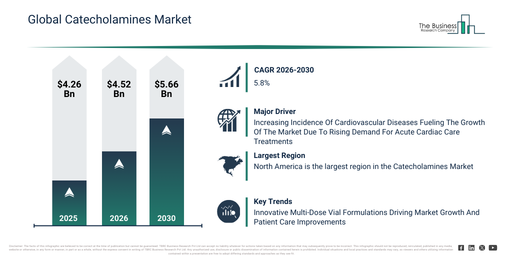
    The catecholamines market has experienced robust expansion in recent years. Its valuation is anticipated to rise from $4.26 billion in 2025 to $4.52 billion in 2026, exhibiting a compound annual growth rate (CAGR) of 6.1%. This historical growth can be attributed to several factors including emergency care expansion, cardiac arrest treatment, hospital ICU growth, injectable drug usage, and trauma care protocols.

    The catecholamines market is projected to experience substantial expansion over the next few years. It is expected to reach $5.66 billion by 2030, achieving a compound annual growth rate (CAGR) of 5.8%. The impetus for this growth in the forecast period is attributed to factors such as emergency response infrastructure, critical care expansion, ready-to-use formulations, pre-hospital care growth, and acute care investments. Prominent trends throughout the forecast period include increased use in emergency medicine, growth of auto-injector formulations, expansion of critical care applications, rising demand in cardiac emergencies, and a preference for ready-to-use injectables.

    Access Your Free Sample Report for In-Depth Market Insights:

    https://www.thebusinessresearchcompany.com/sample.aspx?id=24496&type=smp

    What Drivers Are Affecting Demand In The Catecholamines Market?

    The growing occurrence of cardiovascular diseases is projected to drive the expansion of the catecholamines market moving forward. Cardiovascular diseases, or CVDs, encompass various conditions impacting the heart and blood vessels, including coronary artery disease, heart failure, and stroke. The increasing frequency of these diseases is largely linked to physical inactivity, as a sedentary lifestyle contributes to risk factors such as obesity, hypertension, and compromised cardiovascular health. Catecholamines assist in the management of cardiovascular diseases by enhancing cardiac output, regulating vascular tone, and supporting blood pressure through their stimulatory effects on adrenergic receptors. This action improves blood flow to vital organs, stabilizes hemodynamics during acute events like heart failure or shock, and facilitates temporary compensation for diminished cardiac function. An example illustrating this impact is the report from the Centers for Disease Control and Prevention (CDC), a US-based government public health agency, which stated in October 2024 that 919,032 people in the United States died from cardiovascular disease in 2023, representing approximately one in every three deaths nationwide. Therefore, the rising incidence of cardiovascular diseases is a key factor propelling the growth of the catecholamines market.

    Which Segment Groups Are Influencing The Catecholamines Market?

    The catecholamines market covered in this report is segmented –

    1) By Type: Epinephrine, Norepinephrine, Dopamine

    2) By Indication: Anaphylaxis, Cardiac arrest, Shock, Acute Asthma, Hypertension, Other Indications

    3) By Formulation Type: Syrups, Injectables, Tablets, Inhalants

    4) By Distribution Channel: Hospital Pharmacy, Online Pharmacy, Retail Pharmacy

    5) By End-User: Hospitals And Clinics, Pharmaceutical Companies, Research Institutions, Emergency Medical Services

    Subsegments:

    1) By Epinephrine: Auto-Injectors, Prefilled Syringes, Vials And Ampoules

    2) By Norepinephrine: Concentrated Solution For Dilution, Ready-To-Use Formulations, Combination Therapies

    3) By Dopamine: Dopamine Hydrochloride Injection, Dopamine Infusion Concentrates, Pediatric And Adult-Specific Formulations

    What Trends Are Expected To Impact The Competitive Landscape Of The Catecholamines Market?

    Companies operating in the catecholamines market are concentrating on developing innovative formulations, such as multi-dose vials, to enhance dosing flexibility, improve patient compliance, reduce medication waste, and streamline administration in critical care settings. Multi-dose vials are containers designed to hold multiple doses of a medication, allowing repeated access without contamination. They aid in reducing packaging waste, lowering treatment costs, and providing convenient dosing options for healthcare providers and patients. For instance, in May 2025, Fresenius Kabi AG, a Germany-based pharmaceutical company, launched Epinephrine Injection, USP, in 30 mg per 30 mL multi-dose vials, marking a strategic expansion of their injectable portfolio in the U.S. healthcare market. This formulation is intended for the emergency treatment of allergic reactions, including anaphylaxis, in both adults and pediatric patients, as well as for increasing mean arterial blood pressure in adult patients with hypotension associated with septic shock.

    Who Are The Primary Competitors In The Global Catecholamines Market?

    Major companies operating in the catecholamines market are Pfizer Inc., Fresenius Kabi USA LLC, Teva Pharmaceutical Industries Limited, Baxter International Inc., Amneal Pharmaceuticals Inc., Glenmark Pharmaceuticals Limited, Amphastar Pharmaceuticals Inc., ARS Pharmaceuticals Inc., Breckenridge Pharmaceutical Inc., Long Grove Pharmaceuticals LLC, Midas Pharma GmbH, Otto Chemie Private Limited, Central Drug House (P) Ltd., Kanto Chemical Co. Inc., Bowmed Ibisqus Limited, Lexicare Pharma Private Limited, Alice Pharma Private Limited, Junsei Chemical Co. Ltd., Adamis Pharmaceuticals Corporation, Nevakar Injectables Inc.

    Access The Complete Report For Deeper Market Insights:

    https://www.thebusinessresearchcompany.com/report/catecholamines-global-market-report

    Which Global Regions Are Shaping The Competitive Landscape Of The Catecholamines Market?

    North America was the largest region in the catecholamines market in 2025. Asia-Pacific is expected to be the fastest-growing region in the forecast period. The regions covered in the catecholamines market report are Asia-Pacific, South East Asia, Western Europe, Eastern Europe, North America, South America, Middle East, Africa.

    Request Your Customized Catecholamines Market Research Report for Competitive Advantage:

    https://www.thebusinessresearchcompany.com/customise?id=24496&type=smp

    Browse Through More Reports Similar to the Global Catecholamines Market 2026, By The Business Research Company

    Cholinergic Drugs Market Report 2026

    https://www.thebusinessresearchcompany.com/report/cholinergic-drugs-global-market-report

    Anticholinergic Drugs Market Report 2026

    https://www.thebusinessresearchcompany.com/report/anticholinergic-drugs-global-market-report

    Anti Parkinson Drugs Market Report 2026

    https://www.thebusinessresearchcompany.com/report/anti-parkinson-drugs-global-market-report

    Get in touch with us:

    The Business Research Company: https://www.thebusinessresearchcompany.com/

    Americas +1 310-496-7795

    Asia +44 7882 955267 & +91 8897263534

    Europe +44 7882 955267

    Email us at info@tbrc.info

    Follow us on:

    LinkedIn: https://in.linkedin.com/company/the-business-research-company

    YouTube: https://www.youtube.com/channel/UC24_fI0rV8cR5DxlCpgmyFQ

    Global Market Model: https://www.thebusinessresearchcompany.com/global-market-model

  • Calcitonin Injection Sector Forecast Shows Robust Momentum, Climbing to $1.07 Billion With 8.1% CAGR

    Calcitonin Injection Sector Forecast Shows Robust Momentum, Climbing to $1.07 Billion With 8.1% CAGR

    Uncover key drivers, emerging technologies, and competitive movements shaping the calcitonin injection market from 2026–2035 with trusted insights from The Business Research Company

    What level of CAGR-driven expansion is anticipated in the Calcitonin Injection Market between 2026 and 2030?

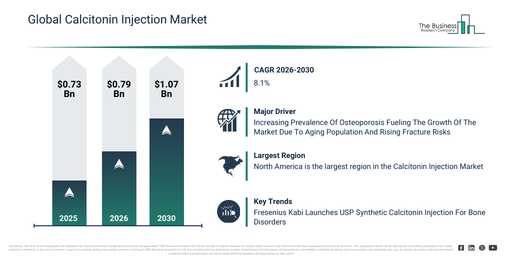
    The calcitonin injection market has observed significant expansion in recent years. It is anticipated to expand from $0.73 billion in 2025 to $0.79 billion in 2026, exhibiting a compound annual growth rate (CAGR) of 8.4%. The factors contributing to this growth in the past period include the widespread prevalence of osteoporosis, the adoption of hospital injectable therapies, the implementation of fracture management protocols, the incidence of calcium metabolism disorders, and an increasing aging population.

    The calcitonin injection market is expected to experience strong expansion in the next few years, with its size projected to grow to $1.07 billion in 2030 at a compound annual growth rate (CAGR) of 8.1%. This growth during the forecast period can be attributed to factors such as geriatric population growth, increasing demand for injectable therapy, enhanced bone disease awareness, ongoing synthetic peptide development, and the expansion of specialty care. Major trends anticipated in the forecast period include the continued use of calcitonin in osteoporosis management, the rise of injectable bone therapies, an expansion of hypercalcemia treatment, a heightened focus on geriatric bone health, and a notable shift toward synthetic calcitonin.

    Access Your Free Sample Report for In-Depth Market Insights:

    https://www.thebusinessresearchcompany.com/sample.aspx?id=24490&type=smp

    What Drivers Are Affecting Demand-Supply Dynamics In The Calcitonin Injection Market?

    The rising occurrence of osteoporosis is projected to boost the expansion of the calcitonin injection market in the coming years. Osteoporosis is a medical condition marked by reduced bone density and a higher susceptibility to fractures, predominantly impacting older individuals, particularly women after menopause. This rise in osteoporosis cases stems from the aging global population, as extended lifespans naturally result in bone density loss and an elevated risk of developing the condition. Calcitonin injection supports the treatment of osteoporosis by moderating calcium levels and impeding bone deterioration, thus proving instrumental in sustaining bone density. It delivers a focused therapeutic approach via simple-to-administer injections, which enhances patient adherence and diminishes the likelihood of fractures. For instance, in August 2024, according to Healthy Bones Australia, an Australia-based nonprofit organization focused on osteoporosis prevention and bone health, an estimated 6.2 million Australians aged 50 years and older, representing about 67 percent of this age group, were living with poor bone health in 2023, and around 23 percent of these individuals were affected by osteoporosis. Consequently, the growing incidence of osteoporosis is stimulating the development of the calcitonin injection market.

    How Is The Calcitonin Injection Market Organized Into Various Segments?

    The calcitonin injection market covered in this report is segmented –

    1) By Type Of Calcitonin: Salmon Calcitonin, Human Calcitonin, Synthetic Calcitonin

    2) By Route Of Administration: Intravenous (IV) Injection, Subcutaneous Injection, Intramuscular Injection

    3) By Distribution Channel: Direct Sales, Online Pharmacy, Retail Pharmacy, Healthcare Institutions

    4) By Therapeutic Application: Osteoporosis Treatment, Pagets Disease Management, Hypercalcemia Control, Bone Metastases Therapy

    5) By End-User: Hospitals, Specialty Clinics, Geriatric Care Facilities, Home Healthcare

    Subsegments:

    1) By Salmon Calcitonin, Synthetic Salmon Calcitonin, Recombinant Salmon Calcitonin

    2) By Human Calcitonin, Recombinant Human Calcitonin, Synthetic Human Calcitonin

    3) By Synthetic Calcitonin, Peptide-Based Synthetic Calcitonin, Analog Synthetic Calcitonin

    How Are New Market Trends Shaping The Landscape Of The Calcitonin Injection Market?

    Leading companies in the calcitonin injection market are concentrating on creating advanced products, such as USP synthetic injections, with the aim of boosting treatment effectiveness and enhancing patient results. USP Synthetic Injections are injectable drugs that comprise active ingredients produced synthetically, adhering to the stringent quality, purity, strength, and identity criteria established by the United States Pharmacopeia (USP). These injections are produced under controlled conditions to guarantee their safety and efficacy for therapeutic application. For instance, in February 2025, the German pharmaceutical firm Fresenius Kabi introduced calcitonin salmon injection, a USP synthetic product, for managing symptomatic Paget’s disease of the bone and hypercalcemia. This sterile solution, designed for intramuscular or subcutaneous administration, is offered in a concentration of 200 USP units per mL and comes in a 2 mL multi-dose vial containing 400 USP units. It requires refrigeration between 2°C and 8°C. Functioning as a calcium regulator, this injectable medicine is prescribed for symptomatic Paget’s disease of bone when other treatments are not suitable, for hypercalcemia, and for postmenopausal osteoporosis when alternative options are inappropriate.

    Who Are The Major Companies Operating In The Calcitonin Injection Market?

    Major companies operating in the calcitonin injection market are Pfizer Inc., AbbVie Inc., Teva Pharmaceutical Industries Ltd., Lupin Limited, Aurobindo Pharma Limited, Zydus Lifesciences Limited, Glenmark Pharmaceuticals Limited, Alembic Pharmaceuticals Limited, Alkem Laboratories Limited, Intas Pharmaceuticals Limited, Emcure Pharmaceuticals Limited, Wockhardt Limited, Accord Healthcare Ltd., Sandoz International GmbH, Amneal Pharmaceuticals LLC, Apotex Inc., Mylan N.V., Cadila Pharmaceuticals Limited, Macleods Pharmaceuticals Ltd., Bharat Parenterals Limited

    Access The Complete Report For Deeper Market Insights:

    https://www.thebusinessresearchcompany.com/report/calcitonin-injection-global-market-report

    Which Region Is Anticipated To See The Fastest Growth In The Calcitonin Injection Market?

    North America was the largest region in the calcitonin injection market in 2025. Asia-Pacific is expected to be the fastest-growing region in the forecast period. The regions covered in the calcitonin injection market report are Asia-Pacific, South East Asia, Western Europe, Eastern Europe, North America, South America, Middle East, Africa.

    Request Your Customized Calcitonin Injection Market Research Report for Competitive Advantage:

    https://www.thebusinessresearchcompany.com/customise?id=24490&type=smp

    Browse Through More Reports Similar to the Global Calcitonin Injection Market 2026, By The Business Research Company

    Companion Animal Pharmaceuticals Market Report 2026

    https://www.thebusinessresearchcompany.com/report/companion-animal-pharmaceuticals-global-market-report

    Pharmaceutical Excipient Market Report 2026

    https://www.thebusinessresearchcompany.com/report/pharmaceutical-excipient-global-market-report

    Pharmaceutical Drug Delivery Market Report 2026

    https://www.thebusinessresearchcompany.com/report/pharmaceutical-drug-delivery-global-market-report

    Get in touch with us:

    The Business Research Company: https://www.thebusinessresearchcompany.com/

    Americas +1 310-496-7795

    Asia +44 7882 955267 & +91 8897263534

    Europe +44 7882 955267

    Email us at info@tbrc.info

    Follow us on:

    LinkedIn: https://in.linkedin.com/company/the-business-research-company

    YouTube: https://www.youtube.com/channel/UC24_fI0rV8cR5DxlCpgmyFQ

    Global Market Model: https://www.thebusinessresearchcompany.com/global-market-model

  • Appetite Control And Suppressants Market Insights Report: Opportunities and Drivers 2030

    Appetite Control And Suppressants Market Insights Report: Opportunities and Drivers 2030

    Uncover key drivers, emerging technologies, and competitive movements shaping the appetite control and suppressants market from 2026–2035 with trusted insights from The Business Research Company

    What level of growth is expected in the Appetite Control And Suppressants Market between 2026 and 2030?

    The appetite control and suppressants market size has experienced robust expansion over the past few years. This market is projected to expand from $3.84 billion in 2025 to $4.11 billion in 2026, demonstrating a compound annual growth rate (CAGR) of 7.1%. Factors contributing to this historical growth include obesity prevalence, dietary supplement demand, lifestyle changes, fitness awareness, and the availability of OTC products.

    The appetite control and suppressants market size is projected to experience substantial expansion over the coming years. This market is anticipated to reach $5.35 billion by 2030, exhibiting a compound annual growth rate (CAGR) of 6.8%. Several factors contribute to this growth during the forecast period, including heightened awareness of weight management, a preference for natural supplements, the rise of digital wellness platforms, an emphasis on preventive healthcare, and an expanding aging population. Key trends expected within this period involve an increasing need for weight management solutions, the expansion of natural and herbal suppressants, broader availability of over-the-counter appetite control products, a greater emphasis on weight loss strategies based on lifestyle, and a surge in online and direct-to-consumer sales.

    Access Your Free Sample Report for In-Depth Market Insights:

    https://www.thebusinessresearchcompany.com/sample.aspx?id=24467&type=smp

    Which Drivers Are Expected To Impact The Appetite Control And Suppressants Market During The Forecast Period?

    The increasing incidence of overweight and obesity issues is anticipated to fuel the expansion of the appetite control and suppressants market moving ahead. These conditions involve an accumulation of excess body fat that can be detrimental to health. The escalation in overweight and obesity rates stems from inadequate diets characterized by high caloric content, sugars, and unhealthy fats, coupled with insufficient nutrient consumption. Products for appetite control and suppression aid in tackling overweight and obesity by diminishing sensations of hunger, restricting caloric consumption, and facilitating efficient weight management. A notable example is data from September 2024, where the Centers for Disease Control and Prevention (CDC), a US-based government public health agency, indicated that 23 states registered an adult obesity prevalence of 35% or higher in 2023, and every one of the 50 states documented obesity rates of at least 20%. Consequently, the escalating prevalence of overweight and obesity problems is stimulating the expansion of the appetite control and suppressants market.

    How Is The Appetite Control And Suppressants Market Divided Into Segments?

    The appetite control and suppressants market covered in this report is segmented –

    1) By Product Type: Prescription Appetite Suppressants, Over-The-Counter (OTC) Appetite Suppressants, Natural Or Herbal Appetite Suppressants, Meal Replacements And Shakes, Dietary Fiber Supplements

    2) By Form: Tablets And Capsules, Powders, Gummies And Chews, Liquids, Bars

    3) By Distribution Channel: Pharmacies And Drug Stores, Supermarkets And Hypermarkets, Online Retailers, Specialty Stores, Healthcare Providers And Clinics

    4) By End-User: Adults, Geriatric, Adolescents

    Subsegments:

    1) By Prescription Appetite Suppressants: Phentermine, Lorcaserin (Belviq), Diethylpropion, Other Prescription Drugs

    2) By Over-The-Counter (OTC) Suppressants: Herbal Supplements, Fiber-Based Suppressants, Caffeine-Based Products, Meal Replacements

    3) By Natural or Herbal Appetite Suppressants: Green Tea Extract, Garcinia Cambogia, Glucomannan, Yerba Mate, Fenugreek, Conjugated Linoleic Acid

    4) By Meal Replacements And Shakes: Protein Shakes, Meal Replacement Bars, Low-Calorie Shakes, High-Protein Smoothies, Keto Meal Replacements

    5) By Dietary Fiber Supplements: Glucomannan, Psyllium Husk, Methylcellulose, Inulin, Beta-Glucan

    What Trends Are Reshaping The Dynamics Of The Appetite Control And Suppressants Market?

    Leading companies in the appetite control and suppressants market are focusing on developing innovative solutions, such as natural appetite suppressant drinks, to provide safer and more effective options for weight management. These natural beverages are formulated from herbs, fruits, or fibers, helping to reduce hunger and manage cravings naturally. For instance, in December 2024, Nestlé S.A., a Switzerland-based food and beverage company, introduced Boost Pre-Meal Hunger Support, a natural appetite suppressant drink. This product is designed to mimic the effects of weight-loss medications like Ozempic and Wegovy. It is a 45-calorie, 10-gram whey protein shot intended to be consumed 10 to 30 minutes before meals. By stimulating the body’s natural GLP-1 hormone response, it helps to decrease appetite and enhance feelings of fullness. Its formula incorporates fast-digesting peptides and whey protein microgels to extend satiety, making it an excellent choice for individuals on weight-loss plans or those utilizing GLP-1-based treatments.

    Which Major Firms Are Strengthening Their Position In The Appetite Control And Suppressants Market?

    Major companies operating in the appetite control and suppressants market are Nestlé S.A, GlaxoSmithKline plc, Sanofi S.A, Takeda Pharmaceutical Company Limited, Eli Lilly and Company, Novo Nordisk A/S, Herbalife Nutrition Ltd, Amway Corporation, GNC Holdings Inc., Medifast Inc., Nature’s Sunshine Products Inc., The Boots Company PLC, BPI Sports LLC, Grenade (UK) Limited, Currax Pharmaceuticals LLC, VIVUS Inc, Orexigen Therapeutics Inc, NOW Health Group Inc, Nutrabay Retail Private Limited, GAT Sport

    Access The Complete Report For Deeper Market Insights:

    https://www.thebusinessresearchcompany.com/report/appetite-control-and-suppressants-global-market-report

    Which Region Shows The Strongest Potential For Future Expansion In The Appetite Control And Suppressants Market?

    North America was the largest region in the appetite control and suppressants market in 2025. Asia-Pacific is expected to be the fastest-growing region in the forecast period. The regions covered in the appetite control and suppressants market report are Asia-Pacific, South East Asia, Western Europe, Eastern Europe, North America, South America, Middle East, Africa.

    Request Your Customized Appetite Control And Suppressants Market Research Report for Competitive Advantage:

    https://www.thebusinessresearchcompany.com/customise?id=24467&type=smp

    Browse Through More Reports Similar to the Global Appetite Control And Suppressants Market 2026, By The Business Research Company

    Weight Loss Drugs Market Report 2026

    https://www.thebusinessresearchcompany.com/report/weight-loss-drugs-global-market-report

    Diet Pills Market Report 2026

    https://www.thebusinessresearchcompany.com/report/diet-pills-global-market-report

    Medicated Feed Additives Market Report 2026

    https://www.thebusinessresearchcompany.com/report/medicated-feed-additives-global-market-report

    Get in touch with us:

    The Business Research Company: https://www.thebusinessresearchcompany.com/

    Americas +1 310-496-7795

    Asia +44 7882 955267 & +91 8897263534

    Europe +44 7882 955267

    Email us at info@tbrc.info

    Follow us on:

    LinkedIn: https://in.linkedin.com/company/the-business-research-company

    YouTube: https://www.youtube.com/channel/UC24_fI0rV8cR5DxlCpgmyFQ

    Global Market Model: https://www.thebusinessresearchcompany.com/global-market-model