Tag: Growth Trends

  • Continuous Bladder Irrigation Devices Market Growth Is Accelerating As Industry Transformation Continues

    Continuous Bladder Irrigation Devices Market Growth Is Accelerating As Industry Transformation Continues

    Enhanced with market attractiveness analysis, total addressable market evaluation, company benchmarking matrices, interactive Excel dashboards, expanded supply chain intelligence, emerging startup coverage, and detailed product insights, The Business Research Company’s 2026 market reports deliver more actionable and strategically valuable research.

    The continuous bladder irrigation devices market is steadily expanding as healthcare providers seek improved solutions for managing urinary conditions, particularly following surgical procedures. With advancements in medical technology and a growing prevalence of urological disorders, this sector is set to experience steady growth through the coming years. Let’s explore the current market outlook, key factors driving its expansion, segmentation, and the competitive landscape shaping its future.

    Market Size and Growth Trajectory of the Continuous Bladder Irrigation Devices Market

    The market for continuous bladder irrigation devices has witnessed significant progress recently. It is projected to rise from $1.42 billion in 2025 to $1.5 billion in 2026, growing at a compound annual growth rate (CAGR) of 5.6%. This historical growth has been driven by factors such as limited access to advanced Foley catheters, dependence on hospital-based irrigation systems, a rising incidence of bladder cancer and urinary tract complications, continued use of conventional irrigation bags, and a relatively low adoption rate of home-care devices. Looking ahead, the market is expected to reach $1.86 billion by 2030, maintaining a CAGR of 5.5%. This forecasted expansion is supported by innovations like silicone and antimicrobial-coated catheters, the growth of home-based urological care, an increase in post-surgical interventions, stronger regulatory compliance and quality standards, and the integration of smart monitoring and IoT-enabled irrigation systems. Key emerging trends include increasing use of continuous bladder irrigation after surgery, greater adoption of antimicrobial-coated and temperature-sensing catheters, expansion of home-based irrigation options, rising demand for sterile and refillable irrigation bags, and a heightened emphasis on patient safety and infection prevention.

    Download A Free Sample Report For Comprehensive Market Insights:

    https://www.thebusinessresearchcompany.com/sample.aspx?id=25729&type=smp

    Rising Incidence of Urological Disorders as a Primary Market Driver

    The growing prevalence of urological disorders is a major factor propelling the continuous bladder irrigation devices market forward. Urological disorders encompass medical issues affecting the urinary tract or male reproductive organs and are becoming more common largely due to aging populations. Age-related physiological changes increase susceptibility to urinary and prostate conditions. Continuous bladder irrigation (CBI) devices play a critical role in managing these disorders by continuously flushing the bladder to clear clots, debris, and infections, thereby preventing catheter blockages and aiding recovery, especially post-surgery. To illustrate, data released in October 2023 by NHS England showed that during 2022/23, there were 147,285 hospital admissions with a primary diagnosis of urinary tract infection (UTI), with 56% of these cases involving individuals aged over 65. The age group 80-84 accounted for the highest number of admissions at 17,280 cases. This increasing burden of urological conditions is directly boosting the demand for continuous bladder irrigation devices.

    Impact of Growing Surgical Procedures on Market Demand

    The expansion of surgical procedures is another significant factor supporting the market growth for continuous bladder irrigation devices. Surgical volume refers to the total number of operations conducted across healthcare facilities within a specific timeframe. This volume is climbing due to the rising elderly population, who are more prone to chronic illnesses requiring surgical intervention. CBI devices are essential during and after these procedures, as they help flush the bladder continuously to remove blood, clots, and debris. This process prevents catheter obstruction, maintains clear urine flow, and facilitates quicker healing. For example, in April 2025, the Australian Institute of Health and Welfare reported that public hospital elective surgery waitlists saw 778,500 admissions in 2023–24, marking a 5.8% increase from the previous year’s 735,500 admissions. Consequently, the surge in surgical procedures is driving demand for continuous bladder irrigation devices.

    Access The Complete Continuous Bladder Irrigation Devices Market Report:

    https://www.thebusinessresearchcompany.com/report/continuous-bladder-irrigation-devices-global-market-report

    Detailed Segmentation of the Continuous Bladder Irrigation Devices Market

    This market can be broken down into several key segments for a clearer understanding of product and application diversity.

    1) By Product Type: Foley 3 Way Catheters, Accessories, Irrigation Bags

    2) By Application: Post-Surgical Irrigation, Bladder Cancer Management, Hemorrhagic Cystitis, Urinary Tract Infections, Trauma and Urinary Retention, Home-Based Irrigation

    3) By End-Use Setting: Hospitals, Long Term Care Facilities, Other End-Uses

    Subcategories include:

    – Foley 3 Way Catheters: Silicone, Latex, Antimicrobial-Coated, Pediatric, and Temperature Sensing variants

    – Accessories: Catheter Connectors, Stabilization Devices, Leg Drainage Bags, Extension Tubing, Clamps and Valves

    – Irrigation Bags: Sterile, Non-Sterile, Pressure, Manual, and Refillable options

    Owing to this segmentation, manufacturers and healthcare providers can better tailor solutions to meet specific clinical needs and patient preferences.

    Competitive Trends and Product Innovations in the Market

    Leading players in the continuous bladder irrigation devices sector are actively focusing on launching advanced products aimed at enhancing postoperative care. These innovations are designed to support recovery, reduce infection risks, and improve overall patient comfort after surgical interventions. For example, in January 2025, Switzerland-based UNOQUIP GmbH expanded its portfolio with new postoperative catheter products, including the Hematuria Management Catheter and the 3-Way Silicone Foley Catheter. These devices are engineered to address clinical challenges such as clot retention while ensuring effective bladder drainage following urological surgeries. This product development highlights UNOQUIP’s commitment to advancing patient safety and comfort in continuous bladder irrigation therapy and strengthening its market position.

    Overview of Leading Companies Shaping the Continuous Bladder Irrigation Devices Market

    The continuous bladder irrigation devices market features several prominent companies actively contributing to its growth and innovation. These include Cardinal Health Inc, Medline Industries LP, Coloplast AS, Teleflex Incorporated, Cook Medical LLC, Hollister Incorporated, B Braun Melsungen AG, Poly Medicure Limited, Angiplast Pvt Ltd, Sterimed Group, Narang Medical Limited, Advin Health Care, AdvaCare Pharma, Ribbel International Ltd, UROMED Kurt Drews KG, Romsons Group Of Industries, GCMEDICA, Medilivescare Manufacturing Pvt Ltd, CODAN Companies, Becton Dickinson Urology Care, Amsino Medical Group, and Medtronic Urology Solutions. Their combined expertise and product offerings continue to drive competitive dynamics and technological progress within this field.

    Geographical Insights into Market Expansion

    In 2025, North America emerged as the largest regional market for continuous bladder irrigation devices. The market’s geographic scope also extends to regions including Asia-Pacific, South East Asia, Western Europe, Eastern Europe, South America, the Middle East, and Africa. Among these, Asia-Pacific and South East Asia are expected to witness significant growth due to increased healthcare infrastructure development and rising prevalence of urological conditions, contributing to the overall global market expansion.

    Get in touch with us:

    The Business Research Company: https://www.thebusinessresearchcompany.com/

    Americas: +1 310-496-7795

    Asia: +44 7882 955267 & +91 8897263534

    Europe: +44 7882 955267

    Email us at: marketing@tbrc.info

    Follow us on:

    LinkedIn: https://in.linkedin.com/company/the-business-research-company

    YouTube: https://www.youtube.com/channel/UC24_fI0rV8cR5DxlCpgmyFQ

    Global Market Model: https://www.thebusinessresearchcompany.com/global-market-model

  • Cementless Total Knee Systems Market Expected To Reach $6.06 Billion By 2030 As Growth Accelerates At 5.2% CAGR

    Cementless Total Knee Systems Market Expected To Reach $6.06 Billion By 2030 As Growth Accelerates At 5.2% CAGR

    Enhanced with market attractiveness analysis, total addressable market evaluation, company benchmarking matrices, interactive Excel dashboards, expanded supply chain intelligence, emerging startup coverage, and detailed product insights, The Business Research Company’s 2026 market reports deliver more actionable and strategically valuable research.

    The market for cementless total knee systems has witnessed significant growth recently, supported by advances in medical technology and changing patient needs. This sector is set to continue its upward trajectory as innovations and increasing healthcare demands drive expansion. Let’s explore the market’s present value, growth drivers, segment distribution, emerging trends, leading companies, and regional prospects.

    Current Market Size and Future Growth of the Cementless Total Knee Systems Market

    The cementless total knee systems market has demonstrated solid progress in recent years. Its value is projected to rise from $4.68 billion in 2025 to $4.94 billion in 2026, growing at a compound annual growth rate (CAGR) of 5.6%. This historical growth is mainly due to factors such as the limited availability of cementless implants, the continued reliance on traditional cemented knee systems, an aging population afflicted by osteoarthritis, an increase in hospital orthopedic surgeries, and heightened awareness of knee replacement benefits. Looking ahead, the market is anticipated to reach $6.06 billion by 2030, registering a CAGR of 5.2%. Key contributors to this forecasted expansion include innovations in 3D-printing and porous coating technologies, a growing preference for minimally invasive surgical methods, the development of orthopedic healthcare infrastructure, the adoption of robotic-assisted knee replacements, and increased investment in patient-specific implants. Emerging trends emphasize the greater use of cementless implants, porous-coated and 3D-printed components, expansion of orthopedic centers, focus on minimally invasive procedures, and improved post-operative recovery and outcomes.

    Download A Free Sample Report For Comprehensive Market Insights:

    https://www.thebusinessresearchcompany.com/sample.aspx?id=25719&type=smp

    Factors Fueling Growth in the Cementless Total Knee Systems Market

    An important driver behind the cementless total knee systems market is the rising prevalence of orthopedic diseases. These conditions affect the musculoskeletal system—including bones, joints, muscles, ligaments, and tendons—resulting in pain, limited mobility, and impaired function. As populations age, there is a growing demand for long-term solutions that reduce joint pain and improve movement while enabling an active lifestyle with minimal medical intervention. Cementless total knee systems offer a reliable and biologically integrated solution by promoting natural bone growth, reducing implant loosening, and restoring joint function without the use of bone cement.

    To illustrate, a report from January 2024 by the UK’s Office for Health Improvement & Disparities revealed that the proportion of individuals aged 16 and older who self-reported having a long-term musculoskeletal (MSK) disease—a type of orthopedic disorder—increased from 17.6% in 2022 to 18.4% in 2023. This upward trend in orthopedic diseases is a key factor propelling the growth of the cementless total knee systems market.

    Access The Complete Cementless Total Knee Systems Market Report:

    https://www.thebusinessresearchcompany.com/report/cementless-total-knee-systems-global-market-report

    Revenue-Generating Segments of the Cementless Total Knee Systems Market

    This market is divided into several important segments to better understand revenue sources:

    1) Components: Tibial Component and Femoral Component

    2) Fixation Methods: Primary Fixation and Hybrid Fixation

    3) End Users: Hospitals, Orthopedic Centers, and Other End Users

    Further breakdowns include:

    – Tibial Components such as Fixed-Bearing Tibial Baseplates, Mobile-Bearing Tibial Baseplates, Modular Tibial Components, Monoblock Tibial Components, Porous-Coated Tibial Components, and 3D-Printed Tibial Components.

    – Femoral Components including Posterior-Stabilized Femoral Components, Cruciate-Retaining Femoral Components, Ultra-Congruent Femoral Components, Asymmetric Femoral Components, Anatomical Femoral Components, and Cementless Porous-Coated Femoral Components.

    Innovations and Technological Advances Guiding the Cementless Total Knee Systems Market

    Industry players are strongly focusing on technological innovation to enhance implant performance and patient outcomes. A notable advancement is the development of TIDAL technology, an advanced 3D-printed porous implant design that improves bone integration by optimizing mechanical strength, fatigue resistance, and load distribution for longer-lasting implant stability.

    For example, in April 2025, Restor3D Inc., a US-based medical device company, received FDA 510(k) clearance for its iTotal Identity CR 3DP porous total knee system—the company’s first patient-specific cementless implant. This innovative system utilizes cutting-edge 3D printing and porous technology to improve bone integration and stability. Its custom surgical instruments and pre-navigated surgical approach help surgeons achieve greater precision and efficiency during procedures.

    Notable Companies and Their Strategic Roles in the Cementless Total Knee Systems Market

    Key market players dominating the cementless total knee systems landscape include Johnson And Johnson Services Inc, Stryker Corporation, Zimmer Biomet Holdings Inc, Smith And Nephew plc, Enovis Corporation, MicroPort Scientific Corporation, Medacta International SA, B Braun Melsungen AG, Waldemar Link GmbH And Co KG, Restor3D Inc, Implantcast GmbH, United Orthopedic Corporation, Signature Orthopaedics Pty Ltd, Gruppo Bioimpianti Srl, Permedica SPA, Evolutis SAS, Euromed Implants GmbH, X NOV SAS, Beijing Chunli Zhongke Bio Tech Co Ltd, Exactech Inc, Corin Group, and LimaCorporate SPA. These organizations invest heavily in research and development to maintain a competitive edge and drive market growth.

    Regional Market Overview and Growth Potential in Cementless Total Knee Systems

    In 2025, North America held the largest share of the cementless total knee systems market. However, the Asia-Pacific region is expected to be the fastest-growing market during the forecast period. The comprehensive market analysis covers key regions including Asia-Pacific, South East Asia, Western Europe, Eastern Europe, North America, South America, the Middle East, and Africa, providing a detailed understanding of global market dynamics and opportunities.

    Get in touch with us:

    The Business Research Company: https://www.thebusinessresearchcompany.com/

    Americas: +1 310-496-7795

    Asia: +44 7882 955267 & +91 8897263534

    Europe: +44 7882 955267

    Email us at: marketing@tbrc.info

    Follow us on:

    LinkedIn: https://in.linkedin.com/company/the-business-research-company

    YouTube: https://www.youtube.com/channel/UC24_fI0rV8cR5DxlCpgmyFQ

    Global Market Model: https://www.thebusinessresearchcompany.com/global-market-model

  • Ambulance Stretchers Market Growth Is Reshaping Competitive Advantage Across The Industry

    Ambulance Stretchers Market Growth Is Reshaping Competitive Advantage Across The Industry

    Enhanced with market attractiveness analysis, total addressable market evaluation, company benchmarking matrices, interactive Excel dashboards, expanded supply chain intelligence, emerging startup coverage, and detailed product insights, The Business Research Company’s 2026 market reports deliver more actionable and strategically valuable research.

    The ambulance stretchers market has seen significant growth recently, reflecting the increasing demand for efficient patient transport solutions in emergency medical services. With rising incidences of road accidents and advancements in stretcher technology, this market is poised for continued expansion. Let’s explore the current market size, key factors driving growth, segmentation, emerging trends, competitive landscape, and regional outlook for ambulance stretchers.

    Steady Growth and Future Market Size of the Ambulance Stretchers Market

    The ambulance stretchers market has experienced strong growth over recent years and is projected to continue expanding. Market value is expected to rise from $2.73 billion in 2025 to $2.91 billion in 2026, representing a compound annual growth rate (CAGR) of 6.6%. This historical growth has been fueled by factors such as increasing road accidents and trauma cases, growth in hospital emergency departments, reliance on manual patient handling equipment, expansion of ambulance fleets, and demand for basic patient transport solutions. Looking ahead, the market is forecast to reach $3.72 billion by 2030 with a CAGR of 6.3%. Growth during this period is expected to be driven by the adoption of motorized and self-loading stretchers, increased investments in emergency medical services, greater emphasis on reducing caregiver injuries, technological advances in stretcher materials, and a rising need for rapid and efficient patient transport. Key trends include growing use of electric and motorized stretchers, demand for lightweight and ergonomic models, enhanced patient safety and comfort features, expansion of emergency medical infrastructure, and popularity of foldable, space-saving stretcher designs.

    Download A Free Sample Report For Comprehensive Market Insights:

    https://www.thebusinessresearchcompany.com/sample.aspx?id=25691&type=smp

    Increasing Impact of Road Accidents on Ambulance Stretchers Demand

    One of the main drivers behind the ambulance stretchers market expansion is the rising occurrence of road accidents. These accidents, involving collisions or incidents on roads, often cause injuries, fatalities, and property damage. The increasing problem of distracted driving, especially due to mobile phone use, contributes significantly to this trend by diverting drivers’ attention and raising the risk of crashes. Ambulance stretchers play a critical role in ensuring the safe and effective transport of injured individuals from accident scenes to healthcare facilities, helping to prevent further harm and enable immediate medical care. For instance, in June 2024, the Transport Accident Commission in Australia reported 289 fatalities on Victorian roads, marking an 8.6% increase with 23 more deaths compared to the previous year. This upward trend in road accidents is thus a major factor stimulating the ambulance stretchers market.

    Growth Drivers Extended: Expansion of Emergency Services and Technological Advancements

    Besides road accidents, growth is also propelled by the broader expansion of hospital emergency departments and ambulance fleets, which rely on improved patient transport equipment. The increasing focus on reducing injuries to caregivers who handle patients manually is encouraging the adoption of motorized and self-loading stretchers. Advances in stretcher materials and design, such as lightweight composites and ergonomic features, enhance usability and safety. These factors collectively contribute to higher demand for innovative ambulance stretchers.

    https://www.thebusinessresearchcompany.com/report/ambulance-stretchers-global-market-report

    Ambulance Stretchers Market Global Footprint: Which Region Holds Market Leadership?

    Detailed Segmentation of the Ambulance Stretchers Market

    This market is categorized across several key dimensions. By type, it includes manual stretchers, electric stretchers, foldable stretchers, and stretcher chairs. Technology-wise, the market is divided into non-motorized and motorized categories. Materials used include aluminum, steel, plastic, and composite materials. End users range from emergency medical service providers and hospitals to ambulatory service centers and other users. Further breakdowns include subcategories such as wheeled and non-wheeled manual stretchers, hydraulic and battery-powered electric stretchers, different types of foldable stretchers like canvas or aluminum, and various stretcher chair types including convertible and stair-climbing models. This detailed segmentation helps meet diverse operational needs across healthcare settings.

    Innovations Shaping the Future of Ambulance Stretchers

    Recent industry developments are focused on enhancing patient safety and operational efficiency. Leading companies are designing advanced products like self-loading electric stretchers that automate the lifting and loading process into ambulances, reducing the physical strain on emergency personnel. For example, in December 2023, Spain-based KARTSANA, S.L. introduced the superbrava electric stretcher, featuring a hydraulic lifting system supporting up to 320 kg and adjustable handrails for patient comfort and security. Such innovations help streamline patient transport during critical situations while easing the workload of EMTs.

    Prominent Players in the Ambulance Stretchers Industry

    The ambulance stretchers market includes key manufacturers such as Medline Industries LP, Stryker Corporation, Hill Rom Holdings Inc, Hebei Pukang Medical Instruments Co Ltd, Ferno Washington Inc, Spencer Italia S r l, Narang Medical Limited, Advin Health Care, Kartsana Medical GmbH, IndoSurgicals Private Limited, and several others. These companies are driving innovation, expanding product portfolios, and strengthening their market presence globally.

    Ambulance Stretchers Market Regional Overview and Growth Outlook

    In 2025, North America held the largest share of the ambulance stretchers market. However, the Asia-Pacific region is expected to be the fastest-growing market during the forecast period. The market report covers important regions including Asia-Pacific, South East Asia, Western Europe, Eastern Europe, North America, South America, the Middle East, and Africa, providing a comprehensive view of global market dynamics and opportunities.

    Get in touch with us:

    The Business Research Company: https://www.thebusinessresearchcompany.com/

    Americas: +1 310-496-7795

    Asia: +44 7882 955267 & +91 8897263534

    Europe: +44 7882 955267

    Email us at: marketing@tbrc.info

    Follow us on:

    LinkedIn: https://in.linkedin.com/company/the-business-research-company

    YouTube: https://www.youtube.com/channel/UC24_fI0rV8cR5DxlCpgmyFQ

    Global Market Model: https://www.thebusinessresearchcompany.com/global-market-model
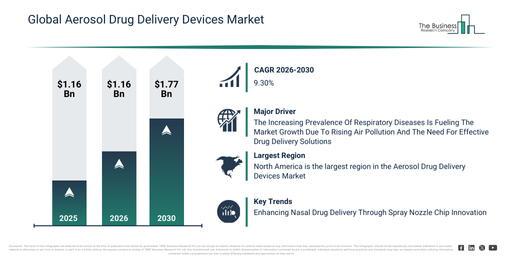
  • Aerosol Drug Delivery Devices Market Set To Grow From $45.54 Billion In 2026 To $64.94 Billion By 2030 At A CAGR Of 9.3%

    Aerosol Drug Delivery Devices Market Set To Grow From $45.54 Billion In 2026 To $64.94 Billion By 2030 At A CAGR Of 9.3%

    Enhanced with market attractiveness analysis, total addressable market evaluation, company benchmarking matrices, interactive Excel dashboards, expanded supply chain intelligence, emerging startup coverage, and detailed product insights, The Business Research Company’s 2026 market reports deliver more actionable and strategically valuable research.

    The aerosol drug delivery devices sector has experienced significant growth in recent years, driven by increasing health concerns and technological advancements. Forecasts indicate that this market will continue to expand rapidly as innovations and rising demand in respiratory care propel it forward. Let’s explore the current market size, key growth factors, major players, and emerging trends shaping this industry.

    Current Market Size and Growth Forecast for Aerosol Drug Delivery Devices

    The market for aerosol drug delivery devices has been expanding robustly. It is projected to grow from $41.55 billion in 2025 to $45.54 billion in 2026, representing a compound annual growth rate (CAGR) of 9.6%. Looking ahead, the market is expected to reach $64.94 billion by 2030, with a slightly moderated CAGR of 9.3%. This sustained growth is attributed to various factors, such as rising cases of asthma and COPD, continued use of traditional inhalers, growth in hospital-based respiratory care, an increase in pharmaceutical aerosol products, and heightened awareness about pulmonary drug delivery methods.

    Download A Free Sample Report For Comprehensive Market Insights:

    https://www.thebusinessresearchcompany.com/sample.aspx?id=25690&type=smp

    Rising Demand in Aerosol Drug Delivery Devices Market Driven by Innovation

    The forecast period will see strong market expansion due to the advancement of smart inhalers and digital monitoring technologies. Additionally, the increase in homecare and self-administration therapies, along with the application of aerosol drugs beyond respiratory illnesses, is boosting demand. Progress in aerosolization techniques and formulation science, along with growing regulatory approvals for inhaled medications, further contribute to this upward trend.

    The market is also being influenced by emerging trends such as wider adoption of inhalation therapies, a surge in portable and homecare aerosol device demand, and a focus on optimizing particle size for better drug delivery. Furthermore, smart and connected inhalation devices are gaining traction, supported by the rising prevalence of chronic respiratory diseases worldwide.

    https://www.thebusinessresearchcompany.com/report/aerosol-drug-delivery-devices-global-market-report

    Aerosol Drug Delivery Devices Market Regional Distribution: Which Areas Drive Market Expansion?

    Health Trends Fueling Aerosol Drug Delivery Devices Market Growth

    One of the primary factors driving revenue in the aerosol drug delivery devices market is the growing incidence of respiratory illnesses. These conditions affect the lungs and respiratory system, leading to difficulty in breathing and requiring effective treatment solutions. Increasing air pollution levels, including exposure to particulate matter, nitrogen dioxide, and ozone, irritate the respiratory tract, causing chronic diseases such as asthma, bronchitis, and chronic obstructive pulmonary disease (COPD).

    How Respiratory Diseases Boost Aerosol Drug Delivery Use

    Aerosol drug delivery devices play a crucial role in treating respiratory disorders by administering medication directly to the lungs. This targeted delivery ensures faster therapeutic effects, reduces systemic side effects, and improves patient adherence through non-invasive methods. For example, in November 2024, data from the Australian Institute of Health and Welfare revealed that respiratory conditions accounted for 7.2% of the total disease burden in Australia, contributing to 8.5% of disability-causing illnesses and 5.8% of premature deaths in 2023. Such statistics underscore the increasing need for effective aerosol drug delivery solutions.

    Breaking Down the Aerosol Drug Delivery Devices Market Segments

    The aerosol drug delivery devices market is classified into several key categories:

    1) By Product Type:

    – Metered Dose Inhalers (MDIs)

    – Dry Powder Inhalers (DPIs)

    – Nebulizers

    – Smart Inhalers

    – Other Product Types

    2) By Component:

    – Delivery Devices

    – Compressor Units

    – Medication Containers

    – Accessories and Consumables

    3) By Application:

    – Asthma

    – Chronic Obstructive Pulmonary Disease

    – Cystic Fibrosis

    – Non-Respiratory Diseases

    – Diabetes

    – Analgesia

    – Parkinson’s Disease

    4) By Distribution Channel:

    – Hospital Pharmacies

    – Retail Pharmacies

    – Online Pharmacies

    – Other Distribution Channels

    5) By End User:

    – Hospitals

    – Homecare Settings

    – Pharmaceutical Companies

    – Research Institutions

    – Other End Users

    The market is further divided into specific subcategories, such as types of MDIs including conventional, breath-actuated, and pressurized inhalers; DPIs split into single-dose, multi-dose, and reservoir types; nebulizers categorized as jet, ultrasonic, and mesh varieties; smart inhalers differentiated by Bluetooth, sensor-based, and app-connected models; and other devices like soft mist inhalers, nasal sprays, and disposable inhalers.

    Technological Innovations Shaping Aerosol Drug Delivery Devices Market

    Leading companies are focusing on breakthrough technologies to improve drug delivery precision and patient comfort. One notable advancement is spray nozzle chip technology, a micro-engineered system that produces a fine, uniform aerosol mist to enhance medication delivery efficiency and nasal cavity coverage.

    For instance, in October 2024, Aero Pump GmbH from Germany collaborated with Netherlands-based Resyca B.V. to introduce the Ultra Soft Nasal Pump Spray. This device uses spray nozzle chip technology to create a gentle and consistent aerosol mist, improving drug delivery in applications such as nose-to-brain therapies and nasal vaccinations. The technology enables slow-moving aerosol particles to reach deeper areas within the nasal passage, enhancing absorption in difficult-to-access regions like the olfactory zone.

    Top Companies Leading the Aerosol Drug Delivery Devices Market

    The aerosol drug delivery devices market features several key players including Merck And Co Inc, Novartis AG, AstraZeneca PLC, GSK PLC, Boehringer Ingelheim Pharma GmbH And Co KG, Koninklijke Philips NV, Teva Pharmaceutical Industries Ltd, Omron Healthcare Inc, AptarGroup Inc, Chiesi Farmaceutici SPA, Cipla Inc, Gerresheimer AG, Drive DeVilbiss Healthcare LLC, Beximco Pharmaceuticals Limited, Aerogen Limited, PARI GmbH, Pneuma Respiratory Inc, Iconovo AB, Vectura Group Ltd, MannKind Corporation, Trudell Medical International, and InspiRx Inc.

    Regional Outlook on Aerosol Drug Delivery Devices Market Expansion

    North America held the largest share of the aerosol drug delivery devices market in 2025. However, the Asia-Pacific region is expected to witness the fastest growth during the forecast period. The market analysis covers several regions including Asia-Pacific, South East Asia, Western Europe, Eastern Europe, North America, South America, the Middle East, and Africa, providing a broad perspective on global market trends and opportunities.

    Get in touch with us:

    The Business Research Company: https://www.thebusinessresearchcompany.com/

    Americas: +1 310-496-7795

    Asia: +44 7882 955267 & +91 8897263534

    Europe: +44 7882 955267

    Email us at: marketing@tbrc.info

    Follow us on:

    LinkedIn: https://in.linkedin.com/company/the-business-research-company

    YouTube: https://www.youtube.com/channel/UC24_fI0rV8cR5DxlCpgmyFQ

    Global Market Model: https://www.thebusinessresearchcompany.com/global-market-model

  • Neglected Tropical Disease Treatment Market Outlook Assessing Future Opportunities And Growth Prospects

    Neglected Tropical Disease Treatment Market Outlook Assessing Future Opportunities And Growth Prospects

    The Business Research Company’s 2026 market reports feature enhanced tools like market attractiveness analysis, TAM assessment, and company scoring matrices, along with interactive dashboards, deeper supply chain insights, and startup coverage strengthening the depth, usability, and strategic value of insights.

    How Is The Neglected Tropical Disease Treatment Market’s Market Value Anticipated To Evolve From 2026 To 2030?

    The market for treating neglected tropical diseases has experienced robust growth recently. Projections indicate it will expand from $3.57 billion in 2025 to $3.8 billion in 2026, demonstrating a compound annual growth rate (CAGR) of 6.3%. This historical expansion is attributable to factors such as persistent disease prevalence in tropical areas, backing from worldwide health organizations, the broadening of donor-supported treatment initiatives, the accessibility of generic medicines, and intensified public health awareness campaigns.

    The neglected tropical disease treatment market is projected to experience robust expansion over the coming years, with its size expected to reach $4.79 billion by 2030, exhibiting a compound annual growth rate (CAGR) of 6.0%. This anticipated growth can be attributed to several factors, including increased investments in eradication programs, the rising adoption of integrated disease management approaches, the expansion of novel antiparasitic drug development, the proliferation of public-private partnerships, and a heightened focus on improving healthcare access in remote regions. Significant trends during the forecast period are set to include the wider deployment of combination drug therapies, an increasing emphasis on early disease detection programs, the growing utilization of mass drug administration strategies, the broadening of community-based treatment models, and an enhanced focus on ensuring treatment accessibility.

    Download A Free Sample Report For Comprehensive Market Insights:

    https://www.thebusinessresearchcompany.com/sample.aspx?id=24616&type=smp

    Which Significant Factors Are Encouraging Growth In The Neglected Tropical Disease Treatment Market?

    An increase in infectious disease cases is projected to propel the expansion of the neglected tropical disease treatment market in the future. These conditions are caused by detrimental microorganisms like bacteria, viruses, fungi, or parasites, which can transmit between individuals either directly or indirectly. The growing incidence of infectious diseases stems from more frequent travel, enabling pathogens to quickly disseminate across different regions. Treatment for neglected tropical diseases supports the fight against infectious diseases by offering specific therapies designed to manage and eradicate their proliferation. Such treatments enhance public health, particularly for susceptible populations, by diminishing the impact of diseases and averting lasting impairments. For example, data from the UK Health Security Agency, a UK-based government body, indicated in February 2024 that tuberculosis occurrences in England escalated to 4,850 in 2023, representing a 10.7% jump from 4,380 cases in 2022. Consequently, the increased occurrence of infectious diseases is fueling the development of the neglected tropical disease treatment market.

    How Are Different Segment Groups Identified Within The Neglected Tropical Disease Treatment Market?

    The neglected tropical disease treatment market covered in this report is segmented –

    1) By Drug Class: Anti-Parasite, Antifungal, Antibiotics, Other Drugs Class

    2) By Disease Type: Leishmaniasis, Schistosomiasis, Lymphatic Filariasis, Chagas Disease, African Trypanosomiasis, Other Disease Types

    3) By Route of Administration: Oral, Parenteral

    4) By Distribution Channel: Hospital Pharmacy, Retail Pharmacy, Online Pharmacy

    5) By End User: Hospital, Specialty Clinics, Homecare Settings, Other End Users

    Subsegments:

    1) By Anti-Parasite: Anthelmintics, Antiprotozoals, Antimalarials, Ectoparasiticides

    2) By Antifungal: Azoles, Polyenes, Allylamines, Echinocandins

    3) By Antibiotics: Tetracyclines, Macrolides, Rifamycins, Sulfonamides

    4) By Other Drug Classes: Antivirals, Corticosteroids, Combination Therapies, Supportive Treatments

    Which Trends Are Shaping The Neglected Tropical Disease Treatment Market Landscape?

    Leading firms within the negative pressure wound therapy (NPWT) sector are actively developing innovative portable and disposable NPWT devices to solidify their market standing. These compact, single-use medical instruments apply controlled suction to wounds, facilitating healing by extracting surplus fluids and fostering ideal conditions for tissue restoration, all while providing convenient mobility and removing the necessity for cumbersome, conventional setups. For example, Advanced Oxygen Therapy Inc., a US-based medical equipment manufacturer, introduced its NEXA Negative Pressure Wound Therapy (NPWT) system in June 2023. The NEXA NPWT system provides a distinctive and adaptable platform, merging the straightforwardness of disposable NPWT with the robust performance characteristics of conventional durable NPWT technology. This portable, quiet, and economical system is designed to deliver enhanced wound care efficacy at a reduced expense. AOTI’s NEXA and Topical Wound Oxygen (TWO2) therapy uniquely integrates higher-pressure oxygen delivery with non-contact cyclical compression and humidity, positioning it as a beneficial choice for the management and healing of chronic wounds.

    Who Are The Key Market Participants In The Neglected Tropical Disease Treatment Market?

    Major companies operating in the neglected tropical disease treatment market are Pfizer Inc, Johnson And Johnson, Merck And Co Inc, AbbVie Inc, Bayer AG, Novartis AG, Sanofi SA, AstraZeneca PLC, Abbott Laboratories, GlaxoSmithKline plc, Takeda Pharmaceutical Company Limited, Astellas Pharma Inc, Eisai Co Ltd, Shionogi And Co Ltd, Dr Reddys Laboratories Ltd, Cipla Ltd, Gilead Sciences Inc, Bristol Myers Squibb Company, Teva Pharmaceutical Industries Ltd, Sun Pharmaceutical Industries Ltd, Lupin Limited, Alvogen

    Access The Complete Neglected Tropical Disease Treatment Market Report:

    https://www.thebusinessresearchcompany.com/report/neglected-tropical-disease-treatment-global-market-report

    Which Region Accounts For The Highest Share Of The Neglected Tropical Disease Treatment Market?

    Asia-Pacific was the largest region in the neglected tropical disease treatment market in 2025. The regions covered in the neglected tropical disease treatment market report are Asia-Pacific, South East Asia, Western Europe, Eastern Europe, North America, South America, Middle East, Africa.

    Access Neglected Tropical Disease Treatment Market Report for Deeper Competitive Insights

    https://www.thebusinessresearchcompany.com/customise?id=24616&type=smp

    Browse Through More Reports Similar to the Global Neglected Tropical Disease Treatment Market 2026, By The Business Research Company

    Benign Prostatic Hyperplasia Bph Treatment Devices And Equipment Global Market Report 2026

    https://www.thebusinessresearchcompany.com/report/benign-prostatic-hyperplasia-bph-treatment-devices-and-equipment-global-market-report

    Pain Management Devices And Therapies Global Market Report 2026

    https://www.thebusinessresearchcompany.com/report/pain-management-devices-and-therapies-global-market-report

    Defibrillator Devices And Equipment Global Market Report 2026

    https://www.thebusinessresearchcompany.com/report/defibrillator-devices-and-equipment-global-market-report

    Get in touch with us:

    The Business Research Company: https://www.thebusinessresearchcompany.com/

    Americas: +1 310-496-7795

    Asia: +44 7882 955267 & +91 8897263534

    Europe: +44 7882 955267

    Email us at: marketing@tbrc.info

    Follow us on:

    LinkedIn: https://in.linkedin.com/company/the-business-research-company

    YouTube: https://www.youtube.com/channel/UC24_fI0rV8cR5DxlCpgmyFQ

    Global Market Model: https://www.thebusinessresearchcompany.com/global-market-model

  • Invasive Ductal Carcinoma Therapeutics Market Forecast Assessing Growth Potential And Industry Direction

    Invasive Ductal Carcinoma Therapeutics Market Forecast Assessing Growth Potential And Industry Direction

    The Business Research Company’s 2026 market reports feature enhanced tools like market attractiveness analysis, TAM assessment, and company scoring matrices, along with interactive dashboards, deeper supply chain insights, and startup coverage strengthening the depth, usability, and strategic value of insights.

    What Growth In Market Value Is Anticipated For The Invasive Ductal Carcinoma Therapeutics Market Between 2026 And 2030?

    The invasive ductal carcinoma therapeutics market has demonstrated robust expansion in recent years. It is forecast to grow from $9.03 billion in 2025 to $9.83 billion in 2026, achieving a compound annual growth rate (CAGR) of 8.8%. The historic period’s growth can be ascribed to elements like increasing breast cancer incidence rates, enhanced availability of chemotherapy regimens, the broadening of hospital oncology departments, a rise in the adoption of hormone therapy, and improved cancer screening methods.

    The invasive ductal carcinoma therapeutics market is poised for robust expansion in the coming years. Its valuation is projected to reach $13.6 billion by 2030, demonstrating a compound annual growth rate (CAGR) of 8.5%. This projected increase during the forecast period stems from factors such as the increasing development of innovative targeted medications, the greater application of biomarker-guided treatment choices, the broadening of precision oncology research, a heightened emphasis on lowering recurrence rates, and the progress in immuno-oncology combined therapies. Key developments anticipated in this period encompass a rise in the application of targeted and hormone-based treatments, a greater uptake of HER2-targeted interventions, the increasing incorporation of customized oncology protocols, the broadening of combination therapeutic strategies, and an intensified focus on enhancing early-stage treatment effectiveness.

    Download A Free Sample Report For Comprehensive Market Insights:

    https://www.thebusinessresearchcompany.com/sample.aspx?id=24574&type=smp

    Which Significant Factors Are Encouraging Growth In The Invasive Ductal Carcinoma Therapeutics Market?

    The increasing occurrence of breast cancer is projected to drive expansion within the invasive ductal carcinoma therapeutics market moving ahead. Breast cancer is defined as a condition where breast cells multiply without regulation, creating a malignant tumor capable of encroaching on nearby tissues or metastasizing to other bodily areas. This increase in breast cancer cases stems from lifestyle elements like obesity and a lack of physical activity, which elevate the likelihood of malignant tumor formation in breast tissue. Invasive ductal carcinoma therapeutics address breast cancer through precise and potent treatments, rendering them crucial for managing the predominant form of breast cancer. These therapies mitigate tumor development and dissemination via precision medicines, thereby enhancing patient results and overall well-being. As an illustration, data from the American Cancer Society Facts and Figures, a US-based nonprofit organization, indicates that new breast cancer diagnoses climbed from 300,590 in 2023 to 313,510 in 2024. Consequently, the escalating frequency of breast cancer is fueling the expansion of the invasive ductal carcinoma therapeutics market.

    How Is The Invasive Ductal Carcinoma Therapeutics Market Structured Across Different Market Segments?

    The invasive ductal carcinoma therapeutics market covered in this report is segmented –

    1) By Therapeutics: Targeted Therapy, Hormone Therapy

    2) By Type: Hormone Receptor, Human Epidermal Growth Factor Receptor 2 (HER2+), Triple-Negative Breast Cancer

    3) By End Use: Hospitals, Oncology Clinics, Other End Uses

    Subsegments:

    1) By Targeted Therapy: Monoclonal Antibodies, Tyrosine Kinase Inhibitors, Poly ADP Ribose Polymerase (PARP) Inhibitors, Proteasome Inhibitors

    2) By Hormone Therapy: Aromatase Inhibitors, Selective Estrogen Receptor Modulators, Estrogen Receptor Downregulators, Luteinizing Hormone-Releasing Hormone Agonists

    What Trends Are Shaping The Invasive Ductal Carcinoma Therapeutics Market Structure?

    Leading companies within the invasive ductal carcinoma (IDC) therapeutics market are concentrating their efforts on creating novel treatments, including antibody-drug conjugates, with the goal of enhancing targeted treatment effectiveness and minimizing adverse reactions. Antibody-drug conjugates (ADCs) represent a class of targeted cancer therapies, comprising an antibody connected to a cytotoxic agent, engineered to transport the drug straight to cancer cells and thereby lessen harm to healthy tissues. As an illustration, in January 2024, AstraZeneca Pharma India Limited, an India-based pharmaceutical company, partnered with Daiichi Sankyo Company, Limited, a Japan-based pharmaceutical company, to introduce trastuzumab deruxtecan. This particular antibody-drug conjugate therapy is intended for adult patients suffering from unresectable or metastatic HER2-positive breast cancer. Its mechanism involves delivering a potent topoisomerase I inhibitor (deruxtecan) directly to HER2-expressing cancer cells, which leads to localized DNA damage and ultimately cell death.

    Who Are The Key Market Participants In The Invasive Ductal Carcinoma Therapeutics Market?

    Major companies operating in the invasive ductal carcinoma therapeutics market are Pfizer Inc., F. Hoffmann-La Roche AG, Merck And Co. Inc., AbbVie Inc., Bayer AG, Novartis International AG, AstraZeneca plc, Sanofi S.A., Bristol-Myers Squibb Company, Takeda Pharmaceutical Company Limited, Eli Lilly and Company, Gilead Sciences Inc., Amgen Inc., Macrogenics Inc., Celldex Therapeutics Inc., Johnson & Johnson, GlaxoSmithKline plc, Genzyme Corporation, Onyx Pharmaceuticals Inc., BioNumerik Pharmaceuticals Inc., Puma Biotechnology, Teva Pharmaceutical Industries Ltd., Biocon Limited

    Access The Complete Invasive Ductal Carcinoma Therapeutics Market Report:

    https://www.thebusinessresearchcompany.com/report/invasive-ductal-carcinoma-therapeutics-global-market-report

    Which Region Leads The Invasive Ductal Carcinoma Therapeutics Market By Size?

    North America was the largest region in the invasive ductal carcinoma therapeutics market in 2025. The regions covered in the invasive ductal carcinoma therapeutics market report are Asia-Pacific, South East Asia, Western Europe, Eastern Europe, North America, South America, Middle East, Africa.

    Access Invasive Ductal Carcinoma Therapeutics Market Report for Deeper Competitive Insights

    https://www.thebusinessresearchcompany.com/customise?id=24574&type=smp

    Browse Through More Reports Similar to the Global Invasive Ductal Carcinoma Therapeutics Market 2026, By The Business Research Company

    Image Intensifier Global Market Report 2026

    https://www.thebusinessresearchcompany.com/report/image-intensifier-global-market-report

    System Integrator Global Market Report 2026

    https://www.thebusinessresearchcompany.com/report/system-integrator-global-market-report

    Amblyopia Global Market Report 2026

    https://www.thebusinessresearchcompany.com/report/amblyopia-global-market-report

    Get in touch with us:

    The Business Research Company: https://www.thebusinessresearchcompany.com/

    Americas: +1 310-496-7795

    Asia: +44 7882 955267 & +91 8897263534

    Europe: +44 7882 955267

    Email us at: marketing@tbrc.info

    Follow us on:

    LinkedIn: https://in.linkedin.com/company/the-business-research-company

    YouTube: https://www.youtube.com/channel/UC24_fI0rV8cR5DxlCpgmyFQ

    Global Market Model: https://www.thebusinessresearchcompany.com/global-market-model
  • Contract Research Organization (CRO) Mass Spectroscopy Services Market Industry Analysis Covering Trends, Drivers, And Future Outlook

    Contract Research Organization (CRO) Mass Spectroscopy Services Market Industry Analysis Covering Trends, Drivers, And Future Outlook

    The Business Research Company’s 2026 market reports feature enhanced tools like market attractiveness analysis, TAM assessment, and company scoring matrices, along with interactive dashboards, deeper supply chain insights, and startup coverage strengthening the depth, usability, and strategic value of insights.

    How Will The Market Size Of The Contract Research Organization (CRO) Mass Spectroscopy Services Market Progress Through 2030?

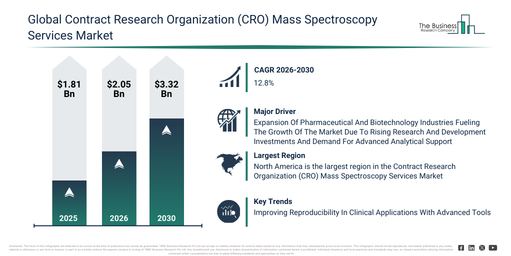
    The contract research organization (cro) mass spectroscopy services market has experienced significant expansion in recent years. Its valuation is anticipated to grow from $1.81 billion in 2025 to $2.05 billion in 2026, exhibiting a compound annual growth rate (CAGR) of 13.1%. This historical growth can be attributed to several factors, including the increase in pharmaceutical and biopharmaceutical R&D activity, a heightened dependence on CRO analytical services, the expansion of biomarker discovery research, the integration of mass spectrometry into drug metabolism studies, and the rising demand for environmental and food testing.

    The market for contract research organization (CRO) mass spectroscopy services is projected to experience substantial expansion over the upcoming years. This market is forecast to reach a size of $3.32 billion by 2030, demonstrating a compound annual growth rate (CAGR) of 12.8%. The anticipated growth during this period can be ascribed to several factors, including escalating investments in precision medicine research, the increasing complexity of biologics and cell therapies, the expanding need for multi-omics analysis, the broader application of clinical proteomics, and enhanced outsourcing of advanced analytical workflows. Key trends shaping the forecast period encompass a rising demand for high-resolution mass spectrometry services, the increasing adoption of outsourced proteomics and metabolomics analysis, the broadening of bioanalytical method development services, the surging application of advanced data analytics in spectral interpretation, and a heightened emphasis on regulatory-compliant analytical testing.

    Download A Free Sample Report For Comprehensive Market Insights:

    https://www.thebusinessresearchcompany.com/sample.aspx?id=27264&type=smp

    What Market Drivers Are Helping Shape The Contract Research Organization (CRO) Mass Spectroscopy Services Market Expansion?

    The expansion of the pharmaceutical and biotechnology sectors is anticipated to drive the contract research organization (CRO) mass spectroscopy services market in the future. These industries comprise entities involved in researching, developing, and producing medications, biologics, and diagnostic tools aimed at enhancing patient health. Growth in these industries stems from heightened investment in research and development, which in turn fuels the discovery of novel drugs and treatments for intricate and currently unaddressed medical conditions. Contract research organization (CRO) mass spectroscopy services assist the pharmaceutical and biotechnology sectors by delivering accurate analytical data, thereby speeding up drug discovery, development, and adherence to regulations. As an illustration, in April 2024, Eurostat, the EU’s official statistical agency based in Luxembourg, reported that imports of medicinal and pharmaceutical items into the EU grew by 6.1% in 2023, reaching a total of 137.4 billion USD (€119 billion) year-over-year. Concurrently, EU exports amounted to 319.2 billion USD (€277 billion), creating a trade surplus of 182.0 billion USD (€158 billion). Consequently, the expansion of the pharmaceutical and biotechnology industries is a key driver for the contract research organization (CRO) mass spectroscopy services market.

    What Segment Types Are Included In The Contract Research Organization (CRO) Mass Spectroscopy Services Market Analysis?

    The contract research organization (cro) mass spectroscopy services market covered in this report is segmented –

    1) By Service Type: Proteomics Services, Metabolomics Services, Other Services

    2) By Application: Drug Discovery And Development, Clinical Research, Preclinical Testing, Environmental Testing, Forensic Testing, Food Safety Analysis, Proteomics And Genomics Research

    3) By End Use: Pharmaceutical And Biopharmaceutical Companies, Medical Device Companies, Other End-Users

    Subsegments:

    1) By Proteomics Services: Protein Identification, Protein Quantification, Post-Translational Modification Analysis, Protein-Protein Interaction Analysis, Structural Proteomics, Biomarker Discovery, Clinical Proteomics, Targeted Proteomics

    2) By Metabolomics Services: Metabolite Identification, Metabolite Quantification, Metabolic Pathway Analysis, Targeted Metabolomics, Untargeted Metabolomics, Lipidomics, Flux Analysis, Biomarker Discovery

    3) By Other Services: Lipid Analysis, Glycomics Services, Small Molecule Analysis, Drug Metabolism And Pharmacokinetics Studies, Environmental And Food Testing, Toxicology Studies, Bioanalytical Method Development And Validation

    Which Trends Are Influencing The Expansion Of The Contract Research Organization (CRO) Mass Spectroscopy Services Market?

    Major companies engaged in the contract research organization (CRO) mass spectroscopy services market are prioritizing the development of technologically advanced platforms, including next-generation mass spectrometry (MS) software solutions, to enhance biomarker discovery, protein quantification, and immunopeptidomics analysis. These next-generation MS software solutions represent sophisticated instruments engineered to improve the speed, accuracy, and efficiency of data analysis in complex chemical and biological research. As an example, in May 2025, Biognosys AG, a Switzerland-based company specializing in mass spectrometry-based solutions, introduced Spectronaut 20 and SpectroMine 5. These two cutting-edge MS data analysis platforms have established new benchmarks in immunopeptidomics and data-independent acquisition (DIA) workflows. Equipped with AI enhancements, these tools dramatically increase sensitivity and accuracy when identifying low-abundance peptides, providing unparalleled depth in proteome coverage and neoantigen identification. By replacing manual, error-prone data interpretation with automated, machine learning-driven analytics, these platforms enable researchers to accelerate therapeutic target validation. A significant feature is their refined peptide-spectrum matching engine, which improves peptide identification rates and quantification consistency, thereby ensuring more reliable and reproducible results in clinical research applications.

    Which Companies Form The Competitive Landscape Of The Contract Research Organization (CRO) Mass Spectroscopy Services Market?

    Major companies operating in the contract research organization (cro) mass spectroscopy services market are Thermo Fisher Scientific Inc., Laboratory Corporation of America Holdings, ICON Public Limited Company, Eurofins Scientific SE, Charles River Laboratories International Inc., Medpace Holdings Inc., Novatia LLC, Inotiv Inc., BioAgilytix Labs LLC, Altasciences Company Inc., ABC Laboratories Inc., Omics Solutions LLC, Creative Proteomics Inc., Momentum Biotechnologies LLC, Accurant Biotech Inc., Alderley Analytical Limited, Allumiqs Corporation, CovalX AG, MS Bioworks LLC, Frontage Laboratories Inc., PPD Laboratories, WuXi AppTec Co. Ltd.

    Access The Complete Contract Research Organization (CRO) Mass Spectroscopy Services Market Report:

    https://www.thebusinessresearchcompany.com/report/contract-research-organization-cro-mass-spectroscopy-services-global-market-report

    Which Region Is The Primary Market For The Contract Research Organization (CRO) Mass Spectroscopy Services Market?

    North America was the largest region in the contract research organization (CRO) mass spectroscopy services market in 2025. The regions covered in the contract research organization (cro) mass spectroscopy services market report are Asia-Pacific, South East Asia, Western Europe, Eastern Europe, North America, South America, Middle East, Africa.

    Access Contract Research Organization (CRO) Mass Spectroscopy Services Market Report for Deeper Competitive Insights

    https://www.thebusinessresearchcompany.com/customise?id=27264&type=smp

    Browse Through More Reports Similar to the Global Contract Research Organization (CRO) Mass Spectroscopy Services Market 2026, By The Business Research Company

    Direct Primary Care Global Market Report 2026

    https://www.thebusinessresearchcompany.com/report/direct-primary-care-global-market-report

    Hospice Care Global Market Report 2026

    https://www.thebusinessresearchcompany.com/report/hospice-care-global-market-report

    Hospice Care Global Market Report 2026

    https://www.thebusinessresearchcompany.com/report/hospice-care-global-market-report

    Get in touch with us:

    The Business Research Company: https://www.thebusinessresearchcompany.com/

    Americas: +1 310-496-7795

    Asia: +44 7882 955267 & +91 8897263534

    Europe: +44 7882 955267

    Email us at: marketing@tbrc.info

    Follow us on:

    LinkedIn: https://in.linkedin.com/company/the-business-research-company

    YouTube: https://www.youtube.com/channel/UC24_fI0rV8cR5DxlCpgmyFQ

    Global Market Model: https://www.thebusinessresearchcompany.com/global-market-model
  • Continence Care Market Forecast Assessing Growth Potential And Industry Direction

    Continence Care Market Forecast Assessing Growth Potential And Industry Direction

    The Business Research Company’s 2026 market reports feature enhanced tools like market attractiveness analysis, TAM assessment, and company scoring matrices, along with interactive dashboards, deeper supply chain insights, and startup coverage strengthening the depth, usability, and strategic value of insights.

    What Is The Expected Market Size Of The Continence Care Market In 2026 And How Much Will It Reach By 2030?

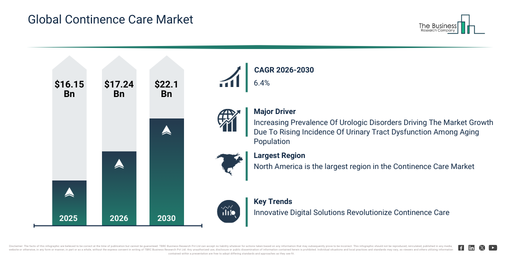
    The continence care market has experienced substantial growth in recent years. It is anticipated to expand from $16.15 billion in 2025 to $17.24 billion in 2026, at a compound annual growth rate (CAGR) of 6.7%. The historical growth can be attributed to factors such as an aging population, an increasing prevalence of chronic conditions, the expansion of long-term care facilities, improved availability of continence products, and rising awareness of incontinence management.

    The continence care market is projected for substantial expansion in the coming years. This market is anticipated to reach $22.1 billion by 2030, exhibiting a compound annual growth rate (CAGR) of 6.4%. Several factors will drive this growth during the forecast period, including a heightened demand for sustainable continence products, greater adoption of home healthcare, expanded digital health support for elderly care, a growing emphasis on dignity-centered care, and advancements in absorbent material technologies. Key trends expected over the forecast period encompass an increasing preference for discreet and comfortable products, a rising need for home-based continence care solutions, a greater focus on materials that are skin-friendly and breathable, the development of customized patient-centric products, and an amplified emphasis on hygiene and infection prevention.

    Download A Free Sample Report For Comprehensive Market Insights:

    https://www.thebusinessresearchcompany.com/sample.aspx?id=25728&type=smp

    Which Significant Factors Are Encouraging Growth In The Continence Care Market?

    The increasing incidence of urologic disorders is expected to drive the expansion of the continence care market. Urologic disorders encompass various conditions affecting the urinary tract system, such as the kidneys, bladder, and urethra. The escalation in these disorders is largely attributed to the aging population, given that older adults are more susceptible to urinary tract dysfunction due to diminished muscle tone and other age-related physiological changes. Continence care offers support by managing symptoms and improving comfort for individuals dealing with urologic conditions, providing essential products for urinary control, hygiene, and overall quality of life, particularly for those with chronic bladder issues or age-related urinary dysfunction. As an illustration, in November 2024, the American Urological Association indicated that over 33 million Americans experienced symptoms of overactive bladder, while an estimated 1 to 4 million men and 3 to 8 million women were affected by interstitial cystitis or bladder pain syndrome. Consequently, the rising prevalence of urologic disorders is a key driver for the growth of the continence care market.

    Which Segment Divisions Form The Structure Of The Continence Care Market?

    The continence care market covered in this report is segmented –

    1) By Product: Urinary Catheter, Non-Implanting Electric Stimulation Devices, Protective Garments, Urine Bag, Bowel Management Products, Other Products

    2) By Material Type: Cotton, Polymer, Nonwoven Fabrics, Foam

    3) By Application: Diabetes, Strokes, Benign Prostatic Hyperplasia, Alzheimer, Cerebral Palsy, Parkinson’s Disease, Prostate Cancer, Spinal Cord Injury, Bladder Cancer, Other Applications

    4) By Distribution Channel: Hospital Pharmacies, Retail Pharmacies, Online Stores, Medical Supply Stores

    5) By End User: Hospitals, Home Care Settings, Nursing Homes, Clinics

    Subsegments:

    1) By Urinary Catheter: Intermittent Catheters, Indwelling (Foley) Catheters, External (Condom) Catheters, Suprapubic Catheters, Catheter Maintenance Products

    2) By Non-Implanting Electric Stimulation Devices: Pelvic Floor Stimulators, Transcutaneous Electrical Nerve Stimulation (TENS) Devices For Bladder Control, External Tibial Nerve Stimulation Devices

    3) By Protective Garments: Adult Diapers, Protective Underwear, Pads And Liners, Male Guards, Belted Shields

    4) By Urine Bag: Leg Urine Bags, Bedside Urine Bags, Pediatric Urine Bags, Night Drainage Bags, Urine Bag Accessories

    5) By Bowel Management Products: Rectal Catheters, Stool Collection Bags, Irrigation Systems, Anal Plugs, Bowel Stimulation Devices

    6) By Other Products: Absorbent Sheets, Skin Care Products For Incontinence, Odor Control Products, Deodorizing Tablets

    Which Trends Are Expected To Shape The Continence Care Market?

    Leading companies in the continence care market are prioritizing the creation of advanced solutions, specifically digital health technologies, to facilitate real-time urinary tracking, hydration management, and customized continence care. A digital health solution employs various digital technologies, including mobile applications, software, and connected devices, to assist with health management, improve patient results, and optimize care provision. Its benefits include enabling real-time tracking, offering personalized health insights, facilitating remote monitoring, and fostering improved communication between patients and healthcare professionals. For instance, in August 2024, Convatec Group Plc, a UK-based medical products and technologies company, launched the me+ Companion app. This digital health solution is specifically designed to support intermittent catheter users and healthcare professionals by enabling real-time urinary tracking, hydration goal setting, leak recording, and the generation of personalized summary reports for enhanced continence care management. The application empowers users to conveniently log their fluid intake and urine output directly from their mobile devices, thereby helping them gain a deeper understanding of their condition and make informed choices. Furthermore, it supports enhanced communication between patients and care teams through the provision of downloadable and printable reports that users can share.

    Who Are The Key Market Participants In The Continence Care Market?

    Major companies operating in the continence care market are Cardinal Health Inc, 3M Healthcare, Kimberly Clark Corporation, Unicharm Corporation, Coloplast AS, Paul Hartmann AG, Convatec Group PLC, Ontex International NV, Drylock Technologies, First Quality Enterprises Inc, Hollister Incorporated, ABENA AS, Lohmann And Rauscher GmbH And Co KG, B Braun Melsungen AG, Principle Business Enterprises Inc, Premiere Care Industries Inc, Santex SpA, Pioneer Hygiene Industries, TZMO SA, Essity AB, Attindas Hygiene Partners, Domtar Corporation, Kao Corporation

    Access The Complete Continence Care Market Report:

    https://www.thebusinessresearchcompany.com/report/continence-care-global-market-report

    Which Geographic Region Represents The Largest Continence Care Market Share?

    North America was the largest region in the continence care market in 2025. Asia-Pacific is expected to be the fastest-growing region in the forecast period. The regions covered in the continence care market report are Asia-Pacific, South East Asia, Western Europe, Eastern Europe, North America, South America, Middle East, Africa.

    Access Continence Care Market Report for Deeper Competitive Insights

    https://www.thebusinessresearchcompany.com/customise?id=25728&type=smp

    Browse Through More Reports Similar to the Global Continence Care Market 2026, By The Business Research Company

    Contact Lenses Global Market Report 2026

    https://www.thebusinessresearchcompany.com/report/contact-lenses-global-market-report

    Smart Contact Lenses Global Market Report 2026

    https://www.thebusinessresearchcompany.com/report/smart-contact-lenses-global-market-report

    Bionic Contact Lenses Global Market Report 2026

    https://www.thebusinessresearchcompany.com/report/bionic-contact-lenses-global-market-report

    Get in touch with us:

    The Business Research Company: https://www.thebusinessresearchcompany.com/

    Americas: +1 310-496-7795

    Asia: +44 7882 955267 & +91 8897263534

    Europe: +44 7882 955267

    Email us at: marketing@tbrc.info

    Follow us on:

    LinkedIn: https://in.linkedin.com/company/the-business-research-company

    YouTube: https://www.youtube.com/channel/UC24_fI0rV8cR5DxlCpgmyFQ

    Global Market Model: https://www.thebusinessresearchcompany.com/global-market-model

  • Rising Prevalence of Insomnia Driving Growth in the OTC Sleep Aids Medication Market due to Increasing Demand for Accessible Sleep Solutions Is Supporting Development Across The Over-The-Counter (OTC) Sleep Aids Medication Market

    Rising Prevalence of Insomnia Driving Growth in the OTC Sleep Aids Medication Market due to Increasing Demand for Accessible Sleep Solutions Is Supporting Development Across The Over-The-Counter (OTC) Sleep Aids Medication Market

    The Business Research Company’s 2026 market reports feature advanced enhancements such as market attractiveness analysis, total addressable market evaluation, company benchmarking matrices, interactive Excel dashboards, expanded supply chain intelligence, emerging startup coverage, and detailed product insights, delivering more actionable and strategically valuable research.

    What Will Be The Estimated Market Size Of The Over-The-Counter (OTC) Sleep Aids Medication Market By 2030?

    The over-the-counter (otc) sleep aids medication market size has seen significant expansion in recent years. It is anticipated to grow from $22.69 billion in 2025 to $24.54 billion in 2026, demonstrating a compound annual growth rate (CAGR) of 8.1%. The market’s past growth was driven by factors such as the increasing prevalence of sleep disturbances, the broad availability of otc medications, consumer reliance on antihistamine-based sleep aids, the expansion of retail pharmacy networks, and a rise in stress and lifestyle-related sleep issues.

    The over-the-counter (otc) sleep aids medication market size is projected to experience substantial expansion in the coming years. By 2030, it is anticipated to reach $33.15 billion, demonstrating a compound annual growth rate (CAGR) of 7.8%. This anticipated growth during the forecast period is largely driven by factors such as the increasing uptake of melatonin supplements, a growing inclination towards herbal and CBD-based remedies, the broadening reach of e-commerce and direct-to-consumer sales, a rise in health awareness and self-care practices, and product enhancements including added nutrients and extended-release formulations. Significant developments expected in this period encompass an escalating consumer preference for non-prescription sleep options, a surge in demand for melatonin and other natural sleep aids, heightened public understanding of sleep health and short-term sleep management, the widening presence of online sales platforms for otc sleep aids, and continued product innovation featuring combination and multi-herb formulations.

    Download A Free Sample Report For Comprehensive Market Insights:

    https://www.thebusinessresearchcompany.com/sample.aspx?id=24644&type=smp

    Which Drivers Are Advancing The Over-The-Counter (OTC) Sleep Aids Medication Market Growth?

    The increasing occurrence of insomnia is anticipated to drive the expansion of the over-the-counter (OTC) sleep aids medication market. Insomnia, a sleep disorder, involves challenges with initiating sleep, maintaining sleep, or premature awakening, leading to diminished sleep quality and daytime dysfunction. This surge in insomnia cases stems from elevated stress levels, as more individuals encounter work demands and daily obstacles that impede their capacity for relaxation and restorative sleep. Over-the-counter (OTC) sleep aid medications offer convenient and accessible relief for insomnia by assisting individuals to fall asleep more quickly and enhance their sleep quality without needing a prescription. For instance, in April 2024, Oxford University Press reported that roughly 19.5% of adult females and 14.0% of adult males in the Americas experienced insomnia in 2024, affecting a total of about 123 million people. Consequently, the growing prevalence of insomnia is a significant factor boosting the over-the-counter (OTC) sleep aids medication market.

    How Is The Over-The-Counter (OTC) Sleep Aids Medication Market Distributed Across Key Segments?

    The over-the-counter (otc) sleep aids medication market covered in this report is segmented –

    1) By Type: Antihistamine, Melatonin Supplements, Herbal Supplement, Other Types

    2) By Application: Insomnia Treatment, Anxiety Relief

    3) By Distribution Channel: Online, Supermarkets Or Hypermarkets, Pharmacies and Drugstores, Specialty Stores

    Subsegments:

    1) By Antihistamine: Diphenhydramine-Based Sleep Aids, Doxylamine Succinate-Based Sleep Aids, Combination Sleep Aids

    2) By Melatonin Supplements: Immediate-Release Melatonin, Extended-Release Melatonin, Melatonin With Added Nutrients

    3) By Herbal Supplement: Valerian Root Supplements, Chamomile-Based Products, Passionflower Extracts, Lavender-Based Formulations, Multi-Herb Blends For Sleep

    4) By Other Types: Cannabidiol (CBD)-Based Sleep Aids, Amino Acid-Based Sleep Aids, Homeopathic Sleep Remedies

    Which Trends Are Shaping The Over-The-Counter (OTC) Sleep Aids Medication Market Landscape?

    Leading companies active in the over-the-counter (OTC) sleep aids medication market are concentrating on developing innovative solutions, such as longevity-driven sleep optimization, to offer personalized and effective approaches that enhance sleep quality and support long-term health. Longevity-driven sleep optimization is a tailored strategy that improves sleep quality and patterns to bolster overall health, prevent chronic diseases, and extend lifespan. For instance, in November 2024, AgelessRx Inc., a US-based longevity-focused telehealth platform, launched a new sleep health program. This program features both a prescription sleep aid (Trazodone) and a natural over-the-counter supplement (Tran-Q Sleep), designed to support all vital aspects of sleep quantity, quality, regularity, and timing. This launch signifies the company’s entrance into the sleep category with a personalized, research-backed method for enhancing sleep, considering it a cornerstone of long-term health and longevity.

    Which Key Players Are Active In The Over-The-Counter (OTC) Sleep Aids Medication Market?

    Major companies operating in the over-the-counter (otc) sleep aids medication market are Procter & Gamble Co., Bayer AG, Sanofi S.A., GlaxoSmithKline plc, Perrigo Company plc, Reckitt Benckiser Group plc, Church & Dwight Co. Inc., Prestige Consumer Healthcare Inc., Viatris Inc., Walgreens Boots Alliance Inc., CVS Health Corporation, Rite Aid Corporation, Hyland’s Inc., Natrol LLC, Pharmavite LLC (Nature Made), The Bountiful Company, i-Health Inc., Zarbee’s Naturals, Olly PBC, Unilever plc, Herbaland Naturals Inc., Garden of Life LLC, Nature’s Way Products LLC, Solaray Inc., Nature’s Bounty Co., Spring Valley (Walmart Private Label), Equate (Walmart Private Label), GNC Holdings Inc., Blackmores Limited, Himalaya Wellness Company, A.Vogel AG, Schwabe Group

    Access The Complete Over-The-Counter (OTC) Sleep Aids Medication Market Report:

    https://www.thebusinessresearchcompany.com/report/over-the-counter-otc-sleep-aids-medication-global-market-report

    Which Region Stands As The Largest Contributor To The Over-The-Counter (OTC) Sleep Aids Medication Market?

    North America was the largest region in the over-the-counter (OTC) sleep aids medication market in 2025. Asia-Pacific is expected to be the fastest-growing region in the forecast period. The regions covered in the over-the-counter (otc) sleep aids medication market report are Asia-Pacific, South East Asia, Western Europe, Eastern Europe, North America, South America, Middle East, Africa.

    Access Over-The-Counter (OTC) Sleep Aids Medication Market Report for Deeper Competitive Insights

    https://www.thebusinessresearchcompany.com/sample.aspx?id=24644&type=smp

    Browse Through More Reports Similar to the Global Over-The-Counter (OTC) Sleep Aids Medication Market 2026, By The Business Research Company

    Dermatology Otc Medications Market Report 2026

    https://www.thebusinessresearchcompany.com/report/dermatology-otc-medications-global-market-report

    Sleeping Aids Market Report 2026

    https://www.thebusinessresearchcompany.com/report/sleeping-aids-global-market-report

    Melatonin Supplements Market Report 2026

    https://www.thebusinessresearchcompany.com/report/melatonin-supplements-global-market-report

    Get in touch with us:

    The Business Research Company: https://www.thebusinessresearchcompany.com/

    Americas: +1 310-496-7795

    Asia: +44 7882 955267 & +91 8897263534

    Europe: +44 7882 955267

    Email us at: marketing@tbrc.info

    Follow us on:

    LinkedIn: https://in.linkedin.com/company/the-business-research-company

    YouTube: https://www.youtube.com/channel/UC24_fI0rV8cR5DxlCpgmyFQ

    Global Market Model: https://www.thebusinessresearchcompany.com/global-market-model
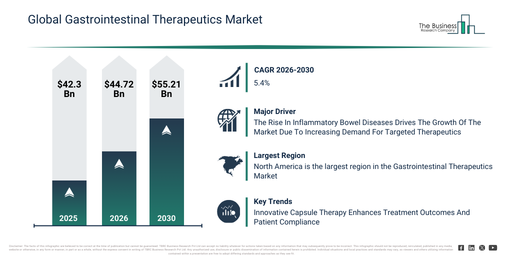
  • The Rise In Inflammatory Bowel Diseases Drives The Growth Of The Market Due To Increasing Demand For Targeted Therapeutics Is Supporting Development Across The Gastrointestinal Therapeutics Market

    The Rise In Inflammatory Bowel Diseases Drives The Growth Of The Market Due To Increasing Demand For Targeted Therapeutics Is Supporting Development Across The Gastrointestinal Therapeutics Market

    The Business Research Company’s 2026 market reports feature advanced enhancements such as market attractiveness analysis, total addressable market evaluation, company benchmarking matrices, interactive Excel dashboards, expanded supply chain intelligence, emerging startup coverage, and detailed product insights, delivering more actionable and strategically valuable research.

    How Will The Market Value Of The Gastrointestinal Therapeutics Market Change Between 2026 And 2030?

    The gastrointestinal therapeutics market has experienced significant growth in recent years. This market is set to expand from $42.3 billion in 2025 to $44.72 billion in 2026, progressing at a compound annual growth rate (CAGR) of 5.7%. The historical expansion can be attributed to several factors including the restricted availability of biologics and advanced gastrointestinal therapies, a rising incidence of acid reflux and ulcers, a reliance on hospital and clinic-based treatment, increasing awareness concerning digestive health, and the widespread use of traditional over-the-counter antacids and laxatives.

    The gastrointestinal therapeutics market is set for considerable expansion in the coming years. It is projected to reach $55.21 billion by 2030, demonstrating a compound annual growth rate (CAGR) of 5.4%. This anticipated growth is driven by several factors, including the development of targeted biologics and immunotherapies, the increasing number of ambulatory surgical centers and diagnostic laboratories, the growing adoption of oral and intravenous delivery systems, expanding online pharmacy presence, and innovations in probiotic and digestive enzyme formulations. Key trends for the forecast period include a rising incidence of gastrointestinal disorders, increased utilization of biologics and advanced therapies, the expansion of over-the-counter therapeutic options, a heightened focus on personalized gastrointestinal treatments, and the growth of online and retail pharmacy distribution channels.

    Download A Free Sample Report For Comprehensive Market Insights:

    https://www.thebusinessresearchcompany.com/sample.aspx?id=25768&type=smp

    What Market Drivers Are Helping Shape The Gastrointestinal Therapeutics Market Expansion?

    The increasing incidence of inflammatory bowel conditions is anticipated to fuel the expansion of the gastrointestinal therapeutics market moving forward. Inflammatory bowel disease (IBD) is a persistent ailment that causes inflammation in the digestive tract, primarily encompassing Crohn’s disease and ulcerative colitis. The surge in inflammatory bowel diseases is attributed to genetic susceptibility, resulting in an abnormal immune response to gut microbes. Gastrointestinal therapeutics assist in managing and treating bowel conditions by targeting underlying inflammation, regulating digestive functions, and easing associated symptoms to enhance patient outcomes. For instance, in December 2023, according to the IBD Registry, a UK-based non-profit organization, over 5,300 individuals with inflammatory bowel diseases (IBD) were registered in 2023, marking an increase of more than 3,000 members from 2022. Therefore, the rise in inflammatory bowel diseases is propelling the growth of the gastrointestinal therapeutics market.

    How Is The Gastrointestinal Therapeutics Market Distributed Across Key Segments?

    The gastrointestinal therapeutics market covered in this report is segmented –

    1) By Product: Over-The-Counter Gastrointestinal Therapeutics, Prescription-Based Gastrointestinal Therapeutics

    2) By Route Of Administration: Oral, Intravenous, Other Routes Of Administration

    3) By Application: Inflammatory Bowel Disease, Gastroesophageal Reflux Disease, Peptic Ulcer Disease, Irritable Bowel Syndrome, Other Applications

    4) By Distribution Channel: Hospital Pharmacies, Retail Pharmacies, Online Pharmacies

    5) By End-User: Hospitals, Clinics, Ambulatory Surgical Centers, Diagnostic Laboratories, Other End-Users

    Subsegments:

    1) By Over-The-Counter Gastrointestinal Therapeutics: Antacids, Laxatives, Anti-Diarrheal Agents, Digestive Enzymes, Probiotics, H2-Receptor Antagonists, Simethicone Products

    2) By Prescription-Based Gastrointestinal Therapeutics: Proton Pump Inhibitors, Antibiotics For H. pylori, Aminosalicylates, Biologics, Corticosteroids, Immunosuppressants, Antiemetics

    Which Trends Are Supporting The Evolution Of The Gastrointestinal Therapeutics Market?

    Major companies operating within the gastrointestinal therapeutics market are prioritizing the development of innovative therapies, such as sustained-release (SR) fixed-dose combination capsules, with the goal of improving patient adherence and increasing treatment effectiveness. Sustained-release (SR) fixed-dose combination capsules are oral medications designed to gradually release multiple active ingredients over time, thereby maintaining consistent drug levels and reducing the frequency of dosing. For instance, in June 2024, Akums Drugs and Pharmaceuticals Limited, an India-based company specializing in pharmaceutical preparation manufacturing, launched rabeprazole + levosulpiride SR capsules for the treatment of gastrointestinal disorders in India. This specific formulation combines rabeprazole, which acts as a proton pump inhibitor to decrease stomach acid, with levosulpiride, a prokinetic agent that enhances gut motility. Together, these components deliver effective relief from symptoms including heartburn, acid reflux, bloating, and indigestion. This combination therapy is widely prescribed for the management of gastroesophageal reflux disease, peptic ulcers, and other related gastrointestinal (GI) conditions.

    Which Companies Form The Competitive Landscape Of The Gastrointestinal Therapeutics Market?

    Major companies operating in the gastrointestinal therapeutics market are Abbott Laboratories, Novartis AG, Takeda Pharmaceutical Company Limited., Boehringer Ingelheim International GmbH, Otsuka Holdings Co. Ltd., Daiichi Sankyo Company Limited., Bausch Health Companies Inc, UCB S.A., Eisai Co. Ltd., Aurobindo Pharma Limited., Dr. Reddy’s Laboratories Limited., Ironwood Pharmaceuticals Inc, Salix Pharmaceuticals Ltd., Ferring Pharmaceuticals A/S, Jubilant Pharma Limited., Sebela Pharmaceuticals Inc, Cosmo Pharmaceuticals N.V., Tillotts Pharma AG, Mitsubishi Tanabe Pharma Corporation

    Access The Complete Gastrointestinal Therapeutics Market Report:

    https://www.thebusinessresearchcompany.com/report/gastrointestinal-therapeutics-global-market-report

    Which Region Stands As The Largest Contributor To The Gastrointestinal Therapeutics Market?

    North America was the largest region in the gastrointestinal therapeutics market in 2025. Asia-Pacific is expected to be the fastest-growing region in the forecast period. The regions covered in the gastrointestinal therapeutics market report are Asia-Pacific, South East Asia, Western Europe, Eastern Europe, North America, South America, Middle East, Africa.

    Access Gastrointestinal Therapeutics Market Report for Deeper Competitive Insights

    https://www.thebusinessresearchcompany.com/sample.aspx?id=25768&type=smp

    Browse Through More Reports Similar to the Global Gastrointestinal Therapeutics Market 2026, By The Business Research Company

    Gastrointestinal Drugs Market 2026

    https://www.thebusinessresearchcompany.com/report/gastrointestinal-drugs-global-market

    Gastroparesis Drugs Market Report 2026

    https://www.thebusinessresearchcompany.com/report/gastroparesis-drugs-global-market-report

    Digestive And Intestinal Remedies Market Report 2026

    https://www.thebusinessresearchcompany.com/report/digestive-and-intestinal-remedies-global-market-report

    Get in touch with us:

    The Business Research Company: https://www.thebusinessresearchcompany.com/

    Americas: +1 310-496-7795

    Asia: +44 7882 955267 & +91 8897263534

    Europe: +44 7882 955267

    Email us at: marketing@tbrc.info

    Follow us on:

    LinkedIn: https://in.linkedin.com/company/the-business-research-company

    YouTube: https://www.youtube.com/channel/UC24_fI0rV8cR5DxlCpgmyFQ

    Global Market Model: https://www.thebusinessresearchcompany.com/global-market-model