Tag: hematologic malignancies market research

  • Hematologic Malignancies Detection Market Size Projected To Increase From $3.57 Billion To $6.28 Billion During The Forecast Period

    Hematologic Malignancies Detection Market Size Projected To Increase From $3.57 Billion To $6.28 Billion During The Forecast Period

    Enhanced with market attractiveness analysis, total addressable market evaluation, company benchmarking matrices, interactive Excel dashboards, expanded supply chain intelligence, emerging startup coverage, and detailed product insights, The Business Research Company’s 2026 market reports deliver more actionable and strategically valuable research.

    Hematologic Malignancies Detection Market Forecast: What Market Value Is Expected By 2030?

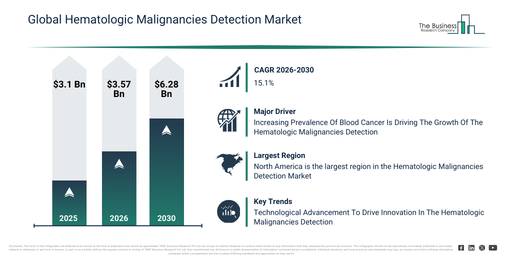
    The market dedicated to identifying hematologic malignancies has experienced substantial expansion lately, projecting a rise from $3.1 billion in 2025 to $3.57 billion by 2026, driven by a compound annual growth rate of 15.5%. This impressive growth trajectory during the preceding period is largely attributable to a confluence of factors, including the escalating incidence of blood cancers, the widespread integration of PCR and immunochemistry methodologies, the enhancement of clinical laboratory facilities, heightened public and medical consciousness regarding the importance of early cancer detection, and the increasing availability of sophisticated diagnostic kits.

    The market for detecting hematologic malignancies is poised for substantial expansion, projected to reach $6.28 billion by 2030, demonstrating a robust compound annual growth rate of 15.1%. This anticipated surge is fueled by several key drivers: the escalating use of liquid biopsy for diagnostic purposes, increased financial backing for precision oncology initiatives, the broadening scope of genomic testing, greater utilization of artificial intelligence in diagnostic platforms, and a heightened emphasis on diagnosing cancers early and with greater precision. Significant developments shaping this market over the forecast period include the growing preference for molecular diagnostic methods, the expanding application of next-generation sequencing in cancer care, the deeper integration of AI into diagnostic analysis, the wider implementation of early cancer detection programs, and a more pronounced focus on personalized diagnostic approaches within oncology.

    Download A Free Sample Report For Comprehensive Market Insights:

    https://www.thebusinessresearchcompany.com/sample.aspx?id=19504&type=smp

    Hematologic Malignancies Detection Market Growth Factors Supporting Long-Term Expansion

    The heightened incidence of blood cancers is anticipated to be a significant catalyst for the expansion of the market focused on detecting hematologic malignancies. Blood cancer, characterized by its impact on the blood, bone marrow, or lymphatic system, leads to disruptions in the normal production and functioning of blood cells. Factors contributing to the rising prevalence of blood cancer include an aging global population and advancements in diagnostic methods, which facilitate earlier and more precise identification. The accurate and timely diagnosis offered by hematologic malignancy detection is fundamental to effective blood cancer management, paving the way for tailored and successful therapeutic approaches. Illustrating this, a report from March 2024 by the Leukemia & Lymphoma Society, a US-based professional organization, indicated that approximately 437,337 individuals in the United States are currently living with or in remission from leukemia, with an estimated 59,610 new diagnoses expected in 2024. Consequently, the growing number of blood cancer cases is directly fueling the growth trajectory of the hematologic malignancy detection market.

    Hematologic Malignancies Detection Market Segment Analysis: What Are The Major Market Categories?

    The hematologic malignancies detection market covered in this report is segmented –

    1) By Type: Polymerase Chain Reaction, Immunochemistry, Next Generation Sequencing, Fluorescence In Situ Hybridization

    2) By Application: Multiple Myeloma, Myelodysplastic Syndrome, Leukemia, Myeloproliferative Neoplasms, Lymphoma, Other Applications

    3) By End-Users: Hospitals, Specialty Clinics, Other End-Users

    Subsegments:

    1) By Polymerase Chain Reaction (PCR): Real-Time PCR (qPCR), Digital PCR, Reverse Transcription PCR (RT-PCR), Nested PCR, Multiplex PCR, PCR-Based Detection Kits

    2) By Immunochemistry: Enzyme-Linked Immunosorbent Assay (ELISA), Immunohistochemistry (IHC), Flow Cytometry, Immunofluorescence, Immunohistochemical Staining Kits

    3) By Next Generation Sequencing (NGS): Whole Genome Sequencing (WGS), Whole Exome Sequencing (WES), Targeted Sequencing, RNA Sequencing (RNA-Seq), Liquid Biopsy NGS, Next-Generation Sequencing Kits For Hematologic Malignancies

    4) By Fluorescence In Situ Hybridization (FISH): Chromosome-Specific FISH Probes, DNA FISH, RNA FISH, Multicolor FISH, FISH-Based Detection Kits For Leukemia And Lymphoma

    Hematologic Malignancies Detection Market Industry Trends Shaping Future Revenue Growth

    Key players within the hematologic malignancy detection sector are dedicating resources to pioneering advancements, exemplified by blood cancer diagnostic tests, aiming to elevate diagnostic precision and foster better patient prognoses. These diagnostic tests are indispensable for confirming and pinpointing hematologic malignancies, encompassing conditions like leukemia, lymphoma, and multiple myeloma. Illustrating this trend, in November 2023, the Roswell Park Comprehensive Cancer Center, an American institution for research and patient care, introduced PanHeme, a sophisticated blood cancer diagnostic test employing cutting-edge gene sequencing technology for the identification of hematologic malignancies. By leveraging next-generation sequencing capabilities, PanHeme ascertains genetic anomalies in blood cancers such as leukemia, lymphoma, and multiple myeloma in under 72 hours, offering a substantial improvement in speed compared to conventional methodologies, thereby facilitating the swift establishment of tailored treatment strategies through the application of targeted, FDA-approved therapies informed by identified mutations.

    Hematologic Malignancies Detection Market Leading Companies Driving Competitive Growth

    Major companies operating in the hematologic malignancies detection market are Thermo Fisher Scientific Inc., Abbott Laboratories Inc., Roche Diagnostics International Ltd., Illumina Inc., Agilent Technologies Inc., Bio-Rad Laboratories Inc., QIAGEN N.V., Becton Dickinson and Company, Beckman Coulter Inc., Sysmex Corporation, Adaptive Biotechnologies Corporation, NeoGenomics Laboratories Inc., Invivoscribe Technologies Inc., ArcherDx Inc., Invitae Corporation, Natera Inc., Genetron Health, SOPHiA GENETICS, Guardant Health Inc., Genetica Diagnostics

    Access The Complete Hematologic Malignancies Detection Market Report:

    https://www.thebusinessresearchcompany.com/report/hematologic-malignancies-detection-global-market-report

    Hematologic Malignancies Detection Market Geographic Distribution And Regional Opportunities

    North Americawas the largest region in the hematologic malignancies’ detection market in 2025. Asia-Pacificis expected to be the fastest-growing region in the forecast period. The regions covered in the hematologic malignancies detection market report are Asia-Pacific, South East Asia, Western Europe, Eastern Europe, North America, South America, Middle East, Africa.

    Get in touch with us:

    The Business Research Company: https://www.thebusinessresearchcompany.com/

    Americas: +1 310-496-7795

    Asia: +44 7882 955267 & +91 8897263534

    Europe: +44 7882 955267

    Email us at: marketing@tbrc.info

    Follow us on:

    LinkedIn: https://in.linkedin.com/company/the-business-research-company

    YouTube: https://www.youtube.com/channel/UC24_fI0rV8cR5DxlCpgmyFQ

    Global Market Model: https://www.thebusinessresearchcompany.com/global-market-model

  • Hematologic Malignancies Detection Market Outlook (2026–2030): Growth Factors and Projections

    Hematologic Malignancies Detection Market Outlook (2026–2030): Growth Factors and Projections

    The Business Research Company’s 2026 market reports feature enhanced tools like market attractiveness analysis, TAM assessment, and company scoring matrices, along with interactive dashboards, deeper supply chain insights, and startup coverage strengthening the depth, usability, and strategic value of insights.

    How Much Growth In Market Value Is Expected For The Hematologic Malignancies Detection Market Between 2026 And 2030?

    The size of the hematologic malignancies detection market has seen rapid expansion in recent years. It is expected to increase from $3.1 billion in 2025 to $3.57 billion in 2026, demonstrating a compound annual growth rate (CAGR) of 15.5%. Historically, this growth can be attributed to several factors including the rising prevalence of blood cancers, the uptake of PCR and immunochemistry techniques, the development of clinical laboratory infrastructure, increasing awareness regarding early cancer detection, and the presence of sophisticated diagnostic kits.

    The hematologic malignancies detection market is anticipated to experience substantial expansion in the coming years. It is projected to achieve a size of $6.28 billion by 2030, exhibiting a compound annual growth rate (CAGR) of 15.1%. The expansion during this forecast period can be primarily attributed to the growing acceptance of liquid biopsy diagnostics, increasing investments in precision oncology, the widening scope of genomic testing programs, the rising utilization of AI-based diagnostic platforms, and an intensified focus on the early and accurate detection of cancer. Prominent trends expected in the forecast period involve a greater adoption of molecular diagnostic techniques, an increased application of next-generation sequencing in oncology, the expanding integration of AI in diagnostic interpretation, the enlargement of early cancer screening programs, and an elevated focus on personalized oncology diagnostics.

    Access Your Free Sample Report For In-Depth Market Analysis:

    https://www.thebusinessresearchcompany.com/report/hematologic-malignancies-detection-global-market-report

    Which Drivers Are Supporting The Hematologic Malignancies Detection Market Growth?

    The expanding occurrence of blood cancer is projected to stimulate the expansion of the hematologic malignancy detection market. Blood cancer encompasses various malignancies impacting the blood, bone marrow, or lymphatic system, thereby impairing normal blood cell formation and operation. This rise in blood cancer cases stems from an aging global demographic and advancements in diagnostic methodologies, facilitating earlier and more precise identification. The identification of hematologic malignancies holds crucial importance for managing blood cancer, as it allows for prompt and accurate diagnoses, which in turn supports the creation of tailored and impactful treatment plans. For example, a Cancer Facts & Figures 2023 report released by the Leukemia & Lymphoma Society, a US-based professional organization company, indicated that in March 2024, approximately 437,337 people in the US were either living with or in remission from leukemia. Additionally, around 59,610 new cases are anticipated to be diagnosed in 2024. Consequently, the growing incidence of blood cancer is a primary catalyst for the expansion of the hematologic malignancy detection market.

    What Are The Different Segment Types In The Hematologic Malignancies Detection Market Segment Breakdown?

    The hematologic malignancies detection market covered in this report is segmented –

    1) By Type: Polymerase Chain Reaction, Immunochemistry, Next Generation Sequencing, Fluorescence In Situ Hybridization

    2) By Application: Multiple Myeloma, Myelodysplastic Syndrome, Leukemia, Myeloproliferative Neoplasms, Lymphoma, Other Applications

    3) By End-Users: Hospitals, Specialty Clinics, Other End-Users

    Subsegments:

    1) By Polymerase Chain Reaction (PCR): Real-Time PCR (qPCR), Digital PCR, Reverse Transcription PCR (RT-PCR), Nested PCR, Multiplex PCR, PCR-Based Detection Kits

    2) By Immunochemistry: Enzyme-Linked Immunosorbent Assay (ELISA), Immunohistochemistry (IHC), Flow Cytometry, Immunofluorescence, Immunohistochemical Staining Kits

    3) By Next Generation Sequencing (NGS): Whole Genome Sequencing (WGS), Whole Exome Sequencing (WES), Targeted Sequencing, RNA Sequencing (RNA-Seq), Liquid Biopsy NGS, Next-Generation Sequencing Kits For Hematologic Malignancies

    4) By Fluorescence In Situ Hybridization (FISH): Chromosome-Specific FISH Probes, DNA FISH, RNA FISH, Multicolor FISH, FISH-Based Detection Kits For Leukemia And Lymphoma

    Which Trends Are Expected To Impact The Hematologic Malignancies Detection Market?

    Major companies operating in the hematologic malignancy detection market are prioritizing the development of innovative solutions, such as blood cancer diagnostic tests, to improve diagnostic accuracy and enhance patient outcomes. These blood cancer diagnostic tests are essential for pinpointing and confirming the presence of hematologic malignancies like leukemia, lymphoma, and multiple myeloma. For instance, in November 2023, Roswell Park Comprehensive Cancer Center, a US-based research and treatment facility, launched PanHeme. This advanced blood cancer diagnostic test utilizes next-generation gene sequencing technology specifically for hematologic malignancy detection. By employing next-generation sequencing technology, PanHeme can identify genetic mutations in blood cancers, including leukemia, lymphoma, and multiple myeloma, within 72 hours, which is considerably faster than traditional methods. This quick turnaround time supports personalized treatment plans by enabling healthcare providers to use targeted FDA-approved therapies based on specific mutations.

    Who Are The Well-Known Companies In The Hematologic Malignancies Detection Market?

    Major companies operating in the hematologic malignancies detection market are Thermo Fisher Scientific Inc., Abbott Laboratories Inc., Roche Diagnostics International Ltd., Illumina Inc., Agilent Technologies Inc., Bio-Rad Laboratories Inc., QIAGEN N.V., Becton Dickinson and Company, Beckman Coulter Inc., Sysmex Corporation, Adaptive Biotechnologies Corporation, NeoGenomics Laboratories Inc., Invivoscribe Technologies Inc., ArcherDx Inc., Invitae Corporation, Natera Inc., Genetron Health, SOPHiA GENETICS, Guardant Health Inc., Genetica Diagnostics

    Get The Full Hematologic Malignancies Detection Market Report:

    https://www.thebusinessresearchcompany.com/report/hematologic-malignancies-detection-global-market-report

    Which Region Dominates The Hematologic Malignancies Detection Market By Market Share?

    North America was the largest region in the hematologic malignancies’ detection market in 2025. Asia-Pacific is expected to be the fastest-growing region in the forecast period. The regions covered in the hematologic malignancies detection market report are Asia-Pacific, South East Asia, Western Europe, Eastern Europe, North America, South America, Middle East, Africa.

    Request A Customized Hematologic Malignancies Detection Market Report For Competitive Insights:

    https://www.thebusinessresearchcompany.com/report/hematologic-malignancies-detection-global-market-report

    Browse Through More Reports Similar to the Global Hematologic Malignancies Detection Market 2026, By The Business Research Company

    Healthcare Fraud Detection Market Report 2026

    https://www.thebusinessresearchcompany.com/report/healthcare-fraud-detection-global-market-report

    Medical Radiation Detection Monitoring And Safety Market Report 2026

    https://www.thebusinessresearchcompany.com/report/medical-radiation-detection-monitoring-and-safety-global-market-report

    Defect Detection Market Report 2026

    https://www.thebusinessresearchcompany.com/report/defect-detection-global-market-report

    Get in touch with us:

    The Business Research Company: https://www.thebusinessresearchcompany.com/

    Americas +1 310-496-7795

    Asia +44 7882 955267 & +91 8897263534

    Europe +44 7882 955267

    Email us at info@tbrc.info

    Follow us on:

    LinkedIn: https://in.linkedin.com/company/the-business-research-company

    YouTube: https://www.youtube.com/channel/UC24_fI0rV8cR5DxlCpgmyFQ

    Global Market Model: https://www.thebusinessresearchcompany.com/global-market-model

  • Global Hematologic Malignancies Detection Market Forecast 2026–2035 Presenting Long-Term Industry Expansion Insights

    Global Hematologic Malignancies Detection Market Forecast 2026–2035 Presenting Long-Term Industry Expansion Insights

    The Business Research Company’s 2026 market reports include new capabilities such as market attractiveness scoring and analysis, total addressable market analysis, company scoring matrix, interactive excel data dashboard, improved supply chain analysis, upcoming startups in the market, and overview of key products, aimed at improving the depth, usability, and strategic value of the insights delivered.

    How Large Is The Hematologic Malignancies Detection Market Projected To Become By 2030 Based On Its 2026 Valuation?

    Recent years have seen a quick rise in the size of the hematologic malignancies detection market. Projections indicate it will expand from $3.1 billion in 2025 to reach $3.57 billion by 2026, exhibiting a compound annual growth rate (CAGR) of 15.5%. Historically, this expansion has been driven by several factors, including the rising prevalence of blood cancers, the uptake of pcr and immunochemistry techniques, a broader clinical laboratory infrastructure, heightened awareness regarding early cancer detection, and the presence of advanced diagnostic kits.

    The market size for hematologic malignancies detection is projected to experience rapid expansion over the next few years. It is forecast to grow to $6.28 billion by 2030, demonstrating a compound annual growth rate (CAGR) of 15.1%. This anticipated growth during the forecast period is primarily driven by the increasing integration of liquid biopsy diagnostics, rising investments within precision oncology, the expansion of genomic testing programs, the growing utilization of AI-based diagnostic platforms, and an enhanced focus on the early and accurate identification of cancer. Significant trends expected in this period encompass a greater adoption of molecular diagnostic techniques, the increasing application of next-generation sequencing in oncology, the expanding integration of AI in diagnostic interpretation, the broadening of early cancer screening initiatives, and a heightened emphasis on personalized oncology diagnostics.

    Download the Free Sample Report to Explore Key Market Insights:

    https://www.thebusinessresearchcompany.com/sample.aspx?id=19504&type=smp

    What Major Growth Drivers Are Shaping The Outlook Of The Hematologic Malignancies Detection Market?

    The growing occurrence of blood cancer is anticipated to stimulate the expansion of the hematologic malignancy detection market in the future. This type of cancer encompasses various malignancies that impact the blood, bone marrow, or lymphatic system, thereby hindering the normal production and operation of blood cells. The rising incidence of blood cancer can be attributed to an aging populace and advancements in diagnostic methods, which facilitate earlier and more precise identification. Detecting hematologic malignancies is crucial for managing blood cancer, as it permits prompt and accurate diagnosis, paving the way for tailored and successful therapeutic approaches. For example, in March 2024, a Cancer Facts & Figures 2023 report, issued by the Leukemia & Lymphoma Society, a professional organization company based in the US, indicated that around 437,337 individuals are either living with or are in remission from leukemia within the US. Moreover, approximately 59,610 new instances are projected to be diagnosed during 2024. Consequently, the escalating occurrence of blood cancer is stimulating the expansion of the hematologic malignancy detection market.

    What Segment Groups Are Identified Within The Hematologic Malignancies Detection Market?

    The hematologic malignancies detection market covered in this report is segmented –

    1) By Type: Polymerase Chain Reaction, Immunochemistry, Next Generation Sequencing, Fluorescence In Situ Hybridization

    2) By Application: Multiple Myeloma, Myelodysplastic Syndrome, Leukemia, Myeloproliferative Neoplasms, Lymphoma, Other Applications

    3) By End-Users: Hospitals, Specialty Clinics, Other End-Users

    Subsegments:

    1) By Polymerase Chain Reaction (PCR): Real-Time PCR (qPCR), Digital PCR, Reverse Transcription PCR (RT-PCR), Nested PCR, Multiplex PCR, PCR-Based Detection Kits

    2) By Immunochemistry: Enzyme-Linked Immunosorbent Assay (ELISA), Immunohistochemistry (IHC), Flow Cytometry, Immunofluorescence, Immunohistochemical Staining Kits

    3) By Next Generation Sequencing (NGS): Whole Genome Sequencing (WGS), Whole Exome Sequencing (WES), Targeted Sequencing, RNA Sequencing (RNA-Seq), Liquid Biopsy NGS, Next-Generation Sequencing Kits For Hematologic Malignancies

    4) By Fluorescence In Situ Hybridization (FISH): Chromosome-Specific FISH Probes, DNA FISH, RNA FISH, Multicolor FISH, FISH-Based Detection Kits For Leukemia And Lymphoma

    What Trends Are Affecting The Expansion Of The Hematologic Malignancies Detection Market?

    Leading companies within the hematologic malignancy detection market are concentrating on developing innovative solutions, including blood cancer diagnostic tests, to boost diagnostic accuracy and improve patient outcomes. Blood cancer diagnostic tests play a critical role in identifying and confirming hematologic malignancies, such as leukemia, lymphoma, and multiple myeloma. For instance, in November 2023, Roswell Park Comprehensive Cancer Center, a US-based research and treatment institution, launched PanHeme, an advanced blood cancer diagnostic test that employs next-generation gene sequencing technology for detecting hematologic malignancies. By utilizing next-generation sequencing technology, PanHeme accurately pinpoints genetic mutations in blood cancers like leukemia, lymphoma, and multiple myeloma within 72 hours, a speed considerably quicker than traditional approaches. This swift result delivery allows for personalized treatment plans, as healthcare providers can implement targeted FDA-approved therapies based on specific mutations.

    Which Companies Hold Significant Positions In The Hematologic Malignancies Detection Market?

    Major companies operating in the hematologic malignancies detection market are Thermo Fisher Scientific Inc., Abbott Laboratories Inc., Roche Diagnostics International Ltd., Illumina Inc., Agilent Technologies Inc., Bio-Rad Laboratories Inc., QIAGEN N.V., Becton Dickinson and Company, Beckman Coulter Inc., Sysmex Corporation, Adaptive Biotechnologies Corporation, NeoGenomics Laboratories Inc., Invivoscribe Technologies Inc., ArcherDx Inc., Invitae Corporation, Natera Inc., Genetron Health, SOPHiA GENETICS, Guardant Health Inc., Genetica Diagnostics

    Read the full hematologic malignancies detection market report here:

    https://www.thebusinessresearchcompany.com/report/hematologic-malignancies-detection-global-market-report

    Which Regions Are Projected To Dominate The Hematologic Malignancies Detection Market In The Coming Years?

    North America was the largest region in the hematologic malignancies’ detection market in 2025. Asia-Pacific is expected to be the fastest-growing region in the forecast period. The regions covered in the hematologic malignancies detection market report are Asia-Pacific, South East Asia, Western Europe, Eastern Europe, North America, South America, Middle East, Africa.

    Request A Tailored Hematologic Malignancies Detection Market Research Report For Competitive Advantage:

    https://www.thebusinessresearchcompany.com/customise?id=19504&type=smp

    Browse Through More Reports Similar to the Global Hematologic Malignancies Detection Market 2026, By The Business Research Company

    Medical Radiation Detection Monitoring And Safety Global Market Report

    https://www.thebusinessresearchcompany.com/report/medical-radiation-detection-monitoring-and-safety-global-market-report

    Defect Detection Global Market Report

    https://www.thebusinessresearchcompany.com/report/defect-detection-global-market-report

    Healthcare Fraud Detection Global Market Report

    https://www.thebusinessresearchcompany.com/report/healthcare-fraud-detection-global-market-report

    Get in touch with us:

    The Business Research Company: https://www.thebusinessresearchcompany.com/

    Americas +1 310-496-7795

    Asia +44 7882 955267 & +91 8897263534

    Europe +44 7882 955267

    Email us at info@tbrc.info

    Follow us on:

    LinkedIn: https://in.linkedin.com/company/the-business-research-company

    YouTube: https://www.youtube.com/channel/UC24_fI0rV8cR5DxlCpgmyFQ

    Global Market Model: https://www.thebusinessresearchcompany.com/global-market-model
  • Hematologic Malignancies Detection Sector Forecast Shows Robust Momentum, Climbing to $6.28 Billion With 15.1% CAGR

    Hematologic Malignancies Detection Sector Forecast Shows Robust Momentum, Climbing to $6.28 Billion With 15.1% CAGR

    Uncover key drivers, emerging technologies, and competitive movements shaping the hematologic malignancies detection market from 2026–2035 with trusted insights from The Business Research Company

    What long-term size projections exist for the Hematologic Malignancies Detection Market covering 2026–2035?

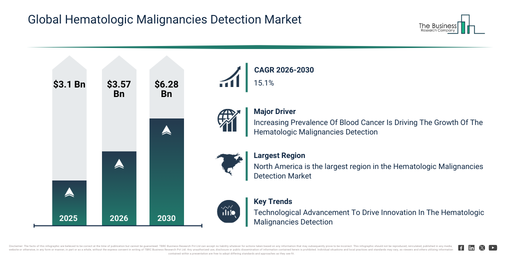
    The market for detecting hematologic malignancies has experienced substantial expansion in recent years. This market is projected to expand from $3.1 billion in 2025 to $3.57 billion in 2026, demonstrating a compound annual growth rate (CAGR) of 15.5%. This historical growth is attributable to factors such as the rising incidence of blood cancers, the widespread adoption of PCR and immunochemistry techniques, the development of clinical laboratory infrastructure, heightened awareness regarding early cancer detection, and the accessibility of sophisticated diagnostic kits.

    The market for detecting hematologic malignancies is projected to experience swift expansion over the coming years. By 2030, this market is anticipated to reach a valuation of $6.28 billion, progressing at a compound annual growth rate (CAGR) of 15.1%. This projected growth is driven by factors such as the increasing acceptance of liquid biopsy diagnostics, heightened investments in precision oncology, the broadening scope of genomic testing initiatives, the expanding application of AI-based diagnostic platforms, and a magnified emphasis on early and precise cancer identification. Key trends anticipated during the forecast timeframe encompass a surge in the adoption of molecular diagnostic methods, an escalating utilization of next-generation sequencing in oncology, increasing incorporation of AI in diagnostic analysis, the broadening of early cancer screening initiatives, and an intensified focus on personalized oncology diagnostics.

    Access Your Free Sample Report for In-Depth Market Insights:

    https://www.thebusinessresearchcompany.com/sample.aspx?id=19504&type=smp

    Which Drivers Are Impacting The Competitive Landscape Of The Hematologic Malignancies Detection Market?

    The rising occurrence of blood cancer is projected to drive the expansion of the hematologic malignancy detection market going forward. Blood cancer encompasses various malignancies that impact the blood, bone marrow, or lymphatic system, thereby impairing normal blood cell generation and operation. This increasing prevalence stems from an aging global population and enhanced diagnostic methods that facilitate earlier and more precise identification. Detecting hematologic malignancies is crucial for managing blood cancer, as it permits timely and precise diagnosis, paving the way for tailored and efficacious treatment approaches. For example, a Cancer Facts & Figures 2023 report from the US-based professional organization, the Leukemia & Lymphoma Society, indicated that in March 2024, approximately 437,337 individuals in the US were either living with or in remission from leukemia. Additionally, about 59,610 new cases are anticipated to be diagnosed in 2024. Consequently, the growing incidence of blood cancer is a key factor propelling the expansion of the hematologic malignancy detection market.

    What Leading Segments Are Studied In The Hematologic Malignancies Detection Market?

    The hematologic malignancies detection market covered in this report is segmented –

    1) By Type: Polymerase Chain Reaction, Immunochemistry, Next Generation Sequencing, Fluorescence In Situ Hybridization

    2) By Application: Multiple Myeloma, Myelodysplastic Syndrome, Leukemia, Myeloproliferative Neoplasms, Lymphoma, Other Applications

    3) By End-Users: Hospitals, Specialty Clinics, Other End-Users

    Subsegments:

    1) By Polymerase Chain Reaction (PCR): Real-Time PCR (qPCR), Digital PCR, Reverse Transcription PCR (RT-PCR), Nested PCR, Multiplex PCR, PCR-Based Detection Kits

    2) By Immunochemistry: Enzyme-Linked Immunosorbent Assay (ELISA), Immunohistochemistry (IHC), Flow Cytometry, Immunofluorescence, Immunohistochemical Staining Kits

    3) By Next Generation Sequencing (NGS): Whole Genome Sequencing (WGS), Whole Exome Sequencing (WES), Targeted Sequencing, RNA Sequencing (RNA-Seq), Liquid Biopsy NGS, Next-Generation Sequencing Kits For Hematologic Malignancies

    4) By Fluorescence In Situ Hybridization (FISH): Chromosome-Specific FISH Probes, DNA FISH, RNA FISH, Multicolor FISH, FISH-Based Detection Kits For Leukemia And Lymphoma

    Which Trends Are Shaping Activity Within The Hematologic Malignancies Detection Market?

    Major companies active in the hematologic malignancy detection market are prioritizing the development of innovative solutions, such as blood cancer diagnostic tests, to improve diagnostic accuracy and enhance patient outcomes. These diagnostic tests for blood cancer are essential for pinpointing and confirming the presence of hematologic malignancies, including leukemia, lymphoma, and multiple myeloma. For example, in November 2023, Roswell Park Comprehensive Cancer Center, a US-based research and treatment facility, unveiled PanHeme, an advanced blood cancer diagnostic test that employs next-generation gene sequencing technology for detecting hematologic malignancy. Through its use of next-generation sequencing technology, PanHeme can identify genetic mutations in blood cancers like leukemia, lymphoma, and multiple myeloma within 72 hours, which is notably quicker than traditional methods. This swift processing time enables the creation of personalized treatment plans, allowing healthcare providers to use targeted FDA-approved therapies based on the specific mutations found.

    Which Major Industry Participants Are Leading The Hematologic Malignancies Detection Market Growth?

    Major companies operating in the hematologic malignancies detection market are Thermo Fisher Scientific Inc., Abbott Laboratories Inc., Roche Diagnostics International Ltd., Illumina Inc., Agilent Technologies Inc., Bio-Rad Laboratories Inc., QIAGEN N.V., Becton Dickinson and Company, Beckman Coulter Inc., Sysmex Corporation, Adaptive Biotechnologies Corporation, NeoGenomics Laboratories Inc., Invivoscribe Technologies Inc., ArcherDx Inc., Invitae Corporation, Natera Inc., Genetron Health, SOPHiA GENETICS, Guardant Health Inc., Genetica Diagnostics

    Access The Complete Report For Deeper Market Insights:

    https://www.thebusinessresearchcompany.com/report/hematologic-malignancies-detection-global-market-report

    Which Geographic Areas Are Emerging As Strong Markets For The Hematologic Malignancies Detection Market?

    North America was the largest region in the hematologic malignancies’ detection market in 2025. Asia-Pacific is expected to be the fastest-growing region in the forecast period. The regions covered in the hematologic malignancies detection market report are Asia-Pacific, South East Asia, Western Europe, Eastern Europe, North America, South America, Middle East, Africa.

    Request Your Customized Hematologic Malignancies Detection Market Research Report for Competitive Advantage:

    https://www.thebusinessresearchcompany.com/customise?id=19504&type=smp

    Browse Through More Reports Similar to the Global Hematologic Malignancies Detection Market 2026, By The Business Research Company

    Healthcare Fraud Detection Market Report 2026

    https://www.thebusinessresearchcompany.com/report/healthcare-fraud-detection-global-market-report

    Medical Radiation Detection Monitoring And Safety Market Report 2026

    https://www.thebusinessresearchcompany.com/report/medical-radiation-detection-monitoring-and-safety-global-market-report

    Defect Detection Market Report 2026

    https://www.thebusinessresearchcompany.com/report/defect-detection-global-market-report

    Get in touch with us:

    The Business Research Company: https://www.thebusinessresearchcompany.com/

    Americas +1 310-496-7795

    Asia +44 7882 955267 & +91 8897263534

    Europe +44 7882 955267

    Email us at info@tbrc.info

    Follow us on:

    LinkedIn: https://in.linkedin.com/company/the-business-research-company

    YouTube: https://www.youtube.com/channel/UC24_fI0rV8cR5DxlCpgmyFQ

    Global Market Model: https://www.thebusinessresearchcompany.com/global-market-model
  • Hematologic Malignancies Detection Sector Forecast Shows Robust Momentum, Climbing to $6.28 Billion With 15.1% CAGR

    Hematologic Malignancies Detection Sector Forecast Shows Robust Momentum, Climbing to $6.28 Billion With 15.1% CAGR

    Uncover key drivers, emerging technologies, and competitive movements shaping the hematologic malignancies detection market from 2026–2035 with trusted insights from The Business Research Company

    What long-term size projections exist for the Hematologic Malignancies Detection Market covering 2026–2035?

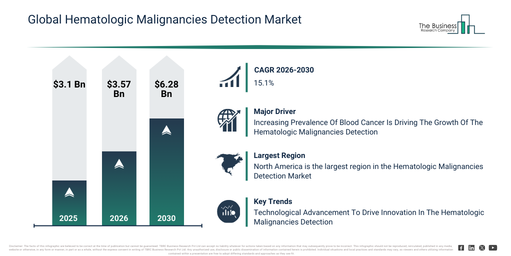
    The market for detecting hematologic malignancies has experienced substantial expansion in recent years. This market is projected to expand from $3.1 billion in 2025 to $3.57 billion in 2026, demonstrating a compound annual growth rate (CAGR) of 15.5%. This historical growth is attributable to factors such as the rising incidence of blood cancers, the widespread adoption of PCR and immunochemistry techniques, the development of clinical laboratory infrastructure, heightened awareness regarding early cancer detection, and the accessibility of sophisticated diagnostic kits.

    The market for detecting hematologic malignancies is projected to experience swift expansion over the coming years. By 2030, this market is anticipated to reach a valuation of $6.28 billion, progressing at a compound annual growth rate (CAGR) of 15.1%. This projected growth is driven by factors such as the increasing acceptance of liquid biopsy diagnostics, heightened investments in precision oncology, the broadening scope of genomic testing initiatives, the expanding application of AI-based diagnostic platforms, and a magnified emphasis on early and precise cancer identification. Key trends anticipated during the forecast timeframe encompass a surge in the adoption of molecular diagnostic methods, an escalating utilization of next-generation sequencing in oncology, increasing incorporation of AI in diagnostic analysis, the broadening of early cancer screening initiatives, and an intensified focus on personalized oncology diagnostics.

    Access Your Free Sample Report for In-Depth Market Insights:

    https://www.thebusinessresearchcompany.com/sample.aspx?id=19504&type=smp

    Which Drivers Are Impacting The Competitive Landscape Of The Hematologic Malignancies Detection Market?

    The rising occurrence of blood cancer is projected to drive the expansion of the hematologic malignancy detection market going forward. Blood cancer encompasses various malignancies that impact the blood, bone marrow, or lymphatic system, thereby impairing normal blood cell generation and operation. This increasing prevalence stems from an aging global population and enhanced diagnostic methods that facilitate earlier and more precise identification. Detecting hematologic malignancies is crucial for managing blood cancer, as it permits timely and precise diagnosis, paving the way for tailored and efficacious treatment approaches. For example, a Cancer Facts & Figures 2023 report from the US-based professional organization, the Leukemia & Lymphoma Society, indicated that in March 2024, approximately 437,337 individuals in the US were either living with or in remission from leukemia. Additionally, about 59,610 new cases are anticipated to be diagnosed in 2024. Consequently, the growing incidence of blood cancer is a key factor propelling the expansion of the hematologic malignancy detection market.

    What Leading Segments Are Studied In The Hematologic Malignancies Detection Market?

    The hematologic malignancies detection market covered in this report is segmented –

    1) By Type: Polymerase Chain Reaction, Immunochemistry, Next Generation Sequencing, Fluorescence In Situ Hybridization

    2) By Application: Multiple Myeloma, Myelodysplastic Syndrome, Leukemia, Myeloproliferative Neoplasms, Lymphoma, Other Applications

    3) By End-Users: Hospitals, Specialty Clinics, Other End-Users

    Subsegments:

    1) By Polymerase Chain Reaction (PCR): Real-Time PCR (qPCR), Digital PCR, Reverse Transcription PCR (RT-PCR), Nested PCR, Multiplex PCR, PCR-Based Detection Kits

    2) By Immunochemistry: Enzyme-Linked Immunosorbent Assay (ELISA), Immunohistochemistry (IHC), Flow Cytometry, Immunofluorescence, Immunohistochemical Staining Kits

    3) By Next Generation Sequencing (NGS): Whole Genome Sequencing (WGS), Whole Exome Sequencing (WES), Targeted Sequencing, RNA Sequencing (RNA-Seq), Liquid Biopsy NGS, Next-Generation Sequencing Kits For Hematologic Malignancies

    4) By Fluorescence In Situ Hybridization (FISH): Chromosome-Specific FISH Probes, DNA FISH, RNA FISH, Multicolor FISH, FISH-Based Detection Kits For Leukemia And Lymphoma

    Which Trends Are Shaping Activity Within The Hematologic Malignancies Detection Market?

    Major companies active in the hematologic malignancy detection market are prioritizing the development of innovative solutions, such as blood cancer diagnostic tests, to improve diagnostic accuracy and enhance patient outcomes. These diagnostic tests for blood cancer are essential for pinpointing and confirming the presence of hematologic malignancies, including leukemia, lymphoma, and multiple myeloma. For example, in November 2023, Roswell Park Comprehensive Cancer Center, a US-based research and treatment facility, unveiled PanHeme, an advanced blood cancer diagnostic test that employs next-generation gene sequencing technology for detecting hematologic malignancy. Through its use of next-generation sequencing technology, PanHeme can identify genetic mutations in blood cancers like leukemia, lymphoma, and multiple myeloma within 72 hours, which is notably quicker than traditional methods. This swift processing time enables the creation of personalized treatment plans, allowing healthcare providers to use targeted FDA-approved therapies based on the specific mutations found.

    Which Major Industry Participants Are Leading The Hematologic Malignancies Detection Market Growth?

    Major companies operating in the hematologic malignancies detection market are Thermo Fisher Scientific Inc., Abbott Laboratories Inc., Roche Diagnostics International Ltd., Illumina Inc., Agilent Technologies Inc., Bio-Rad Laboratories Inc., QIAGEN N.V., Becton Dickinson and Company, Beckman Coulter Inc., Sysmex Corporation, Adaptive Biotechnologies Corporation, NeoGenomics Laboratories Inc., Invivoscribe Technologies Inc., ArcherDx Inc., Invitae Corporation, Natera Inc., Genetron Health, SOPHiA GENETICS, Guardant Health Inc., Genetica Diagnostics

    Access The Complete Report For Deeper Market Insights:

    https://www.thebusinessresearchcompany.com/report/hematologic-malignancies-detection-global-market-report

    Which Geographic Areas Are Emerging As Strong Markets For The Hematologic Malignancies Detection Market?

    North America was the largest region in the hematologic malignancies’ detection market in 2025. Asia-Pacific is expected to be the fastest-growing region in the forecast period. The regions covered in the hematologic malignancies detection market report are Asia-Pacific, South East Asia, Western Europe, Eastern Europe, North America, South America, Middle East, Africa.

    Request Your Customized Hematologic Malignancies Detection Market Research Report for Competitive Advantage:

    https://www.thebusinessresearchcompany.com/customise?id=19504&type=smp

    Browse Through More Reports Similar to the Global Hematologic Malignancies Detection Market 2026, By The Business Research Company

    Healthcare Fraud Detection Market Report 2026

    https://www.thebusinessresearchcompany.com/report/healthcare-fraud-detection-global-market-report

    Medical Radiation Detection Monitoring And Safety Market Report 2026

    https://www.thebusinessresearchcompany.com/report/medical-radiation-detection-monitoring-and-safety-global-market-report

    Defect Detection Market Report 2026

    https://www.thebusinessresearchcompany.com/report/defect-detection-global-market-report

    Get in touch with us:

    The Business Research Company: https://www.thebusinessresearchcompany.com/

    Americas +1 310-496-7795

    Asia +44 7882 955267 & +91 8897263534

    Europe +44 7882 955267

    Email us at info@tbrc.info

    Follow us on:

    LinkedIn: https://in.linkedin.com/company/the-business-research-company

    YouTube: https://www.youtube.com/channel/UC24_fI0rV8cR5DxlCpgmyFQ

    Global Market Model: https://www.thebusinessresearchcompany.com/global-market-model
  • Hematologic Malignancies Detection Sector Forecast Shows Robust Momentum, Climbing to $6.28 Billion With 15.1% CAGR

    Hematologic Malignancies Detection Sector Forecast Shows Robust Momentum, Climbing to $6.28 Billion With 15.1% CAGR

    Uncover key drivers, emerging technologies, and competitive movements shaping the hematologic malignancies detection market from 2026–2035 with trusted insights from The Business Research Company

    What long-term size projections exist for the Hematologic Malignancies Detection Market covering 2026–2035?

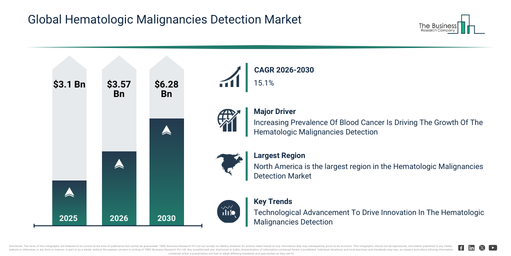
    The market for detecting hematologic malignancies has experienced substantial expansion in recent years. This market is projected to expand from $3.1 billion in 2025 to $3.57 billion in 2026, demonstrating a compound annual growth rate (CAGR) of 15.5%. This historical growth is attributable to factors such as the rising incidence of blood cancers, the widespread adoption of PCR and immunochemistry techniques, the development of clinical laboratory infrastructure, heightened awareness regarding early cancer detection, and the accessibility of sophisticated diagnostic kits.

    The market for detecting hematologic malignancies is projected to experience swift expansion over the coming years. By 2030, this market is anticipated to reach a valuation of $6.28 billion, progressing at a compound annual growth rate (CAGR) of 15.1%. This projected growth is driven by factors such as the increasing acceptance of liquid biopsy diagnostics, heightened investments in precision oncology, the broadening scope of genomic testing initiatives, the expanding application of AI-based diagnostic platforms, and a magnified emphasis on early and precise cancer identification. Key trends anticipated during the forecast timeframe encompass a surge in the adoption of molecular diagnostic methods, an escalating utilization of next-generation sequencing in oncology, increasing incorporation of AI in diagnostic analysis, the broadening of early cancer screening initiatives, and an intensified focus on personalized oncology diagnostics.

    Access Your Free Sample Report for In-Depth Market Insights:

    https://www.thebusinessresearchcompany.com/sample.aspx?id=19504&type=smp

    Which Drivers Are Impacting The Competitive Landscape Of The Hematologic Malignancies Detection Market?

    The rising occurrence of blood cancer is projected to drive the expansion of the hematologic malignancy detection market going forward. Blood cancer encompasses various malignancies that impact the blood, bone marrow, or lymphatic system, thereby impairing normal blood cell generation and operation. This increasing prevalence stems from an aging global population and enhanced diagnostic methods that facilitate earlier and more precise identification. Detecting hematologic malignancies is crucial for managing blood cancer, as it permits timely and precise diagnosis, paving the way for tailored and efficacious treatment approaches. For example, a Cancer Facts & Figures 2023 report from the US-based professional organization, the Leukemia & Lymphoma Society, indicated that in March 2024, approximately 437,337 individuals in the US were either living with or in remission from leukemia. Additionally, about 59,610 new cases are anticipated to be diagnosed in 2024. Consequently, the growing incidence of blood cancer is a key factor propelling the expansion of the hematologic malignancy detection market.

    What Leading Segments Are Studied In The Hematologic Malignancies Detection Market?

    The hematologic malignancies detection market covered in this report is segmented –

    1) By Type: Polymerase Chain Reaction, Immunochemistry, Next Generation Sequencing, Fluorescence In Situ Hybridization

    2) By Application: Multiple Myeloma, Myelodysplastic Syndrome, Leukemia, Myeloproliferative Neoplasms, Lymphoma, Other Applications

    3) By End-Users: Hospitals, Specialty Clinics, Other End-Users

    Subsegments:

    1) By Polymerase Chain Reaction (PCR): Real-Time PCR (qPCR), Digital PCR, Reverse Transcription PCR (RT-PCR), Nested PCR, Multiplex PCR, PCR-Based Detection Kits

    2) By Immunochemistry: Enzyme-Linked Immunosorbent Assay (ELISA), Immunohistochemistry (IHC), Flow Cytometry, Immunofluorescence, Immunohistochemical Staining Kits

    3) By Next Generation Sequencing (NGS): Whole Genome Sequencing (WGS), Whole Exome Sequencing (WES), Targeted Sequencing, RNA Sequencing (RNA-Seq), Liquid Biopsy NGS, Next-Generation Sequencing Kits For Hematologic Malignancies

    4) By Fluorescence In Situ Hybridization (FISH): Chromosome-Specific FISH Probes, DNA FISH, RNA FISH, Multicolor FISH, FISH-Based Detection Kits For Leukemia And Lymphoma

    Which Trends Are Shaping Activity Within The Hematologic Malignancies Detection Market?

    Major companies active in the hematologic malignancy detection market are prioritizing the development of innovative solutions, such as blood cancer diagnostic tests, to improve diagnostic accuracy and enhance patient outcomes. These diagnostic tests for blood cancer are essential for pinpointing and confirming the presence of hematologic malignancies, including leukemia, lymphoma, and multiple myeloma. For example, in November 2023, Roswell Park Comprehensive Cancer Center, a US-based research and treatment facility, unveiled PanHeme, an advanced blood cancer diagnostic test that employs next-generation gene sequencing technology for detecting hematologic malignancy. Through its use of next-generation sequencing technology, PanHeme can identify genetic mutations in blood cancers like leukemia, lymphoma, and multiple myeloma within 72 hours, which is notably quicker than traditional methods. This swift processing time enables the creation of personalized treatment plans, allowing healthcare providers to use targeted FDA-approved therapies based on the specific mutations found.

    Which Major Industry Participants Are Leading The Hematologic Malignancies Detection Market Growth?

    Major companies operating in the hematologic malignancies detection market are Thermo Fisher Scientific Inc., Abbott Laboratories Inc., Roche Diagnostics International Ltd., Illumina Inc., Agilent Technologies Inc., Bio-Rad Laboratories Inc., QIAGEN N.V., Becton Dickinson and Company, Beckman Coulter Inc., Sysmex Corporation, Adaptive Biotechnologies Corporation, NeoGenomics Laboratories Inc., Invivoscribe Technologies Inc., ArcherDx Inc., Invitae Corporation, Natera Inc., Genetron Health, SOPHiA GENETICS, Guardant Health Inc., Genetica Diagnostics

    Access The Complete Report For Deeper Market Insights:

    https://www.thebusinessresearchcompany.com/report/hematologic-malignancies-detection-global-market-report

    Which Geographic Areas Are Emerging As Strong Markets For The Hematologic Malignancies Detection Market?

    North America was the largest region in the hematologic malignancies’ detection market in 2025. Asia-Pacific is expected to be the fastest-growing region in the forecast period. The regions covered in the hematologic malignancies detection market report are Asia-Pacific, South East Asia, Western Europe, Eastern Europe, North America, South America, Middle East, Africa.

    Request Your Customized Hematologic Malignancies Detection Market Research Report for Competitive Advantage:

    https://www.thebusinessresearchcompany.com/customise?id=19504&type=smp

    Browse Through More Reports Similar to the Global Hematologic Malignancies Detection Market 2026, By The Business Research Company

    Healthcare Fraud Detection Market Report 2026

    https://www.thebusinessresearchcompany.com/report/healthcare-fraud-detection-global-market-report

    Medical Radiation Detection Monitoring And Safety Market Report 2026

    https://www.thebusinessresearchcompany.com/report/medical-radiation-detection-monitoring-and-safety-global-market-report

    Defect Detection Market Report 2026

    https://www.thebusinessresearchcompany.com/report/defect-detection-global-market-report

    Get in touch with us:

    The Business Research Company: https://www.thebusinessresearchcompany.com/

    Americas +1 310-496-7795

    Asia +44 7882 955267 & +91 8897263534

    Europe +44 7882 955267

    Email us at info@tbrc.info

    Follow us on:

    LinkedIn: https://in.linkedin.com/company/the-business-research-company

    YouTube: https://www.youtube.com/channel/UC24_fI0rV8cR5DxlCpgmyFQ

    Global Market Model: https://www.thebusinessresearchcompany.com/global-market-model
  • Hematologic Malignancies Detection Sector Forecast Shows Robust Momentum, Climbing to $6.28 Billion With 15.1% CAGR

    Hematologic Malignancies Detection Sector Forecast Shows Robust Momentum, Climbing to $6.28 Billion With 15.1% CAGR

    Uncover key drivers, emerging technologies, and competitive movements shaping the hematologic malignancies detection market from 2026–2035 with trusted insights from The Business Research Company

    What long-term size projections exist for the Hematologic Malignancies Detection Market covering 2026–2035?

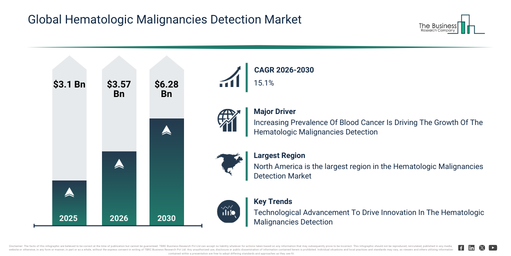
    The market for detecting hematologic malignancies has experienced substantial expansion in recent years. This market is projected to expand from $3.1 billion in 2025 to $3.57 billion in 2026, demonstrating a compound annual growth rate (CAGR) of 15.5%. This historical growth is attributable to factors such as the rising incidence of blood cancers, the widespread adoption of PCR and immunochemistry techniques, the development of clinical laboratory infrastructure, heightened awareness regarding early cancer detection, and the accessibility of sophisticated diagnostic kits.

    The market for detecting hematologic malignancies is projected to experience swift expansion over the coming years. By 2030, this market is anticipated to reach a valuation of $6.28 billion, progressing at a compound annual growth rate (CAGR) of 15.1%. This projected growth is driven by factors such as the increasing acceptance of liquid biopsy diagnostics, heightened investments in precision oncology, the broadening scope of genomic testing initiatives, the expanding application of AI-based diagnostic platforms, and a magnified emphasis on early and precise cancer identification. Key trends anticipated during the forecast timeframe encompass a surge in the adoption of molecular diagnostic methods, an escalating utilization of next-generation sequencing in oncology, increasing incorporation of AI in diagnostic analysis, the broadening of early cancer screening initiatives, and an intensified focus on personalized oncology diagnostics.

    Access Your Free Sample Report for In-Depth Market Insights:

    https://www.thebusinessresearchcompany.com/sample.aspx?id=19504&type=smp

    Which Drivers Are Impacting The Competitive Landscape Of The Hematologic Malignancies Detection Market?

    The rising occurrence of blood cancer is projected to drive the expansion of the hematologic malignancy detection market going forward. Blood cancer encompasses various malignancies that impact the blood, bone marrow, or lymphatic system, thereby impairing normal blood cell generation and operation. This increasing prevalence stems from an aging global population and enhanced diagnostic methods that facilitate earlier and more precise identification. Detecting hematologic malignancies is crucial for managing blood cancer, as it permits timely and precise diagnosis, paving the way for tailored and efficacious treatment approaches. For example, a Cancer Facts & Figures 2023 report from the US-based professional organization, the Leukemia & Lymphoma Society, indicated that in March 2024, approximately 437,337 individuals in the US were either living with or in remission from leukemia. Additionally, about 59,610 new cases are anticipated to be diagnosed in 2024. Consequently, the growing incidence of blood cancer is a key factor propelling the expansion of the hematologic malignancy detection market.

    What Leading Segments Are Studied In The Hematologic Malignancies Detection Market?

    The hematologic malignancies detection market covered in this report is segmented –

    1) By Type: Polymerase Chain Reaction, Immunochemistry, Next Generation Sequencing, Fluorescence In Situ Hybridization

    2) By Application: Multiple Myeloma, Myelodysplastic Syndrome, Leukemia, Myeloproliferative Neoplasms, Lymphoma, Other Applications

    3) By End-Users: Hospitals, Specialty Clinics, Other End-Users

    Subsegments:

    1) By Polymerase Chain Reaction (PCR): Real-Time PCR (qPCR), Digital PCR, Reverse Transcription PCR (RT-PCR), Nested PCR, Multiplex PCR, PCR-Based Detection Kits

    2) By Immunochemistry: Enzyme-Linked Immunosorbent Assay (ELISA), Immunohistochemistry (IHC), Flow Cytometry, Immunofluorescence, Immunohistochemical Staining Kits

    3) By Next Generation Sequencing (NGS): Whole Genome Sequencing (WGS), Whole Exome Sequencing (WES), Targeted Sequencing, RNA Sequencing (RNA-Seq), Liquid Biopsy NGS, Next-Generation Sequencing Kits For Hematologic Malignancies

    4) By Fluorescence In Situ Hybridization (FISH): Chromosome-Specific FISH Probes, DNA FISH, RNA FISH, Multicolor FISH, FISH-Based Detection Kits For Leukemia And Lymphoma

    Which Trends Are Shaping Activity Within The Hematologic Malignancies Detection Market?

    Major companies active in the hematologic malignancy detection market are prioritizing the development of innovative solutions, such as blood cancer diagnostic tests, to improve diagnostic accuracy and enhance patient outcomes. These diagnostic tests for blood cancer are essential for pinpointing and confirming the presence of hematologic malignancies, including leukemia, lymphoma, and multiple myeloma. For example, in November 2023, Roswell Park Comprehensive Cancer Center, a US-based research and treatment facility, unveiled PanHeme, an advanced blood cancer diagnostic test that employs next-generation gene sequencing technology for detecting hematologic malignancy. Through its use of next-generation sequencing technology, PanHeme can identify genetic mutations in blood cancers like leukemia, lymphoma, and multiple myeloma within 72 hours, which is notably quicker than traditional methods. This swift processing time enables the creation of personalized treatment plans, allowing healthcare providers to use targeted FDA-approved therapies based on the specific mutations found.

    Which Major Industry Participants Are Leading The Hematologic Malignancies Detection Market Growth?

    Major companies operating in the hematologic malignancies detection market are Thermo Fisher Scientific Inc., Abbott Laboratories Inc., Roche Diagnostics International Ltd., Illumina Inc., Agilent Technologies Inc., Bio-Rad Laboratories Inc., QIAGEN N.V., Becton Dickinson and Company, Beckman Coulter Inc., Sysmex Corporation, Adaptive Biotechnologies Corporation, NeoGenomics Laboratories Inc., Invivoscribe Technologies Inc., ArcherDx Inc., Invitae Corporation, Natera Inc., Genetron Health, SOPHiA GENETICS, Guardant Health Inc., Genetica Diagnostics

    Access The Complete Report For Deeper Market Insights:

    https://www.thebusinessresearchcompany.com/report/hematologic-malignancies-detection-global-market-report

    Which Geographic Areas Are Emerging As Strong Markets For The Hematologic Malignancies Detection Market?

    North America was the largest region in the hematologic malignancies’ detection market in 2025. Asia-Pacific is expected to be the fastest-growing region in the forecast period. The regions covered in the hematologic malignancies detection market report are Asia-Pacific, South East Asia, Western Europe, Eastern Europe, North America, South America, Middle East, Africa.

    Request Your Customized Hematologic Malignancies Detection Market Research Report for Competitive Advantage:

    https://www.thebusinessresearchcompany.com/customise?id=19504&type=smp

    Browse Through More Reports Similar to the Global Hematologic Malignancies Detection Market 2026, By The Business Research Company

    Healthcare Fraud Detection Market Report 2026

    https://www.thebusinessresearchcompany.com/report/healthcare-fraud-detection-global-market-report

    Medical Radiation Detection Monitoring And Safety Market Report 2026

    https://www.thebusinessresearchcompany.com/report/medical-radiation-detection-monitoring-and-safety-global-market-report

    Defect Detection Market Report 2026

    https://www.thebusinessresearchcompany.com/report/defect-detection-global-market-report

    Get in touch with us:

    The Business Research Company: https://www.thebusinessresearchcompany.com/

    Americas +1 310-496-7795

    Asia +44 7882 955267 & +91 8897263534

    Europe +44 7882 955267

    Email us at info@tbrc.info

    Follow us on:

    LinkedIn: https://in.linkedin.com/company/the-business-research-company

    YouTube: https://www.youtube.com/channel/UC24_fI0rV8cR5DxlCpgmyFQ

    Global Market Model: https://www.thebusinessresearchcompany.com/global-market-model