Tag: long qt syndrome treatment market outlook

  • Long QT Syndrome Treatment Market CAGR Forecast Through 2030: Key Trends Shaping Industry Expansion

    Long QT Syndrome Treatment Market CAGR Forecast Through 2030: Key Trends Shaping Industry Expansion

    Featuring market attractiveness scoring, total addressable market sizing, company benchmarking matrices, interactive Excel dashboards, deeper supply chain intelligence, emerging startup tracking, and granular product-level insights, The Business Research Company’s 2026 market reports are built to deliver research that is both more actionable and more strategically valuable.

    Long QT Syndrome Treatment Market Growth Analysis: How Will Revenue Trend Over The Forecast Period?

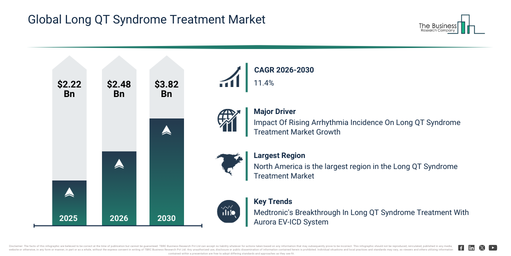
    The long qt syndrome treatment market has experienced rapid growth in recent years. It is anticipated to expand from $2.22 billion in 2025 to $2.48 billion in 2026, achieving a compound annual growth rate (CAGR) of 11.7%. The market’s past growth can be attributed to advancements in cardiac diagnostic capabilities, a rise in awareness regarding inherited cardiac disorders, the adoption of beta-blocker therapies, the expansion of electrophysiology services, and the availability of implantable defibrillator technologies.

    The long qt syndrome treatment market is projected to experience swift expansion over the coming years. This market is anticipated to reach $3.82 billion by 2030, demonstrating a compound annual growth rate (CAGR) of 11.4%. Factors contributing to this growth during the forecast period include the increasing development of gene-based therapies, a rise in the adoption of precision cardiology approaches, the expansion of wearable cardiac monitoring devices, the growing integration of digital health tools, and increased investments in research for rare disease treatments. Key trends expected over the forecast period encompass a greater adoption of genetic testing for risk stratification, an increasing use of implantable cardiac devices, a heightened emphasis on personalized treatment protocols, the expansion of remote patient monitoring solutions, and the enhanced integration of clinical decision support tools.

    Get A Free Sample Report With In-Depth Market Insights:

    https://thebusinessresearchcompany.com/sample_request?id=36696799&type=smp&name=Long%20QT%20Syndrome%20Treatment%20Market%20Report%202026&utm_source=Blogs&utm_medium=Paid&utm_campaign=Oct_PR

    Long QT Syndrome Treatment Market Growth Catalysts And Demand Drivers

    The growing occurrence of arrhythmia is projected to boost the expansion of the long QT syndrome treatment market. Arrhythmia describes a medical state marked by an inconsistent heartbeat, manifesting as a heart beating either too rapidly, too slowly, or erratically. This increase in arrhythmia cases stems from various elements, including an aging demographic, advancements in diagnostic instruments, and a rising prevalence of cardiovascular risk factors. Long QT syndrome treatment plays a role in managing arrhythmia, aiming to avert life-threatening irregular heart rhythms that could culminate in sudden cardiac arrest or fatality. For example, data from 2023, as per the National Library of Medicine (NLM), the world’s largest medical library based in the US, indicates that arrhythmias are anticipated to impact 1.5% to 5% of the general population annually, with atrial fibrillation being the most widespread form. Consequently, the increasing incidence of arrhythmia is fueling the growth of the long QT syndrome treatment market.

    Long QT Syndrome Treatment Market Segment Performance And Emerging Opportunities

    The long qt syndrome treatment market covered in this report is segmented –

    1) By Type: Long QT Syndrome Type 1, Long QT Syndrome Type 2, Long QT Syndrome Type 3, Other Types

    2) By Treatment: Medication, Surgical Procedures

    3) By Diagnosis: Tests, Electrocardiogram, Genetic Testing, Other Diagnosis

    Subsegments:

    1) By Long QT Syndrome Type 1: Pharmacological Treatment for Type 1 (Beta-Blockers, Etc.), Implantable Cardioverter-Defibrillators (ICD) for Type 1, Gene Therapy for Long QT Type 1, Surgical Interventions for Type 1

    2) By Long QT Syndrome Type 2: Beta-Blockers for Type 2 Treatment, Implantable Cardioverter-Defibrillators (ICD) for Type 2, Gene Therapy for Type 2, Potassium Channel Blockers for Type 2, Lifestyle Modifications and Monitoring for Type 2

    3) By Long QT Syndrome Type 3: Sodium Channel Blockers for Type 3, Beta-Blockers for Type 3 Treatment, Implantable Cardioverter-Defibrillators (ICD) for Type 3, Gene Therapy and Cell Therapy for Type 3, Pharmacological Interventions for Type 3

    4) By Other Types: Congenital Long QT Syndrome Treatment, Acquired Long QT Syndrome Treatment, Combination Treatments for Long QT Syndrome, Novel and Experimental Treatments for Long QT Syndrome

    Long QT Syndrome Treatment Market Trends Shaping Long-Term Demand

    Major companies operating in the long QT syndrome treatment market are concentrating on developing technologically advanced products, such as cardiac devices, to offer accessible, continuous heart rhythm surveillance. A cardiac device is a medical instrument either implanted in or utilized by patients to assist in controlling heart rhythm irregularities, enhancing cardiac performance, or aiding blood circulation. These devices are commonly employed to address conditions like arrhythmias (unpredictable heartbeats), heart failure, and various other cardiovascular ailments. For instance, in October 2023, Medtronic Plc, an Ireland-based medical device company, publicized the U.S. Food and Drug Administration (FDA) clearance for its Aurora EV-ICD MRI SureScan, an Extravascular Implantable Cardioverter-Defibrillator (EV-ICD) system engineered to manage rapid heart rhythms that can precipitate sudden cardiac arrest. This endorsement signifies a considerable stride forward in implantable defibrillator innovation, lessening the potential for prolonged complications and improving the security and effectiveness of ICD technology. This strategy is anticipated to expand the company’s range of product selections.

    Long QT Syndrome Treatment Market Key Players: Which Companies Lead Industry Competition?

    Major companies operating in the long qt syndrome treatment market are Pfizer Inc., Novartis AG, Sanofi S.A., Bristol Myers Squibb, AstraZeneca Plc, Bayer AG, Eli Lilly and Company, Johnson & Johnson, Roche Holding AG, Takeda Pharmaceutical Company Limited, Medtronic Plc, Boston Scientific Corporation, Abbott Laboratories, Biotronik SE & Co. KG, LivaNova PLC, MicroPort Scientific Corporation, GE Healthcare, Philips Healthcare, Nihon Kohden Corporation, AliveCor Inc.

    View The Full Long QT Syndrome Treatment Market Report:

    https://thebusinessresearchcompany.com/report/long-qt-syndrome-treatment-global-market-report?utm_source=Blogs&utm_medium=Paid&utm_campaign=Oct_PR

    Long QT Syndrome Treatment Market Geographic Analysis: Where Is Demand Rising Fastest?

    North America was the largest region in the long QT syndrome treatment market in 2025. Asia-Pacific is expected to be the fastest-growing region in the forecast period. The regions covered in the long qt syndrome treatment market report are Asia-Pacific, South East Asia, Western Europe, Eastern Europe, North America, South America, Middle East, Africa.

    Reach Out To Our Team:

    The Business Research Company: https://www.thebusinessresearchcompany.com/

    Americas: +1 310-496-7795

    Asia: +44 7882 955267 & +91 8897263534

    Europe: +44 7882 955267

    Email us at: marketing@tbrc.info

    Follow us on:

    LinkedIn: https://in.linkedin.com/company/the-business-research-company

    YouTube: https://www.youtube.com/channel/UC24_fI0rV8cR5DxlCpgmyFQ

    Global Market Model: https://www.thebusinessresearchcompany.com/global-market-model

  • Long QT Syndrome Treatment Market Growth Through 2030 Creates New Strategic Opportunities

    Long QT Syndrome Treatment Market Growth Through 2030 Creates New Strategic Opportunities

    Delivering more actionable and strategically valuable research, The Business Research Company’s 2026 market reports feature market attractiveness analysis, total addressable market evaluation, company benchmarking matrices, interactive Excel dashboards, expanded supply chain intelligence, emerging startup coverage, and detailed product insights.

    Long QT Syndrome Treatment Market Size Forecast: How Large Could The Market Become By 2030?

    The market for long QT syndrome treatments has seen considerable expansion lately, projected to increase from 2.22 billion USD in 2025 to 2.48 billion USD in 2026, reflecting a compound annual growth rate of 11.7%. This past growth trajectory has been fueled by several key factors, including advancements in identifying cardiac conditions, heightened public understanding of genetic heart ailments, the broader use of beta-blocker medications, the development of electrophysiology services, and the accessibility of implantable defibrillator technology.

    The market for long QT syndrome treatments is poised for substantial expansion over the upcoming years, projected to reach $3.82 billion by 2030, reflecting a compound annual growth rate of 11.4%. This growth during the forecast period is anticipated to be driven by advancements in gene therapy development, the increasing implementation of precision cardiology, the broader use of wearable cardiac monitoring devices, the growing incorporation of digital health technologies, and heightened investment in research for treating rare diseases. Key trends during this period will likely include a greater reliance on genetic testing for assessing risk, expanded use of implantable cardiac devices, a stronger emphasis on individualized treatment plans, the proliferation of remote patient monitoring systems, and more sophisticated integration of clinical decision support tools.

    Download A Free Sample Report For Comprehensive Market Insights:

    https://www.thebusinessresearchcompany.com/sample.aspx?id=20569&type=smp

    Long QT Syndrome Treatment Market Growth Drivers: What Factors Are Accelerating Expansion?

    Advancements in genetic testing infrastructure worldwide are anticipated to significantly boost the long QT syndrome treatment market as the detection of genetic abnormalities rises. These abnormalities, essentially detrimental variations in genes or chromosomes, are the root cause of inherited conditions or susceptibility to certain diseases. Factors contributing to their increased observation include breakthroughs in genomic medicine, broader availability of molecular diagnostic tools, and enhancements in clinical genetics facilities. The long QT syndrome treatment sector gains momentum by improving the identification, diagnosis, and management of these genetic issues through genetic screenings, tailored therapeutic approaches, proactive health measures, and ongoing research into gene-based interventions. As an illustration, reports from the National Health Service in May 2024 indicated that England registers around 250 new diagnoses annually for sickle cell disease, an inherited blood disorder, with an estimated 17,000 individuals currently living with the condition. Consequently, the heightened detection of genetic abnormalities serves as a key driver for the expanding long QT syndrome treatment market.

    Long QT Syndrome Treatment Market Segment Landscape And Growth Potential

    The long qt syndrome treatment market covered in this report is segmented –

    1) By Type: Long QT Syndrome Type 1, Long QT Syndrome Type 2, Long QT Syndrome Type 3, Other Types

    2) By Treatment: Medication, Surgical Procedures

    3) By Diagnosis: Tests, Electrocardiogram, Genetic Testing, Other Diagnosis

    Subsegments:

    1) By Long QT Syndrome Type 1: Pharmacological Treatment for Type 1 (Beta-Blockers, Etc.), Implantable Cardioverter-Defibrillators (ICD) for Type 1, Gene Therapy for Long QT Type 1, Surgical Interventions for Type 1

    2) By Long QT Syndrome Type 2: Beta-Blockers for Type 2 Treatment, Implantable Cardioverter-Defibrillators (ICD) for Type 2, Gene Therapy for Type 2, Potassium Channel Blockers for Type 2, Lifestyle Modifications and Monitoring for Type 2

    3) By Long QT Syndrome Type 3: Sodium Channel Blockers for Type 3, Beta-Blockers for Type 3 Treatment, Implantable Cardioverter-Defibrillators (ICD) for Type 3, Gene Therapy and Cell Therapy for Type 3, Pharmacological Interventions for Type 3

    4) By Other Types: Congenital Long QT Syndrome Treatment, Acquired Long QT Syndrome Treatment, Combination Treatments for Long QT Syndrome, Novel and Experimental Treatments for Long QT Syndrome

    Long QT Syndrome Treatment Market Trends: What Is Shaping Future Industry Growth?

    Leading players within the long QT syndrome therapeutic market are prioritizing the creation of cutting-edge medical equipment, specifically cardiac devices, which facilitate effortless, immediate oversight of cardiac activity. Cardiac devices, serving to regulate heart rhythm disorders, bolster cardiac performance, or aid circulation, are medical instruments either implanted or utilized externally on patients. Conditions like arrhythmias (erratic heartbeats), heart failure, and other cardiovascular ailments are commonly addressed with these devices. A prime example is the U.S. Food and Drug Administration’s (FDA) endorsement in October 2023 of Medtronic Plc’s (an Irish med-tech firm) Aurora EV-ICD MRI SureScan system. This Extravascular Implantable Cardioverter-Defibrillator (EV-ICD) technology is engineered to counteract dangerously rapid heart rhythms that could precipitate sudden cardiac arrest, representing a substantial leap forward in implantable defibrillator innovation by mitigating long-term risks and improving the overall safety and effectiveness of ICDs, a move anticipated to broaden the company’s portfolio.

    Long QT Syndrome Treatment Market Competitive Landscape: Who Are The Leading Companies?

    Major companies operating in the long qt syndrome treatment market are Pfizer Inc., Novartis AG, Sanofi S.A., Bristol Myers Squibb, AstraZeneca Plc, Bayer AG, Eli Lilly and Company, Johnson & Johnson, Roche Holding AG, Takeda Pharmaceutical Company Limited, Medtronic Plc, Boston Scientific Corporation, Abbott Laboratories, Biotronik SE & Co. KG, LivaNova PLC, MicroPort Scientific Corporation, GE Healthcare, Philips Healthcare, Nihon Kohden Corporation, AliveCor Inc.

    Access The Complete Long QT Syndrome Treatment Market Report:

    https://www.thebusinessresearchcompany.com/report/long-qt-syndrome-treatment-global-market-report

    Long QT Syndrome Treatment Market Largest Region By Revenue And Market Share

    North Americawas the largest region in the long QT syndrome treatment market in 2025. Asia-Pacificis expected to be the fastest-growing region in the forecast period. The regions covered in the long qt syndrome treatment market report are Asia-Pacific, South East Asia, Western Europe, Eastern Europe, North America, South America, Middle East, Africa.

    Get in touch with us:

    The Business Research Company: https://www.thebusinessresearchcompany.com/

    Americas: +1 310-496-7795

    Asia: +44 7882 955267 & +91 8897263534

    Europe: +44 7882 955267

    Email us at: marketing@tbrc.info

    Follow us on:

    LinkedIn: https://in.linkedin.com/company/the-business-research-company

    YouTube: https://www.youtube.com/channel/UC24_fI0rV8cR5DxlCpgmyFQ

    Global Market Model: https://www.thebusinessresearchcompany.com/global-market-model
  • Long QT Syndrome Treatment Market Growth Through 2030 Creates New Strategic Opportunities

    Long QT Syndrome Treatment Market Growth Through 2030 Creates New Strategic Opportunities

    Delivering more actionable and strategically valuable research, The Business Research Company’s 2026 market reports feature market attractiveness analysis, total addressable market evaluation, company benchmarking matrices, interactive Excel dashboards, expanded supply chain intelligence, emerging startup coverage, and detailed product insights.

    Long QT Syndrome Treatment Market Size Forecast: How Large Could The Market Become By 2030?

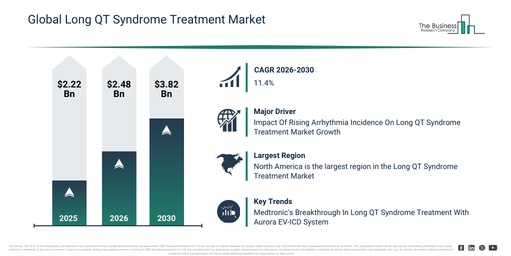
    The market for long QT syndrome treatments has seen considerable expansion lately, projected to increase from 2.22 billion USD in 2025 to 2.48 billion USD in 2026, reflecting a compound annual growth rate of 11.7%. This past growth trajectory has been fueled by several key factors, including advancements in identifying cardiac conditions, heightened public understanding of genetic heart ailments, the broader use of beta-blocker medications, the development of electrophysiology services, and the accessibility of implantable defibrillator technology.

    The market for long QT syndrome treatments is poised for substantial expansion over the upcoming years, projected to reach $3.82 billion by 2030, reflecting a compound annual growth rate of 11.4%. This growth during the forecast period is anticipated to be driven by advancements in gene therapy development, the increasing implementation of precision cardiology, the broader use of wearable cardiac monitoring devices, the growing incorporation of digital health technologies, and heightened investment in research for treating rare diseases. Key trends during this period will likely include a greater reliance on genetic testing for assessing risk, expanded use of implantable cardiac devices, a stronger emphasis on individualized treatment plans, the proliferation of remote patient monitoring systems, and more sophisticated integration of clinical decision support tools.

    Download A Free Sample Report For Comprehensive Market Insights:

    https://www.thebusinessresearchcompany.com/sample.aspx?id=20569&type=smp

    Long QT Syndrome Treatment Market Growth Drivers: What Factors Are Accelerating Expansion?

    Advancements in genetic testing infrastructure worldwide are anticipated to significantly boost the long QT syndrome treatment market as the detection of genetic abnormalities rises. These abnormalities, essentially detrimental variations in genes or chromosomes, are the root cause of inherited conditions or susceptibility to certain diseases. Factors contributing to their increased observation include breakthroughs in genomic medicine, broader availability of molecular diagnostic tools, and enhancements in clinical genetics facilities. The long QT syndrome treatment sector gains momentum by improving the identification, diagnosis, and management of these genetic issues through genetic screenings, tailored therapeutic approaches, proactive health measures, and ongoing research into gene-based interventions. As an illustration, reports from the National Health Service in May 2024 indicated that England registers around 250 new diagnoses annually for sickle cell disease, an inherited blood disorder, with an estimated 17,000 individuals currently living with the condition. Consequently, the heightened detection of genetic abnormalities serves as a key driver for the expanding long QT syndrome treatment market.

    Long QT Syndrome Treatment Market Segment Landscape And Growth Potential

    The long qt syndrome treatment market covered in this report is segmented –

    1) By Type: Long QT Syndrome Type 1, Long QT Syndrome Type 2, Long QT Syndrome Type 3, Other Types

    2) By Treatment: Medication, Surgical Procedures

    3) By Diagnosis: Tests, Electrocardiogram, Genetic Testing, Other Diagnosis

    Subsegments:

    1) By Long QT Syndrome Type 1: Pharmacological Treatment for Type 1 (Beta-Blockers, Etc.), Implantable Cardioverter-Defibrillators (ICD) for Type 1, Gene Therapy for Long QT Type 1, Surgical Interventions for Type 1

    2) By Long QT Syndrome Type 2: Beta-Blockers for Type 2 Treatment, Implantable Cardioverter-Defibrillators (ICD) for Type 2, Gene Therapy for Type 2, Potassium Channel Blockers for Type 2, Lifestyle Modifications and Monitoring for Type 2

    3) By Long QT Syndrome Type 3: Sodium Channel Blockers for Type 3, Beta-Blockers for Type 3 Treatment, Implantable Cardioverter-Defibrillators (ICD) for Type 3, Gene Therapy and Cell Therapy for Type 3, Pharmacological Interventions for Type 3

    4) By Other Types: Congenital Long QT Syndrome Treatment, Acquired Long QT Syndrome Treatment, Combination Treatments for Long QT Syndrome, Novel and Experimental Treatments for Long QT Syndrome

    Long QT Syndrome Treatment Market Trends: What Is Shaping Future Industry Growth?

    Leading players within the long QT syndrome therapeutic market are prioritizing the creation of cutting-edge medical equipment, specifically cardiac devices, which facilitate effortless, immediate oversight of cardiac activity. Cardiac devices, serving to regulate heart rhythm disorders, bolster cardiac performance, or aid circulation, are medical instruments either implanted or utilized externally on patients. Conditions like arrhythmias (erratic heartbeats), heart failure, and other cardiovascular ailments are commonly addressed with these devices. A prime example is the U.S. Food and Drug Administration’s (FDA) endorsement in October 2023 of Medtronic Plc’s (an Irish med-tech firm) Aurora EV-ICD MRI SureScan system. This Extravascular Implantable Cardioverter-Defibrillator (EV-ICD) technology is engineered to counteract dangerously rapid heart rhythms that could precipitate sudden cardiac arrest, representing a substantial leap forward in implantable defibrillator innovation by mitigating long-term risks and improving the overall safety and effectiveness of ICDs, a move anticipated to broaden the company’s portfolio.

    Long QT Syndrome Treatment Market Competitive Landscape: Who Are The Leading Companies?

    Major companies operating in the long qt syndrome treatment market are Pfizer Inc., Novartis AG, Sanofi S.A., Bristol Myers Squibb, AstraZeneca Plc, Bayer AG, Eli Lilly and Company, Johnson & Johnson, Roche Holding AG, Takeda Pharmaceutical Company Limited, Medtronic Plc, Boston Scientific Corporation, Abbott Laboratories, Biotronik SE & Co. KG, LivaNova PLC, MicroPort Scientific Corporation, GE Healthcare, Philips Healthcare, Nihon Kohden Corporation, AliveCor Inc.

    Access The Complete Long QT Syndrome Treatment Market Report:

    https://www.thebusinessresearchcompany.com/report/long-qt-syndrome-treatment-global-market-report

    Long QT Syndrome Treatment Market Largest Region By Revenue And Market Share

    North Americawas the largest region in the long QT syndrome treatment market in 2025. Asia-Pacificis expected to be the fastest-growing region in the forecast period. The regions covered in the long qt syndrome treatment market report are Asia-Pacific, South East Asia, Western Europe, Eastern Europe, North America, South America, Middle East, Africa.

    Get in touch with us:

    The Business Research Company: https://www.thebusinessresearchcompany.com/

    Americas: +1 310-496-7795

    Asia: +44 7882 955267 & +91 8897263534

    Europe: +44 7882 955267

    Email us at: marketing@tbrc.info

    Follow us on:

    LinkedIn: https://in.linkedin.com/company/the-business-research-company

    YouTube: https://www.youtube.com/channel/UC24_fI0rV8cR5DxlCpgmyFQ

    Global Market Model: https://www.thebusinessresearchcompany.com/global-market-model
  • Long QT Syndrome Treatment Market Growth Through 2030 Creates New Strategic Opportunities

    Long QT Syndrome Treatment Market Growth Through 2030 Creates New Strategic Opportunities

    Delivering more actionable and strategically valuable research, The Business Research Company’s 2026 market reports feature market attractiveness analysis, total addressable market evaluation, company benchmarking matrices, interactive Excel dashboards, expanded supply chain intelligence, emerging startup coverage, and detailed product insights.

    Long QT Syndrome Treatment Market Size Forecast: How Large Could The Market Become By 2030?

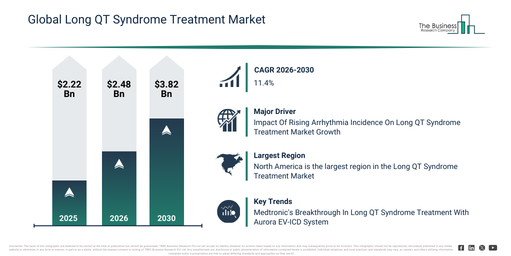
    The market for long QT syndrome treatments has seen considerable expansion lately, projected to increase from 2.22 billion USD in 2025 to 2.48 billion USD in 2026, reflecting a compound annual growth rate of 11.7%. This past growth trajectory has been fueled by several key factors, including advancements in identifying cardiac conditions, heightened public understanding of genetic heart ailments, the broader use of beta-blocker medications, the development of electrophysiology services, and the accessibility of implantable defibrillator technology.

    The market for long QT syndrome treatments is poised for substantial expansion over the upcoming years, projected to reach $3.82 billion by 2030, reflecting a compound annual growth rate of 11.4%. This growth during the forecast period is anticipated to be driven by advancements in gene therapy development, the increasing implementation of precision cardiology, the broader use of wearable cardiac monitoring devices, the growing incorporation of digital health technologies, and heightened investment in research for treating rare diseases. Key trends during this period will likely include a greater reliance on genetic testing for assessing risk, expanded use of implantable cardiac devices, a stronger emphasis on individualized treatment plans, the proliferation of remote patient monitoring systems, and more sophisticated integration of clinical decision support tools.

    Download A Free Sample Report For Comprehensive Market Insights:

    https://www.thebusinessresearchcompany.com/sample.aspx?id=20569&type=smp

    Long QT Syndrome Treatment Market Growth Drivers: What Factors Are Accelerating Expansion?

    Advancements in genetic testing infrastructure worldwide are anticipated to significantly boost the long QT syndrome treatment market as the detection of genetic abnormalities rises. These abnormalities, essentially detrimental variations in genes or chromosomes, are the root cause of inherited conditions or susceptibility to certain diseases. Factors contributing to their increased observation include breakthroughs in genomic medicine, broader availability of molecular diagnostic tools, and enhancements in clinical genetics facilities. The long QT syndrome treatment sector gains momentum by improving the identification, diagnosis, and management of these genetic issues through genetic screenings, tailored therapeutic approaches, proactive health measures, and ongoing research into gene-based interventions. As an illustration, reports from the National Health Service in May 2024 indicated that England registers around 250 new diagnoses annually for sickle cell disease, an inherited blood disorder, with an estimated 17,000 individuals currently living with the condition. Consequently, the heightened detection of genetic abnormalities serves as a key driver for the expanding long QT syndrome treatment market.

    Long QT Syndrome Treatment Market Segment Landscape And Growth Potential

    The long qt syndrome treatment market covered in this report is segmented –

    1) By Type: Long QT Syndrome Type 1, Long QT Syndrome Type 2, Long QT Syndrome Type 3, Other Types

    2) By Treatment: Medication, Surgical Procedures

    3) By Diagnosis: Tests, Electrocardiogram, Genetic Testing, Other Diagnosis

    Subsegments:

    1) By Long QT Syndrome Type 1: Pharmacological Treatment for Type 1 (Beta-Blockers, Etc.), Implantable Cardioverter-Defibrillators (ICD) for Type 1, Gene Therapy for Long QT Type 1, Surgical Interventions for Type 1

    2) By Long QT Syndrome Type 2: Beta-Blockers for Type 2 Treatment, Implantable Cardioverter-Defibrillators (ICD) for Type 2, Gene Therapy for Type 2, Potassium Channel Blockers for Type 2, Lifestyle Modifications and Monitoring for Type 2

    3) By Long QT Syndrome Type 3: Sodium Channel Blockers for Type 3, Beta-Blockers for Type 3 Treatment, Implantable Cardioverter-Defibrillators (ICD) for Type 3, Gene Therapy and Cell Therapy for Type 3, Pharmacological Interventions for Type 3

    4) By Other Types: Congenital Long QT Syndrome Treatment, Acquired Long QT Syndrome Treatment, Combination Treatments for Long QT Syndrome, Novel and Experimental Treatments for Long QT Syndrome

    Long QT Syndrome Treatment Market Trends: What Is Shaping Future Industry Growth?

    Leading players within the long QT syndrome therapeutic market are prioritizing the creation of cutting-edge medical equipment, specifically cardiac devices, which facilitate effortless, immediate oversight of cardiac activity. Cardiac devices, serving to regulate heart rhythm disorders, bolster cardiac performance, or aid circulation, are medical instruments either implanted or utilized externally on patients. Conditions like arrhythmias (erratic heartbeats), heart failure, and other cardiovascular ailments are commonly addressed with these devices. A prime example is the U.S. Food and Drug Administration’s (FDA) endorsement in October 2023 of Medtronic Plc’s (an Irish med-tech firm) Aurora EV-ICD MRI SureScan system. This Extravascular Implantable Cardioverter-Defibrillator (EV-ICD) technology is engineered to counteract dangerously rapid heart rhythms that could precipitate sudden cardiac arrest, representing a substantial leap forward in implantable defibrillator innovation by mitigating long-term risks and improving the overall safety and effectiveness of ICDs, a move anticipated to broaden the company’s portfolio.

    Long QT Syndrome Treatment Market Competitive Landscape: Who Are The Leading Companies?

    Major companies operating in the long qt syndrome treatment market are Pfizer Inc., Novartis AG, Sanofi S.A., Bristol Myers Squibb, AstraZeneca Plc, Bayer AG, Eli Lilly and Company, Johnson & Johnson, Roche Holding AG, Takeda Pharmaceutical Company Limited, Medtronic Plc, Boston Scientific Corporation, Abbott Laboratories, Biotronik SE & Co. KG, LivaNova PLC, MicroPort Scientific Corporation, GE Healthcare, Philips Healthcare, Nihon Kohden Corporation, AliveCor Inc.

    Access The Complete Long QT Syndrome Treatment Market Report:

    https://www.thebusinessresearchcompany.com/report/long-qt-syndrome-treatment-global-market-report

    Long QT Syndrome Treatment Market Largest Region By Revenue And Market Share

    North Americawas the largest region in the long QT syndrome treatment market in 2025. Asia-Pacificis expected to be the fastest-growing region in the forecast period. The regions covered in the long qt syndrome treatment market report are Asia-Pacific, South East Asia, Western Europe, Eastern Europe, North America, South America, Middle East, Africa.

    Get in touch with us:

    The Business Research Company: https://www.thebusinessresearchcompany.com/

    Americas: +1 310-496-7795

    Asia: +44 7882 955267 & +91 8897263534

    Europe: +44 7882 955267

    Email us at: marketing@tbrc.info

    Follow us on:

    LinkedIn: https://in.linkedin.com/company/the-business-research-company

    YouTube: https://www.youtube.com/channel/UC24_fI0rV8cR5DxlCpgmyFQ

    Global Market Model: https://www.thebusinessresearchcompany.com/global-market-model
  • Long QT Syndrome Treatment Market Growth Forecast With Analysis Of Industry Progress Through 2030

    Long QT Syndrome Treatment Market Growth Forecast With Analysis Of Industry Progress Through 2030

    The Business Research Company’s 2026 market reports feature enhanced tools like market attractiveness analysis, TAM assessment, and company scoring matrices, along with interactive dashboards, deeper supply chain insights, and startup coverage strengthening the depth, usability, and strategic value of insights.

    How Is The Long QT Syndrome Treatment Market’s Market Value Anticipated To Evolve From 2026 To 2030?

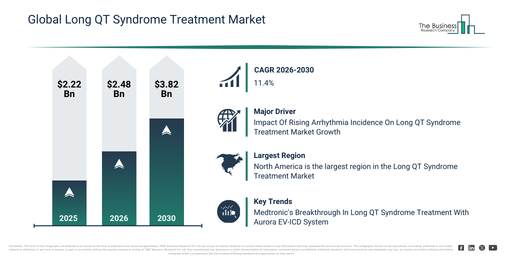
    The long qt syndrome treatment market size has experienced significant expansion recently. It is projected to grow from $2.22 billion in 2025 to $2.48 billion in 2026, achieving a compound annual growth rate (CAGR) of 11.7%. The market’s historical growth can be attributed to advancements in cardiac diagnostic capabilities, increased awareness of inherited cardiac disorders, the adoption of beta-blocker therapies, the expansion of electrophysiology services, and the availability of implantable defibrillator technologies.

    The long qt syndrome treatment market size is anticipated to experience substantial growth over the next few years, projected to reach $3.82 billion by 2030 at an 11.4% compound annual growth rate (CAGR). This expansion during the forecast period is driven by the increasing development of gene-based therapies, a rising adoption of precision cardiology approaches, the broadening of wearable cardiac monitoring, a growing integration of digital health tools, and increasing investments in rare disease treatment research. Significant trends during this period involve the increasing adoption of genetic testing for risk stratification, a rising use of implantable cardiac devices, an expanding focus on personalized treatment protocols, the wider deployment of remote patient monitoring solutions, and enhanced integration of clinical decision support tools.

    Download A Free Sample Report For Comprehensive Market Insights:

    https://www.thebusinessresearchcompany.com/sample.aspx?id=20569&type=smp

    What Important Drivers Are Powering The Long QT Syndrome Treatment Market Growth?

    The increasing occurrence of arrhythmia is anticipated to fuel the expansion of the Long QT Syndrome Treatment Market in the coming years. Arrhythmia refers to a medical condition where the heart’s rhythm is irregular, beating either too quickly, too slowly, or erratically. The growing frequency of arrhythmia is attributed to several factors, including an aging population, enhanced diagnostic methods, and the rising prevalence of cardiovascular risk factors. Treatments for Long QT Syndrome are crucial for managing arrhythmia, preventing dangerous irregular heart rhythms that could lead to sudden cardiac arrest or fatality. For illustration, data from the National Library of Medicine (NLM) in 2023 indicates that arrhythmias are projected to impact 1.5% to 5% of the general population each year, with atrial fibrillation being the most common type. Consequently, the rising prevalence of arrhythmia is a significant factor driving the growth of the Long QT Syndrome Treatment Market. The growing incidence of genetic abnormalities is anticipated to boost the expansion of the Long QT Syndrome Treatment Market moving forward. Genetic abnormalities are defined as detrimental or disease-causing changes in genes or chromosomes that can result in inherited conditions or predispositions. The rising frequency of genetic abnormalities stems from advancements in genomic medicine, broader availability of molecular diagnostics, and enhanced clinical genetics infrastructure. Long QT Syndrome treatment plays a role in addressing the increasing prevalence of genetic abnormalities through improved detection, diagnosis, and therapeutic approaches, utilizing genetic testing, personalized medicine, preventive strategies, and ongoing research into gene therapy. For instance, data from the National Health Service in May 2024 reveals that in England, approximately 17,000 individuals are living with sickle cell disease, an inherited blood disorder, with around 250 new diagnoses occurring each year. Consequently, the escalating prevalence of genetic abnormalities is a key impetus behind the growth of the Long QT Syndrome Treatment Market.

    What Key Segment Areas Are Included In The Long QT Syndrome Treatment Market Assessment?

    The long qt syndrome treatment market covered in this report is segmented –

    1) By Type: Long QT Syndrome Type 1, Long QT Syndrome Type 2, Long QT Syndrome Type 3, Other Types

    2) By Treatment: Medication, Surgical Procedures

    3) By Diagnosis: Tests, Electrocardiogram, Genetic Testing, Other Diagnosis

    Subsegments:

    1) By Long QT Syndrome Type 1: Pharmacological Treatment for Type 1 (Beta-Blockers, Etc.), Implantable Cardioverter-Defibrillators (ICD) for Type 1, Gene Therapy for Long QT Type 1, Surgical Interventions for Type 1

    2) By Long QT Syndrome Type 2: Beta-Blockers for Type 2 Treatment, Implantable Cardioverter-Defibrillators (ICD) for Type 2, Gene Therapy for Type 2, Potassium Channel Blockers for Type 2, Lifestyle Modifications and Monitoring for Type 2

    3) By Long QT Syndrome Type 3: Sodium Channel Blockers for Type 3, Beta-Blockers for Type 3 Treatment, Implantable Cardioverter-Defibrillators (ICD) for Type 3, Gene Therapy and Cell Therapy for Type 3, Pharmacological Interventions for Type 3

    4) By Other Types: Congenital Long QT Syndrome Treatment, Acquired Long QT Syndrome Treatment, Combination Treatments for Long QT Syndrome, Novel and Experimental Treatments for Long QT Syndrome

    Which Trends Are Influencing The Expansion Of The Long QT Syndrome Treatment Market?

    Leading companies in the long QT syndrome treatment market are concentrating on developing technologically advanced products, such as cardiac devices, to facilitate convenient, real-time heart rhythm monitoring. A cardiac device is a medical instrument either implanted in or used by patients to help manage heart rhythm disorders, improve cardiac function, or support circulation. These devices are typically employed in treating conditions like arrhythmias (irregular heartbeats), heart failure, or other cardiovascular diseases. For instance, in October 2023, Medtronic Plc, an Ireland-based medical device company, announced that the U.S. Food and Drug Administration (FDA) had approved the Aurora EV-ICD MRI SureScan, an Extravascular Implantable Cardioverter-Defibrillator (EV-ICD) system designed to treat rapid heart rhythms that can lead to sudden cardiac arrest. This approval signifies a major advancement in implantable defibrillator technology, reducing the likelihood of long-term complications and enhancing the safety and efficacy of ICD technology. This strategy is expected to expand the company’s product offerings.

    Which Firms Are Competing In The Long QT Syndrome Treatment Market?

    Major companies operating in the long qt syndrome treatment market are Pfizer Inc., Novartis AG, Sanofi S.A., Bristol Myers Squibb, AstraZeneca Plc, Bayer AG, Eli Lilly and Company, Johnson & Johnson, Roche Holding AG, Takeda Pharmaceutical Company Limited, Medtronic Plc, Boston Scientific Corporation, Abbott Laboratories, Biotronik SE & Co. KG, LivaNova PLC, MicroPort Scientific Corporation, GE Healthcare, Philips Healthcare, Nihon Kohden Corporation, AliveCor Inc.

    Access The Complete Long QT Syndrome Treatment Market Report:

    https://www.thebusinessresearchcompany.com/report/long-qt-syndrome-treatment-global-market-report

    Which Region Contributes The Most To The Long QT Syndrome Treatment Market?

    North America was the largest region in the long QT syndrome treatment market in 2025. Asia-Pacific is expected to be the fastest-growing region in the forecast period. The regions covered in the long qt syndrome treatment market report are Asia-Pacific, South East Asia, Western Europe, Eastern Europe, North America, South America, Middle East, Africa.

    Access Long QT Syndrome Treatment Market Report for Deeper Competitive Insights

    https://www.thebusinessresearchcompany.com/customise?id=20569&type=smp

    Browse Through More Reports Similar to the Global Long QT Syndrome Treatment Market 2026, By The Business Research Company

    Chemical Surface Treatment Global Market Report 2026

    https://www.thebusinessresearchcompany.com/report/chemical-surface-treatment-global-market-report

    Bleeding Disorders Treatment Global Market Report 2026

    https://www.thebusinessresearchcompany.com/report/bleeding-disorders-treatment-global-market-report

    Autoimmune Treatment Global Market Report 2026

    https://www.thebusinessresearchcompany.com/report/autoimmune-treatment-global-market-report

    Get in touch with us:

    The Business Research Company: https://www.thebusinessresearchcompany.com/

    Americas: +1 310-496-7795

    Asia: +44 7882 955267 & +91 8897263534

    Europe: +44 7882 955267

    Email us at: marketing@tbrc.info

    Follow us on:

    LinkedIn: https://in.linkedin.com/company/the-business-research-company

    YouTube: https://www.youtube.com/channel/UC24_fI0rV8cR5DxlCpgmyFQ

    Global Market Model: https://www.thebusinessresearchcompany.com/global-market-model
  • Long QT Syndrome Treatment Market Forecast to 2030 With Market Insights

    Long QT Syndrome Treatment Market Forecast to 2030 With Market Insights

    The Business Research Company’s 2026 market reports feature enhanced tools like market attractiveness analysis, TAM assessment, and company scoring matrices, along with interactive dashboards, deeper supply chain insights, and startup coverage strengthening the depth, usability, and strategic value of insights.

    What Is The Projected Increase In Market Value Of The Long QT Syndrome Treatment Market During 2026–2030?

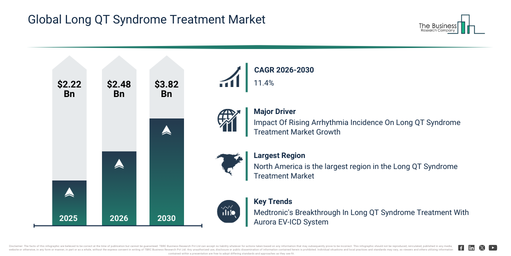
    The long qt syndrome treatment market size has experienced rapid growth in recent years. It is expected to increase from $2.22 billion in 2025 to $2.48 billion in 2026, exhibiting a compound annual growth rate (CAGR) of 11.7%. The expansion observed in the past can be linked to improvements in cardiac diagnostic capabilities, a heightened awareness of inherited cardiac disorders, the adoption of beta-blocker therapies, the extension of electrophysiology services, and the availability of implantable defibrillator technologies.

    The long qt syndrome treatment market size is projected for substantial expansion in the coming years. This market is set to reach $3.82 billion by 2030, exhibiting a compound annual growth rate (CAGR) of 11.4%. Contributing to this expansion during the forecast period are factors such as the escalating development of gene-based therapies, wider embrace of precision cardiology methods, the proliferation of wearable cardiac monitoring, enhanced integration of digital health solutions, and increased funding for rare disease treatment research. Furthermore, key trends anticipated throughout this period involve a greater uptake of genetic testing for risk stratification, increased utilization of implantable cardiac devices, a sharpened emphasis on personalized treatment plans, the spread of remote patient monitoring options, and improved incorporation of clinical decision support tools.

    Access Your Free Sample Report For In-Depth Market Analysis:

    https://www.thebusinessresearchcompany.com/sample.aspx?id=20569&type=smp

    What Key Drivers Are Fueling The Growth Of The Long QT Syndrome Treatment Market?

    The increasing occurrence of arrhythmia is anticipated to drive the expansion of the long QT syndrome treatment market in the future. Arrhythmia is defined as a health condition involving an irregular heartbeat, meaning the heart beats either too quickly, too slowly, or inconsistently. This rise in arrhythmia cases stems from various elements, including an aging demographic, enhanced diagnostic methods, and the expanding prevalence of risk factors for cardiovascular health. Treatments for Long QT syndrome are utilized in managing arrhythmia, aiming to avert dangerous irregular heart rhythms that could result in sudden cardiac arrest or fatality. For example, data from 2023 by the National Library of Medicine (NLM), the largest medical library in the US, indicates that arrhythmias are projected to impact 1.5% to 5% of the general population annually, with atrial fibrillation as the most common form. Consequently, the growing occurrence of arrhythmia is a key factor propelling the development of the long QT syndrome treatment market. The growing frequency of genetic abnormalities is projected to stimulate the expansion of the long QT syndrome treatment market moving ahead. These abnormalities refer to detrimental or disease-causing alterations in genes or chromosomes, which can result in inherited illnesses or susceptibilities. The rise in genetic abnormalities is attributed to progress in genomic medicine, broader availability of molecular diagnostic tools, and enhanced clinical genetics infrastructure. Long QT syndrome treatment tackles the rising incidence of genetic abnormalities by improving their identification, diagnosis, and management through methods like genetic testing, individualized medicine, preventative strategies, and ongoing gene therapy research. For example, data from May 2024 by the National Health Service, a UK government department, indicates that in England, roughly 17,000 people currently have sickle cell disease, an inherited blood disorder, with approximately 250 new diagnoses annually. Consequently, the expanding prevalence of genetic abnormalities is a significant impetus for the growth of the long QT syndrome treatment market.

    How Is The Long QT Syndrome Treatment Market Broken Down By Segment Categories?

    The long qt syndrome treatment market covered in this report is segmented –

    1) By Type: Long QT Syndrome Type 1, Long QT Syndrome Type 2, Long QT Syndrome Type 3, Other Types

    2) By Treatment: Medication, Surgical Procedures

    3) By Diagnosis: Tests, Electrocardiogram, Genetic Testing, Other Diagnosis

    Subsegments:

    1) By Long QT Syndrome Type 1: Pharmacological Treatment for Type 1 (Beta-Blockers, Etc.), Implantable Cardioverter-Defibrillators (ICD) for Type 1, Gene Therapy for Long QT Type 1, Surgical Interventions for Type 1

    2) By Long QT Syndrome Type 2: Beta-Blockers for Type 2 Treatment, Implantable Cardioverter-Defibrillators (ICD) for Type 2, Gene Therapy for Type 2, Potassium Channel Blockers for Type 2, Lifestyle Modifications and Monitoring for Type 2

    3) By Long QT Syndrome Type 3: Sodium Channel Blockers for Type 3, Beta-Blockers for Type 3 Treatment, Implantable Cardioverter-Defibrillators (ICD) for Type 3, Gene Therapy and Cell Therapy for Type 3, Pharmacological Interventions for Type 3

    4) By Other Types: Congenital Long QT Syndrome Treatment, Acquired Long QT Syndrome Treatment, Combination Treatments for Long QT Syndrome, Novel and Experimental Treatments for Long QT Syndrome

    What Trends Are Influencing The Long QT Syndrome Treatment Market?

    Leading companies within the long QT syndrome treatment market are prioritizing the creation of technologically advanced products, such as cardiac devices, to facilitate user-friendly, real-time heart rhythm monitoring. A cardiac device is a medical instrument utilized or implanted in patients to aid in managing heart rhythm disorders, enhancing cardiac function, or supporting circulation. Such devices are typically applied in treating conditions like arrhythmias (irregular heartbeats), heart failure, or other cardiovascular ailments. For example, in October 2023, Medtronic Plc, an Ireland-based medical device corporation, declared the U.S. Food and Drug Administration (FDA) approval of its Aurora EV-ICD MRI SureScan, an Extravascular Implantable Cardioverter-Defibrillator (EV-ICD) system engineered to manage rapid heart rhythms that can result in sudden cardiac arrest. This authorization signifies a major breakthrough in implantable defibrillator technology, lessening the chance of long-term issues and improving the safety and effectiveness of ICD technology. This tactical move is projected to strengthen the company’s product portfolio.

    Which Players Are Present In The Long QT Syndrome Treatment Market Space?

    Major companies operating in the long qt syndrome treatment market are Pfizer Inc., Novartis AG, Sanofi S.A., Bristol Myers Squibb, AstraZeneca Plc, Bayer AG, Eli Lilly and Company, Johnson & Johnson, Roche Holding AG, Takeda Pharmaceutical Company Limited, Medtronic Plc, Boston Scientific Corporation, Abbott Laboratories, Biotronik SE & Co. KG, LivaNova PLC, MicroPort Scientific Corporation, GE Healthcare, Philips Healthcare, Nihon Kohden Corporation, AliveCor Inc.

    Get The Full Long QT Syndrome Treatment Market Report:

    https://www.thebusinessresearchcompany.com/report/long-qt-syndrome-treatment-global-market-report

    Which Geographic Region Dominates The Long QT Syndrome Treatment Market?

    North America was the largest region in the long QT syndrome treatment market in 2025. Asia-Pacific is expected to be the fastest-growing region in the forecast period. The regions covered in the long qt syndrome treatment market report are Asia-Pacific, South East Asia, Western Europe, Eastern Europe, North America, South America, Middle East, Africa.

    Request A Customized Long QT Syndrome Treatment Market Report For Competitive Insights:

    https://www.thebusinessresearchcompany.com/report/long-qt-syndrome-treatment-global-market-report

    Browse Through More Reports Similar to the Global Long QT Syndrome Treatment Market 2026, By The Business Research Company

    Chemical Surface Treatment Market Report 2026

    https://www.thebusinessresearchcompany.com/report/chemical-surface-treatment-global-market-report

    Bleeding Disorders Treatment Market Report

    https://www.thebusinessresearchcompany.com/report/bleeding-disorders-treatment-global-market-report

    Autoimmune Treatment Market Report

    https://www.thebusinessresearchcompany.com/report/autoimmune-treatment-global-market-report

    Get in touch with us:

    The Business Research Company: https://www.thebusinessresearchcompany.com/

    Americas +1 310-496-7795

    Asia +44 7882 955267 & +91 8897263534

    Europe +44 7882 955267

    Email us at info@tbrc.info

    Follow us on:

    LinkedIn: https://in.linkedin.com/company/the-business-research-company

    YouTube: https://www.youtube.com/channel/UC24_fI0rV8cR5DxlCpgmyFQ

    Global Market Model: https://www.thebusinessresearchcompany.com/global-market-model
  • Global Long QT Syndrome Treatment Market Report 2026–2035 Highlighting Expansion Outlook and Forecast Opportunities

    Global Long QT Syndrome Treatment Market Report 2026–2035 Highlighting Expansion Outlook and Forecast Opportunities

    The Business Research Company’s 2026 market reports include new capabilities such as market attractiveness scoring and analysis, total addressable market analysis, company scoring matrix, interactive excel data dashboard, improved supply chain analysis, upcoming startups in the market, and overview of key products, aimed at improving the depth, usability, and strategic value of the insights delivered.

    What Market Size Expansion Is Predicted For The Long QT Syndrome Treatment Market Between 2026 And 2030?

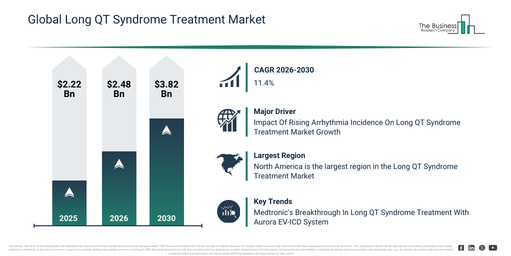
    The long qt syndrome treatment market size has seen rapid expansion in recent years. This market is projected to increase from $2.22 billion in 2025 to $2.48 billion in 2026, at a compound annual growth rate (CAGR) of 11.7%. Historically, this growth can be attributed to improvements in cardiac diagnostic capabilities, increasing awareness of inherited cardiac disorders, the adoption of beta-blocker therapies, the expansion of electrophysiology services, and the availability of implantable defibrillator technologies.

    The long qt syndrome treatment market is anticipated to experience rapid expansion in the coming years, with its size projected to reach $3.82 billion by 2030, growing at a compound annual growth rate (CAGR) of 11.4%. This growth during the forecast period is primarily driven by the increasing development of gene-based therapies, the rising adoption of precision cardiology approaches, the expansion of wearable cardiac monitoring technologies, the growing integration of digital health tools, and increasing investments in rare disease treatment research. Significant trends expected during this period include a greater adoption of genetic testing for risk stratification, an increased use of implantable cardiac devices, a growing focus on personalized treatment protocols, the broader expansion of remote patient monitoring solutions, and the enhanced integration of clinical decision support tools.

    Download the Free Sample Report to Explore Key Market Insights:

    https://www.thebusinessresearchcompany.com/sample.aspx?id=20569&type=smp

    What Key Drivers Are Influencing The Growth Of The Long QT Syndrome Treatment Market?

    The growing occurrence of arrhythmia is projected to stimulate the expansion of the long QT syndrome treatment market. Arrhythmia is a medical state marked by an irregular heart rhythm, where the heart beats either too rapidly, too slowly, or erratically. The heightened incidence of this condition can be attributed to several factors, such as an aging demographic, advancements in diagnostic tools, and a growing prevalence of cardiovascular risk factors. Long QT syndrome treatment plays a crucial role in managing arrhythmia, preventing life-threatening irregular heart rhythms that may lead to sudden cardiac arrest or death. For example, data from the National Library of Medicine (NLM), the world’s largest medical library based in the US, indicated in 2023 that arrhythmias are expected to impact 1.5% to 5% of the general population annually, with atrial fibrillation being the most widespread type. This demonstrates that the escalating incidence of arrhythmia is a key driver for the growth of the long QT syndrome treatment market.

    Which Market Segments Are Examined In The Long QT Syndrome Treatment Market Study?

    The long qt syndrome treatment market covered in this report is segmented –

    1) By Type: Long QT Syndrome Type 1, Long QT Syndrome Type 2, Long QT Syndrome Type 3, Other Types

    2) By Treatment: Medication, Surgical Procedures

    3) By Diagnosis: Tests, Electrocardiogram, Genetic Testing, Other Diagnosis

    Subsegments:

    1) By Long QT Syndrome Type 1: Pharmacological Treatment for Type 1 (Beta-Blockers, Etc.), Implantable Cardioverter-Defibrillators (ICD) for Type 1, Gene Therapy for Long QT Type 1, Surgical Interventions for Type 1

    2) By Long QT Syndrome Type 2: Beta-Blockers for Type 2 Treatment, Implantable Cardioverter-Defibrillators (ICD) for Type 2, Gene Therapy for Type 2, Potassium Channel Blockers for Type 2, Lifestyle Modifications and Monitoring for Type 2

    3) By Long QT Syndrome Type 3: Sodium Channel Blockers for Type 3, Beta-Blockers for Type 3 Treatment, Implantable Cardioverter-Defibrillators (ICD) for Type 3, Gene Therapy and Cell Therapy for Type 3, Pharmacological Interventions for Type 3

    4) By Other Types: Congenital Long QT Syndrome Treatment, Acquired Long QT Syndrome Treatment, Combination Treatments for Long QT Syndrome, Novel and Experimental Treatments for Long QT Syndrome

    Which Market Trends Are Creating New Opportunities In The Long QT Syndrome Treatment Market?

    Leading companies in the long QT syndrome treatment market are concentrating on developing technologically advanced products, such as cardiac devices, to provide convenient, real-time heart rhythm monitoring. A cardiac device is a medical instrument either implanted in or used by patients to help manage heart rhythm irregularities, enhance heart function, or support blood circulation. These devices are commonly utilized to address conditions like arrhythmias, heart failure, or other cardiovascular diseases. For example, in October 2023, Medtronic Plc, an Ireland-based medical device company, announced that the U.S. Food and Drug Administration (FDA) had approved its Aurora EV-ICD MRI SureScan, an Extravascular Implantable Cardioverter-Defibrillator (EV-ICD) system, which is designed to treat fast heart rhythms that can lead to sudden cardiac arrest. This approval represents a significant progression in implantable defibrillator technology, decreasing the risk of long-term complications and boosting the safety and effectiveness of ICD technology. This strategy is anticipated to broaden the company’s product offerings.

    Who Are The Primary Competitors In The Long QT Syndrome Treatment Market?

    Major companies operating in the long qt syndrome treatment market are Pfizer Inc., Novartis AG, Sanofi S.A., Bristol Myers Squibb, AstraZeneca Plc, Bayer AG, Eli Lilly and Company, Johnson & Johnson, Roche Holding AG, Takeda Pharmaceutical Company Limited, Medtronic Plc, Boston Scientific Corporation, Abbott Laboratories, Biotronik SE & Co. KG, LivaNova PLC, MicroPort Scientific Corporation, GE Healthcare, Philips Healthcare, Nihon Kohden Corporation, AliveCor Inc.

    Read the full long qt syndrome treatment market report here:

    https://www.thebusinessresearchcompany.com/report/long-qt-syndrome-treatment-global-market-report

    Which Region Is Expected To Register The Fastest Growth In The Long QT Syndrome Treatment Market?

    North America was the largest region in the long QT syndrome treatment market in 2025. Asia-Pacific is expected to be the fastest-growing region in the forecast period. The regions covered in the long qt syndrome treatment market report are Asia-Pacific, South East Asia, Western Europe, Eastern Europe, North America, South America, Middle East, Africa.

    Request A Tailored Long QT Syndrome Treatment Market Research Report For Competitive Advantage:

    https://www.thebusinessresearchcompany.com/customise?id=20569&type=smp

    Browse Through More Reports Similar to the Global Long QT Syndrome Treatment Market 2026, By The Business Research Company

    Chemical Surface Treatment Global Market Report

    https://www.thebusinessresearchcompany.com/report/chemical-surface-treatment-global-market-report

    Bleeding Disorders Treatment Global Market Report

    https://www.thebusinessresearchcompany.com/report/bleeding-disorders-treatment-global-market-report

    Autoimmune Treatment Global Market Report

    https://www.thebusinessresearchcompany.com/report/autoimmune-treatment-global-market-report

    Get in touch with us:

    The Business Research Company: https://www.thebusinessresearchcompany.com/

    Americas +1 310-496-7795

    Asia +44 7882 955267 & +91 8897263534

    Europe +44 7882 955267

    Email us at info@tbrc.info

    Follow us on:

    LinkedIn: https://in.linkedin.com/company/the-business-research-company

    YouTube: https://www.youtube.com/channel/UC24_fI0rV8cR5DxlCpgmyFQ

    Global Market Model: https://www.thebusinessresearchcompany.com/global-market-model
  • Long QT Syndrome Treatment Market Research: Growth Projections and Trends 2030

    Long QT Syndrome Treatment Market Research: Growth Projections and Trends 2030

    Uncover key drivers, emerging technologies, and competitive movements shaping the long qt syndrome treatment market from 2026–2035 with trusted insights from The Business Research Company

    Starting from its 2026 valuation, what market size is the Long QT Syndrome Treatment Market expected to reach by 2030?

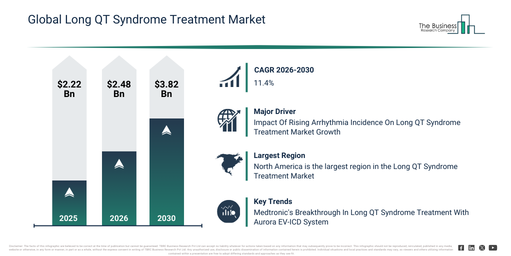
    The long qt syndrome treatment market size has experienced significant expansion in recent years. It is projected to increase from $2.22 billion in 2025 to $2.48 billion in 2026, at a compound annual growth rate (CAGR) of 11.7%. Historically, this market’s growth has been driven by improvements in cardiac diagnostic capabilities, a rise in awareness regarding inherited cardiac disorders, the adoption of beta-blocker therapies, the expansion of electrophysiology services, and the availability of implantable defibrillator technologies.

    The long qt syndrome treatment market is projected for substantial expansion in the coming years, expected to reach $3.82 billion by 2030, with a compound annual growth rate (CAGR) of 11.4%. This growth during the forecast period is attributed to several factors, including the increasing development of gene-based therapies, the rising adoption of precision cardiology approaches, the expansion of wearable cardiac monitoring devices, the growing integration of digital health tools, and increasing investments in rare disease treatment research. Major trends anticipated in this period encompass the growing adoption of genetic testing for risk stratification, an increased use of implantable cardiac devices, a heightened focus on personalized treatment protocols, the expansion of remote patient monitoring solutions, and enhanced integration of clinical decision support tools.

    Access Your Free Sample Report for In-Depth Market Insights:

    https://www.thebusinessresearchcompany.com/sample.aspx?id=20569&type=smp

    What Drivers Are Driving Adoption Within The Long QT Syndrome Treatment Market?

    The increasing occurrence of arrhythmia is projected to propel the expansion of the long QT syndrome treatment market. Arrhythmia describes a medical state characterized by an irregular heartbeat, where the heart beats either too rapidly, too slowly, or erratically. The rising frequency of arrhythmia cases stems from various factors, including an aging population, advancements in diagnostic techniques, and the escalating prevalence of cardiovascular risk factors. Long QT syndrome treatment is utilized to manage arrhythmia, aiming to prevent life-threatening irregular heart rhythms that could lead to sudden cardiac arrest or death. For instance, in 2023, according to the National Library of Medicine (NLM), a US-based world’s largest medical library, arrhythmias are expected to affect 1.5% to 5% of the general population every year, with atrial fibrillation being the most prevalent type. Consequently, the growing incidence of arrhythmia is a key factor driving the growth of the long QT syndrome treatment market.

    What Segments Are Included Within The Long QT Syndrome Treatment Market?

    The long qt syndrome treatment market covered in this report is segmented –

    1) By Type: Long QT Syndrome Type 1, Long QT Syndrome Type 2, Long QT Syndrome Type 3, Other Types

    2) By Treatment: Medication, Surgical Procedures

    3) By Diagnosis: Tests, Electrocardiogram, Genetic Testing, Other Diagnosis

    Subsegments:

    1) By Long QT Syndrome Type 1: Pharmacological Treatment for Type 1 (Beta-Blockers, Etc.), Implantable Cardioverter-Defibrillators (ICD) for Type 1, Gene Therapy for Long QT Type 1, Surgical Interventions for Type 1

    2) By Long QT Syndrome Type 2: Beta-Blockers for Type 2 Treatment, Implantable Cardioverter-Defibrillators (ICD) for Type 2, Gene Therapy for Type 2, Potassium Channel Blockers for Type 2, Lifestyle Modifications and Monitoring for Type 2

    3) By Long QT Syndrome Type 3: Sodium Channel Blockers for Type 3, Beta-Blockers for Type 3 Treatment, Implantable Cardioverter-Defibrillators (ICD) for Type 3, Gene Therapy and Cell Therapy for Type 3, Pharmacological Interventions for Type 3

    4) By Other Types: Congenital Long QT Syndrome Treatment, Acquired Long QT Syndrome Treatment, Combination Treatments for Long QT Syndrome, Novel and Experimental Treatments for Long QT Syndrome

    Which Innovation Trends Are Advancing Developments Within The Long QT Syndrome Treatment Market?

    Leading companies operating in the long QT syndrome treatment market are prioritizing the development of technologically advanced products, such as cardiac devices, to facilitate convenient, real-time monitoring of heart rhythms. A cardiac device is a medical instrument, either implanted or used externally in patients, intended to help manage heart rhythm disorders, improve heart function, or support circulation. These devices are typically employed to treat conditions like arrhythmias (irregular heartbeats), heart failure, or other cardiovascular diseases. For instance, in October 2023, Medtronic Plc, an Ireland-based medical device company, announced the U.S. Food and Drug Administration (FDA) approval for the Aurora EV-ICD MRI SureScan, an Extravascular Implantable Cardioverter-Defibrillator (EV-ICD) system, which is designed to treat fast heart rhythms that can lead to sudden cardiac arrest. This approval represents a significant leap forward in implantable defibrillator technology, aiming to reduce the risk of long-term complications and enhance the safety and efficacy of ICD technology. This strategy is expected to strengthen the company’s product portfolio.

    Who Are The Core Companies Influencing Trends In The Long QT Syndrome Treatment Market?

    Major companies operating in the long qt syndrome treatment market are Pfizer Inc., Novartis AG, Sanofi S.A., Bristol Myers Squibb, AstraZeneca Plc, Bayer AG, Eli Lilly and Company, Johnson & Johnson, Roche Holding AG, Takeda Pharmaceutical Company Limited, Medtronic Plc, Boston Scientific Corporation, Abbott Laboratories, Biotronik SE & Co. KG, LivaNova PLC, MicroPort Scientific Corporation, GE Healthcare, Philips Healthcare, Nihon Kohden Corporation, AliveCor Inc.

    Access The Complete Report For Deeper Market Insights:

    https://www.thebusinessresearchcompany.com/report/long-qt-syndrome-treatment-global-market-report

    Which Region Is Expected To Experience The Fastest Growth In The Long QT Syndrome Treatment Market?

    North America was the largest region in the long QT syndrome treatment market in 2025. Asia-Pacific is expected to be the fastest-growing region in the forecast period. The regions covered in the long qt syndrome treatment market report are Asia-Pacific, South East Asia, Western Europe, Eastern Europe, North America, South America, Middle East, Africa.

    Request Your Customized Long QT Syndrome Treatment Market Research Report for Competitive Advantage:

    https://www.thebusinessresearchcompany.com/customise?id=20569&type=smp

    Browse Through More Reports Similar to the Global Long QT Syndrome Treatment Market 2026, By The Business Research Company

    Autoimmune Treatment Market Report 2026

    https://www.thebusinessresearchcompany.com/report/autoimmune-treatment-global-market-report

    Chemical Surface Treatment Market Report 2026

    https://www.thebusinessresearchcompany.com/report/chemical-surface-treatment-global-market-report

    Bleeding Disorders Treatment Market Report 2026

    https://www.thebusinessresearchcompany.com/report/bleeding-disorders-treatment-global-market-report

    Get in touch with us:

    The Business Research Company: https://www.thebusinessresearchcompany.com/

    Americas +1 310-496-7795

    Asia +44 7882 955267 & +91 8897263534

    Europe +44 7882 955267

    Email us at info@tbrc.info

    Follow us on:

    LinkedIn: https://in.linkedin.com/company/the-business-research-company

    YouTube: https://www.youtube.com/channel/UC24_fI0rV8cR5DxlCpgmyFQ

    Global Market Model: https://www.thebusinessresearchcompany.com/global-market-model
  • Long QT Syndrome Treatment Market Research: Growth Projections and Trends 2030

    Long QT Syndrome Treatment Market Research: Growth Projections and Trends 2030

    Uncover key drivers, emerging technologies, and competitive movements shaping the long qt syndrome treatment market from 2026–2035 with trusted insights from The Business Research Company

    Starting from its 2026 valuation, what market size is the Long QT Syndrome Treatment Market expected to reach by 2030?

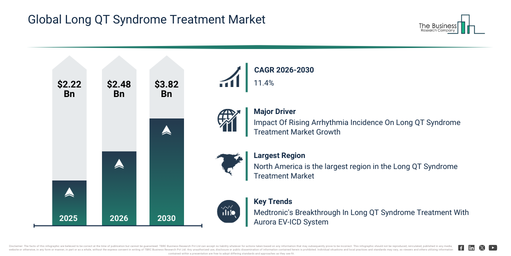
    The long qt syndrome treatment market size has experienced significant expansion in recent years. It is projected to increase from $2.22 billion in 2025 to $2.48 billion in 2026, at a compound annual growth rate (CAGR) of 11.7%. Historically, this market’s growth has been driven by improvements in cardiac diagnostic capabilities, a rise in awareness regarding inherited cardiac disorders, the adoption of beta-blocker therapies, the expansion of electrophysiology services, and the availability of implantable defibrillator technologies.

    The long qt syndrome treatment market is projected for substantial expansion in the coming years, expected to reach $3.82 billion by 2030, with a compound annual growth rate (CAGR) of 11.4%. This growth during the forecast period is attributed to several factors, including the increasing development of gene-based therapies, the rising adoption of precision cardiology approaches, the expansion of wearable cardiac monitoring devices, the growing integration of digital health tools, and increasing investments in rare disease treatment research. Major trends anticipated in this period encompass the growing adoption of genetic testing for risk stratification, an increased use of implantable cardiac devices, a heightened focus on personalized treatment protocols, the expansion of remote patient monitoring solutions, and enhanced integration of clinical decision support tools.

    Access Your Free Sample Report for In-Depth Market Insights:

    https://www.thebusinessresearchcompany.com/sample.aspx?id=20569&type=smp

    What Drivers Are Driving Adoption Within The Long QT Syndrome Treatment Market?

    The increasing occurrence of arrhythmia is projected to propel the expansion of the long QT syndrome treatment market. Arrhythmia describes a medical state characterized by an irregular heartbeat, where the heart beats either too rapidly, too slowly, or erratically. The rising frequency of arrhythmia cases stems from various factors, including an aging population, advancements in diagnostic techniques, and the escalating prevalence of cardiovascular risk factors. Long QT syndrome treatment is utilized to manage arrhythmia, aiming to prevent life-threatening irregular heart rhythms that could lead to sudden cardiac arrest or death. For instance, in 2023, according to the National Library of Medicine (NLM), a US-based world’s largest medical library, arrhythmias are expected to affect 1.5% to 5% of the general population every year, with atrial fibrillation being the most prevalent type. Consequently, the growing incidence of arrhythmia is a key factor driving the growth of the long QT syndrome treatment market.

    What Segments Are Included Within The Long QT Syndrome Treatment Market?

    The long qt syndrome treatment market covered in this report is segmented –

    1) By Type: Long QT Syndrome Type 1, Long QT Syndrome Type 2, Long QT Syndrome Type 3, Other Types

    2) By Treatment: Medication, Surgical Procedures

    3) By Diagnosis: Tests, Electrocardiogram, Genetic Testing, Other Diagnosis

    Subsegments:

    1) By Long QT Syndrome Type 1: Pharmacological Treatment for Type 1 (Beta-Blockers, Etc.), Implantable Cardioverter-Defibrillators (ICD) for Type 1, Gene Therapy for Long QT Type 1, Surgical Interventions for Type 1

    2) By Long QT Syndrome Type 2: Beta-Blockers for Type 2 Treatment, Implantable Cardioverter-Defibrillators (ICD) for Type 2, Gene Therapy for Type 2, Potassium Channel Blockers for Type 2, Lifestyle Modifications and Monitoring for Type 2

    3) By Long QT Syndrome Type 3: Sodium Channel Blockers for Type 3, Beta-Blockers for Type 3 Treatment, Implantable Cardioverter-Defibrillators (ICD) for Type 3, Gene Therapy and Cell Therapy for Type 3, Pharmacological Interventions for Type 3

    4) By Other Types: Congenital Long QT Syndrome Treatment, Acquired Long QT Syndrome Treatment, Combination Treatments for Long QT Syndrome, Novel and Experimental Treatments for Long QT Syndrome

    Which Innovation Trends Are Advancing Developments Within The Long QT Syndrome Treatment Market?

    Leading companies operating in the long QT syndrome treatment market are prioritizing the development of technologically advanced products, such as cardiac devices, to facilitate convenient, real-time monitoring of heart rhythms. A cardiac device is a medical instrument, either implanted or used externally in patients, intended to help manage heart rhythm disorders, improve heart function, or support circulation. These devices are typically employed to treat conditions like arrhythmias (irregular heartbeats), heart failure, or other cardiovascular diseases. For instance, in October 2023, Medtronic Plc, an Ireland-based medical device company, announced the U.S. Food and Drug Administration (FDA) approval for the Aurora EV-ICD MRI SureScan, an Extravascular Implantable Cardioverter-Defibrillator (EV-ICD) system, which is designed to treat fast heart rhythms that can lead to sudden cardiac arrest. This approval represents a significant leap forward in implantable defibrillator technology, aiming to reduce the risk of long-term complications and enhance the safety and efficacy of ICD technology. This strategy is expected to strengthen the company’s product portfolio.

    Who Are The Core Companies Influencing Trends In The Long QT Syndrome Treatment Market?

    Major companies operating in the long qt syndrome treatment market are Pfizer Inc., Novartis AG, Sanofi S.A., Bristol Myers Squibb, AstraZeneca Plc, Bayer AG, Eli Lilly and Company, Johnson & Johnson, Roche Holding AG, Takeda Pharmaceutical Company Limited, Medtronic Plc, Boston Scientific Corporation, Abbott Laboratories, Biotronik SE & Co. KG, LivaNova PLC, MicroPort Scientific Corporation, GE Healthcare, Philips Healthcare, Nihon Kohden Corporation, AliveCor Inc.

    Access The Complete Report For Deeper Market Insights:

    https://www.thebusinessresearchcompany.com/report/long-qt-syndrome-treatment-global-market-report

    Which Region Is Expected To Experience The Fastest Growth In The Long QT Syndrome Treatment Market?

    North America was the largest region in the long QT syndrome treatment market in 2025. Asia-Pacific is expected to be the fastest-growing region in the forecast period. The regions covered in the long qt syndrome treatment market report are Asia-Pacific, South East Asia, Western Europe, Eastern Europe, North America, South America, Middle East, Africa.

    Request Your Customized Long QT Syndrome Treatment Market Research Report for Competitive Advantage:

    https://www.thebusinessresearchcompany.com/customise?id=20569&type=smp

    Browse Through More Reports Similar to the Global Long QT Syndrome Treatment Market 2026, By The Business Research Company

    Autoimmune Treatment Market Report 2026

    https://www.thebusinessresearchcompany.com/report/autoimmune-treatment-global-market-report

    Chemical Surface Treatment Market Report 2026

    https://www.thebusinessresearchcompany.com/report/chemical-surface-treatment-global-market-report

    Bleeding Disorders Treatment Market Report 2026

    https://www.thebusinessresearchcompany.com/report/bleeding-disorders-treatment-global-market-report

    Get in touch with us:

    The Business Research Company: https://www.thebusinessresearchcompany.com/

    Americas +1 310-496-7795

    Asia +44 7882 955267 & +91 8897263534

    Europe +44 7882 955267

    Email us at info@tbrc.info

    Follow us on:

    LinkedIn: https://in.linkedin.com/company/the-business-research-company

    YouTube: https://www.youtube.com/channel/UC24_fI0rV8cR5DxlCpgmyFQ

    Global Market Model: https://www.thebusinessresearchcompany.com/global-market-model
  • Long QT Syndrome Treatment Market Research: Growth Projections and Trends 2030

    Long QT Syndrome Treatment Market Research: Growth Projections and Trends 2030

    Uncover key drivers, emerging technologies, and competitive movements shaping the long qt syndrome treatment market from 2026–2035 with trusted insights from The Business Research Company

    Starting from its 2026 valuation, what market size is the Long QT Syndrome Treatment Market expected to reach by 2030?

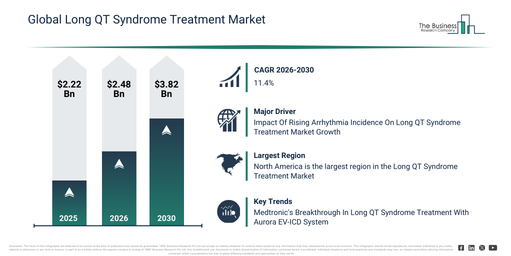
    The long qt syndrome treatment market size has experienced significant expansion in recent years. It is projected to increase from $2.22 billion in 2025 to $2.48 billion in 2026, at a compound annual growth rate (CAGR) of 11.7%. Historically, this market’s growth has been driven by improvements in cardiac diagnostic capabilities, a rise in awareness regarding inherited cardiac disorders, the adoption of beta-blocker therapies, the expansion of electrophysiology services, and the availability of implantable defibrillator technologies.

    The long qt syndrome treatment market is projected for substantial expansion in the coming years, expected to reach $3.82 billion by 2030, with a compound annual growth rate (CAGR) of 11.4%. This growth during the forecast period is attributed to several factors, including the increasing development of gene-based therapies, the rising adoption of precision cardiology approaches, the expansion of wearable cardiac monitoring devices, the growing integration of digital health tools, and increasing investments in rare disease treatment research. Major trends anticipated in this period encompass the growing adoption of genetic testing for risk stratification, an increased use of implantable cardiac devices, a heightened focus on personalized treatment protocols, the expansion of remote patient monitoring solutions, and enhanced integration of clinical decision support tools.

    Access Your Free Sample Report for In-Depth Market Insights:

    https://www.thebusinessresearchcompany.com/sample.aspx?id=20569&type=smp

    What Drivers Are Driving Adoption Within The Long QT Syndrome Treatment Market?

    The increasing occurrence of arrhythmia is projected to propel the expansion of the long QT syndrome treatment market. Arrhythmia describes a medical state characterized by an irregular heartbeat, where the heart beats either too rapidly, too slowly, or erratically. The rising frequency of arrhythmia cases stems from various factors, including an aging population, advancements in diagnostic techniques, and the escalating prevalence of cardiovascular risk factors. Long QT syndrome treatment is utilized to manage arrhythmia, aiming to prevent life-threatening irregular heart rhythms that could lead to sudden cardiac arrest or death. For instance, in 2023, according to the National Library of Medicine (NLM), a US-based world’s largest medical library, arrhythmias are expected to affect 1.5% to 5% of the general population every year, with atrial fibrillation being the most prevalent type. Consequently, the growing incidence of arrhythmia is a key factor driving the growth of the long QT syndrome treatment market.

    What Segments Are Included Within The Long QT Syndrome Treatment Market?

    The long qt syndrome treatment market covered in this report is segmented –

    1) By Type: Long QT Syndrome Type 1, Long QT Syndrome Type 2, Long QT Syndrome Type 3, Other Types

    2) By Treatment: Medication, Surgical Procedures

    3) By Diagnosis: Tests, Electrocardiogram, Genetic Testing, Other Diagnosis

    Subsegments:

    1) By Long QT Syndrome Type 1: Pharmacological Treatment for Type 1 (Beta-Blockers, Etc.), Implantable Cardioverter-Defibrillators (ICD) for Type 1, Gene Therapy for Long QT Type 1, Surgical Interventions for Type 1

    2) By Long QT Syndrome Type 2: Beta-Blockers for Type 2 Treatment, Implantable Cardioverter-Defibrillators (ICD) for Type 2, Gene Therapy for Type 2, Potassium Channel Blockers for Type 2, Lifestyle Modifications and Monitoring for Type 2

    3) By Long QT Syndrome Type 3: Sodium Channel Blockers for Type 3, Beta-Blockers for Type 3 Treatment, Implantable Cardioverter-Defibrillators (ICD) for Type 3, Gene Therapy and Cell Therapy for Type 3, Pharmacological Interventions for Type 3

    4) By Other Types: Congenital Long QT Syndrome Treatment, Acquired Long QT Syndrome Treatment, Combination Treatments for Long QT Syndrome, Novel and Experimental Treatments for Long QT Syndrome

    Which Innovation Trends Are Advancing Developments Within The Long QT Syndrome Treatment Market?

    Leading companies operating in the long QT syndrome treatment market are prioritizing the development of technologically advanced products, such as cardiac devices, to facilitate convenient, real-time monitoring of heart rhythms. A cardiac device is a medical instrument, either implanted or used externally in patients, intended to help manage heart rhythm disorders, improve heart function, or support circulation. These devices are typically employed to treat conditions like arrhythmias (irregular heartbeats), heart failure, or other cardiovascular diseases. For instance, in October 2023, Medtronic Plc, an Ireland-based medical device company, announced the U.S. Food and Drug Administration (FDA) approval for the Aurora EV-ICD MRI SureScan, an Extravascular Implantable Cardioverter-Defibrillator (EV-ICD) system, which is designed to treat fast heart rhythms that can lead to sudden cardiac arrest. This approval represents a significant leap forward in implantable defibrillator technology, aiming to reduce the risk of long-term complications and enhance the safety and efficacy of ICD technology. This strategy is expected to strengthen the company’s product portfolio.

    Who Are The Core Companies Influencing Trends In The Long QT Syndrome Treatment Market?

    Major companies operating in the long qt syndrome treatment market are Pfizer Inc., Novartis AG, Sanofi S.A., Bristol Myers Squibb, AstraZeneca Plc, Bayer AG, Eli Lilly and Company, Johnson & Johnson, Roche Holding AG, Takeda Pharmaceutical Company Limited, Medtronic Plc, Boston Scientific Corporation, Abbott Laboratories, Biotronik SE & Co. KG, LivaNova PLC, MicroPort Scientific Corporation, GE Healthcare, Philips Healthcare, Nihon Kohden Corporation, AliveCor Inc.

    Access The Complete Report For Deeper Market Insights:

    https://www.thebusinessresearchcompany.com/report/long-qt-syndrome-treatment-global-market-report

    Which Region Is Expected To Experience The Fastest Growth In The Long QT Syndrome Treatment Market?

    North America was the largest region in the long QT syndrome treatment market in 2025. Asia-Pacific is expected to be the fastest-growing region in the forecast period. The regions covered in the long qt syndrome treatment market report are Asia-Pacific, South East Asia, Western Europe, Eastern Europe, North America, South America, Middle East, Africa.

    Request Your Customized Long QT Syndrome Treatment Market Research Report for Competitive Advantage:

    https://www.thebusinessresearchcompany.com/customise?id=20569&type=smp

    Browse Through More Reports Similar to the Global Long QT Syndrome Treatment Market 2026, By The Business Research Company

    Autoimmune Treatment Market Report 2026

    https://www.thebusinessresearchcompany.com/report/autoimmune-treatment-global-market-report

    Chemical Surface Treatment Market Report 2026

    https://www.thebusinessresearchcompany.com/report/chemical-surface-treatment-global-market-report

    Bleeding Disorders Treatment Market Report 2026

    https://www.thebusinessresearchcompany.com/report/bleeding-disorders-treatment-global-market-report

    Get in touch with us:

    The Business Research Company: https://www.thebusinessresearchcompany.com/

    Americas +1 310-496-7795

    Asia +44 7882 955267 & +91 8897263534

    Europe +44 7882 955267

    Email us at info@tbrc.info

    Follow us on:

    LinkedIn: https://in.linkedin.com/company/the-business-research-company

    YouTube: https://www.youtube.com/channel/UC24_fI0rV8cR5DxlCpgmyFQ

    Global Market Model: https://www.thebusinessresearchcompany.com/global-market-model