Tag: minimal residual disease market insights

  • Minimal Residual Disease Market Forecast Highlights Expansion From $2.25 Billion To $3.57 Billion Through 2030

    Minimal Residual Disease Market Forecast Highlights Expansion From $2.25 Billion To $3.57 Billion Through 2030

    Through market attractiveness analysis, total addressable market evaluation, company benchmarking matrices, interactive Excel dashboards, expanded supply chain intelligence, emerging startup coverage, and detailed product insights, The Business Research Company’s 2026 market reports provide more actionable and strategically valuable research.

    Minimal Residual Disease Market Growth From $2.25 Billion In 2026 To $3.57 Billion By 2030 At A CAGR Of 12.2%

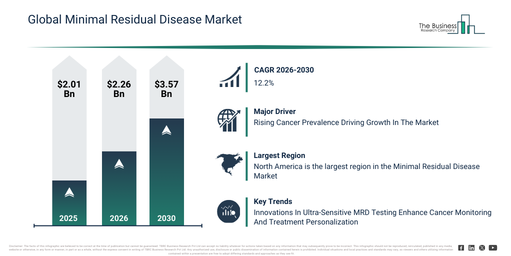
    The worldwide market for minimal residual disease diagnostics has experienced substantial expansion lately, with projections indicating continued vigorous growth from $2.01 billion in 2025 to $2.26 billion in 2026, reflecting a compound annual growth rate of 12.5%. This upward trajectory in the past was fueled by several key factors, including an increase in the incidence of leukemia and lymphoma, greater utilization of flow cytometry for diagnostic purposes, the early integration of PCR technology for MRD detection, a heightened clinical emphasis on predicting disease relapse, and the enhancement of diagnostic laboratory infrastructure.

    Anticipating substantial expansion, the minimal residual disease market is projected to experience swift advancement in the upcoming years, reaching an estimated $3.57 billion by 2030 with a compound annual growth rate (CAGR) of 12.2%. This upward trajectory during the forecast period is fueled by several key factors, including the accelerating development and deployment of next-generation sequencing (NGS)-based MRD testing methodologies, a growing emphasis on tailored cancer therapies, the creation of highly sensitive molecular diagnostic tools, greater utilization of liquid biopsy for MRD detection, and increased financial commitment towards research in cancer diagnostics. Furthermore, the market will be shaped by significant trends such as the increasing integration of precision medicine approaches into MRD detection processes, the incorporation of artificial intelligence to boost the sensitivity of MRD testing, the broader implementation of cloud-based systems for managing and monitoring MRD data, the leveraging of Internet of Things (IoT) technology for improved connectivity in MRD diagnostic platforms, and the ongoing push towards automating and digitizing laboratory workflows for MRD analysis.

    Download A Free Sample Report For Comprehensive Market Insights:

    https://www.thebusinessresearchcompany.com/sample.aspx?id=21224&type=smp

    Minimal Residual Disease Market Demand Drivers: What Is Fueling Industry Growth?

    The escalating incidence of cancer is anticipated to significantly fuel the expansion of the minimal residual disease market in the coming period. Cancer, a complex set of disorders defined by the aberrant proliferation and dissemination of atypical cells within the body, is becoming more common due to several contributing elements including a growing elderly demographic, heightened exposure to harmful environmental agents, detrimental lifestyle choices, and inherited genetic vulnerabilities. This heightened prevalence of cancer consequently escalates the need for highly accurate MRD testing methods, which are crucial for identifying any lingering cancer cells, thereby facilitating prompt therapeutic actions and tailored treatment strategies. Such advancements lead to more reliable predictions of disease recurrence and ultimately contribute to better patient prognoses. A notable example highlighting this trend is the projection made in February 2024 by the World Health Organization, an international body headquartered in Switzerland, which foresees over 35 million new cancer diagnoses annually by 2050, marking a substantial 77% surge from the approximately 20 million cases recorded in 2022. Hence, the continuous rise in cancer cases directly underpins the growth trajectory of the minimal residual disease market.

    Minimal Residual Disease Market Segment Performance And Strategic Opportunities

    The minimal residual disease market covered in this report is segmented –

    1) By Detection Target: Lymphoma, Leukemia, Solid Tumors, Other Detection Targets

    2) By Test Technique: Flow Cytometry, Polymerase Chain Reaction (PCR), Next Generation Sequencing (NGS), Other Test Techniques

    3) By End-User: Hospitals, Diagnostic Laboratories, Research Institutions

    Subsegments:

    1) By Lymphoma: Hodgkin Lymphoma, Non-Hodgkin Lymphoma

    2) By Leukemia: Acute Lymphoblastic Leukemia, Acute Myeloid Leukemia, Chronic Lymphocytic Leukemia, Chronic Myeloid Leukemia

    3) By Solid Tumors: Breast Cancer, Lung Cancer, Colorectal Cancer, Prostate Cancer

    4) By Other Detection Targets: Multiple Myeloma, Neuroblastoma, Sarcomas

    Minimal Residual Disease Market Innovation Trends: Which Developments Are Transforming The Industry?

    Leading players within the minimal residual disease (MRD) market are dedicating resources to creating sophisticated, highly sensitive assays aimed at improving the early identification of disease and optimizing patient care. These ultra-sensitive assays are indeed laboratory analyses engineered to pinpoint circulating tumor DNA, even at exceptionally minute concentrations, with remarkable precision. This capability facilitates the earlier detection of cancer returning and informs more effective therapeutic choices. As an illustration, in April 2025, Natera, Inc., a company based in the United States specializing in cell-free DNA and genetic testing, introduced its Signatera Genome MRD test. This assay is personalized and informed by the patient’s tumor, constructed from their complete genome sequence along with corresponding normal DNA. Employing multiplex polymerase chain reaction and next-generation sequencing techniques, the test can detect tumor DNA at levels as low as one part per million, and even lower for research purposes. Its effectiveness has been confirmed through clinical studies across various cancer types, such as breast, colorectal, non-small cell lung cancer, melanoma, and renal cell carcinoma. The Signatera Genome assay is instrumental in identifying postsurgical patients who face a greater risk of recurrence, demonstrates predictive clinical value, is suitable for both clinical and research settings, and has secured Medicare coverage for a wide array of conditions, thereby paving the way for more accurate and judicious treatment plans.

    Minimal Residual Disease Market Key Players: Which Companies Shape Industry Competition?

    Major companies operating in the minimal residual disease market are Thermo Fisher Scientific Inc., LabCorp, Quest Diagnostics Incorporated, Agilent Technologies Inc., Sysmex Corporation, Bio-Rad Laboratories Inc., Qiagen N.V., Natera Inc., Foundation Medicine Inc., NeoGenomics Inc., Guardant Health Inc., Adaptive Biotechnologies Corporation, Invivoscribe Inc., Mission Bio Inc., ArcherDx Inc., Abbott Laboratories, F. Hoffmann-La Roche Ltd., Illumina Inc., Personalis Inc., Asuragen Inc., ARUP Laboratories Inc., Myriad Genetics Inc., Luminex Corporation, EntroGen Inc., 3B BlackBio Biotech India, Bioartis, PerkinElmer Inc.

    Access The Complete Minimal Residual Disease Market Report:

    https://www.thebusinessresearchcompany.com/report/minimal-residual-disease-global-market-report

    Minimal Residual Disease Market Largest Region: Which Geography Holds The Highest Market Share?

    North Americawas the largest region in the minimal residual disease market in 2025. Asia-Pacificis expected to be the fastest-growing region in the forecast period. The regions covered in the minimal residual disease market report are Asia-Pacific, South East Asia, Western Europe, Eastern Europe, North America, South America, Middle East, Africa.

    Get in touch with us:

    The Business Research Company: https://www.thebusinessresearchcompany.com/

    Americas: +1 310-496-7795

    Asia: +44 7882 955267 & +91 8897263534

    Europe: +44 7882 955267

    Email us at: marketing@tbrc.info

    Follow us on:

    LinkedIn: https://in.linkedin.com/company/the-business-research-company

    YouTube: https://www.youtube.com/channel/UC24_fI0rV8cR5DxlCpgmyFQ

    Global Market Model: https://www.thebusinessresearchcompany.com/global-market-model
  • Minimal Residual Disease Market Forecast Highlighting Trends and Expansion Opportunities

    Minimal Residual Disease Market Forecast Highlighting Trends and Expansion Opportunities

    The Business Research Company’s 2026 market reports feature enhanced tools like market attractiveness analysis, TAM assessment, and company scoring matrices, along with interactive dashboards, deeper supply chain insights, and startup coverage strengthening the depth, usability, and strategic value of insights.

    How Will The Market Value Of The Minimal Residual Disease Market Progress Between 2026 And 2030?

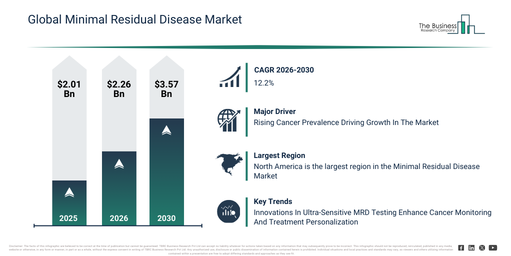
    The minimal residual disease market size has experienced swift expansion in recent years. It is anticipated to increase from $2.01 billion in 2025 to $2.26 billion in 2026, driven by a compound annual growth rate (CAGR) of 12.5%. The historical growth can be credited to the rise in leukemia and lymphoma cases, increasing use of flow cytometry testing, early adoption of pcr-based mrd detection, growing clinical focus on relapse prediction, and the expansion of diagnostic laboratory capabilities.

    The minimal residual disease market is projected to experience substantial expansion over the upcoming years, anticipating a valuation of $3.57 billion by 2030, with a compound annual growth rate (CAGR) of 12.2%. This growth during the forecast period is attributable to several factors, including the rapid expansion of NGS-based MRD testing, the escalating demand for tailored oncology treatments, the advancement of highly sensitive molecular assays, the broader integration of liquid biopsy MRD testing, and increased investment in research for cancer diagnostics. Key trends expected within this period encompass the embrace of precision medicine for MRD detection, the incorporation of AI to boost sensitivity in MRD testing, the broadening of cloud-based data management solutions for MRD monitoring, the implementation of IoT-enabled connectivity in MRD diagnostic platforms, and the increasing automation and digitalization within laboratory MRD analysis.

    Access Your Free Sample Report For In-Depth Market Analysis:

    https://www.thebusinessresearchcompany.com/sample.aspx?id=21224&type=smp

    Which Primary Drivers Are Impacting The Minimal Residual Disease Market Growth?

    The rising incidence of cancer is anticipated to drive the expansion of the minimal residual disease market in the future. Cancer refers to a collection of illnesses marked by the unregulated proliferation and dissemination of atypical cells throughout the body. This growing occurrence of cancer stems from various contributors, including an aging demographic, heightened exposure to environmental cancer-causing agents, detrimental lifestyle choices, and inherited susceptibilities. The escalating prevalence of cancer fuels the need for accurate MRD testing to identify remaining cancer cells, facilitating prompt intervention and tailored therapeutic approaches. Such testing improves the ability to predict relapse and leads to better patient results. As an illustration, in February 2024, the World Health Organization, an intergovernmental body based in Switzerland, forecast more than 35 million new cancer cases by 2050, signifying a 77% rise from the estimated 20 million cases in 2022. Consequently, the expanding incidence of cancer is a key factor propelling the minimal residual disease market’s development.

    What Segment Categories Shape The Minimal Residual Disease Market Segment Landscape?

    The minimal residual disease market covered in this report is segmented –

    1) By Detection Target: Lymphoma, Leukemia, Solid Tumors, Other Detection Targets

    2) By Test Technique: Flow Cytometry, Polymerase Chain Reaction (PCR), Next Generation Sequencing (NGS), Other Test Techniques

    3) By End-User: Hospitals, Diagnostic Laboratories, Research Institutions

    Subsegments:

    1) By Lymphoma: Hodgkin Lymphoma, Non-Hodgkin Lymphoma

    2) By Leukemia: Acute Lymphoblastic Leukemia, Acute Myeloid Leukemia, Chronic Lymphocytic Leukemia, Chronic Myeloid Leukemia

    3) By Solid Tumors: Breast Cancer, Lung Cancer, Colorectal Cancer, Prostate Cancer

    4) By Other Detection Targets: Multiple Myeloma, Neuroblastoma, Sarcomas

    Which Trends Are Shaping Growth In The Minimal Residual Disease Market?

    Leading companies active in the minimal residual disease (MRD) market are concentrating on developing advanced ultra-sensitive assays to improve early detection and patient management. These ultra-sensitive assays are laboratory tests designed to identify circulating tumor DNA at exceptionally low frequencies with high accuracy, facilitating earlier recognition of cancer recurrence and better-informed treatment decisions. For instance, in April 2025, Natera, Inc., a US-based provider of cell-free DNA and genetic testing, launched the Signatera Genome MRD test, which features a personalized, tumor-informed assay derived from a patient’s whole genome sequence and matched normal DNA. This test employs multiplex polymerase chain reaction and next-generation sequencing technology to detect tumor DNA at concentrations as low as 1 part per million and below for research use. It has undergone clinical validation across numerous cancer types, including breast, colorectal, non-small cell lung, melanoma, and renal cell carcinoma. Signatera Genome is capable of identifying postsurgical patients with an elevated risk of recurrence, provides predictive clinical utility, supports both clinical and research applications, and is covered by Medicare for a broad spectrum of indications, thereby enabling more precise and informed treatment strategies.

    Who Are The Companies Operating Across The Minimal Residual Disease Market Value Chain?

    Major companies operating in the minimal residual disease market are Thermo Fisher Scientific Inc., LabCorp, Quest Diagnostics Incorporated, Agilent Technologies Inc., Sysmex Corporation, Bio-Rad Laboratories Inc., Qiagen N.V., Natera Inc., Foundation Medicine Inc., NeoGenomics Inc., Guardant Health Inc., Adaptive Biotechnologies Corporation, Invivoscribe Inc., Mission Bio Inc., ArcherDx Inc., Abbott Laboratories, F. Hoffmann-La Roche Ltd., Illumina Inc., Personalis Inc., Asuragen Inc., ARUP Laboratories Inc., Myriad Genetics Inc., Luminex Corporation, EntroGen Inc., 3B BlackBio Biotech India, Bioartis, PerkinElmer Inc.

    Get The Full Minimal Residual Disease Market Report:

    https://www.thebusinessresearchcompany.com/report/minimal-residual-disease-global-market-report

    Which Region Represents The Largest Share Of The Minimal Residual Disease Market?

    North America was the largest region in the minimal residual disease market in 2025. Asia-Pacific is expected to be the fastest-growing region in the forecast period. The regions covered in the minimal residual disease market report are Asia-Pacific, South East Asia, Western Europe, Eastern Europe, North America, South America, Middle East, Africa.

    Request A Customized Minimal Residual Disease Market Report For Competitive Insights:

    https://www.thebusinessresearchcompany.com/report/minimal-residual-disease-global-market-report

    Browse Through More Reports Similar to the Global Minimal Residual Disease Market 2026, By The Business Research Company

    Mineral Oil Market Report 2026

    https://www.thebusinessresearchcompany.com/report/mineral-oil-global-market-report

    Mineral Supplements Market Report

    https://www.thebusinessresearchcompany.com/report/mineral-supplements-global-market-report

    Mineral Market Report

    https://www.thebusinessresearchcompany.com/report/mineral-global-market-report

    Get in touch with us:

    The Business Research Company: https://www.thebusinessresearchcompany.com/

    Americas +1 310-496-7795

    Asia +44 7882 955267 & +91 8897263534

    Europe +44 7882 955267

    Email us at info@tbrc.info

    Follow us on:

    LinkedIn: https://in.linkedin.com/company/the-business-research-company

    YouTube: https://www.youtube.com/channel/UC24_fI0rV8cR5DxlCpgmyFQ

    Global Market Model: https://www.thebusinessresearchcompany.com/global-market-model
  • A key trend shaping the Minimal Residual Disease Market involves the Innovations In Ultra-Sensitive MRD Testing Enhance Cancer Monitoring And Treatment Personalization

    A key trend shaping the Minimal Residual Disease Market involves the Innovations In Ultra-Sensitive MRD Testing Enhance Cancer Monitoring And Treatment Personalization

    The Business Research Company’s 2026 market reports include new capabilities such as market attractiveness scoring and analysis, total addressable market analysis, company scoring matrix, interactive excel data dashboard, improved supply chain analysis, upcoming startups in the market, and overview of key products, aimed at improving the depth, usability, and strategic value of the insights delivered.

    What Market Size Growth Is Projected For The Minimal Residual Disease Market During The Forecast Period 2026–2030?

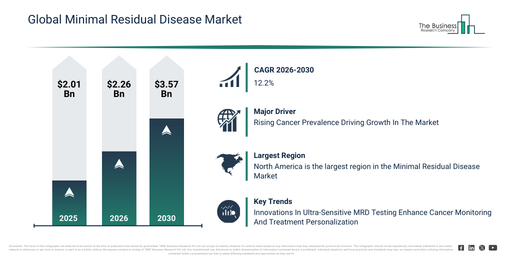
    The minimal residual disease market has experienced rapid expansion in recent years. It is anticipated to grow from $2.01 billion in 2025 to $2.26 billion in 2026, exhibiting a compound annual growth rate (CAGR) of 12.5%. This market’s historical growth can be attributed to several factors, including a rise in leukemia and lymphoma cases, the increasing utilization of flow cytometry testing, the early adoption of pcr-based mrd detection, a growing clinical focus on relapse prediction, and the expansion of diagnostic laboratory capabilities.

    The minimal residual disease market is projected to experience swift expansion over the coming years. This market is anticipated to reach a valuation of $3.57 billion by 2030, exhibiting a compound annual growth rate (CAGR) of 12.2%. Factors driving this growth during the projected period include the accelerated adoption of NGS-based MRD testing, a rising need for individualized oncology therapies, the creation of highly sensitive molecular assays, broader acceptance of liquid biopsy MRD testing, and increased funding for cancer diagnostics research. Key trends expected during this forecast timeframe encompass the implementation of precision medicine in MRD detection, the incorporation of AI to boost sensitivity in MRD testing, an increase in cloud-based data management solutions for MRD monitoring, IoT-enabled connectivity within MRD diagnostic platforms, and the progression of automation and digitalization in laboratory MRD analysis.

    Download the Free Sample Report to Explore Key Market Insights:

    https://www.thebusinessresearchcompany.com/sample.aspx?id=21224&type=smp

    Which Major Factors Are Driving The Expansion Of The Minimal Residual Disease Market?

    The expanding occurrence of cancer is anticipated to drive the advancement of the minimal residual disease market moving ahead. Cancer refers to a collection of illnesses marked by the unregulated proliferation and dissemination of atypical cells throughout the body. This growing incidence of cancer stems from various elements, including an older demographic, greater contact with environmental cancer-causing agents, detrimental daily habits, and inherited susceptibilities. This escalating cancer rate fuels the need for accurate minimal residual disease testing to identify remaining cancer cells, allowing for prompt intervention and tailored therapies. Such testing improves the foresight of relapse and boosts patient recovery. For example, data from February 2024, provided by the World Health Organization, an intergovernmental entity based in Switzerland, indicated that by 2050, more than 35 million new instances of cancer are predicted, signifying a 77% surge from the approximate 20 million cases recorded in 2022. Consequently, the rising occurrence of cancer is a key factor propelling the expansion of the minimal residual disease market.

    What Market Segments Are Evaluated Within The Minimal Residual Disease Market?

    The minimal residual disease market covered in this report is segmented –

    1) By Detection Target: Lymphoma, Leukemia, Solid Tumors, Other Detection Targets

    2) By Test Technique: Flow Cytometry, Polymerase Chain Reaction (PCR), Next Generation Sequencing (NGS), Other Test Techniques

    3) By End-User: Hospitals, Diagnostic Laboratories, Research Institutions

    Subsegments:

    1) By Lymphoma: Hodgkin Lymphoma, Non-Hodgkin Lymphoma

    2) By Leukemia: Acute Lymphoblastic Leukemia, Acute Myeloid Leukemia, Chronic Lymphocytic Leukemia, Chronic Myeloid Leukemia

    3) By Solid Tumors: Breast Cancer, Lung Cancer, Colorectal Cancer, Prostate Cancer

    4) By Other Detection Targets: Multiple Myeloma, Neuroblastoma, Sarcomas

    What Trends Are Advancing Progress In The Minimal Residual Disease Market?

    Leading companies operating within the minimal residual disease (MRD) market are concentrating on developing advanced ultra-sensitive assays to enhance both early detection and patient management. These ultra-sensitive assays are laboratory tests specifically designed to detect circulating tumor DNA at extremely low frequencies with high accuracy, enabling an earlier identification of cancer recurrence and improved treatment decisions. For instance, in April 2025, Natera, Inc., a US-based provider of cell-free DNA and genetic testing services, launched the Signatera Genome MRD test, which features a personalized, tumor-informed assay constructed from a patient’s whole genome sequence and matched normal DNA. The test employs multiplex polymerase chain reaction and next-generation sequencing technology to detect tumor DNA at frequencies as low as 1 part per million and even below for research use. It has undergone clinical validation across numerous cancer types, including breast, colorectal, non-small cell lung, melanoma, and renal cell carcinoma. Signatera Genome is capable of identifying postsurgical patients who are at a higher risk of recurrence, offers predictive clinical utility, supports both clinical and research applications, and benefits from Medicare coverage across a broad spectrum of indications, thereby enabling more precise and informed treatment strategies.

    Who Are The Top Market Participants Influencing The Minimal Residual Disease Market?

    Major companies operating in the minimal residual disease market are Thermo Fisher Scientific Inc., LabCorp, Quest Diagnostics Incorporated, Agilent Technologies Inc., Sysmex Corporation, Bio-Rad Laboratories Inc., Qiagen N.V., Natera Inc., Foundation Medicine Inc., NeoGenomics Inc., Guardant Health Inc., Adaptive Biotechnologies Corporation, Invivoscribe Inc., Mission Bio Inc., ArcherDx Inc., Abbott Laboratories, F. Hoffmann-La Roche Ltd., Illumina Inc., Personalis Inc., Asuragen Inc., ARUP Laboratories Inc., Myriad Genetics Inc., Luminex Corporation, EntroGen Inc., 3B BlackBio Biotech India, Bioartis, PerkinElmer Inc.

    Read the full minimal residual disease market report here:

    https://www.thebusinessresearchcompany.com/report/minimal-residual-disease-global-market-report

    Which Region Currently Holds The Largest Share Of The Minimal Residual Disease Market?

    North America was the largest region in the minimal residual disease market in 2025. Asia-Pacific is expected to be the fastest-growing region in the forecast period. The regions covered in the minimal residual disease market report are Asia-Pacific, South East Asia, Western Europe, Eastern Europe, North America, South America, Middle East, Africa.

    Request A Tailored Minimal Residual Disease Market Research Report For Competitive Advantage:

    https://www.thebusinessresearchcompany.com/customise?id=21224&type=smp

    Browse Through More Reports Similar to the Global Minimal Residual Disease Market 2026, By The Business Research Company

    Mineral Oil Global Market Report

    https://www.thebusinessresearchcompany.com/report/mineral-oil-global-market-report

    Mineral Supplements Global Market Report

    https://www.thebusinessresearchcompany.com/report/mineral-supplements-global-market-report

    Mineral Global Market Report

    https://www.thebusinessresearchcompany.com/report/mineral-global-market-report

    Get in touch with us:

    The Business Research Company: https://www.thebusinessresearchcompany.com/

    Americas +1 310-496-7795

    Asia +44 7882 955267 & +91 8897263534

    Europe +44 7882 955267

    Email us at info@tbrc.info

    Follow us on:

    LinkedIn: https://in.linkedin.com/company/the-business-research-company

    YouTube: https://www.youtube.com/channel/UC24_fI0rV8cR5DxlCpgmyFQ

    Global Market Model: https://www.thebusinessresearchcompany.com/global-market-model
  • Global Minimal Residual Disease Industry Insights: Key Trends and Growth Estimates

    Global Minimal Residual Disease Industry Insights: Key Trends and Growth Estimates

    Uncover key drivers, emerging technologies, and competitive movements shaping the minimal residual disease market from 2026–2035 with trusted insights from The Business Research Company

    Across 2026–2030, what is the expected market valuation path of the Minimal Residual Disease Market?

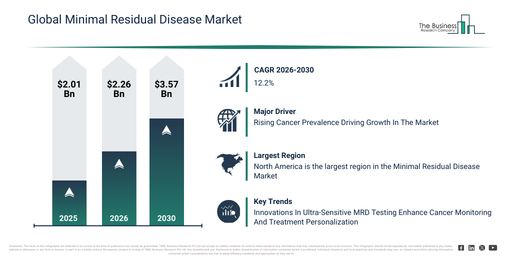
    The minimal residual disease market has seen substantial expansion in recent years. Its value is anticipated to climb from $2.01 billion in 2025 to $2.26 billion in 2026, indicating a compound annual growth rate (CAGR) of 12.5%. This historical growth can be linked to an increase in leukemia and lymphoma cases, the wider adoption of flow cytometry testing, the early incorporation of PCR-based MRD detection, a heightened clinical focus on predicting relapse, and the enhanced capabilities of diagnostic laboratories.

    The minimal residual disease market size is anticipated to experience significant expansion in the coming years. It is projected to reach $3.57 billion by 2030, exhibiting a compound annual growth rate (CAGR) of 12.2%. This growth over the forecast period is fueled by the rapid development of NGS-based MRD testing, the escalating demand for personalized oncology treatments, the creation of ultra-sensitive molecular assays, the broader embrace of liquid biopsy MRD testing, and increasing investment in cancer diagnostics research. Prominent trends for this period encompass the adoption of precision medicine in MRD detection, the integration of AI to enhance sensitivity in MRD testing, the expansion of cloud-based data management for MRD monitoring, IoT-enabled connectivity within MRD diagnostic platforms, and the automation and digitalization of laboratory MRD analysis.

    Access Your Free Sample Report for In-Depth Market Insights:

    https://www.thebusinessresearchcompany.com/sample.aspx?id=21224&type=smp

    Which Drivers Are Supporting The Rise Of The Minimal Residual Disease Market?

    The rising incidence of cancer is anticipated to drive expansion in the minimal residual disease market going forward. Cancer is a condition marked by the uncontrolled multiplication and spread of irregular cells within the body. The escalating occurrence of cancer is attributed to factors like an aging demographic, increased exposure to environmental carcinogens, unhealthy lifestyles, and genetic predispositions. This increasing cancer burden necessitates accurate MRD testing to identify remaining cancer cells, thereby facilitating prompt intervention and personalized treatment. This approach improves the ability to predict relapse and enhances patient outcomes. For instance, in February 2024, according to the World Health Organization, a Switzerland-based intergovernmental organization, more than 35 million new cancer cases were projected by 2050, signifying a 77% rise compared to the estimated 20 million cases in 2022. Consequently, the growing prevalence of cancer is a key factor propelling the minimal residual disease market.

    What Leading Segments Are Studied In The Minimal Residual Disease Market?

    The minimal residual disease market covered in this report is segmented –

    1) By Detection Target: Lymphoma, Leukemia, Solid Tumors, Other Detection Targets

    2) By Test Technique: Flow Cytometry, Polymerase Chain Reaction (PCR), Next Generation Sequencing (NGS), Other Test Techniques

    3) By End-User: Hospitals, Diagnostic Laboratories, Research Institutions

    Subsegments:

    1) By Lymphoma: Hodgkin Lymphoma, Non-Hodgkin Lymphoma

    2) By Leukemia: Acute Lymphoblastic Leukemia, Acute Myeloid Leukemia, Chronic Lymphocytic Leukemia, Chronic Myeloid Leukemia

    3) By Solid Tumors: Breast Cancer, Lung Cancer, Colorectal Cancer, Prostate Cancer

    4) By Other Detection Targets: Multiple Myeloma, Neuroblastoma, Sarcomas

    What Trends Are Projected To Support The Growth Of The Minimal Residual Disease Market?

    Leading companies operating within the minimal residual disease (MRD) market are concentrating on developing advanced ultra-sensitive assays to improve early detection and patient management. These ultra-sensitive assays are laboratory tests specifically designed to identify circulating tumor DNA at exceptionally low frequencies with high accuracy, facilitating earlier discovery of cancer recurrence and enhancing treatment decisions. As an illustration, in April 2025, Natera, Inc., a US-based provider of cell-free DNA and genetic testing, introduced the Signatera Genome MRD test. This test features a personalized, tumor-informed assay created from a patient’s whole genome sequence and matched normal DNA. The test employs multiplex polymerase chain reaction and next-generation sequencing technology to detect tumor DNA at frequencies as low as 1 part per million and below for research applications. Its clinical validity has been confirmed across several cancer types, including breast, colorectal, non-small cell lung, melanoma, and renal cell carcinoma. Signatera Genome helps identify postsurgical patients who face a higher risk of recurrence, offers predictive clinical utility, supports both clinical and research uses, and has coverage from Medicare for a wide array of indications, thereby enabling more precise and informed treatment strategies.

    Which Major Industry Participants Are Leading The Minimal Residual Disease Market Growth?

    Major companies operating in the minimal residual disease market are Thermo Fisher Scientific Inc., LabCorp, Quest Diagnostics Incorporated, Agilent Technologies Inc., Sysmex Corporation, Bio-Rad Laboratories Inc., Qiagen N.V., Natera Inc., Foundation Medicine Inc., NeoGenomics Inc., Guardant Health Inc., Adaptive Biotechnologies Corporation, Invivoscribe Inc., Mission Bio Inc., ArcherDx Inc., Abbott Laboratories, F. Hoffmann-La Roche Ltd., Illumina Inc., Personalis Inc., Asuragen Inc., ARUP Laboratories Inc., Myriad Genetics Inc., Luminex Corporation, EntroGen Inc., 3B BlackBio Biotech India, Bioartis, PerkinElmer Inc.

    Access The Complete Report For Deeper Market Insights:

    https://www.thebusinessresearchcompany.com/report/minimal-residual-disease-global-market-report

    Which Region Currently Holds The Largest Share Of The Minimal Residual Disease Market?

    North America was the largest region in the minimal residual disease market in 2025. Asia-Pacific is expected to be the fastest-growing region in the forecast period. The regions covered in the minimal residual disease market report are Asia-Pacific, South East Asia, Western Europe, Eastern Europe, North America, South America, Middle East, Africa.

    Request Your Customized Minimal Residual Disease Market Research Report for Competitive Advantage:

    https://www.thebusinessresearchcompany.com/customise?id=21224&type=smp

    Browse Through More Reports Similar to the Global Minimal Residual Disease Market 2026, By The Business Research Company

    Rare Neurological Disease Treatment Market Report 2026

    https://www.thebusinessresearchcompany.com/report/rare-neurological-disease-treatment-global-market-report

    Rare Disease Diagnostics Market Report 2026

    https://www.thebusinessresearchcompany.com/report/rare-disease-diagnostics-global-market-report

    Rare Diseases Treatment Market Report 2026

    https://www.thebusinessresearchcompany.com/report/rare-diseases-treatment-global-market-report

    Get in touch with us:

    The Business Research Company: https://www.thebusinessresearchcompany.com/

    Americas +1 310-496-7795

    Asia +44 7882 955267 & +91 8897263534

    Europe +44 7882 955267

    Email us at info@tbrc.info

    Follow us on:

    LinkedIn: https://in.linkedin.com/company/the-business-research-company

    YouTube: https://www.youtube.com/channel/UC24_fI0rV8cR5DxlCpgmyFQ

    Global Market Model: https://www.thebusinessresearchcompany.com/global-market-model

  • Global Minimal Residual Disease Market 2025–2029: Unveiling Growth Developments with the Latest Updates

    Global Minimal Residual Disease Market 2025–2029: Unveiling Growth Developments with the Latest Updates

    Claim your 20% discount on Global Market Reports with code ONLINE20. Limited time only.

    How Much Will The Minimal Residual Disease Market Be Worth By 2029?

    Over the past few years, the market size of minimal residual disease has expanded swiftly. It is projected to increase from $1.78 billion in 2024 to $2.01 billion in 2025, boasting a compound annual growth rate (CAGR) of 12.6%. The expansion during the historic period is a result of factors such as growing numbers of cancer patients, an increase in research and development investment, improved affordability in healthcare, a rise in blood cancer cases, and heightened public awareness.

    In the coming years, a swift expansion is predicted for the minimal residual disease market, with a projected size of $3.19 billion in 2029, representing a compound annual growth rate (CAGR) of 12.3%. Factors contributing to this projected growth during the forecast period can be linked to a surge in cancer patients, the rise in government-led awareness programs, increased affordability of healthcare, a boost in disposable income within emerging economies, and initiatives from government bodies to raise cancer awareness. Predicted trends for this forecasted period encompass advancements in next-generation sequencing (NGS) technology, the standardization of MRD testing, the uptake of personalized MRD monitoring, progress in liquid biopsy technologies, and therapies targeted towards minimal residual disease.

    Get A Free Sample Of The Report:

    https://www.thebusinessresearchcompany.com/sample.aspx?id=21224&type=smp

    What Market Forces Are Contributing To The Growth Of The Minimal Residual Disease Market?

    The escalating occurrence of cancer is anticipated to fuel the advancement of the minimal residual disease market in the future. Characterized by uncontrolled cell growth and spread, cancer is a cluster of diseases affecting the body. This escalating occurrence can be traced back to causes such as an aging society, heightened exposure to environmental carcinogens, unhealthy living habits, and genetic susceptibilities. The upsurge in cancer prevalence amplifies the need for accurate MRD testing to identify leftover cancer cells, facilitating early countermeasures and tailored treatment. This leads to better forecasts for relapses and improved patient results. For instance, as reported by the National Cancer Institute (NCI), a US-based government body, the world saw nearly 20 million fresh cancer cases and 9.7 million cancer-related fatalities in 2022 as per the data from May 2024. The forecast for 2040 projects a staggering 29.9 million new instances and 15.3 million cancer-related deaths. Hence, the escalating occurrence of cancer is the catalyst driving the advancement of the minimal residual disease market.

    Which Segments Define The Structure Of The Minimal Residual Disease Market?

    The minimal residual diseasemarket covered in this report is segmented –

    1) By Detection Target: Lymphoma; Leukemia; Solid Tumors; Other Detection Targets

    2) By Test Technique: Flow Cytometry; Polymerase Chain Reaction (PCR); Next Generation Sequencing (NGS); Other Test Techniques

    3) By End-User: Banking, Financial Services, And Insurance (BFSI); Retail And E-Commerce; Hospitals; Diagnostic Laboratories; Research Institutions

    Subsegments:

    1) By Lymphoma: Hodgkin Lymphoma; Non-Hodgkin Lymphoma

    2) By Leukemia: Acute Lymphoblastic Leukemia; Acute Myeloid Leukemia; Chronic Lymphocytic Leukemia; Chronic Myeloid Leukemia

    3) By Solid Tumors: Breast Cancer; Lung Cancer; Colorectal Cancer; Prostate Cancer

    4) By Other Detection Targets: Multiple Myeloma; Neuroblastoma; Sarcomas

    Which Long-Term Trends Will Play A Crucial Role In The Minimal Residual Disease Market?

    Companies in the minimal residual disease (MRD) market are developing next-gen in vitro diagnostic (IVD) tests to enable precise, individualized treatment strategies. IVD tests detect leftover cancer cells after therapy, helping predict relapse. In December 2022, US-based Adaptive Biotechnologies Corporation launched the clonoSEQ Assay to identify MRD in diffuse large B-cell lymphoma (DLBCL). This blood-based test evaluates circulating tumor DNA for a sensitive and non-invasive method to detect early recurrence. It’s the first MRD test for DLBCL to gain Medicare coverage, making it widely available across treatment types.

    Which Firms Are Making The Biggest Impact In The Minimal Residual Disease Market?

    Major companies operating in the minimal residual disease market are Thermo Fisher Scientific Inc., Amgen Inc., Laboratory Corporation of America Holdings (LabCorp), Quest Diagnostics Incorporated, Agilent Technologies Inc., Sysmex Corporation, Bio-Rad Laboratories Inc., Qiagen N.V., Exact Sciences Corporation, Kite Pharma Inc., Natera Inc., Foundation Medicine Inc., NeoGenomics Inc., Guardant Health Inc., Grail LLC, Tempus AI Inc., Veracyte Inc., Adaptive Biotechnologies Corporation, Invivoscribe Inc., Mission Bio Inc., ArcherDx Inc.

    Access The Complete Report Here:

    https://www.thebusinessresearchcompany.com/report/minimal-residual-disease-global-market-report

    Which Region Is Forecasted To Lead The Minimal Residual Disease Market In The Coming Years?

    North America was the largest region in the minimal residual disease market in 2024. Asia-Pacific is expected to be the fastest-growing region in the forecast period. The regions covered in the minimal residual disease market report are Asia-Pacific, Western Europe, Eastern Europe, North America, South America, Middle East, Africa.

    Customize Your Report Here:

    https://www.thebusinessresearchcompany.com/customise?id=21224&type=smp

    Browse Through More Reports Similar to the Global Minimal Residual Disease Market 2025, By The Business Research Company

    Inflammatory Bowel Disease Treatment Global Market Report 2025

    https://www.thebusinessresearchcompany.com/report/inflammatory-bowel-disease-treatment-global-market-report

    Chronic Disease Management Global Market Report 2025

    https://www.thebusinessresearchcompany.com/report/chronic-disease-management-global-market-report

    Liver Diseases Therapeutics Global Market Report 2025

    https://www.thebusinessresearchcompany.com/report/liver-diseases-therapeutics-global-market-report

    About The Business Research Company:

    With over 15000+ reports from 27 industries covering 60+ geographies, The Business Research Company has built a reputation for offering comprehensive, data-rich research and insights. Armed with 1,500,000 datasets, the optimistic contribution of in-depth secondary research, and unique insights from industry leaders, you can get the information you need to stay ahead in the game.

    Get in touch with us:

    The Business Research Company: https://www.thebusinessresearchcompany.com/

    Americas +1 310-496-7795

    Asia +44 7882 955267 & +91 8897263534

    Europe +44 7882 955267

    Email us at info@tbrc.info

    Follow us on:

    LinkedIn: https://in.linkedin.com/company/the-business-research-company

    YouTube: https://www.youtube.com/channel/UC24_fI0rV8cR5DxlCpgmyFQ

    Global Market Model: https://www.thebusinessresearchcompany.com/global-market-model
  • Minimal Residual Disease Market Trends 2025–2029: Forecasts for Key Growth Segments

    Minimal Residual Disease Market Trends 2025–2029: Forecasts for Key Growth Segments

    Unlock Global Insights – Save 20% on Market Reports with Code ONLINE20

    How Does The Market Size Of The Minimal Residual Disease Industry Compare Between 2025 And 2029?

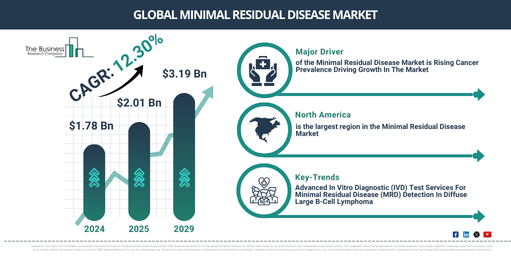
    The minimal residual disease market has experienced rapid expansion recently. It is projected to increase from $1.78 billion in 2024 to $2.01 billion in 2025, demonstrating a compound annual growth rate (CAGR) of 12.6%. Historically, this growth has been driven by several factors, including the increasing number of cancer patients, enhanced research and development spending, improved healthcare affordability, the rising prevalence of blood cancer, and greater public awareness.

    The minimal residual disease market is projected to experience substantial expansion over the upcoming years. This market is anticipated to reach $3.19 billion by 2029, exhibiting a compound annual growth rate (CAGR) of 12.3%. Factors contributing to this growth during the forecast period include an increasing incidence of cancer patients, an uptick in governmental awareness campaigns, enhanced healthcare accessibility, growing disposable incomes within developing nations, and efforts by governmental bodies to raise cancer awareness. Key trends anticipated during this period encompass progress in next-generation sequencing (NGS) technology, the establishment of standardized MRD testing, the integration of personalized MRD monitoring, innovations in liquid biopsy technologies, and the emergence of minimal residual disease-targeted therapies.

    Unlock Your Free Sample Report for Exclusive Market Data:

    https://www.thebusinessresearchcompany.com/sample.aspx?id=21224&type=smp

    What Are The Key Drivers Of Growth In The Minimal Residual Disease Market?

    The projected expansion of the minimal residual disease market going forward is expected due to the rising incidence of cancer. Cancer refers to a collection of illnesses marked by the uncontrolled multiplication and dispersion of atypical cells throughout the body. This growing prevalence of cancer can be attributed to several factors, including an aging demographic, heightened exposure to environmental cancer-causing agents, detrimental lifestyle choices, and inherent genetic susceptibilities. The increasing number of cancer cases fuels the demand for precise MRD testing, which identifies any remaining cancer cells, thus enabling prompt therapeutic action and tailored patient care. This improves the ability to predict relapse and leads to better patient outcomes. As an illustration, data from May 2024, provided by the National Cancer Institute (NCI), a US-based government agency, indicated that in 2022, nearly 20 million new cancer diagnoses and 9.7 million cancer-attributable fatalities occurred globally. Future forecasts for 2040 suggest these numbers will rise to an estimated 29.9 million new cases and 15.3 million cancer-related deaths. Consequently, the expanding occurrence of cancer is a primary catalyst for the growth of the minimal residual disease market.

    What Are The Key Segments In The Minimal Residual Disease Market?

    The minimal residual diseasemarket covered in this report is segmented –

    1) By Detection Target: Lymphoma; Leukemia; Solid Tumors; Other Detection Targets

    2) By Test Technique: Flow Cytometry; Polymerase Chain Reaction (PCR); Next Generation Sequencing (NGS); Other Test Techniques

    3) By End-User: Banking, Financial Services, And Insurance (BFSI); Retail And E-Commerce; Hospitals; Diagnostic Laboratories; Research Institutions

    Subsegments:

    1) By Lymphoma: Hodgkin Lymphoma; Non-Hodgkin Lymphoma

    2) By Leukemia: Acute Lymphoblastic Leukemia; Acute Myeloid Leukemia; Chronic Lymphocytic Leukemia; Chronic Myeloid Leukemia

    3) By Solid Tumors: Breast Cancer; Lung Cancer; Colorectal Cancer; Prostate Cancer

    4) By Other Detection Targets: Multiple Myeloma; Neuroblastoma; Sarcomas

    Which Market Trends Are Creating New Opportunities In The Minimal Residual Disease Industry?

    Leading companies operating within the minimal residual disease (MRD) market are focusing their efforts on advancing in vitro diagnostic (IVD) test services, aiming to offer personalized therapy options for enhanced patient outcomes. An in vitro diagnostic (IVD) test service serves as a laboratory-based method for detecting residual cancer cells after treatment, thereby aiding in relapse prediction and therapy optimization. For instance, in December 2022, Adaptive Biotechnologies Corporation, a US-based biotechnology company, unveiled the clonoSEQ Assay to identify minimal residual disease (MRD) in patients with diffuse large B-cell lymphoma (DLBCL). This test examines circulating tumor DNA (ctDNA) in blood samples, providing a highly sensitive, non-invasive approach to monitor cancer progression and spot early signs of relapse. This assay furnishes clinicians with a more precise comprehension of a patient’s disease burden, facilitating the appropriate customization of treatment plans. It stands as the first minimal residual disease (MRD) test for diffuse large B-cell lymphoma (DLBCL) to gain Medicare coverage, thereby ensuring its widespread accessibility across all treatment regimens and various time points.

    Which Leading Players Are Enhancing Their Minimal Residual Disease Market Presence Worldwide?

    Major companies operating in the minimal residual disease market are Thermo Fisher Scientific Inc., Amgen Inc., Laboratory Corporation of America Holdings (LabCorp), Quest Diagnostics Incorporated, Agilent Technologies Inc., Sysmex Corporation, Bio-Rad Laboratories Inc., Qiagen N.V., Exact Sciences Corporation, Kite Pharma Inc., Natera Inc., Foundation Medicine Inc., NeoGenomics Inc., Guardant Health Inc., Grail LLC, Tempus AI Inc., Veracyte Inc., Adaptive Biotechnologies Corporation, Invivoscribe Inc., Mission Bio Inc., ArcherDx Inc.

    Download The Full Report For Exclusive Market Findings:

    https://www.thebusinessresearchcompany.com/report/minimal-residual-disease-global-market-report

    How Is Minimal Residual Disease Market Demand Varying Across Different Regions?

    North America was the largest region in the minimal residual disease market in 2024. Asia-Pacific is expected to be the fastest-growing region in the forecast period. The regions covered in the minimal residual disease market report are Asia-Pacific, Western Europe, Eastern Europe, North America, South America, Middle East, Africa.

    Request A Customized Version Of The Minimal Residual Disease Market Report:

    https://www.thebusinessresearchcompany.com/customise?id=21224&type=smp

    Browse Through More Reports Similar to the Global Minimal Residual Disease Market 2025, By The Business Research Company

    Inflammatory Bowel Disease Treatment Global Market Report 2025

    https://www.thebusinessresearchcompany.com/report/inflammatory-bowel-disease-treatment-global-market-report

    Chronic Disease Management Global Market Report 2025

    https://www.thebusinessresearchcompany.com/report/chronic-disease-management-global-market-report

    Liver Diseases Therapeutics Global Market Report 2025

    https://www.thebusinessresearchcompany.com/report/liver-diseases-therapeutics-global-market-report

    Get in touch with us:

    The Business Research Company: https://www.thebusinessresearchcompany.com/

    Americas +1 310-496-7795

    Asia +44 7882 955267 & +91 8897263534

    Europe +44 7882 955267

    Email us at info@tbrc.info

    Follow us on:

    LinkedIn: https://in.linkedin.com/company/the-business-research-company

    YouTube: https://www.youtube.com/channel/UC24_fI0rV8cR5DxlCpgmyFQ

    Global Market Model: https://www.thebusinessresearchcompany.com/global-market-model
  • Major Drivers Propelling the Growth oh theMinimal Residual Disease Market Forward: Rising Cancer Prevalence Driving Growth In The Market

    Claim your 30% discount on Global Market Reports with code ONLINE30. Limited time only.

    How Has The Minimal Residual Disease Market Size Shifted, And What Is the Outlook Through 2034?

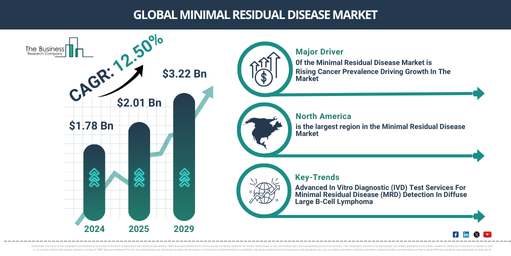
    The market size for minimal residual disease has seen a quick expansion in the past few years. It’s projected to surge from $1.78 billion in 2024 to $2.01 billion in 2025, with a compound annual growth rate (CAGR) of 12.6%. Factors contributing to the growth during this historic period include an uptick in the incidence of cancer, increased spending on research and development, accessibility of affordable healthcare, a rise in blood cancer rates, and heightened public awareness.

    The market for minimal residual disease is poised for fast expansion in the coming years, with projected growth to$3.19 billion by 2029, boasting a compound annual growth rate of 12.3%. This increase during the anticipated period can be correlated to a growing incidence of cancer, heightened awareness initiatives by the government, improved affordability of medical care, an uptick in expendable income within developing economies, and governmental efforts to raise cancer awareness. Key trends projected during this period encompass progress in next-generation sequencing (NGS) technology, the standardisation of MRD tests, the implementation of personalised MRD surveillance, advancements in liquid biopsy technologies, and therapies directed towards minimal residual disease.

    Download a free sample to assess the report’s scope and structure:

    https://www.thebusinessresearchcompany.com/sample.aspx?id=21224&type=smp

    Which Major Market Drivers Are Expected to Boost the Growth Potential of the Minimal Residual Disease Market?

    The growth of the minimal residual disease (MRD) market is anticipated to be fueled by the escalating occurrence of cancer. Cancer, categorized by the unchecked proliferation and dissemination of atypical cells throughout the body, has seen a surge in incidence due to a number of factors. These include an increasing aged population, heightened exposure to environmental carcinogens, harmful lifestyle practices, and genetic predispositions. The surge in cancer cases amplifies the need for accurate MRD tests to identify leftover cancer cells, which facilitates prompt and tailored treatments. It consequently enhances the prediction of cancer recurrence and optimizes patient results. For instance, the National Cancer Institute (NCI), an American government agency, reported nearly 20 million new cancer cases and 9.7 million cancer-related fatalities worldwide in 2022. The institute further predicted that by 2040, these figures will reach 29.9 million new cancer cases and 15.3 million cancer-related deaths. Therefore, it’s evident that the rising incidence of cancer is a significant driver in the expansion of the MRD market.

    Which Key Market Segments Comprise the Minimal Residual Disease Market and Drive Its Revenue Growth?

    The minimal residual diseasemarket covered in this report is segmented –

    1) By Detection Target: Lymphoma; Leukemia; Solid Tumors; Other Detection Targets

    2) By Test Technique: Flow Cytometry; Polymerase Chain Reaction (PCR); Next Generation Sequencing (NGS); Other Test Techniques

    3) By End-User: Banking, Financial Services, And Insurance (BFSI); Retail And E-Commerce; Hospitals; Diagnostic Laboratories; Research Institutions

    Subsegments:

    1) By Lymphoma: Hodgkin Lymphoma; Non-Hodgkin Lymphoma

    2) By Leukemia: Acute Lymphoblastic Leukemia; Acute Myeloid Leukemia; Chronic Lymphocytic Leukemia; Chronic Myeloid Leukemia

    3) By Solid Tumors: Breast Cancer; Lung Cancer; Colorectal Cancer; Prostate Cancer

    4) By Other Detection Targets: Multiple Myeloma; Neuroblastoma; Sarcomas

    Request customized data on this market:

    https://www.thebusinessresearchcompany.com/customise?id=21224&type=smp

    Which Areas Are Leading Regions in the Minimal Residual Disease Market Expansion Across the Globe?

    North America was the largest region in the minimal residual disease market in 2024. Asia-Pacific is expected to be the fastest-growing region in the forecast period. The regions covered in the minimal residual disease market report are Asia-Pacific, Western Europe, Eastern Europe, North America, South America, Middle East, Africa.

    What Are the Key Market Trends in theMinimal Residual Disease Market Over the Coming Years?

    Key players in the minimal residual disease (MRD) market are investing in the creation of advanced in vitro diagnostic (IVD) test services. The goal is to offer personalized therapy options that improve patient results. IVD test services, which are lab-based diagnostic tools, can identify any residual cancer cells following treatment. This capability can foresee a relapse and refine treatment strategies. For example, in December 2022, Adaptive Biotechnologies Corporation, an American biotech firms, released its clonoSEQ Assay to locate minimal residual disease (MRD) in patients suffering from diffuse large B-cell lymphoma (DLBCL). The test examines circulating tumor DNA (ctDNA) in blood specimens, serving as a highly sensitive, non-intrusive method of tracking cancer development and spotting initial signs of relapse. The assay gives clinicians a more accurate picture of a patient’s disease load, enabling them to customize treatment plans. It’s the first MRD test for DLBCL to be approved for Medicare cover, ensuring its widespread use across all care plans and stages.

    View the full report here:

    https://www.thebusinessresearchcompany.com/report/minimal-residual-disease-global-market-report

    How Is the Minimal Residual Disease Market Conceptually Defined?

    Minimal residual disease (MRD) refers to the few cancer cells that persist in the body after treatment, despite clinical remission. Monitoring minimal residual disease (MRD) helps detect early signs of relapse, evaluate treatment effectiveness, and predict the risk of recurrence. This sensitive detection can guide tailored therapies to improve outcomes and reduce the likelihood of relapse.

    Purchase the full report and get a swift delivery:

    https://www.thebusinessresearchcompany.com/purchaseoptions.aspx?id=21224

    About The Business Research Company:

    With over 15000+ reports from 27 industries covering 60+ geographies, The Business Research Company has built a reputation for offering comprehensive, data-rich research and insights. Armed with 1,500,000 datasets, the optimistic contribution of in-depth secondary research, and unique insights from industry leaders, you can get the information you need to stay ahead in the game.

    Get in touch with us:

    The Business Research Company: https://www.thebusinessresearchcompany.com/

    Americas +1 310-496-7795

    Europe +44 7882 955267

    Asia & Others +44 7882 955267 & +91 8897263534

    Email us at info@tbrc.info

    Follow us on:

    LinkedIn: https://in.linkedin.com/company/the-business-research-company

    YouTube: https://www.youtube.com/channel/UC24_fI0rV8cR5DxlCpgmyFQ

    Global Market Model: https://www.thebusinessresearchcompany.com/global-market-model

  • Minimal Residual Disease Industry Insights 2025 – Market Forecast for Executives and Planners

    Minimal Residual Disease Industry Insights 2025 – Market Forecast for Executives and Planners

    Claim your 30% discount on Global Market Reports with code ONLINE30. Limited time only.

    How Has the Minimal Residual Disease Market Size Changed, over the years?

    The market size for minimal residual disease has experienced quick expansion in the past few years. It is projected to increase from $1.78 billion in 2024 to $2.01 billion in 2025, with a compound annual growth rate (CAGR) of 12.9%. Factors contributing to its growth during the historic period include a rise in cancer cases, increased spending on research and development, improved affordability of healthcare, an increased occurrence of blood cancer, and heightened public awareness.

    How Much Will the Minimal Residual Disease Market Be Worth in 2029?

    Expectations suggest that the minimal residual disease market will undergo substantial growth in the coming years, potentially reaching a value of $3.22 billion by 2029, with a compound annual growth rate (CAGR) of 12.5%. This predicted growth during the forecast period is linked to several factors: an increase in cancer patients, a surge in government-driven awareness programs, improved healthcare affordability, heightened disposable income in burgeoning economies, and initiatives by governmental bodies to enhance cancer awareness. Major forecast period trends encompass developments in next-generation sequencing (NGS) technology, standardization of MRD testing, the adoption of personalized MRD monitoring, progress in liquid biopsy technologies, and therapies targeted at minimal residual disease.

    Download The Free Sample Report Here:

    https://www.thebusinessresearchcompany.com/sample.aspx?id=21224&type=smp

    Which is the Largest Company in the Minimal Residual Disease Market?

    Major companies operating in the minimal residual disease market are Thermo Fisher Scientific Inc., Amgen Inc., Laboratory Corporation of America Holdings (LabCorp), Quest Diagnostics Incorporated, Agilent Technologies Inc., Sysmex Corporation, Bio-Rad Laboratories Inc., Qiagen N.V., Exact Sciences Corporation, Kite Pharma Inc., Natera Inc., Foundation Medicine Inc., NeoGenomics Inc., Guardant Health Inc., Grail LLC, Tempus AI Inc., Veracyte Inc., Adaptive Biotechnologies Corporation, Invivoscribe Inc., Mission Bio Inc., ArcherDx Inc.

    What Are the Main Market Drivers in the Minimal Residual Disease Industry?

    The minimal residual disease market’s growth is anticipated to be driven by the rising incidence of cancer. Cancer, a group of diseases defined by the uncontrolled proliferation and spread of aberrant cells within the body, is becoming more common due to reasons such as an aging demographic, increased contact with environmental carcinogens, unhealthy lifestyles, and hereditary susceptibilities. The growing frequency of cancer heightens the requirement for accurate MRD testing to identify any remaining cancer cells, allowing for early detection and tailored treatments. This enhances the prediction of recurrence and improves patient results. For instance, the National Cancer Institute (NCI), a government agency based in the US, reported in May 2024 that nearly 20 million new cancer cases and 9.7 million cancer-related deaths were recorded worldwide in 2022, with forecasts for 2040 predicting 29.9 million new instances and 15.3 million cancer-related fatalities. Consequently, the escalating incidence of cancer is fueling the expansion of the minimal residual disease market.

    Request For A Customized Report:

    https://www.thebusinessresearchcompany.com/customise?id=21224&type=smp

    How Is the Minimal Residual Disease Market Segments Structured?

    The minimal residual disease market covered in this report is segmented –

    1) By Detection Target: Lymphoma, Leukemia, Solid Tumors, Other Detection Targets

    2) By Test Technique: Flow Cytometry, Polymerase Chain Reaction (PCR), Next Generation Sequencing (NGS), Other Test Techniques

    3) By End-User: Banking, Financial Services, And Insurance (BFSI), Retail And E-Commerce, Hospitals, Diagnostic Laboratories, Research Institutions

    Subsegments:

    1) By Lymphoma: Hodgkin Lymphoma, Non-Hodgkin Lymphoma

    2) By Leukemia: Acute Lymphoblastic Leukemia, Acute Myeloid Leukemia, Chronic Lymphocytic Leukemia, Chronic Myeloid Leukemia

    3) By Solid Tumors: Breast Cancer, Lung Cancer, Colorectal Cancer, Prostate Cancer

    4) By Other Detection Targets: Multiple Myeloma, Neuroblastoma, Sarcomas

    What Strategic Trends Are Transforming the Minimal Residual Disease Market?

    Pioneering businesses in the minimal residual disease (MRD) market are prioritizing the development of innovative in vitro diagnostic (IVD) examination services as they strive for personalized treatment options that enhance patient results. IVD testing is a laboratory-based diagnostic approach that identify the remaining cancer cells post-treatment, allowing predictions regarding recurrence and refining therapy. For example, Adaptive Biotechnologies Corporation, an American biotech firm, introduced clonoSEQ Assay, a MRD detection solution for patients with diffuse large B-cell lymphoma (DLBCL) in December 2022. The test utilizes circulating tumor DNA (ctDNA) in blood specimens to provide a supremely sensitive, non-intrusive method of tracking cancer development and identifying early relapse indicators. This assay equips doctors with a more accurate comprehension of a patient’s disease load, aiding in the customization of treatment strategies. The debut of this clonoSEQ Assay, the first MRD test for DLBCL covered by Medicare, ensures its wide availability across all treatment schedules and periods.

    Access The Full Report Here:

    https://www.thebusinessresearchcompany.com/report/minimal-residual-disease-global-market-report

    Which Global Regions Offer the Highest Growth in the Minimal Residual Disease Market?

    North America was the largest region in the minimal residual disease market in 2024. Asia-Pacific is expected to be the fastest-growing region in the forecast period. The regions covered in the minimal residual disease market report are Asia-Pacific, Western Europe, Eastern Europe, North America, South America, Middle East, Africa.

    Purchase The Full Report Today:

    https://www.thebusinessresearchcompany.com/purchaseoptions.aspx?id=21224

    This Report Delivers Insight On:

    1. How big is the minimal residual disease market, and how is it changing globally?

    2. Who are the major companies in the minimal residual disease market, and how are they performing?

    3. What are the key opportunities and risks in the minimal residual disease market right now?

    4. Which products or customer segments are growing the most in the minimal residual disease market?

    5. What factors are helping or slowing down the growth of the minimal residual disease market?

    About The Business Research Company:

    With over 15000+ reports from 27 industries covering 60+ geographies, The Business Research Company has built a reputation for offering comprehensive, data-rich research and insights. Armed with 1,500,000 datasets, the optimistic contribution of in-depth secondary research, and unique insights from industry leaders, you can get the information you need to stay ahead in the game.

    Get in touch with us:

    The Business Research Company: https://www.thebusinessresearchcompany.com/

    Americas +1 310-496-7795

    Asia +44 2071930708

    Europe +44 7882 955267

    Email us at info@tbrc.info

    Follow us on:

    LinkedIn: https://in.linkedin.com/company/the-business-research-company

    YouTube: https://www.youtube.com/channel/UC24_fI0rV8cR5DxlCpgmyFQ

    Global Market Model: https://www.thebusinessresearchcompany.com/global-market-model

  • Microtome Market Forecast 2025–2034: Trends Reshaping Demand, Investment, and Innovation

    Microtome Market Forecast 2025–2034: Trends Reshaping Demand, Investment, and Innovation

    Our market reports now include the latest updates on global tariffs, trade impacts, and evolving supply chain dynamics.

    What is the Anticipated CAGR of the Minimal Residual Disease Market, and What Factors Will Drive It?

    The market size of minimal residual disease has been burgeoning in recent times. From being evaluated at $1.78 billion in 2024, it is predicted to escalate to $2.01 billion in 2025, showcasing a compound annual growth rate (CAGR) of 12.9%. The aforementioned surge during the historical period is linked with factors such as the augmenting count of cancer patients, growing expenditure on research & development, enhanced accessibility of healthcare, an increasing occurrence of blood cancer, and a surge in public awareness.

    The market size for minimal residual disease is predicted to experience a swift surge in the coming years and is estimated to expand to $3.22 billion by 2029 with a compound annual growth rate of 12.5%. Multiple factors will contribute to this predicted growth within the projected period including an increasing cancer patient count, elevated awareness efforts by the government, improvements in healthcare affordability, rising per capita income in developing economies, and government-led initiatives to raise cancer awareness. Trends that are anticipated to prevail during the forecast period encompass the advancement of next-generation sequencing technology, normalization of MRD testing, personalized MRD monitoring adoption, advancements in liquid biopsy methodologies, and treatment focusing on minimal residual disease.

    Download a free sample to assess the report’s scope and structure:

    https://www.thebusinessresearchcompany.com/sample.aspx?id=21224&type=smp

    What Are the Primary Drivers Supporting the Market Growth of the Minimal Residual Disease Market?

    The escalating incidence of cancer is projected to fuel the expansion of the minimal residual disease market in the future. Cancer refers to a collection of diseases marked by uninhibited growth and distribution of abnormal cells within the body. The surge in cancer incidence can be attributed to elements such as an aging demographic, greater exposure to environmental carcinogens, unhealthy ways of living, and genetic predispositions. The increased occurrence of cancer heightens the need for accurate MRD testing to identify remaining cancer cells, facilitating early action and tailored treatment. This enhances the forecast of relapse and improves the results for patients. For example, as reported by the National Cancer Institute (NCI), a government agency in the United States, in May 2024, there were approximately 20 million new cancer cases and 9.7 million cancer-induced deaths globally in 2022. The estimates for 2040 indicate 29.9 million fresh cases and 15.3 million cancer-related fatalities. Thus, the escalating incidence of cancer is a significant factor contributing to the expansion of the minimal residual disease market.

    Which Primary Segments of the Minimal Residual Disease Market Are Driving Growth and Industry Transformations?

    The minimal residual disease market covered in this report is segmented –

    1) By Detection Target: Lymphoma, Leukemia, Solid Tumors, Other Detection Targets

    2) By Test Technique: Flow Cytometry, Polymerase Chain Reaction (PCR), Next Generation Sequencing (NGS), Other Test Techniques

    3) By End-User: Banking, Financial Services, And Insurance (BFSI), Retail And E-Commerce, Hospitals, Diagnostic Laboratories, Research Institutions

    Subsegments:

    1) By Lymphoma: Hodgkin Lymphoma, Non-Hodgkin Lymphoma

    2) By Leukemia: Acute Lymphoblastic Leukemia, Acute Myeloid Leukemia, Chronic Lymphocytic Leukemia, Chronic Myeloid Leukemia

    3) By Solid Tumors: Breast Cancer, Lung Cancer, Colorectal Cancer, Prostate Cancer

    4) By Other Detection Targets: Multiple Myeloma, Neuroblastoma, Sarcomas

    Request customized data on this market:

    https://www.thebusinessresearchcompany.com/customise?id=21224&type=smp

    Which Regions Are Key Players in the Growth of the What Are the Primary Drivers Supporting the Market Growth of the Minimal Residual Disease Market? Market?

    North America was the largest region in the minimal residual disease market in 2024. Asia-Pacific is expected to be the fastest-growing region in the forecast period. The regions covered in the minimal residual disease market report are Asia-Pacific, Western Europe, Eastern Europe, North America, South America, Middle East, Africa.

    What Are the Most Significant Market Trends in the Minimal Residual Disease Market?

    Key players in the minimal residual disease (MRD) market are focusing on the creation of advanced In Vitro Diagnostic (IVD) testing services. These services aim to offer bespoke therapy options that will improve patient results. Specifically, an In Vitro Diagnostic (IVD) test service can identify remaining cancer cells following treatment in a lab setting, enabling the prediction of recurrence and refinement of therapeutic strategies. For example, Adaptive Biotechnologies Corporation, a biotechnology firm based in the US, launched clonoSEQ Assay in December 2022. This test was designed to detect MRD in patients with diffuse large B-cell lymphoma (DLBCL) by examining circulating tumor DNA (ctDNA) in blood samples. This approach allows for a non-invasive, highly sensitive way to observe cancer progression and early signs of a relapse. This assay gives medical professionals a more detailed view of a patient’s disease load, assisting them in creating tailored treatment plans. This is the first MRD test for DLBCL to be covered by Medicare, bringing it into wide accessibility for all treatment schedules and time points.

    View the full report here:

    https://www.thebusinessresearchcompany.com/report/minimal-residual-disease-global-market-report

    What Parameters Are Used to Define the Minimal Residual Disease Market?

    Minimal residual disease (MRD) refers to the few cancer cells that persist in the body after treatment, despite clinical remission. Monitoring minimal residual disease (MRD) helps detect early signs of relapse, evaluate treatment effectiveness, and predict the risk of recurrence. This sensitive detection can guide tailored therapies to improve outcomes and reduce the likelihood of relapse.

    Purchase the full report and get a swift delivery:

    https://www.thebusinessresearchcompany.com/purchaseoptions.aspx?id=21224

    About The Business Research Company:

    With over 15000+ reports from 27 industries covering 60+ geographies, The Business Research Company has built a reputation for offering comprehensive, data-rich research and insights. Armed with 1,500,000 datasets, the optimistic contribution of in-depth secondary research, and unique insights from industry leaders, you can get the information you need to stay ahead in the game.

    Get in touch with us:

    The Business Research Company: https://www.thebusinessresearchcompany.com/

    Americas +1 3156230293

    Asia +44 2071930708

    Europe +44 2071930708

    Email us at info@tbrc.info

    Follow us on:

    LinkedIn: https://in.linkedin.com/company/the-business-research-company

    YouTube: https://www.youtube.com/channel/UC24_fI0rV8cR5DxlCpgmyFQ

    Global Market Model: https://www.thebusinessresearchcompany.com/global-market-model

  • Unlocking Opportunities in the Minimal Residual Disease Market: Key Trends, Market Growth, and Forecast Insights

    2025 Market Reports Update: Market Size Forecasts to 2034, Key Trends, Leading Players, and Top Regions – Get Ahead of the Competition Today!

    What Major Innovations Are Driving the Accelerated Growth of the Minimal Residual Disease Market?

    The increasing prevalence of cancer is expected to drive the growth of the minimal residual disease (MRD) market in the future. Cancer refers to a group of diseases characterized by uncontrolled cell growth and spread. The rising prevalence of cancer is attributed to factors such as aging populations, environmental carcinogens, unhealthy lifestyles, and genetic factors. As cancer cases increase, the demand for precise MRD testing to detect residual cancer cells rises, allowing for early intervention and personalized treatment plans that improve relapse prediction and patient outcomes. For example, in May 2024, the National Cancer Institute (NCI) reported that in 2022, nearly 20 million new cancer cases and 9.7 million cancer-related deaths occurred globally, with projections for 2040 estimating 29.9 million new cases and 15.3 million cancer-related deaths. As such, the increasing prevalence of cancer is fueling the growth of the minimal residual disease market.

    Get Your Free Sample Report Now – Explore Exclusive Market Insights:

    https://www.thebusinessresearchcompany.com/sample.aspx?id=21224&type=smp

    #What is the Anticipated CAGR of theMinimal Residual Disease Market, and What Factors Will Drive It?

    The minimal residual disease (MRD) market has expanded rapidly, increasing from $1.78 billion in 2024 to $2.01 billion in 2025 at a CAGR of 12.9%. Growth drivers include a rising number of cancer patients, increased research and development spending, improved healthcare affordability, a growing prevalence of blood cancer, and greater public awareness.

    The minimal residual disease (MRD) market is set for rapid expansion, reaching $3.22 billion by 2029 at a CAGR of 12.5%. Factors driving this growth include a rising number of cancer cases, increasing government awareness programs, enhanced healthcare affordability, growing disposable income in emerging economies, and government efforts to raise awareness about MRD. Major trends anticipated in this sector include advancements in next-generation sequencing (NGS), standardization of MRD testing methods, the rise of personalized MRD monitoring, progress in liquid biopsy technology, and the development of MRD-targeted therapies.

    You can Directly Purchase the Report Here:

    https://www.thebusinessresearchcompany.com/purchaseoptions.aspx?id=21224

    What Are the Most Significant Market Trends Transforming theMinimal Residual Disease Market?

    In the minimal residual disease (MRD) market, companies are focusing on advanced in vitro diagnostic (IVD) test services to provide personalized therapy options and improve patient outcomes. These tests help detect residual cancer cells after treatment, predict relapse, and optimize therapy. For example, in December 2022, Adaptive Biotechnologies Corporation, a US-based biotechnology company, launched the clonoSEQ Assay, which detects MRD in patients with diffuse large B-cell lymphoma (DLBCL). This test analyzes circulating tumor DNA (ctDNA) in blood samples, providing a highly sensitive, non-invasive method for monitoring cancer progression and early relapse detection. It is the first MRD test for DLBCL to receive Medicare coverage, ensuring broad accessibility for patients.

    What Are the Top Market Players Propelling the Growth of theMinimal Residual Disease Industry?

    Major companies operating in the minimal residual disease market are Thermo Fisher Scientific Inc., Amgen Inc., Laboratory Corporation of America Holdings (LabCorp), Quest Diagnostics Incorporated, Agilent Technologies Inc., Sysmex Corporation, Bio-Rad Laboratories Inc., Qiagen N.V., Exact Sciences Corporation, Kite Pharma Inc., Natera Inc., Foundation Medicine Inc., NeoGenomics Inc., Guardant Health Inc., Grail LLC, Tempus AI Inc., Veracyte Inc., Adaptive Biotechnologies Corporation, Invivoscribe Inc., Mission Bio Inc., ArcherDx Inc.

    Order Your Report Now For A Swift Delivery:

    https://www.thebusinessresearchcompany.com/report/minimal-residual-disease-global-market-report

    Which Primary Segments of the Minimal Residual Disease Market Are Driving Growth and Industry Transformations?

    The minimal residual disease market covered in this report is segmented –

    1) By Detection Target: Lymphoma, Leukemia, Solid Tumors, Other Detection Targets

    2) By Test Technique: Flow Cytometry, Polymerase Chain Reaction (PCR), Next Generation Sequencing (NGS), Other Test Techniques

    3) By End-User: Banking, Financial Services, And Insurance (BFSI), Retail And E-Commerce, Hospitals, Diagnostic Laboratories, Research Institutions

    Subsegments:

    1) By Lymphoma: Hodgkin Lymphoma, Non-Hodgkin Lymphoma

    2) By Leukemia: Acute Lymphoblastic Leukemia, Acute Myeloid Leukemia, Chronic Lymphocytic Leukemia, Chronic Myeloid Leukemia

    3) By Solid Tumors: Breast Cancer, Lung Cancer, Colorectal Cancer, Prostate Cancer

    4) By Other Detection Targets: Multiple Myeloma, Neuroblastoma, Sarcomas

    Gain Exclusive Market Insights—Customize Your Research Report Today for Fast Delivery!

    https://www.thebusinessresearchcompany.com/customise?id=21224&type=smp

    Which Regions Are Key Players in the Growth of the #What Major Innovations Are Driving the Accelerated Growth of the Minimal Residual Disease Market?# Market?

    North America was the largest region in the minimal residual disease market in 2024. Asia-Pacific is expected to be the fastest-growing region in the forecast period. The regions covered in the minimal residual disease market report are Asia-Pacific, Western Europe, Eastern Europe, North America, South America, Middle East, Africa.

    Browse Through More Reports Similar to the Global Minimal Residual Disease Market 2025, By The Business Research Company:

    Melanoma Drugs Global Market Report 2025

    https://www.thebusinessresearchcompany.com/report/melanoma-drugs-global-market-report

    Melanoma Therapeutics Global Market Report 2025

    https://www.thebusinessresearchcompany.com/report/melanoma-therapeutics-global-market-report

    Non-Alcoholic Steatohepatitis NASH Global Market Report 2025

    https://thebusinessresearchcompany.com/report/non-alcoholic-steatohepatitis-nash-global-market-report

    About The Business Research Company:

    With over 15000+ reports from 27 industries covering 60+ geographies, The Business Research Company has built a reputation for offering comprehensive, data-rich research and insights. Armed with 1,500,000 datasets, the optimistic contribution of in-depth secondary research, and unique insights from industry leaders, you can get the information you need to stay ahead in the game.

    Contact us at:

    The Business Research Company: https://www.thebusinessresearchcompany.com/

    Americas +1 3156230293

    Asia +44 2071930708

    Europe +44 2071930708

    Email us at info@tbrc.info

    Follow us on:

    LinkedIn: https://in.linkedin.com/company/the-business-research-company

    YouTube: https://www.youtube.com/channel/UC24_fI0rV8cR5DxlCpgmyFQ

    Global Market Model: https://www.thebusinessresearchcompany.com/global-market-model

    Found this article helpful? Share it on: