Tag: optic atrophy management market outlook

  • Optic Atrophy Management Market Expansion Is Reshaping Competitive Dynamics Across The Industry

    Optic Atrophy Management Market Expansion Is Reshaping Competitive Dynamics Across The Industry

    Delivering more actionable and strategically valuable research, The Business Research Company’s 2026 market reports feature market attractiveness analysis, total addressable market evaluation, company benchmarking matrices, interactive Excel dashboards, expanded supply chain intelligence, emerging startup coverage, and detailed product insights.

    Optic Atrophy Management Market Growth Analysis: How Will Revenue Expand During The Forecast Period?

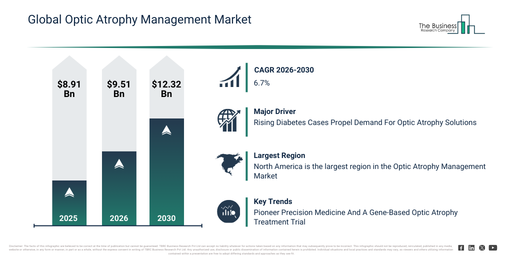
    The market for managing optic atrophy has experienced robust expansion recently, projected to advance from $8.91 billion in 2025 to $9.51 billion in 2026, demonstrating a compound annual growth rate of 6.8%. This recent growth trajectory is fueled by several key factors, including the significant prevalence of optic nerve damage stemming from conditions like glaucoma and ischemic disorders, a scarcity of definitive treatment options, an increasing rate of infectious and medication-induced optic neuropathy, and diagnostic delays within developing healthcare infrastructures, all of which necessitate a continued reliance on treatments focused on symptom relief and supportive care.

    The market dedicated to managing optic atrophy is poised for substantial expansion over the upcoming years, with projections indicating a rise to $12.32 billion by 2030, propelled by a compound annual growth rate of 6.7%. This anticipated growth trajectory is underpinned by several key factors, including augmented investment in neuro-ophthalmology research, heightened awareness of optic atrophy among healthcare professionals, an expanding elderly demographic susceptible to neurodegenerative conditions, the proliferation of sophisticated diagnostic and imaging technologies, and an intensified focus on individualized and sustained vision care strategies. Key developments anticipated within this forecast period involve a greater emphasis on the early detection and tracking of optic nerve degeneration, increased integration of vision rehabilitation and supportive care services, a growing concentration on addressing the root causes of neurological and systemic ailments, escalating demand for therapies aimed at neuroprotection and disease stabilization, and a more widespread utilization of integrated multidisciplinary approaches in the realm of vision management.

    Download A Free Sample Report For Comprehensive Market Insights:

    https://www.thebusinessresearchcompany.com/sample.aspx?id=13499&type=smp

    Optic Atrophy Management Market Growth Factors: Which Forces Are Supporting Market Expansion?

    The rising occurrence of diabetes is anticipated to be a significant catalyst for the expansion of the optic atrophy management market. Diabetes, a persistent ailment defined by heightened blood sugar levels stemming from inadequate insulin secretion or inefficient insulin utilization, has direct implications for vision. Optic atrophy management offers crucial benefits to individuals with diabetes, especially those grappling with syndromes like Wolfram syndrome, by targeting the gradual decline in eyesight linked to nerve degradation, thereby aiming to avert or mitigate the advancement of diabetes-related ocular issues. Corroborating this trend, Diabetes Canada, a Canadian non-profit, reported in February 2023 that diabetes cases in Canada are forecasted to climb from an estimated 2,409,000 individuals (representing 15% of the populace) in 2023 to 3,009,000 individuals (constituting 17% of the populace) by 2033. Consequently, this escalating prevalence of diabetes is a key determinant in the growth trajectory of the optic atrophy management market.

    Optic Atrophy Management Market Segment Landscape And Growth Potential

    The optic atrophy management market covered in this report is segmented –

    1) By Drug Type: Disulfiram, Amebicides, Ethambutol, Isoniazid, Chloramphenicol, Vincristine, Ciclosporin, Cimetidine

    2) By Route Of Administration: Oral, Injectable

    3) By Distribution Channel: Hospital Pharmacies, Retail Pharmacies, Online Pharmacies

    4) By End-User: Hospitals, Specialty Clinics, Ambulatory Surgical Centers, Rehabilitation Centers

    Subsegments:

    1) By Disulfiram: Oral Disulfiram Tablets, Low-Dose Disulfiram Therapy, Adjunct Neuroprotective Disulfiram Use

    2) By Amebicides: Metronidazole-Based Amebicides, Tinidazole-Based Amebicides, Combination Amebicidal Therapy

    3) By Ethambutol: Low-Dose Ethambutol Regimens, Dose-Adjusted Ethambutol Therapy, Ethambutol With Visual Monitoring Protocols

    4) By Isoniazid: Standard Isoniazid Therapy, Pyridoxine-Supplemented Isoniazid Therapy, Modified-Dose Isoniazid Regimens

    5) By Chloramphenicol: Oral Chloramphenicol Therapy, Injectable Chloramphenicol Therapy, Short-Term Chloramphenicol Use

    6) By Vincristine: Low-Dose Vincristine Therapy, Intravenous Vincristine Administration, Combination Chemotherapy Regimens With Vincristine

    7) By Ciclosporin: Oral Ciclosporin Therapy, Immunomodulatory Ciclosporin Regimens, Dose-Titrated Ciclosporin Treatment

    8) By Cimetidine: Oral Cimetidine Therapy, Adjunctive Cimetidine Use, Dose-Adjusted Cimetidine Regimens

    Optic Atrophy Management Market Industry Trends: What Changes Are Reshaping Demand?

    The dominant players within the optic atrophy management market are intensifying their efforts to innovate through clinical trials, aiming to create specialized treatments for uncommon genetic conditions and thus enhance their market standing. These specialized treatments are designed to address the underlying genetic causes of the illness. The process typically involves introducing genetic material into the body’s cells to correct or replace a defective gene, thereby tackling the disease at its source. A pertinent example occurred in April 2023 when Stoke Therapeutics, Inc., a biotechnology firm based in the United States, secured authorization from the UK’s Medicines and Healthcare Products Regulatory Agency (MHRA) to proceed with its clinical trial application. This approval greenlit the commencement of the Phase I/II OSPREY study involving STK-002. This particular investigation focuses on treating autosomal dominant optic atrophy (ADOA), which stands as the most frequently encountered hereditary disorder affecting the optic nerve, leading to gradual and irreparable vision impairment in both eyes, often manifesting around the age of ten. It is significant to note that no treatments are presently approved for this ailment, and the STK-002 therapy holds the promise of slowing or possibly halting the deterioration of vision in those diagnosed with autosomal dominant optic atrophy (ADOA).

    Optic Atrophy Management Market Competitive Landscape: Who Are The Leading Companies?

    Major companies operating in the optic atrophy management market are Pfizer Inc., Johnson And Johnson, F. Hoffmann-La Roche AG, AbbVie Inc., Bayer AG, Novartis AG, Bristol-Myers Squibb Company, Sanofi SA, GlaxoSmithKline plc, Eli Lilly And Company, Boehringer Ingelheim International GmbH., Teva Pharmaceuticals, Viatris (Mylan N.V.), Astellas Pharma Inc, Bausch Health Companies Inc., Sumitomo Dainippon Pharma Co. Ltd, Bausch And Lomb Inc., Aurobindo Pharma, Cipla Ltd, Apotex Inc. , Zydus Cadila, Santen Pharmaceutical Co. Ltd, Lupin, Allergan ple., LEO Pharma A/S, Aerie Pharmaceuticals Inc., Neurophth Therapeutics Inc, Stoke Therapeutics Inc, Bionure Farma S.L., Mallinckrodt Pharmaceuticals, Ixchel Pharma LLC

    Access The Complete Optic Atrophy Management Market Report:

    https://www.thebusinessresearchcompany.com/report/optic-atrophy-management-global-market-report

    Optic Atrophy Management Market Global Footprint: Which Region Holds Market Leadership?

    North Americawas the largest region in the optic atrophy management market in 2025. The regions covered in the optic atrophy management market report are Asia-Pacific, South East Asia, Western Europe, Eastern Europe, North America, South America, Middle East, Africa.

    Get in touch with us:

    The Business Research Company: https://www.thebusinessresearchcompany.com/

    Americas: +1 310-496-7795

    Asia: +44 7882 955267 & +91 8897263534

    Europe: +44 7882 955267

    Email us at: marketing@tbrc.info

    Follow us on:

    LinkedIn: https://in.linkedin.com/company/the-business-research-company

    YouTube: https://www.youtube.com/channel/UC24_fI0rV8cR5DxlCpgmyFQ

    Global Market Model: https://www.thebusinessresearchcompany.com/global-market-model
  • Optic Atrophy Management Market Analysis Reflecting Expansion Trends And Industry Performance

    Optic Atrophy Management Market Analysis Reflecting Expansion Trends And Industry Performance

    The Business Research Company’s 2026 market reports feature enhanced tools like market attractiveness analysis, TAM assessment, and company scoring matrices, along with interactive dashboards, deeper supply chain insights, and startup coverage strengthening the depth, usability, and strategic value of insights.

    How Is The Market Value Of The Optic Atrophy Management Market Projected To Expand During 2026–2030?

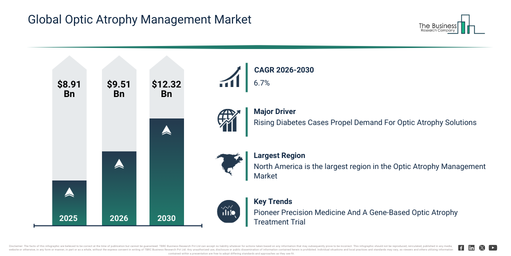
    The optic atrophy management market has experienced significant growth in recent years. It is projected to increase from $8.91 billion in 2025 to $9.51 billion in 2026, exhibiting a compound annual growth rate (CAGR) of 6.8%. This historical growth can be attributed to the high prevalence of optic nerve damage resulting from glaucoma and ischemic disorders, the limited availability of curative therapies, a rising incidence of infectious and drug-induced optic neuropathy, delayed diagnoses in developing healthcare systems, and a reliance on symptomatic and supportive treatment approaches.

    The optic atrophy management market is projected to experience robust expansion over the next few years, with its size expected to reach $12.32 billion by 2030, driven by a compound annual growth rate (CAGR) of 6.7%. This projected growth during the forecast period is attributable to several factors, including increased investment in neuro-ophthalmology research, greater awareness of optic atrophy among clinicians, an expanding aging population with elevated neurodegenerative risk, the development of advanced diagnostic and imaging tools, and a rising focus on personalized and long-term vision management. Concurrently, major trends anticipated in this period encompass a growing emphasis on the early diagnosis and monitoring of optic nerve degeneration, the increasing adoption of vision rehabilitation and supportive care programs, a stronger focus on managing underlying neurological and systemic conditions, an escalating demand for neuroprotective and disease-stabilizing therapies, and the expanded utilization of multidisciplinary treatment approaches in vision care.

    Download A Free Sample Report For Comprehensive Market Insights:

    https://www.thebusinessresearchcompany.com/sample.aspx?id=13499&type=smp

    Which Core Factors Are Supporting The Expansion Of The Optic Atrophy Management Market?

    The increasing occurrence of diabetes is anticipated to significantly drive the expansion of the optic atrophy management market in the coming years. Diabetes, a chronic health condition, is defined by elevated blood glucose levels due to insufficient insulin production or the body’s ineffective utilization of insulin. Optic atrophy management proves advantageous for diabetic individuals, particularly those affected by conditions like Wolfram syndrome, as it addresses progressive vision loss linked to nerve degeneration, aiming to prevent or slow the advancement of diabetic eye complications. A relevant illustration from February 2023, based on data from Diabetes Canada, a non-profit organization situated in Canada, indicates that the projected prevalence of diabetes in Canada is expected to rise from 2,409,000 cases (15% of the population) in 2023 to 3,009,000 cases (17% of the population) by 2033. This substantial increase in diabetes incidence is therefore a primary factor propelling the growth of the optic atrophy management market.

    What Are The Core Segment Classifications In The Optic Atrophy Management Market?

    The optic atrophy management market covered in this report is segmented –

    1) By Drug Type: Disulfiram, Amebicides, Ethambutol, Isoniazid, Chloramphenicol, Vincristine, Ciclosporin, Cimetidine

    2) By Route Of Administration: Oral, Injectable

    3) By Distribution Channel: Hospital Pharmacies, Retail Pharmacies, Online Pharmacies

    4) By End-User: Hospitals, Specialty Clinics, Ambulatory Surgical Centers, Rehabilitation Centers

    Subsegments:

    1) By Disulfiram: Oral Disulfiram Tablets, Low-Dose Disulfiram Therapy, Adjunct Neuroprotective Disulfiram Use

    2) By Amebicides: Metronidazole-Based Amebicides, Tinidazole-Based Amebicides, Combination Amebicidal Therapy

    3) By Ethambutol: Low-Dose Ethambutol Regimens, Dose-Adjusted Ethambutol Therapy, Ethambutol With Visual Monitoring Protocols

    4) By Isoniazid: Standard Isoniazid Therapy, Pyridoxine-Supplemented Isoniazid Therapy, Modified-Dose Isoniazid Regimens

    5) By Chloramphenicol: Oral Chloramphenicol Therapy, Injectable Chloramphenicol Therapy, Short-Term Chloramphenicol Use

    6) By Vincristine: Low-Dose Vincristine Therapy, Intravenous Vincristine Administration, Combination Chemotherapy Regimens With Vincristine

    7) By Ciclosporin: Oral Ciclosporin Therapy, Immunomodulatory Ciclosporin Regimens, Dose-Titrated Ciclosporin Treatment

    8) By Cimetidine: Oral Cimetidine Therapy, Adjunctive Cimetidine Use, Dose-Adjusted Cimetidine Regimens

    Which Trends Are Contributing To Changes In The Optic Atrophy Management Market?

    Major companies operating in the opioid-induced constipation treatment market are concentrating on developing innovations, such as peripherally acting μ-opioid receptor antagonists (PAMORAs). These are aimed at targeted gut receptor modulation to enhance efficacy, improve patient compliance, and reduce systemic side effects during opioid therapy. A PAMORA specifically blocks μ-opioid receptors in the gastrointestinal tract without traversing the blood–brain barrier, consequently restoring bowel function while preserving central analgesia, in contrast to traditional laxatives, which do not address the fundamental receptor-mediated cause of constipation. For instance, in May 2025, Luye Pharma, a China-based pharmaceutical company, introduced Mimeixin, an oral oxycodone/naloxone sustained-release tablet formulated for OIC. This product delivers once-daily analgesia while antagonizing gut opioid receptors, offering enhanced bowel regularity and fewer gastrointestinal side effects compared to older therapies, and provides a patient-friendly alternative that integrates pain control and constipation management in a single tablet.

    Who Are The Companies Shaping The Optic Atrophy Management Market Landscape?

    Major companies operating in the optic atrophy management market are Pfizer Inc., Johnson And Johnson, F. Hoffmann-La Roche AG, AbbVie Inc., Bayer AG, Novartis AG, Bristol-Myers Squibb Company, Sanofi SA, GlaxoSmithKline plc, Eli Lilly And Company, Boehringer Ingelheim International GmbH., Teva Pharmaceuticals, Viatris (Mylan N.V.), Astellas Pharma Inc, Bausch Health Companies Inc., Sumitomo Dainippon Pharma Co. Ltd, Bausch And Lomb Inc., Aurobindo Pharma, Cipla Ltd, Apotex Inc. , Zydus Cadila, Santen Pharmaceutical Co. Ltd, Lupin, Allergan ple., LEO Pharma A/S, Aerie Pharmaceuticals Inc., Neurophth Therapeutics Inc, Stoke Therapeutics Inc, Bionure Farma S.L., Mallinckrodt Pharmaceuticals, Ixchel Pharma LLC

    Access The Complete Optic Atrophy Management Market Report:

    https://www.thebusinessresearchcompany.com/report/optic-atrophy-management-global-market-report

    Which Region Is The Dominant Market In The Optic Atrophy Management Market?

    North America was the largest region in the optic atrophy management market in 2025. The regions covered in the optic atrophy management market report are Asia-Pacific, South East Asia, Western Europe, Eastern Europe, North America, South America, Middle East, Africa.

    Access Optic Atrophy Management Market Report for Deeper Competitive Insights

    https://www.thebusinessresearchcompany.com/customise?id=13499&type=smp

    Browse Through More Reports Similar to the Global Optic Atrophy Management Market 2026, By The Business Research Company

    Constipation Treatment Global Market Report 2026

    https://www.thebusinessresearchcompany.com/report/constipation-treatment-global-market-report

    Constipation Laxative Global Market Report 2026

    https://www.thebusinessresearchcompany.com/report/constipation-laxative-global-market-report

    Migraine Treatment Global Market Report 2026

    https://www.thebusinessresearchcompany.com/report/migraine-treatment-global-market-report

    Get in touch with us:

    The Business Research Company: https://www.thebusinessresearchcompany.com/

    Americas: +1 310-496-7795

    Asia: +44 7882 955267 & +91 8897263534

    Europe: +44 7882 955267

    Email us at: marketing@tbrc.info

    Follow us on:

    LinkedIn: https://in.linkedin.com/company/the-business-research-company

    YouTube: https://www.youtube.com/channel/UC24_fI0rV8cR5DxlCpgmyFQ

    Global Market Model: https://www.thebusinessresearchcompany.com/global-market-model

  • Optic Atrophy Management Market Growth Patterns Highlighting Industry Expansion Through 2030

    Optic Atrophy Management Market Growth Patterns Highlighting Industry Expansion Through 2030

    The Business Research Company’s 2026 market reports feature enhanced tools like market attractiveness analysis, TAM assessment, and company scoring matrices, along with interactive dashboards, deeper supply chain insights, and startup coverage strengthening the depth, usability, and strategic value of insights.

    From Its 2026 Market Size, What Value Is The Optic Atrophy Management Market Projected To Reach By 2030?

    The optic atrophy management market size has shown significant growth in recent years. It is anticipated to increase from $8.91 billion in 2025 to $9.51 billion in 2026, with a compound annual growth rate (CAGR) of 6.8%. The expansion witnessed in previous periods can be linked to the high prevalence of optic nerve damage resulting from glaucoma and ischemic disorders, the restricted availability of curative treatments, a rising occurrence of infectious and drug-induced optic neuropathy, delayed diagnoses within developing healthcare systems, and a reliance on symptomatic and supportive treatment methodologies.

    The optic atrophy management market is projected to experience robust expansion over the coming years. Its valuation is anticipated to reach $12.32 billion by 2030, exhibiting a compound annual growth rate (CAGR) of 6.7%. This anticipated growth during the forecast period stems from factors such as increasing investments in neuro-ophthalmology research, heightened awareness of optic atrophy among medical professionals, a growing elderly demographic prone to increased neurodegenerative risk, the proliferation of sophisticated diagnostic and imaging technologies, and an intensifying focus on tailored and enduring vision care strategies. Key trends projected for this period encompass an elevated focus on the early detection and surveillance of optic nerve degeneration, the wider implementation of vision rehabilitation and supportive care initiatives, a stronger emphasis on addressing co-existing neurological and systemic ailments, an escalating need for neuroprotective and disease-modifying treatments, and the expanding application of collaborative, multidisciplinary treatment methods in vision care.

    Access Your Free Sample Report For In-Depth Market Analysis:

    https://www.thebusinessresearchcompany.com/sample.aspx?id=13499&type=smp

    What Primary Drivers Are Shaping The Optic Atrophy Management Market?

    The expanding occurrence of diabetes is anticipated to fuel the future expansion of the optic atrophy management market. This chronic condition is marked by high blood glucose levels, stemming from either inadequate insulin production or the body’s inefficient utilization of insulin. Managing optic atrophy offers advantages to individuals with diabetes, especially those with conditions like Wolfram syndrome, by tackling progressive vision loss linked to nerve degeneration. This helps in preventing or decelerating the advancement of diabetic eye complications. As an illustration, figures from Diabetes Canada, a non-profit organization based in Canada, indicated in February 2023 that the estimated prevalence of diabetes in Canada is expected to rise from 2,409,000 cases (representing 15% of the population) in 2023 to 3,009,000 cases (accounting for 17% of the population) by 2033. Consequently, the rising prevalence of diabetes is a significant factor driving the expansion of the optic atrophy management market.

    How Is Segmentation Applied In The Optic Atrophy Management Market Segment Analysis?

    The optic atrophy management market covered in this report is segmented –

    1) By Drug Type: Disulfiram, Amebicides, Ethambutol, Isoniazid, Chloramphenicol, Vincristine, Ciclosporin, Cimetidine

    2) By Route Of Administration: Oral, Injectable

    3) By Distribution Channel: Hospital Pharmacies, Retail Pharmacies, Online Pharmacies

    4) By End-User: Hospitals, Specialty Clinics, Ambulatory Surgical Centers, Rehabilitation Centers

    Subsegments:

    1) By Disulfiram: Oral Disulfiram Tablets, Low-Dose Disulfiram Therapy, Adjunct Neuroprotective Disulfiram Use

    2) By Amebicides: Metronidazole-Based Amebicides, Tinidazole-Based Amebicides, Combination Amebicidal Therapy

    3) By Ethambutol: Low-Dose Ethambutol Regimens, Dose-Adjusted Ethambutol Therapy, Ethambutol With Visual Monitoring Protocols

    4) By Isoniazid: Standard Isoniazid Therapy, Pyridoxine-Supplemented Isoniazid Therapy, Modified-Dose Isoniazid Regimens

    5) By Chloramphenicol: Oral Chloramphenicol Therapy, Injectable Chloramphenicol Therapy, Short-Term Chloramphenicol Use

    6) By Vincristine: Low-Dose Vincristine Therapy, Intravenous Vincristine Administration, Combination Chemotherapy Regimens With Vincristine

    7) By Ciclosporin: Oral Ciclosporin Therapy, Immunomodulatory Ciclosporin Regimens, Dose-Titrated Ciclosporin Treatment

    8) By Cimetidine: Oral Cimetidine Therapy, Adjunctive Cimetidine Use, Dose-Adjusted Cimetidine Regimens

    What Trends Are Affecting The Growth Of The Optic Atrophy Management Market?

    Leading companies engaged in the optic atrophy management market are increasingly prioritizing conducting trials to develop specific therapies for rare genetic disorders, aiming to secure a competitive edge. These targeted therapies for rare genetic disorders endeavor to address the fundamental genetic origin of the condition. This involves introducing genetic material into cells to correct or replace a faulty gene, thereby tackling the underlying cause of the disease. For instance, in April 2023, Stoke Therapeutics, Inc., a US-based biotechnology firm, obtained approval from the Medicines and Healthcare Products Regulatory Agency (MHRA) in the UK for its clinical trial application to commence the Phase I/II OSPREY trial of STK-002. This trial seeks to treat autosomal dominant optic atrophy (ADOA), which is the most common inherited optic nerve disorder causing progressive and irreversible vision loss in both eyes, typically manifesting within the first decade of life. It is noteworthy that there are currently no approved treatments for this condition, and the STK-002 therapy is expected to decelerate or potentially arrest the progression of vision loss in individuals afflicted with autosomal dominant optic atrophy (ADOA).

    Who Are The Companies Participating In The Optic Atrophy Management Market Environment?

    Major companies operating in the optic atrophy management market are Pfizer Inc., Johnson And Johnson, F. Hoffmann-La Roche AG, AbbVie Inc., Bayer AG, Novartis AG, Bristol-Myers Squibb Company, Sanofi SA, GlaxoSmithKline plc, Eli Lilly And Company, Boehringer Ingelheim International GmbH., Teva Pharmaceuticals, Viatris (Mylan N.V.), Astellas Pharma Inc, Bausch Health Companies Inc., Sumitomo Dainippon Pharma Co. Ltd, Bausch And Lomb Inc., Aurobindo Pharma, Cipla Ltd, Apotex Inc. , Zydus Cadila, Santen Pharmaceutical Co. Ltd, Lupin, Allergan ple., LEO Pharma A/S, Aerie Pharmaceuticals Inc., Neurophth Therapeutics Inc, Stoke Therapeutics Inc, Bionure Farma S.L., Mallinckrodt Pharmaceuticals, Ixchel Pharma LLC

    Get The Full Optic Atrophy Management Market Report:

    https://www.thebusinessresearchcompany.com/report/optic-atrophy-management-global-market-report

    Which Geographic Region Dominates The Optic Atrophy Management Market?

    North America was the largest region in the optic atrophy management market in 2025. The regions covered in the optic atrophy management market report are Asia-Pacific, South East Asia, Western Europe, Eastern Europe, North America, South America, Middle East, Africa.

    Request A Customized Optic Atrophy Management Market Report For Competitive Insights:

    https://www.thebusinessresearchcompany.com/report/optic-atrophy-management-global-market-report

    Browse Through More Reports Similar to the Global Optic Atrophy Management Market 2026, By The Business Research Company

    Constipation Treatment Market Report 2026

    https://www.thebusinessresearchcompany.com/report/constipation-treatment-global-market-report

    Constipation Laxative Market Report

    https://www.thebusinessresearchcompany.com/report/constipation-laxative-global-market-report

    Migraine Treatment Market Report

    https://www.thebusinessresearchcompany.com/report/migraine-treatment-global-market-report

    Get in touch with us:

    The Business Research Company: https://www.thebusinessresearchcompany.com/

    Americas +1 310-496-7795

    Asia +44 7882 955267 & +91 8897263534

    Europe +44 7882 955267

    Email us at info@tbrc.info

    Follow us on:

    LinkedIn: https://in.linkedin.com/company/the-business-research-company

    YouTube: https://www.youtube.com/channel/UC24_fI0rV8cR5DxlCpgmyFQ

    Global Market Model: https://www.thebusinessresearchcompany.com/global-market-model
  • Global Optic Atrophy Management Market Expected to Reach $12.31 Billion by 2030 with 6.7% CAGR

    Global Optic Atrophy Management Market Expected to Reach $12.31 Billion by 2030 with 6.7% CAGR

    The Business Research Company’s 2026 market reports include new capabilities such as market attractiveness scoring and analysis, total addressable market analysis, company scoring matrix, interactive excel data dashboard, improved supply chain analysis, upcoming startups in the market, and overview of key products, aimed at improving the depth, usability, and strategic value of the insights delivered.

    What Market Size Growth Is Projected For The Optic Atrophy Management Market During The Forecast Period 2026–2030?

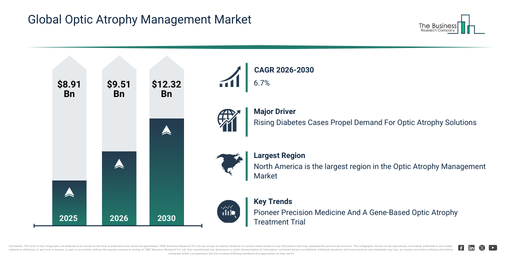
    The optic atrophy management market has experienced robust expansion in recent times. This market is projected to expand from $8.91 billion in 2025 to $9.51 billion by 2026, exhibiting a compound annual growth rate (CAGR) of 6.8%. Factors contributing to this historical growth include the widespread occurrence of optic nerve damage from glaucoma and ischemic disorders, the scarcity of definitive cures, an increasing frequency of infectious and drug-induced optic neuropathy, late diagnosis within evolving healthcare infrastructures, and a dependence on symptom-focused and supportive care methods.

    The optic atrophy management market is projected to experience substantial expansion over the coming years. By 2030, its valuation is anticipated to reach $12.32 billion, progressing at a compound annual growth rate (CAGR) of 6.7%. This projected increase during the forecast period is driven by several factors, including heightened investment in neuro-ophthalmology research, greater understanding of optic atrophy among medical professionals, an expanding elderly demographic facing increased neurodegenerative risks, the proliferation of advanced diagnostic and imaging technologies, and an intensified focus on customized and enduring vision care solutions. Key developments expected during this timeframe encompass a heightened emphasis on the early detection and tracking of optic nerve degeneration, increased uptake of vision rehabilitation and supportive care initiatives, a growing priority on addressing underlying neurological and systemic health issues, an escalating demand for neuroprotective and disease-stabilizing treatments, and the broader implementation of interdisciplinary approaches in vision management.

    Download the Free Sample Report to Explore Key Market Insights:

    https://www.thebusinessresearchcompany.com/sample.aspx?id=13499&type=smp

    What Underlying Factors Are Accelerating The Growth Of The Optic Atrophy Management Market?

    The increasing prevalence of diabetes is expected to drive the expansion of the optic atrophy management market. Diabetes is a persistent medical condition defined by elevated blood sugar levels, occurring due to insufficient insulin production or the body’s inability to effectively utilize insulin. Optic atrophy management proves helpful for individuals with diabetes, particularly those affected by conditions such as Wolfram syndrome, as it addresses the gradual loss of vision linked to nerve degeneration, aiming to prevent or slow the progression of diabetic eye complications. For example, in February 2023, Diabetes Canada, a Canadian non-profit, reported that the estimated number of diabetes cases in Canada is predicted to rise from 2,409,000 (representing 15% of the population) in 2023 to 3,009,000 (17% of the population) by 2033. This rise in diabetes incidence is thus a significant factor propelling the growth of the optic atrophy management market.

    What Market Segments Are Evaluated Within The Optic Atrophy Management Market?

    The optic atrophy management market covered in this report is segmented –

    1) By Drug Type: Disulfiram, Amebicides, Ethambutol, Isoniazid, Chloramphenicol, Vincristine, Ciclosporin, Cimetidine

    2) By Route Of Administration: Oral, Injectable

    3) By Distribution Channel: Hospital Pharmacies, Retail Pharmacies, Online Pharmacies

    4) By End-User: Hospitals, Specialty Clinics, Ambulatory Surgical Centers, Rehabilitation Centers

    Subsegments:

    1) By Disulfiram: Oral Disulfiram Tablets, Low-Dose Disulfiram Therapy, Adjunct Neuroprotective Disulfiram Use

    2) By Amebicides: Metronidazole-Based Amebicides, Tinidazole-Based Amebicides, Combination Amebicidal Therapy

    3) By Ethambutol: Low-Dose Ethambutol Regimens, Dose-Adjusted Ethambutol Therapy, Ethambutol With Visual Monitoring Protocols

    4) By Isoniazid: Standard Isoniazid Therapy, Pyridoxine-Supplemented Isoniazid Therapy, Modified-Dose Isoniazid Regimens

    5) By Chloramphenicol: Oral Chloramphenicol Therapy, Injectable Chloramphenicol Therapy, Short-Term Chloramphenicol Use

    6) By Vincristine: Low-Dose Vincristine Therapy, Intravenous Vincristine Administration, Combination Chemotherapy Regimens With Vincristine

    7) By Ciclosporin: Oral Ciclosporin Therapy, Immunomodulatory Ciclosporin Regimens, Dose-Titrated Ciclosporin Treatment

    8) By Cimetidine: Oral Cimetidine Therapy, Adjunctive Cimetidine Use, Dose-Adjusted Cimetidine Regimens

    Which Upcoming Trends Are Expected To Influence The Optic Atrophy Management Market?

    Leading companies engaged in the optic atrophy management market are increasingly prioritizing the conduct of trials to create targeted therapies for uncommon genetic disorders, aiming to secure a competitive edge. Such targeted therapies for rare genetic conditions strive to address the fundamental genetic root of the ailment. This entails the transfer of genetic material into cells to correct or substitute a faulty gene, directly tackling the disease’s underlying cause. For instance, in April 2023, Stoke Therapeutics, Inc., a US-based biotechnology company, obtained approval from the Medicines and Healthcare Products Regulatory Agency (MHRA) in the UK for its clinical trial application to initiate the Phase I/II OSPREY trial of STK-002. This trial is designed to treat autosomal dominant optic atrophy (ADOA), which represents the most widespread inherited disorder of the optic nerve, causing progressive and irreversible vision loss in both eyes, typically manifesting in the initial decade of life. Notably, there are currently no approved treatments for this condition, and the STK-002 therapy is expected to decelerate or potentially halt the progression of vision loss in individuals affected by autosomal dominant optic atrophy (ADOA).

    Who Are The Top Market Participants Influencing The Optic Atrophy Management Market?

    Major companies operating in the optic atrophy management market are Pfizer Inc., Johnson And Johnson, F. Hoffmann-La Roche AG, AbbVie Inc., Bayer AG, Novartis AG, Bristol-Myers Squibb Company, Sanofi SA, GlaxoSmithKline plc, Eli Lilly And Company, Boehringer Ingelheim International GmbH., Teva Pharmaceuticals, Viatris (Mylan N.V.), Astellas Pharma Inc, Bausch Health Companies Inc., Sumitomo Dainippon Pharma Co. Ltd, Bausch And Lomb Inc., Aurobindo Pharma, Cipla Ltd, Apotex Inc. , Zydus Cadila, Santen Pharmaceutical Co. Ltd, Lupin, Allergan ple., LEO Pharma A/S, Aerie Pharmaceuticals Inc., Neurophth Therapeutics Inc, Stoke Therapeutics Inc, Bionure Farma S.L., Mallinckrodt Pharmaceuticals, Ixchel Pharma LLC

    Read the full optic atrophy management market report here:

    https://www.thebusinessresearchcompany.com/report/optic-atrophy-management-global-market-report

    Which Region Is Projected To Dominate The Optic Atrophy Management Market During The Forecast Period?

    North America was the largest region in the optic atrophy management market in 2025. The regions covered in the optic atrophy management market report are Asia-Pacific, South East Asia, Western Europe, Eastern Europe, North America, South America, Middle East, Africa.

    Request A Tailored Optic Atrophy Management Market Research Report For Competitive Advantage:

    https://www.thebusinessresearchcompany.com/customise?id=13499&type=smp

    Browse Through More Reports Similar to the Global Optic Atrophy Management Market 2026, By The Business Research Company

    Constipation Treatment Global Market Report

    https://www.thebusinessresearchcompany.com/report/constipation-treatment-global-market-report

    Constipation Laxative Global Market Report

    https://www.thebusinessresearchcompany.com/report/constipation-laxative-global-market-report

    Migraine Treatment Global Market Report

    https://www.thebusinessresearchcompany.com/report/migraine-treatment-global-market-report

    Get in touch with us:

    The Business Research Company: https://www.thebusinessresearchcompany.com/

    Americas +1 310-496-7795

    Asia +44 7882 955267 & +91 8897263534

    Europe +44 7882 955267

    Email us at info@tbrc.info

    Follow us on:

    LinkedIn: https://in.linkedin.com/company/the-business-research-company

    YouTube: https://www.youtube.com/channel/UC24_fI0rV8cR5DxlCpgmyFQ

    Global Market Model: https://www.thebusinessresearchcompany.com/global-market-model
  • Global Optic Atrophy Management Market Expected to Reach $12.31 Billion by 2030 with 6.7% CAGR

    Global Optic Atrophy Management Market Expected to Reach $12.31 Billion by 2030 with 6.7% CAGR

    The Business Research Company’s 2026 market reports include new capabilities such as market attractiveness scoring and analysis, total addressable market analysis, company scoring matrix, interactive excel data dashboard, improved supply chain analysis, upcoming startups in the market, and overview of key products, aimed at improving the depth, usability, and strategic value of the insights delivered.

    What Market Size Growth Is Projected For The Optic Atrophy Management Market During The Forecast Period 2026–2030?

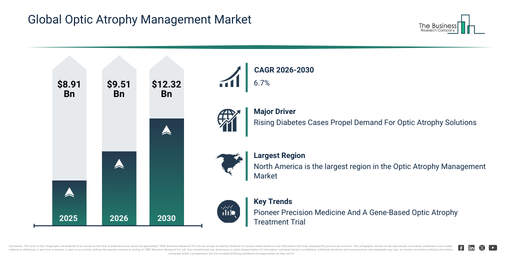
    The optic atrophy management market has experienced robust expansion in recent times. This market is projected to expand from $8.91 billion in 2025 to $9.51 billion by 2026, exhibiting a compound annual growth rate (CAGR) of 6.8%. Factors contributing to this historical growth include the widespread occurrence of optic nerve damage from glaucoma and ischemic disorders, the scarcity of definitive cures, an increasing frequency of infectious and drug-induced optic neuropathy, late diagnosis within evolving healthcare infrastructures, and a dependence on symptom-focused and supportive care methods.

    The optic atrophy management market is projected to experience substantial expansion over the coming years. By 2030, its valuation is anticipated to reach $12.32 billion, progressing at a compound annual growth rate (CAGR) of 6.7%. This projected increase during the forecast period is driven by several factors, including heightened investment in neuro-ophthalmology research, greater understanding of optic atrophy among medical professionals, an expanding elderly demographic facing increased neurodegenerative risks, the proliferation of advanced diagnostic and imaging technologies, and an intensified focus on customized and enduring vision care solutions. Key developments expected during this timeframe encompass a heightened emphasis on the early detection and tracking of optic nerve degeneration, increased uptake of vision rehabilitation and supportive care initiatives, a growing priority on addressing underlying neurological and systemic health issues, an escalating demand for neuroprotective and disease-stabilizing treatments, and the broader implementation of interdisciplinary approaches in vision management.

    Download the Free Sample Report to Explore Key Market Insights:

    https://www.thebusinessresearchcompany.com/sample.aspx?id=13499&type=smp

    What Underlying Factors Are Accelerating The Growth Of The Optic Atrophy Management Market?

    The increasing prevalence of diabetes is expected to drive the expansion of the optic atrophy management market. Diabetes is a persistent medical condition defined by elevated blood sugar levels, occurring due to insufficient insulin production or the body’s inability to effectively utilize insulin. Optic atrophy management proves helpful for individuals with diabetes, particularly those affected by conditions such as Wolfram syndrome, as it addresses the gradual loss of vision linked to nerve degeneration, aiming to prevent or slow the progression of diabetic eye complications. For example, in February 2023, Diabetes Canada, a Canadian non-profit, reported that the estimated number of diabetes cases in Canada is predicted to rise from 2,409,000 (representing 15% of the population) in 2023 to 3,009,000 (17% of the population) by 2033. This rise in diabetes incidence is thus a significant factor propelling the growth of the optic atrophy management market.

    What Market Segments Are Evaluated Within The Optic Atrophy Management Market?

    The optic atrophy management market covered in this report is segmented –

    1) By Drug Type: Disulfiram, Amebicides, Ethambutol, Isoniazid, Chloramphenicol, Vincristine, Ciclosporin, Cimetidine

    2) By Route Of Administration: Oral, Injectable

    3) By Distribution Channel: Hospital Pharmacies, Retail Pharmacies, Online Pharmacies

    4) By End-User: Hospitals, Specialty Clinics, Ambulatory Surgical Centers, Rehabilitation Centers

    Subsegments:

    1) By Disulfiram: Oral Disulfiram Tablets, Low-Dose Disulfiram Therapy, Adjunct Neuroprotective Disulfiram Use

    2) By Amebicides: Metronidazole-Based Amebicides, Tinidazole-Based Amebicides, Combination Amebicidal Therapy

    3) By Ethambutol: Low-Dose Ethambutol Regimens, Dose-Adjusted Ethambutol Therapy, Ethambutol With Visual Monitoring Protocols

    4) By Isoniazid: Standard Isoniazid Therapy, Pyridoxine-Supplemented Isoniazid Therapy, Modified-Dose Isoniazid Regimens

    5) By Chloramphenicol: Oral Chloramphenicol Therapy, Injectable Chloramphenicol Therapy, Short-Term Chloramphenicol Use

    6) By Vincristine: Low-Dose Vincristine Therapy, Intravenous Vincristine Administration, Combination Chemotherapy Regimens With Vincristine

    7) By Ciclosporin: Oral Ciclosporin Therapy, Immunomodulatory Ciclosporin Regimens, Dose-Titrated Ciclosporin Treatment

    8) By Cimetidine: Oral Cimetidine Therapy, Adjunctive Cimetidine Use, Dose-Adjusted Cimetidine Regimens

    Which Upcoming Trends Are Expected To Influence The Optic Atrophy Management Market?

    Leading companies engaged in the optic atrophy management market are increasingly prioritizing the conduct of trials to create targeted therapies for uncommon genetic disorders, aiming to secure a competitive edge. Such targeted therapies for rare genetic conditions strive to address the fundamental genetic root of the ailment. This entails the transfer of genetic material into cells to correct or substitute a faulty gene, directly tackling the disease’s underlying cause. For instance, in April 2023, Stoke Therapeutics, Inc., a US-based biotechnology company, obtained approval from the Medicines and Healthcare Products Regulatory Agency (MHRA) in the UK for its clinical trial application to initiate the Phase I/II OSPREY trial of STK-002. This trial is designed to treat autosomal dominant optic atrophy (ADOA), which represents the most widespread inherited disorder of the optic nerve, causing progressive and irreversible vision loss in both eyes, typically manifesting in the initial decade of life. Notably, there are currently no approved treatments for this condition, and the STK-002 therapy is expected to decelerate or potentially halt the progression of vision loss in individuals affected by autosomal dominant optic atrophy (ADOA).

    Who Are The Top Market Participants Influencing The Optic Atrophy Management Market?

    Major companies operating in the optic atrophy management market are Pfizer Inc., Johnson And Johnson, F. Hoffmann-La Roche AG, AbbVie Inc., Bayer AG, Novartis AG, Bristol-Myers Squibb Company, Sanofi SA, GlaxoSmithKline plc, Eli Lilly And Company, Boehringer Ingelheim International GmbH., Teva Pharmaceuticals, Viatris (Mylan N.V.), Astellas Pharma Inc, Bausch Health Companies Inc., Sumitomo Dainippon Pharma Co. Ltd, Bausch And Lomb Inc., Aurobindo Pharma, Cipla Ltd, Apotex Inc. , Zydus Cadila, Santen Pharmaceutical Co. Ltd, Lupin, Allergan ple., LEO Pharma A/S, Aerie Pharmaceuticals Inc., Neurophth Therapeutics Inc, Stoke Therapeutics Inc, Bionure Farma S.L., Mallinckrodt Pharmaceuticals, Ixchel Pharma LLC

    Read the full optic atrophy management market report here:

    https://www.thebusinessresearchcompany.com/report/optic-atrophy-management-global-market-report

    Which Region Is Projected To Dominate The Optic Atrophy Management Market During The Forecast Period?

    North America was the largest region in the optic atrophy management market in 2025. The regions covered in the optic atrophy management market report are Asia-Pacific, South East Asia, Western Europe, Eastern Europe, North America, South America, Middle East, Africa.

    Request A Tailored Optic Atrophy Management Market Research Report For Competitive Advantage:

    https://www.thebusinessresearchcompany.com/customise?id=13499&type=smp

    Browse Through More Reports Similar to the Global Optic Atrophy Management Market 2026, By The Business Research Company

    Constipation Treatment Global Market Report

    https://www.thebusinessresearchcompany.com/report/constipation-treatment-global-market-report

    Constipation Laxative Global Market Report

    https://www.thebusinessresearchcompany.com/report/constipation-laxative-global-market-report

    Migraine Treatment Global Market Report

    https://www.thebusinessresearchcompany.com/report/migraine-treatment-global-market-report

    Get in touch with us:

    The Business Research Company: https://www.thebusinessresearchcompany.com/

    Americas +1 310-496-7795

    Asia +44 7882 955267 & +91 8897263534

    Europe +44 7882 955267

    Email us at info@tbrc.info

    Follow us on:

    LinkedIn: https://in.linkedin.com/company/the-business-research-company

    YouTube: https://www.youtube.com/channel/UC24_fI0rV8cR5DxlCpgmyFQ

    Global Market Model: https://www.thebusinessresearchcompany.com/global-market-model
  • Optic Atrophy Management Market Trends and Insights: Global Forecast to 2030

    Optic Atrophy Management Market Trends and Insights: Global Forecast to 2030

    Uncover key drivers, emerging technologies, and competitive movements shaping the optic atrophy management market from 2026–2035 with trusted insights from The Business Research Company

    What growth pattern is forecast for the Optic Atrophy Management Market size between 2026 and 2035?_x000D_

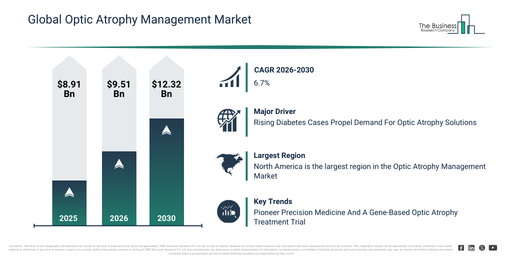
    The optic atrophy management market size has shown strong growth in recent years. It is anticipated to expand from $8.91 billion in 2025 to $9.51 billion in 2026, achieving a compound annual growth rate (CAGR) of 6.8%. The historical growth can be linked to the high prevalence of optic nerve damage resulting from glaucoma and ischemic disorders, the limited availability of curative therapies, a rising incidence of infectious and drug-induced optic neuropathy, delayed diagnoses in developing healthcare systems, and a reliance on symptomatic and supportive treatment methods._x000D_

    _x000D_

    The optic atrophy management market is anticipated to experience robust growth in the upcoming years, with its size projected to reach $12.32 billion in 2030, driven by a compound annual growth rate (CAGR) of 6.7%. The expansion during this forecast period is attributed to factors such as rising investment in neuro-ophthalmology research, increasing awareness of optic atrophy among clinicians, a growing aging population with heightened neurodegenerative risk, the expansion of advanced diagnostic and imaging tools, and an increasing focus on personalized and long-term vision management. Major trends within the forecast period include a rising focus on early diagnosis and monitoring of optic nerve degeneration, increasing adoption of vision rehabilitation and supportive care programs, a growing emphasis on managing underlying neurological and systemic conditions, a rising demand for neuroprotective and disease-stabilizing therapies, and the increasing use of multidisciplinary treatment approaches in vision care._x000D_

    _x000D_

    #Access Your Free Sample Report for In-Depth Market Insights:#_x000D_

    https://www.thebusinessresearchcompany.com/sample.aspx?id=13499&type=smp_x000D_

    _x000D_

    Which Drivers Are Impacting Market Performance In The Optic Atrophy Management Market?_x000D_

    The rising occurrence of diabetes is anticipated to fuel the expansion of the optic atrophy management market in the foreseeable future. Diabetes is a chronic health condition marked by elevated blood sugar levels, resulting from either insufficient insulin production or the body’s inability to effectively use insulin. Optic atrophy management proves beneficial for individuals with diabetes, particularly those with conditions like Wolfram syndrome, as it addresses progressive vision loss linked to nerve degeneration, aiming to prevent or slow the progression of diabetic eye complications. For instance, in February 2023, Diabetes Canada, a Canada-based non-profit organization, reported that in Canada, the estimated prevalence of diabetes is projected to increase from 2,409,000 cases (15% of the population) in 2023 to 3,009,000 cases (17% of the population) by 2033. Therefore, the increasing incidence of diabetes is a key driver for the growth of the optic atrophy management market._x000D_

    _x000D_

    Which Segments Are Contributing To The Growth Of The Optic Atrophy Management Market?_x000D_

    The optic atrophy management market covered in this report is segmented –_x000D_

    _x000D_

    1) By Drug Type: Disulfiram, Amebicides, Ethambutol, Isoniazid, Chloramphenicol, Vincristine, Ciclosporin, Cimetidine_x000D_

    2) By Route Of Administration: Oral, Injectable_x000D_

    3) By Distribution Channel: Hospital Pharmacies, Retail Pharmacies, Online Pharmacies_x000D_

    4) By End-User: Hospitals, Specialty Clinics, Ambulatory Surgical Centers, Rehabilitation Centers_x000D_

    _x000D_

    Subsegments:_x000D_

    1) By Disulfiram: Oral Disulfiram Tablets, Low-Dose Disulfiram Therapy, Adjunct Neuroprotective Disulfiram Use_x000D_

    2) By Amebicides: Metronidazole-Based Amebicides, Tinidazole-Based Amebicides, Combination Amebicidal Therapy_x000D_

    3) By Ethambutol: Low-Dose Ethambutol Regimens, Dose-Adjusted Ethambutol Therapy, Ethambutol With Visual Monitoring Protocols_x000D_

    4) By Isoniazid: Standard Isoniazid Therapy, Pyridoxine-Supplemented Isoniazid Therapy, Modified-Dose Isoniazid Regimens_x000D_

    5) By Chloramphenicol: Oral Chloramphenicol Therapy, Injectable Chloramphenicol Therapy, Short-Term Chloramphenicol Use_x000D_

    6) By Vincristine: Low-Dose Vincristine Therapy, Intravenous Vincristine Administration, Combination Chemotherapy Regimens With Vincristine_x000D_

    7) By Ciclosporin: Oral Ciclosporin Therapy, Immunomodulatory Ciclosporin Regimens, Dose-Titrated Ciclosporin Treatment_x000D_

    8) By Cimetidine: Oral Cimetidine Therapy, Adjunctive Cimetidine Use, Dose-Adjusted Cimetidine Regimens_x000D_

    _x000D_

    Which Competitive Trends Are Impacting The Structure Of The Optic Atrophy Management Market?_x000D_

    Leading companies in the optic atrophy management market are increasingly focused on conducting trials to develop targeted therapies for rare genetic disorders, aiming to gain a competitive advantage. These specialized therapies for uncommon genetic conditions are designed to address the fundamental genetic origin of the ailment. This involves introducing genetic material into cells to correct or substitute a faulty gene, thereby tackling the underlying cause of the disease. For example, in April 2023, Stoke Therapeutics, Inc., a US-based biotechnology firm, obtained approval from the Medicines and Healthcare Products Regulatory Agency (MHRA) in the UK for its clinical trial application to start the Phase I/II OSPREY trial of STK-002. This trial intends to treat autosomal dominant optic atrophy (ADOA), which is the most common inherited disorder of the optic nerve, leading to progressive and irreversible vision loss in both eyes, typically starting in the first decade of life. Significantly, there are currently no approved treatments for this condition, and the STK-002 therapy is hoped to slow down or potentially stop the progression of vision loss in individuals affected by autosomal dominant optic atrophy (ADOA)._x000D_

    _x000D_

    Who Are The Prominent Global Companies Shaping The Optic Atrophy Management Market Landscape?_x000D_

    Major companies operating in the optic atrophy management market are Pfizer Inc., Johnson And Johnson, F. Hoffmann-La Roche AG, AbbVie Inc., Bayer AG, Novartis AG, Bristol-Myers Squibb Company, Sanofi SA, GlaxoSmithKline plc, Eli Lilly And Company, Boehringer Ingelheim International GmbH., Teva Pharmaceuticals, Viatris (Mylan N.V.), Astellas Pharma Inc, Bausch Health Companies Inc., Sumitomo Dainippon Pharma Co. Ltd, Bausch And Lomb Inc., Aurobindo Pharma, Cipla Ltd, Apotex Inc. , Zydus Cadila, Santen Pharmaceutical Co. Ltd, Lupin, Allergan ple., LEO Pharma A/S, Aerie Pharmaceuticals Inc., Neurophth Therapeutics Inc, Stoke Therapeutics Inc, Bionure Farma S.L., Mallinckrodt Pharmaceuticals, Ixchel Pharma LLC_x000D_

    _x000D_

    #Access The Complete Report For Deeper Market Insights:#_x000D_

    https://www.thebusinessresearchcompany.com/report/optic-atrophy-management-global-market-report_x000D_

    _x000D_

    Which Region Is Projected To Lead The Optic Atrophy Management Market During The Forecast Period?_x000D_

    North America was the largest region in the optic atrophy management market in 2025. The regions covered in the optic atrophy management market report are Asia-Pacific, South East Asia, Western Europe, Eastern Europe, North America, South America, Middle East, Africa._x000D_

    _x000D_

    #Request Your Customized Optic Atrophy Management Market Research Report for Competitive Advantage:#_x000D_

    https://www.thebusinessresearchcompany.com/customise?id=13499&type=smp_x000D_

    _x000D_

    #Browse Through More Reports Similar to the Global Optic Atrophy Management Market 2026, By The Business Research Company#_x000D_

    _x000D_

    Retinal Disorder Treatment Market Report 2026_x000D_

    https://www.thebusinessresearchcompany.com/report/retinal-disorder-treatment-global-market-report_x000D_

    _x000D_

    Optic Nerve Disorders Treatment Market Report 2026_x000D_

    https://www.thebusinessresearchcompany.com/report/optic-nerve-disorders-treatment-global-market-report_x000D_

    _x000D_

    Ocular Hypertension Treatment Market Report 2026_x000D_

    https://www.thebusinessresearchcompany.com/report/ocular-hypertension-treatment-global-market-report_x000D_

    _x000D_

    #Get in touch with us:#_x000D_

    _x000D_

    The Business Research Company: https://www.thebusinessresearchcompany.com/_x000D_

    Americas +1 310-496-7795_x000D_

    Asia +44 7882 955267 & +91 8897263534_x000D_

    Europe +44 7882 955267_x000D_

    Email us at info@tbrc.info_x000D_

    _x000D_

    #Follow us on:#_x000D_

    _x000D_

    LinkedIn: https://in.linkedin.com/company/the-business-research-company_x000D_

    YouTube: https://www.youtube.com/channel/UC24_fI0rV8cR5DxlCpgmyFQ_x000D_

    Global Market Model: https://www.thebusinessresearchcompany.com/global-market-model

  • Optic Atrophy Management Market Trends and Insights: Global Forecast to 2030

    Optic Atrophy Management Market Trends and Insights: Global Forecast to 2030

    Uncover key drivers, emerging technologies, and competitive movements shaping the optic atrophy management market from 2026–2035 with trusted insights from The Business Research Company

    What growth pattern is forecast for the Optic Atrophy Management Market size between 2026 and 2035?

    The optic atrophy management market size has shown strong growth in recent years. It is anticipated to expand from $8.91 billion in 2025 to $9.51 billion in 2026, achieving a compound annual growth rate (CAGR) of 6.8%. The historical growth can be linked to the high prevalence of optic nerve damage resulting from glaucoma and ischemic disorders, the limited availability of curative therapies, a rising incidence of infectious and drug-induced optic neuropathy, delayed diagnoses in developing healthcare systems, and a reliance on symptomatic and supportive treatment methods.

    The optic atrophy management market is anticipated to experience robust growth in the upcoming years, with its size projected to reach $12.32 billion in 2030, driven by a compound annual growth rate (CAGR) of 6.7%. The expansion during this forecast period is attributed to factors such as rising investment in neuro-ophthalmology research, increasing awareness of optic atrophy among clinicians, a growing aging population with heightened neurodegenerative risk, the expansion of advanced diagnostic and imaging tools, and an increasing focus on personalized and long-term vision management. Major trends within the forecast period include a rising focus on early diagnosis and monitoring of optic nerve degeneration, increasing adoption of vision rehabilitation and supportive care programs, a growing emphasis on managing underlying neurological and systemic conditions, a rising demand for neuroprotective and disease-stabilizing therapies, and the increasing use of multidisciplinary treatment approaches in vision care.

    Access Your Free Sample Report for In-Depth Market Insights:

    https://www.thebusinessresearchcompany.com/sample.aspx?id=13499&type=smp

    Which Drivers Are Impacting Market Performance In The Optic Atrophy Management Market?

    The rising occurrence of diabetes is anticipated to fuel the expansion of the optic atrophy management market in the foreseeable future. Diabetes is a chronic health condition marked by elevated blood sugar levels, resulting from either insufficient insulin production or the body’s inability to effectively use insulin. Optic atrophy management proves beneficial for individuals with diabetes, particularly those with conditions like Wolfram syndrome, as it addresses progressive vision loss linked to nerve degeneration, aiming to prevent or slow the progression of diabetic eye complications. For instance, in February 2023, Diabetes Canada, a Canada-based non-profit organization, reported that in Canada, the estimated prevalence of diabetes is projected to increase from 2,409,000 cases (15% of the population) in 2023 to 3,009,000 cases (17% of the population) by 2033. Therefore, the increasing incidence of diabetes is a key driver for the growth of the optic atrophy management market.

    Which Segments Are Contributing To The Growth Of The Optic Atrophy Management Market?

    The optic atrophy management market covered in this report is segmented –

    1) By Drug Type: Disulfiram, Amebicides, Ethambutol, Isoniazid, Chloramphenicol, Vincristine, Ciclosporin, Cimetidine

    2) By Route Of Administration: Oral, Injectable

    3) By Distribution Channel: Hospital Pharmacies, Retail Pharmacies, Online Pharmacies

    4) By End-User: Hospitals, Specialty Clinics, Ambulatory Surgical Centers, Rehabilitation Centers

    Subsegments:

    1) By Disulfiram: Oral Disulfiram Tablets, Low-Dose Disulfiram Therapy, Adjunct Neuroprotective Disulfiram Use

    2) By Amebicides: Metronidazole-Based Amebicides, Tinidazole-Based Amebicides, Combination Amebicidal Therapy

    3) By Ethambutol: Low-Dose Ethambutol Regimens, Dose-Adjusted Ethambutol Therapy, Ethambutol With Visual Monitoring Protocols

    4) By Isoniazid: Standard Isoniazid Therapy, Pyridoxine-Supplemented Isoniazid Therapy, Modified-Dose Isoniazid Regimens

    5) By Chloramphenicol: Oral Chloramphenicol Therapy, Injectable Chloramphenicol Therapy, Short-Term Chloramphenicol Use

    6) By Vincristine: Low-Dose Vincristine Therapy, Intravenous Vincristine Administration, Combination Chemotherapy Regimens With Vincristine

    7) By Ciclosporin: Oral Ciclosporin Therapy, Immunomodulatory Ciclosporin Regimens, Dose-Titrated Ciclosporin Treatment

    8) By Cimetidine: Oral Cimetidine Therapy, Adjunctive Cimetidine Use, Dose-Adjusted Cimetidine Regimens

    Which Competitive Trends Are Impacting The Structure Of The Optic Atrophy Management Market?

    Leading companies in the optic atrophy management market are increasingly focused on conducting trials to develop targeted therapies for rare genetic disorders, aiming to gain a competitive advantage. These specialized therapies for uncommon genetic conditions are designed to address the fundamental genetic origin of the ailment. This involves introducing genetic material into cells to correct or substitute a faulty gene, thereby tackling the underlying cause of the disease. For example, in April 2023, Stoke Therapeutics, Inc., a US-based biotechnology firm, obtained approval from the Medicines and Healthcare Products Regulatory Agency (MHRA) in the UK for its clinical trial application to start the Phase I/II OSPREY trial of STK-002. This trial intends to treat autosomal dominant optic atrophy (ADOA), which is the most common inherited disorder of the optic nerve, leading to progressive and irreversible vision loss in both eyes, typically starting in the first decade of life. Significantly, there are currently no approved treatments for this condition, and the STK-002 therapy is hoped to slow down or potentially stop the progression of vision loss in individuals affected by autosomal dominant optic atrophy (ADOA).

    Who Are The Prominent Global Companies Shaping The Optic Atrophy Management Market Landscape?

    Major companies operating in the optic atrophy management market are Pfizer Inc., Johnson And Johnson, F. Hoffmann-La Roche AG, AbbVie Inc., Bayer AG, Novartis AG, Bristol-Myers Squibb Company, Sanofi SA, GlaxoSmithKline plc, Eli Lilly And Company, Boehringer Ingelheim International GmbH., Teva Pharmaceuticals, Viatris (Mylan N.V.), Astellas Pharma Inc, Bausch Health Companies Inc., Sumitomo Dainippon Pharma Co. Ltd, Bausch And Lomb Inc., Aurobindo Pharma, Cipla Ltd, Apotex Inc. , Zydus Cadila, Santen Pharmaceutical Co. Ltd, Lupin, Allergan ple., LEO Pharma A/S, Aerie Pharmaceuticals Inc., Neurophth Therapeutics Inc, Stoke Therapeutics Inc, Bionure Farma S.L., Mallinckrodt Pharmaceuticals, Ixchel Pharma LLC

    Access The Complete Report For Deeper Market Insights:

    https://www.thebusinessresearchcompany.com/report/optic-atrophy-management-global-market-report

    Which Region Is Projected To Lead The Optic Atrophy Management Market During The Forecast Period?

    North America was the largest region in the optic atrophy management market in 2025. The regions covered in the optic atrophy management market report are Asia-Pacific, South East Asia, Western Europe, Eastern Europe, North America, South America, Middle East, Africa.

    Request Your Customized Optic Atrophy Management Market Research Report for Competitive Advantage:

    https://www.thebusinessresearchcompany.com/customise?id=13499&type=smp

    Browse Through More Reports Similar to the Global Optic Atrophy Management Market 2026, By The Business Research Company

    Retinal Disorder Treatment Market Report 2026

    https://www.thebusinessresearchcompany.com/report/retinal-disorder-treatment-global-market-report

    Optic Nerve Disorders Treatment Market Report 2026

    https://www.thebusinessresearchcompany.com/report/optic-nerve-disorders-treatment-global-market-report

    Ocular Hypertension Treatment Market Report 2026

    https://www.thebusinessresearchcompany.com/report/ocular-hypertension-treatment-global-market-report

    Get in touch with us:

    The Business Research Company: https://www.thebusinessresearchcompany.com/

    Americas +1 310-496-7795

    Asia +44 7882 955267 & +91 8897263534

    Europe +44 7882 955267

    Email us at info@tbrc.info

    Follow us on:

    LinkedIn: https://in.linkedin.com/company/the-business-research-company

    YouTube: https://www.youtube.com/channel/UC24_fI0rV8cR5DxlCpgmyFQ

    Global Market Model: https://www.thebusinessresearchcompany.com/global-market-model
  • Global Optic Atrophy Management Market Growth Prospects and Strategic Opportunities Through 2029

    Global Optic Atrophy Management Market Growth Prospects and Strategic Opportunities Through 2029

    Claim your 20% discount on Global Market Reports with code ONLINE20. Limited time only.

    What Are The Market Size Estimates For The Optic Atrophy Management Market?

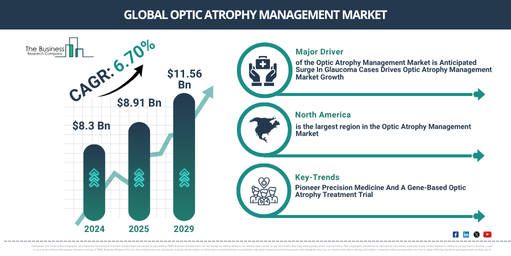
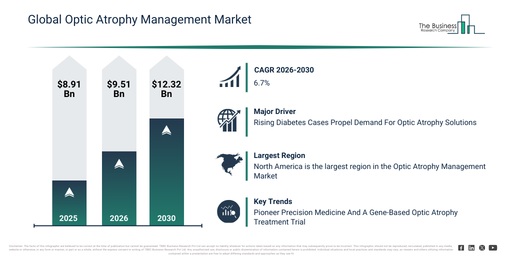
    In recent times, there has been robust growth in the market size of optic atrophy management. The market value is set to increase from $8.3 billion in 2024 to $8.91 billion in 2025, equating to a compound annual growth rate (CAGR) of 7.4%. Factors behind the growth in the historical period include swift growth in the consumer electronics segment, the expansion of the telecommunications sector, increases in medical device production, rising demand from the automotive industry, and growth in data centers and networking infrastructure.

    Expectations indicate strong expansion for the optic atrophy management market in the upcoming years. The market value is predicted to reach $11.56 billion by 2029, exhibiting a compound annual growth rate (CAGR) of 6.7%. This anticipated surge during the forecast period can be accredited to a higher utilization of augmented reality (ar) and virtual reality, widening of fiber optic networks, the application of renewable energy, the incorporation of optics in autonomous vehicles, and an enhancement of integration in medical apparatuses. The main trends to emerge during the forecast time frame include the execution of 5G technology, continual progress in display technologies, advancements in medical imaging technology, developments in optical tech, and the rise of LED technology.

    Get A Free Sample Of The Report:

    https://www.thebusinessresearchcompany.com/sample.aspx?id=13499&type=smp

    Which Growth Drivers Are Shaping The Optic Atrophy Management Market Outlook?

    The anticipated rise in glaucoma cases is expected to stimulate the optic atrophy management market’s expansion. Glaucoma, a group of eye disorders featuring elevated intraocular pressure, can inflict significant damage on the optic nerve and potentially result in loss of sight or complete blindness if not treated timely. The prospective surge in glaucoma occurrences underlines the need for successful preventive measures and management tactics to curtail the risk of optic atrophy and improve the lives of those afflicted. Illustratively, the BrightFocus Foundation disclosed in October 2022 that presently 80 million people worldwide are diagnosed with glaucoma, projecting this number will further escalate to over 111 million by 2040. Hence, the rising frequency of glaucoma is a significant driver boosting the growth of the optic atrophy management market.

    What Are The Primary Segmentation Parameters In The Optic Atrophy Management Market?

    The optic atrophy managementmarket covered in this report is segmented –

    1) By Drug Type: Disulfiram; Amebicides; Ethambutol; Isoniazid; Chloramphenicol; Vincristine; Ciclosporin; Cimetidine

    2) By Route Of Administration: Oral; Injectable

    3) By Distribution Channel: Hospital Pharmacies; Retail Pharmacies; Online Pharmacies

    Subsegments:

    1) By Disulfiram: Oral Disulfiram; Injectable Disulfiram

    2) By Amebicides: Metronidazole; Tinidazole; Paromomycin

    3) By Ethambutol: Oral Ethambutol Tablets; Ethambutol Injectable Form

    4) By Isoniazid: Oral Isoniazid Tablets; Isoniazid Injectable Form

    5) By Chloramphenicol: Oral Chloramphenicol; Topical Chloramphenicol; Intravenous Chloramphenicol

    6) By Vincristine: Vincristine Sulfate Injection; Vincristine Oral Form (rare)

    7) By Ciclosporin: Oral Ciclosporin Capsules; Ciclosporin Injectable Form

    8) By Cimetidine: Oral Cimetidine Tablets; Injectable Cimetidine

    How Are Industry Trends Steering The Expansion Of The Optic Atrophy Management Market?

    Prominent companies in the optic atrophy management market are intensifying their efforts to conduct trials designed to create targeted therapies for unique genetic disorders, thereby providing a competitive advantage. Such targeted therapies strive to address the core genetic cause of the disorder, involving the insertion of genetic material into cells to fix or replace a defective gene thus treating the underlying cause of the disease. For example, Stoke Therapeutics, Inc., a biotechnology company based in the US, got approval from the Medicines and Healthcare Products Regulatory Agency (MHRA) in the UK in April 2023 to begin the Phase I/II OSPREY trial of STK-002. This trial is intended to tackle autosomal dominant optic atrophy (ADOA), the most common genetic optic nerve disorder which usually starts in the first decade of life and progressively and irreversibly impairs vision in both eyes. It’s important to note that no approved treatments for ADOA are currently available, and it’s anticipated that the STK-002 therapy might slow down or possibly halt vision loss in those affected with this condition.

    Which Organizations Are At The Forefront Of The Optic Atrophy Management Market?

    Major companies operating in the optic atrophy management market report are Pfizer Inc., Johnson And Johnson, F. Hoffmann-La Roche AG, AbbVie Inc., Bayer AG, Novartis AG, Bristol-Myers Squibb Company, Sanofi SA, GlaxoSmithKline PLC, Eli Lilly And Company, Boehringer Ingelheim International GmbH., Teva Pharmaceuticals, Viatris (Mylan N.V.), Astellas Pharma Inc., Bausch Health Companies Inc., Sumitomo Dainippon Pharma Co. Ltd., Bausch And Lomb Inc., Aurobindo Pharma, Cipla Ltd., Apotex Inc., Zydus Cadila, Santen Pharmaceutical Co. Ltd., Lupin, Allergan ple., LEO Pharma A/S, Aerie Pharmaceuticals Inc., Neurophth Therapeutics Inc., Stoke Therapeutics Inc., Bionure Farma S.L., Mallinckrodt Pharmaceuticals, Ixchel Pharma LLC

    Access The Complete Report Here:

    https://www.thebusinessresearchcompany.com/report/optic-atrophy-management-global-market-report

    Which Region Holds The Greatest Opportunity For Optic Atrophy Management Market Expansion?

    North America was the largest region in the optic atrophy management market in 2024. The regions covered in the optic atrophy management market report are Asia-Pacific, Western Europe, Eastern Europe, North America, South America, Middle East, Africa.

    Customize Your Report Here:

    https://www.thebusinessresearchcompany.com/customise?id=13499&type=smp

    Browse Through More Reports Similar to the Global Optic Atrophy Management Market 2025, By The Business Research Company

    Optic Nerve Disorders Treatment Global Market Report 2025

    https://www.thebusinessresearchcompany.com/report/optic-nerve-disorders-treatment-global-market-report

    Distributed Fiber Optic Sensor Global Market Report 2025

    https://www.thebusinessresearchcompany.com/report/distributed-fiber-optic-sensor-global-market-report

    Fiber Optic Connectors Global Market Report 2025

    https://www.thebusinessresearchcompany.com/report/fiber-optic-connectors-global-market-report

    About The Business Research Company:

    With over 15000+ reports from 27 industries covering 60+ geographies, The Business Research Company has built a reputation for offering comprehensive, data-rich research and insights. Armed with 1,500,000 datasets, the optimistic contribution of in-depth secondary research, and unique insights from industry leaders, you can get the information you need to stay ahead in the game.

    Get in touch with us:

    The Business Research Company: https://www.thebusinessresearchcompany.com/

    Americas +1 310-496-7795

    Asia +44 7882 955267 & +91 8897263534

    Europe +44 7882 955267

    Email us at info@tbrc.info

    Follow us on:

    LinkedIn: https://in.linkedin.com/company/the-business-research-company

    YouTube: https://www.youtube.com/channel/UC24_fI0rV8cR5DxlCpgmyFQ

    Global Market Model: https://www.thebusinessresearchcompany.com/global-market-model