Tag: pediatric asthma treatment market size

  • Pediatric Asthma Treatment Market Size Reaches $12.31 Billion In 2026: What Is Driving Growth?

    Pediatric Asthma Treatment Market Size Reaches $12.31 Billion In 2026: What Is Driving Growth?

    Backed by market attractiveness analysis, total addressable market sizing, company benchmarking matrices, interactive Excel dashboards, wider supply chain intelligence, emerging startup coverage, and detailed product-level insights, The Business Research Company’s 2026 market reports are designed to offer research that is more actionable and strategically valuable than ever.

    Pediatric Asthma Treatment Market Poised To Hit $15.14 Billion By 2030 With A 5.3% CAGR

    The pediatric asthma treatment market has experienced substantial expansion in recent years. This market is projected to expand from $11.65 billion in 2025 to $12.31 billion in 2026, registering a compound annual growth rate (CAGR) of 5.7%. Historically, this expansion has been driven by factors such as the restricted availability of medications specifically designed for pediatric asthma, a strong reliance on hospital-based care, the rising incidence of childhood asthma, heightened awareness among caregivers, and the widespread use of traditional inhalers and short-acting beta agonists.

    The pediatric asthma treatment market is projected to experience substantial expansion over the coming years. It is anticipated to reach a valuation of $15.14 billion by 2030, exhibiting a compound annual growth rate (CAGR) of 5.3%. This projected increase during the forecast period is driven by factors such as the advancement of biologics and combination therapies, the incorporation of digital health monitoring devices, the extension of home care services, growing adoption of online pharmacies, and an increase in regulatory approvals for pediatric asthma medications. Key developments expected during this period include a greater emphasis on personalized pediatric asthma treatments, increased utilization of biologic therapies and combination inhalers, a rise in home care and remote patient monitoring solutions, the broadening of online and retail pharmacy distribution channels, and a concerted focus on early diagnosis and preventive asthma management.

    Get A Free Sample Report With In-Depth Market Insights:

    https://thebusinessresearchcompany.com/sample_request?id=24423383&type=smp&name=Pediatric%20Asthma%20Treatment%20Market%20Report%202026&utm_source=Blogs&utm_medium=Paid&utm_campaign=Oct_PR

    Pediatric Asthma Treatment Market Growth Drivers: What’s Behind The Acceleration?

    The rising occurrence of respiratory infections is projected to stimulate the growth of the pediatric asthma treatment market moving forward. Respiratory infections are defined as illnesses originating from viruses, bacteria, or other pathogens affecting the respiratory tract, encompassing the nose, throat, airways, and lungs. The growing prevalence of respiratory infections is primarily attributed to increasing air pollution, given that exposure to pollutants such as particulate matter and nitrogen dioxide compromises the respiratory system, rendering individuals more prone to infections. Pediatric asthma treatment assists in diminishing the frequency and severity of respiratory infections by improving airway function and reducing inflammation, which in turn lowers susceptibility to infectious triggers. For instance, in June 2024, according to the Australian Institute of Health and Welfare, an Australia-based government agency, in 2023, chronic obstructive pulmonary disease contributed to 3.6% of the total disease burden and represented 50% of the total burden of respiratory conditions. Consequently, the increasing prevalence of respiratory infections drives the expansion of the pediatric asthma treatment market.

    Pediatric Asthma Treatment Market Segment Landscape And Growth Outlook

    The pediatric asthma treatment market covered in this report is segmented –

    1) By Type: Long-Term Control Medications, Quick-Relief Medications, Other Types

    2) By Drug Class: Inhaled Corticosteroids, Long-Acting Beta Agonists, Leukotriene Modifiers, Antihistamines, Biologics

    3) By Route Of Administration: Oral Route, Nasal Route, Injectable Route

    4) By Distribution Channel: Hospital Pharmacies, Retail Pharmacies, Online Pharmacies

    5) By End User: Hospitals, Clinics, Home Care, Other End users

    Subsegments:

    1) By Long-Term Control Medications: Inhaled Corticosteroids, Leukotriene Modifiers, Long-Acting Beta Agonists, Combination Inhalers, Biologic Therapies

    2) By Quick-Relief Medications: Short-Acting Beta Agonists, Anticholinergics, Systemic Corticosteroids

    3) By Other Types: Immunotherapy, Methylxanthines, Alternative Therapies

    Pediatric Asthma Treatment Market Trends: What’s Defining The Industry’s Next Phase?

    Major companies in the pediatric asthma treatment market are concentrating on developing innovative therapies, such as monoclonal antibodies, to target and reduce airway inflammation in children. Monoclonal antibodies are laboratory-made proteins designed to mimic the immune system’s ability to fight off harmful pathogens by specifically targeting certain cells or substances. For instance, in April 2024, AstraZeneca PLC, a UK-based pharmaceutical and biotechnology company, received U.S. Food and Drug Administration approval for FASENRA (benralizumab) as an add-on maintenance treatment for children aged 6 to 11 years with severe asthma characterized by an eosinophilic phenotype. This antibody is designed to reduce asthma exacerbations and improve symptom control by targeting and eliminating eosinophils. Fasenra is administered via subcutaneous injection once every 4 weeks for the first three doses, followed by once every 8 weeks, with pediatric dosing adjusted based on body weight.

    Pediatric Asthma Treatment Market Competitive Landscape: Who Leads The Industry?

    Major companies operating in the pediatric asthma treatment market are Pfizer Inc., Merck And Co Inc., Novartis AG, Sanofi S.A., AstraZeneca plc, GlaxoSmithKline plc, Takeda Pharmaceutical Company Limited, Amgen Inc., Boehringer Ingelheim International GmbH, Viatris Inc., Teva Pharmaceutical Industries Limited, Regeneron Pharmaceuticals Inc., Sun Pharmaceutical Industries Limited, Genentech Inc., Chiesi Farmaceutici S.p.A, Dr. Reddy’s Laboratories Ltd, Cipla Ltd, Lupin Limited, Zydus Lifesciences Ltd.

    View The Full Pediatric Asthma Treatment Market Report:

    https://thebusinessresearchcompany.com/report/pediatric-asthma-treatment-global-market-report?utm_source=Blogs&utm_medium=Paid&utm_campaign=Oct_PR

    Pediatric Asthma Treatment Market Geographic Landscape: Which Region Leads Industry Growth?

    North America was the largest region in the pediatric asthma treatment market in 2025. Asia-Pacific is expected to be the fastest-growing region in the forecast period. The regions covered in the pediatric asthma treatment market report are Asia-Pacific, South East Asia, Western Europe, Eastern Europe, North America, South America, Middle East, Africa.

    Reach Out To Our Team:

    The Business Research Company: https://www.thebusinessresearchcompany.com/

    Americas: +1 310-496-7795

    Asia: +44 7882 955267 & +91 8897263534

    Europe: +44 7882 955267

    Email us at: marketing@tbrc.info

    Follow us on:

    LinkedIn: https://in.linkedin.com/company/the-business-research-company

    YouTube: https://www.youtube.com/channel/UC24_fI0rV8cR5DxlCpgmyFQ

    Global Market Model: https://www.thebusinessresearchcompany.com/global-market-model

  • Pediatric Asthma Treatment Market Outlook Highlights The Next Major Growth Opportunities

    Pediatric Asthma Treatment Market Outlook Highlights The Next Major Growth Opportunities

    Delivering more actionable and strategically valuable research, The Business Research Company’s 2026 market reports feature market attractiveness analysis, total addressable market evaluation, company benchmarking matrices, interactive Excel dashboards, expanded supply chain intelligence, emerging startup coverage, and detailed product insights.

    Pediatric Asthma Treatment Market Forecast: What Market Value Is Expected By 2030?

    The market for pediatric asthma treatments has experienced robust expansion in recent years, with its valuation projected to rise from $11.65 billion in 2025 to $12.31 billion in 2026, reflecting a compound annual growth rate (CAGR) of 5.7%. This historical growth has been driven by several factors, including the constrained accessibility of medications specifically formulated for children, a heavy dependence on hospital-centered care, a rising incidence of asthma among pediatric populations, heightened awareness among caregivers, and the widespread use of traditional inhalers along with short-acting beta agonists.

    The pediatric asthma treatment market is projected to experience robust growth over the coming years, with an anticipated increase to $15.14 billion by 2030, reflecting a compound annual growth rate (CAGR) of 5.3%. This expansion during the forecast period is driven by advancements in biologics and combination therapies, the integration of digital health monitoring devices, the growth of home care services, the rising adoption of online pharmacies, and an increase in regulatory approvals for pediatric asthma medications. Key trends shaping this period include a growing emphasis on personalized therapies for young patients, a higher utilization of biologic treatments and combination inhalers, a shift towards home care and remote patient monitoring, an expansion of online and retail pharmacy channels, and a greater focus on early diagnosis and preventive asthma management strategies.

    Download A Free Sample Report For Comprehensive Market Insights:

    https://www.thebusinessresearchcompany.com/sample.aspx?id=25868&type=smp&utm_source=BlogsPR&utm_medium=Paid&utm_campaign=Jul_PR

    Pediatric Asthma Treatment Market Development Factors: Which Trends Are Supporting Demand?

    The anticipated growth of the pediatric asthma treatment market is being driven by the rising frequency of respiratory infections. These infections are caused by viruses, bacteria, or other pathogens affecting the respiratory tract, including the nose, throat, airways, and lungs. Their increasing occurrence is largely attributed to worsening air pollution, where exposure to pollutants like particulate matter and nitrogen dioxide compromises respiratory health and heightens susceptibility to infections. By enhancing airway function and reducing inflammation, pediatric asthma treatment lessens both the frequency and severity of such infections, thereby decreasing vulnerability to infectious triggers. For example, the Australian Institute of Health and Welfare, a government agency based in Australia, reported in June 2024 that chronic obstructive pulmonary disease represented 3.6% of the total disease burden in 2023 and accounted for half of all respiratory condition burdens. Consequently, this uptick in respiratory infections is fueling expansion within the pediatric asthma treatment market.

    Pediatric Asthma Treatment Market Segment Performance And Strategic Opportunities

    The pediatric asthma treatment market covered in this report is segmented –

    1) By Type: Long-Term Control Medications, Quick-Relief Medications, Other Types

    2) By Drug Class: Inhaled Corticosteroids, Long-Acting Beta Agonists, Leukotriene Modifiers, Antihistamines, Biologics

    3) By Route Of Administration: Oral Route, Nasal Route, Injectable Route

    4) By Distribution Channel: Hospital Pharmacies, Retail Pharmacies, Online Pharmacies

    5) By End User: Hospitals, Clinics, Home Care, Other End users

    Subsegments:

    1) By Long-Term Control Medications: Inhaled Corticosteroids, Leukotriene Modifiers, Long-Acting Beta Agonists, Combination Inhalers, Biologic Therapies

    2) By Quick-Relief Medications: Short-Acting Beta Agonists, Anticholinergics, Systemic Corticosteroids

    3) By Other Types: Immunotherapy, Methylxanthines, Alternative Therapies

    Pediatric Asthma Treatment Market Transformation Trends: Which Innovations Are Driving Change?

    Key players in the pediatric asthma treatment market are concentrating on the development of innovative therapies, including monoclonal antibodies, aimed at specifically targeting and decreasing airway inflammation in children. Monoclonal antibodies are proteins generated in a laboratory setting, engineered to replicate how the immune system naturally combats harmful pathogens by precisely attaching to particular cells or substances. For example, in April 2024, AstraZeneca PLC, a UK-headquartered pharmaceutical and biotechnology firm, secured approval from the U.S. Food and Drug Administration for FASENRA (benralizumab) as an additional maintenance therapy for children between the ages of 6 and 11 who suffer from severe asthma with an eosinophilic phenotype. This antibody functions by targeting and eliminating eosinophils, thereby reducing asthma exacerbations and enhancing symptom management. FASENRA is given as a subcutaneous injection every four weeks for the initial three doses, and then every eight weeks thereafter, with pediatric dosing modified according to the child’s needs.

    Pediatric Asthma Treatment Market Key Players: Which Companies Shape Industry Competition?

    Major companies operating in the pediatric asthma treatment market are Pfizer Inc., Merck And Co Inc., Novartis AG, Sanofi S.A., AstraZeneca plc, GlaxoSmithKline plc, Takeda Pharmaceutical Company Limited, Amgen Inc., Boehringer Ingelheim International GmbH, Viatris Inc., Teva Pharmaceutical Industries Limited, Regeneron Pharmaceuticals Inc., Sun Pharmaceutical Industries Limited, Genentech Inc., Chiesi Farmaceutici S.p.A, Dr. Reddy’s Laboratories Ltd, Cipla Ltd, Lupin Limited, Zydus Lifesciences Ltd.

    Access The Complete Pediatric Asthma Treatment Market Report:

    https://www.thebusinessresearchcompany.com/report/pediatric-asthma-treatment-global-market-report?utm_source=BlogsPR&utm_medium=Paid&utm_campaign=Jul_PR

    Pediatric Asthma Treatment Market Geographic Distribution And Regional Opportunities

    North America was the largest region in the pediatric asthma treatment market in 2025. Asia-Pacific is expected to be the fastest-growing region in the forecast period. The regions covered in the pediatric asthma treatment market report are Asia-Pacific, South East Asia, Western Europe, Eastern Europe, North America, South America, Middle East, Africa.

    Get in touch with us:

    The Business Research Company: https://www.thebusinessresearchcompany.com/?utm_source=BlogsPR&utm_medium=Paid&utm_campaign=home_page_test

    Americas: +1 310-496-7795

    Asia: +44 7882 955267 & +91 8897263534

    Europe: +44 7882 955267

    Email us at: marketing@tbrc.info

    Follow us on:

    LinkedIn: https://in.linkedin.com/company/the-business-research-company

    YouTube: https://www.youtube.com/channel/UC24_fI0rV8cR5DxlCpgmyFQ

    Global Market Model: https://www.thebusinessresearchcompany.com/global-market-model

  • The Increase In Respiratory Infections Drives The Growth Of The Market Due To Rising Air Pollution And Vulnerability In Children Is Supporting Development Across The Pediatric Asthma Treatment Market

    The Increase In Respiratory Infections Drives The Growth Of The Market Due To Rising Air Pollution And Vulnerability In Children Is Supporting Development Across The Pediatric Asthma Treatment Market

    The Business Research Company’s 2026 market reports feature advanced enhancements such as market attractiveness analysis, total addressable market evaluation, company benchmarking matrices, interactive Excel dashboards, expanded supply chain intelligence, emerging startup coverage, and detailed product insights, delivering more actionable and strategically valuable research.

    How Will The Market Value Of The Pediatric Asthma Treatment Market Change Between 2026 And 2030?

    The pediatric asthma treatment market has seen substantial growth in recent years. It is anticipated to expand from $11.65 billion in 2025 to $12.31 billion in 2026, reflecting a compound annual growth rate (CAGR) of 5.7%. The growth observed in the past can be attributed to factors such as the restricted availability of asthma medications designed specifically for children, a reliance on hospital-based care, the increasing occurrence of childhood asthma, enhanced awareness among caregivers, and the continued use of conventional inhalers and short-acting beta agonists.

    The pediatric asthma treatment market is projected to experience substantial expansion over the coming years. This market is anticipated to reach $15.14 billion by 2030, exhibiting a compound annual growth rate (CAGR) of 5.3%. This projected growth is driven by factors such as the development of biologics and combination treatments, the incorporation of digital health monitoring solutions, the broadening of home care services, increasing uptake of online pharmacies, and a rise in regulatory clearances for pediatric asthma medications. Key trends during this period are expected to encompass a greater embrace of personalized pediatric asthma treatments, increased reliance on biologic therapies and combination inhalers, an increase in home care and remote patient monitoring, the expansion of online and retail pharmacy distribution networks, and an emphasis on early diagnosis and preventative asthma strategies.

    Download A Free Sample Report For Comprehensive Market Insights:

    https://www.thebusinessresearchcompany.com/sample.aspx?id=25868&type=smp

    What Influential Factors Are Boosting The Pediatric Asthma Treatment Market Demand?

    The escalating occurrence of respiratory infections is projected to drive the expansion of the pediatric asthma treatment market moving forward. Respiratory infections are defined as illnesses affecting the respiratory tract, including the nose, throat, airways, and lungs, caused by viruses, bacteria, or other pathogens. The increasing prevalence of these infections primarily stems from rising air pollution, as exposure to pollutants such as particulate matter and nitrogen dioxide compromises the respiratory system, making individuals more susceptible. Pediatric asthma treatment contributes to reducing the frequency and severity of respiratory infections by enhancing airway function and minimizing inflammation, thereby lowering vulnerability to infectious triggers. For instance, in June 2024, the Australian Institute of Health and Welfare, an Australia-based government agency, reported that in 2023, chronic obstructive pulmonary disease accounted for 3.6% of the total disease burden and 50% of the overall burden of respiratory conditions. Therefore, the growing prevalence of respiratory infections acts as a significant catalyst for the pediatric asthma treatment market’s growth.

    Which Segment-Based Categories Are Covered In The Pediatric Asthma Treatment Market?

    The pediatric asthma treatment market covered in this report is segmented –

    1) By Type: Long-Term Control Medications, Quick-Relief Medications, Other Types

    2) By Drug Class: Inhaled Corticosteroids, Long-Acting Beta Agonists, Leukotriene Modifiers, Antihistamines, Biologics

    3) By Route Of Administration: Oral Route, Nasal Route, Injectable Route

    4) By Distribution Channel: Hospital Pharmacies, Retail Pharmacies, Online Pharmacies

    5) By End User: Hospitals, Clinics, Home Care, Other End users

    Subsegments:

    1) By Long-Term Control Medications: Inhaled Corticosteroids, Leukotriene Modifiers, Long-Acting Beta Agonists, Combination Inhalers, Biologic Therapies

    2) By Quick-Relief Medications: Short-Acting Beta Agonists, Anticholinergics, Systemic Corticosteroids

    3) By Other Types: Immunotherapy, Methylxanthines, Alternative Therapies

    Which Trends Are Shaping The Pediatric Asthma Treatment Market Landscape?

    Leading companies within the pediatric asthma treatment market are concentrating on creating innovative therapies, like monoclonal antibodies, to address and diminish airway inflammation in children. Monoclonal antibodies are proteins crafted in laboratories to replicate the immune system’s function of combating harmful pathogens by precisely targeting specific cells or substances. For example, in April 2024, AstraZeneca PLC, a pharmaceutical and biotechnology enterprise from the UK, secured approval from the U.S. Food and Drug Administration for FASENRA (benralizumab) as an additional maintenance therapy for children aged 6 to 11 years suffering from severe asthma linked to an eosinophilic phenotype. This antibody is formulated to decrease asthma exacerbations and enhance symptom management by targeting and eradicating eosinophils. Fasenra is administered as a subcutaneous injection once every 4 weeks for the initial three doses, then transitioning to once every 8 weeks, with pediatric dosing calibrated according to body weight.

    Who Are The Firms Contributing To The Pediatric Asthma Treatment Market Ecosystem?

    Major companies operating in the pediatric asthma treatment market are Pfizer Inc., Merck And Co Inc., Novartis AG, Sanofi S.A., AstraZeneca plc, GlaxoSmithKline plc, Takeda Pharmaceutical Company Limited, Amgen Inc., Boehringer Ingelheim International GmbH, Viatris Inc., Teva Pharmaceutical Industries Limited, Regeneron Pharmaceuticals Inc., Sun Pharmaceutical Industries Limited, Genentech Inc., Chiesi Farmaceutici S.p.A, Dr. Reddy’s Laboratories Ltd, Cipla Ltd, Lupin Limited, Zydus Lifesciences Ltd.

    Access The Complete Pediatric Asthma Treatment Market Report:

    https://www.thebusinessresearchcompany.com/report/pediatric-asthma-treatment-global-market-report

    Which Geographic Region Represents The Largest Pediatric Asthma Treatment Market Share?

    North America was the largest region in the pediatric asthma treatment market in 2025. Asia-Pacific is expected to be the fastest-growing region in the forecast period. The regions covered in the pediatric asthma treatment market report are Asia-Pacific, South East Asia, Western Europe, Eastern Europe, North America, South America, Middle East, Africa.

    Access Pediatric Asthma Treatment Market Report for Deeper Competitive Insights

    https://www.thebusinessresearchcompany.com/sample.aspx?id=25868&type=smp

    Browse Through More Reports Similar to the Global Pediatric Asthma Treatment Market 2026, By The Business Research Company

    Asthma Drugs Market Report 2026

    https://www.thebusinessresearchcompany.com/report/asthma-drugs-global-market-report

    Anti Asthmatics And Copd Drugs Market 2026

    https://www.thebusinessresearchcompany.com/report/anti-asthmatics-and-copd-drugs-market

    Anti Asthmatics And Copd Drugs Market 2026

    https://www.thebusinessresearchcompany.com/report/anti-asthmatics-and-copd-drugs-market

    Get in touch with us:

    The Business Research Company: https://www.thebusinessresearchcompany.com/

    Americas: +1 310-496-7795

    Asia: +44 7882 955267 & +91 8897263534

    Europe: +44 7882 955267

    Email us at: marketing@tbrc.info

    Follow us on:

    LinkedIn: https://in.linkedin.com/company/the-business-research-company

    YouTube: https://www.youtube.com/channel/UC24_fI0rV8cR5DxlCpgmyFQ

    Global Market Model: https://www.thebusinessresearchcompany.com/global-market-model

  • Growth In The Pediatric Asthma Treatment Market Is Being Driven By Rising Demand For Personal Care Products Fuels Growth In The Cosmetics Ingredients

    Growth In The Pediatric Asthma Treatment Market Is Being Driven By Rising Demand For Personal Care Products Fuels Growth In The Cosmetics Ingredients

    The Business Research Company’s 2026 market reports feature enhanced tools like market attractiveness analysis, TAM assessment, and company scoring matrices, along with interactive dashboards, deeper supply chain insights, and startup coverage strengthening the depth, usability, and strategic value of insights.

    How Much Growth In Market Value Is Expected For The Pediatric Asthma Treatment Market Between 2026 And 2030?

    The pediatric asthma treatment market size has experienced strong growth in recent years. It is projected to increase from $11.65 billion in 2025 to $12.31 billion in 2026, achieving a compound annual growth rate (CAGR) of 5.7%. The expansion observed in the historic period can be attributed to factors such as the limited availability of pediatric-specific asthma medications, reliance on hospital-based treatment, the growing prevalence of childhood asthma, increasing awareness among caregivers, and the adoption of conventional inhalers and short-acting beta agonists.

    The pediatric asthma treatment market is anticipated to experience substantial expansion in the coming years. This market is projected to reach $15.14 billion by 2030, exhibiting a compound annual growth rate (CAGR) of 5.3%. Several factors contribute to this anticipated growth during the forecast period, including the advancement of biologics and combination therapies, the incorporation of digital health monitoring tools, the increased availability of home care services, the growing acceptance of online pharmacies, and more regulatory approvals for pediatric asthma medications. Key trends expected in the forecast period encompass the wider embrace of personalized pediatric asthma treatments, the increased application of biologic therapies and combination inhalers, the expansion of home care and remote patient monitoring solutions, the broadening of online and retail pharmacy distribution avenues, and a strong emphasis on early diagnosis and preventive management of asthma.

    Access Your Free Sample Report For In-Depth Market Analysis:

    https://www.thebusinessresearchcompany.com/sample.aspx?id=25868&type=smp

    What Leading Drivers Are Supporting The Pediatric Asthma Treatment Market Expansion?

    The escalating incidence of respiratory infections is projected to fuel the expansion of the pediatric asthma treatment market in the future. Respiratory infections denote illnesses originating from viruses, bacteria, or other pathogens that target the respiratory tract, encompassing the nose, throat, airways, and lungs. The primary reason for the rising occurrence of respiratory infections is increased air pollution, as contact with pollutants such as particulate matter and nitrogen dioxide compromises the respiratory system, rendering individuals more prone to infections. Pediatric asthma treatment plays a role in decreasing both the frequency and severity of respiratory infections by improving airway function and reducing inflammation, which in turn diminishes susceptibility to infectious triggers. For instance, in June 2024, data from the Australian Institute of Health and Welfare, an Australia-based government agency, indicated that in 2023, chronic obstructive pulmonary disease contributed to 3.6% of the total disease burden and represented 50% of the total burden of respiratory conditions. Consequently, the growing prevalence of respiratory infections acts as a driving force for the pediatric asthma treatment market’s growth.

    What Segment Categories Shape The Pediatric Asthma Treatment Market Segment Landscape?

    The pediatric asthma treatment market covered in this report is segmented –

    1) By Type: Long-Term Control Medications, Quick-Relief Medications, Other Types

    2) By Drug Class: Inhaled Corticosteroids, Long-Acting Beta Agonists, Leukotriene Modifiers, Antihistamines, Biologics

    3) By Route Of Administration: Oral Route, Nasal Route, Injectable Route

    4) By Distribution Channel: Hospital Pharmacies, Retail Pharmacies, Online Pharmacies

    5) By End User: Hospitals, Clinics, Home Care, Other End users

    Subsegments:

    1) By Long-Term Control Medications: Inhaled Corticosteroids, Leukotriene Modifiers, Long-Acting Beta Agonists, Combination Inhalers, Biologic Therapies

    2) By Quick-Relief Medications: Short-Acting Beta Agonists, Anticholinergics, Systemic Corticosteroids

    3) By Other Types: Immunotherapy, Methylxanthines, Alternative Therapies

    What Trends Are Influencing The Pediatric Asthma Treatment Market?

    Leading companies in the pediatric asthma treatment market are concentrating on developing advanced therapies, such as monoclonal antibodies, designed to target and diminish airway inflammation in children. Monoclonal antibodies are artificially created proteins engineered to replicate the immune system’s function of combating harmful pathogens by specifically identifying certain cells or substances. For example, in April 2024, AstraZeneca PLC, a pharmaceutical and biotechnology company from the UK, secured approval from the U.S. Food and Drug Administration for FASENRA (benralizumab). This approval is for its use as an add-on maintenance treatment for children aged 6 to 11 years who have severe asthma with an eosinophilic phenotype. This specific antibody aims to decrease asthma exacerbations and enhance symptom management by targeting and eradicating eosinophils. Fasenra is administered via subcutaneous injection once every 4 weeks for the initial three doses, followed by administration once every 8 weeks, with pediatric dosing tailored according to body weight.

    Who Are The Companies Operating Across The Pediatric Asthma Treatment Market Value Chain?

    Major companies operating in the pediatric asthma treatment market are Pfizer Inc., Merck And Co Inc., Novartis AG, Sanofi S.A., AstraZeneca plc, GlaxoSmithKline plc, Takeda Pharmaceutical Company Limited, Amgen Inc., Boehringer Ingelheim International GmbH, Viatris Inc., Teva Pharmaceutical Industries Limited, Regeneron Pharmaceuticals Inc., Sun Pharmaceutical Industries Limited, Genentech Inc., Chiesi Farmaceutici S.p.A, Dr. Reddy’s Laboratories Ltd, Cipla Ltd, Lupin Limited, Zydus Lifesciences Ltd.

    Get The Full Pediatric Asthma Treatment Market Report:

    https://www.thebusinessresearchcompany.com/report/pediatric-asthma-treatment-global-market-report

    Which Region Represents The Largest Share Of The Pediatric Asthma Treatment Market?

    North America was the largest region in the pediatric asthma treatment market in 2025. Asia-Pacific is expected to be the fastest-growing region in the forecast period. The regions covered in the pediatric asthma treatment market report are Asia-Pacific, South East Asia, Western Europe, Eastern Europe, North America, South America, Middle East, Africa.

    Request A Customized Pediatric Asthma Treatment Market Report For Competitive Insights:

    https://www.thebusinessresearchcompany.com/report/pediatric-asthma-treatment-global-market-report

    Browse Through More Reports Similar to the Global Pediatric Asthma Treatment Market 2026, By The Business Research Company

    Asthma Drugs Market Report 2026

    https://www.thebusinessresearchcompany.com/report/asthma-drugs-global-market-report

    Anti Asthmatics And Copd Drugs Market 2026

    https://www.thebusinessresearchcompany.com/report/anti-asthmatics-and-copd-drugs-market

    Anti Asthmatics And Copd Drugs Market 2026

    https://www.thebusinessresearchcompany.com/report/anti-asthmatics-and-copd-drugs-market

    Get in touch with us:

    The Business Research Company: https://www.thebusinessresearchcompany.com/

    Americas +1 310-496-7795

    Asia +44 7882 955267 & +91 8897263534

    Europe +44 7882 955267

    Email us at: marketing@tbrc.info

    Follow us on:

    LinkedIn: https://in.linkedin.com/company/the-business-research-company

    YouTube: https://www.youtube.com/channel/UC24_fI0rV8cR5DxlCpgmyFQ

    Global Market Model: https://www.thebusinessresearchcompany.com/global-market-model

  • Pediatric Asthma Treatment Market 2026 unlocking new opportunities with rising respiratory disorders

    Pediatric Asthma Treatment Market 2026 unlocking new opportunities with rising respiratory disorders

    The Business Research Company’s 2026 market reports include new capabilities such as market attractiveness scoring and analysis, total addressable market analysis, company scoring matrix, interactive excel data dashboard, improved supply chain analysis, upcoming startups in the market, and overview of key products, aimed at improving the depth, usability, and strategic value of the insights delivered.

    What Market Size Growth Is Projected For The Pediatric Asthma Treatment Market During The Forecast Period 2026–2030?

    The pediatric asthma treatment market size has seen strong growth in recent years. It is forecast to increase from $11.65 billion in 2025 to $12.31 billion in 2026, achieving a compound annual growth rate (CAGR) of 5.7%. The expansion observed in prior periods can be attributed to factors like the limited availability of pediatric-specific asthma medications, a reliance on hospital-based treatment, the growing prevalence of childhood asthma, increasing awareness among caregivers, and the adoption of conventional inhalers and short-acting beta agonists.

    The pediatric asthma treatment market size is projected to experience robust expansion over the coming years. This market is forecast to reach $15.14 billion by 2030, exhibiting a compound annual growth rate (CAGR) of 5.3%. This anticipated growth is driven by factors such as the advancement of biologics and combination therapies, the incorporation of digital health monitoring devices, an increase in home care service availability, growing adoption of online pharmacies, and more regulatory approvals for pediatric asthma medications. Key trends anticipated during this period encompass a greater embrace of personalized pediatric asthma therapies, heightened utilization of biologic treatments and combination inhalers, an expansion of home care and remote patient monitoring, wider online and retail pharmacy distribution channels, and an emphasis on prompt diagnosis and preventative asthma management.

    Download the Free Sample Report to Explore Key Market Insights:

    https://www.thebusinessresearchcompany.com/sample.aspx?id=25868&type=smp

    What Underlying Factors Are Accelerating The Growth Of The Pediatric Asthma Treatment Market?

    The rising occurrence of respiratory infections is projected to propel the expansion of the pediatric asthma treatment market moving forward. Respiratory infections are described as illnesses caused by viruses, bacteria, or other pathogens affecting the respiratory tract, including the nose, throat, airways, and lungs. The increasing frequency of these infections primarily stems from escalating air pollution, as exposure to pollutants such as particulate matter and nitrogen dioxide weakens the respiratory system, making individuals more vulnerable to infections. Pediatric asthma treatment aids in reducing the frequency and severity of respiratory infections by enhancing airway function and minimizing inflammation, thereby lowering susceptibility to infectious triggers. For instance, in June 2024, according to the Australian Institute of Health and Welfare, an Australia-based government agency, in 2023, chronic obstructive pulmonary disease contributed to 3.6% of the total disease burden and accounted for 50% of the total burden of respiratory conditions. Hence, the increasing prevalence of respiratory infections drives the growth of the pediatric asthma treatment market.

    What Market Segments Are Evaluated Within The Pediatric Asthma Treatment Market?

    The pediatric asthma treatment market covered in this report is segmented –

    1) By Type: Long-Term Control Medications, Quick-Relief Medications, Other Types

    2) By Drug Class: Inhaled Corticosteroids, Long-Acting Beta Agonists, Leukotriene Modifiers, Antihistamines, Biologics

    3) By Route Of Administration: Oral Route, Nasal Route, Injectable Route

    4) By Distribution Channel: Hospital Pharmacies, Retail Pharmacies, Online Pharmacies

    5) By End User: Hospitals, Clinics, Home Care, Other End users

    Subsegments:

    1) By Long-Term Control Medications: Inhaled Corticosteroids, Leukotriene Modifiers, Long-Acting Beta Agonists, Combination Inhalers, Biologic Therapies

    2) By Quick-Relief Medications: Short-Acting Beta Agonists, Anticholinergics, Systemic Corticosteroids

    3) By Other Types: Immunotherapy, Methylxanthines, Alternative Therapies

    What Industry Trends Are Redefining The Pediatric Asthma Treatment Market?

    Leading companies in the pediatric asthma treatment market are concentrating on developing innovative therapies, such as monoclonal antibodies, to address and reduce airway inflammation in children. Monoclonal antibodies are proteins created in laboratories, designed to imitate the immune system’s capability to combat harmful pathogens by specifically targeting certain cells or substances. For instance, in April 2024, AstraZeneca PLC, a UK-based pharmaceutical and biotechnology company, secured approval from the U.S. Food and Drug Administration for FASENRA (benralizumab) as an add-on maintenance treatment for children aged 6 to 11 years diagnosed with severe asthma characterized by an eosinophilic phenotype. This antibody aims to diminish asthma exacerbations and improve symptom control by targeting and eliminating eosinophils. Fasenra is administered via subcutaneous injection once every 4 weeks for the first three doses, subsequently followed by once every 8 weeks, with pediatric dosing adjusted based on body weight.

    Who Are The Top Market Participants Influencing The Pediatric Asthma Treatment Market?

    Major companies operating in the pediatric asthma treatment market are Pfizer Inc., Merck And Co Inc., Novartis AG, Sanofi S.A., AstraZeneca plc, GlaxoSmithKline plc, Takeda Pharmaceutical Company Limited, Amgen Inc., Boehringer Ingelheim International GmbH, Viatris Inc., Teva Pharmaceutical Industries Limited, Regeneron Pharmaceuticals Inc., Sun Pharmaceutical Industries Limited, Genentech Inc., Chiesi Farmaceutici S.p.A, Dr. Reddy’s Laboratories Ltd, Cipla Ltd, Lupin Limited, Zydus Lifesciences Ltd.

    Read the full pediatric asthma treatment market report here:

    https://www.thebusinessresearchcompany.com/report/pediatric-asthma-treatment-global-market-report

    Which Region Is Projected To Dominate The Pediatric Asthma Treatment Market During The Forecast Period?

    North America was the largest region in the pediatric asthma treatment market in 2025. Asia-Pacific is expected to be the fastest-growing region in the forecast period. The regions covered in the pediatric asthma treatment market report are Asia-Pacific, South East Asia, Western Europe, Eastern Europe, North America, South America, Middle East, Africa.

    Request A Tailored Pediatric Asthma Treatment Market Research Report For Competitive Advantage:

    https://www.thebusinessresearchcompany.com/customise?id=25868&type=smp

    Browse Through More Reports Similar to the Global Pediatric Asthma Treatment Market 2026, By The Business Research Company

    Asthma Drugs Market Report 2026

    https://www.thebusinessresearchcompany.com/report/asthma-drugs-global-market-report

    Anti Asthmatics And Copd Drugs Market 2026

    https://www.thebusinessresearchcompany.com/report/anti-asthmatics-and-copd-drugs-market

    Anti Asthmatics And Copd Drugs Market 2026

    https://www.thebusinessresearchcompany.com/report/anti-asthmatics-and-copd-drugs-market

    Get in touch with us:

    The Business Research Company: https://www.thebusinessresearchcompany.com/

    Americas +1 310-496-7795

    Asia +44 7882 955267 & +91 8897263534

    Europe +44 7882 955267

    Email us at info@tbrc.info

    Follow us on:

    LinkedIn: https://in.linkedin.com/company/the-business-research-company

    YouTube: https://www.youtube.com/channel/UC24_fI0rV8cR5DxlCpgmyFQ

    Global Market Model: https://www.thebusinessresearchcompany.com/global-market-model

  • Pediatric Asthma Treatment Market Growth Projection: Expected to Surpass $15.14 Billion by 2030 at 5.3% CAGR

    Pediatric Asthma Treatment Market Growth Projection: Expected to Surpass $15.14 Billion by 2030 at 5.3% CAGR

    Uncover key drivers, emerging technologies, and competitive movements shaping the pediatric asthma treatment market from 2026–2035 with trusted insights from The Business Research Company

    Starting from its 2026 valuation, what market size is the Pediatric Asthma Treatment Market expected to reach by 2030?

    The pediatric asthma treatment market has experienced significant growth in recent years. This market is projected to expand from $11.65 billion in 2025 to $12.31 billion in 2026, exhibiting a compound annual growth rate (CAGR) of 5.7%. The historical expansion can be attributed to factors such as the limited availability of pediatric-specific asthma medications, a reliance on hospital-based treatment, the growing prevalence of childhood asthma, increasing awareness among caregivers, and the adoption of conventional inhalers and short-acting beta agonists.

    The pediatric asthma treatment market size is projected to experience robust expansion in the coming years. This market is expected to reach $15.14 billion by 2030, growing at a compound annual growth rate (CAGR) of 5.3%. The anticipated growth during the forecast period is driven by the advancement of biologics and combination therapies, the integration of digital health monitoring devices, the expansion of home care services, increasing adoption of online pharmacies, and a rise in regulatory approvals for pediatric asthma medications. Significant trends during this period include the growing acceptance of personalized pediatric asthma therapies, increased utilization of biologic treatments and combination inhalers, an expansion in home care and remote patient monitoring, the broadening of online and retail pharmacy distribution channels, and a heightened focus on early diagnosis and preventive asthma management.

    Access Your Free Sample Report for In-Depth Market Insights:

    https://www.thebusinessresearchcompany.com/sample.aspx?id=25868&type=smp

    What Drivers Are Driving Adoption Within The Pediatric Asthma Treatment Market?

    The pediatric asthma treatment market is projected to expand due to the rising occurrence of respiratory infections, which are illnesses caused by viruses, bacteria, or other pathogens affecting the nose, throat, airways, and lungs. The increased prevalence of these infections is primarily linked to elevated air pollution, as exposure to contaminants like particulate matter and nitrogen dioxide weakens the respiratory system, making individuals more vulnerable. Pediatric asthma treatment helps to decrease the frequency and intensity of respiratory infections by improving airway function and reducing inflammation, thereby lowering susceptibility to infectious triggers. For example, the Australian Institute of Health and Welfare reported in June 2024 that chronic obstructive pulmonary disease in 2023 accounted for 3.6% of the overall disease burden and 50% of the total burden of respiratory conditions. Consequently, the growing prevalence of respiratory infections is a significant driver for the pediatric asthma treatment market’s growth.

    How Is The Pediatric Asthma Treatment Market Organized Into Various Segments?

    The pediatric asthma treatment market covered in this report is segmented –

    1) By Type: Long-Term Control Medications, Quick-Relief Medications, Other Types

    2) By Drug Class: Inhaled Corticosteroids, Long-Acting Beta Agonists, Leukotriene Modifiers, Antihistamines, Biologics

    3) By Route Of Administration: Oral Route, Nasal Route, Injectable Route

    4) By Distribution Channel: Hospital Pharmacies, Retail Pharmacies, Online Pharmacies

    5) By End User: Hospitals, Clinics, Home Care, Other End users

    Subsegments:

    1) By Long-Term Control Medications: Inhaled Corticosteroids, Leukotriene Modifiers, Long-Acting Beta Agonists, Combination Inhalers, Biologic Therapies

    2) By Quick-Relief Medications: Short-Acting Beta Agonists, Anticholinergics, Systemic Corticosteroids

    3) By Other Types: Immunotherapy, Methylxanthines, Alternative Therapies

    What Upcoming Trends Are Likely To Define The Future Path Of The Pediatric Asthma Treatment Market?

    Major companies operating within the pediatric asthma treatment market are concentrating on developing innovative therapies, including monoclonal antibodies, designed to target and reduce airway inflammation in children. These monoclonal antibodies are laboratory-made proteins engineered to mimic the immune system’s function in combating harmful pathogens by specifically identifying certain cells or substances. For instance, AstraZeneca PLC, a UK-based pharmaceutical and biotechnology company, received U.S. Food and Drug Administration approval in April 2024 for FASENRA (benralizumab). This product is an add-on maintenance treatment for children aged 6 to 11 years with severe asthma characterized by an eosinophilic phenotype. This specific antibody works by targeting and eliminating eosinophils to reduce asthma exacerbations and improve symptom control. FASENRA is administered via subcutaneous injection once every 4 weeks for the initial three doses, subsequently shifting to once every 8 weeks, with pediatric dosing adjusted based on body weight.

    Who Are The Major Companies Operating In The Pediatric Asthma Treatment Market?

    Major companies operating in the pediatric asthma treatment market are Pfizer Inc., Merck And Co Inc., Novartis AG, Sanofi S.A., AstraZeneca plc, GlaxoSmithKline plc, Takeda Pharmaceutical Company Limited, Amgen Inc., Boehringer Ingelheim International GmbH, Viatris Inc., Teva Pharmaceutical Industries Limited, Regeneron Pharmaceuticals Inc., Sun Pharmaceutical Industries Limited, Genentech Inc., Chiesi Farmaceutici S.p.A, Dr. Reddy’s Laboratories Ltd, Cipla Ltd, Lupin Limited, Zydus Lifesciences Ltd.

    Access The Complete Report For Deeper Market Insights:

    https://www.thebusinessresearchcompany.com/report/pediatric-asthma-treatment-global-market-report

    Which Region Is Anticipated To See The Fastest Growth In The Pediatric Asthma Treatment Market?

    North America was the largest region in the pediatric asthma treatment market in 2025. Asia-Pacific is expected to be the fastest-growing region in the forecast period. The regions covered in the pediatric asthma treatment market report are Asia-Pacific, South East Asia, Western Europe, Eastern Europe, North America, South America, Middle East, Africa.

    Request Your Customized Pediatric Asthma Treatment Market Research Report for Competitive Advantage:

    https://www.thebusinessresearchcompany.com/customise?id=25868&type=smp

    Browse Through More Reports Similar to the Global Pediatric Asthma Treatment Market 2026, By The Business Research Company

    Asthma Drugs Market Report 2026

    https://www.thebusinessresearchcompany.com/report/asthma-drugs-global-market-report

    Anti Asthmatics And Copd Drugs Market 2026

    https://www.thebusinessresearchcompany.com/report/anti-asthmatics-and-copd-drugs-market

    Anti Asthmatics And Copd Drugs Market 2026

    https://www.thebusinessresearchcompany.com/report/anti-asthmatics-and-copd-drugs-market

    Get in touch with us:

    The Business Research Company: https://www.thebusinessresearchcompany.com/

    Americas +1 310-496-7795

    Asia +44 7882 955267 & +91 8897263534

    Europe +44 7882 955267

    Email us at info@tbrc.info

    Follow us on:

    LinkedIn: https://in.linkedin.com/company/the-business-research-company

    YouTube: https://www.youtube.com/channel/UC24_fI0rV8cR5DxlCpgmyFQ

    Global Market Model: https://www.thebusinessresearchcompany.com/global-market-model
  • Global Pediatric Asthma Treatment Industry Trends: Where the Market Is Headed by 2029

    Global Pediatric Asthma Treatment Industry Trends: Where the Market Is Headed by 2029

    Unlock Global Insights – Save 20% on Market Reports with Code ONLINE20

    How Much Was The Pediatric Asthma Treatment Market Worth In 2025, And What Is Its Anticipated Value By 2029?

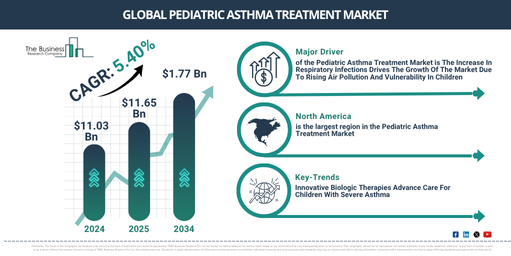
    The pediatric asthma treatment market has experienced substantial growth in recent years. It is anticipated to expand from $11.03 billion in 2024 to $11.65 billion in 2025, demonstrating a compound annual growth rate (CAGR) of 5.6%. This historical expansion can be attributed to the rising occurrence of childhood asthma, increasing awareness regarding respiratory illnesses in children, a surge in air pollution and environmental allergens, heightened healthcare spending on pediatric services, and asthma awareness campaigns conducted by NGOs and healthcare bodies.

    The market for pediatric asthma treatments is projected to experience robust expansion over the coming years. Its valuation is anticipated to reach $14.39 billion by 2029, demonstrating a compound annual growth rate (CAGR) of 5.4%. This growth during the projected timeframe stems from factors such as the increasing occurrence of allergic conditions among children, the broadened availability of biologic treatments for severe pediatric asthma, escalating investments in developing pediatric drugs, a greater focus on personalized and precision medicine approaches, and an expanding middle-class demographic with access to private healthcare services. Key developments expected within this forecast period encompass the creation of biologic therapies suitable for children, the advancement of rapid tools for allergen identification, the incorporation of electronic health records, breakthroughs in inhaler formulations, and innovations in asthma immunotherapy.

    Unlock Your Free Sample Report for Exclusive Market Data:

    https://www.thebusinessresearchcompany.com/sample.aspx?id=25868&type=smp

    What Are The Top Growth Drivers Impacting The Pediatric Asthma Treatment Market Outlook?

    The pediatric asthma treatment market is anticipated to experience growth due to the increasing prevalence of respiratory infections. These infections are defined as conditions resulting from viruses, bacteria, or other harmful agents impacting parts of the respiratory system like the nose, throat, airways, and lungs. The heightened occurrence of these infections is mainly attributed to increased air pollution, since exposure to contaminants like particulate matter and nitrogen dioxide compromises the respiratory system, making individuals more vulnerable to illness. By enhancing airway performance and reducing inflammation, pediatric asthma treatment lessens both how often and how severely respiratory infections occur, thereby decreasing susceptibility to infectious agents. For example, data from June 2024 by the Australian Institute of Health and Welfare, an Australian government body, indicated that in 2023, chronic obstructive pulmonary disease contributed 3.6% of the overall disease burden and accounted for 50% of the total burden from respiratory conditions. Furthermore, in 2022, approximately 638,000 individuals in Australia, representing 2.5% of the population, were affected by chronic obstructive pulmonary disease. Consequently, the expanding prevalence of respiratory infections is a key factor propelling the pediatric asthma treatment market forward.

    What Are The Key Segments In The Pediatric Asthma Treatment Market?

    The pediatric asthma treatment market covered in this report is segmented –

    1) By Type: Long-Term Control Medications, Quick-Relief Medications, Other Types

    2) By Drug Class: Inhaled Corticosteroids, Long-Acting Beta Agonists, Leukotriene Modifiers, Antihistamines, Biologics

    3) By Route Of Administration: Oral Route, Nasal Route, Injectable Route

    4) By Distribution Channel: Hospital Pharmacies, Retail Pharmacies, Online Pharmacies

    5) By End User: Hospitals, Clinics, Home Care, Other End users

    Subsegments:

    1) By Long-Term Control Medications: Inhaled Corticosteroids, Leukotriene Modifiers, Long-Acting Beta Agonists, Combination Inhalers, Biologic Therapies

    2) By Quick-Relief Medications: Short-Acting Beta Agonists, Anticholinergics, Systemic Corticosteroids

    3) By Other Types: Immunotherapy, Methylxanthines, Alternative Therapies

    Which Trends Are Impacting The Pediatric Asthma Treatment Market?

    Major companies in the pediatric asthma treatment market are concentrating on creating advanced therapies, such as monoclonal antibodies, to address and lessen airway inflammation in children. Monoclonal antibodies are engineered proteins that replicate the immune system’s capacity to combat harmful pathogens by precisely targeting specific cells or substances. For instance, in April 2024, the UK-based pharmaceutical and biotechnology firm, AstraZeneca PLC, obtained approval from the U.S. Food and Drug Administration for FASENRA (benralizumab) to be used as an additional maintenance treatment for children aged 6 to 11 years who have severe asthma with an eosinophilic phenotype. This antibody is designed to decrease asthma exacerbations and enhance symptom management by targeting and removing eosinophils. Fasenra is administered via subcutaneous injection initially every 4 weeks for three doses, followed by once every 8 weeks, with pediatric dosages adjusted according to body weight.

    Which Industry Leaders Are Driving Innovation Across The Pediatric Asthma Treatment Market?

    Major companies operating in the pediatric asthma treatment market are Pfizer Inc., Merck And Co Inc., Novartis AG, Sanofi S.A., AstraZeneca plc, GlaxoSmithKline plc, Takeda Pharmaceutical Company Limited, Amgen Inc., Boehringer Ingelheim International GmbH, Viatris Inc., Teva Pharmaceutical Industries Limited, Regeneron Pharmaceuticals Inc., Sun Pharmaceutical Industries Limited, Genentech Inc., Chiesi Farmaceutici S.p.A, Dr. Reddy’s Laboratories Ltd, Cipla Ltd, Lupin Limited, Zydus Lifesciences Ltd., ECU Health.

    Download The Full Report For Exclusive Market Findings:

    https://www.thebusinessresearchcompany.com/report/pediatric-asthma-treatment-global-market-report

    What Are The Regional Market Dynamics Impacting The Pediatric Asthma Treatment Industry?

    North America was the largest region in the pediatric asthma treatment market in 2024. Asia-Pacific is expected to be the fastest-growing region in the forecast period. The regions covered in the pediatric asthma treatment market report are Asia-Pacific, Western Europe, Eastern Europe, North America, South America, Middle East, Africa.

    Request A Customized Version Of The Pediatric Asthma Treatment Market Report:

    https://www.thebusinessresearchcompany.com/customise?id=25868&type=smp

    Browse Through More Reports Similar to the Global Pediatric Asthma Treatment Market 2025, By The Business Research Company

    Asthma Drugs Global Market Report 2025

    https://www.thebusinessresearchcompany.com/report/asthma-drugs-global-market-report

    Anti Asthmatics And Copd Drugs Market 2025

    https://www.thebusinessresearchcompany.com/report/anti-asthmatics-and-copd-drugs-market

    Anti Asthmatics And Copd Drugs Market 2025

    https://www.thebusinessresearchcompany.com/report/anti-asthmatics-and-copd-drugs-market

    Get in touch with us:

    The Business Research Company: https://www.thebusinessresearchcompany.com/

    Americas +1 310-496-7795

    Asia +44 7882 955267 & +91 8897263534

    Europe +44 7882 955267

    Email us at info@tbrc.info

    Follow us on:

    LinkedIn: https://in.linkedin.com/company/the-business-research-company

    YouTube: https://www.youtube.com/channel/UC24_fI0rV8cR5DxlCpgmyFQ

    Global Market Model: https://www.thebusinessresearchcompany.com/global-market-model

  • What Is The Predicted Revenue Outlook For The Global Pediatric Asthma Treatment Market To Surpass $14.39 Billion?

    Claim your 20% discount on Global Market Reports with code ONLINE20. Limited time only.

    #What Are The Market Size Estimates For The Pediatric Asthma Treatment Market?#_x000D_

    The market for pediatric asthma treatment has seen robust growth in recent periods. The market size will increase from $11.03 billion in 2024 to reach $11.65 billion in 2025, with a compound annual growth rate (CAGR) of 5.6%. The historic expansion can be linked to factors like growing incidents of asthma among children, increased understanding about children’s respiratory issues, a rise in environmental allergens and air pollution, amplified health care spending on child care, and the campaigns run by NGOs and healthcare bodies for asthma awareness._x000D_

    _x000D_

    The market size for treatment of pediatric asthma is anticipated to experience robust growth in the upcoming years, with an expected growth to $14.39 billion in 2029 at a compound annual growth rate (CAGR) of 5.4%. Factors that attribute to this growth within the forecast period include an increase in allergic disorders among children, enlargement of biologic therapies for severe cases of pediatric asthma, rise in investments targeted towards pediatric drug development, a higher focus on personalized and precision medicine, and a growing middle class with access to private healthcare. Noteworthy trends within the forecast period are the development of biologic therapies that are pediatric-friendly, creation of rapid tools for the identification of allergens, incorporation of electronic health records, advances in inhaler formulations, and breakthroughs in immunotherapy treatments for asthma._x000D_

    _x000D_

    #Get A Free Sample Of The Report:#_x000D_

    https://www.thebusinessresearchcompany.com/sample.aspx?id=25868&type=smp_x000D_

    _x000D_

    #Which Industry Forces Are Driving The Pediatric Asthma Treatment Market Forward?#_x000D_

    The growth of the pediatric asthma treatment market is anticipated to be spurred by the escalating occurrence of respiratory diseases. These diseases, which mainly affect the respiratory tract including the nose, throat, airways, and lungs, are attributed to the exponentially increasing air pollution. Harmful pollutants such as particulate matter and nitrogen dioxide detrimentally impact the respiratory system, making it more prone to infections. Moreover, pediatric asthma treatment plays a crucial role in decreasing the frequency and severity of these infections by enhancing airway productivity and reducing inflammation, thereby intensifying protection against infectious activities. For instance, the Australian Institute of Health and Welfare reported in June 2024 that in 2023, chronic obstructive pulmonary disease constituted 3.6% of the total disease burden and made up 50% of the total respiratory conditions burden. In 2022, it was estimated that 638,000 individuals representing 2.5% of the Australian population were diagnosed with chronic obstructive pulmonary disease. As a result, the surging incidences of respiratory infections significantly contribute to the expansion of the pediatric asthma treatment market._x000D_

    _x000D_

    #How Is The Pediatric Asthma Treatment Market Organized By Different Segments?#_x000D_

    The pediatric asthma treatment market covered in this report is segmented – _x000D_

    _x000D_

    1) By Type: Long-Term Control Medications, Quick-Relief Medications, Other Types_x000D_

    2) By Drug Class: Inhaled Corticosteroids, Long-Acting Beta Agonists, Leukotriene Modifiers, Antihistamines, Biologics_x000D_

    3) By Route Of Administration: Oral Route, Nasal Route, Injectable Route_x000D_

    4) By Distribution Channel: Hospital Pharmacies, Retail Pharmacies, Online Pharmacies_x000D_

    5) By End User: Hospitals, Clinics, Home Care, Other End users_x000D_

    _x000D_

    Subsegments:_x000D_

    1) By Long-Term Control Medications: Inhaled Corticosteroids, Leukotriene Modifiers, Long-Acting Beta Agonists, Combination Inhalers, Biologic Therapies_x000D_

    2) By Quick-Relief Medications: Short-Acting Beta Agonists, Anticholinergics, Systemic Corticosteroids_x000D_

    3) By Other Types: Immunotherapy, Methylxanthines, Alternative Therapies_x000D_

    _x000D_

    #What Current And Upcoming Trends Are Shaping The Pediatric Asthma Treatment Market?#_x000D_

    Leading firms in the pediatric asthma treatment market are concentrating their efforts on the creation of novel therapies like monoclonal antibodies to minimize airway inflammation in kids. These laboratory-made proteins act like the immune system’s defense against harmful pathogens by specifically targeting certain cells or elements. To illustrate, AstraZeneca PLC, a pharmaceutical and biotechnology company based in the UK, was granted authorization in April 2024 by the U.S. Food and Drug Administration for FASENRA (benralizumab) as an additional continuing treatment for children between 6 to 11 years suffering from severe asthma marked by an eosinophilic phenotype. This antibody is designed to decrease asthma attacks and enhance symptom control by targeting and eradicating eosinophils. Fasenra is given via subcutaneous injection initially every 4 weeks for the first three doses and then every 8 weeks, with pediatric dosing being adjusted according to body weight._x000D_

    _x000D_

    #Who Are The Primary Market Leaders In The Pediatric Asthma Treatment Market?#_x000D_

    Major companies operating in the pediatric asthma treatment market are Pfizer Inc., Merck And Co Inc., Novartis AG, Sanofi S.A., AstraZeneca plc, GlaxoSmithKline plc, Takeda Pharmaceutical Company Limited, Amgen Inc., Boehringer Ingelheim International GmbH, Viatris Inc., Teva Pharmaceutical Industries Limited, Regeneron Pharmaceuticals Inc., Sun Pharmaceutical Industries Limited, Genentech Inc., Chiesi Farmaceutici S.p.A, Dr. Reddy’s Laboratories Ltd, Cipla Ltd, Lupin Limited, Zydus Lifesciences Ltd., ECU Health. _x000D_

    _x000D_

    #Access The Complete Report Here:#_x000D_

    https://www.thebusinessresearchcompany.com/report/pediatric-asthma-treatment-global-market-report_x000D_

    _x000D_

    #How Do Regional Dynamics Influence The Pediatric Asthma Treatment Market Performance?#_x000D_

    North America was the largest region in the pediatric asthma treatment market in 2024. Asia-Pacific is expected to be the fastest-growing region in the forecast period. The regions covered in the pediatric asthma treatment market report are Asia-Pacific, Western Europe, Eastern Europe, North America, South America, Middle East, Africa._x000D_

    _x000D_

    #Customize Your Report Here:#_x000D_

    https://www.thebusinessresearchcompany.com/customise?id=25868&type=smp_x000D_

    _x000D_

    Browse Through More Reports Similar to the Global Pediatric Asthma Treatment Market 2025, By The Business Research Company_x000D_

    _x000D_

    Pediatric Clinical Trials Global Market Report 2025_x000D_

    https://www.thebusinessresearchcompany.com/report/pediatric-clinical-trials-global-market-report_x000D_

    _x000D_

    Bronchitis Treatment Global Market Report 2025_x000D_

    https://www.thebusinessresearchcompany.com/report/bronchitis-treatment-global-market-report_x000D_

    _x000D_

    Allergy Treatment Global Market Report 2025_x000D_

    https://www.thebusinessresearchcompany.com/report/allergy-treatment-global-market-report_x000D_

    _x000D_

    #About The Business Research Company:#_x000D_

    _x000D_

    With over 17500+ reports from 27 industries covering 60+ geographies, The Business Research Company has built a reputation for offering comprehensive, data-rich research and insights. Armed with 1,500,000 datasets, the optimistic contribution of in-depth secondary research, and unique insights from industry leaders, you can get the information you need to stay ahead in the game._x000D_

    _x000D_

    #Get in touch with us:#_x000D_

    _x000D_

    The Business Research Company: https://www.thebusinessresearchcompany.com/_x000D_

    Americas +1 310-496-7795_x000D_

    Asia +44 7882 955267 & +91 8897263534_x000D_

    Europe +44 7882 955267_x000D_

    Email us at info@tbrc.info_x000D_

    _x000D_

    #Follow us on:#_x000D_

    _x000D_

    LinkedIn: https://in.linkedin.com/company/the-business-research-company_x000D_

    YouTube: https://www.youtube.com/channel/UC24_fI0rV8cR5DxlCpgmyFQ_x000D_

    Global Market Model: https://www.thebusinessresearchcompany.com/global-market-model

  • CAGR of 5.4% Projected for Pediatric Asthma Treatment Market From 2025 to 2029

    CAGR of 5.4% Projected for Pediatric Asthma Treatment Market From 2025 to 2029

    Claim your 30% discount on Global Market Reports with code ONLINE30. Limited time only.

    Claim your 30% discount on Global Market Reports with code ONLINE30. Limited time only.

    What Is the Current and Projected Market Size of the Pediatric Asthma Treatment Industry?

    The market for pediatric asthma treatment has witnessed robust growth in recent times. The market, valued at $11.03 billion in 2024, is predicted to scale to $11.65 billion in 2025, with a compound annual growth rate (CAGR) of 5.6%. The growth observed in the historical period is associated with the increased prevalence of asthma in children, expanded consciousness about respiratory problems in young children, rising levels of air pollution and environmental allergens, increased health spending on child healthcare, and awareness drives conducted by NGOs and healthcare institutions regarding asthma.

    In the forthcoming years, the pediatric asthma treatment market is projected to experience significant growth, reaching $14.39 billion in 2029, with a compound annual growth rate (CAGR) of 5.4%. The expansion during the forecast period can be credited to factors such as the rising incidence of allergic disorders in children, the growth of biologic therapies for severe pediatric asthma, the upsurge in investments in pediatric drug development, the heightened focus on personalized and precision medicine, and the increase in the middle-class population that has access to private healthcare. Key trends during the forecast period involve the advancement of pediatric-friendly biologic therapies, the creation of swift allergen identification tools, the incorporation of electronic health records, innovation in inhaler formulations, and breakthroughs in asthma immunotherapy.

    Download The Free Sample Report Here:

    https://www.thebusinessresearchcompany.com/sample.aspx?id=25868&type=smp

    #Which Factors Are Currently Driving The Growth Of The Pediatric Asthma Treatment Market?

    The pediatric asthma treatment market is predicted to be boosted by the escalating prevalence of respiratory infections. These infections, which impact the respiratory tract including the nose, throat, airways, and lungs, are typically caused by pathogens such as viruses or bacteria. The heightened incidence of these infections is predominantly tied to increasing levels of air pollution. Pollutants like particulate matter and nitrogen dioxide undermine the respiratory system and increase the likelihood of infections. Pediatric asthma treatment is designed to diminish the regularity and severity of these respiratory infections by enhancing airway function and reducing inflammation, thereby decreasing susceptibility to infectious triggers. As per the Australian Institute of Health and Welfare, a government agency of Australia, chronic obstructive pulmonary disease was responsible for 3.6% of the entire disease burden in June 2024 and represented half of the total respiratory condition burden in 2023. Furthermore, it was estimated that about 638,000 people, or 2.5% of the Australian population, were suffering from chronic obstructive pulmonary disease in 2022. Consequently, the augmenting prevalence of respiratory infections is propelling the growth of the pediatric asthma treatment market.

    How Is The Global Pediatric Asthma Treatment Market Structured In Terms Of Segments?

    The pediatric asthma treatment market covered in this report is segmented –

    1) By Type: Long-Term Control Medications, Quick-Relief Medications, Other Types

    2) By Drug Class: Inhaled Corticosteroids, Long-Acting Beta Agonists, Leukotriene Modifiers, Antihistamines, Biologics

    3) By Route Of Administration: Oral Route, Nasal Route, Injectable Route

    4) By Distribution Channel: Hospital Pharmacies, Retail Pharmacies, Online Pharmacies

    5) By End User: Hospitals, Clinics, Home Care, Other End users

    Subsegments:

    1) By Long-Term Control Medications: Inhaled Corticosteroids, Leukotriene Modifiers, Long-Acting Beta Agonists, Combination Inhalers, Biologic Therapies

    2) By Quick-Relief Medications: Short-Acting Beta Agonists, Anticholinergics, Systemic Corticosteroids

    3) By Other Types: Immunotherapy, Methylxanthines, Alternative Therapies

    What Notable Trends Are Shaping The Direction Of The Pediatric Asthma Treatment Market?

    Firms at the forefront of the pediatric asthma treatment industry are emphasizing the development of novel therapies, such as monoclonal antibodies, aiming to tackle and diminish airway inflammation in children. These monoclonal antibodies are man-made proteins crafted to imitate the immune system’s function to ward off damaging pathogens by selectively pinpointing certain cells or substances. For example, in April 2024, the U.S. Food and Drug Administration accorded approval to AstraZeneca PLC, a biotech and pharmaceutical organization based in the UK, for FASENRA (benralizumab), to be used as supplementary maintenance cure for severe asthma in children from 6 to 11 years, particularly with an eosinophilic phenotype. This antibody has been devised to limit asthma flare-ups and enhance symptom management by concentrating on and doing away with eosinophils. Fasenra is delivered through subcutaneous injection, initially every 4 weeks for the first three doses and subsequently every 8 weeks, with the dosing for children modified as per body weight.

    Who Are The Main Participants Shaping The Pediatric Asthma Treatment Market Landscape?

    Major companies operating in the pediatric asthma treatment market are Pfizer Inc., Merck And Co Inc., Novartis AG, Sanofi S.A., AstraZeneca plc, GlaxoSmithKline plc, Takeda Pharmaceutical Company Limited, Amgen Inc., Boehringer Ingelheim International GmbH, Viatris Inc., Teva Pharmaceutical Industries Limited, Regeneron Pharmaceuticals Inc., Sun Pharmaceutical Industries Limited, Genentech Inc., Chiesi Farmaceutici S.p.A, Dr. Reddy’s Laboratories Ltd, Cipla Ltd, Lupin Limited, Zydus Lifesciences Ltd., ECU Health.

    Get The Full Report Here:

    https://www.thebusinessresearchcompany.com/report/pediatric-asthma-treatment-global-market-report

    Which Region Currently Holds The Largest Share In The Pediatric Asthma Treatment Market?

    North America was the largest region in the pediatric asthma treatment market in 2024. Asia-Pacific is expected to be the fastest-growing region in the forecast period. The regions covered in the pediatric asthma treatment market report are Asia-Pacific, Western Europe, Eastern Europe, North America, South America, Middle East, Africa.

    Request For A Customized Report:

    https://www.thebusinessresearchcompany.com/customise?id=25868&type=smp

    About The Business Research Company:

    With over 15000+ reports from 27 industries covering 60+ geographies, The Business Research Company has built a reputation for offering comprehensive, data-rich research and insights. Armed with 1,500,000 datasets, the optimistic contribution of in-depth secondary research, and unique insights from industry leaders, you can get the information you need to stay ahead in the game.

    Get in touch with us:

    The Business Research Company: https://www.thebusinessresearchcompany.com/

    Americas +1 310-496-7795

    Asia +44 7882 955267 & +91 8897263534

    Europe +44 7882 955267

    Email us at info@tbrc.info

    Follow us on:

    LinkedIn: https://in.linkedin.com/company/the-business-research-company

    YouTube: https://www.youtube.com/channel/UC24_fI0rV8cR5DxlCpgmyFQ

    Global Market Model: https://www.thebusinessresearchcompany.com/global-market-model