Tag: Price

  • A significant industry trend in the Age-Related Macular Degeneration Market Global Report 2026 Market includes the Advancements in AMD Therapy: The Role of Fab and MAR Systems

    A significant industry trend in the Age-Related Macular Degeneration Market Global Report 2026 Market includes the Advancements in AMD Therapy: The Role of Fab and MAR Systems

    The Business Research Company’s 2026 market reports include new capabilities such as market attractiveness scoring and analysis, total addressable market analysis, company scoring matrix, interactive excel data dashboard, improved supply chain analysis, upcoming startups in the market, and overview of key products, aimed at improving the depth, usability, and strategic value of the insights delivered.

    What Is The Market Size Of The Age-Related Macular Degeneration Market In 2026 And What Value Is Projected For 2030?

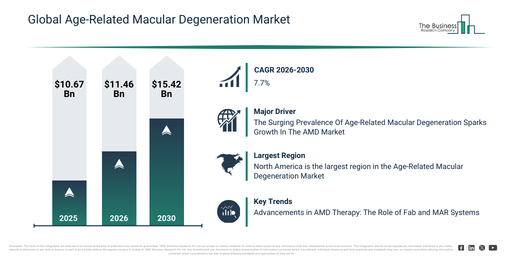
    The age-related macular degeneration market size has experienced significant expansion over recent years. It is anticipated to increase from $10.67 billion in 2025 to $11.46 billion in 2026, achieving a compound annual growth rate (CAGR) of 7.5%. Historically, this growth can be linked to the worldwide aging population, the rising occurrence of AMD, restricted treatment options in earlier periods, increased understanding of eye health, and the expansion of hospital and ophthalmology clinic facilities.

    The market size for age-related macular degeneration is poised for substantial growth over the coming years, with projections indicating an expansion to $15.42 billion in 2030, demonstrating a compound annual growth rate (CAGR) of 7.7%. This anticipated increase throughout the forecast period stems from factors such as the development of advanced anti-VEGF drugs, augmented investment in ophthalmology research, the proliferation of specialty pharmacies and digital pharmacy channels, the growing application of combination therapies, and an increasing embrace of personalized treatment strategies. Prominent trends for the forecast period feature a greater uptake of anti-VEGF therapies, the rising consumption of nutritional supplements and low vision assistance, an increase in photodynamic and laser therapy interventions, the broadening of intravitreal and intravenous administration pathways, and intensified awareness coupled with consistent eye screening initiatives.

    Download the Free Sample Report to Explore Key Market Insights:

    https://www.thebusinessresearchcompany.com/sample.aspx?id=10845&type=smp

    Which Growth Drivers Are Contributing To The Progress Of The Age-Related Macular Degeneration Market?

    The increasing incidence of age-related macular degeneration (AMD) is projected to drive the expansion of the age-related macular degeneration (AMD) market in the future. AMD is a progressive ocular disease impacting the macula, which is a vital segment of the retina crucial for central vision. Treatments for age-related macular degeneration (AMD) assist individuals with retinal disorders by reducing the progression and impact of the condition. As an illustration, reports from Optimaxa, a UK-based laser eye treatment specialist, indicated in February 2023 that 196 million people worldwide were affected by age-related macular degeneration (AMD), with projections suggesting this number will climb to 288 million by 2040, representing 8.7 percent of the global population. Consequently, the growing prevalence of age-related macular degeneration (AMD) is a primary force behind the age-related macular degeneration market.

    What Are The Key Segments Of The Age-Related Macular Degeneration Market?

    The age-related macular degeneration market covered in this report is segmented –

    1) By Type: Wet Age-Related Macular Degeneration (AMD), Dry Age-Related Macular Degeneration (AMD)

    2) By Drug: Eylea, Lucentis, Avastin, Other Drugs

    3) By Distribution Channel: Hospital Pharmacy, Specialty Pharmacy

    Subsegments:

    1) By Wet Age-Related Macular Degeneration (AMD): Anti-VEGF Injections, Photodynamic Therapy, Laser Surgery

    2) By Dry Age-Related Macular Degeneration (AMD): Nutritional Supplements, Low Vision Aids, Therapies For Geographic Atrophy

    What Key Trends Are Influencing The Development Of The Age-Related Macular Degeneration Market?

    Major companies in the age-related macular degeneration (AMD) market are advancing innovative technologies, such as recombinant antigen-binding fragments. Recombinant antigen-binding fragments (Fab) are engineered proteins derived from antibodies that specifically bind to target antigens, commonly utilized in therapeutic applications to inhibit disease-related pathways. For instance, in December 2023, Enzene Biosciences, an India-based biotechnology company, launched ranibizumab, a recombinant monoclonal antibody fragment (Fab) specifically engineered to inhibit vascular endothelial growth factor (VEGF), a key protein involved in the development of abnormal blood vessels in conditions such as age-related macular degeneration (AMD) and diabetic macular edema (DME). By obstructing VEGF, ranibizumab effectively decreases the leakage and proliferation of these blood vessels, which helps preserve vision in patients with these retinal disorders. It is delivered through intravitreal injection and has gained widespread acceptance in clinical practice for its efficacy in treating various retinal diseases. The introduction of ranibizumab has greatly enhanced the treatment landscape for patients grappling with these serious conditions.

    Who Are The Leading Companies Operating In The Age-Related Macular Degeneration Market?

    Major companies operating in the age-related macular degeneration market are F. Hoffmann-La Roche Ltd., Novartis AG, Bayer AG, Pfizer Inc., Bausch Health Companies Inc., Regeneron Pharmaceuticals Inc., Alimera Sciences Inc., Alkeus Pharmaceuticals Inc., Outlook Therapeutics Inc., Samsung Bioepis Co. Ltd., Biocon Ltd., Bio-Thera Biopharmaceutical Co. Ltd., Acucela Inc., Ophthotech Corporation, Kodiak Sciences Inc., REGENXBIO Inc., Alkahest Inc., Opthea Limited, Apellis Pharmaceuticals Inc., Graybug Vision Inc., IVERIC bio Inc., Santen Pharmaceutical Co. Ltd., Ocular Therapeutix Inc., Chengdu Kanghong Pharmaceutical Group Co. Ltd., pSivida Corp., Clearside Biomedical Inc., SciFluor Life Sciences LLC, Lineage Cell Therapeutics Inc.

    Read the full age-related macular degeneration market report here:

    https://www.thebusinessresearchcompany.com/report/age-related-macular-degeneration-global-market-report

    What Are The Leading Geographic Regions In The Age-Related Macular Degeneration Market?

    North America was the largest region in the global age-related macular degeneration market in 2025.Asia-Pacific is expected to be the fastest-growing region in the forecast period. The regions covered in the age-related macular degeneration market report are Asia-Pacific, South East Asia, Western Europe, Eastern Europe, North America, South America, Middle East, Africa.

    Request A Tailored Age-Related Macular Degeneration Market Research Report For Competitive Advantage:

    https://www.thebusinessresearchcompany.com/customise?id=10845&type=smp

    Browse Through More Reports Similar to the Global Age-Related Macular Degeneration Market 2026, By The Business Research Company

    macular degeneration treatment global market report

    https://www.thebusinessresearchcompany.com/report/macular-degeneration-treatment-global-market-report

    macular edema and macular degeneration global market report

    https://www.thebusinessresearchcompany.com/report/macular-edema-and-macular-degeneration-global-market-report

    non proliferative diabetic retinopathy global market report

    https://www.thebusinessresearchcompany.com/report/non-proliferative-diabetic-retinopathy-global-market-report

    Get in touch with us:

    The Business Research Company: https://www.thebusinessresearchcompany.com/

    Americas +1 310-496-7795

    Asia +44 7882 955267 & +91 8897263534

    Europe +44 7882 955267

    Email us at info@tbrc.info

    Follow us on:

    LinkedIn: https://in.linkedin.com/company/the-business-research-company

    YouTube: https://www.youtube.com/channel/UC24_fI0rV8cR5DxlCpgmyFQ

    Global Market Model: https://www.thebusinessresearchcompany.com/global-market-model

  • OTC Sleep Aids Medication Market 2026 expected to reach $33.15 billion by 2030

    OTC Sleep Aids Medication Market 2026 expected to reach $33.15 billion by 2030

    The Business Research Company’s 2026 market reports include new capabilities such as market attractiveness scoring and analysis, total addressable market analysis, company scoring matrix, interactive excel data dashboard, improved supply chain analysis, upcoming startups in the market, and overview of key products, aimed at improving the depth, usability, and strategic value of the insights delivered.

    How Will The Market Size Of The Over-The-Counter (OTC) Sleep Aids Medication Market Evolve From 2026 To 2030?

    The over-the-counter (otc) sleep aids medication market has experienced robust expansion in recent years. This market is projected to grow from $22.69 billion in 2025 to $24.54 billion in 2026, exhibiting a compound annual growth rate (CAGR) of 8.1%. The growth observed in the past can be attributed to the increasing occurrence of sleep disturbances, the broad availability of otc medications, consumer dependence on antihistamine-based sleep aids, the expansion of retail pharmacy networks, and rising issues related to stress and lifestyle affecting sleep.

    The over-the-counter (otc) sleep aids medication market size is set for robust expansion over the next few years. It is predicted to attain a value of $33.15 billion by 2030, exhibiting a compound annual growth rate (CAGR) of 7.8%. This growth during the forecast period can be primarily attributed to the increasing uptake of melatonin supplements, a growing inclination towards herbal and CBD-based remedies, the expansion of e-commerce and direct-to-consumer sales, heightened health awareness and self-care practices, and product diversification through the inclusion of added nutrients and extended-release formulations. Significant trends expected during this period include a rising consumer preference for non-prescription sleep solutions, an increasing demand for melatonin and other natural sleep aids, greater awareness regarding sleep health and short-term sleep management, the proliferation of online sales channels for otc sleep aids, and ongoing product innovation featuring combination and multi-herb formulations.

    Download the Free Sample Report to Explore Key Market Insights:

    https://www.thebusinessresearchcompany.com/sample.aspx?id=24644&type=smp

    What Key Drivers Are Influencing The Growth Of The Over-The-Counter (OTC) Sleep Aids Medication Market?

    The increasing occurrence of insomnia is projected to boost the expansion of the Over-The-Counter (OTC) Sleep Aids Medication Market in the future. Insomnia is defined as a sleep condition marked by challenges in initiating sleep, maintaining sleep, or experiencing premature awakenings, which leads to inadequate sleep quality and functional difficulties during the day. The growing incidence of insomnia stems from elevated stress levels, as a greater number of individuals encounter professional demands and everyday obstacles that hinder their capacity to unwind and attain restorative sleep. Over-The-Counter (OTC) sleep aid medication offers an easily accessible and convenient solution for insomnia, enabling people to fall asleep more quickly and enhance their sleep quality without requiring a doctor’s prescription. For example, in April 2024, data from Oxford University Press, a UK-based publishing company, indicated that in 2024, roughly 19.5% of adult females and 14.0% of adult males across the Americas experienced insomnia, amounting to approximately 123 million individuals. Consequently, the escalating prevalence of insomnia is fueling expansion within the Over-The-Counter (OTC) Sleep Aids Medication Market.

    Which Segment Areas Are Covered In The Over-The-Counter (OTC) Sleep Aids Medication Market Analysis?

    The over-the-counter (otc) sleep aids medication market covered in this report is segmented –

    1) By Type: Antihistamine, Melatonin Supplements, Herbal Supplement, Other Types

    2) By Application: Insomnia Treatment, Anxiety Relief

    3) By Distribution Channel: Online, Supermarkets Or Hypermarkets, Pharmacies and Drugstores, Specialty Stores

    Subsegments:

    1) By Antihistamine: Diphenhydramine-Based Sleep Aids, Doxylamine Succinate-Based Sleep Aids, Combination Sleep Aids

    2) By Melatonin Supplements: Immediate-Release Melatonin, Extended-Release Melatonin, Melatonin With Added Nutrients

    3) By Herbal Supplement: Valerian Root Supplements, Chamomile-Based Products, Passionflower Extracts, Lavender-Based Formulations, Multi-Herb Blends For Sleep

    4) By Other Types: Cannabidiol (CBD)-Based Sleep Aids, Amino Acid-Based Sleep Aids, Homeopathic Sleep Remedies

    What Key Developments And Trends Are Impacting The Over-The-Counter (OTC) Sleep Aids Medication Market?

    Major companies operating in the over-the-counter (OTC) sleep aids medication market are concentrating on developing innovative solutions, such as longevity-driven sleep optimization, to deliver tailored and effective products that enhance sleep quality and support long-term health. Longevity-driven sleep optimization is a personalized approach that improves sleep quality and patterns to foster overall well-being, prevent chronic diseases, and extend lifespan. For instance, in November 2024, AgelessRx Inc., a US-based longevity-focused telehealth platform, introduced a new sleep health program. This program features both a prescription sleep aid (Trazodone) and a natural over-the-counter supplement (Tran-Q Sleep) designed to support all crucial aspects of sleep quantity, quality, regularity, and timing. This launch signifies the company’s entry into the sleep category with a personalized, research-backed methodology for improving sleep as a fundamental element of long-term health and longevity.

    Which Global Companies Are Actively Competing In The Over-The-Counter (OTC) Sleep Aids Medication Market?

    Major companies operating in the over-the-counter (otc) sleep aids medication market are Procter & Gamble Co., Bayer AG, Sanofi S.A., GlaxoSmithKline plc, Perrigo Company plc, Reckitt Benckiser Group plc, Church & Dwight Co. Inc., Prestige Consumer Healthcare Inc., Viatris Inc., Walgreens Boots Alliance Inc., CVS Health Corporation, Rite Aid Corporation, Hyland’s Inc., Natrol LLC, Pharmavite LLC (Nature Made), The Bountiful Company, i-Health Inc., Zarbee’s Naturals, Olly PBC, Unilever plc, Herbaland Naturals Inc., Garden of Life LLC, Nature’s Way Products LLC, Solaray Inc., Nature’s Bounty Co., Spring Valley (Walmart Private Label), Equate (Walmart Private Label), GNC Holdings Inc., Blackmores Limited, Himalaya Wellness Company, A.Vogel AG, Schwabe Group

    Read the full over-the-counter (otc) sleep aids medication market report here:

    https://www.thebusinessresearchcompany.com/report/over-the-counter-otc-sleep-aids-medication-global-market-report

    Which Region Is Expected To Register The Fastest Growth In The Over-The-Counter (OTC) Sleep Aids Medication Market?

    North America was the largest region in the over-the-counter (OTC) sleep aids medication market in 2025. Asia-Pacific is expected to be the fastest-growing region in the forecast period. The regions covered in the over-the-counter (otc) sleep aids medication market report are Asia-Pacific, South East Asia, Western Europe, Eastern Europe, North America, South America, Middle East, Africa.

    Request A Tailored Over-The-Counter (OTC) Sleep Aids Medication Market Research Report For Competitive Advantage:

    https://www.thebusinessresearchcompany.com/customise?id=24644&type=smp

    Browse Through More Reports Similar to the Global Over-The-Counter (OTC) Sleep Aids Medication Market 2026, By The Business Research Company

    Dermatology Otc Medications Market Report 2026

    https://www.thebusinessresearchcompany.com/report/dermatology-otc-medications-global-market-report

    Sleeping Aids Market Report 2026

    https://www.thebusinessresearchcompany.com/report/sleeping-aids-global-market-report

    Melatonin Supplements Market Report 2026

    https://www.thebusinessresearchcompany.com/report/melatonin-supplements-global-market-report

    Get in touch with us:

    The Business Research Company: https://www.thebusinessresearchcompany.com/

    Americas +1 310-496-7795

    Asia +44 7882 955267 & +91 8897263534

    Europe +44 7882 955267

    Email us at info@tbrc.info

    Follow us on:

    LinkedIn: https://in.linkedin.com/company/the-business-research-company

    YouTube: https://www.youtube.com/channel/UC24_fI0rV8cR5DxlCpgmyFQ

    Global Market Model: https://www.thebusinessresearchcompany.com/global-market-model
  • Connective Tissue Disease Treatment Market 2026 projected to reach $32.97 billion by 2030 with 6% CAGR

    Connective Tissue Disease Treatment Market 2026 projected to reach $32.97 billion by 2030 with 6% CAGR

    The Business Research Company’s 2026 market reports include new capabilities such as market attractiveness scoring and analysis, total addressable market analysis, company scoring matrix, interactive excel data dashboard, improved supply chain analysis, upcoming startups in the market, and overview of key products, aimed at improving the depth, usability, and strategic value of the insights delivered.

    How Will The Market Size Of The Connective Tissue Disease Treatment Market Evolve From 2026 To 2030?

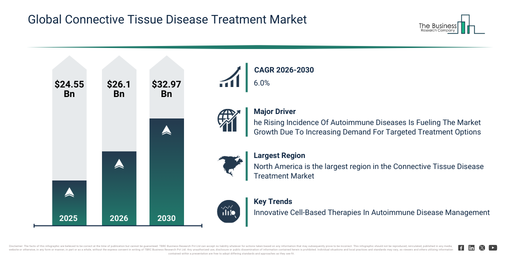
    The market size for connective tissue disease treatments has experienced strong growth in recent years. It is projected to expand from $24.55 billion in 2025 to $26.1 billion in 2026, achieving a compound annual growth rate (CAGR) of 6.3%. This historic growth can be linked to several factors, including the limited availability of biologic therapies, continued reliance on conventional DMARDs, a rising prevalence of autoimmune connective tissue diseases, increasing adoption of hospital-based treatments, and greater awareness of disease management programs.

    The connective tissue disease treatment market is expected to demonstrate significant growth over the next few years. It is projected to expand to $32.97 billion by 2030, achieving a compound annual growth rate (CAGR) of 6.0%. The anticipated growth during this period can be attributed to several factors, including the ongoing development of targeted synthetic DMARDs and JAK inhibitors, increasing investment in biologics and immunosuppressants, the expansion of homecare and outpatient treatment facilities, a growing focus on personalized medicine and patient-centric care, and the integration of digital health and telemedicine solutions. Major trends identified for the forecast period include a rising adoption of biologics and targeted therapies, an increasing preference for individualized treatment approaches, the continued expansion of homecare and outpatient treatment settings, a growing demand for oral and injectable drug delivery methods, and a strong emphasis on early diagnosis and disease management programs.

    Download the Free Sample Report to Explore Key Market Insights:

    https://www.thebusinessresearchcompany.com/sample.aspx?id=25726&type=smp

    What Key Drivers Are Influencing The Growth Of The Connective Tissue Disease Treatment Market?

    The increasing occurrence of autoimmune conditions is projected to fuel the expansion of the connective tissue disease treatment market in the future. Autoimmune diseases are defined as disorders where the body’s immune system erroneously targets its own healthy tissues and organs. This growing incidence of autoimmune diseases largely stems from both genetic predispositions, which increase the likelihood of immune system dysfunction in specific individuals, and environmental elements like infections, dietary habits, stress, and exposure to harmful substances, all capable of initiating or exacerbating these ailments. Treatments for connective tissue diseases aid in managing autoimmune conditions by addressing the fundamental immune system irregularities that lead to inflammation and tissue destruction, consequently easing symptoms, decelerating disease advancement, and enhancing the overall well-being of patients suffering from illnesses like lupus, rheumatoid arthritis, and scleroderma. For example, data from February 2024, provided by Arthritis Australia, an Australian non-profit organization, indicates that approximately 562,378 Australians are anticipated to be living with RA in 2025, constituting 14% of all arthritis cases during that year. This figure is projected to climb by 33% to 748,721 people by 2040. This signifies an additional 186,343 Australians affected by RA in 2040 compared to 2025. Consequently, the increasing prevalence of autoimmune conditions is stimulating the growth of the connective tissue disease treatment market.

    Which Segment Areas Are Covered In The Connective Tissue Disease Treatment Market Analysis?

    The connective tissue disease treatment market covered in this report is segmented –

    1) By Drug Class: Anti-Inammatory Drugs, Immunosuppressants, Biologics And Targeted Therapy, Disease-Modifying Anti-Rheumatic Drugs (DMARDs), Other Drug Classes

    2) By Disease Type: Systemic Lupus Erythematosus (SLE), Rheumatoid Arthritis (RA), Scleroderma, Dermatomyositis, Mixed Connective Tissue Disease (MCTD), Polymyositis, Sjögren’s Syndrome, Vasculitis, Antiphospholipid Syndrome (APS)

    3) By Route Of Administration: Oral, Injectable, Topical

    4) By Distribution Channel: Hospital Pharmacies, Retail Pharmacies, Online Pharmacies

    5) By End-User: Hospitals, Clinics, Homecare Settings

    Subsegments:

    1) By Anti-Inflammatory Drugs: Nonsteroidal Anti-Inflammatory Drugs (NSAIDs), Systemic Corticosteroids

    2) By Immunosuppressants: Calcineurin Inhibitors, Mammalian Target Of Rapamycin (mTOR) Inhibitors, Antimetabolites, Alkylating Agents

    3) By Biologics And Targeted Therapy: Tumor Necrosis Factor (TNF) Inhibitors, Interleukin-6 (IL-6) Inhibitors, B-Cell Inhibitors, T-Cell Co-Stimulation Modulators, Janus Kinase (JAK) Inhibitors

    4) By Disease-Modifying Anti-Rheumatic Drugs (DMARDs): Conventional Synthetic Disease-Modifying Anti-Rheumatic Drugs (DMARDs), Biologic Disease-Modifying Anti-Rheumatic Drugs (DMARDs), Targeted Synthetic Disease-Modifying Anti-Rheumatic Drugs (DMARDs)

    5) By Other Drug Classes: Analgesics, Antimalarial Drugs, Antibiotics, Monoclonal Antibodies

    What Key Developments And Trends Are Impacting The Connective Tissue Disease Treatment Market?

    Leading firms within the connective tissue disease treatment market are concentrating on executing clinical studies to devise novel therapies, including allogeneic CAR-NK cell therapy, with the goal of improving effectiveness and fulfilling unmet requirements in autoimmune disorders. Allogeneic CAR-NK cell therapy is a therapeutic approach employing natural killer (NK) cells sourced from healthy donors, which are genetically modified with a chimeric antigen receptor (CAR) to identify and eradicate disease-contributing cells. This method functions by bolstering the immune system’s capacity to eliminate detrimental B-cells implicated in autoimmune illnesses, thereby presenting a potentially safer and more attainable option compared to conventional cell therapies. For instance, during July 2024, Nkarta Inc., a US-based biotechnology company in the clinical stage, initiated the Ntrust-1 clinical trial to assess NKX019, an experimental allogeneic CAR-NK cell therapy, for treating lupus nephritis. Concurrently, it secured FDA approval to commence a distinct trial (Ntrust-2) for conditions such as systemic sclerosis, idiopathic inflammatory myopathy, and ANCA-associated vasculitis, with the objective of addressing significant unmet demands in autoimmune diseases by enhancing the safety, availability, and efficacy of cell-based therapies through genetically engineered NK cells specifically designed to target CD19-expressing B-cells.

    Which Global Companies Are Actively Competing In The Connective Tissue Disease Treatment Market?

    Major companies operating in the connective tissue disease treatment market are Pfizer Inc., F. Hoffmann-La Roche AG, AbbVie Inc., Sanofi S.A., Bristol Myers Squibb Company, AstraZeneca PLC, Novartis AG, GlaxoSmithKline (GSK) PLC, Eli Lilly and Company, Amgen Inc., Biogen Inc., Vertex Pharmaceuticals, UCB S.A., Hikma Pharmaceuticals PLC, Innovent Biologics Inc., RemeGen Co. Ltd, Kymera Therapeutics, Adicet Bio, Equillium Inc.

    Read the full connective tissue disease treatment market report here:

    https://www.thebusinessresearchcompany.com/report/connective-tissue-disease-treatment-global-market-report

    Which Region Is Expected To Register The Fastest Growth In The Connective Tissue Disease Treatment Market?

    North America was the largest region in the connective tissue disease treatment market in 2025. Asia-Pacific is expected to be the fastest-growing region in the forecast period. The regions covered in the connective tissue disease treatment market report are Asia-Pacific, South East Asia, Western Europe, Eastern Europe, North America, South America, Middle East, Africa.

    Request A Tailored Connective Tissue Disease Treatment Market Research Report For Competitive Advantage:

    https://www.thebusinessresearchcompany.com/customise?id=25726&type=smp

    Browse Through More Reports Similar to the Global Connective Tissue Disease Treatment Market 2026, By The Business Research Company

    Neurofibromatosis Treatment Market Report 2026

    https://www.thebusinessresearchcompany.com/report/neurofibromatosis-treatment-global-market-report

    Soft Tissue Repair Market Report 2026

    https://www.thebusinessresearchcompany.com/report/soft-tissue-repair-global-market-report

    Bleeding Disorders Treatment Market Report 2026

    https://www.thebusinessresearchcompany.com/report/bleeding-disorders-treatment-global-market-report

    Get in touch with us:

    The Business Research Company: https://www.thebusinessresearchcompany.com/

    Americas +1 310-496-7795

    Asia +44 7882 955267 & +91 8897263534

    Europe +44 7882 955267

    Email us at info@tbrc.info

    Follow us on:

    LinkedIn: https://in.linkedin.com/company/the-business-research-company

    YouTube: https://www.youtube.com/channel/UC24_fI0rV8cR5DxlCpgmyFQ

    Global Market Model: https://www.thebusinessresearchcompany.com/global-market-model
  • Rising Lifestyle Diseases Driving Growth in the Coccidioidomycosis Drug Market

    Rising Lifestyle Diseases Driving Growth in the Coccidioidomycosis Drug Market

    The Business Research Company’s 2026 market reports include new capabilities such as market attractiveness scoring and analysis, total addressable market analysis, company scoring matrix, interactive excel data dashboard, improved supply chain analysis, upcoming startups in the market, and overview of key products, aimed at improving the depth, usability, and strategic value of the insights delivered.

    What Market Size Expansion Is Predicted For The Coenzyme Q10 Market Between 2026 And 2030?

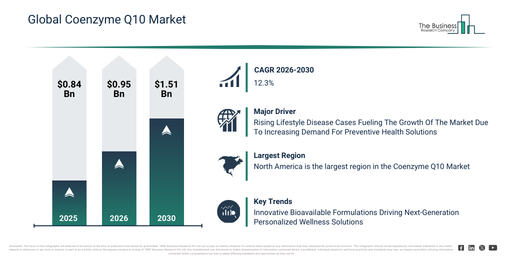
    The coenzyme q10 market has experienced significant expansion in its size recently. It is anticipated to rise from $0.84 billion in 2025 to $0.95 billion by 2026, exhibiting a compound annual growth rate (CAGR) of 13.1%. The historical growth of this market can be attributed to factors like limited awareness of coq10 benefits, a dependence on conventional sources such as meat and fish, small-scale usage of dietary supplements, a growing interest in anti-aging products, and basic pharmaceutical applications.

    The coenzyme q10 market is projected to experience substantial expansion over the upcoming years. This market is anticipated to reach a valuation of $1.51 billion by 2030, demonstrating a compound annual growth rate (CAGR) of 12.3%. Factors contributing to this growth during the forecast period include the advancement of high-bioavailability ubiquinol supplements, an increasing need in pediatric and geriatric product lines, broader application in clinical and sports nutrition, the widening of online and health store distribution networks, and its increasing inclusion in functional foods, drinks, and cosmetic products. Key trends for the same period encompass heightened consumer understanding of antioxidants and cellular well-being, a surge in demand for CoQ10 dietary supplements from the elderly demographic, the broadening range of sports and performance nutrition items, increased adoption of CoQ10 in functional food and beverage items, and its incorporation into cosmetic preparations for anti-aging advantages.

    Download the Free Sample Report to Explore Key Market Insights:

    https://www.thebusinessresearchcompany.com/sample.aspx?id=27263&type=smp

    Which Growth Drivers Are Contributing To The Progress Of The Coenzyme Q10 Market?

    The increasing prevalence of lifestyle diseases is projected to fuel the expansion of the coenzyme Q10 market in the coming years. These health conditions arise from detrimental habits like poor dietary choices, lack of physical exercise, smoking, or excessive alcohol consumption. Sedentary lifestyles primarily contribute to the increase in such diseases, as inadequate physical activity impedes metabolism and stresses the cardiovascular system, making individuals more susceptible to chronic ailments. Coenzyme Q10 aids in addressing lifestyle diseases by promoting cardiac health, enhancing metabolic energy, and functioning as an antioxidant that boosts cellular performance. For example, in May 2025, the Office for Health Improvement and Disparities, a UK-based government body, reported that an estimated 64.5% of adults aged 18 and over in England were overweight or living with obesity from 2023 to 2024, marking an increase from 64.0% in 2022 to 2023. Consequently, the growing number of lifestyle disease cases is a significant factor propelling the growth of the coenzyme Q10 market.

    Which Market Segments Are Examined In The Coenzyme Q10 Market Study?

    The coenzyme q10 market covered in this report is segmented –

    1) By Type: Ubiquinone, Ubiquinol

    2) By Source: Meat, Fish, Whole Grains, Other Sources

    3) By Form: Tablets, Powder, Liquid

    4) By Application: Dietary Supplements, Cosmetics, Functional Food, Pharmaceutical, Other Applications

    5) By Distribution Channel: Online Stores, Pharmacies, Health Stores, Other Distribution Channels

    Subsegments:

    1) By Ubiquinone: Dietary Supplements, Pharmaceutical Grade, Fortified Food And Beverages, Cosmetic Ingredients

    2) By Ubiquinol: High-Bioavailability Supplements, Clinical Nutrition Products, Sports And Performance Nutrition, Pediatric And Geriatric Formulations

    Which Trends Are Influencing The Coenzyme Q10 Market?

    Major businesses operating within the coenzyme Q10 market are prioritizing the development of innovative solutions, such as enhanced bioavailable CoQ10 supplements, to boost cellular energy, support heart health, and provide comprehensive antioxidant protection. These enhanced bioavailable CoQ10 formulations are engineered for superior absorption and utilization within the body, aiding in increased cellular energy production, strengthening heart health, reducing oxidative stress, and improving overall vitality. As an illustration, in September 2023, Bausch Health Companies Inc., a US-based eye health firm, introduced PreserVision AREDS 2 Formula Soft Gels Plus CoQ10. This innovative dietary supplement is designed to support eye health in adults at risk of age-related macular degeneration. The product integrates the clinically validated AREDS 2 formula, which includes vitamins C and E, zinc, copper, lutein, and zeaxanthin, with Coenzyme Q10, thereby enhancing antioxidant support and cellular energy production within retinal cells. It is provided in soft gel form for convenient consumption and improved absorption, addressing both ocular health and general cellular function, thus presenting consumers with a dual-action method compared to conventional eye supplements.

    Who Are The Primary Competitors In The Coenzyme Q10 Market?

    Major companies operating in the coenzyme q10 market are Mitsubishi Gas Chemical Company Inc., Kaneka Corporation, Shandong Octagon Chemicals Limited, United Laboratories, Anthem Biosciences, Rochem International Inc., Titan Biotech Ltd., Caesar & Loretz GmbH (CAELO), Biovencer Healthcare Private Limited, Kingdomway Nutrition Inc., Alder Biochem Pvt. Ltd., Sinoway Industrial Co. Ltd., KD Chem Pharma Private Limited, Pharm-RX Chemical, Hangzhou Think Chemical Co. Ltd., Xian Tian Guangyuan Biotech, Shenzhou Biology & Technology, DSM Nutritional Products AG, Mitushi Biopharma, ALPSPURE Lifesciences Private Limited

    Read the full coenzyme q10 market report here:

    https://www.thebusinessresearchcompany.com/report/coenzyme-q10-global-market-report

    What Are The Leading Geographic Regions In The Coenzyme Q10 Market?

    North America was the largest region in the coenzyme Q10 market in 2025. Asia-Pacific is expected to be the fastest-growing region in the forecast period. The regions covered in the coenzyme q10 market report are Asia-Pacific, South East Asia, Western Europe, Eastern Europe, North America, South America, Middle East, Africa.

    Request A Tailored Coenzyme Q10 Market Research Report For Competitive Advantage:

    https://www.thebusinessresearchcompany.com/customise?id=27263&type=smp

    Browse Through More Reports Similar to the Global Coenzyme Q10 Market 2026, By The Business Research Company

    Smart Kitchen Appliances Market Report 2026

    https://www.thebusinessresearchcompany.com/report/smart-kitchen-appliances-global-market-report

    Virtual Kitchen Market Report 2026

    https://www.thebusinessresearchcompany.com/report/virtual-kitchen-global-market-report

    Catering Services And Food Contractors Market Report 2026

    https://www.thebusinessresearchcompany.com/report/catering-services-and-food-contractors-global-market-report

    Get in touch with us:

    The Business Research Company: https://www.thebusinessresearchcompany.com/

    Americas +1 310-496-7795

    Asia +44 7882 955267 & +91 8897263534

    Europe +44 7882 955267

    Email us at info@tbrc.info

    Follow us on:

    LinkedIn: https://in.linkedin.com/company/the-business-research-company

    YouTube: https://www.youtube.com/channel/UC24_fI0rV8cR5DxlCpgmyFQ

    Global Market Model: https://www.thebusinessresearchcompany.com/global-market-model
  • Dermal Regeneration Market 2026–2035 expanding across aesthetic and medical applications

    Dermal Regeneration Market 2026–2035 expanding across aesthetic and medical applications

    The Business Research Company’s 2026 market reports include new capabilities such as market attractiveness scoring and analysis, total addressable market analysis, company scoring matrix, interactive excel data dashboard, improved supply chain analysis, upcoming startups in the market, and overview of key products, aimed at improving the depth, usability, and strategic value of the insights delivered.

    What Is The Market Size Of The Dermal Regeneration Market In 2026 And What Value Is Projected For 2030?

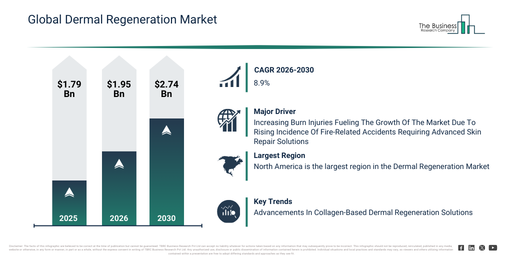
    The dermal regeneration market size has experienced robust growth in recent years. It is projected to expand from $1.79 billion in 2025 to $1.95 billion in 2026, achieving a compound annual growth rate (CAGR) of 8.9%. The market’s past expansion can be ascribed to several factors, including an escalating incidence of chronic wounds, a rise in burn injury cases, the increasing uptake of tissue engineering, the expansion of hospital wound care units, and advancements in biomaterial technologies.

    The dermal regeneration market is projected to experience robust expansion over the upcoming years, with its size anticipated to reach $2.74 billion by 2030, exhibiting a compound annual growth rate (CAGR) of 8.9%. This growth throughout the forecast period can be primarily attributed to factors such as the increasing demand for minimally invasive skin repair solutions, the broadening scope of aesthetic and reconstructive surgery, a rising aging population, augmented investment in regenerative medicine, and advancements in cell-based therapies. Furthermore, significant trends expected during this period include the growing adoption of bioengineered skin substitutes, expanded utilization of collagen and biomaterial scaffolds, a heightened demand for advanced wound healing therapies, the wider application of regenerative treatments in burn care, and increased deployment of dermal regeneration templates.

    Download the Free Sample Report to Explore Key Market Insights:

    https://www.thebusinessresearchcompany.com/sample.aspx?id=25746&type=smp

    What Key Drivers Are Influencing The Growth Of The Dermal Regeneration Market?

    A rise in burn injuries is anticipated to drive the expansion of the dermal regeneration market in the future. Burn injuries involve harm to the skin or its deeper tissues resulting from heat, chemicals, electrical contact, radiation, or friction. The incidence of burn injuries is increasing, largely attributable to the common use of hazardous cooking fuels and devices like open flames and inadequately maintained stoves. These factors elevate the likelihood of accidental fires and scalds, especially in highly populated and economically disadvantaged households. Treating burn injuries necessitates dermal regeneration solutions, as they rely on advanced technologies for tissue repair and skin restoration to effectively manage moderate to severe skin damage. As an illustration, in January 2024, the Consumer Product Safety Commission (CPSC), a federal government agency in the US, reported 11 deaths linked to fireworks, predominantly caused by improper use and equipment failures. Around 14,700 individuals suffered fireworks-related injuries, indicating a substantial increase of approximately 38% in fatalities and 52% in injuries when compared to 2023. Consequently, the growing number of burn injuries is fueling the expansion of the dermal regeneration market.

    What Are The Key Segments Of The Dermal Regeneration Market?

    The dermal regeneration market covered in this report is segmented –

    1) By Product Type: Skin Substitutes, Scaffolds, Other Product Types

    2) By Technology: Tissue Engineering, Cell-Based Therapies, Biomaterial-Based Therapies, Other Technologies

    3) By Source: Cow Collagen, Silicone

    4) By Application: Chronic Wounds, Burn Injuries, Acute Wounds, Plastic And Reconstructive Surgery, Other Applications

    5) By End Use: Hospitals, Dermatology And Aesthetic Clinics, Specialty Clinics, Ambulatory Surgical Centers (ASCs), Other End User

    Subsegments:

    1) By Skin Substitutes: Acellular Skin Substitutes, Cellular Skin Substitutes, Bioengineered Skin Substitutes, Synthetic Skin Substitutes, Allografts, Xenografts

    2) By Scaffolds: Collagen-Based Scaffolds, Synthetic Polymer Scaffolds, Composite Scaffolds, Hyaluronic Acid-Based Scaffolds, Fibrin-Based Scaffolds

    3) By Other Product Types: Dermal Regeneration Templates (DRTs), Hydrogel-Based Products, Growth Factor-Based Therapies, Matrices With Antimicrobial Agents

    What Key Trends Are Influencing The Development Of The Dermal Regeneration Market?

    Leading firms in the dermal regeneration market are concentrating on creating sophisticated offerings, like the collagen-based dermal matrix, to ensure excellent biocompatibility and a minimal chance of immune system rejection. This type of dermal matrix, predominantly composed of collagen, functions as a foundational support system to facilitate the development and repair of skin tissue. An example is Fesarius Therapeutics Inc., a biotechnology company based in the US, which revealed in January 2025 that its DermiSphere hydrogel Dermal Regeneration Template (DermiSphere hDRT) had received 510(k) approval from the US Food and Drug Administration (FDA). The DermiSphere hDRT represents an evolution in collagen-based dermal matrices, specifically designed to foster tissue integration, improve blood vessel formation, and achieve superior wound healing. Its applications include advanced wound care, reconstructive surgical procedures, and regenerative medicine. DermiSphere hDRT offers a novel method for dermal regeneration, holding significant promise to transform current wound care practices.

    Who Are The Leading Companies Operating In The Dermal Regeneration Market?

    Major companies operating in the dermal regeneration market are Smith & Nephew Plc, Integra LifeSciences Corp., Organogenesis Inc., MiMedx Group Inc., Regenity Biosciences Inc., Avita Medical Inc., Polynovo, Symatese Co., Stratatech, MedSkin Solutions Dr. Suwelack AG, Japan Tissue Engineering Co. Ltd., CollPlant Biotechnologies Ltd., Holostem Terapie Avanzate.

    Read the full dermal regeneration market report here:

    https://www.thebusinessresearchcompany.com/report/dermal-regeneration-global-market-report

    Which Region Is Expected To Register The Fastest Growth In The Dermal Regeneration Market?

    North America was the largest region in the dermal regeneration market in 2025. Asia-Pacific is expected to be the fastest-growing region in the forecast period. The regions covered in the dermal regeneration market report are Asia-Pacific, South East Asia, Western Europe, Eastern Europe, North America, South America, Middle East, Africa.

    Request A Tailored Dermal Regeneration Market Research Report For Competitive Advantage:

    https://www.thebusinessresearchcompany.com/customise?id=25746&type=smp

    Browse Through More Reports Similar to the Global Dermal Regeneration Market 2026, By The Business Research Company

    Transdermal Skin Patche Market Report 2026

    https://www.thebusinessresearchcompany.com/report/transdermal-skin-patche-global-market-report

    Regenerative Medicine Market 2026

    https://www.thebusinessresearchcompany.com/report/regenerative-medicine-market

    Dermal Filler Market Report 2026

    https://www.thebusinessresearchcompany.com/report/dermal-filler-global-market-report

    Get in touch with us:

    The Business Research Company: https://www.thebusinessresearchcompany.com/

    Americas +1 310-496-7795

    Asia +44 7882 955267 & +91 8897263534

    Europe +44 7882 955267

    Email us at info@tbrc.info

    Follow us on:

    LinkedIn: https://in.linkedin.com/company/the-business-research-company

    YouTube: https://www.youtube.com/channel/UC24_fI0rV8cR5DxlCpgmyFQ

    Global Market Model: https://www.thebusinessresearchcompany.com/global-market-model
  • Dermal Regeneration Market 2026–2035 expanding across aesthetic and medical applications

    Dermal Regeneration Market 2026–2035 expanding across aesthetic and medical applications

    The Business Research Company’s 2026 market reports include new capabilities such as market attractiveness scoring and analysis, total addressable market analysis, company scoring matrix, interactive excel data dashboard, improved supply chain analysis, upcoming startups in the market, and overview of key products, aimed at improving the depth, usability, and strategic value of the insights delivered.

    What Is The Market Size Of The Dermal Regeneration Market In 2026 And What Value Is Projected For 2030?

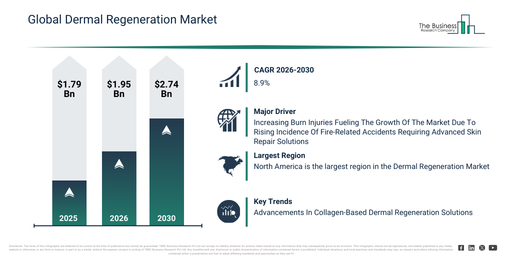
    The dermal regeneration market size has experienced robust growth in recent years. It is projected to expand from $1.79 billion in 2025 to $1.95 billion in 2026, achieving a compound annual growth rate (CAGR) of 8.9%. The market’s past expansion can be ascribed to several factors, including an escalating incidence of chronic wounds, a rise in burn injury cases, the increasing uptake of tissue engineering, the expansion of hospital wound care units, and advancements in biomaterial technologies.

    The dermal regeneration market is projected to experience robust expansion over the upcoming years, with its size anticipated to reach $2.74 billion by 2030, exhibiting a compound annual growth rate (CAGR) of 8.9%. This growth throughout the forecast period can be primarily attributed to factors such as the increasing demand for minimally invasive skin repair solutions, the broadening scope of aesthetic and reconstructive surgery, a rising aging population, augmented investment in regenerative medicine, and advancements in cell-based therapies. Furthermore, significant trends expected during this period include the growing adoption of bioengineered skin substitutes, expanded utilization of collagen and biomaterial scaffolds, a heightened demand for advanced wound healing therapies, the wider application of regenerative treatments in burn care, and increased deployment of dermal regeneration templates.

    Download the Free Sample Report to Explore Key Market Insights:

    https://www.thebusinessresearchcompany.com/sample.aspx?id=25746&type=smp

    What Key Drivers Are Influencing The Growth Of The Dermal Regeneration Market?

    A rise in burn injuries is anticipated to drive the expansion of the dermal regeneration market in the future. Burn injuries involve harm to the skin or its deeper tissues resulting from heat, chemicals, electrical contact, radiation, or friction. The incidence of burn injuries is increasing, largely attributable to the common use of hazardous cooking fuels and devices like open flames and inadequately maintained stoves. These factors elevate the likelihood of accidental fires and scalds, especially in highly populated and economically disadvantaged households. Treating burn injuries necessitates dermal regeneration solutions, as they rely on advanced technologies for tissue repair and skin restoration to effectively manage moderate to severe skin damage. As an illustration, in January 2024, the Consumer Product Safety Commission (CPSC), a federal government agency in the US, reported 11 deaths linked to fireworks, predominantly caused by improper use and equipment failures. Around 14,700 individuals suffered fireworks-related injuries, indicating a substantial increase of approximately 38% in fatalities and 52% in injuries when compared to 2023. Consequently, the growing number of burn injuries is fueling the expansion of the dermal regeneration market.

    What Are The Key Segments Of The Dermal Regeneration Market?

    The dermal regeneration market covered in this report is segmented –

    1) By Product Type: Skin Substitutes, Scaffolds, Other Product Types

    2) By Technology: Tissue Engineering, Cell-Based Therapies, Biomaterial-Based Therapies, Other Technologies

    3) By Source: Cow Collagen, Silicone

    4) By Application: Chronic Wounds, Burn Injuries, Acute Wounds, Plastic And Reconstructive Surgery, Other Applications

    5) By End Use: Hospitals, Dermatology And Aesthetic Clinics, Specialty Clinics, Ambulatory Surgical Centers (ASCs), Other End User

    Subsegments:

    1) By Skin Substitutes: Acellular Skin Substitutes, Cellular Skin Substitutes, Bioengineered Skin Substitutes, Synthetic Skin Substitutes, Allografts, Xenografts

    2) By Scaffolds: Collagen-Based Scaffolds, Synthetic Polymer Scaffolds, Composite Scaffolds, Hyaluronic Acid-Based Scaffolds, Fibrin-Based Scaffolds

    3) By Other Product Types: Dermal Regeneration Templates (DRTs), Hydrogel-Based Products, Growth Factor-Based Therapies, Matrices With Antimicrobial Agents

    What Key Trends Are Influencing The Development Of The Dermal Regeneration Market?

    Leading firms in the dermal regeneration market are concentrating on creating sophisticated offerings, like the collagen-based dermal matrix, to ensure excellent biocompatibility and a minimal chance of immune system rejection. This type of dermal matrix, predominantly composed of collagen, functions as a foundational support system to facilitate the development and repair of skin tissue. An example is Fesarius Therapeutics Inc., a biotechnology company based in the US, which revealed in January 2025 that its DermiSphere hydrogel Dermal Regeneration Template (DermiSphere hDRT) had received 510(k) approval from the US Food and Drug Administration (FDA). The DermiSphere hDRT represents an evolution in collagen-based dermal matrices, specifically designed to foster tissue integration, improve blood vessel formation, and achieve superior wound healing. Its applications include advanced wound care, reconstructive surgical procedures, and regenerative medicine. DermiSphere hDRT offers a novel method for dermal regeneration, holding significant promise to transform current wound care practices.

    Who Are The Leading Companies Operating In The Dermal Regeneration Market?

    Major companies operating in the dermal regeneration market are Smith & Nephew Plc, Integra LifeSciences Corp., Organogenesis Inc., MiMedx Group Inc., Regenity Biosciences Inc., Avita Medical Inc., Polynovo, Symatese Co., Stratatech, MedSkin Solutions Dr. Suwelack AG, Japan Tissue Engineering Co. Ltd., CollPlant Biotechnologies Ltd., Holostem Terapie Avanzate.

    Read the full dermal regeneration market report here:

    https://www.thebusinessresearchcompany.com/report/dermal-regeneration-global-market-report

    Which Region Is Expected To Register The Fastest Growth In The Dermal Regeneration Market?

    North America was the largest region in the dermal regeneration market in 2025. Asia-Pacific is expected to be the fastest-growing region in the forecast period. The regions covered in the dermal regeneration market report are Asia-Pacific, South East Asia, Western Europe, Eastern Europe, North America, South America, Middle East, Africa.

    Request A Tailored Dermal Regeneration Market Research Report For Competitive Advantage:

    https://www.thebusinessresearchcompany.com/customise?id=25746&type=smp

    Browse Through More Reports Similar to the Global Dermal Regeneration Market 2026, By The Business Research Company

    Transdermal Skin Patche Market Report 2026

    https://www.thebusinessresearchcompany.com/report/transdermal-skin-patche-global-market-report

    Regenerative Medicine Market 2026

    https://www.thebusinessresearchcompany.com/report/regenerative-medicine-market

    Dermal Filler Market Report 2026

    https://www.thebusinessresearchcompany.com/report/dermal-filler-global-market-report

    Get in touch with us:

    The Business Research Company: https://www.thebusinessresearchcompany.com/

    Americas +1 310-496-7795

    Asia +44 7882 955267 & +91 8897263534

    Europe +44 7882 955267

    Email us at info@tbrc.info

    Follow us on:

    LinkedIn: https://in.linkedin.com/company/the-business-research-company

    YouTube: https://www.youtube.com/channel/UC24_fI0rV8cR5DxlCpgmyFQ

    Global Market Model: https://www.thebusinessresearchcompany.com/global-market-model
  • Gastrointestinal Therapeutics Market 2026 evolving with innovation

    Gastrointestinal Therapeutics Market 2026 evolving with innovation

    The Business Research Company’s 2026 market reports include new capabilities such as market attractiveness scoring and analysis, total addressable market analysis, company scoring matrix, interactive excel data dashboard, improved supply chain analysis, upcoming startups in the market, and overview of key products, aimed at improving the depth, usability, and strategic value of the insights delivered.

    What Market Value Is Expected For The Gastrointestinal Therapeutics Market At The End Of The 2026–2030 Forecast Period?

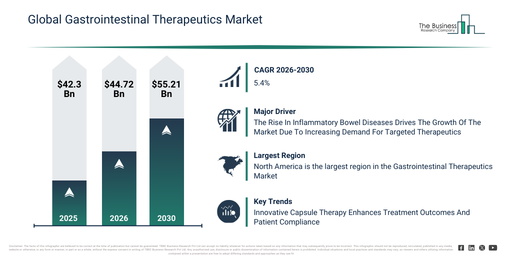
    The gastrointestinal therapeutics market has experienced robust growth in recent years. It is projected to increase from $42.3 billion in 2025 to $44.72 billion in 2026, achieving a compound annual growth rate (CAGR) of 5.7%. The expansion observed in the historic period can be ascribed to factors such as the restricted availability of biologics and advanced gastrointestinal therapies, a rising incidence of acid reflux and ulcers, a dependency on hospital and clinic-based treatment, an increasing awareness concerning digestive health, and the prevailing use of traditional over-the-counter antacids and laxatives.

    The gastrointestinal therapeutics market size is anticipated to undergo significant expansion in the coming years, with projections indicating it will reach $55.21 billion by 2030, exhibiting a compound annual growth rate (CAGR) of 5.4%. This growth throughout the forecast period is propelled by factors such as the creation of targeted biologics and immunotherapies, the increased availability of ambulatory surgical centers and diagnostic laboratories, a surge in the adoption of oral and intravenous delivery systems, the growing reach of online pharmacies, and innovations in probiotics and digestive enzyme formulations. Prominent trends for this period involve the rising occurrence of gastrointestinal disorders, a greater uptake of biologics and advanced therapies, the proliferation of over-the-counter therapeutics, an increasing focus on personalized gastrointestinal treatments, and the expanding distribution networks of online and retail pharmacies.

    Download the Free Sample Report to Explore Key Market Insights:

    https://www.thebusinessresearchcompany.com/sample.aspx?id=25768&type=smp

    What Drivers Are Shaping The Future Growth Of The Gastrointestinal Therapeutics Market?

    The increasing prevalence of inflammatory bowel diseases is anticipated to drive the expansion of the gastrointestinal therapeutics market going forward. Inflammatory bowel disease (IBD) describes a persistent ailment characterized by inflammation of the digestive system, encompassing conditions such as Crohn’s disease and ulcerative colitis. This rise in inflammatory bowel diseases stems from genetic predispositions, leading to an irregular immune reaction against gut microbes. Gastrointestinal therapeutics assist in the management and treatment of bowel conditions through addressing underlying inflammation, harmonizing digestive processes, and relieving accompanying symptoms, thereby enhancing patient well-being. As an illustration, in December 2023, data from the IBD Registry, a UK-based non-profit organization, indicated that more than 5,300 individuals with inflammatory bowel diseases (IBD) had registered in 2023, signifying an increase of over 3,000 members compared to 2022. Consequently, the growing occurrence of inflammatory bowel diseases is a key factor propelling the expansion of the gastrointestinal therapeutics market.

    What Segment Types Make Up The Gastrointestinal Therapeutics Market?

    The gastrointestinal therapeutics market covered in this report is segmented –

    1) By Product: Over-The-Counter Gastrointestinal Therapeutics, Prescription-Based Gastrointestinal Therapeutics

    2) By Route Of Administration: Oral, Intravenous, Other Routes Of Administration

    3) By Application: Inflammatory Bowel Disease, Gastroesophageal Reflux Disease, Peptic Ulcer Disease, Irritable Bowel Syndrome, Other Applications

    4) By Distribution Channel: Hospital Pharmacies, Retail Pharmacies, Online Pharmacies

    5) By End-User: Hospitals, Clinics, Ambulatory Surgical Centers, Diagnostic Laboratories, Other End-Users

    Subsegments:

    1) By Over-The-Counter Gastrointestinal Therapeutics: Antacids, Laxatives, Anti-Diarrheal Agents, Digestive Enzymes, Probiotics, H2-Receptor Antagonists, Simethicone Products

    2) By Prescription-Based Gastrointestinal Therapeutics: Proton Pump Inhibitors, Antibiotics For H. pylori, Aminosalicylates, Biologics, Corticosteroids, Immunosuppressants, Antiemetics

    Which Market Trends Are Creating New Opportunities In The Gastrointestinal Therapeutics Market?

    Major companies in the gastrointestinal therapeutics market are concentrating on developing innovative treatments, such as sustained-release (SR) fixed-dose combination capsules, to enhance patient adherence and improve treatment effectiveness. Sustained-release (SR) fixed-dose combination capsules are oral medications engineered to gradually release multiple active ingredients over time, thereby maintaining consistent drug levels and reducing the frequency of dosing. For example, in June 2024, Akums Drugs and Pharmaceuticals Limited, an India-based pharmaceutical preparation manufacturing company, introduced rabeprazole + levosulpiride SR capsules for addressing gastrointestinal disorders in India. This formulation integrates rabeprazole, a proton pump inhibitor that reduces stomach acid, with levosulpiride, a prokinetic agent that improves gut motility. Together, they provide effective relief from symptoms such as heartburn, acid reflux, bloating, and indigestion. This specific combination is broadly prescribed for managing gastroesophageal reflux disease, peptic ulcers, and other related gastrointestinal (GI) conditions.

    Who Are The Key Players Driving Competition In The Gastrointestinal Therapeutics Market?

    Major companies operating in the gastrointestinal therapeutics market are Abbott Laboratories, Novartis AG, Takeda Pharmaceutical Company Limited., Boehringer Ingelheim International GmbH, Otsuka Holdings Co. Ltd., Daiichi Sankyo Company Limited., Bausch Health Companies Inc, UCB S.A., Eisai Co. Ltd., Aurobindo Pharma Limited., Dr. Reddy’s Laboratories Limited., Ironwood Pharmaceuticals Inc, Salix Pharmaceuticals Ltd., Ferring Pharmaceuticals A/S, Jubilant Pharma Limited., Sebela Pharmaceuticals Inc, Cosmo Pharmaceuticals N.V., Tillotts Pharma AG, Mitsubishi Tanabe Pharma Corporation

    Read the full gastrointestinal therapeutics market report here:

    https://www.thebusinessresearchcompany.com/report/gastrointestinal-therapeutics-global-market-report

    Which Geographic Regions Are Influencing Demand In The Gastrointestinal Therapeutics Market?

    North America was the largest region in the gastrointestinal therapeutics market in 2025. Asia-Pacific is expected to be the fastest-growing region in the forecast period. The regions covered in the gastrointestinal therapeutics market report are Asia-Pacific, South East Asia, Western Europe, Eastern Europe, North America, South America, Middle East, Africa.

    Request A Tailored Gastrointestinal Therapeutics Market Research Report For Competitive Advantage:

    https://www.thebusinessresearchcompany.com/customise?id=25768&type=smp

    Browse Through More Reports Similar to the Global Gastrointestinal Therapeutics Market 2026, By The Business Research Company

    Gastrointestinal Drugs Market 2026

    https://www.thebusinessresearchcompany.com/report/gastrointestinal-drugs-global-market

    Gastroparesis Drugs Market Report 2026

    https://www.thebusinessresearchcompany.com/report/gastroparesis-drugs-global-market-report

    Digestive And Intestinal Remedies Market Report 2026

    https://www.thebusinessresearchcompany.com/report/digestive-and-intestinal-remedies-global-market-report

    Get in touch with us:

    The Business Research Company: https://www.thebusinessresearchcompany.com/

    Americas +1 310-496-7795

    Asia +44 7882 955267 & +91 8897263534

    Europe +44 7882 955267

    Email us at info@tbrc.info

    Follow us on:

    LinkedIn: https://in.linkedin.com/company/the-business-research-company

    YouTube: https://www.youtube.com/channel/UC24_fI0rV8cR5DxlCpgmyFQ

    Global Market Model: https://www.thebusinessresearchcompany.com/global-market-model
  • Dermal Regeneration Market 2026–2035 expanding across aesthetic and medical applications

    Dermal Regeneration Market 2026–2035 expanding across aesthetic and medical applications

    The Business Research Company’s 2026 market reports include new capabilities such as market attractiveness scoring and analysis, total addressable market analysis, company scoring matrix, interactive excel data dashboard, improved supply chain analysis, upcoming startups in the market, and overview of key products, aimed at improving the depth, usability, and strategic value of the insights delivered.

    What Is The Market Size Of The Dermal Regeneration Market In 2026 And What Value Is Projected For 2030?

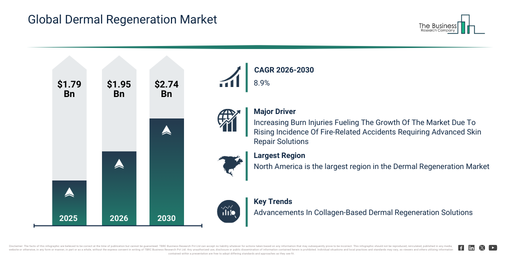
    The dermal regeneration market size has experienced robust growth in recent years. It is projected to expand from $1.79 billion in 2025 to $1.95 billion in 2026, achieving a compound annual growth rate (CAGR) of 8.9%. The market’s past expansion can be ascribed to several factors, including an escalating incidence of chronic wounds, a rise in burn injury cases, the increasing uptake of tissue engineering, the expansion of hospital wound care units, and advancements in biomaterial technologies.

    The dermal regeneration market is projected to experience robust expansion over the upcoming years, with its size anticipated to reach $2.74 billion by 2030, exhibiting a compound annual growth rate (CAGR) of 8.9%. This growth throughout the forecast period can be primarily attributed to factors such as the increasing demand for minimally invasive skin repair solutions, the broadening scope of aesthetic and reconstructive surgery, a rising aging population, augmented investment in regenerative medicine, and advancements in cell-based therapies. Furthermore, significant trends expected during this period include the growing adoption of bioengineered skin substitutes, expanded utilization of collagen and biomaterial scaffolds, a heightened demand for advanced wound healing therapies, the wider application of regenerative treatments in burn care, and increased deployment of dermal regeneration templates.

    Download the Free Sample Report to Explore Key Market Insights:

    https://www.thebusinessresearchcompany.com/sample.aspx?id=25746&type=smp

    What Key Drivers Are Influencing The Growth Of The Dermal Regeneration Market?

    A rise in burn injuries is anticipated to drive the expansion of the dermal regeneration market in the future. Burn injuries involve harm to the skin or its deeper tissues resulting from heat, chemicals, electrical contact, radiation, or friction. The incidence of burn injuries is increasing, largely attributable to the common use of hazardous cooking fuels and devices like open flames and inadequately maintained stoves. These factors elevate the likelihood of accidental fires and scalds, especially in highly populated and economically disadvantaged households. Treating burn injuries necessitates dermal regeneration solutions, as they rely on advanced technologies for tissue repair and skin restoration to effectively manage moderate to severe skin damage. As an illustration, in January 2024, the Consumer Product Safety Commission (CPSC), a federal government agency in the US, reported 11 deaths linked to fireworks, predominantly caused by improper use and equipment failures. Around 14,700 individuals suffered fireworks-related injuries, indicating a substantial increase of approximately 38% in fatalities and 52% in injuries when compared to 2023. Consequently, the growing number of burn injuries is fueling the expansion of the dermal regeneration market.

    What Are The Key Segments Of The Dermal Regeneration Market?

    The dermal regeneration market covered in this report is segmented –

    1) By Product Type: Skin Substitutes, Scaffolds, Other Product Types

    2) By Technology: Tissue Engineering, Cell-Based Therapies, Biomaterial-Based Therapies, Other Technologies

    3) By Source: Cow Collagen, Silicone

    4) By Application: Chronic Wounds, Burn Injuries, Acute Wounds, Plastic And Reconstructive Surgery, Other Applications

    5) By End Use: Hospitals, Dermatology And Aesthetic Clinics, Specialty Clinics, Ambulatory Surgical Centers (ASCs), Other End User

    Subsegments:

    1) By Skin Substitutes: Acellular Skin Substitutes, Cellular Skin Substitutes, Bioengineered Skin Substitutes, Synthetic Skin Substitutes, Allografts, Xenografts

    2) By Scaffolds: Collagen-Based Scaffolds, Synthetic Polymer Scaffolds, Composite Scaffolds, Hyaluronic Acid-Based Scaffolds, Fibrin-Based Scaffolds

    3) By Other Product Types: Dermal Regeneration Templates (DRTs), Hydrogel-Based Products, Growth Factor-Based Therapies, Matrices With Antimicrobial Agents

    What Key Trends Are Influencing The Development Of The Dermal Regeneration Market?

    Leading firms in the dermal regeneration market are concentrating on creating sophisticated offerings, like the collagen-based dermal matrix, to ensure excellent biocompatibility and a minimal chance of immune system rejection. This type of dermal matrix, predominantly composed of collagen, functions as a foundational support system to facilitate the development and repair of skin tissue. An example is Fesarius Therapeutics Inc., a biotechnology company based in the US, which revealed in January 2025 that its DermiSphere hydrogel Dermal Regeneration Template (DermiSphere hDRT) had received 510(k) approval from the US Food and Drug Administration (FDA). The DermiSphere hDRT represents an evolution in collagen-based dermal matrices, specifically designed to foster tissue integration, improve blood vessel formation, and achieve superior wound healing. Its applications include advanced wound care, reconstructive surgical procedures, and regenerative medicine. DermiSphere hDRT offers a novel method for dermal regeneration, holding significant promise to transform current wound care practices.

    Who Are The Leading Companies Operating In The Dermal Regeneration Market?

    Major companies operating in the dermal regeneration market are Smith & Nephew Plc, Integra LifeSciences Corp., Organogenesis Inc., MiMedx Group Inc., Regenity Biosciences Inc., Avita Medical Inc., Polynovo, Symatese Co., Stratatech, MedSkin Solutions Dr. Suwelack AG, Japan Tissue Engineering Co. Ltd., CollPlant Biotechnologies Ltd., Holostem Terapie Avanzate.

    Read the full dermal regeneration market report here:

    https://www.thebusinessresearchcompany.com/report/dermal-regeneration-global-market-report

    Which Region Is Expected To Register The Fastest Growth In The Dermal Regeneration Market?

    North America was the largest region in the dermal regeneration market in 2025. Asia-Pacific is expected to be the fastest-growing region in the forecast period. The regions covered in the dermal regeneration market report are Asia-Pacific, South East Asia, Western Europe, Eastern Europe, North America, South America, Middle East, Africa.

    Request A Tailored Dermal Regeneration Market Research Report For Competitive Advantage:

    https://www.thebusinessresearchcompany.com/customise?id=25746&type=smp

    Browse Through More Reports Similar to the Global Dermal Regeneration Market 2026, By The Business Research Company

    Transdermal Skin Patche Market Report 2026

    https://www.thebusinessresearchcompany.com/report/transdermal-skin-patche-global-market-report

    Regenerative Medicine Market 2026

    https://www.thebusinessresearchcompany.com/report/regenerative-medicine-market

    Dermal Filler Market Report 2026

    https://www.thebusinessresearchcompany.com/report/dermal-filler-global-market-report

    Get in touch with us:

    The Business Research Company: https://www.thebusinessresearchcompany.com/

    Americas +1 310-496-7795

    Asia +44 7882 955267 & +91 8897263534

    Europe +44 7882 955267

    Email us at info@tbrc.info

    Follow us on:

    LinkedIn: https://in.linkedin.com/company/the-business-research-company

    YouTube: https://www.youtube.com/channel/UC24_fI0rV8cR5DxlCpgmyFQ

    Global Market Model: https://www.thebusinessresearchcompany.com/global-market-model
  • Rising global birth rates are a key factor driving the Anticonvulsants Market due to increased risk of Rh incompatibility

    Rising global birth rates are a key factor driving the Anticonvulsants Market due to increased risk of Rh incompatibility

    The Business Research Company’s 2026 market reports include new capabilities such as market attractiveness scoring and analysis, total addressable market analysis, company scoring matrix, interactive excel data dashboard, improved supply chain analysis, upcoming startups in the market, and overview of key products, aimed at improving the depth, usability, and strategic value of the insights delivered.

    What Is The Market Size Of The Anti-D Immunoglobulin Market In 2026 And What Value Is Projected For 2030?

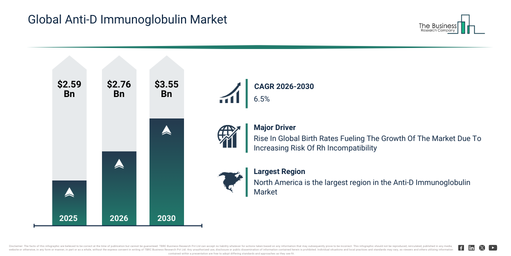
    The anti-d immunoglobulin market size has seen substantial growth over recent years. It is anticipated to increase from $2.59 billion in 2025 to $2.76 billion in 2026, achieving a compound annual growth rate (CAGR) of 6.6%. The expansion observed in previous periods was driven by factors such as restricted plasma donor pools, reliance on manual antibody extraction procedures, heightened awareness of hemolytic disease, expanded hospital and clinical utilization, and the adoption of intramuscular administration.

    The anti-d immunoglobulin market is projected to experience robust expansion over the coming years. This market is forecast to reach $3.55 billion by 2030, exhibiting a compound annual growth rate (CAGR) of 6.5%. Factors contributing to this growth during the forecast period include the advancement of intravenous formulations, the spread of automated plasma fractionation technologies, an increase in antenatal screening initiatives, the growing global blood bank infrastructure, and the development of personalized immunoglobulin therapies. Key trends anticipated during the forecast timeframe encompass a surging need for anti-d immunoglobulin in managing hemolytic disease, greater uptake of pre-filled syringes and single-use vials, the broadening of antenatal and postnatal prophylaxis schemes, the expansion of hospital and blood bank distribution routes, and an increased emphasis on safety, purity, and adherence to regulations.

    Download the Free Sample Report to Explore Key Market Insights:

    https://www.thebusinessresearchcompany.com/sample.aspx?id=25694&type=smp

    Which Growth Drivers Are Contributing To The Progress Of The Anti-D Immunoglobulin Market?

    The anticipated high birth rates are projected to stimulate the growth of the anti-D immunoglobulin market moving forward. Birth rates signify the yearly count of live births per 1,000 individuals within a population. These rates are rising because of limited access to educational resources and family planning services, which in turn leads to greater fertility and larger families. Anti-D immunoglobulin aids in managing birth rates by preventing Rh incompatibility during pregnancy, thereby decreasing the likelihood of hemolytic disease in newborns and promoting healthier outcomes for subsequent pregnancies. As an illustration, the Centers for Disease Control and Prevention, a US government agency, reported in April 2025 that 3,622,673 births were recorded in 2024, representing a 1% increase compared to 2023. Consequently, the elevated birth rates are a key factor driving the expansion of the anti-D immunoglobulin market. The expansion of healthcare infrastructure is set to accelerate the growth of the anti-D immunoglobulin market moving forward. Healthcare infrastructure encompasses the comprehensive system of facilities, necessary equipment, skilled workforce, and support mechanisms vital for delivering health services to a community. This infrastructure is growing as a direct result of the increasing global population, which in turn escalates the demand for medical care and necessitates the establishment of more hospitals, clinics, and related resources. Enhancements in healthcare infrastructure improve access to maternal healthcare, which allows for better screening processes and the timely administration of anti-D immunoglobulin to avert hemolytic disease in infants. For example, in May 2023, the Department of Health and Social Care, a government body in the UK, revealed plans to invest over $27 billion (£20 billion) in constructing new hospital facilities. Under the New Hospital Programme, two hospitals are already complete, five are currently under construction, and more than 20 are projected to be initiated or finalized by the close of 2023. Therefore, the expanding healthcare infrastructure is a significant impetus behind the growth of the anti-D immunoglobulin market.

    What Are The Key Segments Of The Anti-D Immunoglobulin Market?

    The anti-d immunoglobulin market covered in this report is segmented –

    1) By Product Type: Intramuscular Anti-D Immunoglobulin, Intravenous Anti-D Immunoglobulin

    2) By Distribution Channel: Hospital Pharmacies, Retail Pharmacies, Online Pharmacies, Other Distribution Channel

    3) By Application: Hemolytic Disease Of The Newborn, Immune Thrombocytopenic Purpura, Antenatal And Postnatal Prophylaxis, Other Applications

    4) By End-User: Hospitals, Clinics, Blood Banks, Research Laboratories

    Subsegments:

    1) By Intramuscular Anti-D Immunoglobulin: Standard Dose, High Dose, Pre-Filled Syringes, Vials

    2) By Intravenous Anti-D Immunoglobulin: Lyophilized Powder, Liquid Formulation, Single-Use Vials, Multi-Dose Vials

    Who Are The Leading Companies Operating In The Anti-D Immunoglobulin Market?

    Major companies operating in the anti-d immunoglobulin market are CSL Behring, Octapharma AG, Kedrion Biopharma Inc., Biotest AG, Sanquin, Bharat Serums and Vaccines Limited, Intas Pharmaceuticals Ltd., Zydus Lifesciences Limited, Emergent BioSolutions Inc., Kamada Pharmaceuticals, Saol Therapeutics Inc., Avin Darou, Sichuan Yuanda Shuyang Pharmaceutical Co. Ltd., Taj Pharmaceuticals Limited, Aetos Pharma Private Limited, PV Pharma Healthcare Pvt. Ltd., Grifols S.A., Takeda Pharmaceutical Company Limited, LFB Biomedicaments, China Biologic Products Holdings Inc., Shanghai RAAS Blood Products Co. Ltd., Hualan Biological Engineering Inc., CBPO (Shandong Taibang Biological Products Co. Ltd.), Bio Products Laboratory (BPL), Instituto Grifols S.A., HemaCare Corporation, KM Biologics Co. Ltd., National Bioproducts Institute (NBI), GC Pharma (Green Cross Corporation), SK Plasma Co. Ltd.

    Read the full anti-d immunoglobulin market report here:

    https://www.thebusinessresearchcompany.com/report/anti-d-immunoglobulin-global-market-report

    What Are The Leading Geographic Regions In The Anti-D Immunoglobulin Market?

    North America was the largest region in the anti-D immunoglobulin market in 2025. Asia-Pacific is expected to be the fastest-growing region in the forecast period. The regions covered in the anti-d immunoglobulin market report are Asia-Pacific, South East Asia, Western Europe, Eastern Europe, North America, South America, Middle East, Africa.

    Request A Tailored Anti-D Immunoglobulin Market Research Report For Competitive Advantage:

    https://www.thebusinessresearchcompany.com/customise?id=25694&type=smp

    Browse Through More Reports Similar to the Global Anti-D Immunoglobulin Market 2026, By The Business Research Company

    Immunoglobulins Market Report 2026

    https://www.thebusinessresearchcompany.com/report/immunoglobulins-global-market-report

    Intravenous Immunoglobulin Market Report 2026

    https://www.thebusinessresearchcompany.com/report/intravenous-immunoglobulin-global-market-report

    Immunoassay Market Report 2026

    https://www.thebusinessresearchcompany.com/report/immunoassay-global-market-report

    Get in touch with us:

    The Business Research Company: https://www.thebusinessresearchcompany.com/

    Americas +1 310-496-7795

    Asia +44 7882 955267 & +91 8897263534

    Europe +44 7882 955267

    Email us at info@tbrc.info

    Follow us on:

    LinkedIn: https://in.linkedin.com/company/the-business-research-company

    YouTube: https://www.youtube.com/channel/UC24_fI0rV8cR5DxlCpgmyFQ

    Global Market Model: https://www.thebusinessresearchcompany.com/global-market-model

  • Rising global birth rates are a key factor driving the Anticonvulsants Market due to increased risk of Rh incompatibility

    The Business Research Company’s 2026 market reports include new capabilities such as market attractiveness scoring and analysis, total addressable market analysis, company scoring matrix, interactive excel data dashboard, improved supply chain analysis, upcoming startups in the market, and overview of key products, aimed at improving the depth, usability, and strategic value of the insights delivered.

    What Is The Market Size Of The Anti-D Immunoglobulin Market In 2026 And What Value Is Projected For 2030?

    The anti-d immunoglobulin market size has seen substantial growth over recent years. It is anticipated to increase from $2.59 billion in 2025 to $2.76 billion in 2026, achieving a compound annual growth rate (CAGR) of 6.6%. The expansion observed in previous periods was driven by factors such as restricted plasma donor pools, reliance on manual antibody extraction procedures, heightened awareness of hemolytic disease, expanded hospital and clinical utilization, and the adoption of intramuscular administration.

    The anti-d immunoglobulin market is projected to experience robust expansion over the coming years. This market is forecast to reach $3.55 billion by 2030, exhibiting a compound annual growth rate (CAGR) of 6.5%. Factors contributing to this growth during the forecast period include the advancement of intravenous formulations, the spread of automated plasma fractionation technologies, an increase in antenatal screening initiatives, the growing global blood bank infrastructure, and the development of personalized immunoglobulin therapies. Key trends anticipated during the forecast timeframe encompass a surging need for anti-d immunoglobulin in managing hemolytic disease, greater uptake of pre-filled syringes and single-use vials, the broadening of antenatal and postnatal prophylaxis schemes, the expansion of hospital and blood bank distribution routes, and an increased emphasis on safety, purity, and adherence to regulations.

    Download the Free Sample Report to Explore Key Market Insights:

    https://www.thebusinessresearchcompany.com/sample.aspx?id=25694&type=smp

    Which Growth Drivers Are Contributing To The Progress Of The Anti-D Immunoglobulin Market?

    The anticipated high birth rates are projected to stimulate the growth of the anti-D immunoglobulin market moving forward. Birth rates signify the yearly count of live births per 1,000 individuals within a population. These rates are rising because of limited access to educational resources and family planning services, which in turn leads to greater fertility and larger families. Anti-D immunoglobulin aids in managing birth rates by preventing Rh incompatibility during pregnancy, thereby decreasing the likelihood of hemolytic disease in newborns and promoting healthier outcomes for subsequent pregnancies. As an illustration, the Centers for Disease Control and Prevention, a US government agency, reported in April 2025 that 3,622,673 births were recorded in 2024, representing a 1% increase compared to 2023. Consequently, the elevated birth rates are a key factor driving the expansion of the anti-D immunoglobulin market. The expansion of healthcare infrastructure is set to accelerate the growth of the anti-D immunoglobulin market moving forward. Healthcare infrastructure encompasses the comprehensive system of facilities, necessary equipment, skilled workforce, and support mechanisms vital for delivering health services to a community. This infrastructure is growing as a direct result of the increasing global population, which in turn escalates the demand for medical care and necessitates the establishment of more hospitals, clinics, and related resources. Enhancements in healthcare infrastructure improve access to maternal healthcare, which allows for better screening processes and the timely administration of anti-D immunoglobulin to avert hemolytic disease in infants. For example, in May 2023, the Department of Health and Social Care, a government body in the UK, revealed plans to invest over $27 billion (£20 billion) in constructing new hospital facilities. Under the New Hospital Programme, two hospitals are already complete, five are currently under construction, and more than 20 are projected to be initiated or finalized by the close of 2023. Therefore, the expanding healthcare infrastructure is a significant impetus behind the growth of the anti-D immunoglobulin market.

    What Are The Key Segments Of The Anti-D Immunoglobulin Market?

    The anti-d immunoglobulin market covered in this report is segmented –

    1) By Product Type: Intramuscular Anti-D Immunoglobulin, Intravenous Anti-D Immunoglobulin

    2) By Distribution Channel: Hospital Pharmacies, Retail Pharmacies, Online Pharmacies, Other Distribution Channel

    3) By Application: Hemolytic Disease Of The Newborn, Immune Thrombocytopenic Purpura, Antenatal And Postnatal Prophylaxis, Other Applications

    4) By End-User: Hospitals, Clinics, Blood Banks, Research Laboratories

    Subsegments:

    1) By Intramuscular Anti-D Immunoglobulin: Standard Dose, High Dose, Pre-Filled Syringes, Vials

    2) By Intravenous Anti-D Immunoglobulin: Lyophilized Powder, Liquid Formulation, Single-Use Vials, Multi-Dose Vials

    Who Are The Leading Companies Operating In The Anti-D Immunoglobulin Market?

    Major companies operating in the anti-d immunoglobulin market are CSL Behring, Octapharma AG, Kedrion Biopharma Inc., Biotest AG, Sanquin, Bharat Serums and Vaccines Limited, Intas Pharmaceuticals Ltd., Zydus Lifesciences Limited, Emergent BioSolutions Inc., Kamada Pharmaceuticals, Saol Therapeutics Inc., Avin Darou, Sichuan Yuanda Shuyang Pharmaceutical Co. Ltd., Taj Pharmaceuticals Limited, Aetos Pharma Private Limited, PV Pharma Healthcare Pvt. Ltd., Grifols S.A., Takeda Pharmaceutical Company Limited, LFB Biomedicaments, China Biologic Products Holdings Inc., Shanghai RAAS Blood Products Co. Ltd., Hualan Biological Engineering Inc., CBPO (Shandong Taibang Biological Products Co. Ltd.), Bio Products Laboratory (BPL), Instituto Grifols S.A., HemaCare Corporation, KM Biologics Co. Ltd., National Bioproducts Institute (NBI), GC Pharma (Green Cross Corporation), SK Plasma Co. Ltd.

    Read the full anti-d immunoglobulin market report here:

    https://www.thebusinessresearchcompany.com/report/anti-d-immunoglobulin-global-market-report

    What Are The Leading Geographic Regions In The Anti-D Immunoglobulin Market?

    North America was the largest region in the anti-D immunoglobulin market in 2025. Asia-Pacific is expected to be the fastest-growing region in the forecast period. The regions covered in the anti-d immunoglobulin market report are Asia-Pacific, South East Asia, Western Europe, Eastern Europe, North America, South America, Middle East, Africa.

    Request A Tailored Anti-D Immunoglobulin Market Research Report For Competitive Advantage:

    https://www.thebusinessresearchcompany.com/customise?id=25694&type=smp

    Browse Through More Reports Similar to the Global Anti-D Immunoglobulin Market 2026, By The Business Research Company

    Immunoglobulins Market Report 2026

    https://www.thebusinessresearchcompany.com/report/immunoglobulins-global-market-report

    Intravenous Immunoglobulin Market Report 2026

    https://www.thebusinessresearchcompany.com/report/intravenous-immunoglobulin-global-market-report

    Immunoassay Market Report 2026

    https://www.thebusinessresearchcompany.com/report/immunoassay-global-market-report

    Get in touch with us:

    The Business Research Company: https://www.thebusinessresearchcompany.com/

    Americas +1 310-496-7795

    Asia +44 7882 955267 & +91 8897263534

    Europe +44 7882 955267

    Email us at info@tbrc.info

    Follow us on:

    LinkedIn: https://in.linkedin.com/company/the-business-research-company

    YouTube: https://www.youtube.com/channel/UC24_fI0rV8cR5DxlCpgmyFQ

    Global Market Model: https://www.thebusinessresearchcompany.com/global-market-model