Tag: Price

  • Gastrointestinal Therapeutics Sector Forecast Shows Robust Momentum, Climbing to $55.21 Billion With 5.4% CAGR

    Gastrointestinal Therapeutics Sector Forecast Shows Robust Momentum, Climbing to $55.21 Billion With 5.4% CAGR

    Uncover key drivers, emerging technologies, and competitive movements shaping the gastrointestinal therapeutics market from 2026–2035 with trusted insights from The Business Research Company

    What size range is anticipated for the Gastrointestinal Therapeutics Market from 2026 to 2030?

    The gastrointestinal therapeutics market size has experienced robust growth in recent years. It is anticipated to increase from $42.3 billion in 2025 to $44.72 billion in 2026, exhibiting a compound annual growth rate (CAGR) of 5.7%. The expansion witnessed in the past can be attributed to several factors, including the constrained availability of biologics and sophisticated gastrointestinal treatments, a rising prevalence of acid reflux and ulcers, a reliance on hospital and clinic-based treatment modalities, increasing public awareness of digestive health, and the significant role of traditional over-the-counter antacids and laxatives.

    The gastrointestinal therapeutics market size is anticipated to experience substantial growth in the coming years, expanding to $55.21 billion by 2030 with a compound annual growth rate (CAGR) of 5.4%. This projected growth can be attributed to factors such as the development of targeted biologics and immunotherapies, the expansion of ambulatory surgical centers and diagnostic laboratories, the increasing adoption of oral and intravenous delivery systems, a rising penetration of online pharmacies, and innovations in probiotic and digestive enzyme formulations. Major trends for this period include the escalating prevalence of gastrointestinal disorders, a greater uptake of biologics and advanced therapies, the widening availability of over-the-counter therapeutics, a growing emphasis on personalized gastrointestinal treatments, and the increasing distribution through online and retail pharmacies.

    Access Your Free Sample Report for In-Depth Market Insights:

    https://www.thebusinessresearchcompany.com/sample.aspx?id=25768&type=smp

    What Drivers Are Affecting Demand In The Gastrointestinal Therapeutics Market?

    The increasing prevalence of inflammatory bowel diseases is projected to fuel the expansion of the gastrointestinal therapeutics market moving forward. Inflammatory bowel disease (IBD) is a chronic disorder that causes inflammation of the digestive tract, primarily encompassing Crohn’s disease and ulcerative colitis. The rise in inflammatory bowel diseases stems from genetic susceptibility, which triggers an abnormal immune response to gut microbes. Gastrointestinal therapeutics assist in managing and treating these bowel conditions by targeting underlying inflammation, regulating digestive functions, and alleviating associated symptoms to improve patient outcomes. For instance, in December 2023, the IBD Registry, a UK-based non-profit organization, reported that over 5,300 individuals with inflammatory bowel diseases (IBD) were registered in 2023, indicating an increase of more than 3,000 members from 2022. Consequently, the rising inflammatory bowel diseases are driving the growth of the gastrointestinal therapeutics market.

    Which Segment Groups Are Influencing The Gastrointestinal Therapeutics Market?

    The gastrointestinal therapeutics market covered in this report is segmented –

    1) By Product: Over-The-Counter Gastrointestinal Therapeutics, Prescription-Based Gastrointestinal Therapeutics

    2) By Route Of Administration: Oral, Intravenous, Other Routes Of Administration

    3) By Application: Inflammatory Bowel Disease, Gastroesophageal Reflux Disease, Peptic Ulcer Disease, Irritable Bowel Syndrome, Other Applications

    4) By Distribution Channel: Hospital Pharmacies, Retail Pharmacies, Online Pharmacies

    5) By End-User: Hospitals, Clinics, Ambulatory Surgical Centers, Diagnostic Laboratories, Other End-Users

    Subsegments:

    1) By Over-The-Counter Gastrointestinal Therapeutics: Antacids, Laxatives, Anti-Diarrheal Agents, Digestive Enzymes, Probiotics, H2-Receptor Antagonists, Simethicone Products

    2) By Prescription-Based Gastrointestinal Therapeutics: Proton Pump Inhibitors, Antibiotics For H. pylori, Aminosalicylates, Biologics, Corticosteroids, Immunosuppressants, Antiemetics

    Which Trends Are Influencing The Performance And Direction Of The Gastrointestinal Therapeutics Market?

    Companies operating in the gastrointestinal therapeutics market are concentrating on developing innovative treatments, such as sustained-release (SR) fixed-dose combination capsules, to improve patient compliance and enhance treatment effectiveness. Sustained-release (SR) fixed-dose combination capsules are oral medications designed to gradually release multiple active ingredients over time, maintaining consistent drug levels and reducing dosing frequency. For instance, in June 2024, Akums Drugs and Pharmaceuticals Limited, an India-based pharmaceutical preparation manufacturing company, launched rabeprazole + levosulpiride SR capsules for treating gastrointestinal disorders in India. This formulation combines rabeprazole, a proton pump inhibitor that decreases stomach acid, with levosulpiride, a prokinetic agent that improves gut motility. Together, they offer effective relief from symptoms such as heartburn, acid reflux, bloating, and indigestion. This combination is widely prescribed for managing gastroesophageal reflux disease, peptic ulcers, and other related gastrointestinal (GI) conditions.

    Who Are The Major Companies Operating In The Gastrointestinal Therapeutics Market?

    Major companies operating in the gastrointestinal therapeutics market are Abbott Laboratories, Novartis AG, Takeda Pharmaceutical Company Limited., Boehringer Ingelheim International GmbH, Otsuka Holdings Co. Ltd., Daiichi Sankyo Company Limited., Bausch Health Companies Inc, UCB S.A., Eisai Co. Ltd., Aurobindo Pharma Limited., Dr. Reddy’s Laboratories Limited., Ironwood Pharmaceuticals Inc, Salix Pharmaceuticals Ltd., Ferring Pharmaceuticals A/S, Jubilant Pharma Limited., Sebela Pharmaceuticals Inc, Cosmo Pharmaceuticals N.V., Tillotts Pharma AG, Mitsubishi Tanabe Pharma Corporation

    Access The Complete Report For Deeper Market Insights:

    https://www.thebusinessresearchcompany.com/report/gastrointestinal-therapeutics-global-market-report

    Which Region Is Anticipated To See The Fastest Growth In The Gastrointestinal Therapeutics Market?

    North America was the largest region in the gastrointestinal therapeutics market in 2025. Asia-Pacific is expected to be the fastest-growing region in the forecast period. The regions covered in the gastrointestinal therapeutics market report are Asia-Pacific, South East Asia, Western Europe, Eastern Europe, North America, South America, Middle East, Africa.

    Request Your Customized Gastrointestinal Therapeutics Market Research Report for Competitive Advantage:

    https://www.thebusinessresearchcompany.com/customise?id=25768&type=smp

    Browse Through More Reports Similar to the Global Gastrointestinal Therapeutics Market 2026, By The Business Research Company

    Gastrointestinal Drugs Market 2026

    https://www.thebusinessresearchcompany.com/report/gastrointestinal-drugs-global-market

    Gastroparesis Drugs Market Report 2026

    https://www.thebusinessresearchcompany.com/report/gastroparesis-drugs-global-market-report

    Digestive And Intestinal Remedies Market Report 2026

    https://www.thebusinessresearchcompany.com/report/digestive-and-intestinal-remedies-global-market-report

    Get in touch with us:

    The Business Research Company: https://www.thebusinessresearchcompany.com/

    Americas +1 310-496-7795

    Asia +44 7882 955267 & +91 8897263534

    Europe +44 7882 955267

    Email us at info@tbrc.info

    Follow us on:

    LinkedIn: https://in.linkedin.com/company/the-business-research-company

    YouTube: https://www.youtube.com/channel/UC24_fI0rV8cR5DxlCpgmyFQ

    Global Market Model: https://www.thebusinessresearchcompany.com/global-market-model

  • Global Coenzyme Q10 Market Report 2026–2030: Data-Driven Growth Insights

    Global Coenzyme Q10 Market Report 2026–2030: Data-Driven Growth Insights

    Uncover key drivers, emerging technologies, and competitive movements shaping the coenzyme q10 market from 2026–2035 with trusted insights from The Business Research Company

    Across 2026–2030, what is the expected market valuation path of the Coenzyme Q10 Market?

    The coenzyme q10 market has experienced rapid expansion in recent years. It is projected to grow from $0.84 billion in 2025 to $0.95 billion in 2026, demonstrating a compound annual growth rate (CAGR) of 13.1%. Historically, the growth can be attributed to factors such as limited awareness of coq10 benefits, reliance on conventional sources like meat and fish, small-scale dietary supplement usage, a growing interest in anti-aging products, and basic pharmaceutical applications.

    The coenzyme q10 market is projected to experience swift expansion over the coming years, anticipated to reach a valuation of $1.51 billion by 2030, exhibiting a compound annual growth rate (CAGR) of 12.3%. This anticipated growth during the forecast timeframe is primarily driven by factors such as the creation of high-bioavailability ubiquinol supplements, increasing requirements in pediatric and geriatric products, broader application in clinical and sports nutrition, the widening reach of online and health store distribution networks, and its growing inclusion in functional foods, beverages, and cosmetic items. Key trends projected for this period involve heightened consumer understanding of antioxidants and cellular well-being, an escalating need for coq10 dietary supplements among older demographics, the proliferation of sports and performance nutrition offerings, increased utilization of coq10 in functional food and drink products, and its incorporation into cosmetic formulas to deliver anti-aging advantages.

    Access Your Free Sample Report for In-Depth Market Insights:

    https://www.thebusinessresearchcompany.com/sample.aspx?id=27263&type=smp

    Which Drivers Are Supporting The Rise Of The Coenzyme Q10 Market?

    The rising incidence of lifestyle diseases is expected to propel the growth of the coenzyme Q10 market. Lifestyle disease cases refer to health conditions that emerge from unhealthy habits such as an improper diet, insufficient physical activity, smoking, or excessive alcohol consumption. The increase in these diseases is linked to sedentary behavior, where a lack of physical activity slows metabolism and puts a strain on the cardiovascular system, thereby heightening vulnerability to chronic illnesses. Coenzyme Q10 aids in managing lifestyle diseases by supporting heart health, enhancing energy metabolism, and acting as an antioxidant to improve cellular function. For instance, in May 2025, according to the Office for Health Improvement and Disparities, a UK-based government body, an estimated 64.5% of adults aged 18 and over in England were overweight or living with obesity from 2023 to 2024, representing an increase from 64.0% observed between 2022 to 2023. Therefore, the growing number of lifestyle disease cases is a significant driver for the coenzyme Q10 market.

    What Segments Are Identified Within The Structure Of The Coenzyme Q10 Market?

    The coenzyme q10 market covered in this report is segmented –

    1) By Type: Ubiquinone, Ubiquinol

    2) By Source: Meat, Fish, Whole Grains, Other Sources

    3) By Form: Tablets, Powder, Liquid

    4) By Application: Dietary Supplements, Cosmetics, Functional Food, Pharmaceutical, Other Applications

    5) By Distribution Channel: Online Stores, Pharmacies, Health Stores, Other Distribution Channels

    Subsegments:

    1) By Ubiquinone: Dietary Supplements, Pharmaceutical Grade, Fortified Food And Beverages, Cosmetic Ingredients

    2) By Ubiquinol: High-Bioavailability Supplements, Clinical Nutrition Products, Sports And Performance Nutrition, Pediatric And Geriatric Formulations

    What Trends Are Driving The Growth Trajectory Of The Coenzyme Q10 Market?

    Leading firms in the coenzyme Q10 market are prioritizing the creation of novel solutions, including advanced bioavailable CoQ10 supplements, aimed at boosting cellular energy, supporting cardiovascular well-being, and offering comprehensive antioxidant defense. These enhanced bioavailable CoQ10 supplements are specially formulated to ensure superior absorption and utilization within the body, thereby aiding in increased cellular energy generation, fostering heart health, mitigating oxidative stress, and enhancing general vitality. As an illustration, Bausch Health Companies Inc., an eye health firm based in the US, introduced PreserVision AREDS 2 Formula Soft Gels Plus CoQ10 in September 2023. This cutting-edge dietary supplement is specifically formulated to assist adults susceptible to age-related macular degeneration in maintaining eye health. This product integrates the proven AREDS 2 formula, comprising vitamins C and E, zinc, copper, lutein, and zeaxanthin, with Coenzyme Q10, thereby elevating antioxidant capabilities and cellular energy synthesis within retinal cells. Presented as soft gels for convenience in consumption and optimized absorption, it targets both ocular wellness and broader cellular activity, providing a dual-benefit strategy for consumers distinct from conventional eye supplements.

    Which Key Players Are Driving Competition In The Coenzyme Q10 Market?

    Major companies operating in the coenzyme q10 market are Mitsubishi Gas Chemical Company Inc., Kaneka Corporation, Shandong Octagon Chemicals Limited, United Laboratories, Anthem Biosciences, Rochem International Inc., Titan Biotech Ltd., Caesar & Loretz GmbH (CAELO), Biovencer Healthcare Private Limited, Kingdomway Nutrition Inc., Alder Biochem Pvt. Ltd., Sinoway Industrial Co. Ltd., KD Chem Pharma Private Limited, Pharm-RX Chemical, Hangzhou Think Chemical Co. Ltd., Xian Tian Guangyuan Biotech, Shenzhou Biology & Technology, DSM Nutritional Products AG, Mitushi Biopharma, ALPSPURE Lifesciences Private Limited

    Access The Complete Report For Deeper Market Insights:

    https://www.thebusinessresearchcompany.com/report/coenzyme-q10-global-market-report

    Which Region Is Projected To Lead The Coenzyme Q10 Market During The Forecast Period?

    North America was the largest region in the coenzyme Q10 market in 2025. Asia-Pacific is expected to be the fastest-growing region in the forecast period. The regions covered in the coenzyme q10 market report are Asia-Pacific, South East Asia, Western Europe, Eastern Europe, North America, South America, Middle East, Africa.

    Request Your Customized Coenzyme Q10 Market Research Report for Competitive Advantage:

    https://www.thebusinessresearchcompany.com/customise?id=27263&type=smp

    Browse Through More Reports Similar to the Global Coenzyme Q10 Market 2026, By The Business Research Company

    Smart Kitchen Appliances Market Report 2026

    https://www.thebusinessresearchcompany.com/report/smart-kitchen-appliances-global-market-report

    Virtual Kitchen Market Report 2026

    https://www.thebusinessresearchcompany.com/report/virtual-kitchen-global-market-report

    Catering Services And Food Contractors Market Report 2026

    https://www.thebusinessresearchcompany.com/report/catering-services-and-food-contractors-global-market-report

    Get in touch with us:

    The Business Research Company: https://www.thebusinessresearchcompany.com/

    Americas +1 310-496-7795

    Asia +44 7882 955267 & +91 8897263534

    Europe +44 7882 955267

    Email us at info@tbrc.info

    Follow us on:

    LinkedIn: https://in.linkedin.com/company/the-business-research-company

    YouTube: https://www.youtube.com/channel/UC24_fI0rV8cR5DxlCpgmyFQ

    Global Market Model: https://www.thebusinessresearchcompany.com/global-market-model

  • Dermal Regeneration Market Dynamics 2026: Future Outlook and Key Insights

    Dermal Regeneration Market Dynamics 2026: Future Outlook and Key Insights

    Uncover key drivers, emerging technologies, and competitive movements shaping the dermal regeneration market from 2026–2035 with trusted insights from The Business Research Company

    What market expansion outlook does the Dermal Regeneration Market show for the 2026–2030 period?

    The dermal regeneration market size has shown significant expansion in recent years. It is anticipated to expand from $1.79 billion in 2025 to $1.95 billion in 2026, achieving a compound annual growth rate (CAGR) of 8.9%. This historical growth can be linked to the increasing occurrence of chronic wounds, a rise in burn injury cases, the growing embrace of tissue engineering, the proliferation of hospital wound care units, and enhancements in biomaterial technologies.

    The dermal regeneration market is anticipated to show significant expansion in the coming years, reaching $2.74 billion by 2030, with an expected compound annual growth rate (CAGR) of 8.9%. This projected growth during the forecast period is primarily driven by factors such as the increasing demand for minimally invasive skin repair, the widening scope of aesthetic and reconstructive surgery, an aging global population, heightened investment in regenerative medicine, and ongoing advancements in cell-based therapies. Furthermore, major trends anticipated for this period include the rising adoption of bioengineered skin substitutes, increased utilization of collagen and biomaterial scaffolds, a growing need for advanced wound healing therapies, the expansion of regenerative treatments in burn care, and a higher utilization of dermal regeneration templates.

    Access Your Free Sample Report for In-Depth Market Insights:

    https://www.thebusinessresearchcompany.com/sample.aspx?id=25746&type=smp

    What Drivers Are Shaping The Development Of The Dermal Regeneration Market?

    A rise in burn injuries is anticipated to drive the expansion of the dermal regeneration market in the future. Burn injuries encompass harm to the skin or deeper tissues resulting from exposure to heat, chemicals, electricity, radiation, or friction. The incidence of burn injuries is increasing, largely owing to the prevalent use of hazardous cooking fuels and devices like open flames and inadequately maintained stoves, which elevates the likelihood of accidental fires and scalds, especially within crowded and financially constrained households. Effective treatment for moderate to severe skin damage from burn injuries necessitates dermal regeneration solutions, which involve sophisticated tissue repair and skin restoration technologies. As an illustration, the Consumer Product Safety Commission (CPSC), a US federal government agency, reported in January 2024 that 11 fatalities linked to fireworks occurred, primarily stemming from misuse and equipment malfunctions. Furthermore, approximately 14,700 people suffered fireworks-related injuries, indicating a substantial increase of about 38% in deaths and 52% in injuries compared to 2023. Consequently, the escalation in burn injuries is propelling the growth of the dermal regeneration market.

    Which Segments Are Contributing To The Growth Of The Dermal Regeneration Market?

    The dermal regeneration market covered in this report is segmented –

    1) By Product Type: Skin Substitutes, Scaffolds, Other Product Types

    2) By Technology: Tissue Engineering, Cell-Based Therapies, Biomaterial-Based Therapies, Other Technologies

    3) By Source: Cow Collagen, Silicone

    4) By Application: Chronic Wounds, Burn Injuries, Acute Wounds, Plastic And Reconstructive Surgery, Other Applications

    5) By End Use: Hospitals, Dermatology And Aesthetic Clinics, Specialty Clinics, Ambulatory Surgical Centers (ASCs), Other End User

    Subsegments:

    1) By Skin Substitutes: Acellular Skin Substitutes, Cellular Skin Substitutes, Bioengineered Skin Substitutes, Synthetic Skin Substitutes, Allografts, Xenografts

    2) By Scaffolds: Collagen-Based Scaffolds, Synthetic Polymer Scaffolds, Composite Scaffolds, Hyaluronic Acid-Based Scaffolds, Fibrin-Based Scaffolds

    3) By Other Product Types: Dermal Regeneration Templates (DRTs), Hydrogel-Based Products, Growth Factor-Based Therapies, Matrices With Antimicrobial Agents

    Which Trends Are Expected To Influence The Dermal Regeneration Market In The Upcoming Years?

    Major companies in the dermal regeneration market are concentrating on creating advanced solutions, such as collagen-based dermal matrices, to provide biocompatibility and minimize the risk of immune rejection. A collagen-based dermal matrix functions as a primary collagen structure that offers a supportive framework for skin tissue development and recovery. For example, in January 2025, the US Food and Drug Administration (FDA) granted 510(k) approval to Fesarius Therapeutics Inc., a US-based biotechnology firm, for its DermiSphere hydrogel Dermal Regeneration Template (DermiSphere hDRT). This particular product represents a novel generation of collagen-based dermal matrices specifically engineered to foster tissue integration, revascularization, and effective wound healing. Its application extends to advanced wound care, reconstructive surgery, and regenerative medicine. DermiSphere hDRT presents an innovative method for dermal regeneration, holding significant potential to transform existing wound care practices.

    Who Are The Top-Performing Companies In The Dermal Regeneration Market In Recent Years?

    Major companies operating in the dermal regeneration market are Smith & Nephew Plc, Integra LifeSciences Corp., Organogenesis Inc., MiMedx Group Inc., Regenity Biosciences Inc., Avita Medical Inc., Polynovo, Symatese Co., Stratatech, MedSkin Solutions Dr. Suwelack AG, Japan Tissue Engineering Co. Ltd., CollPlant Biotechnologies Ltd., Holostem Terapie Avanzate.

    Access The Complete Report For Deeper Market Insights:

    https://www.thebusinessresearchcompany.com/report/dermal-regeneration-global-market-report

    Which Region Currently Holds The Largest Share Of The Dermal Regeneration Market?

    North America was the largest region in the dermal regeneration market in 2025. Asia-Pacific is expected to be the fastest-growing region in the forecast period. The regions covered in the dermal regeneration market report are Asia-Pacific, South East Asia, Western Europe, Eastern Europe, North America, South America, Middle East, Africa.

    Request Your Customized Dermal Regeneration Market Research Report for Competitive Advantage:

    https://www.thebusinessresearchcompany.com/customise?id=25746&type=smp

    Browse Through More Reports Similar to the Global Dermal Regeneration Market 2026, By The Business Research Company

    Transdermal Skin Patche Market Report 2026

    https://www.thebusinessresearchcompany.com/report/transdermal-skin-patche-global-market-report

    Regenerative Medicine Market 2026

    https://www.thebusinessresearchcompany.com/report/regenerative-medicine-market

    Dermal Filler Market Report 2026

    https://www.thebusinessresearchcompany.com/report/dermal-filler-global-market-report

    Get in touch with us:

    The Business Research Company: https://www.thebusinessresearchcompany.com/

    Americas +1 310-496-7795

    Asia +44 7882 955267 & +91 8897263534

    Europe +44 7882 955267

    Email us at info@tbrc.info

    Follow us on:

    LinkedIn: https://in.linkedin.com/company/the-business-research-company

    YouTube: https://www.youtube.com/channel/UC24_fI0rV8cR5DxlCpgmyFQ

    Global Market Model: https://www.thebusinessresearchcompany.com/global-market-model
  • Connective Tissue Disease Treatment Market Anticipated to Record Steady Gains, Advancing to $32.97 Billion by 2030

    Connective Tissue Disease Treatment Market Anticipated to Record Steady Gains, Advancing to $32.97 Billion by 2030

    Uncover key drivers, emerging technologies, and competitive movements shaping the connective tissue disease treatment market from 2026–2035 with trusted insights from The Business Research Company

    What growth pattern is forecast for the Connective Tissue Disease Treatment Market size between 2026 and 2035?

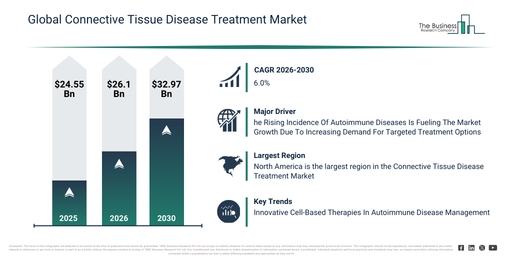
    The connective tissue disease treatment market has experienced significant growth recently. This market is projected to expand from $24.55 billion in 2025 to $26.1 billion by 2026, demonstrating a compound annual growth rate (CAGR) of 6.3%. Historically, this expansion has been driven by factors such as the restricted accessibility of biologic therapies, a continued dependence on conventional DMARDs, the rising incidence of autoimmune connective tissue diseases, the increasing uptake of hospital-based treatments, and improved understanding of disease management programs.

    The connective tissue disease treatment market size is anticipated to experience robust expansion over the coming years. It is projected to reach $32.97 billion by 2030, demonstrating a compound annual growth rate (CAGR) of 6.0%. This growth during the forecast period is primarily driven by the development of targeted synthetic DMARDs and JAK inhibitors, increasing investment in biologics and immunosuppressants, the expansion of homecare and outpatient treatment facilities, a rising focus on personalized medicine and patient-centric care, and the integration of digital health and telemedicine solutions. Major trends expected in the forecast period include a growing adoption of biologics and targeted therapies, an increasing preference for personalized treatment approaches, the continued expansion of homecare and outpatient treatment settings, an escalating demand for oral and injectable drug delivery, and an emphasis on early diagnosis and disease management programs.

    Access Your Free Sample Report for In-Depth Market Insights:

    https://www.thebusinessresearchcompany.com/sample.aspx?id=25726&type=smp

    Which Drivers Are Impacting Market Performance In The Connective Tissue Disease Treatment Market?

    The increasing prevalence of autoimmune conditions is anticipated to fuel the expansion of the connective tissue disease treatment market in the future. Autoimmune disorders are characterized by the body’s immune system erroneously targeting its own healthy tissues and organs. The growing occurrence of autoimmune diseases largely stems from a blend of genetic predisposition, rendering some individuals more susceptible to immune system dysfunctions, and environmental elements like infections, nutrition, stress, and toxin exposure, which can initiate or aggravate these ailments. Treatment for connective tissue diseases aids in managing autoimmune conditions by addressing the fundamental immune system malfunction responsible for inflammation and tissue harm, thus easing symptoms, decelerating disease advancement, and enhancing the general well-being of patients suffering from ailments like lupus, rheumatoid arthritis, and scleroderma. As an illustration, in February 2024, data from Arthritis Australia, an Australian non-profit body, indicated that approximately 562,378 Australians are projected to have RA in 2025, making up 14% of all arthritis cases during that year. This figure is anticipated to increase by 33% to 748,721 people by 2040. This signifies an extra 186,343 Australians living with RA in 2040 relative to 2025. Consequently, the escalating incidence of autoimmune diseases is propelling the expansion of the connective tissue disease treatment market.

    Which Segments Are Contributing To The Growth Of The Connective Tissue Disease Treatment Market?

    The connective tissue disease treatment market covered in this report is segmented –

    1) By Drug Class: Anti-Inammatory Drugs, Immunosuppressants, Biologics And Targeted Therapy, Disease-Modifying Anti-Rheumatic Drugs (DMARDs), Other Drug Classes

    2) By Disease Type: Systemic Lupus Erythematosus (SLE), Rheumatoid Arthritis (RA), Scleroderma, Dermatomyositis, Mixed Connective Tissue Disease (MCTD), Polymyositis, Sjögren’s Syndrome, Vasculitis, Antiphospholipid Syndrome (APS)

    3) By Route Of Administration: Oral, Injectable, Topical

    4) By Distribution Channel: Hospital Pharmacies, Retail Pharmacies, Online Pharmacies

    5) By End-User: Hospitals, Clinics, Homecare Settings

    Subsegments:

    1) By Anti-Inflammatory Drugs: Nonsteroidal Anti-Inflammatory Drugs (NSAIDs), Systemic Corticosteroids

    2) By Immunosuppressants: Calcineurin Inhibitors, Mammalian Target Of Rapamycin (mTOR) Inhibitors, Antimetabolites, Alkylating Agents

    3) By Biologics And Targeted Therapy: Tumor Necrosis Factor (TNF) Inhibitors, Interleukin-6 (IL-6) Inhibitors, B-Cell Inhibitors, T-Cell Co-Stimulation Modulators, Janus Kinase (JAK) Inhibitors

    4) By Disease-Modifying Anti-Rheumatic Drugs (DMARDs): Conventional Synthetic Disease-Modifying Anti-Rheumatic Drugs (DMARDs), Biologic Disease-Modifying Anti-Rheumatic Drugs (DMARDs), Targeted Synthetic Disease-Modifying Anti-Rheumatic Drugs (DMARDs)

    5) By Other Drug Classes: Analgesics, Antimalarial Drugs, Antibiotics, Monoclonal Antibodies

    What Industry Trends Are Transforming The Connective Tissue Disease Treatment Market?

    Major companies in the connective tissue disease treatment market are actively conducting clinical trials to develop novel therapies, such as allogeneic CAR-NK cell therapy, with the aim of boosting efficacy and addressing critical unmet needs in autoimmune conditions. Allogeneic CAR-NK cell therapy is a treatment that utilizes natural killer (NK) cells from healthy donors, which are genetically modified with a chimeric antigen receptor (CAR), to target and eradicate disease-causing cells. It functions by enhancing the immune system’s capability to eliminate harmful B-cells involved in autoimmune diseases, thus offering a potentially safer and more accessible alternative compared to traditional cell therapies. For instance, in July 2024, Nkarta Inc., a US-based clinical-stage biotechnology company, commenced the Ntrust-1 clinical trial to evaluate NKX019, an investigational allogeneic CAR-NK cell therapy, for treating lupus nephritis. Furthermore, the company received FDA clearance to begin a separate trial (Ntrust-2) for systemic sclerosis, idiopathic inflammatory myopathy, and ANCA-associated vasculitis. These initiatives aim to address significant unmet needs in autoimmune diseases by improving the safety, accessibility, and efficacy of cell-based therapies through genetically engineered NK cells that selectively target CD19-expressing B-cells.

    Who Are The Prominent Global Companies Shaping The Connective Tissue Disease Treatment Market Landscape?

    Major companies operating in the connective tissue disease treatment market are Pfizer Inc., F. Hoffmann-La Roche AG, AbbVie Inc., Sanofi S.A., Bristol Myers Squibb Company, AstraZeneca PLC, Novartis AG, GlaxoSmithKline (GSK) PLC, Eli Lilly and Company, Amgen Inc., Biogen Inc., Vertex Pharmaceuticals, UCB S.A., Hikma Pharmaceuticals PLC, Innovent Biologics Inc., RemeGen Co. Ltd, Kymera Therapeutics, Adicet Bio, Equillium Inc.

    Access The Complete Report For Deeper Market Insights:

    https://www.thebusinessresearchcompany.com/report/connective-tissue-disease-treatment-global-market-report

    Which Geographic Areas Are Emerging As Strong Markets For The Connective Tissue Disease Treatment Market?

    North America was the largest region in the connective tissue disease treatment market in 2025. Asia-Pacific is expected to be the fastest-growing region in the forecast period. The regions covered in the connective tissue disease treatment market report are Asia-Pacific, South East Asia, Western Europe, Eastern Europe, North America, South America, Middle East, Africa.

    Request Your Customized Connective Tissue Disease Treatment Market Research Report for Competitive Advantage:

    https://www.thebusinessresearchcompany.com/customise?id=25726&type=smp

    Browse Through More Reports Similar to the Global Connective Tissue Disease Treatment Market 2026, By The Business Research Company

    Neurofibromatosis Treatment Market Report 2026

    https://www.thebusinessresearchcompany.com/report/neurofibromatosis-treatment-global-market-report

    Soft Tissue Repair Market Report 2026

    https://www.thebusinessresearchcompany.com/report/soft-tissue-repair-global-market-report

    Bleeding Disorders Treatment Market Report 2026

    https://www.thebusinessresearchcompany.com/report/bleeding-disorders-treatment-global-market-report

    Get in touch with us:

    The Business Research Company: https://www.thebusinessresearchcompany.com/

    Americas +1 310-496-7795

    Asia +44 7882 955267 & +91 8897263534

    Europe +44 7882 955267

    Email us at info@tbrc.info

    Follow us on:

    LinkedIn: https://in.linkedin.com/company/the-business-research-company

    YouTube: https://www.youtube.com/channel/UC24_fI0rV8cR5DxlCpgmyFQ

    Global Market Model: https://www.thebusinessresearchcompany.com/global-market-model
  • Connective Tissue Disease Treatment Market Anticipated to Record Steady Gains, Advancing to $32.97 Billion by 2030

    Uncover key drivers, emerging technologies, and competitive movements shaping the connective tissue disease treatment market from 2026–2035 with trusted insights from The Business Research Company

    What growth pattern is forecast for the Connective Tissue Disease Treatment Market size between 2026 and 2035?

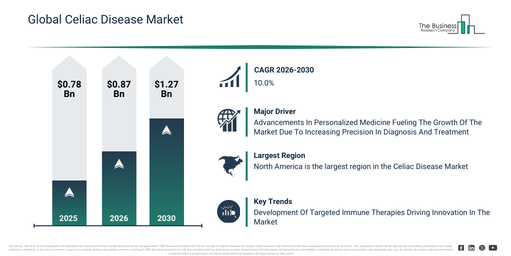
    The connective tissue disease treatment market has experienced significant growth recently. This market is projected to expand from $24.55 billion in 2025 to $26.1 billion by 2026, demonstrating a compound annual growth rate (CAGR) of 6.3%. Historically, this expansion has been driven by factors such as the restricted accessibility of biologic therapies, a continued dependence on conventional DMARDs, the rising incidence of autoimmune connective tissue diseases, the increasing uptake of hospital-based treatments, and improved understanding of disease management programs.

    The connective tissue disease treatment market size is anticipated to experience robust expansion over the coming years. It is projected to reach $32.97 billion by 2030, demonstrating a compound annual growth rate (CAGR) of 6.0%. This growth during the forecast period is primarily driven by the development of targeted synthetic DMARDs and JAK inhibitors, increasing investment in biologics and immunosuppressants, the expansion of homecare and outpatient treatment facilities, a rising focus on personalized medicine and patient-centric care, and the integration of digital health and telemedicine solutions. Major trends expected in the forecast period include a growing adoption of biologics and targeted therapies, an increasing preference for personalized treatment approaches, the continued expansion of homecare and outpatient treatment settings, an escalating demand for oral and injectable drug delivery, and an emphasis on early diagnosis and disease management programs.

    Access Your Free Sample Report for In-Depth Market Insights:

    https://www.thebusinessresearchcompany.com/sample.aspx?id=25726&type=smp

    Which Drivers Are Impacting Market Performance In The Connective Tissue Disease Treatment Market?

    The increasing prevalence of autoimmune conditions is anticipated to fuel the expansion of the connective tissue disease treatment market in the future. Autoimmune disorders are characterized by the body’s immune system erroneously targeting its own healthy tissues and organs. The growing occurrence of autoimmune diseases largely stems from a blend of genetic predisposition, rendering some individuals more susceptible to immune system dysfunctions, and environmental elements like infections, nutrition, stress, and toxin exposure, which can initiate or aggravate these ailments. Treatment for connective tissue diseases aids in managing autoimmune conditions by addressing the fundamental immune system malfunction responsible for inflammation and tissue harm, thus easing symptoms, decelerating disease advancement, and enhancing the general well-being of patients suffering from ailments like lupus, rheumatoid arthritis, and scleroderma. As an illustration, in February 2024, data from Arthritis Australia, an Australian non-profit body, indicated that approximately 562,378 Australians are projected to have RA in 2025, making up 14% of all arthritis cases during that year. This figure is anticipated to increase by 33% to 748,721 people by 2040. This signifies an extra 186,343 Australians living with RA in 2040 relative to 2025. Consequently, the escalating incidence of autoimmune diseases is propelling the expansion of the connective tissue disease treatment market.

    Which Segments Are Contributing To The Growth Of The Connective Tissue Disease Treatment Market?

    The connective tissue disease treatment market covered in this report is segmented –

    1) By Drug Class: Anti-Inammatory Drugs, Immunosuppressants, Biologics And Targeted Therapy, Disease-Modifying Anti-Rheumatic Drugs (DMARDs), Other Drug Classes

    2) By Disease Type: Systemic Lupus Erythematosus (SLE), Rheumatoid Arthritis (RA), Scleroderma, Dermatomyositis, Mixed Connective Tissue Disease (MCTD), Polymyositis, Sjögren’s Syndrome, Vasculitis, Antiphospholipid Syndrome (APS)

    3) By Route Of Administration: Oral, Injectable, Topical

    4) By Distribution Channel: Hospital Pharmacies, Retail Pharmacies, Online Pharmacies

    5) By End-User: Hospitals, Clinics, Homecare Settings

    Subsegments:

    1) By Anti-Inflammatory Drugs: Nonsteroidal Anti-Inflammatory Drugs (NSAIDs), Systemic Corticosteroids

    2) By Immunosuppressants: Calcineurin Inhibitors, Mammalian Target Of Rapamycin (mTOR) Inhibitors, Antimetabolites, Alkylating Agents

    3) By Biologics And Targeted Therapy: Tumor Necrosis Factor (TNF) Inhibitors, Interleukin-6 (IL-6) Inhibitors, B-Cell Inhibitors, T-Cell Co-Stimulation Modulators, Janus Kinase (JAK) Inhibitors

    4) By Disease-Modifying Anti-Rheumatic Drugs (DMARDs): Conventional Synthetic Disease-Modifying Anti-Rheumatic Drugs (DMARDs), Biologic Disease-Modifying Anti-Rheumatic Drugs (DMARDs), Targeted Synthetic Disease-Modifying Anti-Rheumatic Drugs (DMARDs)

    5) By Other Drug Classes: Analgesics, Antimalarial Drugs, Antibiotics, Monoclonal Antibodies

    What Industry Trends Are Transforming The Connective Tissue Disease Treatment Market?

    Major companies in the connective tissue disease treatment market are actively conducting clinical trials to develop novel therapies, such as allogeneic CAR-NK cell therapy, with the aim of boosting efficacy and addressing critical unmet needs in autoimmune conditions. Allogeneic CAR-NK cell therapy is a treatment that utilizes natural killer (NK) cells from healthy donors, which are genetically modified with a chimeric antigen receptor (CAR), to target and eradicate disease-causing cells. It functions by enhancing the immune system’s capability to eliminate harmful B-cells involved in autoimmune diseases, thus offering a potentially safer and more accessible alternative compared to traditional cell therapies. For instance, in July 2024, Nkarta Inc., a US-based clinical-stage biotechnology company, commenced the Ntrust-1 clinical trial to evaluate NKX019, an investigational allogeneic CAR-NK cell therapy, for treating lupus nephritis. Furthermore, the company received FDA clearance to begin a separate trial (Ntrust-2) for systemic sclerosis, idiopathic inflammatory myopathy, and ANCA-associated vasculitis. These initiatives aim to address significant unmet needs in autoimmune diseases by improving the safety, accessibility, and efficacy of cell-based therapies through genetically engineered NK cells that selectively target CD19-expressing B-cells.

    Who Are The Prominent Global Companies Shaping The Connective Tissue Disease Treatment Market Landscape?

    Major companies operating in the connective tissue disease treatment market are Pfizer Inc., F. Hoffmann-La Roche AG, AbbVie Inc., Sanofi S.A., Bristol Myers Squibb Company, AstraZeneca PLC, Novartis AG, GlaxoSmithKline (GSK) PLC, Eli Lilly and Company, Amgen Inc., Biogen Inc., Vertex Pharmaceuticals, UCB S.A., Hikma Pharmaceuticals PLC, Innovent Biologics Inc., RemeGen Co. Ltd, Kymera Therapeutics, Adicet Bio, Equillium Inc.

    Access The Complete Report For Deeper Market Insights:

    https://www.thebusinessresearchcompany.com/report/connective-tissue-disease-treatment-global-market-report

    Which Geographic Areas Are Emerging As Strong Markets For The Connective Tissue Disease Treatment Market?

    North America was the largest region in the connective tissue disease treatment market in 2025. Asia-Pacific is expected to be the fastest-growing region in the forecast period. The regions covered in the connective tissue disease treatment market report are Asia-Pacific, South East Asia, Western Europe, Eastern Europe, North America, South America, Middle East, Africa.

    Request Your Customized Connective Tissue Disease Treatment Market Research Report for Competitive Advantage:

    https://www.thebusinessresearchcompany.com/customise?id=25726&type=smp

    Browse Through More Reports Similar to the Global Connective Tissue Disease Treatment Market 2026, By The Business Research Company

    Neurofibromatosis Treatment Market Report 2026

    https://www.thebusinessresearchcompany.com/report/neurofibromatosis-treatment-global-market-report

    Soft Tissue Repair Market Report 2026

    https://www.thebusinessresearchcompany.com/report/soft-tissue-repair-global-market-report

    Bleeding Disorders Treatment Market Report 2026

    https://www.thebusinessresearchcompany.com/report/bleeding-disorders-treatment-global-market-report

    Get in touch with us:

    The Business Research Company: https://www.thebusinessresearchcompany.com/

    Americas +1 310-496-7795

    Asia +44 7882 955267 & +91 8897263534

    Europe +44 7882 955267

    Email us at info@tbrc.info

    Follow us on:

    LinkedIn: https://in.linkedin.com/company/the-business-research-company

    YouTube: https://www.youtube.com/channel/UC24_fI0rV8cR5DxlCpgmyFQ

    Global Market Model: https://www.thebusinessresearchcompany.com/global-market-model
  • Celiac Disease Market Anticipated to Record Steady Gains, Advancing to $1.27 Billion by 2030

    Celiac Disease Market Anticipated to Record Steady Gains, Advancing to $1.27 Billion by 2030

    Uncover key drivers, emerging technologies, and competitive movements shaping the celiac disease market from 2026–2035 with trusted insights from The Business Research Company

    What total market size is anticipated for the Celiac Disease Market in 2030?

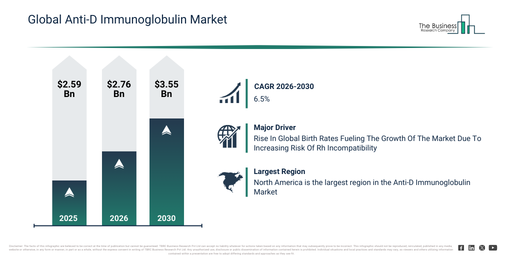
    The celiac disease market has experienced substantial expansion in recent years. Projections indicate its value will increase from $0.78 billion in 2025 to $0.87 billion in 2026, demonstrating a compound annual growth rate (CAGR) of 10.3%. Historically, this expansion has been driven by factors such as increased autoimmune disease awareness, advancements in diagnostics, broader adoption of dietary management, enhanced hospital gastroenterology care, and active patient advocacy.

    The celiac disease market is projected to experience substantial expansion in the coming years, reaching $1.27 billion by 2030, progressing at a compound annual growth rate (CAGR) of 10.0%. This anticipated growth is driven by factors such as the development of new drugs, advancements in gluten-free food products, tailored nutrition approaches, the implementation of early screening initiatives, and ongoing microbiome research. Key trends during this period are expected to encompass an increase in the adoption of gluten-free diets, the expanding market for packaged gluten-free foods, the broadening of drug-centric therapies, enhanced disease awareness and diagnostic efforts, and a strong emphasis on microbiome-focused treatments.

    Access Your Free Sample Report for In-Depth Market Insights:

    https://www.thebusinessresearchcompany.com/sample.aspx?id=24497&type=smp

    What Drivers Are Influencing Production Trends In The Celiac Disease Market?

    The future expansion of personalized medicine is projected to propel the advancement of the celiac disease market. This medical strategy tailors healthcare solutions according to an individual’s unique genetic makeup, environmental factors, and lifestyle choices. A growing demand for personalized medicine stems from the wider accessibility of genetic testing, facilitating more precise diagnoses and therapeutic interventions customized for each patient’s requirements. The advancement of personalized medicine aids celiac disease treatment by enabling the accurate identification of genetic indicators and specific immune reactions, resulting in more focused and efficacious management plans for individual patients. An illustrative example is that in February 2024, data from the Personalized Medicine Coalition, a US-based nonprofit entity, showed that the FDA granted authorization to 16 personalized therapies in 2023 for rare diseases, marking an increase from the 6 approved in 2022. Consequently, the expansion of personalized medicine is set to invigorate the celiac disease market’s growth.

    Which Segments Are Gaining Traction In The Celiac Disease Market?

    The celiac disease market covered in this report is segmented –

    1) By Treatment: Larazotide Acetate, Gluten Free Diet, Other Treatments

    2) By Route Of Administration: Oral, Parenteral

    3) By End Users: Hospitals, Homecare, Other End-Users

    Subsegments:

    1) By Larazotide Acetate: Clinical Trial Phase Products, Oral Capsule Formulation, Adult Celiac Patients, Pediatric Investigational Use, Monotherapy And Combination Therapy

    2) By Gluten Free Diet: Packaged Gluten-Free Foods, Gluten-Free Bakery Products, Gluten-Free Snacks, Gluten-Free Nutritional Supplements, Gluten-Free Beverages

    3) By Other Treatments: Corticosteroids, Immunosuppressive Drugs, Enzyme Therapies, Monoclonal Antibodies, Probiotics And Microbiome Modulators

    How Are New Market Trends Shaping The Landscape Of The Celiac Disease Market?

    Leading companies within the celiac disease market are concentrating on creating sophisticated treatments, including anti-interleukin-15 (IL-15) antibodies, aimed at lessening tissue damage by moderating overactive immune cell function. These anti-interleukin-15 (IL-15) antibodies are specialized proteins designed to impede the IL-15 cytokine’s action, thereby assisting in the regulation of immune system activity and inflammation. As an illustration, Teva Pharmaceutical Industries, an Israeli pharmaceutical firm, declared in May 2025 that the U.S. Food and Drug Administration had designated TEV-53408, an experimental anti-interleukin-15 (IL-15) antibody, with Fast Track status. This investigational monoclonal antibody is being developed for celiac disease patients who adhere to a gluten-free diet. Its mode of action involves obstructing interleukin-15 (IL-15), a molecule crucial in initiating the immune response that results in intestinal damage for individuals with celiac disease. The treatment is presently undergoing assessment in a Phase 2a clinical trial to determine both its safety and effectiveness.

    Who Are The Prominent Global Companies Shaping The Celiac Disease Market Landscape?

    Major companies operating in the celiac disease market are Pfizer Inc., Sanofi SA, Novartis AG, Takeda Pharmaceutical Company Ltd., Chugai Pharmaceutical Co. Ltd., Dr Falk Pharma GmbH, Theriva Biologics Inc., Equillium Inc., Immunic Inc., Barinthus Biotherapeutics Plc, Allero Therapeutics, Anokion SA, Mozart Therapeutics, ImmunogenX, Topas Therapeutics GmbH, Parvus Therapeutics Inc., AMYRA Biotech AG, Provention Limited, Precigen Inc., Zedira GmbH, AnTolRx Inc., Nemysis Ltd., Entero Therapeutics Inc.

    Access The Complete Report For Deeper Market Insights:

    https://www.thebusinessresearchcompany.com/report/celiac-disease-global-market-report

    Which Geographic Areas Are Emerging As Strong Markets For The Celiac Disease Market?

    North America was the largest region in the celiac disease market in 2025. Asia-Pacific is expected to be the fastest-growing region in the forecast period. The regions covered in the celiac disease market report are Asia-Pacific, South East Asia, Western Europe, Eastern Europe, North America, South America, Middle East, Africa.

    Request Your Customized Celiac Disease Market Research Report for Competitive Advantage:

    https://www.thebusinessresearchcompany.com/customise?id=24497&type=smp

    Browse Through More Reports Similar to the Global Celiac Disease Market 2026, By The Business Research Company

    Rare Diseases Treatment Market Report 2026

    https://www.thebusinessresearchcompany.com/report/rare-diseases-treatment-global-market-report

    Rare Disease Diagnostics Market Report 2026

    https://www.thebusinessresearchcompany.com/report/rare-disease-diagnostics-global-market-report

    Rare Inflammatory Disease Treatment Market Report 2026

    https://www.thebusinessresearchcompany.com/report/rare-inflammatory-disease-treatment-global-market-report

    Get in touch with us:

    The Business Research Company: https://www.thebusinessresearchcompany.com/

    Americas +1 310-496-7795

    Asia +44 7882 955267 & +91 8897263534

    Europe +44 7882 955267

    Email us at info@tbrc.info

    Follow us on:

    LinkedIn: https://in.linkedin.com/company/the-business-research-company

    YouTube: https://www.youtube.com/channel/UC24_fI0rV8cR5DxlCpgmyFQ

    Global Market Model: https://www.thebusinessresearchcompany.com/global-market-model

  • Global Anti-D Immunoglobulin Industry Trends and Market Forecast 2026–2030

    Global Anti-D Immunoglobulin Industry Trends and Market Forecast 2026–2030

    Uncover key drivers, emerging technologies, and competitive movements shaping the anti-d immunoglobulin market from 2026–2035 with trusted insights from The Business Research Company

    Across 2026–2030, what is the expected market valuation path of the Anti-D Immunoglobulin Market?

    The anti-d immunoglobulin market size has demonstrated significant expansion in recent years. It is projected to climb from $2.59 billion in 2025 to $2.76 billion in 2026, reflecting a compound annual growth rate (CAGR) of 6.6%. The market’s historical growth can be attributed to factors like restricted plasma donor availability, dependence on manual antibody extraction processes, heightened awareness of hemolytic disease, increased utilization in hospitals and clinics, and the shift towards intramuscular administration.

    The anti-d immunoglobulin market is projected to experience substantial expansion over the upcoming years, reaching a valuation of $3.55 billion by 2030, exhibiting a compound annual growth rate (CAGR) of 6.5%. This projected growth throughout the forecast period stems from factors such as advancements in intravenous formulations, the proliferation of automated plasma fractionation technologies, an increase in antenatal screening initiatives, improvements in the worldwide blood bank infrastructure, and the expansion of personalized immunoglobulin therapies. Key trends anticipated during this period encompass a heightened need for anti-d immunoglobulin in managing hemolytic disease, a greater uptake of pre-filled syringes and single-use vials, the broadening of antenatal and postnatal prophylaxis programs, an increase in distribution through hospital and blood bank networks, and a reinforced emphasis on ensuring safety, purity, and adherence to regulations.

    Access Your Free Sample Report for In-Depth Market Insights:

    https://www.thebusinessresearchcompany.com/sample.aspx?id=25694&type=smp

    Which Drivers Are Supporting The Rise Of The Anti-D Immunoglobulin Market?

    The high birth rates are projected to fuel the expansion of the anti-D immunoglobulin market. Birth rates signify the annual count of live births per 1,000 individuals within a population. These rates are rising due to insufficient access to education and family planning resources, leading to increased fertility and larger families. Anti-D immunoglobulin aids in managing birth rates by preventing Rh incompatibility during pregnancy, thereby lessening the risk of hemolytic disease in newborns and promoting healthier outcomes in subsequent pregnancies. For instance, in April 2025, the Centers for Disease Control and Prevention, a US government body, reported 3,622,673 births in 2024, marking a 1% increase from 2023. Consequently, elevated birth rates are stimulating growth in the anti-D immunoglobulin market. The anti-D immunoglobulin market is anticipated to grow with the ongoing expansion of healthcare infrastructure. Healthcare infrastructure encompasses the essential facilities, equipment, workforce, and support systems required for delivering medical services to a population. This infrastructure is expanding due to the increasing global population, which drives higher demand for healthcare and necessitates the development of more hospitals, clinics, and related resources. Such expansion improves access to maternal healthcare, facilitating better screening and the timely administration of anti-D immunoglobulin to prevent hemolytic disease in newborns. For example, in May 2023, the UK’s Department of Health and Social Care announced plans to invest over $27 billion (£20 billion) in new hospital facilities. Under the New Hospital Programme, two hospitals have been completed, five are under construction, and more than 20 are expected to be initiated or finalized by the close of 2023. Therefore, the expanding healthcare infrastructure is a key driver for the anti-D immunoglobulin market.

    What Segments Are Identified Within The Structure Of The Anti-D Immunoglobulin Market?

    The anti-d immunoglobulin market covered in this report is segmented –

    1) By Product Type: Intramuscular Anti-D Immunoglobulin, Intravenous Anti-D Immunoglobulin

    2) By Distribution Channel: Hospital Pharmacies, Retail Pharmacies, Online Pharmacies, Other Distribution Channel

    3) By Application: Hemolytic Disease Of The Newborn, Immune Thrombocytopenic Purpura, Antenatal And Postnatal Prophylaxis, Other Applications

    4) By End-User: Hospitals, Clinics, Blood Banks, Research Laboratories

    Subsegments:

    1) By Intramuscular Anti-D Immunoglobulin: Standard Dose, High Dose, Pre-Filled Syringes, Vials

    2) By Intravenous Anti-D Immunoglobulin: Lyophilized Powder, Liquid Formulation, Single-Use Vials, Multi-Dose Vials

    Which Key Market Players Are Investing In Expansion And Innovation Within The Anti-D Immunoglobulin Market?

    Major companies operating in the anti-d immunoglobulin market are CSL Behring, Octapharma AG, Kedrion Biopharma Inc., Biotest AG, Sanquin, Bharat Serums and Vaccines Limited, Intas Pharmaceuticals Ltd., Zydus Lifesciences Limited, Emergent BioSolutions Inc., Kamada Pharmaceuticals, Saol Therapeutics Inc., Avin Darou, Sichuan Yuanda Shuyang Pharmaceutical Co. Ltd., Taj Pharmaceuticals Limited, Aetos Pharma Private Limited, PV Pharma Healthcare Pvt. Ltd., Grifols S.A., Takeda Pharmaceutical Company Limited, LFB Biomedicaments, China Biologic Products Holdings Inc., Shanghai RAAS Blood Products Co. Ltd., Hualan Biological Engineering Inc., CBPO (Shandong Taibang Biological Products Co. Ltd.), Bio Products Laboratory (BPL), Instituto Grifols S.A., HemaCare Corporation, KM Biologics Co. Ltd., National Bioproducts Institute (NBI), GC Pharma (Green Cross Corporation), SK Plasma Co. Ltd.

    Access The Complete Report For Deeper Market Insights:

    https://www.thebusinessresearchcompany.com/report/anti-d-immunoglobulin-global-market-report

    Which Regions Are Poised For Strategic Growth In The Anti-D Immunoglobulin Market?

    North America was the largest region in the anti-D immunoglobulin market in 2025. Asia-Pacific is expected to be the fastest-growing region in the forecast period. The regions covered in the anti-d immunoglobulin market report are Asia-Pacific, South East Asia, Western Europe, Eastern Europe, North America, South America, Middle East, Africa.

    Request Your Customized Anti-D Immunoglobulin Market Research Report for Competitive Advantage:

    https://www.thebusinessresearchcompany.com/customise?id=25694&type=smp

    Browse Through More Reports Similar to the Global Anti-D Immunoglobulin Market 2026, By The Business Research Company

    Immunoglobulins Market Report 2026

    https://www.thebusinessresearchcompany.com/report/immunoglobulins-global-market-report

    Intravenous Immunoglobulin Market Report 2026

    https://www.thebusinessresearchcompany.com/report/intravenous-immunoglobulin-global-market-report

    Immunoassay Market Report 2026

    https://www.thebusinessresearchcompany.com/report/immunoassay-global-market-report

    Get in touch with us:

    The Business Research Company: https://www.thebusinessresearchcompany.com/

    Americas +1 310-496-7795

    Asia +44 7882 955267 & +91 8897263534

    Europe +44 7882 955267

    Email us at info@tbrc.info

    Follow us on:

    LinkedIn: https://in.linkedin.com/company/the-business-research-company

    YouTube: https://www.youtube.com/channel/UC24_fI0rV8cR5DxlCpgmyFQ

    Global Market Model: https://www.thebusinessresearchcompany.com/global-market-model

  • Global Dental 3D Printing Devices Market Report 2026–2035: Key Forecasts and Growth Areas

    Global Dental 3D Printing Devices Market Report 2026–2035: Key Forecasts and Growth Areas

    Uncover key drivers, emerging technologies, and competitive movements shaping the worker heat stress monitoring wearable market from 2026–2035 with trusted insights from The Business Research Company

    How much is the Dental 3D Printing Devices Market valued at in 2026, and what valuation is forecast for 2030?

    The dental 3D printing devices market has experienced significant growth in recent years. It is projected to expand from $6.33 billion in 2025 to reach $7.37 billion in 2026, demonstrating a compound annual growth rate (CAGR) of 16.4%. Historically, this expansion has been influenced by elements such as the high cost associated with traditional dental manufacturing, limited access to advanced 3D printing technologies, the reliance on manual dental prosthetics fabrication, the increasing number of dental clinics and laboratories, and the early adoption of stereolithography and DLP technologies.

    The market for dental 3D printing devices is projected to experience substantial growth in the upcoming years. This market is anticipated to reach a valuation of $13.42 billion by 2030, exhibiting a compound annual growth rate (CAGR) of 16.2%. Key drivers for this growth during the forecast period include the proliferation of dental-specific 3D printers, the advancement of multi-material and high-precision printing technologies, increased funding for dental education and research, the growing need for custom orthodontic and prosthodontic solutions, and the incorporation of AI and digital workflows within dental laboratories. Significant trends expected in the forecast period encompass the increasing acceptance of personalized dental devices, a surge in the application of biocompatible resins and materials, more rapid production cycles for dental products, the convergence of 3D printing with digital dental scanning, and an expansion in orthodontic and prosthodontic uses.

    Access Your Free Sample Report for In-Depth Market Insights:

    https://www.thebusinessresearchcompany.com/sample.aspx?id=25735&type=smp

    What Drivers Are Influencing The Growth Of The Dental 3D Printing Devices Market?

    An increasing incidence of dental disorders is anticipated to propel the expansion of the dental 3D printing devices market in the future. These disorders comprise various conditions that negatively affect the health, functionality, or structure of the teeth and surrounding oral tissues. The escalation in dental disorders is primarily attributed to poor dietary habits, particularly high consumption of sugar and acid, which promotes tooth decay and gum ailments. Dental 3D printing devices aid in addressing dental disorders by enabling the swift, accurate, and economical fabrication of customized dental solutions, such as crowns, bridges, aligners, dentures, and surgical guides, thereby improving treatment precision and patient outcomes. For instance, in January 2024, according to a report published by the American Cancer Society, a US-based nonprofit cancer advocacy organization, an estimated 58,450 adults in the United States, comprising 41,510 men and 16,940 women, are projected to be diagnosed with oral or oropharyngeal cancer in 2024, which is an increase from 54,000 adults in 2022. Consequently, the growing prevalence of dental disorders is driving the growth of the dental 3D printing devices market.

    What Segments Are Included Within The Dental 3D Printing Devices Market?

    The dental 3D printing devices market covered in this report is segmented –

    1) By Device Type: Desktop 3D Printers, Industrial 3D Printers, Dental Specific 3D Printers

    2) By Technology Type: Stereolithography (SLA), Digital Light Processing (DLP), Selective Laser Sintering (SLS), Material Jetting

    3) By Material Type: Resins, Biocompatible Materials, Thermoplastics, Wax

    4) By Application Area: Orthodontics, Prosthodontics, Implantology, Maxillofacial Surgery, Custom Dental Devices

    5) By End-User: Dental Laboratories, Dental Clinics, Educational Institutions, Research Organizations

    Subsegments:

    1) By Desktop 3D Printers: Resin-Based Desktop Printers, Fused Deposition Modeling (FDM) Desktop Printers, Multi-Material Desktop Printers

    2) By Industrial 3D Printers: Selective Laser Sintering (SLS) Industrial Printers, Multi-Jet Fusion (MJF) Printers, Binder Jetting Printers, Polyjet Printers

    3) By Dental Specific 3D Printers: Crown And Bridge Printers, Denture Printers, Orthodontic Appliance Printers, Surgical Guide Printers

    What Trends Are Driving The Growth Trajectory Of The Dental 3D Printing Devices Market?

    Leading companies in the dental 3D printing devices market are concentrating on developing advanced technologies like 3D-printed dentures to enhance treatment precision, reduce turnaround times, and improve patient-specific customization. These dentures are dental prosthetics digitally designed and manufactured using 3D printing technology, enabling precise, customizable, and efficient replacement of missing teeth. For instance, in February 2024, 3D Systems Corporation, a US-based computer manufacturing company, launched the industry’s first multi-material, jetted, monolithic dentures to streamline production and improve denture quality. This innovation combines custom materials for teeth and gums in a single piece, delivering superior durability, break resistance, and lifelike esthetics, significantly reducing production time and labor for dental labs. This advancement provides patients with faster, more comfortable, and longer-lasting dentures, enhancing both clinical outcomes and satisfaction.

    Who Are The Primary Competitors In The Global Dental 3D Printing Devices Market?

    Major companies operating in the dental 3d printing devices market are Renishaw, Stratasys Ltd, 3D Systems Corporation, Roland DG Corporation, Formlabs Inc, Materialise NV, Desktop Metal Inc, Carbon Inc, EnvisionTEC GmbH, SprintRay Inc, Prodways Group SA, UnionTech, Structo Pte Ltd, Kulzer GmbH, BEGO GmbH And Co KG, Sisma SpA, Asiga Pty Ltd, Rapid Shape GmbH, Shining 3D Dental, DWS Systems, Ackuretta Technologies, Planmeca Group

    Access The Complete Report For Deeper Market Insights:

    https://www.thebusinessresearchcompany.com/report/dental-3d-printing-devices-global-market-report

    Which Global Regions Are Shaping The Competitive Landscape Of The Dental 3D Printing Devices Market?

    North America was the largest region in the dental 3D printing devices market in 2025. Asia-Pacific is expected to be the fastest-growing region in the forecast period. The regions covered in the dental 3D printing devices market report are Asia-Pacific, South East Asia, Western Europe, Eastern Europe, North America, South America, Middle East, Africa.

    Request Your Customized Dental 3D Printing Devices Market Research Report for Competitive Advantage:

    https://www.thebusinessresearchcompany.com/customise?id=25735&type=smp

    Browse Through More Reports Similar to the Global Dental 3D Printing Devices Market 2026, By The Business Research Company

    3D Printed Implants Global Market Report 2026

    https://www.thebusinessresearchcompany.com/report/3d-printed-implants-global-market-report

    3D Printing Services Global Market Report 2026

    https://www.thebusinessresearchcompany.com/report/3d-printing-services-global-market-report

    3D Dental Scanners Global Market Report 2026

    https://www.thebusinessresearchcompany.com/report/3d-dental-scanners-global-market-report

    Get in touch with us:

    The Business Research Company: https://www.thebusinessresearchcompany.com/

    Americas +1 310-496-7795

    Asia +44 7882 955267 & +91 8897263534

    Europe +44 7882 955267

    Email us at info@tbrc.info

    Follow us on:

    LinkedIn: https://in.linkedin.com/company/the-business-research-company

  • Dental Preventive Supplies Industry Growth Insights: Revenue Forecast to 2030

    Dental Preventive Supplies Industry Growth Insights: Revenue Forecast to 2030

    Uncover key drivers, emerging technologies, and competitive movements shaping the workstation graphics processing unit (gpu) market from 2026–2035 with trusted insights from The Business Research Company

    What long-term size projections exist for the Dental Preventive Supplies Market covering 2026–2035?

    The dental preventive supplies market has shown robust expansion over recent years. Its valuation is expected to increase from $5 billion in 2025 to $5.29 billion in 2026, demonstrating a compound annual growth rate (CAGR) of 5.8%. This historical growth can be linked to factors like the increasing prevalence of dental caries, the widespread use of manual toothbrushes, limited awareness regarding oral care in developing regions, reliance on traditional retail channels, and the low adoption rate of interdental brushes.

    The dental preventive supplies market is projected to experience substantial expansion over the coming years. Its valuation is anticipated to reach $6.57 billion by 2030, driven by a compound annual growth rate (CAGR) of 5.6%. This growth during the forecast period stems from factors such as an increase in preventive dental care initiatives, the rising appeal of electric and smart toothbrushes, the proliferation of dental clinics and expert oral care provisions, greater access to biodegradable and natural fiber items, and the incorporation of oral care solutions with digital health platforms. Key trends anticipated for this period encompass heightened public awareness regarding oral hygiene and proactive care, a surge in the embrace of herbal and fluoride-infused products, an uptick in the use of electric and soft bristle toothbrushes, the broadening of e-commerce and online sales platforms, and an increasing need for teeth whitening and aesthetic oral care items.

    Access Your Free Sample Report for In-Depth Market Insights:

    https://www.thebusinessresearchcompany.com/sample.aspx?id=25741&type=smp

    Which Drivers Are Impacting The Competitive Landscape Of The Dental Preventive Supplies Market?

    The escalating prevalence of oral diseases is projected to stimulate the expansion of the dental preventive supplies market in the foreseeable future. Oral diseases encompass a range of conditions impacting the mouth and its related structures, including tooth decay, gum disease, oral infections, and oral cancer. The increase in these oral diseases is attributed to greater sugar consumption, which fosters harmful bacteria leading to tooth decay and gum infections. Dental preventive supplies contribute to preventing oral diseases by maintaining proper oral hygiene, reducing plaque accumulation, and shielding teeth and gums from decay, infection, and inflammation. For instance, in May 2024, data from the World Health Organization (WHO), a Switzerland-based intergovernmental public-health agency, revealed that oral diseases affected an estimated 3.5 billion people globally, ranking them among the most prevalent noncommunicable diseases worldwide. Therefore, the rising burden of oral diseases is a key factor propelling the growth of the dental preventive supplies market.

    What Segments Are Identified Within The Structure Of The Dental Preventive Supplies Market?

    The dental preventive supplies market covered in this report is segmented –

    1) By Product Type: Toothbrushes, Toothpaste, Dental Floss, Interdental Brushes, Rinses And Mouthwashes, Dental Chewing Gums

    2) By Material Type: Plastic, Natural Fiber, Metal, Synthetic Fiber, Biodegradable Materials

    3) By Distribution Channel: Retail Pharmacies, Drug Stores, E-Commerce

    4) By Application: Teeth Cleaning, Teeth Whitening, Teeth Coating

    5) By End-User: Individuals, Dental Clinics, Hospitals, Nursing Homes, Schools And Educational Institutions, Corporate Offices

    Subsegments:

    1) By Toothbrushes: Manual Toothbrushes, Electric Toothbrushes, Soft Bristle Toothbrushes

    2) By Toothpaste: Fluoride Toothpaste, Whitening Toothpaste, Herbal Toothpaste

    3) By Dental Floss: Waxed Dental Floss, Unwaxed Dental Floss, Flavored Dental Floss

    4) By Interdental Brushes: Plastic Handle Interdental Brushes, Wire Handle Interdental Brushes, Reusable Interdental Brushes

    5) By Rinses And Mouthwashes: Fluoride Mouthwash, Antiseptic Mouthwash, Cosmetic Mouthwash

    6) By Dental Chewing Gums: Sugar-Free Chewing Gums, Xylitol-Based Chewing Gums, Fluoride-Infused Chewing Gums

    Which Trends Are Guiding The Evolution Of The Dental Preventive Supplies Market?

    Leading entities within the dental preventive supplies market are prioritizing the creation of novel solutions, including antibacterial oral care regimens, in response to increasing consumer demand for sophisticated oral hygiene items that provide extended defense against oral ailments. Such a regimen denotes a routine incorporating antibacterial agents within oral care products, aiming to diminish detrimental bacteria and avert common dental problems like plaque accumulation, gum inflammation, and halitosis. Illustratively, in February 2025, The Colgate-Palmolive Company, a consumer goods enterprise headquartered in the US, introduced its Colgate Total Active Prevention System, designed to deliver extensive safeguarding against various oral health concerns. This system comprises three distinct products (toothpaste, toothbrush, and mouthwash) engineered to proactively combat oral bacteria, demonstrating an effectiveness 15x greater than conventional products in averting problems like gingivitis and cavities. Its primary benefit lies in offering broad, clinically validated protection across numerous oral health challenges, thereby enabling users to uphold superior oral hygiene and feel prepared for dental check-ups daily.

    Which Key Market Players Are Investing In Expansion And Innovation Within The Dental Preventive Supplies Market?

    Major companies operating in the dental preventive supplies market are Procter And Gamble, 3M Oral Care, Koninklijke Philips NV, Colgate Palmolive Company, Henry Schein Inc, Dentsply Sirona Inc, Sunstar Americas GUM, Ultradent Products Inc, Kerr Dental, Septodont Holding SAS, Voco GmbH, GC Corporation, Premier Dental Products Company, DenMat Holdings LLC, Bisco Dental, Pulpdent Corporation, Young Dental, The Dentists Supply Company, Lion Corporation Oral Care, Church And Dwight Co Inc, Dr Fresh LLC, Unilever Oral Care

    Access The Complete Report For Deeper Market Insights:

    https://www.thebusinessresearchcompany.com/report/dental-preventive-supplies-global-market-report

    Which Regions Are Poised For Strategic Growth In The Dental Preventive Supplies Market?

    North America was the largest region in the dental preventive supplies market in 2025. Asia-Pacific is expected to be the fastest-growing region in the forecast period. The regions covered in the dental preventive supplies market report are Asia-Pacific, South East Asia, Western Europe, Eastern Europe, North America, South America, Middle East, Africa.

    Request Your Customized Dental Preventive Supplies Market Research Report for Competitive Advantage:

    https://www.thebusinessresearchcompany.com/customise?id=25741&type=smp

    Browse Through More Reports Similar to the Global Dental Preventive Supplies Market 2026, By The Business Research Company

    Dental Services Market 2026

    https://www.thebusinessresearchcompany.com/report/dental-services-market

    Dental Consumables Global Market Report 2026

    https://www.thebusinessresearchcompany.com/report/dental-consumables-global-market-report

    Therapeutic Dental Equipment Global Market Report 2026

    https://www.thebusinessresearchcompany.com/report/therapeutic-dental-equipment-global-market-report

    Get in touch with us:

    The Business Research Company: https://www.thebusinessresearchcompany.com/

    Americas +1 310-496-7795

    Asia +44 7882 955267 & +91 8897263534

    Europe +44 7882 955267

    Email us at info@tbrc.info

    Follow us on:

    LinkedIn: https://in.linkedin.com/company/the-business-research-company

  • Global CAR-T Therapy Industry Trends and Market Forecast 2026–2030

    Global CAR-T Therapy Industry Trends and Market Forecast 2026–2030

    Uncover key drivers, emerging technologies, and competitive movements shaping the underground communications tracking market from 2026–2035 with trusted insights from The Business Research Company

    What level of growth is expected in the CAR-T Therapy Market between 2026 and 2030?_x000D_

    The car-t therapy market has experienced rapid expansion in its size over recent years. It is anticipated to increase from $2.98 billion in 2025 to $3.45 billion in 2026, demonstrating a compound annual growth rate (CAGR) of 15.9%. Historically, this growth can be ascribed to several factors, including the constrained availability of personalized immunotherapy, the elevated cost of early car-t treatments, the reliance on hospital-based cell processing, undeveloped regulatory frameworks, and limited patient awareness regarding car-t therapy._x000D_

    _x000D_

    The car-t therapy market is projected to experience substantial expansion in the coming years, reaching $6.08 billion by 2030, demonstrating a compound annual growth rate (CAGR) of 15.2%. This anticipated growth is driven by several factors, including technological advancements in t-cell engineering, increased investment in oncology research, the expansion of commercial car-t manufacturing facilities, a rise in regulatory approvals, and more frequent collaborations between biopharmaceutical companies and academic institutions. Key trends anticipated during this period involve the rising adoption of car-t therapies in hematologic malignancies, the development of targeted antigen-specific car-t treatments, a growing reliance on combination therapy approaches, an expansion of clinical trials and research programs, and a strong focus on reducing therapy costs while enhancing accessibility._x000D_

    _x000D_

    #Access Your Free Sample Report for In-Depth Market Insights:#_x000D_

    https://www.thebusinessresearchcompany.com/sample.aspx?id=6670&type=smp_x000D_

    _x000D_

    Which Drivers Are Expected To Impact The CAR-T Therapy Market During The Forecast Period?_x000D_

    The growth of the CAR-T therapy market is anticipated to be significantly propelled by the increasing incidence of cancer. This rising prevalence denotes an escalating number of cancer cases identified within a given population or geographical area over a specific duration. The growing burden of cancer has notably stimulated research and investment into various cancer treatments, including advanced cellular immunotherapies. Such therapeutic approaches signify a considerable breakthrough in oncology, offering crucial solutions for individuals afflicted with cancer. For example, in July 2024, data from the Australian Institute of Health and Welfare, a government agency based in Australia, revealed a notable increase in cancer diagnoses within Australia, climbing from 160,570 in 2022 to 164,694 in 2023, underscoring a clear upward trend over the preceding year. This consistent pattern underscores the expanding prevalence of cancer throughout the country. Consequently, the rising prevalence of cancer is a primary driver behind the expansion of the CAR-T therapy market._x000D_

    _x000D_

    Which Segments Are Driving Activity In The CAR-T Therapy Market?_x000D_

    The car-t therapy market covered in this report is segmented – _x000D_

    _x000D_

    1) By Type: Monotherapy, Combination Therapy_x000D_

    2) By Target Antigen: CD19, CD22, BCMA, Other Target Antigens _x000D_

    3) By Application: Acute Lymphoblastic Leukemia, Diffuse Large B-Cell Lymphoma, Follicular Lymphoma, Chronic Lymphocytic Leukemia, Multiple Myeloma, Other Applications _x000D_

    _x000D_

    Subsegments:_x000D_

    1) By Monotherapy: CD19-targeted CAR-T Therapy, BCMA-Targeted CAR-T Therapy_x000D_

    2) By Combination Therapy: CAR-T Therapy With Immune Checkpoint Inhibitors, CAR-T Therapy With Other Targeted Therapies, CAR-T Therapy With Chemotherapy Or Radiotherapy_x000D_

    _x000D_

    Which Market Trends Are Opening Growth Opportunities In The CAR-T Therapy Market?_x000D_

    Major companies within the CAR-T therapy market are prioritizing the development of advanced technological solutions, such as diagnostic tools, to improve treatment personalization and enhance patient outcomes. Diagnostic tools are instruments, devices, or software utilized to identify and analyze diseases, conditions, or health issues in individuals. These tools can encompass tests, imaging equipment, or laboratory analyses that offer insights into a patient’s health status, thereby assisting in accurate diagnosis and effective treatment planning. For instance, in February 2023, Eurofins Viracor, a US-based clinical diagnostic laboratory, launched the ExPeCT Expansion and Persistence of CAR T Assay to aid clinicians in gaining a clearer understanding of how CAR-T therapy is performing for their patients. This assay offers significant benefits for monitoring patients undergoing CAR T cell therapy. Firstly, it facilitates the longitudinal tracking of CAR T cell expansion and persistence, delivering real-time data that can inform treatment efficacy and patient management. Additionally, the assay helps identify patients at risk of treatment failure due to inadequate CAR T cell dynamics, enabling timely interventions that could improve clinical outcomes in hematological malignancies._x000D_

    _x000D_

    Which Key Market Players Are Investing In Expansion And Innovation Within The CAR-T Therapy Market?_x000D_

    Major companies operating in the car-t therapy market are Gilead Sciences, Novartis AG, Biocon, Gracell Biotechnology Ltd., CARsgen Therapeutics, Takeda Pharmaceutical Company, Astellas Pharma, Innovative Cellular Therapeutics, Cellular Biomedicine Group, PersonGen Biomedicine, Hebei Senlang Biotech, Adaptimmune (UK), Autolus Therapeutics, BioNTech, Cellectis, Celyad, Immatics, Biocad, Celgene Corporation, Johnson & Johnson, F. Hoffmann-La Roche Ltd., Eli Lilly and Company, Amgen, AstraZeneca, Merck, Pfizer, Juno Therapeutics, Allogene Therapeutics, Precision BioSciences, Bellicum, GlaxoSmithKline plc _x000D_

    _x000D_

    #Access The Complete Report For Deeper Market Insights:#_x000D_

    https://www.thebusinessresearchcompany.com/report/car-t-therapy-global-market-report_x000D_

    _x000D_

    Which Regions Are Poised For Strategic Growth In The CAR-T Therapy Market?_x000D_

    North America was the largest region in the CAR-T therapy market in 2025. Western Europe was the second-largest region in the global CAR-T therapy market share. The regions covered in the car-t therapy market report are Asia-Pacific, South East Asia, Western Europe, Eastern Europe, North America, South America, Middle East, Africa._x000D_

    _x000D_

    #Request Your Customized CAR-T Therapy Market Research Report for Competitive Advantage:#_x000D_

    https://www.thebusinessresearchcompany.com/customise?id=6670&type=smp_x000D_

    _x000D_

    #Browse Through More Reports Similar to the Global CAR-T Therapy Market 2026, By The Business Research Company#_x000D_

    _x000D_

    Cardiac Arrhythmia Monitoring Devices Global Market Report 2026_x000D_

    https://www.thebusinessresearchcompany.com/report/cardiac-arrhythmia-monitoring-devices-global-market-report_x000D_

    _x000D_

    Cardiovascular Devices Global Market Report 2026_x000D_

    https://www.thebusinessresearchcompany.com/report/cardiovascular-devices-global-market-report_x000D_

    _x000D_

    Wearable Heart Monitoring Devices Global Market Report 2026_x000D_

    https://www.thebusinessresearchcompany.com/report/wearable-heart-monitoring-devices-global-market-report_x000D_

    _x000D_

    #Get in touch with us:#_x000D_

    _x000D_

    The Business Research Company: https://www.thebusinessresearchcompany.com/_x000D_

    Americas +1 310-496-7795_x000D_

    Asia +44 7882 955267 & +91 8897263534_x000D_

    Europe +44 7882 955267_x000D_

    Email us at info@tbrc.info_x000D_

    _x000D_

    #Follow us on:#_x000D_

    _x000D_

    LinkedIn: https://in.linkedin.com/company/the-business-research-company_x000D_