Tag: Price

  • CAGR of 10.4% Projected for Catastrophic Antiphospholipid Syndrome Market From 2025 to 2029

    CAGR of 10.4% Projected for Catastrophic Antiphospholipid Syndrome Market From 2025 to 2029

    Claim your 30% discount on Global Market Reports with code ONLINE30. Limited time only.

    Claim your 30% discount on Global Market Reports with code ONLINE30. Limited time only.

    What Is the Current and Projected Market Size of the Catastrophic Antiphospholipid Syndrome Industry?

    The market size of catastrophic antiphospholipid syndrome has significantly expanded recently. Predictions show an increase from $3.76 billion in 2024 to $4.16 billion in 2025, illustrating a compound annual growth rate (CAGR) of 10.7%. This prior growth is mainly due to the rising utilization of plasmapheresis and intravenous immunoglobulin (IVIG), greater access to biologics and monoclonal antibodies, the amplification of patient support initiatives as well as rare disease advocacy, an increase in clinical trials that explore targeted therapies, and a surge in healthcare expenditure.

    Anticipated to experience swift expansion in the next few years, the catastrophic antiphospholipid syndrome market is projected to reach a worth of $6.17 billion in 2029, with a compound annual growth rate (CAGR) of 10.4%. The predicted growth in coming years can be linked to factors such as the growing incidence of autoimmune diseases, the rising consciousness among medical practitioners, the expanding use of immunosuppressive treatments, an increased occurrence of complications related to thrombosis, and a higher demand for sophisticated diagnostic instruments. The forecast period also notes major trends such as the progress in autoantibody identification technologies, the creation of diagnostic tools at the point-of-care, the inclusion of artificial intelligence into clinical decision support systems, technological advances in immunoassay platforms, and the production of targeted biologics and monoclonal antibodies.

    Download The Free Sample Report Here:

    https://www.thebusinessresearchcompany.com/sample.aspx?id=25718&type=smp

    #Which Factors Are Currently Driving The Growth Of The Catastrophic Antiphospholipid Syndrome Market?

    The escalating occurrence of autoimmune disorders is anticipated to drive the expansion of the catastrophic antiphospholipid syndrome market moving forward. Autoimmune disorders arise due to an overly active immune response attacking the individual’s own healthy cells and tissues. The rise in such conditions is partly due to higher exposure to environmental pollutants that tamper with the immune system and lead to abnormal immunological responses. Autoimmune disorders accelerate catastrophic antiphospholipid syndrome by instigating the formation of antiphospholipid antibodies, causing extensive blood clotting and multiple organ failures. For instance, the Crohn’s and Colitis Foundation of Canada reported in June 2023 that Canada had 322,600 patients with inflammatory bowel disease in 2023, predicted to escalate to 470,000 by 2035, with annual new cases growing from 11,000 to 14,000. Consequently, the escalating prevalence of autoimmune disorders is facilitating the expansion of the catastrophic antiphospholipid syndrome market. Effect Of Growing Healthcare Spending On The Market Growth Due To Improved Access To Progressive Treatments And Diagnostics

    How Is The Global Catastrophic Antiphospholipid Syndrome Market Structured In Terms Of Segments?

    The catastrophic antiphospholipid syndrome market covered in this report is segmented –

    1) By Treatment: Anticoagulants, Immunosuppressive Therapy, Plasma Exchange Therapy (Plasmapheresis), Intravenous Immunoglobulin (IVIG), Other Treatments

    2) By Route Of Administration: Oral, Parenteral

    3) By Diagnostic Tools: Blood Testing, Imaging Techniques, Genetic Testing

    4) By End-User: Hospitals, Specialty clinics, Ambulatory surgical centers, Other End-Users

    Subsegments:

    1) By Anticoagulants: Heparin, Low Molecular Weight Heparin (LMWH), Warfarin, Direct Oral Anticoagulants (DOACs), Fondaparinux

    2) By Immunosuppressive Therapy: Corticosteroids, Cyclophosphamide, Azathioprine, Mycophenolate Mofetil, Methotrexate

    3) By Plasma Exchange Therapy (Plasmapheresis): Therapeutic Plasma Exchange (Tpe), Double Filtration Plasmapheresis (Dfpp), Centrifugal Plasmapheresis, Membrane-Based Plasmapheresis

    4) By Intravenous Immunoglobulin (Ivig): Standard Intravenous Immunoglobulin (Ivig), High-Dose Intravenous Immunoglobulin (Ivig), Liquid Intravenous Immunoglobulin (Ivig), Lyophilized Intravenous Immunoglobulin (Ivig)

    5) By Other Treatments: Monoclonal Antibodies, Complement Inhibitors, Antiplatelet Agents, Anti-Tumor Necrosis Factor (Tnf) Agents, Organ Support Therapies

    Who Are The Main Participants Shaping The Catastrophic Antiphospholipid Syndrome Market Landscape?

    Major companies operating in the catastrophic antiphospholipid syndrome market are Pfizer Inc., F. Hoffmann-La Roche Ltd., Merck KGaA, Bayer AG, Sanofi S.A., Bristol-Myers Squibb Company, AstraZeneca PLC., Abbott Laboratories, Novartis AG., Fresenius Kabi AG., Eli Lilly and Company, Boehringer Ingelheim International GmbH, Apotex Inc., Dr. Reddy’s Laboratories Ltd., Hikma Pharmaceuticals PLC, Aspen Pharmacare Holdings Limited, Zydus Lifesciences Limited, LEO Pharma A/S, Kedrion Biopharma Inc., Amphastar Pharmaceuticals Inc.

    Get The Full Report Here:

    https://www.thebusinessresearchcompany.com/report/catastrophic-antiphospholipid-syndrome-global-market-report

    Which Region Currently Holds The Largest Share In The Catastrophic Antiphospholipid Syndrome Market?

    North America was the largest region in the catastrophic antiphospholipid syndrome market in 2024. Asia-Pacific is expected to be the fastest-growing region in the forecast period. The regions covered in the catastrophic antiphospholipid syndrome market report are Asia-Pacific, Western Europe, Eastern Europe, North America, South America, Middle East, Africa.

    Request For A Customized Report:

    https://www.thebusinessresearchcompany.com/customise?id=25718&type=smp

    About The Business Research Company:

    With over 15000+ reports from 27 industries covering 60+ geographies, The Business Research Company has built a reputation for offering comprehensive, data-rich research and insights. Armed with 1,500,000 datasets, the optimistic contribution of in-depth secondary research, and unique insights from industry leaders, you can get the information you need to stay ahead in the game.

    Get in touch with us:

    The Business Research Company: https://www.thebusinessresearchcompany.com/

    Americas +1 310-496-7795

    Asia +44 7882 955267 & +91 8897263534

    Europe +44 7882 955267

    Email us at info@tbrc.info

    Follow us on:

    LinkedIn: https://in.linkedin.com/company/the-business-research-company

    YouTube: https://www.youtube.com/channel/UC24_fI0rV8cR5DxlCpgmyFQ

    Global Market Model: https://www.thebusinessresearchcompany.com/global-market-model
  • Competitive and Market Trend Analysis of Atrial Fibrillation Devices Industry Through 2029

    Competitive and Market Trend Analysis of Atrial Fibrillation Devices Industry Through 2029

    Claim your 30% discount on Global Market Reports with code ONLINE30. Limited time only.

    Claim your 30% discount on Global Market Reports with code ONLINE30. Limited time only.

    What Are the Forecasted Growth Rate and Market Size of the Atrial Fibrillation Devices Market?

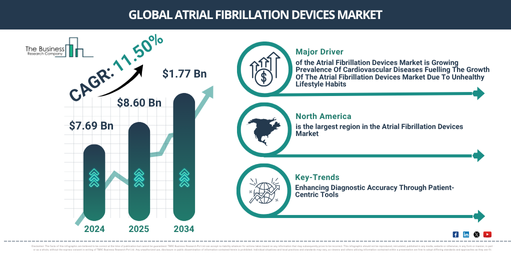
    In recent years, the market size for atrial fibrillation devices has noticeably expanded. The market, worth $7.69 billion in 2024, is predicted to hit $8.60 billion in 2025, indicating a compound annual growth rate (CAGR) of 11.8%. Factors like an increase in the older population, a surge in demand for minimally invasive cardiovascular techniques, a rise in government initiatives and the growing provision of telecardiology services are considered to be behind this historic growth period.

    Expectation for the atrial fibrillation devices market’s size is that there will be fast expansion in the near future. The market is projected to escalate up to $13.28 billion by 2029, with a compound annual growth rate (CAGR) of 11.5%. The projected growth during the forecast period can be due to factors such as rising healthcare expenses, an increasing count of multi-specialty hospitals, higher inclination towards advanced treatment alternatives, amplified regulatory backing for device clearances, and a surge in demand for minimally invasive surgical procedures. Major emerging trends during the forecast period encompass technological advancements, progress in remote monitoring devices, the incorporation of artificial intelligence in diagnostics, developments in non-invasive ablation systems, as well as advancements in mapping and imaging technologies.

    Download The Free Sample Report Here:

    https://www.thebusinessresearchcompany.com/sample.aspx?id=25704&type=smp

    Which Factor Is Shaping The Future Of The Atrial Fibrillation Devices Market?

    The escalating prevalence of cardiovascular diseases is set to stimulate growth in the atrial fibrillation device market. Disorders that affect the heart and blood vessels, like heart attacks, strokes, and hypertension, come under the umbrella of cardiovascular diseases. The rise in such diseases can be linked to a worldwide increase in obesity and diabetes, combined with the adoption of inactive lifestyles and unhealthy eating practices on a widespread scale. Atrial fibrillation (AFib) devices are instrumental in managing cardiovascular diseases since they can identify, monitor, and treat abnormal heart rhythms often linked to or caused by underlying heart conditions. For example, the American Heart Association, a US-based public health organization, reported in June 2024 that high blood pressure is projected to rise from 51.2% to 61.0%. Consequently, the number of people diagnosed with cardiovascular diseases is expected to increase from 128 million in 2020 to over 184 million by 2050. This rise in cardiovascular diseases is fueling the growth of the atrial fibrillation device market.

    What Is The Segment-Wise Breakdown Of The Atrial Fibrillation Devices Market?

    The atrial fibrillation devices market covered in this report is segmented –

    1) By Device Type: Implantable Devices, External Devices, Catheter-Based Devices

    2) By Product: Electrophysiology Ablation Catheters, Cardiac Monitors Or Implantable Loop Recorder, Electrophysiology Diagnostic Catheters, Mapping And Recording Systems, Access Devices, Intracardiac Echocardiography, Left Atrial Appendage Closure Devices, Other Products

    3) By Technology: Radiofrequency, Cryotherapy, Ultrasound, Other Technologies

    4) By Distribution Channel: Direct Sales, Distributors, Online Sales

    5) By End-Use: Hospitals, Cardiac Centers, Ambulatory Surgical Centers, Other End Users

    Subsegments:

    1) By Implantable Devices: Implantable Cardioverter Defibrillators, Pacemakers, Insertable Cardiac Monitors

    2) By External Devices: External Defibrillators, Holter Monitors, Mobile Cardiac Telemetry Devices, Electrocardiogram Monitors

    3) By Catheter-Based Devices: Radiofrequency Ablation Catheters, Cryoablation Catheters, Laser Ablation Catheters, Mapping and Navigation Systems, Transseptal Access Devices

    Which Trends Are Redefining The Future Landscape Of The Atrial Fibrillation Devices Industry?

    Leading businesses in the atrial fibrillation devices market are exploiting advancements in technologies such as patient-oriented clinical decision support tools. These technologies elevate diagnostic precision, customize treatment strategies, and upgrade overall patient repercussions. They are digital innovations that assist medical professionals in shaping treatment choices through the analysis of unique patient data. For example, GE HealthCare Technologies Inc., an American medical technology firm, unveiled CardioVisio for Atrial Fibrillation in August 2023. This digital clinical decision support tool is engineered to streamline clinician procedures and boost precise care for patients suffering from atrial fibrillation. It lets healthcare providers observe the progression of AFib, encompassing past diagnoses, treatments, medications, and linked ailments. The platform provides guideline-based therapy suggestions, which could reduce diagnostic inaccuracies and simplify clinical decision-making. CardioVisio compiles scattered patient data in an understandable format, lessening the load on healthcare staff, and empowering quicker, personalized, and more efficient management of atrial fibrillation.

    Which Companies Hold The Largest Market Share In The Atrial Fibrillation Devices Sector?

    Major companies operating in the atrial fibrillation devices market are Johnson & Johnson Services Inc., Abbott Laboratories, Medtronic Public Limited Company, Koninklijke Philips N.V., Boston Scientific Corporation, Shanghai MicroPort EP MedTech Co. Ltd., Japan Lifeline Co. Ltd., Microlife Corporation, AliveCor Inc., CardioFocus Inc., Imricor Medical Systems Inc., Kardium Inc., Stereotaxis Inc., Volta Medical, Synaptic Medical Corporation, Osypka AG, CathRx Ltd., BIOTRONIK SE & Co. KG, EP Solutions SA, CardiacSense Ltd.

    Get The Full Report Here:

    https://www.thebusinessresearchcompany.com/report/atrial-fibrillation-devices-global-market-report

    How Does Regional Performance Compare Across The Atrial Fibrillation Devices Industry?

    North America was the largest region in the atrial fibrillation devices market in 2024. Asia-Pacific is expected to be the fastest-growing region in the forecast period. The regions covered in the atrial fibrillation devices market report are Asia-Pacific, Western Europe, Eastern Europe, North America, South America, Middle East, Africa.

    Request For A Customized Report:

    https://www.thebusinessresearchcompany.com/customise?id=25704&type=smp

    About The Business Research Company:

    With over 15000+ reports from 27 industries covering 60+ geographies, The Business Research Company has built a reputation for offering comprehensive, data-rich research and insights. Armed with 1,500,000 datasets, the optimistic contribution of in-depth secondary research, and unique insights from industry leaders, you can get the information you need to stay ahead in the game.

    Get in touch with us:

    The Business Research Company: https://www.thebusinessresearchcompany.com/

    Americas +1 310-496-7795

    Asia +44 7882 955267 & +91 8897263534

    Europe +44 7882 955267

    Email us at info@tbrc.info

    Follow us on:

    LinkedIn: https://in.linkedin.com/company/the-business-research-company

    YouTube: https://www.youtube.com/channel/UC24_fI0rV8cR5DxlCpgmyFQ

    Global Market Model: https://www.thebusinessresearchcompany.com/global-market-model

  • Future Projections: Anti-D Immunoglobulin Market to Reach $3.34  Billion by 2029 at 6.6% CAGR

    Future Projections: Anti-D Immunoglobulin Market to Reach $3.34 Billion by 2029 at 6.6% CAGR

    Claim your 30% discount on Global Market Reports with code ONLINE30. Limited time only.

    Claim your 30% discount on Global Market Reports with code ONLINE30. Limited time only.

    What Are the Forecasted Growth Rate and Market Size of the Anti-D Immunoglobulin Market?

    In recent times, there has been a robust growth in the market size of anti-D immunoglobulin. We can anticipate seeing the market grow from $2.42 billion in 2024 to $2.59 billion in 2025, which translates to a compound annual growth rate (CAGR) of 6.9%. This growth in previous years has been driven by several factors such as burgeoning awareness about the risks of rhesus incompatibility, expansion of national immunization programs, establishment of maternal and neonatal health policies, an increase in global birth rates, and a surge in blood transfusion procedures.

    In the coming years, the market size of anti-D immunoglobulin is predicted to experience robust growth, reaching $3.34 billion in 2029 at a 6.6% Compound Annual Growth Rate (CAGR). The surge within the forecasted period can be linked to the increasing demand for antenatal and perinatal care, the heightened focus on maternal health in low- to middle-income countries, a rise in investments in healthcare infrastructure, the expansion of universal health coverage programs, and legal support for immunoglobulin treatments. Major trends to watch during the forecast period include enhancements in plasma fractionation technology, the creation of recombinant antibody alternatives, increased automation in immunoglobulin production, the use of high-purity formulation methods, and the incorporation of cold chain monitoring systems.

    Download The Free Sample Report Here:

    https://www.thebusinessresearchcompany.com/sample.aspx?id=25694&type=smp

    Which Factor Is Shaping The Future Of The Anti-D Immunoglobulin Market?

    The anticipated spike in birth rates is predicted to spur the expansion of the anti-D immunoglobulin market. The annual tally of live births per 1,000 people within a populace is referred to as birth rates. Limited access to education and family planning services contributes to an increase in birth rates by fostering higher fertility and larger families. With its crucial role in mitigating Rh conflict during pregnancy, anti-D immunoglobulin promotes healthier birth outcomes and decreases the threat of hemolytic disease in newborns. As noted by the Centers for Disease Control and Prevention, a US-based government organization, in April 2025, there was a 1% surge in the birth rate in 2024 with 3,622,673 reported births, compared to the previous year. Hence, the escalating birth rates have been instrumental in boosting the anti-D immunoglobulin market. The rise of healthcare infrastructure attributes to better access to maternal health services, thereby promoting the growth of the anti-D immunoglobulin market. Healthcare infrastructure denotes the integral resources including facilities, equipment, workforce and support services necessary to provide healthcare within a populace. The ever-increasing global populace necessitates the expansion of healthcare infrastructure to meet the ever-growing medical needs, paving the way for more hospitals, clinics and complementary resources. This escalated infrastructure growth improves access to maternal health services, facilitating effective screening and timely administration of anti-D immunoglobulin to avert hemolytic disease in newborns. Illustratively, in May 2023, the UK-based Department of Health and Social Care announced an allocation exceeding $27 billion (£20 billion) towards building new hospital facilities. Under the New Hospital Programme, while two facilities are already operational and five are in progress, over 20 others are scheduled to be either underway or finalized by the end of the subsequent year. Hence, the expansion of healthcare infrastructure contributes significantly to the progression of the anti-D immunoglobulin market.

    What Is The Segment-Wise Breakdown Of The Anti-D Immunoglobulin Market?

    The anti-d immunoglobulin market covered in this report is segmented –

    1) By Product Type: Intramuscular Anti-D Immunoglobulin, Intravenous Anti-D Immunoglobulin

    2) By Distribution Channel: Hospital Pharmacies, Retail Pharmacies, Online Pharmacies, Other Distribution Channel

    3) By Application: Hemolytic Disease Of The Newborn, Immune Thrombocytopenic Purpura, Antenatal And Postnatal Prophylaxis, Other Applications

    4) By End-User: Hospitals, Clinics, Blood Banks, Research Laboratories

    Subsegments:

    1) By Intramuscular Anti-D Immunoglobulin: Standard Dose, High Dose, Pre-Filled Syringes, Vials

    2) By Intravenous Anti-D Immunoglobulin: Lyophilized Powder, Liquid Formulation, Single-Use Vials, Multi-Dose Vials

    Which Trends Are Redefining The Future Landscape Of The Anti-D Immunoglobulin Industry?

    Top-tier entities in the anti-D immunoglobulin sector are emphasizing on the creation of cutting-edge solutions like recombinant anti-D immunoglobulin, intending to broaden the scope of safe and trustworthy prophylaxis for Rh-negative expectant individuals, thus enhancing maternal results. A recombinant anti-D immunoglobulin is a laboratory-fashioned monoclonal antibody that aims to curtail Rh incompatibility in Rh-negative personalities, giving another possibility over plasma-derived anti-D therapies with augmented consistency, safety, and scalability. For example, Bharat Serums and Vaccines (BSV), an Indian biopharmaceutical firm, launched the first worldwide marketed recombinant anti-Rho(D) immunoglobulin in January 2022. The offering leverages a scientifically advanced method for Rh prophylaxis via recombinant tech, increasing product dependability while decreasing variability linked with plasma-derived alternatives. This product is notably vital in areas reporting high occurrences of Rh-negative pregnancies as it can enhance preventive treatment and lower the threat of hemolytic disease in infants.

    Which Companies Hold The Largest Market Share In The Anti-D Immunoglobulin Sector?

    Major companies operating in the anti-d immunoglobulin market are Merck Group, Bayer AG, CSL Behring, Baxter International Inc., Intas Pharmaceuticals Ltd., Octapharma AG, Zydus Lifesciences Limited, Emergent BioSolutions Inc., Kedrion Biopharma Inc., Biotest AG, Sanquin, Taj Pharmaceuticals Limited, Kamada Pharmaceuticals, Bharat Serums and Vaccines Limited, Saol Therapeutics Inc., Aetos Pharma Private Limited, Avin Darou, PV Pharma Healthcare Pvt. Ltd., Sichuan Yuanda Shuyang Pharmaceutical Co. Ltd., Ocean Pharmacoat Pvt. Ltd.

    Get The Full Report Here:

    https://www.thebusinessresearchcompany.com/report/anti-d-immunoglobulin-global-market-report

    How Does Regional Performance Compare Across The Anti-D Immunoglobulin Industry?

    North America was the largest region in the anti-D immunoglobulin market in 2024. Asia-Pacific is expected to be the fastest-growing region in the forecast period. The regions covered in the anti-d immunoglobulin market report are Asia-Pacific, Western Europe, Eastern Europe, North America, South America, Middle East, Africa.

    Request For A Customized Report:

    https://www.thebusinessresearchcompany.com/customise?id=25694&type=smp

    About The Business Research Company:

    With over 15000+ reports from 27 industries covering 60+ geographies, The Business Research Company has built a reputation for offering comprehensive, data-rich research and insights. Armed with 1,500,000 datasets, the optimistic contribution of in-depth secondary research, and unique insights from industry leaders, you can get the information you need to stay ahead in the game.

    Get in touch with us:

    The Business Research Company: https://www.thebusinessresearchcompany.com/

    Americas +1 310-496-7795

    Asia +44 7882 955267 & +91 8897263534

    Europe +44 7882 955267

    Email us at info@tbrc.info

    Follow us on:

    LinkedIn: https://in.linkedin.com/company/the-business-research-company

    YouTube: https://www.youtube.com/channel/UC24_fI0rV8cR5DxlCpgmyFQ

    Global Market Model: https://www.thebusinessresearchcompany.com/global-market-model

  • 2025 Analysis: Opportunities and Risks in the Evolving Ambulance Stretchers Market

    2025 Analysis: Opportunities and Risks in the Evolving Ambulance Stretchers Market

    Claim your 30% discount on Global Market Reports with code ONLINE30. Limited time only.

    Claim your 30% discount on Global Market Reports with code ONLINE30. Limited time only.

    What Is the Outlook for the Ambulance Stretchers Market Heading Into 2029?

    Over the past few years, there’s been robust growth in the ambulance stretcher market size. It’s projected to increase from $2.07 billion in 2024 to $2.21 billion in 2025, with a compound annual growth rate (CAGR) of 6.9%. The historical growth trend can be linked to factors such as the rising demand for patient comfort and safety, enhanced awareness pertaining to pre-hospital emergency care, the increase in urbanization and traffic congestion, the increasing occurrence of natural disasters and mass casualty events, and a surge in healthcare spending.

    In the forthcoming years, the ambulance stretcher market is projected to experience significant growth, escalating to a value of $2.84 billion at a compound annual growth rate (CAGR) of 6.5% by the year 2029. Multiple factors will drive this growth in the prediction timeline, including an escalated need for emergency medical services, a surging aged population, the escalating prevalence of chronic ailments, an increase in the number of ambulance services, and enhanced investments in the healthcare infrastructure sector. The forecasted period will also see several prominent trends, such as advancements in stretcher technology, the incorporation of electronic lifting functions, the evolution of lightweight composite materials, improvements in foldable and compact stretcher systems, and the progression of technology-based remote patient monitoring capabilities.

    Download The Free Sample Report Here:

    https://www.thebusinessresearchcompany.com/sample.aspx?id=25691&type=smp

    Which Factors Are Pushing The Ambulance Stretchers Market Forward?

    The escalating rate of road mishaps is anticipated to fuel the expansion of the ambulance stretchers market in the future. These accidents consist of unforeseen occurrences or crashes involving one or multiple vehicles on roads or highways, often leading to injuries, deaths, or damage to property. The rising trend of road accidents can be attributed to the burgeoning problem of distracted driving due to mobile phone usage, as it shifts the drivers’ focus and heightens the potential of crashes. Ambulance stretchers play a critical role in road accidents by guaranteeing the secure and efficient transfer of the injured parties from the accident spot to medical facilities, averting further injuries and facilitating immediate medical treatment. For instance, the Transport Accident Commission, a government agency based in Australia, reported in June 2024 that a total of 289 deaths occurred on Victorian roads, revealing an 8.6% surge with 23 more deaths compared to the corresponding period in the preceding year. Consequently, the mounting frequency of road accidents is stimulating the expansion of the ambulance stretchers market.

    Which Segment Held The Largest Share In The Ambulance Stretchers Market In 2025?

    The ambulance stretchers market covered in this report is segmented –

    1) By Type: Manual Stretchers, Electric Stretchers, Foldable Stretchers, Stretcher Chairs

    2) By Technology: Non-Motorized, Motorized

    3) By Material: Aluminum, Steel, Plastic, Composite Materials

    4) By End Users: Emergency Medical Service Providers, Hospitals, Ambulatory Service Centers, Other End-Users

    Subsegments:

    1) By Manual Stretchers: Wheeled Stretchers, Non-wheeled Stretchers, Scoop Stretchers, Basket Stretchers

    2) By Electric Stretchers: Hydraulic Electric Stretchers, Battery-powered Electric Stretchers, Adjustable Height Electric Stretchers, Self-loading Electric Stretchers

    3) By Foldable Stretchers: Canvas Foldable Stretchers, Aluminum Foldable Stretchers, Pole-Type Foldable Stretchers, Spinal Board Foldable Stretchers

    4) By Stretcher Chairs: Convertible Stretcher Chairs, Stair Climbing Stretcher Chairs, Foldable Stretcher Chairs, Transport Wheelchair Stretchers

    How Are Key Trends Driving Expansion In The Ambulance Stretchers Industry?

    Key players in the ambulance stretcher market are focusing on groundbreaking innovations like self-loading electric stretchers to improve patient safety, alleviate physical strain on emergency service personnel, and increase efficiency in patient transportation. A self-loading electric stretcher is a patient transportation tool equipped with automated loading and unloading mechanisms, which eliminate the need for medical staff to physically lift patients. As an example, in December 2023, Spain’s KARTSANA, S.L., unveiled a superbrava electric stretcher to enhance the safety and efficiency of patient transportation. Its features include unmatched strength, security, and maneuverability with a a hydraulic lift capable of supporting up to 320 kg and adjustable handrails configurable to multiple positions for patient comfort and safety. This innovative design simplifies safe patient transport, easing the workload of emergency medical technicians in critical scenarios.

    Which Organizations Are Driving Progress In The Ambulance Stretchers Industry?

    Major companies operating in the ambulance stretchers market are Medline Industries LP, Stryker Corporation, Baxter International Inc., Hill-Rom Holdings Inc., Hebei Pukang Medical Instruments Co. Ltd., Ferno-Washington Inc., Spencer Italia S.r.l., Narang Medical Limited, Advin Health Care, Kartsana Medical GmbH, IndoSurgicals Private Limited, Frima Concept SARL, Dragon Industry Co. Ltd., PVS S.p.A., Desco Medical India, Fu Shun Hsing Technology Co. Ltd., Besco Medical Limited, Red Leaf Medical Inc., Sarvottam Appliances Private Limited, EMS Mobil Sistemler A.S

    Get The Full Report Here:

    https://www.thebusinessresearchcompany.com/report/ambulance-stretchers-global-market-report

    Which Region Is Expected To Experience The Highest Growth In The Ambulance Stretchers Industry?

    North America was the largest region in the ambulance stretchers market in 2024. Asia-Pacific is expected to be the fastest-growing region in the forecast period. The regions covered in the ambulance stretchers market report are Asia-Pacific, Western Europe, Eastern Europe, North America, South America, Middle East, Africa.

    Request For A Customized Report:

    https://www.thebusinessresearchcompany.com/customise?id=25691&type=smp

    About The Business Research Company:

    With over 15000+ reports from 27 industries covering 60+ geographies, The Business Research Company has built a reputation for offering comprehensive, data-rich research and insights. Armed with 1,500,000 datasets, the optimistic contribution of in-depth secondary research, and unique insights from industry leaders, you can get the information you need to stay ahead in the game.

    Get in touch with us:

    The Business Research Company: https://www.thebusinessresearchcompany.com/

    Americas +1 310-496-7795

    Asia +44 7882 955267 & +91 8897263534

    Europe +44 7882 955267

    Email us at info@tbrc.info

    Follow us on:

    LinkedIn: https://in.linkedin.com/company/the-business-research-company

    YouTube: https://www.youtube.com/channel/UC24_fI0rV8cR5DxlCpgmyFQ

    Global Market Model: https://www.thebusinessresearchcompany.com/global-market-model
  • Competitive and Market Trend Analysis of Dermal Regeneration Industry Through 2029

    Claim your 30% discount on Global Market Reports with code ONLINE30. Limited time only.

    Claim your 30% discount on Global Market Reports with code ONLINE30. Limited time only.

    What CAGR Is Anticipated for the Dermal Regeneration Market Through 2029?

    The market size of dermal regeneration has shown robust growth in the past few years. It is forecasted to expand from $1.64 billion in 2024 to $1.79 billion in 2025, with a compound annual growth rate (CAGR) of 9.2%. The significant growth experienced in the historic phase can be ascribed to the escalating demand for skin repair procedures that are minimally invasive, an increased frequency of chronic wounds, a rising elderly population, growing instances of diabetes and vascular diseases, and heightened awareness about wound care.

    Expectations are high for the dermal regeneration market, which is predicted to experience robust growth in the coming years. The market is projected to expand to $2.52 billion by 2029, with a compound annual growth rate (CAGR) of 8.9%. This growth during the forecast period can be attributed to several factors, such as an increase in burn injuries, the rising implementation of stem cell-based therapies, nanotechnology’s integration into scaffolds, the growing prevalence of telemedicine in wound monitoring, and the heightened demand for cosmetic and aesthetic applications. The forecast period also signals notable trends, including the development of bioengineered skin substitutes, the invention of smart wound healing materials, the integration of 3D bioprinting for skin layers, innovative hydrogel-based dermal products, and the expansion of hybrid natural-synthetic grafts.

    Download The Free Sample Report Here:

    https://www.thebusinessresearchcompany.com/sample.aspx?id=25746&type=smp

    What Market Forces Are Driving The Dermal Regeneration Sector In 2025 And Beyond?

    The augmentation of burn injuries is predicted to boost the expansion of the dermal regeneration market. Burns, which can be caused by heat, chemicals, electricity, radiation, or friction, lead to damage to the skin or tissues underneath. The risk of such injuries is escalating due to the prevalent usage of unsafe cooking fuels and poorly serviced stoves that can cause accidental fires and scalds, particularly in overcrowded and low-income homes. These burn injuries necessitate the use of dermal regeneration solutions that utilize advanced tissue repair and skin restoration techniques to effectively treat moderate to severe skin damage. For example, in January 2024, the Consumer Product Safety Commission (CPSC), a U.S. federal government agency, reported 11 deaths related to fireworks, primarily due to misuse and faulty equipment. Approximately 14,700 individuals were injured due to fireworks, marking a sizeable increase of about 38% in fatalities and 52% in injuries compared to the previous year, 2023. Thus, the rising number of burn injuries is a significant factor in propelling the growth of the dermal regeneration market.

    How Is The Global Dermal Regeneration Market Categorized By Segments?

    The dermal regeneration market covered in this report is segmented –

    1) By Product Type: Skin Substitutes, Scaffolds, Other Product Types

    2) By Technology: Tissue Engineering, Cell-Based Therapies, Biomaterial-Based Therapies, Other Technologies

    3) By Source: Cow Collagen, Silicone, Shark Cartilage

    4) By Application: Chronic Wounds, Burn Injuries, Acute Wounds, Plastic And Reconstructive Surgery, Other Applications

    5) By End Use: Hospitals, Dermatology And Aesthetic Clinics, Specialty Clinics, Ambulatory Surgical Centers (ASCs), Other End User

    Subsegments:

    1) By Skin Substitutes: Acellular Skin Substitutes, Cellular Skin Substitutes, Bioengineered Skin Substitutes, Synthetic Skin Substitutes, Allografts, Xenografts

    2) By Scaffolds: Collagen-Based Scaffolds, Synthetic Polymer Scaffolds, Composite Scaffolds, Hyaluronic Acid-Based Scaffolds, Fibrin-Based Scaffolds

    3) By Other Product Types: Dermal Regeneration Templates (DRTs), Hydrogel-Based Products, Growth Factor-Based Therapies, Matrices With Antimicrobial Agents

    What Long-Term Trends Are Likely To Affect The Dermal Regeneration Market?

    Leading organizations in the dermal regeneration sector are concentrating on innovating superior solutions like the collagen-based dermal matrix. This is aimed at providing biocompatibility and minimizing the risk of immune rejection. A structure largely composed of collagen, the collagen-based dermal matrix provides a support system that facilitates skin tissue growth and recovery. As an example, Fesarius Therapeutics Inc., an American biotechnology firm, proclaimed in January 2025 that they received 510(k) clearance from the US Food and Drug Administration (FDA) for their DermiSphere hydrogel Dermal Regeneration Template (DermiSphere hDRT). The new product marks the advent of a novel set of collagen-centric dermal matrices that are designed to accelerate tissue integration, revascularization, and efficient wound recovery. DermiSphere hDRT is foreseen to be used in advanced wound care, reconstructive procedures, and regenerative medicine, therefore contributing an innovative technique to dermal regeneration that has considerable potential to transform wound care norms.

    Which Firms Are Considered Leaders In The Dermal Regeneration Market Space?

    Major companies operating in the dermal regeneration market are Stryker Corp., Smith & Nephew Plc, Coloplast Corp., Integra LifeSciences Corp., Organogenesis Inc., MiMedx Group Inc., Krystal Biotech Inc., Amryt Pharma plc, Regenity Biosciences Inc., Avita Medical Inc., HANS BIOMED Corporation, Polynovo, Symatese Co., Gunze Co Ltd., Castle Creek Biosciences Inc., Stratatech, MedSkin Solutions Dr. Suwelack AG, Japan Tissue Engineering Co. Ltd., Fesarius Therapeutics Inc., CollPlant Biotechnologies Ltd., Abeona Therapeutics Inc., Holostem Terapie Avanzate, Extrimity Care LLC

    Get The Full Report Here:

    https://www.thebusinessresearchcompany.com/report/dermal-regeneration-global-market-report

    What Role Do Regional Policies And Investments Play In Dermal Regeneration Market Expansion?

    North America was the largest region in the dermal regeneration market in 2024. Asia-Pacific is expected to be the fastest-growing region in the forecast period. The regions covered in the dermal regeneration market report are Asia-Pacific, Western Europe, Eastern Europe, North America, South America, Middle East, Africa.

    Request For A Customized Report:

    https://www.thebusinessresearchcompany.com/customise?id=25746&type=smp

    About The Business Research Company:

    With over 15000+ reports from 27 industries covering 60+ geographies, The Business Research Company has built a reputation for offering comprehensive, data-rich research and insights. Armed with 1,500,000 datasets, the optimistic contribution of in-depth secondary research, and unique insights from industry leaders, you can get the information you need to stay ahead in the game.

    Get in touch with us:

    The Business Research Company: https://www.thebusinessresearchcompany.com/

    Americas +1 310-496-7795

    Asia +44 7882 955267 & +91 8897263534

    Europe +44 7882 955267

    Email us at info@tbrc.info

    Follow us on:

    LinkedIn: https://in.linkedin.com/company/the-business-research-company

    YouTube: https://www.youtube.com/channel/UC24_fI0rV8cR5DxlCpgmyFQ

    Global Market Model: https://www.thebusinessresearchcompany.com/global-market-model
  • Global Deoxyribonucleic Acid (DNA) Repair Alkylating Agent Market Landscape: Trends and Market Share to 2029

    Global Deoxyribonucleic Acid (DNA) Repair Alkylating Agent Market Landscape: Trends and Market Share to 2029

    Claim your 30% discount on Global Market Reports with code ONLINE30. Limited time only.

    Claim your 30% discount on Global Market Reports with code ONLINE30. Limited time only.

    What Are the Latest Market Insights for the Deoxyribonucleic Acid (DNA) Repair Alkylating Agent Industry?

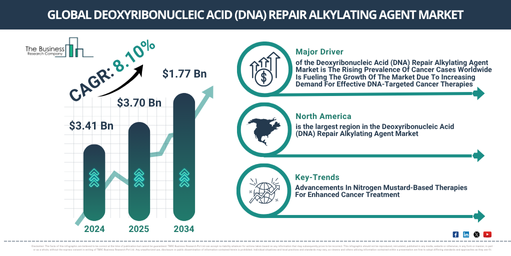
    In the previous years, the market size of the deoxyribonucleic acid (DNA) repair alkylating agent has seen a significant increase. It is predicted to escalate from $3.41 billion in 2024 to $3.70 billion in 2025, boasting a compound annual growth rate (CAGR) of 8.5%. This increase during the historic period can be credited to a rise in the count of hospitals and specialized cancer treatment clinics, increased approval of various alkylating agents by regulatory authorities, heightened healthcare availability in emerging regions, expansion of government and NGO-led cancer awareness initiatives, and a growing acceptance of chemotherapy on a large scale.

    Predictions indicate robust enhancements in the size of the alkylating agent market for DNA repair in the subsequent years. By 2029, it is projected to reach $5.05 billion, with a CAGR of 8.1%. The surge during the forecast period is linked to the rising implementation of personalized medicine and DNA repair targeting, an increasement in the clinical trial pipeline, a heightened emphasis on geriatric oncology, growing expansion in companion diagnostics for chemotherapy and governmental backing for uncommon cancer types. The future trends encompass a move toward targeted DNA repair inhibitors, novel developments in dual-action chemotherapy agents, the application of AI in drug discovery for alkylating compounds, a rise in biosimilars for established alkylating agents, and the utilization of biomarkers for optimum treatment selection.

    Download The Free Sample Report Here:

    https://www.thebusinessresearchcompany.com/sample.aspx?id=25745&type=smp

    What Forces Are Driving The Growth Of The Deoxyribonucleic Acid (DNA) Repair Alkylating Agent Industry?

    The DNA repair alkylating agent market is expected to witness growth in the future due to the increasing occurrence of cancer cases globally. Cancer is a state where particular cells in the body grow without control, and they can potentially spread to various parts of the body. The escalating cancer case numbers are primarily because of the growing aged population who are at higher risk of cancer. DNA repair alkylating agents are used in cancer treatment by disturbing the DNA of rapidly multiplying tumor cells and preventing their multiplication. This process leads to either the death of cells or halt in growth, consequently controlling tumor development. As reported by the World Health Organization (WHO), a Switzerland-based international body, in 2022, near about 20 million new cases of cancer were diagnosed, and approximately 9.7 million individuals succumbed to the disease globally. Furthermore, an approximate 53.5 million people were alive within five years post a cancer diagnosis. Consequently, the escalating occurrence of cancer cases globally is stimulating the growth of the DNA repair alkylating agent market.

    What Is The Overview Of Market Segmentation In The Deoxyribonucleic Acid (DNA) Repair Alkylating Agent Industry?

    The deoxyribonucleic acid (dna) repair alkylating agent market covered in this report is segmented –

    1) By Product Type: Nitrogen Mustards, Nitrosoureas, Alkyl Sulfonates, Triazines, Other Product Types

    2) By Application: Cancer Treatment, Research And Development, Other Applications

    3) By End-User: Hospitals, Research Institutes, Pharmaceutical Companies, Other End-Users

    Subsegments:

    1) By Nitrogen Mustards: Mechlorethamine, Cyclophosphamide, Ifosfamide, Chlorambucil, Melphalan

    2) By Nitrosoureas: Carmustine (BCNU), Lomustine (CCNU), Streptozocin, Semustine

    3) By Alkyl Sulfonates: Busulfan, Treosulfan

    4) By Triazines: Dacarbazine, Temozolomide

    5) By Other Product Types: Thiotepa, Procarbazine, Bendamustine, Lurbinectedin

    What Future Market Trends Are Projected For The Deoxyribonucleic Acid (DNA) Repair Alkylating Agent Industry?

    Key players in the DNA repair alkylating agent market are giving priority to the innovation of advanced solutions such as nitrogen mustard drugs to heighten the success rate of treatments and aim at a wider spectrum of cancers with more reliable safety standards. Nitrogen mustard drugs, which are alkylating agents, put an end to cancer cells by interconnecting their DNA and blocking multiplication. These are typically used during chemotherapy for treating diseases like leukemia and lymphoma. For example, in November 2022, Alembic Pharmaceuticals, a pharmaceutical organization based in India, gained the final approval from the US Food and Drug Administration (USFDA) for its Abbreviated New Drug Application (ANDA) for cyclophosphamide capsules, 25 mg and 50 mg. This represents an alkylating substance utilized to treat cancers and minimal change nephrotic syndrome in young patients. This alkylating drug is noted for its use in treating various malignant illnesses and minimal change nephrotic syndrome in pediatric patients.

    Who Are The Primary Players Operating Across The Global Deoxyribonucleic Acid (DNA) Repair Alkylating Agent Market?

    Major companies operating in the deoxyribonucleic acid (dna) repair alkylating agent market are Bristol-Myers Squibb Company, Teva Pharmaceutical Industries Limited, Baxter International, Fresenius Kabi, Intas Pharmaceuticals, Dr. Reddy’s Laboratories, Aurobindo Pharma, Hikma Pharmaceuticals, Amneal Pharmaceuticals, Alembic Pharmaceuticals Limited, Natco Pharma Ltd, Medac GmbH, Celon Laboratories, Azurity Pharmaceuticals, Meitheal Pharmaceuticals Inc, Acrotech Biopharma, Navinta LLC, STI Pharma LLC, Emcure Pharmaceuticals, Halsted Pharma Pvt. Ltd., MSN Pharmaceuticals, Jiangsu Hengrui Pharmaceuticals Co. Ltd.

    Get The Full Report Here:

    https://www.thebusinessresearchcompany.com/report/deoxyribonucleic-acid-dna-repair-alkylating-agent-global-market-report

    Which Region Offers The Most Growth Potential For The Deoxyribonucleic Acid (DNA) Repair Alkylating Agent Market Through 2029?

    North America was the largest region in the deoxyribonucleic acid (DNA) repair alkylating agent market in 2024. Asia-Pacific is expected to be the fastest-growing region in the forecast period. The regions covered in the deoxyribonucleic acid (dna) repair alkylating agent market report are Asia-Pacific, Western Europe, Eastern Europe, North America, South America, Middle East, Africa.

    Request For A Customized Report:

    https://www.thebusinessresearchcompany.com/customise?id=25745&type=smp

    About The Business Research Company:

    With over 15000+ reports from 27 industries covering 60+ geographies, The Business Research Company has built a reputation for offering comprehensive, data-rich research and insights. Armed with 1,500,000 datasets, the optimistic contribution of in-depth secondary research, and unique insights from industry leaders, you can get the information you need to stay ahead in the game.

    Get in touch with us:

    The Business Research Company: https://www.thebusinessresearchcompany.com/

    Americas +1 310-496-7795

    Asia +44 7882 955267 & +91 8897263534

    Europe +44 7882 955267

    Email us at info@tbrc.info

    Follow us on:

    LinkedIn: https://in.linkedin.com/company/the-business-research-company

    YouTube: https://www.youtube.com/channel/UC24_fI0rV8cR5DxlCpgmyFQ

    Global Market Model: https://www.thebusinessresearchcompany.com/global-market-model
  • Latest Market Developments in Dental Preventive Supplies Industry: Forecast 2025–2029

    Latest Market Developments in Dental Preventive Supplies Industry: Forecast 2025–2029

    Claim your 30% discount on Global Market Reports with code ONLINE30. Limited time only.

    Claim your 30% discount on Global Market Reports with code ONLINE30. Limited time only.

    What Is the Outlook for the Dental Preventive Supplies Market Heading Into 2029?

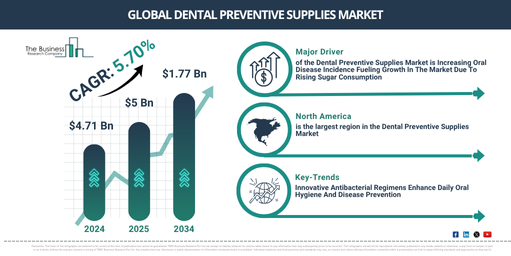
    The market size for dental preventive supplies has demonstrated robust growth in the past few years. Its value is projected to increase from $4.71 billion in 2024 to $5 billion in 2025, indicating a compound annual growth rate (CAGR) of 6.1%. Factors responsible for this growth during the historical period include a rise in demand for cosmetic dentistry, wider reach of dental insurance, enhanced accessibility to high-tech dental products, expanding impact of digital media and dental health initiatives, and a growing number of dental clinics and practitioners.

    Expectations for the dental preventive supplies market indicate robust growth in the forthcoming years, with a projected increase to $6.23 billion by the year 2029. This represents a compound annual growth rate (CAGR) of 5.7%. The anticipated growth during this forecast period can be attributed to factors such as an increased prevalence of oral diseases, heightened awareness of oral hygiene, increased adoption of beneficial dental care, a rise in the elderly population, and the increasing amount per capita spent on dental services. The forecast period also expects trends such as improvements in antimicrobial coating technologies, the inclusion of nanotechnology, advancements in electric and sonic toothbrush technology, innovations in fluoride delivery systems, and the emergence of biodegradable materials due to technological progression.

    Download The Free Sample Report Here:

    https://www.thebusinessresearchcompany.com/sample.aspx?id=25741&type=smp

    Which Factors Are Pushing The Dental Preventive Supplies Market Forward?

    The escalating occurrence of oral diseases is predicted to boost the expansion of the dental preventive supplies market in the future. Oral diseases encompass a series of conditions impacting the mouth and related components, inclusive of tooth decay, gum disease, oral infections, and oral cancer. The surge in oral diseases is a result of increasing sugar intake, which spurs detrimental bacteria leading to tooth decay and gum infections. Dental preventive supplies contribute to averting oral diseases by upholding oral cleanliness, decreasing plaque accumulation, and safeguarding teeth and gums from decay, infections, and inflammation. For instance, the World Health Organization, established in Sweden as an intergovernmental organization, revealed that in 2022 there was a global increase in the cases of lip and oral cavity cancers reaching an estimated 389,846 new cases, which led to 188,438 deaths. Hence, the heightened prevalence of oral diseases is propelling the expansion of the dental preventive supplies market.

    Which Segment Held The Largest Share In The Dental Preventive Supplies Market In 2025?

    The dental preventive supplies market covered in this report is segmented –

    1) By Product Type: Toothbrushes, Toothpaste, Dental Floss, Interdental Brushes, Rinses And Mouthwashes, Dental Chewing Gums

    2) By Material Type: Plastic, Natural Fiber, Metal, Synthetic Fiber, Biodegradable Materials

    3) By Distribution Channel: Retail Pharmacies, Drug Stores, E-Commerce

    4) By Application: Teeth Cleaning, Teeth Whitening, Teeth Coating

    5) By End-User: Individuals, Dental Clinics, Hospitals, Nursing Homes, Schools And Educational Institutions, Corporate Offices

    Subsegments:

    1) By Toothbrushes: Manual Toothbrushes, Electric Toothbrushes, Soft Bristle Toothbrushes

    2) By Toothpaste: Fluoride Toothpaste, Whitening Toothpaste, Herbal Toothpaste

    3) By Dental Floss: Waxed Dental Floss, Unwaxed Dental Floss, Flavored Dental Floss

    4) By Interdental Brushes: Plastic Handle Interdental Brushes, Wire Handle Interdental Brushes, Reusable Interdental Brushes

    5) By Rinses And Mouthwashes: Fluoride Mouthwash, Antiseptic Mouthwash, Cosmetic Mouthwash

    6) By Dental Chewing Gums: Sugar-Free Chewing Gums, Xylitol-Based Chewing Gums, Fluoride-Infused Chewing Gums

    How Are Key Trends Driving Expansion In The Dental Preventive Supplies Industry?

    Leading corporations in the dental preventive supplies market are concentrating on crafting novel solutions such as antibacterial oral healthcare routines to fulfill the increasing consumer appetite for sophisticated oral hygiene items that provide enduring defense against oral diseases. The term antibacterial oral healthcare routine refers to a regimen that employs antibacterial elements in oral care merchandise to diminish destructive bacteria and evade dental complications like plaque, gum infection, and halitosis. To illustrate, The Colgate-Palmolive Company, a multinational consumer goods corporation headquartered in the US, unveiled a Colgate total active prevention system in February 2025 in a bid to deliver all-encompassing safeguard against oral health complications. This is a triad product regimen, comprising toothpaste, toothbrush, and mouthwash formulated to actively combat oral bacteria and proves to be 15 times more efficient in forestalling issues such as gingivitis and cavities compared to standard items. Its principal benefit is that it offers extensive, medically endorsed protection against a plethora of oral health troubles, enabling consumers to keep their mouth healthier and be prepared for a dentist visit any day.

    Which Organizations Are Driving Progress In The Dental Preventive Supplies Industry?

    Major companies operating in the dental preventive supplies market are Procter & Gamble, 3M Oral Care, Koninklijke Philips N.V., Colgate-Palmolive Company, Henry Schein Inc., Dentsply Sirona Inc., Straumann Group, Sunstar Americas (GUM), Carestream Dental LLC., Ivoclar Vivadent AG., Ultradent Products Inc., Kerr Dental, Septodont Holding SAS, Voco GmbH, DentalEZ Group, GC Corporation, Premier Dental Products Company, DenMat Holdings LLC., Bisco Dental, Pulpdent Corporation, Young Dental, The Dentists Supply Company

    Get The Full Report Here:

    https://www.thebusinessresearchcompany.com/report/dental-preventive-supplies-global-market-report

    Which Region Is Expected To Experience The Highest Growth In The Dental Preventive Supplies Industry?

    North America was the largest region in the dental preventive supplies market in 2024. Asia-Pacific is expected to be the fastest-growing region in the forecast period. The regions covered in the dental preventive supplies market report are Asia-Pacific, Western Europe, Eastern Europe, North America, South America, Middle East, Africa.

    Request For A Customized Report:

    https://www.thebusinessresearchcompany.com/customise?id=25741&type=smp

    About The Business Research Company:

    With over 15000+ reports from 27 industries covering 60+ geographies, The Business Research Company has built a reputation for offering comprehensive, data-rich research and insights. Armed with 1,500,000 datasets, the optimistic contribution of in-depth secondary research, and unique insights from industry leaders, you can get the information you need to stay ahead in the game.

    Get in touch with us:

    The Business Research Company: https://www.thebusinessresearchcompany.com/

    Americas +1 310-496-7795

    Asia +44 7882 955267 & +91 8897263534

    Europe +44 7882 955267

    Email us at info@tbrc.info

    Follow us on:

    LinkedIn: https://in.linkedin.com/company/the-business-research-company

    YouTube: https://www.youtube.com/channel/UC24_fI0rV8cR5DxlCpgmyFQ

    Global Market Model: https://www.thebusinessresearchcompany.com/global-market-model
  • Industry Trends Show Gastrointestinal Therapeutics Market Set to Expand at 5.5% CAGR Until 2029

    Industry Trends Show Gastrointestinal Therapeutics Market Set to Expand at 5.5% CAGR Until 2029

    Claim your 30% discount on Global Market Reports with code ONLINE30. Limited time only.

    Claim your 30% discount on Global Market Reports with code ONLINE30. Limited time only.

    What Is the Current and Projected Market Size of the Gastrointestinal Therapeutics Industry?

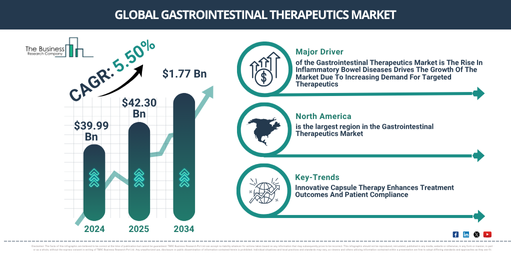
    In recent years, there has been a significant expansion of the gastrointestinal therapeutics market. The market, which stood at $39.99 billion in 2024, is projected to escalate to $42.30 billion in 2025, with a compound annual growth rate (CAGR) of 5.8%. Factors contributing to this increase during the historic period include heightened government spending on healthcare, improved rates of early diagnosis, an increase in awareness initiatives regarding gut health, a rise in lifestyle-based digestive ailments, and an augmented use of multidisciplinary approaches to treatment.

    Intense growth is projected for the gastrointestinal therapeutics market in the upcoming years, with expectancy of reaching $52.41 billion by 2029, reflecting a compound annual growth rate (CAGR) of 5.5%. The growth during this forecast period is primarily due to the increased demand for biologics and targeted treatments, the swell in the implementation of personalized medicine, a hike in patients’ inclination towards combination therapies, a rising focus on microbiome-specific treatments, and an increase in antibiotic-related gastrointestinal complications. The forecast period will witness various trends such as the use of technology in endoscopic devices, the creation of microbiome-oriented treatments, the confluence of digital health and remote monitoring, the utilization of multi-omics data in the advancement of therapies, and breakthroughs in acid suppression treatments.

    Download The Free Sample Report Here:

    https://www.thebusinessresearchcompany.com/sample.aspx?id=25768&type=smp

    #Which Factors Are Currently Driving The Growth Of The Gastrointestinal Therapeutics Market?

    The escalating incidence of inflammatory bowel diseases is projected to accelerate the expansion of the gastrointestinal therapeutics market. Inflammatory bowel disease (IBD), a long-term ailment, triggers inflammation of the digestive tract and mainly consists of Crohn’s disease and ulcerative colitis. The escalation of these diseases is attributed to genetic risk, leading to an anomalous immune reaction to intestinal microbes. Gastrointestinal therapeutics aid in managing and treating bowel diseases by addressing the root inflammation, managing digestive functions, and easing related symptoms to enhance patient results. For instance, the IBD Registry, a UK non-profit organization, reported that over 5,300 individuals with inflammatory bowel diseases (IBD) were registered in December 2023, indicating an increase of more than 3,000 members from the previous year. Consequently, the escalating incidences of inflammatory bowel diseases are propelling the growth of the gastrointestinal therapeutics market.

    How Is The Global Gastrointestinal Therapeutics Market Structured In Terms Of Segments?

    The gastrointestinal therapeutics market covered in this report is segmented –

    1) By Product: Over-The-Counter Gastrointestinal Therapeutics, Prescription-Based Gastrointestinal Therapeutics

    2) By Route Of Administration: Oral, Intravenous, Other Routes Of Administration

    3) By Application: Inflammatory Bowel Disease, Gastroesophageal Reflux Disease, Peptic Ulcer Disease, Irritable Bowel Syndrome, Other Applications

    4) By Distribution Channel: Hospital Pharmacies, Retail Pharmacies, Online Pharmacies

    5) By End-User: Hospitals, Clinics, Ambulatory Surgical Centers, Diagnostic Laboratories, Other End-Users

    Subsegments:

    1) By Over-The-Counter Gastrointestinal Therapeutics: Antacids, Laxatives, Anti-Diarrheal Agents, Digestive Enzymes, Probiotics, H2-Receptor Antagonists, Simethicone Products

    2) By Prescription-Based Gastrointestinal Therapeutics: Proton Pump Inhibitors, Antibiotics For H. pylori, Aminosalicylates, Biologics, Corticosteroids, Immunosuppressants, Antiemetics

    What Trends Are Currently Influencing Growth In The Gastrointestinal Therapeutics Market?

    Top-tier firms in the gastrointestinal therapeutics market are concentrating their efforts on the creation of innovative treatments, such as sustained-release (SR) fixed-dose blend capsules. This new method aims to increase patient adherence and elevate the potency of treatments. The sustained-release (SR) fixed-dose blend capsules are oral treatments that methodically release numerous active components over a certain period. This method ensures steady drug levels and less frequent dosing. For example, Akums Drugs and Pharmaceuticals Limited, a pharmaceutical manufacturing corporation based in India, introduced rabeprazole + levosulpiride SR capsules in June 2024. These capsules are intended for the treatment of various gastrointestinal issues in India. The specific formula merges rabeprazole, a proton pump inhibitor that lowers stomach acid, and levosulpiride, a prokinetic agent that raises gut movement. Collectively, they provide effective relief from symptoms such as heartburn, acid reflux, bloating, and indigestion. This combination is commonly recommended for gastroesophageal reflux disease, peptic ulcers, and other similar gastrointestinal (GI) issues.

    Who Are The Main Participants Shaping The Gastrointestinal Therapeutics Market Landscape?

    Major companies operating in the gastrointestinal therapeutics market are Abbott Laboratories, Novartis AG, Takeda Pharmaceutical Company Limited., Boehringer Ingelheim International GmbH, Otsuka Holdings Co. Ltd., Daiichi Sankyo Company Limited., Bausch Health Companies Inc, Olympus Corporation, UCB S.A., Eisai Co. Ltd., Aurobindo Pharma Limited., Dr. Reddy’s Laboratories Limited., Ironwood Pharmaceuticals Inc, Salix Pharmaceuticals Ltd., Ferring Pharmaceuticals A/S, Jubilant Pharma Limited., Sebela Pharmaceuticals Inc, Cosmo Pharmaceuticals N.V., Tillotts Pharma AG, Mitsubishi Tanabe Pharma Corporation

    Get The Full Report Here:

    https://www.thebusinessresearchcompany.com/report/gastrointestinal-therapeutics-global-market-report

    Which Region Currently Holds The Largest Share In The Gastrointestinal Therapeutics Market?

    North America was the largest region in the gastrointestinal therapeutics market in 2024. Asia-Pacific is expected to be the fastest-growing region in the forecast period. The regions covered in the gastrointestinal therapeutics market report are Asia-Pacific, Western Europe, Eastern Europe, North America, South America, Middle East, Africa.

    Request For A Customized Report:

    https://www.thebusinessresearchcompany.com/customise?id=25768&type=smp

    About The Business Research Company:

    With over 15000+ reports from 27 industries covering 60+ geographies, The Business Research Company has built a reputation for offering comprehensive, data-rich research and insights. Armed with 1,500,000 datasets, the optimistic contribution of in-depth secondary research, and unique insights from industry leaders, you can get the information you need to stay ahead in the game.

    Get in touch with us:

    The Business Research Company: https://www.thebusinessresearchcompany.com/

    Americas +1 310-496-7795

    Asia +44 7882 955267 & +91 8897263534

    Europe +44 7882 955267

    Email us at info@tbrc.info

    Follow us on:

    LinkedIn: https://in.linkedin.com/company/the-business-research-company

    YouTube: https://www.youtube.com/channel/UC24_fI0rV8cR5DxlCpgmyFQ

    Global Market Model: https://www.thebusinessresearchcompany.com/global-market-model
  • 2025 Dental 3D Printing Devices Market Outlook: Opportunities, Growth Trends, and Strategic Analysis

    2025 Dental 3D Printing Devices Market Outlook: Opportunities, Growth Trends, and Strategic Analysis

    Claim your 30% discount on Global Market Reports with code ONLINE30. Limited time only.

    Claim your 30% discount on Global Market Reports with code ONLINE30. Limited time only.

    What Are the Latest Market Insights for the Dental 3D Printing Devices Industry?

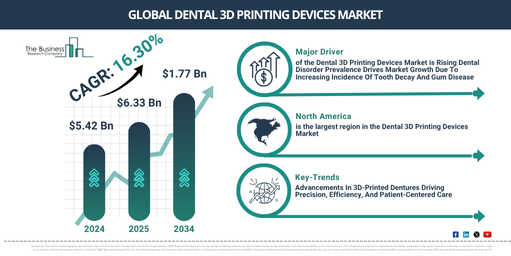
    The market for dental 3D printing devices has experienced swift expansion in recent times. It’s projected that its size will increase from $5.42 billion in 2024 to $6.33 billion in 2025, with a compound annual growth rate (CAGR) of 16.7%. Factors contributing to its historic growth include the increased accessibility of biocompatible printing materials, enhanced investment in dental health infrastructure, a rise in dental clinics and laboratories, a shift towards chairside dental solutions, and a trend towards patient-specific dental equipment.

    In the following years, a significant expansion is anticipated in the dental 3D printing devices market. The market size is predicted to reach $11.57 billion in 2029, with a compound annual growth rate (CAGR) of 16.3%. Factors such as a boost in dental disorder cases, an increased demand for cosmetic dentistry, a rising elderly population, the growing utilization of digital dentistry procedures, and heightened awareness around oral health contribute to the growth during the forecast period. The forecast period will also witness major trends such as improvements in 3D printing technologies, progression in biocompatible printing materials, tech innovation in resin-based printing, enhancements in multi-material printing systems, and advancements in hot lithography technology.

    Download The Free Sample Report Here:

    https://www.thebusinessresearchcompany.com/sample.aspx?id=25735&type=smp

    What Forces Are Driving The Growth Of The Dental 3D Printing Devices Industry?

    The increase in dental disorders is anticipated to spur the growth of the dental 3D printing devices market. Dental disorders, a range of conditions that affect the health, function, or structure of the teeth and surrounding oral tissues, are largely caused by poor dietary habits, particularly high sugar and acid intake that lead to tooth decay and gum disease. Dental 3D printing devices play a significant role in managing these disorders by facilitating quick, accurate, and cost-friendly production of personalized dental products such as crowns, bridges, aligners, dentures, and surgical guides, enhancing the precision of treatments and patient results. For example, a report by the American Cancer Society, a nonprofit cancer advocacy organization in the U.S, revealed that approximately 58,450 adults in the United States, consisting of 41,510 men and 16,940 women, are expected to be diagnosed with oral or oropharyngeal cancer in 2024, an increase from 54,000 adults in 2022. Thus, the escalating prevalence of dental disorders is fueling the growth of the dental 3D printing devices market.

    What Is The Overview Of Market Segmentation In The Dental 3D Printing Devices Industry?

    The dental 3d printing devices market covered in this report is segmented –

    1) By Device Type: Desktop 3D Printers, Industrial 3D Printers, Dental Specific 3D Printers

    2) By Technology Type: Stereolithography (SLA), Digital Light Processing (DLP), Selective Laser Sintering (SLS), Material Jetting

    3) By Material Type: Resins, Biocompatible Materials, Thermoplastics, Wax

    4) By Application Area: Orthodontics, Prosthodontics, Implantology, Maxillofacial Surgery, Custom Dental Devices

    5) By End-User: Dental Laboratories, Dental Clinics, Educational Institutions, Research Organizations

    Subsegments:

    1) By Desktop 3D Printers: Resin-Based Desktop Printers, Fused Deposition Modeling (FDM) Desktop Printers, Multi-Material Desktop Printers

    2) By Industrial 3D Printers: Selective Laser Sintering (SLS) Industrial Printers, Multi-Jet Fusion (MJF) Printers, Binder Jetting Printers, Polyjet Printers

    3) By Dental Specific 3D Printers: Crown And Bridge Printers, Denture Printers, Orthodontic Appliance Printers, Surgical Guide Printers

    What Future Market Trends Are Projected For The Dental 3D Printing Devices Industry?

    Top-tier businesses engaged in the dental 3D printing devices sector are concentrating on evolving advanced tech such as 3D-printed dentures to augment precision in treatment, cut down on processing times, and boost personalized treatment for patients. 3D-printed dentures are digitally drafted and created using 3D printing technology, making it possible for detailed, adaptively customizable and efficient replacement of lost teeth. To illustrate, the US-based computer manufacturing company, 3D Systems Corporation, released the dental industry’s inaugural multi-material, jetted, one-piece dentures in February 2024. This advanced technology combines unique materials for both teeth and gums into one piece, offering exceptional durability, resistance to breakage, and realistic aesthetics, drastically trimming down on production time and labour effort for dental laboratories. This breakthrough delivers speedier, more pleasant, and enduring dentures for patients thereby improving both the clinical results and patient satisfaction.

    Who Are The Primary Players Operating Across The Global Dental 3D Printing Devices Market?

    Major companies operating in the dental 3d printing devices market are Renishaw, Stratasys Ltd., 3D Systems Corporation, Roland DG Corporation, Formlabs Inc., Materialise NV, Desktop Metal Inc., Carbon Inc., EnvisionTEC GmbH, SprintRay Inc., Prodways Group SA, UnionTech, Structo Pte. Ltd., Zortrax S.A., Kulzer GmbH, BEGO GmbH & Co. KG., Sisma S.p.A., Asiga Pty Ltd., Rapid Shape GmbH, Raise3D Technologies Inc.

    Get The Full Report Here:

    https://www.thebusinessresearchcompany.com/report/dental-3d-printing-devices-global-market-report

    Which Region Offers The Most Growth Potential For The Dental 3D Printing Devices Market Through 2029?

    North America was the largest region in the dental 3D printing devices market in 2024. Asia-Pacific is expected to be the fastest-growing region in the forecast period. The regions covered in the dental 3d printing devices market report are Asia-Pacific, Western Europe, Eastern Europe, North America, South America, Middle East, Africa.

    Request For A Customized Report:

    https://www.thebusinessresearchcompany.com/customise?id=25735&type=smp

    About The Business Research Company:

    With over 15000+ reports from 27 industries covering 60+ geographies, The Business Research Company has built a reputation for offering comprehensive, data-rich research and insights. Armed with 1,500,000 datasets, the optimistic contribution of in-depth secondary research, and unique insights from industry leaders, you can get the information you need to stay ahead in the game.

    Get in touch with us:

    The Business Research Company: https://www.thebusinessresearchcompany.com/

    Americas +1 310-496-7795

    Asia +44 7882 955267 & +91 8897263534

    Europe +44 7882 955267

    Email us at info@tbrc.info

    Follow us on:

    LinkedIn: https://in.linkedin.com/company/the-business-research-company

    YouTube: https://www.youtube.com/channel/UC24_fI0rV8cR5DxlCpgmyFQ

    Global Market Model: https://www.thebusinessresearchcompany.com/global-market-model

  • Key Market Drivers, Trends, and Forecast for the Global Continence Care Industry

    Key Market Drivers, Trends, and Forecast for the Global Continence Care Industry

    Claim your 30% discount on Global Market Reports with code ONLINE30. Limited time only.

    Claim your 30% discount on Global Market Reports with code ONLINE30. Limited time only.

    What Is the Current and Projected Market Size of the Continence Care Industry?

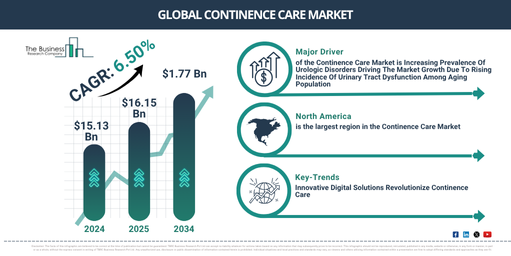
    The market size for continence care has seen robust expansion in the past years. It’s expected to increase from $15.13 billion in 2024 to $16.15 billion in 2025, posting a compound annual growth rate (CAGR) of 6.7%. The growth during the historic period could be attributed to factors such as a burgeoning elderly population, elevated consciousness about personal hygiene, a rising count of chronic diseases, decreased mobility among senior citizens, and a surge in institutional care admissions.

    In the coming years, the size of the continence care market is predicted to witness substantial progress, with growth escalating to $20.78 billion in 2029 at a compound annual growth rate (CAGR) of 6.5%. The projected growth during this period can be credited to the rising need for home healthcare, the burgeoning of e-commerce platforms, an increase in healthcare spending, better reimbursement policies, and a heightened rate of urologic disorders. The period also earmarks relevant trends such as advancements in absorbent material technologies, breakthroughs in smart continence devices, the emergence of biodegradable products, the commencement of research and development in hypoallergenic materials, and the incorporation of wearable sensors.

    Download The Free Sample Report Here:

    https://www.thebusinessresearchcompany.com/sample.aspx?id=25728&type=smp

    #Which Factors Are Currently Driving The Growth Of The Continence Care Market?

    The surge in instances of urologic disorders is anticipated to spearhead the expansion of the continence care market. Urologic disorders encompass a variety of conditions impacting the urinary tract system, including the kidneys, bladder, and urethra. An uptick in these disorders has largely been ascribed to an aging populace, given the vulnerability of older individuals to urinary tract dysfunction as a result of diminishing muscle tone and other age-related physical alterations. Continence care contributes to symptom management and comfort enhancement for individuals afflicted with urologic conditions. This is achieved by offering vital products that enable urinary control, promote hygiene, and enhance the overall quality of life, particularly for those grappling with chronic bladder problems or age-related urinary dysfunction. For instance, in November 2024, the American Urological Association, a US-based professional group, reported that over 33 million Americans suffered symptoms of overactive bladder, while an estimated 1 to 4 million men and 3 to 8 million women struggled with interstitial cystitis or bladder pain syndrome. As a result, the rising prevalence of urologic disorders is fueling the expansion of the continence care market.

    How Is The Global Continence Care Market Structured In Terms Of Segments?

    The continence care market covered in this report is segmented –

    1) By Product: Urinary Catheter, Non-Implanting Electric Stimulation Devices, Protective Garments, Urine Bag, Bowel Management Products, Other Products

    2) By Material Type: Cotton, Polymer, Nonwoven Fabrics, Foam

    3) By Application: Diabetes, Strokes, Benign Prostatic Hyperplasia, Alzheimer, Cerebral Palsy, Parkinson, Prostate Cancer, Spinal Cord Injury, Bladder Cancer, Other Applications

    4) By Distribution Channel: Hospital Pharmacies, Retail Pharmacies, Online Stores, Medical Supply Stores

    5) By End User: Hospitals, Home Care Settings, Nursing Homes, Clinics

    Subsegments:

    1) By Urinary Catheter: Intermittent Catheters, Indwelling (Foley) Catheters, External (Condom) Catheters, Suprapubic Catheters, Catheter Maintenance Products

    2) By Non-Implanting Electric Stimulation Devices: Pelvic Floor Stimulators, Transcutaneous Electrical Nerve Stimulation (TENS) Devices For Bladder Control, External Tibial Nerve Stimulation Devices

    3) By Protective Garments: Adult Diapers, Protective Underwear, Pads And Liners, Male Guards, Belted Shields

    4) By Urine Bag: Leg Urine Bags, Bedside Urine Bags, Pediatric Urine Bags, Night Drainage Bags, Urine Bag Accessories

    5) By Bowel Management Products: Rectal Catheters, Stool Collection Bags, Irrigation Systems, Anal Plugs, Bowel Stimulation Devices

    6) By Other Products: Absorbent Sheets, Skin Care Products For Incontinence, Odor Control Products, Deodorizing Tablets

    What Trends Are Currently Influencing Growth In The Continence Care Market?

    Leading companies in the continence care market are concentrating efforts on developing ground-breaking solutions such as digital health technologies to encourage real-time urinary tracking, hydration regulation, and tailored continence care. In essence, digital health solutions integrate digital applications like mobile software, apps, and internet-connected devices to enhance healthcare delivery, support health management, uplift patient results, and facilitate real-time tracking, personalized health assessments, distant monitoring, and bettered patient-healthcare provider communication. For example, Convatec Group Plc, a UK medical products and technologies establishment, introduced the me+ Companion app in August 2024, as a digital health tool to assist intermittently catheterized patients and healthcare professionals by offering real-time urinary tracking, hydration target establishment, leak recordation, and generation of tailored summary reports for improved management of continence care. Through this application, users can conveniently log their levels of fluid consumption and urine output from their mobile gadgets, enabling them to acquire a comprehensive understanding of their condition and make informed decisions. This application further reinforces communication between patients and their care teams, letting users share printable and downloadable reports.

    Who Are The Main Participants Shaping The Continence Care Market Landscape?

    Major companies operating in the continence care market are Cardinal Health Inc., 3M Healthcare, Medtronic plc, Kimberly-Clark Corporation, Unicharm Corporation, Coloplast A/S, Paul Hartmann AG, Convatec Group PLC, Ontex International N.V., Drylock Technologies, First Quality Enterprises Inc., Hollister Incorporated, ABENA A/S, Lohmann & Rauscher GmbH & Co. KG, B. Braun Melsungen AG, Principle Business Enterprises Inc., Premiere Care Industries Inc., Santex S.p.A., Pioneer Hygiene Industries, TZMO SA.

    Get The Full Report Here:

    https://www.thebusinessresearchcompany.com/report/continence-care-global-market-report

    Which Region Currently Holds The Largest Share In The Continence Care Market?

    North America was the largest region in the continence care market in 2024. Asia-Pacific is expected to be the fastest-growing region in the forecast period. The regions covered in the continence care market report are Asia-Pacific, Western Europe, Eastern Europe, North America, South America, Middle East, Africa.

    Request For A Customized Report:

    https://www.thebusinessresearchcompany.com/customise?id=25728&type=smp

    About The Business Research Company:

    With over 15000+ reports from 27 industries covering 60+ geographies, The Business Research Company has built a reputation for offering comprehensive, data-rich research and insights. Armed with 1,500,000 datasets, the optimistic contribution of in-depth secondary research, and unique insights from industry leaders, you can get the information you need to stay ahead in the game.

    Get in touch with us:

    The Business Research Company: https://www.thebusinessresearchcompany.com/

    Americas +1 310-496-7795

    Asia +44 7882 955267 & +91 8897263534

    Europe +44 7882 955267

    Email us at info@tbrc.info

    Follow us on:

    LinkedIn: https://in.linkedin.com/company/the-business-research-company

    YouTube: https://www.youtube.com/channel/UC24_fI0rV8cR5DxlCpgmyFQ

    Global Market Model: https://www.thebusinessresearchcompany.com/global-market-model