Tag: retinal biologics market

  • Retinal Biologics Market Size In 2026: Regional Growth, Key Segments And Future Outlook

    Retinal Biologics Market Size In 2026: Regional Growth, Key Segments And Future Outlook

    Featuring market attractiveness scoring, total addressable market sizing, company benchmarking matrices, interactive Excel dashboards, deeper supply chain intelligence, emerging startup tracking, and granular product-level insights, The Business Research Company’s 2026 market reports are built to deliver research that is both more actionable and more strategically valuable.

    Retinal Biologics Market Poised To Hit $49.03 Billion By 2030 With A 11.9% CAGR

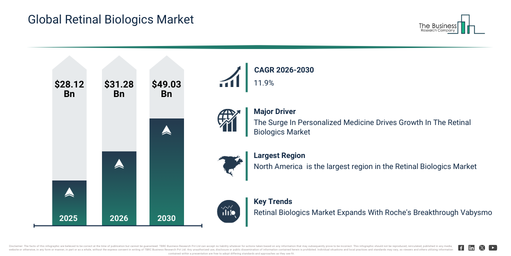
    The retinal biologics market has experienced swift expansion in recent years. Its value is projected to rise from $28.12 billion in 2025 to $31.28 billion in 2026, with a compound annual growth rate (CAGR) of 11.2%. The historical growth of this market can be attributed to the increasing prevalence of age-related macular degeneration, a rising diabetic population, the clinical success of monoclonal antibody therapies, growing ophthalmology healthcare expenditure, and improvements in diagnostic imaging technologies.

    The retinal biologics market size is projected to experience substantial growth over the next few years. It is forecast to expand to $49.03 billion in 2030, achieving a compound annual growth rate (CAGR) of 11.9%. This expansion during the forecast period is attributable to progress in retinal biologic drug delivery systems, the expansion of biologics in development for retinal diseases, the rising embrace of personalized ophthalmic therapies, improvements in ophthalmology infrastructure within emerging markets, and an increasing need for treatments with extended duration. Key trends anticipated in this period include the development of long-acting retinal biologic formulations, a surge in the adoption of anti-VEGF biologics, a transition towards less invasive intraocular therapies, a wider application of biologics for diabetic eye conditions, and the proliferation of specialty retina clinics.

    Get A Free Sample Report With In-Depth Market Insights:

    https://thebusinessresearchcompany.com/sample_request?id=76102681&type=smp&name=Retinal%20Biologics%20Market%20Report%202026&utm_source=Blogs&utm_medium=Paid&utm_campaign=Oct_PR

    Retinal Biologics Market Growth Factors: What’s Supporting Expansion?

    The increasing demand for personalized medicine is expected to stimulate the expansion of the retinal biologics market moving forward. Personalized medicine involves customizing medical treatment to an individual’s distinct genetic makeup, which offers more effective and accurate healthcare interventions. In the context of retinal biologics, personalized medicine is employed to tailor treatment strategies based on individual genetic and molecular profiles, thereby optimizing efficacy and minimizing adverse effects. As an illustration, in February 2024, data from the Personalised Medicine Coalition, a US-based hospital and healthcare organization, showed that the FDA granted approval to 16 new personalized treatments for rare disease patients in 2023, an increase from 6 in 2022. Therefore, the growing need for personalized medicine is a key driver for the retinal biologics market’s growth.

    Retinal Biologics Market Segment Performance And Emerging Opportunities

    The retinal biologics market covered in this report is segmented –

    1) By Drug Class: Vascular Endothelial Growth Factor (VEGF)-A Antagonist, Tumor Necrosis Factor (TNF)-A Inhibitor

    2) By Indication: Macular Degeneration, Diabetic Retinopathy, Uveitis, Diabetic Macular Edema, Other Indications

    3) By Distribution Channel: Hospitals, Pharmacies, Specialty Clinics, Online Pharmacies, Other Distribution Channels

    Subsegments:

    1) By Vascular Endothelial Growth Factor (VEGF)-A Antagonist: Monoclonal Antibodies, Small Molecule Inhibitors

    2) By Tumor Necrosis Factor (TNF)-A Inhibitor: Monoclonal Antibodies, Fusion Proteins

    Retinal Biologics Market Industry Trends: What’s Reshaping Demand?

    Key players in the retinal biologics market are concentrating on creating innovative solutions, including bispecific antibodies, aimed at boosting treatment effectiveness, minimizing retinal damage, and bettering visual results. These biologic therapies, known as bispecific antibodies, are engineered to concurrently address two distinct pathways contributing to disease progression, thereby delivering enhanced therapeutic advantages. As an illustration, in May 2023, the Switzerland-based healthcare firm F. Hoffmann-La Roche Ltd. disclosed that its supplemental biologics license application (sBLA) for Vabysmo (faricimab), intended for treating macular edema after retinal vein occlusion (RVO), had been accepted by the U.S. Food and Drug Administration. This acceptance stemmed from two Phase III trials demonstrating early and sustained visual enhancement with Vabysmo, successfully meeting the primary endpoint of non-inferiority compared to aflibercept. This particular product represents the initial bispecific antibody approved for ocular use in managing neovascular or ‘wet’ age-related macular degeneration and diabetic macular edema. Additional research revealed no retinal blood vessel leakage in patients treated with Vabysmo, a finding contrasting with those treated with aflibercept.

    Retinal Biologics Market Key Players: Which Companies Lead Industry Competition?

    Major companies operating in the retinal biologics market are Regeneron Pharmaceuticals Inc., AbbVie Inc., MeiraGTx Limited, Oxurion NV, Novartis AG, Spark Therapeutics Inc., Bayer AG, Santen Pharmaceutical Co. Ltd., EyePoint Pharmaceuticals Inc., Iveric Bio Inc., Kodiak Sciences Inc., Alimera Sciences Inc., Acucela Inc., Clearside Biomedical Inc., Ophthotech Corporation, Aerie Pharmaceuticals Inc., Ocular Therapeutix Inc., Fidia Farmaceutici S.p.A, Roche Holding AG, Amgen Inc., Biogen Inc., Genentech Inc., Allergan PLC

    View The Full Retinal Biologics Market Report:

    https://thebusinessresearchcompany.com/report/retinal-biologics-global-market-report?utm_source=Blogs&utm_medium=Paid&utm_campaign=Oct_PR

    Retinal Biologics Market Geographic Analysis: Where Is Demand Rising Fastest?

    North America was the largest region in the retinal biologics market in 2025. Asia-Pacific is expected to be the fastest-growing region in the forecast period. The regions covered in the retinal biologics market report are Asia-Pacific, South East Asia, Western Europe, Eastern Europe, North America, South America, Middle East, Africa.

    Reach Out To Our Team:

    The Business Research Company: https://www.thebusinessresearchcompany.com/

    Americas: +1 310-496-7795

    Asia: +44 7882 955267 & +91 8897263534

    Europe: +44 7882 955267

    Email us at: marketing@tbrc.info

    Follow us on:

    LinkedIn: https://in.linkedin.com/company/the-business-research-company

    YouTube: https://www.youtube.com/channel/UC24_fI0rV8cR5DxlCpgmyFQ

    Global Market Model: https://www.thebusinessresearchcompany.com/global-market-model
  • Retinal Biologics Market Growth Outlook Reveals A CAGR Of 11.9% And A Market Value Of $49.03 Billion By 2030

    Retinal Biologics Market Growth Outlook Reveals A CAGR Of 11.9% And A Market Value Of $49.03 Billion By 2030

    Enhanced with market attractiveness analysis, total addressable market evaluation, company benchmarking matrices, interactive Excel dashboards, expanded supply chain intelligence, emerging startup coverage, and detailed product insights, The Business Research Company’s 2026 market reports deliver more actionable and strategically valuable research.

    Retinal Biologics Market Forecast: What Market Value Is Expected By 2030?

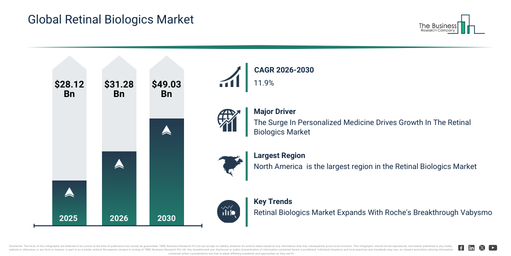
    The retinal biologics market has experienced significant growth in recent times. Its value is projected to rise from $28.12 billion in 2025 to $31.28 billion in 2026, reflecting an 11.2% compound annual growth rate (CAGR). This historical expansion has been driven by factors such as the growing incidence of age-related macular degeneration, an expanding diabetic population, the clinical effectiveness of monoclonal antibody treatments, higher spending on ophthalmology healthcare, and enhancements in diagnostic imaging technologies.

    The retinal biologics market is projected to experience robust expansion in the coming years, reaching $49.03 billion by 2030 with an 11.9% compound annual growth rate (CAGR). This forecasted growth is largely driven by enhanced drug delivery systems for retinal biologics, an expanding pipeline of biologic treatments targeting retinal diseases, greater uptake of personalized ophthalmic therapies, improved ophthalmology infrastructure in emerging markets, and a growing preference for long-lasting therapeutic options. Key trends shaping this period encompass the development of sustained-release retinal biologic formulations, wider use of anti-VEGF biologics, a movement toward less invasive intraocular procedures, increased biologics development for diabetic eye conditions, and a rise in specialized retina care centers.

    Download A Free Sample Report For Comprehensive Market Insights:

    https://www.thebusinessresearchcompany.com/sample.aspx?id=11911&type=smp&utm_source=BlogsPR&utm_medium=Paid&utm_campaign=Jul_PR

    Retinal Biologics Market Growth Momentum: Which Factors Are Influencing Demand?

    The growing need for personalized medicine is anticipated to boost the retinal biologics market in the coming years. Personalized medicine customizes medical care to a person’s distinct genetic profile, enabling more precise and effective healthcare solutions. In the context of retinal biologics, this approach is used to adapt therapies to individual genetic and molecular characteristics, enhancing treatment effectiveness while reducing unwanted side effects. For example, as reported by the Personalized Medicine Coalition, a U.S.-based hospital and healthcare organization, in February 2024, the FDA approved 16 new personalized therapies for rare diseases in 2023, a significant increase from 6 in 2022. Consequently, the increasing demand for personalized medicine is fueling the expansion of the retinal biologics market.

    Retinal Biologics Market Segment Analysis Highlighting Growth Areas

    The retinal biologics market covered in this report is segmented –

    1) By Drug Class: Vascular Endothelial Growth Factor (VEGF)-A Antagonist, Tumor Necrosis Factor (TNF)-A Inhibitor

    2) By Indication: Macular Degeneration, Diabetic Retinopathy, Uveitis, Diabetic Macular Edema, Other Indications

    3) By Distribution Channel: Hospitals, Pharmacies, Specialty Clinics, Online Pharmacies, Other Distribution Channels

    Subsegments:

    1) By Vascular Endothelial Growth Factor (VEGF)-A Antagonist: Monoclonal Antibodies, Small Molecule Inhibitors

    2) By Tumor Necrosis Factor (TNF)-A Inhibitor: Monoclonal Antibodies, Fusion Proteins

    Retinal Biologics Market Trends Reshaping Industry Growth

    Key players in the retinal biologics sector are increasingly concentrating on the creation of sophisticated therapies like bispecific antibodies, with the goal of boosting treatment effectiveness, decreasing retinal injury, and enhancing visual outcomes. These bispecific antibodies represent biologic treatments specifically engineered to attack two distinct pathways related to disease progression at once, thereby delivering superior therapeutic advantages. A notable example occurred in May 2023 when F. Hoffmann-La Roche Ltd., a healthcare firm headquartered in Switzerland, disclosed that the U.S. Food and Drug Administration had approved its supplemental biologics license application for Vabysmo, also known as faricimab, to address macular edema resulting from retinal vein occlusion. This approval stemmed from two Phase III clinical trials which demonstrated early and sustained improvements in vision when using Vabysmo, successfully meeting the primary endpoint of being non-inferior to aflibercept. This medication stands out as the initial bispecific antibody sanctioned for ocular use, specifically targeting neovascular or wet age-related macular degeneration as well as diabetic macular edema. Subsequent investigations indicated that patients treated with Vabysmo experienced an absence of retinal vascular leakage, contrasting with outcomes seen in those receiving aflibercept.

    Retinal Biologics Market Leading Companies: Who Holds Significant Market Presence?

    Major companies operating in the retinal biologics market are Regeneron Pharmaceuticals Inc., AbbVie Inc., MeiraGTx Limited, Oxurion NV, Novartis AG, Spark Therapeutics Inc., Bayer AG, Santen Pharmaceutical Co. Ltd., EyePoint Pharmaceuticals Inc., Iveric Bio Inc., Kodiak Sciences Inc., Alimera Sciences Inc., Acucela Inc., Clearside Biomedical Inc., Ophthotech Corporation, Aerie Pharmaceuticals Inc., Ocular Therapeutix Inc., Fidia Farmaceutici S.p.A, Roche Holding AG, Amgen Inc., Biogen Inc., Genentech Inc., Allergan PLC

    Access The Complete Retinal Biologics Market Report:

    https://www.thebusinessresearchcompany.com/report/retinal-biologics-global-market-report?utm_source=BlogsPR&utm_medium=Paid&utm_campaign=Jul_PR

    Retinal Biologics Market Leading Geography: Which Region Generates The Most Revenue?

    North America was the largest region in the retinal biologics market in 2025. Asia-Pacific is expected to be the fastest-growing region in the forecast period. The regions covered in the retinal biologics market report are Asia-Pacific, South East Asia, Western Europe, Eastern Europe, North America, South America, Middle East, Africa.

    Get in touch with us:

    The Business Research Company: https://www.thebusinessresearchcompany.com/?utm_source=BlogsPR&utm_medium=Paid&utm_campaign=home_page_test

    Americas: +1 310-496-7795

    Asia: +44 7882 955267 & +91 8897263534

    Europe: +44 7882 955267

    Email us at: marketing@tbrc.info

    Follow us on:

    LinkedIn: https://in.linkedin.com/company/the-business-research-company

    YouTube: https://www.youtube.com/channel/UC24_fI0rV8cR5DxlCpgmyFQ

    Global Market Model: https://www.thebusinessresearchcompany.com/global-market-model
  • The Surge In Personalized Medicine Drives Growth In The Retinal Biologics Market Is Supporting Development Across The Retinal Biologics Market

    The Surge In Personalized Medicine Drives Growth In The Retinal Biologics Market Is Supporting Development Across The Retinal Biologics Market

    The Business Research Company’s 2026 market reports feature advanced enhancements such as market attractiveness analysis, total addressable market evaluation, company benchmarking matrices, interactive Excel dashboards, expanded supply chain intelligence, emerging startup coverage, and detailed product insights, delivering more actionable and strategically valuable research.

    What Is The Forecasted Rise In Market Size Of The Retinal Biologics Market During The Forecast Period?

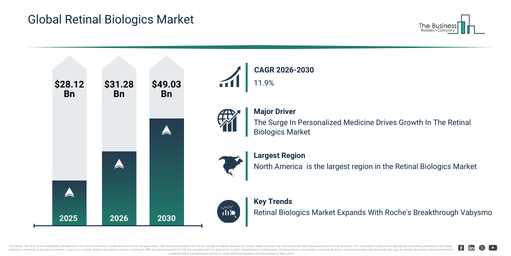
    The retinal biologics market has experienced substantial growth in recent years. It is projected to expand from $28.12 billion in 2025 to $31.28 billion in 2026, demonstrating a compound annual growth rate (CAGR) of 11.2%. This historical expansion can be linked to factors such as the increasing prevalence of age-related macular degeneration, a growing diabetic population, the successful clinical outcomes of monoclonal antibody therapies, rising expenditure in ophthalmology healthcare, and advancements in diagnostic imaging technologies.

    The retinal biologics market is anticipated to experience substantial growth in the upcoming years, with its size projected to reach $49.03 billion by 2030, exhibiting a compound annual growth rate (CAGR) of 11.9%. This expansion during the forecast period is fueled by advancements in retinal biologic drug delivery systems, a widening pipeline of biologics for retinal diseases, increasing acceptance of personalized ophthalmic therapies, enhancement of ophthalmology infrastructure in emerging markets, and a rising need for long-duration treatments. Prominent trends for this period encompass long-acting retinal biologic formulations, a growing adoption of anti-VEGF biologics, a shift towards minimally invasive intraocular therapies, the expansion of biologics for diabetic eye disorders, and an increase in specialty retina clinics.

    Download A Free Sample Report For Comprehensive Market Insights:

    https://www.thebusinessresearchcompany.com/sample.aspx?id=11911&type=smp

    Which Major Factors Are Contributing To The Development Of The Retinal Biologics Market?

    The increasing need for personalized medicine is anticipated to fuel the expansion of the retinal biologics market in the future. Personalized medicine involves customizing medical treatments based on a person’s distinct genetic profile, providing more accurate and impactful healthcare solutions. Within retinal biologics, personalized medicine is applied to customize treatment strategies according to individual genetic and molecular characteristics, thereby enhancing effectiveness and reducing side effects. For example, data from February 2024, provided by the Personalised Medicine Coalition, a US-based hospital and health care entity, indicates that in 2023, the FDA authorized 16 new personalized therapies for patients with rare diseases, an increase from 6 in 2022. Consequently, the growing requirement for personalized medicine is stimulating the advancement of the retinal biologics market.

    What Are The Core Segment Classifications In The Retinal Biologics Market?

    The retinal biologics market covered in this report is segmented –

    1) By Drug Class: Vascular Endothelial Growth Factor (VEGF)-A Antagonist, Tumor Necrosis Factor (TNF)-A Inhibitor

    2) By Indication: Macular Degeneration, Diabetic Retinopathy, Uveitis, Diabetic Macular Edema, Other Indications

    3) By Distribution Channel: Hospitals, Pharmacies, Specialty Clinics, Online Pharmacies, Other Distribution Channels

    Subsegments:

    1) By Vascular Endothelial Growth Factor (VEGF)-A Antagonist: Monoclonal Antibodies, Small Molecule Inhibitors

    2) By Tumor Necrosis Factor (TNF)-A Inhibitor: Monoclonal Antibodies, Fusion Proteins

    Which Trends Are Affecting The Retinal Biologics Market Framework?

    Leading companies in the retinal biologics market are concentrating on developing advanced solutions, such as bispecific antibodies, to enhance treatment efficacy, reduce retinal damage, and improve visual outcomes. These bispecific antibodies are biologic therapies designed to simultaneously target two distinct pathways involved in disease progression, thereby offering improved therapeutic benefits. For instance, in May 2023, F. Hoffmann-La Roche Ltd., a Switzerland-based healthcare company, announced that the U.S. Food and Drug Administration had accepted its supplemental biologics license application (sBLA) for Vabysmo (faricimab) for treating macular edema following retinal vein occlusion (RVO). This acceptance was based on two Phase III trials that demonstrated early and persistent visual improvement with Vabysmo, meeting the primary endpoint of non-inferiority to aflibercept. This product is the first bispecific antibody approved for ocular use to treat neovascular or ‘wet’ age-related macular degeneration and diabetic macular edema. Further studies revealed an absence of blood vessel leakage in the retina in Vabysmo patients when compared to aflibercept patients.

    Who Are The Major Companies Operating In The Retinal Biologics Market?

    Major companies operating in the retinal biologics market are Regeneron Pharmaceuticals Inc., AbbVie Inc., MeiraGTx Limited, Oxurion NV, Novartis AG, Spark Therapeutics Inc., Bayer AG, Santen Pharmaceutical Co. Ltd., EyePoint Pharmaceuticals Inc., Iveric Bio Inc., Kodiak Sciences Inc., Alimera Sciences Inc., Acucela Inc., Clearside Biomedical Inc., Ophthotech Corporation, Aerie Pharmaceuticals Inc., Ocular Therapeutix Inc., Fidia Farmaceutici S.p.A, Roche Holding AG, Amgen Inc., Biogen Inc., Genentech Inc., Allergan PLC

    Access The Complete Retinal Biologics Market Report:

    https://www.thebusinessresearchcompany.com/report/retinal-biologics-global-market-report

    Which Region Is The Primary Market For The Retinal Biologics Market?

    North America was the largest region in the retinal biologics market in 2025. Asia-Pacific is expected to be the fastest-growing region in the forecast period. The regions covered in the retinal biologics market report are Asia-Pacific, South East Asia, Western Europe, Eastern Europe, North America, South America, Middle East, Africa.

    Access Retinal Biologics Market Report for Deeper Competitive Insights

    https://www.thebusinessresearchcompany.com/sample.aspx?id=11911&type=smp

    Browse Through More Reports Similar to the Global Retinal Biologics Market 2026, By The Business Research Company

    Retinal Biologics Market Report 2026

    https://www.thebusinessresearchcompany.com/report/retinal-biologics-global-market-report

    Retinal Disorder Treatment Market Report 2026

    https://www.thebusinessresearchcompany.com/report/retinal-disorder-treatment-global-market-report

    Anemia And Other Blood Disorder Drugs Market Report 2026

    https://www.thebusinessresearchcompany.com/report/anemia-and-other-blood-disorder-drugs-global-market-report

    Get in touch with us:

    The Business Research Company: https://www.thebusinessresearchcompany.com/

    Americas: +1 310-496-7795

    Asia: +44 7882 955267 & +91 8897263534

    Europe: +44 7882 955267

    Email us at: marketing@tbrc.info

    Follow us on:

    LinkedIn: https://in.linkedin.com/company/the-business-research-company

    YouTube: https://www.youtube.com/channel/UC24_fI0rV8cR5DxlCpgmyFQ

    Global Market Model: https://www.thebusinessresearchcompany.com/global-market-model

  • Retinal Biologics Market Insights On Growth Drivers, Trends, And Opportunities

    Retinal Biologics Market Insights On Growth Drivers, Trends, And Opportunities

    The Business Research Company’s 2026 market reports feature enhanced tools like market attractiveness analysis, TAM assessment, and company scoring matrices, along with interactive dashboards, deeper supply chain insights, and startup coverage strengthening the depth, usability, and strategic value of insights.

    How Much Growth In Market Value Is Expected For The Retinal Biologics Market Between 2026 And 2030?

    The retinal biologics market has experienced significant expansion in recent years. It is projected to grow from $28.12 billion in 2025 to $31.28 billion in 2026, at a compound annual growth rate (CAGR) of 11.2%. This historical growth can be attributed to factors such as the rising prevalence of age-related macular degeneration, an increasing diabetic population, the clinical success of monoclonal antibody therapies, growing ophthalmology healthcare expenditure, and improved diagnostic imaging technologies.

    The retinal biologics market size is projected to experience substantial growth in the upcoming years, reaching $49.03 billion by 2030, driven by a compound annual growth rate (CAGR) of 11.9%. This expansion throughout the forecast period is primarily due to several factors, including advancements in retinal biologic drug delivery systems, the expansion of pipeline biologics for various retinal diseases, the increasing embrace of personalized ophthalmic therapies, improved ophthalmology infrastructure in emerging markets, and a rising demand for treatments that offer long-duration effects. Key trends anticipated during this period encompass the development of long-acting retinal biologic formulations, a growing adoption of anti-VEGF biologics, a transition towards minimally invasive intraocular therapies, the expansion of biologics specifically for diabetic eye disorders, and an increase in the number of specialty retina clinics.

    Access Your Free Sample Report For In-Depth Market Analysis:

    https://www.thebusinessresearchcompany.com/sample.aspx?id=11911&type=smp

    What Key Factors Are Affecting The Retinal Biologics Market Demand?

    The increasing need for personalized medicine is anticipated to fuel the expansion of the retinal biologics market in the future. This approach customizes medical care to an individual’s distinct genetic profile, providing healthcare interventions that are both more effective and exact. Within retinal biologics, personalized medicine is applied to customize treatment strategies according to individual genetic and molecular characteristics, thereby enhancing effectiveness and reducing unwanted side effects. For example, data from February 2024, provided by the Personalised Medicine Coalition, a US-based hospital and healthcare organization, indicated that in 2023, the FDA sanctioned 16 novel personalized therapies for patients with rare diseases, which marks an increase from 6 approvals in 2022. Consequently, the growing requirement for personalized medicine is stimulating the expansion of the retinal biologics market.

    How Is The Retinal Biologics Market Organized By Segment Classification?

    The retinal biologics market covered in this report is segmented –

    1) By Drug Class: Vascular Endothelial Growth Factor (VEGF)-A Antagonist, Tumor Necrosis Factor (TNF)-A Inhibitor

    2) By Indication: Macular Degeneration, Diabetic Retinopathy, Uveitis, Diabetic Macular Edema, Other Indications

    3) By Distribution Channel: Hospitals, Pharmacies, Specialty Clinics, Online Pharmacies, Other Distribution Channels

    Subsegments:

    1) By Vascular Endothelial Growth Factor (VEGF)-A Antagonist: Monoclonal Antibodies, Small Molecule Inhibitors

    2) By Tumor Necrosis Factor (TNF)-A Inhibitor: Monoclonal Antibodies, Fusion Proteins

    What Trends Are Affecting The Growth Of The Retinal Biologics Market?

    Companies operating within the retinal biologics market are primarily engaged in developing cutting-edge solutions, such as bispecific antibodies, to significantly enhance treatment effectiveness, minimize retinal damage, and achieve improved visual outcomes. Bispecific antibodies are defined as biologic therapies engineered to simultaneously target two distinct pathways implicated in disease progression, thereby offering superior therapeutic advantages. For example, in May 2023, F. Hoffmann-La Roche Ltd., a Switzerland-based healthcare company, announced the U.S. Food and Drug Administration’s acceptance of its supplemental biologics license application (sBLA) for Vabysmo (faricimab), intended for the treatment of macular edema following retinal vein occlusion (RVO). This acceptance was predicated on results from two Phase III trials that demonstrated early and sustained visual improvement with Vabysmo, meeting the primary endpoint of non-inferiority to aflibercept. This specific product is recognized as the first bispecific antibody approved for ocular use to treat neovascular or ‘wet’ age-related macular degeneration and diabetic macular edema. Furthermore, subsequent studies revealed an absence of blood vessel leakage in the retina among Vabysmo patients when compared to patients receiving aflibercept.

    Who Are The Industry Participants Involved In The Retinal Biologics Market?

    Major companies operating in the retinal biologics market are Regeneron Pharmaceuticals Inc., AbbVie Inc., MeiraGTx Limited, Oxurion NV, Novartis AG, Spark Therapeutics Inc., Bayer AG, Santen Pharmaceutical Co. Ltd., EyePoint Pharmaceuticals Inc., Iveric Bio Inc., Kodiak Sciences Inc., Alimera Sciences Inc., Acucela Inc., Clearside Biomedical Inc., Ophthotech Corporation, Aerie Pharmaceuticals Inc., Ocular Therapeutix Inc., Fidia Farmaceutici S.p.A, Roche Holding AG, Amgen Inc., Biogen Inc., Genentech Inc., Allergan PLC

    Get The Full Retinal Biologics Market Report:

    https://www.thebusinessresearchcompany.com/report/retinal-biologics-global-market-report

    Which Region Is The Top Contributor To The Retinal Biologics Market By Share?

    North America was the largest region in the retinal biologics market in 2025. Asia-Pacific is expected to be the fastest-growing region in the forecast period. The regions covered in the retinal biologics market report are Asia-Pacific, South East Asia, Western Europe, Eastern Europe, North America, South America, Middle East, Africa.

    Request A Customized Retinal Biologics Market Report For Competitive Insights:

    https://www.thebusinessresearchcompany.com/report/retinal-biologics-global-market-report

    Browse Through More Reports Similar to the Global Retinal Biologics Market 2026, By The Business Research Company

    Retinal Biologics Market Report 2026

    https://www.thebusinessresearchcompany.com/report/retinal-biologics-global-market-report

    Retinal Disorder Treatment Market Report 2026

    https://www.thebusinessresearchcompany.com/report/retinal-disorder-treatment-global-market-report

    Anemia And Other Blood Disorder Drugs Market Report 2026

    https://www.thebusinessresearchcompany.com/report/anemia-and-other-blood-disorder-drugs-global-market-report

    Get in touch with us:

    The Business Research Company: https://www.thebusinessresearchcompany.com/

    Americas +1 310-496-7795

    Asia +44 7882 955267 & +91 8897263534

    Europe +44 7882 955267

    Email us at: marketing@tbrc.info

    Follow us on:

    LinkedIn: https://in.linkedin.com/company/the-business-research-company

    YouTube: https://www.youtube.com/channel/UC24_fI0rV8cR5DxlCpgmyFQ

    Global Market Model: https://www.thebusinessresearchcompany.com/global-market-model
  • Retinal Biologics Market 2026 expected to reach $49.03 billion by 2030

    Retinal Biologics Market 2026 expected to reach $49.03 billion by 2030

    The Business Research Company’s 2026 market reports include new capabilities such as market attractiveness scoring and analysis, total addressable market analysis, company scoring matrix, interactive excel data dashboard, improved supply chain analysis, upcoming startups in the market, and overview of key products, aimed at improving the depth, usability, and strategic value of the insights delivered.

    What Is The Expected Market Size Of The Retinal Biologics Market From 2026 To 2030?

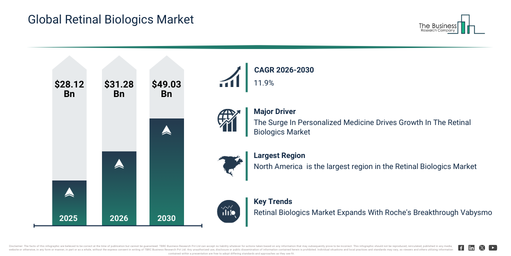
    The retinal biologics market has experienced substantial expansion in recent times. This market is projected to expand from $28.12 billion in 2025 to $31.28 billion by 2026, demonstrating a compound annual growth rate (CAGR) of 11.2%. Historically, this expansion has been driven by factors such as the increasing prevalence of age-related macular degeneration, a growing diabetic population, the successful clinical application of monoclonal antibody therapies, increased spending in ophthalmology healthcare, and advancements in diagnostic imaging technologies.

    The retinal biologics market size is projected for substantial expansion over the coming years, reaching $49.03 billion by 2030, demonstrating a compound annual growth rate (CAGR) of 11.9%. This anticipated growth is primarily driven by developments in retinal biologic drug delivery systems, the broadening scope of pipeline biologics targeting retinal conditions, increased uptake of personalized ophthalmic treatments, improvements in ophthalmology infrastructure within developing markets, and a growing need for extended-duration therapies. Key developments influencing the forecast period encompass the emergence of long-acting retinal biologic formulations, the rising acceptance of anti-VEGF biologics, a move towards less invasive intraocular treatments, the increased application of biologics for diabetic eye conditions, and the proliferation of specialized retina clinics.

    Download the Free Sample Report to Explore Key Market Insights:

    https://www.thebusinessresearchcompany.com/sample.aspx?id=11911&type=smp

    What Major Drivers Are Influencing Demand In The Retinal Biologics Market?

    The increasing need for personalized medicine is projected to fuel the expansion of the retinal biologics market in the future. This approach customizes medical care to an individual’s specific genetic profile, leading to more effective and accurate healthcare solutions. Within retinal biologics, personalized medicine is applied to customize treatment strategies according to distinct genetic and molecular profiles, thereby maximizing effectiveness and reducing negative side effects. For example, in February 2024, data from the Personalised Medicine Coalition, a US-based hospital and healthcare organization, revealed that in 2023, the FDA sanctioned 16 novel personalized treatments for rare disease patients, an increase from 6 in 2022. Consequently, the growing requirement for personalized medicine is propelling the development of the retinal biologics market.

    Which Segments Are Included In The Analysis Of The Retinal Biologics Market?

    The retinal biologics market covered in this report is segmented –

    1) By Drug Class: Vascular Endothelial Growth Factor (VEGF)-A Antagonist, Tumor Necrosis Factor (TNF)-A Inhibitor

    2) By Indication: Macular Degeneration, Diabetic Retinopathy, Uveitis, Diabetic Macular Edema, Other Indications

    3) By Distribution Channel: Hospitals, Pharmacies, Specialty Clinics, Online Pharmacies, Other Distribution Channels

    Subsegments:

    1) By Vascular Endothelial Growth Factor (VEGF)-A Antagonist: Monoclonal Antibodies, Small Molecule Inhibitors

    2) By Tumor Necrosis Factor (TNF)-A Inhibitor: Monoclonal Antibodies, Fusion Proteins

    Which Trends Are Impacting The Growth Of The Retinal Biologics Market?

    Major companies engaged in the retinal biologics market are focusing on developing advanced solutions, including bispecific antibodies, to improve treatment efficacy, reduce retinal damage, and enhance visual outcomes. Bispecific antibodies refer to biologic therapies designed to simultaneously target two distinct pathways involved in disease progression, offering superior therapeutic benefits. For example, in May 2023, F. Hoffmann-La Roche Ltd., a Switzerland-based healthcare company, announced that the U.S. Food and Drug Administration accepted the company’s supplemental biologics license application (sBLA) for Vabysmo (faricimab) for the treatment of macular edema following retinal vein occlusion (RVO). This acceptance was based on two Phase III trials that demonstrated early and persistent visual improvement with Vabysmo, achieving the primary endpoint of non-inferiority to aflibercept. This product represents the first bispecific antibody approved for the eye to treat neovascular or ‘wet’ age-related macular degeneration and diabetic macular edema. Further studies revealed an absence of blood vessel leakage in the retina in Vabysmo patients compared to aflibercept patients.

    Which Key Industry Participants Are Active In The Retinal Biologics Market?

    Major companies operating in the retinal biologics market are Regeneron Pharmaceuticals Inc., AbbVie Inc., MeiraGTx Limited, Oxurion NV, Novartis AG, Spark Therapeutics Inc., Bayer AG, Santen Pharmaceutical Co. Ltd., EyePoint Pharmaceuticals Inc., Iveric Bio Inc., Kodiak Sciences Inc., Alimera Sciences Inc., Acucela Inc., Clearside Biomedical Inc., Ophthotech Corporation, Aerie Pharmaceuticals Inc., Ocular Therapeutix Inc., Fidia Farmaceutici S.p.A, Roche Holding AG, Amgen Inc., Biogen Inc., Genentech Inc., Allergan PLC

    Read the full retinal biologics market report here:

    https://www.thebusinessresearchcompany.com/report/retinal-biologics-global-market-report

    Which Region Shows The Strongest Potential For Future Growth In The Retinal Biologics Market?

    North America was the largest region in the retinal biologics market in 2025. Asia-Pacific is expected to be the fastest-growing region in the forecast period. The regions covered in the retinal biologics market report are Asia-Pacific, South East Asia, Western Europe, Eastern Europe, North America, South America, Middle East, Africa.

    Request A Tailored Retinal Biologics Market Research Report For Competitive Advantage:

    https://www.thebusinessresearchcompany.com/customise?id=11911&type=smp

    Browse Through More Reports Similar to the Global Retinal Biologics Market 2026, By The Business Research Company

    Retinal Biologics Market Report 2026

    https://www.thebusinessresearchcompany.com/report/retinal-biologics-global-market-report

    Retinal Disorder Treatment Market Report 2026

    https://www.thebusinessresearchcompany.com/report/retinal-disorder-treatment-global-market-report

    Anemia And Other Blood Disorder Drugs Market Report 2026

    https://www.thebusinessresearchcompany.com/report/anemia-and-other-blood-disorder-drugs-global-market-report

    Get in touch with us:

    The Business Research Company: https://www.thebusinessresearchcompany.com/

    Americas +1 310-496-7795

    Asia +44 7882 955267 & +91 8897263534

    Europe +44 7882 955267

    Email us at info@tbrc.info

    Follow us on:

    LinkedIn: https://in.linkedin.com/company/the-business-research-company

    YouTube: https://www.youtube.com/channel/UC24_fI0rV8cR5DxlCpgmyFQ

    Global Market Model: https://www.thebusinessresearchcompany.com/global-market-model

  • Global Retinal Biologics Market Forecast 2026–2035: Long-Term Growth Insights

    Global Retinal Biologics Market Forecast 2026–2035: Long-Term Growth Insights

    Uncover key drivers, emerging technologies, and competitive movements shaping the retinal biologics market from 2026–2035 with trusted insights from The Business Research Company

    What are the forecasted starting (2026) and ending (2030) market sizes for the Retinal Biologics Market?

    The retinal biologics market has experienced significant expansion in recent years. It is anticipated to grow from $28.12 billion in 2025 to $31.28 billion in 2026, achieving a compound annual growth rate (CAGR) of 11.2%. This historical expansion can be attributed to the rising prevalence of age-related macular degeneration, an increasing diabetic population, the clinical success of monoclonal antibody therapies, growing ophthalmology healthcare expenditure, and improved diagnostic imaging technologies.

    The retinal biologics market is projected to experience substantial growth in the upcoming years. This market is anticipated to reach a valuation of $49.03 billion by 2030, exhibiting a compound annual growth rate (CAGR) of 11.9%. Key drivers for this growth during the forecast period include enhancements in retinal biologic drug delivery systems, an expanding range of pipeline biologics targeting retinal conditions, a growing embrace of personalized ophthalmic treatments, the development of ophthalmology infrastructure in emerging markets, and an increasing need for extended-duration therapies. Significant trends expected in this period encompass the development of long-acting retinal biologic formulations, a rising acceptance of anti-VEGF biologics, a move towards less invasive intraocular treatments, an increase in biologics designed for diabetic eye disorders, and the proliferation of specialized retina clinics.

    Access Your Free Sample Report for In-Depth Market Insights:

    https://www.thebusinessresearchcompany.com/sample.aspx?id=11911&type=smp

    What Drivers Are Supporting Technological Adoption In The Retinal Biologics Market?

    The future expansion of the retinal biologics market is anticipated to be driven by the increasing need for personalized medicine. This approach customizes healthcare interventions, making them more effective and precise by aligning medical treatment with an individual’s distinct genetic profile. Within retinal biologics, personalized medicine is applied to customize treatment strategies, considering individual genetic and molecular characteristics to maximize effectiveness and reduce negative side effects. An illustrative example is seen in February 2024, where the Personalised Medicine Coalition, a US-based hospital and health care organization, reported that the FDA endorsed 16 novel personalized therapies for rare disease patients in 2023, which marked an increase from 6 approvals in 2022. Consequently, the growing requirement for personalized medicine is a key factor fueling the expansion of the retinal biologics market.

    What Segment Types Are Examined In The Retinal Biologics Market?

    The retinal biologics market covered in this report is segmented –

    1) By Drug Class: Vascular Endothelial Growth Factor (VEGF)-A Antagonist, Tumor Necrosis Factor (TNF)-A Inhibitor

    2) By Indication: Macular Degeneration, Diabetic Retinopathy, Uveitis, Diabetic Macular Edema, Other Indications

    3) By Distribution Channel: Hospitals, Pharmacies, Specialty Clinics, Online Pharmacies, Other Distribution Channels

    Subsegments:

    1) By Vascular Endothelial Growth Factor (VEGF)-A Antagonist: Monoclonal Antibodies, Small Molecule Inhibitors

    2) By Tumor Necrosis Factor (TNF)-A Inhibitor: Monoclonal Antibodies, Fusion Proteins

    What Upcoming Trends Are Likely To Define The Future Path Of The Retinal Biologics Market?

    Leading companies within the retinal biologics market are concentrating on creating cutting-edge therapies, including bispecific antibodies, with the aim of boosting treatment effectiveness, minimizing retinal harm, and achieving superior visual results. Bispecific antibodies are defined as biologic treatments engineered to concurrently address two distinct pathways contributing to disease advancement, thereby providing enhanced therapeutic advantages. As an illustration, in May 2023, F. Hoffmann-La Roche Ltd., a healthcare enterprise based in Switzerland, disclosed that the U.S. Food and Drug Administration had accepted its supplemental biologics license application (sBLA) for Vabysmo (faricimab), intended for managing macular edema following retinal vein occlusion (RVO). This approval stemmed from findings in two Phase III trials, which demonstrated both prompt and lasting visual enhancement with Vabysmo, successfully meeting the primary objective of non-inferiority when compared to aflibercept. Notably, this particular product represents the initial bispecific antibody sanctioned for ocular use to treat both neovascular or ‘wet’ age-related macular degeneration and diabetic macular edema. Additional research further indicated a lack of blood vessel leakage in the retina among Vabysmo patients, a contrast to those treated with aflibercept.

    Who Are The Major Companies Operating In The Retinal Biologics Market?

    Major companies operating in the retinal biologics market are Regeneron Pharmaceuticals Inc., AbbVie Inc., MeiraGTx Limited, Oxurion NV, Novartis AG, Spark Therapeutics Inc., Bayer AG, Santen Pharmaceutical Co. Ltd., EyePoint Pharmaceuticals Inc., Iveric Bio Inc., Kodiak Sciences Inc., Alimera Sciences Inc., Acucela Inc., Clearside Biomedical Inc., Ophthotech Corporation, Aerie Pharmaceuticals Inc., Ocular Therapeutix Inc., Fidia Farmaceutici S.p.A, Roche Holding AG, Amgen Inc., Biogen Inc., Genentech Inc., Allergan PLC

    Access The Complete Report For Deeper Market Insights:

    https://www.thebusinessresearchcompany.com/report/retinal-biologics-global-market-report

    Which Region Is Anticipated To See The Fastest Growth In The Retinal Biologics Market?

    North America was the largest region in the retinal biologics market in 2025. Asia-Pacific is expected to be the fastest-growing region in the forecast period. The regions covered in the retinal biologics market report are Asia-Pacific, South East Asia, Western Europe, Eastern Europe, North America, South America, Middle East, Africa.

    Request Your Customized Retinal Biologics Market Research Report for Competitive Advantage:

    https://www.thebusinessresearchcompany.com/customise?id=11911&type=smp

    Browse Through More Reports Similar to the Global Retinal Biologics Market 2026, By The Business Research Company

    Retinal Biologics Market Report 2026

    https://www.thebusinessresearchcompany.com/report/retinal-biologics-global-market-report

    Retinal Disorder Treatment Market Report 2026

    https://www.thebusinessresearchcompany.com/report/retinal-disorder-treatment-global-market-report

    Anemia And Other Blood Disorder Drugs Market Report 2026

    https://www.thebusinessresearchcompany.com/report/anemia-and-other-blood-disorder-drugs-global-market-report

    Get in touch with us:

    The Business Research Company: https://www.thebusinessresearchcompany.com/

    Americas +1 310-496-7795

    Asia +44 7882 955267 & +91 8897263534

    Europe +44 7882 955267

    Email us at info@tbrc.info

    Follow us on:

    LinkedIn: https://in.linkedin.com/company/the-business-research-company

    YouTube: https://www.youtube.com/channel/UC24_fI0rV8cR5DxlCpgmyFQ

    Global Market Model: https://www.thebusinessresearchcompany.com/global-market-model

  • Global Retinal Biologics Market Forecast 2026–2035: Long-Term Growth Insights

    Uncover key drivers, emerging technologies, and competitive movements shaping the retinal biologics market from 2026–2035 with trusted insights from The Business Research Company

    What are the forecasted starting (2026) and ending (2030) market sizes for the Retinal Biologics Market?

    The retinal biologics market has experienced significant expansion in recent years. It is anticipated to grow from $28.12 billion in 2025 to $31.28 billion in 2026, achieving a compound annual growth rate (CAGR) of 11.2%. This historical expansion can be attributed to the rising prevalence of age-related macular degeneration, an increasing diabetic population, the clinical success of monoclonal antibody therapies, growing ophthalmology healthcare expenditure, and improved diagnostic imaging technologies.

    The retinal biologics market is projected to experience substantial growth in the upcoming years. This market is anticipated to reach a valuation of $49.03 billion by 2030, exhibiting a compound annual growth rate (CAGR) of 11.9%. Key drivers for this growth during the forecast period include enhancements in retinal biologic drug delivery systems, an expanding range of pipeline biologics targeting retinal conditions, a growing embrace of personalized ophthalmic treatments, the development of ophthalmology infrastructure in emerging markets, and an increasing need for extended-duration therapies. Significant trends expected in this period encompass the development of long-acting retinal biologic formulations, a rising acceptance of anti-VEGF biologics, a move towards less invasive intraocular treatments, an increase in biologics designed for diabetic eye disorders, and the proliferation of specialized retina clinics.

    Access Your Free Sample Report for In-Depth Market Insights:

    https://www.thebusinessresearchcompany.com/sample.aspx?id=11911&type=smp

    What Drivers Are Supporting Technological Adoption In The Retinal Biologics Market?

    The future expansion of the retinal biologics market is anticipated to be driven by the increasing need for personalized medicine. This approach customizes healthcare interventions, making them more effective and precise by aligning medical treatment with an individual’s distinct genetic profile. Within retinal biologics, personalized medicine is applied to customize treatment strategies, considering individual genetic and molecular characteristics to maximize effectiveness and reduce negative side effects. An illustrative example is seen in February 2024, where the Personalised Medicine Coalition, a US-based hospital and health care organization, reported that the FDA endorsed 16 novel personalized therapies for rare disease patients in 2023, which marked an increase from 6 approvals in 2022. Consequently, the growing requirement for personalized medicine is a key factor fueling the expansion of the retinal biologics market.

    What Segment Types Are Examined In The Retinal Biologics Market?

    The retinal biologics market covered in this report is segmented –

    1) By Drug Class: Vascular Endothelial Growth Factor (VEGF)-A Antagonist, Tumor Necrosis Factor (TNF)-A Inhibitor

    2) By Indication: Macular Degeneration, Diabetic Retinopathy, Uveitis, Diabetic Macular Edema, Other Indications

    3) By Distribution Channel: Hospitals, Pharmacies, Specialty Clinics, Online Pharmacies, Other Distribution Channels

    Subsegments:

    1) By Vascular Endothelial Growth Factor (VEGF)-A Antagonist: Monoclonal Antibodies, Small Molecule Inhibitors

    2) By Tumor Necrosis Factor (TNF)-A Inhibitor: Monoclonal Antibodies, Fusion Proteins

    What Upcoming Trends Are Likely To Define The Future Path Of The Retinal Biologics Market?

    Leading companies within the retinal biologics market are concentrating on creating cutting-edge therapies, including bispecific antibodies, with the aim of boosting treatment effectiveness, minimizing retinal harm, and achieving superior visual results. Bispecific antibodies are defined as biologic treatments engineered to concurrently address two distinct pathways contributing to disease advancement, thereby providing enhanced therapeutic advantages. As an illustration, in May 2023, F. Hoffmann-La Roche Ltd., a healthcare enterprise based in Switzerland, disclosed that the U.S. Food and Drug Administration had accepted its supplemental biologics license application (sBLA) for Vabysmo (faricimab), intended for managing macular edema following retinal vein occlusion (RVO). This approval stemmed from findings in two Phase III trials, which demonstrated both prompt and lasting visual enhancement with Vabysmo, successfully meeting the primary objective of non-inferiority when compared to aflibercept. Notably, this particular product represents the initial bispecific antibody sanctioned for ocular use to treat both neovascular or ‘wet’ age-related macular degeneration and diabetic macular edema. Additional research further indicated a lack of blood vessel leakage in the retina among Vabysmo patients, a contrast to those treated with aflibercept.

    Who Are The Major Companies Operating In The Retinal Biologics Market?

    Major companies operating in the retinal biologics market are Regeneron Pharmaceuticals Inc., AbbVie Inc., MeiraGTx Limited, Oxurion NV, Novartis AG, Spark Therapeutics Inc., Bayer AG, Santen Pharmaceutical Co. Ltd., EyePoint Pharmaceuticals Inc., Iveric Bio Inc., Kodiak Sciences Inc., Alimera Sciences Inc., Acucela Inc., Clearside Biomedical Inc., Ophthotech Corporation, Aerie Pharmaceuticals Inc., Ocular Therapeutix Inc., Fidia Farmaceutici S.p.A, Roche Holding AG, Amgen Inc., Biogen Inc., Genentech Inc., Allergan PLC

    Access The Complete Report For Deeper Market Insights:

    https://www.thebusinessresearchcompany.com/report/retinal-biologics-global-market-report

    Which Region Is Anticipated To See The Fastest Growth In The Retinal Biologics Market?

    North America was the largest region in the retinal biologics market in 2025. Asia-Pacific is expected to be the fastest-growing region in the forecast period. The regions covered in the retinal biologics market report are Asia-Pacific, South East Asia, Western Europe, Eastern Europe, North America, South America, Middle East, Africa.

    Request Your Customized Retinal Biologics Market Research Report for Competitive Advantage:

    https://www.thebusinessresearchcompany.com/customise?id=11911&type=smp

    Browse Through More Reports Similar to the Global Retinal Biologics Market 2026, By The Business Research Company

    Retinal Biologics Market Report 2026

    https://www.thebusinessresearchcompany.com/report/retinal-biologics-global-market-report

    Retinal Disorder Treatment Market Report 2026

    https://www.thebusinessresearchcompany.com/report/retinal-disorder-treatment-global-market-report

    Anemia And Other Blood Disorder Drugs Market Report 2026

    https://www.thebusinessresearchcompany.com/report/anemia-and-other-blood-disorder-drugs-global-market-report

    Get in touch with us:

    The Business Research Company: https://www.thebusinessresearchcompany.com/

    Americas +1 310-496-7795

    Asia +44 7882 955267 & +91 8897263534

    Europe +44 7882 955267

    Email us at info@tbrc.info

    Follow us on:

    LinkedIn: https://in.linkedin.com/company/the-business-research-company

    YouTube: https://www.youtube.com/channel/UC24_fI0rV8cR5DxlCpgmyFQ

    Global Market Model: https://www.thebusinessresearchcompany.com/global-market-model
  • Global Retinal Biologics Market Forecast 2026–2035: Long-Term Growth Insights

    Global Retinal Biologics Market Forecast 2026–2035: Long-Term Growth Insights

    Uncover key drivers, emerging technologies, and competitive movements shaping the retinal biologics market from 2026–2035 with trusted insights from The Business Research Company

    What are the forecasted starting (2026) and ending (2030) market sizes for the Retinal Biologics Market?

    The retinal biologics market has experienced significant expansion in recent years. It is anticipated to grow from $28.12 billion in 2025 to $31.28 billion in 2026, achieving a compound annual growth rate (CAGR) of 11.2%. This historical expansion can be attributed to the rising prevalence of age-related macular degeneration, an increasing diabetic population, the clinical success of monoclonal antibody therapies, growing ophthalmology healthcare expenditure, and improved diagnostic imaging technologies.

    The retinal biologics market is projected to experience substantial growth in the upcoming years. This market is anticipated to reach a valuation of $49.03 billion by 2030, exhibiting a compound annual growth rate (CAGR) of 11.9%. Key drivers for this growth during the forecast period include enhancements in retinal biologic drug delivery systems, an expanding range of pipeline biologics targeting retinal conditions, a growing embrace of personalized ophthalmic treatments, the development of ophthalmology infrastructure in emerging markets, and an increasing need for extended-duration therapies. Significant trends expected in this period encompass the development of long-acting retinal biologic formulations, a rising acceptance of anti-VEGF biologics, a move towards less invasive intraocular treatments, an increase in biologics designed for diabetic eye disorders, and the proliferation of specialized retina clinics.

    Access Your Free Sample Report for In-Depth Market Insights:

    https://www.thebusinessresearchcompany.com/sample.aspx?id=11911&type=smp

    What Drivers Are Supporting Technological Adoption In The Retinal Biologics Market?

    The future expansion of the retinal biologics market is anticipated to be driven by the increasing need for personalized medicine. This approach customizes healthcare interventions, making them more effective and precise by aligning medical treatment with an individual’s distinct genetic profile. Within retinal biologics, personalized medicine is applied to customize treatment strategies, considering individual genetic and molecular characteristics to maximize effectiveness and reduce negative side effects. An illustrative example is seen in February 2024, where the Personalised Medicine Coalition, a US-based hospital and health care organization, reported that the FDA endorsed 16 novel personalized therapies for rare disease patients in 2023, which marked an increase from 6 approvals in 2022. Consequently, the growing requirement for personalized medicine is a key factor fueling the expansion of the retinal biologics market.

    What Segment Types Are Examined In The Retinal Biologics Market?

    The retinal biologics market covered in this report is segmented –

    1) By Drug Class: Vascular Endothelial Growth Factor (VEGF)-A Antagonist, Tumor Necrosis Factor (TNF)-A Inhibitor

    2) By Indication: Macular Degeneration, Diabetic Retinopathy, Uveitis, Diabetic Macular Edema, Other Indications

    3) By Distribution Channel: Hospitals, Pharmacies, Specialty Clinics, Online Pharmacies, Other Distribution Channels

    Subsegments:

    1) By Vascular Endothelial Growth Factor (VEGF)-A Antagonist: Monoclonal Antibodies, Small Molecule Inhibitors

    2) By Tumor Necrosis Factor (TNF)-A Inhibitor: Monoclonal Antibodies, Fusion Proteins

    What Upcoming Trends Are Likely To Define The Future Path Of The Retinal Biologics Market?

    Leading companies within the retinal biologics market are concentrating on creating cutting-edge therapies, including bispecific antibodies, with the aim of boosting treatment effectiveness, minimizing retinal harm, and achieving superior visual results. Bispecific antibodies are defined as biologic treatments engineered to concurrently address two distinct pathways contributing to disease advancement, thereby providing enhanced therapeutic advantages. As an illustration, in May 2023, F. Hoffmann-La Roche Ltd., a healthcare enterprise based in Switzerland, disclosed that the U.S. Food and Drug Administration had accepted its supplemental biologics license application (sBLA) for Vabysmo (faricimab), intended for managing macular edema following retinal vein occlusion (RVO). This approval stemmed from findings in two Phase III trials, which demonstrated both prompt and lasting visual enhancement with Vabysmo, successfully meeting the primary objective of non-inferiority when compared to aflibercept. Notably, this particular product represents the initial bispecific antibody sanctioned for ocular use to treat both neovascular or ‘wet’ age-related macular degeneration and diabetic macular edema. Additional research further indicated a lack of blood vessel leakage in the retina among Vabysmo patients, a contrast to those treated with aflibercept.

    Who Are The Major Companies Operating In The Retinal Biologics Market?

    Major companies operating in the retinal biologics market are Regeneron Pharmaceuticals Inc., AbbVie Inc., MeiraGTx Limited, Oxurion NV, Novartis AG, Spark Therapeutics Inc., Bayer AG, Santen Pharmaceutical Co. Ltd., EyePoint Pharmaceuticals Inc., Iveric Bio Inc., Kodiak Sciences Inc., Alimera Sciences Inc., Acucela Inc., Clearside Biomedical Inc., Ophthotech Corporation, Aerie Pharmaceuticals Inc., Ocular Therapeutix Inc., Fidia Farmaceutici S.p.A, Roche Holding AG, Amgen Inc., Biogen Inc., Genentech Inc., Allergan PLC

    Access The Complete Report For Deeper Market Insights:

    https://www.thebusinessresearchcompany.com/report/retinal-biologics-global-market-report

    Which Region Is Anticipated To See The Fastest Growth In The Retinal Biologics Market?

    North America was the largest region in the retinal biologics market in 2025. Asia-Pacific is expected to be the fastest-growing region in the forecast period. The regions covered in the retinal biologics market report are Asia-Pacific, South East Asia, Western Europe, Eastern Europe, North America, South America, Middle East, Africa.

    Request Your Customized Retinal Biologics Market Research Report for Competitive Advantage:

    https://www.thebusinessresearchcompany.com/customise?id=11911&type=smp

    Browse Through More Reports Similar to the Global Retinal Biologics Market 2026, By The Business Research Company

    Retinal Biologics Market Report 2026

    https://www.thebusinessresearchcompany.com/report/retinal-biologics-global-market-report

    Retinal Disorder Treatment Market Report 2026

    https://www.thebusinessresearchcompany.com/report/retinal-disorder-treatment-global-market-report

    Anemia And Other Blood Disorder Drugs Market Report 2026

    https://www.thebusinessresearchcompany.com/report/anemia-and-other-blood-disorder-drugs-global-market-report

    Get in touch with us:

    The Business Research Company: https://www.thebusinessresearchcompany.com/

    Americas +1 310-496-7795

    Asia +44 7882 955267 & +91 8897263534

    Europe +44 7882 955267

    Email us at info@tbrc.info

    Follow us on:

    LinkedIn: https://in.linkedin.com/company/the-business-research-company

    YouTube: https://www.youtube.com/channel/UC24_fI0rV8cR5DxlCpgmyFQ

    Global Market Model: https://www.thebusinessresearchcompany.com/global-market-model

  • Retinal Biologics Market Outlook 2025–2029: Emerging Opportunities and Key Drivers

    Retinal Biologics Market Outlook 2025–2029: Emerging Opportunities and Key Drivers

    Uncover key drivers, emerging technologies, and competitive movements shaping the retinal biologics market from 2025–2034 with trusted insights from The Business Research Company

    What Is The Present Size Of The Retinal Biologics Market And What Value Is Projected For 2029?

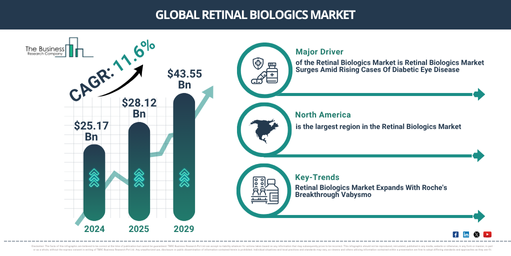
    The retinal biologics market size has seen significant growth in recent years. It is projected to expand from $25.17 billion in 2024 to $28.12 billion in 2025, achieving a compound annual growth rate (CAGR) of 11.7%. The historical expansion of this market can be attributed to a higher incidence of retinal disorders, an aging populace, greater awareness leading to early diagnosis, advancements in healthcare infrastructure, and increasing healthcare expenditure.

    The retinal biologics market is anticipated to experience substantial growth over the upcoming years, projected to reach “$43.55 billion in 2029” with a compound annual growth rate (CAGR) of “11.6%”. This expansion during the forecast period can be attributed to several factors, including the broadening of therapeutic applications, the rise of personalized medicine, growth in emerging markets, a robust pipeline of new biologics, strategic collaborations and partnerships, and supportive government initiatives. Key trends expected in this period encompass the development of non-invasive delivery methods, the increasing use of real-world evidence, a wider range of indications, streamlined regulatory pathways, and a focus on patient-centric outcomes.

    Access A Free Sample Of The Report:

    https://www.thebusinessresearchcompany.com/sample.aspx?id=11911&type=smp

    What Factors Are Boosting The Retinal Biologics Market?

    The rising occurrence of diabetic eye disease is anticipated to boost the expansion of the retinal biologics market in the future. This condition, a complication arising from diabetes, impacts the eyes, leading to visual impairment and complete sight loss among individuals with diabetes. Retinal biologics offer the promise of more accurate and potent therapeutic approaches, facilitating prompt treatment and better results in averting the loss of vision linked to diabetic eye disease. As an illustration, data from the Australian Bureau of Statistics, an Australia-based government agency, indicated in December 2023 that in 2022, 5.3% of the Australian population (approximately 1.3 million people) were affected by diabetes, representing a significant increase from 3.3%. Consequently, the growing incidence of diabetic eye disease is fueling the expansion of the retinal biologics market.

    What Are The Core Segmentation Criteria In The Retinal Biologics Market?

    The retinal biologics market covered in this report is segmented –

    1) By Drug Class: Vascular Endothelial Growth Factor (VEGF)-A Antagonist, Tumor Necrosis Factor (TNF)-A Inhibitor

    2) By Indication: Macular Degeneration, Diabetic Retinopathy, Uveitis, Diabetic Macular Edema, Other Indications

    3) By Distribution Channel: Hospitals, Pharmacies, Specialty Clinics, Online Pharmacies, Other Distribution Channels

    Subsegments:

    1) By Vascular Endothelial Growth Factor (VEGF)-A Antagonist: Monoclonal Antibodies, Small Molecule Inhibitors

    2) By Tumor Necrosis Factor (TNF)-A Inhibitor: Monoclonal Antibodies, Fusion Proteins

    Which Emerging Trends Are Reshaping The Retinal Biologics Market Landscape?

    Product innovation represents a significant trend gaining traction within the retinal biologics market. Key companies active in this market are dedicating efforts to developing inventive products to solidify their market standing and secure a competitive advantage. As an illustration, in May 2023, F. Hoffmann-La Roche Ltd., a Switzerland-based healthcare company, disclosed that the U.S. Food and Drug Administration had accepted its supplemental biologics license application (sBLA) for Vabysmo (faricimab) for addressing macular edema resulting from retinal vein occlusion (RVO). This acceptance was predicated on two Phase III trials that exhibited prompt and lasting visual improvement with Vabysmo, successfully achieving the primary endpoint of non-inferiority when compared to aflibercept. This specific product is recognized as the first bispecific antibody sanctioned for ocular use to treat neovascular or ‘wet’ age-related macular degeneration and diabetic macular edema. Subsequent studies further revealed an absence of blood vessel leakage in the retina among Vabysmo patients, a finding contrasted with aflibercept patients.

    Which Players Are Shaping The Competitive Landscape Of The Retinal BiologicsXX Market?

    Major companies operating in the retinal biologics market include Regeneron Pharmaceuticals Inc., AbbVie Inc., MeiraGTx Limited, Oxurion NV, Novartis AG, Amgen Inc., Spark Therapeutics Inc., Bayer AG, Bausch Health Companies Inc., Merck & Co. Inc., Santen Pharmaceutical Co. Ltd., Pfizer Inc., Boehringer Ingelheim, Eyenovia Inc., EyePoint Pharmaceuticals Inc., Iveric Bio Inc., Kodiak Sciences Inc., Aerie Pharmaceuticals Inc., Alimera Sciences Inc., Ocular Therapeutix Inc., Acucela Inc., Clearside Biomedical Inc., Ophthotech Corporation, Xcovery Holdings, Athenex Inc., Fidia Farmaceutici S.p.A, Eton Pharmaceuticals Inc.

    Download The Full Report Here:

    https://www.thebusinessresearchcompany.com/report/retinal-biologics-global-market-report

    What Regional Trends Are Shaping Growth In The Retinal Biologics Market?

    North America was the largest region in the retinal biologics market in 2024. Asia-Pacific is expected to be the fastest-growing region in the forecast period. The regions covered in the retinal biologics market report are Asia-Pacific, Western Europe, Eastern Europe, North America, South America, Middle East, Africa.

    Get A Report Customized For You Here:

    https://www.thebusinessresearchcompany.com/customise?id=11911&type=smp

    Browse Through More Reports Similar to the Global Retinal Biologics Market 2025, By The Business Research Company

    Site Remediation Consulting Services Global Market Report 2025

    https://www.thebusinessresearchcompany.com/report/site-remediation-consulting-services-global-market-report

    Psoriasis Drugs Global Market Report 2025

    https://www.thebusinessresearchcompany.com/report/psoriasis-drugs-global-market-report

    Scientific Research And Development Services Global Market Report 2025

    https://www.thebusinessresearchcompany.com/report/scientific-research-and-development-services-global-market-report

    Get in touch with us:

    The Business Research Company: https://www.thebusinessresearchcompany.com/

    Americas +1 310-496-7795

    Asia +44 7882 955267 & +91 8897263534

    Europe +44 7882 955267

    Email us at info@tbrc.info

    Follow us on:

    LinkedIn: https://in.linkedin.com/company/the-business-research-company

    YouTube: https://www.youtube.com/channel/UC24_fI0rV8cR5DxlCpgmyFQ

    Global Market Model: https://www.thebusinessresearchcompany.com/global-market-model