Tag: RSV Fusion Inhibitor Drugs

  • Respiratory Syncytial Virus (RSV) Fusion Inhibitors Market Analysis: $1.72 Billion Market Size In 2026 And Future Growth Prospects

    Respiratory Syncytial Virus (RSV) Fusion Inhibitors Market Analysis: $1.72 Billion Market Size In 2026 And Future Growth Prospects

    Backed by market attractiveness analysis, total addressable market sizing, company benchmarking matrices, interactive Excel dashboards, wider supply chain intelligence, emerging startup coverage, and detailed product-level insights, The Business Research Company’s 2026 market reports are designed to offer research that is more actionable and strategically valuable than ever.

    Respiratory Syncytial Virus (RSV) Fusion Inhibitors Market Growth From $1.72 Billion In 2026 To $3.17 Billion By 2030 At A CAGR Of 16.5%

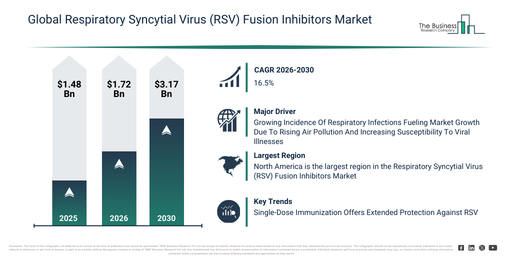
    The market size for respiratory syncytial virus (RSV) fusion inhibitors has seen substantial growth recently. It is projected to increase from $1.48 billion in 2025 to $1.72 billion in 2026, exhibiting a compound annual growth rate (CAGR) of 16.8%. This historical expansion can be ascribed to several factors, including a rise in the incidence of respiratory viral infections, a previous absence of effective RSV-specific treatments, the development of neonatal and pediatric care infrastructure, progress in antiviral drug discovery, and heightened clinical awareness concerning the burden of RSV.

    The market for respiratory syncytial virus (rsv) fusion inhibitors is projected to experience swift expansion over the coming years. This market is set to reach a valuation of $3.17 billion by 2030, exhibiting a compound annual growth rate (CAGR) of 16.5%. Several factors contribute to this projected growth, including more regulatory clearances for new antivirals, increased funding for research into pediatric infectious diseases, the availability of more monoclonal antibody options, a greater emphasis on managing RSV in outpatient settings, and expanding worldwide vaccination and prevention programs. Key trends anticipated during this period involve the accelerating development of specific antiviral treatments, a heightened concentration on preventing RSV in children, an increase in clinical trials for fusion inhibitors, the broadening of preventative treatment approaches, and an intensified focus on groups of patients at elevated risk.

    Get A Free Sample Report With In-Depth Market Insights:

    https://thebusinessresearchcompany.com/sample_request?id=68474243&type=smp&name=Respiratory%20Syncytial%20Virus%20%28RSV%29%20Fusion%20Inhibitors%20Market%20Report%202026&utm_source=Blogs&utm_medium=Paid&utm_campaign=Oct_PR

    Respiratory Syncytial Virus (RSV) Fusion Inhibitors Market Growth Drivers: What’s Behind The Acceleration?

    The increasing prevalence of respiratory infections is projected to boost the expansion of the respiratory syncytial virus (RSV) fusion inhibitors market moving ahead. A respiratory infection occurs when detrimental microorganisms infiltrate and multiply within the respiratory tract, leading to conditions like the common cold, influenza, or pneumonia. The rise in respiratory infection cases is largely attributed to elevated air pollution levels, which compromise the respiratory system and increase susceptibility to these illnesses. Respiratory Syncytial Virus (RSV) fusion inhibitors improve the treatment of respiratory infections by specifically inhibiting viral fusion, thereby stopping the virus from entering host cells. They lead to a decrease in the intensity and length of RSV infections, reduce the need for hospitalizations, and better patient health outcomes, providing a more precise and efficient method for managing respiratory ailments. For instance, in May 2025, the New York Academy of Sciences, a US-based nonprofit organization, reported that whooping cough cases exceeded 8,000, which was more than double the number recorded in the same period in 2024. Consequently, the increasing occurrence of respiratory infections is stimulating the growth of the respiratory syncytial virus (RSV) fusion inhibitors market.

    Respiratory Syncytial Virus (RSV) Fusion Inhibitors Market Breakdown By Product Type And Application

    The respiratory syncytial virus (rsv) fusion inhibitors market covered in this report is segmented –

    1) By Drug Type: Small Molecule Inhibitors, Monoclonal Antibodies, Peptide Inhibitors, Other Drugs

    2) By Route Of Administration: Oral, Intravenous, Inhalation, Other Routes Of Administration

    3) By Application: By Prophylaxis, Treatment

    4) By End-User: Hospitals, Clinics, Research Institutes, Other End Users

    Subsegments:

    1) By Small Molecule Inhibitors: Fusion Protein Inhibitors, Viral Entry Blockers, Replication Inhibitors, Nucleoside Analogues

    2) By Monoclonal Antibodies: Neutralizing Antibodies, Prophylactic Antibodies, Therapeutic Antibodies, Combination Antibodies

    3) By Peptide Inhibitors: Fusion Inhibitory Peptides, Receptor Binding Peptides, Entry Blocking Peptides, Synthetic Peptides

    4) By Other Drugs: Ribonucleic Acid (RNA) Interference Agents, Host Targeted Inhibitors, Immunomodulators, Small Interfering Agents

    Respiratory Syncytial Virus (RSV) Fusion Inhibitors Market Trends: What’s Defining The Industry’s Next Phase?

    Leading firms in the respiratory syncytial virus (RSV) fusion inhibitors market are prioritizing the creation of sophisticated preventive treatments, specifically long-acting monoclonal antibodies, with the aim of strengthening immunity, improving defense, and mitigating the impact of infectious diseases among susceptible groups. Long-acting monoclonal antibodies (mAbs) constitute a category of therapeutic antibodies specifically designed or prepared to maintain their efficacy within the body for a prolonged duration relative to conventional monoclonal antibodies. An example of this is in June 2025, when US-based biopharmaceutical company Merck & Co. Inc. obtained approval from the U.S. Food and Drug Administration (FDA) for ENFLONSIA (clesrovimab-cfor), a long-acting monoclonal antibody intended to prevent RSV lower-respiratory-tract disease in infants born into or starting their initial RSV season. This product is a fully human IgG1? monoclonal antibody, modified in its Fc-region to prolong its half-life, and operates by attaching to the RSV fusion (F) protein, thereby inhibiting the virus from entering and fusing with host respiratory epithelial cells. Engineered to provide sustained protection via a single administration, it introduces a novel immunization choice to safeguard this at-risk pediatric demographic.

    Respiratory Syncytial Virus (RSV) Fusion Inhibitors Market Company Landscape And Competitive Strategy

    Major companies operating in the respiratory syncytial virus (rsv) fusion inhibitors market are Merck & Co. Inc., Pfizer Inc., AstraZeneca plc, Bristol-Myers Squibb Company, Sanofi S.A., Gilead Sciences Inc., Johnson & Johnson, Taisho Pharmaceutical Co. Ltd., Enanta Pharmaceuticals Inc., Shanghai Ark Biopharmaceutical Co. Ltd., Medivir AB, ARNAV Biotech

    View The Full Respiratory Syncytial Virus (RSV) Fusion Inhibitors Market Report:

    https://thebusinessresearchcompany.com/report/global-respiratory-syncytial-virus-rsv-fusion-inhibitors-market-report?utm_source=Blogs&utm_medium=Paid&utm_campaign=Oct_PR

    Respiratory Syncytial Virus (RSV) Fusion Inhibitors Market Regional Split: Which Areas Are Fueling Growth?

    North America was the largest region in the respiratory syncytial virus (RSV) fusion inhibitors market in 2025. Asia-Pacific is expected to be the fastest-growing region in the forecast period. The regions covered in the respiratory syncytial virus (rsv) fusion inhibitors market report are Asia-Pacific, South East Asia, Western Europe, Eastern Europe, North America, South America, Middle East, Africa.

    Reach Out To Our Team:

    The Business Research Company: https://www.thebusinessresearchcompany.com/

    Americas: +1 310-496-7795

    Asia: +44 7882 955267 & +91 8897263534

    Europe: +44 7882 955267

    Email us at: marketing@tbrc.info

    Follow us on:

    LinkedIn: https://in.linkedin.com/company/the-business-research-company

    YouTube: https://www.youtube.com/channel/UC24_fI0rV8cR5DxlCpgmyFQ

    Global Market Model: https://www.thebusinessresearchcompany.com/global-market-model
  • Respiratory Syncytial Virus (RSV) Fusion Inhibitors Market Expected To Reach $3.17 Billion By 2030 As Growth Accelerates At 16.5% CAGR

    Respiratory Syncytial Virus (RSV) Fusion Inhibitors Market Expected To Reach $3.17 Billion By 2030 As Growth Accelerates At 16.5% CAGR

    Delivering more actionable and strategically valuable research, The Business Research Company’s 2026 market reports feature market attractiveness analysis, total addressable market evaluation, company benchmarking matrices, interactive Excel dashboards, expanded supply chain intelligence, emerging startup coverage, and detailed product insights.

    Respiratory Syncytial Virus (RSV) Fusion Inhibitors Market Size, Value And Growth Trends Through 2030

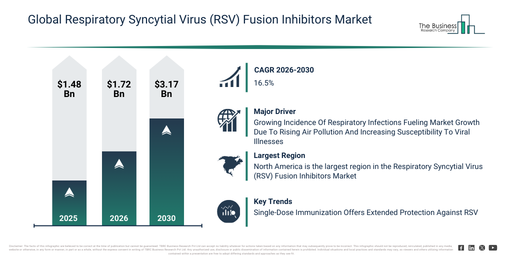
    The respiratory syncytial virus (rsv) fusion inhibitors market has experienced significant expansion in recent years. It is projected to increase from $1.48 billion in 2025 to $1.72 billion in 2026, representing a compound annual growth rate (CAGR) of 16.8%. This historical growth has been driven by several factors: a rising prevalence of respiratory viral infections, a historical shortage of effective treatments specifically targeting rsv, improvements in neonatal and pediatric healthcare facilities, progress in the development of antiviral medications, and a growing understanding among clinicians of the disease burden caused by rsv.

    The respiratory syncytial virus (RSV) fusion inhibitors market is projected to experience substantial growth in the coming years, with its value anticipated to reach $3.17 billion by 2030, driven by a compound annual growth rate (CAGR) of 16.5%. This upward trajectory in the forecast period is fueled by several factors, including a rise in regulatory approvals for novel antiviral drugs, heightened investment in pediatric infectious disease research, the expansion of monoclonal antibody alternatives, a greater emphasis on outpatient management of RSV, and the global push for vaccination and preventive initiatives. Key trends shaping this period include the accelerated development of targeted antiviral therapies, a stronger focus on RSV prevention in children, expanding clinical trials for fusion inhibitors, the broadening of prophylactic treatment options, and an intensified attention on high-risk patient populations.

    Download A Free Sample Report For Comprehensive Market Insights:

    https://www.thebusinessresearchcompany.com/sample.aspx?id=30370&type=smp&utm_source=BlogsPR&utm_medium=Paid&utm_campaign=Jul_PR

    Respiratory Syncytial Virus (RSV) Fusion Inhibitors Market Development Factors: Which Trends Are Supporting Demand?

    The upward trend in respiratory infections is set to drive further expansion in the respiratory syncytial virus (RSV) fusion inhibitors market. Respiratory infections occur when harmful microorganisms invade and multiply within the respiratory tract, leading to conditions like common colds, influenza, or pneumonia. This rise in cases is largely attributed to worsening air pollution, which compromises the respiratory system and heightens vulnerability to infections. RSV fusion inhibitors play a key role in treatment by specifically obstructing the viral fusion process, thereby stopping the virus from penetrating host cells. These agents help lessen the severity and shorten the duration of RSV infections, contribute to reduced hospitalization numbers, and enhance patient recovery, offering a more precise and effective strategy for managing respiratory illnesses. In May 2025, as reported by the New York Academy of Sciences—a U.S.-based nonprofit—whooping cough cases had exceeded 8,000, marking more than a twofold increase relative to the same timeframe in 2024. Consequently, the growing frequency of respiratory infections is fueling demand for the respiratory syncytial virus (RSV) fusion inhibitors market.

    Rising healthcare spending is anticipated to accelerate growth within the respiratory syncytial virus (RSV) fusion inhibitors market. Healthcare expenditure represents the overall financial outlay devoted to medical services, treatments, facilities, research, and public health initiatives aimed at preserving or improving health outcomes. This increased spending is driven by the growing prevalence of chronic conditions, which necessitate long-term and costly care. Higher expenditure on healthcare supports RSV fusion inhibitors by channeling more funds into research, development, and making innovative therapies more accessible. This enables healthcare providers to adopt RSV fusion inhibitors more broadly, facilitating better prevention and management of respiratory infections while improving patient results. In May 2024, the Office for National Statistics, a UK-based government body, reported that total healthcare spending grew by 5.6% in nominal terms in 2023, representing a 0.9% increase compared to 2022. As a result, rising healthcare expenditure is driving forward the respiratory syncytial virus (RSV) fusion inhibitors market.

    Respiratory Syncytial Virus (RSV) Fusion Inhibitors Market Segment Landscape And Growth Potential

    The respiratory syncytial virus (rsv) fusion inhibitors market covered in this report is segmented –

    1) By Drug Type: Small Molecule Inhibitors, Monoclonal Antibodies, Peptide Inhibitors, Other Drugs

    2) By Route Of Administration: Oral, Intravenous, Inhalation, Other Routes Of Administration

    3) By Application: By Prophylaxis, Treatment

    4) By End-User: Hospitals, Clinics, Research Institutes, Other End Users

    Subsegments:

    1) By Small Molecule Inhibitors: Fusion Protein Inhibitors, Viral Entry Blockers, Replication Inhibitors, Nucleoside Analogues

    2) By Monoclonal Antibodies: Neutralizing Antibodies, Prophylactic Antibodies, Therapeutic Antibodies, Combination Antibodies

    3) By Peptide Inhibitors: Fusion Inhibitory Peptides, Receptor Binding Peptides, Entry Blocking Peptides, Synthetic Peptides

    4) By Other Drugs: Ribonucleic Acid (RNA) Interference Agents, Host Targeted Inhibitors, Immunomodulators, Small Interfering Agents

    Respiratory Syncytial Virus (RSV) Fusion Inhibitors Market Transformation Trends: Which Innovations Are Driving Change?

    Key players in the respiratory syncytial virus (RSV) fusion inhibitors market are concentrating on creating cutting-edge prophylactic approaches, including long-acting monoclonal antibodies, aimed at strengthening immune responses, improving defense mechanisms, and alleviating the impact of infectious diseases on at-risk groups. Long-acting monoclonal antibodies (mAbs) are a category of therapeutic antibodies that have been modified or formulated to maintain efficacy in the body for a longer duration compared to conventional monoclonal antibodies. For example, in June 2025, Merck & Co. Inc., a biopharmaceutical firm based in the United States, secured approval from the U.S. Food and Drug Administration (FDA) for ENFLONSIA (clesrovimab-cfor), a long-acting monoclonal antibody intended to prevent RSV lower-respiratory-tract disease in infants who are born during or are entering their first RSV season. This agent is a fully human IgG1? monoclonal antibody featuring Fc-region alterations to prolong its half-life, and it attaches to the RSV fusion (F) protein, thereby obstructing viral entry and fusion with host respiratory epithelial cells. It is intended to deliver sustained protection through a single administration, presenting a novel immunization option to safeguard this susceptible pediatric group.

    Respiratory Syncytial Virus (RSV) Fusion Inhibitors Market Competitive Landscape: Who Are The Leading Companies?

    Major companies operating in the respiratory syncytial virus (rsv) fusion inhibitors market are Merck & Co. Inc., Pfizer Inc., AstraZeneca plc, Bristol-Myers Squibb Company, Sanofi S.A., Gilead Sciences Inc., Johnson & Johnson, Taisho Pharmaceutical Co. Ltd., Enanta Pharmaceuticals Inc., Shanghai Ark Biopharmaceutical Co. Ltd., Medivir AB, ARNAV Biotech

    Access The Complete Respiratory Syncytial Virus (RSV) Fusion Inhibitors Market Report:

    https://www.thebusinessresearchcompany.com/report/global-respiratory-syncytial-virus-rsv-fusion-inhibitors-market-report?utm_source=BlogsPR&utm_medium=Paid&utm_campaign=Jul_PR

    Respiratory Syncytial Virus (RSV) Fusion Inhibitors Market Geographic Landscape: Which Region Dominates Industry Growth?

    North America was the largest region in the respiratory syncytial virus (RSV) fusion inhibitors market in 2025. Asia-Pacific is expected to be the fastest-growing region in the forecast period. The regions covered in the respiratory syncytial virus (rsv) fusion inhibitors market report are Asia-Pacific, South East Asia, Western Europe, Eastern Europe, North America, South America, Middle East, Africa.

    Get in touch with us:

    The Business Research Company: https://www.thebusinessresearchcompany.com/?utm_source=BlogsPR&utm_medium=Paid&utm_campaign=home_page_test

    Americas: +1 310-496-7795

    Asia: +44 7882 955267 & +91 8897263534

    Europe: +44 7882 955267

    Email us at: marketing@tbrc.info

    Follow us on:

    LinkedIn: https://in.linkedin.com/company/the-business-research-company

    YouTube: https://www.youtube.com/channel/UC24_fI0rV8cR5DxlCpgmyFQ

    Global Market Model: https://www.thebusinessresearchcompany.com/global-market-model

  • Growing Incidence Of Respiratory Infections Fueling Market Growth Due To Rising Air Pollution And Increasing Susceptibility To Viral Illnesses Is Supporting Development Across The Respiratory Syncytial Virus (RSV) Fusion Inhibitors Market

    Growing Incidence Of Respiratory Infections Fueling Market Growth Due To Rising Air Pollution And Increasing Susceptibility To Viral Illnesses Is Supporting Development Across The Respiratory Syncytial Virus (RSV) Fusion Inhibitors Market

    The Business Research Company’s 2026 market reports feature advanced enhancements such as market attractiveness analysis, total addressable market evaluation, company benchmarking matrices, interactive Excel dashboards, expanded supply chain intelligence, emerging startup coverage, and detailed product insights, delivering more actionable and strategically valuable research.

    By 2030, How Much Growth In Market Size Is Expected For The Respiratory Syncytial Virus (RSV) Fusion Inhibitors Market?

    The market for respiratory syncytial virus (rsv) fusion inhibitors has experienced significant expansion recently. Projections indicate its expansion from $1.48 billion in 2025 to $1.72 billion in 2026, demonstrating a compound annual growth rate (CAGR) of 16.8%. This historical expansion is largely a result of the rising occurrence of respiratory viral infections, the past scarcity of potent rsv-specific remedies, the enhancement of neonatal and pediatric healthcare facilities, breakthroughs in antiviral drug research, and heightened medical understanding of the impact of rsv.

    The respiratory syncytial virus (rsv) fusion inhibitors market size is expected to see rapid growth in the next few years. It will grow to $3.17 billion in 2030 at a compound annual growth rate (CAGR) of 16.5%. The growth in the forecast period can be attributed to increasing regulatory approvals for novel antivirals, rising investment in pediatric infectious disease research, expansion of monoclonal antibody alternatives, growing focus on outpatient rsv management, increasing global vaccination and prevention initiatives. Major trends in the forecast period include increasing development of targeted antiviral therapies, rising focus on pediatric rsv prevention, growing clinical trials for fusion inhibitors, expansion of prophylactic treatment strategies, enhanced focus on high-risk patient populations.

    Download A Free Sample Report For Comprehensive Market Insights:

    https://www.thebusinessresearchcompany.com/sample.aspx?id=30370&type=smp

    Which Core Factors Are Supporting The Expansion Of The Respiratory Syncytial Virus (RSV) Fusion Inhibitors Market?

    An increasing number of respiratory infections is projected to drive the expansion of the respiratory syncytial virus (RSV) fusion inhibitors market in the future. A respiratory infection occurs when harmful microorganisms invade and multiply within the respiratory tract, leading to illnesses such as colds, flu, or pneumonia. The rise in respiratory infection cases is primarily due to increased air pollution, which weakens the respiratory system and makes individuals more susceptible to infections. Respiratory Syncytial Virus (RSV) fusion inhibitors enhance the treatment of respiratory infections by specifically blocking viral fusion, thereby preventing the virus from entering host cells. They are effective in reducing the severity and duration of RSV infections, lowering hospitalization rates, and improving patient outcomes, thus offering a more targeted and effective approach to managing respiratory illnesses. For instance, in May 2025, according to the New York Academy of Sciences, a US-based nonprofit organization, the number of whooping cough cases had surpassed 8,000, representing a more than twofold increase compared to the same period in 2024. Therefore, the growing incidence of respiratory infections is fueling the growth of the respiratory syncytial virus (RSV) fusion inhibitors market.

    Which Segment-Based Categories Are Covered In The Respiratory Syncytial Virus (RSV) Fusion Inhibitors Market?

    The respiratory syncytial virus (rsv) fusion inhibitors market covered in this report is segmented –

    1) By Drug Type: Small Molecule Inhibitors, Monoclonal Antibodies, Peptide Inhibitors, Other Drugs

    2) By Route Of Administration: Oral, Intravenous, Inhalation, Other Routes Of Administration

    3) By Application: By Prophylaxis, Treatment

    4) By End-User: Hospitals, Clinics, Research Institutes, Other End Users

    Subsegments:

    1) By Small Molecule Inhibitors: Fusion Protein Inhibitors, Viral Entry Blockers, Replication Inhibitors, Nucleoside Analogues

    2) By Monoclonal Antibodies: Neutralizing Antibodies, Prophylactic Antibodies, Therapeutic Antibodies, Combination Antibodies

    3) By Peptide Inhibitors: Fusion Inhibitory Peptides, Receptor Binding Peptides, Entry Blocking Peptides, Synthetic Peptides

    4) By Other Drugs: Ribonucleic Acid (RNA) Interference Agents, Host Targeted Inhibitors, Immunomodulators, Small Interfering Agents

    Which Trends Are Guiding The Development Of The Respiratory Syncytial Virus (RSV) Fusion Inhibitors Market?

    Companies leading in the respiratory syncytial virus (RSV) fusion inhibitors market are prioritizing the creation of advanced prophylactic solutions, such as long-acting monoclonal antibodies, to enhance immunity, improve protection, and decrease the burden of infectious diseases in vulnerable populations. Long-acting monoclonal antibodies (mAbs) constitute a class of therapeutic antibodies that have been engineered or formulated to maintain activity in the body for a more extended period compared to standard monoclonal antibodies. For instance, in June 2025, Merck & Co. Inc., a US-based biopharmaceutical company, secured approval from the U.S. Food and Drug Administration (FDA) for ENFLONSIA (clesrovimab-cfor), a long-acting monoclonal antibody designed to prevent RSV lower-respiratory-tract disease in infants born during or commencing their first RSV season. This product is a fully human IgG1κ monoclonal antibody with Fc-region modifications intended to prolong its half-life, and it functions by binding to the RSV fusion (F) protein, which stops viral entry and fusion with host respiratory epithelial cells. It is crafted to provide enduring protection with just one dose, offering a novel immunization method to help shield this susceptible pediatric group.

    Who Are The Companies Shaping The Respiratory Syncytial Virus (RSV) Fusion Inhibitors Market Landscape?

    Major companies operating in the respiratory syncytial virus (rsv) fusion inhibitors market are Merck & Co. Inc., Pfizer Inc., AstraZeneca plc, Bristol‑Myers Squibb Company, Sanofi S.A., Gilead Sciences Inc., Johnson & Johnson, Taisho Pharmaceutical Co. Ltd., Enanta Pharmaceuticals Inc., Shanghai Ark Biopharmaceutical Co. Ltd., Medivir AB, ARNAV Biotech

    Access The Complete Respiratory Syncytial Virus (RSV) Fusion Inhibitors Market Report:

    https://www.thebusinessresearchcompany.com/report/global-respiratory-syncytial-virus-rsv-fusion-inhibitors-market-report

    Which Region Leads The Respiratory Syncytial Virus (RSV) Fusion Inhibitors Market By Size?

    North America was the largest region in the respiratory syncytial virus (RSV) fusion inhibitors market in 2025. Asia-Pacific is expected to be the fastest-growing region in the forecast period. The regions covered in the respiratory syncytial virus (rsv) fusion inhibitors market report are Asia-Pacific, South East Asia, Western Europe, Eastern Europe, North America, South America, Middle East, Africa.

    Access Respiratory Syncytial Virus (RSV) Fusion Inhibitors Market Report for Deeper Competitive Insights

    https://www.thebusinessresearchcompany.com/sample.aspx?id=30370&type=smp

    Browse Through More Reports Similar to the Global Respiratory Syncytial Virus (RSV) Fusion Inhibitors Market 2026, By The Business Research Company

    Respiratory Syncytial Virus Rsv Therapeutics Market Report 2026

    https://www.thebusinessresearchcompany.com/report/respiratory-syncytial-virus-rsv-therapeutics-global-market-report

    Antiviral Combination Therapy Market Report 2026

    https://www.thebusinessresearchcompany.com/report/antiviral-combination-therapy-global-market-report

    Antivirals Market Report 2026

    https://www.thebusinessresearchcompany.com/report/antivirals-global-market-report

    Get in touch with us:

    The Business Research Company: https://www.thebusinessresearchcompany.com/

    Americas: +1 310-496-7795

    Asia: +44 7882 955267 & +91 8897263534

    Europe: +44 7882 955267

    Email us at: marketing@tbrc.info

    Follow us on:

    LinkedIn: https://in.linkedin.com/company/the-business-research-company

    YouTube: https://www.youtube.com/channel/UC24_fI0rV8cR5DxlCpgmyFQ

    Global Market Model: https://www.thebusinessresearchcompany.com/global-market-model

  • Respiratory Syncytial Virus (RSV) Fusion Inhibitors Market Forecast With Insights On Demand And Industry Growth

    Respiratory Syncytial Virus (RSV) Fusion Inhibitors Market Forecast With Insights On Demand And Industry Growth

    The Business Research Company’s 2026 market reports feature enhanced tools like market attractiveness analysis, TAM assessment, and company scoring matrices, along with interactive dashboards, deeper supply chain insights, and startup coverage strengthening the depth, usability, and strategic value of insights.

    How Does The Market Size Of The Respiratory Syncytial Virus (RSV) Fusion Inhibitors Market Compare Between 2026 And 2030?

    The market for respiratory syncytial virus (rsv) fusion inhibitors has experienced rapid expansion in recent years. This market is projected to increase from $1.48 billion in 2025 to $1.72 billion in 2026, demonstrating a compound annual growth rate (CAGR) of 16.8%. Historically, this growth can be attributed to the rising incidence of respiratory viral infections, a previous lack of effective RSV-specific treatments, the expansion of neonatal and pediatric care infrastructure, advancements in antiviral drug discovery, and heightened clinical awareness regarding the burden of RSV.

    The market for respiratory syncytial virus (rsv) fusion inhibitors is projected to experience swift expansion over the coming years. This market is forecast to reach $3.17 billion by 2030, exhibiting a compound annual growth rate (CAGR) of 16.5%. Factors contributing to this growth during the projection period include a rise in regulatory clearances for new antivirals, increased funding for research into pediatric infectious diseases, the broadening availability of monoclonal antibody alternatives, an increased emphasis on managing RSV in outpatient settings, and expanding worldwide vaccination and prevention efforts. Key trends anticipated for the forecast timeframe encompass the escalating development of specific antiviral treatments, a heightened concentration on preventing pediatric RSV, an increase in clinical trials for fusion inhibitors, the wider adoption of prophylactic treatment approaches, and a stronger emphasis on patient groups at high risk.

    Access Your Free Sample Report For In-Depth Market Analysis:

    https://www.thebusinessresearchcompany.com/sample.aspx?id=30370&type=smp

    What Significant Factors Are Influencing The Respiratory Syncytial Virus (RSV) Fusion Inhibitors Market Expansion?

    The respiratory syncytial virus (RSV) fusion inhibitors market is expected to expand owing to the increasing prevalence of respiratory infections. A respiratory infection occurs when detrimental microorganisms invade and multiply in the respiratory tract, causing conditions such as colds, flu, or pneumonia. The rising incidence of these infections is primarily linked to increased air pollution, which weakens the respiratory system and makes individuals more susceptible. Respiratory Syncytial Virus (RSV) fusion inhibitors improve the treatment of respiratory infections by specifically blocking viral fusion, thereby stopping the virus from entering host cells. They are effective in reducing the intensity and length of RSV infections, lowering the need for hospitalization, and enhancing patient outcomes, providing a more targeted and effective approach to managing respiratory illnesses. For instance, in May 2025, the New York Academy of Sciences, a US-based nonprofit organization, stated that whooping cough cases had surpassed 8,000, indicating a more than twofold increase compared to the same period in 2024. Therefore, the growing occurrence of respiratory infections is propelling the growth of the respiratory syncytial virus (RSV) fusion inhibitors market.

    How Is The Respiratory Syncytial Virus (RSV) Fusion Inhibitors Market Segmented Across Different Segment Categories?

    The respiratory syncytial virus (rsv) fusion inhibitors market covered in this report is segmented –

    1) By Drug Type: Small Molecule Inhibitors, Monoclonal Antibodies, Peptide Inhibitors, Other Drugs

    2) By Route Of Administration: Oral, Intravenous, Inhalation, Other Routes Of Administration

    3) By Application: By Prophylaxis, Treatment

    4) By End-User: Hospitals, Clinics, Research Institutes, Other End Users

    Subsegments:

    1) By Small Molecule Inhibitors: Fusion Protein Inhibitors, Viral Entry Blockers, Replication Inhibitors, Nucleoside Analogues

    2) By Monoclonal Antibodies: Neutralizing Antibodies, Prophylactic Antibodies, Therapeutic Antibodies, Combination Antibodies

    3) By Peptide Inhibitors: Fusion Inhibitory Peptides, Receptor Binding Peptides, Entry Blocking Peptides, Synthetic Peptides

    4) By Other Drugs: Ribonucleic Acid (RNA) Interference Agents, Host Targeted Inhibitors, Immunomodulators, Small Interfering Agents

    What Trends Are Influencing The Respiratory Syncytial Virus (RSV) Fusion Inhibitors Market?

    Major companies active in the respiratory syncytial virus (RSV) fusion inhibitors market are prioritizing the development of advanced prophylactic solutions, such as long-acting monoclonal antibodies, aiming to strengthen immunity, enhance defense, and reduce the impact of infectious diseases on at-risk populations. Long-acting monoclonal antibodies (mAbs) denote a category of therapeutic antibodies that have been engineered or formulated to maintain activity within the body for an extended duration compared to standard monoclonal antibodies. For example, in June 2025, Merck & Co. Inc., a US-based biopharmaceutical company, received approval from the U.S. Food and Drug Administration (FDA) for ENFLONSIA (clesrovimab-cfor), which is a long-acting monoclonal antibody designed for the prevention of RSV lower-respiratory-tract disease in infants born during or entering their first RSV season. This is a fully human IgG1? monoclonal antibody incorporating Fc-region modifications to extend its half-life, and it binds to the RSV fusion (F) protein, thereby inhibiting viral entry and fusion with host respiratory epithelial cells. It is crafted to deliver long-lasting protection with just one dose, offering a novel immunization method to help safeguard this susceptible pediatric population.

    Which Organizations Play A Role In The Respiratory Syncytial Virus (RSV) Fusion Inhibitors Market Landscape?

    Major companies operating in the respiratory syncytial virus (rsv) fusion inhibitors market are Merck & Co. Inc., Pfizer Inc., AstraZeneca plc, Bristol-Myers Squibb Company, Sanofi S.A., Gilead Sciences Inc., Johnson & Johnson, Taisho Pharmaceutical Co. Ltd., Enanta Pharmaceuticals Inc., Shanghai Ark Biopharmaceutical Co. Ltd., Medivir AB, ARNAV Biotech

    Get The Full Respiratory Syncytial Virus (RSV) Fusion Inhibitors Market Report:

    https://www.thebusinessresearchcompany.com/report/global-respiratory-syncytial-virus-rsv-fusion-inhibitors-market-report

    Which Geographic Region Dominates The Respiratory Syncytial Virus (RSV) Fusion Inhibitors Market?

    North America was the largest region in the respiratory syncytial virus (RSV) fusion inhibitors market in 2025. Asia-Pacific is expected to be the fastest-growing region in the forecast period. The regions covered in the respiratory syncytial virus (rsv) fusion inhibitors market report are Asia-Pacific, South East Asia, Western Europe, Eastern Europe, North America, South America, Middle East, Africa.

    Request A Customized Respiratory Syncytial Virus (RSV) Fusion Inhibitors Market Report For Competitive Insights:

    https://www.thebusinessresearchcompany.com/report/global-respiratory-syncytial-virus-rsv-fusion-inhibitors-market-report

    Browse Through More Reports Similar to the Global Respiratory Syncytial Virus (RSV) Fusion Inhibitors Market 2026, By The Business Research Company

    Respiratory Syncytial Virus Rsv Therapeutics Market Report 2026

    https://www.thebusinessresearchcompany.com/report/respiratory-syncytial-virus-rsv-therapeutics-global-market-report

    Antiviral Combination Therapy Market Report 2026

    https://www.thebusinessresearchcompany.com/report/antiviral-combination-therapy-global-market-report

    Antivirals Market Report 2026

    https://www.thebusinessresearchcompany.com/report/antivirals-global-market-report

    Get in touch with us:

    The Business Research Company: https://www.thebusinessresearchcompany.com/

    Americas +1 310-496-7795

    Asia +44 7882 955267 & +91 8897263534

    Europe +44 7882 955267

    Email us at: marketing@tbrc.info

    Follow us on:

    LinkedIn: https://in.linkedin.com/company/the-business-research-company

    YouTube: https://www.youtube.com/channel/UC24_fI0rV8cR5DxlCpgmyFQ

    Global Market Model: https://www.thebusinessresearchcompany.com/global-market-model
  • Respiratory Syncytial Virus (RSV) Fusion Inhibitors Market Forecast With Insights On Demand And Industry Growth

    Respiratory Syncytial Virus (RSV) Fusion Inhibitors Market Forecast With Insights On Demand And Industry Growth

    The Business Research Company’s 2026 market reports feature enhanced tools like market attractiveness analysis, TAM assessment, and company scoring matrices, along with interactive dashboards, deeper supply chain insights, and startup coverage strengthening the depth, usability, and strategic value of insights.

    How Does The Market Size Of The Respiratory Syncytial Virus (RSV) Fusion Inhibitors Market Compare Between 2026 And 2030?

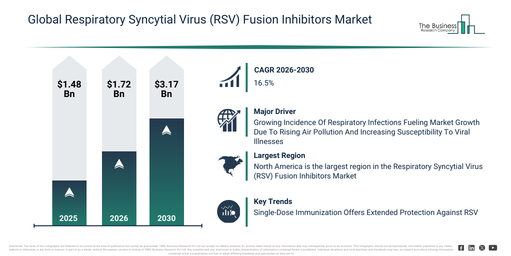
    The market for respiratory syncytial virus (rsv) fusion inhibitors has experienced rapid expansion in recent years. This market is projected to increase from $1.48 billion in 2025 to $1.72 billion in 2026, demonstrating a compound annual growth rate (CAGR) of 16.8%. Historically, this growth can be attributed to the rising incidence of respiratory viral infections, a previous lack of effective RSV-specific treatments, the expansion of neonatal and pediatric care infrastructure, advancements in antiviral drug discovery, and heightened clinical awareness regarding the burden of RSV.

    The market for respiratory syncytial virus (rsv) fusion inhibitors is projected to experience swift expansion over the coming years. This market is forecast to reach $3.17 billion by 2030, exhibiting a compound annual growth rate (CAGR) of 16.5%. Factors contributing to this growth during the projection period include a rise in regulatory clearances for new antivirals, increased funding for research into pediatric infectious diseases, the broadening availability of monoclonal antibody alternatives, an increased emphasis on managing RSV in outpatient settings, and expanding worldwide vaccination and prevention efforts. Key trends anticipated for the forecast timeframe encompass the escalating development of specific antiviral treatments, a heightened concentration on preventing pediatric RSV, an increase in clinical trials for fusion inhibitors, the wider adoption of prophylactic treatment approaches, and a stronger emphasis on patient groups at high risk.

    Access Your Free Sample Report For In-Depth Market Analysis:

    https://www.thebusinessresearchcompany.com/sample.aspx?id=30370&type=smp

    What Significant Factors Are Influencing The Respiratory Syncytial Virus (RSV) Fusion Inhibitors Market Expansion?

    The respiratory syncytial virus (RSV) fusion inhibitors market is expected to expand owing to the increasing prevalence of respiratory infections. A respiratory infection occurs when detrimental microorganisms invade and multiply in the respiratory tract, causing conditions such as colds, flu, or pneumonia. The rising incidence of these infections is primarily linked to increased air pollution, which weakens the respiratory system and makes individuals more susceptible. Respiratory Syncytial Virus (RSV) fusion inhibitors improve the treatment of respiratory infections by specifically blocking viral fusion, thereby stopping the virus from entering host cells. They are effective in reducing the intensity and length of RSV infections, lowering the need for hospitalization, and enhancing patient outcomes, providing a more targeted and effective approach to managing respiratory illnesses. For instance, in May 2025, the New York Academy of Sciences, a US-based nonprofit organization, stated that whooping cough cases had surpassed 8,000, indicating a more than twofold increase compared to the same period in 2024. Therefore, the growing occurrence of respiratory infections is propelling the growth of the respiratory syncytial virus (RSV) fusion inhibitors market.

    How Is The Respiratory Syncytial Virus (RSV) Fusion Inhibitors Market Segmented Across Different Segment Categories?

    The respiratory syncytial virus (rsv) fusion inhibitors market covered in this report is segmented –

    1) By Drug Type: Small Molecule Inhibitors, Monoclonal Antibodies, Peptide Inhibitors, Other Drugs

    2) By Route Of Administration: Oral, Intravenous, Inhalation, Other Routes Of Administration

    3) By Application: By Prophylaxis, Treatment

    4) By End-User: Hospitals, Clinics, Research Institutes, Other End Users

    Subsegments:

    1) By Small Molecule Inhibitors: Fusion Protein Inhibitors, Viral Entry Blockers, Replication Inhibitors, Nucleoside Analogues

    2) By Monoclonal Antibodies: Neutralizing Antibodies, Prophylactic Antibodies, Therapeutic Antibodies, Combination Antibodies

    3) By Peptide Inhibitors: Fusion Inhibitory Peptides, Receptor Binding Peptides, Entry Blocking Peptides, Synthetic Peptides

    4) By Other Drugs: Ribonucleic Acid (RNA) Interference Agents, Host Targeted Inhibitors, Immunomodulators, Small Interfering Agents

    What Trends Are Influencing The Respiratory Syncytial Virus (RSV) Fusion Inhibitors Market?

    Major companies active in the respiratory syncytial virus (RSV) fusion inhibitors market are prioritizing the development of advanced prophylactic solutions, such as long-acting monoclonal antibodies, aiming to strengthen immunity, enhance defense, and reduce the impact of infectious diseases on at-risk populations. Long-acting monoclonal antibodies (mAbs) denote a category of therapeutic antibodies that have been engineered or formulated to maintain activity within the body for an extended duration compared to standard monoclonal antibodies. For example, in June 2025, Merck & Co. Inc., a US-based biopharmaceutical company, received approval from the U.S. Food and Drug Administration (FDA) for ENFLONSIA (clesrovimab-cfor), which is a long-acting monoclonal antibody designed for the prevention of RSV lower-respiratory-tract disease in infants born during or entering their first RSV season. This is a fully human IgG1? monoclonal antibody incorporating Fc-region modifications to extend its half-life, and it binds to the RSV fusion (F) protein, thereby inhibiting viral entry and fusion with host respiratory epithelial cells. It is crafted to deliver long-lasting protection with just one dose, offering a novel immunization method to help safeguard this susceptible pediatric population.

    Which Organizations Play A Role In The Respiratory Syncytial Virus (RSV) Fusion Inhibitors Market Landscape?

    Major companies operating in the respiratory syncytial virus (rsv) fusion inhibitors market are Merck & Co. Inc., Pfizer Inc., AstraZeneca plc, Bristol-Myers Squibb Company, Sanofi S.A., Gilead Sciences Inc., Johnson & Johnson, Taisho Pharmaceutical Co. Ltd., Enanta Pharmaceuticals Inc., Shanghai Ark Biopharmaceutical Co. Ltd., Medivir AB, ARNAV Biotech

    Get The Full Respiratory Syncytial Virus (RSV) Fusion Inhibitors Market Report:

    https://www.thebusinessresearchcompany.com/report/global-respiratory-syncytial-virus-rsv-fusion-inhibitors-market-report

    Which Geographic Region Dominates The Respiratory Syncytial Virus (RSV) Fusion Inhibitors Market?

    North America was the largest region in the respiratory syncytial virus (RSV) fusion inhibitors market in 2025. Asia-Pacific is expected to be the fastest-growing region in the forecast period. The regions covered in the respiratory syncytial virus (rsv) fusion inhibitors market report are Asia-Pacific, South East Asia, Western Europe, Eastern Europe, North America, South America, Middle East, Africa.

    Request A Customized Respiratory Syncytial Virus (RSV) Fusion Inhibitors Market Report For Competitive Insights:

    https://www.thebusinessresearchcompany.com/report/global-respiratory-syncytial-virus-rsv-fusion-inhibitors-market-report

    Browse Through More Reports Similar to the Global Respiratory Syncytial Virus (RSV) Fusion Inhibitors Market 2026, By The Business Research Company

    Respiratory Syncytial Virus Rsv Therapeutics Market Report 2026

    https://www.thebusinessresearchcompany.com/report/respiratory-syncytial-virus-rsv-therapeutics-global-market-report

    Antiviral Combination Therapy Market Report 2026

    https://www.thebusinessresearchcompany.com/report/antiviral-combination-therapy-global-market-report

    Antivirals Market Report 2026

    https://www.thebusinessresearchcompany.com/report/antivirals-global-market-report

    Get in touch with us:

    The Business Research Company: https://www.thebusinessresearchcompany.com/

    Americas +1 310-496-7795

    Asia +44 7882 955267 & +91 8897263534

    Europe +44 7882 955267

    Email us at: marketing@tbrc.info

    Follow us on:

    LinkedIn: https://in.linkedin.com/company/the-business-research-company

    YouTube: https://www.youtube.com/channel/UC24_fI0rV8cR5DxlCpgmyFQ

    Global Market Model: https://www.thebusinessresearchcompany.com/global-market-model

  • Respiratory Syncytial Virus (RSV) Fusion Inhibitors Market 2026 projected to reach $3.17 billion by 2030

    Respiratory Syncytial Virus (RSV) Fusion Inhibitors Market 2026 projected to reach $3.17 billion by 2030

    The Business Research Company’s 2026 market reports include new capabilities such as market attractiveness scoring and analysis, total addressable market analysis, company scoring matrix, interactive excel data dashboard, improved supply chain analysis, upcoming startups in the market, and overview of key products, aimed at improving the depth, usability, and strategic value of the insights delivered.

    How Is The Market Size Of The Respiratory Syncytial Virus (RSV) Fusion Inhibitors Market Expected To Change Between 2026 And 2030?

    The respiratory syncytial virus (rsv) fusion inhibitors market size has seen rapid expansion in recent years. It is anticipated to grow from $1.48 billion in 2025 to $1.72 billion in 2026, achieving a compound annual growth rate (CAGR) of 16.8%. This historical growth can be linked to several factors, including an increasing occurrence of respiratory viral infections, a previous lack of effective rsv-specific treatments, the expansion of neonatal and pediatric care infrastructure, advancements in antiviral drug discovery, and a growing clinical awareness regarding the burden of rsv.

    The market for respiratory syncytial virus (rsv) fusion inhibitors is projected for significant expansion over the coming years, reaching $3.17 billion by 2030, propelled by a compound annual growth rate (CAGR) of 16.5%. This anticipated expansion is driven by several factors, including a rise in regulatory clearances for new antiviral drugs, increased funding for pediatric infectious disease research, the wider availability of monoclonal antibody options, an intensifying focus on managing RSV in outpatient settings, and an escalation in worldwide vaccination and prevention efforts. Key developments during this timeframe are expected to involve the increased creation of specific antiviral therapies, an elevated emphasis on preventing RSV in children, a surge in clinical trials for fusion inhibitors, the broadening of preventative treatment approaches, and a heightened concentration on patient groups at high risk.

    Download the Free Sample Report to Explore Key Market Insights:

    https://www.thebusinessresearchcompany.com/sample.aspx?id=30370&type=smp

    What Underlying Factors Are Accelerating The Growth Of The Respiratory Syncytial Virus (RSV) Fusion Inhibitors Market?

    The projected expansion of the respiratory syncytial virus (RSV) fusion inhibitors market is attributed to the increasing occurrence of respiratory infections. These infections involve the entry and proliferation of detrimental microorganisms within the respiratory tract, leading to conditions like colds, influenza, or pneumonia. A primary contributor to the rising frequency of respiratory infections is heightened air pollution, which compromises the respiratory system’s integrity, thereby increasing susceptibility to illnesses. Respiratory Syncytial Virus (RSV) fusion inhibitors improve the management of respiratory infections by specifically impeding viral fusion, thereby preventing the virus from penetrating host cells. Their action leads to a reduction in the intensity and length of RSV infections, decreases the need for hospitalization, and enhances patient results, providing a more precise and effective method for handling respiratory ailments. Illustratively, in May 2025, the New York Academy of Sciences, a US-based nonprofit organization, reported that whooping cough incidents had surpassed 8,000, which was more than twice the figure recorded for the corresponding period in 2024. Consequently, the escalating incidence of respiratory infections is a key factor propelling the respiratory syncytial virus (RSV) fusion inhibitors market forward.

    How Is The Respiratory Syncytial Virus (RSV) Fusion Inhibitors Market Structured Across Different Segments?

    The respiratory syncytial virus (rsv) fusion inhibitors market covered in this report is segmented –

    1) By Drug Type: Small Molecule Inhibitors, Monoclonal Antibodies, Peptide Inhibitors, Other Drugs

    2) By Route Of Administration: Oral, Intravenous, Inhalation, Other Routes Of Administration

    3) By Application: By Prophylaxis, Treatment

    4) By End-User: Hospitals, Clinics, Research Institutes, Other End Users

    Subsegments:

    1) By Small Molecule Inhibitors: Fusion Protein Inhibitors, Viral Entry Blockers, Replication Inhibitors, Nucleoside Analogues

    2) By Monoclonal Antibodies: Neutralizing Antibodies, Prophylactic Antibodies, Therapeutic Antibodies, Combination Antibodies

    3) By Peptide Inhibitors: Fusion Inhibitory Peptides, Receptor Binding Peptides, Entry Blocking Peptides, Synthetic Peptides

    4) By Other Drugs: Ribonucleic Acid (RNA) Interference Agents, Host Targeted Inhibitors, Immunomodulators, Small Interfering Agents

    Which Trends Are Shaping The Future Of The Respiratory Syncytial Virus (RSV) Fusion Inhibitors Market?

    Leading companies operating within the respiratory syncytial virus (RSV) fusion inhibitors market are concentrating on developing advanced prophylactic solutions, such as long-acting monoclonal antibodies, to bolster immunity, enhance protective measures, and diminish the burden of infectious diseases in susceptible populations. Long-acting monoclonal antibodies (mAbs) are defined as a category of therapeutic antibodies that have been engineered or formulated to maintain activity in the body for an extended period compared to standard monoclonal antibodies. An illustrative example occurred in June 2025, when Merck & Co. Inc., a US-based biopharmaceutical company, secured approval from the U.S. Food and Drug Administration (FDA) for ENFLONSIA (clesrovimab-cfor). This drug is a long-acting monoclonal antibody aimed at preventing RSV lower-respiratory-tract disease in infants born during or entering their first RSV season. ENFLONSIA is a fully human IgG1κ monoclonal antibody with Fc-region modifications designed to extend its half-life, and it functions by binding to the RSV fusion (F) protein, which consequently prevents viral entry and fusion with host respiratory epithelial cells. It is crafted to offer prolonged protection with just a single dose, providing a new immunization alternative to help shield this vulnerable pediatric demographic.

    Which Major Players Dominate The Respiratory Syncytial Virus (RSV) Fusion Inhibitors Market?

    Major companies operating in the respiratory syncytial virus (rsv) fusion inhibitors market are Merck & Co. Inc., Pfizer Inc., AstraZeneca plc, Bristol‑Myers Squibb Company, Sanofi S.A., Gilead Sciences Inc., Johnson & Johnson, Taisho Pharmaceutical Co. Ltd., Enanta Pharmaceuticals Inc., Shanghai Ark Biopharmaceutical Co. Ltd., Medivir AB, ARNAV Biotech

    Read the full respiratory syncytial virus (rsv) fusion inhibitors market report here:

    https://www.thebusinessresearchcompany.com/report/global-respiratory-syncytial-virus-rsv-fusion-inhibitors-market-report

    Which Region Is Projected To Dominate The Respiratory Syncytial Virus (RSV) Fusion Inhibitors Market During The Forecast Period?

    North America was the largest region in the respiratory syncytial virus (RSV) fusion inhibitors market in 2025. Asia-Pacific is expected to be the fastest-growing region in the forecast period. The regions covered in the respiratory syncytial virus (rsv) fusion inhibitors market report are Asia-Pacific, South East Asia, Western Europe, Eastern Europe, North America, South America, Middle East, Africa.

    Request A Tailored Respiratory Syncytial Virus (RSV) Fusion Inhibitors Market Research Report For Competitive Advantage:

    https://www.thebusinessresearchcompany.com/customise?id=30370&type=smp

    Browse Through More Reports Similar to the Global Respiratory Syncytial Virus (RSV) Fusion Inhibitors Market 2026, By The Business Research Company

    Respiratory Syncytial Virus Rsv Therapeutics Market Report 2026

    https://www.thebusinessresearchcompany.com/report/respiratory-syncytial-virus-rsv-therapeutics-global-market-report

    Antiviral Combination Therapy Market Report 2026

    https://www.thebusinessresearchcompany.com/report/antiviral-combination-therapy-global-market-report

    Antivirals Market Report 2026

    https://www.thebusinessresearchcompany.com/report/antivirals-global-market-report

    Get in touch with us:

    The Business Research Company: https://www.thebusinessresearchcompany.com/

    Americas +1 310-496-7795

    Asia +44 7882 955267 & +91 8897263534

    Europe +44 7882 955267

    Email us at info@tbrc.info

    Follow us on:

    LinkedIn: https://in.linkedin.com/company/the-business-research-company

    YouTube: https://www.youtube.com/channel/UC24_fI0rV8cR5DxlCpgmyFQ

    Global Market Model: https://www.thebusinessresearchcompany.com/global-market-model

  • Global Respiratory Syncytial Virus (RSV) Fusion Inhibitors Market Report 2026–2035: Key Forecasts and Growth Areas

    Global Respiratory Syncytial Virus (RSV) Fusion Inhibitors Market Report 2026–2035: Key Forecasts and Growth Areas

    Uncover key drivers, emerging technologies, and competitive movements shaping the respiratory syncytial virus (rsv) fusion inhibitors market from 2026–2035 with trusted insights from The Business Research Company

    What level of CAGR-driven expansion is anticipated in the Respiratory Syncytial Virus (RSV) Fusion Inhibitors Market between 2026 and 2030?

    The market size for respiratory syncytial virus (rsv) fusion inhibitors has seen rapid expansion in recent years. This market is set to increase from $1.48 billion in 2025 to $1.72 billion in 2026, exhibiting a compound annual growth rate (CAGR) of 16.8%. The historical growth of this market can be attributed to several factors, including the rising incidence of respiratory viral infections, a prior absence of effective rsv-specific treatments, the expansion of neonatal and pediatric care infrastructure, advancements in antiviral drug discovery, and a growing clinical awareness of the rsv burden.

    The market for respiratory syncytial virus (rsv) fusion inhibitors is projected to experience swift expansion over the coming years, reaching a valuation of $3.17 billion by 2030, demonstrating a compound annual growth rate (CAGR) of 16.5%. This anticipated growth throughout the forecast period is attributable to several factors, including a rise in regulatory clearances for new antivirals, an increase in investments directed towards pediatric infectious disease research, the broadening availability of monoclonal antibody alternatives, an expanding emphasis on outpatient RSV management, and a surge in worldwide vaccination and prevention programs. Key trends identified for the forecast period encompass a heightened development of specific antiviral therapies, an escalating concentration on preventing pediatric RSV, an increase in clinical trials investigating fusion inhibitors, the broadening of prophylactic treatment approaches, and a stronger emphasis on patient groups at high risk.

    Access Your Free Sample Report for In-Depth Market Insights:

    https://www.thebusinessresearchcompany.com/sample.aspx?id=30370&type=smp

    What Drivers Are Affecting Demand-Supply Dynamics In The Respiratory Syncytial Virus (RSV) Fusion Inhibitors Market?

    The increasing occurrence of respiratory infections is projected to fuel the expansion of the respiratory syncytial virus (RSV) fusion inhibitors market in the future. A respiratory infection involves harmful microorganisms invading and multiplying within the respiratory tract, leading to conditions like colds, influenza, or pneumonia. The frequency of these infections is escalating mainly because of increased air pollution, which compromises the respiratory system, making people more vulnerable to illness. Respiratory Syncytial Virus (RSV) fusion inhibitors improve the treatment of respiratory infections by precisely inhibiting viral fusion, thereby stopping the virus from entering host cells. These inhibitors decrease the intensity and length of RSV infections, reduce hospital admissions, and lead to better patient results, providing a more effective and precise method for addressing respiratory ailments. For example, data from May 2025, provided by the New York Academy of Sciences, a US-based nonprofit organization, indicated that whooping cough cases exceeded 8,000, signifying a greater than two-fold rise compared to the corresponding period in 2024. Consequently, the increasing prevalence of respiratory infections is stimulating the expansion of the respiratory syncytial virus (RSV) fusion inhibitors market.

    How Is The Respiratory Syncytial Virus (RSV) Fusion Inhibitors Market Organized Into Various Segments?

    The respiratory syncytial virus (rsv) fusion inhibitors market covered in this report is segmented –

    1) By Drug Type: Small Molecule Inhibitors, Monoclonal Antibodies, Peptide Inhibitors, Other Drugs

    2) By Route Of Administration: Oral, Intravenous, Inhalation, Other Routes Of Administration

    3) By Application: By Prophylaxis, Treatment

    4) By End-User: Hospitals, Clinics, Research Institutes, Other End Users

    Subsegments:

    1) By Small Molecule Inhibitors: Fusion Protein Inhibitors, Viral Entry Blockers, Replication Inhibitors, Nucleoside Analogues

    2) By Monoclonal Antibodies: Neutralizing Antibodies, Prophylactic Antibodies, Therapeutic Antibodies, Combination Antibodies

    3) By Peptide Inhibitors: Fusion Inhibitory Peptides, Receptor Binding Peptides, Entry Blocking Peptides, Synthetic Peptides

    4) By Other Drugs: Ribonucleic Acid (RNA) Interference Agents, Host Targeted Inhibitors, Immunomodulators, Small Interfering Agents

    Which Trends Are Influencing The Development Of The Respiratory Syncytial Virus (RSV) Fusion Inhibitors Market?

    Leading companies within the respiratory syncytial virus (RSV) fusion inhibitors market are concentrating on creating advanced preventative treatments, such as long-acting monoclonal antibodies, to strengthen immunity, improve defense, and lessen the impact of infectious diseases among susceptible groups. Long-acting monoclonal antibodies (mAbs) are a type of therapeutic antibody designed or modified to persist in the body for a longer duration than conventional monoclonal antibodies. As an example, in June 2025, the US-based biopharmaceutical firm Merck & Co. Inc. obtained approval from the U.S. Food and Drug Administration (FDA) for ENFLONSIA (clesrovimab-cfor). This is a long-acting monoclonal antibody aimed at preventing RSV lower-respiratory-tract disease in infants either born during or entering their initial RSV season. This particular antibody is a fully human IgG1? monoclonal antibody, featuring Fc-region alterations to prolong its half-life. It operates by attaching to the RSV fusion (F) protein, thereby stopping the virus from entering and fusing with host respiratory epithelial cells. Its design allows for sustained protection from a single dose, introducing a novel immunization alternative to safeguard this susceptible pediatric group.

    Who Are The Primary Competitors In The Global Respiratory Syncytial Virus (RSV) Fusion Inhibitors Market?

    Major companies operating in the respiratory syncytial virus (rsv) fusion inhibitors market are Merck & Co. Inc., Pfizer Inc., AstraZeneca plc, Bristol-Myers Squibb Company, Sanofi S.A., Gilead Sciences Inc., Johnson & Johnson, Taisho Pharmaceutical Co. Ltd., Enanta Pharmaceuticals Inc., Shanghai Ark Biopharmaceutical Co. Ltd., Medivir AB, ARNAV Biotech

    Access The Complete Report For Deeper Market Insights:

    https://www.thebusinessresearchcompany.com/report/global-respiratory-syncytial-virus-rsv-fusion-inhibitors-market-report

    Which Global Regions Are Shaping The Competitive Landscape Of The Respiratory Syncytial Virus (RSV) Fusion Inhibitors Market?

    North America was the largest region in the respiratory syncytial virus (RSV) fusion inhibitors market in 2025. Asia-Pacific is expected to be the fastest-growing region in the forecast period. The regions covered in the respiratory syncytial virus (rsv) fusion inhibitors market report are Asia-Pacific, South East Asia, Western Europe, Eastern Europe, North America, South America, Middle East, Africa.

    Request Your Customized Respiratory Syncytial Virus (RSV) Fusion Inhibitors Market Research Report for Competitive Advantage:

    https://www.thebusinessresearchcompany.com/customise?id=30370&type=smp

    Browse Through More Reports Similar to the Global Respiratory Syncytial Virus (RSV) Fusion Inhibitors Market 2026, By The Business Research Company

    Respiratory Syncytial Virus Rsv Therapeutics Market Report 2026

    https://www.thebusinessresearchcompany.com/report/respiratory-syncytial-virus-rsv-therapeutics-global-market-report

    Antiviral Combination Therapy Market Report 2026

    https://www.thebusinessresearchcompany.com/report/antiviral-combination-therapy-global-market-report

    Antivirals Market Report 2026

    https://www.thebusinessresearchcompany.com/report/antivirals-global-market-report

    Get in touch with us:

    The Business Research Company: https://www.thebusinessresearchcompany.com/

    Americas +1 310-496-7795

    Asia +44 7882 955267 & +91 8897263534

    Europe +44 7882 955267

    Email us at info@tbrc.info

    Follow us on:

    LinkedIn: https://in.linkedin.com/company/the-business-research-company

    YouTube: https://www.youtube.com/channel/UC24_fI0rV8cR5DxlCpgmyFQ

    Global Market Model: https://www.thebusinessresearchcompany.com/global-market-model
  • Global Respiratory Syncytial Virus (RSV) Fusion Inhibitors Market Report 2026–2035: Key Forecasts and Growth Areas

    Global Respiratory Syncytial Virus (RSV) Fusion Inhibitors Market Report 2026–2035: Key Forecasts and Growth Areas

    Uncover key drivers, emerging technologies, and competitive movements shaping the respiratory syncytial virus (rsv) fusion inhibitors market from 2026–2035 with trusted insights from The Business Research Company

    What level of CAGR-driven expansion is anticipated in the Respiratory Syncytial Virus (RSV) Fusion Inhibitors Market between 2026 and 2030?

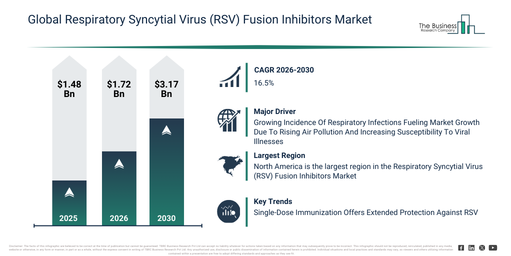
    The market size for respiratory syncytial virus (rsv) fusion inhibitors has seen rapid expansion in recent years. This market is set to increase from $1.48 billion in 2025 to $1.72 billion in 2026, exhibiting a compound annual growth rate (CAGR) of 16.8%. The historical growth of this market can be attributed to several factors, including the rising incidence of respiratory viral infections, a prior absence of effective rsv-specific treatments, the expansion of neonatal and pediatric care infrastructure, advancements in antiviral drug discovery, and a growing clinical awareness of the rsv burden.

    The market for respiratory syncytial virus (rsv) fusion inhibitors is projected to experience swift expansion over the coming years, reaching a valuation of $3.17 billion by 2030, demonstrating a compound annual growth rate (CAGR) of 16.5%. This anticipated growth throughout the forecast period is attributable to several factors, including a rise in regulatory clearances for new antivirals, an increase in investments directed towards pediatric infectious disease research, the broadening availability of monoclonal antibody alternatives, an expanding emphasis on outpatient RSV management, and a surge in worldwide vaccination and prevention programs. Key trends identified for the forecast period encompass a heightened development of specific antiviral therapies, an escalating concentration on preventing pediatric RSV, an increase in clinical trials investigating fusion inhibitors, the broadening of prophylactic treatment approaches, and a stronger emphasis on patient groups at high risk.

    Access Your Free Sample Report for In-Depth Market Insights:

    https://www.thebusinessresearchcompany.com/sample.aspx?id=30370&type=smp

    What Drivers Are Affecting Demand-Supply Dynamics In The Respiratory Syncytial Virus (RSV) Fusion Inhibitors Market?

    The increasing occurrence of respiratory infections is projected to fuel the expansion of the respiratory syncytial virus (RSV) fusion inhibitors market in the future. A respiratory infection involves harmful microorganisms invading and multiplying within the respiratory tract, leading to conditions like colds, influenza, or pneumonia. The frequency of these infections is escalating mainly because of increased air pollution, which compromises the respiratory system, making people more vulnerable to illness. Respiratory Syncytial Virus (RSV) fusion inhibitors improve the treatment of respiratory infections by precisely inhibiting viral fusion, thereby stopping the virus from entering host cells. These inhibitors decrease the intensity and length of RSV infections, reduce hospital admissions, and lead to better patient results, providing a more effective and precise method for addressing respiratory ailments. For example, data from May 2025, provided by the New York Academy of Sciences, a US-based nonprofit organization, indicated that whooping cough cases exceeded 8,000, signifying a greater than two-fold rise compared to the corresponding period in 2024. Consequently, the increasing prevalence of respiratory infections is stimulating the expansion of the respiratory syncytial virus (RSV) fusion inhibitors market.

    How Is The Respiratory Syncytial Virus (RSV) Fusion Inhibitors Market Organized Into Various Segments?

    The respiratory syncytial virus (rsv) fusion inhibitors market covered in this report is segmented –

    1) By Drug Type: Small Molecule Inhibitors, Monoclonal Antibodies, Peptide Inhibitors, Other Drugs

    2) By Route Of Administration: Oral, Intravenous, Inhalation, Other Routes Of Administration

    3) By Application: By Prophylaxis, Treatment

    4) By End-User: Hospitals, Clinics, Research Institutes, Other End Users

    Subsegments:

    1) By Small Molecule Inhibitors: Fusion Protein Inhibitors, Viral Entry Blockers, Replication Inhibitors, Nucleoside Analogues

    2) By Monoclonal Antibodies: Neutralizing Antibodies, Prophylactic Antibodies, Therapeutic Antibodies, Combination Antibodies

    3) By Peptide Inhibitors: Fusion Inhibitory Peptides, Receptor Binding Peptides, Entry Blocking Peptides, Synthetic Peptides

    4) By Other Drugs: Ribonucleic Acid (RNA) Interference Agents, Host Targeted Inhibitors, Immunomodulators, Small Interfering Agents

    Which Trends Are Influencing The Development Of The Respiratory Syncytial Virus (RSV) Fusion Inhibitors Market?

    Leading companies within the respiratory syncytial virus (RSV) fusion inhibitors market are concentrating on creating advanced preventative treatments, such as long-acting monoclonal antibodies, to strengthen immunity, improve defense, and lessen the impact of infectious diseases among susceptible groups. Long-acting monoclonal antibodies (mAbs) are a type of therapeutic antibody designed or modified to persist in the body for a longer duration than conventional monoclonal antibodies. As an example, in June 2025, the US-based biopharmaceutical firm Merck & Co. Inc. obtained approval from the U.S. Food and Drug Administration (FDA) for ENFLONSIA (clesrovimab-cfor). This is a long-acting monoclonal antibody aimed at preventing RSV lower-respiratory-tract disease in infants either born during or entering their initial RSV season. This particular antibody is a fully human IgG1? monoclonal antibody, featuring Fc-region alterations to prolong its half-life. It operates by attaching to the RSV fusion (F) protein, thereby stopping the virus from entering and fusing with host respiratory epithelial cells. Its design allows for sustained protection from a single dose, introducing a novel immunization alternative to safeguard this susceptible pediatric group.

    Who Are The Primary Competitors In The Global Respiratory Syncytial Virus (RSV) Fusion Inhibitors Market?

    Major companies operating in the respiratory syncytial virus (rsv) fusion inhibitors market are Merck & Co. Inc., Pfizer Inc., AstraZeneca plc, Bristol-Myers Squibb Company, Sanofi S.A., Gilead Sciences Inc., Johnson & Johnson, Taisho Pharmaceutical Co. Ltd., Enanta Pharmaceuticals Inc., Shanghai Ark Biopharmaceutical Co. Ltd., Medivir AB, ARNAV Biotech

    Access The Complete Report For Deeper Market Insights:

    https://www.thebusinessresearchcompany.com/report/global-respiratory-syncytial-virus-rsv-fusion-inhibitors-market-report

    Which Global Regions Are Shaping The Competitive Landscape Of The Respiratory Syncytial Virus (RSV) Fusion Inhibitors Market?

    North America was the largest region in the respiratory syncytial virus (RSV) fusion inhibitors market in 2025. Asia-Pacific is expected to be the fastest-growing region in the forecast period. The regions covered in the respiratory syncytial virus (rsv) fusion inhibitors market report are Asia-Pacific, South East Asia, Western Europe, Eastern Europe, North America, South America, Middle East, Africa.

    Request Your Customized Respiratory Syncytial Virus (RSV) Fusion Inhibitors Market Research Report for Competitive Advantage:

    https://www.thebusinessresearchcompany.com/customise?id=30370&type=smp

    Browse Through More Reports Similar to the Global Respiratory Syncytial Virus (RSV) Fusion Inhibitors Market 2026, By The Business Research Company

    Respiratory Syncytial Virus Rsv Therapeutics Market Report 2026

    https://www.thebusinessresearchcompany.com/report/respiratory-syncytial-virus-rsv-therapeutics-global-market-report

    Antiviral Combination Therapy Market Report 2026

    https://www.thebusinessresearchcompany.com/report/antiviral-combination-therapy-global-market-report

    Antivirals Market Report 2026

    https://www.thebusinessresearchcompany.com/report/antivirals-global-market-report

    Get in touch with us:

    The Business Research Company: https://www.thebusinessresearchcompany.com/

    Americas +1 310-496-7795

    Asia +44 7882 955267 & +91 8897263534

    Europe +44 7882 955267

    Email us at info@tbrc.info

    Follow us on:

    LinkedIn: https://in.linkedin.com/company/the-business-research-company

    YouTube: https://www.youtube.com/channel/UC24_fI0rV8cR5DxlCpgmyFQ

    Global Market Model: https://www.thebusinessresearchcompany.com/global-market-model