Tag: synthetic biology market outlook

  • Synthetic Biology Market Growth Outlook Reveals A CAGR Of 18.2% And A Market Value Of $62.48 Billion By 2030

    Synthetic Biology Market Growth Outlook Reveals A CAGR Of 18.2% And A Market Value Of $62.48 Billion By 2030

    Enhanced with market attractiveness analysis, total addressable market evaluation, company benchmarking matrices, interactive Excel dashboards, expanded supply chain intelligence, emerging startup coverage, and detailed product insights, The Business Research Company’s 2026 market reports deliver more actionable and strategically valuable research.

    Synthetic Biology Market Size, Value And Growth Trends Through 2030

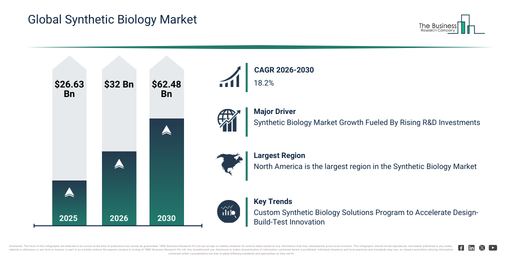
    The synthetic biology market experienced substantial growth, projected to expand from $26.63 billion in 2025 to $32 billion in 2026, reflecting a compound annual growth rate (CAGR) of 20.2% during this timeframe. Key drivers behind this upward trajectory in the preceding period included significant progress in genetic engineering methodologies, increased investment in both academic and industrial research endeavors, the heightened accessibility of sequencing technologies, the initial commercial rollout of synthetic organisms, and a strengthening of partnerships between academic institutions and commercial enterprises.

    The synthetic biology sector is poised for substantial expansion, with projections indicating a market valuation of $62.48 billion by 2030, reflecting a compound annual growth rate (CAGR) of 18.2%. This anticipated surge is fueled by several key drivers, including augmented investments directed towards bio-manufacturing, a growing consumer and industrial demand for environmentally friendly chemicals and fuels, the broadening application of synthetic biology across the healthcare spectrum, the increasing incorporation of artificial intelligence in biological design processes, and a clearer regulatory landscape for genetically engineered organisms. Notable developments expected during this period involve the widespread adoption of CRISPR gene-editing technologies, a greater reliance on bioinformatics for design purposes, the scaling up of synthetic gene construction platforms, a heightened emphasis on sustainable bio-based manufacturing, and advancements in the automation of biological engineering processes.

    Download A Free Sample Report For Comprehensive Market Insights:

    https://www.thebusinessresearchcompany.com/sample.aspx?id=2508&type=smp

    Synthetic Biology Market Demand Drivers Creating New Revenue Opportunities

    The synthetic biology market is poised for expansion, largely fueled by escalating investments in research and development. Recognizing the critical role of R&D, which involves systematic investigation and innovation to generate novel knowledge, technologies, and products, companies are channeling more resources into this area. This surge in R&D funding is a direct response to heightened competition, a persistent demand for innovative solutions, rapid technological progress, and the necessity for businesses to remain agile amidst evolving consumer tastes and market conditions. Synthetic biology’s potential to engineer biological systems for specific applications, thereby offering sustainable solutions in domains like healthcare, agriculture, and environmental stewardship, hinges on robust R&D endeavors. Illustrating this trend, the UK’s net expenditure on R&D reached £17.4 billion ($22.1 billion) in 2023, an increase from the £16.1 billion ($20.45 billion) recorded in 2022, signifying an 8.2% uptick, as reported by the Office for National Statistics. Consequently, this heightened commitment to research and development is a primary catalyst for the synthetic biology sector’s growth.

    Synthetic Biology Market Segmentation: How Is The Market Structured Across Key Categories?

    The synthetic biology market covered in this report is segmented –

    1) By Technology: Nucleotide Synthesis And Sequencing, Bioinformatics, Microfluidics, Genetic Engineering

    2) By Product Type: Oligonucleotides, Enzymes, Cloning And Assembly Kits, Xeno-Nucleic Acids (XNA), Chassis Organism

    3) By Application: Pharmaceuticals And Diagnostics, Chemicals, Biofuels, Bioplastics, Other Application

    Subsegments:

    1) By Nucleotide Synthesis And Sequencing: DNA Synthesis Technologies, Next-Generation Sequencing (NGS), Sanger Sequencing

    2) By Bioinformatics: Software Tools For Genomic Data Analysis, Databases For Gene/Protein Information, Algorithms For Gene Editing And Design

    3) By Microfluidics: Lab-On-A-Chip Technologies, Microfluidic Devices For Biological Assays, Applications In Drug Discovery And Diagnostics

    4) By Genetic Engineering: CRISPR/Cas9 Technology, Recombinant DNA Technology, Synthetic Gene Construction And Assembly

    Synthetic Biology Market Trends Driving Strategic Industry Expansion

    Leading entities within the synthetic biology sector are concentrating their efforts on pioneering novel offerings, exemplified by bespoke service packages designed to streamline the design-build-test phases, thereby expediting customized synthetic biology endeavors. These individualized service arrangements afford clients the opportunity to collaborate directly with specialized professionals for the creation, construction, and validation of synthetic DNA sequences, moving beyond the limitations of pre-existing inventory. A notable illustration occurred in June of 2025 when Integrated DNA Technologies (IDT), a biotechnology firm headquartered in the United States, introduced its Synthetic Biology Custom Solutions Program. This premium manufacturing provision grants clientele direct engagement with IDT’s internal scientific and engineering personnel to undertake bespoke projects, encompassing everything from intricate gene sequences to atypical DNA segments. Prominent characteristics encompass a devoted team to facilitate design-build-test methodologies, bespoke production capabilities within IDT’s extensive 25,000-square-foot synthetic biology facility, broad acceptance of diverse project scopes (including but not limited to high-efficiency non-standard gene fragments, genes exceeding 5 kilobases, and multi-site cloning techniques), and accelerated project completion by eliminating stringent high-throughput limitations. Ultimately, this initiative equips advancements and innovators in synthetic biology with the ability to accelerate their iterative processes and surmount obstacles within their research and development pipelines.

    Synthetic Biology Market Competitive Landscape And Leading Companies

    Major companies operating in the synthetic biology market are Thermo Fisher Scientific Inc, Danaher Corporation, Eurofins Scientific, Merck KGaA, Novozymes A/S, Agilent Technologies, New England Biolabs Inc, Precigen Inc, Amyris, Inc, Genscript Biotech Corporation, Codex Genetics, Cathay Biotech, Bota Biosciences, Bluepha, Spiber, OriCiro Genomics Inc, Provectus Algae, Puraffinity, Royal DSM NV, Colorifix, Phytoform Labs, Desktop Genetics, NanoSyrinx, Pulmobiotics S.L, EnginZyme, Chain Biotech, Nuclera Nucleics, Biosynthetics GmbH, Entelechon GmbH, Sloning BioTechnology GmbH, Prokarium Ltd, Synbio, Captor Therapeutics, Gero.ai, ARNA Genomics, Solvo Omixon, Soft flow, Algenol, Genomatica, Integrated DNA Technologies, Sana Biotechnology, Impossible Foods, Apeel Sciences, Twist Bioscience, Synlogic, Zymergen Inc, Ginkgo Bioworks, Codexis, Arzeda Corporation, Synthetic Genomics, Conagen, Dupont, Oxitec Ltd, Sentebiolab, GEEN Biotechnology Inc, Genbiotek Biosistem Laboratory Ltd

    Access The Complete Synthetic Biology Market Report:

    https://www.thebusinessresearchcompany.com/report/synthetic-biology-global-market-report

    Synthetic Biology Market Geographic Landscape: Which Region Dominates Industry Growth?

    North Americawas the largest region in the synthetic biology market in 2025. Western Europewas the second largest region in the global synthetic biology market share. The regions covered in the synthetic biology market report are Asia-Pacific, South East Asia, Western Europe, Eastern Europe, North America, South America, Middle East, Africa.

    Get in touch with us:

    The Business Research Company: https://www.thebusinessresearchcompany.com/

    Americas: +1 310-496-7795

    Asia: +44 7882 955267 & +91 8897263534

    Europe: +44 7882 955267

    Email us at: marketing@tbrc.info

    Follow us on:

    LinkedIn: https://in.linkedin.com/company/the-business-research-company

    YouTube: https://www.youtube.com/channel/UC24_fI0rV8cR5DxlCpgmyFQ

    Global Market Model: https://www.thebusinessresearchcompany.com/global-market-model
  • Synthetic Biology Market Growth Forecast With Analysis Of Industry Progress Through 2030

    Synthetic Biology Market Growth Forecast With Analysis Of Industry Progress Through 2030

    The Business Research Company’s 2026 market reports feature enhanced tools like market attractiveness analysis, TAM assessment, and company scoring matrices, along with interactive dashboards, deeper supply chain insights, and startup coverage strengthening the depth, usability, and strategic value of insights.

    By 2030, How Much Growth In Market Size Is Expected For The Synthetic Biology Market?

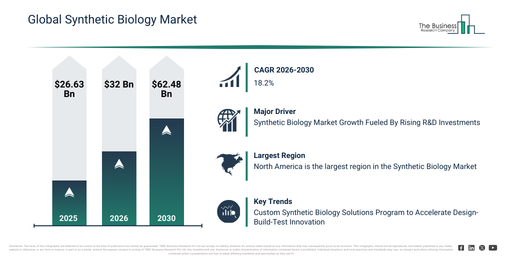
    The synthetic biology market size has seen substantial growth in recent years. It is anticipated to expand from $26.63 billion in 2025 to $32 billion in 2026, exhibiting a compound annual growth rate (CAGR) of 20.2%. The historical growth can be ascribed to advancements in genetic engineering techniques, the expansion of academic and industrial research funding, the increasing availability of sequencing technologies, the early commercialization of synthetic organisms, and growing collaboration between academia and industry.

    The synthetic biology market is projected to experience substantial expansion over the forthcoming years. Its valuation is anticipated to reach $62.48 billion by 2030, exhibiting a compound annual growth rate (CAGR) of 18.2%. This anticipated growth throughout the forecast period stems from several factors, including escalating investments in bio-manufacturing, a surging need for sustainable chemicals and fuels, the broadening scope of synthetic biology applications within healthcare, the increasing incorporation of AI-driven biological design, and improved regulatory clarity concerning engineered organisms. Key trends foreseen for this period encompass the growing acceptance of CRISPR-based gene editing, a greater utilization of bioinformatics-driven design tools, the enlargement of synthetic gene construction platforms, an intensified focus on sustainable bio-based production methods, and advancements in automation across biological engineering workflows.

    Download A Free Sample Report For Comprehensive Market Insights:

    https://www.thebusinessresearchcompany.com/sample.aspx?id=2508&type=smp

    What Important Drivers Are Powering The Synthetic Biology Market Growth?

    Increased expenditure on research and development is anticipated to drive the expansion of the synthetic biology market in the future. Research and development (R&D) involves a systematic approach to investigation, experimentation, and innovation, leading to the generation of novel knowledge, technologies, or products, either to enhance current offerings or to formulate entirely new ones. Growth in research and development investments is attributed to heightened competition, the imperative for innovation, technological progress, and the necessity for enterprises to adjust to evolving consumer demands and market conditions. Funding for synthetic biology research and development is crucial for unlocking its potential to devise sustainable solutions across sectors like healthcare, agriculture, and environmental stewardship, achieved by engineering biological systems and organisms for predefined objectives. As an illustration, the Office for National Statistics, a UK government agency, reported that the UK government’s net expenditure on research and development (R&D) reached £17.4 ($22.1 billion) billion in 2023, an increase from £16.1 billion ($20.45 billion) in 2022, signifying an 8.2% surge. Consequently, the increased investment in research and development is fueling the expansion of the synthetic biology market.

    What Key Segment Areas Are Included In The Synthetic Biology Market Assessment?

    The synthetic biology market covered in this report is segmented –

    1) By Technology: Nucleotide Synthesis And Sequencing, Bioinformatics, Microfluidics, Genetic Engineering

    2) By Product Type: Oligonucleotides, Enzymes, Cloning And Assembly Kits, Xeno-Nucleic Acids (XNA), Chassis Organism

    3) By Application: Pharmaceuticals And Diagnostics, Chemicals, Biofuels, Bioplastics, Other Application

    Subsegments:

    1) By Nucleotide Synthesis And Sequencing: DNA Synthesis Technologies, Next-Generation Sequencing (NGS), Sanger Sequencing

    2) By Bioinformatics: Software Tools For Genomic Data Analysis, Databases For Gene/Protein Information, Algorithms For Gene Editing And Design

    3) By Microfluidics: Lab-On-A-Chip Technologies, Microfluidic Devices For Biological Assays, Applications In Drug Discovery And Diagnostics

    4) By Genetic Engineering: CRISPR/Cas9 Technology, Recombinant DNA Technology, Synthetic Gene Construction And Assembly

    Which Trends Are Affecting The Synthetic Biology Market Framework?

    Leading companies in the swine flu vaccination market are concentrating on developing innovative products, such as the quadrivalent influenza vaccine, to fortify their market position. A quadrivalent influenza vaccine is engineered to offer protection against four distinct influenza virus strains. For instance, in March 2024, Cadila Pharmaceuticals, an Indian-based pharmaceutical company, announced the launch of its advanced quadrivalent influenza vaccine, Cadiflu Tetra, specifically designed for influenza prevention. The Cadiflu Tetra Vaccine features a quadrivalent formulation that targets four influenza virus subtypes A and B strains. Its nano-sized particle technology replicates the virus’s external structure, increasing efficacy and safety while ensuring no intact genetic material is present. This sophisticated approach improves immunity against multiple influenza strains, providing a technologically superior option for averting seasonal epidemics.

    Which Firms Are Competing In The Synthetic Biology Market?

    Major companies operating in the synthetic biology market are Thermo Fisher Scientific Inc, Danaher Corporation, Eurofins Scientific, Merck KGaA, Novozymes A/S, Agilent Technologies, New England Biolabs Inc, Precigen Inc, Amyris, Inc, Genscript Biotech Corporation, Codex Genetics, Cathay Biotech, Bota Biosciences, Bluepha, Spiber, OriCiro Genomics Inc, Provectus Algae, Puraffinity, Royal DSM NV, Colorifix, Phytoform Labs, Desktop Genetics, NanoSyrinx, Pulmobiotics S.L, EnginZyme, Chain Biotech, Nuclera Nucleics, Biosynthetics GmbH, Entelechon GmbH, Sloning BioTechnology GmbH, Prokarium Ltd, Synbio, Captor Therapeutics, Gero.ai, ARNA Genomics, Solvo Omixon, Soft flow, Algenol, Genomatica, Integrated DNA Technologies, Sana Biotechnology, Impossible Foods, Apeel Sciences, Twist Bioscience, Synlogic, Zymergen Inc, Ginkgo Bioworks, Codexis, Arzeda Corporation, Synthetic Genomics, Conagen, Dupont, Oxitec Ltd, Sentebiolab, GEEN Biotechnology Inc, Genbiotek Biosistem Laboratory Ltd

    Access The Complete Synthetic Biology Market Report:

    https://www.thebusinessresearchcompany.com/report/synthetic-biology-global-market-report

    Which Region Holds The Largest Share In The Synthetic Biology Market?

    North America was the largest region in the synthetic biology market in 2025. Western Europe was the second largest region in the global synthetic biology market share. The regions covered in the synthetic biology market report are Asia-Pacific, South East Asia, Western Europe, Eastern Europe, North America, South America, Middle East, Africa.

    Access Synthetic Biology Market Report for Deeper Competitive Insights

    https://www.thebusinessresearchcompany.com/customise?id=2508&type=smp

    Browse Through More Reports Similar to the Global Synthetic Biology Market 2026, By The Business Research Company

    Synthetic Food Global Market Report 2026

    https://www.thebusinessresearchcompany.com/report/synthetic-food-global-market-report

    Synthetic Hormones Global Market Report 2026

    https://www.thebusinessresearchcompany.com/report/synthetic-hormones-global-market-report

    Computational Biology Global Market Report 2026

    https://www.thebusinessresearchcompany.com/report/computational-biology-global-market-report

    Get in touch with us:

    The Business Research Company: https://www.thebusinessresearchcompany.com/

    Americas: +1 310-496-7795

    Asia: +44 7882 955267 & +91 8897263534

    Europe: +44 7882 955267

    Email us at: marketing@tbrc.info

    Follow us on:

    LinkedIn: https://in.linkedin.com/company/the-business-research-company

    YouTube: https://www.youtube.com/channel/UC24_fI0rV8cR5DxlCpgmyFQ

    Global Market Model: https://www.thebusinessresearchcompany.com/global-market-model

  • Synthetic Biology Market Insights on Trends, Drivers, and Opportunities

    Synthetic Biology Market Insights on Trends, Drivers, and Opportunities

    The Business Research Company’s 2026 market reports feature enhanced tools like market attractiveness analysis, TAM assessment, and company scoring matrices, along with interactive dashboards, deeper supply chain insights, and startup coverage strengthening the depth, usability, and strategic value of insights.

    How Does The Market Size Of The Synthetic Biology Market Compare Between 2026 And 2030?

    The synthetic biology market size has witnessed significant expansion in recent years. Its valuation is expected to rise from $26.63 billion in 2025 to $32 billion in 2026, achieving a compound annual growth rate (CAGR) of 20.2%. Historically, this growth has been driven by advancements in genetic engineering techniques, increased academic and industrial research funding, wider availability of sequencing technologies, the early commercialization of synthetic organisms, and strengthened collaboration between academia and industry.

    The synthetic biology market is projected to experience substantial expansion in the coming years, forecast to reach $62.48 billion by 2030, exhibiting a compound annual growth rate (CAGR) of 18.2%. This anticipated growth during the forecast period stems from factors such as increased investments in bio-manufacturing, a surging demand for sustainable chemicals and fuels, the broader application of synthetic biology in healthcare, the growing incorporation of AI-driven biological design, and improved regulatory clarity concerning engineered organisms. Key trends anticipated for the forecast period encompass a greater embrace of CRISPR-based gene editing, the increasing utilization of bioinformatics-driven design tools, the expansion of platforms for synthetic gene construction, a heightened emphasis on sustainable bio-based production, and improvements in automation within biological engineering workflows.

    Access Your Free Sample Report For In-Depth Market Analysis:

    https://www.thebusinessresearchcompany.com/sample.aspx?id=2508&type=smp

    What Key Factors Are Affecting The Synthetic Biology Market Demand?

    Increasing investment in research and development is anticipated to drive the expansion of the synthetic biology market moving ahead. Research and development (R&D) involves the systematic exploration, experimentation, and innovation required to generate novel knowledge, technologies, or products, thereby enhancing current offerings or establishing new ones. These investments are seeing an uplift, fueled by heightened competition, a strong demand for innovation, technological progress, and the necessity for businesses to adjust to evolving consumer tastes and market shifts. Significant R&D funding for synthetic biology is crucial to unlock its capacity for developing sustainable answers in sectors like healthcare, agriculture, and environmental stewardship, achieved by designing biological systems and organisms for particular applications. As an illustration, data from the Office for National Statistics, a UK-based, government agency, indicates that the UK government’s net expenditure on R&D rose to £17.4 ($22.1 billion) billion in 2023, an increase from £16.1 billion ($20.45 billion) in 2022, signifying an 8.2% jump. Consequently, the escalating research and development investment is fueling the growth of the synthetic biology market.

    What Segment Categories Shape The Synthetic Biology Market Segment Landscape?

    The synthetic biology market covered in this report is segmented –

    1) By Technology: Nucleotide Synthesis And Sequencing, Bioinformatics, Microfluidics, Genetic Engineering

    2) By Product Type: Oligonucleotides, Enzymes, Cloning And Assembly Kits, Xeno-Nucleic Acids (XNA), Chassis Organism

    3) By Application: Pharmaceuticals And Diagnostics, Chemicals, Biofuels, Bioplastics, Other Application

    Subsegments:

    1) By Nucleotide Synthesis And Sequencing: DNA Synthesis Technologies, Next-Generation Sequencing (NGS), Sanger Sequencing

    2) By Bioinformatics: Software Tools For Genomic Data Analysis, Databases For Gene/Protein Information, Algorithms For Gene Editing And Design

    3) By Microfluidics: Lab-On-A-Chip Technologies, Microfluidic Devices For Biological Assays, Applications In Drug Discovery And Diagnostics

    4) By Genetic Engineering: CRISPR/Cas9 Technology, Recombinant DNA Technology, Synthetic Gene Construction And Assembly

    What Trends Are Influencing Changes In The Synthetic Biology Market?

    Leading companies in the synthetic biology market are concentrating on developing innovative products, such as customized solutions programs for design-build-test cycles, aimed at accelerating specialized synthetic biology projects. A custom solutions program is a bespoke service that allows clients to collaborate directly with experts to design, construct, and evaluate synthetic DNA constructs, rather than relying on standard catalog items. For instance, in June 2025, Integrated DNA Technologies (IDT), a U.S.-based biotechnology company, launched its Synthetic Biology Custom Solutions Program. This high-end manufacturing service grants customers access to IDT’s internal scientists and engineers to work on tailored projects, spanning everything from complex genes to non-standard DNA fragments. Its primary attributes include a dedicated team to support design-build-test workflows, custom manufacturing carried out in IDT’s 25,000-sq-ft synthetic biology facility, a broad acceptance of project types (e.g., high-yield non-standard gene fragments, genes >5 kb, multi-site cloning), and quicker turnaround times by removing stringent high-throughput constraints. This program equips synthetic biology innovators to iterate more swiftly and overcome research and development bottlenecks.

    Who Are The Companies Operating Across The Synthetic Biology Market Value Chain?

    Major companies operating in the synthetic biology market are Thermo Fisher Scientific Inc, Danaher Corporation, Eurofins Scientific, Merck KGaA, Novozymes A/S, Agilent Technologies, New England Biolabs Inc, Precigen Inc, Amyris, Inc, Genscript Biotech Corporation, Codex Genetics, Cathay Biotech, Bota Biosciences, Bluepha, Spiber, OriCiro Genomics Inc, Provectus Algae, Puraffinity, Royal DSM NV, Colorifix, Phytoform Labs, Desktop Genetics, NanoSyrinx, Pulmobiotics S.L, EnginZyme, Chain Biotech, Nuclera Nucleics, Biosynthetics GmbH, Entelechon GmbH, Sloning BioTechnology GmbH, Prokarium Ltd, Synbio, Captor Therapeutics, Gero.ai, ARNA Genomics, Solvo Omixon, Soft flow, Algenol, Genomatica, Integrated DNA Technologies, Sana Biotechnology, Impossible Foods, Apeel Sciences, Twist Bioscience, Synlogic, Zymergen Inc, Ginkgo Bioworks, Codexis, Arzeda Corporation, Synthetic Genomics, Conagen, Dupont, Oxitec Ltd, Sentebiolab, GEEN Biotechnology Inc, Genbiotek Biosistem Laboratory Ltd

    Get The Full Synthetic Biology Market Report:

    https://www.thebusinessresearchcompany.com/report/synthetic-biology-global-market-report

    Which Region Leads The Synthetic Biology Market In Terms Of Market Share?

    North America was the largest region in the synthetic biology market in 2025. Western Europe was the second largest region in the global synthetic biology market share. The regions covered in the synthetic biology market report are Asia-Pacific, South East Asia, Western Europe, Eastern Europe, North America, South America, Middle East, Africa.

    Request A Customized Synthetic Biology Market Report For Competitive Insights:

    https://www.thebusinessresearchcompany.com/report/synthetic-biology-global-market-report

    Browse Through More Reports Similar to the Global Synthetic Biology Market 2026, By The Business Research Company

    Synthetic Food Market Report 2026

    https://www.thebusinessresearchcompany.com/report/synthetic-food-global-market-report

    Synthetic Hormones Market Report

    https://www.thebusinessresearchcompany.com/report/synthetic-hormones-global-market-report

    Computational Biology Market Report

    https://www.thebusinessresearchcompany.com/report/computational-biology-global-market-report

    Get in touch with us:

    The Business Research Company: https://www.thebusinessresearchcompany.com/

    Americas +1 310-496-7795

    Asia +44 7882 955267 & +91 8897263534

    Europe +44 7882 955267

    Email us at info@tbrc.info

    Follow us on:

    LinkedIn: https://in.linkedin.com/company/the-business-research-company

    YouTube: https://www.youtube.com/channel/UC24_fI0rV8cR5DxlCpgmyFQ

    Global Market Model: https://www.thebusinessresearchcompany.com/global-market-model
  • Synthetic Biology Market Forecast 2026–2035 Highlighting Market Data Patterns and Industry Insights

    Synthetic Biology Market Forecast 2026–2035 Highlighting Market Data Patterns and Industry Insights

    The Business Research Company’s 2026 market reports include new capabilities such as market attractiveness scoring and analysis, total addressable market analysis, company scoring matrix, interactive excel data dashboard, improved supply chain analysis, upcoming startups in the market, and overview of key products, aimed at improving the depth, usability, and strategic value of the insights delivered.

    How Will The Market Size Of The Synthetic Biology Market Evolve From 2026 To 2030?

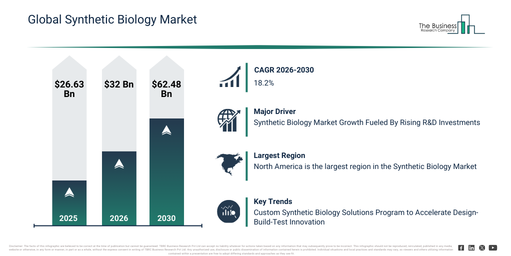
    The synthetic biology market has experienced significant expansion recently. Projections indicate its size will increase from $26.63 billion in 2025 to $32 billion by 2026, demonstrating a compound annual growth rate (CAGR) of 20.2%. Factors contributing to this past growth include progress in genetic engineering methods, increased funding for research in both academic and industrial sectors, broader access to sequencing technologies, the initial commercialization of synthetic organisms, and enhanced cooperation between universities and businesses.

    The synthetic biology market is anticipated to experience significant expansion in the next few years. Its valuation is projected to reach $62.48 billion in 2030, exhibiting a compound annual growth rate (CAGR) of 18.2%. The momentum behind this growth over the forecast period can be attributed to various factors, including increasing investments in bio-manufacturing, a rising demand for sustainable chemicals and fuels, the broadening scope of synthetic biology applications in healthcare, the growing integration of AI-driven biological design, and increasing regulatory clarity for engineered organisms. Major trends identified for this period encompass a greater adoption of CRISPR-based gene editing, the increasing use of bioinformatics-driven design tools, the expansion of synthetic gene construction platforms, a growing focus on sustainable bio-based production, and enhanced automation in biological engineering workflows.

    Download the Free Sample Report to Explore Key Market Insights:

    https://www.thebusinessresearchcompany.com/sample.aspx?id=2508&type=smp

    What Key Drivers Are Influencing The Growth Of The Synthetic Biology Market?

    Rising investment in research and development is anticipated to boost the expansion of the synthetic biology market. Research and development (R&D) involves systematic investigation, experimentation, and innovation to generate new knowledge, technologies, or products, or to enhance existing offerings. The surge in R&D investments can be attributed to heightened competition, a push for innovation, technological progress, and the necessity for businesses to respond to evolving consumer preferences and market dynamics. Specifically, R&D funding for synthetic biology is vital for advancing its capability to develop sustainable solutions across fields like healthcare, agriculture, and environmental management, by designing biological systems and organisms for precise functions. For instance, data from the Office for National Statistics, a UK government agency, shows that the UK government’s net expenditure on research and development (R&D) climbed to £17.4 ($22.1 billion) billion in 2023, an increase from £16.1 billion ($20.45 billion) in 2022, signifying an 8.2% growth. Consequently, the escalating investment in research and development is propelling the growth of the synthetic biology market.

    Which Segment Areas Are Covered In The Synthetic Biology Market Analysis?

    The synthetic biology market covered in this report is segmented –

    1) By Technology: Nucleotide Synthesis And Sequencing, Bioinformatics, Microfluidics, Genetic Engineering

    2) By Product Type: Oligonucleotides, Enzymes, Cloning And Assembly Kits, Xeno-Nucleic Acids (XNA), Chassis Organism

    3) By Application: Pharmaceuticals And Diagnostics, Chemicals, Biofuels, Bioplastics, Other Application

    Subsegments:

    1) By Nucleotide Synthesis And Sequencing: DNA Synthesis Technologies, Next-Generation Sequencing (NGS), Sanger Sequencing

    2) By Bioinformatics: Software Tools For Genomic Data Analysis, Databases For Gene/Protein Information, Algorithms For Gene Editing And Design

    3) By Microfluidics: Lab-On-A-Chip Technologies, Microfluidic Devices For Biological Assays, Applications In Drug Discovery And Diagnostics

    4) By Genetic Engineering: CRISPR/Cas9 Technology, Recombinant DNA Technology, Synthetic Gene Construction And Assembly

    Which Trends Are Influencing The Synthetic Biology Market?

    Leading companies in the synthetic biology market are concentrating on developing advanced products, such as specialized custom solutions programs aimed at streamlining design-build-test cycles for specific synthetic biology initiatives. These custom solutions programs offer a personalized service, allowing clients to collaborate directly with experts to create, construct, and validate synthetic DNA constructs, rather than relying on standard catalog items. For example, in June 2025, Integrated DNA Technologies (IDT), a U.S.-based biotechnology firm, introduced its Synthetic Biology Custom Solutions Program. This premium manufacturing service provides customers with access to IDT’s internal scientists and engineers for customized projects, ranging from intricate genes to unusual DNA fragments. Notable features of the program include a dedicated team supporting design-build-test workflows, bespoke manufacturing at IDT’s 25,000-sq-ft synthetic biology facility, broad acceptance of diverse project types (such as high-yield non-standard gene fragments, genes >5 kb, and multi-site cloning), and quicker project completion by eliminating strict high-throughput limitations. This initiative enables synthetic biology innovators to accelerate their iteration processes and resolve R&D challenges more efficiently.

    Which Global Companies Are Actively Competing In The Synthetic Biology Market?

    Major companies operating in the synthetic biology market are Thermo Fisher Scientific Inc, Danaher Corporation, Eurofins Scientific, Merck KGaA, Novozymes A/S, Agilent Technologies, New England Biolabs Inc, Precigen Inc, Amyris, Inc, Genscript Biotech Corporation, Codex Genetics, Cathay Biotech, Bota Biosciences, Bluepha, Spiber, OriCiro Genomics Inc, Provectus Algae, Puraffinity, Royal DSM NV, Colorifix, Phytoform Labs, Desktop Genetics, NanoSyrinx, Pulmobiotics S.L, EnginZyme, Chain Biotech, Nuclera Nucleics, Biosynthetics GmbH, Entelechon GmbH, Sloning BioTechnology GmbH, Prokarium Ltd, Synbio, Captor Therapeutics, Gero.ai, ARNA Genomics, Solvo Omixon, Soft flow, Algenol, Genomatica, Integrated DNA Technologies, Sana Biotechnology, Impossible Foods, Apeel Sciences, Twist Bioscience, Synlogic, Zymergen Inc, Ginkgo Bioworks, Codexis, Arzeda Corporation, Synthetic Genomics, Conagen, Dupont, Oxitec Ltd, Sentebiolab, GEEN Biotechnology Inc, Genbiotek Biosistem Laboratory Ltd

    Read the full synthetic biology market report here:

    https://www.thebusinessresearchcompany.com/report/synthetic-biology-global-market-report

    Which Region Is Expected To Register The Fastest Growth In The Synthetic Biology Market?

    North America was the largest region in the synthetic biology market in 2025. Western Europe was the second largest region in the global synthetic biology market share. The regions covered in the synthetic biology market report are Asia-Pacific, South East Asia, Western Europe, Eastern Europe, North America, South America, Middle East, Africa.

    Request A Tailored Synthetic Biology Market Research Report For Competitive Advantage:

    https://www.thebusinessresearchcompany.com/customise?id=2508&type=smp

    Browse Through More Reports Similar to the Global Synthetic Biology Market 2026, By The Business Research Company

    Synthetic Food Global Market Report

    https://www.thebusinessresearchcompany.com/report/synthetic-food-global-market-report

    Synthetic Hormones Global Market Report

    https://www.thebusinessresearchcompany.com/report/synthetic-hormones-global-market-report

    Computational Biology Global Market Report

    https://www.thebusinessresearchcompany.com/report/computational-biology-global-market-report

    Get in touch with us:

    The Business Research Company: https://www.thebusinessresearchcompany.com/

    Americas +1 310-496-7795

    Asia +44 7882 955267 & +91 8897263534

    Europe +44 7882 955267

    Email us at info@tbrc.info

    Follow us on:

    LinkedIn: https://in.linkedin.com/company/the-business-research-company

    YouTube: https://www.youtube.com/channel/UC24_fI0rV8cR5DxlCpgmyFQ

    Global Market Model: https://www.thebusinessresearchcompany.com/global-market-model

  • Global Synthetic Biology Market Forecast 2026–2035: Long-Term Growth Insights

    Global Synthetic Biology Market Forecast 2026–2035: Long-Term Growth Insights

    Uncover key drivers, emerging technologies, and competitive movements shaping the synthetic biology market from 2026–2035 with trusted insights from The Business Research Company

    What level of growth is expected in the Synthetic Biology Market between 2026 and 2030?

    The synthetic biology market has witnessed substantial growth in recent years. It is anticipated to expand from $26.63 billion in 2025 to $32 billion in 2026, indicating a compound annual growth rate (CAGR) of 20.2%. The progress observed historically can be ascribed to advancements in genetic engineering techniques, increased funding for academic and industrial research, the expanding availability of sequencing technologies, the early introduction of synthetic organisms to the market, and strengthened partnerships between academia and industry.

    The synthetic biology market is projected to experience substantial expansion in the next few years, with its size expected to reach $62.48 billion by 2030, driven by a compound annual growth rate (CAGR) of 18.2%. This growth over the forecast period is propelled by increasing investments in bio-manufacturing, a rising demand for sustainable chemicals and fuels, the expansion of synthetic biology applications within healthcare, the growing integration of AI-driven biological design, and increasing regulatory clarity for engineered organisms. Prominent trends anticipated in this period include the wider adoption of CRISPR-based gene editing, the rising use of bioinformatics-driven design tools, the expansion of synthetic gene construction platforms, a growing focus on sustainable bio-based production, and enhanced automation in biological engineering workflows.

    Access Your Free Sample Report for In-Depth Market Insights:

    https://www.thebusinessresearchcompany.com/sample.aspx?id=2508&type=smp

    Which Drivers Are Expected To Impact The Synthetic Biology Market During The Forecast Period?

    Increased investment in research and development is anticipated to propel the growth of the synthetic biology market. Research and development (R&D) is defined as the methodical process of creating new knowledge, technologies, or products through systematic investigation, experimentation, and innovation, aiming to enhance existing offerings or develop entirely new ones. The upsurge in R&D investments stems from intensifying competition, the growing demand for innovation, continuous advancements in technology, and the necessity for businesses to adapt to shifting consumer preferences and market dynamics. Investing in research and development for synthetic biology is crucial to unlocking the field’s potential for generating sustainable solutions in sectors such as healthcare, agriculture, and environmental management, achieved by engineering biological systems and organisms for precise purposes. For instance, according to the Office for National Statistics, a UK-based government agency, the UK government’s net spending on research and development (R&D) climbed to £17.4 billion ($22.1 billion) in 2023, an increase from £16.1 billion ($20.45 billion) in 2022, indicating an 8.2% rise. Therefore, the expanding investment in research and development is actively driving the synthetic biology market’s expansion.

    How Is The Synthetic Biology Market Divided Into Segments?

    The synthetic biology market covered in this report is segmented –

    1) By Technology: Nucleotide Synthesis And Sequencing, Bioinformatics, Microfluidics, Genetic Engineering

    2) By Product Type: Oligonucleotides, Enzymes, Cloning And Assembly Kits, Xeno-Nucleic Acids (XNA), Chassis Organism

    3) By Application: Pharmaceuticals And Diagnostics, Chemicals, Biofuels, Bioplastics, Other Application

    Subsegments:

    1) By Nucleotide Synthesis And Sequencing: DNA Synthesis Technologies, Next-Generation Sequencing (NGS), Sanger Sequencing

    2) By Bioinformatics: Software Tools For Genomic Data Analysis, Databases For Gene/Protein Information, Algorithms For Gene Editing And Design

    3) By Microfluidics: Lab-On-A-Chip Technologies, Microfluidic Devices For Biological Assays, Applications In Drug Discovery And Diagnostics

    4) By Genetic Engineering: CRISPR/Cas9 Technology, Recombinant DNA Technology, Synthetic Gene Construction And Assembly

    What Industry Trends Are Transforming The Synthetic Biology Market?

    Leading companies within the synthetic biology market are increasingly focusing on developing innovative products, such as custom solutions programs that utilize design-build-test cycles to accelerate unique synthetic biology projects. A custom solutions program represents a personalized service, enabling clients to directly collaborate with experts to design, construct, and test synthetic DNA constructs, rather than relying on standard catalog offerings. For instance, in June 2025, Integrated DNA Technologies (IDT), a U.S.-based biotechnology company, introduced its Synthetic Biology Custom Solutions Program. This premium manufacturing service provides customers access to IDT’s in-house scientists and engineers to work on tailored projects, encompassing everything from complex genes to non-standard DNA fragments. Key aspects of this program include a dedicated team supporting design-build-test workflows, bespoke manufacturing at IDT’s 25,000-sq-ft synthetic biology facility, broad acceptance of diverse project types (e.g., high-yield non-standard gene fragments, genes >5 kb, multi-site cloning), and expedited turnaround times achieved by removing rigid high-throughput limitations. This initiative empowers innovators in synthetic biology to iterate more rapidly and overcome common bottlenecks in their R&D.

    Which Major Industry Participants Are Leading The Synthetic Biology Market Growth?

    Major companies operating in the synthetic biology market are Thermo Fisher Scientific Inc, Danaher Corporation, Eurofins Scientific, Merck KGaA, Novozymes A/S, Agilent Technologies, New England Biolabs Inc, Precigen Inc, Amyris, Inc, Genscript Biotech Corporation, Codex Genetics, Cathay Biotech, Bota Biosciences, Bluepha, Spiber, OriCiro Genomics Inc, Provectus Algae, Puraffinity, Royal DSM NV, Colorifix, Phytoform Labs, Desktop Genetics, NanoSyrinx, Pulmobiotics S.L, EnginZyme, Chain Biotech, Nuclera Nucleics, Biosynthetics GmbH, Entelechon GmbH, Sloning BioTechnology GmbH, Prokarium Ltd, Synbio, Captor Therapeutics, Gero.ai, ARNA Genomics, Solvo Omixon, Soft flow, Algenol, Genomatica, Integrated DNA Technologies, Sana Biotechnology, Impossible Foods, Apeel Sciences, Twist Bioscience, Synlogic, Zymergen Inc, Ginkgo Bioworks, Codexis, Arzeda Corporation, Synthetic Genomics, Conagen, Dupont, Oxitec Ltd, Sentebiolab, GEEN Biotechnology Inc, Genbiotek Biosistem Laboratory Ltd

    Access The Complete Report For Deeper Market Insights:

    https://www.thebusinessresearchcompany.com/report/synthetic-biology-global-market-report

    Which Region Is Expected To Experience The Fastest Growth In The Synthetic Biology Market?

    North America was the largest region in the synthetic biology market in 2025. Western Europe was the second largest region in the global synthetic biology market share. The regions covered in the synthetic biology market report are Asia-Pacific, South East Asia, Western Europe, Eastern Europe, North America, South America, Middle East, Africa.

    Request Your Customized Synthetic Biology Market Research Report for Competitive Advantage:

    https://www.thebusinessresearchcompany.com/customise?id=2508&type=smp

    Browse Through More Reports Similar to the Global Synthetic Biology Market 2026, By The Business Research Company

    Computational Biology Market Report 2026

    https://www.thebusinessresearchcompany.com/report/computational-biology-global-market-report

    Synthetic Food Market Report 2026

    https://www.thebusinessresearchcompany.com/report/synthetic-food-global-market-report

    Synthetic Hormones Market Report 2026

    https://www.thebusinessresearchcompany.com/report/synthetic-hormones-global-market-report

    Get in touch with us:

    The Business Research Company: https://www.thebusinessresearchcompany.com/

    Americas +1 310-496-7795

    Asia +44 7882 955267 & +91 8897263534

    Europe +44 7882 955267

    Email us at info@tbrc.info

    Follow us on:

    LinkedIn: https://in.linkedin.com/company/the-business-research-company

    YouTube: https://www.youtube.com/channel/UC24_fI0rV8cR5DxlCpgmyFQ

    Global Market Model: https://www.thebusinessresearchcompany.com/global-market-model

  • What Is The Long-Term Forecast For The Global Synthetic Biology Market Growing At 19.2% CAGR?

    What Is The Long-Term Forecast For The Global Synthetic Biology Market Growing At 19.2% CAGR?

    Claim your 20% discount on Global Market Reports with code ONLINE20. Limited time only.

    What CAGR And Valuation Are Anticipated For The Synthetic Biology Market?

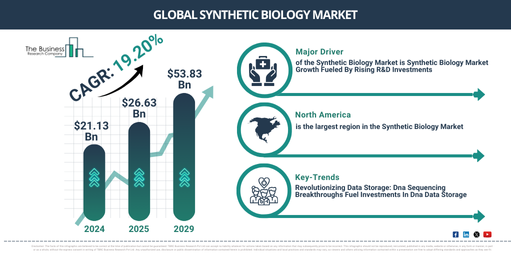
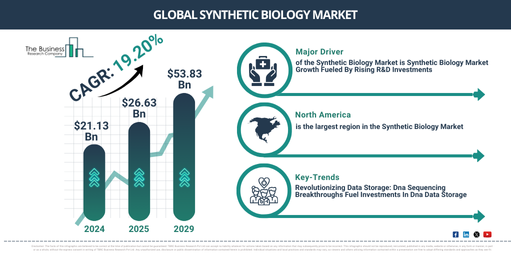
    In recent times, the synthetic biology market has experienced significant expansion. It’s projected to increase from $21.13 billion in 2024 to $26.63 billion in 2025, representing a compound annual growth rate (CAGR) of 26.0%. Several factors have contributed to this historic period of growth, encompassing the rise in healthcare and life science facilities, escalating investment in drugs, widespread use in end-user industries, the reduced cost of DNA sequencing and synthesizing, and an upsurge in funding.

    The market size of synthetic biology is predicted to experience a significant increase in the near future, expanding to $53.83 billion by 2029 at a compound annual growth rate (CAGR) of 19.2%. The growth over the forecast period can be credited to factors such as government initiatives, search for alternative fuels, a rise in demand for genetically engineered crops, and a surge in private company investments. The period forecast anticipates major trends including strategic alliances and collaborations, advancements in nucleotide synthesis and sequencing automation, increased emphasis on gene editing, product modernization, the expanding use of cell-free technology, and the introduction of a new eco-friendly biofuel production process.

    Get A Free Sample Of The Report:

    https://www.thebusinessresearchcompany.com/sample.aspx?id=2508&type=smp

    What Are The Primary Factors Supporting The Synthetic Biology Market Expansion?

    The growth of the synthetic biology market is predicted to surge due to elevated investment in research and development. Producing new knowledge, products or technologies via a systematic exploration, experimentation and innovation cycle is the essence of research and development (R&D). This process serves to enhance pre-existing services or design new ones. R&D investments are witnessing a surge due to the rising competition, the need for businesses to adapt to changing customer tastes and market fluctuations, technological progression, and the drive for innovation. The investment into the research and development of synthetic biology is inextricable from advancing the potential of the field in concocting sustainable solutions in healthcare, agriculture, and environmental management sectors by engineering specific biological systems and organisms. For example, a report published by the Office for National Statistics, a government department in the UK, stated that the pharmaceuticals product group significantly contributed to the overall business research and development in the UK in 2022, with an investment of $11.7 billion (£9.0 billion), which made up 17.9% of the total R&D carried out by UK businesses in February 2024. Consequently, the accelerated investment in research and development is fuelling the growth of the synthetic biology market.

    Which Segments Define The Structure Of The Synthetic Biology Market?

    The synthetic biologymarket covered in this report is segmented –

    1) By Technology: Nucleotide Synthesis And Sequencing, Bioinformatics, Microfluidics, Genetic Engineering

    3) By Product Type: Oligonucleotides, Enzymes, Cloning And Assembly Kits, Xeno-Nucleic Acids (XNA), Chassis Organism

    2) By Application: Pharmaceuticals And Diagnostics, Chemicals, Biofuels, Bioplastics, Other Application

    Subsegments:

    1) By Nucleotide Synthesis And Sequencing: DNA Synthesis Technologies; Next-Generation Sequencing (NGS); Sanger Sequencing

    2) By Bioinformatics: Software Tools For Genomic Data Analysis; Databases For Gene/Protein Information; Algorithms For Gene Editing And Design

    3) By Microfluidics: Lab-On-A-Chip Technologies; Microfluidic Devices For Biological Assays; Applications In Drug Discovery And Diagnostics

    4) By Genetic Engineering: CRISPR/Cas9 Technology; Recombinant DNA Technology; Synthetic Gene Construction And Assembly

    Which Disruptive Trends Are Driving Change Across The Synthetic Biology Market?

    Recent advancements in DNA sequencing technology have provided researchers the ability to utilize DNA for non-genetic information storage. The increasing necessity to house large amounts of data has led to the exploration of DNA data storage solutions. Remarkably, a single strand of DNA has the capacity to hold approximately 455 Exabyte of data, equivalent to 455 billion gigabytes. This revolutionary idea has attracted substantial financial backing from various market participants. The process involves converting binary data (coded in 0 and 1) into DNA strings consisting of four unique sequences AGCT (Adenine, Guanine, Cytosine, and Thymine – the four base components of DNA). Notably, information stored in DNA remains intact for millennia, starkly contrasting with traditional hard drives, which typically suffer from corruption or damage within a 30-year span. For example, a study by the Nature Publishing Group revealed that Microsoft and the University of Washington preserved 35 unique digital files within DNA, amounting to over 200 megabytes of data, and are planning to further their investment to enhance this technology.

    Who Are The Primary Market Leaders In The Synthetic Biology Market?

    Major companies operating in the synthetic biology market include Thermo Fisher Scientific Inc, Danaher Corporation, Eurofins Scientific, Merck KGaA, Novozymes A/S, Agilent Technologies, New England Biolabs Inc, Precigen Inc, Amyris, Inc, Genscript Biotech Corporation, Codex Genetics, Cathay Biotech, Bota Biosciences, Bluepha, Spiber, OriCiro Genomics Inc, Provectus Algae, Puraffinity, Royal DSM NV, Colorifix, Phytoform Labs, Desktop Genetics, NanoSyrinx, Pulmobiotics S.L, EnginZyme, Chain Biotech, Nuclera Nucleics, Biosynthetics GmbH, Entelechon GmbH, Sloning BioTechnology GmbH, Prokarium Ltd, Synbio, Captor Therapeutics, Gero.ai, ARNA Genomics, Solvo Omixon, Soft flow, Algenol, Genomatica, Integrated DNA Technologies, Sana Biotechnology, Impossible Foods, Apeel Sciences, Twist Bioscience, Synlogic, Zymergen Inc, Ginkgo Bioworks, Codexis, Arzeda Corporation, Synthetic Genomics, Conagen, Dupont, Oxitec Ltd, Sentebiolab, GEEN Biotechnology Inc, Genbiotek Biosistem Laboratory Ltd

    Access The Complete Report Here:

    https://www.thebusinessresearchcompany.com/report/synthetic-biology-global-market-report

    What Regional Factors Are Accelerating Growth In The Synthetic Biology Market?

    North America was the largest region in the synthetic biology market in 2024. Western Europe was the second largest region in the global synthetic biology market share. The regions covered in the synthetic biology market report are Asia-Pacific, Western Europe, Eastern Europe, North America, South America, Middle East, Africa

    Customize Your Report Here:

    https://www.thebusinessresearchcompany.com/customise?id=2508&type=smp

    Browse Through More Reports Similar to the Global Synthetic Biology Market 2025, By The Business Research Company

    Computational Biology Global Market Report 2025

    https://www.thebusinessresearchcompany.com/report/computational-biology-global-market-report

    Microbiology Diagnostic Devices And Equipment Global Market Report 2025

    https://www.thebusinessresearchcompany.com/report/microbiology-diagnostic-devices-and-equipment-global-market-report

    Bioinformatics Global Market Report 2025

    https://www.thebusinessresearchcompany.com/report/bioinformatics-global-market-report

    About The Business Research Company:

    With over 15000+ reports from 27 industries covering 60+ geographies, The Business Research Company has built a reputation for offering comprehensive, data-rich research and insights. Armed with 1,500,000 datasets, the optimistic contribution of in-depth secondary research, and unique insights from industry leaders, you can get the information you need to stay ahead in the game.

    Get in touch with us:

    The Business Research Company: https://www.thebusinessresearchcompany.com/

    Americas +1 310-496-7795

    Asia +44 7882 955267 & +91 8897263534

    Europe +44 7882 955267

    Email us at info@tbrc.info

    Follow us on:

    LinkedIn: https://in.linkedin.com/company/the-business-research-company

    YouTube: https://www.youtube.com/channel/UC24_fI0rV8cR5DxlCpgmyFQ

    Global Market Model: https://www.thebusinessresearchcompany.com/global-market-model
  • Global Synthetic Biology Market Trends and Growth Analysis 2025–2029

    Global Synthetic Biology Market Trends and Growth Analysis 2025–2029

    Unlock Global Insights – Save 20% on Market Reports with Code ONLINE20

    By How Much Is The Synthetic Biology Market Expected To Expand Between 2025 And 2029?

    The synthetic biology market has experienced substantial expansion in recent times. Its valuation is projected to increase from $21.13 billion in 2024 to $26.63 billion by 2025, demonstrating a compound annual growth rate (CAGR) of 26.0%. This historical growth is primarily due to factors such as the expansion of healthcare and life science infrastructure, greater investment in drug development, extensive use across various end-user sectors, the reduced cost of DNA sequencing and synthesis, and an increase in financial backing.

    The synthetic biology market size is anticipated to experience substantial expansion over the coming years. This market is projected to reach “$53.83 billion in 2029, demonstrating a compound annual growth rate (CAGR) of 19.2%. The growth during the forecast period is attributable to factors such as increasing government initiatives, a rising demand for fuel alternatives, an increase in the need for genetically modified crops, and growing investments in private companies. Key trends for the forecast period include strategic collaborations and partnerships, enhanced automation in nucleotide synthesis and sequencing, a heightened focus on gene editing, continuous product innovation, the rising adoption of cell-free technology, and the emergence of new environmentally friendly processes for biofuel production.

    Unlock Your Free Sample Report for Exclusive Market Data:

    https://www.thebusinessresearchcompany.com/sample.aspx?id=2508&type=smp

    Which Industry Drivers Are Expected To Accelerate The Synthetic Biology Market From 2025 To 2029?

    The expansion of the synthetic biology market is anticipated to be fueled by increasing investments in research and development. Research and development (R&D) involves a systematic approach of investigation, experimentation, and innovation aimed at generating new knowledge, technologies, or products, either to enhance current offerings or to devise entirely new ones. Such investments are growing in response to intensifying competition, a persistent demand for innovation, continuous technological progress, and the necessity for companies to adjust to evolving consumer tastes and market shifts. Specifically, R&D funding for synthetic biology is crucial for unlocking its potential to deliver sustainable solutions across sectors like healthcare, agriculture, and environmental management, through the deliberate engineering of biological systems and organisms to serve particular functions. As an illustration, a report released by the UK’s Office for National Statistics in February 2024 highlighted that in 2022, the pharmaceuticals product group was the primary driver of business R&D in the UK, contributing $11.7 billion (£9.0 billion). This figure constituted 17.9% of the aggregate R&D spending by UK enterprises. Consequently, the increased expenditure on research and development is a key factor propelling the expansion of the synthetic biology market.

    What Are The Leading Segments Analyzed In The Synthetic Biology Market?

    The synthetic biologymarket covered in this report is segmented –

    1) By Technology: Nucleotide Synthesis And Sequencing, Bioinformatics, Microfluidics, Genetic Engineering

    3) By Product Type: Oligonucleotides, Enzymes, Cloning And Assembly Kits, Xeno-Nucleic Acids (XNA), Chassis Organism

    2) By Application: Pharmaceuticals And Diagnostics, Chemicals, Biofuels, Bioplastics, Other Application

    Subsegments:

    1) By Nucleotide Synthesis And Sequencing: DNA Synthesis Technologies; Next-Generation Sequencing (NGS); Sanger Sequencing

    2) By Bioinformatics: Software Tools For Genomic Data Analysis; Databases For Gene/Protein Information; Algorithms For Gene Editing And Design

    3) By Microfluidics: Lab-On-A-Chip Technologies; Microfluidic Devices For Biological Assays; Applications In Drug Discovery And Diagnostics

    4) By Genetic Engineering: CRISPR/Cas9 Technology; Recombinant DNA Technology; Synthetic Gene Construction And Assembly

    What Trends Are Expected To Drive The Synthetic Biology Market?

    Recent advancements in DNA sequencing technology have empowered researchers to employ DNA for storing non-genetic information. Due to the increasing demand for storing vast quantities of data, DNA data storage offers a compelling solution where a single DNA strand can hold approximately 455 Exabytes of data (455 billion gigabytes). Consequently, this concept has attracted significant investments from entities within the market. Binary data (information coded in 0s and 1s) is converted into DNA strings composed of four unique base units: A, G, C, T (Adenine, Guanine, Cytosine, and Thymine, collectively known as AGCT), which are the fundamental components of DNA. Information encoded in DNA can endure for thousands of years, a stark contrast to data on traditional hard drives, which often become corrupted or damaged within 30 years. For example, as detailed in a journal published by Nature Publishing Group, researchers from Microsoft and the University of Washington successfully stored 35 distinct digital files—exceeding 200 megabytes of data—within DNA and plan to further increase future investment to enhance this technology.

    Which Major Industry Participants Are Leading The Synthetic Biology Market Growth?

    Major companies operating in the synthetic biology market include Thermo Fisher Scientific Inc, Danaher Corporation, Eurofins Scientific, Merck KGaA, Novozymes A/S, Agilent Technologies, New England Biolabs Inc, Precigen Inc, Amyris, Inc, Genscript Biotech Corporation, Codex Genetics, Cathay Biotech, Bota Biosciences, Bluepha, Spiber, OriCiro Genomics Inc, Provectus Algae, Puraffinity, Royal DSM NV, Colorifix, Phytoform Labs, Desktop Genetics, NanoSyrinx, Pulmobiotics S.L, EnginZyme, Chain Biotech, Nuclera Nucleics, Biosynthetics GmbH, Entelechon GmbH, Sloning BioTechnology GmbH, Prokarium Ltd, Synbio, Captor Therapeutics, Gero.ai, ARNA Genomics, Solvo Omixon, Soft flow, Algenol, Genomatica, Integrated DNA Technologies, Sana Biotechnology, Impossible Foods, Apeel Sciences, Twist Bioscience, Synlogic, Zymergen Inc, Ginkgo Bioworks, Codexis, Arzeda Corporation, Synthetic Genomics, Conagen, Dupont, Oxitec Ltd, Sentebiolab, GEEN Biotechnology Inc, Genbiotek Biosistem Laboratory Ltd

    Download The Full Report For Exclusive Market Findings:

    https://www.thebusinessresearchcompany.com/report/synthetic-biology-global-market-report

    Which Global Regions Are Influencing The Competitive Landscape Of The Synthetic Biology Market?

    North America was the largest region in the synthetic biology market in 2024. Western Europe was the second largest region in the global synthetic biology market share. The regions covered in the synthetic biology market report are Asia-Pacific, Western Europe, Eastern Europe, North America, South America, Middle East, Africa

    Request A Customized Version Of The Synthetic Biology Market Report:

    https://www.thebusinessresearchcompany.com/customise?id=2508&type=smp

    Browse Through More Reports Similar to the Global Synthetic Biology Market 2025, By The Business Research Company

    Computational Biology Global Market Report 2025

    https://www.thebusinessresearchcompany.com/report/computational-biology-global-market-report

    Microbiology Diagnostic Devices And Equipment Global Market Report 2025

    https://www.thebusinessresearchcompany.com/report/microbiology-diagnostic-devices-and-equipment-global-market-report

    Bioinformatics Global Market Report 2025

    https://www.thebusinessresearchcompany.com/report/bioinformatics-global-market-report

    Get in touch with us:

    The Business Research Company: https://www.thebusinessresearchcompany.com/

    Americas +1 310-496-7795

    Asia +44 7882 955267 & +91 8897263534

    Europe +44 7882 955267

    Email us at info@tbrc.info

    Follow us on:

    LinkedIn: https://in.linkedin.com/company/the-business-research-company

    YouTube: https://www.youtube.com/channel/UC24_fI0rV8cR5DxlCpgmyFQ

    Global Market Model: https://www.thebusinessresearchcompany.com/global-market-model
  • Global Synthetic Biology Market Trends: Regional Breakdowns and Strategic Insights

    Global Synthetic Biology Market Trends: Regional Breakdowns and Strategic Insights

    Claim your 30% discount on Global Market Reports with code ONLINE30. Limited time only.

    What is the Projected CAGR for the Synthetic Biology Market Size from 2025 to 2034?

    The market for synthetic biology has been expanding at a rapid rate in the recent years. The market size which was at $21.13 billion in 2024, is projected to increase to $26.63 billion in 2025, reflecting a compound annual growth rate (CAGR) of 26.0%. The historic growth was driven by factors including the expansion of healthcare and life science facilities, increased investments in drug development, broad applicability in various end-user industries, reduced expenses associated with DNA sequencing and synthesizing, and a surge in available funding.

    The market size of synthetic biology is set to experience a significant surge in the coming years, reaching a projected value of $53.83 billion in 2029, with a compound annual growth rate (CAGR) of 19.2%. This forecasted growth is due to several factors; these include increased government initiatives, rising demand for alternative fuels, growing demand for genetically modified crops, and escalated investments in private firms. Trends projected to shape the industry during the forecast period include strategic collaborations and partnerships, advancements in nucleotide synthesis and sequencing automation, an increased concentration on gene editing, innovation in product development, wider acceptance of cell-free technology, and the introduction of new eco-friendly biofuel production methods.

    Download a free sample to assess the report’s scope and structure:

    https://www.thebusinessresearchcompany.com/sample.aspx?id=2508&type=smp

    What Are the Major Market Drivers Behind the Rising Adoption of Synthetic Biology Market?

    An uptick in funding for research and development is anticipated to stimulate the synthetic biology market’s expansion. The acquisition of new knowledge, technologies, and products through methodical exploration, trial, and innovation, often referred to as research and development (R&D), is vital for enhancing existing products and formulating newer ones. Rising competition, necessity for innovation, technological advancements, and businesses’ need to align with changing customer preferences and market conditions are all driving an increase in R&D investments. For synthetic biology, it is crucial to invest in R&D to amplify its capability to generate innovative and sustainable solutions, by biologically engineering systems and entities for specific objectives in sectors like healthcare, agriculture, and environmental management. For example, a report from the Office for National Statistics, a UK government department, claimed in February 2024 that in 2022, the pharmaceuticals product group was the key contributing factor to the overall business research and development in the UK with an amount of $11.7 billion (£9.0 billion), making up 17.9% of total R&D conducted by UK businesses. Consequently, the upswing in research and development investment is fueling the synthetic biology market’s growth.

    Which Key Market Segments Comprise the Synthetic Biology Market and Drive Its Revenue Growth?

    The synthetic biologymarket covered in this report is segmented –

    1) By Technology: Nucleotide Synthesis And Sequencing, Bioinformatics, Microfluidics, Genetic Engineering

    3) By Product Type: Oligonucleotides, Enzymes, Cloning And Assembly Kits, Xeno-Nucleic Acids (XNA), Chassis Organism

    2) By Application: Pharmaceuticals And Diagnostics, Chemicals, Biofuels, Bioplastics, Other Application

    Subsegments:

    1) By Nucleotide Synthesis And Sequencing: DNA Synthesis Technologies; Next-Generation Sequencing (NGS); Sanger Sequencing

    2) By Bioinformatics: Software Tools For Genomic Data Analysis; Databases For Gene/Protein Information; Algorithms For Gene Editing And Design

    3) By Microfluidics: Lab-On-A-Chip Technologies; Microfluidic Devices For Biological Assays; Applications In Drug Discovery And Diagnostics

    4) By Genetic Engineering: CRISPR/Cas9 Technology; Recombinant DNA Technology; Synthetic Gene Construction And Assembly

    Request customized data on this market:

    https://www.thebusinessresearchcompany.com/customise?id=2508&type=smp

    Which Areas Are Leading Regions in the Synthetic Biology Market Expansion Across the Globe?

    North America was the largest region in the synthetic biology market in 2024. Western Europe was the second largest region in the global synthetic biology market share. The regions covered in the synthetic biology market report are Asia-Pacific, Western Europe, Eastern Europe, North America, South America, Middle East, Africa

    What Are the Strategic Trends Steering theSynthetic Biology Market Direction?

    Innovations in DNA sequencing technology have opened up possibilities for using DNA to keep non-genetic information. As data storage needs increase, DNA data storage has emerged as a robust solution with a single DNA strand able to hold approximately 455 Exabyte of data (equivalent to 455 billion gigabytes). This potential has attracted significant investment from market players. Here, binary data, coded in 0s and 1s, is transformed into DNA strings consisting of unique sequences of four potential base units: A, G, C, T (referring to Adenine, Guanine, Cytosine, and Thymine, the four elements of DNA). Unlike traditional hard drives, which can lose or damage data within three decades, information stored in DNA can remain intact for thousands of years. For instance, as reported in a Nature Publishing Group journal, Microsoft and researchers from the University of Washington have successfully stored 35 different digital files in DNA, amounting to more than 200 megabytes of data, and they plan to invest more in the future to further this technology.

    View the full report here:

    https://www.thebusinessresearchcompany.com/report/synthetic-biology-global-market-report

    How Is the Synthetic Biology Market Conceptually Defined?

    Synthetic biology is a field of biological science that involve engineering principles to redesign organisms to give them new abilities. It is possible to think of synthetic biology as the culmination or the prescriptive, deliberate stage of biology.

    Purchase the full report and get a swift delivery:

    https://www.thebusinessresearchcompany.com/purchaseoptions.aspx?id=2508

    About The Business Research Company:

    With over 15000+ reports from 27 industries covering 60+ geographies, The Business Research Company has built a reputation for offering comprehensive, data-rich research and insights. Armed with 1,500,000 datasets, the optimistic contribution of in-depth secondary research, and unique insights from industry leaders, you can get the information you need to stay ahead in the game.

    Get in touch with us:

    The Business Research Company: https://www.thebusinessresearchcompany.com/

    Americas +1 310-496-7795

    Europe +44 7882 955267

    Asia & Others +44 7882 955267 & +91 8897263534

    Email us at info@tbrc.info

    Follow us on:

    LinkedIn: https://in.linkedin.com/company/the-business-research-company

    YouTube: https://www.youtube.com/channel/UC24_fI0rV8cR5DxlCpgmyFQ

    Global Market Model: https://www.thebusinessresearchcompany.com/global-market-model

  • Synthetic Biology Market Projected at $54.27 Billion by 2029 | Strategic Insights and Forecast Data

    Synthetic Biology Market Projected at $54.27 Billion by 2029 | Strategic Insights and Forecast Data

    Claim your 30% discount on Global Market Reports with code ONLINE30. Limited time only.

    How Has the Synthetic Biology Market Size Changed, over the years?

    The market size of synthetic biology has seen exponential growth in recent years. The market, valued at $21.13 billion in 2024, is projected to increase to $26.7 billion in 2025 with a compound annual growth rate (CAGR) of 26.3%. The expansion in the historical period is due to the surge in healthcare and life science amenities, higher investment in pharmaceuticals, its extensive application in end-user sectors, affordable DNA sequencing and synthesizing, and an increase in funding.

    How Much Will the Synthetic Biology Market Be Worth in 2029?

    The market size for synthetic biology is predicted to expand rapidly in the upcoming years, reaching a value of $54.27 billion in 2029 with a compound annual growth rate (CAGR) of 19.4%. Within this forecast period, factors like increased government support, the search for alternative fuels, growing demand for genetically engineered crops, and rising private sector investment are credited for driving this growth. The forecast period is also expected to witness various key trends including strategic collaborations and partnerships, advancements in nucleotide synthesis and sequencing, an increased emphasis on gene editing, rising product innovation, higher acceptance of cell-free technology, and the development of new biofuel production processes that are more eco-friendly.

    Download The Free Sample Report Here:

    https://www.thebusinessresearchcompany.com/sample.aspx?id=2508&type=smp

    Which is the Largest Company in the Synthetic Biology Market?

    Major companies operating in the synthetic biology market include Thermo Fisher Scientific Inc, Danaher Corporation, Eurofins Scientific, Merck KGaA, Novozymes A/S, Agilent Technologies, New England Biolabs Inc, Precigen Inc, Amyris, Inc, Genscript Biotech Corporation, Codex Genetics, Cathay Biotech, Bota Biosciences, Bluepha, Spiber, OriCiro Genomics Inc, Provectus Algae, Puraffinity, Royal DSM NV, Colorifix, Phytoform Labs, Desktop Genetics, NanoSyrinx, Pulmobiotics S.L, EnginZyme, Chain Biotech, Nuclera Nucleics, Biosynthetics GmbH, Entelechon GmbH, Sloning BioTechnology GmbH, Prokarium Ltd, Synbio, Captor Therapeutics, Gero.ai, ARNA Genomics, Solvo Omixon, Soft flow, Algenol, Genomatica, Integrated DNA Technologies, Sana Biotechnology, Impossible Foods, Apeel Sciences, Twist Bioscience, Synlogic, Zymergen Inc, Ginkgo Bioworks, Codexis, Arzeda Corporation, Synthetic Genomics, Conagen, Dupont, Oxitec Ltd, Sentebiolab, GEEN Biotechnology Inc, Genbiotek Biosistem Laboratory Ltd

    What Are the Main Market Drivers in the Synthetic Biology Industry?

    The synthetic biology market is anticipated to grow, fueled by the surge in research and development investment. This involves systematic exploration, ingenuity, and experimentation to expand the existing knowledge base, create new technologies, or develop products. The competition intensifies, the necessity for innovation grows, technological advancements occur rapidly, and businesses need to adapt to evolving customer preferences and market trends; these factors are propelling the rise in research and development investments. These investments are crucial for progressing the synthetic biology field’s capabilities to engineer biological systems and organisms to provide sustainable solutions in sectors such as healthcare, agriculture, and environmental management. As reported by the Office for National Statistics, in February 2024, the pharmaceutical product category led the business research and development investments in the UK in 2022, with an expenditure of $11.7 billion (£9.0 billion), which constituted 17.9% of UK businesses’ total R&D. This surge in research and development investment is hence enhancing the expansion of the synthetic biology market.

    Request For A Customized Report:

    https://www.thebusinessresearchcompany.com/customise?id=2508&type=smp

    How Is the Synthetic Biology Market Segments Structured?

    The synthetic biology market covered in this report is segmented –

    1) By Technology: Nucleotide Synthesis And Sequencing, Bioinformatics, Microfluidics, Genetic Engineering

    3) By Product Type: Oligonucleotides, Enzymes, Cloning And Assembly Kits, Xeno-Nucleic Acids (XNA), Chassis Organism

    2) By Application: Pharmaceuticals And Diagnostics, Chemicals, Biofuels, Bioplastics, Other Application

    Subsegments:

    1) By Nucleotide Synthesis And Sequencing: DNA Synthesis Technologies, Next-Generation Sequencing (NGS), Sanger Sequencing

    2) By Bioinformatics: Software Tools For Genomic Data Analysis, Databases For Gene/Protein Information, Algorithms For Gene Editing And Design

    3) By Microfluidics: Lab-On-A-Chip Technologies, Microfluidic Devices For Biological Assays, Applications In Drug Discovery And Diagnostics

    4) By Genetic Engineering: CRISPR/Cas9 Technology, Recombinant DNA Technology, Synthetic Gene Construction And Assembly

    What Strategic Trends Are Transforming the Synthetic Biology Market?

    Recent advancements in DNA sequencing technology have opened up possibilities for researchers to utilize DNA as a means of storing non-genetic data. As the demand for data storage increases, the capacity of DNA data storage becomes more apparent and attractive. Each strand of DNA could potentially contain up to 455 Exabyte of information (equivalent to 455 billion gigabytes), a feat that has attracted substantial investments from market stakeholders. The process involves encoding binary data, which is written in 0s and 1s, into DNA strands of four specific base units (A, G, C, T) that comprise Adenine, Guanine, Cytosine, and Thymine (abbreviated as AGCT). Data coded in this way has a higher longevity, potentially lasting thousands of years, compared to data saved on traditional hard drives that deteriorate or become corrupted within approximately 30 years. By way of illustration, a study published in a journal by Nature Publishing Group highlighted an instance where Microsoft and University of Washington researchers managed to store 35 unique digital files in DNA, totalling more than 200 megabytes of data. There are plans to increase investment into this technology for further improvement.

    Access The Full Report Here:

    https://www.thebusinessresearchcompany.com/report/synthetic-biology-global-market-report

    Which Global Regions Offer the Highest Growth in the Synthetic Biology Market?

    North America was the largest region in the synthetic biology market in 2024. Western Europe was the second largest region in the global synthetic biology market share. The regions covered in the synthetic biology market report are Asia-Pacific, Western Europe, Eastern Europe, North America, South America, Middle East, Africa

    Purchase The Full Report Today:

    https://www.thebusinessresearchcompany.com/purchaseoptions.aspx?id=2508

    This Report Delivers Insight On:

    1. How big is the synthetic biology market, and how is it changing globally?

    2. Who are the major companies in the synthetic biology market, and how are they performing?

    3. What are the key opportunities and risks in the synthetic biology market right now?

    4. Which products or customer segments are growing the most in the synthetic biology market?

    5. What factors are helping or slowing down the growth of the synthetic biology market?

    About The Business Research Company:

    With over 15000+ reports from 27 industries covering 60+ geographies, The Business Research Company has built a reputation for offering comprehensive, data-rich research and insights. Armed with 1,500,000 datasets, the optimistic contribution of in-depth secondary research, and unique insights from industry leaders, you can get the information you need to stay ahead in the game.

    Get in touch with us:

    The Business Research Company: https://www.thebusinessresearchcompany.com/

    Americas +1 310-496-7795

    Asia +44 2071930708

    Europe +44 7882 955267

    Email us at info@tbrc.info

    Follow us on:

    LinkedIn: https://in.linkedin.com/company/the-business-research-company

    YouTube: https://www.youtube.com/channel/UC24_fI0rV8cR5DxlCpgmyFQ

    Global Market Model: https://www.thebusinessresearchcompany.com/global-market-model

  • Synthetic Biology Market in Focus: Forecasting Growth Drivers, Scaling Potential, and Global Opportunities

    Synthetic Biology Market in Focus: Forecasting Growth Drivers, Scaling Potential, and Global Opportunities

    Discover trends, market shifts, and competitive outlooks for the synthetic biology industry through 2025-2034 with The Business Research Company’s reliable data and in-depth research

    #How Has the Synthetic Biology Market Growth Performance Trended Historically, And What Lies Ahead?

    The expansion of the synthetic biology market has been incredibly rapid in recent years. The market size, which stood at $21.13 billion in 2024, is projected to surge to $26.7 billion in 2025, marking an annual growth rate of 26.3%. This substantial increase during the historical timeframe can be linked to the growth of healthcare and life science facilities, heightened investments in pharmaceuticals, its broad use across various end-user industries, the reduction in costs of DNA sequencing and synthesis, and increased funding.

    The market size for synthetic biology is anticipated to surge significantly over the subsequent years, reaching the estimations of $54.27 billion in 2029 with a compound annual growth rate (CAGR) of 19.4%. The projected growth during the forecast period can be chalked up to factors like escalated governmental initiatives, the quest for alternative fuel sources, increased demand for genetically modified crops, and a surge in private sector investments. Key advancements expected to ensue within the forecasted period encompass strategic alliances and partnerships, automation in nucleotide synthesis and sequencing, heightening focus on gene editing, innovative products, adoption of cell-free technology on the rise, and newer, environmentally sound procedures for biofuel production.

    Download a free sample to assess the report’s scope and structure:

    https://www.thebusinessresearchcompany.com/sample.aspx?id=2508&type=smp

    What Are the Core Market Drivers Propelling Growth in the Synthetic Biology Industry?

    The escalating investments in research and development are anticipated to boost the synthetic biology market’s expansion. Research and development (R&D) involve creating new knowledge, technologies, or products by thorough investigation, experimentation, and innovative measures to enhance existing services or develop new ones. The increasing competition and the need for innovation, technological progress, and businesses adapting to evolving consumer preferences and market dynamics are leading to a surge in R&D investments. Such investments in synthetic biology’s research and development are crucial for exploring the discipline’s capacity to generate sustainable solutions in the healthcare, agricultural, and environmental management fields by mechanizing biological systems and organisms for distinct purposes. For instance, as per a February 2024 report by the Office for National Statistics, a government department based in the UK, the pharmaceutical product group was the major contributor to the overall business research and development in the UK in 2022, contributing $11.7 billion (£9.0 billion). This contribution constituted 17.9% of the total R&D undertaken by UK enterprises. Therefore, the escalating investments in research and development are fueling the synthetic biology market’s growth.

    How Is the Synthetic Biology Market Segmented?

    The synthetic biology market covered in this report is segmented –

    1) By Technology: Nucleotide Synthesis And Sequencing, Bioinformatics, Microfluidics, Genetic Engineering

    3) By Product Type: Oligonucleotides, Enzymes, Cloning And Assembly Kits, Xeno-Nucleic Acids (XNA), Chassis Organism

    2) By Application: Pharmaceuticals And Diagnostics, Chemicals, Biofuels, Bioplastics, Other Application

    Subsegments:

    1) By Nucleotide Synthesis And Sequencing: DNA Synthesis Technologies, Next-Generation Sequencing (NGS), Sanger Sequencing

    2) By Bioinformatics: Software Tools For Genomic Data Analysis, Databases For Gene/Protein Information, Algorithms For Gene Editing And Design

    3) By Microfluidics: Lab-On-A-Chip Technologies, Microfluidic Devices For Biological Assays, Applications In Drug Discovery And Diagnostics

    4) By Genetic Engineering: CRISPR/Cas9 Technology, Recombinant DNA Technology, Synthetic Gene Construction And Assembly

    Request customized data on this market:

    https://www.thebusinessresearchcompany.com/customise?id=2508&type=smp

    Which Regions Are Driving the Next Phase of the Synthetic Biology Market Growth?

    North America was the largest region in the synthetic biology market in 2024. Western Europe was the second largest region in the global synthetic biology market share. The regions covered in the synthetic biology market report are Asia-Pacific, Western Europe, Eastern Europe, North America, South America, Middle East, Africa

    What Key Market Trends and Innovations Are Shaping the Future of the Synthetic Biology Industry?

    The advent of new technological developments in DNA sequencing has made it possible for scientists to utilize DNA for non-genetic information storage. As the need for colossal data storage increases, the solution provided by DNA data storage, where a single strand of DNA can accommodate approximately 455 Exabyte (equivalent to 455 billion gigabytes) of data, has gained considerable attention. There are massive investments being poured into this concept by industry entities. To accomplish this, binary data (information coded in 0 and 1) is transformed into four unique DNA string sequences (comprised of four base components: Adenine, Guanine, Cytosine, and Thymine, commonly known as AGCT). Data stored in DNA can last for thousands of years, unlike traditional hard drive data which typically gets corrupted or damaged in roughly 30 years. As proof of concept, researchers from Microsoft and the University of Washington have stored 35 distinct digital files in DNA, equivalent to over 200 megabytes of data, according to a journal by the Nature Publishing Group, demonstrating a promising future for this technology.

    View the full report here:

    https://www.thebusinessresearchcompany.com/report/synthetic-biology-global-market-report

    How Is the Synthetic Biology Market Defined and What Are Its Core Parameters?

    Synthetic biology is a field of biological science that involve engineering principles to redesign organisms to give them new abilities. It is possible to think of synthetic biology as the culmination or the prescriptive, deliberate stage of biology.

    Purchase the full report and get a swift delivery:

    https://www.thebusinessresearchcompany.com/purchaseoptions.aspx?id=2508

    About The Business Research Company:

    With over 15000+ reports from 27 industries covering 60+ geographies, The Business Research Company has built a reputation for offering comprehensive, data-rich research and insights. Armed with 1,500,000 datasets, the optimistic contribution of in-depth secondary research, and unique insights from industry leaders, you can get the information you need to stay ahead in the game.

    Get in touch with us:

    The Business Research Company: https://www.thebusinessresearchcompany.com/

    Americas +1 3156230293

    Asia +44 2071930708

    Europe +44 2071930708

    Email us at info@tbrc.info

    Follow us on:

    LinkedIn: https://in.linkedin.com/company/the-business-research-company

    YouTube: https://www.youtube.com/channel/UC24_fI0rV8cR5DxlCpgmyFQ

    Global Market Model: https://www.thebusinessresearchcompany.com/global-market-model