Month: June 2024

  • Global Point Of Care Ultrasound Market Key Insights 2024-2033

    Global Point Of Care Ultrasound Market Key Insights 2024-2033

    The Business Research Company’s global market reports are now updated with the latest market sizing information for the year 2024 and forecasted to 2033

    According to The Business Research Company’s Point Of Care Ultrasound Global Market Report 2024, the point of care ultrasound market is expected to show promising growth in the forecast period.

    The point-of-care ultrasound (POCUS) market has seen significant growth in recent years and is poised for continued expansion. This article explores the factors driving this growth, major industry trends, and key players in the market.

    Market Growth Overview

    • Recent Market Size: In 2023, the POCUS market was valued at $3.93 billion.
    • Projected Growth: By 2024, the market is expected to reach $4.25 billion, with a CAGR of 8.0%.
    • Future Projections: The market is projected to grow to $5.7 billion by 2028, at a CAGR of 7.6%.

    Key Drivers of Recent Growth

    • Rise in Point-of-Care Testing: Increasing demand for rapid diagnostics at the bedside.
    • Increased Clinical Utility: Broader applications in various medical fields.
    • Compact and Portable Devices: Enhanced mobility and ease of use.
    • Training and Education Programs: Greater awareness and proficiency among healthcare providers.
    • Cost-Effectiveness: Lower costs compared to traditional imaging techniques.

    Future Growth Factors

    • Integration with AI: Enhanced diagnostic capabilities through artificial intelligence.
    • Expanding Applications: Increasing use in primary care and global health initiatives.
    • Remote and Rural Healthcare: Improved access to healthcare in underserved areas.
    • Customization and Specialized Probes: Tailored solutions for specific medical needs.

    View More On The Point Of Care Ultrasound Market Report 2024 – https://www.thebusinessresearchcompany.com/report/point-of-care-ultrasound-global-market-report

    Technological Trends Shaping the Market

    • Technological Advancements: Continuous innovation in ultrasound technology.
    • Miniaturization and Portability: Smaller, more portable devices making POCUS more accessible.
    • Wireless Connectivity and Cloud Integration: Improved data sharing and storage capabilities.
    • Expanding Applications Beyond Radiology: Growing use in diverse medical fields.
    • Remote Healthcare Access: Enhanced capabilities for remote diagnostics and treatment.

    Impact of Rising Chronic Diseases

    • Chronic Disease Prevalence: Rising chronic diseases like cardiovascular diseases, cancer, and diabetes drive POCUS market growth.
    • Early Detection and Personalized Treatment: POCUS aids in early diagnosis and customized treatment plans.
    • Remote Monitoring: Facilitates monitoring of chronic conditions remotely, improving patient outcomes.

    Key Industry Players

    • Leading Companies: Major players include Samsung Electronics Co. Ltd., Hitachi Ltd., Siemens Healthineers GmbH, Fujifilm Holdings Corporation, and GE HealthCare Technologies Inc.
    • Innovative Products: Companies are developing new products to maintain competitive advantage.

    Innovative Products and Acquisitions

    • GE Healthcare’s Venue Fit: Launched in March 2021, this compact ultrasound system enhances point-of-care diagnostics with an easy-to-clean touchscreen and advanced scanning tools.
    • BK Medical Acquisition: In December 2021, GE HealthCare Technologies acquired BK Medical for $1.45 billion, expanding its ultrasound capabilities into surgical and therapeutic interventions.

    Market Segmentation

    • By Type: Diagnostic Devices, Therapeutic Devices
    • By Portability: Trolley Based Devices, Handheld Devices
    • By Application: Emergency Medicine, Cardiology, Obstetrics and Gynecology, Urology, Vascular Surgery, Musculoskeletal, Other Applications
    • By End-User: Hospitals, Clinics, Maternity Centers, Ambulatory Surgical Centers (ASCs), Other End Users

    Regional Insights

    • North America: The largest market region in 2023.
    • Asia-Pacific: Expected to be the fastest-growing region during the forecast period.

    Conclusion
    The point-of-care ultrasound market is on a robust growth trajectory, driven by technological advancements, rising chronic diseases, and increased adoption of portable and cost-effective devices. With major companies continually innovating and expanding their reach, the future looks promising for POCUS technology.

    Request A Sample Of The Global Point Of Care Ultrasound Market Report 2024:
    https://www.thebusinessresearchcompany.com/sample_request?id=13723&type=smp

  • Comprehensive Analysis On Size, Share, And Drivers Of The Physiological Monitors Market

    Comprehensive Analysis On Size, Share, And Drivers Of The Physiological Monitors Market

    The Business Research Company’s global market reports provide comprehensive analysis on the various markets in 27 industries across 60 geographies.

    The physiological monitors market has seen significant growth in recent years and is poised for even more substantial expansion in the coming years. This article provides an overview of the market’s past and projected growth, key drivers, technological advancements, and major players shaping the industry.

    Market Growth Trends
    Historic Growth

    • 2023 Market Size: $92.32 billion
    • 2024 Market Size: $103.11 billion
    • CAGR: 11.7%
    • Drivers:
      • Aging population
      • Chronic disease management
      • Patient-centric healthcare
      • Integration with electronic health records (EHR)
      • IoT and connectivity

    Forecast Growth

    • 2028 Market Size: $158.62 billion
    • CAGR: 11.4%
    • Drivers:
      • AI and data analytics integration
      • Focus on preventive healthcare
      • Expansion of telehealth
      • Home healthcare trends
      • Global health challenges

    View More On The Physiological Monitors Market Report 2024 – https://www.thebusinessresearchcompany.com/report/physiological-monitors-global-market-report

    Key Market Drivers
    Rising Prevalence of Chronic Diseases

    • Chronic Diseases: Long-lasting symptoms, prevalent among older populations
    • Impact on Market:
      • Real-time health data monitoring
      • Timely interventions and personalized care
    • Statistics:
      • NIH Report (January 2023): Prevalence among U.S. population aged 50+ projected to increase by 99.5% by 2050

    Technological Advancements

    • Focus Areas:
      • Wireless patient monitoring systems
      • Wearable technology
      • Technological miniaturization
    • Example:
      • GE Healthcare’s Portrait Mobile (June 2022): Uses wearable sensors for continuous vital sign monitoring

    Major Industry Players

    • Notable Companies:
      • F. Hoffmann-La Roche Ltd.
      • Panasonic Corporation
      • Abbott Laboratories
      • Honeywell International Inc.
      • Medtronic PLC
      • Siemens Healthineers
      • Philips Healthcare
      • General Electric Company (GE Healthcare)
      • Boston Scientific Corporation

    Significant Trends
    Wearable Technology Adoption

    • Increased use of wearable devices for continuous health monitoring

    Technological Miniaturization

    • Development of smaller, more efficient monitoring devices

    Remote Patient Monitoring

    • Growth in remote monitoring capabilities due to technological advancements

    Non-Invasive Monitoring Technologies

    • Shift towards non-invasive methods for patient monitoring

    Strategic Moves
    Boston Scientific’s Acquisition of Preventice Solutions Inc.

    • Acquisition Date: January 2021
    • Cost: $925 million
    • Purpose: Expand remote monitoring capabilities
    • Preventice Solutions Inc.: Specializes in mobile cardiac health solutions, including Holter monitors

    Market Segmentation
    By Type

    • Hemodynamic Monitoring Devices
    • Neuromonitoring Devices
    • Cardiac Monitoring Devices
    • Respiratory Monitoring Devices
    • Other Types

    By Application

    • Cardiology
    • Neurology
    • Respiratory
    • Fetal and Neonatal
    • Weight Management and Fitness Monitoring
    • Other Applications

    By End User

    • Hospital
    • Clinic
    • Other End Users

    Regional Insights
    North America

    • 2023: Largest market region

    Asia-Pacific

    • Forecast Period: Expected to be the fastest-growing region

    Conclusion
    The physiological monitors market is on a robust growth trajectory, driven by technological advancements, rising chronic disease prevalence, and strategic industry moves. With continuous innovation and increasing demand for patient-centric care, this market is set to play a crucial role in the future of healthcare.

    Request A Sample Of The Global Physiological Monitors Market Report 2024:
    https://www.thebusinessresearchcompany.com/sample_request?id=13722&type=smp

  • Key Insights On The Pharmacy Automation Systems Market 2024 – Size, Driver, And Major Players

    Key Insights On The Pharmacy Automation Systems Market 2024 – Size, Driver, And Major Players

    The Business Research Company’s global market reports are now updated with the latest market sizing information for the year 2024 and forecasted to 2033

    As per The Business Research Company’s Pharmacy Automation Systems Global Market Report 2024, the pharmacy automation systems market is expected to show significant growth in the forecast period.

    Market Growth Overview
    Recent Market Growth

    • Strong Growth in Recent Years: The pharmacy automation systems market size has experienced robust growth, increasing from $5.42 billion in 2023 to $5.86 billion in 2024.
    • Compound Annual Growth Rate (CAGR): The market has grown at a CAGR of 8.1%, attributed to the elimination of manual medicine delivery, increased pharmaceutical safety, and reduced medication errors.

    Future Market Projections

    • Continued Expansion: The market is projected to grow to $7.91 billion by 2028.
    • Sustained CAGR: Expected to maintain a CAGR of 7.8%, driven by the rise of retail pharmacies, favorable government policies, and the growing adoption of robotic pharmacies.

    View More On The Pharmacy Automation Systems Market Report 2024 – https://www.thebusinessresearchcompany.com/report/pharmacy-automation-systems-global-market-report

    Factors Driving Market Growth
    Rising Medication Errors

    • Impact of Medication Errors: Medication errors, occurring during prescribing, dispensing, or administering medications, drive the demand for automation.
    • Error Statistics: According to the WHO, medication errors in hospitals ranged from 0.3% to 9.1% in prescriptions and 1.6% to 2.1% at the dispensing stage in 2022.
    • Cost of Errors: Medication errors cost €2 billion in 2022, representing 3% of total national healthcare expenditure.

    Advantages of Pharmacy Automation

    • Error Reduction: Automation systems maintain accurate records and reduce errors due to incomplete data.
    • Efficiency and Safety: These systems improve the efficiency and safety of medication dispensing.

    Key Market Players
    Major Companies

    • Leading Companies: Key players include CVS Health, AmerisourceBergen Corporation, Cardinal Health, Kroger Company, and Danaher Corporation, among others.
    • Diverse Portfolio: These companies offer a wide range of pharmacy automation solutions catering to various needs.

    Innovations and Trends
    Next-Gen Robotics in Pharmacy Automation

    • Robotic Pharmacies: Companies are increasingly adopting robotic pharmacies to enhance efficiency and patient safety.
    • Example: Innovation Associates launched SmartPod in December 2021, a modular robotic prescription filling pod designed for central-fill pharmacy environments.
    • Benefits: Robotic systems like SmartPod increase volumetric capacity and allow scalability.

    Strategic Acquisitions

    • Capsa Healthcare’s Acquisition: In February 2022, Capsa Healthcare acquired Humanscale Healthcare, strengthening its market position and expanding its product range.
    • Broadened Solutions: This acquisition enables Capsa Healthcare to offer a wider range of healthcare delivery solutions.

    Market Segmentation
    Product Types

    • Categories: Automated Medication Dispensing Systems, Automated Medication Compounding Systems, Automated Packaging and Labeling Systems, Automated Tabletop Counters, Automated Storage and Retrieval Systems.

    Mode of Automation

    • Types: Semi-Automatic Systems and Fully-Automatic Systems.

    End Users

    • Segments: Inpatient Pharmacies, Outpatient Pharmacies, Retail Pharmacies, Pharmacy Benefit Management Organizations, and Mail-Order Pharmacies.

    Geographic Insights
    Regional Dominance

    • North America: The largest region in the pharmacy automation systems market in 2023, showcasing strong adoption and advanced healthcare infrastructure.

    Conclusion
    The pharmacy automation systems market is on a trajectory of significant growth driven by technological advancements, increased medication safety, and the rising adoption of robotic solutions. Major industry players and strategic acquisitions further bolster the market’s expansion, promising innovative and efficient solutions for the future of pharmaceutical management.

    Request A Sample Of The Global Pharmacy Automation Systems Market Report 2024:
    https://www.thebusinessresearchcompany.com/sample_request?id=13721&type=smp

  • What Is The Forecast Growth Rate For The Obstetrics And Gynecology (OB-GYN) Electronic Health Record (EHR) Market?

    What Is The Forecast Growth Rate For The Obstetrics And Gynecology (OB-GYN) Electronic Health Record (EHR) Market?

    The Business Research Company’s market reports offer an in-depth analysis on the market’s growth potential, major drivers, key trends and more.

    The obstetrics and gynecology (OB-GYN) electronic health record (EHR) market has experienced substantial growth in recent years. This trend is set to continue, driven by technological advancements, regulatory changes, and evolving healthcare needs.

    Market Overview

    • Recent Growth:
      • Market size increased from $1.7 billion in 2023 to $1.88 billion in 2024.
      • Compound annual growth rate (CAGR) of 10.6%.
      • Growth factors: regulatory compliance, specialized women’s health features, enhanced data visualization, patient engagement, and improved care coordination.
    • Future Projections:
      • Expected to reach $2.67 billion by 2028.
      • CAGR of 9.1%.
      • Drivers: integration with telehealth, AI advancements, interoperability, regulatory evolution, patient-centric care models.

    Read More On The Obstetrics And Gynecology (OB-GYN) Electronic Health Record (EHR) Market Report 2024 – https://www.thebusinessresearchcompany.com/report/obstetrics-and-gynecology-ob-gyn-electronic-health-record-ehr-global-market-report

    Key Drivers of Market Expansion
    Demand for Integrated Healthcare Solutions

    • Integrated Systems:
      • Comprehensive strategies to enhance coordination, efficiency, and effectiveness of healthcare services.
      • Support for remote monitoring of high-risk pregnancies or post-surgery recovery.
    • Adoption Rates:
      • EHR adoption among office-based physicians rose to 78% in 2022, up from 72% in 2021 (ONC data).

    Industry Trends Shaping the Future
    Technological Advancements

    • AI Integration:
      • Generative AI tools for voice commands, appointment scheduling, and bill payments.
      • Oracle Corporation’s generative AI tools automate notetaking and follow-up scheduling, launched in September 2023.
    • Remote Monitoring and Wearables:
      • Increased use of wearables for monitoring patient health.
      • Telehealth integration for prenatal care and other OB-GYN services.

    Regulatory and Interoperability Requirements

    • Data Security:
      • Emphasis on regulatory compliance and data security.
      • Evolving regulations to ensure seamless interoperability between different healthcare systems.

    Major Players in the Market

    • Leading Companies:
      • Cerner Corporation
      • Allscripts Healthcare Solutions Inc.
      • Athenahealth Inc.
      • Eclinicalworks LLC
      • NextGen Healthcare Inc.
      • Others

    Notable Developments

    • Thoma Bravo Acquires NextGen Healthcare:
      • Acquisition for $23.95 per share in cash.
      • Aims to boost healthcare technology solutions and EMR software capabilities.
      • NextGen Healthcare focuses on ambulatory care and EHR software.

    Market Segmentation

    • By Product:
      • Client Server-Based EHR
      • Web-Based EHR
    • By Application:
      • Scheduling
      • Billing
      • Clinical Documentation
      • Workflow Management
      • Other Applications
    • By End-User:
      • Large Enterprises
      • Small and Medium-Sized Enterprises (SMEs)

    Regional Insights

    • North America:
      • Largest region in the OB-GYN EHR market in 2023.
    • Asia-Pacific:
      • Expected to be the fastest-growing region in the forecast period.

    Conclusion
    The OB-GYN EHR market is poised for significant growth, driven by advancements in technology, integration of telehealth, and rising demand for comprehensive healthcare solutions. With major players innovating and expanding their capabilities, the market is set to transform the way obstetrics and gynecology healthcare is delivered, ensuring better patient outcomes and more efficient care coordination.

    Request for A Sample Of The Global Obstetrics And Gynecology (OB-GYN) Electronic Health Record (EHR) Market Report:
    https://www.thebusinessresearchcompany.com/sample_request?id=13716&type=smp

  • Overview Of The Non-Emergency Medical Transportation Market 2024-2033: Growth And Major Players Analysis

    Overview Of The Non-Emergency Medical Transportation Market 2024-2033: Growth And Major Players Analysis

    The Business Research Company’s global market reports are now updated with the latest market sizing information for the year 2024 and forecasted to 2033

    The non-emergency medical transportation (NEMT) market has experienced significant growth recently and is poised to continue expanding in the coming years. This blog delves into the factors driving this growth, the emerging trends, and the strategic moves by key players in the industry.

    Market Overview

    • 2023 to 2024 Growth:
      • Market Size: $8.86 billion in 2023 to $9.72 billion in 2024.
      • CAGR: 9.7%.
      • Drivers: Aging population, government-funded healthcare programs, private pay patient transportation, focus on patient-centric care, telehealth adoption.
    • 2024 to 2028 Forecast:
      • Market Size: Expected to reach $13.31 billion by 2028.
      • CAGR: 8.2%.
      • Drivers: Regulatory changes, advancements in medical treatments, rural healthcare access, transportation infrastructure development, community health initiatives.

    Key Trends in the Non-Emergency Medical Transportation Market

    • Technology Integration: Enhanced scheduling and coordination of transportation services.
    • Patient-Centric Solutions: Focused on improving patient experience and satisfaction.
    • Collaboration with Ride-Sharing Platforms: Partnerships to expand service offerings.
    • Predictive Analytics for Demand Planning: Utilizing data to forecast and meet transportation needs.
    • Flexible Payment Models: Catering to various patient payment preferences.

    View More On The Non-Emergency Medical Transportation Market Report 2024 – https://www.thebusinessresearchcompany.com/report/non-emergency-medical-transportation-global-market-report

    Surge in Chronic Diseases Driving Market Growth

    • Chronic Disease Impact:
      • Chronic diseases require ongoing medical attention and impede daily activities.
      • NEMT ensures consistent access to medical appointments and treatments.
    • Example: According to the National Center for Biotechnology Information, the number of people aged 50 and above with chronic illnesses in the US is expected to nearly double from 71.52 million in 2020 to 142.66 million by 2050.

    Major Companies in the NEMT Market
    Prominent players in the market include:

    • Transdev
    • FirstGroup PLC
    • Lyft Inc.
    • ModivCare Inc.
    • Falck A/S
    • LogistiCare Solutions LLC
    • Kinetik
    • American Medical Response Inc.
    • MTM Inc.
    • Global Medical Response Inc.
    • Ride Health

    Innovation with NEMT Apps

    • Efficiency Improvement: Development of NEMT apps for better scheduling and coordination.
    • Example: In April 2021, Lyft Inc. launched Lyft Pass for Healthcare, an app enabling hospitals to manage transportation budgets and ride logistics for patients. Patients receive notifications and can use the pass for their transportation needs seamlessly through the Lyft app.

    Strategic Acquisitions in the Market

    • Expansion Example: In September 2022, Coastal Medical Transportation Systems LLC acquired Transformative Healthcare, expanding its service area to include the Cape and Islands, Boston Metro, South Shore, and Central Massachusetts. Transformative Healthcare provides mobile healthcare services and logistics management solutions.

    Market Segmentation

    • By Type: Courier Services, Insurance Backed Patient Transportation, Private Pay Patient Transportation.
    • By Product Type: Ambulatory Vans, Minivans, Wheelchair-Lift-Equipped Vehicles, Stretcher Vans.
    • By Application: Dialysis, Routine Doctor Visits, Mental Health Related Appointments, Rehabilitation, Other Applications.
    • By End User: Airport Shuttle, Hospital Medical Laboratories, Nursing Care Facilities.

    Regional Insights

    • North America: The largest region in the NEMT market in 2023, driven by a well-established healthcare infrastructure and high demand for medical transportation services.

    Conclusion
    The non-emergency medical transportation market is set for robust growth, driven by technological advancements, rising chronic disease incidence, and strategic industry collaborations. With the integration of innovative solutions like NEMT apps and predictive analytics, the market is well-positioned to meet the evolving needs of patients and healthcare providers, ensuring efficient and accessible transportation services.

    Request A Sample Of The Global Non-Emergency Medical Transportation Market Report 2024:
    https://www.thebusinessresearchcompany.com/sample_request?id=13715&type=smp

  • Key Trends And Drivers In The Muscle Wasting Disorders Market 2024

    Key Trends And Drivers In The Muscle Wasting Disorders Market 2024

    The Business Research Company’s market reports offer an in-depth analysis on the market’s growth potential, major drivers, key trends and more.

    Market Growth Dynamics

    Recent Market Growth

    • Significant Expansion: The muscle wasting disorders market has grown from $12.91 billion in 2023 to $15.06 billion in 2024.
    • CAGR: Achieved a compound annual growth rate (CAGR) of 16.6% in recent years.
    • Drivers: Growth attributed to aging population, rising chronic diseases, R&D advancements, early diagnosis awareness, and emerging therapies.

    Future Market Projections

    • Projected Growth: Expected to reach $26.11 billion by 2028.
    • Forecast CAGR: Anticipated CAGR of 14.8%.
    • Factors: Driven by regulatory support, patient advocacy, healthcare infrastructure development, globalization of clinical trials, and personalized medicine approaches.

    Read More On The Muscle Wasting Disorders Market Report 2024 – https://www.thebusinessresearchcompany.com/report/muscle-wasting-disorders-global-market-report

    Sedentary Lifestyle and Market Growth

    Impact of Sedentary Lifestyle

    • Growing Concern: Rising adherence to sedentary lifestyles is a significant factor fueling market growth.
    • Consequences: Sedentary behavior contributes to muscle weakening and increased susceptibility to muscle wasting disorders.
    • Statistics: Over 80% of adolescents and 27% of adults did not meet WHO physical activity recommendations in 2022.

    Key Players in the Market

    Major Companies

    • Industry Leaders: Pfizer Inc., Roche Holding AG, Novartis AG, Sanofi, GSK, among others.
    • Diverse Offerings: These companies provide a range of treatments and therapies for muscle wasting disorders.

    Innovations in Therapeutics

    Advancements in Gene Therapy

    • Technological Breakthrough: Companies are focusing on gene therapy to address muscle wasting disorders.
    • Example: Sarepta Therapeutics’ Elevidys, FDA-approved gene therapy for Duchenne muscular dystrophy, represents a significant innovation.
    • Mechanism: Administered via single intravenous infusion to deliver targeted gene sequences.

    Strategic Acquisitions

    • Biogen’s Expansion: Biogen Inc.’s acquisition of Reata Pharmaceuticals enhances its rare disease portfolio with a focus on neuromuscular disorders like Friedreich’s ataxia.
    • Strategic Benefits: Strengthens Biogen’s position in treating muscle wasting disorders.

    Market Segmentation

    Treatment Types

    • Varied Approaches: Medications, Physical Therapy, Nutritional Therapy, Surgery, Gene Therapy, and Other Treatment Types.

    Disorder Types

    • Wide Spectrum: Includes Muscular Dystrophy, Amyotrophic Lateral Sclerosis (ALS), and Other Disorder Types.

    End Users

    • Diverse Applications: Hospitals, Rehab Centers, Specialty Clinics, and Other End Users.

    Regional Insights

    Geographic Influence

    • Current Leader: North America led the muscle wasting disorders market in 2023.
    • Growth Potential: Asia-Pacific expected to show the fastest growth in the forecast period.

    Conclusion

    The muscle wasting disorders market is experiencing rapid growth driven by factors such as increasing chronic diseases, technological advancements in gene therapy, and rising awareness of sedentary lifestyles’ impact. Innovations in therapeutic approaches, strategic acquisitions, and regional expansions underscore a dynamic market landscape poised for substantial growth and development in the coming years. As the market expands, collaborations and advancements in diagnostics and therapeutics will play pivotal roles in shaping future treatment paradigms for muscle wasting disorders globally.

    Request for A Sample Of The Global Muscle Wasting Disorders Market Report:
    https://www.thebusinessresearchcompany.com/sample_request?id=13706&type=smp

  • How Is The Menstrual Health Apps Market Expected To Grow Through 2024-2033

    How Is The Menstrual Health Apps Market Expected To Grow Through 2024-2033

    The Business Research Company’s global market reports are now updated with the latest market sizing information for the year 2024 and forecasted to 2033

    According to The Business Research Company’s Menstrual Health Apps Global Market Report 2024, the menstrual health apps market is expected to show promising growth in the forecast period.

    The menstrual health apps market has witnessed rapid growth, driven by increased smartphone adoption and advancements in digital health technologies. This blog explores the current landscape, future projections, and key trends shaping the menstrual health apps industry.

    Current Market Dynamics

    Market Size and Growth

    • 2023 Market Size: $1.38 billion
    • 2024 Projection: $1.65 billion
    • CAGR (2023-2024): 19.7%

    The historic growth is attributed to:

    • Increased awareness of menstrual health
    • Empowerment and education initiatives
    • Women’s health movement
    • Focus on fertility awareness
    • User-centric app design

    Future Market Projections

    Expected Growth

    • 2028 Market Size Projection: $3.33 billion
    • CAGR (2024-2028): 19.2%

    Future growth drivers include:

    • Integration with wearable devices
    • Personalized health and wellness features
    • Global accessibility of apps
    • Incorporation of artificial intelligence
    • Expanded health monitoring capabilities

    View More On The Menstrual Health Apps Market Report 2024 – https://www.thebusinessresearchcompany.com/report/menstrual-health-apps-global-market-report

    Key Trends in Menstrual Health Apps

    Advancements in Mobile Technology

    • Continuous improvement in app functionalities and user interfaces
    • Enhanced user experience through intuitive design and seamless navigation

    Rise of Digital Health and Wellness Trends

    • Increasing focus on holistic health management
    • Integration with broader wellness platforms and ecosystems

    Menstrual Health Research Collaborations

    • Collaborative efforts between tech companies and healthcare providers
    • Research initiatives to improve app accuracy and efficacy

    Data Privacy and Security

    • Implementation of robust security measures
    • Compliance with data protection regulations to safeguard user information

    Period-Related Symptom Tracking

    • Development of features to monitor and manage menstrual symptoms
    • Customized insights for better understanding and management of menstrual cycles

    Integration of Artificial Intelligence

    Enhanced User Experience

    • AI-driven algorithms for accurate cycle predictions
    • Personalized health recommendations based on user data analysis

    Example: Orchyd LLC’s period-tracking app with AI features offers:

    • Cycle alerts and reminders
    • Telehealth options for women’s health concerns
    • Integration with smart devices for comprehensive menstrual health management

    Industry Developments

    Apricity Fertility Expands with WOOM Fertility Acquisition

    • Acquisition aimed at enhancing fertility solutions and menstrual health management
    • Integration of WOOM’s AI-based app to offer comprehensive fertility tracking and community support

    Market Segmentation

    Types of Apps

    • Nutrition and Fitness
    • Menstrual Health
    • Pregnancy Tracking
    • Menopause
    • Disease Management

    Platforms

    • Android
    • iOS (iPhone Operating System)

    Applications

    • Period Cycle Tracking
    • Fertility and Ovulation Management
    • Menstrual Health Management

    Regional Insights

    Current Dominance and Growth Prospects

    • North America leads in market size (2023)
    • Asia-Pacific poised for fastest growth in the forecast period

    Conclusion

    The menstrual health apps market is at the forefront of digital health innovation, driven by smartphone penetration and technological advancements. As these apps continue to evolve with AI integration, wearable compatibility, and enhanced user engagement features, they play a crucial role in empowering individuals to manage their menstrual health effectively. With ongoing advancements and collaborations, the future promises further growth and innovation in this dynamic sector, benefiting users worldwide with personalized, accessible, and effective menstrual health solutions.

    Request A Sample Of The Global Menstrual Health Apps Market Report 2024:
    https://www.thebusinessresearchcompany.com/sample_request?id=13701&type=smp

  • Future Growth Forecast For The Medical Bed Global Market 2024-2033

    Future Growth Forecast For The Medical Bed Global Market 2024-2033

    The Business Research Company’s global market reports provide comprehensive analysis on the various markets in 27 industries across 60 geographies.

     The medical bed market has witnessed robust growth in recent years, driven by factors like an aging population, increasing chronic diseases, and advancements in healthcare infrastructure. Let’s delve into the dynamics shaping this market and its future prospects.

    Market Growth Dynamics

    • Recent Market Size: In 2023, the medical bed market reached $3.82 billion.
    • Projected Growth: Expected to grow to $4.11 billion in 2024, with a CAGR of 7.7%.
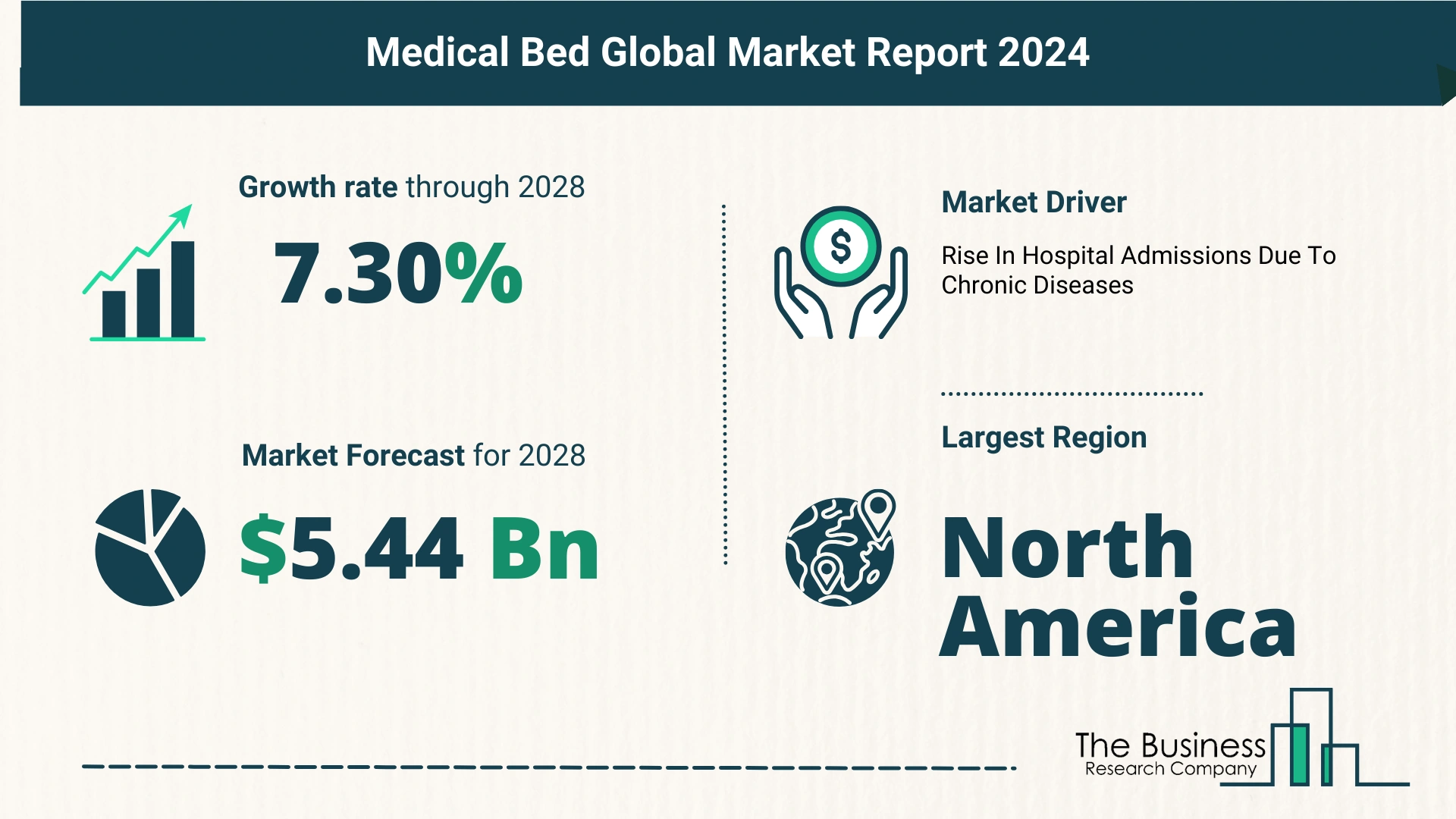
    • Future Outlook: Forecasted to reach $5.44 billion by 2028, growing at a CAGR of 7.3%.

    Drivers of Recent Growth

    • Aging Population: Higher demand for healthcare services.
    • Prevalence of Chronic Diseases: Increased need for long-term care solutions.
    • Advancements in Healthcare Infrastructure: Improved healthcare facilities globally.
    • Rising Healthcare Expenditure: Investments in hospital equipment and facilities.
    • Bariatric Patient Care Needs: Specialized beds for overweight and obese patients.

    Future Growth Factors

    • Focus on Patient Safety and Comfort: Innovations to enhance patient experience.
    • Global Pandemic Preparedness: Heightened awareness and readiness for healthcare emergencies.
    • Increasing Surgical Procedures: Demand for specialized beds in surgical settings.
    • Demographic Shifts: Aging population and changing healthcare needs.
    • Rising Incidence of Lifestyle-related Diseases: Chronic disease management and care.

    View More On The Medical Bed Market Report 2024 – https://www.thebusinessresearchcompany.com/report/medical-bed-global-market-report

    Impact of Rising Hospital Admissions

    The increase in hospital admissions due to chronic diseases is a significant driver for the medical bed market. Medical beds play a crucial role in patient care and management during hospital stays. They ensure comfort, safety, and effective medical treatment, supporting healthcare providers in delivering quality care.

    Key Industry Players and Innovations

    • Major Companies: Leading players include Stryker Corporation, Getinge AB, Hillrom (now part of Baxter International), and Arjo.
    • Innovative Products: Companies are focusing on developing advanced medical beds to cater to evolving healthcare needs.

    Case Study: Stryker’s ProCuity Wireless Hospital Bed

    Stryker’s ProCuity is a pioneering wireless hospital bed designed to enhance patient safety and improve workflow efficiencies for nurses. Launched in February 2021, it features seamless integration with nurse call systems and ergonomic design to prevent in-hospital patient falls. This innovation underscores the industry’s move towards smarter, more efficient healthcare solutions.

    Baxter International’s Strategic Acquisition of Hillrom

    In December 2021, Baxter International acquired Hillrom for $12.5 billion, expanding its footprint in the medical bed market. Hillrom’s range of beds complements Baxter’s healthcare solutions, enhancing patient care capabilities and operational efficiencies across global markets.

    Market Segmentation and Regional Insights

    • By Type: Electric Medical Beds, Semi Electric Medical Beds, Manual Medical Beds
    • By Usage: Intensive Care, Non-intensive Care
    • By End-user: Hospitals, Home Care Settings, Rehabilitation Centers, Other End-Users
    • Regional Dynamics: North America dominated the market in 2023, while Asia-Pacific is poised for rapid growth.

    Future Trends and Opportunities

    • Technological Advancements: Integration of smart technologies for enhanced patient monitoring and comfort.
    • Medical Tourism: Increasing demand for specialized healthcare services globally.
    • Regulatory Standards and Compliance: Stricter regulations driving product innovation and safety standards.
    • Innovations in Materials: Lightweight and durable materials improving bed design and functionality.
    • Telemedicine Adoption: Beds equipped for telemedicine consultations and remote patient monitoring.
    • Holistic Patient Care Approach: Focus on patient-centered care and multidisciplinary treatment strategies.

    Conclusion

    The medical bed market continues to expand, driven by demographic shifts, technological advancements, and the increasing prevalence of chronic diseases. As healthcare providers strive to enhance patient outcomes and operational efficiencies, investments in innovative medical beds and patient care solutions will remain pivotal. With ongoing advancements and strategic acquisitions, the future of the medical bed market looks promising, poised for sustained growth and innovation

    Request A Sample Of The Global Medical Bed Market Report 2024:
    https://www.thebusinessresearchcompany.com/sample_request?id=13700&type=smp

  • Global Male Fertility Market Analysis: Estimated Market Size And Growth Rate

    Global Male Fertility Market Analysis: Estimated Market Size And Growth Rate

    The Business Research Company’s global market reports are now updated with the latest market sizing information for the year 2024 and forecasted to 2033

    The male fertility market has witnessed robust growth in recent years, driven by various factors such as changing lifestyles, advancements in medical technology, and increasing awareness of fertility issues among men.

    Market Dynamics

    • Recent Growth:
      • Increased from $3.74 billion in 2023 to $3.96 billion in 2024.
      • CAGR of 5.9%.
      • Drivers: changing lifestyles, environmental factors, medical technology advancements, increased awareness, and socio-economic factors.
    • Future Outlook:
      • Expected to reach $4.76 billion by 2028.
      • CAGR of 4.7%.
      • Factors: aging population, rising prevalence of male fertility disorders, demand for assisted reproductive technologies (ART), expanded access to fertility treatments.

    View More On The Male Fertility Market Report 2024 – https://www.thebusinessresearchcompany.com/report/male-fertility-global-market-report

    Drivers of Market Expansion

    Funding for Fertility Research

    • Research Investments:
      • Funding supports investigations into male fertility and reproductive health.
      • Initiatives aim to improve fertility outcomes and address male factors in conception.
    • Examples:
      • Eunice Kennedy Shriver National Institute of Child Health and Human Development granted $2.26 million for fertility-sparing treatments in October 2023.
      • Medical Research Future Fund (MRFF) awarded $3.3 million for fertility options and clinical registries in September 2022.

    Industry Innovations

    Technological Advancements

    • AI and Big Data Integration:
      • AI tools for diagnosis and treatment planning.
      • Use of big data analytics to enhance personalized medicine in fertility treatments.
    • Service Innovations:
      • Superdrug’s AI microscopy for clinical-grade sperm analysis, launched in November 2022.
      • Comprehensive at-home testing kits enhancing accessibility and convenience.

    Market Developments

    • Strategic Acquisitions:
      • Ro’s acquisition of Dadi in March 2022 to expand fertility services.
      • Focus on enhancing accessibility and affordability of fertility testing and storage.

    Market Segmentation

    • By Test Type:
      • Sperm Agglutination
      • DNA Fragmentation Technique
      • Oxidative Stress Analysis
      • Computer Assisted Semen Analysis
      • Other Test Types
    • By Treatment Type:
      • Assisted Reproductive Technology (ART)
      • Varicocele Surgery
      • Medication
    • By Supplement:
      • Antioxidants
      • Vitamins
      • Minerals
      • Amino Acids
      • Enzymes
    • By End User:
      • Hospitals and Clinics
      • Fertility Centers
      • Research Institutes
      • Other End Users

    Regional Insights

    • North America:
      • Largest region in the male fertility market in 2023, driven by technological advancements and healthcare infrastructure.
    • Asia-Pacific:
      • Expected to grow fastest due to increasing healthcare expenditure and rising awareness.

    Conclusion

    The male fertility market is poised for steady growth, fueled by technological advancements, increased research funding, and growing demand for fertility solutions. As innovations in AI, telemedicine, and personalized medicine continue to reshape the landscape, the market strives to offer more accessible, effective, and patient-centric fertility care. With strategic acquisitions and ongoing research, the industry aims to address evolving fertility challenges and improve outcomes for men seeking reproductive assistance.

    Request A Sample Of The Global Male Fertility Market Report 2024:
    https://www.thebusinessresearchcompany.com/sample_request?id=13699&type=smp

  • 5 Key Insights On The Malaria Vaccines Market 2024

    5 Key Insights On The Malaria Vaccines Market 2024

    The Business Research Company’s global market reports are now updated with the latest market sizing information for the year 2024 and forecasted to 2033


    As per The Business Research Company’s Malaria Vaccines Global Market Report 2024, the malaria vaccines market is expected to show significant growth in the forecast period.

    The malaria vaccines market has witnessed exponential growth in recent years and is poised for significant expansion in the near future. This blog explores the market’s current trajectory, growth drivers, key players, and future trends shaping the industry.

    Market Growth Trends

    Historic Growth

    • 2023 Market Size: $3.48 billion
    • 2024 Market Size: $4.7 billion
    • CAGR: 35.2%
    • Drivers:
      • High malaria burden
      • Global health initiatives
      • Funding and grants
      • Malaria control programs
      • Government support and regulatory frameworks

    Forecast Growth

    • 2028 Market Size: $15.32 billion
    • CAGR: 34.3%
    • Drivers:
      • Global elimination goals
      • Expanded access programs
      • Increasing vaccine coverage
      • Global vaccine alliances
      • Climate change impact

    View More On The Malaria Vaccines Market Report 2024 – https://www.thebusinessresearchcompany.com/report/malaria-vaccines-global-market-report

    Key Market Drivers

    Rise in Mosquito-Related Diseases

    • Impact on Market:
      • Prevention and reduction of mosquito-borne diseases
      • Focus on RTS, S/AS01 (RTS, S) vaccine
    • Statistics:
      • WHO Report (November 2023): Estimated 249 million malaria cases globally in 2022

    Major Industry Players

    Notable Companies

    • Pfizer Inc.
    • Novartis AG
    • Sanofi SA
    • GlaxoSmithKline Plc.
    • Takeda Pharmaceutical Co Ltd.

    Innovations and Strategies

    Combatting Mosquito-Borne Diseases

    • Technological Innovations:
      • Development of pediatric vaccines
      • Emphasis on Plasmodium falciparum
    • Example:
      • Children’s Malaria Vaccine (November 2022): Launched in Malawi, Ghana, and Kenya

    Strategic Moves

    • Acquisition:
      • GlaxoSmithKline’s Acquisition of Affinivax Inc. (August 2022): Enhancing vaccine technology and market presence

    Market Segmentation

    By Agent

    • Plasmodium Falciparum
    • Plasmodium Vivax
    • Anopheles Species

    By Vaccine Type

    • Pre-Erythrocytic
    • Erythrocytic
    • Multi-antigen
    • Other Vaccines

    By Route of Administration

    • Intramuscular
    • Subcutaneous
    • Intradermal
    • Other Routes

    By Distribution Channel

    • Public
    • Private

    Regional Insights

    North America

    • 2023: Largest market region

    Asia-Pacific

    • Forecast Period: Expected fastest-growing region

    Conclusion

    The malaria vaccines market is at a pivotal point with rapid growth anticipated in the coming years. Driven by technological advancements, strategic acquisitions, and global health initiatives, this market is crucial in combating mosquito-borne diseases worldwide. As innovations continue and global efforts intensify, the outlook for malaria prevention and treatment through vaccines remains promising.

    Request A Sample Of The Global Malaria Vaccines Market Report 2024:
    https://www.thebusinessresearchcompany.com/sample_request?id=13698&type=smp