Year: 2024

  • Breast Pumps Market Report 2024: Market Size, Drivers, And Trends

    Breast Pumps Market Report 2024: Market Size, Drivers, And Trends

    The Business Research Company’s global market reports are now updated with the latest market sizing information for the year 2024 and forecasted to 2033

    The breast pumps market has experienced remarkable expansion in recent years, driven by various factors shaping its growth trajectory.

    Historic Growth Trends

    • In 2023, the market surged to $1.15 billion, laying the foundation for accelerated growth.
    • By 2024, it is projected to reach $1.3 billion, boasting a compound annual growth rate (CAGR) of 12.4%.

    Drivers of Historic Growth

    • Maternal employment rates have risen globally, driving demand for breast pumps.
    • Breastfeeding advocacy initiatives promote lactation support and breastfeeding-friendly environments.
    • Legislative support for breastfeeding rights fosters market growth.
    • Healthcare initiatives prioritize postpartum health and breastfeeding education.
    • Social and cultural influences emphasize the importance of breastfeeding and maternal health.

    View More On The Breast Pumps Market Report 2024 – https://www.thebusinessresearchcompany.com/report/breast-pumps-global-market-report

    Charting Future Trajectory
    Projections and Anticipated Trends

    The breast pumps market is poised for rapid growth in the coming years, fueled by global health initiatives and emerging trends.

    Projected Growth Outlook

    • Forecasts indicate substantial expansion, reaching $2.01 billion by 2028.
    • A projected CAGR of 11.5% underscores sustained momentum in the forecast period.
    • Workplace inclusivity initiatives drive market growth, accommodating lactating individuals.
    • Sustainable products gain traction, aligning with eco-conscious consumer preferences.
    • Economic empowerment initiatives empower women to prioritize breastfeeding.
    • Changing family structures necessitate convenient breastfeeding solutions.

    Increasing Women’s Employment Fuels Market Growth
    Addressing Work-Life Balance
    The rising global women’s employment rate contributes significantly to the growth of the breast pumps market, offering employed women a convenient option to continue breastfeeding while at work.

    Employment Statistics

    • Women’s labor force participation rate continues to rise globally.
    • Breast pumps enable employed women to maintain breastfeeding routines despite work commitments.

    Market Implications

    • Increased demand for breast pumps reflects the growing need for breastfeeding support in the workplace.
    • Breast pump manufacturers capitalize on market opportunities to cater to the needs of working mothers.

    Innovative Electric Breast Pumps Enhance Lactation Experience
    Revolutionizing Pumping Technology
    Leading companies in the breast pumps market focus on developing innovative electric breast pumps to transform the lactation experience for modern mothers.

    Technology Advancements

    • Electric breast pumps offer a hands-free and efficient pumping experience.
    • Philips Avent’s Double Electric Breast Pump Advanced leverages Natural Motion technology for faster milk flow.
    • Customizable intensity levels cater to individual preferences, enhancing user experience.

    Collaborative Initiatives Promote Access to Breast Pumps
    Enhancing Accessibility
    Partnerships between breast pump manufacturers and non-profit organizations facilitate access to high-quality breast pumps for families in need.

    Medela and Good+Foundation Collaboration

    • Medela partners with Good+Foundation to provide breast pumps to families in need.
    • This collaborative effort ensures equitable access to breastfeeding support resources.

    Market Segmentation Insights
    Understanding Product Diversity
    The breast pumps market encompasses a diverse range of products tailored to meet varying needs and preferences.

    Product Segmentation

    1. Open System Breast Pump
    2. Closed System Breast Pump

    Technology Variants

    • Manual Breast Pump
    • Battery Powered Breast Pump
    • Electric Breast Pump

    Application Focus

    • Personal Use
    • Hospital Grade

    Regional Dynamics
    Focus on Market Leadership and Growth Opportunities
    North America leads the breast pumps market in 2023, with the Asia-Pacific region poised for rapid growth in the forecast period.

    Market Leadership

    • North America dominates the market landscape, driven by increasing awareness and adoption of breastfeeding support solutions.
    • The Asia-Pacific region presents significant growth opportunities, fueled by changing socio-economic dynamics and rising healthcare initiatives.

    In Conclusion
    The breast pumps market’s rapid growth trajectory reflects evolving societal norms, legislative support, and technological advancements aimed at enhancing the breastfeeding experience for modern mothers. As global initiatives prioritize breastfeeding support and workplace inclusivity, breast pump manufacturers play a pivotal role in providing innovative solutions to meet the diverse needs of lactating individuals worldwide. With sustainable practices and collaborative partnerships, the breast pumps market continues to evolve, empowering women to prioritize maternal health and breastfeeding while navigating professional and personal responsibilities.

    Request A Sample Of The Global Breast Pumps Market Report 2024:
    https://www.thebusinessresearchcompany.com/sample_request?id=8381&type=smp

  • Top 5 Insights From The Branded Generics Market Report 2024

    Top 5 Insights From The Branded Generics Market Report 2024

    The Business Research Company’s global market reports are now updated with the latest market sizing information for the year 2024 and forecasted to 2033

    According to The Business Research Company’s Branded Generics Global Market Report 2024, the branded generics market is expected to show promising growth in the forecast period.

    The branded generics market has witnessed remarkable growth in recent years, driven by factors such as affordability, chronic disease prevalence, and strategic partnerships. This blog explores the market’s trajectory, future outlook, key trends, and notable developments shaping the landscape of branded generics.

    Market Overview

    • Current Market Size:
      • Surged from $335.98 billion in 2023 to $367.67 billion in 2024.
      • Compound annual growth rate (CAGR) of 9.4%, indicating robust expansion.
      • Driven by cost savings, patent expiries, and government policies promoting accessibility.

    Future Projections

    • Expected Growth:
      • Projected to reach $542.32 billion by 2028.
      • Forecasted CAGR of 10.2%, reflecting rapid growth fueled by various factors.

    Chronic Disease Epidemic

    • Rising Prevalence of Chronic Diseases:
      • Increasing incidence due to lifestyle factors like poor nutrition and physical inactivity.
      • Customers prefer branded generics for chronic disease management due to affordability.
      • Example: Noncommunicable diseases (NCDs) account for 74% of global deaths annually.

    View More On The Branded Generics Market Report 2024 – https://www.thebusinessresearchcompany.com/report/branded-generics-global-market-report

    Notable Companies

    • Key Players:
      • Pfizer Inc., Sanofi SA, Teva Pharmaceutical Industries Ltd., Sun Pharmaceutical Industries Ltd., and others.
      • Driving market growth through innovation and strategic alliances.

    Strategic Partnerships

    • Driving Market Access and Growth:
      • Key trend in the branded generics market.
      • Companies forming partnerships to expand into new markets and leverage resources.
      • Example: Biocon Ltd. partnering with Tabuk Pharmaceuticals to enter the MENA region.

    Strategic Acquisitions

    • Expanding Product Portfolios:
      • Reddy’s Laboratories’ acquisition of branded and generic injectable products from Eton Pharmaceuticals, Inc.
      • Aims to enhance product offerings and accelerate market presence in key segments.

    Market Segmentation

    • Drug Classes:
      • Alkylating Agents, Antimetabolites, Hormones, Anti-hypertensive, and more.
    • Routes of Administration:
      • Topical, Oral, Parenteral, and Other Routes.
    • Applications:
      • Oncology, Cardiovascular Diseases, Diabetes, Neurology, and more.

    Regional Insights

    • North America:
      • Largest region in the branded generics market in 2023.
      • Driven by established healthcare infrastructure and market demand.
    • Asia-Pacific:
      • Expected to be the fastest-growing region.
      • Rising healthcare expenditure and expanding market access drive growth.

    Emerging Trends

    • Technological Advancements:
      • Continued innovation in drug delivery systems and formulations.
    • Focus on Chronic Diseases:
      • Increasing emphasis on developing treatments for chronic conditions.
    • Market Consolidation:
      • Growing consolidation through mergers and acquisitions to enhance market position.
    • Patient-Centric Approach:
      • Shift towards personalized medicine and patient-focused healthcare solutions.

    The branded generics market is on a trajectory of significant growth, driven by factors such as chronic disease prevalence, strategic partnerships, and market expansion initiatives. As the market continues to evolve, stakeholders must adapt to emerging trends and regulatory landscapes to capitalize on the abundant opportunities within this dynamic sector.

    Request A Sample Of The Global Branded Generics Market Report 2024:
    https://www.thebusinessresearchcompany.com/sample_request?id=7186&type=smp

  • What’s The Growth Forecast For Blood Glucose Meters Market Through 2024-2033?

    What’s The Growth Forecast For Blood Glucose Meters Market Through 2024-2033?

    The Business Research Company’s global market reports provide comprehensive analysis on the various markets in 27 industries across 60 geographies.

    The blood glucose meters market has witnessed substantial growth in recent years, driven by factors such as the rising prevalence of diabetes and advancements in monitoring technology. This blog delves into the market dynamics, future projections, key trends, and notable innovations shaping the landscape of blood glucose meters.

    Market Overview

    • Current Market Size:
      • Surged from $17.32 billion in 2023 to $18.89 billion in 2024.
      • Compound annual growth rate (CAGR) of 9.1%, indicating robust expansion.
      • Driven by increasing diabetes prevalence and awareness, alongside demographic shifts.

    Future Projections

    • Expected Growth:
      • Projected to reach $26.09 billion by 2028.
      • Forecasted CAGR of 8.4%, reflecting sustained market expansion driven by technological advancements.

    View More On The Blood Glucose Meters Market Report 2024 – https://www.thebusinessresearchcompany.com/report/blood-glucose-meters-global-market-report

    Diabetes Epidemic

    • Rising Prevalence of Diabetes:
      • Lifestyle factors contributing to the surge in diabetes cases globally.
      • Obesity-related insulin resistance leading to increased diabetes incidence.
      • International Diabetes Federation predicts a 48% increase in diabetes by 2045.

    Notable Companies

    • Key Players:
      • Johnson & Johnson, Roche Holding AG, Abbott Laboratories, Medtronic PLC, and others.
      • Driving market growth through innovation and strategic acquisitions.

    Innovations Driving the Market

    • Point-of-Care Blood Glucose Monitors:
      • Introduction of new products to enhance monitoring accuracy and user experience.
      • Example: Roche’s point-of-care blood glucose monitor with smartphone-like interface and Glytec’s Glucommander insulin-dosing program.

    Strategic Acquisitions

    • Expanding Market Presence:
      • B. Braun Melsungen AG’s acquisition of Sterinova Inc. to broaden its medical devices portfolio.
      • Strengthening capabilities in developing, manufacturing, and distributing sterile injectable products.

    Market Segmentation

    • Product Types:
      • Electrode Type Blood Glucose Meter, Photoelectric Blood Glucose Meter.
    • Applications:
      • Type 1 Diabetes, Type 2 Diabetes, Gestational Diabetes.
    • End Users:
      • Hospitals, Home Care.

    Regional Insights

    • North America:
      • Dominated the global blood glucose meters market in 2023.
      • Strong healthcare infrastructure and home healthcare trends driving market growth.

    Emerging Trends

    • Continuous Glucose Monitoring (CGM) Integration:
      • Seamless integration of CGM technology into blood glucose meters for real-time monitoring.
    • Smartphone Connectivity:
      • Blood glucose meters with smartphone connectivity for data tracking and analysis.
    • Miniaturization and Portability:
      • Development of compact, portable devices for ease of use and enhanced mobility.
    • Data Analytics and Insights:
      • Utilization of artificial intelligence for data analysis, providing personalized insights to users.
    • Telehealth and Remote Monitoring:
      • Integration of blood glucose meters with telehealth platforms for remote patient monitoring and consultation.

    As the blood glucose meters market continues to evolve, driven by technological innovation and rising healthcare needs, stakeholders must stay abreast of emerging trends and consumer preferences to capitalize on growth opportunities within this dynamic sector.

    Request A Sample Of The Global Blood Glucose Meters Market Report 2024:
    https://www.thebusinessresearchcompany.com/sample_request?id=2534&type=smp

  • 5 Key Insights On The Biosimilar Therapeutic Peptides Market 2024

    5 Key Insights On The Biosimilar Therapeutic Peptides Market 2024

    The Business Research Company’s global market reports are now updated with the latest market sizing information for the year 2024 and forecasted to 2033

    As per The Business Research Company’s Biosimilar Therapeutic Peptides Global Market Report 2024, the biosimilar therapeutic peptides market is expected to show significant growth in the forecast period.

    The biosimilar therapeutic peptides market has witnessed remarkable growth in recent years, driven by factors such as the increasing aging population and advancements in biotechnology. Let’s delve into the market dynamics, future projections, notable innovations, and key industry players shaping this burgeoning sector.

    Market Overview

    • Current Market Size:
      • Surged from $2.06 billion in 2023 to $2.68 billion in 2024.
      • Compound annual growth rate (CAGR) of 30.3%, reflecting exponential expansion.
      • Fueled by demand for cost-effective therapeutics and regulatory support.

    Future Projections

    • Expected Growth:
      • Projected to reach $4.87 billion by 2028.
      • Forecasted CAGR of 16.1%, driven by expanding therapeutic applications and strategic collaborations.

    View More On The Biosimilar Therapeutic Peptides Market Report 2024 – https://www.thebusinessresearchcompany.com/report/biosimilar-therapeutic-peptide-global-market-report

    Aging Population Driving Demand

    • Chronic Disease Management:
      • Increasing aging population leading to a surge in chronic diseases.
      • Elderly individuals more susceptible to chronic conditions, bolstering demand for therapeutic peptides.
      • World Health Organization predicts a significant rise in the elderly population by 2050.

    Notable Companies

    • Key Players:
      • Pfizer Inc., F. Hoffmann-La Roche Ltd., Merck & Co. Inc., Novartis AG, and others.
      • Spearheading innovation and market expansion through strategic partnerships.

    Innovations in Drug Discovery

    • Biodrug Design Accelerator Platform:
      • Fujitsu’s platform streamlining peptide drug discovery research.
      • Enhancing production efficiency and ensuring consistent quality.

    Strategic Acquisitions

    • Expansion of Neurological Drug Portfolio:
      • Pfizer’s acquisition of Biohaven Pharmaceutical Holding Company Ltd.
      • Strengthening Pfizer’s portfolio with promising calcitonin gene-related peptide (CGRP) receptor antagonists.

    Market Segmentation

    • Types:
      • Innovative and Generic.
    • Routes of Administration:
      • Parenteral Route, Transdermal Route, Other Routes of Administration.
    • Applications:
      • Cancer, Cardiovascular, Central Nervous Systems, Metabolic Disorders, and more.

    Regional Insights

    • North America:
      • Dominated the biosimilar therapeutic peptides market in 2023.
      • Strong healthcare infrastructure driving market growth.

    Emerging Trends

    • Technological Advancements:
      • Advancements in biotechnology fueling innovation in peptide drug discovery.
      • Focus on improving manufacturing processes and cost-efficiency.
    • Strategic Collaborations:
      • Industry players forming partnerships to expand market presence and accelerate drug development.
    • Patient Preference for Non-invasive Therapies:
      • Increasing demand for non-invasive treatment options driving market growth.
      • Peptide-based therapies gaining popularity due to their efficacy and minimal side effects.

    As the biosimilar therapeutic peptides market continues to evolve, driven by demographic shifts and technological advancements, stakeholders must adapt to emerging trends and foster collaborations to capitalize on growth opportunities within this dynamic sector.

    Request A Sample Of The Global Biosimilar Therapeutic Peptides Market Report 2024:
    https://www.thebusinessresearchcompany.com/sample_request?id=3423&type=smp

  • What Is The Forecast Growth Rate For The Biohacking Market?

    What Is The Forecast Growth Rate For The Biohacking Market?

    The Business Research Company’s market reports offer an in-depth analysis on the market’s growth potential, major drivers, key trends and more.

    The biohacking market has experienced remarkable growth in recent years and is set to expand even further. Here’s an in-depth look at the current state and future projections of the biohacking market, along with key drivers and trends.

    Current Market Overview

    Market Size and Growth

    • 2023 Market Size: $29.42 billion
    • 2024 Market Size: $36.41 billion
    • CAGR: 23.7%

    The exponential growth from 2023 to 2024 underscores the increasing interest and investment in biohacking technologies and practices.

    Key Growth Drivers

    • Increased Health Awareness: Growing public awareness of health and wellness drives demand for biohacking solutions.
    • Access to Information: Easy access to information enables individuals to explore and adopt biohacking techniques.
    • Entrepreneurial Culture: A thriving entrepreneurial spirit encourages innovation and development in the biohacking space.
    • Quantified Self Movement: The trend of self-tracking and personalized health management fuels the adoption of biohacking methods.

    Future Market Projections

    Forecasted Growth

    • 2028 Market Size: $86.53 billion
    • CAGR: 24.2%

    The market is projected to continue its exponential growth, driven by advancements in technology and a broader acceptance of biohacking practices.

    Read More On The Biohacking Market Report 2024 – https://www.thebusinessresearchcompany.com/report/biohacking-global-market-report

    Emerging Trends

    • Longevity and Anti-Aging: Increasing focus on extending lifespan and improving quality of life.
    • Nootropics and Cognitive Enhancement: Growing interest in substances that enhance cognitive function.
    • Mainstream Adoption: Biohacking is becoming more mainstream, with wider acceptance and use.
    • Corporate Wellness Programs: Companies are incorporating biohacking into employee wellness programs.
    • Regulatory Landscape: Evolving regulations to ensure safety and efficacy of biohacking products and practices.

    Drivers of Market Growth

    Escalating Prevalence of Chronic Diseases

    • Chronic Diseases: Rising prevalence of chronic diseases such as cancer, diabetes, and cardiovascular conditions is a significant driver.
    • Biohacking Solutions: Methods like improved nutrition, intermittent fasting, and hydrogen inhalation therapy can combat chronic diseases.
    • Projections: By 2050, the number of individuals aged 50 and above with at least one chronic illness is expected to nearly double.

    Leading Companies

    • Major Players: Apple Inc., Nootropics Depot LLC, LifeLabs Medical Laboratory Services, Fitbit Inc., NOW Foods LLC, and more.

    Innovations and Market Dynamics

    Product Advancements

    • Key Trend: Product innovation is crucial for staying competitive in the biohacking market.
    • Example: In January 2022, Velovita launched Zlem, a dietary supplement aimed at improving sleep and weight management.

    Market Segmentation

    By Product

    • Wearables
    • Implants (Chips)
    • Gene Modification Kits
    • Smart Drugs
    • Supplements
    • Mobile Apps
    • Other Products

    By Component

    • Solution
    • Services

    By Application

    • Synthetic Biology
    • Genetic Engineering
    • Forensic Science
    • Diagnosis and Treatment
    • Drug Testing

    By End-User

    • Pharmaceutical and Biotechnology Companies
    • Hospitals and Clinics
    • Forensic Laboratories
    • Research and Academic Institutes
    • Other End Users

    Regional Insights

    • Largest Market: North America dominated the biohacking market in 2023.
    • Fastest Growing Region: North America is also expected to be the fastest-growing region during the forecast period.

    Conclusion

    The biohacking market is on an extraordinary growth trajectory, driven by increased health awareness, technological advancements, and innovative products. As the prevalence of chronic diseases rises and biohacking becomes more mainstream, the market is set to expand significantly. With continued innovation and the adoption of biohacking in various sectors, the future of the biohacking market looks promising and full of potential.

    Request for A Sample Of The Global Biohacking Market Report:
    https://www.thebusinessresearchcompany.com/sample_request?id=7316&type=smp

  • Growth Trajectory Of The Bevacizumab Biosimilars Market 2024-2033

    Growth Trajectory Of The Bevacizumab Biosimilars Market 2024-2033

    The Business Research Company’s global market reports are now updated with the latest market sizing information for the year 2024 and forecasted to 2033

    The bevacizumab biosimilars market has shown significant growth in recent years and is poised for further expansion. This blog delves into the current market dynamics, future growth projections, and key trends driving this market.

    Market Growth Overview

    • 2023 Market Size: The market was valued at $1.43 billion in 2023.
    • 2024 Projection: Expected to grow to $1.55 billion at a CAGR of 8.7%.
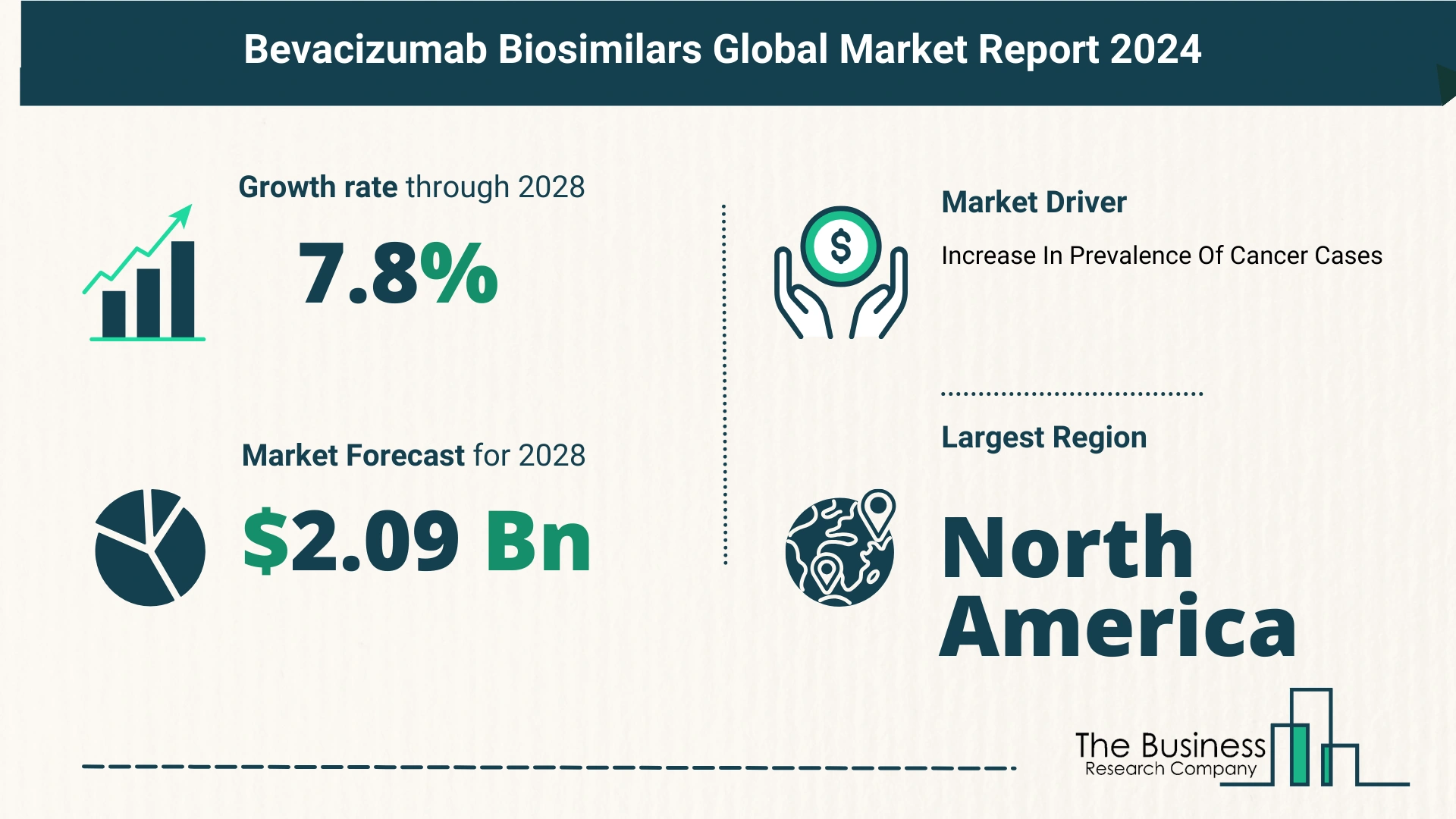
    • 2028 Projection: Forecasted to reach $2.09 billion, maintaining a CAGR of 7.8%.

    Key Drivers of Growth

    Patent Expiry and Cost Containment

    • Patent Expiry: The expiration of patents on original biologics has opened the market to biosimilars, providing cost-effective alternatives.
    • Cost Containment: Healthcare systems globally are seeking to reduce costs, boosting the adoption of biosimilars.

    Increasing Incidence of Cancer

    • Rising Cancer Cases: The growing prevalence of cancer significantly drives the demand for bevacizumab biosimilars.
    • Effectiveness: Bevacizumab biosimilars are crucial in treating cancers like non-small cell lung cancer and metastatic colorectal cancer.

    Market Competitiveness and Accessibility

    • Competition: Increased market competition leads to better pricing and accessibility.
    • Patient Access: Enhanced affordability and availability of biosimilars improve patient access to essential cancer treatments.

    Biosimilar Acceptance

    • Regulatory Support: Growing acceptance and regulatory support for biosimilars enhance market growth.

    View More On The Bevacizumab Biosimilars Market Report 2024 – https://www.thebusinessresearchcompany.com/report/bevacizumab-biosimilars-global-market-report

    Future Market Trends

    Rising Demand for Cancer Therapies

    • Increased Need: The demand for effective cancer therapies is on the rise, driving the bevacizumab biosimilars market.

    Expertise in Biosimilar Development

    • Advanced R&D: Expertise in biosimilar development accelerates the introduction of new products.

    Healthcare System Pressures

    • Cost Pressures: Healthcare systems under financial strain increasingly adopt cost-effective biosimilars.

    Regulatory Landscape and Interchangeability

    • Regulatory Advancements: Improved regulatory frameworks support the approval and interchangeability of biosimilars, fostering market growth.

    Major Trends Shaping the Future

    Collaborations and Partnerships

    • Strategic Alliances: Collaborations between companies enhance product development and market reach.

    Regulatory Advancements and Approvals

    • Streamlined Approvals: Regulatory advancements facilitate quicker and more efficient approvals for new biosimilars.

    Innovation in Biosimilar Development

    • Product Innovation: Companies are focusing on innovative biosimilars to strengthen their market positions.

    Market Access Strategies and Lifecycle Management

    • Access Strategies: Effective market access strategies ensure wider availability of biosimilars.
    • Lifecycle Management: Managing the lifecycle of biosimilars helps maintain market relevance and competitiveness.

    Growing Cancer Prevalence and Market Expansion

    Increasing Cancer Cases

    • Cancer Statistics: The rising number of cancer cases is a primary driver for the bevacizumab biosimilars market.
    • Example: According to Macmillan Cancer Support, cancer patient numbers in the UK are expected to rise from 3 million in 2020 to 5.3 million by 2040.

    Major Players in the Bevacizumab Biosimilars Market

    • Leading Companies: Cipla Limited, Reliance Lifesciences Pvt. Ltd., Genentech Inc., Fujifilm Kyowa Kirin Biologics Co. Ltd., Pfizer Inc., AbbVie Inc., and others.
    • Innovation: These companies are leading the way in biosimilar development and market expansion.

    Advancing Product Innovation

    Product Development

    • New Biosimilars: Companies like Viatris and Biocon Biologics are launching innovative products like Abevmy, approved for multiple oncology indications.

    Strategic Acquisitions

    • Biocon and Viatris: Biocon Biologics’ acquisition of Viatris Inc.’s global biosimilars business in November 2022 strengthens its market presence.

    Market Segmentation

    By Product

    • Products: Avastin, Mvasi, Zirabev, Aybintio, among others.

    By Distribution Channel

    • Channels: Hospital Pharmacy, Online Pharmacy, Retail Pharmacy, Other Distribution Channels.

    By Application

    • Cancer Types: Colorectal Cancer, Non-small Cell Lung Cancer, Glioblastoma, Renal Cell Carcinoma, Cervical Cancer, Ovarian Cancer.

    Regional Insights

    North America

    • Largest Market: North America was the largest region in the bevacizumab biosimilars market in 2023.

    Conclusion

    The bevacizumab biosimilars market is on a robust growth trajectory, driven by rising cancer prevalence, cost containment needs, and increased biosimilar acceptance. With ongoing innovation, strategic collaborations, and supportive regulatory frameworks, the market is well-positioned for continued expansion in the coming years.

    Request A Sample Of The Global Bevacizumab Biosimilars Market Report 2024:

    https://www.thebusinessresearchcompany.com/sample_request?id=10848&type=smp

  • Top 5 Insights From The Bariatric Surgery Devices Market Report 2024

    Top 5 Insights From The Bariatric Surgery Devices Market Report 2024

    The Business Research Company’s global market reports are now updated with the latest market sizing information for the year 2024 and forecasted to 2033

    According to The Business Research Company’s Bariatric Surgery Devices Global Market Report 2024, the bariatric surgery devices market is expected to show promising growth in the forecast period.

    The bariatric surgery devices market has shown robust growth recently, driven by various factors ranging from healthcare infrastructure development to advancements in technology. This blog explores the current market dynamics, future projections, driving factors, major trends, and key players in the bariatric surgery devices industry.

    Market Growth and Projections

    Recent Growth Trends

    • Market Size in 2023: $1.91 billion
    • Projected Size in 2024: $2.09 billion
    • CAGR (2023-2024): 9.7%
    • Historical Growth Drivers:
      • Development of healthcare infrastructure
      • Increased awareness and education
      • Rise in medical tourism
      • Expanded insurance coverage
      • Government initiatives
      • Positive patient outcomes and success stories

    Future Projections

    • Projected Size in 2028: $2.98 billion
    • CAGR (2024-2028): 9.3%
    • Future Growth Drivers:
      • Aging population
      • Regulatory support
      • Patient empowerment
      • Preventive healthcare measures
      • Minimally invasive procedures
      • Globalization of bariatric surgery

    View More On The Bariatric Surgery Devices Market Report 2024 – https://www.thebusinessresearchcompany.com/report/bariatric-surgery-devices-global-market-report

    Driving Factors

    Rising Obesity Rates

    • Global Obesity Crisis: Increasing obesity rates significantly contribute to the demand for bariatric surgery devices.
    • WHO Statistics (2022):
      • Over 1 billion people globally are obese.
      • 650 million adults, 340 million adolescents, and 39 million children are obese.
    • Health Impact: Obesity contributes to global mortality and morbidity, driving the need for effective surgical interventions.

    Major Trends in the Bariatric Surgery Devices Market

    Technological Advancements

    • Innovation Focus: Companies are developing advanced devices to enhance surgical outcomes and reduce risks.
    • Case Study: Olympus Corporation
      • Product Launch (September 2021): POWERSEAL advanced bipolar surgical energy devices.
      • Features: State-of-the-art sealing, dissection, and grasping capabilities with reduced force required to close the jaws.
      • Applications: Suitable for bariatric surgery, general surgery, gynecological, colorectal, and urological surgeries.

    Personalized Medicine and AI Integration

    • Personalized Approaches: Tailoring bariatric treatments to individual patient needs.
    • AI Integration: Utilizing artificial intelligence to enhance surgical precision and patient outcomes.

    Digital Health Solutions

    • Telehealth and Monitoring: Increased use of digital health platforms for pre- and post-surgery care.
    • Patient Engagement: Improved patient empowerment through digital tools and resources.

    Key Market Players

    Leading Companies

    • Medtronic PLC
    • Covidien LLC
    • Braun Melsungen AG
    • Olympus Corporation
    • Intuitive Surgical Inc.
    • Ethicon LLC
    • Allergan PLC
    • Endo Technologies LLC
    • Bariatric Advantage
    • US Endoscopy
    • USGI Medical Inc.
    • GI Windows Inc.
    • Metamodix Inc.
    • IntraPace Inc.
    • Spatz Medical
    • BAROnova Inc.
    • Leptos Biomedical
    • Satiety Inc.
    • Swissmed Instruments AG

    Strategic Acquisitions

    • Teleflex and Standard Bariatrics (October 2022)
      • Objective: Enhance portfolio with a focus on improving clinical efficacy and patient outcomes.
      • Impact: Strengthened position in the bariatric surgery market.

    Market Segmentation

    By Type

    • Minimally Invasive Surgical Devices
    • Stapling Devices
    • Energy/Vessel Sealing Devices
    • Suturing Devices
    • Accessories
    • Non-invasive Surgical Devices

    By Procedure

    • Sleeve Gastrectomy
    • Gastric Bypass
    • Revision Bariatric Surgery
    • Non-invasive Bariatric Surgery
    • Adjustable Gastric Banding
    • Mini-gastric Bypass
    • Biliopancreatic Diversion with Duodenal Switch

    By End User

    • Clinics
    • Hospitals
    • Specialty Centers
    • Ambulatory Surgical Centers

    Regional Insights

    • North America: Largest region in the bariatric surgery devices market in 2023.
    • Asia-Pacific: Expected to be the fastest-growing region during the forecast period.

    Conclusion

    The bariatric surgery devices market is set for continued strong growth, driven by rising obesity rates, technological advancements, and strategic market expansions. With the increasing demand for effective weight loss solutions and the integration of innovative technologies, the industry is well-positioned to address the evolving needs of patients worldwide.

    Request A Sample Of The Global Bariatric Surgery Devices Market Report 2024:
    https://www.thebusinessresearchcompany.com/sample_request?id=6683&type=smp

  • Future Growth Forecast For The Anti-Hypertensive Drugs Global Market 2024-2033

    Future Growth Forecast For The Anti-Hypertensive Drugs Global Market 2024-2033

    The Business Research Company’s global market reports provide comprehensive analysis on the various markets in 27 industries across 60 geographies.

    Market Growth Overview

    The anti-hypertensive drugs market has experienced steady growth over recent years. In 2023, the market size was $35.8 billion, projected to reach $36.7 billion in 2024, with a compound annual growth rate (CAGR) of 2.5%. Key factors contributing to this growth include:

    • Environmental and Lifestyle Influences: Increasing urbanization and sedentary lifestyles.
    • Historical Market Competition: Competitive pricing and product availability.
    • Historical Treatment Preferences: Long-standing use of certain medications.
    • Economic Conditions: Affordability and access to healthcare.
    • Historical Global Health Trends: Rising awareness and diagnosis rates.

    Future Market Projections

    Looking forward, the market is expected to grow to $40.28 billion by 2028 at a CAGR of 2.4%. Factors driving this growth include:

    • Cost-Effectiveness and Affordability: Continued focus on cost-effective treatments.
    • Emerging Therapeutic Innovations: New drugs and treatment methods.
    • Epidemiological Trends: Increasing prevalence of hypertension.
    • Regulatory Changes and Approvals: Streamlined approval processes and new regulations.
    • Aging Population Dynamics: Growing number of elderly patients requiring treatment.
    • Healthcare Policies and Reimbursement Changes: Improved insurance coverage and healthcare policies.

    View More On The Anti-Hypertensive Drugs Market Report 2024 – https://www.thebusinessresearchcompany.com/report/anti-hypertensive-drugs-global-market-report

    Major Trends in the Market

    Several trends are set to shape the future of the anti-hypertensive drugs market:

    • Therapeutic Innovation: Development of new and more effective drugs.
    • Epidemiological Shifts: Changes in disease prevalence and patient demographics.
    • Regulatory Landscape: Evolving regulations impacting drug approval and marketing.
    • Healthcare Policies: Policies that enhance access to treatment.
    • Advancements in Diagnosis and Monitoring: Improved technologies for early detection and management.

    Increasing Prevalence of Cardiovascular Diseases

    The rising incidence of cardiovascular diseases (CVDs) is a significant driver for the anti-hypertensive drugs market. Key points include:

    • CVDs as a Major Health Issue: Affecting the heart and blood vessels, with risk factors like smoking, high blood pressure, high cholesterol, diabetes, obesity, and sedentary lifestyles.
    • High Blood Pressure Management: Anti-hypertensive drugs are crucial for managing hypertension, a major risk factor for CVDs.
    • Rising Costs and Prevalence: By 2035, 45.1% of the US population is projected to have CVDs, with total costs expected to reach $1.1 trillion.

    Leading Companies in the Market

    The anti-hypertensive drugs market is dominated by major pharmaceutical companies, including:

    • Pfizer Inc.
    • Johnson & Johnson Ltd.
    • F. Hoffmann-La Roche Ltd.
    • Merck & Co. Inc.
    • AbbVie Inc.

    These companies are continuously innovating and expanding their product lines to maintain market leadership.

    Innovative Advancements in Anti-Hypertensive Drugs

    Product innovation remains a critical trend. For instance:

    • Granules India Limited: In June 2023, the company launched Metoprolol Succinate Extended-Release Tablets, approved by the FDA. These tablets are used to treat hypertension, available in strengths of 25mg, 50mg, 100mg, and 200mg, and help lower blood pressure by reducing heart workload.

    Market Segmentation

    The anti-hypertensive drugs market is segmented by:

    1. Therapeutics: Diuretics, Angiotensin Receptor Blockers (ARBs), Angiotensin Converting Enzyme (ACE) Inhibitors, Beta Blockers, Alpha Blockers, Calcium Channel Blockers, Renin Inhibitors, Vasodilators.
    2. Disease Source: Primary Hypertension, Secondary Hypertension.
    3. End Users: Hospitals, Clinics, Homecare.

    Regional Insights

    • North America: The largest region in the anti-hypertensive drugs market in 2023.
    • Middle East: Expected to be the fastest-growing region during the forecast period, driven by increasing healthcare investments and rising hypertension prevalence.

    Conclusion

    The anti-hypertensive drugs market is set for steady growth, fueled by rising cardiovascular disease prevalence, therapeutic innovations, and supportive healthcare policies. Stakeholders should focus on regulatory changes, regional dynamics, and advancements in treatment technologies to leverage market opportunities effectively.

    Request A Sample Of The Global Anti-Hypertensive Drugs Market Report 2024:
    https://www.thebusinessresearchcompany.com/sample_request?id=2410&type=smp

  • Key Insights On The Antiemetics And Antinauseants Market 2024 – Size, Driver, And Major Players

    Key Insights On The Antiemetics And Antinauseants Market 2024 – Size, Driver, And Major Players

    The Business Research Company’s global market reports are now updated with the latest market sizing information for the year 2024 and forecasted to 2033

    As per The Business Research Company’s Antiemetics And Antinauseants Global Market Report 2024, the antiemetics and antinauseants market is expected to show significant growth in the forecast period.

    The antiemetics and antinauseants market has been experiencing steady growth, with significant advancements and shifting trends shaping its trajectory. This blog delves into the market’s recent performance, future projections, key drivers, and emerging trends.

    Market Growth Overview

    Recent Market Growth:

    • 2023: $7.75 billion
    • 2024: $8.09 billion
    • CAGR: 4.3%

    Historical Growth Drivers:

    • Branding and Market Competition: Historical branding efforts and competitive dynamics have played crucial roles.
    • Treatment Preferences: Changes in preferred treatment methods have influenced market trends.
    • Economic Conditions: Economic factors have consistently impacted market growth.
    • Global Health Events: Health crises and pandemics have historically driven demand.
    • Medical Advancements: Progress in medical research has led to better treatment options.

    Future Market Projections

    Expected Market Size and Growth Rate:

    • 2028: $9.46 billion
    • CAGR: 4.0%

    Future Growth Drivers:

    • R&D Initiatives: Continuous research and development efforts are expected to yield innovative treatments.
    • Economic Factors: Economic stability and growth will support market expansion.
    • Market Competition and Trends: Competitive pressures and evolving industry trends will drive innovation.
    • Changing Disease Patterns: Emerging disease trends will influence demand for antiemetics and antinauseants.
    • Healthcare Policies and Regulations: Policy changes and regulatory updates will shape the market landscape.

    View More On The Antiemetics And Antinauseants Market Report 2024 – https://www.thebusinessresearchcompany.com/report/antiemetics-and-antinauseants-global-market-report

    Key Trends Shaping the Future

    Focus on Patient Experience:

    • Increased attention to improving patient experience and outcomes.

    Changing Healthcare Policies:

    • Evolving healthcare policies are influencing market practices and product availability.

    Non-Invasive Treatments:

    • Growing preference for non-invasive treatment options among consumers.

    Prevalence of Chemotherapy and Pregnancy-Related Nausea:

    • Rising cases of chemotherapy-induced and pregnancy-related nausea are driving demand for antiemetics.

    Emergence of Targeted Therapies:

    • Development of targeted therapies tailored to specific causes of nausea and vomiting.

    Rising Cancer Prevalence Fuels Market Growth

    Impact of Cancer Rates:

    • Chemotherapy-induced nausea and Vomiting (CINV): A common side effect of chemotherapy, necessitating the use of antiemetics.
    • Global Cancer Statistics: 18.1 million new cases and 9.6 million deaths reported by WHO.
    • US Cancer Treatment: Approximately 650,000 patients receive outpatient chemotherapy annually.

    Effective Treatments:

    • Antiemetic Drugs: Dolasetron (Anzemet), Ranitidine (Zantac), and serotonin 5-HT3 receptor antagonists are widely used.
    • Market Impact: Increasing cancer incidence boosts demand for antiemetics, driving market revenue.

    Major Players in the Antiemetics and Antinauseants Market

    Leading Companies:

    • Pfizer Inc.
    • Johnson & Johnson Services Inc.
    • Merck & Co. Inc.
    • Bayer AG
    • Novartis AG
    • Hikma Pharmaceuticals PLC
    • IPCA Laboratories Ltd.
    • Eagle Pharmaceuticals Inc.
    • Cadila Pharmaceuticals Ltd.
    • Bristol Laboratories Ltd.
    • Tesaro Inc.
    • SRS Pharmaceuticals Pvt. Ltd.
    • Acacia Pharma Ltd.
    • Algen Healthcare Ltd.
    • Mirabilia Sciences Pvt. Ltd.
    • Helsinn Healthcare SA.

    Innovations in Drug Delivery Systems

    New Product Innovations:

    • Transdermal Delivery Systems (TDS): Allow controlled release of medication through the skin.
    • Notable Development: In April 2021, Starton Therapeutics Inc. received FDA approval for STAR-OLZ, a transdermal delivery system for olanzapine to treat CINV.

    Advantages of TDS:

    • Efficacy: Proven to be a potent antiemetic.
    • Patient Comfort: Offers a non-invasive and user-friendly alternative to oral medication.

    Market Segmentation

    By Drug:

    • Dopamine antagonists
    • NK1 receptor antagonist
    • Antihistamines (H1 histamine receptor antagonists)
    • Cannabinoids
    • Benzodiazepines
    • Anticholinergics
    • Steroids
    • 5-HT3 receptor antagonists
    • Other Drug Types

    By Application:

    • Chemotherapy
    • Motion sickness
    • Gastroenteritis
    • General anesthetics
    • Opioid analgesics
    • Dizziness
    • Pregnancy
    • Food poisoning
    • Emotional stress
    • Other Application Types

    By End Users:

    • Hospital
    • Medical Center
    • Clinic
    • Research Institutes

    Geographic Insights:

    • Largest Region: North America
    • Fastest Growing Region: Middle East

    In conclusion, the antiemetics and antinauseants market is on a steady growth path, driven by rising cancer prevalence, advancements in drug delivery systems, and evolving healthcare trends. The focus on patient experience and non-invasive treatments will continue to shape the market’s future, offering promising opportunities for growth and innovation.

    Request A Sample Of The Global Antiemetics And Antinauseants Market Report 2024:
    https://www.thebusinessresearchcompany.com/sample_request?id=2441&type=smp

  • Antidepressants Market Growth Analysis Till 2033 By The Business Research Company

    Antidepressants Market Growth Analysis Till 2033 By The Business Research Company

    The Business Research Company’s market reports offer an in-depth analysis on the market’s growth potential, major drivers, key trends and more.

    The antidepressants market has seen consistent growth over recent years, driven by various factors and emerging trends. Here’s a comprehensive look at the current state and future projections for the market.

    Current Market Overview

    Market Size and Growth

    • 2023 Market Size: $16.6 billion
    • 2024 Market Size: $17.32 billion
    • CAGR: 4.3%

    The steady growth of the antidepressants market from 2023 to 2024 reflects increasing demand for mental health treatments and improvements in healthcare practices.

    Key Growth Drivers

    • Rising Mental Health Disorders: The increasing prevalence of conditions such as depression, anxiety, and PTSD.
    • Growing Awareness: Enhanced public awareness and reduced stigma surrounding mental health issues.
    • Advancements in Diagnostics: Improved diagnostic practices leading to earlier and more accurate detection of mental health conditions.
    • Expanded Treatment Options: Development of new antidepressant drugs and therapies.
    • Government Initiatives: Implementation of mental health policies and government support for mental health programs.

    Read More On The Antidepressants Market Report 2024 – https://www.thebusinessresearchcompany.com/report/antidepressant-global-market-report

    Future Market Projections

    Forecasted Growth

    • 2028 Market Size: $19.88 billion
    • CAGR: 3.5%

    The market is expected to continue its upward trajectory, with sustained demand driven by various societal and healthcare trends.

    Emerging Trends

    • Mental Health Awareness and Advocacy: Increased focus on mental health issues and advocacy efforts.
    • Global Stress and Lifestyle Changes: Growing impact of stress and lifestyle changes on mental health.
    • Integration of Services: Better integration of mental health services into general healthcare systems.
    • R&D in Psychiatry: Ongoing research and development in psychiatric medications and treatments.
    • Telemedicine: Expansion of telemedicine and remote mental health services.

    Factors Fueling Market Growth

    Surge in Mental Health Disorders

    • Global Impact: Rising cases of mental health disorders are significantly driving the antidepressant market.
    • Conditions Treated: Antidepressants are used for depression, OCD, childhood enuresis, major depressive disorder, severe anxiety disorder, bipolar disorder, PTSD, and social anxiety disorder.
    • Elderly at Risk: The elderly are at a higher risk of depression compared to other age groups.
    • WHO Statistics: In 2023, approximately 280 million people globally suffered from depression.

    Leading Companies

    • Major Players: Pfizer Inc., Johnson & Johnson Services Inc., F. Hoffmann-La Roche Ltd., Merck & Co. Inc., AbbVie Inc., Novartis AG, Sanofi S.A., Bristol Myers Squibb Company, among others.

    Innovative Treatments and Market Dynamics

    Ketamine Treatment

    • Resistant Depression: Ketamine is emerging as a treatment for resistant depression.
    • Mechanism: Stimulates the development of glutamate, forming new neural connections in the brain.
    • FDA Approval: Esketamine, a nasal spray, approved for patients who have not responded to other treatments.

    Strategic Acquisitions

    • Shineco and Beijing Wonner Biotech: ShineCo., Inc.’s acquisition of a majority stake in Beijing Wonner Biotech Co., Ltd., aims to develop rapid-acting antidepressant natural medicines.
    • Deal Value: $30 million.

    Market Segmentation

    By Product

    • SSRIs: Selective Serotonin Reuptake Inhibitors
    • SNRIs: Serotonin-norepinephrine Reuptake Inhibitors
    • TCAs: Tricyclic Antidepressants
    • MAOIs: Monoamine Oxidase Inhibitors

    By Drug Class

    • Monoamine Oxidase Inhibitors
    • Serotonin Antagonist And Reuptake Inhibitors
    • Serotonin-Norepinephrine Reuptake Inhibitors
    • Selective Serotonin Reuptake Inhibitors
    • Tricyclic Antidepressants

    By Depressive Disorder

    • Major Depressive Disorder
    • Obsessive-Compulsive Disorder
    • Generalized Anxiety Disorder
    • Panic Disorder

    Regional Insights

    • Largest Market: North America dominated the market in 2023.
    • Fastest Growing Region: The Middle East is expected to see the highest growth rate during the forecast period.

    Conclusion

    The antidepressants market is on a path of steady growth, driven by rising mental health awareness, advancements in treatment options, and innovative therapies like ketamine. With ongoing research, increased government support, and strategic market expansions, the future of the antidepressants market looks promising.

    Request for A Sample Of The Global Antidepressants Market Report:
    https://www.thebusinessresearchcompany.com/sample_request?id=2881&type=smp