Year: 2024

  • Key Takeaways From The Global Veterinary Telehealth Market Forecast 2024

    Key Takeaways From The Global Veterinary Telehealth Market Forecast 2024

    The Business Research Company’s global market reports are now updated with the latest market sizing information for the year 2024 and forecasted to 2033

    As per The Business Research Company’s Veterinary Telehealth Global Market Report 2024, the veterinary telehealth market is expected to show significant growth in the forecast period.

    Market Expansion

    The veterinary telehealth market has experienced rapid growth, driven by various factors including increasing pet ownership and technological advancements. Let’s delve into the market dynamics, growth projections, and emerging trends shaping the veterinary telehealth landscape.

    Market Growth Trajectory

    • Current Market Size and Growth: In 2023, the veterinary telehealth market reached $3.74 billion, set to surge to $4.48 billion in 2024, boasting a notable CAGR of 19.8%.
    • Future Projections: By 2028, the market is forecasted to reach $8.99 billion, with a CAGR of 19.0%.

    Factors Driving Historic Growth

    • Emerging Markets Growth: Strong performance in emerging economies contributes significantly to market expansion.
    • Increased Pet Spending: Growing expenditure on pets’ health and well-being fuels market growth.
    • Supportive Government Initiatives: Favorable regulatory frameworks promote the adoption of veterinary telehealth.
    • Penetration of Pet Insurance: Higher insurance coverage enhances accessibility to veterinary telehealth services.

    View More On The Veterinary Telehealth Market Report 2024 – https://www.thebusinessresearchcompany.com/report/veterinary-telehealth-global-market-report

    Projected Growth Drivers

    • Rising Pet Ownership: The surge in pet ownership globally drives demand for veterinary telehealth services.
    • Increasing Urbanization: Urban populations seek convenient and accessible healthcare solutions for their pets.
    • Consumption of Animal-Derived Products: Higher consumption necessitates enhanced veterinary care and support services.

    Combatting Zoonotic Diseases

    • Prevalence of Zoonotic Diseases: The rise in zoonotic diseases in animals underscores the importance of veterinary telehealth.
    • Zoonotic Disease Impact: Zoonotic diseases pose risks to both animals and humans, emphasizing the need for early detection and management.
    • Role of Telemedicine: Veterinary telemedicine enables remote disease detection and management, reducing the spread of zoonotic infections.

    Embracing Advanced Technologies

    • Artificial Intelligence Integration: Major players leverage AI algorithms to provide personalized treatment plans for pets.
    • Example: PetHub Inc. launches wellness tools powered by VetInsight, offering 24/7 veterinary telehealth services and AI symptom checkers.
    • Benefits: AI-driven solutions enhance diagnostic accuracy and treatment efficacy, improving overall pet care.

    Strategic Acquisitions

    • PetMeds’ Acquisition of PetCareRx: PetMeds expands its portfolio by acquiring PetCareRx, enhancing its market presence and product offerings.
    • Expansion Strategy: The acquisition adds a diverse range of healthcare products and strengthens PetMeds’ foothold in the veterinary telehealth sector.

    Market Segmentation

    • Animal Type: Segmented into Canine, Feline, Equine, Bovine, Swine, and Other Animal Types.
    • Service Type: Encompasses Telemedicine, Teleconsulting, Telemonitoring, and Other Service Types.

    Regional Insights

    • North America: Emerges as the largest region in the veterinary telehealth market in 2023.
    • Asia-Pacific: Expected to witness the fastest growth during the forecast period, driven by increasing pet ownership and urbanization.

    Conclusion

    The veterinary telehealth market presents vast opportunities for innovation and growth, driven by the rising demand for accessible and efficient pet healthcare solutions. With advancements in technology, strategic acquisitions, and a focus on improving diagnostic accuracy, the sector is poised to revolutionize the way veterinary care is delivered globally. As the market continues to evolve, it holds the promise of enhancing the well-being of animals and strengthening the bond between pets and their owners.

    Request A Sample Of The Global Veterinary Telehealth Market Report 2024:
    https://www.thebusinessresearchcompany.com/sample_request?id=9377&type=smp

  • What Is The Forecast Growth Rate For The Ventricular Assist Device Market?

    What Is The Forecast Growth Rate For The Ventricular Assist Device Market?

    The Business Research Company’s market reports offer an in-depth analysis on the market’s growth potential, major drivers, key trends and more.

    The ventricular assist device (VAD) market has witnessed exponential growth in recent years, poised for further expansion. From $1.92 billion in 2023, the market is projected to reach $2.18 billion in 2024, boasting a compound annual growth rate (CAGR) of 13.3%.

    Drivers of Historic Growth

    Increase in Prevalence of Cardiovascular Disorders

    • The rising incidence of cardiovascular disorders, driven by factors such as high blood pressure and sedentary lifestyles, has spurred demand for VADs as a crucial treatment option.

    Rise in Demand for Organ Transplantation Procedures

    • The growing demand for organ transplantation, coupled with limited donor availability, has led to greater reliance on VADs as a bridge to transplantation or destination therapy.

    Future Market Projections

    The VAD market is primed for rapid growth in the coming years, with forecasts reaching $3.5 billion by 2028, boasting a CAGR of 12.6%. Several factors will contribute to this growth in the forecast period.

    Increasing Need for Destination Therapy

    • The rising demand for destination therapy, particularly among elderly patients ineligible for heart transplantation, will drive the adoption of VADs as a long-term treatment solution.

    Aging Population

    • The expanding demographic of aging individuals is expected to fuel demand for VADs, as older adults are more susceptible to cardiovascular disorders and heart failure.

    Rising Healthcare Expenditure

    • Increased healthcare spending, particularly in developed regions, will facilitate greater access to advanced treatment options like VADs.

    Read More On The Ventricular Assist Device Market Report 2024 – https://www.thebusinessresearchcompany.com/report/ventricular-assist-device-global-market-report

    Key Trends in the Forecast Period

    Focus on Lengthening Effective Life of VADs

    • Innovations aimed at extending the lifespan and durability of VADs will enhance patient outcomes and reduce the need for device replacements.

    Miniaturization of VADs

    • Advances in technology are driving the miniaturization of VADs, making them more portable and suitable for a wider range of patients.

    Advanced Pump Technologies

    • Manufacturers are investing in advanced pump technologies to improve the efficiency and reliability of VADs, enhancing patient safety and comfort.

    The Rising Prevalence of Cardiovascular Disorders Propels Market Growth

    The escalating prevalence of cardiovascular disorders is a significant driver of growth in the VAD market. These disorders, including heart attacks and atrial fibrillation, contribute to a substantial burden of disease globally, underscoring the need for effective treatment options like VADs.

    Innovative Technologies Drive Technological Advancements

    Technological advancements play a pivotal role in driving growth and innovation in the VAD market. Companies are leveraging cutting-edge technologies to develop next-generation VADs that offer improved functionality and patient outcomes.

    Market Segmentation

    The VAD market is segmented based on:

    Product

    • Left Ventricular Assist Devices (LVADs)
    • Right Ventricular Assist Devices (RVADs)
    • Biventricular Assist Devices (BIVADs)

    Type

    • Pulsatile Flow
    • Continuous Flow

    Design

    • Transcutaneous Ventricular Assist Devices
    • Implantable Ventricular Assist Devices

    Application

    • Bridge-To-Transplant (BTT) Therapy
    • Destination Therapy
    • Bridge-To-Recovery (BTR) Therapy
    • Bridge-To-Candidacy (BTC) Therapy

    End Users

    • Hospital
    • Ambulatory Surgical Centers
    • Cardiology Centers

    Regional Insights

    North America emerged as the largest region in the VAD market in 2023, driven by technological advancements and a robust healthcare infrastructure. Meanwhile, Asia-Pacific is expected to exhibit the fastest growth in the forecast period, fueled by increasing healthcare expenditure and rising awareness regarding heart failure treatment.

    In conclusion, the VAD market presents significant growth opportunities, propelled by factors such as the increasing prevalence of cardiovascular disorders, technological advancements, and the aging population. As the market continues to evolve, innovation and strategic partnerships will be key to meeting the growing demand for effective cardiovascular treatments.

    Request for A Sample Of The Global Ventricular Assist Device Market Report:
    https://www.thebusinessresearchcompany.com/sample_request?id=6680&type=smp

  • Growth Trajectory Of The Ultrasonic Technology Market 2024-2033

    Growth Trajectory Of The Ultrasonic Technology Market 2024-2033

    The Business Research Company’s global market reports are now updated with the latest market sizing information for the year 2024 and forecasted to 2033

    Introduction The ultrasonic technology market has witnessed rapid expansion in recent years, driven by various factors. Let’s delve into the growth trajectory, key drivers, and emerging trends shaping this dynamic market.

    Steady Growth Trajectory

    • Market size surged from $2.12 billion in 2023 to $2.4 billion in 2024, boasting a remarkable compound annual growth rate (CAGR) of 13.3%.
    • Projections indicate further acceleration, with the market poised to reach $4.1 billion by 2028, fueled by a robust CAGR of 14.3%.

    Driving Forces Behind Growth

    1. Medical Sector Demand Surge
    • Increasing demand from the medical sector serves as a significant growth driver for ultrasonic technology.
    • Ultrasound imaging plays a pivotal role in medical diagnostics, facilitating non-destructive testing in various applications.
    • Global healthcare spending expected to reach $10 trillion by 2022, reflecting the sector’s substantial growth potential.

    View More On The Ultrasonic Technology Market Report 2024 – https://www.thebusinessresearchcompany.com/report/ultrasonic-technology-global-market-report

    1. Technological Advancements
    • Integration of artificial intelligence (AI) emerges as a prominent trend, enhancing the capabilities of ultrasound technology.
    • Samsung’s Hera W10 Elite ultrasound system exemplifies AI integration, offering advanced visualization and clinical applications.
    • AI transforms medical images into mineable data, revolutionizing diagnostics and patient care.

    Key Market Players

    • Leading companies such as Emerson Electric, Siemens AG, and Koninklijke Philips N.V. are prominent players in the ultrasonic technology market.
    • Diverse range of players contributing to market competitiveness and innovation through strategic partnerships and collaborations.

    Recent Industry Developments

    1. Bioventus Acquires Misonix
    • Bioventus’ acquisition of Misonix expands its portfolio with regenerative medicine and ultrasonic technologies.
    • Misonix’s expertise in therapeutic ultrasonic technologies complements Bioventus’ offerings, driving portfolio diversification.

    Market Segmentation The ultrasonic technology market is segmented based on:

    1. Type: Ultrasonic Proximity Sensor, Ultrasonic Retro-Reflective Sensor, Ultrasonic Through-Beam Sensor, Other Types
    2. Technology: Ultrasonic Medical Technology, Ultrasonic Processing Technology, Ultrasonic Testing Technology, Other Technologies
    3. Application: Welding, Cleaning, Inspections, Other Applications
    4. End User: Automotive, Food and beverage, Medical and healthcare, Aerospace and Defense, Industrial, Other End Users

    Regional Insights Asia-Pacific emerged as the largest region in the ultrasonic technology market in 2023, underscoring the region’s pivotal role in market growth and innovation.

    Conclusion The ultrasonic technology market continues to expand rapidly, fueled by growing demand from the medical sector and technological advancements such as AI integration. With key players focusing on innovation and strategic partnerships, the market is poised for further growth and evolution in the coming years.

    Request A Sample Of The Global Ultrasonic Technology Market Report 2024:
    https://www.thebusinessresearchcompany.com/sample_request?id=6063&type=smp

  • Global Tuberculosis Diagnostics Market Key Insights 2024-2033

    Global Tuberculosis Diagnostics Market Key Insights 2024-2033

    The Business Research Company’s global market reports are now updated with the latest market sizing information for the year 2024 and forecasted to 2033

    According to The Business Research Company’s Tuberculosis Diagnostics Global Market Report 2024, the tuberculosis diagnostics market is expected to show promising growth in the forecast period.

    Exploring Market Growth

    • Market size surged from $2.11 billion in 2023 to $2.27 billion in 2024.
    • Expected to reach $3.02 billion by 2028 with a CAGR of 7.4%.

    Understanding the Growth Drivers

    Rising Incidence of Tuberculosis

    • Tuberculosis infections increased by 9.4% in 2021 in the United States.
    • Early diagnosis crucial for effective disease management.

    Government Support and FDA Approvals

    • Strong government backing and FDA approvals propel market growth.
    • Increased focus on research and development activities.

    Emergence of Drug-Resistant TB

    • Growing concern over drug-resistant tuberculosis.
    • Drives demand for advanced diagnostics and treatment methods.

    View More On The Tuberculosis Diagnostics Market Report 2024 – https://www.thebusinessresearchcompany.com/report/tuberculosis-diagnostics-global-market-report

     Key Trends in Tuberculosis Diagnostics

    Next-Generation Sequencing (NGS) Platforms

    • NGS platforms gain prominence for TB diagnostics.
    • Offers high accuracy and efficiency in testing.

    T-Cell Tests for TB Infection

    • T-cell tests emerge as a reliable diagnostic tool.
    • Helps in the detection of latent tuberculosis.

    Artificial Intelligence (AI)-Based Diagnostics

    • AI-based solutions revolutionize tuberculosis diagnosis.
    • Enhances accuracy and speed of diagnostic processes.

    Portable Devices for Point-of-Care Testing

    • Introduction of portable devices for on-the-spot testing.
    • Offers convenience and accessibility in remote areas.

    Government-Manufacturer Collaborations

    • Collaborations drive innovation and market growth.
    • Governments partner with manufacturers to address tuberculosis challenges.

    Prominent Players in the Market

    Industry Leaders

    • Beckton, Dickinson and Company
    • Hoffmann-La Roche Ltd.
    • Qiagen N.V
    • BioMerieux SA
    • Danaher Corporation

    Key Acquisition

    • PerkinElmer acquires Oxford Immunotec for $591 million.
    • Expands infectious disease testing solutions globally.

    Segmentation of the Market

    Test Type

    • Radiographic Tests
    • Nucleic Acid Testing
    • Cytokine Detection Tests
    • Drug Resistance Tests
    • Skin Test or Mantoux Test (TST)
    • Blood or Serology Test
    • Smear Microscopy Tests
    • Cell Culture-Based Tests
    • Other Test Types

    Disease Stage

    • Latent Tuberculosis
    • Active Tuberculosis

    End-User

    • Hospitals And Diagnostic Laboratories
    • Physician’s Office Laboratories
    • Reference Laboratories
    • Academics And Research Facilities

    Regional Dominance

    Asia-Pacific Leads the Way

    • Asia-Pacific emerges as the largest region in the tuberculosis diagnostics market in 2023.
    • Significant advancements and investments contribute to market leadership.

    As tuberculosis remains a global health concern, the advancements in diagnostics technologies pave the way for more effective disease management and control. With a focus on innovation, collaboration, and accessibility, the tuberculosis diagnostics market is poised to make significant strides in the coming years, offering hope in the fight against this infectious disease.

    Request A Sample Of The Global Tuberculosis Diagnostics Market Report 2024:
    https://www.thebusinessresearchcompany.com/sample_request?id=8165&type=smp

  • Future Growth Forecast For The Telehealth Global Market 2024-2033

    Future Growth Forecast For The Telehealth Global Market 2024-2033

    The Business Research Company’s global market reports provide comprehensive analysis on the various markets in 27 industries across 60 geographies.

     Market Overview

    The telehealth market has witnessed exponential growth in recent years, driven by factors such as increased chronic disease prevalence and technological advancements. Let’s delve into the market dynamics, growth projections, and key trends shaping the telehealth landscape.

    Market Growth Trajectory

    • Current Market Size and Growth: In 2023, the telehealth market reached $135.59 billion and is poised to surge to $175.3 billion in 2024, boasting a remarkable CAGR of 29.3%.
    • Future Projections: By 2028, the market is forecasted to soar to $445.8 billion, with a CAGR of 26.3%.

    Factors Driving Historic Growth

    • Strong Emerging Markets: Emerging economies have contributed significantly to market expansion.
    • Increased Pet Spending: Rising expenditure on pet health and wellness fuels market growth.
    • Supportive Government Initiatives: Favorable government policies promote telehealth adoption.
    • Penetration of Pet Insurance: Increased coverage enhances accessibility to telehealth services.

    View More On The Telehealth Market Report 2024 – https://www.thebusinessresearchcompany.com/report/telehealth-global-market-report

    Projected Growth Drivers

    • Rising Pet Ownership: Growing pet ownership drives demand for telehealth services.
    • Increased Urbanization: Urban populations seek convenient healthcare solutions.
    • Consumption of Animal-Derived Products: Higher consumption necessitates enhanced veterinary care.

    Impact of Chronic Diseases

    • Prevalence of Chronic Diseases: Diseases like cancer, diabetes, and hypertension drive demand for telehealth services.
    • Global Statistics: Chronic diseases account for 74% of global deaths annually, emphasizing the need for accessible healthcare solutions.
    • Example: Cardiovascular diseases, cancer, chronic respiratory diseases, and diabetes contribute significantly to global mortality rates.

    Advanced Telehealth Solutions

    • Virtual Care Management: Major companies develop advanced solutions like the Virtual Care Management suite to meet growing demands.
    • Philips Virtual Care Management: Philips introduces a comprehensive suite to optimize patient engagement and chronic disease management.
    • Benefits: These solutions alleviate strain on healthcare staff, reduce emergency visits, and enhance patient outcomes.

    Strategic Acquisitions

    • Everlywell’s Acquisition of PWNHealth: Everlywell acquires telehealth company PWNHealth to strengthen its telehealth offerings.
    • Formation of Everly Health: Everlywell forms a parent company, Everly Health, to operate PWNHealth as Everly Health Solutions.
    • Home Access Health: The acquisition expands Everlywell’s capabilities in self-collected lab tests.

    Market Segmentation

    • Component: Segmented into Software, Services, and Hardware.
    • Mode of Delivery: Includes Cloud-based and On-Premises solutions.
    • Application: Encompasses Teleradiology, Telepathology, Teledermatology, Telecardiology, among others.
    • End-User: Targets Healthcare Providers, Patients, Payers, and Other End-Users.

    Regional Insights

    • North America: Emerges as the largest region in the telehealth market in 2023.

    Conclusion

    The telehealth market is experiencing unprecedented growth, fueled by rising chronic disease prevalence and technological innovations. With a focus on advanced solutions, strategic acquisitions, and expanding service portfolios, companies are poised to revolutionize healthcare delivery globally. As telehealth continues to evolve, it holds the promise of providing convenient, accessible, and effective healthcare solutions to millions worldwide.

    Request A Sample Of The Global Telehealth Market Report 2024:
    https://www.thebusinessresearchcompany.com/sample_request?id=3954&type=smp

  • Key Insights On The Teledentistry Market 2024 – Size, Driver, And Major Players

    Key Insights On The Teledentistry Market 2024 – Size, Driver, And Major Players

    The Business Research Company’s global market reports are now updated with the latest market sizing information for the year 2024 and forecasted to 2033

    As per The Business Research Company’s Teledentistry Global Market Report 2024, the teledentistry market is expected to show significant growth in the forecast period.

    The teledentistry market has experienced remarkable growth in recent years, with significant projections for the future. From $1.77 billion in 2023, the market is expected to reach $2.08 billion in 2024, boasting a compound annual growth rate (CAGR) of 17.4%.

    Drivers of Historic Growth

    Strong Economic Growth in Emerging Markets

    • Emerging economies have witnessed substantial economic growth, fostering increased healthcare spending and demand for remote healthcare solutions like teledentistry.

    Increased Demand for Remote Healthcare

    • The rising preference for remote healthcare services, driven by convenience and accessibility, has contributed to the expansion of the teledentistry market.

    Rise in Government Support

    • Governments worldwide have shown increasing support for telehealth initiatives, recognizing their potential to enhance healthcare delivery and accessibility.

    View More On The Teledentistry Market Report 2024 – https://www.thebusinessresearchcompany.com/report/teledentistry-global-market-report

    Future Market Projections

    The teledentistry market is poised for rapid growth in the coming years, with projections reaching $4.08 billion by 2028, boasting a CAGR of 18.3%. Several factors will fuel this growth during the forecast period.

    Escalating Burden of Oral Diseases

    • The growing prevalence of oral diseases underscores the importance of teledentistry in extending access to oral health services and improving treatment outcomes.

    Increasing Government Initiatives

    • Governments are ramping up efforts to address oral health issues, with initiatives aimed at improving access to dental care, particularly in underserved communities.

    Aging Population

    • The expanding demographic of aging individuals is expected to drive demand for oral health services, including teledentistry, to cater to the unique needs of this population segment.

    Key Trends in the Forecast Period

    Technological Innovations

    • Advancements in technology, such as artificial intelligence-driven treatment planning software like SmileOS, are revolutionizing teledentistry, enhancing treatment efficacy and accessibility.

    Strategic Acquisitions

    • Companies are expanding their offerings through strategic acquisitions, as seen with Quip’s acquisition of Toothpic, aiming to integrate telehealth services with their existing oral care products.

    Innovations Driving Teledentistry Market Growth

    Technological advancements are at the forefront of driving growth in the teledentistry market. Major players are introducing innovative solutions to enhance treatment delivery and patient experience.

    Market Segmentation

    The teledentistry market is segmented based on:

    Component

    • Hardware
    • Software

    Delivery Mode

    • On-premises
    • Cloud-based

    Application

    • Tele-consultation
    • Remote patient monitoring
    • Education and training

    End User

    • Healthcare providers
    • Patients
    • Other end users

    Regional Insights

    North America emerged as the largest region in the teledentistry market in 2023, driven by technological advancements and a strong healthcare infrastructure.

    In conclusion, the teledentistry market presents vast opportunities for growth and innovation, driven by factors such as the rising burden of oral diseases, technological advancements, and increasing government support. As the market continues to evolve, it will play a pivotal role in improving oral healthcare accessibility and outcomes worldwide.

    Request A Sample Of The Global Teledentistry Market Report 2024:

    https://www.thebusinessresearchcompany.com/sample_request?id=8311&type=smp

  • Top 5 Insights From The Precision Medicine Market Report 2024

    Top 5 Insights From The Precision Medicine Market Report 2024

    The Business Research Company’s global market reports are now updated with the latest market sizing information for the year 2024 and forecasted to 2033

    According to The Business Research Company’s Precision Medicine Global Market Report 2024, the precision medicine market is expected to show promising growth in the forecast period.

    Overview

    The precision medicine market is experiencing substantial growth, driven by various factors including increased disease prevalence and advancements in research and technology. In this blog, we will explore the factors fueling this growth, key trends, and notable industry developments.

    Market Growth Dynamics

    • Current Market Size and Growth: The precision medicine market size has grown from $73.11 billion in 2023 to an expected $81.06 billion in 2024, with a compound annual growth rate (CAGR) of 10.9%.
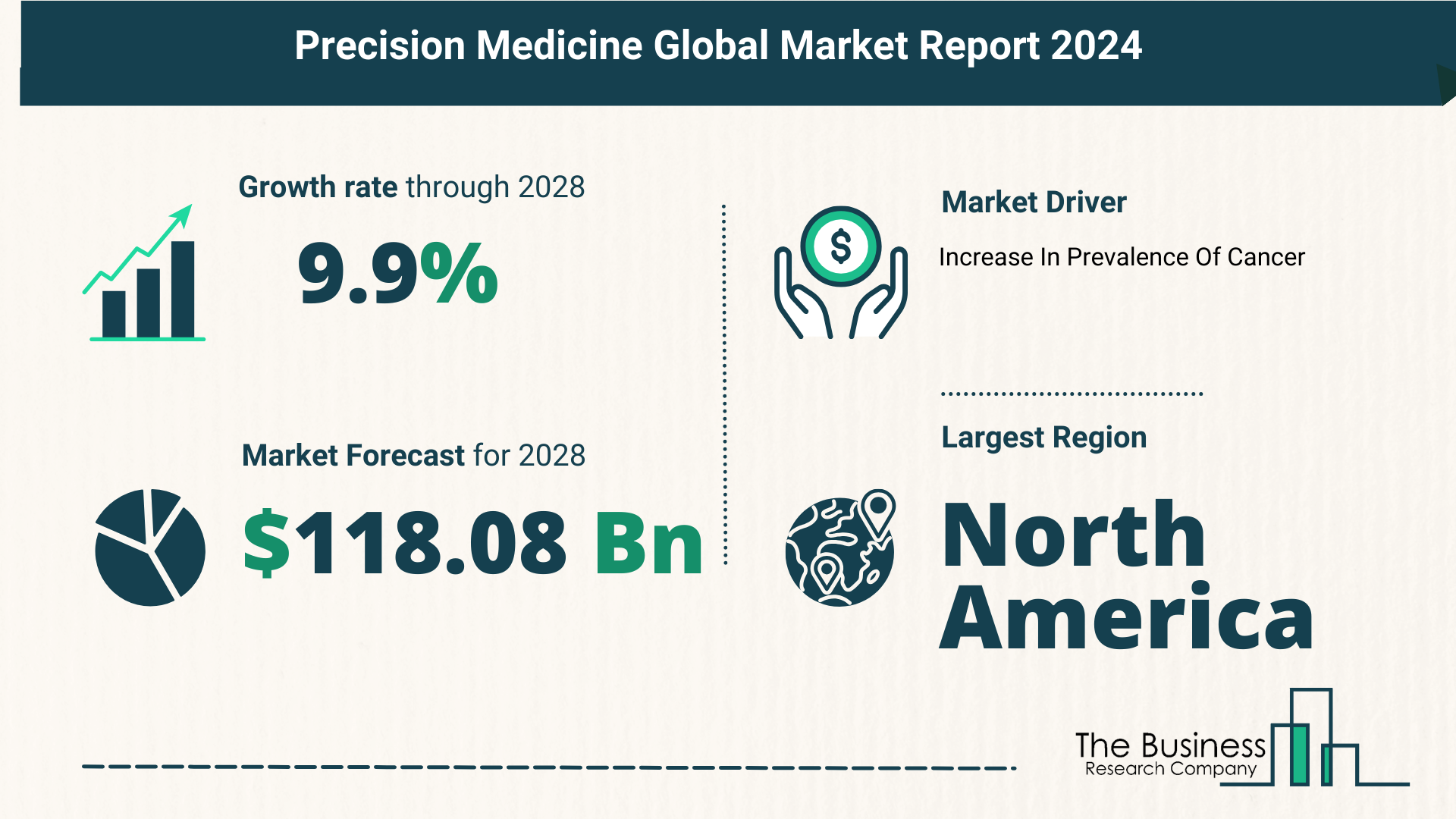
    • Future Projections: By 2028, the market is expected to reach $118.08 billion, growing at a CAGR of 9.9%.

    Factors Contributing to Historic Growth

    • Increased Disease Prevalence: Rising cases of cancer, respiratory diseases, and mental health disorders have driven the demand for precision medicine.
    • Geriatric Population: An aging population requires more targeted and effective treatments.
    • Funding and Expenditure: Increased funding and higher pharmaceutical R&D and healthcare expenditures have bolstered market growth.

    View More On The Precision Medicine Market Report 2024 – https://www.thebusinessresearchcompany.com/report/precision-medicine-global-market-report

    Forecasted Growth Drivers

    • Emerging Economies: High growth potential in emerging markets.
    • Novel Pathogens: Emergence of new pathogenic infestations necessitates advanced medical solutions.
    • R&D Investment: Continued increase in research and development spending.
    • Healthcare Expenditure: Rising overall healthcare expenditure supports the expansion of precision medicine.

    Key Trends in Precision Medicine

    • Artificial Intelligence Integration: Adoption of AI technologies to enhance diagnostic and treatment capabilities.
    • Personalized Treatments: Focus on personalized treatment for immune-mediated diseases.
    • Collaborations and Partnerships: Formation of strategic alliances to enhance product portfolios.

    Impact of Rising Cancer Prevalence

    • Cancer Statistics: One in five individuals is expected to develop cancer, making it a leading cause of death globally.
    • Genetic Analysis: Precision medicine involves analyzing tumor DNA to identify mutations and tailor treatments accordingly.
    • Example: In the US, new cancer cases rose from 1.89 million in 2021 to 1.92 million in 2022, underscoring the need for precision medicine.

    Innovative Research Initiatives

    • Harvard-Clalit Partnership: In August 2021, Harvard Medical School and Clalit Research Institute launched a joint precision medicine research initiative, thanks to a donation from the Berkowitz family.
    • Objective: Focus on converting data insights into clinical interventions, setting up the first precision medicine clinic for tailored therapies.

    Strategic Acquisitions

    • Servier Laboratories and Agios Pharmaceuticals: In April 2021, Servier Laboratories acquired Agios Pharmaceuticals’ oncology portfolio to strengthen its presence in the precision oncology market.
    • Benefits: This acquisition enhances Servier’s commercial presence and expands its pipeline in oncology precision medicine.

    Market Segmentation

    • By Technology: Includes Big Data Analytics, Bioinformatics, Gene Sequencing, Drug Discovery, Companion Diagnostics, and other technologies.
    • By Application: Covers Oncology, Respiratory Diseases, Central Nervous System Disorders, Immunology, Genetic Diseases, among others.
    • By End-Use: Encompasses Pharmaceutical Companies, Diagnostic Companies, Healthcare and IT Firms, and others.

    Regional Insights

    • North America: The largest region in the precision medicine market as of 2023.
    • Asia-Pacific: Projected to be the fastest-growing region during the forecast period.

    Conclusion

    The precision medicine market is poised for robust growth, driven by advancements in technology, increased disease prevalence, and strategic industry collaborations. As the market continues to evolve, it promises to revolutionize the approach to diagnosing and treating various diseases, making personalized medicine a cornerstone of future healthcare.

    Request A Sample Of The Global Precision Medicine Market Report 2024:
    https://www.thebusinessresearchcompany.com/sample_request?id=5301&type=smp

  • Key Trends And Drivers In The Surgical Retractors Market 2024

    Key Trends And Drivers In The Surgical Retractors Market 2024

    The Business Research Company’s market reports offer an in-depth analysis on the market’s growth potential, major drivers, key trends and more.

    Introduction 

    The surgical retractors market has experienced substantial growth in recent years, with significant projections for the future. Let’s delve into the factors fueling this growth and the key trends shaping the market landscape.

    Steady Growth Trajectory

    • Market size reached $2.39 billion in 2023 and is forecasted to hit $2.6 billion in 2024, marking a robust compound annual growth rate (CAGR) of 9.0%.
    • Projected growth to $3.6 billion in 2028 at a CAGR of 8.4%, driven by various factors discussed below.

    Driving Forces Behind Growth

    1. Increased Surgical Procedures
    • Surgical procedures are on the rise globally, contributing significantly to the demand for surgical retractors.
    • Surge in surgical procedures attributed to various factors like medical advancements and an aging population.
    • Notable increase in surgical procedures reported by organizations like the American Society for Aesthetic Plastic Surgery.
    1. Technological Advancements
    • Innovations play a pivotal role in propelling market growth, with companies introducing cutting-edge technologies.
    • Introduction of cordless surgical retractors, self-retaining retractors, and lightweight titanium surgical retractors catering to evolving surgical needs.
    • Integration of 3D printing technology in developing surgical retractors, enhancing precision and efficiency.

    Read More On The Surgical Retractors Market Report 2024 – https://www.thebusinessresearchcompany.com/report/surgical-retractors-global-market-report

    Key Market Players

    • Major companies such as Becton Dickinson and Company (BD), Henry Schein, and Johnson & Johnson are prominent players in the surgical retractors market.
    • Diverse range of players from established multinational corporations to innovative startups contributing to market competitiveness.

    Recent Industry Developments

    1. Advanced Surgical Retractor Systems Inc.:
    • Launched TITAN Cestero surgical retractor (CSR), offering enhanced exposure to deep and retroperitoneal structures.
    • Novel device designed to integrate with Bookwalter blades, significantly reducing setup time.
    1. Carl Zeiss Meditec AG Acquisition:
    • Acquisition of Kogent Surgical LLC and Katalyst Surgical LLC bolstered Carl Zeiss Meditec AG’s surgical portfolio.
    • Acquisition aimed at expanding product offerings and strengthening market presence, particularly in microsurgical instruments and ophthalmic surgical instruments.

    Market Segmentation 

    The surgical retractors market is segmented based on:

    1. Type: Handheld, Self-Retaining
    2. Application: Neurosurgery, Abdominal Surgery, Cardiovascular, Orthopedic, Obstetrics And Gynecology, Other Applications
    3. End User: Hospitals, Ambulatory Surgical Centers, Other End Users

    Regional Insights 

    North America emerged as the largest region in the surgical retractors market in 2023, highlighting the region’s significant contribution to market growth.

    Conclusion 

    The surgical retractors market continues to witness robust growth, driven by factors such as increased surgical procedures and technological advancements. With key players introducing innovative solutions and expanding their portfolios, the market is poised for further expansion in the coming years.

    Request for A Sample Of The Global Surgical Retractors Market Report:
    https://www.thebusinessresearchcompany.com/sample_request?id=7715&type=smp

  • Regenerative Medicine For Cartilage Market Report 2024: Market Size, Drivers, And Trends

    Regenerative Medicine For Cartilage Market Report 2024: Market Size, Drivers, And Trends

    The Business Research Company’s global market reports are now updated with the latest market sizing information for the year 2024 and forecasted to 2033

    Unveiling the Growth Trajectory

    • Market size surged from $4.24 billion in 2023 to $4.48 billion in 2024.
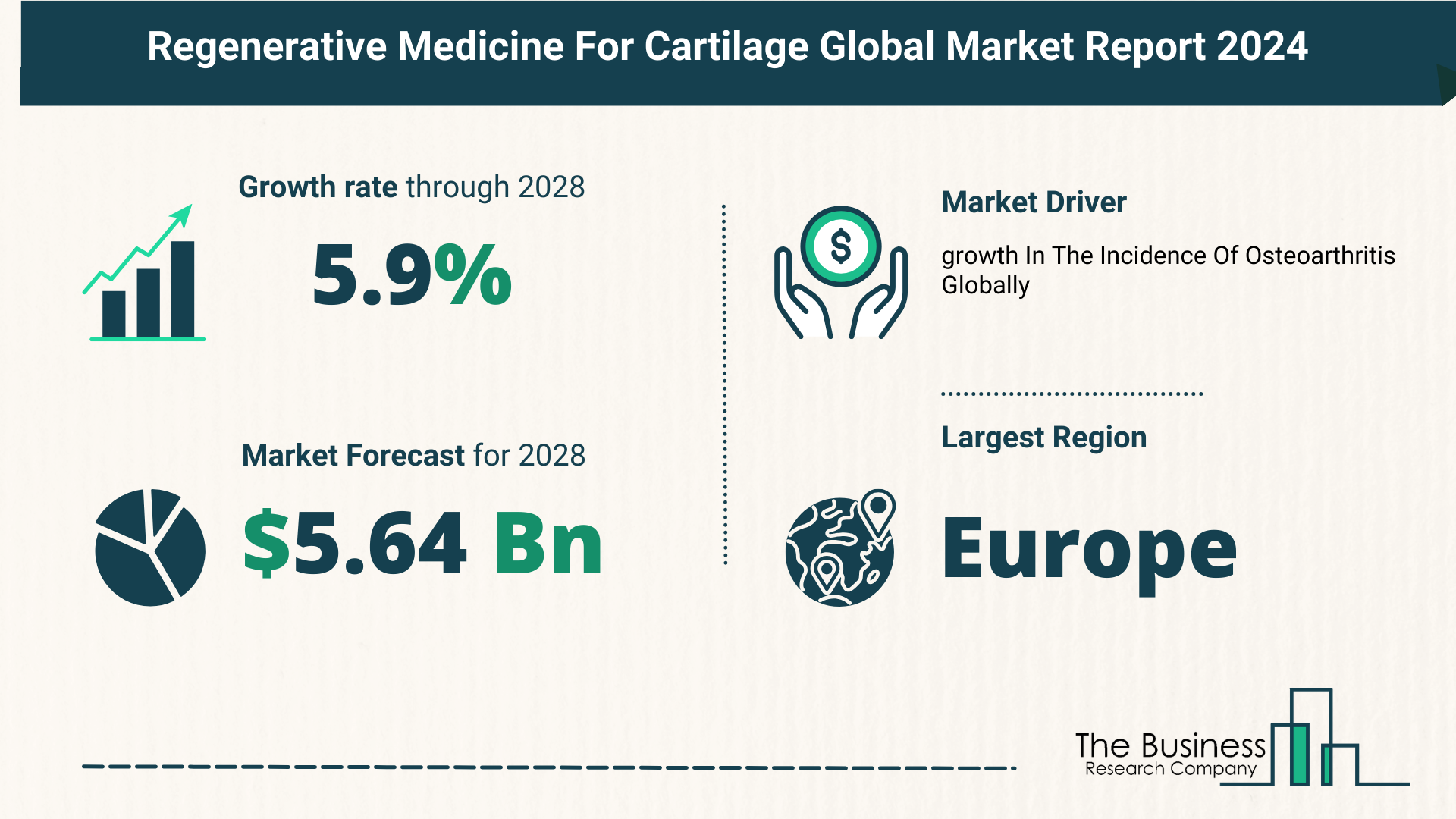
    • Expected to reach $5.64 billion by 2028 with a CAGR of 5.9%.

    Understanding the Growth Drivers

    Sustained Rise in Chronic Diseases

    • Chronic diseases, such as cardiovascular diseases, cancer, chronic respiratory diseases, and diabetes, drive demand.
    • Chronic conditions necessitate long-term solutions like regenerative medicine for cartilage.

    Technological Advancements and Healthcare Expenditure

    • Advancements in regenerative medicine technology fuel market growth.
    • Increased healthcare spending supports research and development in regenerative medicine.

    View More On The Regenerative Medicine For Cartilage Market Report 2024 – https://www.thebusinessresearchcompany.com/report/regenerative-medicine-for-cartilage-global-market-report

    Key Trends Shaping the Future

    Advancements in Mesenchymal Stem Cell Technology

    • Mesenchymal stem cell technology gains traction for cartilage repair.
    • Offers promising results in tissue regeneration.

    Innovative Gene Therapy Techniques

    • Research and development focus on novel gene therapy approaches.
    • Gene-based regenerative medicine holds potential for effective treatments.

    Strategic Collaborations and Partnerships

    • Industry players form alliances to accelerate research and development.
    • Collaborations foster innovation and market growth.

    Role of Injectable Hydrogel in Cartilage Repair

    • Injectable hydrogels emerge as a regenerative medicine solution.
    • Offers a minimally invasive approach for cartilage regeneration.

    Global Research Initiatives and Funding

    • Increased funding drives global research initiatives.
    • Collaborative efforts propel advancements in regenerative medicine.

    Prominent Players in the Market

    Leading Companies

    • Smith & Nephew PLC
    • Integra LifeSciences
    • Stryker Corporation
    • Zimmer Biomet Holdings Inc.
    • MiMedx Group, Inc.

    Key Mergers and Acquisitions

    • Cesca Therapeutics Inc. acquires remaining 20% equity share of ThermoGenesis Corp.
    • Strengthens cellular manufacturing platform for regenerative medicine.

    Segmentation of the Market

    Product Segmentation

    • Cell Based
    • Gene Based
    • Tissue Based

    End-Use Segmentation

    • Ambulatory Surgical Centers
    • Hospitals And Clinics
    • Others

    Application Segmentation

    • Musculoskeletal
    • Oncology
    • Dental
    • Wound Care
    • Others

    Regional Dominance

    Europe Leads the Way

    • Europe emerged as the largest region in regenerative medicine for cartilage in 2023.
    • Significant advancements and investments contribute to market leadership.

    As the regenerative medicine for cartilage market continues to thrive, fueled by technological innovations, strategic partnerships, and rising healthcare needs, the landscape of cartilage repair is undergoing a transformative evolution. With promising growth projections and a focus on addressing chronic diseases, the journey towards effective regenerative solutions for cartilage repair is set to redefine the future of healthcare.

    Request A Sample Of The Global Regenerative Medicine For Cartilage Market Report 2024:
    https://www.thebusinessresearchcompany.com/sample_request?id=3961&type=smp

  • Poc Hba1C Testing Global Market Outlook 2024-2033: Size And Growth Rate Analysis

    Poc Hba1C Testing Global Market Outlook 2024-2033: Size And Growth Rate Analysis

    The Business Research Company’s global market reports provide comprehensive analysis on the various markets in 27 industries across 60 geographies.

    The point-of-care (POC) HbA1c testing market has been expanding swiftly in recent years and is set for continued growth. With increasing diabetes prevalence and technological advancements, the market is poised to grow from $0.85 billion in 2023 to $0.95 billion in 2024 at a compound annual growth rate (CAGR) of 12.0%.

    Drivers of Historic Growth

    Strong Economic Growth in Emerging Markets

    • Emerging markets have seen robust economic development, facilitating increased healthcare spending and access to POC testing technologies.

    Rising Diabetes Prevalence

    • The global surge in diabetes cases, fueled by lifestyle changes and aging populations, has significantly driven the demand for HbA1c testing.

    Impact of COVID-19

    • The COVID-19 pandemic has heightened awareness and demand for accessible and rapid diagnostic testing, including for chronic conditions like diabetes.

    Increased Disposable Income

    • Higher disposable incomes have enabled more individuals to afford regular health check-ups, including POC HbA1c tests.

    View More On The Poc Hba1C Testing Market Report 2024 – https://www.thebusinessresearchcompany.com/report/poc-hba1c-testing-global-market-report

    Future Market Projections

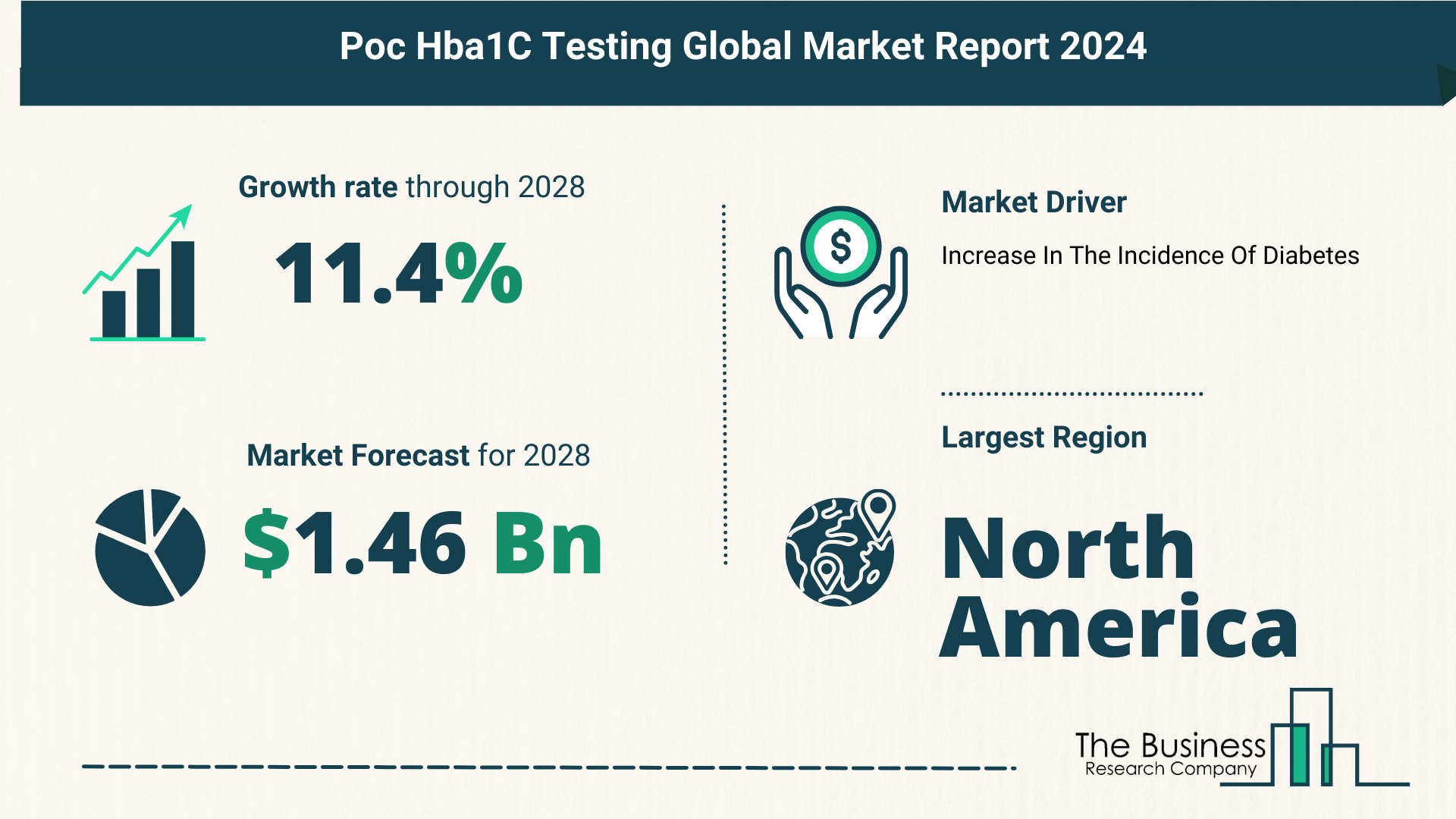
    The POC HbA1c testing market is expected to continue its rapid growth, reaching $1.46 billion by 2028, with a CAGR of 11.4%. Several factors will drive this growth during the forecast period.

    Rising Government Support

    • Government initiatives and funding for diabetes management and prevention are expected to boost the market.

    Increasing Prevalence of Type II Diabetes

    • The growing number of type II diabetes cases will continue to fuel demand for HbA1c testing.

    Easy Accessibility and Faster Results

    • POC tests offer quicker results compared to conventional laboratory testing, making them highly attractive for immediate diagnosis and management.

    Technological Advances

    • Innovations in testing technologies, including microfluidic immunofluorescence and capillary electrophoresis, are transforming the market.

    Key Trends in the Forecast Period

    Focus on HbA1c Microfluidic Immunofluorescence Tests

    • This technology offers precise and rapid results, enhancing the efficiency of POC testing.

    Home Collection HbA1c Testing Kits

    • The increasing use of home testing kits is providing patients with convenient and accessible options for monitoring their diabetes.

    Advances in Testing Technologies

    • Continuous advancements in testing technologies, such as capillary electrophoresis, are improving the accuracy and reliability of POC HbA1c tests.

    Rising Diabetes Prevalence Fuels Market Growth

    The increasing prevalence of diabetes significantly propels the growth of the POC HbA1c testing market. Factors such as long working hours, sedentary lifestyles, and poor dietary habits contribute to this rise. For instance, the International Diabetes Federation reported approximately 537 million adults with diabetes in 2021, expected to reach 643 million by 2030. The POC HbA1c assays enable convenient and rapid testing in community settings and healthcare facilities without the need for laboratories, making them crucial in managing this growing health issue.

    Technological Advances Transforming Patient Diagnoses

    Technological innovations are revolutionizing the POC HbA1c testing market. Companies are investing in advanced technologies to deliver fast and accurate results. For example, Abbott’s Afinion HbA1c Dx assay, an FDA-cleared rapid POC test, provides reliable results in just three minutes. This allows healthcare professionals to diagnose diabetes and evaluate patients efficiently, facilitating timely and individualized care plans.

    Strategic Partnerships Enhancing Market Reach

    Precision Diabetes and DxGen Corp. Partnership

    • In August 2022, Precision Diabetes, Inc., and DxGen Corp. partnered to market the Epithod AutoDx, a fully automatic POC analyzer. This partnership aims to offer comprehensive diabetes tests in point-of-care settings, providing real-time actionable results and improving patient outcomes.

    Market Segmentation

    The POC HbA1c testing market is segmented by:

    Type of Product

    • Instruments
    • Consumables

    Technology

    • Ion-Exchange HPLC
    • Enzymatic Assay
    • Affinity Binding Chromatography
    • Immunoassay
    • Other Technologies

    End User

    • Hospitals
    • Physician Office/Outpatient Center
    • Home Care
    • Other End Users

    North America was the largest region in the POC HbA1c testing market in 2023, while Africa is expected to be the fastest-growing region in the forecast period.

    Conclusion

    The POC HbA1c testing market is on a robust growth trajectory, driven by rising diabetes prevalence, technological advancements, and strategic industry partnerships. With increasing accessibility and the need for rapid testing solutions, the market is set to expand significantly, offering improved patient care and management in the coming years.

    Request A Sample Of The Global Poc Hba1C Testing Market Report 2024:
    https://www.thebusinessresearchcompany.com/sample_request?id=6833&type=smp