Year: 2024

  • Key Takeaways From The Global HP (High Potency) APIs Market Forecast 2024

    Key Takeaways From The Global HP (High Potency) APIs Market Forecast 2024

    The Business Research Company’s global market reports are now updated with the latest market sizing information for the year 2024 and forecasted to 2033

    As per The Business Research Company’s HP (High Potency) APIs Global Market Report 2024, the HP (high potency) APIs market is expected to show significant growth in the forecast period.

    The HP (High Potency) APIS market has witnessed robust growth in recent years, with significant projections for the future. Here’s a closer look at the factors driving this expansion:

    1. Historic Growth Drivers

    The market surged from $23.39 billion in 2023 to $25.5 billion in 2024, boasting a Compound Annual Growth Rate (CAGR) of 9.0%. Several key factors fueled this growth:

    • Increasing demand for oncology therapies.
    • Pharmaceutical companies’ emphasis on HP-APIS manufacturing.
    • Rise in healthcare awareness and expenditure.
    • Strong economic growth in emerging markets.
    • Increasing government initiatives.
    1. Forecasted Expansion

    Expectations for the future are even more promising, with the market projected to reach $36.38 billion in 2028, growing at a CAGR of 9.3%. Anticipated growth drivers include:

    • Rise in cancer cases.
    • Growing focus on precision medicine.
    • Increasing aging population.

    View More On The HP (High Potency) APIs Market Report 2024 – https://www.thebusinessresearchcompany.com/report/hp-high-potency-api-global-market-report

    Riding the Waves of Change

    High Potency APIS Market Growth Fueled By Rising Cancer Cases And Drug Sales

    The escalating number of cancer cases, coupled with the rising sales of cancer drugs, has significantly contributed to the market’s growth. Key points to consider:

    • Cancer incidence projected to increase globally.
    • Majority of cancer-related deaths in middle and low-income countries.
    • Increasing R&D for anticancer drugs propels demand for HP-APIS.

    Strategic Partnerships To Gain A Competitive Edge

    Major players are leveraging strategic partnerships to enhance their market presence and drive revenues. Notable examples include:

    • Collaboration facilitates access to new technologies.
    • Increased customer choice and global servicing capabilities.
    • Example: CatSci Ltd. partnering with AGC Pharma Chemicals Europe S.L.U.

    SK Capital Partners Acquired SEQENS

    In a significant move, SK Capital Partners acquired SEQENS, positioning it as a potent player in specialized ingredients and pharmaceutical solutions. Key highlights:

    • Acquisition strengthens SEQENS’ position in international markets.
    • Wavelength Pharmaceuticals and SEQENS engage in a combination concurrent with the acquisition.

    Segmentation and Regional Outlook

    The HP (high potency) APIS market is segmented based on type, synthesis type, and therapeutic application. Additionally, regional dynamics play a crucial role:

    • Segmentation includes Innovative HPAPI, Generic HPAPI, Synthetic HPAPI, Biotech HPAPI, and various therapeutic applications.
    • North America led the market in 2023, while the Middle East is poised for the fastest growth.

    Charting the Future Course

    Innovations and Trends Shaping the Landscape

    Several trends are reshaping the HP APIS market, paving the way for innovation and growth:

    • Focus on production facility expansion and mergers and acquisitions.
    • Increasing investments in HP-API production.
    • Utilization of Artificial Intelligence (AI) in manufacturing APIS.
    • Emphasis on green manufacturing practices.
    • Launch of new, innovative products to meet evolving market needs.

    Conclusion

    The High Potency APIS market presents a landscape ripe with opportunities, driven by evolving healthcare needs, technological advancements, and strategic collaborations. As players continue to innovate and adapt, the sector is poised for sustained growth and development, catering to the ever-expanding global demand for high-quality pharmaceutical products.

    Request A Sample Of The Global HP (High Potency) APIs Market Report 2024:
    https://www.thebusinessresearchcompany.com/sample_request?id=2814&type=smp
  • 5 Takeaways From The Injectable Drug Delivery Devices Market Overview 2024

    5 Takeaways From The Injectable Drug Delivery Devices Market Overview 2024

    The Business Research Company’s global market reports are now updated with the latest market sizing information for the year 2024 and forecasted to 2033

    According to The Business Research Company’s Injectable Drug Delivery Devices Global Market Report 2024, the injectable drug delivery devices market is expected to show promising growth in the forecast period.

    Understanding Market Dynamics

    The injectable drug delivery devices market has witnessed robust growth in recent years, with notable projections for the future. Several factors have contributed to this upward trend:

    • Rapid growth in the elderly population
    • Expansion of healthcare facilities
    • Increased healthcare expenditure
    • Growth in biologics usage
    • Rising awareness of self-administration

    Current Market Size and Projections

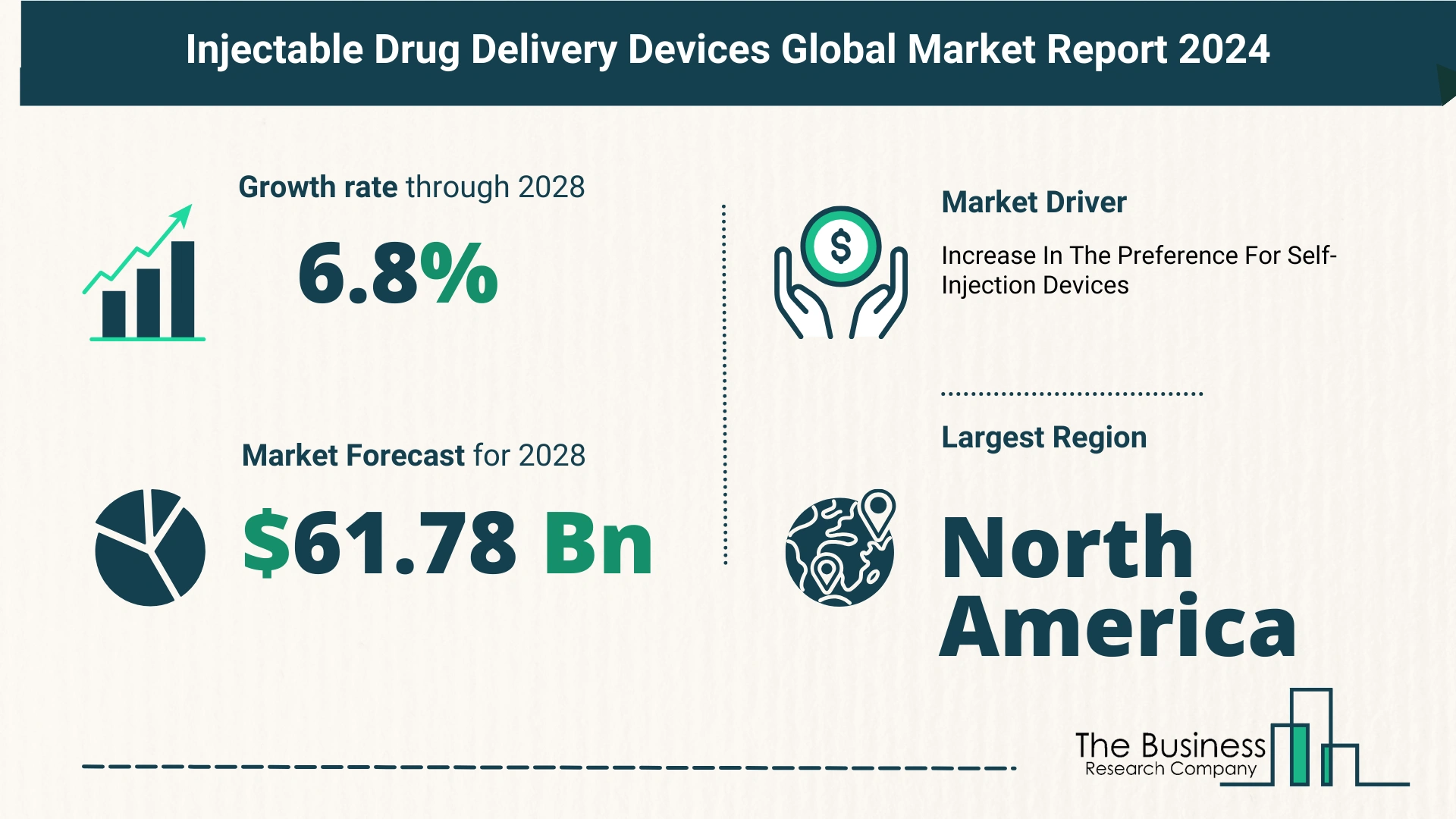
    • In 2023, the market size reached $43.54 billion
    • Expected growth to $47.46 billion in 2024 at a CAGR of 9.0%
    • Forecasted to reach $61.78 billion in 2028 with a CAGR of 6.8%

    Factors Driving Future Growth

    • Increasing prevalence of chronic diseases
    • Rising demand for injectable drugs
    • Emergence of severe infections
    • Numerous drugs and vaccines in clinical trial stages

    View More On The Injectable Drug Delivery Devices Market Report 2024 – https://www.thebusinessresearchcompany.com/report/injectable-drug-delivery-devices-global-market-report

    Key Trends to Watch

    In the forecast period, several trends are expected to shape the market landscape:

    1. Microneedle-based drug delivery systems
    2. Research and development of self-injectable devices
    3. Manufacturing wearable devices
    4. Needle-free injection system
    5. Expansion of product line to prefilled syringes
    6. Improvement in digital technology
    7. Innovation in device manufacturing
    8. Development of innovative auto-injectors

    Key Players

    A plethora of companies operates in this market, including:

    • Becton, Dickinson and Company
    • Baxter International
    • Gerresheimer AG
    • Braun Melsungen AG
    • Catalent, Inc.
    • SkyePharma PLC
    • Antares Pharma
    • Pfizer Inc.
    • GE Healthcare
    • Owen Mumford
    • Catalent Pharma Solutions
    • Philips
    • West Pharmaceutical Services, Inc.
    • Aptalis Pharma, Inc.
    • Terumo Corporation
    • Kedalion Therapeutics
    • Amgen Inc.

    Advancements In Auto-Injectors For Enhanced Injectable Drug Delivery Devices

    Auto-injectors have emerged as a focal point for many companies in the market. These devices offer advanced features such as:

    • Full automation
    • High customization
    • Reusability

    Market Segmentation

    The injectable drug delivery devices market is segmented based on:

    1. Type: Syringes, Injectors, and Pump
    2. Application: Autoimmune Diseases, Hormonal Disorders, Oncology, Orphan Diseases, Pain Management, Respiratory Therapy, and Other Applications
    3. End-user: Hospitals and Clinics, Home Healthcare Settings, Pharmaceutical and Biotechnological Companies, Research Laboratories, and Other End Users

    Regional Insights

    North America emerged as the largest region in the injectable drug delivery devices market in 2023.

    In conclusion, the injectable drug delivery devices market is poised for significant expansion driven by technological advancements, increasing healthcare needs, and a growing elderly population. With a diverse range of players and ongoing innovations, the landscape promises continued evolution and opportunities for stakeholders across the globe.

    Request A Sample Of The Global Injectable Drug Delivery Devices Market Report 2024:
    https://www.thebusinessresearchcompany.com/sample_request?id=2835&type=smp

  • Overview Of The Induced Pluripotent Stem Cell (iPSC) Market 2024-2033: Growth And Major Players Analysis

    Overview Of The Induced Pluripotent Stem Cell (iPSC) Market 2024-2033: Growth And Major Players Analysis

    The Business Research Company’s global market reports are now updated with the latest market sizing information for the year 2024 and forecasted to 2033

    The induced pluripotent stem cell (IPSC) market has witnessed a remarkable surge in recent years, underpinned by various factors. Let’s delve into the numbers and trends shaping this burgeoning market.

    Market Growth Projection

    • The IPSC market size surged from $2.97 billion in 2023 to $3.29 billion in 2024, marking a robust compound annual growth rate (CAGR) of 10.8%.
    • Projections indicate further growth, reaching $4.81 billion by 2028 at a CAGR of 10.0%.

    Driving Forces Behind Growth

    Increasing Prevalence of Chronic Disorders

    • The rise in chronic disorders like heart disease, cancer, stroke, and diabetes is a primary driver for the IPSC market.
    • IPSCs offer promising treatment avenues for these conditions, contributing to market expansion.

    Technological Advancements and Research Initiatives

    • Advancements in technology, coupled with heightened research initiatives, are fueling market growth.
    • Development of IPSC-derived disease models and expansion of genomic projects are pivotal in driving market dynamics.

    View More On The Induced Pluripotent Stem Cell (iPSC) Market Report 2024 – https://www.thebusinessresearchcompany.com/report/induced-pluripotent-stem-cell-global-market-report

    Rising Demand for Personalized Medicine

    • With a growing emphasis on personalized medicine, the demand for personalized IPSCs is on the rise.
    • Companies are investing in tailored IPSC production services to gain a competitive edge.

    Key Trends Shaping the Market

    Focus on Disease-Specific Therapies

    • Development of IPSCs for specific ailments like Parkinson’s disease (PD) is a notable trend.
    • Strategic collaborations and partnerships are facilitating advancements in disease-specific therapies.

    Expansion into Cell Therapy

    • IPSCs hold significant promise in cell therapy applications.
    • Investments in regenerative medicine research and development are driving this trend forward.

    Segmentation of Market

    • The IPSC market is segmented by derived cell type, application, and end-user, offering a comprehensive view of its dynamics.
    • Segments include hepatocytes, fibroblasts, academic research, drug discovery, hospitals, and research laboratories.

    Industry Insights and Acquisitions

    Catalent’s Strategic Acquisition

    • Catalent’s acquisition of RheinCell Therapeutics GmbH underscores the company’s expansion into cell and gene therapy.
    • This move signifies the growing importance of IPSCs in developing next-generation therapies.

    Conclusion: Paving the Way Forward

    The induced pluripotent stem cell market is on an upward trajectory, driven by a confluence of factors such as increasing chronic disorders, technological advancements, and a burgeoning demand for personalized medicine. With continued research and strategic investments, the future promises exciting developments and transformative therapies, underscoring the pivotal role of IPSCs in shaping the landscape of modern medicine.

    Request A Sample Of The Global Induced Pluripotent Stem Cell (iPSC) Market Report 2024:
    https://www.thebusinessresearchcompany.com/sample_request?id=2515&type=smp

  • What Is The Forecast Growth Rate For The Immuno-Oncology Drugs Market?

    What Is The Forecast Growth Rate For The Immuno-Oncology Drugs Market?

    The Business Research Company’s market reports offer an in-depth analysis on the market’s growth potential, major drivers, key trends and more.

    Introduction

    The immuno-oncology drugs market has witnessed substantial growth in recent years, and the trajectory is set to continue upward. Understanding the key drivers and trends shaping this market is essential for stakeholders to navigate this dynamic landscape effectively.

    Market Growth and Projections

    • Rapid Expansion: The market size surged from $92.78 billion in 2023 to $105.64 billion in 2024, with a CAGR of 13.9%.
    • Future Outlook: Anticipated growth to $175.05 billion in 2028, with a CAGR of 13.5%.
    • Contributing Factors:
      • Increase in cancer cases globally.
      • Strong economic growth in emerging markets.
      • Rise in healthcare expenditure.
      • Investments in pharmaceutical R&D.

    Factors Influencing Market Dynamics

    • Growth Drivers:
      • Rising focus on immunotherapy drugs for cancer treatment.
      • Product innovations.
      • Increased investment in immuno-oncology.
    • Market Restraints:
      • High cost of immuno-oncology therapies.
      • Low healthcare access.
      • Pricing pressures from regulators.
      • High R&D costs.
      • Patent expiration of drugs.

    Read More On The Immuno-Oncology Drugs Market Report 2024 – https://www.thebusinessresearchcompany.com/report/immuno-oncology-drug-global-market-report

    Global Surge In Cancer Cases And Its Effect On The Market

    • Impact of Cancer Incidence:
      • Significant rise in new cancer diagnoses and related deaths globally.
      • Common cancer types: lung, prostate, bowel, and female breast cancer.
    • Implications for Market Growth:
      • Expected boost in demand for immuno-oncology drugs.

    Collaboration In The Immuno-Oncology Drugs Market

    • Strategic Partnerships:
      • Companies driving product innovation through collaborations.
      • Sharing skills and expertise to stay competitive.
    • Example:
      • Boehringer Ingelheim and OSE Immunotherapeutic collaboration to develop novel checkpoint inhibitors.

    Sanofi SA Acquired Amunix Pharmaceuticals

    • Acquisition Details:
      • Sanofi’s acquisition of Amunix Pharmaceuticals for $1 billion in December 2021.
    • Objectives:
      • Strengthening capabilities in developing innovative cancer medicines.
      • Expanding research and drug discovery in immuno-oncology.
    • Focus Areas:
      • Utilizing expertise to bring superior and safer treatment candidates to patients.
      • Augmenting oncology pipeline.

    Market Segmentation

    • Types of Immuno-Oncology Drugs:
      • Immune Checkpoint Inhibitors.
      • Immune System Modulators.
      • Monoclonal Antibodies.
      • Cancer Vaccines.
      • Others.
    • Therapeutic Applications:
      • Melanoma.
      • Lung Cancer.
      • Blood Cancer.
      • Renal Cell Carcinoma.
      • Bladder Cancer.
      • Others.
    • End-Users:
      • Hospitals.
      • Clinics.
      • Ambulatory Surgical Centers.
      • Others.

    Regional Perspective: North America Leads

    • Dominance in 2023:
      • North America emerged as the largest region in the immuno-oncology drugs market.

    Conclusion

    As the immuno-oncology drugs market continues to evolve, understanding the interplay between market drivers, trends, and strategic initiatives is vital for stakeholders. With a focus on innovation, collaboration, and market segmentation, stakeholders can capitalize on the immense growth opportunities presented by this dynamic sector.

    Request for A Sample Of The Global Immuno-Oncology Drugs Market Report:
    https://www.thebusinessresearchcompany.com/sample_request?id=3455&type=smp

  • Future Growth Forecast For The Hospital Acquired Infections Testing Kits Global Market 2024-2033

    Future Growth Forecast For The Hospital Acquired Infections Testing Kits Global Market 2024-2033

    The Business Research Company’s global market reports provide comprehensive analysis on the various markets in 27 industries across 60 geographies.

    • Hospital-acquired infections (HAIs) are on the rise, affecting both inpatients and outpatients.
    • HAIs are diseases acquired in hospitals and medical clinics.
    • The increasing incidence of HAIs leads to higher demand for testing kits.
    • Major companies in the market include Becton, Dickinson and Company, Abbott Laboratories, and others.

    Advancements In Hospital-Acquired Infections Testing Kits By Regulations And Compliance Standards

    • Testing kits are regulated by agencies like the US FDA and the European Medicines Agency.
    • Regulatory guidelines ensure safety, efficiency, and efficacy of testing instruments.
    • Compliance with regulations like CBER Regulations and CFR 21 is mandatory.
    • Segmentation of the market includes product, test type, pathogen type, and application.

    View More On The Hospital Acquired Infections Testing Kits Market Report 2024 – https://www.thebusinessresearchcompany.com/report/hospital-acquired-infections-testing-kits-global-market-report

    Market Segmentation

    1. By Product: Consumables And Reagents, Instruments
      • Consumables and reagents are essential for conducting tests.
      • Instruments are the tools used for testing and analysis.
    2. By Test Type: Pneumonia Infection, Urinary Track Infection, Blood Stream Associated Infection, Surgical Site Infection, MRSA Infection, Others
      • Different tests cater to specific types of infections.
      • MRSA infection is particularly significant due to its resistance.
    3. By Pathogen Type: Viral, Bacterial, Fungal
      • Pathogen type determines the nature of the infection being tested.
      • Different pathogens require different testing approaches.
    4. By Application: Drug Resistance Testing, Disease Testing
      • Testing kits serve various purposes, from detecting diseases to assessing drug resistance.
      • Applications vary based on the healthcare context.

    Regional Insights

    • North America led the hospital-acquired infections testing kits market in 2023.
    • Factors such as increased healthcare expenditure and aging populations contribute to market growth.
    • The market size is expected to reach $4.7 billion in 2024, with a compound annual growth rate (CAGR) of 8.0%.
    • By 2028, it’s projected to grow to $6.42 billion at a CAGR of 8.1%.

    Future Trends

    • Collaborating with artificial intelligence companies to enhance testing accuracy.
    • Leveraging government support and incentives for research and development.
    • Integrating big data into market analysis for better insights.
    • Forming strategic partnerships with other players in the market for mutual benefits.

    In conclusion, the hospital acquired infections testing kits market is witnessing robust growth driven by rising incidence of HAIs, regulatory advancements, and technological innovations. With increasing investments and strategic collaborations, the market is poised for further expansion, catering to the growing healthcare needs globally.

    Request A Sample Of The Global Hospital Acquired Infections Testing Kits Market Report 2024:
    https://www.thebusinessresearchcompany.com/sample_request?id=2469&type=smp

  • What’s The Growth Forecast For Hormonal Contraceptives Market Through 2024-2033?

    What’s The Growth Forecast For Hormonal Contraceptives Market Through 2024-2033?

    The Business Research Company’s global market reports provide comprehensive analysis on the various markets in 27 industries across 60 geographies.

    Understanding Market Growth

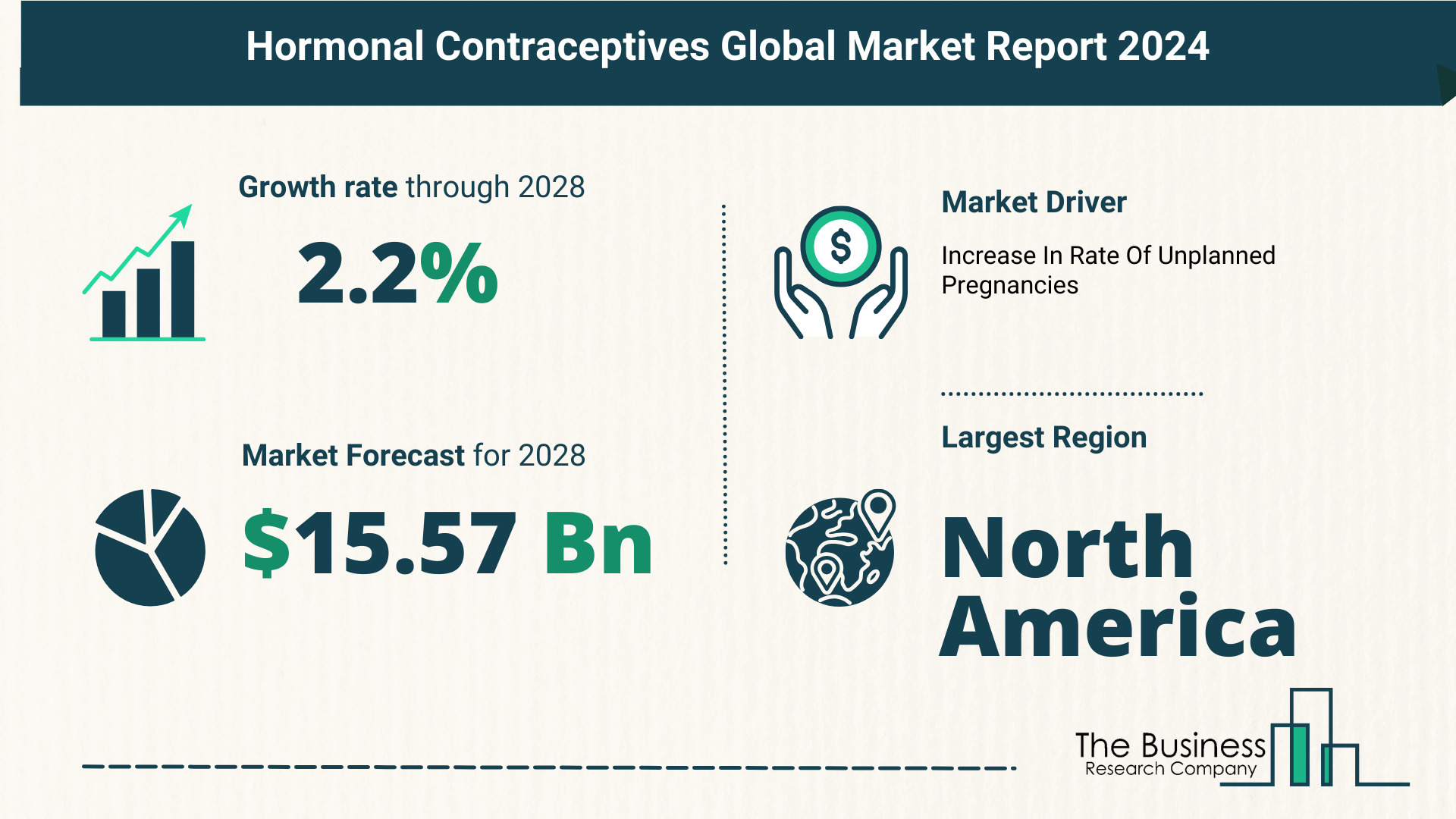
    • The hormonal contraceptives market size has steadily increased.
    • From $13.96 billion in 2023 to $14.28 billion in 2024, with a CAGR of 2.3%.
    • Historic growth attributed to government initiatives, increased contraceptive use, R&D expenditure, healthcare expansion, and facility growth.

    Future Outlook

    • Expected to reach $15.57 billion by 2028, with a CAGR of 2.2%.
    • Forecast growth fueled by awareness, R&D, healthcare spending, and agency collaborations.
    • Major trends include longer-lasting vaginal rings, AI medication adherence solutions, innovation, environmentally friendly products, and improved birth control pills.

    Elevated Awareness Empowers The Hormonal Contraceptives Market

    Informed Choices for Reproductive Health

    • Increased awareness empowers individuals to align contraceptive choices with their goals.
    • WHO reports global contraception prevalence at 65%, modern methods at 58.7%.
    • Global demand for family planning increased from 900 million to nearly 1.1 billion in 2021.
    • Satisfaction rate for modern family planning methods among women aged 15–49 projected at 77.5% in 2022.

    Market Players

    • Major companies driving market growth include Bayer AG, Merck & Co. Inc., Viatris, and others.

    View More On The Hormonal Contraceptives Market Report 2024 – https://www.thebusinessresearchcompany.com/report/hormonal-contraceptives-global-market-report

    Plant-Based Contraceptives Enhancing Product Offerings And Market Competitiveness

    Innovative Product Development

    • Companies are developing plant-based contraceptives like Nextellis to enhance offerings.
    • Nextellis features a combination of 3 mg drospirenone (DRSP) and 14.2 mg estetrol (E4) tablets.
    • Mayne Pharma’s Nextellis, FDA-approved in April 2021, incorporates E4, a plant-derived estrogen.

    Segmentation of the Market

    • Segmented by product (pills, injectable birth control, vaginal rings, others), end user (hospitals, homecare settings, gynecology centers, clinics, ambulatory surgical centers), hormones (progestin-only, combined hormones), and distribution channel (drug stores, gynecology/fertility clinics, e-commerce, other distribution channels).

    Regional Insights

    • North America led the hormonal contraceptives market in 2023.
    • The Middle East is projected to be the fastest-growing region during the forecast period.

    Conclusion

    The hormonal contraceptives market is witnessing steady growth, driven by increased awareness, innovative product developments, and expanding healthcare infrastructure. With a focus on empowering individuals to make informed choices regarding their reproductive health, the market is poised for continued expansion. Major players are investing in research, development, and strategic collaborations to meet the evolving needs of consumers worldwide. As the market continues to evolve, addressing diverse preferences and ensuring accessibility will be key priorities for stakeholders.

    Request A Sample Of The Global Hormonal Contraceptives Market Report 2024:
    https://www.thebusinessresearchcompany.com/sample_request?id=2440&type=smp

  • Top 5 Insights From The HIV Drugs Market Report 2024

    Top 5 Insights From The HIV Drugs Market Report 2024

    The Business Research Company’s global market reports are now updated with the latest market sizing information for the year 2024 and forecasted to 2033

    According to The Business Research Company’s HIV Drugs Global Market Report 2024, the HIV drugs market is expected to show promising growth in the forecast period.

    Introduction

    • The HIV drugs market has witnessed steady growth in recent years.
    • From $33.82 billion in 2023, it is projected to reach $35.33 billion in 2024, growing at a compound annual growth rate (CAGR) of 4.5%.

    Factors Driving Growth

    • Increased government support and initiatives.
    • Rise in healthcare expenditure.
    • Increase in HIV research and development spending.
    • Increased incidence of HIV infection.
    • Rise in awareness.
    • Economic growth in emerging markets.

    Future Projections

    • Expected to continue growing to $41.2 billion in 2028.
    • CAGR of 3.9%.
    • Similar drivers as in the historic period.

    Major Trends

    • Investing in 3D bioprinting technology.
    • New product innovations.
    • Developing multi-class combination products.
    • Investing in strategic collaborations and agreements.

    View More On The HIV Drugs Market Report 2024 – https://www.thebusinessresearchcompany.com/report/hiv-drug-global-market-report

    Key Players

    • Gilead Sciences Inc.
    • GlaxoSmithKline plc.
    • Johnson & Johnson.
    • Merck & Co. Inc.
    • Boehringer Ingelheim International GmbH.
    • Aurobindo Pharma.
    • Mylan N.V.
    • Emcure Pharmaceuticals.
    • And many more…

    Advancements In Multi-Class Combination Products

    • Increasingly implemented for antiretroviral therapy.
    • Combining multiple medications into one drug form.
    • Examples: doravirine, lamivudine, and tenofovir disoproxil fumarate (Delstrigo).
    • Segmented into various drug classes.

    Segmentation of the HIV Drugs Market

    1. By Type
      • Nucleoside Reverse Transcriptase Inhibitors (NRT’s)
      • Non- Nucleoside Reverse Transcriptase Inhibitors (NNRT’s)
      • Protease Inhibitors
      • Integrase strand transfer inhibitors (INSTIs)
      • Other Types
    2. By Administration
      • Oral
      • Parenteral
    3. By Application
      • Hospital Pharmacies
      • Retail Pharmacies
      • Other Applications

    Regional Insights

    • North America dominated the market in 2023.
    • Middle East is expected to witness significant growth during the forecast period.

    Conclusion The HIV drugs market is on a trajectory of continuous growth, fueled by various factors including increased awareness, research, and government initiatives. With the rise of multi-class combination products and strategic collaborations, the market is poised for further expansion, offering hope for better treatment outcomes and broader accessibility.

    Request A Sample Of The Global HIV Drugs Market Report 2024:
    https://www.thebusinessresearchcompany.com/sample_request?id=2834&type=smp

  • Hearing Diagnostic Devices And Equipment Market Report 2024: Market Size, Drivers, And Trends

    Hearing Diagnostic Devices And Equipment Market Report 2024: Market Size, Drivers, And Trends

    The Business Research Company’s global market reports are now updated with the latest market sizing information for the year 2024 and forecasted to 2033

    The hearing diagnostic devices and equipment market has experienced substantial growth in recent years, with projections indicating continued expansion. Factors contributing to this growth include:

    • Increased prevalence of hearing loss due to various factors such as noise pollution, diseases, medications, and aging population.
    • Growing awareness and diagnosis of hearing disorders.
    • Significant investments and advancements in hearing diagnostic technologies.

    Major Players and Market Overview

    • Key companies driving the market include Demant A/S, WS Audiology, Natus Medical Incorporated, and Hill Rom, among others.
    • Market segmentation includes various types of devices such as Otoacoustic Emission (OAE), Audiometers, Otoscopes, and Tympanometers.
    • Indications for use range from Conductive Hearing Loss to Sensorineural Hearing Loss, catering to diverse patient needs.

    View More On The Hearing Diagnostic Devices And Equipment Market Report 2024 – https://www.thebusinessresearchcompany.com/report/hearing-diagnostic-devices-and-equipment-global-market-report

    Technological Advancements Drive Evolution In The Hearing Healthcare Industry
    The hearing healthcare sector is witnessing rapid technological advancements, leading to:

    • Integration of artificial intelligence for improved diagnosis and personalized treatment plans.
    • Development of remote hearing screening tools for enhanced accessibility.
    • Adoption of wireless technology to enhance connectivity and user experience.
    • Introduction of digital otoscopes for enhanced visualization and diagnostic accuracy.

    Market Segmentation and Regional Analysis

    • The market is segmented based on types of devices, indications for use, and end-users, catering to diverse healthcare settings and patient populations.
    • North America emerges as the largest regional market, driven by factors such as advanced healthcare infrastructure and high prevalence of hearing disorders.

    Future Trends and Forecast

    • The market is poised for continued growth, with a projected CAGR of 10.4% from 2023 to 2028.
    • Emerging trends include increased focus on AI integration, remote screening, and wireless technology.
    • Collaboration between industry players and healthcare providers is expected to drive innovation and market growth.

    Conclusion
    The hearing diagnostic devices and equipment market is witnessing robust growth, driven by factors such as increased prevalence of hearing disorders and technological advancements. Major players are investing in R&D to develop innovative solutions catering to diverse patient needs. With a promising forecast, the future of the hearing healthcare industry looks bright, offering hope for improved diagnosis and treatment of hearing-related conditions globally.

    Request A Sample Of The Global Hearing Diagnostic Devices And Equipment Market Report 2024:
    https://www.thebusinessresearchcompany.com/sample_request?id=2429&type=smp

  • Global Hearing Aid Devices And Equipment Market Report 2024 – Top Market Trends And Opportunities

    Global Hearing Aid Devices And Equipment Market Report 2024 – Top Market Trends And Opportunities

    The Business Research Company’s market reports offer an in-depth analysis on the market’s growth potential, major drivers, key trends and more.

    The hearing aid devices and equipment market has witnessed substantial growth in recent years, with promising projections for the future. Let’s explore the factors propelling this growth and the trends shaping the industry landscape.

    Market Growth Trajectory

    • The market size surged from $10.92 billion in 2023 to $11.67 billion in 2024, demonstrating a robust compound annual growth rate (CAGR) of 6.8%.
    • Projections indicate continued growth, reaching $14.91 billion by 2028, with a CAGR of 6.3%.

    Key Drivers of Growth
    Rising Prevalence of Hearing Loss

    • Globally, the prevalence of hearing loss is escalating, driven by various factors such as noise pollution, genetic predispositions, and aging populations.
    • In the United States alone, over 35 million individuals have some degree of hearing impairment, reflecting the immense demand for hearing aid devices.

    Technological Advancements and Research Investments

    • Increasing investments in research and development activities are fostering innovation in the hearing aid devices market.
    • Advancements such as 3D printing technology enable customized and comfortable hearing aid solutions, catering to individual needs.

    Read More On The Hearing Aid Devices And Equipment Market Report 2024 – https://www.thebusinessresearchcompany.com/report/hearing-aid-devices-and-equipment-global-market-report

    Trends Shaping the Market
    Integration of 3D Printing Technology

    • 3D printing technology revolutionizes customization in hearing aid devices, offering better fitting and personalized solutions.
    • Companies like Sonova utilize advanced 3D printing to create tailored hearing aids, enhancing user experience and comfort.

    Segmentation and Product Diversity

    • The market is segmented based on product types, technology, patient demographics, hearing loss types, and distribution channels.
    • Product categories include Receiver-In-The-Ear (RTE), Behind-The-Ear (BTE), In-The-Ear (ITE), and Completely-In-The-Canal (CIC) aids, among others.

    Industry Insights and Market Players
    Leading Companies Driving Innovation

    • Major players in the market include Sonova Holding AG, WS Audiology A/S, Demant AS, and Starkey Hearing Technologies, among others.
    • These companies drive innovation through strategic acquisitions, product launches, and technological advancements.

    Regional Dynamics and Market Leadership

    • Asia-Pacific emerged as the largest region in the global hearing aid devices and equipment market in 2023.
    • Rapid economic growth, increasing healthcare expenditure, and rising hearing loss prevalence contribute to the region’s dominance.

    Conclusion: Pioneering Auditory Solutions for a Sound Future
    The hearing aid devices and equipment market are poised for significant expansion, fueled by the rising prevalence of hearing loss and technological advancements. With a focus on customization, innovation, and market segmentation, industry players are poised to meet the diverse needs of consumers worldwide. As investments in research and development continue to soar, the future holds promising prospects for auditory health, underscoring the pivotal role of hearing aid devices in enhancing the quality of life for millions globally.

    Request for A Sample Of The Global Hearing Aid Devices And Equipment Market Report:
    https://www.thebusinessresearchcompany.com/sample_request?id=2428&type=smp

  • 5 Key Insights On The Generic Pharmaceuticals Market 2024

    5 Key Insights On The Generic Pharmaceuticals Market 2024

    The Business Research Company’s global market reports are now updated with the latest market sizing information for the year 2024 and forecasted to 2033

    As per The Business Research Company’s Generic Pharmaceuticals Global Market Report 2024, the generic pharmaceuticals market is expected to show significant growth in the forecast period.

    The generic pharmaceuticals market is experiencing a robust surge, driven by various factors influencing its trajectory. Let’s delve into the dynamics propelling this market forward and explore the innovations shaping its future.

    Steady Growth Trajectory: A Snapshot

    • In 2023, the generic pharmaceuticals market stood at $381 billion.
    • By 2024, it is expected to reach $402.97 billion, showcasing a compound annual growth rate (CAGR) of 5.8%.
    • Forecasts predict further expansion, with the market projected to hit $514.81 billion by 2028, boasting a CAGR of 6.3%.

    Driving Forces Behind Market Growth
    Rising Incidence of Chronic Diseases

    • The surge in chronic diseases is a primary driver, compelling individuals to seek affordable treatment options.
    • Generic drugs offer the same composition as branded counterparts at a lower cost, making them increasingly attractive.
    • With chronic illnesses necessitating prolonged treatment, the demand for generic drugs continues to rise.

    Supportive Regulatory Environment

    • Regulators are increasingly endorsing the generic pharmaceuticals market, fostering its growth.
    • Favorable regulations facilitate the development and approval of generic drugs, expanding market opportunities.

    Technological Innovations

    • Advancements in drug discovery, delivery, and monitoring methods contribute to market expansion.
    • Technologies like 3D printing revolutionize manufacturing, enabling customization of drugs’ size, shape, and release profiles.

    Strategic Collaborations

    • Collaborative efforts drive innovation within the generic pharmaceuticals sector.
    • Partnerships between pharmaceutical companies spur the development of novel therapies and delivery mechanisms.

    View More On The Generic Pharmaceuticals Market Report 2024 – https://www.thebusinessresearchcompany.com/report/generic-pharmaceuticals-global-market-report

    Key Trends Shaping the Future
    Integration of 3D Printing Technology

    • 3D printing presents novel opportunities for drug manufacturing, allowing for customized formulations.
    • Examples include GlaxoSmithKline’s study on 3D-printed tablets for Parkinson’s disease treatment.

    Strategic Acquisitions

    • Acquisitions, such as Hikma Pharmaceuticals PLC’s purchase of Custopharm Inc., bolster market players’ portfolios and R&D capabilities.
    • This acquisition enhances Hikma’s US portfolio significantly, reflecting strategic expansion efforts.

    Market Segmentation and Regional Outlook
    Segmentation Overview

    1. Type: Biosimilars, Generics
    2. Drug Delivery: Oral, Injectables, Dermal/Topical, Inhaled
    3. Therapy: CNS, Cardiovascular, Dermatology, Genitourinary/Hormonal, Respiratory, Rheumatology, Diabetes, Oncology, Biosimilars, Others
    4. Distribution Channel: Hospital Pharmacies, Retail Pharmacies, Online Pharmacies

    Regional Insights

    • North America led the generic pharmaceuticals market in 2023, while the Middle East is poised for rapid growth.
    • Market dynamics vary across regions, influenced by factors such as regulatory landscapes and healthcare infrastructure.

    Conclusion: Embracing Innovation for Sustained Growth
    The generic pharmaceuticals market continues to expand, driven by evolving healthcare needs and technological advancements. As the industry embraces innovations like 3D printing and strengthens strategic partnerships, it is poised for sustained growth. With a focus on affordability, accessibility, and efficacy, stakeholders are reshaping the landscape of generic drug development and delivery, ensuring a brighter and healthier future for global healthcare.

    Request A Sample Of The Global Generic Pharmaceuticals Market Report 2024:
    https://www.thebusinessresearchcompany.com/sample_request?id=2479&type=smp