Month: June 2025

  • Smart Medical Devices Market in Focus: Forecasting Growth Drivers, Scaling Potential, and Global Opportunities

    Smart Medical Devices Market in Focus: Forecasting Growth Drivers, Scaling Potential, and Global Opportunities

    Discover trends, market shifts, and competitive outlooks for the smart medical devices industry through 2025-2034 with The Business Research Company’s reliable data and in-depth research

    How Has The Smart Medical Devices Market Growth Evolved From 2024 To 2025, And What’s Ahead?

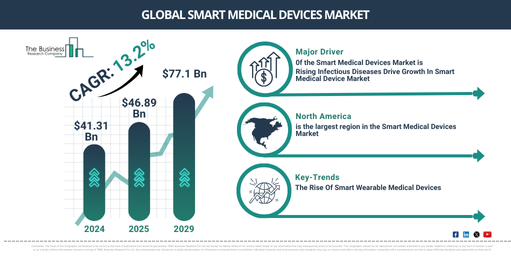
    In the last few years, the size of the smart medical devices market has expanded quickly. From $41.31 billion in 2024, it is expected to increase to $46.89 billion in 2025, exhibiting a compound annual growth rate (CAGR) of 13.5%. The growth during the historic period is ascribed to factors like the spike in the aged population, an upsurge in the prevalence of chronic diseases, cuts in healthcare costs, a patient inclination towards home care, and a growing requirement for personalized medicine.

    Expectations suggest a swift expansion in the smart medical devices market size in the upcoming years. The substantial growth will see the market size swell to $77.1 billion by 2029, increasing at a compound annual growth rate (CAGR) of 13.2%. The predicted surge during this period can be accredited to the amalgamation of AI and machine learning, elevating healthcare expenses, increased concentration on preventive care, demand for wearable gadgets, and a surge in diabetes incidents. The forecast timeframe will likely see trends such as technological evolution, escalating adoption of telemedicine, progress in IoT technology, remote supervision, and amalgamation with mobile health applications.

    Download a free sample to assess the report’s scope and structure:

    https://www.thebusinessresearchcompany.com/sample.aspx?id=20639&type=smp

    What Are the Core Market Drivers Propelling Growth in the Smart Medical Devices Industry?

    The smart medical devices market is expected to witness growth given the surge in the incidences of infectious diseases. Infectious diseases are caused by harmful pathogens encompassing bacteria, viruses, fungi, and parasites. This rise is attributed to various factors including globalization and heightened travel, urban growth, climate alterations, resistance to antibiotics, changes in the environment, new pathogens, as well as social and behavioral elements. Smart medical devices provide a way to manage and monitor these diseases with the help of advanced technologies enabling early detection, relentless monitoring, and competent handling of data. For example, a report by the Canadian government published in January 2024 states that in 2022, a total of 13,953 instances of infectious syphilis were reported within the country, translating to a rate of 36.1 cases for every 100,000 individuals. This was an 11% surge from the previous year. Hence, the increasing incidences of infectious diseases play a crucial role in boosting the smart medical devices market.

    How Is the Smart Medical Devices Market Segmented?

    The smart medical devices market covered in this report is segmented –

    1) By Product: Diagnostics And Monitoring, Therapeutics Devices

    2) By Distribution Channel: Pharmacies, Online Channel

    3) By Modality: Portable, Wearable

    4) By End-User: Homecare Settings, Hospitals, Other End-Users

    Subsegments:

    1) By Diagnostics and Monitoring: Wearable Health Monitors, Remote Patient Monitoring Devices, Smart Glucose Monitors, Continuous Blood Pressure Monitors, Smart Stethoscopes, Mobile Health Applications

    2) By Therapeutics Devices: Smart Insulin Delivery Devices, Drug Delivery Systems, Smart Inhalers, Neuromodulation Devices, Smart Rehabilitation Devices, Implantable Devices

    Request customized data on this market:

    https://www.thebusinessresearchcompany.com/customise?id=20639&type=smp

    Which Regions Are Driving the Next Phase of the Smart Medical Devices Market Growth?

    North America was the largest region in the smart medical devices market in 2024. Asia-Pacific is expected to be the fastest-growing region in the forecast period. The regions covered in the smart medical devices market report are Asia-Pacific, Western Europe, Eastern Europe, North America, South America, Middle East, Africa.

    What Are the Key Market Trends in the Smart Medical Devices Market Over the Coming Years?

    Key players in the smart medical devices market, such as GOQii, are heavily concentrating on advancing their medical device technologies, with a special focus on wearable devices, to enhance their market standing. Wearable technology refers to electronic devices designed to be worn on the person. In August 2022, GOQii, a leading fitness technology company based in the United States, introduced two new devices, the Smart Vital Ultra and GOQii Stream, aimed at young adults and the youth market. Indicating a notable progression in the fusion of healthcare and technology, these wearables empower users to manage their health under the provision of integrated insurance solutions. The Smart Vital Stream smartwatch, with its SpO2 monitoring, heart rate tracking, and sleep analysis capabilities, aims not just to track health data, but also inspire users to lead healthier lives through engaging features and expert advice.

    View the full report here:

    https://www.thebusinessresearchcompany.com/report/smart-medical-devices-global-market-report

    How Is the Smart Medical Devices Market Defined and What Are Its Core Parameters?

    Smart medical devices are advanced healthcare tools equipped with sensors, connectivity features, and software to monitor, diagnose, and treat medical conditions. They enable real-time data collection, remote monitoring, and personalized care by communicating with healthcare providers or patients. These devices often integrate with mobile applications or cloud platforms to provide actionable insights and improve patient outcomes.

    Purchase the full report and get a swift delivery:

    https://www.thebusinessresearchcompany.com/purchaseoptions.aspx?id=20639

    About The Business Research Company:

    With over 15000+ reports from 27 industries covering 60+ geographies, The Business Research Company has built a reputation for offering comprehensive, data-rich research and insights. Armed with 1,500,000 datasets, the optimistic contribution of in-depth secondary research, and unique insights from industry leaders, you can get the information you need to stay ahead in the game.

    Get in touch with us:

    The Business Research Company: https://www.thebusinessresearchcompany.com/

    Americas +1 3156230293

    Asia +44 2071930708

    Europe +44 2071930708

    Email us at info@tbrc.info

    Follow us on:

    LinkedIn: https://in.linkedin.com/company/the-business-research-company

    YouTube: https://www.youtube.com/channel/UC24_fI0rV8cR5DxlCpgmyFQ

    Global Market Model: https://www.thebusinessresearchcompany.com/global-market-model

  • Hemorrhage Control System Market Outlook 2025: Mapping Growth, Innovation, and Regional Shifts

    Hemorrhage Control System Market Outlook 2025: Mapping Growth, Innovation, and Regional Shifts

    Our market reports now include the latest updates on global tariffs, trade impacts, and evolving supply chain dynamics.

    What Are the Key Milestones in the Hemorrhage Control System Market’s Growth Trajectory From 2025 To 2034?

    There has been remarkable growth in the hemorrhage control systems market in recent times. The market, valued at $3.26 billion in 2024, is projected to increase to $3.48 billion in 2025, with a compound annual growth rate (CAGR) of 6.7%. The historic period saw substantial growth due to factors such as the rise in traumatic injuries in the battlefield, higher demand for emergency care, expanded usage in military operations, growing older population, and enhanced awareness about hemorrhage control methodologies.

    The market for hemorrhage control systems is anticipated to experience substantial growth in the coming years, expanding to a worth of $4.45 billion by 2029, with a compound annual growth rate (CAGR) of 6.4%. The escalation predicted within this timeframe can be credited to factors such as the increased frequency of trauma incidents, a rise in surgical procedures, the rise in the implementation of minimally invasive methods, augmented expenditure on healthcare, and an uptick in serious injuries sustained in warfare. Notable trends to watch during this forecast timeframe include the creation of advanced hemostatic agents, the advent of portable and user-friendly hemorrhage control apparatuses, the incorporation of intelligent technology, progress in bioactive dressings, and enhancements in personalized and precision medicine methodologies.

    Download a free sample to assess the report’s scope and structure:

    https://www.thebusinessresearchcompany.com/sample.aspx?id=21201&type=smp

    What External and Internal Drivers Are Contributing to the Growth of the Hemorrhage Control System Market?

    The growth of the hemorrhage control systems market is being fuelled by the increasing number of trauma instances. Trauma cases, which pertain to medical emergencies caused by physical injuries from external sources such as accidents, falls, and violence, are on the rise. The increasing number of such cases can be credited to various elements, including road accidents, work-related accidents, sports injuries, and natural disasters. Hemorrhage control systems tackle trauma situations by managing severe bleeding efficiently, enhancing the chances of patient survival, and minimizing complications in emergency treatment. For instance, data from the UK’s Department for Transport, in September 2024, revealed that in 2022, police forces’ injury-based reporting system recorded 73,920 casualties, a significant increase from the 66,236 cases reported in 2021. As a result, the escalating frequency of trauma instances is contributing to the expansion of the hemorrhage control systems market.

    What Segment Types Define the Hemorrhage Control System Market Structure?

    The hemorrhage control system market covered in this report is segmented –

    1) By Product Type: Dressings, Hemostatic Agents, Clamps And Tourniquets, Surgical Sealants, Blood Products

    2) By Application: Cardiovascular Surgery, General Surgery, Plastic Surgery, Orthopedic Surgery, Neurosurgery, Other Applications

    3) By Distribution Channel: Direct Sales, Distributors, Online Retail, Pharmacies

    4) By End-User: Hospital And Ambulatory Surgery Centers (ASCs), Specialty Clinics, Other End-Users

    Subsegments:

    1) By Dressings: Gauze Dressings, Hydrogel Dressings, Alginate Dressings, Foam Dressings

    2) By Hemostatic Agents: Thrombin-Based Hemostats, Fibrin Sealants, Gelatin-Based Hemostats, Oxidized Regenerated Cellulose (ORC) Hemostats

    3) By Clamps And Tourniquets: Surgical Clamps, Pneumatic Tourniquets, Non-Pneumatic Tourniquets

    4) By Surgical Sealants: Synthetic Sealants, Collagen-Based Sealants, Cyanoacrylate-Based Sealants

    5) By Blood Products: Platelet Concentrates, Fresh Frozen Plasma (FFP), Cryoprecipitate, Packed Red Blood Cells

    Request customized data on this market:

    https://www.thebusinessresearchcompany.com/customise?id=21201&type=smp

    Which Geographic Areas Hold the Strongest Growth Potential in the Hemorrhage Control System Market?

    North America was the largest region in the hemorrhage control system market in 2024. Asia-Pacific is expected to be the fastest-growing region in the forecast period. The regions covered in the hemorrhage control system market report are Asia-Pacific, Western Europe, Eastern Europe, North America, South America, Middle East, Africa.

    What Long-Term Trends Are Transforming the Competitive Landscape of the Hemorrhage Control System Market?

    Major market players in hemorrhage control systems industry are putting effort into the advancement of their products like devices for controlling postpartum hemorrhage. These medical tools’ main objective is to control and stop serious bleeding post childbirth by either facilitating clot formation or compressing the blood vessels to regulate blood flow during postpartum hemorrhage (PPH). For instance, Organon Canada, a healthcare firm based in Canada, introduced the JADA System in September 2024, specially designed to handle and treat PPH. It utilizes a low-level vacuum technology to stimulate regular uterine contractions to control and treat abnormal postpartum uterine bleeding. This progressive method provides an effective, non-invasive solution when PPH needs conservative management, addressing a pressing need in the field of maternal healthcare.

    View the full report here:

    https://www.thebusinessresearchcompany.com/report/hemorrhage-control-system-global-market-report

    What Is the Definition of the Hemorrhage Control System Market?

    A hemorrhage control system is a medical device designed to manage severe bleeding in trauma situations, preventing life-threatening blood loss. It helps stabilize patients by controlling blood loss and preventing hypovolemic shock, ensuring critical care can be provided during transport to medical facilities. These systems are vital in emergency settings, offering immediate stabilization before further treatment.

    Purchase the full report and get a swift delivery:

    https://www.thebusinessresearchcompany.com/purchaseoptions.aspx?id=21201

    About The Business Research Company:

    With over 15000+ reports from 27 industries covering 60+ geographies, The Business Research Company has built a reputation for offering comprehensive, data-rich research and insights. Armed with 1,500,000 datasets, the optimistic contribution of in-depth secondary research, and unique insights from industry leaders, you can get the information you need to stay ahead in the game.

    Get in touch with us:

    The Business Research Company: https://www.thebusinessresearchcompany.com/

    Americas +1 3156230293

    Asia +44 2071930708

    Europe +44 2071930708

    Email us at info@tbrc.info

    Follow us on:

    LinkedIn: https://in.linkedin.com/company/the-business-research-company

    YouTube: https://www.youtube.com/channel/UC24_fI0rV8cR5DxlCpgmyFQ

    Global Market Model: https://www.thebusinessresearchcompany.com/global-market-model

  • Slimming Devices Market Forecast Reaching $11.44 Billion by 2029 at 6.9% CAGR

    Slimming Devices Market Forecast Reaching $11.44 Billion by 2029 at 6.9% CAGR

    Discover trends, market shifts, and competitive outlooks for the slimming devices industry through 2025-2034 with The Business Research Company’s reliable data and in-depth research

    What is the Anticipated CAGR of the Slimming Devices Market, and What Factors Will Drive It?

    The market size for slimming devices has been expanding vigorously in the past few years. The market is expected to expand from $8.16 billion in 2024 to a substantial $8.75 billion in 2025, demonstrating a compound annual growth rate (CAGR) of 7.2%. A variety of factors have contributed to this past growth, including the escalating rates of obesity and overweight individuals, an uptick in the focus on fitness and wellness, a rise in disposable income, a surge in the popularity of cosmetic procedures, and a rising number of chronic conditions.

    In the coming years, the market for slimming devices is projected to experience considerable expansion, with estimates predicting a growth to $11.44 billion by 2029, at a compound annual growth rate (CAGR) of 6.9%. Numerous chronic health issues becoming more prevalent, growing disposable incomes, increase in the home-use device sector, an elderly population, and augmented regulatory support are driving this predicted growth in the forecast period. Key trends in this period include amplified endorsement of non-invasive methods, the fusion of leading-edge technologies, an elevated emphasis on customized weight management, a rise in online sales and digital promotions, and the invention of multifunctional tools.

    Download a free sample to assess the report’s scope and structure:

    https://www.thebusinessresearchcompany.com/sample.aspx?id=20636&type=smp

    Which Major Market Drivers Are Expected to Boost the Growth Potential of the Slimming Devices Market?

    The rise in global obesity rates is anticipated to stimulate the expansion of the slimming devices market. Obesity is termed as having too much body fat that could detriment health, often measured using body mass index (BMI), where a BMI of 30 or above points to obesity. Numerous factors contribute to escalating obesity rates including unhealthy eating habits, sedentary lifestyles, heightened intake of processed and calorie-rich foods, inherited propensities, socio-economic aspects, and inadequate access to wholesome food choices and physical exercise. Slimming devices play a pivotal role in obesity management, aiding in shedding weight via non-invasive methods that target fat reduction and promote body sculpting. For instance, as per the World Obesity Atlas 2023 report released in March 2023 by the World Obesity Federation, a not-for-profit organization based in the UK, the number of people identified as overweight or obese at a global level is forecasted to escalate from 2,603 million in 2020 to 3,041 million in 2025, 3,507 million in 2030, and eventually reach 4,005 million by 2035. As a result, the increasing obesity rates around the world are fostering the development of the slimming devices market.

    Which Key Market Segments Comprise the Slimming Devices Market and Drive Its Revenue Growth?

    The slimming devices market covered in this report is segmented –

    1) By Type: Electric Pulse Type Slimming Devices, Vibration Type Slimming Devices, Pneumatic Extrusion Slimming Devices, Other Types

    2) By Technology: Cryolipolysis, Low-Level Laser Therapy, Focused Ultrasound, Radiofrequency

    3) By Body Area: Abdominal, Hip, Thighs, Other Body Area

    4) By Portability: Standalone, Portable

    5) By End User: Gyms And Fitness Centers, Wellness Centers, Home, Other End Users

    Subsegments:

    1) By Electric Pulse Type Slimming Devices: EMS (Electrical Muscle Stimulation) Devices, TENS (Transcutaneous Electrical Nerve Stimulation) Devices, Electric Abdominal Stimulators

    2) By Vibration Type Slimming Devices: Whole Body Vibration Machines, Localized Vibration Devices, Vibration Platforms

    3) By Pneumatic Extrusion Slimming Devices: Vacuum Therapy Devices, Suction Slimming Machines, Pressure Therapy Systems

    4) By Other Types: Infrared Slimming Devices, LED Light Therapy Slimming Devices, Combination Slimming Devices

    Request customized data on this market:

    https://www.thebusinessresearchcompany.com/customise?id=20636&type=smp

    Which Areas Are Leading Regions in the Slimming Devices Market Expansion Across the Globe?

    North America was the largest region in the slimming devices market in 2024. The regions covered in the slimming devices market report are Asia-Pacific, Western Europe, Eastern Europe, North America, South America, Middle East, Africa.

    What Are the Most Significant Market Trends in the Slimming Devices Market?

    Key players in the slimming devices market are prioritizing the development of novel devices like portable electrical muscle stimulation (EMS) fitness equipment, aiming to transform fitness and body shaping by providing an efficient, easy-to-use solution for home-based muscle toning. A portable EMS fitness gadget is a small device that uses electric impulses to promote muscle contractions, improving strength, stamina, and recovery during workout or therapy sessions. For example, in June 2023, beauty and wellness product manufacturer ShanDong EXFU Lasers Technology CO. LTD from China introduced the FIND S EMS Slimming Machine. It is equipped with innovative electrical muscle stimulation (EMS) technology, has adjustable intensity options, a compact and transportable structure, and a simple-to-use interface, enabling users to achieve specific muscle stimulation and superior body sculpting regardless of their location. Moreover, it also offers diverse usages such as muscle relaxation and enhancing blood flow.

    View the full report here:

    https://www.thebusinessresearchcompany.com/report/slimming-devices-global-market-report

    How Is the Slimming Devices Market Conceptually Defined?

    Slimming devices are non-invasive or minimally invasive tools designed to reduce body fat and contour the body. These devices use technologies such as ultrasound, radiofrequency, or cryolipolysis to break down fat cells. They are often used as alternatives to surgical weight loss procedures.

    Purchase the full report and get a swift delivery:

    https://www.thebusinessresearchcompany.com/purchaseoptions.aspx?id=20636

    About The Business Research Company:

    With over 15000+ reports from 27 industries covering 60+ geographies, The Business Research Company has built a reputation for offering comprehensive, data-rich research and insights. Armed with 1,500,000 datasets, the optimistic contribution of in-depth secondary research, and unique insights from industry leaders, you can get the information you need to stay ahead in the game.

    Get in touch with us:

    The Business Research Company: https://www.thebusinessresearchcompany.com/

    Americas +1 3156230293

    Asia +44 2071930708

    Europe +44 2071930708

    Email us at info@tbrc.info

    Follow us on:

    LinkedIn: https://in.linkedin.com/company/the-business-research-company

    YouTube: https://www.youtube.com/channel/UC24_fI0rV8cR5DxlCpgmyFQ

    Global Market Model: https://www.thebusinessresearchcompany.com/global-market-model

  • Urticaria Market Outlook 2025–2034: Identifying Growth Drivers, Technology Trends, and Policy Impact

    Urticaria Market Outlook 2025–2034: Identifying Growth Drivers, Technology Trends, and Policy Impact

    Get 30% off on our Global Market Reports with code ONLINE30 – Hurry, limited time offer!

    What Is the Estimated Market Size of the Urticaria Market In 2029?

    The quick expansion of the urticaria market in recent years is noteworthy. Forecasted to advance from $4.03 billion in 2024 to $4.77 billion in 2025, it exhibits a compound annual growth rate (CAGR) of 18.2%. The growth observed in the historic period is due to factors such as an increase in allergy incidences, heightened awareness about skin disorders, progressive advancements in immunology and biologics, a rising demand for antihistamines, and enhanced diagnostic methods.

    The urticaria market is predicted to undergo speedy expansion in the coming years. The market is forecasted to increase to $9.23 billion by 2029, boasting a compound annual growth rate (CAGR) of 18.0%. This growth in the prophecy period is due to increasing instances of chronic urticaria, enhanced application of biologic treatments, escalated funding in dermatology research, greater access to superior allergy diagnostic methods, and a rise in the creation of personalized medicine. Key trends for the forecast period involve AI-operated diagnostic tools, the creation of new biologics, improvements in personalized immunotherapy, wearable devices for skin monitoring, and the use of telemedicine for allergy management.

    Download a free sample to assess the report’s scope and structure:

    https://www.thebusinessresearchcompany.com/sample.aspx?id=23554&type=smp

    What Are the Core Market Drivers Propelling Growth in the Urticaria Industry?

    The escalation in comprehension and management of skin diseases is forecasted to stimulate the expansion of the urticaria market in the future. The rise in pollution is causing a higher prevalence of skin allergies and conditions, hence increasing the need for awareness and developed treatments. Urticaria facilitates the understanding and treatment of skin diseases by illuminating immune system reactions, promoting research, improving diagnostics, and advancing specialized therapies. For example, The Skin Cancer Foundation, a nonprofit based in the US, stated in February 2024 that 1 in 5 Americans are diagnosed with skin cancer by the age of 70, along with over 2 fatalities every hour within the U.S. This underscores the pressing requirement for preventive approaches, as experiencing five or more sunburns doubles the risk of melanoma. Consequently, the growth in awareness and management of skin diseases is propelling the expansion of the urticaria market.

    How Is the Urticaria Market Segmented?

    The urticaria market covered in this report is segmented –

    1) By Type: Acute Urticaria, Chronic Urticaria

    2) By Drug Class: Antihistamines, Anti-inflammation Medications, Antidepressants, Monoclonal Antibodies, Other Drug Classes

    3) By Route of Administration: Oral, Parenteral, Other Routes Of Administration

    4) By Distribution Channel: Hospital Pharmacy, Online Pharmacy, Retail Pharmacy

    5) By End-Users: Hospitals, Homecare, Specialty Clinics, Other End-Users

    Subsegments:

    1) By Acute Urticaria: Allergic Urticaria, Infectious Urticaria, Drug-Induced Urticaria, Contact Urticaria

    2) By Chronic Urticaria: Chronic Spontaneous Urticaria (CSU), Chronic Inducible Urticaria (CIndU)

    Request customized data on this market:

    https://www.thebusinessresearchcompany.com/customise?id=23554&type=smp

    Which Regions Are Driving the Next Phase of the Urticaria Market Growth?

    North America was the largest region in the urticaria market in 2024. Asia-Pacific is expected to be the fastest-growing region in the forecast period. The regions covered in the urticaria market report are Asia-Pacific, Western Europe, Eastern Europe, North America, South America, Middle East, Africa.

    What Are the Key Market Trends in the Urticaria Market Over the Coming Years?

    Major organizations in the urticaria market are striving to create innovative solutions like mast cell inhibitor antibodies. These solutions aim to manage chronic spontaneous urticaria by focusing on mast cell activation. Mast cell inhibitor antibody is a specific monoclonal antibody designed to prevent the activation or release of mast cells by blocking specific receptors or signaling pathways. Consequently, this reduces allergic reactions, inflammation, and other disorders mediated by mast cells. For instance, Allakos Inc., a biotechnology firm based in the United States, in May 2024 initiated a Phase 1 clinical trial for AK006, a therapeutic solution for chronic spontaneous urticaria (CSU). This novel therapy targets both IgE-dependent and independent mast cell activation pathways, presenting a potential for wider efficacy in patients who do not respond to antihistamines or previous biologic treatments. By specifically inhibiting mast cell activity via the Siglec-6 receptor, AK006 aims to offer a more comprehensive and long-lasting solution for CSU management. This breakthrough marks an important step forward in urticaria treatment and immunotherapy research.

    View the full report here:

    https://www.thebusinessresearchcompany.com/report/urticaria-global-market-report

    How Is the Urticaria Market Defined and What Are Its Core Parameters?

    Urticaria, commonly known as hives, is a skin condition characterized by red, itchy, and raised welts. It occurs due to an allergic reaction, stress, or unknown triggers, leading to histamine release. The condition can be acute (lasting less than six weeks) or chronic (persisting longer). Treatment includes antihistamines, avoiding triggers, and, in severe cases, corticosteroids or immunotherapy.

    Purchase the full report and get a swift delivery:

    https://www.thebusinessresearchcompany.com/purchaseoptions.aspx?id=23554

    About The Business Research Company:

    With over 15000+ reports from 27 industries covering 60+ geographies, The Business Research Company has built a reputation for offering comprehensive, data-rich research and insights. Armed with 1,500,000 datasets, the optimistic contribution of in-depth secondary research, and unique insights from industry leaders, you can get the information you need to stay ahead in the game.

    Get in touch with us:

    The Business Research Company: https://www.thebusinessresearchcompany.com/

    Americas +1 3156230293

    Asia +44 2071930708

    Europe +44 2071930708

    Email us at info@tbrc.info

    Follow us on:

    LinkedIn: https://in.linkedin.com/company/the-business-research-company

    YouTube: https://www.youtube.com/channel/UC24_fI0rV8cR5DxlCpgmyFQ

    Global Market Model: https://www.thebusinessresearchcompany.com/global-market-model

  • Hemophagocytic Lymphohistiocytosis Market in Focus: Forecasting Growth Drivers, Scaling Potential, and Global Opportunities

    Hemophagocytic Lymphohistiocytosis Market in Focus: Forecasting Growth Drivers, Scaling Potential, and Global Opportunities

    Our market reports now include the latest updates on global tariffs, trade impacts, and evolving supply chain dynamics.

    How Has The Hemophagocytic Lymphohistiocytosis Market Size Shifted, And What Is the Outlook Through 2034?

    The market for hemophagocytic lymphohistiocytosis has notably expanded over the past few years. It is expected to increase from a $2.30 billion value in 2024 to a $2.45 billion value in 2025, with a compound annual growth rate (CAGR) of 6.3%. Factors that contributed to growth during the historic period include escalated research and development investments, a surge in musculoskeletal disorders, heightened awareness about rare diseases, more informed healthcare professionals and a rise in chronic conditions incidence.

    The market for hemophagocytic lymphohistiocytosis is predicted to experience significant expansion in the coming years, with projections suggesting a growth to $3.09 billion by 2029, at a compound annual growth rate (CAGR) of 6.0%. Factors contributing to this predicted growth during the forecast period include the rising incidence rates of immuno-oncology diseases, an increase in healthcare spending, the growing prevalence of infectious and autoimmune diseases, and a marked increase in HIV cases. Notable trends that will shape the forecast period consist of progress in hematopoietic stem cell transplantation, continued research on targeted therapies, the evolution of monoclonal antibody therapies, novel gene therapy tactics, and the adoption of individualized medicine and precision therapies.

    Download a free sample to assess the report’s scope and structure:

    https://www.thebusinessresearchcompany.com/sample.aspx?id=21200&type=smp

    What Are the Core Market Drivers Propelling Growth in the Hemophagocytic Lymphohistiocytosis Industry?

    Increased occurrences of autoimmune diseases are likely to boost the hemophagocytic lymphohistiocytosis market’s progress. These diseases arise when the immune system mistakenly attacks healthy cells and tissues of the body. The surge in autoimmune diseases is tied to factors including genetic disposition, environmental catalysts, infections, hormonal fluctuations, alongside growing early diagnosis and awareness. Treatment for hemophagocytic lymphohistiocytosis offers relief for autoimmune patients by limiting excessive immune system activation, lessening inflammation, and regaining immune system equilibrium. This can mitigate severe immune-related complications and better the management of the overall disease. For instance, as per the Australian Institute of Health and Welfare – an Australian government organization, rheumatoid arthritis is a systemic autoimmune disorder where the body’s immune system acts against its own tissues. In 2022, it was reportedly impacting about 514,000 individuals, or 2.0% of Australia’s population, with 2.5% of females and 1.6% of males affected. Therefore, the increasing incidence of autoimmune diseases is fueling the growth of the hemophagocytic lymphohistiocytosis market. An upward shift in healthcare spending is also anticipated to prompt the expansion of the hemophagocytic lymphohistiocytosis market. Healthcare expenditure denotes the total expenditure on medical commodities, services, and public health initiatives in a specific country or region. The escalation in healthcare spending is primarily attributed to an aging population, burgeoning chronic diseases, advancements in medical technologies, more expensive services, and a heightened demand for superior care. Augmented healthcare expenditure aids HLH treatments by allocating funds for state-of-the-art diagnostics, therapies, and research. This facilitates access to specialized care, improves patient results, and bolsters the invention of new therapies and early detection. For example, the Centers for Medicare & Medicaid Services, a U.S. federal agency, reports that in December 2023, the U.S. saw a 4.1% increase in healthcare spending, reaching $4.5 trillion in 2022, outpacing the 3.2% growth seen in 2021. Hence, growing healthcare expenditure is instigating the growth of the hemophagocytic lymphohistiocytosis market.

    How Is the Hemophagocytic Lymphohistiocytosis Market Segmented?

    The hemophagocytic lymphohistiocytosis market covered in this report is segmented –

    1) By Type: Familial, Acquired

    2) By Diagnosis: Blood Tests, Bone Marrow Biopsy, Genetic Testing, Blood Cultures

    3) By Treatment: Steroids, Chemotherapy, Antibiotics, Antiviral Drugs, Other Treatments

    4) By Distribution Channel: Hospital Pharmacy, Retail Pharmacy, Online Pharmacy, Other Distribution Channels

    5) By End-Users: Hospitals, Homecare, Specialty Clinics, Other End-Users

    Subsegments:

    1) By Familial Hemophagocytic Lymphohistiocytosis (FHL): FHL Type 1, FHL Type 2, FHL Type 3, FHL Type 4, FHL Type 5

    2) By Acquired Hemophagocytic Lymphohistiocytosis (HLH): Infection-Associated HLH, Malignancy-Associated HLH, Autoimmune-Associated HLH, Drug-Induced HLH

    Request customized data on this market:

    https://www.thebusinessresearchcompany.com/customise?id=21200&type=smp

    Which Regions Are Driving the Next Phase of the Hemophagocytic Lymphohistiocytosis Market Growth?

    North America was the largest region in the hemophagocytic lymphohistiocytosis market in 2024. The regions covered in the hemophagocytic lymphohistiocytosis market report are Asia-Pacific, Western Europe, Eastern Europe, North America, South America, Middle East, Africa.

    What Key Market Trends and Innovations Are Shaping the Future of the Hemophagocytic Lymphohistiocytosis Industry?

    Major corporations in the hemophagocytic lymphohistiocytosis market are concentrating their efforts on creating cutting-edge solutions such as monoclonal antibody therapy which targets and selectively purges harmful immune cells. This therapy utilizes antibodies produced in the lab, specifically designed to target unique antigens on cells, with the aim to alter immune responses or cure diseases. For example, in October 2024, the biotechnology company based in the United States, Electra Therapeutics, Inc., introduced ELA026. This received an Orphan Drug Designation (ODD) from the Food and Drug Administration for the treatment of hemophagocytic lymphohistiocytosis (HLH). The pioneering ELA026 antibody therapy targets signal regulatory proteins (SIRP) and provides an innovative method for treating secondary HLH (sHLH), a rare and fatal condition that currently lacks approved treatments.

    View the full report here:

    https://www.thebusinessresearchcompany.com/report/hemophagocytic-lymphohistiocytosis-global-market-report

    How Is the Hemophagocytic Lymphohistiocytosis Market Defined and What Are Its Core Parameters?

    Hemophagocytic lymphohistiocytosis (HLH) is a rare, life-threatening condition caused by excessive immune activation, leading to severe inflammation and multi-organ failure. The main objective in managing HLH is to control the overactive immune response and avoid organ failure. Timely diagnosis and intervention are essential for enhancing survival chances.

    Purchase the full report and get a swift delivery:

    https://www.thebusinessresearchcompany.com/purchaseoptions.aspx?id=21200

    About The Business Research Company:

    With over 15000+ reports from 27 industries covering 60+ geographies, The Business Research Company has built a reputation for offering comprehensive, data-rich research and insights. Armed with 1,500,000 datasets, the optimistic contribution of in-depth secondary research, and unique insights from industry leaders, you can get the information you need to stay ahead in the game.

    Get in touch with us:

    The Business Research Company: https://www.thebusinessresearchcompany.com/

    Americas +1 3156230293

    Asia +44 2071930708

    Europe +44 2071930708

    Email us at info@tbrc.info

    Follow us on:

    LinkedIn: https://in.linkedin.com/company/the-business-research-company

    YouTube: https://www.youtube.com/channel/UC24_fI0rV8cR5DxlCpgmyFQ

    Global Market Model: https://www.thebusinessresearchcompany.com/global-market-model
  • $9.5 Billion Forecast for Sleep Supplements Market by 2029, Backed by Demand and Innovation

    $9.5 Billion Forecast for Sleep Supplements Market by 2029, Backed by Demand and Innovation

    Discover trends, market shifts, and competitive outlooks for the sleep supplements industry through 2025-2034 with The Business Research Company’s reliable data and in-depth research

    What Are the Key Milestones in the Sleep Supplements Market’s Growth Trajectory From 2025 To 2034?

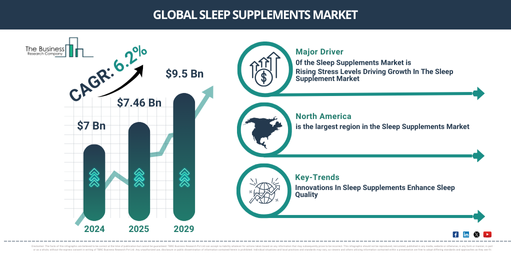
    The market size for sleep aids has shown robust growth in the past few years. It is projected to expand from $7 billion in 2024 to $7.46 billion in 2025, with a Compound Annual Growth Rate (CAGR) of 6.5%. The surge during the historic period can be associated with higher inclination towards natural and pure products, a rise in occurrences of sleep-related disorders, elevated stress levels, shifts in consumer attitudes, and a progressively aging demographic.

    The market for sleep supplements is projected to experience substantial expansion in the coming years, soaring to a worth of $9.5 billion by 2029 and showing a compound annual growth rate (CAGR) of 6.2%. The escalation during the projection period is due to factors such as the rise of lifestyle-related illnesses, growing average income, altering lifestyle habits, an increase in mental health concerns, and educational initiatives. The key trends for the forecast period encompass advances in technology, the rise of digital tech, the incorporation of health applications, the Internet of Things addressing sleep disorders, and emerging innovative products.

    Download a free sample to assess the report’s scope and structure:

    https://www.thebusinessresearchcompany.com/sample.aspx?id=20635&type=smp

    What Are the Core Growth Drivers Propelling the Sleep Supplements Market Forward?

    The growth of the sleep supplement market is expected to be driven by rising work-related stress levels. This refers to the physical, emotional and psychological tension arising due to demanding job conditions and expectations. The surge in work-related stress can be attributed to factors like increased workload, job insecurity, high expectations, and an unhealthy balance between work and personal life. Sleep supplements aid in managing sleep by inducing relaxation and regulating hormones responsible for sleep, such as melatonin. The American Psychiatric Association, a medical association for US-based psychiatrists and psychiatry residents, revealed in December 2022 that nearly 37% of Americans rated their mental health as either fair or poor in 2023, a rise from 31% in the previous year. Moreover, over 26% predicted that they would face increased stress at the beginning of 2023, compared to 20% in the previous year. Hence, the upsurge in work-related stress levels is fuelling the expansion of the sleep supplement market.

    What Segment Types Define the Sleep Supplements Market Structure?

    The sleep supplements market covered in this report is segmented –

    1) By Product Type: Minerals, Vitamin, Melatonin, Valerian Root, Other Product Types

    2) By Source: Synthetic, Natural

    3) By Dosage Form: Tablets, Capsules, Powders, Liquid

    4) By Indication: Insomnia, Sleep Apnea, Narcolepsy, Other Sleep Disorders

    5) By Distribution Channel: Retail Pharmacies, Hospital Pharmacies, Online Pharmacies, Specialty Stores

    Subsegments:

    1) By Minerals: Magnesium, Calcium, Zinc, Iron, Potassium

    2) By Vitamin: Vitamin D, Vitamin B6, Vitamin B12, Niacin (Vitamin B3), Folate (Vitamin B9)

    3) By Melatonin: Synthetic Melatonin Supplements, Natural Melatonin Sources, Extended-Release Melatonin Formulations, Melatonin Combinations With Other Ingredients

    4) By Valerian Root: Valerian Root Extracts, Valerian Root Teas, Valerian Supplements With Other Herbal Ingredients, Standardized Valerian Extracts

    5) By Other Product Types: Herbal Supplements, Amino Acids, Adaptogens, CBD Oil And Cannabinoids, Sleep-Promoting Formulations (Combination Products)

    Request customized data on this market:

    https://www.thebusinessresearchcompany.com/customise?id=20635&type=smp

    Which Geographic Areas Hold the Strongest Growth Potential in the Sleep Supplements Market?

    North America was the largest region in the sleep supplements market in 2024. The regions covered in the sleep supplements market report are Asia-Pacific, Western Europe, Eastern Europe, North America, South America, Middle East, Africa.

    What Are the Current Market Growth and Trends in the Sleep Supplements Industry?

    Primary players in the sleep supplement market, such as Natrol LLC, are concentrating on formulating innovative products like clean ingredient-based gummies to amplify their effectiveness and allure. The term clean ingredient-based gummies refer to sleep supplements that are composed of natural and harmless elements that are devoid of synthetic additives or preservatives. In May 2024, the American nutritional and herbal supplements manufacturer, Natrol LLC, unveiled time-release melatonin gummies. These are dietary sleep aids that blend immediate and prolonged release melatonin, intended to aid users to doze off quicker and remain asleep for an extended period. These gummies frequently contain extra components like L-theanine to encourage relaxation. The intention behind these gummies is to emulate the body’s innate melatonin release cycle to maintain a steady sleep duration throughout the night.

    View the full report here:

    https://www.thebusinessresearchcompany.com/report/sleep-supplements-global-market-report

    What Is the Definition of the Sleep Supplements Market?

    Sleep supplements are dietary products designed to support and improve sleep quality and duration. They typically contain natural or synthetic ingredients that may help regulate sleep patterns, promote relaxation, and address insomnia or disrupted sleep. These supplements are often used as a complementary approach to improving sleep hygiene and addressing sleep-related issues.

    Purchase the full report and get a swift delivery:

    https://www.thebusinessresearchcompany.com/purchaseoptions.aspx?id=20635

    About The Business Research Company:

    With over 15000+ reports from 27 industries covering 60+ geographies, The Business Research Company has built a reputation for offering comprehensive, data-rich research and insights. Armed with 1,500,000 datasets, the optimistic contribution of in-depth secondary research, and unique insights from industry leaders, you can get the information you need to stay ahead in the game.

    Get in touch with us:

    The Business Research Company: https://www.thebusinessresearchcompany.com/

    Americas +1 3156230293

    Asia +44 2071930708

    Europe +44 2071930708

    Email us at info@tbrc.info

    Follow us on:

    LinkedIn: https://in.linkedin.com/company/the-business-research-company

    YouTube: https://www.youtube.com/channel/UC24_fI0rV8cR5DxlCpgmyFQ

    Global Market Model: https://www.thebusinessresearchcompany.com/global-market-model

  • Emerging Growth Drivers in the Urinary Retention Therapeutics Market Landscape: Rise In Prostate Cancer Fueling The Growth Of The Market Due To Increasing Life Expectancy

    Emerging Growth Drivers in the Urinary Retention Therapeutics Market Landscape: Rise In Prostate Cancer Fueling The Growth Of The Market Due To Increasing Life Expectancy

    Get 30% off on our Global Market Reports with code ONLINE30 – Hurry, limited time offer!

    How Fast Is The Urinary Retention Therapeutics Market Expected to Grow Between 2025 And 2029?

    In recent years, there has been robust growth in the market size of urinary retention therapeutics. The market, which will expand from $3.33 billion in 2024 to $3.58 billion in 2025, is projected to have a compound annual growth rate (CAGR) of 7.5%. The surge in the market during the historical period can be attributed to an increase in the number of urological disorders, a rise in healthcare spending, an expanding elderly population worldwide, a heightened prevalence of urinary incontinence (UI), and a growing risk of associated urological conditions in individuals.

    In the upcoming years, the market for urinary retention therapeutics is anticipated to witness robust growth. It is predicted to expand to a value of $4.75 billion by 2029, achieving a compound annual growth rate of 7.3%. This predicted surge in the market during the forecast period can be attributed to factors such as the increased desire for home-based treatment, rising occurrences of prostate cancer, increasing demand for minimally invasive methods, more research projects, and a growing elderly population. Notable trends through the forecast period include the creation of novel treatment choices, the advent of cutting-edge urinary incontinence devices, advancements in technology, strategic alliances and collaborations, invasive over-the-counter devices, and wearable devices.

    Download a free sample to assess the report’s scope and structure:

    https://www.thebusinessresearchcompany.com/sample.aspx?id=23553&type=smp

    Which Primay Drivers Are Accelerating Growth in the Urinary Retention Therapeutics Market?

    The urinary retention therapeutics market is anticipated to expand in response to the increasing incidence of prostate cancer. Prostate cancer, a malignant disease marked by the unchecked proliferation of cells within the prostate gland, is growing predominately due to demographic changes, particularly the extended lifespan of men. As the population continues to age, the rate of developing age-associated ailments like prostate cancer inevitably rises. Urinary retention therapeutics are crucial in the management of prostate cancer as the growth of a tumor or a swollen prostate can block the urethra, complicating urination and necessitating intervention to reinstate regular urinary flow. For example, the Centers for Disease Control and Prevention, a health-protection agency based in the US, reported in June 2024 that 33,363 men within the US succumbed to prostate cancer in 2022 while 236,659 fresh cases were identified in 2021. Consequently, the escalating prostate cancer cases will bolster the urinary retention therapeutics market’s progression.

    Which Primary Segments of the Urinary Retention Therapeutics Market Are Driving Growth and Industry Transformations?

    The urinary retention therapeutics market covered in this report is segmented –

    1) By Drug Class: 5-Alpha-Reductase Inhibitor And Alpha-Blocker Drugs, Anticholinergic Or Antispasmodic Agents, Antidepressants, Skeletal Muscle Relaxants, Topical Estrogens, Other Drugs

    2) By Incontinence Type: Stress Incontinence, Urge Incontinence, Over-Flow Incontinence, Mixed Incontinence, Other Incontinence Types

    3) By Administration Route: Oral, Intravesical, Intravenous, Transdermal

    4) By Distribution Channel: Retail Pharmacy, Hospital Pharmacy, Online Pharmacy

    Subsegments:

    1) By 5-Alpha-Reductase Inhibitor And Alpha-Blocker Drugs: Finasteride, Dutasteride, Tamsulosin, Alfuzosin, Terazosin, Doxazosin

    2) By Anticholinergic or Antispasmodic Agents: Oxybutynin, Tolterodine, Solifenacin, Darifenacin, Trospium, Fesoterodine

    3) By Antidepressants: Imipramine, Amitriptyline, Duloxetine

    4) By Skeletal Muscle Relaxants: Baclofen, Tizanidine, Diazepam, Cyclobenzaprine

    5) By Topical Estrogens: Estradiol Cream, Conjugated Estrogens, Estriol Vaginal Cream

    6) By Other Drugs: Botulinum Toxin (Botox), Mirabegron, Desmopressin

    Request customized data on this market:

    https://www.thebusinessresearchcompany.com/customise?id=23553&type=smp

    Which Regions Are Key Players in the Growth of the Urinary Retention Therapeutics Market?

    North America was the largest region in the urinary retention therapeutics market in 2024. Asia-Pacific is expected to be the fastest-growing region in the forecast period. The regions covered in the urinary retention therapeutics market report are Asia-Pacific, Western Europe, Eastern Europe, North America, South America, Middle East, Africa.

    Which Emerging Trends that Are Influencing the Urinary Retention Therapeutics Industry Evolution?

    Leading businesses in the urinary retention therapeutics market are prioritizing cutting-edge technologies like next-generation sacral nerve stimulation therapy to enhance bladder and bowel management. This therapy involves deploying mild electrical impulses to stimulate the sacral nerves, thus easing urinary retention or overactive bladder symptoms. For example, Medtronic Plc, a medical device company based in Ireland, was approved by the U.S. Food and Drug Administration (FDA) in February 2022 for their InterStim X system. This marks a significant progression in personalized sacral nerve stimulation therapy. The InterStim X system is designed with a durable, non-rechargeable battery and is MRI-friendly. It also includes a smart programmer for custom therapy. Moreover, its two-step implantation permits a trial phase before dedicating to a permanent placement. These advancements enhance ease-of-use and safety in managing bladder and bowel regulation. The company provides two long-term options – the non-rechargeable InterStim X and the rechargeable InterStim Micro for conditions such as overactive bladder and chronic fecal incontinence.

    View the full report here:

    https://www.thebusinessresearchcompany.com/report/urinary-retention-therapeutics-global-market-report

    What Parameters Are Used to Define the Urinary Retention Therapeutics Market?

    Urinary retention therapeutics refer to a variety of medical approaches aimed at treating the inability to fully empty the bladder. These treatments focus on relieving bladder pressure, restoring normal urinary flow, and preventing potential complications such as infections or kidney damage. The ultimate goal is to improve bladder function and enhance the patient’s overall comfort and quality of life.

    Purchase the full report and get a swift delivery:

    https://www.thebusinessresearchcompany.com/purchaseoptions.aspx?id=23553

    About The Business Research Company:

    With over 15000+ reports from 27 industries covering 60+ geographies, The Business Research Company has built a reputation for offering comprehensive, data-rich research and insights. Armed with 1,500,000 datasets, the optimistic contribution of in-depth secondary research, and unique insights from industry leaders, you can get the information you need to stay ahead in the game.

    Get in touch with us:

    The Business Research Company: https://www.thebusinessresearchcompany.com/

    Americas +1 3156230293

    Asia +44 2071930708

    Europe +44 2071930708

    Email us at info@tbrc.info

    Follow us on:

    LinkedIn: https://in.linkedin.com/company/the-business-research-company

    YouTube: https://www.youtube.com/channel/UC24_fI0rV8cR5DxlCpgmyFQ

    Global Market Model: https://www.thebusinessresearchcompany.com/global-market-model

  • Global Skin Tightening Market Projected to Reach $3.08 Billion by 2029 at a CAGR of 10.7%

    Global Skin Tightening Market Projected to Reach $3.08 Billion by 2029 at a CAGR of 10.7%

    Discover trends, market shifts, and competitive outlooks for the skin tightening industry through 2025-2034 with The Business Research Company’s reliable data and in-depth research

    How Has The Skin Tightening Market Size Shifted, And What Is the Outlook Through 2034?

    In recent times, the market size for skin tightening procedures has seen significant growth. Forecasts suggest growth from $1.85 billion in 2024, reaching up to $2.05 billion in 2025, with a compound annual growth rate (CAGR) of 10.9%. The historic growth of this market is often linked to a rise in consumer spending, an uptick in cosmetic surgeries, the emergence of more beauty clinics, an increase in reported skin disorders, and the implications of increasing screen exposure.

    It is projected that the market for skin tightening will experience swift expansion in the ensuing years, reaching $3.08 billion in 2029 with a compound annual growth rate (CAGR) of 10.7%. This development over the projected period can be tied to the escalating demand for a youthful look, the rise in aesthetic procedures, increased knowledge about skin health, growing healthcare expenditure in developed areas, and heightened awareness about physical aesthetics. Dominant trends during this forecast period encompass technological advancements, product innovation, the inception of combination treatments, the creation of devices for home usage, and the launch of cutting-edge laser technology.

    Download a free sample to assess the report’s scope and structure:

    https://www.thebusinessresearchcompany.com/sample.aspx?id=20634&type=smp

    What are the Fundamental Drivers and Innovations Shaping the Skin Tightening Market?

    The growth of the skin tightening market is projected to be spurred by the increase in medical aesthetic procedures. Aesthetic procedures, which are either medical or cosmetic treatments, aim to enhance a person’s appearance, usually through surgical or minimally invasive techniques. The spotlight on medical aesthetic procedures is growing owing to the surging demand for minimally invasive treatments, the influence of social media platforms, advancements in technology, and an aging population preferring non-surgical options for preserving a youthful look. Skin tightening is often a crucial part of aesthetic procedures as it enhances skin elasticity, diminishes sagging, and contributes to a firmer, younger appearance post-aging, weight loss, or other factors affecting skin texture. For example, a survey carried out in June 2024 by the International Society of Aesthetic Plastic Surgery (ISAPS), a professional organization based in the US, revealed a significant 5.5% increase in surgical procedures in 2023. Over 15.8 million surgeries and 19.1 million non-surgical procedures were performed by plastic surgeons, according to over 1,000 participants from 90 different nations. These escalating numbers in aesthetic procedures are in turn stimulating the growth of the skin tightening market.

    How Is the Skin Tightening Market Segmented?

    The skin tightening market covered in this report is segmented –

    1) By Type: Radiofrequency (RF) Skin Tightening, Ultrasound Skin Tightening, Laser Skin Tightening, Infrared Skin Tightening, Other Types

    2) By Portability: Portable, Stand-Alone

    3) By Treatment Type: Non-invasive, Minimally Invasive

    4) By Application: Reduce Wrinkles, Face Lifting, Anti-Aging

    5) By End Use: Hospitals And Clinics, Beauty And Aesthetic Centers, Home Use, Others End User

    Subsegments:

    1) By Radiofrequency (RF) Skin Tightening: Monopolar RF Devices, Bipolar RF Devices, Fractional RF Devices

    2) By Ultrasound Skin Tightening: High-Intensity Focused Ultrasound (HIFU), Ultrasound-Lift Devices, Microfocused Ultrasound Systems

    3) By Laser Skin Tightening: Ablative Laser Treatments, Non-Ablative Laser Treatments, Fractional Laser Systems

    4) By Infrared Skin Tightening: Infrared Light Therapy Devices, Near-Infrared Systems, Combination Infrared Devices

    5) By Other Types: Microneedling With Radiofrequency, Combination Therapies, Chemical Peels For Skin Tightening

    Request customized data on this market:

    https://www.thebusinessresearchcompany.com/customise?id=20634&type=smp

    Which Regions Are Driving the Next Phase of the Skin Tightening Market Growth?

    North America was the largest region in the skin tightening market in 2024. Asia-Pacific is expected to be the fastest-growing region in the forecast period. The regions covered in the skin tightening market report are Asia-Pacific, Western Europe, Eastern Europe, North America, South America, Middle East, Africa.

    What Are the Strategic Trends Steering the Skin Tightening Market Direction?

    Leading companies in the skin tightening market are pioneering advancements in products like radiofrequency (RF) skin tightening machines to offer customers more sophisticated features. A device of this caliber utilizes RF energy to heat skin’s deeper layers, promoting collagen production and amending skin elasticity, reducing sagging to create a tauter look. Reveal Lasers LLC, a US-based company that specializes in energy-based technologies for the aesthetics industry, for instance, introduced the Denza in October 2023. Denza differentiates itself with its contemporary deployment of sequential monopolar and bipolar RF technology. This innovation achieves unparalleled skin tightening outcomes that were not accessible with only monopolar RF treatments. Its advanced blueprint incorporates adjustable cooling grades for superior patient safety and comfort, alongside an auto-pulsing mode that enhances treatment efficiency without compromising on effectiveness. Notably, Denza delivers transformative outcomes with negligible downtime, enabling patients to return to their regular routine almost instantly after a single session, depending on the area under treatment.

    View the full report here:

    https://www.thebusinessresearchcompany.com/report/skin-tightening-global-market-report

    How Is the Skin Tightening Market Defined and What Are Its Core Parameters?

    Skin tightening refers to cosmetic procedures or treatments aimed at improving skin elasticity, reducing sagging, and creating a more firm, youthful appearance. These procedures can be non-invasive, minimally invasive, or surgical, depending on the desired results and the technology used. Skin tightening is commonly performed to address aging signs, including wrinkles, fine lines, and loose skin, which occur due to the loss of collagen and elastin over time. These treatments are often customized based on individual skin types, concerns, and areas needing improvement.

    Purchase the full report and get a swift delivery:

    https://www.thebusinessresearchcompany.com/purchaseoptions.aspx?id=20634

    About The Business Research Company:

    With over 15000+ reports from 27 industries covering 60+ geographies, The Business Research Company has built a reputation for offering comprehensive, data-rich research and insights. Armed with 1,500,000 datasets, the optimistic contribution of in-depth secondary research, and unique insights from industry leaders, you can get the information you need to stay ahead in the game.

    Get in touch with us:

    The Business Research Company: https://www.thebusinessresearchcompany.com/

    Americas +1 3156230293

    Asia +44 2071930708

    Europe +44 2071930708

    Email us at info@tbrc.info

    Follow us on:

    LinkedIn: https://in.linkedin.com/company/the-business-research-company

    YouTube: https://www.youtube.com/channel/UC24_fI0rV8cR5DxlCpgmyFQ

    Global Market Model: https://www.thebusinessresearchcompany.com/global-market-model
  • Strategic Growth Drivers Shaping the Urinary Retention Drug Market Outlook 2025- 2034:Rising Prevalence Of Urinary Disorders Fueling The Market Due To Aging Populations And Increasing Cases Of Diabetes And Hypertension

    Strategic Growth Drivers Shaping the Urinary Retention Drug Market Outlook 2025- 2034:Rising Prevalence Of Urinary Disorders Fueling The Market Due To Aging Populations And Increasing Cases Of Diabetes And Hypertension

    Get 30% off on our Global Market Reports with code ONLINE30 – Hurry, limited time offer!

    What Are the Key Projections for the CAGR of the Urinary Retention Drug Market Size From 2025 to 2034?

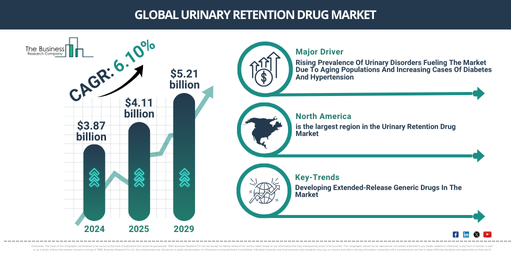
    The market size for drugs treating urinary retention has seen substantial growth in recent years. It is projected to expand from $3.87 billion in 2024 to $4.11 billion in 2025, with a compound annual growth rate (CAGR) of 6.4%. Factors contributing to this growth during the historic period include the rise in the elderly population, amplified health care investments, enhancements in the medical infrastructure, an increasing number of elderly individuals globally, and an increased incidence of BPH.

    The market for urinary retention medications is predicted to experience significant growth in the upcoming years, reaching a value of $5.21 billion by 2029, at a compound annual growth rate (CAGR) of 6.1%. This expected growth during the forecast period can be traced back to factors such as the rising occurrence of urinary retention, an increase in cases of postoperative urinary retention, a growing number of urinary incontinence (UI) cases, heightened awareness about the benefits of early diagnosis and treatment, and the rising occurrence of benign prostatic hyperplasia. The forecast period is also likely to witness major trends such as targeted drug delivery systems, developments in drug formulation technology, the application of artificial intelligence and machine learning, the use of telemedicine and remote monitoring, along with other innovative solutions.

    Download a free sample to assess the report’s scope and structure:

    https://www.thebusinessresearchcompany.com/sample.aspx?id=23552&type=smp

    Which Factors and External Forces Are Driving Demand in the Urinary Retention Drug Market?

    The growing incidence of urinary problems is anticipated to fuel the expansion of the urinary retention drug market. Urinary problems encompass conditions that impact the urinary system, giving rise to issues such as urination difficulty, pain, incontinence, or retention. The escalating incidence of these disorders can be attributed to the rising occurrence of diabetes, given that high glucose levels in the blood can harm the kidneys and urinary tract. This, in turn, leads to conditions like diabetic nephropathy and recurrent urinary tract infections. Urinary retention medications aid in addressing these disorders by enhancing urine flow, relaxing the bladder muscles, and easing symptoms like difficulty in urinating, thereby boosting comfort and bladder functionality. For example, in October 2023, the National Health Service (NHS) England, a UK governmental department, reported that hospitals recorded 147,285 admissions in 2022/23, primarily due to urinary tract infection (UTI). Of these, 56% or 82,392 admissions were individuals aged over 65. The 80-84 age group accounted for the most admissions, with 17,280 cases. Hence, the growing incidence of urinary problems is prompting the expansion of the urinary retention drug market.

    Which Segments in the Urinary Retention Drug Offer the Most Growth?

    The urinary retention drug market covered in this report is segmented –

    1) By Drug Class: Alpha Blockers, Beta-3 Agonists, Anticholinergics, Surgical Agents

    2) By Indication: Chronic Urinary Retention, Postoperative Urinary Retention, Neurogenic Bladder

    3) By Administration: Oral, Injectable, Transdermal

    4) By End Users: Hospitals, Homecare, Specialty Clinics, Other End Users

    Subsegments:

    1) By Alpha Blockers: Alpha-1 Blockers, Alpha-2 Blockers

    2) By Beta-3 Agonists: Selective Beta-3 Agonists

    3) By Anticholinergics: Antimuscarinics, Non-Selective Anticholinergics

    4) By Surgical Agents: Anesthetics, Hemostatic Agents, Muscle Relaxants, Antibiotic Prophylaxis

    Request customized data on this market:

    https://www.thebusinessresearchcompany.com/customise?id=23552&type=smp

    What Are the Fastest-Growing Geographies in the Urinary Retention Drug Market?

    North America was the largest region in the urinary retention drug market in 2024. The regions covered in the urinary retention drug market report are Asia-Pacific, Western Europe, Eastern Europe, North America, South America, Middle East, Africa.

    What Key Trends Are Shaping the Future of the Urinary Retention Drug Market?

    Leading players in the urinary retention drug market are concentrating on creating innovative formulations like extended-release tablets to enhance patient adherence and provide long-term symptom relief. Extended-release (ER) tablets are a form of medication that is designed to slowly but steadily release the active ingredient, maintaining a constant concentration of the drug in the bloodstream, thus decreasing the need for frequent dosing compared to immediate-release tablets. For example, in April 2024, India’s Zydus Lifesciences Limited launched a generic version of Mirabegron for overactive bladder (OAB). Mirabegron is a selective beta-3 adrenergic agonist that aids in the relaxation of bladder muscles, hence diminishing urinary urgency, frequency, and incontinence. Apart from its use for OAB, it can also aid in controlling urinary retention related to overactive bladder disorders. The medication is given as a daily oral dosage.

    View the full report here:

    https://www.thebusinessresearchcompany.com/report/urinary-retention-drug-global-market-report

    What Are the Key Elements That Define the Urinary Retention Drug Market?

    Urinary retention drugs are medications used to treat conditions where there is difficulty in emptying the bladder, often by relaxing the bladder muscles or stimulating the bladder to contract, aiding in urine flow. These drugs can be prescribed for conditions such as benign prostatic hyperplasia (BPH) or neurogenic bladder, helping to improve urinary function and relieve discomfort.

    Purchase the full report and get a swift delivery:

    https://www.thebusinessresearchcompany.com/purchaseoptions.aspx?id=23552

    About The Business Research Company:

    With over 15000+ reports from 27 industries covering 60+ geographies, The Business Research Company has built a reputation for offering comprehensive, data-rich research and insights. Armed with 1,500,000 datasets, the optimistic contribution of in-depth secondary research, and unique insights from industry leaders, you can get the information you need to stay ahead in the game.

    Get in touch with us:

    The Business Research Company: https://www.thebusinessresearchcompany.com/

    Americas +1 3156230293

    Asia +44 2071930708

    Europe +44 2071930708

    Email us at info@tbrc.info

    Follow us on:

    LinkedIn: https://in.linkedin.com/company/the-business-research-company

    YouTube: https://www.youtube.com/channel/UC24_fI0rV8cR5DxlCpgmyFQ

    Global Market Model: https://www.thebusinessresearchcompany.com/global-market-model

  • Strong CAGR to Propel in the Healthcare Extended Reality Market and Beyond upto $34.83 Billion by 2029

    Strong CAGR to Propel in the Healthcare Extended Reality Market and Beyond upto $34.83 Billion by 2029

    Our market reports now include the latest updates on global tariffs, trade impacts, and evolving supply chain dynamics.

    How Has the Healthcare Extended Reality Market Growth Performance Trended Historically, And What Lies Ahead?

    The market size of extended reality in healthcare has seen exponential expansion over the past few years. It is set to catapult from $8.43 billion in 2024 to $11.22 billion in 2025, boasting a compound annual growth rate (CAGR) of 33.1%. Several factors contribute to this boom during the previous period, including the surge in surgical procedures, an augmented requirement for pain control, the escalating occurrence of chronic illnesses, a rise in healthcare expenditure, and improvements in medical teaching and training.

    In the coming years, the healthcare extended reality market is predicted to undergo substantial expansion, reaching $34.83 billion by 2029, with a compound annual growth rate (CAGR) of 32.7%. Factors contributing to this growth during the forecast period are an increase in innovative uses in medical education and training, a surge in mental health challenges, an escalation in the use of XR technology in medical learning, and an upsurge in the quantity of healthcare institutions. Key trends in the forecast period span advances in telemedicine technology, technological progression, display technology innovation, development in virtual reality headset technology, and advancements in digital health technology.

    Download a free sample to assess the report’s scope and structure:

    https://www.thebusinessresearchcompany.com/sample.aspx?id=21199&type=smp

    Which Primay Drivers Are Accelerating Growth in the Healthcare Extended Reality Market?

    The growth of the healthcare extended reality market is anticipated to be spurred by the increasing uptake of telemedicine. Telemedicine, which utilizes telecommunications technology to deliver medical services remotely, allows patients to interact with healthcare experts without physically visiting a clinic. The enhanced demand for easy access to healthcare coupled with technological advancements facilitating remote consultations and monitoring, are driving telemedicine adoption rates higher. Healthcare extended reality (XR) amplifies the benefits of telemedicine with immersive remote consultations, virtual check-ups, and interactive training, enhancing patient engagement, precision in diagnosis, and collaborative healthcare professional care. The Centers for Disease Control and Prevention, a US government agency, cited an example in June 2024 stating that the percentage of adult telemedicine users in 2022 escalated by 30.1% from the preceding year. Moreover, as per the Australian Digital Health Agency, a government agency located in Australia, from 13 March 2020 to 31 July 2022, 118.2 million telehealth services affected 18 million patients, with over 95,000 practitioners utilizing telehealth services in 2022. Consequently, the upsurge in telemedicine adoption is fuelling the growth of the healthcare extended reality market.

    Which Primary Segments of the Healthcare Extended Reality Market Are Driving Growth and Industry Transformations?

    The healthcare extended reality market covered in this report is segmented –

    1) By Component: Hardware, Software, Services

    2) By Technology: Augmented Reality, Virtual Reality, Mixed Reality

    3) By Application: Surgery, Therapy, Education And Training, Rehabilitation, Pain Management, Other Applications

    4) By End User: Hospitals Clinics And Surgical Centers, Pharma Companies, Research Organization And Diagnostics Laboratories, Other End Users

    Subsegments:

    1) By Hardware: Head-Mounted Displays (HMDs), Smart Glasses, Haptic Feedback Devices, Sensors and Cameras

    2) By Software: Virtual Reality (VR) Software, Augmented Reality (AR) Software, Mixed Reality (MR) Software, Simulation and Training Software

    3) By Services: Consulting Services, Integration And Deployment Services, Support And Maintenance Services, Training And Education Services

    Request customized data on this market:

    https://www.thebusinessresearchcompany.com/customise?id=21199&type=smp

    Which Regions Are Key Players in the Growth of the Which Primay Drivers Are Accelerating Growth in the Healthcare Extended Reality Market? Market?

    North America was the largest region in the healthcare extended reality market in 2024. The regions covered in the healthcare extended reality market report are Asia-Pacific, Western Europe, Eastern Europe, North America, South America, Middle East, Africa.

    Which Technological Trends Are Reshaping the Healthcare Extended Reality Industry Dynamics?

    Key players in the healthcare extended reality sector are prioritizing the advancement of revolutionary technologies like the incorporation of virtual and augmented reality techniques to upgrade medical education, patient care, and surgical preparation. The amalgamation of these two technologies augments user experiences by creatively merging digital substance with the physical world, thereby generating engaging and interactive settings. To exemplify, SindyXR Inc., an American telehealth group therapy platform corporation, in April 2024, launched its inaugural extended reality (XR)-based group health assistance system. This system improves patient management by offering immersive educational experiences that heighten interaction and provide remote healthcare services accessibility. Additionally, it contributes to mental health therapies, lessens pain awareness, and encourages teamwork among healthcare experts, leading to enhanced health results.

    View the full report here:

    https://www.thebusinessresearchcompany.com/report/healthcare-extended-reality-global-market-report2024-

    What Parameters Are Used to Define the Healthcare Extended Reality Market?

    Healthcare extended reality refers to the integration of virtual reality (VR), augmented reality (AR), and mixed reality (MR) technologies to enhance medical training, patient treatment, and surgical procedures. It is used for improving patient outcomes, enabling immersive simulations for healthcare professionals, and facilitating remote consultations and rehabilitation.

    Purchase the full report and get a swift delivery:

    https://www.thebusinessresearchcompany.com/purchaseoptions.aspx?id=21199

    About The Business Research Company:

    With over 15000+ reports from 27 industries covering 60+ geographies, The Business Research Company has built a reputation for offering comprehensive, data-rich research and insights. Armed with 1,500,000 datasets, the optimistic contribution of in-depth secondary research, and unique insights from industry leaders, you can get the information you need to stay ahead in the game.

    Get in touch with us:

    The Business Research Company: https://www.thebusinessresearchcompany.com/

    Americas +1 3156230293

    Asia +44 2071930708

    Europe +44 2071930708

    Email us at info@tbrc.info

    Follow us on:

    LinkedIn: https://in.linkedin.com/company/the-business-research-company

    YouTube: https://www.youtube.com/channel/UC24_fI0rV8cR5DxlCpgmyFQ

    Global Market Model: https://www.thebusinessresearchcompany.com/global-market-model