Month: June 2025

  • Emerging Growth Drivers in the Gastroesophageal Junction Adenocarcinoma Therapeutics Market Landscape: Impact Of Growing Obesity Cases On The Market

    Emerging Growth Drivers in the Gastroesophageal Junction Adenocarcinoma Therapeutics Market Landscape: Impact Of Growing Obesity Cases On The Market

    Our market reports now include the latest updates on global tariffs, trade impacts, and evolving supply chain dynamics.

    How Has The Gastroesophageal Junction Adenocarcinoma Therapeutics Market Size Shifted, And What Is the Outlook Through 2034?

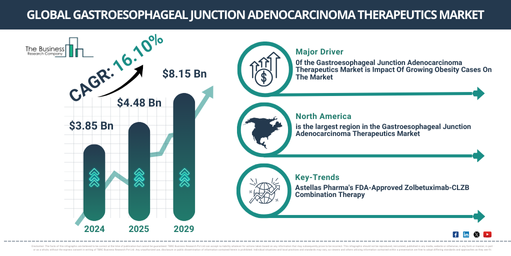
    The therapeutics market for gastroesophageal junction adenocarcinoma has witnessed swift expansion in recent times. Projected to rise from $3.85 billion in 2024 to $4.48 billion in 2025, it’s set for a compound annual growth rate (CAGR) of 16.4%. This upward trajectory during the historic period is a result of a higher incidence of helicobacter pylori infections, growing cases of Barrett’s esophagus, an increase in screening initiatives, greater investment in research and development, and improved access to healthcare.

    Rapid expansion is projected for the gastroesophageal junction adenocarcinoma therapeutics market in the coming years, reaching a value of $8.15 billion by 2029 thanks to a compound annual growth rate (CAGR) of 16.1%. The forecasted growth is backed by various factors, such as the emphasis on precision oncology, the popularity of multidisciplinary treatment strategies, the increasing application of liquid biopsies, a preference for minimally invasive methods, and the rising endorsement and application of immuno-oncology treatments. The forecast period also highlights several major trends like the application of next-generation sequencing in clinical settings, breakthroughs in targeted radiation therapy, progression in molecular imaging, the incorporation of artificial intelligence in treatment design, and enhancements in surgical procedures.

    Download a free sample to assess the report’s scope and structure:

    https://www.thebusinessresearchcompany.com/sample.aspx?id=21189&type=smp

    Which Primay Drivers Are Accelerating Growth in the Gastroesophageal Junction Adenocarcinoma Therapeutics Market?

    The increasing occurrence of obesity is predicted to boost the expansion of the gastroesophageal junction adenocarcinoma therapeutics market. Obesity is defined as a health-threatening condition marked by excessive accumulation of body fat due to factors like unhealthy eating habits, inactive lifestyle, insufficient physical activity, and elevated intake of processed, high-calorie food. Treatments for Gastroesophageal junction adenocarcinoma (GEJA) aid obesity issues by addressing the root causes leading to weight gain, such as inflammation, metabolic disturbances, and hormonal imbalances, which might be severe with the presence of the disease. For instance, in March 2024, the World Health Organization (WHO), a Swiss-based intergovernmental body, disclosed that approximately one-eighth of the global population were suffering from obesity. This included 2.5 billion adults (18 years and older), with 890 million of them identified as obese. Of these adults, 43% were overweight, and 16% were categorised as obese. In addition, the count of overweight children below the age of 5 reached 37 million. Hence, the escalating cases of obesity are the growth drivers of the gastroesophageal junction adenocarcinoma therapeutics market.

    Which Primary Segments of the Gastroesophageal Junction Adenocarcinoma Therapeutics Market Are Driving Growth and Industry Transformations?

    The gastroesophageal junction adenocarcinoma therapeutics market covered in this report is segmented –

    1) By Drug: Trastuzumab, Ramucirumab

    2) By Diagnosis: Endoscopy, X-ray, Computed Tomography (CT) Scan, Positron Emission Tomography (PET) Scan

    3) By Treatment: Esophagectomy Surgery, Esophageal Dilation, Chemotherapy, Targeted Therapy

    4) By Distribution Channel: Hospital Pharmacy, Retail Pharmacy, Online Pharmacy

    Subsegments:

    1) By Trastuzumab: Monotherapy, Combination Therapy With Chemotherapy

    2) By Ramucirumab: Monotherapy, Combination Therapy With Paclitaxel

    Request customized data on this market:

    https://www.thebusinessresearchcompany.com/customise?id=21189&type=smp

    Which Regions Are Key Players in the Growth of the Which Primay Drivers Are Accelerating Growth in the Gastroesophageal Junction Adenocarcinoma Therapeutics Market? Market?

    North America was the largest region in the gastroesophageal junction adenocarcinoma therapeutics market in 2024. The regions covered in the gastroesophageal junction adenocarcinoma therapeutics market report are Asia-Pacific, Western Europe, Eastern Europe, North America, South America, Middle East, Africa.

    Which Technological Trends Are Reshaping the Gastroesophageal Junction Adenocarcinoma Therapeutics Industry Dynamics?

    Principal firms in the gastroesophageal junction adenocarcinoma therapeutics sector are working tirelessly to create novel treatment methods, for example, mixed therapy techniques, with the aim to optimize treatment efficiency, boost patient prognosis, and tackle resistance to present medications. Mixed therapy is the concurrent use of two or more therapeutic tools, such as medications or treatment processes, to augment their beneficial impact and simultaneously handle diverse aspects of an ailment. For instance, in October 2024, a Japanese pharmaceutical firm, Astellas Pharma Inc., secured approval from the U.S. Food and Drug Administration (FDA) for zolbetuximab-clzb coupled with fluoropyrimidine- and platinum-infused chemotherapy. It’s a pioneering monoclonal antibody that targets Claudin 18.2 specifically, a protein which is observed in high quantities in gastric and GEJ cancers, thus improving treatment precision and effectiveness. This selective attachment to CLDN18.2 positive cancer cells facilitates a more targeted approach, reducing harm to healthy tissues and enhancing therapeutic results.

    View the full report here:

    https://www.thebusinessresearchcompany.com/report/gastroesophageal-junction-adenocarcinoma-therapeutics-global-market-report

    What Parameters Are Used to Define the Gastroesophageal Junction Adenocarcinoma Therapeutics Market?

    Gastroesophageal Junction Adenocarcinoma refers to a malignant tumor that develops at the junction of the esophagus and stomach, often associated with chronic acid reflux, obesity, and other risk factors. Its therapeutics include targeted therapies, immunotherapy, chemotherapy, and surgical interventions aimed at slowing tumor progression, improving survival rates, and enhancing patient outcomes.

    Purchase the full report and get a swift delivery:

    https://www.thebusinessresearchcompany.com/purchaseoptions.aspx?id=21189

    About The Business Research Company:

    With over 15000+ reports from 27 industries covering 60+ geographies, The Business Research Company has built a reputation for offering comprehensive, data-rich research and insights. Armed with 1,500,000 datasets, the optimistic contribution of in-depth secondary research, and unique insights from industry leaders, you can get the information you need to stay ahead in the game.

    Get in touch with us:

    The Business Research Company: https://www.thebusinessresearchcompany.com/

    Americas +1 3156230293

    Asia +44 2071930708

    Europe +44 2071930708

    Email us at info@tbrc.info

    Follow us on:

    LinkedIn: https://in.linkedin.com/company/the-business-research-company

    YouTube: https://www.youtube.com/channel/UC24_fI0rV8cR5DxlCpgmyFQ

    Global Market Model: https://www.thebusinessresearchcompany.com/global-market-model
  • Filariasis Treatment Market Insights: In-Depth Look at Growth Trends, Market Size, and Opportunities for 2025-2034

    Filariasis Treatment Market Insights: In-Depth Look at Growth Trends, Market Size, and Opportunities for 2025-2034

    Our market reports now include the latest updates on global tariffs, trade impacts, and evolving supply chain dynamics.

    How Has the Filariasis Treatment Market Growth Performance Trended Historically, And What Lies Ahead?

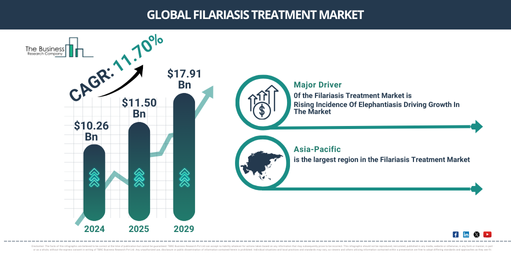
    In recent times, the market size for filariasis treatment has seen rapid expansion. There will be an increase from $10.26 billion in 2024 to $11.50 billion in 2025, with a compound annual growth rate (CAGR) of 12.1%. The historic growth can be attributed to factors such as a rise in cases of filariasis, increased funding, more investment in research and development, escalating climate change, and an uptick in international travel.

    In the coming years, the market size for filariasis treatment is predicted to experience swift expansion, escalating to $17.91 billion by 2029 with a compound annual growth rate (CAGR) of 11.7%. This progression in the projection period can be accredited to government initiatives, heightened emphasis on healthcare strategies, enhancement in healthcare amenities, burgeoning demand for oral pharmaceuticals, and the widespread occurrence of filariasis in endemic areas. Key trends anticipated within this period encompass the emergence of triple-drug therapy, persistent research for the creation of extended-release anti-filarial drugs, advancements in CRISPR and molecular biology, the formulation of innovative diagnostic tools, and superior techniques for managing lymphedema.

    Download a free sample to assess the report’s scope and structure:

    https://www.thebusinessresearchcompany.com/sample.aspx?id=21188&type=smp

    Which Factors and External Forces Are Driving Demand in the Filariasis Treatment Market?

    An anticipated rise in elephantiasis cases is predicted to contribute to the growth of the filariasis treatment market. Elephantiasis, a severe condition caused by parasitic infections, leads to extreme swelling and skin thickening, predominantly in the limbs. Factors such as insufficient sanitation and hygiene, inadequate mass drug administration (MDA), poor vector control, and treatment deficiencies contribute to the increase in elephantiasis incidents. By targeting the root parasitic infection, filariasis treatment helps to lessen inflammation and avoid lymphatic damage, subsiding the chances of elephantiasis progression and relieving its harsh symptoms. For example, the World Health Organization reported in November 2024 that over 657 million individuals in 39 countries remain at risk of lymphatic filariasis in 2023 and require preventive treatment to stop the transmission of this disease. Hence, the rising incidence of elephantiasis is fueling the filariasis treatment market’s expansion. The advancement in healthcare facilities is another driving force behind the growth of the filariasis treatment market. These facilities, including hospitals, clinics, and diagnostic centers, provide medical care and services. Factors such as heightened investment in healthcare infrastructure, a patient-centered care approach, population growth, and aging contribute to the improvement of these facilities. This progress ensures access to superior diagnostic instruments, effective medicine, and proficient healthcare experts, enabling extensive screenings, timely therapies, and ongoing care, enhancing patient outcomes and alleviating the filariasis disease load. For instance, the American Health Care Association reported in May 2023 that the United States saw a 0.591% rise in hospital numbers from the prior year, totaling 6,129. Consequently, the enhancement of healthcare facilities is fueling the filariasis treatment market growth.

    Which Segments in the Filariasis Treatment Offer the Most Growth?

    The filariasis treatment market covered in this report is segmented –

    1) By Drug Type: Diethylcarbamazine, Ivermectin, Albendazole, Other Drug Types

    2) By Treatment Type: Medication, Surgery, Other Treatment Types

    3) By Distribution Channel: Hospital Pharmacies, Retail Pharmacies, Online Pharmacies, Other Distribution Channels

    4) By End-User: Hospitals, Clinics, Ambulatory Surgical Centers, Other End-Users

    Subsegments:

    1) By Diethylcarbamazine: Monotherapy, Combination Therapy

    2) By Ivermectin: Single-Dose Therapy, Mass Drug Administration (MDA)

    3) By Albendazole: Standalone Treatment, Combination With Other Anthelmintics

    4) By Other Drug Types: Doxycycline Therapy, Antihistamines And Anti-Inflammatory Drugs

    Request customized data on this market:

    https://www.thebusinessresearchcompany.com/customise?id=21188&type=smp

    What Are the Fastest-Growing Geographies in the Which Factors and External Forces Are Driving Demand in the Filariasis Treatment Market? Market?

    Asia-Pacific was the largest region in the filariasis treatment market in 2024. Asia-Pacific is expected to be the fastest-growing region in the forecast period. The regions covered in the filariasis treatment market report are Asia-Pacific, Western Europe, Eastern Europe, North America, South America, Middle East, Africa.

    View the full report here:

    https://www.thebusinessresearchcompany.com/report/filariasis-treatment-global-market-report

    What Are the Key Elements That Define the Filariasis Treatment Market?

    Filariasis treatment involves medical interventions aimed at managing and eliminating infections caused by filarial parasites, which are transmitted through mosquito bites. The treatment eradicates the infection, relieve symptoms, and prevent severe complications such as lymphedema (elephantiasis) and blindness.

    Purchase the full report and get a swift delivery:

    https://www.thebusinessresearchcompany.com/purchaseoptions.aspx?id=21188

    About The Business Research Company:

    With over 15000+ reports from 27 industries covering 60+ geographies, The Business Research Company has built a reputation for offering comprehensive, data-rich research and insights. Armed with 1,500,000 datasets, the optimistic contribution of in-depth secondary research, and unique insights from industry leaders, you can get the information you need to stay ahead in the game.

    Get in touch with us:

    The Business Research Company: https://www.thebusinessresearchcompany.com/

    Americas +1 3156230293

    Asia +44 2071930708

    Europe +44 2071930708

    Email us at info@tbrc.info

    Follow us on:

    LinkedIn: https://in.linkedin.com/company/the-business-research-company

    YouTube: https://www.youtube.com/channel/UC24_fI0rV8cR5DxlCpgmyFQ

    Global Market Model: https://www.thebusinessresearchcompany.com/global-market-model
  • Major Drivers Propelling the Growth oh theFebrile Neutropenia Market Forward: Rising Cancer Prevalence Fueling Growth In The Market

    Major Drivers Propelling the Growth oh theFebrile Neutropenia Market Forward: Rising Cancer Prevalence Fueling Growth In The Market

    Our market reports now include the latest updates on global tariffs, trade impacts, and evolving supply chain dynamics.

    What Are the Projected Market Size and Growth Rates for the Febrile Neutropenia Market From 2025 To 2029?

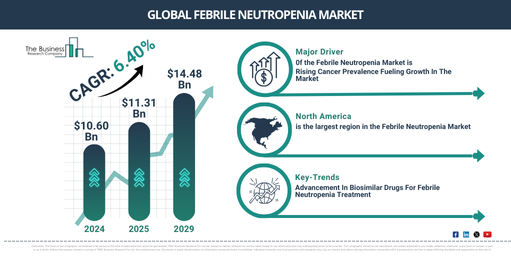
    The market size for febrile neutropenia has seen a significant increase in the past few years. The market is projected to expand from $10.60 billion in 2024 to $11.31 billion in 2025, exhibiting a Compound Annual Growth Rate (CAGR) of 6.7%. Factors like the escalating caseload of cancer, increased utilization of chemotherapy, the popularity of personalized medicine, decreasing costs of healthcare, and the rising incidences of neutropenia have contributed to the growth observed in the historic period.

    In the coming years, the market size for febrile neutropenia is predicted to witness substantial growth, rising to $14.48 billion in 2029 at a compound annual growth rate (CAGR) of 6.4%. The growth during the forecast period can be credited to an increased usage of immunosuppressive medications, elevation in R&D activities, favorable reimbursement policies, greater investments, and a surge in leukemia instances. Major trends throughout the forecast period encompass swift molecular diagnostics, uptake of antimicrobial stewardship & de-escalation therapy, immunotherapy & targeted treatments, risk stratification models, as well as progress in fungal biomarkers.

    Download a free sample to assess the report’s scope and structure:

    https://www.thebusinessresearchcompany.com/sample.aspx?id=21187&type=smp

    Which Major Market Drivers Are Expected to Boost the Growth Potential of the Febrile Neutropenia Market?

    The surging occurrence of cancer is predicted to fuel the expansion of the febrile neutropenia market in the future. Cancer refers to a range of diseases defined by the unchecked multiplication of abnormal cells that have the potential to infiltrate neighboring tissues and metastasize to other body parts. The escalating incidence of cancer can be traced back to reasons like aging population, environmental and work-related exposure, genetic susceptibility, and hormonal and reproductive contributors. Febrile neutropenia aids cancer patients by underscoring the escalated risk of infections during chemotherapy. This alerts early interference and customized treatments to avert critical complications, hence enhancing patient results and facilitating prompt continuation of cancer treatment. For instance, the American Cancer Society, a US-based non-profit organization promoting cancer awareness, anticipated in January 2022 that the US could witness approximately 1.9 million fresh cancer cases and around 609,360 cancer-associated deaths, culminating in approximately 1,670 deaths daily. Consequently, the escalating occurrence of cancer is spurring the growth of the febrile neutropenia market.

    Which Key Market Segments Comprise the Febrile Neutropenia Market and Drive Its Revenue Growth?

    The febrile neutropenia market covered in this report is segmented –

    1) By Treatment: Empirical Antibiotic Therapy, Targeted Antibiotic Therapy, Supportive Care

    2) By Risk Factors: Chemotherapy-Induced Neutropenia, Transplant-Related Neutropenia, Genetic Disorders

    3) By Etiology: Gram-Negative Bacteria, Gram-Positive Bacteria, Fungal Infections, Viral Infections

    4) By Diagnostic Methods: Blood Cultures, Imaging Tests, Bone Marrow Aspiration

    Subsegments:

    1) By Empirical Antibiotic Therapy: Broad-Spectrum Beta-Lactams, Glycopeptides, Carbapenems

    2) By Targeted Antibiotic Therapy: Antifungal Therapy, Antiviral Therapy, Gram-Positive Bacterial Therapy, Gram-Negative Bacterial Therapy

    3) By Supportive Care: Granulocyte Colony-Stimulating Factors (G-CSFs), Intravenous Fluids, Antipyretics And Pain Management

    Request customized data on this market:

    https://www.thebusinessresearchcompany.com/customise?id=21187&type=smp

    Which Areas Are Leading Regions in the Febrile Neutropenia Market Expansion Across the Globe?

    North America was the largest region in the febrile neutropenia market in 2024. Asia-Pacific is expected to be the fastest-growing region in the forecast period. The regions covered in the febrile neutropenia market report are Asia-Pacific, Western Europe, Eastern Europe, North America, South America, Middle East, Africa.

    What Are the Key Market Trends in theFebrile Neutropenia Market Over the Coming Years?

    Leading firms in the febrile neutropenia market are prioritizing the development of advanced biosimilar drugs to increase ease of treatment. Biosimilar medicines are biological agents that exhibit a high degree of similarity to previously approved reference drugs in terms of structure, function, and effectiveness. These bio-mimicry offer cost-efficient replacements for original biologics, widening patient reach and fulfilling rigorous regulatory requirements. Case in point, Fresenius Kabi, a pharmaceutical corporation based in Germany, garnered approval for its biosimilar, Stimufend (pegfilgrastim-fpgk), from the U.S. Food and Drug Administration (FDA) in September 2022. This authorization expands the usage of Stimufend to patients with non-myeloid cancers undergoing myelosuppressive chemotherapy that could result in febrile neutropenia, an extreme medical circumstance marked by a reduction in white blood cells and feverish symptoms. The firm anticipates to introduce Stimufend in a preloaded injection format in early 2023 and is concurrently exploring the development of an on-body injector for future utilization.

    View the full report here:

    https://www.thebusinessresearchcompany.com/report/febrile-neutropenia-global-market-report

    How Is the Febrile Neutropenia Market Conceptually Defined?

    Febrile neutropenia is a medical condition characterized by a fever (temperature of 100.4°F or higher) and a low number of neutrophils, which are a type of white blood cell essential for fighting infections. This condition is often seen in patients undergoing chemotherapy or other treatments that suppress the immune system, making them more vulnerable to infections.

    Purchase the full report and get a swift delivery:

    https://www.thebusinessresearchcompany.com/purchaseoptions.aspx?id=21187

    About The Business Research Company:

    With over 15000+ reports from 27 industries covering 60+ geographies, The Business Research Company has built a reputation for offering comprehensive, data-rich research and insights. Armed with 1,500,000 datasets, the optimistic contribution of in-depth secondary research, and unique insights from industry leaders, you can get the information you need to stay ahead in the game.

    Get in touch with us:

    The Business Research Company: https://www.thebusinessresearchcompany.com/

    Americas +1 3156230293

    Asia +44 2071930708

    Europe +44 2071930708

    Email us at info@tbrc.info

    Follow us on:

    LinkedIn: https://in.linkedin.com/company/the-business-research-company

    YouTube: https://www.youtube.com/channel/UC24_fI0rV8cR5DxlCpgmyFQ

    Global Market Model: https://www.thebusinessresearchcompany.com/global-market-model
  • Critical Market Drivers Shaping the Outlook for Eye Infections Market from 2025-2034: Rising Prevalence Of Eye-Related Disorders To Drive Growth In The Market

    Critical Market Drivers Shaping the Outlook for Eye Infections Market from 2025-2034: Rising Prevalence Of Eye-Related Disorders To Drive Growth In The Market

    Our market reports now include the latest updates on global tariffs, trade impacts, and evolving supply chain dynamics.

    What Is the Estimated Market Size of the Eye Infections Market In 2029?

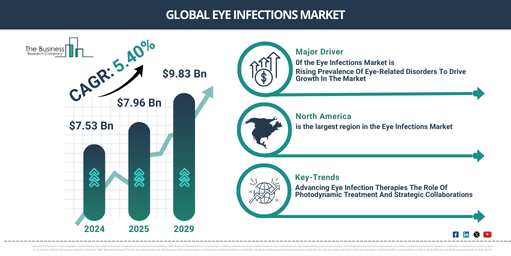
    In recent times, the market size for eye infections has seen robust growth. Expanding from a value of $7.53 billion in 2024, it is projected to reach $7.96 billion in 2025, with a compound annual growth rate (CAGR) of 5.7%. The augmentation during this historical timeframe can be linked to a rise in exposure to environmental pollutants that trigger eye irritations, an upward trend in the prevalence of eye infections among children, a surge in medical tourism related to eye surgeries, an increase in demand for combination treatments for complicated infections, and a growth in allergic conjunctivitis occurrences.

    The market for eye infections is projected to experience substantial expansion in the upcoming years, reaching an estimated $9.83 billion by 2029 with a compound annual growth rate (CAGR) of 5.4%. The predicted growth during this period can be credited to factors such as elevated incidents of eye infections, the increasing elderly population susceptible to these infections, rising diabetes cases that affect eye health, the escalating issue of contact lens-related infections, as well as heightened consciousness regarding the significance of eye health. Foreseeable trends within this period comprise improvements in eye infection diagnostic technologies, the inclusion of AI in diagnostic tools for eye infections, the adoption of 3D printing in ophthalmic procedures, the creation of genetic therapies for obscure eye infections, and advancements in antibiotics and antivirals.

    Download a free sample to assess the report’s scope and structure:

    https://www.thebusinessresearchcompany.com/sample.aspx?id=21186&type=smp

    What Are the Core Growth Drivers Propelling the Eye Infections Market Forward?

    The escalating occurrence and commonness of eye-associated disorders is projected to drive the growth of the eye infections market. Eye-associated disorders encompass a variety of diseases affecting the eyes, which include conditions like glaucoma, cataracts, macular degeneration, and refractive errors such as myopia and hyperopia. The surge in people suffering from eye-associated disorders can be attributed to factors such as ageing populations, lifestyle modifications, environmental influences, and a deficiency in diagnostic capabilities, causing delays in the identification of disorders. Eye infections can heighten or exacerbate these disorders by causing inflammation, tissue destruction, and disrupting the eye’s innate defenses, which could lead to complications such as vision loss or chronic conditions. For example, the World Health Organization, a health authority based in Switzerland, reported that in 2023, 130,746 individuals underwent surgical treatments for advanced trachoma, and 32.9 million received antibiotics, representing 29% of global coverage. Consequently, the rising occurrence and commonness of eye-associated disorders will propel the eye infections market in the future.

    What Segment Types Define the Eye Infections Market Structure?

    The eye infections market covered in this report is segmented –

    1) By Indications: Conjunctivitis, Keratitis, Endophthalmitis, Blepharitis, Stye, Uveitis, Cellulitis, Ocular Herpes

    2) By Drug Type: Corticosteroids, Quinolone Antibiotics, Macrolide Antibiotics, Tetracycline Antibiotics, Polyene Antifungals

    3) By Distribution Channel: Hospital Pharmacies, Retail Pharmacies, Online Pharmacies

    Subsegments:

    1) By Conjunctivitis: Bacterial Conjunctivitis, Viral Conjunctivitis, Allergic Conjunctivitis

    2) By Keratitis: Bacterial Keratitis, Viral Keratitis, Fungal Keratitis, Acanthamoeba Keratitis

    3) By Endophthalmitis: Post-surgical Endophthalmitis, Post-traumatic Endophthalmitis, Endogenous Endophthalmitis

    4) By Blepharitis: Anterior Blepharitis, Posterior Blepharitis

    5) By Stye: Internal Stye, External Stye

    6) By Uveitis: Anterior Uveitis, Intermediate Uveitis, Posterior Uveitis, Panuveitis

    7) By Cellulitis: Periorbital Cellulitis, Orbital Cellulitis

    8) By Ocular Herpes: Herpes Simplex Keratitis, Herpes Simplex Conjunctivitis

    Request customized data on this market:

    https://www.thebusinessresearchcompany.com/customise?id=21186&type=smp

    Which Geographic Areas Hold the Strongest Growth Potential in the Eye Infections Market?

    North America was the largest region in the eye infections market in 2024. Asia-Pacific is expected to be the fastest-growing region in the forecast period. The regions covered in the eye infections market report are Asia-Pacific, Western Europe, Eastern Europe, North America, South America, Middle East, Africa.

    Which Emerging Trends that Are Influencing theEye Infections Industry Evolution?

    Leading businesses in the eye infections market are concentrating on creating novel therapies, including photodynamic therapy, to improve treatment effectiveness and minimize side effects. Photodynamic therapy uses a drug that is sensitive to light, activated by specific wavelengths, to target and eliminate abnormal or infected cells. For example, in December 2024, VisiRose Inc., a biotech firm in the clinical stage based in the US, collaborated with Provectus Biopharmaceuticals Inc., a US-based pharmaceutical company, and Bascom Palmer Eye Institute, a health center in the US, to introduce Rose Bengal Photodynamic Antimicrobial Therapy (RB PDAT). This revolutionary, non-invasive investigational therapy treats infectious keratitis and other severe eye infections. RB PDAT is a hopeful answer to the burgeoning global problem of antimicrobial resistance (AMR), providing a comprehensive ocular therapy. The therapy is created to be safe, effective, and economically viable while addressing the immediate requirement for innovative treatments in the field.

    View the full report here:

    https://www.thebusinessresearchcompany.com/report/eye-infections-global-market-report

    What Is the Definition of the Eye Infections Market?

    Eye infections are conditions where harmful microorganisms, such as bacteria, viruses, or fungi, infect parts of the eye, leading to inflammation, discomfort, and sometimes vision impairment. These infections can affect the eyelid, cornea, conjunctiva, or deeper eye structures. Symptoms commonly include redness, pain, discharge, swelling, and sensitivity to light. Eye infections may be contagious and require prompt medical treatment to prevent complications.

    Purchase the full report and get a swift delivery:

    https://www.thebusinessresearchcompany.com/purchaseoptions.aspx?id=21186

    About The Business Research Company:

    With over 15000+ reports from 27 industries covering 60+ geographies, The Business Research Company has built a reputation for offering comprehensive, data-rich research and insights. Armed with 1,500,000 datasets, the optimistic contribution of in-depth secondary research, and unique insights from industry leaders, you can get the information you need to stay ahead in the game.

    Get in touch with us:

    The Business Research Company: https://www.thebusinessresearchcompany.com/

    Americas +1 3156230293

    Asia +44 2071930708

    Europe +44 2071930708

    Email us at info@tbrc.info

    Follow us on:

    LinkedIn: https://in.linkedin.com/company/the-business-research-company

    YouTube: https://www.youtube.com/channel/UC24_fI0rV8cR5DxlCpgmyFQ

    Global Market Model: https://www.thebusinessresearchcompany.com/global-market-model

  • Chronic Inflammatory Demyelinating Polyneuropathy (CIDP)Market Overview 2025–2034: CAGR Trends, Long-Term Growth Paths, and Business Implications

    Chronic Inflammatory Demyelinating Polyneuropathy (CIDP)Market Overview 2025–2034: CAGR Trends, Long-Term Growth Paths, and Business Implications

    Our market reports now include the latest updates on global tariffs, trade impacts, and evolving supply chain dynamics.

    How Has the Chronic Inflammatory Demyelinating Polyneuropathy (CIDP) Market Growth Performance Trended Historically, And What Lies Ahead?

    The market size of chronic inflammatory demyelinating polyneuropathy (CIDP) has seen robust growth lately. The market, which was valued at $2.10 billion in 2024, is projected to rise to $2.38 billion in 2025. This accounts for a compound annual growth rate (CAGR) of 8.4%. Factors such as the growing elderly population, advancements in treatment strategies, heightened public awareness and early detection, progress in the field of immunology and autoimmune research, and increased incidences of autoimmune disorders have played significant roles in the market’s growth during the historical period.

    The market for chronic inflammatory demyelinating polyneuropathy (CIDP) is forecasted to witness a significant surge in the coming years, reaching a valuation of $3.11 billion in 2029, growing at a compound annual growth rate (CAGR) of 8.1%. The predicted growth in this forecast period can be linked to factors such as the escalating global elderly population, an intensified focus on uncommon diseases and autoimmune disorders, improved access to healthcare services, patient advocacy and awareness initiatives, and enhanced healthcare infrastructure. The forecast period is also likely to see some major trends, such as a rising occurrence of chronic inflammatory demyelinating polyneuropathy, progressive developments in treatment choices, accelerating research and development activities, the emergence of biosimilar therapies, and the evolution of personalized medicine strategies.

    Download a free sample to assess the report’s scope and structure:

    https://www.thebusinessresearchcompany.com/sample.aspx?id=21144&type=smp

    What Are the Primary Drivers Supporting the Market Growth of the Chronic Inflammatory Demyelinating Polyneuropathy (CIDP) Market?

    The growth of the Chronic Inflammatory Demyelinating Polyneuropathy (CIDP) market is projected to be spurred by the ongoing increase in healthcare spending. The upsurge in spending on healthcare can be attributed to a rise in investments in the medical infrastructure, amplified demand for technologically advanced treatments, expanded insurance coverage, as well as initiatives by the government to boost healthcare accessibility. High levels of spending on healthcare facilitate access to state-of-the-art treatments, early detection, and superior handling of CIDP, which greatly improves patients’ outcomes and quality of life. For instance, the Office for National Statistics, a publicly administered department in the UK, reported in May 2024 that there was a substantial increase of 5.6% in overall healthcare spending in nominal terms between 2022 and 2023. This was a considerable escalation compared to the 0.9% growth seen in 2022. Thus, the rise in healthcare spending is a critical driver for the expansion of the CIDP market.

    Which Primary Segments of the Chronic Inflammatory Demyelinating Polyneuropathy (CIDP) Market Are Driving Growth and Industry Transformations?

    The chronic inflammatory demyelinating polyneuropathy (CIDP) market covered in this report is segmented –

    1) By Treatment: Intravenous Immunoglobulin, Corticosteroids, Plasmapheresis, Physiotherapy, Other Treatments

    2) By Route Of Administration: Intravenous, Oral, Other Routes Of Administration

    3) By Diagnosis: Electrodiagnostic Testing, Nerve Conduction, Electromyography (EMG), Spinal Fluid Analysis, Other Diagnosis

    4) By Distribution Channel: Hospitals, Pharmacies, Online Pharmacies, Specialty Clinics

    5) By End User: Hospitals, Research Institutions, Homecare Settings

    Subsegments:

    1) By Intravenous Immunoglobulin (IVIG): Standard IVIG Therapy, High-Dose IVIG Therapy

    2) By Corticosteroids: Oral Corticosteroids, Intravenous Corticosteroids

    3) By Plasmapheresis: Single-Exchange Plasmapheresis, Multiple-Exchange Plasmapheresis

    4) By Physiotherapy: Muscle Strengthening Exercises, Balance And Coordination Therapy

    5) By Other Treatments: Immunosuppressive Agents, Monoclonal Antibodies

    Request customized data on this market:

    https://www.thebusinessresearchcompany.com/customise?id=21144&type=smp

    Which Regions Are Key Players in the Growth of the #What Are the Primary Drivers Supporting the Market Growth of the Chronic Inflammatory Demyelinating Polyneuropathy (CIDP) Market?# Market?

    North America was the largest region in the chronic inflammatory demyelinating polyneuropathy (CIDP) market in 2024. The regions covered in the chronic inflammatory demyelinating polyneuropathy (CIDP) market report are Asia-Pacific, Western Europe, Eastern Europe, North America, South America, Middle East, Africa.

    What Are the Most Significant Market Trends in the Chronic Inflammatory Demyelinating Polyneuropathy (CIDP) Market?

    Major firms in the Chronic Inflammatory Demyelinating Polyneuropathy (CIDP) sector are honing their focus on advancements like Intravenous Immunoglobulin (IVIG) therapy. This is in an effort to boost treatment efficacy, enhance patient experiences, and offer more specialized and effective immune regulation for CIDP management. IVIG therapy is an approach that administers a heavy dose of antibodies from healthy donors, aiming at moderating the immune system and mitigating inflammation in autoimmune disorders. For instance, in January 2024, Takeda Pharmaceutical Company Limited, a pharmaceutical corporation from Japan, won FDA approval for its IVIG therapy GAMMAGARD LIQUID for adults diagnosed with CIDP. This sanction permits its application as an initial treatment, commencing with an initial dosage and then followed by sustaining doses for long-term disease handling and enhancing neuromuscular function.

    View the full report here:

    https://www.thebusinessresearchcompany.com/report/chronic-inflammatory-demyelinating-polyneuropathy-cidp-global-market-report

    What Parameters Are Used to Define the Chronic Inflammatory Demyelinating Polyneuropathy (CIDP) Market?

    Chronic Inflammatory Demyelinating Polyneuropathy (CIDP) is a rare autoimmune disorder that causes progressive weakness and impaired sensory function due to nerve inflammation and demyelination. It results from the immune system attacking the myelin sheath of peripheral nerves, leading to muscle weakness, numbness, and coordination issues.

    Purchase the full report and get a swift delivery:

    https://www.thebusinessresearchcompany.com/purchaseoptions.aspx?id=21144

    About The Business Research Company:

    With over 15000+ reports from 27 industries covering 60+ geographies, The Business Research Company has built a reputation for offering comprehensive, data-rich research and insights. Armed with 1,500,000 datasets, the optimistic contribution of in-depth secondary research, and unique insights from industry leaders, you can get the information you need to stay ahead in the game.

    Get in touch with us:

    The Business Research Company: https://www.thebusinessresearchcompany.com/

    Americas +1 3156230293

    Asia +44 2071930708

    Europe +44 2071930708

    Email us at info@tbrc.info

    Follow us on:

    LinkedIn: https://in.linkedin.com/company/the-business-research-company

    YouTube: https://www.youtube.com/channel/UC24_fI0rV8cR5DxlCpgmyFQ

    Global Market Model: https://www.thebusinessresearchcompany.com/global-market-model
  • Key Factors Fueling the Growth of the Erectile Dysfunction Market in 2025: Rising Prevalence Of Lifestyle-Related Diseases To Propel Growth In The Market

    Key Factors Fueling the Growth of the Erectile Dysfunction Market in 2025: Rising Prevalence Of Lifestyle-Related Diseases To Propel Growth In The Market

    Our market reports now include the latest updates on global tariffs, trade impacts, and evolving supply chain dynamics.

    How Fast Is The Erectile Dysfunction Market Expected to Grow Between 2025 And 2029?

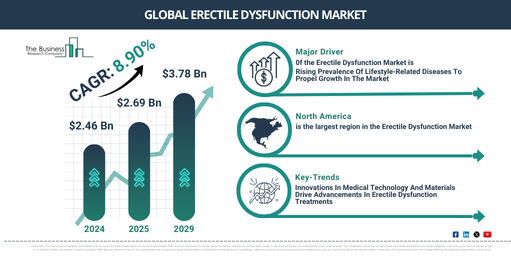
    In recent years, there has been substantial growth in the erectile dysfunction market. It is projected to expand from $2.46 billion in 2024 to $2.69 billion in 2025, with a compound annual growth rate (CAGR) of 9.2%. Factors such as an increase in cardiovascular diseases, a higher prevalence of diabetes, heightened awareness of erectile dysfunction as a health condition, an aging population which leads to a rise in erectile dysfunction instances, and an increased interest in personalized treatment options, have contributed to growth in the historic period.

    It is anticipated that the erectile dysfunction market is set to witness substantial growth in the coming years, expanding to a value of $3.78 billion by 2029, based on a compound annual growth rate (CAGR) of 8.9%. The driving force behind this predicted growth includes rising psychological issues, higher obesity and metabolic disorder rates, an increasing demand for non-surgical erectile dysfunction therapies, more consultations regarding sexual health, and more government campaigns endorsing men’s health and factors related to lifestyle risks. Prominent trends for the forecast period include the growth of online pharmacies supplying erectile dysfunction medication, improvement in penile implant technologies, advancements in diagnostic methods for erectile dysfunction, development of new treatment strategies targeting the fundamental causes of erectile dysfunction, and the emergence of effective phosphodiesterase type 5 inhibitors.

    Download a free sample to assess the report’s scope and structure:

    https://www.thebusinessresearchcompany.com/sample.aspx?id=21185&type=smp

    What are the Fundamental Drivers and Innovations Shaping the Erectile Dysfunction Market?

    The growing incidence of diseases associated with unhealthy lifestyle habits is projected to stimulate the erectile dysfunction market. These health complications arise mainly from poor lifestyle choices, such as an unhealthy diet, sedentarism, smoking, and excessive consumption of alcohol. An escalation in these lifestyle-associated diseases can be attributed to the upward trend of inactive behavior, poor eating habits, stress, and harmful habits like smoking and excessive alcohol intake. Erectile dysfunction (ED) often presents as an initial alert for these diseases, including cardiovascular diseases and diabetes, underscoring the importance of prompt medical attention and healthier lifestyle adjustments. For instance, the World Obesity Federation, a UK-based non-profit organization, reported in May 2022 that by 2030, approximately one billion people worldwide, including 1 in 5 women and 1 in 7 men, are projected to suffer from obesity. This number is expected to grow to 4 billion, or 51% of the global population, either overweight or obese by 2035. Consequently, the escalating prevalence of diseases linked to an unhealthy lifestyle will spur the growth of the erectile dysfunction market.

    How Is the Erectile Dysfunction Market Segmented?

    The erectile dysfunction market covered in this report is segmented –

    1) By Product: Drugs, Devices

    2) By Distribution Channel: Hospital Pharmacies, Retail Pharmacies, Online Channels

    3) By End User: Hospitals And Clinics, Ambulatory Surgery Centers, Pharmacies, Other End Users

    Subsegments:

    1) By Drugs: Phosphodiesterase Type 5 (PDE5) Inhibitors, Hormone Therapy, Injectable Medications, Topical Medications

    2) By Devices: Vacuum Erection Devices (VEDs), Penile Implants, Shockwave Therapy Devices

    Request customized data on this market:

    https://www.thebusinessresearchcompany.com/customise?id=21185&type=smp

    Which Regions Are Driving the Next Phase of the Erectile Dysfunction Market Growth?

    North America was the largest region in the erectile dysfunction market in 2024. The regions covered in the erectile dysfunction market report are Asia-Pacific, Western Europe, Eastern Europe, North America, South America, Middle East, Africa.

    What Key Trends Are Shaping the Future of the Erectile Dysfunction Market?

    Top firms in the erectile dysfunction market are concentrating on groundbreaking commodities such as over-the-counter (OTC) gels to make treatment more accessible and practical for people, which extends their market influence and caters to unattended patient needs. An OTC gel is a medication applied directly to the skin without the necessity for a prescription, employed to treat various conditions. For instance, Haleon plc, a consumer healthcare organization from the UK, unveiled Eroxon, the first FDA-approved OTC gel for erectile dysfunction, in September 2024. The new product provides a non-invasive, quick response to ED and is designed to increase accessibility and convenience for patients. Its simple application method, which eliminates the necessity for oral medications thereby reducing potential systemic side effects, is another advantage.

    View the full report here:

    https://www.thebusinessresearchcompany.com/report/erectile-dysfunction-global-market-report

    How Is the Erectile Dysfunction Market Defined and What Are Its Core Parameters?

    Erectile dysfunction (ED) refers to the inability to achieve or maintain an erection sufficient for satisfactory sexual performance. It is a common condition that can result from various physical, psychological, or lifestyle factors, affecting men’s overall well-being and quality of life.

    Purchase the full report and get a swift delivery:

    https://www.thebusinessresearchcompany.com/purchaseoptions.aspx?id=21185

    About The Business Research Company:

    With over 15000+ reports from 27 industries covering 60+ geographies, The Business Research Company has built a reputation for offering comprehensive, data-rich research and insights. Armed with 1,500,000 datasets, the optimistic contribution of in-depth secondary research, and unique insights from industry leaders, you can get the information you need to stay ahead in the game.

    Get in touch with us:

    The Business Research Company: https://www.thebusinessresearchcompany.com/

    Americas +1 3156230293

    Asia +44 2071930708

    Europe +44 2071930708

    Email us at info@tbrc.info

    Follow us on:

    LinkedIn: https://in.linkedin.com/company/the-business-research-company

    YouTube: https://www.youtube.com/channel/UC24_fI0rV8cR5DxlCpgmyFQ

    Global Market Model: https://www.thebusinessresearchcompany.com/global-market-model

  • Chromatography Instrumentations Outlook 2034: Key Drivers, Trends, and Market Frontiers

    Chromatography Instrumentations Outlook 2034: Key Drivers, Trends, and Market Frontiers

    Our market reports now include the latest updates on global tariffs, trade impacts, and evolving supply chain dynamics.

    What Are the Projected Market Size and Growth Rates for the Chromatography Instrumentations Market From 2025 To 2029?

    The market size for chromatography instrumentations has witnessed a significant growth over recent years. It is projected to expand from $10.74 billion in 2024 to $11.69 billion in 2025, displaying a compound annual growth rate (CAGR) of 8.9%. Factors such as heightened demand for pharmaceutical research, an increase in chronic diseases, surges in biotechnology investment, worldwide food safety regulations, and the progression of personalized medicine contribute to the historical growth.

    In the coming years, there will be a substantial growth in the market size of chromatography instrumentations, which is projected to reach $16.25 billion in 2029, with a compound annual growth rate of 8.6%. The surge during the projected period can be linked to enhanced funding for life sciences, a growing requirement for analytical instruments, an escalating number of contract research organisations, a rise in the use of gas chromatography in the oil & gas industry, and an emerging healthcare sector. Predominant trends anticipated during this period encapsulate forefront features of chromatography methods, high-performance liquid chromatography, technological progress, product breakthroughs, and a closer tie between universities and the industry.

    Download a free sample to assess the report’s scope and structure:

    https://www.thebusinessresearchcompany.com/sample.aspx?id=21143&type=smp

    How Are Key Drivers in the Industry Acting as Catalysts for the Growth of the Chromatography Instrumentations Market?

    The expansion of the pharmaceutical field has been projected to fuel the growth of the market for chromatography equipment. The pharmaceutical industry constitutes the sector that covers research, development, manufacture, and distribution of medications, encompassing both prescription and non-prescription drugs, dedicated to enhancing health outcomes and addressing diverse health conditions. The swelling of the pharmaceutical market is due to the rising demand for novel drugs and therapies, advancements in biotechnology, as well as increasing healthcare requirements. Chromatography tools are vital in the pharmaceutical field as they facilitate the precise division and examination of intricate mixtures, which ascertains the drug products’ purity, quality, and safety — crucial for adherence to regulatory standards and progression. For example, data from the European Federation of Pharmaceutical Industries and Associations, a trade association based in Belgium, revealed that in 2022, the entire pharmaceutical production in Europe accounted for $368.83 billion (€340 billion), exhibiting a 4.95% rise from $351.42 billion (€323.95 billion) the previous year, 2021. Hence, the expanding pharmaceutical industry is spurring on the growth of the chromatography equipment market.

    Which Segments in the Chromatography Instrumentations Offer the Most Growth?

    The chromatography instrumentations market covered in this report is segmented –

    1) By Chromatography Systems: Liquid Chromatography, Gas Chromatography, Thin-Layer Chromatography, Supercritical Fluid Chromatography

    2) By Consumable And Accessory: Columns, Detectors, Pressure Regulators, Solvents, Syringes Or Needles, Other Consumable And Accessory

    3) By End-User Industry: Life Science Industry, Academic And Research Institutes, Oil And Gas Industry, Environmental Agencies, Food And Beverage Industry, Other End-User Industries

    Subsegments:

    1) By Liquid Chromatography: High-Performance Liquid Chromatography (HPLC), Ultra-High Performance Liquid Chromatography (UHPLC), Preparative Liquid Chromatography, Reversed-Phase Liquid Chromatography

    2) By Gas Chromatography: Gas Chromatography-Mass Spectrometry (GC-MS), Gas Chromatography-Flame Ionization Detector (GC-FID), Gas Chromatography-Thermal Conductivity Detector (GC-TCD), Headspace Gas Chromatography

    3) By Thin-Layer Chromatography: Normal-Phase Thin-Layer Chromatography (TLC), Reverse-Phase Thin-Layer Chromatography (TLC), High-Performance Thin-Layer Chromatography (HPTLC)

    4) By Supercritical Fluid Chromatography: Supercritical Fluid Chromatography with CO2, Supercritical Fluid Chromatography with Other Solvents, Analytical and Preparative Supercritical Fluid Chromatography

    Request customized data on this market:

    https://www.thebusinessresearchcompany.com/customise?id=21143&type=smp

    What Are the Fastest-Growing Geographies in the #How Are Key Drivers in the Industry Acting as Catalysts for the Growth of the Chromatography Instrumentations Market?# Market?

    North America was the largest region in the chromatography instrumentations market in 2024. Asia-Pacific is expected to be the fastest-growing region in the forecast period. The regions covered in the chromatography instrumentations market report are Asia-Pacific, Western Europe, Eastern Europe, North America, South America, Middle East, Africa.

    What Are the Current Market Growth and Trends in the Chromatography Instrumentations Industry?

    Key players in the chromatography instrumentations market are striving to innovate by developing solutions like state-of-the-art intelligent HPLC systems, with an objective to bolster accuracy, speed, and automation in analytical procedures. An intelligent High-Performance Liquid Chromatography (HPLC) system’s next-generation version is a sophisticated analytical tool that amalgamates automation, artificial intelligence, and instantaneous data assessment to improve the accuracy, effectiveness, and output of chemical analysis. An illustration of this is when Waters Corporation, an analytical laboratory instrument production company based in the US, launched the Alliance iS HPLC system in March 2023. This avant-garde system is designed explicitly to minimize compliance risks by proactively identifying and fixing errors as they happen, thereby enhancing reliability of measurements. The integration of this system with Waters’ Empower Chromatography Software and eConnect HPLC Columns helps to provide an all-encompassing solution capable of eradicating up to 40% of ubiquitous laboratory errors.

    View the full report here:

    https://www.thebusinessresearchcompany.com/report/chromatography-instrumentations-global-market-report

    What Are the Key Elements That Define the Chromatography Instrumentations Market?

    Chromatography instruments refer to analytical devices used to separate, identify, and analyze components within a mixture based on their chemical properties. The instruments facilitate the separation of substances based on their different chemical or physical properties, such as polarity, size, or solubility.

    Purchase the full report and get a swift delivery:

    https://www.thebusinessresearchcompany.com/purchaseoptions.aspx?id=21143

    About The Business Research Company:

    With over 15000+ reports from 27 industries covering 60+ geographies, The Business Research Company has built a reputation for offering comprehensive, data-rich research and insights. Armed with 1,500,000 datasets, the optimistic contribution of in-depth secondary research, and unique insights from industry leaders, you can get the information you need to stay ahead in the game.

    Get in touch with us:

    The Business Research Company: https://www.thebusinessresearchcompany.com/

    Americas +1 3156230293

    Asia +44 2071930708

    Europe +44 2071930708

    Email us at info@tbrc.info

    Follow us on:

    LinkedIn: https://in.linkedin.com/company/the-business-research-company

    YouTube: https://www.youtube.com/channel/UC24_fI0rV8cR5DxlCpgmyFQ

    Global Market Model: https://www.thebusinessresearchcompany.com/global-market-model
  • Global Choroidal Neovascularization Market Trends: Regional Breakdowns and Strategic Insights

    Global Choroidal Neovascularization Market Trends: Regional Breakdowns and Strategic Insights

    Our market reports now include the latest updates on global tariffs, trade impacts, and evolving supply chain dynamics.

    What Is the Estimated Market Size of the Choroidal Neovascularization Market In 2029?

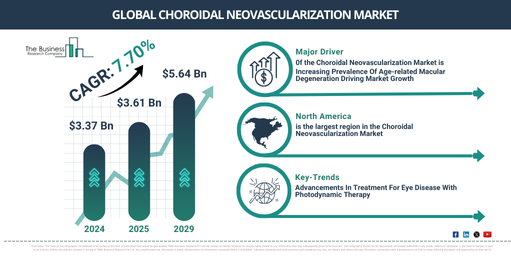
    In the recent past, the market size for choroidal neovascularization has seen robust growth. An expected increase from $3.37 billion in 2024 to $3.61 billion in 2025, with a compound annual growth rate (CAGR) of 8.1%, is predicted. The historical period’s advancement can be credited to the increasing spread of diseases linked to inactive lifestyles, a growing case of age-related macular degeneration, an increase in retinal disease cases, an aging population, escalating costs for eye care, and the expansion of education and screening programs.

    The market size for choroidal neovascularization is projected to see robust growth over the coming years, increasing to $5.64 billion in 2029 with a compound annual growth rate (CAGR) of 7.7%. This expansion during the forecast period is credited to heightened patient awareness, amplified adoption of optical coherence tomography angiography, rising demand for minimally invasive procedures, agreeable reimbursement policies, and an expanding elderly populace. Key trends forecasted in this period include the advent of intravitreal anti-vascular endothelial (VEGF) treatments, innovative gene therapies and approaches, the implementation of telemedicine, the creation of combination therapies, and personalized treatment plans.

    Download a free sample to assess the report’s scope and structure:

    https://www.thebusinessresearchcompany.com/sample.aspx?id=21142&type=smp

    What Are the Major Market Drivers Behind the Rising Adoption of Choroidal Neovascularization Market?

    The growth of the choroidal neovascularization (CNV) market is anticipated to be fueled by the rising instances of age-related macular degeneration (AMD). AMD, an eye disease often seen in the elderly, gradually impairs the macula, resulting in the loss of central vision. This increase in AMD cases can be attributed to factors such as an aging population, increased lifespan, changes in lifestyle, hereditary factors, and heightened exposure to environmental hazards. CNV aids in managing AMD by contributing to the onset of the wet form of AMD, which is characterized by the growth of abnormal blood vessels beneath the retina, causing declining vision that necessitates advanced treatments like anti-VEGF therapy. Such treatments help manage CNV and delay the progression of AMD, thereby preserving central vision in those affected. To illustrate, the National Institutes of Health, a government agency based in the United States, has estimated that by 2040, the number of AMD cases could hit 300 million, and by 2050, as many as 5.4 million Americans could be affected. Therefore, the escalating rate of AMD is stimulating the growth of the CNV market.

    Which Key Market Segments Comprise the Choroidal Neovascularization Market and Drive Its Revenue Growth?

    The choroidal neovascularization market covered in this report is segmented –

    1) By Treatment Type: Anti-Angiogenic Therapy, Laser Photocoagulation, Photodynamic Therapy, Verteporfin Sodium, Ranibizumab, Bevacizumab, Aflibercept, Pegaptanib Sodium

    2) By Indication: Age-Related Macular Degeneration (AMD), Diabetic Macular Edema (DME), Central Serous Chorioretinopathy (CSC), Polypoidal Choroidal Vasculopathy (PCV), Myopic Macular Degeneration (MMD), Other Indications

    3) By Route Of Administration: Intravitreal, Subconjunctival, Periocular, Oral

    4) By End User: Hospitals, Ophthalmology Clinics, Ambulatory Surgical Centers, Research Centers

    Subsegments:

    1) By Anti-Angiogenic Therapy (Anti-VEGF Therapy): Ranibizumab, Bevacizumab, Aflibercept, Pegaptanib Sodium

    2) By Laser Photocoagulation: Thermal Laser Photocoagulation, MicroPulse Laser Therapy

    3) By Photodynamic Therapy (PDT): Standard PDT, Low-Fluence PDT, Half-Dose PDT

    4) By Verteporfin Sodium: Intravenous Administration, Combination Therapy With Anti-VEGF

    5) By Ranibizumab: Monthly Dosing, As-Needed Dosing, Treat-and-Extend Regimen

    6) By Bevacizumab: Off-Label Use, Compounded Intravitreal Injections

    7) By Aflibercept: Fixed-Dosing Regimen, Treat-and-Extend Regimen

    8) By Pegaptanib Sodium: Monotherapy, Combination Therapy

    Request customized data on this market:

    https://www.thebusinessresearchcompany.com/customise?id=21142&type=smp

    Which Areas Are Leading Regions in the Choroidal Neovascularization Market Expansion Across the Globe?

    North America was the largest region in the choroidal neovascularization market in 2024. Asia-Pacific is expected to be the fastest-growing region in the forecast period. The regions covered in the choroidal neovascularization market report are Asia-Pacific, Western Europe, Eastern Europe, North America, South America, Middle East, Africa.

    What Are the Strategic Trends Steering theChoroidal Neovascularization Market Direction?

    Leading corporations in the choroidal neovascularization market are honing in on the development of innovative treatments such as photodynamic therapy, with the aim of providing eye care experts with precise and effective treatment alternatives that enhance patient results and treatment provision. Photodynamic therapy (PDT) is a medicinal procedure that utilizes light to activate a photosensitizing agent, which in turn targets and eradicates unusual or cancerous cells. As an illustration, Bausch & Lomb, a healthcare firm based in Canada, and Modulight, a biomedical company in Finland, proclaimed in February 2023 the Food and Drug Administration’s (a US-based government agency) endorsement of the ML6710i photodynamic laser. Its approval paves the way for its utilization with Bausch + Lomb’s VISUDYNE therapy, which has been created to counter choroidal neovascularization, an issue stemming from age-related macular degeneration (AMD). This advanced, portable ophthalmic laser devises a strategic plan for managing abnormal blood vessels in the eye, thereby halting further disease development and safeguarding vision.

    View the full report here:

    https://www.thebusinessresearchcompany.com/report/choroidal-neovascularization-global-market-report

    How Is the Choroidal Neovascularization Market Conceptually Defined?

    Choroidal neovascularization (CNV) is the abnormal growth of blood vessels in the choroid layer of the eye, often extending into the retina. These newly formed blood vessels are fragile and prone to leaking fluid or blood, which can damage the retinal tissues, leading to vision distortion or loss.

    Purchase the full report and get a swift delivery:

    https://www.thebusinessresearchcompany.com/purchaseoptions.aspx?id=21142

    About The Business Research Company:

    With over 15000+ reports from 27 industries covering 60+ geographies, The Business Research Company has built a reputation for offering comprehensive, data-rich research and insights. Armed with 1,500,000 datasets, the optimistic contribution of in-depth secondary research, and unique insights from industry leaders, you can get the information you need to stay ahead in the game.

    Get in touch with us:

    The Business Research Company: https://www.thebusinessresearchcompany.com/

    Americas +1 3156230293

    Asia +44 2071930708

    Europe +44 2071930708

    Email us at info@tbrc.info

    Follow us on:

    LinkedIn: https://in.linkedin.com/company/the-business-research-company

    YouTube: https://www.youtube.com/channel/UC24_fI0rV8cR5DxlCpgmyFQ

    Global Market Model: https://www.thebusinessresearchcompany.com/global-market-model
  • Cholinesterase (ChE) Inhibitors Market Outlook 2025: Mapping Growth, Innovation, and Regional Shifts

    Cholinesterase (ChE) Inhibitors Market Outlook 2025: Mapping Growth, Innovation, and Regional Shifts

    Our market reports now include the latest updates on global tariffs, trade impacts, and evolving supply chain dynamics.

    How Fast Is The Cholinesterase (ChE) Inhibitors Market Expected to Grow Between 2025 And 2029?

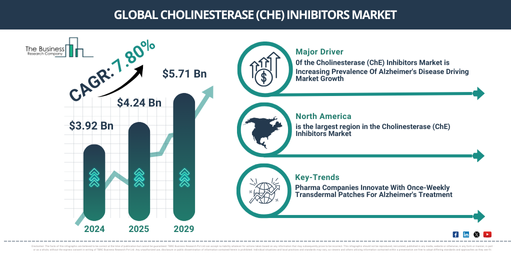
    The market size of Cholinesterase (ChE) inhibitors has seen significant growth in the past few years. The market is projected to increase in size from $3.92 billion in 2024 to $4.24 billion in 2025, showing a compound annual growth rate (CAGR) of 8.1%. Factors contributing to this growth during the historical period include the rising prevalence of neurological disorders and Alzheimer’s disease, higher incidence of late disease among the older population, a growing elderly demographic, improvements in healthcare infrastructure, and an increase in instances of glaucoma.

    The market scope for cholinesterase (ChE) inhibitors is set to witness considerable expansion in the forthcoming years. The market value is expected to surge up to $5.71 billion by 2029, projecting a compound annual growth rate (CAGR) of 7.8%. This predicted increase during the forecast period is primarily due to the early detection and management of neurodegenerative diseases, ramped up release of new medicines and products, high demand for Alzheimer’s and dementia treatments, and the growing economic significance of cholinesterase inhibitors. Essential trends during the forecast timeframe include technology improvements, advancements in diagnostic capabilities, creation of new cholinesterase inhibitors, launch of fresh products, strategic partnerships, and fresh investments into different corporations.

    Download a free sample to assess the report’s scope and structure:

    https://www.thebusinessresearchcompany.com/sample.aspx?id=21141&type=smp

    What External and Internal Drivers Are Contributing to the Growth of the Cholinesterase (ChE) Inhibitors Market?

    The escalating occurrence of Alzheimer’s disease is anticipated to accelerate the expansion of the cholinesterase (ChE) inhibitors market. Alzheimer’s disease, a degressive neurological disorder, erodes memory and cognitive abilities, leading to cognitive decline and loss of self-sufficiency. The surge in Alzheimer’s cases is attributed to an ageing population, longer lifespan, genetic variables, lifestyle factors, and increased susceptibility to neurological risk factors. Cholinesterase (ChE) inhibitors aid Alzheimer’s patients by inhibiting the degradation of acetylcholine, a vital neurotransmitter for memory and cognition. This enhances neuronal communication, decelerates symptom progression, and improves day-to-day functioning, thereby managing the cognitive decline associated with Alzheimer’s. For example, the Alzheimer’s Association, a US-based voluntary health organization, estimates that by 2024 about 6.9 million Americans aged 65 and above will be afflicted with Alzheimer’s. 73% of these cases will occur in individuals aged 75 and above, and by 2050 there may be 12.7 million Americans suffering from Alzheimer’s. Consequently, the increasing occurrence of Alzheimer’s disease is propelling the growth of the cholinesterase (ChE) inhibitors market.

    What Segment Types Define the Cholinesterase (ChE) Inhibitors Market Structure?

    The cholinesterase (ChE) inhibitors market covered in this report is segmented –

    1) By Drug Class: Reversible Cholinesterase Inhibitors, Irreversible Cholinesterase Inhibitors, Acetylcholinesterase Inhibitors

    2) By Indication: Alzheimer’s Disease, Myasthenia Gravis, Glaucoma, Pediatric Urinary Incontinence

    3) By Distribution Channel: Hospital Pharmacies, Retail Pharmacies, Online Pharmacies

    Subsegments:

    1) By Reversible Cholinesterase Inhibitors: Donepezil, Rivastigmine, Galantamine

    2) By Irreversible Cholinesterase Inhibitors: Organophosphates, Carbamates

    3) By Acetylcholinesterase Inhibitors: Tacrine, Huperzine A

    Request customized data on this market:

    https://www.thebusinessresearchcompany.com/customise?id=21141&type=smp

    Which Geographic Areas Hold the Strongest Growth Potential in the Cholinesterase (ChE) Inhibitors Market?

    North America was the largest region in the cholinesterase (ChE) inhibitors market in 2024. Asia-Pacific is expected to be the fastest-growing region in the forecast period. The regions covered in the cholinesterase (ChE) inhibitors market report are Asia-Pacific, Western Europe, Eastern Europe, North America, South America, Middle East, Africa.

    What Long-Term Trends Are Transforming the Competitive Landscape of the Cholinesterase (ChE) Inhibitors Market?

    Key enterprises in the cholinesterase (ChE) inhibitors market are concentrating on creating inventive patches like once-weekly transdermal patches. These are projected to provide Alzheimer’s patients with more effective treatment alternatives that guarantee regular drug administration and enhanced tolerability. Simply put, a once-weekly transdermal patch is a medical adhesive patch that, when applied to the skin, steadily releases a controlled drug dosage into the bloodstream for seven days. In September 2022, Corium, Inc., a pharmaceutical firm located in the United States, introduced ADLARITY. This was the first FDA-approved once-weekly transdermal patch. It efficiently administers donepezil, an acetylcholinesterase inhibitor that treats Alzheimer’s by providing continual drug distribution via the skin, thereby offering a well-tolerated substitute to daily oral donepezil.

    View the full report here:

    https://www.thebusinessresearchcompany.com/report/cholinesterase-che-inhibitors-global-market-report

    What Is the Definition of the Cholinesterase (ChE) Inhibitors Market?

    Cholinesterase (ChE) inhibitors are a class of drugs that block the cholinesterase enzyme, which breaks down acetylcholine, a neurotransmitter essential for proper nerve signaling. Their purpose is to increase acetylcholine levels, improving communication between nerve cells and enhancing cognitive and muscular function.

    Purchase the full report and get a swift delivery:

    https://www.thebusinessresearchcompany.com/purchaseoptions.aspx?id=21141

    About The Business Research Company:

    With over 15000+ reports from 27 industries covering 60+ geographies, The Business Research Company has built a reputation for offering comprehensive, data-rich research and insights. Armed with 1,500,000 datasets, the optimistic contribution of in-depth secondary research, and unique insights from industry leaders, you can get the information you need to stay ahead in the game.

    Get in touch with us:

    The Business Research Company: https://www.thebusinessresearchcompany.com/

    Americas +1 3156230293

    Asia +44 2071930708

    Europe +44 2071930708

    Email us at info@tbrc.info

    Follow us on:

    LinkedIn: https://in.linkedin.com/company/the-business-research-company

    YouTube: https://www.youtube.com/channel/UC24_fI0rV8cR5DxlCpgmyFQ

    Global Market Model: https://www.thebusinessresearchcompany.com/global-market-model
  • Cholestatic Pruritus Market in Focus: Forecasting Growth Drivers, Scaling Potential, and Global Opportunities

    Cholestatic Pruritus Market in Focus: Forecasting Growth Drivers, Scaling Potential, and Global Opportunities

    Our market reports now include the latest updates on global tariffs, trade impacts, and evolving supply chain dynamics.

    What Are the Key Projections for the CAGR of the Cholestatic Pruritus Market Size From 2025 to 2034?

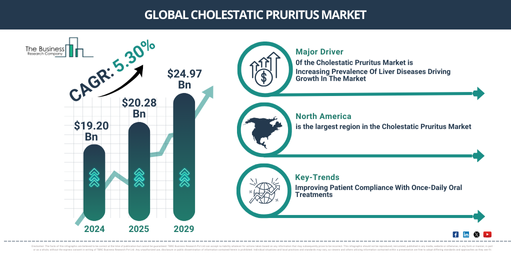
    The market size for cholestatic pruritus has seen a robust growth in the recent past. The projections suggest it will escalate from $19.20 billion in 2024 to $20.28 billion in 2025, reflecting a compound annual growth rate (CAGR) of 5.6%. This significant growth observed in the historic period is a result of various factors such as an increase in skin-related health problems, significant investment in research and development, the need for efficient treatment approaches, a heightened understanding of the condition, and beneficial regulatory conditions.

    Over the next few years, the market size for cholestatic pruritus is anticipated to experience robust growth. It is projected to expand to $24.97 billion by 2029, with a compound annual growth rate (CAGR) of 5.3%. The growth during the forecast period is likely to be driven by factors such as the rise in the elderly population, the increasing instances of atopic dermatitis and urticaria, an upsurge in the geriatric population, a growing number of chronic kidney diseases, and a surge in conditions related to pruritus. Notable trends expected during this period would be the emergence of new treatment alternatives, collaborations with major firms for the research into cholestatic pruritus, advancements in treatment methods, expansion of healthcare facilities, and technological innovations.

    Download a free sample to assess the report’s scope and structure:

    https://www.thebusinessresearchcompany.com/sample.aspx?id=21140&type=smp

    What Are the Core Market Drivers Propelling Growth in the Cholestatic Pruritus Industry?

    The escalating incidence of liver diseases is anticipated to fuel the expansion of the cholestatic pruritus market. Liver disorders span a wide variety of conditions impacting liver function, including infections, autoimmune diseases, genetic conditions, and harm from toxins, causing inflammation, scarring or liver failure. The rising frequency of liver ailments can be attributed to growing obesity, diabetes, alcohol consumption, infections from viral hepatitis, toxins, and environmental factors. Cholestatic pruritus plays a vital role in diagnosing and managing liver diseases, serving as a critical symptom signalling obstructed bile flow and often initiating further exploration and treatment of the underlying liver conditions. For instance, in July 2023, the Office for Health Improvement and Disparities, a UK-based governmental organization dedicated to addressing health disparities, reported a 22% increase in hospital admissions for liver disease in England in the year ended 2022, surging from 67,458 to 82,290. Given these factors, the escalating occurrence of liver diseases is set to stimulate the growth of the cholestatic pruritus market.

    How Is the Cholestatic Pruritus Market Segmented?

    The cholestatic pruritus market covered in this report is segmented –

    1) By Disease Type: Primary Biliary Cholangitis (PBC), Primary Sclerosing Cholangitis (PSC), Intrahepatic Cholestasis of Pregnancy (ICP), Other Disease Types

    2) By Treatment Type: Medications, Phototherapy, Other Treatment Types

    3) By Route Of Administration: Oral, Topical, Injectable

    4) By End-User: Hospitals, Clinics, Ambulatory Care Centers, Homecare

    Subsegments:

    1) By Primary Biliary Cholangitis (PBC): Early-Stage PBC, Advanced PBC, PBC With Cirrhosis, PBC With Liver Failure

    2) By Primary Sclerosing Cholangitis (PSC): Classic PSC, PSC With Ulcerative Colitis, PSC With Bile Duct Strictures

    3) By Intrahepatic Cholestasis of Pregnancy (ICP): Mild ICP, Severe ICP, ICP With Preterm Birth Risk

    4) By Other Disease Types: Alcoholic Cholestasis, Drug-Induced Cholestasis, Viral Hepatitis-Induced Cholestasis, Genetic Cholestasis Disorders

    Request customized data on this market:

    https://www.thebusinessresearchcompany.com/customise?id=21140&type=smp

    Which Regions Are Driving the Next Phase of the Cholestatic Pruritus Market Growth?

    North America was the largest region in the cholestatic pruritus market in 2024. Asia-Pacific is expected to be the fastest-growing region in the forecast period. The regions covered in the cholestatic pruritus market report are Asia-Pacific, Western Europe, Eastern Europe, North America, South America, Middle East, Africa.

    What Key Market Trends and Innovations Are Shaping the Future of the Cholestatic Pruritus Industry?

    With a focus on pioneering innovative solutions, major corporations within the cholestatic pruritus market are developing oral solutions to effectively manage symptoms, elevate patient compliance, and provide targeted relief by tackling the root cause of bile salt accumulation and inflammation. Essentially an oral solution for cholestatic pruritus is a medicinal liquid designed to decrease bile acid accumulation and mitigate severe itchiness in cholestasis patients. For example, in March 2024, Mirum Pharmaceuticals Inc., a biopharmaceutical firm based in the U.S, attained approval from the U.S. Food and Drug Administration (FDA) for its oral solution, LIVMARLI (maralixibat), aimed at treating cholestatic pruritus in patients aged five and above who suffer from progressive familial intrahepatic cholestasis (PFIC). LIVMARLI, a once-daily oral ileal bile acid transporter inhibitor, holds a breakthrough therapy designation for PFIC type 2 and is expected to have a significant effect on patients with cholestatic pruritus associated with PFIC. This offers a much-needed treatment alternative for those affected by the rarest subtypes.

    View the full report here:

    https://www.thebusinessresearchcompany.com/report/cholestatic-pruritus-global-market-report

    How Is the Cholestatic Pruritus Market Defined and What Are Its Core Parameters?

    Cholestatic pruritus refers to severe itching caused by the buildup of bile acids in the skin, typically resulting from liver diseases that impair bile flow. This condition can significantly affect a patient’s quality of life and often requires targeted treatment to manage the discomfort and address the underlying liver dysfunction.

    Purchase the full report and get a swift delivery:

    https://www.thebusinessresearchcompany.com/purchaseoptions.aspx?id=21140

    About The Business Research Company:

    With over 15000+ reports from 27 industries covering 60+ geographies, The Business Research Company has built a reputation for offering comprehensive, data-rich research and insights. Armed with 1,500,000 datasets, the optimistic contribution of in-depth secondary research, and unique insights from industry leaders, you can get the information you need to stay ahead in the game.

    Get in touch with us:

    The Business Research Company: https://www.thebusinessresearchcompany.com/

    Americas +1 3156230293

    Asia +44 2071930708

    Europe +44 2071930708

    Email us at info@tbrc.info

    Follow us on:

    LinkedIn: https://in.linkedin.com/company/the-business-research-company

    YouTube: https://www.youtube.com/channel/UC24_fI0rV8cR5DxlCpgmyFQ

    Global Market Model: https://www.thebusinessresearchcompany.com/global-market-model