Month: June 2025

  • Next-Gen Dysautonomia (Autonomic Dysfunction) : Market Forecast, Transformation, and Long-Term Trajectories

    Next-Gen Dysautonomia (Autonomic Dysfunction) : Market Forecast, Transformation, and Long-Term Trajectories

    Our market reports now include the latest updates on global tariffs, trade impacts, and evolving supply chain dynamics.

    How Has the Dysautonomia (Autonomic Dysfunction) Market Growth Performance Trended Historically, And What Lies Ahead?

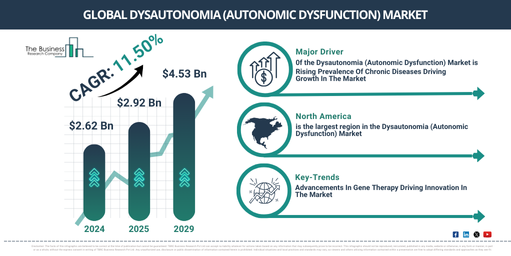
    In recent times, the market size for dysautonomia (autonomic dysfunction) has seen a swift growth. The market, which stood at $2.62 billion in 2024, is projected to rise to $2.92 billion in 2025, signifying a compound annual growth rate (CAGR) of 11.8%. This growth during the historic period is credited to several factors such as the increased occurrences of autonomic disorders, heightened awareness about dysautonomia, growing healthcare spending, expanding research into neurodegenerative diseases, and escalating government backing for rare diseases.

    The market for dysautonomia (autonomic dysfunction) is anticipated to witness a significant surge in the upcoming years. The market is projected to balloon to $4.53 billion by 2029, boasting an 11.5% compound annual growth rate (CAGR). This expansion during the forecast period can be credited to factors such as an increase in the uptake of personalized medicine, a surge in clinical trials for innovative treatments, escalated government support for research on rare diseases, the broadening of telemedicine and remote monitoring solutions, and the growing availability of orphan drugs. Integral trends during the forecast period encompass the incorporation of artificial intelligence in the diagnosis, the generation of targeted therapies, the use of wearable devices for autonomic monitoring, progress in gene therapies, and innovations in patient-centric treatments.

    Download a free sample to assess the report’s scope and structure:

    https://www.thebusinessresearchcompany.com/sample.aspx?id=21177&type=smp

    Which Major Market Drivers Are Expected to Boost the Growth Potential of the Dysautonomia (Autonomic Dysfunction) Market?

    The escalating frequency of long-term illnesses is anticipated to spur the expansion of the dysautonomia (autonomic dysfunction) market. Chronic illnesses, which last for three months or more, have seen a rise due to factors like the greater occurrence of multimorbidity – the simultaneous diagnosis of multiple chronic ailments. Dysautonomia has a significant impact on chronic diseases by interfering with the body’s capacity to manage vital functions such as heart rate, blood pressure, and digestion, often intensifying symptoms and making treatment more complex. For example, data from the National Health Service in October 2023 revealed that Type 1 diabetes prevalence in England grew from 261,710 cases in 2020-21 to 270,935 cases in 2021-22, marking a 3.5% year-over-year increase. Thus, the escalating prevalence of long-term illnesses is spurring the dysautonomia market’s growth. The ascend in autoimmune and neurological disorders is also anticipated to boost the dysautonomia (autonomic dysfunction) market’s expansion. These disorders, in which the immune system erroneously attacks the nervous system, can cause inflammation, damage, and dysfunction in the brain, spinal cord, or peripheral nerves. The upswing in these conditions is attributed to factors like genetic predisposition, environmental catalysts, lifestyle modifications, infections, and enhanced diagnostic capabilities. Dysautonomia is a key marker of underlying autoimmune and neurological disorders, helping medical practitioners identify, track, and manage disease progression while devising tailored treatment strategies. For example, in July 2023, Public Health Scotland reported that newly diagnosed multiple sclerosis patients increased to 87.2% in 2022, up from 85.7% in the previous two years, adding 491 new cases and bringing the total to 6,359. Consequently, this increase in autoimmune and neurological disorders is expected to drive the dysautonomia market’s growth.

    Which Key Market Segments Comprise the Dysautonomia (Autonomic Dysfunction) Market and Drive Its Revenue Growth?

    The dysautonomia (autonomic dysfunction) market covered in this report is segmented –

    1) By Type: Neurogenic Orthostatic Hypotension (NOH), Postural Orthostatic Tachycardia Syndrome (POTS), Multiple System Atrophy (MSA), Pure Autonomic Failure (PAF), Other Types

    2) By Tests: Cardiovagal and Vasomotor Function Tests, Thermoregulatory Sweat Test (TST), Sympathetic Skin Response (SSR), Quantitative Sudomotor Axon Reflex Test, Other Tests

    3) By Treatment: Physical Therapy, Exercise Therapy, Counseling, Other Treatments

    4) By Distribution Channel: Hospital Pharmacy, Online Pharmacy, Retail Pharmacy

    5) By End User: Hospitals, Clinics, Diagnostic Centers, Research Institutes

    Subsegments:

    1) By Neurogenic Orthostatic Hypotension (NOH): Primary NOH, Secondary NOH (due to Parkinson’s Disease, Diabetes, etc.), Pharmacological Management of NOH, Non-Pharmacological Interventions

    2) By Postural Orthostatic Tachycardia Syndrome (POTS): Hyperadrenergic POTS, Hypovolemic POTS, Neuropathic POTS, Autoimmune POTS, Treatment With Beta-Blockers, Fludrocortisone, And Salt Supplements

    3) By Multiple System Atrophy (MSA): MSA-P (Parkinsonism), MSA-C (Cerebellar), MSA-A (Autonomic), Disease-Modifying and Symptomatic Treatment

    4) By Pure Autonomic Failure (PAF): Idiopathic PAF, Secondary PAF (due to neurodegenerative diseases), Autonomic Supportive Treatments

    5) By Other Types: Familial Dysautonomia (FD), Diabetic Autonomic Neuropathy, Horner’s Syndrome, Autoimmune Autonomic Ganglionopathy, Chronic Fatigue Syndrome-related Dysautonomia

    Request customized data on this market:

    https://www.thebusinessresearchcompany.com/customise?id=21177&type=smp

    Which Areas Are Leading Regions in the Dysautonomia (Autonomic Dysfunction) Market Expansion Across the Globe?

    North America was the largest region in the dysautonomia (autonomic dysfunction) market in 2024. Asia-Pacific is expected to be the fastest-growing region in the forecast period. The regions covered in the dysautonomia (autonomic dysfunction) market report are Asia-Pacific, Western Europe, Eastern Europe, North America, South America, Middle East, Africa.

    What Are the Key Market Trends in theDysautonomia (Autonomic Dysfunction) Market Over the Coming Years?

    Leading enterprises in the dysautonomia (autonomic dysfunction) market are placing emphasis on pioneering advancements in gene therapy, such as recombinant adeno-associated virus, to augment the conveyance of healing genes to specific cells. This approach aims to heighten treatment results for patients grappling with varied forms of dysautonomia. Recombinant adeno-associated virus (rAAV) is an altered virus employed in gene therapy for the transportation of genetic matter into cells without inducing disease. As an example, in January 2025, Tikun Therapeutics Inc., an American biotechnology corporation, acquired approval for Orphan Drug and Rare Pediatric Disease Designations from the Food and Drug Administration (FDA) for rAAV2-U1a-hELP1 (a gene therapy for optic neuropathy in familial dysautonomia) and BPN-36964 (a small molecule splicing modulator for systemic FD treatment). These pioneering therapies aim to deal with the basic genetic origins of FD, offering potential enduring advantages over symptomatic management.

    View the full report here:

    https://www.thebusinessresearchcompany.com/report/dysautonomia-autonomic-dysfunction-global-market-report

    How Is the Dysautonomia (Autonomic Dysfunction) Market Conceptually Defined?

    Dysautonomia, or autonomic dysfunction, refers to a condition where the autonomic nervous system (ANS) does not function properly, affecting involuntary bodily functions such as heart rate, blood pressure, digestion, and temperature regulation. It can result from various causes, including genetic factors, injuries, or underlying health conditions, leading to symptoms like dizziness, fainting, and irregular heartbeat.

    Purchase the full report and get a swift delivery:

    https://www.thebusinessresearchcompany.com/purchaseoptions.aspx?id=21177

    About The Business Research Company:

    With over 15000+ reports from 27 industries covering 60+ geographies, The Business Research Company has built a reputation for offering comprehensive, data-rich research and insights. Armed with 1,500,000 datasets, the optimistic contribution of in-depth secondary research, and unique insights from industry leaders, you can get the information you need to stay ahead in the game.

    Get in touch with us:

    The Business Research Company: https://www.thebusinessresearchcompany.com/

    Americas +1 3156230293

    Asia +44 2071930708

    Europe +44 2071930708

    Email us at info@tbrc.info

    Follow us on:

    LinkedIn: https://in.linkedin.com/company/the-business-research-company

    YouTube: https://www.youtube.com/channel/UC24_fI0rV8cR5DxlCpgmyFQ

    Global Market Model: https://www.thebusinessresearchcompany.com/global-market-model
  • Key Factors Fueling the Growth of the Cancer Anorexia-Cachexia Syndrome (CACS) Market in 2025: Impact Of Rising Cancer Prevalence On The Market

    Our market reports now include the latest updates on global tariffs, trade impacts, and evolving supply chain dynamics.

    What is the Anticipated CAGR of the Cancer Anorexia-Cachexia Syndrome (CACS) Market, and What Factors Will Drive It?

    The market for the cancer anorexia-cachexia syndrome (CACS) has seen a swift expansion in the past few years. The market is forecasted to surge from $3.51 billion in 2024 to $3.89 billion in 2025, progressing at a compound annual growth rate (CAGR) of 11.0%. Factors contributing to the growth experienced in the previous period include a rise in cancer cases, heightened awareness amongst healthcare professionals, an enhanced emphasis on the quality of life for cancer patients, widening clinical trials, and increased collaborations and partnerships within the pharmaceutical industry.

    The market for cancer anorexia-cachexia (CACS) is projected to exhibit swift expansion in the ensuing years, reaching a valuation of $5.84 billion by 2029 with an impressive compound annual growth rate (CAGR) of 10.7%. The anticipated augmentation during this period can be accredited to a rise in cancer survival rates, escalated investments in the support care sector of oncology, the evolution of personalized medicine, an emphasis on multimodal therapies, and an expanding healthcare infrastructure. In the same period, developments in palliative care, the emergence of targeted therapies, technological improvements in drug delivery systems, application of artificial intelligence in drug development, and patient-specific medication are expected to dominate trends.

    Download a free sample to assess the report’s scope and structure:

    https://www.thebusinessresearchcompany.com/sample.aspx?id=21125&type=smp

    What are the Fundamental Drivers and Innovations Shaping the Cancer Anorexia-Cachexia Syndrome (CACS) Market?

    The increasing incidence of cancer is anticipated to stimulate the expansion of the cancer anorexia-cachexia syndrome market. Cancer encompasses a vast array of illnesses defined by unregulated cell proliferation and distribution throughout the body. Global cancer incidence is on the rise due to factors such as an aging demographic, lifestyle modifications, environmental exposure, refined detection procedures, elevated awareness, in addition to genetic susceptibility and infections associated with specific cancers. Cancer Anorexia-Cachexia Syndrome (CACS) responds to this growing cancer incidence by focusing on addressing the extreme weight loss and malnutrition commonly observed in cancer sufferers, thereby enhancing their overall life standard and treatment results. For instance, a report published by Macmillan Cancer Support, a UK-based charity, stated in August 2024 that over 3 million people in the UK are living with cancer, a figure expected to rise to 3.5 million by 2025, 4 million by 2030, and 5.3 million by 2040. Therefore, the escalating rate of cancer is fueling the growth of the cancer anorexia-cachexia syndrome industry. The Effect Of Rising Health Expenditure On The Market

    How Is the Cancer Anorexia-Cachexia Syndrome (CACS) Market Segmented?

    The cancer anorexia-cachexia syndrome (CACS) market covered in this report is segmented –

    1) By Indication: Weight Loss Prevention, Appetite Loss, Muscle Wasting, Inflammation, Other Indications

    2) By Therapeutics: Progestogen, Corticosteroid, Combination Therapy, Other Therapeutics

    3) By Mechanism Of Action: Appetite Stimulants, Anti-inflammatory Agents, Hormone Therapies, Cannabinoids, Other Mechanism Of Actions

    4) By Route of Administration: Oral, Intravenous, Subcutaneous, Transdermal, Other Route of Administration

    5) By Application: Hospitals, Clinics, Home Care

    Subsegments:

    1) By Weight Loss Prevention: Nutritional Supplements, Metabolic Modulators

    2) By Appetite Loss: Appetite Stimulants, Ghrelin Receptor Agonists

    3) By Muscle Wasting: Anabolic Agents, Selective Androgen Receptor Modulators (SARMs)

    4) By Inflammation: Anti-Inflammatory Drugs, Cytokine Inhibitors

    5) By Other Indications: Combination Therapies, Supportive Care Interventions

    Request customized data on this market:

    https://www.thebusinessresearchcompany.com/customise?id=21125&type=smp

    Which Regions Are Driving the Next Phase of the Cancer Anorexia-Cachexia Syndrome (CACS) Market Growth?

    North America was the largest region in the cancer anorexia-cachexia (CACS) market in 2024. Asia-Pacific is expected to be the fastest-growing region in the forecast period. The regions covered in the cancer anorexia-cachexia syndrome (CACS) market report are Asia-Pacific, Western Europe, Eastern Europe, North America, South America, Middle East, Africa.

    What Key Trends Are Shaping the Future of the Cancer Anorexia-Cachexia Syndrome (CACS) Market?

    Key players in the cancer anorexia-cachexia syndrome market are concentrating on the creation of innovative treatments, such as monoclonal antibody therapies, to improve treatment effectiveness, patient outcomes, and address unknown clinical needs. These therapies utilize antibodies created in a lab to specifically target antigens on cancer cells, which makes the immune system better equipped to identify and combat them. For instance, American pharmaceutical and biotechnology firm, Pfizer Inc., reported promising results from a Stage II clinical trial of ponsegromab, a monoclonal antibody that targets the Growth/Differentiation Factor 15 (GDF-15) in September 2024. This encouraging data provides potential for a fresh therapeutic pathway for patients enduring this devastating illness, as there are presently very few efficient treatments available. The Phase 2 trial data indicates significant advancement in tackling the inflammation processes that lead to muscle wastage and weight loss in cancer patients. This methodology is geared towards not only improving physical capabilities, but also escalating the overall living standards for cancer patients, signifying a crucial advancement in cancer treatment.

    View the full report here:

    https://www.thebusinessresearchcompany.com/report/cancer-anorexia-cachexia-syndrome-cacs-global-market-report

    How Is the Cancer Anorexia-Cachexia Syndrome (CACS) Market Defined and What Are Its Core Parameters?

    Cancer anorexia-cachexia syndrome (CACS) is a multifactorial condition commonly seen in cancer patients, marked by severe metabolic disturbances. It involves a combination of inflammatory responses, hormonal changes, and altered nutrient utilization, often leading to poor prognosis and treatment resistance.

    Purchase the full report and get a swift delivery:

    https://www.thebusinessresearchcompany.com/purchaseoptions.aspx?id=21125

    About The Business Research Company:

    With over 15000+ reports from 27 industries covering 60+ geographies, The Business Research Company has built a reputation for offering comprehensive, data-rich research and insights. Armed with 1,500,000 datasets, the optimistic contribution of in-depth secondary research, and unique insights from industry leaders, you can get the information you need to stay ahead in the game.

    Get in touch with us:

    The Business Research Company: https://www.thebusinessresearchcompany.com/

    Americas +1 3156230293

    Asia +44 2071930708

    Europe +44 2071930708

    Email us at info@tbrc.info

    Follow us on:

    LinkedIn: https://in.linkedin.com/company/the-business-research-company

    YouTube: https://www.youtube.com/channel/UC24_fI0rV8cR5DxlCpgmyFQ

    Global Market Model: https://www.thebusinessresearchcompany.com/global-market-model

  • Peptide And Anticoagulant Drugs Market Trends 2025-2034: Growth, Strategic Insights, and Opportunities Ahead

    Peptide And Anticoagulant Drugs Market Trends 2025-2034: Growth, Strategic Insights, and Opportunities Ahead

    Our market reports now include the latest updates on global tariffs, trade impacts, and evolving supply chain dynamics.

    #What Is the Estimated Market Size of the Peptide And Anticoagulant Drugs Market In 2029?#_x000D_

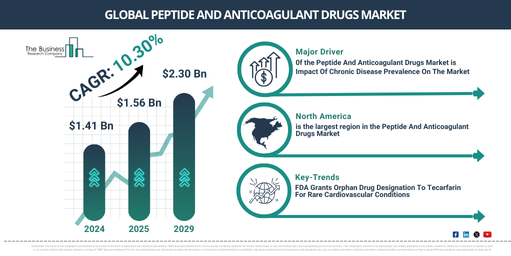
    The market size for peptide and anticoagulant drugs has seen significant expansion in recent years. The market value is predicted to escalate from $1.41 billion in 2024 to $1.56 billion in 2025, reflecting a compound annual growth rate (CAGR) of 10.6%. The historic period’s increased market growth can be associated with factors including a rise in healthcare spending, bolstered healthcare investments, growing market liberalisation, an upsurge in global patient infections, and a heightened occurrence of genetic conditions._x000D_

    _x000D_

    The market size for peptide and anticoagulant drugs is predicted to experience swift expansion in the forthcoming years, elevating to $2.30 billion by 2029 with a compound annual growth rate (CAGR) of 10.3%. The projected uprise during the forecast period is related to the escalating occurrence of chronic conditions, the growing elder population, the surge in cancer cases, the extension of emerging markets, and the heightened cardiovascular disease burden. Noteworthy trends within the forecast period encompass progress in biotechnology, advancements in drug delivery technology, enhancement in diagnostic methods, progression in pharmacology, and the evolution of anticoagulant products._x000D_

    _x000D_

    #Download a free sample to assess the report’s scope and structure:#_x000D_

    https://www.thebusinessresearchcompany.com/sample.aspx?id=21252&type=smp_x000D_

    _x000D_

    #What Are the Major Market Drivers Behind the Rising Adoption of Peptide And Anticoagulant Drugs Market?#_x000D_

    The growth of the peptide and anticoagulant drugs market is set to be driven by an escalating prevalence of chronic diseases. These are long-lasting health issues which persist for years, and often for one’s entire life. Factors contributing to the increase in chronic diseases include aging populations, unhealthy lifestyle choices, and a heightened occurrence of risk factors such as diabetes, hypertension, and obesity. Peptide and anticoagulant drugs are employed in the management of chronic diseases, dealing with conditions like thrombosis, stroke, and cardiovascular diseases by preventing blood clotting and targeting specific disease pathways for better patient results. For example, the Centers for Disease Control and Prevention, a US government agency, reported in May 2023 that the total number of deaths due to heart disease and cancer was 695,547 in 2022, a rise from 605,213 in 2021. As a result, the growing prevalence of chronic diseases is fueling expansion in the peptide and anticoagulant drugs market._x000D_

    _x000D_

    #Which Key Market Segments Comprise the Peptide And Anticoagulant Drugs Market and Drive Its Revenue Growth?#_x000D_

    The peptide and anticoagulant drugs market covered in this report is segmented –_x000D_

    _x000D_

    1) By Type: Hormonal, Antibiotic, Ace Inhibitor, Antifungal, Other Types_x000D_

    2) By Route Of Administration: Oral, Injectable, Other Routes Of Administration_x000D_

    3) By Distribution Channel: Hospital Pharmacy, Retail Pharmacy, Online Pharmacy, Other Distribution Channels_x000D_

    4) By Application: Infectious Diseases, Gynecology, Cancer, Diabetes, Cardiology, Osteoporosis, Other Applications_x000D_

    5) By End-users: Hospitals, Specialty Clinics, Homecare, Other End-users_x000D_

    _x000D_

    Subsegments:_x000D_

    1) By Hormonal: Peptide Hormones, Steroid Hormones, Thyroid Hormones, Other Hormones_x000D_

    2) By Antibiotic: Beta-Lactams, Macrolides, Tetracyclines, Fluoroquinolones, Other Antibiotics_x000D_

    3) By ACE Inhibitor: Captopril, Enalapril, Lisinopril, Ramipril, Other ACE Inhibitors_x000D_

    4) By Antifungal: Azoles, Echinocandins, Polyenes, Allylamines, Other Antifungals_x000D_

    5) By Other Types: Immunosuppressants, Antineoplastic Agents, Cardiovascular Drugs, Other Peptide And Anticoagulant Drugs_x000D_

    _x000D_

    #Request customized data on this market:#_x000D_

    https://www.thebusinessresearchcompany.com/customise?id=21252&type=smp_x000D_

    _x000D_

    #Which Areas Are Leading Regions in the Peptide And Anticoagulant Drugs Market Expansion Across the Globe?#_x000D_

    North America was the largest region in the peptide and anticoagulant drugs market in 2024. Asia-Pacific is expected to be the fastest-growing region in the forecast period. The regions covered in the peptide and anticoagulant drugs market report are Asia-Pacific, Western Europe, Eastern Europe, North America, South America, Middle East, Africa._x000D_

    _x000D_

    #What Are the Strategic Trends Steering thePeptide And Anticoagulant Drugs Market Direction?#_x000D_

    Leading businesses in the peptide and anticoagulant drugs market are concentrating on innovations in anticoagulant treatments, like oral anticoagulants, to boost effectiveness, heighten patient adherence, and minimize the possibility of hemorrhage. An oral anticoagulant is a drug consumed orally that prevents the formation of blood clots by blocking clotting agents in the blood. For example, Cadrenal Therapeutics Inc., a pharmaceutical firm based in the Unites States, was granted Orphan Drug Designation (ODD) by the U.S. Food and Drug Administration (FDA) for tecarfarin, their advanced oral anticoagulant, in April 2024. Tecarfarin aims to be an innovative, reversible blood thinner targeting the reduction of heart attack, stroke, and clot-related mortality risks in patients with uncommon heart conditions. The ODD is specifically given for the prevention of thromboembolism and thrombosis in patients with implanted mechanical heart-support devices, like LVADs, RVADs, VADs, biventricular assist devices, and full artificial hearts._x000D_

    _x000D_

    #View the full report here:#_x000D_

    https://www.thebusinessresearchcompany.com/report/peptide-and-anticoagulant-drugs-global-market-report_x000D_

    _x000D_

    #How Is the Peptide And Anticoagulant Drugs Market Conceptually Defined?#_x000D_

    Peptide and anticoagulant drugs are therapeutic agents where peptide drugs are short chains of amino acids that mimic natural biological molecules, and anticoagulant drugs prevent blood clotting by inhibiting clotting factors. Some anticoagulants, like hirudin and bivalirudin, are peptide-based, directly inhibiting thrombin to prevent thrombosis. These drugs are crucial in treating conditions such as deep vein thrombosis, pulmonary embolism, and stroke._x000D_

    _x000D_

    #Purchase the full report and get a swift delivery:#_x000D_

    https://www.thebusinessresearchcompany.com/purchaseoptions.aspx?id=21252_x000D_

    _x000D_

    #About The Business Research Company:#_x000D_

    With over 15000+ reports from 27 industries covering 60+ geographies, The Business Research Company has built a reputation for offering comprehensive, data-rich research and insights. Armed with 1,500,000 datasets, the optimistic contribution of in-depth secondary research, and unique insights from industry leaders, you can get the information you need to stay ahead in the game._x000D_

    _x000D_

    #Get in touch with us:#_x000D_

    The Business Research Company: https://www.thebusinessresearchcompany.com/_x000D_

    Americas +1 3156230293_x000D_

    Asia +44 2071930708_x000D_

    Europe +44 2071930708_x000D_

    Email us at info@tbrc.info_x000D_

    _x000D_

    #Follow us on:#_x000D_

    _x000D_

    LinkedIn: https://in.linkedin.com/company/the-business-research-company_x000D_

    YouTube: https://www.youtube.com/channel/UC24_fI0rV8cR5DxlCpgmyFQ_x000D_

    Global Market Model: https://www.thebusinessresearchcompany.com/global-market-model

  • Major Trends and Emerging Patterns in the Calciphylaxis Market: Innovative Enzyme Replacement Therapy Advancements In The Market

    Major Trends and Emerging Patterns in the Calciphylaxis Market: Innovative Enzyme Replacement Therapy Advancements In The Market

    Our market reports now include the latest updates on global tariffs, trade impacts, and evolving supply chain dynamics.

    What Are the Key Milestones in the Calciphylaxis Market’s Growth Trajectory From 2025 To 2034?

    The market for calciphylaxis has seen swift expansion in the last few years. It is projected to increase from a value of $3.22 billion in 2024 to $3.55 billion in 2025, exhibiting a compound annual growth rate (CAGR) of 10.0%. The historic growth can be traced back to factors such as the growing incidence of chronic kidney disease, heightened cognizance of rare diseases, increasing government backing for research in rare diseases, improving regulatory conditions, and a rise in healthcare spending.

    The market size for calciphylaxis is forecasted to witness significant expansion in the upcoming years. With a compound annual growth rate (CAGR) of 9.7%, it is expected to reach a value of $5.13 billion by 2029. This projected growth can be tied to factors such as an increasing aging population worldwide, the emergence of therapeutic innovations, broader access to dialysis in emerging regions, escalating investment in the development of drugs for rare diseases, and a rising prevalence of end-stage renal disease. The market’s growth is also likely to be influenced by key trends that include breakthroughs in dialysis and renal care, the evolution of treatments for mineral and bone disorder, progress in personalized medicine, advancements in biotech, therapeutic breakthroughs, and enhancement in healthcare policy.

    Download a free sample to assess the report’s scope and structure:

    https://www.thebusinessresearchcompany.com/sample.aspx?id=21124&type=smp

    What Are the Primary Drivers Supporting the Market Growth of the Calciphylaxis Market?

    The calciphylaxis market’s expansion is predicted to be fueled by the escalating occurrence of chronic kidney disease (CKD). CKD is a long-lasting condition characterized by a progressive loss of kidney function, which may ultimately result in kidney failure. This increasing prevalence of CKD is often tied to an aging demographic, higher incidences of diabetes and hypertension, poor lifestyle choices, and insufficient early detection and treatment of kidney diseases. Calciphylaxis is a pivotal sign of severe vascular complications in CKD, underlining the necessity for early intervention and better control of mineral imbalances to avert tissue death and related morbidity. For instance, data from the Australian Institute of Health and Welfare revealed in December 2024 that the mortality rates from CKD experienced a steady increase from 2021 to 2022, with growth of 4.2% in 2021 and 6.2% in 2022, the latter year being more significant. Thus, the growing number of CKD cases is fueling the calciphylaxis market’s growth. The calciphylaxis market’s growth is also being driven by the rise in obesity rates. Obesity, described as a health condition where excessive fat build-up heightens susceptibility to various diseases like heart disease, diabetes, and hypertension, has been growing. Factors contributing to this increase comprise of sedentary ways of living, high-calorie diet consumption, genetic factors, and lack of access to healthier food options. Obesity leads to an increased risk of calciphylaxis, especially in those with CKD, due to metabolic dysfunction, chronic inflammation, and vascular calcification, which amplify calcium-phosphate imbalance and cellular damage to the endothelium. According to the Centers for Disease Control and Prevention, a government agency in the US, in September 2023, the number of states with a 35% or greater adult obesity rate rose from 19 states in 2021 to 22 in 2022. With that, the rising rates of obesity are stimulating the expansion of the calciphylaxis market.

    Which Primary Segments of the Calciphylaxis Market Are Driving Growth and Industry Transformations?

    The calciphylaxis market covered in this report is segmented –

    1) By Type: Non-Uremic Calciphylaxis, Ulcers And Wounds, Debridement Of Wounds

    2) By Treatment: Drug Therapy, Hyperbaric Calciphylaxis Therapy

    3) By Diagnosis: Deep Skin Biopsies, Blood Tests, Imaging

    4) By End-Use: Hospital And Clinics, Homecare, Ambulatory Centers

    Subsegments:

    1) By Non-Uremic Calciphylaxis: Vascular Calcification, Soft Tissue Calcification, Cutaneous Manifestations

    2) By Ulcers and Wounds: Skin Ulcers, Ischemic Wounds, Necrotic Ulcers, Pressure Ulcers

    3) By Debridement Of Wounds: Surgical Debridement, Enzymatic Debridement, Autolytic Debridement, Mechanical Debridement, Biological Debridement

    Request customized data on this market:

    https://www.thebusinessresearchcompany.com/customise?id=21124&type=smp

    Which Regions Are Key Players in the Growth of the #What Are the Primary Drivers Supporting the Market Growth of the Calciphylaxis Market?# Market?

    North America was the largest region in the calciphylaxis market in 2024. Asia-Pacific is expected to be the fastest-growing region in the forecast period. The regions covered in the calciphylaxis market report are Asia-Pacific, Western Europe, Eastern Europe, North America, South America, Middle East, Africa.

    What Are the Most Significant Market Trends in the Calciphylaxis Market?

    Leading businesses in the calciphylaxis market are concentrating on the creation of novel therapies, such as enzyme replacement therapy, to enhance the results of treatment and minimize the condition’s severity. Enzyme replacement therapy (ERT) is a technique for treating a missing or deficient enzyme in the body. It’s commonly utilized for treating uncommon genetic disorders where the body can’t produce a specific enzyme required for healthy cellular function. In October 2024, for example, US-based biopharmaceutical firm Inozyme Pharma Inc. reported positive preliminary findings from its Phase 1 SEAPORT 1 trial of INZ-701 in patients with end-stage kidney disease (ESKD). The initial data from the trial emphasizes the potential of INZ-701 to replenish enzyme activity essential for averting atypical mineralization, a major element in severe rare diseases. The therapy is engineered to replace enzymes targeting ENPP1 and ABCC6 deficiencies, which are linked to pathological calcium deposits in blood vessels and tissues.

    View the full report here:

    https://www.thebusinessresearchcompany.com/report/calciphylaxis-global-market-report

    What Parameters Are Used to Define the Calciphylaxis Market?

    Calciphylaxis refers to a rare, serious condition characterized by the calcification of small blood vessels, leading to skin necrosis and severe pain. It is used for studying vascular calcification disorders and developing targeted treatments to improve wound healing and pain management in affected patients.

    Purchase the full report and get a swift delivery:

    https://www.thebusinessresearchcompany.com/purchaseoptions.aspx?id=21124

    About The Business Research Company:

    With over 15000+ reports from 27 industries covering 60+ geographies, The Business Research Company has built a reputation for offering comprehensive, data-rich research and insights. Armed with 1,500,000 datasets, the optimistic contribution of in-depth secondary research, and unique insights from industry leaders, you can get the information you need to stay ahead in the game.

    Get in touch with us:

    The Business Research Company: https://www.thebusinessresearchcompany.com/

    Americas +1 3156230293

    Asia +44 2071930708

    Europe +44 2071930708

    Email us at info@tbrc.info

    Follow us on:

    LinkedIn: https://in.linkedin.com/company/the-business-research-company

    YouTube: https://www.youtube.com/channel/UC24_fI0rV8cR5DxlCpgmyFQ

    Global Market Model: https://www.thebusinessresearchcompany.com/global-market-model

  • Major Trends and Emerging Patterns in the Skin Microbiome Market: Strategic Collaborations Driving Innovation Through Shared Expertise And Advanced Technologies

    Major Trends and Emerging Patterns in the Skin Microbiome Market: Strategic Collaborations Driving Innovation Through Shared Expertise And Advanced Technologies

    Get 30% off on our Global Market Reports with code ONLINE30 – Hurry, limited time offer!

    How Has The Skin Microbiome Market Growth Evolved From 2024 To 2025, And What’s Ahead?

    In recent times, there has been a noticeable expansion in the skin microbiome market. The market size is anticipated to move from $0.83 billion in 2024 to $0.94 billion in 2025, representing a compound annual growth rate of 13.5%. Factors contributing to this growth during the previous period include enhanced understanding of skin health, growing consumer interest in natural and organic skincare items, an uptick in preference for individualized skincare products, an increased emphasis on the relationship between gut health and skin, along with soaring interest in microbiome-centric treatments.

    The size of the skin microbiome market is set to experience swift expansion in the upcoming years. The market value is predicted to escalate to $1.54 billion by 2029, with an annual compounded growth rate of 13.1%. The growth projected for this period is primarily due to the intensifying studies on the advantages of skin microbiome, the increased preference for skincare products based on microbiome, rising demand for eco-friendly and clean beauty, increasing financial support in microbiome science, and an augmented concentration on preventive skincare options. Key trends projected for this period involve progression in microbiome research techniques, sophisticated formulation methods directed at skincare, innovations in bespoke skincare solutions, incorporation of AI and data analysis in product creation, and advancement in skin health-focused probiotics and prebiotics.

    Download a free sample to assess the report’s scope and structure:

    https://www.thebusinessresearchcompany.com/sample.aspx?id=23518&type=smp

    What Are the Primary Drivers Supporting the Market Growth of the Skin Microbiome Market?

    The escalating consumer demand for skincare products is projected to drive the expansion of the skin microbiome market. Skincare items, which are formulated to clean, safeguard, nourish, and enhance skin health and appearance, are experiencing higher demand due to the growing consumer enlightenment about skin health and the significance of preventive self-care. This has led to the adoption of daily skincare regimes by more people for long-term wellness and aesthetics. Skin microbiomes play a vital role in skincare products as they assist in maintaining a balanced skin barrier and ward off issues like dryness, inflammation, and acne by fortifying the skin’s natural defense mechanism. To illustrate, in April 2023, a report issued by L’Oréal S.A., a beauty products provider based in France, stated that the Dermatological Beauty division’s sales were $1869.7 million (€1,685.7 million) in the first quarter of 2023, as opposed to $1389.5 million (€1,252.7 million) in the corresponding period in 2022. This constitutes a year-on-year escalation of 30.6% on a like-for-like basis, and 34.6% on a reported basis. Thus, the escalating consumer demand for skincare products is anticipated to push the advancement of the skin microbiome market.

    Which Primary Segments of the Skin Microbiome Market Are Driving Growth and Industry Transformations?

    The skin microbiome market covered in this report is segmented –

    1) By Product Type: Skin Care Products, Dietary Supplements, Medical Devices, Diagnostic Tests

    2) By Skin Type: Normal, Dry, Oily, Combination

    3) By Distribution Channel: Online, Retail Stores, Pharmacies, Hospitals

    4) By Application : Acne, Eczema, Psoriasis, Anti-Aging, Wound Healing

    5) By End User: Consumers, Healthcare Professionals, Research Institutions

    Subsegments:

    1) By Skin Care Products: Moisturizers, Cleansers, Serums And Oils, Face Masks, Sunscreens, Anti-Aging Products, Acne Treatment Products

    2) By Dietary Supplements: Probiotics, Prebiotics, Postbiotics, Collagen Supplements, Antioxidants, Vitamins And Minerals

    3) By Medical Devices: Microbiome-based Topical Therapeutics, Skin Microbiome Modulation Devices, Light And Laser Therapy Devices, Electrotherapy Devices

    4) By Diagnostic Tests: Skin Microbiome Profiling Kits, PCR-based Testing Kits, Next-Generation Sequencing (NGS) Tests, Microbial Culture-Based Tests, Biomarker-based Skin Analysis

    Request customized data on this market:

    https://www.thebusinessresearchcompany.com/customise?id=23518&type=smp

    Which Regions Are Key Players in the Growth of the Skin Microbiome Market?

    North America was the largest region in the skin microbiome market in 2024. Asia-Pacific is expected to be the fastest-growing region in the forecast period. The regions covered in the skin microbiome market report are Asia-Pacific, Western Europe, Eastern Europe, North America, South America, Middle East, Africa.

    What Key Market Trends and Innovations Are Shaping the Future of the Skin Microbiome Industry?

    Major corporations active in the skin microbiome sector are concentrating on forging strategic alliances to minimize potential risks, foster innovation and stay competitive in the dynamic market. Devised to benefit from each other’s advantages, these strategic partnerships are mutual agreements involving two or more companies with the intent to expand the market, innovate or gain a competitive edge. To illustrate, Terra Quantum, a quantum technology firm based in Switzerland, allied with UK consumer goods firm Unilever in September 2024. This alliance aims to progress in the field of skin microbiome study, employing quantum machine learning. This collaboration could potentially influence future skincare products by providing fresh perspectives on skin biology and health. With the integration of quantum computing and traditional machine learning methods, this venture showcases the practical use of quantum AI in consumer health and skincare, offering a more advanced understanding of the skin microbiome’s impact on health and aesthetics.

    View the full report here:

    https://www.thebusinessresearchcompany.com/report/skin-microbiome-global-market-report

    What Parameters Are Used to Define the Skin Microbiome Market?

    The skin microbiome refers to the diverse community of microorganisms, that live on the surface of human skin. This ecosystem plays a crucial role in maintaining skin health by protecting against harmful pathogens, supporting the immune system, and helping regulate inflammation.

    Purchase the full report and get a swift delivery:

    https://www.thebusinessresearchcompany.com/purchaseoptions.aspx?id=23518

    About The Business Research Company:

    With over 15000+ reports from 27 industries covering 60+ geographies, The Business Research Company has built a reputation for offering comprehensive, data-rich research and insights. Armed with 1,500,000 datasets, the optimistic contribution of in-depth secondary research, and unique insights from industry leaders, you can get the information you need to stay ahead in the game.

    Get in touch with us:

    The Business Research Company: https://www.thebusinessresearchcompany.com/

    Americas +1 3156230293

    Asia +44 2071930708

    Europe +44 2071930708

    Email us at info@tbrc.info

    Follow us on:

    LinkedIn: https://in.linkedin.com/company/the-business-research-company

    YouTube: https://www.youtube.com/channel/UC24_fI0rV8cR5DxlCpgmyFQ

    Global Market Model: https://www.thebusinessresearchcompany.com/global-market-model

  • Surgical Drainage Devices Market in Focus: Forecasting Growth Drivers, Scaling Potential, and Global Opportunities

    Get 30% off on our Global Market Reports with code ONLINE30 – Hurry, limited time offer!

    How Has the Surgical Drainage Devices Market Growth Performance Trended Historically, And What Lies Ahead?

    In recent times, the surgical drainage devices market has seen robust growth. The market which was valued at $2.71 billion in 2024 is expected to reach $2.95 billion in 2025, reflecting a compound annual growth rate (CAGR) of 8.9%. The marked growth during the historic period has been fueled by factors such as a surge in chronic diseases, an increasing number of surgical procedures, a rise in smoking and alcohol consumption, and an uptick in surgeries related to cancer.

    The market for surgical drainage devices is projected to experience considerable growth in the upcoming years and is expected to reach a size of $4.14 billion by 2029, with a compound annual growth rate (CAGR) of 8.8%. This expansion over the forecast period can be linked to an increase in musculoskeletal disorders, an uptick in surgical procedures, the emergence of new products, the growth of medical tourism in specific nations, and enhanced incidences of cancer-related surgeries. Key trends observed during this period are developments in drainage system technology, progress in minimally invasive procedures, the establishment of regulatory approvals and reimbursement policies, the introduction of innovative patient-specific drainage solutions, and the evolution of smart and connected surgical drainage devices.

    Download a free sample to assess the report’s scope and structure:

    https://www.thebusinessresearchcompany.com/sample.aspx?id=23534&type=smp

    What Are the Core Market Drivers Propelling Growth in the Surgical Drainage Devices Industry?

    A surge in the number of surgical procedures is predicted to stimulate the expansion of the surgical drainage devices market in the coming years. This upturn is a result of advancements in medical innovation and enhancements in surgical methodologies that have ensured safer and more proficient procedures. Surgical drainage appliances are employed during surgery to eliminate fluids, blood, pus, or other substances from a wound or bodily cavity, which is pivotal in warding off issues like infections, fluid accumulation or pressure on adjacent tissues. Such devices are typically used when fluid buildup post-operation is a potential risk, especially after abdominal, thoracic or orthopedic surgeries. For example, data from the American Academy of Orthopaedic Surgeons’ Shoulder & Elbow Registry 2024 indicates that 36,296 shoulder and elbow procedures were carried out in the U.S. in April 2024, a substantial 44% growth compared to 2022. Thus, the growing number of surgical operations is fueling the expansion of the surgical drainage devices sector.

    How Is the Surgical Drainage Devices Market Segmented?

    The surgical drainage devices market covered in this report is segmented –

    1) By Product: Active, Passive

    2) By Application: Thoracic And Cardiovascular Surgeries, Neurosurgical Procedures, Abdominal Surgery, Orthopedics, Other Applications

    3) By End-User: Hospitals, Ambulatory Surgical Centers, Clinics

    Subsegments:

    1) By Active: Jackson-Pratt Drain, Hemovac Drain, Blake Drain, Negative Pressure Wound Therapy, Redivac Drain, EVD And Lumbar Drain, Chest Tube, Other Active Products

    2) By Passive: Penrose Drain, Other Passive Products

    Request customized data on this market:

    https://www.thebusinessresearchcompany.com/customise?id=23534&type=smp

    Which Regions Are Driving the Next Phase of the Surgical Drainage Devices Market Growth?

    North America was the largest region in the surgical drainage devices market in 2024. Asia-Pacific is expected to be the fastest-growing region in the forecast period. The regions covered in the surgical drainage devices market report are Asia-Pacific, Western Europe, Eastern Europe, North America, South America, Middle East, Africa.

    Which Emerging Trends that Are Influencing the Surgical Drainage Devices Industry Evolution?

    Leading players in the surgical drainage devices market are striving to create innovative medical products like postoperative drainage and flushing systems, which can boost patient healing, minimize postoperative issues, and better surgical results by effectively removing leftover fluids and averting obstructions. A postoperative drainage and flushing system serves as a medical tool for eliminating any residual fluids, clots, or blood from the surgical area post-procedure. For instance, Haermonics, a company hailing from the Netherlands that specializes in surgical drainage technology, launched Haermonics Pure in October 2023. This is a medical tool engineered to cleanse the chest cavity of heart surgery patients, thus curtailing postoperative complications. By consistently rinsing the pericardial space with warm saline, it removes leftover blood and clots that could potentially hinder drainage and cause serious issues like tamponade. Establishing a clear drainage system decreases the likelihood of secondary operations, furthers patient healing, and optimizes surgical outcomes. Haemonics Pure also provides surgeons with real-time data on blood loss, aiding them in making knowledgeable decisions in the crucial initial hours following an operation.

    View the full report here:

    https://www.thebusinessresearchcompany.com/report/surgical-drainage-devices-global-market-report

    How Is the Surgical Drainage Devices Market Defined and What Are Its Core Parameters?

    Surgical drainage devices are medical instruments designed to remove fluids, pus, blood, or air from a wound, surgical site, or body cavity to prevent infection, facilitate healing, and reduce the risk of complications by providing continuous or intermittent drainage through passive or active mechanisms, ensuring optimal post-operative recovery and patient safety. These devices are used in various surgical procedures to manage fluid accumulation, minimize hematoma formation, enhance wound healing, and reduce post-operative discomfort, improving overall clinical outcomes.

    Purchase the full report and get a swift delivery:

    https://www.thebusinessresearchcompany.com/purchaseoptions.aspx?id=23534

    About The Business Research Company:

    With over 15000+ reports from 27 industries covering 60+ geographies, The Business Research Company has built a reputation for offering comprehensive, data-rich research and insights. Armed with 1,500,000 datasets, the optimistic contribution of in-depth secondary research, and unique insights from industry leaders, you can get the information you need to stay ahead in the game.

    Get in touch with us:

    The Business Research Company: https://www.thebusinessresearchcompany.com/

    Americas +1 3156230293

    Asia +44 2071930708

    Europe +44 2071930708

    Email us at info@tbrc.info

    Follow us on:

    LinkedIn: https://in.linkedin.com/company/the-business-research-company

    YouTube: https://www.youtube.com/channel/UC24_fI0rV8cR5DxlCpgmyFQ

    Global Market Model: https://www.thebusinessresearchcompany.com/global-market-model

  • Top Trends Driving Innovation and Change in the Short Bowel Syndrome Market: Advancements In GLP-2 Analog Therapies For Short Bowel Syndrome And Intestinal Failure

    Top Trends Driving Innovation and Change in the Short Bowel Syndrome Market: Advancements In GLP-2 Analog Therapies For Short Bowel Syndrome And Intestinal Failure

    Get 30% off on our Global Market Reports with code ONLINE30 – Hurry, limited time offer!

    What is the Anticipated CAGR of the Short Bowel Syndrome Market, and What Factors Will Drive It?

    The market size of short bowel syndrome has experienced rapid expansion in the recent past. The projections estimate that it will rise from $2.69 billion in 2024 to reach $3.09 billion by 2025, indicating a compound annual growth rate (CAGR) of 14.9%. The historical growth has been influenced by factors such as the increasing incidence of gastrointestinal conditions, a surge in healthcare spending and insurance coverage, advancements in post-operative management of SBS, a rise in the prevalence of Crohn’s disease and other gastrointestinal disorders, and the enhancement of parental nutrition formulations and methods of administering them.

    The market for short bowel syndrome is predicted to witness a significant surge in the size over the next couple of years, with an increase to $5.33 billion in 2029 and a compound annual growth rate (CAGR) of 14.6%. Factors propelling the market size during the forecast period include a growing occurrence of short bowel syndrome (SBS), an increase in the utilization of parenteral and enteral nutrition treatment, broadening clinical research, medication development, soaring health care expenditure, and improved awareness and early detection of SBS. The forecast period will also see major trends like progress in intestinal rehabilitation therapies, the creation of small intestine transplantation methods, the incorporation of telemedicine in managing SBS, technological evolutions in enteral feeding apparatus, and the use of artificial intelligence in planning treatment for SBS.

    Download a free sample to assess the report’s scope and structure:

    https://www.thebusinessresearchcompany.com/sample.aspx?id=23515&type=smp

    What External and Internal Drivers Are Contributing to the Growth of the Short Bowel Syndrome Market?

    The escalating occurrence of digestive system illnesses is anticipated to foster the expansion of the short bowel syndrome market in the future. Digestive system diseases encompass a vast array of ailments that impair the digestive tract, including maladies that affect the stomach, intestines, liver, and pancreas, frequently resulting in hindered digestion and nutrient absorption. Unhealthy eating habits that negatively impact gut health and induce inflammation tend to drive the escalating occurrence of these diseases. When these diseases necessitate the surgical removal of damaged parts of the intestine, it could lead to the development of short bowel syndrome due to reduced absorption capacity. For example, in September 2023, as per the Inflammatory Bowel Disease (IBD) Clinical and Research Centre, a Canada-based organization striving to enhance the quality of life of patients with Crohn’s disease and ulcerative colitis, with a prevalence of 825 per 100,000 in 2023, over 320,000 individuals in Canada are suffering from inflammatory bowel disease (IBD), and with an expected annual increase in prevalence by 2.44%, around 1.1% of the population, or 470,000 Canadians, will be estimated to have IBD by 2035. Thus, the escalating occurrence of digestive system diseases generates growth for the short bowel syndrome market.

    What Segment Types Define the Short Bowel Syndrome Market Structure?

    The short bowel syndrome market covered in this report is segmented –

    1) By Type: Glucagon-Like Peptide (GLP-2), Growth Hormone, Glutamine

    2) By Diagnosis: Physical Exam, Blood Tests, Fecal Fat Tests, Imaging Procedures, Other Diagnosis

    3) By Treatment: Nutritional Therapy, Medications, Surgery, Transplant

    4) By Distribution Channel: Hospital Pharmacies, Specialty Pharmacies, Other Distribution Channels

    Subsegments:

    1) By Glucagon-Like Peptide (GLP-2): Teduglutide, Other GLP-2 Analogues

    2) By Growth Hormone: Somatropin, Other Growth Hormone Therapies

    3) By Glutamine: Oral Glutamine, Intravenous Glutamine

    Request customized data on this market:

    https://www.thebusinessresearchcompany.com/customise?id=23515&type=smp

    Which Geographic Areas Hold the Strongest Growth Potential in the Short Bowel Syndrome Market?

    North America was the largest region in the short bowel syndrome market in 2024. Asia-Pacific is expected to be the fastest-growing region in the forecast period. The regions covered in the short bowel syndrome market report are Asia-Pacific, Western Europe, Eastern Europe, North America, South America, Middle East, Africa.

    What Are the Key Market Trends in the Short Bowel Syndrome Market Over the Coming Years?

    Primary businesses engaging in the short bowel syndrome market are concentrating their efforts on evolving medical science innovations, such as interventions for intestinal failure, to offer sophisticated therapeutic alternatives that enhance patient treatment outcomes with gastrointestinal illnesses. Intestinal failure is a severe disorder where the small intestine is unable to assimilate sufficient nutrients, fluids, and electrolytes necessary for suitable hydration and nutrition. In May 2024, for example, Ironwood Pharmaceuticals, Inc., a healthcare company based in the United States, revealed fresh data from studies analyzing apraglutide in adults with short bowel syndrome and intestinal failure (SBS-IF). Apraglutide, a next-generation GLP-2 analog, showed potentiality to boost intestinal absorption and lower dependence on parenteral support. The results emphasized the drug’s effectiveness, safety, and long-term advantages, mirroring Ironwood’s dedication to formulating innovative treatments for gastrointestinal ailments.

    View the full report here:

    https://www.thebusinessresearchcompany.com/report/short-bowel-syndrome-global-market-report

    What Is the Definition of the Short Bowel Syndrome Market?

    Short bowel syndrome (SBS) is a malabsorption disorder caused by the loss or dysfunction of a significant portion of the small intestine, leading to impaired nutrient and fluid absorption. It often results in diarrhea, dehydration, electrolyte imbalances, and malnutrition. The severity of symptoms depends on the remaining intestinal length and its ability to adapt. SBS can significantly impact overall health, requiring careful dietary and medical management.

    Purchase the full report and get a swift delivery:

    https://www.thebusinessresearchcompany.com/purchaseoptions.aspx?id=23515

    About The Business Research Company:

    With over 15000+ reports from 27 industries covering 60+ geographies, The Business Research Company has built a reputation for offering comprehensive, data-rich research and insights. Armed with 1,500,000 datasets, the optimistic contribution of in-depth secondary research, and unique insights from industry leaders, you can get the information you need to stay ahead in the game.

    Get in touch with us:

    The Business Research Company: https://www.thebusinessresearchcompany.com/

    Americas +1 3156230293

    Asia +44 2071930708

    Europe +44 2071930708

    Email us at info@tbrc.info

    Follow us on:

    LinkedIn: https://in.linkedin.com/company/the-business-research-company

    YouTube: https://www.youtube.com/channel/UC24_fI0rV8cR5DxlCpgmyFQ

    Global Market Model: https://www.thebusinessresearchcompany.com/global-market-model

  • Key Developments and Trends Steering the Burn Care Market Forward: Transforming Burn Treatment With Extracellular Matrix Devices

    Key Developments and Trends Steering the Burn Care Market Forward: Transforming Burn Treatment With Extracellular Matrix Devices

    Our market reports now include the latest updates on global tariffs, trade impacts, and evolving supply chain dynamics.

    How Has The Burn Care Market Size Shifted, And What Is the Outlook Through 2034?

    In recent times, the market size for burn care has witnessed considerable growth. It is projected to increase from $2.50 billion in 2024 to $2.68 billion in 2025, with a compound annual growth rate (CAGR) of 7.6%. The steady growth during the historical period is due to factors like the rising usage of skin grafts and substitutes, an increase in burn cases, and enhanced patient awareness about burn care therapies. Further, advancements in technology regarding products like biologics and dressing, as well as government initiatives, have contributed to this growth.

    In the coming years, the burn care market is projected to undergo significant growth, reaching a value of $3.57 billion by 2029, with a Compound Annual Growth Rate (CAGR) of 7.4%. This projected growth for the forecast period can be linked to a rise in demand for less invasive burn treatments and increased spending in healthcare. There’s also a swell in patient consciousness about improved burn care handling practices, an upturn in the preference for biologics and advanced wound healing products, and growth in government and private initiatives. The forecast period anticipates trends such as advanced burn care products, minimally invasive procedures, utilization of biologics and skin grafts for major burns, use of tissue-engineered products and biological substitutes, application of telehealth platforms for burn care control, and technological advancements in burn treatment methods.

    Download a free sample to assess the report’s scope and structure:

    https://www.thebusinessresearchcompany.com/sample.aspx?id=21123&type=smp

    How Are Key Drivers in the Industry Acting as Catalysts for the Growth of the Burn Care Market?

    The burn care market is set to grow as a direct result of the increasing occurrence of fire-related industrial accidents. These accidents typically happen in an industrial environment due to machinery malfunctions, human error, chemical reactions, electrical faults, or inadequate safety precautions, leading to injuries and property damage. The surge in such mishaps is usually linked with the growth of industrial activities, inappropriate safety measures, and the ever-increasing complexity of machines and materials. Burn care is crucial in treating injuries that result from these fire-related industrial accidents, assisting in wound healing, pain alleviation, and reducing potential complications. For example, in a report by the American Burn Association, a US organization dedicated to burn-related research, rehab, and prevention, it was stated that there were 30,135 industrial burn incidents in 2022, contributing to an overall total of 152,312 cases in the last five years. Moreover, flame or flash accidents accounted for 40% of all instances, with over 90% of these accidents being unintentional, indicating a noticeable increase from the previous year. Consequently, the escalating number of fire-related industrial accidents will stimulate the burn care market’s growth.

    Which Segments in the Burn Care Offer the Most Growth?

    The burn care market covered in this report is segmented –

    1) By Product: Advanced Dressing, Biologics, Traditional Burn Care Products, Other Products

    2) By Burn Type: Thermal Burn, Electrical Burn, Chemical Burn, Radiation Burn, Friction Burn, Other Types

    3) By Depth Of Burn: Minor Burns, Partial Thickness Burns, Full Thickness Burns

    4) By End-Use: Hospitals, Outpatient Facilities, Home Care, Research And Manufacturing

    Subsegments:

    1) By Advanced Dressing: Hydrocolloid Dressings, Alginate Dressings, Foam Dressings, Hydrogel Dressings, Collagen Dressings

    2) By Biologics: Skin Substitutes, Growth Factors, Allografts, Xenografts

    3) By Traditional Burn Care Products: Antiseptic Creams and Ointments, Burn Gels, Burn Sprays, Bandages and Gauzes

    4) By Other Products: Wound Cleansers, Burn Compresses, Burn Protection Gels

    Request customized data on this market:

    https://www.thebusinessresearchcompany.com/customise?id=21123&type=smp

    What Are the Fastest-Growing Geographies in the #How Are Key Drivers in the Industry Acting as Catalysts for the Growth of the Burn Care Market?# Market?

    North America was the largest region in the burn care market in 2024. Asia-Pacific is expected to be the fastest-growing region in the forecast period. The regions covered in the burn care market report are Asia-Pacific, Western Europe, Eastern Europe, North America, South America, Middle East, Africa.

    What Are the Current Market Growth and Trends in the Burn Care Industry?

    Leading enterprises in the burn care market are channeling their efforts towards creating cutting-edge products like extracellular matrix medical devices. These devices offer superior, quick-recovery solutions which enhance patient prognosis and strengthen their market position. An extracellular matrix medical device is a biologically sourced material that replicates the natural structure of tissues, fostering healing and tissue restoration by supporting cell growth and function in wound management and other medical therapies. For example, in March 2023, the U.S. Food and Drug Administration (FDA) approved InnovaBurn, a pioneering medical device for second-degree burns management made by the UK-based Convatec Group plc. The device, a xenograft obtained from placental tissue, is crafted to manage complex wounds including burns, surgical cuts, and ulcers. The process to create the device is thorough, involving sourcing, decellularizing, disinfecting, preserving, processing and sterilizing raw placental tissues, finally crafting the device. This FDA approval marks a significant advancement in burn care by providing an inventive treatment solution that could better the prognosis for patients with second-degree burns.

    View the full report here:

    https://www.thebusinessresearchcompany.com/report/burn-care-global-market-report

    What Are the Key Elements That Define the Burn Care Market?

    Burn care refers to the medical treatment and management of injuries caused by burns, which may result from thermal, chemical, electrical, or radiation sources. It aims to promote healing, manage pain, prevent infections, and minimize complications in burn injuries. Burn care also aims to restore physical functionality, improve patients’ quality of life, and support their emotional and psychological recovery.

    Purchase the full report and get a swift delivery:

    https://www.thebusinessresearchcompany.com/purchaseoptions.aspx?id=21123

    About The Business Research Company:

    With over 15000+ reports from 27 industries covering 60+ geographies, The Business Research Company has built a reputation for offering comprehensive, data-rich research and insights. Armed with 1,500,000 datasets, the optimistic contribution of in-depth secondary research, and unique insights from industry leaders, you can get the information you need to stay ahead in the game.

    Get in touch with us:

    The Business Research Company: https://www.thebusinessresearchcompany.com/

    Americas +1 3156230293

    Asia +44 2071930708

    Europe +44 2071930708

    Email us at info@tbrc.info

    Follow us on:

    LinkedIn: https://in.linkedin.com/company/the-business-research-company

    YouTube: https://www.youtube.com/channel/UC24_fI0rV8cR5DxlCpgmyFQ

    Global Market Model: https://www.thebusinessresearchcompany.com/global-market-model
  • Pelvic Inflammatory Disease (PID) Treatment Market Insights: In-Depth Look at Growth Trends, Market Size, and Opportunities for 2025-2034

    Pelvic Inflammatory Disease (PID) Treatment Market Insights: In-Depth Look at Growth Trends, Market Size, and Opportunities for 2025-2034

    Our market reports now include the latest updates on global tariffs, trade impacts, and evolving supply chain dynamics.

    #How Fast Is The Pelvic Inflammatory Disease (PID) Treatment Market Expected to Grow Between 2025 And 2029?#_x000D_

    In the past few years, the market size for pelvic inflammatory disease (PID) treatment has shown promising growth. There is a projected growth from $4.49 billion in 2024 to an estimated $4.75 billion in 2025, representing a compound annual growth rate (CAGR) of 5.8%. The expansion in the historical period is due to factors such as the increasing use of telemedicine, the rising occurrence of sexually transmitted infections (STIs), growing awareness about pelvic inflammatory disease, and increased healthcare spending._x000D_

    _x000D_

    The market size for treatment of pelvic inflammatory disease (PID) is projected to experience robust growth in the ensuing years, expected to reach $5.88 billion in 2029, with a compound annual growth rate (CAGR) of 5.5%. The growth within this projection period can be credited to factors such as the escalating incidence of sexually transmitted infections, increased consciousness about women’s reproductive health, and heightened awareness of pelvic inflammatory disease. Other elements driving this growth include the growing dependability on telehealth services and the surging numbers of sexually transmitted infections (STIs). Key trends within this forecasted period encompass the development of novel PID treatment products, enhancements in diagnostic technologies, the advent of personalized treatment approaches, improvement in imaging techniques, and progress in technology._x000D_

    _x000D_

    #Download a free sample to assess the report’s scope and structure:#_x000D_

    https://www.thebusinessresearchcompany.com/sample.aspx?id=21251&type=smp_x000D_

    _x000D_

    #What External and Internal Drivers Are Contributing to the Growth of the Pelvic Inflammatory Disease (PID) Treatment Market?#_x000D_

    The escalating incidence of sexually transmitted infections (STIs), which are precipitated by bacteria, viruses, or parasites predominantly propagated by sexual interactions such as vaginal, anal or oral sex, is predicted to augment the expansion of the pelvic inflammatory disease (PID) treatment market in the future. Factors attributing to this rising prevalence of STIs include risky sexual conducts, unprotected sex, ignorance, delayed examinations, and therapies. PID treatments serve as an effective strategy to control STIs with the aid of antibiotics to eradicate the bacteria causing the infection, thus averting issues like chronic pelvic pain and infertility besides decreasing the recurrence of infections. For instance, a report released by the UK Health Security Agency (UKHSA), a government entity in the UK, unveiled that England reported 6008 new instances of human immunodeficiency virus (HIV) diagnoses in 2023, indicating a 51% upsurge in comparison to the 3975 diagnoses in the preceding year. Consequently, the rising rates of sexually transmitted infections are underpinning the robust growth of the PID treatment market._x000D_

    _x000D_

    #What Segment Types Define the Pelvic Inflammatory Disease (PID) Treatment Market Structure?#_x000D_

    The pelvic inflammatory disease (PID) treatment market covered in this report is segmented –_x000D_

    _x000D_

    1) By Treatment Type: Antibiotic Therapy, Surgery, Pain Management, Hormonal Therapy_x000D_

    2) By Route Of Administration: Oral, Intravenous, Intramuscular_x000D_

    3) By End User: Hospitals, Clinics, Homecare_x000D_

    _x000D_

    Subsegments:_x000D_

    1) By Antibiotic Therapy: Broad-spectrum Antibiotics, Combination Antibiotic Therapy, Oral Antibiotics, Intravenous Antibiotics_x000D_

    2) By Surgery: Laparoscopy, Hysterectomy, Tubal Surgery_x000D_

    3) By Pain Management: Nonsteroidal Anti-inflammatory Drugs (NSAIDs), Opioid Analgesics, Acetaminophen, Localized Pain Management_x000D_

    4) By Hormonal Therapy: Birth Control Pills, Hormonal Intrauterine Device (IUD), Progesterone Therapy_x000D_

    _x000D_

    #Request customized data on this market:#_x000D_

    https://www.thebusinessresearchcompany.com/customise?id=21251&type=smp_x000D_

    _x000D_

    #Which Geographic Areas Hold the Strongest Growth Potential in the Pelvic Inflammatory Disease (PID) Treatment Market?#_x000D_

    North America was the largest region in the pelvic inflammatory disease (PID) treatment market in 2024. Asia-Pacific is expected to be the fastest-growing region in the forecast period. The regions covered in the pelvic inflammatory disease (PID) treatment market report are Asia-Pacific, Western Europe, Eastern Europe, North America, South America, Middle East, Africa._x000D_

    _x000D_

    #What Long-Term Trends Are Transforming the Competitive Landscape of the Pelvic Inflammatory Disease (PID) Treatment Market?#_x000D_

    Large firms in the pelvic inflammatory disease (PID) treatment market are concentrating on creating novel formulations such as probiotic supplements. These supplements are aimed at enhancing the effectiveness of PID treatments, reestablishing the balance of vaginal microbiota, and reducing the recurrence of infections in PID patients. Probiotic supplements carry beneficial live bacteria or yeasts that can help uphold or bring back the healthy equilibrium of gut and vaginal microbiota. For instance, in November 2024, Lee Health Domain, a pharmaceutical company based in India, introduced a probiotic supplement known as V-Ferin, which is aimed at aiding vaginal health. Equipped with components like Lactobacillus acidophilus, lactoferrin peptide, and cranberry extract, V-Ferin strives to restore the natural microbiome and protect against prevalent vaginal infections such as bacterial vaginosis and yeast infections. Considering that approximately 25-30% of women suffer from these conditions which can progress to PID if not treated, V-Ferin provides an innovative approach to enhance health and prevent further complications._x000D_

    _x000D_

    #View the full report here:#_x000D_

    https://www.thebusinessresearchcompany.com/report/pelvic-inflammatory-disease-pid-treatment-global-market-report_x000D_

    _x000D_

    #What Is the Definition of the Pelvic Inflammatory Disease (PID) Treatment Market?#_x000D_

    Pelvic inflammatory disease (PID) treatment refers to the medical management of infections affecting the female reproductive organs, typically caused by sexually transmitted bacteria such as Chlamydia trachomatis and Neisseria gonorrhoeae. Treatment aims to eliminate the infection, alleviate symptoms, and prevent complications such as infertility, chronic pelvic pain, and ectopic pregnancy._x000D_

    _x000D_

    #Purchase the full report and get a swift delivery:#_x000D_

    https://www.thebusinessresearchcompany.com/purchaseoptions.aspx?id=21251_x000D_

    _x000D_

    #About The Business Research Company:#_x000D_

    With over 15000+ reports from 27 industries covering 60+ geographies, The Business Research Company has built a reputation for offering comprehensive, data-rich research and insights. Armed with 1,500,000 datasets, the optimistic contribution of in-depth secondary research, and unique insights from industry leaders, you can get the information you need to stay ahead in the game._x000D_

    _x000D_

    #Get in touch with us:#_x000D_

    The Business Research Company: https://www.thebusinessresearchcompany.com/_x000D_

    Americas +1 3156230293_x000D_

    Asia +44 2071930708_x000D_

    Europe +44 2071930708_x000D_

    Email us at info@tbrc.info_x000D_

    _x000D_

    #Follow us on:#_x000D_

    _x000D_

    LinkedIn: https://in.linkedin.com/company/the-business-research-company_x000D_

    YouTube: https://www.youtube.com/channel/UC24_fI0rV8cR5DxlCpgmyFQ_x000D_

    Global Market Model: https://www.thebusinessresearchcompany.com/global-market-model

  • Emerging Trends Redefining the Sepsis Diagnostics Market Landscape: Innovative Diagnostic Solutions Enhancing Patient Safety And Optimizing Sepsis Testing Accuracy

    Emerging Trends Redefining the Sepsis Diagnostics Market Landscape: Innovative Diagnostic Solutions Enhancing Patient Safety And Optimizing Sepsis Testing Accuracy

    Get 30% off on our Global Market Reports with code ONLINE30 – Hurry, limited time offer!

    What Are the Key Milestones in the Sepsis Diagnostics Market’s Growth Trajectory From 2025 To 2034?

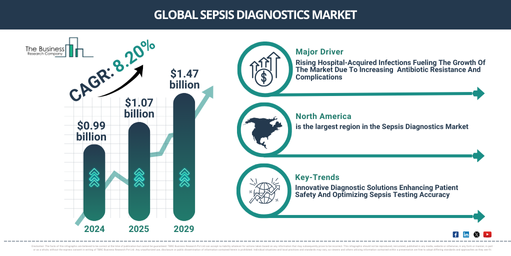
    The size of the sepsis diagnostics market has seen robust growth in the past few years. It is projected to expand from a market value of $0.99 billion in 2024 to $1.07 billion in 2025, with a compound annual growth rate (CAGR) of 8.3%. Factors responsible for this growth during the historical period include an elevated number of sepsis cases, heightened early diagnosis awareness, increased spending on healthcare, a growing number of hospital-acquired infections, and a rise in the uptake of point-of-care testing.

    In the projected few years, the sepsis diagnostics market size is anticipated to witness substantial growth. By 2029, it is predicted to escalate to $1.47 billion with an 8.2% compound annual growth rate (CAGR). The upswing in this period is likely due to the heightened need for swift diagnostics, growing investments in healthcare infrastructure, an amplified emphasis on personalized medicine, an increase in antimicrobial resistance, and an escalating utilization of next-generation sequencing. Major trends projected for this period comprise the incorporation of AI in diagnostics, technological progress in biomarkers, developments in molecular diagnostics, transition towards mechanized and digital diagnostic platforms, and progress in the application of artificial intelligence in diagnostics.

    Download a free sample to assess the report’s scope and structure:

    https://www.thebusinessresearchcompany.com/sample.aspx?id=23514&type=smp

    What Are the Core Market Drivers Propelling Growth in the Sepsis Diagnostics Industry?

    The surge in hospital-acquired infections is predicted to stimulate the expansion of the sepsis diagnostics market. These infections, also known as hospital-acquired infections (HAIs), occur during or after a patient’s stay in a medical facility, typically starting 48 hours or more post-admission, and were not present upon admission. This increase is attributed to the growth in antibiotic resistance, a consequence of overusing and improperly using antibiotics in healthcare environments, which encourages the evolution of resistant bacterial strains. This makes infections more challenging to manage. Sepsis diagnostics facilitates early detection of such infections by identifying pathogens and biomarkers, allowing for immediate treatment and reducing complications. For example, in November 2024, as per the Australian Institute of Health and Welfare, a government agency based in Australia, in the year 2022–23, it was noticed that 2% of public hospital and 0.8% of private hospital admissions had healthcare-associated infections, making it the most common complication. Thus, the surge in hospital-acquired infections is predicted to stimulate the sepsis diagnostics market’s growth.

    How Is the Sepsis Diagnostics Market Segmented?

    The sepsis diagnostics market covered in this report is segmented –

    1) By Product: Instruments, Blood Culture Media, Assay Kits And Reagents, Software

    2) By Technology: Microbiology, Molecular Diagnostics, Immunoassays, Flow Cytometry, Other Technologies

    3) By Pathogen: Bacterial Sepsis, Fungal Sepsis, Viral Sepsis, Other Pathogens

    4) By Method: Automated Diagnostics, Conventional Diagnostics

    5) By End-Users: Hospitals And Clinics, Pathology And Reference Laboratories, Research Institutes

    Subsegments:

    1) By Instruments: Automated Analyzers, Point-Of-Care (PoC) Testing Devices, Microfluidic-Based Devices, Polymerase Chain Reaction (PCR) Instruments, Flow Cytometers

    2) By Blood Culture Media: Aerobic Blood Culture Media, Anaerobic Blood Culture Media, Mycobacteria Blood Culture Media, Pediatric Blood Culture Media, Fungal Blood Culture Media

    3) By Assay Kits And Reagents: Enzyme-Linked Immunosorbent Assay (ELISA) Kits, Polymerase Chain Reaction (PCR) Assay Kits, Immunoassay Reagents, Molecular Diagnostic Reagents, Biosensor-Based Assay Kits

    4) By Software: Data Management Software, Laboratory Information Systems (LIS), Artificial Intelligence (AI)-Based Diagnostic Tools, Predictive Analytics Software, Cloud-Based Diagnostic Platforms

    Request customized data on this market:

    https://www.thebusinessresearchcompany.com/customise?id=23514&type=smp

    Which Regions Are Driving the Next Phase of the Sepsis Diagnostics Market Growth?

    North America was the largest region in the sepsis diagnostics market in 2024. Asia-Pacific is expected to be the fastest-growing region in the forecast period. The regions covered in the sepsis diagnostics market report are Asia-Pacific, Western Europe, Eastern Europe, North America, South America, Middle East, Africa.

    Which Emerging Trends that Are Influencing the Sepsis Diagnostics Industry Evolution?

    The sepsis diagnostics market is seeing main players pay attention to the creation of ground-breaking solutions, like those which do not require culture-based diagnostics, in an effort to promptly and accurately identify instances of sepsis without the need for traditional blood culture techniques. Methods of pathogen or infection detection not requiring conventional microbial culture approaches, known as culture-free diagnostic solutions, are being utilized. They hinge on cutting-edge technologies such as PCR (polymerase chain reaction), NGS (next-generation sequencing), or immunoassays as a means of speeding up the process of pathogen identification right from patient-derived samples like blood, saliva, or tissue. For example, Deepull Diagnostics S.L., a manufacturing firm based in Spain, unrolled the UllCORE diagnostic system in April 2024 to help with early detection of sepsis. The UllCORE system is a desktop multiplex PCR platform, a creation of Deepull, intended for quick pathogen identification in instances of sepsis and other similar acute infections. The system, operating by extracting microbial DNA from a whole 8 mL blood sample, provides 50 results that can be reported within a span of one hour. It has the ability to detect 95% of the pathogens that cause sepsis, which includes bacteria, fungi, and antibiotic resistance genes. With the goal of improving early diagnosis and curbing the misuse of antibiotics, UllCORE offers support to hospitals in their fight against antimicrobial resistance.

    View the full report here:

    https://www.thebusinessresearchcompany.com/report/sepsis-diagnostics-global-market-report

    How Is the Sepsis Diagnostics Market Defined and What Are Its Core Parameters?

    Sepsis diagnostics refers to a range of advanced technologies and tests designed to quickly detect the presence of sepsis, a critical condition that can lead to organ failure and death if left untreated. These technologies enable healthcare providers to assess the severity of the condition and make timely, informed decisions to initiate appropriate treatment and improve patient survival rates.

    Purchase the full report and get a swift delivery:

    https://www.thebusinessresearchcompany.com/purchaseoptions.aspx?id=23514

    About The Business Research Company:

    With over 15000+ reports from 27 industries covering 60+ geographies, The Business Research Company has built a reputation for offering comprehensive, data-rich research and insights. Armed with 1,500,000 datasets, the optimistic contribution of in-depth secondary research, and unique insights from industry leaders, you can get the information you need to stay ahead in the game.

    Get in touch with us:

    The Business Research Company: https://www.thebusinessresearchcompany.com/

    Americas +1 3156230293

    Asia +44 2071930708

    Europe +44 2071930708

    Email us at info@tbrc.info

    Follow us on:

    LinkedIn: https://in.linkedin.com/company/the-business-research-company

    YouTube: https://www.youtube.com/channel/UC24_fI0rV8cR5DxlCpgmyFQ

    Global Market Model: https://www.thebusinessresearchcompany.com/global-market-model