Month: June 2025

  • Market Trends Influencing Strategic Decisions in the Burkitt Lymphoma Therapeutics Industry: Advancements In Clinical Studies For Burkitt Lymphoma Treatment

    Market Trends Influencing Strategic Decisions in the Burkitt Lymphoma Therapeutics Industry: Advancements In Clinical Studies For Burkitt Lymphoma Treatment

    Our market reports now include the latest updates on global tariffs, trade impacts, and evolving supply chain dynamics.

    How Has the Burkitt Lymphoma Therapeutics Market Growth Performance Trended Historically, And What Lies Ahead?

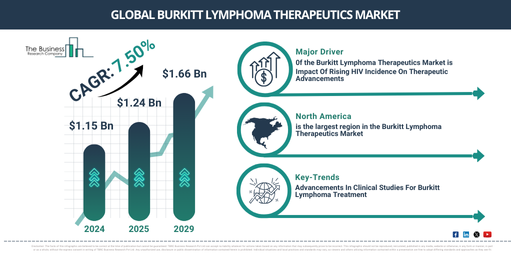
    In recent times, there has been a robust expansion in the size of the Burkitt lymphoma therapeutics market. Forecasts indicate a growth from $1.15 billion in 2024 to $1.24 billion in 2025, with a compound annual growth rate (CAGR) of 7.8%. The growth witnessed in the past can be credited to several factors. These include the rise in Burkitt lymphoma cases, the development of monoclonal antibodies, expansion in the use of immunotherapy, growing consciousness around non-Hodgkin lymphoma, the introduction of targeted therapies, financial backing for cancer research, the integration of precision medicine, and collaborations between pharmaceutical firms and research institutions.

    Promising expansion is anticipated in the coming years for the Burkitt lymphoma therapeutics market, which is predicted to inflate to a value of $1.66 billion by 2029, growing at a Compound Annual Growth Rate (CAGR) of 7.5%. The acceleration in this span is believed to be spurred on by factors such as the burgeoning field of personalized medicine, a surge in the usages of immunotherapies, increased research on rare forms of cancer, the development of MYC inhibitors, better early-detection diagnostic tools, a rising number of clinical trials, the arrival of biosimilars for lymphoma procedures, and a rise in knowledge about lymphoma therapies. Significant trends noted in the forecast period include the progression in CAR-T cell therapy, development of therapeutics targeting MYC, increased utilization of liquid biopsy, the application of artificial intelligence in the discovery of drugs, precision medicine for individualized treatment approaches, the growing role of nanotechnology in drug delivery, the utilization of digital pathology in diagnostics, improvements in monoclonal antibody therapies, and the predictive power of AI in treatment responses.

    Download a free sample to assess the report’s scope and structure:

    https://www.thebusinessresearchcompany.com/sample.aspx?id=21122&type=smp

    What Are the Major Market Drivers Behind the Rising Adoption of Burkitt Lymphoma Therapeutics Market?

    The increasing prevalence of the human immunodeficiency virus (HIV) is predicted to stimulate the development of the burkitt lymphoma therapeutics market. HIV is a virus that targets the body’s immune system, specifically the vital CD4+ T cells, responsible for immune defense. Sexual practices without protection, insufficient awareness, restricted healthcare access, needle sharing among drug users, and societal stigma hindering early diagnosis and treatment contribute to the rise in HIV. An HIV infection weakens the immune system, heightening susceptibility to several cancers, including burkitt lymphoma, categorized as an AIDS-related Lymphoma. The intersection of these diseases boosts the need for efficient therapeutics to address and treat burkitt lymphoma in patients with compromised immunity. For example, the UK Health Security Agency reported 6008 HIV diagnoses in England by October 2024, up 51% from 3975 diagnoses in 2022. Thus, the growing number of HIV cases is fueling the development of the burkitt lymphoma therapeutics market. The increasing demand for personalized medicine is anticipated to drive the growth of the burkitt lymphoma therapeutics market. Personalized medicine customizes treatments for individual patients based on their genetic, environmental, and lifestyle attributes to enhance results and better patient care. The push for personalized medicine can be attributed to progress in genomics, the increasing availability of diagnostic tests based on biomarkers, improved data analysis technology, and the desire for more targeted, effective treatments. Personalized medicine improves burkitt lymphoma treatment by allowing treatments to be targeted according to genetic and molecular profiles, enhancing efficacy, lowering side effects, and maximizing patient outcomes. For example, the Personalized Medicine Coalition, a U.S. nonprofit, revealed that in 2023, the Food and Drug Administration approved seven new personalized cancer treatments out of a total of 26, a significant rise from only 12 approvals in 2022. Therefore, the move towards personalized medicine is promoting growth in the burkitt lymphoma therapeutics market.

    Which Key Market Segments Comprise the Burkitt Lymphoma Therapeutics Market and Drive Its Revenue Growth?

    The burkitt lymphoma therapeutics market covered in this report is segmented –

    1) By Treatment Type: Chemotherapy, Immunotherapy, Targeted Therapy, Radiation Therapy, Surgical Intervention

    2) By Route Of Administration: Intravenous, Oral, Subcutaneous, Intramuscular

    3) By End-User: Hospital Settings, Specialty Clinics, Outpatient Centers, Home Healthcare

    Subsegments:

    1) By Chemotherapy: Induction Chemotherapy, Consolidation Chemotherapy, High-Dose Chemotherapy

    2) By Immunotherapy: Monoclonal Antibodies, CAR-T Cell Therapy, Immune Checkpoint Inhibitors

    3) By Targeted Therapy: Bruton’s Tyrosine Kinase Inhibitors (BTK Inhibitors), PI3K Inhibitors, BCL-2 Inhibitors

    4) By Radiation Therapy: External Beam Radiation Therapy, Intensity-Modulated Radiation Therapy (IMRT), Stereotactic Radiosurgery

    5) By Surgical Intervention: Lymph Node Excision, Tumor Resection

    Request customized data on this market:

    https://www.thebusinessresearchcompany.com/customise?id=21122&type=smp

    Which Areas Are Leading Regions in the Burkitt Lymphoma Therapeutics Market Expansion Across the Globe?

    North America was the largest region in the burkitt lymphoma therapeutics market in 2024. Asia-Pacific is expected to be the fastest-growing region in the forecast period. The regions covered in the burkitt lymphoma therapeutics market report are Asia-Pacific, Western Europe, Eastern Europe, North America, South America, Middle East, Africa.

    What Are the Strategic Trends Steering theBurkitt Lymphoma Therapeutics Market Direction?

    In the burkitt lymphoma therapeutics market, major businesses are putting their efforts into clinical trials aimed at improving the effectiveness of treatments, increasing the precision of cancer cell targeting, and enhancing patient outcomes, especially in refractory or relapsed cases. Clinical trials for burkitt lymphoma are essentially research studies intending to assess novel therapies, drug blends, or treatment methods for those suffering from Burkitt lymphoma. Such studies aid in recognizing the safety, effectiveness, and potential side effects of innovative or enhanced treatments. For example, in May 2022, Wuhan Bio-Raid Biotechnology Co. Ltd., a biotech company based in China, teamed up with Huazhong University of Science and Technology, a research entity also located in China, to conduct a study to gauge the clinical efficacy and toxicity of CD19/CD22 CAR T cell immunotherapy both individually and alongside autologous stem cell transplantation in adult patients with recurrent and refractory Burkitt lymphoma. The study concluded after 12.5 months, suggesting that combined CD19/CD22 CAR T-cell therapy with autologous stem cell transplantation (ASCT) may be an effective treatment for certain adults with relapsed or refractory Burkitt lymphoma.

    View the full report here:

    https://www.thebusinessresearchcompany.com/report/burkitt-lymphoma-therapeutics-global-market-report

    How Is the Burkitt Lymphoma Therapeutics Market Conceptually Defined?

    Burkitt lymphoma therapeutics refers to the range of medical treatments aimed at managing and curing Burkitt lymphoma, an aggressive and fast-growing type of non-Hodgkin lymphoma originating in B cells. These therapeutics focus on eradicating cancer cells, preventing relapse, and improving overall survival rates through intensive and tailored treatment protocols. Therapeutics for burkitt lymphoma are tailored based on the specific characteristics of the disease, including the variant type, the patient’s overall health, and how the disease responds to treatment.

    Purchase the full report and get a swift delivery:

    https://www.thebusinessresearchcompany.com/purchaseoptions.aspx?id=21122

    About The Business Research Company:

    With over 15000+ reports from 27 industries covering 60+ geographies, The Business Research Company has built a reputation for offering comprehensive, data-rich research and insights. Armed with 1,500,000 datasets, the optimistic contribution of in-depth secondary research, and unique insights from industry leaders, you can get the information you need to stay ahead in the game.

    Get in touch with us:

    The Business Research Company: https://www.thebusinessresearchcompany.com/

    Americas +1 3156230293

    Asia +44 2071930708

    Europe +44 2071930708

    Email us at info@tbrc.info

    Follow us on:

    LinkedIn: https://in.linkedin.com/company/the-business-research-company

    YouTube: https://www.youtube.com/channel/UC24_fI0rV8cR5DxlCpgmyFQ

    Global Market Model: https://www.thebusinessresearchcompany.com/global-market-model
  • Structural Heart Imaging Market Forecast Reaching $24.91 Billion by 2029 at 9.6% CAGR

    Structural Heart Imaging Market Forecast Reaching $24.91 Billion by 2029 at 9.6% CAGR

    Get 30% off on our Global Market Reports with code ONLINE30 – Hurry, limited time offer!

    How Fast Is The Structural Heart Imaging Market Expected to Grow Between 2025 And 2029?

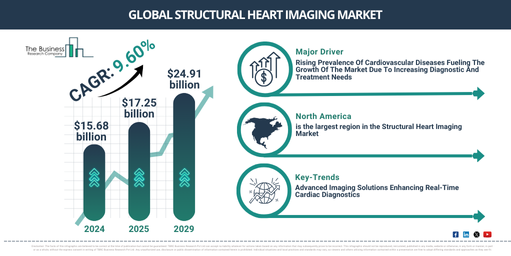
    The market size for structural heart imaging has experienced a swift expansion in the past few years. It is estimated to rise from $15.68 billion in 2024 to $17.25 billion in 2025, reflecting a compound annual growth rate (CAGR) of 10%. Factors such as an escalating incidence of heart diseases, enhanced usage of advanced imaging methods, increased preference for minimally invasive procedures, a heightened consciousness about early detection, and the growing market penetration in the developing regions, have contributed to this growth during the historical period.

    Expectations are high for the structural heart imaging market to experience significant growth in the coming years. The estimated market value is set to reach $24.91 billion by 2029, with an expected compound annual growth rate (CAGR) of 9.6%. This projected growth within the forecast period is largely due to factors such as increased adoption by healthcare professionals, an escalating prevalence of heart diseases, a growing elderly population, the increasing use of transcatheter, and the rising demand for minimally invasive procedures. Key trends anticipated within this period include catheter innovation, advanced development in imaging technology, progress in three-dimensional (3D) imaging, the creation of integrated imaging products, and the incorporation of machine learning.

    Download a free sample to assess the report’s scope and structure:

    https://www.thebusinessresearchcompany.com/sample.aspx?id=23531&type=smp

    Which Major Market Drivers Are Expected to Boost the Growth Potential of the Structural Heart Imaging Market?

    The escalating frequency of heart diseases is set to fuel the expansion of the structural heart imaging market. Heart diseases, a set of conditions that inflict the heart and blood vessels, comprise of conditions such as heart attacks, strokes, and hypertension. The frequency of these diseases is on the rise due to unhealthy habits, including inadequate diet, lack of physical activity, and smoking, all of which contribute to obesity, hypertension, and diabetes. Structural heart imaging amplifies the management of cardiovascular diseases by supplying detailed and precise diagnostic images, making it perfect for identifying issues with heart valves and congenital defects. It enhances treatment outcomes by facilitating early intervention and specific guidance for procedures. For example, as per the Eurostat, a government agency based in Luxembourg, a total of 5.16 million deaths were reported among EU residents in 2022 and out of this, 1.68 million were ascribed to heart diseases, making up 32.7% of all deaths. Hence, the escalating frequency of heart diseases is propelling the advancement of the structural heart imaging market.

    Which Key Market Segments Comprise the Structural Heart Imaging Market and Drive Its Revenue Growth?

    The structural heart imaging market covered in this report is segmented –

    1) By Procedure Type: Transcatheter Aortic Valve Implantation (TAVI), Transcatheter Mitral Valve Replacement (TMVR), Transcatheter Tricuspid Valve Replacement (TTVR), Left Atrial Appendage Closure (LAAC), Patent Foramen Ovale (PFO) Closure

    2) By Imaging Modality: Transesophageal Echocardiography (TEE), Intravascular Ultrasound (IVUS), Fluoroscopy, Cardiac Magnetic Resonance Imaging (CMRI), Computed Tomography (CT)

    3) By Vendor Type: Original Equipment Manufacturers (OEMs), Third-Party Vendors

    4) By Applications: Diagnosis, Surgery

    5) By End-User: Hospitals, Specialty Clinics, Cardiac Centers, Diagnostic Centers, Ambulatory Surgical Centers, Catheterization Laboratories, Other End-Users

    Subsegments:

    1) By Transcatheter Aortic Valve Implantation (TAVI): Balloon-Expandable Valves, Self-Expanding Valves

    2) By Transcatheter Mitral Valve Replacement (TMVR): Mechanical Valves, Bioprosthetic Valves

    3) By Transcatheter Tricuspid Valve Replacement (TTVR): Catheter-Based Approaches, Percutaneous Annuloplasty

    4) By Left Atrial Appendage Closure (LAAC): Endocardial Closure Devices, Epicardial Closure Devices

    5) By Patent Foramen Ovale (PFO) Closure: Occluder Devices, Suture-Based Devices

    Request customized data on this market:

    https://www.thebusinessresearchcompany.com/customise?id=23531&type=smp

    Which Areas Are Leading Regions in the Structural Heart Imaging Market Expansion Across the Globe?

    North America was the largest region in the structural heart imaging market in 2024. Asia-Pacific is expected to be the fastest-growing region in the forecast period. The regions covered in the structural heart imaging market report are Asia-Pacific, Western Europe, Eastern Europe, North America, South America, Middle East, Africa.

    What Are the Current Market Growth and Trends in the Structural Heart Imaging Industry?

    Key players in the structural heart imaging market are prioritizing the development of technological enhancements, particularly in the creation of artificial intelligence (AI)-supported ultrasound systems. These AI-driven ultrasound systems represent a cutting-edge imaging technology that leverages artificial intelligence to improve image quality, automate measurements, and provide precise, timely diagnostics. For example, in October 2023, US medical technology and diagnostics company GE HealthCare Technologies Inc. introduced their AI-powered Venue Family point-of-care ultrasound systems, complete with a caption guidance feature. The AI-empowered Venue Family point-of-care ultrasound systems refine Structural Heart Imaging by automating cardiac evaluations, enhancing image quality, and conducting real-time Doppler analysis. Due to their portability, these systems are capable of quickly diagnosing and accurately assessing valvular and structural heart conditions in critical care and procedural environments.

    View the full report here:

    https://www.thebusinessresearchcompany.com/report/structural-heart-imaging-global-market-report

    How Is the Structural Heart Imaging Market Conceptually Defined?

    Structural heart imaging is a type of medical imaging used to take clear, detailed pictures of the heart’s structure, including its valves, walls, and chambers. It helps doctors find and understand problems like valve defects or holes in the heart. This imaging is often used for pre-procedural planning, real-time guidance during interventions and post-treatment evaluation.

    Purchase the full report and get a swift delivery:

    https://www.thebusinessresearchcompany.com/purchaseoptions.aspx?id=23531

    About The Business Research Company:

    With over 15000+ reports from 27 industries covering 60+ geographies, The Business Research Company has built a reputation for offering comprehensive, data-rich research and insights. Armed with 1,500,000 datasets, the optimistic contribution of in-depth secondary research, and unique insights from industry leaders, you can get the information you need to stay ahead in the game.

    Get in touch with us:

    The Business Research Company: https://www.thebusinessresearchcompany.com/

    Americas +1 3156230293

    Asia +44 2071930708

    Europe +44 2071930708

    Email us at info@tbrc.info

    Follow us on:

    LinkedIn: https://in.linkedin.com/company/the-business-research-company

    YouTube: https://www.youtube.com/channel/UC24_fI0rV8cR5DxlCpgmyFQ

    Global Market Model: https://www.thebusinessresearchcompany.com/global-market-model

  • Pediatric Growth Hormone Deficiency Market Outlook 2025–2034: Identifying Growth Drivers, Technology Trends, and Policy Impact

    Pediatric Growth Hormone Deficiency Market Outlook 2025–2034: Identifying Growth Drivers, Technology Trends, and Policy Impact

    Our market reports now include the latest updates on global tariffs, trade impacts, and evolving supply chain dynamics.

    #What Are the Key Projections for the CAGR of the Pediatric Growth Hormone Deficiency Market Size From 2025 to 2034?#_x000D_

    In recent times, the market size for pediatric growth hormone deficiency has seen robust growth. The market is expected to expand from $3.80 billion in 2024 to $4.16 billion in 2025, boasting a compound annual growth rate (CAGR) of 9.4%. The escalating growth during the historical period can be credited to the rise in consciousness about the treatment of pediatric growth anomalies, enhanced diagnostic capabilities, increased funding in research and development for future-generation products, and the improvements in public insurance policy._x000D_

    _x000D_

    The market size for pediatric growth hormone deficiency is predicted to witness robust expansion in the forthcoming years. By 2029, it is projected to reach $5.88 billion, with a compound annual growth rate (CAGR) of 9.1%. The progress anticipated during this time frame can be linked to the expansion of healthcare infrastructure, increased access to care, advancement in growth hormone treatments, increased awareness and patient advocacy, beneficial government policies and healthcare initiatives, along with a growing number of PGHD cases. Throughout the forecast period, key trends will encompass the introduction of new therapies, tailored treatment options, product innovation, the use of telemedicine and remote monitoring, as well as personalized medicine and genetic testing._x000D_

    _x000D_

    #Download a free sample to assess the report’s scope and structure:#_x000D_

    https://www.thebusinessresearchcompany.com/sample.aspx?id=21250&type=smp_x000D_

    _x000D_

    #What Are the Core Market Drivers Propelling Growth in the Pediatric Growth Hormone Deficiency Industry?#_x000D_

    The rise in pediatric illnesses is anticipated to fuel the expansion of the pediatric growth hormone deficiency market. Pediatric illnesses encompass a broad scope of medical conditions that predominantly impact children from birth through to adolescence. The escalating instances of pediatric diseases can largely be attributed to environmental elements, refined detection techniques, alterations in lifestyle, genetic tendencies, and an increased occurrence of chronic ailments and allergies in children. These pediatric diseases can lead to pediatric growth hormone deficiency (GHD) by affecting the hypothalamus or pituitary gland, which are tasked with generating growth hormones. For example, in March 2024, the United Nations Children’s Fund (UNICEF), a government agency based in the U.S, disclosed that around 4.9 million children under five years old died in 2022, translating to an average of 13,400 fatalities each day. Infectious diseases like pneumonia, diarrhea, and malaria, along with complications from preterm birth and issues related to intrapartum, were identified as key causes of mortality in under-fives globally. Consequently, the growing instances of pediatric diseases are driving the expansion of the pediatric growth hormone deficiency market._x000D_

    _x000D_

    #How Is the Pediatric Growth Hormone Deficiency Market Segmented?#_x000D_

    The pediatric growth hormone deficiency market covered in this report is segmented –_x000D_

    _x000D_

    1) By Type: Congenital GH Deficiency, Acquired GH Deficiency, Idiopathic GH deficiency_x000D_

    2) By Product: Recombinant Human Growth Hormone (rhGH), Human Growth Hormone (HGH) Analogs, Long-Acting Growth Hormones_x000D_

    3) By Route Of Administration: Subcutaneous, Intramuscular, Oral_x000D_

    4) By Distribution Channel: Hospital Pharmacies, Retail Pharmacies, Online Pharmacies_x000D_

    5) By Application: Growth Hormone Deficiency, Idiopathic Short Stature, Turner Syndrome, Small For Gestational Age, Prader Willi Syndrome, Other Applications_x000D_

    _x000D_

    Subsegments:_x000D_

    1) By Congenital GH Deficiency: Isolated GH Deficiency, Combined Pituitary Hormone Deficiency_x000D_

    2) By Acquired GH Deficiency: GH Deficiency Due To Pituitary Tumors, GH Deficiency Due To Brain Injury, GH Deficiency Due To Radiation Therapy_x000D_

    3) By Idiopathic GH Deficiency: Primary Idiopathic GH Deficiency, Secondary Idiopathic GH Deficiency_x000D_

    _x000D_

    #Request customized data on this market:#_x000D_

    https://www.thebusinessresearchcompany.com/customise?id=21250&type=smp_x000D_

    _x000D_

    #Which Regions Are Driving the Next Phase of the Pediatric Growth Hormone Deficiency Market Growth?#_x000D_

    North America was the largest region in the pediatric growth hormone deficiency market in 2024. Asia-Pacific is expected to be the fastest-growing region in the forecast period. The regions covered in the pediatric growth hormone deficiency market report are Asia-Pacific, Western Europe, Eastern Europe, North America, South America, Middle East, Africa._x000D_

    _x000D_

    #What Key Market Trends and Innovations Are Shaping the Future of the Pediatric Growth Hormone Deficiency Industry?#_x000D_

    Prominent firms in the pediatric growth hormone deficiency industry are channeling their efforts into creating novel solutions like long-acting, once-weekly human growth hormone analogs to enhance patient adherence and comfort. This type of analog refers to an altered form of the natural human growth hormone, designed to last longer in the user’s body. For instance, Pfizer Inc., a pharmaceutical company in the U.S., and OPKO Health Inc., a U.S. medication firm, in June 2023 co-announced NGENLA (somatrogon-ghla), a once-weekly human growth hormone analog, meant for pediatric patients three years and older suffering from growth failure due to insufficient secretion of endogenous growth hormone, a product approved by the Food and Drug Administration, a U.S. government agency. This novel treatment is intended to enhance patient adherence by cutting down the number of injections, given that conventional treatments generally need daily dosages. Clinical tests indicate that NGENLA has comparable effectiveness to daily growth hormone therapies, thus offering children and their families a more manageable and convenient choice._x000D_

    _x000D_

    #View the full report here:#_x000D_

    https://www.thebusinessresearchcompany.com/report/pediatric-growth-hormone-deficiency-global-market-report_x000D_

    _x000D_

    #How Is the Pediatric Growth Hormone Deficiency Market Defined and What Are Its Core Parameters?#_x000D_

    Pediatric growth hormone deficiency (PGHD) is a condition where the pituitary gland produces insufficient growth hormone, leading to slow growth, short stature, and delayed puberty. It can be congenital or acquired, and treatment typically involves recombinant human growth hormone (rhGH) therapy to support normal development._x000D_

    _x000D_

    #Purchase the full report and get a swift delivery:#_x000D_

    https://www.thebusinessresearchcompany.com/purchaseoptions.aspx?id=21250_x000D_

    _x000D_

    #About The Business Research Company:#_x000D_

    With over 15000+ reports from 27 industries covering 60+ geographies, The Business Research Company has built a reputation for offering comprehensive, data-rich research and insights. Armed with 1,500,000 datasets, the optimistic contribution of in-depth secondary research, and unique insights from industry leaders, you can get the information you need to stay ahead in the game._x000D_

    _x000D_

    #Get in touch with us:#_x000D_

    The Business Research Company: https://www.thebusinessresearchcompany.com/_x000D_

    Americas +1 3156230293_x000D_

    Asia +44 2071930708_x000D_

    Europe +44 2071930708_x000D_

    Email us at info@tbrc.info_x000D_

    _x000D_

    #Follow us on:#_x000D_

    _x000D_

    LinkedIn: https://in.linkedin.com/company/the-business-research-company_x000D_

    YouTube: https://www.youtube.com/channel/UC24_fI0rV8cR5DxlCpgmyFQ_x000D_

    Global Market Model: https://www.thebusinessresearchcompany.com/global-market-model

  • Top Trends Driving Innovation and Change in the Budesonide Market: Market Growth Driven By Innovations In Oral And Inhaled Therapies

    Our market reports now include the latest updates on global tariffs, trade impacts, and evolving supply chain dynamics.

    What Are the Projected Market Size and Growth Rates for the Budesonide Market From 2025 To 2029?

    In the past few years, there has been a significant growth in the budesonide market size. It is projected to rise from $9.72 billion in 2024 to $10.36 billion in 2025, with a compound annual growth rate (CAGR) of 6.6%. This considerable growth during the historical period is due to factors such as an increase in respiratory illnesses, heightened awareness about inhaled corticosteroids, the unveiling of combination therapies based on budesonide, the proliferation of healthcare facilities and accessibility, as well as the off-label usage of budesonide for inflammatory bowel diseases.

    The market size of budesonide is anticipated to experience significant growth in the coming years, ballooning to $13.25 billion in 2029 with a compound annual growth rate (CAGR) of 6.3%. The factors contributing to this predicted growth for the forecast period include the increasing demand for effective treatments, the invention of new drug distribution mechanisms, the escalating usage of budesonide, a rising elderly population susceptible to asthma, and the growth in generic budesonide products. Major trends during the forecast period consist of the incorporation of biologics and biosimilars, progress in drug delivery systems, regulator endorsements for new drug forms, the creation of novel drug delivery systems, and improvements in technology.

    Download a free sample to assess the report’s scope and structure:

    https://www.thebusinessresearchcompany.com/sample.aspx?id=21121&type=smp

    What External and Internal Drivers Are Contributing to the Growth of the Budesonide Market?

    The growth of the budesonide market is anticipated to be driven by the rising prevalence of respiratory illnesses. Such diseases involve the organs and tissues responsible for gas regulation in air-breathing animals. The rise in such cases is predominantly due to escalating air pollution and exposure to particulates and allergens, significantly impacting the frequency of asthma and chronic obstructive lung ailments. Budesonide, typically used in treating respiratory conditions like asthma and chronic obstructive pulmonary disease (COPD), lessens inflammation, boosts airflow, and wards off symptoms like shortness of breath and wheezing. For instance, the National Center for Health Statistics (NCHS) reported in May 2024 that the occurrence of current asthma among adults aged 18 and above in the United States showed an increase from 8.4% in 2021 to 8.7% in 2022. In addition, the rate of asthma episodes in the past 12 months in the same demographic ascended from 3.3% in 2021 to 3.7% in 2022. Consequently, the surging prevalence of respiratory diseases is poised to boost the budesonide market expansion.

    What Segment Types Define the Budesonide Market Structure?

    The budesonide market covered in this report is segmented –

    1) By Type: Inhalation Powder, Aerosols, Injectable Suspension, Tablets And Capsules

    2) By Distribution Channel: Hospital Pharmacies, Retail Pharmacies, Online Pharmacies

    3) By Application: Nose Disease Treatment, Inflammatory Bowel Disease Treatment, Respiratory Disease Treatment, Other Applications

    Subsegments:

    1) By Inhalation Powder: Dry Powder Inhalers (DPI), Soft Mist Inhalers (SMI)

    2) By Aerosols: Metered-Dose Inhalers (MDI), Breath-Activated Inhalers

    3) By Injectable Suspension: Pre-filled Syringes, Vials

    4) By Tablets And Capsules: Oral Tablets, Oral Capsules

    Request customized data on this market:

    https://www.thebusinessresearchcompany.com/customise?id=21121&type=smp

    Which Geographic Areas Hold the Strongest Growth Potential in the Budesonide Market?

    North America was the largest region in the budesonide market in 2024. The regions covered in the budesonide market report are Asia-Pacific, Western Europe, Eastern Europe, North America, South America, Middle East, Africa.

    What Long-Term Trends Are Transforming the Competitive Landscape of the Budesonide Market?

    In an effort to improve respiratory treatment methods like oral therapy, boost patient comfort, enhance compliance with treatments, and broaden the range of therapeutic alternatives for managing asthma and other respiratory ailments, primary firms active in the budesonide market are directing their focus towards innovation. Oral budesonide is a form of budesonide ingested orally that is predominantly used for treating inflammation. For instance, Takeda Pharmaceuticals, a pharmaceutical company based in Japan, stated in February 2024 that the Food and Drug Administration (FDA), a federal agency in the US, granted approval to EOHILIA, a budesonide oral suspension. EOHILIA is now the first and only FDA-approved oral medication for patients aged 11 and above with eosinophilic esophagitis (EoE). Furthermore, based on efficacy and safety data from two 12-week multicenter, randomized, double-blind, parallel-group, placebo-controlled studies on subjects aged 11 to 56 having EoE, the FDA also granted its approval to EOHILIA 2 mg administered twice daily.

    View the full report here:

    https://www.thebusinessresearchcompany.com/report/budesonide-global-market-report

    What Is the Definition of the Budesonide Market?

    Budesonide is a corticosteroid medication used to reduce inflammation in conditions such as asthma, chronic obstructive pulmonary disease (COPD), inflammatory bowel diseases (Crohn’s disease, ulcerative colitis), and allergic rhinitis. It works by suppressing the immune response and decreasing inflammation in the airways or digestive tract.

    Purchase the full report and get a swift delivery:

    https://www.thebusinessresearchcompany.com/purchaseoptions.aspx?id=21121

    About The Business Research Company:

    With over 15000+ reports from 27 industries covering 60+ geographies, The Business Research Company has built a reputation for offering comprehensive, data-rich research and insights. Armed with 1,500,000 datasets, the optimistic contribution of in-depth secondary research, and unique insights from industry leaders, you can get the information you need to stay ahead in the game.

    Get in touch with us:

    The Business Research Company: https://www.thebusinessresearchcompany.com/

    Americas +1 3156230293

    Asia +44 2071930708

    Europe +44 2071930708

    Email us at info@tbrc.info

    Follow us on:

    LinkedIn: https://in.linkedin.com/company/the-business-research-company

    YouTube: https://www.youtube.com/channel/UC24_fI0rV8cR5DxlCpgmyFQ

    Global Market Model: https://www.thebusinessresearchcompany.com/global-market-model

  • Spondylolisthesis Market 2025-2034: Key Highlights, Growth Dynamics, and Emerging Trends

    Spondylolisthesis Market 2025-2034: Key Highlights, Growth Dynamics, and Emerging Trends

    Get 30% off on our Global Market Reports with code ONLINE30 – Hurry, limited time offer!

    What Is the Current and Projected Market Size of the Spondylolisthesis Market Through 2034?

    In the past few years, there has been substantial growth in the spondylolisthesis market. The market, which was valued at $17.23 billion in 2024, is projected to increase to $18.24 billion in 2025, experiencing a compound annual growth rate (CAGR) of 5.9%. This growth during the historical phase can be ascribed to multiple factors such as the rise in diagnosis due to advancements in imaging technology, the global aging populace, an increase in spinal surgeries, a surge in musculoskeletal conditions, and the prevalence of more sedentary lifestyles.

    Predictions show a robust expansion in the spondylolisthesis market in the coming years, with estimated growth to $22.72 billion by 2029, reflecting a compound annual growth rate (CAGR) of 5.6%. This growth in the projected duration is likely due to a rise in sports and physical activity-related injuries, increased availability of specialized spine care in burgeoning markets, ongoing research into biomechanical stability, an increase in sedentary jobs and poor posture habits, and a higher occurrence of chronic back pain and degenerative spine disorders. Key trends during this forecast period incorporate technological progress in spinal implants and navigation, a transformation towards minimally invasive spinal surgery, the growth of biologic and regenerative therapies, and data-driven decision making informed by real-world evidence.

    Download a free sample to assess the report’s scope and structure:

    https://www.thebusinessresearchcompany.com/sample.aspx?id=23527&type=smp

    How Are Key Drivers in the Industry Acting as Catalysts for the Growth of the Spondylolisthesis Market?

    The growth of the spondylolisthesis market is poised to be driven by the escalating healthcare infrastructure development. This pertains to all indispensable physical systems, facilities, and resources crucial for the delivery of efficient healthcare services. The amplification of healthcare infrastructure is derived from the increasing need for accessible and state-of-the-art medical services, as existing establishments frequently fall short in handling the growing influx of patients and the intricate care they necessitate. The robustness of healthcare infrastructure fortifies the treatment of spondylolisthesis through ensuring that medical facilities, qualified healthcare professionals and appropriate distribution channels are in place, indispensable elements for an effective treatment dispensation and patient’s access to medication. To illustrate this, the American Hospital Association, a non-profit entity based in the United States, reported that in 2024, the country had a total of 6,120 hospitals, reflecting an upsurge from 6,093 hospitals reported in 2022. As such, the burgeoning healthcare infrastructure is the driving force behind the growth of the spondylolisthesis market.

    Which Segments in the Spondylolisthesis Offer the Most Growth?

    The spondylolisthesis market covered in this report is segmented –

    1) By Type: Degenerative Spondylolisthesis, Isthmic Spondylolisthesis, Congenital Spondylolisthesis, Traumatic Spondylolisthesis, Pathological Spondylolisthesis

    2) By Treatment: Non-Surgical, Surgical

    3) By Diagnosis: X-Ray, MRI (Magnetic Resonance Imaging), CT Scan (Computed Tomography), Physical Examination

    4) By End User: Hospitals, Ambulatory Surgical Centers (ASCs), Specialty Clinics, Rehabilitation Centers

    Subsegments:

    1) By Degenerative Spondylolisthesis: Mild (Grade I), Moderate (Grade II), Severe (Grade III and above)

    2) By Isthmic Spondylolisthesis: Lytic Isthmic Spondylolisthesis, Elongated Isthmic Spondylolisthesis, Acute Fracture Isthmic Spondylolisthesis

    3) By Congenital Spondylolisthesis: Dysplastic Spondylolisthesis, Sacral Dome Abnormalities

    4) By Traumatic Spondylolisthesis: Acute Traumatic Spondylolisthesis, Post-surgical Traumatic Spondylolisthesis

    5) By Pathological Spondylolisthesis: Tumor-related Spondylolisthesis, Infection-related Spondylolisthesis, Osteoporosis-related Spondylolisthesis

    Request customized data on this market:

    https://www.thebusinessresearchcompany.com/customise?id=23527&type=smp

    What Are the Fastest-Growing Geographies in the Spondylolisthesis Market?

    North America was the largest region in the spondylolisthesis market in 2024. The regions covered in the spondylolisthesis market report are Asia-Pacific, Western Europe, Eastern Europe, North America, South America, Middle East, Africa.

    Which Technological Trends Are Reshaping the Spondylolisthesis Industry Dynamics?

    Leading corporations involved in the spondylolisthesis industry are prioritizing the inclusion of cutting-edge technologies like advanced spinal implant systems to enhance surgical results, safeguard mobility, and elevate the patient’s lifestyle quality. An innovative solution like the advanced spinal implant system aids in stabilizing the spine while preserving movement, making it a preferred substitute to traditional spinal fusion procedures. For example, in June 2023, FDA approval was given to the TOPS System developed by a United States-based medical device organization, Premia Spine. The device, a first of its type lumbar spine implant, received acknowledgment for its superiority over luminal fusion in treating grade I degenerative spondylolisthesis along with spinal stenosis. This revolutionary technology revamps spinal operations by substituting the affected facet joint and lamina with a mechanical implant that permits regulated motion in different directions like flexion, extension, lateral bending, and axial rotation. The TOPS System significantly trims down post-operation complexities and recovery duration by conserving movement and steadiness. A significant characteristic is its motion-preserving design that obviates the need for spinal fusion, thereby providing patients with an efficient, less invasive treatment alternative along with enhanced long-term mobility and functional results.

    View the full report here:

    https://www.thebusinessresearchcompany.com/report/spondylolisthesis-global-market-report

    What Are the Key Elements That Define the Spondylolisthesis Market?

    Spondylolisthesis is a spinal condition where one vertebra slips forward over the one below it. This misalignment can cause back pain, stiffness, and nerve compression. It affects the lower spine and can result from aging, injury, or a congenital defect.

    Purchase the full report and get a swift delivery:

    https://www.thebusinessresearchcompany.com/purchaseoptions.aspx?id=23527

    About The Business Research Company:

    With over 15000+ reports from 27 industries covering 60+ geographies, The Business Research Company has built a reputation for offering comprehensive, data-rich research and insights. Armed with 1,500,000 datasets, the optimistic contribution of in-depth secondary research, and unique insights from industry leaders, you can get the information you need to stay ahead in the game.

    Get in touch with us:

    The Business Research Company: https://www.thebusinessresearchcompany.com/

    Americas +1 3156230293

    Asia +44 2071930708

    Europe +44 2071930708

    Email us at info@tbrc.info

    Follow us on:

    LinkedIn: https://in.linkedin.com/company/the-business-research-company

    YouTube: https://www.youtube.com/channel/UC24_fI0rV8cR5DxlCpgmyFQ

    Global Market Model: https://www.thebusinessresearchcompany.com/global-market-model
  • Emerging Growth Drivers in the Pediatric Drugs Market Landscape: Impact Of Growing Preterm Births On The Market Growth

    Emerging Growth Drivers in the Pediatric Drugs Market Landscape: Impact Of Growing Preterm Births On The Market Growth

    Our market reports now include the latest updates on global tariffs, trade impacts, and evolving supply chain dynamics.

    #How Has The Pediatric Drugs Market Growth Evolved From 2024 To 2025, And What’s Ahead?#_x000D_

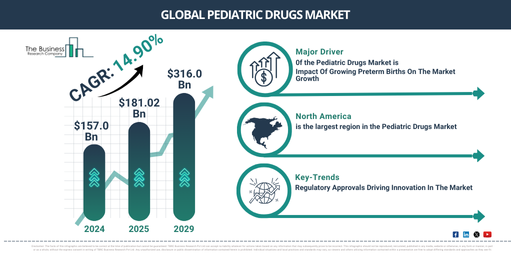
    The market size for pediatric drugs has seen a swift expansion in the past few years. The market which stood at $157.0 billion in 2024 is projected to reach $181.02 billion in 2025, marking a compound annual growth rate (CAGR) of 15.3%. This considerable growth during the historical period can be associated with factors such as the increasing demand for corresponding medicines, a surge in the pediatric population, heightened awareness of pediatric diseases, expansion in the field of pediatric oncology, the emergence of digital health and telemedicine, and amplified collective efforts in the realm of pediatric drug development._x000D_

    _x000D_

    The market size for pediatric drugs is projected to undergo a swift expansion in the ensuing years, reaching $316.0 billion in 2029, with a Compound Annual Growth Rate (CAGR) of 14.9%. The acceleration for the forecast period can be credited to factors such as an increasing pediatric demographic, escalating incidents of pediatric mental disorders, a rising count of children suffering from chronic diseases, augmented child vaccination rates, and a growing demand for pediatric mental health drugs. Key trends for the forecast phase include personalized pediatric treatment, the incorporation of technology in pediatric medicine delivery, the application of telemedicine and digital health aids, improvement in pediatric clinical examinations, and teamwork between pediatric specialists and pharmacists._x000D_

    _x000D_

    #Download a free sample to assess the report’s scope and structure:#_x000D_

    https://www.thebusinessresearchcompany.com/sample.aspx?id=21249&type=smp_x000D_

    _x000D_

    #Which Primay Drivers Are Accelerating Growth in the Pediatric Drugs Market?#_x000D_

    The pediatric drugs market is anticipated to see significant progress due to the rising instances of preterm births. Babies who are born before the standard gestation period of 40 weeks, specifically before 37 weeks, are classified as preterm. This surge in preterm births is linked to numerous factors like increased maternal age, certain lifestyle choices, existing medical conditions, multiple pregnancies, and lack of adequate prenatal care. Pediatric drugs play a key role in supporting the health and overall development of preterm babies as they offer specified treatments for issues such as respiratory complications, infections, and nutritional deficiencies. A December 2022 report from Tommy’s, a charity organization based in the UK, stated that preterm live births in England and Wales rose to 7.9% in 2022, from 7.5% in 2021. This translates to over 53,000 babies being born prematurely in 2022. Thus, the escalating number of preterm births is fueling the expansion of the pediatric drugs market._x000D_

    _x000D_

    #Which Primary Segments of the Pediatric Drugs Market Are Driving Growth and Industry Transformations?#_x000D_

    The pediatric drugs market covered in this report is segmented –_x000D_

    _x000D_

    1) By Type: Respiratory Disorder Drugs, Autoimmune Disorder Drugs, Gastrointestinal Drugs, Cardiovascular Drugs_x000D_

    2) By Route Of Administration: Oral, Topical, Parenteral, Other Route Of Administrations_x000D_

    3) By Distribution Channel: Hospital Pharmacy, Retail Pharmacy, Online Pharmacy, Other Distribution Channels_x000D_

    4) By End-Users: Hospitals, Specialty Clinics, Homecare, Other End-Users_x000D_

    _x000D_

    Subsegments:_x000D_

    1) By Respiratory Disorder Drugs: Asthma Medications, Cystic Fibrosis Treatments, Bronchodilators, Corticosteroids_x000D_

    2) By Autoimmune Disorder Drugs: Immunosuppressants, Biologic Therapies, Disease-Modifying Antirheumatic Drugs (DMARDs)_x000D_

    3) By Gastrointestinal Drugs: Proton Pump Inhibitors (PPIs), Antiemetics, Antidiarrheals, Laxatives_x000D_

    4) By Cardiovascular Drugs: Antihypertensive Medications, Heart Failure Treatments, Antiarrhythmic Drugs, Lipid-lowering Agents_x000D_

    _x000D_

    #Request customized data on this market:#_x000D_

    https://www.thebusinessresearchcompany.com/customise?id=21249&type=smp_x000D_

    _x000D_

    #Which Regions Are Key Players in the Growth of the #Which Primay Drivers Are Accelerating Growth in the Pediatric Drugs Market?# Market?#_x000D_

    North America was the largest region in the pediatric drugs market in 2024. Asia-Pacific is expected to be the fastest-growing region in the forecast period. The regions covered in the pediatric drugs market report are Asia-Pacific, Western Europe, Eastern Europe, North America, South America, Middle East, Africa._x000D_

    _x000D_

    #Which Technological Trends Are Reshaping the Pediatric Drugs Industry Dynamics?#_x000D_

    Leading firms in the pediatric drugs market have shifted their focus towards creating innovative drugs like fully human monoclonal antibodies to enhance treatment results and reduce potential side effects for young patients. Fully human monoclonal antibodies are completely derived from human genetic sequences, reducing the likelihood of immune reactions compared to chimeric or humanized monoclonal antibodies. This kind of antibody is achieved through contemporary biotechnology methods, including the usage of transgenic mice with human antibody genes or phage display technology. In a notable development, Johnson and Johnson, an American pharmaceutical company, gained FDA approval for STELARA (ustekinumab), a treatment for pediatric patients six years and above with active Psoriatic Arthritis (PsA), in August 2022. This great stride is due to STELARA being the only biologic therapy in the market that targets interleukin-12 (IL-12) and interleukin-23 (IL-23), critical cytokines in inflammatory responses connected to autoimmune diseases. Active PsA, a rare condition linked to chronic inflammatory arthritis, affects roughly 5-8% of children, leading to symptoms such as join swelling and skin lesions._x000D_

    _x000D_

    #View the full report here:#_x000D_

    https://www.thebusinessresearchcompany.com/report/pediatric-drugs-global-market-report_x000D_

    _x000D_

    #What Parameters Are Used to Define the Pediatric Drugs Market?#_x000D_

    Pediatric drugs are medications specifically formulated, dosed, or approved for use in infants, children, and adolescents. These drugs are designed to treat various medical conditions in pediatric patients, considering their unique physiological and metabolic differences from adults._x000D_

    _x000D_

    #Purchase the full report and get a swift delivery:#_x000D_

    https://www.thebusinessresearchcompany.com/purchaseoptions.aspx?id=21249_x000D_

    _x000D_

    #About The Business Research Company:#_x000D_

    With over 15000+ reports from 27 industries covering 60+ geographies, The Business Research Company has built a reputation for offering comprehensive, data-rich research and insights. Armed with 1,500,000 datasets, the optimistic contribution of in-depth secondary research, and unique insights from industry leaders, you can get the information you need to stay ahead in the game._x000D_

    _x000D_

    #Get in touch with us:#_x000D_

    The Business Research Company: https://www.thebusinessresearchcompany.com/_x000D_

    Americas +1 3156230293_x000D_

    Asia +44 2071930708_x000D_

    Europe +44 2071930708_x000D_

    Email us at info@tbrc.info_x000D_

    _x000D_

    #Follow us on:#_x000D_

    _x000D_

    LinkedIn: https://in.linkedin.com/company/the-business-research-company_x000D_

    YouTube: https://www.youtube.com/channel/UC24_fI0rV8cR5DxlCpgmyFQ_x000D_

    Global Market Model: https://www.thebusinessresearchcompany.com/global-market-model

  • Emerging Trends Redefining the Breast Cancer Liquid Biopsy Market Landscape: Revolutionizing Respiratory Care With Advanced Heated Breathing Circuit Technology

    Emerging Trends Redefining the Breast Cancer Liquid Biopsy Market Landscape: Revolutionizing Respiratory Care With Advanced Heated Breathing Circuit Technology

    Our market reports now include the latest updates on global tariffs, trade impacts, and evolving supply chain dynamics.

    What Is the Estimated Market Size of the Breathing Circuits Market In 2029?

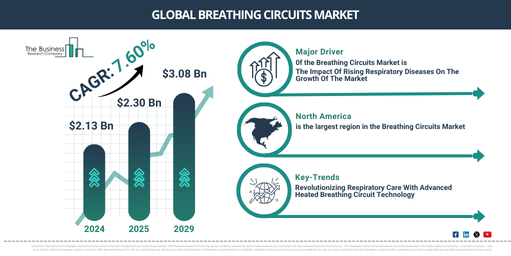
    In recent times, there has been a substantial expansion in the market size of breathing circuits. The market which is currently valued at $2.13 billion as of 2024, is projected to increase to $2.30 billion in 2025, with a compound annual growth rate (CAGR) of 7.9%. The significant growth in the previous years can be linked to the rising incidence of respiratory diseases, augmenting surgical procedures, an upsurge in the elderly population, improvements in anesthesia delivery systems, and an increasing preference for minimally invasive surgeries.

    It is projected that the market size for breathing circuits will see considerable growth in the coming years. It is set to rise to $3.08 billion in 2029, with a compound annual growth rate (CAGR) of 7.6%. This projected growth during the forecast period is due to factors such as improvements in disposable medical equipment, a heightened emphasis on curbing infections, increased acceptance of home healthcare options, a surge in demand for portable ventilators, and the growth of healthcare infrastructure in budding markets. Key trends for this period include the addition of smart sensors, the creation of eco-conscious materials, progress in 3D printing, the use of wireless monitoring systems, and better support for AI-controlled ventilators.

    Download a free sample to assess the report’s scope and structure:

    https://www.thebusinessresearchcompany.com/sample.aspx?id=21120&type=smp

    What Are the Core Market Drivers Propelling Growth in the Breathing Circuits Industry?

    The escalating frequency of respiratory ailments is anticipated to boost the expansion of the breathing circuits market in the future. Respiratory diseases, which include illnesses affecting the lungs and other areas of the respiratory system, impede proper breathing. The proliferation of respiratory disorders can largely be attributed to rising air pollution, smoking habits, indoor air pollution, and work-related risks. Breathing circuits play an essential role in managing respiratory disorders as they offer a regulated supply of air or oxygen to patients. This aids in maintaining sufficient respiration and serves necessary treatments like ventilation or anesthesia for those with compromised lung capacity. For instance, data from the Centers for Disease Control and Prevention, a US-based government institution, shows that in April 2024, the ratio of adults grappling with current asthma rose from 8.0% in 2021 to 8.9% in 2023. Hence, the escalating frequency of respiratory ailments is spurring the expansion of the breathing circuits market.

    How Is the Breathing Circuits Market Segmented?

    The breathing circuits market covered in this report is segmented –

    1) By Circuit Type: Open Breathing Circuit, Semi-Open Breathing Circuits, Semi-Closed Breathing Circuits, Closed Breathing Circuits

    2) By Usability: Disposable, Reusable

    3) By Application: Anesthesia, Respiratory Support, Other Applications

    4) By End-User: Hospitals, Clinics, Ambulatory Surgical Centers, Other End-Users

    Subsegments:

    1) By Open Breathing Circuit: T-Piece Circuits, Insufflation Circuits

    2) By Semi-Open Breathing Circuits: Mapleson Circuits (A, B, C, D, E, F), Bain Circuit

    3) By Semi-Closed Breathing Circuits: Partial Rebreathing Circuits, Reservoir Bag Circuits

    4) By Closed Breathing Circuits: Circle Breathing Systems, Low-Flow Anesthesia Circuits

    Request customized data on this market:

    https://www.thebusinessresearchcompany.com/customise?id=21120&type=smp

    Which Regions Are Driving the Next Phase of the Breathing Circuits Market Growth?

    North America was the largest region in the breathing circuits market in 2024. The regions covered in the breathing circuits market report are Asia-Pacific, Western Europe, Eastern Europe, North America, South America, Middle East, Africa.

    What Key Market Trends and Innovations Are Shaping the Future of the Breathing Circuits Industry?

    The primary players in the market are concentrating their efforts on the production of cutting-edge technologies such as heated breathing circuit technology, in order to optimise and improve patient care and therapy outcomes. Heated breathing circuit technology is a mechanism that warms and moistens the air or gas given to patients, thus avoiding dryness in the airways and boosting comfort during mechanical ventilation or oxygen treatment. For example, Armstrong Medical Industries Inc., a UK company that produces innovative medical devices and tools, unveiled its latest heated breathing circuit technology, AquaVENT VT, in January 2022. This technology is designed to regulate humidity throughout the ventilator circuit. It boasts a heated, moisture-permeable expiratory limb, BioCote antimicrobial protection, a heated breathing limb, and an autofill, heated, humidified chamber. Overall, these features significantly improve respiratory support, lower the chances of infections, and enable healthcare practitioners to concentrate more on patient treatment.

    View the full report here:

    https://www.thebusinessresearchcompany.com/report/breathing-circuits-global-market-report

    How Is the Breathing Circuits Market Defined and What Are Its Core Parameters?

    Breathing circuits refer to medical devices that deliver and regulate airflow to patients during respiratory support, ensuring the proper administration of gases such as oxygen or anesthetic agents. They are used for various applications, including mechanical ventilation, anesthesia, and emergency care, to maintain respiratory function in patients who are unable to breathe independently.

    Purchase the full report and get a swift delivery:

    https://www.thebusinessresearchcompany.com/purchaseoptions.aspx?id=21120

    About The Business Research Company:

    With over 15000+ reports from 27 industries covering 60+ geographies, The Business Research Company has built a reputation for offering comprehensive, data-rich research and insights. Armed with 1,500,000 datasets, the optimistic contribution of in-depth secondary research, and unique insights from industry leaders, you can get the information you need to stay ahead in the game.

    Get in touch with us:

    The Business Research Company: https://www.thebusinessresearchcompany.com/

    Americas +1 3156230293

    Asia +44 2071930708

    Europe +44 2071930708

    Email us at info@tbrc.info

    Follow us on:

    LinkedIn: https://in.linkedin.com/company/the-business-research-company

    YouTube: https://www.youtube.com/channel/UC24_fI0rV8cR5DxlCpgmyFQ

    Global Market Model: https://www.thebusinessresearchcompany.com/global-market-model
  • Breast Cancer Liquid Biopsy Market 2025-2034: Key Highlights, Growth Dynamics, and Emerging Trends

    Our market reports now include the latest updates on global tariffs, trade impacts, and evolving supply chain dynamics.

    How Fast Is The Breast Cancer Liquid Biopsy Market Expected to Grow Between 2025 And 2029?

    Rapid expansion has been seen in the breast cancer liquid biopsy market size in the past few years. The market is projected to escalate from $0.78 billion in 2024 to $0.90 billion in 2025, reflecting a compound annual growth rate (CAGR) of 15.0%. The historical period growth is mainly due to the progression in next-generation sequencing (ngs), escalating instances of breast cancer, growing inclination for non-invasive diagnostic procedures, increasing adoption of personalized medical approaches, and augmented funds directed towards cancer research.

    The market size of breast cancer liquid biopsy is predicted to experience significant growth in the upcoming years, expanding to $1.56 billion by 2029 at a Compound Annual Growth Rate (CAGR) of 14.7%. This surge during the forecasted timeframe can be ascribed to the evolution in liquid biopsy assays technology, the growing utilization of liquid biopsy for early cancer detection, increasing need for real-time cancer monitoring, broadening features in precision oncology, and increase in investments for liquid biopsy research and development. Major forecasted trends include the incorporation of artificial intelligence in liquid biopsy examination, enhancements in single-cell sequencing, creation of multi-omics liquid biopsy platforms, enhancement in liquid biopsy specificity and sensitivity, and the adoption of digital PCR for ultra-precise mutation identification.

    Download a free sample to assess the report’s scope and structure:

    https://www.thebusinessresearchcompany.com/sample.aspx?id=21119&type=smp

    Which Primay Drivers Are Accelerating Growth in the Breast Cancer Liquid Biopsy Market?

    The growth of the breast cancer liquid biopsy market is predicted to be driven by the escalation in breast cancer incidents. Breast cancer emerges from breast cells, predominantly from the lobules (milk-producing glands) or ducts (channels that transport milk to the nipple). The surge in breast cancer is attributable to several factors, including genetic predisposition, hormonal imbalances, an aging population, lifestyle alterations, obesity, alcohol usage, insufficient physical activity, exposure to radiation, and environmental pollutants. A liquid biopsy for breast cancer aids in the treatment by identifying circulating tumor DNA (ctDNA) or circulating tumor cells (CTCs) in the blood, which helps in monitoring the disease in real-time. This procedure contributes to gauging the response to treatment, detecting resistance to therapy, and pinpointing genetic mutations for targeted treatments. To illustrate, the American Cancer Society, a US-based charitable organisation know for its work in cancer research, education, advocacy, and patient support, predict an escalation in new breast cancer incidences to 319,750 in 2025, a substantial rise from 313,510 cases in 2024. Thus, the rise in breast cancer cases fuels the expansion of the liquid biopsy market for breast cancer.

    Which Primary Segments of the Breast Cancer Liquid Biopsy Market Are Driving Growth and Industry Transformations?

    The breast cancer liquid biopsy market covered in this report is segmented –

    1) By Product: Consumables, Kits

    2) By Biomarkers: Extracellular Vesicles (EVs), Cell-free DNA (cfDNA), Circulating Tumor RNA (ctRNA), Circulating Tumor Cells (CTCs), Cell-free RNA (cfRNA), Other Biomarkers

    3) By Application: Early Detection Or Screening, Diagnosis, Other Applications

    4) By End Users: Laboratories, Hospitals, Physician Laboratories, Reference Laboratories, Public Health Laboratories, Research Institutes, Small Molecular Laboratories, Pathology Laboratories

    Subsegments:

    1) By Consumables: Reagents, Polymerase Chain Reaction (PCR) Assays, Sequencing Panels, Sample Collection Tubes

    2) By Kits: DNA-based Liquid Biopsy Kits, RNA-based Liquid Biopsy Kits, Multi-marker Liquid Biopsy Kits

    Request customized data on this market:

    https://www.thebusinessresearchcompany.com/customise?id=21119&type=smp

    Which Regions Are Key Players in the Growth of the #Which Primay Drivers Are Accelerating Growth in the Breast Cancer Liquid Biopsy Market?# Market?

    North America was the largest region in the breast cancer liquid biopsy market in 2024. Asia-Pacific is expected to be the fastest-growing region in the forecast period. The regions covered in the breast cancer liquid biopsy market report are Asia-Pacific, Western Europe, Eastern Europe, North America, South America, Middle East, Africa.

    Which Technological Trends Are Reshaping the Breast Cancer Liquid Biopsy Industry Dynamics?

    A primary focus of leading businesses in the breast cancer liquid biopsy market is on the creation of innovative products like companion diagnostics, facilitating bespoke treatment strategies through the identification of patients who will gain from specific treatments. These companion diagnostics employ liquid biopsy technologies to identify biomarkers such as genetic alterations, circulating tumor DNA (ctDNA), or expressions of proteins that signal responsiveness to treatment. For instance, in January 2023, the FDA approved Guardant Health Inc., a biotechnology firm based in the US, for its Guardant360 CDx liquid biopsy test as a companion diagnostic for Menarini Group’s ORSERDU (elacestrant), which is a treatment for patients with advanced or metastatic breast cancer carrying ESR1 mutations. This approval empowers oncologists to use the test for wide-ranging genomic profiling, pinpointing patients who might profit from targeted treatment. This represents Guardant Health’s first FDA approval for breast cancer, and broadens its involvement in precision oncology.

    View the full report here:

    https://www.thebusinessresearchcompany.com/report/breast-cancer-liquid-biopsy-global-market-report

    What Parameters Are Used to Define the Breast Cancer Liquid Biopsy Market?

    A breast cancer liquid biopsy is a minimally invasive test that detects and analyzes tumor-derived materials in a patient’s blood or other bodily fluids. It provides valuable insights into the presence, progression, and genetic profile of breast cancer without requiring a traditional tissue biopsy.

    Purchase the full report and get a swift delivery:

    https://www.thebusinessresearchcompany.com/purchaseoptions.aspx?id=21119

    About The Business Research Company:

    With over 15000+ reports from 27 industries covering 60+ geographies, The Business Research Company has built a reputation for offering comprehensive, data-rich research and insights. Armed with 1,500,000 datasets, the optimistic contribution of in-depth secondary research, and unique insights from industry leaders, you can get the information you need to stay ahead in the game.

    Get in touch with us:

    The Business Research Company: https://www.thebusinessresearchcompany.com/

    Americas +1 3156230293

    Asia +44 2071930708

    Europe +44 2071930708

    Email us at info@tbrc.info

    Follow us on:

    LinkedIn: https://in.linkedin.com/company/the-business-research-company

    YouTube: https://www.youtube.com/channel/UC24_fI0rV8cR5DxlCpgmyFQ

    Global Market Model: https://www.thebusinessresearchcompany.com/global-market-model

  • Strategic Growth Drivers Shaping the Pediatric Brain Tumors Market Outlook 2025- 2034:Impact Of Personalized Medicine On The Market Growth

    Strategic Growth Drivers Shaping the Pediatric Brain Tumors Market Outlook 2025- 2034:Impact Of Personalized Medicine On The Market Growth

    Our market reports now include the latest updates on global tariffs, trade impacts, and evolving supply chain dynamics.

    #What is the Projected CAGR for the Pediatric Brain Tumors Market Size from 2025 to 2034?#_x000D_

    In the past few years, the market size for pediatric brain tumors has seen robust growth. There will be an increase from $1.4 billion in 2024 to $1.5 billion in 2025, indicating a compound annual growth rate (CAGR) of 7.1%. This growth during the historical period can be linked to the rising number of pediatric brain tumor cases, the emergence of developing economies, an increase in research and development investments, and the escalating demand for diagnostic technology. Furthermore, the instances of pediatric tumors are on the rise worldwide._x000D_

    _x000D_

    In the coming years, the market size for pediatric brain tumors is projected to experience significant growth, rising to $1.83 billion by 2029 at a compound annual growth rate (CAGR) of 5.1%. The growth expected in this forecast period can be attributed to factors such as precision medicine, molecular profiling, target therapy, the expansion of healthcare infrastructure, and increased insurance coverage. Key trends predicted for this period include progression in magnetic resonance imaging (MRI), positron emission tomography (PET), and computed tomography (CT) scanning technologies, the application of genetic and molecular profiling, advancements in targeted therapies, the emergence of immunotherapies, and the growing preference for minimally invasive surgical techniques._x000D_

    _x000D_

    #Download a free sample to assess the report’s scope and structure:#_x000D_

    https://www.thebusinessresearchcompany.com/sample.aspx?id=21248&type=smp_x000D_

    _x000D_

    #Which Factors and External Forces Are Driving Demand in the Pediatric Brain Tumors Market?#_x000D_

    The surge in demand for customized medical care is anticipated to stimulate the expansion of the pediatric brain tumors market in the future. Tailoring treatments and healthcare decisions to suit an individual’s genetic composition, lifestyle, and distinct health needs is what constitutes personalized medicine. The rise in demand for this type of medicine can be attributed to progress in genetic research, enhanced diagnostic tools, and a greater likelihood of efficient and precision-targeted treatments. Personalized medicine provides tailored therapies which are not only more effective but also minimize harm to healthy tissues, by customizing treatments as per the specific tumor type, mutation, and response in the child. This improves results and lowers the risk of side effects. For instance, the Personalized Medicine Coalition, a healthcare organization based in the US, reported that in February 2024, the FDA greenlit 16 new personalized treatments for patients with rare diseases in 2023, a significant increase from six approvals in 2022. Hence, the escalating demand for personalized medicine is fuelling the growth of the pediatric brain tumor market._x000D_

    _x000D_

    #Which Segments in the Pediatric Brain Tumors Offer the Most Growth?#_x000D_

    The pediatric brain tumors market covered in this report is segmented –_x000D_

    _x000D_

    1) By Type: Gliomas, Mixed Neuronal-Glial Tumors, Embryonal Tumors, Choroid Plexus Papilloma Or Carcinoma, Tumors Arising From Non-Neuroepithelial Tissue, Meningeal Tumors_x000D_

    2) By Treatment Type: Surgery, Radiation Therapy, Chemotherapy, Targeted Therapy, Immunotherapy_x000D_

    3) By Diagnosis Method: Imaging Techniques, Biopsy, Neurological Exam, Lumbar Puncture_x000D_

    4) By Age Group: Infants, Toddlers, Children, Adolescents_x000D_

    5) By Application: Hospitals And Clinics, Medical Research Centers, Academic Institutes, Other Applications_x000D_

    _x000D_

    Subsegments:_x000D_

    1) By Gliomas: Low-Grade Gliomas, High-Grade Gliomas_x000D_

    2) By Mixed Neuronal-Glial Tumors: Gangliogliomas, Dysembryoplastic Neuroepithelial Tumors (DNET)_x000D_

    3) By Embryonal Tumors: Medulloblastoma, Atypical Teratoid Rhabdoid Tumor (ATRT), Primitive Neuroectodermal Tumors (PNET)_x000D_

    4) By Choroid Plexus Papilloma or Carcinoma: Choroid Plexus Papilloma, Choroid Plexus Carcinoma_x000D_

    5) By Tumors Arising from Non-Neuroepithelial Tissue: Rhabdomyosarcoma, Ewing’s Sarcoma_x000D_

    6) By Meningeal Tumors: Meningiomas, Hemangiopericytomas_x000D_

    _x000D_

    #Request customized data on this market:#_x000D_

    https://www.thebusinessresearchcompany.com/customise?id=21248&type=smp_x000D_

    _x000D_

    #What Are the Fastest-Growing Geographies in the #Which Factors and External Forces Are Driving Demand in the Pediatric Brain Tumors Market?# Market?#_x000D_

    North America was the largest region in the pediatric brain tumors market in 2024. The regions covered in the pediatric brain tumors market report are Asia-Pacific, Western Europe, Eastern Europe, North America, South America, Middle East, Africa._x000D_

    _x000D_

    #Which Cutting-Edge Market Trends Are Expected to Drive thePediatric Brain Tumors Market’s Growth?#_x000D_

    The pediatric brain tumors market’s key players are honing their focus on creating enhanced treatments like type II RAF inhibitors. These treatments will not only strengthen targeted therapies but also refine patient outcomes. The inhibitors are precisely aimed therapies, targeting the inhibition of RAF kinases, especially those exhibiting mutations that boost tumor growth. These inhibitors focus on incorrect RAF protein structures seen in some pediatric low-grade glioma (pLGG) subtypes, effectively stalling error-prone signaling pathways that aid tumor cell growth and survival. For example, in April 2024, US-based biotech firm, Day One Biopharmaceuticals announced that the U.S. FDA granted swift approval for OJEMDA (tovorafenib). This treatment is meant for relapsed or refractory pLGG in patients from 6 months of age with particular BRAF modifications. With this endorsement, OJEMDA becomes the inaugural FDA-approved treatment for BRAF fusions or mutations within this patient group. This approval is grounded in the overall response rate of 51% from the FIREFLY-1 clinical trial, which reviewed the drug’s effectiveness for this indication. The treatment is specifically engineered for children with a brain tumor that has been resistant to previous treatments._x000D_

    _x000D_

    #View the full report here:#_x000D_

    https://www.thebusinessresearchcompany.com/report/pediatric-brain-tumors-global-market-report_x000D_

    _x000D_

    #What Are the Key Elements That Define the Pediatric Brain Tumors Market?#_x000D_

    Pediatric brain tumors are abnormal growths of cells in the brain or central nervous system (CNS) of children. These tumors can be benign (non-cancerous) or malignant (cancerous) and can originate in different parts of the brain or spinal cord. The goal of treatment is to shrink or remove the tumor, relieve symptoms, and preserve cognitive and motor functions, ensuring the child’s long-term health and development._x000D_

    _x000D_

    #Purchase the full report and get a swift delivery:#_x000D_

    https://www.thebusinessresearchcompany.com/purchaseoptions.aspx?id=21248_x000D_

    _x000D_

    #About The Business Research Company:#_x000D_

    With over 15000+ reports from 27 industries covering 60+ geographies, The Business Research Company has built a reputation for offering comprehensive, data-rich research and insights. Armed with 1,500,000 datasets, the optimistic contribution of in-depth secondary research, and unique insights from industry leaders, you can get the information you need to stay ahead in the game._x000D_

    _x000D_

    #Get in touch with us:#_x000D_

    The Business Research Company: https://www.thebusinessresearchcompany.com/_x000D_

    Americas +1 3156230293_x000D_

    Asia +44 2071930708_x000D_

    Europe +44 2071930708_x000D_

    Email us at info@tbrc.info_x000D_

    _x000D_

    #Follow us on:#_x000D_

    _x000D_

    LinkedIn: https://in.linkedin.com/company/the-business-research-company_x000D_

    YouTube: https://www.youtube.com/channel/UC24_fI0rV8cR5DxlCpgmyFQ_x000D_

    Global Market Model: https://www.thebusinessresearchcompany.com/global-market-model
  • Breast Augmentation Growth Trajectory: Key Forecasts and Strategic Insights

    Breast Augmentation Growth Trajectory: Key Forecasts and Strategic Insights

    Our market reports now include the latest updates on global tariffs, trade impacts, and evolving supply chain dynamics.

    What Are the Key Projections for the CAGR of the Breast Augmentation Market Size From 2025 to 2034?

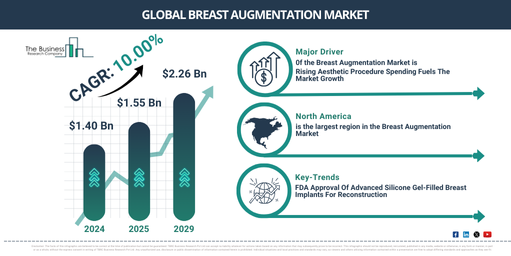
    The size of the breast augmentation market has seen a rapid expansion in recent times. The projected growth is from $1.40 billion in 2024 to $1.55 billion in 2025, embodying a compound annual growth rate (CAGR) of 10.4%. Factors contributing to growth during the historic period include increasing demand for aesthetic procedures, augmented disposable incomes, expanding awareness about aesthetic treatments, the escalating impact of social media, and the growth of medical tourism.

    In the upcoming years, the market for breast augmentation is projected to expand rapidly. By 2029, it should reach a value of $2.26 billion, growing at a compound annual growth rate (CAGR) of 10.0%. Factors contributing to growth during the forecast period are the increasing occurrence of breast reconstruction post-mastectomy, a rising trend for outpatient procedures, a growing female working population, escalating global urbanization, heightened awareness about breast healthcare, and a rising desire for natural-appearing outcomes. During the forecast period, key trends include the advancement in implant technology, the creation of safer implant materials, the progress in 3D imaging for surgical preparation, the emergence of lightweight implants, and the integration of artificial intelligence in surgical planning.

    Download a free sample to assess the report’s scope and structure:

    https://www.thebusinessresearchcompany.com/sample.aspx?id=21118&type=smp

    Which Factors and External Forces Are Driving Demand in the Breast Augmentation Market?

    The escalation in expenditure associated with aesthetic processes is predicted to stimulate the progression of the breast augmentation market. Such expenditures involve financial commitments often made for cosmetic treatments, which are aimed at improving appearances, skin revitalization, or attaining enhanced body equilibrium. The factors that lead to increased expenditure on aesthetic processes include growth in beauty awareness, advancements in minimal invasive treatments, rise in disposable incomes, and wider acceptance of cosmetic enhancements. Greater aesthetic investments provide access to high-end implants and sophisticated minimal invasive technologies, facilitating individualized treatments that boost safety, aesthetics, and post-operative recovery. For instance, The Aesthetic Society, an American organization dedicated to the progress of cosmetic surgery, reported in August 2023 that Americans spent in excess of $11.8 billion on aesthetic procedures in 2022. This marked a 2% upturn from the previous year. Thus, heightened expenditure on aesthetic therapies will serve as a catalyst for the growth of the breast augmentation market.

    Which Segments in the Breast Augmentation Offer the Most Growth?

    The breast augmentation market covered in this report is segmented –

    1) By Product: Silicone Breast Implant, Saline Breast Implant

    2) By Shape: Round Shape, Anatomical Shape

    3) By Procedure: Inframammary Fold, Trans-Axillary, Perio-Aeriolar, Trans-Umbical

    4) By Application: Reconstructive Surgery, Cosmetic Surgery

    5) By End-User: Hospitals, Cosmetology Clinics, Ambulatory Surgical Centers

    Request customized data on this market:

    https://www.thebusinessresearchcompany.com/customise?id=21118&type=smp

    What Are the Fastest-Growing Geographies in the #Which Factors and External Forces Are Driving Demand in the Breast Augmentation Market?# Market?

    North America was the largest region in the breast augmentation market in 2024. The regions covered in the breast augmentation market report are Asia-Pacific, Western Europe, Eastern Europe, North America, South America, Middle East, Africa.

    Which Cutting-Edge Market Trends Are Expected to Drive theBreast Augmentation Market’s Growth?

    Leading firms in the breast augmentation market are concentrating their efforts on advancing the technology of silicone gel-filled implants to boost safety measures and enhance cosmetic results. This type of implant, which consists of a silicone outer shell and a cohesive silicone gel interior, is purposefully designed to mimic the natural feel and movement of breast tissue. For example, in December 2024, the U.S. medical device corporation, Mentor Worldwide LLC, received approval from the U.S. Food and Drug Administration (FDA) for the MENTOR and MemoryGel Enhance Breast Implant. This particular implant is intended for women with larger breast cup sizes, conducive for breast reconstruction. The novel implant range provides sizes from 930 cc to 1445 cc, catering to the requirements of women post-mastectomy who are slated for both primary and secondary reconstruction surgeries. Mentor anticipates introducing these implants to the U.S. market from mid-2025 onwards, signaling a notable evolution in customized breast reconstruction alternatives for females.

    View the full report here:

    https://www.thebusinessresearchcompany.com/report/breast-augmentation-global-market-report

    What Are the Key Elements That Define the Breast Augmentation Market?

    Breast augmentation, also known as augmentation mammoplasty, is a surgical procedure designed to enhance breast size, shape, or fullness using implants or fat transfer. It helps restore breast volume lost due to pregnancy, weight loss, or aging while improving body proportions and boosting self-confidence.

    Purchase the full report and get a swift delivery:

    https://www.thebusinessresearchcompany.com/purchaseoptions.aspx?id=21118

    About The Business Research Company:

    With over 15000+ reports from 27 industries covering 60+ geographies, The Business Research Company has built a reputation for offering comprehensive, data-rich research and insights. Armed with 1,500,000 datasets, the optimistic contribution of in-depth secondary research, and unique insights from industry leaders, you can get the information you need to stay ahead in the game.

    Get in touch with us:

    The Business Research Company: https://www.thebusinessresearchcompany.com/

    Americas +1 3156230293

    Asia +44 2071930708

    Europe +44 2071930708

    Email us at info@tbrc.info

    Follow us on:

    LinkedIn: https://in.linkedin.com/company/the-business-research-company

    YouTube: https://www.youtube.com/channel/UC24_fI0rV8cR5DxlCpgmyFQ

    Global Market Model: https://www.thebusinessresearchcompany.com/global-market-model