Month: June 2025

  • Next-Gen Assisted Living Technologies : Market Forecast, Transformation, and Long-Term Trajectories

    Next-Gen Assisted Living Technologies : Market Forecast, Transformation, and Long-Term Trajectories

    Discover trends, market shifts, and competitive outlooks for the assisted living technologies industry through 2025-2034 with The Business Research Company’s reliable data and in-depth research

    How Fast Is The Assisted Living Technologies Market Expected to Grow Between 2025 And 2029?

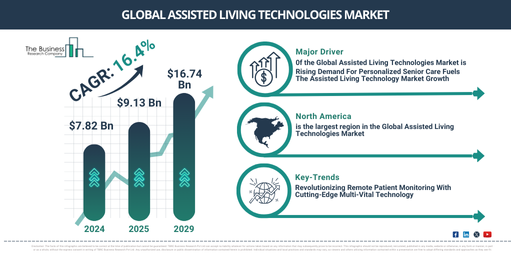
    The market size for assisted living technologies has seen a quick escalation lately. It is projected to rise from $7.82 billion in 2024 to $9.13 billion in 2025, with a compound annual growth rate (CAGR) of 16.8%. Factors contributing to the growth during the historic period include an aging population, the rise in chronic diseases, elevated healthcare expenses, better internet access, heightened awareness of the advantages of home healthcare, and encouraging governmental policies and incentives.

    The market size of assisted living technologies is anticipated to witness significant expansion in the upcoming years, reaching a value of $16.74 billion in 2029 with a compound annual growth rate (CAGR) of 16.4%. Factors contributing to the surge during the forecast tenure include the integration of intelligent automation in homes, a rise in the elderly population familiar with modern technological systems, an expansion in telehealth services, soaring interest in custom care solutions, increasing preference for independent living, and increased regulatory backing for digital health operations. The projection period will likely see emerging trends such as enhanced AI integration for tailored care, broadened utilization of IoT gadgets for instant health tracking, growth of telehealth services, breakthroughs in wearable health technology, the rise of voice-activated assistants, and improved cybersecurity methods.

    Download a free sample to assess the report’s scope and structure:

    https://www.thebusinessresearchcompany.com/sample.aspx?id=15515&type=smp

    Which Major Market Drivers Are Expected to Boost the Growth Potential of the Assisted Living Technologies Market?

    The emergence of personalized senior care services is expected to act as a catalyst for the future growth of the assisted living technology market. Such services cater to a plethora of requirements that are intended to facilitate the lives of seniors. The rise in the aging population, coupled with their distinctive needs, together with the quest for premium care, have led to an upsurge in demand for such services. Technologies supporting assisted living provide functionalities such as remote monitoring of seniors’ health parameters like vital signs, activity metrics, adherence to medication, and detection of falls. These technological advancements aid senior individuals in following prescribed medication routines, averting mistakes and enhancing overall health outcomes. To elaborate, a report by the Australian Institute of Health and Welfare, a government organization in Australia, revealed that the count of individuals aged over 65 residing in perpetual residential aged care spiked by 3.1% in the last five years, growing from 172,000 on June 30, 2017 to 178,000 on June 30, 2022. Hence, the escalating demand for personalized senior care services is propelling the expansion of the assisted living technology market.

    Which Key Market Segments Comprise the Assisted Living Technologies Market and Drive Its Revenue Growth?

    The assisted living technologies market covered in this report is segmented –

    1) By Component: Hardware, Software And Apps, Services

    2) By Facility Type: Adult Family Home, Community-Based Residential Facility, Residential Care Apartment Complex

    3) By End-User: Assisted Living Facilities, Nursing Homes, Rehabilitation Centers, Home Care Settings, Hospices, Other End-Users

    Subsegments:

    1) By Hardware: Wearable Devices (Smartwatches, Health Trackers), Sensors (Motion, Pressure, Temperature), Home Automation Systems (Smart Lights, Smart Thermostats), Monitoring Devices (Fall Detection Systems, Emergency Alert Systems)

    2) By Software And Apps: Health Monitoring Apps, Remote Patient Monitoring Software, Medication Management Software, Communication And Coordination Software, Emergency Response Apps

    3) By Services: Remote Monitoring Services, Personal Care Assistance, Telehealth Services, Maintenance And Support Services, Data Analytics And Reporting Services

    Request customized data on this market:

    https://www.thebusinessresearchcompany.com/customise?id=15515&type=smp

    Which Areas Are Leading Regions in the Assisted Living Technologies Market Expansion Across the Globe?

    North America was the largest region in the assisted living technologies market in 2023. The regions covered in the assisted living technologies market report are Asia-Pacific, Western Europe, Eastern Europe, North America, South America, Middle East, Africa.

    Which Technological Trends Are Reshaping the Assisted Living Technologies Industry Dynamics?

    Leading firms in the assisted living technologies sector are creating platforms for remote patient monitoring using multiple sensors to facilitate easy, continuous remote observation of crucial health indicators and enhance patient care. Such a comprehensive remote patient monitoring platform enables medical professionals to keep a more accurate track of the health condition of their patients and offer more tailor-made care, leading to superior patient results and better chronic disease control. For instance, in January 2024, Blue Spark Technologies, a health tech company from the US, introduced VitalTraq, a comprehensive remote patient monitoring system that uses multiple sensors. The system employs remote photoplethysmography (rPPG), a technology that does not require contact and can measure heart rate, variability, blood pressure, and breathing rate using a brief facial scan lasting between 30 to 60 seconds. VitalTraq merges with Blue Spark’s FDA-approved TempTraq, a patch that can be worn and is Bluetooth-compatible that monitors a patient’s temperature and alerts them about any rise in real-time. A combination of a contactless scanner and a wearable temperature sensor completes the set-up for remote monitoring.

    View the full report here:

    https://www.thebusinessresearchcompany.com/report/assisted-living-technologies-global-market-report

    How Is the Assisted Living Technologies Market Conceptually Defined?

    Assisted living technologies (ALTs) are a diverse range of tools, devices, and systems designed to support seniors and individuals with disabilities in their daily activities, promote independence, enhance safety, and improve overall quality of life. These technologies encompass various solutions, including hardware devices, software applications, wearable gadgets, and smart home systems, tailored to meet the specific needs and preferences of users.

    Purchase the full report and get a swift delivery:

    https://www.thebusinessresearchcompany.com/purchaseoptions.aspx?id=15515

    About The Business Research Company:

    With over 15000+ reports from 27 industries covering 60+ geographies, The Business Research Company has built a reputation for offering comprehensive, data-rich research and insights. Armed with 1,500,000 datasets, the optimistic contribution of in-depth secondary research, and unique insights from industry leaders, you can get the information you need to stay ahead in the game.

    Get in touch with us:

    The Business Research Company: https://www.thebusinessresearchcompany.com/

    Americas +1 3156230293

    Asia +44 2071930708

    Europe +44 2071930708

    Email us at info@tbrc.info

    Follow us on:

    LinkedIn: https://in.linkedin.com/company/the-business-research-company

    YouTube: https://www.youtube.com/channel/UC24_fI0rV8cR5DxlCpgmyFQ

    Global Market Model: https://www.thebusinessresearchcompany.com/global-market-model

  • Assisted Living Facility And Neurorehabilitation Market Overview 2025: Competitive Shifts, Forecast Models, and Emerging Opportunities

    Assisted Living Facility And Neurorehabilitation Market Overview 2025: Competitive Shifts, Forecast Models, and Emerging Opportunities

    Discover trends, market shifts, and competitive outlooks for the assisted living facility and neurorehabilitation industry through 2025-2034 with The Business Research Company’s reliable data and in-depth research

    What Are the Key Projections for the CAGR of the Assisted Living Facility And Neurorehabilitation Market Size From 2025 to 2034?

    The market size for assisted living and neurorehabilitation facilities has seen significant growth recently. A surge from $47.63 billion in 2024 to $51.55 billion in 2025, with a compound annual growth rate (CAGR) of 8.2%, is expected. This historical growth can be ascribed to factors such as increasing needs of the ageing population, rising demand for neurorehabilitation centers, the popularity of continuing-care retirement communities, and a growing number of survivors of traumatic brain injuries (TBI).

    It is anticipated that the size of the assisted living facility and neurorehabilitation market will experience significant expansion in the upcoming years, projected to rise to $69.74 billion in 2029 with a compound annual growth rate (CAGR) of 7.8%. This surge in growth during the projected period is credited to the demand for neurorehabilitation devices, the escalating incidence and pervasiveness of neurological disorders, an increasing income from the elderly populace, and the preference for senior accommodations for improved healthcare. Key trends for the expected period encompass progression in medical science and technology, the uptake of computer-assisted and electronic robotic devices, rapid acceptance of innovative treatments, and technological enhancements.

    Download a free sample to assess the report’s scope and structure:

    https://www.thebusinessresearchcompany.com/sample.aspx?id=15726&type=smp

    What Are the Core Growth Drivers Propelling the Assisted Living Facility And Neurorehabilitation Market Forward?

    The rise in the need for tailor-made care services for the elderly is predicted to boost the development in the assisted living facility and neurorehabilitation market. Personalized senior care services, which involve myriad services aimed at supporting the life of older individuals, are seeing an increase in demand due to the growth of the aged population and their specific needs, along with the call for superior care. The amalgamation of assisted living facilities and neurorehabilitation in personalized senior care services guarantee broad support, integrating daily assistance with specialized therapeutic interventions adjusted to individual neurological constraints. For example, the Australian Institute of Health and Welfare, a government agency based in Australia, disclosed in March 2023 that in 2021–22, public expenditure on aged care reached $24.8 billion. This expense is forecasted to surge from 1.1% of GDP in 2021–22 to 2.5% by the year 2062–63, owing to the aging of the population. Therefore, the escalating demand for personalized senior care services is contributing to the development of the assisted living facility and neurorehabilitation market.

    What Segment Types Define the Assisted Living Facility And Neurorehabilitation Market Structure?

    The assisted living facility and neurorehabilitation market covered in this report is segmented –

    1) By Type: Women, Men

    2) By Age: Less Than 65, 65-74, 75-84, More Than 85

    3) By Application: Hospitals, Clinics, Personal Care, Other Applications

    Subsegments:

    1) By Women: Elderly Women, Women With Cognitive Disorders, Women With Physical Disabilities

    2) By Men: Elderly Men, Men With Cognitive Disorders, Men With Physical Disabilities

    Request customized data on this market:

    https://www.thebusinessresearchcompany.com/customise?id=15726&type=smp

    Which Geographic Areas Hold the Strongest Growth Potential in the Assisted Living Facility And Neurorehabilitation Market?

    North America was the largest region in the assisted living facility and neurorehabilitation market in 2023. Asia-Pacific is expected to be the fastest growing region in the market. The regions covered in the assisted living facility and neurorehabilitation market report are Asia-Pacific, Western Europe, Eastern Europe, North America, South America, Middle East, Africa.

    Which Cutting-Edge Market Trends Are Expected to Drive the Assisted Living Facility And Neurorehabilitation Market’s Growth?

    Leading firms in the assisted living and neurorehabilitation market are capitalizing on technology enhancements, notably smart peripheral devices, to secure a competitive advantage. A smart peripheral device is an ultra-sensitive controller able to accurately capture the delicate grasp forces and wrist movements needed for daily tasks. This technology can identify even subtle finger and hand movements, making it viable for treatment of the most severely affected patients. For example, MindMaze, a Switzerland-based digital therapeutics company, introduced Izar in February 2023. This pioneering FDA-listed and CE-marked smart peripheral device is meant for patients with compromised hand motor function. By aiming to bridge a crucial gap in neurological care, Izar is viewed as a potent treatment for augmenting hand dexterity and strength in a range of conditions such as stroke, Parkinson’s disease, Alzheimer’s disease, and traumatic brain injury.

    View the full report here:

    https://www.thebusinessresearchcompany.com/report/assisted-living-facility-and-neurorehabilitation-global-market-report

    What Is the Definition of the Assisted Living Facility And Neurorehabilitation Market?

    An assisted living facility provides residential care and support services for individuals who need help with daily activities but do not require intensive medical care. Neurorehabilitation is a specialized therapeutic approach aimed at improving the function and quality of life of individuals with neurological disorders or injuries. When combined, these services offer a comprehensive care environment where residents receive both daily living support and specialized neurological rehabilitation.

    Purchase the full report and get a swift delivery:

    https://www.thebusinessresearchcompany.com/purchaseoptions.aspx?id=15726

    About The Business Research Company:

    With over 15000+ reports from 27 industries covering 60+ geographies, The Business Research Company has built a reputation for offering comprehensive, data-rich research and insights. Armed with 1,500,000 datasets, the optimistic contribution of in-depth secondary research, and unique insights from industry leaders, you can get the information you need to stay ahead in the game.

    Get in touch with us:

    The Business Research Company: https://www.thebusinessresearchcompany.com/

    Americas +1 3156230293

    Asia +44 2071930708

    Europe +44 2071930708

    Email us at info@tbrc.info

    Follow us on:

    LinkedIn: https://in.linkedin.com/company/the-business-research-company

    YouTube: https://www.youtube.com/channel/UC24_fI0rV8cR5DxlCpgmyFQ

    Global Market Model: https://www.thebusinessresearchcompany.com/global-market-model
  • Aseptic SamplingMarket Overview 2025–2034: CAGR Trends, Long-Term Growth Paths, and Business Implications

    Aseptic SamplingMarket Overview 2025–2034: CAGR Trends, Long-Term Growth Paths, and Business Implications

    Discover trends, market shifts, and competitive outlooks for the aseptic sampling industry through 2025-2034 with The Business Research Company’s reliable data and in-depth research

    What is the Projected CAGR for the Aseptic Sampling Market Size from 2025 to 2034?

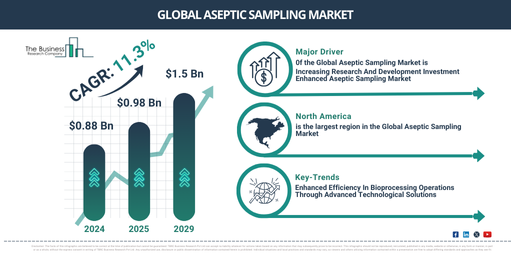
    The aseptic sampling market has experienced significant growth in recent years, expanding from a value of $0.88 billion in 2024 to an anticipated $0.98 billion in 2025. This represents a compound annual growth rate (CAGR) of 11.5%. The growth observed in the prior period is due to several factors including improvements in pharmaceutical manufacturing, heightening worries about product safety, increased production in the biopharmaceutical sector, implementation of strict regulatory standards, and broader applications in the food and beverage sectors.

    Expectations are high for considerable expansion in the aseptic sampling market in the upcoming years, with predictions showing a growth to $1.5 billion by 2029, marking a compound annual growth rate (CAGR) of 11.3%. The growth during the forecast period can be connected to continued advancements in the pharmaceutical and biotechnology sectors, an increased demand for customized medicine, a heightened focus on the quality and safety of healthcare, the growing biologics sector, and the global expansion of pharmaceutical manufacturing. Future trends to be noted for this period include the rising adoption of automated sampling technologies, expanding applications in bioprocessing, broadening of the pharmaceutical and biotech industries, an intensified focus on adhering to regulations, the emergence of integrated sampling solutions, and an increased emphasis on minimizing risks of contamination.

    Download a free sample to assess the report’s scope and structure:

    https://www.thebusinessresearchcompany.com/sample.aspx?id=15725&type=smp

    What Are the Primary Drivers Supporting the Market Growth of the Aseptic Sampling Market?

    The asectic sampling market is anticipated to experience significant growth due to expanding investments in research and development endeavors. These investments represent the financial inputs devoted to scientific research and innovation with a goal of improving products, processes, or technologies. Factors contributing to this escalation in research and development investments include increased competition, technological evolution, regulatory stipulations, and companies’ devotion to innovation-led growth strategies. Enhanced research and development funding cultivates the evolution of aseptic sampling methodologies, permitting greater precision, sterility, and adherence in pharmaceutical production. For example, the European Federation of Pharmaceutical Industries and Associations (EFPIA), a pharmaceutical industry association from Belgium, marked a substantial escalation in R&D expenditure in June 2023. This investment witnessed a rise from $30.5 billion in 2020 to $46.5 billion in 2021 and then to $48.6 billion in 2022, thereby, underscoring a remarkable increase in pharmaceutical industry’s research and development investment. Consequently, the growing investments in research and development pursuits are fuelling the expansion of the aseptic sampling market.

    Which Primary Segments of the Aseptic Sampling Market Are Driving Growth and Industry Transformations?

    The aseptic sampling market covered in this report is segmented –

    1) By Type: Manual Aseptic Sampling, Automated Aseptic Sampling

    2) By Technique: Off-Line Sampling Technique, On-Line Sampling Technique, In-Line Sampling Technique

    3) By Application: Downstream Processing, Upstream Processing

    4) By End-User: Biotechnology And Pharmaceutical Manufacturers, Research And Development Departments, Contract Research And Manufacturing Organizations, Other End Users

    Subsegments:

    1) By Manual Aseptic Sampling: Single-Use Manual Sampling, Reusable Manual Sampling

    2) By Automated Aseptic Sampling: Robotic Sampling Systems, Automated Sample Collection Systems

    Request customized data on this market:

    https://www.thebusinessresearchcompany.com/customise?id=15725&type=smp

    Which Regions Are Key Players in the Growth of the Aseptic Sampling Market?

    North America was the largest region in the aseptic sampling market in 2023. Asia-Pacific is expected to be the fastest-growing region in the forecast period. The regions covered in the aseptic sampling market report are Asia-Pacific, Western Europe, Eastern Europe, North America, South America, Middle East and Africa.

    Which Emerging Trends that Are Influencing the Aseptic Sampling Industry Evolution?

    Leading companies in the aseptic sampling market are making strategic moves towards creating innovative solutions like the adjustable volume sampling system (AVSS). This system is aimed at improving sample collection and promoting process efficiency. The AVSS stands out for its ability to decrease contamination risk and limit volume loss in bioprocessing operations, by allowing operators to gather exact quantities of media required for regular sampling. For example, Avantor, a life science tools company from the US, in January 2022, unveiled its omniTop sample tubes AVSS. The system was designed to reduce contamination risk and conserve volume in bioprocessing, while giving operators the capacity to collect accurate media volumes necessary for regular sampling. Particularly built for high-fidelity product sampling applications like monoclonal antibodies (mAbs), cell and gene therapy processes, and final fill operations, it makes the bioprocessing sampling process more efficient. Additionally, the system’s aseptic sampling approach is useful from laboratory research to the final scale-up of bioprocessing.

    View the full report here:

    https://www.thebusinessresearchcompany.com/report/aseptic-sampling-global-market-report

    What Parameters Are Used to Define the Aseptic Sampling Market?

    Aseptic sampling refers to the method of collecting samples from a specific environment or substance in a way that prevents contamination by microorganisms or other foreign particles. This technique is commonly used in various fields such as microbiology, pharmaceuticals, the food industry, and environmental monitoring to ensure the integrity and accuracy of the samples collected for analysis. Aseptic sampling techniques typically involve using sterile equipment and procedures to minimize the risk of introducing contaminants during the sampling process.

    Purchase the full report and get a swift delivery:

    https://www.thebusinessresearchcompany.com/purchaseoptions.aspx?id=15725

    About The Business Research Company:

    With over 15000+ reports from 27 industries covering 60+ geographies, The Business Research Company has built a reputation for offering comprehensive, data-rich research and insights. Armed with 1,500,000 datasets, the optimistic contribution of in-depth secondary research, and unique insights from industry leaders, you can get the information you need to stay ahead in the game.

    Get in touch with us:

    The Business Research Company: https://www.thebusinessresearchcompany.com/

    Americas +1 3156230293

    Asia +44 2071930708

    Europe +44 2071930708

    Email us at info@tbrc.info

    Follow us on:

    LinkedIn: https://in.linkedin.com/company/the-business-research-company

    YouTube: https://www.youtube.com/channel/UC24_fI0rV8cR5DxlCpgmyFQ

    Global Market Model: https://www.thebusinessresearchcompany.com/global-market-model
  • Global Artificial Saliva Market Trends: Regional Breakdowns and Strategic Insights

    Discover trends, market shifts, and competitive outlooks for the artificial saliva industry through 2025-2034 with The Business Research Company’s reliable data and in-depth research

    What is the Anticipated CAGR of the Artificial Saliva Market, and What Factors Will Drive It?

    In recent times, the artificial saliva market has seen swift expansion. The market size is projected to rise from $1.95 billion in 2024 to $2.22 billion in 2025, with a compound annual growth rate (CAGR) of 13.9%. The historic period’s growth is linked to increased demand for oral sprays, gels, and liquids. Other factors contributing to the rise are more treatment alternatives for cancer patients, an increasing elderly population, growing disposable income, and a global increase in dental disorders.

    Expected rapid expansion in the artificial saliva market size is projected over the coming years, scaling to $3.72 billion by 2029, accompanied by a compound annual growth rate (CAGR) of 13.7%. The impressive growth predicted during the forecast period is primarily due to increased awareness around oral hygiene, the escalating rate of xerostomia or dry mouth syndrome, and heightened demand for artificial saliva. More instances of cancer, disease prevalence, and the increase in chemotherapy treatments also contribute to this trend. Key trends supporting this forecast expansion include expanded research and development activities, advancements in the formulation of the product, integration with cutting-edge technologies, technological strides in dry mouth treatment and a gradual shift towards more natural and biocompatible ingredients.

    Download a free sample to assess the report’s scope and structure:

    https://www.thebusinessresearchcompany.com/sample.aspx?id=16592&type=smp

    What Are the Major Market Drivers Behind the Rising Adoption of Artificial Saliva Market?

    The artificial saliva market’s growth is projected to be driven by the escalating occurrence of dry mouth syndrome, alternatively known as xerostomia. Xerostomia, a condition that results in a continuous sense of oral dryness, has seen a surge in prevalence due to an increase in the aging population and a widespread consumption of medications and over-the-counter drugs that may induce this condition. Synthetic saliva aids in hydrating the oral tissues, counteracting the dry and sticky sensation typically associated with xerostomia. Research conducted by Faculdade Meridional, a dental school based in Brazil, indicated a xerostomia prevalence rate of 19.1% in a sample of 293 elderly adults in Brazil in 2021. Furthermore, a cross-sectional survey carried out by the University of Gothenburg, a Sweden-based University, in 2022 on 374 adult patients concluded that xerostomia had a prevalence rate of 43.6%. Thus, the artificial saliva market’s growth is bolstered by the escalating prevalence of dry mouth syndrome. The continued escalation of cancer prevalence is anticipated to fuel the progress of the artificial saliva market. Cancer, a disease characterized by the uncontrolled growth and spread of abnormal cells, that could lead to fatality if not treated, has seen an uptick in cases due to factors like an aging population, modifications in lifestyle, higher exposure to risk factors, and improved detection procedures. Synthetic saliva is beneficial for cancer patients undergoing treatments such as chemotherapy or radiotherapy that may lead to a decrease in natural saliva production, thereby enhancing comfort and oral health. For example, a report by the Australian Institute of Health and Welfare, an Australian agency for health and welfare statistics, predicted that by 2034, Australia is expected to see nearly 209,000 new cancer diagnoses, a significant leap from the projected 169,000 cases in 2024. This points to the effect of an expanding population and increasing cancer rates. The report also estimated that in 2024, cancer would result in about 3 out of every 10 deaths in Australia. Thus, the mounting burden of cancer is propelling the artificial saliva market’s growth.

    Which Key Market Segments Comprise the Artificial Saliva Market and Drive Its Revenue Growth?

    The artificial saliva market covered in this report is segmented –

    1) By Product: Oral Spray, Oral Solution, Oral Liquid, Dissolving Tablets, Gel, Powder

    2) By Distributional Channel: Supermarkets, Hypermarkets, Other Distribution Channels

    3) By End-User: Adult, Pediatric

    Subsegments:

    1) By Oral Spray: Non-Alcoholic Oral Spray, Alcohol-Based Oral Spray

    2) By Oral Solution: Ready-To-Use Oral Solution, Concentrated Oral Solution

    3) By Oral Liquid: Viscous Oral Liquid, Non-Viscous Oral Liquid

    4) By Dissolving Tablets: Fast-Dissolving Tablets, Slow-Dissolving Tablets

    5) By Gel: High-Viscosity Gel, Low-Viscosity Gel

    6) By Powder: Ready-To-Use Powder, Powder Requiring Mixing

    Request customized data on this market:

    https://www.thebusinessresearchcompany.com/customise?id=16592&type=smp

    Which Areas Are Leading Regions in the Artificial Saliva Market Expansion Across the Globe?

    North America was the largest region in the artificial saliva market in 2024. Asia-Pacific is expected to be the fastest-growing region in the forecast period. The regions covered in the artificial saliva market report are Asia-Pacific, Western Europe, Eastern Europe, North America, South America, Middle East, Africa.

    View the full report here:

    https://www.thebusinessresearchcompany.com/report/artificial-saliva-global-market-report

    How Is the Artificial Saliva Market Conceptually Defined?

    Artificial saliva refers to a synthetic product designed to mimic the properties and functions of natural saliva. It is used to relieve dryness in the mouth (xerostomia) caused by various conditions such as Sjögren’s syndrome, radiation therapy for cancer, or certain medications. Artificial saliva helps to moisten and lubricate the mouth, aids in chewing and swallowing, and can improve overall oral comfort.

    Purchase the full report and get a swift delivery:

    https://www.thebusinessresearchcompany.com/purchaseoptions.aspx?id=16592

    About The Business Research Company:

    With over 15000+ reports from 27 industries covering 60+ geographies, The Business Research Company has built a reputation for offering comprehensive, data-rich research and insights. Armed with 1,500,000 datasets, the optimistic contribution of in-depth secondary research, and unique insights from industry leaders, you can get the information you need to stay ahead in the game.

    Get in touch with us:

    The Business Research Company: https://www.thebusinessresearchcompany.com/

    Americas +1 3156230293

    Asia +44 2071930708

    Europe +44 2071930708

    Email us at info@tbrc.info

    Follow us on:

    LinkedIn: https://in.linkedin.com/company/the-business-research-company

    YouTube: https://www.youtube.com/channel/UC24_fI0rV8cR5DxlCpgmyFQ

    Global Market Model: https://www.thebusinessresearchcompany.com/global-market-model
  • Artificial Pancreas Device System Market Outlook 2025: Mapping Growth, Innovation, and Regional Shifts

    Artificial Pancreas Device System Market Outlook 2025: Mapping Growth, Innovation, and Regional Shifts

    Discover trends, market shifts, and competitive outlooks for the artificial pancreas device system industry through 2025-2034 with The Business Research Company’s reliable data and in-depth research

    What Are the Key Milestones in the Artificial Pancreas Device System Market’s Growth Trajectory From 2025 To 2034?

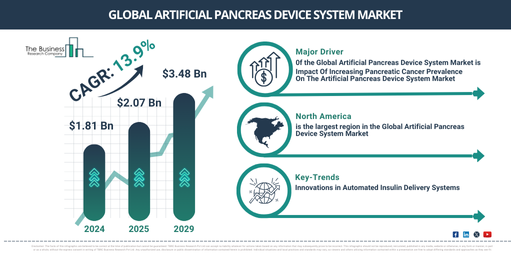
    Recent years have seen swift growth in the market size of the artificial pancreas device system. The market, which was worth $1.81 billion in 2024, is projected to rise to $2.07 billion in 2025, recording a compound annual growth rate (CAGR) of 14.1%. This notable growth during the historically significant period can be credited to a surge in investments, increasing governmental initiatives devoted to clinical research, a rising demand for automated systems specific to glycemic control, intense R&D activities advanced by industry players, and a boost in the geriatric population.

    Anticipated to experience a swift expansion in the coming years, the market size of the artificial pancreas device system is predicted to reach $3.48 billion by 2029, growing at a compound annual growth rate (CAGR) of 13.9%. This projected growth during the forecast period can be associated with a rise in diabetes prevalence, an escalation in pancreatic cancer cases, an increase in diabetes and obesity incidents, a surge in demand for minimally invasive (MI) drug delivery systems, and advancements in diabetes management technology. The forecast period is also expected to see major trends such as technological innovations, a boost in research and development activities, a rise in product approvals, the growth of partnerships and collaborations, and an increase in tele-consultancy activities for patient follow-up.

    Download a free sample to assess the report’s scope and structure:

    https://www.thebusinessresearchcompany.com/sample.aspx?id=18229&type=smp

    What External and Internal Drivers Are Contributing to the Growth of the Artificial Pancreas Device System Market?

    The growth of the artificial pancreas device system market is anticipated to be fueled by the rising incidence of pancreatic cancer. This type of cancer is a harmful tumor that starts in the pancreas, a gland situated behind the stomach. Various factors including lifestyle, genetic attributes, medical history, and environment, along with genetic changes causing hereditary pancreatitis leading to chronic pancreas inflammation, contribute to pancreatic cancer. The primary function of an artificial pancreas device system (APDS) is to assist diabetes patients in managing their blood glucose levels by automatically tracking glucose levels and administering the required insulin dosage. For example, Cancer Australia, a government agency, projected that there were 4,506 new pancreatic cancer diagnoses in 2023, marking an increase from the 3,751 cases recorded over the previous five years. Thus, the escalating incidence of pancreatic cancer is propelling the expansion of the artificial pancreas device system market.

    What Segment Types Define the Artificial Pancreas Device System Market Structure?

    The artificial pancreas device system market covered in this report is segmented –

    1) By Device Type: Threshold Suspend Device Systems, Control-To-Range Systems, Control-To-Target Systems

    2) By Treatment Type: Bi-Hormonal, Insulin Only, Hybrid

    3) By End-User: Hospitals, Medical Centers, Other End-Users

    Subsegments:

    1) By Threshold Suspend Device Systems: Insulin Pump with Threshold Suspend, Continuous Glucose Monitoring (CGM) Integrated Systems

    2) By Control-To-Range Systems: Hybrid Closed-Loop Systems, Insulin Delivery Systems with Range Control, Real-Time Glucose Adjustment Systems

    3) By Control-To-Target Systems: Fully Closed-Loop Artificial Pancreas Systems, Insulin Pumps with Targeted Glucose Control, Automated Glucose Regulation Systems

    Request customized data on this market:

    https://www.thebusinessresearchcompany.com/customise?id=18229&type=smp

    Which Geographic Areas Hold the Strongest Growth Potential in the Artificial Pancreas Device System Market?

    North America was the largest region in the artificial pancreas device system market in 2023. Asia-Pacific is expected to be the fastest-growing region in the forecast period. The regions covered in the artificial pancreas device system market report are Asia-Pacific, Western Europe, Eastern Europe, North America, South America, Middle East, Africa.

    What Are the Most Significant Market Trends in the Artificial Pancreas Device System Market?

    Major corporations involved in the artificial pancreas device system market are focusing on the advancement of automated insulin delivery systems. These systems are designed to improve diabetes management by autonomously tracking blood glucose levels and dispensing the required insulin dose. The objective of automated insulin supply systems is to mimic the functioning of a healthy pancreas, consequently alleviating the demand for ongoing monitoring of blood sugar levels and manual insulin injections for people living with diabetes. To illustrate, Beta Bionics, a US medical equipment producer, got FDA 510(k) clearance for the iLet Insulin-Only Bionic Pancreas System in May 2023. This is an automated insulin dispensing device, an artificial pancreas system that independently determines and administers insulin amounts to regulate blood glucose levels. The device is a closed-loop system that adjusts insulin delivery based on the glucose levels recorded by an attached continuous glucose monitor (CGM). It only needs to know the user’s body weight and an estimated meal size to automatically regulate insulin supply.

    View the full report here:

    https://www.thebusinessresearchcompany.com/report/artificial-pancreas-device-system-global-market-report

    What Is the Definition of the Artificial Pancreas Device System Market?

    Artificial pancreas device system (APDS) is a medical technology designed to automate blood glucose control for individuals with diabetes. The system integrates continuous glucose monitoring (CGM) with an insulin pump, and uses a sophisticated algorithm to automatically adjust insulin delivery based on real-time glucose readings. The device aims to mimic the glucose-regulating function of a healthy pancreas, thereby reducing the need for manual blood glucose monitoring and insulin injections, and helping to maintain blood glucose levels within a target range.

    Purchase the full report and get a swift delivery:

    https://www.thebusinessresearchcompany.com/purchaseoptions.aspx?id=18229

    About The Business Research Company:

    With over 15000+ reports from 27 industries covering 60+ geographies, The Business Research Company has built a reputation for offering comprehensive, data-rich research and insights. Armed with 1,500,000 datasets, the optimistic contribution of in-depth secondary research, and unique insights from industry leaders, you can get the information you need to stay ahead in the game.

    Get in touch with us:

    The Business Research Company: https://www.thebusinessresearchcompany.com/

    Americas +1 3156230293

    Asia +44 2071930708

    Europe +44 2071930708

    Email us at info@tbrc.info

    Follow us on:

    LinkedIn: https://in.linkedin.com/company/the-business-research-company

    YouTube: https://www.youtube.com/channel/UC24_fI0rV8cR5DxlCpgmyFQ

    Global Market Model: https://www.thebusinessresearchcompany.com/global-market-model
  • Artificial Lung Market in Focus: Forecasting Growth Drivers, Scaling Potential, and Global Opportunities

    Artificial Lung Market in Focus: Forecasting Growth Drivers, Scaling Potential, and Global Opportunities

    Discover trends, market shifts, and competitive outlooks for the artificial lung industry through 2025-2034 with The Business Research Company’s reliable data and in-depth research

    How Has The Artificial Lung Market Size Shifted, And What Is the Outlook Through 2034?

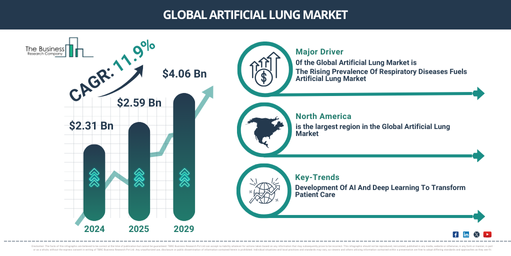
    In recent years, the artificial lung market has seen sharp increases in its size. Projected growth is expected to take the market from $2.31 billion in 2024 to $2.59 billion the following year, with a CAGR standing at 12.2%. The various reasons that have fueled this growth include enhanced understanding among healthcare professionals, broader market reach, more applications in domestic healthcare settings, a surge in medical tourism, and advancements in healthcare facilities.

    In the coming years, the artificial lung market is anticipated to experience considerable expansion. By 2029, the market size is expected to rise to $4.06 billion, with an compound annual growth rate (CAGR) of 11.9%. The projected increase during this period can be related to the growing incidence of respiratory disorders, advancements in healthcare amenities, increasing adoption of minimally invasive treatments, improved patient life quality, and elevated chronic obstructive pulmonary disease prevalence. Noteworthy trends for the forecast period are the inclusion of wireless technology, integration of artificial intelligence (AI), progression in genomics and medical tech, and creation of compact and transportable artificial lungs.

    Download a free sample to assess the report’s scope and structure:

    https://www.thebusinessresearchcompany.com/sample.aspx?id=16591&type=smp

    What Are the Core Market Drivers Propelling Growth in the Artificial Lung Industry?

    Rising instances of respiratory ailments are projected to stimulate the expansion of the artificial lung industry in the future. Factors such as escalating levels of air pollution, climate variations, and shifts in lifestyle are contributing to the growth in respiratory diseases, which in turn, exert significant pressure on public healthcare systems. Artificial lungs, used to support or replace compromised lung function by providing oxygen and removing carbon dioxide from blood, play a key role in the treatment of these conditions. For example, data from the Australian Institute of Health and Welfare, a health and welfare organization based in Australia, showed that around 8.5 million individuals or 34% of Australia’s population were suffering from chronic respiratory diseases in June 2024. The affected demographic includes an estimated 2.8 million individuals or 11% of the population with asthma, and approximately 638,000 individuals or 2.5% of the population with Chronic Obstructive Pulmonary Disease (COPD). Consequently, the surge in respiratory diseases is influencing the growth of the artificial lung industry.

    How Is the Artificial Lung Market Segmented?

    The artificial lung market covered in this report is segmented –

    1) By Product Type: Single Roller Pump Heart Lung Machines, Double Roller Pump Heart Lungs Machines, Bubble Artificial Lung, Membrane Artificial Lung

    2) By Application: Cardiac Surgery, Lung Transplant Operation, Acute Respiratory Failure Treatment, Other Applications

    3) By End-Users: Hospital, Emergency Center, Other End-users

    Subsegments:

    1) By Single Roller Pump Heart Lung Machines: Portable Single Roller Pump Heart Lung Machines, Stationary Single Roller Pump Heart Lung Machines

    2) By Double Roller Pump Heart Lung Machines: Portable Double Roller Pump Heart Lung Machines, Stationary Double Roller Pump Heart Lung Machines

    3) By Bubble Artificial Lung: Disposable Bubble Artificial Lung, Reusable Bubble Artificial Lung

    4) By Membrane Artificial Lung: Oxygenator Membrane Artificial Lung, Carbon Dioxide Removal Membrane Artificial Lung

    Request customized data on this market:

    https://www.thebusinessresearchcompany.com/customise?id=16591&type=smp

    Which Regions Are Driving the Next Phase of the Artificial Lung Market Growth?

    North America was the largest region in the artificial lung market in 2024. The regions covered in the artificial lung market report are Asia-Pacific, Western Europe, Eastern Europe, North America, South America, Middle East, Africa.

    What Are the Current Market Growth and Trends in the Artificial Lung Industry?

    Leading corporations within the artificial lung market are concentrating their efforts on creating innovative solutions, for example, the implementation of remote monitoring and control systems, in order to secure a competitive advantage. This arrangement enables health professionals to oversee patients’ key readings and tweak ventilation settings without the necessity to be in physical proximity to the patient’s bed, thereby diminishing infection risk and boosting patient safety during their treatment. For example, in August 2022, Teltonika Telemedic, a electronics manufacturer based in the US, made significant headway in the creation of its artificial lung ventilator, known as TELTOMED. Teltonika Telemedic has obtained an exclusive patent for this secure remote data transmission and control of its ventilator. This technological advancement heightens the security and dependability of patient data communications, which is a crucial aspect of contemporary medical equipment.

    View the full report here:

    https://www.thebusinessresearchcompany.com/report/artificial-lung-global-market-report

    How Is the Artificial Lung Market Defined and What Are Its Core Parameters?

    An artificial lung refers to a medical device designed to take over the function of natural lungs, providing oxygen to the blood and removing carbon dioxide. It is typically used in patients with severe respiratory failure or during surgeries that require the heart and lungs to be temporarily non-functional. This technology aims to support or replace lung function, allowing patients to survive and recover from critical conditions.

    Purchase the full report and get a swift delivery:

    https://www.thebusinessresearchcompany.com/purchaseoptions.aspx?id=16591

    About The Business Research Company:

    With over 15000+ reports from 27 industries covering 60+ geographies, The Business Research Company has built a reputation for offering comprehensive, data-rich research and insights. Armed with 1,500,000 datasets, the optimistic contribution of in-depth secondary research, and unique insights from industry leaders, you can get the information you need to stay ahead in the game.

    Get in touch with us:

    The Business Research Company: https://www.thebusinessresearchcompany.com/

    Americas +1 3156230293

    Asia +44 2071930708

    Europe +44 2071930708

    Email us at info@tbrc.info

    Follow us on:

    LinkedIn: https://in.linkedin.com/company/the-business-research-company

    YouTube: https://www.youtube.com/channel/UC24_fI0rV8cR5DxlCpgmyFQ

    Global Market Model: https://www.thebusinessresearchcompany.com/global-market-model
  • Artificial Intelligence (AI) Radiology Tool Market Forecast Reaching $3.4 Billion by 2029 at 18% CAGR

    Discover trends, market shifts, and competitive outlooks for the artificial intelligence (ai) radiology tool industry through 2025-2034 with The Business Research Company’s reliable data and in-depth research

    What Is the Estimated Market Size of the Artificial Intelligence (AI) Radiology Tool Market In 2029?

    The market size for radiology tools enabled by artificial intelligence (AI) has seen exponential growth in the past few years. It is projected to surge from $1.48 billion in 2024 to around $1.75 billion in 2025, corresponding to a compound annual growth rate (CAGR) of 18.3%. Key factors contributing to this historical growth include government backing, the incorporation of AI into radiology devices to enhance accuracy and decrease error rates, a rising trend toward personalized and precision medicine, the use of AI in medical imaging, and advancements in diagnostic accuracy and efficiency.

    In the coming years, the market size of the AI radiology tool is predicted to experience a swift surge, escalating to $3.4 billion in 2029 with a CAGR of 18.0%. Key factors driving this growth during the forecast period include the rising need for effective diagnostic methods, increasing demand for precise and accurate diagnostic results, the advancement in technological infrastructure, growing imaging volumes, and an enhanced uptake of AI technology. The forecast period will also witness pronounced trends such as technological breakthroughs in AI, the broadening of AI incorporation in healthcare systems, increased adoption of telemedicine and remote imaging, a more proactive healthcare approach, and a surging demand for proficient diagnostic solutions.

    Download a free sample to assess the report’s scope and structure:

    https://www.thebusinessresearchcompany.com/sample.aspx?id=16341&type=smp

    Which Major Market Drivers Are Expected to Boost the Growth Potential of the Artificial Intelligence (AI) Radiology Tool Market?

    The escalating transition towards personalized medicine is anticipated to boost the artificial intelligence (AI) radiology tool market. Personalized medicine, otherwise known as precision medicine, is a revolutionary treatment strategy that customizes healthcare according to the unique attributes of the patient. The accelerating movement towards personalized medicine is powered by key developments in genomics and molecular biology. AI radiology tools amplify the benefits of personalized medicine, offering accurate diagnostics, predictive analytics, real-time monitoring of treatment responses, integration with genomic data, and enhanced patient stratification, leading to tailored and efficient healthcare interventions. For example, the Personalized Medicine Coalition, a non-profit entity based in the US, reported in February 2024 that the FDA approved 16 new personalized therapies for patients suffering from rare diseases in 2023, as opposed to merely six in 2022. Consequently, the growing migration towards personalized medicine fuels the AI radiology tool market.

    Which Key Market Segments Comprise the Artificial Intelligence (AI) Radiology Tool Market and Drive Its Revenue Growth?

    The artificial intelligence (AI) radiology tool market covered in this report is segmented –

    1) By Type: Diagnostic Radiology, Interventional Radiology

    2) By Application: Eye Care, Oncology, Radiology, Cardiovascular, Pathology, Other Applications

    3) By End-User: Clinics, Hospitals, Diagnostic Centers, Other End-Users

    Subsegments:

    1) By Diagnostic Radiology: Ai For Image Interpretation (Detecting Fractures, Tumors, Or Abnormalities), Ai In Ct (Computed Tomography) Scanning, Ai In Mri (Magnetic Resonance Imaging) Scanning, Ai For X-Ray Imaging And Analysis, Ai In Ultrasound Imaging, Ai-Based Computer-Aided Detection (Cad) Systems, Ai For Radiology Workflow Automation (Prioritizing Cases, Report Generation)

    2) By Interventional Radiology: Ai For Image-Guided Procedures (Guiding Catheter Placement), Ai In Minimally Invasive Surgery (Tumor Ablation, Biopsies), Ai For Real-Time Decision Support In Interventional Procedures, Ai In Radiation Dose Optimization For Interventional Radiology, Ai-Assisted Navigation Systems For Procedures Like Angioplasty, Ai In Post-Procedure Monitoring And Outcome Prediction

    Request customized data on this market:

    https://www.thebusinessresearchcompany.com/customise?id=16341&type=smp

    Which Areas Are Leading Regions in the Artificial Intelligence (AI) Radiology Tool Market Expansion Across the Globe?

    North America was the largest region in the artificial intelligence (AI) radiology tool market in 2023. The regions covered in the artificial intelligence (AI) radiology tool market report are Asia-Pacific, Western Europe, Eastern Europe, North America, South America, Middle East, Africa.

    What Key Market Trends and Innovations Are Shaping the Future of the Artificial Intelligence (AI) Radiology Tool Industry?

    Leading enterprises in the AI radiology tool industry are creating upgraded solutions, such as AI-powered platforms, to improve the diagnostic skills of radiologists. A sophisticated AI platform combines AI algorithms to process medical imaging data, offering augmented knowledge to radiologists and assisting in the accurate recognition and diagnosis of a range of health conditions. For example, in November 2023, Radiology Partners (RP), a radiology practice firm based in the US, introduced RPX AI, a cloud-based top-tier AI platform designed for mass deployment of AI medical imaging tools, leveraging Amazon Web Services (AWS) HealthImaging. The objective of this platform is to streamline the integration and operational process for AI models in medical imaging, making them more readily available and effective for hospitals and healthcare systems.

    View the full report here:

    https://www.thebusinessresearchcompany.com/report/artificial-intelligence-ai-radiology-tool-global-market-report

    How Is the Artificial Intelligence (AI) Radiology Tool Market Conceptually Defined?

    An artificial intelligence (AI) radiology tool is a sophisticated software application that utilizes machine learning algorithms and advanced data analysis techniques to assist radiologists in interpreting and diagnosing medical imaging studies. These tools analyze various medical images, such as X-rays, CT scans, MRIs, and ultrasounds, to detect anomalies, identify patterns, and provide quantitative assessments that might be challenging for human radiologists to discern quickly. The primary aim of AI radiology tools is to improve the precision, effectiveness, and speed of interpreting medical images, leading to better patient outcomes and decreased healthcare expenditures.

    Purchase the full report and get a swift delivery:

    https://www.thebusinessresearchcompany.com/purchaseoptions.aspx?id=16341

    About The Business Research Company:

    With over 15000+ reports from 27 industries covering 60+ geographies, The Business Research Company has built a reputation for offering comprehensive, data-rich research and insights. Armed with 1,500,000 datasets, the optimistic contribution of in-depth secondary research, and unique insights from industry leaders, you can get the information you need to stay ahead in the game.

    Get in touch with us:

    The Business Research Company: https://www.thebusinessresearchcompany.com/

    Americas +1 3156230293

    Asia +44 2071930708

    Europe +44 2071930708

    Email us at info@tbrc.info

    Follow us on:

    LinkedIn: https://in.linkedin.com/company/the-business-research-company

    YouTube: https://www.youtube.com/channel/UC24_fI0rV8cR5DxlCpgmyFQ

    Global Market Model: https://www.thebusinessresearchcompany.com/global-market-model
  • Arthroscopic Shavers Market 2025-2034: Key Highlights, Growth Dynamics, and Emerging Trends

    Arthroscopic Shavers Market 2025-2034: Key Highlights, Growth Dynamics, and Emerging Trends

    Discover trends, market shifts, and competitive outlooks for the arthroscopic shavers industry through 2025-2034 with The Business Research Company’s reliable data and in-depth research

    What is the Projected CAGR for the Arthroscopic Shavers Market Size from 2025 to 2034?

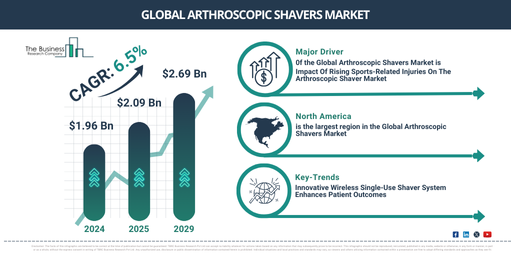
    The market for arthroscopic shavers has seen substantial growth in the past few years. The market’s rise from $1.96 billion in 2024 to $2.09 billion in 2025, with a compound annual growth rate (CAGR) of 6.7%, has been noteworthy. This growth during the historic period can be traced back to factors such as an increase in sports-related injuries, an aging demographic, advancements in healthcare infrastructure, a trend towards minimally invasive surgeries amongst patients, and an uptick in the utilization of outpatient and ambulatory surgical centers.

    In the coming years, we can anticipate a significant expansion in the market size of arthroscopic shavers, with expectations to reach $2.69 billion by 2029, reflecting a compound annual growth rate (CAGR) of 6.5%. The anticipated growth over the forecast period can be linked to a multitude of factors such as a growing elderly population, the enhancement of healthcare infrastructure, a growing preference for single-use surgical tools, strategic alliances, and an increased demand for outpatient services. Key market trends anticipated during the forecast period encompass the incorporation of robotics, customization in medicine, developments in minimally invasive surgery, a growing adoption of single-use instruments, and the emergence of portable arthroscopic shavers.

    Download a free sample to assess the report’s scope and structure:

    https://www.thebusinessresearchcompany.com/sample.aspx?id=17064&type=smp

    How Are Key Drivers in the Industry Acting as Catalysts for the Growth of the Arthroscopic Shavers Market?

    The escalating prevalence of injuries associated with sports is anticipated to fuel the expansion of the arthroscopic shaver market in the future. Injuries from sports and exercise can lead to physical damage, particularly affecting the muscles, bones, and joints. The surge in such injuries can be attributed to an increased participation in sports, enhanced training techniques, and improved sports gadgets that test physical limits, which collectively result in heightened injury rate among sportspeople worldwide. Arthroscopic shavers serve as an effective tool in treating these burgeoning sports injuries by adeptly eliminating impaired tissue and mending joint structures via less invasive procedures, thereby ensuring faster recovery and lessened idle periods for athletes. As an illustration, in 2022, the National Safety Council, a not-for-profit public service organization targeting health and safety based in the US, disclosed that the reported cases of sports and leisure injuries in 2020 surged by 20% in 2021 and saw a further rise of 12% in 2022. Consequently, the increasing trend of sports-related injuries is projected to stimulate the growth of the arthroscopic shaver market.

    Which Segments in the Arthroscopic Shavers Offer the Most Growth?

    The arthroscopic shavers market covered in this report is segmented –

    1) By Product Type: Arthroscopic Shaver Systems, Arthroscopic Shaver Accessories

    2) By Application: Knee Arthroscopy, Hip Arthroscopy, Shoulder And Elbow Arthroscopy, Spine Arthroscopy, Foot And Ankle Arthroscopy, Other Applications

    3) By End User: Hospitals, Ambulatory Surgical Centers, Orthopedic Clinics

    Subsegments:

    1) By Arthroscopic Shaver Systems: Handheld Arthroscopic Shaver Systems, Powered Arthroscopic Shaver Systems, Electric Arthroscopic Shaver Systems

    2) By Arthroscopic Shaver Accessories: Shaver Blades, Shaver Burrs, Shaver Sheaths, Shaver Drills, Shaver Motors

    Request customized data on this market:

    https://www.thebusinessresearchcompany.com/customise?id=17064&type=smp

    What Are the Fastest-Growing Geographies in the Arthroscopic Shavers Market?

    North America was the largest region in the arthroscopic shavers market in 2024. Asia-Pacific is expected to be the fastest-growing region in the forecast period. The regions covered in the arthroscopic shavers market report are Asia-Pacific, Western Europe, Eastern Europe, North America, South America, Middle East, Africa.

    Which Emerging Trends that Are Influencing the Arthroscopic Shavers Industry Evolution?

    Significant businesses in the arthroscopic shaver market are concentrating on technological breakthroughs like wireless single-use shaver systems for enhancing surgical efficiency and augmenting patient results. An arthroscopic wireless single-use shaver system is a battery-driven, single-use surgical instrument devised for minimally invasive joints procedures that offer wireless functionality to increase operative efficiency and lower infection hazards. In 2024, Integrated Endoscopy, an American manufacturer specialising in complex, integrated, and ergonomic endoscopic imaging systems for medical procedures, collaborated with UK-based Frii Medical which specializes in pioneering medical equipment development, to unveil a proprietary single-use shaver system on a worldwide scale. This innovative cordless shaver allows surgeons to operate without the need for power cords, comprising a reusable motor/battery module and a recharging hub. Frii’s system removes sterilization costs and guarantees consistent quality, resulting in significant savings compared to conventional shaver systems.

    View the full report here:

    https://www.thebusinessresearchcompany.com/report/arthroscopic-shavers-global-market-report

    What Are the Key Elements That Define the Arthroscopic Shavers Market?

    An arthroscopic shaver refers to a surgical tool used in arthroscopic procedures to shave, cut, or remove damaged tissue or debris from inside a joint. It typically consists of a small, rotating blade housed within a tube-like instrument, allowing precise and minimally invasive treatment of joint conditions.

    Purchase the full report and get a swift delivery:

    https://www.thebusinessresearchcompany.com/purchaseoptions.aspx?id=17064

    About The Business Research Company:

    With over 15000+ reports from 27 industries covering 60+ geographies, The Business Research Company has built a reputation for offering comprehensive, data-rich research and insights. Armed with 1,500,000 datasets, the optimistic contribution of in-depth secondary research, and unique insights from industry leaders, you can get the information you need to stay ahead in the game.

    Get in touch with us:

    The Business Research Company: https://www.thebusinessresearchcompany.com/

    Americas +1 3156230293

    Asia +44 2071930708

    Europe +44 2071930708

    Email us at info@tbrc.info

    Follow us on:

    LinkedIn: https://in.linkedin.com/company/the-business-research-company

    YouTube: https://www.youtube.com/channel/UC24_fI0rV8cR5DxlCpgmyFQ

    Global Market Model: https://www.thebusinessresearchcompany.com/global-market-model

  • Critical Market Drivers Shaping the Outlook for Appendicitis Treatment Market from 2025-2034: Rising Lifestyle-Related Conditions Boosting Growth In The Appendicitis Treatment Market

    Critical Market Drivers Shaping the Outlook for Appendicitis Treatment Market from 2025-2034: Rising Lifestyle-Related Conditions Boosting Growth In The Appendicitis Treatment Market

    Discover trends, market shifts, and competitive outlooks for the appendicitis treatment industry through 2025-2034 with The Business Research Company’s reliable data and in-depth research

    What Is the Estimated Market Size of the Appendicitis Treatment Market In 2029?

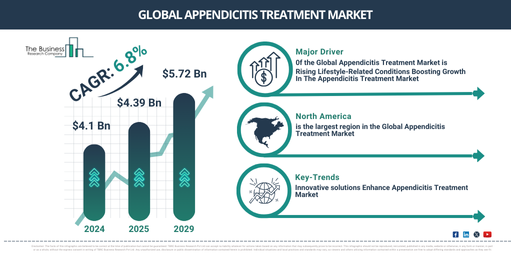
    The market for appendicitis treatment has seen solid expansion in the preceding years. The market is projected to escalate from a value of $4.1 billion in 2024 to an estimated $4.39 billion in 2025, reflecting a compound annual growth rate (CAGR) of 7.1%. Factors spurring this growth during the historical period include a surge in pediatric appendicitis cases, widespread use of antibiotics in treating the condition, growing elderly population, a rise in sedentary lifestyles, and advantageous reimbursement policies.

    The market size for treating appendicitis is predicted to witness substantial growth in the coming years, soaring to $5.72 billion by 2029 with a 6.8% CAGR. Various factors contributing to this projected growth include the shift towards early diagnosis, an influx in research and development efforts, the rising instances of obesity, accessible high-quality drugs, and an upswing in ambulatory surgical centers. Noteworthy trends anticipated in the forecast period encompass advancements in minimally invasive surgical methods, enhancements in diagnostic imaging technology, the merger of artificial intelligence and machine learning into diagnostic decision support systems, the creation of innovative antibiotics, as well as technological advancements in surgical stapling and suturing devices.

    Download a free sample to assess the report’s scope and structure:

    https://www.thebusinessresearchcompany.com/sample.aspx?id=18227&type=smp

    What Are the Core Growth Drivers Propelling the Appendicitis Treatment Market Forward?

    The escalation in lifestyle-related diseases is projected to stimulate the appendicitis treatment market’s expansion in the future. The surge in these diseases can largely be ascribed to escalating sedentary lifestyles, unhealthy eating habits, and high stress levels. Diet and a lack of physical activity, characteristics of contemporary lifestyles, could augment the risk of appendicitis by affecting intestinal health and heightening the chances of developing inflammations. A diet deficient in fiber and rich in processed foods might disrupt the digestive system and enhance vulnerability. For example, in March 2024, the World Health Organization, a Switzerland-oriented intergovernmental organization, stated that nearly one in eight individuals globally was impacted by obesity, with almost 2.5 billion adults, who were 18 years old or more, being overweight. This figure included a whopping 890 million people living with obesity. Furthermore, a disturbing 37 million children below the age of 5 were carrying excess weight, and a whopping 390 million children and adolescents between the ages of 5 and 19 also grappled with weight issues in 2022. Hence, the increasing pervasiveness of lifestyle-related diseases is fuelling the growth of the appendicitis treatment market.

    What Segment Types Define the Appendicitis Treatment Market Structure?

    The appendicitis treatment market covered in this report is segmented –

    1) By Type: Acute Appendicitis, Chronic Appendicitis

    2) By Treatment: Surgery, Laparoscopic Surgery, Open Laparotomy, Medication, Other Treatments

    3) By Route Of Administration: Oral, Parenteral

    4) By End Users: Hospitals, Ambulatory Surgical Centers, Specialty Clinics, Other End Users

    Subsegments:

    1) By Acute Appendicitis: Surgical Treatment (Appendectomy), Non-Surgical Treatment (Antibiotics and Observation)

    2) By Chronic Appendicitis: Surgical Treatment (Appendectomy), Medical Management (Antibiotics, Pain Management)

    Request customized data on this market:

    https://www.thebusinessresearchcompany.com/customise?id=18227&type=smp

    Which Geographic Areas Hold the Strongest Growth Potential in the Appendicitis Treatment Market?

    North America was the largest region in the appendicitis treatment market in 2024. The regions covered in the appendicitis treatment market report are Asia-Pacific, Western Europe, Eastern Europe, North America, South America, Middle East, Africa.

    Which Technological Trends Are Reshaping the Appendicitis Treatment Industry Dynamics?

    Major players in the market for appendicitis treatment are concentrating on the evolution of advanced technology, such as incorporating artificial intelligence (AI) into live-stream surgical procedures. This aims to transform surgical accuracy and results in appendicitis treatment. AI-integrated live-stream surgical technology is a groundbreaking medical innovation that leverages AI to improve surgical processes through the integration of real-time video streaming capabilities. As an example, Medtronic plc, a medical device corporation based in Ireland, introduced new AI-powered algorithms and live-streaming technology in April 2024. This innovative AI-driven technology and live-streaming tool enhance the touch surgery performance insights platform, offering intricate surgical insights and supporting the secure live broadcast of procedures. These technological advances lead to improved appendicitis treatment by refining surgical procedures, speeding up the learning process for budding surgeons, and extending access to specialist advice, resulting in improved outcomes and wider access to superior care.

    View the full report here:

    https://www.thebusinessresearchcompany.com/report/appendicitis-treatment-global-market-report

    What Is the Definition of the Appendicitis Treatment Market?

    Appendicitis treatment refers to the medical management of appendicitis, an inflammation of the appendix. The primary treatment is an appendectomy, a surgical procedure to remove the inflamed appendix, often performed urgently to prevent rupture. In some cases, antibiotics may be used to treat or manage the condition before or instead of surgery.

    Purchase the full report and get a swift delivery:

    https://www.thebusinessresearchcompany.com/purchaseoptions.aspx?id=18227

    About The Business Research Company:

    With over 15000+ reports from 27 industries covering 60+ geographies, The Business Research Company has built a reputation for offering comprehensive, data-rich research and insights. Armed with 1,500,000 datasets, the optimistic contribution of in-depth secondary research, and unique insights from industry leaders, you can get the information you need to stay ahead in the game.

    Get in touch with us:

    The Business Research Company: https://www.thebusinessresearchcompany.com/

    Americas +1 3156230293

    Asia +44 2071930708

    Europe +44 2071930708

    Email us at info@tbrc.info

    Follow us on:

    LinkedIn: https://in.linkedin.com/company/the-business-research-company

    YouTube: https://www.youtube.com/channel/UC24_fI0rV8cR5DxlCpgmyFQ

    Global Market Model: https://www.thebusinessresearchcompany.com/global-market-model

  • Key Developments and Trends Steering the Aplastic Anemia Market Forward: Strategic Partnerships Drive Advancements In Aplastic Anemia Treatment And Research

    Key Developments and Trends Steering the Aplastic Anemia Market Forward: Strategic Partnerships Drive Advancements In Aplastic Anemia Treatment And Research

    Discover trends, market shifts, and competitive outlooks for the aplastic anemia industry through 2025-2034 with The Business Research Company’s reliable data and in-depth research

    How Has The Aplastic Anemia Market Growth Evolved From 2024 To 2025, And What’s Ahead?

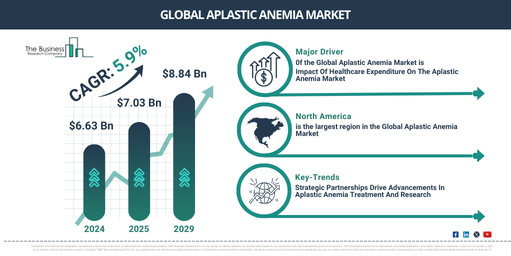
    In recent times, the aplastic anemia market has seen significant growth. The market size is expected to rise from $6.63 billion in 2024, reaching $7.03 billion in 2025, with a compound annual growth rate (CAGR) of 6.2%. This recent growth is largely due to a surge in blood disorder cases, increased awareness and understanding about aplastic anemia and hematological conditions, greater initiatives from both public and private institutions, increased demand for specialized treatments, and a noticeable rise in bone marrow disease cases.

    In the coming years, the aplastic anemia market is predicted to experience robust growth. The projection for its size by 2029 is $8.84 billion, with a compound annual growth rate (CAGR) of 5.9%. The anticipated growth in the forecasted period can be credited to an older population with higher prevalence, beneficial regulatory policies promoting drug development, support and advocacy groups for patients, extensive epidemiological research, and rising awareness and diagnosis. The foresight period also expects significant trends such as advancements in gene-editing technologies, the rise of telemedicine and remote patient monitoring, progress in biomarker development, increased use of biologics and monoclonal antibodies, and the development of patient-specific treatments.

    Download a free sample to assess the report’s scope and structure:

    https://www.thebusinessresearchcompany.com/sample.aspx?id=17063&type=smp

    How Are Key Drivers in the Industry Acting as Catalysts for the Growth of the Aplastic Anemia Market?

    The anticipated increase in healthcare spending is predicted to fuel aplastic anemia market development. Aging populations and the prevalence of chronic diseases, which require expensive treatments, are the key drivers for the escalating healthcare costs. Through the provision for specialized medical services, advanced therapeutic procedures, and research into potential treatments, healthcare spending assists in aplastic anemia treatment. For example, the Office for National Statistics stated in May 2023 that the United Kingdom spent $356.39 billion (£280.7 billion) on healthcare in 2021, $5318 (£4,188) per individual, accounting for 12.4% of the country’s GDP. This figure marked a small annual increase. Government-paid healthcare expenditure increased to $295.96 billion (£233.1 billion) and constituted 83.0% of total healthcare spending, marking a real-term growth of 9.6%. It can, therefore, be inferred that the increase in healthcare spending is propelling the growth of the aplastic anemia market. Advancements in personalized medicine are expected to contribute to the expansion of the aplastic anemia market. Personalized medicine, which involves adjusting treatments based on each patient’s individual traits, often encompasses genetic and molecular profiling. The growing demand for this kind of precision medicine stems from developments in genetic testing and molecular diagnostics. Personalized treatments for aplastic anemia are based on individual patients’ genetic and molecular profiles, ensuring optimized results. The Personalized Medicine Coalition, a US-based non-profit organization, noted that the FDA approved 16 new personalized therapies for patients with rare diseases in 2023, marking a considerable increase from only six approvals in 2022. Hence, the growing popularity of personalized medicine is primarily contributing to the expansion of the aplastic anemia market.

    Which Segments in the Aplastic Anemia Offer the Most Growth?

    The aplastic anemia market covered in this report is segmented –

    1) By Disease Type: Acquired Aplastic Anemia, Inherited Bone Marrow Failure Syndromes

    2) By Treatment Type: Bone Marrow Transfusion Or Stem Cell Therapy, Blood Transfusion, Drug Therapy

    3) By Route Of Administration: Oral, Parentals, Other Routes Of Administration

    4) By Distribution Channel: Hospital Pharmacies, Retail Pharmacies, Online Pharmacies

    5) By End User: Hospitals, Homecare, Specialty Clinics, Other End-Users

    Subsegments:

    By Acquired Aplastic Anemia: Idiopathic Acquired Aplastic Anemia, Drug-Induced Aplastic Anemia, Radiation-Induced Aplastic Anemia, Viral-Infection Induced Aplastic Anemia

    By Inherited Bone Marrow Failure Syndromes: Fanconi Anemia, Shwachman-Diamond Syndrome, Dyskeratosis Congenita, Diamond-Blackfan Anemia

    Request customized data on this market:

    https://www.thebusinessresearchcompany.com/customise?id=17063&type=smp

    What Are the Fastest-Growing Geographies in the Aplastic Anemia Market?

    North America was the largest region in the aplastic anemia market in 2024. Asia-Pacific is expected to be the fastest-growing region in the forecast period. The regions covered in the aplastic anemia market report are Asia-Pacific, Western Europe, Eastern Europe, North America, South America, Middle East, Africa.

    Which Emerging Trends that Are Influencing the Aplastic Anemia Industry Evolution?

    Leading firms in the aplastic anemia market are forming strategic alliances aimed at enhancing research, broadening treatment choices, and bettering patient outcomes. This concept involves companies utilizing one another’s strengths and resources to garner mutual benefits and triumphs. For example, Hemanext Inc., a biomedical technology company based in the US, formed a partnership with The Aplastic Anemia and MDS International Foundation (AAMDS), a nonprofit health organization also based in the US, in February 2022. The partnership’s purpose is to assist patients suffering from aplastic anemia, myelodysplastic syndrome (MDS), paroxysmal nocturnal hemoglobinuria (PNH), and related bone marrow failure diseases. Through this collaboration, Hemanext will join forces with AAMDS to strengthen its mission to provide solutions, support, and hope to numerous patients and their families dealing with bone marrow failure diseases.

    View the full report here:

    https://www.thebusinessresearchcompany.com/report/aplastic-anemia-global-market-report

    What Are the Key Elements That Define the Aplastic Anemia Market?

    Aplastic anemia refers to a rare disorder where the bone marrow fails to produce enough blood cells, including red blood cells, white blood cells, and platelets. This deficiency can lead to fatigue, frequent infections, and excessive bleeding or bruising. Treatment may involve medications to stimulate blood cell production or even bone marrow transplantation in severe cases.

    Purchase the full report and get a swift delivery:

    https://www.thebusinessresearchcompany.com/purchaseoptions.aspx?id=17063

    About The Business Research Company:

    With over 15000+ reports from 27 industries covering 60+ geographies, The Business Research Company has built a reputation for offering comprehensive, data-rich research and insights. Armed with 1,500,000 datasets, the optimistic contribution of in-depth secondary research, and unique insights from industry leaders, you can get the information you need to stay ahead in the game.

    Get in touch with us:

    The Business Research Company: https://www.thebusinessresearchcompany.com/

    Americas +1 3156230293

    Asia +44 2071930708

    Europe +44 2071930708

    Email us at info@tbrc.info

    Follow us on:

    LinkedIn: https://in.linkedin.com/company/the-business-research-company

    YouTube: https://www.youtube.com/channel/UC24_fI0rV8cR5DxlCpgmyFQ

    Global Market Model: https://www.thebusinessresearchcompany.com/global-market-model