Month: June 2025

  • Nontuberculous Mycobacterial Infection Market Forecast Reaching $19.57 Billion by 2029 at 6.7% CAGR

    Nontuberculous Mycobacterial Infection Market Forecast Reaching $19.57 Billion by 2029 at 6.7% CAGR

    Discover trends, market shifts, and competitive outlooks for the nontuberculous mycobacterial infection industry through 2025-2034 with The Business Research Company’s reliable data and in-depth research

    What Are the Key Projections for the CAGR of the Nontuberculous Mycobacterial Infection Market Size From 2025 to 2034?

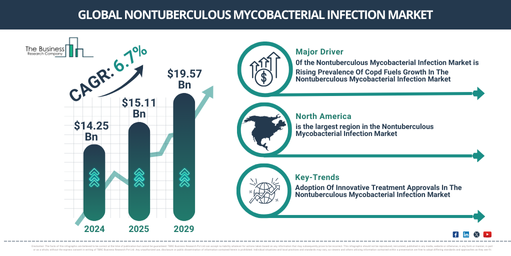
    The market size for nontuberculous mycobacterial infection has seen robust growth in recent times. The growth is projected to escalate from $14.25 billion in 2024 to $15.11 billion in 2025, marking a compound annual growth rate (CAGR) of 6.0%. The progress during the historic period can be ascribed to advancements in diagnostics, an increasing aging population, heightened awareness of cystic fibrosis, and the use of immunosuppressive drugs.

    The market for nontuberculous mycobacterial infection is predicted to experience substantial growth in the coming years. It is anticipated to reach a value of $19.57 billion by 2029, with a compound annual growth rate of 6.7%. Elements contributing to this growth throughout the projected period include the development of antimicrobial drugs, increasing awareness about ntm, advancements in genetic research, and the rise of telehealth and remote monitoring. Key trends for this period encompass personalized treatment plans, regulatory focus, combination therapies, as well as digital health tools.

    Download a free sample to assess the report’s scope and structure:

    https://www.thebusinessresearchcompany.com/sample.aspx?id=13020&type=smp

    Which Major Market Drivers Are Expected to Boost the Growth Potential of the Nontuberculous Mycobacterial Infection Market?

    The increasing incidence of chronic obstructive pulmonary disease (COPD) is anticipated to drive the nontuberculous mycobacterial infection market’s expansion. COPD is a long-term respiratory disease marked by continuous and often increasing limitations on airflow within the lungs. The damage caused to the lung tissue by COPD and the weakening of the immune system make it simpler for nontuberculous mycobacterial (NTM) infections to invade the lungs. Notably, patients with COPD who also have NTM infections present a more notable decrease in their forced expiratory volume in one second (FEV1) and a higher rate of exacerbation. As highlighted by The Scottish Public Health Observatory (ScotPHO) in March 2023, COPD rates have begun to increase between 2021 and 2022, with male rates escalating from 83.2 to 97.6 per 100,000 individuals, and female rates increasing from 72.6 to 97.3. Consequently, the rising rate of chronic obstructive pulmonary disease (COPD) is propelling the nontuberculous mycobacterial infection market. An upsurge in the prevalence of infectious diseases is predicted to fuel the growth of the nontuberculous mycobacterial infection market. Infectious diseases are pathological conditions provoked by harmful microorganisms, such as bacteria, viruses, fungi, or parasites, which can transmit from one person to another. Notably, conditions that could potentially lead to Nontuberculous Mycobacterial (NTM) infections also contribute to the rising prevalence of infectious diseases. This spurs the growth of the NTM infection market by increasing awareness, encouraging more frequent diagnostic procedures and early detection, amplifying research and development endeavors for NTM treatments, and creating larger demand for therapies aimed at NTM pathogens due to increased emphasis on infectious diseases within healthcare. According to UNICEF in November 2024, pneumonia was the top infectious disease causing over 700,000 child deaths per year, corresponding to around 2,000 children each day. Hence, the heightened incidence of infectious diseases boosts the growth of the nontuberculous mycobacterial infection market.

    Which Key Market Segments Comprise the Nontuberculous Mycobacterial Infection Market and Drive Its Revenue Growth?

    The nontuberculous mycobacterial infection market covered in this report is segmented –

    1) By Drug Class: Macrolides, Rifampin, Aminoglycoside, Other Drug Classes

    2) By Route Of Administration: Oral, Parenteral, Other Routes

    3) By Distribution Channel: Hospital Pharmacies, Retail Pharmacies, Online Pharmacies

    Subsegments:

    1) By Macrolides: Azithromycin, Clarithromycin

    2) By Rifampin: Rifampin, Rifabutin

    3) By Aminoglycoside: Amikacin, Streptomycin

    4) By Other Drug Classes: Ethambutol, Clofazimine, Linezolid

    Request customized data on this market:

    https://www.thebusinessresearchcompany.com/customise?id=13020&type=smp

    Which Areas Are Leading Regions in the Nontuberculous Mycobacterial Infection Market Expansion Across the Globe?

    North America was the largest region in the nontuberculous mycobacterial infection market in 2024. North America is expected to be the fastest-growing region in the forecast period. The regions covered in nontuberculous mycobacterial infection market report are Asia-Pacific, Western Europe, Eastern Europe, North America, South America, Middle East and Africa.

    What Are the Key Market Trends in theNontuberculous Mycobacterial Infection Market Over the Coming Years?

    Primary organizations in the nontuberculous mycobacterial infection market have adopted new methodologies for treatment approval, such as the Fast Track designation, to maintain their market presence. The FDA has set up a process known as Fast Track designation to hasten the growth and evaluation of medications for serious conditions lacking sufficient medical solutions. For instance, in July 2022, the Food and Drug Administration, a government agency in the U.S., authorized NUZYRA with Fast Track Designation to cure nontuberculous mycobacterial (NTM) lung disease caused by Mycobacterium avium complex (MAC). NUZYRA (omadacycline), a unique broad-spectrum antibiotic, was developed to fight severe bacterial infections, including those triggered by resistant varieties. This designation ensures a swift advancement and assessment process for NUZYRA antibiotic in order to address significant unmet medical needs.

    View the full report here:

    https://www.thebusinessresearchcompany.com/report/nontuberculous-mycobacterial-infection-global-market-report

    How Is the Nontuberculous Mycobacterial Infection Market Conceptually Defined?

    A nontuberculous mycobacterial (NTM) infection is an infectious disease caused by various species of mycobacteria other than mycobacterium tuberculosis, which is responsible for tuberculosis (TB). The role of nontuberculous mycobacterial (NTM) infections is primarily related to their impact on human health and their interaction with the immune system.

    Purchase the full report and get a swift delivery:

    https://www.thebusinessresearchcompany.com/purchaseoptions.aspx?id=13020

    About The Business Research Company:

    With over 15000+ reports from 27 industries covering 60+ geographies, The Business Research Company has built a reputation for offering comprehensive, data-rich research and insights. Armed with 1,500,000 datasets, the optimistic contribution of in-depth secondary research, and unique insights from industry leaders, you can get the information you need to stay ahead in the game.

    Get in touch with us:

    The Business Research Company: https://www.thebusinessresearchcompany.com/

    Americas +1 3156230293

    Asia +44 2071930708

    Europe +44 2071930708

    Email us at info@tbrc.info

    Follow us on:

    LinkedIn: https://in.linkedin.com/company/the-business-research-company

    YouTube: https://www.youtube.com/channel/UC24_fI0rV8cR5DxlCpgmyFQ

    Global Market Model: https://www.thebusinessresearchcompany.com/global-market-model
  • $33.29 Billion Forecast for Non-Small Cell Lung Cancer (NSCLC) Market by 2029, Backed by Demand and Innovation

    $33.29 Billion Forecast for Non-Small Cell Lung Cancer (NSCLC) Market by 2029, Backed by Demand and Innovation

    Discover trends, market shifts, and competitive outlooks for the non-small cell lung cancer (nsclc) industry through 2025-2034 with The Business Research Company’s reliable data and in-depth research

    How Has The Non-Small Cell Lung Cancer (NSCLC) Market Growth Evolved From 2024 To 2025, And What’s Ahead?

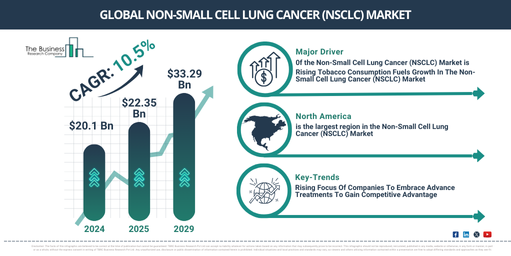
    The market scale for non-small cell lung cancer (NSCLC) has seen a swift upturn in the past few years. It is projected to escalate from $20.1 billion in 2024 to about $22.35 billion by 2025, boasting a compound annual growth rate (CAGR) of 11.1%. The enlargement of this market in the historic period is a result of the progress in immunotherapy, genomics profiling, precision medicine, the broadening of clinical trials, along with initiatives aim at stopping smoking.

    Anticipated to experience swift expansion in the coming years, the non-small cell lung cancer (NSCLC) market has a projected worth of $33.29 billion in 2029, with a compound annual growth rate (CAGR) of 10.5%. Factors contributing to the growth during the forecast period include the adoption of combination therapies, the incorporation of artificial intelligence (AI), development of personalized vaccines, worldwide collaborative research efforts, and a focus on patient-centric care. Noteworthy trends projected for the forecast period incorporate the application of telemedicine in oncology, the introduction of liquid biopsy technologies, advancements in diagnostic techniques, the use of minimally invasive surgery methods, and the employment of immune checkpoint inhibitors.

    Download a free sample to assess the report’s scope and structure:

    https://www.thebusinessresearchcompany.com/sample.aspx?id=13232&type=smp

    What Are the Core Growth Drivers Propelling the Non-Small Cell Lung Cancer (NSCLC) Market Forward?

    The surge in tobacco usage is projected to drive the expansion of the non-small cell lung cancer (NSCLC) market. The reference to tobacco consumption pertains to the utilization of tobacco goods by individuals, largely through smoking, chewing, or snuffing, introducing nicotine and other chemicals into their system. A number of carcinogens present in tobacco smoke have the potential to harm the DNA in lung cells, which can result in mutations and unchecked growth of malignant cells, including non-small cell lung cancer (NSCLC). As an illustration, the US Food and Drug Administration (USFDA) in October 2024, reported in the 2024 National Youth Tobacco Survey that 1.1% of all students (roughly 2.25 million) were currently using tobacco products. This includes 10.1% of high school students (about 1.58 million) and 5.4% of middle school children (around 640,000); moreover, 2.8% of the students (about 760,000) confessed to current use of any combustible tobacco product, and 3.0% (approximately 840,000) admitted to using multiple tobacco products. Hence, the surging rate of tobacco usage is anticipated to drive the non-small cell lung cancer (NSCLC) market’s growth. Non-Small Cell Lung Cancer (NSCLC) Market Driver: Increased Instances of Non-Small Cell Lung Cancer (NSCLC) Linked to Growing Air Pollution Levels

    What Segment Types Define the Non-Small Cell Lung Cancer (NSCLC) Market Structure?

    The non-small cell lung cancer (NSCLC) market covered in this report is segmented –

    1) By Type: Squamous Cell Carcinoma, Large Cell Carcinoma, Adenocarcinoma, Other Types

    2) By Therapy: Radiotherapy, Laserthearpy, Photodynamic Therapy (PDT), Other Therapies

    3) By Distribution Channel: Hospital Pharmacy, Online Pharmacy, Other Distribution Channels

    Subsegments:

    1) By Squamous Cell Carcinoma: Keratinizing Squamous Cell Carcinoma, Non-Keratinizing Squamous Cell Carcinoma

    2) By Large Cell Carcinoma: Undifferentiated Large Cell Carcinoma, Large Cell Neuroendocrine Carcinoma

    3) By Adenocarcinoma: Invasive Adenocarcinoma, Bronchioloalveolar Carcinoma

    4) By Other Types: Mixed Cell Type Carcinoma, Sarcomatoid Carcinoma

    Request customized data on this market:

    https://www.thebusinessresearchcompany.com/customise?id=13232&type=smp

    Which Geographic Areas Hold the Strongest Growth Potential in the Non-Small Cell Lung Cancer (NSCLC) Market?

    North America was the largest region in the non-small cell lung cancer (NSCLC) market in 2024. Asia-Pacific is expected to be the fastest-growing region in the forecast period. The regions covered in the non-small cell lung cancer (NSCLC) market report are Asia-Pacific, Western Europe, Eastern Europe, North America, South America, Middle East, Africa

    Which Emerging Trends that Are Influencing theNon-Small Cell Lung Cancer (NSCLC) Industry Evolution?

    Major corporations involved in the non-small cell lung cancer (NSCLC) marketplace are concentrating their efforts on generating various treatment methods, including monotherapy treatments, in the quest to establish a competitive advantage. A therapy like monotherapy heavily involves using only one treatment type or procedure for a medical condition, as opposed to an integration of various strategies. For example, Novartis AG, a pharmaceutical corporation located in Switzerland, was granted authorization by the European Commission (EC), a regulatory authority in Belgium, to use Tabrecta (capmatinib) for adult patients suffering from advanced non-small cell lung cancer with METex14 skipping in June 2022. This presents a fresh targeted therapy option for European patients previously treated for advanced non-small cell lung cancer (NSCLC) containing mutations triggering MET exon 14 (METex14) skipping. It is currently the foremost targeted therapy for advanced NSCLC with variations that lead to METex14 skipping.

    View the full report here:

    https://www.thebusinessresearchcompany.com/report/non-small-cell-lung-cancer-nsclc-global-market-report

    What Is the Definition of the Non-Small Cell Lung Cancer (NSCLC) Market?

    Non-small cell lung cancer (NSCLC) is a type of epithelial lung cancer that develops in the tissues of the lungs and is characterized by the abnormal growth of cells. It is primarily caused by long-term smoking, genetic mutations, air pollution, and secondhand smoke.

    Purchase the full report and get a swift delivery:

    https://www.thebusinessresearchcompany.com/purchaseoptions.aspx?id=13232

    About The Business Research Company:

    With over 15000+ reports from 27 industries covering 60+ geographies, The Business Research Company has built a reputation for offering comprehensive, data-rich research and insights. Armed with 1,500,000 datasets, the optimistic contribution of in-depth secondary research, and unique insights from industry leaders, you can get the information you need to stay ahead in the game.

    Get in touch with us:

    The Business Research Company: https://www.thebusinessresearchcompany.com/

    Americas +1 3156230293

    Asia +44 2071930708

    Europe +44 2071930708

    Email us at info@tbrc.info

    Follow us on:

    LinkedIn: https://in.linkedin.com/company/the-business-research-company

    YouTube: https://www.youtube.com/channel/UC24_fI0rV8cR5DxlCpgmyFQ

    Global Market Model: https://www.thebusinessresearchcompany.com/global-market-model
  • Global Non-injectable Insulin Market Projected to Reach $3.17 Billion by 2029 at a CAGR of 10.1%

    Discover trends, market shifts, and competitive outlooks for the non-injectable insulin industry through 2025-2034 with The Business Research Company’s reliable data and in-depth research

    What is the Projected CAGR for the Non-injectable Insulin Market Size from 2025 to 2034?

    The market size for non-injectable insulin has witnessed a swift expansion in recent times. The market is projected to inflate from $1.92 billion in 2024 to $2.16 billion in 2025, reflecting a compound annual growth rate (CAGR) of 12.1%. This significant surge during the historic period can be credited to the increased patient compliance, addressing needle phobia, improved quality of life, easier application process, and consistent control of blood sugar levels.

    The market for non-injectable insulin is anticipated to experience swift expansion in the next few years, reaching a worth of $3.17 billion in 2029 with a compounded annual growth rate (CAGR) of 10.1%. The factors contributing to this projected growth during the forecast period include ongoing focus on patient adherence, lasting solutions for needle phobia, constant enhancement of quality of life and safety, and minimized risk of injuries and infections. Key trends during this period include advancements in technology, development of tech-based solutions, integration of digital health, application of nanotechnology, and usage of combination therapies.

    Download a free sample to assess the report’s scope and structure:

    https://www.thebusinessresearchcompany.com/sample.aspx?id=13888&type=smp

    What are the Fundamental Drivers and Innovations Shaping the Non-injectable Insulin Market?

    The upward trend in obesity and diabetes disorders is forecasted to boost the advancement of the non-injectable insulin market. Obesity, a health condition distinguished by an overabundance of body fat usually due to disparity between energy consumption and energy use, and diabetes mellitus, more simply known as diabetes, which is a set of metabolic diseases categorized by enduringly high blood sugar levels. Non-injectable insulin is employed to take care of diabetes and obesity, with the prospective for improving management by confronting obstacles to insulin treatment, proposing likely weight management advantages, and offering simpler therapy options. For instance, the World Heart Federation, a NGO located in Switzerland, indicated in 2022 that obesity rates around the globe are expected to skyrocket, with around 2.3 billion people in 2021, encompassing children and adults, struggling with overweight and obesity. This is anticipated to escalate to 2.7 billion by 2025. Additionally, in April 2023, as per a study by the British Diabetic Association, the UK’s diabetes charity, about 4.3 million people in the UK are diabetic, while over 2.4 million are at a high threat of developing type 2 diabetes. The registration rates for 2021-22 saw an increase of 148,951 as compared to the preceding year. Hence, the escalating issues of obesity and diabetes are fuelling the growth of the non-injectable insulin market.

    How Is the Non-injectable Insulin Market Segmented?

    The non-injectable insulin market covered in this report is segmented –

    1) By Type: Synthetic Insulin, Semi Synthetic Insulin

    2) By Product: Pills, Sprays, Other Products

    3) By Distribution Channel: Hospital Pharmacies, Online Pharmacies, Drug Stores

    Subsegments:

    1) By Synthetic Insulin: Rapid-Acting Synthetic Insulin, Short-Acting Synthetic Insulin, Intermediate-Acting Synthetic Insulin, Long-Acting Synthetic Insulin

    2) By Semi-Synthetic Insulin: Modified Insulin Analogs, Combination Insulins, Biosimilar Insulins, Insulin With Extended Release Formulations

    Request customized data on this market:

    https://www.thebusinessresearchcompany.com/customise?id=13888&type=smp

    Which Regions Are Driving the Next Phase of the Non-injectable Insulin Market Growth?

    North America was the largest region in the non-injectable insulin market in 2024. Asia-Pacific is expected to be the fastest-growing region in the forecast period. The regions covered in the non-injectable insulin market report are Asia-Pacific, Western Europe, Eastern Europe, North America, South America, Middle East, Africa.

    What Key Trends Are Shaping the Future of the Non-injectable Insulin Market?

    Leading firms in the non-injectable insulin market are prioritizing innovative enhancements in drug delivery mechanisms, such as a needle-free oral insulin spray. This shift aims to better the lives of individuals managing their diabetes through numerous insulin shots. A needle-free insulin spray offers a pain-free substitute for controlling blood glucose levels, presenting a more convenient option as it can be sprayed directly into the mouth. For instance, in November 2023, Ozulin, an oral insulin spray, was introduced by NiedlFree Technologies, a technological platform based in India. The spray aims to facilitate a more manageable solution for people with diabetes, mainly those who find traditional injection-based insulin methods tough. If approved, Ozulin has the capacity to revolutionize diabetic treatment by offering a more convenient and painless substitute for insulin injections.

    View the full report here:

    https://www.thebusinessresearchcompany.com/report/non-injectable-insulin-global-market-report

    How Is the Non-injectable Insulin Market Defined and What Are Its Core Parameters?

    Non-injectable insulin is a type of insulin that can be administered into the body without the need for injection. These non-injectable forms of insulin aim to offer alternatives to traditional injections, making diabetes management more accessible and potentially improving the overall quality of life for individuals with diabetes.

    Purchase the full report and get a swift delivery:

    https://www.thebusinessresearchcompany.com/purchaseoptions.aspx?id=13888

    About The Business Research Company:

    With over 15000+ reports from 27 industries covering 60+ geographies, The Business Research Company has built a reputation for offering comprehensive, data-rich research and insights. Armed with 1,500,000 datasets, the optimistic contribution of in-depth secondary research, and unique insights from industry leaders, you can get the information you need to stay ahead in the game.

    Get in touch with us:

    The Business Research Company: https://www.thebusinessresearchcompany.com/

    Americas +1 3156230293

    Asia +44 2071930708

    Europe +44 2071930708

    Email us at info@tbrc.info

    Follow us on:

    LinkedIn: https://in.linkedin.com/company/the-business-research-company

    YouTube: https://www.youtube.com/channel/UC24_fI0rV8cR5DxlCpgmyFQ

    Global Market Model: https://www.thebusinessresearchcompany.com/global-market-model

  • Non-Destructive Inspection Equipment Market Forecast 2025–2034: Trends Reshaping Demand, Investment, and Innovation

    Non-Destructive Inspection Equipment Market Forecast 2025–2034: Trends Reshaping Demand, Investment, and Innovation

    Discover trends, market shifts, and competitive outlooks for the non-emergency medical transportation industry through 2025-2034 with The Business Research Company’s reliable data and in-depth research

    What Is the Current and Projected Market Size of the Non-Emergency Medical Transportation Market Through 2034?

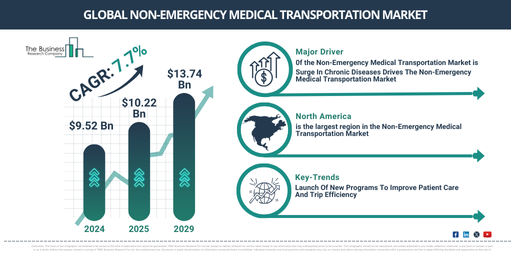
    The market for non-emergency medical transportation has seen substantial growth lately, escalating from a worth of $9.52 billion in 2024 to a projected value of $10.22 billion in 2025, exhibiting a compound annual growth rate (CAGR) of 7.4%. Various factors, such as the aging population, government-supported health care initiatives, private patient transportation payment options, a shift towards patient-focused care, and the rise of telehealth, have all contributed to the historic growth trend in this market.

    The market for non-emergency medical transportation services is projected to witness considerable expansion over the coming years. It’s predicted to reach a total value of $13.74 billion in 2029, with a compound annual growth rate (CAGR) of 7.7%. Factors contributing to growth over the projected period include regulatory transformations, advancements in medical care, improved healthcare access in rural areas, the development of transportation infrastructure, and community health efforts. Significant trends expected to influence this period are the incorporation of technology, a focus on patient-centered solutions, partnerships with ride-sharing platforms, the use of predictive analytics for demand forecasting, and adaptable payment structures.

    Download a free sample to assess the report’s scope and structure:

    https://www.thebusinessresearchcompany.com/sample.aspx?id=13715&type=smp

    What Are the Primary Drivers Supporting the Market Growth of the Non-Emergency Medical Transportation Market?

    The growing prevalence of long-term illnesses is anticipated to fuel the expansion of the non-emergency medical transportation market. These diseases, which persist for a year or more and require ongoing medical attention, interfere with daily activities, or both, necessitate routine medical transportation for individuals. This enables uninterrupted access to medical visits, treatments, and support services, thereby promoting consistent healthcare management and improving health outcomes overall. Projections from the National Institutes of Health, a US government institution, indicate that by January 2023, at least one chronic condition will be exhibited by 35.66% (range: 33.36–36.04) of adults aged 50 and above by 2035, a statistic that is projected to increase to 47.81% (range: 46.09–49.71) by 2050. Consequently, the escalating prevalence of chronic illnesses is propelling the non-emergency medical transportation market forward.

    Which Primary Segments of the Non-Emergency Medical Transportation Market Are Driving Growth and Industry Transformations?

    The non-emergency medical transportation market covered in this report is segmented –

    1) By Type: Courier Services, Insurance Backed Patient Transportation, Private Pay Patient Transportation

    2) By Product Type: Ambulatory Vans, Minivans, Wheelchair-Lift-Equipped Vehicles, Stretcher Vans

    3) By Application: Dialysis, Routine Doctor Visits, Mental Health Related Appointments, Rehabilitation, Other Applications

    4) By End User: Airport Shuttle, Hospital Medical Laboratories, Nursing Care Facilities

    Subsegments:

    1) By Courier Services: Medical Supply Delivery, Prescription Delivery, Laboratory Specimen Transport

    2) By Insurance Backed Patient Transportation: Medicaid Funded Transportation, Medicare Funded Transportation, Private Insurance Transportation

    3) By Private Pay Patient Transportation: Individual Out-Of-Pocket Payments, Subscription-Based Services, Ride-Hailing Services For Medical Appointments

    Request customized data on this market:

    https://www.thebusinessresearchcompany.com/customise?id=13715&type=smp

    Which Regions Are Key Players in the Growth of the Non-Emergency Medical Transportation Market?

    North America was the largest region in the non-emergency medical transportation market in 2024. The regions covered in the non-emergency medical transportation market report are Asia-Pacific, Western Europe, Eastern Europe, North America, South America, Middle East, Africa.

    What Are the Most Significant Market Trends in the Non-Emergency Medical Transportation Market?

    The emphasis for leading companies within the non-emergency medical transportation (NEMT) market is currently on implementing non-emergency medical transportation programs. This is to enhance the standard of services provided, increase positive patient outcomes, improve delivery of the transportation, and reduce complaints and issues that require escalation. These NEMT programs offer transportation solutions for those needing assistance to attend medical appointments, without the need for emergency care. For example, MTM, a leading American NEMT services provider, in June 2022, introduced the elevate program to preempt possible escalated trip issues. With its elevate program, MTM takes a proactive stance towards member trips, providing a high level of service for complex journeys and members with distinctive transportation needs. As a result of the elevate program, there has been an improvement in the delivery of trips for critical members, leading to less complaints and notable reduction in escalated events for MTM clients.

    View the full report here:

    https://www.thebusinessresearchcompany.com/report/non-emergency-medical-transportation-global-market-report

    What Parameters Are Used to Define the Non-Emergency Medical Transportation Market?

    Non-emergency medical transportation (NEMT) refers to transportation services provided to individuals who are not in an emergency but require assistance in getting to their medical appointments, pharmacies, or other healthcare services. Non-emergency medical transportation is critical in solving transportation issues experienced by people with medical requirements, providing them with a secure, cost-effective and dependable way to obtain necessary healthcare services.

    Purchase the full report and get a swift delivery:

    https://www.thebusinessresearchcompany.com/purchaseoptions.aspx?id=13715

    About The Business Research Company:

    With over 15000+ reports from 27 industries covering 60+ geographies, The Business Research Company has built a reputation for offering comprehensive, data-rich research and insights. Armed with 1,500,000 datasets, the optimistic contribution of in-depth secondary research, and unique insights from industry leaders, you can get the information you need to stay ahead in the game.

    Get in touch with us:

    The Business Research Company: https://www.thebusinessresearchcompany.com/

    Americas +1 3156230293

    Asia +44 2071930708

    Europe +44 2071930708

    Email us at info@tbrc.info

    Follow us on:

    LinkedIn: https://in.linkedin.com/company/the-business-research-company

    YouTube: https://www.youtube.com/channel/UC24_fI0rV8cR5DxlCpgmyFQ

    Global Market Model: https://www.thebusinessresearchcompany.com/global-market-model
  • Nivolumab Market Outlook 2025–2034: Identifying Growth Drivers, Technology Trends, and Policy Impact

    Nivolumab Market Outlook 2025–2034: Identifying Growth Drivers, Technology Trends, and Policy Impact

    Discover trends, market shifts, and competitive outlooks for the nivolumab industry through 2025-2034 with The Business Research Company’s reliable data and in-depth research

    How Has the Nivolumab Market Growth Performance Trended Historically, And What Lies Ahead?

    The market size of nivolumab has seen accelerated expansion in the recent past. This market is anticipated to increase from $1.69 billion in 2024 to $1.94 billion in 2025, demonstrating a compound annual growth rate (CAGR) of 14.7%. The remarkable growth observed during the historic period is primarily the outcome of breakthroughs in immunotherapy, a surge in cancer cases, fruitful clinical trials, and obtaining regulatory authorizations.

    The market for nivolumab is anticipated to experience swift expansion in the coming years, reaching a value of $3.2 billion by 2029 with a compounded annual growth rate (CAGR) of 13.4%. The projected growth during this forecast period is due to several factors including personalized healthcare, emerging medical indications, worldwide availability of cancer treatments, and advancements in combined therapy methods. Noteworthy trends during this forecast period comprise treatments driven by biomarkers, neoantigen vaccines, improved immunotherapy plans, and long-term monitoring studies.

    Download a free sample to assess the report’s scope and structure:

    https://www.thebusinessresearchcompany.com/sample.aspx?id=13012&type=smp

    What Are the Core Market Drivers Propelling Growth in the Nivolumab Industry?

    The escalating rate of cancer occurrence is anticipated to expedite the expansion of the nivolumab market in the future. Cancer is a type of disease that can emerge in almost any organ or tissue as abnormal cells uncontrollably multiply, surpass their normal limits and spread to other organs or invade nearby body parts. Nivolumab is utilized to manage and treat various kinds of cancer by preventing cancer cells from inhibiting the immune system and permitting the immune system to attack and kill the cancer cells. For example, the Australian Institute of Health and Welfare, a government agency located in Australia that concentrates on offering extensive health and welfare data and insights, reports that the number of cancer diagnoses increased from 156,781 in 2021 to 160,570 in 2022 in July 2024, indicating a surge of 3,789 cases within a year. Consequently, the mounting prevalence of cancer stimulates the development of the nivolumab market. The Nivolumab Market Driver: The Growth in Non-Small Cell Lung Cancer (NSCLC) Instances Is Boosting The Expansion Of The Nivolumab Market

    How Is the Nivolumab Market Segmented?

    The nivolumab market covered in this report is segmented –

    1) By Type: Injection 4mL, Injection 10mL

    2) By Route Of Administration: Intravenous, Other Routes Of Administration

    3) By Application: Melanoma, Non-small Cell Lung Cancer (NSCLC), Malignant Pleural Mesothelioma, Classical Hodgkin Lymphoma (CHL), Squamous Cell Carcinoma Of The Head And Neck (SCCHN), Renal Cell Carcinoma (RCC), Other Applications

    4) By End-User: Clinic, Hospital, Other End-Users

    Subsegments:

    1) By Injection 4mL: Single-Dose Vial, Multi-Dose Vial

    2) By Injection 10mL: Single-Dose Vial, Multi-Dose Vial

    Request customized data on this market:

    https://www.thebusinessresearchcompany.com/customise?id=13012&type=smp

    Which Regions Are Driving the Next Phase of the Nivolumab Market Growth?

    North America was the largest region in the nivolumab market in 2024. The regions covered in nivolumab market report are Asia-Pacific, Western Europe, Eastern Europe, North America, South America, Middle East and Africa.

    What Key Market Trends and Innovations Are Shaping the Future of the Nivolumab Industry?

    Leading entities in the nivolumab industry are concentrating on the creation of novel drugs to cater to their clients and maintain their market standing. The production of fresh medications can result in more effective treatment results for patients afflicted with different illnesses. To illustrate, Bristol-Myers Squibb Co., a US enterprise majorly devoted to cancer, cardiovascular, immunology, and fibrotic therapeutic research, declared in May 2022 that the U.S. Food and Drug Administration (FDA) had given approval for two nivolumab-based treatments, including Nivolumab combined with fluoropyrimidine and platinum-containing chemotherapy, and Nivolumab added to Yervoy (ipilimumab). These drugs are for the first-line treatment of adults with unresectable advanced or metastatic esophageal squamous cell carcinoma (ESCC) irrespective of PD-L1 status.

    View the full report here:

    https://www.thebusinessresearchcompany.com/report/nivolumab-global-market-report

    How Is the Nivolumab Market Defined and What Are Its Core Parameters?

    Nivolumab refers to an immunoglobulin G4 (IgG4) completely human antibody that targets programmed cell death protein 1 (PD1) and is licensed at a dose of 3 mg/kg for metastatic or unresectable melanoma, metastatic non-small cell lung cancer following platinum-based chemotherapy and metastatic renal cell carcinoma in the second-line context. It is a targeted therapy medication used to manage and treat a variety of cancers. It functions by boosting the immune system.

    Purchase the full report and get a swift delivery:

    https://www.thebusinessresearchcompany.com/purchaseoptions.aspx?id=13012

    About The Business Research Company:

    With over 15000+ reports from 27 industries covering 60+ geographies, The Business Research Company has built a reputation for offering comprehensive, data-rich research and insights. Armed with 1,500,000 datasets, the optimistic contribution of in-depth secondary research, and unique insights from industry leaders, you can get the information you need to stay ahead in the game.

    Get in touch with us:

    The Business Research Company: https://www.thebusinessresearchcompany.com/

    Americas +1 3156230293

    Asia +44 2071930708

    Europe +44 2071930708

    Email us at info@tbrc.info

    Follow us on:

    LinkedIn: https://in.linkedin.com/company/the-business-research-company

    YouTube: https://www.youtube.com/channel/UC24_fI0rV8cR5DxlCpgmyFQ

    Global Market Model: https://www.thebusinessresearchcompany.com/global-market-model
  • Strategic Growth Drivers Shaping the Nicotine Replacement Therapy Market Outlook 2025- 2034:Rising Incidence Of Smoking-Related Diseases Propels Growth In Nicotine Replacement Therapy Market

    Strategic Growth Drivers Shaping the Nicotine Replacement Therapy Market Outlook 2025- 2034:Rising Incidence Of Smoking-Related Diseases Propels Growth In Nicotine Replacement Therapy Market

    Discover trends, market shifts, and competitive outlooks for the nicotine replacement therapy industry through 2025-2034 with The Business Research Company’s reliable data and in-depth research

    What Is the Estimated Market Size of the Nicotine Replacement Therapy Market In 2029?

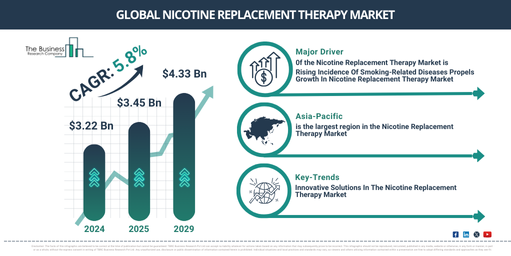
    The market size of nicotine replacement therapy has experienced robust growth in the past few years. The market is set to expand from a value of $3.22 billion in 2024 to an estimated $3.45 billion in 2025, representing a compound annual growth rate (CAGR) of 7.4%. Reasons for growth during the historical period include public health initiatives, shifts in lifestyle, suggestions from doctors, market rivalry, and heightened consumer awareness.

    The market for nicotine replacement therapy is anticipated to witness significant expansion in the coming years, reaching $4.33 billion by 2029 with a compound annual growth rate (CAGR) of 5.8%. The predicted growth in the forecast period is due to factors such as the emergence of new markets, personalised treatment strategies, government interventions, better healthcare accessibility, and shifting population attributes. Key trends to look out for during this forecast period encompass technological progression, research developments, incorporation of digital health solutions, digital therapeutic integration, and institutional wellness programs.

    Download a free sample to assess the report’s scope and structure:

    https://www.thebusinessresearchcompany.com/sample.aspx?id=13887&type=smp

    Which Factors and External Forces Are Driving Demand in the Nicotine Replacement Therapy Market?

    The growth of the nicotine replacement therapy market is anticipated to be fueled by an increasing prevalence of diseases linked to smoking. These ailments are predominantly caused by tobacco product usage, most notably smoking. Nicotine replacement therapy (NRT) is largely employed to assist individuals in giving up smoking, consequently decreasing the chance of acquiring smoking-related diseases and aiding in counseling, support, and dedication to lifestyle modifications. For example, a report by the National Health Service (NHS), a UK-based publicly funded healthcare system, in December 2023 indicated that there was a surge in hospitalizations due to smoking-related diseases to about 408,700 admissions in 2022-23, up from 389,800 in 2021-22, a jump of 4.8%. Hence, it is clear that the escalating rate of diseases caused by smoking is propelling the nicotine replacement therapy market’s growth.

    Which Segments in the Nicotine Replacement Therapy Offer the Most Growth?

    The nicotine replacement therapy market covered in this report is segmented –

    1) By Product Type: Patch, Gum, Lozenge, Inhaler, Spray, Other Products

    2) By Distribution Channel: Hospital Pharmacy, Retail Pharmacy, Online Pharmacy

    3) By Location: Hospitals And Deaddiction Centers, Home

    Subsegments:

    1) By Patch: Transdermal Nicotine Patches, Extended-Release Patches, Combination Patches

    2) By Gum: Nicotine Chewing Gum, Sugar-Free Nicotine Gum, Different Strengths Of Nicotine Gum

    3) By Lozenge: Nicotine Lozenges, Different Strengths Of Nicotine Lozenges

    4) By Inhaler: Nicotine Inhalation Devices, Disposable Inhalers, Refillable Inhaler Systems

    5) By Spray: Nasal Nicotine Spray, Oral Nicotine Spray, Metered-Dose Spray Systems

    6) By Other Products: Nicotine Tablets, Electronic Cigarettes As NRT, Nicotine Pouches, Herbal Cigarettes And Other Smoking Cessation Aids

    Request customized data on this market:

    https://www.thebusinessresearchcompany.com/customise?id=13887&type=smp

    What Are the Fastest-Growing Geographies in the Nicotine Replacement Therapy Market?

    Asia-Pacific was the largest region in the nicotine replacement therapy market in 2024. It is expected to be the fastest-growing region in the forecast period. The regions covered in the nicotine replacement therapy market report are Asia-Pacific, Western Europe, Eastern Europe, North America, South America, Middle East, Africa.

    Which Cutting-Edge Market Trends Are Expected to Drive theNicotine Replacement Therapy Market’s Growth?

    Notable players in the nicotine replacement therapy market are emphasizing on inventive solutions, such as Cigibud smoking cessation filters, to mitigate the serious health hazards related to smoking. A smoking cessation filter is fashioned to assist people in quitting smoking by limiting the intake of damaging substances from cigarettes. For instance, Nanoclean Global Pvt. Ltd, a nanotechnology startup from India, released the world’s first-ever smoking cessation filter, Cigibud, in March 2023. This filter utilizes patented nanofiber technology and is a scientifically confirmed method to quit smoking. It works to lessen the amount of tar and nicotine in cigarettes, hence simplifying the process of quitting smoking. The filter is both biodegradable and biocompatible, designed with minute holes that impede even the smallest particle from passing through. Inspired by nicotine replacement therapy (NRT), it operates by gradually decreasing nicotine levels. Furthermore, its primary function is to decrease the tar and nicotine content from cigarettes, with the overarching goal of assisting individuals in their endeavor to quit smoking.

    View the full report here:

    https://www.thebusinessresearchcompany.com/report/nicotine-replacement-therapy-global-market-report

    What Are the Key Elements That Define the Nicotine Replacement Therapy Market?

    Nicotine replacement therapy is a medical approach designed to help individuals quit smoking or reduce their dependence on nicotine by providing controlled doses of nicotine without the harmful effects of tobacco smoke. It aims to alleviate withdrawal symptoms and cravings associated with quitting smoking, making the process more manageable and increasing the likelihood of long-term success.

    Purchase the full report and get a swift delivery:

    https://www.thebusinessresearchcompany.com/purchaseoptions.aspx?id=13887

    About The Business Research Company:

    With over 15000+ reports from 27 industries covering 60+ geographies, The Business Research Company has built a reputation for offering comprehensive, data-rich research and insights. Armed with 1,500,000 datasets, the optimistic contribution of in-depth secondary research, and unique insights from industry leaders, you can get the information you need to stay ahead in the game.

    Get in touch with us:

    The Business Research Company: https://www.thebusinessresearchcompany.com/

    Americas +1 3156230293

    Asia +44 2071930708

    Europe +44 2071930708

    Email us at info@tbrc.info

    Follow us on:

    LinkedIn: https://in.linkedin.com/company/the-business-research-company

    YouTube: https://www.youtube.com/channel/UC24_fI0rV8cR5DxlCpgmyFQ

    Global Market Model: https://www.thebusinessresearchcompany.com/global-market-model
  • Market Trends Influencing Strategic Decisions in the Neurotrophic Keratitis Treatment Industry: Innovative Drug Development Shapes The Landscape Of Neurotrophic Keratitis Treatment Market

    Market Trends Influencing Strategic Decisions in the Neurotrophic Keratitis Treatment Industry: Innovative Drug Development Shapes The Landscape Of Neurotrophic Keratitis Treatment Market

    Discover trends, market shifts, and competitive outlooks for the neurotrophic keratitis treatment industry through 2025-2034 with The Business Research Company’s reliable data and in-depth research

    What is the Anticipated CAGR of the Neurotrophic Keratitis Treatment Market, and What Factors Will Drive It?

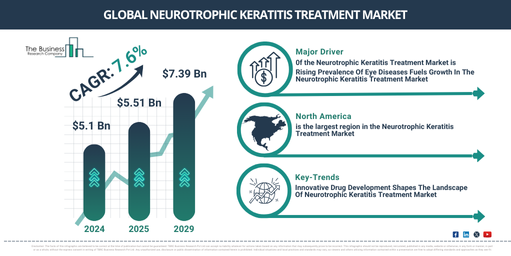
    The market for treating neurotrophic keratitis has seen robust growth lately. Its size is projected to increase from $5.1 billion in 2024 to $5.51 billion in 2025, indicating a compound annual growth rate (CAGR) of 8.1%. The expansion during the historical period is primarily due to a rise in diagnoses, an escalating number of injuries and surgeries, increased research and development, and improvements in global healthcare infrastructure.

    The market size of the treatment for neurotrophic keratitis is predicted to witness substantial expansion in the forthcoming years. By 2029, it is anticipated to reach $7.39 billion with a compound annual growth rate (CAGR) of 7.6%. This growth during the forecast period is driven by educational measures, elevated numbers of clinical trials, progressive treatments, and regulatory sanctions. The forecast period is also expected to see key trends such as enhanced diagnostic instruments, solutions in digital health, strategies for neuroprotection, and advanced imaging of the ocular surface.

    Download a free sample to assess the report’s scope and structure:

    https://www.thebusinessresearchcompany.com/sample.aspx?id=12968&type=smp

    What Are the Major Market Drivers Behind the Rising Adoption of Neurotrophic Keratitis Treatment Market?

    The escalating incidence of ailments impacting the eyes is projected to spur the expansion of the neurotrophic keratitis treatment market. Eye diseases encompass a broad array of health issues that disrupt the form and operation of the eyes. Neurotrophic keratitis therapy can assist in the enhancement of corneal sensation, catalyzing healing, averting infection, and providing relief from pain. As an illustration, in March 2022, Eye Care One, a platform dedicated to eyecare career development in the US, released reports suggesting that around 35 million American citizens will be affected by dry eye disease (DED) in 2022, with the number predicted to climb annually. Likewise, in May 2024, the Centers for Disease Control and Prevention, a federal agency operating under the US Department of Health and Human Services, disclosed that over 3.4 million Americans aged 40 and above are blind or have visual impairment, a figure slated to double by 2030. Hence, the rising prevalence of eye diseases is stimulating the growth of the neurotrophic keratitis treatment market. The surge in investments in the healthcare sector, comprising eye care, is expected to give momentum to the development of the neurotrophic keratitis treatment market. These investments denote fiscal contributions directed towards endorsing the growth, enhancement, and reach of healthcare services and remedies, with an emphasis on vision care. Such financial inputs could significantly contribute towards progress in the treatment of neurotrophic keratitis by paving the way for therapeutic breakthroughs and advancements in the creation of drugs, thereby enriching the health outcomes and quality of life of patients suffering from this condition. Providing a case in point, the Department of Health and Aged Care, an Australian government agency overseeing health research, funding, propagation, and governance, stated in March 2022 that government expenditure on health systems mounted to $132 billion in the fiscal year of 2022-23, slated to rise to $140 billion in 2025-26, with a total pledge of $537 billion over the ensuing four years. Consequently, the mounting investments in health care including eye care are fueling the expansion of the neurotrophic keratitis treatment market.

    Which Key Market Segments Comprise the Neurotrophic Keratitis Treatment Market and Drive Its Revenue Growth?

    The neurotrophic keratitis treatment market covered in this report is segmented –

    1) By Treatment: Topical Antibiotics, Recombinant Human Nerve Growth Factor (rhNGF), Amniotic Membrane Transplantation, Keratoplasty, Other Treatments

    2) By Route of Administration: Oral, Topical, Other Routes of Administration

    3) By Application: Stage I, Stage II, Stage III

    4) By End-User: Hospitals, Homecare, Specialty Clinics, Other End-Users

    Subsegments:

    1) By Topical Antibiotics: Broad-Spectrum Antibiotics, Narrow-Spectrum Antibiotics

    2) By Recombinant Human Nerve Growth Factor (rhNGF): Cenegermin Ophthalmic Solution, Other rhNGF-Based Solutions

    3) By Amniotic Membrane Transplantation: Cryopreserved Amniotic Membrane, Dehydrated Amniotic Membrane

    4) By Keratoplasty: Penetrating Keratoplasty, Lamellar Keratoplasty

    5) By Other Treatments: Tarsorrhaphy, Therapeutic Contact Lenses

    Request customized data on this market:

    https://www.thebusinessresearchcompany.com/customise?id=12968&type=smp

    Which Areas Are Leading Regions in the Neurotrophic Keratitis Treatment Market Expansion Across the Globe?

    North America was the largest region in the neurotrophic keratitis treatment market in 2024. The regions covered in neurotrophic keratitis treatment market report are Asia-Pacific, Western Europe, Eastern Europe, North America, South America, Middle East and Africa.

    What Are the Strategic Trends Steering theNeurotrophic Keratitis Treatment Market Direction?

    Leading firms in the neurotrophic keratitis treatment market are pushing boundaries through the creation and approval of innovative medicines in an effort to maintain their industry standing. The field of neurotrophic keratitis treatment greatly relies on drug advancement due to the scarcity of current treatments, which further emphasizes the need for more potent treatments to halt disease progression. Case in point, in December 2022, Taiwanese clinical-stage company, BRIM Biotechnology Inc., was granted Orphan Drug Designation (ODD) by the U.S. Food and Drug Administration (FDA) for their product, BRM424, intended for neurotrophic keratitis (NK) therapy. BRM424 is a recombinant form of a human nerve growth factor designed to stimulate the growth and differentiation of corneal limbal stem cells, a crucial process in the regeneration and restoration of a patient’s cornea health suffering from neurotrophic keratitis.

    View the full report here:

    https://www.thebusinessresearchcompany.com/report/neurotrophic-keratitis-treatment-global-market-report

    How Is the Neurotrophic Keratitis Treatment Market Conceptually Defined?

    Neurotrophic keratitis treatment refers to a treatment method to cure a rare eye condition caused by damage to the trigeminal nerve, leading to decreased corneal sensation and potential corneal damage. This treatment is used to protect the cornea, promote healing, alleviate symptoms, and prevent further damage.

    Purchase the full report and get a swift delivery:

    https://www.thebusinessresearchcompany.com/purchaseoptions.aspx?id=12968

    About The Business Research Company:

    With over 15000+ reports from 27 industries covering 60+ geographies, The Business Research Company has built a reputation for offering comprehensive, data-rich research and insights. Armed with 1,500,000 datasets, the optimistic contribution of in-depth secondary research, and unique insights from industry leaders, you can get the information you need to stay ahead in the game.

    Get in touch with us:

    The Business Research Company: https://www.thebusinessresearchcompany.com/

    Americas +1 3156230293

    Asia +44 2071930708

    Europe +44 2071930708

    Email us at info@tbrc.info

    Follow us on:

    LinkedIn: https://in.linkedin.com/company/the-business-research-company

    YouTube: https://www.youtube.com/channel/UC24_fI0rV8cR5DxlCpgmyFQ

    Global Market Model: https://www.thebusinessresearchcompany.com/global-market-model
  • Top Trends Driving Innovation and Change in the Neuropathic Pain Market: Integration Of Artificial Intelligence Revolutionizes Neuropathic Pain Treatment

    Top Trends Driving Innovation and Change in the Neuropathic Pain Market: Integration Of Artificial Intelligence Revolutionizes Neuropathic Pain Treatment

    Discover trends, market shifts, and competitive outlooks for the neuropathic pain industry through 2025-2034 with The Business Research Company’s reliable data and in-depth research

    What Are the Key Milestones in the Neuropathic Pain Market’s Growth Trajectory From 2025 To 2034?

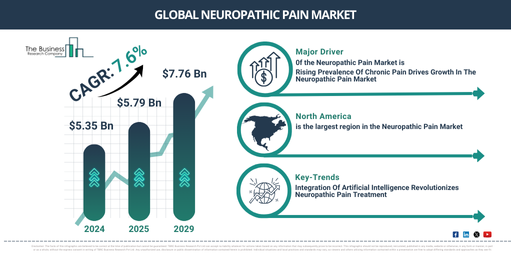
    There has been significant growth in the neuropathic pain market size in the past few years. The market is projected to expand from a value of $5.35 billion in 2024 to an estimated $5.79 billion in 2025, exhibiting a compound annual growth rate (CAGR) of 8.2%. This considerable growth during the historic period is due to factors such as rising demand for neuropathic pain medication, an epidemic of chronic pain, an increase in the demand for prescription treatments, and government initiatives.

    In the ensuing years, a robust expansion is anticipated in the neuropathic pain market. It is projected to escalate to $7.76 billion in 2029 with a compound annual growth rate (CAGR) of 7.6%. The increase during the forecast period is due to heightened awareness about neuropathic pain, an aging demographic, a well-developed healthcare industry, and access to treatments for neuropathic pain. The forecast period will witness significant trends such as enhanced diagnostic procedures, progress in pain management techniques, breakthroughs in medical study, authorization of new pharmaceuticals, and strategic measures.

    Download a free sample to assess the report’s scope and structure:

    https://www.thebusinessresearchcompany.com/sample.aspx?id=12922&type=smp

    What External and Internal Drivers Are Contributing to the Growth of the Neuropathic Pain Market?

    The increase in chronic pain occurrences is predicted to stimulate the expansion of the neuropathic pain market. Chronic pain is a form of pain that lingers beyond the predicted recovery time from an illness or injury. It is generally identified by its continuity, typically staying for at least three to six months or longer. The escalating incidence of chronic pain, including neuropathic disorders, necessitates effective treatments, thus igniting advancements, creativity and funding towards better therapies to amplify relief and quality of living. For example, as per the Scottish Health Survey 2022, published by the Scotland Government in December 2023, over one-third (38%) of Scottish adults reported experiencing pain or discomfort for three months or longer in 2022, with a higher rate in women (43%) versus men (33%). Thus, the increasing cases of chronic pain are fueling the expansion of the neuropathic pain market.

    Neuropathic Pain Market Driver: Anticipated Increase in Diabetes Cases Prompting the Growth of Neuropathic Pain Market


    What Segment Types Define the Neuropathic Pain Market Structure?

    The neuropathic pain market covered in this report is segmented –

    1) By Treatment: Medications, Multimodal Therapy

    2) By Diagnosis: Imaging, Blood Tests And Physical Examination

    3) By Indication: Diabetic Neuropathy, Spinal Stenosis, Chemotherapy-Induced Peripheral Neuropathy, Other Indications

    4) By End User: Hospitals, Clinics, Home Healthcare, Ambulatory Surgical Centers, Other End Users

    Subsegments:

    1) By Medications: Anticonvulsants, Antidepressants, Opioids, Topical Treatments, Non-Steroidal Anti-Inflammatory Drugs (NSAIDs)

    2) By Multimodal Therapy: Combination Of Medications, Physical Therapy, Psychological Therapy, Lifestyle Modifications, Complementary Therapies

    Request customized data on this market:

    https://www.thebusinessresearchcompany.com/customise?id=12922&type=smp

    Which Geographic Areas Hold the Strongest Growth Potential in the Neuropathic Pain Market?

    North America was the largest region in the neuropathic pain market in 2024. Asia-Pacific is expected to be the fastest-growing region in the forecast period. The regions covered in neuropathic pain market report are Asia-Pacific, Western Europe, Eastern Europe, North America, South America, Middle East and Africa.

    What Long-Term Trends Are Transforming the Competitive Landscape of the Neuropathic Pain Market?

    Prominent organizations in the neuropathic pain market are utilizing artificial intelligence technologies for sophisticated diagnosis, personalized treatment schedules, real-time patient observation, drug development, and data-acquired insights to boost patient results and adapt pain management procedures. For example, in March 2023, Nevro Corp, a medical device company located in the United States, introduced the Senza HFX iQ spinal cord stimulation (SCS) system. This pioneering technology uses artificial intelligence (AI) to tailor pain reduction for each patient. The system, complete with the HFX iQ Implantable Pulse Generator (IPG), HFX Trial Stimulator, Charger, and HFX App, aims to address non-surgical back pain and painful diabetic neuropathy by adjusting to patient response and feedback. It employs a unique algorithm derived from comprehensive patient data and allows them to modify their pain management program through a smartphone app. The system’s digital infrastructure facilitates data gathering and potential modifications. The aim of the technology is to augment pain relief by maintaining consistency and personalization, signifying a substantial progression in SCS therapy.

    View the full report here:

    https://www.thebusinessresearchcompany.com/report/neuropathic-pain-global-market-report

    What Is the Definition of the Neuropathic Pain Market?

    Neuropathic pain is chronic pain caused by damage or dysfunction in the nervous system and characterized by burning, tingling, shooting, or electric shock-like sensations. Neuropathic pain can be challenging to treat and may be caused by nerve injuries, diabetes, multiple sclerosis, nerve compression, neural degeneration and central nervous system disorders.

    Purchase the full report and get a swift delivery:

    https://www.thebusinessresearchcompany.com/purchaseoptions.aspx?id=12922

    About The Business Research Company:

    With over 15000+ reports from 27 industries covering 60+ geographies, The Business Research Company has built a reputation for offering comprehensive, data-rich research and insights. Armed with 1,500,000 datasets, the optimistic contribution of in-depth secondary research, and unique insights from industry leaders, you can get the information you need to stay ahead in the game.

    Get in touch with us:

    The Business Research Company: https://www.thebusinessresearchcompany.com/

    Americas +1 3156230293

    Asia +44 2071930708

    Europe +44 2071930708

    Email us at info@tbrc.info

    Follow us on:

    LinkedIn: https://in.linkedin.com/company/the-business-research-company

    YouTube: https://www.youtube.com/channel/UC24_fI0rV8cR5DxlCpgmyFQ

    Global Market Model: https://www.thebusinessresearchcompany.com/global-market-model
  • Neurology Monitoring Growth Trajectory: Key Forecasts and Strategic Insights

    Neurology Monitoring Growth Trajectory: Key Forecasts and Strategic Insights

    Discover trends, market shifts, and competitive outlooks for the neurology monitoring industry through 2025-2034 with The Business Research Company’s reliable data and in-depth research

    What Are the Projected Market Size and Growth Rates for the Neurology Monitoring Market From 2025 To 2029?

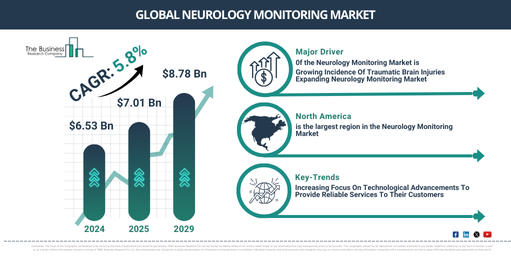
    The size of the neurology monitoring market has seen substantial growth in recent periods. It is forecast to increase from $6.53 billion in 2024 to $7.01 billion in 2025, representing a compound annual growth rate (CAGR) of 7.2%. The surge experienced in the previous phase can be credited to factors such as the increasing occurrence of neurological disorders, an uptick in the aging population, heightened awareness and diagnosis rates, the need for non-invasive monitoring, and incorporation of remote patient monitoring.

    The market for neurology monitoring is projected to experience substantial expansion in the ensuing years, with expectations to escalate to $8.78 billion in 2029, by recording a compound annual growth rate (CAGR) of 5.8%. The projected surge within this period is accredited to the prioritization of initial detection and intervention, the broadening scope of telemedicine and remote surveillance, personalized medicinal strategies, as well as government-supported endeavors for neurological healthcare. Prominent trends within this period are expected to comprise the procurement of wearable devices for neural monitoring, integration of virtual reality (VR) and augmented reality (AR) into neurology monitoring, utilization of wireless connectivity in neurological surveillance devices, advancement of home-bound neurological monitoring solutions, and emphasis on multi-modal neurophysiological monitoring systems.

    Download a free sample to assess the report’s scope and structure:

    https://www.thebusinessresearchcompany.com/sample.aspx?id=13496&type=smp

    Which Factors and External Forces Are Driving Demand in the Neurology Monitoring Market?

    The escalation in traumatic brain injuries is anticipated to drive the neurology monitoring market’s expansion in the future. Traumatic brain injuries (TBI) are damages to the brain caused by external force or trauma. Neurology monitoring plays a critical role in the management of such injuries, assisting in assessing brain functionality, tracking intracranial pressure, and noticing any changes in neurological status. This information guides healthcare professionals in crafting suitable treatment plans and intervening timely per the patient’s unique needs. For example, the Colorado Department of Human Services (CDHS) stated in March 2023 that each year approximately 2.8 million Americans suffer a traumatic brain injury, resulting in about 2.5 million emergency room visits, 225,000 hospital admissions, and 65,000 deaths annually. Thus, the soaring incidence of traumatic brain injuries is stimulating the neurology monitoring market.

    Neurology Monitoring Market Growth Stimulus: Increasing Prevalence Of Neurodegenerative Disorders Boosts Demand In Neurology Monitoring Market


    Which Segments in the Neurology Monitoring Offer the Most Growth?

    The neurology monitoring market covered in this report is segmented –

    1) By Product Type: Magnetic Resonance Imaging (MRI) Devices, Electroencephalography Devices, Cerebral Oximeters, Intracranial Pressure Monitors, Other Product Types

    2) By Disease Type: Traumatic Brain Injury (TBI), Stroke, Sleep Disorders, Parkinson’s Disease, Epilepsy, Other Disease Types

    3) By End User: Hospitals, Neurology Centers, Diagnostic Centers, Advancing Surgical Care And Clinics, Other End Users

    Subsegments:

    1) By Magnetic Resonance Imaging (MRI) Devices: Functional MRI (fMRI), Closed MRI Systems, Open MRI Systems, Portable MRI Systems

    2) By Electroencephalography (EEG) Devices: Portable EEG Devices, Wireless EEG Devices, Ambulatory EEG Devices, Clinical EEG Devices

    3) By Cerebral Oximeters: Non-Invasive Cerebral Oximeters, Handheld Cerebral Oximeters

    4) By Intracranial Pressure Monitors: Invasive Intracranial Pressure Monitors, Non-Invasive Intracranial Pressure Monitors

    5) By Other Product Types: Electromyography (EMG) Devices, Transcranial Doppler (TCD) Devices, Evoked Potential Systems, Near-Infrared Spectroscopy (NIRS) Devices

    Request customized data on this market:

    https://www.thebusinessresearchcompany.com/customise?id=13496&type=smp

    What Are the Fastest-Growing Geographies in the Neurology Monitoring Market?

    North America was the largest region in the neurology monitoring market in 2024. Asia-Pacific is expected to be the fastest-growing region in the forecast period. The regions covered in the neurology monitoring market report are Asia-Pacific, Western Europe, Eastern Europe, North America, South America, Middle East, Africa.

    Which Cutting-Edge Market Trends Are Expected to Drive theNeurology Monitoring Market’s Growth?

    Leading firms in the neurology monitoring market are concentrating on creating advanced electroencephalogram (EEG) monitoring instruments, such as cloud-connected portable EEG devices, in order to offer dependable solutions to their clients. These portable devices allow real-time monitoring of brain activities by sending data wirelessly to the cloud for remote analysis and storage. In November 2023, BioSerenity, a healthcare company based in France, obtained approval from the FDA for their product, Neuronaute Plus, a streamlined and comprehensive EEG device. This portable healthcare gadget gathers EEG information, which can then be transferred to the cloud, making it easier for professionals in Europe, Canada, and the US to examine the data. Its user-friendly design minimizes the need for extensive training and is partnered with the Icecap, a revolutionary EEG electrode net, to simplify the recording process.

    View the full report here:

    https://www.thebusinessresearchcompany.com/report/neurology-monitoring-global-market-report

    What Are the Key Elements That Define the Neurology Monitoring Market?

    Neurology monitoring, or neuromonitoring, is a technique used during high-risk medical procedures such as brain, nerve, and spine surgery to detect, treat, and prevent potential damage to the nervous system. Neurology monitoring is performed to observe, measure, and record neurological parameters to evaluate the operation of the nervous system and the brain.

    Purchase the full report and get a swift delivery:

    https://www.thebusinessresearchcompany.com/purchaseoptions.aspx?id=13496

    About The Business Research Company:

    With over 15000+ reports from 27 industries covering 60+ geographies, The Business Research Company has built a reputation for offering comprehensive, data-rich research and insights. Armed with 1,500,000 datasets, the optimistic contribution of in-depth secondary research, and unique insights from industry leaders, you can get the information you need to stay ahead in the game.

    Get in touch with us:

    The Business Research Company: https://www.thebusinessresearchcompany.com/

    Americas +1 3156230293

    Asia +44 2071930708

    Europe +44 2071930708

    Email us at info@tbrc.info

    Follow us on:

    LinkedIn: https://in.linkedin.com/company/the-business-research-company

    YouTube: https://www.youtube.com/channel/UC24_fI0rV8cR5DxlCpgmyFQ

    Global Market Model: https://www.thebusinessresearchcompany.com/global-market-model

  • Next-Gen Neurofibromatosis Treatment : Market Forecast, Transformation, and Long-Term Trajectories

    Next-Gen Neurofibromatosis Treatment : Market Forecast, Transformation, and Long-Term Trajectories

    Discover trends, market shifts, and competitive outlooks for the neurofibromatosis treatment industry through 2025-2034 with The Business Research Company’s reliable data and in-depth research

    What Is the Estimated Market Size of the Neurofibromatosis Treatment Market In 2029?

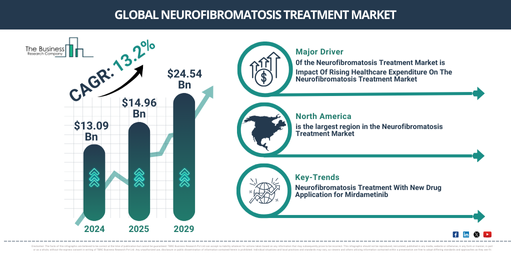
    The size of the market for neurofibromatosis treatment has seen a quick expansion in recent years. The market, which is valued at $13.09 billion in 2024, is expected to rise to $14.96 billion in 2025 with a Compound Annual Growth Rate (CAGR) of 14.3%. Elements like increasing aging population, advancements in the field of ophthalmology, a focus on patient-centered care, and access to global healthcare have contributed to the growth in the historic period.

    In the forthcoming years, the market size for neurofibromatosis treatment is projected to witness robust expansion, reaching a value of $24.54 billion by 2029, with the compound annual growth rate (CAGR) being 13.2%. This surge during the forecasted period is a result of factors such as research and drug development, telemedicine and remote tracking, patient education and assistance, and reimbursement policies. The anticipated trends during this period include vision rehabilitation services, collaborative care models, data analytics and AI, along with optic nerve prostheses and implants.

    Download a free sample to assess the report’s scope and structure:

    https://www.thebusinessresearchcompany.com/sample.aspx?id=12996&type=smp

    Which Major Market Drivers Are Expected to Boost the Growth Potential of the Neurofibromatosis Treatment Market?

    The neurofibromatosis treatment market’s growth is expected to be fueled by increasing healthcare expenses. This includes all expenditures related to healthcare infrastructure, such as medical costs, preventative care, public health programs, rehabilitation efforts, community health functions, and health research. As neurofibromatosis treatment needs various medical procedures like surgeries, biopsies, and imaging scans, funding of healthcare services, including general medical care and neurofibrosis treatment, remains crucial. For instance, the UK’s Office for National Statistics reported in May 2024 that there was a 5.6% rise in nominal terms in total healthcare expenditure from 2022 to 2023, compared to just 0.9% growth in 2022. This increases in healthcare expenses is pushing the neurofibromatosis treatment market’s growth. The growth of the neurofibromatosis treatment market is expected to be significantly impacted by the increase in research and development (R&D) activities. This includes the growing efforts of organizations to invest in systematic and innovative studies aimed at creating new products, technologies, or processes. With the need for innovation to stay competitive, meet customer expectations, and cope with technological advancements, R&D activities are escalating. The goal to develop treatments for neurofibromatosis boosts R&D activities as companies invest in determining the disease’s basic mechanisms and seeking new therapeutic solutions. For example, the European Federation of Pharmaceutical Industries and Associations (EFPIA) reported in June 2023 that pharmaceutical R&D expenditure in Europe was around $49,500 million (€44,500 million) in 2022, a roughly 6.45% increase from $46,500 million (€42,533 million) in 2021. This surge in research and development (R&D) activities is fueling the growth of the neurofibromatosis treatment market.

    Which Key Market Segments Comprise the Neurofibromatosis Treatment Market and Drive Its Revenue Growth?

    The neurofibromatosis treatment market covered in this report is segmented –

    1) By Type: Neurofibromatosis 1 (NF1), Neurofibromatosis 2 (NF2), Schwannomatosis

    2) By Treatment: Medications, Surgery, Radiation Therapy, Other Treatments

    3) By End-Users: Hospitals, Clinics, Other End Users

    Subsegments:

    1) By Neurofibromatosis 1 (NF1): Surgical Interventions, Medication for Symptom Management, Genetic Counseling

    2) By Neurofibromatosis 2 (NF2): Surgical Interventions, Radiation Therapy, Medication for Symptom Management

    3) By Schwannomatosis: Surgical Interventions, Pain Management Therapies, Genetic Counseling

    Request customized data on this market:

    https://www.thebusinessresearchcompany.com/customise?id=12996&type=smp

    Which Areas Are Leading Regions in the Neurofibromatosis Treatment Market Expansion Across the Globe?

    North America was the largest region in the neurofibromatosis treatment market in 2024. The regions covered in neurofibromatosis treatment market report are Asia-Pacific, Western Europe, Eastern Europe, North America, South America, Middle East and Africa.

    What Are the Key Market Trends in theNeurofibromatosis Treatment Market Over the Coming Years?

    Key players in the neurofibromatosis treatment market are focusing on the creation of ground-breaking drugs and specific therapies such as MEK inhibitors to maintain their market standing. A MEK inhibitor is a type of targeted therapy that obstructs the MEK enzyme, a component of the MAPK signaling pathway, and aids in treating cancers and genetic diseases like neurofibromatosis, by mitigating cell development and tumor progression. For instance, in March 2024, SpringWorks Therapeutics, Inc., a biopharmaceutical firm based in the US, completed its new drug application submission to the FDA for Mirdametinib, intending to treat both children and adults with NF1-PN. Mirdametinib is a selective MEK inhibitor that aims at specific pathways participating in the growth of neurofibromas. The FDA will assess the safety and effectiveness of this treatment during their review process, which holds the potential to substantially enhance the results for individuals afflicted with NF1-PN.

    View the full report here:

    https://www.thebusinessresearchcompany.com/report/neurofibromatosis-treatment-global-market-report

    How Is the Neurofibromatosis Treatment Market Conceptually Defined?

    Neurofibromatosis treatment refers to the treatment of a genetic disorder that causes tumors to grow on nerve tissue, which can form anywhere in the body, including the brain, spinal cord and nerves. Neurofibromatosis treatment is used to manage symptoms, slow down the progression of the disease and prevent complications.

    Purchase the full report and get a swift delivery:

    https://www.thebusinessresearchcompany.com/purchaseoptions.aspx?id=12996

    About The Business Research Company:

    With over 15000+ reports from 27 industries covering 60+ geographies, The Business Research Company has built a reputation for offering comprehensive, data-rich research and insights. Armed with 1,500,000 datasets, the optimistic contribution of in-depth secondary research, and unique insights from industry leaders, you can get the information you need to stay ahead in the game.

    Get in touch with us:

    The Business Research Company: https://www.thebusinessresearchcompany.com/

    Americas +1 3156230293

    Asia +44 2071930708

    Europe +44 2071930708

    Email us at info@tbrc.info

    Follow us on:

    LinkedIn: https://in.linkedin.com/company/the-business-research-company

    YouTube: https://www.youtube.com/channel/UC24_fI0rV8cR5DxlCpgmyFQ

    Global Market Model: https://www.thebusinessresearchcompany.com/global-market-model