Month: June 2025

  • Neuroendovascular Coil Market Overview 2025: Competitive Shifts, Forecast Models, and Emerging Opportunities

    Neuroendovascular Coil Market Overview 2025: Competitive Shifts, Forecast Models, and Emerging Opportunities

    Discover trends, market shifts, and competitive outlooks for the neuroendovascular coil industry through 2025-2034 with The Business Research Company’s reliable data and in-depth research

    How Fast Is The Neuroendovascular Coil Market Expected to Grow Between 2025 And 2029?

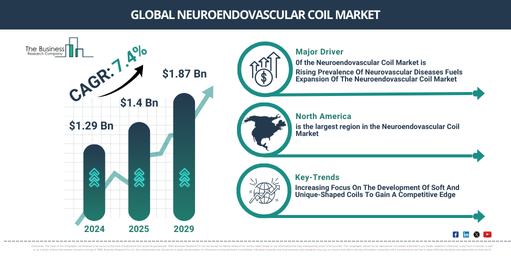
    The scale of the neuroendovascular coil market has seen robust expansion in previous years. The market value is projected to rise from $1.29 billion in 2024 to $1.4 billion in 2025, with a compound annual growth rate (CAGR) of 9.2%. This substantial growth experienced in the historical period can be credited to several factors such as a surge in neurovascular diseases, an upward trend in the aging population, advancements in diagnostic technologies, the broadening scope of neurointerventional facilities, initiatives focusing on awareness and education, along with regulatory approvals and set standards.

    The market for neuroendovascular coils is anticipated to see considerable growth in the upcoming years, expanding to a value of $1.87 billion by 2029, with a compound annual growth rate (CAGR) of 7.4%. Factors contributing to the growth during the forecast period include a consistent increase in neurovascular complications, the enlargement of neurointerventional facilities, concentration on early detection, advancement of global healthcare infrastructure, emphasis on patient-focused care approach, and international research partnerships. Key trends during this period encompass developments in the field of detachable neuroendovascular coils, increased usage of liquid embolics, innovation in bioactive and bioabsorbable coils, the amalgamation of dual-layer coil technologies, and a focus on flow diverters for the treatment of aneurysms.

    Download a free sample to assess the report’s scope and structure:

    https://www.thebusinessresearchcompany.com/sample.aspx?id=13495&type=smp

    What Are the Core Growth Drivers Propelling the Neuroendovascular Coil Market Forward?

    The increasing occurrence of neurovascular diseases is projected to drive growth in the neuroendovascular coil market. Neurovascular diseases impact the blood vessels that supply the nervous system, which frequently leads to neurological symptoms and complications. Neuroendovascular coils are utilised to treat these diseases by inserting them into the blood vessels to seal or stabilise abnormal blood vessel structures, thereby minimising the risk of bleeding or other complications. For instance, data from the National Board of Health and Welfare (Socialstyrelsen), a Swedish governmental agency, in November 2023 showed that in 2022, there were about 26,800 stroke incidents affecting nearly 25,100 people. Among them, 12 percent died on the same day, 23 percent within 28 days, and 34 percent within one year. As such, the growing incidence of neurovascular conditions is fueling the expansion of the neuroendovascular coil market. The rise in healthcare spending is also anticipated to lend momentum to the growth of the neuroendovascular coil market. This expenditure entails money spent on medical products and services, public health initiatives, and administration. It is largely driven by factors such as an aging population, advancements in medical technology, skyrocketing pharmaceutical costs, and higher rates of chronic diseases. The increasing healthcare expenditure supports progress in neuroendovascular coil technology, stimulating invention, enhancing accessibility, and improving patient results in the management of cerebral aneurysms and vascular disorders. For instance, a forecast by the US-based academic journal Health Affairs in June 2024 shows the national healthcare spending in the U.S. is projected to increase from $4,799.3 billion in 2023 to $5,048.8 billion in 2024, indicating a rise of approximately $249.5 billion. Therefore, the growth in healthcare expenditure is encouraging the expansion of the neuroendovascular coil market.

    What Segment Types Define the Neuroendovascular Coil Market Structure?

    The neuroendovascular coil market covered in this report is segmented –

    1) By Product Type: Guglielmi Detachable Coils (GDCs), Matrix Coils

    2) By Indication: Ruptured Aneurysm, Unruptured Aneurysm

    3) By Application: Tumor Surgery, Medical Teaching

    4) By End User: Hospitals, Ambulatory Surgical Centers (ASCs), Stroke Centers, Other End Users

    Subsegments:

    1) By Guglielmi Detachable Coils (GDCs): Soft GDCs, Standard GDCs, Detachable GDCs With Various Configurations

    2) By Matrix Coils: Soft Matrix Coils, Coated Matrix Coils, Detachable Matrix Coils, Flow Diverter Matrix Coils

    Request customized data on this market:

    https://www.thebusinessresearchcompany.com/customise?id=13495&type=smp

    Which Geographic Areas Hold the Strongest Growth Potential in the Neuroendovascular Coil Market?

    North America was the largest region in the neuroendovascular coil market in 2024. Asia-Pacific is expected to be the fastest-growing region in the forecast period. The regions covered in the neuroendovascular coil market report are Asia-Pacific, Western Europe, Eastern Europe, North America, South America, Middle East, Africa.

    Which Emerging Trends that Are Influencing theNeuroendovascular Coil Industry Evolution?

    Top businesses in the neuroendovascular coil market are striving for a competitive advantage through the creation of uniquely tailored, soft coils. These coils, including ones shaped like tetrahedrons, can significantly improve outcomes in complex aneurysm treatments by fitting in contrast to the structure of the blood vessels, minimizing risks, and enhancing patient health. Stryker Corporation, a prominent American medical tech company that produces neuroendovascular coils, unveiled the Target Tetra Detachable Coil in December 2022. Specifically designed for treating minor aneurysms, this state-of-the-art coil combines a novel tetrahedral shape with softness. It’s a dual-feature coil; the tetrahedral shape ensures stability within wide-necked aneurysms and the soft helical tail caters to smaller aneurysms. Hence, the developed coil not only retains its structural integrity but is also soft, making it an optimal solution for treating small aneurysms.

    View the full report here:

    https://www.thebusinessresearchcompany.com/report/neuroendovascular-coil-global-market-report

    What Is the Definition of the Neuroendovascular Coil Market?

    A neuroendovascular coil is a thin wire inserted into blood vessels to block off or divert blood flow from the affected area, promoting clotting and preventing further complications. It is a medical device for treating cerebral aneurysms and other vascular abnormalities.

    Purchase the full report and get a swift delivery:

    https://www.thebusinessresearchcompany.com/purchaseoptions.aspx?id=13495

    About The Business Research Company:

    With over 15000+ reports from 27 industries covering 60+ geographies, The Business Research Company has built a reputation for offering comprehensive, data-rich research and insights. Armed with 1,500,000 datasets, the optimistic contribution of in-depth secondary research, and unique insights from industry leaders, you can get the information you need to stay ahead in the game.

    Get in touch with us:

    The Business Research Company: https://www.thebusinessresearchcompany.com/

    Americas +1 3156230293

    Asia +44 2071930708

    Europe +44 2071930708

    Email us at info@tbrc.info

    Follow us on:

    LinkedIn: https://in.linkedin.com/company/the-business-research-company

    YouTube: https://www.youtube.com/channel/UC24_fI0rV8cR5DxlCpgmyFQ

    Global Market Model: https://www.thebusinessresearchcompany.com/global-market-model
  • From Insight to Impact: Strategic Growth Mapping in the Neuralgia Treatment Market

    From Insight to Impact: Strategic Growth Mapping in the Neuralgia Treatment Market

    Discover trends, market shifts, and competitive outlooks for the neuralgia treatment industry through 2025-2034 with The Business Research Company’s reliable data and in-depth research

    What Are the Key Projections for the CAGR of the Neuralgia Treatment Market Size From 2025 to 2034?

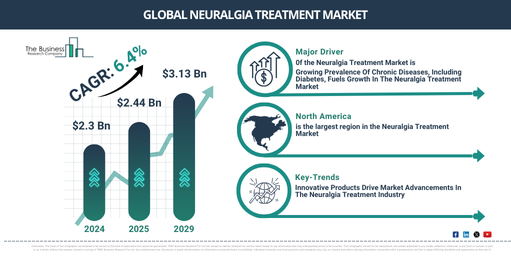
    The market size for neuralgia treatment has seen significant growth in recent years. The market value is set to increase from $2.3 billion in 2024 to $2.44 billion in 2025, boasting a compound annual growth rate (CAGR) of 6.0%. Factors contributing to the growth during the historic period include an increased incidence of neuralgia, a heightened awareness of neuropathic pain, an increase in chronic pain conditions, higher disposable incomes, and government initiatives.

    In the upcoming years, a robust expansion is anticipated in the neuralgia treatment market, with its size projected to reach $3.13 billion in 2029, expanding at a compound annual growth rate (CAGR) of 6.4%. The surge during the forecast period will likely be due to factors such as an aging demographic, the emergence of new therapeutic options, a rise in diabetes cases, and substantial healthcare spending. Key trends expected during this period encompass advancements in pain management protocols, cutting-edge product launches, the incorporation of digital health, and the inception of novel drug delivery systems.

    Download a free sample to assess the report’s scope and structure:

    https://www.thebusinessresearchcompany.com/sample.aspx?id=12921&type=smp

    What are the Fundamental Drivers and Innovations Shaping the Neuralgia Treatment Market?

    The escalated occurrences of enduring illnesses such as diabetes are projected to fuel the growth of the neuralgia treatment market in the future. Long-lasting diseases require continuous medical care, limit daily activities, or both, and last for a year or more. Diabetes is an enduring metabolic disorder highlighted by elevated blood glucose levels. Neuralgia treatment has potential benefits in managing diabetic neuropathy, a type of nerve damage that happens in individuals with diabetes. As per the World Health Organization’s reports in September 2023, the globe witnessed 41 million deaths, which constituted 74% of all deaths caused by non-communicable (chronic) diseases annually. This increase in diabetes and other chronic conditions is driving the neuralgia treatment market’s growth.

    Neuralgia Treatment Market Driver: Prospective Boom In Surgical Procedures Propelling The Expansion Of The Neuralgia Treatment Market


    How Is the Neuralgia Treatment Market Segmented?

    The neuralgia treatment market covered in this report is segmented –

    1) By Treatment: Drug Based, Surgeries

    2) By Indication: Diabetic Neuropathy, Intercostal Neuralgia, Occipital Neuralgia, Peripheral Neuralgia, Postherpetic Neuralgia

    3) By Distribution channels: Drug Stores, Hospital Pharmacies, Online Pharmacies, Retail Pharmacies

    4) By End-Use: Hospitals And Clinics, Ambulatory Surgery Centers, Other End-Users

    Subsegments:

    1) By Drug Based: Anticonvulsants, Antidepressants, Opioids, Topical Treatments, Non-Steroidal Anti-Inflammatory Drugs (NSAIDs)

    2) By Surgeries: Nerve Block Procedures, Decompression Surgery, Neurectomy, Spinal Cord Stimulation

    Request customized data on this market:

    https://www.thebusinessresearchcompany.com/customise?id=12921&type=smp

    Which Regions Are Driving the Next Phase of the Neuralgia Treatment Market Growth?

    North America was the largest region in the neuralgia treatment market in 2024. Asia-Pacific is expected to be the fastest-growing region in the forecast period. The regions covered in neuralgia treatment market report are Asia-Pacific, Western Europe, Eastern Europe, North America, South America, Middle East and Africa.

    What Key Trends Are Shaping the Future of the Neuralgia Treatment Market?

    Key players in the neuralgia treatment market are concentrating their efforts on the creation of novel products and solutions to maintain their market influence. For instance, in April 2023, GlaxoSmithKline Pharmaceuticals Ltd., a pharmaceutical company based in India, introduced Shingrix to the market. This vaccine, the first of its kind globally as a non-live and recombinant subunit vaccine, aims to guard against shingles and post-herpetic neuralgia in individuals aged 50 and above. To be administered in two intramuscular doses, Shingrix merges the antigen glycoprotein E with the adjuvant system AS01B to yield a robust and enduring immunological reaction capable of countering the natural degradation of the immune system due to age. Clinical studies have demonstrated its efficacy, showing a 97% success rate in shielding adults from shingles while effectively protecting them from post-herpetic neuralgia, a painful shingles after-effect.

    View the full report here:

    https://www.thebusinessresearchcompany.com/report/neuralgia-treatment-global-market-report

    How Is the Neuralgia Treatment Market Defined and What Are Its Core Parameters?

    Neuralgia treatment refers to treating a medical condition characterized by chronic pain that affects the nerves and can be caused by injury, infection, or underlying medical conditions. Neuralgia treatment is used to manage symptoms, slow the progression of the Neuralgia and prevent complications.

    Purchase the full report and get a swift delivery:

    https://www.thebusinessresearchcompany.com/purchaseoptions.aspx?id=12921

    About The Business Research Company:

    With over 15000+ reports from 27 industries covering 60+ geographies, The Business Research Company has built a reputation for offering comprehensive, data-rich research and insights. Armed with 1,500,000 datasets, the optimistic contribution of in-depth secondary research, and unique insights from industry leaders, you can get the information you need to stay ahead in the game.

    Get in touch with us:

    The Business Research Company: https://www.thebusinessresearchcompany.com/

    Americas +1 3156230293

    Asia +44 2071930708

    Europe +44 2071930708

    Email us at info@tbrc.info

    Follow us on:

    LinkedIn: https://in.linkedin.com/company/the-business-research-company

    YouTube: https://www.youtube.com/channel/UC24_fI0rV8cR5DxlCpgmyFQ

    Global Market Model: https://www.thebusinessresearchcompany.com/global-market-model
  • $0.56 Billion Forecast for Neonatal Intensive Care Units (NICU) Catheters Market by 2029, Backed by Demand and Innovation

    $0.56 Billion Forecast for Neonatal Intensive Care Units (NICU) Catheters Market by 2029, Backed by Demand and Innovation

    Discover trends, market shifts, and competitive outlooks for the neonatal intensive care units (nicu) catheters industry through 2025-2034 with The Business Research Company’s reliable data and in-depth research

    What Is the Estimated Market Size of the Neonatal Intensive Care Units (NICU) Catheters Market In 2029?

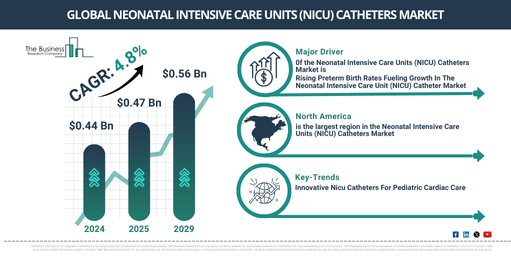
    The market size for catheters in neonatal intensive care units (NICU) has witnessed substantial growth in the past years. The market value is projected to rise from $0.44 billion in 2024 to $0.47 billion in 2025, showing a compound annual growth rate (CAGR) of 6.1%. This growth during the historic period can be tied to factors such as the rising incidence of premature births, an increase in admissions to neonatal intensive care units, a concentrated effort towards preventing infection, healthcare initiatives from the government, and heightened awareness among healthcare professionals.

    In the forthcoming years, the market for neonatal intensive care units (NICU) catheters is projected to consistently expand, reaching a valuation of $0.56 billion in 2029 with a compound annual growth rate (CAGR) of 4.8%. The anticipated growth during the forecast period may be due to factors such as increased global birth rates, higher healthcare spending, focus on less intrusive procedures, regulatory backing and adherence, and the development of healthcare infrastructure in booming markets. For the forecast period, significant trends would include a focus on patient-centric methods, technological progress in catheter construction, partnerships and collaborations, advancements in medical technology, and the increasing demand for minimally invasive procedures.

    Download a free sample to assess the report’s scope and structure:

    https://www.thebusinessresearchcompany.com/sample.aspx?id=13494&type=smp

    What Are the Core Growth Drivers Propelling the Neonatal Intensive Care Units (NICU) Catheters Market Forward?

    The increasing incidence of preterm births is expected to fuel the expansion of the neonatal intensive care unit (NICU) catheter market in the future. Preterm birth or premature birth indicates that a baby is born before completing 37 weeks of pregnancy. Such infants often need specialized healthcare, which includes the use of catheters for purposes like intravenous access, nourishing, and keeping an eye on their health. As an example, in January 2023, the Centers for Disease Control and Prevention, a US-based national public health institution, reported that an increase of 1% was noticed in registered births in the United States, amounting to 3,664,292, in contrast with the previous year. Subsequently, escalating rates of preterm births are giving rise to the growth of the neonatal intensive care unit (NICU) catheter market in the future. An increase in neonatal admissions is also expected to boost the growth of the neonatal intensive care unit (NICU) catheter market. Neonatal admissions involve the hospitalization or admission of newborns, usually within the first 28 days of birth, for medical care and health monitoring. Infant care makes use of neonatal intensive care unit (NICU) catheters to offer specialized medical treatments and surveillance for premature or gravely ill babies, addressing their instant health requirements and enhancing their survival and healthy growth prospects. For instance, in October 2023, the American Academy of Pediatrics (AAP), a non-profit organization based in the US, documented that the percentage of infants classified as late preterm (LPT) and low birth weight (LBW) who were cared for solely in the nursery climbed from 83.9% to 88.8% owing to unusual conditions. Consequently, the rising neonatal admissions are fueling the growth of the neonatal intensive care unit (NICU) catheter market in the future.

    What Segment Types Define the Neonatal Intensive Care Units (NICU) Catheters Market Structure?

    The neonatal intensive care units (NICU) catheters market covered in this report is segmented –

    1) By Type: Peripherally Inserted Central Catheters (PICCs), Central Venous Catheters (CVCs), Umbilical Venous Catheters (UVCs), Other Types

    2) By Application: Medication Administration, Transfusion Of Blood, Diagnostic Testing, Feeding

    3) By End User: Hospitals, Specialty Clinics, Ambulatory Surgical Centers, Other End Users

    Subsegments:

    1) By Peripherally Inserted Central Catheters (PICCs): Single-Lumen PICCs, Multi-Lumen PICCs, Coated PICCs

    2) By Central Venous Catheters (CVCs): Single-Lumen CVCs, Multi-Lumen CVCs, Tunneled CVCs

    3) By Umbilical Venous Catheters (UVCs): Single-Lumen UVCs, Multi-Lumen UVCs

    4) By Other Types: Arterial Catheters, Thoracic Catheters, Dialysis Catheters, Endotracheal Tubes

    Request customized data on this market:

    https://www.thebusinessresearchcompany.com/customise?id=13494&type=smp

    Which Geographic Areas Hold the Strongest Growth Potential in the Neonatal Intensive Care Units (NICU) Catheters Market?

    North America was the largest region in the neonatal intensive care units (NICU) catheters market in 2024. Asia-Pacific is expected to be the fastest-growing region in the forecast period. The regions covered in the neonatal intensive care units (nicu) catheters market report are Asia-Pacific, Western Europe, Eastern Europe, North America, South America, Middle East, Africa.

    Which Emerging Trends that Are Influencing theNeonatal Intensive Care Units (NICU) Catheters Industry Evolution?

    Prominent firms in the neonatal intensive care unit (NICU) catheter market are focusing on the creation of advanced items like cardiac cryoablation focal catheters to enhance their market profitability. These catheters are designed for the treatment of pediatric atrioventricular nodal reentrant tachycardia (AVNRT) – a disorder leading to irregular heart rhythm in pediatric cardiology patients. To give an example, Medtronic plc, a healthcare technology company based in Ireland, in February 2022, obtained FDA approval for their Freezor and Freezor Xtra Cardiac Cryoablation Focal Catheters. These catheters, specifically designed for cardiology procedures, treat severe heart rhythm conditions in pediatric patients. The Freezor and Freezor Xtra Catheters are versatile, single-use tools used for the refrigeration of cardiac tissue and the suppression of unnecessary electrical heart impulses.

    View the full report here:

    https://www.thebusinessresearchcompany.com/report/neonatal-intensive-care-units-nicu-catheters-global-market-report

    What Is the Definition of the Neonatal Intensive Care Units (NICU) Catheters Market?

    A neonatal intensive care unit catheter is a lengthy, pliable, hollow tube employed to enter a newborn baby’s vein or artery, allowing for intravenous access for the delivery of fluids, drugs, and blood products. These catheters are also used in neonatal intensive care units as a way for central venous pressure monitoring. It is used to help with breathing, deliver oxygen, or assist in mechanical ventilation when an infant has respiratory difficulties.

    Purchase the full report and get a swift delivery:

    https://www.thebusinessresearchcompany.com/purchaseoptions.aspx?id=13494

    About The Business Research Company:

    With over 15000+ reports from 27 industries covering 60+ geographies, The Business Research Company has built a reputation for offering comprehensive, data-rich research and insights. Armed with 1,500,000 datasets, the optimistic contribution of in-depth secondary research, and unique insights from industry leaders, you can get the information you need to stay ahead in the game.

    Get in touch with us:

    The Business Research Company: https://www.thebusinessresearchcompany.com/

    Americas +1 3156230293

    Asia +44 2071930708

    Europe +44 2071930708

    Email us at info@tbrc.info

    Follow us on:

    LinkedIn: https://in.linkedin.com/company/the-business-research-company

    YouTube: https://www.youtube.com/channel/UC24_fI0rV8cR5DxlCpgmyFQ

    Global Market Model: https://www.thebusinessresearchcompany.com/global-market-model
  • Strategic Growth Drivers Shaping the Nasopharyngeal Carcinoma Treatment Market Outlook 2025- 2034:Surge In Tobacco Consumption Fuels Demand For Nasopharyngeal Carcinoma Treatment Solutions

    Strategic Growth Drivers Shaping the Nasopharyngeal Carcinoma Treatment Market Outlook 2025- 2034:Surge In Tobacco Consumption Fuels Demand For Nasopharyngeal Carcinoma Treatment Solutions

    Discover trends, market shifts, and competitive outlooks for the nasopharyngeal carcinoma treatment industry through 2025-2034 with The Business Research Company’s reliable data and in-depth research

    How Has The Nasopharyngeal Carcinoma Treatment Market Size Shifted, And What Is the Outlook Through 2034?

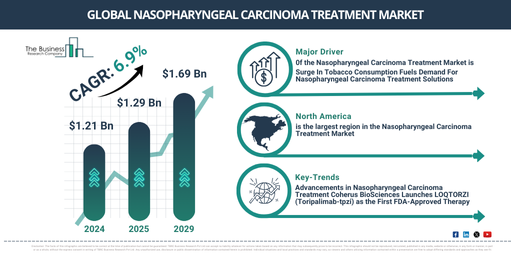
    In the past few years, the market size for nasopharyngeal carcinoma treatment has seen substantial growth. The market’s value is projected to expand from $1.21 billion in 2024 to $1.29 billion in 2025, with a compound annual growth rate (CAGR) of 6.6%. Several factors have contributed to this growth in the historic period, including the high occurrence rates in endemic areas, advancements in radiation treatment techniques, enhanced diagnostic procedures, increased awareness and screening programs, along with collaborative research efforts.

    Expectations are high for substantial growth in the nasopharyngeal carcinoma treatment market in the coming years, with predictions for its worth to increase to $1.69 billion in 2029, presenting a compound annual growth rate (CAGR) of 6.9%. This projected progression during the forecast period can be attributed to developments in areas such as targeted therapies, personalised medicine techniques, worldwide increase in treatment accessibility, successful clinical trials, and a sustained emphasis on early detection. Key trends anticipated during the same period involve the incorporation of combination therapies, focus on supportive care and improving the quality of life, embracing artificial intelligence (AI) in treatment planning, broadening of clinical trials and research efforts, and advanced imaging technologies for early detection.

    Download a free sample to assess the report’s scope and structure:

    https://www.thebusinessresearchcompany.com/sample.aspx?id=13126&type=smp

    Which Factors and External Forces Are Driving Demand in the Nasopharyngeal Carcinoma Treatment Market?

    The nasopharyngeal carcinoma treatment market is predicted to grow due to the increased consumption of tobacco. Derived from the dried leaves of the Nicotiana tabacum and Nicotiana rustica plants, tobacco is used for smoking, chewing and in the production of various tobacco products like cigarettes, cigars, pipe tobacco, and smokeless tobacco products such as snuff and chewing tobacco. As tobacco consumption and smoking heighten the risk of nasopharyngeal carcinoma, it necessitates robust treatment interventions which include surgery, radiation therapy, chemotherapy, and targeted therapies. As an illustration, Statistics Canada, a government agency based in Canada, reported a 2.2% surge in cigarette production in July 2023 as compared to the preceding month. Besides, there was a 2.6% increment in cigarette sales in June, amounting to 1.4 billion units in comparison to May. Consequently, the burgeoning tobacco consumption is a major force propelling the nasopharyngeal carcinoma treatment market’s growth. A surge in Epstein-Barr virus (EBV) infections is forecasted to fuel the nasopharyngeal carcinoma treatment market’s growth in the future. EBV, also known as human herpesvirus 4, is a commonplace and extremely infectious malady, a part of the herpes virus family, predominantly transmitted through bodily fluids, particularly saliva, and is found universally. EBV’s strong connection with Nasopharyngeal Carcinoma (NPC) is evident, and in a multitude of cases, it’s considered the chief contributing factor. The National Library of Medicine (NLM), a medical library based in the United States, reported in August 2023 that approximately 95% of the adult population globally had experienced an EBV infection. Furthermore, the infection rate of EBV differs across age groups among children and adolescents in the United States, with a relatively high prevalence of around 82.9% in adolescents aged 18 to 19 years old whereas the infection rate for children is approximately 54%. Thus, the escalating EBV infections are a key driver in the growth of the nasopharyngeal carcinoma treatment market.

    Which Segments in the Nasopharyngeal Carcinoma Treatment Offer the Most Growth?

    The nasopharyngeal carcinoma treatment market covered in this report is segmented –

    1) By Types: Non-Keratinizing Undifferentiated Carcinoma, Non-Keratinizing Differentiated Carcinoma, Keratinizing Squamous Cell Carcinoma

    2) By Drug: Ellence, Taxotere, Bleomycin, Methotrexate

    3) By Therapy: Chemotherapy, Immunotherapy, Radiation Therapy, Other Therapies

    4) By Distribution Channel: Hospital Pharmacies, Retail Pharmacies, Online Pharmacies

    Subsegments:

    1) By Non-Keratinizing Undifferentiated Carcinoma: Poorly Differentiated Type, Well-Differentiated Type

    2) By Non-Keratinizing Differentiated Carcinoma: Differentiated Type

    3) By Keratinizing Squamous Cell Carcinoma: Keratinizing Type

    Request customized data on this market:

    https://www.thebusinessresearchcompany.com/customise?id=13126&type=smp

    What Are the Fastest-Growing Geographies in the Nasopharyngeal Carcinoma Treatment Market?

    North America was the largest region in the nasopharyngeal carcinoma treatment market in 2024. Asia Pacific is expected to be the fastest-growing region in the forecast period. The regions covered in the nasopharyngeal carcinoma treatment market report are Asia-Pacific, Western Europe, Eastern Europe, North America, South America, Middle East, Africa

    Which Cutting-Edge Market Trends Are Expected to Drive theNasopharyngeal Carcinoma Treatment Market’s Growth?

    Leading businesses in the nasopharyngeal carcinoma treatment market are concentrating on creating technologically progressive solutions, for example Loqtorzi, to tackle several pressing needs of the industry. Loqtorzi, an oral medication designed for chronic lymphocytic leukemia (CLL) and small lymphocytic lymphoma (SLL), targets tumor development while reducing adverse side effects. Its application can be combined with other treatments to magnify their efficacy. For instance, in January 2024, the American biopharmaceutical firm, Coherus BioSciences, unveiled LOQTORZI (toripalimab-tpzi), the first of its kind to be approved by the FDA for combating nasopharyngeal carcinoma (NPC) in all therapy stages. The anti-PD-1 monoclonal antibody is recommended for use alongside chemotherapy as a primary treatment, and independently for patients who have not responded to platinum-based chemotherapy. Clinical trials indicate that LOQTORZI considerably boosts both progression-free survival and overall survival. Currently, the medication can be procured from specific specialty distributors, and Coherus is committed to expanding patient access and promoting awareness through endeavors such as NPCFacts.com, marking a significant stride forward in treatment alternatives for this aggressive form of cancer.

    View the full report here:

    https://www.thebusinessresearchcompany.com/report/nasopharyngeal-carcinoma-treatment-global-market-report

    What Are the Key Elements That Define the Nasopharyngeal Carcinoma Treatment Market?

    Nasopharyngeal carcinoma (NPC) is a type of cancer originating in the nasopharynx, the upper part of the throat, or the area behind the nose. Nasopharyngeal carcinoma (NPC) treatment refers to the various medical interventions and therapies used to manage and combat cancerous growth in the nasopharynx. Nasopharyngeal carcinoma (NPC) treatment goals include achieving remission, managing symptoms, and improving the patient’s overall well-being.

    Purchase the full report and get a swift delivery:

    https://www.thebusinessresearchcompany.com/purchaseoptions.aspx?id=13126

    About The Business Research Company:

    With over 15000+ reports from 27 industries covering 60+ geographies, The Business Research Company has built a reputation for offering comprehensive, data-rich research and insights. Armed with 1,500,000 datasets, the optimistic contribution of in-depth secondary research, and unique insights from industry leaders, you can get the information you need to stay ahead in the game.

    Get in touch with us:

    The Business Research Company: https://www.thebusinessresearchcompany.com/

    Americas +1 3156230293

    Asia +44 2071930708

    Europe +44 2071930708

    Email us at info@tbrc.info

    Follow us on:

    LinkedIn: https://in.linkedin.com/company/the-business-research-company

    YouTube: https://www.youtube.com/channel/UC24_fI0rV8cR5DxlCpgmyFQ

    Global Market Model: https://www.thebusinessresearchcompany.com/global-market-model
  • Major Drivers Propelling the Growth oh theNarcotic Drugs Market Forward: Role Of Rising Chronic Disease Incidence In Driving Growth Of The Narcotic Drug Market

    Major Drivers Propelling the Growth oh theNarcotic Drugs Market Forward: Role Of Rising Chronic Disease Incidence In Driving Growth Of The Narcotic Drug Market

    Discover trends, market shifts, and competitive outlooks for the narcotic drugs industry through 2025-2034 with The Business Research Company’s reliable data and in-depth research

    How Has the Narcotic Drugs Market Growth Performance Trended Historically, And What Lies Ahead?

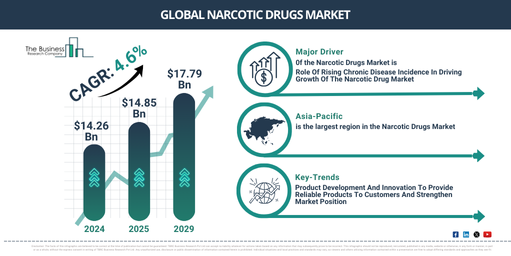
    The market size for narcotic drugs has seen a steady expansion in recent years. The market, which is projected to be worth $14.26 billion in 2024, is projected to reach $14.85 billion in 2025, reflecting a compound annual growth rate (CAGR) of 4.1%. The surge in growth during the historic period can be linked to a rise in medical needs, amplified public health concerns, improved access to healthcare, an increase in chronic pain prevalence, and government efforts to bolster pain management.

    Expect a consistent rise in the size of the narcotic drugs market over the upcoming years, eventually reaching $17.79 billion by 2029 with a compound annual growth rate (CAGR) of 4.6%. Anticipated growth during the forecast period is largely due to the rising demand for generic narcotic drugs, an expanding pharmaceutical industry, an increasing demand for minimally invasive surgical procedures, and a heightened utilization of narcotic drugs in palliative care. Key trends to watch during the forecast period include advancements in pharmaceuticals, the rise of telemedicine and remote monitoring, the development of non-opioid alternatives, and the application of artificial intelligence (AI) in the discovery and development of new drugs.

    Download a free sample to assess the report’s scope and structure:

    https://www.thebusinessresearchcompany.com/sample.aspx?id=12863&type=smp

    Which Major Market Drivers Are Expected to Boost the Growth Potential of the Narcotic Drugs Market?

    The narcotic drugs market is projected for growth as the instances of chronic illnesses continue to increase. Chronic diseases, which continue for over three months and may worsen over time, often require narcotic drugs for management and symptom relief, including cancer, chronic pain syndrome, terminal illness, and severe arthritis. For example, in June 2024, the National Health Service, a United Kingdom government department, found that in 2023, there was an extra 549,000 individuals in England who were at risk of developing type 2 diabetes. This brought their total number of individuals with non-diabetic hyperglycemia, or pre-diabetes, registered with a GP to 3,615,330, a significant increase from 3,065,825 in 2022 — an approximate increase of 20%. Therefore, this increase in chronic diseases is a major contributor to the growth of the narcotic drugs market. When it comes to the market drivers shaping the growth of narcotic drugs, the rising use of opioids as prescription medicine is set to push the market forward. Opioids, a category of drugs that envelops both legal prescription medicine and illegal substances, are known to create a feeling of euphoria, relaxation, and sedation. Opioids’ common use as prescription medications contributes to the increased use of narcotic drugs, primarily because of their powerful pain-easing and sedative effects — particularly when other pain management methods don’t suffice. To illustrate, according to the Australian Institute of Health and Welfare, a government agency based in Australia, there were 53,272 individuals across Australia (with the exception of Western Australia) being treated for opioid dependence on a certain day in 2023, translating to a rate of 22 individuals per 10,000. Thus, the growing use of opioids as prescription medicine is another factor fuelling the narcotic drugs market’s progress.

    Which Key Market Segments Comprise the Narcotic Drugs Market and Drive Its Revenue Growth?

    The narcotic drugs market covered in this report is segmented –

    1) By Drug: Opium, Heroin, Codeine, Oxycodone, Other Drugs

    2) By Source: Natural, Semi-Synthetic, Synthetic

    3) By Indication: Pain Management, Cough, Diarrhea, Dysentery, Asthma, Other Indications

    4) By Distribution Channel: Hospital Pharmacy, Online Pharmacy, Retail Pharmacy

    5) By End User: Hospitals, Homecare, Specialty Clinics, Other End Users

    Subsegments:

    1) By Opium: Raw Opium, Opium Extracts, Opium Derivatives

    2) By Heroin: Diacetylmorphine, Heroin Hydrochloride, Heroin Acetate

    3) By Codeine: Codeine Phosphate, Codeine Sulfate

    4) By Oxycodone: Oxycodone Hydrochloride, Oxycodone Acetaminophen, Controlled-Release Oxycodone

    5) By Other Drugs: Fentanyl, Morphine, Hydromorphone, Methadone, Buprenorphine

    Request customized data on this market:

    https://www.thebusinessresearchcompany.com/customise?id=12863&type=smp

    Which Areas Are Leading Regions in the Narcotic Drugs Market Expansion Across the Globe?

    Asia-Pacific was the largest region in the narcotic drugs market in 2024. The regions covered in the narcotic drug market report are Asia-Pacific, Western Europe, Eastern Europe, North America, South America, Middle East and Africa.

    What Are the Key Market Trends in theNarcotic Drugs Market Over the Coming Years?

    In an effort to offer dependable solutions to their patrons and solidify their standing in the narcotic drug market, leading corporations are placing heightened emphasis on innovation and product creation. For instance, in May 2023, Indivior PLC, an American pharmaceutical firm, introduced the OPVEE (nalmefene) nasal spray. This product is an opioid overdose salvation medication designed for both natural and synthetic opioids such as fentanyl. It’s advised that this spray is used without delay to treat confirmed or suspected opioid overdoses caused by natural or synthetic opioids in adults and children aged 12 and above, as shown through the decrease in respiratory and central nervous activities.

    View the full report here:

    https://www.thebusinessresearchcompany.com/report/narcotic-drugs-global-market-report

    How Is the Narcotic Drugs Market Conceptually Defined?

    A narcotic drug is a type of drug that acts on the central nervous system to produce sleepiness, pain relief, euphoria, and sometimes hallucinations. Narcotic drugs are typically derived from the opium poppy plant but can also be synthetically produced.

    Purchase the full report and get a swift delivery:

    https://www.thebusinessresearchcompany.com/purchaseoptions.aspx?id=12863

    About The Business Research Company:

    With over 15000+ reports from 27 industries covering 60+ geographies, The Business Research Company has built a reputation for offering comprehensive, data-rich research and insights. Armed with 1,500,000 datasets, the optimistic contribution of in-depth secondary research, and unique insights from industry leaders, you can get the information you need to stay ahead in the game.

    Get in touch with us:

    The Business Research Company: https://www.thebusinessresearchcompany.com/

    Americas +1 3156230293

    Asia +44 2071930708

    Europe +44 2071930708

    Email us at info@tbrc.info

    Follow us on:

    LinkedIn: https://in.linkedin.com/company/the-business-research-company

    YouTube: https://www.youtube.com/channel/UC24_fI0rV8cR5DxlCpgmyFQ

    Global Market Model: https://www.thebusinessresearchcompany.com/global-market-model
  • Emerging Trends Redefining the Myelodysplastic Syndrome Market Landscape: Innovative Drug Development And Approvals Transform Myelodysplastic Syndrome (MDS) Treatment Market

    Emerging Trends Redefining the Myelodysplastic Syndrome Market Landscape: Innovative Drug Development And Approvals Transform Myelodysplastic Syndrome (MDS) Treatment Market

    Discover trends, market shifts, and competitive outlooks for the myelodysplastic syndrome (mds) drugs industry through 2025-2034 with The Business Research Company’s reliable data and in-depth research

    What Is the Current and Projected Market Size of the Myelodysplastic Syndrome (MDS) Drugs Market Through 2034?

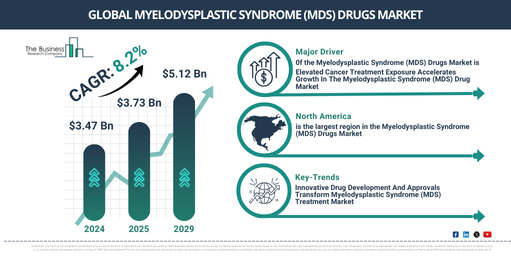
    In recent times, the market size for myelodysplastic syndrome (MDS) drugs has shown robust growth. Projected growth indicates that it will rise from $3.47 billion in 2024 to $3.73 billion in 2025, exhibiting a compound annual growth rate (CAGR) of 7.5%. This hike during the historical period is a result of factors such as the aging population, advances in targeted therapies, clinical trials, and heightened awareness.

    In the upcoming years, the market size for drugs used to treat myelodysplastic syndrome (MDS) is projected to experience robust expansion, ballooning to $5.12 billion by 2029 with a compound annual growth rate (CAGR) of 8.2%. This promising growth projected in the forecast period can be credited to advances in genomic research, the development of immunotherapies, the global augmentation of healthcare, and the identification of biomarkers. Noteworthy trends for the forecast period comprise personalized medicine, the increasing use of combinatorial therapies, management of symptoms, and enhanced data sharing and collaboration.

    Download a free sample to assess the report’s scope and structure:

    https://www.thebusinessresearchcompany.com/sample.aspx?id=13043&type=smp

    What Are the Core Market Drivers Propelling Growth in the Myelodysplastic Syndrome (MDS) Drugs Industry?

    The upward trend in utilization of cancer treatment methods such as chemotherapy and radiation is projected to enhance the expansion of the myelodysplastic syndrome (MDS) drug market. Medications used in chemotherapy are designed to destroy cancerous cells, while radiation employs high-intensity radiation doses to exterminate cancer cells and decrease tumour rates. Unfortunately, these therapies have adverse effects on the stem cells in the bone marrow, which are responsible for generating new blood cells. This disruption in cell creation contributes to MDS occurrence. MDS drugs, however, present several advantages in the control and treatment of MDS, an array of disorders identified by irregular blood cell production in the bone marrow. A case in point is the analysis by the European Society of Radiation Oncology (ESTRO), a Belgium-based establishment, which anticipates a 16% surge in the radiotherapy treatment courses by 2025, based on projected cancer rates. Consequently, the growth of the myelodysplastic syndrome (MDS) drug market is being fueled by the increased reliance on cancer treatment methods such as chemotherapy and radiation.

    Myelodysplastic Syndrome (MDS) Drugs Market Driver: Escalating Myeloid Leukemia Cases Spur Myelodysplastic Syndrome (MDS) Drug Treatment Market


    How Is the Myelodysplastic Syndrome (MDS) Drugs Market Segmented?

    The myelodysplastic syndrome (MDS) drugs market covered in this report is segmented –

    1) By Drug Type: Chemotherapy, Immunomodulatory Drugs

    2) By Route Of Administration: Oral, Parenteral

    3) By Syndrome: Refractory Cytopenia With Multilineage Dysplasia, Refractory Anemia, Refractory Anemia With Ringed Sideroblasts

    4) By End User: Hospitals, Clinics, Ambulatory Surgical Centers

    Subsegments:

    1) By Chemotherapy: Hypomethylating Agents, Cytotoxic Agents

    2) By Immunomodulatory Drugs: Lenalidomide, Thalidomide, Pomalidomide

    Request customized data on this market:

    https://www.thebusinessresearchcompany.com/customise?id=13043&type=smp

    Which Regions Are Driving the Next Phase of the Myelodysplastic Syndrome (MDS) Drugs Market Growth?

    North America was the largest region in the myelodysplastic syndrome (MDS) drugs market in 2024. The regions covered in myelodysplastic syndrome (MDS) drugs market report are Asia-Pacific, Western Europe, Eastern Europe, North America, South America, Middle East and Africa.

    What Key Market Trends and Innovations Are Shaping the Future of the Myelodysplastic Syndrome (MDS) Drugs Industry?

    Major businesses in the myelodysplastic syndrome (MDS) drug market are focusing their efforts on developing innovative products such as targeted therapies to enhance patient outcomes, cater to specific client demands, and adapt to the ecosystem. Targeted therapy for MDS involves the use of drugs that explicitly target cancer cells with genetic mutations or molecular abnormalities, with the aim of selectively eliminating these abnormal cells while minimizing harm to healthy cells. For example, the U.S. FDA approved Tibsovo (ivosidenib) in October 2023 for treating adult patients with relapsed or refractory (R/R) MDS who have an isocitrate dehydrogenase-1 (IDH1) mutation. The efficacy of Tibsovo for this new usage was assessed in an open-label, single-arm, multicenter study that involved 18 adult patients with relapsed or refractory MDS with an IDH1 mutation.

    View the full report here:

    https://www.thebusinessresearchcompany.com/report/myelodysplastic-syndrome-mds-drugs-global-market-report

    How Is the Myelodysplastic Syndrome (MDS) Drugs Market Defined and What Are Its Core Parameters?

    Myelodysplastic syndrome (MDS) drugs are medications used to treat myelodysplastic syndrome, a collection of several bone marrow illnesses in which the bone marrow fails to create enough healthy blood cells. They work by helping to restore normal gene function in bone marrow cells and produce more red blood cells.

    Purchase the full report and get a swift delivery:

    https://www.thebusinessresearchcompany.com/purchaseoptions.aspx?id=13043

    About The Business Research Company:

    With over 15000+ reports from 27 industries covering 60+ geographies, The Business Research Company has built a reputation for offering comprehensive, data-rich research and insights. Armed with 1,500,000 datasets, the optimistic contribution of in-depth secondary research, and unique insights from industry leaders, you can get the information you need to stay ahead in the game.

    Get in touch with us:

    The Business Research Company: https://www.thebusinessresearchcompany.com/

    Americas +1 3156230293

    Asia +44 2071930708

    Europe +44 2071930708

    Email us at info@tbrc.info

    Follow us on:

    LinkedIn: https://in.linkedin.com/company/the-business-research-company

    YouTube: https://www.youtube.com/channel/UC24_fI0rV8cR5DxlCpgmyFQ

    Global Market Model: https://www.thebusinessresearchcompany.com/global-market-model
  • Myelodysplastic Syndrome Market 2025-2034: Key Highlights, Growth Dynamics, and Emerging Trends

    Myelodysplastic Syndrome Market 2025-2034: Key Highlights, Growth Dynamics, and Emerging Trends

    Discover trends, market shifts, and competitive outlooks for the myelodysplastic syndrome industry through 2025-2034 with The Business Research Company’s reliable data and in-depth research

    What is the Anticipated CAGR of the Myelodysplastic Syndrome Market, and What Factors Will Drive It?

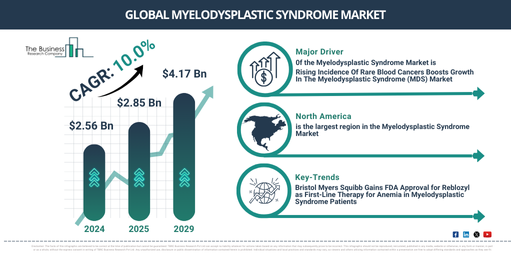
    In recent times, there has been a substantial expansion of the myelodysplastic syndrome market. The market, which is projected to grow from a value of $2.56 billion in 2024 to $2.85 billion in 2025, will do so at a compound annual growth rate (CAGR) of 11.3%. The impressive growth seen in the historical period can be traced back to factors like an enhanced understanding of myelodysplastic syndrome treatments, increased healthcare expenditure, government policies, and a rise in the number of myelodysplastic syndrome cases.

    We anticipate robust expansion in the myelodysplastic syndrome market size in the coming years. The value is predicted to reach $4.17 billion by 2029, with a compound annual growth rate (CAGR) of 10.0%. The positive growth in the projected period can be linked to an aging population, the embracing of combination therapies, financial contributions to hematologic studies, and tailored medical treatments. The forecast period is set to usher in key trends such as novel treatments for myelodysplastic syndrome, advancements in diagnostic tools and methods, clinical trials, and cooperative research.

    Download a free sample to assess the report’s scope and structure:

    https://www.thebusinessresearchcompany.com/sample.aspx?id=12920&type=smp

    Which Primay Drivers Are Accelerating Growth in the Myelodysplastic Syndrome Market?

    The rising occurrences of rare types of blood cancers are anticipated to fuel the expansion of the myelodysplastic syndrome (MDS) market. Blood cancers, which originate from bone marrow cells, lymph nodes, and other elements of the blood and immune system, have a low prevalence in the population and are considered hematologic malignancies. Treatment for MDS focuses on managing the illness by enhancing the production of blood cells and addressing related symptoms to hinder blood cancer progression in the bone marrow. For instance, the Leukemia and Lymphoma Society shared in September 2024 that, in the United States, a person is diagnosed with leukemia, lymphoma, or myeloma every three minutes. In 2024, they estimate that 187,740 people will experience these cancers, which is about 9.4% of the projected 2,001,140 new cancer cases in the US. As a result, the escalating rate of blood cancer is propelling the growth of the MDS market. Looking ahead to the future of the Myelodysplastic Syndrome Market, one key driver is the anticipated increase in bone marrow transplants. Bone marrow transplantation is a medical procedure that replaces diseased or damaged bone marrow with healthy stem cells, offering a potential cure for varying conditions. In MDS cases, the illness is characterized by bone marrow failure due to the selective growth of clonally changed somatic hematopoietic stem cells. Bone marrow transplants provide a solution to MDS by replacing these defective stem cells with normal ones. For example, according to the National Transplant Organization (ONT) – an independent coordinating agency based in Spain – in 2023, Spain added 23,686 donors to their Bone Marrow Donor Registry, marking an 8% increase from 2022, and completed a record-breaking 3,717 hematopoietic stem cell transplants, or 77.4 transplants per million people. Therefore, the expected increase in the number of bone marrow transplants is fueling the expansion of the MDS market.

    Which Primary Segments of the Myelodysplastic Syndrome Market Are Driving Growth and Industry Transformations?

    The myelodysplastic syndrome market covered in this report is segmented –

    1) By Type: Myelodysplastic Syndrome With Unilineage Dysplasia, Myelodysplastic Syndrome With Multilineage Dysplasia, Myelodysplastic Syndrome With Ring Sideroblasts, Other Types

    2) By Drug: Azacitidine, Lenalidomide, Decitabine, Deferasirox

    3) By Treatment: Supportive Therapy, Growth Factors, Chemotherapy, Stem Cell Transplant, Other Treatments

    4) By Route Of Administration: Oral, Injectable, Other Routes Of Administrations

    5) By End-Users: Hospitals, Homecare, Specialty Centers, Other End-Users

    Subsegments:

    1) By Myelodysplastic Syndrome With Unilineage Dysplasia: Type Of Dysplasia, Patient Demographics

    2) By Myelodysplastic Syndrome With Multilineage Dysplasia: Severity Of Dysplasia, Patient Demographics

    3) By Myelodysplastic Syndrome With Ring Sideroblasts: Percentage Of Ring Sideroblasts, Treatment Options

    4) By Other Types: Specific Types, Treatment Options

    Request customized data on this market:

    https://www.thebusinessresearchcompany.com/customise?id=12920&type=smp

    Which Regions Are Key Players in the Growth of the Myelodysplastic Syndrome Market?

    North America was the largest region in the myelodysplastic syndrome market in 2024. The regions covered in myelodysplastic syndrome (MDS) market report are Asia-Pacific, Western Europe, Eastern Europe, North America, South America, Middle East and Africa.

    Which Technological Trends Are Reshaping the Myelodysplastic Syndrome Industry Dynamics?

    Prominent companies active in the Myelodysplastic Syndrome (MDS) market are evolving new therapies to bolster their market dominance. For example, in August 2023, United States-based pharmaceutical giant Bristol Myers Squibb earned the approval of the FDA for Reblozyl (luspatercept-aamt), positioning it as a primary treatment for anemia in ESA-naïve adults diagnosed with low- to intermediate-risk Myelodysplastic Syndromes (MDS), who may require frequent RBC transfusions. The Phase 3 COMMANDS trial revealed that Reblozyl outperformed epoetin alfa in accomplishing RBC transfusion independence and elevated hemoglobin levels, thereby addressing anemia earlier and in a wider patient population.

    View the full report here:

    https://www.thebusinessresearchcompany.com/report/myelodysplastic-syndrome-global-market-report

    What Parameters Are Used to Define the Myelodysplastic Syndrome Market?

    Myelodysplastic syndrome (MDS) is a group of disorders characterized by the malfunctioning or abnormal development of bone marrow cells, leading to ineffective blood cell production. Myelodysplastic syndrome treatment improves blood cell counts, alleviates symptoms and delays disease progression. Myelodysplastic syndrome (MDS) can progress to acute myeloid leukemia (AML), a more aggressive form of blood cancer.

    Purchase the full report and get a swift delivery:

    https://www.thebusinessresearchcompany.com/purchaseoptions.aspx?id=12920

    About The Business Research Company:

    With over 15000+ reports from 27 industries covering 60+ geographies, The Business Research Company has built a reputation for offering comprehensive, data-rich research and insights. Armed with 1,500,000 datasets, the optimistic contribution of in-depth secondary research, and unique insights from industry leaders, you can get the information you need to stay ahead in the game.

    Get in touch with us:

    The Business Research Company: https://www.thebusinessresearchcompany.com/

    Americas +1 3156230293

    Asia +44 2071930708

    Europe +44 2071930708

    Email us at info@tbrc.info

    Follow us on:

    LinkedIn: https://in.linkedin.com/company/the-business-research-company

    YouTube: https://www.youtube.com/channel/UC24_fI0rV8cR5DxlCpgmyFQ

    Global Market Model: https://www.thebusinessresearchcompany.com/global-market-model
  • Next-Gen Muscle Wasting Disorders : Market Forecast, Transformation, and Long-Term Trajectories

    Next-Gen Muscle Wasting Disorders : Market Forecast, Transformation, and Long-Term Trajectories

    Discover trends, market shifts, and competitive outlooks for the muscle wasting disorders industry through 2025-2034 with The Business Research Company’s reliable data and in-depth research

    How Has The Muscle Wasting Disorders Market Size Shifted, And What Is the Outlook Through 2034?

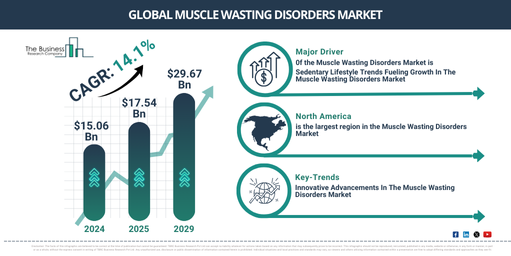
    The market size for muscle wasting disorders has seen significant expansion in the past few years. The industry, worth $15.06 billion in 2024, is projected to increase to $17.54 billion by 2025, indicating a compound annual growth rate (CAGR) of 16.5%. This substantial growth in the historic period can be credited to factors such as the rising number of elderly people, an increase in chronic illnesses, progressive breakthroughs in research and development, heightened awareness for early detection, and the emergence of novel therapeutic methods.

    The market size of muscle wasting disorders is predicted to experience a swift expansion in the coming years, reaching a size of $29.67 billion in 2029 with a CAGR of 14.1%. The forecast period’s growth may be attributed to factors such as regulatory backing, patient advocacy efforts, healthcare development, globalization of clinical trials, and personalized medicine strategies. The period also expects trends such as the adoption of telemedicine, advancements in diagnostic technology, product inventiveness, collaborations, and partnerships, advancements in therapeutic methods, molecular mechanism research, and innovation in the biopharmaceutical industry.

    Download a free sample to assess the report’s scope and structure:

    https://www.thebusinessresearchcompany.com/sample.aspx?id=13706&type=smp

    Which Major Market Drivers Are Expected to Boost the Growth Potential of the Muscle Wasting Disorders Market?

    The growth of the muscle wasting disorders market is believed to be fueled by the increasing trend of a sedentary lifestyle. This refers to a lifestyle where an individual partakes in very little to no physical activity or exercises. This lack of movement can adversely affect the functionality of muscles, resulting in a reduction in muscle strength and stamina, thereby making it harder for people to retain their muscle mass and function. This contributes significantly to muscle wasting disorders. As per data from the World Health Organization, a Switzerland-based international organization, in 2022, over 80% of young people and 27% of adults did not meet the recommended levels of physical activity set by the World Health Organization. Thus, the growth of the muscle wasting disorders market is being propelled by the increasing adherence to a sedentary lifestyle.

    Which Key Market Segments Comprise the Muscle Wasting Disorders Market and Drive Its Revenue Growth?

    The muscle wasting disorders market covered in this report is segmented –

    1) By Treatment Type: Medications, Physical Therapy, Nutritional Therapy, Surgery, Gene Therapy, Other Treatment Types

    2) By Disorder Type: Muscular Dystrophy, Amyotrophic Lateral Sclerosis (ALS), Other Disorder Types

    3) By End-User: Hospitals, Rehab Centers, Specialty Clinics, Other End-Users

    Subsegments:

    1) By Medications: Anabolic Steroids, Hormonal Treatments, Anti-Inflammatory Drugs, Immunomodulatory Agents

    2) By Physical Therapy: Resistance Training, Stretching Exercises, Aerobic Conditioning, Rehabilitation Programs

    3) By Nutritional Therapy: Protein Supplements, Nutritional Counseling, Dietary Modifications, Micronutrient Supplements

    4) By Surgery: Surgical Interventions For Muscle Repair, Orthopedic Surgeries, Procedures For Underlying Conditions

    5) By Gene Therapy: Gene Replacement Therapy, CRISPR-Based Approaches, RNA Interference Techniques

    6) By Other Treatment Types: Complementary Therapies, Psychological Support, Assistive Devices

    Request customized data on this market:

    https://www.thebusinessresearchcompany.com/customise?id=13706&type=smp

    Which Areas Are Leading Regions in the Muscle Wasting Disorders Market Expansion Across the Globe?

    North America was the largest region in the muscle wasting disorder market in 2024. Asia-Pacific is expected to be the fastest-growing region in the forecast period. The regions covered in the muscle wasting disorders market report are Asia-Pacific, Western Europe, Eastern Europe, North America, South America, Middle East, Africa.

    What Are the Key Market Trends in theMuscle Wasting Disorders Market Over the Coming Years?

    Leading firms in the muscle wasting disorders market are currently working on groundbreaking products like innovative gene therapy to improve service to patients suffering from muscle wasting conditions. Innovative gene therapy is a medical technology designed to bring about a therapeutic impact through the modification of gene expression or changing the biological characteristics of living cells. For example, in June 2023, Sarepta Therapeutics, an American biotech firm, launched Elevidys. This is the first gene therapy to receive approval from the U.S. Food and Drug Administration (FDA) for treating Duchenne muscular dystrophy (DMD) in kids aged between 4 and 5 years. Elevidys is a recombinant gene therapy developed to introduce a gene into the body that results in a shortened protein containing certain domains of the dystrophin protein found in normal muscle cells. The therapy is administered as a one-time intravenous infusion.

    View the full report here:

    https://www.thebusinessresearchcompany.com/report/muscle-wasting-disorders-global-market-report

    How Is the Muscle Wasting Disorders Market Conceptually Defined?

    Muscle wasting disorders, or muscle atrophy or muscle wasting, refer to a condition characterized by a diverse group of conditions that cause the progressive loss of muscle mass and strength. This can occur as a result of various factors, including disuse, aging, malnutrition, neurodegenerative diseases, and certain medical conditions.

    Purchase the full report and get a swift delivery:

    https://www.thebusinessresearchcompany.com/purchaseoptions.aspx?id=13706

    About The Business Research Company:

    With over 15000+ reports from 27 industries covering 60+ geographies, The Business Research Company has built a reputation for offering comprehensive, data-rich research and insights. Armed with 1,500,000 datasets, the optimistic contribution of in-depth secondary research, and unique insights from industry leaders, you can get the information you need to stay ahead in the game.

    Get in touch with us:

    The Business Research Company: https://www.thebusinessresearchcompany.com/

    Americas +1 3156230293

    Asia +44 2071930708

    Europe +44 2071930708

    Email us at info@tbrc.info

    Follow us on:

    LinkedIn: https://in.linkedin.com/company/the-business-research-company

    YouTube: https://www.youtube.com/channel/UC24_fI0rV8cR5DxlCpgmyFQ

    Global Market Model: https://www.thebusinessresearchcompany.com/global-market-model
  • Multidrug Resistant Bacteria Outlook 2034: Key Drivers, Trends, and Market Frontiers

    Multidrug Resistant Bacteria Outlook 2034: Key Drivers, Trends, and Market Frontiers

    Discover trends, market shifts, and competitive outlooks for the multidrug resistant bacteria industry through 2025-2034 with The Business Research Company’s reliable data and in-depth research

    How Fast Is The Multidrug Resistant Bacteria Market Expected to Grow Between 2025 And 2029?

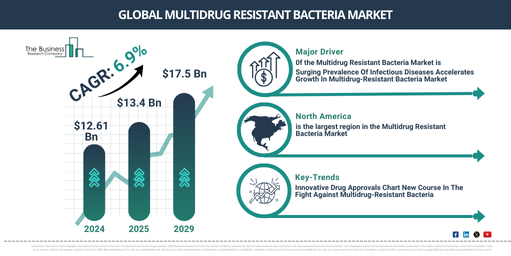
    In recent times, the market size for multidrug resistant bacteria has markedly expanded. It’s projected to increase from $12.61 billion in 2024 to $13.4 billion in 2025, with a compound annual growth rate (CAGR) of 6.2%. Factors such as the crisis of antibiotic resistance, progress in drug discovery, regulatory incentives, and public health programs have contributed to the growth during the historic period.

    Expectations are high for substantial expansion in the market size of multidrug resistant bacteria in the coming years. The market, forecasted to reach a value of $17.5 billion in 2029, is predicted to have a compound annual growth rate (CAGR) of 6.9%. Contributing to this anticipated growth during the forecast period are factors such as antibiotic stewardship programs, worldwide resistance spread, phage therapy and alternative treatments, along with both public and private investments. Key trends to watch during the forecast period would be precision medicine approaches to infectious diseases, combination therapies, ongoing surveillance and monitoring, and global cooperation.

    Download a free sample to assess the report’s scope and structure:

    https://www.thebusinessresearchcompany.com/sample.aspx?id=13044&type=smp

    How Are Key Drivers in the Industry Acting as Catalysts for the Growth of the Multidrug Resistant Bacteria Market?

    The escalation in the incidence of infectious diseases is predicted to stimulate the expansion of the multidrug-resistant bacteria market in the future. Illnesses caused by harmful microbes, such as bacteria, parasites, viruses, or fungi, are identified as infectious diseases. The connection between multidrug-resistant bacteria and these diseases is strong, owing to the bacteria’s capacity to cause infections which pose challenges in treatment with usual antibiotics. This resistance to multiple antibiotics decreases the bacteria’s susceptibility to drugs typically used in treating bacterial infections. As an example, the Centers for Disease Control and Prevention, a national public health institution based in the U.S., published an article in November 2023 stating a rise in tuberculosis cases in the USA, from 8,320 in 2022 to 9,615 in 2023, marking a growth of 1,295 cases. Thus, the mounting occurrence of infectious diseases is projected to contribute to the surge of the multidrug-resistant bacteria market.

    Which Segments in the Multidrug Resistant Bacteria Offer the Most Growth?

    The multidrug resistant bacteria market covered in this report is segmented –

    1) By Disease: Urinary Tract Infection, Intra-Abdominal Infections, Blood Stream Infections, Clostridium Difficile Infections, Acute Bacterial Skin And Skin Structure Infections, Hospital Acquired Bacterial Pneumonia, Acquired Bacterial Pneumonia, Other Diseases

    2) By Drug Class: Oxazolidinones, Lipoglycopeptides, Tetracyclines, Cephalosporins, Combination Therapies, Other Drug Classes

    3) By Route Of Administration: Oral, Parenteral, Other Routes Of Administration

    4) By End-User: Hospitals, Specialty Clinics, Homecare, Other End-Users

    Subsegments:

    1) By Urinary Tract Infection: Cystitis, Pyelonephritis

    2) By Intra-Abdominal Infections: Appendicitis, Peritonitis

    3) By Blood Stream Infections: Bacteremia, Sepsis

    4) By Clostridium Difficile Infections: Mild CDI, Severe CDI

    5) By Acute Bacterial Skin And Skin Structure Infections: Cellulitis, Abscesses

    6) By Hospital Acquired Bacterial Pneumonia: Ventilator-Associated Pneumonia, Hospital-Acquired Pneumonia

    7) By Acquired Bacterial Pneumonia: Community-Acquired Pneumonia, Aspiration Pneumonia

    By Other Diseases: Bone and Joint Infections, Endocarditis

    Request customized data on this market:

    https://www.thebusinessresearchcompany.com/customise?id=13044&type=smp

    What Are the Fastest-Growing Geographies in the Multidrug Resistant Bacteria Market?

    North America was the largest region in the multidrug-resistant bacteria market in 2024. The regions covered in multidrug-resistant bacteria market report are Asia-Pacific, Western Europe, Eastern Europe, North America, South America, Middle East and Africa.

    What Are the Current Market Growth and Trends in the Multidrug Resistant Bacteria Industry?

    Key players in the multidrug-resistant bacteria market are concentrating their efforts on the creation of novel drugs and obtaining regulatory approvals, all in an attempt to cater to an emerging consumer sector. Getting the green light for drugs targeting multidrug-resistant bacteria is critical in curtailing the surge of antibiotic resistance. In a notable example, Entasis Therapeutics Inc., an American biotech firm, in May 2023 saw its new drug Xacduor, a combined antibiotic, gaining approval from the Food and Drug Administration (FDA). Xacduor is developed to combat hospital-acquired bacterial pneumonia (HABP) and ventilator-associated bacterial pneumonia (VAP) induced by acinetobacter baumannii, a notoriously stubborn pathogen. This drug combines the powers of ceftolozane, a cephalosporin antibiotic, and tedizolid phosphate from the novel oxazolidinone category. Moreover, it provides an alternative solution for patients harboring Acinetobacter baumannii infections that have proven irresponsive to other therapies. This drug can be used as an injectable dose integrating the antibiotic beta-lactam sulbactam and the beta-lactamase inhibitor wide-spectrum durlobactam, successfully diminishing acinetobacter resistance and enhancing the drug’s efficiency.

    View the full report here:

    https://www.thebusinessresearchcompany.com/report/multidrug-resistant-bacteria-global-market-report

    What Are the Key Elements That Define the Multidrug Resistant Bacteria Market?

    Multidrug-resistant bacteria refer to strains of bacteria that have developed resistance to multiple types or classes of antibiotics. These bacteria are no longer susceptible to the effects of several different antibiotics that would typically be effective in treating bacterial infections. Multidrug-resistant organisms tend to occur in hospitals and medical care facilities when antibiotics are used for longer than necessary or when they are not needed.

    Purchase the full report and get a swift delivery:

    https://www.thebusinessresearchcompany.com/purchaseoptions.aspx?id=13044

    About The Business Research Company:

    With over 15000+ reports from 27 industries covering 60+ geographies, The Business Research Company has built a reputation for offering comprehensive, data-rich research and insights. Armed with 1,500,000 datasets, the optimistic contribution of in-depth secondary research, and unique insights from industry leaders, you can get the information you need to stay ahead in the game.

    Get in touch with us:

    The Business Research Company: https://www.thebusinessresearchcompany.com/

    Americas +1 3156230293

    Asia +44 2071930708

    Europe +44 2071930708

    Email us at info@tbrc.info

    Follow us on:

    LinkedIn: https://in.linkedin.com/company/the-business-research-company

    YouTube: https://www.youtube.com/channel/UC24_fI0rV8cR5DxlCpgmyFQ

    Global Market Model: https://www.thebusinessresearchcompany.com/global-market-model
  • MRI Contrast Media Market Forecast Reaching $2.11 Billion by 2029 at 6.1% CAGR

    MRI Contrast Media Market Forecast Reaching $2.11 Billion by 2029 at 6.1% CAGR

    Discover trends, market shifts, and competitive outlooks for the mri contrast media industry through 2025-2034 with The Business Research Company’s reliable data and in-depth research

    What Are the Key Milestones in the MRI Contrast Media Market’s Growth Trajectory From 2025 To 2034?

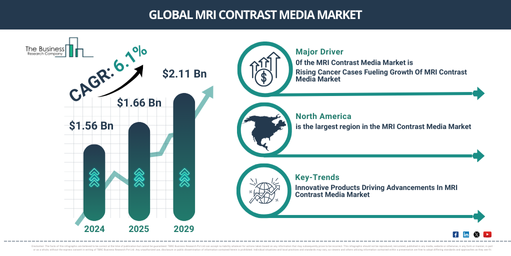
    The MRI contrast media market has experienced robust growth in the recent past. The market size, which was at $1.56 billion in 2024 is projected to increase to $1.66 billion in 2025. This represents a compound annual growth rate (CAGR) of 6.4%. The substantial growth during the historical period is tied to an increase in the need for early diagnosis, heightened demand for accurate diagnostics and improved patient results, a surge in public awareness about the importance of early detection, advances in combined imaging methods, and identification of new applications for contrast agents.

    The market for MRI contrast media is projected to witness substantial growth in the upcoming years, attaining a value of $2.11 billion by 2029 with a compound annual growth rate (CAGR) of 6.1%. Factors contributing to this surge during the prediction period include the rising incidences of cancer, the escalating prevalence of chronic conditions, an upward trend in research and development endeavors and investments, increased healthcare spending, and broadening MRI applications. The outlook period is characterized by advancements realized through collaborative research, technology progression, product novelty, the creation of safer and more efficient contrast agents, and innovative products from pharmaceutical and biotech firms.

    Download a free sample to assess the report’s scope and structure:

    https://www.thebusinessresearchcompany.com/sample.aspx?id=14964&type=smp

    Which Major Market Drivers Are Expected to Boost the Growth Potential of the MRI Contrast Media Market?

    The growth of the MRI contrast media market is projected to be driven by the increase in cancer instances. Various factors such as demographic shifts, lifestyle changes, environmental influences, genetics, and healthcare dynamics contribute to this rise in cancer diagnoses. Gadolinium-based compounds in contrast agents, when used during MRI scans, improve image clarity by altering tissue magnetic properties. These agents assist in identifying, measuring, and characterizing tumors, as well as evaluating their spread to adjacent tissues. For example, a report issued by the World Health Organization (WHO), a Switzerland-based intergovernmental organization, in February 2024 stated that the global estimated number of new cancer cases hit 20 million in 2022, which caused 9.7 million deaths. The report’s forecasts indicated a considerable surge in cancer cases by 2050, with over 35 million fresh cases expected, reflecting a 77% surge from the estimated 20 million cases in 2022. Hence, the surge in cancer instances is fueling the growth of the MRI contrast media market.

    Which Key Market Segments Comprise the MRI Contrast Media Market and Drive Its Revenue Growth?

    The mri contrast media market covered in this report is segmented –

    1) By Product: Extracellular Contrast Agents, Blood-Pool Agent, Hepatobiliary Agents

    2) By Application: Neurological Disorders, Musculoskeletal Disorders, Cardiovascular Disorders, Cancer Detection, Other Applications

    3) By End-User: Hospitals, Diagnostic And Imaging Centers, Research Institutes, Other End Users

    Subsegments:

    1) By Extracellular Contrast Agents: Gadolinium-Based Contrast Agents (GBCA), Non-Gadolinium-Based Contrast Agents

    2) By Blood-Pool Agent: Macromolecular Agents, Nanoparticle-Based Agents

    3) By Hepatobiliary Agents: Hepatocyte-Specific Agents, Biliary-Specific Agents

    Request customized data on this market:

    https://www.thebusinessresearchcompany.com/customise?id=14964&type=smp

    Which Areas Are Leading Regions in the MRI Contrast Media Market Expansion Across the Globe?

    North America was the largest region in the MRI contrast media market in 2024. The regions covered in the MRI contrast media market report are Asia-Pacific, Western Europe, Eastern Europe, North America, South America, Middle East, Africa.

    What Are the Key Market Trends in theMRI Contrast Media Market Over the Coming Years?

    Major players in the MRI contrast media market are converging their efforts towards designing and distributing state-of-the-art products like macrocyclic gadolinium-based contrast agents (GBCA), intending to improve both diagnosing capabilities and safety margins for MRI procedures. Essentially, a macrocyclic gadolinium-based contrast agent (GBCA) is a form of contrast agent primarily utilised in medical imaging, especially in magnetic resonance imaging (MRI). For example, in February 2023, Guerbet, an MRI contrast media company based in France, introduced the Elucirem (gadopiclenol) injection. The distinctiveness of the Elucirem (gadopiclenol) injection is its extraordinary stability as a macrocyclic gadolinium-based contrast agent (GBCA), exhibiting the highest relaxivity in its category for MRI. The advanced composition of gadopiclenol is significantly esteemed for its capacity to identify and represent lesions with irregular vascularity across various parts of the central nervous system like the brain, spine, and related tissues, along with different body areas including the head and neck, thorax, abdomen, pelvis, and the musculoskeletal system.

    View the full report here:

    https://www.thebusinessresearchcompany.com/report/mri-contrast-media-global-market-report

    How Is the MRI Contrast Media Market Conceptually Defined?

    MRI contrast media refer to substances used in magnetic resonance imaging (MRI) to enhance the visibility of internal body structures. These contrast agents work by altering the magnetic properties of tissues, thereby improving the contrast in the resulting images.

    Purchase the full report and get a swift delivery:

    https://www.thebusinessresearchcompany.com/purchaseoptions.aspx?id=14964

    About The Business Research Company:

    With over 15000+ reports from 27 industries covering 60+ geographies, The Business Research Company has built a reputation for offering comprehensive, data-rich research and insights. Armed with 1,500,000 datasets, the optimistic contribution of in-depth secondary research, and unique insights from industry leaders, you can get the information you need to stay ahead in the game.

    Get in touch with us:

    The Business Research Company: https://www.thebusinessresearchcompany.com/

    Americas +1 3156230293

    Asia +44 2071930708

    Europe +44 2071930708

    Email us at info@tbrc.info

    Follow us on:

    LinkedIn: https://in.linkedin.com/company/the-business-research-company

    YouTube: https://www.youtube.com/channel/UC24_fI0rV8cR5DxlCpgmyFQ

    Global Market Model: https://www.thebusinessresearchcompany.com/global-market-model