Month: June 2025

  • Robot Assisted Endoscope Market Overview 2025: Competitive Shifts, Forecast Models, and Emerging Opportunities

    Robot Assisted Endoscope Market Overview 2025: Competitive Shifts, Forecast Models, and Emerging Opportunities

    Discover trends, market shifts, and competitive outlooks for the robot assisted endoscope industry through 2025-2034 with The Business Research Company’s reliable data and in-depth research

    What Are the Projected Market Size and Growth Rates for the Robot Assisted Endoscope Market From 2025 To 2029?

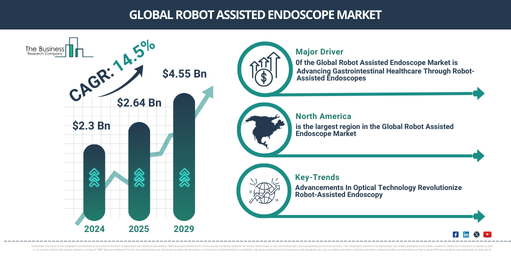
    The market size for robot-assisted endoscopes has seen a swift expansion in recent years. The market is projected to increase from $2.3 billion in 2024 to $2.64 billion in 2025, with a compound annual growth rate (CAGR) of 14.9%. Factors fueling this growth during the past period include increased occurrence of gastrointestinal diseases, a surge in the adoption of robot-assisted operations in healthcare institutions, growing education among healthcare practitioners and patients, development of healthcare infrastructure in new markets, and an increase in regulatory approval and reimbursement policies.

    In the coming years, the market for robot-assisted endoscopes is projected to experience rapid expansion. By 2029, its estimated worth will be around $4.55 billion, growing at a compound annual growth rate (CAGR) of 14.5%. This growth during the forecast period may be due to an increase in the elderly population and the high prevalence of chronic illnesses, along with a rise in healthcare costs and investments. Moreover, the widespread acceptance of telemedicine and remote surgeries, transition to value-based healthcare delivery, and broadened scope of applications and indications for robot-assisted endoscopes might also contribute to the growth. Major trends expected during the forecast period include advancements in imaging technology, miniaturization of endoscope devices and equipment, development of adjustable and flexible endoscopes, incorporation of augmented reality (AR) and virtual reality (VR) technologies, and adoption of cloud computing for remote monitoring, data analysis, and collaborative decision making.

    Download a free sample to assess the report’s scope and structure:

    https://www.thebusinessresearchcompany.com/sample.aspx?id=15920&type=smp

    What Are the Primary Drivers Supporting the Market Growth of the Robot Assisted Endoscope Market?

    The prominent rise in gastrointestinal diseases is anticipated to fuel the expansion of the robot-assisted endoscope market in the future. These gastrointestinal conditions represent a multitude of health problems impacting the digestive tract, such as the stomach, intestines, liver, and pancreas. Due to shifting eating routines, ingestion of tainted food or water, infections triggered by pathogens, and lifestyle factors like sedentary activities, smoking, and alcohol use, occurrences of gastrointestinal diseases are on the rise. Robot-assisted endoscopes aid in the diagnosis and treatment of these diseases by enabling healthcare experts to achieve better visualization and handling during procedures, thus enhancing patient results and permitting early detection and intervention. To exemplify, in January 2023 as per the American Cancer Society (ACS), a health organization in the US committed to cancer eradication, there was a 3.18% rise in gastrointestinal cancers to 348,840 from 338,090 in 2021 in the United States. Hence, the escalating prevalence of gastrointestinal diseases is driving the growth in the robot-assisted endoscope market.

    What Segment Types Define the Robot Assisted Endoscope Market Structure?

    The robot assisted endoscope market covered in this report is segmented –

    1) By Product: Diagnostic, Therapeutic

    2) By Application: Laparoscopy, Bronchoscopy, Colonoscopy

    3) By End- User: Hospitals, Ambulatory Surgical Centers, Other End-User

    Subsegments:

    1) By Diagnostic: Laparoscopy Endoscopes, Bronchoscopy Endoscopes, Colonoscopy Endoscopes, Cystoscopy Endoscopes

    2) By Therapeutic: Robotic-Assisted Surgical Endoscopes, Endoscopic Surgery Instruments

    Request customized data on this market:

    https://www.thebusinessresearchcompany.com/customise?id=15920&type=smp

    Which Regions Are Key Players in the Growth of the Robot Assisted Endoscope Market?

    North America was the largest region in the robot assisted endoscope market in 2023. The regions covered in the robot assisted endoscope market report are Asia-Pacific, Western Europe, Eastern Europe, North America, South America, Middle East and Africa.

    What Are the Strategic Trends Steering the Robot Assisted Endoscope Market Direction?

    Leading firms in the robot-assisted endoscope market are increasingly adopting ground-breaking medical technologies like aspherical lenses to improve visualization and decrease distortion. The use of aspherical lens technology enables higher image quality, better resolution, and fewer optical flaws in optical systems, offering a more thorough and exact visualization of internal structures. This enhances diagnostic abilities during medical procedures. For example, AnX Robotica Corporation, a medical device firm based in the US that employs artificial intelligence and robotics technology, released the NaviCam Small Bowel System in February 2023. The system represents a leap forward in endoscopic technology and is specifically tailored for the diagnosis of minor bowel conditions. It employs cutting-edge features such as aspherical lens technology to minimize distortion and expand the visual field, which is vital for correct diagnoses. Furthermore, the system enhances efficiencies for both clinicians and patients by significantly lowering download and processing time, facilitating rapid analysis and diagnosis.

    View the full report here:

    https://www.thebusinessresearchcompany.com/report/robot-assisted-endoscope-global-market-report

    What Is the Definition of the Robot Assisted Endoscope Market?

    Robot-assisted endoscope refers to the use of robotic technology to assist in performing endoscopic procedures, allowing for more precise control and maneuverability during diagnostic or therapeutic interventions within the body. Robot-assisted endoscopy represents a significant advancement in medical technology, combining robotics and endoscopic techniques to improve the diagnosis and treatment of various gastrointestinal and other internal conditions

    Purchase the full report and get a swift delivery:

    https://www.thebusinessresearchcompany.com/purchaseoptions.aspx?id=15920

    About The Business Research Company:

    With over 15000+ reports from 27 industries covering 60+ geographies, The Business Research Company has built a reputation for offering comprehensive, data-rich research and insights. Armed with 1,500,000 datasets, the optimistic contribution of in-depth secondary research, and unique insights from industry leaders, you can get the information you need to stay ahead in the game.

    Get in touch with us:

    The Business Research Company: https://www.thebusinessresearchcompany.com/

    Americas +1 3156230293

    Asia +44 2071930708

    Europe +44 2071930708

    Email us at info@tbrc.info

    Follow us on:

    LinkedIn: https://in.linkedin.com/company/the-business-research-company

    YouTube: https://www.youtube.com/channel/UC24_fI0rV8cR5DxlCpgmyFQ

    Global Market Model: https://www.thebusinessresearchcompany.com/global-market-model
  • Ribose-Nucleic Acid (RNA)-Based Therapeutics Market Outlook 2025: Mapping Growth, Innovation, and Regional Shifts

    Ribose-Nucleic Acid (RNA)-Based Therapeutics Market Outlook 2025: Mapping Growth, Innovation, and Regional Shifts

    Discover trends, market shifts, and competitive outlooks for the ribose-nucleic acid (rna)-based therapeutics industry through 2025-2034 with The Business Research Company’s reliable data and in-depth research

    What is the Projected CAGR for the Ribose-Nucleic Acid (RNA)-Based Therapeutics Market Size from 2025 to 2034?

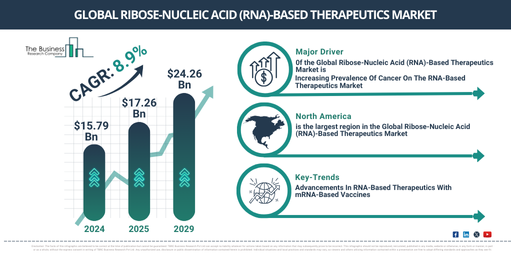
    The market for ribose-nucleic acid (RNA)-based therapeutics has experienced considerable growth in the past few years. It is projected to increase from $15.79 billion in 2024 to $17.26 billion in 2025, boasting a compound annual growth rate (CAGR) of 9.3%. The development seen historically can be credited to factors such as increased investments and funding, the uncovering of RNA interference (RNAi), favorable outcomes in clinical trials of antisense oligonucleotides (ASOs), supportive regulatory provisions and frameworks, as well as collaborations and partnerships.

    The market for ribose-nucleic acid (RNA)-based therapeutics is projected to witness robust growth in the coming years. The market size is forecasted to reach $24.26 billion in 2029, growing at a compound annual growth rate (CAGR) of 8.9%. Factors contributing to this growth during the forecast period include extended usage of these therapeutics, increasing market demand and acceptance, supportive regulatory frameworks, the incorporation of AI and machine learning, and its emerging usage in treating rare diseases. Foreseen trends during this period involve the development of advanced delivery systems, RNA therapeutics targeting multiple areas, personalized RNA therapies, regulatory breakthroughs, and the commercialization and growth of the market.

    Download a free sample to assess the report’s scope and structure:

    https://www.thebusinessresearchcompany.com/sample.aspx?id=18454&type=smp

    Which Primay Drivers Are Accelerating Growth in the Ribose-Nucleic Acid (RNA)-Based Therapeutics Market?

    The escalating incidence of cancer is projected to stimulate the expansion of the ribose-nucleic acid (RNA)-based therapeutics market in the near future. Cancer encompasses a disease state characterized by uncontrolled and abnormal cell growth which can result in death if not treated. Factors such as the aged population, lifestyle alterations, heightened exposure to risks, and superior detection methods contribute to its prevalence. RNA-based therapeutics signify a hopeful prospect for cancer therapy by directly impacting its genetic and molecular underpinnings. For example, the Australian Institute of Health and Welfare, an Australian government health administration, reported in August 2023 that roughly 151,000 individuals were diagnosed with cancer (excluding basal cell carcinomas (BCC) and squamous cell carcinomas (SCC) of the skin) in 2021, and this figure is projected to climb to 185,000 by 2030. Consequently, the rising prevalence of cancer is fuelling the growth of the ribose-nucleic acid (RNA)-based therapeutics market.

    What Segment Types Define the Ribose-Nucleic Acid (RNA)-Based Therapeutics Market Structure?

    The ribose-nucleic acid (RNA)-based therapeutics market covered in this report is segmented –

    1) By Type: RNA Interference (RNAi), RNA Antisense

    2) By Technology: Enabling Technology, Enabled Technology

    3) By Therapeutic Area: Oncology, Genetic Disorder, Ophthalmology, Hematological Disorders, Acute Hepatic Porphyria (AHP), Other Therapeutic Areas

    4) By End User: Research Institutes, Hospitals And Clinics

    Subsegments:

    1) By RNA Interference (RNAi): Small Interfering RNA (siRNA), MicroRNA (miRNA)

    2) By RNA Antisense: Antisense Oligonucleotides (ASOs), Antisense RNA

    Request customized data on this market:

    https://www.thebusinessresearchcompany.com/customise?id=18454&type=smp

    Which Regions Are Key Players in the Growth of the Ribose-Nucleic Acid (RNA)-Based Therapeutics Market?

    North America was the largest region in the ribose-nucleic acid (RNA)-based therapeutics market in 2024. The regions covered in the ribose-nucleic acid (RNA)-based therapeutics market report are Asia-Pacific, Western Europe, Eastern Europe, North America, South America, Middle East, Africa.

    What Are the Key Market Trends in the Ribose-Nucleic Acid (RNA)-Based Therapeutics Market Over the Coming Years?

    Major businesses in the ribose nucleic acid (RNA)-based therapeutics market are concentrating their efforts on creating advanced treatments, such as messenger RNA (mRNA)-based booster vaccines. These innovative medical solutions are intended to boost the potency of immunization, address the rise of new viral strains, and fortify the overall resilience of vaccine-induced immunity. The science behind an mRNA-instigated booster vaccine involves the use of messenger RNA, urging cells to produce a protein that bolsters the body’s defense against specific pathogens. For example, Gennova Biopharmaceuticals Ltd., an enterprise based in India, introduced GEMCOVAC-OM, the nation’s premiere mRNA booster vaccine targeted at the Omicron variant of COVID-19, in June 2023. Given the reduced effectiveness of traditional vaccines against Omicron, this booster plays an indispensable role. Leveraging mRNA technology, GEMCOVAC-OM strengthens immunity and provides superior protection against the mutating virus.

    View the full report here:

    https://www.thebusinessresearchcompany.com/report/ribose-nucleic-acid-rna-based-therapeutics-global-market-report

    What Is the Definition of the Ribose-Nucleic Acid (RNA)-Based Therapeutics Market?

    The ribose-nucleic acid (RNA)-based therapeutics refer to a class of medical treatments that utilize ribose-nucleic acid (RNA) molecules to influence cellular processes, typically by targeting specific genetic sequences. These therapies are designed to treat various conditions, including genetic disorders, cancers, and infectious diseases, by modulating gene expression, protein production, or cellular signaling pathways.

    Purchase the full report and get a swift delivery:

    https://www.thebusinessresearchcompany.com/purchaseoptions.aspx?id=18454

    About The Business Research Company:

    With over 15000+ reports from 27 industries covering 60+ geographies, The Business Research Company has built a reputation for offering comprehensive, data-rich research and insights. Armed with 1,500,000 datasets, the optimistic contribution of in-depth secondary research, and unique insights from industry leaders, you can get the information you need to stay ahead in the game.

    Get in touch with us:

    The Business Research Company: https://www.thebusinessresearchcompany.com/

    Americas +1 3156230293

    Asia +44 2071930708

    Europe +44 2071930708

    Email us at info@tbrc.info

    Follow us on:

    LinkedIn: https://in.linkedin.com/company/the-business-research-company

    YouTube: https://www.youtube.com/channel/UC24_fI0rV8cR5DxlCpgmyFQ

    Global Market Model: https://www.thebusinessresearchcompany.com/global-market-model
  • Ribonucleic Acid (RNA) Sequencing Market in Focus: Forecasting Growth Drivers, Scaling Potential, and Global Opportunities

    Discover trends, market shifts, and competitive outlooks for the ribonucleic acid (rna) sequencing industry through 2025-2034 with The Business Research Company’s reliable data and in-depth research

    What Is the Current and Projected Market Size of the Ribonucleic Acid (RNA) Sequencing Market Through 2034?

    In past years, there has been a remarkable surge in the market size of ribonucleic acid (RNA) sequencing. The market is projected to expand from $3.25 billion in 2024 to $3.98 billion in 2025, reflecting a compound annual growth rate (CAGR) of 22.7%. The growth during the historical period was primarily driven by factors such as an increase in drug development initiatives, a rising occurrence of genetic illnesses and target diseases, augmented usage of compact portable instruments, a heightened demand for personalized medications, expanding use of biomarker profiling, along with an increase in cancer patients.

    The market size for ribonucleic acid (RNA) sequencing is projected to witness substantial growth in the forthcoming years, reaching a value of $8.91 billion in 2029 at a compound annual growth rate (CAGR) of 22.3%. This predicted expansion during the forecast period is largely due to an increased need for quick and precise disease diagnosis, the burgeoning utilization of real-time polymerase chain reaction, escalating demands for speedy and on-location diagnostic tests, a surge in the incidence of infectious diseases, and the necessity for companion diagnostics. Key trends during the predicted period encompass disease identification and monitoring, medication discovery, target validation, biomarker discovery, advancements in DNA sequencing technologies, progression in diagnostic testing, next-generation sequencing (NGS), microfluidics, lab-on-a-chip systems, and the advancement of sophisticated molecular diagnostic solutions.

    Download a free sample to assess the report’s scope and structure:

    https://www.thebusinessresearchcompany.com/sample.aspx?id=15665&type=smp

    Which Factors and External Forces Are Driving Demand in the Ribonucleic Acid (RNA) Sequencing Market?

    The growth of the ribonucleic acid (RNA) sequencing market is anticipated to surge due to an amplified emphasis on precision medicine. This revolutionary approach to medical care and prevention factors in the individual nuances in genes, environment, and lifestyle of each person. The capacity of personalized medicine to deliver more effective interventions, coupled with advancements in genomics, escalating disease intricacy, and regulatory backing, boosts its potential. RNA sequencing methods are employed to ascertain the sequence and measure expression levels of RNA molecules in a particular sample. It facilitates an in-depth assessment of transcriptomes and obtains knowledge into gene expression patterns, substitute spicing incidents, and RNA modifications. For example, the FDA gave its approval to 16 unique personalized treatments for patients suffering from rare afflictions in 2023, which is a significant rise from six in 2022 according to the Personalized Medicine Coalition, a non-profit organization based in the US. Thus, the augmented focus on precision medicine is the driving force behind the increase in the ribonucleic acid (RNA) sequencing market.

    How Is the Ribonucleic Acid (RNA) Sequencing Market Segmented?

    The ribonucleic acid (RNA) sequencing market covered in this report is segmented –

    1) By Product Type: Instruments, Reagents And Kits, Software

    2) By Technology: Single Molecule Based Sequencing, Sequence By Synthesis Technology, Nanopore Sequencing Technology, Ion Torrent Semiconductor Sequencing

    3) By Applications: Diagnostics, Drug Discovery, Translational Medicine, Other Applications

    4) By End User: Research And Academia, Hospitals And Clinics, Pharmaceutical And Biotechnology Companies, Other End Users

    Subsegments:

    1) By Instruments: Next-Generation Sequencers, Microarray Instruments, Single-Cell Rna Sequencing Instruments

    2) By Reagents And Kits: Rna Extraction Kits, Rna Sequencing Kits, Library Preparation Kits

    3) By Software: Data Analysis Software, Data Management Software, Bioinformatics Software

    Request customized data on this market:

    https://www.thebusinessresearchcompany.com/customise?id=15665&type=smp

    What Are the Fastest-Growing Geographies in the Ribonucleic Acid (RNA) Sequencing Market?

    North America was the largest region in the ribonucleic acid (RNA) sequencing market in 2023. Asia-Pacific is expected to be the fastest-growing region in the forecast period. The regions covered in the ribonucleic acid (RNA) sequencing market report are Asia-Pacific, Western Europe, Eastern Europe, North America, South America, Middle East, Africa.

    Which Emerging Trends that Are Influencing the Ribonucleic Acid (RNA) Sequencing Industry Evolution?

    Leading firms in the RNA sequencing market are focusing their efforts on RNA next-generation sequencing assays, aiming to enhance patient care via data-driven insights and precision medicine. RNA next-generation sequencing assays utilize state-of-the-art genomic sequencing technology to analyze a patient’s complete exome. For example, in June 2023, Tempus, a precision medicine tech firm based in the US, introduced its standalone RNA next-generation sequencing assay, known as Tempus xR. Designed for solid tumors, this groundbreaking assay provides a thorough analysis of the entire transcriptome and identifies clinically significant fusions in more than 100 targeted genes and altered splicing for MET Exon 14 and EGFRvIII. This product is designed to serve physicians interested in RNA fusions or altered splicing, as well as providers, researchers and biopharma enterprises in need of in-depth RNA sequencing analysis of their existing samples.

    View the full report here:

    https://www.thebusinessresearchcompany.com/report/ribonucleic-acid-rna-sequencing-global-market-report

    How Is the Ribonucleic Acid (RNA) Sequencing Market Defined and What Are Its Core Parameters?

    Ribonucleic acid (RNA) sequencing refers to a technique that uses next-generation sequencing to reveal the presence and quantity of RNA molecules in a biological sample, providing a snapshot of gene expression in the sample. It enables researchers to study gene expression, identify novel transcripts, and understand RNA processing.

    Purchase the full report and get a swift delivery:

    https://www.thebusinessresearchcompany.com/purchaseoptions.aspx?id=15665

    About The Business Research Company:

    With over 15000+ reports from 27 industries covering 60+ geographies, The Business Research Company has built a reputation for offering comprehensive, data-rich research and insights. Armed with 1,500,000 datasets, the optimistic contribution of in-depth secondary research, and unique insights from industry leaders, you can get the information you need to stay ahead in the game.

    Get in touch with us:

    The Business Research Company: https://www.thebusinessresearchcompany.com/

    Americas +1 3156230293

    Asia +44 2071930708

    Europe +44 2071930708

    Email us at info@tbrc.info

    Follow us on:

    LinkedIn: https://in.linkedin.com/company/the-business-research-company

    YouTube: https://www.youtube.com/channel/UC24_fI0rV8cR5DxlCpgmyFQ

    Global Market Model: https://www.thebusinessresearchcompany.com/global-market-model
  • Strong CAGR to Propel in the Rhinoplasty Market and Beyond upto $8.82 Billion by 2029

    Strong CAGR to Propel in the Rhinoplasty Market and Beyond upto $8.82 Billion by 2029

    Discover trends, market shifts, and competitive outlooks for the rhinoplasty industry through 2025-2034 with The Business Research Company’s reliable data and in-depth research

    What is the Anticipated CAGR of the Rhinoplasty Market, and What Factors Will Drive It?

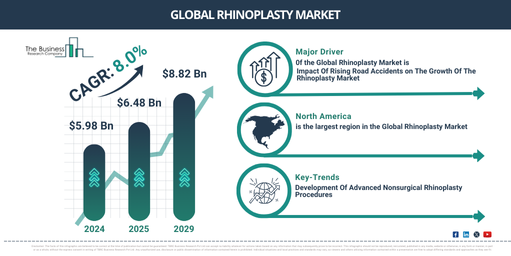
    In recent years, the market size for rhinoplasty has seen significant growth. The market is projected to expand from $5.98 billion in 2024 to $6.48 billion in 2025, reflecting a compound annual growth rate (CAGR) of 8.4%. The historic period of growth is linked to the changes in beauty standards and cultural norms, increased disposable income, and the impact of celebrities and public figures.

    The market size for rhinoplasty is projected to witness robust growth in the forthcoming years, escalating to a worth of $8.82 billion by 2029 with a compound annual growth rate (CAGR) of 8.0%. The anticipated growth during the forecast period can be linked to the evolution in aesthetic tastes, modifications in healthcare legislations, shifts in the economy, population increase, rising aging populations, and demographic transformations. Key trends driving this growth within the forecast period include a shift towards enhancing functionality, the incorporation of augmented reality (AR), virtual reality (VR), and artificial intelligence (AI) for realistic outcomes, and a rising demand among males.

    Download a free sample to assess the report’s scope and structure:

    https://www.thebusinessresearchcompany.com/sample.aspx?id=15919&type=smp

    Which Major Market Drivers Are Expected to Boost the Growth Potential of the Rhinoplasty Market?

    The upsurge in road mishaps is projected to fuel the expansion of the rhinoplasty market. Road accidents, alternatively known as traffic or automobile accidents, are unanticipated occurrences involving one or more vehicles on a public road resulting in property damage as well as injury or fatalities. The surge in such events can be attributed to the rising number of vehicles, distracted driving, and the lack of sufficient road safety protocols. Rhinoplasty, in the context of road accidents, is utilised to restore and amend nasal damages, reinstating appearance and functionality. It caters to deformities caused by trauma and breathing difficulties due to nasal fractures. For instance, Eurostat, a government agency based in Luxembourg, reported in September 2024 that the road death rate per million residents in Belgium increased from 45 in 2021 to 52 in 2022, illustrating a growth trend in fatalities. Consequently, the escalating number of road mishaps is stimulating the expansion of the rhinoplasty market.

    Which Primary Segments of the Rhinoplasty Market Are Driving Growth and Industry Transformations?

    The rhinoplasty market covered in this report is segmented –

    1) By Treatment Type: Augmentation, Reduction, Post traumatic, Reconstructive, Revision, Filler, Other Treatments Types

    2) By Technique: Open Rhinoplasty, Closed Rhinoplasty

    3) By End User: Hospitals, Specialty Clinics, Aesthetic Clinic, Others End Users

    Subsegments:

    1) By Augmentation: Nasal Implants, Bone Grafting, Cartilage Grafting

    2) By Reduction: Alar Reduction, Nasal Tip Reduction, Dorsal Hump Reduction

    3) By Post Traumatic: Functional Surgery, Cosmetic Surgery

    4) By Reconstructive: Post-Surgical Reconstruction, Congenital Reconstruction

    5) By Revision: Secondary Rhinoplasty

    6) By Filler: Injectable Fillers, Fat Grafting

    7) By Other Treatment Types: Non-Surgical Rhinoplasty

    Request customized data on this market:

    https://www.thebusinessresearchcompany.com/customise?id=15919&type=smp

    Which Areas Are Leading Regions in the Rhinoplasty Market Expansion Across the Globe?

    North America was the largest region in the rhinoplasty market in 2023. Asia-Pacific is expected to be the fastest-growing region in the forecast period. The regions covered in the rhinoplasty market report are Asia-Pacific, Western Europe, Eastern Europe, North America, South America, Middle East and Africa.

    What Key Trends Are Shaping the Future of the Rhinoplasty Market?

    Leading firms in the rhinoplasty market are prioritizing the development of sophisticated nonsurgical procedures to maintain their market standing. Nonsurgical procedures represent medical treatments that avoid incisions or tissue removal, offering a less invasive approach than surgery and often requiring negligible recovery time. For example, TrueAesthetics, an American provider of cosmetic services, launched a nonsurgical nose job procedure in February 2023. This procedure involves injecting fillers into the nose with precision to create a smoother, more attractive appearance without resorting to surgery. The most frequent nonsurgical nose job rectifies a bump on the nose bridge by filling the radix – the nose’s highest point located directly between the eyes – through injections along the bridge’s center.

    View the full report here:

    https://www.thebusinessresearchcompany.com/report/rhinoplasty-global-market-report

    What Parameters Are Used to Define the Rhinoplasty Market?

    Rhinoplasty is a surgical procedure designed to change the shape of the nose for either aesthetic reasons or to improve its function. It can involve modifying the bone, cartilage, skin, or all three. Rhinoplasty is typically performed by a plastic surgeon, otolaryngologist (ear, nose, and throat specialist), or maxillofacial surgeon.

    Purchase the full report and get a swift delivery:

    https://www.thebusinessresearchcompany.com/purchaseoptions.aspx?id=15919

    About The Business Research Company:

    With over 15000+ reports from 27 industries covering 60+ geographies, The Business Research Company has built a reputation for offering comprehensive, data-rich research and insights. Armed with 1,500,000 datasets, the optimistic contribution of in-depth secondary research, and unique insights from industry leaders, you can get the information you need to stay ahead in the game.

    Get in touch with us:

    The Business Research Company: https://www.thebusinessresearchcompany.com/

    Americas +1 3156230293

    Asia +44 2071930708

    Europe +44 2071930708

    Email us at info@tbrc.info

    Follow us on:

    LinkedIn: https://in.linkedin.com/company/the-business-research-company

    YouTube: https://www.youtube.com/channel/UC24_fI0rV8cR5DxlCpgmyFQ

    Global Market Model: https://www.thebusinessresearchcompany.com/global-market-model
  • Rheumatology Therapeutics Market Valuation Expected To Reach $53.88 Billion By 2029, Growing At A Rate Of 4.8%

    Rheumatology Therapeutics Market Valuation Expected To Reach $53.88 Billion By 2029, Growing At A Rate Of 4.8%

    Discover trends, market shifts, and competitive outlooks for the rheumatology therapeutics industry through 2025-2034 with The Business Research Company’s reliable data and in-depth research

    What Are the Key Milestones in the Rheumatology Therapeutics Market’s Growth Trajectory From 2025 To 2034?

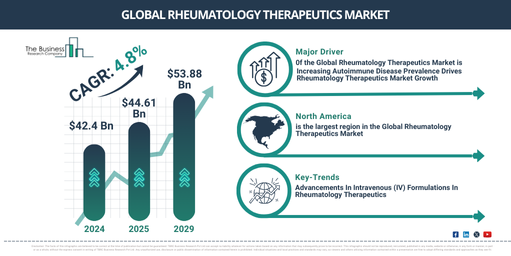
    Recent years have seen a robust growth in the size of the rheumatology therapeutics market. The market is projected to expand from its worth of $42.4 billion in 2024 to a value of $44.61 billion in 2025, achieving a compound annual growth rate (CAGR) of 5.2%. Several factors contribute to this growth during the historical period, including an increased incidence of rheumatologic disorders, growth in the global aging population, better awareness concerning treatment alternatives, progress in biological therapies, and broader access to healthcare in burgeoning markets.

    Expectations are set for the rheumatology therapeutics market size to experience consistent expansion in the upcoming years. Rising to $53.88 billion in 2029 with a compound annual growth rate (CAGR) of 4.8%, this growth occurring within the forecast period can be credited to various factors such as the shift towards individualized medical treatments, increased usage of biosimilars in rheumatology, an uptick in research and development investment, incorporation of digital health tech, and authorization of innovative therapies by regulatory authorities. Primary trends to anticipate in this forecast period encompass the advancement in telemedicine and distant monitoring solutions, the broadening of targeted therapies for specific rheumatic diseases, focus on patient-oriented care models, extension of biologic treatments beyond monoclonal antibodies, and the inclusion of value-oriented pricing models.

    Download a free sample to assess the report’s scope and structure:

    https://www.thebusinessresearchcompany.com/sample.aspx?id=17246&type=smp

    What Are the Core Growth Drivers Propelling the Rheumatology Therapeutics Market Forward?

    The increasing occurrence of autoimmune diseases is anticipated to drive the expansion of the rheumatology therapeutics market in the future. A condition wherein the immune system erroneously attacks and harms the body’s tissues is known as an autoimmune disease. The growing occurrences of autoimmune diseases are attributed to a combination of genetic, environmental, and lifestyle factors, as well as heightened awareness and improved diagnostic techniques. Rheumatology therapeutics are crucial to manage inflammation, relieve symptoms, and inhibit joint and tissue damage resulting from the body being attacked by the immune system in the case of autoimmune diseases. For example, the Australian Institute of Health and Welfare, a government agency based in Australia, reported in June 2024 that approximately 514,000 people, or 2.0% of the population in Australia, were projected to be living with rheumatoid arthritis in 2022. Rheumatoid arthritis accounted for 2.0% of the entire disease load and 16% of the load for all musculoskeletal conditions in 2023. Therefore, the surging occurrences of autoimmune diseases are propelling the expansion of the rheumatology therapeutics market.

    Which Segments in the Rheumatology Therapeutics Offer the Most Growth?

    The rheumatology therapeutics market covered in this report is segmented –

    1) By Drug Class: Disease Modifying Anti-Rheumatic Drugs, Nonsteroidal Anti-Inflammatory Drugs, Corticosteroids, Uric Acid Drugs, Other Drugs Classes

    2) By Distribution Channel: Hospital Pharmacy, Retail Pharmacy, Online Pharmacy

    3) By Disease Indication: Rheumatoid Arthritis, Osteoarthritis, Gout, Psoriatic Arthritis, Ankylosing Spondylitis, Other Disease Indications

    Subsegments:

    1) By Disease Modifying Anti-Rheumatic Drugs (DMARDs): Conventional Synthetic DMARDs, Biologic DMARDs, Targeted Synthetic DMARDs

    2) By Nonsteroidal Anti-Inflammatory Drugs (NSAIDs): COX-2 Inhibitors, Traditional NSAIDs

    3) By Corticosteroids: Oral Corticosteroids, Injectable Corticosteroids, Topical Corticosteroids

    4) By Uric Acid Drugs: Uric Acid Lowering Agents, Uricosuric Agents, Pegloticase

    5) By Other Drug Classes: Immunosuppressants, Biologic Therapies, Analgesics

    Request customized data on this market:

    https://www.thebusinessresearchcompany.com/customise?id=17246&type=smp

    Which Geographic Areas Hold the Strongest Growth Potential in the Rheumatology Therapeutics Market?

    North America was the largest region in the rheumatology therapeutics market in 2023. Asia-Pacific is expected to be the fastest-growing region in the forecast period. The regions covered in the rheumatology therapeutics market report are Asia-Pacific, Western Europe, Eastern Europe, North America, South America, Middle East, Africa.

    What Are the Most Significant Market Trends in the Rheumatology Therapeutics Market?

    Key players in the rheumatology therapeutics marketplace are pioneering new solutions such as intravenous (IV) formulations to improve the effectiveness of treatments and provide greater convenience for patients. Intravenous (IV) formulation is a process where a drug or substance is directly infused into the vein via a needle or catheter. For instance, in October 2023, Switzerland-based pharma giant Novartis AG made the announcement that their intravenous (IV) formulation, Cosentyx, had received approval from the US Food and Drug Administration (FDA). This particular version of Cosentyx has been uniquely approved for the treatment of adults suffering from psoriatic arthritis (PsA), ankylosing spondylitis (AS), and non-radiographic axial spondyloarthritis (nr-axSpA). It functions by specifically aiming at and hindering the interleukin-17A (IL-17A), and stands as the only non-tumor necrosis factor alpha (TNF-α) IV therapy available for these particular conditions.

    View the full report here:

    https://www.thebusinessresearchcompany.com/report/rheumatology-therapeutics-global-market-report

    What Are the Key Elements That Define the Rheumatology Therapeutics Market?

    Rheumatology therapeutics encompass treatments aimed at managing and alleviating symptoms of rheumatic diseases, such as arthritis, lupus, and gout. These therapies include medications, such as anti-inflammatory drugs, disease-modifying antirheumatic drugs (DMARDs), and biologics, as well as physical therapy and lifestyle modifications. The goal is to reduce inflammation, control pain, and improve the quality of life for patients.

    Purchase the full report and get a swift delivery:

    https://www.thebusinessresearchcompany.com/purchaseoptions.aspx?id=17246

    About The Business Research Company:

    With over 15000+ reports from 27 industries covering 60+ geographies, The Business Research Company has built a reputation for offering comprehensive, data-rich research and insights. Armed with 1,500,000 datasets, the optimistic contribution of in-depth secondary research, and unique insights from industry leaders, you can get the information you need to stay ahead in the game.

    Get in touch with us:

    The Business Research Company: https://www.thebusinessresearchcompany.com/

    Americas +1 3156230293

    Asia +44 2071930708

    Europe +44 2071930708

    Email us at info@tbrc.info

    Follow us on:

    LinkedIn: https://in.linkedin.com/company/the-business-research-company

    YouTube: https://www.youtube.com/channel/UC24_fI0rV8cR5DxlCpgmyFQ

    Global Market Model: https://www.thebusinessresearchcompany.com/global-market-model
  • Retinoblastoma Treatment Market Insights: In-Depth Look at Growth Trends, Market Size, and Opportunities for 2025-2034

    Retinoblastoma Treatment Market Insights: In-Depth Look at Growth Trends, Market Size, and Opportunities for 2025-2034

    Discover trends, market shifts, and competitive outlooks for the retinoblastoma treatment industry through 2025-2034 with The Business Research Company’s reliable data and in-depth research

    How Has The Retinoblastoma Treatment Market Growth Evolved From 2024 To 2025, And What’s Ahead?

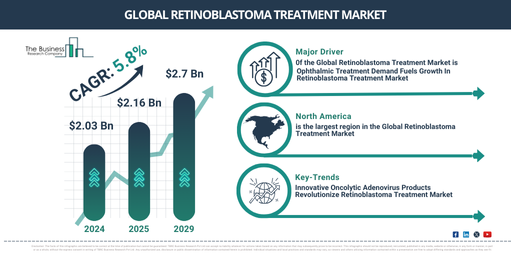
    In recent times, the retinoblastoma treatment market has exhibited strong growth. It is projected that the market will expand from $2.03 billion in 2024 and reach $2.16 billion by 2025, exhibiting a compound annual growth rate (CAGR) of 6.2%. The surge in growth during this historical period can be ascribed to factors such as an uptick in funding, the risk of retinoblastoma recurrence, prompt diagnosis and treatment of retinoblastoma, heightened consciousness about different cancer types, and significant advancements in cancer research.

    Anticipations indicate a robust expansion in the retinoblastoma treatment market in the coming few years. The market is projected to reach $2.7 billion by 2029, surging at a compound annual growth rate (CAGR) of 5.8%. The surge during the estimated period can be linked with the rising demand for eye-related treatments and surgeries, elevated instances of retinoblastoma, proliferating research and development undertakings, growing cognizance about retinoblastoma treatment, and increased expenditure on healthcare. Key trends that will shape the forecast period incorporate advancements in medicinal technology, enhanced diagnostic procedures, escalated investments in child cancer treatment, approvals of new products, and advancements in medical facilities.

    Download a free sample to assess the report’s scope and structure:

    https://www.thebusinessresearchcompany.com/sample.aspx?id=15664&type=smp

    Which Primay Drivers Are Accelerating Growth in the Retinoblastoma Treatment Market?

    The retinoblastoma treatment market is anticipated to expand due to the rising demand for ophthalmic procedures and treatments. Medical interventions and procedures designed to diagnose, manage, and correct disorders and conditions related to the eyes and visual system collectively make up ophthalmic treatments and surgeries. The growing numbers of ophthalmic treatments and surgeries are due to factors including an aging population, a higher occurrence of eye conditions like cataracts and age-related macular degeneration, advancements in technology that render treatments more effective and accessible, and increased awareness that brings about early detection and intervention. Ophthalmic surgeries necessitate retinoblastoma treatment to address the cancerous growths in the eye(s) and prevent metastasis or recurrence, while also preserving vision and eye function. For instance, a report published by the Office for Health Improvement and Disparities, a UK-based government body, in September 2023, indicated that the number of cataract surgery admissions in England reached over 4.09 million, representing a rate of 3,803 (3,789 to 3,816) per 100,000 population in the fiscal year ending 2022. The report also noted that over 10,900 admissions for rhegmatogenous retinal detachment surgeries and more than 677,000 intravitreal injection therapy procedures were performed in the same period, with rates of 23.4 (22.9 to 24.0) and 4,796 (4,769 to 4,823) per 100,000 population, respectively. Hence, the intensifying demand for ophthalmic procedures and treatments fuels the expansion of the retinoblastoma treatment market.

    What Segment Types Define the Retinoblastoma Treatment Market Structure?

    The retinoblastoma treatment market covered in this report is segmented –

    1) By Type: Non-Hereditary Retinoblastoma, Hereditary Retinoblastoma

    2) By Treatment Type: Surgery, Radiation Therapy, Laser Therapy (Photocoagulation), Cryotherapy, Thermotherapy, Chemotherapy, Ophthalmic Artery Infusion Chemotherapy, High-Dose Chemotherapy And Stem Cell Transplant

    3) By Disease Stage: Intraocular Retinoblastoma, Extraocular Retinoblastoma

    4) By Application: Hospitals, Cancer Institutes, Other Applications

    Subsegments:

    1) By Non-Hereditary Retinoblastoma: Unilateral Non-Hereditary Retinoblastoma, Bilateral Non-Hereditary Retinoblastoma

    2) By Hereditary Retinoblastoma: Bilateral Hereditary Retinoblastoma, Unilateral Hereditary Retinoblastoma

    Request customized data on this market:

    https://www.thebusinessresearchcompany.com/customise?id=15664&type=smp

    Which Regions Are Key Players in the Growth of the Retinoblastoma Treatment Market?

    North America was the largest region in the retinoblastoma treatment market in 2023. Asia-Pacific is expected to be the fastest-growing region in the forecast period. The regions covered in the retinoblastoma treatment market report are Asia-Pacific, Western Europe, Eastern Europe, North America, South America, Middle East, Africa.

    What Are the Key Market Trends in the Retinoblastoma Treatment Market Over the Coming Years?

    Leading firms in the retinoblastoma treatment market are advancing their product offerings through the creation of novel solutions, one such example being the oncolytic adenovirus. This genetically engineered virus is specifically designed to target and eliminate cancer cells while leaving healthy cells intact. VCN Biosciences, a biotech firm based in Spain, acquired orphan drug status from the U.S. Food and Drug Administration in February 2022 for its product, VCN-01. This genetically modified oncolytic adenovirus is aimed at treating retinoblastoma. The distinct characteristic of VCN-01 stems from its oncolytic adenovirus design, which is under research in clinical trials for treating incurable cancers such as pancreatic carcinoma and retinoblastoma (RB). Up to this point, VCN-01 has been under close examination in four phase 1 clinical trials and is currently being probed as a solo treatment for RB patients who have not found success with chemotherapy. Noteworthy is that multiple patients have seen full remission and tumor shrinkage following the intraocular procedure of VCN-01, validating its recent orphan drug approval.

    View the full report here:

    https://www.thebusinessresearchcompany.com/report/retinoblastoma-treatment-global-market-report

    What Is the Definition of the Retinoblastoma Treatment Market?

    Retinoblastoma treatment refers to the medical interventions and therapies aimed at diagnosing, managing, and potentially curing retinoblastoma. Retinoblastoma is a rare form of eye cancer that primarily affects young children, typically before the age of five. The primary goal of retinoblastoma treatment is to eradicate or control the cancerous growths within the eye(s) while preserving vision and minimizing the risk of metastasis or recurrence.

    Purchase the full report and get a swift delivery:

    https://www.thebusinessresearchcompany.com/purchaseoptions.aspx?id=15664

    About The Business Research Company:

    With over 15000+ reports from 27 industries covering 60+ geographies, The Business Research Company has built a reputation for offering comprehensive, data-rich research and insights. Armed with 1,500,000 datasets, the optimistic contribution of in-depth secondary research, and unique insights from industry leaders, you can get the information you need to stay ahead in the game.

    Get in touch with us:

    The Business Research Company: https://www.thebusinessresearchcompany.com/

    Americas +1 3156230293

    Asia +44 2071930708

    Europe +44 2071930708

    Email us at info@tbrc.info

    Follow us on:

    LinkedIn: https://in.linkedin.com/company/the-business-research-company

    YouTube: https://www.youtube.com/channel/UC24_fI0rV8cR5DxlCpgmyFQ

    Global Market Model: https://www.thebusinessresearchcompany.com/global-market-model

  • Retinitis Pigmentosa Market Outlook 2025–2034: Identifying Growth Drivers, Technology Trends, and Policy Impact

    Retinitis Pigmentosa Market Outlook 2025–2034: Identifying Growth Drivers, Technology Trends, and Policy Impact

    Discover trends, market shifts, and competitive outlooks for the retinitis pigmentosa industry through 2025-2034 with The Business Research Company’s reliable data and in-depth research

    What is the Projected CAGR for the Retinitis Pigmentosa Market Size from 2025 to 2034?

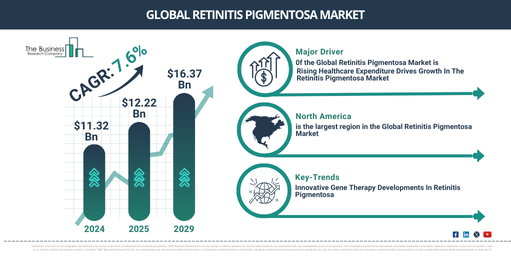
    In recent times, there’s been significant growth in the retinitis pigmentosa market, with its value expected to increase from $11.32 billion in 2024 to $12.22 billion in 2025, signifying a compound annual growth rate (CAGR) of 8.0%. The notable growth recorded in the historical phase can be linked to advancements in genetic research, the evolution of retinal imaging technologies, heightened awareness campaigns, the proliferation of patient advocacy groups, and the broadening networks of clinical trials.

    Expected to witness robust expansion in the following years, the retinitis pigmentosa market is predicted to escalate to a value of $16.37 billion by 2029, growing at a compound annual growth rate (CAGR) of 7.6%. The projected growth during this period can be credited to factors such as the progression in stem cell research targeting retinal regeneration, the rise of personalized medicine strategies, an upward surge in the investment towards developing orphan drugs, and the broadening of telemedicine services. Key trends anticipated during this forecast period encompass the inclination towards combination therapies, an increase in designing clinical trials focused on patients, the implementation of a value-based pricing structure, and the incorporation of digital therapeutics.

    Download a free sample to assess the report’s scope and structure:

    https://www.thebusinessresearchcompany.com/sample.aspx?id=16528&type=smp

    Which Factors and External Forces Are Driving Demand in the Retinitis Pigmentosa Market?

    The growth of the retinitis pigmentosa market is expected to be fueled by projected increases in healthcare spending. This refers to the aggregate cost spent on healthcare commodities and services, such as medical procedures, medication, hospital fees, and preventative measures, within a particular duration. It is indicative of the total price of providing healthcare to a community. Factors contributing to the rise in healthcare spending include the escalating costs of top-of-the-line medical innovations, aging demographics, and the pervasiveness of long-term ailments. Spending for retinitis pigmentosa healthcare prioritizes the enhancement of diagnostic techniques, the creation of potent treatments, and the delivery of auxiliary care for managing vision impairment. For instance, data from the National Institutes of Health, a governmental agency in the United States, shows that in January 2024, US healthcare spending grew by 4.1% in 2022, culminating in $4.5 trillion. This growth outpaced the 3.2% increase observed in 2021. Consequently, this hike in healthcare spending is propelling the growth of the retinitis pigmentosa market.

    How Is the Retinitis Pigmentosa Market Segmented?

    The retinitis pigmentosa market covered in this report is segmented –

    1) By Type: Autosomal Recessive, Autosomal Dominant, X-Linked

    2) By Treatment: Vitamin A, Docosahexaenoic Acid (DHA), Calcium Channel Blockers, Gene Therapy, Retinal Eye Prosthetics, Other Treatments

    3) By Diagnosis: Electroretinogram, Visual Field Testing, Genetic Testing, Other Diagnosis

    4) By Distribution Channel: Hospital Pharmacy, Retail Pharmacy, Online Pharmacy, Other Distribution Channels

    5) By End-users: Hospitals, Specialty Clinics, Homecare, Other End-users

    Subsegments:

    1) By Autosomal Recessive: Early-Onset Autosomal Recessive Retinitis Pigmentosa, Late-Onset Autosomal Recessive Retinitis Pigmentosa

    2) By Autosomal Dominant: Early-Onset Autosomal Dominant Retinitis Pigmentosa, Late-Onset Autosomal Dominant Retinitis Pigmentosa

    3) By X-Linked: X-Linked Recessive Retinitis Pigmentosa, X-Linked Dominant Retinitis Pigmentosa

    Request customized data on this market:

    https://www.thebusinessresearchcompany.com/customise?id=16528&type=smp

    What Are the Fastest-Growing Geographies in the Retinitis Pigmentosa Market?

    North America was the largest region in the retinitis pigmentosa market in 20244 The regions covered in the retinitis pigmentosa market report are Asia-Pacific, Western Europe, Eastern Europe, North America, South America, Middle East, Africa.

    Which Emerging Trends that Are Influencing the Retinitis Pigmentosa Industry Evolution?

    Prominent firms in the retinitis pigmentosa market are taking considerable strides in formulating ground-breaking treatment methods, like gene therapy, to provide more precise and potent solutions for managing and potentially curing this debilitating disease. The process of gene therapy for retinitis pigmentosa entails the introduction of functional genes to rectify or replace the faulty ones, causing the disease. This pioneering therapy aims to restore normal functioning to the compromised photoreceptor cells in the retina, thereby potentially decelerating or stopping the loss of vision. For instance, ViGeneron GmbH, a biotech firm based in Germany, initiated a Phase Ib clinical trial in April 2024 to assess the safety, tolerability, and effectiveness of VG901. It is a gene therapy method aimed at treating retinitis pigmentosa induced by CNGA1 gene mutations. The trial is an open-label, single-arm, dose-escalation study looking into the intravitreal injection of VG901 in patients with autosomal recessive RP due to biallelic CNGA1 mutations.

    View the full report here:

    https://www.thebusinessresearchcompany.com/report/retinitis-pigmentosa-global-market-report

    How Is the Retinitis Pigmentosa Market Defined and What Are Its Core Parameters?

    Retinitis pigmentosa (RP) is a group of inherited disorders causing progressive degeneration of the retina, leading to vision loss. It primarily affects photoreceptor cells (rods and cones), resulting in symptoms such as night blindness and tunnel vision. Over time, RP can lead to significant visual impairment and blindness.

    Purchase the full report and get a swift delivery:

    https://www.thebusinessresearchcompany.com/purchaseoptions.aspx?id=16528

    About The Business Research Company:

    With over 15000+ reports from 27 industries covering 60+ geographies, The Business Research Company has built a reputation for offering comprehensive, data-rich research and insights. Armed with 1,500,000 datasets, the optimistic contribution of in-depth secondary research, and unique insights from industry leaders, you can get the information you need to stay ahead in the game.

    Get in touch with us:

    The Business Research Company: https://www.thebusinessresearchcompany.com/

    Americas +1 3156230293

    Asia +44 2071930708

    Europe +44 2071930708

    Email us at info@tbrc.info

    Follow us on:

    LinkedIn: https://in.linkedin.com/company/the-business-research-company

    YouTube: https://www.youtube.com/channel/UC24_fI0rV8cR5DxlCpgmyFQ

    Global Market Model: https://www.thebusinessresearchcompany.com/global-market-model
  • Emerging Growth Drivers in the Retinal Vein Occlusion Treatment Market Landscape: The Growing Impact Of Eye Diseases On The Treatment Market

    Emerging Growth Drivers in the Retinal Vein Occlusion Treatment Market Landscape: The Growing Impact Of Eye Diseases On The Treatment Market

    Discover trends, market shifts, and competitive outlooks for the retinal vein occlusion treatment industry through 2025-2034 with The Business Research Company’s reliable data and in-depth research

    What Is the Current and Projected Market Size of the Retinal Vein Occlusion Treatment Market Through 2034?

    In recent times, there has been substantial growth in the market for treatments of retinal vein occlusion. The market value is projected to increase from $2.26 billion in 2024 to $2.43 billion the following year, representing a Compound Annual Growth Rate (CAGR) of 7.3%. Factors contributing to growth during this historical period include the utilization of combined therapies that address multiple aspects of disease pathophysiology, the increasing incidences of diabetes and hypertension, an increase in access to healthcare and specialized retinal care services, the demonstration of the effectiveness of new treatment methods through clinical trials, and progress in anti-VEGF therapies.

    It’s predicted that the market size for retinal vein occlusion treatments will experience substantial growth in the imminent years, escalating to a value of $3.18 billion by 2029, with a compound annual growth rate (CAGR) of 7.0%. The anticipated growth throughout the forecast period can be credited to various factors including affordable pricing and favourable reimbursement policies, the patient’s inclination for non-invasive procedures, increased international health expenditure, a surge in the elderly population, and the emergence of innovative drugs and treatments. Noteworthy trends during the projection period encompass advancements in gene therapy, the advent of nanotechnology in drug administration, the application of artificial intelligence (AI) in diagnostic processes, telemedicine and remote patient monitoring, along with the creation of new patient-centered technologies.

    Download a free sample to assess the report’s scope and structure:

    https://www.thebusinessresearchcompany.com/sample.aspx?id=18453&type=smp

    Which Major Market Drivers Are Expected to Boost the Growth Potential of the Retinal Vein Occlusion Treatment Market?

    The escalating frequency of eye-related disorders and diseases is projected to drive the expansion of the retinal vein occlusion treatment market. Eye conditions can encompass anything from minor issues and infections to severe conditions like glaucoma, cataracts, macular degeneration, and diabetic retinopathy. An increase in the occurrence of these conditions is often tied to aging demographics, as well as a rising number of diabetes and hypertension cases. Retinal vein occlusion treatments are designed to stimulate blood circulation, diminish inflammation and avert vision loss, in addition to tackling complications arising from these eye conditions. For instance, in January 2024, the Centers for Disease Control and Prevention reported that more than 3.4 million Americans aged 40 years and older were experiencing blindness or vision impairment. They predict that this number will be two times higher by 2030. Therefore, the rise in eye conditions is fueling the growth of the retinal vein occlusion treatment market.

    Which Primary Segments of the Retinal Vein Occlusion Treatment Market Are Driving Growth and Industry Transformations?

    The retinal vein occlusion treatment market covered in this report is segmented –

    1) By Disease Type: Central Retinal Vein Occlusion (CRVO), Branch Retinal Vein Occlusion (BRVO)

    2) By Diagnosis: Optical Coherence Tomography, Fundoscopic Examination, Fluorescein Angiography

    3) By Treatment: Anti-Vascular Endothelial Growth Factor (Anti-VEGF), Corticosteroid Drugs, Other Treatments

    4) By End-User: Hospital And Clinics, Research And Academics, Other End-Users

    Subsegments:

    1) By Central Retinal Vein Occlusion (CRVO): Non-Ischemic CRVO, Ischemic CRVO

    2) By Branch Retinal Vein Occlusion (BRVO): Non-Ischemic BRVO, Ischemic BRVO

    Request customized data on this market:

    https://www.thebusinessresearchcompany.com/customise?id=18453&type=smp

    Which Areas Are Leading Regions in the Retinal Vein Occlusion Treatment Market Expansion Across the Globe?

    North America was the largest region in the retinal vein occlusion treatment market in 2023. Asia-Pacific is expected to be the fastest-growing region in the forecast period. The regions covered in the retinal vein occlusion treatment market report are Asia-Pacific, Western Europe, Eastern Europe, North America, South America, Middle East, Africa.

    What Key Trends Are Shaping the Future of the Retinal Vein Occlusion Treatment Market?

    Leading corporations in the retinal vein occlusion treatment market are focusing on the creation of novel products, like interchangeable biosimilars which are predicted to augment treatment choices and enhance patient accessibility. These interchangeable biosimilars are biological medicines highly similar to the existing reference biologic and can effectively control inflammation and fluid leakage. For example, in May 2024, Biocon Biologics Limited, a biosimilar production firm based in India, secured approval from the US Food and Drug Administration for Yesafili (aflibercept-jbvf); a biosimilar of EYLEA (aflibercept) that can be substituted. It serves as a vascular endothelial growth factor (VEGF) inhibitor and addresses various ophthalmic conditions such as neovascular age-related macular degeneration (wet AMD), macular edema stemming from retinal vein occlusion (central RVO or branch RVO), diabetic macular edema (DME), and myopic choroidal neovascularization (myopic CNV).

    View the full report here:

    https://www.thebusinessresearchcompany.com/report/retinal-vein-occlusion-treatment-global-market-report

    What Parameters Are Used to Define the Retinal Vein Occlusion Treatment Market?

    Retinal vein occlusion (RVO) treatment involves various strategies aimed at managing complications caused by blocked blood vessels in the retina. These treatments typically focus on reducing swelling (edema) and preventing further vision loss.

    Purchase the full report and get a swift delivery:

    https://www.thebusinessresearchcompany.com/purchaseoptions.aspx?id=18453

    About The Business Research Company:

    With over 15000+ reports from 27 industries covering 60+ geographies, The Business Research Company has built a reputation for offering comprehensive, data-rich research and insights. Armed with 1,500,000 datasets, the optimistic contribution of in-depth secondary research, and unique insights from industry leaders, you can get the information you need to stay ahead in the game.

    Get in touch with us:

    The Business Research Company: https://www.thebusinessresearchcompany.com/

    Americas +1 3156230293

    Asia +44 2071930708

    Europe +44 2071930708

    Email us at info@tbrc.info

    Follow us on:

    LinkedIn: https://in.linkedin.com/company/the-business-research-company

    YouTube: https://www.youtube.com/channel/UC24_fI0rV8cR5DxlCpgmyFQ

    Global Market Model: https://www.thebusinessresearchcompany.com/global-market-model
  • Respiratory Oxygen Delivery DevicesMarket Overview 2025–2034: CAGR Trends, Long-Term Growth Paths, and Business Implications

    Respiratory Oxygen Delivery DevicesMarket Overview 2025–2034: CAGR Trends, Long-Term Growth Paths, and Business Implications

    Discover trends, market shifts, and competitive outlooks for the respiratory oxygen delivery devices industry through 2025-2034 with The Business Research Company’s reliable data and in-depth research

    #How Has the Respiratory Oxygen Delivery Devices Market Growth Performance Trended Historically, And What Lies Ahead?3

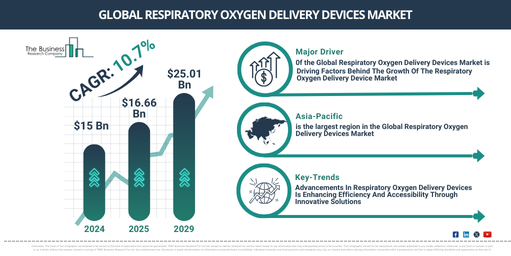
    In recent times, there has been a swift expansion in the size of the respiratory oxygen delivery devices market. Predictions indicate that it will rise from $15 billion in 2024 to a staggering $16.66 billion in 2025, boasting a compound annual growth rate (CAGR) of 11.0%. The substantial growth observed in the previous years is credited to various factors. These include the increased occurrence of respiratory ailments like chronic obstructive pulmonary disease (COPD), asthma, and cystic fibrosis, the escalating global aging population, heightened awareness on respiratory health significance, the enlargement of healthcare spending in burgeoning economies, and a rise in the use of homecare settings for respiratory treatment.

    Anticipated to experience rapid expansion in the approaching years, the respiratory oxygen delivery devices market size is projected to reach $25.01 billion in 2029, boasting a compound annual growth rate (CAGR) of 10.7%. Accelerated growth over the forecast period is largely due to factors such as the burgeoning demand for personalised, precision respiratory care, the broadening scope of home healthcare services combined with remote patient monitoring, increased investment in R&D, and a heightened emphasis on preventive healthcare and early intervention. Notable trends over the forecast period encompass technological advancements, a shift towards value-based care and patient-centric models, the inclusion of telehealth and remote monitoring features in respiratory therapy platforms, the use of wearable technology and mobile apps for self-management of respiratory health, and the uptake of 3D printing and digital manufacturing techniques.

    Download a free sample to assess the report’s scope and structure:

    https://www.thebusinessresearchcompany.com/sample.aspx?id=15662&type=smp

    What Are the Major Market Drivers Behind the Rising Adoption of Respiratory Oxygen Delivery Devices Market?

    Growth in the respiratory oxygen delivery device market is anticipated to be driven by the escalating prevalence of asthma. Characterized as a chronic respiratory disease causing inflammation and constriction of airways, asthma leads to recurrent bouts of wheezing, coughing, chest constriction, and breathlessness. A rise in asthma cases is attributed to factors like air pollution, exposure to allergens, hereditary predisposition, lifestyle and dietary shifts, and urbanization. Respiratory oxygen delivery devices aid in the management of asthma by supplying supplemental oxygen during flare-ups, guaranteeing sufficient oxygenation, and reducing symptoms. This improves respiratory function and overall life quality for asthma patients. For example, data from the U.S.-based National Center for Health Statistics (NCHS) in May 2024 showed that the incidence of current asthma among adults 18 years and older in the U.S. rose from 8.4% in 2021 to 8.7% in 2022. Furthermore, instances of asthma episodes in the previous year for adults of the same age range increased from 3.3% in 2021 to 3.7% in 2022. Consequently, the growing prevalence of asthma is bolstering the market for respiratory oxygen delivery devices.

    Which Primary Segments of the Respiratory Oxygen Delivery Devices Market Are Driving Growth and Industry Transformations?

    The respiratory oxygen delivery devices market covered in this report is segmented –

    1) By Product: Oxygen Masks, Nasal Cannula, Venturi Masks, Non-rebreather Masks, Bag Valve Masks, Continuous Positive Airway Pressure (CPAP) Masks, Other Products

    2) By Application: Chronic Obstructive Pulmonary Disease (COPD), Asthma, Cystic Fibrosis, Respiratory Distress Syndrome, Pneumonia, Other Disease Applications

    3) By End-Use: Hospitals, Outpatient Facilities, Home Care

    Subsegments:

    1) By Oxygen Masks: Simple Oxygen Masks, Partial Rebreather Masks

    2) By Nasal Cannula: Standard Nasal Cannula, High-Flow Nasal Cannula

    3) By Venturi Masks: Fixed Venturi Masks, Adjustable Venturi Masks

    4) By Non-Rebreather Masks: Adult Non-Rebreather Masks, Pediatric Non-Rebreather Masks

    5) By Bag Valve Masks: Adult Bag Valve Masks, Pediatric Bag Valve Masks

    6) By Continuous Positive Airway Pressure (Cpap) Masks: Full-Face Cpap Masks, Nasal Cpap Masks

    7) By Other Products: Oxygen Concentrators, Oxygen Cylinders

    Request customized data on this market:

    https://www.thebusinessresearchcompany.com/customise?id=15662&type=smp

    Which Areas Are Leading Regions in the Respiratory Oxygen Delivery Devices Market Expansion Across the Globe?

    Asia-Pacific was the largest region in the respiratory oxygen delivery devices market in 2024. The regions covered in the respiratory oxygen delivery devices market report are Asia-Pacific, Western Europe, Eastern Europe, North America, South America, Middle East, Africa.

    What Key Market Trends and Innovations Are Shaping the Future of the Respiratory Oxygen Delivery Devices Industry?

    Firms operating in the respiratory oxygen delivery device industry are emphasizing the integration of sophisticated sensor management systems and interconnected connectivity capabilities into oxygen concentrator equipment. This includes technologies like pressure swing adsorption (PSA) designed to improve patient monitoring, augment therapeutic results, and simplify health care delivery procedures. PSA technology in oxygen concentrators effectively isolates oxygen from nitrogen in the surrounding air, offering a steady, dependable oxygen source for individuals requiring respiratory support. For example, in July 2022, OMRON Healthcare Co. Ltd., a medical device producer based in Japan, introduced a portable medical molecular sieve oxygen concentrator that ensures a constant supply of highly pure oxygen. The concentrator uses PSA technology to separate nitrogen, oxygen, and other elements from the surrounding air, guaranteeing efficiency, quality, and portability. The device is specifically designed for the therapy and lifestyle needs of COPD patients and those with respiratory issues. It serves as an easy-to-use solution for home care providers and active users, focusing particularly on mobility and durability through features like its 360-degree silent wear-resistant universal caster wheel and its high-impact-resistant configuration.

    View the full report here:

    https://www.thebusinessresearchcompany.com/report/respiratory-oxygen-delivery-devices-global-market-report

    What Parameters Are Used to Define the Respiratory Oxygen Delivery Devices Market?

    Respiratory oxygen delivery devices are medical tools designed to deliver oxygen to patients who require supplemental oxygen therapy to support their breathing. They are utilized to provide oxygen therapy to individuals with respiratory conditions such as chronic obstructive pulmonary disease (COPD), pneumonia, and other lung diseases, as well as those experiencing hypoxemia (low oxygen levels in the blood) due to various medical conditions or environmental factors.

    Purchase the full report and get a swift delivery:

    https://www.thebusinessresearchcompany.com/purchaseoptions.aspx?id=15662

    About The Business Research Company:

    With over 15000+ reports from 27 industries covering 60+ geographies, The Business Research Company has built a reputation for offering comprehensive, data-rich research and insights. Armed with 1,500,000 datasets, the optimistic contribution of in-depth secondary research, and unique insights from industry leaders, you can get the information you need to stay ahead in the game.

    Get in touch with us:

    The Business Research Company: https://www.thebusinessresearchcompany.com/

    Americas +1 3156230293

    Asia +44 2071930708

    Europe +44 2071930708

    Email us at info@tbrc.info

    Follow us on:

    LinkedIn: https://in.linkedin.com/company/the-business-research-company

    YouTube: https://www.youtube.com/channel/UC24_fI0rV8cR5DxlCpgmyFQ

    Global Market Model: https://www.thebusinessresearchcompany.com/global-market-model

  • Research-Grade Proteins Market Outlook 2025: Mapping Growth, Innovation, and Regional Shifts

    Research-Grade Proteins Market Outlook 2025: Mapping Growth, Innovation, and Regional Shifts

    Discover trends, market shifts, and competitive outlooks for the research-grade proteins industry through 2025-2034 with The Business Research Company’s reliable data and in-depth research

    How Fast Is The Research-Grade Proteins Market Expected to Grow Between 2025 And 2029?

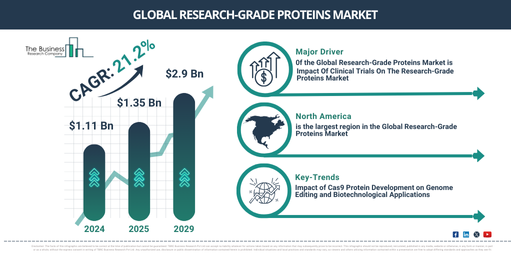
    In recent times, there has been notable exponential growth in the size of the research-grade proteins market. The market, which stood at $1.11 billion in 2024, is projected to reach $1.35 billion in 2025. This indicates a compound annual growth rate (CAGR) of 21.4%. The historic period’s growth is attributed to factors such as enhanced research activities, a rise in research and development initiatives within the pharmaceutical and biotech industry, burgeoning demand for personalised medicine, increased investment by government bodies and academic institutions, as well as strategic collaborations and acquisitions.

    The market size for research-grade proteins is predicted to witness a considerable expansion in the upcoming years, reaching $2.9 billion by 2029 with a CAGR of 21.2%. This projected growth in the forecast period can be ascribed to developments in proteomics research, increasing clinical trials, the integration of AI and data analytics, the utilisation of research-grade proteins in industrial settings, and the escalated demand for sophisticated research tools. Key trends during the forecast period are expected to include rising awareness about innovative technologies, technological progress in the biotech sector, advances in proteomics and genomics, broadening applications in drug formulation, and improved research utilities in biotechnological and pharmaceutical sectors.

    Download a free sample to assess the report’s scope and structure:

    https://www.thebusinessresearchcompany.com/sample.aspx?id=15917&type=smp

    Which Primay Drivers Are Accelerating Growth in the Research-Grade Proteins Market?

    The rise in clinical trials is anticipated to boost the expansion of the research-grade proteins market. Clinical trials, which are research studies evaluating the safety and effectiveness of new medical treatments, interventions, or instruments in humans, are increasing due to progress in medical research, disease prevalence, regulatory shifts, consumer demand and industrial investment. Research-grade proteins contribute significantly to clinical trials, acting as critical tools for biomarker development, assay development, drug target identification, quality control, and reference standards, which guarantee the precision and dependability of experimental data. For example, according to ClinicalTrials.gov, a clinical trial registry based in the US, there were 477,234 global registrations of clinical trials by the end of 2023, a rise when compared to 437,512 clinical trials registered in 2022. Therefore, the escalating number of clinical trials fuels the expansion of the research-grade proteins market.

    What Segment Types Define the Research-Grade Proteins Market Structure?

    The research-grade proteins market covered in this report is segmented –

    1) By Product: Cytokines And Growth Factors, Antibodies, Immune Checkpoint Proteins, Virus Antigens, Enzymes, Recombinant Regulatory Proteins, Hormones, Other Products

    2) By Host Cell: Mammalian Cells, Bacterial Cells, Fungi And Yeast, Insect Cells, Other Host Cells

    3) By End-Use: Pharmaceutical And Biotechnology Companies, Academic And Research Institute, Other End-Uses

    Subsegments:

    1) By Cytokines And Growth Factors: Interleukins, Interferons, Colony Stimulating Factors, Erythropoietin, Granulocyte Macrophage Colony-Stimulating Factor

    2) By Antibodies: Monoclonal Antibodies, Polyclonal Antibodies, Recombinant Antibodies, Conjugated Antibodies

    3) By Immune Checkpoint Proteins: PD-1 Inhibitors, PD-L1 Inhibitors, CTLA-4 Inhibitors

    4) By Virus Antigens: HIV Antigens, Hepatitis Antigens, Influenza Antigens, Hepatitis B Antigens

    5) By Enzymes: Restriction Enzymes, Proteases, Ligases, Kinases

    6) By Recombinant Regulatory Proteins: Transcription Factors, Regulatory Enzymes, Epigenetic Modifiers

    7) By Hormones: Insulin, Thyroid Hormones, Growth Hormones, Adrenaline

    8) By Other Products: Peptides, Serum Proteins, Antigen-Binding Proteins

    Request customized data on this market:

    https://www.thebusinessresearchcompany.com/customise?id=15917&type=smp

    Which Regions Are Key Players in the Growth of the Research-Grade Proteins Market?

    North America was the largest region in the research-grade proteins market in 2023. Asia-Pacific is expected to be the fastest-growing region in the forecast period. The regions covered in the research-grade proteins market report are Asia-Pacific, Western Europe, Eastern Europe, North America, South America, Middle East and Africa.

    What Are the Key Market Trends in the Research-Grade Proteins Market Over the Coming Years?

    Key players in the research-grade proteins market are pushing boundaries by developing Cas9 proteins; these help enhance functionality and applicability specifically in genome editing and biotechnological applications. Functioning as molecular scissors, the Cas9 proteins are capable of precisely cutting DNA at specific locations determined by guide RNA (gRNA). An example of this advancement was showcased in April 2022, when Thermo Fisher Scientific Inc., a biotechnology company based in the US, launched a state-of-the-art GMP-manufactured Gibco CTS TrueCut Cas9 Protein. This product, produced under stringent Good Manufacturing Practice (GMP) conditions, was engineered for genome editing applications. It offers high purity and functionality specifically crafted for accurate CRISPR-based research, which supports progress in genetic engineering and the development of therapeutics.

    View the full report here:

    https://www.thebusinessresearchcompany.com/report/research-grade-proteins-global-market-report

    What Is the Definition of the Research-Grade Proteins Market?

    Research-grade proteins refer to proteins that are produced and purified to a high standard of quality and purity for use in scientific research. These proteins are utilized in various experimental and analytical applications, including studies in molecular biology, biochemistry, cell biology, and drug development. They are essential tools for understanding protein function, interaction, structure, and for developing new therapeutic approaches.

    Purchase the full report and get a swift delivery:

    https://www.thebusinessresearchcompany.com/purchaseoptions.aspx?id=15917

    About The Business Research Company:

    With over 15000+ reports from 27 industries covering 60+ geographies, The Business Research Company has built a reputation for offering comprehensive, data-rich research and insights. Armed with 1,500,000 datasets, the optimistic contribution of in-depth secondary research, and unique insights from industry leaders, you can get the information you need to stay ahead in the game.

    Get in touch with us:

    The Business Research Company: https://www.thebusinessresearchcompany.com/

    Americas +1 3156230293

    Asia +44 2071930708

    Europe +44 2071930708

    Email us at info@tbrc.info

    Follow us on:

    LinkedIn: https://in.linkedin.com/company/the-business-research-company

    YouTube: https://www.youtube.com/channel/UC24_fI0rV8cR5DxlCpgmyFQ

    Global Market Model: https://www.thebusinessresearchcompany.com/global-market-model