Month: June 2025

  • Critical Market Drivers Shaping the Outlook for Cardiac Prosthetic Devices Market from 2025-2034: Rising Cardiovascular Disease Rates Drive Growth in Cardiac Prosthetic Devices

    Critical Market Drivers Shaping the Outlook for Cardiac Prosthetic Devices Market from 2025-2034: Rising Cardiovascular Disease Rates Drive Growth in Cardiac Prosthetic Devices

    Discover trends, market shifts, and competitive outlooks for the cardiac prosthetic devices industry through 2025-2034 with The Business Research Company’s reliable data and in-depth research

    How Has The Cardiac Prosthetic Devices Market Size Shifted, And What Is the Outlook Through 2034?

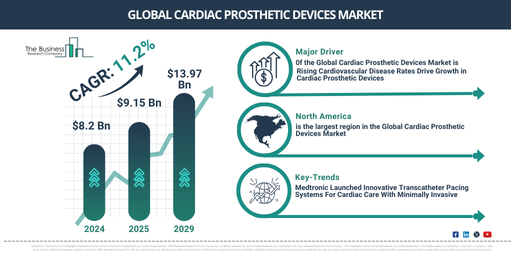
    In recent times, the market size for cardiac prosthetic devices has seen a quick expansion. It is projected to surge from $8.2 billion in 2024 to reach $9.15 billion in 2025, representing a compound annual growth rate (CAGR) of 11.5%. Factors contributing to the growth observed in the historic period include an aging population more susceptible to cardiovascular diseases, an increase in cardiovascular disease cases, advancements in surgical procedures, heightened awareness of cardiac health among patients and healthcare providers, and government policies and financing that favor cardiovascular health initiatives.

    In the coming years, the market for cardiac prosthetic devices is projected to experience accelerated growth, expected to reach $13.97 billion in 2029, with a compound annual growth rate (CAGR) of 11.2%. The predicted growth within this period can be linked to several factors such as the rising senior population susceptible to heart diseases, enhanced healthcare services and devices, favorable insurance and reimbursement schemes, a greater preference among patients for sophisticated treatment options, and an increased incidence of heart conditions related to lifestyle habits. Key trends within the forecast period encompass the creation of smaller, optimally effective cardiac prosthetic devices for less invasive procedures, innovative biocompatible materials, their amalgamation with wearable technology, upgrading battery technology, and the application of 3D printing technology.

    Download a free sample to assess the report’s scope and structure:

    https://www.thebusinessresearchcompany.com/sample.aspx?id=18283&type=smp

    What Are the Core Growth Drivers Propelling the Cardiac Prosthetic Devices Market Forward?

    The cardiac prosthetic devices market is anticipated to grow due to the increasing incidence of cardiovascular diseases. Cardiovascular diseases, which include coronary artery disease, heart attacks, and strokes among other conditions, typically affect the heart and blood vessels. These diseases are commonly the result of unhealthy lifestyles, obesity, a poor diet, lack of exercise, high stress, and an aging population. Cardiac prosthetic devices play a crucial role in managing these diseases by either supporting or replacing the function of the heart or its various components. As an example, in January 2024, the British Heart Foundation, a cardiovascular research charity based in the UK, reported that nearly 7.6 million people in the UK are suffering from heart and circulatory diseases. Among those affected, 4 million are men and 3.6 million are women. These diseases cause roughly 27% of deaths in the UK, which amounts to over 170,000 deaths each year, or approximately 480 deaths every day, meaning one person dies every three minutes. Consequently, these high rates of cardiovascular diseases are fueling the expansion of the cardiac prosthetic devices market.

    What Segment Types Define the Cardiac Prosthetic Devices Market Structure?

    The cardiac prosthetic devices market covered in this report is segmented –

    1) By Type: Valves, Pacemakers

    2) By Applications: Surgery, Research

    3) By End User: Hospitals, Clinics Or Cardiac Centers, Ambulatory Surgical Centers, Other End-Users

    Subsegments:

    1) By Valves: Mechanical Valves, Tissue Valves, Transcatheter Heart Valves

    2) By Pacemakers: Single-Chamber Pacemakers, Dual-Chamber Pacemakers, Biventricular Pacemakers

    Request customized data on this market:

    https://www.thebusinessresearchcompany.com/customise?id=18283&type=smp

    Which Geographic Areas Hold the Strongest Growth Potential in the Cardiac Prosthetic Devices Market?

    North America was the largest region in the cardiac prosthetic devices market in 2024. Asia-Pacific is expected to be the fastest-growing region in the forecast period. The regions covered in the cardiac prosthetic devices market report are Asia-Pacific, Western Europe, Eastern Europe, North America, South America, Middle East, Africa.

    What Are the Current Market Growth and Trends in the Cardiac Prosthetic Devices Industry?

    Prominent firms active in the cardiac prosthetic device market are prioritizing the formulation of groundbreaking technologies, like transcatheter pacing systems. Their goal is to augment cardiac function, decrease the invasiveness of procedures, and boost patient results in heart rhythm disorder treatment. The transcatheter pacing system is a slightly invasive device introduced through a catheter to control the heart’s electrical activity, eliminating the need for external cables or surgery. To illustrate, Medtronic plc, a medical device corporation based in Ireland, unveiled the Micra AV Transcatheter Pacing System in January 2022. This small and minimally invasive device aims to manage bradycardia or slow heart rate. The Micra AV TPS is equipped with cutting-edge technology to align pacing with the heart’s natural rhythm promising accurate and consistent pacing for patients with bradycardia. Its small size, internal battery, and remote tracking capabilities enhance its life expectancy and equip healthcare providers to monitor the device’s functionality and patient results more proficiently.

    View the full report here:

    https://www.thebusinessresearchcompany.com/report/cardiac-prosthetic-devices-global-market-report

    What Is the Definition of the Cardiac Prosthetic Devices Market?

    Cardiac prosthetic devices are medical devices designed to support or replace the heart’s function or its components. These devices treat various cardiac conditions and are essential in managing patients with heart failure or structural heart problems.

    Purchase the full report and get a swift delivery:

    https://www.thebusinessresearchcompany.com/purchaseoptions.aspx?id=18283

    About The Business Research Company:

    With over 15000+ reports from 27 industries covering 60+ geographies, The Business Research Company has built a reputation for offering comprehensive, data-rich research and insights. Armed with 1,500,000 datasets, the optimistic contribution of in-depth secondary research, and unique insights from industry leaders, you can get the information you need to stay ahead in the game.

    Get in touch with us:

    The Business Research Company: https://www.thebusinessresearchcompany.com/

    Americas +1 3156230293

    Asia +44 2071930708

    Europe +44 2071930708

    Email us at info@tbrc.info

    Follow us on:

    LinkedIn: https://in.linkedin.com/company/the-business-research-company

    YouTube: https://www.youtube.com/channel/UC24_fI0rV8cR5DxlCpgmyFQ

    Global Market Model: https://www.thebusinessresearchcompany.com/global-market-model
  • Key Factors Fueling the Growth of the Cardiac Mapping Market in 2025: The Prevalence Of Heart Ailments Fuels Cardiac Mapping Market

    Key Factors Fueling the Growth of the Cardiac Mapping Market in 2025: The Prevalence Of Heart Ailments Fuels Cardiac Mapping Market

    Discover trends, market shifts, and competitive outlooks for the cardiac mapping industry through 2025-2034 with The Business Research Company’s reliable data and in-depth research

    #How Has the Cardiac Mapping Market Growth Performance Trended Historically, And What Lies Ahead?3

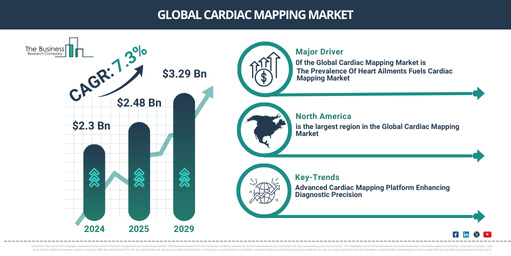
    The cardiac mapping market has seen significant growth in the past few years. Expansion is predicted from $2.3 billion in 2024 to $2.48 billion in 2025, boasting a compound annual growth rate (CAGR) of 7.6%. Factors contributing to this progress during the historical phase include the debut of catheter ablation, advances in 3D mapping systems, enhancements in imaging technologies, increasing incidence of cardiac arrhythmias, and the upturn in minimally invasive procedures.

    The market size of cardiac mapping is projected to experience significant growth in the coming years, expanding to a market size of $3.29 billion in 2029, reflecting a compound annual growth rate (CAGR) of 7.3%. The surge during the forecast period is driven primarily by factors including rising cardiovascular disease prevalence, an increasing aging population, heightened awareness and screening initiatives, superior healthcare infrastructure, and escalating general health concerns. Key market trends expected during this forecast period are the incorporation of artificial intelligence (AI), the application of real-time 3D mapping systems, advancements in catheter technologies, the adoption of cloud-based data analysis, and improvements in electrophysiology software.

    Download a free sample to assess the report’s scope and structure:

    https://www.thebusinessresearchcompany.com/sample.aspx?id=16643&type=smp

    What are the Fundamental Drivers and Innovations Shaping the Cardiac Mapping Market?

    The cardiac mapping market is predicted to expand due to the rising occurrence of heart disorders. Heart disorders include a variety of conditions that affect the heart’s function and structure, resulting in issues such as arrhythmias, heart attacks, and heart failure. The growth in heart disorders can be linked to factors like a sedentary lifestyle, unhealthy dietary habits, and an aging population. Cardiac mapping plays a crucial role in diagnosing and treating heart disorders by accurately determining the heart’s electrical anomalies. As an example, in January 2024, the British Heart Foundation, a cardiovascular research charity based in the UK, reported that over a million people in the UK suffer from heart failure. Each year, approximately 200,000 new cases of heart failure are identified, with about 730,000 individuals listed in their GP’s heart failure register. Hence, the rising incidence of heart disorders is fueling the expansion of the cardiac mapping market.

    How Is the Cardiac Mapping Market Segmented?

    The cardiac mapping market covered in this report is segmented –

    1) By Type: Contact Cardiac Mapping Systems, Non-Contact Cardiac Mapping Systems

    2) By Indications: Atrial Fibrillation, Atrial Flutter, Atrioventricular Nodal Reentrant Tachycardia (AVNRT), Other Indications

    3) By End-User: Hospitals And Clinics, Diagnostic Centers, Other End-Users

    Subsegments:

    1) By Contact Cardiac Mapping Systems: Electrode-Based Mapping Systems, Catheter-Based Mapping Systems, Integrated Mapping And Ablation Systems, 3D Mapping Systems

    2) By Non-Contact Cardiac Mapping Systems: Non-Contact Voltage Mapping Systems, Electrocardiographic Mapping Systems, Optical Mapping Systems, Magnetic Field Mapping Systems

    Request customized data on this market:

    https://www.thebusinessresearchcompany.com/customise?id=16643&type=smp

    Which Regions Are Driving the Next Phase of the Cardiac Mapping Market Growth?

    North America was the largest region in the cardiac mapping market in 2023. Asia-Pacific is expected to be the fastest-growing region in the forecast period. The regions covered in the cardiac mapping market report are Asia-Pacific, Western Europe, Eastern Europe, North America, South America, Middle East, Africa.

    What Are the Strategic Trends Steering the Cardiac Mapping Market Direction?

    Leading firms in the cardiac mapping market are advancing their offerings with sophisticated solutions like cardiac mapping platforms to better diagnostic precision and enhance treatment effectiveness. The term cardiac mapping platforms encompasses advanced technological applications that facilitate the visualization and analysis of the heart’s electrical activity. These are vital tools in diagnosing and treating cardiac arrhythmias and other heart-related conditions. An example of this is Abbott Laboratories, a healthcare company based in the US which, in January 2022, got FDA 510(k) clearance for its EnSite X EP system. This is a cardiac mapping platform devised specifically to assist physicians in pinpointing the origins of abnormal heart rhythms. The system generates comprehensive 3D maps of the heart, yielding a 360-degree view regardless of the catheter’s position. The EnSite X EP system also integrates Abbott’s own EnSite omnipolar technology (OT), which capitalizes on the advisor HD grid catheter to deliver accurate electrograms irrespective of the catheter’s orientation.

    View the full report here:

    https://www.thebusinessresearchcompany.com/report/cardiac-mapping-global-market-report

    How Is the Cardiac Mapping Market Defined and What Are Its Core Parameters?

    Cardiac mapping refers to the process of creating a detailed representation of the electrical activity within the heart. It helps identify abnormal heart rhythms (arrhythmias) by mapping the location and patterns of electrical impulses. This information is crucial for diagnosing and treating various cardiac conditions and guiding procedures such as ablation therapy to correct irregular heartbeats.

    Purchase the full report and get a swift delivery:

    https://www.thebusinessresearchcompany.com/purchaseoptions.aspx?id=16643

    About The Business Research Company:

    With over 15000+ reports from 27 industries covering 60+ geographies, The Business Research Company has built a reputation for offering comprehensive, data-rich research and insights. Armed with 1,500,000 datasets, the optimistic contribution of in-depth secondary research, and unique insights from industry leaders, you can get the information you need to stay ahead in the game.

    Get in touch with us:

    The Business Research Company: https://www.thebusinessresearchcompany.com/

    Americas +1 3156230293

    Asia +44 2071930708

    Europe +44 2071930708

    Email us at info@tbrc.info

    Follow us on:

    LinkedIn: https://in.linkedin.com/company/the-business-research-company

    YouTube: https://www.youtube.com/channel/UC24_fI0rV8cR5DxlCpgmyFQ

    Global Market Model: https://www.thebusinessresearchcompany.com/global-market-model
  • Major Trends and Emerging Patterns in the Carcinoembryonic Antigen Market: Innovative Solutions For Meeting Growing Demand With Enhanced Efficiency

    Major Trends and Emerging Patterns in the Carcinoembryonic Antigen Market: Innovative Solutions For Meeting Growing Demand With Enhanced Efficiency

    Discover trends, market shifts, and competitive outlooks for the carcinoembryonic antigen industry through 2025-2034 with The Business Research Company’s reliable data and in-depth research

    What Are the Projected Market Size and Growth Rates for the Carcinoembryonic Antigen Market From 2025 To 2029?

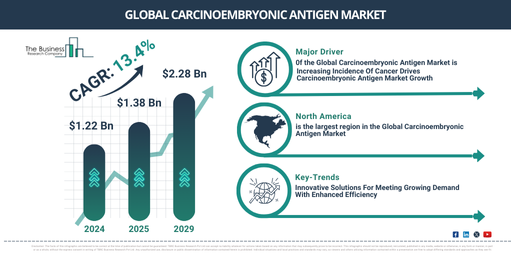
    Recently, there has been a rapid expansion in the carcinoembryonic antigen market size. The market, valued at $1.22 billion in 2024, is projected to grow to $1.38 billion in 2025, representing a compound annual growth rate (CAGR) of 13.7%. Factors that contributed to the growth during the historic period include the global prevalence of cancer, an aging population, awareness initiatives, advancements in healthcare infrastructure, and favorable reimbursement policies.

    The market for carcinoembryonic antigen is anticipated to experience rapid expansion in the upcoming years, reaching $2.28 billion by 2029 with a compound annual growth rate (CAGR) of 13.4%. This projected growth within the forecasted period is due to factors such as emphasis on early detection and prevention, enlargement of cancer screening initiatives, rising patient preference for personalized medicine, and an increased demand for minimally invasive diagnostic techniques. Key trends for the period also encompass the growing acceptance of personalized medicine, advancements in diagnostic technology, integration with artificial intelligence and big data, collaborations and partnerships, as well as regulatory approvals and reimbursements policies.

    Download a free sample to assess the report’s scope and structure:

    https://www.thebusinessresearchcompany.com/sample.aspx?id=16011&type=smp

    What Are the Primary Drivers Supporting the Market Growth of the Carcinoembryonic Antigen Market?

    The growth of the carcinoembryonic antigen market is anticipated to be fueled by the surge in the incidence of cancer. Characterized by the uncontrolled proliferation and spread of abnormal cells, cancer is seeing a rising incidence owing to factors such as lifestyle choices, environmental contamination, genetic factors, and an aging population. Carcinoembryonic antigen (CEA) serves as a cancer marker, monitoring the progress of the disease and the efficacy of treatment. For example, the World Health Organization (WHO), a US-based intergovernmental organization, forecasted in February 2024 that there would be about 35 million new cancer cases in 2050, a 77% increase from the approximate 20 million cases predicted in 2022. Hence, the escalating incidence of cancer is propelling the growth of the carcinoembryonic antigen market.

    Which Primary Segments of the Carcinoembryonic Antigen Market Are Driving Growth and Industry Transformations?

    The carcinoembryonic antigen market covered in this report is segmented –

    1) By Test Type: Molecular Tests, Serology Tests

    2) By Gender: Male, Female

    3) By Application: Gastrointestinal Cancer, Colorectal Cancer, Pancreatic Cancer, Breast Cancer, Lung Cancer, Thyroid Cancer, Ovarian Cancer, Other Applications

    4) By End User: Hospitals, Diagnostic Centers, Cancer Centers, Research And Academic Institutes

    Subsegments:

    1) By Molecular Tests: Polymerase Chain Reaction (PCR), Reverse Transcription PCR (RT-PCR), Next-Generation Sequencing (NGS), Fluorescence In Situ Hybridization (FISH), Gene Expression Profiling

    2) By Serology Tests: Enzyme-Linked Immunosorbent Assay (ELISA), Chemiluminescent Immunoassay (CLIA), Radioimmunoassay (RIA), Immunohistochemistry (IHC), Lateral Flow Assays

    Request customized data on this market:

    https://www.thebusinessresearchcompany.com/customise?id=16011&type=smp

    Which Regions Are Key Players in the Growth of the Carcinoembryonic Antigen Market?

    North America was the largest region in the carcinoembryonic antigen market in 2024. Asia-Pacific is expected to be the fastest-growing region in the forecast period. The regions covered in the carcinoembryonic antigen market report are Asia-Pacific, Western Europe, Eastern Europe, North America, South America, Middle East, Africa.

    What Long-Term Trends Are Transforming the Competitive Landscape of the Carcinoembryonic Antigen Market?

    Key companies in the carcinoembryonic antigen market are concentrating their efforts on developing tumour marker tests to improve the examination procedure and boost diagnostic services. Tumour marker tests are medical screenings designed to find particular substances in the body that might indicate cancer. For example, in July 2023, Roche Diagnostics, a Swiss healthcare diagnostics specialist, unveiled the innovative Elecsys HCV Duo, a dual antigen and antibody diagnostic test designed to aid India’s battle with hepatitis C. This groundbreaking test simultaneously identifies the hepatitis C virus (HCV) antigen and antibody status using one sample, thereby promoting early detection of active infections and facilitating swift treatment. The Elecsys HCV Duo seeks to fill significant diagnostic voids, especially in communities with high transmission rates, thereby enhancing the overall effectiveness of hepatitis screening initiatives.

    View the full report here:

    https://www.thebusinessresearchcompany.com/report/carcinoembryonic-antigen-global-market-report

    What Parameters Are Used to Define the Carcinoembryonic Antigen Market?

    Carcinoembryonic antigen (CEA) is a glycoprotein involved in cell adhesion, commonly found in embryonic tissues and various carcinomas. In clinical settings, CEA is primarily used as a tumor marker to aid in the diagnosis, monitoring, and management of cancer, particularly colorectal cancer. It helps in assessing the effectiveness of cancer treatments, and used to monitor patients post-treatment for signs of cancer recurrence.

    Purchase the full report and get a swift delivery:

    https://www.thebusinessresearchcompany.com/purchaseoptions.aspx?id=16011

    About The Business Research Company:

    With over 15000+ reports from 27 industries covering 60+ geographies, The Business Research Company has built a reputation for offering comprehensive, data-rich research and insights. Armed with 1,500,000 datasets, the optimistic contribution of in-depth secondary research, and unique insights from industry leaders, you can get the information you need to stay ahead in the game.

    Get in touch with us:

    The Business Research Company: https://www.thebusinessresearchcompany.com/

    Americas +1 3156230293

    Asia +44 2071930708

    Europe +44 2071930708

    Email us at info@tbrc.info

    Follow us on:

    LinkedIn: https://in.linkedin.com/company/the-business-research-company

    YouTube: https://www.youtube.com/channel/UC24_fI0rV8cR5DxlCpgmyFQ

    Global Market Model: https://www.thebusinessresearchcompany.com/global-market-model
  • Key Developments and Trends Steering the Carboprost Tromethamine Market Forward: Development Of New Formulations In The Carboprost Tromethamine Market

    Key Developments and Trends Steering the Carboprost Tromethamine Market Forward: Development Of New Formulations In The Carboprost Tromethamine Market

    Discover trends, market shifts, and competitive outlooks for the carboprost tromethamine industry through 2025-2034 with The Business Research Company’s reliable data and in-depth research

    What Is the Estimated Market Size of the Carboprost Tromethamine Market In 2029?

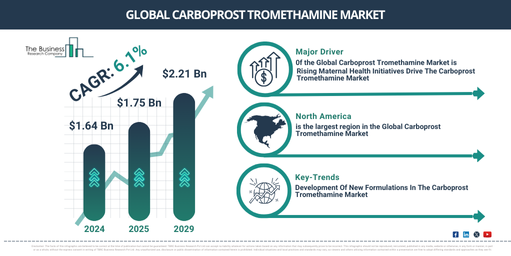
    In the past few years, the carboprost tromethamine market has experienced substantial growth. It’s expected to grow from $1.64 billion in 2024 to $1.75 billion in 2025, with a compound annual growth rate (CAGR) of 6.4%. The growth witnessed in the historical period can be attributed to a number of factors including an increase in cases of postpartum hemorrhage, high rates of maternal mortality, increased awareness about maternal health, available government subsidies for maternal health initiatives, and a rising number of gynecological procedures.

    In the forthcoming years, the carboprost tromethamine market is predicted to experience robust growth, expanding to a value of $2.21 billion by 2029, with a compound annual growth rate (CAGR) of 6.1%. This growth during the forecast period can be credited to a surge in demand for potent postpartum hemorrhage treatments, governmental efforts to enhance maternal health care, a rise in health care spending within developing countries, increased recognition of the advantages of Carboprost Tromethamine, as well as an amplified regulatory backing for drugs related to maternal health. Key trends anticipated within the forecast period encompass the embracement of combination therapies for enhanced results, a mounting focus on less invasive surgical methods, the creation of novel formulations for superior effectiveness, a growth in partnerships between pharmaceutical firms and healthcare providers, along with an increase in clinical trials for innovative therapeutic uses.

    Download a free sample to assess the report’s scope and structure:

    https://www.thebusinessresearchcompany.com/sample.aspx?id=15750&type=smp

    How Are Key Drivers in the Industry Acting as Catalysts for the Growth of the Carboprost Tromethamine Market?

    The expansion of the carboprost tromethamine market is believed to be driven by the increase in maternal health programs. These initiatives are designed to enhance mothers’ health before, during, and after childbirth through focused interventions and endeavors. The upward trend in maternal health programs is attributed to heightened awareness about maternal health complications, advocacy work, policy shifts, and worldwide efforts to lower maternal mortality rates as well as bolster access to maternal healthcare. Maternal health programs play a crucial role in endorsing the use of carboprost tromethamine as a viable solution for managing postpartum hemorrhage. They ensure thorough training and availability, elevate the standard of maternal care, and decrease mortality rates. For example, statistics from the non-profit organization Kaiser Family Foundation (KFF) in the US, revealed that the funding for Maternal and Child Health (MCH) has seen steady growth, escalating from $1.241 billion in 2021 to $1.277 billion in 2022, and is projected to reach $1.302 billion by 2023. Consequently, the advancement of maternal health initiatives is fuelling the growth of the carboprost tromethamine market.

    Which Segments in the Carboprost Tromethamine Offer the Most Growth?

    The carboprost tromethamine market covered in this report is segmented –

    1) By Product Type: Injection, Tablet

    2) By Distribution Channel: Hospital Pharmacies, Retail Pharmacies, Online Pharmacies

    3) By Application: Hormonal Infertility, Contraceptives, Postmenopausal Osteoporosis, Endometriosis And Uterine Fibroids, Menopause, Polycystic Ovary Syndrome (PCOS)

    Subsegments:

    1) By Injection: Single-Dose Injection, Multi-Dose Injection

    2) By Tablet: Immediate Release Tablets, Extended Release Tablets

    Request customized data on this market:

    https://www.thebusinessresearchcompany.com/customise?id=15750&type=smp

    What Are the Fastest-Growing Geographies in the Carboprost Tromethamine Market?

    North America was the largest region in the carboprost tromethamine market in 2023. Asia-Pacific is expected to be the fastest-growing region in the forecast period. The regions covered in the carboprost tromethamine market report are Asia-Pacific, Western Europe, Eastern Europe, North America, South America, Middle East and Africa.

    What Key Market Trends and Innovations Are Shaping the Future of the Carboprost Tromethamine Industry?

    Leading corporations in the carboprost tromethamine market are progressively concentrating on producing single-dose carboprost tromethamine injections. Their focus on this development is to increase patient comfort, provide accurate dosing, and enhance the overall efficacy of treatments. These single-dose injections are given as one complete dose and are highly effective in managing postpartum hemorrhage, delivering immediate and ongoing therapeutic results to control excessive bleeding. For example, Eugia Pharma Specialties Limited, a pharmaceutical enterprise based in India, was granted approval by the United States Food and Drug Administration (USFDA) in May 2023 for Carboprost Tromethamine Injection USP 250 mcg/mL in Single-Dose Vials. This authorization enables Eugia Pharma to produce and sell this product. It serves two purposes: termination of pregnancy between the 13th and 20th weeks and treating postpartum hemorrhage resulting from uterine atony.

    View the full report here:

    https://www.thebusinessresearchcompany.com/report/carboprost-tromethamine-global-market-report

    What Are the Key Elements That Define the Carboprost Tromethamine Market?

    Carboprost tromethamine is a medication in obstetric care, primarily used to control postpartum hemorrhage and induce second-trimester abortions. Its ability to induce strong uterine contractions makes it an effective treatment for managing severe bleeding and facilitating medical abortions. Its therapeutic applications encompass uterotonic effects, rendering it valuable in obstetric and gynecological scenarios for addressing conditions.

    Purchase the full report and get a swift delivery:

    https://www.thebusinessresearchcompany.com/purchaseoptions.aspx?id=15750

    About The Business Research Company:

    With over 15000+ reports from 27 industries covering 60+ geographies, The Business Research Company has built a reputation for offering comprehensive, data-rich research and insights. Armed with 1,500,000 datasets, the optimistic contribution of in-depth secondary research, and unique insights from industry leaders, you can get the information you need to stay ahead in the game.

    Get in touch with us:

    The Business Research Company: https://www.thebusinessresearchcompany.com/

    Americas +1 3156230293

    Asia +44 2071930708

    Europe +44 2071930708

    Email us at info@tbrc.info

    Follow us on:

    LinkedIn: https://in.linkedin.com/company/the-business-research-company

    YouTube: https://www.youtube.com/channel/UC24_fI0rV8cR5DxlCpgmyFQ

    Global Market Model: https://www.thebusinessresearchcompany.com/global-market-model
  • Capnography Devices Market in Focus: Forecasting Growth Drivers, Scaling Potential, and Global Opportunities

    Capnography Devices Market in Focus: Forecasting Growth Drivers, Scaling Potential, and Global Opportunities

    Discover trends, market shifts, and competitive outlooks for the capnography devices industry through 2025-2034 with The Business Research Company’s reliable data and in-depth research

    What Are the Key Projections for the CAGR of the Capnography Devices Market Size From 2025 to 2034?

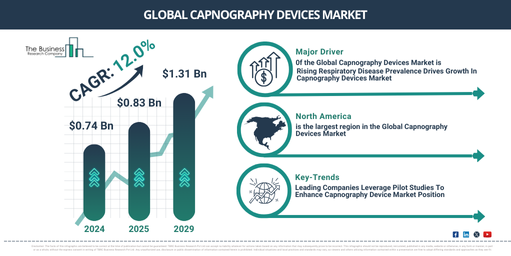
    The market size for capnography devices has seen a substantial growth in the past few years, increasing from $0.74 billion in 2024 to an estimated $0.83 billion in 2025, exhibiting a compound annual growth rate (CAGR) of 12.3%. The growth during the historic period is predominantly linked to factors such as the rise of respiratory ailments, technological advancements, improved monitoring of patients, regulatory backing and guidelines, in conjunction with aging demographics.

    The market for capnography devices is projected to experience swift expansion in the coming years, reaching $1.31 billion by 2029 with a compound annual growth rate (CAGR) of 12.0%. This projected growth within the timeframe can be ascribed to factors such as the rise in surgical operations, advancement in awareness and tutorship schemes, regulatory encouragement and guidelines, and broadening applications. Key trends during this forecast period encompass an increase in healthcare spending, heightened emphasis on patient safety, growing cognizance and education initiatives, extension in home healthcare, and enhanced utilization in intensive care units (ICUs).

    Download a free sample to assess the report’s scope and structure:

    https://www.thebusinessresearchcompany.com/sample.aspx?id=18277&type=smp

    What Are the Core Market Drivers Propelling Growth in the Capnography Devices Industry?

    The increasing occurrence of diseases affecting the respiratory system is set to fuel the expansion of the capnography devices market. These medical conditions, including ailments such as asthma, chronic obstructive pulmonary disease (COPD), lung cancer, and pneumonia, impact the lungs and other components of the respiratory system. They impede proper breathing and can result in serious health issues. The number of individuals suffering from these respiratory illnesses is climbing due to factors like enhanced air pollution, high smoking rates, and growing older populations. Capnography devices serve an important role in these diseases, allowing for the real-time monitoring and evaluation of a patient’s respiratory status and immediate detection of any irregularities. For example, in June 2024, the Australian Institute of Health and Welfare, a health and welfare agency based in Australia, estimated that around 8.5 million, or 34% of Australians were suffering from chronic respiratory conditions. This figure includes an estimated 2.8 million or 11% of the population with asthma, and 638,000 individuals, or 2.5% of the population living with COPD. Hence, the growth of the capnography devices market is fueled by the increasing prevalence of respiratory diseases.

    How Is the Capnography Devices Market Segmented?

    The capnography devices market covered in this report is segmented –

    1) By Component: Original Equipment Manufacturer (OEM) Modules, Other Components

    2) By Product: Hand-held, Stand-alone, Multi-parameter

    3) By Technology: Mainstream, Sidestream, Microstream

    4) By Application: Emergency Medicine, Pain Management, Procedural Sedation, Critical Care, Other Applications

    5) By End-use: Hospitals, Ambulatory Care, Other End-Uses

    Subsegments:

    1) By Original Equipment Manufacturer (OEM) Modules: Sensors, Actuators, Microcontrollers, Power Modules

    2) By Other Components: Connectors, Cables, Switches, Enclosures

    Request customized data on this market:

    https://www.thebusinessresearchcompany.com/customise?id=18277&type=smp

    Which Regions Are Driving the Next Phase of the Capnography Devices Market Growth?

    North America was the largest region in the capnography devices market in 2024. Asia-Pacific is expected to be the fastest-growing region in the forecast period. The regions covered in the capnography devices market report are Asia-Pacific, Western Europe, Eastern Europe, North America, South America, Middle East, Africa.

    What Are the Key Market Trends in the Capnography Devices Market Over the Coming Years?

    Key players in the capnography devices market are strategically moving towards the development of advanced pilot studies as a means to gain a competitive advantage. These exploratory research projects aim to assess the feasibility, effectiveness, and potential impact of such devices in a clinical environment. As an example, TidalSense, a respiratory device firm based in the UK, engaged in a pilot study in March 2024. The study was aimed at evaluating the capability of its innovative N-Tidal device in diagnosing asthma in children below five years of age. Collaborating with the University of Nottingham and Nottingham University Hospitals NHS Trust, the study enrolled 75 children struggling with asthma and viral wheezing. The N-Tidal device exploits capnography technology to monitor levels of carbon dioxide during regular respiration, removing the necessity for complicated spirometry tests commonly employed with pediatric subjects. These traditional diagnostic methods can prove difficult for young children, potentially resulting in inaccurate diagnoses and longer stays in the hospital.

    View the full report here:

    https://www.thebusinessresearchcompany.com/report/capnography-devices-global-market-report

    How Is the Capnography Devices Market Defined and What Are Its Core Parameters?

    Capnography devices are medical instruments used to measure and monitor the concentration of carbon dioxide (CO2) in a patient’s exhaled breath, providing real-time information about respiratory status, helping in the detection of respiratory conditions, ensuring proper ventilation, and guiding anesthetic management during surgeries.

    Purchase the full report and get a swift delivery:

    https://www.thebusinessresearchcompany.com/purchaseoptions.aspx?id=18277

    About The Business Research Company:

    With over 15000+ reports from 27 industries covering 60+ geographies, The Business Research Company has built a reputation for offering comprehensive, data-rich research and insights. Armed with 1,500,000 datasets, the optimistic contribution of in-depth secondary research, and unique insights from industry leaders, you can get the information you need to stay ahead in the game.

    Get in touch with us:

    The Business Research Company: https://www.thebusinessresearchcompany.com/

    Americas +1 3156230293

    Asia +44 2071930708

    Europe +44 2071930708

    Email us at info@tbrc.info

    Follow us on:

    LinkedIn: https://in.linkedin.com/company/the-business-research-company

    YouTube: https://www.youtube.com/channel/UC24_fI0rV8cR5DxlCpgmyFQ

    Global Market Model: https://www.thebusinessresearchcompany.com/global-market-model
  • Capillary Blood Collection Devices Market Valuation Expected To Reach $4.49 Billion By 2029, Growing At A Rate Of 13.2%

    Capillary Blood Collection Devices Market Valuation Expected To Reach $4.49 Billion By 2029, Growing At A Rate Of 13.2%

    Discover trends, market shifts, and competitive outlooks for the capillary blood collection devices industry through 2025-2034 with The Business Research Company’s reliable data and in-depth research

    What is the Projected CAGR for the Capillary Blood Collection Devices Market Size from 2025 to 2034?

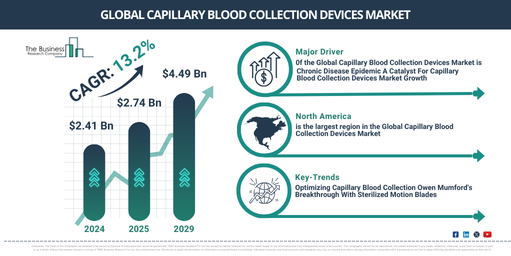
    In recent times, there has been significant growth in the market size of capillary blood collection devices. This market is predicted to expand from $2.41 billion in 2024 to $2.74 billion in 2025, marking a compound annual growth rate (CAGR) of 13.5%. The spurt of growth during the historical period can be attributed to a rising understanding of disease screening, the surge in home healthcare, an increasing elderly population, amplified attention towards preventive medicine, and the broadening scope of infectious disease testing.

    Expectations are high for significant expansion in the capillary blood collection devices market over the forthcoming years. Forecasts predict it will reach a value of $4.49 billion in 2029, boasting a compound annual growth rate (CAGR) of approximately 13.2%. Such growth anticipated in this period can be credited to the inclining preference for point-of-care testing, increased occurrence of chronic illnesses, growing demand for at-home patient monitoring, a heightened focus on preventative healthcare, and increased awareness of infectious diseases. Major trends shaping this projection period include point of care testing, technological development, microfluidics, personalised medicine, and remote patient monitoring.

    Download a free sample to assess the report’s scope and structure:

    https://www.thebusinessresearchcompany.com/sample.aspx?id=15530&type=smp

    Which Factors and External Forces Are Driving Demand in the Capillary Blood Collection Devices Market?

    The rise in chronic diseases is projected to spur the expansion of the capillary blood collection devices market. These diseases are long-term health complications requiring sustained management and treatment. The surge in chronic diseases can be linked to factors such as growing elderly populations, poor lifestyle choices, environmental elements, and progress in medical diagnostics leading to superior disease detection. Capillary blood collection devices help patients and healthcare professionals better manage chronic diseases by allowing for regular, convenient, and less invasive blood testing. This leads to enhanced patient results and improved quality of life. For instance, the Australian Bureau Statistics, an independent statistical office based in Australia, reported in December 2023 that around 49.9% of Australians claimed to have at least one chronic disorder in 2022. The most frequently reported conditions were mental and behavioral disorders (26.1%), back problems (15.7%), and arthritis (14.5%). About 81.4% of Australians disclosed having at least one long-term health issue, amounting to roughly 20.7 million people. Moreover, Allergy UK, a national charity based in the UK, stated in April 2024 that over 21 million people in the UK suffer from allergies, which in 2022 became the most commonly reported chronic health condition, with projected data suggesting that by 2026, half of Europe’s population will have at least one allergy. Therefore, the escalation in chronic diseases is fueling the growth of the capillary blood collection devices market.

    Which Segments in the Capillary Blood Collection Devices Offer the Most Growth?

    The capillary blood collection devices market covered in this report is segmented –

    1) By Product: Lancets, Micro-Container Tubes, Micro-Hematocrit Tubes, Warming Devices, Other Product

    2) By Materials: Plastic, Glass, Stainless Steel, Ceramic, Other Materials

    3) By Application: Whole Blood, Serum Protein Tests, Comprehensive Metabolic Panel Tests, Liver Function Tests, Dried Blood Spot Tests

    4) By End-Users: Hospitals And Clinics, Blood Donation Centers, Diagnostic Centers, Home Diagnosis, Pathology Laboratories

    Subsegments:

    1) By Lancets: Safety Lancets, Standard Lancets, Precision Lancets, Multi-Use Lancets

    2) By Micro-Container Tubes: Plastic Micro-Containers, Glass Micro-Containers, Capillary Blood Collection Tubes With Anticoagulants, Capillary Blood Collection Tubes For Serum

    3) By Micro-Hematocrit Tubes: Plastic Micro-Hematocrit Tubes, Glass Micro-Hematocrit Tubes, Capillary Blood Collection Tubes For Hematocrit Testing

    4) By Warming Devices: Thermal Warming Pads, Electric Warming Devices, Infrared Warming Devices, Handheld Warming Devices

    5) By Other Products: Blood Collection Systems, Collection Caps And Caps For Microtubes, Blood Sample Storage Devices

    Request customized data on this market:

    https://www.thebusinessresearchcompany.com/customise?id=15530&type=smp

    What Are the Fastest-Growing Geographies in the Capillary Blood Collection Devices Market?

    North America was the largest region in the capillary blood collection devices market in 2023. Asia-Pacific is expected to be the fastest-growing region in the forecast period. The regions covered in the capillary blood collection devices market report are Asia-Pacific, Western Europe, Eastern Europe, North America, South America, Middle East, Africa.

    What Key Trends Are Shaping the Future of the Capillary Blood Collection Devices Market?

    Leading businesses active in the capillary blood collection devices market are concentrating their efforts on creating novel products, such as neonatal and pediatric capillary blood sampling devices, to meet the unique requirements and obstacles in healthcare institutions servicing infants and young kids. Owen Mumford Ltd., a medical device company based in the UK, introduced Unistik Heelstik in October 2023, a capillary blood sampling segment for neonates and children. The collection consists of four blood sampling instruments, with each one being specifically designed for a different stage of development: Unistik Heelstik Toddler, Full Term, Preemie, and Micro Preemie. The goal of these devices is to address the difficulties associated with capillary blood collection in newborns and older infants, aiming to acquire satisfactory sample volumes whilst minimizing discomfort to the baby. The Unistik Heelstik gadgets are designed only to target superficial blood vessels, thereby avoiding deep penetration that might trigger skin pain fibers.

    View the full report here:

    https://www.thebusinessresearchcompany.com/report/capillary-blood-collection-devices-global-market-report

    What Are the Key Elements That Define the Capillary Blood Collection Devices Market?

    Capillary blood collection devices are medical tools used to obtain small blood samples through a minimally invasive technique, typically from a fingertip, heel, or earlobe. These devices are designed to puncture the skin just enough to draw a small amount of capillary blood, which can be used for various diagnostic tests.

    Purchase the full report and get a swift delivery:

    https://www.thebusinessresearchcompany.com/purchaseoptions.aspx?id=15530

    About The Business Research Company:

    With over 15000+ reports from 27 industries covering 60+ geographies, The Business Research Company has built a reputation for offering comprehensive, data-rich research and insights. Armed with 1,500,000 datasets, the optimistic contribution of in-depth secondary research, and unique insights from industry leaders, you can get the information you need to stay ahead in the game.

    Get in touch with us:

    The Business Research Company: https://www.thebusinessresearchcompany.com/

    Americas +1 3156230293

    Asia +44 2071930708

    Europe +44 2071930708

    Email us at info@tbrc.info

    Follow us on:

    LinkedIn: https://in.linkedin.com/company/the-business-research-company

    YouTube: https://www.youtube.com/channel/UC24_fI0rV8cR5DxlCpgmyFQ

    Global Market Model: https://www.thebusinessresearchcompany.com/global-market-model
  • Emerging Growth Drivers in the Canine Arthritis Treatment Market Landscape: Rising Pet Ownership Rates Drive Growth In Canine Arthritis Treatment Market

    Emerging Growth Drivers in the Canine Arthritis Treatment Market Landscape: Rising Pet Ownership Rates Drive Growth In Canine Arthritis Treatment Market

    Discover trends, market shifts, and competitive outlooks for the canine arthritis treatment industry through 2025-2034 with The Business Research Company’s reliable data and in-depth research

    What Are the Key Projections for the CAGR of the Canine Arthritis Treatment Market Size From 2025 to 2034?

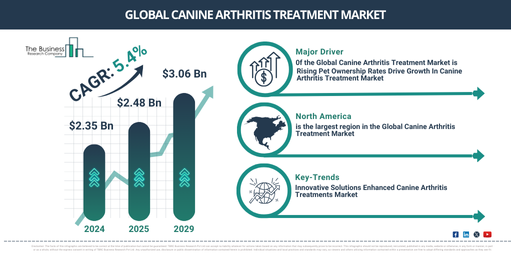
    In recent times, the market size for canine arthritis treatment has consistently seen robust growth. It is projected to expand from $2.35 billion in 2024 to $2.48 billion in 2025, marking a compound annual growth rate (CAGR) of 5.6%. Factors such as the rise in the elderly pet population, heightened knowledge amongst pet owners, focus on preventive healthcare, growth in disposable income, and escalating expenses in veterinary healthcare have contributed significantly to the historical growth of this market.

    The market for treating canine arthritis is projected to experience robust expansion in the forthcoming years. A compound annual growth rate (CAGR) of 5.4% is anticipated, which will propel the market to reach $3.06 billion by 2029. Factors contributing to this projected growth within the forecast period include an increase in pet insurance adoption, a surge in arthritis cases, escalating numbers of pet owners, a rising demand for less invasive surgical treatments, and a higher incidence of arthritis within the canine population. The forecast period will also likely see trends such as ground-breaking treatment methods, progress in the field of veterinary medicine, the call for improved therapies, the incorporation of technology, and cutting-edge technologies.

    Download a free sample to assess the report’s scope and structure:

    https://www.thebusinessresearchcompany.com/sample.aspx?id=16007&type=smp

    Which Primay Drivers Are Accelerating Growth in the Canine Arthritis Treatment Market?

    The growth of the market for canine arthritis treatment is set to be fuelled by the increasing rates of pet ownership. When we talk about pet ownership, we’re referring to the responsibility and care given by individuals or families to meet the needs, welfare, and companionship of domestic animals that are primarily kept for enjoyment rather than practicality. Changes in lifestyle, the trend to humanize pets, and increases in discretionary income are amongst the factors causing an upsurge in pet ownership rates. To manage and relieve the symptoms of arthritis in their dogs, pet owners turn to canine arthritis treatments, with the objective of enhancing their pets’ quality of life and keeping them mobile. As an example, data from the American Pet Products Association, a not-for-profit organization based in the US, in October 2023 indicated that 86.9 million US households had a pet, representing 66% of all households in 2022. Consequently, the escalating rate of pet ownership is a driving force behind the growth of the canine arthritis treatment market.

    Which Primary Segments of the Canine Arthritis Treatment Market Are Driving Growth and Industry Transformations?

    The canine arthritis treatment market covered in this report is segmented –

    1) By Treatment Type: Drugs, Supplements, Surgical Procedures, Other Treatment Types

    2) By Route Of Administration: Oral, Parenteral, Other Routes Of Administrations

    3) By Arthritis Type: Osteoarthritis, Rheumatoid Arthritis, Osteochondrosis, Traumatic Arthritis

    4) By Distribution Channels: Veterinary Clinics And Hospitals, Retail Pharmacies, Online Pharmacies

    Subsegments:

    1) By Drugs: Non-Steroidal Anti-Inflammatory Drugs (NSAIDs), Disease-Modifying Osteoarthritis Drugs (DMOADs), Corticosteroids, Analgesics And Pain Relievers

    2) By Supplements: Glucosamine And Chondroitin Supplements, Omega-3 Fatty Acids And Fish Oil, Hyaluronic Acid Supplements, MSM (Methylsulfonylmethane) Supplements, Collagen-Based Supplements

    3) By Surgical Procedures: Joint Replacement Surgery, Arthroscopy, Osteotomy, Synovectomy

    4) By Other Treatment Types: Physical Therapy, Stem Cell Therapy, Platelet-Rich Plasma (PRP) Therapy, Cold Laser Therapy (Low-Level Laser Therapy), Acupuncture

    Request customized data on this market:

    https://www.thebusinessresearchcompany.com/customise?id=16007&type=smp

    Which Regions Are Key Players in the Growth of the Canine Arthritis Treatment Market?

    North America was the largest region in the canine arthritis treatment market in 2024. Asia-Pacifica is expected to be the fastest-growing region in the forecast period. The regions covered in the canine arthritis treatment market report are Asia-Pacific, Western Europe, Eastern Europe, North America, South America, Middle East, Africa.

    Which Emerging Trends that Are Influencing the Canine Arthritis Treatment Industry Evolution?

    Leading firms in the canine arthritis treatment market are spearheading the creation of new remedies such as bedinvetmab injections to improve joint health and movement in dogs. Bedinvetmab is a type of monoclonal antibody injection which neutralizes the nerve growth factor (NGF), a pain-related protein in veterinary medicine. In May 2023, Zoetis Inc., an American animal health corporation, gained the Food and Drug Administration’s (FDA) approval for Librela, an injectable form of bedinvetmab. This product is a breakthrough as the first FDA-approved monoclonal antibody (mAb) for canine use, functioning by controlling the biological activity of canine nerve growth factor (NGF) which contributes to osteoarthritis (OA) pain. Librela is easily administered by subcutaneous injection on a monthly basis, offering a convenient and prolonged means for managing OA pain in dogs.

    View the full report here:

    https://www.thebusinessresearchcompany.com/report/canine-arthritis-treatment-global-market-report

    What Parameters Are Used to Define the Canine Arthritis Treatment Market?

    Canine arthritis treatment refers to the medical and therapeutic approaches for canine arthritis disease, a chronic condition characterized by inflammation and progressive deterioration of the cartilage within a dog’s joints. It is used to reduce pain and inflammation, maintain joint function, and slow the progression of the disease in dogs.

    Purchase the full report and get a swift delivery:

    https://www.thebusinessresearchcompany.com/purchaseoptions.aspx?id=16007

    About The Business Research Company:

    With over 15000+ reports from 27 industries covering 60+ geographies, The Business Research Company has built a reputation for offering comprehensive, data-rich research and insights. Armed with 1,500,000 datasets, the optimistic contribution of in-depth secondary research, and unique insights from industry leaders, you can get the information you need to stay ahead in the game.

    Get in touch with us:

    The Business Research Company: https://www.thebusinessresearchcompany.com/

    Americas +1 3156230293

    Asia +44 2071930708

    Europe +44 2071930708

    Email us at info@tbrc.info

    Follow us on:

    LinkedIn: https://in.linkedin.com/company/the-business-research-company

    YouTube: https://www.youtube.com/channel/UC24_fI0rV8cR5DxlCpgmyFQ

    Global Market Model: https://www.thebusinessresearchcompany.com/global-market-model
  • Major Drivers Propelling the Growth oh theCancer Supportive Care Products Market Forward: Rising Cancer Incidence Fuels Growth In Supportive Care Products Market

    Major Drivers Propelling the Growth oh theCancer Supportive Care Products Market Forward: Rising Cancer Incidence Fuels Growth In Supportive Care Products Market

    Discover trends, market shifts, and competitive outlooks for the cancer supportive care products industry through 2025-2034 with The Business Research Company’s reliable data and in-depth research

    What is the Projected CAGR for the Cancer Supportive Care Products Market Size from 2025 to 2034?

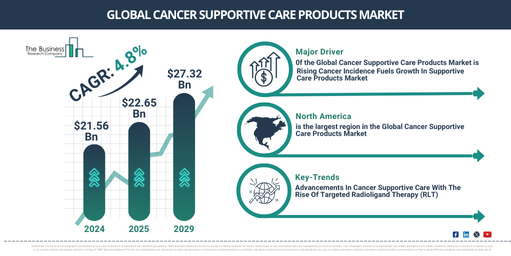
    In recent times, the market size for cancer supportive care products has experienced significant growth. It is projected to climb from $21.56 billion in 2024 to $22.65 billion in 2025, with a compound annual growth rate (CAGR) of 5.1%. This development during the historical period is largely due to rising cancer rates, enhanced awareness and education about the disease, improved healthcare infrastructure, increasing geriatric population, and the emphasis on early detection.

    Expectations are that the market size for cancer supportive care products will experience consistent growth in the coming years. By 2029, the market is projected to reach $27.32 billion at a compound annual growth rate (CAGR) of 4.8%. This anticipated growth during the forecast period is largely due to the increasing incidence of cancer, a surge in patient-centric practices, an escalation in funding for cancer research, a growing emphasis on customised medication, and a climb in cancer survival rates. Key trends to look out for in the forecast period comprise of technological advancements, superior drug delivery systems, innovative drug formulas, personalised care, and creation of biodegradable products.

    Download a free sample to assess the report’s scope and structure:

    https://www.thebusinessresearchcompany.com/sample.aspx?id=18529&type=smp

    Which Major Market Drivers Are Expected to Boost the Growth Potential of the Cancer Supportive Care Products Market?

    The growth of the cancer supportive care products market is anticipated to be driven by the rising incidence of cancer. The risk of cancer tends to grow as individuals age, due to factors such as cellular alterations and extended exposure to risk elements. In addition, habits like smoking, poor nutrition, lack of exercise, and excessive alcohol consumption play a significant role in elevating cancer risk. Cancer supportive care products function to manage symptoms, enhance the quality of life, and provide support for patients in treatment, fulfilling the increasing need brought about by the escalating incidence of cancer. For instance, the American Cancer Society, a U.S.-based non-profit dedicated to cancer eradication, projected in January 2024 that there would be 58,450 occurrences of oral cavity and pharynx cancer, indicating a 7.2% rise from the 54,540 cases documented in 2023. Consequently, the mounting incidence of cancer is predicted to fuel the expansion of the cancer supportive care products market.

    Which Key Market Segments Comprise the Cancer Supportive Care Products Market and Drive Its Revenue Growth?

    The cancer supportive care products market covered in this report is segmented –

    1) By Drug Class: Nonsteroidal Anti-Inflammatory Drugs, Anti-Infective, Anti-Emetics, Monoclonal Antibodies, Erythropoietin Stimulating Agents, Opioid Analgesics, Bisphosphonates, Granulocyte Colony Stimulating Factor

    2) By Indication: Lung Cancer, Breast Cancer, Prostate Cancer, Liver Cancer, Bladder Cancer, Leukemia, Ovary Cancer, Melanoma Cancer, Other Indications

    3) By Distribution Channel: Hospital Pharmacies, Retail Pharmacies, Compounding Pharmacies

    Subsegments

    1) By Nonsteroidal Anti-Inflammatory Drugs (Nsaids): Ibuprofen, Aspirin, Naproxen

    2) By Anti-Infective: Antibiotics, Antifungal Drugs, Antiviral Drugs

    3) By Anti-Emetics: 5-Ht3 Antagonists (Ondansetron), Nk1 Antagonists (Aprepitant), Corticosteroids (Dexamethasone)

    4) By Monoclonal Antibodies: Rituximab, Trastuzumab, Bevacizumab

    5) By Erythropoietin Stimulating Agents: Epoetin Alfa, Darbepoetin Alfa

    6) By Opioid Analgesics: Morphine, Fentanyl, Oxycodone

    7) By Bisphosphonates: Zoledronic Acid, Pamidronate, Ibandronate

    8) By Granulocyte Colony Stimulating Factor: Filgrastim, Pegfilgrastim

    Request customized data on this market:

    https://www.thebusinessresearchcompany.com/customise?id=18529&type=smp

    Which Areas Are Leading Regions in the Cancer Supportive Care Products Market Expansion Across the Globe?

    North America was the largest region in the cancer supportive care products market in 2023. Asia-Pacific is expected to be the fastest-growing region in the forecast period. The regions covered in the cancer supportive care products market report are Asia-Pacific, Western Europe, Eastern Europe, North America, South America, Middle East, Africa.

    What Are the Most Significant Market Trends in the Cancer Supportive Care Products Market?

    Top firms in the cancer supportive care products market are prioritizing advancements in cancer therapies, such as precision guided radioligand therapy (RLT) to amplify treatment effectiveness, mitigate side effects, and enhance patient prognoses overall. A targeted radioligand therapy (RLT) platform employs radiolabeled molecules that bind explicitly to markers of cancer cells, which delivers localized radiation and selectively destroys only the cancerous cells while leaving healthy tissue intact. For example, in May 2022, Novartis AG, a pharmaceutical corporation headquartered in Switzerland, gained US Food and Drug Administration (FDA) clearance for Pluvicto (lutetium Lu 177 vipivotide tetraxetan), which is used to treat PSMA-positive metastatic castration-resistant prostate cancer (mCRPC) in adults that has spread despite earlier treatments. Pluvicto is the first FDA-sanctioned targeted radioligand therapy (RLT) accessible for suitable mCRPC patients, and it integrates a targeting ligand with a therapeutic radioisotope. The FDA has provided approval for Locametz (gallium Ga 68 gozetotide injection) too, which is utilized in PET scans to identify PSMA-positive lesions, assisting in determining the spread of the cancer and if patients are eligible for treatment with Pluvicto.

    View the full report here:

    https://www.thebusinessresearchcompany.com/report/cancer-supportive-care-products-global-market-report

    How Is the Cancer Supportive Care Products Market Conceptually Defined?

    Cancer supportive care products refer to a range of medical treatments, therapies, and products designed to manage and alleviate the symptoms, side effects, and complications associated with cancer and its treatments. These products aim to improve the quality of life for cancer patients by addressing various aspects of care, including physical, emotional, and psychological support.

    Purchase the full report and get a swift delivery:

    https://www.thebusinessresearchcompany.com/purchaseoptions.aspx?id=18529

    About The Business Research Company:

    With over 15000+ reports from 27 industries covering 60+ geographies, The Business Research Company has built a reputation for offering comprehensive, data-rich research and insights. Armed with 1,500,000 datasets, the optimistic contribution of in-depth secondary research, and unique insights from industry leaders, you can get the information you need to stay ahead in the game.

    Get in touch with us:

    The Business Research Company: https://www.thebusinessresearchcompany.com/

    Americas +1 3156230293

    Asia +44 2071930708

    Europe +44 2071930708

    Email us at info@tbrc.info

    Follow us on:

    LinkedIn: https://in.linkedin.com/company/the-business-research-company

    YouTube: https://www.youtube.com/channel/UC24_fI0rV8cR5DxlCpgmyFQ

    Global Market Model: https://www.thebusinessresearchcompany.com/global-market-model

  • Critical Market Drivers Shaping the Outlook for Cancer Supportive Care Drugs Market from 2025-2034: Rising Cancer Survival Rates Drive Growth In The Cancer Supportive Care Drugs Market

    Critical Market Drivers Shaping the Outlook for Cancer Supportive Care Drugs Market from 2025-2034: Rising Cancer Survival Rates Drive Growth In The Cancer Supportive Care Drugs Market

    Discover trends, market shifts, and competitive outlooks for the cancer supportive care drugs industry through 2025-2034 with The Business Research Company’s reliable data and in-depth research

    What Is the Current and Projected Market Size of the Cancer Supportive Care Drugs Market Through 2034?

    The market size for drugs used in supportive care for cancer patients has seen a consistent expansion in recent times, escalating from $20.83 billion in 2024 to $21.85 billion in 2025, representing a compound annual growth rate (CAGR) of 4.9%. The expansion noted in the earlier period is credited to factors such as the spike in the elderly populace, rising cases of chemotherapy, amplified demand for antiemetics, an enhanced inclination towards online pharmacies and drug stores, greater cognizance about supportive care, an upsurge in the employment of precision medicine, and a stronger focus on palliative care.

    The market size for cancer supportive care drugs is forecasted to experience stable growth in the coming years, reaching $26.1 billion in 2029, with an annual compound growth rate (CAGR) of 4.5%. Factors influencing this expected growth in the projected period include higher public awareness regarding the side effects of cancer treatment, increased occurrence of breast cancer among women, targeted medication plans, demand for virtual doctor consultations, an enhanced pharmaceutical sector supply chain, and a growing community of cancer survivors. Significant trends during the projected period involve progressive targeted therapies, incorporation of biobehavioral interventions, execution of care plans for survivors, integration of nutritional support, developments in pain management approaches, and the introduction of symptom monitoring platforms.

    Download a free sample to assess the report’s scope and structure:

    https://www.thebusinessresearchcompany.com/sample.aspx?id=15749&type=smp

    What Are the Core Growth Drivers Propelling the Cancer Supportive Care Drugs Market Forward?

    The anticipated increase in the survival rate for cancer patients is predicted to fuel the expansion of the market for cancer supportive care drugs. The cancer survival rate signifies the proportion of individuals who survive a specific form of cancer for a particular duration, usually five years, post-diagnosis. Several factors influence these survival rates, including early detection, progress in treatment methods, availability of quality healthcare, the patient’s overall health status, the type and progression stage of the cancer, as well as socioeconomic influences. Cancer supportive care drugs contribute to enhanced survival rates as they manage side effects like pain, sickness, and blood deficiency, which in turn helps patients to better endure their treatments and complete the entire therapy course. This can result in better health outcomes. For instance, according to a projection by the United States’ National Cancer Institute in January 2022, the count of cancer survivors is expected to increase by 24.4% in the coming ten years, reaching 22.5 million by 2032. Hence, the enhancement in cancer patients’ survival rate is stimulating the market for cancer supportive care drugs.

    What Segment Types Define the Cancer Supportive Care Drugs Market Structure?

    The cancer supportive care drugs market covered in this report is segmented –

    1) By Type: Erythropoiesis Stimulating Agents, Granulocyte Colony Stimulating Factors, Antiemetics, Bisphosphonates, Opioids, Nonsteroidal Anti Inflammatory Drugs, Other Types

    2) By Application: Breast Cancer, Lung Cancer, Colorectal Cancer, Prostate Cancer, Liver Cancer, Stomach Cancer, Other Applications

    3) By Distribution Channel: Hospital Pharmacies, Retail Pharmacies, Online Pharmacies, Specialty Clinics, Other Channels

    Subsegments:

    1) By Erythropoiesis Stimulating Agents: Epoetin Alfa, Darbepoetin Alfa, Methoxy Polyethylene Glycol-Epoetin Beta

    2) By Granulocyte Colony Stimulating Factors: Filgrastim, Pegfilgrastim, Lenograstim

    3) By Antiemetics: 5-HT3 Receptor Antagonists, NK1 Receptor Antagonists, Corticosteroids

    4) By Bisphosphonates: Zoledronic Acid, Pamidronate, Ibandronate

    5) By Opioids: Morphine, Fentanyl, Oxycodone

    6) By Nonsteroidal Anti Inflammatory Drugs (NSAIDs): Ibuprofen, Diclofenac, Celecoxib

    7) By Other Types: Steroids, Anxiolytics, Appetite Stimulants

    Request customized data on this market:

    https://www.thebusinessresearchcompany.com/customise?id=15749&type=smp

    Which Geographic Areas Hold the Strongest Growth Potential in the Cancer Supportive Care Drugs Market?

    North America was the largest region in the cancer supportive care drugs market in 2023. Asia-Pacific is expected to be the fastest-growing region in the forecast period. The regions covered in the cancer supportive care drugs market report are Asia-Pacific, Western Europe, Eastern Europe, North America, South America, Middle East and Africa.

    What Are the Current Market Growth and Trends in the Cancer Supportive Care Drugs Industry?

    Big firms in the cancer support care drugs market, like Merck, are focusing on the creation of combination therapies in order to better navigate the intricacies and difficulties associated with cancer treatment. They are strategically utilizing more than one therapy simultaneously to address different factors of cancer progression and viability, with the goal of providing deeper, longer-lasting results than those obtained from singular treatments. As an example, in November 2023, Merck gained clearance from the US’s Food and Drug Administration for the usage of KEYTRUDA, an anti-PD-1 therapy, alongside gemcitabine and cisplatin for the management of patients with biliary tract cancer (BTC) that is either locally advanced unresectable or has metastasized. The experimental results of this amalgamated therapy notably increased overall survival rates, presenting a new potential solution for those battling this tough disease.

    View the full report here:

    https://www.thebusinessresearchcompany.com/report/cancer-supportive-care-drugs-global-market-report

    What Is the Definition of the Cancer Supportive Care Drugs Market?

    Cancer supportive care drugs are essential in managing the side effects and symptoms associated with cancer treatments, significantly improving patients’ quality of life. These medications address issues such as pain, nausea, anemia, and psychological stress, helping patients better tolerate their cancer therapies. By providing comprehensive symptom relief, supportive care drugs enable patients to maintain their strength and well-being throughout their treatment journey.

    Purchase the full report and get a swift delivery:

    https://www.thebusinessresearchcompany.com/purchaseoptions.aspx?id=15749

    About The Business Research Company:

    With over 15000+ reports from 27 industries covering 60+ geographies, The Business Research Company has built a reputation for offering comprehensive, data-rich research and insights. Armed with 1,500,000 datasets, the optimistic contribution of in-depth secondary research, and unique insights from industry leaders, you can get the information you need to stay ahead in the game.

    Get in touch with us:

    The Business Research Company: https://www.thebusinessresearchcompany.com/

    Americas +1 3156230293

    Asia +44 2071930708

    Europe +44 2071930708

    Email us at info@tbrc.info

    Follow us on:

    LinkedIn: https://in.linkedin.com/company/the-business-research-company

    YouTube: https://www.youtube.com/channel/UC24_fI0rV8cR5DxlCpgmyFQ

    Global Market Model: https://www.thebusinessresearchcompany.com/global-market-model
  • Major Trends and Emerging Patterns in the Cancer Immunotherapy Drug Discovery Outsourcing Market: Strategic Partnerships Driving Cancer Immunotherapy Drug Discovery Outsourcing

    Major Trends and Emerging Patterns in the Cancer Immunotherapy Drug Discovery Outsourcing Market: Strategic Partnerships Driving Cancer Immunotherapy Drug Discovery Outsourcing

    Discover trends, market shifts, and competitive outlooks for the cancer immunotherapy drug discovery outsourcing industry through 2025-2034 with The Business Research Company’s reliable data and in-depth research

    What Are the Key Milestones in the Cancer Immunotherapy Drug Discovery Outsourcing Market’s Growth Trajectory From 2025 To 2034?

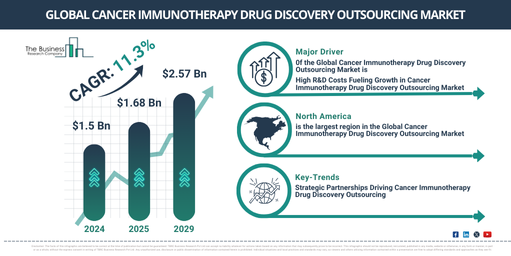
    The market for outsourcing the discovery of cancer immunotherapy drugs has witnessed a significant expansion in the past few years. The market, projected to be worth $1.5 billion in 2024, is expected to reach $1.68 billion in 2025, with a compound annual growth rate (CAGR) of 11.6%. Factors such as a rise in adverse drug reactions, heightened demand for extensive genomic testing, an escalating global prevalence of cancer, an increased necessity for targeted therapies, and a surge in clinical trials have contributed to the growth during the historical period.

    Anticipated to see swift expansion over the forthcoming years, the market for outsourced discovery of cancer immunotherapy drugs is likely to reach a valuation of $2.57 billion by 2029, growing at a compounded annual rate of 11.3%. The market’s progression during the forecast period can be attributed to factors such as the growing significance of personalized medicine, the rise in diagnostic tests, heightened focus on individualized cancer treatment, increase in healthcare expenditure, and a surge in the incidence and awareness of cancer. Key trends for the forecast period include advancements in diagnostic technology, the rise of next-generation sequencing (NGS), incorporation of artificial intelligence (AI), emerging liquid biopsy technologies, development of point-of-care companion diagnostic devices, and innovative testing procedures.

    Download a free sample to assess the report’s scope and structure:

    https://www.thebusinessresearchcompany.com/sample.aspx?id=15528&type=smp

    What Are the Primary Drivers Supporting the Market Growth of the Cancer Immunotherapy Drug Discovery Outsourcing Market?

    The escalating expenses involved in research and development are predicted to fuel the expansion of the cancer immunotherapy drug discovery outsourcing market. These growing expenses are primarily attributed to the necessity for specialized expertise, high-cost equipment, and the inherent potential risks associated with innovation. By outsourcing drug discovery processes, smaller biotech companies and startups can benefit from the economies of scale offered by contract research organizations (CROs), allowing them to maximize their R&D budgets and distribute resources more effectively, thereby increasing cost-efficiency. For example, the European Federation of Pharmaceutical Industries and Associations (EFPIA), a trade association that represents the pharmaceutical industry in Europe, reported in June 2023 that the overall pharmaceutical R&D expenditure in Europe for the year 2022 reached $49,500 million (€44,500 million), marking a rise of nearly 6.45% from $46,500 million (€42,533 million) in 2021. Thus, the soaring costs of conducting in-house research and development are driving the growth of the cancer immunotherapy drug discovery outsourcing market.

    Which Primary Segments of the Cancer Immunotherapy Drug Discovery Outsourcing Market Are Driving Growth and Industry Transformations?

    The cancer immunotherapy drug discovery outsourcing market covered in this report is segmented –

    1) By Drug Type: Monoclonal Antibodies, Immunomodulators, Oncolytic Viral Therapies And Cancer Vaccines, Other Drug Types

    2) By Service Type: Target Identification And Validation, Lead Screening And Characterization, Cell-Based Assays

    3) By Therapeutic Area: Lung Cancer, Breast Cancer, Melanoma, Other Therapeutic Areas

    Subsegments:

    1) By Monoclonal Antibodies: Checkpoint Inhibitors, Therapeutic Monoclonal Antibodies, Bispecific Antibodies, Antibody-Drug Conjugates (ADCs)

    2) By Immunomodulators: Cytokines, Immune Checkpoint Modulators, Toll-Like Receptor Agonists, Immune Adjuvants

    3) By Oncolytic Viral Therapies And Cancer Vaccines: Oncolytic Virus-Based Therapies, Cancer Vaccines, Viral Vectors For Immunotherapy

    4) By Other Drug Types: Adoptive Cell Therapy, Immune Cell Modulators, Small Molecule Immune Modulators, Gene Editing And Immunotherapy

    Request customized data on this market:

    https://www.thebusinessresearchcompany.com/customise?id=15528&type=smp

    Which Regions Are Key Players in the Growth of the Cancer Immunotherapy Drug Discovery Outsourcing Market?

    North America was the largest region in the cancer immunotherapy drug discovery outsourcing market in 2023. Asia-Pacific is expected to be the fastest-growing region in the forecast period. The regions covered in the cancer immunotherapy drug discovery outsourcing market report are Asia-Pacific, Western Europe, Eastern Europe, North America, South America, Middle East, Africa.

    What Long-Term Trends Are Transforming the Competitive Landscape of the Cancer Immunotherapy Drug Discovery Outsourcing Market?

    Leading businesses in the cancer immunotherapy drug discovery outsourcing market are turning to strategic partnerships to aid in the production of cancer-fighting drugs and secure a competitive industry edge. Strategic partnerships are typically defined as a collaborative effort between two or more organizations, pooling their resources, skills, and hard work to accomplish shared aspirations or aims. For example, in February 2022, Japanese pharmaceutical company, Ono Pharmaceutical Co., Ltd., and the US biopharmaceutical firm, Bristol-Myers Squibb, entered into an outsourcing deal with Prime Research Institute for Medical Research, Inc., another Japanese research institute. The collaboration project is aimed at clinical research catering to stomach cancer patients treated with a combined regimen of Opdivo (nivolumab) and chemotherapy. This large-scale, inter-institutional research, sponsored by the industry, uses PRiME-R’s CyberOncology, a data input support system that simplifies the standardization, structure, administration, and merging of real-world data in regular cancer medical procedures. Evaluating the combination of Opdivo with chemotherapy for untreated advanced or recurring gastric cancer, this clinical study involves around 30 nationwide medical institutions aiming to enhance data input efficiency, improve data accuracy, and hasten the analysis process.

    View the full report here:

    https://www.thebusinessresearchcompany.com/report/cancer-immunotherapy-drug-discovery-outsourcing-global-market-report

    What Parameters Are Used to Define the Cancer Immunotherapy Drug Discovery Outsourcing Market?

    Cancer immunotherapy drug discovery outsourcing is a specialized service model in the pharmaceutical and biotech sectors. It entails delegating aspects of cancer immunotherapy drug development to external service providers, typically contract research organizations (CROs) or contract development and manufacturing organizations (CDMOs) to speeds up innovation by leveraging external expertise and resources, letting pharmaceutical companies focus on core activities.

    Purchase the full report and get a swift delivery:

    https://www.thebusinessresearchcompany.com/purchaseoptions.aspx?id=15528

    About The Business Research Company:

    With over 15000+ reports from 27 industries covering 60+ geographies, The Business Research Company has built a reputation for offering comprehensive, data-rich research and insights. Armed with 1,500,000 datasets, the optimistic contribution of in-depth secondary research, and unique insights from industry leaders, you can get the information you need to stay ahead in the game.

    Get in touch with us:

    The Business Research Company: https://www.thebusinessresearchcompany.com/

    Americas +1 3156230293

    Asia +44 2071930708

    Europe +44 2071930708

    Email us at info@tbrc.info

    Follow us on:

    LinkedIn: https://in.linkedin.com/company/the-business-research-company

    YouTube: https://www.youtube.com/channel/UC24_fI0rV8cR5DxlCpgmyFQ

    Global Market Model: https://www.thebusinessresearchcompany.com/global-market-model