Month: June 2025

  • Oncolytic Virus Therapy Market to Reach $0.55 Billion by 2029 | Key Drivers and Future Outlook

    Oncolytic Virus Therapy Market to Reach $0.55 Billion by 2029 | Key Drivers and Future Outlook

    Claim your 30% discount on Global Market Reports with code ONLINE30. Limited time only.

    What Is the Growth Rate of the Oncolytic Virus Therapy Market?

    The market size for oncolytic virus therapy has seen a significant increase in recent years. The market is projected to expand from $0.19 billion in 2024 to $0.23 billion in 2025, with a compound annual growth rate (CAGR) of 25.4%. The growth observed in the past is due to advancements in genetic engineering methods, enhanced knowledge of the tumor microenvironment, clinical victories and regulatory sanctions, the increasing prominence of immunotherapy in treating cancer, and progress in gene delivery systems.

    What Growth Rate Is Forecasted for the Oncolytic Virus Therapy Market by 2029?

    Expectations are high for a sharp rise in the size of the oncolytic virus therapy market in the next few years. With a compound annual growth rate (CAGR) of 23.7%, it is projected to reach $0.55 billion by 2029. This projected growth during the forecast period can be linked to the development of oncolytic virus platforms, the use of immune checkpoint inhibitors in combination therapies, approaches focused on personalized medicine, an increased scale of clinical trials, and regulatory support and guidelines. The forecast period also anticipates several major trends, including technological developments in delivery systems, progress in synthetic biology, collaborations, and partnerships in the biopharmaceutical industry, improvements in virology and immunology, and a greater focus on pediatric oncology.

    Download The Free Sample Report Here:

    https://www.thebusinessresearchcompany.com/sample.aspx?id=12391&type=smp

    Which Key Companies Are Shaping the Future of the Oncolytic Virus Therapy Market?

    Major companies operating in the oncolytic virus therapy market include Pfizer Inc., Johnson & Johnson, Sorrento Therapeutics Inc., AbbVie Inc., AstraZeneca plc, Amgen Inc., Boehringer Ingelheim Group, Regeneron Pharmaceuticals, Daiichi Sankyo Company Limited, Kissei Pharmaceutical Co. Ltd., Takara Bio Inc., Oncorus Inc., Replimune Inc., Vyriad Inc., Genelux Corporation, Oncolys BioPharma Inc., Adze Biotechnology, Oncolytics Biotech Inc., TILT Biotherapeutics Ltd., Transgene SA, Circio Holding ASA, Lokon Pharma AB, Provectus Biopharmaceuticals Inc., Vibalogics

    Which Factors Are Driving Demand in the Oncolytic Virus Therapy Industry?

    The rise in cancer cases is expected to drive the expansion of the oncolytic virus therapy market. Cancer refers to a collection of diseases marked by the unregulated proliferation and dispersion of abnormal cells within the body. Oncolytic virus therapy has the potential to selectively attack and eliminate cancer cells, while also triggering an immunological response against the tumor, making it a potent mechanism for cancer treatment. For example, the American Cancer Society Inc., a non-profit organization based in the US, predicts that there will be 609,820 cancer deaths and 1,958,310 fresh cancer incidents in the US throughout 2022, as of January 2023. Hence, the escalating prevalence of cancer cases is a key factor fueling the growth of the oncolytic virus therapy market.

    Request For A Customized Report:

    https://www.thebusinessresearchcompany.com/customise?id=12391&type=smp

    How Is the Oncolytic Virus Therapy Market Segmented by Several Divisions?

    The oncolytic virus therapy market covered in this report is segmented –

    1) By Therapy Type: HSV-Based Oncolytic Virus Therapy, Adenovirus-Based Oncolytic Virus Therapy, Reovirus, Poxviruses, NDV (Newcastle Disease Virus), Other Therapy Types

    2) By Virus Type: Genetically Engineered Oncolytic Viruses, Oncolytic Wild-Type Viruses

    3) By Application: Breast Cancer, Lung Cancer, Prostate Cancer, Melanoma, Brain Tumor, Blood Cancer

    4) By End-User: Hospitals, Specialty Clinics, Cancer Research Institutes

    Subsegments:

    1) By HSV-Based Oncolytic Virus Therapy: Talimogene Laherparepvec (T-VEC), Other HSV-Based Therapies

    2) By Adenovirus-Based Oncolytic Virus Therapy: Onyx-015, AdV-5/3-D24, Other Adenovirus-Based Therapies

    3) By Reovirus: Reolysin, Other Reovirus Therapies

    4) By Poxviruses: JX-594 (OncoVac), Other Poxvirus Therapies

    5) By NDV (Newcastle Disease Virus): NDV-Based Therapies, Other NDV Applications

    6) By Other Therapy Types: Combination Therapies, Other Emerging Oncolytic Virus Therapies

    What are the Emerging Market Trends Driving the Growth of the Oncolytic Virus Therapy Industry?

    Leading firms within the oncolytic virus therapy market are focusing on achieving regulatory authorizations to hasten the incorporation of pioneering cancer therapies. This essentially refers to the health authority assessment and endorsement of medical commodities such as drugs, biotech solutions, and medical devices in order to bring them to market. For example, in March 2024, Fast Track certification was granted by the FDA to ImmVira, a biotechnology firm based in China, for MVR-T3011 IT, their oncolytic virus therapy. The therapy is designed for patients suffering from recurrent or metastatic head and neck squamous cell carcinoma (HNSCC), who have experienced disease progression post-platinum-based chemotherapy and at least one preceding line of anti-PD-1/PD-L1 treatment. The goal of this certification is to speed up both the development and scrutiny process for treatments tackling serious conditions with unmet medical needs.

    Access The Full Report Here:

    https://www.thebusinessresearchcompany.com/report/oncolytic-virus-therapy-global-market-report

    Which Regions Are Driving Growth in the Oncolytic Virus Therapy Market?

    North America was the largest region in the oncolytic virus therapy market in 2024 and is expected to be the fastest-growing region in the forecast period. The regions covered in the oncolytic virus therapy market report are Asia-Pacific, Western Europe, Eastern Europe, North America, South America, Middle East, Africa

    Purchase The Full Report Today:

    https://www.thebusinessresearchcompany.com/purchaseoptions.aspx?id=12391

    This Report Delivers Insight On:

    1. How big is the oncolytic virus therapy market, and how is it changing globally?

    2. Who are the major companies in the oncolytic virus therapy market, and how are they performing?

    3. What are the key opportunities and risks in the oncolytic virus therapy market right now?

    4. Which products or customer segments are growing the most in the oncolytic virus therapy market?

    5. What factors are helping or slowing down the growth of the oncolytic virus therapy market?

    About The Business Research Company:

    With over 15000+ reports from 27 industries covering 60+ geographies, The Business Research Company has built a reputation for offering comprehensive, data-rich research and insights. Armed with 1,500,000 datasets, the optimistic contribution of in-depth secondary research, and unique insights from industry leaders, you can get the information you need to stay ahead in the game.

    Get in touch with us:

    The Business Research Company: https://www.thebusinessresearchcompany.com/

    Americas +1 3156230293

    Asia +44 2071930708

    Europe +44 2071930708

    Email us at info@tbrc.info

    Follow us on:

    LinkedIn: https://in.linkedin.com/company/the-business-research-company

    YouTube: https://www.youtube.com/channel/UC24_fI0rV8cR5DxlCpgmyFQ

    Global Market Model: https://www.thebusinessresearchcompany.com/global-market-model

  • Oncology Biomarkers Market Size to Exceed $29.64 Billion by 2029 | Growth and Industry Trends

    Oncology Biomarkers Market Size to Exceed $29.64 Billion by 2029 | Growth and Industry Trends

    Claim your 30% discount on Global Market Reports with code ONLINE30. Limited time only.

    How Has the Oncology Biomarkers Market Grown from 2024 to 2025?

    In recent times, there has been a swift expansion in the scale of the oncology biomarkers market. Estimated at $15.3 billion in 2024, it is projected to swell to $17.43 billion in 2025, showcasing a compound annual growth rate (CAGR) of 13.9%. The notable growth observed in the historic phase could be ascribed to wider acceptance in developing nations, efforts towards precision medicine, advancements in diagnostic procedures, support for drug development, and a rising occurrence of cancer.

    What Growth Rate Is Anticipated for the Oncology Biomarkers Market in the Coming Years?

    In the coming years, the oncology biomarkers market is projected to experience swift expansion. The market is anticipated to reach $29.64 billion by 2029, with a compound annual growth rate (CAGR) of 14.2%. Factors contributing to this predicted growth during the specified period include the integration of next-generation sequencing (ngs), the growth of biomarker informatics, emphasis on predictive pharmacogenomics, quick progression of exosome-based biomarkers, and the utilization of spatial transcriptomics. Key trends expected within this period are the standardization and quality assurance, a move towards functional biomarkers, the function of biomarkers in clinical trials, wider applications in immunotherapy, and real-time observation of therapy responses.

    Download The Free Sample Report Here:

    https://www.thebusinessresearchcompany.com/sample.aspx?id=12493&type=smp

    Who Are the Leading Companies in the Oncology Biomarkers Market?

    Major companies operating in the oncology biomarkers market include F Hoffmann-La Roche AG, Novartis AG, Thermo Fisher Scientific Inc., Abbott Laboratories, Eli Lilly and Company, Merck KGaA, Siemens Healthcare GmbH, Becton Dickinson and Company, GE Healthcare Technologies Inc., Eurofins Scientific SE, Agilent Technologies Inc., Hologic Inc., Illumina Inc., Charles River Laboratories International Inc., bioMerieux SA, Bio-Rad Laboratories Inc., Bruker Corporation, QIAGEN NV, Exact Sciences Corporation, Sysmex Corporation, PerkinElmer Inc., Leica Biosystems, Myriad Genetics Inc., Guardant Health Inc., Enzo Biochem Inc., Biocartis Group NV, Bristol -Myers Squibb Company, Agendia Inc., Epigenomics AG, OncoDNA SA

    What Are the Key Drivers of the Oncology Biomarkers Market?

    The oncology biomarker market is predicted to expand due to the increasing prevalence of cancer. This illness begins when some cells in the body start multiplying without control, gradually affecting the whole body. Oncology biomarkers help gain a deeper insight into the specific kind of cancer by evaluating the genes, proteins, and other substances present in a patient’s body. For instance, the National Library of Medicine, a government institution based in the US, projected in January 2024, that the United States might see 2,001,140 new cancer cases and 611,720 cancer-related fatalities in 2024. On top of that, the annual incidence rates of cervical cancer among individuals between 30 and 44 years old, and colorectal cancer in those under 55 years old, have been witnessing 1% to 2% increases among the younger population. Hence, the growing cancer prevalence is expected to steer the growth in the oncology biomarker market.

    Request For A Customized Report:

    https://www.thebusinessresearchcompany.com/customise?id=12493&type=smp

    What Are the Key Market Segments in the Oncology Biomarkers Industry?

    The oncology biomarkers market covered in this report is segmented –

    1) By Biomarker Type: Protein Biomarkers, Genetic Biomarkers, Other Cancer Biomarkers

    2) By Profiling Technologies: Omics Technologies, Imaging Technologies, Immunoassay, Bioinformatics, Other Profiling Technologies

    3) By Cancer Type: Breast Cancer, Lung Cancer, Colorectal Cancer, Prostate Cancer, Melanoma, Leukemia, Ovarian Cancer, Liver Cancer, Other Cancer Types

    4) By Application: Diagnostics, Research And Development, Prognostics, Risk Assessment, Other Applications

    5) By End-User: Hospitals, Academic And Cancer Research Institutes, Ambulatory Surgical Centers, Diagnostic Laboratories

    Subsegments:

    1) By Protein Biomarkers: Tumor-Specific Antigens, Circulating Tumor Cells (CTCs), Enzymatic Biomarkers

    2) By Genetic Biomarkers: DNA Mutations, Gene Expression Profiles, Single Nucleotide Polymorphisms (SNPs)

    3) By Other Cancer Biomarkers: Metabolomic Biomarkers, Epigenetic Biomarkers, MicroRNA Biomarkers

    What Are the Latest Trends in the Oncology Biomarkers Market?

    The trend of embracing groundbreaking and sophisticated technologies is prevalent in the oncology biomarker industry. To consolidate their market standing in the field of oncology biomarkers, top corporations are rolling out novel and pioneering technologies. A case in point is OncoDNA, a Belgium-based corporation specializing in precision medicine in oncology, which unveiled the OncoDEEP kit in 2022. This distinctive kit empowers laboratories to conduct thorough biomarker testing. Via the use of Next-generation sequencing (NGS) technology coupled with cloud-based software applications, OncoDEEP offers labs the means to carry out broad-panel sequencing, gain a molecular understanding of a tumor, scrutinize the raw data, and avail detailed quality control checks.

    Access The Full Report Here:

    https://www.thebusinessresearchcompany.com/report/oncology-biomarkers-global-market-report

    What Are the Key Regional Markets in the Oncology Biomarkers Industry?

    North America was the largest region in the oncology biomarkers market in 2024. The regions covered in the oncology biomarkers market report are Asia-Pacific, Western Europe, Eastern Europe, North America, South America, Middle East, Africa

    Purchase The Full Report Today:

    https://www.thebusinessresearchcompany.com/purchaseoptions.aspx?id=12493

    This Report Delivers Insight On:

    1. How big is the oncology biomarkers market, and how is it changing globally?

    2. Who are the major companies in the oncology biomarkers market, and how are they performing?

    3. What are the key opportunities and risks in the oncology biomarkers market right now?

    4. Which products or customer segments are growing the most in the oncology biomarkers market?

    5. What factors are helping or slowing down the growth of the oncology biomarkers market?

    About The Business Research Company:

    With over 15000+ reports from 27 industries covering 60+ geographies, The Business Research Company has built a reputation for offering comprehensive, data-rich research and insights. Armed with 1,500,000 datasets, the optimistic contribution of in-depth secondary research, and unique insights from industry leaders, you can get the information you need to stay ahead in the game.

    Get in touch with us:

    The Business Research Company: https://www.thebusinessresearchcompany.com/

    Americas +1 3156230293

    Asia +44 2071930708

    Europe +44 2071930708

    Email us at info@tbrc.info

    Follow us on:

    LinkedIn: https://in.linkedin.com/company/the-business-research-company

    YouTube: https://www.youtube.com/channel/UC24_fI0rV8cR5DxlCpgmyFQ

    Global Market Model: https://www.thebusinessresearchcompany.com/global-market-model

  • Oligonucleotide Synthesis Market Trends Report 2025 – For Business Development and Strategy Teams

    Oligonucleotide Synthesis Market Trends Report 2025 – For Business Development and Strategy Teams

    Claim your 30% discount on Global Market Reports with code ONLINE30. Limited time only.

    What Is the Forecast for the Oligonucleotide Synthesis Market Growth in 2025?

    In recent times, the market size for oligonucleotide synthesis has observed quick expansion. The market, which was valued at $10.33 billion in 2024, is predicted to surge to $11.94 billion in 2025, experiencing a compound annual growth rate (CAGR) of 15.6%. The upward growth trend in the past years can be credited to the progress in biomedical research, therapeutic development, biotechnological breakthroughs, genomic research, and the rise in DNA technologies.

    What Is the Forecast for the Oligonucleotide Synthesis Market Size Through 2029?

    In the forthcoming years, a swift expansion is anticipated in the oligonucleotide synthesis market size, with projections putting it at $22.29 billion in 2029, reflecting a compound annual growth rate (CAGR) of 16.9%. The growth trajectory during the forecast period is anticipated to be driven by advancements in diagnostic tools, RNA interference (RNAi) therapies, regenerative medicine, applications of nanotechnology, and progress in gene editing. The projected period also expects to see significant trends such as targeted drug development, innovative delivery systems, automation in synthesis, the use of CRISPR-cas technology, and the rise of next-generation sequencing (NGS).

    Download The Free Sample Report Here:

    https://www.thebusinessresearchcompany.com/sample.aspx?id=12176&type=smp

    What are the Key Market Players in Oligonucleotide Synthesis Market and How They’re Evolving?

    Major companies operating in the oligonucleotide synthesis market include Thermo Fisher Scientific Inc., Danaher Corporation, Merck KGaA, GE HealthCare Technologies Inc., Eurofins Scientific SE, Agilent Technologies Inc., Nitto Denko Avecia Inc., Alnylam Pharmaceuticals Inc., Maravai Life Sciences, LGC Limited, Ionis Pharmaceuticals Inc., GenScript Inc., Ajinomoto Bio-Pharma Services, Sarepta Therapeutics Inc., Integrated DNA Technologies Inc., Twist Bioscience Corporation, Eurogentec SA, Kaneka Eurogentec S.A., Biocomma Limited, Bio-Synthesis Inc., TriLink BioTechnologies Incorporated, Generi Biotech s.r.o., ATDBio Ltd., BioAutomation Corporation, Biolegio B.V., Dharmacon Research Inc.

    What Are the Primary Growth Drivers in the Oligonucleotide Synthesis Market?

    The growth of the oligonucleotide synthesis market is projected to be fueled by the increasing incidence of chronic diseases. Chronic diseases are defined as conditions that persist for at least a year, necessitating consistent medical care, and may progressively worsen over time. Oligonucleotides function to regulate gene expression involved in chronic diseases through several mechanisms. These can target mRNA, pre-mRNA, or non-coding RNA to manipulate splicing events, instigate degradation, or interfere with protein translation. For example, the World Health Organization, a specialized agency of the United Nations based in Switzerland, reported in September 2022 that there were 41 million deaths worldwide, accounting for 74% of all deaths due to non-communicable diseases (NCDs) or chronic diseases annually. The report detailed 17.9 million deaths from cardiovascular diseases, 9.3 million from cancer, 4.1 million from chronic respiratory diseases, and 2.0 million from diabetes. Thus, the elevation in the occurrence of chronic and rare diseases is stimulating the expansion of the oligonucleotide synthesis market.

    Request For A Customized Report:

    https://www.thebusinessresearchcompany.com/customise?id=12176&type=smp

    What Are the Leading Segments in the Global Oligonucleotide Synthesis Industry?

    The oligonucleotide synthesis market covered in this report is segmented –

    1) By Type: Custom Oligos, Predesigned Oligos

    2) By Product Type: Oligonucleotides, Reagents, Equipment, Services, Purification, Modification

    3) By Application: Therapeutic Applications, Research Applications, Diagnostic Applications

    Subsegments:

    1) By Custom Oligos: Long Oligonucleotides, Short Oligonucleotides, Modified Oligonucleotides

    2) By Predesigned Oligos: Gene-Specific Oligos, Probe Oligos, Primers For PCR And RT-PCR

    What Are the Key Market Trends in the Oligonucleotide Synthesis Industry?

    Product innovation has emerged as a pivotal trend in the oligonucleotide synthesis market, with major players focussing on the development of novel products to consolidate their market presence. For example, Ansa Biotechnologies, Inc., a company based in the US specializing in the manufacture of complex DNA, rolled out Ansa Clonal DNA and Ansa DNA Fragments in July 2024. Ansa Clonal DNA facilitates clonal, flawless sequences of DNA up to 600 base pairs long, negating the need for assembly, and hence delivers unmatched precision for intricate synthetic biology projects. This product guarantees error-free and ready-to-use DNA sequences, positioning it as a trustworthy choice for scientific researchers. Ansa DNA Fragments provides sequence-verified linear double-stranded DNA fragments, which can also be up to 600 base pairs long, customized for a wide array of research uses. Ansa’s innovative enzymatic synthesis method consistently generates complex DNA structures, inclusive of repeats and secondary structures, with high adaptability.

    Access The Full Report Here:

    https://www.thebusinessresearchcompany.com/report/oligonucleotide-synthesis-global-market-report

    What Is the Regional Outlook for the Oligonucleotide Synthesis Market?

    North America was the largest region in the oligonucleotide synthesis market in 2024. Asia-Pacific is expected to be the fastest-growing region in the forecast period. The regions covered in the oligonucleotide synthesis market report are Asia-Pacific, Western Europe, Eastern Europe, North America, South America, Middle East, Africa.

    Purchase The Full Report Today:

    https://www.thebusinessresearchcompany.com/purchaseoptions.aspx?id=12176

    This Report Delivers Insight On:

    1. How big is the oligonucleotide synthesis market, and how is it changing globally?

    2. Who are the major companies in the oligonucleotide synthesis market, and how are they performing?

    3. What are the key opportunities and risks in the oligonucleotide synthesis market right now?

    4. Which products or customer segments are growing the most in the oligonucleotide synthesis market?

    5. What factors are helping or slowing down the growth of the oligonucleotide synthesis market?

    About The Business Research Company:

    With over 15000+ reports from 27 industries covering 60+ geographies, The Business Research Company has built a reputation for offering comprehensive, data-rich research and insights. Armed with 1,500,000 datasets, the optimistic contribution of in-depth secondary research, and unique insights from industry leaders, you can get the information you need to stay ahead in the game.

    Get in touch with us:

    The Business Research Company: https://www.thebusinessresearchcompany.com/

    Americas +1 3156230293

    Asia +44 2071930708

    Europe +44 2071930708

    Email us at info@tbrc.info

    Follow us on:

    LinkedIn: https://in.linkedin.com/company/the-business-research-company

    YouTube: https://www.youtube.com/channel/UC24_fI0rV8cR5DxlCpgmyFQ

    Global Market Model: https://www.thebusinessresearchcompany.com/global-market-model
  • Ocular Drug Delivery Market Projected at $27.18 Billion by 2029 | Strategic Insights and Forecast Data

    Ocular Drug Delivery Market Projected at $27.18 Billion by 2029 | Strategic Insights and Forecast Data

    Claim your 30% discount on Global Market Reports with code ONLINE30. Limited time only.

    How Has the Ocular Drug Delivery Market Size Changed, over the years?

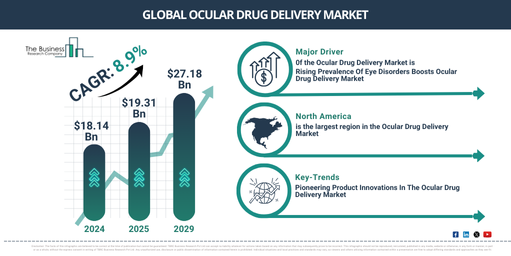
    In recent years, the market for ocular drug delivery has significantly increased, with projections showing it will escalate from $18.14 billion in 2024 to $19.31 billion in 2025, reflecting a compound annual growth rate (CAGR) of 6.4%. The growth observed during the historic period is linked to an increase in eye diseases, the demographic trend of an aging population, progress in pharmaceutical formulations, advancements in ophthalmology, and a higher rate of diabetes-related eye conditions.

    How Much Will the Ocular Drug Delivery Market Be Worth in 2029?

    Expectations are high for strong expansions in the ocular drug delivery market in the upcoming years, with projections suggesting it could increase to a value of $27.18 billion by 2029. This growth, calculated at a compound annual growth rate (CAGR) of 8.9%, can be linked to a number of factors such as the increased rates of eye conditions connected to aging, the emerging focus on personalized medicine within the field of ophthalmology, higher levels of funding for research into ophthalmic treatments, a growing demand for long-lasting drug release, and worldwide efforts to improve eye health. Over this forecast period, it’s anticipated that important trends will emerge, such as the creation of smart devices for administering drugs, the personalization of ocular drug formulations, advancement in topical ophthalmic therapies, and cross-sector collaborations for the sake of developing innovative solutions.

    Download The Free Sample Report Here:

    https://www.thebusinessresearchcompany.com/sample.aspx?id=11901&type=smp

    Which is the Largest Company in the Ocular Drug Delivery Market?

    Major companies operating in the ocular drug delivery market include Pfizer Inc., Roche Holding AG, AbbVie Inc., Novartis AG, Allergan Inc., Regeneron Pharmaceuticals Inc., Bausch Health Companies Inc., Genentech Inc., Santen Pharmaceutical Co. Ltd., Akorn Inc., Valeant Pharmaceuticals International Inc., Aerie Pharmaceuticals Inc., Alimera Sciences Inc., Ocular Therapeutix Inc., Ophthotech Corporation, Acucela Inc., Graybug Vision Inc., Amakem NV, Kala Pharmaceuticals Inc., Icon Bioscience Inc., Clearside Biomedical Inc., Aerpio Therapeutics Inc., Senju Pharmaceutical Co. Ltd., Spark Therapeutics Inc., Carl Zeiss Meditec AG, EyeGate Pharmaceuticals Inc.

    What Are the Main Market Drivers in the Ocular Drug Delivery Industry?

    The anticipated rise in ocular conditions is forecasted to stimulate the expansion of the ocular drug delivery market. The term “eye disorders” encompasses a broad spectrum of illnesses that impact the eyes, visibility, and the surrounding structures. With ocular drug delivery, medication is directly delivered to the desired site, which increases drug concentration at the targeted region, heightens therapeutic effectiveness, mitigates systemic side effects, and enhances ocular health. For instance, the World Health Organization, a United Nations agency headquartered in Switzerland, projected in March 2023 that globally, around 2.2 billion individuals will suffer from myopia or hypermetropia. As per the calculations, the leading causes of vision loss or impaired vision are cataracts (94 million) and uncorrected refractive errors (88.4 million). Other common vision impairment causes include glaucoma (7.7 million cases), corneal opacities (4.2 million cases), diabetic retinopathy (3.9 million cases), and trachoma (2 million cases). As a result, the rising prevalence of ocular disorders is accelerating the growth of the ocular drug delivery market.

    Request For A Customized Report:

    https://www.thebusinessresearchcompany.com/customise?id=11901&type=smp

    How Is the Ocular Drug Delivery Market Segments Structured?

    The ocular drug delivery market covered in this report is segmented –

    1) By Technology: Implantable Ocular Drug Delivery Systems, Particulate Drug Delivery Systems, Nano-Particle Drug Delivery System, Other Technologies

    2) By Formulation: Liposomes And Nanoparticles, Solution, Emulsion, Suspension, Ointment

    3) By Disease: Glaucoma, Diabetic Retinopathy, Dry Eye Syndrome, Macular Degeneration, Cataract, Diabetic Macular Edema, Other Diseases

    4) By End User: Hospitals, Ophthalmic Clinics, Ambulatory Surgical Centers

    Subsegments:

    1) By Implantable Ocular Drug Delivery Systems: Intravitreal Implants, Subconjunctival Implants, Retrobulbar Implants

    2) By Particulate Drug Delivery Systems: Microparticles, Liposomes, Microspheres

    3) By Nano-Particle Drug Delivery Systems: Nanoemulsions, Nanoparticles For Sustained Release, Dendrimers

    4) By Other Technologies: Hydrogels, Contact Lenses With Drug Delivery, In situ Gel-Forming Systems

    What Strategic Trends Are Transforming the Ocular Drug Delivery Market?

    Product enhancement is an emerging trend catching on in the ocular drug delivery sector. Firms in this sector are concentrating on creating novel product innovations to maintain their market standing. For example, in March 2023, Alcon AG, a Swiss company specializing in eye care pharmaceuticals and medical devices, introduced TOTAL30 for astigmatism and SYSTANE HYDRATION for dry eye and ocular wellness. TOTAL30 is the pioneer and sole Toric lens incorporating water Gradient and Celligent Technology, enabling the lens to reflect the structure of the ocular surface and deliver outstanding performance in areas such as comfort, stability, and visual clarity. SYSTANE HYDRATION PF is an eye drop designed for ocular health that employs HydroBoost technology to replenish moisture, avert irritation, and bring relief from dry eye symptoms.

    Access The Full Report Here:

    https://www.thebusinessresearchcompany.com/report/ocular-drug-delivery-global-market-report

    Which Global Regions Offer the Highest Growth in the Ocular Drug Delivery Market?

    North America was the largest region in the ocular drug delivery market in 2024. The regions covered in the ocular drug delivery market report are Asia-Pacific, Western Europe, Eastern Europe, North America, South America, Middle East, Africa.

    Purchase The Full Report Today:

    https://www.thebusinessresearchcompany.com/purchaseoptions.aspx?id=11901

    This Report Delivers Insight On:

    1. How big is the ocular drug delivery market, and how is it changing globally?

    2. Who are the major companies in the ocular drug delivery market, and how are they performing?

    3. What are the key opportunities and risks in the ocular drug delivery market right now?

    4. Which products or customer segments are growing the most in the ocular drug delivery market?

    5. What factors are helping or slowing down the growth of the ocular drug delivery market?

    About The Business Research Company:

    With over 15000+ reports from 27 industries covering 60+ geographies, The Business Research Company has built a reputation for offering comprehensive, data-rich research and insights. Armed with 1,500,000 datasets, the optimistic contribution of in-depth secondary research, and unique insights from industry leaders, you can get the information you need to stay ahead in the game.

    Get in touch with us:

    The Business Research Company: https://www.thebusinessresearchcompany.com/

    Americas +1 3156230293

    Asia +44 2071930708

    Europe +44 2071930708

    Email us at info@tbrc.info

    Follow us on:

    LinkedIn: https://in.linkedin.com/company/the-business-research-company

    YouTube: https://www.youtube.com/channel/UC24_fI0rV8cR5DxlCpgmyFQ

    Global Market Model: https://www.thebusinessresearchcompany.com/global-market-model

  • Occupational Medicines Industry Valued at $7.17 Billion by 2029 With CAGR of 6.8% | Size and Share Insights

    Occupational Medicines Industry Valued at $7.17 Billion by 2029 With CAGR of 6.8% | Size and Share Insights

    Claim your 30% discount on Global Market Reports with code ONLINE30. Limited time only.

    What Is the Forecast for the Occupational Medicines Market from 2024 to 2025?

    The market size for occupational medicines has seen robust growth in the past few years. Its growth is expected to surge from $5.16 billion in 2024 to $5.51 billion in 2025, marking a compound annual growth rate (CAGR) of 6.8%. The significant increase during the historical phase can be credited to guidelines related to occupational safety, the advent of industrialization, heightened consciousness about health in workplaces, expansion in the manufacturing sector, and the escalating number of work-related injuries.

    What Is the Projected Market Size of the Occupational Medicines Market?

    The market size of occupational medicines is forecasted to witness a solid increase in the coming years, reaching $7.17 billion by 2029 with a compound annual growth rate (CAGR) of 6.8%. The growth expected in the prediction period can be credited to international emphasis on workers’ health, preventive health measures, booming of gig economy, escalated regulatory focus on occupational wellbeing, and growth of occupational health services. Dominant trends in the forecast period entail the integration of telemedicine into occupational wellbeing, customized occupational health regimes, the rise of wearable health tech in professional settings, focus on offering mental health assistance at work, and application of artificial intelligence in tracking occupational health.

    Download The Free Sample Report Here:

    https://www.thebusinessresearchcompany.com/sample.aspx?id=12551&type=smp

    Who are the Major Competitors in the Occupational Medicines Market Outlook?

    Major companies operating in the occupational medicines market include Johnson & Johnson, Pfizer Inc., Novartis AG, GlaxoSmithKline plc, Sanofi S.A., AstraZeneca PLC, Bayer AG, Merck & Co. Inc., Boehringer Ingelheim GmbH, F. Hoffmann-La Roche Ltd, Takeda Pharmaceutical Company Limited, Teva Pharmaceutical Industries Ltd., AbbVie Inc., Eli Lilly and Company, Bristol-Myers Squibb Company, Amgen Inc., Gilead Sciences Inc., Daiichi Sankyo Company, Limited, Biogen Inc., UCB S.A., Grifols S.A., Lundbeck A/S, Allergan plc, Astellas Pharma Inc., Hikma Pharmaceuticals PLC, Fresenius SE & Co. KGaA, Sun Pharmaceutical Industries Ltd., Cipla Inc., Mallinckrodt Pharmaceuticals

    What Is Fueling Growth in the Occupational Medicines Market?

    The rise in chronic diseases among the labor force is anticipated to drive the growth of the occupational medicine market in the future. Chronic diseases are health conditions or diseases with symptoms that persist for at least a year, necessitating ongoing medical attention and limiting daily activities, or both. Occupational medicine plays a role in controlling chronic diseases at work and provides specific medical care for work-related issues, working with employers, employees, policy makers, insurers, public health sectors, and other professionals in occupational safety and health to better secure workplaces. For example, as per the Australian Institute of Health and Welfare, a government agency based in Australia, fatality rates due to chronic conditions rose from 459 per 100,000 inhabitants in 2021 to 490 per 100,000 inhabitants in 2022. Thus, the rising incidence of chronic diseases among the working population is fueling the expansion of the occupational medicine market.

    Request For A Customized Report:

    https://www.thebusinessresearchcompany.com/customise?id=12551&type=smp

    Which Occupational Medicines Market Segments Are Growing the Fastest?

    The occupational medicines market covered in this report is segmented –

    1) By Application: Chemical Poisoning, Psychological Disorder, Non-Induced Hearing Loss And Vibration, Skin Disorder, Chronic Respiratory Disease, Pneumoconiosis, Musculoskeletal Disorder, Cancer, Other Applications

    2) By Industry: Agriculture And Forestry, Construction, Manufacturing, Petroleum And Mining, Transportation, Other Industries

    3) By End-User: Employers, Professionals

    Subsegments:

    1) By Chemical Poisoning: Acute Chemical Exposure, Chronic Chemical Exposure

    2) By Psychological Disorder: Stress And Anxiety, Depression, Work-Related Mental Health Issues

    3) By Non-Induced Hearing Loss And Vibration: Noise-Induced Hearing Loss, Vibration-Related Disorders

    4) By Skin Disorder: Dermatitis, Eczema, Allergic Reactions

    5) By Chronic Respiratory Disease: Asthma, Chronic Obstructive Pulmonary Disease (COPD), Other Respiratory Conditions

    6) By Pneumoconiosis: Asbestosis, Silicosis, Coal Workers Pneumoconiosis

    7) By Musculoskeletal Disorder: Repetitive Strain Injuries, Back Pain, Joint Disorders

    8) By Cancer: Occupational Carcinogens, Specific Cancer Types Related To Occupation

    9) By Other Applications: Infectious Diseases, Fatigue And Sleep Disorders

    Which Industry Trends Are Shaping the Future of the Occupational Medicines Market?

    The advent of product innovations is becoming a well-known trend within the occupational medicine market. Leading firms in this marketplace are focusing on developing novel products and solutions to preserve their market standing. For example, in May 2023, TELUS Health, a Canadian health technology services firm, introduced Total Mental Health, a pioneering solution that allows employees to keep track of their mental health via evaluations and counseling. This solution is accessible to employees through their employer’s health schemes and leverages TELUS Health’s avant-garde technology to offer a unified app for mental health assistance across Canada’s counselor network. It also encompasses several welfare elements like legal aid, nutritional guidance, childcare and elderly care options, and financial advice, all aimed at helping employees tackle personal or career-related problems.

    Access The Full Report Here:

    https://www.thebusinessresearchcompany.com/report/occupational-medicines-global-market-report

    Which Countries Are Leading the Occupational Medicines Market?

    North America was the largest region in the occupational medicines market in 2024. Asia-Pacific is expected to be the fastest-growing region in the forecast period. The regions covered in the occupational medicines market report are Asia-Pacific, Western Europe, Eastern Europe, North America, South America, Middle East, Africa

    Purchase The Full Report Today:

    https://www.thebusinessresearchcompany.com/purchaseoptions.aspx?id=12551

    This Report Delivers Insight On:

    1. How big is the occupational medicines market, and how is it changing globally?

    2. Who are the major companies in the occupational medicines market, and how are they performing?

    3. What are the key opportunities and risks in the occupational medicines market right now?

    4. Which products or customer segments are growing the most in the occupational medicines market?

    5. What factors are helping or slowing down the growth of the occupational medicines market?

    About The Business Research Company:

    With over 15000+ reports from 27 industries covering 60+ geographies, The Business Research Company has built a reputation for offering comprehensive, data-rich research and insights. Armed with 1,500,000 datasets, the optimistic contribution of in-depth secondary research, and unique insights from industry leaders, you can get the information you need to stay ahead in the game.

    Get in touch with us:

    The Business Research Company: https://www.thebusinessresearchcompany.com/

    Americas +1 3156230293

    Asia +44 2071930708

    Europe +44 2071930708

    Email us at info@tbrc.info

    Follow us on:

    LinkedIn: https://in.linkedin.com/company/the-business-research-company

    YouTube: https://www.youtube.com/channel/UC24_fI0rV8cR5DxlCpgmyFQ

    Global Market Model: https://www.thebusinessresearchcompany.com/global-market-model
  • Non-Opioid Pain Patch Industry Growth Expected to Reach $4.5 Billion by 2029 at a CAGR of 5.3% | Segmentation and Growth Opportunities

    Non-Opioid Pain Patch Industry Growth Expected to Reach $4.5 Billion by 2029 at a CAGR of 5.3% | Segmentation and Growth Opportunities

    Claim your 30% discount on Global Market Reports with code ONLINE30. Limited time only.

    What Is the Forecast for the Non-Opioid Pain Patch Market Growth in 2025?

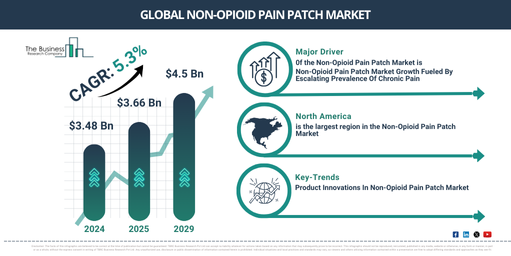
    In recent times, the market for non-opioid pain patches has seen robust growth. The market is set to increase from $3.48 billion in 2024 to $3.66 billion in 2025, with a compound annual growth rate (CAGR) of 5.1%. This growth during the historic period is a result of a rise in chronic pain incidents, patient inclination towards non-invasive treatments, enhanced formulations and components, an increase in sports-related injuries, and growing concerns about opioid dependency.

    What Is the Forecast for the Non-Opioid Pain Patch Market Size Through 2029?

    The market size of non-opioid pain patches is predicted to witness a substantial surge in the coming years. It is projected to attain a value of $4.5 billion by 2029, growing at a compound annual growth rate (CAGR) of 5.3%. The escalation during the forecast period can be credited to the rising investment in R&D, growing spending in healthcare, favorable regulatory conditions, elevation in consumer awareness and education, as well as an enlarging elderly population. Dominant trends expected during the forecast period include advancements in wireless and smart patch technologies, adoption of natural components, compatibility with wearable technology, emphasis on long-durability effects, and the development of eco-friendly, biodegradable patches.

    Download The Free Sample Report Here:

    https://www.thebusinessresearchcompany.com/sample.aspx?id=12230&type=smp

    What are the Key Market Players in Non-Opioid Pain Patch Market and How They’re Evolving?

    Major companies operating in the non-opioid pain patch market include Hisamitsu Pharmaceutical Co., Inc., Teikoku Pharma USA, Inc., Purdue Pharma L.P., Noven Pharmaceuticals, Inc., Johnson & Johnson Services, Inc., Pfizer Inc., Grünenthal GmbH, Mylan N.V., Teva Pharmaceutical Industries Ltd., Endo Pharmaceuticals Inc., Medtronic plc, Abbott Laboratories, Bayer AG, Iroko Pharmaceuticals, LLC, Scilex Pharmaceuticals Inc., Zosano Pharma Corporation, Adynxx Inc., BioElectronics Corporation, NeuroMetrix Inc., Virpax Pharmaceuticals Inc., Eli Lilly and Company, Novartis AG, Amgen Inc., DURECT Corporation

    What Are the Primary Growth Drivers in the Non-Opioid Pain Patch Market?

    The growth of the non-opioid pain patch market is anticipated to be fueled by the increasing incidence of chronic pain. Chronic pain is described as intense pain that persists for a long duration or occurs alongside another health issue. Non-opioid pain patches are designed to alleviate mild to severe pain and manage headaches, muscle discomfort, arthritis, backaches, among other forms of pain. As per the Eurostat, a government agency based in Luxembourg, in November 2023, it was reported that over one-third or 36.1% of individuals in the EU had a persistent (chronic) health issue in 2022. As such, the surging prevalence of chronic pain is driving the growth of the non-opioid pain patch market.

    Request For A Customized Report:

    https://www.thebusinessresearchcompany.com/customise?id=12230&type=smp

    What Are the Leading Segments in the Global Non-Opioid Pain Patch Industry?

    The non-opioid pain patch market covered in this report is segmented –

    1) By Patch: Lidocaine Patches, Diclofenac Patches, Capsaicin Patches, Ketoprofen Patches, Other Patches

    2) By Distribution Channel: Hospital Pharmacies, Retail Pharmacies, Other Distribution Channels

    3) By Indication: Musculoskeletal Pain, Neuropathic Pain

    Subsegments:

    1) By Lidocaine Patches: 5% Lidocaine Patch, Other Concentrations

    2) By Diclofenac Patches: 1.3% Diclofenac Patch, Other Concentrations

    3) By Capsaicin Patches: 8% Capsaicin Patch, Other Concentrations

    4) By Ketoprofen Patches: 5% Ketoprofen Patch, Other Concentrations

    5) By Other Patches: Combination Patches, Herbal Extract Patches, Other Non-Opioid Patches

    What Are the Key Market Trends in the Non-Opioid Pain Patch Industry?

    One of the predominant trends in the non-opioid pain patch market is the focus on product innovation. Numerous key players in the marketplace are developing inventive products to solidify their market standing. For example, in June 2022, The Mentholatum Company Inc., a medical product manufacturer based in the UK, introduced a new style of non-drug pain patch called the Deep Relief Actiflex Patch. This cooling hydrogel patch, which is primarily constituted of water, delivers quick cooling and calming relief as the water evaporates on the skin. This type of pain patch is designed to alleviate muscle and joint aches and discomfort.

    Access The Full Report Here:

    https://www.thebusinessresearchcompany.com/report/non-opioid-pain-patch-global-market-report

    What Is the Regional Outlook for the Non-Opioid Pain Patch Market?

    North America was the largest region in the non-opioid pain patch market in 2024. Asia-Pacific is expected to be the fastest-growing region in the non-opioid pain patch market report during the forecast period. The regions covered in the non-opioid pain patch market report are Asia-Pacific, Western Europe, Eastern Europe, North America, South America, Middle East, Africa.

    Purchase The Full Report Today:

    https://www.thebusinessresearchcompany.com/purchaseoptions.aspx?id=12230

    This Report Delivers Insight On:

    1. How big is the non-opioid pain patch market, and how is it changing globally?

    2. Who are the major companies in the non-opioid pain patch market, and how are they performing?

    3. What are the key opportunities and risks in the non-opioid pain patch market right now?

    4. Which products or customer segments are growing the most in the non-opioid pain patch market?

    5. What factors are helping or slowing down the growth of the non-opioid pain patch market?

    About The Business Research Company:

    With over 15000+ reports from 27 industries covering 60+ geographies, The Business Research Company has built a reputation for offering comprehensive, data-rich research and insights. Armed with 1,500,000 datasets, the optimistic contribution of in-depth secondary research, and unique insights from industry leaders, you can get the information you need to stay ahead in the game.

    Get in touch with us:

    The Business Research Company: https://www.thebusinessresearchcompany.com/

    Americas +1 3156230293

    Asia +44 2071930708

    Europe +44 2071930708

    Email us at info@tbrc.info

    Follow us on:

    LinkedIn: https://in.linkedin.com/company/the-business-research-company

    YouTube: https://www.youtube.com/channel/UC24_fI0rV8cR5DxlCpgmyFQ

    Global Market Model: https://www.thebusinessresearchcompany.com/global-market-model
  • Next-Generation Gynecological Cancer Diagnostics Industry Insights 2025 – Market Forecast for Executives and Planners

    Next-Generation Gynecological Cancer Diagnostics Industry Insights 2025 – Market Forecast for Executives and Planners

    Claim your 30% discount on Global Market Reports with code ONLINE30. Limited time only.

    How Has the Next-Generation Gynecological Cancer Diagnostics Market Size Changed, over the years?

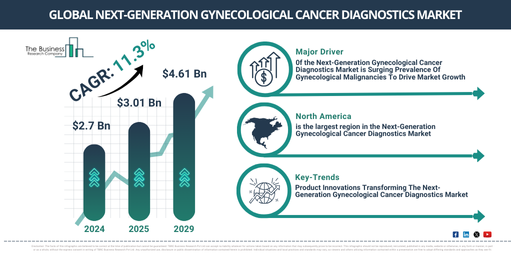
    The market for next-generation gynecological cancer diagnostics has witnessed swift growth in the last few years, expanding from a size of $2.7 billion in 2024 to an anticipated $3.01 billion in 2025, reflecting a compound annual growth rate (CAGR) of 11.6%. The significant growth observed in this historic period is the result of progress made in genomic research, enhanced awareness and screening efforts, an increased rate of gynecological cancer cases, advancements in biopsy methods, the influence of clinical trials, and research funding.

    How Much Will the Next-Generation Gynecological Cancer Diagnostics Market Be Worth in 2029?

    Projected advancements in the arena of gynecological cancer diagnostics, forecasted for the impending years, will propel the market size to a booming $4.61 billion by 2029, with a compound annual growth rate (CAGR) of 11.3%. The rise can be linked to the emergence of targeted therapies and precision medicine, incorporation of artificial intelligence (AI), the increasing popularity of liquid biopsy, enhanced point-of-care testing, widespread use of 3D imaging, and the rise of telemedicine in cancer care. The forecasted trend includes a patient-centered approach in diagnostics, extensive biomarker panels, the integration of wearable devices, collaboration and consortiums, and advancements in imaging modalities.

    Download The Free Sample Report Here:

    https://www.thebusinessresearchcompany.com/sample.aspx?id=12020&type=smp

    Which is the Largest Company in the Next-Generation Gynecological Cancer Diagnostics Market?

    Major companies operating in the next-generation gynecological cancer diagnostics market include F. Hoffmann-La Roche Ltd., Thermo Fisher Scientific Inc., Abbott Laboratories, Siemens Healthcare GmbH, Agena Bioscience Inc., Koninklijke Philips N.V., Becton, Dickinson and Company, GE HealthCare Technologies Inc., Laboratory Corporation Of America Holdings, Quest Diagnostics Incorporated, Agilent Technologies Inc., Hologic Inc., Illumina Inc., PerkinElmer Inc., Sysmex Corporation, Qiagen N.V., ARUP Laboratories, Almac Group, BGI Genomics Co Ltd, OPKO HEALTH Inc., BGI Genomics Co. Ltd., Myriad Genetics Inc., Fulgent Genetics Inc., Cepheid, Invitae Corporation, Centogene NV

    What Are the Main Market Drivers in the Next-Generation Gynecological Cancer Diagnostics Industry?

    The increased incidence of gynecological cancers is anticipated to drive the expansion of the next-generation gynecological cancer diagnostics market. Gynecological cancers encompass malignancies that affect the female reproductive organs like cervix, uterus, ovaries, fallopian tubes, and vulva. The next-generation gynecological cancer diagnostics significantly cut down the prevalence of gynecological cancers by facilitating early detection of cancer cells, paving the way for tailored treatments, and enhancing the overall patient survival rates. As an illustration, the National Cancer Institute, a US-based agency of Health and Human Services, reported in February 2023 that it is estimated that around 13,960 American women will receive a severe cervical cancer diagnosis, and approximately 4,310 deaths due to this disease are expected in 2023 in the US. In addition, there were 7.7 new cervical cancer cases per 100,000 women annually, with an annual death toll of 2.2 per 100,000 females. As a result, the escalating incidence of gynecological cancers is contributing to the growth of the next-generation gynecological cancer diagnostics market.

    Request For A Customized Report:

    https://www.thebusinessresearchcompany.com/customise?id=12020&type=smp

    How Is the Next-Generation Gynecological Cancer Diagnostics Market Segments Structured?

    The next-generation gynecological cancer diagnostics market covered in this report is segmented –

    1) By Cancer Type: Cervical Cancer, Ovarian Cancer, Uterine Cancer, Vaginal Cancer, Vulvar Cancer

    2) By Function: Therapeutic Monitoring, Companion Diagnostics, Prognostics, Cancer Screening, Risk Analysis

    3) By Technology: Next-Generation Sequencing, qPCR And Multiplexing, Lab-on- A- Chip (LOAC) And Reverse Transcriptase-PCR (RT-PCR), Protein Microarrays, DNA Microarrays

    4) By Application: Biomarker Development, CTC Analysis, Proteomic Analysis, Epigenetic Analysis, Genetic Analysis

    5) By End User: Hospitals And Ambulatory Centers, Diagnostic Laboratories, Academic And Research Institutes

    Subsegments:

    1) By Cervical Cancer: HPV Testing, Pap Smear Testing, Liquid-Based Cytology, Biomarker Testing

    2) By Ovarian Cancer: CA-125 Testing, HE4 Testing, Genetic Testing (BRCA1 Or BRCA2), Imaging Techniques

    3) By Uterine Cancer: Endometrial Biopsy, Ultrasound Imaging, Genetic Testing (PMS2, MLH1), Biomarker Testing

    4) By Vaginal Cancer: Pap Smear Testing, HPV Testing, Biopsy Procedures

    5) By Vulvar Cancer: Visual Inspection, Biopsy, HPV Testing, Genetic Testing

    What Strategic Trends Are Transforming the Next-Generation Gynecological Cancer Diagnostics Market?

    Leading firms in the market for next-generation gynecological cancer diagnostics are innovating and bringing new products to the market like AI-powered women’s health ultrasound systems, in order to maintain a competitive stance. An ultrasound system is an apparatus used in medical imaging that employs high-frequency sound waves to create images of the body’s inner structures. For instance, Samsung Electronics Co. Ltd., a company based in South Korea that specializes in consumer electronics, introduced a new healthcare device in February 2023: the HERA W10 Elite. This state-of-the-art women’s health ultrasound system employs AI-powered tools and applications specifically designed for Obstetrics and Gynecology. The HERA W10 Elite can visualize advanced 2D and 3D representations of microcirculation and slow blood flow. It comes with an improved MV-Flow feature, a larger organic light-emitting diode (OLED) display, and enhanced AI features such as HeartAssist, ViewAssist, and BiometryAssist. The HERA W10 Elite, conceived for improved diagnostic insight, aspires to usher in a visionary transformation in Obstetrics and Gynecology with its advanced image processing capabilities and ergonomic design.

    Access The Full Report Here:

    https://www.thebusinessresearchcompany.com/report/next-generation-gynecological-cancer-diagnostics-global-market-report

    Which Global Regions Offer the Highest Growth in the Next-Generation Gynecological Cancer Diagnostics Market?

    North America a was the largest region in the next-generation gynecological cancer diagnostics market in 2024. Asia-Pacific is expected to be the fastest-growing region in the forecast period. The regions covered in the next-generation gynecological cancer diagnostics market report are Asia-Pacific, Western Europe, Eastern Europe, North America, South America, Middle East, Africa.

    Purchase The Full Report Today:

    https://www.thebusinessresearchcompany.com/purchaseoptions.aspx?id=12020

    This Report Delivers Insight On:

    1. How big is the next-generation gynecological cancer diagnostics market, and how is it changing globally?

    2. Who are the major companies in the next-generation gynecological cancer diagnostics market, and how are they performing?

    3. What are the key opportunities and risks in the next-generation gynecological cancer diagnostics market right now?

    4. Which products or customer segments are growing the most in the next-generation gynecological cancer diagnostics market?

    5. What factors are helping or slowing down the growth of the next-generation gynecological cancer diagnostics market?

    About The Business Research Company:

    With over 15000+ reports from 27 industries covering 60+ geographies, The Business Research Company has built a reputation for offering comprehensive, data-rich research and insights. Armed with 1,500,000 datasets, the optimistic contribution of in-depth secondary research, and unique insights from industry leaders, you can get the information you need to stay ahead in the game.

    Get in touch with us:

    The Business Research Company: https://www.thebusinessresearchcompany.com/

    Americas +1 3156230293

    Asia +44 2071930708

    Europe +44 2071930708

    Email us at info@tbrc.info

    Follow us on:

    LinkedIn: https://in.linkedin.com/company/the-business-research-company

    YouTube: https://www.youtube.com/channel/UC24_fI0rV8cR5DxlCpgmyFQ

    Global Market Model: https://www.thebusinessresearchcompany.com/global-market-model
  • Market Analysis on Next-Generation Antibody Therapeutics Industry – Insights for Corporate Strategy and R&D

    Market Analysis on Next-Generation Antibody Therapeutics Industry – Insights for Corporate Strategy and R&D

    Claim your 30% discount on Global Market Reports with code ONLINE30. Limited time only.

    What Is the Forecast for the Next-Generation Antibody Therapeutics Market from 2024 to 2025?

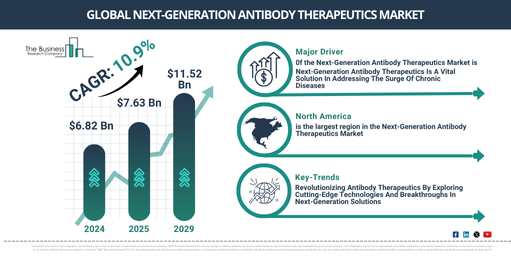
    In recent times, there has been a quick expansion in the size of the next-generation antibody therapeutics market. Analogous to this trend, it is projected to enlarge from $6.82 billion in 2024 to reach $7.63 billion in 2025, representing a compound annual growth rate (CAGR) of 11.8%. This growth during the historical period can be linked to the success of monoclonal antibody, the increasing frequency of chronic ailments, authorisation of antibody-drug conjugates, along with the advancement of immunotherapy, gene therapy and antibodies.

    What Is the Projected Market Size of the Next-Generation Antibody Therapeutics Market?

    The market size of the next-generation antibody therapeutics is projected to witness a swift expansion in the coming years. It is predicted to escalate to $11.52 billion by the year 2029 at a compound annual growth rate (CAGR) of 10.9%. The growth throughout the predicted period can be credited to several factors such as the development of biosimilars, bispecific antibodies, and nanobody, patient-centric methodologies, immunomodulatory antibodies, and growing applications in autoimmune diseases along with constant manufacturing. Key emerging trends throughout the forecast timeline will be the progress in antibody engineering, implementation of digital technologies in antibody designs, industry partnerships, breakthroughs in drug delivery systems, and usage of real-world evidence in antibody evolution.

    Download The Free Sample Report Here:

    https://www.thebusinessresearchcompany.com/sample.aspx?id=12678&type=smp

    Who are the Major Competitors in the Next-Generation Antibody Therapeutics Market Outlook?

    Major companies operating in the next-generation antibody therapeutics market include Pfizer Inc., F. Hoffmann-La Roche Ltd., Bayer AG, Bristol-Myers Squibb Company, AstraZeneca plc, GlaxoSmithKline plc, Takeda Pharmaceutical Company Limited, Gilead Sciences Inc., Boehringer Ingelheim International GmbH, Amgen Inc., Moderna Inc., BioNTech SE, Regeneron Pharmaceuticals Inc., Biogen Inc., Celgene Corporation, Lonza Group AG, Catalent Inc., Genentech Inc., Kyowa Hakko Kirin Co. Ltd., Samsung Biologics, WuXi Biologics, Seagen Inc., Seattle Genetics Inc., Xencor Inc., ImmunoGen Inc.

    What Is Fueling Growth in the Next-Generation Antibody Therapeutics Market?

    The rising prevalence of chronic diseases is anticipated to spur the next-generation antibody therapeutics market’s expansion. Chronic diseases, which typically last for a year or longer, often necessitate continued medical care and can limit daily activities. These advanced antibody therapeutics provide targeted care for individuals suffering from chronic diseases, potentially improving their health outcomes. For example, by January 2023, the National Center for Biotechnology Information (NCBI), a US-based National Library of Medicine, predicted that the number of people aged 50 and above with at least one chronic illness will increase by 99.5% by 2050, to a staggering 142.66 million. Consequently, this rise in chronic diseases is fueling the growth of the next-generation antibody therapeutics market.

    Request For A Customized Report:

    https://www.thebusinessresearchcompany.com/customise?id=12678&type=smp

    Which Next-Generation Antibody Therapeutics Market Segments Are Growing the Fastest?

    The next-generation antibody therapeutics market covered in this report is segmented –

    1) By Types Of Antibodies: Monoclonal Antibodies, Polyclonal Antibodies, Biospecific Antibodies, Antibody-Drug Conjugates, Other Types

    2) By Therapeutic Area: Oncology, Autoimmune Diseases, Infectious Diseases, Neurodegenerative Disorders, Other Therapeutic Areas

    3) By End-User: Hospitals And Clinics, Research Institutes, Pharmaceutical And Biotechnology Companies, Other End-Users

    Subsegments:

    1) By Monoclonal Antibodies: IgG Monoclonal Antibodies, IgM Monoclonal Antibodies

    2) By Polyclonal Antibodies: Serum-Derived Polyclonal Antibodies, Hybridoma-Derived Polyclonal Antibodies

    3) By Bispecific Antibodies: Dual-Targeting Antibodies, Single-Chain Variable Fragment (scFv) Antibodies

    4) By Antibody-Drug Conjugates (ADCs): Targeted ADCs, Payload Types

    5) By Other Types: Nanobodies, Engineered Antibodies

    Which Industry Trends Are Shaping the Future of the Next-Generation Antibody Therapeutics Market?

    The trend of technological advancements is becoming increasingly prevalent within the next-generation antibody therapeutics market. Major market players are emphasizing on the development of advanced technologies such as proprietary Molecular Indexing of Proteins by Self-Assembly (MIPSA) technology to amplify protein identification and profiling, thereby enabling more precise and targeted treatments. The objective of these progressions is to enhance therapeutic profiles, reduce expenditures, and effectively tackle complex diseases. Molecular Indexing of Proteins by Self-Assembly (MIPSA) is a technology that arranges protein molecules into organized assemblies for improved analysis and measurement. This improves the sensitivity and precision of protein detection, which is valuable in research and diagnostic scenarios. For example, in January 2024, Infinity Bio, Inc., a biotechnology firm based in the US, introduced a next-generation antibody profiling platform that employs MIPSA technology for extensive, cost-effective analysis of immune response, with the goal of improving disease knowledge and tailoring treatment approaches.

    Access The Full Report Here:

    https://www.thebusinessresearchcompany.com/report/next-generation-antibody-therapeutics-global-market-report

    Which Countries Are Leading the Next-Generation Antibody Therapeutics Market?

    North America was the largest region in the next-generation antibody therapeutics market in 2024. Asia-Pacific is expected to be the fastest-growing region in the forecast period. The regions covered in the next-generation antibody therapeutics market report are Asia-Pacific, Western Europe, Eastern Europe, North America, South America, Middle East, Africa

    Purchase The Full Report Today:

    https://www.thebusinessresearchcompany.com/purchaseoptions.aspx?id=12678

    This Report Delivers Insight On:

    1. How big is the next-generation antibody therapeutics market, and how is it changing globally?

    2. Who are the major companies in the next-generation antibody therapeutics market, and how are they performing?

    3. What are the key opportunities and risks in the next-generation antibody therapeutics market right now?

    4. Which products or customer segments are growing the most in the next-generation antibody therapeutics market?

    5. What factors are helping or slowing down the growth of the next-generation antibody therapeutics market?

    About The Business Research Company:

    With over 15000+ reports from 27 industries covering 60+ geographies, The Business Research Company has built a reputation for offering comprehensive, data-rich research and insights. Armed with 1,500,000 datasets, the optimistic contribution of in-depth secondary research, and unique insights from industry leaders, you can get the information you need to stay ahead in the game.

    Get in touch with us:

    The Business Research Company: https://www.thebusinessresearchcompany.com/

    Americas +1 3156230293

    Asia +44 2071930708

    Europe +44 2071930708

    Email us at info@tbrc.info

    Follow us on:

    LinkedIn: https://in.linkedin.com/company/the-business-research-company

    YouTube: https://www.youtube.com/channel/UC24_fI0rV8cR5DxlCpgmyFQ

    Global Market Model: https://www.thebusinessresearchcompany.com/global-market-model
  • Neurotoxin Market Outlook 2025 – Insights for Executive and Strategic Planning

    Neurotoxin Market Outlook 2025 – Insights for Executive and Strategic Planning

    Claim your 30% discount on Global Market Reports with code ONLINE30. Limited time only.

    How Has the Neurotoxin Market Grown from 2024 to 2025?

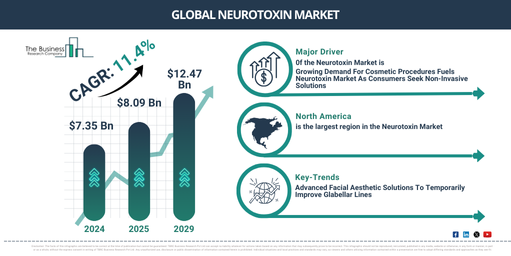
    In the past few years, the neurotoxin market has experienced swift expansion. The market value is projected to escalate from $7.35 billion in 2024 to approximately $8.09 billion in 2025, achieving a compound annual growth rate (CAGR) of 10.1%. Factors such as the surge in aesthetic procedures, therapeutic applications, progress in cosmetic industry, increasing elderly population, and broader acceptance of non-surgical procedures account for the growth observed in the historic period.

    What Growth Rate Is Anticipated for the Neurotoxin Market in the Coming Years?

    The neurotoxin market’s dimension is anticipated to experience a sharp increase in the coming years, expanding to $12.47 billion in 2029, with a compound annual growth rate (CAGR) of 11.4%. This expansion during the projection period can be ascribed to broadening use cases in neurology, sustained interest for aesthetic procedures, formulation innovation, heightened consumer consciousness and the growth of cosmetic tourism. Key trends for the forecast period encompass enhancements in drug delivery methods, partnerships for neurotoxin research and development, the industry’s response to changes in neurotoxin regulations, the inclusion of neurotoxins in comprehensive treatment plans, emphasis on enduring effects and patient satisfaction.

    Download The Free Sample Report Here:

    https://www.thebusinessresearchcompany.com/sample.aspx?id=11899&type=smp

    Who Are the Leading Companies in the Neurotoxin Market?

    Major companies operating in the neurotoxin market include AbbVie Inc., Galderma Inc., Ipsen SA, Daewoong Pharmaceutical Co. Ltd., Supernus Pharmaceuticals, Merz Pharma GmbH & Co KGaA, Hugel Inc., Evolus Inc., Medytox Inc., Croma-Pharma GmbH, Revance Therapeutics Inc., US WorldMeds, Gufic Biosciences Ltd., Hironic Co. Ltd., Allergan, List Biological Laboratories, Lanzhou Institute of Biological Products Co. Ltd., Sinclair Pharma, Vida Aesthetics, Aquavit Holdings LLC, PharmaResearch Products Co.Ltd, Entod Pharmaceuticals, Object Pharma Inc.

    What Are the Key Drivers of the Neurotoxin Market?

    The booming trend in cosmetic procedures aimed at enhancing looks is envisaged to fuel the neurotoxin market’s expansion in the future. The term ‘cosmetic procedures’ encompasses a variety of medical treatments or interventions whose main purpose is to boost or modify an individual’s physical aesthetics. This trend owes its origin to societal, technological, and cultural influences, along with increased consciousness about the benefits of cosmetic treatments. Neurotoxins have found their application in these procedures to relax specific muscles and tone down wrinkles and fine lines. For example, a beauty surgery survey conducted by the American Society of Plastic Surgeons in August 2022, a non-profit organization specializing in plastic surgery from the USA, reveals a growing interest amongst Americans for cosmetic enhancements. The survey shows that a staggering 75% of plastic surgeons in the USA have reported an increased demand for these procedures, while 30% have witnessed their cosmetic procedure businesses doubling. Hence, this rise in cosmetic treatments aimed at aesthetic improvements is triggering the neurotoxin market growth.

    Request For A Customized Report:

    https://www.thebusinessresearchcompany.com/customise?id=11899&type=smp

    What Are the Key Market Segments in the Neurotoxin Industry?

    The neurotoxin market covered in this report is segmented –

    1) By Product Type: Botox, Dysport, Xeomin, Other Products

    2) By Application: Therapeutic, Aesthetic

    3) By End User: Hospitals, Specialty Clinics, Dermatology Clinics, Other End Users

    Subsegments:

    1) By Botox: Cosmetic Uses, Therapeutic Uses

    2) By Dysport: Cosmetic Applications, Medical Indications

    3) By Xeomin: Cosmetic Treatments, Therapeutic Applications

    4) By Other Products: Jeuveau, Any Emerging Neurotoxins

    What Are the Latest Trends in the Neurotoxin Market?

    The trend towards innovative facial aesthetic products is rapidly growing in the neurotoxins market. To maintain market position, neurotoxins companies are focusing their efforts on the innovation of these products. For instance, Evolus Inc., an American company specializing in medical aesthetics, earned approval for its product Nuceiva (prabotulinumtoxinA) from the Australian Therapeutic Goods Administration (TGA) in January 2023. Nuceiva (prabotulinumtoxinA) is a neurotoxin utilized for cosmetic purposes. It is specifically used to enhance the look of moderate glabellar lines in adult patients. This is achieved by blocking nerve impulses in facial muscles, causing them to relax and ultimately smoothing the wrinkles created through facial expressions like squinting and frowning.

    Access The Full Report Here:

    https://www.thebusinessresearchcompany.com/report/neurotoxin-global-market-report

    What Are the Key Regional Markets in the Neurotoxin Industry?

    North America was the largest region in the neurotoxin market in 2024. Asia-Pacific is expected to be the fastest-growing region in the forecast period. The regions covered in the neurotoxin market report are Asia-Pacific, Western Europe, Eastern Europe, North America, South America, Middle East, Africa.

    Purchase The Full Report Today:

    https://www.thebusinessresearchcompany.com/purchaseoptions.aspx?id=11899

    This Report Delivers Insight On:

    1. How big is the neurotoxin market, and how is it changing globally?

    2. Who are the major companies in the neurotoxin market, and how are they performing?

    3. What are the key opportunities and risks in the neurotoxin market right now?

    4. Which products or customer segments are growing the most in the neurotoxin market?

    5. What factors are helping or slowing down the growth of the neurotoxin market?

    About The Business Research Company:

    With over 15000+ reports from 27 industries covering 60+ geographies, The Business Research Company has built a reputation for offering comprehensive, data-rich research and insights. Armed with 1,500,000 datasets, the optimistic contribution of in-depth secondary research, and unique insights from industry leaders, you can get the information you need to stay ahead in the game.

    Get in touch with us:

    The Business Research Company: https://www.thebusinessresearchcompany.com/

    Americas +1 3156230293

    Asia +44 2071930708

    Europe +44 2071930708

    Email us at info@tbrc.info

    Follow us on:

    LinkedIn: https://in.linkedin.com/company/the-business-research-company

    YouTube: https://www.youtube.com/channel/UC24_fI0rV8cR5DxlCpgmyFQ

    Global Market Model: https://www.thebusinessresearchcompany.com/global-market-model
  • Neurological Biomarkers Market Projected at $19.96 Billion by 2029 | Strategic Insights and Forecast Data

    Neurological Biomarkers Market Projected at $19.96 Billion by 2029 | Strategic Insights and Forecast Data

    Claim your 30% discount on Global Market Reports with code ONLINE30. Limited time only.

    How Has the Neurological Biomarkers Market Size Changed, over the years?

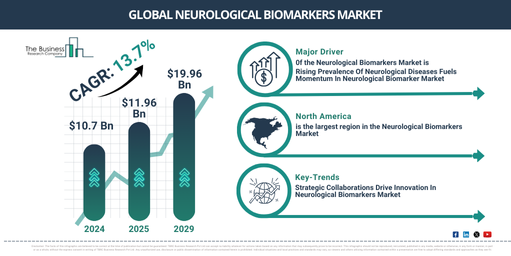
    In recent years, the expansion of the neurological biomarkers market has been swift. The market which was worth $10.7 billion in 2024 is projected to increase to $11.96 billion in 2025, with a compound annual growth rate (CAGR) of 11.7%. This significant growth during the historical period is due to several factors, including the rising incidence of neurological disorders, an aging population, the necessity for drug development, heightened funding for neurological research, and the shift towards personalized medicine.

    How Much Will the Neurological Biomarkers Market Be Worth in 2029?

    Over the coming years, the market size for neurological biomarkers is projected to expand quickly. The market is estimated to reach a value of $19.96 billion in 2029, demonstrating a compound annual growth rate (CAGR) of 13.7%. This growth during the estimate period is due to factors including early detection biomarkers, biosensors, wearable devices, global health initiatives, and a patient-centric approach. The forecast period will also see major trends such as technological innovations in imaging, swift progress in omics technologies, the incorporation of artificial intelligence (AI), real-world verification of biomarkers, advances in diagnostic technologies, and collaboration between industrial sectors and research institutions.

    Download The Free Sample Report Here:

    https://www.thebusinessresearchcompany.com/sample.aspx?id=12677&type=smp

    Which is the Largest Company in the Neurological Biomarkers Market?

    Major companies operating in the neurological biomarkers market include Pfizer Inc., F. Hoffmann-La Roche AG, Merck & Co. Inc., Novartis AG, Thermos Fisher Scientific Inc., AstraZeneca Plc, Abbott Laboratories, Boehringer Ingelheim International GmbH, Becton Dickinson and Company, Agilent Technologies Inc., Grifols S.A., Eisai Co. Ltd., PerkinElmer Inc., Illumina Inc., Shimadzu Corporation, Waters Corporation, Bio-Rad Laboratories Inc., Mallinckrodt Plc, Qiagen N.V., Luminex Corporation, Siemens Healthineers, Olink Proteomics, Meso Scale Diagnostics, Quanterix Corp., Fujirebio, Cisbio Bioassays SAS, NeuroVision Imaging, Proteome Sciences Plc, Acumen Pharmaceuticals.

    What Are the Main Market Drivers in the Neurological Biomarkers Industry?

    The surge in neurological disorders is predicted to trigger the expansion of the neurological biomarker market. Neurological conditions impact the brain, spinal cord, and all other nervous systems of the body. Parkinson’s disease, a neurodegenerative disease, affects the neurological system and body parts that are managed by the nerves. Neurological biomarkers aid in early diagnosis of Parkinson’s disease through pathological, biochemical, and genetic testing. For example, the Parkinson’s Foundation – a non-profit based in the US, reported in December 2022 that the instances of new Parkinson’s disease diagnoses reached 90,000 in 2022, a rise from 60,000 in 2021. Hence, the escalating prevalence of neurological diseases is bolstering the growth of the neurological biomarker market.

    Request For A Customized Report:

    https://www.thebusinessresearchcompany.com/customise?id=12677&type=smp

    How Is the Neurological Biomarkers Market Segments Structured?

    The neurological biomarkers market covered in this report is segmented –

    1) By Product: Proteomics Biomarker, Genomics Biomarker, Metabolomics Biomarker, Imaging Biomarker, Other Products

    2) By Application: Alzheimer’s Disease, Parkinson’s Disease, Huntington’s Disease, Schizophrenia, Depression, Multiple Sclerosis, Spinal Muscular Atrophy

    3) By End-User: Hospital Laboratories, Clinical Diagnostic Centers, Research Organizations, Other End-Users

    Subsegments:

    1) By Proteomics Biomarker: Protein Biomarkers, Antibody Biomarkers

    2) By Genomics Biomarker: DNA Biomarkers, RNA Biomarkers

    3) By Metabolomics Biomarker: Metabolite Biomarkers, Lipid Biomarkers

    4) By Imaging Biomarker: MRI Biomarkers, PET Scan Biomarkers

    5) By Other Products: Neuroinflammatory Biomarkers, Neurotransmitter Biomarkers

    What Strategic Trends Are Transforming the Neurological Biomarkers Market?

    Key firms in the neurological biomarkers industry are forming partnerships to produce new products and reinforce their market dominance. Collaboration and partnerships spur innovation, utilize complementary skill sets, and facilitate faster development and commercialization of pioneering therapies by pooling resources and strengths. For instance, in July 2022, NeuroSense Therapeutics Ltd., an Israeli company engaged in devising treatments for extreme neurodegenerative diseases, allied itself with NeuraLight, another Israeli firm focused on developing precise and sensitive biomarkers for neurological ailments. This partnership aims at identifying oculometric indicators for Amyotrophic Lateral Sclerosis (ALS) through the use of Artificial Intelligence (AI) and Machine Learning (ML). Following NeuraLight’s $25 million Series A funding, the alliance aspires to heighten the identification and usage of ALS digital indications in a concurrent investigation. This marks the beginning of the collaboration’s first clinical trial and primarily concentrates on utilizing oculometric digital indicators, which could facilitate patient segmentation and increase the chances of success in clinical trials.

    Access The Full Report Here:

    https://www.thebusinessresearchcompany.com/report/neurological-biomarkers-global-market-report

    Which Global Regions Offer the Highest Growth in the Neurological Biomarkers Market?

    North America was the largest region in the neurological biomarkers market in 2024. The regions covered in the neurological biomarkers market report are Asia-Pacific, Western Europe, Eastern Europe, North America, South America, Middle East, Africa

    Purchase The Full Report Today:

    https://www.thebusinessresearchcompany.com/purchaseoptions.aspx?id=12677

    This Report Delivers Insight On:

    1. How big is the neurological biomarkers market, and how is it changing globally?

    2. Who are the major companies in the neurological biomarkers market, and how are they performing?

    3. What are the key opportunities and risks in the neurological biomarkers market right now?

    4. Which products or customer segments are growing the most in the neurological biomarkers market?

    5. What factors are helping or slowing down the growth of the neurological biomarkers market?

    About The Business Research Company:

    With over 15000+ reports from 27 industries covering 60+ geographies, The Business Research Company has built a reputation for offering comprehensive, data-rich research and insights. Armed with 1,500,000 datasets, the optimistic contribution of in-depth secondary research, and unique insights from industry leaders, you can get the information you need to stay ahead in the game.

    Get in touch with us:

    The Business Research Company: https://www.thebusinessresearchcompany.com/

    Americas +1 3156230293

    Asia +44 2071930708

    Europe +44 2071930708

    Email us at info@tbrc.info

    Follow us on:

    LinkedIn: https://in.linkedin.com/company/the-business-research-company

    YouTube: https://www.youtube.com/channel/UC24_fI0rV8cR5DxlCpgmyFQ

    Global Market Model: https://www.thebusinessresearchcompany.com/global-market-model