Month: June 2025

  • PEGylated Proteins Market Valuation Expected To Reach $2.8 Billion By 2029, Growing At A Rate Of 13.7%

    PEGylated Proteins Market Valuation Expected To Reach $2.8 Billion By 2029, Growing At A Rate Of 13.7%

    Discover trends, market shifts, and competitive outlooks for the pegylated proteins industry through 2025-2034 with The Business Research Company’s reliable data and in-depth research

    What Is the Current and Projected Market Size of the PEGylated Proteins Market Through 2034?

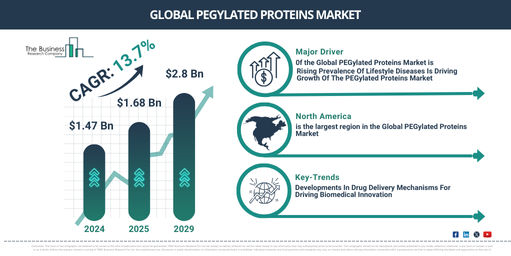
    In the past few years, the market size of pegylated proteins has seen rapid expansion. The market, which is projected to rise from $1.47 billion in 2024 to $1.68 billion in 2025, is expected to experience a compound annual growth rate (CAGR) of 14.1%. The significant growth during the historic period is due to factors such as enhanced therapeutic effectiveness, an increase in the elderly population, the need for long-acting drug formulations, improved safety profiles of drugs, and an expansion of applications, like targeted drug delivery systems.

    Predictions indicate a swift expansion in the market size of pegylated proteins in the years to come. It is projected to escalate to $2.8 billion by 2029, boasting a compound annual growth rate (CAGR) of 13.7%. The forecast period growth is linked to factors such as escalating investment in rare diseases, the booming biopharmaceutical industry, precision medicine refinement, the advent of competitive biosimilar versions of biologic drugs, and the implementation of cutting-edge market access strategies. Key trends in the forecast period encompass the incorporation of digital health technologies, advanced pegylation technologies, tailored formulations for precision medicine, a focus on combination therapies, and a transition towards patient-centric healthcare models.

    Download a free sample to assess the report’s scope and structure:

    https://www.thebusinessresearchcompany.com/sample.aspx?id=16145&type=smp

    Which Major Market Drivers Are Expected to Boost the Growth Potential of the PEGylated Proteins Market?

    The surge in lifestyle diseases is anticipated to spur the expansion of the PEGylated proteins market. Lifestyle diseases encompass health issues mainly induced by unhealthy habits and lifestyle decisions, such as poor nutrition, sedentary behaviour, and smoking. The rise in such diseases can be attributed to a variety of factors, including reduced physical activity, diets rich in processed foods, and heightened stress. PEGylated proteins come into play here, aiding in the treatment of these diseases by amplifying the potency, longevity, and targeted delivery of treatment agents for disorders like cardiovascular diseases, diabetes, and some cancers. For instance, the Office for Health Improvement and Disparities, a UK government agency, reported in May 2024 that an estimated 64.0% of English adults aged 18 and above were categorized as overweight or living with obesity in 2022 to 2023, a slight increase from 63.8% in 2021 to 2022. As such, the escalating prevalence of lifestyle diseases is fuelling the expansion of the PEGylated proteins market.

    Which Segments in the PEGylated Proteins Offer the Most Growth?

    The pegylated proteins market covered in this report is segmented –

    1) By Product: Consumable And Services, PEGylation Kits And Reagents, Monofunctional Linear PEGs, Bifunctional PEGs, Services, Other Products

    2) By Protein Type: Colony Stimulating Factors, Interferons, Erythropoietin, Recombinant Factor VII, Other Protein Types

    3) By Application: Cancer Treatment, Hepatitis, Chronic Kidney Diseases, Hemophilia, Multiple Sclerosis, Gastrointestinal Disorders, Other Applications

    4) By End User: Pharmaceuticals, Biotechnology Companies, Contract Research Organizations, Academic Research Institutes

    Subsegments:

    1) By Consumable And Services: Consumables, Services (Contract Services, PEGylation Services)

    2) By PEGylation Kits And Reagents: PEGylation Kits, Reagents

    3) By Monofunctional Linear PEGs: Monofunctional PEGs For Protein Modification

    4) By Bifunctional PEGs: Bifunctional PEGs For Protein Modification

    5) By Other Products: Conjugates, PEGylated Drugs And Therapeutics

    Request customized data on this market:

    https://www.thebusinessresearchcompany.com/customise?id=16145&type=smp

    Which Areas Are Leading Regions in the PEGylated Proteins Market Expansion Across the Globe?

    North America was the largest region in the PEGylated Proteins market in 2024. The regions covered in the PEGylated proteins market report are Asia-Pacific, Western Europe, Eastern Europe, North America, South America, Middle East, Africa.

    Which Technological Trends Are Reshaping the PEGylated Proteins Industry Dynamics?

    Top players in the PEGylated protein market are introducing advanced solutions like PEGylation reagents for a competitive advantage. These reagents are chemical substances that can append polyethylene glycol (PEG) chains to biomolecules, thereby modifying their attributes for a range of biomedical uses. For instance, Creative Enzymes, an American provider of food additives and enzymes, introduced DSPE-PEG-Maleimide in May 2023 to be utilized in targeted drug delivery. DSPE-PEG-Maleimide (DSPE-PEG-MAL) is a distinctive PEGylation reagent that encompasses DSPE phospholipids and maleimide. It serves as an effective self-assembly reagent beneficial for formulating PEGylated liposomes or micelles, and furnishing thiol or cysteine reactive maleimide groups. Frequently, it is employed in targeted drug delivery.

    View the full report here:

    https://www.thebusinessresearchcompany.com/report/pegylated-proteins-global-market-report

    What Are the Key Elements That Define the PEGylated Proteins Market?

    PEGylated proteins are therapeutic proteins covalently attached to polyethylene glycol (PEG) to enhance their pharmacokinetic properties and reduce immunogenicity, thus improving therapeutic efficacy. They are utilized in various medical applications, including drug delivery, diagnostics, and targeted therapy, offering prolonged action and improved patient outcomes.

    Purchase the full report and get a swift delivery:

    https://www.thebusinessresearchcompany.com/purchaseoptions.aspx?id=16145

    About The Business Research Company:

    With over 15000+ reports from 27 industries covering 60+ geographies, The Business Research Company has built a reputation for offering comprehensive, data-rich research and insights. Armed with 1,500,000 datasets, the optimistic contribution of in-depth secondary research, and unique insights from industry leaders, you can get the information you need to stay ahead in the game.

    Get in touch with us:

    The Business Research Company: https://www.thebusinessresearchcompany.com/

    Americas +1 3156230293

    Asia +44 2071930708

    Europe +44 2071930708

    Email us at info@tbrc.info

    Follow us on:

    LinkedIn: https://in.linkedin.com/company/the-business-research-company

    YouTube: https://www.youtube.com/channel/UC24_fI0rV8cR5DxlCpgmyFQ

    Global Market Model: https://www.thebusinessresearchcompany.com/global-market-model
  • Pediatric Supplements Market Forecast Reaching $5.64 Billion by 2029 at 7.5% CAGR

    Pediatric Supplements Market Forecast Reaching $5.64 Billion by 2029 at 7.5% CAGR

    Discover trends, market shifts, and competitive outlooks for the pediatric supplements industry through 2025-2034 with The Business Research Company’s reliable data and in-depth research

    What is the Anticipated CAGR of the Pediatric Supplements Market, and What Factors Will Drive It?

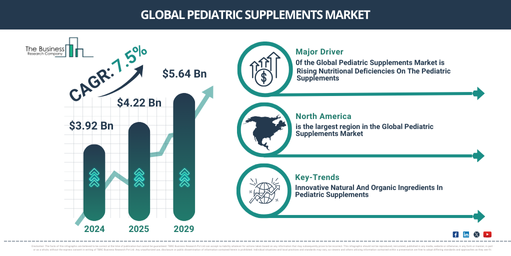
    The size of the market for pediatric supplements has experienced significant growth in the recent past. With a compound annual growth rate (CAGR) of 7.7%, it is forecasted to increase from $3.92 billion in 2024 to $4.22 billion in 2025. The catalysts for the growth during this historical period include higher rates of nutritional deficiencies in infants and children, a surge in the demand for health supplements for children, swelling consumer consciousness, greater realization of health benefits, and the expansion of e-commerce.

    In the coming years, the market size for pediatric supplements is anticipated to witness significant expansion. It is projected to escalate to $5.64 billion in 2029, with a compound annual growth rate (CAGR) of 7.5%. Factors contributing to this growth in the forecast period include the swelling demand for supplements rich in purified protein, an upswing in healthcare expenditure, rising cognizance of pediatric health, burgeoning health and wellness trends, and an expanding child population. Within the forecast period, the market is expected to be shaped by trends such as novel product formulations, heightened demand for supplements that enhance immunity, innovation in delivery methods, the use of natural and organic ingredients, and emphasis on quality control and sourcing of ingredients.

    Download a free sample to assess the report’s scope and structure:

    https://www.thebusinessresearchcompany.com/sample.aspx?id=16144&type=smp

    What Are the Core Growth Drivers Propelling the Pediatric Supplements Market Forward?

    The increase in nutritional deficiencies is predicted to drive the expansion of the pediatric supplement market. These deficiencies imply a lack of crucial nutrients required for growth, wellbeing, and overall health. The rising intake of heavily processed foods, typically low in necessary nutrients and high in non-nutritious calories, sugars, and unhealthy fats, is a considerable contributor to these deficiencies. Pediatric supplements are designed to counter nutritional deficiencies in babies and children by supplementing their diets with the essential nutrients. For example, as recorded by the United Nations International Children’s Emergency Fund (UNICEF), a US-based intergovernmental United Nations entity, in June 2023, malnutrition prevention efforts reached 356.3 million children under the age of 5 and mothers in 2022, a distinct increase from 336.4 million in 2021. Thus, the escalating rate of nutritional deficiencies stimulates the expansion of the pediatric supplement market.

    Which Key Market Segments Comprise the Pediatric Supplements Market and Drive Its Revenue Growth?

    The pediatric supplements market covered in this report is segmented –

    1) By Product Type: Vitamins, Minerals, Probiotics, Omega-3 Fatty Acids, Amino Acids, Other Product Types

    2) By Form: Gummies, Chewable, Liquids, Powders, Tablets, Other Forms

    3) By Distribution Channel: Pharmacies, Supermarkets Or Hypermarkets, Online Retailers, Specialty Stores, Other Distribution Channels

    4) By Age Group: Infants, Toddlers, Middle Childhood, Adolescents

    5) By Application: Immunity Enhancement, Brain And Cognitive Support, Bone And Teeth Support, Gastrointestinal Support, General Well-Being, Other Applications

    Subsegments:

    1) By Vitamins: Vitamin A, Vitamin B (B1, B2, B3, B6, B12, Etc.), Vitamin C, Vitamin D, Vitamin E, Vitamin K, Multivitamins

    2) By Minerals: Calcium, Iron, Magnesium, Zinc, Potassium, Selenium

    3) By Probiotics: Lactobacillus, Bifidobacterium, Streptococcus Thermophilus, Other Probiotic Strains

    4) By Omega-3 Fatty Acids: DHA (Docosahexaenoic Acid), EPA (Eicosapentaenoic Acid), ALA (Alpha-Linolenic Acid)

    5) By Amino Acids: L-Arginine, L-Carnitine, L-Glutamine, L-Leucine, L-Isoleucine, L-Valine

    6) By Other Product Types: Herbal Supplements, Protein Supplements, Fiber Supplements, Enzyme Supplements

    Request customized data on this market:

    https://www.thebusinessresearchcompany.com/customise?id=16144&type=smp

    Which Geographic Areas Hold the Strongest Growth Potential in the Pediatric Supplements Market?

    North America was the largest region in the pediatric supplements market in 2024. Asia-Pacific is expected to be the fastest-growing region in the forecast period. The regions covered in the pediatric supplements market report are Asia-Pacific, Western Europe, Eastern Europe, North America, South America, Middle East, Africa.

    Which Cutting-Edge Market Trends Are Expected to Drive the Pediatric Supplements Market’s Growth?

    Leading companies in the pediatric supplement sector are concentrating their efforts on creating natural and organic ingredient-based products for kids, such as vitamin D and probiotic drops. This move is a response to the growing demand for healthier alternatives. Supplements like Vitamin D and probiotic drops are formulated to provide infants and young children with vital nutrients essential for their growth and development. For example, in February 2024, a renowned US pediatric nutrition enterprise, Bobbie, debuted their first non-formula products composed of organic vitamin D and probiotic drops. Bobbie’s Organic Vitamin D Drops ensures 100% of the daily vitamin D (400 IU) requirement for infants aged 0-12 months through a simple 3-drop dosage. Crafted with certified organic, non-GMO ingredients, they are a perfect fit for breastfed and mixed-fed infants aiming to promote robust bone health, teeth development, immune function, and facilitate calcium intake. These latest supplements aim to tackle prevalent pediatric deficiencies and cater to the distinct nutritional demands of infants and toddlers. The Organic probiotic drops present a mix of clinically backed probiotic strains that are effective in easing colic in infants.

    View the full report here:

    https://www.thebusinessresearchcompany.com/report/pediatric-supplements-global-market-report

    How Is the Pediatric Supplements Market Conceptually Defined?

    Pediatric supplements are specially formulated products designed to provide essential vitamins, minerals, and nutrients to infants, children, and adolescents. These supplements cater to the specific nutritional needs of growing bodies during different stages of childhood development. Pediatric supplements are dietary supplements intended to supplement the diet of children and adolescents up to age 18.

    Purchase the full report and get a swift delivery:

    https://www.thebusinessresearchcompany.com/purchaseoptions.aspx?id=16144

    About The Business Research Company:

    With over 15000+ reports from 27 industries covering 60+ geographies, The Business Research Company has built a reputation for offering comprehensive, data-rich research and insights. Armed with 1,500,000 datasets, the optimistic contribution of in-depth secondary research, and unique insights from industry leaders, you can get the information you need to stay ahead in the game.

    Get in touch with us:

    The Business Research Company: https://www.thebusinessresearchcompany.com/

    Americas +1 3156230293

    Asia +44 2071930708

    Europe +44 2071930708

    Email us at info@tbrc.info

    Follow us on:

    LinkedIn: https://in.linkedin.com/company/the-business-research-company

    YouTube: https://www.youtube.com/channel/UC24_fI0rV8cR5DxlCpgmyFQ

    Global Market Model: https://www.thebusinessresearchcompany.com/global-market-model
  • $7.9 Billion Forecast for Pediatric Radiology Market by 2029, Backed by Demand and Innovation

    $7.9 Billion Forecast for Pediatric Radiology Market by 2029, Backed by Demand and Innovation

    Discover trends, market shifts, and competitive outlooks for the pediatric radiology industry through 2025-2034 with The Business Research Company’s reliable data and in-depth research

    What Are the Key Milestones in the Pediatric Radiology Market’s Growth Trajectory From 2025 To 2034?

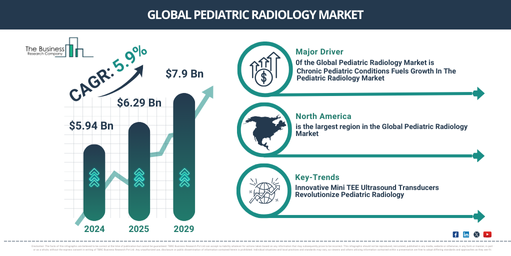
    In recent times, the pediatric radiology market has been experiencing significant growth. The market size is projected to increase from $5.94 billion in 2024 to $6.29 billion in 2025, with a compound annual growth rate (CAGR) of 5.9%. Factors contributing to the growth in the past include the innovation in medical imaging, a rise in the occurrence of diseases among children, heightened awareness and adoption, improved imaging quality and safety measures, and emphasis on research and training specifically for pediatric care.

    The market for pediatric radiology is projected to experience robust expansion in the forthcoming years. It is forecasted to surge to $7.9 billion by 2029, with a compound annual growth rate (CAGR) of 5.9%. The escalation in the forecast period is thought to be due to the adoption of artificial intelligence (AI), remote imaging and telemedicine, precision and personalized medicine, a move towards value-based health care, and novel developments in emerging markets. Key trends during the forecast period are progress in pediatric-dedicated imaging techniques, incorporation of artificial intelligence (AI) and machine learning, proliferation of point-of-care imaging, telemedicine and remote supervision solutions, and focus on patient-centric care and family-oriented imaging.

    Download a free sample to assess the report’s scope and structure:

    https://www.thebusinessresearchcompany.com/sample.aspx?id=15891&type=smp

    What are the Fundamental Drivers and Innovations Shaping the Pediatric Radiology Market?

    The escalating occurrence of long-standing pediatric diseases is anticipated to drive the expansion of the pediatric radiology market in the future. These diseases, which significantly impact children and teenagers, require prolonged medical care and constrain daily functioning. The surge in these persistent pediatric conditions can be attributed to a mix of genetic predisposition, elements in the surrounding environment, and shifts in lifestyle patterns. Pediatric radiology plays a crucial role in these diseases, helping in their diagnosis, supervision, and management by using imaging techniques such as X-rays, MRI, and CT scans. Such techniques offer valuable data vital for efficient treatment and medical care. For example, Asthma Australia, a non-profit organization based in Australia, reported in November 2024 that in the year 2022-2023 over 31,000 hospital admissions were primarily due to asthma, and around 43% of such cases were children aged 14 or less. Consequently, the rising occurrence of long-lasting pediatric diseases is fueling the growth of the pediatric radiology market.

    What Segment Types Define the Pediatric Radiology Market Structure?

    The pediatric radiology market covered in this report is segmented –

    1) By Product Type: Ultrasound, Magnetic Resonance Imaging (MRI), X-Ray, Computed Tomography Scanner, Other Product Types

    2) By Modality: Standalone Devices, Table-Top Devices, Portable Devices

    3) By Application: Oncology, Orthopedics, Cardiology, Other Applications

    4) By End-User: Hospitals, Pediatric Clinics, Diagnostic Centers, Other End-Users

    Subsegments:

    1) By Ultrasound: Portable Pediatric Ultrasound Machines, Pediatric Echocardiography Ultrasound

    2) By Magnetic Resonance Imaging (MRI): Pediatric MRI Systems, Open MRI Systems For Pediatrics, MRI-Compatible Pediatric Equipment

    3) By X-Ray: Digital Pediatric X-Ray Systems, Mobile X-Ray Systems For Pediatrics, Pediatric Fluoroscopy Systems

    4) By Computed Tomography Scanner: Pediatric CT Scanners, Low-Dose CT Scanners For Pediatrics, 3D Imaging Pediatric CT Scanners

    5) By Other Product Types: Pediatric Nuclear Medicine Systems, Pediatric Bone Densitometers, Pediatric Mammography Systems

    Request customized data on this market:

    https://www.thebusinessresearchcompany.com/customise?id=15891&type=smp

    Which Regions Are Driving the Next Phase of the Pediatric Radiology Market Growth?

    North America was the largest region in the pediatric radiology market in 2024. Asia-Pacific is expected to be the fastest-growing region in the forecast period. The regions covered in the pediatric radiology market report are Asia-Pacific, Western Europe, Eastern Europe, North America, South America, Middle East and Africa.

    What Are the Key Market Trends in the Pediatric Radiology Market Over the Coming Years?

    Leading businesses in the pediatric radiology market are pushing the boundaries with innovations like mini transesophageal echocardiography (TEE) ultrasound transducers. These new advancements are geared towards expanding diagnosis and treatment possibilities for smaller or vulnerable patients, enhancing imaging accuracy, and improving the overall patient experience and results. Mini transesophageal echocardiography (TEE) ultrasound transducers are compact imaging tools that provide in-depth visualizations of the heart and its parts through the esophagus, thus increasing the range of diagnostic and treatment options for patients with different sizes and medical conditions. An example of this is the X11-4t Mini 3D TEE transducer introduced in May 2024 by Koninklijke Philips N.V., a conglomerate based in the Netherlands. This revolutionary transducer, with its design placing an emphasis on patient comfort, opens up the advantages of 3D transesophageal echocardiography (TEE) to groups that were previously overlooked, such as small-sized pediatric patients and adults who are complication-prone. This miniaturized transducer, which is 35% smaller than traditional models, offers crucial 3D imaging for the diagnosis and treatment of structural heart diseases, and assists in carrying out minimally invasive procedures. Compatible with the EPIQ CVx and EchoNavigator systems of Philips, it delivers high-grade imaging, therefore reducing the requirement for general anesthesia as well as shortening recovery periods.

    View the full report here:

    https://www.thebusinessresearchcompany.com/report/pediatric-radiology-global-market-report

    What Is the Definition of the Pediatric Radiology Market?

    Pediatric radiology is a specialized field of medicine focused on the imaging diagnosis and treatment of diseases, disorders, and injuries affecting infants, children, and adolescents. It involves the use of various imaging techniques, such as X-rays, ultrasound, computed tomography (CT), magnetic resonance imaging (MRI), and nuclear medicine, to assess the anatomy, physiology, and pathology specific to pediatric patients.

    Purchase the full report and get a swift delivery:

    https://www.thebusinessresearchcompany.com/purchaseoptions.aspx?id=15891

    About The Business Research Company:

    With over 15000+ reports from 27 industries covering 60+ geographies, The Business Research Company has built a reputation for offering comprehensive, data-rich research and insights. Armed with 1,500,000 datasets, the optimistic contribution of in-depth secondary research, and unique insights from industry leaders, you can get the information you need to stay ahead in the game.

    Get in touch with us:

    The Business Research Company: https://www.thebusinessresearchcompany.com/

    Americas +1 3156230293

    Asia +44 2071930708

    Europe +44 2071930708

    Email us at info@tbrc.info

    Follow us on:

    LinkedIn: https://in.linkedin.com/company/the-business-research-company

    YouTube: https://www.youtube.com/channel/UC24_fI0rV8cR5DxlCpgmyFQ

    Global Market Model: https://www.thebusinessresearchcompany.com/global-market-model
  • Global Pediatric Medical Devices Market Projected to Reach $50.19 Billion by 2029 at a CAGR of 8.1%

    Global Pediatric Medical Devices Market Projected to Reach $50.19 Billion by 2029 at a CAGR of 8.1%

    Discover trends, market shifts, and competitive outlooks for the pediatric medical devices industry through 2025-2034 with The Business Research Company’s reliable data and in-depth research

    How Has The Pediatric Medical Devices Market Size Shifted, And What Is the Outlook Through 2034?

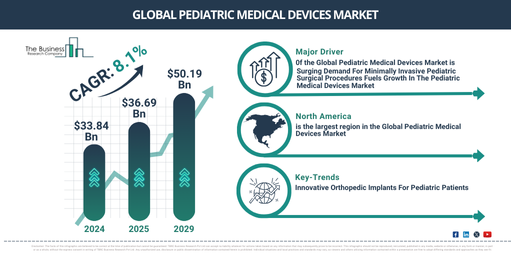
    The market size for pediatric medical devices has seen a pronounced increase in past years. The growth is anticipated to rise from $33.84 billion in 2024 to $36.69 billion in 2025, at a CAGR of 8.4%. The growth during the historical period can be linked to increased awareness, escalating investments in infrastructure, growth in population, government-led initiatives, and expansion in insurance.

    Expectations are high for the pediatric medical devices market as it is predicted to exhibit robust growth in the coming years. The projection is that by 2029, it will expand to reach a value of $50.19 billion, translating to a compound annual growth rate (CAGR) of 8.1%. This projected growth during the forecast period can be credited to various factors such as advancements in manufacturing techniques, value-focused care methodologies, personalized healthcare solutions, a move towards home-centric care, and partnerships fostering innovation. Upcoming trends for the forecast period encompass remote health monitoring solutions, telemedicine services for children, wearable health apparatus for kids, the use of robotics in pediatric operations, and the incorporation of AI in child healthcare.

    Download a free sample to assess the report’s scope and structure:

    https://www.thebusinessresearchcompany.com/sample.aspx?id=15890&type=smp

    What Are the Primary Drivers Supporting the Market Growth of the Pediatric Medical Devices Market?

    The pediatric medical devices market is projected to expand due to the increasing demand for minimally invasive pediatric surgical procedures. These procedures, which utilize small incisions or the body’s natural openings in conjunction with cutting-edge instruments and imaging technology, are becoming preferred methods for diagnosing, treating, or managing pediatric health conditions because they offer less trauma and faster recovery times than traditional open surgeries. This surge in demand is fueled by technological advancements that allow for safer, more precise operations with fewer post-operative complications. Pediatric medical devices play a key role in these minimally invasive procedures, providing accurate access, visualization, and manipulation of child-friendly anatomy via small incisions, thereby ensuring an effective and safe treatment of pediatric ailments while causing minimal trauma to the surrounding tissues. Washington University in St. Louis, a private U.S.-based university, reported in March 2023 that the number of operating room cases for minimally invasive surgery rose from 2,208 in 2021 to 2,400 in 2022, marking a growth of 192 cases within a year. Consequently, the booming demand for minimally invasive pediatric surgical procedures is steering the growth of the pediatric medical devices market.

    How Is the Pediatric Medical Devices Market Segmented?

    The pediatric medical devices market covered in this report is segmented –

    1) By Product: Cardiology Devices, In Vitro Diagnostic (IVD) Devices, Diagnostic Imaging Devices, Anesthesia And Respiratory Care Devices, Neonatal Intensive Care Unit (ICU) Devices, Other Products

    2) By Age Group: Infants, Children, Adolescents

    3) By End-User: Hospitals, Diagnostic Laboratories, Ambulatory Surgical Centers, Other End-Users

    Subsegments:

    1) By Cardiology Devices: Pediatric ECG Machines, Pediatric Defibrillators, Pediatric Pacemakers, Pediatric Stethoscopes

    2) By In Vitro Diagnostic (IVD) Devices: Blood Glucose Monitoring Devices, Point-Of-Care Testing Devices, Molecular Diagnostic Devices, Immunoassay Analyzers

    3) By Diagnostic Imaging Devices: Pediatric Ultrasound Machines, Pediatric X-Ray Machines, Pediatric MRI Machines, Pediatric CT Scanners

    4) By Anesthesia And Respiratory Care Devices: Pediatric Ventilators, Pediatric Anesthesia Machines, CPAP Devices For Pediatrics, Oxygen Concentrators For Pediatrics

    5) By Neonatal Intensive Care Unit (ICU) Devices: Neonatal Incubators, Neonatal Ventilators, Neonatal Monitoring Devices, Phototherapy Devices

    6) By Other Products: Pediatric Surgical Instruments, Pediatric Infusion Pumps, Pediatric Monitoring Devices, Pediatric Rehabilitation Devices

    Request customized data on this market:

    https://www.thebusinessresearchcompany.com/customise?id=15890&type=smp

    Which Regions Are Key Players in the Growth of the Pediatric Medical Devices Market?

    North America was the largest region in the pediatric medical devices market in 2024. Asia-Pacific is expected to be the fastest-growing region in the forecast period. The regions covered in the pediatric medical devices market report are Asia-Pacific, Western Europe, Eastern Europe, North America, South America, Middle East and Africa.

    Which Emerging Trends that Are Influencing the Pediatric Medical Devices Industry Evolution?

    Leading firms in the pediatric medical devices market are advancing in the creation of orthopedic implants to cater to the specialized health requirements of pediatric patients. These requirements range from musculoskeletal disorders to innate abnormalities. These orthopedic implants, which serve to replace or assist broken or lost bone or joint structure within the musculoskeletal system, come from the development initiatives of major companies. For instance, OrthoPediatrics Corporation, a medical device enterprise based in the US, unveiled the RESPONSE Rib and Pelvic Fixation system, designed specifically for pediatric patients suffering from Early Onset Scoliosis (EOS), in March 2024. The all-inclusive system includes implants, tools, and connector devices, offering surgeons a highly adaptive solution for rib and pelvic fixation. This solution is even suitable for patients likely to develop Thoracic Insufficiency Syndrome. The system’s features such as a variety of implant choices, sleek designs, and locking systems enhance accuracy and adaptability in the treatment of EOS cases.

    View the full report here:

    https://www.thebusinessresearchcompany.com/report/pediatric-medical-devices-global-market-report

    How Is the Pediatric Medical Devices Market Defined and What Are Its Core Parameters?

    Pediatric medical devices are specialized healthcare products designed and tailored specifically for infants, children, and adolescents, addressing their unique anatomical, physiological, and developmental needs to diagnose, treat, monitor, or manage various pediatric conditions and diseases. These devices are tailored to meet the unique physiological and developmental needs of pediatric patients, ensuring their safety, efficacy, and comfort.

    Purchase the full report and get a swift delivery:

    https://www.thebusinessresearchcompany.com/purchaseoptions.aspx?id=15890

    About The Business Research Company:

    With over 15000+ reports from 27 industries covering 60+ geographies, The Business Research Company has built a reputation for offering comprehensive, data-rich research and insights. Armed with 1,500,000 datasets, the optimistic contribution of in-depth secondary research, and unique insights from industry leaders, you can get the information you need to stay ahead in the game.

    Get in touch with us:

    The Business Research Company: https://www.thebusinessresearchcompany.com/

    Americas +1 3156230293

    Asia +44 2071930708

    Europe +44 2071930708

    Email us at info@tbrc.info

    Follow us on:

    LinkedIn: https://in.linkedin.com/company/the-business-research-company

    YouTube: https://www.youtube.com/channel/UC24_fI0rV8cR5DxlCpgmyFQ

    Global Market Model: https://www.thebusinessresearchcompany.com/global-market-model
  • Pediatric CatheterMarket Overview 2025–2034: CAGR Trends, Long-Term Growth Paths, and Business Implications

    Pediatric CatheterMarket Overview 2025–2034: CAGR Trends, Long-Term Growth Paths, and Business Implications

    Discover trends, market shifts, and competitive outlooks for the pediatric catheter industry through 2025-2034 with The Business Research Company’s reliable data and in-depth research

    #How Has the Pediatric Catheter Market Growth Performance Trended Historically, And What Lies Ahead?3

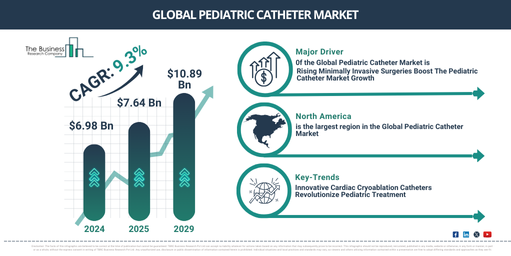
    In recent years, the market size of pediatric catheters has seen robust growth. It is projected to expand from $6.98 billion in 2024 to $7.64 billion in 2025, demonstrating a compound annual growth rate (CAGR) of 9.5%. The substantial growth in the past has been driven by the higher occurrence of pediatric diseases, a heightened awareness among parents and healthcare providers, a growing inclination towards minimally invasive operations, improvements in the healthcare system, and a rising preference for at-home medical care.

    In the coming years, the pediatric catheter market is predicted to exhibit robust growth, escalating to $10.89 billion by 2029 with a 9.3% Compound Annual Growth Rate (CAGR). The expansion during the expected duration is due to the escalating prevalence of pediatric ailments, surging healthcare expenditure, a rise in chronic diseases, an increase in ambulatory surgical centers, a heightened focus on environmental concerns and sustainable methodologies, and the mounting occurrences of pediatric neurological disorders. Chief trends for the anticipated period comprise technological progress, embracing modern catheterization approaches, assimilation of digital health tech, the use of eco-friendly materials, broadening of pediatric catheter distribution channels, and a rise in the practice of virtual consultations.

    Download a free sample to assess the report’s scope and structure:

    https://www.thebusinessresearchcompany.com/sample.aspx?id=15889&type=smp

    How Are Key Drivers in the Industry Acting as Catalysts for the Growth of the Pediatric Catheter Market?

    The growth of the pediatric catheter market is predicted to be fueled by the increasing prevalence of minimally invasive surgeries. This type of surgery, also known as MIS, minimizes incisions into the skin and tissues, aiming to cause the least amount of damage during treatment procedures. Minimally invasive surgeries are sought after due to benefits like swift recovery times, reduced discomfort, and minimal scarring. The use of pediatric catheters is heightened in MIS procedures due to the non-invasive method of insertion, diminished pain, quicker hospital discharge, and speedy recovery. The Aesthetic Society, an organization based in the US focusing exclusively on aesthetic plastic surgery and cosmetic medicine for the face and body, has shown that in August 2023, Americans spent over $11.8 billion on minimally invasive surgeries in total, indicating a growth of 2% from the preceding year. Consequently, the pediatric catheter market is being stimulated by the rise in minimally invasive surgeries.

    Which Primary Segments of the Pediatric Catheter Market Are Driving Growth and Industry Transformations?

    The pediatric catheter market covered in this report is segmented –

    1) By Product Type: Cardiovascular Catheters, Urology Catheters, Intravenous Catheters, Neurovascular Catheters, Specialty Catheters, Other Types

    2) By Lumen: Single Lumen, Double Lumen, Triple Lumen

    3) By End User: Hospitals And Clinics, Ambulatory Surgical Centers, Other End Users

    Subsegments:

    1) By Cardiovascular Catheters: Balloon Catheters, Guide Catheters, Diagnostic Catheters

    2) By Urology Catheters: Urinary Catheters, Urethral Catheters, Nephrostomy Catheters

    3) By Intravenous Catheters: Peripheral IV Catheters, Central Venous Catheters (CVC), Peripherally Inserted Central Catheters (PICC)

    4) By Neurovascular Catheters: Microcatheters, Guidewires For Neurovascular Procedures, Balloon Angioplasty Catheters

    5) By Specialty Catheters: Biopsy Catheters, Dialysis Catheters, Hemodialysis Catheters

    6) By Other Types: Catheters For Endoscopic Procedures, Respiratory Catheters, Surgical Drainage Catheters

    Request customized data on this market:

    https://www.thebusinessresearchcompany.com/customise?id=15889&type=smp

    What Are the Fastest-Growing Geographies in the Pediatric Catheter Market?

    North America was the largest region in the pediatric catheter market in 2023. Asia-Pacific is expected to be the fastest-growing region in the forecast period. The regions covered in the pediatric catheter market report are Asia-Pacific, Western Europe, Eastern Europe, North America, South America, Middle East and Africa.

    What Key Trends Are Shaping the Future of the Pediatric Catheter Market?

    Leading organizations in the pediatric catheter market are concentrating on the design and development of novel cardiac cryoablation catheters, aiming to provide a secure and effective focal cryoablation treatment for children with cardiac conditions. Cardiac cryoablation catheters are distinct medical tools used for cryoablation procedures to manage diseases such as atrial fibrillation. Their purpose is to create focus lesions by cooling down the heart tissue, obstructing unwelcome electrical transmission, and treating arrhythmias. For instance, Medtronic plc, a medical device corporation based in the US, in February 2022, obtained approval from the US-based federal agency, the Food and Drug Administration (FDA), for its Freezor and Freezor Xtra cardiac cryoablation focal catheters used to treat pediatric atrioventricular nodal reentrant tachycardia (AVNRT). These catheters aim to freeze the heart tissue and stop the unnecessary electrical impulses in the heart, offering a primary treatment for AVNRT and proving high effectiveness with minimal negative incidences.

    View the full report here:

    https://www.thebusinessresearchcompany.com/report/pediatric-catheter-global-market-report

    What Parameters Are Used to Define the Pediatric Catheter Market?

    Pediatric catheters are medical devices specifically designed and sized for use in pediatric patients, typically infants and children. They are designed to be smaller in size and gentler in construction compared to adult catheters to minimize discomfort and reduce the risk of complications in pediatric patients for diagnostic, therapeutic, and monitoring purposes.

    Purchase the full report and get a swift delivery:

    https://www.thebusinessresearchcompany.com/purchaseoptions.aspx?id=15889

    About The Business Research Company:

    With over 15000+ reports from 27 industries covering 60+ geographies, The Business Research Company has built a reputation for offering comprehensive, data-rich research and insights. Armed with 1,500,000 datasets, the optimistic contribution of in-depth secondary research, and unique insights from industry leaders, you can get the information you need to stay ahead in the game.

    Get in touch with us:

    The Business Research Company: https://www.thebusinessresearchcompany.com/

    Americas +1 3156230293

    Asia +44 2071930708

    Europe +44 2071930708

    Email us at info@tbrc.info

    Follow us on:

    LinkedIn: https://in.linkedin.com/company/the-business-research-company

    YouTube: https://www.youtube.com/channel/UC24_fI0rV8cR5DxlCpgmyFQ

    Global Market Model: https://www.thebusinessresearchcompany.com/global-market-model
  • Global Omeprazole Market Projected to Reach $3.39 Billion by 2029 at a CAGR of 7.6%

    Global Omeprazole Market Projected to Reach $3.39 Billion by 2029 at a CAGR of 7.6%

    Discover trends, market shifts, and competitive outlooks for the omeprazole industry through 2025-2034 with The Business Research Company’s reliable data and in-depth research

    #How Has the Omeprazole Market Growth Performance Trended Historically, And What Lies Ahead?3

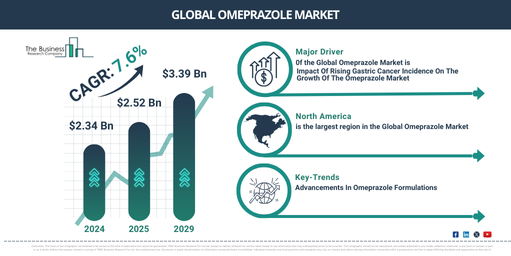
    The market for omeprazole has experienced strong growth lately. Its worth is projected to rise from $2.34 billion in 2024 to $2.52 billion in 2025, reflecting a compound annual growth rate (CAGR) of 7.9%. The notable rise during the historical period can be traced back to factors such as reimbursement strategies, the shift from H2 blockers to proton pump inhibitors by patients and healthcare providers, campaigns that aim to spread awareness about the positives of omeprazole treatment, government funding in healthcare infrastructure and services, and initiatives to promote health literacy.

    The market for omeprazole is forecasted to witness robust growth in the upcoming years, ascending to a value of $3.39 billion by 2029 with a CAGR of 7.6%. The projected development during this period can be ascribed to several factors which include governmental efforts to regulate drug pricing—impacting profitability, disturbances in the pharma logistics chain— influencing availability and cost of omeprazole, customized treatment strategies, growing consumer cognizance and inclination toward self-care products, and alterations in disease trends and prevalence, which, in turn, affect the demand for the omeprazole. Future trends during this forecasting period will comprise the progression of gene editing technologies, breakthroughs in pharmacogenomics, embracing of telemedicine, integration of digital health technologies, and growth of online platforms.

    Download a free sample to assess the report’s scope and structure:

    https://www.thebusinessresearchcompany.com/sample.aspx?id=16495&type=smp

    What Are the Primary Drivers Supporting the Market Growth of the Omeprazole Market?

    The rise in gastric cancer cases is anticipated to drive the growth of the omeprazole market in the future. Gastric cancers, malignancies that form in the stomach lining, are on the rise due to chronic helicobacter pylori infections, excessive alcohol intake, genetic factors, chronic gastritis, obesity, and geographic prevalence variations. Omeprazole, a proton pump inhibitor, aids in the management of gastric cancers by decreasing the production of stomach acid. This can relieve symptoms, enhance the quality of life, and assist in the healing of ulcers or lesions in the stomach lining. For example, in January 2023, the American Cancer Society (ACS), a health organization in the US devoted to cancer eradication, reported a 3.18% increase in gastrointestinal cancers to 348,840, up from 338,090 in 2021 in the United States. Therefore, the escalating incidence of gastric cancers is fueling the expansion of the omeprazole market.

    How Is the Omeprazole Market Segmented?

    The omeprazole market covered in this report is segmented –

    1) By Dosage Form: Capsule, Powder, Tablet

    2) By Indication: Duodenal Ulcer, Gastric Ulcer, Gastroesophageal Reflux Disease, Erosive Esophagitis, Other Indications

    3) By Distribution Channel: Hospital Pharmacies, Retail Pharmacies, Online Pharmacies

    Subsegments:

    1) By Capsule: Delayed-Release Capsules, Immediate-Release Capsules

    2) By Powder: Oral Suspension Powder, Injectable Powder

    3) By Tablet: Delayed-Release Tablets, Immediate-Release Tablets

    Request customized data on this market:

    https://www.thebusinessresearchcompany.com/customise?id=16495&type=smp

    Which Regions Are Key Players in the Growth of the Omeprazole Market?

    North America was the largest region in the omeprazole market in 2024. The regions covered in the omeprazole market report are Asia-Pacific, Western Europe, Eastern Europe, North America, South America, Middle East, Africa.

    What Long-Term Trends Are Transforming the Competitive Landscape of the Omeprazole Market?

    Top firms in the omeprazole industry are introducing pre-prepared liquid forms of the drug, aiming to improve patient comfort and adherence, especially for those who find swallowing tablets or capsules challenging. These ready-to-use liquid omeprazole formulations are intended to enhance patient adherence, offer convenience, ensure precise dosage, provide rapid action onset, and guarantee superior medication stability. Alkaloid AD, a pharmaceutical manufacturer from North Macedonia, for example, debuted liquid Omeprazole in February 2024. This product is the first pre-prepared liquid Omeprazole for reflux esophagitis and GERD patients who struggle with swallowing tablets, housed in a dual chamber package. It offers a more feasible and accessible treatment solution for patients who have trouble swallowing pills or capsules, such as young kids, adults with dysphagia, gastric feeding tube patients, or elderly patients. The firm has secured the first global patent for a Value-Added Medicine (VAM) for this product, and has obtained marketing authorization for the Macedonian and UK markets.

    View the full report here:

    https://www.thebusinessresearchcompany.com/report/omeprazole-global-market-report

    How Is the Omeprazole Market Defined and What Are Its Core Parameters?

    Omeprazole is a proton pump inhibitor, used to treat acid reflux, stomach ulcers, and other conditions involving excessive stomach acid. It works by irreversibly blocking the H+/K+ ATPase enzyme system (the proton pump) of the gastric parietal cells, thereby reducing the production of stomach acid.

    Purchase the full report and get a swift delivery:

    https://www.thebusinessresearchcompany.com/purchaseoptions.aspx?id=16495

    About The Business Research Company:

    With over 15000+ reports from 27 industries covering 60+ geographies, The Business Research Company has built a reputation for offering comprehensive, data-rich research and insights. Armed with 1,500,000 datasets, the optimistic contribution of in-depth secondary research, and unique insights from industry leaders, you can get the information you need to stay ahead in the game.

    Get in touch with us:

    The Business Research Company: https://www.thebusinessresearchcompany.com/

    Americas +1 3156230293

    Asia +44 2071930708

    Europe +44 2071930708

    Email us at info@tbrc.info

    Follow us on:

    LinkedIn: https://in.linkedin.com/company/the-business-research-company

    YouTube: https://www.youtube.com/channel/UC24_fI0rV8cR5DxlCpgmyFQ

    Global Market Model: https://www.thebusinessresearchcompany.com/global-market-model
  • Pectinases Outlook 2034: Key Drivers, Trends, and Market Frontiers

    Pectinases Outlook 2034: Key Drivers, Trends, and Market Frontiers

    Discover trends, market shifts, and competitive outlooks for the pectinases industry through 2025-2034 with The Business Research Company’s reliable data and in-depth research

    What Are the Projected Market Size and Growth Rates for the Pectinases Market From 2025 To 2029?

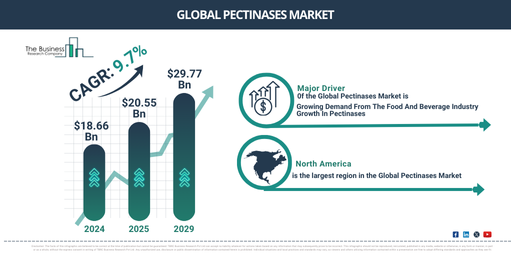
    In the recent years, the market size of pectinases has seen huge growth. The market projection is set to increase from $18.66 billion in 2024 to a significant $20.55 billion in 2025, with a compound annual growth rate (CAGR) of 10.1%. The historical growth has been largely influenced by factors such as growing fruit and vegetable production, an increase in juice and wine production, expansion of the dairy industry, upsurge in the food and beverage sector, and an escalated demand for organic and natural products.

    Expectations point towards a robust expansion in the pectinases market size in the upcoming years, projected to reach $29.77 billion in 2029 with a compound annual growth rate (CAGR) of 9.7%. The anticipated growth during the forecast period is credited to various factors such as the surge in consumer preference for natural and clean-label products, increased need for processed foods, rising beer and wine consumption, population growth, and urbanization. Innovation in fermentation technology, the use of sophisticated enzyme formulations, automation, process integration, progress in biotechnology and genetic engineering, agricultural developments, and advancements in food processing technologies are all crucial trends expected to arise during the forecast timeframe.

    Download a free sample to assess the report’s scope and structure:

    https://www.thebusinessresearchcompany.com/sample.aspx?id=16505&type=smp

    What Are the Major Market Drivers Behind the Rising Adoption of Pectinases Market?

    The surge in requirements from the food and beverage sector is predicted to boost the pectinases market’s expansion. This industry consists of firms that transform raw agricultural goods and partially processed food items into consumable food and beverage products. The escalating demand for pectinases in this sector owes to factors like the growth of fruit juice and wine production, improved tastes and textures, and the increasing popularity of plant-based drinks. These enzymes play a substantial role in advancing product quality, elevating process efficiency, and aiding in cost reduction, ultimately promoting the manufacture of superior, tasteful, and reliable food and beverage goods. For example, the Australian Bureau of Statistics reported in April 2024 that food and non-alcoholic beverage consumption in Australia was 14.8 million tonnes in the 2020-21 period, rising marginally to 15.1 in 2021-22. Hence, this escalating demand from the food and beverage sector is stimulating the pectinases market growth. A key driving factor behind the pectinases market growth is the rise in digestive disorders. These disorders, otherwise known as gastrointestinal diseases, include a range of medical conditions that affect the digestive system’s organs and structures, such as gastroesophageal reflux disease, peptic ulcer disease, inflammatory bowel disease, and celiac disease. The rise in these digestive ailments can be attributed to diets leaning towards processed foods, high-fat content, and low fiber. Pectinase enzymes foster digestive health by enhancing dietary fiber breakdown and absorption, encouraging a balanced gut microbiome, mitigating digestive discomfort, aiding in the handling of various digestive disorders and promoting overall digestive wellness. For instance, the National Center for Biotechnology Information, a US-based medicine library, reported in September 2023 that approximately 320,000 Canadians suffered from inflammatory bowel disease in 2023, a figure projected to rise to 470,000 by 2035. Thus, the rising instance of digestive diseases is propelling the pectinases market.

    Which Segments in the Pectinases Offer the Most Growth?

    The pectinases market covered in this report is segmented –

    1) By Type: Pectin Lyases, Protopectinases, Polygalacturonases, Pectinesterase, Other Types

    2) By Source: Bacterial Pectinase, Fungal Pectinase, Plant-Derived Pectinase, Other Sources

    3) By Form: Powder, Liquid, Granules

    4) By Application: Fruit Juice Extraction, Wine Production, Food Processing, Other Applications

    5) By End User: Food And Beverage, Pharmaceutical, Textile, Agriculture, Other End Users

    Subsegments:

    1) By Pectin Lyases: Endo-Pectin Lyases, Exo-Pectin Lyases

    2) By Protopectinases: Acidic Protopectinases, Alkaline Protopectinases

    3) By Polygalacturonases: Endo-Polygalacturonases, Exo-Polygalacturonases

    4) By Pectinesterase: Acidic Pectinesterases, Alkaline Pectinesterases

    5) By Other Types: Xyloglucanase, Cellulase-Related Enzymes

    Request customized data on this market:

    https://www.thebusinessresearchcompany.com/customise?id=16505&type=smp

    Which Areas Are Leading Regions in the Pectinases Market Expansion Across the Globe?

    North America was the largest region in the pectinase market in 2024. Asia-Pacific is expected to be the fastest-growing region in the forecast period. The regions covered in the pectinases market report are Asia-Pacific, Western Europe, Eastern Europe, North America, South America, Middle East, Africa.

    View the full report here:

    https://www.thebusinessresearchcompany.com/report/pectinases-global-market-report

    What Are the Key Elements That Define the Pectinases Market?

    Pectinases are a group of enzymes that catalyze the breakdown of pectin, a polysaccharide found in the cell walls of plants. These enzymes degrade pectin by hydrolyzing its glycosidic bonds, leading to the depolymerization of the pectin structure. Pectinases are widely used in the food and beverage industry to clarify fruit juices, enhance extraction processes, and improve the texture of various products.

    Purchase the full report and get a swift delivery:

    https://www.thebusinessresearchcompany.com/purchaseoptions.aspx?id=16505

    About The Business Research Company:

    With over 15000+ reports from 27 industries covering 60+ geographies, The Business Research Company has built a reputation for offering comprehensive, data-rich research and insights. Armed with 1,500,000 datasets, the optimistic contribution of in-depth secondary research, and unique insights from industry leaders, you can get the information you need to stay ahead in the game.

    Get in touch with us:

    The Business Research Company: https://www.thebusinessresearchcompany.com/

    Americas +1 3156230293

    Asia +44 2071930708

    Europe +44 2071930708

    Email us at info@tbrc.info

    Follow us on:

    LinkedIn: https://in.linkedin.com/company/the-business-research-company

    YouTube: https://www.youtube.com/channel/UC24_fI0rV8cR5DxlCpgmyFQ

    Global Market Model: https://www.thebusinessresearchcompany.com/global-market-model
  • Emerging Growth Drivers in the Ocular Inflammation Treatment Market Landscape: Aging Population’s Impact On The Ocular Inflammation Treatment Market

    Emerging Growth Drivers in the Ocular Inflammation Treatment Market Landscape: Aging Population’s Impact On The Ocular Inflammation Treatment Market

    Discover trends, market shifts, and competitive outlooks for the ocular inflammation treatment industry through 2025-2034 with The Business Research Company’s reliable data and in-depth research

    What is the Projected CAGR for the Ocular Inflammation Treatment Market Size from 2025 to 2034?

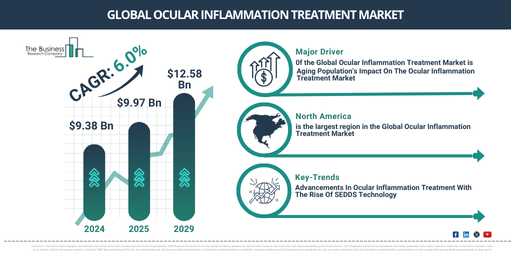
    There has been considerable growth in the market size of treatments for ocular inflammation in recent years. The market is projected to expand from $9.38 billion in 2024 to $9.97 billion in 2025, exhibiting a compound annual growth rate (CAGR) of 6.3%. The expansion witnessed in the historic period can be credited to progress in ophthalmic research, a rise in ocular inflammatory conditions, an aging population growth, broadening of health care facilities, increased awareness regarding eye health, innovation in treatment approaches, and introduction of new therapeutic solutions.

    In the upcoming years, a robust expansion is anticipated in the ocular inflammation treatment market. By 2029, it is projected to reach $12.58 billion with a compound annual growth rate (CAGR) of 6.0%. The growth during this period is influenced by numerous factors such as the rising need for biologics and targeted treatments, focus on early detection and intervention, increased healthcare spending, wider availability of eye-care services, and the growing acceptance of teleophthalmology solutions. Furthermore, regulatory support for innovative treatments also contributes to this escalation. The key trends during this period include a transition towards biologic therapies, advancements in drug delivery techniques, implementation of personalized medicine, integration of teleophthalmology, regulatory focus on safety and efficacy, and diversification of treatment options.

    Download a free sample to assess the report’s scope and structure:

    https://www.thebusinessresearchcompany.com/sample.aspx?id=15622&type=smp

    Which Factors and External Forces Are Driving Demand in the Ocular Inflammation Treatment Market?

    The ocular inflammation treatment market is poised to be propelled by an increase in the elderly population. The term aging is used to describe the inevitable process of getting older which is marked by a slow deterioration of bodily functions and tissue health. The elderly population is growing due to various factors, such as longer life spans, reduced birth rates, and healthcare advancements leading to improved persistence of life. Treatment for ocular inflammation becomes necessary for these older individuals to help maintain and safeguard their eye health by treating any age-related inflammatory eye conditions. As an example, a report from the World Health Organization, a health agency based in Switzerland, revealed that in September 2024, the global count of individuals aged 60 years and above stood at 1 billion. This count is anticipated to rise to 1.4 billion by 2030 and further to 2.1 billion by 2050. Consequently, the growing elderly population will be a significant driver for the ocular inflammation treatment market in the future.

    Which Primary Segments of the Ocular Inflammation Treatment Market Are Driving Growth and Industry Transformations?

    The ocular inflammation treatment market covered in this report is segmented –

    1) By Treatment Type: Immunosuppressant, Antivirals, Corticosteroids, Antibiotics, Analgesics, Monoclonal Antibodies, Antifungal, Cycloplegic

    2) By Mode of Operation: Injectables, Oral, Topical, Other Modes Of Operation

    3) By Disease Type: Anterior Uveitis, Intermediate Uveitis, Episcleritis/Scleritis, Posterior Uveitis, Panuveitis

    4) By Distribution Channel: Retail Pharmacies, Online Pharmacies, Hospital Pharmacies, Drug Stores

    Subsegments:

    1) By Immunosuppressant: Systemic Immunosuppressants (Methotrexate, Azathioprine), Topical Immunosuppressants Cyclosporine A)

    2) By Antivirals: Oral Antivirals ( Acyclovir, Valacyclovir), Topical Antivirals (Ganciclovir, Idoxuridine)

    3) By Corticosteroids: Topical Corticosteroids ( Prednisolone, Dexamethasone), Systemic Corticosteroids (Oral Prednisone), Intraocular Steroid Injections (Triamcinolone)

    4) By Antibiotics: Topical Antibiotics (Tobramycin, Gentamicin), Oral Antibiotics (Azithromycin, Ciprofloxacin)

    5) By Analgesics: Non-Steroidal Anti-Inflammatory Drugs (Nsaids), Opioid Analgesics ( Hydrocodone, Oxycodone)

    6) By Monoclonal Antibodies: Anti-Tnf Alpha Monoclonal Antibodies ( Infliximab, Adalimumab), Anti-Il-6 Monoclonal Antibodies ( Tocilizumab)

    7) By Antifungal: Topical Antifungal ( Natamycin), Oral Antifungal ( Fluconazole, Itraconazole)

    8) By Cycloplegic: Atropine, Cyclopentolate, Tropicamide

    Request customized data on this market:

    https://www.thebusinessresearchcompany.com/customise?id=15622&type=smp

    What Are the Fastest-Growing Geographies in the Ocular Inflammation Treatment Market?

    North America was the largest region in the ocular inflammation treatment market in 2023. The regions covered in the ocular inflammation treatment market report are Asia-Pacific, Western Europe, Eastern Europe, North America, South America, Middle East, Africa.

    What Key Trends Are Shaping the Future of the Ocular Inflammation Treatment Market?

    Leading firms in the ocular inflammation treatment sector are concentrating on incorporating advanced technologies like the self-emulsifying drug delivery system (SEDDS) into eye drops. This is in order to enhance drug absorption, extend therapeutic effects, and provide better patient convenience. SEDDS technology in eye drops increases bioavailability and boosts ocular absorption of therapeutic agents, offering more successful treatment outcomes for various eye conditions. ENTOD Pharmaceuticals, an Indian pharmaceutical company, for example, launched CYCLOTEARS eye drops in India and various international markets in May 2023. These eye drops are targeted at patients afflicted with inflammatory dry eye disease, a common disorder. Importantly, CYCLOTEARS stands as the first dry eye therapy in the world to incorporate the proprietary self-emulsifying drug delivery system (SEDDS) technology created by certified Indian scientists from the Department of Scientific and Industrial Research (DSIR). Partnerships with reputable eye research institutions within India have been crucial in the development phase of this technology.

    View the full report here:

    https://www.thebusinessresearchcompany.com/report/ocular-inflammation-treatment-global-market-report

    What Parameters Are Used to Define the Ocular Inflammation Treatment Market?

    Ocular inflammation treatment refers to medical approaches aimed at reducing swelling and protecting the eyes from damage caused by inflammation, ensuring clear vision and eye health. Treatment for ocular inflammation typically involves medication, eye drops, and sometimes additional therapies, depending on the severity and underlying cause of the inflammation.

    Purchase the full report and get a swift delivery:

    https://www.thebusinessresearchcompany.com/purchaseoptions.aspx?id=15622

    About The Business Research Company:

    With over 15000+ reports from 27 industries covering 60+ geographies, The Business Research Company has built a reputation for offering comprehensive, data-rich research and insights. Armed with 1,500,000 datasets, the optimistic contribution of in-depth secondary research, and unique insights from industry leaders, you can get the information you need to stay ahead in the game.

    Get in touch with us:

    The Business Research Company: https://www.thebusinessresearchcompany.com/

    Americas +1 3156230293

    Asia +44 2071930708

    Europe +44 2071930708

    Email us at info@tbrc.info

    Follow us on:

    LinkedIn: https://in.linkedin.com/company/the-business-research-company

    YouTube: https://www.youtube.com/channel/UC24_fI0rV8cR5DxlCpgmyFQ

    Global Market Model: https://www.thebusinessresearchcompany.com/global-market-model
  • Peanut Allergy Treatment Market in Focus: Forecasting Growth Drivers, Scaling Potential, and Global Opportunities

    Peanut Allergy Treatment Market in Focus: Forecasting Growth Drivers, Scaling Potential, and Global Opportunities

    Discover trends, market shifts, and competitive outlooks for the peanut allergy treatment industry through 2025-2034 with The Business Research Company’s reliable data and in-depth research

    What Are the Key Projections for the CAGR of the Peanut Allergy Treatment Market Size From 2025 to 2034?

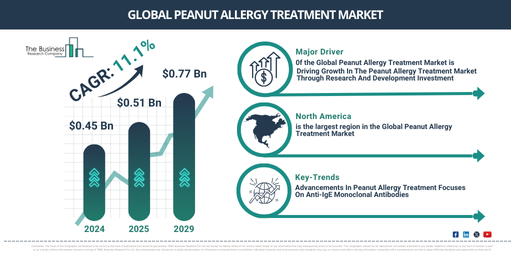
    The market for treating peanut allergies has seen a significant expansion in the recent past. The market which was valued at $0.45 billion in 2024, is forecasted to rise to $0.51 billion in 2025, with a compound annual growth rate (CAGR) of 11.4%. This growth in the previous years was driven by several factors like a surge in the incidence of the allergy, improvements in testing methods, increased public understanding and anxiety, the creation of early response strategies, and regulatory permissions for treatments of peanut allergies.

    The market for treatment of peanut allergies is anticipated to witness a significant surge in the coming years, potentially reaching $0.77 billion by 2029, with a compound annual growth rate (CAGR) of 11.1%. This growth is largely ascribed to the increasing prevalence of the condition, the rise of personalized medicine, the emergence of innovative immunotherapy treatments, boosted private and public funding, as well as the advancement of telemedicine. The prediction period is characterized by distinct trends such as the growing acceptance of immunotherapy, evolution in biologic therapies, usage of probiotics in treatments, breakthroughs in delivery system technology, personalized medical strategies, and regulatory ratifications and backing.

    Download a free sample to assess the report’s scope and structure:

    https://www.thebusinessresearchcompany.com/sample.aspx?id=15888&type=smp

    Which Primay Drivers Are Accelerating Growth in the Peanut Allergy Treatment Market?

    Investments dedicated to Research and Development (R&D) in allergy remediation are anticipated to spur the expansion of the peanut allergy treatment market. R&D investment pertains to the financial contribution made by corporations, organizations, or governments to facilitate activities that promote innovation, product growth, and technology advancement, and it is integral to progressing peanut allergy treatments. This financial commitment encourages the development of pioneering desensitization methods and immunotherapies, with the goal to diminish allergic reactions and enhance the life quality of individuals living with peanut allergies. For example, the Victorian Government revealed a strategic investment of $12 million in Aravax, a clinical-stage biotech firm based in Australia, in January 2024 to considerably progress global peanut allergy treatment. This investment is a part of a wider $66 million round focusing on the development of Aravax’s ground-breaking immunotherapy, PVX108. Both the U.S. Food and Drug Administration (FDA) and Australia’s Therapeutic Goods Administration (TGA) have granted this initiative Phase 2 trial approvals, emphasizing its potential influence on global public health. Hence, R&D investment in allergy treatments is propelling the growth of the peanut allergy treatment market.

    How Is the Peanut Allergy Treatment Market Segmented?

    The peanut allergy treatment market covered in this report is segmented –

    1) By Drug Class: Antihistamines, Immunotherapies, Epinephrine, Other Drug Classes

    2) By Route Of Administration: Injectable, Oral, Other Routes Of Administration

    3) By Distribution Channel: Retail Pharmacy, Hospital Pharmacy, Other Distribution Channels

    Subsegments:

    1) By Antihistamines: Oral Antihistamines, Topical Antihistamines

    2) By Immunotherapies: Oral Immunotherapy (OIT), Sublingual Immunotherapy (SLIT), Epicutaneous Immunotherapy (EPIT)

    3) By Epinephrine: Epinephrine Auto-Injectors, Epinephrine Inhalers

    4) By Other Drug Classes: Leukotriene Receptor Antagonists, Monoclonal Antibodies, Corticosteroids

    Request customized data on this market:

    https://www.thebusinessresearchcompany.com/customise?id=15888&type=smp

    Which Regions Are Key Players in the Growth of the Peanut Allergy Treatment Market?

    North America was the largest region in the peanut allergy treatment market in 2023. Asia-Pacific is expected to be the fastest-growing region in the forecast period. The regions covered in the peanut allergy treatment market report are Asia-Pacific, Western Europe, Eastern Europe, North America, South America, Middle East and Africa.

    Which Technological Trends Are Reshaping the Peanut Allergy Treatment Industry Dynamics?

    Prominent enterprises in the peanut allergy treatment market are concentrating on bioscience related therapeutic developments, specifically anti-IgE monoclonal antibodies, to provide more efficient and targeted solutions for peanut allergy control. Their ultimate goal is to enhance the patient’s overall well-being and life quality. Anti-IgE monoclonal antibodies are specially crafted therapeutic agents used to neutralize specific antibodies, termed immunoglobulin E, in the human body. For example, Novartis Pharmaceuticals Corporation, originating from Switzerland, was granted approval for Xolair (omalizumab) by the FDA in February 2024. This drug aims to reduce allergic responses, such as anaphylaxis in patients aged 1 or older suffering from IgE-mediated food allergies. The approval was based on the results of the Phase III OUtMATCH study funded by NIH, which demonstrated significant enhancement in food allergy resistance in Xolair-treated patients as opposed to those who received a placebo.

    View the full report here:

    https://www.thebusinessresearchcompany.com/report/peanut-allergy-treatment-global-market-report

    How Is the Peanut Allergy Treatment Market Defined and What Are Its Core Parameters?

    Peanut allergy treatment refers to various medical approaches designed to manage and reduce the severity of allergic reactions to peanuts. These treatments involve various approaches, such as epicutaneous immunotherapy and biologic therapies aimed at desensitizing individuals to peanuts and mitigating allergic reactions.

    Purchase the full report and get a swift delivery:

    https://www.thebusinessresearchcompany.com/purchaseoptions.aspx?id=15888

    About The Business Research Company:

    With over 15000+ reports from 27 industries covering 60+ geographies, The Business Research Company has built a reputation for offering comprehensive, data-rich research and insights. Armed with 1,500,000 datasets, the optimistic contribution of in-depth secondary research, and unique insights from industry leaders, you can get the information you need to stay ahead in the game.

    Get in touch with us:

    The Business Research Company: https://www.thebusinessresearchcompany.com/

    Americas +1 3156230293

    Asia +44 2071930708

    Europe +44 2071930708

    Email us at info@tbrc.info

    Follow us on:

    LinkedIn: https://in.linkedin.com/company/the-business-research-company

    YouTube: https://www.youtube.com/channel/UC24_fI0rV8cR5DxlCpgmyFQ

    Global Market Model: https://www.thebusinessresearchcompany.com/global-market-model
  • Key Factors Fueling the Growth of the Nutritional Serum Market in 2025: Growing Focus on Personal Care and Beauty Propels Nutritional Serum Market Growth

    Key Factors Fueling the Growth of the Nutritional Serum Market in 2025: Growing Focus on Personal Care and Beauty Propels Nutritional Serum Market Growth

    Discover trends, market shifts, and competitive outlooks for the nutritional serum industry through 2025-2034 with The Business Research Company’s reliable data and in-depth research

    How Has The Nutritional Serum Market Size Shifted, And What Is the Outlook Through 2034?

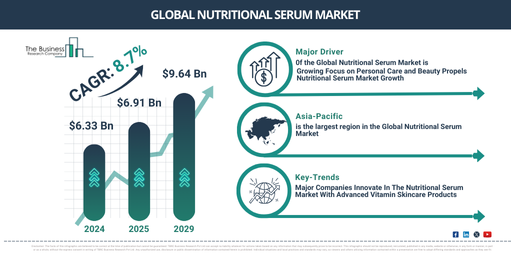
    The market for nutritional serum has seen robust growth in the past few years. It is projected to rise from $6.33 billion in 2024 to $6.91 billion in 2025, with a compound annual growth rate (CAGR) of 9.1%. Factors such as the growing elderly population, heightened health and wellness consciousness, the widening sports and fitness industry, rising comfort in serum usage, and the burgeoning popularity of clean beauty products contributed to this historical growth.

    The market size of nutritional serums is forecasted to witness significant development in the upcoming years, ascending to a value of $9.64 billion in 2029 with a compound annual growth rate of 8.7%. This anticipated progression during the estimated period can be associated with the escalating inclinations towards organic and natural elements, preventive healthcare measures, proliferation of vegan and vegetarian lifestyles, expansion of corporate wellness initiatives, and emphasis on immune health. Some of the emerging trends during this projection period encompass the embrace of eco-friendly packaging approaches, the creation of innovative nutritional serums compatible with wearable health tech gadgets, advancements in formulation methods, the adoption of subscription-driven models, and the evolution in the realm of hybrid nutritional products.

    Download a free sample to assess the report’s scope and structure:

    https://www.thebusinessresearchcompany.com/sample.aspx?id=18791&type=smp

    What Are the Primary Drivers Supporting the Market Growth of the Nutritional Serum Market?

    The increased emphasis on personal hygiene and attractiveness is projected to drive the expansion of the nutritional serum market. Personal hygiene and attractiveness involve the use of products and practices designed to improve and sustain a person’s physical appearance and cleanliness. This focus is propelled by consumers’ demand for self-care, grooming, and beauty enhancement goods and services. Nutritional serums, which deliver a concentrated blend of nutrients, vitamins, and antioxidants directly to the skin, play a crucial role in the personal hygiene and beauty industry. They augment skin hydration, texture, and luminosity, and address issues like dullness, aging, and uneven skin tone. In October 2023, for example, the US Bureau of Labor Statistics noted a substantial rise from 19.3% in 2021 to 20.3% in 2022 in the consumption of personal care products and services. Consequently, the heightened emphasis on personal hygiene and attractiveness is fuelling the nutritional serum market’s growth.

    How Is the Nutritional Serum Market Segmented?

    The nutritional serum market covered in this report is segmented –

    1) By Type: Vitamin Serums, Antioxidant Serums, Hydrating Serums, Exfoliating Serums, Anti-Aging Serums, Brightening Serums, Anti-Acne Serums, Oil Control Serums, Skin-Tightening Serums, Other Types

    2) By Skin Type: Dry Skin, Oily Skin, Normal Skin, Sensitive Skin

    3) By Price: Low, Medium, High

    4) By Distribution Channel: Online, Offline

    5) By End Use: Men, Women

    Subsegments:

    1) By Vitamin Serums: Vitamin C Serums, Vitamin E Serums, Vitamin A (Retinol) Serums, Vitamin B Complex Serums, Other Vitamin-Infused Serums

    2) By Antioxidant Serums: Green Tea Extract Serums, Niacinamide Serums, Resveratrol Serums, Coenzyme Q10 Serums, Other Antioxidant-Infused Serums

    3) By Hydrating Serums: Hyaluronic Acid Serums, Glycerin-Based Serums, Aloe Vera Serums, Other Moisturizing Serums

    4) By Exfoliating Serums: Alpha Hydroxy Acid (AHA) Serums, Beta Hydroxy Acid (BHA) Serums, Enzyme-Based Serums, Other Exfoliating Serums

    5) By Anti-Aging Serums: Peptide-Based Serums, Retinol Or Retinoid Serums, Collagen-Boosting Serums, Other Anti-Aging Formulations

    6) By Brightening Serums: Vitamin C-Based Serums, Niacinamide Serums, Licorice Extract Serums, Arbutin Serums, Other Brightening Serums

    7) By Anti-Acne Serums: Salicylic Acid Serums, Benzoyl Peroxide Serums, Tea Tree Oil Serums, Sulfur-Based Serums, Other Acne-Fighting Serums

    8) By Oil Control Serums: Salicylic Acid Oil Control Serums, Niacinamide Oil Control Serums, Clay-Based Serums, Other Oil Regulation Serums

    9) By Skin-Tightening Serums: Collagen-Boosting Serums, Elastin-Enhancing Serums, Firming Peptide Serums, Other Skin Tightening Formulas

    10) By Other Types: Custom Formulated Serums, Multi-Function Serums, Specialized Serums For Sensitive Skin

    Request customized data on this market:

    https://www.thebusinessresearchcompany.com/customise?id=18791&type=smp

    Which Regions Are Key Players in the Growth of the Nutritional Serum Market?

    Asia-Pacific was the largest region in the nutritional serum market in 2024. The regions covered in the nutritional serum market report are Asia-Pacific, Western Europe, Eastern Europe, North America, South America, Middle East, Africa.

    What Are the Most Significant Market Trends in the Nutritional Serum Market?

    Leading businesses within the nutritional serum market are prioritizing the creation of unique skincare products such as Vitamin serums to cater to the escalating demand for specialized skincare solutions. Vitamin serums are skincare items that comprise high levels of vitamins such as Vitamin C, E, or A and are aimed at addressing specific skin concerns such as brightening, aging, and hydration. For instance, Galderma S.A., a pharmaceutical firm based in Switzerland, introduced its Cetaphil Vitamin C Serum and Cetaphil Ceramide Serum to the market in July 2024. The Vitamin C Serum from Cetaphil comprises 3-O-ethyl ascorbic acid, which provides antioxidant protection and reduces dark spots. In contrast, the Ceramide Serum contains ceramides, Centella Asiatica, and allantoin, which act to repair and strengthen the skin’s defense mechanisms, facilitating 48-hour hydration and a refined skin texture.

    View the full report here:

    https://www.thebusinessresearchcompany.com/report/nutritional-serum-global-market-report

    How Is the Nutritional Serum Market Defined and What Are Its Core Parameters?

    Nutritional serum is a specialized liquid formulation rich in essential nutrients, vitamins, minerals, and other beneficial compounds designed to support and enhance overall health and well-being. It addresses deficiencies, improves nutritional status, and supports recovery in patients who cannot obtain adequate nutrition through oral intake.

    Purchase the full report and get a swift delivery:

    https://www.thebusinessresearchcompany.com/purchaseoptions.aspx?id=18791

    About The Business Research Company:

    With over 15000+ reports from 27 industries covering 60+ geographies, The Business Research Company has built a reputation for offering comprehensive, data-rich research and insights. Armed with 1,500,000 datasets, the optimistic contribution of in-depth secondary research, and unique insights from industry leaders, you can get the information you need to stay ahead in the game.

    Get in touch with us:

    The Business Research Company: https://www.thebusinessresearchcompany.com/

    Americas +1 3156230293

    Asia +44 2071930708

    Europe +44 2071930708

    Email us at info@tbrc.info

    Follow us on:

    LinkedIn: https://in.linkedin.com/company/the-business-research-company

    YouTube: https://www.youtube.com/channel/UC24_fI0rV8cR5DxlCpgmyFQ

    Global Market Model: https://www.thebusinessresearchcompany.com/global-market-model