Month: June 2025

  • Major Trends and Emerging Patterns in the Nuclear Medicine Radioisotopes Market: Technological Advancement To Drive Innovation In The Nuclear Medicine Radioisotopes

    Major Trends and Emerging Patterns in the Nuclear Medicine Radioisotopes Market: Technological Advancement To Drive Innovation In The Nuclear Medicine Radioisotopes

    Discover trends, market shifts, and competitive outlooks for the nuclear medicine radioisotopes industry through 2025-2034 with The Business Research Company’s reliable data and in-depth research

    #How Has the Nuclear Medicine Radioisotopes Market Growth Performance Trended Historically, And What Lies Ahead?3

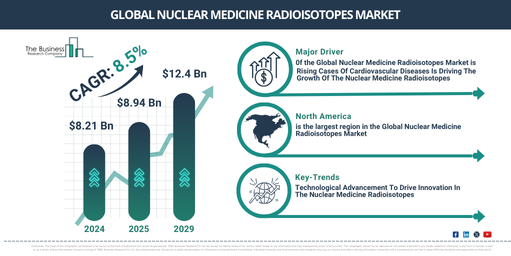
    Over the recent years, the market size for nuclear medicine radioisotopes has experienced substantial growth. The market is projected to expand from $8.21 billion in 2024 to $8.94 billion in 2025, with a compound annual growth rate (CAGR) of 8.9%. Main reasons behind the historical growth are the discovery of radioactivity, the rise of nuclear medicine, its therapeutic applications, clinical research, and patient demand.

    There is a forecast of substantial escalation in the market size for nuclear medicine radioisotopes in the coming years, with a predicted increase to $12.4 billion by 2029, growing at a compound annual growth rate (CAGR) of 8.5%. This positive growth prospect during the prediction period is seen to be driven by factors such as an increase in healthcare expenditure, enhancement of healthcare structures, a rising consciousness about environmental sustainability, educational initiatives, awareness drives and a surge in medical tourism. Noteworthy trends for the forecast period encompass the creation of novel radioisotopes, advancements in production and supply chain, the introduction of microfluidics and lab-on-a-chip technology, the application of artificial intelligence in the development of radiopharmaceuticals, and the use of nanotechnology.

    Download a free sample to assess the report’s scope and structure:

    https://www.thebusinessresearchcompany.com/sample.aspx?id=16132&type=smp

    How Are Key Drivers in the Industry Acting as Catalysts for the Growth of the Nuclear Medicine Radioisotopes Market?

    The nuclear medicine radioisotope market is anticipated to expand due to the increasing incidence of cardiovascular diseases. These diseases, which impact the heart and blood vessels, are growing due to factors such as sedentary lifestyles, poor diet, rising obesity rates, and ageing populations. Nuclear medicine radioisotopes play a crucial role in the diagnosis, assessment, and management of cardiovascular diseases by providing detailed information on cardiac function, blood flow, and tissue health, critical for accurate diagnosis and efficient treatment planning. For example, data released by the British Heart Foundation in September 2024 revealed that around 7.6 million people in the UK, including 4 million men and 3.6 million women, are living with heart and circulatory diseases. These diseases account for roughly 27% of all deaths in the UK, representing over 170,000 deaths each year – equivalent to nearly 480 daily deaths or one death every three minutes. Therefore, the escalating incidence of cardiovascular diseases is fuelling the growth of the nuclear medicine radioisotope market.

    Which Primary Segments of the Nuclear Medicine Radioisotopes Market Are Driving Growth and Industry Transformations?

    The nuclear medicine radioisotopes market covered in this report is segmented –

    1) By Type: Technetium-99m (Tc-99m), Thallium-201 (Tl-201), Iodine (I-123), Fluorine-18, Rubidium-82 (Rb-82), Iodine-131 (I-131), Lutetium-177 (Lu-177), Radium-223 (Ra-223) And Alpharadin, Other Types

    2) By Application: Oncology, Cardiology, Thyroid, Neurology, Other Applications

    3) By End-User: Hospitals, Diagnostic Centers, Specialty Clinics, Education And Research Institutes, Other End-Users

    Subsegments:

    1) By Technetium-99m (Tc-99m): Sodium Pertechnetate Tc-99m, Tc-99m MDP (Methylene Diphosphonate), Tc-99m HMPAO (Hexamethylpropyleneamine oxime)

    2) By Thallium-201 (Tl-201): Thallous Chloride Tl-201, Thallium-201 for Cardiac Imaging

    3) By Iodine-123 (I-123): Iodine-123 Sodium Iodide, Iodine-123 Ioflupane (DaTscan)

    4) By Fluorine-18: FDG (Fluorodeoxyglucose) F-18, Fluoride-18 For Bone Imaging

    5) By Rubidium-82 (Rb-82): Rb-82 For PET (Positron Emission Tomography) Imaging, Rb-82 For Cardiac Imaging

    6) By Iodine-131 (I-131): I-131 Sodium Iodide, I-131 For Thyroid Cancer Treatment, I-131 For Hyperthyroidism Treatment

    7) By Lutetium-177 (Lu-177): Lu-177-DOTATATE, Lu-177 For Prostate Cancer Treatment

    8) By Radium-223 (Ra-223): Ra-223 Dichloride (Xofigo)

    9) By Alpharadin (Radium-223 Alpha Emitters): Alpharadin For Bone Metastasis Treatment

    10) By Other Types: Ac-225 For Targeted Alpha Therapy (TAT), Ac-225 For Cancer Treatment, Gallium-68 (Ga-68), Copper-64 (Cu-64), Yttrium-90 (Y-90)

    Request customized data on this market:

    https://www.thebusinessresearchcompany.com/customise?id=16132&type=smp

    What Are the Fastest-Growing Geographies in the Nuclear Medicine Radioisotopes Market?

    North America was the largest region in the nuclear medicine radioisotopes market in 2023. Asia-Pacific is expected to be the fastest-growing region in the forecast period. The regions covered in the nuclear medicine radioisotopes market report are Asia-Pacific, Western Europe, Eastern Europe, North America, South America, Middle East, Africa.

    What Are the Current Market Growth and Trends in the Nuclear Medicine Radioisotopes Industry?

    Leading organizations in the nuclear medicine radioisotopes market are honing their focus on pioneering novel products like compact low-energy cyclotrons to enhance the manufacture and access to radioisotopes. This will ultimately make diagnostic and therapeutic interventions more efficient and easily accessible. The compact, low-energy cyclotron is a miniaturized particle accelerator that aids in creating radioisotopes utilized in medical imaging and nuclear medicine treatments. For instance, IBA, a Belgium-based company specializing in radiopharmaceutical production solutions, unveiled the Cyclone Key in January 2022, a newly designed accelerator facilitating broader access to diagnostic tools and paving the way for onsite radiopharmaceutical production. This cutting-edge model boasts of features including a sleek, efficient design, completely automated functions, multi-isotope production abilities, user-friendly installation and operation, water cooling, self-shielding, and high performance, that underscore its versatility and dependability.

    View the full report here:

    https://www.thebusinessresearchcompany.com/report/nuclear-medicine-radioisotopes-global-market-report

    What Parameters Are Used to Define the Nuclear Medicine Radioisotopes Market?

    Nuclear medicine radioisotopes are radioactive isotopes used in nuclear medicine to diagnose, treat, and research various medical conditions. These isotopes emit radiation detected and imaged by specialized equipment or deliver therapeutic doses of radiation to targeted tissues. Nuclear medicine radioisotopes are essential in modern medical diagnostics and treatments, providing critical information and therapeutic options that improve patient outcomes.

    Purchase the full report and get a swift delivery:

    https://www.thebusinessresearchcompany.com/purchaseoptions.aspx?id=16132

    About The Business Research Company:

    With over 15000+ reports from 27 industries covering 60+ geographies, The Business Research Company has built a reputation for offering comprehensive, data-rich research and insights. Armed with 1,500,000 datasets, the optimistic contribution of in-depth secondary research, and unique insights from industry leaders, you can get the information you need to stay ahead in the game.

    Get in touch with us:

    The Business Research Company: https://www.thebusinessresearchcompany.com/

    Americas +1 3156230293

    Asia +44 2071930708

    Europe +44 2071930708

    Email us at info@tbrc.info

    Follow us on:

    LinkedIn: https://in.linkedin.com/company/the-business-research-company

    YouTube: https://www.youtube.com/channel/UC24_fI0rV8cR5DxlCpgmyFQ

    Global Market Model: https://www.thebusinessresearchcompany.com/global-market-model
  • Top Trends Driving Innovation and Change in the Non-PVC IV Bags Market: Innovative Polyolefin Shrink Films Enhancing Safety and Sustainability in Non-PVC IV Bags

    Top Trends Driving Innovation and Change in the Non-PVC IV Bags Market: Innovative Polyolefin Shrink Films Enhancing Safety and Sustainability in Non-PVC IV Bags

    Discover trends, market shifts, and competitive outlooks for the non-pvc iv bags industry through 2025-2034 with The Business Research Company’s reliable data and in-depth research

    How Fast Is The Non-PVC IV Bags Market Expected to Grow Between 2025 And 2029?

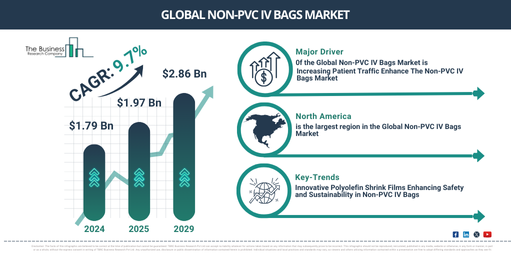
    In past few years, the market size for non-PVC IV bags has experienced significant growth. The market, which was valued at $1.79 billion in 2024, is projected to escalate to $1.97 billion in 2025, registering a compound annual growth rate (CAGR) of 10.1%. The expansion during this period is accredited to the necessity for non-harmful materials for medicine packaging, an escalation in the requirement for chemotherapy, high incidences of chronic kidney ailments, rising unfulfilled healthcare requirements, along with an increasing elderly populace.

    There is an anticipation for a considerable expansion in the market size of non-PVC IV bags in the forthcoming years. The market is projected to escalate to a value of $2.86 billion in 2029, witnessing a compound annual growth rate (CAGR) of 9.7%. This anticipated growth in the predicted period can be credited to factors such as increasing cancer incidents, development of hospitals and ambulatory centers, growth in patient footfall in healthcare environments, surge in government measures, and a heightened demand for prevention mechanisms against mistakes. Key future trends include the enhancement of infrastructure in healthcare sectors, the production and accessibility of contemporary materials in various designs, advancements in service quality through technology, the rise in demand for advanced container solutions, and the preference for single-chambered non-PVC IV bags.

    Download a free sample to assess the report’s scope and structure:

    https://www.thebusinessresearchcompany.com/sample.aspx?id=15621&type=smp

    What Are the Core Market Drivers Propelling Growth in the Non-PVC IV Bags Industry?

    The rise in the number of patients visiting healthcare facilities is predicted to fuel the expansion of the non-PVC IV bags market. The term patient traffic refers to the numbers of individuals seeking medical assistance or services in a healthcare establishment like a hospital, clinic, or doctor’s office. Greater demands for healthcare services due to an increase in healthcare admissions and alterations in healthcare policies or insurance coverages necessitate the use of non-PVC IV bags. This is because there are concerns regarding the potential seeping of hazardous chemicals from PVC materials into intravenous fluids, leading to reduced risk of patients being exposed to toxins. As an example, a report issued by the National Health Service, a UK-based healthcare system funded by the public, stated that in January 2024, around 1.63 million patients started treatment, and beyond 2.3 million diagnostic tests were performed in November 2023. This exerted tremendous pressure on emergency departments nationwide, where more than 2.1 million A (accident) and E (emergency) visits, and over 547,000 emergency admissions took place in December 2023. Therefore, the surging patient traffic in healthcare environments is prompting the growth of the non-PVC IV bags market.

    What Segment Types Define the Non-PVC IV Bags Market Structure?

    The non-PVC IV bags market covered in this report is segmented –

    1) By Product: Single Chamber, Multi Chamber

    2) By Material: Ethylene Vinyl Acetate, Polypropylene, Copolyester Ether, Other Materials

    3) By Content: Frozen Mixture, Liquid Mixture

    4) By Application: Chemotherapy, Targeted Drug Delivery, Glucose Injection, Sodium Chloride Solution, Electrolyte Injection, Nutrient Injection, Other Applications

    5) By End User: Hospitals, Clinics, Emergency Service Centers, Ambulatory Surgical Centers, Other End Users

    Subsegments:

    1) By Single Chamber: Standard Single Chamber Iv Bags, Flexible Single Chamber Iv Bags

    2) By Multi Chamber: Dual Chamber Iv Bags, Triple Chamber Iv Bags, Multi-Camber Iv Bags (More Than Three Chambers)

    Request customized data on this market:

    https://www.thebusinessresearchcompany.com/customise?id=15621&type=smp

    Which Regions Are Driving the Next Phase of the Non-PVC IV Bags Market Growth?

    North America was the largest region in the non-PVC IV bags market in 2024. Asia-Pacific is expected to be the fastest-growing region in the forecast period. The regions covered in the Non-PVC IV bags market report are Asia-Pacific, Western Europe, Eastern Europe, North America, South America, Middle East, Africa.

    What Key Market Trends and Innovations Are Shaping the Future of the Non-PVC IV Bags Industry?

    Leading enterprises in the non-PVC IV bags market are introducing state-of-the-art products such as polyolefin shrink films to augment safety, sustainability, and compatibility with a range of IV solutions. These films, distinctively enduring, flexible, and transparent, are extensively employed for reliable, tamper-proof packaging in sectors like food, consumer products, electronics, and pharmaceuticals. In fact, the polyolefin shrink films are notable due to their high resistance to punctures and non-toxicity, making them apt for miscellaneous temperature conditions. For instance, Innovia Films, a UK-based firm excelling in biaxially-oriented polypropylene film manufacturing and supply, unveiled RayoFloat white APO in February 2024. This product is a floating, white, low-density polyolefin shrink film, specifically engineered for light-sensitive items. It comes with unique traits such as ease of label removal during PET recycling, leading to high-grade PET flake creation for food-related applications. Furthermore, the opacity of the film offers light-blocking perks that cater to the needs of dairy, nutrition, and cosmetic products. Moreover, in the sustainability arena, it includes up to 20% post-industrial recycled matter and is in alignment with the EU’s Packaging and Packaging Waste Regulation (PPWR).

    View the full report here:

    https://www.thebusinessresearchcompany.com/report/non-pvc-iv-bags-global-market-report

    What Is the Definition of the Non-PVC IV Bags Market?

    Non-PVC IV bags refer to bags that do not contain polyvinyl chloride (PVC) as a material and are used in healthcare settings to administer fluids, medications, and nutrients directly into a person’s vein. They are widely used in hospitals and emergency medical services due to their resistance to chemicals, heat, and UV light, ensuring the quality and stability of IV fluids.

    Purchase the full report and get a swift delivery:

    https://www.thebusinessresearchcompany.com/purchaseoptions.aspx?id=15621

    About The Business Research Company:

    With over 15000+ reports from 27 industries covering 60+ geographies, The Business Research Company has built a reputation for offering comprehensive, data-rich research and insights. Armed with 1,500,000 datasets, the optimistic contribution of in-depth secondary research, and unique insights from industry leaders, you can get the information you need to stay ahead in the game.

    Get in touch with us:

    The Business Research Company: https://www.thebusinessresearchcompany.com/

    Americas +1 3156230293

    Asia +44 2071930708

    Europe +44 2071930708

    Email us at info@tbrc.info

    Follow us on:

    LinkedIn: https://in.linkedin.com/company/the-business-research-company

    YouTube: https://www.youtube.com/channel/UC24_fI0rV8cR5DxlCpgmyFQ

    Global Market Model: https://www.thebusinessresearchcompany.com/global-market-model
  • Emerging Trends Redefining the Non-Insulin Therapies For Diabetes Market Landscape: Advancements In AI-Enabled Fundus Cameras For Non-Proliferative Diabetic Retinopathy

    Emerging Trends Redefining the Non-Insulin Therapies For Diabetes Market Landscape: Advancements In AI-Enabled Fundus Cameras For Non-Proliferative Diabetic Retinopathy

    Discover trends, market shifts, and competitive outlooks for the non-proliferative diabetic retinopathy industry through 2025-2034 with The Business Research Company’s reliable data and in-depth research

    What Are the Key Projections for the CAGR of the Non-Proliferative Diabetic Retinopathy Market Size From 2025 to 2034?

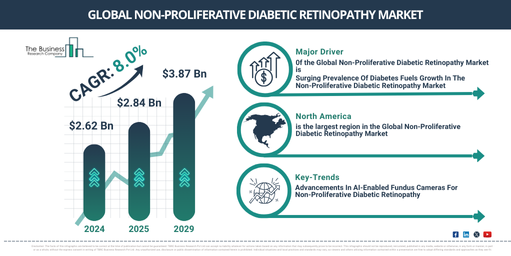
    The market size for non-proliferative diabetic retinopathy has been on a steady growth trajectory in the past years. The market is projected to escalate from $2.62 billion in 2024 to $2.84 billion in 2025, rising at a compound annual growth rate (CAGR) of 8.4%. The spike during the historical timeframe can be ascribed to factors such as the increasing incidence of diabetes, an aging demographic, heightened awareness, advancements in research, lifestyle modifications, and enhanced management of diabetes.

    In the coming years, the non-proliferative diabetic retinopathy market size is anticipated to witness significant growth, projected to reach $3.87 billion in 2029 with a compound annual growth rate (CAGR) of 8.0%. This expected rise during the forecast period can be attributed to several factors such as the implementation of telemedicine, development of novel therapeutic measures, application of artificial intelligence, increased research and development investment, and the broadening of healthcare infrastructure. Key trends that are projected to shape the market in the forecast period are the growing use of artificial intelligence for screening and diagnosis purposes, the increasing demand for telemedicine and remote monitoring solutions, the advent of personalized medicine for diabetic retinopathy treatment, the heightened emphasis on preventive strategies and early intervention, and the increasing importance of patient-centered care models in managing diabetic retinopathy.

    Download a free sample to assess the report’s scope and structure:

    https://www.thebusinessresearchcompany.com/sample.aspx?id=15620&type=smp

    Which Primay Drivers Are Accelerating Growth in the Non-Proliferative Diabetic Retinopathy Market?

    An escalation in the cases of diabetes is anticipated to stimulate the expansion of the non-proliferative diabetic retinopathy market. Diabetes, a persistent metabolic disease, is typified by high blood sugar levels due to the pancreas failing to produce sufficient insulin, or the body’s cellular resistance to insulin effects. Inactive lifestyles, improper dietary habits, and inherited factors are key contributors to diabetes. It causes non-proliferative diabetic retinopathy by damaging retinal blood vessels, mainly from long-term exposure to heightened glucose levels in the blood, causing vision deterioration and potential loss of sight. For example, in June 2024, The National Health Service, a UK government department, reported that in 2023, the NHS identified an additional 549,000 individuals in England with potential risk for developing type 2 diabetes. This pushed the total count of non-diabetic hyperglycemia or pre-diabetes diagnosed with GP to 3,615,330. Compared to 3,065,825 in 2022, this is a significant increase of nearly 20%. Thus, the increasing cases of diabetes are fueling the growth of the non-proliferative diabetic retinopathy market.

    How Is the Non-Proliferative Diabetic Retinopathy Market Segmented?

    The non-proliferative diabetic retinopathy market covered in this report is segmented –

    1) By Treatment Type: Anti-Vascular Endothelial Growth Factor (VEGF) Therapy, Intraocular Steroid Injection, Laser Surgery, Vitrectomy

    2) By Disease Severity Level: Mild Non-Proliferative Diabetic Retinopathy, Moderate Non-Proliferative Diabetic Retinopathy, Severe Non-Proliferative Diabetic Retinopathy

    3) By End-User: Hospitals, Specialty Clinics, Ambulatory Surgical Centers, Other End-Users

    Subsegments:

    1) By Anti-Vascular Endothelial Growth Factor (Vegf) Therapy: Bevacizumab (Avastin), Ranibizumab (Lucentis), Aflibercept (Eylea), Pegaptanib (Macugen)

    2) By Intraocular Steroid Injection: Triamcinolone Acetonide, Dexamethasone Implant (Ozurdex), Fluocinolone Acetonide Implant (Iluvien)

    3) By Laser Surgery: Focal Laser Photocoagulation, Panretinal Photocoagulation

    4) By Vitrectomy: Pars Plana Vitrectomy (Ppv), Membrane Peeling Vitrectomy, Phaco-Vitrectomy (Combined Cataract And Vitrectomy Surgery)

    Request customized data on this market:

    https://www.thebusinessresearchcompany.com/customise?id=15620&type=smp

    Which Regions Are Key Players in the Growth of the Non-Proliferative Diabetic Retinopathy Market?

    North America was the largest region in the non-proliferative diabetic retinopathy market in 2024. Asia-Pacific is expected to be the fastest-growing region in the forecast period. The regions covered in the non-proliferative diabetic retinopathy market report are Asia-Pacific, Western Europe, Eastern Europe, North America, South America, Middle East, Africa.

    Which Technological Trends Are Reshaping the Non-Proliferative Diabetic Retinopathy Industry Dynamics?

    Companies significant in the non-proliferative diabetic retinopathy market are utilizing AI-based cameras to enhance patient results and push forward progress in ophthalmic imaging. These AI-enabled cameras are devices armed with AI systems that contribute to the capture, analysis, and interpretation of eye images for both diagnostic and therapeutic strategies. For instance, Optomed, a medical technology company originating from Finland, introduced the Optomed Aurora AEYE, a handheld AI fundus camera in May 2024. This device, cutting-edge in its design, merges the handheld camera’s convenience with the power of artificial intelligence to deliver superior quality retinal images for the prompt detection and supervision of multiple eye ailments. The Optomed Aurora AEYE offers assistance in analyzing retinal images with AI algorithms to medical professionals. This technology ensures the fast and precise diagnosis of conditions such as diabetic retinopathy, glaucoma, and age-related macular degeneration.

    View the full report here:

    https://www.thebusinessresearchcompany.com/report/non-proliferative-diabetic-retinopathy-global-market-report

    How Is the Non-Proliferative Diabetic Retinopathy Market Defined and What Are Its Core Parameters?

    Non-proliferative diabetic retinopathy (NPDR) is a common complication of diabetes mellitus that affects the retina, the light-sensitive tissue lining the back of the eye. NPDR is characterized by changes in the blood vessels of the retina due to prolonged exposure to high levels of blood sugar (hyperglycemia) associated with diabetes. It is managed through a combination of medical interventions, lifestyle modifications, and regular eye examinations to prevent disease progression and preserve vision.

    Purchase the full report and get a swift delivery:

    https://www.thebusinessresearchcompany.com/purchaseoptions.aspx?id=15620

    About The Business Research Company:

    With over 15000+ reports from 27 industries covering 60+ geographies, The Business Research Company has built a reputation for offering comprehensive, data-rich research and insights. Armed with 1,500,000 datasets, the optimistic contribution of in-depth secondary research, and unique insights from industry leaders, you can get the information you need to stay ahead in the game.

    Get in touch with us:

    The Business Research Company: https://www.thebusinessresearchcompany.com/

    Americas +1 3156230293

    Asia +44 2071930708

    Europe +44 2071930708

    Email us at info@tbrc.info

    Follow us on:

    LinkedIn: https://in.linkedin.com/company/the-business-research-company

    YouTube: https://www.youtube.com/channel/UC24_fI0rV8cR5DxlCpgmyFQ

    Global Market Model: https://www.thebusinessresearchcompany.com/global-market-model
  • Non-Insulin Therapies For Diabetes Market 2025-2034: Key Highlights, Growth Dynamics, and Emerging Trends

    Non-Insulin Therapies For Diabetes Market 2025-2034: Key Highlights, Growth Dynamics, and Emerging Trends

    Discover trends, market shifts, and competitive outlooks for the non-insulin therapies for diabetes industry through 2025-2034 with The Business Research Company’s reliable data and in-depth research

    How Has The Non-Insulin Therapies For Diabetes Market Growth Evolved From 2024 To 2025, And What’s Ahead?

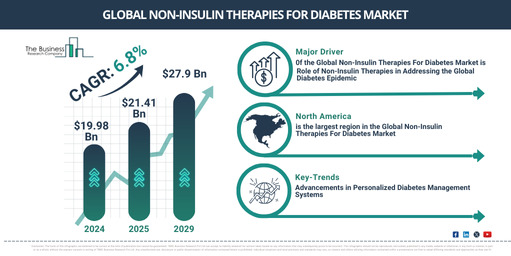
    The market for non-insulin diabetes therapies has seen robust growth in recent times. The market is projected to expand from $19.98 billion in 2024 to $21.41 billion in 2025, marking a compound annual growth rate (CAGR) of 7.1%. The historical growth can be accredited to factors such as greater prevalence of diabetes, increased consciousness about diabetes control, a rise in healthcare spending, lifestyle changes triggering higher instances of the disease, a spike in diagnoses, enhanced government efforts towards diabetes management, and heightened investment in pharmaceutical research and development.

    Predictions indicate a robust expansion in the market size for non-insulin diabetes therapies in the coming years, reaching $27.9 billion in 2029 with a compound annual growth rate (CAGR) of 6.8%. The anticipated growth in this timeframe is due to a variety of factors, including a rise in the incidence of diabetes, an increase in awareness about managing the condition, a trend towards combination therapies, an aging population, escalating healthcare costs, the growing utilization of telemedicine, and a preference for oral medication. Significant trends predicted during this forecast period include forward strides in both oral and injectable medications, improvements in drug delivery systems, advances in oral peptide delivery, the embracing of telemedicine and digital health solutions, and advances in combination therapies.

    Download a free sample to assess the report’s scope and structure:

    https://www.thebusinessresearchcompany.com/sample.aspx?id=16494&type=smp

    Which Factors and External Forces Are Driving Demand in the Non-Insulin Therapies For Diabetes Market?

    The heightened occurrence rate of diabetes is anticipated to spur the development of non-insulin treatments in the diabetes market. Diabetes is a long-term health condition marked by elevated blood glucose levels which occurs when the body is either incapable of producing sufficient insulin or properly utilizing the insulin it generates. Various factors, such as sedentary lifestyles, unhealthy dietary habits, genetic predisposition, aging demographics, obesity, ethnicity, lack of awareness, restricted healthcare accessibility, and environmental influences, contribute to the increasing cases of diabetes. Non-insulin diabetes treatments work by enhancing insulin sensitivity, decreasing the liver’s glucose production, elevating muscle cells’ glucose absorption, and improving overall glycemic control. For example, a report issued in April 2023 by The British Diabetic Association, a diabetes charity in the UK, indicates that 4.3 million individuals were diagnosed with diabetes in the UK. Compared to the registration data for 2020-21, the number of cases in 2021-22 increased by 148,951. Moreover, more than 2.4 million individuals in the UK are at a high risk of developing type 2 diabetes. Thus, the surge in the occurrence of diabetes is catalyzing the growth of non-insulin treatments in the diabetes market.

    Which Primary Segments of the Non-Insulin Therapies For Diabetes Market Are Driving Growth and Industry Transformations?

    The non-insulin therapies for diabetes market covered in this report is segmented –

    1) By Drug Class: Biguanides, Sulfonylureas, Thiazolidinedione’s, Alpha-Glucosidase Inhibitors, Dipeptidyl peptidase-4 (DPP-4) Inhibitors, Glucagon-like peptide-1 (GLP-1) Analogs, Sodium-glucose co-transporter-2 (SGLT2) Inhibitors

    2) By Route Of Administration: Oral, Intramuscular

    3) By Distribution Channel: Retail Pharmacy, Hospital Pharmacy, Online Pharmacy

    4) By Application: Monitoring, Diagnosis, Treatment, Other Applications

    Subsegments:

    1) By Biguanides: Metformin, Combination Of Metformin With Other Drugs

    2) By Sulfonylureas: Glimepiride, Glipizide, Glyburide

    3) By Thiazolidinediones: Pioglitazone, Rosiglitazone

    4) By Alpha-Glucosidase Inhibitors: Acarbose, Miglitol

    5) By Dipeptidyl Peptidase-4 (DPP-4) Inhibitors: Sitagliptin, Saxagliptin, Linagliptin, Alogliptin

    6) By Glucagon-Like Peptide-1 (GLP-1) Analogs: Exenatide, Liraglutide, Dulaglutide, Semaglutide

    7) By Sodium-Glucose Co-Transporter-2 (SGLT2) Inhibitors: Canagliflozin, Dapagliflozin, Empagliflozin

    Request customized data on this market:

    https://www.thebusinessresearchcompany.com/customise?id=16494&type=smp

    What Are the Fastest-Growing Geographies in the Non-Insulin Therapies For Diabetes Market?

    North America was the largest region in the non-insulin therapies for diabetes market in 2024. The regions covered in the non-insulin therapies for diabetes market report are Asia-Pacific, Western Europe, Eastern Europe, North America, South America, Middle East, Africa.

    Which Cutting-Edge Market Trends Are Expected to Drive the Non-Insulin Therapies For Diabetes Market’s Growth?

    Leading businesses in the non-insulin diabetes treatment market are innovating personalized diabetes management systems to improve patient outcomes with real-time monitoring, data analysis, and individualized treatment plans. These tailored diabetes management systems adjust treatment and oversight according to each patient’s specific requirements, employing real-time data and analysis to boost care and results. For example, Eli Lilly and Company, a pharmaceutical firm based in the United States, unveiled the Tempo personalized diabetes management platform in November 2022. The Tempo platform is comprised of three essential components: the Tempo Smart Button, the TempoSmart application, and the prefilled insulin pen named Tempo Pen. These components work in tandem to offer tailored advice to adults suffering from diabetes. This technology is developed to aid adults with type 1 or type 2 diabetes along with their healthcare professionals in making data-driven, informed treatment choices using Lilly insulins.

    View the full report here:

    https://www.thebusinessresearchcompany.com/report/non-insulin-therapies-for-diabetes-global-market-report

    What Parameters Are Used to Define the Non-Insulin Therapies For Diabetes Market?

    Non-insulin therapies for diabetes refer to medications and treatments used to manage blood sugar levels in diabetic patients without the use of insulin injections. They are essential for regulating blood sugar levels in patients, who either do not need or prefer insulin injections.

    Purchase the full report and get a swift delivery:

    https://www.thebusinessresearchcompany.com/purchaseoptions.aspx?id=16494

    About The Business Research Company:

    With over 15000+ reports from 27 industries covering 60+ geographies, The Business Research Company has built a reputation for offering comprehensive, data-rich research and insights. Armed with 1,500,000 datasets, the optimistic contribution of in-depth secondary research, and unique insights from industry leaders, you can get the information you need to stay ahead in the game.

    Get in touch with us:

    The Business Research Company: https://www.thebusinessresearchcompany.com/

    Americas +1 3156230293

    Asia +44 2071930708

    Europe +44 2071930708

    Email us at info@tbrc.info

    Follow us on:

    LinkedIn: https://in.linkedin.com/company/the-business-research-company

    YouTube: https://www.youtube.com/channel/UC24_fI0rV8cR5DxlCpgmyFQ

    Global Market Model: https://www.thebusinessresearchcompany.com/global-market-model
  • Non-Cystic Fibrosis Bronchiectasis Market Overview 2025: Competitive Shifts, Forecast Models, and Emerging Opportunities

    Non-Cystic Fibrosis Bronchiectasis Market Overview 2025: Competitive Shifts, Forecast Models, and Emerging Opportunities

    Discover trends, market shifts, and competitive outlooks for the non-cystic fibrosis bronchiectasis industry through 2025-2034 with The Business Research Company’s reliable data and in-depth research

    What is the Anticipated CAGR of the Non-Cystic Fibrosis Bronchiectasis Market, and What Factors Will Drive It?

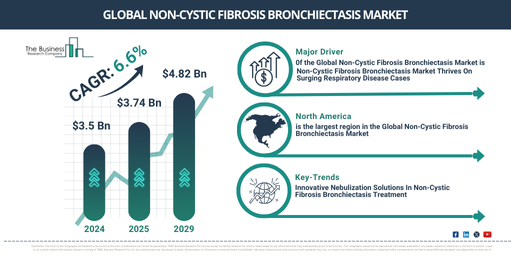
    Recently, the non-cystic fibrosis bronchiectasis market has demonstrated robust growth. It is projected to expand from $3.5 billion in 2024 to $3.74 billion in 2025, representing a compound annual growth rate (CAGR) of 6.9%. The significant growth observed during the historic period can be credited to a variety of factors including increased incidence and prevalence, advancements in diagnostic technologies, elevated government support and funding, a growing elderly population, enhanced healthcare infrastructure, heightened awareness about diagnosis, increasing old age population, and environmental exposure.

    Expectations are high for the non-cystic fibrosis bronchiectasis market, with a sizeable growth projected in the coming years. The market is forecasted to expand to a value of $4.82 billion in 2029, boasting a compound annual growth rate (CAGR) of 6.6%. Several factors are attributed to this growth trajectory within the predicted period, including advancements of personalized medicine, the discovery of new biomarkers, escalated investment in pulmonary medicine, an increase in research and development, initiatives from public health entities, the world’s aging population, and the progression of targeted therapies. Noteworthy trends for the forecasting period incorporate digital health platforms, emphasis on targeted therapies, integration of artificial intelligence (AI) and machine learning, a shift towards home-based healthcare, patient-focused strategies, and the expansion of mobile health (mHealth) services.

    Download a free sample to assess the report’s scope and structure:

    https://www.thebusinessresearchcompany.com/sample.aspx?id=17209&type=smp

    What are the Fundamental Drivers and Innovations Shaping the Non-Cystic Fibrosis Bronchiectasis Market?

    Anticipated growth in the non-cystic fibrosis bronchiectasis market can be attributed to the escalating prevalence of respiratory ailments. Such diseases, which affect lung and respiratory function, interfere with breathing and overall respiratory function. This increase is mainly due to the rising levels of environmental pollution, including outdoor factors and indoor disturbances like tobacco smoke. As the occurrence of respiratory infections grows, it opens up new avenues to further understand, diagnose, and treat non-cystic fibrosis bronchiectasis through interventions and public health initiatives. For example, in June 2023, a report from the Office for Health Improvement and Disparities, a UK government entity, recorded a total of 4,622 reports of Group A Streptococcus bacteria scarlet fever from week 37 to week 46 of the 2022-2023 season in England. This report saw 851 notifications in week 46 alone, a significant increase compared to the average 1,294 notifications (ranging from 258 to 2,008) during the same period across the past five years. Consequently, the growing prevalence of respiratory illnesses is expected to fuel the growth of the non-cystic fibrosis bronchiectasis market.

    What Segment Types Define the Non-Cystic Fibrosis Bronchiectasis Market Structure?

    The non-cystic fibrosis bronchiectasis market covered in this report is segmented –

    1) By Diagnosis: Computed Tomography (CT) Scan, Bronchoscopy, Chest X Ray, Lung Function, Sputum Culture Test, Blood Tests, Other Diagnosis Types

    2) By Treatment: Surgery, Physiotherapy, Vaccination, Airway Pharmacotherapy, Antibiotics, Other Treatments

    3) By End Use: Hospitals And Clinics, Ambulatory Care Centers, Other End Uses

    Subsegments:

    1) By Computed Tomography (CT) Scan: High-Resolution CT (HRCT), Standard CT

    2) By Bronchoscopy: Flexible Bronchoscopy, Rigid Bronchoscopy

    3) By Chest X-Ray: Standard Chest X-Ray, Digital Chest X-Ray

    4) By Lung Function: Spirometry, Peak Flow Measurement

    5) By Sputum Culture Test: Bacterial Culture, Fungal Culture, Viral Culture

    6) By Blood Tests: Complete Blood Count (CBC), C-Reactive Protein (CRP), Immunoglobulin Levels

    7) By Other Diagnosis Types: Sweat Test, Genetic Testing, Exhaled Nitric Oxide Test

    Request customized data on this market:

    https://www.thebusinessresearchcompany.com/customise?id=17209&type=smp

    Which Regions Are Driving the Next Phase of the Non-Cystic Fibrosis Bronchiectasis Market Growth?

    North America was the largest region in the non-cystic fibrosis bronchiectasis market in 2023. The regions covered in the non-cystic fibrosis bronchiectasis market report are Asia-Pacific, Western Europe, Eastern Europe, North America, South America, Middle East, Africa.

    What Key Trends Are Shaping the Future of the Non-Cystic Fibrosis Bronchiectasis Market?

    Major corporations in the non-cystic fibrosis bronchiectasis market are directing their efforts towards personalized medicine strategies including nebulization solutions, with the goal of enhancing the efficacy of drug distribution and patient adherence. Nebulization solutions employ state-of-the-art technology to guarantee accurate and efficient administration of respiratory medications, thus improving patient adherence and treatment results. In April 2022, for example, Zambon S.P.A, a multinational pharmaceutical firm based in Italy, was granted a US FDA designation for CMS I-neb treatment for patients suffering from non-cystic fibrosis bronchiectasis (NCFB). CMS I-net, a therapy currently under exploration, is being designed as a potential first of its kind inhaled treatment for adult patients with NCFB colonized with P. aeruginosa. NCFB is a chronic, progressively worsening, irreversible respiratory illness. The breakthrough designation substantiates the registration roadmap for CMS I-neb in NCFB, potentially speeding up its development and evaluation.

    View the full report here:

    https://www.thebusinessresearchcompany.com/report/non-cystic-fibrosis-bronchiectasis-global-market-report

    What Is the Definition of the Non-Cystic Fibrosis Bronchiectasis Market?

    Non-cystic fibrosis bronchiectasis is a chronic condition characterized by permanent and abnormal widening of the airways (bronchi) in the lungs. This results from repeated inflammation and infection, leading to damage and weakening of the bronchial walls. It can cause mucus buildup, persistent coughing, breathlessness, and recurrent respiratory infections. Treatment often involves managing symptoms, preventing exacerbations, and addressing underlying causes such as bacterial infections or immune system dysfunction.

    Purchase the full report and get a swift delivery:

    https://www.thebusinessresearchcompany.com/purchaseoptions.aspx?id=17209

    About The Business Research Company:

    With over 15000+ reports from 27 industries covering 60+ geographies, The Business Research Company has built a reputation for offering comprehensive, data-rich research and insights. Armed with 1,500,000 datasets, the optimistic contribution of in-depth secondary research, and unique insights from industry leaders, you can get the information you need to stay ahead in the game.

    Get in touch with us:

    The Business Research Company: https://www.thebusinessresearchcompany.com/

    Americas +1 3156230293

    Asia +44 2071930708

    Europe +44 2071930708

    Email us at info@tbrc.info

    Follow us on:

    LinkedIn: https://in.linkedin.com/company/the-business-research-company

    YouTube: https://www.youtube.com/channel/UC24_fI0rV8cR5DxlCpgmyFQ

    Global Market Model: https://www.thebusinessresearchcompany.com/global-market-model
  • Non Invasive Fat ReductionMarket Overview 2025–2034: CAGR Trends, Long-Term Growth Paths, and Business Implications

    Non Invasive Fat ReductionMarket Overview 2025–2034: CAGR Trends, Long-Term Growth Paths, and Business Implications

    Discover trends, market shifts, and competitive outlooks for the non invasive fat reduction industry through 2025-2034 with The Business Research Company’s reliable data and in-depth research

    How Has The Non Invasive Fat Reduction Market Size Shifted, And What Is the Outlook Through 2034?

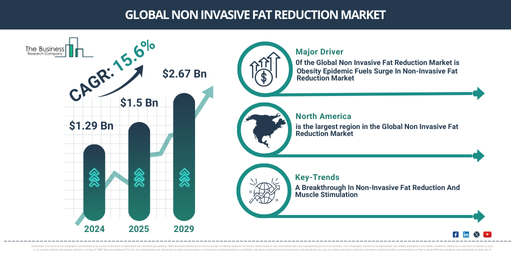
    Over the past years, the non-invasive fat reduction industry has seen a quick surge in size. The projection indicates that the market value will rise from $1.29 billion in 2024 to a substantial $1.5 billion in 2025, with a compound annual growth rate (CAGR) of 16.0%. Factors that have contributed to this historical progression include heightened consciousness about body image, advancements in non-invasive fat reduction technology, a rise in disposable income, an increasing demand for minor invasive cosmetic procedures, and the growth of an aging population in pursuit of aesthetic treatments.

    The market size for non-invasive fat reduction is projected to experience swift expansion in the upcoming years, reaching an anticipated $2.67 billion in 2029 with a compound annual growth rate (CAGR) of 15.6%. This predicted growth within the forecast period can be credited to ongoing advancements in technology that result in safer and more effective methods, growing market reach in developing economies, a surging focus on wellness and embracing body positivity, progress in customized treatment solutions, and the increasing preference for combined therapies for improved results. Major trends during the forecast period are set to involve constant technological innovation, escalating demand for less invasive procedures, amplified market penetration, increasing use of combined treatment options, an amplified focus on wellbeing and body positivity, advancements in tailor-made treatment choices, and a rising elderly population looking for aesthetic treatments.

    Download a free sample to assess the report’s scope and structure:

    https://www.thebusinessresearchcompany.com/sample.aspx?id=15872&type=smp

    How Are Key Drivers in the Industry Acting as Catalysts for the Growth of the Non Invasive Fat Reduction Market?

    The growth of the non-invasive fat reduction market is likely to be boosted by the increasing number of people with obesity. Individuals are considered obese when their body mass index is 30 or higher, a measure which indicates a high level of body fat that elevates health risks significantly. The rise in obesity can be attributed to various factors such as the overconsumption of calorie-dense processed foods, a lack of physical activity, genetic factors, and the socioeconomic hindrances to sourcing healthy food and engaging in exercise. Non-invasive fat reduction methods like cryolipolysis and laser lipolysis cater to this demographic, offering a safer option than surgery to get rid of localized fat deposits. For instance, a report released by the World Obesity Federation in March 2024 forecasted an increase in the number of adults living with obesity from 0.81 billion in 2020 to 1.53 billion in 2035. As a result, the escalating obesity rates are fueling the expansion of the non-invasive fat reduction market.

    Which Primary Segments of the Non Invasive Fat Reduction Market Are Driving Growth and Industry Transformations?

    The non invasive fat reduction market covered in this report is segmented –

    1) By Technology: Cryolipolysis, Ultrasound, Low Level Lasers

    2) By Gender: Female, Male

    3) By End Users: Hospitals, Stand Alone Practices, Multispecialty Clinic

    Subsegments:

    1) By Cryolipolysis: CoolSculpting, Cryolipolysis With Vacuum-Assisted Technology

    2) By Ultrasound: High-Intensity Focused Ultrasound (HIFU), Low-Intensity Ultrasound

    3) By Low Level Lasers: Red Light Therapy, Diode Laser Systems

    Request customized data on this market:

    https://www.thebusinessresearchcompany.com/customise?id=15872&type=smp

    What Are the Fastest-Growing Geographies in the Non Invasive Fat Reduction Market?

    North America was the largest region in the non invasive fat reduction market in 2023. The regions covered in the non invasive fat reduction market report are Asia-Pacific, Western Europe, Eastern Europe, North America, South America, Middle East and Africa.

    What Are the Key Market Trends in the Non Invasive Fat Reduction Market Over the Coming Years?

    Key participants in the non-invasive fat reduction sector, such as Cartessa Aesthetics, are honing their focus on innovative technology development. More specifically, these technologies often involve muscle stimulation techniques to bolster fat loss and improve overall treatment results. These technologies utilize electric pulses to trigger muscle contraction, thus supplementing fat burn and promoting body toning without the need for surgical intervention. In April 2024, Cartessa Aesthetics, a firm based out of the US that specializes in novel aesthetic medical devices, introduced PHYSIQ 360, a superior body contouring solution. With PHYSIQ 360, consumers can access individualized fat reduction and muscle augmentation procedures that cater to diverse body and skin types. The product employs a unique “sequential thermal and electrical pulse” (or STEP) technology, integrating proprietary laser energy (known as LZR technology) with pure beam technology. This results in an evenly distributed fat reduction as well as using electrical muscle stimulation (EMS) for effective muscle contraction. In addition, the device is equipped with up to four independently programmable applicators, enabling the simultaneous treatment of multiple body zones.

    View the full report here:

    https://www.thebusinessresearchcompany.com/report/non-invasive-fat-reduction-global-market-report

    What Parameters Are Used to Define the Non Invasive Fat Reduction Market?

    Non-invasive fat reduction refers to a range of cosmetic procedures designed to reduce localized fat deposits without surgery or incisions. These techniques typically employ technologies such as lasers, ultrasound, or cold therapy to target and break down fat cells, resulting in a slimmer appearance with minimal discomfort and downtime.

    Purchase the full report and get a swift delivery:

    https://www.thebusinessresearchcompany.com/purchaseoptions.aspx?id=15872

    About The Business Research Company:

    With over 15000+ reports from 27 industries covering 60+ geographies, The Business Research Company has built a reputation for offering comprehensive, data-rich research and insights. Armed with 1,500,000 datasets, the optimistic contribution of in-depth secondary research, and unique insights from industry leaders, you can get the information you need to stay ahead in the game.

    Get in touch with us:

    The Business Research Company: https://www.thebusinessresearchcompany.com/

    Americas +1 3156230293

    Asia +44 2071930708

    Europe +44 2071930708

    Email us at info@tbrc.info

    Follow us on:

    LinkedIn: https://in.linkedin.com/company/the-business-research-company

    YouTube: https://www.youtube.com/channel/UC24_fI0rV8cR5DxlCpgmyFQ

    Global Market Model: https://www.thebusinessresearchcompany.com/global-market-model
  • Global Night Blindness Treatment Market Trends: Regional Breakdowns and Strategic Insights

    Global Night Blindness Treatment Market Trends: Regional Breakdowns and Strategic Insights

    Discover trends, market shifts, and competitive outlooks for the night blindness treatment industry through 2025-2034 with The Business Research Company’s reliable data and in-depth research

    What Are the Projected Market Size and Growth Rates for the Night Blindness Treatment Market From 2025 To 2029?

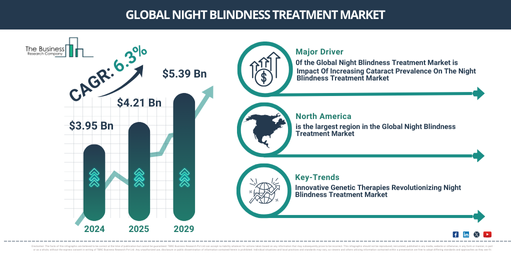
    The market for treating night blindness has experienced robust growth in the past few years. Its value is forecasted to rise from $3.95 billion in 2024 to $4.21 billion in 2025, with a compound annual growth rate (CAGR) of 6.7%. The market’s historical growth can be credited to the increasing numbers of people suffering from vitamin A deficiency, a rise in the elderly population who are susceptible to night vision issues, improvement in healthcare infrastructure, increased emphasis on nutrition-based interventions for vision health, and a growing number of retinitis pigmentosa cases.

    The market for treating night blindness is anticipated to witness robust expansion in the forthcoming years, with its valuation anticipated to reach $5.39 billion by 2029, demonstrating a compound annual growth rate (CAGR) of 6.3%. The surge in the forecast timeline can be largely ascribed to the escalating uptake of state-of-the-art diagnostic technologies, intensifying campaigns advocating eye health, burgeoning demand for tailor-made medicine, expansion in the count of eye-care institutions and facilities, and growth in the healthcare infrastructure. Noteworthy trends continuing into the forecast span encompass the use of cutting-edge diagnostic technologies, application of customized treatments, progress in gene and stem cell therapies, incorporation of wearable tech for real-time tracking, and the emergence of multi-disciplinary clinics.

    Download a free sample to assess the report’s scope and structure:

    https://www.thebusinessresearchcompany.com/sample.aspx?id=18413&type=smp

    What External and Internal Drivers Are Contributing to the Growth of the Night Blindness Treatment Market?

    The escalating occurrence of cataracts is projected to spur the expansion of the night blindness treatment market. Cataracts create cloudiness in the lens of the eye, resulting in diminished vision. Factors such as high exposure to the sun’s ultraviolet (UV) light, smoking, and unhealthy diet can increase the risks of developing cataracts. The condition affects the eye’s capacity to differentiate between varying intensities of light and darkness, a key factor for night sight. This leads to a decline in contrast sensitivity, making it challenging to navigate and identify objects in poorly lit environments. For example, in July 2023, the 2021-23 National UK Eye Care Statistics Survey organized by the Well-being of Future Generations Act (WFG), a UK government agency, reported around 16,500 (16,510) cataract admissions in 2022-23, marking a 23.7% rise from the preceding year. Therefore, this increased incidence of cataracts is fueling the growth of the night blindness treatment market.

    Which Key Market Segments Comprise the Night Blindness Treatment Market and Drive Its Revenue Growth?

    The night blindness treatment market covered in this report is segmented –

    1) By Treatment: Medication, Surgery, Other Treatments

    2) By Diagnosis: Blood Tests, Color Vision Testing, Pupil Light Reflex, Refraction, Retinal Exam, Electroretinogram (ERG), Other Diagnoses

    3) By Symptom: Eye Pain, Vomiting, Cloudy Vision, Halos, Light Sensitivity, Distance Vision Problem, Headache, Other Symptoms

    4) By End User: Clinic, Hospital, Other End Users

    Subsegments:

    1) By Medication: Vitamin A Supplements, Retinoid Therapy, Beta-Carotene Supplements, Anti-Glaucoma Medications, Other Pharmaceutical Treatments

    2) By Surgery: Cataract Surgery, Retinal Surgery, Corneal Transplantation, LASIK Surgery

    3) By Other Treatments: Light Therapy, Gene Therapy, Low Vision Aids And Assistive Devices, Nutritional Therapy

    Request customized data on this market:

    https://www.thebusinessresearchcompany.com/customise?id=18413&type=smp

    Which Geographic Areas Hold the Strongest Growth Potential in the Night Blindness Treatment Market?

    North America was the largest region in the night blindness treatment market in 2024. Asia-Pacific is expected to be the fastest-growing region in the forecast period. The regions covered in the night blindness treatment market report are Asia-Pacific, Western Europe, Eastern Europe, North America, South America, Middle East, Africa.

    What Key Trends Are Shaping the Future of the Night Blindness Treatment Market?

    Leading firms in the night blindness treatment market are spearheading the creation of novel genetic therapies tailored to target and repair the particular genetic anomalies causing a significant increase in treatment effectiveness for better patient results. These genetic treatments focus on improving night vision by rectifying specific genetic dysfunctions that compromise retinal function, potentially restoring sight in those suffering from inherited retinal conditions like retinitis pigmentosa. To exemplify, HuidaGene Therapeutics., an American clinical-stage biotech firm, unveiled HG004 in August 2023. This gene therapy is conceived to treat inherited retinal disorders such as Leber’s congenital amaurosis. Superior to existing treatments as demonstrated in preclinical trials, the therapy aims to rejuvenate retinal function while alleviating night blindness and other issues linked with RPE65-related impairments.

    View the full report here:

    https://www.thebusinessresearchcompany.com/report/night-blindness-treatment-global-market-report

    How Is the Night Blindness Treatment Market Conceptually Defined?

    Night blindness treatment refers to interventions aiming to alleviate conditions such as vitamin A deficiency and other issues impairing vision in low light settings. It aims to enhance visual acuity in dim conditions and improve overall visual function by addressing underlying causes. The purpose of night blindness treatment is to improve the patient’s ability to see in low-light conditions and at night. This treatment aims to address the underlying causes of night blindness and alleviate the symptoms.

    Purchase the full report and get a swift delivery:

    https://www.thebusinessresearchcompany.com/purchaseoptions.aspx?id=18413

    About The Business Research Company:

    With over 15000+ reports from 27 industries covering 60+ geographies, The Business Research Company has built a reputation for offering comprehensive, data-rich research and insights. Armed with 1,500,000 datasets, the optimistic contribution of in-depth secondary research, and unique insights from industry leaders, you can get the information you need to stay ahead in the game.

    Get in touch with us:

    The Business Research Company: https://www.thebusinessresearchcompany.com/

    Americas +1 3156230293

    Asia +44 2071930708

    Europe +44 2071930708

    Email us at info@tbrc.info

    Follow us on:

    LinkedIn: https://in.linkedin.com/company/the-business-research-company

    YouTube: https://www.youtube.com/channel/UC24_fI0rV8cR5DxlCpgmyFQ

    Global Market Model: https://www.thebusinessresearchcompany.com/global-market-model
  • Neurovascular Embolization Devices Market in Focus: Forecasting Growth Drivers, Scaling Potential, and Global Opportunities

    Neurovascular Embolization Devices Market in Focus: Forecasting Growth Drivers, Scaling Potential, and Global Opportunities

    Discover trends, market shifts, and competitive outlooks for the neurovascular embolization devices industry through 2025-2034 with The Business Research Company’s reliable data and in-depth research

    How Fast Is The Neurovascular Embolization Devices Market Expected to Grow Between 2025 And 2029?

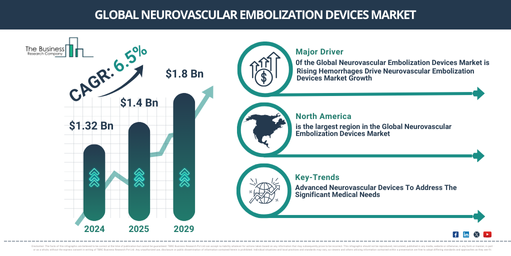
    The market size of neurovascular embolization devices has seen robust growth in the past few years. The market, which was worth $1.32 billion in 2024, is projected to escalate to $1.4 billion in 2025, witnessing a compound annual growth rate (CAGR) of 6.2%. Factors such as a higher frequency of neurovascular ailment cases, an uptick in the elderly population, favor towards less invasive medical procedures, betterment in healthcare facilities, and enhanced health expenditure are the primary drivers of growth during the historic period.

    In the coming years, the neurovascular embolization devices market is projected to witness significant growth, eventually reaching a value of $1.8 billion by 2029, with a compound annual growth rate (CAGR) of 6.5%. The anticipated growth during this period can be tied to factors such as an increase in applications in new markets, focus on care tailored to the individual patient, growing public knowledge of neurovascular diseases, advancements in imaging technologies, and increased spending on research and development. The forecast period also expects to see several key trends, including personalized treatment strategies, the incorporation of artificial intelligence into treatment plans, the development of advanced embolic materials, a transition towards outpatient and ambulatory procedures, and the creation of novel embolization methods.

    Download a free sample to assess the report’s scope and structure:

    https://www.thebusinessresearchcompany.com/sample.aspx?id=15871&type=smp

    Which Primay Drivers Are Accelerating Growth in the Neurovascular Embolization Devices Market?

    The neurovascular embolization devices market is likely to be fueled by an escalation in the frequency of hemorrhages. Hemorrhages, defined as abnormal and unchecked bleeding either inside the body or externally through a rupture in skin or mucous membrane, are becoming increasingly common due to factors including rising elderly populations, higher occurrences of hypertension, and widespread use of anticoagulant medication. Hemorrhagic strokes, when abnormal blood vessels are obstructed by neurovascular embolization devices to lessen bleeding and prevent further brain damage, are one such application. For instance, research conducted by King’s College London, a renowned public research university in the UK, in February 2024 predicts that the count of cases and fatalities from intracerebral hemorrhage (a specific kind of hemorrhage) among the age group of 70 to 95 in the UK is set to surge by 59.4% by 2050. Thus, this surge in hemorrhage prevalence propels the growth of the neurovascular embolization devices market.

    How Is the Neurovascular Embolization Devices Market Segmented?

    The neurovascular embolization devices market covered in this report is segmented –

    1) By Product: Embolization Coils, Liquid Embolic Systems, Flow Diversion Stents, Aneurysm Clips, Other Products

    2) By Treatment: Ischemic Stroke Solution, Hemorrhagic Stroke Solutions

    3) By Indication: Brain Aneurysms, Arteriovenous Malformation, Other Indications

    4) By End User: Hospitals, Ambulatory Surgical Centers, Other End Users

    Subsegments:

    1) By Embolization Coils: Detachable Coils, Bare Platinum Coils, Coils With Hydrogel Coatings

    2) By Liquid Embolic Systems: Gluteraldehyde-Based Liquid Embolization, Onyx Liquid Embolic System

    3) By Flow Diversion Stents: Stents With Dual-Layer Technology, Flow Diverters For Aneurysm Treatment

    4) By Aneurysm Clips: Titanium Clips, Stainless Steel Clips

    5) By Other Products: Balloons For Embolization, Microcatheters

    Request customized data on this market:

    https://www.thebusinessresearchcompany.com/customise?id=15871&type=smp

    Which Regions Are Key Players in the Growth of the Neurovascular Embolization Devices Market?

    North America was the largest region in the neurovascular embolization devices market in 2023. Asia-Pacific is expected to be the fastest-growing region in the forecast period. The regions covered in the neurovascular embolization devices market report are Asia-Pacific, Western Europe, Eastern Europe, North America, South America, Middle East and Africa.

    Which Technological Trends Are Reshaping the Neurovascular Embolization Devices Industry Dynamics?

    Key market players in the field of neurovascular embolization devices are striving to innovate and develop devices equipped with advanced technology, such as shield technology, to treat brain aneurysms effectively and competitively. Shield Technology is geared towards improving the performance and safety of these devices while also ensuring they have a long lifespan and are robust. For instance, in June 2022, healthcare technology firm based in Ireland, Medtronic PLC, introduced the Pipeline Vantage with Shield Technology in India. This fourth-generation flow diverter boasts enhanced design features that aim to increase reliability and usability during endovascular procedures. The device encourages cellular growth in the blood vessels’ inner lining, providing a structure that aids in the non-invasive treatment of aneurysms, minimizes the risk of rupture, and enhances patient results.

    View the full report here:

    https://www.thebusinessresearchcompany.com/report/neurovascular-embolization-devices-global-market-report

    How Is the Neurovascular Embolization Devices Market Defined and What Are Its Core Parameters?

    Neurovascular embolization devices are medical instruments used to treat abnormal brain or central nervous blood vessels by blocking or redirecting blood flow. These devices are employed in neuro-interventional procedures to manage conditions such as aneurysms, arteriovenous malformations (AVMs), and arteriovenous fistulas (AVFs) that may risk bleeding or other complications.

    Purchase the full report and get a swift delivery:

    https://www.thebusinessresearchcompany.com/purchaseoptions.aspx?id=15871

    About The Business Research Company:

    With over 15000+ reports from 27 industries covering 60+ geographies, The Business Research Company has built a reputation for offering comprehensive, data-rich research and insights. Armed with 1,500,000 datasets, the optimistic contribution of in-depth secondary research, and unique insights from industry leaders, you can get the information you need to stay ahead in the game.

    Get in touch with us:

    The Business Research Company: https://www.thebusinessresearchcompany.com/

    Americas +1 3156230293

    Asia +44 2071930708

    Europe +44 2071930708

    Email us at info@tbrc.info

    Follow us on:

    LinkedIn: https://in.linkedin.com/company/the-business-research-company

    YouTube: https://www.youtube.com/channel/UC24_fI0rV8cR5DxlCpgmyFQ

    Global Market Model: https://www.thebusinessresearchcompany.com/global-market-model
  • Strong CAGR to Propel in the Neuronavigation Systems Market and Beyond upto $3.71 Billion by 2029

    Strong CAGR to Propel in the Neuronavigation Systems Market and Beyond upto $3.71 Billion by 2029

    Discover trends, market shifts, and competitive outlooks for the neuronavigation systems industry through 2025-2034 with The Business Research Company’s reliable data and in-depth research

    What Are the Key Projections for the CAGR of the Neuronavigation Systems Market Size From 2025 to 2034?

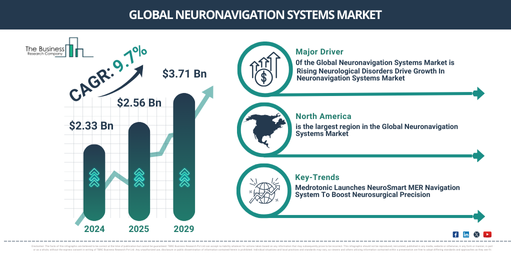
    The market for neuronavigation systems has experienced expeditious growth in the past years. Its size is forecasted to expand from $2.33 billion in 2024 to $2.56 billion in 2025, with an annual growth rate of 10.1%. This impressive growth during the historical period can be traced back to factors such as rising demand for neuronavigation systems, improved safety and precision in neurosurgery, escalated risk of the development and advancement of neurological conditions, increased financial backing and investments, and a rise in the average life expectancy.

    In the coming years, the market size for neuronavigation systems is predicted to experience robust growth. With a compound annual growth rate (CAGR) of 9.7%, it is anticipated to reach $3.71 billion in value by 2029. This growth during the predicted period can be ascribed to the rising demand for precise systems, growing instances of neurological disorders such as cancer, an escalating rate of disorders, an increasing occurrence of neurological issues, and higher healthcare expenses. Key trends during this forecasted period include the use of computer-aided technologies, the incorporation of augmented reality (AR), the application of artificial intelligence (AI) and machine learning (ML), electromagnetic technology, and the use of sophisticated robotics in neurosurgery.

    Download a free sample to assess the report’s scope and structure:

    https://www.thebusinessresearchcompany.com/sample.aspx?id=18412&type=smp

    Which Factors and External Forces Are Driving Demand in the Neuronavigation Systems Market?

    The surge in neurological disorders is predicted to drive the expansion of the neuronavigation systems market in the future. These disorders primarily afflict the brain, spinal cord, and body’s nerves. The escalating cases of such disorders are attributed to the aging population, exposure to pollutants and toxins, poor diet and nutritional deficiencies, along with enhanced diagnostic prowess. Neuronavigation systems play a crucial role in enhancing surgical precision in brain operations, reducing risks and improving patient outcomes suffering from neurological disorders like brain tumors and epilepsy. They provide accurate real-time imaging and mapping of the brain and better detection of disorders, environmental factors, diet and exercise habits changes, and sometimes genetic predispositions. For example, the Centers for Disease Control and Prevention, a federal agency based in the United States, reported in August 2024 that around 6.7 million older adults in the United States currently live with Alzheimer’s disease. This figure is projected to almost double by 2060 to nearly 14 million. Consequently, the rising incidence of neurological disorders fuels the neuronavigation systems market.

    Which Primary Segments of the Neuronavigation Systems Market Are Driving Growth and Industry Transformations?

    The neuronavigation systems market covered in this report is segmented –

    1) By Type: Optical System, Electromagnetic System

    2) By Application: Neurosurgery, Craniomaxillofacial Surgery, Spinal Surgery, Other Applications

    3) By End-Users: Hospitals, Neurology Clinic, Ambulatory Surgical Centers (ASCs), Research Centers

    Subsegments:

    1) By Optical System: Passive Optical Systems, Active Optical Systems, Hybrid Optical Systems

    2) By Electromagnetic System: Frameless Electromagnetic Systems, Frame-Based Electromagnetic Systems, 3D Electromagnetic Navigation Systems

    Request customized data on this market:

    https://www.thebusinessresearchcompany.com/customise?id=18412&type=smp

    What Are the Fastest-Growing Geographies in the Neuronavigation Systems Market?

    North America was the largest region in the neuronavigation systems market in 2024. Asia-Pacific is expected to be the fastest-growing region in the forecast period. The regions covered in the neuronavigation systems market report are Asia-Pacific, Western Europe, Eastern Europe, North America, South America, Middle East, Africa.

    Which Cutting-Edge Market Trends Are Expected to Drive the Neuronavigation Systems Market’s Growth?

    Key players in the neuronavigation systems market are dedicated to devising innovative solutions like the portable microelectrode recording (MER) navigation system, with an aim to improve the accuracy of surgeries and enhance patient outcomes. The portable microelectrode recording (MER) navigation system is an advanced medical tool, predominantly used in neurosurgery, specifically in deep brain stimulation (DBS) procedures. This system is particularly useful for accurately positioning electrodes in the brain by recording neuron electrical activity. For example, in April 2024, Medrotonic, a medical device company rooted in Ireland, introduced the NeuroSmart Portable Micro Electrode Recording (MER) Navigation System in India. This system was explicitly designed to manage Parkinson’s disease through Deep Brain Stimulation (DBS) procedures. DBS is an established therapeutic approach for treating Parkinson’s disease symptoms such as tremors, rigidity, and walking difficulties. The NeuroSmart Portable Micro Electrode Recording (MER) Navigation System ensures accurate electrode placement by utilizing advanced neurophysiological navigation mapping while recording neural activity. Its superior features improve target localization, facilitating the identification of the best target for each patient, ultimately ensuring the best symptom relief.

    View the full report here:

    https://www.thebusinessresearchcompany.com/report/neuronavigation-systems-global-market-report

    What Parameters Are Used to Define the Neuronavigation Systems Market?

    Neuronavigation systems are advanced medical tools that guide neurosurgeons during brain and spinal surgeries. These systems provide real-time, precise, three-dimensional visualization of the patient’s anatomy, allowing for accurate navigation and localization of surgical targets. Neuronavigation systems significantly improve the precision and safety of neurosurgical procedures, enhancing the surgeon’s ability to perform complex operations with greater confidence and success.

    Purchase the full report and get a swift delivery:

    https://www.thebusinessresearchcompany.com/purchaseoptions.aspx?id=18412

    About The Business Research Company:

    With over 15000+ reports from 27 industries covering 60+ geographies, The Business Research Company has built a reputation for offering comprehensive, data-rich research and insights. Armed with 1,500,000 datasets, the optimistic contribution of in-depth secondary research, and unique insights from industry leaders, you can get the information you need to stay ahead in the game.

    Get in touch with us:

    The Business Research Company: https://www.thebusinessresearchcompany.com/

    Americas +1 3156230293

    Asia +44 2071930708

    Europe +44 2071930708

    Email us at info@tbrc.info

    Follow us on:

    LinkedIn: https://in.linkedin.com/company/the-business-research-company

    YouTube: https://www.youtube.com/channel/UC24_fI0rV8cR5DxlCpgmyFQ

    Global Market Model: https://www.thebusinessresearchcompany.com/global-market-model
  • Neurological Disorder Drugs Market Valuation Expected To Reach $114.65 Billion By 2029, Growing At A Rate Of 6.2%

    Neurological Disorder Drugs Market Valuation Expected To Reach $114.65 Billion By 2029, Growing At A Rate Of 6.2%

    Discover trends, market shifts, and competitive outlooks for the neurological disorder drugs industry through 2025-2034 with The Business Research Company’s reliable data and in-depth research

    How Has The Neurological Disorder Drugs Market Growth Evolved From 2024 To 2025, And What’s Ahead?

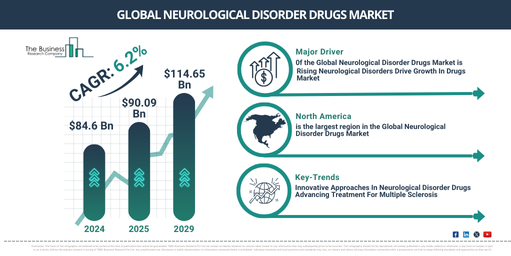
    The market size for drugs treating neurological disorders has seen significant expansion in the recent past. It is projected to experience a follow-on growth from $84.6 billion in 2024 to $90.09 billion in 2025, with a compound annual growth rate (CAGR) of 6.5%. This growth observed in the historical period is due to factors such as enhanced animal testing yielding optimistic results, a rise in therapeutic treatments, an escalation in the incidence of neurological issues, initiatives undertaken by the government, and an increase in healthcare spending.

    Predictions indicate marked escalation in the size of the neurological disorder medication market in the forthcoming years, with estimations reaching $114.65 billion in 2029, progressing at a Compound Annual Growth Rate (CAGR) of 6.2%. The anticipated expansion over the forecasted period is associated with the evolution of therapeutic alternatives and personalized treatments, increased concentration on disease-modifying solutions, rising utilization of digital biomarkers, and growing incidences of neurological disorders. Significant trends expected during this forecast period incorporate progressions in drug architecture, developments in neuroimaging, breakthroughs in genetic studies, strategic collaborations and licensing agreements, as well as the introduction of regenerative medicine.

    Download a free sample to assess the report’s scope and structure:

    https://www.thebusinessresearchcompany.com/sample.aspx?id=17207&type=smp

    Which Major Market Drivers Are Expected to Boost the Growth Potential of the Neurological Disorder Drugs Market?

    The growth of the neurological disorder drugs market is projected to be driven by the growing incidence of neurological conditions. These ailments, which are characterized by abnormalities in the brain, spinal cord or nerves’ structure, chemistry or electricity, have diverse symptoms. The surge in such disorders can be linked to global aging and increased exposure to environmental, metabolic and lifestyle hazards. The drugs used to treat these neurological disorders are crucial to their control, providing symptom relief, slowing down the progression of the disease and enhancing patients’ long-term wellbeing. For example, the Australian Institute of Health and Welfare, a government agency in Australia, forecasted in September 2024 that the population living with dementia in Australia will more than double from about 411,100 in 2023 to 849,300 by 2058, with approximately 315,500 men and 533,800 women affected. As a result, the growing incidence of neurological diseases is fuelling the expansion of the neurological disorder drugs market.

    Which Segments in the Neurological Disorder Drugs Offer the Most Growth?

    The neurological disorder drugs market covered in this report is segmented –

    1) By Drug Class: Cholinesterase Inhibitors, N-Methyl-D-Aspartate (NMDA) Receptor Antagonists, Antiepileptic, Antipsychotic And Antidepressant, Other Drugs Classes

    2) By Indication: Epilepsy, Alzheimer’s Disease, Parkinson’s Disease, Multiple Sclerosis, Cerebrovascular Disease, Other Indications

    3) By Route Of Administration: Oral, Parenteral, Other Routes Of Administration

    4) By Distribution Channel: Hospital Pharmacy, Retail Pharmacy, Online Pharmacy, Other Distribution Channels

    5) By End-Users: Hospitals, Specialty Clinics, Homecare, Other End Users

    Subsegtments:

    1) By Cholinesterase Inhibitors: Donepezil, Rivastigmine, Galantamine

    2) By N-Methyl-D-Aspartate (NMDA) Receptor Antagonists: Memantine, Other NMDA Receptor Antagonists

    3) By Antiepileptic: Sodium Channel Blockers, GABA Enhancers, Glutamate Modulators, Other Antiepileptics

    4) By Antipsychotic and Antidepressant: Risperidone, Olanzapine, SSRIs, SNRIs, Tricyclic

    5) By Other Drug Classes: Dopaminergic Drugs, Alpha-2 Agonists, Immunomodulators, Other Neurological Disorder Medications

    Request customized data on this market:

    https://www.thebusinessresearchcompany.com/customise?id=17207&type=smp

    Which Areas Are Leading Regions in the Neurological Disorder Drugs Market Expansion Across the Globe?

    North America was the largest region in the neurological disorder drugs market in 2024. Asia-Pacific is expected to be the fastest-growing region in the forecast period. The regions covered in the neurological disorder drugs market report are Asia-Pacific, Western Europe, Eastern Europe, North America, South America, Middle East, Africa.

    What Are the Key Market Trends in the Neurological Disorder Drugs Market Over the Coming Years?

    Significant players in the neurological disorder drugs market are currently emphasizing on the creation of novel Ocrelizumab drug therapies. Their goal is to improve the efficiency of treatment, enhance the results for patients, and broaden the range of therapeutic choices for those suffering from multiple sclerosis. Ocrelizumab is a specialized monoclonal antibody utilized as a medicinal drug for treating multiple sclerosis (MS), a neurological disorder variant. For example, in February 2024, Roche Holding AG, a Switzerland-based pharmaceutical manufacturer, introduced Ocrevus (Ocrelizumab), a fresh disease-altering therapy (DMT) drug for the treatment of multiple sclerosis in India. Ocrevus holds the distinction of being the first and only approved DMT for both relapsing-remitting multiple sclerosis (RRMS) and primary progressive multiple sclerosis (PPMS), backed by a decade of clinical and practical data. This monoclonal antibody specifically targets CD20-positive B cells, thought to contribute to the autoimmune assault on the central nervous system in cases of multiple sclerosis (MS). Ocrevus is used to address both RRMS and PPMS, establishing it as the first medication approved for both variations of the condition. The drug is usually provided through intravenous methods every six months and has demonstrated effectiveness in minimizing disease activity and halting disability progression in clinical studies.

    View the full report here:

    https://www.thebusinessresearchcompany.com/report/neurological-disorder-drugs-global-market-report

    What Are the Key Elements That Define the Neurological Disorder Drugs Market?

    Neurological disorder drugs refer to medications used to treat disorders of the nervous system. These disorders can affect the brain, spinal cord, and nerves throughout the body. The drugs aim to manage symptoms, slow the progression of the disorder, and improve the quality of life for individuals affected.

    Purchase the full report and get a swift delivery:

    https://www.thebusinessresearchcompany.com/purchaseoptions.aspx?id=17207

    About The Business Research Company:

    With over 15000+ reports from 27 industries covering 60+ geographies, The Business Research Company has built a reputation for offering comprehensive, data-rich research and insights. Armed with 1,500,000 datasets, the optimistic contribution of in-depth secondary research, and unique insights from industry leaders, you can get the information you need to stay ahead in the game.

    Get in touch with us:

    The Business Research Company: https://www.thebusinessresearchcompany.com/

    Americas +1 3156230293

    Asia +44 2071930708

    Europe +44 2071930708

    Email us at info@tbrc.info

    Follow us on:

    LinkedIn: https://in.linkedin.com/company/the-business-research-company

    YouTube: https://www.youtube.com/channel/UC24_fI0rV8cR5DxlCpgmyFQ

    Global Market Model: https://www.thebusinessresearchcompany.com/global-market-model