Month: June 2025

  • Myocardial Ischemia Market Overview 2025: Competitive Shifts, Forecast Models, and Emerging Opportunities

    Myocardial Ischemia Market Overview 2025: Competitive Shifts, Forecast Models, and Emerging Opportunities

    Discover trends, market shifts, and competitive outlooks for the myocardial ischemia industry through 2025-2034 with The Business Research Company’s reliable data and in-depth research

    How Has The Myocardial Ischemia Market Growth Evolved From 2024 To 2025, And What’s Ahead?

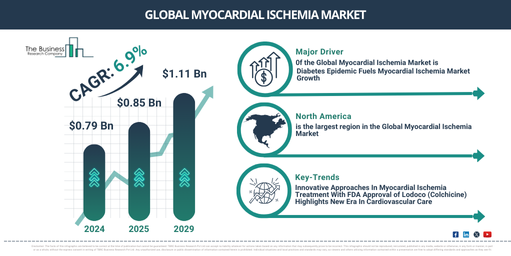
    In recent times, there has been a notable surge in the market size of myocardial ischemia. It is projected to increase from $0.79 billion in 2024 to $0.85 billion in 2025, experiencing a compound annual growth rate (CAGR) of 7.3%. The increase in market size over the historic period is primarily due to factors such as the use of telemedicine and remote monitoring, the introduction of innovative reperfusion treatments for myocardial infarctions, rising obesity cases, an increase in high blood pressure incidents, and a surge in heart attack cases.

    There’s an anticipation for significant expansion in the myocardial ischemia market in the upcoming years, with an estimated value of $1.11 billion in 2029, reflecting a compound annual growth rate (CAGR) of 6.9%. This expected growth during the projected period is associated with the high occurrence of various heart-related issues, increased public knowledge of cardiovascular ailments, constant shifts in lifestyle, escalating occurrences of diabetes, and rising healthcare costs. Significant trends during this anticipation period involve the uptake of myocardial ischemia therapies, improvements in healthcare facilities, progress in treatment alternatives, the incorporation of digital health solutions, and the initiation of cardiac rehabilitation programs.

    Download a free sample to assess the report’s scope and structure:

    https://www.thebusinessresearchcompany.com/sample.aspx?id=16488&type=smp

    What are the Fundamental Drivers and Innovations Shaping the Myocardial Ischemia Market?

    The escalating rates of diabetes are anticipated to boost the expansion of the myocardial ischemia market. Diabetes, a collection of metabolic ailments, includes the body’s incapability to manufacture or effectively utilize insulin, which is a hormone that regulates levels of blood sugar. The increased rates of diabetes can be attributed to factors such as obesity, severe obesity, lack of physical exercise, and genetics. The escalated prevalence of diabetes augments the occurrence of myocardial ischemia, thereby boosting the need for diagnostic, treatment, and management solutions. For instance, the British Diabetic Association, a diabetes charity in the UK, reported in April 2023 that 4.3 million people in the UK had been diagnosed with diabetes. The registration data for 2021-22 indicates an increase of 148,951 cases compared to 2020-21. Moreover, over 2.4 million individuals in the UK are at a heightened risk of developing type 2 diabetes. These climbing rates of diabetes are catalyzing the expansion of the myocardial ischemia market.

    What Segment Types Define the Myocardial Ischemia Market Structure?

    The myocardial ischemia market covered in this report is segmented –

    1) By Type: Symptomatic, Asymptomatic

    2) By Treatment And Diagnosis: Diagnosis, Treatment

    3) By End User: Hospitals And Clinics, Diagnostic Centers, Ambulatory Surgery Centers

    Subsegments:

    1) By Symptomatic: Acute Myocardial Ischemia, Chronic Myocardial Ischemia, Stable Angina, Unstable Angina

    2) By Asymptomatic: Silent Myocardial Ischemia, Exercise-Induced Asymptomatic Ischemia

    Request customized data on this market:

    https://www.thebusinessresearchcompany.com/customise?id=16488&type=smp

    Which Regions Are Driving the Next Phase of the Myocardial Ischemia Market Growth?

    North America was the largest region in the myocardial ischemia market in 2024. Europe is expected to be the fastest-growing region in the forecast period. The regions covered in the myocardial ischemia market report are Asia-Pacific, Western Europe, Eastern Europe, North America, South America, Middle East, Africa.

    What Key Trends Are Shaping the Future of the Myocardial Ischemia Market?

    Prominent firms in the myocardial ischemia market are focusing on the creation of innovative medications like Lodoco (colchicine). The objective here is to minimize inflammation and decrease the possibility of cardiovascular incidents in patients suffering from coronary artery disease. Lodoco is utilized to mitigate the risk associated with myocardial infarction (MI), stroke, coronary revascularization, and cardiovascular mortality in adult patients who are either diagnosed with atherosclerotic disease or bear numerous risk factors for cardiovascular disease. For example, in June 2023, Agepha Pharma, a pharmaceutical company based in the US, introduced Lodoco (colchicine), which had received clearance from the Food and Drug Administration, an American government body. This sanction denotes the first FDA-blessed treatment aimed at cardiovascular inflammation. It involves data from the LoDoCo2 trial that showed a relative reduction in cardiovascular event risk by 31% using colchicine 0.5mg on a once-daily basis, in contrast to a placebo. Lodoco is recommended for reducing the possibility of myocardial infarction (MI), stroke, coronary revascularization, and cardiovascular fatality in adult patients with confirmed atherosclerotic disease or various cardiovascular risk factors.

    View the full report here:

    https://www.thebusinessresearchcompany.com/report/myocardial-ischemia-global-market-report

    What Is the Definition of the Myocardial Ischemia Market?

    Myocardial ischemia, also known as cardiac ischemia, is a condition characterized by reduced blood flow to the heart muscle. This reduction in blood flow leads to inadequate oxygen and nutrient delivery to the heart, potentially causing damage to the heart muscle. The most common cause of myocardial ischemia is the buildup of plaque in the coronary arteries, which restricts blood flow.

    Purchase the full report and get a swift delivery:

    https://www.thebusinessresearchcompany.com/purchaseoptions.aspx?id=16488

    About The Business Research Company:

    With over 15000+ reports from 27 industries covering 60+ geographies, The Business Research Company has built a reputation for offering comprehensive, data-rich research and insights. Armed with 1,500,000 datasets, the optimistic contribution of in-depth secondary research, and unique insights from industry leaders, you can get the information you need to stay ahead in the game.

    Get in touch with us:

    The Business Research Company: https://www.thebusinessresearchcompany.com/

    Americas +1 3156230293

    Asia +44 2071930708

    Europe +44 2071930708

    Email us at info@tbrc.info

    Follow us on:

    LinkedIn: https://in.linkedin.com/company/the-business-research-company

    YouTube: https://www.youtube.com/channel/UC24_fI0rV8cR5DxlCpgmyFQ

    Global Market Model: https://www.thebusinessresearchcompany.com/global-market-model
  • From Insight to Impact: Strategic Growth Mapping in the Mycosis Fungoides Treatment Market

    From Insight to Impact: Strategic Growth Mapping in the Mycosis Fungoides Treatment Market

    Discover trends, market shifts, and competitive outlooks for the mycosis fungoides treatment industry through 2025-2034 with The Business Research Company’s reliable data and in-depth research

    What is the Projected CAGR for the Mycosis Fungoides Treatment Market Size from 2025 to 2034?

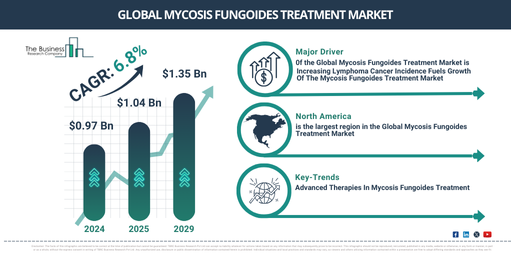
    In the past few years, the market for mycosis fungoides treatment has experienced substantial growth. The market value is predicted to jump from $0.97 billion in 2024 to $1.04 billion in 2025, which represents a compound annual growth rate (CAGR) of 7.1%. The growth observed in the historical period can be attributed to the escalating incidences of immune system disorders, increased use of effective therapeutic solutions, a broader adoption of phototherapy, an upswing in the application of radiation therapy, and a growing preference for supportive care measures.

    The market for treatment of mycosis fungoides is predicted to experience robust expansion in the coming years, with a projected value of $1.35 billion in 2029 and a compound annual growth rate (CAGR) of 6.8%. This anticipated growth during the forecast period is linked to improvements in healthcare facilities, a growing patient base, and a surge in mycosis fungoides cases related to unsanitary living conditions. Key market trends projected for the forecast period incorporate advancements in therapies related to chemotherapy, a growing preference for monoclonal antibodies in first-line treatment, the introduction of innovative products, and heightened investment in research and development.

    Download a free sample to assess the report’s scope and structure:

    https://www.thebusinessresearchcompany.com/sample.aspx?id=15613&type=smp

    What Are the Primary Drivers Supporting the Market Growth of the Mycosis Fungoides Treatment Market?

    An increase in incidences of lymphoma cancer is anticipated to stimulate the expansion of the mycosis fungoides treatment market. Lymphoma is a type of cancer affecting the lymphatic system, including lymph nodes, spleen, thymus gland, and bone marrow. A surge in lymphoma cancer incidence is largely attributed to various factors, such as environmental exposure, rising viral infections, an ageing demographic, and numerous lifestyle habits. Cutaneous T-cell lymphomas are managed using mycosis fungoides treatments like topical corticosteroids, phototherapy, and systemic therapies. These treatments aim to control and manage skin lesions, alleviate symptoms and monitor disease progression in lymphoma patients. According to data from the non-profit American Cancer Society in January 2024, non-Hodgkin lymphoma (NHL) was one of the most prevalent cancers in America, representing approximately 4% of all observed cancers. About 80,620 individuals (44,590 males and 36,030 females) were projected to be diagnosed with NHL, and 20,140 individuals (11,780 males and 8,360 females) were forecasted to succumb to this disease in 2024. Consequently, the increasing incidence of lymphoma cancer is propelling the mycosis fungoides treatment market growth.

    How Is the Mycosis Fungoides Treatment Market Segmented?

    The mycosis fungoides treatment market covered in this report is segmented –

    1) By Drug Type: Topical Steroids, Mechlorethamine

    2) By Treatment Type: Photodynamic Therapy, Radiation Therapy, Targeted Therapy, Chemotherapy

    3) By End-user: Hospitals, Private Clinics, Specialty Clinics

    Subsegments:

    1) By Topical Steroids: Corticosteroid Creams Or Ointments ( Hydrocortisone, Clobetasol), Topical Steroid Lotions

    2) By Mechlorethamine: Topical Mechlorethamine ( Nitrogen Mustard Cream), Injectable Mechlorethamine

    Request customized data on this market:

    https://www.thebusinessresearchcompany.com/customise?id=15613&type=smp

    Which Regions Are Key Players in the Growth of the Mycosis Fungoides Treatment Market?

    North America was the largest region in the mycosis fungoides treatment market in 2024. Asia-Pacific is expected to be the fastest-growing region in the forecast period. The regions covered in the mycosis fungoides treatment market report are Asia-Pacific, Western Europe, Eastern Europe, North America, South America, Middle East, Africa.

    What Are the Most Significant Market Trends in the Mycosis Fungoides Treatment Market?

    Leading businesses in the mycosis fungoides treatment sector are innovating with sophisticated therapies such as CAR T cell therapy, designed to improve the effectiveness and specificity of treatment techniques. This therapy type is actually an immunotherapy subtype which genetically modifies a patient’s T cells enabling them to more effectively identify and combat cancer cells, including those linked to mycosis fungoides. For example, in September 2022, CRISPR Therapeutics AG, a biotech firm located in Switzerland, proclaimed that the U.S. Food and Drug Administration (FDA) awarded Regenerative Medicine Advanced Therapy (RMAT) accreditation to CTX130 – a wholly-owned CAR T cell therapy targeting CD70 developed by the company, devised for treating Mycosis Fungoides and Sézary Syndrome (MF or SS). This acknowledgement represents a substantial achievement for the CTX130 scheme, indicating the revolutionary prospective of this cell therapy in handling T-cell lymphomas, judged by promising clinical findings. The RMAT accreditation results from a specialised initiative implemented under the 21st Century Cures Act to hasten the development and review process for genetic therapies designed to manage serious or fatal diseases.

    View the full report here:

    https://www.thebusinessresearchcompany.com/report/mycosis-fungoides-treatment-global-market-report

    How Is the Mycosis Fungoides Treatment Market Defined and What Are Its Core Parameters?

    Mycosis fungoides treatment refers to the use of various therapies, medications, and procedures to manage and alleviate the symptoms of a disease called cutaneous T-cell lymphoma, a rare form of non-Hodgkin lymphoma that primarily affects the skin. This treatment typically involves a combination of therapies, such as topical medications and systemic treatments like immunotherapy, depending on the stage and severity of the disease.

    Purchase the full report and get a swift delivery:

    https://www.thebusinessresearchcompany.com/purchaseoptions.aspx?id=15613

    About The Business Research Company:

    With over 15000+ reports from 27 industries covering 60+ geographies, The Business Research Company has built a reputation for offering comprehensive, data-rich research and insights. Armed with 1,500,000 datasets, the optimistic contribution of in-depth secondary research, and unique insights from industry leaders, you can get the information you need to stay ahead in the game.

    Get in touch with us:

    The Business Research Company: https://www.thebusinessresearchcompany.com/

    Americas +1 3156230293

    Asia +44 2071930708

    Europe +44 2071930708

    Email us at info@tbrc.info

    Follow us on:

    LinkedIn: https://in.linkedin.com/company/the-business-research-company

    YouTube: https://www.youtube.com/channel/UC24_fI0rV8cR5DxlCpgmyFQ

    Global Market Model: https://www.thebusinessresearchcompany.com/global-market-model
  • Strong CAGR to Propel in the Muscle Tension Dysphonia Treatment Market and Beyond upto $15.68 Billion by 2029

    Strong CAGR to Propel in the Muscle Tension Dysphonia Treatment Market and Beyond upto $15.68 Billion by 2029

    Discover trends, market shifts, and competitive outlooks for the muscle tension dysphonia treatment industry through 2025-2034 with The Business Research Company’s reliable data and in-depth research

    What Are the Projected Market Size and Growth Rates for the Muscle Tension Dysphonia Treatment Market From 2025 To 2029?

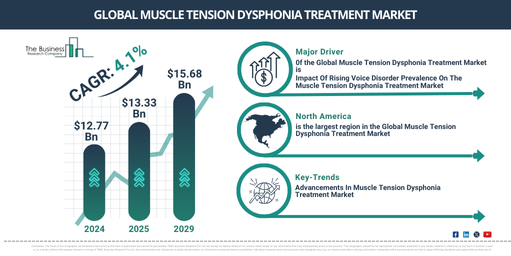
    In past years, there has been a consistent rise in the muscle tension dysphonia treatment market size. It is projected to increase from $12.77 billion in 2024 to $13.33 billion in 2025, with a compound annual growth rate (CAGR) of 4.4%. The upward trend in the historic period could be attributed to heightened awareness of voice therapy, lack of understanding about abnormal noises, a surge in chronic diseases, an elevated risk of benign laryngeal growth, and higher levels of stress among adults and children.

    Anticipations are set for a stable expansion in the muscle tension dysphonia treatment market over the coming years, expected to reach a value of $15.68 billion by the year 2029, with a compound annual growth rate (CAGR) projected at 4.1%. The predicted growth within the forecasted timeframe is underpinned by the escalating prevalence of voice disorders, amplified adoption of generic drugs, increased healthcare spending, heightened government-endorsed research and development endeavours, coupled with an augmenting demand for bespoke diagnostic methodologies. Key trends anticipated to shape the forecast period are technological progression, product breakthroughs, strategic alliances, research and development activity investments, right alongside the uptake of personalized diagnostic approaches.

    Download a free sample to assess the report’s scope and structure:

    https://www.thebusinessresearchcompany.com/sample.aspx?id=18683&type=smp

    Which Factors and External Forces Are Driving Demand in the Muscle Tension Dysphonia Treatment Market?

    The escalating occurrence of voice disorders is forecasted to boost the muscle tension dysphonia treatment market’s expansion. Voice disorders encompass conditions that impact an individual’s voice’s pitch, volume, tone, and quality. The escalating occurrence of voice disorders is driven by many factors such as excessive vocal strain due to prolonged talking, noisy surroundings, and the rising need for professions that rely heavily on voice. Treatments for muscle tension dysphonia are beneficial for managing voice disorders as they focus on excessive muscle tension in the larynx through therapies including voice therapy, physical workouts, and stress coping methodologies. For instance, in March 2024, as indicated by the National Institutes of Health, a US-based government entity, in the past year, roughly 17.9 million U.S. adults aged 18 and above, making up 7.6% of the population, reported voice problems, with about 9.4 million (4.0%) experiencing issues lasting a week or longer. Consequently, the escalating occurrence of voice disorders is fueling the expansion of the muscle tension dysphonia treatment market.

    Market Driver: Surge in Benign Laryngeal Conditions Expected to Accelerate the Muscle Tension Dysphonia Treatment Market Expansion


    Which Primary Segments of the Muscle Tension Dysphonia Treatment Market Are Driving Growth and Industry Transformations?

    The muscle tension dysphonia treatment market covered in this report is segmented –

    1) By Treatment Type: Drugs, Nonsteroidal Anti-Inflammatory Drugs (NSAIDs), Proton-Pump Inhibitors, Analgesics, Antacids, Voice Therapy, Behavioral Counseling

    2) By Age Group: Pediatrics, Adults, Elderly

    3) By Cause: Muscle Tension, Vocal Cord Damage, Other Cause

    4) By Distribution Channel: Institutional Sales, Hospitals, Clinics, Specialized Centers, Retail Sales, Retail Pharmacies, Online Pharmacies, Drug Store

    Subsegments:

    1) By Drugs: Systemic Medications, Topical Medications

    2) By Nonsteroidal Anti-Inflammatory Drugs (NSAIDS): Ibuprofen, Naproxen, Aspirin

    3) By Proton-Pump Inhibitors: Omeprazole, Esomeprazole, Lansoprazole

    4) By Analgesics: Acetaminophen, Opioid Analgesics, Combination Analgesics

    5) By Antacids: Calcium Carbonate, Magnesium Hydroxide, Aluminium Hydroxide

    6) By Voice Therapy: Resonant Voice Therapy, Semi-Occluded Vocal Tract Exercises, Lee Silverman Voice Treatment (LSVT)

    7) By Behavioral Counseling: Stress Management Techniques, Cognitive Behavioral Therapy (CBT), Relaxation Training

    Request customized data on this market:

    https://www.thebusinessresearchcompany.com/customise?id=18683&type=smp

    What Are the Fastest-Growing Geographies in the Muscle Tension Dysphonia Treatment Market?

    North America was the largest region in the muscle tension dysphonia treatment market in 2023. Europe is expected to be the fastest-growing region in the forecast period. The regions covered in the muscle tension dysphonia treatment market report are Asia-Pacific, Western Europe, Eastern Europe, North America, South America, Middle East, Africa.

    Which Cutting-Edge Market Trends Are Expected to Drive the Muscle Tension Dysphonia Treatment Market’s Growth?

    Leading players in the market for muscle tension dysphonia treatment are concentrating on the creation of innovative medical solutions. For instance, they are developing medications for conditions like cervical dystonia, a neurological disorder marked by abnormal neck movements caused by involuntary muscle contractions. The goal is to raise the effectiveness of treatment and patient results. In August 2023, for instance, Daxxify, a pharmaceutical firm in the United States, obtained FDA clearance for its inaugural therapeutic indication aimed at managing cervical dystonia among adults. The clearance was informed by data gathered from Phase 3 clinical trials such as ASPEN-1 and ASPEN-OLS. The primary objective of ASPEN-1, involving 382 participants, was achieved, as reflected in the substantial enhancement in the Toronto Western Spasmodic Torticollis Rating Scale (TWSTRS) at weeks 4 and 6. The median period of impact lasted 20.3 weeks for the high-dose group and 24.0 weeks for the low-dose group. Frequent treatment-related side effects encompassed muscular weakness, dysphagia, and discomfort at the injection site. Within the ASPEN-OLS, 357 participants were subjected up to 4 successive Daxxify dosage, leading to improvements in TWSTRS over a median duration of 19.9 to 26.0 weeks. Common side effects noted in this study included headache, injection site erythema, and injection site discomfort.

    View the full report here:

    https://www.thebusinessresearchcompany.com/report/muscle-tension-dysphonia-treatment-global-market-report

    What Parameters Are Used to Define the Muscle Tension Dysphonia Treatment Market?

    Muscle tension dysphonia (MTD) refers to a voice disorder characterized by excessive tension in the muscles surrounding the voice box (larynx) during speech. Treatment for muscle tension dysphonia typically involves a combination of techniques aimed at reducing muscle tension, improving vocal habits, and enhancing overall vocal health.

    Purchase the full report and get a swift delivery:

    https://www.thebusinessresearchcompany.com/purchaseoptions.aspx?id=18683

    About The Business Research Company:

    With over 15000+ reports from 27 industries covering 60+ geographies, The Business Research Company has built a reputation for offering comprehensive, data-rich research and insights. Armed with 1,500,000 datasets, the optimistic contribution of in-depth secondary research, and unique insights from industry leaders, you can get the information you need to stay ahead in the game.

    Get in touch with us:

    The Business Research Company: https://www.thebusinessresearchcompany.com/

    Americas +1 3156230293

    Asia +44 2071930708

    Europe +44 2071930708

    Email us at info@tbrc.info

    Follow us on:

    LinkedIn: https://in.linkedin.com/company/the-business-research-company

    YouTube: https://www.youtube.com/channel/UC24_fI0rV8cR5DxlCpgmyFQ

    Global Market Model: https://www.thebusinessresearchcompany.com/global-market-model
  • Muscle Spasticity Market Valuation Expected To Reach $6.41 Billion By 2029, Growing At A Rate Of 8.8%

    Muscle Spasticity Market Valuation Expected To Reach $6.41 Billion By 2029, Growing At A Rate Of 8.8%

    Discover trends, market shifts, and competitive outlooks for the muscle spasticity industry through 2025-2034 with The Business Research Company’s reliable data and in-depth research

    What Is the Estimated Market Size of the Muscle Spasticity Market In 2029?

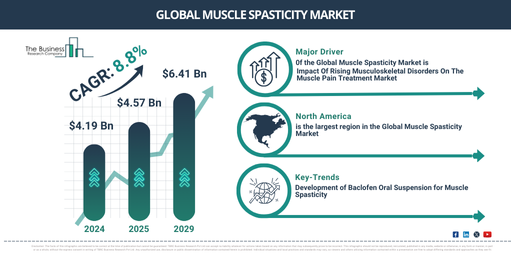
    In recent times, the muscle spasticity market has displayed a notable expansion. It’s projected to increase from a value of $4.19 billion in 2024 to $4.57 billion in 2025, with a Compound Annual Growth Rate (CAGR) of 9.1%. The growth witnessed in the past can be linked to rising investments in research and development, enlarging clinical indications, positive regulatory greenlights and reimbursement procedures, a growing focus on adopting a multimodal methodology, and the rising incidence of multiple sclerosis.

    Expect a substantial swell in the muscle spasticity market size in the ensuing years, with predicted growth to reach $6.41 billion in 2029, courtesy of a compound annual growth rate (CAGR) of 8.8%. The progress predicted for this period could be traced back to increased efforts towards constructing patient-driven care, broadening of supply networks, a concentration on enhancing the quality of life, formulation of specific drug delivery frameworks, and the identification of biomarkers. The forecast period would see trending adoptions like that of value-driven reimbursement models, incorporation of machine learning and artificial intelligence advancements, embracing of telehealth and technologies for remote observation, techniques of neurostimulation, and methods of regenerative medicine.

    Download a free sample to assess the report’s scope and structure:

    https://www.thebusinessresearchcompany.com/sample.aspx?id=18411&type=smp

    Which Major Market Drivers Are Expected to Boost the Growth Potential of the Muscle Spasticity Market?

    The muscle spasticity market is set to expand, fuelled by the growing incidence of musculoskeletal ailments. These ailments generally involve issues with muscles, bones, and joints, often leading to discomfort, rigidity, and limited mobility. The upsurge in such cases can be linked to aspects like an aging population, inactive lifestyles, and the escalating rate of chronic conditions. The aim of muscle spasticity treatment is to soothe symptoms of musculoskeletal disorders by mitigating pain, increasing mobility, avert complications, and boost patients’ overall life quality and functional capabilities. For example, The Lancet, a UK medical journal, reported in November 2023 that an estimated 494 million people worldwide had different musculoskeletal disorders in 2020. The projections suggest a possible 115% surge by 2050. Also, a May 2022 report by US biopharmaceutical firm Amgen revealed that yearly incidents of fractures caused by osteoporosis would potentially rise by 68%, from 1.9 million in 2018 to 3.2 million in 2040. Thus, the escalating occurrence of musculoskeletal disorders is powering the muscle spasticity market’s growth.

    Which Segments in the Muscle Spasticity Offer the Most Growth?

    The muscle spasticity market covered in this report is segmented –

    1) By Drug Type: Baclofen, Botulinum Toxin, Diazepam, Dantrolene Sodium, Other Drugs

    2) By Route Of Administration: Oral, Intramuscular, Other Routes

    3) By Distribution Channel: Hospital Pharmacies, Retail Pharmacies, Online Pharmacies

    Subsegments:

    1) By Baclofen: Oral Baclofen, Intrathecal Baclofen (Pump)

    2) By Botulinum Toxin: Botox (Botulinum Toxin Type A), Dysport (Botulinum Toxin Type A), Xeomin (Botulinum Toxin Type A), Myobloc (Botulinum Toxin Type B)

    3) By Diazepam: Oral Diazepam, Injectable Diazepam

    4) By Dantrolene Sodium: Oral Dantrolene, Injectable Dantrolene

    5) By Other Drugs: Tizanidine, Clonidine, Gabapentin, Other Muscle Relaxants, Selective Serotonin Reuptake Inhibitors (SSRIs)

    Request customized data on this market:

    https://www.thebusinessresearchcompany.com/customise?id=18411&type=smp

    Which Areas Are Leading Regions in the Muscle Spasticity Market Expansion Across the Globe?

    North America was the largest region in the muscle spasticity market in 2023. Asia-Pacific is expected to be the fastest-growing region in the forecast period. The regions covered in the muscle spasticity market report are Asia-Pacific, Western Europe, Eastern Europe, North America, South America, Middle East, Africa.

    What Are the Key Market Trends in the Muscle Spasticity Market Over the Coming Years?

    Prominent businesses in the muscle spasticity market are channelizing their efforts towards the creation of oral suspensions to address muscle spasms that are linked with disorders like multiple sclerosis and spinal cord injuries. Oral suspensions represent liquid medicines containing distributed active ingredients which are orally consumed. For example, in April 2024, baclofen oral suspension was introduced to the market by ANI Pharmaceuticals, a pharmaceutical manufacturer based in the United States. This generic version of fleqsuvy is applied in the treatment of muscle spasms, which stem from conditions such as multiple sclerosis and spinal cord injuries, through aiding in muscle relaxation.

    View the full report here:

    https://www.thebusinessresearchcompany.com/report/muscle-spasticity-global-market-report

    What Are the Key Elements That Define the Muscle Spasticity Market?

    Muscle spasticity is a condition characterized by an abnormal increase in muscle tone or stiffness, which can interfere with movement and speech. It is often a result of damage to the brain or spinal cord that controls voluntary muscle movement.

    Purchase the full report and get a swift delivery:

    https://www.thebusinessresearchcompany.com/purchaseoptions.aspx?id=18411

    About The Business Research Company:

    With over 15000+ reports from 27 industries covering 60+ geographies, The Business Research Company has built a reputation for offering comprehensive, data-rich research and insights. Armed with 1,500,000 datasets, the optimistic contribution of in-depth secondary research, and unique insights from industry leaders, you can get the information you need to stay ahead in the game.

    Get in touch with us:

    The Business Research Company: https://www.thebusinessresearchcompany.com/

    Americas +1 3156230293

    Asia +44 2071930708

    Europe +44 2071930708

    Email us at info@tbrc.info

    Follow us on:

    LinkedIn: https://in.linkedin.com/company/the-business-research-company

    YouTube: https://www.youtube.com/channel/UC24_fI0rV8cR5DxlCpgmyFQ

    Global Market Model: https://www.thebusinessresearchcompany.com/global-market-model
  • Muscle Pain Treatment Market Forecast Reaching $16.79 Billion by 2029 at 5.3% CAGR

    Muscle Pain Treatment Market Forecast Reaching $16.79 Billion by 2029 at 5.3% CAGR

    Discover trends, market shifts, and competitive outlooks for the muscle pain treatment industry through 2025-2034 with The Business Research Company’s reliable data and in-depth research

    How Fast Is The Muscle Pain Treatment Market Expected to Grow Between 2025 And 2029?

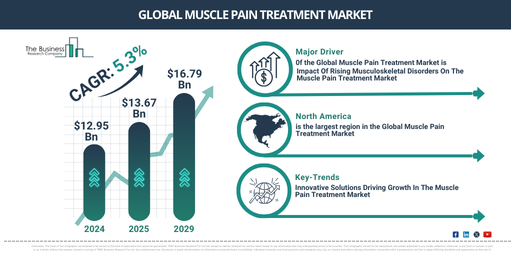
    The market for muscle pain treatments has seen significant growth in the past few years. The sector, which had a value of $12.95 billion in 2024, is predicted to expand to $13.67 billion in 2025 with a CAGR of 5.5%. Factors such as the increasing elderly population experiencing chronic pain, a rise in sports-related injuries due to heightened participation levels, the commonality of manual work causing musculoskeletal issues, inactive lifestyles inducing muscle pain and stiffness, and insufficient exercise resulting in muscle atrophy and pain have all contributed to the surge during the historic period.

    Over the next few years, the muscle pain treatment market seems set to enjoy robust growth, with projections estimating its value to reach $16.79 billion in 2029, reflecting a compound annual growth rate (CAGR) of 5.3%. This expected growth during the forecast period can be linked to the rise in the usage of non-invasive and non-opioid pain management treatments, the increasing health spending and demand for efficient pain management therapies, the granting of regulatory permissions for new pain management techniques and devices, the prevention-centered healthcare approach for managing chronic pain, and the increased preference for alternative therapies like acupuncture and chiropractic care. Key market trends during this period include the rise of telehealth and virtual consultations for pain management, the creation of smart clothing and wearable pain relief devices, the influence of biopharmaceutical breakthroughs in pain treatment sector, the utilization of AI for personalized pain management solutions, and the application of regenerative medicine techniques for tissue repair and pain relief.

    Download a free sample to assess the report’s scope and structure:

    https://www.thebusinessresearchcompany.com/sample.aspx?id=17206&type=smp

    What Are the Core Growth Drivers Propelling the Muscle Pain Treatment Market Forward?

    The rise in musculoskeletal disorders is projected to fuel growth in the global market for muscle pain management. Musculoskeletal conditions, which encompass disorders of muscles, bones, and joints often leading to pain, stiffness, and hindered movement, have been on the rise due to factors like aging demographics, inactive lifestyles, and proliferation of chronic illnesses. Treatments for muscle pain are primarily focused on managing symptoms of such disorders, aimed at easing pain, enhancing mobility, averting complications, and improving overall life quality and physical capabilities of patients. As an example, research by The Lancet, a UK medical journal, in November 2023 reports an estimate of 494 million people around the globe suffered from varied musculoskeletal conditions in 2020 and forecasts suggest a potential 115% surge by 2050. Consequently, this growing incidence of musculoskeletal disorders is propelling the market expansion for muscle pain management treatments.

    Which Key Market Segments Comprise the Muscle Pain Treatment Market and Drive Its Revenue Growth?

    The muscle pain treatment market covered in this report is segmented –

    1) By Pharmacological Treatment: Analgesics, Muscle Relaxants, Topical Analgesics, Other Pharmacological Treatments

    2) By Non-Pharmacological Treatment: Physical Therapy, Massage Therapy, Acupuncture, Heat And Cold Therapy, Exercise And Stretching, Other Non-Pharmacological Treatments

    3) By Type Of Pain: Acute Muscle Pain, Chronic Muscle Pain

    4) By Cause Of Muscle Pain: Overuse And Strain, Injury Or Trauma, Inflammatory Conditions, Neurological Conditions, Infections, Other Cause Of Muscle Pain

    5) By Application: Hospital, Clinic, Other Applications

    Subsegments:

    1) By Analgesics: Nonsteroidal Anti-Inflammatory Drugs (NSAIDs), Acetaminophen

    2) By Muscle Relaxants: Centrally Acting Muscle Relaxants, Peripherally Acting Muscle Relaxants

    3) By Topical Analgesics: Creams & Ointments, Gels & Sprays, Patches

    4) By Other Pharmacological Treatments: Corticosteroids, Antidepressants, Anticonvulsants

    Request customized data on this market:

    https://www.thebusinessresearchcompany.com/customise?id=17206&type=smp

    Which Geographic Areas Hold the Strongest Growth Potential in the Muscle Pain Treatment Market?

    North America was the largest region in the muscle pain treatment market in 2023. Asia-Pacific is expected to be the fastest-growing region in the forecast period. The regions covered in the muscle pain treatment market report are Asia-Pacific, Western Europe, Eastern Europe, North America, South America, Middle East, Africa.

    Which Emerging Trends that Are Influencing the Muscle Pain Treatment Industry Evolution?

    Prominent businesses in the muscle pain treatment market are concentrating on the development of inventive solutions like topical analgesic products, to increase efficiency and convenience for users. Topical analgesic products, which are medicines applied on the skin to ease pain by focusing on the pain areas, are frequently used for issues such as muscle discomfort, arthritis, and minor injuries. For example, Wellness Formulations LLC, a company in the US that supplies health and wellness products, introduced Ralli Rapid Pain Relief – a new product that capitalizes on the pain-relieving properties of menthol fortified with developed penetration boosters and skin moisturizers – in July 2024. This product delivers potent pain relief without resulting in an oily residue, providing immediate and prolonged relief from muscle pains, joint discomfort, arthritis, strains, and sprains. With its availability in various forms like gel, spray, and roll-on, it allows for easy application directly to the pain region, thereby eradicating the requirement for rubbing or massaging.

    View the full report here:

    https://www.thebusinessresearchcompany.com/report/muscle-pain-treatment-global-market-report

    How Is the Muscle Pain Treatment Market Conceptually Defined?

    Muscle pain treatment refers to the management and alleviation of discomfort and inflammation affecting muscles. It typically involves rest, application of heat or cold therapy, over-the-counter pain relievers, and sometimes physical therapy or prescription medications for severe cases. The effective treatment aims to reduce pain, promote healing, and restore normal muscle function.

    Purchase the full report and get a swift delivery:

    https://www.thebusinessresearchcompany.com/purchaseoptions.aspx?id=17206

    About The Business Research Company:

    With over 15000+ reports from 27 industries covering 60+ geographies, The Business Research Company has built a reputation for offering comprehensive, data-rich research and insights. Armed with 1,500,000 datasets, the optimistic contribution of in-depth secondary research, and unique insights from industry leaders, you can get the information you need to stay ahead in the game.

    Get in touch with us:

    The Business Research Company: https://www.thebusinessresearchcompany.com/

    Americas +1 3156230293

    Asia +44 2071930708

    Europe +44 2071930708

    Email us at info@tbrc.info

    Follow us on:

    LinkedIn: https://in.linkedin.com/company/the-business-research-company

    YouTube: https://www.youtube.com/channel/UC24_fI0rV8cR5DxlCpgmyFQ

    Global Market Model: https://www.thebusinessresearchcompany.com/global-market-model
  • Global Multiplex PCR Assays Market Projected to Reach $2.83 Billion by 2029 at a CAGR of 13.4%

    Global Multiplex PCR Assays Market Projected to Reach $2.83 Billion by 2029 at a CAGR of 13.4%

    Discover trends, market shifts, and competitive outlooks for the multiplex pcr assays industry through 2025-2034 with The Business Research Company’s reliable data and in-depth research

    How Has The Multiplex PCR Assays Market Growth Evolved From 2024 To 2025, And What’s Ahead?

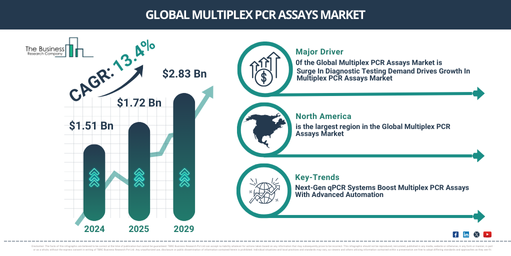
    In the recent years, the market size for multiplex pcr assays has seen a swift growth. The market is projected to rise from $1.51 billion in 2024 to $1.72 billion in 2025, making a compound annual growth rate (CAGR) of 13.6%. Factors such as rising instances of infectious diseases, more government funding and support, increased use in clinical diagnostics, growth in genetic testing and personalized medicine, wider application in academic and research sectors, advancements in bioinformatics and data analysis tools, and escalating healthcare expenditure have contributed to the historic period growth.

    In the upcoming years, the multiplex pcr assays market is predicted to experience brisk growth, escalating to $2.83 billion by 2029 at a compound annual growth rate (CAGR) of 13.4%. Numerous factors contribute to the growth estimated for the forecast period, such as the expanding application areas, growing necessity for on-point medical diagnosis, advancements in personalized medicine, hike in research and development spending, increasing consciousness about health and preventive healthcare, strong emphasis on precision medicine and rising call for accurate and swift diagnostic tests. The major trends to keep an eye on in this period include integration of next-generation sequencing (NGS), companion diagnostics, advancement in digital PCR technology, automation, and high-throughput systems, portable and point-of-care devices, adaptability and capacity for multiplexing, incorporation of artificial intelligence and machine learning, improved data management and adoption of cloud solutions.

    Download a free sample to assess the report’s scope and structure:

    https://www.thebusinessresearchcompany.com/sample.aspx?id=18681&type=smp

    What Are the Primary Drivers Supporting the Market Growth of the Multiplex PCR Assays Market?

    The surge in diagnostic testing requirements is anticipated to boost the multiplex PCR assay market’s expansion in the future. Diagnostic tests are procedures used to verify the presence or non-existence of a particular ailment in an individual. The escalating need for these tests is largely due to the rise in chronic diseases such as cancer and diabetes, necessitating prompt and precise diagnosis for efficacious treatment. The emphasis on preemptive healthcare also promotes periodic testing to uncover potential problems early. Multiplex PCR assays are a boon as they enable the simultaneous identification and examination of several pathogens or genetic markers from a single specimen, elevating the effectiveness and inclusiveness of diagnostic testing. For example, the National Health Service (NHS), a U.K.-based hospital and medical care provider, registered a diagnostic activity in July 2024 that surpassed the pre-pandemic levels of 2023, indicating a 21% surge in tests conducted in May 2024 relative to the same period in the previous year. Furthermore, 2.4 million diagnostic tests were executed in May 2024. Thus, the rising demand for diagnostic testing is set to spur the development of the multiplex PCR assay market.

    How Is the Multiplex PCR Assays Market Segmented?

    The multiplex pcr assays market covered in this report is segmented –

    1) By Assay Type: Planar Assay, Bead Based Assay

    2) By Product And Services: Consumables, Instruments, Software And Services

    3) By Application: Disease Diagnosis, Research And Development, Other Applications

    4) By End User: Biopharmaceutical Companies, Clinical Research Organizations, Academic Research Institutes, Diagnostic Centers, Other End Users

    Subsegments:

    1) By Planar Assay: Microarray-Based Assays, Dna Chip-Based Assays

    2) By Bead Based Assay: Luminex Xmap Assays, Magpix Assays, Flow Cytometry-Based Bead Assays

    Request customized data on this market:

    https://www.thebusinessresearchcompany.com/customise?id=18681&type=smp

    Which Regions Are Key Players in the Growth of the Multiplex PCR Assays Market?

    North America was the largest region in the multiplex PCR assays market in 2024. The regions covered in the multiplex PCR assays market report are Asia-Pacific, Western Europe, Eastern Europe, North America, South America, Middle East, Africa.

    What Key Trends Are Shaping the Future of the Multiplex PCR Assays Market?

    Leading firms in the multiplex PCR assays market are placing an emphasis on implementing automated technology, such as next-generation quantitative PCR (qPCR) systems, to offer precise and flexible nucleic acid quantification in advanced clinical diagnostics and public health scenarios. Next-generation qPCR, with its capacity for highly efficient, accurate, and concurrent detection of multiple targets, improves efficiencies and accuracy in diagnostics. For instance, in November 2023, the Switzerland-based Roche Diagnostics Corporation, a major player in diagnostic system solutions, introduced the LightCycler PRO System. This upgraded qPCR platform provides high-throughput, precision, and concurrent detection of numerous targets. It comes with improved temperature uniformity, state-of-the-art software, and interoperability with more than 200 LightMix Modular and 60 CE-IVD assays, enhancing diagnostic accuracy and efficiency. This system embodies how automation is being assimilated into the Multiplex PCR Assays market, propelling advancements in clinical diagnostics and public health.

    View the full report here:

    https://www.thebusinessresearchcompany.com/report/multiplex-pcr-assays-global-market-report

    How Is the Multiplex PCR Assays Market Defined and What Are Its Core Parameters?

    Multiplex PCR assays refer to a type of polymerase chain reaction (PCR) technique that allows simultaneous amplification and detection of multiple DNA or RNA targets within a single reaction. This method enhances efficiency by enabling the analysis of several genetic markers or pathogens in one test, providing comprehensive and cost-effective results.

    Purchase the full report and get a swift delivery:

    https://www.thebusinessresearchcompany.com/purchaseoptions.aspx?id=18681

    About The Business Research Company:

    With over 15000+ reports from 27 industries covering 60+ geographies, The Business Research Company has built a reputation for offering comprehensive, data-rich research and insights. Armed with 1,500,000 datasets, the optimistic contribution of in-depth secondary research, and unique insights from industry leaders, you can get the information you need to stay ahead in the game.

    Get in touch with us:

    The Business Research Company: https://www.thebusinessresearchcompany.com/

    Americas +1 3156230293

    Asia +44 2071930708

    Europe +44 2071930708

    Email us at info@tbrc.info

    Follow us on:

    LinkedIn: https://in.linkedin.com/company/the-business-research-company

    YouTube: https://www.youtube.com/channel/UC24_fI0rV8cR5DxlCpgmyFQ

    Global Market Model: https://www.thebusinessresearchcompany.com/global-market-model
  • Major Drivers Propelling the Growth oh theMulti Cancer Early Detection Market Forward: Shift Towards Personalized Medicine On The Multi-Cancer Early Detection Market

    Major Drivers Propelling the Growth oh theMulti Cancer Early Detection Market Forward: Shift Towards Personalized Medicine On The Multi-Cancer Early Detection Market

    Discover trends, market shifts, and competitive outlooks for the multi cancer early detection industry through 2025-2034 with The Business Research Company’s reliable data and in-depth research

    What Is the Estimated Market Size of the Multi Cancer Early Detection Market In 2029?

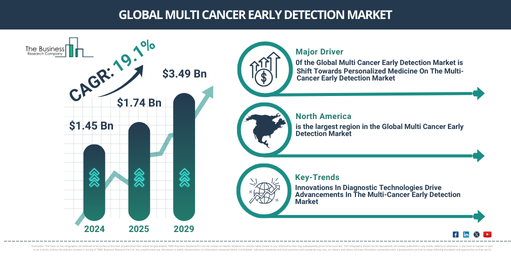
    In the past several years, the market size for multi-cancer early detection has seen substantial growth. Predictions estimate a market growth from $1.45 billion in 2024 to $1.74 billion in 2025, with a compound annual growth rate (CAGR) of 19.3%. Factors such as growing cancer prevalence, government interventions and funding, heightened awareness around early cancer detection, healthcare infrastructure expansion, growing acceptance of personalized medicine, and reduced genetic testing costs have all contributed to the growth during this historic period.

    There is an anticipated rapid expansion in the multi cancer early detection market in the coming years. It is projected to escalate to a value of $3.49 billion by 2029, with a compound annual growth rate (CAGR) of 19.1%. This predicted growth for the forecast period can be linked to the growth of telemedicine and digital health, heightened focus on preventative healthcare, an increase in precision oncology adoption, advancements in biomarker discovery, and a rise in direct-to-consumer genetic testing. The forecast period would also see trends like enhanced use of AI and machine learning, a rise in liquid biopsy techniques adoption, multi-omics approaches integration, the growth of at-home testing kits, an emphasis on early-stage cancer detection, and the creation of minimally invasive diagnostics.

    Download a free sample to assess the report’s scope and structure:

    https://www.thebusinessresearchcompany.com/sample.aspx?id=15864&type=smp

    What Are the Core Growth Drivers Propelling the Multi Cancer Early Detection Market Forward?

    The progression of the multi-cancer early detection market is predicted to be propelled by a growing inclination towards personalized medicine. This medical approach fine-tunes treatment and healthcare strategies to cater to each patient’s unique characteristics, genetic makeup, and needs. The increased appetite for personalized medicine is due to its remarkable ability to provide more effective treatment options, spurred by advancements in genomics, the escalating complexity of ailments, and favorable regulatory actions. Personalized medicine augments the efficacy of multi-cancer early detection by adjusting screening and treatment plans according to individual gene and biomarker profiles. For example, the FDA approved 16 new personalized therapies for patients with rare diseases in 2023, indicating a significant increase from just six in 2022, as reported by the US-based non-profit organization, Personalized Medicine Coalition, in February 2024. This included seven drugs specifically designed for cancer therapy and three others aimed at various diseases and conditions. Consequently, the growing inclination towards personalized medicine is fueling the multi-cancer early detection market.

    Which Key Market Segments Comprise the Multi Cancer Early Detection Market and Drive Its Revenue Growth?

    The multi cancer early detection market covered in this report is segmented –

    1) By Type: Liquid Biopsy, Gene Panel, Laboratory Developed Tests (LDT), Other Types

    2) By Cancer Type: Solid Tumors, Hematological Malignancies

    3) By End-User: Hospitals, Diagnostic Laboratories, Other End Users

    Subsegments:

    1) By Liquid Biopsy Types: Circulating Tumor Cells (CTC), Circulating Tumor DNA (Ctdna), Exosomes

    2) By Gene Panel: DNA-Based Panels, RNA-Based Panels, Multi-Gene Panels

    3) By Laboratory Developed Tests (LDT): PCR-Based Tests, Next-Generation Sequencing (NGS) Tests, Immunohistochemistry (IHC) Tests

    4) By Other Types: Protein Biomarkers, Autoantibody-Based Tests

    Request customized data on this market:

    https://www.thebusinessresearchcompany.com/customise?id=15864&type=smp

    Which Geographic Areas Hold the Strongest Growth Potential in the Multi Cancer Early Detection Market?

    North America was the largest region in the multi cancer early detection market in 2024. Asia-Pacific is expected to be the fastest-growing region in the forecast period. The regions covered in the multi cancer early detection market report are Asia-Pacific, Western Europe, Eastern Europe, North America, South America, Middle East, Africa.

    What Are the Current Market Growth and Trends in the Multi Cancer Early Detection Industry?

    Principal companies within the multi-cancer early detection market are advancing ctDNA-based liquid biopsy tests to augment sensitivity, specificity, and early detection rates, subsequently enhancing patient outcomes. This ctDNA-based liquid biopsy test finds circulating tumor DNA in the bloodstream which offers a non-invasive method for monitoring tumor dynamics, treatment reaction, and early recurrence or tiny residual disease. For example, Lucence, a cancer diagnostics manufacturer based in the USA, introduced LucenceINSIGHT, an inventive multi-cancer early detection (MCED) blood test, at their American headquarters in May 2023. This brilliant ctDNA-based liquid biopsy test can screen 10 common cancer types using a single blood sample. Considering that 78% of global cancer deaths are related to types that don’t have routine screening recommendations, this blood test assures improved convenience and accessibility for asymptomatic individuals desiring screening for numerous cancer types.

    View the full report here:

    https://www.thebusinessresearchcompany.com/report/multi-cancer-early-detection-global-market-report

    How Is the Multi Cancer Early Detection Market Conceptually Defined?

    Multi-cancer early detection is the detection and diagnosis of various types of cancer at an early stage by analyzing biomarkers and other indicators in bodily fluids or tissues. This approach aims to identify cancerous conditions across multiple organs or tissues before symptoms manifest, enabling timely intervention and improved treatment outcomes.

    Purchase the full report and get a swift delivery:

    https://www.thebusinessresearchcompany.com/purchaseoptions.aspx?id=15864

    About The Business Research Company:

    With over 15000+ reports from 27 industries covering 60+ geographies, The Business Research Company has built a reputation for offering comprehensive, data-rich research and insights. Armed with 1,500,000 datasets, the optimistic contribution of in-depth secondary research, and unique insights from industry leaders, you can get the information you need to stay ahead in the game.

    Get in touch with us:

    The Business Research Company: https://www.thebusinessresearchcompany.com/

    Americas +1 3156230293

    Asia +44 2071930708

    Europe +44 2071930708

    Email us at info@tbrc.info

    Follow us on:

    LinkedIn: https://in.linkedin.com/company/the-business-research-company

    YouTube: https://www.youtube.com/channel/UC24_fI0rV8cR5DxlCpgmyFQ

    Global Market Model: https://www.thebusinessresearchcompany.com/global-market-model
  • Key Factors Fueling the Growth of the Mucolipidosis II Market in 2025: Gene Therapy Advancements Propel Growth of the Mucolipidosis II Market

    Key Factors Fueling the Growth of the Mucolipidosis II Market in 2025: Gene Therapy Advancements Propel Growth of the Mucolipidosis II Market

    Discover trends, market shifts, and competitive outlooks for the mucolipidosis ii industry through 2025-2034 with The Business Research Company’s reliable data and in-depth research

    What Are the Key Projections for the CAGR of the Mucolipidosis II Market Size From 2025 to 2034?

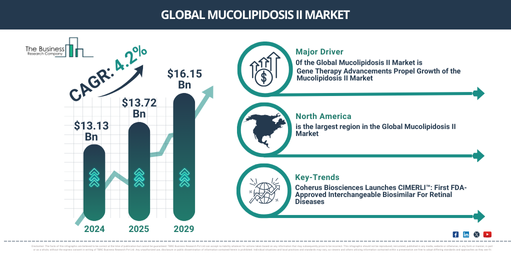
    The market for mucolipidosis ii has experienced a steady expansion in recent years and is projected to increase from a value of $13.13 billion in 2024 to $13.72 billion in 2025 with a 4.5% compound annual growth rate (CAGR). This growth trajectory during the historical period is a result of several factors including an increase in regulatory approval for orphan drugs, heightened awareness of the disease mucolipidosis II, a spike in clinical trials, a rise in genetic testing, an escalation in rare disease research funding, and an overall increase in diagnoses.

    Expectations for the mucolipidosis II market forecast a consistent expansion in the next few years, with a projected growth to $16.15 billion in 2029, indicating a compound annual growth rate (CAGR) of 4.2%. The expected growth over the forecasted period can be attributed to a variety of factors, such as increased awareness amongst healthcare professionals, a surge in research and development initiatives, the emergence of biomarkers for early detection, increased funding for rare disease treatments, more effective reimbursement policies, and a higher demand for gene therapy. Key trends during the forecast period include improvements in artificial intelligence within the medical field, enhanced genetic testing technologies, progress in diagnostic methods, advances in therapeutic treatments, and improvements in telemedicine.

    Download a free sample to assess the report’s scope and structure:

    https://www.thebusinessresearchcompany.com/sample.aspx?id=16746&type=smp

    What Are the Primary Drivers Supporting the Market Growth of the Mucolipidosis II Market?

    The anticipated surge in gene therapy is forecasted to stimulate the progression of the mucolipidosis II market. The advanced medical practice of gene therapy that intends to counter or obviate genetic disorders by mending defective genes or implementing new-onset genes into the patient’s cells via techniques like gene addition, gene silencing, and gene regulation, among others, is considered promising for treating ML II. The method embodies the insertion of a functional gene copy into the patient’s cells to revive the enzyme production. For instance, the American Society of Gene & Cell Therapy, a US-based gene and cell therapy organization, reported a 10% increase in phase III gene therapies presently under clinical trials in April 2024. This was the initial quarterly surge since Q3 2022, which implies that this upswing in gene therapy is set to enhance the mucolipidosis II market. The escalation in research and development endeavors is estimated to thrust the growth of the mucolipidosis II market. These activities, which involve a systematic exploration and experimentation targeted at procuring new knowledge, or fabricating new products, processes, or services are thriving due to the escalating necessity for innovation and competitive edge across various sectors. Research and development is integral for advancing ML II treatments by enriching the comprehension of the disease, formulating gene therapies to counteract inherent genetic aberrations, refining delivery techniques, and executing preclinical and clinical trials. To illustrate, in 2024, the UK’s Office for National Statistics reported that the UK government’s research and development expenditure escalated to £15.5 ($19.67) billion in 2022, from £14.0 ($17.77) billion in 2021, indicating a 10.5% surge. Therefore, the burgeoning research and development ventures are set to stimulate the mucolipidosis II market.

    How Is the Mucolipidosis II Market Segmented?

    The mucolipidosis ii market covered in this report is segmented –

    1) By Treatment: Antibiotics, Physical Therapy, Hip Replacement, Experimental Therapies, Other Treatments

    2) By Mode Of Administration: Injectable, Oral, Other Modes Of Administration

    3) By Symptoms: Deafness, Lack Of Muscle Tone (Hypotonia), Abnormal Spine Curvature, Changing Proportion of Mental Retardation, Low Growth Of Gross And Fine Motor Skills, Other Symptoms

    4) By End-User: Hospitals, Homecare, Specialty Clinics, Other End-Users

    Subsegments:

    1) By Antibiotics: Antibiotics For Respiratory Infections, Antibiotics For Preventive Care, Intravenous Antibiotics, Oral Antibiotics For Chronic Infections, Antibiotic Therapy For Secondary Infections, Antibiotics For Treating Urinary Tract Infections (UTIS)

    2) By Physical Therapy: Range Of Motion Exercises, Strengthening And Conditioning Exercises, Respiratory Therapy And Pulmonary Rehabilitation, Gait Training And Balance Exercises, Hydrotherapy, Occupational Therapy For Daily Activities, Posture Correction And Spine Support, Stretching And Flexibility Programs

    3) By Hip Replacement: Total Hip Arthroplasty (THA), Hip Resurfacing Surgery, Minimally Invasive Hip Replacement, Ceramic-On-Ceramic Hip Implants, Hip Replacement With Metal-On-Polyethylene, Revision Hip Surgery For Failed Implants, Robotic-Assisted Hip Replacement Surgery, Hip Joint Stabilization Techniques

    4) By Experimental Therapies: Gene Therapy For Mucolipidosis II, Enzyme Replacement Therapy (ERT), Stem Cell Therapy For Mucolipidosis II, Chaperone Therapy For Lysosomal Storage Disorders, Small Molecule Drugs Targeting Cellular Pathways, Experimental Drug Trials (Phase I, II, III), Molecular Chaperones To Improve Enzyme Function, Immunomodulatory Therapies

    5) By Other Treatments: Pain Management (Non-Opioid And Opioid Treatments), Nutritional Support And Diet Modification, Surgical Interventions For Organ Dysfunction, Cognitive And Neurodevelopmental Support, Cardiovascular Care (Heart Monitoring, Medications), Hearing And Vision Supportive Therapies, Psychiatric Support And Behavioral Therapy, Palliative Care And End-Of-Life Management

    Request customized data on this market:

    https://www.thebusinessresearchcompany.com/customise?id=16746&type=smp

    Which Regions Are Key Players in the Growth of the Mucolipidosis II Market?

    North America was the largest region in the mucolipidosis II market in 2024. The regions covered in the mucolipidosis ii market report are Asia-Pacific, Western Europe, Eastern Europe, North America, South America, Middle East, Africa.

    What Long-Term Trends Are Transforming the Competitive Landscape of the Mucolipidosis II Market?

    Leading businesses in the mucolipidosis II marketplace are concentrating on the development of cutting-edge solutions like CIMERLI to cater to vital industry requirements. CIMERLI, a treatment for wet age-related macular degeneration (AMD), enhances effectiveness, decreases injection frequency, and retains a positive safety record. In October 2022, Coherus BioSciences, a biopharmaceutical organization based in the United States, introduced CIMERLI (ranibizumab-eqrn). CIMERLI earns the distinction of being the only FDA-approved biosimilar interchangeable with Lucentis (ranibizumab injection) for all sanctioned indications. This debut increases the options and accessibility for patients suffering from retinal diseases, as it delivers the same safety and effectiveness as Lucentis but at a reduced expense. The FDA gave its approval to the product in August 2022, and a devoted sales force and patient services support its market entry to assure successful access and compensation.

    View the full report here:

    https://www.thebusinessresearchcompany.com/report/mucolipidosis-ii-global-market-report

    How Is the Mucolipidosis II Market Defined and What Are Its Core Parameters?

    Mucolipidosis II or I-cell disease, is a rare inherited condition where cells cannot properly break down certain substances, causing organs and tissues to deteriorate over time. Mucolipidosis II results from enzyme mutations that impair cellular substance breakdown, causing skeletal abnormalities and developmental delays in patients.

    Purchase the full report and get a swift delivery:

    https://www.thebusinessresearchcompany.com/purchaseoptions.aspx?id=16746

    About The Business Research Company:

    With over 15000+ reports from 27 industries covering 60+ geographies, The Business Research Company has built a reputation for offering comprehensive, data-rich research and insights. Armed with 1,500,000 datasets, the optimistic contribution of in-depth secondary research, and unique insights from industry leaders, you can get the information you need to stay ahead in the game.

    Get in touch with us:

    The Business Research Company: https://www.thebusinessresearchcompany.com/

    Americas +1 3156230293

    Asia +44 2071930708

    Europe +44 2071930708

    Email us at info@tbrc.info

    Follow us on:

    LinkedIn: https://in.linkedin.com/company/the-business-research-company

    YouTube: https://www.youtube.com/channel/UC24_fI0rV8cR5DxlCpgmyFQ

    Global Market Model: https://www.thebusinessresearchcompany.com/global-market-model
  • Strategic Growth Drivers Shaping the Duchenne Muscular Dystrophy Drugs Market Outlook 2025- 2034:Growth In Personalized Medicine Fuelling The Growth Of The Market Due To Advancements In Genomic Technologies

    Strategic Growth Drivers Shaping the Duchenne Muscular Dystrophy Drugs Market Outlook 2025- 2034:Growth In Personalized Medicine Fuelling The Growth Of The Market Due To Advancements In Genomic Technologies

    We’ve updated all our reports with current data on tariff changes, trade developments, and supply chain shifts affecting key industries.

    What is the Anticipated CAGR of the Duchenne Muscular Dystrophy Drugs Market, and What Factors Will Drive It?

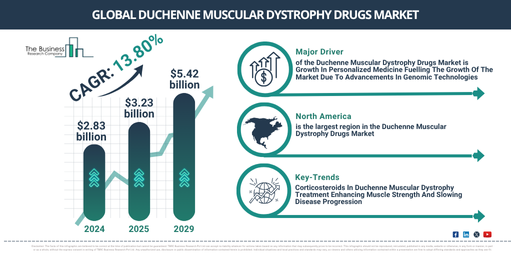
    The market size for the Duchenne Muscular Dystrophy (DMD) drug has observed a swift expansion in the preceding years. This market is projected to escalate from $2.83 billion in 2024 to approximately $3.23 billion in 2025, with a Compound Annual Growth Rate (CAGR) of 14.2%. The significant growth during the historical period is credited to the improvement in diagnostic abilities, an increase in patient registries and data compilation, a mounting demand, an expanding pipeline of therapies in clinical trials, and proliferation in regulatory incentives.

    The market size for Duchenne Muscular Dystrophy (DMD) drugs is projected to experience swift expansion in the forthcoming years, with the forecast predicting a growth to $5.42 billion by 2029, and a compound annual growth rate (CAGR) of 13.8%. Factors contributing to the anticipated growth during this forecast period include the increasing number of early-stage biotech companies entering the market, advancements in real-world evidence and post-marketing data, heightened healthcare spending, growing demand for early intervention methods, and the uptick in off-label corticosteroid usage. Key trends that can be observed during this time frame comprise amplified biotech innovation, digital health and wearable tech integration, heightened interest in personalized and mutation-specific treatments, and advancements in gene therapy and CRISPR technology.

    Download a free sample to assess the report’s scope and structure:

    https://www.thebusinessresearchcompany.com/sample.aspx?id=24213&type=smp

    Which Factors and External Forces Are Driving Demand in the Duchenne Muscular Dystrophy Drugs Market?

    The Duchenne muscular dystrophy (DMD) drugs market is predicted to be fueled by the expansion of personalized medicine. This unique medical approach, which involves tailoring treatments to align with patients’ genetic, environmental, and lifestyle factors, is growing in popularity due to the ability to enhance care and outcomes. The increase in demand for personalized medicine can be attributed to advancements in genomic technologies that allow accurate identification of genetic variations, leading to individualized treatments. This technique benefits Duchenne muscular dystrophy (DMD) by providing therapies targeted to individual genetic profiles, thereby enhancing the effectiveness of the treatments. Additionally, it improves drug development by focusing on specific genetic mutations, thereby enhancing overall treatment results and patient care. As an example, the Personalized Medicine Coalition (PMC), a non-profit organization based in the US, reported that the U.S. Food and Drug Administration (FDA) approved 26 new personalized medicines in 2023. This was a notable increase from the 12 approved the previous year in 2022. Therefore, the rise in personalized medicine can be considered a driver for the Duchenne muscular dystrophy (DMD) drugs market’s growth.

    Which Segments in the Duchenne Muscular Dystrophy Drugs Offer the Most Growth?

    The duchenne muscular dystrophy drugs market covered in this report is segmented –

    1) By Drug Type: Exon Skipping Drugs, Corticosteroids, Gene Therapy, Other Drug Types

    2) By Route Of Administration: Oral, Injectable

    3) By Distribution Channel: Hospital Pharmacies, Retail Pharmacies, Online Pharmacies

    Subsegments:

    1) Exon Skipping Drugs: Eteplirsen, Golodirsen, Viltolarsen, Casimersen, Other Exon Skipping Therapies

    2) Corticosteroids: Prednisone, Deflazacort, Other Corticosteroids

    3) Gene Therapy: Micro-dystrophin Gene Therapy, CRISPR/Cas9-Based Gene Editing, Stem Cell-Based Gene Therapy, Other Gene Therapies

    4) Other Drug Types: Utrophin Modulators, Anti-Inflammatory Agents, Antisense Oligonucleotides, Myostatin Inhibitors, Other Supportive Therapies

    Request customized data on this market:

    https://www.thebusinessresearchcompany.com/sample.aspx?id=24213&type=smp

    What Are the Fastest-Growing Geographies in the Duchenne Muscular Dystrophy Drugs Market?

    North America was the largest region in the duchenne muscular dystrophy (DMD) drugs market in 2024. Asia-Pacific is expected to be the fastest-growing region in the forecast period. The regions covered in the duchenne muscular dystrophy drugs market report are Asia-Pacific, Western Europe, Eastern Europe, North America, South America, Middle East, Africa.

    Which Cutting-Edge Market Trends Are Expected to Drive the Duchenne Muscular Dystrophy Drugs Market’s Growth?

    Leading companies in the Duchenne muscular dystrophy (DMD) drug market are concentrating on creating cutting-edge solutions such as corticosteroids, with the aim to enhance muscle power, decelerate the progression of the disease, and elevate the overall outcomes for patients. Corticosteroids are either naturally produced steroid hormones by the adrenal glands or are artificially synthesized drugs intended to curb inflammation and restraint the immune system. For example, in March 2024, Catalyst Pharmaceuticals, a biopharmaceutical firm based in the US, introduced AGAMREE (vamorolone) oral suspension 40 mg/mL, a treatment certified by the Food and Drug Administration (FDA) for patients suffering from Duchenne muscular dystrophy, who are two years old and above. AGAMREE, a corticosteroid, functions by minimising inflammation and stabilising the membranes of muscle cells, aiding in slowing down the disease’s progression.

    View the full report here:

    https://www.thebusinessresearchcompany.com/report/duchenne-muscular-dystrophy-drugs-global-market-report

    What Are the Key Elements That Define the Duchenne Muscular Dystrophy Drugs Market?

    Duchenne muscular dystrophy (DMD) drugs refer to medications and therapies aimed at managing and slowing the progression of Duchenne muscular dystrophy, a genetic disorder that causes muscle weakness and degeneration. These drugs work by targeting the underlying genetic mutations, improving muscle function, and enhancing quality of life. The main aim of these drugs is to preserve muscle strength, delay disease progression, and increase mobility in patients with Duchenne muscular dystrophy.

    Purchase the full report and get a swift delivery:

    https://www.thebusinessresearchcompany.com/customise?id=24213&type=smp

    About The Business Research Company:

    With over 15000+ reports from 27 industries covering 60+ geographies, The Business Research Company has built a reputation for offering comprehensive, data-rich research and insights. Armed with 1,500,000 datasets, the optimistic contribution of in-depth secondary research, and unique insights from industry leaders, you can get the information you need to stay ahead in the game.

    Get in touch with us:

    The Business Research Company: https://www.thebusinessresearchcompany.com/

    Americas +1 3156230293

    Asia +44 2071930708

    Europe +44 2071930708

    Email us at info@tbrc.info

    Follow us on:

    LinkedIn: https://in.linkedin.com/company/the-business-research-company

    YouTube: https://www.youtube.com/channel/UC24_fI0rV8cR5DxlCpgmyFQ

    Global Market Model: https://www.thebusinessresearchcompany.com/global-market-model
  • Dental Restoration Cement Growth Trajectory: Key Forecasts and Strategic Insights

    Dental Restoration Cement Growth Trajectory: Key Forecasts and Strategic Insights

    We’ve updated all our reports with current data on tariff changes, trade developments, and supply chain shifts affecting key industries.

    What Is the Current and Projected Market Size of the Dental Restoration Cement Market Through 2034?

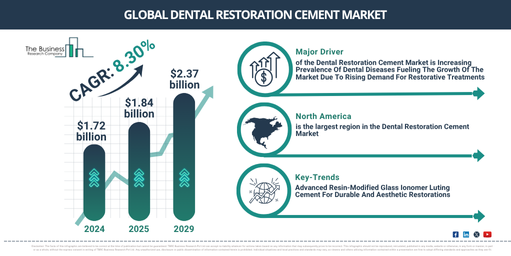
    In the last few years, the market size of dental restoration cement has seen robust growth. The market is projected to expand from a value of $1.72 billion in 2024 to achieve a valuation of $1.84 billion in 2025, demonstrating a compound annual growth rate (CAGR) of 6.8%. This upward trajectory during the historical period is a result of factors such as a rise in cases of dental cavities, an aging populace, an increase in the popularity of cosmetic dentistry, a heightened consciousness about oral hygiene, and a surge in the number of dental clinics.

    Predictions for the dental restoration cement market suggest significant growth in the upcoming years, with an expected increase to $2.37 billion by 2029. This represents a compound annual growth rate (CAGR) of 8.3%. The predicted escalation during the forecast period is due to advancements such as nanotechnology-infused cements, the use of bioactive dental materials, and the development of light-cure resin cements, self-adhesive resin cements, and germ-resistant cement formulas. The market trends forecasted for the upcoming period involve the use of tailor-made and intelligent delivery systems, ecologically responsible and BPA-free formulas, CAD/CAM integration, resin-modified glass ionomer (RMGIC) technology, and innovative delivery systems.

    Download a free sample to assess the report’s scope and structure:

    https://www.thebusinessresearchcompany.com/sample.aspx?id=24203&type=smp

    Which Factors and External Forces Are Driving Demand in the Dental Restoration Cement Market?

    The dental restoration cement market is projected to expand owing to the rising frequency of dental disorders. These include conditions that impact the health and functionality of teeth and surrounding tissues, such as tooth decay, gum disease, tooth loss, oral cancer, and other ailments. The neglect of regular oral hygiene practices is leading to a surge in these diseases, as insufficient brushing and flossing result in plaque accumulation, contributing to gum disease and tooth decay. Dental restoration cement plays a key role in managing dental diseases by firmly affixing restorations to the teeth, restoring their functionality, and preventing further deterioration or infection. For instance, the National Health Service, a UK-based government department, reported that 34 million dental treatment courses were delivered in England during 2023-2024, a 4.3% increase from 2022-2023, in November 2024. As a result, the escalating numbers of dental diseases are fuelling the growth of the dental restoration cement market.

    Which Segments in the Dental Restoration Cement Offer the Most Growth?

    The dental restoration cement market covered in this report is segmented –

    1) By Product: Cement-Based Restoratives, Resin-Based Cements, Glass Ionomer Cements, Composite Cements, Temporary Cements

    2) By Application: Direct Restoration, Indirect Restoration, Implant Restoration, Crown And Bridge Cementation, Orthodontic Applications

    3) By End-User: Dentists, Dental Hospitals, Dental Clinics, Academic And Research Institutions, Dental Laboratories

    Subsegments:

    1) By Cement-Based Restoratives: Zinc Phosphate Cements, Polycarboxylate Cements, Silicate Cements, Zinc Oxide Eugenol (Zoe) Cements, Copper Cements

    2) By Resin-Based Cements: Light-Cure Resin Cements, Self-Cure Resin Cements, Dual-Cure Resin Cements, Adhesive Resin Cements, Self-Adhesive Resin Cements

    3) By Glass Ionomer Cements (GIC): Conventional Glass Ionomer Cements, Resin-Modified Glass Ionomer Cement (Rmgic), High-Viscosity Glass Ionomer Cements, Metal-Reinforced Glass Ionomer Cements, Light-Cured Glass Ionomer Cements

    4) By Composite Cements: Microfilled Composite Cements, Nanohybrid Composite Cements, Flowable Composite Cements, Fiber-Reinforced Composite Cements, Dual-Cure Composite Cements

    5) By Temporary Cements: Eugenol-Based Temporary Cements, Non-Eugenol Temporary Cements, Resin-Based Temporary Cements, Zinc Oxide-Based Temporary Cements, Light-Cure Temporary Cements

    Request customized data on this market:

    https://www.thebusinessresearchcompany.com/sample.aspx?id=24203&type=smp

    What Are the Fastest-Growing Geographies in the Dental Restoration Cement Market?

    North America was the largest region in the dental restoration cement market in 2024. Asia-Pacific is expected to be the fastest-growing region in the forecast period. The regions covered in the dental restoration cement market report are Asia-Pacific, Western Europe, Eastern Europe, North America, South America, Middle East, Africa.

    Which Cutting-Edge Market Trends Are Expected to Drive the Dental Restoration Cement Market’s Growth?

    Leading organizations within the dental restoration cement market are concentrating on the creation of innovative dental materials, like resin-modified glass ionomer luting cement, to improve longevity, visual appeal, and ease of administration during dental operations. Resin-modified glass ionomer luting cement (RMGI) is a specialized type of dental cement that blends the characteristics of conventional glass ionomer cement (GIC) and resin-composed materials. For example, SDI Limited, a dental equipment and supplies manufacturer based in Australia, unveiled the Riva Cem Automix, a resin-modified glass ionomer luting cement made for permanent cementation of metal, ceramic, and orthodontic repair works in July 2024. This self-hardening, radiopaque, and fluoride-releasing cement, fortified by SDI’s exclusive ionglass technology, heightens ion discharge and bonding effectiveness. It provides excellent adhesion to enamel and dentine, strong flexural resilience, and easy excess removal through light tack cure. Furthermore, its automix tip reduces wastage and ensures colour sustainability over time, making it an effective and cost-friendly solution for dentists aiming for lasting and visually appealing restorations.

    View the full report here:

    https://www.thebusinessresearchcompany.com/report/dental-restoration-cement-global-market-report

    What Are the Key Elements That Define the Dental Restoration Cement Market?

    Dental restoration cement refers to materials used in dentistry to secure dental restorations such as crowns, bridges, inlays, and on lays in place, providing stability and a tight seal against bacterial invasion. These cements are designed to provide strong bonding between the restoration and the tooth structure while ensuring the longevity and functionality of the dental work.

    Purchase the full report and get a swift delivery:

    https://www.thebusinessresearchcompany.com/customise?id=24203&type=smp

    About The Business Research Company:

    With over 15000+ reports from 27 industries covering 60+ geographies, The Business Research Company has built a reputation for offering comprehensive, data-rich research and insights. Armed with 1,500,000 datasets, the optimistic contribution of in-depth secondary research, and unique insights from industry leaders, you can get the information you need to stay ahead in the game.

    Get in touch with us:

    The Business Research Company: https://www.thebusinessresearchcompany.com/

    Americas +1 3156230293

    Asia +44 2071930708

    Europe +44 2071930708

    Email us at info@tbrc.info

    Follow us on:

    LinkedIn: https://in.linkedin.com/company/the-business-research-company

    YouTube: https://www.youtube.com/channel/UC24_fI0rV8cR5DxlCpgmyFQ

    Global Market Model: https://www.thebusinessresearchcompany.com/global-market-model