Month: June 2025

  • Non-Radiographic Axial Spondyloarthritis Therapeutic Market Trends Report 2025 – For Business Development and Strategy Teams

    Non-Radiographic Axial Spondyloarthritis Therapeutic Market Trends Report 2025 – For Business Development and Strategy Teams

    Claim your 30% discount on Global Market Reports with code ONLINE30. Limited time only.

    What Is the Forecast for the Non-Radiographic Axial Spondyloarthritis Therapeutic Market Growth in 2025?

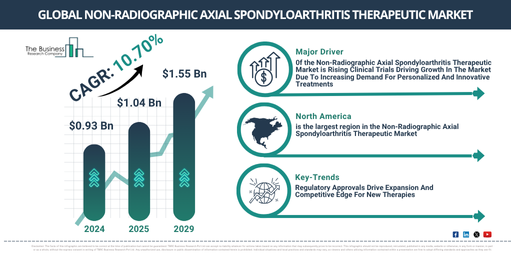
    The therapeutic market for non-radiographic axial spondyloarthritis has seen significant expansion in recent times. Its growth is projected to increase from a worth of $0.93 billion in 2024, to $1.04 billion in 2025, displaying a compound annual growth rate (CAGR) of 10.9%. The surge in growth observed in the historic period can be attributed to a rise in the incidence of axial spondyloarthritis, better awareness and an enlarged patient pool, enhanced understanding of the disease spurring market growth, increasing research and development operations, and a surge in embraced biologic therapies.

    What Is the Forecast for the Non-Radiographic Axial Spondyloarthritis Therapeutic Market Size Through 2029?

    The market size for therapeutic solutions in non-radiographic axial spondyloarthritis is set to experience a quick surge in the coming years. It is projected to soar up to $1.55 billion by 2029 with a compound annual growth rate (CAGR) standing at 10.7%. The jump in growth during the projected phase is ascribed to the escalation in awareness and preliminary diagnosis, proliferation of biosimilars, continuous progression in biologics and emerging therapeutic alternatives in the pipeline. Additionally, the perpetual increase in research and development activities, the burgeoning use of targeted and personalized therapies and the enhancement in healthcare infrastructure also contribute to the growth. The forecast period will witness a prevalence of trends like personalized treatment plans, the incorporation of digital tools in diagnosis and a move toward treat-to-target (T2T) strategies. Furthermore, value-oriented pricing models and the acceptance of multidisciplinary management are also expected to take center stage.

    Download The Free Sample Report Here:

    https://www.thebusinessresearchcompany.com/sample.aspx?id=24627&type=smp

    What are the Key Market Players in Non-Radiographic Axial Spondyloarthritis Therapeutic Market and How They’re Evolving?

    Major companies operating in the non-radiographic axial spondyloarthritis therapeutic market are Pfizer Inc., Johnson & Johnson, Allergan plc, AbbVie Inc., Sanofi S.A., Bristol-Myers Squibb Company, AstraZeneca PLC, Abbott Laboratories, Novartis AG, Eli Lilly and Company, Gilead Sciences Inc., Amgen Inc., Novo Nordisk A/S, Biogen Inc., Daiichi Sankyo Company Limited, UCB S.A., Mochida Pharmaceutical Co. Ltd., Mereo BioPharma Group plc, Suzhou Zelgen Biopharmaceuticals Co. Ltd., Qyuns Therapeutics Co. Ltd.

    What Are the Primary Growth Drivers in the Non-Radiographic Axial Spondyloarthritis Therapeutic Market?

    The surge in clinical trials is predicted to stimulate the expansion of the non-radiographic axial spondyloarthritis therapeutic market. These trials are studies carried out on humans to gauge the safety, efficacy, and possible side effects of new medical treatments or interventions. The escalation in clinical trials stems from the escalating need for innovative, tailored treatments that necessitate extensive safety and efficacy checks. These trials bolster non-radiographic axial spondyloarthritis therapeutics by yielding proof-driven validation of the effectiveness and safety in early-stage disease, which in turn influences regulatory sanctions and clinical acceptance. For instance, the Association of the British Pharmaceutical Industry, a UK-based trade body, reported in November 2023 that there had been a 15% spike in the annual enlistment to industry clinical trials in the UK, soaring from 36,722 participants in 2021-22 to 42,088 in 2022-23. Hence, the surge in clinical trials is boosting the growth of the non-radiographic axial spondyloarthritis therapeutic market.

    Request For A Customized Report:

    https://www.thebusinessresearchcompany.com/customise?id=24627&type=smp

    What Are the Leading Segments in the Global Non-Radiographic Axial Spondyloarthritis Therapeutic Industry?

    The non-radiographic axial spondyloarthritis therapeutic market covered in this report is segmented –

    1) By Type: Non-Steroidal Anti-Inflammatory Drugs, Biologics, Small Molecule Therapies, Corticosteroids

    2) By Application: Oral, Injectable, Topical

    3) By End User: Hospitals, Ambulatory Surgical Centers, Homecare Settings

    Subsegments:

    1) By Non-Steroidal Anti-Inflammatory Drugs: COX-2 Inhibitors, Non-Selective NSAIDs

    2) By Biologics: Tumor Necrosis Factor (TNF) Inhibitors, Interleukin-17 (IL-17) Inhibitors

    3) By Small Molecule Therapies: Janus Kinase (JAK) Inhibitors, Phosphodiesterase-4 (PDE4) Inhibitors

    4) By Corticosteroids: Oral Corticosteroids, Intra-Articular Corticosteroid Injections

    What Are the Key Market Trends in the Non-Radiographic Axial Spondyloarthritis Therapeutic Industry?

    Key players in the non-radiographic axial spondyloarthritis (nr-axSpA) treatment market are prioritizing gaining regulatory permissions. These permissions are critical as it helps enhances business expansion, hasten the launch of innovative treatments, and achieve a competitive edge. These authorizations are comprised of official permissions from government bodies, which allows the legal marketing and prescription of a drug after its safety, effectiveness, and standard compliance have been demonstrated. Consider the case of AbbVie Inc., a US biopharmaceutical enterprise, which got an FDA green light in October 2022 for Rinvoq (upadacitinib). The approval is for treating adult patients with active nr-axSpA demonstrating inflammation indications and those who have not adequately reacted to TNF inhibitors. This approval signifies the sixth US sanction for Rinvoq and positions it as the first of its kind oral JAK inhibitor approved for nr-axSpA. This approval was based on the SELECT-AXIS 2 clinical trial findings, where nearly fifty percent of Rinvoq receivers registered substantial disease activity reduction compared to placebo within 14 weeks. Thus, it presents a novel once-a-day oral treatment choice for patients grappling with this intricate condition.

    Access The Full Report Here:

    https://www.thebusinessresearchcompany.com/report/non-radiographic-axial-spondyloarthritis-therapeutic-global-market-report

    What Is the Regional Outlook for the Non-Radiographic Axial Spondyloarthritis Therapeutic Market?

    North America was the largest region in the non-radiographic axial spondyloarthritis therapeutics market in 2024. The regions covered in the non-radiographic axial spondyloarthritis therapeutic market report are Asia-Pacific, Western Europe, Eastern Europe, North America, South America, Middle East, Africa.

    Purchase The Full Report Today:

    https://www.thebusinessresearchcompany.com/purchaseoptions.aspx?id=24627

    This Report Delivers Insight On:

    1. How big is the non-radiographic axial spondyloarthritis therapeutic market, and how is it changing globally?

    2. Who are the major companies in the non-radiographic axial spondyloarthritis therapeutic market, and how are they performing?

    3. What are the key opportunities and risks in the non-radiographic axial spondyloarthritis therapeutic market right now?

    4. Which products or customer segments are growing the most in the non-radiographic axial spondyloarthritis therapeutic market?

    5. What factors are helping or slowing down the growth of the non-radiographic axial spondyloarthritis therapeutic market?

    About The Business Research Company:

    With over 15000+ reports from 27 industries covering 60+ geographies, The Business Research Company has built a reputation for offering comprehensive, data-rich research and insights. Armed with 1,500,000 datasets, the optimistic contribution of in-depth secondary research, and unique insights from industry leaders, you can get the information you need to stay ahead in the game.

    Get in touch with us:

    The Business Research Company: https://www.thebusinessresearchcompany.com/

    Americas +1 3156230293

    Asia +44 2071930708

    Europe +44 2071930708

    Email us at info@tbrc.info

    Follow us on:

    LinkedIn: https://in.linkedin.com/company/the-business-research-company

    YouTube: https://www.youtube.com/channel/UC24_fI0rV8cR5DxlCpgmyFQ

    Global Market Model: https://www.thebusinessresearchcompany.com/global-market-model
  • Market Analysis on Non-Absorbable Mesh Industry – Insights for Corporate Strategy and R&D

    Claim your 30% discount on Global Market Reports with code ONLINE30. Limited time only.

    What Is the Forecast for the Non-Absorbable Mesh Market from 2024 to 2025?

    In recent years, the non-absorbable mesh market has experienced robust growth. The market, which was worth $1.23 billion in 2024, is projected to increase to $1.32 billion in 2025, with a compound annual growth rate (CAGR) of 8.0%. Factors contributing to this historic growth include an increase in healthcare spending, a growing demand for long-lasting implant materials, expanded availability of specialized surgical mesh products, a rise in the number of hospitals and surgical facilities, and a heightened emphasis on enhancing patient results.

    What Is the Projected Market Size of the Non-Absorbable Mesh Market?

    Significant expansion is anticipated in the non-absorbable mesh market in the coming years, with its size set to reach $1.78 billion by 2029, reflecting a compound annual growth rate (CAGR) of 7.7%. This projected growth for the forecast period is linked to the escalating demand for persistent surgical implants, increased funding in healthcare infrastructure, a rise in chronic conditions necessitating surgical treatment, a sharpened focus on minimizing surgical complications, as well as a growing preference for outpatient surgical procedures. Key trends for the period include advancements in mesh technology for improved biocompatibility, advanced manufacturing methods for tailored mesh creation, innovation in antimicrobial coatings to decrease infection risk, the incorporation of 3D printing for individualized implants, and progress in minimally invasive surgical instruments.

    Download The Free Sample Report Here:

    https://www.thebusinessresearchcompany.com/sample.aspx?id=24626&type=smp

    Who are the Major Competitors in the Non-Absorbable Mesh Market Outlook?

    Major companies operating in the non-absorbable mesh market are Johnson and Johnson, Medtronic plc, Medline Industries Inc., Becton Dickinson And Company, MedStar Health Inc., Coloplast Group, Integra LifeSciences Corporation, Meril Life Sciences Pvt. Ltd., B. Braun Melsungen AG, W. L. Gore And Associates Inc., Demetech Corporation, Universal Suture Ltd., Lotus Surgicals Pvt. Ltd., Altaylar Medical Ltd., Betatech Medical, DIPROMED Srl, Orion Sutures India Pvt. Ltd., ProVi Swiss GmbH, Vinculum Sutures, Lizen Surgicare Private Limited

    What Is Fueling Growth in the Non-Absorbable Mesh Market?

    The non-absorbable mesh market’s expansion is anticipated to be spurred by the increasing occurrence of hernias. A hernia is a condition where an organ or tissue unnaturally bulges through a weak area in the surrounding muscle or tissue. The rising rate of obesity is leading to a surge in hernias as it exerts more strain on the abdominal muscles and weakens the abdominal wall. Non-absorbable mesh comes to the rescue in hernia treatment by offering enduring structural assistance to the weakened or impaired tissues, thus minimizing the possibility of relapses. For example, data from Eurostat, a government agency based in Luxembourg, shows that in July 2024, hernia repairs were generally conducted at rates varying from 142 to 231 per 100,000 residents in most countries in 2022. Austria was a notable exception with a substantially higher rate of 273.2 operations per 100,000 residents. As a result, the escalating incidence of hernias is propelling the non-absorbable mesh market’s progress.

    Request For A Customized Report:

    https://www.thebusinessresearchcompany.com/customise?id=24626&type=smp

    Which Non-Absorbable Mesh Market Segments Are Growing the Fastest?

    The non-absorbable mesh market covered in this report is segmented –

    1) By Product Type: Prosthetic Mesh, Composite Mesh, Monofilament Mesh, Multifilament Mesh

    2) By Material: Polypropylene, Polyester, Polyethylene, Other Biocompatible Materials

    3) By Application: Hernia Repair, Pelvic Floor Reconstruction, Other Surgical Applications

    4) By End-User: Hospitals, Ambulatory Surgical Centers, Clinics, Other End-Users

    Subsegments

    1) By Prosthetic Mesh: Polypropylene Mesh, Polyester Mesh, Expanded Polytetrafluoroethylene (ePTFE) Mesh, Polytetrafluoroethylene (PTFE) Mesh

    2) By Composite Mesh: Polypropylene + ePTFE Composite Mesh, Polyester + Collagen Composite Mesh, Polypropylene + Polyurethane Composite Mesh, Composite Mesh With Absorbable Barrier

    3) By Monofilament Mesh: Polypropylene Monofilament Mesh, Polyester Monofilament Mesh, Nylon Monofilament Mesh

    4) By Multifilament Mesh: Polyester Multifilament Mesh, Polyethylene Terephthalate (PET) Multifilament Mesh, Polyamide Multifilament Mesh

    Which Industry Trends Are Shaping the Future of the Non-Absorbable Mesh Market?

    Major firms in the non-absorbable mesh market are prioritizing the development of superior innovations like coated composite mesh, aiming to boost biocompatibility while decreasing post-operative issues. This surgical mesh possesses a protective coating that diminishes tissue adhesion and inflammation, enhancing safety once inserted into the body. For instance, in April 2024, Deep Blue Medical Advances Inc., a medical device company based in the US, unveiled the T-Line Hernia Mesh. This provides surgeons a novel solution for hernia repair, addressing frequent concerns such as tissue failure and adhesion. This upgraded mesh features integrated extensions, offering 15 times more fixation surface area than conventional sutures, and as a result, it delivers anchoring strength that is 275% more formidable. The mesh comprises a medium-weight, macroporous polypropylene structure promoting ideal tissue fusion while diminishing stress by evenly spreading tension throughout the repair site. The mesh is facile to maneuver, conforms to anatomical variations, and eradicates the necessity for additional fixation apparatus, thereby enhancing both security and operational efficiency.

    Access The Full Report Here:

    https://www.thebusinessresearchcompany.com/report/non-absorbable-mesh-global-market-report

    Which Countries Are Leading the Non-Absorbable Mesh Market?

    North America was the largest region in the non-absorbable mesh market in 2024. The regions covered in the non-absorbable mesh market report are Asia-Pacific, Western Europe, Eastern Europe, North America, South America, Middle East, Africa.

    Purchase The Full Report Today:

    https://www.thebusinessresearchcompany.com/purchaseoptions.aspx?id=24626

    This Report Delivers Insight On:

    1. How big is the non-absorbable mesh market, and how is it changing globally?

    2. Who are the major companies in the non-absorbable mesh market, and how are they performing?

    3. What are the key opportunities and risks in the non-absorbable mesh market right now?

    4. Which products or customer segments are growing the most in the non-absorbable mesh market?

    5. What factors are helping or slowing down the growth of the non-absorbable mesh market?

    About The Business Research Company:

    With over 15000+ reports from 27 industries covering 60+ geographies, The Business Research Company has built a reputation for offering comprehensive, data-rich research and insights. Armed with 1,500,000 datasets, the optimistic contribution of in-depth secondary research, and unique insights from industry leaders, you can get the information you need to stay ahead in the game.

    Get in touch with us:

    The Business Research Company: https://www.thebusinessresearchcompany.com/

    Americas +1 3156230293

    Asia +44 2071930708

    Europe +44 2071930708

    Email us at info@tbrc.info

    Follow us on:

    LinkedIn: https://in.linkedin.com/company/the-business-research-company

    YouTube: https://www.youtube.com/channel/UC24_fI0rV8cR5DxlCpgmyFQ

    Global Market Model: https://www.thebusinessresearchcompany.com/global-market-model
  • Non Invasive Neurostimulation Devices Forecast Report – Designed for Decision Makers and Product Teams

    Non Invasive Neurostimulation Devices Forecast Report – Designed for Decision Makers and Product Teams

    Claim your 30% discount on Global Market Reports with code ONLINE30. Limited time only.

    What Is the Growth Rate of the Non Invasive Neurostimulation Devices Market?

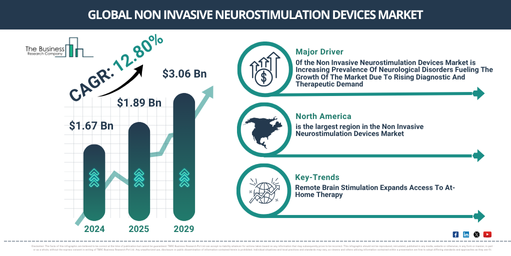
    The market size for non-invasive neurostimulation devices has seen a significant expansion in past years. The market is set to scale up from $1.67 billion in 2024 to $1.89 billion in 2025, growing at a compound annual growth rate (CAGR) of 13.1%. Factors contributing to this growth during the historical period include a rise in neurological disorder cases, growing recognition of neurostimulation therapies, increased demand for non-invasive treatment options, developments in healthcare infrastructure, and heightened neuromodulation research.

    What Growth Rate Is Forecasted for the Non Invasive Neurostimulation Devices Market by 2029?

    Over the next several years, the market for non-invasive neurostimulation devices is projected to experience a significant increase, reaching $3.06 billion in 2029 with a compound annual growth rate (CAGR) of 12.8%. This projected growth during the forecast period can be linked to factors such as the increasing geriatric population, the widening acceptance of wearable neurostimulation devices, escalating healthcare costs, favorable governmental policies, and the growing use of these devices in mental health treatment. For the forecast period, key trends include a transition towards less invasive neurostimulation, the introduction of wireless neurostimulation devices, an expansion in telehealth applications, the advent of closed-loop neurostimulation systems, and a stronger emphasis on individualized neurostimulation treatments.

    Download The Free Sample Report Here:

    https://www.thebusinessresearchcompany.com/sample.aspx?id=24625&type=smp

    Which Key Companies Are Shaping the Future of the Non Invasive Neurostimulation Devices Market?

    Major companies operating in the non invasive neurostimulation devices market are Boston Scientific Corporation, Alpha-Stim, Neurosoft Bioelectronics SA, Neuronetics Inc., BrainsWay Ltd., eNeura Inc., MagVenture A/S, Nexstim Plc, Neuroelectrics Barcelona S.L.U., Cefaly Technology, ElectroCore Inc., Brainbox India Private Limited, Flow Neuroscience AB, Fisher Wallace Laboratories Inc., Sooma Medical, Aleva Neurotherapeutics SA, NeuroSigma Inc., Mind Alive Inc., TheBrainDriver LLC, Caputron Medical Products LLC.

    Which Factors Are Driving Demand in the Non Invasive Neurostimulation Devices Industry?

    The escalating occurrence of neurological conditions is anticipated to catalyze the expansion of the non-invasive neurostimulation devices market. Neurological disorders, which impact the brain, spinal cord, and nerves and can result in cognitive, motor, and perceptual deficiencies, are becoming increasingly common, particularly among the aging population. This is because the aging process progressively weakens neuronal function, diminishes brain flexibility, and increases oxidative stress, all of which contribute to the onset and progression of these disorders. Non-invasive neurostimulation devices provide invaluable assistance in the diagnosis of neurological disorders by delivering focused stimulation to measure neural responses, offering non-surgical, real-time assessment techniques that enhance diagnostic precision and improve patient care in both clinical and home environments. For example, the National Health Service, a UK government agency, reported that as of June 30, 2024, there were 487,432 patients diagnosed with dementia (a progressive brain disorder affecting memory, cognition, and daily activities), marking an increase of 3,155 cases from May 31, 2024. As such, the growing rate of neurological disorders is fueling the expansion of the non-invasive neurostimulation devices market.

    Request For A Customized Report:

    https://www.thebusinessresearchcompany.com/customise?id=24625&type=smp

    How Is the Non Invasive Neurostimulation Devices Market Segmented by Several Divisions?

    The non invasive neurostimulation devices market covered in this report is segmented –

    1) By Type Of Stimulation Technology: Transcutaneous Electrical Nerve Stimulation (TENS), Transcranial Magnetic Stimulation (TMS), Electromagnetic Stimulation (EMS), Other Types Of Stimulation Technologies

    2) By Target Indication: Pain Management, Neurological Disorders, Psychological Disorder, Other Target Indications

    3) By End User: Hospitals And Clinics, Homecare Settings, Research And Academic Institutes

    Subsegments:

    1) By Transcutaneous Electrical Nerve Stimulation (TENS): Conventional Transcutaneous Electrical Nerve Stimulation (TENS), Acupuncture-Like Transcutaneous Electrical Nerve Stimulation (TENS), Brief-Intense Transcutaneous Electrical Nerve Stimulation (TENS), Burst Mode Transcutaneous Electrical Nerve Stimulation (TENS)

    2) By Transcranial Magnetic Stimulation (TMS): Repetitive Transcranial Magnetic Stimulation (rTMS), Deep Transcranial Magnetic Stimulation (dTMS), Single-Pulse Transcranial Magnetic Stimulation, Paired-Pulse Transcranial Magnetic Stimulation

    3) By Electromagnetic Stimulation (EMS): Functional Electromagnetic Stimulation (EMS), Neuromuscular Electromagnetic Stimulation (EMS), High-Frequency Electromagnetic Stimulation (EMS), Low-Frequency Electromagnetic Stimulation (EMS)

    4) By Other Types Of Stimulation Technology: Transcranial Direct Current Stimulation (tDCS), Vagus Nerve Stimulation, Cranial Electrotherapy Stimulation (CES), Peripheral Nerve Stimulation (PNS)

    What are the Emerging Market Trends Driving the Growth of the Non Invasive Neurostimulation Devices Industry?

    Leading businesses in the non-invasive neurostimulation devices market are concentrating on the creation of innovative products like personalized stimulation protocols. These protocols aim to elevate and optimize treatment efficacy and patient outcomes by being adapted specifically to a patient’s unique medical background, neural reaction and therapeutic objectives. The idea is to strike a balance between improving therapeutic effectiveness and reducing adverse effects. For example, Sooma Medical, a medical tech firm based in Finland, introduced a remotely supervised brain stimulation system for home usage in October 2023. The device utilizes non-invasive transcranial direct current stimulation (tDCS) and provides healthcare professionals the opportunity to remotely supervise therapy sessions. This is particularly beneficial for patients with neurological disorders and mental health issues, including depression and chronic pain, as it enhances treatment adherence and accessibility.

    Access The Full Report Here:

    https://www.thebusinessresearchcompany.com/report/non-invasive-neurostimulation-devices-global-market-report

    Which Regions Are Driving Growth in the Non Invasive Neurostimulation Devices Market?

    North America was the largest region in the non invasive neurostimulation devices market in 2024. The regions covered in the non invasive neurostimulation devices market report are Asia-Pacific, Western Europe, Eastern Europe, North America, South America, Middle East, Africa.

    Purchase The Full Report Today:

    https://www.thebusinessresearchcompany.com/purchaseoptions.aspx?id=24625

    This Report Delivers Insight On:

    1. How big is the non invasive neurostimulation devices market, and how is it changing globally?

    2. Who are the major companies in the non invasive neurostimulation devices market, and how are they performing?

    3. What are the key opportunities and risks in the non invasive neurostimulation devices market right now?

    4. Which products or customer segments are growing the most in the non invasive neurostimulation devices market?

    5. What factors are helping or slowing down the growth of the non invasive neurostimulation devices market?

    About The Business Research Company:

    With over 15000+ reports from 27 industries covering 60+ geographies, The Business Research Company has built a reputation for offering comprehensive, data-rich research and insights. Armed with 1,500,000 datasets, the optimistic contribution of in-depth secondary research, and unique insights from industry leaders, you can get the information you need to stay ahead in the game.

    Get in touch with us:

    The Business Research Company: https://www.thebusinessresearchcompany.com/

    Americas +1 3156230293

    Asia +44 2071930708

    Europe +44 2071930708

    Email us at info@tbrc.info

    Follow us on:

    LinkedIn: https://in.linkedin.com/company/the-business-research-company

    YouTube: https://www.youtube.com/channel/UC24_fI0rV8cR5DxlCpgmyFQ

    Global Market Model: https://www.thebusinessresearchcompany.com/global-market-model
  • Nodular Prurigo Market Outlook 2025 – Insights for Executive and Strategic Planning

    Nodular Prurigo Market Outlook 2025 – Insights for Executive and Strategic Planning

    Claim your 30% discount on Global Market Reports with code ONLINE30. Limited time only.

    How Has the Nodular Prurigo Market Grown from 2024 to 2025?

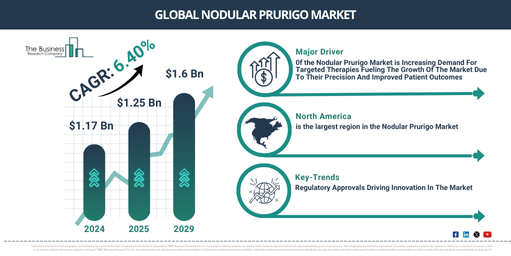
    The market for nodular prurigo has seen a robust expansion in the past few years. The market value is predicted to increase from $1.17 billion in 2024 to $1.25 billion in 2025, boasting a compound annual growth rate (CAGR) of 6.8%. The growth experienced in past years is due to factors such as an increase in dermatology consultations, greater awareness among dermatologists, unsatisfied medical requirements, concentration on academic research, and advancements in diagnostic methodologies.

    What Growth Rate Is Anticipated for the Nodular Prurigo Market in the Coming Years?

    The market for nodular prurigo is anticipated to experience considerable growth in the forthcoming years, predicted to reach $1.6 billion by 2029 with a compound annual growth rate (CAGR) of 6.4%. Factors contributing to this projected growth during the forecast period include the green light for targeted therapies, an escalation in research and development funding for uncommon skin conditions, enhanced patient advocacy and awareness drives, the extension of health insurance and reimbursements, and progress in companion diagnostics and biomarkers. Key trends during this period are anticipated to encompass diagnostics powered by artificial intelligence, modifications at the genetic level, nanotechnology-based drug delivery, innovation in biologics, and the rise of wearable devices for monitoring health.

    Download The Free Sample Report Here:

    https://www.thebusinessresearchcompany.com/sample.aspx?id=24624&type=smp

    Who Are the Leading Companies in the Nodular Prurigo Market?

    Major companies operating in the nodular prurigo market are Merck & Co Inc., Sanofi S.A., GlaxoSmithKline plc, Amgen Inc., Regeneron Pharmaceuticals Inc., Astellas Pharma Inc., Sun Pharmaceutical Industries Limited, Galderma S.A., Galderma Laboratories L.P. , Incyte Corporation, Kyowa Kirin Co Ltd., LEO Pharma A/S, Maruho Co Ltd., Kiniksa Pharmaceuticals Ltd., Keymed Biosciences Co Ltd., Trevi Therapeutics Inc., Fierce Pharma, Menlo Therapeutics Inc., VYNE Therapeutics Inc., Celldex Therapeutics Inc.

    What Are the Key Drivers of the Nodular Prurigo Market?

    The surge in demand for precision medicine, such as targeted therapies, is set to drive the expansion of the nodular prurigo market. Targeted treatments have gained popularity as they concentrate on interrupting specific molecular processes inherent in the proliferation and spread of various diseases. Their appeal stems from their potential to offer more accurate treatments with fewer side effects, facilitating better patient results and offering a substitute for traditional, indiscriminate treatments. The stimulation for the creation of targeted therapies is provided by nodular prurigo due to unmet medical needs relating to distinct immune pathways such as IL-4, IL-13, and IL-31. This permits the application of biologics that accurately inhibit these inflammation signals for more efficient remedies. For example, NHS England, a UK government agency, revealed that in England in October 2023, 11 million hormone replacement therapy (HRT) items were dispensed, representing a 47% rise from 2021–22. Furthermore, approximately 2.3 million patients were given prescriptions, which represents a 29% yearly increase. Consequently, the mounting demand for targeted therapies is catalyzing growth in the nodular prurigo market.

    Request For A Customized Report:

    https://www.thebusinessresearchcompany.com/customise?id=24624&type=smp

    What Are the Key Market Segments in the Nodular Prurigo Industry?

    The nodular prurigo market covered in this report is segmented –

    1) By Type: Chronic Nodular Prurigo, Acute Nodular Prurigo, Subacute Nodular Prurigo

    2) By Treatment Type: Topical Treatments, Systemic Treatments, Phototherapy, Immunosuppressants

    3) By Patient Demographics: Adults, Children, Elderly

    4) By End-User: Hospitals, Homecare, Specialty Clinics, Other End-Users

    Subsegments:

    1) By Chronic Nodular Prurigo: Idiopathic Chronic Nodular Prurigo, Secondary To Dermatologic Conditions, Neuropathic Causes, Systemic Disease-Associated, Psychogenic Prurigo

    2) By Acute Nodular Prurigo: Insect Bite-Induced, Allergic Reactions, Drug-Induced Prurigo, Infectious Triggers

    3) By Subacute Nodular Prurigo: Healing Phase Of Chronic Prurigo, Post-Inflammatory Prurigo, Transient Dermatoses, Reaction To Environmental Irritants

    What Are the Latest Trends in the Nodular Prurigo Market?

    Key market players in the nodular prurigo industry are concentrating on obtaining regulatory nods to broaden their market presence and enhance patient outcomes. This term refers to the official permission given by government or regulatory authorities for the marketing and public use of a particular medical drug, device, or treatment. Take for example, Regeneron Pharmaceuticals Inc., a biotechnology firm based in the US, which was granted FDA approval in September 2022 for Dupixent (dupilumab). This is the sole treatment specifically designated for prurigo nodularis in adults. This endorsement was given following data sourced from two crucial Phase 3 studies (PRIME and PRIME2), showing that Dupixent notably brought down itch and skin lesions compared to placebo. As a result, Dupixent has turned out to be the only drug in the U.S with an approved use for treating prurigo nodularis, thus meeting a significant unfulfilled medical requirement for approximately 75,000 American adults suffering from this condition.

    Access The Full Report Here:

    https://www.thebusinessresearchcompany.com/report/nodular-prurigo-global-market-report

    What Are the Key Regional Markets in the Nodular Prurigo Industry?

    North America was the largest region in the nodular prurigo market in 2024. Asia-Pacific is expected to be the fastest-growing region in the forecast period. The regions covered in the nodular prurigo market report are Asia-Pacific, Western Europe, Eastern Europe, North America, South America, Middle East, Africa.

    Purchase The Full Report Today:

    https://www.thebusinessresearchcompany.com/purchaseoptions.aspx?id=24624

    This Report Delivers Insight On:

    1. How big is the nodular prurigo market, and how is it changing globally?

    2. Who are the major companies in the nodular prurigo market, and how are they performing?

    3. What are the key opportunities and risks in the nodular prurigo market right now?

    4. Which products or customer segments are growing the most in the nodular prurigo market?

    5. What factors are helping or slowing down the growth of the nodular prurigo market?

    About The Business Research Company:

    With over 15000+ reports from 27 industries covering 60+ geographies, The Business Research Company has built a reputation for offering comprehensive, data-rich research and insights. Armed with 1,500,000 datasets, the optimistic contribution of in-depth secondary research, and unique insights from industry leaders, you can get the information you need to stay ahead in the game.

    Get in touch with us:

    The Business Research Company: https://www.thebusinessresearchcompany.com/

    Americas +1 3156230293

    Asia +44 2071930708

    Europe +44 2071930708

    Email us at info@tbrc.info

    Follow us on:

    LinkedIn: https://in.linkedin.com/company/the-business-research-company

    YouTube: https://www.youtube.com/channel/UC24_fI0rV8cR5DxlCpgmyFQ

    Global Market Model: https://www.thebusinessresearchcompany.com/global-market-model
  • Nitrogen Mustards Industry Growth Expected to Reach $4.4 Billion by 2029 at a CAGR of 5.8% | Segmentation and Growth Opportunities

    Nitrogen Mustards Industry Growth Expected to Reach $4.4 Billion by 2029 at a CAGR of 5.8% | Segmentation and Growth Opportunities

    Claim your 30% discount on Global Market Reports with code ONLINE30. Limited time only.

    What Is the Forecast for the Nitrogen Mustards Market Growth in 2025?

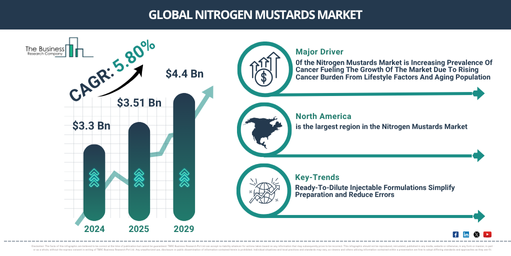
    The market for nitrogen mustards has seen a robust expansion in recent times. It is anticipated to escalate from a value of $3.3 billion in 2024 to $3.51 billion in 2025, with a compound annual growth rate (CAGR) of 6.2%. The historic growth can be credited to the growing incidence of cancer, escalating demand for chemotherapy agents, increased knowledge about cancer treatments, greater spending on healthcare, and the increasing utilization of combination therapies.

    What Is the Forecast for the Nitrogen Mustards Market Size Through 2029?

    The market for nitrogen mustards is predicted to expand significantly in the upcoming years, reaching $4.4 billion in 2029 at a CAGR of 5.8%. This projected growth within the forecast period can be credited to an increased emphasis on targeted cancer therapies, augmented funding for research and development in oncology, approving novel formulations of nitrogen mustards, expanded availability of cancer treatment in emerging markets, and a higher adoption of personalized medicine methodologies. Key prediction trends for the forecast period comprise advancements in medication delivery systems, enhanced formulation methods for improved efficiency, innovative developments in combined chemotherapy protocols, the integration of nitrogen mustards with immunotherapy, and creative strides in pro-drug developmental strategies.

    Download The Free Sample Report Here:

    https://www.thebusinessresearchcompany.com/sample.aspx?id=24622&type=smp

    What are the Key Market Players in Nitrogen Mustards Market and How They’re Evolving?

    Major companies operating in the nitrogen mustards market are Pfizer Inc., Bristol-Myers Squibb Company, Merck & Co. Inc., Baxter International Inc., Fresenius Kabi AG, Jiangsu Hengrui Medicine Co. Ltd., Aurobindo Pharma Limited, Dr. Reddy’s Laboratories Limited, Amneal Pharmaceuticals LLC, Zydus Cadila Healthcare Limited, Zhejiang Hisun Pharmaceutical Co. Ltd., Shilpa Medicare Limited, Spectrum Chemical Manufacturing Corporation, Healthcare Advanced Synthesis, Apexbio Technology LLC, MSN Laboratories Private Limited, Actiza Pharmaceutical Private Limited, Emcure Pharmaceuticals Limited, InvivoChem LLC, NorthStar Rx LLC, ChemNet Group Limited, Saintroy Lifescience

    What Are the Primary Growth Drivers in the Nitrogen Mustards Market?

    The escalating incidence of cancer is anticipated to boost the expansion of the nitrogen mustards market in the future. Cancer refers to a range of illnesses marked by unregulated growth and distribution of abnormal body cells. Contributing lifestyle factors include poor eating habits, smoking, sedentary behavior, and excessive alcohol intake. Nitrogen mustards play an instrumental role in cancer treatment by disrupting the DNA of cancer cells, thus inhibiting their duplication. They amplify the efficacy of treatment through targeted chemotherapy, aiding in the control and reduction of tumor growth. For example, as per the Australian Institute of Health and Welfare, an Australian government body, the count of diagnosed cancer cases in Australia stood at 160,570 in 2022, exhibiting an increase of 3,789 cases from 156,781 in 2021. Consequently, the escalating prevalence of cancer underpins the expansion of the nitrogen mustards market.

    Request For A Customized Report:

    https://www.thebusinessresearchcompany.com/customise?id=24622&type=smp

    What Are the Leading Segments in the Global Nitrogen Mustards Industry?

    The nitrogen mustards market covered in this report is segmented –

    1) By Product Type: Mechlorethamine, Cyclophosphamide, Ifosfamide, Chlorambucil, Melphalan, Other Product Types

    2) By Application: Cancer Treatment, Autoimmune Diseases, Other Applications

    3) By Distribution Channel: Hospitals, Specialty Clinics, Online Pharmacies, Other Distribution Channels

    Subsegments:

    1) By Mechlorethamine: Injectable Formulation, Topical Formulation, Oral Formulation

    2) By Cyclophosphamide: Intravenous (IV) Formulation, Oral Tablets, Extended Release Formulation

    3) By Ifosfamide: Intravenous Formulation, Combination Therapy Formulation

    4) By Chlorambucil: Oral Tablets, Injectable Formulation

    5) By Melphalan: Oral Formulation, Intravenous Formulation, Powder for Injection

    6) By Other Product Types: Oral Formulation, Injectable Formulation, Combination Therapy Formulation

    What Are the Key Market Trends in the Nitrogen Mustards Industry?

    Major players in the nitrogen mustards market are directing their efforts toward inventing sophisticated drug delivery systems, such as ready-to-dilute injectable formulations. These novel developments aim to improve safety and accessibility during treatment. Ready-to-dilute injectable formulations are pre-made liquid medications that can be directly diluted and administered, thereby simplifying the preparation process and minimizing dosage mishaps. An example is the launch, in May 2025, by Apotex Corp. – a pharmaceutical firm based in Canada – of their IVRA (Melphalan) hydrochloride injection of 90 mg/ml in a multidose vial. This ready-to-dilute liquid formulation of Melphalan injection, which got approved via a 505(b)(2) new drug application (NDA) in the US, is an alkylating component purposed for the palliative care of multiple myeloma patients who are unable to receive oral therapy. IVRA controls tumor growth by attaching alkyl groups to the DNA of cancer cells, thereby interrupting their replication and causing cell death.

    Access The Full Report Here:

    https://www.thebusinessresearchcompany.com/report/nitrogen-mustards-global-market-report

    What Is the Regional Outlook for the Nitrogen Mustards Market?

    North America was the largest region in the nitrogen mustards market in 2024. The regions covered in the nitrogen mustards market report are Asia-Pacific, Western Europe, Eastern Europe, North America, South America, Middle East, Africa.

    Purchase The Full Report Today:

    https://www.thebusinessresearchcompany.com/purchaseoptions.aspx?id=24622

    This Report Delivers Insight On:

    1. How big is the nitrogen mustards market, and how is it changing globally?

    2. Who are the major companies in the nitrogen mustards market, and how are they performing?

    3. What are the key opportunities and risks in the nitrogen mustards market right now?

    4. Which products or customer segments are growing the most in the nitrogen mustards market?

    5. What factors are helping or slowing down the growth of the nitrogen mustards market?

    About The Business Research Company:

    With over 15000+ reports from 27 industries covering 60+ geographies, The Business Research Company has built a reputation for offering comprehensive, data-rich research and insights. Armed with 1,500,000 datasets, the optimistic contribution of in-depth secondary research, and unique insights from industry leaders, you can get the information you need to stay ahead in the game.

    Get in touch with us:

    The Business Research Company: https://www.thebusinessresearchcompany.com/

    Americas +1 3156230293

    Asia +44 2071930708

    Europe +44 2071930708

    Email us at info@tbrc.info

    Follow us on:

    LinkedIn: https://in.linkedin.com/company/the-business-research-company

    YouTube: https://www.youtube.com/channel/UC24_fI0rV8cR5DxlCpgmyFQ

    Global Market Model: https://www.thebusinessresearchcompany.com/global-market-model
  • Immunoglobulin Fusion Protein Industry Insights 2025 – Market Forecast for Executives and Planners

    Immunoglobulin Fusion Protein Industry Insights 2025 – Market Forecast for Executives and Planners

    Claim your 30% discount on Global Market Reports with code ONLINE30. Limited time only.

    How Has the Immunoglobulin Fusion Protein Market Size Changed, over the years?

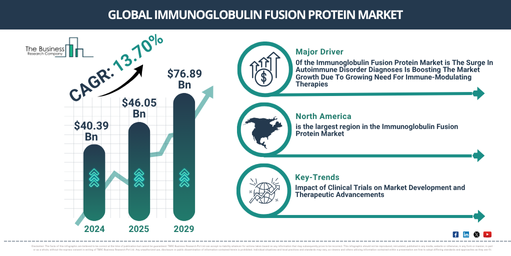
    The market size for immunoglobulin fusion protein has witnessed a quick expansion in the previous few years. The projections indicate its growth from $40.39 billion in 2024 up to $46.05 billion in 2025, with a compound annual growth rate (CAGR) of 14.0%. The growth during the historic period is a consequence of factors such as the rising prevalence of autoimmune diseases, widespread acceptance of biologics, augmented demand for targeted therapies, enhancements in diagnostic capabilities, and expanded investment in biologics research and development.

    How Much Will the Immunoglobulin Fusion Protein Market Be Worth in 2029?

    The market for immunoglobulin fusion protein is projected to experience a swift expansion in the coming years, soaring to $76.89 billion in 2029 with a compound annual growth rate (CAGR) of 13.7%. The surge in growth over this forecast period is due in part to an increasing older population, an uptick in clinical trials for fusion proteins, a higher demand for individualized medicine, regulatory incentives for rare disease drugs, and the upwards trend in home-based immunotherapy treatments. Key market trends for the forecast period include a move towards subcutaneous formulations, the application of artificial intelligence in protein design, the creation of bispecific fusion proteins, collaborations between pharmaceutical and biotech companies, and advancements in protein engineering.

    Download The Free Sample Report Here:

    https://www.thebusinessresearchcompany.com/sample.aspx?id=24568&type=smp

    Which is the Largest Company in the Immunoglobulin Fusion Protein Market?

    Major companies operating in the immunoglobulin fusion protein market are Pfizer Inc., AbbVie Inc., Bayer Aktiengesellschaft, Sanofi S.A., Bristol-Myers Squibb Company, Gilead Sciences Inc., Eli Lilly and Company, Amgen Inc., Teva Pharmaceutical Industries Limited, Regeneron Pharmaceuticals Inc., Sobi, 3SBio Inc., Innovent Biologics Inc., Chengdu Kanghong Pharmaceutical Group Co. Ltd., Samsung Bioepis Co. Ltd., Proteintech Group Inc., KRISHGEN Biosystems, Abnova (Taiwan) Corporation, Celgen Biopharma Inc., Chimerigen Laboratories LLC

    What Are the Main Market Drivers in the Immunoglobulin Fusion Protein Industry?

    The growth of the immunoglobulin fusion protein market is projected to be driven by the rising prevalence of autoimmune disorders. These conditions, in which the body’s immune system mistakenly attacks its own healthy cells and tissues, are increasingly common. This is primarily due to a mix of genetic predisposition and environmental factors, where inherited genes increase an individual’s vulnerability, while triggers like infections or lifestyle influence the onset of these disorders. Immunoglobulin fusion protein aids in handling autoimmune disorders by adjusting the immune response to lessen inflammation and stop the immune system from targeting the body’s own tissues. For example, in November 2024, according to Versorgungsatlas.de, a Germany-based entity, out of 73,241,305 insured persons in 2022, some 6,304,340 were diagnosed with at least a single autoimmune disease, equating to a raw prevalence rate of 8.61%. Consequently, the escalating occurrence of autoimmune disorders is fuelling the growth of the immunoglobulin fusion protein market.

    Request For A Customized Report:

    https://www.thebusinessresearchcompany.com/customise?id=24568&type=smp

    How Is the Immunoglobulin Fusion Protein Market Segments Structured?

    The immunoglobulin fusion protein market covered in this report is segmented –

    1) By Type: Monoclonal Antibodies, Polyclonal Antibodies, Bispecific Antibodies, Recombinant Antibodies

    2) By Drug Class: Immunosuppressive Drugs, Immunostimulatory Drugs

    3) By Mode of Administration: Intravenous, Subcutaneous, Intramuscular

    4) By Application: Autoimmune Disease, Eye Diseases, Diabetes, Hemophilia

    5)By End User: Hospitals, Clinics, Research Institutes

    Subsegments:

    1) By Monoclonal Antibodies: Human Monoclonal Antibodies, Humanized Monoclonal Antibodies, Chimeric Monoclonal Antibodies, Murine Monoclonal Antibodies

    2) By Polyclonal Antibodies: Animal-Derived Polyclonal Antibodies, Human-Derived Polyclonal Antibodies, Recombinant Polyclonal Antibodies

    3) By Bispecific Antibodies: Tandem Single-Chain Variable Fragment, Dual-Variable Domain Antibodies, Bispecific T-Cell Engagers (BiTEs), Dual-Affinity Re-Targeting Antibodies

    4) By Recombinant Antibodies: Fragment Antibodies, Full-Length Recombinant Antibodies, Antibody-Drug Conjugates (ADCs), Engineered Antibody Domains

    What Strategic Trends Are Transforming the Immunoglobulin Fusion Protein Market?

    Leading firms in the immunoglobulin fusion protein market are concentrating their efforts on clinical trials to create innovative products like bispecific antibody fusion protein to amplify therapeutic efficiency and tackle numerous disease pathways. Bispecific antibody fusion protein is a bioengineered molecule capable of binding two disparate targets simultaneously. This enhances targeted therapy by bringing tumor cells and immune cells closer or by obstructing several disease pathways simultaneously. For example, Innovent Biologics, Inc., a biotech company based in China, was granted its second Fast Track Designation from the U.S. Food and Drug Administration in February 2025 for their IBI343, a bispecific antibody fusion protein targeting advanced solid tumors. IBI343 is purposed to concurrently get hold of tumor-associated antigens and immune effector cells, thereby boosting the accuracy and power of anti-tumor immune responses. This designation is anticipated to expedite the clinical development and regulatory assessment of IBI343, indicating its potential to fulfil considerable unresolved medical needs in the field of oncology.

    Access The Full Report Here:

    https://www.thebusinessresearchcompany.com/report/immunoglobulin-fusion-protein-global-market-report

    Which Global Regions Offer the Highest Growth in the Immunoglobulin Fusion Protein Market?

    North America was the largest region in the immunoglobulin fusion proteins market in 2024. Asia-Pacific is expected to be the fastest-growing region in the forecast period. The regions covered in the immunoglobulin fusion protein market report are Asia-Pacific, Western Europe, Eastern Europe, North America, South America, Middle East, Africa.

    Purchase The Full Report Today:

    https://www.thebusinessresearchcompany.com/purchaseoptions.aspx?id=24568

    This Report Delivers Insight On:

    1. How big is the immunoglobulin fusion protein market, and how is it changing globally?

    2. Who are the major companies in the immunoglobulin fusion protein market, and how are they performing?

    3. What are the key opportunities and risks in the immunoglobulin fusion protein market right now?

    4. Which products or customer segments are growing the most in the immunoglobulin fusion protein market?

    5. What factors are helping or slowing down the growth of the immunoglobulin fusion protein market?

    About The Business Research Company:

    With over 15000+ reports from 27 industries covering 60+ geographies, The Business Research Company has built a reputation for offering comprehensive, data-rich research and insights. Armed with 1,500,000 datasets, the optimistic contribution of in-depth secondary research, and unique insights from industry leaders, you can get the information you need to stay ahead in the game.

    Get in touch with us:

    The Business Research Company: https://www.thebusinessresearchcompany.com/

    Americas +1 3156230293

    Asia +44 2071930708

    Europe +44 2071930708

    Email us at info@tbrc.info

    Follow us on:

    LinkedIn: https://in.linkedin.com/company/the-business-research-company

    YouTube: https://www.youtube.com/channel/UC24_fI0rV8cR5DxlCpgmyFQ

    Global Market Model: https://www.thebusinessresearchcompany.com/global-market-model
  • Immunoglobulin A IgA Vasculitis Market Trends Report 2025 – For Business Development and Strategy Teams

    Immunoglobulin A IgA Vasculitis Market Trends Report 2025 – For Business Development and Strategy Teams

    Claim your 30% discount on Global Market Reports with code ONLINE30. Limited time only.

    What Is the Forecast for the Immunoglobulin A IgA Vasculitis Market Growth in 2025?

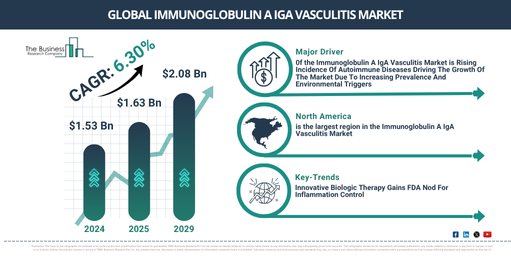
    The market for immunoglobulin a (iga) vasculitis has seen substantial growth in previous years. The size of the market is predicted to expand from $1.53 billion in 2024 to $1.63 billion in 2025, displaying a compound annual growth rate (CAGR) of 6.5%. The historical growth can be credited to factors such as enhanced awareness of IGA vasculitis, an uptick in autoimmune diseases, increased usage of immunosuppressive treatments, heightened funding for research into rare diseases, and the rising preference for targeted therapies.

    What Is the Forecast for the Immunoglobulin A IgA Vasculitis Market Size Through 2029?

    The market size for Immunoglobulin A (IgA) Vasculitis is projected to experience notable growth in the upcoming years, escalating to $2.08 billion by 2029 with a Compound Annual Growth Rate (CAGR) of 6.3%. The rise in this projected period can be linked to an increased use of sophisticated biomarkers, a growing number of comorbidities, an influx of clinical trials, heightened interest in biologics, and a surge in demand for less invasive treatments. Significant trends anticipated during this projection period encompass the integration of precision medicine, advancements in immunosuppressive treatments, the creation of therapies that modify diseases, the evolution of biomarkers for earlier detection, and the inclusion of artificial intelligence in treatment plans.

    Download The Free Sample Report Here:

    https://www.thebusinessresearchcompany.com/sample.aspx?id=24567&type=smp

    What are the Key Market Players in Immunoglobulin A IgA Vasculitis Market and How They’re Evolving?

    Major companies operating in the immunoglobulin a iga vasculitis market are Pfizer Inc., F. Hoffmann-La Roche Ltd, Thermo Fisher Scientific Inc., Novartis AG, Takeda Pharmaceutical Company Limited, Amgen Inc., Indraprastha Medical Corporation Limited, Intas Pharmaceuticals Ltd, Mayo Clinic, Biogen Inc., Chugai Pharmaceutical Co. Ltd., The Cleveland Clinic Foundation, Zydus Lifesciences Limited, CSL Behring, Artemis Medicare Services Limited, Biocad Biotechnology Company, Biotest AG, Kauvery Hospitals Private Limited, Sheikh Shakhbout Medical City, Reliance Life Sciences Pvt. Ltd.

    What Are the Primary Growth Drivers in the Immunoglobulin A IgA Vasculitis Market?

    Increasing cases of autoimmune diseases are likely to boost the expansion of the immunoglobulin A (IgA) vasculitis market in the coming years. Autoimmune diseases are those where the body’s immune system mistakenly harms its own healthy cells, tissues, or organs instead of offering protection against infections and foreign intruders. The escalating occurrence of these disorders is mainly linked to mounting exposure to pollutants, which could lead to a disturbance in immune regulation and provoke abnormal reactions. IgA vasculitis plays a significant role in autoimmune diseases by activating an immune response that results in inflammation in small blood vessels, which can assist in the comprehension and potential treatment of numerous autoimmune conditions. As an example, in November 2024, as per the data from Versorgungsatlas.de, a Germany-based establishment, out of 73,241,305 insured persons in 2022, 6,304,340 were found with at least one autoimmune disease, translating to a raw prevalence rate of 8.61%. Hence, the escalating rate of autoimmune diseases is contributing to the expansion of the IgA vasculitis market. Additionally, the escalating emphasis on targeted therapies is anticipated to fuel the expansion of the IgA vasculitis market. Targeted therapies are treatment methods that exclusively focus on and suppress molecular abnormalities in cancers or other diseases to enhance precision of treatment and minimize harm to healthy cells. The heightened attention towards targeted therapies is predominantly driven by the enhancements in precision medicine, which facilitates customized, more impactful treatments based on individual genetic profiles. Targeted therapies support IgA vasculitis treatment by centering on specific immune pathways, limiting systemic side effects. They enhance disease control by mitigating inflammation and averting damage to organs, improving patient results and living standards. For example, in December 2024, according to the American Society of Gene and Cell Therapy (ASGCT), a not-for-profit medical and scientific establishment in the US, the Food and Drug Administration (FDA) gave their approval for six gene therapy products in 2023, an increase from five approvals in 2022. Hence, the ascending emphasis on targeted therapies is propelling the expansion of the IgA vasculitis market.

    Request For A Customized Report:

    https://www.thebusinessresearchcompany.com/customise?id=24567&type=smp

    What Are the Leading Segments in the Global Immunoglobulin A IgA Vasculitis Industry?

    The immunoglobulin a iga vasculitis market covered in this report is segmented –

    1) By Treatment Type: Medications, Plasma Exchange, Supportive Care, Immunosuppressive Therapy

    2) By Diagnosis Method: Blood Tests, Urinalysis, Imaging Studies, Biopsy

    3) By Route Of Administration: Oral, Injectables, Intravenous

    4) By End User: Hospitals, Specialty Clinics, Homecare Settings

    Subsegments:

    1) By Medications: Corticosteroids, Immunosuppressants, Cyclophosphamide, Azathioprine, Mycophenolate Mofetil

    2) By Plasma Exchange: Therapeutic Plasma Exchange, Plasma Filtration

    3) By Supportive Care: Pain Management, Kidney Function Support, Blood Pressure Management

    4) By Immunosuppressive Therapy: Methotrexate, Rituximab, Cyclophosphamide

    What Are the Key Market Trends in the Immunoglobulin A IgA Vasculitis Industry?

    Major firms within the IgA vasculitis market are focusing on creating new treatment approaches, such as targeted biologics and immunomodulators, to alleviate inflammation and inhibit renal complications. These advanced therapeutic methods modulate specific immune pathways to alleviate inflammation and prevent immune-related damage in IgA vasculitis. For example, in April 2025, Novartis AG, a pharmaceutical company based in Switzerland, was granted approval by the U.S. Food and Drug Administration (FDA) for their product, Vanrafia (atrasentan), aimed at treating primary IgA nephropathy (IgAN). Vanrafia is an oral, daily-administered, selective endothelin A receptor antagonist designed to reduce proteinuria in adults with primary IgAN who are susceptible to rapid disease progression. It can seamlessly incorporate into existing supportive care routines without necessitating a risk evaluation and mitigation strategy (REMS).

    Access The Full Report Here:

    https://www.thebusinessresearchcompany.com/report/immunoglobulin-a-iga-vasculitis-global-market-report

    What Is the Regional Outlook for the Immunoglobulin A IgA Vasculitis Market?

    North America was the largest region in the immunoglobulin A (IgA) vasculitis market in 2024. Asia-Pacific is expected to be the fastest-growing region in the forecast period. The regions covered in the immunoglobulin a iga vasculitis market report are Asia-Pacific, Western Europe, Eastern Europe, North America, South America, Middle East, Africa.

    Purchase The Full Report Today:

    https://www.thebusinessresearchcompany.com/purchaseoptions.aspx?id=24567

    This Report Delivers Insight On:

    1. How big is the immunoglobulin a iga vasculitis market, and how is it changing globally?

    2. Who are the major companies in the immunoglobulin a iga vasculitis market, and how are they performing?

    3. What are the key opportunities and risks in the immunoglobulin a iga vasculitis market right now?

    4. Which products or customer segments are growing the most in the immunoglobulin a iga vasculitis market?

    5. What factors are helping or slowing down the growth of the immunoglobulin a iga vasculitis market?

    About The Business Research Company:

    With over 15000+ reports from 27 industries covering 60+ geographies, The Business Research Company has built a reputation for offering comprehensive, data-rich research and insights. Armed with 1,500,000 datasets, the optimistic contribution of in-depth secondary research, and unique insights from industry leaders, you can get the information you need to stay ahead in the game.

    Get in touch with us:

    The Business Research Company: https://www.thebusinessresearchcompany.com/

    Americas +1 3156230293

    Asia +44 2071930708

    Europe +44 2071930708

    Email us at info@tbrc.info

    Follow us on:

    LinkedIn: https://in.linkedin.com/company/the-business-research-company

    YouTube: https://www.youtube.com/channel/UC24_fI0rV8cR5DxlCpgmyFQ

    Global Market Model: https://www.thebusinessresearchcompany.com/global-market-model

  • Nexletol Industry Valued at $5.35 Billion by 2029 With CAGR of 13.6% | Size and Share Insights

    Claim your 30% discount on Global Market Reports with code ONLINE30. Limited time only.

    What Is the Forecast for the Nexletol Market from 2024 to 2025?

    The market for nexletol has experienced a swift expansion in the past years. It’s anticipated to escalate from $2.81 billion in 2024 to about $3.21 billion in 2025, boasting a compound annual growth rate (CAGR) of 14.0%. The remarkable growth during the historical period was a result of the growing prevalence of hypercholesterolemia, a surge in the awareness about cardiovascular risks alongside an increased demand for alternatives to statins. The rise in cases of statin intolerance, together with an upsurge in the usage of oral lipid-reducing therapies, are also primary contributors to this growth.

    What Is the Projected Market Size of the Nexletol Market?

    The nexletol market is projected to see a substantial increase in the coming years, rising to an expected $5.35 billion in 2029, with a compound annual growth rate (CAGR) of 13.6%. The projected growth during this period can be credited to a greater emphasis on preventive health services, a rising incidence of dyslipidemia, a heightened usage of digital health solutions, expanding global market accessibility, and an increase in clinical approvals and expansions of labels. Key trends for the forecast period encompass advancements in integrating digital health for distant patient monitoring, the creation of triple mix therapies for improved LDL-C reduction, breakthroughs in personalized medicine for customizing cholesterol treatments, incorporation of telemedicine platforms to broaden patient access, and advanced clinical trials endorsing expanded label indications.

    Download The Free Sample Report Here:

    https://www.thebusinessresearchcompany.com/sample.aspx?id=24621&type=smp

    Who are the Major Competitors in the Nexletol Market Outlook?

    Major companies operating in the nexletol market are Johnson & Johnson, Merck & Co. Inc., AbbVie Inc., Bayer AG, Sanofi S.A., Bristol-Myers Squibb Company, AstraZeneca PLC, Novartis AG, GlaxoSmithKline plc, Eli Lilly and Company, Amgen Inc., Teva Pharmaceutical Industries Ltd., Daiichi Sankyo Company Limited, Sun Pharmaceutical Industries Limited, Menarini Group, Dr. Reddy’s Laboratories Limited, Zydus Lifesciences Limited, Divi’s Laboratories Limited, Esperion Therapeutics Inc., Neopharm Inc.

    What Is Fueling Growth in the Nexletol Market?

    The nexletol market is projected to expand due to the rising instances of cardiovascular diseases. These diseases encompass a range of disorders affecting the heart and blood vessels, inclusive of conditions like coronary artery disease, heart failure, and stroke. The growth in cardiovascular diseases can be attributed to increasingly inactive lifestyles, which often result in weight gain, metabolic disorders, and elevated blood pressure – all contributing to heightened risk of heart disease. Nexletol provides a significant advantage in the battle against cardiovascular diseases by lowering low-density lipoprotein (LDL) cholesterol levels. This reduction mitigates the accumulation of plaque in arteries, thereby decreasing the risk of heart attacks and other cardiovascular incidents. For example, a report published by the American Heart Association, a nonprofit organization based in the US, divulged that there had been 941,652 deaths due to cardiovascular disease (CVD) in the United States in January 2025. This figure represents over a 10,000 increase when compared to the 931,578 CVD-related deaths reported for 2021. Consequently, the escalating instances of cardiovascular diseases will power the growth of the nexletol market.

    Request For A Customized Report:

    https://www.thebusinessresearchcompany.com/customise?id=24621&type=smp

    Which Nexletol Market Segments Are Growing the Fastest?

    The nexletol market covered in this report is segmented –

    1) By Type: 180mg, Other Types

    2) By Administration Route: Oral, Injectable, Intravenous

    3) By Indication: Hyperlipidemia, Atherosclerosis, Cardiovascular Disease

    4) By End User: Hospitals, Clinics, Homecare Settings

    Subsegments:

    1) By 180 mg: Prescription-based, Over-The-Counter (OTC), Hospital or clinic use, Long-Term care facilities use

    2) By Other Types: 40 mg, 80 mg, Other doses

    Which Industry Trends Are Shaping the Future of the Nexletol Market?

    Key players in the nexletol marketplace are striving to innovate and create advanced solutions such as non-statin treatments as a new way to decrease cholesterol or manage cardiovascular risk, freeing patients from having to rely on statin medications. To illustrate, Esperion Therapeutics, a US pharmaceutical enterprise, announced in August 2022 that the American College of Cardiology (ACC) had endorsed its drug bempedoic acid (NEXLETOL). The ACC highlighted the importance of the drug as it introduces a significant oral non-statin method for lowering LDL-cholesterol (LDL-C) when dealing with atherosclerotic cardiovascular disease (ASCVD). The ACC’s Task Force on Expert Consensus Decision Pathways (ECDP) provided the endorsement, emphasizing the value of bempedoic acid for patients who cannot endure statins and solidifying its emergent importance in the field of cardiovascular healthcare.

    Access The Full Report Here:

    https://www.thebusinessresearchcompany.com/report/nexletol-global-market-report

    Which Countries Are Leading the Nexletol Market?

    North America was the largest region in the nexletol market in 2024. The regions covered in the nexletol market report are Asia-Pacific, Western Europe, Eastern Europe, North America, South America, Middle East, Africa.

    Purchase The Full Report Today:

    https://www.thebusinessresearchcompany.com/purchaseoptions.aspx?id=24621

    This Report Delivers Insight On:

    1. How big is the nexletol market, and how is it changing globally?

    2. Who are the major companies in the nexletol market, and how are they performing?

    3. What are the key opportunities and risks in the nexletol market right now?

    4. Which products or customer segments are growing the most in the nexletol market?

    5. What factors are helping or slowing down the growth of the nexletol market?

    About The Business Research Company:

    With over 15000+ reports from 27 industries covering 60+ geographies, The Business Research Company has built a reputation for offering comprehensive, data-rich research and insights. Armed with 1,500,000 datasets, the optimistic contribution of in-depth secondary research, and unique insights from industry leaders, you can get the information you need to stay ahead in the game.

    Get in touch with us:

    The Business Research Company: https://www.thebusinessresearchcompany.com/

    Americas +1 3156230293

    Asia +44 2071930708

    Europe +44 2071930708

    Email us at info@tbrc.info

    Follow us on:

    LinkedIn: https://in.linkedin.com/company/the-business-research-company

    YouTube: https://www.youtube.com/channel/UC24_fI0rV8cR5DxlCpgmyFQ

    Global Market Model: https://www.thebusinessresearchcompany.com/global-market-model

  • Market Analysis on Hypoprothrombinemia Treatment Industry – Insights for Corporate Strategy and R&D

    Claim your 30% discount on Global Market Reports with code ONLINE30. Limited time only.

    What Is the Forecast for the Hypoprothrombinemia Treatment Market from 2024 to 2025?

    In recent times, the hypoprothrombinemia treatment market has witnessed a significant expansion. The market’s value, expected to increase from $1.39 billion in 2024 to $1.52 billion in 2025, demonstrates a compound annual growth rate (CAGR) of 9.0%. The growth observed in the previous years could be linked to the rising prevalence of liver diseases, increasing instances of malabsorption syndromes, enhanced focus on coagulation disorders in critical care, improved awareness about bleeding disorders and a rise in the cases of vitamin K deficiency.

    What Is the Projected Market Size of the Hypoprothrombinemia Treatment Market?

    The market for hypoprothrombinemia treatment is forecasted to experience significant growth in the years to come. Its predictions show a growth to $2.12 billion by 2029, with a compound annual growth rate (CAGR) of 8.7%. The growth during this period is expected to be driven by an increase in the number of bleeding disorder cases, a surge in the demand for treatments that can be administered at home, advancement in healthcare facilities, the rise in specialized clinics and centers dedicated to hematology, and an increase in the application of personalized medicine. Key trends for this forecast period consist of progress in recombinant coagulation factors, genetic profiling and personalized medicine, innovative drug delivery systems, technologies for point-of-care diagnosis, artificial intelligence (AI), and data analysis.

    Download The Free Sample Report Here:

    https://www.thebusinessresearchcompany.com/sample.aspx?id=24566&type=smp

    Who are the Major Competitors in the Hypoprothrombinemia Treatment Market Outlook?

    Major companies operating in the hypoprothrombinemia treatment market are Pfizer Inc., F. Hoffmann-La Roche AG, Merck & Co. Inc, Sanofi S.A., AstraZeneca, Abbott, GlaxoSmithKline, Takeda Pharmaceuticals, Novo Nordisk A/S, Teva Pharmaceuticals, CSL Limited, Baxter International Inc., Fresenius Kabi AG, Grifols S.A., Sun Pharmaceutical Industries Ltd., Octapharma AG, Dr. Reddy’s Laboratories, Pharmascience Inc., Amphastar Pharmaceuticals Inc., Pharma Cure Laboratories

    What Is Fueling Growth in the Hypoprothrombinemia Treatment Market?

    The surge in bleeding disorders is foreseen to propel the expansion of the hypoprothrombinemia treatment market. These disorders, which cause the blood to clot inadequately, leading to excessive or sustained bleeding, are becoming more prevalent due to advanced diagnostic techniques and higher awareness levels, resulting in more precise identification and reporting. Hypoprothrombinemia treatment replenishes deficient prothrombin levels to restore a patient’s blood clotting capacity. As an example, the BMC Health Services Research reported in November 2024 that between April 2022 and March 2023, there were 6,662 males identified with hemophilia A in the UK, and 2,421 were treated with either factor replacement therapy or emicizumab. During the same period, 1,342 males were diagnosed with hemophilia B, 479 of whom were treated with factor replacement therapy. Consequently, this rising incidence of bleeding disorders is anticipated to fuel the growth of the hypoprothrombinemia treatment market. The Anticipated Upward Trajectory Of The Market Due To The Use Of Cost-Effective Biosimilars

    Request For A Customized Report:

    https://www.thebusinessresearchcompany.com/customise?id=24566&type=smp

    Which Hypoprothrombinemia Treatment Market Segments Are Growing the Fastest?

    The hypoprothrombinemia treatment market covered in this report is segmented –

    1) By Type: Type I Deficiency Treatment, Type II Deficiency Treatment

    2) By Drug Type: Vitamin K, Fresh Frozen Plasma, Prothrombin Complex Concentrates, Recombinant Prothrombin

    3) By Indication Based: Vitamin K Deficiency, Liver Diseases, Cirrhosis, Hepatitis, Anticoagulant related Hypoprothrombinemia, Genetic Disorders, Malabsorption Syndromes

    4) By Drug Delivery Method: Oral Delivery, Injectable Delivery, Intravenous, Intramuscular, Transfusion Based Delivery

    5) By End User: Hospitals, Speciality Clinics, Homecare Settings

    Subsegment:

    1) By Type I Deficiency Treatment: Prothrombin Complex Concentrates (PCCs), Fresh Frozen Plasma (FFP), Recombinant Prothrombin, Plasma-derived Coagulation Factors

    2) By Type II Deficiency Treatment: Vitamin K Therapy, Warfarin Reversal Agents, Liver Function Supportive Therapy, Anticoagulant Adjustment Therapies

    Which Industry Trends Are Shaping the Future of the Hypoprothrombinemia Treatment Market?

    Large firms in the hypoprothrombinemia treatment space are concentrating on developing original treatments, like the non-activated four-factor prothrombin complex concentrate, with an intention to quickly boost clotting factor levels and minimize bleeding hazards for individuals needing immediate reversal of anticoagulation. The non-activated four-factor prothrombin complex concentrate (4F-PCC), a plasma-based therapy inclusive of clotting factors II, VII, IX, and X, is utilized to promptly counteract the effects of vitamin K antagonists and also to address bleeding issues synonymous with hypoprothrombinemia. To illustrate, Octapharma USA, a subsidiary of Octapharma AG based in the US, initiated Balfaxar in January 2024 – a recently FDA-endorsed non-activated four-factor prothrombin complex concentrate (4F-PCC). This treatment, which is rich in both vital vitamin K-reliant clotting factors and antithrombotic proteins, is a significant development in the management of hypoprothrombinemia.

    Access The Full Report Here:

    https://www.thebusinessresearchcompany.com/report/hypoprothrombinemia-treatment-global-market-report

    Which Countries Are Leading the Hypoprothrombinemia Treatment Market?

    North America was the largest region in the hypoprothrombinemia treatment market in 2024. Asia-Pacific is expected to be the fastest-growing region in the forecast period. The regions covered in the hypoprothrombinemia treatment market report are Asia-Pacific, Western Europe, Eastern Europe, North America, South America, Middle East, Africa.

    Purchase The Full Report Today:

    https://www.thebusinessresearchcompany.com/purchaseoptions.aspx?id=24566

    This Report Delivers Insight On:

    1. How big is the hypoprothrombinemia treatment market, and how is it changing globally?

    2. Who are the major companies in the hypoprothrombinemia treatment market, and how are they performing?

    3. What are the key opportunities and risks in the hypoprothrombinemia treatment market right now?

    4. Which products or customer segments are growing the most in the hypoprothrombinemia treatment market?

    5. What factors are helping or slowing down the growth of the hypoprothrombinemia treatment market?

    About The Business Research Company:

    With over 15000+ reports from 27 industries covering 60+ geographies, The Business Research Company has built a reputation for offering comprehensive, data-rich research and insights. Armed with 1,500,000 datasets, the optimistic contribution of in-depth secondary research, and unique insights from industry leaders, you can get the information you need to stay ahead in the game.

    Get in touch with us:

    The Business Research Company: https://www.thebusinessresearchcompany.com/

    Americas +1 3156230293

    Asia +44 2071930708

    Europe +44 2071930708

    Email us at info@tbrc.info

    Follow us on:

    LinkedIn: https://in.linkedin.com/company/the-business-research-company

    YouTube: https://www.youtube.com/channel/UC24_fI0rV8cR5DxlCpgmyFQ

    Global Market Model: https://www.thebusinessresearchcompany.com/global-market-model

  • Neutralizing Antibody Market to Reach $401.16 Billion by 2029 | Key Drivers and Future Outlook

    Neutralizing Antibody Market to Reach $401.16 Billion by 2029 | Key Drivers and Future Outlook

    Claim your 30% discount on Global Market Reports with code ONLINE30. Limited time only.

    What Is the Growth Rate of the Neutralizing Antibody Market?

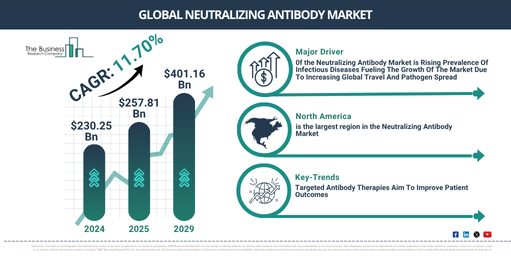
    In recent times, the market size for neutralizing antibodies has experienced a significant expansion. It is expected to develop from a value of $230.25 billion in 2024 up to $257.81 billion in 2025, with a compound annual growth rate (CAGR) of 12.0%. This surge during the historic period can be traced back to factors such as an increase in the approval of biologics, a growing investment in antibody research, an escalating prevalence of perennial viral infections, a higher consciousness about immunotherapy, and a rise in healthcare expenditure.

    What Growth Rate Is Forecasted for the Neutralizing Antibody Market by 2029?

    The market size of neutralizing antibodies is poised to experience a swift surge in the coming years, with projections suggesting it will reach $401.16 billion in 2029, boasting a compound annual growth rate (CAGR) of 11.7%. The escalation during this forecast period can be traced back to the augmenting incidence of novel infectious diseases, elevation in autoimmune disorders, the evolving pipeline for antibody-based therapeutic measures, the mounting requirement for precision medicine, and a spike in the demand for targeted therapies. The forecast period also witnesses some major trends such as a tilt towards bispecific and multispecific antibodies, the application of artificial intelligence (AI) in the discovery of antibodies, progression in antibody-drug conjugates, the expanding usage of plant-production of antibodies, and an increase in customized immunotherapies.

    Download The Free Sample Report Here:

    https://www.thebusinessresearchcompany.com/sample.aspx?id=24620&type=smp

    Which Key Companies Are Shaping the Future of the Neutralizing Antibody Market?

    Major companies operating in the neutralizing antibody market are Pfizer Inc., Johnson & Johnson, Roche Holding AG, Merck & Co. Inc., AstraZeneca PLC, Sanofi SA, GlaxoSmithKline plc, Eli Lilly and Company, Regeneron Pharmaceuticals Inc., GeNext Genomics, Celltrion Healthcare Co. Ltd, BeiGene Ltd, AbCellera Biologics Inc., BMC Pharmacology and Toxicology, Anthos Therapeutics, Immunome Inc., Sorrento Therapeutics Inc., Tonix Pharmaceuticals, Abwiz Bio, AXIM Biotechnologies.

    Which Factors Are Driving Demand in the Neutralizing Antibody Industry?

    The growth of the neutralizing antibody market is projected to be driven by the increasing occurrence of infectious diseases. These diseases, which are caused by harmful organisms like bacteria, viruses, fungi, or parasites, can be transmitted either directly or indirectly from one individual to another. The surge in infectious diseases can be attributed to increased travel, which allows disease-causing pathogens to swiftly penetrate borders. Neutralizing antibodies contribute to the treatment of infectious diseases by accurately identifying and neutralizing pathogens, thus acting as an effective barrier against disease progression. They enhance patient prognosis by delivering accurate and prompt immune response. For example, the UK Health Security Agency, a UK government institution, reported in February 2024 that tuberculosis cases (a transmittable bacterial infection mainly impacting the lungs) in England increased by 10.7% from 4,380 in 2022 to 4,850 in 2023. Consequently, the escalating occurrence of infectious diseases is fostering the growth of the neutralizing antibody market.

    Request For A Customized Report:

    https://www.thebusinessresearchcompany.com/customise?id=24620&type=smp

    How Is the Neutralizing Antibody Market Segmented by Several Divisions?

    The neutralizing antibody market covered in this report is segmented –

    1) By Antibody Type: Monoclonal Antibodies, Polyclonal Antibodies

    2) By Target Virus: SARS-CoV-2 (COVID-19), Human Immunodeficiency Viruses (HIV), Influenza, Ebola, Zika, Hepatitis C, Other Target Viruses

    3) By Distribution Channel: Direct Sales To End-Users, Distributors, Online Retail, Other Distribution Channels

    4) By Application: Therapeutics, Diagnostics, Research And Development

    5) By End User: Hospitals And Clinics, Research Institutes, Diagnostic Laboratories, Pharmaceutical Companies, Other End Users

    Subsegments:

    1) By Monoclonal Antibodies: Fully Human Monoclonal Antibodies, Humanized Monoclonal Antibodies, Chimeric Monoclonal Antibodies, Murine Monoclonal Antibodies

    2) By Polyclonal Antibodies: Animal-Derived Polyclonal Antibodies, Recombinant Polyclonal Antibodies, Human Polyclonal Antibody Preparations

    What are the Emerging Market Trends Driving the Growth of the Neutralizing Antibody Industry?

    Key players in the neutralizing antibody market are concentrating their efforts on creating cutting-edge therapeutic methods like targeted therapies, with the aim to effectively neutralize viruses and inhibit their invasion into human cells, therefore battling infectious diseases. Targeted therapies are treatments that aim specifically at molecular markers or pathways that contribute to the expansion and survival of disease-inducing cells, like cancer cells or viruses. For example, Eli Lilly and Company, an American pharmaceutical firm, was granted an Emergency Use Authorization (EUA) by the U.S. Food and Drug Administration (FDA) for Bebtelovimab, a neutralizing monoclonal antibody therapy specifically for COVID-19, in February 2022. Bebtelovimab is formulated to address mild to moderate COVID-19 in patients who are susceptible to advancing to severe illness, encompassing hospitalization or death. This approval facilitates expedient treatment in the face of rising viral variants, thereby promoting strategies to lessen disease severity and enhance patient prognosis.

    Access The Full Report Here:

    https://www.thebusinessresearchcompany.com/report/neutralizing-antibody-global-market-report

    Which Regions Are Driving Growth in the Neutralizing Antibody Market?

    North America was the largest region in the neutralizing antibody market in 2024. Asia-Pacific is expected to be the fastest-growing region in the forecast period. The regions covered in the neutralizing antibody market report are Asia-Pacific, Western Europe, Eastern Europe, North America, South America, Middle East, Africa.

    Purchase The Full Report Today:

    https://www.thebusinessresearchcompany.com/purchaseoptions.aspx?id=24620

    This Report Delivers Insight On:

    1. How big is the neutralizing antibody market, and how is it changing globally?

    2. Who are the major companies in the neutralizing antibody market, and how are they performing?

    3. What are the key opportunities and risks in the neutralizing antibody market right now?

    4. Which products or customer segments are growing the most in the neutralizing antibody market?

    5. What factors are helping or slowing down the growth of the neutralizing antibody market?

    About The Business Research Company:

    With over 15000+ reports from 27 industries covering 60+ geographies, The Business Research Company has built a reputation for offering comprehensive, data-rich research and insights. Armed with 1,500,000 datasets, the optimistic contribution of in-depth secondary research, and unique insights from industry leaders, you can get the information you need to stay ahead in the game.

    Get in touch with us:

    The Business Research Company: https://www.thebusinessresearchcompany.com/

    Americas +1 3156230293

    Asia +44 2071930708

    Europe +44 2071930708

    Email us at info@tbrc.info

    Follow us on:

    LinkedIn: https://in.linkedin.com/company/the-business-research-company

    YouTube: https://www.youtube.com/channel/UC24_fI0rV8cR5DxlCpgmyFQ

    Global Market Model: https://www.thebusinessresearchcompany.com/global-market-model