Month: June 2025

  • Major Trends and Emerging Patterns in the Valley Fever Market: Innovative Vaccine Development Advancing Protection Against Fungal Infections

    Major Trends and Emerging Patterns in the Valley Fever Market: Innovative Vaccine Development Advancing Protection Against Fungal Infections

    Discover trends, market shifts, and competitive outlooks for the valley fever industry through 2025-2034 with The Business Research Company’s reliable data and in-depth research

    How Has the Valley Fever Market Growth Performance Trended Historically, And What Lies Ahead?

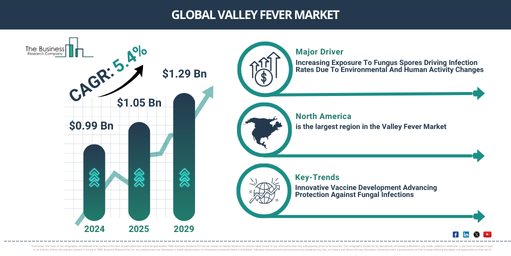
    The market size for valley fever has exhibited strong growth in the recent past. It is anticipated to surge from $0.99 billion in 2024 to $1.05 billion in 2025, with a compound annual growth rate (CAGR) of 5.8%. The historical growth can be ascribed to the escalating effects of climate change, which drive the dispersal of fungi, enhanced research funding for Valley Fever therapies, increased investment in healthcare, a growing need for specialized diagnostic labs, and a surging incidence rate of Valley Fever in non-endemic regions.

    In the upcoming years, the market size of valley fever is predicted to encounter substantial growth, projecting to reach $1.29 billion by 2029, with a 5.4% compound annual growth rate (CAGR). This anticipated expansion in the forecast period is influenced by multiple factors such as the amplified adoption of telemedicine, escalation in antifungal resistance research, increase in funding dedicated to vaccine development, population migration across areas of high risk, and the escalating availability of antifungal treatments. Key trends to watch during this forecast period encompass technological advancements, demand for antifungal drugs, development of vaccines, application of telemedicine, and international teamwork.

    Download a free sample to assess the report’s scope and structure:

    https://www.thebusinessresearchcompany.com/sample.aspx?id=22166&type=smp

    What Are the Primary Drivers Supporting the Market Growth of the Valley Fever Market?

    An increase in exposure to fungus spores is anticipated to be a key driver in the growth of the valley fever market. These microscopic spores, released by fungi, have the ability to disperse through air, water, or surfaces, facilitating growth and reproduction in new areas. Activities such as deforestation and shift in weather patterns are causing heightened exposure to these spores, disturbing soil and stimulating spore release. This raises infection risks like valley fever, specifically in dry areas favorable to the coccidioides fungus. Therapies for valley fever lessen symptoms, avert complications, and manage fungal development, substantially helping those exposed and enhancing their quality of life and recovery. For instance, the International Society for Infectious Diseases indicated that around 6.5 million people are impacted by invasive fungal infections annually as of September 2024, resulting in nearly 3.8 million deaths, with about 2.5 million directly associated with these infections. Thus, the increasing exposure to fungal spores significantly fuels the valley fever market’s growth. Growth in healthcare facilities, as a result of medical technology advancements, is also contributing to the growth of the valley fever market. Healthcare facilities, essential for delivering effective healthcare services, are expanding owing to the advancement in medical technology. Innovations such as telemedicine, robotic surgical procedures, and AI-powered diagnostics necessitate improved facilities, specialist equipment, and superior healthcare delivery systems, enhancing patient outcomes and efficiency. These facilities aid in the early diagnosis of valley fever, provide antifungal treatments, educate patients, and offer continual care to manage symptoms and prevent complications. For example, the American Hospital Association reported an increase in the total number of hospitals in the United States from 6,093 in 2022 to 6,120 in 2024. Therefore, the growing healthcare infrastructure significantly propels the expansion of the valley fever market.

    Which Primary Segments of the Valley Fever Market Are Driving Growth and Industry Transformations?

    The valley fever market covered in this report is segmented –

    1) By Types Of Treatment: Fluconazole, Itraconazole, Voriconazole, Posaconazole, Others Types Of Treatment

    2) By Site Of Infection: Skin, Lungs, Liver, Bones, Heart, Brain, Membranes That Surround The Brain And Spinal Cord, Other Sites Of Infection

    3) By End-Users: Human, Cattle, Sheep And Goats, Camel, Other End-Users

    Subsegmentss:

    1) By Fluconazole Type: Oral Fluconazole, Intravenous Fluconazole

    2) By Itraconazole Type: Capsule Itraconazole, Oral Solution Itraconazole

    3) By Voriconazole Type: Oral Voriconazole, Intravenous Voriconazole

    4) By Posaconazole Type: Oral Suspension Posaconazole, Delayed-Release Tablets Posaconazole, Intravenous Posaconazole

    5) By Other Treatment Types: Combination Therapy, Adjunctive Therapy

    Request customized data on this market:

    https://www.thebusinessresearchcompany.com/customise?id=22166&type=smp

    Which Regions Are Key Players in the Growth of the #What Are the Primary Drivers Supporting the Market Growth of the Valley Fever Market?# Market?

    North America was the largest region in the valley fever market in 2024. The regions covered in the valley fever market report are Asia-Pacific, Western Europe, Eastern Europe, North America, South America, Middle East, Africa.

    What Are the Most Significant Market Trends in the Valley Fever Market?

    Leading firms in the valley fever market are concentrating on the creation of novel vaccines for valley fever in response to the escalating menace of fungal infections. These vaccines, developed using cutting-edge scientific and manufacturing processes, are designed to enhance public health and safety. For example, Anivive Lifesciences Inc., a US-based pet pharmaceutical firm, secured a contract in August 2024 valued at up to $33 million from the National Institute of Allergy and Infectious Diseases (NIAID), a government agency in the US, geared towards the development of a human Valley Fever vaccine. This financial backing will aid additional production, formulation, comprehensive safety evaluations, and a Phase 1 clinical trial, with the goal of delivering the first-ever vaccine to counter a severe systemic fungal infection.

    View the full report here:

    https://www.thebusinessresearchcompany.com/report/valley-fever-global-market-report

    What Parameters Are Used to Define the Valley Fever Market?

    Valley fever, also called coccidioidomycosis, is a fungal infection that primarily affects the lungs and can cause symptoms such as cough, fever, fatigue, and chest pain, with some cases resulting in severe complications. It is caused by inhaling airborne spores of the coccidioides fungi, which are commonly present in dry, dusty soil and can become airborne when the soil is disturbed.

    Purchase the full report and get a swift delivery:

    https://www.thebusinessresearchcompany.com/purchaseoptions.aspx?id=22166

    About The Business Research Company:

    With over 15000+ reports from 27 industries covering 60+ geographies, The Business Research Company has built a reputation for offering comprehensive, data-rich research and insights. Armed with 1,500,000 datasets, the optimistic contribution of in-depth secondary research, and unique insights from industry leaders, you can get the information you need to stay ahead in the game.

    Get in touch with us:

    The Business Research Company: https://www.thebusinessresearchcompany.com/

    Americas +1 3156230293

    Asia +44 2071930708

    Europe +44 2071930708

    Email us at info@tbrc.info

    Follow us on:

    LinkedIn: https://in.linkedin.com/company/the-business-research-company

    YouTube: https://www.youtube.com/channel/UC24_fI0rV8cR5DxlCpgmyFQ

    Global Market Model: https://www.thebusinessresearchcompany.com/global-market-model
  • Emerging Trends Redefining the Tibial Bearings Market Landscape: Advancements In Tibial Cones For Enhanced Knee Revision Surgeries

    Emerging Trends Redefining the Tibial Bearings Market Landscape: Advancements In Tibial Cones For Enhanced Knee Revision Surgeries

    Discover trends, market shifts, and competitive outlooks for the tibial bearings industry through 2025-2034 with The Business Research Company’s reliable data and in-depth research

    What Are the Key Projections for the CAGR of the Tibial Bearings Market Size From 2025 to 2034?

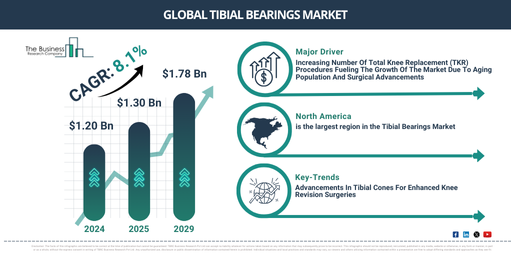
    The market for tibial bearings has witnessed significant growth in the recent past. Projected growth from $1.20 billion in 2024 to $1.30 billion in 2025, at a Compound Annual Growth Rate (CAGR) of 8.5%, indicates a strong upward trend. This historical market growth has been driven by a rise in total knee replacement (TKR) procedures, an increasing incidence of obesity, a surge in sedentary lifestyles, growth in disposable income, and an upward pressuring demand for knee implants.

    Expectations are high for the tibial bearings market as it’s projected to significantly expand in the upcoming years. By 2029, the market could be worth an estimated $1.78 billion, achieving an 8.1% compound annual growth rate (CAGR). The anticipated market expansion during the forecast period is driven by factors such as an aging population, increasing instances of arthritis and osteoporosis, evolving demands for individualized and patient-specific implants, higher infection rates, and the growing inclination towards bicruciate-retaining total knee arthroplasty. Additionally, the forecast period will likely see trends such as advancements in personalized medicine and patient-specific implants, breakthroughs in surgical robotics and minimally invasive techniques, progression in surgical techniques, a transition towards minimally invasive surgical procedures, and further progress in surgical techniques.

    Download a free sample to assess the report’s scope and structure:

    https://www.thebusinessresearchcompany.com/sample.aspx?id=22162&type=smp

    What Are the Core Market Drivers Propelling Growth in the Tibial Bearings Industry?

    The tibial bearings market is predicted to grow, driven by the rising number of total knee replacement (TKR) procedures. These procedures, which replace damaged knee joint surfaces with artificial implants, are increasing due to the growing incidence of osteoarthritis, a condition affected by aging and lifestyle factors. Tibial bearings, which boost the durability and performance of TKR surgeries and thus patient results, are thus seeing greater demand. This is evidenced by data from the Australian Orthopedic Association National Joint Replacement Registry, which revealed that TKR procedures saw a significant uptick of 19.2% between 2022 and 2023. Consequently, the tibial bearings market is reaping the benefits of this proliferation of TKR surgeries. Moreover, the tibial bearings market growth is further fueled by the rising incidence of obesity, which is known to increase the prevalence of osteoarthritis and hence the demand for knee replacement procedures. Obesity, characterized by excessive body weight and posing immense health risks, is escalating due to increased consumption of processed, high-calorie food and sedentary lifestyles. The additional stress on knee joints caused by increased body weight prompts heightened osteoarthritis rates and knee replacement needs, thereby sparking demand for tibial bearings. For instance, a May 2024 report by the Office for Health Improvement & Disparities (OHID) revealed that an estimated 26.2% of adults were classified as obese between 2022 and 2023, marking a slight rise from 25.9% in 2021-2022. Therefore, obesity’s increasing prevalence is a significant driver for the tibial bearings market’s expansion.

    How Is the Tibial Bearings Market Segmented?

    The tibial bearings market covered in this report is segmented –

    1) By Type Of Bearing System: Fixed Bearing Systems, Mobile Bearing Systems, Conventional Bearing Systems, Hybrid Systems

    2) By Material Type: Polyethylene, Ceramic, Metallic Alloys, Composite Materials

    3) By Distribution Channel: Direct Sales, Online Retailers, Third-Party Distributors, Medical Supply Stores

    4) By Application: Orthopedic Implants, Sports Medicine, Trauma Surgery, Reconstructive Surgery

    5) By End-User: Hospitals, Orthopedic Clinics, Ambulatory Surgical Centers, Other End-Users

    Subsegments:

    1) By Fixed Bearing Systems: Polyethylene Bearings, Metal-Backed Bearings, Highly Cross-Linked Polyethylene Bearings

    2) By Mobile Bearing Systems: Rotating Platform Bearings, Medial-Pivot Bearings, High-Flex Bearings

    3) By Conventional Bearing Systems: Standard Polyethylene Bearings, Cemented Bearings, Uncemented Bearings

    4) By Hybrid Systems: Metal-Polyethylene Hybrid Bearings, Ceramic-Polyethylene Hybrid Bearings, Advanced Composite Bearings

    Request customized data on this market:

    https://www.thebusinessresearchcompany.com/customise?id=22162&type=smp

    Which Regions Are Driving the Next Phase of the Tibial Bearings Market Growth?

    North America was the largest region in the tibial bearings market in 2024. Asia-Pacific is expected to be the fastest-growing region in the forecast period. The regions covered in the tibial bearings market report are Asia-Pacific, Western Europe, Eastern Europe, North America, South America, Middle East, Africa.

    What Key Market Trends and Innovations Are Shaping the Future of the Tibial Bearings Industry?

    Prominent enterprises in the domain of the tibial bearings market have been investing their efforts in the creation of tibial cones. This accelerated focus aims to improve the stability of implants, ensure better integration with the bone, and tackle sever bone loss issues during revision total knee arthroplasty (TKA). Serving as handy tools in total knee arthroplasty, tibial cones are meant to manage metaphyseal bone loss in the tibial section. A case in point is the launch of Evolution Tibial Cones by MicroPort Orthopaedics, a U.S. medical device company, in North America in September 2024. These tools are designed to manage metaphyseal bone loss during revision total knee arthroplasty (TKA). The uses of OsteoSync Ti, an extremely porous variant of titanium, speaks to the superior craftsmanship behind these cones, whose structural support, initial fixing, and bone integration make them stand out. The extraordinary friction coefficient, when compared to competitor products, not only enhances implant stability but also guarantees early rigid fixation, which is a necessary factor in successful knee revision surgeries.

    View the full report here:

    https://www.thebusinessresearchcompany.com/report/tibial-bearings-global-market-report

    How Is the Tibial Bearings Market Defined and What Are Its Core Parameters?

    Tibial bearings are components of knee prostheses used in total knee replacements. They provide articulation between the femoral component and the tibial baseplate. Made from materials such as polyethylene, they help distribute loads and reduce wear. Their design affects knee stability, movement, and longevity of the implant.

    Purchase the full report and get a swift delivery:

    https://www.thebusinessresearchcompany.com/purchaseoptions.aspx?id=22162

    About The Business Research Company:

    With over 15000+ reports from 27 industries covering 60+ geographies, The Business Research Company has built a reputation for offering comprehensive, data-rich research and insights. Armed with 1,500,000 datasets, the optimistic contribution of in-depth secondary research, and unique insights from industry leaders, you can get the information you need to stay ahead in the game.

    Get in touch with us:

    The Business Research Company: https://www.thebusinessresearchcompany.com/

    Americas +1 3156230293

    Asia +44 2071930708

    Europe +44 2071930708

    Email us at info@tbrc.info

    Follow us on:

    LinkedIn: https://in.linkedin.com/company/the-business-research-company

    YouTube: https://www.youtube.com/channel/UC24_fI0rV8cR5DxlCpgmyFQ

    Global Market Model: https://www.thebusinessresearchcompany.com/global-market-model
  • Strong CAGR to Propel in the Spinal Surgery Devices Market and Beyond upto $16.98 Billion by 2029

    Discover trends, market shifts, and competitive outlooks for the spinal surgery devices industry through 2025-2034 with The Business Research Company’s reliable data and in-depth research

    What Are the Key Projections for the CAGR of the Spinal Surgery Devices Market Size From 2025 to 2034?

    The market for spinal surgery devices has seen significant growth over recent years. The market value is predicted to increase from $12.67 billion in 2024 to $13.47 billion in 2025, demonstrating a compound annual growth rate (CAGR) of 6.3%. Factors that contribute to this growth during the historic period include a growing preference for minimally invasive procedures, an increasing incidence of spinal disorders, a trend towards motion preservation surgeries, a higher demand for endoscopic spinal procedures, and a rise in the number of fractures related to osteoporosis.

    In the coming years, the market for spinal surgery devices is predicted to experience robust growth. It’s projected to expand to $16.99 billion by 2029, with a compound annual growth rate (CAGR) of 6.0%. This growth during the forecasted period is attributable to factors such as a growing elderly population, increased use of image-guided systems for spinal navigation, heightened demand for motion preservation technologies and ergonomic medical devices for spinal care, and an increase in the number of dedicated centers for spinal care. The forecast period is also anticipated to see significant trends such as minimally invasive surgical (MIS) methods, 3D printing for tailor-made implants, robot-assisted surgeries, motion preservation devices, and intelligent implants outfitted with sensors.

    Download a free sample to assess the report’s scope and structure:

    https://www.thebusinessresearchcompany.com/sample.aspx?id=22151&type=smp

    Which Primay Drivers Are Accelerating Growth in the Spinal Surgery Devices Market?

    The escalating issues related to back problems are predicted to stimulate the progression of the spinal surgery devices market. Factors fueling the market’s expansion include conditions that induce pain, discomfort, or restricted mobility in the upper, lower, or middle back due to structural, muscular, or nerve-related complications. The surge in back problems is tied to a sedentary lifestyle, as extended sitting, improper posture, and lack of physical activity put excessive pressure on the spine, weaken the core muscles, and hasten disc degeneration. This can result in chronic pain and mobility challenges. Spinal surgery devices assist patients with back issues by offering structural stability, alleviating nerve pressure, reestablishing spinal alignment, and improving mobility, effectively reducing pain, augmenting function, and improving overall life quality. An illustration of this is evident from data collected by the Australian Welfare of Health and Welfare in June 2024. This Australia-based government entity reported that an estimated 177,000 hospitalizations were due to back issues as the main diagnosis in 2021–22. Moreover, in 2022, approximately 72% of individuals coping with back problems were also managing at least one other chronic condition. Thus, the rise in back problems fuels the spinal surgery devices market.

    Which Primary Segments of the Spinal Surgery Devices Market Are Driving Growth and Industry Transformations?

    The spinal surgery devices market covered in this report is segmented –

    1) By Device Type: Spinal Decompression, Spinal Fusion, Fracture Repair Devices, Arthroplasty Devices, Non-Fusion Devices

    2) By Disease Indication: Degenerative Disc Disease, Complex Deformity, Traumas And Fractures

    3) By Technology: Fusion, Non-Fusion, Vertebral Compression Fracture, Spine Biologics, Spinal Decompression

    4) By End-Users: Hospitals And Ambulatory Surgery Centers, Specialty Clinics, Other End Users

    Subsegmentss:

    1) By Spinal Decompression Device Type: Cervical Decompression, Lumbar Decompression, Thoracic Decompression

    2) By Spinal Fusion Device Type: Anterior Cervical Discectomy and Fusion (ACDF), Posterior Lumbar Interbody Fusion (PLIF), Transforaminal Lumbar Interbody Fusion (TLIF), Lateral Lumbar Interbody Fusion (LLIF), Interbody Fusion Devices

    3) By Fracture Repair Device Type: Pedicle Screws, Vertebroplasty Devices, Kyphoplasty Devices

    4) By Arthroplasty Device Type: Cervical Arthroplasty Devices, Lumbar Arthroplasty Devices

    5) By Non-Fusion Device Type: Artificial Discs, Dynamic Stabilization Devices

    Request customized data on this market:

    https://www.thebusinessresearchcompany.com/customise?id=22151&type=smp

    Which Regions Are Key Players in the Growth of the Spinal Surgery Devices Market?

    North America was the largest region in the spinal surgery devices market in 2024. Asia-Pacific is expected to be the fastest-growing region in the forecast period. The regions covered in the spinal surgery devices market report are Asia-Pacific, Western Europe, Eastern Europe, North America, South America, Middle East, Africa.

    Which Technological Trends Are Reshaping the Spinal Surgery Devices Industry Dynamics?

    Primary firms active in the spinal surgery devices market are prioritizing the development of advanced fixation systems that employ elastic interference technology and compliant mechanism engineering to boost stability and better surgical results. Elastic interference technology involves using a flexible element to stretch over and strongly hold another element, establishing a secure, press-fit connection without traditional fasteners like set screws being necessary. For example, Nexus Spine, a medical technology company located in the US, introduced the PressON posterior lumbar fixation system in August 2022. This system employs elastic interference technology and removes the requirement for set screws by firmly fastening rods through a flexible bore that is extended over pedicle screw heads. This approach increases stability, minimizes the size of the implant, and enhances surgical productivity by promoting quicker implantation and customization of rods specific to each patient during surgery.

    View the full report here:

    https://www.thebusinessresearchcompany.com/report/spinal-surgery-devices-global-market-report

    What Parameters Are Used to Define the Spinal Surgery Devices Market?

    Spinal surgery devices refer to medical instruments and implants designed to support surgical procedures that address spinal conditions, including degenerative disc disease, fractures, and deformities. These devices refer to tools that assist surgeons in stabilizing the spine, relieving pressure on nerves, and promoting proper alignment to enhance recovery and improve patient mobility.

    Purchase the full report and get a swift delivery:

    https://www.thebusinessresearchcompany.com/purchaseoptions.aspx?id=22151

    About The Business Research Company:

    With over 15000+ reports from 27 industries covering 60+ geographies, The Business Research Company has built a reputation for offering comprehensive, data-rich research and insights. Armed with 1,500,000 datasets, the optimistic contribution of in-depth secondary research, and unique insights from industry leaders, you can get the information you need to stay ahead in the game.

    Get in touch with us:

    The Business Research Company: https://www.thebusinessresearchcompany.com/

    Americas +1 3156230293

    Asia +44 2071930708

    Europe +44 2071930708

    Email us at info@tbrc.info

    Follow us on:

    LinkedIn: https://in.linkedin.com/company/the-business-research-company

    YouTube: https://www.youtube.com/channel/UC24_fI0rV8cR5DxlCpgmyFQ

    Global Market Model: https://www.thebusinessresearchcompany.com/global-market-model
  • Spina Bifida In-Utero Market Valuation Expected To Reach $3.77 Billion By 2029, Growing At A Rate Of 9.2%

    Spina Bifida In-Utero Market Valuation Expected To Reach $3.77 Billion By 2029, Growing At A Rate Of 9.2%

    Discover trends, market shifts, and competitive outlooks for the spina bifida in-utero industry through 2025-2034 with The Business Research Company’s reliable data and in-depth research

    How Has The Spina Bifida In-Utero Market Growth Evolved From 2024 To 2025, And What’s Ahead?

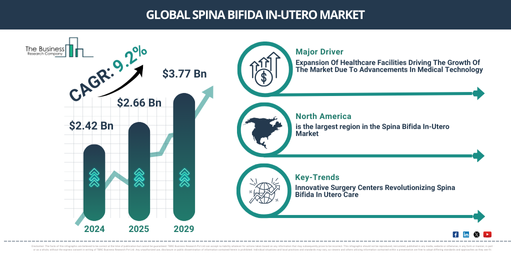
    In recent years, the market size for in utero spina bifida has experienced robust growth. It is projected that the market will increase from $2.42 billion in 2024 to $2.66 billion in 2025, with a compound annual growth rate (CAGR) of 9.5%. The historical growth can be traced back to factors such as the escalating prevalence of spina bifida, increased consciousness about fetal surgery, a rise in maternal age and corresponding pregnancy risks, heightened healthcare spending, and advancing research and development in the field of fetal medicine.

    Growth projections for the in utero spina bifida market are highly robust for the forthcoming years, with it expanding to hit $3.77 billion by 2029, boosted by a Compound Annual Growth Rate (CAGR) of 9.2%. This escalate during the predicted period is linked to a variety of factors such as increased understanding of prenatal diagnosis and treatment, the surge in the use of minimally invasive procedures, rising government support and initiatives, the expansion of healthcare infrastructure in developing markets, and an increase in dedicated fetal surgery centers. Key trends for the forecast period includes progress in prenatal screening and diagnostics, technological evolutions in minimally invasive surgical methods, advancements in the creation of biomaterials used in fetal surgical procedures, breakthroughs in therapies based on amniotic fluid, and the implementation of artificial womb technology to assist fetal development.

    Download a free sample to assess the report’s scope and structure:

    https://www.thebusinessresearchcompany.com/sample.aspx?id=22150&type=smp

    Which Factors and External Forces Are Driving Demand in the Spina Bifida In-Utero Market?

    The anticipated growth of the spina bifida in-utero market is associated with the improvement and expansion of healthcare facilities. These facilities, crucial for the provision of effective healthcare services, encompass physical structures, systems, and resources. The growth of the healthcare infrastructure primarily stems from the progression of medical technology. Pioneering developments such as telemedicine, AI-enabled diagnostics, and robotic surgery necessitate the enhancement of facilities, specialized tools, and superior healthcare delivery systems to optimize patient outcomes. Such healthcare facilities play an instrumental role in spina bifida in-utero treatment by endorsing access to researched therapies, trained healthcare professionals, and cutting-edge treatment alternatives. These factors collectively result in superior healing outcomes and an improved patient quality of life. For example, data from the American Hospital Association, a non-profit organization based in the US, indicate that the number of hospitals in the US rose from 6,093 in 2022 to 6,120 in 2024. Consequently, the growth and improvement of healthcare infrastructure contribute significantly to the progression of the spina bifida in-utero market.

    Which Segments in the Spina Bifida In-Utero Offer the Most Growth?

    The spina bifida in-utero market covered in this report is segmented –

    1) By Type: Myelomeningocele, Meningocele, Occulta

    2) By Diagnosis: Ultrasound, Magnetic Resonance Imaging (MRI), Amniocentesis

    3) By Treatment: Surgery, Postnatal Surgery, Medication Management

    4) By End-User: Hospitals, Specialty Clinics, Ambulatory Surgical Centers

    Subsegmentss:

    1) By Myelomeningocele Type: Open Myelomeningocele, Closed Myelomeningocele, Lumbosacral Myelomeningocele, Thoracic Myelomeningocele, Cervical Myelomeningocele

    2) By Meningocele Type: Cranial Meningocele, Spinal Meningocele, Occipital Meningocele, Frontal Meningocele, Parietal Meningocele

    3) By Occulta Type: Lumbosacral Spina Bifida Occulta, Sacral Spina Bifida Occulta, Isolated Spina Bifida Occulta, Complex Spina Bifida Occulta, Tethered Cord Syndrome Associated Occulta

    Request customized data on this market:

    https://www.thebusinessresearchcompany.com/customise?id=22150&type=smp

    What Are the Fastest-Growing Geographies in the Spina Bifida In-Utero Market?

    North America was the largest region in the spina bifida in utero market in 2024. Asia-Pacific is expected to be the fastest-growing region in the forecast period. The regions covered in the spina bifida in-utero market report are Asia-Pacific, Western Europe, Eastern Europe, North America, South America, Middle East, Africa.

    Which Cutting-Edge Market Trends Are Expected to Drive theSpina Bifida In-Utero Market’s Growth?

    Leading firms in the spina bifida in utero market are developing inventive centers like surgery centers to incorporate advanced imaging and minimally invasive methods for fetal interventions. These surgery centers are specialized facilities that conduct surgical operations on an outpatient basis, mitigating the need for hospital stays. For example, in January 2025, an innovative center was launched by Wadia Hospital, a health institution based in India, offering fetal surgery for open spina bifida. The avant-garde facility amalgamates cutting-edge surgical techniques with a multifaceted approach, supporting early interventions which can lessen complications and enhance long-term outcomes for affected babies. The center emphasizes refining surgical accuracy and patient care, providing hope for families dealing with the complexities of open spina bifida.

    View the full report here:

    https://www.thebusinessresearchcompany.com/report/spina-bifida-in-utero-global-market-report

    What Are the Key Elements That Define the Spina Bifida In-Utero Market?

    Spina bifida in-utero refers to a prenatal surgical procedure performed to repair spina bifida, a neural tube defect where the spine and spinal cord don’t develop properly. The surgery, done before birth, aims to reduce complications such as hydrocephalus and improve mobility and neurological outcomes. It helps protect the exposed spinal cord from further damage by closing the defect earlier. This intervention can enhance the child’s quality of life compared to postnatal repair.

    Purchase the full report and get a swift delivery:

    https://www.thebusinessresearchcompany.com/purchaseoptions.aspx?id=22150

    About The Business Research Company:

    With over 15000+ reports from 27 industries covering 60+ geographies, The Business Research Company has built a reputation for offering comprehensive, data-rich research and insights. Armed with 1,500,000 datasets, the optimistic contribution of in-depth secondary research, and unique insights from industry leaders, you can get the information you need to stay ahead in the game.

    Get in touch with us:

    The Business Research Company: https://www.thebusinessresearchcompany.com/

    Americas +1 3156230293

    Asia +44 2071930708

    Europe +44 2071930708

    Email us at info@tbrc.info

    Follow us on:

    LinkedIn: https://in.linkedin.com/company/the-business-research-company

    YouTube: https://www.youtube.com/channel/UC24_fI0rV8cR5DxlCpgmyFQ

    Global Market Model: https://www.thebusinessresearchcompany.com/global-market-model
  • Reading Glasses Market in Focus: Forecasting Growth Drivers, Scaling Potential, and Global Opportunities

    Reading Glasses Market in Focus: Forecasting Growth Drivers, Scaling Potential, and Global Opportunities

    Discover trends, market shifts, and competitive outlooks for the reading glasses industry through 2025-2034 with The Business Research Company’s reliable data and in-depth research

    How Has the Reading Glasses Market Growth Performance Trended Historically, And What Lies Ahead?

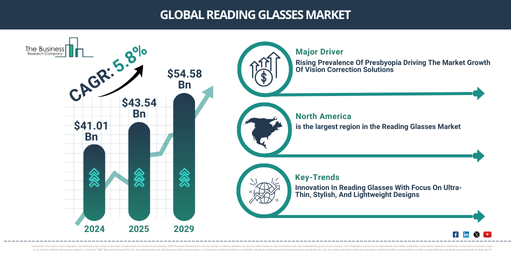
    The market size of reading glasses has shown a significant increase over the past few years. It is projected to rise from $41.01 billion in 2024 to $43.54 billion in 2025, with a compound annual growth rate (CAGR) of 6.2%. The factors contributing to the growth during the historical period include an aging population, increasing urbanization, growing occurrence of presbyopia, heightened demand for vision correction, and an increase in ocular diseases.

    In the upcoming years, the reading glasses market is anticipated to experience robust growth, projected to escalate to $54.58 billion by 2029 with a 5.8% CAGR. The projected growth during the predicted timeframe can be ascribed to various factors such as the proliferation of online sales channels, increased preference for high-end branded products, growing demand for reading glasses, elevated consumer disposable income, increased use of mobile devices, computers, and other technologies, a rising demand for fashionable designs and branded items among the younger demographic, and the expansion of e-commerce platforms. The forecast period will also witness certain key trends like the utilization of digital devices, evolving consumer buying behaviors, technological progress, improvements in eyeglass frame materials, and the incorporation of AI in reading glasses.

    Download a free sample to assess the report’s scope and structure:

    https://www.thebusinessresearchcompany.com/sample.aspx?id=22122&type=smp

    What Are the Core Market Drivers Propelling Growth in the Reading Glasses Industry?

    The heightened occurrence of presbyopia is projected to fuel the expansion of the reading glasses market in the future. Presbyopia, an age-associated vision disorder, causes difficulty in concentrating on close items, typically impacting people over 40. This growing frequency is attributed to the natural aging process which gradually lessens the flexibility of the eye lens, thus impairing its ability to concentrate on close items. The shift in modern lifestyles, such as escalating screen time and restricted outdoor activities, may initiate an earlier onset or magnify symptoms. Reading glasses assist individuals with presbyopia by offsetting the eye’s diminished focus capacity, providing required magnification to boost clarity and alleviate strain. For example, in September 2023, Ophthalmology Times Europe, a UK-based periodical, stated that approximately 1.8 billion people were afflicted with presbyopia globally in 2022. Additionally, the occurrence of presbyopia is estimated to increase to approximately 2.1 billion by 2030. Thus, the escalating occurrence of presbyopia is steering the growth of the reading glasses market.

    How Is the Reading Glasses Market Segmented?

    The reading glasses market covered in this report is segmented –

    1) By Type: Prescription Reading Glasses, Over-The-Counter (OTC) Reading Glasses

    2) By Material: Plastic, Metal, Hybrid, Other Materials

    3) By Age Group: Less Than 18 Years, 65 Years And Greater, 18-64 Years

    4) By Distribution Channel: Online Retail, Optical Stores, Supermarkets, Pharmacies, Other Distribution Channels

    Subsegmentss:

    1) By Prescription Reading Glasses: Single Vision Prescription Reading Glasses, Bifocal Prescription Reading Glasses, Progressive Prescription Reading Glasses, Blue Light Blocking Prescription Reading Glasses, Custom-Tinted Prescription Reading Glasses

    2) By Over-The-Counter (OTC) Reading Glasses: Full-Frame OTC Reading Glasses, Half-Frame OTC Reading Glasses, Rimless OTC Reading Glasses, Foldable OTC Reading Glasses, Multi-Strength OTC Reading Glasses

    Request customized data on this market:

    https://www.thebusinessresearchcompany.com/customise?id=22122&type=smp

    Which Regions Are Driving the Next Phase of the Reading Glasses Market Growth?

    North America was the largest region in the reading glasses market in 2024. Asia-Pacific is expected to be the fastest-growing region in the forecast period. The regions covered in the reading glasses market report are Asia-Pacific, Western Europe, Eastern Europe, North America, South America, Middle East, Africa.

    What Key Market Trends and Innovations Are Shaping the Future of the Reading Glasses Industry?

    Big players in the reading glasses market are centering their efforts on the creation of advanced products such as ultra-thin reading glasses to fulfill the consumer’s need for light, comfortable, and stylish eyewear solutions. Ultra-thin reading glasses are specialized for close-vision tasks, leveraging cutting-edge materials and technologies to reduce weight and thickness whilst maintaining superior optical clarity and durability. To illustrate, Read On, an eyewear firm based in Switzerland, introduced Read On Light in February 2024 – a highly flexible, lightweight reading glasses model. The glasses are crafted from TR90, a top-tier eyewear material, for optimal comfort and style. Available in five trendy colors, the glasses come with a coordinating hard case. They possess extra-long temples for easy customization and can be easily stored due to their fold-flat design. This innovation quenches the consumer thirst for functional yet aesthetically pleasing reading glasses, eliminating the need to incorporate them into a smartphone case, which was a feature of their prior products.

    View the full report here:

    https://www.thebusinessresearchcompany.com/report/reading-glasses-global-market-report

    How Is the Reading Glasses Market Defined and What Are Its Core Parameters?

    Reading glasses are non-prescription, over-the-counter eyewear designed to temporarily enhance near vision for individuals experiencing presbyopia. These glasses work by magnifying close-up objects, allowing users to read, write, or perform other near-vision tasks with improved clarity.

    Purchase the full report and get a swift delivery:

    https://www.thebusinessresearchcompany.com/purchaseoptions.aspx?id=22122

    About The Business Research Company:

    With over 15000+ reports from 27 industries covering 60+ geographies, The Business Research Company has built a reputation for offering comprehensive, data-rich research and insights. Armed with 1,500,000 datasets, the optimistic contribution of in-depth secondary research, and unique insights from industry leaders, you can get the information you need to stay ahead in the game.

    Get in touch with us:

    The Business Research Company: https://www.thebusinessresearchcompany.com/

    Americas +1 3156230293

    Asia +44 2071930708

    Europe +44 2071930708

    Email us at info@tbrc.info

    Follow us on:

    LinkedIn: https://in.linkedin.com/company/the-business-research-company

    YouTube: https://www.youtube.com/channel/UC24_fI0rV8cR5DxlCpgmyFQ

    Global Market Model: https://www.thebusinessresearchcompany.com/global-market-model
  • Global Protein Crystallization Market Projected to Reach $2.8 Billion by 2029 at a CAGR of 11.5%

    Global Protein Crystallization Market Projected to Reach $2.8 Billion by 2029 at a CAGR of 11.5%

    Discover trends, market shifts, and competitive outlooks for the protein crystallization industry through 2025-2034 with The Business Research Company’s reliable data and in-depth research

    How Has The Protein Crystallization Market Growth Evolved From 2024 To 2025, And What’s Ahead?

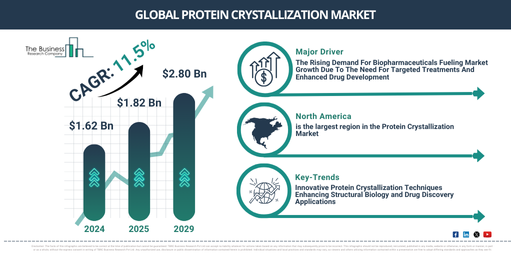
    The size of the protein crystallization market has been rapidly expanding in the recent past. It is projected to increase from a worth of $1.62 billion in 2024 to $1.82 billion in 2025, boasting a compound annual growth rate (CAGR) of 11.8%. This significant growth over the historical period is linked to various key factors such as the growing demand for personalized healthcare, increased need for biologics, advancements in structural proteomics, increased academic research activities, and the escalating requirement for the development of biologics.

    In the upcoming years, the market size of protein crystallization is predicted to experience accelerated growth, reaching $2.80 billion in 2029 with a compound annual growth rate (CAGR) of 11.5%. This increase in the projection period is attributed to the rising demand for protein-centric drug formulation, the increasing occurrence of chronic diseases, and profound research into protein-ligand interactions. Other factors include an increased focus on high-throughput screening methods and a growing requirement for specific software in crystallography. Major tendencies within the forecast period encompass technological advancements, the incorporation of AI in crystallization, laboratory workflow automation, the development of hybrid methodologies, and emerging x-ray technologies.

    Download a free sample to assess the report’s scope and structure:

    https://www.thebusinessresearchcompany.com/sample.aspx?id=22117&type=smp

    What are the Fundamental Drivers and Innovations Shaping the Protein Crystallization Market?

    The protein crystallization market’s expansion is anticipated to be driven by the burgeoning demand for biopharmaceuticals. Biopharmaceuticals are therapeutic drugs created from biological sources or processes, such as proteins, vaccines, and gene therapies, to combat a variety of illnesses and conditions. The growing demand for these biopharmaceuticals stems from their ability to deliver targeted treatments, improve patient prognosis, and address a wide array of chronic and complex diseases with personalized solutions more effective than conventional therapies. Protein crystallization amplifies the effectiveness of biopharmaceuticals by facilitating the precise identification of protein structures, which boosts the creation of targeted treatments and enhances efficacy and stability in biopharmaceutical products. For example, in June 2024, the Australian Bureau of Statistics reported that during 2022-23, Australian government agencies devoted $4,344 million to research and development, marking a rise of $726 million from 2020-21. Concurrently, private non-profit organizations allocated $1,595 million, a surge of $196 million from the previous year. Thus, the escalating demand for biopharmaceuticals is fueling the growth of the protein crystallization market.

    How Is the Protein Crystallization Market Segmented?

    The protein crystallization market covered in this report is segmented –

    1) By Product: Instruments, Consumables, Software And Services

    2) By Technology: X-Ray Crystallography, Cryo-electron Microscopy, NMR Spectroscopy, Other Technologies

    3) By End-User: Pharmaceutical And Biotechnology Companies, Academic And Research Institutes

    Subsegmentss:

    1) By Instruments Type: X-ray Diffractometers, Liquid Handling Systems, Crystallization Imaging Systems, Microfluidic Systems, Incubators & Temperature Control Devices

    2) By Consumables Type: Crystallization Reagents, Microplates & Crystallization Plates, Screens & Buffers, Cryoprotectants, Protein Purification Kits

    3) By Software and Services Type: Crystallography Data Analysis Software, Molecular Modeling Software, AI-Based Structure Prediction Tools, Custom Crystallization Services, Training & Consulting Services

    Request customized data on this market:

    https://www.thebusinessresearchcompany.com/customise?id=22117&type=smp

    Which Regions Are Driving the Next Phase of the Protein Crystallization Market Growth?

    North America was the largest region in the protein crystallization market in 2024. Asia-Pacific is expected to be the fastest-growing region in the forecast period. The regions covered in the protein crystallization market report are Asia-Pacific, Western Europe, Eastern Europe, North America, South America, Middle East, Africa.

    What Key Trends Are Shaping the Future of the Protein Crystallization Market?

    The protein crystallization market is heavily influenced by large corporations that prioritize the development of innovative techniques aimed at improving efficiency and resolution in protein crystallization. These techniques include the use of advanced cell-free protein crystallization methods for the analysis of unstable proteins crucial in structural biology and drug discovery. Specifically, cell-free protein crystallization facilitates the formation of crystallized proteins without the need for living cells, optimizing both crystallization and protein analysis processes. To illustrate this point, Tokyo Institute of Technology, a public university located in Japan, introduced an innovative cell-free protein crystallization technique in October 2022. This revolutionary technique boosts efficiency and resolution in protein crystallization, thus enabling more effective analysis of unstable proteins that were previously challenging to study via conventional methods. Consequently, this technique is poised to substantially improve knowledge about intricate cellular activities and play a key role in creating innovative therapeutic strategies.

    View the full report here:

    https://www.thebusinessresearchcompany.com/report/protein-crystallization-global-market-report

    How Is the Protein Crystallization Market Defined and What Are Its Core Parameters?

    Protein crystallization refers to the process in which proteins are induced to form well-ordered, three-dimensional crystals through a controlled environment, typically by altering conditions such as temperature, pH, and the presence of specific solvents or salts. This method plays a critical role in structural biology by enabling researchers to study the atomic structure of proteins in detail, most commonly through techniques like X-ray diffraction, which can provide insights into protein functions and interactions.

    Purchase the full report and get a swift delivery:

    https://www.thebusinessresearchcompany.com/purchaseoptions.aspx?id=22117

    About The Business Research Company:

    With over 15000+ reports from 27 industries covering 60+ geographies, The Business Research Company has built a reputation for offering comprehensive, data-rich research and insights. Armed with 1,500,000 datasets, the optimistic contribution of in-depth secondary research, and unique insights from industry leaders, you can get the information you need to stay ahead in the game.

    Get in touch with us:

    The Business Research Company: https://www.thebusinessresearchcompany.com/

    Americas +1 3156230293

    Asia +44 2071930708

    Europe +44 2071930708

    Email us at info@tbrc.info

    Follow us on:

    LinkedIn: https://in.linkedin.com/company/the-business-research-company

    YouTube: https://www.youtube.com/channel/UC24_fI0rV8cR5DxlCpgmyFQ

    Global Market Model: https://www.thebusinessresearchcompany.com/global-market-model
  • Pressure Relief Devices Market Outlook 2025–2034: Identifying Growth Drivers, Technology Trends, and Policy Impact

    Pressure Relief Devices Market Outlook 2025–2034: Identifying Growth Drivers, Technology Trends, and Policy Impact

    Discover trends, market shifts, and competitive outlooks for the pressure relief devices industry through 2025-2034 with The Business Research Company’s reliable data and in-depth research

    How Has The Pressure Relief Devices Market Size Shifted, And What Is the Outlook Through 2034?

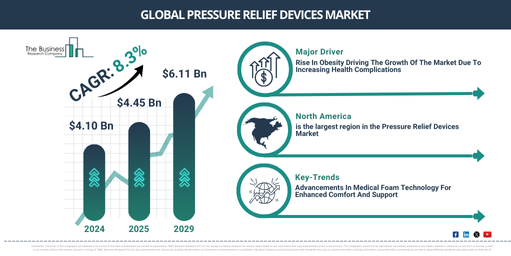
    The market for pressure relief devices has seen considerable growth in the past few years. The industry, which was valued at $4.10 billion in 2024, is anticipated to reach $4.45 billion in 2025, indicating a compound annual growth rate (CAGR) of 8.5%. The growth witnessed during the historical period is linked to factors such as an increase in pressure ulcers, a rise in the elderly population, escalating consciousness about patient safety, an upsurge in diseases related to lifestyle, and enhancing knowledge about severe complications.

    The market for pressure relief devices is anticipated to experience robust expansion in the succeeding years, projected to escalate to $6.11 billion in 2029 with an 8.3% compound annual growth rate (CAGR). The predicted growth in the forecast period can be credited to the escalating demand for less invasive medical procedures, increased occurrence of chronic diseases, surging demand for equipment to manage bedsores, augmenting demand for healthcare services, and increased consciousness about surgical wound care. The chief trends within the forecasted period comprise investments in research and development, strategic partnerships, advancements in technology, incorporation of telemedicine, and progressive wound therapy.

    Download a free sample to assess the report’s scope and structure:

    https://www.thebusinessresearchcompany.com/sample.aspx?id=22112&type=smp

    What Are the Core Market Drivers Propelling Growth in the Pressure Relief Devices Industry?

    The projected increase in obesity-related cases is anticipated to stimulate the expansion of the pressure relief devices market. Obesity, characterized by an unhealthy buildup of body fat, exposes individuals to various health risks. The surge in obesity primarily stems from the ubiquitous consumption of sugary, unhealthy foods and processed items that are calorie-dense. Modern lifestyle patterns have resulted in a strong dependence on fast foods, sugar-rich beverages, and meals that are easy to prepare but lacking in nutritional value, contributing to overeating. By distributing weight evenly, reducing pressure ulcers, and promoting mobility, pressure relief devices assist in the management of obesity, thereby enhancing overall health. The World Obesity Federation, a UK-based entity committed to tackling the worldwide obesity dilemma, projects that the international adult obesity count will increase from 0.81 billion in 2020 to 1.53 billion by 2035. Consequently, the upsurge in obesity cases is fueling the expansion of the pressure relief devices market.

    How Is the Pressure Relief Devices Market Segmented?

    The pressure relief devices market covered in this report is segmented –

    1) By Type: Low-Tech Devices, High-Tech Devices

    2) By Application: Pressure Ulcers, Burns, Surgical Wounds, Other Applications

    3) By End User: Hospitals, Home Care, Long-Term Care Centers, Rehabilitation Centers, Other End Users

    Subsegments:

    1) By Low-Tech Devices: Foam-Based Mattress, Gel-Based Mattress, Fiber Filled Mattress, Water Or Fluid Filled Mattress, Air Filled Mattress, Other Low-Tech Devices

    2) By High-Tech Devices: Dynamic Air Therapy Beds, Kinetic Beds, Other High-Tech Devices

    Request customized data on this market:

    https://www.thebusinessresearchcompany.com/customise?id=22112&type=smp

    Which Regions Are Driving the Next Phase of the Pressure Relief Devices Market Growth?

    North America was the largest region in the pressure relief devices market in 2024. Asia-Pacific is expected to be the fastest-growing region in the forecast period. The regions covered in the pressure relief devices market report are Asia-Pacific, Western Europe, Eastern Europe, North America, South America, Middle East, Africa.

    What Key Market Trends and Innovations Are Shaping the Future of the Pressure Relief Devices Industry?

    Major firms in the pressure relief devices market are prioritizing the creation of innovative technologies like TrueGel technology. This advanced material aims to enhance comfort and offer therapeutic advantages by relieving pressure, supporting the spine, and controlling temperature. In August 2023, the UK-based foam producing company, GNG Group, launched KomfiMed which is a specialized foam equipped with TrueGel technology for superior pressure relief. These mattresses, made from specialized foam, offer increased durability, breathability, and antimicrobial features to uphold cleanliness in medical environments. They are specifically designed to assist bariatic patients, ensuring maximum stability and comfort while adhering to the strict quality requirements of hospital and healthcare settings.

    View the full report here:

    https://www.thebusinessresearchcompany.com/report/pressure-relief-devices-global-market-report

    How Is the Pressure Relief Devices Market Defined and What Are Its Core Parameters?

    Pressure relief devices refer to medical equipment designed to reduce prolonged pressure on the body, helping to prevent skin breakdown and improve blood circulation. These devices are used for individuals with limited mobility, ensuring comfort and reducing the risk of pressure ulcers and related complications.

    Purchase the full report and get a swift delivery:

    https://www.thebusinessresearchcompany.com/purchaseoptions.aspx?id=22112

    About The Business Research Company:

    With over 15000+ reports from 27 industries covering 60+ geographies, The Business Research Company has built a reputation for offering comprehensive, data-rich research and insights. Armed with 1,500,000 datasets, the optimistic contribution of in-depth secondary research, and unique insights from industry leaders, you can get the information you need to stay ahead in the game.

    Get in touch with us:

    The Business Research Company: https://www.thebusinessresearchcompany.com/

    Americas +1 3156230293

    Asia +44 2071930708

    Europe +44 2071930708

    Email us at info@tbrc.info

    Follow us on:

    LinkedIn: https://in.linkedin.com/company/the-business-research-company

    YouTube: https://www.youtube.com/channel/UC24_fI0rV8cR5DxlCpgmyFQ

    Global Market Model: https://www.thebusinessresearchcompany.com/global-market-model

  • Major Drivers Propelling the Growth oh thePost-Operative Nausea And Vomiting Market Forward: Rising Surgical Procedures Driving Growth Due To Enhanced Healthcare Access And Advancements

    Major Drivers Propelling the Growth oh thePost-Operative Nausea And Vomiting Market Forward: Rising Surgical Procedures Driving Growth Due To Enhanced Healthcare Access And Advancements

    Discover trends, market shifts, and competitive outlooks for the post-operative nausea and vomiting industry through 2025-2034 with The Business Research Company’s reliable data and in-depth research

    What Is the Estimated Market Size of the Post-Operative Nausea And Vomiting Market In 2029?

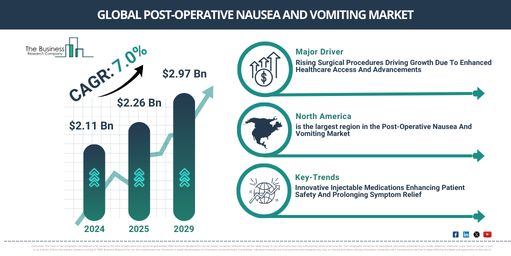
    The market size for post-operative nausea and vomiting has experienced considerable growth in the recent past. Predictions indicate an increase from $2.11 billion in 2024 to $2.26 billion in 2025, reflecting a compound annual growth rate (CAGR) of 7.4%. The historic growth period was influenced by factors such as increased research and development activities, a higher demand for advanced therapeutic methods, an uptick in healthcare spending, a greater emphasis on personalized medicine, and the increased uptake of digital health technologies.

    Predictions point towards a steady expansion of the post-operative nausea and vomiting market over the upcoming years. The market is forecasted to reach $2.97 billion by 2029, maintaining a compound annual growth rate (CAGR) of 7.0%. Factors contributing to this projected growth include the escalating demand for pharmaceuticals, the uptake in combination therapy, heightened awareness, investments in healthcare, an expanding geriatric population, and an increasing incidence of cancer cases. The period under forecast can expect to see trends such as progressive antiemetic therapies, strategic alliances, inventive pharmaceutical formulations, the deployment of cutting-edge diagnostic tools, and the incorporation of electronic simulation devices.

    Download a free sample to assess the report’s scope and structure:

    https://www.thebusinessresearchcompany.com/sample.aspx?id=22109&type=smp

    Which Major Market Drivers Are Expected to Boost the Growth Potential of the Post-Operative Nausea And Vomiting Market?

    The growth of the post-operative nausea and vomiting market is expected to be driven by the increasing number of surgical procedures. Surgical operations, which involve the use of tools to identify, cure, or eliminate malfunctioning tissues or organs through cutting or manipulation, are on the rise. This surge is a result of advancements in medical technology that have made procedures safer, more effective, and less invasive, thereby increasing patient approval and broader usage. Post-operative nausea and vomiting management enhances surgical procedures by enhancing patient comfort, reducing recovery periods, lessening the likelihood of complications, ensuring more effective post-operative care, and ultimately improving overall surgical results. For example, the Australian Institute of Health and Welfare reported in November 2024 that in 2023-24, admissions for surgery from public hospital elective surgery waiting lists increased by 4.9% compared to 2022-23, with a total of 771,600 patients. Consequently, the growing number of surgical procedures is fuelling the expansion of the post-operative nausea and vomiting market.

    Which Key Market Segments Comprise the Post-Operative Nausea And Vomiting Market and Drive Its Revenue Growth?

    The post-operative nausea and vomiting market covered in this report is segmented –

    1) By Treatment Type: Serotonin Antagonists, Steroids, Dopamine Antagonists, Neurokinin NK-1 Receptor Antagonists, Non-pharmacological Treatment, Other Treatment Types

    2) By Route Of Administration: Oral, Intravenous, Transdermal, Other Route Of Administrations

    3) By Patient Demographics: Pediatric Patients, Adult Patients, Geriatric Patients

    4) By Surgical Procedure Type: Orthopedic Surgery, Gynecological Surgery, General Surgery, Cardiac Surgery, Ophthalmic Surgery

    5) By End-User: Hospitals, Ambulatory Surgical Centers, Specialty Clinics, Other End-Users

    Subsegmentss:

    1) By Serotonin Antagonists Type: Ondansetron, Granisetron, Palonosetron, Dolasetron, Tropisetron

    2) By Steroids Type: Dexamethasone, Methylprednisolone, Hydrocortisone, Prednisolone, Betamethasone

    3) By Dopamine Antagonists Type: Metoclopramide, Droperidol, Prochlorperazine, Domperidone, Chlorpromazine

    4) By Neurokinin NK-1 Receptor Antagonists Type: Aprepitant, Fosaprepitant, Rolapitant, Netupitant, Casopitant

    5) By Non-Pharmacological Treatment Type: Acupressure, Aromatherapy, Hypnotherapy, Electroacupuncture, Ginger Supplements

    6) By Other Treatment Types: Antihistamines, Anticholinergics, Cannabinoids, Combination Therapy, Herbal & Natural Remedies

    Request customized data on this market:

    https://www.thebusinessresearchcompany.com/customise?id=22109&type=smp

    Which Areas Are Leading Regions in the Post-Operative Nausea And Vomiting Market Expansion Across the Globe?

    North America was the largest region in the post-operative nausea and vomiting market in 2024. Asia-Pacific is expected to be the fastest-growing region in the forecast period. The regions covered in the post-operative nausea and vomiting market report are Asia-Pacific, Western Europe, Eastern Europe, North America, South America, Middle East, Africa.

    What Are the Key Market Trends in thePost-Operative Nausea And Vomiting Market Over the Coming Years?

    Leading corporations operating within the post-operative nausea and vomiting Market are concentrating on creating crucial injectable drugs with the use of advanced emulsion formulations and extended-release technology to enhance the effectiveness and extend symptom aid for patients after surgery. The term ‘critical injectable medications’ refers to vital drugs administered through injection intended to offer immediate and potent treatment for severe or critical medical situations. For instance, in July 2024, Avenacy, an American speciality pharmaceutical company, introduced Palonosetron Hydrochloride Injection in 0.25 mg/5 ml single-dose vials, aimed at assisting healthcare professionals to minimize dosage mistakes and upgrade patient safety. This injection is used for the prevention of nausea and vomiting resulting from chemotherapy and to control postoperative nausea and vomiting (PONV) for approximately 24 hours following surgery, making it a trustworthy treatment choice for patients vulnerable to these conditions.

    View the full report here:

    https://www.thebusinessresearchcompany.com/report/post-operative-nausea-and-vomiting-global-market-report

    How Is the Post-Operative Nausea And Vomiting Market Conceptually Defined?

    Post-operative nausea and vomiting (PONV) is a common complication that occurs within 24 to 48 hours after surgery, often resulting from anesthesia, pain medications, or the body’s response to surgical stress. It can significantly affect a patient’s recovery, causing discomfort, delayed healing, and an increased risk of complications like dehydration or electrolyte imbalance.

    Purchase the full report and get a swift delivery:

    https://www.thebusinessresearchcompany.com/purchaseoptions.aspx?id=22109

    About The Business Research Company:

    With over 15000+ reports from 27 industries covering 60+ geographies, The Business Research Company has built a reputation for offering comprehensive, data-rich research and insights. Armed with 1,500,000 datasets, the optimistic contribution of in-depth secondary research, and unique insights from industry leaders, you can get the information you need to stay ahead in the game.

    Get in touch with us:

    The Business Research Company: https://www.thebusinessresearchcompany.com/

    Americas +1 3156230293

    Asia +44 2071930708

    Europe +44 2071930708

    Email us at info@tbrc.info

    Follow us on:

    LinkedIn: https://in.linkedin.com/company/the-business-research-company

    YouTube: https://www.youtube.com/channel/UC24_fI0rV8cR5DxlCpgmyFQ

    Global Market Model: https://www.thebusinessresearchcompany.com/global-market-model
  • Critical Market Drivers Shaping the Outlook for Positive Air Pressure Devices Market from 2025-2034: Rising Prevalence Of Respiratory Disorders Fueling The Growth Of The Market Due To Increasing Demand For Effective Breathing Solutions

    Critical Market Drivers Shaping the Outlook for Positive Air Pressure Devices Market from 2025-2034: Rising Prevalence Of Respiratory Disorders Fueling The Growth Of The Market Due To Increasing Demand For Effective Breathing Solutions

    Discover trends, market shifts, and competitive outlooks for the positive air pressure devices industry through 2025-2034 with The Business Research Company’s reliable data and in-depth research

    How Fast Is The Positive Air Pressure Devices Market Expected to Grow Between 2025 And 2029?

    The market size for positive air pressure devices has seen considerable growth in the past few years. The size is set to increase from $2.94 billion in 2024 to hit a new high of $3.17 billion by 2025, portraying a robust compound annual growth rate (CAGR) of 7.7%. The historic growth of this sector can be credited to the increasing cognizance of sleep-related issues, a surge in instances of respiratory diseases, a mounting demand for non-invasive therapeutic methods, growing societal impacts of sleep deprivation and a heightened focus on mental health and sleep.

    It is anticipated that the market size for positive air pressure devices will undergo substantial growth in the forthcoming years, eventually expanding to $4.23 billion by 2029 with a 7.5% compound annual growth rate (CAGR). Several contributors to this predicted growth include increased prevalence of respiratory illnesses, heightened preference for treatments from home, greater awareness and understanding around sleep health, a stronger focus on preventive care, and an amplified emphasis on optimizing devices. The upcoming period will also see key developments such as advancements in pressure sensing, enhancements of smart positive air pressure devices, innovations in the integration of telemedicine and telehealth, and progress in airflow technology.

    Download a free sample to assess the report’s scope and structure:

    https://www.thebusinessresearchcompany.com/sample.aspx?id=22108&type=smp

    What Are the Core Growth Drivers Propelling the Positive Air Pressure Devices Market Forward?

    The ever-increasing instances of respiratory ailments are predicted to stimulate the positive air pressure devices market’s expansion in future. Respiratory issues comprise a variety of diseases impacting the lungs and air passages, resulting in breathing complications and obstructed oxygen transit. The escalation in respiratory diseases can be credited to amplified air contamination and exposure to environmental toxins. The rapid surge of urbanization has led to an increased accumulation of pollutants like particulate matter (PM), nitrogen dioxide (NO2), and ozone, exacerbating respiratory issues like asthma, bronchitis, and chronic obstructive pulmonary disease (COPD). Positive air pressure devices are instrumental in managing these respiratory ailments by producing a clean, regulated environment that aids in minimizing exposure to dangerous pollutants, allergens, and airborne diseases. For instance, projections from the National Library of Medicine, a U.S. government agency, suggest that by 2050, the global occurrences of chronic obstructive pulmonary disease (COPD) are slated to reach an alarming nearly 600 million cases, indicating the escalating burden of respiratory issues globally. Consequently, the escalating instances of respiratory diseases fuel the expansion of the positive air pressure devices market.

    What Segment Types Define the Positive Air Pressure Devices Market Structure?

    The positive air pressure devices market covered in this report is segmented –

    1) By Product: Continuous Positive Airways Pressure Devices (CPAP), Bi-level Positive Airway Pressure (BiPAP) And Variable Positive Airway Pressure (VPAP), Automatic Positive Airway Pressure Devices (APAP)

    2) By Technology: Microfluidics, Optical Detection, Fluorescence-Based Detection, Mass Spectrometry, Immunoassays

    3) By Distribution Channel: Direct Sales, Online Sales, Third-Party Distributors, Pharmacies, Other Distribution Channels

    4) By Application: Sleep Apnea, Chronic Obstructive Pulmonary Disease (COPD), Respiratory Distress Syndrome, Other Applications

    5) By End-User: Hospitals, Home Care Settings, Sleep Clinics, Other End-Users

    Subsegments:

    1) By Continuous Positive Airway Pressure (CPAP) Devices: Fixed Continuous Positive Airway Pressure (CPAP) Devices, Portable Continuous Positive Airway Pressure (CPAP) Devices

    2) By Bi-level Positive Airway Pressure (BiPAP) And Variable Positive Airway Pressure (VPAP) Devices: Fixed Bi-level Positive Airway Pressure (BiPAP) Devices, Auto Bi-level Positive Airway Pressure (BiPAP) Devices

    3) By Automatic Positive Airway Pressure (APAP) Devices: Standard Automatic Positive Airway Pressure (APAP) Devices, Smart Automatic Positive Airway Pressure (APAP) Devices

    Request customized data on this market:

    https://www.thebusinessresearchcompany.com/customise?id=22108&type=smp

    Which Geographic Areas Hold the Strongest Growth Potential in the Positive Air Pressure Devices Market?

    North America was the largest region in the positive air pressure devices market in 2024. Asia-Pacific is expected to be the fastest-growing region in the forecast period. The regions covered in the positive air pressure devices market report are Asia-Pacific, Western Europe, Eastern Europe, North America, South America, Middle East, Africa.

    Which Emerging Trends that Are Influencing thePositive Air Pressure Devices Industry Evolution?

    Many key players in the positive air pressure devices market are prioritizing the creation of novel products, like sleep apnea devices, in order to enhance patient comfort, improve device efficacy, and provide tailored solutions. These devices are regularly employed to address sleep apnea, a disorder characterized by breathing interruptions during sleep due to a blocked or constricted airway. For instance, in February 2024, the American company ResMed introduced AirCurve 11 Bilevel Devices that offer inventive remedies for sleep apnea, chronic obstructive pulmonary disease (COPD), and other breathing ailments by utilizing PAP devices. This device uses dual pressure settings (IPAP and EPAP) to handle sleep apnea and is equipped with state-of-the-art features like built-in humidification and wireless connectivity for tracking.

    View the full report here:

    https://www.thebusinessresearchcompany.com/report/positive-air-pressure-devices-global-market-report

    What Is the Definition of the Positive Air Pressure Devices Market?

    Positive air pressure devices are equipment designed to maintain higher air pressure inside a controlled environment than outside one. These devices help prevent the entry of contaminants, dust, or pollutants by ensuring that air flows outward rather than inward when doors or vents are opened

    Purchase the full report and get a swift delivery:

    https://www.thebusinessresearchcompany.com/purchaseoptions.aspx?id=22108

    About The Business Research Company:

    With over 15000+ reports from 27 industries covering 60+ geographies, The Business Research Company has built a reputation for offering comprehensive, data-rich research and insights. Armed with 1,500,000 datasets, the optimistic contribution of in-depth secondary research, and unique insights from industry leaders, you can get the information you need to stay ahead in the game.

    Get in touch with us:

    The Business Research Company: https://www.thebusinessresearchcompany.com/

    Americas +1 3156230293

    Asia +44 2071930708

    Europe +44 2071930708

    Email us at info@tbrc.info

    Follow us on:

    LinkedIn: https://in.linkedin.com/company/the-business-research-company

    YouTube: https://www.youtube.com/channel/UC24_fI0rV8cR5DxlCpgmyFQ

    Global Market Model: https://www.thebusinessresearchcompany.com/global-market-model

  • Market Trends Influencing Strategic Decisions in the Polymyositis Industry: Advancements In Stem Cell Therapy For Autoimmune Diseases

    Market Trends Influencing Strategic Decisions in the Polymyositis Industry: Advancements In Stem Cell Therapy For Autoimmune Diseases

    Discover trends, market shifts, and competitive outlooks for the polymyositis industry through 2025-2034 with The Business Research Company’s reliable data and in-depth research

    What Is the Current and Projected Market Size of the Polymyositis Market Through 2034?

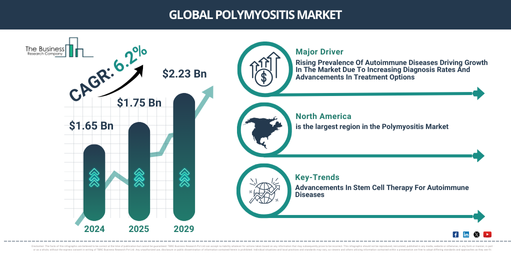
    The market for polymyositis has experienced robust growth in the recent past. Starting from a $1.65 billion valuation in 2024, it is expected to reach $1.75 billion by 2025, marking a compound annual growth rate (CAGR) of 6.4%. This upward trend during the historic period was likely due to improved access in emerging regions, a rise in prednisone application, an increase in acceptance of methotrexate for symptom management, enlargement in the usage of TNF inhibitors, and a surge in antibody testing application.

    The market size for polymyositis is anticipated to experience robust expansion in the upcoming years, with a projection to reach $2.23 billion by 2029, along with a compound annual growth rate (CAGR) of 6.2%. The anticipated growth within this forecast period can be credited to the expansion of telemedicine, increased use of remote patient monitoring, a surge in the employment of immunosuppressants, growth in stem cell therapy applications, and an upsurge in the use of biosimilars. Key trends expected to emerge during this forecast period comprise the incorporation of artificial intelligence in drug discovery, advancements in specific therapeutics, development of new immunomodulators, amplified research in the regenerative medicine sphere, and the assimilation of substantial data.

    Download a free sample to assess the report’s scope and structure:

    https://www.thebusinessresearchcompany.com/sample.aspx?id=22104&type=smp

    What Are the Major Market Drivers Behind the Rising Adoption of Polymyositis Market?

    The growing occurrence of autoimmune diseases is anticipated to spur the expansion of the polymyositis market. Autoimmune diseases are medical situations in which the immune system erroneously attacks healthy cells, tissues, or organs in the body, resulting in inflammation and harm. The escalating rate of autoimmune diseases hinges on certain genetic variants that overstimulate immune responses, rendering individuals vulnerable to mistakenly attacking their own tissues. Hence, this genetic predisposition, alongside environmentally instigated factors like infections, stress, and lifestyle aspects, play a part in the escalating incidents of autoimmune conditions. Polymyositis acts as a lens to comprehend autoimmune diseases by showcasing how immune system malfunction leads to muscular inflammation, thus presenting an understanding of root mechanisms and potential remedies for related conditions. For example, in November 2024, Versorgungsatlas.de, based in Germany, stated that in 2022, out of 73,241,305 insured citizens, 6,304,340 were diagnosed with at least one autoimmune disease, indicating a raw prevalence rate of 8.61%. Thus, the increasing prevalence of autoimmune diseases propels the Polymyositis market. A surge in demand for oral drugs is projected to drive the growth of the polymyositis market. Oral drugs, as consumables—tablets, capsules or liquids—are taken by mouth and digested through the alimentary canal. This heightened demand is linked to their ease of use, simple administration and patient choice for non-intrusive treatments over injections or other means. Polymyositis leverages oral drugs to lessen muscular inflammation, modify immune responses and improve muscle function, thereby alleviating symptoms and preventing further progress of the disease. As an example, the Centers for Disease Control and Prevention in the US reported in October 2022 that disbursement of oral antivirals witnessed an increase of 57% from 643 per 100,000 people from April 24 to May 21, 2022, to 1,012 per 100,000 during July 31 and August 28, 2022. Consequently, the escalating demand for oral drugs is fostering the expansion of the polymyositis market.

    Which Key Market Segments Comprise the Polymyositis Market and Drive Its Revenue Growth?

    The polymyositis market covered in this report is segmented –

    1) By Type: Idiopathic Polymyositis, Dermatomyositis, Inclusion Body Myositis, Overlapping Myositis Syndromes

    2) By Diagnosis: Physical Examination, Muscle Biopsy, Electromyography (EMG), Blood Tests, Magnetic Resonance Imaging (MRI)

    3) By Treatment: Immunosuppressant, Immunoglobulins, Corticosteroids, Alkylating agents, Monoclonal Antibodies

    4) By Distribution Channel: Offline, Online

    5) By End User: Hospital pharmacy, Online pharmacy, Retail pharmacy

    Subsegmentss:

    1) By Idiopathic Polymyositis: Immune-Mediated Polymyositis, Virus-Associated Polymyositis

    2) By Dermatomyositis: Classic Dermatomyositis, Amyopathic Dermatomyositis, Juvenile Dermatomyositis

    3) By Inclusion Body Myositis: Sporadic Inclusion Body Myositis, Hereditary Inclusion Body Myopathy

    4) By Overlapping Myositis Syndromes:Polymyositis with Systemic Lupus Erythematosus (SLE), Polymyositis with Rheumatoid Arthritis (RA), Polymyositis with Systemic Sclerosis, Polymyositis with Mixed Connective Tissue Disease (MCTD)

    Request customized data on this market:

    https://www.thebusinessresearchcompany.com/customise?id=22104&type=smp

    Which Areas Are Leading Regions in the Polymyositis Market Expansion Across the Globe?

    North America was the largest region in the polymyositis market in 2024. Asia-Pacific is expected to be the fastest-growing region in the forecast period. The regions covered in the polymyositis market report are Asia-Pacific, Western Europe, Eastern Europe, North America, South America, Middle East, Africa.

    What Are the Strategic Trends Steering thePolymyositis Market Direction?

    Key players within the polymyositis market are focusing on the development of novel treatments, such as stem cell therapy, to heighten treatment effectiveness and slow the progression of the disease. The basis of the stem cell therapy is the usage of stem cells derived from the umbilical cord as a means of regenerative treatment. These cells possess robust immunomodulatory and anti-inflammatory characteristics, implying that they could be useful in treating autoimmune disorders such as polymyositis. As an example, RESTEM, an American clinical-stage biotech firm, was granted Orphan Drug Designation (ODD) by the U.S. Food and Drug Administration (FDA) for its program which uses umbilical cord outer lining stem cells (ULSCs) in December 2024. This program is helping in the treatment of polymyositis and Dermatomyositis by modulating the immune system and reducing muscle inflammation. The potential to reduce steroid dependence was evidenced by the promising safety and efficacy results of early trials of the treatment.

    View the full report here:

    https://www.thebusinessresearchcompany.com/report/polymyositis-global-market-report

    How Is the Polymyositis Market Conceptually Defined?

    Polymyositis is a chronic inflammatory myopathy characterized by progressive muscle weakness, primarily affecting the skeletal muscles. It results from an autoimmune response where the body’s immune system mistakenly attacks muscle fibers, leading to inflammation, degeneration, and weakness.

    Purchase the full report and get a swift delivery:

    https://www.thebusinessresearchcompany.com/purchaseoptions.aspx?id=22104

    About The Business Research Company:

    With over 15000+ reports from 27 industries covering 60+ geographies, The Business Research Company has built a reputation for offering comprehensive, data-rich research and insights. Armed with 1,500,000 datasets, the optimistic contribution of in-depth secondary research, and unique insights from industry leaders, you can get the information you need to stay ahead in the game.

    Get in touch with us:

    The Business Research Company: https://www.thebusinessresearchcompany.com/

    Americas +1 3156230293

    Asia +44 2071930708

    Europe +44 2071930708

    Email us at info@tbrc.info

    Follow us on:

    LinkedIn: https://in.linkedin.com/company/the-business-research-company

    YouTube: https://www.youtube.com/channel/UC24_fI0rV8cR5DxlCpgmyFQ

    Global Market Model: https://www.thebusinessresearchcompany.com/global-market-model