Month: July 2025

  • Point of Care Connectivity Solutions Industry Valued at $1.96 Billion by 2029 With CAGR of 10.1% | Size and Share Insights

    Point of Care Connectivity Solutions Industry Valued at $1.96 Billion by 2029 With CAGR of 10.1% | Size and Share Insights

    Claim your 30% discount on Global Market Reports with code ONLINE30. Limited time only.

    What Is the Forecast for the Point of Care Connectivity Solutions Market from 2024 to 2025?

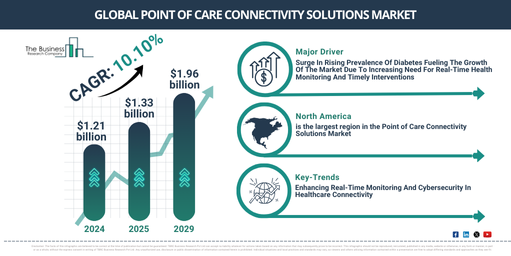
    The market for point-of-care connectivity solutions has experienced swift expansion in the last few years. Its growth is projected to escalate from $1.21 billion in 2024 to $1.33 billion in 2025, resulting in a compound annual growth rate (CAGR) of 10.5%. The impressive growth witnessed in previous years can be linked to the surge in real-time patient observation needs, an increase in chronic illnesses and older population, the elevated adoption of telemedicine and distance healthcare, the burgeoning demand for reducing healthcare expenses, and the mounting regulatory mandates regarding patient information management.

    What Is the Projected Market Size of the Point of Care Connectivity Solutions Market?

    In the coming years, the point-of-care connectivity solutions market is projected to undergo rapid expansion, reaching $1.96 billion in 2029 with a compound annual growth rate (CAGR) of 10.1%. The forecast period’s growth can be traced back to the increasing implementation of artificial intelligence within the healthcare sector, the surge in the number of outpatient and homecare settings, growing demand for personalized healthcare services, enhanced investments in healthcare IT infrastructure, and rising utilization of mobile health apps and wearable technology. Noteworthy trends during the forecast period include the use of advanced data analytics for instantaneous decision-making, improvements in wireless communication technologies, innovations in cloud-based healthcare solutions, and the integration of IoT devices for better patient monitoring and combination of electronic health records with point-of-care systems.

    Download The Free Sample Report Here:

    https://www.thebusinessresearchcompany.com/sample.aspx?id=23478&type=smp

    Who are the Major Competitors in the Point of Care Connectivity Solutions Market Outlook?

    Major companies operating in the point of care connectivity solutions market are F. Hoffmann-La Roche AG, Thermo Fisher Scientific Inc., Honeywell International Inc., Siemens Healthineers AG, Koninklijke Philips N.V., Becton Dickinson and Company (BD), GE HealthCare Technologies Inc., TE Connectivity Ltd., Quest Diagnostics Incorporated, VWR International LLC, Shenzhen Mindray Bio-Medical Electronics Co. Ltd., Bio-Rad Laboratories Inc., WerfenLife S.A. (Werfen), Radiometer Medical ApS, Nova Biomedical Corporation, LumiraDx Limited, EKF Diagnostics Holdings plc, Abbott Laboratories, Orchard Software Corporation, Citizen Care Health Solutions Inc.

    What Is Fueling Growth in the Point of Care Connectivity Solutions Market?

    The point of care connectivity solutions market’s growth is expected to be fueled by the increasing instances of diabetes. Diabetes, a group of diseases that affect the body’s ability to process blood sugar, often leads to abnormally high levels of blood sugar. The rise in obesity rates is escalating the prevalence of diabetes as excess body fat often leads to insulin resistance, compromising the body’s ability to manage blood sugar effectively. Point of care connectivity solutions are essential in managing diabetes as they allow physicians to monitor a patient’s health in real time, providing faster access to treatment and allowing patients to better control their condition. For example, per the American Diabetes Association, a US-based non-profit organization, about 25.5 million individuals in the U.S. were identified as having diabetes in 2022, representing 7.6% of the overall population. Therefore, the increasing prevalence of diabetes is a key driver of growth in the point of care connectivity solutions market.

    Request For A Customized Report:

    https://www.thebusinessresearchcompany.com/customise?id=23478&type=smp

    Which Point of Care Connectivity Solutions Market Segments Are Growing the Fastest?

    The point of care connectivity solutions market covered in this report is segmented –

    1) By Type: Software, Services

    2) By Application: Glucose Monitoring, Coagulation Monitoring, Electrolyte and Blood Gas Analysis, Infectious Disease Devices, Cardio Metabolic Monitoring, Other Applications

    3) By End User: Hospitals And Clinics, Diagnostic And Specialty Centers, Other End Users

    Sub Segments:

    1) By Software: Electronic Medical Records (EMR) Integration, Device Connectivity Software, Data Management And Analytics, Interface Software, Middleware Solutions

    2) By Services: Support and Maintenance, Implementation and Integration, Consulting, Training and Education, Managed Services

    Which Industry Trends Are Shaping the Future of the Point of Care Connectivity Solutions Market?

    Key businesses in the point of care connectivity solutions market are concentrating their efforts on devising digital connectivity solutions that will facilitate data consolidation, streamline clinical procedures and enable instant decision-making at the point of care. Point of care digital connectivity refers to a technology that integrates diagnostic tools, electronic health records, and healthcare systems for instantaneous data sharing, amalgamation, and management at the point of care. For example, in May 2022, EKF Diagnostics, a diagnostics and biotechnology firm based in the UK, introduced a middleware connectivity solution for point of care analyzers and data administration. This adaptable software allows for real-time remote handling of patient examination outcomes, quality control data, and analyzer settings across numerous devices. It bolsters seamless assimilation with hospital IT systems, improving functionality for hospitals, clinics, and lab facilities.

    Access The Full Report Here:

    https://www.thebusinessresearchcompany.com/report/point-of-care-connectivity-solutions-global-market-report

    Which Countries Are Leading the Point of Care Connectivity Solutions Market?

    North America was the largest region in the point-of-care connectivity solutions market in 2024. Asia-Pacific is expected to be the fastest-growing region in the forecast period. The regions covered in the point of care connectivity solutions market report are Asia-Pacific, Western Europe, Eastern Europe, North America, South America, Middle East, Africa.

    Purchase The Full Report Today:

    https://www.thebusinessresearchcompany.com/purchaseoptions.aspx?id=23478

    This Report Delivers Insight On:

    1. How big is the point of care connectivity solutions market, and how is it changing globally?

    2. Who are the major companies in the point of care connectivity solutions market, and how are they performing?

    3. What are the key opportunities and risks in the point of care connectivity solutions market right now?

    4. Which products or customer segments are growing the most in the point of care connectivity solutions market?

    5. What factors are helping or slowing down the growth of the point of care connectivity solutions market?

    About The Business Research Company:

    With over 15000+ reports from 27 industries covering 60+ geographies, The Business Research Company has built a reputation for offering comprehensive, data-rich research and insights. Armed with 1,500,000 datasets, the optimistic contribution of in-depth secondary research, and unique insights from industry leaders, you can get the information you need to stay ahead in the game.

    Get in touch with us:

    The Business Research Company: https://www.thebusinessresearchcompany.com/

    Americas +1 310-496-7795

    Europe +44 7882 955267

    Asia & Others +44 7882 955267 & +91 8897263534

    Email us at info@tbrc.info

    Follow us on:

    LinkedIn: https://in.linkedin.com/company/the-business-research-company

    YouTube: https://www.youtube.com/channel/UC24_fI0rV8cR5DxlCpgmyFQ

    Global Market Model: https://www.thebusinessresearchcompany.com/global-market-model
  • Plant-Based Active Pharmaceutical Ingredients (API) Market to Reach $42.33 Billion by 2029 | Key Drivers and Future Outlook

    Plant-Based Active Pharmaceutical Ingredients (API) Market to Reach $42.33 Billion by 2029 | Key Drivers and Future Outlook

    Claim your 30% discount on Global Market Reports with code ONLINE30. Limited time only.

    What Is the Growth Rate of the Plant-Based Active Pharmaceutical Ingredients (API) Market?

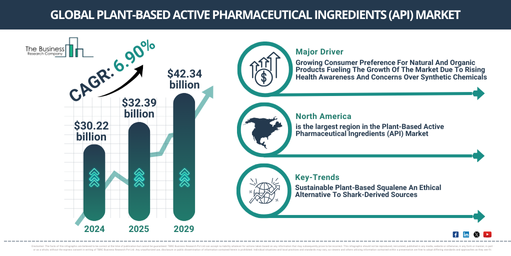
    The solid growth of the plant-based active pharmaceutical ingredients (API) market in recent years has been noticeable. The sector is forecasted to expand from $30.22 billion in 2024 to $32.39 billion in 2025, signifying a compound annual growth rate (CAGR) of 7.2%. Several factors have contributed to this growth in the historic period, including increased use of traditional herbal medicines, rising demand for natural cures, the development of early pharmaceutical compounds, expanding trade in medicinal herbs globally, and the ongoing industrialisation of botanical medications.

    What Growth Rate Is Forecasted for the Plant-Based Active Pharmaceutical Ingredients (API) Market by 2029?

    The market capacity for plant-based active pharmaceutical ingredients (API) is poised for impressive expansion in the forthcoming years, predicted to inflate to $42.34 billion by 2029, growing at a compound annual growth rate (CAGR) of 6.9%. Factors propelling the expected growth include the rising consumer inclination towards natural drug options, increased funding in plant-based medicinal research, the broader usage in chronic disease management, and enhanced partnerships between botanical and pharmaceutical industries. Key trends likely to be seen during the forecast period are the employment of artificial intelligence (AI) in drug finding, progressive plant tissue culture practices, precision fermentation for obtaining plant-originated compounds, and eco-friendly extraction methodologies for sustainable production.

    Download The Free Sample Report Here:

    https://www.thebusinessresearchcompany.com/sample.aspx?id=23477&type=smp

    Which Key Companies Are Shaping the Future of the Plant-Based Active Pharmaceutical Ingredients (API) Market?

    Major companies operating in the plant-based active pharmaceutical ingredients (API) market are Evonik Industries AG, Roquette Frères, Sun Pharmaceutical Industries Ltd, Aurobindo Pharma, Koninklijke DSM NV, Alembic Pharmaceuticals Ltd, Seppic, Indena SpA, PAI Pharma, Centroflora Group, Alkaloids Corporation, SCL Lifesciences Ltd, Alchem International Pvt Ltd, AMGIS Lifescience Ltd, C2 Pharma, PhytoHealth Corp, Bright Green Corporation, Sichuan Xieli Pharmaceutical Co Ltd, Brains Bioceutical Corp, Organotechnie, HimPharm.

    Which Factors Are Driving Demand in the Plant-Based Active Pharmaceutical Ingredients (API) Industry?

    The escalating inclination of consumers towards natural and organic products is projected to boost the expansion of the plant-based active pharmaceutical ingredients (API) market over time. Natural and organic products allude to commodities sourced naturally, minimally processed and devoid of synthetic chemicals or genetically modified organisms (GMOs). This shift in consumer trend towards natural and organic products is attributed to health consciousness and the increasing apprehension about synthetic chemicals, leading to an increased awareness of the potential hazards of synthetic elements. Plant-based active pharmaceutical ingredients (APIs) cater to the demand for natural and organic products by providing effective, chemical-free medicinal characteristics that correspond with consumer desire for clean, secure, and environmentally friendly health solutions. For example, as stated by LETIS S.A., an organic products certification company based in Argentina, organic food sales escalated to $61.67 billion in 2022, indicating a growth of 4.3% from the preceding period, while additional organic products contributed $5.906 billion to the total sales, marking a growth of 1.6%. Hence, the escalating consumer inclination towards natural and organic products is fuelling the expansion of the plant-based active pharmaceutical ingredients (API) market.

    Request For A Customized Report:

    https://www.thebusinessresearchcompany.com/customise?id=23477&type=smp

    How Is the Plant-Based Active Pharmaceutical Ingredients (API) Market Segmented by Several Divisions?

    The plant-based active pharmaceutical ingredients (API) market covered in this report is segmented –

    1) By Product Type: Alkaloids, Glycosides, Cannabinoids, Flavonoid, Terpenes And Terpenoids, Polyphenols, Saponins, Other Product Types

    2) By Source: Leaves, Roots, Bark, Flowers, Seeds, Fruits, Resin And Gums, Other Sources

    3) By Distribution Channel: Online Retailers, Super markets Or Hyper markets, Specialty Food Stores, Foodservice

    4) By End-Use: Pharmaceuticals, Nutraceuticals, Herbal Based Industries, Other End-Uses

    Subsegments:

    1) Alkaloids: Morphine Alkaloids, Tropane Alkaloids, Quinolizidine Alkaloids, Indole Alkaloids, Isoquinoline Alkaloids, Pyrrolizidine Alkaloids

    2) By Glycosides: Cardiac Glycosides, Anthraquinone Glycosides, Flavonoid Glycosides, Saponin Glycosides, Cyanogenic Glycosides

    3) Cannabinoids: Tetrahydrocannabinol (THC), Cannabidiol (CBD), Cannabigerol (CBG), Cannabichromene (CBC), Cannabinol (CBN)

    4) Flavonoid: Flavones, Flavonols, Isoflavones, Flavanones, Anthocyanins

    5) Terpenes And Terpenoids: Monoterpenes, Sesquiterpenes, Diterpenes, Triterpenes, Tetraterpenes

    6) Polyphenols: Phenolic Acids, Stilbenes, Lignans, Flavonoid Polyphenols

    7) Saponins: Steroidal Saponins, Triterpenoid Saponins

    8) Other Product Types: Coumarins, Tannins, Lignins, Phenolic Glycosides

    What are the Emerging Market Trends Driving the Growth of the Plant-Based Active Pharmaceutical Ingredients (API) Industry?

    Key players in the plant-based active pharmaceutical ingredients (API) market are prioritizing the creation of innovative products such as plant-based squalene. This initiative provides sustainable and ethical substitutes for conventional sources derived from animals. Extracted from plants like amaranth, olives, and sugarcane, plant-based squalene represents a green and ethical replacement for squalene obtained from sharks, and finds application across pharmaceuticals, cosmetics, and vaccines. For instance, Evonik Industries AG, a specialty chemicals corporation based in Germany, introduced its first Good Manufacturing Practice (GMP) quality, amaranth oil-derived, plant-based squalene, PhytoSquene, in October 2023. Offering a sustainable counterpart to squalene sourced from sharks, PhytoSquene guarantees optimal purity, consistent quality across batches, and fulfills the European Pharmacopoeia (Ph. Eur.) norms. It significantly contributes to vaccine adjuvants, intensifying immune reactions. PhytoSquene addresses concerns about biodiversity, reduces dependence on animal resources, and respects cultural and religious values by offering a plant-based alternative.

    Access The Full Report Here:

    https://www.thebusinessresearchcompany.com/report/plant-based-active-pharmaceutical-ingredients-api-global-market-report

    Which Regions Are Driving Growth in the Plant-Based Active Pharmaceutical Ingredients (API) Market?

    North America was the largest region in the plant-based active pharmaceutical ingredients (API) market in 2024. Asia-Pacific is expected to be the fastest-growing region in the forecast period. The regions covered in the plant-based active pharmaceutical ingredients (API) market report are Asia-Pacific, Western Europe, Eastern Europe, North America, South America, Middle East, Africa.

    Purchase The Full Report Today:

    https://www.thebusinessresearchcompany.com/purchaseoptions.aspx?id=23477

    This Report Delivers Insight On:

    1. How big is the plant-based active pharmaceutical ingredients (api) market, and how is it changing globally?

    2. Who are the major companies in the plant-based active pharmaceutical ingredients (api) market, and how are they performing?

    3. What are the key opportunities and risks in the plant-based active pharmaceutical ingredients (api) market right now?

    4. Which products or customer segments are growing the most in the plant-based active pharmaceutical ingredients (api) market?

    5. What factors are helping or slowing down the growth of the plant-based active pharmaceutical ingredients (api) market?

    About The Business Research Company:

    With over 15000+ reports from 27 industries covering 60+ geographies, The Business Research Company has built a reputation for offering comprehensive, data-rich research and insights. Armed with 1,500,000 datasets, the optimistic contribution of in-depth secondary research, and unique insights from industry leaders, you can get the information you need to stay ahead in the game.

    Get in touch with us:

    The Business Research Company: https://www.thebusinessresearchcompany.com/

    Americas +1 310-496-7795

    Europe +44 7882 955267

    Asia & Others +44 7882 955267 & +91 8897263534

    Email us at info@tbrc.info

    Follow us on:

    LinkedIn: https://in.linkedin.com/company/the-business-research-company

    YouTube: https://www.youtube.com/channel/UC24_fI0rV8cR5DxlCpgmyFQ

    Global Market Model: https://www.thebusinessresearchcompany.com/global-market-model
  • Phosphoinositide 3-Kinase (PI3K) Inhibitors  Market Size to Exceed $2.6 Billion by 2029 | Growth and Industry Trends

    Phosphoinositide 3-Kinase (PI3K) Inhibitors Market Size to Exceed $2.6 Billion by 2029 | Growth and Industry Trends

    Claim your 30% discount on Global Market Reports with code ONLINE30. Limited time only.

    How Has the Phosphoinositide 3-Kinase (PI3K) Inhibitors Market Grown from 2024 to 2025?

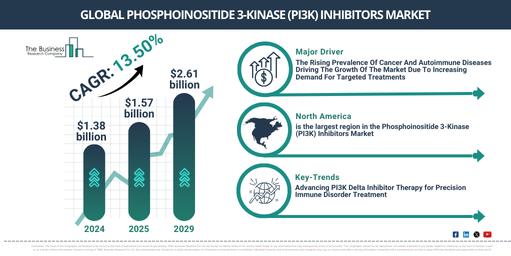
    The market size of phosphoinositide 3-kinase (PI3K) inhibitors has been growing rapidly in recent years, and it is expected to expand from $1.38 billion in 2024 to $1.57 billion in 2025, with a compound annual growth rate (CAGR) of 13.7%. The growth experienced in the past is linked to factors such as an increase in cancer prevalence, advances in research related to targeted therapies, the approval of first-generation PI3K inhibitors by regulatory bodies, a surge in healthcare spending, and the proliferation of clinical trials for hematologic malignancies.

    What Growth Rate Is Anticipated for the Phosphoinositide 3-Kinase (PI3K) Inhibitors Market in the Coming Years?

    In the coming years, the market for phosphoinositide 3-kinase (PI3K) inhibitors is projected to experience significant growth, increasing to $2.61 billion by 2029 with a compound annual growth rate (CAGR) of 13.5%. Factors contributing to the predicted growth during this period include the rising appeal of combination therapies, the development of safer next-generation PI3K inhibitors, heightened investment in cancer research, applications beyond oncology, and the growth in the use of biomarkers for patient selection. Shifting towards dual and pan-isoform PI3K inhibitors, a growing preference for oral administration over intravenous methods, a rising focus on circumventing resistance mechanisms, the growing application of artificial intelligence in drug discovery, and the expanding role of PI3K inhibitors in immunotherapy combinations are some of the key trends during this forecast period.

    Download The Free Sample Report Here:

    https://www.thebusinessresearchcompany.com/sample.aspx?id=23474&type=smp

    Who Are the Leading Companies in the Phosphoinositide 3-Kinase (PI3K) Inhibitors Market?

    Major companies operating in the phosphoinositide 3-kinase (PI3K) inhibitors market are Pfizer Inc., F. Hoffmann-La Roche Ltd, Merck & Co., AbbVie Inc., Bayer AG, Sanofi SA, Bristol Myers Squibb, AstraZeneca PLC, Novartis AG, GlaxoSmithKline (GSK) Plc, Takeda Pharmaceutical Company Limited, Eli Lilly and Company, Gilead Sciences, Boehringer Ingelheim, Genentech Inc., Incyte Corporation, Exelixis, Kura Oncology, TG Therapeutics Inc., Verastem Oncology

    What Are the Key Drivers of the Phosphoinositide 3-Kinase (PI3K) Inhibitors Market?

    The escalating rates of cancer and autoimmune diseases are anticipated to fuel the expansion of the phosphoinositide 3-kinase (PI3K) inhibitors market in future. Diseases such as cancer are typified by uncontrolled multiplication and growth of cells, while autoimmune illnesses manifest when the body’s immunity system wrongly targets its own healthy tissues, provoking chronic inflammation and damage to tissues. The rise in these diseases can be traced back to heightened genetic vulnerability, culminating in an accumulation of genetic mutations and an imbalance in the body’s immune response. Phosphoinositide 3-kinase (PI3K) inhibitors become crucial in countering this rising trend by focusing on abnormal PI3K signaling, which plays a part in facilitating tumor expansion and immune disruption. Consequently, they provide medicinal benefits by adopting precision medicine approaches that augment treatment effectiveness and patient outcomes. For example, as per the National Cancer Institute, a US government agency, the tally of cancer survivors in the United States, which stood at 18.1 million in 2022, is foreseen to escalate to 22.5 million by 2032, with around 40.5% of the population potentially facing a cancer diagnosis in their lifetime. Hence, the rising incidence of cancer and autoimmune diseases serves as a catalyst for the growth of the Phosphoinositide 3-Kinase (PI3K) Inhibitors market.

    Request For A Customized Report:

    https://www.thebusinessresearchcompany.com/customise?id=23474&type=smp

    What Are the Key Market Segments in the Phosphoinositide 3-Kinase (PI3K) Inhibitors Industry?

    The phosphoinositide 3-kinase (PI3K) inhibitors market covered in this report is segmented –

    1) By Type Of Inhibitor: Isoform Selective Inhibitors, Pan-Phosphoinositide 3-Kinase (PI3K) Inhibitors, Dual Phosphoinositide 3-Kinase (PI3K) Or Mechanistic Target Of Rapamycin (mTOR) Inhibitors, Novel Targeted Inhibitors

    2) By Distribution Channel: Hospital Pharmacies, Retail Pharmacies, Online Pharmacies, Other Distribution Channel

    3) By Application Areas: Cancer Treatment, Metabolic Disorders, Autoimmune Diseases, Neurological Disorders

    4) By End User: Hospitals, Research Institutes, Pharmaceutical Companies, Contract Research Organizations (CROs)

    Subsegments:

    1) By Isoform Selective Inhibitors: Phosphoinositide 3-Kinase Alpha (PI3Kα), Phosphoinositide 3-Kinase Beta (PI3Kβ), Phosphoinositide 3-Kinase Delta (PI3Kδ), Phosphoinositide 3-Kinase Gamma (PI3Kγ)

    2) By Pan-Phosphoinositide 3-Kinase (PI3K) Inhibitors: Class I Phosphoinositide 3-Kinase (PI3K), Non-Isoform Specific Phosphoinositide 3-Kinase (PI3K), Phosphoinositide 3-Kinase Kinase Domain

    3) By Dual Phosphoinositide 3-Kinase (PI3K) Or Mechanistic Target of Rapamycin (mTOR) Inhibitors: Phosphoinositide 3-Kinase (PI3K) and Mechanistic Target of Rapamycin (mTOR) Inhibition, Adenosine Triphosphate-Competitive Dual Inhibitors, Allosteric Dual Inhibitors

    4) By Novel Targeted Inhibitors: Next-Generation Phosphoinositide 3-Kinase, Targeting Mutant Phosphoinositide 3-Kinase Isoforms, Autophagy Modulators, Checkpoint Inhibitors, Combination Therapies

    What Are the Latest Trends in the Phosphoinositide 3-Kinase (PI3K) Inhibitors Market?

    Leading entities in the phosphoinositide 3-kinase (PI3K) inhibitors market are concentrated on creating unique solutions, including PI3K delta inhibitor treatments, to offer specific therapy options for ailments related to disarrayed phosphoinositide 3-kinase (PI3K) signaling. The PI3K delta inhibitor method, a targeted treatment, inhibits the PI3K delta enzyme crucial in immune cell signaling to diminish inflammation, autoimmune reactions, and select blood cancers. For instance, in March 2023, the US-based government regulatory body, the United States Food and Drug Administration (FDA), confirmed the approval of Joenja (leniolisib), marking it the first therapy for activated phosphoinositide 3-kinase delta syndrome (APDS) in patients aged 12 years and above. This authorization signified a substantial progress in targeted therapies by adopting a precision medicine tactic to address immune dysfunction resulting from genetic variations in the PIK3CD or PIK3R1 genes. The introduction of Joenja (leniolisib) not only broadens the clinical uses of phosphoinositide 3-kinase (PI3K) inhibitors beyond the scope of oncology, but it also emphasizes the increasing concentration on individualized treatments for rare immune-related disorders.

    Access The Full Report Here:

    https://www.thebusinessresearchcompany.com/report/phosphoinositide-3-kinase-pi3k-inhibitors-global-market-report

    What Are the Key Regional Markets in the Phosphoinositide 3-Kinase (PI3K) Inhibitors Industry?

    North America was the largest region in the phosphoinositide 3-kinase (PI3K) inhibitors market in 2024. Asia-Pacific is expected to be the fastest-growing region in the forecast period. The regions covered in the phosphoinositide 3-kinase (PI3K) inhibitors market report are Asia-Pacific, Western Europe, Eastern Europe, North America, South America, Middle East, Africa.

    Purchase The Full Report Today:

    https://www.thebusinessresearchcompany.com/purchaseoptions.aspx?id=23474

    This Report Delivers Insight On:

    1. How big is the phosphoinositide 3-kinase (pi3k) inhibitors market, and how is it changing globally?

    2. Who are the major companies in the phosphoinositide 3-kinase (pi3k) inhibitors market, and how are they performing?

    3. What are the key opportunities and risks in the phosphoinositide 3-kinase (pi3k) inhibitors market right now?

    4. Which products or customer segments are growing the most in the phosphoinositide 3-kinase (pi3k) inhibitors market?

    5. What factors are helping or slowing down the growth of the phosphoinositide 3-kinase (pi3k) inhibitors market?

    About The Business Research Company:

    With over 15000+ reports from 27 industries covering 60+ geographies, The Business Research Company has built a reputation for offering comprehensive, data-rich research and insights. Armed with 1,500,000 datasets, the optimistic contribution of in-depth secondary research, and unique insights from industry leaders, you can get the information you need to stay ahead in the game.

    Get in touch with us:

    The Business Research Company: https://www.thebusinessresearchcompany.com/

    Americas +1 310-496-7795

    Europe +44 7882 955267

    Asia & Others +44 7882 955267 & +91 8897263534

    Email us at info@tbrc.info

    Follow us on:

    LinkedIn: https://in.linkedin.com/company/the-business-research-company

    YouTube: https://www.youtube.com/channel/UC24_fI0rV8cR5DxlCpgmyFQ

    Global Market Model: https://www.thebusinessresearchcompany.com/global-market-model
  • Pharmaceutical Stability And Storage Services  Industry Insights 2025 – Market Forecast for Executives and Planners

    Pharmaceutical Stability And Storage Services Industry Insights 2025 – Market Forecast for Executives and Planners

    Claim your 30% discount on Global Market Reports with code ONLINE30. Limited time only.

    How Has the Pharmaceutical Stability And Storage Services Market Size Changed, over the years?

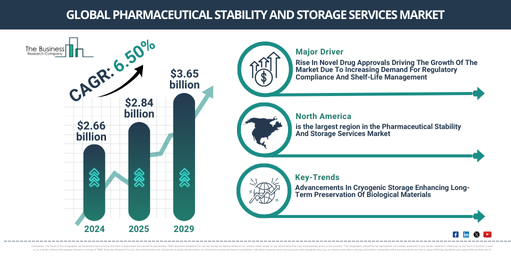
    The market for pharmaceutical stability and storage services has witnessed robust expansion in recent times. Its size is projected to increase from $2.66 billion in 2024 to $2.84 billion in 2025, indicating a compound annual growth rate (CAGR) of 6.7%. The surge in the historical period could be credited to factors like rising demand for biologics, growing incidences of chronic illnesses, development in drug creation, heightened complexity in drug formulations, and escalating research and development in the pharmaceutical sector.

    How Much Will the Pharmaceutical Stability And Storage Services Market Be Worth in 2029?

    Expectations are high for robust expansion in the pharmaceutical stability and storage services market in the coming years. The market is projected to reach $3.65 billion in 2029 with a compound annual growth rate (CAGR) of 6.5%. The expected growth in the future can be linked to factors such as the rise of personalized medicine, the expansion of cold chain logistics, the increasing biopharmaceutical pipeline, the surge in biologic drug approvals, and a growing necessity for stability testing. Upcoming trends for the forecast period comprise technology progress, advancements in cryogenic storage methods, evolution in digital monitoring technologies, introduction of novel packaging technologies, and improved temperature-regulated storage systems.

    Download The Free Sample Report Here:

    https://www.thebusinessresearchcompany.com/sample.aspx?id=23473&type=smp

    Which is the Largest Company in the Pharmaceutical Stability And Storage Services Market?

    Major companies operating in the pharmaceutical stability and storage services market are Cencora Inc, SGS S.A., Eurofins Scientific SE, Catalent Inc, Charles River Laboratories, Intertek Group plc, Element Materials Technology Inc, Alloga UK Ltd., ALS Limited, Pharmaceutical Contract Industries Pharma Services., Almac Group, Alcami Corporation, BioLife Solutions Inc., Auriga Research Private Limited, Reading Scientific Services Ltd., Lucideon Limited, Q Laboratories Inc, PD Partners, Precision Stability Storage, Roylance Stability Storage Limited

    What Are the Main Market Drivers in the Pharmaceutical Stability And Storage Services Industry?

    The surge in novel drug approvals is predicted to stimulate the progress of the pharmaceutical stability and storage services market. A novel drug pertains to a newly created pharmaceutical composition that has not been endorsed previously for utilization or advertised. The escalation in novel drug approvals is ascribed to advancements in biotechnology that foster the identification of fresh compounds and enhance regulatory operations for expedited and efficient drug elaboration. The augmented approvals of novel drugs boost the need for pharmaceutical stability and storage services, ensuring ideal conditions, adherence, and prolonged shelf-life supervision. For example, the U.S. Food and Drug Administration (FDA), a federal establishment based in the U.S. tasked with ensuring public health, unveiled that in 2022, 37 novel drugs got their approval, trailed by 50 in 2024. These approvals have expedited treatments in numerous sectors such as cancer, rare diseases, neurology, infections, and numerous conditions like schizophrenia, pain, and Alzheimer’s. Consequently, the surge in novel drug approvals propels the progress of the pharmaceutical stability and storage services market.

    Request For A Customized Report:

    https://www.thebusinessresearchcompany.com/customise?id=23473&type=smp

    How Is the Pharmaceutical Stability And Storage Services Market Segments Structured?

    The pharmaceutical stability and storage services market covered in this report is segmented –

    1) By Service: Stability, Storage

    2) By Product Type: Tablets, Capsules, Injectable Solutions, Oral Suspensions, Combination Products, Other Product Types

    3) By Molecule: Small Molecule, Large Molecule

    4) By Mode: In-House, Outsourcing

    5) By End User: Biopharmaceutical Companies, Contract Manufacturing Organizations, Contract Research Organizations, Other End Users

    Subsegments:

    1) Stability Services: Long-Term Stability Studies, Accelerated Stability Studies, Intermediate Stability Studies, Photostability Testing, Forced Degradation Studies

    2) Storage Services: Ambient Storage, Refrigerated Storage (2°C to 8°C), Frozen Storage (-20°C to -80°C), Cryogenic Storage (-150°C to -196°C), Controlled Drug Substance And Product Storage

    What Strategic Trends Are Transforming the Pharmaceutical Stability And Storage Services Market?

    Top players in the pharmaceutical stability and storage services market are zeroing in on creating high-tech solutions like cryogenic storage suites to augment the conservation of temperature-sensitive pharmaceutical goods. A cryogenic storage suite is a dedicated storage facility that holds extremely frigid temperatures, usually under -150°C, to store temperature-dependent biological and pharmaceutical commodities such as vaccines, cell treatments, and biologics. For instance, Astoriom, a stability and biospecimen storage company based in the UK, brought a cryogenic storage suite at its Tramore plant in County Waterford, Ireland on-stream in December 2024. This substantial upgrade has allowed for advanced biological sample storage abilities. This cutting-edge suite is designed to cater to the escalating need for reliable, long-term storage of biological substances, guaranteeing their sustainability over lengthy durations. This storage suite is equipped with highly precise temperature control that can go as low as -196°C, extensive storage capacity, conformity with ISO 9001 for regulatory compliance, and advanced security measures which include access controls and surveillance systems.

    Access The Full Report Here:

    https://www.thebusinessresearchcompany.com/report/pharmaceutical-stability-and-storage-services-global-market-report

    Which Global Regions Offer the Highest Growth in the Pharmaceutical Stability And Storage Services Market?

    North America was the largest region in the pharmaceutical stability and storage services market in 2024. Asia-Pacific is expected to be the fastest-growing region in the forecast period. The regions covered in the pharmaceutical stability and storage services market report are Asia-Pacific, Western Europe, Eastern Europe, North America, South America, Middle East, Africa.

    Purchase The Full Report Today:

    https://www.thebusinessresearchcompany.com/purchaseoptions.aspx?id=23473

    This Report Delivers Insight On:

    1. How big is the pharmaceutical stability and storage services market, and how is it changing globally?

    2. Who are the major companies in the pharmaceutical stability and storage services market, and how are they performing?

    3. What are the key opportunities and risks in the pharmaceutical stability and storage services market right now?

    4. Which products or customer segments are growing the most in the pharmaceutical stability and storage services market?

    5. What factors are helping or slowing down the growth of the pharmaceutical stability and storage services market?

    About The Business Research Company:

    With over 15000+ reports from 27 industries covering 60+ geographies, The Business Research Company has built a reputation for offering comprehensive, data-rich research and insights. Armed with 1,500,000 datasets, the optimistic contribution of in-depth secondary research, and unique insights from industry leaders, you can get the information you need to stay ahead in the game.

    Get in touch with us:

    The Business Research Company: https://www.thebusinessresearchcompany.com/

    Americas +1 310-496-7795

    Europe +44 7882 955267

    Asia & Others +44 7882 955267 & +91 8897263534

    Email us at info@tbrc.info

    Follow us on:

    LinkedIn: https://in.linkedin.com/company/the-business-research-company

    YouTube: https://www.youtube.com/channel/UC24_fI0rV8cR5DxlCpgmyFQ

    Global Market Model: https://www.thebusinessresearchcompany.com/global-market-model
  • Visceral Leishmaniasis Industry Insights 2025 – Market Forecast for Executives and Planners

    Visceral Leishmaniasis Industry Insights 2025 – Market Forecast for Executives and Planners

    Claim your 30% discount on Global Market Reports with code ONLINE30. Limited time only.

    How Has the Visceral Leishmaniasis Market Size Changed, over the years?

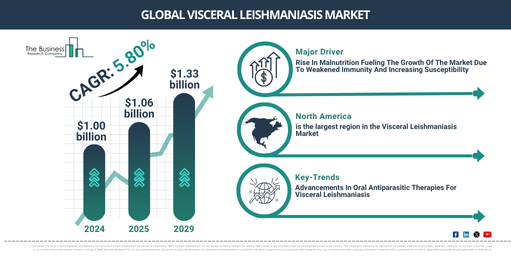
    In the last few years, the market size of visceral leishmaniasis has seen a robust growth. The market is set to increase from $1.00 billion in 2024 to $1.06 billion in 2025, with a compound annual growth rate (CAGR) of 6.1%. The factors contributing to the growth during the historic period include an increase in disease burden, surge in government funding, launch of amphotericin B, advancement of miltefosine, expansion of awareness campaigns, better accessibility to healthcare in endemic areas, and the foundation of public-private alliances.

    How Much Will the Visceral Leishmaniasis Market Be Worth in 2029?

    In the upcoming years, the market size for visceral leishmaniasis is set to witness substantial growth, with a projected worth of $1.33 billion in 2029, driven by a compound annual growth rate (CAGR) of 5.8%. Several factors can account for this growth in the forecast period, such as increased investment in the development of vaccines, heightened worldwide disease monitoring programs, growth in public-private partnerships, better funding for overlooked tropical diseases, and the introduction of gene-based therapies. Key trends predicted for this period include CRISPR-based gene alterations, AI-aided drug discovery, nanotechnology-improved drug delivery, next-gen sequencing for parasite examination, wearable biosensors for prompt detection, the application of blockchain for medical supply chain control, smartphone-driven diagnostic mechanisms, and 3D bioprinting geared towards personalized treatment research.

    Download The Free Sample Report Here:

    https://www.thebusinessresearchcompany.com/sample.aspx?id=23573&type=smp

    Which is the Largest Company in the Visceral Leishmaniasis Market?

    Major companies operating in the visceral leishmaniasis market are Pfizer Inc., Bristol-Myers Squibb Company, Abbott Laboratories, Novartis AG, GSK plc, Takeda Pharmaceutical Company Limited, Gilead Sciences Inc., Sun Pharmaceutical Industries Ltd., Dr. Reddy’s Laboratories, Aurobindo Pharma Limited, Cipla Limited, Zydus Lifesciences Limited, Glenmark Pharmaceuticals Limited, Alkem Laboratories Ltd, Xellia Pharmaceuticals, Knight Therapeutics Inc, Gufic Biosciences Ltd., United Biotech Private Limited, DNDi, TLC.

    What Are the Main Market Drivers in the Visceral Leishmaniasis Industry?

    The escalation in malnutrition levels is predicted to spur the expansion of the visceral leishmaniasis market. Malnutrition, a health issue resulting from insufficient or unbalanced intake of key nutrients required for bodily functions, has been on the rise due to food insecurity. This insecurity impedes access to nutritious food, prompting undernourishment and micro-nutrient insufficiencies, subsequently compromising the immune system. An impaired immune system heralds an increased susceptibility to infections, including visceral leishmaniasis. The body’s defense mechanisms are weakened by nutrient deficiencies, thereby augmenting the risk of intensified diseases and complications. For example, the Food and Agriculture Organization, an Italy-based specialized agency of the United Nations, reported in July 2024 that the count of undernourished people had elevated to 723.8 million in 2022, which was higher than 708.7 million in 2021. In consequence, malnutrition’s rise is fuelling the growth of the visceral leishmaniasis market.

    Request For A Customized Report:

    https://www.thebusinessresearchcompany.com/customise?id=23573&type=smp

    How Is the Visceral Leishmaniasis Market Segments Structured?

    The visceral leishmaniasis market covered in this report is segmented –

    1) By Treatment: Antiparasitic, Antifungal, Other Treatments

    2) By Diagnosis Method: Serological Tests, Molecular Tests, Microscopy, Culture Methods

    3) By Route Of Administration: Oral, Injectable, Other Routes Of Administration

    4) By Distribution Channel: Hospital Pharmacy, Online Pharmacy, Retail Pharmacy

    5) By End-User: Hospitals, Homecare, Specialty Clinics, Other End-Users

    Subsegments:

    1) By Antiparasitic: Pentavalent Antimonials, Miltefosine, Paromomycin, Sitamaquine, Combination Therapy

    2) By Antifungal: Amphotericin B, Liposomal Amphotericin B (AmBisome), Azoles, Echinocandins, Polyenes

    3) By Other Treatments: Immunotherapy, Monoclonal Antibodies, Vaccine-Based Approaches, Photodynamic Therapy, Gene Therapy

    What Strategic Trends Are Transforming the Visceral Leishmaniasis Market?

    Leading firms in the visceral leishmaniasis market are placing emphasis on the progression of treatment alternatives, such as antiparasitic drugs, to heighten effectiveness and boost patient access, particularly in areas heavily affected by the disease. Antiparasitic drugs, which are used to treat parasitic infections, operate by interfering with the parasite’s biological processes, limiting its growth, reproduction, or survival. For example, in February 2024, Zydus Lifesciences Limited, a pharmaceutical company based in India, was granted prequalification approval by the World Health Organization (WHO) for the active pharmaceutical ingredient (API) and formulation of miltefosine, used to treat leishmaniasis, also known as kala-azar. Miltefosine, an oral antiparasitic drug, functions by damaging the parasite’s cell membrane and disrupting its metabolism, causing cell death. Additionally, it inhibits parasite growth and ensures survival, making it a potent oral therapy for visceral leishmaniasis or kala azar.

    Access The Full Report Here:

    https://www.thebusinessresearchcompany.com/report/visceral-leishmaniasis-global-market-report

    Which Global Regions Offer the Highest Growth in the Visceral Leishmaniasis Market?

    North America was the largest region in the visceral leishmaniasis market in 2024. Asia-Pacific is expected to be the fastest-growing region in the forecast period. The regions covered in the visceral leishmaniasis market report are Asia-Pacific, Western Europe, Eastern Europe, North America, South America, Middle East, Africa.

    Purchase The Full Report Today:

    https://www.thebusinessresearchcompany.com/purchaseoptions.aspx?id=23573

    This Report Delivers Insight On:

    1. How big is the visceral leishmaniasis market, and how is it changing globally?

    2. Who are the major companies in the visceral leishmaniasis market, and how are they performing?

    3. What are the key opportunities and risks in the visceral leishmaniasis market right now?

    4. Which products or customer segments are growing the most in the visceral leishmaniasis market?

    5. What factors are helping or slowing down the growth of the visceral leishmaniasis market?

    About The Business Research Company:

    With over 15000+ reports from 27 industries covering 60+ geographies, The Business Research Company has built a reputation for offering comprehensive, data-rich research and insights. Armed with 1,500,000 datasets, the optimistic contribution of in-depth secondary research, and unique insights from industry leaders, you can get the information you need to stay ahead in the game.

    Get in touch with us:

    The Business Research Company: https://www.thebusinessresearchcompany.com/

    Americas +1 310-496-7795

    Europe +44 7882 955267

    Asia & Others +44 7882 955267 & +91 8897263534

    Email us at info@tbrc.info

    Follow us on:

    LinkedIn: https://in.linkedin.com/company/the-business-research-company

    YouTube: https://www.youtube.com/channel/UC24_fI0rV8cR5DxlCpgmyFQ

    Global Market Model: https://www.thebusinessresearchcompany.com/global-market-model
  • Market Analysis on Vestibular Neuronitis Treatment Industry – Insights for Corporate Strategy and R&D

    Market Analysis on Vestibular Neuronitis Treatment Industry – Insights for Corporate Strategy and R&D

    Claim your 30% discount on Global Market Reports with code ONLINE30. Limited time only.

    What Is the Forecast for the Vestibular Neuronitis Treatment Market from 2024 to 2025?

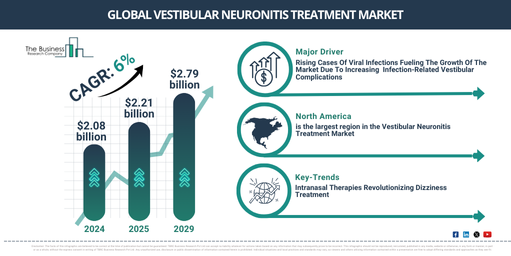
    In recent times, the market size for vestibular neuronitis treatment has significantly expanded. The market is forecasted to increase from $2.08 billion in 2024 to $2.21 billion in 2025, growing at a compound annual growth rate (CAGR) of 6.3%. The historic growth is credited to the rise in awareness on vestibular disorders, the increase in cases of chronic ailments, the sweeping prevalence of various vestibular conditions, the growing population of the elderly, and the escalating incidence of vestibular neuronitis.

    What Is the Projected Market Size of the Vestibular Neuronitis Treatment Market?

    Over the coming years, the market size for vestibular neuronitis treatment is predicted to experience robust growth. It’s projected to expand to $2.79 billion by 2029, with a Compound Annual Growth Rate (CAGR) of 6%. This growth within the forecast period is due to factors such as increased healthcare spending, a growing number of neurological disorder cases, a rise in sarcoma and ear infection incidences, and heightened awareness of balance disorders. The forecast period will also see significant trends such as the application of artificial intelligence (AI) and machine learning (ML) innovations, advancements in vestibular examination technological approaches, breakthroughs in drug delivery methods, the introduction of telemedicine for remote vestibular treatment, and enhancements in imaging technologies for inner ear evaluations.

    Download The Free Sample Report Here:

    https://www.thebusinessresearchcompany.com/sample.aspx?id=23567&type=smp

    Who are the Major Competitors in the Vestibular Neuronitis Treatment Market Outlook?

    Major companies operating in the vestibular neuronitis treatment market are Kaiser Permanente, Pfizer Inc., Johnson & Johnson, F. Hoffmann-La Roche AG, Merck & Co. Inc., AbbVie Inc., Abbott Laboratories, Novartis AG, GSK plc, Bupa, Teva Pharmaceutical Industries Ltd., Bausch Health Companies Inc., Cipla Limited, Dr. Reddy’s Laboratories Ltd. , Zydus Lifesciences Limited, Recordati S.p.A., ANI Pharmaceuticals Inc., Prestige Consumer Healthcare Inc., Sun Pharmaceutical Industries Ltd., LGM Pharma

    What Is Fueling Growth in the Vestibular Neuronitis Treatment Market?

    The escalating frequency of viral infections is anticipated to boost the vestibular neuronitis treatment market’s expansion. Viral diseases, which cause invading viruses to multiply in a host organism’s cells, result in a variety of symptoms and possible tissue damage. The surge in viral infections is predominantly attributed to global travel and urbanization, leading to increased population density and human interaction, allowing viruses to easily propagate through airborne droplets, direct contact, and tainted surfaces. Treatments for vestibular neuronitis assist in managing viral infections by reducing inflammation of the vestibular nerve, easing dizziness and balance disorders, and aiding recovery with the help of medications, rehabilitation therapy, and palliative care. For example, the UK Health Security Agency stated in October 2024 that HIV diagnoses in England hit 6,008 in 2023, a 51% leap from 3,975 in 2022 and a 56% uptick from 3,859 in 2019, highlighting how the increasing viral infections are driving the market for vestibular neuronitis treatment. The growth of the vestibular neuronitis treatment market is anticipated to be spurred by expanding healthcare expenditures. Healthcare spendings reflect the aggregate sum spent on medical services, treatments, facilities, research, and public health efforts to sustain or enhance health outcomes. The mounting demand for healthcare funds comes from the ageing population, who are more prone to balance disorders due to inner ear degeneration, subpar blood flow, and feeble nerve function. Healthcare expenses support vestibular neuronitis treatment by funding research, evolving medical technologies, and enhancing access to specialized care, facilitating superior treatment choices and quicker patient recovery. For example, the Centers for Medicare & Medicaid Services (CMS) reported in December 2024 that national health expenditures (NHE) rose by 7.5% in 2023, surpassing the GDP growth of 6.1%. From 2023 to 2032, the average national health expenditure (NHE) is expected to expand at an average annual rate of 5.6%, resulting in a rise of health spending share of GDP from 17.3% in 2022 to 19.7% in 2032, implying that growing healthcare expenses are propelling the market for vestibular neuronitis treatment.

    Request For A Customized Report:

    https://www.thebusinessresearchcompany.com/customise?id=23567&type=smp

    Which Vestibular Neuronitis Treatment Market Segments Are Growing the Fastest?

    The vestibular neuronitis treatment market covered in this report is segmented –

    1) By Treatment Type: Medication, Physical Therapy, Surgery, Alternative Therapy

    2) By Route Of Administration: Oral, Intravenous, Intramuscular

    3) By Age Group: Children, Adults, Elderly

    4) By Symptoms: Sudden Vertigo, Balance Issues, Nausea And Vomiting, Dizziness, Trouble Concentrating

    5) By End Users: Hospitals, Clinics, Other End Users

    Subsegments:

    1) By Medication: Corticosteroids, Antihistamines, Benzodiazepines, Antiemetics, Antiviral Drugs, Antibiotics

    2) By Physical Therapy: Vestibular Rehabilitation Therapy (VRT), Balance Training Exercises, Canalith Repositioning Maneuvers

    3) By Surgery: Labyrinthectomy, Vestibular Nerve Section, Endolymphatic Sac Decompression

    4) By Alternative Therapy: Acupuncture, Herbal Medicine, Chiropractic Therapy, Homeopathic Treatment, Dietary Supplements

    Which Industry Trends Are Shaping the Future of the Vestibular Neuronitis Treatment Market?

    Leading firms in the vestibular neuronitis treatment market are channeling their efforts towards the creation of cutting-edge solutions like vestibular modulators. These solutions aim to boost vestibular compensation, expedite recovery from vertigo, and increase the efficacy of treatments for balance disorder patients. Vestibular modulators serve as medicinal agents that control the activity of the vestibular system to enhance balance, minimize vertigo and amplify vestibular compensation. For example, Altamira Therapeutics Ltd., a biopharmaceutical company based in Switzerland, received investigational new drug (IND) clearance from the U.S. Food and Drug Administration in June 2023 for AM-125 (betahistine nasal spray) for acute vestibular syndrome (AVS). AM-125, a vestibular modulator, combats vestibular neuronitis via the increased release of histamine, enhanced vestibular compensation, and elevated inner ear blood flow, thereby alleviating vertigo and balance issues. It’s intranasal application guarantees swift absorption and amplified bioavailability for rapid symptom relief.

    Access The Full Report Here:

    https://www.thebusinessresearchcompany.com/report/vestibular-neuronitis-treatment-global-market-report

    Which Countries Are Leading the Vestibular Neuronitis Treatment Market?

    North America was the largest region in the vestibular neuronitis treatment market in 2024. Asia-Pacific is expected to be the fastest-growing region in the forecast period. The regions covered in the vestibular neuronitis treatment market report are Asia-Pacific, Western Europe, Eastern Europe, North America, South America, Middle East, Africa.

    Purchase The Full Report Today:

    https://www.thebusinessresearchcompany.com/purchaseoptions.aspx?id=23567

    This Report Delivers Insight On:

    1. How big is the vestibular neuronitis treatment market, and how is it changing globally?

    2. Who are the major companies in the vestibular neuronitis treatment market, and how are they performing?

    3. What are the key opportunities and risks in the vestibular neuronitis treatment market right now?

    4. Which products or customer segments are growing the most in the vestibular neuronitis treatment market?

    5. What factors are helping or slowing down the growth of the vestibular neuronitis treatment market?

    About The Business Research Company:

    With over 15000+ reports from 27 industries covering 60+ geographies, The Business Research Company has built a reputation for offering comprehensive, data-rich research and insights. Armed with 1,500,000 datasets, the optimistic contribution of in-depth secondary research, and unique insights from industry leaders, you can get the information you need to stay ahead in the game.

    Get in touch with us:

    The Business Research Company: https://www.thebusinessresearchcompany.com/

    Americas +1 310-496-7795

    Europe +44 7882 955267

    Asia & Others +44 7882 955267 & +91 8897263534

    Email us at info@tbrc.info

    Follow us on:

    LinkedIn: https://in.linkedin.com/company/the-business-research-company

    YouTube: https://www.youtube.com/channel/UC24_fI0rV8cR5DxlCpgmyFQ

    Global Market Model: https://www.thebusinessresearchcompany.com/global-market-model
  • Venturi Mask Forecast Report – Designed for Decision Makers and Product Teams

    Venturi Mask Forecast Report – Designed for Decision Makers and Product Teams

    Claim your 30% discount on Global Market Reports with code ONLINE30. Limited time only.

    What Is the Growth Rate of the Venturi Mask Market?

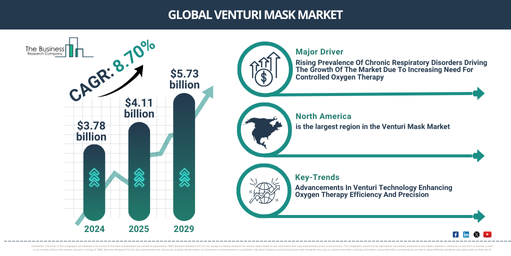
    In the past few years, the Venturi mask industry has showcased substantial growth. It’s projected to increase from $3.78 billion in 2024 to $4.11 billion in 2025, with a Compound Annual Growth Rate (CAGR) of 8.8%. The market growth during the historical period can be linked to various factors such as increased needs in ambulatory surgical centers, governmental support for respiratory care apparatus, high urban air contamination, improved healthcare access for the expanding middle-class population, and the evolution of in-home oxygen therapy.

    What Growth Rate Is Forecasted for the Venturi Mask Market by 2029?

    The market size for venturi masks is predicted to experience a considerable upswing in the coming years, growing to $5.73 billion by 2029 with a compound annual growth rate (CAGR) of 8.7%. The projected growth during this period can be traced back to an increase in chronic obstructive pulmonary disease incidences, rising asthma cases globally, high pneumonia infection prevalence, swelling numbers of elderly patients requiring hospital admission, and growing intensive care unit capabilities. The forecast period will also witness key trends such as the emergence of adjustable oxygen delivery systems, the incorporation of hepa filters to manage infections, the use of lightweight and adaptable materials, patient comfort enhancement through ergonomic designs, and a growing partnership trend between hospitals and device manufacturers.

    Download The Free Sample Report Here:

    https://www.thebusinessresearchcompany.com/sample.aspx?id=23566&type=smp

    Which Key Companies Are Shaping the Future of the Venturi Mask Market?

    Major companies operating in the venturi mask market are Intersurgical, Polymed Medical Devices, GaleMed Corporation, Suzhou Sunmed, Medilivescare Manufacturing Pvt. Ltd., Angiplast Pvt Ltd., Greetmed, Narang Medical Ltd., Manish Enterprises, Forca Healthcare, Life-O-Line Technologist , WEGO Medical, Forlong Medical Co. Ltd., Supertech Surgical Company, Airways Surgical Pvt. Ltd., APEX MEDICAL DEVICES, Hangzhou Shanyou Medical Equipment Co. Ltd., Yash Care Life Scieneces, Welco Lifecare Private Limited, Goldenwell

    Which Factors Are Driving Demand in the Venturi Mask Industry?

    The anticipated growth of the venturi mask market is linked to the rising prevalence of chronic respiratory conditions. These long-lasting lung diseases are characterized by enduring breathing difficulties and diminished lung function caused by inflammation, obstructions, or scarring. The increasing occurrence of these disorders can be attributed to persistent changes in worldwide health trends and improved diagnosis and acknowledgement of these conditions. Venturi masks play a critical role in treating these disorders as they supply a fixed concentration of oxygen, a fundamental requirement for conditions like COPD where excess oxygen can disrupt the body’s natural respiratory rhythm. A 2023 report from the US-based National Library of Medicine forecasted a significant rise in global COPD cases among those aged 25 and above, predicting nearly 600 million cases by 2050, up 23% from 2020. Interestingly, the report suggested a likely 47.1% increase in female cases, versus a mere 9.4% jump for males. It also indicated that low- to middle-income areas may witness over double the cases compared to affluent regions. Thus, the rising occurrence of chronic respiratory disorders is likely to augment the growth of the venturi mask market.

    Request For A Customized Report:

    https://www.thebusinessresearchcompany.com/customise?id=23566&type=smp

    How Is the Venturi Mask Market Segmented by Several Divisions?

    The venturi mask market covered in this report is segmented –

    1) By Product Type: Single Venturi Masks, Multi-Venturi Masks, Adjustable Flow Venturi Masks, Pediatric Venturi Masks, Adult Venturi Masks

    2) By Material Type: Plastic Venturi Masks, Silicone Venturi Masks, Rubber Venturi Masks, Disposable Venturi Masks, Re-Usable Venturi Masks

    3) By Oxygen Flow Rate: Low Flow Rate (1-6 L/min), Medium Flow Rate (6-12 L/min), High Flow Rate (12-15 L/min), Variable Flow Rate

    4) By Application: Chronic Obstructive Pulmonary Disease (COPD), Asthma, Pneumonia, Myocardial Infarction, Respiratory Distress Syndrome

    5) By End-User: Hospitals And Clinics, Homecare, Ambulatory Surgery Centers

    Subsegments:

    1) By Single Venturi Masks: Low-Flow Single Venturi Masks, High-Flow Single Venturi Masks

    2) By Multi-Venturi Masks: Fixed Multi-Venturi Masks, Adjustable Multi-Venturi Masks

    3) By Adjustable Flow Venturi Masks: Low-Flow Adjustable Venturi Masks, High-Flow Adjustable Venturi Masks

    4) By Pediatric Venturi Masks: Pediatric Low-Flow Venturi Masks, Pediatric High-Flow Venturi Masks

    5) By Adult Venturi Masks: Adult Low-Flow Venturi Masks, Adult High-Flow Venturi Masks

    What are the Emerging Market Trends Driving the Growth of the Venturi Mask Industry?

    Major businesses in the venturi mask industry are innovating advanced apparatus, like venturi adapters, that deliver accurate and dependable oxygen concentrations. These adapters manage the oxygen flow by blending it with ambient air, delivering the exact necessary oxygen concentration for patients’ treatments. As an illustration, in April 2024, Sunset Healthcare, an American firm with expertise in respiratory products, unveiled the Lynx Venturi System, a cutting-edge oxygen supply system. This system modernizes oxygen therapy by employing a single mask, which can be adjusted to high or low flow, circumventing the need for multiple venturi adapters. The Lynx Venturi System guarantees precise FiO2 for a range of oxygen needs, facilitating seamless handovers among Emergency Medical Services, Emergency Department, Intensive Care Units, and other care settings. Its compact design lessens waste, reduces the need for additional components, and enhances both clinical and fiscal performance. User-friendly adapters necessitate minimal instruction, allowing respiratory therapists to concentrate on complex care and aiding in the early identification of hypoxemia through accurate monitoring of PaO2 or FiO2.

    Access The Full Report Here:

    https://www.thebusinessresearchcompany.com/report/venturi-mask-global-market-report

    Which Regions Are Driving Growth in the Venturi Mask Market?

    North America was the largest region in the venturi mask market in 2024. Asia-Pacific is expected to be the fastest-growing region in the forecast period. The regions covered in the venturi mask market report are Asia-Pacific, Western Europe, Eastern Europe, North America, South America, Middle East, Africa.

    Purchase The Full Report Today:

    https://www.thebusinessresearchcompany.com/purchaseoptions.aspx?id=23566

    This Report Delivers Insight On:

    1. How big is the venturi mask market, and how is it changing globally?

    2. Who are the major companies in the venturi mask market, and how are they performing?

    3. What are the key opportunities and risks in the venturi mask market right now?

    4. Which products or customer segments are growing the most in the venturi mask market?

    5. What factors are helping or slowing down the growth of the venturi mask market?

    About The Business Research Company:

    With over 15000+ reports from 27 industries covering 60+ geographies, The Business Research Company has built a reputation for offering comprehensive, data-rich research and insights. Armed with 1,500,000 datasets, the optimistic contribution of in-depth secondary research, and unique insights from industry leaders, you can get the information you need to stay ahead in the game.

    Get in touch with us:

    The Business Research Company: https://www.thebusinessresearchcompany.com/

    Americas +1 310-496-7795

    Europe +44 7882 955267

    Asia & Others +44 7882 955267 & +91 8897263534

    Email us at info@tbrc.info

    Follow us on:

    LinkedIn: https://in.linkedin.com/company/the-business-research-company

    YouTube: https://www.youtube.com/channel/UC24_fI0rV8cR5DxlCpgmyFQ

    Global Market Model: https://www.thebusinessresearchcompany.com/global-market-model
  • Venlafaxine Market Outlook 2025 – Insights for Executive and Strategic Planning

    Venlafaxine Market Outlook 2025 – Insights for Executive and Strategic Planning

    Claim your 30% discount on Global Market Reports with code ONLINE30. Limited time only.

    How Has the Venlafaxine Market Grown from 2024 to 2025?

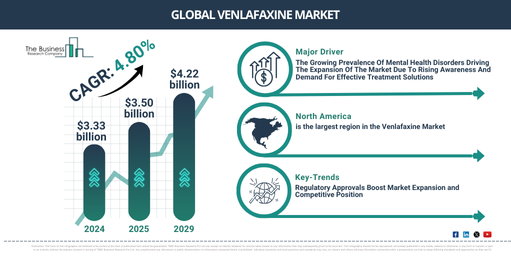
    In the past few years, the market size for venlafaxine has robustly expanded. The growth is expected to continue, with market value projected to increase from $3.33 billion in 2024 to $3.50 billion in 2025, boasting a compound annual growth rate (CAGR) of 5.1%. This upward trend during the historic period is largely associated with factors such as the escalating severity of depression, increasing symptoms of anxiety, a rise in treatment resistance, the growing necessity for dose adjustments, patient aging, and other health-related aspects.

    What Growth Rate Is Anticipated for the Venlafaxine Market in the Coming Years?

    Anticipations point towards a steady expansion of the venlafaxine market in the forthcoming years, with a potential escalation to $4.22 billion by 2029, boasting a Compound Annual Growth Rate (CAGR) of 4.8%. This anticipated expansion during the forecast terms is believed to be due to an increased apprehension of chronic stress, a surge in occurrences of panic attacks, sharpened knowledge into medication-resistant conditions, improved consciousness of neurobiological factors, and an amplified emphasis on personalized medical treatments. The forecast span is predicted to see major advancements including the progression of digital health and monitoring, discovery of drugs facilitated by AI, enhancements in drug delivery systems, regulatory and policy improvements, and the application of AI in monitoring treatments.

    Download The Free Sample Report Here:

    https://www.thebusinessresearchcompany.com/sample.aspx?id=23565&type=smp

    Who Are the Leading Companies in the Venlafaxine Market?

    Major companies operating in the venlafaxine market are Pfizer Inc., Merck & Co. Inc., Sanofi SA, Thermo Fisher Scientific Inc., AstraZeneca plc, Novartis AG, Takeda Pharmaceutical Company Limited., Viatris Inc., Teva Pharmaceutical Industries, Sun Pharmaceutical Industries Ltd., Aurobindo Pharma, Dr Reddy’s Laboratories., Zydus Cadila, Lupin Pharmaceuticals, Torrent Pharmaceuticals, Taylor & Francis , Stada Arzneimittel, Taj Pharma, Mesha Pharma, Suzhou Pharmaceutical.

    What Are the Key Drivers of the Venlafaxine Market?

    The surging rates of mental health disorders are anticipated to fuel the expansion of the venlafaxine market. These disorders, which impact an individual’s thoughts, emotions, behavior, or mood, frequently lead to distress and hinder everyday functionality. The rise in mental health disorders is linked to the excessive use of social media, which encourages unrealistic comparisons, promotes cyberbullying, and limits face-to-face interactions, intensifying anxiety and depression. Venlafaxine assists in managing these disorders by increasing serotonin and norepinephrine levels in the brain. Its dual action mechanism regulates mood and aids in reducing symptoms related to depression, anxiety disorders, and panic disorder. For example, in 2022, the National Institute of Mental Health (NIMH), a US-based federal agency, reported that 59.3 million or 23.1% of US adults suffered from any mental illness (AMI). A higher prevalence was seen in females at 26.4% compared to males at 19.7%. Consequently, the growing prevalence of mental health disorders is propelling the growth of the venlafaxine market. The growth of the venlafaxine market is also due to the increasing demand for personalized medicine, driven by advancements in genetic research and individualized treatments. Personalized medicine is a healthcare approach which factors in a person’s genetic makeup, lifestyle, and specific disease characteristics to tailor treatments for improved results. Progress in genetic research has led to more precise treatments that are tailored to a person’s unique genetic traits, resulting in better patient outcomes. Personalized medicine for venlafaxine uses genetic testing to note variations in metabolism-related genes. This allows doctors to modify the dosage or select alternative medications ensuring more effective and safer treatment. For instance, in February 2024, the Personalized Medicine Coalition, a US-based group representing scientists, patients, and providers, reported that the U.S. Food and Drug Administration (FDA) approved 16 new personalized treatments for rare diseases in 2023, an increase from six approvals in 2022. Thus, the growing demand for personalized medicine is fueling the growth of the venlafaxine market.

    Request For A Customized Report:

    https://www.thebusinessresearchcompany.com/customise?id=23565&type=smp

    What Are the Key Market Segments in the Venlafaxine Industry?

    The venlafaxine market covered in this report is segmented –

    1) By Formulation: Extended-Release Capsules, Immediate-Release Tablets, Oral Solution

    2) By Drug Class: Antidepressant, Selective Serotonin And Norepinephrine Reuptake Inhibitors (SNRIs)

    3) By Demographic: Adult, Pediatric, Geriatric

    4) By Application: Panic Disorder, Depression, Anxiety, Social Anxiety Disorder, Other Application

    5) By End-User: Clinic, Hospital, Other End-Users

    Subsegments:

    1) By Extended-Release Capsules: 37.5 Mg Capsules, 75 Mg Capsules, 150 Mg Capsules, 225 Mg Capsules

    2) By Immediate-Release Tablets: 25 Mg Tablets, 37.5 Mg Tablets, 50 Mg Tablets, 75 Mg Tablets, 100 Mg Tablets

    3) By Oral Solution: 25 Mg/Ml Oral Solution, 37.5 Mg/Ml Oral Solution, 50 Mg/Ml Oral Solution

    What Are the Latest Trends in the Venlafaxine Market?

    Major firms in the venlafaxine market are strategically acquiring regulatory consent to broaden their product range, gain better market penetration, and enhance their competitive standing. This regulatory approval is essentially an official endorsement from healthcare authorities that permits firms to fabricate, distribute, and vend pharmaceutical goods upon confirmation of their safety, effectiveness, and caliber. For example, Zydus Lifesciences, a pharmaceutical company located in India, was granted approval by the U.S. Food and Drug Administration (USFDA) in August 2022, to sell generic versions of venlafaxine and pregabalin extended-release tablets. The ratified venlafaxine formulations, purposed for depression and anxiety treatment, are accessible in 37.5 mg, 75 mg, 150 mg, and 225 mg strengths. Pregabalin has been authorized for managing neuropathic pain related to diabetic peripheral neuropathy, postherpetic neuralgia, fibromyalgia, spinal cord injury, and also as supplementary therapy for partial-onset seizures.

    Access The Full Report Here:

    https://www.thebusinessresearchcompany.com/report/venlafaxine-global-market-report

    What Are the Key Regional Markets in the Venlafaxine Industry?

    North America was the largest region in the venlafaxine market in 2024. The regions covered in the venlafaxine market report are Asia-Pacific, Western Europe, Eastern Europe, North America, South America, Middle East, Africa.

    Purchase The Full Report Today:

    https://www.thebusinessresearchcompany.com/purchaseoptions.aspx?id=23565

    This Report Delivers Insight On:

    1. How big is the venlafaxine market, and how is it changing globally?

    2. Who are the major companies in the venlafaxine market, and how are they performing?

    3. What are the key opportunities and risks in the venlafaxine market right now?

    4. Which products or customer segments are growing the most in the venlafaxine market?

    5. What factors are helping or slowing down the growth of the venlafaxine market?

    About The Business Research Company:

    With over 15000+ reports from 27 industries covering 60+ geographies, The Business Research Company has built a reputation for offering comprehensive, data-rich research and insights. Armed with 1,500,000 datasets, the optimistic contribution of in-depth secondary research, and unique insights from industry leaders, you can get the information you need to stay ahead in the game.

    Get in touch with us:

    The Business Research Company: https://www.thebusinessresearchcompany.com/

    Americas +1 310-496-7795

    Europe +44 7882 955267

    Asia & Others +44 7882 955267 & +91 8897263534

    Email us at info@tbrc.info

    Follow us on:

    LinkedIn: https://in.linkedin.com/company/the-business-research-company

    YouTube: https://www.youtube.com/channel/UC24_fI0rV8cR5DxlCpgmyFQ

    Global Market Model: https://www.thebusinessresearchcompany.com/global-market-model
  • Vasovagal Syncope Treatment Market Projected at $2.13 Billion by 2029 | Strategic Insights and Forecast Data

    Vasovagal Syncope Treatment Market Projected at $2.13 Billion by 2029 | Strategic Insights and Forecast Data

    Claim your 30% discount on Global Market Reports with code ONLINE30. Limited time only.

    How Has the Vasovagal Syncope Treatment Market Size Changed, over the years?

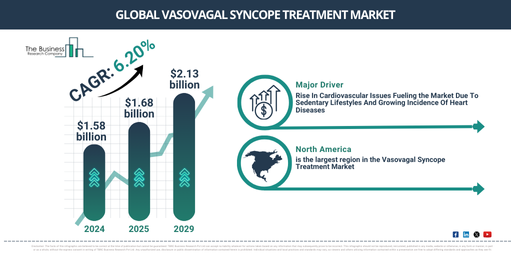
    The market size for vasovagal syncope treatment has seen a solid growth in the past years. Its growth trajectory is set to rise from $1.58 billion in 2024 to $1.68 billion in 2025, exhibiting a compound annual growth rate (CAGR) of 6.4%. Factors contributing to the growth during the historical period include the increased application of pharmacological interventions, heightened interest in tailor-made treatment, a surge in the number of healthcare professionals, enhanced knowledge of autonomic regulation and the vagus nerve, and improvements in accessing healthcare and treatments.

    How Much Will the Vasovagal Syncope Treatment Market Be Worth in 2029?

    In the coming years, a robust growth is projected in the vasovagal syncope treatment market size. The market is predicted to reach $2.13 billion by 2029 with a compound annual growth rate (CAGR) of 6.2%. The forecast period’s growth can be credited to the escalating advancements in personalized medicine, an increased focus on neurocardiogenic mechanisms, the expansion of public awareness, and an augmented understanding of psychological factors. Additionally, the rising integration of multidisciplinary care contributes to market expansion. Key trends during the forecast period are the incorporation of digital health tools, advancement in pharmacological technology, the evolution of wearable technology and remote monitoring, as well as the advent of artificial intelligence (AI), and machine learning.

    Download The Free Sample Report Here:

    https://www.thebusinessresearchcompany.com/sample.aspx?id=23563&type=smp

    Which is the Largest Company in the Vasovagal Syncope Treatment Market?

    Major companies operating in the vasovagal syncope treatment market are Johnson & Johnson, Sanofi S.A., Bristol-Myers Squibb Company, Abbott Laboratories, Novartis AG, Medtronic plc, Gilead Sciences Inc., Amgen Inc., Siemens Healthineers AG, Stryker Corporation, Regeneron Pharmaceuticals Inc., C.H. Boehringer Sohn AG & Co. KG, Boston Scientific Corporation, Terumo Corporation, Ipsen S.A., Amneal Pharmaceuticals Inc., Mallinckrodt plc, Biotronik SE & Co. KG, AtriCure Inc., Impax Laboratories Inc.

    What Are the Main Market Drivers in the Vasovagal Syncope Treatment Industry?

    Anticipated growth of the vasovagal syncope treatment market is linked to an increase in cardiovascular problems. Cardiovascular ailments encompass a variety of conditions impacting the heart and blood vessels, including heart disease, hypertension, stroke, and arrhythmias. Unhealthy diets, high consumption of processed foods, saturated fats and high levels of sodium trigger conditions like hypertension, obesity and high cholesterol levels, all of which heighten the risk for heart disease. By stabilizing blood pressure, enhancing autonomic regulation and averting sudden heart rate drops, vasovagal syncope treatment aids in managing cardiovascular problems. For example, the American Heart Association, a US nonprofit, confirmed 941,652 deaths in 2022 due to heart-related disease, marking an increase of over 10,000 from 2021. Consequently, an increase in cardiovascular issues is driving growth in the vasovagal syncope treatment market. The growth of the vasovagal syncope treatment market also coincides with the expansion of telehealth services driven by digital advancements and increased demand for easily accessible healthcare. Telehealth services, facilitated via digital communication devices and platforms, let patients consult healthcare professionals from their homes, saving them a trip to medical facilities. More and more patients are opting to consult remotely, hence decreasing the need for physical visits and enhancing flexibility, mainly in rural or underserved areas. Vasovagal syncope treatment strengthens telehealth services by ensuring timely interventions, personalized patient care and improved accessibility. For instance, a survey by Rock Health, a US-based corporation, found that 80% of participants used telemedicine services at least once, an increase of 8% from 2021. Thus, the expansion of telehealth services is pushing the vasovagal syncope treatment market forward.

    Request For A Customized Report:

    https://www.thebusinessresearchcompany.com/customise?id=23563&type=smp

    How Is the Vasovagal Syncope Treatment Market Segments Structured?

    The vasovagal syncope treatment market covered in this report is segmented –

    1) By Treatment Method: Medication, Lifestyle Modification, Surgical Intervention, Psychological Therapy

    2) By Diagnosis Type: Electrocardiogram, Tilt Table Test, Electrophysiological Study

    3) By Patient Age Group: Pediatric, Adult, Geriatric

    4) By Application: Cardiogenic, Neurological, Metabolic, Vasomotor, Other Applications

    5) By End User: Hospitals, Specialty Clinics, Home, Healthcare

    Subsegments:

    1) By Medication: Prescription Drugs, Over-The-Counter (OTC) Medications, Herbal Or Alternative Medications, Injections Or Infusions

    2) By Lifestyle Modification: Dietary Changes, Physical Activity, Sleep Hygiene, Stress Management, Substance Avoidance

    3) By Surgical Intervention: Minimally Invasive Surgeries, Major Surgical Procedures, Cosmetic Surgery, Bariatric Surgery, Orthopedic Surgeries

    4) By Psychological Therapy: Cognitive Behavioral Therapy (CBT), Psychodynamic Therapy, Dialectical Behavior Therapy (DBT), Interpersonal Therapy (IPT), Group Therapy, Family Therapy, Supportive Therapy, Play Therapy

    Access The Full Report Here:

    https://www.thebusinessresearchcompany.com/report/vasovagal-syncope-treatment-global-market-report

    Which Global Regions Offer the Highest Growth in the Vasovagal Syncope Treatment Market?

    North America was the largest region in the vasovagal syncope treatment market in 2024. The regions covered in the vasovagal syncope treatment market report are Asia-Pacific, Western Europe, Eastern Europe, North America, South America, Middle East, Africa.

    Purchase The Full Report Today:

    https://www.thebusinessresearchcompany.com/purchaseoptions.aspx?id=23563

    This Report Delivers Insight On:

    1. How big is the vasovagal syncope treatment market, and how is it changing globally?

    2. Who are the major companies in the vasovagal syncope treatment market, and how are they performing?

    3. What are the key opportunities and risks in the vasovagal syncope treatment market right now?

    4. Which products or customer segments are growing the most in the vasovagal syncope treatment market?

    5. What factors are helping or slowing down the growth of the vasovagal syncope treatment market?

    About The Business Research Company:

    With over 15000+ reports from 27 industries covering 60+ geographies, The Business Research Company has built a reputation for offering comprehensive, data-rich research and insights. Armed with 1,500,000 datasets, the optimistic contribution of in-depth secondary research, and unique insights from industry leaders, you can get the information you need to stay ahead in the game.

    Get in touch with us:

    The Business Research Company: https://www.thebusinessresearchcompany.com/

    Americas +1 310-496-7795

    Europe +44 7882 955267

    Asia & Others +44 7882 955267 & +91 8897263534

    Email us at info@tbrc.info

    Follow us on:

    LinkedIn: https://in.linkedin.com/company/the-business-research-company

    YouTube: https://www.youtube.com/channel/UC24_fI0rV8cR5DxlCpgmyFQ

    Global Market Model: https://www.thebusinessresearchcompany.com/global-market-model
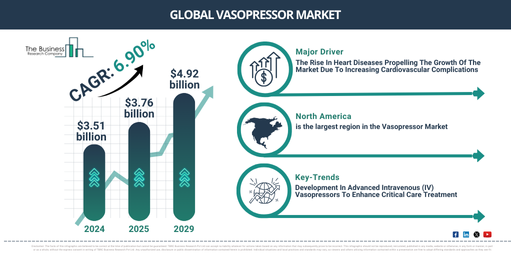
  • Vasopressor Industry Growth Expected to Reach $4.92 Billion by 2029 at a CAGR of 6.9% | Segmentation and Growth Opportunities

    Vasopressor Industry Growth Expected to Reach $4.92 Billion by 2029 at a CAGR of 6.9% | Segmentation and Growth Opportunities

    Claim your 30% discount on Global Market Reports with code ONLINE30. Limited time only.

    What Is the Forecast for the Vasopressor Market Growth in 2025?

    The vasopressor market has seen robust growth in the past few years, expanding from a valuation of $3.51 billion in 2024 to a projected $3.76 billion in 2025. This represents a compound annual growth rate (CAGR) of 7.2%. Factors that have contributed to this growth include an upsurge in the elderly population, escalating healthcare costs, various government initiatives, an increased number of hospitals, and the growing incidence of cardiovascular diseases.

    What Is the Forecast for the Vasopressor Market Size Through 2029?

    The market for vasopressor is predicted to witness robust expansion in the forthcoming years, with an expected valuation of $4.92 billion at a compound annual growth rate (CAGR) of 6.9% by 2029. The forecasted growth stems from several factors such as increasing hypertension cases, more adoption of current sepsis management guidelines, higher investments in critical care technologies, rise in septic shock prevalence, and escalating demand for individualized critical care. Key trends projected for the forecast period encompass improvements in drug formulations, creation of customized therapies, technological progress in smart infusion pumps, incorporation of telemedicine into vasopressor treatments, and breakthroughs in biodegradable vasopressor implants.

    Download The Free Sample Report Here:

    https://www.thebusinessresearchcompany.com/sample.aspx?id=23562&type=smp

    What are the Key Market Players in Vasopressor Market and How They’re Evolving?

    Major companies operating in the vasopressor market are Pfizer Inc., Merck And Co Inc., Novartis AG, Baxter International Inc., Fresenius Kabi AG, Bauch & Lomb Incorporated, Dr. Reddy’s Laboratories Limited, Hikma Pharmaceuticals PLC, Endo Inc., Amphastar Pharmaceuticals Inc., American Regent Incorporated, Celon Laboratories Ltd., Athenex Inc., Sagent Pharmaceuticals Inc., Civica Rx, Eton Pharmaceuticals Inc., Amomed Pharma GmbH, Health Biotech Limited, Samarth Life Sciences Pvt. Ltd, Pace Biotech Limited.

    What Are the Primary Growth Drivers in the Vasopressor Market?

    The escalating incidence of heart diseases is predicted to drive the expansion of the vasopressor market. These heart issues encompass various disorders affecting the functionality and structure of the heart, such as coronary artery disease, arrhythmias, heart failure, and congenital heart ailments. The prevalence of inactive lifestyles is growing, leading to obesity and impaired cardiovascular health, thus substantially increasing the heart disease risk. Vasopressors play a crucial role in heart disease treatment, as they constrict blood vessels, raising blood pressure and enhancing the blood supply to vital organs. This aids in maintaining cardiac function during critical conditions. For example, in December 2023, data from the Australian Institute of Health and Welfare, a government agency in Australia, showed that in 2021 there were 14,100 doctor-certified deaths due to coronary heart disease (CHD), this number rose to 14,900 cases in 2022. Consequently, the increase in heart disease bolsters the growth of the vasopressor market.

    Request For A Customized Report:

    https://www.thebusinessresearchcompany.com/customise?id=23562&type=smp

    What Are the Leading Segments in the Global Vasopressor Industry?

    The vasopressor market covered in this report is segmented –

    1) By Type: Catecholamines, Non-Catecholamines, Vasopressin

    2) By Route Of Administration: Intravenous (IV), Intraosseous, Inhalational

    3) By Applications: Hypotension Management, Septic Shock Treatment, Cardiogenic Shock Support, Post-Surgical Management, Other Critical Care Applications

    4) By End Users: Hospitals, Ambulatory Surgical Centers, Emergency Medical Services, Home Care Settings

    Subsegments-

    1) By Catecholamines: Norepinephrine, Epinephrine, Dopamine, Isoproterenol

    2) By Non-Catecholamines: Phenylephrine, Angiotensin II

    3) By Vasopressin: Vasopressin

    What Are the Key Market Trends in the Vasopressor Industry?

    Leading enterprises in the vasopressor market are concentrating on creating refined products like intravenous (IV) vasopressors, designed to better regulate blood pressure and enhance patient outcomes. Intravenous (IV) vasopressors serve to tighten blood vessels and raise blood pressure in patients grappling with severe hypotension or shock, thus ensuring sufficient blood supply to crucial organs. Fresenius Kabi AG, a pharmaceutical company based in Germany, debuted Vasopressin Injection, USP, a generic substitute to Vasostrict, in the United States in June 2023, a move that broadened its critical care offerings. Primarily, this drug is meant for adults who are suffering from vasodilatory shock and continue to be hypotensive even after receiving fluids and catecholamines. The medication comes in a single-dose vial holding 20 units per 1 mL.

    Access The Full Report Here:

    https://www.thebusinessresearchcompany.com/report/vasopressor-global-market-report

    What Is the Regional Outlook for the Vasopressor Market?

    North America was the largest region in the vasopressor market in 2024. Asia-Pacific is expected to be the fastest-growing region in the forecast period. The regions covered in the vasopressor market report are Asia-Pacific, Western Europe, Eastern Europe, North America, South America, Middle East, Africa.

    Purchase The Full Report Today:

    https://www.thebusinessresearchcompany.com/purchaseoptions.aspx?id=23562

    This Report Delivers Insight On:

    1. How big is the vasopressor market, and how is it changing globally?

    2. Who are the major companies in the vasopressor market, and how are they performing?

    3. What are the key opportunities and risks in the vasopressor market right now?

    4. Which products or customer segments are growing the most in the vasopressor market?

    5. What factors are helping or slowing down the growth of the vasopressor market?

    About The Business Research Company:

    With over 15000+ reports from 27 industries covering 60+ geographies, The Business Research Company has built a reputation for offering comprehensive, data-rich research and insights. Armed with 1,500,000 datasets, the optimistic contribution of in-depth secondary research, and unique insights from industry leaders, you can get the information you need to stay ahead in the game.

    Get in touch with us:

    The Business Research Company: https://www.thebusinessresearchcompany.com/

    Americas +1 310-496-7795

    Europe +44 7882 955267

    Asia & Others +44 7882 955267 & +91 8897263534

    Email us at info@tbrc.info

    Follow us on:

    LinkedIn: https://in.linkedin.com/company/the-business-research-company

    YouTube: https://www.youtube.com/channel/UC24_fI0rV8cR5DxlCpgmyFQ

    Global Market Model: https://www.thebusinessresearchcompany.com/global-market-model