Month: July 2025

  • Vasoactive Intestinal Peptide Tumor Industry Valued at $2.04 Billion by 2029 With CAGR of 6.2% | Size and Share Insights

    Vasoactive Intestinal Peptide Tumor Industry Valued at $2.04 Billion by 2029 With CAGR of 6.2% | Size and Share Insights

    Claim your 30% discount on Global Market Reports with code ONLINE30. Limited time only.

    What Is the Forecast for the Vasoactive Intestinal Peptide Tumor Market from 2024 to 2025?

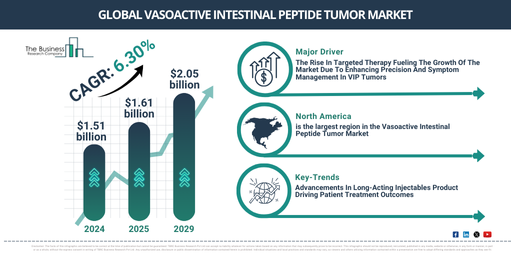
    In recent times, the market for vasoactive intestinal peptide tumor has significantly expanded. The market, valued at $1.51 billion in 2024, is projected to increase to $1.61 billion in 2025 with a compound annual growth rate (CAGR) of 6.5%. The historical growth has been driven by a number of factors including a higher incidence of VIP tumors, emphasis on research and development activities, improved health consciousness, enhanced healthcare facilities, and partnerships between biotechnology companies and research organizations.

    What Is the Projected Market Size of the Vasoactive Intestinal Peptide Tumor Market?

    Over the next few years, the market for vasoactive intestinal peptide tumor is projected to witness substantial growth, reaching a value of $2.05 billion by 2029 with a compound annual growth rate (CAGR) of 6.3%. The proliferation during the forecast period is likely due to the growing demand for chemotherapy, quick drug approvals, increased preference for oral medications, heightened disease awareness, and rising tumor prevalence. The period’s significant trends encompass improvements in targeted therapies, progress in diagnosis methods, developments in treatment avenues, customized medicine, targeted care strategies and novel product introductions.

    Download The Free Sample Report Here:

    https://www.thebusinessresearchcompany.com/sample.aspx?id=23561&type=smp

    Who are the Major Competitors in the Vasoactive Intestinal Peptide Tumor Market Outlook?

    Major companies operating in the vasoactive intestinal peptide tumor market are Pfizer Inc., Novartis AG, Mayo Clinic, Labcorp Holdings Inc., Mount Sinai Hospital, Cleveland Clinic Laboratories, Penn Medicine, Stanford Health Care, UCSF Health, ARUP Laboratories, Dr. Lal PathLabs, Cancer Research UK, Medicover Hospitals, NuView Life Sciences Inc., DNA Labs India, Inter Science Institute, Ulta Lab Tests, True Health Labs, Ganesh Diagnostic, Agilus Diagnostics.

    What Is Fueling Growth in the Vasoactive Intestinal Peptide Tumor Market?

    The advancement in targeted therapies is anticipated to fuel the growth of the vasoactive intestinal peptide tumor market. These therapies aim at distinct molecules or pathways implicated in disease progression, particularly cancer, to selectively combat abnormal cells while sparing healthy ones. The popularity of such therapies is spurred by precision medicine, which optimizes efficacy by pinpointing specific genetic mutations and lessening side effects. VIP tumors are treated with targeted therapies by inhibiting vital pathways that stimulate tumor growth and hormone secretion. This reduces VIP levels, alleviates effects like severe diarrhea and slows down the progression of the disease. For example, in July 2024, based on data from the American Society of Gene and Cell Therapy (ASGCT), a US professional membership organization, the second quarter of 2024 witnessed 76 gene therapy trials commencement, marking a 25% increase compared to the preceding quarter. These factors contribute to the rise of targeted therapy, which propels the growth of the vasoactive intestinal peptide tumor market. The enhanced detection due to the growing prevalence and awareness of neuroendocrine tumors fuels the market growth.

    Request For A Customized Report:

    https://www.thebusinessresearchcompany.com/customise?id=23561&type=smp

    Which Vasoactive Intestinal Peptide Tumor Market Segments Are Growing the Fastest?

    The vasoactive intestinal peptide tumor market covered in this report is segmented –

    1) By Treatment: Surgical Intervention, Radiotherapy, Chemotherapy, Targeted Therapy

    2) By Diagnosis: Imaging Techniques, Biopsy, Endoscopic Ultrasound

    3) By Therapeutic Approach: Palliative Care, Curative Treatment, Adjuvant Treatment

    4) By End-User: Hospitals, Cancer Specialty Clinics, Diagnostic Laboratories

    Subsegments:

    1) By Surgical Intervention: Tumor Resection, Debulking Surgery, Minimally Invasive Surgery

    2) By Radiotherapy: External Beam Radiation Therapy (EBRT), Stereotactic Body Radiation Therapy (SBRT), Proton Therapy

    3) By Chemotherapy: Cytotoxic Chemotherapy, Combination Chemotherapy, Adjuvant And Neoadjuvant Chemotherapy

    4) By Targeted Therapy: Somatostatin Analog Therapy, Tyrosine Kinase Inhibitors (TKIs), Monoclonal Antibodies

    Which Industry Trends Are Shaping the Future of the Vasoactive Intestinal Peptide Tumor Market?

    In an effort to enhance treatment efficacy, improve patient adherence, and offer prolonged symptomatic relief, leading companies active in the vasoactive intestinal peptide tumor market are concentrating on developing superior products like long-acting injectable suspensions. These suspensions, which slowly release their active ingredients over a longer duration, reduce the need for repeated dosing. For example, in October 2024, the US-based Teva Pharmaceutical Industries Ltd., introduced the first and exclusive generic version of Sandostatin LAR Depot (octreotide acetate for injectable suspension) in the U.S. This drug is for long-term maintenance treatment in acromegaly patients who did not respond adequately to surgery or radiotherapy. It also manages severe diarrhea and flushing connected with metastatic carcinoid tumors and VIP-secreting tumors. The product’s introduction underpins Teva’s proficiency in complex generics, and aids in strengthening its footing in the generic pharmaceuticals market.

    Access The Full Report Here:

    https://www.thebusinessresearchcompany.com/report/vasoactive-intestinal-peptide-tumor-global-market-report

    Which Countries Are Leading the Vasoactive Intestinal Peptide Tumor Market?

    North America was the largest region in the vasoactive intestinal peptide tumor market in 2024. The regions covered in the vasoactive intestinal peptide tumor market report are Asia-Pacific, Western Europe, Eastern Europe, North America, South America, Middle East, Africa.

    Purchase The Full Report Today:

    https://www.thebusinessresearchcompany.com/purchaseoptions.aspx?id=23561

    This Report Delivers Insight On:

    1. How big is the vasoactive intestinal peptide tumor market, and how is it changing globally?

    2. Who are the major companies in the vasoactive intestinal peptide tumor market, and how are they performing?

    3. What are the key opportunities and risks in the vasoactive intestinal peptide tumor market right now?

    4. Which products or customer segments are growing the most in the vasoactive intestinal peptide tumor market?

    5. What factors are helping or slowing down the growth of the vasoactive intestinal peptide tumor market?

    About The Business Research Company:

    With over 15000+ reports from 27 industries covering 60+ geographies, The Business Research Company has built a reputation for offering comprehensive, data-rich research and insights. Armed with 1,500,000 datasets, the optimistic contribution of in-depth secondary research, and unique insights from industry leaders, you can get the information you need to stay ahead in the game.

    Get in touch with us:

    The Business Research Company: https://www.thebusinessresearchcompany.com/

    Americas +1 310-496-7795

    Europe +44 7882 955267

    Asia & Others +44 7882 955267 & +91 8897263534

    Email us at info@tbrc.info

    Follow us on:

    LinkedIn: https://in.linkedin.com/company/the-business-research-company

    YouTube: https://www.youtube.com/channel/UC24_fI0rV8cR5DxlCpgmyFQ

    Global Market Model: https://www.thebusinessresearchcompany.com/global-market-model
  • Vascular Plugs Market to Reach $1.61 Billion by 2029 | Key Drivers and Future Outlook

    Vascular Plugs Market to Reach $1.61 Billion by 2029 | Key Drivers and Future Outlook

    Claim your 30% discount on Global Market Reports with code ONLINE30. Limited time only.

    What Is the Growth Rate of the Vascular Plugs Market?

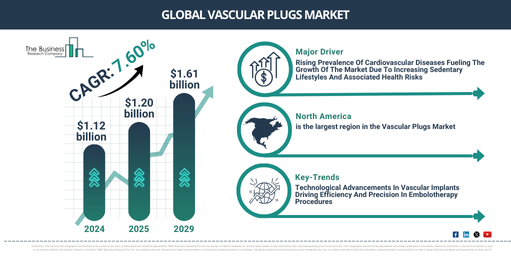
    In recent years, the vascular plugs market has been experiencing significant growth. The market size, which was at $1.12 billion in 2024, is projected to inflate to $1.20 billion in 2025, showing a compound annual growth rate (CAGR) of 7.7%. This growth during the historic period finds its roots in factors such as the increasing trend towards minimally invasive procedures, a growing number of new product introductions, advancements in technology, expansion of the healthcare infrastructure, increased research and development activities, higher procedural demand, and broadening indications for vascular plug devices.

    What Growth Rate Is Forecasted for the Vascular Plugs Market by 2029?

    Anticipations are high for significant expansion in the vascular plugs market in the coming years. It’s projected to reach an impressive $1.61 billion by 2029, growing at a compound annual growth rate (CAGR) of 7.6%. The escalation during this forecasted period is likely due to factors such as an increase in vascular disorders, a rise in cardiovascular diseases (cvds), a rapidly aging global populace, the increasing number of peripheral embolization procedures, and a rising prevalence of obesity. Key trends projected for the forecast period include the transitioning to shape memory polymers, the inventive development of bioreabsorbable and self-expanding plugs, the incorporation of imaging technologies, a focus on personalized medicine, and the advancement in technology.

    Download The Free Sample Report Here:

    https://www.thebusinessresearchcompany.com/sample.aspx?id=23560&type=smp

    Which Key Companies Are Shaping the Future of the Vascular Plugs Market?

    Major companies operating in the vascular plugs market are Johnson & Johnson, Abbott Laboratories, Medtronic plc, Stryker Corporation, Koninklijke Philips NV, Terumo Corporation, Cook Medical, Biotronik, Merit Medical Systems, Lepu Medical Technology, Cordis, Endologix, B. Braun Melsungen AG, Lifetech Med, Infiniti Medical, EndoShape Inc., Shape Memory Medical, Macromed, Invamed GmbH, ArtVentive Medical Group Inc.

    Which Factors Are Driving Demand in the Vascular Plugs Industry?

    The vascular plugs market is predicted to experience growth due to a rise in the occurrence of cardiovascular diseases (CVDs). CVDs, which impact the heart and blood vessels, obstruct normal blood circulation and have seen a surge in prevalence owing to alterations in global lifestyle habits, urbanization, and dietary changes, all of which put long-lasting stress on the cardiovascular system. Vascular plugs aid in the management of cardiovascular diseases by stopping unusual blood flow, such as in arteriovenous malformations, thereby preventing possible complications such as heart strain or hemorrhage. For example, a report released by the American Heart Association, a non-profit organization based in the U.S., in January 2025, pointed out that there were 941,652 deaths from cardiovascular diseases in the U.S. in 2022. This number reflects an increase of more than 10,000 from the 931,578 deaths recorded in 2021. Hence, the escalating incidence of cardiovascular diseases (CVDs) will serve as a catalyst for the growth of the vascular plugs market.

    Request For A Customized Report:

    https://www.thebusinessresearchcompany.com/customise?id=23560&type=smp

    How Is the Vascular Plugs Market Segmented by Several Divisions?

    The vascular plugs market covered in this report is segmented –

    1) By Type: Embolic Coils, Non-Removable Vascular Plugs, Removable Vascular Plugs

    2) By Material: Polyvinyl Alcohol, Gelatin, Collagen

    3) By Indication: Arteriovenous Malformations, Vascular Trauma, Cerebral Aneurysms

    4) By End-User: Hospital, Ambulatory Surgical Centers, Other End-User

    Subsegments:

    1) By Embolic Coils: Detachable Embolic Coils, Pushable Embolic Coils, Hydrogel-Coated Embolic Coils

    2) By Non-Removable Vascular Plugs: Self-Expanding Vascular Plugs, Balloon-Expandable Vascular Plugs, Bioabsorbable Vascular Plugs

    3) By Removable Vascular Plugs: Retrievable Vascular Plugs, Adjustable Vascular Plugs, Shape Memory Vascular Plugs

    What are the Emerging Market Trends Driving the Growth of the Vascular Plugs Industry?

    Leading organizations in the vascular plugs sector are focusing their efforts on creating advanced technological products, like self-expanding vascular implants. These implants offer steady, adaptable expansion within blood vessels, ensuring perfect placement while minimizing the chance of migration or vessel damage. Made from shape-memory materials, these implants can self-expand in blood vessels to provide the necessary support or blockage without the need for an external force. For example, in May 2024, the U.S. Food and Drug Administration (FDA) awarded Us-based medical device firm, Merit Medical Systems, the 510(k) clearance for its Siege Vascular Plug. This plug has been specifically created for speedy peripheral artery embolization, accomplishing vessel occlusion in approximately 1.3 minutes. It’s a self-expanding, retrievable device that allows for a flexible and accurate placement. It is available in three sizes to fit a range of artery diameters. Moreover, Merit Medical Systems released the Bearing nsPVA Express prefilled syringe, a device that made procedures simpler by eliminating the need to prepare embolization particles. This aligns with the company’s commitment to boost efficiency and improve patient results in embolotherapy.

    Access The Full Report Here:

    https://www.thebusinessresearchcompany.com/report/vascular-plugs-global-market-report

    Which Regions Are Driving Growth in the Vascular Plugs Market?

    North America was the largest region in the vascular plugs market in 2024. Asia-Pacific is expected to be the fastest-growing region in the forecast period. The regions covered in the vascular plugs market report are Asia-Pacific, Western Europe, Eastern Europe, North America, South America, Middle East, Africa.

    Purchase The Full Report Today:

    https://www.thebusinessresearchcompany.com/purchaseoptions.aspx?id=23560

    This Report Delivers Insight On:

    1. How big is the vascular plugs market, and how is it changing globally?

    2. Who are the major companies in the vascular plugs market, and how are they performing?

    3. What are the key opportunities and risks in the vascular plugs market right now?

    4. Which products or customer segments are growing the most in the vascular plugs market?

    5. What factors are helping or slowing down the growth of the vascular plugs market?

    About The Business Research Company:

    With over 15000+ reports from 27 industries covering 60+ geographies, The Business Research Company has built a reputation for offering comprehensive, data-rich research and insights. Armed with 1,500,000 datasets, the optimistic contribution of in-depth secondary research, and unique insights from industry leaders, you can get the information you need to stay ahead in the game.

    Get in touch with us:

    The Business Research Company: https://www.thebusinessresearchcompany.com/

    Americas +1 310-496-7795

    Europe +44 7882 955267

    Asia & Others +44 7882 955267 & +91 8897263534

    Email us at info@tbrc.info

    Follow us on:

    LinkedIn: https://in.linkedin.com/company/the-business-research-company

    YouTube: https://www.youtube.com/channel/UC24_fI0rV8cR5DxlCpgmyFQ

    Global Market Model: https://www.thebusinessresearchcompany.com/global-market-model
  • Value-Based Healthcare Services Market Size to Exceed $3970 Billion by 2029 | Growth and Industry Trends

    Value-Based Healthcare Services Market Size to Exceed $3970 Billion by 2029 | Growth and Industry Trends

    Claim your 30% discount on Global Market Reports with code ONLINE30. Limited time only.

    How Has the Value-Based Healthcare Services Market Grown from 2024 to 2025?

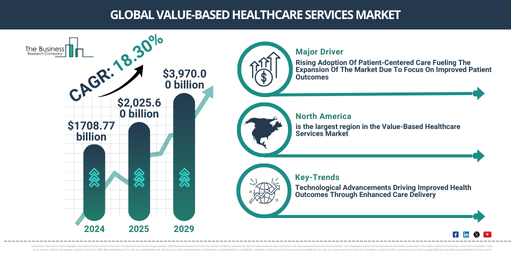
    The market size for value-based healthcare services has seen a significant surge in recent times. The market is projected to increase from $1708.77 billion in 2024 to $2,025.60 billion in 2025, demonstrating a compound annual growth rate (CAGR) of 18.5%. Factors such as growing expenses in the healthcare sector, a rising prevalence of chronic illnesses, an upsurge in healthcare IT implementation, an increased application of predictive analytics, and an ascend in population health management solutions contribute to the historic growth period.

    What Growth Rate Is Anticipated for the Value-Based Healthcare Services Market in the Coming Years?

    The market size for value-based healthcare services is anticipated to significantly expand in the coming years, projecting a growth to $3,970.00 billion by 2029, with a compound annual growth rate (CAGR) of 18.3%. This growth during the forecast period is primarily due to the integration of artificial intelligence in healthcare, the increasing use of telehealth systems, heightened attention to preventive care, escalating investments in the healthcare sector and the increased utilization of digital health platforms. Key trends for the forecast period include a transition from fee-for-service to value-based healthcare, progress in healthcare analytics, the use of blockchain in healthcare, further advancements in artificial intelligence and machine learning, and the inclusion of technology in healthcare processes.

    Download The Free Sample Report Here:

    https://www.thebusinessresearchcompany.com/sample.aspx?id=23559&type=smp

    Who Are the Leading Companies in the Value-Based Healthcare Services Market?

    Major companies operating in the value-based healthcare services market are UnitedHealth Group Incorporated, McKesson Corporation, OptumHealth, Cigna Healthcare, Anthem Insurance Companies Inc. (Elevance Health), Kaiser Permanente, Humana Inc., Aetna Inc., Blue Cross and Blue Shield of Minnesota, Genpact Limited, VillageMD, MVP Health Care, Oak Street Health, Athena Healthcare, Evolent Health, ChenMed LLC, Somatus Inc., Cityblock Health, Navvis Healthcare, Tandigm Health, NextStep Solutions, CareMore Health, ForeSee Medical Inc.

    What Are the Key Drivers of the Value-Based Healthcare Services Market?

    The surge in the implementation of patient-oriented treatment is anticipated to drive the expansion of the value-based healthcare services market in the future. This health care approach, known as patient-centered care, prioritizes an individual’s health needs, preferences, and values, ensuring they take an active part in decision-making and treatment strategies. The rising implementation of this patient-focused methodology is attributed to the increasing acknowledgment that patients should have a significant role in their health care choices. This kind of care can enormously escalate value-based healthcare services by harmonizing patient requirements and preferences with improved health results, better care standards, and cost reduction. For example, a survey in August 2024 by Lakeside Healthcare At Yaxley, a general practitioners (GPs) healthcare facility in the UK, observed a 3% improvement in patients finding it simpler to reach the establishment, decreased phone waiting times with 74% of calls getting responses within ten minutes, and an escalated percentage of in-person meetings at 58%. Consequently, this surge in the adoption of patient-centered care stimulates the expansion of the value-based healthcare services market.

    Request For A Customized Report:

    https://www.thebusinessresearchcompany.com/customise?id=23559&type=smp

    What Are the Key Market Segments in the Value-Based Healthcare Services Industry?

    The value-based healthcare services market covered in this report is segmented –

    1) By Product Type: Accountable Care Organization (ACO), Patient-Centered Medical Home (PCMH), Pay for Performance, Bundled Payments

    2) By Deployment Type: Online, Offline

    3) By End-User: Hospitals, Clinics, Insurance Companies, Government, Others End-User

    Subsegments:

    1) By Accountable Care Organization (ACO): Medicare ACOs, Commercial ACOs, Pioneer ACOs, Provider-Sponsored ACOs, Government-Funded ACOs

    2) By Patient-Centered Medical Home (PCMH): Independent PCMHs, Hospital-Based PCMHs, Payer-Led PCMHs, Specialty-Specific PCMHs, Multi-Payer PCMHs

    3) By Pay for Performance: Hospital-Based P4P, Physician-Based P4P, Pharmacy-Based P4P, Nursing and Post-Acute Care P4P, Population Health-Based P4P

    4) By Bundled Payments: Retrospective Bundled Payments, Prospective Bundled Payments, Condition-Specific Bundled Payments, Procedure-Based Bundled Payments, Multi-Payer Bundled Payments

    What Are the Latest Trends in the Value-Based Healthcare Services Market?

    Key firms in the value-based healthcare services market are increasingly concentrating on creating novel solutions such as value-based care. This involves harnessing technology and expertise to generate superior and equitable health results. The concept behind value-based care is to improve patient outcomes by delivering quality and preventive care efficiently and cost-effectively. As an example, in April 2023, the American nonprofit organization, Kaiser Permanente, unveiled a new nonprofit, Risant Health, with the objective of broadening and speeding up the implementation of value-based healthcare collaboratively with community-based health systems. The initiative aims to augment the delivery of patient-centric care by incorporating sophisticated value-based care frameworks, utilizing data-informed insights, digital involvement, and revolutionary care approaches hence enhancing healthcare availability and quality. Through the acquisition and support of nonprofit health systems like Geisinger Health, Risant Health is primed to enable a systemic shift. This encourages the provision of cost-efficient, superior quality healthcare remedies that put patients first and guarantee equality in care.

    Access The Full Report Here:

    https://www.thebusinessresearchcompany.com/report/value-based-healthcare-services-global-market-report

    What Are the Key Regional Markets in the Value-Based Healthcare Services Industry?

    North America was the largest region in the value-based healthcare services market in 2024. Asia-Pacific is expected to be the fastest-growing region in the forecast period. The regions covered in the value-based healthcare services market report are Asia-Pacific, Western Europe, Eastern Europe, North America, South America, Middle East, Africa.

    Purchase The Full Report Today:

    https://www.thebusinessresearchcompany.com/purchaseoptions.aspx?id=23559

    This Report Delivers Insight On:

    1. How big is the value-based healthcare services market, and how is it changing globally?

    2. Who are the major companies in the value-based healthcare services market, and how are they performing?

    3. What are the key opportunities and risks in the value-based healthcare services market right now?

    4. Which products or customer segments are growing the most in the value-based healthcare services market?

    5. What factors are helping or slowing down the growth of the value-based healthcare services market?

    About The Business Research Company:

    With over 15000+ reports from 27 industries covering 60+ geographies, The Business Research Company has built a reputation for offering comprehensive, data-rich research and insights. Armed with 1,500,000 datasets, the optimistic contribution of in-depth secondary research, and unique insights from industry leaders, you can get the information you need to stay ahead in the game.

    Get in touch with us:

    The Business Research Company: https://www.thebusinessresearchcompany.com/

    Americas +1 310-496-7795

    Europe +44 7882 955267

    Asia & Others +44 7882 955267 & +91 8897263534

    Email us at info@tbrc.info

    Follow us on:

    LinkedIn: https://in.linkedin.com/company/the-business-research-company

    YouTube: https://www.youtube.com/channel/UC24_fI0rV8cR5DxlCpgmyFQ

    Global Market Model: https://www.thebusinessresearchcompany.com/global-market-model
  • Value-Based Care Service Industry Insights 2025 – Market Forecast for Executives and Planners

    Value-Based Care Service Industry Insights 2025 – Market Forecast for Executives and Planners

    Claim your 30% discount on Global Market Reports with code ONLINE30. Limited time only.

    How Has the Value-Based Care Service Market Size Changed, over the years?

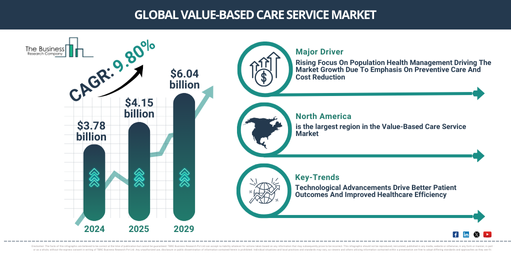
    The size of the market for value-based care services has experienced robust growth in recent years. It is projected to expand from $3.78 billion in 2024 to $4.15 billion in 2025, representing a compound annual growth rate (CAGR) of 9.9%. This growth during the historic period is mainly due to factors such as higher healthcare costs, an increasing emphasis on patient outcomes, the expansion of accountable care organizations (ACOs), the broadening scope of bundled payment models, and the growing utilization of predictive analytics.

    How Much Will the Value-Based Care Service Market Be Worth in 2029?

    The market size for value-based care service is projected to experience robust expansion in the upcoming years, expecting to reach $6.04 billion in 2029 with a compound annual growth rate (CAGR) of 9.8%. This growth during the forecast period can be credited to the enlargement of alternative payment models (APMs), escalated enrolment in Medicare and Medicaid, increased demand for customized care, the proliferation of telehealth usage, and an intensified emphasis on preventive care. Key trends predicted for this forecast period consist of progression in healthcare analytics, a transition away from fee-for-service, the application of artificial intelligence in healthcare, integration of AI and machine learning, plus advancements in the realm of digital health platforms.

    Download The Free Sample Report Here:

    https://www.thebusinessresearchcompany.com/sample.aspx?id=23558&type=smp

    Which is the Largest Company in the Value-Based Care Service Market?

    Major companies operating in the value-based care service market are UnitedHealth Group Incorporated, McKesson Corporation, Cigna Healthcare, Anthem Insurance Companies Inc. (Elevance Health), Kaiser Permanente, Humana Inc., Blue Cross and Blue Shield of Minnesota, Genpact Limited, VillageMD, MVP Health Care, Agilon Health Inc., Oak Street Health, Privia Health Group Inc., Evolent Health, ChenMed LLC, Aetna Inc., Aledade Inc., Somatus Inc., Equality Health LLC, Wellvana Health LLC, Tandigm Health, ForeSee Medical Inc.

    What Are the Main Market Drivers in the Value-Based Care Service Industry?

    The growing emphasis on managing the health of populations is anticipated to boost the value-based care service market’s expansion in the future. This proactive approach to healthcare aims to enhance the wellness outcomes of a specific demographic through the use of data analytics, preventative care, and evidence-based interventions. This focus is driven by the need to improve overall health outcomes and manage healthcare costs. Healthcare providers use this strategy to identify and manage common health risks, encourage preventative care, and control chronic conditions on a wider scale. Value-based care services are integral to this shift, as they align financial incentives with health outcomes, encourage teamwork across disciplines, and prioritize preventative measures and long-term patient engagement. For example, the Bureau of Labor Statistics, a US federal agency, reported in April 2023 that the employment of medical and health services managers is forecasted to rise by 29% from 2023 to 2033, far outstripping the average growth rate of all jobs. Consequently, the growing emphasis on population health management is propelling the expansion of the value-based care service market.

    Request For A Customized Report:

    https://www.thebusinessresearchcompany.com/customise?id=23558&type=smp

    How Is the Value-Based Care Service Market Segments Structured?

    The value-based care service market covered in this report is segmented –

    1) By Model: Pay For Performance, Patient-Centered Medical Home, Shared Savings, Shared Risk, Bundled Payment, Capitation Models

    2) By Payers: Medicare, Medicaid, Commercial Insurance, Other Payers

    3) By Providers: Home Health Care, Institutional Care, Hospital Therapy, Other Providers

    4) By End-Users: Hospitals And Clinics, Insurance Companies, Government, Other End-Users

    Subsegments:

    1) By Pay For Performance: Hospital-Based Pay for Performance, Physician-Based Pay for Performance, Pharmacy-Based Pay for Performance, Nursing and Post-Acute Care Pay for Performance, Population Health-Based Pay for Performance

    2) By Patient-Centered Medical Home: Independent Patient-Centered Medical Homes, Hospital-Based Patient-Centered Medical Homes, Payer-Led Patient-Centered Medical Homes, Specialty-Specific Patient-Centered Medical Homes, Multi-Payer Patient-Centered Medical Homes

    3) By Shared Savings: One-Sided Shared Savings, Two-Sided Shared Savings, Medicare Shared Savings Programs, Commercial Shared Savings Programs, Medicaid Shared Savings Programs

    4) By Shared Risk: Partial Risk Sharing, Full Risk Sharing, Upside-Only Risk Models, Downside Risk Models, Provider-Sponsored Risk Arrangements

    5) By Bundled Payment: Retrospective Bundled Payments, Prospective Bundled Payments, Condition-Specific Bundled Payments, Procedure-Based Bundled Payments, Multi-Payer Bundled Payments

    6) By Capitation Models: Full Capitation, Partial Capitation, Primary Care Capitation, Specialty Care Capitation, Global Capitation

    What Strategic Trends Are Transforming the Value-Based Care Service Market?

    Leading corporations in the value-based care service market are emphasizing the creation of novel solutions like healthcare analytics to enhance results and effectiveness. Healthcare analytics applies patient and treatment data to assist medical professionals and healthcare institutions in making informed decisions and optimizing care. This approach benefits value-based care services by utilizing patient data to select the most suitable care, enhance health results and cut down unnecessary expenses. For example, Milliman MedInsight, an American healthcare analytics and data solutions firm, launched an improved Value-Based Care Platform in October 2023. This platform was aimed at aiding healthcare organizations to excel under value-based care models. The updated platform offered sophisticated tools for patient data analysis, tracking health outcomes, controlling costs, and refining care coordination. It empowered doctors, healthcare institutions, and health plans to make superior decisions by recognizing efficient treatments, utilizing resources effectively, and delivering top-tier care.

    Access The Full Report Here:

    https://www.thebusinessresearchcompany.com/report/value-based-care-service-global-market-report

    Which Global Regions Offer the Highest Growth in the Value-Based Care Service Market?

    North America was the largest region in the value-based care service market in 2024. Asia-Pacific is expected to be the fastest-growing region in the forecast period. The regions covered in the value-based care service market report are Asia-Pacific, Western Europe, Eastern Europe, North America, South America, Middle East, Africa.

    Purchase The Full Report Today:

    https://www.thebusinessresearchcompany.com/purchaseoptions.aspx?id=23558

    This Report Delivers Insight On:

    1. How big is the value-based care service market, and how is it changing globally?

    2. Who are the major companies in the value-based care service market, and how are they performing?

    3. What are the key opportunities and risks in the value-based care service market right now?

    4. Which products or customer segments are growing the most in the value-based care service market?

    5. What factors are helping or slowing down the growth of the value-based care service market?

    About The Business Research Company:

    With over 15000+ reports from 27 industries covering 60+ geographies, The Business Research Company has built a reputation for offering comprehensive, data-rich research and insights. Armed with 1,500,000 datasets, the optimistic contribution of in-depth secondary research, and unique insights from industry leaders, you can get the information you need to stay ahead in the game.

    Get in touch with us:

    The Business Research Company: https://www.thebusinessresearchcompany.com/

    Americas +1 310-496-7795

    Europe +44 7882 955267

    Asia & Others +44 7882 955267 & +91 8897263534

    Email us at info@tbrc.info

    Follow us on:

    LinkedIn: https://in.linkedin.com/company/the-business-research-company

    YouTube: https://www.youtube.com/channel/UC24_fI0rV8cR5DxlCpgmyFQ

    Global Market Model: https://www.thebusinessresearchcompany.com/global-market-model
  • Market Analysis on Usher Syndrome Industry – Insights for Corporate Strategy and R&D

    Market Analysis on Usher Syndrome Industry – Insights for Corporate Strategy and R&D

    Claim your 30% discount on Global Market Reports with code ONLINE30. Limited time only.

    What Is the Forecast for the Usher Syndrome Market from 2024 to 2025?

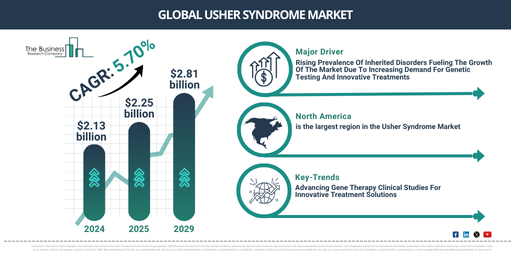
    The market size for Usher syndrome has experienced robust growth in the recent past. It is projected to expand from $2.13 billion in 2024 to $2.25 billion in 2025, replicating a compound annual growth rate (CAGR) of 6.0%. The growth can be traced back to an increase in genetic disorders, higher demand for less invasive surgeries, more incidents of inherited disorders, an increase in product approvals, and escalating governmental initiatives.

    What Is the Projected Market Size of the Usher Syndrome Market?

    The market for Usher Syndrome is projected to experience considerable growth in the coming years. The estimated growth sees the market reaching $2.81 billion in 2029 with a compound annual growth rate (CAGR) of 5.7%. Factors contributing to the accelerated growth forecasted include increased utilisation of cochlear implants, genetic mutations, rising healthcare spending, growing interest in ophthalmological rehabilitation and increased acceptance of audiological rehabilitation. Key trends expected in the future encompass vaccine development, hearing kit enhancements, device advancements, surgical improvements, and progress in gene therapies.

    Download The Free Sample Report Here:

    https://www.thebusinessresearchcompany.com/sample.aspx?id=23555&type=smp

    Who are the Major Competitors in the Usher Syndrome Market Outlook?

    Major companies operating in the usher syndrome market are National Institute Of Health, Stanford Health Care, Cochlear Ltd, Advanced Bionics AG, Spark Therapeutics, Editas Medicine Inc, American Academy of Ophthalmology, BlueRock Therapeutics, Medline Plus, Ear Science Institute Australia, Oxford Academics, ProQR Therapeutics NV, ReiThera srl, Usher Syndrome Coalition, Happy Ears Hearing Center, Odylia Therapeutics, ReNeuron Group plc, Sensorion SAS, Gensight Biologics, Harvard Medical School

    What Is Fueling Growth in the Usher Syndrome Market?

    The usher syndrome market is expected to take a positive turn due to the increasing outbreak of inherited diseases. These genetic disorders, transferred from parents to children through their DNA, surge due to factors like a higher age of parents, leading to an amplified incidence in newborns. Known for requiring rapid diagnosis, expert care, and precise treatments, Usher syndrome is seeing growing recognition and testing for genetic disorders. This is leading to more cases being identified, thus fueling the demand for diagnostic exams, genetic consultation, and therapeutic procedures. For example, as per the United Kingdom Hemophilia Centre Doctors Organisation, a medical association based in the UK, the count of new enrolments for individuals over the age of 2 with severe hemophilia A along with succeeding treatment rose from 16 in 2021 to 19 in 2022. Thus, the usher syndrome market is being buoyed by this increasing occurrence of hereditary disorders.

    Request For A Customized Report:

    https://www.thebusinessresearchcompany.com/customise?id=23555&type=smp

    Which Usher Syndrome Market Segments Are Growing the Fastest?

    The usher syndrome market covered in this report is segmented –

    1) By Type: Type 1, Type 2, Type 3, Other Types

    2) By Treatment: Devices, Drugs, Therapy, Other Treatments

    3) By Diagnosis: Electroretinogram, Optical Coherence Tomography, Video Nystagmography, Audiology, Genetic Testing, Other Diagnoses

    4) By Distribution Channels: Hospital Pharmacy, Retail Pharmacy, Other Distribution Channels

    5) By End-Users: Hospitals, Speciality Clinics, Other End-Users

    Subsegments:

    1) By Type 1: MYO7A Mutation, USH1C Mutation, CDH23 Mutation, PCDH15 Mutation, USH1G Mutation

    2) By Type 2: USH2A Mutation, GPR98 Mutation, DFNB31 Mutation

    3) Type 3: CLRN1 Mutation

    4) Other Types: Atypical Usher Syndrome, Rare Genetic Variants

    Which Industry Trends Are Shaping the Future of the Usher Syndrome Market?

    Leading entities in the Usher Syndrome market are prioritizing clinical research to create gene treatments and novel therapies designed to retard or reverse vision and auditory impairment. These clinical trials focus on enhancing early diagnosis, improving supportive technologies, and discovering potential pharmaceutical interventions for advanced management of the condition. As an illustration, AAVantgarde Bio, a bio-tech firm based in Italy, initiated the LUCE-1 trial in October 2024. This preliminary Phase I/II trial seeks to ascertain the effectiveness and safety of their gene therapy, AAVB-081, for the treatment of retinitis pigmentosa connected to Usher Syndrome type 1B (USH1B). This LUCE-1 trial seeks to determine the safety and tolerability of AAVB-081, a substance that conveys a functional MYO7A gene, vital for retinal wellbeing.

    Access The Full Report Here:

    https://www.thebusinessresearchcompany.com/report/usher-syndrome-global-market-report

    Which Countries Are Leading the Usher Syndrome Market?

    North America was the largest region in the usher syndrome market in 2024. Asia-Pacific is expected to be the fastest-growing region in the forecast period. The regions covered in the usher syndrome market report are Asia-Pacific, Western Europe, Eastern Europe, North America, South America, Middle East, Africa.

    Purchase The Full Report Today:

    https://www.thebusinessresearchcompany.com/purchaseoptions.aspx?id=23555

    This Report Delivers Insight On:

    1. How big is the usher syndrome market, and how is it changing globally?

    2. Who are the major companies in the usher syndrome market, and how are they performing?

    3. What are the key opportunities and risks in the usher syndrome market right now?

    4. Which products or customer segments are growing the most in the usher syndrome market?

    5. What factors are helping or slowing down the growth of the usher syndrome market?

    About The Business Research Company:

    With over 15000+ reports from 27 industries covering 60+ geographies, The Business Research Company has built a reputation for offering comprehensive, data-rich research and insights. Armed with 1,500,000 datasets, the optimistic contribution of in-depth secondary research, and unique insights from industry leaders, you can get the information you need to stay ahead in the game.

    Get in touch with us:

    The Business Research Company: https://www.thebusinessresearchcompany.com/

    Americas +1 310-496-7795

    Europe +44 7882 955267

    Asia & Others +44 7882 955267 & +91 8897263534

    Email us at info@tbrc.info

    Follow us on:

    LinkedIn: https://in.linkedin.com/company/the-business-research-company

    YouTube: https://www.youtube.com/channel/UC24_fI0rV8cR5DxlCpgmyFQ

    Global Market Model: https://www.thebusinessresearchcompany.com/global-market-model
  • Urticaria Forecast Report – Designed for Decision Makers and Product Teams

    Urticaria Forecast Report – Designed for Decision Makers and Product Teams

    Claim your 30% discount on Global Market Reports with code ONLINE30. Limited time only.

    What Is the Growth Rate of the Urticaria Market?

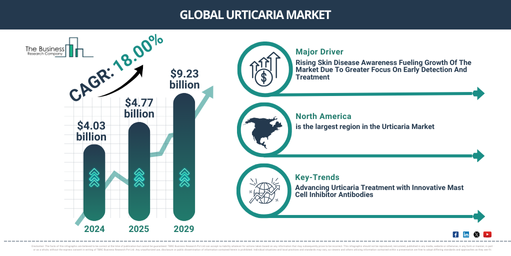
    In the past few years, there has been a significant expansion in the urticaria market. It is projected to surge from $4.03 billion in 2024 to $4.77 billion in 2025, marking a compound annual growth rate (CAGR) of 18.2%. Factors contributing to the growth during the historic period include an increase in allergy prevalence, heightened awareness of skin conditions, advances in immunology and biologics technology, a rise in demand for antihistamines, and enhanced diagnostic techniques.

    What Growth Rate Is Forecasted for the Urticaria Market by 2029?

    The market size for urticaria is anticipated to experience a rapid surge in the coming years, reaching an estimated value of $9.23 billion in 2029 with a compound annual growth rate (CAGR) of 18.0%. This upswing for the projected period can be linked to the increasing incidences of chronic urticaria, growing acceptance of biologic treatments, an upsurge in investments in dermatology studies, broader access to advanced allergy diagnostics, and progressive developments in personalized medicine. Notable market trends for the forecasted period encompass AI-driven diagnostic instruments, emerging novel biologics, advancements in tailored immunotherapy, wearable devices for skin monitoring, and the utilization of telemedicine for the management of allergies.

    Download The Free Sample Report Here:

    https://www.thebusinessresearchcompany.com/sample.aspx?id=23554&type=smp

    Which Key Companies Are Shaping the Future of the Urticaria Market?

    Major companies operating in the urticaria market are Sanofi S.A., Novartis AG, GlaxoSmithKline PLC, Roche Holding AG, Viatris Inc., Teva Pharmaceutical Industries Ltd, Sun Pharmaceutical Industries Ltd, Incyte Corporation, Kyowa Kirin Co. Ltd., Dr. Reddy’s Laboratories Ltd, Cipla Ltd., Amneal Pharmaceuticals Inc, Glenmark Pharmaceuticals Ltd, Torrent Pharmaceuticals, Almirall S.A., Argenx SE, BioCryst Pharmaceuticals Inc., Pharvaris NV, Revolution Medicines Inc., Allakos.

    Which Factors Are Driving Demand in the Urticaria Industry?

    The expansion of the urticaria market is likely to be fueled by the rising awareness and treatment of skin diseases. The escalation in pollution contributes to a higher incidence of skin allergies and disorders, thereby demanding better awareness and more advanced remedies. Urticaria plays a significant role in raising this awareness of skin diseases and their treatment by displaying immune system reactions, promoting research, optimizing diagnostics, and propelling the development of specialized therapies. In February 2024, The Skin Cancer Foundation, a nonprofit organization based in the US, indicated that skin cancer affects one in five Americans by the age of 70, and examines more than two deaths each hour within the U.S. This statistics emphasizes the crucial necessity for preventative strategies as experiencing five or more sunburns doubles the melanoma risk. Hence, the surge in skin disease awareness and treatment is stimulating the growth of the urticaria market.

    Request For A Customized Report:

    https://www.thebusinessresearchcompany.com/customise?id=23554&type=smp

    How Is the Urticaria Market Segmented by Several Divisions?

    The urticaria market covered in this report is segmented –

    1) By Type: Acute Urticaria, Chronic Urticaria

    2) By Drug Class: Antihistamines, Anti-inflammation Medications, Antidepressants, Monoclonal Antibodies, Other Drug Classes

    3) By Route of Administration: Oral, Parenteral, Other Routes Of Administration

    4) By Distribution Channel: Hospital Pharmacy, Online Pharmacy, Retail Pharmacy

    5) By End-Users: Hospitals, Homecare, Specialty Clinics, Other End-Users

    Subsegments:

    1) By Acute Urticaria: Allergic Urticaria, Infectious Urticaria, Drug-Induced Urticaria, Contact Urticaria

    2) By Chronic Urticaria: Chronic Spontaneous Urticaria (CSU), Chronic Inducible Urticaria (CIndU)

    What are the Emerging Market Trends Driving the Growth of the Urticaria Industry?

    Notable corporations in the urticaria market are prioritizing the creation of groundbreaking solutions such as mast cell inhibitor antibodies. Their aim is to create a novel therapeutic approach for managing chronic spontaneous urticaria by targeting mast cell activation. A mast cell inhibitor antibody essentially operates as a targeted monoclonal antibody that detains the activation or degranulation of mast cells by inhibiting particular receptors or signalling pathways. As a result, it reduces allergic reactions, inflammation, and other dysfunctions mediated by mast cells. For example, Allakos Inc., an American biotechnological company, in May 2024 publicized the launch of a Phase 1 clinical trial for AK006, designed with the purpose to cure chronic spontaneous urticaria (CSU). This revolutionary therapy places its targets on both IgE-dependent and IgE-independent mast cell activation routes. It renders the potential for larger efficacy in patients who are resistant to antihistamines or previous biologic treatments. By selectively inhibiting mast cell activity via the Siglec-6 receptor, AK006 sets about providing a more widespread and enduring solution for CSU management. This highlights a crucial leap in the urticaria treatment as well as immunotherapy research field.

    Access The Full Report Here:

    https://www.thebusinessresearchcompany.com/report/urticaria-global-market-report

    Which Regions Are Driving Growth in the Urticaria Market?

    North America was the largest region in the urticaria market in 2024. Asia-Pacific is expected to be the fastest-growing region in the forecast period. The regions covered in the urticaria market report are Asia-Pacific, Western Europe, Eastern Europe, North America, South America, Middle East, Africa.

    Purchase The Full Report Today:

    https://www.thebusinessresearchcompany.com/purchaseoptions.aspx?id=23554

    This Report Delivers Insight On:

    1. How big is the urticaria market, and how is it changing globally?

    2. Who are the major companies in the urticaria market, and how are they performing?

    3. What are the key opportunities and risks in the urticaria market right now?

    4. Which products or customer segments are growing the most in the urticaria market?

    5. What factors are helping or slowing down the growth of the urticaria market?

    About The Business Research Company:

    With over 15000+ reports from 27 industries covering 60+ geographies, The Business Research Company has built a reputation for offering comprehensive, data-rich research and insights. Armed with 1,500,000 datasets, the optimistic contribution of in-depth secondary research, and unique insights from industry leaders, you can get the information you need to stay ahead in the game.

    Get in touch with us:

    The Business Research Company: https://www.thebusinessresearchcompany.com/

    Americas +1 310-496-7795

    Europe +44 7882 955267

    Asia & Others +44 7882 955267 & +91 8897263534

    Email us at info@tbrc.info

    Follow us on:

    LinkedIn: https://in.linkedin.com/company/the-business-research-company

    YouTube: https://www.youtube.com/channel/UC24_fI0rV8cR5DxlCpgmyFQ

    Global Market Model: https://www.thebusinessresearchcompany.com/global-market-model
  • Urinary Retention Drug Market Projected at $5.2 Billion by 2029 | Strategic Insights and Forecast Data

    Urinary Retention Drug Market Projected at $5.2 Billion by 2029 | Strategic Insights and Forecast Data

    Claim your 30% discount on Global Market Reports with code ONLINE30. Limited time only.

    How Has the Urinary Retention Drug Market Size Changed, over the years?

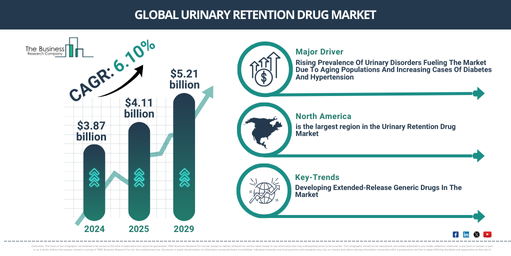
    In recent years, the market size for drugs treating urinary retention has seen a significant expansion. Expected to rise from $3.87 billion in 2024 to $4.11 billion in 2025, it will manifest a compound annual growth rate (CAGR) of 6.4%. The surge in growth during the historical era can be linked to factors such as the increment in the aged populace, enhanced healthcare investments, advancements in medical infrastructure, expansion in the elderly demographic, growth in the global population of senior citizens, and a rise in the occurrence of BPH.

    How Much Will the Urinary Retention Drug Market Be Worth in 2029?

    A significant increase is predicted in the urinary retention drug market size in the impending years. It is anticipated to expand up to $5.21 billion by 2029, with a compound annual growth rate (CAGR) of 6.1%. The projected growth in the forthcoming period can be credited to various factors including the increasing instances of urinary retention and postoperative urinary retention, escalating prevalence of urinary incontinence (UI), augmented recognition regarding the advantages of early diagnosis and treatment, and soaring prevalence of benign prostatic hyperplasia. Key trends expected during the forecast period encompass targeted drug delivery systems, advancements in drug formulations, the integration of artificial intelligence and machine learning, telemedicine, remote monitoring, and innovative solutions.

    Download The Free Sample Report Here:

    https://www.thebusinessresearchcompany.com/sample.aspx?id=23552&type=smp

    Which is the Largest Company in the Urinary Retention Drug Market?

    Major companies operating in the urinary retention drug market are Pfizer Inc., Johnson & Johnson, Merck & Co. Inc., AbbVie Inc., Sanofi S.A., Bristol-Myers Squibb Company, AstraZeneca PLC, Novartis International AG, GlaxoSmithKline plc, Medtronic plc, Takeda Pharmaceutical Company Limited, Eli Lilly and Company, Teva Pharmaceutical Industries Limited, Boehringer Ingelheim International GmbH, Astellas Pharma Inc., Sun Pharmaceutical Industries Limited, Aurobindo Pharma Limited, Lupin Limited, Cadila Healthcare Limited, Torrent Pharmaceuticals Limited, Ajanta Pharma Limited, Ferring Pharmaceuticals Inc., UroGen Pharma Ltd.

    What Are the Main Market Drivers in the Urinary Retention Drug Industry?

    The escalating incidence of urinary disorders is anticipated to drive the expansion of the urinary retention drug market. Urinary disorders are conditions impacting the urinary system, leading to complications such as urination difficulties, pain, incontinence, or retention. The increased occurrence of these disorders can be attributed to the rising prevalence of diabetes, given that elevated blood sugar levels may harm the kidneys and urinary tract, resulting in conditions such as diabetic nephropathy and recurring urinary tract infections. Drugs for urinary retention work by enhancing urine flow, soothing bladder muscles, and reducing symptoms such as urination difficulties to improve comfort and bladder functionality. For example, the National Health Service (NHS) England, a British government department, reported in October 2023 that hospitals logged 147,285 admissions in 2022/23 due to a primary diagnosis of urinary tract infection (UTI). 56% of these cases were individuals over the age of 65, resulting in 82,392 admissions. The most admissions were seen in the 80-84 age bracket, registering 17,280 cases. Hence, the escalating occurrence of urinary disorders is spurring the expansion of the urinary retention drug part of the pharmaceutical industry.

    Request For A Customized Report:

    https://www.thebusinessresearchcompany.com/customise?id=23552&type=smp

    How Is the Urinary Retention Drug Market Segments Structured?

    The urinary retention drug market covered in this report is segmented –

    1) By Drug Class: Alpha Blockers, Beta-3 Agonists, Anticholinergics, Surgical Agents

    2) By Indication: Chronic Urinary Retention, Postoperative Urinary Retention, Neurogenic Bladder

    3) By Administration: Oral, Injectable, Transdermal

    4) By End Users: Hospitals, Homecare, Specialty Clinics, Other End Users

    Subsegments:

    1) By Alpha Blockers: Alpha-1 Blockers, Alpha-2 Blockers

    2) By Beta-3 Agonists: Selective Beta-3 Agonists

    3) By Anticholinergics: Antimuscarinics, Non-Selective Anticholinergics

    4) By Surgical Agents: Anesthetics, Hemostatic Agents, Muscle Relaxants, Antibiotic Prophylaxis

    What Strategic Trends Are Transforming the Urinary Retention Drug Market?

    Leading enterprises in the urinary retention drug market are working towards the production of innovative formulations such as extended-release tablets. These are aimed at enhancing patient adherence to the medication schedule and offering sustained symptom alleviation. Extended-release (ER) tablets facilitate a gradual release of the active drug over a longer duration, providing a steady drug concentration in the blood and lessening the dosing frequency compared to instant-release tablets. To illustrate, in April 2024, Zydus Lifesciences Limited, a pharmaceutical firm from India, introduced a generic variant of Mirabegron intended for overactive bladder (OAB). Mirabegron, a selective beta-3 adrenergic agonist, relaxes the bladder muscles and decreases urinary urgency, frequency, and incontinence. Though mainly used for OAB, it can also help control urinary retention linked to overactive bladder conditions. The medication is prescribed as a single daily oral dose.

    Access The Full Report Here:

    https://www.thebusinessresearchcompany.com/report/urinary-retention-drug-global-market-report

    Which Global Regions Offer the Highest Growth in the Urinary Retention Drug Market?

    North America was the largest region in the urinary retention drug market in 2024. The regions covered in the urinary retention drug market report are Asia-Pacific, Western Europe, Eastern Europe, North America, South America, Middle East, Africa.

    Purchase The Full Report Today:

    https://www.thebusinessresearchcompany.com/purchaseoptions.aspx?id=23552

    This Report Delivers Insight On:

    1. How big is the urinary retention drug market, and how is it changing globally?

    2. Who are the major companies in the urinary retention drug market, and how are they performing?

    3. What are the key opportunities and risks in the urinary retention drug market right now?

    4. Which products or customer segments are growing the most in the urinary retention drug market?

    5. What factors are helping or slowing down the growth of the urinary retention drug market?

    About The Business Research Company:

    With over 15000+ reports from 27 industries covering 60+ geographies, The Business Research Company has built a reputation for offering comprehensive, data-rich research and insights. Armed with 1,500,000 datasets, the optimistic contribution of in-depth secondary research, and unique insights from industry leaders, you can get the information you need to stay ahead in the game.

    Get in touch with us:

    The Business Research Company: https://www.thebusinessresearchcompany.com/

    Americas +1 310-496-7795

    Europe +44 7882 955267

    Asia & Others +44 7882 955267 & +91 8897263534

    Email us at info@tbrc.info

    Follow us on:

    LinkedIn: https://in.linkedin.com/company/the-business-research-company

    YouTube: https://www.youtube.com/channel/UC24_fI0rV8cR5DxlCpgmyFQ

    Global Market Model: https://www.thebusinessresearchcompany.com/global-market-model
  • Urinary pH Modifier Industry Growth Expected to Reach $3.99 Billion by 2029 at a CAGR of 5.7% | Segmentation and Growth Opportunities

    Claim your 30% discount on Global Market Reports with code ONLINE30. Limited time only.

    What Is the Forecast for the Urinary pH Modifier Market Growth in 2025?

    The market size for urinary pH modifiers has seen a steady increase in recent years. Its expansion is predicted to continue from $3.01 billion in 2024 to $3.19 billion in 2025, with a compound annual growth rate (CAGR) of 6.1%. This growth during the historic period can be linked to the growing number of kidney failures, the shift towards online outlets, the escalated demand for pH modifier solutions, the rise in urinary tract infections, and increased instances of diabetes.

    What Is the Forecast for the Urinary pH Modifier Market Size Through 2029?

    The market size for urinary pH modifiers is projected to experience substantial growth in the coming years. It is forecasted to reach $4.00 billion in 2029, with a compound annual growth rate (CAGR) of 5.8%. This expansion in the forecast period is associated with the escalating prevalence of cancer, the emergence of new markets, an increased rate of urinary tract infections, a rising emphasis on preventive healthcare, and an enhanced demand for dietary supplements. Key trends throughout the forecast period encompass technological advancements, non-invasive observation technologies, personalized medicine strategies, technological progression, and product innovations.

    Download The Free Sample Report Here:

    https://www.thebusinessresearchcompany.com/sample.aspx?id=23551&type=smp

    What are the Key Market Players in Urinary pH Modifier Market and How They’re Evolving?

    Major companies operating in the urinary ph modifier market are Cargill Incorporated, Intas Pharmaceuticals Ltd., Virbac, Vetoquinol, Otto Chemie Pvt. Ltd., Ashish Life Science, Vitalac, Apex Laboratories, Neo Kumfurt Solutions Pvt. Ltd., Millpledge Ltd., Vizag Chemical, Swiss Chemie, Ennore India Chemicals, East India Chemicals International, RX Chemical, Aptus, Rishi Chemical, Tricon Biochem Corporation, Orion Pharma Animal Health, Beach Pharmaceuticals.

    What Are the Primary Growth Drivers in the Urinary pH Modifier Market?

    The escalation in cases of kidney failure is likely to spur the growth of the urinary pH modifiers market in the future. Kidney failure, defined by the kidneys’ loss of waste filtration capacity and balance of fluids and electrolytes, results in toxin accumulation in the body. The primary driver of the rise in kidney failure cases is the growing incidence of diabetes, which over time causes kidney filtration damage, leading to chronic kidney disease and eventually kidney failure. The increasing cases of kidney failure elevates the need for urinary pH modifiers, which are instrumental in managing acid-base imbalances, averting kidney stone formation, and mitigating complications associated with impaired kidney function. For example, Kidney Research UK, a non-profit charity based in the UK, reported in June 2023 that over 10% of the UK population, or roughly 7.19 million people, had chronic kidney disease. It is predicted that this figure will surge to 7.61 million by 2033. Therefore, the rise in kidney failure cases is stimulating the growth of the urinary pH modifiers market. Increased understanding of preventative healthcare, mainly due to a heightened focus on early health management and disease prevention, is expected to drive the growth of the market ahead. Preventive healthcare entails actions to thwart diseases rather than treating them after they’ve already happened. An uptick in preventative healthcare is evident as individuals recognize the significance of early health management to avoid chronic diseases and future medical expenses. Preventive healthcare increases the need for urinary pH modifiers, which contribute to the early management of urinary tract health. These products balance urine pH, reducing infection risk and kidney stones. For instance, the National Health Service (NHS) England, a government department in the UK, announced in July 2024 that as of May 2024, 51.8% of older adult care home residents received the spring vaccination, with the figure rising to 63.3% by June 2024, a 11.5 percentage point increase. Therefore, the growing awareness of preventative healthcare is propelling the urinary pH modifiers market’s growth.

    Request For A Customized Report:

    https://www.thebusinessresearchcompany.com/customise?id=23551&type=smp

    What Are the Leading Segments in the Global Urinary pH Modifier Industry?

    The urinary ph modifier market covered in this report is segmented –

    1) By Drug: Potassium Acid Phosphate, Sodium Bicarbonate, Sodium Citrate, Potassium Citrate

    2) By Dosage: Injection, Tablets, Solution, Powder, Other Dosages

    3) By Indication: Alkalosis, Alkylating Agent Cystitis, Asystole, Gastroesophageal Reflux Disease, Diabeitc Ketoacidosis, Hyperkalemia, Hyponatremia, Indigestion, Metabolic Acidosis, Other Indications

    4) By Distribution Channel: Online Retail, Pharmacies, Super markets, Health Food Stores

    5) By End-User: Hospitals, Clinics, Home Care

    Subsegments-

    1) By Potassium Acid Phosphate: Monobasic Potassium Phosphate, Dibasic Potassium Phosphate, Combination Formulations

    2) By Sodium Bicarbonate: Oral Sodium Bicarbonate Tablets, Intravenous Sodium Bicarbonate Injection, Effervescent Sodium Bicarbonate Powder

    3) By Sodium Citrate: Sodium Citrate Dihydrate, Sodium Citrate Anhydrous, Sodium Citrate Oral Solution

    4) By Potassium Citrate: Potassium Citrate Extended-Release Tablets, Potassium Citrate Oral Solution, Combination Therapy With Other Alkalizing Agents

    Access The Full Report Here:

    https://www.thebusinessresearchcompany.com/report/urinary-ph-modifier-global-market-report

    What Is the Regional Outlook for the Urinary pH Modifier Market?

    North America was the largest region in the urinary pH modifier market in 2024. The regions covered in the urinary ph modifier market report are Asia-Pacific, Western Europe, Eastern Europe, North America, South America, Middle East, Africa.

    Purchase The Full Report Today:

    https://www.thebusinessresearchcompany.com/purchaseoptions.aspx?id=23551

    This Report Delivers Insight On:

    1. How big is the urinary ph modifier market, and how is it changing globally?

    2. Who are the major companies in the urinary ph modifier market, and how are they performing?

    3. What are the key opportunities and risks in the urinary ph modifier market right now?

    4. Which products or customer segments are growing the most in the urinary ph modifier market?

    5. What factors are helping or slowing down the growth of the urinary ph modifier market?

    About The Business Research Company:

    With over 15000+ reports from 27 industries covering 60+ geographies, The Business Research Company has built a reputation for offering comprehensive, data-rich research and insights. Armed with 1,500,000 datasets, the optimistic contribution of in-depth secondary research, and unique insights from industry leaders, you can get the information you need to stay ahead in the game.

    Get in touch with us:

    The Business Research Company: https://www.thebusinessresearchcompany.com/

    Americas +1 310-496-7795

    Europe +44 7882 955267

    Asia & Others +44 7882 955267 & +91 8897263534

    Email us at info@tbrc.info

    Follow us on:

    LinkedIn: https://in.linkedin.com/company/the-business-research-company

    YouTube: https://www.youtube.com/channel/UC24_fI0rV8cR5DxlCpgmyFQ

    Global Market Model: https://www.thebusinessresearchcompany.com/global-market-model
  • Uncomplicated Urinary Tract Infection  Industry Valued at $14.26 Billion by 2029 With CAGR of 6.7% | Size and Share Insights

    Uncomplicated Urinary Tract Infection Industry Valued at $14.26 Billion by 2029 With CAGR of 6.7% | Size and Share Insights

    Claim your 30% discount on Global Market Reports with code ONLINE30. Limited time only.

    What Is the Forecast for the Uncomplicated Urinary Tract Infection Market from 2024 to 2025?

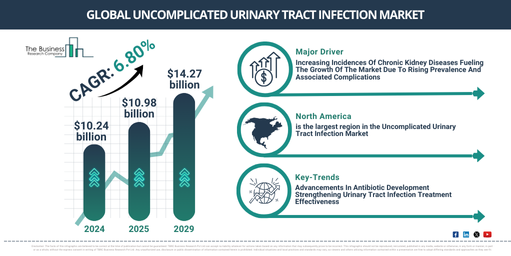
    The market size of simple urinary tract infections has seen impressive growth in the last few years. It is projected to escalate from $10.24 billion in 2024 to $10.98 billion in 2025, exhibiting a compound annual growth rate (CAGR) of 7.2%. Factors contributing to the growth during the historic period include increased instances of kidney failure, a surge in bladder cancer cases, a rise in chronic kidney disease occurrences, wider usage of urinary catheters, and a growing prevalence of diabetes.

    What Is the Projected Market Size of the Uncomplicated Urinary Tract Infection Market?

    The market for simpler urinary tract infections is poised to experience robust growth in the upcoming years. It is expected to surge to $14.27 billion by 2029 with a compound annual growth rate (CAGR) of 6.8%. The growth escalation in the forecasted timeline can be linked with increased bacterial infections, an aging populace, higher sexual activity levels, growing instances of urinary tract infections, and a rise in contraceptive usage. Some of the main trends observed during this forecast period are telemedicine development, progress in telehealth solutions, the creation of innovative drugs, improvements in urinary tract infection treatments, and advancements in research and development.

    Download The Free Sample Report Here:

    https://www.thebusinessresearchcompany.com/sample.aspx?id=23550&type=smp

    Who are the Major Competitors in the Uncomplicated Urinary Tract Infection Market Outlook?

    Major companies operating in the uncomplicated urinary tract infection market are Cardinal Health, Pfizer Inc., Bayer AG, AstraZeneca plc, GSK plc, Eli Lilly and Company, Siemens AG, Strykar Healthcare, John Hopkins Medicine, Shionogi & Co. Ltd., Sysmex Corporation, Bio-Rad Laboratories Inc, Cipla Inc., UTILITY therapeutics Ltd, Orchid Pharma Limited, ACON Labs, Sonika Lifesciences, Emergency Care BC, EB Medicine, Iterum Therapeutics PLC

    What Is Fueling Growth in the Uncomplicated Urinary Tract Infection Market?

    The uncomplicated urinary tract infection market is propelled by the surging cases of chronic kidney diseases. CKD, a persistent condition marked by a gradual loss of kidney function, leads to the accumulation of waste and fluid within the body. The rise in this disease is primarily attributed to the growing instances of diabetes. Persistently elevated blood sugar levels can lead to kidney damage, affecting their waste filtration efficiency. The immune system gets weakened by chronic kidney disease, raising the vulnerability to urinary tract infections. The poor functioning of kidneys can cause urine retention, providing a conducive environment for bacterial multiplication. For instance, Kidney Research UK reported in June 2023 that the adult kidney transplants in the UK due to chronic kidney disease rose from 2,863 in 2021 to 2,976 in 2023. Hence, the growth of the uncomplicated urinary tract infection market is driven by the rising cases of chronic kidney diseases. The uncomplicated urinary tract infection market is further expected to be boosted by the increasing instances of diabetes. Diabetes, a long-term metabolic disease, is characterized by heightened blood sugar levels resulting from either inadequate insulin production or ineffective insulin usage. Unhealthy lifestyle choices, such as poor diet and lack of physical exercise, contribute to the rising cases of diabetes. The increasing consumption of processed foods high in sugar, coupled with physical inactivity, has escalated obesity levels, thereby elevating the risk of developing type 2 diabetes. High blood sugar levels provide favorable conditions for bacterial growth in the urinary tract, thereby raising the infection incidence. Moreover, diabetes can compromise the immune system, making it more challenging for the body to combat infections, including UTIs. For instance, the Office for Health Improvement & Disparities (OHID) reported in March 2024 that the percentage of people with Type 1 diabetes receiving all eight care processes in England surged from 35.2% to 43.8% within a year. Consequently, the uncomplicated urinary tract infection market growth is driven by the increasing cases of diabetes.

    Request For A Customized Report:

    https://www.thebusinessresearchcompany.com/customise?id=23550&type=smp

    Which Uncomplicated Urinary Tract Infection Market Segments Are Growing the Fastest?

    The uncomplicated urinary tract infection market covered in this report is segmented –

    1) By Test Type: Urinalysis, Urine Cultures, Susceptibility Testing

    2) By Drug: Penicillin And Combinations, Quinolones, Cephalosporin, Azoles And Amphotericin B, Nitrofurans, Other Drugs

    3) By End-Users: Hospitals, Diagnostic Labs, Research Institutes

    Subsegments:

    1) By Urinalysis: Dipstick Tests, Microscopic Examination, Automated Urinalysis

    2) By Urine Cultures: Agar Plate Culture, Broth Culture, Chromogenic Media

    3) By Susceptibility Testing: Disk Diffusion Method, Automated Susceptibility Testing, Molecular Susceptibility Testing

    Which Industry Trends Are Shaping the Future of the Uncomplicated Urinary Tract Infection Market?

    Top firms that are part of the uncomplicated urinary tract infection (UTI) market are zeroing in their efforts on creating antibiotics to boost the efficacy of treatments and fight off bacteria that have become resistant to antibiotics. Antibiotics aim to do away with bacterial infections by either killing off or halting the growth of bacteria within the body. For example, in April 2024, Pivya (pivmecillinam) tablets were given the thumbs up by the Food and Drug Administration, a federal agency based in the US, for the treatment of uncomplicated UTIs in adult women. These tablets are designed to treat uncomplicated UTIs that are caused by susceptible strains of Escherichia coli, Proteus mirabilis, and Staphylococcus saprophyticus. Pivmecillinam, once ingested, becomes mecillinam – a beta-lactam antibiotic that takes aim at gram-negative bacteria by preventing the synthesis of bacterial cell walls.

    Access The Full Report Here:

    https://www.thebusinessresearchcompany.com/report/uncomplicated-urinary-tract-infection-global-market-report

    Which Countries Are Leading the Uncomplicated Urinary Tract Infection Market?

    North America was the largest region in the uncomplicated urinary tract infection market in 2024. The regions covered in the uncomplicated urinary tract infection market report are Asia-Pacific, Western Europe, Eastern Europe, North America, South America, Middle East, Africa.

    Purchase The Full Report Today:

    https://www.thebusinessresearchcompany.com/purchaseoptions.aspx?id=23550

    This Report Delivers Insight On:

    1. How big is the uncomplicated urinary tract infection market, and how is it changing globally?

    2. Who are the major companies in the uncomplicated urinary tract infection market, and how are they performing?

    3. What are the key opportunities and risks in the uncomplicated urinary tract infection market right now?

    4. Which products or customer segments are growing the most in the uncomplicated urinary tract infection market?

    5. What factors are helping or slowing down the growth of the uncomplicated urinary tract infection market?

    About The Business Research Company:

    With over 15000+ reports from 27 industries covering 60+ geographies, The Business Research Company has built a reputation for offering comprehensive, data-rich research and insights. Armed with 1,500,000 datasets, the optimistic contribution of in-depth secondary research, and unique insights from industry leaders, you can get the information you need to stay ahead in the game.

    Get in touch with us:

    The Business Research Company: https://www.thebusinessresearchcompany.com/

    Americas +1 310-496-7795

    Europe +44 7882 955267

    Asia & Others +44 7882 955267 & +91 8897263534

    Email us at info@tbrc.info

    Follow us on:

    LinkedIn: https://in.linkedin.com/company/the-business-research-company

    YouTube: https://www.youtube.com/channel/UC24_fI0rV8cR5DxlCpgmyFQ

    Global Market Model: https://www.thebusinessresearchcompany.com/global-market-model

  • Twin-Twin Transfusion Syndrome Treatment Market to Reach $1 Billion by 2029 | Key Drivers and Future Outlook

    Twin-Twin Transfusion Syndrome Treatment Market to Reach $1 Billion by 2029 | Key Drivers and Future Outlook

    Claim your 30% discount on Global Market Reports with code ONLINE30. Limited time only.

    What Is the Growth Rate of the Twin-Twin Transfusion Syndrome Treatment Market?

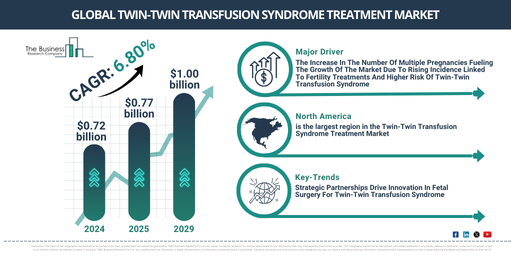
    The market size for treatment of twin-twin transfusion syndrome (TTTS) has seen considerable growth in the recent past. The market is projected to escalate from $0.72 billion in 2024 to $0.77 billion in 2025, enjoying a compound annual growth rate (CAGR) of about 7.2%. This historic expansion can be credited to several factors including the increased recognition of TTTS risk factors in multiple pregnancies, the surge in customization of treatment methods for different twin types, heightened use of specific therapies for complications, growing significance of patient-reported outcomes in managing TTTS, as well as enhanced education and awareness initiatives for soon-to-be parents.

    What Growth Rate Is Forecasted for the Twin-Twin Transfusion Syndrome Treatment Market by 2029?

    The market for treatment of twin-twin transfusion syndrome is projected to witness significant expansion in the coming years. The market is set to reach $1.00 billion by 2029, growing at a compound annual growth rate (CAGR) of 6.8%. The robust growth expected during the forecast period can be credited to factors such as heightened awareness and preemptive diagnosis, increased adoption of less invasive procedures, an ascending focus on maternal-fetal medicine, and the rising use of genetic testing and risk evaluation. Additionally, the escalating prevalence of TTTS also drives the market growth. Key trends influencing the forecast period include less invasive surgical procedures, the proliferation of artificial intelligence and machine learning, advancements in prenatal monitoring and diagnostic techniques, developments in gene editing and stem cell therapies, and enhancement of surgical and therapeutic procedures.

    Download The Free Sample Report Here:

    https://www.thebusinessresearchcompany.com/sample.aspx?id=23549&type=smp

    Which Key Companies Are Shaping the Future of the Twin-Twin Transfusion Syndrome Treatment Market?

    Major companies operating in the twin-twin transfusion syndrome treatment market are Mayo Foundation for Medical Education and Research, USF Health, Johns Hopkins Medicine, University Hospitals, Seattle Children’s Hospital, Texas Children’s Hospital, Cincinnati Children’s Hospital Medical Center, Apollo Hospitals, Tampa General Hospital, Children’s Hospital Colorado, Medicover Hospitals, UCSF Health, King’s College Hospital, The Children’s Hospital of Philadelphia, Riley Children’s Health, Yale School of Medicine, Brown University Health, Society for Maternal-Fetal Medicine, Lurie Children’s Hospital, Rainbow Children’s Hospital, UNC Department of Obstetrics & Gynecology.

    Which Factors Are Driving Demand in the Twin-Twin Transfusion Syndrome Treatment Industry?

    The ascension in multiple pregnancies is presumed to stimulate the expansion of the twin-twin transfusion syndrome treatment market. When a woman carries more than one fetus simultaneously, such as twins, triplets, or multiples of a higher order, it is referred to as multiple pregnancies. The surge in multiple pregnancies is primarily attributable to fertility procedures which prompt the ovaries to emit numerous eggs. The aim of twin-twin transfusion syndrome treatment in the case of multiple pregnancies is to target irregular blood vessel connections in the common placenta, aiding in the reinstatement of balanced blood flow between the fetuses. This significantly betters the chances of survival and decreases the likelihood of complications for both twins. For example, Twins Research Australia, a research institution based in Australia, reported in September 2023 that out of the total 286,998 births in the country, multiple births accounted for 1.5%, which is 4,118. Of these, the overwhelming majority were twins, with 4,073 cases (roughly 99%), while triplet or higher-order multiple births were only 45 in number (1%). Consequently, the upswing in multiple pregnancies is propelling the twin-twin transfusion syndrome treatment market.

    Request For A Customized Report:

    https://www.thebusinessresearchcompany.com/customise?id=23549&type=smp

    How Is the Twin-Twin Transfusion Syndrome Treatment Market Segmented by Several Divisions?

    The twin-twin transfusion syndrome treatment market covered in this report is segmented –

    1) By Treatment Type: Laser Therapy, Surgery, Blood Transfusion, Medication

    2) By Diagnosis Method: Ultrasound, Blood Tests, Amniocentesis

    3) By Mode Of Administration: Injectable, Oral, Other Modes Of Administration

    4) By Symptoms: Breathlessness, Tightness In The Abdomen, Rapid Expansion Of Abdomen, Rapid Weight Gain, Pressure On The Stomach, Premature Contractions

    5) By End-User: Hospitals, Homecare, Specialty Clinics, Other End-Users

    Subsegments-

    1) By Laser Therapy: Fetoscopic Laser Photocoagulation, Selective Laser Ablation, Solomon Technique

    2) By Surgery: Amnioreduction Surgery, Septostomy, Fetoscopic Cord Coagulation

    3) By Blood Transfusion: Intrauterine Transfusion (IUT), Intraperitoneal Transfusion, Intravascular Transfusion

    4) By Medication: Tocolytics, Corticosteroids, Anti-Inflammatory Drugs, Antibiotics

    What are the Emerging Market Trends Driving the Growth of the Twin-Twin Transfusion Syndrome Treatment Industry?

    Key players in the twin-twin transfusion syndrome treatment market are establishing strategic collaborations to speed up the development and commercialization of sophisticated therapeutic solutions. A strategic partnership is an enduring cooperation between autonomous organizations pursuing collective business objectives. It enables each entity to capitalize on the shared strengths, resources, or market exposure for reciprocal advantage. For example, in January 2023, the CHA Hollywood Presbyterian Medical Center, a provider of a wide range of healthcare services based in the US, allied with Los Angeles Fetal Surgery, a US-based medical clinic, to introduce an innovative life-preserving fetal surgery program. This program, among a handful in the U.S., provides minimally invasive treatments for fetuses suffering from severe conditions like spina bifida and twin-twin transfusion syndrome.

    Access The Full Report Here:

    https://www.thebusinessresearchcompany.com/report/twin-twin-transfusion-syndrome-treatment-global-market-report

    Which Regions Are Driving Growth in the Twin-Twin Transfusion Syndrome Treatment Market?

    North America was the largest region in the twin-twin transfusion syndrome treatment market in 2024. The regions covered in the twin-twin transfusion syndrome treatment market report are Asia-Pacific, Western Europe, Eastern Europe, North America, South America, Middle East, Africa.

    Purchase The Full Report Today:

    https://www.thebusinessresearchcompany.com/purchaseoptions.aspx?id=23549

    This Report Delivers Insight On:

    1. How big is the twin-twin transfusion syndrome treatment market, and how is it changing globally?

    2. Who are the major companies in the twin-twin transfusion syndrome treatment market, and how are they performing?

    3. What are the key opportunities and risks in the twin-twin transfusion syndrome treatment market right now?

    4. Which products or customer segments are growing the most in the twin-twin transfusion syndrome treatment market?

    5. What factors are helping or slowing down the growth of the twin-twin transfusion syndrome treatment market?

    About The Business Research Company:

    With over 15000+ reports from 27 industries covering 60+ geographies, The Business Research Company has built a reputation for offering comprehensive, data-rich research and insights. Armed with 1,500,000 datasets, the optimistic contribution of in-depth secondary research, and unique insights from industry leaders, you can get the information you need to stay ahead in the game.

    Get in touch with us:

    The Business Research Company: https://www.thebusinessresearchcompany.com/

    Americas +1 310-496-7795

    Europe +44 7882 955267

    Asia & Others +44 7882 955267 & +91 8897263534

    Email us at info@tbrc.info

    Follow us on:

    LinkedIn: https://in.linkedin.com/company/the-business-research-company

    YouTube: https://www.youtube.com/channel/UC24_fI0rV8cR5DxlCpgmyFQ

    Global Market Model: https://www.thebusinessresearchcompany.com/global-market-model