Month: August 2025

  • Image Guided And Robotic Assisted Procedures Market Trends 2025-2034: Growth, Strategic Insights, and Opportunities Ahead

    Image Guided And Robotic Assisted Procedures Market Trends 2025-2034: Growth, Strategic Insights, and Opportunities Ahead

    Claim your 30% discount on Global Market Reports with code ONLINE30. Limited time only.

    What Is the Current and Projected Market Size of the Image Guided And Robotic Assisted Procedures Market Through 2034?

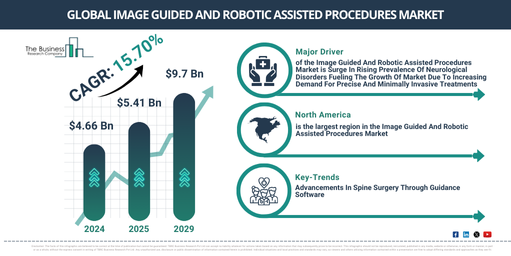
    The market for image guided and robotic assisted procedures has expanded quickly over the past few years. The market, which was valued at $4.66 billion in 2024, is forecasted to increase to $5.41 billion in 2025, with a compound annual growth rate (CAGR) of 16.0%. The robust growth during the historical period is due to factors such as a rise in the use of minimally invasive surgeries, increased demand for precision and technical accuracy in operations, an aging population coupled with prevalent chronic diseases, increased healthcare expenditures, and evolutionary advances in robotic and imaging technologies.

    Anticipated to witness a significant surge in the coming years, the market size of image guided and robotic assisted procedures is projected to reach$9.7 billion by 2029, recording a compound annual growth rate (CAGR) of 15.7%. Factors contributing to this predicted growth encompass amplified investments in healthcare infrastructure, escalated interest in education and training for robotic surgery, a surge in patient inclination towards less invasive procedures, increased public funding for healthcare revolution, and a heightened call for economical surgical remedies. During the forecast period, major trends in the sector will include advancements in systems for robotic-assisted surgery, refined imaging techniques for enhanced accuracy, the evolution of AI-enabled surgical instruments, progressing tele-surgery capacities, and the sophisticated amalgamation of real-time data for superior surgical results.

    Download a free sample to assess the report’s scope and structure:

    https://www.thebusinessresearchcompany.com/sample.aspx?id=23426&type=smp

    What Are the Major Market Drivers Behind the Rising Adoption of Image Guided And Robotic Assisted Procedures Market?

    The proliferation of neurological disorders is anticipated to drive the development of the market for image-guided and robotic-assisted procedures. Neurological disorders are health issues that can affect the brain, spinal cord, and nerves, resulting in deficits in mobility, cognition, and other physical functions. Changes in lifestyle, such as substandard diet, lack of physical activity, and ongoing stress, contribute to the increased occurrence of neurological disorders by negatively impacting brain function and health. Image-guided and robotic-assisted techniques improve neurological treatment by enhancing surgical accuracy, decreasing invasiveness, and shortening recovery periods, hence, they are crucial in handling complex conditions. For example, Dementia Australia, a non-profit organisation based in Australia, reported in February 2024 that by 2054, the prevalence of dementia in the country would increase by 93%, with 812,500 people projected to be living with dementia, up from 421,000 in 2024. Therefore, the growth of the market for image-guided and robotic-assisted procedures is being driven by the escalating prevalence of neurological disorders.

    Which Key Market Segments Comprise the Image Guided And Robotic Assisted Procedures Market and Drive Its Revenue Growth?

    The image guided and robotic assisted proceduresmarket covered in this report is segmented –

    1) By Product Type: MRI Guided Robot; X-Ray Computed Tomography Guided Robot; X-Ray Mammography Guided Robot; Optical Imaging Guided Robot; Ultrasound Imaging Guided Robot

    2) By Technology: Image-Guided Surgery; Robotic-Assisted Surgery; Augmented Reality (AR) Surgery; Virtual Reality (VR) Simulation

    3) By Specialty: Orthopedic Surgery; Neurology; Urology; Gynecology; Cardiothoracic Surgery

    4) By Application: Diagnostic Applications; Minimally Invasive Procedures

    5) By End User: Hospitals; Outpatient Facilities

    Subsegments:

    1) By MRI Guided Robot: Neurosurgery robots; Prostate biopsy robots; Cardiac catheterization robots; Tumor ablation systems

    2) By X-Ray Computed Tomography (CT) Guided Robot: Interventional radiology robots; Spine surgery assistance systems; Biopsy and ablation robots; Orthopedic robotic systems.

    3) By X-Ray Mammography Guided Robot: Breast biopsy assistance robots; Lesion localization systems; Automated breast imaging robots.

    4) By Optical Imaging Guided Robot: Robotic endoscopy systems; Robotic fluorescence-guided surgery tools; Ophthalmic surgical robots; Robotic systems for dental imaging.

    5) By Ultrasound Imaging Guided Robot: Robotic-assisted fetal procedures; Liver and kidney biopsy robots; Robotic prostate interventions; Needle guidance systems.

    Request customized data on this market:

    https://www.thebusinessresearchcompany.com/customise?id=23426&type=smp

    Which Areas Are Leading Regions in the Image Guided And Robotic Assisted Procedures Market Expansion Across the Globe?

    North America was the largest region in the image-guided and robot-assisted surgical procedures market in 2024. Asia-Pacific is expected to be the fastest-growing region in the forecast period. The regions covered in the image guided and robotic assisted procedures market report are Asia-Pacific, Western Europe, Eastern Europe, North America, South America, Middle East, Africa.

    What Are the Strategic Trends Steering theImage Guided And Robotic Assisted Procedures Market Direction?

    Firms that are major players in the image-guided and robotic-assisted surgeries sector are concentrating on creating groundbreaking advancements like spine guidance software. This is to improve surgical accuracy, uplift patient results, and expedite workflow processes during spinal surgeries. Spine guidance software utilises real-time imaging and 3D visualisation to aid surgeons in executing accurate spinal procedures. For example, Stryker, a medical technology firm based in the US, introduced the Q Guidance System specifically for spinal operations in September 2022. The system comes with an upgraded optical tracking camera and sophisticated Spine Guidance Software to boost surgical planning and manoeuvring. It provides enhanced precision, real-time visualisation, and heightened procedural efficiency. The incorporation of intricate algorithms escalates precision in spinal surgeries. This forward-thinking strategy is intended to enhance patient results and provide surgeons better control during complex surgeries.

    View the full report here:

    https://www.thebusinessresearchcompany.com/report/image-guided-and-robotic-assisted-procedures-global-market-report

    How Is the Image Guided And Robotic Assisted Procedures Market Conceptually Defined?

    Image-guided and robot-assisted surgical procedures use advanced imaging (MRI, CT, and ultrasound) and robotic systems to enhance precision and minimize invasiveness. Image-guided surgery helps in real-time navigation, while robot-assisted surgery improves dexterity and control. These technologies lead to better surgical accuracy, reduced complications, and faster recovery times.

    Purchase the full report and get a swift delivery:

    https://www.thebusinessresearchcompany.com/purchaseoptions.aspx?id=23426

    About The Business Research Company:

    With over 15000+ reports from 27 industries covering 60+ geographies, The Business Research Company has built a reputation for offering comprehensive, data-rich research and insights. Armed with 1,500,000 datasets, the optimistic contribution of in-depth secondary research, and unique insights from industry leaders, you can get the information you need to stay ahead in the game.

    Get in touch with us:

    The Business Research Company: https://www.thebusinessresearchcompany.com/

    Americas +1 310-496-7795

    Europe +44 7882 955267

    Asia & Others +44 7882 955267 & +91 8897263534

    Email us at info@tbrc.info

    Follow us on:

    LinkedIn: https://in.linkedin.com/company/the-business-research-company

    YouTube: https://www.youtube.com/channel/UC24_fI0rV8cR5DxlCpgmyFQ

    Global Market Model: https://www.thebusinessresearchcompany.com/global-market-model

  • Strategic Growth Drivers Shaping the CRISPR-Based Diagnostics Market Outlook 2025- 2034:Rising Incidence Of Infectious Diseases Fuels Growth Of The Market

    Strategic Growth Drivers Shaping the CRISPR-Based Diagnostics Market Outlook 2025- 2034:Rising Incidence Of Infectious Diseases Fuels Growth Of The Market

    Claim your 30% discount on Global Market Reports with code ONLINE30. Limited time only.

    What Are the Projected Market Size and Growth Rates for the CRISPR-Based Diagnostics Market From 2025 To 2029?

    The market size for Crispr-based diagnostics has been on a steady rise recently, with predictions of an increase from $4.35 billion in 2024 to $5.1 billion in 2025, reflecting a compound annual growth rate (CAGR) of 17.3%. Factors contributing to this growth during the historical period include an increase in healthcare spending, rising demand for gene editing, growing incidence of chronic illnesses, heightened awareness of available treatments, and a surge in genetic diseases prevalence.

    The market size for CRISPR-based diagnostics is projected to experience fast expansion in the coming years, escalating to $9.77 billion in 2029 with a CAGR of 17.6%. The surge during the prediction period can be associated with an increasing need for swift and precise diagnostics, an increased use in detecting infectious diseases, governmental and institutional financial support, better identification of antibiotic resistance, and heightened awareness and acceptance of CRISPR technologies. Key trends during the forecast period extend to point-of-care testing, CRISPR-Cas12 and Cas13 systems, individualized medicine and genetic screening, fusion with nanotechnology and biosensors, as well as early disease detection with CRISPR.

    Download a free sample to assess the report’s scope and structure:

    https://www.thebusinessresearchcompany.com/sample.aspx?id=20734&type=smp

    Which Factors and External Forces Are Driving Demand in the CRISPR-Based Diagnostics Market?

    The escalating occurrence of infectious diseases is predicted to drive the expansion of the CRISPR-based diagnostics market. Diseases caused by pathogenic organisms like bacteria, viruses, fungi, or parasites, which can be transmitted directly or indirectly between people or through infested surfaces, food, water, or insects, constitute infectious diseases. The prevalence of these diseases is increasing due to variables such as globalization, resistance to antibiotics, climate change, urbanization, population expansion, habitat destruction, and inadequate access to healthcare. Rapid and accurate detection of pathogens through CRISPR-based diagnostics boost the fight against these diseases, enabling early diagnosis, timely intervention, and effective containment measures. For instance, the UK Health Security Agency, a UK-based executive agency, reported in August 2024, a near sevenfold jump to 368 measles cases in 2023 from 53 cases reported in 2022 in England; the West Midlands and London accounted for 44% and 33% of these cases respectively. Consequently, the increasing occurrence of infectious diseases is fuelling the growth of the CRISPR-based diagnostics market.

    Which Segments in the CRISPR-Based Diagnostics Offer the Most Growth?

    The crispr-based diagnosticsmarket covered in this report is segmented –

    1) By Product: Kits; Buffer Solutions; Software; Other Products

    2) By Technique: Recombinase Polymerase Amplification (RPA); Loop-mediated Isothermal Amplification (LAMP); Other Techniques

    3) By Disease: Infectious Diseases; Non-Infectious Diseases

    4) By End-User: Hospitals; Diagnostic Centers; Biotechnology Companies; Academic And Research Institutes; Other End-Users

    Subsegments:

    1) By Kits: CRISPR Detection Kits; CRISPR Amplification Kits; CRISPR-Based Assay Kits

    2) By Buffer Solutions: CRISPR Reaction Buffers; CRISPR Lysis Buffers

    3) By Software: CRISPR Data Analysis Software; CRISPR Design Software; CRISPR Diagnostic Platforms Software

    4) By Other Products: CRISPR Enzymes; CRISPR Reagents; CRISPR-Based Probes

    Request customized data on this market:

    https://www.thebusinessresearchcompany.com/customise?id=20734&type=smp

    What Are the Fastest-Growing Geographies in the #Which Factors and External Forces Are Driving Demand in the CRISPR-Based Diagnostics Market?# Market?

    North America was the largest region in the CRISPR-based diagnostics market in 2024. Asia-Pacific is expected to be the fastest-growing region in the forecast period. The regions covered in the CRISPR-based diagnostics market report are Asia-Pacific, Western Europe, Eastern Europe, North America, South America, Middle East, Africa.

    Which Cutting-Edge Market Trends Are Expected to Drive theCRISPR-Based Diagnostics Market’s Growth?

    Leading corporations involved in the CRISPR-based diagnostics market are targeting the implementation of strategic collaborations to broaden the scope of quick and accurate diagnostics through CRISPR-based point-of-care examinations. Such an alliance is a long-term co-operation between various organizations sharing resources and skills to accomplish combined aims and strengthen their competitive position. For example, in August 2023, CrisprBits Private Limited, a biotechnology company based in India, made public a strategic alliance with Molbio Diagnostics, an India-based company specializing in molecular diagnostics, to formulate CRISPR-based Point-of-Care Tests (POCTs). This collaboration is centered around producing quick, accurate, and cost-efficient diagnostic instruments employing CRISPR technology for the detection of pathogens and genetic markers. These POCTs are designed to improve diagnostic accessibility in various environments, including those with limited resources, while providing rapid and correct disease diagnosis. This partnership amalgamates CrisprBits’ proficiency in CRISPR-based platforms with Molbio’s manufacturing and supply capacity, allowing these tests to reach a worldwide market.

    View the full report here:

    https://www.thebusinessresearchcompany.com/report/crispr-based-diagnostics-global-market-report

    What Are the Key Elements That Define the CRISPR-Based Diagnostics Market?

    CRISPR (clustered regularly interspaced short palindromic repeats)-based diagnostics refers to advanced molecular tools leveraging the CRISPR-Cas system to detect specific nucleic acid sequences with high precision and speed for identifying diseases or genetic markers, offering revolutionary capabilities in medical and genomic analysis. These diagnostics are utilized in applications such as detecting infectious diseases, identifying genetic disorders, and monitoring mutations in cancer research and treatment, with growing potential in personalized medicine and point-of-care testing.

    Purchase the full report and get a swift delivery:

    https://www.thebusinessresearchcompany.com/purchaseoptions.aspx?id=20734

    About The Business Research Company:

    With over 15000+ reports from 27 industries covering 60+ geographies, The Business Research Company has built a reputation for offering comprehensive, data-rich research and insights. Armed with 1,500,000 datasets, the optimistic contribution of in-depth secondary research, and unique insights from industry leaders, you can get the information you need to stay ahead in the game.

    Get in touch with us:

    The Business Research Company: https://www.thebusinessresearchcompany.com/

    Americas +1 310-496-7795

    Europe +44 7882 955267

    Asia & Others +44 7882 955267 & +91 8897263534

    Email us at info@tbrc.info

    Follow us on:

    LinkedIn: https://in.linkedin.com/company/the-business-research-company

    YouTube: https://www.youtube.com/channel/UC24_fI0rV8cR5DxlCpgmyFQ

    Global Market Model: https://www.thebusinessresearchcompany.com/global-market-model
  • Top Trends Driving Innovation and Change in the Virtual Rehabilitation Market: Revolutionizing Rehabilitation Penumbra’s REAL System And The Advancement Of Virtual Rehabilitation Platforms In Healthcare

    Top Trends Driving Innovation and Change in the Virtual Rehabilitation Market: Revolutionizing Rehabilitation Penumbra’s REAL System And The Advancement Of Virtual Rehabilitation Platforms In Healthcare

    Claim your 30% discount on Global Market Reports with code ONLINE30. Limited time only.

    What Are the Projected Market Size and Growth Rates for the Virtual Rehabilitation Market From 2025 To 2029?

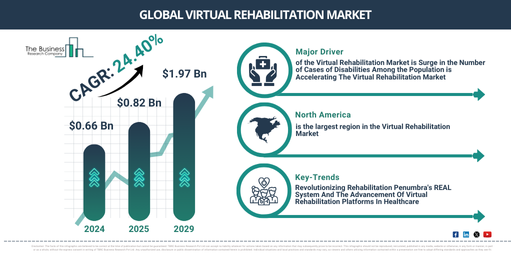
    The market size for virtual rehabilitation has seen an exponential increase in the past few years. Projected growth estimates it to advance from $0.66 billion in 2024 to $0.82 billion in 2025, representing a compound annual growth rate (CAGR) of 23.7%. This significant increase during the historic period is due to factors such as a rise in disability cases amongst the population, growing integration of virtual reality for patient treatment, and an expanded acceptance of VR technology within the healthcare sector.

    The market size of virtual rehabilitation is projected to experience substantial expansion over the coming years. It’s predicted to reach$1.97 billion in 2029″ with a Compound Annual Growth Rate (CAGR) of 24.4%. The predicted surge in the forecast period can be linked to the quick-paced aging of the population, the rising occurrence of non-communicable diseases, the growth of various policies in support of virtual rehabilitation, and an increased focus on patient-centered healthcare. Notable trends expected during this forecast period encompass product innovations, partnerships, advancements in virtual rehabilitation, the introduction of new technology, and improved internet connectivity.

    Download a free sample to assess the report’s scope and structure:

    https://www.thebusinessresearchcompany.com/sample.aspx?id=13949&type=smp

    What External and Internal Drivers Are Contributing to the Growth of theVirtual Rehabilitation Market?

    As disability rates continue to rise, the progress of the virtual rehabilitation market is projected to be catalyzed. Disabilities encompass physical, cognitive, sensory and mental conditions that notably hinder an individual’s capability to carry out routine activities, completely partake in communal activities or fulfill normal life roles. Virtual platforms enable remote administration of therapeutic interventions and custom exercises for the disabled populace through virtual rehabilitation. For example, data from the World Health Organization, a Swiss international public health body, indicated that as of March 2023, approximately 1.3 billion people worldwide, making up 16% of the global population, are disabled. Consequently, the growing prevalence of disability is a significant contributor to the expansion of the virtual rehabilitation market.

    What Segment Types Define the Virtual Rehabilitation Market Structure?

    The virtual rehabilitationmarket covered in this report is segmented –

    1) By Type: Physical Rehabilitation; Neuro And Cognitive Rehabilitation; Other Types

    2) By Patient Type: Short Term Patients; Long Term Patients

    3) By End-User: Inpatient Rehabilitation Hospitals; Rehabilitation Centers And Clinics; Home Care Settings

    Subsegments:

    1) By Physical Rehabilitation: Musculoskeletal Rehabilitation; Sports Injury Rehabilitation; Post-Surgery Rehabilitation

    2) By Neuro And Cognitive Rehabilitation: Stroke Rehabilitation; Traumatic Brain Injury (TBI) Rehabilitation; Memory And Cognitive Skills Training

    3) By Other Types: Pediatric Rehabilitation; Cardiac Rehabilitation; Geriatric Rehabilitation

    Request customized data on this market:

    https://www.thebusinessresearchcompany.com/customise?id=13949&type=smp

    Which Geographic Areas Hold the Strongest Growth Potential in the Virtual Rehabilitation Market?

    North America was the largest region in the virtual rehabilitation market in 2024. Europe is expected to be the fastest-growing region in the forecast period. The regions covered in the virtual rehabilitation market report are Asia-Pacific, Western Europe, Eastern Europe, North America, South America, Middle East, Africa.

    What Long-Term Trends Are Transforming the Competitive Landscape of the Virtual Rehabilitation Market?

    Leading firms in the virtual rehabilitation sector are enhancing their market standing by creating sophisticated platforms, such as the multi-disciplinary rehabilitation tool. This comprehensive rehabilitation mechanism integrates experts from different fields to collaboratively cater to the recovery requirements of individuals from sickness, trauma, or disability. For example, Penumbra, a medical enterprise based in the US, unveiled the first virtual reality-based rehabilitation offering that operates hands-free and can treat the entire body, in November 2022. The innovation expanded their REAL System platform and is distinct in being a non-tethered, hands-free virtual reality recovery platform addressing upper and lower extremities with a total body immersion experience. Healthcare professionals are able to tailor exercises and activities to engage, inspire, and challenge patients while monitoring their development. The REAL System platform utilizes virtual reality to offer immersive healthcare services aimed at boosting health, including the improvement of functional skills, cognitive abilities, and stress control.

    View the full report here:

    https://www.thebusinessresearchcompany.com/report/virtual-rehabilitation-global-market-report

    What Is the Definition of the Virtual Rehabilitation Market?

    Virtual rehabilitation is the use of virtual reality and immersive technologies to provide therapeutic interventions and personalized rehabilitation experiences for individuals with physical or cognitive impairments. It leverages virtual environments and interactive simulations to create therapeutic experiences that support the recovery, improvement, or maintenance of various functional abilities.

    Purchase the full report and get a swift delivery:

    https://www.thebusinessresearchcompany.com/purchaseoptions.aspx?id=13949

    About The Business Research Company:

    With over 15000+ reports from 27 industries covering 60+ geographies, The Business Research Company has built a reputation for offering comprehensive, data-rich research and insights. Armed with 1,500,000 datasets, the optimistic contribution of in-depth secondary research, and unique insights from industry leaders, you can get the information you need to stay ahead in the game.

    Get in touch with us:

    The Business Research Company: https://www.thebusinessresearchcompany.com/

    Americas +1 310-496-7795

    Europe +44 7882 955267

    Asia & Others +44 7882 955267 & +91 8897263534

    Email us at info@tbrc.info

    Follow us on:

    LinkedIn: https://in.linkedin.com/company/the-business-research-company

    YouTube: https://www.youtube.com/channel/UC24_fI0rV8cR5DxlCpgmyFQ

    Global Market Model: https://www.thebusinessresearchcompany.com/global-market-model
  • Idiopathic Intracranial Hypertension Treatment Market Insights: In-Depth Look at Growth Trends, Market Size, and Opportunities for 2025-2034

    Idiopathic Intracranial Hypertension Treatment Market Insights: In-Depth Look at Growth Trends, Market Size, and Opportunities for 2025-2034

    Claim your 30% discount on Global Market Reports with code ONLINE30. Limited time only.

    What is the Anticipated CAGR of the Idiopathic Intracranial Hypertension Treatment Market, and What Factors Will Drive It?

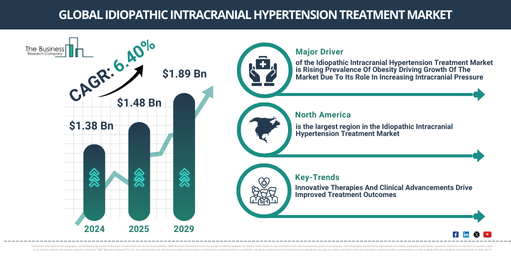
    The market for treatments of idiopathic intracranial hypertension has experienced substantial expansion in the past few years. The market is projected to increase from a value of $1.38 billion in 2024 to $1.48 billion in 2025, with a compound annual growth rate (CAGR) of 6.9%. The previous period’s growth is linked to several factors, including a higher incidence of obesity, amplified healthcare costs, a greater emphasis on minimally invasive surgeries, an increasing occurrence of comorbid conditions, and the escalating demand for better diagnostic tools in ophthalmology.

    In the coming years, the market size for idiopathic intracranial hypertension treatment is expected to witness robust growth, increasing to $1.89 billion in 2029 with a compound annual growth rate (CAGR) of 6.4%. Multiple factors driving this growth include the increasing utilization of digital health solutions, growing prevalence of lifestyle diseases, surge in telemedicine usage, greater access to advanced diagnostic tools, and rising demand for individualized medicine. Dominant trends projected for the forecast period encompass the use of AI in diagnostic tools, advancements in targeted therapy techniques, innovative enhancements in non-invasive imaging procedures, the emergence of novel weight management drugs, and the advent of customisable shunt devices.

    Download a free sample to assess the report’s scope and structure:

    https://www.thebusinessresearchcompany.com/sample.aspx?id=23425&type=smp

    What External and Internal Drivers Are Contributing to the Growth of theIdiopathic Intracranial Hypertension Treatment Market?

    The idiopathic intracranial hypertension treatment market is projected to expand due to the rising occurrence of obesity. Defined as an excessive accumulation of body fat that poses health risks, obesity is becoming prevalent owing to more sedentary lifestyles and an increase in consumption of highly caloric processed foods. Obesity is linked to an increase in intracranial pressure caused by an overproduction of cerebrospinal fluid and impaired absorption, factors contributing to idiopathic intracranial hypertension. For instance, the Office for Health Improvement and Disparities reported in 2024 that between 2022 and 2023, 64.0% of the English population aged 18 and over were either overweight or obese, a figure that is close to the 63.8% reported from 2021 to 2022. Thus, the escalating presence of obesity is fueling the expansion of the idiopathic intracranial hypertension treatment market.

    What Segment Types Define the Idiopathic Intracranial Hypertension Treatment Market Structure?

    The idiopathic intracranial hypertension treatmentmarket covered in this report is segmented –

    1) By Treatment Type: Medications; Surgeries; Therapies

    2) By Treatment Administration: Oral Administration; Intrathecal Administration

    3) By Diagnostic Type: Neuroimaging; Lumbar Puncture; Visual Field Tests

    4) By End User: Hospitals; Specialty Clinics; Ambulatory Surgical Centres

    Subsegments:

    1) By Medications: Diuretics; Corticosteroids; Acetazolamide

    2) By Surgeries: Shunt Surgery; Optic Nerve Sheath Fenestration; Stenting

    3) By Therapies: Weight Management Programs; Lifestyle Modifications; Physical Therapy

    Request customized data on this market:

    https://www.thebusinessresearchcompany.com/customise?id=23425&type=smp

    Which Geographic Areas Hold the Strongest Growth Potential in the Idiopathic Intracranial Hypertension Treatment Market?

    North America was the largest region in the idiopathic intracranial hypertension treatment market in 2024. Asia-Pacific is expected to be the fastest-growing region in the forecast period. The regions covered in the idiopathic intracranial hypertension treatment market report are Asia-Pacific, Western Europe, Eastern Europe, North America, South America, Middle East, Africa.

    What Long-Term Trends Are Transforming the Competitive Landscape of the Idiopathic Intracranial Hypertension Treatment Market?

    Leading firms in the idiopathic intracranial hypertension treatment market are working on pioneering therapies to control intracranial pressure and linked symptoms. They are leveraging advanced drug distribution systems and targeted treatment strategies to enhance patient results and boost overall healthcare and life quality. Invex Therapeutics, an Australian biopharmaceutical firm, for instance, received approval from MEDSAFE (New Zealand Medicines and Medical Devices Safety Authority) in November 2022 to begin the Phase III IIH EVOLVE clinical trial for Presendin (exenatide with prolonged release) as a treatment for idiopathic intracranial hypertension (IIH). This authorization, complemented by the New Zealand Health and Disability Ethics Committee’s clearance, allows Invex to run the trial with 240 freshly diagnosed IIH patients at up to 40 worldwide clinical sites, aiming to enhance treatment outcomes for this neurological disorder.

    View the full report here:

    https://www.thebusinessresearchcompany.com/report/idiopathic-intracranial-hypertension-treatment-global-market-report

    What Is the Definition of the Idiopathic Intracranial Hypertension Treatment Market?

    Idiopathic intracranial hypertension treatment refers to medical and surgical approaches aimed at reducing pressure inside the skull and preventing complications such as vision loss. These treatments involve lifestyle changes such as weight loss, medications such as acetazolamide to decrease fluid buildup, and surgical procedures such as shunt placement or optic nerve sheath fenestration for severe cases.

    Purchase the full report and get a swift delivery:

    https://www.thebusinessresearchcompany.com/purchaseoptions.aspx?id=23425

    About The Business Research Company:

    With over 15000+ reports from 27 industries covering 60+ geographies, The Business Research Company has built a reputation for offering comprehensive, data-rich research and insights. Armed with 1,500,000 datasets, the optimistic contribution of in-depth secondary research, and unique insights from industry leaders, you can get the information you need to stay ahead in the game.

    Get in touch with us:

    The Business Research Company: https://www.thebusinessresearchcompany.com/

    Americas +1 310-496-7795

    Europe +44 7882 955267

    Asia & Others +44 7882 955267 & +91 8897263534

    Email us at info@tbrc.info

    Follow us on:

    LinkedIn: https://in.linkedin.com/company/the-business-research-company

    YouTube: https://www.youtube.com/channel/UC24_fI0rV8cR5DxlCpgmyFQ

    Global Market Model: https://www.thebusinessresearchcompany.com/global-market-model

  • Major Drivers Propelling the Growth oh theCongestive Heart Failure (CHF) Market Forward: Rising Cardiovascular Cases Fuel Demand For Advanced Heart Failure Solutions

    Major Drivers Propelling the Growth oh theCongestive Heart Failure (CHF) Market Forward: Rising Cardiovascular Cases Fuel Demand For Advanced Heart Failure Solutions

    Claim your 30% discount on Global Market Reports with code ONLINE30. Limited time only.

    What Is the Estimated Market Size of the Congestive Heart Failure (CHF) Market In 2029?

    The market size for congestive heart failure (chf) has seen robust growth over the past few years. It’s projected to escalate from $15.94 billion in 2024 to reach $16.94 billion by 2025, with a compound annual growth rate (CAGR) of 6.3%. Factors such as a growing elderly population, the rise in cardiovascular conditions, heightened awareness of cardiac health, an increase in healthcare spending, and increased demand for remote patient monitoring have all contributed to the significant growth during the historical period.

    Expectations are high for a robust surge in the congestive heart failure (chf) market in the upcoming years, with predictions suggesting an expansion to$21.79 billion by 2029,” sustained by a compound annual growth rate (CAGR) of 6.5%. The escalating uptake of digital health solutions, an increasing hypertension prevalence, growing obesity statistics, enhanced patient results, and a heightened emphasis on individualized medicine are contributing factors to the predicted expansion in the review period. The forecast era is also likely to witness key trends such as progress in diagnostic technology, advancements in treatment methods, breakthroughs in imaging technology, innovation in therapeutic strategies, and the evolution of wearable health gadgets.

    Download a free sample to assess the report’s scope and structure:

    https://www.thebusinessresearchcompany.com/sample.aspx?id=20730&type=smp

    Which Major Market Drivers Are Expected to Boost the Growth Potential of the Congestive Heart Failure (CHF) Market?

    The escalating numbers of cardiovascular patients are projected to fuel the expansion of the congestive heart failure (CHF) market in the future. Cardiovascular entails the heart and blood vessels, highlighting their significance in blood circulation and the overall health maintenance of the body. Sedentary lifestyles, inappropriate diets, ageing demographics, and urbanization are largely responsible for the surge in cardiovascular patients, resulting in an increased demand for sophisticated healthcare and treatment methods. The congestive heart failure (CHF) market addresses the requirements of cardiovascular patients, offering specific solutions aimed at enhancing cardiac efficiency, alleviating symptoms, and averting complications, thereby improving patient care and overall health. For example, per the American College of Cardiology, a US-based nonprofit medical association, the count of cardiovascular diseases climbed to 19.8 million cases in 2022, recorded in January 2023. Moreover, Eastern Europe registers the highest mortality rate with 553 deaths per 100,000. Consequently, the growing tally of cardiovascular patients is stimulating growth in the congestive heart failure (CHF) market.

    Which Key Market Segments Comprise the Congestive Heart Failure (CHF) Market and Drive Its Revenue Growth?

    The congestive heart failure (chf)market covered in this report is segmented –

    1) By Type: Systolic Heart Failure; Diastolic Failure; Left-Sided Heart Failure; Right-Sided Heart Failure

    2) By Treatment: Medication; Surgery

    3) By Diagnosis: Electrocardiogram; Echocardiogram; Magnetic Resonance Imaging (MRI); Stress Test; Blood Tests; Cardiac Catheterization; Other Diagnosis

    4) By Distribution Channel: Hospital Pharmacy; Online Pharmacy; Retail Pharmacy

    5) By End-User: Hospitals; Specialty Clinics; Ambulatory Surgical Centers; Homecare Settings

    Subsegments:

    1) By Systolic Heart Failure: Reduced Ejection Fraction (HFrEF); Mild-to-moderate Reduced Ejection Fraction

    2) By Diastolic Heart Failure: Preserved Ejection Fraction (HFpEF); Borderline Ejection Fraction (HFpEF)

    3) By Left-Sided Heart Failure: Acute Left-Sided Heart Failure; Chronic Left-Sided Heart Failure

    4) By Right-Sided Heart Failure: Acute Right-Sided Heart Failure; Chronic Right-Sided Heart Failure

    Request customized data on this market:

    https://www.thebusinessresearchcompany.com/customise?id=20730&type=smp

    Which Areas Are Leading Regions in the Congestive Heart Failure (CHF) Market Expansion Across the Globe?

    North America was the largest region in the congestive heart failure (CHF) market in 2024. Asia Pacific is expected to be the fastest-growing region in the forecast period. The regions covered in the congestive heart failure (CHF) market report are Asia-Pacific, Western Europe, Eastern Europe, North America, South America, Middle East, Africa.

    What Are the Key Market Trends in theCongestive Heart Failure (CHF) Market Over the Coming Years?

    In the congestive heart failure (CHF) market, key players are concentrating on cutting-edge innovations such as single intracoronary infusion treatments. These techniques provide effective medication directly into the coronary artery targeting the heart to accurately treat conditions like CHF, ultimately improving heart function and patients’ quality of life. One notable example is when Bayer AG, a pharmaceutical firm from Germany, together with Asklepios Biopharmaceutical, Inc., a US-based biotech company, launched the GenePHIT Phase II trial for an experimental gene therapy for CHF called AB-1002 in January 2024. This unique innovation employs a gene therapy approach targeting non-ischemic cardiomyopathy, promising a significant advancement in CHF treatment through sophisticated genetic solutions. The trial is adaptive, double-blind, placebo-controlled, and will accommodate between 90 and 150 subjects who remained medically stable for a period of at least four weeks and possess a left ventricular ejection fraction ranging from 15% to 35%.

    View the full report here:

    https://www.thebusinessresearchcompany.com/report/congestive-heart-failure-chf-global-market-report

    How Is the Congestive Heart Failure (CHF) Market Conceptually Defined?

    Congestive heart failure (CHF) is a chronic and progressive condition where the heart’s ability to pump blood effectively is compromised, leading to a backup of fluid in the lungs, heart, liver, and other parts of the body, causing symptoms such as shortness of breath, fatigue, swelling, and difficulty in performing daily activities, ultimately impacting the overall quality of life and requiring ongoing medical management and treatment.

    Purchase the full report and get a swift delivery:

    https://www.thebusinessresearchcompany.com/purchaseoptions.aspx?id=20730

    About The Business Research Company:

    With over 15000+ reports from 27 industries covering 60+ geographies, The Business Research Company has built a reputation for offering comprehensive, data-rich research and insights. Armed with 1,500,000 datasets, the optimistic contribution of in-depth secondary research, and unique insights from industry leaders, you can get the information you need to stay ahead in the game.

    Get in touch with us:

    The Business Research Company: https://www.thebusinessresearchcompany.com/

    Americas +1 310-496-7795

    Europe +44 7882 955267

    Asia & Others +44 7882 955267 & +91 8897263534

    Email us at info@tbrc.info

    Follow us on:

    LinkedIn: https://in.linkedin.com/company/the-business-research-company

    YouTube: https://www.youtube.com/channel/UC24_fI0rV8cR5DxlCpgmyFQ

    Global Market Model: https://www.thebusinessresearchcompany.com/global-market-model
  • Human Respiratory Syncytial Virus Treatment Market Outlook 2025–2034: Identifying Growth Drivers, Technology Trends, and Policy Impact

    Human Respiratory Syncytial Virus Treatment Market Outlook 2025–2034: Identifying Growth Drivers, Technology Trends, and Policy Impact

    Claim your 30% discount on Global Market Reports with code ONLINE30. Limited time only.

    What Are the Key Milestones in the Human Respiratory Syncytial Virus Treatment Market’s Growth Trajectory From 2025 To 2034?

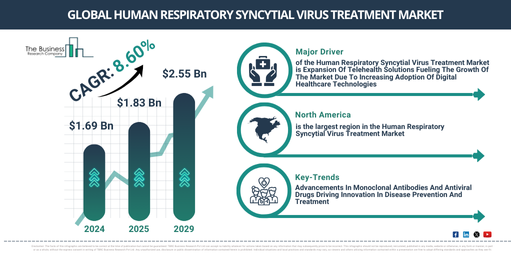
    The market for treatment of human respiratory syncytial virus has significantly expanded in recent times. The market value is projected to increase from $1.69 billion in 2024 to $1.83 billion in 2025, with a compound annual growth rate (CAGR) of 8.6%. The growth witnessed in the past years can be linked to factors such as higher rates of RSV infection, growth in the number and proportion of infants and elderly people, an increase in the number of hospital admissions for respiratory diseases, government initiatives for vaccination, and heightening awareness about complications associated with RSV.

    Expectations are high for sizeable growth in the human respiratory syncytial virus treatment market in the upcoming years, with an anticipated value of $2.55 billion in 2029 at a compound annual growth rate (CAGR) of 8.6%. This growth over the predicted period can be credited to the increased need for monoclonal antibodies, considerable investment in creating RSV vaccines, an increased emphasis on early detection mechanisms, better healthcare accessibility in developing regions, and authorization of new treatments by regulatory bodies. Key emerging trends within the predicted period include the formulation of long-acting RSV antibodies, interest in combination therapies, utilization of AI for RSV drug discovery, increased recourse to telemedicine for handling respiratory infections, and collaboration within the pharmaceutical industry for developing RSV drugs.

    Download a free sample to assess the report’s scope and structure:

    https://www.thebusinessresearchcompany.com/sample.aspx?id=23423&type=smp

    What Are the Core Market Drivers Propelling Growth in the Human Respiratory Syncytial Virus Treatment Industry?

    The proliferation of telehealth solutions is predicted to drive the expansion of the human respiratory syncytial virus treatment market. These digital healthcare services offer remote patient consultations, diagnoses, monitoring, and treatment via telecommunications technologies, and are on the rise due to an increase in the adoption of such advanced health technologies. By enabling remote care, telehealth solutions ease the load on conventional health facilities. When it comes to the treatment of human respiratory syncytial virus, these solutions allow remote monitoring, early discovery, and introduce the concept of virtual consultations, enhancing patient care while simultaneously reducing the need for hospital visits. For example, Telehealth.HHS.gov, a source of official information from the US government, stated that there was a surge in telehealth usage, with about 21,883,731 users in the fourth quarter of 2023. This represents a 2,783,159 user or 13% rise, compared to the third quarter. Consequently, the surge in telehealth solutions is propelling the human respiratory syncytial virus treatment market’s growth.

    How Is the Human Respiratory Syncytial Virus Treatment Market Segmented?

    The human respiratory syncytial virus treatmentmarket covered in this report is segmented –

    1) By Treatment Type: Antiviral Medications; Monoclonal Antibodies; Vaccines; Supportive Care

    2) By Patient Type: Pediatric Patients; Adult Patients

    3) By Route Of Administration: Oral; Parenteral

    4) By End User: Hospitals; Clinics; Home Care

    Subsegments:

    1) By Antiviral Medications: Fusion Inhibitors; Nucleoside Analogues; RNA Polymerase Inhibitors

    2) By Monoclonal Antibodies: Palivizumab; Nirsevimab; Other RSV-Specific Monoclonal Antibodies

    3) By Vaccines: Live Attenuated Vaccines; Subunit Vaccines; mRNA-Based Vaccines; Vector-Based Vaccines

    4) By Supportive Care: Oxygen Therapy; Mechanical Ventilation; Hydration Therapy; Fever and Pain Management

    Request customized data on this market:

    https://www.thebusinessresearchcompany.com/customise?id=23423&type=smp

    Which Regions Are Driving the Next Phase of the Human Respiratory Syncytial Virus Treatment Market Growth?

    North America was the largest region in the human respiratory syncytial virus treatment market in 2024. Asia-Pacific is expected to be the fastest-growing region in the forecast period. The regions covered in the human respiratory syncytial virus treatment market report are Asia-Pacific, Western Europe, Eastern Europe, North America, South America, Middle East, Africa.

    What Key Market Trends and Innovations Are Shaping the Future of the Human Respiratory Syncytial Virus Treatment Industry?

    The key players in the human respiratory syncytial virus treatment market are concentrating their efforts on groundbreaking therapies such as monoclonal antibodies and antiviral drugs to gain a superior position in the field. Monoclonal antibodies, which are constructed in labs, aid the body in battling infections, while antiviral medications halt the growth or spread of viruses. A case in point is the collaboration between AstraZeneca plc, a British biopharmaceutical corporation, and Sanofi S.A, a French pharmaceutical company in July 2023. They announced FDA approval for Beyfortus (nirsevimab-alip), a monoclonal antibody treatment developed to ward off RSV lower respiratory tract infections in infants and children at high risk. This approval is a significant leap forward in RSV prevention as Beyfortus offers prolonged immunity against the virus, delivered through a single dose, and effective throughout the RSV season. It is specifically advantageous for babies and infants at the greatest risk of severe RSV attacks, assisting to minimize hospital stays and complications.

    View the full report here:

    https://www.thebusinessresearchcompany.com/report/human-respiratory-syncytial-virus-treatment-global-market-report

    How Is the Human Respiratory Syncytial Virus Treatment Market Defined and What Are Its Core Parameters?

    Human respiratory syncytial virus (RSV) treatment focuses on managing symptoms and preventing complications, particularly in vulnerable populations. It involves supportive care to ease breathing difficulties, reduce fever, and maintain hydration. In severe cases, hospitalization may be required for oxygen therapy and monitoring. Prevention strategies also play a crucial role in reducing infection risk.

    Purchase the full report and get a swift delivery:

    https://www.thebusinessresearchcompany.com/purchaseoptions.aspx?id=23423

    About The Business Research Company:

    With over 15000+ reports from 27 industries covering 60+ geographies, The Business Research Company has built a reputation for offering comprehensive, data-rich research and insights. Armed with 1,500,000 datasets, the optimistic contribution of in-depth secondary research, and unique insights from industry leaders, you can get the information you need to stay ahead in the game.

    Get in touch with us:

    The Business Research Company: https://www.thebusinessresearchcompany.com/

    Americas +1 310-496-7795

    Europe +44 7882 955267

    Asia & Others +44 7882 955267 & +91 8897263534

    Email us at info@tbrc.info

    Follow us on:

    LinkedIn: https://in.linkedin.com/company/the-business-research-company

    YouTube: https://www.youtube.com/channel/UC24_fI0rV8cR5DxlCpgmyFQ

    Global Market Model: https://www.thebusinessresearchcompany.com/global-market-model
  • Key Factors Fueling the Growth of the Chronic Plaque Psoriasis Market in 2025: Impact Of Immune System Dysfunction On Chronic Plaque Psoriasis Treatment Demand

    Key Factors Fueling the Growth of the Chronic Plaque Psoriasis Market in 2025: Impact Of Immune System Dysfunction On Chronic Plaque Psoriasis Treatment Demand

    Claim your 30% discount on Global Market Reports with code ONLINE30. Limited time only.

    What Are the Key Projections for the CAGR of the Chronic Plaque Psoriasis Market Size From 2025 to 2034?

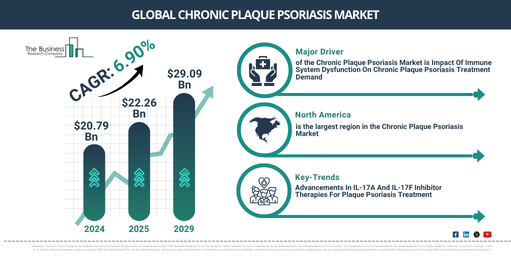
    The market size for chronic plaque psoriasis has seen robust growth over the past several years. It is projected to expand from a value of $20.79 billion in 2024 to $22.26 billion in 2025, boasting a compound annual growth rate (CAGR) of 7.0%. Factors such as the increasing prevalence of psoriasis, a surge in co-morbidities, beneficial insurance reimbursement policies, raised levels of alcohol and tobacco use, along with the emergence of telemedicine, all contribute to the substantial growth observed in the historic period.

    Anticipations of significant expansion are being made for the chronic plaque psoriasis market in the near future, with a projected growth to reach a hefty$29.09 billion by 2029, demonstrating a compound annual growth rate (CAGR) of 6.9%. The expected growth during this forecast period can be tied to the increasing or decreasing occurrences of cpp globally, a rise in autoimmune diseases, an expansion in healthcare budgets, an aging demographic, and a growing demand for effective treatments. Key trends projected to emerge during this period comprise of progress in biologic treatments, the introduction of oral small molecule inhibitors, the integration of digital health, personalized medicine, and the launch of biosimilars.

    Download a free sample to assess the report’s scope and structure:

    https://www.thebusinessresearchcompany.com/sample.aspx?id=20726&type=smp

    What are the Fundamental Drivers and Innovations Shaping the Chronic Plaque Psoriasis Market?

    The escalation in instances of immune system dysregulation is predicted to boost the chronic plaque psoriasis market’s expansion. The term immune system dysregulation denotes a condition when the immune system doesn’t function optimally, resulting in a heightened vulnerability to infections, autoimmune diseases, and cancer. This increase in immune system dysfunctions is accredited to factors such as genetic factors, environmental influences, malnutrition, persistent stress, and the growing incidents of autoimmune diseases and infections like HIV. Treatment for chronic plaque psoriasis is necessary to control immune system dysfunctions as the immune system incorrectly instigates an excess production of skin cells, causing inflammation and plaque formation. For example, in December 2022, the National Psoriasis Foundation, an American nonprofit organization, disclosed that over 8 million Americans are plagued with psoriasis. On a global scale, this condition affects 125 million individuals, making up 2 to 3% of the total population. Hence, the escalating instances of immune system dysfunction are contributing to the growth of the chronic plaque psoriasis market.

    How Is the Chronic Plaque Psoriasis Market Segmented?

    The chronic plaque psoriasismarket covered in this report is segmented –

    1) By Drug Class: Biologics; Small Molecule Drugs

    2) By Route Of Administration: Injectable; Oral; Topical

    3) By Distribution Channel: Hospital Pharmacy; Online Pharmacy; Retail Pharmacy

    Subsegments:

    1) By Biologics: Tumor Necrosis Factor (TNF) Inhibitors; Interleukin Inhibitors (IL-12, IL-23, IL-17, IL-22); T-Cell Inhibitors; Others

    2) By Small Molecule Drugs: Phosphodiesterase 4 (PDE4) Inhibitors; Janus Kinase (JAK) Inhibitors; Retinoids; Others

    Request customized data on this market:

    https://www.thebusinessresearchcompany.com/customise?id=20726&type=smp

    Which Regions Are Driving the Next Phase of the Chronic Plaque Psoriasis Market Growth?

    North America was the largest region in the chronic plaque psoriasis market in 2024. Asia-Pacific is expected to be the fastest-growing region in the forecast period. The regions covered in the chronic plaque psoriasis market report are Asia-Pacific, Western Europe, Eastern Europe, North America, South America, Middle East, Africa.

    What Key Trends Are Shaping the Future of the Chronic Plaque Psoriasis Market?

    Leading companies within the chronic plaque psoriasis market are directing their efforts towards devising novel therapies, specifically IL-17A and IL-17F inhibitors, aiming at enhancing the treatment process for this condition. These suppressive biological treatments function by blocking interleukin-17A and interleukin-17F, which are pro-inflammatory cytokines that play a significant role in immune responses, thereby mitigating inflammation associated with autoimmune disorders like chronic plaque psoriasis. An exemplar case of this occurred in October 2023 when UCB S.A., a biopharmaceutical corporation situated in Belgium, disclosed that BIMZELX (bimekizumab-bkzx) had received approval from the U.S. Food and Drug Administration (FDA). This authorization was for its use in treating adults suffering from moderate to extreme plaque psoriasis and who are suitable candidates for systemic therapy or phototherapy. Bimekizumab sets a new precedent as the premier psoriasis medication specifically created to inhibit interleukin 17A (IL-17A) and interleukin 17F (IL-17F), both integral cytokines in inflammatory reactions. The FDA’s endorsement was grounded on data procured from three Phase 3 multicenter studies, labeled as BE READY, BE VIVID, and BE SURE. These trials undertook a comprehensive evaluation of its safety profile and efficacy among 1,480 patients diagnosed with moderate-to-severe plaque psoriasis.

    View the full report here:

    https://www.thebusinessresearchcompany.com/report/chronic-plaque-psoriasis-global-market-report

    How Is the Chronic Plaque Psoriasis Market Defined and What Are Its Core Parameters?

    Chronic plaque psoriasis is a persistent, inflammatory skin condition characterized by the formation of well-defined, raised, red patches covered with silvery-white scales. These plaques most commonly appear on the scalp, elbows, knees, and lower back but can occur anywhere on the body. It is an autoimmune disorder in which the immune system triggers an accelerated turnover of skin cells, leading to their buildup on the surface.

    Purchase the full report and get a swift delivery:

    https://www.thebusinessresearchcompany.com/purchaseoptions.aspx?id=20726

    About The Business Research Company:

    With over 15000+ reports from 27 industries covering 60+ geographies, The Business Research Company has built a reputation for offering comprehensive, data-rich research and insights. Armed with 1,500,000 datasets, the optimistic contribution of in-depth secondary research, and unique insights from industry leaders, you can get the information you need to stay ahead in the game.

    Get in touch with us:

    The Business Research Company: https://www.thebusinessresearchcompany.com/

    Americas +1 310-496-7795

    Europe +44 7882 955267

    Asia & Others +44 7882 955267 & +91 8897263534

    Email us at info@tbrc.info

    Follow us on:

    LinkedIn: https://in.linkedin.com/company/the-business-research-company

    YouTube: https://www.youtube.com/channel/UC24_fI0rV8cR5DxlCpgmyFQ

    Global Market Model: https://www.thebusinessresearchcompany.com/global-market-model

  • Virtual Colonoscopy Software Market 2025-2034: Key Highlights, Growth Dynamics, and Emerging Trends

    Virtual Colonoscopy Software Market 2025-2034: Key Highlights, Growth Dynamics, and Emerging Trends

    Claim your 30% discount on Global Market Reports with code ONLINE30. Limited time only.

    How Fast Is The Virtual Colonoscopy Software Market Expected to Grow Between 2025 And 2029?

    The market size for software used in virtual colonoscopy has seen robust growth recently. This market is projected to expand from a value of $33.69 billion in 2024 to an estimated $36.03 billion in 2025, representing a compound annual growth rate (CAGR) of 7.0%. Factors that can be credited for this growth during the historic period include improvements in imaging technology, an aging population, the rise of remote consultations, and favorable reimbursement policies.

    The market size of virtual colonoscopy software is forecasted to experience robust growth in the coming years, reaching $47.53 billion in 2029 with a compound annual growth rate (CAGR) of 7.2%. Factors contributing to this projected growth during the forecast period include access to global healthcare, individualized screening, telemedicine, and increased patient knowledge and awareness. Noteworthy trends anticipated during this timeframe consist of image analysis assisted by AI, enhanced 3D visualization, focus on patient-centric care, and heightened privacy and data security.

    Download a free sample to assess the report’s scope and structure:

    https://www.thebusinessresearchcompany.com/sample.aspx?id=13002&type=smp

    Which Primay Drivers Are Accelerating Growth in the Virtual Colonoscopy Software Market?

    The escalating instances of colorectal cancer are predicted to boost the expansion of the virtual colonoscopy software market in the future. This type of cancer that originates in the colon or rectum’s tissues could experience a surge due to the critical role virtual colonoscopy software plays in colorectal cancer. By offering a minimally invasive and non-invasive technique for screening and identifying anomalies in the colon, the software proves instrumental in addressing this health issue. For example, in September 2022, the International Agency for Research on Cancer, a government agency based in France, forecasted that 3.2 million new cases and 1.6 million deaths could be attributed to colorectal cancer annually by 2040. This indicates a substantial rise from 1.9 million newly diagnosed patients and 930,000 deaths in 2020. Consequently, the increasing instances of colorectal cancer contribute to the expansion of the virtual colonoscopy software market.

    Which Primary Segments of the Virtual Colonoscopy Software Market Are Driving Growth and Industry Transformations?

    The virtual colonoscopy softwaremarket covered in this report is segmented –

    1) By Product Type: Two Dimensional (2D); Three Dimensional (3D)

    2) By Deployment: On-Premises; Cloud-based

    3) By Application: Polyps; Crohn’s Disease; Ulcerative Colitis; Colorectal Cancer (CRC); Diverticulosis; Stenosis

    4) By End-User: Hospitals; Clinics; Diagnostic Centers; Ambulatory Surgical Centers

    Subsegments:

    1) By Two Dimensional (2D): Standard 2D Imaging Software; Advanced 2D Visualization Tools

    2) By Three Dimensional (3D): Standard 3D Imaging Software; Enhanced 3D Reconstruction Software; Interactive 3D Analysis Tools

    Request customized data on this market:

    https://www.thebusinessresearchcompany.com/customise?id=13002&type=smp

    Which Regions Are Key Players in the Growth of the #Which Primay Drivers Are Accelerating Growth in the Virtual Colonoscopy Software Market?# Market?

    North America was the largest region in the virtual colonoscopy software market in 2024. The regions covered in virtual colonoscopy software market report are Asia-Pacific, Western Europe, Eastern Europe, North America, South America, Middle East and Africa.

    Which Technological Trends Are Reshaping the Virtual Colonoscopy Software Industry Dynamics?

    Prominent firms in the virtual colonoscopy software market are keen on using high-tech strategies, such as AI-powered endoscopy, to maintain their market dominance. AI-assisted endoscopy incorporates the application of artificial intelligence technology in gastrointestinal (GI) endoscopy procedures. For example, Medtronic PLC, an American medical device firm, launched an AI-driven endoscopy module called the GI Genius in August 2022 for tackling colorectal cancer. This module employs artificial intelligence and deep learning systems to guide doctors in the identification and treatment of colorectal cancer. It enhances visualization during colonoscopy and delights suspicious polyps using AI software in real-time. This advancement could be instrumental in the early detection of colorectal cancer.

    View the full report here:

    https://www.thebusinessresearchcompany.com/report/virtual-colonoscopy-software-global-market-report

    What Parameters Are Used to Define the Virtual Colonoscopy Software Market?

    Virtual colonoscopy software refers to scanning and advanced imaging software that utilizes computed tomography to create 2D and 3D images of the colon. Virtual colonoscopy software plays a significant role in colorectal cancer screening and detection, offering a less invasive alternative to traditional colonoscopy.

    Purchase the full report and get a swift delivery:

    https://www.thebusinessresearchcompany.com/purchaseoptions.aspx?id=13002

    About The Business Research Company:

    With over 15000+ reports from 27 industries covering 60+ geographies, The Business Research Company has built a reputation for offering comprehensive, data-rich research and insights. Armed with 1,500,000 datasets, the optimistic contribution of in-depth secondary research, and unique insights from industry leaders, you can get the information you need to stay ahead in the game.

    Get in touch with us:

    The Business Research Company: https://www.thebusinessresearchcompany.com/

    Americas +1 310-496-7795

    Europe +44 7882 955267

    Asia & Others +44 7882 955267 & +91 8897263534

    Email us at info@tbrc.info

    Follow us on:

    LinkedIn: https://in.linkedin.com/company/the-business-research-company

    YouTube: https://www.youtube.com/channel/UC24_fI0rV8cR5DxlCpgmyFQ

    Global Market Model: https://www.thebusinessresearchcompany.com/global-market-model

  • Emerging Growth Drivers in the Human Primary Cell Culture Market Landscape: Growing Emphasis On Cell And Gene Therapies Driving The Market Due To Increasing Demand For Personalized Regenerative Treatments

    Emerging Growth Drivers in the Human Primary Cell Culture Market Landscape: Growing Emphasis On Cell And Gene Therapies Driving The Market Due To Increasing Demand For Personalized Regenerative Treatments

    Claim your 30% discount on Global Market Reports with code ONLINE30. Limited time only.

    How Has The Human Primary Cell Culture Market Size Shifted, And What Is the Outlook Through 2034?

    Over the past few years, there has been a significant expansion in the size of the human primary cell culture market. Projected growth estimates indicate an increase from $3.39 billion in 2024 to $3.78 billion by 2025, signifying a compound annual growth rate (CAGR) of 11.5%. This surge during the historical period is credited to the rising acceptance of cell-based studies, increasing interest in personalized medicine, intensified efforts towards drug discovery, a special focus on custom medicines, and the application’s growing scope in cancer research.

    The market size for human primary cell culture is projected to experience a swift expansion in the coming few years, reaching $5.77 billion in 2029 with a CAGR of 11.2%. The forecasted growth is attributed to factors such as increased investment in regenerative medicine, the rise in precision medicine uses, boosted government funding for cell-centered studies, amplified governmental support, and amplified usage in toxicology testing. Future trends will encompass AI integration in cell culture examination, the creation of serum-free and chemically defined media, increasing automation in cell culture procedures, emergence of organ-on-a-chip technology, and a growing need for primary cells in the field of immunotherapy research.

    Download a free sample to assess the report’s scope and structure:

    https://www.thebusinessresearchcompany.com/sample.aspx?id=23422&type=smp

    Which Primay Drivers Are Accelerating Growth in the Human Primary Cell Culture Market?

    The surge in attention towards cell and gene therapies is anticipated to boost the expansion of the human primary cell culture market. These state-of-the-art medical treatments, which alter or substitute cells or genetic material, are designed to address diseases at the molecular level, offering potential treatments or potential cures for genetic disorders, cancers, and rare maladies. The rising focus on these therapies is fueled by their ability to offer long-lasting or curative solutions by addressing the fundamental cause at the molecular level. Human primary cell cultures play a pivotal role in cell and gene therapies for creating treatments, producing viral vectors, and evaluating gene editing techniques. For instance, as per the American Society of Gene & Cell Therapy (ASGCT), a non-profit organization based in the US, approximately 76 gene therapy trials were launched in the US in the second quarter of 2024, signifying a 25% rise compared to the first quarter. Consequently, the escalating focus on crafting advanced cell and gene therapies propels the growth of the human primary cell culture market.

    Which Primary Segments of the Human Primary Cell Culture Market Are Driving Growth and Industry Transformations?

    The human primary cell culturemarket covered in this report is segmented –

    1) By Product Type: Primary Cells; Reagents And Supplements; Instruments; Primary Cell Culture Media; Other Consumables

    2) By Applications: Drug Discovery; Therapy Development; Regenerative Medicine; Other Applications

    3) By End User: Pharmaceutical And Biotechnology Companies; Contract Research Organizations (CROs); Academic And Research Institutions

    Subsegments:

    1) By Primary Cells: Human Dermal Fibroblasts (HDF); Human Epidermal Keratinocytes (HEK); Human Mesenchymal Stem Cells (HMSC); Human Endothelial Cells; Human Hematopoietic Cells

    2) By Reagents And Supplements: Growth Factors And Cytokines; Antibiotics And Antimycotics; Fetal Bovine Serum (FBS); Buffers And Chemicals; Cryopreservation Reagents

    3) By Instruments: Cell Culture Incubators; Biosafety Cabinets; Centrifuges; Cell Counters And Analyzers; Microscopes

    4) By Primary Cell Culture Media: Serum-Free Media; Chemically Defined Media; Classical Media; Protein-Free Media; Custom Media

    5) By Other Consumables: Culture Dishes And Plates; Flasks And Bottles; Pipettes And Tips; Cell Strainers And Filters; Coated Culture Surfaces

    Request customized data on this market:

    https://www.thebusinessresearchcompany.com/customise?id=23422&type=smp

    Which Regions Are Key Players in the Growth of the #Which Primay Drivers Are Accelerating Growth in the Human Primary Cell Culture Market?# Market?

    North America was the largest region in the human primary cell culture market in 2024. Asia-Pacific is expected to be the fastest-growing region in the forecast period. The regions covered in the human primary cell culture market report are Asia-Pacific, Western Europe, Eastern Europe, North America, South America, Middle East, Africa.

    Which Technological Trends Are Reshaping the Human Primary Cell Culture Industry Dynamics?

    The focus of major corporations in the human primary cell culture market is on creating technologically advanced solutions such as induced pluripotent stem cell (iPSC) and embryonic stem cell (ESC) technologies. These technologies extend cell-based research, elevate drug discovery, and fast-track advancements in the fields of regenerative medicine and personalized therapies. The methodologies involving iPSC and ESC technologies comprise altering adult cells or employing embryonic cells to produce pluripotent stem cells. These cells can differentiate into a variety of cell types intended for research, drug discovery, and regenerative medicine. For example, in July 2024, India-based biotechnology and life sciences corporation, BioServe Biotechnologies India Pvt Ltd., introduced REPROCELL’s advanced stem cell products specifically to aid scientific research and drug development procedures in India. This product range incorporates cell culture media, stem cell differentiation instruments, 3D cell culture systems, and drug discovery services. These novel inventions amplify the impacts on regenerative medicine, disease modelling, and preclinical research by utilizing iPSC and ESC technologies.

    View the full report here:

    https://www.thebusinessresearchcompany.com/report/human-primary-cell-culture-global-market-report

    What Parameters Are Used to Define the Human Primary Cell Culture Market?

    Human primary cell culture refers to the process of isolating cells directly from human tissues, such as blood or bone marrow and maintaining them in a controlled environment for research or therapeutic purposes. These cultures are used for research and medical applications, providing more accurate representations of in vivo conditions than immortalized cell lines.

    Purchase the full report and get a swift delivery:

    https://www.thebusinessresearchcompany.com/purchaseoptions.aspx?id=23422

    About The Business Research Company:

    With over 15000+ reports from 27 industries covering 60+ geographies, The Business Research Company has built a reputation for offering comprehensive, data-rich research and insights. Armed with 1,500,000 datasets, the optimistic contribution of in-depth secondary research, and unique insights from industry leaders, you can get the information you need to stay ahead in the game.

    Get in touch with us:

    The Business Research Company: https://www.thebusinessresearchcompany.com/

    Americas +1 310-496-7795

    Europe +44 7882 955267

    Asia & Others +44 7882 955267 & +91 8897263534

    Email us at info@tbrc.info

    Follow us on:

    LinkedIn: https://in.linkedin.com/company/the-business-research-company

    YouTube: https://www.youtube.com/channel/UC24_fI0rV8cR5DxlCpgmyFQ

    Global Market Model: https://www.thebusinessresearchcompany.com/global-market-model

  • Major Trends and Emerging Patterns in the Cardiac Ambulatory Monitoring Market: Innovations In Cardiac Ambulatory Monitoring Technologies

    Major Trends and Emerging Patterns in the Cardiac Ambulatory Monitoring Market: Innovations In Cardiac Ambulatory Monitoring Technologies

    Claim your 30% discount on Global Market Reports with code ONLINE30. Limited time only.

    How Has The Cardiac Ambulatory Monitoring Market Growth Evolved From 2024 To 2025, And What’s Ahead?

    Over the past few years, the market size for cardiac ambulatory monitoring has experienced significant growth. The market, which is estimated to rise from a value of $14.17 billion in 2024 to $14.93 billion in 2025, is predicted to have a compound annual growth rate (CAGR) of 5.3%. Factors such as increasing incidences of cardiovascular diseases, heightened consciousness about cardiac health, the growing preference for wearable devices, a rise in the elderly population, and the expanding emphasis on outpatient care and remote patient monitoring are contributing to the growth observed during this historic period.

    Strong growth is anticipated in the cardiac ambulatory monitoring market in the coming years. The market is set to increase to$18.48 billion by 2029″ at a compound annual growth rate (CAGR) of 5.5%. This growth over the forecast period can be linked to emerging tailor-made healthcare methods, the rising use of mobile health apps, advancements in telemedicine infrastructure, increasing health expenditure, and government-led preventive healthcare initiatives. Key projected trends for this forecast period encompass predictive analytics powered by artificial intelligence (AI), the introduction of cloud-based solutions, the scaling down of monitoring equipment, real-time data analytics via wearable technology, and improvements in continuous monitoring battery life.

    Download a free sample to assess the report’s scope and structure:

    https://www.thebusinessresearchcompany.com/sample.aspx?id=20725&type=smp

    What Are the Primary Drivers Supporting the Market Growth of the Cardiac Ambulatory Monitoring Market?

    An increasing occurrence of cardiovascular disease is set to stimulate the expansion of the cardiac ambulatory monitoring market in the future. Cardiovascular disease, known as CVD, encompasses a range of disorders impacting the heart and blood vessels, such as heart attacks, strokes, and heart failure, commonly resulting from blockages in the vessels or abnormalities in the heart. Factors leading to the proliferation of cardiovascular disease include unhealthy eating habits, inactive lifestyles, smoking, stress, and an aged populace. Other conditions such as obesity, diabetes, and hypertension also add to its increasing occurrence. Cardiac ambulatory monitoring offers continuous heart behavior tracking, which aids in the early detection of irregularities in patients with cardiovascular disease. It facilitates stronger management of heart-related conditions by providing real-time diagnostics and monitoring, eliminating the necessity of consistent hospital visits. For instance, in September 2024, as reported by the British Heart Foundation, a cardiovascular research charity in the UK, there are estimated to be about 7.6 million people in the UK afflicted with heart and circulatory illnesses, of which 4 million are men and 3.6 million are women. Projections estimate an increase of 1 million by 2030 and a surge of 2 million beyond the current figures by 2040. Hence, the widespread occurrence of cardiovascular disease is contributing to the growth of the cardiac ambulatory monitoring market.

    Which Primary Segments of the Cardiac Ambulatory Monitoring Market Are Driving Growth and Industry Transformations?

    The cardiac ambulatory monitoringmarket covered in this report is segmented –

    1) By Product: Electrocardiogram (ECG) Devices; Holter Monitors; Event Monitors; Implantable Loop Recorders; Mobile Cardiac Telemetry

    2) By Specialty: Single Specialty; Multi-Specialty

    3) By End-User: Hospitals; Ambulatory Surgical Centers; Specialty Clinics; Cardiac Care Centers; Home Care Setting

    Subsegments:

    1) By Electrocardiogram (ECG) Devices: Portable ECG Monitors; Wireless ECG Monitors; Smartphone-based ECG Devices

    2) By Holter Monitors: 24-hour Holter Monitors; 48-hour Holter Monitors; 72-hour Holter Monitors

    3) By Event Monitors: Wireless Event Monitors; Wearable Event Monitors

    4) By Implantable Loop Recorders: Standard Implantable Loop Recorders; Long-term Implantable Loop Recorders

    5) By Mobile Cardiac Telemetry: Continuous Mobile Telemetry Systems; Patch-based Mobile Telemetry Systems

    Request customized data on this market:

    https://www.thebusinessresearchcompany.com/customise?id=20725&type=smp

    Which Regions Are Key Players in the Growth of the #What Are the Primary Drivers Supporting the Market Growth of the Cardiac Ambulatory Monitoring Market?# Market?

    North America was the largest region in the cardiac ambulatory monitoring market in 2024. The regions covered in the cardiac ambulatory monitoring market report are Asia-Pacific, Western Europe, Eastern Europe, North America, South America, Middle East, Africa.

    What Are the Most Significant Market Trends in the Cardiac Ambulatory Monitoring Market?

    Key players in the cardiac ambulatory monitoring market have their sights set on making strides through innovative technology such as artificial intelligence (AI) and Bluetooth connectivity electrocardiogram devices. These modern medical interventions use AI algorithms to perform real-time heart data analysis and employ Bluetooth tech for wireless relay of this data to healthcare professionals. Illustrating this trend, AliveCor Inc. – a US enterprise specializing in remote cardiac care – rolled out the KardiaMobile Card in September 2024. This handy, portable device allows individuals to monitor their heart health in real time and is specially designed to detect arrhythmias and manage heart conditions right from the users’ wallet. It puts crucial heart health data at patients’ fingertips, encourages early identification of heart complications, and aims at lessening the economic impact of cardiovascular diseases.

    View the full report here:

    https://www.thebusinessresearchcompany.com/report/cardiac-ambulatory-monitoring-global-market-report

    What Parameters Are Used to Define the Cardiac Ambulatory Monitoring Market?

    Cardiac ambulatory monitoring refers to the continuous recording and assessment of a patient’s heart activity while they go about their daily activities outside a clinical setting. This monitoring is often used to detect arrhythmias, evaluate the effectiveness of cardiac treatments, and assess overall heart health over an extended period.

    Purchase the full report and get a swift delivery:

    https://www.thebusinessresearchcompany.com/purchaseoptions.aspx?id=20725

    About The Business Research Company:

    With over 15000+ reports from 27 industries covering 60+ geographies, The Business Research Company has built a reputation for offering comprehensive, data-rich research and insights. Armed with 1,500,000 datasets, the optimistic contribution of in-depth secondary research, and unique insights from industry leaders, you can get the information you need to stay ahead in the game.

    Get in touch with us:

    The Business Research Company: https://www.thebusinessresearchcompany.com/

    Americas +1 310-496-7795

    Europe +44 7882 955267

    Asia & Others +44 7882 955267 & +91 8897263534

    Email us at info@tbrc.info

    Follow us on:

    LinkedIn: https://in.linkedin.com/company/the-business-research-company

    YouTube: https://www.youtube.com/channel/UC24_fI0rV8cR5DxlCpgmyFQ

    Global Market Model: https://www.thebusinessresearchcompany.com/global-market-model