Month: August 2025

  • Urothelial Carcinoma TreatmentMarket Overview 2025–2034: CAGR Trends, Long-Term Growth Paths, and Business Implications

    Urothelial Carcinoma TreatmentMarket Overview 2025–2034: CAGR Trends, Long-Term Growth Paths, and Business Implications

    Claim your 30% discount on Global Market Reports with code ONLINE30. Limited time only.

    What is the Anticipated CAGR of the Urothelial Carcinoma Treatment Market, and What Factors Will Drive It?

    In the past few years, the market size for treatment of urothelial carcinoma has seen a quick expansion. Its valuation is anticipated to hike from $2.86 billion in 2024 to $3.36 billion in 2025, reflecting a compound annual growth rate (CAGR) of 17.6%. The surge observed in the historic phase is credited to factors such as the increasing incidence of urothelial carcinoma, heightened awareness about the condition, improved access to healthcare facilities, and an increase in disposable incomes.

    In the upcoming years, the market size for the treatment of urothelial carcinoma is predicted to experience a swift expansion. The market is projected to escalate to$6.23 billion” by 2029 with a 16.7% Compound Annual Growth Rate (CAGR). The projected expansion during this period is primarily due to factors such as an aging population, increased demand for precision medicine, heightened government support for urothelial carcinoma research and therapies, as well as growing investments in the field. The major trends anticipated during this forecast period encompass therapies driven by biomarkers, neoadjuvant and adjuvant methodologies, liquid biopsies, minimally invasive surgeries, advancements in chemotherapy, and the deployment of digital health technologies.

    Download a free sample to assess the report’s scope and structure:

    https://www.thebusinessresearchcompany.com/sample.aspx?id=12947&type=smp

    What Are the Primary Drivers Supporting the Market Growth of the Urothelial Carcinoma Treatment Market?

    The anticipated rise in bladder cancer cases is set to stimulate the expansion of the urothelial carcinoma treatment market. This common cancer type targets the cells comprising the urinary bladder lining, prompting patients and medical practitioners to explore a wide array of treatment avenues. Research on bladder cancer creates targeted treatments and fosters a broader understanding of urothelial carcinoma, encouraging comprehensive strategies for improved care results. For example, the National Library of Medicine, a medical library in the United States run by the federal government, predicted in September 2023 that the yearly new bladder cancer cases are likely to increase to 991,000 by 2040, signifying a 72.8% rise from the 2020 figures. Additionally, the annual deaths due to bladder cancer are forecasted to touch 397,000, marking an 86.6% rise. As a result, the escalating bladder cancer cases are expected to fuel the urothelial carcinoma treatment market.

    Which Primary Segments of the Urothelial Carcinoma Treatment Market Are Driving Growth and Industry Transformations?

    The urothelial carcinoma treatmentmarket covered in this report is segmented –

    1) By Type: Non-Invasive Urothelial Carcinoma Treatment; Invasive Urothelial Carcinoma Treatment

    2) By Treatment: Immunotherapy; Radiotherapy; Chemotherapy

    3) By Cancer Type: Bladder Cancer; Urethral Cancer; Ureteric And Renal Pelvic Cancer

    4) By End-Users: Hospitals; Homecare; Specialty Centers; Other End-Users

    Subsegments:

    1) By Non-Invasive Urothelial Carcinoma Treatment: Intravesical Therapy; Immunotherapy; Chemotherapy

    2) By Invasive Urothelial Carcinoma Treatment: Radical Cystectomy; Chemotherapy; Radiation Therapy; Targeted Therapy

    Request customized data on this market:

    https://www.thebusinessresearchcompany.com/customise?id=12947&type=smp

    Which Regions Are Key Players in the Growth of the #What Are the Primary Drivers Supporting the Market Growth of the Urothelial Carcinoma Treatment Market?# Market?

    North America was the largest region in the urothelial carcinoma treatment market in 2024. The regions covered in urothelial carcinoma treatment market report are Asia-Pacific, Western Europe, Eastern Europe, North America, South America, Middle East and Africa.

    What Are the Most Significant Market Trends in the Urothelial Carcinoma Treatment Market?

    The leading corporations in the sphere of urothelial carcinoma treatment are focusing on the development of innovative products to boost their competitive advantage and meet the fluctuating consumer requirements. A noted example is Nonacus Limited, a British medical equipment manufacturer that unveiled GALEAS Bladder, a ground-breaking test for non-invasive bladder cancer detection, in March 2023. The test represents a significant advancement in bladder cancer diagnostics by providing a speedy, highly sensitive molecular triage solution, which efficiently identifies bladder cancer, hence simplifying the diagnostic procedure and reducing reliance on invasive techniques like cystoscopies. GALEAS Bladder is a product of a joint initiative with the University of Birmingham in the UK. The product’s efficiency was rigorously tested using over 600 patient samples from three separate clinical patient groups within the UK. These extensive studies attested to the impressive effectiveness of GALEAS Bladder, showing superior diagnostic precision (with a sensitivity rate higher than 90% and a specificity rate above 85%), adeptly addressing various grades and stages of bladder cancer.

    View the full report here:

    https://www.thebusinessresearchcompany.com/report/urothelial-carcinoma-treatment-global-market-report

    What Parameters Are Used to Define the Urothelial Carcinoma Treatment Market?

    Urothelial carcinoma is a type of cancer that originates in the urothelial cells lining the inside of the urinary system, including the bladder, ureters (tubes connecting the kidneys to the bladder) and renal pelvis (the part of the kidney that collects urine). Urothelial carcinoma treatments, such as surgical interventions and intravenous therapies, control urothelial carcinoma disease, improve patient outcomes and enhance quality of life.

    Purchase the full report and get a swift delivery:

    https://www.thebusinessresearchcompany.com/purchaseoptions.aspx?id=12947

    About The Business Research Company:

    With over 15000+ reports from 27 industries covering 60+ geographies, The Business Research Company has built a reputation for offering comprehensive, data-rich research and insights. Armed with 1,500,000 datasets, the optimistic contribution of in-depth secondary research, and unique insights from industry leaders, you can get the information you need to stay ahead in the game.

    Get in touch with us:

    The Business Research Company: https://www.thebusinessresearchcompany.com/

    Americas +1 310-496-7795

    Europe +44 7882 955267

    Asia & Others +44 7882 955267 & +91 8897263534

    Email us at info@tbrc.info

    Follow us on:

    LinkedIn: https://in.linkedin.com/company/the-business-research-company

    YouTube: https://www.youtube.com/channel/UC24_fI0rV8cR5DxlCpgmyFQ

    Global Market Model: https://www.thebusinessresearchcompany.com/global-market-model

  • Major Trends and Emerging Patterns in the Healthcare Robotics Market: Autonomous Elevator Delivery Robots Revolutionize Hospital Logistics And Efficiency

    Claim your 30% discount on Global Market Reports with code ONLINE30. Limited time only.

    What Are the Key Projections for the CAGR of the Healthcare Robotics Market Size From 2025 to 2034?

    The market size of healthcare robotics has seen a swift expansion in the past few years. It is projected that it will increase from $17.25 billion in 2024 to reach $20 billion by 2025, with a compound annual growth rate (CAGR) of 15.9%. The significant growth during the historical period is primarily due to the rising demand for less intrusive surgical procedures, an increase in the aging population, escalating healthcare cost pressures, enhanced surgical accuracy and efficiency, and the growing incorporation of robot-assisted rehabilitation.

    The marketplace for healthcare robotics is projected to expand markedly over the coming years, reaching a value of $35.77 billion in 2029, accompanied by a compound annual growth rate (CAGR) of 15.6%. Factors contributing to this growth trend in the forecast period include advancements in the field of artificial intelligence, an increased emphasis on personalized healthcare, a surge in training programs for robotic surgery, development of healthcare infrastructure in burgeoning markets, and an rise in funding for research and development in healthcare robotics. Looking to the future, dominant trends include strides in robotic surgical systems, progress in sophisticated rehabilitation robots, developments in AI-aided surgical assistance, advanced robotic exoskeletons for improved mobility, and breakthroughs in robotic-assisted diagnostics.

    Download a free sample to assess the report’s scope and structure:

    https://www.thebusinessresearchcompany.com/sample.aspx?id=23414&type=smp

    What Are the Primary Drivers Supporting the Market Growth of the Healthcare Robotics Market?

    The healthcare robotics market is predicted to surge due to the growing demand for minimally invasive procedures. Such surgeries involve using specialized tools through tiny incisions, resulting in less discomfort and more rapid recuperation. The popularity of these procedures is being boosted by their quicker recovery times, as they inflict minimal body trauma and allow patients to return to everyday life swiftly. Healthcare robotics improves these surgeries by offering higher accuracy, enhanced control, and smaller incisions. This leads to speedier healing times, lowered risks, and improved patient results. For example, the British Association of Aesthetic Plastic Surgeons reported in March 2023 that approximately 31,057 of these cosmetic procedures were undertaken in 2022 in the UK, reflecting a 102% increase from the year prior. Hence, the increasing demand for minimally invasive surgeries is fueling the expansion of the healthcare robotics market.

    Which Primary Segments of the Healthcare Robotics Market Are Driving Growth and Industry Transformations?

    The healthcare roboticsmarket covered in this report is segmented –

    1) By Type: Non-Invasive Radiosurgery Robots; Emergency Response Robotic Systems; Hospital And Pharmacy Robots; Rehabilitation Robots; Neurosurgical Robotic Systems; Surgical Robots; Laparoscopy Robotic Systems; Other Types

    2) By Portability: Mobile; Fixed

    3) By Application: Neurosurgery; Orthopedic Surgery; Cardiology; Laparoscopy; Pharmacy Applications; Other Applications

    4) By End-Use Industry: Rehabilation Centers; Hospitals; Speciality Centers; Clinics; Other End-Use Industries

    Subsegments:

    1) By Non-Invasive Radiosurgery Robots: Stereotactic Radiosurgery (SRS) Systems; Proton Beam Radiosurgery Systems

    2) By Emergency Response Robotic Systems: Disaster Response Robots; Search and Rescue Robots; Patient Transport Robots

    3) By Hospital And Pharmacy Robots: Medication Dispensing Robots; Hospital Delivery Robots; Autonomous Cleaning Robots; Robotic Surgical Assistant Robots

    4) By Rehabilitation Robots: Exoskeleton Robots; Robotic Physical Therapy Devices; Stroke Rehabilitation Robots

    5) By Neurosurgical Robotic Systems: Robotic Brain Surgery Systems; Spinal Neurosurgery Robots; Cranial Neurosurgery Robots

    6) By Surgical Robots: Minimally Invasive Surgery Robots; Robotic-Assisted Surgery Systems; Robotic Endoscopic Surgery Systems

    7) By Laparoscopy Robotic Systems: Laparoscopic Surgical Robots; Robotic-Assisted Laparoscopy Devices

    8) By Other Types: Telepresence Robots; Diagnostic Robots; Caregiving Robots; Prosthetic And Orthotic Robots

    Request customized data on this market:

    https://www.thebusinessresearchcompany.com/customise?id=23414&type=smp

    Which Regions Are Key Players in the Growth of the #What Are the Primary Drivers Supporting the Market Growth of the Healthcare Robotics Market?# Market?

    North America was the largest region in the healthcare robotics market in 2024. Asia-Pacific is expected to be the fastest-growing region in the forecast period. The regions covered in the healthcare robotics market report are Asia-Pacific, Western Europe, Eastern Europe, North America, South America, Middle East, Africa.

    What Are the Most Significant Market Trends in the Healthcare Robotics Market?

    Leading firms in the healthcare robotics market are keenly investing in the development of cutting-edge technologies like elevator delivery robots to boost operational effectiveness and streamline logistics within hospitals. Elevator delivery robots are autonomous, engineered to carry items between various levels in a building by leveraging elevator systems for upward and downward movement. For example, a US-based company specializing in AI-driven service robots, Richtech Robotics Inc., in May 2024, launched Medbo, a delivery robot equipped with elevator functionality. This is intended for optimizing around-the-clock medication delivery in healthcare environments, offering secure and accurate transport that reduces operational expenses while enriching patient care. It takes over mundane tasks from healthcare workers, thereby elevating the overall efficiency. The Medbot plays a key role in enhancing hospital efficiency and facilitating the smooth operations of healthcare facilities.

    View the full report here:

    https://www.thebusinessresearchcompany.com/report/healthcare-robotics-global-market-report

    What Parameters Are Used to Define the Healthcare Robotics Market?

    Healthcare robotics refers to using robotic systems and automation technology to assist in medical procedures, patient care, and healthcare operations. These robots can perform tasks ranging from surgery, patient monitoring, rehabilitation, and logistics management within healthcare facilities. Healthcare robotics aims to enhance precision, improve outcomes, reduce human error, increase efficiency, and provide personalized care while assisting healthcare professionals in their daily tasks.

    Purchase the full report and get a swift delivery:

    https://www.thebusinessresearchcompany.com/purchaseoptions.aspx?id=23414

    About The Business Research Company:

    With over 15000+ reports from 27 industries covering 60+ geographies, The Business Research Company has built a reputation for offering comprehensive, data-rich research and insights. Armed with 1,500,000 datasets, the optimistic contribution of in-depth secondary research, and unique insights from industry leaders, you can get the information you need to stay ahead in the game.

    Get in touch with us:

    The Business Research Company: https://www.thebusinessresearchcompany.com/

    Americas +1 310-496-7795

    Europe +44 7882 955267

    Asia & Others +44 7882 955267 & +91 8897263534

    Email us at info@tbrc.info

    Follow us on:

    LinkedIn: https://in.linkedin.com/company/the-business-research-company

    YouTube: https://www.youtube.com/channel/UC24_fI0rV8cR5DxlCpgmyFQ

    Global Market Model: https://www.thebusinessresearchcompany.com/global-market-model
  • Biometric As A Service In Healthcare Market 2025-2034: Key Highlights, Growth Dynamics, and Emerging Trends

    Biometric As A Service In Healthcare Market 2025-2034: Key Highlights, Growth Dynamics, and Emerging Trends

    Claim your 30% discount on Global Market Reports with code ONLINE30. Limited time only.

    How Has The Biometric As A Service In Healthcare Market Size Shifted, And What Is the Outlook Through 2034?

    The market size for biometric services in healthcare has seen a significant expansion in the recent past. Its growth trajectory is projected to move from a value of $1.3 billion in 2024, soaring to $1.61 billion in 2025, marking a compound annual growth rate (CAGR) of 23.5%. This augmented growth during the historic period is owed to factors such as heightened demand for secure handling of patient data, increasing investment in healthcare infrastructure, the rise of wearable biometric devices for health tracking, the expansion of digital health solutions and mobile health apps, as well as an increasing inclination for individualized healthcare experiences.

    Over the coming years, the biometric as a service in healthcare market is projected to experience substantial growth, swelling to a size of$3.62 billion by 2029. This represents an impressive compound annual growth rate (CAGR) of 22.5%. This growth during the forecast period can be traced back to several factors including the rise in digital transformation within the healthcare sector, increasing adoption of wearable technologies, high rates of identity theft, escalating prevalence of chronic diseases, and an emphasis on avoiding prescription fraud. In the same forecast period, major trends are expected to surface, including the incorporation of artificial intelligence (AI) into biometric systems, advanced iris scanning technology, the use of blockchain in biometric verification, cutting-edge biometric cloud solutions, and touchless biometric systems for healthcare.

    Download a free sample to assess the report’s scope and structure:

    https://www.thebusinessresearchcompany.com/sample.aspx?id=20720&type=smp

    Which Primay Drivers Are Accelerating Growth in the Biometric As A Service In Healthcare Market?

    The anticipated advancement of the biometric as a service sector in the healthcare industry is linked to the growing utilization of mobile devices. These portable electronic gadgets, such as smartphones, tablets, and smartwatches, facilitate wireless communication, provide internet accessibility, and allow for the usage of numerous apps. This escalation in mobile device use can be credited to developments in wireless technology, more cost-effective smartphones, improved internet capability, and the emergence of healthcare-specific mobile apps. Biometric as a Service (BaaS) in healthcare is made possible through mobile devices, which offer a secure, immediate connection to confidential health information and patient documents via sophisticated biometric verification, ensuring not only convenience but also adherence to healthcare rules and regulations. For example, the global smartphone subscriptions in 2023 reached a staggering 6,930 million units as per the Mobility Report by Ericsson, a telecommunications company based in Sweden. Furthermore, this figure rose to 7,160 million units in the following year, 2024. Hence, the rising use of mobile gadgets is evidently contributing to the expansion of the biometric as a service in the healthcare sector.

    Which Primary Segments of the Biometric As A Service In Healthcare Market Are Driving Growth and Industry Transformations?

    The biometric as a service in healthcaremarket covered in this report is segmented –

    1) By Modility: Unimodal; Multimodal

    2) By Component: Software; Services

    3) By Scanner Type: Fingerprint Recognition; Iris Recognition; Palm Recognition; Facial Recognition; Voice Recognition; Other Scanner Types

    4) By Application: Pharmacy Dispensing; Care Provider Authentication; Medical Record Security And Data Centre Security; Patient Identification And Tracking; Home Or Remote Patient Access; Narcotic Security; Counter Insurance Frauds; Other Applications

    5) By End Use: Hospitals; Long Term Care Centers; Ambulatory Surgical Centers; Other End-Users

    Subsegments:

    1) By Unimodal: Fingerprint Recognition; Facial Recognition; Iris Recognition; Voice Recognition; Hand Geometry Recognition

    2) By Multimodal: Fingerprint And Facial Recognition; Fingerprint And Iris Recognition; Facial And Voice Recognition; Multi-Factor Biometric Systems

    Request customized data on this market:

    https://www.thebusinessresearchcompany.com/customise?id=20720&type=smp

    Which Regions Are Key Players in the Growth of the #Which Primay Drivers Are Accelerating Growth in the Biometric As A Service In Healthcare Market?# Market?

    North America was the largest region in the biometric as a service in healthcare market in 2024. Asia-Pacific is expected to be the fastest-growing region in the forecast period. The regions covered in the biometric as a service in healthcare market report are Asia-Pacific, Western Europe, Eastern Europe, North America, South America, Middle East, Africa.

    Which Technological Trends Are Reshaping the Biometric As A Service In Healthcare Industry Dynamics?

    Leading enterprises in the healthcare biometric-as-a-service sector are concentrating on developing novel solutions like facial recognition system to bolster patient identification, ensure smooth access control, and secure healthcare premises. Facial recognition solutions refer to technological platforms that confirm or ascertain people’s identities by examining and comparing facial characteristics from videos or images, typically utilized for authentication, security, or surveillance purposes. For example, Imprivata Inc., a software firm headquartered in the US, introduced Imprivata Biometric Patient Identity, a ground-breaking solution deploying facial recognition technology in February 2024. Through the utilization of advanced biometric technologies, such as facial and fingerprint identification, this solution guarantees accurate patient identification across different healthcare environments. It flawlessly integrates with existing Electronic Health Records (EHR) systems, facilitating immediate authentication whilst strictly adhering to healthcare privacy laws such as HIPAA.

    View the full report here:

    https://www.thebusinessresearchcompany.com/report/biometric-as-a-service-in-healthcare-global-market-report

    What Parameters Are Used to Define the Biometric As A Service In Healthcare Market?

    Biometric as a Service (BaaS) in healthcare refers to the delivery of biometric authentication and monitoring services via the cloud, enabling healthcare providers to access, store, and analyze patient biometric data securely. It is used for patient identification, remote monitoring, and access control, enhancing security and improving patient care by enabling accurate, real-time health data collection, such as heart rate, blood pressure, and other vital signs, while ensuring compliance with healthcare regulations like HIPAA.

    Purchase the full report and get a swift delivery:

    https://www.thebusinessresearchcompany.com/purchaseoptions.aspx?id=20720

    About The Business Research Company:

    With over 15000+ reports from 27 industries covering 60+ geographies, The Business Research Company has built a reputation for offering comprehensive, data-rich research and insights. Armed with 1,500,000 datasets, the optimistic contribution of in-depth secondary research, and unique insights from industry leaders, you can get the information you need to stay ahead in the game.

    Get in touch with us:

    The Business Research Company: https://www.thebusinessresearchcompany.com/

    Americas +1 310-496-7795

    Europe +44 7882 955267

    Asia & Others +44 7882 955267 & +91 8897263534

    Email us at info@tbrc.info

    Follow us on:

    LinkedIn: https://in.linkedin.com/company/the-business-research-company

    YouTube: https://www.youtube.com/channel/UC24_fI0rV8cR5DxlCpgmyFQ

    Global Market Model: https://www.thebusinessresearchcompany.com/global-market-model

  • Key Developments and Trends Steering the Gut Microbiota Market Forward: Advancements In Microbiota Profiling For Early Disease Detection And Personalized Treatments

    Key Developments and Trends Steering the Gut Microbiota Market Forward: Advancements In Microbiota Profiling For Early Disease Detection And Personalized Treatments

    Claim your 30% discount on Global Market Reports with code ONLINE30. Limited time only.

    How Has The Gut Microbiota Market Growth Evolved From 2024 To 2025, And What’s Ahead?

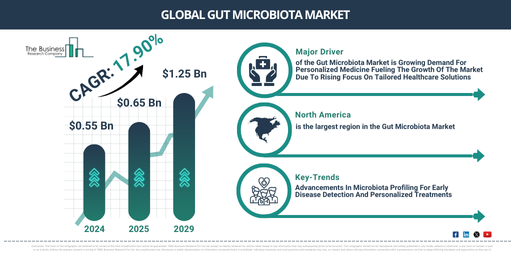
    The size of the gut microbiota market has seen swift expansion in the past few years. Increasing from $0.55 billion in 2024, it’s projected to expand to $0.65 billion in 2025, indicating a compound annual growth rate (CAGR) of 17.9%. Factors such as the unveil of probiotics and prebiotics, a surge in gastrointestinal conditions, rising interest in functional foods, the escalating usage of antibiotics, and heightened awareness about the gut-brain connection have all contributed to growth during the historical period.

    The market for gut microbiota is projected to experience a swift expansion in the coming years, reaching a valuation of $1.25 billion in 2029 with a Compound Annual Growth Rate (CAGR) of 17.9%. The predicted augmentation in the forecast period can be linked to factors such as the increase in personalized nutrition, a surge in demand for microbiome-related therapeutics, growth in the sector of functional and fermented foods, and regulatory encouragement for probiotics and prebiotics. Key trends anticipated in the forecast period include the utilization of artificial Intelligence (AI) for microbiome examination, developments in next-generation sequencing, the use of CRISPR for editing gut microbiota, improvements in intelligent probiotic delivery systems, and the advent of wearable devices specifically designed for monitoring gut health.

    Download a free sample to assess the report’s scope and structure:

    https://www.thebusinessresearchcompany.com/sample.aspx?id=23411&type=smp

    How Are Key Drivers in the Industry Acting as Catalysts for the Growth of theGut Microbiota Market?

    The surge in personalized medicine demand is believed to be a driving force for the expansion of the gut microbiota market in the future. Personalized medicine is focused on customizing treatments to individual patients, taking into account their genetic makeup, environment, and lifestyle choices. This approach aims to optimize results and enhance care quality. The field of genomics and biotechnology is advancing rapidly, allowing detailed genetic profiling and enabling more effective personalized treatment plans with reduced side effects. Gut microbiota greatly benefits from personalized medicine as it allows treatment procedures to be tailored based on a person’s distinct microbiome composition, thus maximizing gut health and improving outcomes for metabolic and digestive disorders. As an example, the Personalized Medicine Coalition (PMC), a nonprofit organization based in the USA, reported in February 2024 that the U.S. Food and Drug Administration (FDA) authorized 26 personalized medicines in 2023. This figure shows a considerable increase from the 12 endorsements given in the previous year, 2022. Consequently, the booming demand for personalized medicine is stimulating the growth of the gut microbiota market.

    Which Segments in the Gut Microbiota Offer the Most Growth?

    The gut microbiotamarket covered in this report is segmented –

    1) By Product: Prebiotics; Probiotics; Drugs; Supplements; Other Products

    2) By Application: Digestive Health; Immune Health; Weight Management; Mental Health; Cardiovascular Health

    3) By Distribution Channel: Pharmacies And Drugstores; Online Retail; Health Food Stores; Supermarkets And Hypermarkets; Specialty Stores

    4) By End-Users: Adults; Children; Elderly

    Subsegments:

    1) By Prebiotics: Fructooligosaccharides (Fos); Galactooligosaccharides (Gos); Inulin; Resistant Starch; Beta-Glucans; Arabinogalactans; Pectins

    2) By Probiotics: Lactobacillus; Bifidobacterium; Saccharomyces; Streptococcus; Bacillus; Escherichia

    3) By Drugs: Antibiotics; Bacteriophage Therapy; Gut Microbiota Modulators; Immunomodulators; Antidiarrheal Agents; Laxatives

    4) By Supplements: Synbiotics; Postbiotics; Enzyme Supplements; Vitamin D Supplements; Omega-3 Fatty Acids; Herbal Extracts

    5) By Other Products: Functional Foods; Fermented Foods; Beverages; Gut Health Diagnostic Kits; Dietary Fiber Products

    Request customized data on this market:

    https://www.thebusinessresearchcompany.com/customise?id=23411&type=smp

    What Are the Fastest-Growing Geographies in the #How Are Key Drivers in the Industry Acting as Catalysts for the Growth of theGut Microbiota Market?# Market?

    North America was the largest region in the gut microbiota market in 2024. Asia-Pacific is expected to be the fastest-growing region in the forecast period. The regions covered in the gut microbiota market report are Asia-Pacific, Western Europe, Eastern Europe, North America, South America, Middle East, Africa.

    What Are the Current Market Growth and Trends in the Gut Microbiota Industry?

    Key firms in the gut microbiota market are working toward creating groundbreaking solutions such as orally consumed fecal microbiota for treating numerous gastrointestinal issues. This treatment involves taking a pill or capsule that contains useful bacteria sourced from a healthy donor’s stool, with the goal of restoring balance to the gut microbiome. In April 2023, the US firm Seres Therapeutics Inc., a key player in the field of microbiome therapeutics, got FDA approval for Vowst – the very first orally consumed fecal microbiota product. This has been engineered to prevent recurrent C. difficile infection (CDI) in people aged 18 or above, to be used post antibacterial treatment for recurrent CDI. This approval constitutes a critical leap forward in CDI treatment, offering an alternative to traditional fecal microbiota transplants that is not only more accessible but also more patient-friendly, as these are usually administered via enema or colonoscopy. This oral formulation could boost adherence to treatment and widen the acceptance of microbiome-based therapies within the healthcare realm.

    View the full report here:

    https://www.thebusinessresearchcompany.com/report/gut-microbiota-global-market-report

    What Are the Key Elements That Define the Gut Microbiota Market?

    Gut microbiota refers to the complex community of microorganisms, including bacteria, viruses, fungi, and other microbes, that reside in the gastrointestinal tract. These microbes play a vital role in digestion, immune function, and overall health by influencing metabolism and protecting against harmful pathogens.

    Purchase the full report and get a swift delivery:

    https://www.thebusinessresearchcompany.com/purchaseoptions.aspx?id=23411

    About The Business Research Company:

    With over 15000+ reports from 27 industries covering 60+ geographies, The Business Research Company has built a reputation for offering comprehensive, data-rich research and insights. Armed with 1,500,000 datasets, the optimistic contribution of in-depth secondary research, and unique insights from industry leaders, you can get the information you need to stay ahead in the game.

    Get in touch with us:

    The Business Research Company: https://www.thebusinessresearchcompany.com/

    Americas +1 310-496-7795

    Europe +44 7882 955267

    Asia & Others +44 7882 955267 & +91 8897263534

    Email us at info@tbrc.info

    Follow us on:

    LinkedIn: https://in.linkedin.com/company/the-business-research-company

    YouTube: https://www.youtube.com/channel/UC24_fI0rV8cR5DxlCpgmyFQ

    Global Market Model: https://www.thebusinessresearchcompany.com/global-market-model

  • BCL-2 Inhibitors Growth Trajectory: Key Forecasts and Strategic Insights

    BCL-2 Inhibitors Growth Trajectory: Key Forecasts and Strategic Insights

    Claim your 30% discount on Global Market Reports with code ONLINE30. Limited time only.

    How Has the BCL-2 Inhibitors Market Growth Performance Trended Historically, And What Lies Ahead?

    The market for bcl-2 inhibitors has seen a swift expansion in recent years. The market size is set to rise from $2.1 billion in 2024 to $2.46 billion in 2025, reflecting a compound annual growth rate (CAGR) of 17.3%. The substantial growth during the historical period is due to elements such as the emphasis on mitigating chemotherapy side effects, increasing incidence of chronic diseases, enhanced healthcare accessibility in burgeoning markets, the development of dual-targeted therapies, a surge in individualized cancer treatments, and rising focus on maintenance therapies.

    Rapid expansion is anticipated in the bcl-2 inhibitors market over the upcoming years, with the market predicted to reach$4.63 billion in 2029, reflecting a compound annual growth rate (CAGR) of 17.1%. The market growth during this forecasted time can be linked to the increased uptake of immuno-oncology treatments, heightened concentration on combination therapies, and growth of healthcare amenities in emerging regions. Significant trends during this forecasted period are expected to be the execution of strategies targeting resistance, amplified global market penetration of Veneto lax, advancements in precision oncology and drug delivery systems, and planned partnerships between pharmaceutical firms.

    Download a free sample to assess the report’s scope and structure:

    https://www.thebusinessresearchcompany.com/sample.aspx?id=20719&type=smp

    Which Factors and External Forces Are Driving Demand in the BCL-2 Inhibitors Market?

    The growth of the BCL-2 inhibitors market is predicted to be fueled by an increasing incidence of blood cancers. These cancers, which disrupt regular blood cell production and function, affect the blood, bone marrow, or lymphatic system. The uptick in blood cancer rates can be attributed to aging populations, improved diagnostic methods, and lifestyle shifts, all contributing to higher detection rates globally. BCL-2 inhibitors serve as a potent weapon against these diseases by reinstating apoptosis in cancer cells, enhancing the treatment results in maladies such as leukemia and lymphoma. For example, Blood Cancer UK, a community based in the UK committed to conquering all forms of blood cancer, reported in August 2022 that blood cancer ranks as the fifth most prevalent cancer in the UK, with over 41,000 new diagnoses each year and roughly 250,000 individuals suffering from the disease. Consequently, the surging incidence of blood cancers is propelling the BCL-2 inhibitors market’s expansion.

    Which Segments in the BCL-2 Inhibitors Offer the Most Growth?

    The bcl-2 inhibitorsmarket covered in this report is segmented –

    1) By Product: Combination Therapy; Monotherapy

    2) By Distribution Channel: Hospital Pharmacies; Retail Pharmacies; Online Pharmacies; Other Distribution Channels

    3) By Application: Chronic Lymphocytic Leukemia; Acute Myeloid Leukemia; Multiple Myeloma; Other Applications

    4) By End-User: Hospitals; Ambulatory Surgical Centers; Pharmacies

    Subsegments:

    1) By Combination Therapy: BCL-2 Inhibitor + Chemotherapy; BCL-2 Inhibitor + Targeted Therapy; BCL-2 Inhibitor + Immunotherapy; BCL-2 Inhibitor + Other Drug Combinations

    2) By Monotherapy: Single-Agent BCL-2 Inhibitor (Venetoclax)

    Request customized data on this market:

    https://www.thebusinessresearchcompany.com/customise?id=20719&type=smp

    What Are the Fastest-Growing Geographies in the #Which Factors and External Forces Are Driving Demand in the BCL-2 Inhibitors Market?# Market?

    North America was the largest region in the BCL-2 inhibitors market in 2024. Asia-Pacific is expected to be the fastest-growing region in the forecast period. The regions covered in the BCL-2 inhibitors market report are Asia-Pacific, Western Europe, Eastern Europe, North America, South America, Middle East, Africa.

    Which Cutting-Edge Market Trends Are Expected to Drive theBCL-2 Inhibitors Market’s Growth?

    Leading businesses in the BCL-2 inhibitors market are working to create novel solutions like selective BCL-2 inhibitors to more efficiently target cancer cells and decrease off-target impacts. A selective BCL-2 inhibitor is a medication that targets and restricts the B-cell lymphoma 2 (BCL-2) protein, a regulator of cell survival that averts cell death or apoptosis. For example, in May 2024, Eilean Therapeutics LLC, a US-based firm specializing in small molecule oncology drug research, initiated a clinical trial for eiletoclax, a selective BCL2 inhibitor intended for treating hematological malignancies including acute myeloid leukemia (AML) and chronic lymphocytic leukemia (CLL). This Phase 1 clinical trial, sanctioned by the Australian Human Research Ethics Committee, is designed to assess the safety and effectiveness of eiletoclax. Preliminary studies have hinted that it has a better safety profile than existing treatments like venetoclax, with less effects on non-malignant immune cells which could possibly enable outpatient therapy and enhance patient tolerability.

    View the full report here:

    https://www.thebusinessresearchcompany.com/report/bcl-2-inhibitors-global-market-report

    What Are the Key Elements That Define the BCL-2 Inhibitors Market?

    BCL-2 inhibitors are drugs that block the BCL-2 protein, which helps cancer cells avoid apoptosis or programmed cell death. These drugs promote cancer cell death, particularly in cancers such as leukemia and lymphoma, where BCL-2 is overexpressed.

    Purchase the full report and get a swift delivery:

    https://www.thebusinessresearchcompany.com/purchaseoptions.aspx?id=20719

    About The Business Research Company:

    With over 15000+ reports from 27 industries covering 60+ geographies, The Business Research Company has built a reputation for offering comprehensive, data-rich research and insights. Armed with 1,500,000 datasets, the optimistic contribution of in-depth secondary research, and unique insights from industry leaders, you can get the information you need to stay ahead in the game.

    Get in touch with us:

    The Business Research Company: https://www.thebusinessresearchcompany.com/

    Americas +1 310-496-7795

    Europe +44 7882 955267

    Asia & Others +44 7882 955267 & +91 8897263534

    Email us at info@tbrc.info

    Follow us on:

    LinkedIn: https://in.linkedin.com/company/the-business-research-company

    YouTube: https://www.youtube.com/channel/UC24_fI0rV8cR5DxlCpgmyFQ

    Global Market Model: https://www.thebusinessresearchcompany.com/global-market-model

  • Global GI Stool Testing Market Projected to Reach $1.86 Billion by 2029 at a CAGR of 7.3%

    Global GI Stool Testing Market Projected to Reach $1.86 Billion by 2029 at a CAGR of 7.3%

    Claim your 30% discount on Global Market Reports with code ONLINE30. Limited time only.

    What is the Projected CAGR for the GI Stool Testing Market Size from 2025 to 2034?

    In recent times, there has been a significant increase in the size of the gi stool testing market. It’s projected to expand from a worth of $1.32 billion in 2024 to a value of $1.41 billion in 2025, at a compound annual growth rate (CAGR) of 6.5%. The driving factors behind this growth in the previous phase include the increased incidence of gastrointestinal diseases, heightened knowledge about the importance of gut health, the rising use of automated systems, an increase in disposable income, and an expanding older population.

    In the upcoming years, the gi stool testing market size is anticipated to witness significant expansion, predicted to reach$1.86 billion by 2029″ with a compound annual growth rate (CAGR) of 7.3%. The surge in the market during the forecast period can be credited to the rising demand for effective diagnostic tools, elevated occurrence of colorectal cancer, increased spending on healthcare, higher intake of fast food, and an expanded focus on individualized treatment approaches. Key trends within this forecast period encompass ground-breaking diagnostic methods, molecular diagnostic advances, progression in biologics, tailored medicine, and strategic partnerships.

    Download a free sample to assess the report’s scope and structure:

    https://www.thebusinessresearchcompany.com/sample.aspx?id=23410&type=smp

    What Are the Major Market Drivers Behind the Rising Adoption of GI Stool Testing Market?

    The escalation of gastrointestinal disorders is anticipated to drive the expansion of the GI stool testing market in the future. Gastrointestinal issues are diseases that impact the digestive system, encompassing the stomach, intestines, and associated organs, eliciting symptoms like nausea, diarrhea, constipation, and stomach pain. The hike in gastrointestinal disorders is primarily attributed to substandard dietary practices, as the overconsumption of processed foods, large sugar content, and fiber-deficient diets can interfere with gut microbiota, impair digestive well-being, and feed into disorders like acid reflux, irritable bowel syndrome (IBS), and inflammatory bowel disease (IBD). GI stool testing is needed in the case of gastrointestinal disorders to spot infections, inflammations, or digestive imbalances, as it is effective in identifying pathogens (bacteria, viruses, parasites), indicators of gut inflammation, and digestive enzyme insufficiencies, facilitating precise diagnosis and specific treatment. For example, in September 2024, the Centers for Disease Control and Prevention, a government body situated in the US, noted that, between 2024 and 2025, NoroSTAT-involved states reported 1,676 norovirus outbreaks, signaling a stark increase from the 729 outbreaks accounted for during the equivalent period in the previous season. Hence, the escalating prevalence of gastrointestinal disorders is boosting the GI stool testing market’s growth.

    Which Key Market Segments Comprise the GI Stool Testing Market and Drive Its Revenue Growth?

    The gi stool testingmarket covered in this report is segmented –

    1) By Type: Immunoassay Test; Molecular Diagnostic Test; Chromatography-Based Test; Microbiological Culture Test; Enzyme-Linked Immunosorbent Assay (ELISA)

    2) By Sample Type: Fecal Samples; Serum Samples

    3) By Equipment: Automated Analyzers; Benchtop Instruments; Portable Devices

    4) By Application: Diagnosis Of Gastrointestinal Disorders; Screening For Colorectal Cancer; Monitoring Of Inflammatory Bowel Disease (IBD); Detection Of Gastrointestinal Infections; Evaluation Of Digestive Health

    5) By End User: Hospital; Diagnostic Centre And Laboratory; Academic Institution; Research Centre Organization; Homecare; Other End Users

    Subsegments:

    1) By Immunoassay Test: Rapid Immunoassay; Lateral Flow Assay; Fluorescent Immunoassay

    2) By Molecular Diagnostic Test: Polymerase Chain Reaction (PCR); Nucleic Acid Amplification Test (NAAT); Next-Generation Sequencing (NGS)

    3) By Chromatography-Based Test: Gas Chromatography (GC); Liquid Chromatography (LC); Thin-Layer Chromatography (TLC)

    4) By Microbiological Culture Test: Aerobic Culture; Anaerobic Culture; Selective Media Culture

    5) By Enzyme-Linked Immunosorbent Assay (ELISA): Direct ELISA; Indirect ELISA; Sandwich ELISA; Competitive ELISA

    Request customized data on this market:

    https://www.thebusinessresearchcompany.com/customise?id=23410&type=smp

    Which Areas Are Leading Regions in the GI Stool Testing Market Expansion Across the Globe?

    North America was the largest region in the GI stool testing market in 2024. Asia-Pacific is expected to be the fastest-growing region in the forecast period. The regions covered in the gi stool testing market report are Asia-Pacific, Western Europe, Eastern Europe, North America, South America, Middle East, Africa.

    What Key Trends Are Shaping the Future of the GI Stool Testing Market?

    Major firms in the GI stool testing market are targeting more advanced testing technologies like comprehensive diagnostic tests, to enhance precision, speed, and early detection of diseases. Comprehensive diagnostic tests are highly advanced medical tools capable of assessing various health parameters at the same time for a completely thorough evaluation of a condition. For instance, EmeritusDX, a company specializing in diagnostics based in the US, introduced GI Detect in November 2024. GI Detect is an innovative comprehensive diagnostic test built to assist healthcare providers in pinpointing gastrointestinal conditions. The test employs a single stool swab to identify 26 bacteria, viruses, and parasites linked to digestive disturbances, boasting a 24-hour turnaround time, thus facilitating quick and informed medical decisions. Apart from extensive pathogen detection, Helicobacter pylori and its virulence elements—VacA, cagA, and babA—and mainstream gastrointestinal parasites like Cryptosporidium, Entamoeba histolytica, and Giardia lamblia are also screened. This all-encompassing method guarantees correct and timely diagnosis of gastrointestinal infections.

    View the full report here:

    https://www.thebusinessresearchcompany.com/report/gi-stool-testing-global-market-report

    How Is the GI Stool Testing Market Conceptually Defined?

    Gastrointestinal (GI) stool testing refers to the analysis of stool samples to assess gastrointestinal health and detect infections, digestive disorders, and inflammatory conditions. It helps identify microbial imbalances, digestive enzyme deficiencies, and markers of gut inflammation. This non-invasive diagnostic method supports early disease detection and personalized treatment planning.

    Purchase the full report and get a swift delivery:

    https://www.thebusinessresearchcompany.com/purchaseoptions.aspx?id=23410

    About The Business Research Company:

    With over 15000+ reports from 27 industries covering 60+ geographies, The Business Research Company has built a reputation for offering comprehensive, data-rich research and insights. Armed with 1,500,000 datasets, the optimistic contribution of in-depth secondary research, and unique insights from industry leaders, you can get the information you need to stay ahead in the game.

    Get in touch with us:

    The Business Research Company: https://www.thebusinessresearchcompany.com/

    Americas +1 310-496-7795

    Europe +44 7882 955267

    Asia & Others +44 7882 955267 & +91 8897263534

    Email us at info@tbrc.info

    Follow us on:

    LinkedIn: https://in.linkedin.com/company/the-business-research-company

    YouTube: https://www.youtube.com/channel/UC24_fI0rV8cR5DxlCpgmyFQ

    Global Market Model: https://www.thebusinessresearchcompany.com/global-market-model
  • Next-Gen B-Cell Maturation Antigen (BCMA) Targeted Therapies : Market Forecast, Transformation, and Long-Term Trajectories

    Next-Gen B-Cell Maturation Antigen (BCMA) Targeted Therapies : Market Forecast, Transformation, and Long-Term Trajectories

    Claim your 30% discount on Global Market Reports with code ONLINE30. Limited time only.

    What Are the Projected Market Size and Growth Rates for the B-Cell Maturation Antigen (BCMA) Targeted Therapies Market From 2025 To 2029?

    The market size for therapies targeting b-cell maturation antigen (bcma) has seen significant expansion in recent years. It’s projected to rise from $12.17 billion in 2024 to $15.09 billion in 2025, with a compound annual growth rate (CAGR) of 24.0%. This growth during the historical period can be attributed to various factors such as increasing attention towards hematologic malignancies, escalating investments in oncology research, a burgeoning demand for personalized treatments, a growing preference for CAR-T cell therapies, and an increase in healthcare spending.

    The market size for b-cell maturation antigen (bcma) targeted therapies is forecast to experience a surge in the subsequent years, growing to$35.81 billion in 2029 with a compound annual growth rate (CAGR) of 24.1%. The driving forces behind the predicted growth in the forecast period are due to an increased focus on cancer research, a shift towards specific molecular markers, a rising incidence of cancers, a surge in biotech investments, and a climbing utilization of cell and gene therapies. In the forecast period, the main market trends are anticipated to be innovations like CRISPR technology, progress in gene-editing technologies, advancements in next-generation car-t cell therapies, improved targeted antibody-drug conjugates, and the evolution of ready-made treatments.

    Download a free sample to assess the report’s scope and structure:

    https://www.thebusinessresearchcompany.com/sample.aspx?id=20718&type=smp

    Which Major Market Drivers Are Expected to Boost the Growth Potential of the B-Cell Maturation Antigen (BCMA) Targeted Therapies Market?

    The upward trajectory of multiple myeloma incidents is anticipated to stimulate the development of the market for b-cell maturation antigen (BCMA) targeted therapies. Multiple myeloma, a type of cancer that predominantly impacts plasma cells – vital elements of the immune system for antibody production – has seen an increase in its incidence. Factors such as an aging global populace, advancements in diagnostic procedures, and healthcare accessibility variances contribute to this increment. BCMA targeted therapies mark a significant milestone in multiple myeloma treatment by focussing on malignant plasma cells expressing BCMA, paving the way for more efficient and specific treatment. For instance, in 2024, the American Cancer Society reported an estimated 35,780 new instances of multiple myeloma in the United States, including 19,520 in men and 16,260 in women. Furthermore, a projected 12,540 deaths were recorded, consisting of 7,020 males and 5,520 females. Hence, the escalating incidence of multiple myeloma is a significant driver for the growth of the BCMA targeted therapies market.

    Which Key Market Segments Comprise the B-Cell Maturation Antigen (BCMA) Targeted Therapies Market and Drive Its Revenue Growth?

    The b-cell maturation antigen (bcma) targeted therapiesmarket covered in this report is segmented –

    1) By Product Type: Antibody Drug Conjugates; Chimeric Antigen Receptor T (CAR-T)-Cell Therapy; Bispecific Antibodies

    2) By Indication Type: Acute Lymphoblastic Leukemia; Multiple Myeloma

    3) By End User: Hospitals; Specialty Clinics; Home Care Settings

    Subsegments:

    1) By Antibody Drug Conjugates: BCMA-Targeted ADCs (Antibody-Drug Conjugates); Linker-Payload Technology-Based BCMA ADCs

    2) By Chimeric Antigen Receptor T (CAR-T)-Cell Therapy: BCMA CAR-T Cells (Autologous); Allogeneic BCMA CAR-T Cells

    3) By Bispecific Antibodies: BCMA x CD3 Bispecific Antibodies; BCMA x CD28 Bispecific Antibodies

    Request customized data on this market:

    https://www.thebusinessresearchcompany.com/customise?id=20718&type=smp

    Which Areas Are Leading Regions in the B-Cell Maturation Antigen (BCMA) Targeted Therapies Market Expansion Across the Globe?

    North America was the largest region in the B-cell maturation antigen (BCMA) targeted therapies market in 2024. The regions covered in the B-cell maturation antigen (BCMA) targeted therapies market report are Asia-Pacific, Western Europe, Eastern Europe, North America, South America, Middle East, Africa.

    What Are the Key Market Trends in theB-Cell Maturation Antigen (BCMA) Targeted Therapies Market Over the Coming Years?

    Prominent firms functioning in the B-cell maturation antigen (BCMA) targeted therapies industry are directing their efforts toward the development of groundbreaking treatments such as CAR-T cell therapy to heighten the accuracy and effectiveness of cancer cell targeting. This type of immunotherapy adjusts the patient’s T cells to convey chimeric antigen receptors (CARs) specifically intended to identify and eradicate cancer cells. For instance, Johnson & Johnson, a pharmaceutical titan based in the US, was granted approval by the U.S. Food and Drug Administration (FDA) for its CARVYKTI in April 2024. CARVYKTI (ciltacabtagene autoleucel) is a BCMA-oriented, genetically altered autologous T-cell immunotherapy prescribed for adult patients suffering from relapse or unresponsive multiple myeloma that have undergone at least one previous line of therapy and are resistant to lenalidomide.

    View the full report here:

    https://www.thebusinessresearchcompany.com/report/b-cell-maturation-antigen-bcma-targeted-therapies-global-market-report

    How Is the B-Cell Maturation Antigen (BCMA) Targeted Therapies Market Conceptually Defined?

    B-cell maturation antigen (BCMA) targeted therapies refer to a class of treatments designed to specifically target BCMA, a protein expressed on the surface of mature B-cells and plasma cells. BCMA is a member of the tumor necrosis factor (TNF) receptor superfamily and plays a key role in B-cell development, survival, and differentiation into plasma cells. BCMA-targeted therapies represent a significant advancement in the treatment of multiple myeloma, offering effective options for patients with relapsed or refractory disease.

    Purchase the full report and get a swift delivery:

    https://www.thebusinessresearchcompany.com/purchaseoptions.aspx?id=20718

    About The Business Research Company:

    With over 15000+ reports from 27 industries covering 60+ geographies, The Business Research Company has built a reputation for offering comprehensive, data-rich research and insights. Armed with 1,500,000 datasets, the optimistic contribution of in-depth secondary research, and unique insights from industry leaders, you can get the information you need to stay ahead in the game.

    Get in touch with us:

    The Business Research Company: https://www.thebusinessresearchcompany.com/

    Americas +1 310-496-7795

    Europe +44 7882 955267

    Asia & Others +44 7882 955267 & +91 8897263534

    Email us at info@tbrc.info

    Follow us on:

    LinkedIn: https://in.linkedin.com/company/the-business-research-company

    YouTube: https://www.youtube.com/channel/UC24_fI0rV8cR5DxlCpgmyFQ

    Global Market Model: https://www.thebusinessresearchcompany.com/global-market-model
  • Global Urinary Incontinence Market Trends: Regional Breakdowns and Strategic Insights

    Global Urinary Incontinence Market Trends: Regional Breakdowns and Strategic Insights

    Claim your 30% discount on Global Market Reports with code ONLINE30. Limited time only.

    How Has The Urinary Incontinence Market Size Shifted, And What Is the Outlook Through 2034?

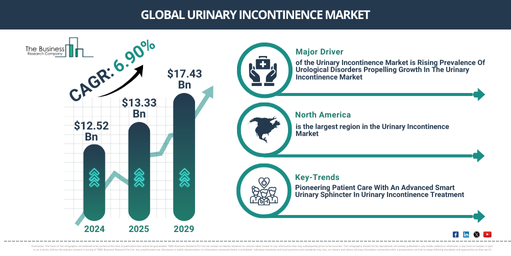
    The market size for urinary incontinence has seen robust growth in the past few years. It is projected to expand from $12.52 billion in 2024 to $13.33 billion in 2025, reflecting a compound annual growth rate (CAGR) of 6.5%. The historical growth of this market can be linked to factors such as an aging population, increased understanding and awareness of urinary incontinence, a rising occurrence of this condition, greater accessibility to healthcare services, along with growing disposable incomes.

    The market size for urinary incontinence is poised for robust expansion in the coming years, with an estimated growth rate expectancy of reaching $17.43 billion by 2029, showcasing a compound annual growth rate (CAGR) of 6.9%. This predicted growth during the forecast period can be credited to several factors such as the rising occurrence of comorbid conditions, lifestyle determinants, health strategies geared towards entire populations, and increased spending on healthcare. Notable trends expected during the forecast timeframe consist of advancements in medical science, the introduction of innovative technologies, non-invasive treatment approaches, advancements in digital health and mHealth, creative product designs, and a greater focus on patient-centered care.

    Download a free sample to assess the report’s scope and structure:

    https://www.thebusinessresearchcompany.com/sample.aspx?id=12946&type=smp

    What Are the Major Market Drivers Behind the Rising Adoption of Urinary Incontinence Market?

    The escalating incidences of urological disorders are expected to accelerate the expansion of the urinary incontinence market. Urological disorders, also recognized as urologic conditions, denote an extensive scope of medical disorders that impact the urinary system and male reproductive organs, comprising the kidneys, bladder, ureters, urethra, and male reproductive organs such as the prostate and testes. The mounting prevalence of urological disorders, especially conditions like urinary incontinence, boosts the demand for products and treatments to tackle these issues. This is further catalyzed by enhanced awareness, improved diagnostics, innovations in healthcare and medicine, and stronger healthcare frameworks. To illustrate, in January 2023, the American Cancer Society Inc., a US voluntary organization for cancer awareness, reported that the number of estimated urinary bladder cancer cases escalated to 82,290 in 2023, marking an increase of 1.1% from 81,400 in 2020. Hence, the rise in incidences of urological disorders will further stimulate the growth of the urinary incontinence market.

    Which Key Market Segments Comprise the Urinary Incontinence Market and Drive Its Revenue Growth?

    The urinary incontinencemarket covered in this report is segmented –

    1) By Type: Urge Incontinence; Stress Incontinence; Overflow Incontinence; Functional Incontinence

    2) By Treatment Type: Medication; Devices; Other Treatments

    3) By Route Of Administration: Oral; Parenteral; Other Routes Of Administrations

    4) By Diagnosis: Physical Exam; Pad Test; Urodynamic Testing; Cystoscopy; Stress Test; Ultrasound; Urine Samples

    5) By End-Users: Hospitals; Specialty Clinics; Homecare; Other End-Users

    Subsegments:

    1) By Urge Incontinence: Overactive Bladder; Urinary Urgency

    2) By Stress Incontinence: Involuntary Leakage During Physical Activity; Coughing Or Sneezing

    3) By Overflow Incontinence: Chronic Urinary Retention; Frequent Or Constant Dribbling

    4) By Functional Incontinence: Cognitive Impairment; Physical Limitations

    Request customized data on this market:

    https://www.thebusinessresearchcompany.com/customise?id=12946&type=smp

    Which Areas Are Leading Regions in the Urinary Incontinence Market Expansion Across the Globe?

    North America was the largest region in the urinary incontinence market in 2024. The regions covered in urinary incontinence market report are Asia-Pacific, Western Europe, Eastern Europe, North America, South America, Middle East and Africa.

    What Are the Strategic Trends Steering theUrinary Incontinence Market Direction?

    Leading firms in the urinary incontinence market are progressively adopting cutting-edge technologies and innovative strategies to bolster patient care and the results of treatments. In a case from July 2023, UroMems SAS, a biotechnology firm from France, successfully implanted the UroActive smart, automated artificial urinary sphincter (AUS) in a female patient as a solution to stress urinary incontinence (SUI) among women. This ground-breaking UroActive device boasts a myoelectrical mechanical system (MEMS) aimed at addressing the unfulfilled need for a definitive SUI solution for women. The procedure, which took place at La Pitié-Salpêtrière University Hospital in Paris, was robot-assisted and gained regulatory approval from the French equivalent of the FDA. The UroActive device’s adjustable and smart features, together with its minimally invasive methodology, are intended to enhance the quality of life of patients.

    View the full report here:

    https://www.thebusinessresearchcompany.com/report/urinary-incontinence-global-market-report

    How Is the Urinary Incontinence Market Conceptually Defined?

    Urinary incontinence is a medical condition characterized by the unintentional loss of urine, ranging from occasional leaks to a complete inability to control urination. Weakened pelvic floor muscles, hormonal changes, obesity, neurological conditions, urinary tract infections, medications and pregnancy can cause urinary incontinence.

    Purchase the full report and get a swift delivery:

    https://www.thebusinessresearchcompany.com/purchaseoptions.aspx?id=12946

    About The Business Research Company:

    With over 15000+ reports from 27 industries covering 60+ geographies, The Business Research Company has built a reputation for offering comprehensive, data-rich research and insights. Armed with 1,500,000 datasets, the optimistic contribution of in-depth secondary research, and unique insights from industry leaders, you can get the information you need to stay ahead in the game.

    Get in touch with us:

    The Business Research Company: https://www.thebusinessresearchcompany.com/

    Americas +1 310-496-7795

    Europe +44 7882 955267

    Asia & Others +44 7882 955267 & +91 8897263534

    Email us at info@tbrc.info

    Follow us on:

    LinkedIn: https://in.linkedin.com/company/the-business-research-company

    YouTube: https://www.youtube.com/channel/UC24_fI0rV8cR5DxlCpgmyFQ

    Global Market Model: https://www.thebusinessresearchcompany.com/global-market-model

  • Balloon Catheters Market Overview 2025: Competitive Shifts, Forecast Models, and Emerging Opportunities

    Balloon Catheters Market Overview 2025: Competitive Shifts, Forecast Models, and Emerging Opportunities

    Claim your 30% discount on Global Market Reports with code ONLINE30. Limited time only.

    What Is the Estimated Market Size of the Balloon Catheters Market In 2029?

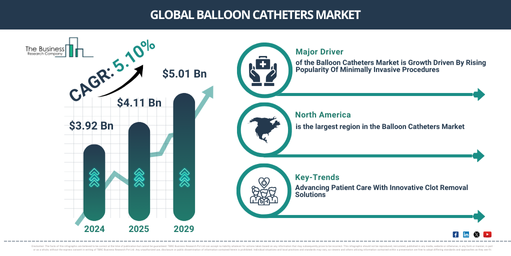
    In recent times, there has been a stable expansion in the size of the balloon catheters market. It is forecasted to increase from $3.92 billion in 2024 to $4.11 billion in 2025, exhibiting a compound annual growth rate (CAGR) of 4.8%. The growth during the historical period is due to factors such as an amplified emphasis on managing chronic illnesses, a rise in cases of cardiovascular diseases, a growing emphasis on patient-specific treatment, an inclining geriatric population, and a heightened demand for improved catheter performance.

    The size of the balloon catheters market is anticipated to witness robust expansion in the coming years, with a predicted growth to$5.01 billion in 2029 at a Compound Annual Growth Rate (CAGR) of 5.1%. This growth during the forecast period can be credited to factors such as enhanced healthcare expenditure, the growth of endovascular procedures, a surge in research and development activities, the rising usage of balloon catheters in non-cardiac applications, and the broadening of healthcare availability in emerging markets. Key trends during the forecast period are likely to include the deployment of balloon-assisted stents, advancement in inflation mechanisms, advanced imaging customization, and integration with wearable and remote monitoring tools.

    Download a free sample to assess the report’s scope and structure:

    https://www.thebusinessresearchcompany.com/sample.aspx?id=20717&type=smp

    What Are the Core Growth Drivers Propelling the Balloon Catheters Market Forward?

    The anticipated growth of the balloon catheters market is tied in with the increasing adoption of minimally invasive surgeries. Such procedures, known as minimally invasive surgeries (MIS), are less invasive in comparison to traditional surgeries, thereby reducing the requirement of substantial incisions. This growing inclination towards MIS is primarily due to their advantages, such as decreased recovery period, diminished chances of complications, minimal pain, and ongoing advances in technology and outpatient procedures. Balloon catheters significantly contribute to bolstering the advantages of MIS by enhancing the accuracy, safety, and convenience of the processes, concurrently decreasing the recovery period and the duration of hospital stays. To exemplify, Intuitive Surgical Inc., a company in the US producing robotic products, revealed in January 2024 that they installed 415 units of da Vinci surgical systems (robotic surgical systems utilizing a minimally invasive surgical method) in the final quarter of 2023, marking a rise of 12% in comparison to 2022. Subsequently, this rising proclivity towards minimally invasive surgeries acts as a growth catalyst in the balloon catheters market.

    What Segment Types Define the Balloon Catheters Market Structure?

    The balloon cathetersmarket covered in this report is segmented –

    1) By Type: Percutaneous Transluminal Coronary Angioplasty (PTCA) Balloon Catheters; Chronic Total Occlusion (CTO) Balloon Catheters; Microcatheters

    2) By Product Type: Normal Balloon Catheter; Drug Eluting Balloon Catheter; Cutting Balloon Catheter; Stent Graft Balloon Catheter; Scoring Balloon Catheter

    3) By Distribution Channel: Direct Tender; Third Party Distribution; Other Distribution Channels

    4) By Application: Coronary Artery Disease; Peripheral Artery Disease; Other Applications

    5) By End User: Hospitals; Specialty Centers; Ambulatory Surgery Centers; Other End Users

    Subsegments:

    1) By Percutaneous Transluminal Coronary Angioplasty (PTCA) Balloon Catheters: Semi-Compliant Balloon Catheters; Non-Compliant Balloon Catheters

    2) By Chronic Total Occlusion (CTO) Balloon Catheters: High-Pressure CTO Balloon Catheters; Low-Profile CTO Balloon Catheters

    3) By Microcatheters: Diagnostic Microcatheters; Therapeutic Microcatheters

    Request customized data on this market:

    https://www.thebusinessresearchcompany.com/customise?id=20717&type=smp

    Which Geographic Areas Hold the Strongest Growth Potential in the Balloon Catheters Market?

    North America was the largest region in the balloon catheters market in 2024. Asia-Pacific is expected to be the fastest-growing region in the forecast period. The regions covered in the balloon catheters market report are Asia-Pacific, Western Europe, Eastern Europe, North America, South America, Middle East, Africa.

    Which Emerging Trends that Are Influencing theBalloon Catheters Industry Evolution?

    Key players in the balloon catheters market, such as CERENOVUS, are innovating in the area of Mechanical Thrombectomy (MT) solution development to enhance the effectivity of blood clot removal. Consistent control over blood flow in the course of these surgical interventions is needed to perform this minimally invasive procedure designed to remove blood clots, commonly in instances of ischemic stroke. For example, CERENOVUS, a neurovascular department under Johnson & Johnson Medical Devices Companies, introduced the EMBOGUARD Balloon Guide Catheter to the European market in September 2024. This equipment is engineered for endovascular operations, which include the treatment of acute ischemic stroke. With its capacity to locally manage blood flow during Mechanical Thrombectomy, the EMBOGUARD catheter enhances the effectiveness of clot elimination. It has proven to increase first-pass recanalization rates, reduce procedure durations, and decrease the chance of clot particle formation that potentially initiates distal emboli and subsequent ischemic events. The EMBOGUARD Balloon Guide Catheter is a component of the CERENOVUS Stroke Solutions range, a compilation of technologies engineered to support medical professionals during MT procedures.

    View the full report here:

    https://www.thebusinessresearchcompany.com/report/balloon-catheters-global-market-report

    What Is the Definition of the Balloon Catheters Market?

    Balloon catheters refer to medical devices used in various medical procedures, particularly in minimally invasive surgeries. These catheters have a small, flexible tube with an inflatable balloon at the tip. They are typically used to treat narrowed or blocked blood vessels, such as in angioplasty procedures, where the balloon is inflated to dilate or open up constricted areas within blood vessels.

    Purchase the full report and get a swift delivery:

    https://www.thebusinessresearchcompany.com/purchaseoptions.aspx?id=20717

    About The Business Research Company:

    With over 15000+ reports from 27 industries covering 60+ geographies, The Business Research Company has built a reputation for offering comprehensive, data-rich research and insights. Armed with 1,500,000 datasets, the optimistic contribution of in-depth secondary research, and unique insights from industry leaders, you can get the information you need to stay ahead in the game.

    Get in touch with us:

    The Business Research Company: https://www.thebusinessresearchcompany.com/

    Americas +1 310-496-7795

    Europe +44 7882 955267

    Asia & Others +44 7882 955267 & +91 8897263534

    Email us at info@tbrc.info

    Follow us on:

    LinkedIn: https://in.linkedin.com/company/the-business-research-company

    YouTube: https://www.youtube.com/channel/UC24_fI0rV8cR5DxlCpgmyFQ

    Global Market Model: https://www.thebusinessresearchcompany.com/global-market-model

  • Urgent Care Apps Market Outlook 2025: Mapping Growth, Innovation, and Regional Shifts

    Urgent Care Apps Market Outlook 2025: Mapping Growth, Innovation, and Regional Shifts

    Claim your 30% discount on Global Market Reports with code ONLINE30. Limited time only.

    How Has the Urgent Care Apps Market Growth Performance Trended Historically, And What Lies Ahead?

    In recent times, the market size of urgent care apps has seen significant expansion. It is forecasted that the market will expand from a valuation of $3.26 billion in 2024 to $4.5 billion in 2025, indicating a compound annual growth rate (CAGR) of 38.3%. Factors contributing to this progress throughout the historical period include the increased penetration of smartphones, a rise in medical expenditures, broader access to the internet, and a higher frequency of accidents.

    In the coming years, the market size for urgent care apps is anticipated to witness explosive growth. The market is predicted to expand to a value of $16.87 billion by 2029, reflecting a compound annual growth rate (CAGR) of 39.1%. Factors contributing to this surge during the forecast period include the escalating demand for sophisticated computing solutions, increased use of telehealth and telemedicine, the adoption of mHealth apps, rising instances of chronic diseases, and a heightened focus on data privacy and security. The forecast period is also expected to see key trends in the market such as technological progressions, product breakthroughs, state-of-the-art solutions, strategic alliances, and incorporation of technologies in smartphones.

    Download a free sample to assess the report’s scope and structure:

    https://www.thebusinessresearchcompany.com/sample.aspx?id=14216&type=smp

    What External and Internal Drivers Are Contributing to the Growth of theUrgent Care Apps Market?

    The escalation in long-lasting ailments like diabetes is predicted to stimulate the advancement of the urgent care apps market in the coming years. Chronic diseases are persistent medical issues that generally extend to three months or beyond, typically necessitating regular oversight and care. Diabetes, a long-term metabolic disease, is identified by heightened blood glucose or blood sugar levels which can lead to serious damage to the heart, blood vessels, and various other organs in the body over time. With the aid of urgent care apps, diabetic individuals can manage their health more efficaciously, enhance their quality of life, and alleviate the strain on healthcare systems. These apps also assist diabetic individuals in tracking and observing their symptoms, enabling them to recognize patterns and trends in their health condition. For example, in January 2023, the National Institutes of Health, a government agency in the US, projected that by 2035, about 35.66% (range: 33.36–36.04) of adults aged 50 and above are expected to have a minimum of one chronic illness, a figure projected to ascend to 47.81% (range: 46.09–49.71) by 2050. Consequently, the escalating prevalence of chronic diseases like diabetes is catalyzing the expansion of the urgent care app market.

    What Segment Types Define the Urgent Care Apps Market Structure?

    The urgent care appsmarket covered in this report is segmented –

    1) By Type: Pre-Hospital Emergency Care And Triaging Apps; In-Hospital Communication And Collaboration Apps; Post-Hospital Apps

    2) By Technology: Phone-Based Apps; Web-Based Apps; Wearable Patient Centric Apps

    3) By Clinical Area: Trauma; Stroke; Cardiac Conditions; Other Clinical Areas

    Subsegments:

    1) By Pre-Hospital Emergency Care And Triaging Apps: Symptom Checker Apps; Triage Apps; Remote Patient Monitoring Apps

    2) By In-Hospital Communication And Collaboration Apps: Secure Messaging Apps; Team Collaboration Tools; Patient Management Systems

    3) By Post-Hospital Apps: Follow-Up Care Apps; Medication Management Apps; Telehealth Apps

    Request customized data on this market:

    https://www.thebusinessresearchcompany.com/customise?id=14216&type=smp

    Which Geographic Areas Hold the Strongest Growth Potential in the Urgent Care Apps Market?

    North America was the largest region in the urgent care apps market in 2024. Asia-Pacific is expected to be the fastest-growing region in the forecast period. The regions covered in the urgent care apps market report are Asia-Pacific, Western Europe, Eastern Europe, North America, South America, Middle East, Africa.

    What Long-Term Trends Are Transforming the Competitive Landscape of the Urgent Care Apps Market?

    Major corporations in the urgent care apps market are shifting their attention to the development of technologically advanced solutions including the Cedars-Sinai Connect app and AI-powered urgent care applications, in order to maintain their competitive advantage. Cedars-Sinai Connect app is an electronic health platform that employs AI technology to provide users with convenient and fast access to healthcare services. These platforms assist users in locating and requesting help from the nearest urgent care facilities, as well as acquiring information about urgent and emergency medical scenarios. For example, in October 2023, the well-known American health science and medical center, Cedars-Sinai, launched the Cedars-Sinai Connect app. This new mHealth tool, driven by artificial intelligence, provides patients across the USA with a wide range of virtual care options for different health conditions. The app gives access to same-day primary care appointments and 24/7 virtual access to medical specialists for emergency treatment. The app caters to a range of health issues including type 2 diabetes, headaches, colds, anxiety, wellness appointments and expert consultations. This AI-integrated app enables both new and existing patients to provide their symptoms and other health information via a guided intake process. The app then assesses this information and forwards it to a medical professional for evaluation. Following this, the patient and the healthcare provider can engage in further communication via video.

    View the full report here:

    https://www.thebusinessresearchcompany.com/report/urgent-care-apps-global-market-report

    What Is the Definition of the Urgent Care Apps Market?

    Urgent care apps refer to digital health applications that enable users to locate and map the closest urgent care facilities, obtain information on urgent and emergency conditions, and get healthcare services quickly and conveniently. These apps are designed to increase patient safety, facilitate access to care, and support the provision of more effective and efficient healthcare.

    Purchase the full report and get a swift delivery:

    https://www.thebusinessresearchcompany.com/purchaseoptions.aspx?id=14216

    About The Business Research Company:

    With over 15000+ reports from 27 industries covering 60+ geographies, The Business Research Company has built a reputation for offering comprehensive, data-rich research and insights. Armed with 1,500,000 datasets, the optimistic contribution of in-depth secondary research, and unique insights from industry leaders, you can get the information you need to stay ahead in the game.

    Get in touch with us:

    The Business Research Company: https://www.thebusinessresearchcompany.com/

    Americas +1 310-496-7795

    Europe +44 7882 955267

    Asia & Others +44 7882 955267 & +91 8897263534

    Email us at info@tbrc.info

    Follow us on:

    LinkedIn: https://in.linkedin.com/company/the-business-research-company

    YouTube: https://www.youtube.com/channel/UC24_fI0rV8cR5DxlCpgmyFQ

    Global Market Model: https://www.thebusinessresearchcompany.com/global-market-model