Month: August 2025

  • From Insight to Impact: Strategic Growth Mapping in the Artificial Neural Network Market

    From Insight to Impact: Strategic Growth Mapping in the Artificial Neural Network Market

    Claim your 30% discount on Global Market Reports with code ONLINE30. Limited time only.

    How Fast Is The Artificial Neural Network Market Expected to Grow Between 2025 And 2029?

    The market size of the artificial neural network has seen significant expansion recently. It is predicted that it will increase from $0.49 billion in 2024 to $0.58 billion in 2025, with a compound annual growth rate (CAGR) of 18.1%. Factors contributing to this growth during the historical period include a rise in cyberattacks, a growing requirement for AI and automation, development in self-sustained systems, a surge in the adoption of the Internet of Things (IoT), and enhanced cloud adoption.

    The market size for artificial neural networks is predicted to experience a swift expansion in the coming years, reaching$1.09 billion in 2029 with a compound annual growth rate (CAGR) of 17.2%. The anticipated growth within this period can be linked to the growing demand for artificial intelligence (AI) in various sectors, a rise in the need for cloud-based services, an increased adoption of voice assistants and conversational AI, growing usage in healthcare and drug discovery, and an upsurge in big data volumes. Key trends during this forecast period are expected to be developments in machine learning and neural networks, integration with big data and analytics, connectivity with IoT and edge computing, integration with hybrid cloud and edge, and integration with 5G networks.

    Download a free sample to assess the report’s scope and structure:

    https://www.thebusinessresearchcompany.com/sample.aspx?id=20716&type=smp

    What are the Fundamental Drivers and Innovations Shaping the Artificial Neural Network Market?

    The surge in demand for cloud-based solutions is projected to fuel the expansion of the artificial neural network market in the future. By definition, a cloud-based solution is a service or application running on remote servers via the internet, as opposed to being stationed on local servers or devices. The growing interest in such solutions is credited to their scalability, cost-effectiveness, improved information availability, and facilitation of remote collaboration, addressing the changing requirements of contemporary businesses. Artificial neural networks amplify the value of cloud-based solutions by providing sophisticated data processing, predictive analytics, and smart decision-making abilities for enhanced performance and scalability. For example, Eurostat, a Luxembourg-based government agency in the EU, noted in December 2023 that the percentage of businesses purchasing cloud computing services experienced a growth of 4.2 percentage points in 2023 relative to 2021. Consequently, the rising demand for cloud-based solutions is triggering the evolution of the artificial neural network (ANN) market.

    How Is the Artificial Neural Network Market Segmented?

    The artificial neural networkmarket covered in this report is segmented –

    1) By Component: Solutions; Platform Or Application Programming Interface (API); Services

    2) By Deployment Mode: On-Premises; Cloud

    3) By Enterprise: Large Enterprises; Small And Medium Enterprises

    4) By Application: Image Recognition; Signal Recognition; Data Mining

    5) By End-User: Banking, Financial Services, and Insurance (BFSI); Retail And E-Commerce; IT And Telecom; Manufacturing; Healthcare; Automotive

    Subsegments:

    1) By Solutions: Software Solutions; Hardware Solutions; Deployment Solutions; Data Management Solutions

    2) By Platform Or Application Programming Interface (API): Cloud-Based Platforms; On-Premise Platforms; Open-Source APIs; Proprietary APIs

    3) By Services: Consulting Services; Integration And Deployment Services; Support And Maintenance Services; Managed Services

    Request customized data on this market:

    https://www.thebusinessresearchcompany.com/customise?id=20716&type=smp

    Which Regions Are Driving the Next Phase of the Artificial Neural Network Market Growth?

    North America was the largest region in the artificial neural network market in 2024. Asia-Pacific is expected to be the fastest-growing region in the forecast period. The regions covered in the artificial neural network market report are Asia-Pacific, Western Europe, Eastern Europe, North America, South America, Middle East, Africa.

    What Key Trends Are Shaping the Future of the Artificial Neural Network Market?

    Leading players in the artificial neural network market are currently emphasizing the development of advanced platforms like AI-based networking ones, with aims to strengthen data processing abilities, upgrade predictive analysis, and streamline machine learning models. These platforms are specifically designed to improve efficiency and scalability in various sectors including healthcare, finance, and car manufacturing. AI-based networking schemes involve the combination of cutting-edge AI with networking systems to enhance data throughput, better network handling, and upgrade the general performance. For example, in February 2022, the AI for Good neural network, an innovative platform intended to foster sustainable development through artificial intelligence, was launched by the International Telecommunication Union, a Swiss specialized agency. The platform utilizes sophisticated AI algorithms to address global issues like climate change, poverty, and discrepancies in healthcare. It uniquely enables the processing and interpretation of large volumes of data from assorted sources, yielding invaluable understandings that aid governments, organizations, and scholars in forming knowledgeable choices. The platform promotes teamwork and gathers specialists from varied sectors to create novel, scalable solutions for sustainable expansion while keeping in line with the UN’s Sustainable Development Goals (SDGs).

    View the full report here:

    https://www.thebusinessresearchcompany.com/report/artificial-neural-network-global-market-report

    How Is the Artificial Neural Network Market Defined and What Are Its Core Parameters?

    An artificial neural network (ANN) refers to a machine learning architecture that mimics the human brain’s neural structure to process data and recognize patterns. It consists of layers of interconnected nodes, including input, hidden, and output layers, which work together to transform input data into meaningful outputs through weighted connections.

    Purchase the full report and get a swift delivery:

    https://www.thebusinessresearchcompany.com/purchaseoptions.aspx?id=20716

    About The Business Research Company:

    With over 15000+ reports from 27 industries covering 60+ geographies, The Business Research Company has built a reputation for offering comprehensive, data-rich research and insights. Armed with 1,500,000 datasets, the optimistic contribution of in-depth secondary research, and unique insights from industry leaders, you can get the information you need to stay ahead in the game.

    Get in touch with us:

    The Business Research Company: https://www.thebusinessresearchcompany.com/

    Americas +1 310-496-7795

    Europe +44 7882 955267

    Asia & Others +44 7882 955267 & +91 8897263534

    Email us at info@tbrc.info

    Follow us on:

    LinkedIn: https://in.linkedin.com/company/the-business-research-company

    YouTube: https://www.youtube.com/channel/UC24_fI0rV8cR5DxlCpgmyFQ

    Global Market Model: https://www.thebusinessresearchcompany.com/global-market-model

  • Type 2 Diabetes Market in Focus: Forecasting Growth Drivers, Scaling Potential, and Global Opportunities

    Type 2 Diabetes Market in Focus: Forecasting Growth Drivers, Scaling Potential, and Global Opportunities

    Claim your 30% discount on Global Market Reports with code ONLINE30. Limited time only.

    What Are the Projected Market Size and Growth Rates for the Type 2 Diabetes Market From 2025 To 2029?

    The market size of type 2 diabetes has witnessed remarkable growth in the recent past. The market, which is valued at $48.14 billion in 2024, is expected to rise to $51.47 billion in 2025 adhering to a compound annual growth rate (CAGR) of 6.9%. Factors contributing to this growth during the historic period include changes in lifestyle and food habits, an increase in the elderly population, advancements in pharmaceuticals, and public health campaigns.

    In the upcoming years, a significant increase is anticipated in the size of the type 2 diabetes market. This growth is projected to reach $71.31 billion by 2029, with a compound annual growth rate (CAGR) of 8.5%. Factors attributing to this growth in the forecasted period include the worldwide diabetes epidemic, advancements in technology, changes in healthcare policy and personalized medicine. Major trends from now until then would encompass digital health and telemedicine, preventive measures and early intervention, as well as artificial intelligence (AI), and machine learning (ML), and metabolic surgery.

    Download a free sample to assess the report’s scope and structure:

    https://www.thebusinessresearchcompany.com/sample.aspx?id=13050&type=smp

    What Are the Core Market Drivers Propelling Growth in the Type 2 Diabetes Industry?

    The projected surge in the type 2 diabetes market is largely attributed to the escalating incidences of obesity and heart disease. Obesity is a health condition characterized by excessive accumulation of body fat to unhealthy extents, while heart disease distinguishes assorted conditions that affect the heart and blood vessels. Excessive body weight sparks insulin resistance, leading to elevated blood sugar levels which consequently cause type 2 diabetes. Similarly, increased blood sugar levels can wreak havoc on blood vessels and nerves that regulate the heart and blood vessels thereby catalyzing heart disease. For example, the Switzerland-based intergovernmental agency, World Health Organization (WHO), in March 2024, disclosed that approximately one in eight individuals globally were grappling with obesity. 2.5 billion adults (aged 18 years and above) were listed as overweight, with 890 million of them being identified as obese. Of the total adult population, 43% were labeled as overweight while 16% fell under the obese category. The count of overweight children below the age of 5 also touched the 37 million mark. Therefore, the climbing rates of obesity and heart disease form the backbone of the expansion of the type 2 diabetes market.

    How Is the Type 2 Diabetes Market Segmented?

    The type 2 diabetesmarket covered in this report is segmented –

    1) By Drug Class: Dipeptidyl Peptidase-4 (DPP-4) Inhibitors; Glucagon-Like Peptide-1 (GLP-1) Receptor Agonists; Thiazolidinediones; Alpha-Glucosidase Inhibitors; Sulfonylureas And Other Insulin Secretagogues; Biguanides; SodiumGlucose Cotransporter 2 Inhibitors; Other Drug Classes

    2) By Application: Glycemic Control; Cardiovascular Safety; Hypoglycemia Avoidance; Other Applications

    3) By End-User: Children; Adults

    Subsegments:

    1) By Dipeptidyl Peptidase-4 (DPP-4) Inhibitors: Sitagliptin; Saxagliptin; Linagliptin; Alogliptin

    2) By Glucagon-Like Peptide-1 (GLP-1) Receptor Agonists: Liraglutide; Semaglutide; Dulaglutide; Exenatide

    3) By Thiazolidinediones: Pioglitazone; Rosiglitazone

    4) By Alpha-Glucosidase Inhibitors: Acarbose; Miglitol

    5) By Sulfonylureas And Other Insulin Secretagogues: Glimepiride; Glipizide; Glyburide

    6) By Biguanides: Metformin

    7) By Sodium-Glucose Cotransporter 2 Inhibitors: Canagliflozin; Dapagliflozin; Empagliflozin

    8) By Other Drug Classes: Amylin Analogues; Bile Acid Sequestrants; Dopamine Agonists

    Request customized data on this market:

    https://www.thebusinessresearchcompany.com/customise?id=13050&type=smp

    Which Regions Are Driving the Next Phase of the Type 2 Diabetes Market Growth?

    North America was the largest region in the type 2 diabetes market in 2024. Europe is expected to be the fastest-growing region in the forecast period. The regions covered in type 2 diabetes market report are Asia-Pacific, Western Europe, Eastern Europe, North America, South America, Middle East and Africa.

    What Key Market Trends and Innovations Are Shaping the Future of the Type 2 Diabetes Industry?

    Leading firms in the type 2 diabetes market are creating groundbreaking products, one of which is Mounjaro, to ensure high safety and effectiveness for diabetes patients. The goal of pioneering drugs like Mounjaro is to improve the potency, safety, and ease of diabetes management surpassing current medications. The advancements in diabetes drug formulation are designed to optimize blood sugar control, reduce potential side effects, and cater to other associated health issues. For instance, Eli Lilly and Co., an American pharmaceutical entity, gained approval from the U.S. Food and Drug Administration, a government body in the US, in May 2022 for Mounjaro (tripeptide) injection. This innovation heightens blood sugar regulation in adult type 2 diabetes patients along with diet and exercise. Tirzepatide is an innovative, dual-action treatment for type 2 diabetes. This once-a-week injection targets two hormones that regulate blood sugar, namely glucagon-like peptide 1 (GLP-1) and glucose-dependent insulinotropic polypeptide (GIP). GLP-1 ameliorates insulin production and reduces glucagon production while GIP augments insulin production. Hence, Tirzepatide manifests as a formidable new treatment alternative for people suffering from type 2 diabetes, including those who haven’t adequately responded to other medications.

    View the full report here:

    https://www.thebusinessresearchcompany.com/report/type-2-diabetes-global-market-report

    How Is the Type 2 Diabetes Market Defined and What Are Its Core Parameters?

    Type 2 diabetes is a chronic metabolic disorder characterized by elevated blood sugar levels due to insulin resistance and inadequate insulin production. The development of Type 2 diabetes is influenced by a combination of genetic, lifestyle and environmental factors. Dietary and pharmaceutical adjustments can manage type 2 diabetes by lowering weight, eating a healthy diet and exercising consistently.

    Purchase the full report and get a swift delivery:

    https://www.thebusinessresearchcompany.com/purchaseoptions.aspx?id=13050

    About The Business Research Company:

    With over 15000+ reports from 27 industries covering 60+ geographies, The Business Research Company has built a reputation for offering comprehensive, data-rich research and insights. Armed with 1,500,000 datasets, the optimistic contribution of in-depth secondary research, and unique insights from industry leaders, you can get the information you need to stay ahead in the game.

    Get in touch with us:

    The Business Research Company: https://www.thebusinessresearchcompany.com/

    Americas +1 310-496-7795

    Europe +44 7882 955267

    Asia & Others +44 7882 955267 & +91 8897263534

    Email us at info@tbrc.info

    Follow us on:

    LinkedIn: https://in.linkedin.com/company/the-business-research-company

    YouTube: https://www.youtube.com/channel/UC24_fI0rV8cR5DxlCpgmyFQ

    Global Market Model: https://www.thebusinessresearchcompany.com/global-market-model
  • Artificial Intelligence-Powered Solutions For Elderly CareMarket Overview 2025–2034: CAGR Trends, Long-Term Growth Paths, and Business Implications

    Artificial Intelligence-Powered Solutions For Elderly CareMarket Overview 2025–2034: CAGR Trends, Long-Term Growth Paths, and Business Implications

    Claim your 30% discount on Global Market Reports with code ONLINE30. Limited time only.

    What Are the Key Projections for the CAGR of the Artificial Intelligence-Powered Solutions For Elderly Care Market Size From 2025 to 2034?

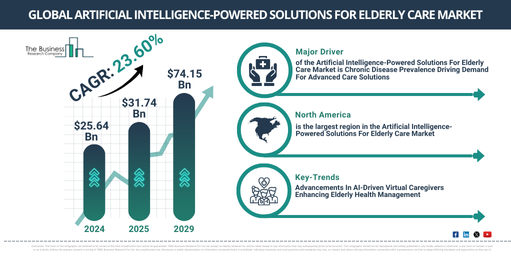
    In recent times, there has been significant growth in the market size of AI-based solutions for elderly care. Projected to rise from $25.64 billion in 2024 to $31.74 billion in 2025, it boasts a compound annual growth rate (CAGR) of 23.8%. Factors contributing to this growth during the historic period include an increase in the global elderly population, a rise in chronic illnesses, a surge in caregiver shortages, an escalating demand for remote health monitoring, a greater inclination towards smart home systems, and an intensified emphasis on improving the quality of life and independence for seniors.

    Expectations are high for the artificial intelligence-enabled elderly care market, with significant expansion predicted in the coming years. It’s anticipated to swell to a hefty $74.15 billion by 2029, with a compound annual growth rate (CAGR) of 23.6%. Factors contributing to this predicted increase during the forecast period include an aging population, increasing rates of chronic illnesses, burgeoning adoption of smart home technology and IoT devices, an emphasis on solutions that support independent living, government-led measures to bolster elder-care infrastructure, and a mounting demand for customized healthcare services. Key trends during this forecast period incorporate natural language processing integration, advancements in technology to prevent falls, predictive health monitoring, voice-enabled smart home integration, AI-powered cognitive therapy tools, robotic caregiving assistants, personalized care adaptive learning algorithms, and improvements in emergency response technologies.

    Download a free sample to assess the report’s scope and structure:

    https://www.thebusinessresearchcompany.com/sample.aspx?id=20715&type=smp

    What Are the Primary Drivers Supporting the Market Growth of the Artificial Intelligence-Powered Solutions For Elderly Care Market?

    The escalating occurrence of long-term health conditions is anticipated to fuel the growth of the AI-powered elderly care market in the future. Chronic diseases such as heart disease and diabetes, which require constant monitoring and significantly affect daily life, are on the rise due to an aging population, lifestyle changes like inadequate physical activity and unhealthy eating habits, as well as increased urbanization. AI-powered elderly care solutions assist in managing these chronic diseases through real-time health tracking, predictive analytics for early intervention, and customized care plans, thus enhancing the outcomes and improving the quality of life for older adults. For instance, data from the World Health Organization, a Switzerland-based intergovernmental organization, showed that in September 2023, 41 million deaths were recorded globally, accounting for 74% of total deaths caused by non-communicable or chronic diseases annually. These include 17.9 million deaths from cardiovascular diseases, 9.3 million deaths from cancer, 4.1 million deaths from chronic respiratory diseases, and 2.0 million deaths from diabetes. Consequently, the escalating occurrence of chronic ailments is fuelling the growth of the AI-powered elderly care market.

    Which Primary Segments of the Artificial Intelligence-Powered Solutions For Elderly Care Market Are Driving Growth and Industry Transformations?

    The artificial intelligence-powered solutions for elderly caremarket covered in this report is segmented –

    1) By Technology: Machine Learning; Natural Language Processing; Robotics; Computer Vision; Other Technology

    2) By Application: Fall Detection And Prevention; Remote Monitoring And Healthcare; Personalized Virtual Assistants; Medication Management; Social Interaction And Companionship; Other Applications

    3) By End Users: Home Care Settings; Assisted Living Facilities; Nursing Homes; Hospitals And Clinics; Other End Users

    Subsegments:

    1) By Machine Learning: Predictive Analytics; Personalized Health Monitoring; Data-Driven Decision Making; Adaptive Learning Systems

    2) By Natural Language Processing (NLP): Voice Assistants; Language Translation For Elderly Communication; Sentiment Analysis For Emotional Well-Being; Speech Recognition For Assistance Devices

    3) By Robotics: Social Companions (Companion Robots); Assistance Robots For Daily Activities; Robotic Prosthetics And Exoskeletons; Autonomous Mobility Robots

    4) By Computer Vision: Fall Detection Systems; Vision-Based Health Monitoring (Eye Health); Gesture Recognition For Communication; Environment Mapping And Navigation

    5) By Other Technology: AI-Powered Wearables; Remote Monitoring Systems; Smart Home Devices Integration; Virtual Reality Therapy

    Request customized data on this market:

    https://www.thebusinessresearchcompany.com/customise?id=20715&type=smp

    Which Regions Are Key Players in the Growth of the #What Are the Primary Drivers Supporting the Market Growth of the Artificial Intelligence-Powered Solutions For Elderly Care Market?# Market?

    North America was the largest region in the artificial intelligence-powered solutions for elderly Care market in 2024. The regions covered in the artificial intelligence-powered solutions for elderly care market report are Asia-Pacific, Western Europe, Eastern Europe, North America, South America, Middle East, Africa.

    What Are the Most Significant Market Trends in the Artificial Intelligence-Powered Solutions For Elderly Care Market?

    Leading firms in the market for AI solutions in elderly care are now concentrating their efforts on creating transformative technologies such as AI-powered virtual caregivers. These technologies provide individualized care, supplement monitoring ability, and enhance the overall quality of life for aging individuals. AI virtual caregivers, which are intelligent digital assistants, can aid in health monitoring, medication reminders, companionship, and emergency responses, primarily assisting seniors retain their self-sufficiency and health. For example, Electronic Caregiver Inc., a United States healthcare technology company, released Addison Care+ in the AWS marketplace in November 2024. Addison Care+ is a cutting-edge AI-powered virtual caregiver designed to transform elder care by improving health management, engagement, and autonomy for the elderly and those dealing with chronic diseases. It offers round-the-clock monitoring of activities, early detection of health issues, and comprehensive insights into care such as medication management and response to emergencies. It is incorporated with AI-powered telecare services, simplifying its implementation nationwide and offers caregivers proactive tools for managing patient health and maximizing the delivery of care.

    View the full report here:

    https://www.thebusinessresearchcompany.com/report/artificial-intelligence-powered-solutions-for-elderly-care-global-market-report

    What Parameters Are Used to Define the Artificial Intelligence-Powered Solutions For Elderly Care Market?

    Artificial intelligence-powered solutions for elderly care refer to the use of advanced artificial intelligence technologies to address the unique needs of elderly individuals, enhancing their health, safety, and quality of life. These solutions leverage machine learning, computer vision, natural language processing, and other AI capabilities to provide personalized, efficient, and proactive care. They can operate across various domains, including healthcare, home assistance, and social engagement.

    Purchase the full report and get a swift delivery:

    https://www.thebusinessresearchcompany.com/purchaseoptions.aspx?id=20715

    About The Business Research Company:

    With over 15000+ reports from 27 industries covering 60+ geographies, The Business Research Company has built a reputation for offering comprehensive, data-rich research and insights. Armed with 1,500,000 datasets, the optimistic contribution of in-depth secondary research, and unique insights from industry leaders, you can get the information you need to stay ahead in the game.

    Get in touch with us:

    The Business Research Company: https://www.thebusinessresearchcompany.com/

    Americas +1 310-496-7795

    Europe +44 7882 955267

    Asia & Others +44 7882 955267 & +91 8897263534

    Email us at info@tbrc.info

    Follow us on:

    LinkedIn: https://in.linkedin.com/company/the-business-research-company

    YouTube: https://www.youtube.com/channel/UC24_fI0rV8cR5DxlCpgmyFQ

    Global Market Model: https://www.thebusinessresearchcompany.com/global-market-model

  • Top Trends Driving Innovation and Change in the Genomic Urine Testing Market: Next-Generation Sequencing Enhances Early Cancer Detection

    Top Trends Driving Innovation and Change in the Genomic Urine Testing Market: Next-Generation Sequencing Enhances Early Cancer Detection

    Claim your 30% discount on Global Market Reports with code ONLINE30. Limited time only.

    What Is the Current and Projected Market Size of the Genomic Urine Testing Market Through 2034?

    The market size for genomic urine testing has seen a swift expansion in the past few years. There will be a significant increase from $0.9 billion in 2024 to $1.01 billion in 2025, with a compound annual growth rate (CAGR) of 11.9%. Factors like the growing occurrence of urologic cancers, the heightened demand for early cancer detection, increased knowledge about precision medicine, the increasing rate of genetic disorders, and enhanced investments in biomarker discovery are responsible for the growth observed in the historic period.

    In the coming years, the size of the genomic urine testing market is projected to experience rapid expansion. It’s expected to reach$1.61 billion by 2029 at a compound annual growth rate (CAGR) of 12.4%. The anticipated growth during the forecast period can be credited to the increasing adoption of liquid biopsy methods, the escalating focus on tailor-made medicine, the swelling burden of chronic kidney ailments, the heightened emphasis on home-based diagnostic testing solutions, and the escalating use of multi-omics techniques in urine testing. The forecast period will also witness major trends like the creation of non-intrusive diagnostic routes, the development of highly sensitive test panels, the integration of machine learning workflows, advancements in urine exosome isolation, and innovations in single-cell urine sequencing.

    Download a free sample to assess the report’s scope and structure:

    https://www.thebusinessresearchcompany.com/sample.aspx?id=23408&type=smp

    What External and Internal Drivers Are Contributing to the Growth of theGenomic Urine Testing Market?

    The escalation in chronic kidney disease cases is predicted to fuel expansion of the genomic urine testing market. The term “chronic kidney disease” implies a situation where the kidneys are impaired and unable to effectively cleanse the blood, causing a waste accumulation and excess fluid. The increasing occurrence of diabetes, which damages the kidney blood vessels due to high blood sugar, elevates the chronic kidney disease burden, undermining the kidney’s waste filtering capability. Genomic urine testing helps manage chronic kidney disease by offering premature detection of genetic markers, enabling prompt interventions and individualized treatment schemes. It improves patients’ prognosis by allowing more precise surveillance and curtailing disease expansion. For instance, the Australian Institute of Health and Welfare, a government agency based in Australia, reported in June 2024 that chronic kidney disease (CKD) mortality rates had escalated by 4.2% in 2021 to 6.2% in 2022. Thus, the mounting burden of chronic kidney disease stimulates the growth of the genomic urine testing market.

    What Segment Types Define the Genomic Urine Testing Market Structure?

    The genomic urine testingmarket covered in this report is segmented –

    1) By Testing Type: Deoxyribonucleic Acid (DNA) Testing; Ribonucleic Acid (RNA) Testing; Microbial Testing; Epigenetic Testing

    2) By Distribution Channel: Hospital Pharmacies; Mail Order Pharmacies; Speciality Pharmacies

    3) By Application: Cancer Diagnosis; Infectious Diseases; Genetic Disorder Screening; Health Monitoring

    4) By End-User: Hospitals And Clinics; Diagnostic Laboratories; Research And Academic Institutions; Other End Users

    Subsegments:

    1) By Deoxyribonucleic Acid Testing: Germline Mutation Analysis; Somatic Mutation Detection; Copy Number Variation (CNV) Testing; Single Nucleotide Polymorphism Analysis

    2) By Ribonucleic Acid Testing: Gene Expression Profiling; Messenger Ribonucleic Acid Analysis; Non-coding Ribonucleic Acid Detection; Fusion Transcript Detection

    3) By Microbial Testing: Urinary Microbiome Profiling; Pathogen Identification; Antimicrobial Resistance Gene Detection; Quantitative Microbial Load Analysis

    4) By Epigenetic Testing: Deoxyribonucleic Acid Methylation Analysis; Histone Modification Profiling; Chromatin Accessibility Testing

    Request customized data on this market:

    https://www.thebusinessresearchcompany.com/customise?id=23408&type=smp

    Which Geographic Areas Hold the Strongest Growth Potential in the Genomic Urine Testing Market?

    North America was the largest region in the genomic urine testing market in 2024. Asia-Pacific is expected to be the fastest-growing region in the forecast period. The regions covered in the genomic urine testing market report are Asia-Pacific, Western Europe, Eastern Europe, North America, South America, Middle East, Africa.

    What Long-Term Trends Are Transforming the Competitive Landscape of the Genomic Urine Testing Market?

    Key players in the genomic urine testing market are focusing on the creation of groundbreaking solutions like next-generation sequencing, to enhance the precision, sensitivity and early identification capabilities of non-invasive diagnostic tests for a variety of ailments. Next-generation sequencing (NGS) is a superior DNA sequencing technology that facilitates quick, precise, and extensive examination of genetic material by simultaneously sequencing millions of DNA fragments. For example, in May 2023, the US-based biotechnology firm, Convergent Genomics Inc., introduced the genomic urine test UroAmp. This test utilizes next-generation DNA sequencing to recognize mutations in 60 genes related to bladder cancer, allowing for early detection, possibly up to 12 years prior to the manifestation of clinical symptoms. This provides comprehensive genetic insights that aid in diagnosis, treatment choices, and tracking recurrence, delivering higher accuracy compared to old-fashioned methods like cytology and cystoscopy.

    View the full report here:

    https://www.thebusinessresearchcompany.com/report/genomic-urine-testing-global-market-report

    What Is the Definition of the Genomic Urine Testing Market?

    Genomic urine testing is a non-invasive diagnostic method that analyzes genetic material present in urine to detect specific biomarkers related to diseases, such as cancer, infections, or genetic disorders. It combines genomics with advanced molecular techniques to identify mutations, gene expression patterns, or microbial deoxyribonucleic acid (DNA). The primary purpose is early detection, monitoring, and personalized treatment planning for various health conditions.

    Purchase the full report and get a swift delivery:

    https://www.thebusinessresearchcompany.com/purchaseoptions.aspx?id=23408

    About The Business Research Company:

    With over 15000+ reports from 27 industries covering 60+ geographies, The Business Research Company has built a reputation for offering comprehensive, data-rich research and insights. Armed with 1,500,000 datasets, the optimistic contribution of in-depth secondary research, and unique insights from industry leaders, you can get the information you need to stay ahead in the game.

    Get in touch with us:

    The Business Research Company: https://www.thebusinessresearchcompany.com/

    Americas +1 310-496-7795

    Europe +44 7882 955267

    Asia & Others +44 7882 955267 & +91 8897263534

    Email us at info@tbrc.info

    Follow us on:

    LinkedIn: https://in.linkedin.com/company/the-business-research-company

    YouTube: https://www.youtube.com/channel/UC24_fI0rV8cR5DxlCpgmyFQ

    Global Market Model: https://www.thebusinessresearchcompany.com/global-market-model

  • Artificial Intelligence (AI) In Aging And Elderly Care Outlook 2034: Key Drivers, Trends, and Market Frontiers

    Artificial Intelligence (AI) In Aging And Elderly Care Outlook 2034: Key Drivers, Trends, and Market Frontiers

    Claim your 30% discount on Global Market Reports with code ONLINE30. Limited time only.

    How Has The Artificial Intelligence (AI) In Aging And Elderly Care Market Growth Evolved From 2024 To 2025, And What’s Ahead?

    In recent times, there’s been a substantial surge in the size of the market for artificial intelligence (AI) utilized in senior care and aging. The market value is set to increase from $43.76 billion in 2024 to touch $54.36 billion in 2025, growing at a compound annual growth rate (CAGR) of 24.2%. Aspects contributing towards this upward historical progression include a surge in the senior citizen demographic, an increase in chronic disease cases, escalating demand for self-sufficient living solutions alongside the rise in development of AI-assisted gadgets. Additionally, the shortage of caregivers and an escalation in funds directed to AI research tackling elder care have also been instrumental.

    The market size for artificial intelligence (AI) focused on aging and elderly care is predicted to undergo significant expansion in the coming years. With a compound annual growth rate (CAGR) of 24.0%, it is projected to reach a staggering $128.61 billion by 2029. This projected growth during the forecast period can be linked to several factors such as the rising incorporation of smart home systems tailored for elderly care, increased adoption of robots in caregiving roles, the growing need for personalized healthcare services, the spread of telehealth and remote monitoring systems, and an upsurge in investment in AI-based wellness initiatives for the elderly. Trends to look out for during this forecast period include the progression of AI-powered assistive technologies, the integration of AI into smart homes, developments in robotic technology, improvements in cloud computing, evolution in natural language processing, advancements in healthcare technology, and the creation of advanced AI algorithms for predictive health analytics.

    Download a free sample to assess the report’s scope and structure:

    https://www.thebusinessresearchcompany.com/sample.aspx?id=20714&type=smp

    How Are Key Drivers in the Industry Acting as Catalysts for the Growth of theArtificial Intelligence (AI) In Aging And Elderly Care Market?

    The artificial intelligence (AI) in aging and elderly care market is anticipated to grow owing to the escalating number of elderly people. This group, typically around 60 or 65 and older, requires specialized care and services due to health and lifestyle-related age issues. Advancements in healthcare leading to longer lives and the decrease in birth rates are contributing to a larger elderly population, which also means fewer younger individuals. AI is revolutionizing aging and elderly care by enhancing healthcare, making accessibility easier, and fostering independence among the older populace. For example, a report published by the Population Reference Bureau, a non-profit organization based in the U.S., suggested that the number of Americans aged 65 and older would increase from 58 million in 2022 to 82 million by 2050, an increment of 47%. Consequently, the share of this age group in the total U.S. population will rise from 17% to 23% over this period. Therefore, the expanding elderly population boosts the artificial intelligence (AI) in aging and elderly care market’s growth.

    Which Segments in the Artificial Intelligence (AI) In Aging And Elderly Care Offer the Most Growth?

    The artificial intelligence (AI) in aging and elderly caremarket covered in this report is segmented –

    1) By Type: Natural Language Processing (NLP) Systems; Robotics And Robotic Assistance; Smart Home Devices And IoT Solutions; Machine Learning And Predictive Analytics; Virtual Health Assistants

    2) By Technology: Wearable Devices; Smart Home Systems; Mobile Apps; Cloud Computing; Internet Of Things (IoT)

    3) By Applications: Fall Detection And Prevention; Medication Management; Remote Health Monitoring; Social Engagement And Companion AI; Cognitive Stimulation And Brain Training

    4) By End User: Home Care Settings; Assisted Living Facilities; Nursing Homes And Long-Term Care Centers; Hospitals And Healthcare Institutions

    Subsegments:

    1) By Natural Language Processing (NLP) Systems: Voice-Activated Assistants; AI-Powered Speech Recognition Systems; NLP for Cognitive Health Monitoring

    2) By Robotics And Robotic Assistance: Elderly Care Robots; Robotic Mobility Assistance Devices; Robotic Companions For Seniors

    3) By Smart Home Devices And IoT Solutions: Smart Sensors (Fall Detection, Monitoring); AI-Enabled Smart Home Automation Systems; Wearable IoT Devices For Health Monitoring

    4) By Machine Learning And Predictive Analytics: AI-Based Health Risk Prediction Models; Machine Learning For Personalized Care Plans; Predictive Analytics For Medication Management

    5) By Virtual Health Assistants: AI-Powered Virtual Care Assistants; Telemedicine Virtual Assistants; Virtual Health Coaching And Support Systems

    Request customized data on this market:

    https://www.thebusinessresearchcompany.com/customise?id=20714&type=smp

    What Are the Fastest-Growing Geographies in the #How Are Key Drivers in the Industry Acting as Catalysts for the Growth of theArtificial Intelligence (AI) In Aging And Elderly Care Market?# Market?

    North America was the largest region in the artificial intelligence (AI) in aging and elderly care market in 2024. Asia-Pacific is expected to be the fastest-growing region in the forecast period. The regions covered in the artificial intelligence (AI) in aging and elderly care market report are Asia-Pacific, Western Europe, Eastern Europe, North America, South America, Middle East, Africa.

    What Are the Current Market Growth and Trends in the Artificial Intelligence (AI) In Aging And Elderly Care Industry?

    Key players in the AI in aging and elderly care market are concentrating on the creation of innovative technologies, like AI-powered virtual caregivers, to offer personalized care, boost monitoring abilities, and enhance the overall life quality for senior citizens. An AI virtual caregiver is a sophisticated digital aide whose purpose is to oversee health, issue medication reminders, provide companionship, and handle emergencies, mainly to assist elderly people in sustaining their independence and wellness. To illustrate, in November 2024, Electronic Caregiver Inc., a company from the US that supplies medical equipment, introduced Addison Care+ to the AWS marketplace. This advanced virtual caregiver, driven by AI, is designed to transform elderly care by improving health management, engagement, and independence for aging individuals and patients dealing with chronic diseases. It offers round-the-clock activity assessment, early detection of health problems, and comprehensive care insights like medication management and emergency responsiveness. By integrating with AI-based telecare procedures, it eases countrywide adaptation by equipping caregivers with proactive tools for supervising client health and optimizing care provision.

    View the full report here:

    https://www.thebusinessresearchcompany.com/report/artificial-intelligence-ai-in-aging-and-elderly-care-global-market-report

    What Are the Key Elements That Define the Artificial Intelligence (AI) In Aging And Elderly Care Market?

    Artificial intelligence (AI) in aging and elderly care refers to the application of artificial intelligence technologies to enhance the health, well-being, and quality of life of aging individuals and elderly populations. This includes AI-driven solutions such as predictive analytics, machine learning, robotics, and smart devices to address various challenges associated with aging. AI enables health monitoring through wearable devices and remote patient systems, assisting with real-time data collection and analysis to ensure timely interventions.

    Purchase the full report and get a swift delivery:

    https://www.thebusinessresearchcompany.com/purchaseoptions.aspx?id=20714

    About The Business Research Company:

    With over 15000+ reports from 27 industries covering 60+ geographies, The Business Research Company has built a reputation for offering comprehensive, data-rich research and insights. Armed with 1,500,000 datasets, the optimistic contribution of in-depth secondary research, and unique insights from industry leaders, you can get the information you need to stay ahead in the game.

    Get in touch with us:

    The Business Research Company: https://www.thebusinessresearchcompany.com/

    Americas +1 310-496-7795

    Europe +44 7882 955267

    Asia & Others +44 7882 955267 & +91 8897263534

    Email us at info@tbrc.info

    Follow us on:

    LinkedIn: https://in.linkedin.com/company/the-business-research-company

    YouTube: https://www.youtube.com/channel/UC24_fI0rV8cR5DxlCpgmyFQ

    Global Market Model: https://www.thebusinessresearchcompany.com/global-market-model

  • Strong CAGR to Propel in the Type 1 Diabetes Market and Beyond upto $22.43 Billion by 2029

    Strong CAGR to Propel in the Type 1 Diabetes Market and Beyond upto $22.43 Billion by 2029

    Claim your 30% discount on Global Market Reports with code ONLINE30. Limited time only.

    What Is the Estimated Market Size of the Type 1 Diabetes Market In 2029?

    The market size for type 1 diabetes has seen a swift expansion in the preceding years. It is anticipated to escalate from $11.82 billion in 2024 to $13.5 billion in 2025, with a compound annual growth rate (CAGR) of 14.2%. This substantial growth over the historic period can be ascribed to the amplified demand for potent treatments, increased public cognizance of type 1 diabetes, expansion in funding for medication development, and a worldwide increase in healthcare expenditures.

    In the coming years, the market size for type 1 diabetes is projected to experience swift growth, escalating to$22.43 billion by the year 2029 with a compound annual growth rate (CAGR) of 13.5%. Factors prompting this growth during the predicted period include the heightened awareness about early diabetes screenings, a rising preference for home-care environments, growing research into improved drug options, and an escalating consciousness regarding the intake of nutritional products. Noteworthy trends within the forecast period encompass the development of superior insulin formulations, breakthroughs in medication and treatments, the innovation of artificial pancreas systems, and approaches tailored towards personalized medicine.

    Download a free sample to assess the report’s scope and structure:

    https://www.thebusinessresearchcompany.com/sample.aspx?id=12872&type=smp

    Which Primay Drivers Are Accelerating Growth in the Type 1 Diabetes Market?

    The escalating actions taken by governments to tackle diabetes are projected to fuel the expansion of the type 1 diabetes market in the future. These initiatives were implemented by government bodies to address specific issues, achieve targets, or effectuate positive transformations in various aspects of the community. Leading government authorities are rolling out numerous measures to fight diabetes, including type 1 diabetes, with a view to lowering diabetes risk and ensuring that everyone diagnosed with diabetes receives fair, holistic, affordable, and high-quality care and treatment. For example, in July 2023, the Canadian government partnered with JDRF Canada, a Canada-based charity, which invested $33 million in 12 research projects aimed at preventing, identifying, managing and treating diabetes. This fund will also back a national screening research consortium, bringing together specialists and individuals affected by diabetes to promote early-stage, pre-symptomatic type 1 diabetes screening in Canada. Thus, the escalating government measures to tackle diabetes are fostering the expansion of the type 1 diabetes market.

    Which Primary Segments of the Type 1 Diabetes Market Are Driving Growth and Industry Transformations?

    The type 1 diabetesmarket covered in this report is segmented –

    1) By Product Type: Rapid Acting Insulin Analogs; Long-Acting Insulin Analogs; Premix Insulin Analogs; Others Product Types

    2) By Device: Insulin Pump; Insulin Pen; Blood Glucose Meter

    3) By Application: Childrens; Adults

    4) By End-User: Hospital; Research Institutes; Home Care

    Subsegments:

    1) By Rapid Acting Insulin Analogs: Insulin Lispro; Insulin Aspart; Insulin Glulisine

    2) By Long-Acting Insulin Analogs: Insulin Detemir; Insulin Glargine; Insulin Degludec

    3) By Premix Insulin Analogs: Premixed Insulin Lispro; Premixed Insulin Aspart; Premixed Insulin Glargine

    4) By Other Product Types: Insulin Pumps; Continuous Glucose Monitoring Systems; Non-Insulin Medications; Combination Therapies

    Request customized data on this market:

    https://www.thebusinessresearchcompany.com/customise?id=12872&type=smp

    Which Regions Are Key Players in the Growth of the #Which Primay Drivers Are Accelerating Growth in the Type 1 Diabetes Market?# Market?

    North America was the largest region in the type 1 diabetes market in 2024. The regions covered in type 1 diabetes market report are Asia-Pacific, Western Europe, Eastern Europe, North America, South America, Middle East and Africa.

    Which Technological Trends Are Reshaping the Type 1 Diabetes Industry Dynamics?

    Leading firms in the type 1 diabetes market are striving to maintain market dominance by developing advanced technological solutions such as SmartGuard technology. This technology aids diabetics who might fear hypoglycemia or are unaware of it. For example, in March 2022, Medtronic PLC, a company based in Ireland that specializes in medical technology, services, and solutions, introduced the MiniMed 780G system equipped with enhanced SmartGuard technology. This innovative product represents the next level in closed-loop insulin pump systems, making the management of type 1 diabetes more straightforward. Every five minutes, the system automates the deliverance of basal insulin and correction boluses, enabling diabetics to more easily avoid high and low fluctuations. Furthermore, this system allows patients to decrease variability and maintain glucose levels within specific parameters, leading to a lifestyle closer to normality and improved clinical results.

    View the full report here:

    https://www.thebusinessresearchcompany.com/report/type-1-diabetes-global-market-report

    What Parameters Are Used to Define the Type 1 Diabetes Market?

    Type 1 diabetes, also known as juvenile diabetes or insulin-dependent diabetes, is a chronic disease that affects the body’s ability to regulate blood sugar levels. It is caused by the immune system mistakenly attacking the beta cells in the pancreas that produce insulin.

    Purchase the full report and get a swift delivery:

    https://www.thebusinessresearchcompany.com/purchaseoptions.aspx?id=12872

    About The Business Research Company:

    With over 15000+ reports from 27 industries covering 60+ geographies, The Business Research Company has built a reputation for offering comprehensive, data-rich research and insights. Armed with 1,500,000 datasets, the optimistic contribution of in-depth secondary research, and unique insights from industry leaders, you can get the information you need to stay ahead in the game.

    Get in touch with us:

    The Business Research Company: https://www.thebusinessresearchcompany.com/

    Americas +1 310-496-7795

    Europe +44 7882 955267

    Asia & Others +44 7882 955267 & +91 8897263534

    Email us at info@tbrc.info

    Follow us on:

    LinkedIn: https://in.linkedin.com/company/the-business-research-company

    YouTube: https://www.youtube.com/channel/UC24_fI0rV8cR5DxlCpgmyFQ

    Global Market Model: https://www.thebusinessresearchcompany.com/global-market-model

  • Global Anemia In Elderly Market Trends: Regional Breakdowns and Strategic Insights

    Global Anemia In Elderly Market Trends: Regional Breakdowns and Strategic Insights

    Claim your 30% discount on Global Market Reports with code ONLINE30. Limited time only.

    What is the Projected CAGR for the Anemia In Elderly Market Size from 2025 to 2034?

    The market for anemia in the elderly has witnessed substantial growth in the past few years. The market size, which stands at $2.75 billion in 2024, is projected to hit $2.99 billion in 2025, reflecting a Compound Annual Growth Rate (CAGR) of 8.8%. Factors driving the growth during the historical period include nutritional deficiencies, chronic illnesses, inflammation, bone marrow disorders, and blood loss.

    The market size for anemia in the elderly is anticipated to witness robust expansion in the upcoming years, where it is projected to reach a value of$4.22 billion by 2029, proliferating at a compound annual growth rate (CAGR) of 9.0%. The growth predicted in this period can be ascribed to factors such as an increasing elderly populace, heightened incidence of chronic illnesses, advancement in diagnostic technologies, rising cognizance about health care, and enhanced treatment accessibility. Noteworthy trends for the forecasting period embody AI-enabled diagnostics, wearable health tracking devices, sophisticated blood examination tools, integration of telehealth, and tailored medical treatment solutions.

    Download a free sample to assess the report’s scope and structure:

    https://www.thebusinessresearchcompany.com/sample.aspx?id=20711&type=smp

    What Are the Major Market Drivers Behind the Rising Adoption of Anemia In Elderly Market?

    The anemia in the elderly market is projected to expand due to the increasing number of elderly individuals. This demographic, composed of people aged 65 and above, is growing in size on both a societal and global level, thanks to factors such as longer lifespan, lower birth rates, and the aging of sizable demographic groups. As the elderly population grows, so does the occurrence of age-related and chronic conditions, including anemia. This increase in incidence necessitates higher demand for anemia diagnosis, management, and treatment, thereby accelerating market growth. For example, data from the Office for National Statistics (ONS), a UK governmental organization, showed in July 2024 that the number of people aged 65 and over in the UK grew from 11 million in 2021 to 12.7 million in 2022. Consequently, the rise of the elderly population is fueling the expansion of the anemia in elderly market.

    Which Key Market Segments Comprise the Anemia In Elderly Market and Drive Its Revenue Growth?

    The anemia in elderlymarket covered in this report is segmented –

    1) By Product Type: Tablets, Injectable

    2) By Treatment: Iron Supplements, Erythropoietin Or Erythrocyte-Stimulating Agents, Vitamin B12 Supplements, Folic Acid Supplements

    3) By Route Of Administration: Oral, Parenteral

    4) By End User: Hospital pharmacy, Online Pharmacy, Retail pharmacy

    Subsegments:

    1) By Tablets: Iron Supplements; Vitamin B12 Supplements; Folic Acid Tablets; Erythropoiesis-Stimulating Agents (ESAs) Tablets

    2) By Injectable: Iron Injections; Vitamin B12 Injections; Erythropoiesis-Stimulating Agents (ESAs) Injections; Folic Acid Injections

    Request customized data on this market:

    https://www.thebusinessresearchcompany.com/customise?id=20711&type=smp

    Which Areas Are Leading Regions in the Anemia In Elderly Market Expansion Across the Globe?

    North America was the largest region in the anemia in elderly market in 2024. Asia-Pacific is expected to be the fastest-growing region in the forecast period. The regions covered in the anemia in elderly market report are Asia-Pacific, Western Europe, Eastern Europe, North America, South America, Middle East, Africa.

    What Are the Strategic Trends Steering theAnemia In Elderly Market Direction?

    Top firms in the market for anemia in the elderly are putting emphasis on technological progress including personalized therapies. These efforts are aimed at making treatments more efficient, improving patient recovery rates, lessening side effects, and advancing the overall effectiveness of healthcare. Personalized treatments are tailored to the individual needs of every patient. For example, Cadila Pharmaceuticals, a company based in India, revealed the introduction of a new iron injection called Redshot FCM in March 2024. This is specially designed for those patients suffering from iron deficiency anemia who cannot tolerate oral iron. An intravenous iron supplement, it ensures sufficient iron levels and maintains an impressive safety standard. This injection uses an advanced Ferric Carboxymaltose recipe to enhance iron delivery and absorption. Redshot FCM exemplifies the firm’s dedication to healthcare improvement by crafting personalized treatments considering unique patient profiles, and it promises improved treatment results for iron deficiency anemia.

    View the full report here:

    https://www.thebusinessresearchcompany.com/report/anemia-in-elderly-global-market-report

    How Is the Anemia In Elderly Market Conceptually Defined?

    Anemia in the elderly refers to a condition characterized by a reduction in the number of red blood cells (RBCs) or hemoglobin levels below the normal range, leading to diminished oxygen-carrying capacity of the blood in older adults (commonly defined as individuals aged 65 years and older). It is often caused by nutritional deficiencies, chronic diseases, or age-related changes in the body.

    Purchase the full report and get a swift delivery:

    https://www.thebusinessresearchcompany.com/purchaseoptions.aspx?id=20711

    About The Business Research Company:

    With over 15000+ reports from 27 industries covering 60+ geographies, The Business Research Company has built a reputation for offering comprehensive, data-rich research and insights. Armed with 1,500,000 datasets, the optimistic contribution of in-depth secondary research, and unique insights from industry leaders, you can get the information you need to stay ahead in the game.

    Get in touch with us:

    The Business Research Company: https://www.thebusinessresearchcompany.com/

    Americas +1 310-496-7795

    Europe +44 7882 955267

    Asia & Others +44 7882 955267 & +91 8897263534

    Email us at info@tbrc.info

    Follow us on:

    LinkedIn: https://in.linkedin.com/company/the-business-research-company

    YouTube: https://www.youtube.com/channel/UC24_fI0rV8cR5DxlCpgmyFQ

    Global Market Model: https://www.thebusinessresearchcompany.com/global-market-model

  • Emerging Trends Redefining the Extreme Lateral Interbody Fusion (XLIF) Surgery  Market Landscape: Advancements In Therapeutic Approaches Driving Improved Patient Outcomes

    Emerging Trends Redefining the Extreme Lateral Interbody Fusion (XLIF) Surgery  Market Landscape: Advancements In Therapeutic Approaches Driving Improved Patient Outcomes

    Claim your 30% discount on Global Market Reports with code ONLINE30. Limited time only.

    What is the Anticipated CAGR of the Familial Adenomatous Polyposis Treatment Market, and What Factors Will Drive It?

    Over the past few years, the market size for familial adenomatous polyposis treatment has expanded at an impressive pace. It is projected to balloon from $1.34 billion in 2024 to a staggering $1.5 billion in 2025, boasting a compound annual growth rate (CAGR) of 11.6%. The significant growth witnessed in the historic period is mainly due to the mounting prevalence of familial adenomatous polyposis, the overconsumption of tobacco, an upward trend of genetic disorders, escalating health consciousness and legal measures, and the surge of sedentary lifestyle instances.

    The market size of treatment for familial adenomatous polyposis is projected to experience dynamic growth in the forthcoming years. It’s anticipated to reach$2.29 billion in 2029, growing at a compound annual growth rate (CAGR) of 11.2%. The advancement predicted within this forecast period can be linked to the growing utilization of gene therapy, increased need for potent treatment options, heightened awareness about genetic ailments, the expansion of health care infrastructures, and a surge in the demand for genetic counseling and testing. The forthcoming period also anticipates key trends like the evolution in treatment methods, progression in genetic research, utilization of novel techniques, incorporation of comprehensive care models, and growing trend of personalized medicine practices.

    Download a free sample to assess the report’s scope and structure:

    https://www.thebusinessresearchcompany.com/sample.aspx?id=23396&type=smp

    What Are the Core Market Drivers Propelling Growth in the Familial Adenomatous Polyposis Treatment Industry?

    The expanding expenditure on healthcare is expected to boost the familial adenomatous polyposis (FAP) treatment market’s progress. The overall outlay on health-related infrastructure, treatments, drugs, and medical services by individuals, governments, and private organizations aimed at enhancing and maintaining health outcomes constitutes healthcare expenses. The escalation in healthcare expenditure is spurred by an aging demographic and advancements in medical technology. As longevity increases, more senior individuals require persistent disease management, regular medical intervention, and long-term care, resulting in escalated healthcare expenses. This increase in health expenses facilitates research and development in the FAP treatment field, leading to progress in early detection, disease management, genetic testing, targeted therapies, and non-invasive procedures improving patient outcomes. For example, in December 2024, Medicare spending in the US escalated by 8.1%, reaching $1,029.8 billion, contributing to 21% of the total national health expenditures (NHE), based on the data provided by the US-based federal agency, Centers for Medicare & Medicaid Services. Hence, the growth of the FAP treatment market is being propelled by the expanded healthcare expenditure.

    How Is the Familial Adenomatous Polyposis Treatment Market Segmented?

    The familial adenomatous polyposis treatmentmarket covered in this report is segmented –

    1) By Product Type: Icosapent; Eflornithine Hydrochloride; Aspirin; Cetuximab Oral Formulation (CEQ)-508; Other Product Types

    2) By Disease Subtype: Attenuated FAP; Familial Adenomatous Polyposis; Gardner Syndrome; Turcot Syndrome

    3) By Symptoms: Bloody Stool; Unexplained Diarrhea; Abdominal Cramps; Bloating ; Weight Loss; Lethargy And Vomiting

    4) By Application: Colorectal Cancer Prevention; Genetic Counseling; Surgical Treatment

    5) By End-Users: Clinics; Hospitals; Diagnostic Centres; Home Healthcare; Other End-Users

    Subsegments:

    1) By Icosapent: High-Purity Icosapent; Combination Formulations; Extended-Release Icosapent

    2) By Eflornithine Hydrochloride: Oral Eflornithine Hydrochloride; Topical Eflornithine Hydrochloride; Intravenous Eflornithine Hydrochloride

    3) By Aspirin: Low-Dose Aspirin Therapy; Enteric-Coated Aspirin; Buffered Aspirin

    4) By CEQ-508: Monotherapy CEQ-508; Adjunctive CEQ-508 Therapy; Targeted CEQ-508 Formulations

    5) By Other Product Types: Genetic Testing Kits And Biomarkers; Endoscopic Surveillance Devices; Surgical Instruments And Medical Implants; Probiotics And Microbiome Modulators; Bowel Preparation Solutions; Dietary Supplements And Nutraceuticals; Radiofrequency Ablation (RFA) Devices; Cryotherapy And Laser Therapy Systems; Artificial Intelligence (AI)-Assisted Diagnostic Tools; Patient Monitoring And Digital Health Solutions

    Request customized data on this market:

    https://www.thebusinessresearchcompany.com/customise?id=23396&type=smp

    Which Regions Are Driving the Next Phase of the Familial Adenomatous Polyposis Treatment Market Growth?

    North America was the largest region in the familial adenomatous polyposis (FAP) treatment market in 2024. Asia-Pacific is expected to be the fastest-growing region in the forecast period. The regions covered in the familial adenomatous polyposis treatment market report are Asia-Pacific, Western Europe, Eastern Europe, North America, South America, Middle East, Africa.

    What Key Market Trends and Innovations Are Shaping the Future of the Familial Adenomatous Polyposis Treatment Industry?

    Leading businesses in the Familial Adenomatous Polyposis (FAP) treatment market are pushing the boundaries with their therapeutic strategies to improve patient outcomes and provide innovative solutions. This includes introducing new drug compositions and specific therapies aimed at reducing the formation of polyps and curbing the progression of the disease. As an example, in June 2024, Biodexa Pharmaceuticals PLC, a British biopharmaceutical enterprise, reported promising results from its Phase 2 clinical study of eRapa for FAP treatment. The study revealed a non-progression rate of 75% and a median reduction in polyp accrual of 17% over a year. An even higher non-progression rate of 81% and a 29% reduction in polyps was recorded among participants in Cohort 2, when given a specific dosage. The treatment exhibited high tolerance levels, with a compliance rate of 95%. These encouraging findings paved the way for a Phase 3 trial involving approximately 168 high-risk FAP patients, potentially transitioning the standard treatment method from surgical procedures to efficient medical therapy.

    View the full report here:

    https://www.thebusinessresearchcompany.com/report/familial-adenomatous-polyposis-treatment-global-market-report

    How Is the Familial Adenomatous Polyposis Treatment Market Defined and What Are Its Core Parameters?

    Familial adenomatous polyposis (FAP) treatment refers to medical and surgical approaches used to manage FAP, a genetic condition characterized by the development of numerous precancerous polyps in the colon and rectum. The primary goal of treatment is to prevent colorectal cancer, which almost inevitably develops if left untreated.

    Purchase the full report and get a swift delivery:

    https://www.thebusinessresearchcompany.com/purchaseoptions.aspx?id=23396

    About The Business Research Company:

    With over 15000+ reports from 27 industries covering 60+ geographies, The Business Research Company has built a reputation for offering comprehensive, data-rich research and insights. Armed with 1,500,000 datasets, the optimistic contribution of in-depth secondary research, and unique insights from industry leaders, you can get the information you need to stay ahead in the game.

    Get in touch with us:

    The Business Research Company: https://www.thebusinessresearchcompany.com/

    Americas +1 310-496-7795

    Europe +44 7882 955267

    Asia & Others +44 7882 955267 & +91 8897263534

    Email us at info@tbrc.info

    Follow us on:

    LinkedIn: https://in.linkedin.com/company/the-business-research-company

    YouTube: https://www.youtube.com/channel/UC24_fI0rV8cR5DxlCpgmyFQ

    Global Market Model: https://www.thebusinessresearchcompany.com/global-market-model

  • Traumatic Brain Injury Market Valuation Expected To Reach $4.17 Billion By 2029, Growing At A Rate Of 9%

    Traumatic Brain Injury Market Valuation Expected To Reach $4.17 Billion By 2029, Growing At A Rate Of 9%

    Claim your 30% discount on Global Market Reports with code ONLINE30. Limited time only.

    How Fast Is The Traumatic Brain Injury Market Expected to Grow Between 2025 And 2029?

    In the past few years, the market size for traumatic brain injury has seen robust growth. It is projected to expand from $2.72 billion in 2024 to $2.96 billion in 2025, showing a compound annual growth rate (CAGR) of 8.6%. The growth during the historical period is ascribed to better trauma care, innovative rehabilitation treatments, an increased awareness of concussions, as well as research in the military and sports sectors.

    In the upcoming years, a noticeable surge is anticipated in the market size of traumatic brain injury, escalating to around$4.17 billion in 2029 with a compound annual growth rate (CAGR) of 9.0%. The expected growth during the forecast period can be credited to factors such as neuroprotective agents, development in telemedicine and remote monitoring, tailored treatment programs, and research in neuroinflammation. The key trends projected for the forecast period involve progress in neurorehabilitation, management of mild traumatic brain injury and concussion, research in biomarkers and imaging, and cognitive and emotional support.

    Download a free sample to assess the report’s scope and structure:

    https://www.thebusinessresearchcompany.com/sample.aspx?id=13049&type=smp

    Which Factors and External Forces Are Driving Demand in the Traumatic Brain Injury Market?

    The traumatic brain injury market is predicted to expand due to the escalating cases of road injuries. Any physical damage incurred on roads, streets, highways or other transit paths is classified as road injuries. Often road accidents result in traumatic brain injuries, which present a broad spectrum of physical and mental challenges to the people affected. Treatment for traumatic brain injuries (TBI) is beneficial for patients suffering from brain injuries due to unexpected road accidents, as it supports better physical recovery, minimizes complications and boosts cognitive performance. To illustrate, a report issued by the U.S. Department of Transportation, a government department based in the U.S., in November 2024 said that in 2022, there were 42,514 road fatalities in the U.S., marking a rise of above 10% compared to 2020. Hence, escalating road injuries are fuelling the expansion of the traumatic brain injury market.

    Which Segments in the Traumatic Brain Injury Offer the Most Growth?

    The traumatic brain injurymarket covered in this report is segmented –

    1) By Device: Computed Tomography; X-Ray; Imaging Devices; Magnetic Resonance Imaging Devices; Monitoring Devices; Other Devices

    2) By Technique: Intracranial Pressure (ICP) Monitoring; Partial Pressure Of Oxygen In Brain Tissue (PbrO2)

    3) By End-Use: Diagnostic Centers; Hospitals; Other End-Uses

    Subsegments:

    1) By Computed Tomography: Standard CT Scans; CT Angiography

    2) By X-Ray: Skull X-Ray; Cervical X-Ray

    3) By Imaging Devices: Ultrasound Imaging; PET Scans

    4) By Magnetic Resonance Imaging Devices: Closed MRI; Open MRI

    5) By Monitoring Devices: Intracranial Pressure Monitors; EEG Monitors

    6) By Other Devices: Neuropsychological Testing Devices; Portable Brain Injury Assessment Devices

    Request customized data on this market:

    https://www.thebusinessresearchcompany.com/customise?id=13049&type=smp

    What Are the Fastest-Growing Geographies in the #Which Factors and External Forces Are Driving Demand in the Traumatic Brain Injury Market?# Market?

    North America was the largest region in the traumatic brain injury market in 2024. Asia-Pacific is expected to be the fastest-growing region in the forecast period. The regions covered in traumatic brain injury market report are Asia-Pacific, Western Europe, Eastern Europe, North America, South America, Middle East and Africa.

    Which Cutting-Edge Market Trends Are Expected to Drive theTraumatic Brain Injury Market’s Growth?

    Leading corporations active in the traumatic brain injury market are forging ahead with the development of novel treatments and examinations, such as the VIDAS TBI (GFAP, UCH-L1), in order to adapt to evolving consumer requirements. The landscape of therapies and testing for traumatic brain injury (TBI) sees constant innovation and investigation to enhance outcomes and elevate the quality of life for those impacted by TBI. For example, in October 2023, bioMérieux, a firm from France specialising in in-vitro diagnostics, unveiled the VIDAS TBI (GFAP, UCH-L1), a blood test designed to assist the evaluation of patients suffering from mild traumatic brain injury (mTBI), underscored by the unique pairing of brain biomarkers: GFAP and UCH-L1. This precise tool aims to cut down on superfluous head Computed Tomography (CT) scans administered to mTBI patients and mitigate the overcrowding in Emergency Departments (ED), by effectively predicting the lack of acute intracranial lesions (ICL) after a head injury.

    View the full report here:

    https://www.thebusinessresearchcompany.com/report/traumatic-brain-injury-global-market-report

    What Are the Key Elements That Define the Traumatic Brain Injury Market?

    Traumatic brain injury (TBI) is a type of injury that occurs due to a sudden and external force applied to the head, causing brain damage. The common causes of traumatic brain injuries include falls, automobile accidents, sports-related injuries and violence or military combat incidents. Treating traumatic brain injuries involves a multidisciplinary approach, including medical interventions, rehabilitation and cognitive therapy.

    Purchase the full report and get a swift delivery:

    https://www.thebusinessresearchcompany.com/purchaseoptions.aspx?id=13049

    About The Business Research Company:

    With over 15000+ reports from 27 industries covering 60+ geographies, The Business Research Company has built a reputation for offering comprehensive, data-rich research and insights. Armed with 1,500,000 datasets, the optimistic contribution of in-depth secondary research, and unique insights from industry leaders, you can get the information you need to stay ahead in the game.

    Get in touch with us:

    The Business Research Company: https://www.thebusinessresearchcompany.com/

    Americas +1 310-496-7795

    Europe +44 7882 955267

    Asia & Others +44 7882 955267 & +91 8897263534

    Email us at info@tbrc.info

    Follow us on:

    LinkedIn: https://in.linkedin.com/company/the-business-research-company

    YouTube: https://www.youtube.com/channel/UC24_fI0rV8cR5DxlCpgmyFQ

    Global Market Model: https://www.thebusinessresearchcompany.com/global-market-model
  • AL Amyloidosis Market Outlook 2025: Mapping Growth, Innovation, and Regional Shifts

    AL Amyloidosis Market Outlook 2025: Mapping Growth, Innovation, and Regional Shifts

    Claim your 30% discount on Global Market Reports with code ONLINE30. Limited time only.

    What Is the Current and Projected Market Size of the AL Amyloidosis Market Through 2034?

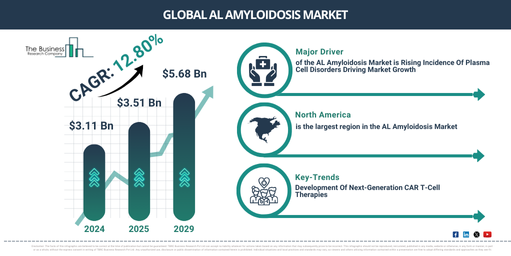
    The market size for al amyloidosis has experienced significant growth in the past few years. Anticipated to escalate from $3.11 billion in 2024 to $3.51 billion in 2025, with a compound annual growth rate (CAGR) of 12.9%. Factors contributing to this growth encompass enhanced understanding of al amyloidosis amongst healthcare providers, increased occurrence of al amyloidosis, a growing elderly population, the expansion of diagnostic centers, and advancements in cardiac imaging.

    The market size of al amyloidosis is anticipated to experience swift expansion in the upcoming years. It is projected to increase to$5.68 billion by 2029, with a Compound Annual Growth Rate (CAGR) of 12.8%. Factors contributing to this growth in the predicted timeframe include an elevated rate of DNA mutations in blood cells, enhancements in healthcare infrastructure, a rising incidence of multiple myeloma, the implementation of combination therapies, and an increased utilization of high-dose chemotherapy. Noteworthy trends anticipated during this forecast period consist of improvements in diagnostic protocols, forward strides in drug delivery technology, breakthroughs in blood tests, the emergence of targeted therapies, and the integration of Artificial Intelligence (AI) into diagnosis procedures.

    Download a free sample to assess the report’s scope and structure:

    https://www.thebusinessresearchcompany.com/sample.aspx?id=20710&type=smp

    What External and Internal Drivers Are Contributing to the Growth of theAL Amyloidosis Market?

    The growth of the AL amyloidosis market is anticipated to be driven by the increasing prevalence of plasma cell disorders. Such conditions are characterized by the excessive production of abnormal antibodies by abnormal plasma cells, potentially resulting in organ damage. The escalating prevalence of plasma cell disorders is linked to factors like an aging demographic, enhanced lifespan, and progress in diagnostic technologies. AL amyloidosis, a condition resulting from plasma cell disorders, specifically involves the overproduction of abnormal light chain proteins leading to the build-up of amyloid deposits in organs and tissues, which further heighten the effects of plasma cell dyscrasias. For instance, the American Cancer Society (ACS), a US nonprofit organization, reported in August 2024, that approximately 35,780 new cases of multiple myeloma are expected in 2024 – 19,520 in men and 16,260 in women, and it’s projected that there will be around 12,540 deaths, with 7,020 in men and 5,520 in women. Thus, the increasing prevalence of plasma cell disorders is fuelling the expansion of the AL amyloidosis market.

    What Segment Types Define the AL Amyloidosis Market Structure?

    The al amyloidosismarket covered in this report is segmented –

    1) By Treatment: Chemotherapy; Supportive Care; Surgery; Stem Cell Transplant; Targeted Therapy

    2) By Drugs: Transthyretin Transport Inhibitor; Immunomodulatory Drugs; Monoclonal Antibodies; Proteasome Inhibitors; Other Drugs

    3) By Route Of Administration: Intravenous; Oral

    4) By Distribution Channel: Hospital Pharmacies; Retail Pharmacies; Online Pharmacies

    Subsegments:

    1) By Chemotherapy: Conventional Chemotherapy Agents; High-Dose Chemotherapy

    2) By Supportive Care: Pain Management; Organ-specific Supportive Care (Cardiac, Renal)

    3) By Surgery: Organ Transplantation; Debulking Surgery

    4) By Stem Cell Transplant: Autologous Stem Cell Transplant; Allogeneic Stem Cell Transplant

    5) By Targeted Therapy: Monoclonal Antibodies; Proteasome Inhibitors; Kinase Inhibitors

    Request customized data on this market:

    https://www.thebusinessresearchcompany.com/customise?id=20710&type=smp

    Which Geographic Areas Hold the Strongest Growth Potential in the AL Amyloidosis Market?

    North America was the largest region in the AL amyloidosis market in 2024. The regions covered in the AL amyloidosis market report are Asia-Pacific, Western Europe, Eastern Europe, North America, South America, Middle East, Africa.

    What Long-Term Trends Are Transforming the Competitive Landscape of the AL Amyloidosis Market?

    Leading businesses in the AL amyloidosis market are prioritizing the development of groundbreaking therapies such as next-gen B-cell maturation antigen (BCMA)-oriented CAR T-cell therapy to boost treatment effectiveness and patient results. The term next-gen BCMA-directed CAR T-cell therapy pertains to a sophisticated type of immunotherapy which involves modifying a patient’s T cells to concentrate on and attack BCMA present on cancer cells, particularly in multiple myeloma. For example, in September 2023, the U.S. Food and Drug Administration (FDA) granted approval to the US-based biopharma company, Immix Biopharma Inc., for NXC-201, intended for the treatment of the severe blood condition, Amyloid Light Chain (AL) Amyloidosis. NXC-201, a next-gen CAR-T cell therapy, is under clinical trials for the cure of amyloid light chain (AL) amyloidosis; it has demonstrated encouraging results with a 100% hematologic response rate and improvements in the organs in patients who were unresponsive to previous treatments.

    View the full report here:

    https://www.thebusinessresearchcompany.com/report/al-amyloidosis-global-market-report

    What Is the Definition of the AL Amyloidosis Market?

    AL Amyloidosis is a rare and serious condition where abnormal proteins, called light chains, are produced by plasma cells in the bone marrow. These light chains misfold and form amyloid fibrils, which then deposit in various organs and tissues, impairing their function. Commonly affected organs include the heart, kidneys, liver, and nervous system. Symptoms vary depending on the organs involved but may include fatigue, swelling, shortness of breath, numbness, and organ dysfunction.

    Purchase the full report and get a swift delivery:

    https://www.thebusinessresearchcompany.com/purchaseoptions.aspx?id=20710

    About The Business Research Company:

    With over 15000+ reports from 27 industries covering 60+ geographies, The Business Research Company has built a reputation for offering comprehensive, data-rich research and insights. Armed with 1,500,000 datasets, the optimistic contribution of in-depth secondary research, and unique insights from industry leaders, you can get the information you need to stay ahead in the game.

    Get in touch with us:

    The Business Research Company: https://www.thebusinessresearchcompany.com/

    Americas +1 310-496-7795

    Europe +44 7882 955267

    Asia & Others +44 7882 955267 & +91 8897263534

    Email us at info@tbrc.info

    Follow us on:

    LinkedIn: https://in.linkedin.com/company/the-business-research-company

    YouTube: https://www.youtube.com/channel/UC24_fI0rV8cR5DxlCpgmyFQ

    Global Market Model: https://www.thebusinessresearchcompany.com/global-market-model