Month: August 2025

  • Cutaneous Squamous Cell Carcinoma (cSCC) Market Forecast 2025–2034: Trends Reshaping Demand, Investment, and Innovation

    Cutaneous Squamous Cell Carcinoma (cSCC) Market Forecast 2025–2034: Trends Reshaping Demand, Investment, and Innovation

    Claim your 30% discount on Global Market Reports with code ONLINE30. Limited time only.

    What is the Anticipated CAGR of the Cutaneous T-Cell Lymphoma Market, and What Factors Will Drive It?

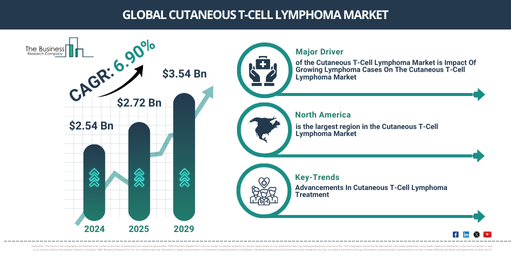
    Recent years have seen a robust growth of the cutaneous t-cell lymphoma market. The market is projected to expand from $2.54 billion in 2024 to $2.72 billion in 2025, with a compound annual growth rate (CAGR) of 7.1%. Factors contributing to this growth during the historic period include the rising occurrence of cutaneous T-cell lymphoma, heightened awareness about rare cancers, an increasing older population, the provision of targeted treatments, and comprehensive care services.

    Forecasted to see a robust growth in the coming years, the market size for cutaneous t-cell lymphoma is set to reach $3.54 billion by 2029, expanding at a compound annual growth rate (CAGR) of 6.9%. This projected expansion during the forecast period is due to factors such as increased healthcare spending, a greater emphasis on the development of orphan drugs, more advanced diagnostic capabilities, burgeoning initiatives for patient support, and a surge in approvals for combination therapy. Other key trends expected during this timeframe consist of a shift toward individualized medicine, the introduction of biosimilars, growth in clinical trials, enhanced collaboration between market players, and the increasing acceptance of telemedicine platforms.

    Download a free sample to assess the report’s scope and structure:

    https://www.thebusinessresearchcompany.com/sample.aspx?id=21164&type=smp

    What Are the Primary Drivers Supporting the Market Growth of the Cutaneous T-Cell Lymphoma Market?

    The increase in lymphoma cases, a type of cancer originating from lymphocytes or white blood cells in the lymphatic system, is set to boost the progress of the cutaneous T-cell lymphoma market. The surge in cases is linked to factors including aging populations, exposure to certain environmental elements, and genetic predispositions. Cutaneous T-cell lymphoma facilitates lymphoma cases by offering a distinct diagnosis and treatment plan for patients whose lymphoma primarily appears on the skin. This distinguishes it from other lymphoma types and aids in directing targeted therapies. For example, a 2024 article from the American Cancer Society, a non-profit organization committed to cancer eradication, stated that in 2022, around 553,000 new cases of non-Hodgkin lymphoma, as well as 250,000 corresponding deaths, were identified, along with 84,000 Hodgkin lymphoma cases and 22,000 associated deaths. Non-Hodgkin lymphoma is considered the 10th most frequently diagnosed cancer and the 11th leading cause of cancer-related deaths globally. As such, the escalating burden of lymphoma cases propels the cutaneous T-cell lymphoma market.

    Which Primary Segments of the Cutaneous T-Cell Lymphoma Market Are Driving Growth and Industry Transformations?

    The cutaneous t-cell lymphomamarket covered in this report is segmented –

    1) By Type: Mycosis Fungoides; Sezary Syndrome

    2) By Treatment: Radiation Therapy; Chemotherapy; Immunotherapy; Targeted Therapy; Other Treatments

    3) By End-User: Hospitals; Diagnostic Centres; Clinics

    Subsegments:

    1) By Mycosis Fungoides: Patch-Stage Mycosis Fungoides; Plaque-Stage Mycosis Fungoides; Tumor-Stage Mycosis Fungoides; Erythrodermic Mycosis Fungoides

    2) By Sezary Syndrome: Classic Sezary Syndrome; Atypical Sezary Syndrome

    Request customized data on this market:

    https://www.thebusinessresearchcompany.com/customise?id=21164&type=smp

    Which Regions Are Key Players in the Growth of the #What Are the Primary Drivers Supporting the Market Growth of the Cutaneous T-Cell Lymphoma Market?# Market?

    North America was the largest region in the cutaneous T-cell lymphoma market in 2024. Asia-Pacific is expected to be the fastest-growing region in the forecast period. The regions covered in the cutaneous T-cell lymphoma market report are Asia-Pacific, Western Europe, Eastern Europe, North America, South America, Middle East, Africa.

    What Are the Most Significant Market Trends in the Cutaneous T-Cell Lymphoma Market?

    The cutaneous T-cell lymphoma market is witnessing a focus by top companies on the evolution of superior treatments such as targeted action mechanisms. These mechanisms aim at both malignant T-cells and immunosuppressive regulatory T-cells (Tregs) simultaneously, offering an advantage in the competitive landscape. LYMPHIR, with this dual targeting, not only directly destroys tumor cells but also temporarily reduces Tregs, improving the body’s immune reaction towards tumors. For instance, in August 2024, a significant development was observed as a pharmaceutical firm based in the US received FDA approval for LYMPHIR (denileukin diftitox-cxdl), an innovative treatment in the field of relapsed or refractory cutaneous T-cell lymphoma (CTCL). This unique method differentiates LYMPHIR from other treatments, providing a fresh option for patients suffering from relapsed or refractory cutaneous T-cell lymphoma (CTCL).

    View the full report here:

    https://www.thebusinessresearchcompany.com/report/cutaneous-t-cell-lymphoma-global-market-report

    What Parameters Are Used to Define the Cutaneous T-Cell Lymphoma Market?

    Cutaneous T-cell lymphoma refers to a rare type of cancer that affects the T-cells of the skin, leading to symptoms such as rashes, tumors, and skin lesions. The most common subtypes include mycosis fungoides and Sézary syndrome. Symptoms often include itching, skin thickening, and swollen lymph nodes. While typically slow-growing, advanced cases may spread to other organs.

    Purchase the full report and get a swift delivery:

    https://www.thebusinessresearchcompany.com/purchaseoptions.aspx?id=21164

    About The Business Research Company:

    With over 15000+ reports from 27 industries covering 60+ geographies, The Business Research Company has built a reputation for offering comprehensive, data-rich research and insights. Armed with 1,500,000 datasets, the optimistic contribution of in-depth secondary research, and unique insights from industry leaders, you can get the information you need to stay ahead in the game.

    Get in touch with us:

    The Business Research Company: https://www.thebusinessresearchcompany.com/

    Americas +1 310-496-7795

    Europe +44 7882 955267

    Asia & Others +44 7882 955267 & +91 8897263534

    Email us at info@tbrc.info

    Follow us on:

    LinkedIn: https://in.linkedin.com/company/the-business-research-company

    YouTube: https://www.youtube.com/channel/UC24_fI0rV8cR5DxlCpgmyFQ

    Global Market Model: https://www.thebusinessresearchcompany.com/global-market-model

  • Cutaneous Squamous Cell Carcinoma (cSCC) Market 2025-2034: Key Highlights, Growth Dynamics, and Emerging Trends

    Cutaneous Squamous Cell Carcinoma (cSCC) Market 2025-2034: Key Highlights, Growth Dynamics, and Emerging Trends

    Claim your 30% discount on Global Market Reports with code ONLINE30. Limited time only.

    What Are the Key Milestones in the Cutaneous Squamous Cell Carcinoma (cSCC) Market’s Growth Trajectory From 2025 To 2034?

    In recent times, there has been a significant growth in the cutaneous squamous cell carcinoma (cscc) market. The market which was worth $7.45 billion in 2024 is projected to escalate to $7.87 billion in 2025, representing a compound annual growth rate (CAGR) of 5.8%. The observed growth in the historic period can be credited to factors such as increasing non-melanoma skin cancers, an expanding elderly demographic, heightened exposure to ultraviolet radiation, advancements in healthcare infrastructure, and the heightened utilization of immunotherapy in the field of oncology.

    In the ensuing years, the market size for cutaneous squamous cell carcinoma (cscc) is projected to experience robust growth, reaching $9.83 billion in 2029 with a compound annual growth rate (CAGR) of 5.7%. The anticipated expansion during the forecast period can be linked to enhanced access to targeted treatments, increased consciousness about skin cancer prevention, the growth of medical tourism for cancer therapies, rising acceptance of minimally invasive operations, and supportive governmental cancer care initiatives. The forecast period expects to see major trends such as progress in dermatology diagnosis, the introduction of sophisticated radiotherapy methods, technological advancements in dermatology, innovative strides in immunotherapy treatments, and developments in photodynamic therapy.

    Download a free sample to assess the report’s scope and structure:

    https://www.thebusinessresearchcompany.com/sample.aspx?id=21163&type=smp

    How Are Key Drivers in the Industry Acting as Catalysts for the Growth of theCutaneous Squamous Cell Carcinoma (cSCC) Market?

    An increase in comprehension about skin cancer is set to drive the expansion of the cutaneous squamous cell carcinoma (cSCC) market in the future. With skin cancer characterized by an aberrant proliferation of skin cells, commonly triggered by excessive UV exposure, it can be benign to lethal. The rise in cognizance about skin cancer can be attributed to expanded public health drives, improved informational accessibility, and an increased focus on preemptive measures and early detection, thereby boosting the need for diagnostic and therapeutic options. Cutaneous squamous cell carcinoma (cSCC) is instrumental in the progression of skin cancer care through the facilitation of specialized treatments, bettered diagnosis and improved patient results, thus supporting superior disease control. As an example, in January 2024, based on data from the American Cancer Society, an organization committed to eradicating cancer based in the US, a total of 104,930 incidences of skin cancer were reported in 2023, showing a 3.2% increase from the 108,270 cases reported in 2022. Hence, the escalating awareness about skin cancer will stimulate the growth of the cutaneous squamous cell carcinoma (cSCC) market.

    Which Segments in the Cutaneous Squamous Cell Carcinoma (cSCC) Offer the Most Growth?

    The cutaneous squamous cell carcinoma (cscc)market covered in this report is segmented –

    1) By Treatment: Surgical Treatment; Non-Surgical Treatment

    2) By Diagnosis: Computed Tomography (CT); Magnetic Resonance Imaging (MRI); Biopsy

    3) By Application: Hospitals; Cancer Institutes; Ambulatory Surgical Centers; Other Applications

    Subsegments:

    1) By Surgical Treatment: Excisional Surgery; Mohs Micrographic Surgery; Curettage And Electrodessication

    2) By Non-Surgical Treatment: Radiation Therapy; Cryotherapy; Photodynamic Therapy; Topical Therapies; Systemic Therapies

    Request customized data on this market:

    https://www.thebusinessresearchcompany.com/customise?id=21163&type=smp

    What Are the Fastest-Growing Geographies in the #How Are Key Drivers in the Industry Acting as Catalysts for the Growth of theCutaneous Squamous Cell Carcinoma (cSCC) Market?# Market?

    North America was the largest region in the cutaneous squamous cell carcinoma (CSCC) market in 2024. Asia-Pacific is expected to be the fastest-growing region in the forecast period. The regions covered in the cutaneous squamous cell carcinoma (CSCC) market report are Asia-Pacific, Western Europe, Eastern Europe, North America, South America, Middle East, Africa.

    What Are the Current Market Growth and Trends in the Cutaneous Squamous Cell Carcinoma (cSCC) Industry?

    Leading entities in the cutaneous squamous cell carcinoma (cSCC) sector are making strides in immuno-oncology treatments, like PD-L1 inhibitors and targeted treatments, to advance patient health outcomes and deliver efficacious management strategies for terminal skin cancer. PD-L1, or programmed death-ligand 1, is a particular protein that deters the immune response by interacting with PD-1 receptors on T-cells, thus facilitating cancer cells in skirting immune detection. For example, in December 2024, Checkpoint Therapeutics Inc., an American biotech firm, obtained FDA sanction for Unloxcyt (cosibelimab-ipdl). The novelty of this product is its capability to obstruct PD-L1, thereby bolstering the immune system’s anticancer efforts while providing a safer and more potent treatment alternative. Additionally, its two-pronged action technique presents a hopeful methodology for handling advanced cutaneous squamous cell carcinoma (cSCC). The endorsement was grounded on findings from the CK-301-101 trial, which revealed substantial objective response rates and long-lasting responses in patients dealing with advanced cSCC.

    View the full report here:

    https://www.thebusinessresearchcompany.com/report/cutaneous-squamous-cell-carcinoma-cscc-global-market-report

    What Are the Key Elements That Define the Cutaneous Squamous Cell Carcinoma (cSCC) Market?

    Cutaneous squamous cell carcinoma (cSCC) is a type of skin cancer that develops in the squamous cells of the skin’s outer layer. It typically occurs in sun-exposed areas and can range from localized lesions to more aggressive forms that may spread to other parts of the body.

    Purchase the full report and get a swift delivery:

    https://www.thebusinessresearchcompany.com/purchaseoptions.aspx?id=21163

    About The Business Research Company:

    With over 15000+ reports from 27 industries covering 60+ geographies, The Business Research Company has built a reputation for offering comprehensive, data-rich research and insights. Armed with 1,500,000 datasets, the optimistic contribution of in-depth secondary research, and unique insights from industry leaders, you can get the information you need to stay ahead in the game.

    Get in touch with us:

    The Business Research Company: https://www.thebusinessresearchcompany.com/

    Americas +1 310-496-7795

    Europe +44 7882 955267

    Asia & Others +44 7882 955267 & +91 8897263534

    Email us at info@tbrc.info

    Follow us on:

    LinkedIn: https://in.linkedin.com/company/the-business-research-company

    YouTube: https://www.youtube.com/channel/UC24_fI0rV8cR5DxlCpgmyFQ

    Global Market Model: https://www.thebusinessresearchcompany.com/global-market-model
  • Crow’s Feet Market Trends 2025-2034: Growth, Strategic Insights, and Opportunities Ahead

    Crow’s Feet Market Trends 2025-2034: Growth, Strategic Insights, and Opportunities Ahead

    Claim your 30% discount on Global Market Reports with code ONLINE30. Limited time only.

    How Has The Crow’s Feet Market Size Shifted, And What Is the Outlook Through 2034?

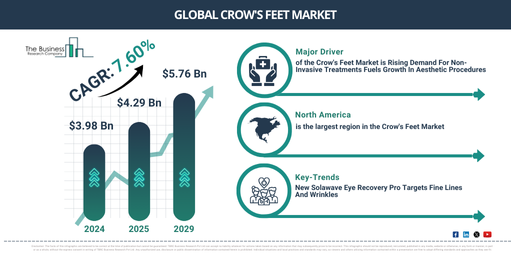
    Over the past few years, the market size for crow’s feet has seen significant expansion. It is projected to increase from $3.98 billion in 2024 to $4.29 billion in 2025, reflecting a compound annual growth rate (CAGR) of 7.7%. The historical growth can be attributed to factors such as the rise in the aging population, heightened public interest in beauty, an increase in disposable income and the impact of social media. Additional contributing factors include the rising demand for non-invasive treatments, broader acceptance of cosmetic procedures, increased global awareness of dermatology, and a cultural shift towards valuing youth.

    The market size for crow’s feet is projected to witness significant growth in the coming years, expanding to a value of $5.76 billion by 2029 with a compound annual growth rate (CAGR) of 7.6%. Factors contributing to this projection in the forecast period include the growing trend of at-home beauty appliances, personal skincare adoption, an amplified demand for anti-aging products that are natural and organic, the expansion of cosmetic medical tourism, increased awareness of early skincare, growth in the men’s skincare market, and the popularity of cosmetic procedures that minimally intrusive. The forecast period will likely also see trends such as AI-based skincare analysis, smart skincare equipment with biometric tracking, sophisticated technology for home anti-aging devices, 3d imaging for skin treatments tailored to an individual, automated system micro-needling, advanced laser technologies for rejuvenating skin, ultrasonic and radiofrequency wrinkle treatments, nanotechnology utilised for precise anti-aging ingredient delivery, wearable devices to monitor skin and innovative gene therapy and stem cells for skin regeneration.

    Download a free sample to assess the report’s scope and structure:

    https://www.thebusinessresearchcompany.com/sample.aspx?id=21161&type=smp

    What Are the Major Market Drivers Behind the Rising Adoption of Crow’s Feet Market?

    The surge in demand for non-invasive treatments among consumers is anticipated to stimulate the expansion of the crow’s feet market. Cosmetic treatments such as non-invasive procedures, which enhance skin appearance without requiring surgery or extensive recovery time, are increasingly popular. This rise in popularity can be attributed to factors like growing customer desire for swift and effective treatments, technological advancements, minimal recuperation time, diminished risk compared to surgical options, affordability, and heightened awareness about aesthetic treatments. Procedures that do not involve surgery, such as botulinum toxin injections, laser resurfacing, microneedling, radiofrequency therapy, chemical peels, and LED light treatments, contribute to the reduction of crow’s feet by relaxing facial muscles, augmenting collagen production, refining skin texture, and boosting elasticity. For instance, the International Society of Aesthetic Plastic Surgery (ISAPS), an organization based in the US, disclosed that in September 2023, the number of Botox procedures conducted around the world in 2022 reached 9,221,419, showing a 26.1% rise compared to the 7.3 million procedures carried out in 2021. Hence, the increasing consumer preference for non-invasive procedures is propelling the crow’s feet market’s growth.

    Which Key Market Segments Comprise the Crow’s Feet Market and Drive Its Revenue Growth?

    The crow’s feetmarket covered in this report is segmented –

    1) By Treatment Type: Topical Creams; Botulinum Toxin (Botox); Chemical Peels; Dermal Fillers; Other Treatment Types

    2) By Application: Hospitals And Clinics; Dermatology Centers; Homecare; Other Applications

    3) By Distribution Channel: Hospital Pharmacy; Retail Pharmacy; Online Pharmacy

    Subsegments:

    1) By Topical Creams: Retinoids; Peptides; Antioxidants; Hyaluronic Acid-based Creams; Alpha Hydroxy Acids (AHAs) And Beta Hydroxy Acids (BHAs)

    2) By Botulinum Toxin (Botox): OnabotulinumtoxinA; AbobotulinumtoxinA (Dysport); IncobotulinumtoxinA (Xeomin); PrabotulinumtoxinA (Jeuveau)

    3) Chemical Peels: Superficial Peels; Medium Peels; Deep Peels

    4) Dermal Fillers: Hyaluronic Acid Fillers; Collagen-based Fillers; Poly-L-Lactic Acid Fillers (Sculptra); Calcium Hydroxylapatite Fillers (Radiesse)

    5) Other Treatment Types: Laser Resurfacing; Microneedling; Radiofrequency Treatments; Ultrasound Therapy (Ultherapy); Surgical Interventions

    Request customized data on this market:

    https://www.thebusinessresearchcompany.com/customise?id=21161&type=smp

    Which Areas Are Leading Regions in the Crow’s Feet Market Expansion Across the Globe?

    North America was the largest region in the crow’s feet market in 2024. Asia-Pacific is expected to be the fastest-growing region in the forecast period. The regions covered in the crow’s feet market report are Asia-Pacific, Western Europe, Eastern Europe, North America, South America, Middle East, Africa.

    What Are the Strategic Trends Steering theCrow’s Feet Market Direction?

    Leading entities within the crow’s feet market have turned their attention to the creation of red and infrared light therapy masks as a non-invasive, effective solution for minimising wrinkles and fine lines around the eyes that can be used at home. These skincare tools use specific light wavelengths to enhance collagen production and decrease wrinkles, fine lines, and other aging symptoms. Solawave, an American skincare technology enterprise, introduced in October 2024 the Eye Recovery Pro, equipped with a red and infrared light therapy mask, purposefully created to combat early aging signs in the eye area, such as crow’s feet, puffiness, wrinkles, 11s, dark circles, sagging eyelids, uneven tones, among others. This mask merges red, deep red, near-infrared, and amber light therapies, providing impressive transformations within just a few weeks if the device is used consistently three minutes three times a week, for perceptible results.

    View the full report here:

    https://www.thebusinessresearchcompany.com/report/crows-feet-global-market-report

    How Is the Crow’s Feet Market Conceptually Defined?

    Crow’s feet are the fine lines and wrinkles that appear at the outer corners of the eyes, often becoming more prominent with age. They develop due to repeated facial expressions such as smiling and squinting, as well as a natural loss of collagen and skin elasticity. Regular use of anti-aging ingredients such as retinol and hyaluronic acid may also improve skin texture and minimize fine lines over time.

    Purchase the full report and get a swift delivery:

    https://www.thebusinessresearchcompany.com/purchaseoptions.aspx?id=21161

    About The Business Research Company:

    With over 15000+ reports from 27 industries covering 60+ geographies, The Business Research Company has built a reputation for offering comprehensive, data-rich research and insights. Armed with 1,500,000 datasets, the optimistic contribution of in-depth secondary research, and unique insights from industry leaders, you can get the information you need to stay ahead in the game.

    Get in touch with us:

    The Business Research Company: https://www.thebusinessresearchcompany.com/

    Americas +1 310-496-7795

    Europe +44 7882 955267

    Asia & Others +44 7882 955267 & +91 8897263534

    Email us at info@tbrc.info

    Follow us on:

    LinkedIn: https://in.linkedin.com/company/the-business-research-company

    YouTube: https://www.youtube.com/channel/UC24_fI0rV8cR5DxlCpgmyFQ

    Global Market Model: https://www.thebusinessresearchcompany.com/global-market-model
  • Cranial Fixation System Market Insights: In-Depth Look at Growth Trends, Market Size, and Opportunities for 2025-2034

    Claim your 30% discount on Global Market Reports with code ONLINE30. Limited time only.

    How Has the Cranial Fixation System Market Growth Performance Trended Historically, And What Lies Ahead?

    The market size of cranial fixation systems has seen robust growth in the past few years. The market, expected to surge from $1.5 billion in 2024 to $1.62 billion in 2025, will register a compound annual growth rate (CAGR) of 7.7%. Factors contributing to growth during the historical period include a higher number of traumatic brain injuries, a rise in neurological disorders, increasing demand for neurosurgeries, a spike in road accidents, and the growing incidence of orthopedic ailments.

    Expectations are high for substantial growth in the cranial fixation system market in the upcoming years, with projections reaching$2.17 billion by 2029.” This equates to a compound annual growth rate (CAGR) of 7.6%. This projected growth in the forecast period can be credited to factors such as the increase in robotic-assisted surgeries, more widespread use of minimally invasive surgical methods, a surge in trauma and spinal condition cases, a rise in medical tourism, and a growing rate of deep brain stimulation procedures adoption. The forecast period also anticipates key trends including product development advancements, a shift in demand towards patient-specific implants, breakthroughs in surgical techniques and materials, an emphasis on bespoke and patient-centered solutions, as well as the growing attention on personalized medicine.

    Download a free sample to assess the report’s scope and structure:

    https://www.thebusinessresearchcompany.com/sample.aspx?id=21160&type=smp

    What External and Internal Drivers Are Contributing to the Growth of theCranial Fixation System Market?

    The cranial fixation system market is expected to expand due to the increasing number of traumatic brain injuries (TBI). TBIs are injuries that happen when an external force like a blow or a jolt to the head causes brain damage. Factors contributing to the increase in TBIs include heightened instances of road traffic accidents, sports-related accidents, falls in older people, and trauma related to military combat. The cranial fixation system aids in stabilizing skull fractures and keeping bone fragments secure, thus facilitating proper healing and minimizing complications in TBI patients. For example, a report from the State of Alaska, a US government website, in November 2023 stated that in 2022, around 3,263 Alaskans suffered from TBIs, including those that resulted in death or required hospital or emergency department release. Out of those affected, 264 individuals (or 36 per 100,000 population) had a TBI cited as the reason for their death. Thus, the increased number of TBIs is fueling the cranial fixation system market’s growth.

    What Segment Types Define the Cranial Fixation System Market Structure?

    The cranial fixation systemmarket covered in this report is segmented –

    1) By Product Type: Implants; Mesh; Plates And Screws; Other Product Types

    2) By Indications: Brain Aneurysm; Brain Cancer; Hydrocephalous; Other Indications

    3) By Absorbability: Non Absorbable; Absorbable

    4) By End-User: Hospitals; Ambulatory Surgical Centers; Other End-Users

    Subsegments:

    1) By Implants: Cranial Implants; Biocompatible Implants; Custom Implants

    2) By Mesh: Titanium Mesh; Polymer Mesh; PEEK Mesh

    3) By Plates and Screws: Titanium Plates and Screws; Stainless Steel Plates and Screws; Absorbable Plates and Screws

    4) By Other Product Types: Cranial Staplers; Cranial Drills; Cranial Fixation Accessories

    Request customized data on this market:

    https://www.thebusinessresearchcompany.com/customise?id=21160&type=smp

    Which Geographic Areas Hold the Strongest Growth Potential in the Cranial Fixation System Market?

    North America was the largest region in the cranial fixation system market in 2024. The regions covered in the cranial fixation system market report are Asia-Pacific, Western Europe, Eastern Europe, North America, South America, Middle East, Africa.

    What Long-Term Trends Are Transforming the Competitive Landscape of the Cranial Fixation System Market?

    In the cranial fixation system market, key players are concentrating their efforts on the development of innovative products, such as cutting-edge skull stabilization devices. These are specific medical instruments used to securely hold and stabilize the skull during neurosurgical procedures. A perfect example of this would be when, in July 2023, Stryker Corporation, a pharmaceutical firm from the United States, brought the Q guidance system with cranial guidance software to market. This system boosts cranial surgeries by offering accurate navigation and high-quality imaging features, thus enhancing surgical planning and precision. With its easy-to-use interface and rapid performance, it simplifies workflows and ultimately leads to improved patient results.

    View the full report here:

    https://www.thebusinessresearchcompany.com/report/cranial-fixation-system-global-market-report

    What Is the Definition of the Cranial Fixation System Market?

    A cranial fixation system is a medical device to stabilize and secure cranial bones following neurosurgery, trauma, or cranial reconstruction procedures. This system typically includes components that work together to hold the head fixed, preventing movement during delicate operations such as brain surgery. Cranial fixation systems are essential in neurosurgery and trauma care, ensuring precise bone alignment and long-term stability.

    Purchase the full report and get a swift delivery:

    https://www.thebusinessresearchcompany.com/purchaseoptions.aspx?id=21160

    About The Business Research Company:

    With over 15000+ reports from 27 industries covering 60+ geographies, The Business Research Company has built a reputation for offering comprehensive, data-rich research and insights. Armed with 1,500,000 datasets, the optimistic contribution of in-depth secondary research, and unique insights from industry leaders, you can get the information you need to stay ahead in the game.

    Get in touch with us:

    The Business Research Company: https://www.thebusinessresearchcompany.com/

    Americas +1 310-496-7795

    Europe +44 7882 955267

    Asia & Others +44 7882 955267 & +91 8897263534

    Email us at info@tbrc.info

    Follow us on:

    LinkedIn: https://in.linkedin.com/company/the-business-research-company

    YouTube: https://www.youtube.com/channel/UC24_fI0rV8cR5DxlCpgmyFQ

    Global Market Model: https://www.thebusinessresearchcompany.com/global-market-model

  • Coxsackievirus Infections Treatment Market Outlook 2025–2034: Identifying Growth Drivers, Technology Trends, and Policy Impact

    Claim your 30% discount on Global Market Reports with code ONLINE30. Limited time only.

    What Are the Projected Market Size and Growth Rates for the Coxsackievirus Infections Treatment Market From 2025 To 2029?

    Remarkable growth has been observed in the market size for coxsackievirus infections treatment in recent times. Projected to escalate from $2.87 billion in 2024 to $3.1 billion in 2025, the market will flourish at a compound annual growth rate (CAGR) of 8.0%. The expansion witnessed in the preceding period is due to a surge in the incidence of hand, foot, and mouth disease, heightened awareness of viral infections, enhancement in healthcare infrastructure, increased demand for pediatric healthcare, rise in health-related expenditure, recurrent epidemics in countries of the Asia-Pacific region, escalated governmental efforts in healthcare and superior availability of over-the-counter treatments.

    The market for treating coxsackievirus infections is projected to experience robust growth in the coming years, with expectations to reach $4.2 billon in 2029 with a Compound Annual Growth Rate (CAGR) of 7.9%. Several factors are contributing to this projected growth during the forecast period, including an increase in coxsackievirus infection cases, a greater emphasis on preventative healthcare, advancement in healthcare services in developing regions, an increased use of care products that offer support, a growing demand for antiviral treatments, improvements in treatment guidelines, more funding for research and development, a heightened awareness about viral ailments, and an increase in healthcare expenses in burgeoning economies. Some of the notable trends during the forecast period include the creation of quick diagnostic tools, the use of artificial intelligence in determining treatment plans, the incorporation of telemedicine for remote care, advances in molecular diagnostics, the creation of targeted antiviral medications, the use of health monitoring devices that can be worn, the expansion of personalized medicine, the introduction of digital health solutions, innovations in vaccine delivery methods, and the creation of combination treatments for better effectiveness.

    Download a free sample to assess the report’s scope and structure:

    https://www.thebusinessresearchcompany.com/sample.aspx?id=21159&type=smp

    What Are the Core Market Drivers Propelling Growth in the Coxsackievirus Infections Treatment Industry?

    The growth of the coxsackievirus infections treatment market is projected to be fueled by the high occurrence of viral infections that cause hand, foot, and mouth disease (HFMD). HFMD is a viral infection predominantly seen in children that leads to fever, mouth sores, and a rash on the hands and feet. It is most frequently caused by multiple viruses, with coxsackievirus A16 and enterovirus 71 being the most common. This surge can be attributed to factors like close proximity with those infected, poor sanitation, and interaction with respiratory droplets or surfaces contaminated with the virus. Coxsackievirus infection treatments are utilized to manage viral infection symptoms such as those exhibited in HFMD by offering supportive care that includes pain relief, hydration, and fever alleviation. For example, data from the Indonesia Ministry of Health (MoH) in April 2024 revealed that HFMD cases had totaled 6,500 in the first quarter of 2024, accounting for over half of the 11,000 incidents reported in 2023. As a result, the high incidence of viral infections leading to HFMD is contributing to the expansion of the coxsackievirus infections treatment market.

    How Is the Coxsackievirus Infections Treatment Market Segmented?

    The coxsackievirus infections treatmentmarket covered in this report is segmented –

    1) By Treatment Type: Antiviral Medications; Non-Steroidal Anti-Inflammatory Drugs (NSAIDs); Corticosteroids; Supportive Care

    2) By Route Of Administration: Oral; Intravenous (IV); Topical; Inhalation

    3) By Age Group: Pediatric Patients; Adult Patients; Geriatric Patients

    4) By Distribution Channel: Hospital Pharmacies; Retail Pharmacies; Online Pharmacies

    5) By End-User: Hospitals; Outpatient Clinics; Home Care Settings; Educational Institutions (Daycare, Schools)

    Subsegments:

    1) By Antiviral Medications: Nucleoside Analogues; Protease Inhibitors; Polymerase Inhibitors

    2) By Non-Steroidal Anti-Inflammatory Drugs (NSAIDs): Ibuprofen; Aspirin; Naproxen; Diclofenac

    3) By Corticosteroids: Prednisone; Hydrocortisone; Methylprednisolone; Dexamethasone

    4) By Supportive Care: Fluid Replacement Therapy; Pain Management; Fever Management; Rest and Nutrition

    Request customized data on this market:

    https://www.thebusinessresearchcompany.com/customise?id=21159&type=smp

    Which Regions Are Driving the Next Phase of the Coxsackievirus Infections Treatment Market Growth?

    North America was the largest region in the coxsackievirus infections treatment market in 2024. Asia-Pacific is expected to be the fastest-growing region in the forecast period. The regions covered in the coxsackievirus infections treatment market report are Asia-Pacific, Western Europe, Eastern Europe, North America, South America, Middle East, Africa.

    What Key Market Trends and Innovations Are Shaping the Future of the Coxsackievirus Infections Treatment Industry?

    Key players in the coxsackievirus infections treatment market are focusing on creating polyvalent inactivated vaccines. These vaccines aim to provide widespread protection, lower the rates of infection, and enhance public health results. Polyvalent inactivated vaccines include several dead forms of various pathogens or strains, with the goal of guarding against multiple diseases or infections. For example, in March 2022, Provention Bio Inc., a biopharmaceutical company based in the US, announced encouraging outcomes from the final evaluation of its initial human PROVENT trial of PRV-101, a polyvalent inactivated coxsackievirus B (CVB) vaccine candidate. This vaccine candidate is designed to target CVB strains linked with type 1 diabetes (T1D) autoimmunity. PRV-101, as a polyvalent inactivated vaccine, introduces killed coxsackievirus B (CVB) serotypes to the immune system, aiding the body to identify and build immunity against multiple strains without causing an infection.

    View the full report here:

    https://www.thebusinessresearchcompany.com/report/coxsackievirus-infections-treatment-global-market-report

    How Is the Coxsackievirus Infections Treatment Market Defined and What Are Its Core Parameters?

    Coxsackievirus infection treatment refers to the management of symptoms caused by Coxsackievirus, as there is no specific antiviral cure. Treatment focuses on supportive care, including rest, hydration, fever reducers, and pain relievers to alleviate symptoms. In severe cases, medical intervention may be required to address complications such as viral meningitis or myocarditis.

    Purchase the full report and get a swift delivery:

    https://www.thebusinessresearchcompany.com/purchaseoptions.aspx?id=21159

    About The Business Research Company:

    With over 15000+ reports from 27 industries covering 60+ geographies, The Business Research Company has built a reputation for offering comprehensive, data-rich research and insights. Armed with 1,500,000 datasets, the optimistic contribution of in-depth secondary research, and unique insights from industry leaders, you can get the information you need to stay ahead in the game.

    Get in touch with us:

    The Business Research Company: https://www.thebusinessresearchcompany.com/

    Americas +1 310-496-7795

    Europe +44 7882 955267

    Asia & Others +44 7882 955267 & +91 8897263534

    Email us at info@tbrc.info

    Follow us on:

    LinkedIn: https://in.linkedin.com/company/the-business-research-company

    YouTube: https://www.youtube.com/channel/UC24_fI0rV8cR5DxlCpgmyFQ

    Global Market Model: https://www.thebusinessresearchcompany.com/global-market-model
  • Critical Market Drivers Shaping the Outlook for Insulin Infusion Pump Market from 2025-2034: Growing Prevalence Of Diabetes Fuelling The Growth Of The Market Due To Increasing Need For Continuous Glucose Management

    Critical Market Drivers Shaping the Outlook for Insulin Infusion Pump Market from 2025-2034: Growing Prevalence Of Diabetes Fuelling The Growth Of The Market Due To Increasing Need For Continuous Glucose Management

    Claim your 30% discount on Global Market Reports with code ONLINE30. Limited time only.

    How Has the Insulin Infusion Pump Market Growth Performance Trended Historically, And What Lies Ahead?

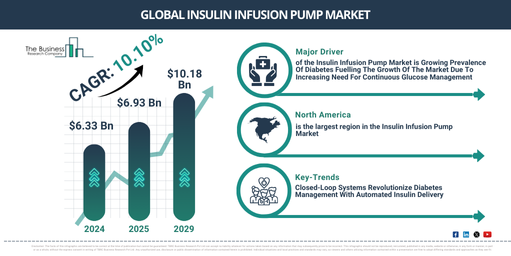
    The market for insulin infusion pumps has exhibited robust growth in the recent past. The market, which was valued at $6.33 billion in 2024, is projected to reach $6.93 billion in 2025, marking a compound annual growth rate (CAGR) of 9.6%. The former growth during the historic period can be observed due to the rising number of diabetes patients, escalating obesity rates, surging demand for these integrated systems, enhanced awareness and education, along with improved reimbursement policies.

    In the forthcoming years, the insulin infusion pump market is projected to experience substantial growth. Its anticipated climb to $10.18 billion in 2029 is due to a compound annual growth rate (CAGR) of 10.1%. Contributing factors to the surge anticipated in the forecast period encompass broader telehealth access, a higher incidence of chronic illnesses, an escalating demand for personalized medical care, increased expenditure on healthcare, and heightened awareness among physicians and patients. Notable trends in the forecast duration consist of advanced closed-loop systems, application of artificial intelligence (AI) and machine learning, progress in wireless connectivity technology, insulin pump miniaturization advancements, and combination with wearable technology devices.

    Download a free sample to assess the report’s scope and structure:

    https://www.thebusinessresearchcompany.com/sample.aspx?id=24256&type=smp

    What Are the Core Growth Drivers Propelling the Insulin Infusion Pump Market Forward?

    The insulin infusion pump market is anticipated to expand due to the rising incidence of diabetes. Diabetes is a long-term health condition wherein the body fails to regulate blood sugar or glucose levels effectively. Increasing sedentary lifestyles and poor eating routines, which result in obesity, insulin resistance, and a higher occurrence of type 2 diabetes, mainly contribute to the rising incidence of diabetes. Insulin infusion pumps, which offer continuous and accurate insulin delivery, play a vital role in managing diabetes by maintaining steady blood glucose levels. This technology minimizes the necessity for regular injections, providing convenience and improved control over blood sugar, thereby improving the overall management of diabetes. For example, in June 2024, the National Health Service, a government department in the UK, reported that 3,615,330 individuals registered with a general practitioner (GP) were diagnosed with non-diabetic hyperglycemia or pre-diabetes in 2023, signifying an 18% growth from 3,065,825 cases in 2022. Hence, the rise in diseases related to lifestyle is projected to fuel the growth of the medical device safety testing market.

    What Segment Types Define the Insulin Infusion Pump Market Structure?

    The insulin infusion pumpmarket covered in this report is segmented –

    1) By Type: Continuous Subcutaneous Insulin Infusion Pumps; Insulin Delivery Pens; Wearable Insulin Pumps

    2) By Technology: Remote Monitoring Systems; Closed Loop Systems; Smart Insulin Pumps

    3) By End Use: Hospitals; Home Care Settings; Diabetes Clinics

    Subsegments:

    1) By Continuous Subcutaneous Insulin Infusion (CSII) Pumps: Tubed Insulin Pumps; Tubeless Insulin Pumps; Closed-Loop Systems; Smart Insulin Pumps

    2) By Insulin Delivery Pens: Reusable Insulin Pens; Disposable Insulin Pens; Smart Insulin Pens

    3) By Wearable Insulin Pumps: Adhesive Patch Pumps; Detachable Patch Pumps; Hybrid Closed-Loop Wearables

    Request customized data on this market:

    https://www.thebusinessresearchcompany.com/customise?id=24256&type=smp

    Which Geographic Areas Hold the Strongest Growth Potential in the Insulin Infusion Pump Market?

    North America was the largest region in the insulin infusion pump market in 2024. Asia-Pacific is expected to be the fastest-growing region in the forecast period. The regions covered in the insulin infusion pump market report are Asia-Pacific, Western Europe, Eastern Europe, North America, South America, Middle East, Africa.

    Which Emerging Trends that Are Influencing theInsulin Infusion Pump Industry Evolution?

    In the insulin infusion pumps market, leading corporations are concentrating on introducing innovative merchandise like insulin patch pump systems. These are devices that enhance portability, convenience, and available more discreet and comfortable alternatives for insulin delivery to patients. Insulin patch pump systems are small wearable units that convey insulin straight to the skin, circumventing the need for customary tubing. Case in point, in November 2023, ViCentra BV, a medical device company based in the Netherlands, introduced a hybrid closed-loop system that automated insulin delivery by fusing its Kaleido insulin patch pump with the Diabeloop DBLG1 algorithm and Dexcom G6 continuous glucose tracking device. This cohesive artificial pancreas modifies insulin dosing in real-time, ameliorating glucose control, increasing time in range and significantly reducing the occurrence of hypoglycemia in type 1 diabetes individuals. The system is user-friendly, has a straightforward setup that doesn’t require fingerstick tests, and transfers data to a cloud platform that facilitates easier supervision by healthcare providers and users.

    View the full report here:

    https://www.thebusinessresearchcompany.com/report/insulin-infusion-pump-global-market-report

    What Is the Definition of the Insulin Infusion Pump Market?

    Insulin infusion pump is a small, wearable device used for the continuous delivery of insulin to individuals with diabetes, helping to maintain optimal blood glucose levels. It delivers insulin through a catheter placed under the skin, offering more precise and flexible management compared to multiple daily injections.

    Purchase the full report and get a swift delivery:

    https://www.thebusinessresearchcompany.com/purchaseoptions.aspx?id=24256

    About The Business Research Company:

    With over 15000+ reports from 27 industries covering 60+ geographies, The Business Research Company has built a reputation for offering comprehensive, data-rich research and insights. Armed with 1,500,000 datasets, the optimistic contribution of in-depth secondary research, and unique insights from industry leaders, you can get the information you need to stay ahead in the game.

    Get in touch with us:

    The Business Research Company: https://www.thebusinessresearchcompany.com/

    Americas +1 310-496-7795

    Europe +44 7882 955267

    Asia & Others +44 7882 955267 & +91 8897263534

    Email us at info@tbrc.info

    Follow us on:

    LinkedIn: https://in.linkedin.com/company/the-business-research-company

    YouTube: https://www.youtube.com/channel/UC24_fI0rV8cR5DxlCpgmyFQ

    Global Market Model: https://www.thebusinessresearchcompany.com/global-market-model

  • Emerging Growth Drivers in the Corneal Endothelial Dystrophy Market Landscape: Growing Demand For Corneal Transplantation Driving The Market

    Emerging Growth Drivers in the Corneal Endothelial Dystrophy Market Landscape: Growing Demand For Corneal Transplantation Driving The Market

    Claim your 30% discount on Global Market Reports with code ONLINE30. Limited time only.

    What Is the Estimated Market Size of the Corneal Endothelial Dystrophy Market In 2029?

    In recent times, the market size of corneal endothelial dystrophy has seen robust growth. It is projected to expand from $170.96 billion in 2024 to $184.84 billion in 2025, reflecting a compound annual growth rate (CAGR) of 8.1%. This growth during the historic period is driven by factors such as increased healthcare spending, a rise in the number of corneal endothelial dystrophy cases, an aging global population, a steadily increasing rate of eye diseases, and an escalating prevalence of corneal disorders.

    In the coming years, the corneal endothelial dystrophy market is projected to experience significant growth, reaching a value of$250.98 billion by 2029, with a compound annual growth rate (CAGR) of 7.9%. The expansion anticipated in this period can be linked to an increase in corneal blindness in developing nations, a rise in eye health consciousness, growing need for corneal transplants, enhanced healthcare facilities, and a higher incidence of chronic diseases. The main trends for the forecast period includes progression in regenerative therapies, advancements in healthcare technology, improvements in diagnostic methods, technological progress in ophthalmic lasers, and the emergence of advanced technologies.

    Download a free sample to assess the report’s scope and structure:

    https://www.thebusinessresearchcompany.com/sample.aspx?id=21158&type=smp

    Which Primay Drivers Are Accelerating Growth in the Corneal Endothelial Dystrophy Market?

    The increase in demand for corneal transplants is expected to positively impact the progress of the corneal endothelial dystrophy market. A medical procedure wherein a damaged or diseased cornea is substituted with a healthy one from a donor to improve eyesight and overall eye health is known as corneal transplantation. The need for these procedures is heightened due to the increase in corneal disease rates, better surgical methods, and higher organ donation frequencies. Corneal endothelial dystrophy is tackled through corneal transplants, substituting the impaired endothelium with suitable donor tissue to regain corneal clarity, decrease edema, and enhance eye sight. For instance, data from the US-based Eye Bank Association of America revealed that in 2023, domestic keratoplasty procedures, a type of corneal transplant, experienced a 2.7% increase, jumping from 49,597 in 2022 to 50,925 in 2023. Therefore, the demand for corneal transplants is seen to be fueling the corneal endothelial dystrophy market’s expansion.

    Which Primary Segments of the Corneal Endothelial Dystrophy Market Are Driving Growth and Industry Transformations?

    The corneal endothelial dystrophymarket covered in this report is segmented –

    1) By Treatment: Phototherapeutic Keratectomy; Amniotic Membrane Transplants; Anterior Stromal Puncture; Conjunctival Flaps

    2) By Disease Type: Congenital Hereditary Endothelial Dystrophy 1; Congenital Hereditary Endothelial Dystrophy 2; Posterior Polymorphous Corneal Dystrophy; Fuchs Endothelial Corneal Dystrophy

    3) By Diagnosis: Cornea Examination And Grading; Corneal Tomography; Corneal Pachymetry; Corneal Cell Count

    4) By End-User: Hospitals; Clinics; Other End Users

    Subsegments:

    1) By Phototherapeutic Keratectomy: Excimer Laser Therapy; Corneal Reshaping

    2) By Amniotic Membrane Transplants: Fresh Amniotic Membrane Transplant; Cryopreserved Amniotic Membrane Transplant

    3) By Anterior Stromal Puncture: Manual Technique; Laser-Assisted Technique

    4) By Conjunctival Flaps: Partial Flap Technique; Full Flap Technique

    Request customized data on this market:

    https://www.thebusinessresearchcompany.com/customise?id=21158&type=smp

    Which Regions Are Key Players in the Growth of the #Which Primay Drivers Are Accelerating Growth in the Corneal Endothelial Dystrophy Market?# Market?

    North America was the largest region in the corneal endothelial dystrophy market in 2024. Asia-Pacific is expected to be the fastest-growing region in the forecast period. The regions covered in the corneal endothelial dystrophy market report are Asia-Pacific, Western Europe, Eastern Europe, North America, South America, Middle East, Africa.

    Which Technological Trends Are Reshaping the Corneal Endothelial Dystrophy Industry Dynamics?

    In an effort to cater to unfulfilled medical needs with new, minimally invasive alternatives which enhance patient results, key companies in the corneal endothelial dystrophy market are investing in the development of cutting-edge treatments like allogeneic cell therapy. This specific form of therapy involves utilizing cells sourced from a genetically distinct donor of the same species to treat the patient. In a notable example from September 2024, Aurion Biotech Inc., a clinical-stage biotech company from the U.S., introduced Vyznova (neltependocel) in Japan as a treatment for bullous keratopathy, a type of corneal endothelial disease. As a cell therapy developed by Aurion Biotech, Vyznova treats bullous keratopathy, a condition that impairs corneal endothelial cells and results in vision issues. It holds the distinction of being the first approved cell therapy for corneal endothelial disease and has received approval in Japan. Vyznova incorporates lab-grown corneal endothelial cells, which means a single donor can yield up to 1,000 doses. This revolutionary treatment presents a less intrusive alternative to corneal transplants, thus mitigating the lack of donor corneas and paving a novel path to restoring vision to patients afflicted with corneal diseases.

    View the full report here:

    https://www.thebusinessresearchcompany.com/report/corneal-endothelial-dystrophy-global-market-report

    What Parameters Are Used to Define the Corneal Endothelial Dystrophy Market?

    Corneal endothelial dystrophy is a genetic eye disorder that affects the cornea’s endothelium (the inner layer of cells), leading to progressive loss of corneal clarity. The condition is characterized by the degeneration of the endothelial cells responsible for maintaining proper fluid balance within the cornea.

    Purchase the full report and get a swift delivery:

    https://www.thebusinessresearchcompany.com/purchaseoptions.aspx?id=21158

    About The Business Research Company:

    With over 15000+ reports from 27 industries covering 60+ geographies, The Business Research Company has built a reputation for offering comprehensive, data-rich research and insights. Armed with 1,500,000 datasets, the optimistic contribution of in-depth secondary research, and unique insights from industry leaders, you can get the information you need to stay ahead in the game.

    Get in touch with us:

    The Business Research Company: https://www.thebusinessresearchcompany.com/

    Americas +1 310-496-7795

    Europe +44 7882 955267

    Asia & Others +44 7882 955267 & +91 8897263534

    Email us at info@tbrc.info

    Follow us on:

    LinkedIn: https://in.linkedin.com/company/the-business-research-company

    YouTube: https://www.youtube.com/channel/UC24_fI0rV8cR5DxlCpgmyFQ

    Global Market Model: https://www.thebusinessresearchcompany.com/global-market-model
  • Key Factors Fueling the Growth of the In The Canal (ITC) Hearing Aids Market in 2025: Increasing Prevalence Of Hearing Loss Fueling The Growth Of The Market Due To Aging Population And Advancements In Early Detection

    Key Factors Fueling the Growth of the In The Canal (ITC) Hearing Aids Market in 2025: Increasing Prevalence Of Hearing Loss Fueling The Growth Of The Market Due To Aging Population And Advancements In Early Detection

    Claim your 30% discount on Global Market Reports with code ONLINE30. Limited time only.

    What Are the Projected Market Size and Growth Rates for the In The Canal (ITC) Hearing Aids Market From 2025 To 2029?

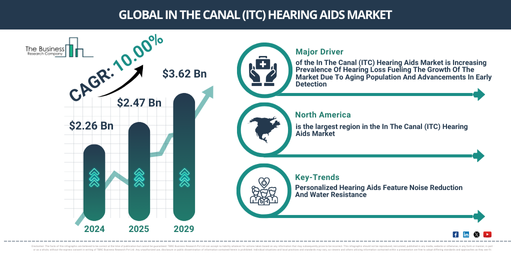
    The market for in the canal (itc) hearing aids has seen significant growth in the past few years. The market value is expected to increase from $2.26 billion in 2024 to $2.47 billion in 2025, registering a compound annual growth rate (CAGR) of 9.5%. Key factors driving this growth include increased health awareness around hearing, expanding aged population, rising incidences of hearing impairment, heightened demand for tailor-made solutions, and an increase in the number of hearing care experts.

    Expectations are high for robust growth in the In The Canal (ITC) hearing aids market size over the coming years. A booming market worth is predicted to reach$3.62 billion in 2029″, growing at a Compound Annual Growth Rate (CAGR) of 10.0%. This upward surge for the forecasted period can be credited to higher usage of digital hearing aids, growing demand for intelligent wireless hearing devices, the increasing instances of noise-induced hearing loss, a rise in interest towards personalized health devices, and improved accessibility to affordable hearing aids. Key trends during this period will include development of new algorithms, breakthroughs in audio processing technologies, incorporation of cloud-based solutions, integration of voice assistants, and innovation in noise-cancellation technology.

    Download a free sample to assess the report’s scope and structure:

    https://www.thebusinessresearchcompany.com/sample.aspx?id=24249&type=smp

    What are the Fundamental Drivers and Innovations Shaping the In The Canal (ITC) Hearing Aids Market?

    The rise in hearing loss incidents is anticipated to further the expansion of the in-the-canal (ITC) hearing aids market. Hearing loss, often caused by damage to the ear or auditory pathway, is the complete or partial inability to perceive sounds in either or both ears. The growing cases of hearing loss are mainly due to an aging populace, with age-related changes leading to a higher occurrence of auditory difficulties in the elderly. In-the-canal (ITC) hearing aids serve as a perfect solution to hearing loss by offering discreet, tailor-fit designs that make them perfect for daily use. The devices increase sound clarity using innovative technology and less listening effort, enhancing communication in a variety of settings. For instance, by January 2025, the Centers for Disease Control and Prevention, a US government agency, reported that over 98% of U.S. newborns had undergone hearing loss screening in 2022. More than 6,000 babies were diagnosed with permanent hearing loss, yielding a prevalence rate of 1.7 cases for every 1,000 infants screened. Hence, the rising instances of hearing loss are propelling the growth of the in-the-canal (ITC) hearing aids market.

    How Is the In The Canal (ITC) Hearing Aids Market Segmented?

    The in the canal (itc) hearing aidsmarket covered in this report is segmented –

    1) By Product Type: Full-Shell In The Canal Hearing Aids; Half-Shell In The Canal Hearing Aids; Custom In The Canal Hearing Aids; Programmable In The Canal Hearing Aids

    2) By Technology: Analog In The Canal Hearing Aids; Digital In The Canal Hearing Aids; Bluetooth-Enabled In The Canal Hearing Aids; Rechargeable In The Canal Hearing Aids

    3) By Price Range: Economical In The Canal Hearing Aids; Mid-Range In The Canal Hearing Aids; Premium In The Canal Hearing Aids

    4) By Distribution Channel: Online Stores; Pharmacies; Specialty Stores; Direct Sales

    5) By End User: Children; Adults; Gerontology

    Subsegments:

    1) By Full-Shell In The Canal Hearing Aids: Custom-Fit For The Ear Canal; Offers Maximum Amplification

    2) By Half-Shell In The Canal Hearing Aids: Smaller Than Full-Shell Models; Partially Fills The Ear Canal

    3) By Custom In The Canal Hearing Aids: Single Custom Mold; Multi-Mold Custom Options

    4) By Programmable In The Canal Hearing Aids: Digital Programmable; Analog Programmable

    Request customized data on this market:

    https://www.thebusinessresearchcompany.com/customise?id=24249&type=smp

    Which Regions Are Driving the Next Phase of the In The Canal (ITC) Hearing Aids Market Growth?

    North America was the largest region in the in-the-canal (ITC) hearing aids market in 2024. Asia-Pacific is expected to be the fastest-growing region in the forecast period. The regions covered in the in the canal (ITC) hearing aids market report are Asia-Pacific, Western Europe, Eastern Europe, North America, South America, Middle East, Africa.

    What Key Trends Are Shaping the Future of the In The Canal (ITC) Hearing Aids Market?

    Key players in the in-the-canal (ITC) hearing aids market are placing their focus on the creation of technologically sophisticated products such as personalized in-the-ear (ITE) gadgets, with the aim of improving user satisfaction with regard to comfort, audio quality and unobtrusiveness. In-the-ear (ITE) devices are hearing aids customized to accommodate the unique contours of an individual’s ear canal, offering an inconspicuous look while providing optimal comfort and advanced sound amplification. For example, Oticon A/S, a hearing aid maker based in Denmark, launched the Oticon Own hearing aids in August 2022, which are designed to provide completely bespoke fit for maximum comfort. These aids incorporate an integrated deep neural network (DNN) that harnesses the power of AI to allow for natural sound processing and better speech comprehension even in a noisy setting. As bespoke in-the-ear (ITE) gadgets, they are very unobtrusive and come with enhanced feedback suppression, digital noise deduction and are resistant to water and dust, offering reliable comfort for all-day usage.

    View the full report here:

    https://www.thebusinessresearchcompany.com/report/in-the-canal-itc-hearing-aids-global-market-report

    How Is the In The Canal (ITC) Hearing Aids Market Defined and What Are Its Core Parameters?

    In-the-canal (ITC) hearing aids are custom-made small devices that fit partly in the ear canal. They are designed to offer a discreet solution for individuals with mild to moderate hearing loss. In-the-canal (ITC) hearing aids amplify sound and improve hearing while maintaining a natural, comfortable fit for the user.

    Purchase the full report and get a swift delivery:

    https://www.thebusinessresearchcompany.com/purchaseoptions.aspx?id=24249

    About The Business Research Company:

    With over 15000+ reports from 27 industries covering 60+ geographies, The Business Research Company has built a reputation for offering comprehensive, data-rich research and insights. Armed with 1,500,000 datasets, the optimistic contribution of in-depth secondary research, and unique insights from industry leaders, you can get the information you need to stay ahead in the game.

    Get in touch with us:

    The Business Research Company: https://www.thebusinessresearchcompany.com/

    Americas +1 310-496-7795

    Europe +44 7882 955267

    Asia & Others +44 7882 955267 & +91 8897263534

    Email us at info@tbrc.info

    Follow us on:

    LinkedIn: https://in.linkedin.com/company/the-business-research-company

    YouTube: https://www.youtube.com/channel/UC24_fI0rV8cR5DxlCpgmyFQ

    Global Market Model: https://www.thebusinessresearchcompany.com/global-market-model

  • Strategic Growth Drivers Shaping the Congenital Adrenal Hyperplasia Market Outlook 2025- 2034:Growing Demand For Gene Therapy Driving The Expansion Of The Market

    Strategic Growth Drivers Shaping the Congenital Adrenal Hyperplasia Market Outlook 2025- 2034:Growing Demand For Gene Therapy Driving The Expansion Of The Market

    Claim your 30% discount on Global Market Reports with code ONLINE30. Limited time only.

    How Fast Is The Congenital Adrenal Hyperplasia Market Expected to Grow Between 2025 And 2029?

    The market for congenital adrenal hyperplasia has experienced robust growth in the past few years. It is projected to increase from $0.47 billion in 2024 to $0.5 billion in 2025 at a compound annual growth rate (CAGR) of 7.0%. This surge in the market size over the historic period is linked to factors such as the rising incidence of congenital adrenal hyperplasia, wider acceptance of corticosteroid therapies, an uptick in healthcare spending, a heightened emphasis on pediatric care, and enhanced government initiatives and reimbursement policies.

    The market size for congenital adrenal hyperplasia is likely to experience firm expansion in the following years, ballooning to$0.65 billion by 2029″ with a 6.9% Compound Annual Growth Rate (CAGR). The boosting factors for this projected growth within the forecast timeframe include an increased demand for customized medicine, a rising number of genetic disorders, escalated focus on research for treating congenital adrenal hyperplasia, growth in healthcare investments, and an expanding use of telehealth in managing congenital adrenal hyperplasia. Some key trends to note for the forecast period are developments in healthcare infrastructure, progress in molecular diagnostic techniques, advancements in creating enzyme replacement therapies, maturation in long-acting corticosteroid formulation technologies, and improvements in genetic testing.

    Download a free sample to assess the report’s scope and structure:

    https://www.thebusinessresearchcompany.com/sample.aspx?id=21157&type=smp

    Which Factors and External Forces Are Driving Demand in the Congenital Adrenal Hyperplasia Market?

    The growth of the congenital adrenal hyperplasia market is expected to be fueled by the increasing demand for gene therapy. Gene therapy refers to a medical strategy that involves altering or manipulating an individual’s genes to prevent or cure illnesses. The increased demand for gene therapy can be traced back to developments in genetic studies and biotechnology, which have facilitated more accurate and specific treatments for genetic disorders, cancers, and other long-term diseases. Opportunities for targeted genetic interventions are provided through gene therapy’s emphasis on the congenital adrenal hyperplasia (CAH) disorder, which is caused by alterations in the genes involved in adrenal hormone production. These interventions aim to correct genetic defects and restore normal hormone activity. For example, per the American Society of Gene and Cell Therapy (ASGCT), a US-based professional association, 1,023 gene therapies were being developed for rare diseases, with eight of the top 10 being oncological, as of April 2024. The initiation of 76 gene therapy trials in the second quarter of 2024, which represented a 25% increase from the previous quarter, suggests that the growing demand for gene therapy is contributing to the expansion of the congenital adrenal hyperplasia market.

    Which Segments in the Congenital Adrenal Hyperplasia Offer the Most Growth?

    The congenital adrenal hyperplasiamarket covered in this report is segmented –

    1) By Type: Classic Congenital Adrenal Hyperplasia; Non-Classic Congenital Adrenal Hyperplasia

    2) By Treatment And Diagnosis: Diagnosis; Treatment

    3) By End-Use: Hospitals; Specialty Clinics; Ambulatory Surgical Centers; Research Institutes

    Subsegments:

    1) By Classic Congenital Adrenal Hyperplasia: Salt-Wasting Classic Congenital Adrenal Hyperplasia; Simple Virilizing Classic Congenital Adrenal Hyperplasia

    2) By Non-Classic Congenital Adrenal Hyperplasia: Late-Onset Non-Classic Congenital Adrenal Hyperplasia; Mild Non-Classic Congenital Adrenal Hyperplasia

    Request customized data on this market:

    https://www.thebusinessresearchcompany.com/customise?id=21157&type=smp

    What Are the Fastest-Growing Geographies in the #Which Factors and External Forces Are Driving Demand in the Congenital Adrenal Hyperplasia Market?# Market?

    North America was the largest region in the congenital adrenal hyperplasia market in 2024. Asia-Pacific is expected to be the fastest-growing region in the forecast period. The regions covered in the congenital adrenal hyperplasia market report are Asia-Pacific, Western Europe, Eastern Europe, North America, South America, Middle East, Africa.

    Which Cutting-Edge Market Trends Are Expected to Drive theCongenital Adrenal Hyperplasia Market’s Growth?

    Leading firms in the congenital adrenal hyperplasia market are turning their attention towards the creation of innovative therapies like CRF1 receptor antagonists. These are set to control cortisol production and decrease the excessive adrenal androgen. The CRF1 receptor antagonist is a type of medication that inhibits the corticotropin-releasing factor 1 (CRF1) receptor, controlling the body’s stress response and lessening adrenal androgen overproduction, often seen in condiciones like congenital adrenal hyperplasia. Neurocrine Biosciences, Inc., an American biopharmaceutical company, for example, gained FDA approval in December 2024 for crenessity (crinecerfont), marking the first fresh treatment for congenital adrenal hyperplasia (CAH) in seven decades. This oral drug functions as an exclusive antagonist of corticotropin-releasing factor type 1 receptors, managing excessive adrenocorticotropic hormone (ACTH) and adrenal androgens and permitting lower glucocorticoid doses. The approval relied on findings from the CAHtalyst Phase 3 tests, revealing substantial effectiveness in decreasing androgen levels. Crenessity is set to be accessible shortly, signifying a considerable stride in the management of CAH.

    View the full report here:

    https://www.thebusinessresearchcompany.com/report/congenital-adrenal-hyperplasia-global-market-report

    What Are the Key Elements That Define the Congenital Adrenal Hyperplasia Market?

    Congenital adrenal hyperplasia refers to a group of inherited disorders affecting adrenal gland function due to enzyme deficiencies, primarily 21-hydroxylase. Congenital adrenal hyperplasia is managed through hormone replacement therapy to normalize cortisol and aldosterone levels, suppress excess androgen production, and address associated symptoms such as electrolyte imbalance and abnormal physical development.

    Purchase the full report and get a swift delivery:

    https://www.thebusinessresearchcompany.com/purchaseoptions.aspx?id=21157

    About The Business Research Company:

    With over 15000+ reports from 27 industries covering 60+ geographies, The Business Research Company has built a reputation for offering comprehensive, data-rich research and insights. Armed with 1,500,000 datasets, the optimistic contribution of in-depth secondary research, and unique insights from industry leaders, you can get the information you need to stay ahead in the game.

    Get in touch with us:

    The Business Research Company: https://www.thebusinessresearchcompany.com/

    Americas +1 310-496-7795

    Europe +44 7882 955267

    Asia & Others +44 7882 955267 & +91 8897263534

    Email us at info@tbrc.info

    Follow us on:

    LinkedIn: https://in.linkedin.com/company/the-business-research-company

    YouTube: https://www.youtube.com/channel/UC24_fI0rV8cR5DxlCpgmyFQ

    Global Market Model: https://www.thebusinessresearchcompany.com/global-market-model

  • Major Trends and Emerging Patterns in the Humira Biosimilar Market: Expansion Of Cost-Effective TNF Blocker Biosimilars For Autoimmune Disease Management

    Major Trends and Emerging Patterns in the Humira Biosimilar Market: Expansion Of Cost-Effective TNF Blocker Biosimilars For Autoimmune Disease Management

    Claim your 30% discount on Global Market Reports with code ONLINE30. Limited time only.

    What Is the Estimated Market Size of the Humira Biosimilar Market In 2029?

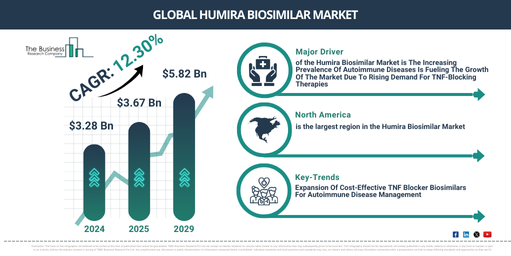
    The market size for Humira biosimilars has seen a significant expansion in the previous years. The market, valued at $3.28 billion in 2024, is projected to increase to $3.67 billion in 2025, reflecting a compound annual growth rate (CAGR) of 12.0%. This remarkable growth during the historic period is a result of several factors. These include the escalating demand for economical substitutes, the rising number of biosimilars approved by regulatory authorities, an increased prevalence of autoimmune conditions, the broadening of access to healthcare in developing markets, and the substantial cost of original biologics.

    The market for Humira biosimilars is projected to experience substantial expansion in the coming years, reaching an expected value of$5.82 billion in 2029 with a compound annual growth rate (CAGR) of 12.3%. The progression throughout the predicted period is tied to enhancements in biosimilar development technology, intensified efforts in constraining healthcare costs, the extension of original biologics’ patent expirations, improvement in market accessibility and reimbursement policies, along with the growing application of biosimilars in fields like oncology and autoimmune diseases. The forecast period will likely witness an escalating approval rate for more biosimilars, advancements in biomanufacturing processes, increasing research and development initiatives, the development and subsequent approval of biosimilar drugs, and progress in drug formulation.

    Download a free sample to assess the report’s scope and structure:

    https://www.thebusinessresearchcompany.com/sample.aspx?id=24244&type=smp

    What Are the Primary Drivers Supporting the Market Growth of the Humira Biosimilar Market?

    The escalating incidence of autoimmune diseases is anticipated to drive the expansion of the humira biosimilar market. Autoimmune diseases are conditions where the body’s immune system erroneously fights and destroys healthy cells, tissues, or organs of the body. The rise in these diseases is linked to environmental pollution, which interferes with the immune system’s function, thereby increasing the chances of autoimmune reactions. Humira biosimilars function by blocking the tumor necrosis factor (TNF), which instigates inflammation in autoimmune conditions. They help to mitigate immune responses, easing symptoms and averting any harm to healthy tissues. According to the Australian Institute of Health and Welfare, a governmental organization based in Australia, data from June 2024 showed that in 2022 there were around 514,000 individuals, accounting for 2.0% of the population in Australia diagnosed with rheumatoid arthritis, affecting more females (2.5%) than males (1.6%). Thus, the growing occurrence of autoimmune diseases is accelerating the growth of the humira biosimilar market.

    Which Primary Segments of the Humira Biosimilar Market Are Driving Growth and Industry Transformations?

    The humira biosimilarmarket covered in this report is segmented –

    1) By Product Type: Adalimumab Biosimilars; Other Types

    2) By Distribution Channel: Hospital Pharmacies; Retail Pharmacies; Online Pharmacies; Other Distribution Channels

    3) By Application: Rheumatoid Arthritis; Psoriasis; Crohn’s Disease; Ulcerative Colitis; Ankylosing Spondylitis; Other Applications

    Subsegments:

    1) By Adalimumab Biosimilars: Fully Human Monoclonal Antibodies; Fragment Crystallizable (Fc) Region Modified Biosimilars; High-Concentration Formulations; Citrate-Free Formulations

    2) By Other Types: Biosimilars Of Other Tumor Necrosis Factor (TNF) Inhibitors; Interchangeable Biosimilars; Pegylated Biosimilars; Non-Adalimumab Monoclonal Antibody Biosimilars

    Request customized data on this market:

    https://www.thebusinessresearchcompany.com/customise?id=24244&type=smp

    Which Regions Are Key Players in the Growth of the #What Are the Primary Drivers Supporting the Market Growth of the Humira Biosimilar Market?# Market?

    North America was the largest region in the humira biosimilar market in 2024. The regions covered in the humira biosimilar market report are Asia-Pacific, Western Europe, Eastern Europe, North America, South America, Middle East, Africa.

    What Are the Most Significant Market Trends in the Humira Biosimilar Market?

    The key players in the humira biosimilar market are striving to formulate superior products such as tumor necrosis factor (TNF) blockers to present cost-effective solutions for the management of autoimmune diseases. Biologic medications like tumor necrosis factor (TNF) blockers counteract the activity of TNF, an influential protein which fosters inflammation. For example, in July 2023, Organon & Co., a pharmaceutical corporation based in the U.S., teamed up with Samsung Bioepis Co., Ltd., a biotech firm from South Korea, to introduce HADLIMA, a humira biosimilar. As an attempt to enhance patient accessibility and cost-effectiveness, HADLIMA is offered both in citrate-free high-concentration (100 mg/mL) and citrate inclusive low-concentration (50 mg/mL) forms, equivalent to the original Humira options. The product, which comes with patient support programs, is priced significantly lower, approximately 85% less than Humira’s listed price. This introduction, which follows a worldwide agreement enabling U.S. supply, marks a prominent advancement in broadening therapeutic options for chronic autoimmune diseases in the U.S.

    View the full report here:

    https://www.thebusinessresearchcompany.com/report/humira-biosimilar-global-market-report

    What Parameters Are Used to Define the Humira Biosimilar Market?

    A Humira biosimilar is a biologic drug developed to closely replicate humira in treating autoimmune disorders. It matches the original in safety, effectiveness, and quality but is typically more affordable. By offering a cost-effective alternative, these biosimilars enhance patient access to treatment and help lower overall healthcare costs.

    Purchase the full report and get a swift delivery:

    https://www.thebusinessresearchcompany.com/purchaseoptions.aspx?id=24244

    About The Business Research Company:

    With over 15000+ reports from 27 industries covering 60+ geographies, The Business Research Company has built a reputation for offering comprehensive, data-rich research and insights. Armed with 1,500,000 datasets, the optimistic contribution of in-depth secondary research, and unique insights from industry leaders, you can get the information you need to stay ahead in the game.

    Get in touch with us:

    The Business Research Company: https://www.thebusinessresearchcompany.com/

    Americas +1 310-496-7795

    Europe +44 7882 955267

    Asia & Others +44 7882 955267 & +91 8897263534

    Email us at info@tbrc.info

    Follow us on:

    LinkedIn: https://in.linkedin.com/company/the-business-research-company

    YouTube: https://www.youtube.com/channel/UC24_fI0rV8cR5DxlCpgmyFQ

    Global Market Model: https://www.thebusinessresearchcompany.com/global-market-model