Month: August 2025

  • Strong CAGR to Propel in the Oral Mucositis Market and Beyond upto $2.06 Billion by 2029

    Strong CAGR to Propel in the Oral Mucositis Market and Beyond upto $2.06 Billion by 2029

    Claim your 30% discount on Global Market Reports with code ONLINE30. Limited time only.

    What Are the Key Milestones in the Oral Mucositis Market’s Growth Trajectory From 2025 To 2034?

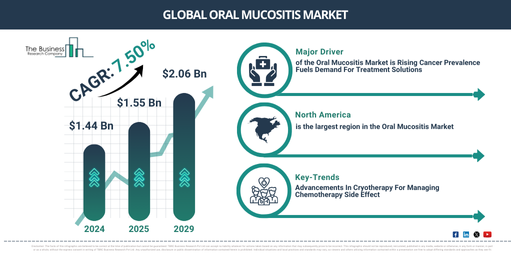
    Recently, the market for oral mucositis has been experiencing significant expansion. Forecasts predict a surge from $1.44 billion in 2024 to $1.55 billion in 2025, resulting in a compound annual growth rate (CAGR) of 7.7%. Factors contributing to the growth observed in the historical period include the escalating number of cancer cases, increases in chemotherapy and radiation treatments, growing awareness about oral mucositis, expanding adoption of supportive care therapies, a rising incidence of head and neck cancers, and amplified investment and activity in oncology supportive care research and development.

    A significant surge in the size of the oral mucositis market is anticipated in the upcoming years, with its value expected to reach$2.06 billion by 2029″, growing at a compound annual growth rate (CAGR) of 7.5%. This growth projection for the period forecasted may be attributed to an escalation in global cancer rates, a growing demand for customized medicine, an increased emphasis on palliative care, enhanced patient understanding and education, and a rise in the utilization of over-the-counter oral care products. Additionally, greater governmental and healthcare investments and a heightened prevalence of radiation and chemotherapy treatments also contribute. Major developments in the forecast period include progress in low-level laser therapy, innovation in drug delivery systems, the incorporation of digital health technologies, the use of AI in treatment plans, concepts of tissue engineering and regenerative therapies being developed, and advances in smart mouthwashes and oral care products.

    Download a free sample to assess the report’s scope and structure:

    https://www.thebusinessresearchcompany.com/sample.aspx?id=21237&type=smp

    Which Primay Drivers Are Accelerating Growth in the Oral Mucositis Market?

    The escalating occurrence of cancer is predicted to drive the expansion of the oral mucositis market in the future. Cancer, a condition marked by uncontrollable abnormal cell growth that can infiltrate and harm healthy tissues, is on the rise due to factors such as an aging demographic, lifestyle modifications, environmental exposure, infections, and genetic predisposition. Oral mucositis therapy aids cancer patients by relieving discomfort, decreasing swelling, thwarting additional infections, and encouraging faster recovery of mouth tissues, thus enhancing their comfort, food consumption, and general life quality throughout chemotherapy or radiation therapy. For example, in May 2024, the US-based National Cancer Institute reported approximately 20 million new cancer instances and 9.7 million cancer-related fatalities worldwide in 2022. Forecasts indicate that these figures could grow to 29.9 million new cases and 15.3 million annual deaths by 2040. Consequently, the rising prevalence of cancer stimulates the growth of the oral mucositis market.

    Which Primary Segments of the Oral Mucositis Market Are Driving Growth and Industry Transformations?

    The oral mucositismarket covered in this report is segmented –

    1) By Indication: Chemotherapy; Radiotherapy; Hematopoietic Stem Cell Transplantation

    2) By Product Type: Solid Dosage Form; Liquid Dosage Form

    3) By Treatment: Palifermin; Amifostine; Chlorhexidine; Sucralfate; Avasopasem; Dusquetide

    4) By Distribution Channel: Hospital Pharmacies; Retail Pharmacies; Online Pharmacies

    5) By End User: Hospitals; Dental Clinics; Oncology Hospitals; Research Institutes

    Subsegments:

    1) By Chemotherapy: High-Dose Chemotherapy-Induced Oral Mucositis; Standard-Dose Chemotherapy-Induced Oral Mucositis

    2) By Radiotherapy: Head And Neck Cancer Radiotherapy-Induced Oral Mucositis; Total Body Irradiation-Induced Oral Mucositis

    3) By Hematopoietic Stem Cell Transplantation: Autologous Stem Cell Transplantation-Induced Oral Mucositis; Allogeneic Stem Cell Transplantation-Induced Oral Mucositis

    Request customized data on this market:

    https://www.thebusinessresearchcompany.com/customise?id=21237&type=smp

    Which Regions Are Key Players in the Growth of the #Which Primay Drivers Are Accelerating Growth in the Oral Mucositis Market?# Market?

    North America was the largest region in the oral mucositis market in 2024. Asia-Pacific is expected to be the fastest-growing region in the forecast period. The regions covered in the oral mucositis market report are Asia-Pacific, Western Europe, Eastern Europe, North America, South America, Middle East, Africa.

    Which Technological Trends Are Reshaping the Oral Mucositis Industry Dynamics?

    Leading firms in the oral mucositis market are prioritizing the creation of inventive solutions such as cryotherapy to decrease the severity and frequency of cases by utilizing cold therapy to limit damage to oral tissues. Cryotherapy is a health treatment which employs extreme cold temperatures to obliterate and remove abnormal or diseased tissue, and is utilized for conditions like warts, tumors or injuries. For example, Chemo Mouthpiece LLC, a medical device company based in the US, made an announcement in February 2024 concerning the approval of their chemo mouthpiece device by the Food and Drug Administration, a government agency in the US. The chemo mouthpiece is an inner mouth ice pack that administers cryotherapy to a patient’s oral cavity during chemotherapy. It actively controls and treats oral mucositis, a frequently occurring painful side effect of chemotherapy.

    View the full report here:

    https://www.thebusinessresearchcompany.com/report/oral-mucositis-global-market-report

    What Parameters Are Used to Define the Oral Mucositis Market?

    Oral mucositis is a condition characterized by the inflammation and ulceration of the mucous membranes lining the mouth. It is commonly seen as a side effect of cancer treatments particularly chemotherapy and radiation therapy, which damage the rapidly dividing cells of the oral mucosa.

    Purchase the full report and get a swift delivery:

    https://www.thebusinessresearchcompany.com/purchaseoptions.aspx?id=21237

    About The Business Research Company:

    With over 15000+ reports from 27 industries covering 60+ geographies, The Business Research Company has built a reputation for offering comprehensive, data-rich research and insights. Armed with 1,500,000 datasets, the optimistic contribution of in-depth secondary research, and unique insights from industry leaders, you can get the information you need to stay ahead in the game.

    Get in touch with us:

    The Business Research Company: https://www.thebusinessresearchcompany.com/

    Americas +1 310-496-7795

    Europe +44 7882 955267

    Asia & Others +44 7882 955267 & +91 8897263534

    Email us at info@tbrc.info

    Follow us on:

    LinkedIn: https://in.linkedin.com/company/the-business-research-company

    YouTube: https://www.youtube.com/channel/UC24_fI0rV8cR5DxlCpgmyFQ

    Global Market Model: https://www.thebusinessresearchcompany.com/global-market-model
  • 3D Cell Culture Technologies Market Forecast Reaching $8.16 Billion by 2029 at 19.8% CAGR

    3D Cell Culture Technologies Market Forecast Reaching $8.16 Billion by 2029 at 19.8% CAGR

    Claim your 30% discount on Global Market Reports with code ONLINE30. Limited time only.

    What is the Anticipated CAGR of the 3D Cell Culture Technologies Market, and What Factors Will Drive It?

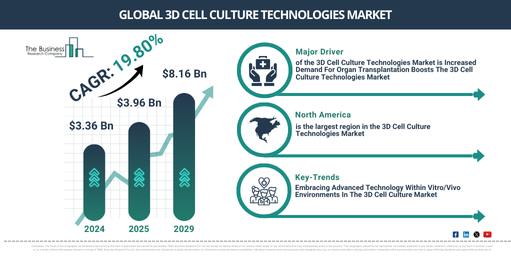
    The market size for 3D cell culture technologies has expanded significantly in the past few years. An increase from $3.36 billion in 2024 to $3.96 billion in 2025 is expected, displaying a compound annual growth rate (CAGR) of 17.9%. The historic progression can be linked to cell biology improvements, drug development enhancements, higher occurrences of chronic illnesses, and increased government support.

    In the coming years, the market size for 3D cell culture technologies is predicted to experience a significant surge and is slated to expand to$8.16 billion in 2029 with a compound annual growth rate (CAGR) of 19.8%. The expected growth during the forecast period is due to contributing factors such as the pharmaceutical industry, augmented research and development activities, along with environmental and ethical considerations. The forthcoming forecast period will see major trends such as personalized medicine, technological progressions, bioprinting, and regenerative medicine.

    Download a free sample to assess the report’s scope and structure:

    https://www.thebusinessresearchcompany.com/sample.aspx?id=2462&type=smp

    Which Major Market Drivers Are Expected to Boost the Growth Potential of the 3D Cell Culture Technologies Market?

    There is a soaring demand for organ transplants which is propelling the growth of the 3D Cell Culture Technologies Market. The technology of 3D cell culture forms three-dimensional structures that have the capability to mimic tissues or organs, thus facilitating organ transplantation. These 3D structures not only have the potential for organ and tissue regeneration but also have applications in drug toxicology screening. In 2023, United Network for Organ Sharing (UNOS), a US-based not-for-profit entity, reported that in 2022, there were a whopping 42,887 organ transplants carried out in the United States, showing a 3.7% increase from the previous year. About 14,903 individuals became deceased organ donors in 2022, marking 12 successive years of record-breaking donations and a 7.5% rise from 2021. The eligibility criteria for deceased organ donations are expanding due to favorable clinical results, leading to an increased number of donors from non-traditional categories. In 2022, organ donations post circulatory death (DCD donors) increased by almost 14% compared to 2021 totals, with 4,776 such cases. For the first time, there were 5,789 deceased donors aged 50 or older, marking the first time that donors of that age group exceeded 5,000 in a single year.

    Which Key Market Segments Comprise the 3D Cell Culture Technologies Market and Drive Its Revenue Growth?

    The 3D cell culture technologiesmarket covered in this report is segmented –

    1) By Type: Scaffold-based; Scaffold-free; 3D Bioreactors

    2) By Application: Cancer Research; Stem Cell Research; Drug Discovery; Regenerative Medicine

    3) By End Users: Research Laboratories and Institutes; Biotechnology and Pharmaceutical Companies; Hospitals and Diagnostic Centers; Other End Users

    Subsegments:

    1) By Scaffold-Based: Natural Scaffolds; Synthetic Scaffolds; Hybrid Scaffolds

    2) By Scaffold-Free: Spheroid-Based; Organoid-Based

    3) By 3D Bioreactors: Spinner Flask Bioreactors; Rotating Wall Bioreactors; Microcarrier-Based Bioreactors; Hollow Fiber Bioreactors

    Request customized data on this market:

    https://www.thebusinessresearchcompany.com/customise?id=2462&type=smp

    Which Areas Are Leading Regions in the 3D Cell Culture Technologies Market Expansion Across the Globe?

    North America was the largest region in the 3D cell culture technologies market in 2024. Western Europe was the second largest region in the 3D cell culture technologies market. The regions covered in the 3D cell culture technologies market report are Asia-Pacific, Western Europe, Eastern Europe, North America, South America, Middle East, Africa

    What Are the Key Market Trends in the3D Cell Culture Technologies Market Over the Coming Years?

    The current trend in the 3D Cell culture market is embracing cutting-edge technologies. Numerous companies are taking advantage of a particular technological breakthrough in the 3D cell culture space, the employment of the vivo/vitro environment. While the 2D models for cell expansion and interactions are not ideal for in vitro models, the 3D cell culture method provides an improved cell culture setting. The Vitro environment empowers researchers and doctors to perform procedures in a regulated environment outside of an organism, gaining significance due to its fundamental role in overseeing patient health. The FDA has given its approval for Biotek’s 3D cell expansion system to be utilized as a medical device and also approved Biotek’s Polycaprolactone (PCL), a biodegradable polyester material used in many FDA-endorsed implants and drug delivery devices.

    View the full report here:

    https://www.thebusinessresearchcompany.com/report/3d-cell-culture-technologies-global-market-report

    How Is the 3D Cell Culture Technologies Market Conceptually Defined?

    Cell culture is a process for developing substrates for the safe production of viral vaccines. 3D cell culture is an in vitro technique wherein the cells can grow in an artificially created environment. These technologies are essential for understanding more complex biological processes, such as tissue development, cell behavior, drug responses, and disease mechanisms.

    Purchase the full report and get a swift delivery:

    https://www.thebusinessresearchcompany.com/purchaseoptions.aspx?id=2462

    About The Business Research Company:

    With over 15000+ reports from 27 industries covering 60+ geographies, The Business Research Company has built a reputation for offering comprehensive, data-rich research and insights. Armed with 1,500,000 datasets, the optimistic contribution of in-depth secondary research, and unique insights from industry leaders, you can get the information you need to stay ahead in the game.

    Get in touch with us:

    The Business Research Company: https://www.thebusinessresearchcompany.com/

    Americas +1 310-496-7795

    Europe +44 7882 955267

    Asia & Others +44 7882 955267 & +91 8897263534

    Email us at info@tbrc.info

    Follow us on:

    LinkedIn: https://in.linkedin.com/company/the-business-research-company

    YouTube: https://www.youtube.com/channel/UC24_fI0rV8cR5DxlCpgmyFQ

    Global Market Model: https://www.thebusinessresearchcompany.com/global-market-model
  • Optic Neuropathy Management Market Valuation Expected To Reach $4.81 Billion By 2029, Growing At A Rate Of 5.8%

    Optic Neuropathy Management Market Valuation Expected To Reach $4.81 Billion By 2029, Growing At A Rate Of 5.8%

    Claim your 30% discount on Global Market Reports with code ONLINE30. Limited time only.

    How Has The Optic Neuropathy Management Market Size Shifted, And What Is the Outlook Through 2034?

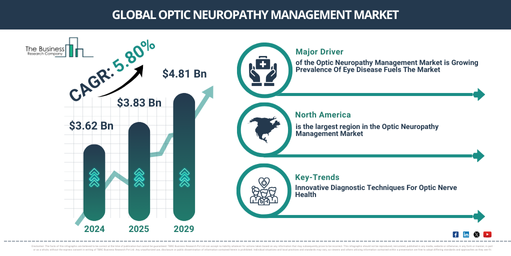
    The market for managing optic neuropathy has seen robust growth in the recent past. Expanding from $3.62 billion in 2024, it is predicted to reach $3.83 billion in 2025, showcasing a compound annual growth rate (CAGR) of 5.9%. The historical growth has been fueled by increasing instances of optic neuropathy, a rise in eye injuries, greater investments in eye care services and a surge in demand for specialized eye care. Additionally, the escalating rates of diabetes and other chronic maladies have contributed to this growth.

    The market for managing optic neuropathy is anticipated to experience robust growth in the coming years, reaching a value of $4.81 billion in 2029, with a 5.8% Compound Annual Growth Rate (CAGR). This surge during the forecast period is attributed to a rising count of people suffering from amebic infections, growing aging population, escalating instances of optic neuritis and glaucoma, along with the increased prevalence of optic neuritis. The forecast period is expected to witness key trends such as progress in the medical technology sphere, personalizing medical therapy, growth of telemedicine, enhancement in diagnostic technology, burgeoning healthcare infrastructure in burgeoning markets, combined with increased focus on neuroprotective treatments.

    Download a free sample to assess the report’s scope and structure:

    https://www.thebusinessresearchcompany.com/sample.aspx?id=21236&type=smp

    Which Factors and External Forces Are Driving Demand in the Optic Neuropathy Management Market?

    The optic neuropathy management market is anticipated to expand due to an increase in eye disease prevalence. Eye diseases signify any issue that impacts the eyes’ structure or function, resulting in impaired vision or related symptoms. The surge of eye conditions is attributed to aging demographics, amplified screen usage, unhealthy lifestyle selections, and fundamental medical conditions like diabetes. Optic neuropathy management plays a pivotal role in lessening the occurrence of eye disease by averting further optic nerve destruction and maintaining vision. For example, in February 2025, the Department of Health and Social Care, a governmental department from the UK, reported about 2 million residents in the UK suffer some level of sight loss, and this figure is predicted to elevate to 2.7 million by 2030. Hence, the escalation in eye disease prevalence is fuelling the optic neuropathy management market’s growth.

    Which Segments in the Optic Neuropathy Management Offer the Most Growth?

    The optic neuropathy managementmarket covered in this report is segmented –

    1) By Treatment Type: Medications; Surgery; Other Treatment Types

    2) By Diagnosis: Imaging Tests; Blood Tests; Other Diagnosis

    3) By End-User: Hospitals; Specialty Clinics; Ambulatory Surgical Centers; Other End-Users

    Subsegments:

    1) By Medications: Corticosteroids; Neuroprotective Agents; Antioxidants; Immunosuppressants; Prostaglandin Analogs

    2) By Surgery: Optic Nerve Decompression Surgery; Optic Nerve Transplantation; Retinal Implant Surgery

    3) By Other Treatment Types: Low Vision Aids; Stem Cell Therapy; Gene Therapy

    Request customized data on this market:

    https://www.thebusinessresearchcompany.com/customise?id=21236&type=smp

    What Are the Fastest-Growing Geographies in the #Which Factors and External Forces Are Driving Demand in the Optic Neuropathy Management Market?# Market?

    North America was the largest region in the optic neuropathy management market in 2024. Asia-Pacific is expected to be the fastest-growing region in the forecast period. The regions covered in the optic neuropathy management market report are Asia-Pacific, Western Europe, Eastern Europe, North America, South America, Middle East, Africa.

    Which Cutting-Edge Market Trends Are Expected to Drive theOptic Neuropathy Management Market’s Growth?

    Leading firms in the optic neuropathy management market are focusing on the creation of innovative treatments like monoclonal antibody therapy to gain a competitive edge. These monoclonal antibodies are engineered proteins that emulate the immune system’s power to combat detrimental pathogens like bacteria and viruses. For example, Horizon Therapeutics, a company based in Ireland, revealed a fresh analysis of MRI results for their medication, UPLIZNA (inebilizumab), in March 2023. The analysis showed that UPLIZNA lessens the creation of asymptomatic optic nerve lesions in people suffering from neuromyelitis optica spectrum disorder (NMOSD). This emphasizes Horizon’s dedication to offering inventive solutions for rare diseases such as NMOSD, gout, and thyroid eye disease. UPLIZNA is a monoclonal antibody therapy specifically engineered to treat NMOSD by destroying harmful B cells, lessening inflammation, and averting further harm to the central nervous system and optic nerves, thereby reducing flare-ups and maintaining vision.

    View the full report here:

    https://www.thebusinessresearchcompany.com/report/optic-neuropathy-management-global-market-report

    What Are the Key Elements That Define the Optic Neuropathy Management Market?

    Optic neuropathy management refers to the diagnosis, treatment, and monitoring of optic nerve damage using medications, lifestyle modifications, surgical interventions, and vision rehabilitation to prevent further deterioration and improve visual function.

    Purchase the full report and get a swift delivery:

    https://www.thebusinessresearchcompany.com/purchaseoptions.aspx?id=21236

    About The Business Research Company:

    With over 15000+ reports from 27 industries covering 60+ geographies, The Business Research Company has built a reputation for offering comprehensive, data-rich research and insights. Armed with 1,500,000 datasets, the optimistic contribution of in-depth secondary research, and unique insights from industry leaders, you can get the information you need to stay ahead in the game.

    Get in touch with us:

    The Business Research Company: https://www.thebusinessresearchcompany.com/

    Americas +1 310-496-7795

    Europe +44 7882 955267

    Asia & Others +44 7882 955267 & +91 8897263534

    Email us at info@tbrc.info

    Follow us on:

    LinkedIn: https://in.linkedin.com/company/the-business-research-company

    YouTube: https://www.youtube.com/channel/UC24_fI0rV8cR5DxlCpgmyFQ

    Global Market Model: https://www.thebusinessresearchcompany.com/global-market-model
  • $1.98 Billion Forecast for Secure Messaging In Healthcare Market by 2029, Backed by Demand and Innovation

    $1.98 Billion Forecast for Secure Messaging In Healthcare Market by 2029, Backed by Demand and Innovation

    Claim your 30% discount on Global Market Reports with code ONLINE30. Limited time only.

    What Are the Key Milestones in the Secure Messaging In Healthcare Market’s Growth Trajectory From 2025 To 2034?

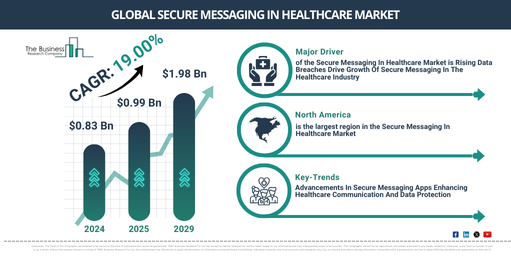
    The healthcare secure messaging market has seen significant expansion in the previous few years. The market is predicted to increase from a value of $0.83 billion in 2024 to about $0.99 billion in 2025, with a compound annual growth rate (CAGR) of 18.9%. The historic growth can be accredited to factors such as adherence to regulatory compliance and data security, the surge in cybersecurity threats, the extensive utilization of electronic health records, the increasing preference for telehealth and remote patient treatment, and the escalated complexity in patient care.

    The market for secure healthcare messaging is set to experience substantial growth over the coming years, with the market size projected to reach $1.98 billion in 2029, marking a compound annual growth rate (CAGR) of 19.0%. This expansion in the forecast window is linked to numerous factors, such as a heightened emphasis on safeguarding patient information, the rise of remote and hybrid working models, the surge in mobile health apps usage, the introduction of value-based healthcare models, and digital transformation drives within the healthcare sector. Key trends expected in this forecast period include the broadening scope of cloud-based solutions, increased attention towards user experience, incorporation of blockchain for improved security, efforts towards personalized patient engagement, and the growth of secure messaging usage beyond just clinical environments.

    Download a free sample to assess the report’s scope and structure:

    https://www.thebusinessresearchcompany.com/sample.aspx?id=19181&type=smp

    What Are the Core Growth Drivers Propelling the Secure Messaging In Healthcare Market Forward?

    The escalating instances of data violations within the healthcare sector are projected to boost the expansion of secure messaging within the field. Unauthorized exposure, theft, or access of confidential patient information, encompassing medical records, personal data and financial particulars, are included in these data breaches, potentially putting patient’s privacy and security at stake. The increased digitization of medical records, deficiencies in cybersecurity strategies, the high relevance of medical data on the black market, and the escalating complexity of cyberattacks focusing on susceptible healthcare infrastructures are all factors contributing to the surge in data violations. Secure messaging within healthcare works as a solution to these breaches by safeguarding the transmission of sensitive patient information through encrypted and fortified channels, lessening the chance of unauthorized violations. For instance, as reported by the HIPAA Journal, an in-depth U.S. online resource focusing on news and information pertinent to the Health Insurance Portability and Accountability Act (HIPAA), there were a total of 61 data breaches that impacted 500 or more records, recorded to the U.S. Department of Health and Human Services (HHS) Office for Civil Rights (OCR) in January 2024. This exhibited a 22% reduction in recorded violations when compared to the prior month. Hence, the escalating instances of data breaches within the healthcare sector are contributing to the expansion of secure messaging within the healthcare market.

    What Segment Types Define the Secure Messaging In Healthcare Market Structure?

    The secure messaging in healthcaremarket covered in this report is segmented –

    1) By Type: Medical Compliance; Direct Secure Messaging; Secure File Transfer; Secure Forms Processing; Secure Patient Information

    2) By Component: Software; Services

    3) By Application: Hospitals; Clinics; Nursing Homes; Long Term Care; Ambulatory Surgery Centers (ASCs) And Trauma Centers; Rehabilitation Centers; Home Healthcare

    Subsegments:

    1) By Medical Compliance: Regulatory Compliance Messaging; Patient Consent Management; Compliance Monitoring Notifications

    2) By Direct Secure Messaging: Secure Messaging for Physicians; Patient-To-Provider Messaging; Inter-Provider Messaging; Secure Messaging Platforms

    3) By Secure File Transfer: Patient Records Transfer; Laboratory Results Transfer; Referral And Consultation Documents Transfer

    4) By Secure Forms Processing: Patient Intake Forms; Insurance Verification Forms; Authorization Forms; Survey And Feedback Forms

    5) By Secure Patient Information: Health Information Exchange; Secure Communication With Patients; Electronic Health Record (EHR) Messaging

    Request customized data on this market:

    https://www.thebusinessresearchcompany.com/customise?id=19181&type=smp

    Which Geographic Areas Hold the Strongest Growth Potential in the Secure Messaging In Healthcare Market?

    North America was the largest region in the secure messaging in healthcare market in 2024. Asia-Pacific is expected to be the fastest-growing region in the forecast period. The regions covered in the secure messaging in healthcare market report are Asia-Pacific, Western Europe, Eastern Europe, North America, South America, Middle East, Africa.

    Which Emerging Trends that Are Influencing theSecure Messaging In Healthcare Industry Evolution?

    Leading firms in the healthcare secure messaging market are concentrating on the evolution of superior solutions such as safe messaging applications, geared towards transforming communication in healthcare. These applications serve as communication platforms leveraging encryption to safeguard messages, thereby guaranteeing that only designated recipients can view them, thus preserving privacy and inhibiting unauthorized access. For example, in May 2024, Canada’s Lumeca Health Inc., a software-based company, introduced Lumeca Messages, an application purposed for healthcare professionals offering comprehensive encryption to secure patient correspondence. The application, equipped with real-time messaging, secure document sharing, and smooth electronic health records (EHRs) integration, ensures compliance with healthcare privacy norms in all patient engagements. Also, its user-friendly interface with features like message tagging and read receipt enhances communication effectiveness in healthcare teams.

    View the full report here:

    https://www.thebusinessresearchcompany.com/report/secure-messaging-in-healthcare-global-market-report

    What Is the Definition of the Secure Messaging In Healthcare Market?

    Secure messaging in healthcare refers to using encrypted and protected communication methods to exchange information between healthcare professionals, patients, and other stakeholders. This approach ensures that sensitive health information, such as medical records, test results, and treatment plans, is transmitted in a way that maintains confidentiality, integrity, and authenticity. Secure messaging systems are critical in healthcare to protect patient privacy, support efficient communication, and enhance care coordination.

    Purchase the full report and get a swift delivery:

    https://www.thebusinessresearchcompany.com/purchaseoptions.aspx?id=19181

    About The Business Research Company:

    With over 15000+ reports from 27 industries covering 60+ geographies, The Business Research Company has built a reputation for offering comprehensive, data-rich research and insights. Armed with 1,500,000 datasets, the optimistic contribution of in-depth secondary research, and unique insights from industry leaders, you can get the information you need to stay ahead in the game.

    Get in touch with us:

    The Business Research Company: https://www.thebusinessresearchcompany.com/

    Americas +1 310-496-7795

    Europe +44 7882 955267

    Asia & Others +44 7882 955267 & +91 8897263534

    Email us at info@tbrc.info

    Follow us on:

    LinkedIn: https://in.linkedin.com/company/the-business-research-company

    YouTube: https://www.youtube.com/channel/UC24_fI0rV8cR5DxlCpgmyFQ

    Global Market Model: https://www.thebusinessresearchcompany.com/global-market-model
  • Oncolytic Adenovirus Market Forecast Reaching $181.71 Billion by 2029 at 8.2% CAGR

    Oncolytic Adenovirus Market Forecast Reaching $181.71 Billion by 2029 at 8.2% CAGR

    Claim your 30% discount on Global Market Reports with code ONLINE30. Limited time only.

    How Has the Oncolytic Adenovirus Market Growth Performance Trended Historically, And What Lies Ahead?

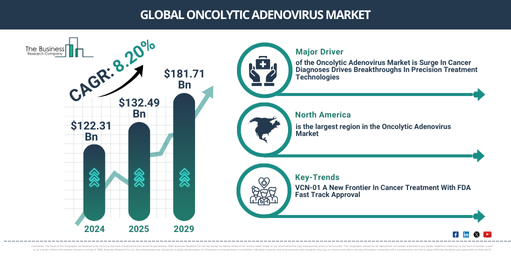
    The market size for oncolytic adenovirus has witnessed considerable growth lately. It’s projected to rise from $122.31 billion in 2024 to $132.49 billion in 2025, registering a compound annual growth rate (CAGR) of 8.3%. The growth witnessed in the historical period is due to a surge in cancer cases, augmented demand for tailored cancer treatments, an increase in R&D funds, enhancement in delivery procedures, and regulatory approvals.

    With a robust increase projected over the coming years, the oncolytic adenovirus market is anticipated to surge to$181.71 billion by 2029 at an 8.2% compound annual growth rate (CAGR). The substantial growth anticipated during this period is attributed to factors such as rising instances and prevalence of cancer, the extension of combination therapies, advancements and approvals in regulations, breakthroughs in virus engineering technology, as well as heightened investment in oncology research. The main trends forecasted during this period involve progresses in viral engineering methodologies, enhanced drug delivery systems, precision improvements in tumor targeting, superior combinations of immunotherapy, and advancements in patient monitoring and diagnostic procedures.

    Download a free sample to assess the report’s scope and structure:

    https://www.thebusinessresearchcompany.com/sample.aspx?id=21235&type=smp

    Which Major Market Drivers Are Expected to Boost the Growth Potential of the Oncolytic Adenovirus Market?

    The relentless rise in cancer cases is set to further stimulate expansion in the oncolytic adenovirus market. This illness, defined by unregulated cell proliferation and dissemination to other body sites, has seen its prevalence escalate due to aging populations, lifestyle choices, environmental exposure, genetic predispositions, and superior detection techniques. Oncolytic adenoviruses specifically target and annihilate cancer cells, presenting a hopeful strategy to counter the mounting number of cancer incidents. For instance, reports released by the National Cancer Institute (NCI), a US governmental body, in May 2024 stated that the world witnessed nearly 20 million fresh cancer cases and 9.7 million fatalities, with a forecast for 2040 to burgeon to approximately 29.9 million cases and 15.3 million deaths. Moreover, statistics from the Australian Bureau of Statistics, a government agency in Australia, showed in 2023 that 1.8% of Australians were diagnosed with cancer, with a slightly higher proportion of men (2.1%) than women (1.6%) being afflicted, particularly those aged 75 and over. Consequently, the escalating occurrence of cancer is propelling the growth trajectory of the oncolytic adenovirus market.

    Which Key Market Segments Comprise the Oncolytic Adenovirus Market and Drive Its Revenue Growth?

    The oncolytic adenovirusmarket covered in this report is segmented –

    1) By Virus Type: Adenovirus Type 5-Based Oncolytic Viruses; Adenovirus Type 2-Based Oncolytic Viruses; Other Virus Types

    2) By Application: Melanoma; Prostate Cancer; Breast Cancer; Ovarian Cancer; Lung Cancer; Other Applications

    3) By End-User: Hospitals; Cancer Research Institutes; Biotechnology Companies; Academic And Research Institutes

    Subsegments:

    1) By Adenovirus Type 5-Based Oncolytic Viruses: First-generation Adenovirus Type 5-based; Second-generation Adenovirus Type 5-based; Engineered Adenovirus Type 5-based

    2) By Adenovirus Type 2-Based Oncolytic Viruses: First-generation Adenovirus Type 2-based; Second-generation Adenovirus Type 2-based; Engineered Adenovirus Type 2-based

    3) By Other Virus Types: Modified Adenovirus Strains; Hybrid Adenovirus Types; Chimeric Adenoviruses

    Request customized data on this market:

    https://www.thebusinessresearchcompany.com/customise?id=21235&type=smp

    Which Areas Are Leading Regions in the Oncolytic Adenovirus Market Expansion Across the Globe?

    North America was the largest region in the oncolytic adenovirus market in 2024. Asia-Pacific is expected to be the fastest-growing region in the forecast period. The regions covered in the oncolytic adenovirus market report are Asia-Pacific, Western Europe, Eastern Europe, North America, South America, Middle East, Africa.

    What Are the Key Market Trends in theOncolytic Adenovirus Market Over the Coming Years?

    Dominant businesses in the oncolytic adenovirus market are concentrating on collaborative therapies such as VCN-01. This method merges oncolytic virotherapy and chemotherapy to enhance tumor targeting and amplify therapeutic results. VCN-01 is a purposefully engineered oncolytic adenovirus that aims to selectively infect and eliminate cancer cells while also boosting the efficiency of chemotherapy. In May 2024, for instance, Theriva Biologics, a clinical-phase immuno-oncology business located in the United States, reported that the U.S. Food and Drug Administration (FDA) conferred Fast Track Designation (FTD) to their leading candidate, VCN-01. This title is applied to VCN-01 when used alongside gemcitabine and nab-paclitaxel for handling metastatic pancreatic adenocarcinoma. VCN-01 is an oncolytic adenovirus that targets and multiplies within tumor cells, assisting in the tumor stroma breakdown, a significant barrier to successful cancer therapy.

    View the full report here:

    https://www.thebusinessresearchcompany.com/report/oncolytic-adenovirus-global-market-report

    How Is the Oncolytic Adenovirus Market Conceptually Defined?

    Oncolytic adenovirus is a genetically modified virus designed to selectively infect and destroy cancer cells while sparing healthy tissue. It replicates within tumor cells, causing them to rupture and release new viral particles, which further attack the cancer. Additionally, it stimulates the immune system to enhance the body’s anti-tumor response.

    Purchase the full report and get a swift delivery:

    https://www.thebusinessresearchcompany.com/purchaseoptions.aspx?id=21235

    About The Business Research Company:

    With over 15000+ reports from 27 industries covering 60+ geographies, The Business Research Company has built a reputation for offering comprehensive, data-rich research and insights. Armed with 1,500,000 datasets, the optimistic contribution of in-depth secondary research, and unique insights from industry leaders, you can get the information you need to stay ahead in the game.

    Get in touch with us:

    The Business Research Company: https://www.thebusinessresearchcompany.com/

    Americas +1 310-496-7795

    Europe +44 7882 955267

    Asia & Others +44 7882 955267 & +91 8897263534

    Email us at info@tbrc.info

    Follow us on:

    LinkedIn: https://in.linkedin.com/company/the-business-research-company

    YouTube: https://www.youtube.com/channel/UC24_fI0rV8cR5DxlCpgmyFQ

    Global Market Model: https://www.thebusinessresearchcompany.com/global-market-model
  • Dental Matrix Systems Market Valuation Expected To Reach $1.24 Billion By 2029, Growing At A Rate Of 6.4%

    Dental Matrix Systems Market Valuation Expected To Reach $1.24 Billion By 2029, Growing At A Rate Of 6.4%

    Claim your 30% discount on Global Market Reports with code ONLINE30. Limited time only.

    What Is the Current and Projected Market Size of the Dental Matrix Systems Market Through 2034?

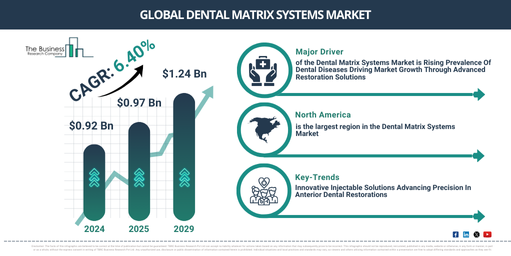
    Recently, there has been robust growth in the dental matrix systems market. The market size, which was recorded at $0.92 billion in 2024, is projected to increase to $0.97 billion in 2025 with a compound annual growth rate (CAGR) of 5.6%. The factors that contributed to this growth in the historical period include a surge in dental health issues, escalating rates of dental diseases, rising demand for cosmetic dentistry, an increase in root canal treatments, and growing demand for cosmetic and aesthetic dental procedures.

    The dental matrix systems market is anticipated to experience robust growth in the upcoming years, escalating to$1.24 billion in 2029″ with a compound annual growth rate (CAGR) of 6.4%. This surge over the forecast period can be contributed to the increasing demand for sophisticated dental care services, the growing popularity of cosmetic dentistry, heightened awareness about oral hygiene, a rise in the need for dental handpieces, as well as an increased recognition and implementation of good oral hygiene habits. Significant trends predicted for the forecast period consist of advancements in bio-compatible materials, adoption of single-use systems, incorporation with digital dentistry, bettered ergonomic designs, heightened precision for minimally invasive procedures, the introduction of products specifically targeting pediatric needs, and the adoption of environment-friendly, sustainable products.

    Download a free sample to assess the report’s scope and structure:

    https://www.thebusinessresearchcompany.com/sample.aspx?id=24202&type=smp

    Which Factors and External Forces Are Driving Demand in the Dental Matrix Systems Market?

    The dental matrix systems market is predicted to expand, driven by the growing occurrence of dental diseases. These conditions, which include cavities, gum disease, and oral infections, primarily affect the teeth, gums and other structures in the mouth. The increase in dental diseases can be linked to the intake of foods and drinks high in sugar, combined with poor oral hygiene practices. Dental matrix systems play a pivotal role in the treatment of these diseases by ensuring correct contour and contact during the restoration of teeth, which leads to precise placement of fillings and proper tooth function. To exemplify, the National Health Service (NHS) dentistry, a government agency based in the UK, reported in May 2024 that 32.5 million dental treatments were administered during 2022-23. This constitutes a 23.2% rise when compared to the preceding year. Therefore, the growing incidence of dental diseases is fuelling the dental matrix systems market’s growth.

    Which Segments in the Dental Matrix Systems Offer the Most Growth?

    The dental matrix systemsmarket covered in this report is segmented –

    1) By Product Type: Sectional Matrix Systems; Circumferential Matrix Systems; Other Product Types

    2) By Material Used: Stainless Steel; Nickel Titanium; Polymer-Based Materials; Composite Materials; Glass Fiber Materials

    3) By Sales Channel: Direct Sales; Distributors; Online Retail; Catalog Sales; Wholesale Suppliers

    4) By Application: Dental Filling; Contour And Shape Control; Gingival Protection; Proximal Contact And Separation; Dental Sealing; Dental Aesthetics

    5) By End-User: Dentistry Clinics; Dental Hospitals; Dental Laboratories; Academic And Research Institutes; Dental Training Centers

    Subsegments:

    1) By Sectional Matrix Systems: Ring Systems; Wedges; Matrix Bands; Forceps

    2) By Circumferential Matrix Systems: Retainer-based Matrix Systems; Retainer-less Matrix Systems; Pre-contoured Bands; Plain Bands

    3) By Other Product Types: Tofflemire Matrix Systems; Mylar Strips; Strip Holders; Tension Rings

    Request customized data on this market:

    https://www.thebusinessresearchcompany.com/customise?id=24202&type=smp

    What Are the Fastest-Growing Geographies in the #Which Factors and External Forces Are Driving Demand in the Dental Matrix Systems Market?# Market?

    North America was the largest region in the dental matrix systems market in 2024. Asia-Pacific is expected to be the fastest-growing region in the forecast period. The regions covered in the dental matrix systems market report are Asia-Pacific, Western Europe, Eastern Europe, North America, South America, Middle East, Africa.

    Which Cutting-Edge Market Trends Are Expected to Drive theDental Matrix Systems Market’s Growth?

    Major corporations in the dental matrix system marketplace are honing their focus on technological advancements, like the creation of injectable matrix systems, to increase clinical efficacy, comfort for the patient, and accurate adaptation in complicated restorative processes. These injectable matrix systems are malleable dental tools that facilitate precise and easy restorations in intricate dental treatments. For instance, in December 2024, Premier Dental, a dental equipment manufacturer from the US, unveiled VeneerNow, an adaptable injectable matrix system aimed at streamlining anterior composite restorations. This novel advancement enables meticulous and aesthetically pleasing veneer shaping that requires minimal finishing and polishing. The product is compatible with both flowable and packable composites, ensuring uniform, superior quality outcomes. The initiative of introducing VeneerNow signified a major leap in restorative dentistry, providing clinicians with a more streamlined and reliable method to accomplish natural-looking anterior restorations.

    View the full report here:

    https://www.thebusinessresearchcompany.com/report/dental-matrix-systems-global-market-report

    What Are the Key Elements That Define the Dental Matrix Systems Market?

    Dental matrix systems are devices used by dentists to form a temporary boundary around a tooth while placing a filling. They aid in shaping the restoration, maintaining tooth structure, and ensuring the filling material stays properly in place and aligns correctly with surrounding teeth.

    Purchase the full report and get a swift delivery:

    https://www.thebusinessresearchcompany.com/purchaseoptions.aspx?id=24202

    About The Business Research Company:

    With over 15000+ reports from 27 industries covering 60+ geographies, The Business Research Company has built a reputation for offering comprehensive, data-rich research and insights. Armed with 1,500,000 datasets, the optimistic contribution of in-depth secondary research, and unique insights from industry leaders, you can get the information you need to stay ahead in the game.

    Get in touch with us:

    The Business Research Company: https://www.thebusinessresearchcompany.com/

    Americas +1 310-496-7795

    Europe +44 7882 955267

    Asia & Others +44 7882 955267 & +91 8897263534

    Email us at info@tbrc.info

    Follow us on:

    LinkedIn: https://in.linkedin.com/company/the-business-research-company

    YouTube: https://www.youtube.com/channel/UC24_fI0rV8cR5DxlCpgmyFQ

    Global Market Model: https://www.thebusinessresearchcompany.com/global-market-model
  • Global Sciatica Treatment Market Projected to Reach $7.03 Billion by 2029 at a CAGR of 9%

    Global Sciatica Treatment Market Projected to Reach $7.03 Billion by 2029 at a CAGR of 9%

    Claim your 30% discount on Global Market Reports with code ONLINE30. Limited time only.

    How Has The Sciatica Treatment Market Size Shifted, And What Is the Outlook Through 2034?

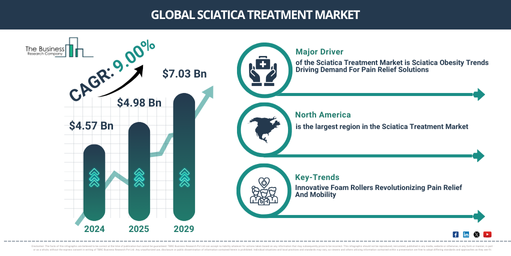
    There has been a robust growth in the market size for sciatica treatment in recent years. The market value is expected to rise from $4.57 billion in 2024 to $4.98 billion in 2025, with a compound annual growth rate (CAGR) of 8.9%. Factors contributing to this growth during the historic period include the heightened demand for non-surgical treatments for sciatica, an increased focus on personalized medication, improved access to healthcare services, a surge in awareness and demand for the treatment, and a rise in the occurrence of lower back pain.

    The market for sciatica treatment is set for considerable expansion in the upcoming years, with expectations to reach$7.03 billion in 2029″ at a compound annual growth rate (CAGR) of 9.0%. This growth during the predicted timeframe can be credited to factors such as a rising overweight or obesity rate, an increase in lasting pain conditions, a rise in chronic disease occurrence, a higher prevalence of sciatica, and an elevation in awareness and diagnosis. Prime trends during this period will involve advancements in medical technology, improvements and boost to treatment effectiveness, breakthroughs in medication for sciatic nerve pain, the incorporation of digital health technologies, and progress in the field of regenerative medicine.

    Download a free sample to assess the report’s scope and structure:

    https://www.thebusinessresearchcompany.com/sample.aspx?id=19179&type=smp

    What are the Fundamental Drivers and Innovations Shaping the Sciatica Treatment Market?

    The burgeoning rates of obesity are anticipated to boost the expansion of the sciatica treatment market. Obesity is a medical issue defined by surplus body fat accumulation, presenting health hazards such as heart disease, diabetes, and hypertension. The augmentation in obesity rates is chiefly influenced by the widespread access to high-calorie processed foods and increasingly inactive lifestyles brought about by technology and urbanization. For individuals grappling with obesity, sciatica treatment may offer relief from nerve pain and enhance mobility through physical therapy and weight management, all while lessening the burden that surplus weight imposes on the spine. For example, Government UK recorded in May 2023, that from 2021 to 2022, a projected 63.8% of adults aged 18 and above in England were either overweight or obese, marking a slight rise from 63.3% in 2020-2021. Hence, the rising obesity rates are contributing to the growth of the sciatica treatment market.

    How Is the Sciatica Treatment Market Segmented?

    The sciatica treatmentmarket covered in this report is segmented –

    1) By Type: Acute Sciatica; Chronic Sciatica; Other Types

    2) By Treatment Type: Prescription Drugs; Steroids; Non-Steroidal Anti-Inflammatory Drugs; Antidepressants; Physical Therapy; Spinal Injections; Surgery; Alternative Therapies; Other Treatment Types

    3) By Distribution Channel: Hospitals And Associated Pharmacies; Retail Pharmacies; Online Pharmacies

    Subsegments:

    1) By Acute Sciatica: Physical Therapy; Medications; Chiropractic Care; Epidural Steroid Injections; Heat Or Ice Therapy; Lifestyle Modifications

    2) By Chronic Sciatica: Long-term Physical Therapy; Prescription Medications; Surgery; Nerve Block Injections; Alternative Therapies; Pain Management Programs

    3) By Other Types: Sciatica Due To Pregnancy; Sciatica Due To Herniated Discs; Sacroiliac Joint Dysfunction; Spondylolisthesis-Related Sciatica; Post-surgical Sciatica Treatment

    Request customized data on this market:

    https://www.thebusinessresearchcompany.com/customise?id=19179&type=smp

    Which Regions Are Driving the Next Phase of the Sciatica Treatment Market Growth?

    North America was the largest region in the sciatica treatment market in 2024. Asia-Pacific is expected to be the fastest-growing region in the forecast period. The regions covered in the sciatica treatment market report are Asia-Pacific, Western Europe, Eastern Europe, North America, South America, Middle East, Africa.

    What Key Trends Are Shaping the Future of the Sciatica Treatment Market?

    Leading firms in the sciatica treatment market are concentrating their efforts on creating innovative products like advanced foam rollers to augment pain reduction and enhance patient mobility. These sophisticated rollers, designed to alleviate sciatica pain, are specialized foam instruments geared towards self-myofascial release. They focus on tense muscles and boost blood flow in the lower back, hips, and legs areas. For example, Rolex Recovery, an American company known for its pioneering recovery tools, introduced a cutting-edge foam rolling device in July 2024, distinctively crafted to alleviate sciatica pain. With its singular design, it centers in on the sciatic nerve and the muscles surrounding it, fostering self-myofascial release and thus decreasing inflammation and increasing blood circulation. By allowing users to apply specific pressure to affected regions, this roller aids in reducing inflammation and improving blood circulation, eventually relieving pain. The practical design makes it convenient to include in everyday routines, be it at home, at the gym, or while on the move.

    View the full report here:

    https://www.thebusinessresearchcompany.com/report/sciatica-treatment-global-market-report

    How Is the Sciatica Treatment Market Defined and What Are Its Core Parameters?

    Sciatica treatment refers to the various methods to relieve sciatica symptoms, such as pain radiating along the sciatic nerve from the lower back down through the legs. Treatment plans are often individualized based on the underlying cause of sciatica, the severity of symptoms, and the patient’s overall health.

    Purchase the full report and get a swift delivery:

    https://www.thebusinessresearchcompany.com/purchaseoptions.aspx?id=19179

    About The Business Research Company:

    With over 15000+ reports from 27 industries covering 60+ geographies, The Business Research Company has built a reputation for offering comprehensive, data-rich research and insights. Armed with 1,500,000 datasets, the optimistic contribution of in-depth secondary research, and unique insights from industry leaders, you can get the information you need to stay ahead in the game.

    Get in touch with us:

    The Business Research Company: https://www.thebusinessresearchcompany.com/

    Americas +1 310-496-7795

    Europe +44 7882 955267

    Asia & Others +44 7882 955267 & +91 8897263534

    Email us at info@tbrc.info

    Follow us on:

    LinkedIn: https://in.linkedin.com/company/the-business-research-company

    YouTube: https://www.youtube.com/channel/UC24_fI0rV8cR5DxlCpgmyFQ

    Global Market Model: https://www.thebusinessresearchcompany.com/global-market-model
  • $10.78 Billion Forecast for Nucleic Acid And Gene Therapies In Neuromuscular Disorders Market by 2029, Backed by Demand and Innovation

    $10.78 Billion Forecast for Nucleic Acid And Gene Therapies In Neuromuscular Disorders Market by 2029, Backed by Demand and Innovation

    Claim your 30% discount on Global Market Reports with code ONLINE30. Limited time only.

    What Are the Projected Market Size and Growth Rates for the Nucleic Acid And Gene Therapies In Neuromuscular Disorders Market From 2025 To 2029?

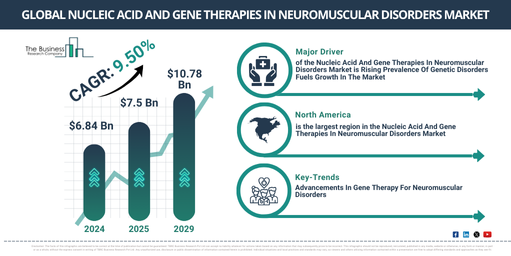
    The market size for nucleic acid and gene therapies for neuromuscular disorders has seen robust growth in the past few years. This sector is expected to expand from $6.84 billion in 2024 to $7.5 billion in 2025, with a compound annual growth rate (CAGR) of 9.6%. The notable growth during the historical period can be credited to factors such as an uptick in regulatory approvals, escalating demand for nucleic acid-based treatments, the need for more accurate and effective therapies, increasing demand for successful gene therapies, and a rise in gene therapy-related discoveries.

    A significant surge in the market size of nucleic acid and gene therapies in neuromuscular disorders is anticipated in the coming years. The market is projected to reach $10.78 billion by 2029, accelerating at a compound annual growth rate (CAGR) of 9.5%. Factors contributing to growth in the forecast period include a rise in genetic disorders, escalated R&D investments, increased demand for precision medicine, a boom in the approval of gene therapy products, and a rise in chronic disorders. The forecast period will also see trends like improvements in patient care, superior performance chromatography, inventive answers for conditions, progression in gene editing technologies, and the emergence of nucleic acid extraction technology.

    Download a free sample to assess the report’s scope and structure:

    https://www.thebusinessresearchcompany.com/sample.aspx?id=21233&type=smp

    What Are the Core Growth Drivers Propelling the Nucleic Acid And Gene Therapies In Neuromuscular Disorders Market Forward?

    The nucleic acid and gene therapies industry for neuromuscular ailments is expected to be spurred by the escalating incidence of genetic disorders. These diseases, originating from DNA abnormalities either inherited or from mutations, are on the rise due to factors such as genetic changes, environmental influences, lifestyle shifts, and enhanced diagnostic competencies. Nucleic acid and gene therapies intervene by rectifying or substituting defective genes in neuromuscular disorders to reinstate normal functioning. For example, as per Cure SMA, a US-based non-profit organization, roughly 9,000 to 9,500 individuals in America presently live with Spinal Muscular Atrophy (SMA) as of May 2024. Out of the total population, 37% are diagnosed with Type 2 SMA. The disease records an approximate incidence rate of 1 in 15,000 births. Consequently, the rising occurrence of genetic disorders is fueling the expansion of the nucleic acid and gene therapy sector for neuromuscular diseases.

    What Segment Types Define the Nucleic Acid And Gene Therapies In Neuromuscular Disorders Market Structure?

    The nucleic acid and gene therapies in neuromuscular disordersmarket covered in this report is segmented –

    1) By Disorder: Motor Neuron Diseases; Neuropathies; Neuromuscular Junction Disorders; Myopathies Including Muscular Dystrophies

    2) By Therapy: Adeno-Associated Viruses Gene Therapy; Postnatal Gene Therapy; Spinal Muscular Atrophy

    3) By Application: Hospitals; Specialty Clinics; Ambulatory Surgery Centers

    Subsegments:

    1) By Motor Neuron Diseases: Amyotrophic Lateral Sclerosis (ALS); Spinal Muscular Atrophy (SMA); Primary Lateral Sclerosis (PLS)

    2) By Neuropathies: Charcot-Marie-Tooth Disease (CMT); Hereditary Sensory and Autonomic Neuropathy (HSAN); Peripheral Neuropathies

    3) By Neuromuscular Junction Disorders: Myasthenia Gravis; Lambert-Eaton Myasthenic Syndrome (LEMS)

    4) By Myopathies Including Muscular Dystrophies: Duchenne Muscular Dystrophy (DMD); Becker Muscular Dystrophy (BMD); Limb-Girdle Muscular Dystrophy (LGMD); Facioscapulohumeral Muscular Dystrophy (FSHD)

    Request customized data on this market:

    https://www.thebusinessresearchcompany.com/customise?id=21233&type=smp

    Which Geographic Areas Hold the Strongest Growth Potential in the Nucleic Acid And Gene Therapies In Neuromuscular Disorders Market?

    North America was the largest region in the nucleic acid and gene therapies in neuromuscular disorders market in 2024. The regions covered in the nucleic acid and gene therapies in neuromuscular disorders market report are Asia-Pacific, Western Europe, Eastern Europe, North America, South America, Middle East, Africa.

    Which Emerging Trends that Are Influencing theNucleic Acid And Gene Therapies In Neuromuscular Disorders Industry Evolution?

    The nucleic acid and gene therapies in neuromuscular disorders market is being actively engaged with by leading companies, who are putting their focus on developing groundbreaking therapies like gene therapy. This technique is designed to treat genetic neuromuscular disorders at their source through the modification or replacement of genes. It involves altering, adding, or fixing genetic material within the cells of a patient to replace or correct faulty genes. For instance, Sarepta Therapeutics Inc., a biotech firm based in the US, was approved by the U.S. Food and Drug Administration in June 2023 for Elevidys. This was the first-ever gene therapy specifically designed for ambulatory pediatric patients aged 4 to 5 years suffering from Duchenne Muscular Dystrophy. The treatment is administered through a single intravenous infusion, making it a simpler process than other treatments that may necessitate continual infusions. Elevidys provides a gene that encodes for a reduced form of dystrophin known as micro-dystrophin, crucial for muscle functionality. This novel method tackles the genetic defect at its root by allowing muscle cells to generate a working version of the dystrophin protein, which could potentially arrest or reverse the progression of the disease.

    View the full report here:

    https://www.thebusinessresearchcompany.com/report/nucleic-acid-and-gene-therapies-in-neuromuscular-disorders-global-market-report

    What Is the Definition of the Nucleic Acid And Gene Therapies In Neuromuscular Disorders Market?

    Nucleic acid and gene therapies in neuromuscular disorders refer to innovative treatments that aim to correct or compensate for the genetic mutations underlying these diseases. Neuromuscular disorders (NMDs) are conditions that affect the muscles and nerves, often due to inherited genetic mutations. These therapies involve the use of nucleic acids or genetic material to repair, replace, or modulate gene expression, thereby addressing the root cause of the disorder.

    Purchase the full report and get a swift delivery:

    https://www.thebusinessresearchcompany.com/purchaseoptions.aspx?id=21233

    About The Business Research Company:

    With over 15000+ reports from 27 industries covering 60+ geographies, The Business Research Company has built a reputation for offering comprehensive, data-rich research and insights. Armed with 1,500,000 datasets, the optimistic contribution of in-depth secondary research, and unique insights from industry leaders, you can get the information you need to stay ahead in the game.

    Get in touch with us:

    The Business Research Company: https://www.thebusinessresearchcompany.com/

    Americas +1 310-496-7795

    Europe +44 7882 955267

    Asia & Others +44 7882 955267 & +91 8897263534

    Email us at info@tbrc.info

    Follow us on:

    LinkedIn: https://in.linkedin.com/company/the-business-research-company

    YouTube: https://www.youtube.com/channel/UC24_fI0rV8cR5DxlCpgmyFQ

    Global Market Model: https://www.thebusinessresearchcompany.com/global-market-model
  • Robotic-Assisted Laparoscopic Surgery Market Forecast 2025–2034: Trends Reshaping Demand, Investment, and Innovation

    Robotic-Assisted Laparoscopic Surgery Market Forecast 2025–2034: Trends Reshaping Demand, Investment, and Innovation

    Claim your 30% discount on Global Market Reports with code ONLINE30. Limited time only.

    How Has the Rubella Diagnostic Testing Market Growth Performance Trended Historically, And What Lies Ahead?

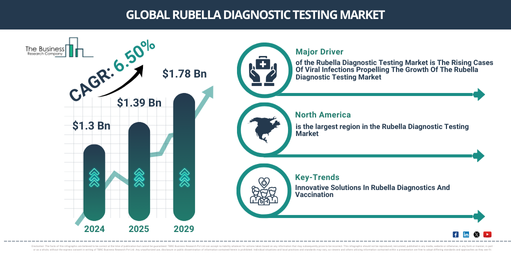
    The market for rubella diagnostic testing has seen significant growth in recent years, with projections indicating an increase from $1.3 billion in 2024 to $1.39 billion in 2025, equivalent to a compound annual growth rate (CAGR) of 6.7%. The historical growth pattern can be ascribed to factors such as an increase in vaccination programs, a spike in outbreaks preventable through immunization, the government’s drive to fight rubella, and the broadening of diagnostic testing in unconventional settings.

    There is an anticipation of robust expansion in the rubella diagnostic testing market in the forthcoming years. The market is predicted to amplify to $1.78 billion by 2029 with a compound annual growth rate of 6.5%. Several factors contribute to this projected growth during the forecast period. These encompass the upsurge in healthcare expenditure, amplified emphasis on preventive healthcare, enhanced enlightenment of vaccine-guarded diseases, extensive public health drives, and the adaption of telemedicine and remote diagnostics. Predominant trends during this forecast span are progress in diagnostic methodologies, amalgamation of technology in healthcare structures, emergence of point-of-care testing solutions, devising of unique diagnostic techniques, and progression in molecular diagnostics.

    Download a free sample to assess the report’s scope and structure:

    https://www.thebusinessresearchcompany.com/sample.aspx?id=19177&type=smp

    What Are the Primary Drivers Supporting the Market Growth of the Rubella Diagnostic Testing Market?

    The emergence of increased viral infection cases is anticipated to stimulate the expansion of the rubella diagnostic testing market. Viruses, which are minute infectious agents capable of replication only within the living cells of a host, cause viral infections. The escalation in cases of viral infections is attributed to the increase in global travel which promotes the transmission of viruses across borders, along with climate change which modifies vector habitats and expands the range of disease-bearing organisms. Rubella diagnostic testing assists in the detection and management of rubella infections at an early stage, thereby preventing complications, especially in pregnant women, and helping control outbreaks to minimize viral transmission. For example, in December 2023, the UK’s National Health Service reported an average of 234 daily hospital admissions for the flu, indicating a 53% rise from the previous week. Simultaneously, cases of norovirus in hospitals surged by 15% to an average of 406 daily, marking a 28% increase compared to the same week of the preceding year. Consequently, the escalating cases of viral infections are fueling the growth of the rubella diagnostic testing market.

    Which Primary Segments of the Rubella Diagnostic Testing Market Are Driving Growth and Industry Transformations?

    The rubella diagnostic testingmarket covered in this report is segmented –

    1) By Diagnostic Technique: Latex Agglutination; Liver Function Tests; Enzyme Immunoassay (EIA); Radioimmunoassay (Ria); Fluorescent Immunoassay (FIA); Other Diagnostic Techniques

    2) By Age Group: Neonates; Teenagers; Adults

    3) By End User: Hospitals And Clinics; Cancer Diagnostic Centers; Ambulatory Surgical Centers; Other End Users

    Subsegments:

    1) By Latex Agglutination: Qualitative Latex Agglutination Tests; Quantitative Latex Agglutination Tests; Rapid Latex Agglutination Kits

    2) By Liver Function Tests: Serum Bilirubin Tests; Alanine Aminotransferase (ALT) Tests; Aspartate Aminotransferase (AST) Tests; Alkaline Phosphatase (ALP) Tests; Other Liver Enzyme Tests

    3) By Enzyme Immunoassay (EIA): Direct EIA; Indirect EIA; Sandwich EIA; Competitive EIA

    4) By Radioimmunoassay (RIA): Standard RIA; Modified RIA; Single-Antibody RIA

    5) By Fluorescent Immunoassay (FIA): Direct FIA; Indirect FIA; Sandwich FIA

    6) Other Diagnostic Techniques: Polymerase Chain Reaction (PCR); Nucleic Acid Amplification Tests (NAAT); Microplate-Based Assays; Western Blotting

    Request customized data on this market:

    https://www.thebusinessresearchcompany.com/customise?id=19177&type=smp

    Which Regions Are Key Players in the Growth of the #What Are the Primary Drivers Supporting the Market Growth of the Rubella Diagnostic Testing Market?# Market?

    North America was the largest region in the rubella diagnostic testing market in 2024. Asia-Pacific is expected to be the fastest-growing region in the forecast period. The regions covered in the rubella diagnostic testing market report are Asia-Pacific, Western Europe, Eastern Europe, North America, South America, Middle East, Africa.

    What Are the Most Significant Market Trends in the Rubella Diagnostic Testing Market?

    Key businesses functioning in the rubella diagnostic examination market are focused on innovating solutions like a rubella virus vaccine, with the goal to augment diagnostic precision and enhance preventive procedures. The vaccine for rubella virus offers protection against rubella and is generally included in the MMR or MMRV combination vaccines to prevent the disease and its related complications. For example, Merck & Co., Inc., a pharmaceutical company from the US, was granted FDA endorsement for the intramuscular (IM) administration of their M-M-R II vaccine in March 2023. The vaccine is key in safeguarding against rubella, mumps, and measles. With this approval, medical practitioners can now administer the rubella vaccine via the IM method, aligning it with other commonly advised pediatric vaccines. The vaccination against rubella is vital to prevent outbreaks and protect from severe complications that the virus can trigger, especially in expectant mothers.

    View the full report here:

    https://www.thebusinessresearchcompany.com/report/rubella-diagnostic-testing-global-market-report

    What Parameters Are Used to Define the Rubella Diagnostic Testing Market?

    Rubella diagnostic testing refers to the methods used to detect the presence of rubella virus or antibodies in a patient’s blood to confirm if they have been infected with rubella or have immunity against it. These tests help healthcare providers diagnose rubella accurately and manage its implications, especially in vulnerable populations.

    Purchase the full report and get a swift delivery:

    https://www.thebusinessresearchcompany.com/purchaseoptions.aspx?id=19177

    About The Business Research Company:

    With over 15000+ reports from 27 industries covering 60+ geographies, The Business Research Company has built a reputation for offering comprehensive, data-rich research and insights. Armed with 1,500,000 datasets, the optimistic contribution of in-depth secondary research, and unique insights from industry leaders, you can get the information you need to stay ahead in the game.

    Get in touch with us:

    The Business Research Company: https://www.thebusinessresearchcompany.com/

    Americas +1 310-496-7795

    Europe +44 7882 955267

    Asia & Others +44 7882 955267 & +91 8897263534

    Email us at info@tbrc.info

    Follow us on:

    LinkedIn: https://in.linkedin.com/company/the-business-research-company

    YouTube: https://www.youtube.com/channel/UC24_fI0rV8cR5DxlCpgmyFQ

    Global Market Model: https://www.thebusinessresearchcompany.com/global-market-model
  • Cytokine Release Syndrome Management Market Forecast Reaching $30.48 Billion by 2029 at 6.4% CAGR

    Cytokine Release Syndrome Management Market Forecast Reaching $30.48 Billion by 2029 at 6.4% CAGR

    Claim your 30% discount on Global Market Reports with code ONLINE30. Limited time only.

    What is the Anticipated CAGR of the Cytokine Release Syndrome Management Market, and What Factors Will Drive It?

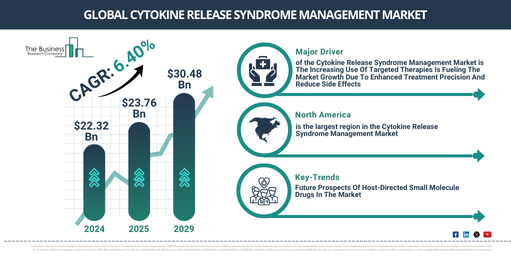
    In recent times, we’ve observed a substantial growth in the market size for cytokine release syndrome management. The expansion is projected to proceed from $22.32 billion in 2024 to $23.76 billion in 2025, boasting a compound annual growth rate (CAGR) of 6.5%. Factors contributing to the historical growth include increased healthcare spending, heightened awareness, evolving lifestyles, significant disposable income, the implementation of personalized medical tactics, and a surge in the use of targeted therapies.

    Expectations for the cytokine release syndrome management market indicate robust growth in the coming years, with projections to expand to $30.48 billion in 2029 at a compound annual growth rate (CAGR) of 6.4%. Factors contributing to this anticipated growth during the forecast period include increased demand for diagnostic tools and treatments, expanded government funding, a surge in demand for efficient therapies, an aging population, as well as initiatives introduced by both public and private organizations. Key trends expected to shape this forecast period involve the use of minimally invasive devices for breast biopsies, the formation of strategic partnerships and collaborations, the provision of antibiotic infusion services at home, the development of innovative drug delivery systems, and the incorporation of electronic health records into infection tracking systems.

    Download a free sample to assess the report’s scope and structure:

    https://www.thebusinessresearchcompany.com/sample.aspx?id=24199&type=smp

    Which Major Market Drivers Are Expected to Boost the Growth Potential of the Cytokine Release Syndrome Management Market?

    The escalating adoption of targeted therapies is projected to spur the expansion of the cytokine release syndrome management market. Targeted therapies refer to drugs or treatments that uniquely obstruct the proliferation and expansion of cancer by tampering with specific molecular targets engaged in tumor development. The accelerated use of these therapies is chiefly due to their ability to meticulously aim at cancer cells, thereby mitigating damage to healthy cells, enhancing the efficacy of treatment, and lessening side effects of conventional therapies. The management of cytokine release syndrome is integral in refining targeted therapies by suppressing severe inflammatory responses, thereby boosting the safety and efficacy of treatments such as CAR-T cell therapy and immune checkpoint inhibitors. For example, in January 2024, the American Society of Gene and Cell Therapy, a US-based gene and cell therapy organization, reported a 10% rise in the number of gene therapies in Phase III clinical trials during the fourth quarter of 2023, indicating the first quarterly increase of this sort since the third quarter of 2022. Consequently, the burgeoning usage of targeted therapies contributes to the growth of the cytokine release syndrome management market.

    Which Key Market Segments Comprise the Cytokine Release Syndrome Management Market and Drive Its Revenue Growth?

    The cytokine release syndrome managementmarket covered in this report is segmented –

    1) By Treatment Type: Monoclonal Antibodies; Corticosteroids; Intravenous Immunoglobulin (IVIG); Targeted Therapy; Supportive Care; Other Treatment Types

    2) By Indication: Chimeric Antigen Receptor (CAR) T-Cell Therapy; Immune Checkpoint Inhibitors; Hematopoietic Stem Cell Transplantation (HSCT); Autoimmune Diseases; Infections; Other Indications

    3) By Route Of Administration: Intravenous (IV); Subcutaneous (SC); Oral; Intramuscular (IM); Intrathecal; Other Routes Of Administration

    4) By End Users: Hospital Pharmacies; Retail Pharmacies; Online Pharmacies; Specialty Clinics; Research Institutions; Other End Users

    Subsegments:

    1) By Monoclonal Antibodies: Tocilizumab; Siltuximab; Infliximab; Rituximab; Other Monoclonal Antibodies

    2) By Corticosteroids: Dexamethasone; Prednisone; Methylprednisolone; Hydrocortisone; Other Corticosteroids

    3) By Intravenous Immunoglobulin (IVIG): Immunoglobulin G (IgG)-Based Intravenous Immunoglobulin; Immunoglobulin A (IgA)-Based Intravenous Immunoglobulin; Immunoglobulin M (IgM)-Based Intravenous Immunoglobulin; Polyvalent Intravenous Immunoglobulin; Other Types of Intravenous Immunoglobulin

    4) By Targeted Therapy: Janus Kinase (JAK) Inhibitors; Interleukin-6 (IL-6) Inhibitors; Tumor Necrosis Factor-Alpha (TNF-α) Inhibitors; Bruton’s Tyrosine Kinase (BTK) Inhibitors; Other Targeted Agents

    5) By Supportive Care: Antipyretic Medications; Analgesic Medications; Intravenous Fluids And Electrolyte Solutions; Oxygen Therapy; Vasopressor Agents

    6) By Other Treatment Types: Plasmapheresis (Therapeutic Plasma Exchange); Antihistamine Medications; Leukapheresis; Experimental Therapies; Nutritional Support

    Request customized data on this market:

    https://www.thebusinessresearchcompany.com/customise?id=24199&type=smp

    Which Areas Are Leading Regions in the Cytokine Release Syndrome Management Market Expansion Across the Globe?

    North America was the largest region in the cytokine release syndrome management market in 2024. Asia-Pacific is expected to be the fastest-growing region in the forecast period. The regions covered in the cytokine release syndrome management market report are Asia-Pacific, Western Europe, Eastern Europe, North America, South America, Middle East, Africa.

    What Are the Key Market Trends in theCytokine Release Syndrome Management Market Over the Coming Years?

    Leading corporations in the cytokine release syndrome management market are intensifying their efforts in clinical trials in order to create advanced treatments, such as host-directed minor molecule medications, designed to alter immune responses and minimize the harsh effects of cytokine storms, without hindering the body’s capacity to combat infections or cancer. A small molecule drug, host-directed, is a compound with a low molecular mass that aims at the host’s immune signaling routes to check uncontrollable cytokine creation, thereby contributing to the management of cytokine release syndrome (CRS) by stopping the over-activation of the immune system. For example, CytoAgents Inc., a biotechnology firm based in the U.S., declared in April 2025, the successful conclusion of the first dosage increment cohort in its Phase 1b/2a clinical trial of CTO1681. This is a host-directed small molecule medication created to prevent and cure CRS in patients receiving CAR T-cell therapy. The trial therapy displayed a positive safety record, with no dose-limiting toxicities or disturbance to the CAR T-cell potency. This trial, which uses a rolling six dose-increase design, is being executed to assess the safety, acceptability, and initial effectiveness of CTO1681, as well as to determine the suggested dose for phase 2.

    View the full report here:

    https://www.thebusinessresearchcompany.com/report/cytokine-release-syndrome-management-global-market-report

    How Is the Cytokine Release Syndrome Management Market Conceptually Defined?

    Cytokine release syndrome (CRS) management involves medical strategies to control the excessive immune response caused by an overproduction of cytokines, often seen in conditions such as CAR-T cell therapy or certain infections. It includes the use of medications such as corticosteroids and cytokine inhibitors, supportive care, and sometimes intensive monitoring to prevent severe complications. This management is crucial in reducing the risk of severe organ damage and improving patient outcomes.

    Purchase the full report and get a swift delivery:

    https://www.thebusinessresearchcompany.com/purchaseoptions.aspx?id=24199

    About The Business Research Company:

    With over 15000+ reports from 27 industries covering 60+ geographies, The Business Research Company has built a reputation for offering comprehensive, data-rich research and insights. Armed with 1,500,000 datasets, the optimistic contribution of in-depth secondary research, and unique insights from industry leaders, you can get the information you need to stay ahead in the game.

    Get in touch with us:

    The Business Research Company: https://www.thebusinessresearchcompany.com/

    Americas +1 310-496-7795

    Europe +44 7882 955267

    Asia & Others +44 7882 955267 & +91 8897263534

    Email us at info@tbrc.info

    Follow us on:

    LinkedIn: https://in.linkedin.com/company/the-business-research-company

    YouTube: https://www.youtube.com/channel/UC24_fI0rV8cR5DxlCpgmyFQ

    Global Market Model: https://www.thebusinessresearchcompany.com/global-market-model